End-of-season sports awards serve purposes extending far beyond distributing trophies and certificates. They create formal acknowledgment that athletic participation matters—that coaches and programs notice effort, improvement, leadership, and character alongside competitive results. They provide closure marking season transitions while celebrating collective and individual achievements. They strengthen team culture by publicly recognizing values and behaviors programs want to encourage. And they create memorable moments athletes carry forward, often displaying awards prominently in bedrooms years after playing days end.
However, many athletic programs struggle with award selection, caught between competing priorities: recognizing exceptional achievement without creating exclusive systems where only top athletes receive acknowledgment, celebrating diverse contribution types beyond statistical performance, maintaining award significance while avoiding participation trophy perceptions, balancing subjective qualities like leadership with objective statistical measures, and creating inclusive ceremonies where every athlete feels valued regardless of playing time or competitive outcomes.
The solution lies not in eliminating competitive awards or ensuring identical recognition for all participants, but rather in designing comprehensive award systems with multiple categories celebrating different achievement dimensions. Programs implementing diverse award portfolios create recognition opportunities for athletes across skill levels while maintaining special distinction for exceptional performers in traditional categories.
Traditional Achievement-Based Sports Awards
Every recognition program needs foundational awards honoring top performers and exceptional athletic achievement. These categories provide clear competitive recognition while establishing standards of excellence programs value.
Most Valuable Player (MVP)
The Most Valuable Player award remains the most prestigious recognition in team sports, acknowledging the athlete whose overall contributions—statistical production, leadership, competitive performance, and team impact—most significantly influenced team success. Selection typically considers both quantifiable performance metrics and subjective leadership qualities, creating comprehensive evaluation of athlete value.
Selection Considerations: Statistics and competitive performance results, impact on team wins and critical game outcomes, leadership and influence on teammate performance, consistency and reliability throughout the season, and performance in high-pressure competitive situations. Many programs involve team voting alongside coaching evaluation to ensure selection reflects both peer respect and coach assessment.
Presentation Tips: Frame MVP recognition within context of seasonal achievements, highlight specific games or moments exemplifying the athlete’s impact, acknowledge leadership qualities alongside statistical accomplishments, and consider separate MVP awards for offense and defense in applicable sports.
Most Improved Player
Most Improved recognition celebrates growth and development, acknowledging athletes who demonstrated the greatest skill advancement from season start to finish. This award particularly motivates younger athletes and those who began seasons with less experience, showing that effort and dedication produce tangible results regardless of starting skill level.
Selection Considerations: Measurable skill improvement documented through testing or statistics, increased playing time earned through development, enhanced competitive performance compared to early season, growth in tactical understanding and game intelligence, and transformation in confidence and competitive composure. The key is documenting actual improvement rather than simply rewarding athletes who started at lower levels.
Why It Matters: Most Improved awards reinforce growth mindset principles, demonstrating that current skill levels don’t determine potential and that consistent effort produces measurable advancement. Athletes who receive this recognition often become future team leaders, having learned through personal experience that dedication drives improvement.
Coaches’ Award
The Coaches’ Award provides flexibility for recognizing athletes who may not fit traditional category criteria but exemplify qualities coaches most value. This award typically honors dedication, work ethic, coachability, practice effort, and teammate support—qualities essential to program success but not always visible in statistics or competitive outcomes.
Selection Considerations: Consistent practice effort and preparation quality, positive attitude and coachability, support and encouragement of teammates, embodiment of program values and culture, and willingness to accept any role needed for team success. This award often recognizes athletes who sacrificed personal statistics for team benefit or who maintained exceptional attitudes despite limited playing time.
Character and Leadership Recognition
Character-based awards acknowledge qualities beyond athletic performance that contribute to team culture and individual development. These categories celebrate behaviors and attitudes programs want to encourage.
Captain’s Leadership Award
Beyond official team captaincy, this award recognizes athletes who demonstrated exceptional leadership qualities—guiding teammates, modeling desired behaviors, maintaining positive attitudes during challenges, and contributing to team cohesion.
Leadership Dimensions: Vocal leadership and effective communication, leadership by example and modeling excellence, ability to motivate and encourage teammates, conflict resolution and team cohesion, and responsibility for team culture and accountability.
Sportsmanship Award
Sportsmanship recognition celebrates athletes who consistently demonstrated respect for opponents, officials, teammates, and the game itself. This award honors those who competed with integrity, controlled emotions appropriately, supported opponents after competitions, and represented programs with dignity regardless of competitive outcomes.
Selection Criteria: Respect for officials and acceptance of decisions, gracious behavior toward opponents during and after competition, emotional control during challenging situations, positive representation of the program in all settings, and fair play even when rules might be bent without detection.
Many programs connect sportsmanship recognition to conference or league awards, with school selections advancing to broader recognition. Planning thoughtful award ceremonies that highlight these character qualities reinforces their importance within program culture.
Heart and Hustle Award
This award recognizes athletes who brought maximum effort and intensity to every practice and competition, regardless of circumstances, playing time, or personal recognition. It celebrates work ethic, competitive desire, and consistent effort—qualities controllable by all athletes regardless of natural talent.
Characteristics: Maximum effort in all situations regardless of score or playing time, intensity and focus during practices and conditioning, willingness to do difficult tasks others avoid, competitive desire and refusal to concede, and consistent energy and enthusiasm uplifting teammates.
Best Teammate Award
Peer-selected recognition acknowledging the athlete teammates most valued playing alongside. This award typically honors those who supported others, maintained positive attitudes, contributed to team chemistry, celebrated teammates’ successes genuinely, and made the team experience more enjoyable for everyone.
Skill-Specific and Statistical Recognition
Sports with measurable statistics enable awards recognizing specific skill excellence and statistical achievement. These objective categories complement subjective awards, providing clear performance-based recognition.
Position-Specific Excellence Awards
Recognizing excellence in specialized positions acknowledges skills unique to different roles:
Examples by Sport:
- Basketball: Top Scorer, Best Defender, Assist Leader, Rebound Leader, Three-Point Champion
- Football: Offensive MVP, Defensive MVP, Special Teams Player of the Year, Top Tackler, Leading Receiver
- Soccer: Golden Boot (top scorer), Golden Glove (best goalkeeper), Assist Leader, Defensive Player of Year
- Baseball/Softball: Batting Champion, Earned Run Average Leader, Gold Glove (fielding excellence), Home Run Leader
- Track & Field: Event champions by discipline, school record breakers, most improved times/distances
- Swimming: Stroke specialists, relay anchors, most valuable relay contributor, points leader
Statistical Achievement Recognition
Beyond traditional MVPs, statistical leaders across multiple categories deserve acknowledgment:
Common Categories: Points/goals scored leader, defensive statistics leader (tackles, blocks, steals), efficiency metrics (shooting percentage, on-base percentage), consistency awards for sustained statistical performance, and breakthrough achievement recognition for significant statistical milestones.
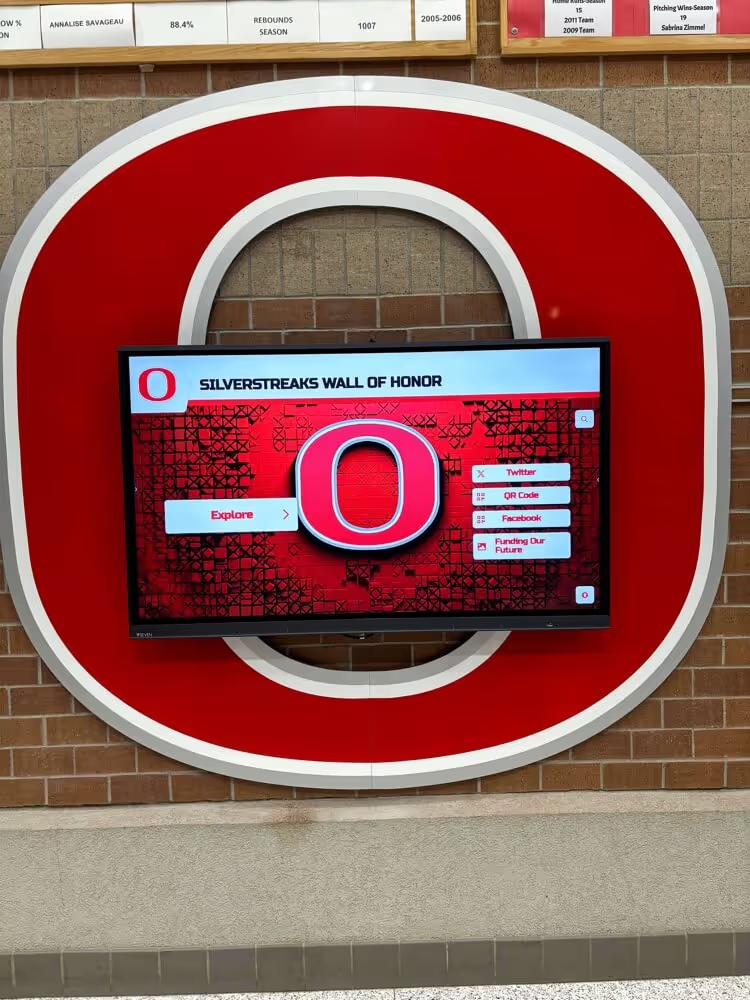
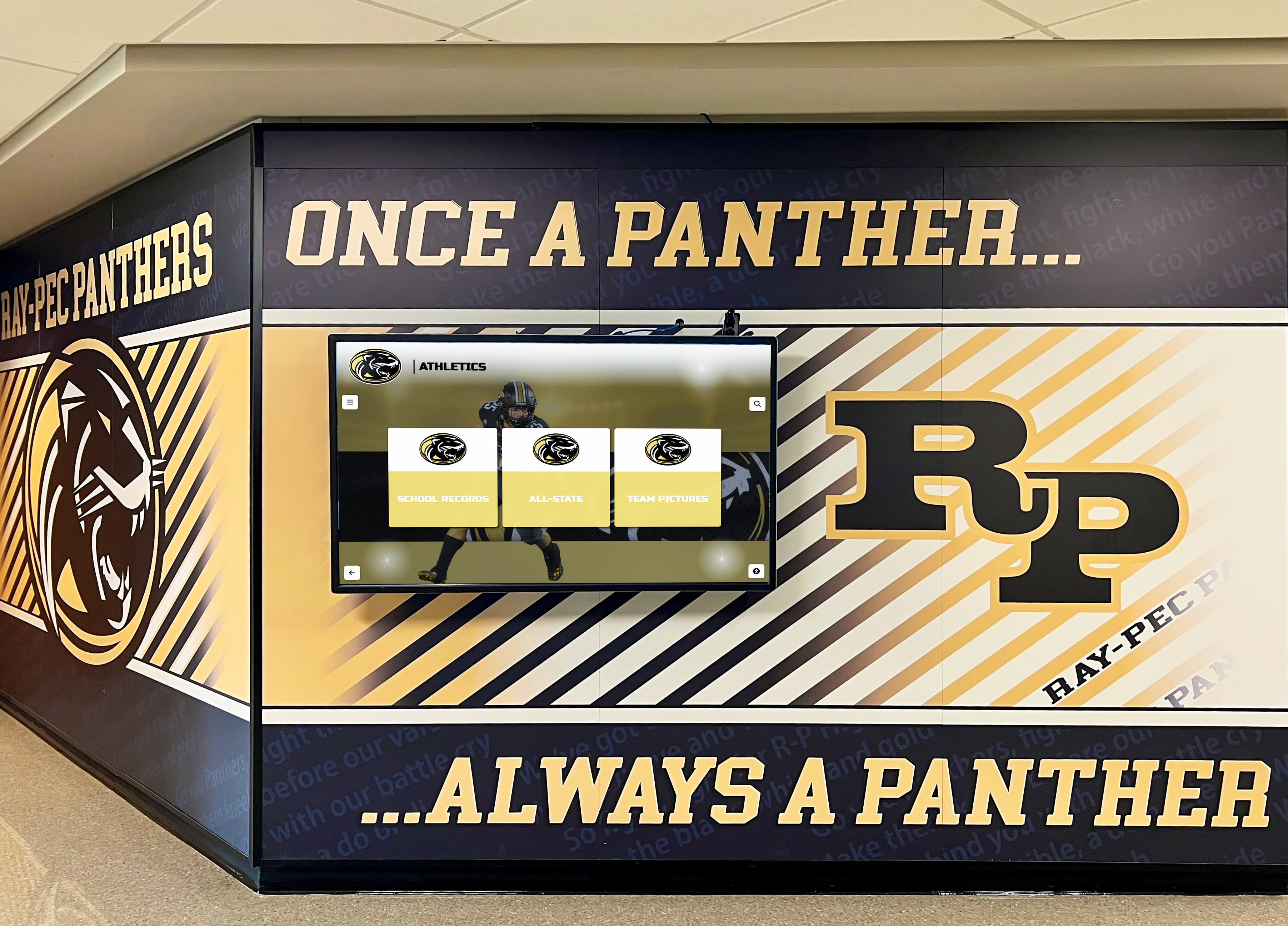
Programs increasingly create digital record boards displaying statistical leaders alongside historical records, providing year-round recognition of top performers while motivating future athletes to pursue record-breaking achievements.
Academic All-Conference/All-American Recognition
Athletic programs should prominently celebrate academic excellence alongside athletic achievement, recognizing athletes who maintained high academic standards while meeting demanding training and competition schedules. Many conferences and national organizations provide academic all-conference recognition for athletes meeting GPA thresholds, typically 3.5 or higher.
Academic Awards: Highest team GPA, academic all-conference recognition, scholar-athlete awards for combined athletic and academic excellence, and graduation recognition for senior athletes continuing to collegiate athletics or distinguished universities.
Creative and Fun Recognition Categories
Beyond serious competitive and character recognition, incorporating creative and humorous awards adds entertainment value to ceremonies while ensuring all athletes receive acknowledgment. These categories should celebrate personality and memorable moments without mocking or embarrassing participants.
Personality and Spirit Awards
Best Team Spirit: The athlete who brought most enthusiasm and energy to team activities Best Celebration: Recognizing creative or enthusiastic goal/score celebrations Best Pregame Ritual: Acknowledging unique preparation routines that became team traditions Team Spark Plug: The athlete whose energy and enthusiasm consistently elevated team morale Best Team Hype Person: The athlete who most effectively got teammates excited and motivated
Memorable Moment Recognition
Clutch Performer: The athlete who delivered best performances in highest-pressure situations Comeback Player: Recognizing athletes who overcame injuries or significant adversity Most Memorable Play: Celebrating the season’s single most remarkable athletic moment Unsung Hero: Acknowledging crucial contributions that statistics don’t capture Iron Person: Recognizing durability and availability throughout demanding seasons
Position and Role-Based Fun Awards
Defensive Enforcer: The player opposing teams least wanted to face Offensive Weapon: The player opposing teams had most difficulty containing Sixth Player Award: Recognizing the most valuable non-starter Practice All-Star: The athlete who consistently brought maximum effort to practices Team Comedian: Light-hearted recognition for maintaining positive atmosphere (ensure this honors rather than mocks)
Senior Recognition and Legacy Awards
Senior athletes deserve special recognition acknowledging their complete body of work and program contributions across multiple seasons. Senior-specific awards create meaningful transitions as athletes conclude their careers while honoring their legacy within program history.
Career Achievement Recognition
Four-Year Letter Winner: Recognizing athletes who earned varsity letters all four years Career Statistical Leaders: Acknowledging all-time program records in various categories Career Games/Competitions: Honoring participation longevity and commitment Program Milestone Achievements: Recognizing significant career accomplishments like 1,000 points scored or 100 career victories
Many programs create dedicated senior night celebrations featuring special recognition displays, speeches, and presentations that honor departing athletes’ contributions and celebrate their journey within the program.
Legacy and Impact Awards
Program Builder Award: Recognizing seniors who significantly elevated program culture or competitive level Future Hall of Fame Recognition: Identifying senior athletes who will receive future hall of fame consideration Mentor Award: Acknowledging seniors who effectively guided younger athletes Program Ambassador: Recognizing seniors who best represented programs in broader community
Senior Superlatives
Create fun senior-specific superlatives celebrating personality and memorable characteristics:
- Most Likely to Become Professional Athlete
- Most Likely to Coach This Sport Someday
- Hardest Worker
- Best Team Leader
- Most Memorable Personality
- Best Sense of Humor
- Most Dedicated
- Biggest Impact on Program Culture
Modern Digital Recognition Solutions
While traditional trophies and certificates remain meaningful, modern athletic programs increasingly complement physical awards with digital recognition systems providing year-round visibility and engagement opportunities that paper certificates and shelved trophies cannot match.
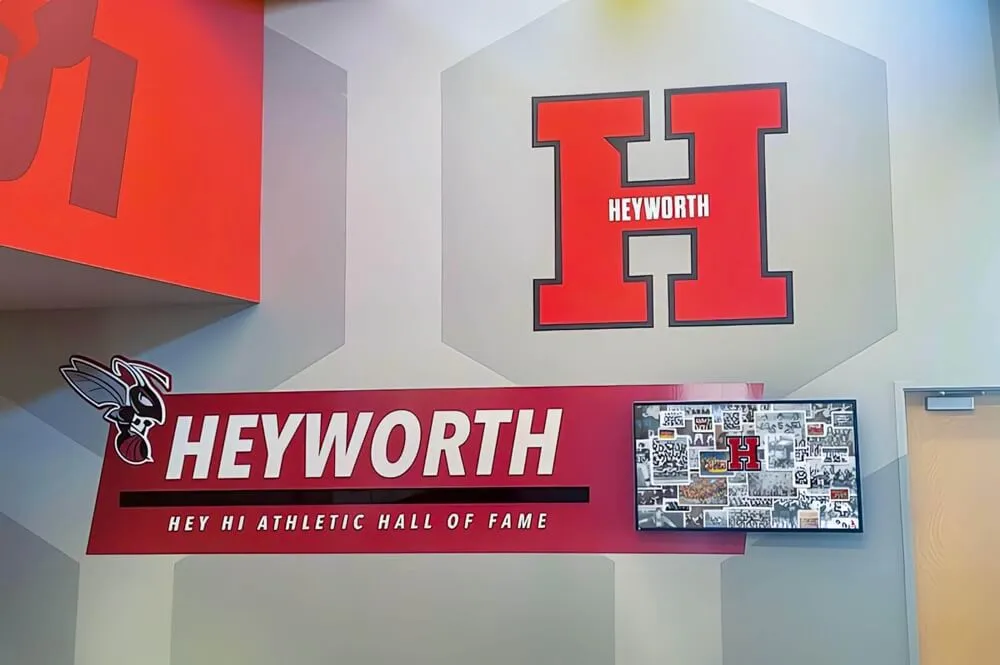
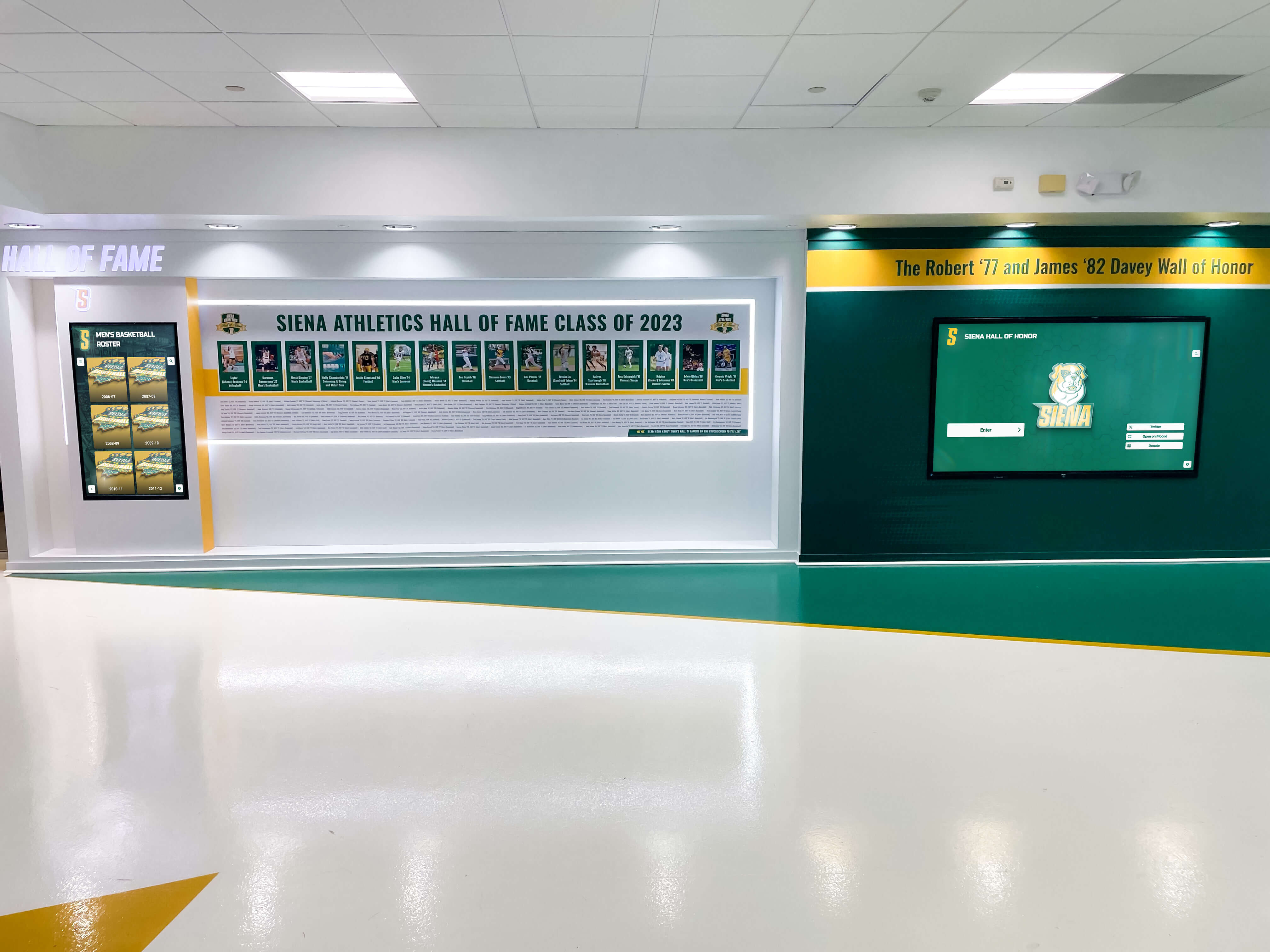
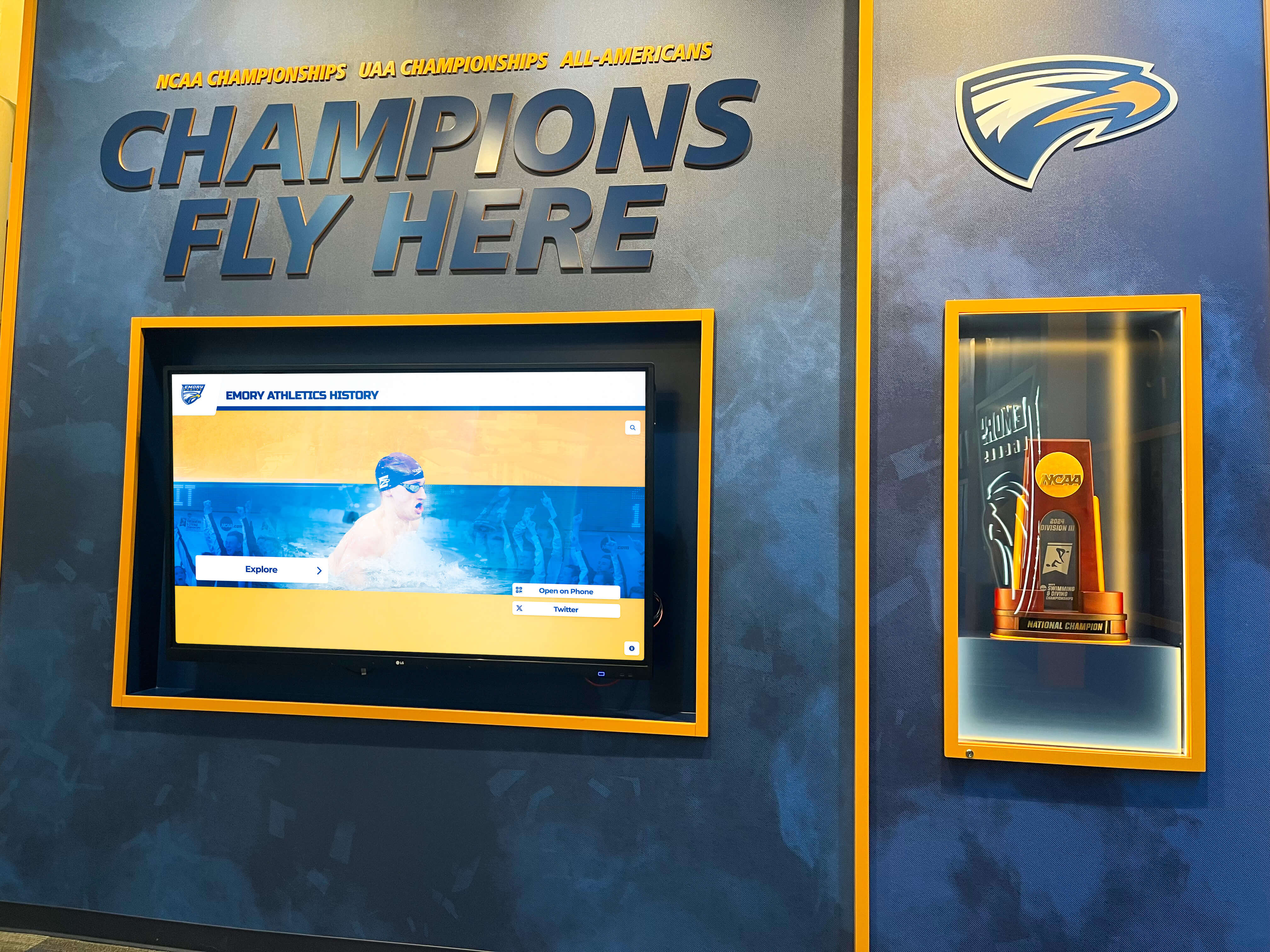
Digital Halls of Fame and Recognition Displays
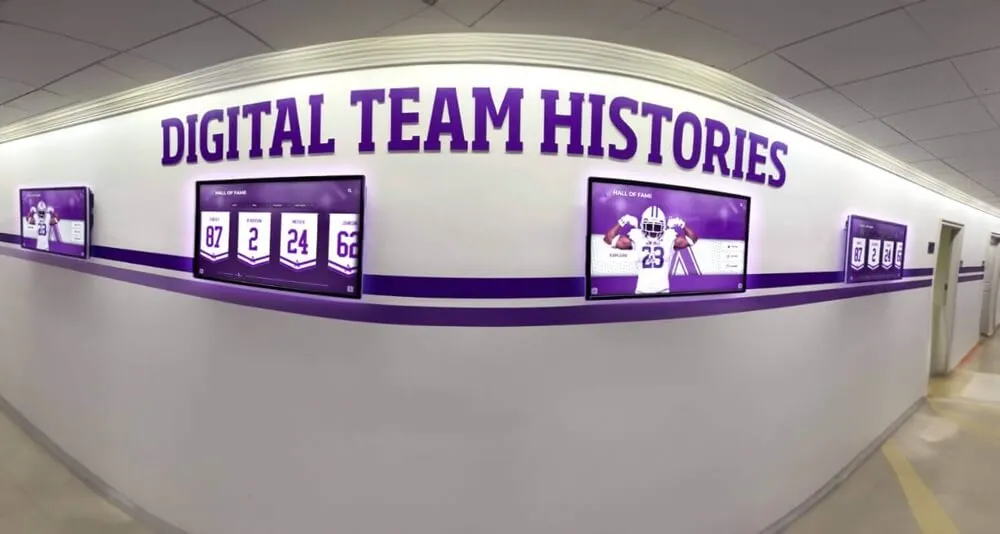
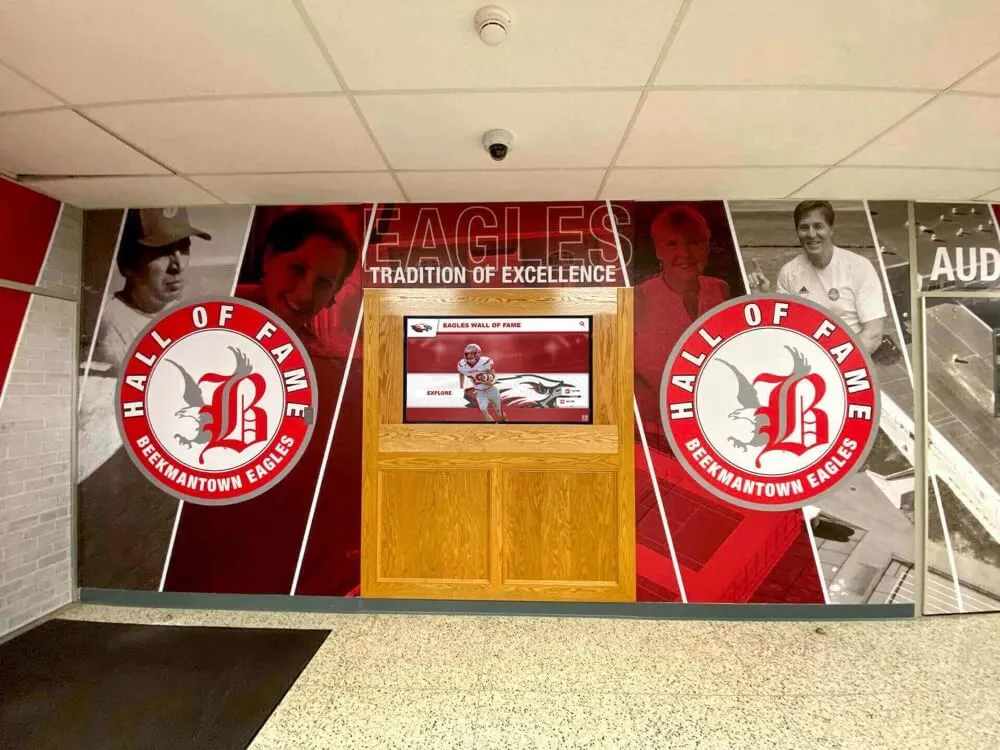
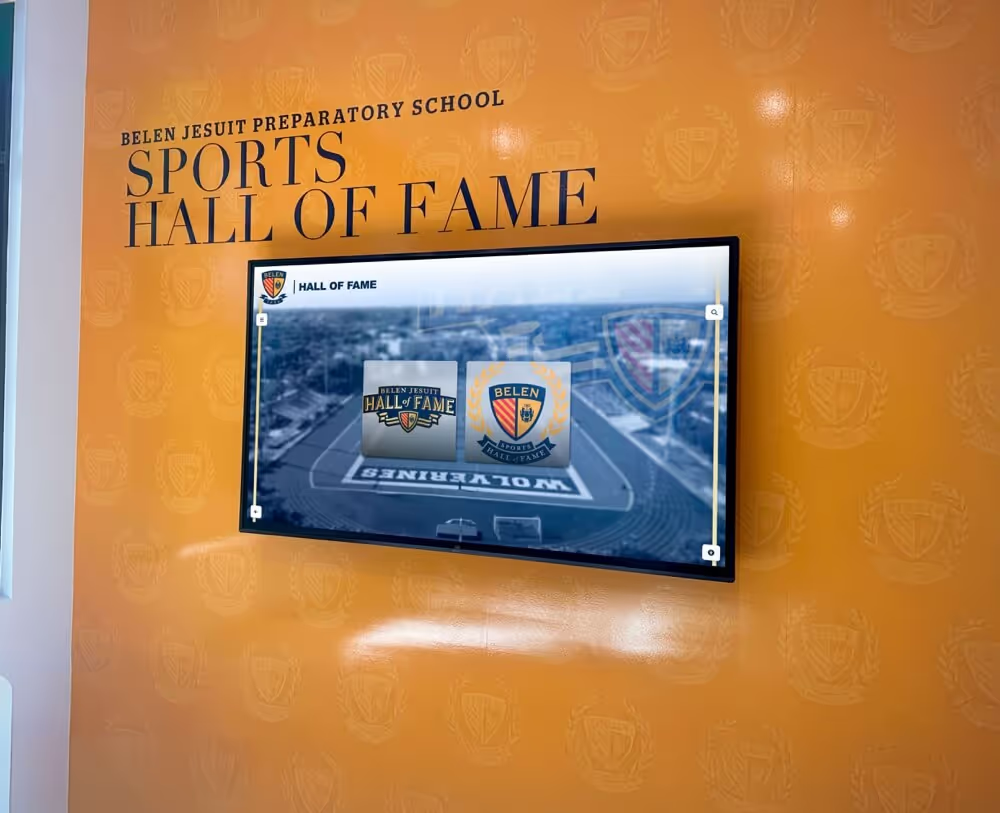
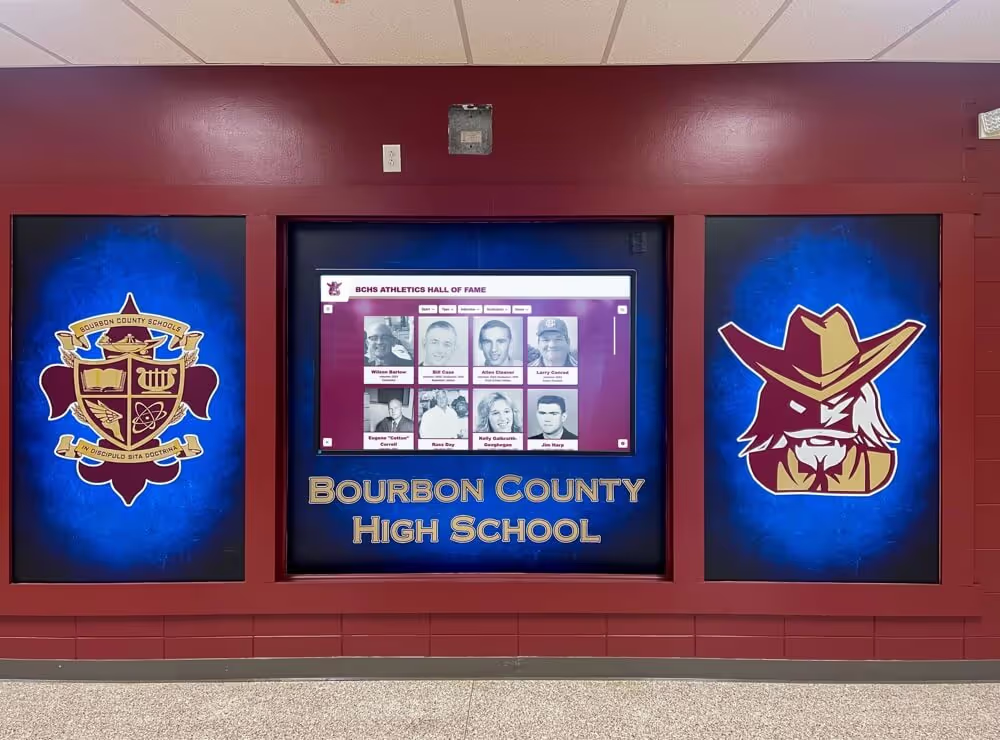
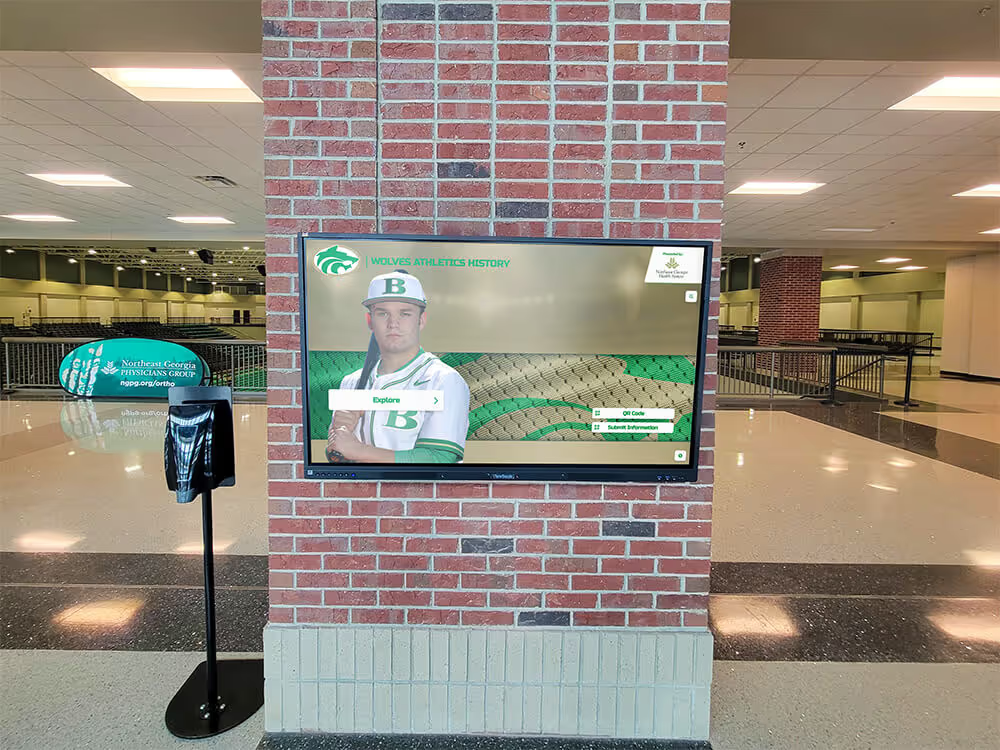
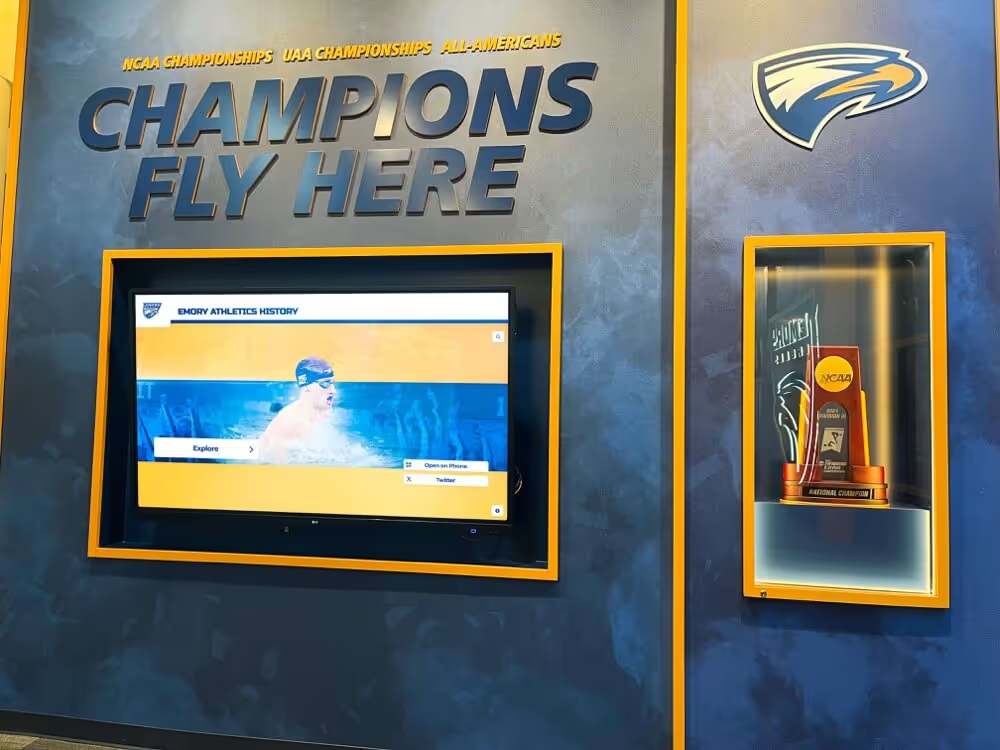
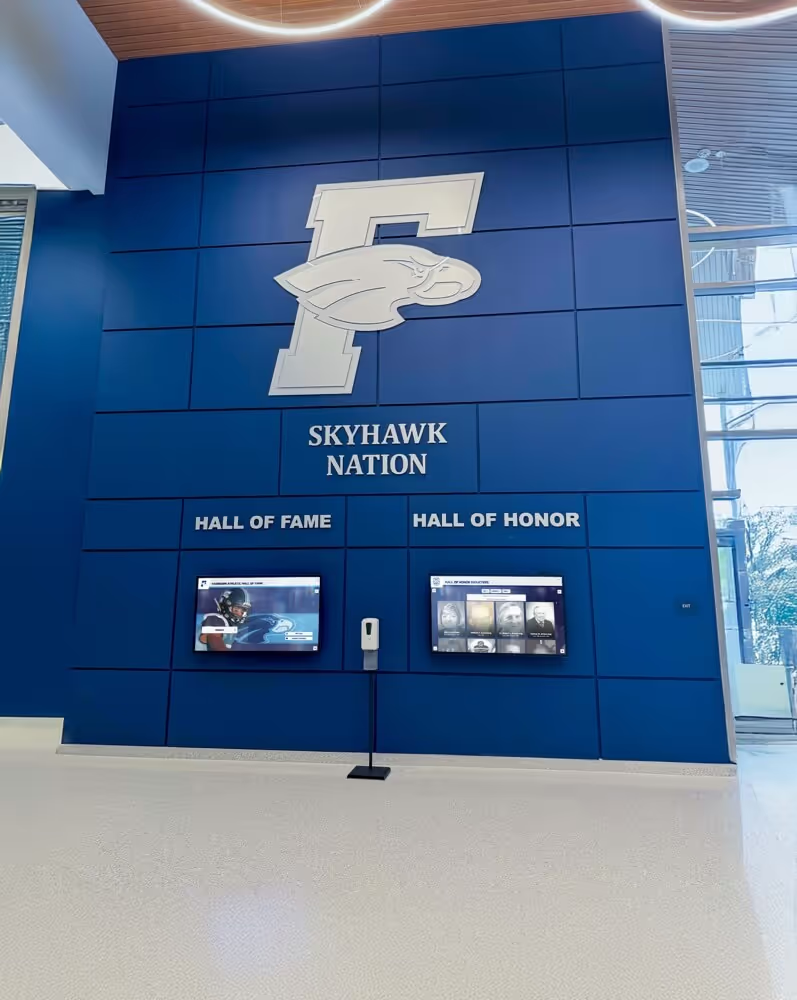
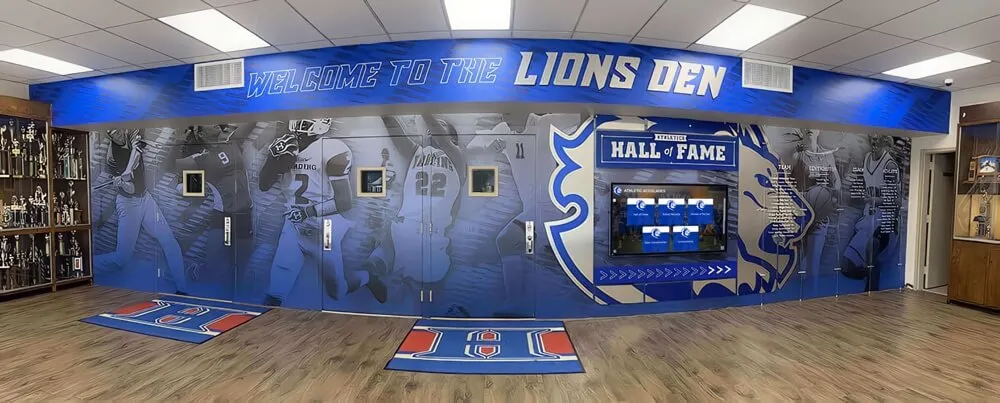
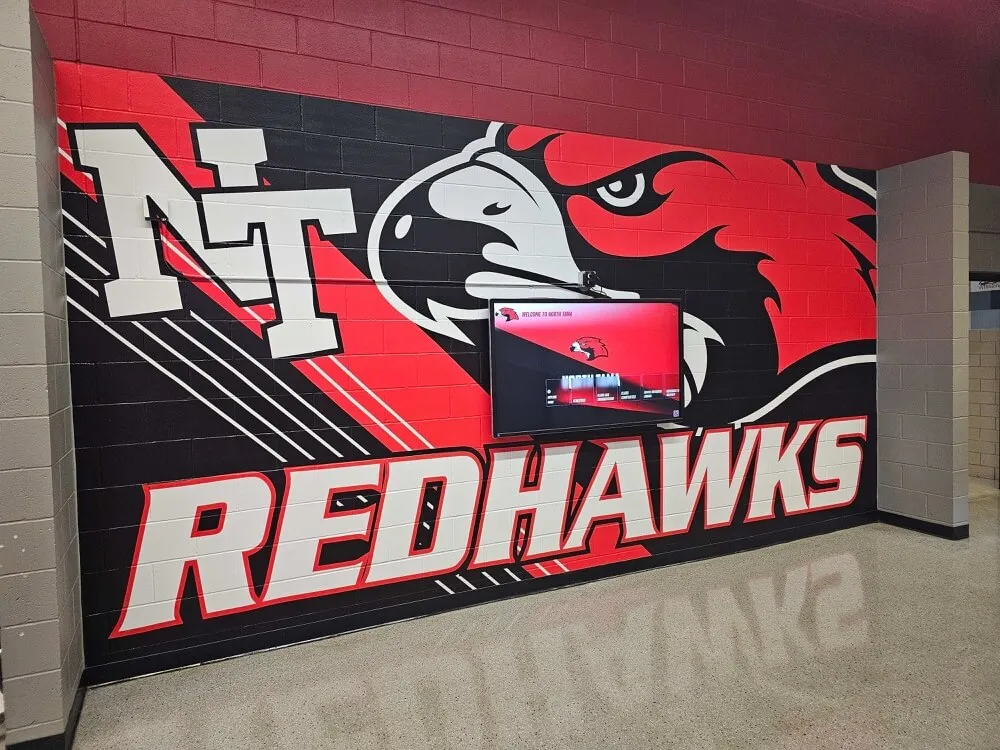
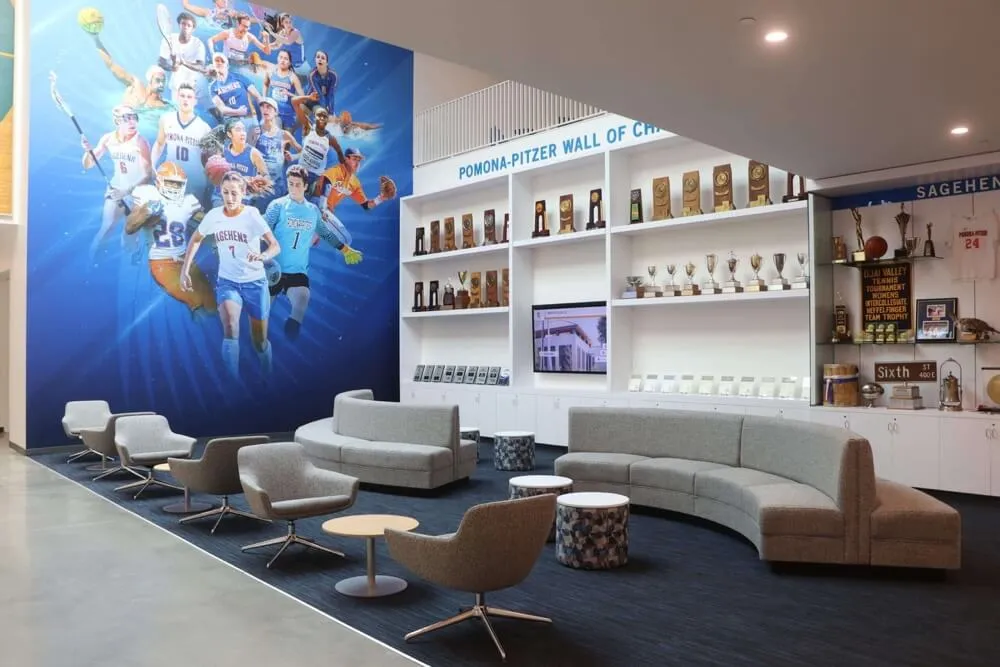
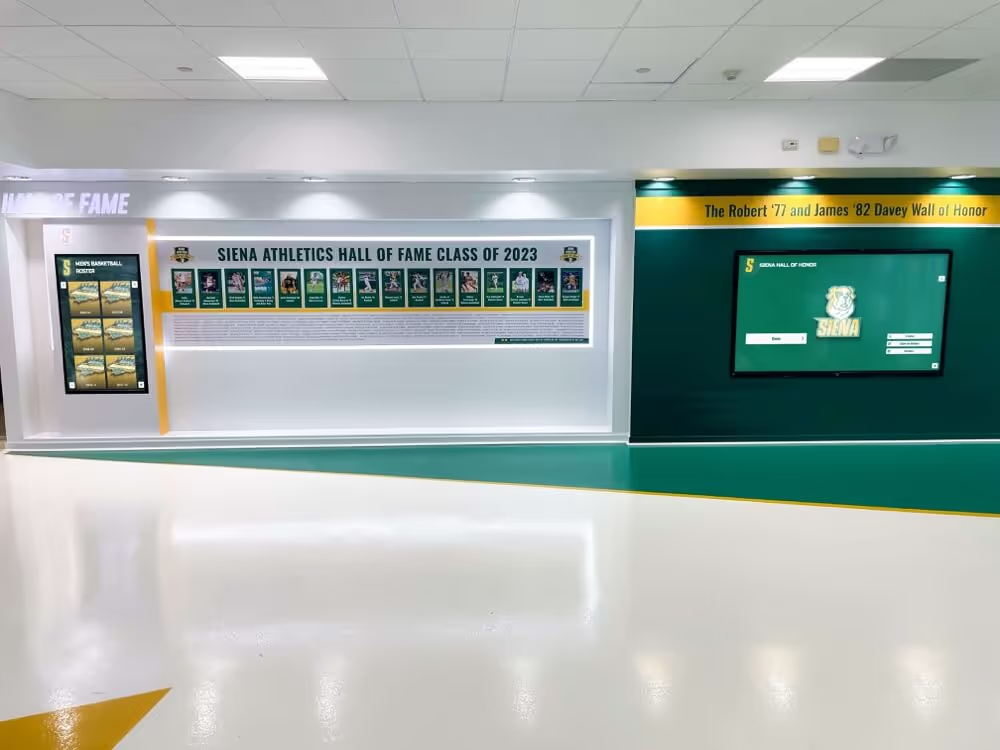
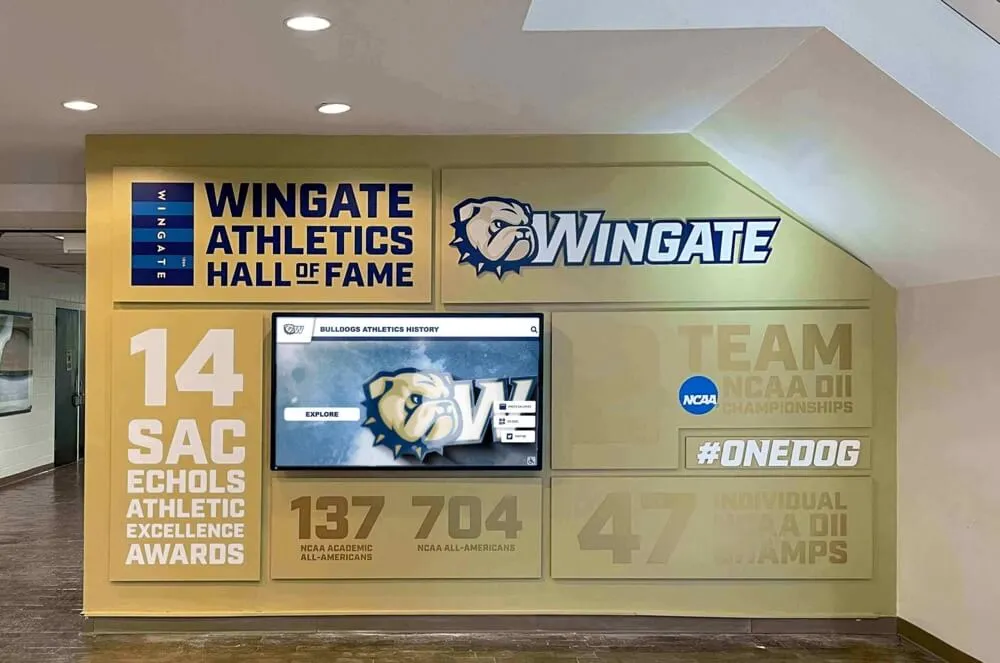
Forward-thinking programs implement digital recognition displays in gymnasiums, athletic facilities, and school lobbies featuring:
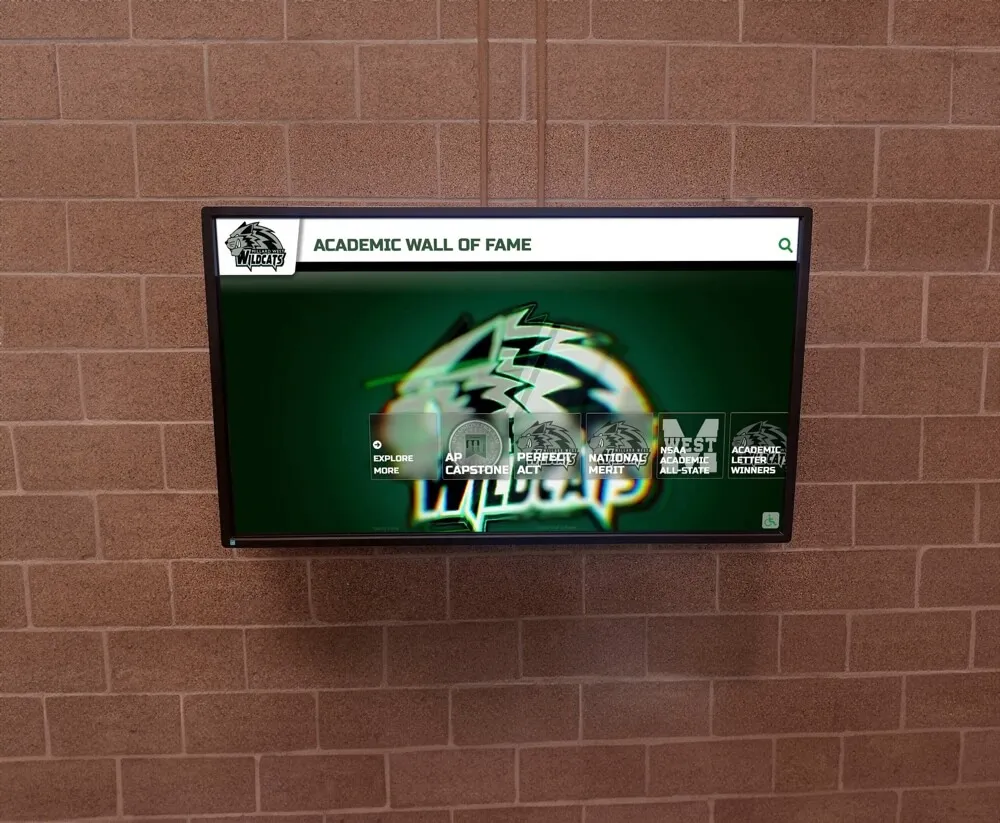
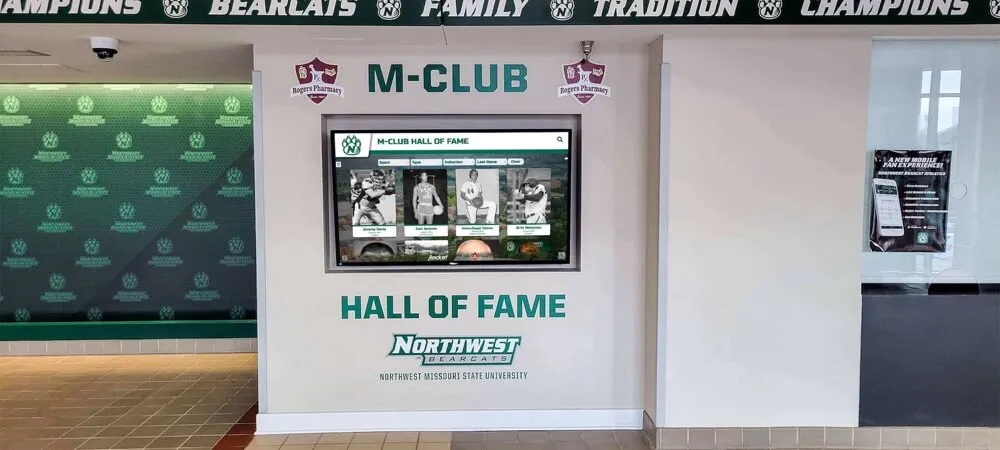
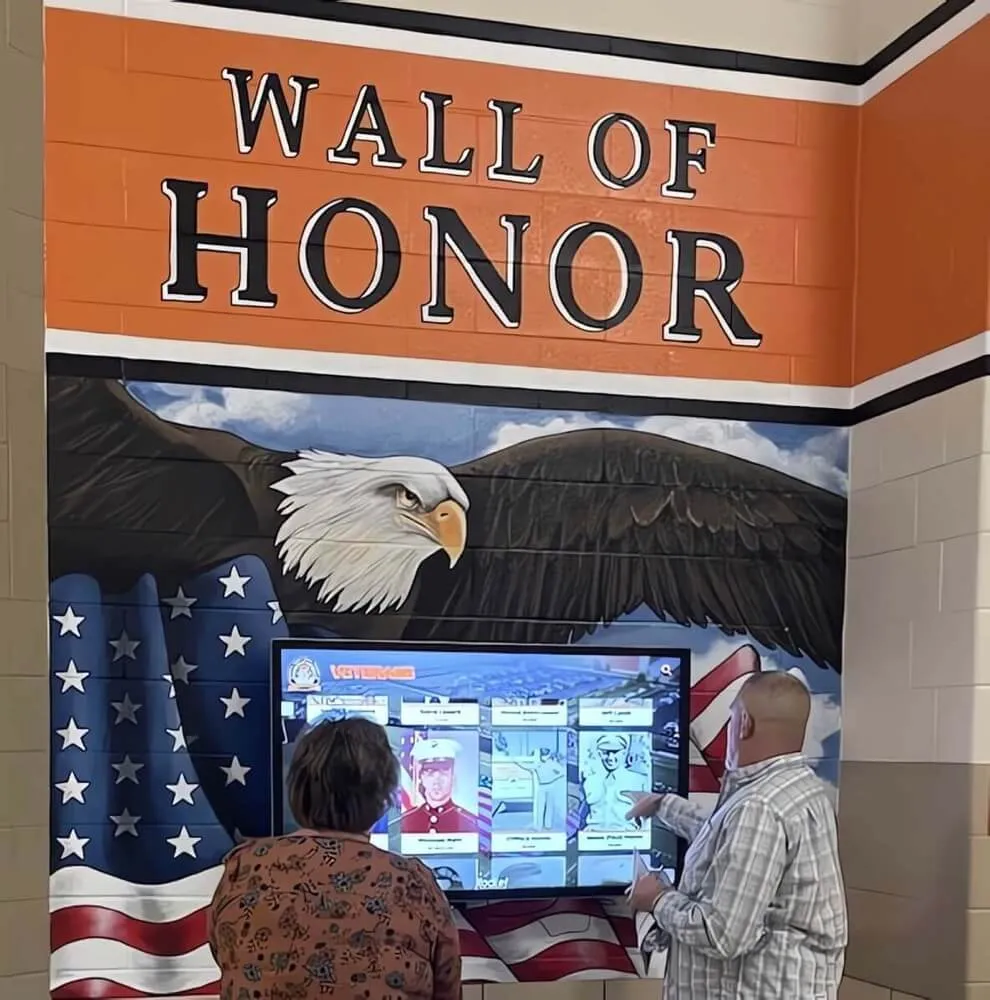
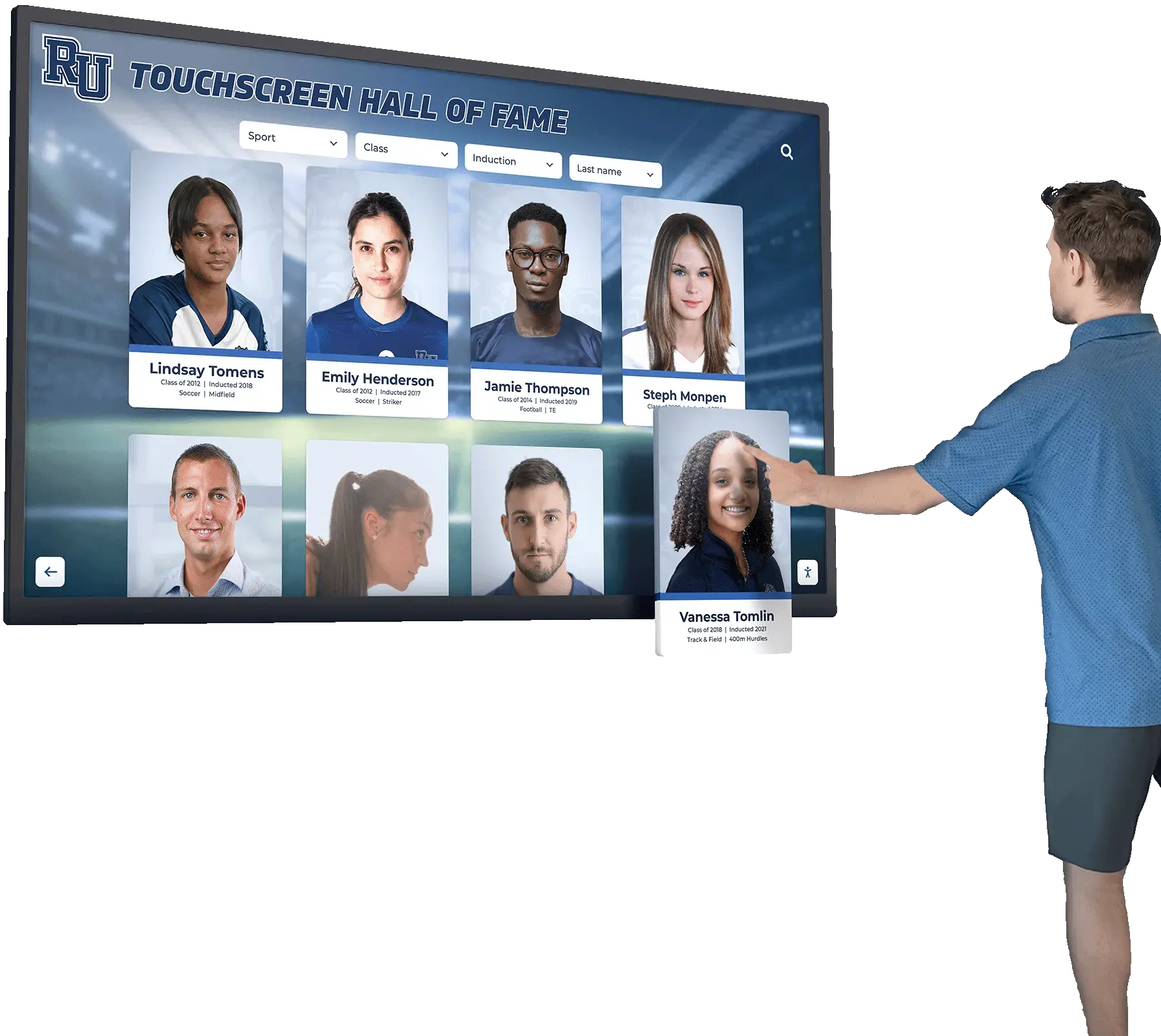
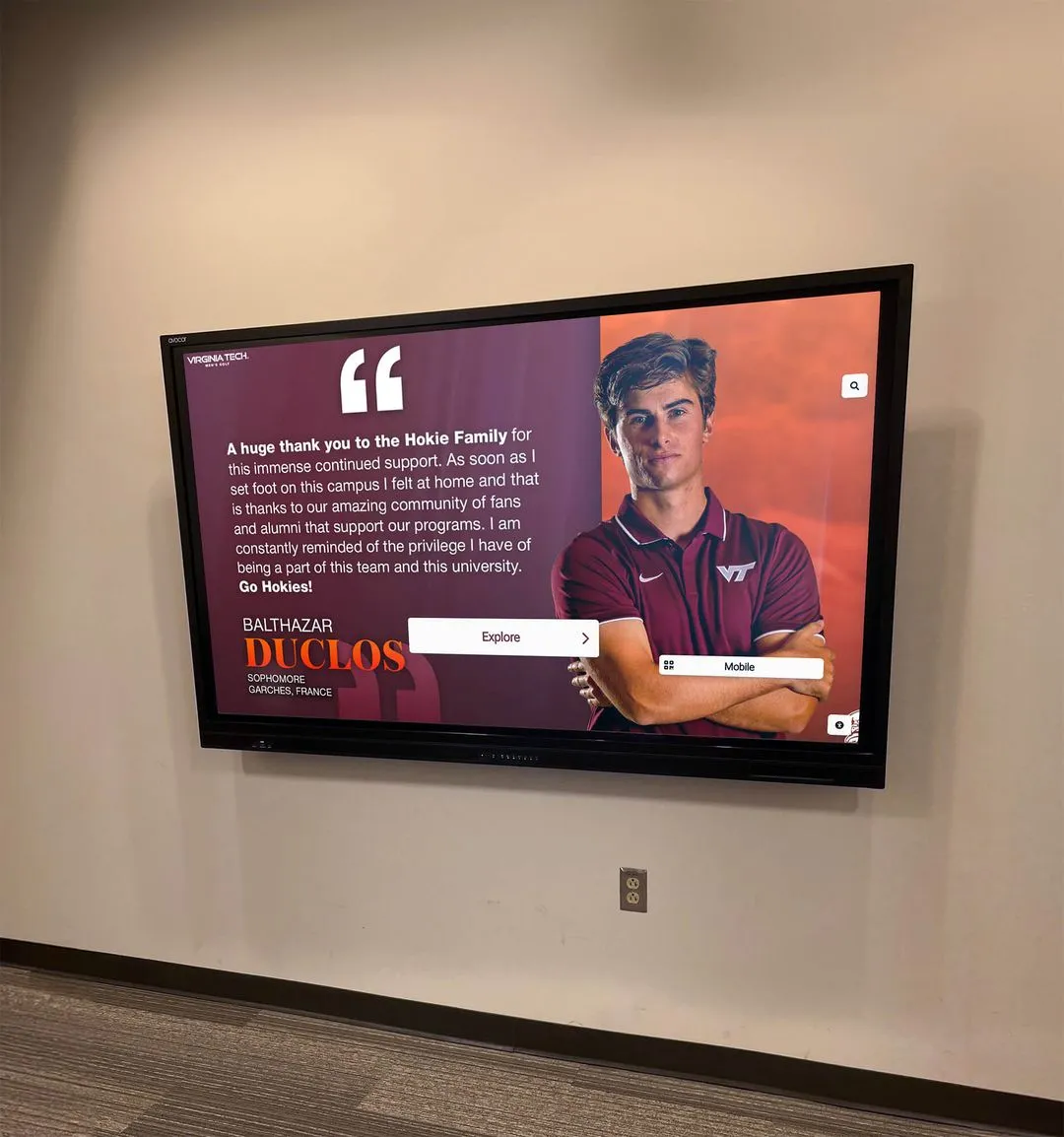
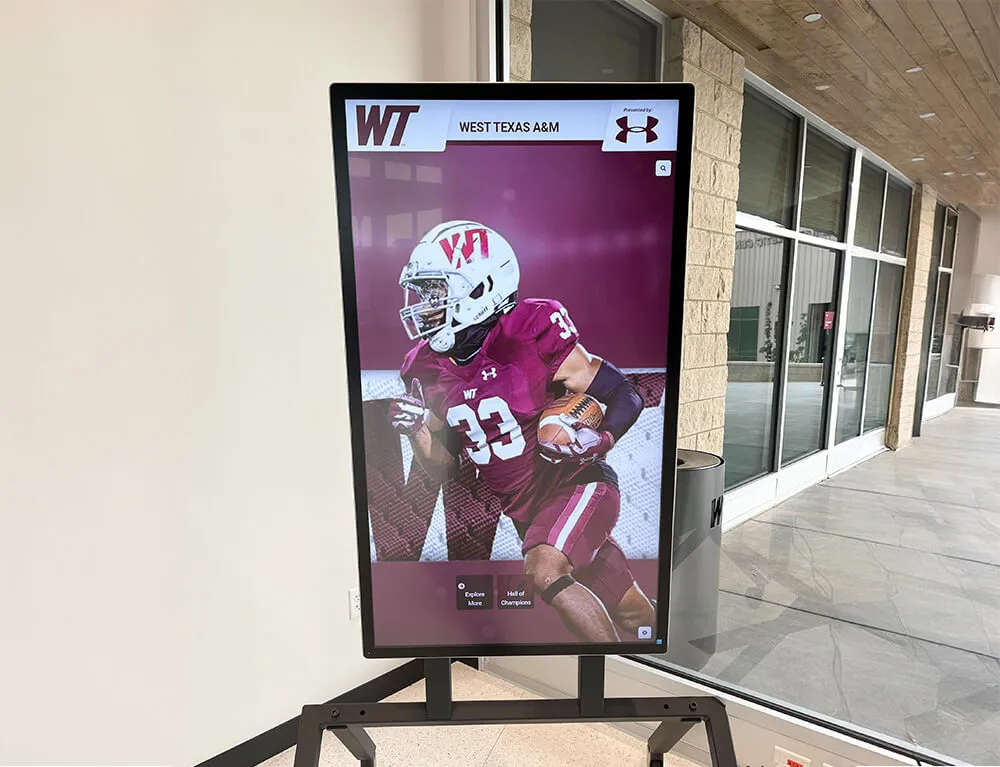
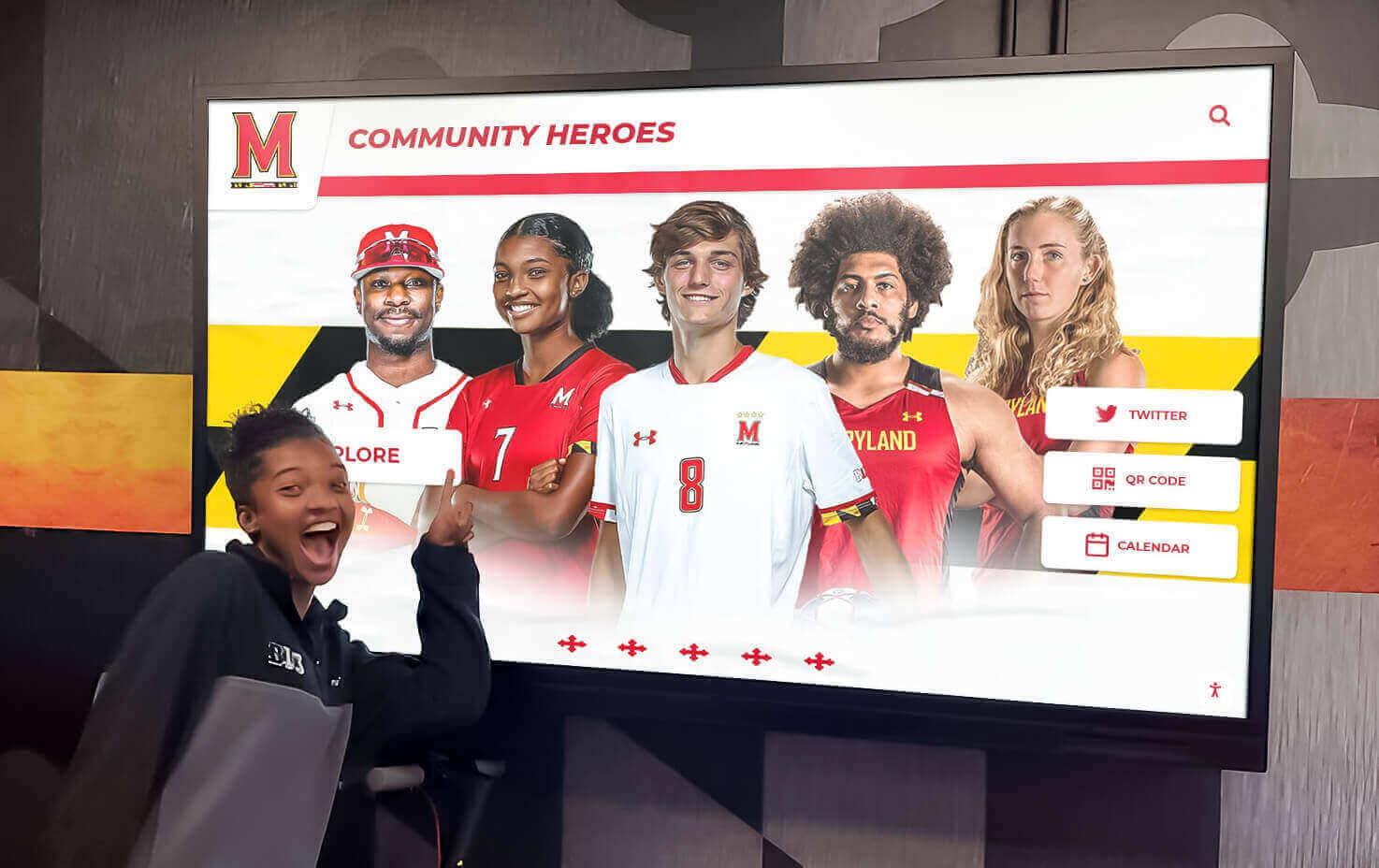
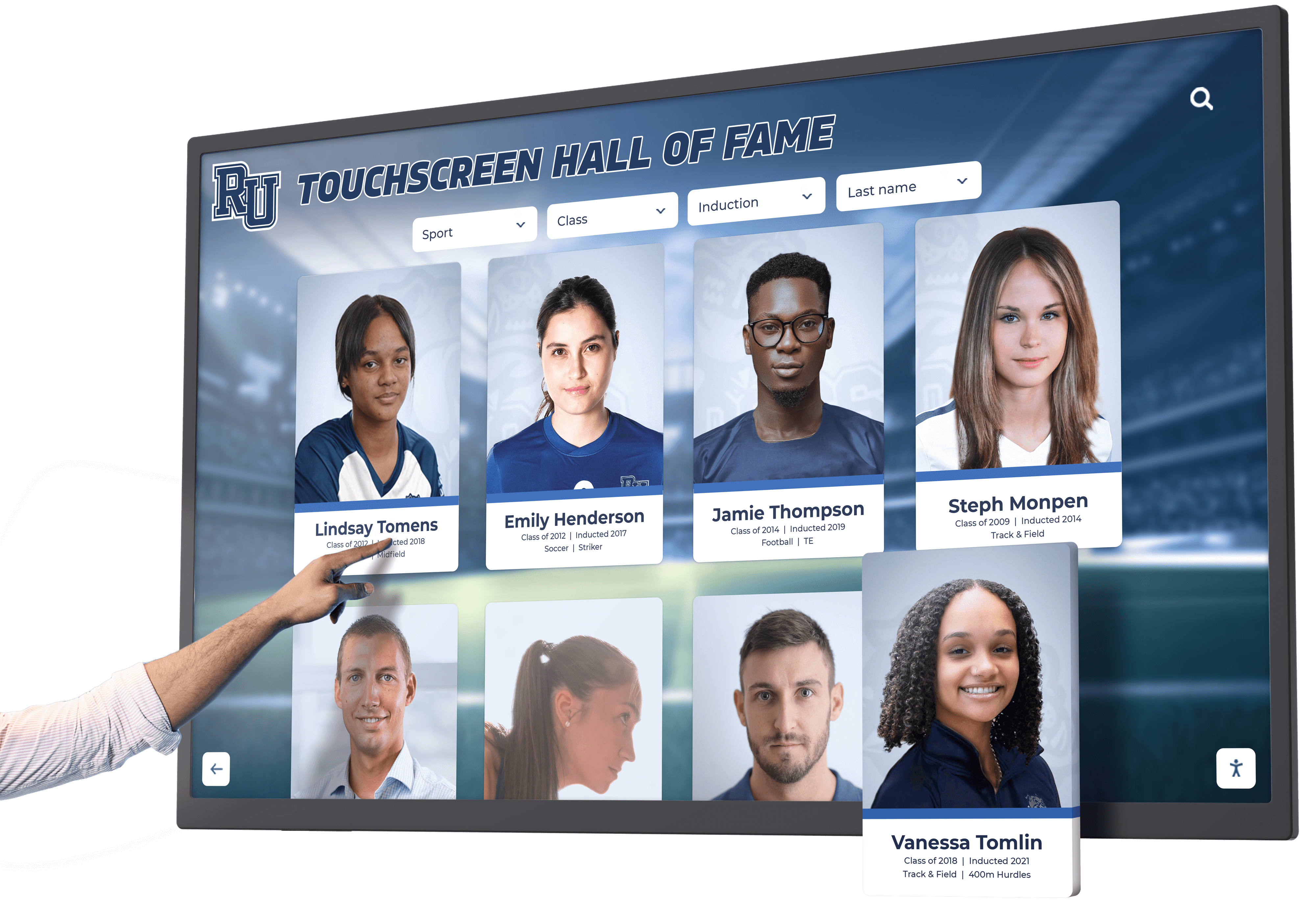
Interactive Touchscreens: Allow visitors to explore award winner profiles, view photos and videos, access statistics and achievements, read athlete biographies and stories, and browse program history across multiple seasons. These systems transform static trophy cases into engaging experiences showcasing program excellence.
Rotating Digital Displays: Continuously showcase current season award winners, historical achievements, and program milestones without requiring physical space expansion as programs add recognition over time.
Searchable Databases: Enable alumni, families, and community members to locate specific athletes, explore award history across decades, and discover program traditions and achievements through intuitive interfaces accessible to all visitors.
Benefits of Digital Award Recognition
Permanent Accessibility: Unlike paper certificates that deteriorate or trophies that gather dust in storage, digital recognition remains permanently accessible with full searchability allowing athletes and families to locate specific achievements years or decades later.
Enhanced Engagement: Digital displays attract significantly more attention than static plaques. Interactive elements encourage visitors to explore program history, creating longer engagement times and deeper connections to athletic traditions.
Easy Updates: Adding new award winners requires simple digital updates rather than costly physical engraving or new plaque purchases. Programs can recognize current season achievements immediately rather than waiting months for traditional engraving.
Multimedia Capabilities: Digital systems incorporate photos, videos, statistics, and narratives that traditional plaques cannot accommodate, creating richer and more meaningful recognition experiences.
Space Efficiency: Schools with limited physical space can recognize unlimited athletes digitally without the space constraints traditional trophy cases impose. Programs can celebrate comprehensive achievement across all sports and decades without physical expansion.
Many athletic programs implementing digital recognition solutions report increased community engagement, enhanced program pride, improved recruitment advantages as prospective athletes see program traditions prominently displayed, and stronger alumni connections as former athletes rediscover their achievements through accessible digital systems.
Solutions like Rocket Alumni Solutions provide comprehensive platforms specifically designed for athletic recognition, combining interactive touchscreen displays with cloud-based management systems allowing athletic directors and coaches to easily update recognition content throughout seasons.
Planning Effective Sports Banquets and Award Ceremonies
The presentation context significantly impacts how athletes experience recognition. Well-planned ceremonies create memorable experiences while poorly executed events diminish award significance regardless of thoughtful category selection.
Ceremony Structure and Flow
Effective Format: Begin with team highlights and season recap, recognize team-wide achievements and milestones, present statistical and skill-specific awards, acknowledge character and leadership recognition, celebrate senior athletes with extended tributes, conclude with major awards (MVP, coaches’ awards) as culminating recognition.
Timing Considerations: Limit total ceremony length to 90-120 minutes maximum to maintain engagement. Allocate appropriate time ensuring each award recipient receives meaningful acknowledgment without rushing presentations or creating excessive length that loses audience attention.
Venue Selection: Choose settings accommodating all attendees comfortably with adequate seating, clear sightlines, and appropriate acoustics. School lobbies with digital displays provide natural venues connecting recognition ceremonies to permanent recognition installations.
Presentation Best Practices
Contextualize Each Award: Don’t simply announce names and hand trophies. Briefly explain what each award recognizes, share specific examples or statistics demonstrating why recipients earned recognition, and highlight moments or qualities that made athletes deserving of acknowledgment.
Include Personal Touches: Coaches’ brief personal comments about each award recipient add meaning beyond generic certificates. Share specific memories, acknowledge growth or special contributions, and express genuine appreciation for each athlete’s unique impact.
Involve Multiple Voices: Rather than single coaches presenting all awards, incorporate assistant coaches, captains, and special guests in presentations. Peer-presented awards like Best Teammate gain additional significance when teammates explain why recipients earned recognition.
Visual Elements: Display photos of award recipients and season highlights during presentations. Show statistics or performance clips when relevant. Create visual interest maintaining audience engagement throughout ceremonies.
Complementary Recognition Programs
Beyond formal banquets, implement year-round recognition maintaining visibility throughout and between seasons:
Player of the Week/Game Recognition: Regularly acknowledge outstanding individual performances during seasons through student athlete spotlights and social media features.
Social Media Highlights: Share athlete achievements, records, and milestones through consistent social media recognition creating ongoing visibility beyond single ceremony events.
Lobby Recognition Updates: Update hallway displays and digital recognition systems throughout seasons as athletes achieve milestones, ensuring recognition happens in real-time rather than waiting months for banquets.
Newsletter and Website Features: Profile award winners and outstanding performers through school communications reaching broader audiences than ceremony attendees alone.
Sport-Specific Award Ideas
Different sports create opportunities for specialized recognition categories reflecting unique aspects of each athletic discipline.
Football Award Categories
- Offensive and Defensive MVPs
- Offensive and Defensive Linemen of the Year
- Special Teams Player of the Year
- Top Tackler
- Most Receptions/Receiving Yards
- Most Rushing Yards
- Most Passing Yards/Touchdowns
- Most Interceptions
- Most Sacks
- Hardest Hitter (celebrate legal, hard-nosed play)
- Iron Man (for players excelling on both offense and defense)
Programs can showcase these achievements through football-specific recognition displays highlighting statistical leaders and award winners alongside program history.
Basketball Award Categories
- Team MVP
- Defensive Player of the Year
- Leading Scorer
- Assist Leader
- Rebound Leader
- Three-Point Champion
- Free Throw Percentage Leader
- Sixth Player Award
- Most Improved Player
- Hustle Award
- Best Court Vision
Soccer Award Categories
- Golden Boot (top scorer)
- Golden Glove (best goalkeeper)
- Assist Leader
- Defensive Player of the Year
- Midfielder of the Year
- Best First Touch
- Most Valuable Defender
- Set Piece Specialist
- Team Playmaker
Baseball/Softball Award Categories
- Batting Champion (highest average)
- Home Run Leader
- RBI Leader
- Stolen Base Leader
- Pitcher of the Year
- Earned Run Average Leader
- Strikeout Leader
- Gold Glove (fielding excellence by position)
- Clutch Performer
- Best Utility Player
Track and Field Award Categories
- Event Champions (by specific events)
- Most Versatile Athlete (excelling in multiple disciplines)
- School Record Breakers
- Most Improved Times/Distances
- Most Valuable Relay Member
- Distance Runner of the Year
- Sprinter of the Year
- Throws Champion
- Jumps Champion
- Points Leader (for team scoring across meets)
Swimming and Diving Award Categories
- Stroke Specialists (by stroke type)
- Most Valuable Swimmer
- Most Improved Times
- Relay Anchor Award
- Points Leader
- School Record Breakers
- Iron Swimmer (most versatile across events)
- Diving Champion
- Sprint Champion
- Distance Champion
Wrestling Award Categories
Many wrestling programs create specialized recognition systems acknowledging the unique individual nature of the sport alongside team contributions.
- Most Wins
- Highest Win Percentage
- Most Pins
- Most Technical Falls
- Takedown Leader
- Escape/Reversal Leader
- Most Improved Record
- Mental Toughness Award
- Weight Class Champion
- Team Points Leader
Implementing Inclusive Recognition Systems
Creating recognition systems that celebrate diverse achievements while maintaining competitive award significance requires thoughtful design balancing multiple priorities.
Ensuring Every Athlete Receives Recognition
Participation Acknowledgment: All athletes who completed seasons deserve baseline recognition—certificates, letters, or team photos acknowledging their contribution and commitment regardless of competitive achievement or playing time.
Category Diversity: Implement sufficient award categories ensuring athletes across skill levels, positions, and roles have realistic opportunities for recognition beyond participation certificates. Include competitive awards, character recognition, statistical leaders, role-specific acknowledgments, and creative categories celebrating memorable moments and personality.
Team Awards: Complement individual recognition with team achievement celebration. Acknowledge overall records, championship or playoff achievements, team statistical accomplishments, and improvement from previous seasons. This creates shared recognition all team members contributed toward.
Maintaining Award Significance
Clear Criteria: Establish and communicate explicit criteria for major awards. When athletes understand what MVPs, leadership awards, or statistical recognition require, awards maintain credibility reflecting genuine achievement rather than appearing arbitrary.
Limited Major Award Winners: Resist pressure to expand top awards to include multiple recipients. Single MVPs or coaches’ award winners maintain greater significance than shared recognition among multiple athletes. Create additional award categories for other deserving athletes rather than diluting premier recognition.
Selection Transparency: While detailed selection processes need not be publicized, athletes should understand general principles guiding decisions. When feasible, incorporate objective metrics alongside coach evaluation, and consider peer voting for certain categories.
Avoiding Common Recognition Pitfalls
Participation Trophy Concerns: Address this by maintaining hierarchical recognition—baseline participation acknowledgment for all, mid-level competitive and character awards for solid contributors, and premier recognition reserved for exceptional achievement. This structure celebrates all athletes appropriately without diminishing top performer recognition.
Favoritism Perceptions: Establish consistent, explicit criteria reducing subjectivity where possible. Document award selection reasoning. Involve multiple evaluators (assistant coaches, team voting) for major awards. Rotate creative award categories annually to provide different athletes with recognition opportunities across years.
Overlooking Developmental Programs: Junior varsity and freshman programs deserve recognition structures paralleling varsity systems. Implement similar award categories appropriate for developmental levels, creating recognition experiences for athletes not yet competing at varsity levels.
Conclusion: Recognition That Builds Program Culture
End-of-season sports awards represent far more than ceremony obligations or trophy distribution. When implemented thoughtfully, recognition programs strengthen team culture by visibly celebrating values and achievements programs prioritize, motivate continued athlete development by acknowledging growth and effort alongside competitive results, create memorable moments athletes carry forward throughout their lives, enhance program pride and community engagement through visible celebration of excellence, and build traditions connecting current athletes to program history and alumni achievements.
The most effective recognition systems balance competitive achievement acknowledgment with character celebration, implement diverse categories creating opportunities for athletes across skill levels, maintain clear criteria and selection transparency preserving award significance, and leverage both traditional and modern recognition formats maximizing visibility and engagement.
As athletic programs evolve recognition approaches, combining meaningful ceremony experiences with year-round digital visibility through solutions like Rocket Alumni Solutions creates comprehensive systems ensuring athlete achievements receive the prominent, lasting recognition they deserve. Programs investing in thoughtful recognition design reap benefits through enhanced team culture, improved athlete retention, stronger community support, and traditions athletes proudly remember long after competitive careers conclude.
Whether you’re planning your first awards banquet or refining long-established recognition traditions, the goal remains consistent: create meaningful acknowledgment that celebrates genuine achievement, reflects program values, and leaves every athlete feeling their contribution mattered. When recognition succeeds in these dimensions, award ceremonies transform from obligatory season conclusions into highlight experiences strengthening everything athletic programs aspire to build.