



Sport end of year awards represent the culminating celebration of an athletic season—moments when coaches, teammates, families, and communities gather to honor the dedication, achievement, and character that student-athletes demonstrated throughout the year. Research from the National Federation of State High School Associations indicates that 55% of high school students participate in sports, with properly designed recognition programs contributing to increased retention rates and higher team morale in subsequent seasons.
Yet many athletic programs rely on the same handful of traditional awards year after year—MVP, Most Improved, Coaches Award—missing opportunities to recognize diverse contributions that make teams successful. This comprehensive guide explores everything athletic directors, coaches, and booster clubs need to know about creating meaningful sport end of year awards programs, from understanding why diverse recognition matters to implementing 20 creative award ideas and leveraging digital displays that modernize how schools celebrate athletic achievement.
Why Sport End of Year Awards Matter
Athletic recognition programs accomplish far more than simply distributing trophies. When thoughtfully designed and authentically delivered, sport end of year awards strengthen team culture, motivate continued excellence, validate effort, and create lasting memories that student-athletes carry throughout their lives.
Building Team Culture and Identity
Awards ceremonies provide formal opportunities to articulate and reinforce team values. When coaches present recognition that celebrates not just scoring statistics but also teamwork, leadership, character, and work ethic, they communicate what truly matters within program culture. Athletes who see peers honored for diverse contributions understand that success extends beyond individual statistics—that every role contributes value and deserves acknowledgment.
Athletic programs that implement comprehensive recognition systems report stronger team cohesion and reduced behavioral issues. Students who feel valued as integral team members develop deeper commitment to programs and teammates, creating positive cultures that persist across seasons and roster changes.
Motivating Current and Future Athletes
Recognition validates effort while creating aspirational goals for younger athletes. Freshman and sophomore students attending awards banquets see concrete examples of achievement within reach—seniors who earned letters, juniors who demonstrated leadership, sophomores who improved dramatically over a season. This visible recognition creates roadmaps showing what dedication produces.
Programs that publicly celebrate achievement typically see increased participation in subsequent years. Students who might have questioned whether to continue sports often recommit when they see friends recognized and understand their own pathways to similar acknowledgment.
Documenting Achievement and Program History
Sport end of year awards create permanent records documenting individual accomplishment and team success. Award winners become part of program history—names recorded in archives, displayed on recognition walls, and remembered by future generations of athletes who strive to join their ranks.
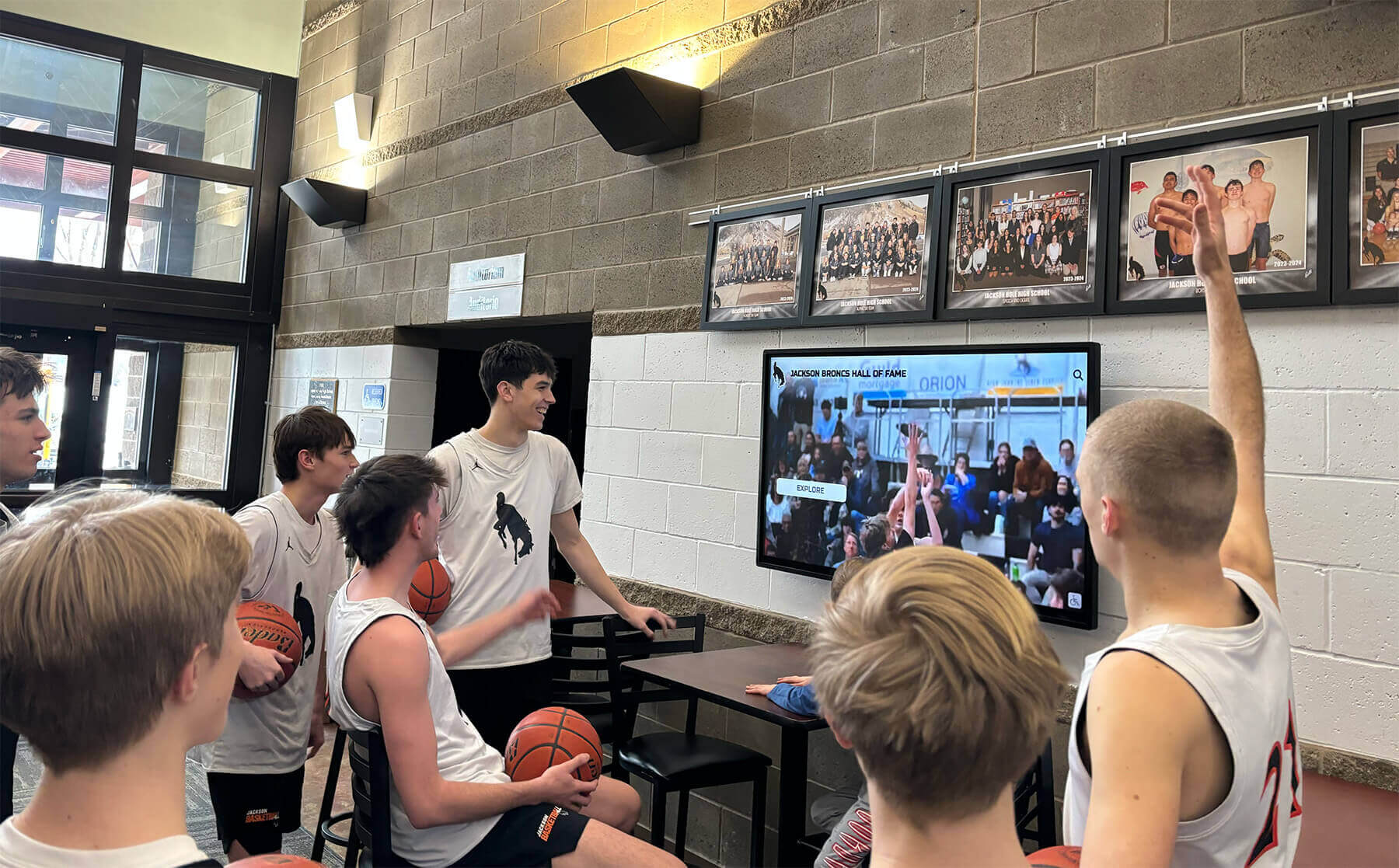
Schools maintaining comprehensive recognition systems preserve institutional memory that might otherwise fade. Decades later, alumni return to campus and discover their achievements still celebrated, reinforcing emotional connections to programs and schools. Digital recognition displays make this historical preservation particularly effective by accommodating unlimited honorees with rich multimedia profiles.
Strengthening Family and Community Connections
Awards ceremonies bring families together in celebration, creating positive touchpoints between schools and parents. Families attending end of season banquets see firsthand the values coaches emphasize, the community athletes belong to, and the development their children experienced beyond what happens during games.
Community members attending recognition events develop stronger connections to athletic programs and increased willingness to support them through volunteering and financial contributions. When community members understand the comprehensive development that sports provide—not just competitive results—they become advocates for program resources and facilities.
Traditional Sport End of Year Awards
Most athletic programs begin with a foundation of traditional awards recognizing fundamental categories of achievement. Understanding these standard awards provides context for designing comprehensive recognition systems that balance tradition with innovation.
Most Valuable Player (MVP)
The MVP award typically recognizes the athlete who provided the greatest overall contribution to team success throughout the season. Selection criteria commonly consider statistical performance relative to position expectations, impact on team outcomes beyond individual statistics, leadership influence on teammates, consistency across games, and performance in high-pressure situations.
MVP selection sometimes proves controversial when multiple athletes legitimately merit consideration. Many programs have moved toward position-specific MVP awards (Offensive MVP, Defensive MVP) or separate MVPs for different team levels (Varsity MVP, JV MVP), creating more recognition opportunities while reducing difficult comparisons between athletes playing different roles.
Most Improved Player
This award acknowledges athletes who demonstrated the greatest skill development or performance improvement over the course of a season. Most Improved recognition proves particularly meaningful because it validates effort and growth mindset principles—the understanding that dedication produces improvement regardless of starting ability level.
Effective Most Improved selection compares individual athletes against their own earlier performance rather than against teammates, ensuring recognition goes to those who truly developed most rather than simply those who started furthest behind. Some programs maintain separate Most Improved awards for returning athletes versus first-year participants, acknowledging different development contexts.
Coaches Award
The Coaches Award provides flexibility for recognizing athletes who embody program values but might not qualify for statistical performance awards. Common Coaches Award criteria include consistent practice effort and attendance, positive attitude and team-first mentality, willingness to accept any role, influence on team culture, and demonstration of program values.
This award allows coaches to honor athletes whose contributions don’t appear in statistics but prove essential to team function—the reliable substitute who stays engaged despite limited playing time, the vocal leader who maintains morale during difficult stretches, the veteran who mentors younger teammates.
Captain’s Award
Many programs formally recognize team captains or allow captains to select a peer for special recognition. Captain-selected awards carry unique weight because teammates understand better than coaches which peers truly contribute to team culture and success. Peer recognition often identifies quiet leaders whose influence teammates recognize but coaches might underestimate.
Academic Achievement Award
Athletic programs increasingly recognize that student comes before athlete in the term student-athlete. Academic awards honor athletes who excel in the classroom while meeting athletic commitments, demonstrating the time management, discipline, and work ethic required to succeed in both arenas.
Common academic recognition includes highest team GPA, honor roll recognition for all qualifying athletes, and academic improvement awards for athletes making substantial progress. Many conferences and state associations sponsor academic all-conference or all-state recognition, which schools should incorporate into end of year celebrations.
20 Creative Sport End of Year Award Ideas
Beyond traditional categories, innovative award ideas recognize diverse contributions while adding personality and memorability to recognition programs. These creative awards can supplement traditional recognition, ensuring more athletes receive acknowledgment for the varied ways they contribute to team success.
Performance-Based Creative Awards
1. The Heart and Hustle Award Recognizes the athlete who consistently demonstrates maximum effort regardless of circumstances—the player who dives for loose balls, sprints back on defense, and competes on every play without regard for personal statistics.
2. The Clutch Performer Award Honors the athlete who rises to the occasion in pressure situations—one who delivers best performances in biggest games, maintains composure when stakes are highest, and teammates trust in critical moments.
3. The Iron Person Award Celebrates durability and availability by recognizing the athlete with the best attendance record at practices and games, never missing workouts without legitimate reasons, and consistently prepared to contribute.
4. The Utility Player Award Acknowledges versatility by honoring the athlete who successfully fills multiple positions, adapts to different roles as team needs change, and masters diverse skills making them valuable in various situations.
5. The Defensive Specialist Award Recognizes excellence in the unglamorous but essential work of defense—the athlete who takes pride in shutting down opponents, creates turnovers, and understands that defense wins championships even if it doesn’t fill highlight reels.
Leadership and Character Awards
6. The Unsung Hero Award Celebrates the athlete whose contributions often go unnoticed but prove essential to team function—the player who does the little things that don’t appear in box scores but teammates and coaches recognize as critical.
7. The Best Teammate Award Honors the athlete whom peers would most want as a teammate—someone who celebrates others’ success, supports struggling teammates, maintains positivity, and puts team welfare ahead of personal recognition.
8. The Vocal Leader Award Recognizes the athlete who effectively communicates on field or court, coordinates teammates, provides encouragement, and serves as the team’s voice during competition.
9. The Lead by Example Award Acknowledges the quiet leader whose actions rather than words inspire teammates—the athlete who models work ethic, demonstrates proper technique, and shows rather than tells what excellence requires.
10. The Most Coachable Award Honors the athlete who accepts coaching with the best attitude—implements feedback immediately, never makes excuses, asks questions to deepen understanding, and views coaching as opportunity rather than criticism.
Development and Growth Awards
11. The Breakthrough Performance Award Recognizes the athlete who exceeded expectations most dramatically during the season—the reserve who earned a starting role, the athlete who mastered a previously difficult skill, or the player who transformed into a critical contributor.
12. The Practice Player of the Year Celebrates the athlete who brings maximum energy and focus to daily practices—someone who makes teammates better through practice performance, treats every drill with game-level intensity, and understands that practice excellence produces game success.
13. The Student of the Game Award Honors the athlete who demonstrates the deepest understanding of sport strategy and tactics—someone who studies film diligently, asks insightful questions, recognizes patterns opponents miss, and applies technical knowledge during competition.
14. The Skills Development Award Recognizes the athlete who invested most heavily in individual skill development—participating in offseason programs, seeking additional training, mastering fundamental techniques, and continuously working to expand capabilities.
Team Culture Awards
15. The Positive Energy Award Celebrates the athlete who most consistently brings enthusiasm and optimism to the team—someone whose presence lifts morale, who finds silver linings during difficulties, and whose positive attitude proves contagious.
16. The Spirit Award Honors the athlete who most enthusiastically supports teammates from the bench—cheering loudest, engaging throughout games even when not playing, and understanding that team spirit contributes to success even when not in the lineup.
17. The Mentor Award Recognizes the upperclassman who most effectively guides younger teammates—patiently teaching proper techniques, sharing wisdom from experience, making younger athletes feel welcome and valued, and building program continuity.
18. The Ambassador Award Acknowledges the athlete who best represents the program in the community—demonstrating character in school hallways, volunteering in community service, treating officials with respect, and making everyone proud through conduct on and off playing surfaces.
19. The Comeback Award Honors the athlete who overcame significant adversity during the season—recovering from injury, pushing through personal challenges, maintaining commitment despite difficulties, and demonstrating resilience others can admire and emulate.
20. The Legacy Award Reserved for seniors, this award recognizes the graduating athlete who made the most lasting positive impact on program culture—someone whose influence will be felt by future teams, who set standards others will strive to match, and who leaves the program better than they found it.
Planning Your Sport End of Year Awards Ceremony
Effective awards programs require thoughtful planning ensuring ceremonies honor athletes meaningfully while running smoothly and engaging all attendees.
Setting Clear Selection Criteria
Before the season begins, establish and communicate transparent criteria for each award category. When athletes understand from day one what various awards recognize, they can set goals aligned with those standards while selection committees have clear frameworks preventing arbitrary decisions.
Document selection criteria in writing and review them with coaching staff to ensure shared understanding. Criteria should be specific enough to guide decisions but flexible enough to accommodate unexpected situations—the reserve who becomes critical after injuries, the struggling athlete who transforms midseason through dedicated improvement.
Consider implementing nomination processes allowing assistant coaches, team captains, or even teammates to nominate candidates for various awards. This distributed input often surfaces worthy candidates who head coaches might overlook while increasing program-wide ownership of recognition decisions.
Involving Multiple Stakeholders
End of year awards ceremonies work best when multiple program stakeholders contribute:
Coaching Staff: Head and assistant coaches should collaborate on award selections, with assistant coaches often providing insights about athletes’ practice behaviors and character that game-focused head coaches might miss.
Team Captains: Student athlete input through captains ensures recognition reflects teammates’ perspectives on who genuinely contributes to team success and culture.
Athletic Directors: Administrative oversight ensures awards align with broader athletic department values and policies while preventing potential controversies from inadequate consideration.
Booster Clubs: Parent and community organizations often fund awards programs, sponsor specific awards, and organize logistics for ceremonies and receptions.
Ceremony Format and Logistics
Successful awards ceremonies balance formality with engagement, honoring achievements without boring attendees during overly long programs.
Timing and Duration Schedule ceremonies during windows when families can attend—weekday evenings work well for many communities while weekend afternoon events accommodate families with multiple scheduling demands. Plan for 60-90 minutes total including reception time. Longer programs lose audience attention no matter how meaningful the content.
Venue Selection Choose spaces accommodating expected attendance while creating appropriate atmosphere. School cafeterias or gymnasiums work functionally but lack the gravitas of auditoriums or community venues. Consider whether you want formal theater-style seating or banquet tables allowing meal service during programs.
Program Structure Open with welcome remarks from athletic director or principal establishing the ceremony’s importance. Include brief season recap video or coach presentation highlighting team accomplishments before shifting to individual awards. Present awards from less significant to most prestigious, building anticipation. Close with inspirational remarks from distinguished alumni, community members, or graduating seniors.
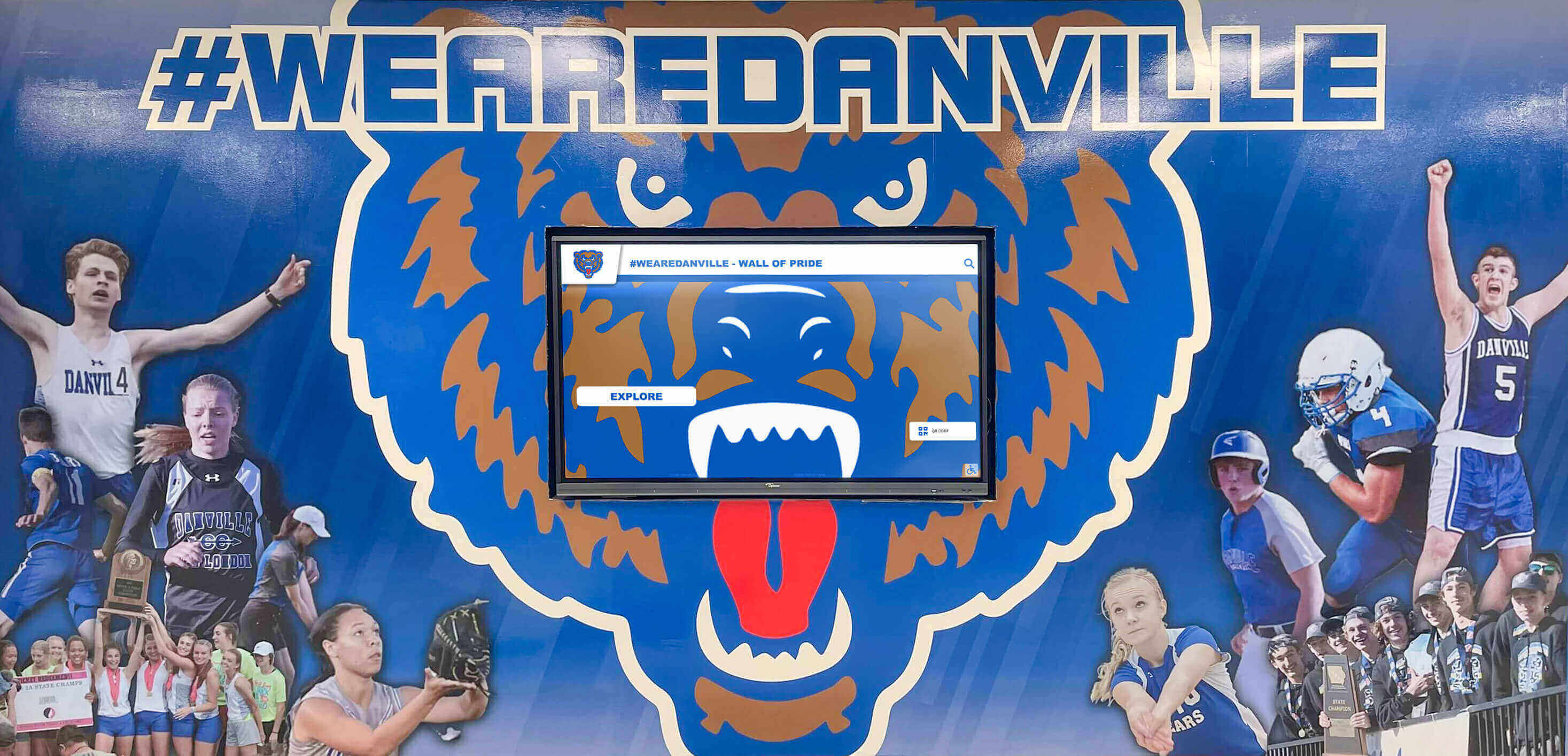
Visual Presentation Accompany each award with photos or video clips of the recipient during the season. This visual element maintains audience attention while adding emotional impact as families see their athletes in action. Digital athletic recognition systems make multimedia integration seamless by storing comprehensive season content accessible during ceremonies.
Award Presentation Best Practices
How awards are presented matters as much as what awards are given. Coaches delivering awards should:
Provide Context: Explain what each award recognizes and why it matters within program culture before announcing winners. This context helps audiences understand significance while educating younger athletes about what to strive for.
Tell Stories: Share specific examples illustrating why recipients earned recognition. Rather than simply stating “This athlete worked hard,” describe the morning workouts they never missed, the extra skill sessions they requested, or the moment when their preparation paid off during a critical game.
Acknowledge Growth: Recognize the journey recipients traveled, not just their current status. The MVP likely struggled early in their career; the Most Improved athlete faced challenges before breaking through. These narratives make recognition more meaningful and demonstrate that excellence develops through sustained effort.
Balance Brevity with Substance: Provide enough detail to make recognition meaningful without turning presentations into lengthy speeches that lose audience attention. Aim for 2-3 minutes per award—long enough to tell a story but short enough to maintain pacing.
Digital Recognition Systems for Athletic Programs
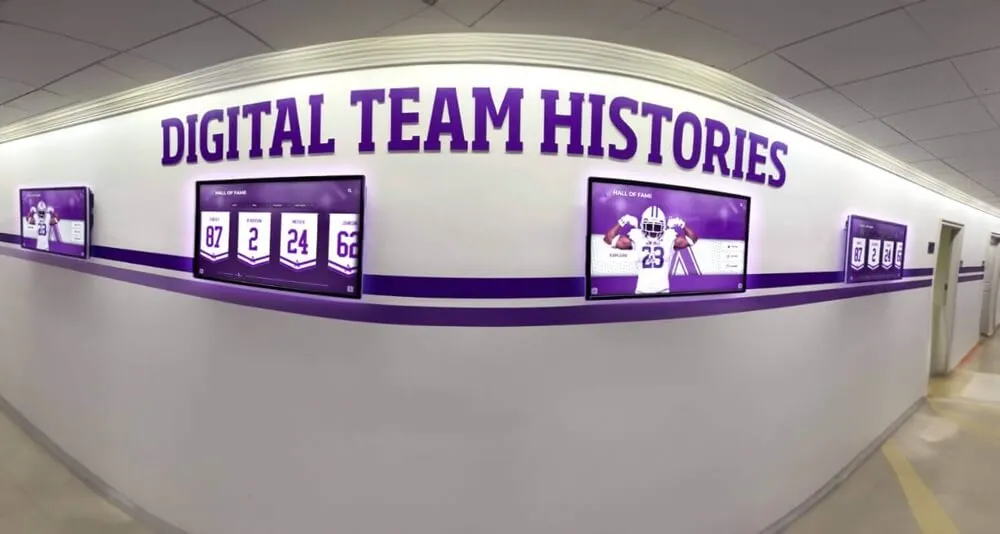
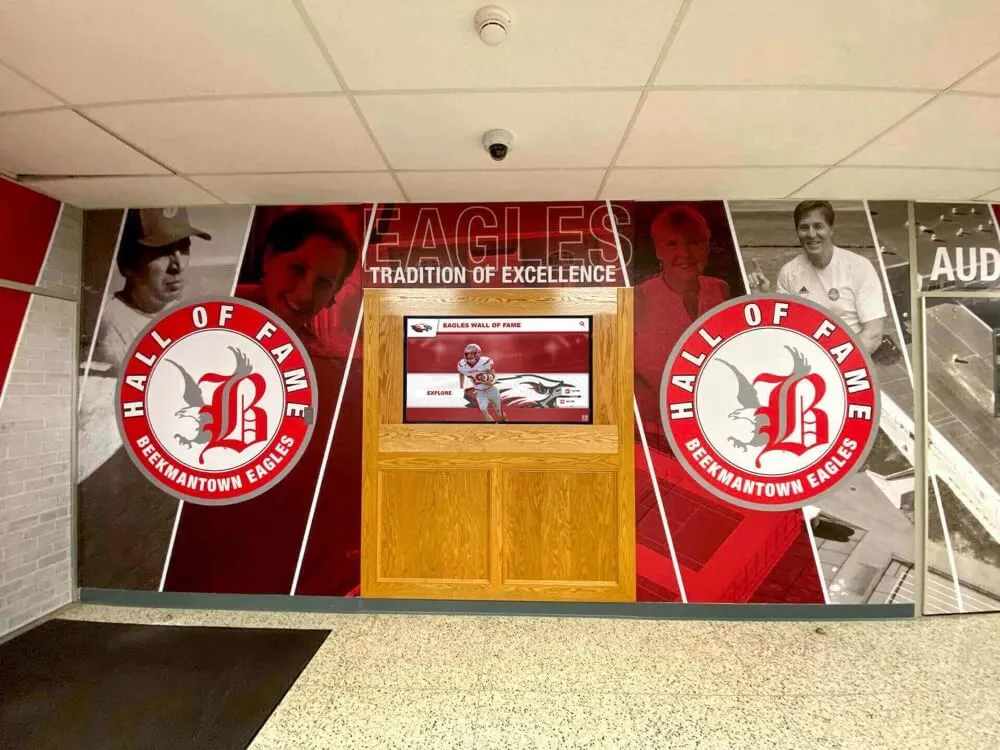
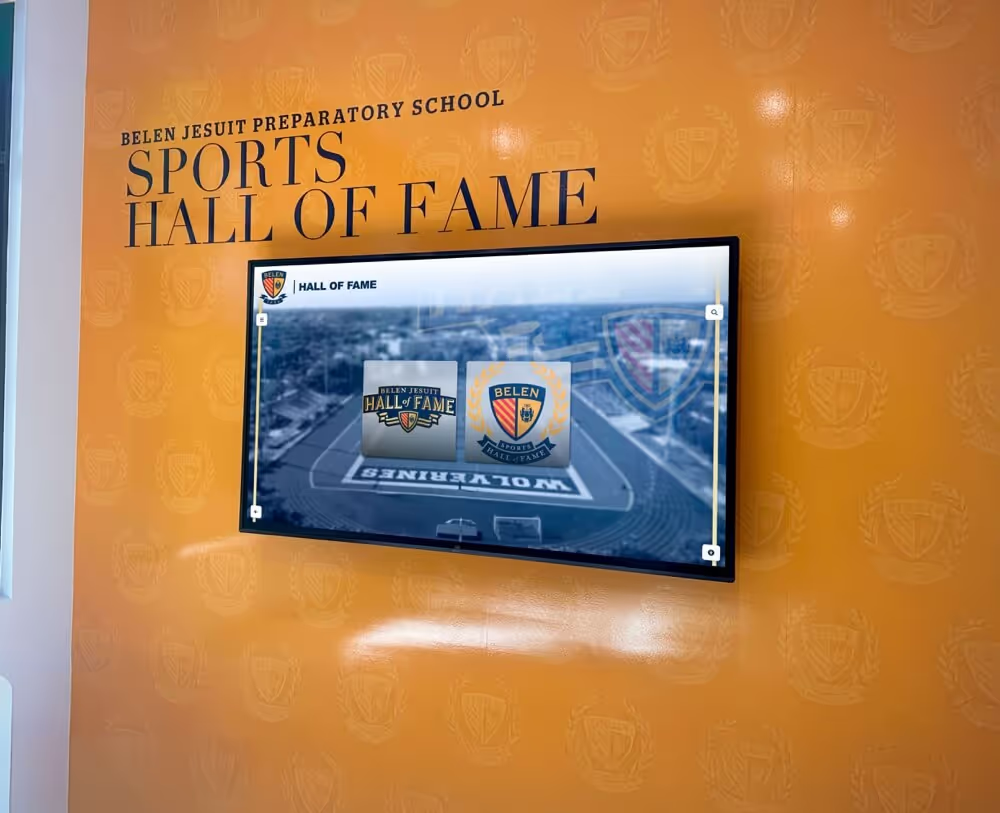
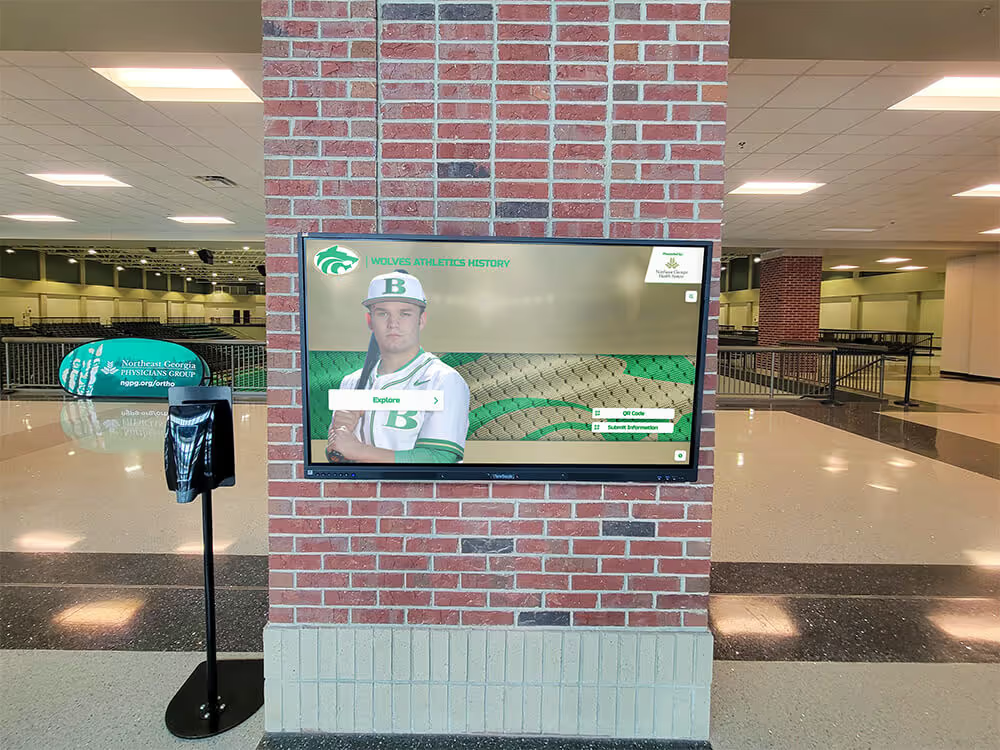
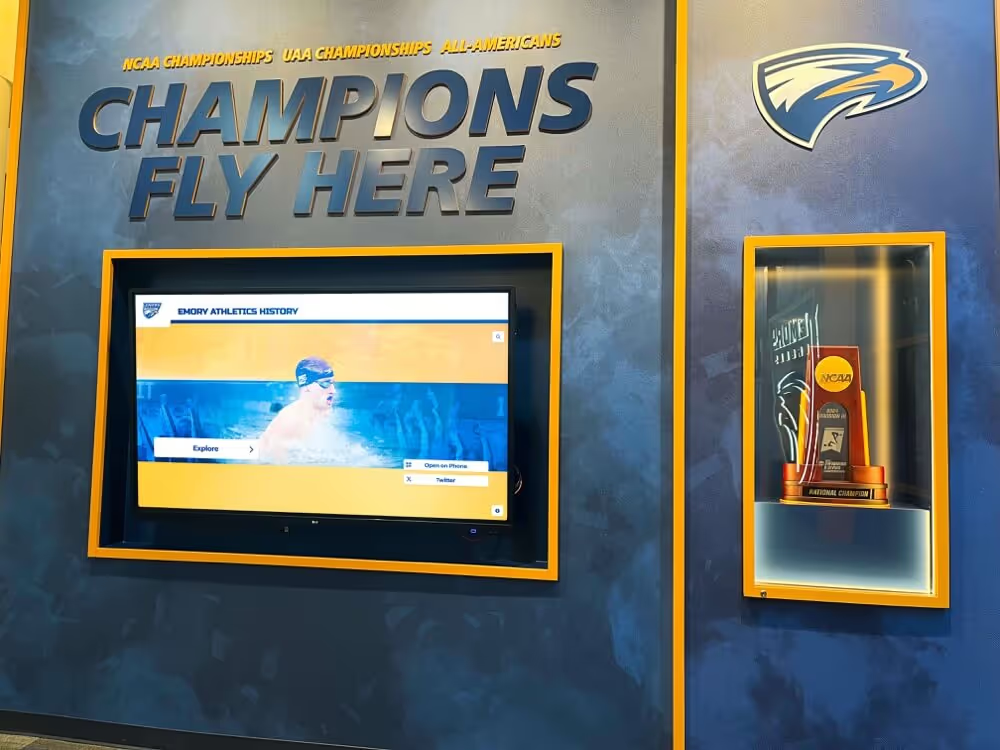
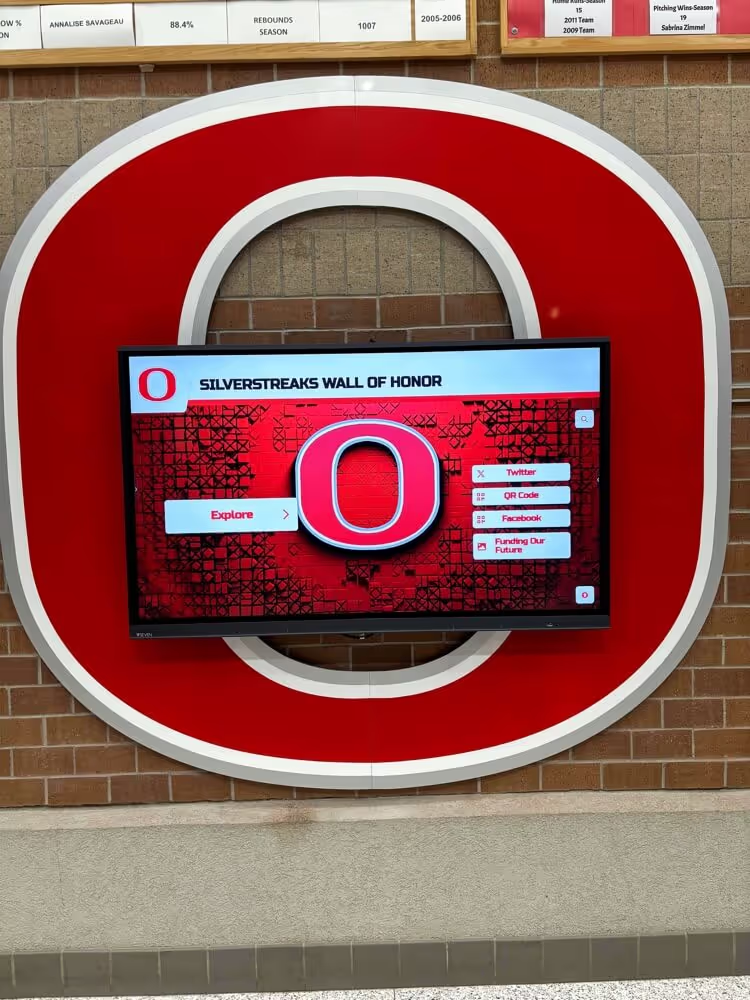
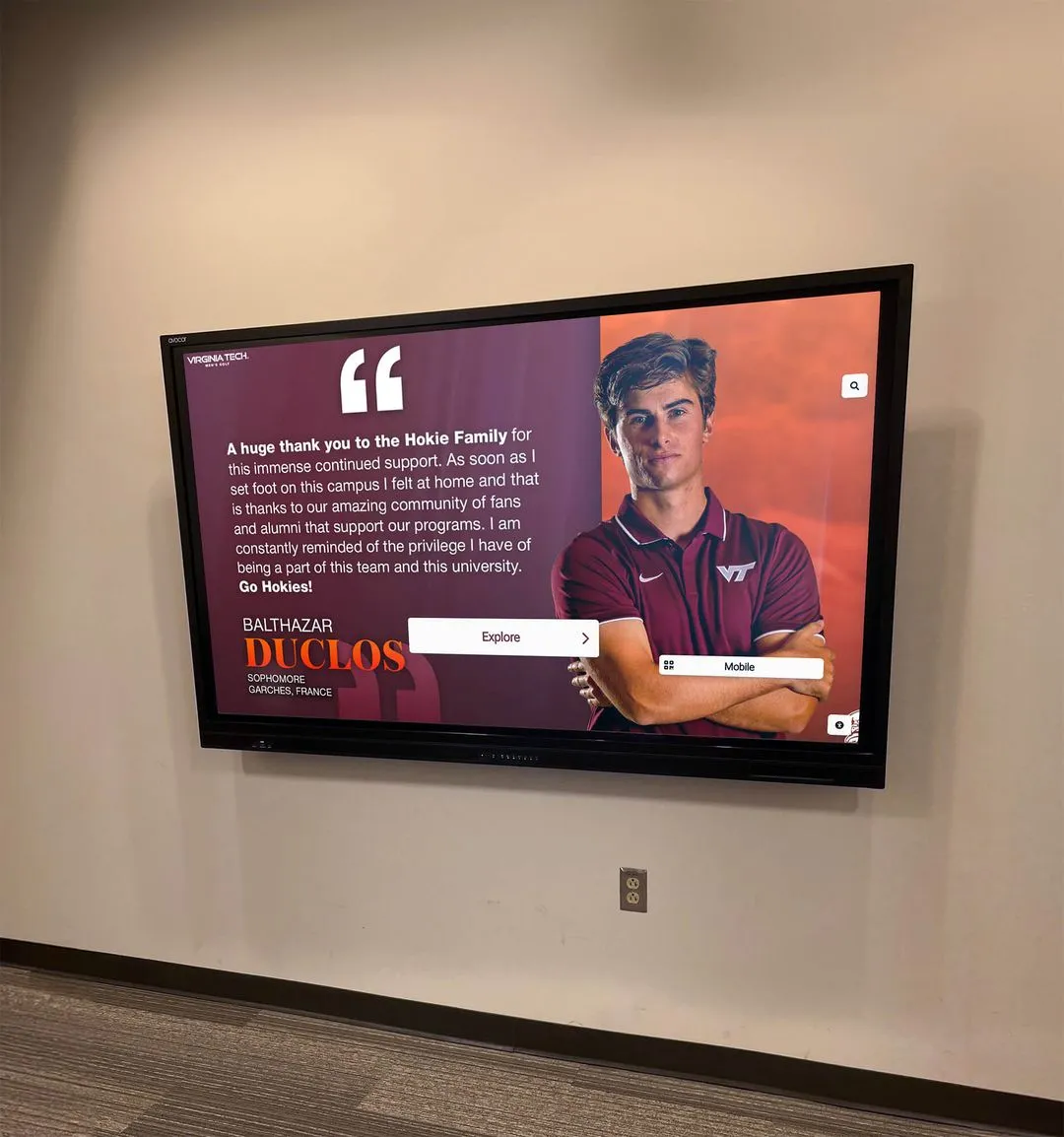
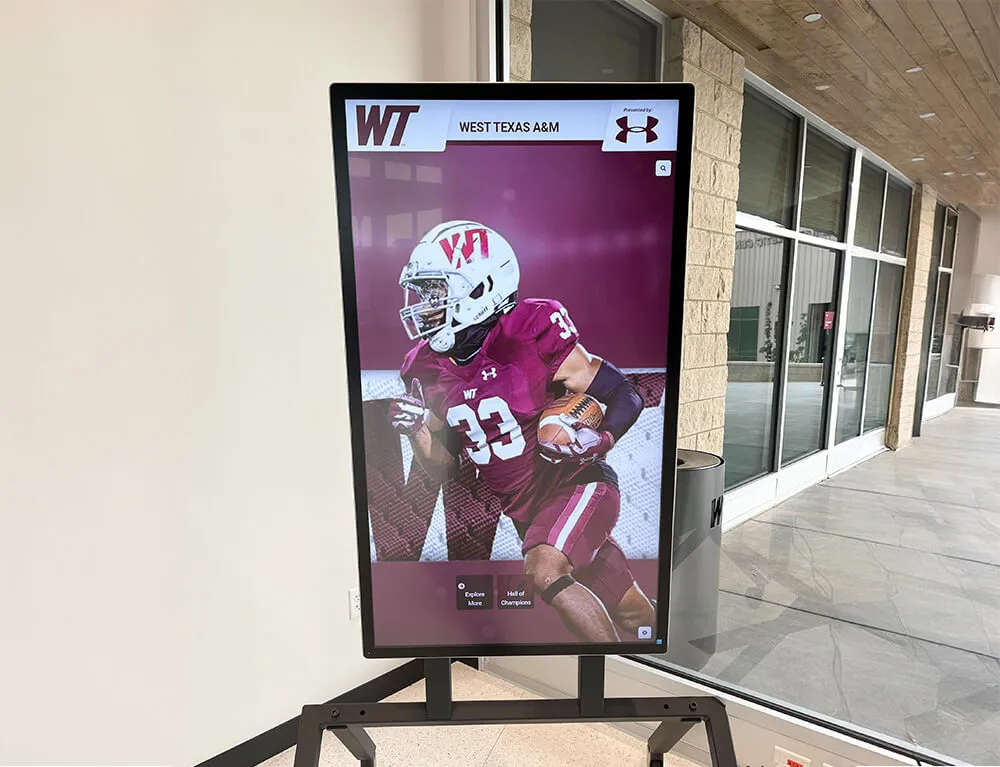
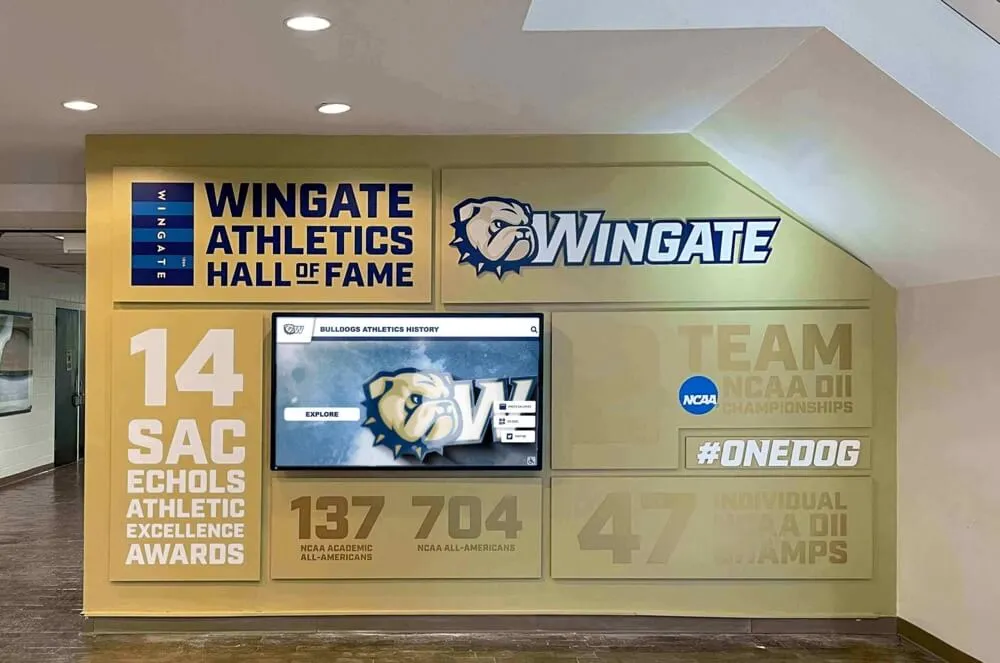
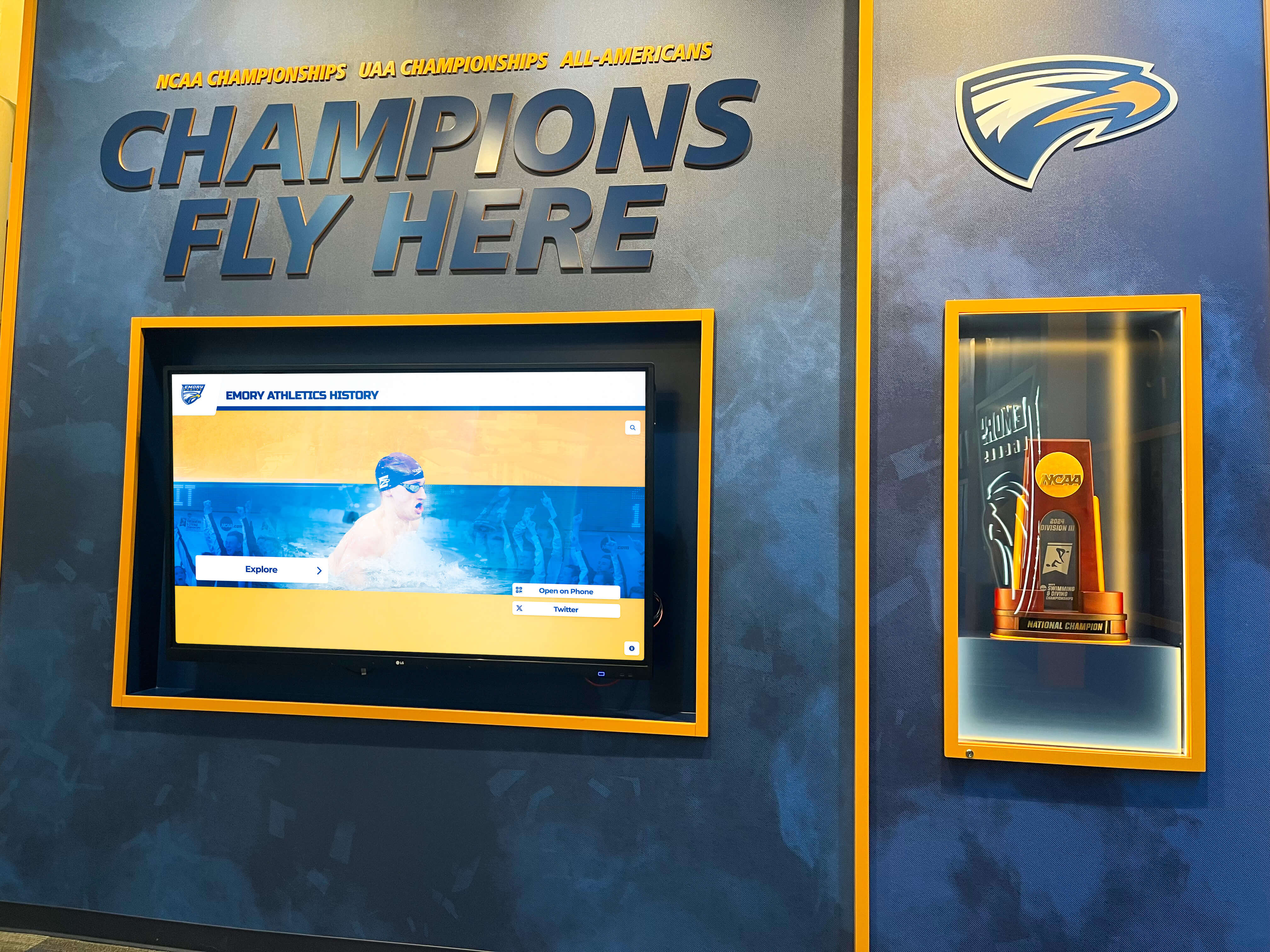
While traditional ceremonies provide important moments of celebration, comprehensive athletic recognition extends beyond annual events through digital displays that maintain year-round visibility for achievement. Solutions like Rocket Alumni Solutions transform how schools document and display athletic excellence.
Interactive Athletic Recognition Displays
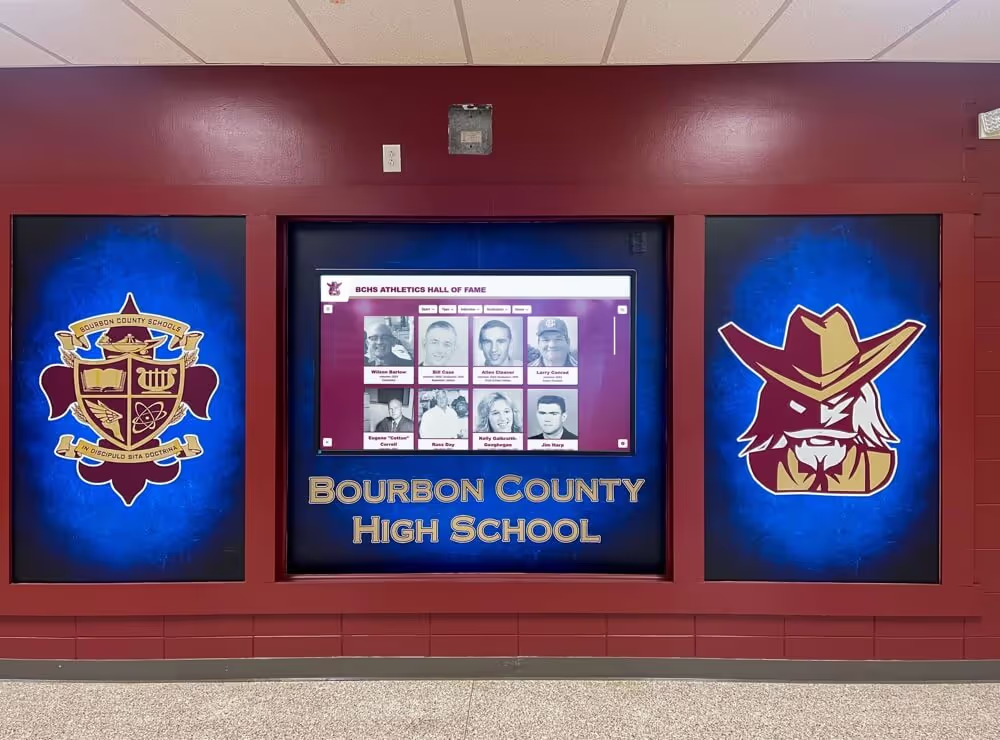
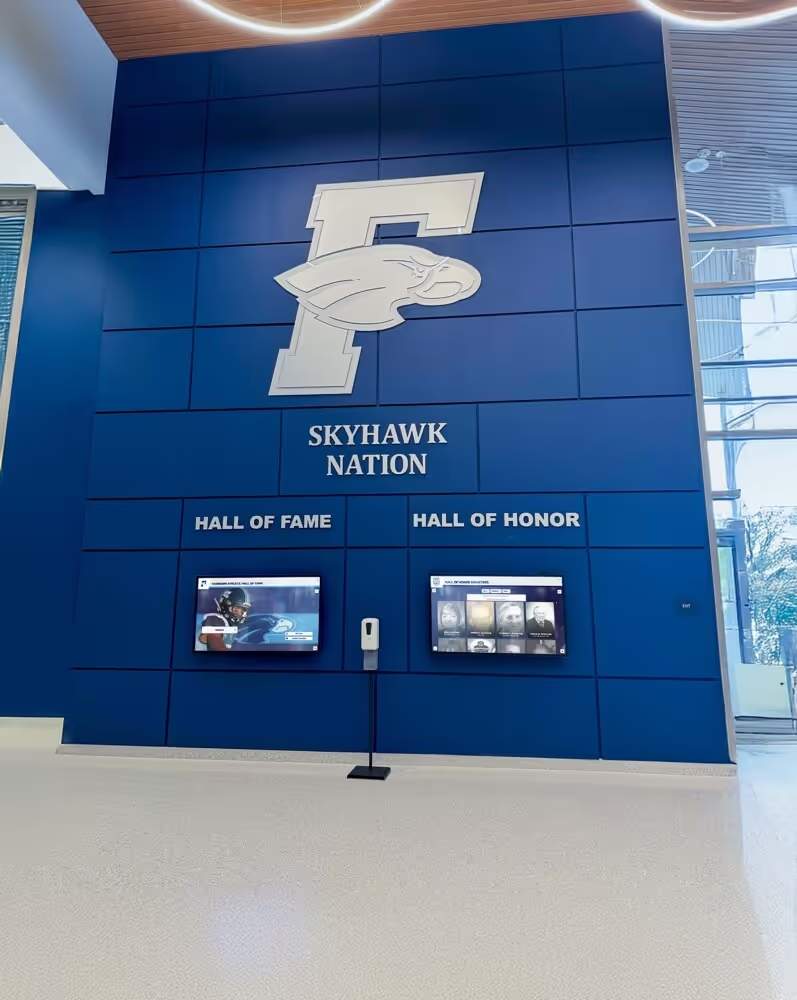
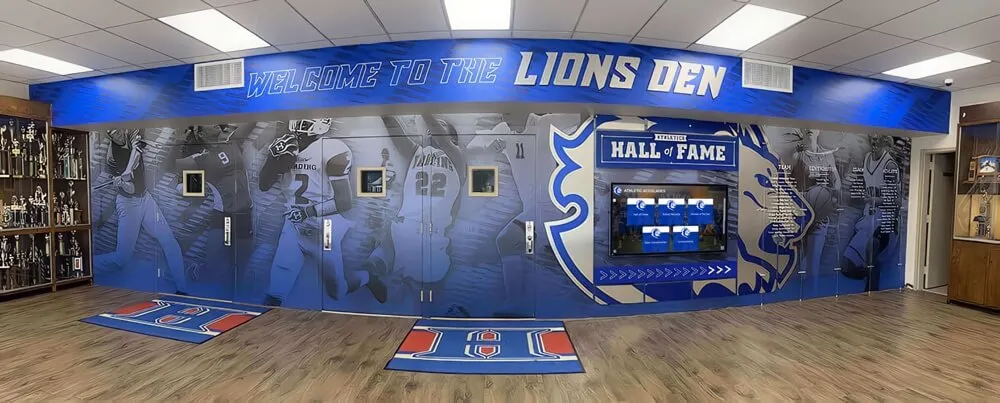
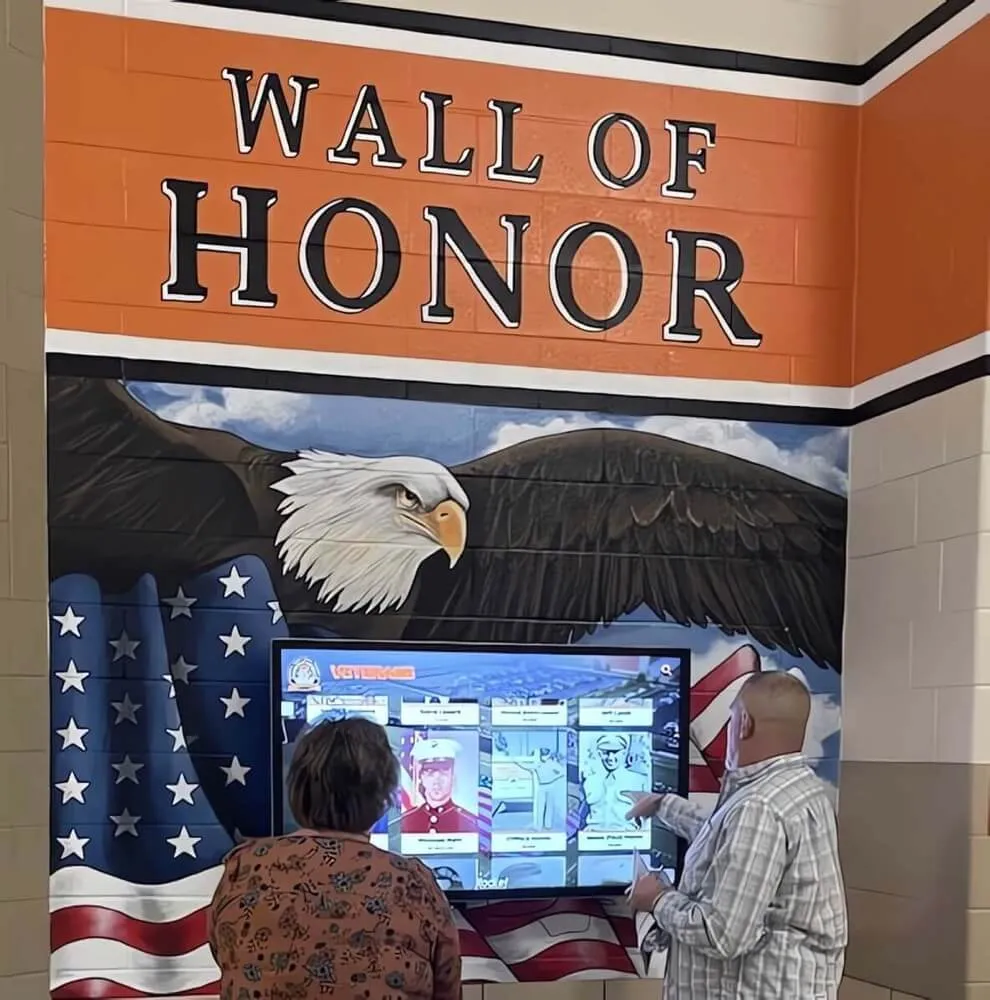
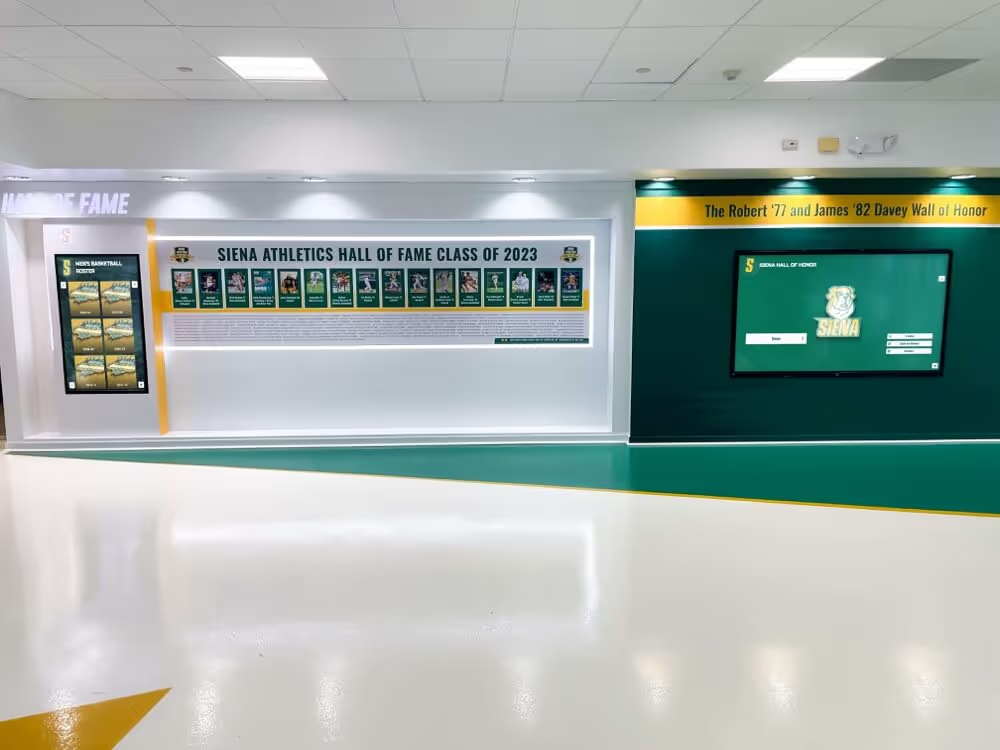
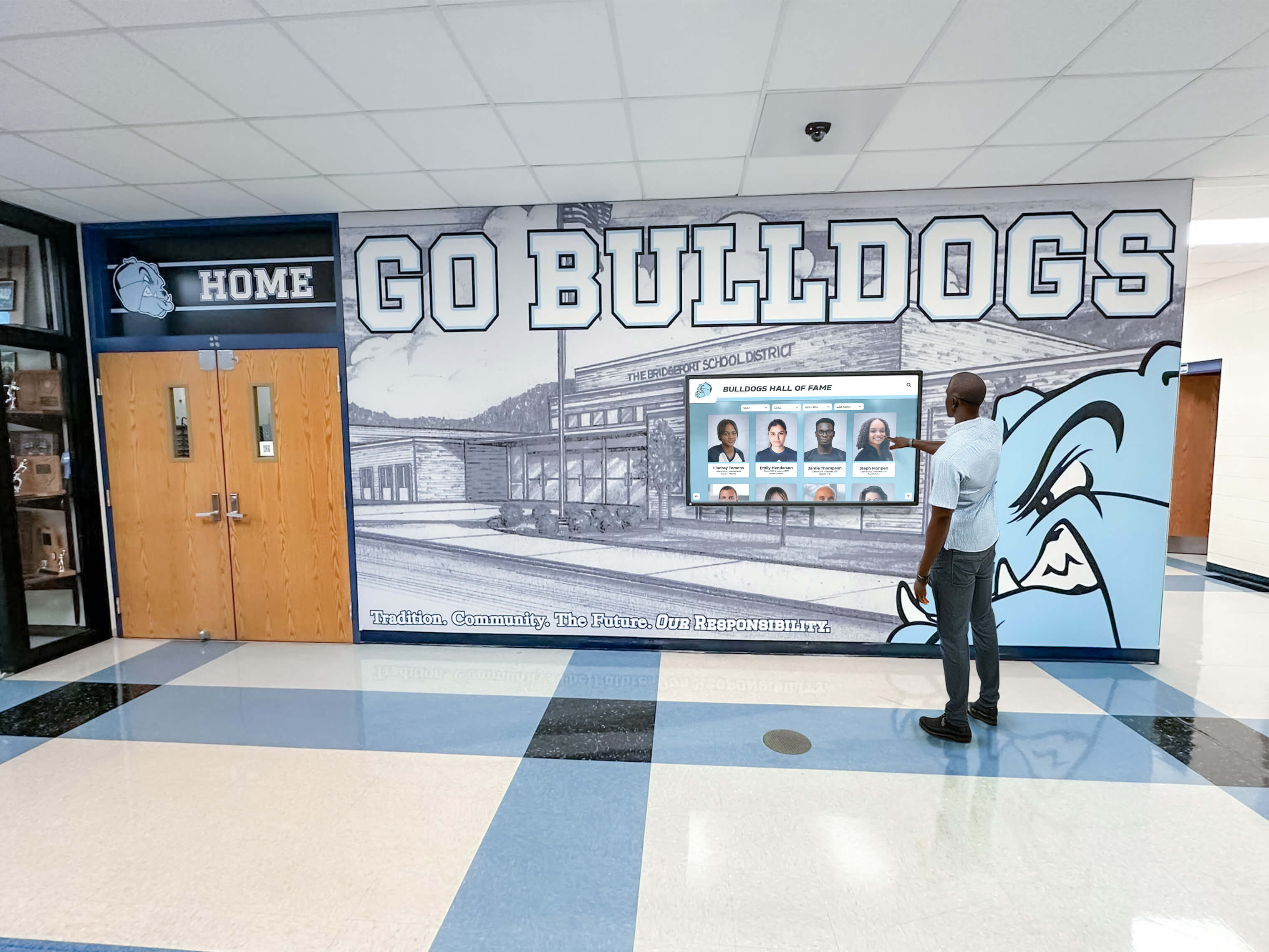
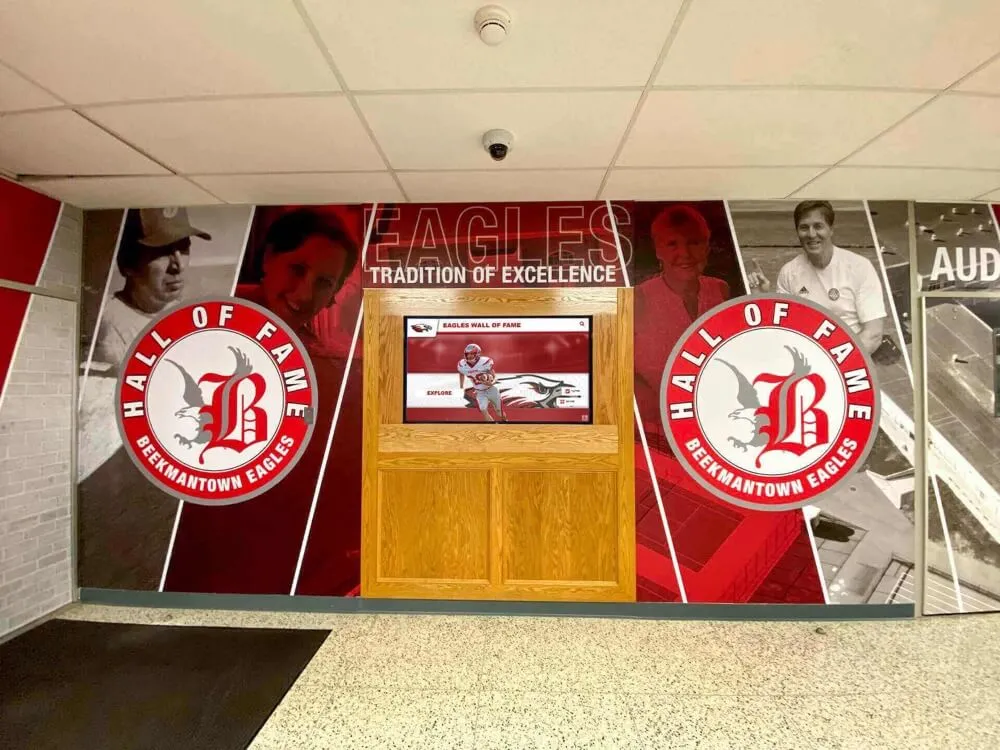
Modern digital recognition systems deployed in athletic facilities, school hallways, or lobby areas create always-accessible showcases celebrating both current and historical achievement.
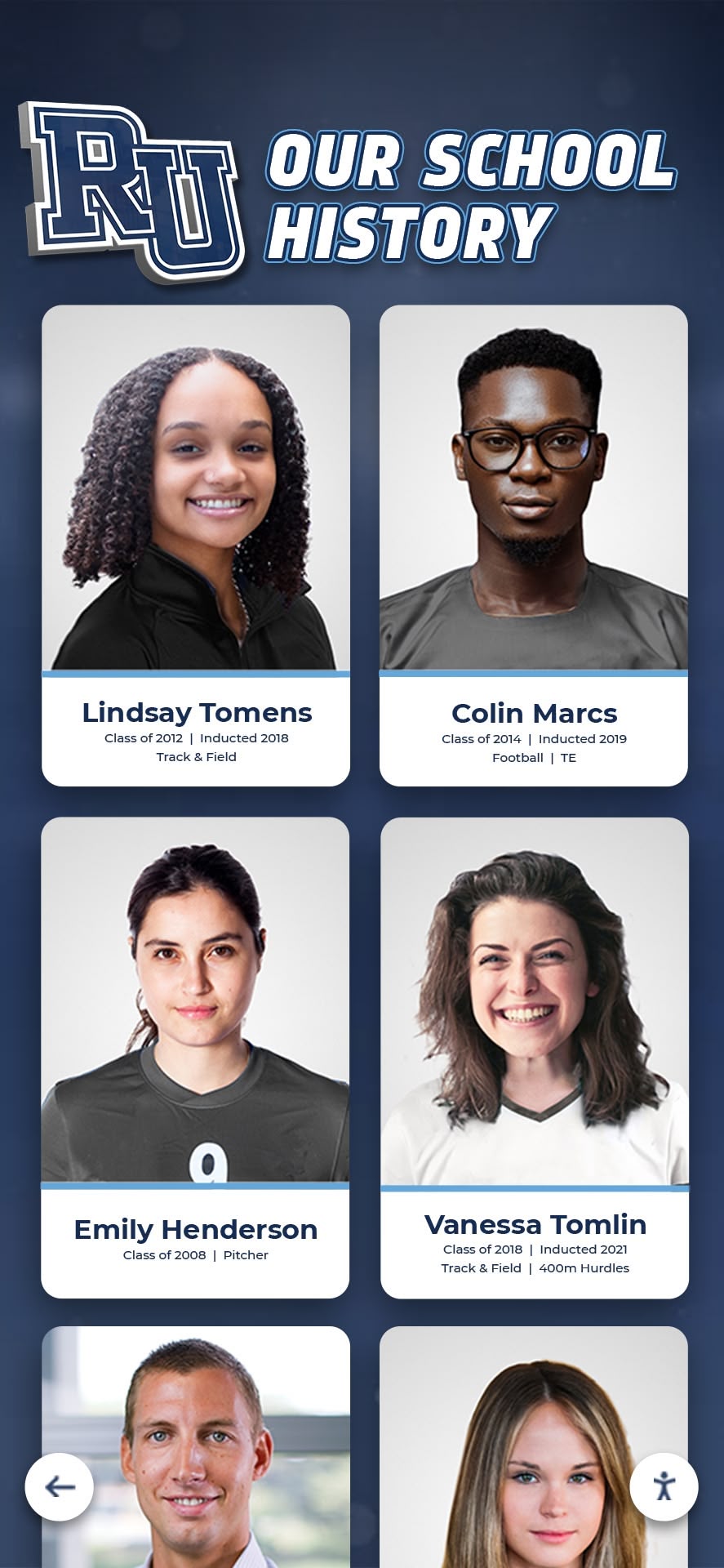
Comprehensive Season Documentation Digital platforms accommodate unlimited athlete profiles including individual statistics and accomplishments, action photos from games and practices, video highlights of signature moments, academic achievement information, and biographical details connecting athletes to broader school community.
Unlike traditional trophy cases with finite space, digital systems expand indefinitely as programs grow—never requiring difficult decisions about which trophies to remove when space fills.
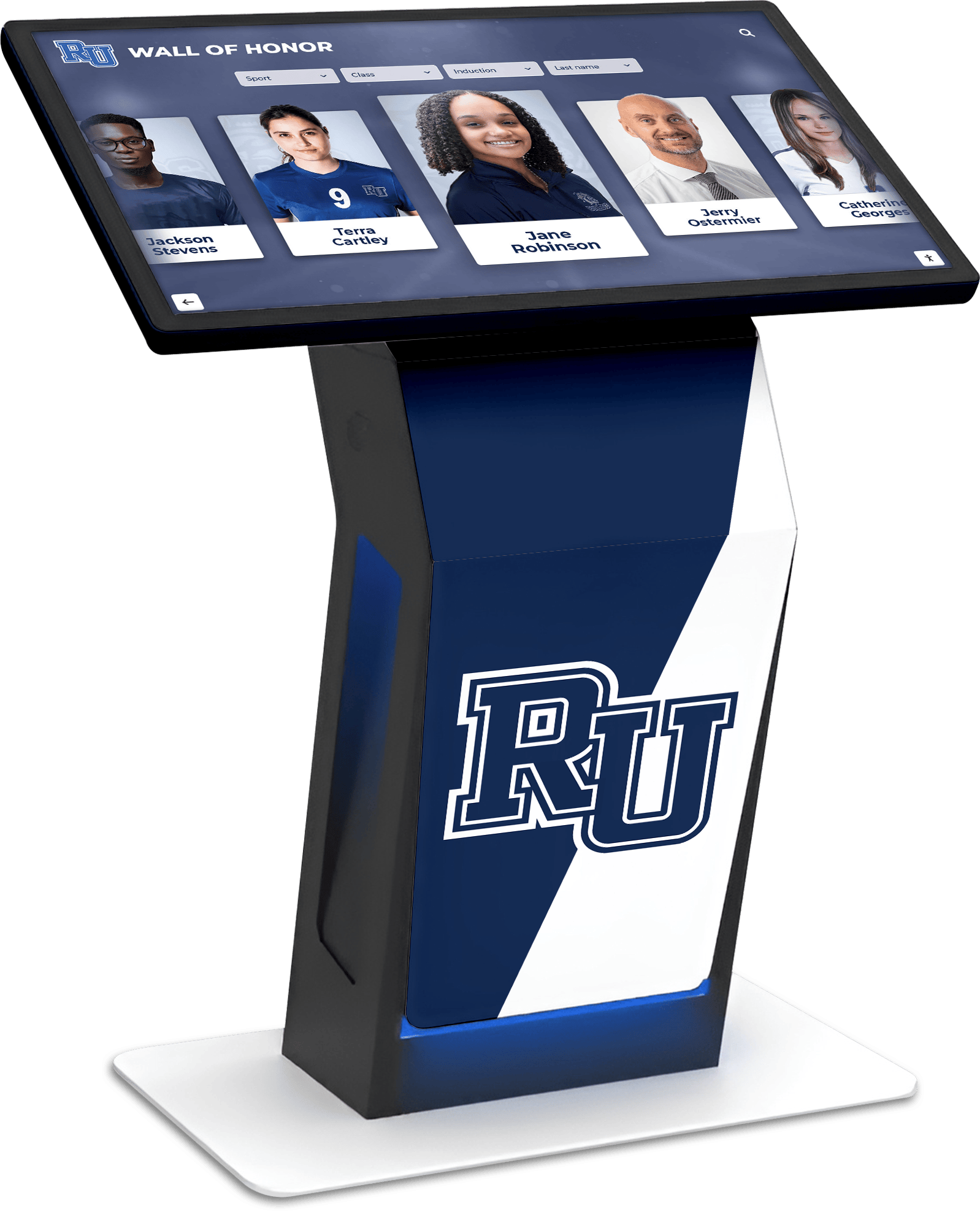
Multi-Sport and Multi-Year Recognition Comprehensive platforms serve entire athletic departments rather than individual sports, creating centralized recognition hubs celebrating fall, winter, and spring athletes. State championship displays can document decades of competitive excellence across all sports rather than limiting recognition to recent seasons or space-constrained trophy cases.
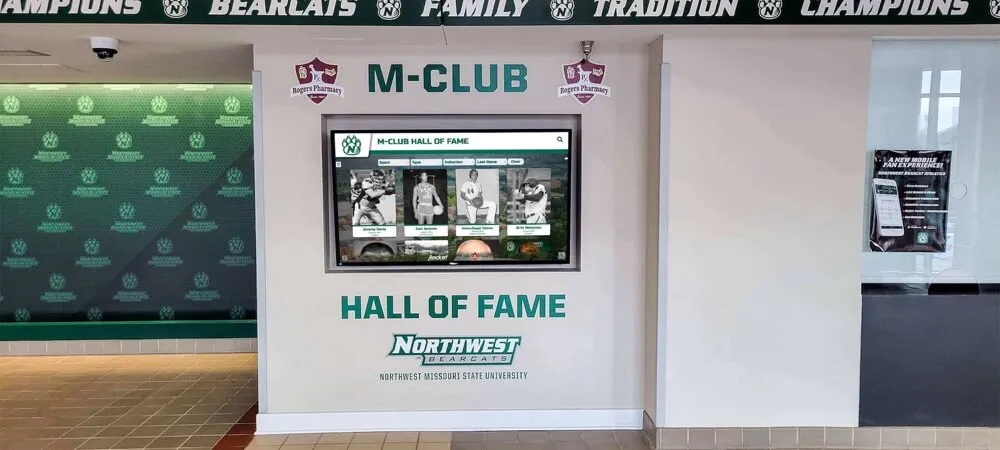
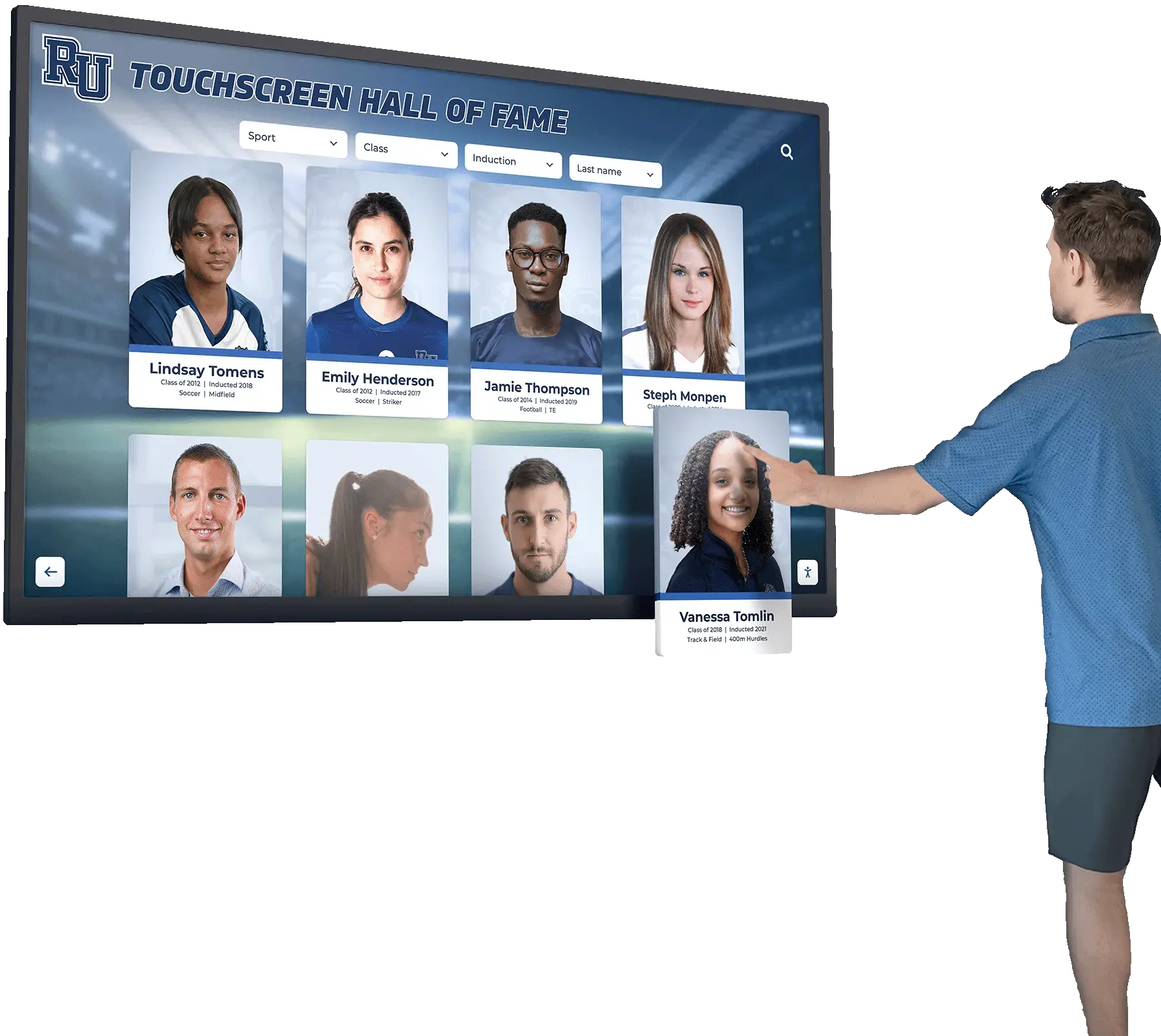
Students exploring displays can filter by sport, year, award type, or athlete name—discovering the basketball MVP from their graduation class, exploring all tennis state champions across program history, or viewing complete athletic profiles of multi-sport athletes.
Real-Time Updates Throughout Seasons Rather than waiting for end of season ceremonies, digital systems allow real-time recognition of weekly top performers, milestone achievements like 1,000 career points, conference and district honors, and academic all-conference selections. This timely recognition maintains engagement throughout seasons rather than compressing celebration into single end-of-year events.
Cloud-based management means coaches or athletic administrators can update content in minutes from any internet-connected device—adding Friday night’s game results by Monday morning without requiring technical expertise or facility access.
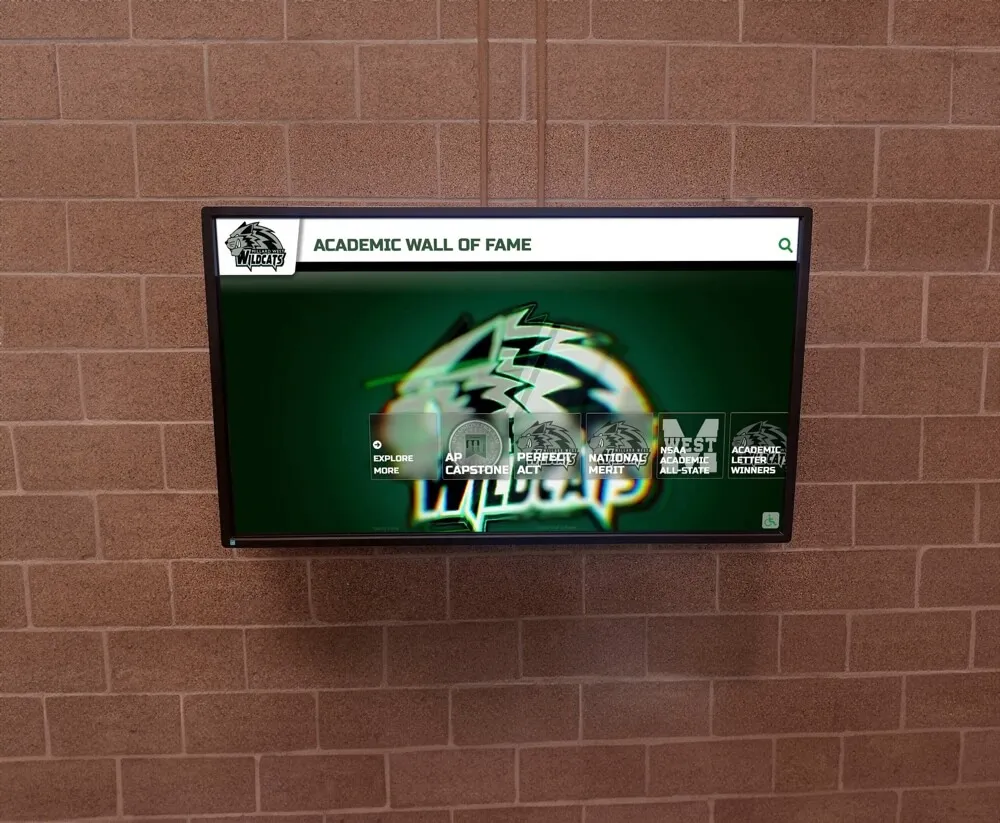
Engaging Interactive Features Touchscreen displays invite exploration through intuitive interfaces where students can search for specific athletes or teams, compare statistics across multiple seasons, view highlight videos, share achievements via social media or email, and discover connections between current and historical athletes.
This interactivity particularly engages younger students during lunch periods, between classes, or before school—informal moments when they explore athletic achievement and imagine their own future recognition.
Web-Based Athletic Recognition Platforms
Digital recognition extends beyond physical displays through web-based platforms accessible globally, allowing athletes to share accomplishments with distant family members, college recruiters evaluating prospects, and alumni maintaining connections to programs.
Web platforms integrate with social media, enabling one-click sharing that exponentially extends recognition visibility. When athletes share their profiles with their networks, program visibility expands dramatically while documentation of achievement supports college recruiting efforts and scholarship applications.
Showcasing athletic commitments through digital displays becomes particularly valuable for programs wanting to highlight college signing day and connect current success to future opportunities.
Benefits for Multi-Level Programs
Athletic programs managing varsity, junior varsity, and freshman teams particularly benefit from digital recognition’s unlimited capacity. Traditional ceremonies often struggle to acknowledge lower-level athletes adequately given time constraints and audience attention spans. Digital systems ensure every athlete across all levels receives meaningful recognition without ceremony length concerns.
Freshman and JV athletes seeing themselves prominently displayed alongside varsity athletes understand they’re valued program members rather than merely future varsity replacements. This inclusive recognition improves retention rates and team culture across the entire program.
Implementing Awards Programs on Limited Budgets
Not every program commands substantial budgets for elaborate trophies and catered banquets. Meaningful recognition remains possible regardless of financial resources through creative approaches prioritizing substance over expensive materials.
Budget-Friendly Award Options
Certificates and Plaques: Quality certificates printed on premium paper stock and presented in simple frames cost just a few dollars each while providing tangible recognition athletes can display at home. Many office supply retailers offer customizable sports certificates starting under $2 per award.
Engraved Medals: Sport-specific medals with engraved name plates cost $5-15 each—less than elaborate trophies but providing durable keepsakes athletes value.
Team Apparel: Many athletes prefer functional recognition in the form of award t-shirts, sweatshirts, or letterman jacket patches over trophies that collect dust on shelves. Apparel serves dual purposes as recognition and team gear while typically costing less than traditional trophies.
Digital Recognition: One-time investments in digital recognition systems serve programs for years without per-award costs beyond content creation time. While initial setup requires more substantial investment than individual trophies, the long-term cost per athlete recognized drops dramatically compared to traditional approaches.
Fundraising for Recognition Programs
Many athletic booster clubs enthusiastically support awards programs when positioned as investments in athlete development and motivation:
Award Sponsorships: Local businesses or alumni often sponsor specific awards—covering trophy costs in exchange for acknowledgment during presentations or on displays. The “Johnson Auto Body Most Improved Player Award” costs your program nothing while providing sponsors positive community visibility.
Annual Fundraising Events: Golf tournaments, fun runs, or gala dinners can generate funds specifically designated for awards programs, ensuring recognition budgets don’t compete with operating expenses for equipment and facilities.
Letterman Club Dues: Many programs charge nominal dues ($25-50) for athletes earning varsity letters, with funds supporting recognition programs including letters, certificates, and banquet expenses.
Communicating Recognition Beyond the Ceremony
End of season ceremonies represent just one touchpoint in comprehensive recognition strategies. Extending celebration through multiple channels maximizes visibility and impact.
Social Media Recognition
Post individual athlete spotlights highlighting award recipients with photos, achievement descriptions, and quotes from coaches or teammates. Video clips from awards ceremonies showing emotional moments when athletes receive recognition often generate significant engagement from school communities.
Create season-in-review photo albums showcasing team and individual highlights throughout the year. These visual retrospectives maintain engagement during offseasons while documenting achievements for future reference.
Tag athletes and families in posts (with appropriate permissions) to facilitate sharing with their networks. When athletes share recognition with friends and extended family, program visibility expands exponentially beyond those directly connected to schools.
School Communications
Include awards ceremony recaps in school newsletters with photos and descriptions of major awards. This broader communication ensures recognition reaches school-wide audiences beyond those directly involved in athletics.
Feature award-winning athletes in school morning announcements, creating visibility throughout buildings and reinforcing that the entire school community celebrates athletic achievement.
Display awards ceremony photos in school hallways temporarily following seasons, maintaining recognition visibility even for programs lacking permanent digital displays.

Press Releases and Local Media
Share major awards and season highlights with local newspapers and media outlets. Many community publications gladly cover youth sports achievements, particularly human interest stories about athletes overcoming adversity or demonstrating exceptional character.
Provide media with ready-to-publish content including professional photos, complete award recipient information, and pre-written descriptions of accomplishments. This preparation dramatically increases publication likelihood compared to bare-bones press releases requiring journalists to develop content from minimal information.
Permanent Recognition Displays
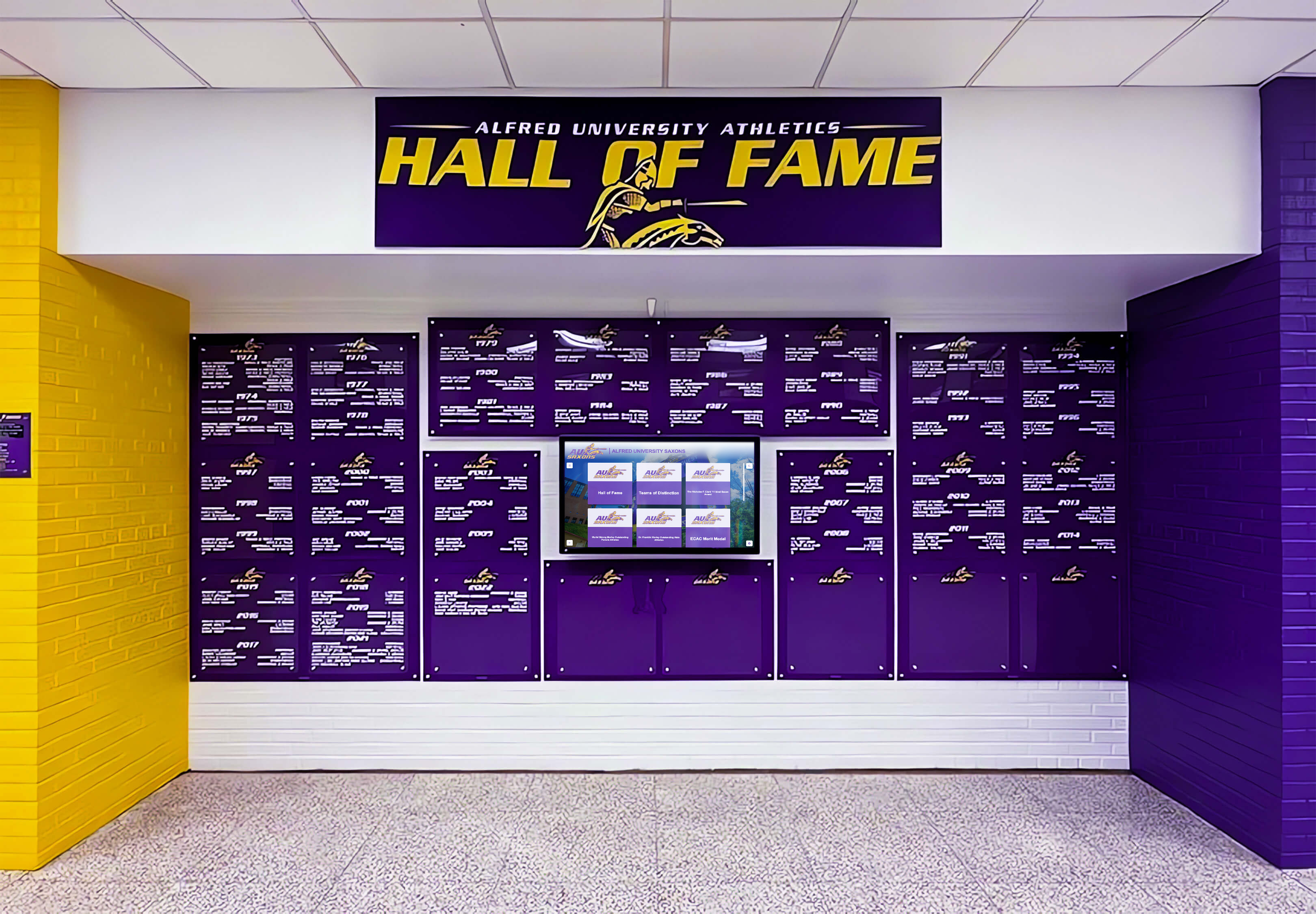
Ensure awards receive permanent documentation through updated trophy cases, engraved plaques listing annual award winners by category, or digital athletic record boards maintaining comprehensive historical records.
Permanent displays serve multiple purposes—honoring past recipients throughout their lifetimes, inspiring current and future athletes by demonstrating achievement continuity, and documenting program history that might otherwise be lost as personnel change and institutional memory fades.
Best Practices for Inclusive Recognition
The most effective awards programs ensure diverse athletes across ability levels, roles, and backgrounds see realistic pathways to acknowledgment.
Recognizing Diverse Contributions
Athletic teams function through varied contributions beyond star performers who dominate statistics. Comprehensive recognition acknowledges this diversity through awards celebrating leadership qualities, work ethic and attitude, skill development and improvement, team culture contributions, academic achievement, and community representation.
This multi-dimensional recognition ensures athletes filling different roles—starters and reserves, scorers and defenders, vocal and quiet leaders—all receive acknowledgment for how they contribute to team success.
Balancing Participation and Achievement
Some programs struggle to balance broad participation recognition (participation certificates, letters earned) with elite achievement awards (MVP, All-Conference). Both serve important purposes when implemented thoughtfully.
Participation recognition validates that every athlete who commits to a season deserves acknowledgment regardless of playing time or statistical performance. Letters, certificates, and team photos provide this baseline recognition ensuring no athlete finishes a season feeling invisible.
Achievement awards then differentiate outstanding performance and contribution, motivating excellence while celebrating those who exceeded expectations. The key lies in ensuring achievement awards supplement rather than replace participation recognition—maintaining baseline acknowledgment for all while adding special celebration for exceptional contributions.
Ensuring Gender Equity
Title IX requires equitable recognition across boys’ and girls’ sports. Awards programs should provide equivalent categories, comparable budget allocations, equal ceremony length and formality, similar visibility and promotion, and parallel permanent recognition opportunities.
Beyond legal compliance, equitable recognition demonstrates institutional values treating all athletes with equal respect regardless of sport or gender. Programs that shortchange girls’ sports recognition face rightful criticism while damaging morale and retention.
Avoiding Common Awards Program Mistakes
Even well-intentioned recognition programs sometimes fall short through predictable mistakes that undermine impact and occasionally create controversy.
The Same Winners Every Year
Programs allowing the same athletes to dominate all major awards year after year—particularly when awards go to the same person in multiple categories—create perceptions of favoritism while discouraging athletes who feel recognition is predetermined regardless of their efforts.
Consider implementing award restrictions like prohibiting athletes from winning multiple major awards in the same season or creating separate recognition tracks for different class years. These structures ensure more athletes receive acknowledgment while maintaining appropriate recognition for top performers through highest-prestige awards.
Unclear Selection Criteria
When coaches cannot clearly articulate why specific athletes earned particular awards, recognition feels arbitrary and potentially unfair. Athletes and families question decisions lacking transparent rationale, creating tensions that undermine team culture.
Document selection criteria before seasons begin and apply them consistently. If the Most Improved Award considers practice effort alongside statistical improvement, communicate that holistic approach rather than leaving athletes to assume statistics alone determine winners.
Excessive Awards Diluting Meaning
Some programs, attempting to ensure every athlete receives something, create dozens of minor award categories until recognition loses significance. When most athletes receive multiple awards, none feel particularly meaningful or distinctive.
Maintain balance between inclusive recognition and meaningful differentiation. Baseline acknowledgment (letters, certificates) should be widely distributed while distinctive awards remain selective enough to carry weight.

Last-Minute Planning
Awards ceremonies thrown together during the final week of seasons typically show their hasty preparation through disorganization, incomplete information, missing photos, technical problems, and lack of emotional impact.
Begin awards planning at season midpoint—identifying award categories, establishing selection criteria, documenting athlete achievements throughout the season, collecting photos and statistics, and drafting presentation remarks. This preparation ensures smooth, meaningful ceremonies rather than stressful scrambles.
Ignoring Non-Senior Athletes
Ceremonies heavily emphasizing senior recognition sometimes leave underclassmen feeling like afterthoughts. While graduating athletes merit special acknowledgment, recognition programs should ensure athletes at all levels receive meaningful celebration.
Structure programs with clear sections—team awards open to all, class-specific recognition for each grade level, and special senior celebration at the end. This structure gives everyone attention while appropriately honoring departing athletes.
Measuring Awards Program Impact
Like any significant program initiative, athletic recognition warrants evaluation ensuring it achieves intended goals and identifying opportunities for improvement.
Quantitative Metrics
Track participation retention rates comparing athletes who continue from one season to the next before and after implementing enhanced recognition programs. Programs seeing improved retention often attribute gains partially to athletes feeling more valued and wanting to continue pursuing acknowledgment opportunities.
Monitor athletic participation rates across all sports. Schools reporting increased overall participation sometimes connect growth to enhanced recognition making athletics more attractive and rewarding.
Survey athletes and families about satisfaction with recognition programs, tracking trends over time and comparing feedback before and after program changes.
Qualitative Assessment
Conduct focus groups with athletes discussing whether they feel appropriately recognized, what types of recognition they value most, whether awards motivate their effort, and how programs could improve.
Gather coach feedback about recognition program effects on team culture, athlete motivation, and season satisfaction. Coaches observe daily whether recognition initiatives translate into tangible culture improvements.
Seek parent and community input through surveys or informal conversations about ceremony quality, appropriateness of recognition, and suggestions for enhancement.
Using Data to Improve Programs
Regular assessment identifies which awards resonate most with athletes and which feel perfunctory, whether selection processes are perceived as fair and transparent, if ceremonies run smoothly and engage audiences, and where additional recognition opportunities might benefit programs.
Use this feedback to refine award categories, adjust ceremony formats, improve communication, and demonstrate commitment to continuous improvement rather than treating recognition as static tradition immune to evolution.
Conclusion: Creating Recognition That Inspires Excellence
Sport end of year awards represent far more than simple ceremonies marking season conclusions. When thoughtfully designed and authentically delivered, athletic recognition creates powerful moments celebrating dedication, validating effort, and inspiring continued excellence that shapes student-athletes throughout their lives.
The most effective programs balance tradition with innovation—maintaining classic MVP and Most Improved awards while adding creative categories recognizing diverse contributions that make teams successful. They combine annual ceremonies with year-round recognition through digital displays maintaining constant visibility for achievement. They ensure every athlete across all ability levels and roles sees realistic pathways to acknowledgment while maintaining meaningful differentiation for exceptional performance.
As schools enter 2026, the opportunities for innovative athletic recognition have never been richer. Digital technologies like interactive touchscreen displays and web-based recognition platforms allow programs to celebrate achievement more comprehensively, more visibly, and more engagingly than ever before. Purpose-built solutions like Rocket Alumni Solutions provide athletic directors and coaches with tools that transform recognition from limited trophy cases and annual ceremonies into comprehensive systems documenting complete athletic careers across years and sports.
Yet technology represents only an enabler, not the essence of effective recognition. At its core, athletic awards programs succeed when they authentically communicate what coaches, teammates, and communities already know—that student-athletes accomplish remarkable things through dedication, that diverse contributions all matter to team success, and that every athlete deserves acknowledgment for the effort and commitment they invested throughout seasons.
Whether your program distributes simple certificates or elaborate crystal trophies, hosts casual pizza parties or formal banquets, maintains traditional trophy cases or cutting-edge digital recognition systems, the key lies in implementing recognition that genuinely celebrates achievement, remains sustainable year after year, and creates the culture where all athletes feel valued and inspired to pursue excellence.
The student-athletes who experience authentic recognition today become the engaged alumni, supportive community members, and effective leaders of tomorrow—making awards programs investments that deliver returns long after final whistles blow and seasons conclude.
Ready to explore modern approaches to athletic recognition? Rocket Alumni Solutions provides comprehensive digital recognition systems designed specifically for athletic programs—combining unlimited recognition capacity, rich multimedia profiles, easy content management, and proven support from teams who understand the unique needs of school athletics.
Frequently Asked Questions About Sport End of Year Awards
How many awards should we present at our end of season ceremony?
The ideal number depends on team size and ceremony format, but most successful programs present 8-12 major awards plus baseline recognition like letters and certificates for all participants. This balance ensures meaningful differentiation through special awards while providing universal acknowledgment for season participation. Smaller teams might reduce to 5-7 awards while larger programs could expand to 15-20 without diluting significance, particularly when including class-specific recognition alongside team-wide awards.
Should the same athlete be allowed to win multiple awards?
Opinions vary, but many coaches implement policies limiting athletes to one or two major awards per season to distribute recognition more broadly while preventing perceptions of favoritism. Star performers still receive appropriate recognition through highest-prestige awards like MVP while other deserving athletes receive acknowledgment through secondary awards. Some programs allow multiple awards for seniors in their final seasons while restricting underclassmen to single awards, recognizing that graduating athletes have limited remaining recognition opportunities.
What awards should we include for team sports versus individual sports?
Team sports like basketball, soccer, and volleyball benefit from awards recognizing different roles—offensive excellence, defensive specialist, best teammate, leadership. Individual sports like track, swimming, and wrestling might emphasize personal achievement through most points scored, record-breaking performances, or most improved times. Both types should include character and attitude awards celebrating qualities like work ethic, coachability, and team contribution that transcend sport-specific skills.
How do we avoid controversy when selecting award winners?
Establish and communicate transparent criteria before seasons begin, involve multiple stakeholders in selection decisions including assistant coaches and potentially team captains, document specific evidence supporting selections, apply criteria consistently without favoritism, and be prepared to clearly explain decisions if questioned. When selection processes follow transparent, documented criteria applied fairly, most controversies never materialize. For contentious decisions, having multiple perspectives in selection processes provides institutional support rather than leaving head coaches vulnerable to criticism.
Should we present awards at school assemblies or separate athletic banquets?
Both approaches offer advantages. School assemblies provide broader visibility reaching entire student bodies, potentially inspiring athletic participation and building school pride. However, assemblies typically limit ceremony length and intimacy. Separate banquets allow more comprehensive recognition, accommodate family attendance, permit longer programs with meals and speaker presentations, and create special occasions athletes remember. Many programs combine approaches—presenting major awards at assemblies for visibility while hosting banquets for complete recognition ceremonies.
What should we do about awards for athletes who quit mid-season?
Establish clear policies addressing incomplete seasons—typically requiring participation through a specified percentage of practices and games to qualify for awards. Athletes leaving teams early generally should not receive recognition beyond acknowledging their early-season participation. Exceptions might apply for athletes forced to quit due to injury, family emergencies, or other legitimate circumstances beyond their control. Clear policies communicated at season start prevent awkward situations and ensure fairness.
How can we improve attendance at awards ceremonies?
Schedule ceremonies at times convenient for families—weekday evenings or weekend afternoons work better than school day events parents cannot attend. Communicate date, time, and location multiple weeks in advance through multiple channels including email, school websites, social media, and direct athlete communication. Keep ceremonies reasonably brief—90 minutes maximum including reception time. Make events special enough that attendance feels worthwhile through professional presentation, multimedia elements, and meaningful recognition rather than perfunctory trophy distribution.
Should we recognize participation in offseason training programs?
Many programs include offseason recognition categories like weightroom dedication, summer camp attendance, or skills development clinic participation. This recognition emphasizes that excellence develops through year-round commitment rather than seasonal effort alone. However, ensure offseason recognition supplements rather than overshadows in-season achievement—maintaining clear hierarchy where competitive season performance receives primary emphasis.