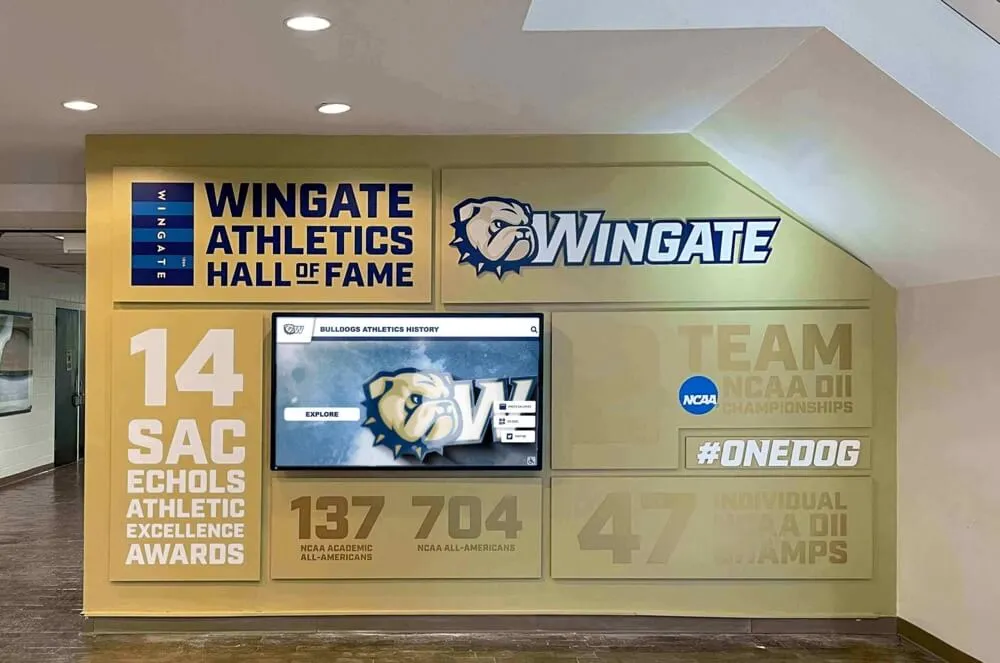
Modern athletic administrators manage increasingly complex operations spanning compliance tracking, scheduling coordination, facility management, communication, fundraising, and performance analytics—often with limited staff and resources. The right software solutions transform overwhelming administrative burdens into streamlined workflows, enabling athletic directors to focus on supporting student-athletes and building championship programs. This comprehensive research guide examines the top 30 must-have software products that successful athletic departments rely on to operate efficiently, maintain compliance, engage communities, and maximize program effectiveness across all levels of educational athletics.
Athletic administration has evolved dramatically over the past decade. Where athletic directors once managed operations using spreadsheets, paper forms, and manual processes, today’s administrators oversee technology ecosystems integrating eligibility tracking, compliance monitoring, scheduling automation, facility reservations, performance analytics, communication platforms, and financial management. The administrative complexity continues expanding as regulations become more stringent, stakeholder expectations increase, and competition intensifies for both student-athlete participation and community support.
Successfully navigating this landscape requires strategic technology investments. Athletic administrators face critical decisions about which software products deliver genuine value versus creating additional complexity without commensurate benefits. Budget constraints make these choices particularly challenging—every software investment must demonstrate clear return through time savings, improved compliance, enhanced communication, or better decision-making capabilities.
This research examines 30 essential software product categories that modern athletic departments should evaluate based on operational priorities, budget availability, and strategic objectives. Whether managing a small high school athletic program with limited resources or overseeing a large collegiate department with dozens of sports, understanding available technology solutions enables informed decisions supporting athletic excellence while managing administrative efficiency.
Understanding the Modern Athletic Administrator’s Technology Needs
Before examining specific software categories, understanding the comprehensive scope of athletic administration responsibilities helps contextualize why diverse technology solutions prove necessary.
Core Administrative Responsibilities Requiring Software Support
Athletic administrators manage remarkably diverse operational areas, each presenting unique technology requirements:
Compliance and Eligibility Management:
Maintaining student-athlete eligibility represents perhaps the most critical administrative responsibility. Athletic departments must verify academic standing, track required documentation (physical examinations, permission forms, insurance coverage), monitor transfer eligibility, ensure compliance with association rules (state high school associations, NCAA, NAIA, NJCAA), and maintain comprehensive audit trails documenting eligibility verification processes.
Compliance failures create serious consequences including forfeited competitions, sanctions against programs, and potential lawsuits. Manual tracking systems prove insufficient for managing the volume and complexity of contemporary eligibility requirements, making dedicated software solutions essential rather than optional.
Scheduling and Calendar Coordination:
Athletic departments coordinate incredibly complex schedules encompassing practice times across multiple teams sharing limited facilities, competition schedules requiring coordination with opponents, officials, and transportation, facility reservations balancing athletic needs with other institutional priorities, conflict resolution when academic calendars, standardized testing, or special events create scheduling challenges, and communication ensuring coaches, athletes, families, and administrators all maintain current schedule information.
Manual scheduling processes consume enormous administrative time while frequently creating errors, double-bookings, and communication breakdowns that undermine program effectiveness and stakeholder satisfaction.
Communication and Stakeholder Engagement:
Modern athletic departments must maintain regular communication with diverse audiences including student-athletes receiving practice schedules, game updates, and important announcements, parents seeking schedule information, eligibility updates, and emergency notifications, coaches requiring coordination about facilities, schedules, and administrative requirements, school administrators needing updates about program performance, compliance status, and budget matters, and community members including fans, donors, and media representatives seeking information about programs and events.
Effective communication requires systems enabling targeted messaging to appropriate audiences while maintaining comprehensive documentation of important communications for compliance and liability purposes.
Financial Management and Fundraising:
Athletic departments manage complex financial operations including budget development and monitoring, payment processing for registrations, tickets, and camps, fundraising campaign management, donor relationship tracking, purchasing and inventory management, and financial reporting for school administration and external stakeholders.
Integrated financial management systems ensure accountability, enable data-driven decision making, and support fundraising effectiveness critical for supplementing often-limited institutional funding allocations.
Facility and Equipment Management:
Overseeing athletic facilities and equipment requires systems tracking facility reservations and usage patterns, preventive maintenance scheduling, equipment inventory and distribution, safety inspections and documentation, and cost allocation across multiple sports programs.
Systematic facility and equipment management extends asset lifespan, ensures safety compliance, and maximizes utilization of limited resources.
Integration Requirements and System Ecosystems
Individual software products deliver value, but integration between systems multiplies effectiveness while reducing administrative burden. Athletic administrators benefit from technology ecosystems where scheduling systems automatically update stakeholder communications, eligibility platforms integrate with student information systems to verify academic standing, compliance systems connect with scheduling to prevent ineligible participation, facility reservations synchronize with master calendars preventing conflicts, and financial systems consolidate data from registration, ticketing, and fundraising platforms.
Selecting software products that integrate effectively proves as important as evaluating standalone capabilities. Many athletic departments create unintended silos by adopting best-in-class products in individual categories without considering integration requirements, ultimately increasing rather than decreasing administrative complexity.
Category 1: Athletic Department Management Platforms
Comprehensive athletic department management platforms provide integrated solutions addressing multiple operational areas within unified systems rather than requiring administrators to coordinate between numerous standalone products.
1. Spry
Spry offers an all-in-one intercollegiate athletics management tool designed specifically for college and university athletic departments. The platform provides mission control functionality enabling department-wide coordination, featuring dedicated solutions assisting with NIL (Name, Image, and Likeness) disclosures, education, and reporting, built-in compliance monitoring systems aligned with NCAA, NAIA, and NJCAA standards, secure communication capabilities for coordinating with student-athletes across the entire department, and automated workflows reducing repetitive administrative tasks while providing visibility across all department operations.
SpryConnect specifically targets compliance operations, offering affordable solutions focused on improving efficiency, consistency, and transparency through secure platforms incorporating current association rules and requirements. The system particularly benefits smaller colleges and Division II/III programs seeking enterprise-level capabilities without corresponding resource requirements typical of larger athletic departments.
2. BigTeams
BigTeams provides comprehensive software solutions designed specifically for athletic administrators at both high school and collegiate levels. The platform’s product suite includes secure student-athlete registration and team management software collecting digital registration forms, verifying eligibility, and compiling rosters automatically, athletic eligibility and compliance software designed for state associations and school districts ensuring systematic verification processes, event management capabilities automating scheduling and communication, and coaching staff oversight tools managing certifications, background checks, and required training completion.
BigTeams emphasizes data security and regulatory compliance, ensuring sensitive student information receives appropriate protection while maintaining necessary accessibility for authorized users. The platform serves state athletic associations, individual schools, and districts seeking unified systems for managing complex administrative requirements across multiple schools and programs.
3. DragonFly Athletics
DragonFly Athletics positions itself as the leading athletic management software solution specifically for high school sports administration. The platform addresses the unique needs of secondary school athletic departments through membership management systems, official assignment and scheduling capabilities coordinating referees and game officials, secure digital payment processing for registrations, officials’ fees, and other transactions, comprehensive communication tools enabling targeted messaging to appropriate stakeholder groups, player roster management and eligibility tracking, and injury reporting and management documentation.
DragonFly particularly focuses on streamlining complexities inherent in high school sports administration where athletic directors often manage operations with minimal support staff while juggling teaching and coaching responsibilities alongside administrative duties.
4. Bound
Bound provides high school sports and activities management software developed by a team with over 200 years of combined experience in athletic administration. The platform uses one system for scheduling, registration, ticketing, communication, and more, simplifying operations through integrated functionality. Bound Ticketing and Passes provides frictionless gate experiences for fans while generating intuitive financial reports for business offices through connected platform architecture.
The system emphasizes user experience design informed by extensive athletic administration experience, addressing real operational challenges rather than requiring administrators to adapt processes to software limitations designed by technology companies without sports management expertise.
5. Aktivate
Aktivate brings technology typically available only at collegiate and professional levels to K-12 schools through modern software platforms designed for athletic department management. The system provides scheduling automation, communication tools, compliance tracking, and administrative capabilities enabling smaller schools to implement sophisticated athletic operations management without requiring enterprise-level budgets or dedicated IT support.
Aktivate focuses on accessibility and ease of use, recognizing that secondary school athletic administrators often manage technology implementation without specialized technical expertise or dedicated support staff available at larger institutions.
Category 2: Compliance and Eligibility Management
Compliance and eligibility management represents the most critical area requiring systematic software support given serious consequences of compliance failures.
6. Honest Game
Honest Game stands as the only educational software automating real-time academic eligibility tracking for college sports across all five divisions. The platform ensures courses and GPAs remain NCAA-compliant through continuous monitoring rather than periodic manual verification, dramatically reducing compliance risk while decreasing administrative burden on athletic department staff.
The system integrates with student information systems to automatically verify academic progress, flag potential eligibility issues before they create compliance problems, and maintain comprehensive documentation of eligibility verification processes. High schools also utilize Honest Game for tracking NCAA eligibility requirements for college-bound student-athletes, helping counselors and administrators ensure students take appropriate courses and maintain necessary academic standards.
7. Teamworks Compliance
Teamworks Compliance provides comprehensive compliance platforms unifying athletic departments by automating processes, centralizing data, and mitigating risk of costly violations. The system configures automated workflows applying latest NCAA regulations and institution-specific criteria through rules engines ensuring consistent application of complex requirements across all sports programs.
Teamworks particularly serves larger collegiate programs with sophisticated compliance operations requiring detailed tracking, reporting, and audit capabilities. The platform’s enterprise architecture supports department-wide coordination while maintaining appropriate access controls ensuring only authorized personnel access sensitive compliance information.
8. Arbiter Eligibility
Arbiter offers comprehensive school management software for sports and activities including eligibility management keeping athletes and teams compliant with state and school requirements. Arbiter Eligibility tracks certifications, physicals, clearances, and other required documentation in centralized systems, providing at-a-glance visibility into eligibility status for every student-athlete.
The platform particularly serves state athletic associations coordinating eligibility requirements across multiple schools, enabling consistent standards and verification processes while providing individual schools with tools for managing local compliance requirements.
9. Rank One Athletic Management
Rank One provides athletic management systems featuring roster management, compliance tracking, dynamic online forms, schedules, secure messaging, real-time event updates, injury and eligibility alerts, mobile apps, and customizable reporting options. The platform’s eligibility alerts proactively notify administrators of potential compliance issues before they result in violations, enabling preventive action rather than reactive responses.
Rank One emphasizes the importance of customizable reporting, recognizing that different athletic departments, leagues, and state associations maintain varying reporting requirements necessitating flexible systems accommodating diverse needs rather than forcing standardization on unique organizational requirements.
10. LeagueMinder Compliance
LeagueMinder streamlines compliance through systems ensuring adherence to industry standards and regulations relevant to roster management. The platform maintains detailed logs of user actions and system activities through audit trails providing accountability and supporting auditing processes when questions arise about compliance procedures or eligibility determinations.
The audit trail functionality proves particularly valuable for athletic departments subject to comprehensive compliance reviews by state associations, collegiate athletic conferences, or institutional auditors requiring documentation demonstrating systematic eligibility verification rather than ad-hoc processes vulnerable to errors and oversights.
Category 3: Scheduling and Event Management
Scheduling represents one of the most time-consuming administrative responsibilities, making automation through specialized software particularly valuable for busy athletic administrators.
11. Arbiter Sports
Arbiter Sports provides one platform managing rules, schedules, and compliance while giving every season structure and insight. The system enables athletic administrators to create complex multi-sport schedules, coordinate facility usage across numerous teams, identify and resolve conflicts automatically, and communicate schedule updates to all affected stakeholders through integrated notification systems.
Arbiter serves as the industry-standard scheduling platform for many state athletic associations, creating network effects where schools within associations benefit from coordinated scheduling capabilities facilitating inter-school competition coordination.
12. Bound Scheduling
Bound’s scheduling capabilities integrate with the platform’s registration, ticketing, and communication features, enabling athletic directors to simplify schedule management while automatically updating related systems. When schedule changes occur, integrated systems automatically notify affected parties, update ticketing systems, and adjust facility reservations, eliminating manual coordination across multiple platforms.
This integration proves particularly valuable during unexpected schedule disruptions from weather, facility issues, or other circumstances requiring rapid rescheduling and communication to athletes, families, and officials.
13. Eventlink
Eventlink offers athletic director software for efficient sports management with event management features automating scheduling, communication, and coordination. The platform enables tournament and multi-team event management, providing specialized tools for coordinating complex events involving numerous schools, multiple sports, and sophisticated logistical requirements.
Eventlink particularly serves athletic directors who host tournaments, invitationals, and championship events requiring coordination beyond regular season scheduling, providing specialized capabilities for managing complex multi-day, multi-team competitions.
Category 4: Facility and Field Management
Athletic facilities represent significant institutional investments requiring systematic management maximizing utilization while maintaining proper maintenance and safety standards.
14. EZFacility
EZFacility provides sports facility management and scheduling software simplifying management of fields, courts, leagues, tournaments, teams, coaches, and memberships. The platform uses color-coded calendars visualizing resource availability, enabling efficient allocation of limited facility space across competing demands from multiple sports programs.
EZFacility allows online registration for leagues, tournaments, camps, and clinics, managing all aspects of league and tournament scheduling while handling associated payment processing and participant communication, creating unified systems rather than requiring administrators to coordinate multiple platforms.
15. SportsKey
SportsKey describes itself as the best online sports facility management and scheduling software, enabling effortless organization of schedules, tracking of field availability, and management of bookings. The platform provides 24/7 online booking capabilities with real-time facility availability, enabling coaches and external organizations to reserve facilities without requiring athletic director intervention for every booking request.
SportsKey’s athletic scheduling software emphasizes maximizing facility utilization, helping schools generate revenue from facilities during otherwise unused time periods through community rentals while maintaining priority access for school athletic programs.
16. FinnlySport
FinnlySport features powerful scheduling engines handling nuances of multiple sports with varying facility requirements, court configurations, and equipment needs. FinnlyConnect allows customers to reserve courts and fields, enroll in programs, look up historical transactions, and make payments through integrated customer-facing portals reducing administrative burden while improving customer service.
The system’s sophisticated scheduling algorithms optimize facility allocation based on configurable priorities, ensuring equitable access across programs while accommodating special requirements like preferred practice times, minimum booking durations, or buffer periods for field preparation between uses.
17. Swift
Swift offers sports facility management software enabling online booking, scheduling, and payment setup in minutes. The platform includes online booking and payment processing, invoicing capabilities, marketing tools, staff management and payroll functionality, and retail sales features for facilities operating pro shops or concession stands.
Swift emphasizes quick implementation and ease of use, recognizing that many athletic administrators lack time for extended software deployments and training, requiring solutions delivering immediate value without extensive configuration or learning curves.
Category 5: Communication and Fan Engagement
Effective communication with diverse stakeholder groups—student-athletes, parents, coaches, administrators, and fans—requires platforms enabling targeted messaging while maintaining documentation of important communications.
18. Finalsite Athletics Manager
Finalsite Athletics Manager provides software built for athletics departments of all sizes, streamlining essential communications and updates across websites and mobile apps. The platform ensures schedule changes, score updates, and important announcements automatically propagate to all communication channels, maintaining consistency while reducing administrative effort required for multi-channel communication.
Finalsite integrates with school website infrastructure, ensuring athletics information maintains visual and functional consistency with broader institutional web presence rather than appearing as disconnected third-party content with different navigation and design creating confusing user experiences.
19. BigTeams Communication Tools
BigTeams’ event management software includes communication features automating tedious tasks and streamlining coordination with athletes, parents, coaches, and officials. The platform enables mass notification when schedule changes occur, targeted messaging to specific teams or groups, and automated reminders about upcoming events, registration deadlines, or required documentation.
The system maintains communication history and delivery confirmation, providing documentation that required notifications occurred—particularly valuable for liability protection when questions arise about whether families received adequate notice of policy changes, event cancellations, or safety information.
20. Vanco School Athletics Management
Vanco provides school athletics program management software streamlining payment processing, fundraising, online registrations, and ticket sales. The platform’s integrated communication capabilities ensure automated confirmation messages, payment receipts, and event reminders maintain consistent professional communication with families throughout registration and participation processes.
Vanco emphasizes financial communication features ensuring transparency about fees, payment deadlines, and financial obligations, helping athletic departments maintain clear financial relationships with participating families while reducing administrative burden of manual payment tracking and communication.

Category 6: Video Analysis and Performance Coaching
Performance improvement requires systematic analysis of technique, tactics, and game situations, making video analysis software essential for coaching staffs seeking competitive advantages.
21. Hudl
Hudl leads sports technology, video analysis, and data markets, providing comprehensive solutions helping athletes, coaches, teams, and organizations win at every level. The platform offers video capture, analysis, breakdown capabilities, collaborative review tools enabling coaching staff coordination, and performance tracking across seasons and athlete development.
Hudl has become the industry standard for high school and many collegiate programs, creating network effects where opponents exchange video through common platforms, facilitating scouting and game preparation across programs using compatible systems.
22. Catapult Video Analysis
Catapult provides comprehensive video analysis solutions designed for elite sports teams, connecting performance data to video and enabling team-wide sharing. The platform integrates video analysis with wearable performance tracking data, correlating video evidence with objective performance metrics like speed, distance covered, or heart rate during specific game situations.
This integrated approach particularly benefits sports emphasizing physical performance alongside technical execution, enabling coaching staffs to make evidence-based decisions about training loads, athlete readiness, and performance optimization strategies.
23. Dartfish
Dartfish uses video and data analysis to detect vulnerabilities and develop technical and tactical strategies improving performance and reducing injuries. The platform emphasizes injury prevention through movement analysis identifying technique flaws creating injury risk, enabling coaching staffs to make preventive corrections before injuries occur rather than responding reactively after athletes suffer preventable injuries.
Dartfish serves collegiate and elite programs prioritizing athlete health and longevity alongside competitive performance, recognizing that keeping athletes healthy and available proves as important as improving peak performance capabilities.
24. Onform
Onform provides sports video analysis apps and coaching platforms featuring frame-by-frame playback, drawing annotation, side-by-side comparisons, and AI-powered analysis. The platform leverages high-definition video capture and cloud-based sharing enabling precise feedback delivery even when coaches and athletes cannot meet in person.
Onform particularly serves individual sport coaches (tennis, golf, swimming, track) who provide personalized technique coaching to numerous athletes training independently rather than team sport situations where coaches directly supervise most training activities.
Category 7: Fundraising and Donor Management
Athletic programs increasingly rely on fundraising to supplement institutional funding, making donor management and fundraising campaign tools essential for program sustainability.
25. Snap! Mobile
Snap! Mobile provides an all-in-one platform designed to streamline fundraising, program management, community engagement, and budgeting for high school athletics. Over 150,000 teams, groups, clubs, and schools have raised more than $1 billion through the platform, demonstrating significant market adoption and fundraising effectiveness.
The platform emphasizes ease of use for both administrators managing campaigns and donors making contributions, recognizing that fundraising success depends on minimizing friction in donation processes while maximizing reach through digital channels and social sharing capabilities.
26. GiveCampus
GiveCampus equips college athletics leaders with fundraising tools needed to stay competitive in increasingly expensive collegiate athletics environments. The platform seamlessly syncs constituent data with institutional CRMs (Customer Relationship Management systems), ensuring leaders, coaches, and development staff share reliable information sources avoiding data silos undermining coordination.
GiveCampus particularly serves collegiate athletic departments with established development operations seeking to enhance digital fundraising capabilities, leverage athletics-specific fundraising events, and coordinate with broader institutional advancement efforts.
27. DonorPerfect
DonorPerfect centralizes donor management, communication tools, and reporting in intuitive platforms trusted by over 1,150 education-focused nonprofits. The system emphasizes comprehensive donor relationship management tracking donation history, communication preferences, engagement activities, and cultivation strategies ensuring systematic stewardship rather than ad-hoc donor relations.
DonorPerfect integrates with accounting systems, email marketing platforms, and other fundraising tools, creating unified technology ecosystems supporting sophisticated development operations without requiring specialized technical expertise for implementation and management.
28. eTeamSponsor
eTeamSponsor offers Donor Sync features providing streamlined approaches to donor management, allowing schools to track and engage donors more efficiently while coordinating sponsorship opportunities. The platform particularly emphasizes corporate sponsorship management alongside individual donor cultivation, recognizing that athletic programs often pursue diverse funding strategies incorporating both individual giving and business partnerships.
Category 8: Student Information System Integration
Athletic software proves most effective when integrated with broader student information systems ensuring eligibility verification, enrollment confirmation, and academic data flow automatically between systems.
29. WinWon Athlete Management System
WinWon provides comprehensive Athlete Management System software designed to support athletic program operations while integrating with institutional student information systems. The platform creates unified data environments where academic information, enrollment status, and demographic data automatically flow into athletic management systems, eliminating manual data entry while reducing errors from outdated information.
Integration with student information systems proves particularly critical for compliance operations where eligibility determinations depend on accurate, current academic data requiring verification multiple times throughout athletic seasons as grades post and academic standing changes.
Category 9: Athletic Recognition and Tradition Management
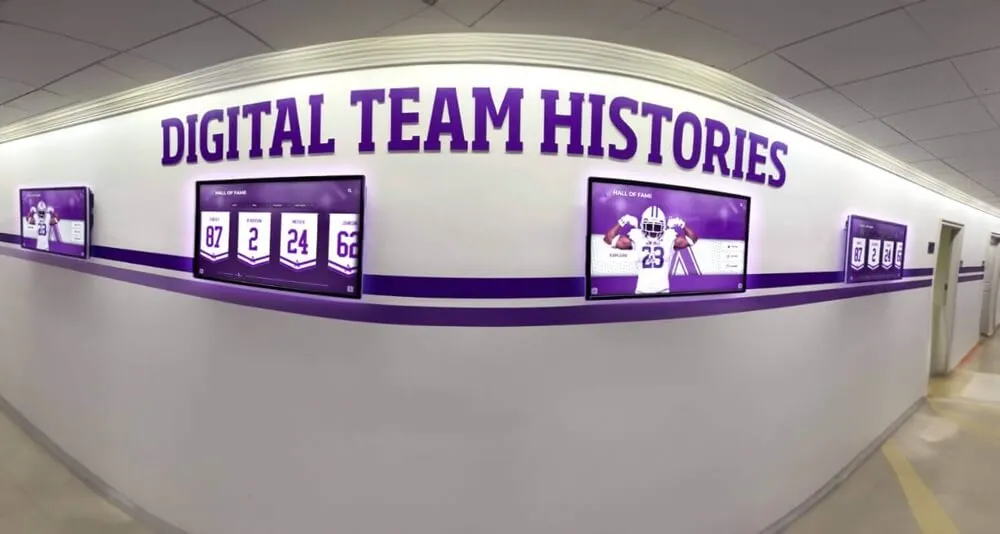
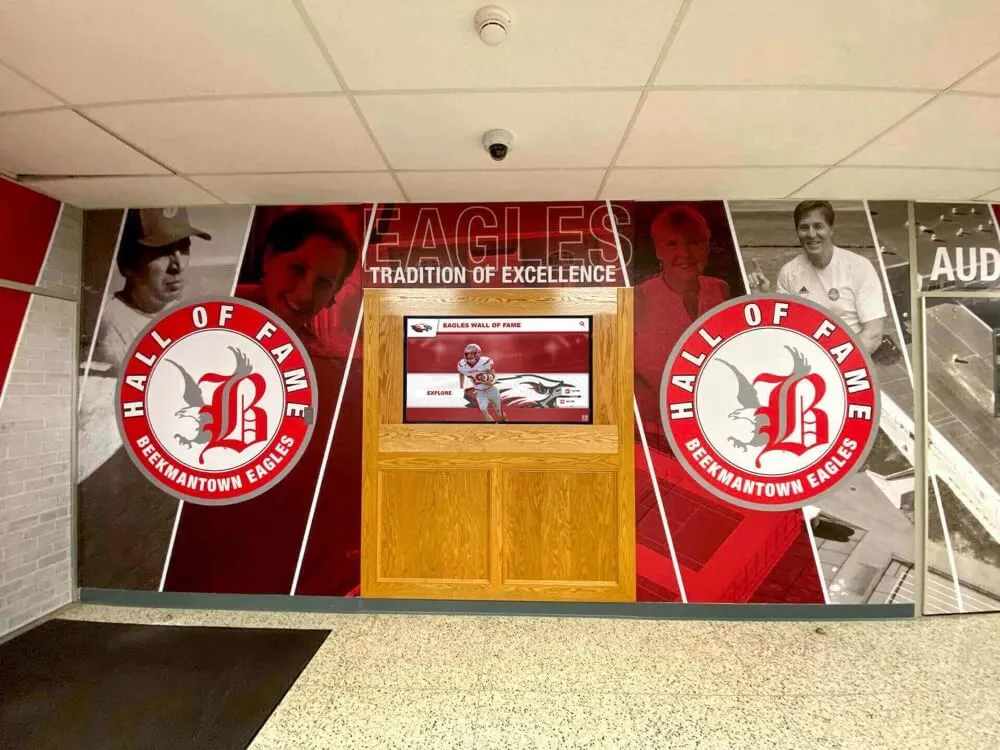
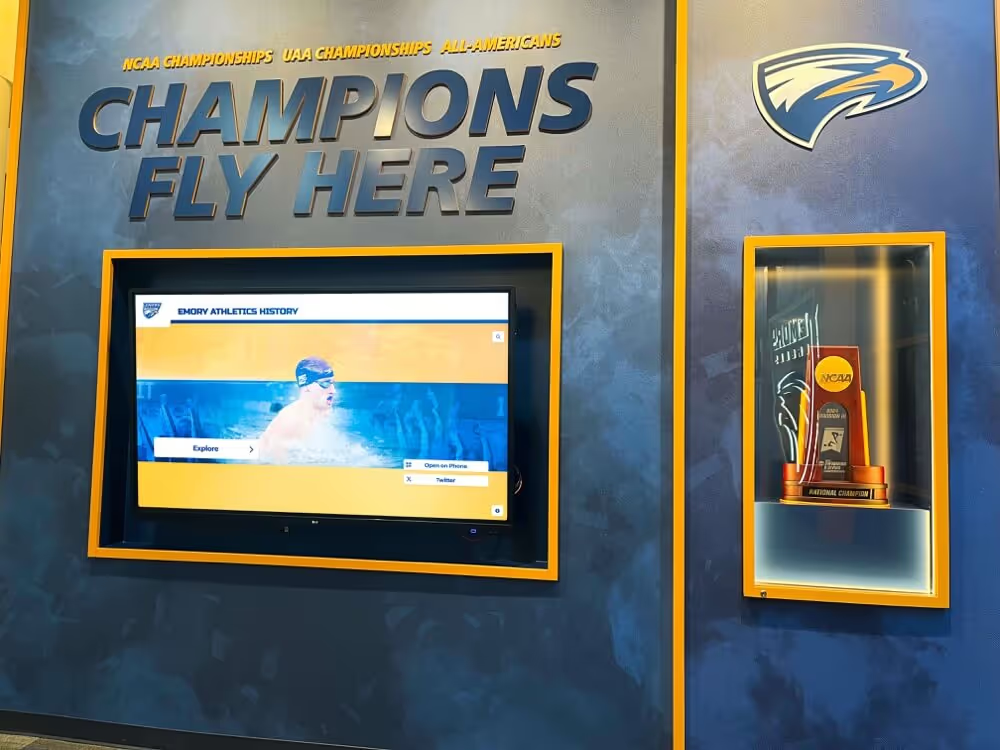
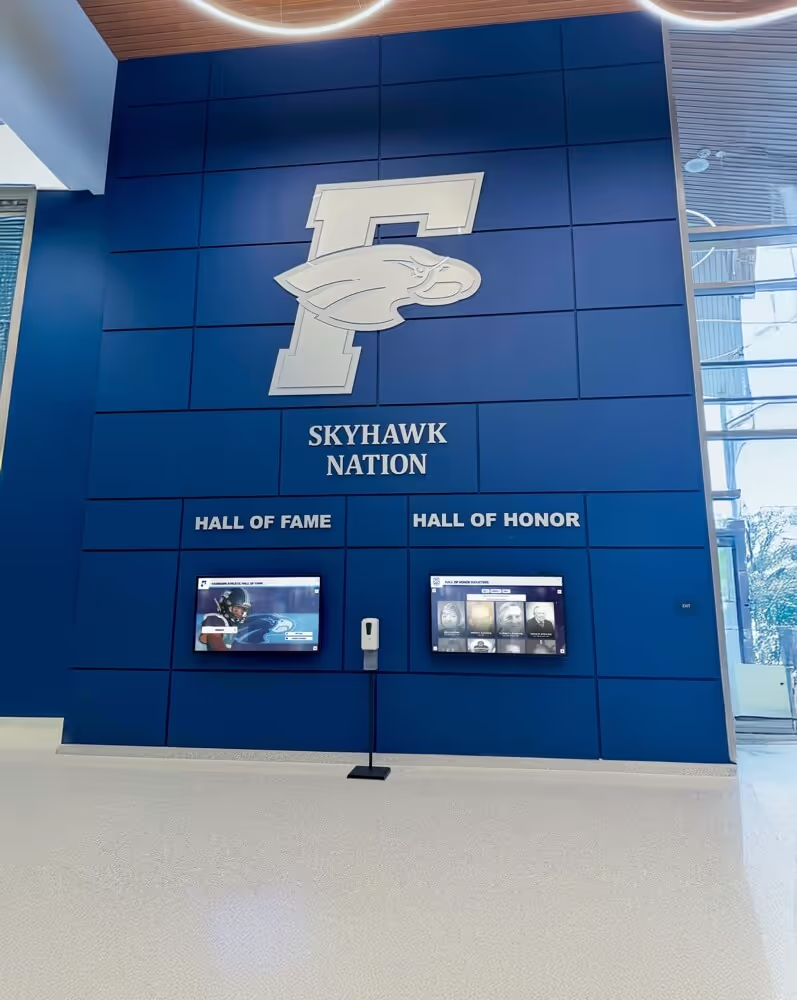
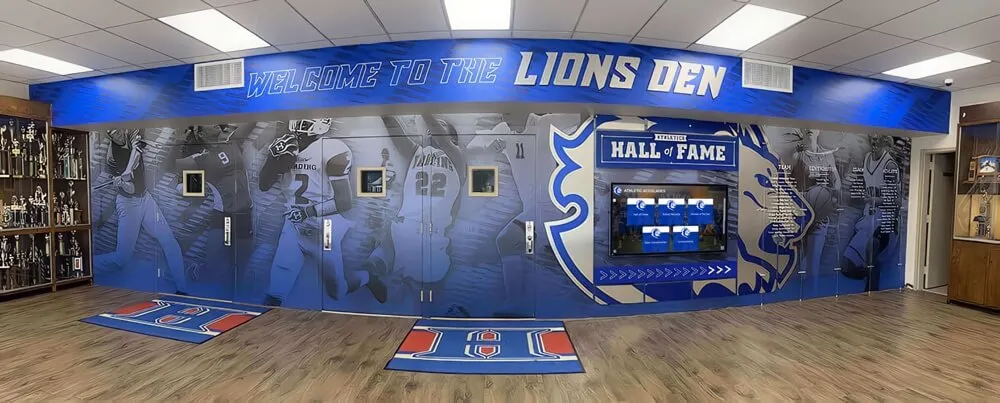
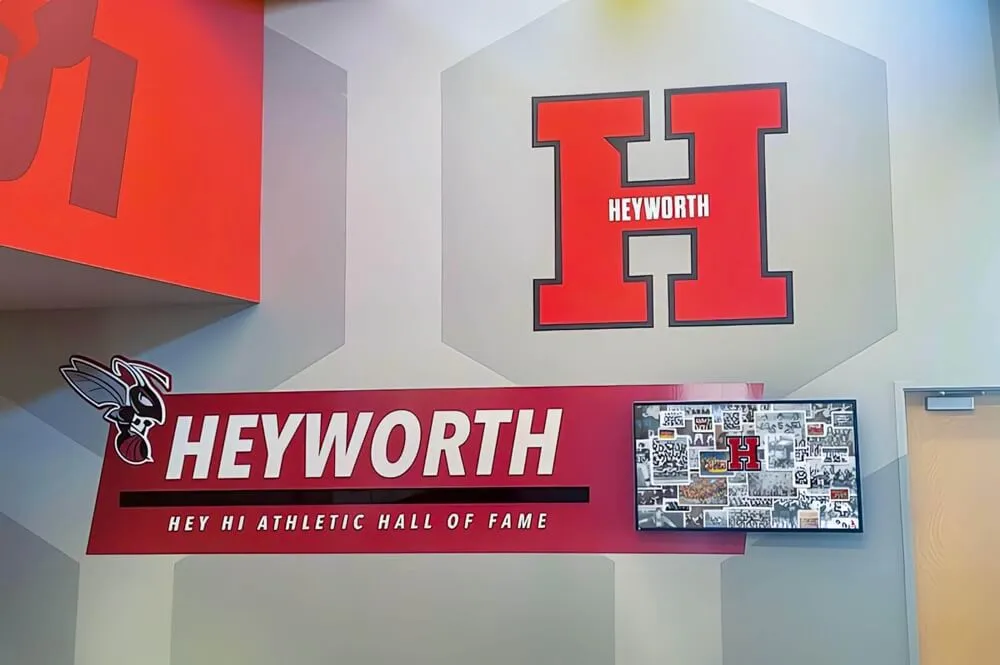
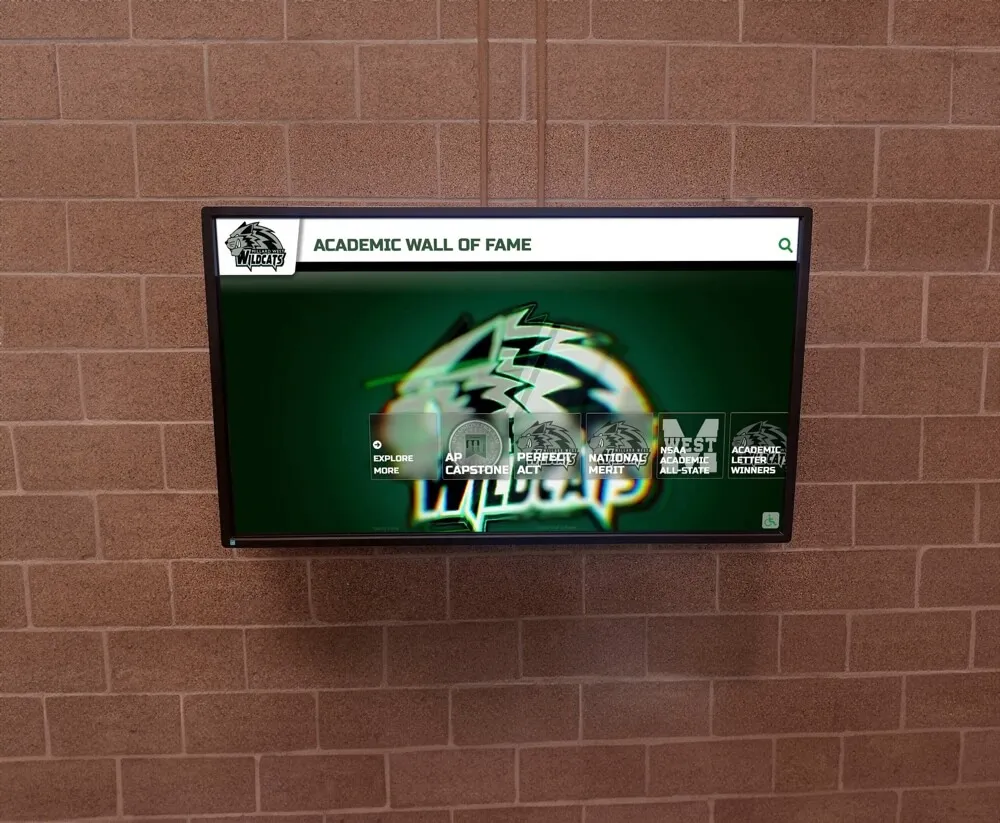
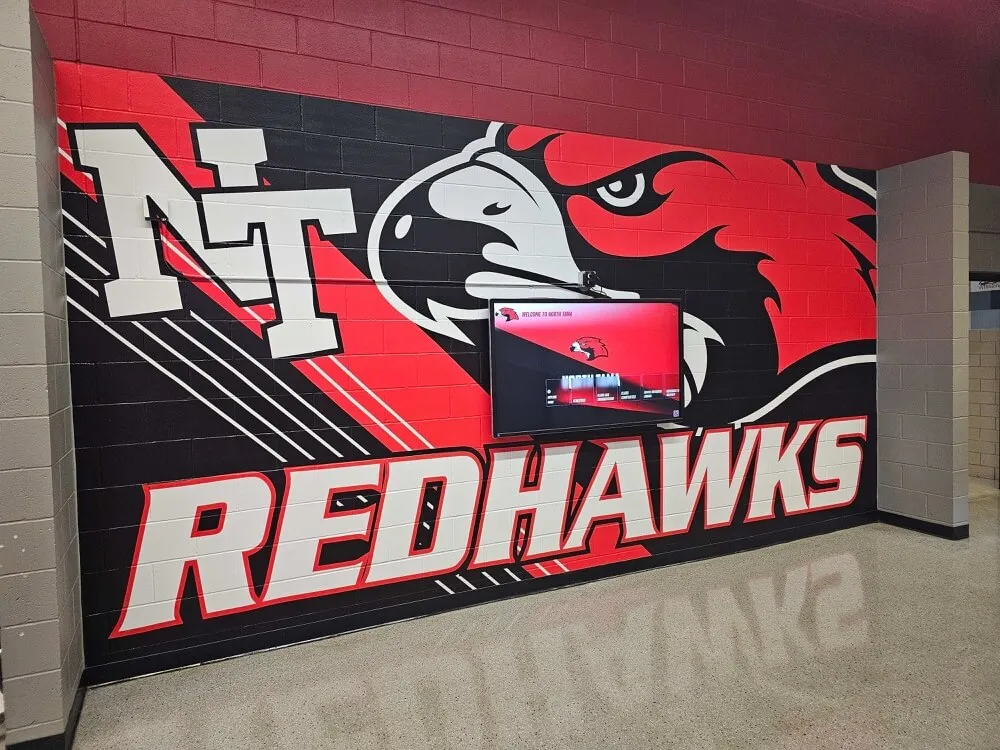
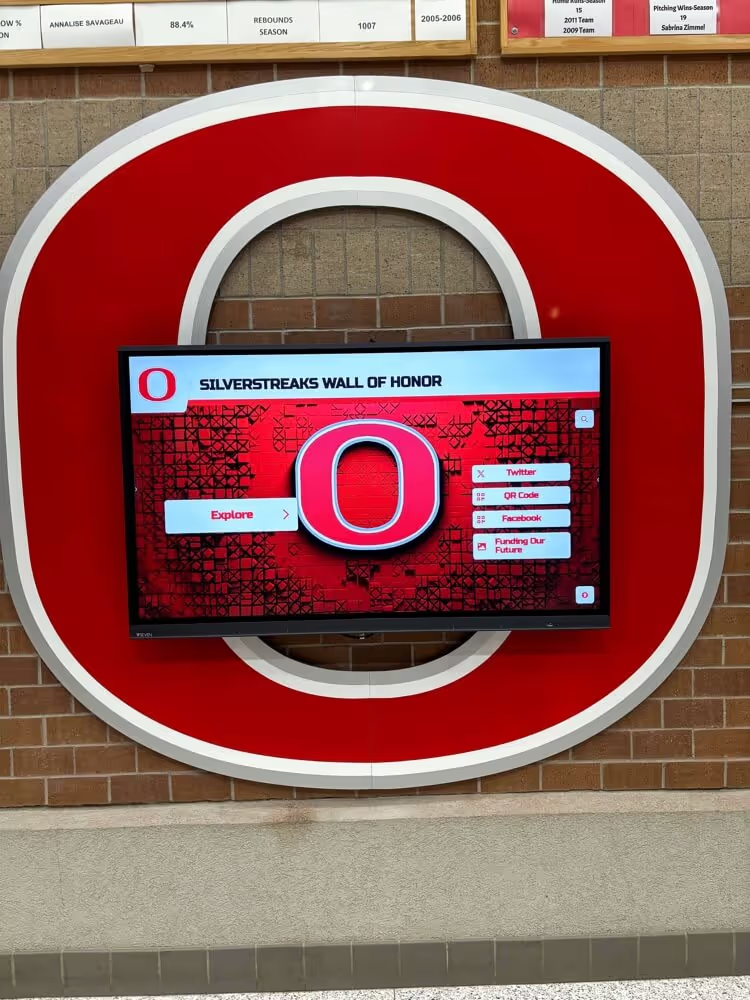
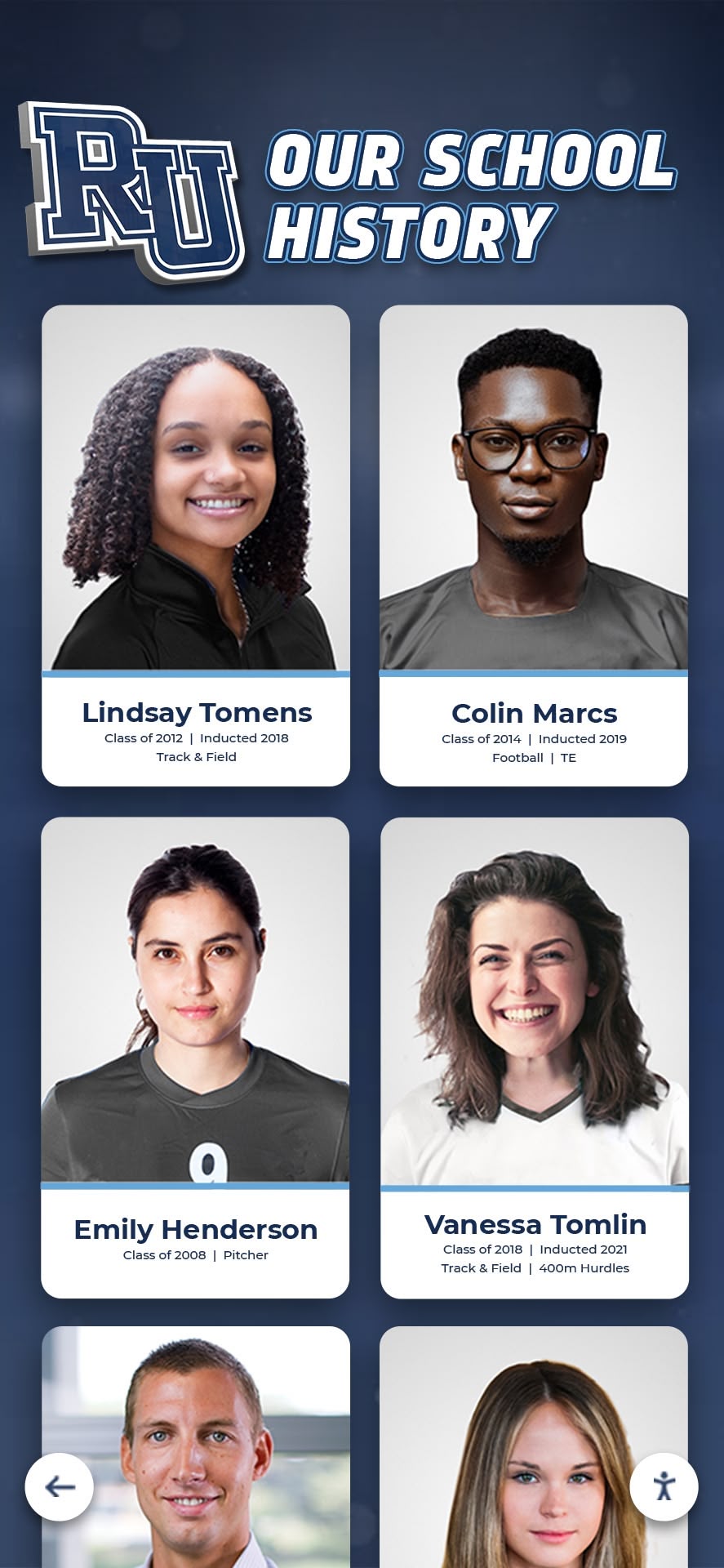
While operational software addresses immediate administrative needs, systems celebrating athletic achievement and preserving program traditions strengthen community connections and inspire future excellence. Digital recognition displays provide dynamic platforms showcasing athletic excellence while engaging athletes, families, and alumni communities.
30. Rocket Alumni Solutions
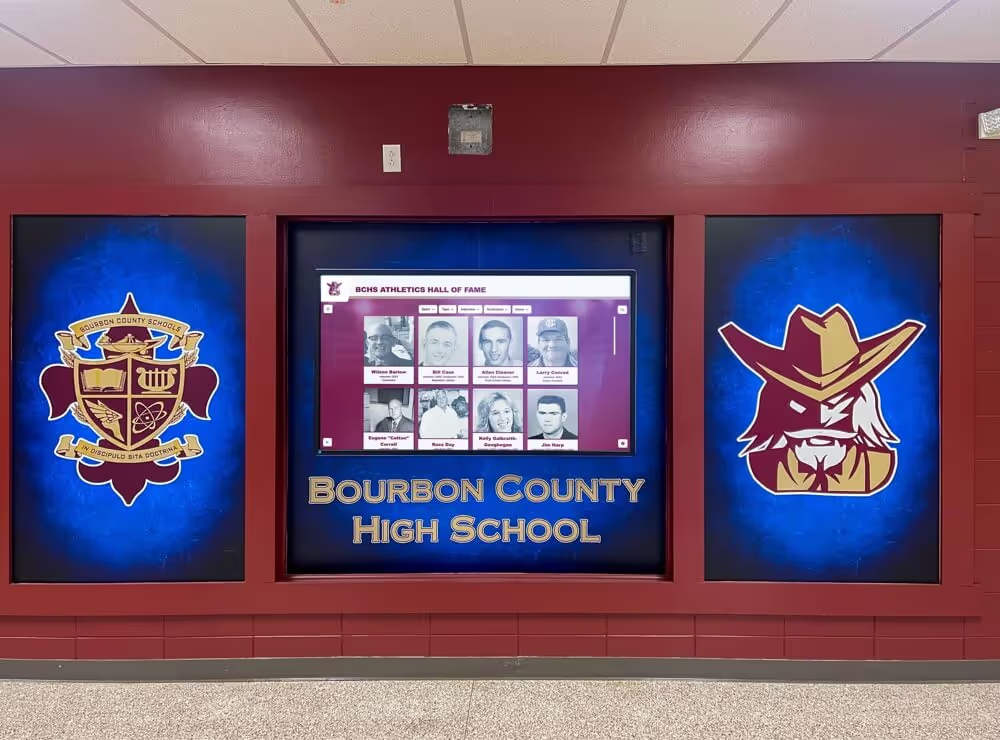
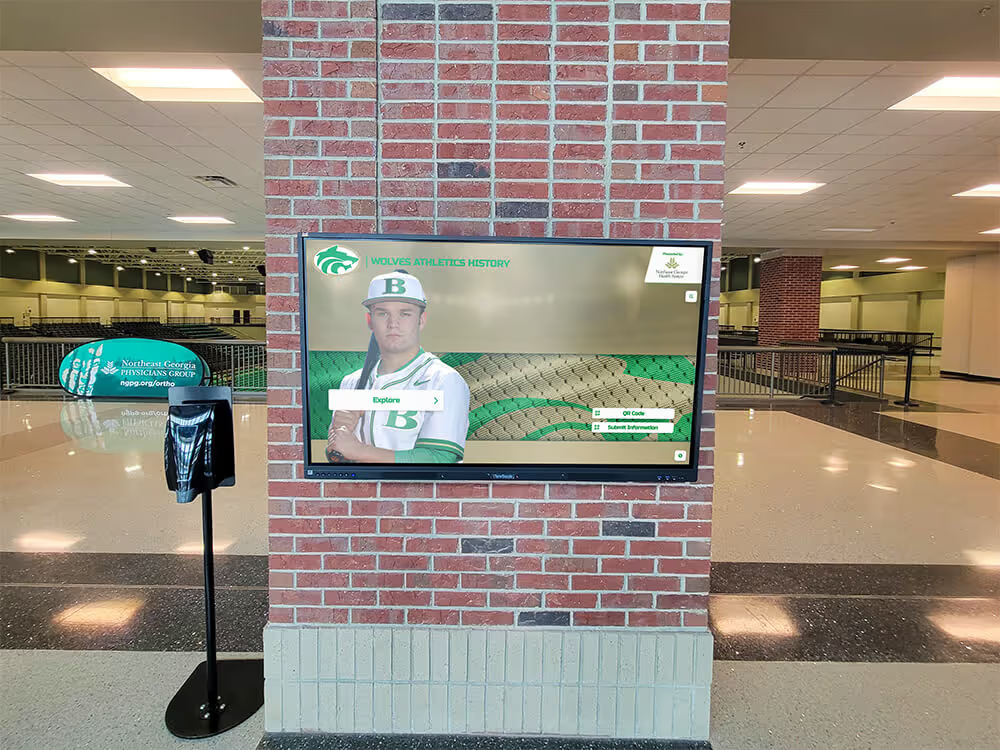
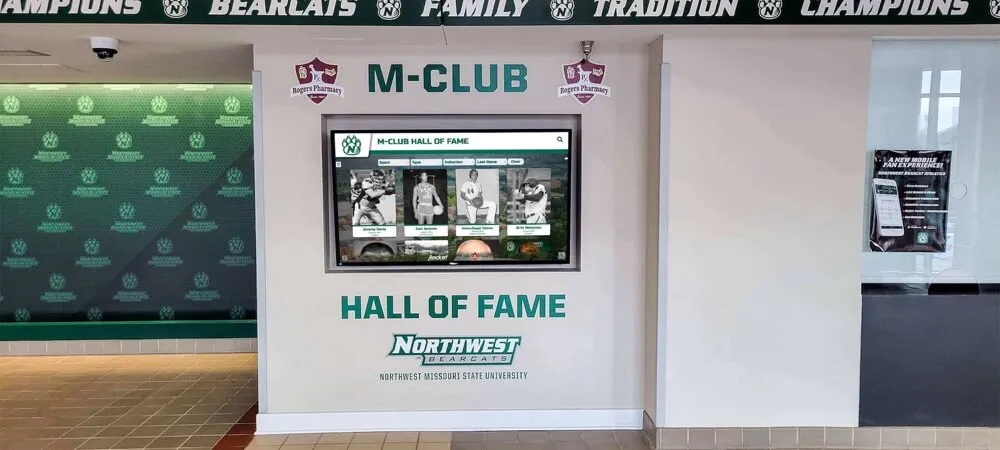
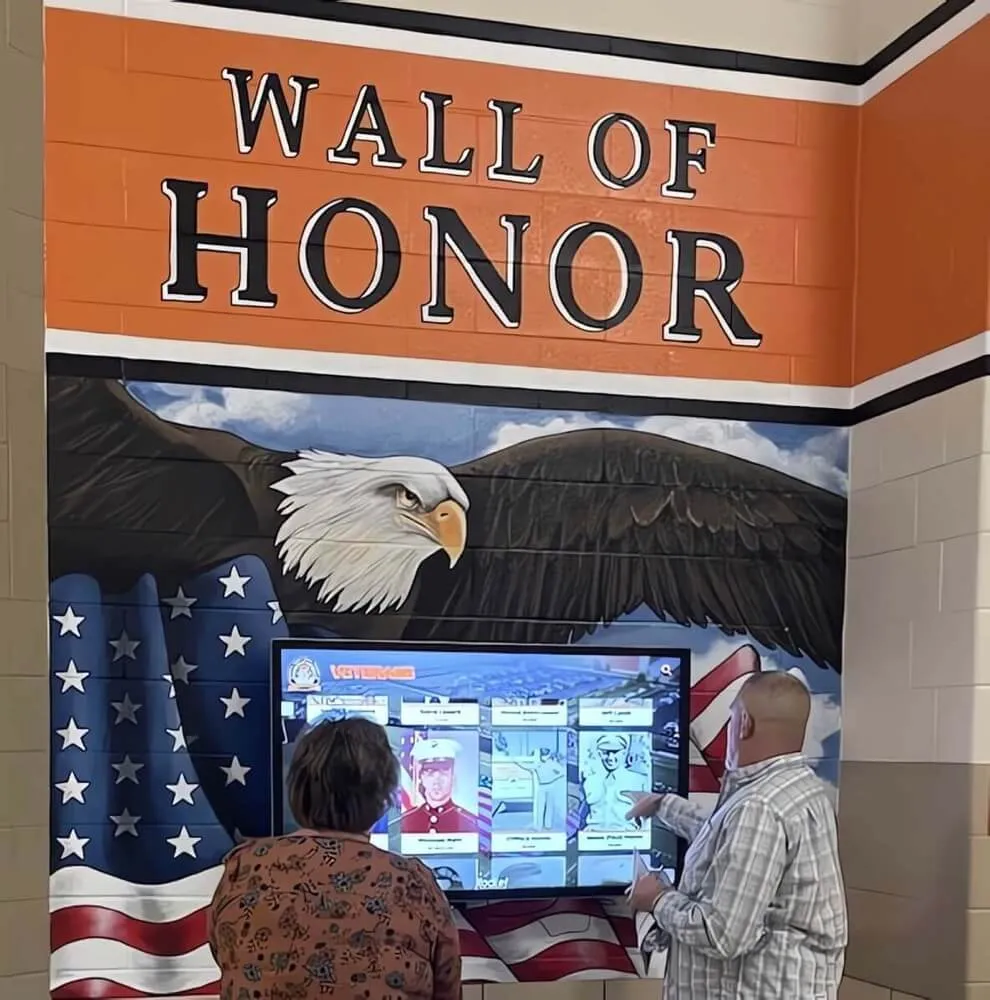
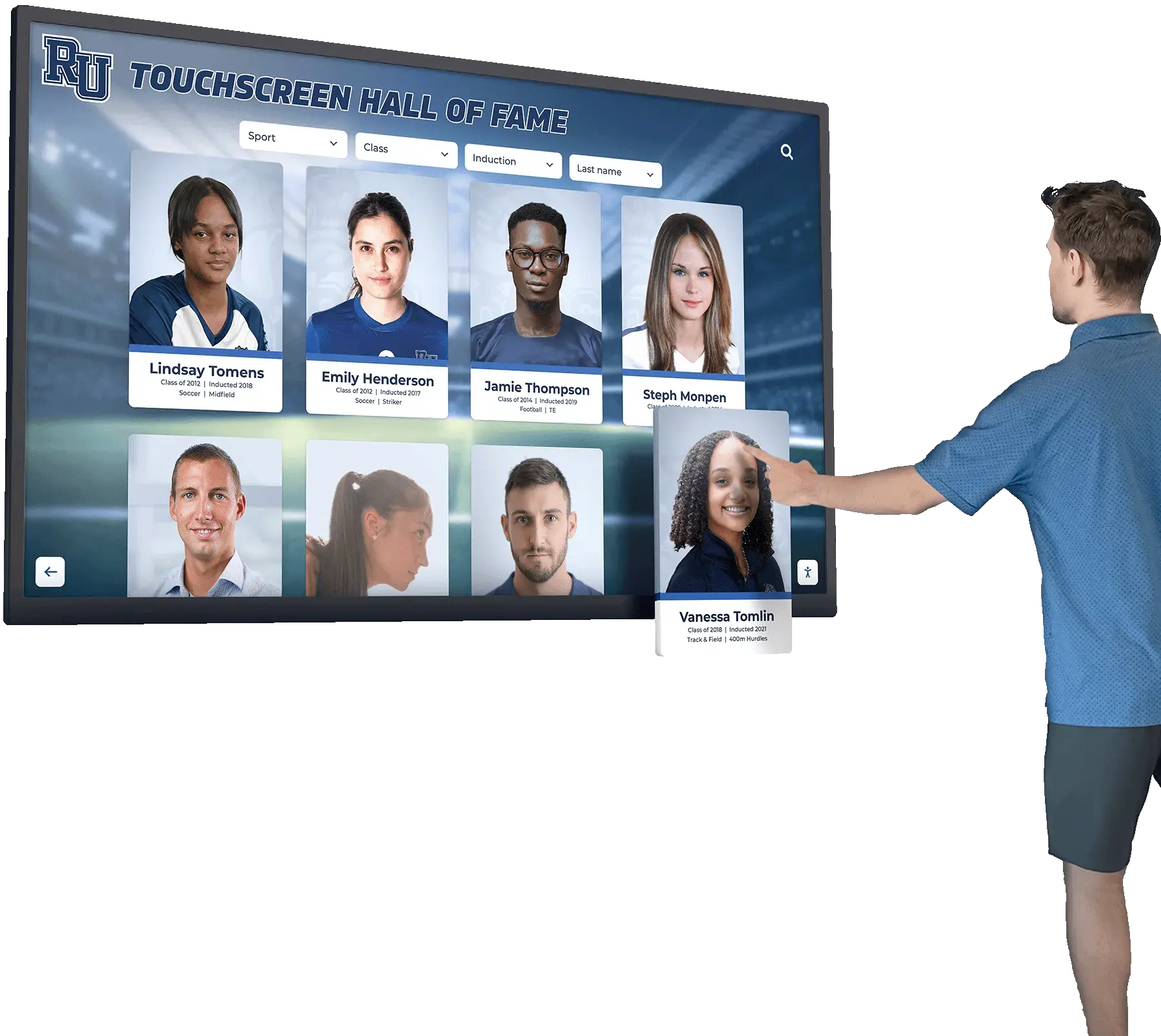
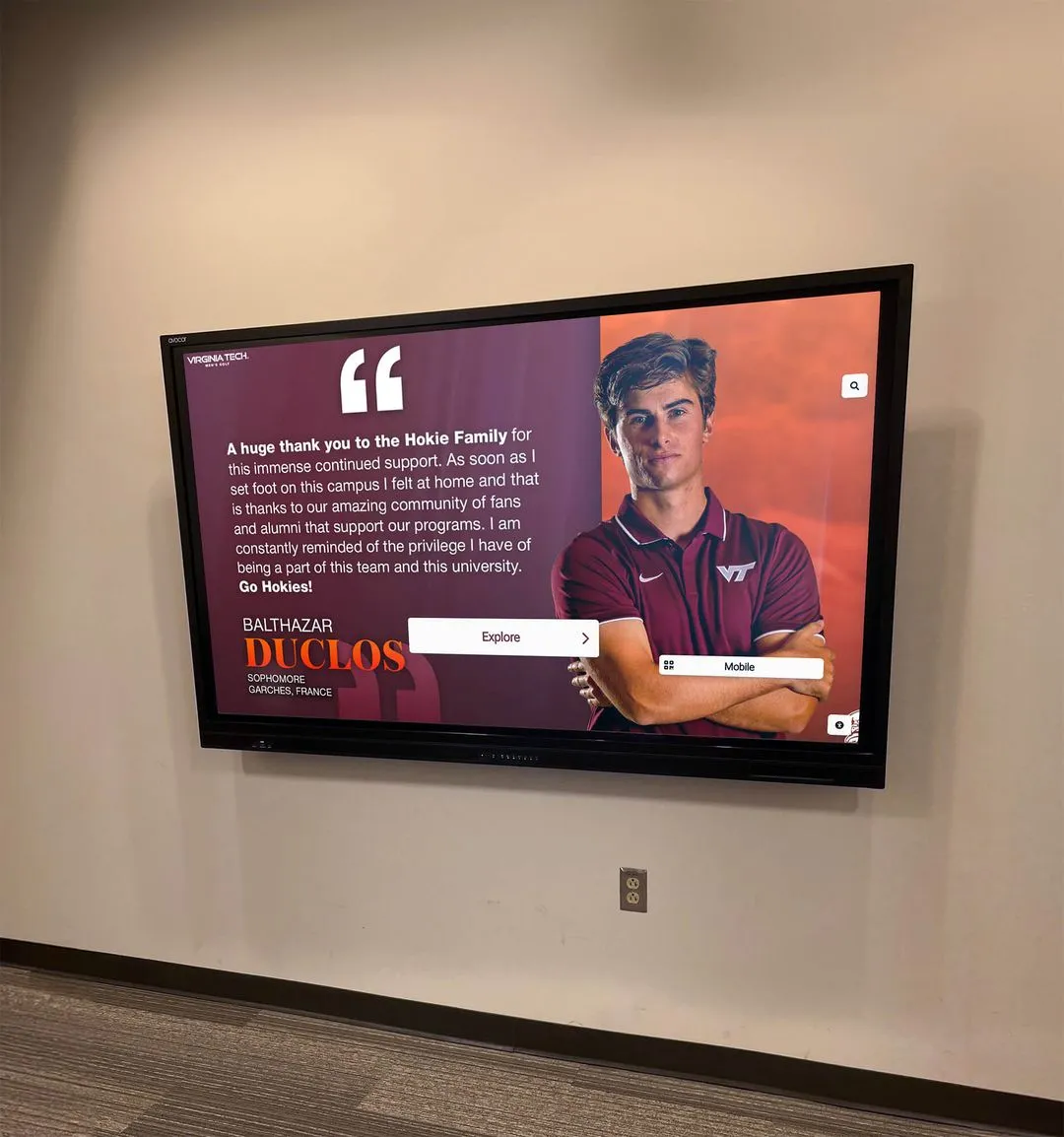
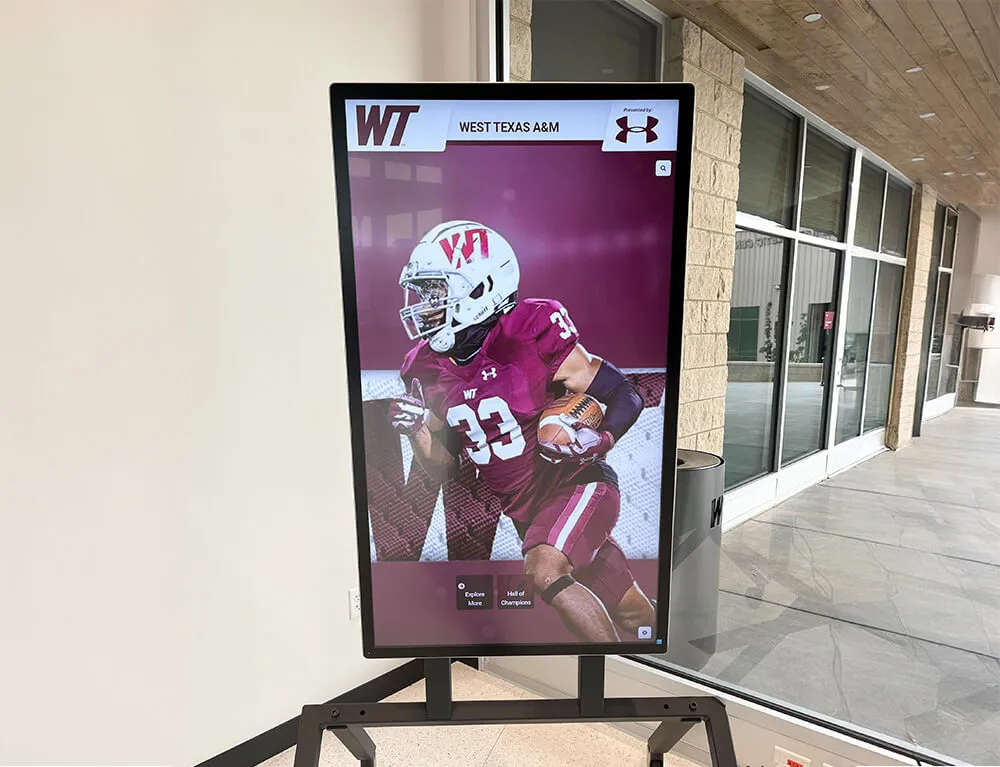
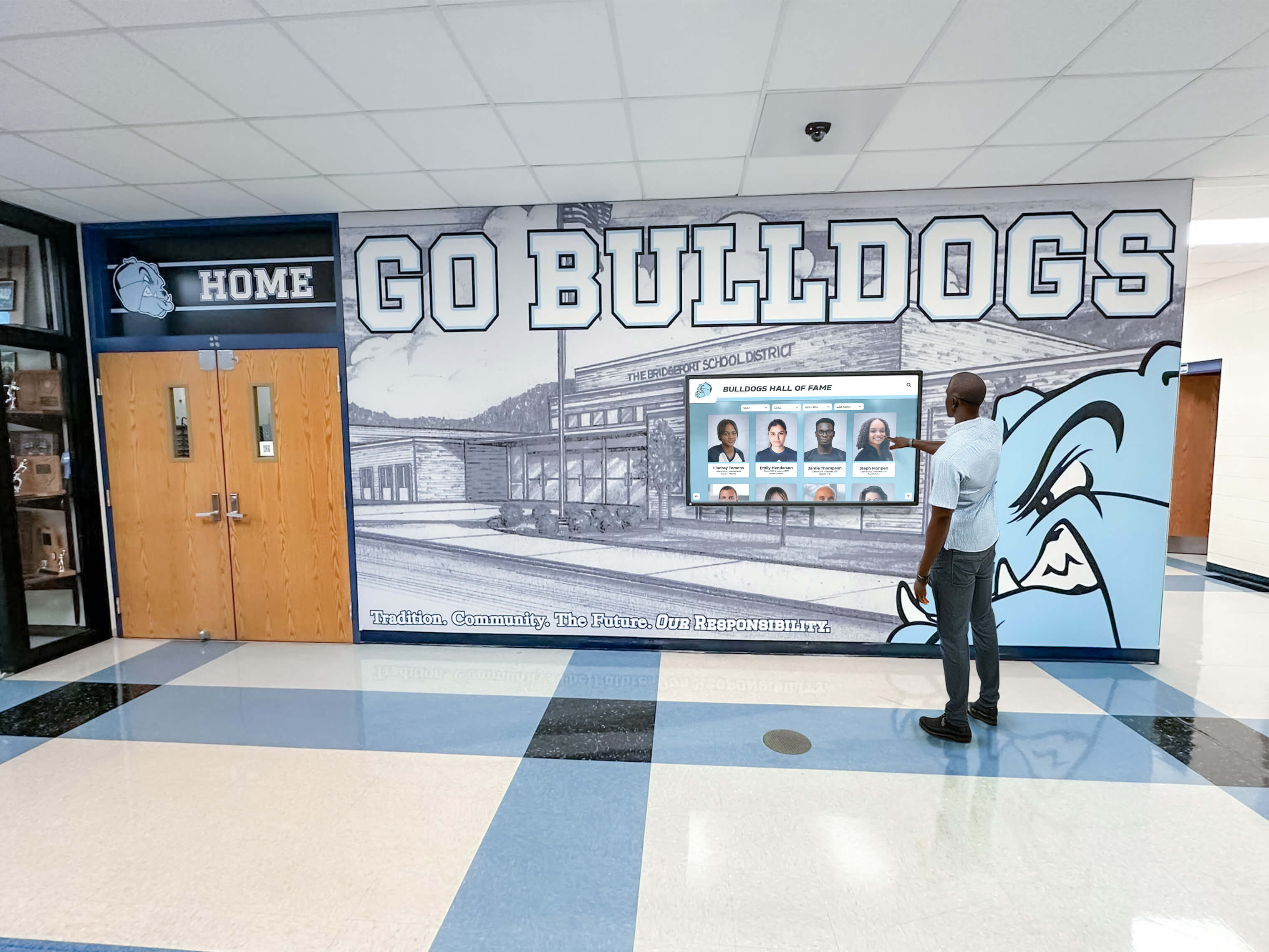
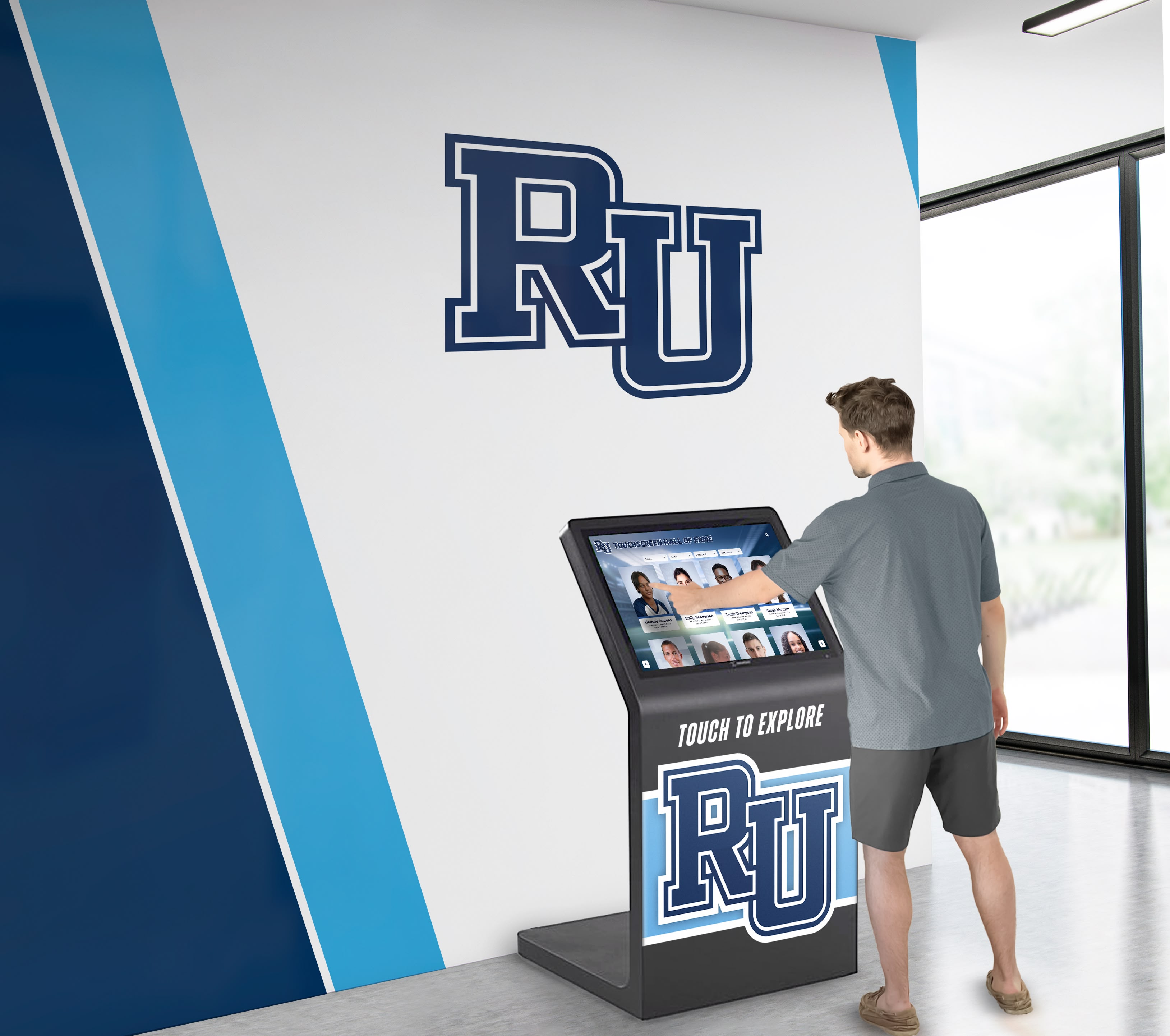
Rocket Alumni Solutions provides comprehensive digital recognition platforms specifically designed for athletic departments seeking to celebrate achievements, document program histories, and engage stakeholders through interactive touchscreen displays and web-based recognition systems. These platforms enable athletic departments to maintain unlimited athlete profiles spanning decades of program history, showcase multimedia content including photos, videos, and achievement documentation, update recognition easily as new championships occur and records fall, and engage community members through interactive exploration rather than passive viewing of static displays.
Solutions like digital record boards transform traditional trophy cases into dynamic recognition systems documenting not only championship victories but also individual records, team achievements, academic excellence, and community service contributions. These systems particularly benefit programs with rich traditions seeking to preserve historical legacies while continuing to add contemporary achievements to growing recognition archives.
Student-athlete recognition programs strengthen program culture by celebrating diverse forms of excellence beyond purely competitive success. Athletic departments can recognize academic achievement, leadership demonstration, community service, sportsmanship, and character alongside athletic performance, reinforcing holistic development philosophies distinguishing educational athletics from professional sports focused exclusively on competitive results.
State championship displays celebrate pinnacle achievements while inspiring current athletes to continue championship traditions. Digital displays enable dynamic documentation of championship seasons including team photos, season highlights, individual standouts, and game-by-game results that static plaques cannot accommodate, creating engaging storytelling around program’s greatest accomplishments.
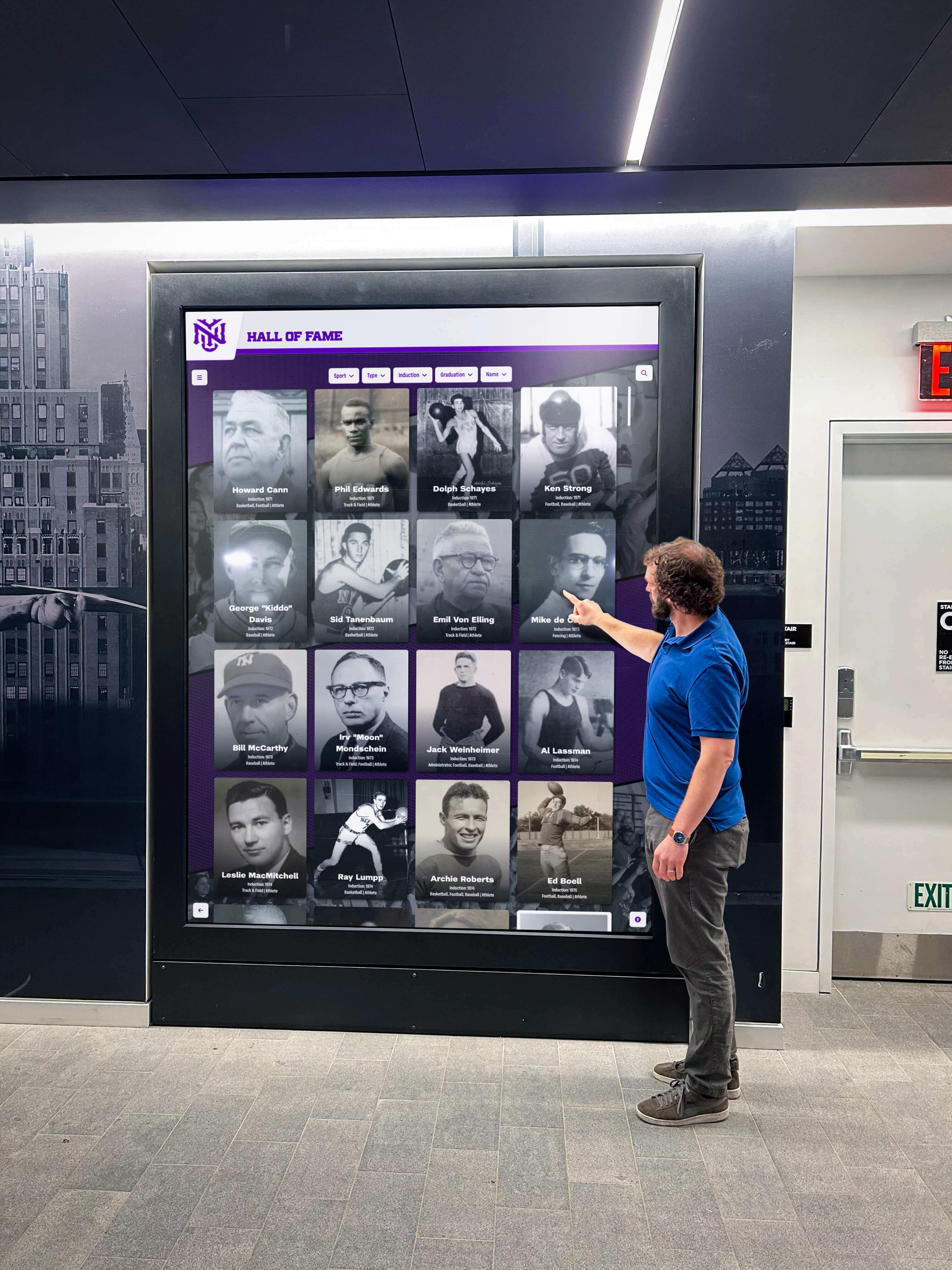
Digital hall of fame displays provide accessible recognition platforms where community members can explore program history, search for specific athletes or teams, browse championship seasons, and discover historical achievements that physical displays cannot adequately preserve given space limitations inherent in traditional trophy cases.
The content management capabilities these systems provide prove particularly valuable for athletic administrators managing recognition alongside numerous other responsibilities, enabling easy updates through intuitive cloud-based interfaces requiring minimal technical expertise or time investment.
Making Strategic Software Investment Decisions
With 30 software categories representing potential investments, athletic administrators face strategic decisions about which solutions deliver greatest value given limited budgets and administrative capacity for implementing and managing multiple systems.
Prioritization Framework for Software Adoption
Athletic departments should evaluate software investments using systematic frameworks considering multiple factors beyond simple cost comparisons.
Compliance Risk Mitigation:
Software reducing compliance risk deserves highest priority given serious consequences of violations including competition forfeitures, program sanctions, and legal liability. Eligibility management, compliance tracking, and documentation systems protecting against violations through systematic processes rather than error-prone manual tracking justify investment even when budgets prove constrained.
Time Savings and Administrative Efficiency:
Calculate realistic estimates of time currently consumed by manual processes that software would automate. Athletic director time represents valuable institutional resources—time saved through automation can redirect to student-athlete support, program development, and strategic planning rather than routine administrative tasks. Software delivering significant time savings often justifies investment through opportunity costs of administrator time.
Integration and Ecosystem Considerations:
Evaluate how potential software investments integrate with existing systems versus creating additional silos requiring manual coordination. Comprehensive platforms addressing multiple needs through integrated systems often deliver greater value than best-in-class standalone products requiring manual coordination and duplicate data entry across multiple platforms.
Scalability and Long-Term Viability:
Consider whether software solutions accommodate program growth, changing requirements, and emerging needs rather than only addressing current operational demands. Platforms with proven track records, active development roadmaps, and growing user bases demonstrate long-term viability reducing risk of investing in solutions that become obsolete or lose vendor support requiring expensive migrations to alternative platforms.
Support, Training, and Implementation Requirements:
Assess realistic resource requirements for successful implementation considering available technical expertise, training time for staff, ongoing support needs, and vendor responsiveness. Sophisticated software delivering advanced capabilities proves worthless if athletic departments cannot successfully implement and utilize systems given available resources and expertise.
Implementation Best Practices
Software investments deliver value only through successful implementation and sustained utilization rather than simply purchasing licenses.
Phased Implementation Approaches:
Avoid attempting comprehensive technology transformation simultaneously across all operational areas. Implement highest-priority systems first, ensure successful adoption and utilization, then expand to additional platforms rather than overwhelming staff and budgets with simultaneous deployment of numerous new systems creating change fatigue and implementation failures.
Stakeholder Training and Change Management:
Successful software adoption requires adequate training ensuring coaches, administrators, and staff understand how to utilize new systems effectively. Inadequate training results in underutilization, workarounds undermining system benefits, and resistance to technology adoption. Budget both financial resources and time for comprehensive training during implementation and ongoing support for new users.
Data Migration and Historical Information:
Plan systematic approaches for migrating historical data from legacy systems or manual records into new platforms. Comprehensive historical data proves essential for analytics, compliance documentation, and recognition systems, but migration requires significant effort often underestimated during procurement decisions.
Regular Evaluation and Optimization:
Periodically assess whether implemented systems deliver anticipated benefits versus consuming resources without commensurate value. Be willing to sunset unsuccessful implementations rather than perpetuating technology investments that prove ineffective in practice despite appearing valuable during procurement evaluation.
Research Methodology and Data Sources
This guide synthesizes information from multiple sources including vendor websites and product documentation, user reviews and testimonials from athletic administrators, industry publications and technology evaluations, professional association resources from NIAAA (National Interscholastic Athletic Administrators Association), and market research about sports technology adoption patterns.
Software capabilities, pricing, and features change regularly as vendors enhance platforms and introduce new offerings. Athletic administrators should conduct updated research directly with vendors when making procurement decisions rather than relying solely on research guides that may not reflect latest platform capabilities.
Emerging Trends in Athletic Administration Technology
Understanding emerging technology trends helps athletic administrators make forward-looking software investments rather than selecting solutions based solely on current operational needs without considering evolving requirements and capabilities.
Artificial Intelligence and Predictive Analytics
AI-powered features increasingly appear in athletic administration software, including predictive injury risk analysis based on training loads and performance patterns, automated compliance monitoring flagging potential violations before they occur, intelligent scheduling recommendations optimizing facility utilization and minimizing conflicts, and performance analytics identifying training interventions most likely to improve athlete development.
While currently appearing primarily in elite collegiate and professional systems, AI capabilities will progressively become available to secondary school and smaller collegiate programs as technology matures and costs decrease.
Mobile-First Design and Cloud-Based Architecture
Contemporary software emphasizes mobile accessibility recognizing that coaches, athletes, and administrators increasingly access systems from smartphones rather than desktop computers. Cloud-based architectures eliminate local server requirements, reduce IT support needs, enable automatic updates, and provide anywhere/anytime access to systems supporting today’s mobile workflows.
Athletic departments should prioritize software with robust mobile applications and cloud architectures rather than legacy systems requiring local servers and desktop computer access.
Unified Communication Platforms
Rather than coordinating between email, text messaging, social media, and multiple communication channels, emerging platforms provide unified communication environments where administrators send messages once through integrated systems that automatically deploy through appropriate channels based on recipient preferences and message urgency.
These unified approaches ensure message delivery while maintaining communication documentation and reducing administrative effort required for multi-channel coordination.
Parent and Athlete Self-Service Portals
Modern platforms increasingly provide self-service portals where athletes and families independently access schedules, verify eligibility documentation, complete registration forms, make payments, and communicate with coaches without requiring athletic director intervention for routine information and administrative tasks.
Self-service capabilities dramatically reduce administrative burden while improving stakeholder satisfaction through immediate information access rather than requiring email exchanges or phone calls during business hours.
Conclusion: Building Effective Technology Ecosystems for Athletic Excellence
Modern athletic administration requires sophisticated technology ecosystems addressing diverse operational needs including compliance tracking, eligibility management, scheduling coordination, facility management, communication, fundraising, performance analytics, and recognition. The 30 software product categories examined in this research guide represent essential tools successful athletic departments leverage to operate efficiently, maintain compliance, engage stakeholders, and support student-athlete development.
Strategic software investment decisions require careful evaluation balancing functionality, cost, integration capabilities, implementation requirements, and long-term viability. Athletic administrators should prioritize compliance and eligibility systems reducing violation risks, seek integrated platforms rather than creating disconnected technology silos, implement solutions systematically rather than attempting comprehensive simultaneous transformation, and invest adequately in training and change management ensuring successful adoption.
The technology landscape continues evolving as artificial intelligence, mobile platforms, cloud architectures, and unified communication systems transform operational possibilities. Athletic departments that systematically evaluate emerging technologies, implement solutions addressing highest-priority needs, and optimize existing platforms through ongoing training and evaluation will create competitive advantages supporting athletic excellence while managing administrative efficiency.
Key Takeaways:
- Compliance and eligibility management software deserves highest priority given serious consequences of violations
- Integrated platforms addressing multiple operational areas often deliver greater value than standalone best-in-class products
- Successful implementation requires adequate training, systematic data migration, and ongoing optimization
- Mobile accessibility and cloud-based architecture represent essential features for contemporary athletic administration
- Athletic recognition systems celebrate achievement while strengthening community connections supporting program sustainability
- Phased implementation approaches prove more successful than simultaneous comprehensive technology transformation
- Software investment decisions should consider integration capabilities, long-term viability, and total cost of ownership beyond initial licensing costs
Modern athletic administration success increasingly depends on effective technology utilization enabling limited staff to manage growing complexity while maintaining compliance, supporting student-athletes, and engaging communities. The software products examined in this research guide provide proven solutions addressing critical operational needs across educational athletics.
Ready to enhance your athletic department’s recognition capabilities? Solutions like Rocket Alumni Solutions provide comprehensive digital recognition systems designed specifically for athletic departments, offering intuitive content management, unlimited athlete profiles, and engaging interactive displays celebrating your program’s achievements while strengthening community connections supporting long-term excellence.
Sources
- Univerus Sport Management Software
- Spry Intercollegiate Athletics Management
- DragonFly Athletics Management Software
- Aktivate Athletic Department Software
- Finalsite Athletics CMS
- BigTeams Athletic Software Products
- SimpliFaster Athlete Management System Buyer’s Guide
- Bound High School Sports Management
- 360Player College Sports Software
- Rank One Athletic Management System
- Arbiter School Management Software
- WinWon Athlete Management System
- Eventlink Athletic Director Software
- LeagueMinder Management Software
- Honest Game NCAA Eligibility Software
- Teamworks Compliance Software
- Swift Sports Facility Management
- SportsKey Facility Management Software
- EZFacility Sports Facility Software
- FinnlySport Facility Management
- Vanco School Athletics Management
- Ticketor Sports Ticketing Software
- Onform Sports Video Analysis
- Dartfish Video Analysis Solutions
- Catapult Video Analysis
- Hudl Sports Technology
- Kinovea Video Analysis
- Snap! Mobile Fundraising
- eTeamSponsor School Fundraising
- GiveCampus College Athletics Fundraising
- DonorPerfect Fundraising Software
- Blast Athletics Fundraising App
- College AD Compliance Software Article