Passing forms the foundation of successful soccer at every level—from youth recreational leagues to competitive high school programs. Teams that move the ball precisely and efficiently control possession, create scoring opportunities, and dictate game tempo. Yet many coaches struggle to design practice sessions that systematically develop passing skills beyond simple partner exercises that fail to replicate game situations.
Whether coaching beginning players learning proper passing mechanics or competitive teams refining intricate combination play, these drills provide structured frameworks that develop skills systematically. Beyond simply listing exercises, this resource includes coaching points, common mistakes to correct, difficulty progressions, and implementation strategies that maximize practice efficiency while maintaining player engagement throughout sessions.
Understanding Passing Fundamentals Before Drilling
Before implementing specific drills, coaches must understand the fundamental passing principles that all effective exercises should develop and reinforce.
Core Passing Techniques
Inside-of-Foot Passing: The most common and reliable passing technique uses the inside surface of the foot, providing maximum contact area and control. Proper technique requires planting foot pointed toward target, striking foot perpendicular to ball direction, contact made through ball’s center, and smooth follow-through toward intended recipient.
Outside-of-Foot Passing: Advanced players use outside-of-foot passes to disguise intentions and pass while moving at angles. This technique requires more precision but enables deceptive passing that catches defenders out of position.
Driven Passes: Longer distances require driven passes with reduced air trajectory. Players strike through the lower half of the ball with locked ankle, creating pace while maintaining accuracy. Youth players often struggle with driven passes, attempting to kick harder rather than improving technique.
Weighted Passes: Effective passing requires appropriate pace—passes to feet arrive softly enough for clean first touches, passes into space arrive with sufficient pace that teammates reach them before defenders, and through balls split defenses with timing that exploits defensive gaps without rolling out of bounds.

First Touch and Ball Reception
Passing drills prove ineffective without corresponding emphasis on receiving skills. Perfect passes become turnovers when recipients can’t control them cleanly.
Preparing to Receive: Players must check shoulders before receiving passes, understanding defensive pressure and passing options before the ball arrives. This awareness enables immediate decisions rather than hesitation that invites defensive pressure.
First Touch Direction: The receiving touch should direct the ball toward the next action—toward open space if turning, backward if relieving pressure, or into the passer’s path if executing quick combinations. Random first touches that simply stop the ball waste crucial seconds and limit options.
Body Positioning: Receiving with an open body position (sideways stance viewing both ball and field) enables 360-degree awareness and quicker turns. Players receiving square to the ball can only pass backward, limiting offensive potential.
Programs that systematically develop these technical fundamentals often celebrate player growth through student achievement recognition systems that honor skill improvement alongside competitive results.
Beginner Passing Drills: Building Technical Foundation
These foundational drills develop basic passing mechanics for youth players and teams beginning systematic technical training.
Drill 1: Partner Passing Progression
Setup: Players pair up with one ball per pair, starting 10 yards apart in open space.
Execution: Partners exchange passes using inside-of-foot technique, focusing on accuracy and proper form. After 10 successful passes, partners step back two yards and continue. Gradually increase distance to 25-30 yards as technique allows.
Coaching Points: Emphasize planting foot pointed at target, striking through ball’s center with inside of foot, following through toward partner, and keeping passes on ground (no bouncing). Common mistakes include toe-poking the ball, insufficient follow-through creating weak passes, and planting foot pointed wrong direction causing inaccurate passes.
Progression: Add movement by having partners shuffle laterally while passing, require alternating feet (right foot only, then left foot only), or introduce one-touch passing after players demonstrate consistent two-touch control.
Age Appropriateness: Suitable for U8 and above, though youngest players may need closer starting distances (5-7 yards) and extended time before increasing difficulty.
Drill 2: Passing Gates Challenge
Setup: Set up multiple small gates (2 cones approximately 3 feet apart) scattered across practice area. Players work in pairs with one ball.
Execution: Partners pass balls through gates, earning one point per successful gate pass. After passing through one gate, players must pass through a different gate. First pair to 20 points wins.
Coaching Points: This drill develops passing accuracy under light competitive pressure. Players must scan field identifying open gates, communicate with partners about target selection, adjust passing power for different distances, and receive balls cleanly to maintain quick tempo.
Competition Element: The point-based system creates engagement without high-stakes pressure. Modify point totals based on skill level—competitive teams might race to 50 points while beginners work toward 15.
Progression: Require specific techniques (outside-of-foot passes only, weak foot mandatory, one-touch passes), add defensive pressure with extra players trying to intercept, or create time challenges racing against the clock.
Drill 3: Triangle Passing Foundation
Setup: Three players form triangle with 10-yard sides. One ball starts with any player.
Execution: Players pass ball around triangle, always passing to the next player clockwise. After passing, players follow their pass by running to that position, creating continuous rotation.
Coaching Points: This fundamental pattern teaches passing and moving—the cornerstone principle of possession soccer. Players must pass with proper weight so receiving teammate can control cleanly, communicate before passing (“here” or player name), accelerate after passing to reach next position quickly, and receive with open body position preparing for next pass.
Common Mistakes: Players often stand stationary after passing rather than following their pass, pass too hard making first touch difficult, or fail to communicate creating confusion about ball destination.
Progression: Reverse direction (counter-clockwise), add second ball once rhythm establishes, require one-touch passing, or expand to larger triangles (15-20 yard sides) for driven passing practice.
Drill 4: Four-Corner Passing Pattern
Setup: Four cones form 15x15 yard square. Players divide evenly among corners with two balls starting at diagonal corners.
Execution: Players pass to adjacent corner (clockwise), then follow their pass to join that corner’s line. Both balls circulate simultaneously, requiring awareness to avoid collisions.
Coaching Points: Emphasize timing awareness (don’t pass when receiving corner still has ball), sharp passes that reach teammates quickly, quality first touch preparing immediate pass, and continuous movement (no standing after passing).
This drill develops fundamental passing mechanics while introducing peripheral awareness—players must track not just their ball but the second ball’s location to avoid passes colliding at center.
Progression: Add third ball increasing complexity, require specific techniques (weak foot, one-touch), reverse direction, or create competition between groups (fewest dropped balls in two minutes).
Teams that document technical skill development alongside competitive achievements often utilize comprehensive athletic recognition approaches similar to those used for other skill-focused sports programs.
Intermediate Passing Drills: Adding Movement and Pressure
As players master stationary passing mechanics, introduce drills incorporating movement, defensive pressure, and decision-making that better replicate game conditions.
Drill 5: Rondo Possession Circle
Setup: Six players form circle approximately 15 yards in diameter with two defenders in middle. Circle players have one ball.
Execution: Circle players maintain possession using two-touch maximum while defenders attempt interceptions. When defenders win ball or force it out of circle, player responsible becomes new defender.
Coaching Points: Rondos (keep-away games) develop passing under pressure, quick decision-making, and movement to support teammates. Circle players must constantly adjust positions creating passing angles, communicate offering verbal targets, and execute accurate passes despite defensive pressure. Defenders must work together, anticipating passes and forcing errors through coordinated pressure.
Tactical Lessons: This drill teaches critical concepts including support positioning (angles that enable passes past defenders), scanning before receiving (knowing pressure and options), and passing weight variation (soft passes to nearby teammates, driven balls across circle).
Progression: Reduce circle size increasing difficulty, add third defender, require one-touch passing, or modify touch limits (outside players three-touch maximum, defenders unlimited).
Engagement Factor: Players naturally enjoy competitive keep-away dynamics, making rondos excellent for maintaining practice energy while developing essential skills.
Drill 6: Overlapping Runs with Passing Combinations
Setup: Three lines of players positioned across field. Outside lines near touchlines, middle line at center. Place cones 30 yards downfield as targets.
Execution: Middle player passes to either outside player, then sprints forward (overlapping run). Outside player receives, takes touch inside, passes to overlapping runner who drove forward. Overlapping player receives and dribbles to target cone. Rotate positions after each repetition.
Coaching Points: This drill combines passing accuracy with tactical movement patterns common in games—overlapping runs create numerical advantages and confusion for defenders. Players must time runs to arrive as ball becomes available, communicate intentions (“overlap”), weight passes appropriately for moving targets, and receive while running at speed.
Game Application: Overlaps frequently occur when fullbacks support wingers or when midfielders overlap wide players. Practicing these combinations creates automatic understanding that transfers directly to matches.
Progression: Add passive defender forcing specific decisions, incorporate crossing after overlap reaches wide position, or connect sequences (after reaching cone, players combine to return upfield creating continuous flow).
Drill 7: Y-Passing Pattern for Through Balls
Setup: Create Y-shape with three cones—two cones 15 yards apart (base of Y) and third cone 25 yards ahead at center (top of Y). Three lines of players at each cone position.
Execution: Player at base passes to player at opposite base corner who has checked back to receive. Receiving player plays one-touch pass forward (through ball) into space beyond top cone. Player from top position times run to receive through ball at full speed, then dribbles back. Rotate through all three positions.
Coaching Points: Through balls require precise weight—too soft and defenders intercept, too hard and balls roll out of bounds or to goalkeeper. This drill develops timing coordination between passer and runner. Players checking to receive must create proper passing angles, passes forward must lead runners appropriately, and runners must time movements to stay onside while arriving at full speed.
Variations: Reverse direction, add goalkeeper forcing finishing after through ball, or introduce defender forcing disguised through balls.
High school programs often showcase players who master advanced skills through digital recognition systems that celebrate both technical excellence and competitive achievements.
Drill 8: Switching Play—Width to Width Passing
Setup: Use full field width. Position four cones in diamond pattern—two cones on each touchline (40 yards apart vertically) and two cones 10 yards inside touchlines at midfield. Divide team into four groups stationed at each cone.
Execution: Ball starts at one touchline position. Player passes diagonally to opposite-side midfielder, who receives and switches play with driven pass to far touchline, creating continuous ball circulation. Players follow passes to next station.
Coaching Points: Switching play rapidly from one side to another exploits unbalanced defenses and creates attacking opportunities. This drill develops driven passing accuracy over distance (30-40 yards), receiving skills for hard passes arriving at pace, awareness to recognize open space opposite ball location, and communication coordinating timing.
Technical Emphasis: Long passes require proper technique—striking through ball’s lower half, locked ankle, full follow-through. Young players often attempt to kick harder rather than improving mechanics, creating inaccurate skied passes rather than driven balls staying low.
Progression: Add movement (players must dribble 5 yards before passing), introduce passive defenders, or create competition (first team completing 20 switches wins).
Advanced Passing Drills: Replicating Game Complexity
Advanced drills incorporate multiple elements simultaneously—movement, pressure, transitions, and decision-making under time constraints that mirror actual match conditions.
Drill 9: Possession with Target Players
Setup: Mark 30x30 yard grid. Place four target players (wearing different colored pinnies) positioned outside grid’s four sides. Six possession players inside grid maintain ball against three defenders.
Execution: Possession team earns one point for six consecutive passes, two points for successfully passing to target player and receiving return pass. Target players are neutral (can’t be tackled) and must one-touch return passes. Rotate defenders every two minutes.
Coaching Points: This game-realistic drill develops possession under pressure while incorporating combination play with advanced players or strikers (represented by target players). Possession players must recognize when to maintain possession versus playing forward to targets, support each other creating passing triangles, and transition quickly from attack to defense when losing possession.
Tactical Development: Target player interaction teaches playing balls into forwards’ feet under pressure, timing runs to receive return passes, and creating space for combinations through intelligent movement.
Progression: Require minimum passes before accessing target players (must complete four passes before playing to target), add second ball when possession team demonstrates competence, or modify point values emphasizing specific patterns.
Drill 10: Three-Zone Passing to Goal
Setup: Divide half field into three horizontal zones (defensive third, middle third, attacking third). Each team has minimum two players per zone who cannot leave their zone. Play small-sided game (6v6 or 7v7).
Execution: Teams attempt to score by advancing ball through all three zones using passes (players can’t dribble across zone lines). Each zone’s players must complete minimum two passes before advancing ball forward. Successful goals count as three points, shots on goal count as one point.
Coaching Points: Zone restrictions force patient build-up play and systematic ball progression. Players learn positional discipline (staying in assigned zones), recognizing when to play forward versus maintaining possession, and supporting teammates from different zones.
Game Realism: This structure mimics tactical team shapes where defenders, midfielders, and forwards occupy different field areas. Players develop understanding of positional responsibilities and connections between lines.
Variations: Modify minimum pass requirements, allow one “free” player who can move between all zones, or require specific patterns (must use width before playing centrally).
Drill 11: One-Touch Passing Box Pattern
Setup: Four players at corners of 10x10 yard box, one ball. Number corners 1-4.
Execution: Players pass using only one touch, following specific number patterns called by coach: Pattern A (1→2→3→4→1), Pattern B (1→3→2→4→1), Pattern C (random—passer calls number before passing). Players cannot repeat previous recipient.
Coaching Points: One-touch passing develops first-touch technique, reaction speed, concentration, and communication. This advanced skill separates elite teams from average ones—ability to circulate balls quickly using single touches creates tempo defenders can’t match.
Technical Requirements: One-touch passing requires perfect ball presentation from passer (appropriate pace and accuracy), proper receiving surface angle (cushioning or redirecting as needed), and body positioning preparing for immediate touch.
Common Mistakes: Players often try one-touch passing before mastering two-touch control, resulting in wild misdirected passes. Build gradually toward consistent one-touch execution rather than accepting poor quality.
Progression: Increase box size (requiring harder passes), reduce box size (demanding quicker reactions), add second ball once pattern mastery occurs, or incorporate movement (players must shuffle positions after passing).
Programs celebrating technical skill mastery alongside competitive achievements often implement comprehensive recognition approaches that honor player development throughout their soccer careers.
Drill 12: Build-Out from Back Under Pressure
Setup: Use penalty box area plus 10 yards beyond arc. Goalkeeper and four defenders start with ball against three attacking forwards. Outside penalty box, three midfielders wait to support.
Execution: Defenders attempt to complete 10 consecutive passes before playing ball to waiting midfielders beyond pressure zone. Forwards apply high pressure attempting to win possession and score on goal. If forwards win ball, they attempt immediate shot. If defenders successfully reach 10 passes and connect with midfielder, they earn two points.
Coaching Points: Modern soccer increasingly emphasizes playing out from back rather than launching long clearances. This drill develops composure under pressure, goalkeeper distribution skills, defensive passing combinations, and recognizing when to play forward versus circulating backward.
Tactical Lessons: Defenders learn creating width and depth for passing options, using goalkeeper as extra passing option, and patient possession versus risky forward passes when appropriate angles don’t exist.
Pressure Management: Start with passive pressure allowing technique development, then increase defensive intensity as comfort improves. Defenders facing intense immediate pressure often panic—gradual progression builds confidence and technical automaticity that functions under game stress.
Progression: Add numerical disadvantage (five attackers versus four defenders), require specific pass minimums between certain players (must use both outside backs), or create time constraints (must connect with midfielders within 45 seconds).
Implementing Effective Passing Practice Sessions
Beyond individual drills, effective coaches design comprehensive practice sessions that systematically develop passing skills while maintaining player engagement and progressive difficulty.
Structuring Progressive Difficulty
Begin practices with technical warm-ups emphasizing proper form and rhythm without pressure. Partner passing, triangle rotations, and simple patterns allow players to establish clean touches and communication before intensity increases.
Progress to intermediate drills adding movement, light pressure, or decision-making elements. Rondos, combination patterns, and competitive possession games challenge players while remaining structured enough that technique doesn’t deteriorate.
Conclude with game-realistic scenarios incorporating full pressure, transitions, and complex decisions. Possession games, zone restrictions, and directional objectives create situations closely resembling match conditions where passing decisions occur under genuine competitive stress.
This progression—technical foundation, then pressure and complexity, finally game realism—allows systematic skill development without overwhelming players or encouraging poor habits developed when difficulty exceeds current capability.
Maintaining Engagement and Intensity
Passing drills risk becoming monotonous if coaches simply run extended repetitions without variation or competitive elements. Effective practice sessions maintain engagement through competitive elements (point systems, team challenges, time trials), variation (rotating through different drills rather than extended single-drill sessions), and positive coaching emphasis (celebrating good decisions and technique rather than only criticizing mistakes).
Music, verbal energy from coaches, and strategic water breaks all impact practice atmosphere and player engagement. Technical skill development doesn’t require boring practice sessions—creative coaches make fundamental training both effective and enjoyable.
Programs often enhance team culture and player commitment through modern athletic recognition displays that celebrate both individual skill development milestones and collective team achievements.
Providing Effective Coaching Feedback
Coaches should emphasize coaching during water breaks and drill setup rather than constantly stopping play for corrections. Extended stoppages destroy practice rhythm and reduce repetitions. Instead, provide brief specific corrections during drills (“plant foot at target, Sarah”), then address broader technical points during natural breaks.
Positive reinforcement proves more effective than constant criticism for youth and high school players. Celebrate good technique, smart decisions, and improvement attempts even when execution fails. Players receiving primarily negative feedback lose confidence and engagement, while those receiving balanced feedback—acknowledging both strengths and improvement areas—develop faster and maintain motivation.
Individual conversations addressing specific player needs prove more effective than generic team-wide technical lectures. Different players struggle with different aspects—some need mechanics help while others require tactical understanding or confidence building. Personalized coaching targets actual individual needs rather than generic advice partially relevant to some players.
Measuring Passing Development and Celebrating Progress
Systematic skill development requires measurement frameworks identifying improvement and areas needing continued emphasis. Beyond competitive results (wins and losses), programs should track technical proficiency indicators showing whether passing training produces desired outcomes.
Technical Competency Assessments
Periodically assess passing technique through standardized tests measuring accuracy (percentage hitting targets from various distances), speed (successful passes completed within time limit), pressure resistance (completion percentage with defender applying pressure), and weak foot capability (comparing dominant versus non-dominant foot performance).
These objective measures reveal whether training produces technical improvement or simply provides activity without development. Players demonstrating measurable improvement deserve recognition, while those showing stagnation indicate need for modified training approaches or additional focused attention.
Game Statistics Tracking
Track passing-related match statistics including completion percentage, progressive passes (moving ball forward into attacking areas), key passes (creating scoring chances), and possession statistics. These game metrics reveal whether practice-developed skills transfer to competitive situations or remain isolated training capabilities not accessed during matches.
Statistical tracking also identifies which players excel at different passing roles—some athletes demonstrate exceptional accuracy under pressure while others create chances through vision and risk-taking. Understanding individual strengths allows coaches to optimize positioning and tactical roles that maximize each player’s specific capabilities.
Programs implementing comprehensive player development tracking often celebrate achievements through digital recognition systems that showcase individual growth alongside team competitive success.
Celebrating Skill Development Milestones
Recognition systems that honor skill mastery create motivation for continued development. Programs might recognize achievements such as “100 Club” for players completing 100 consecutive passes in practice challenges, weak foot proficiency for players demonstrating equal capability with both feet, vision awards for players leading team in key passes or assists, or technique excellence for players displaying consistently superior passing mechanics.
These recognition categories celebrate diverse contribution types beyond goals scored, acknowledging that effective teams require players excelling at different roles. Passers who rarely score but maintain possession and create chances deserve equivalent recognition to prolific scorers—both roles prove essential for team success.
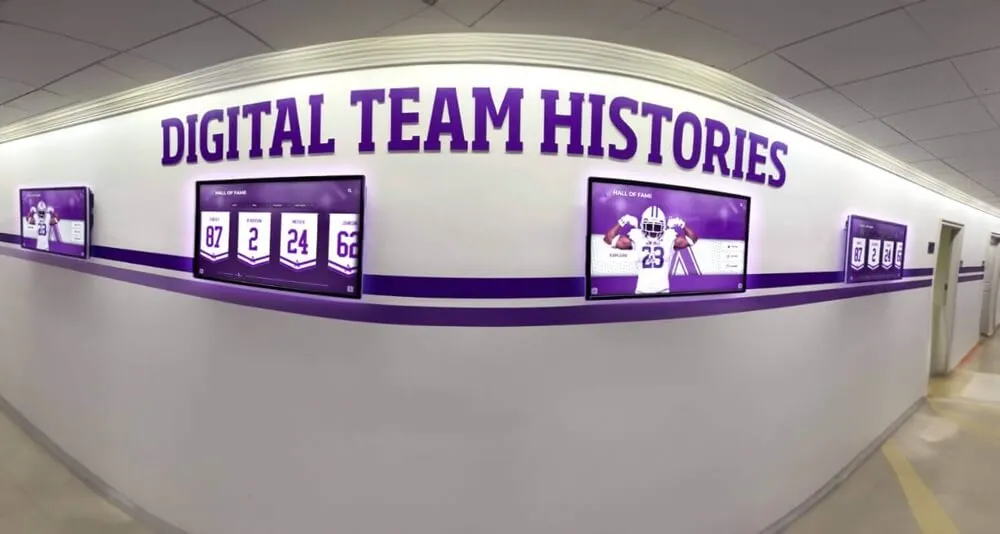
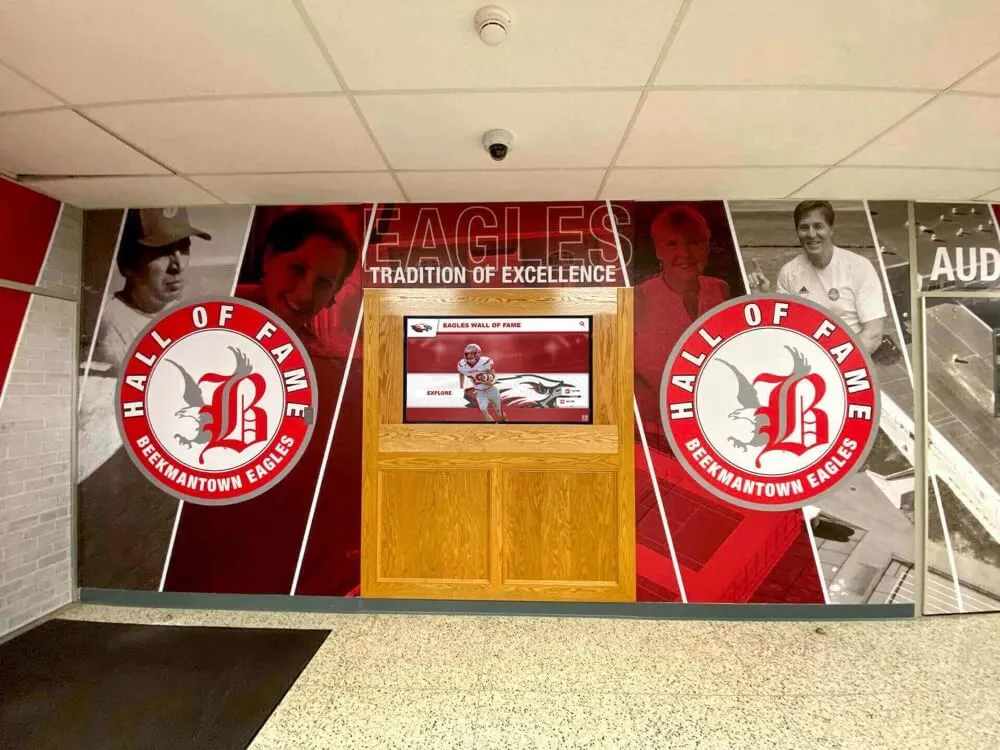
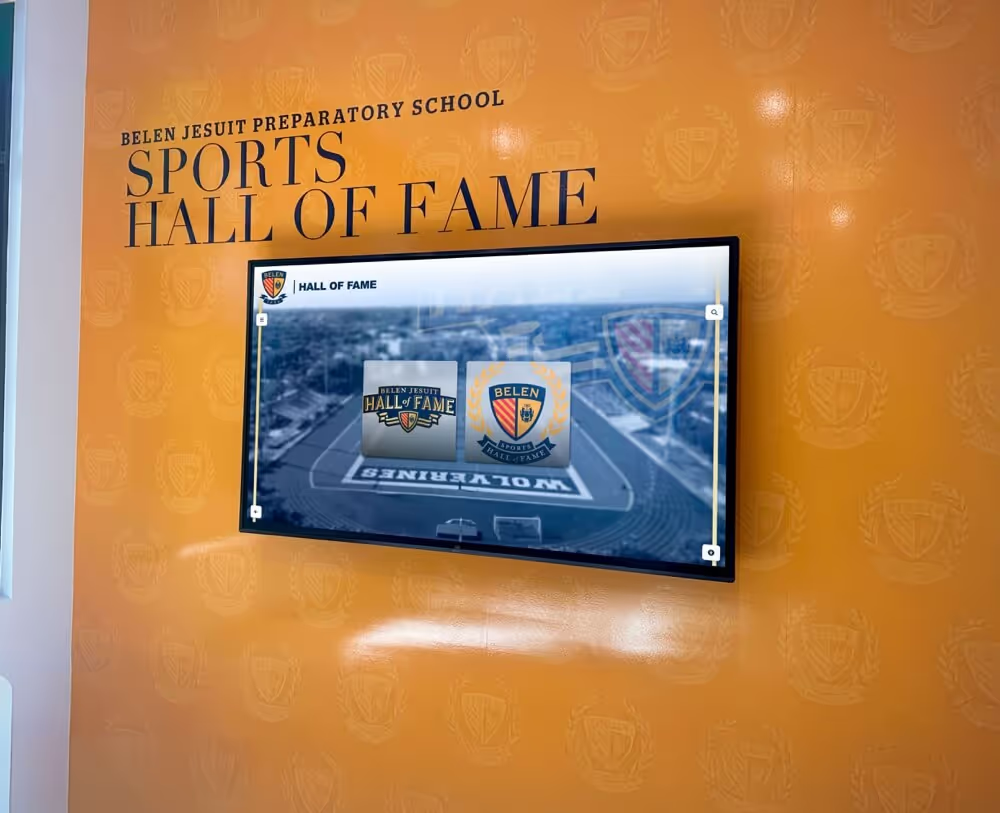
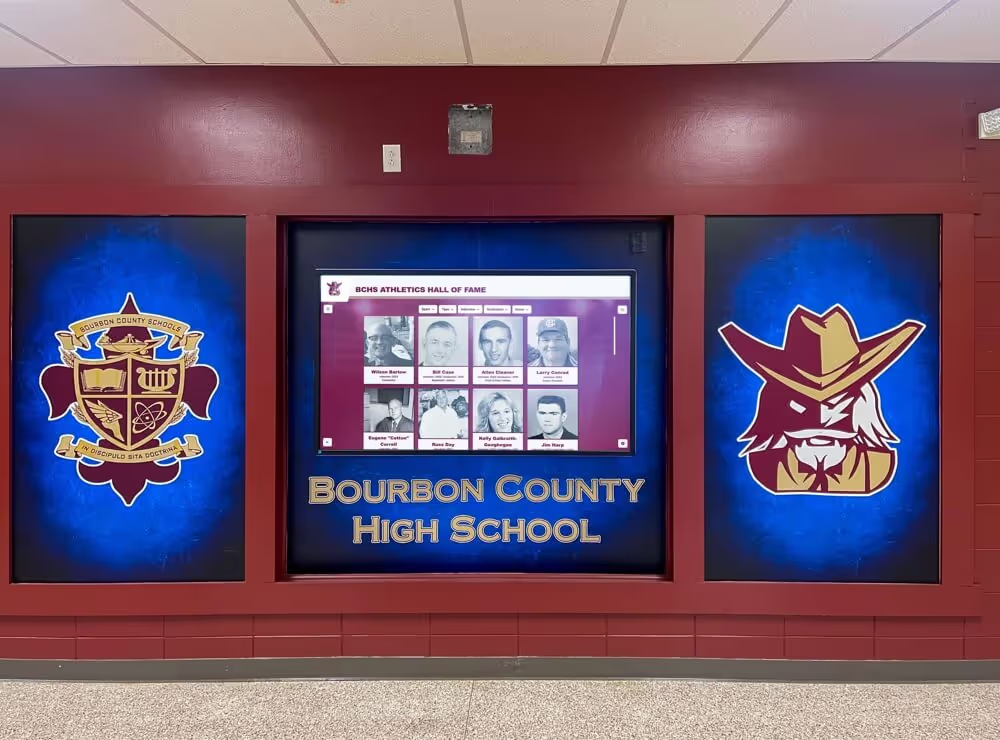
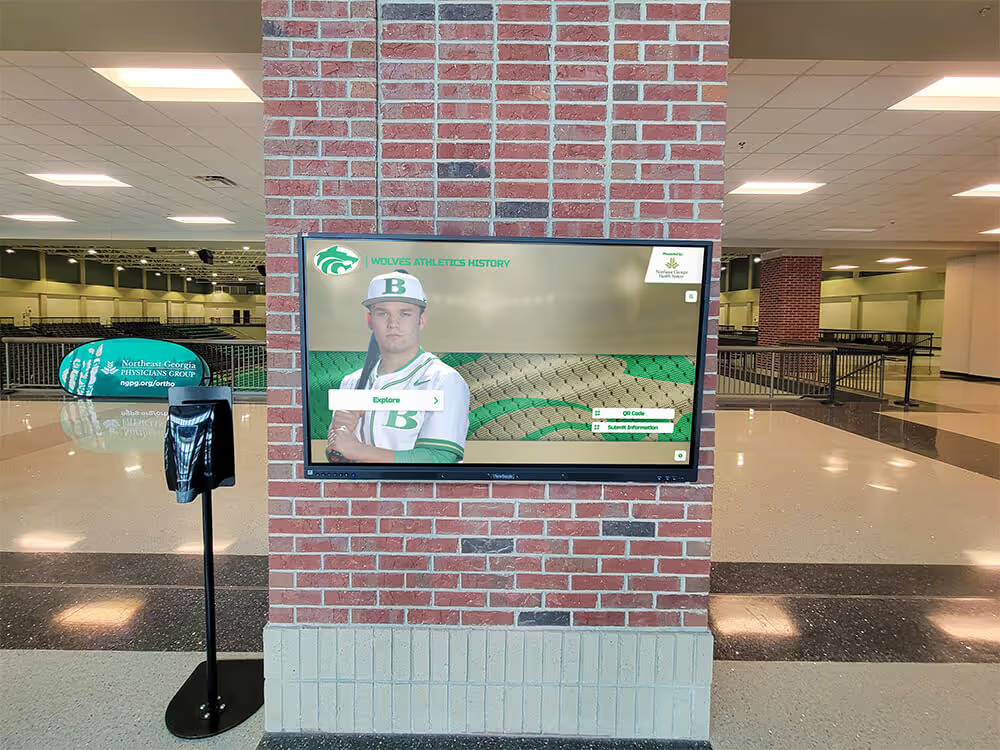
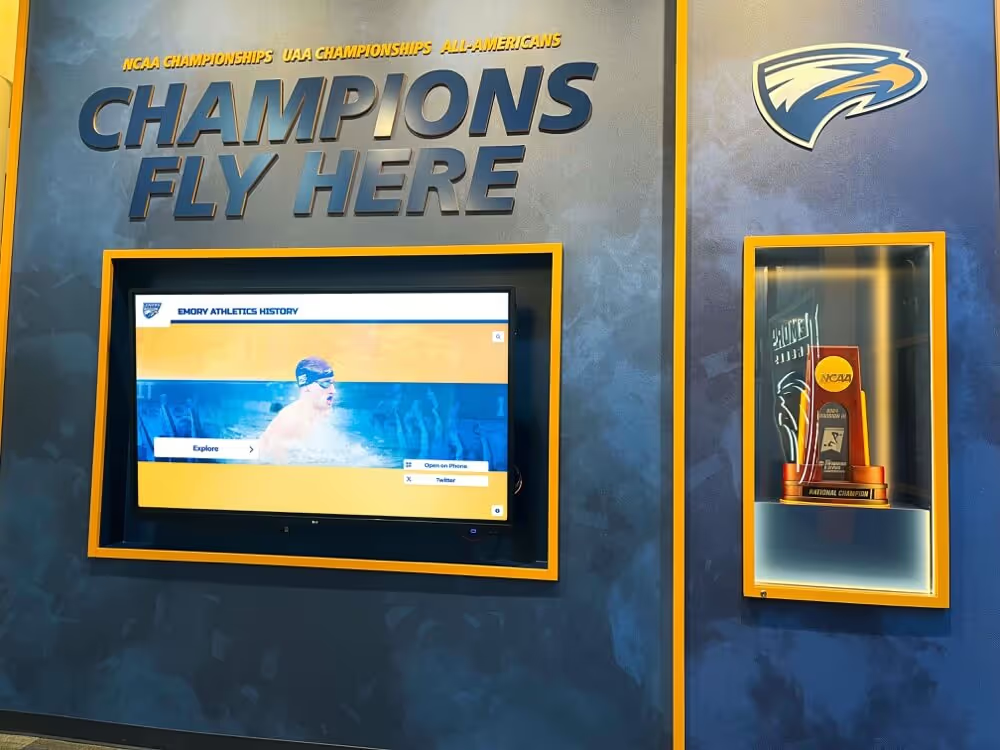
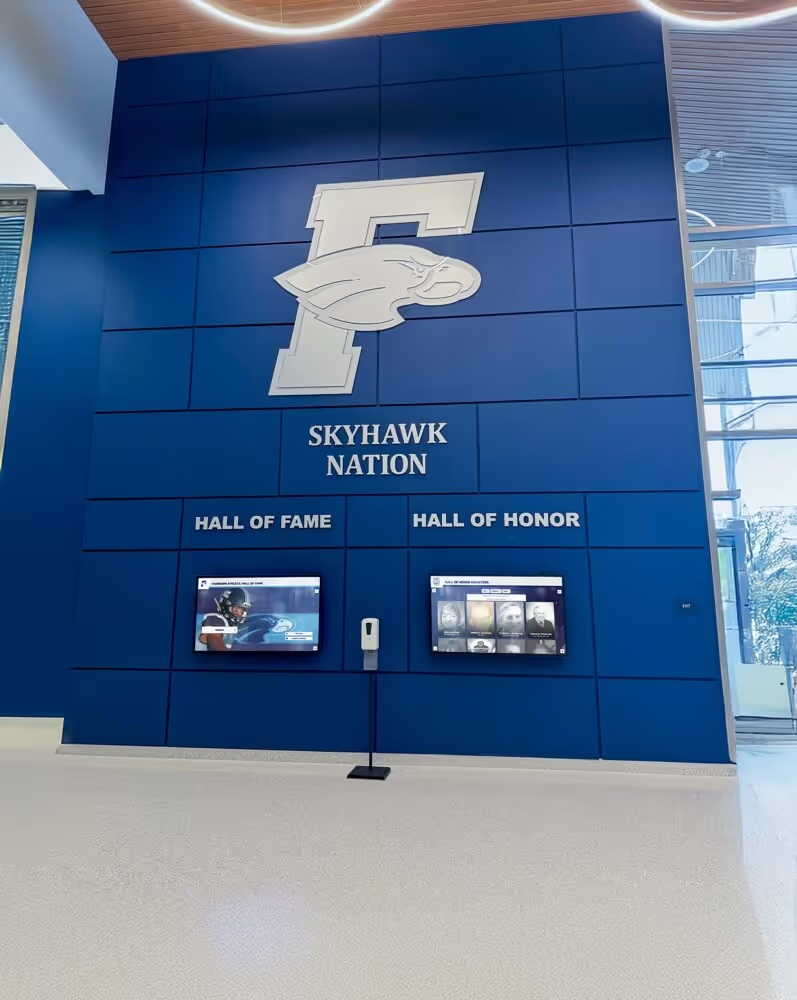
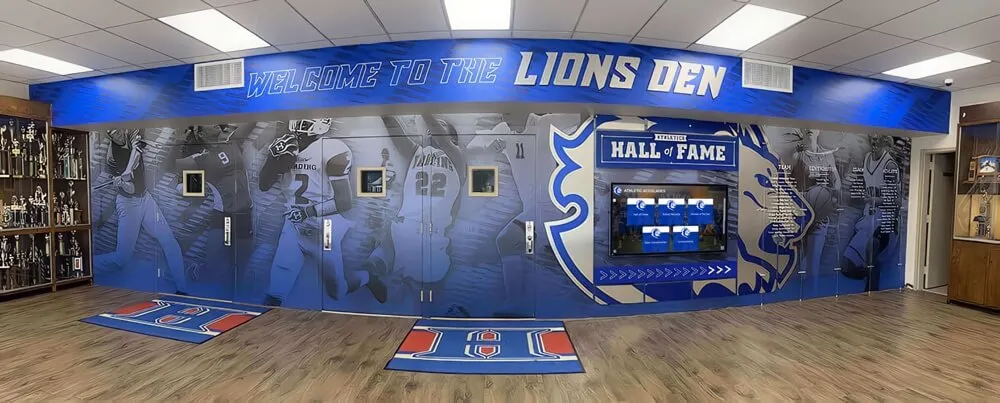
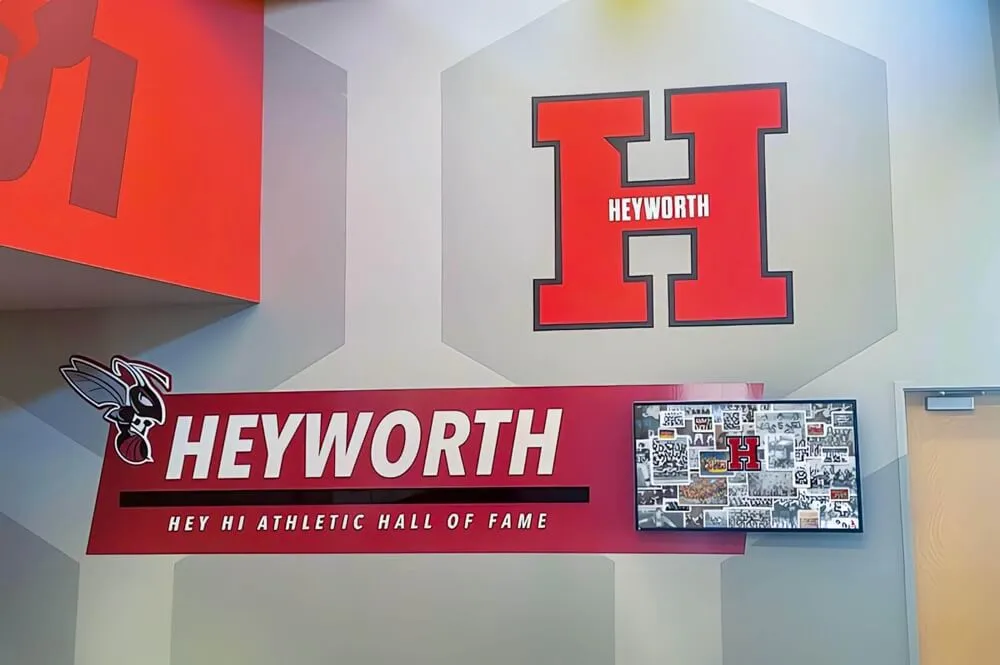
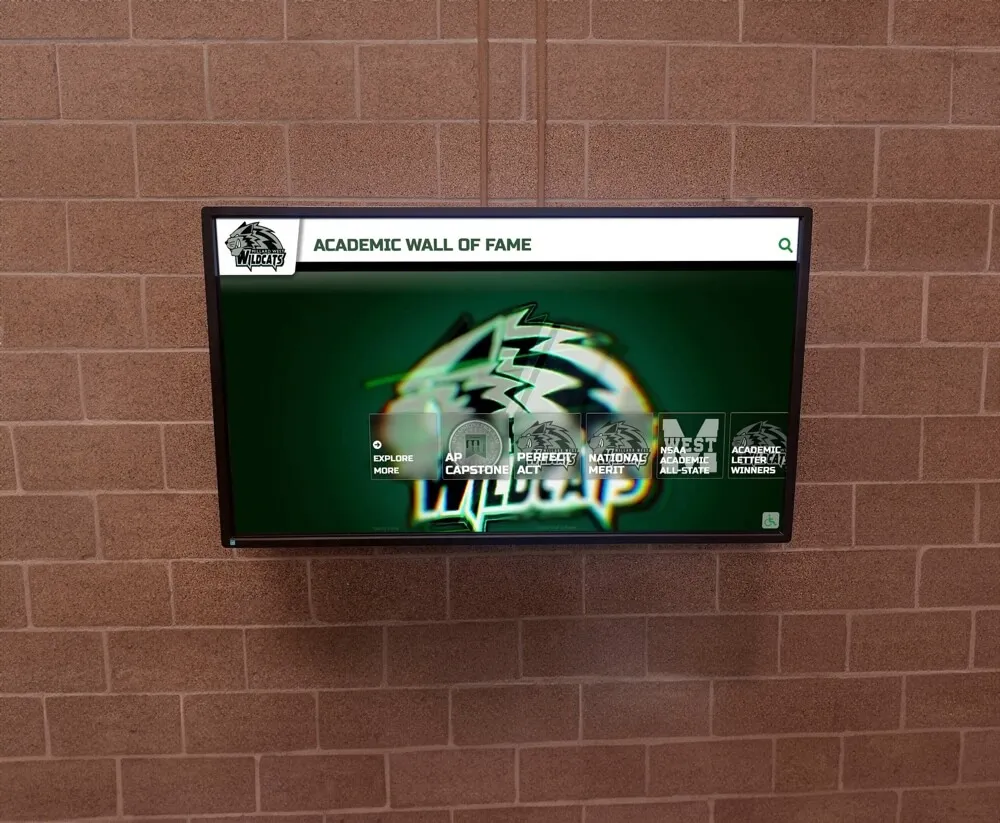
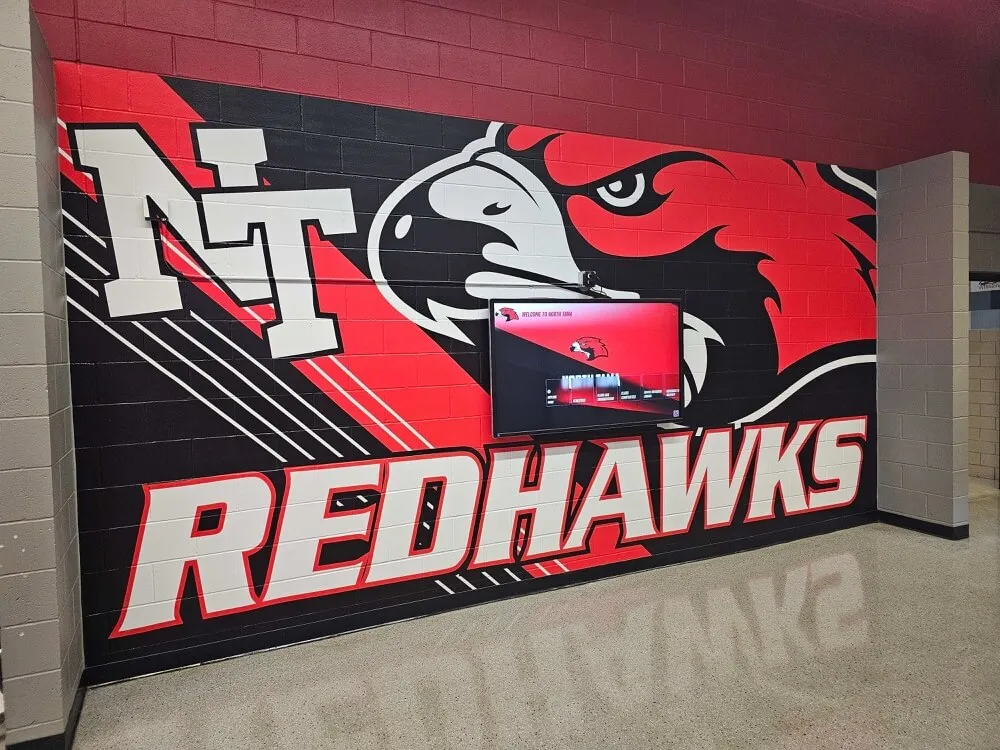
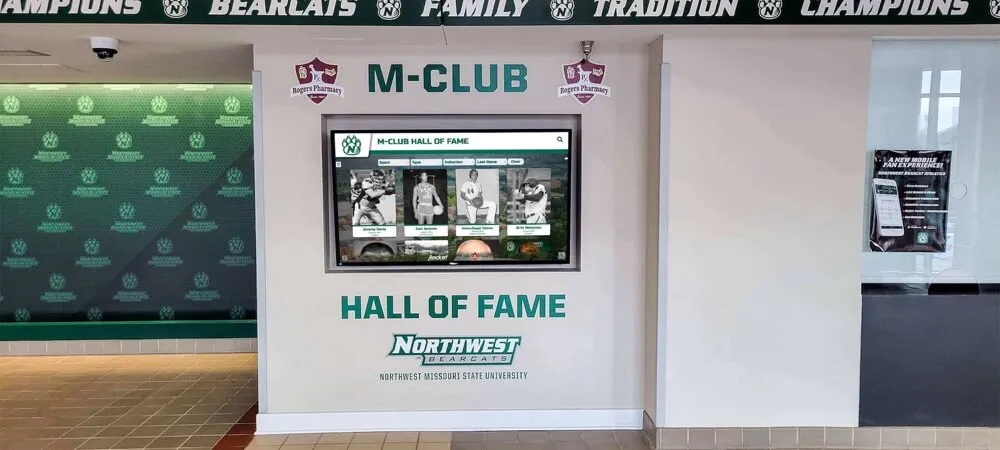
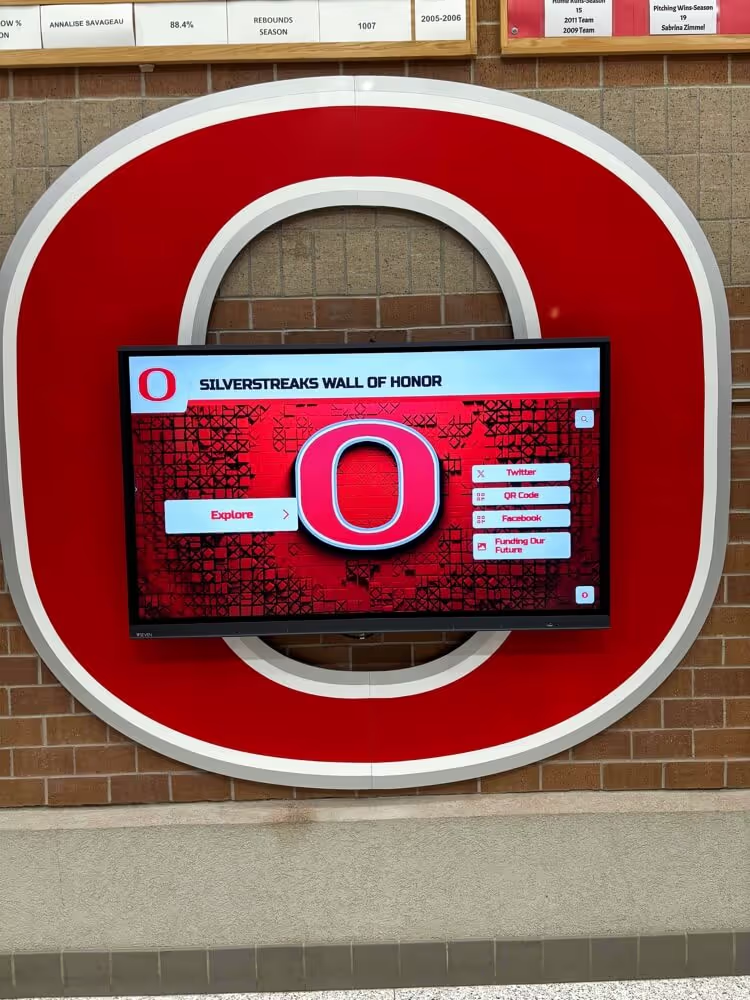
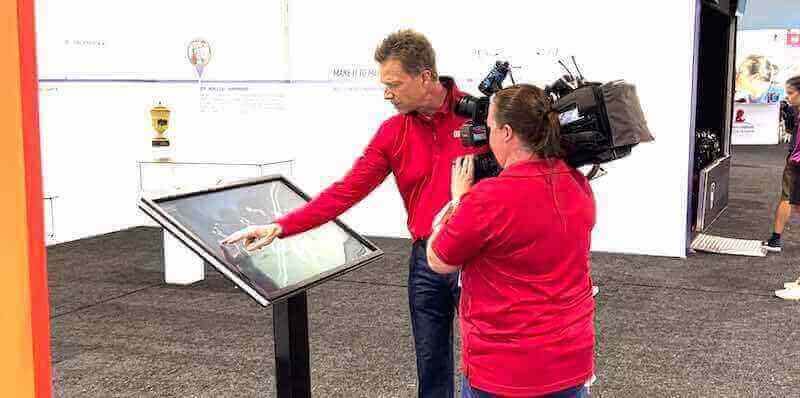
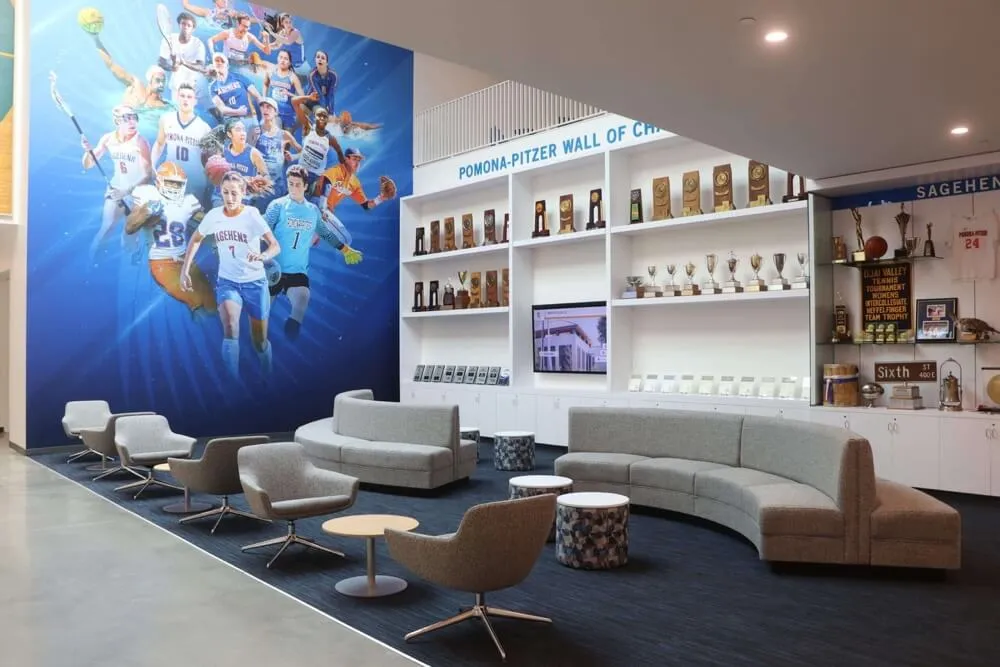
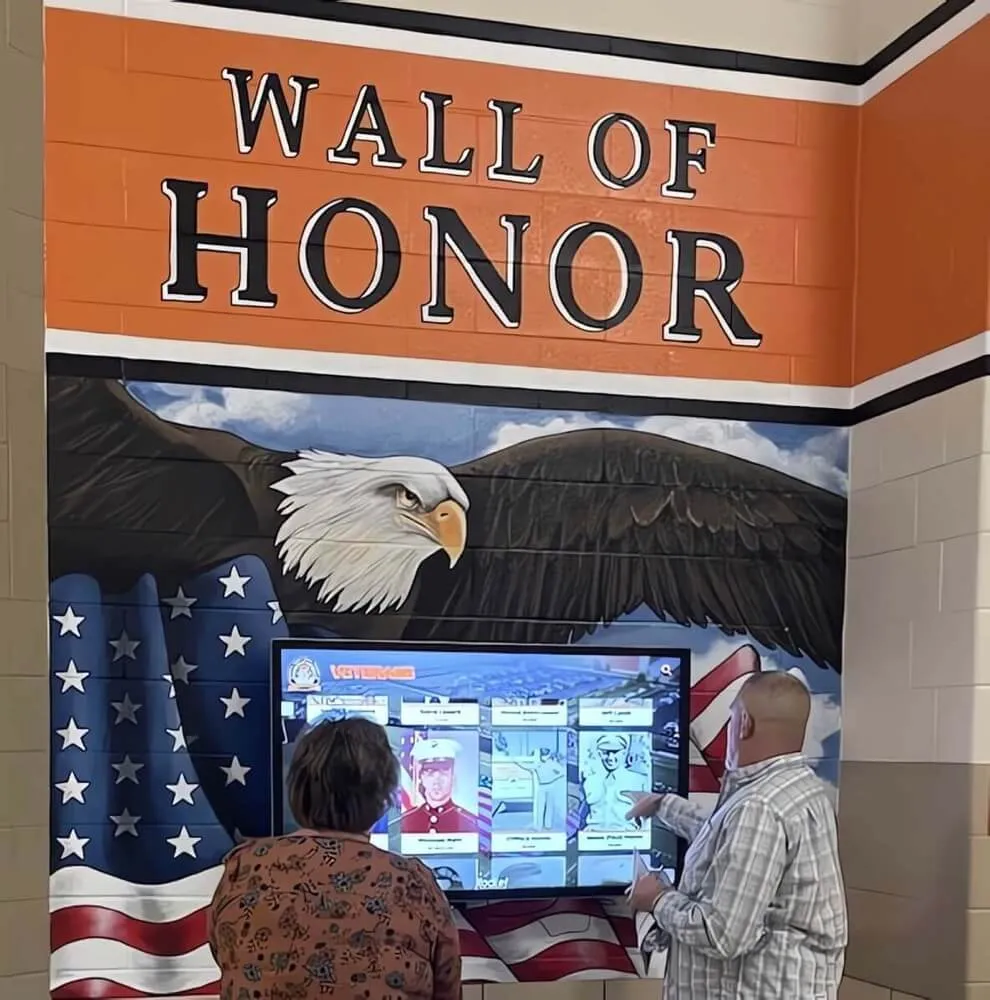
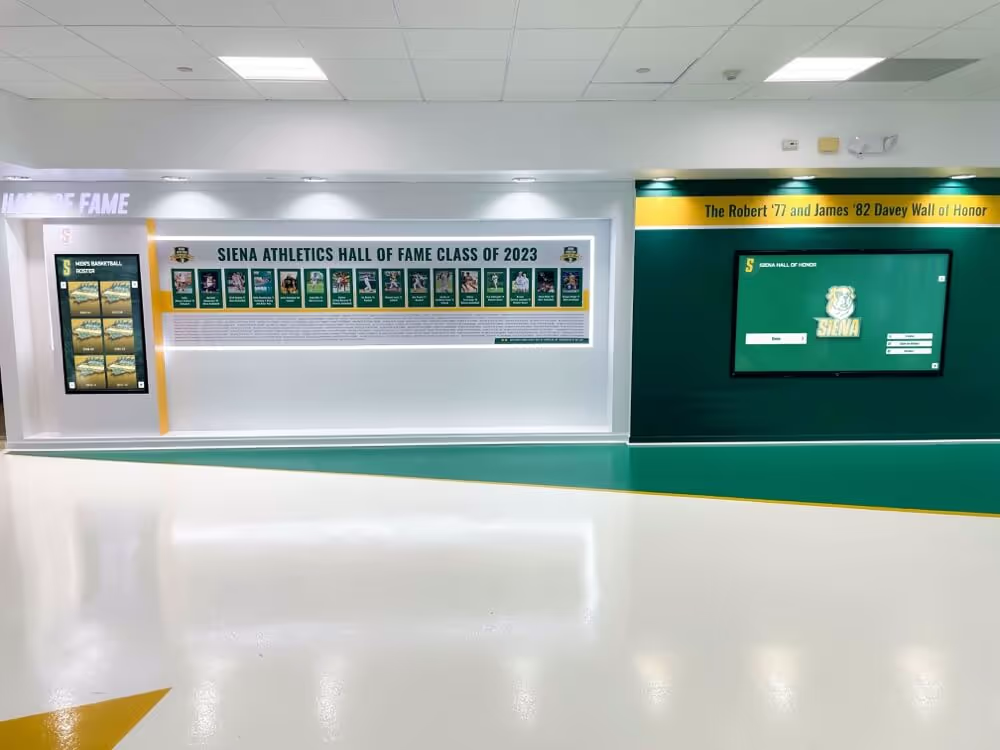
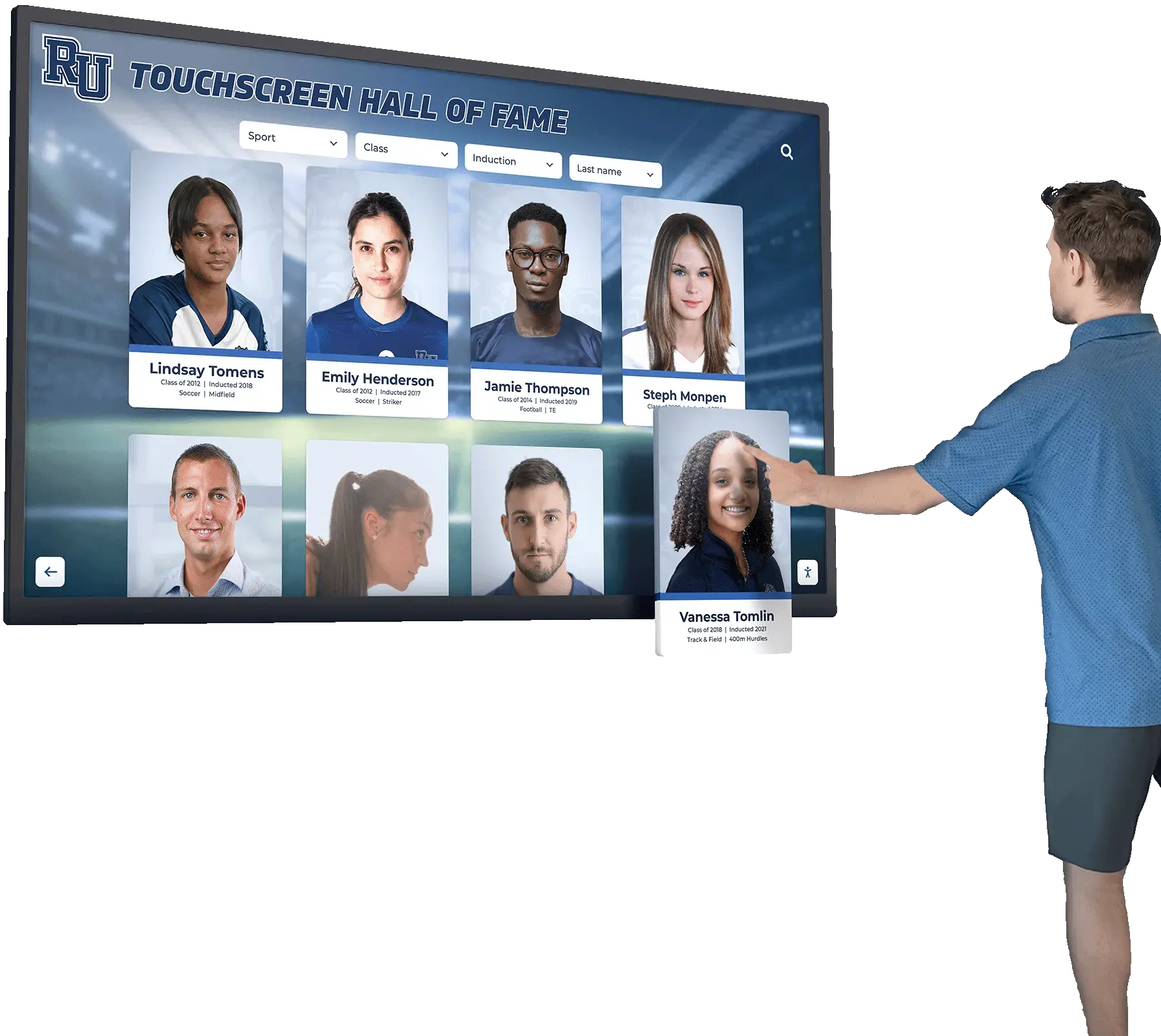
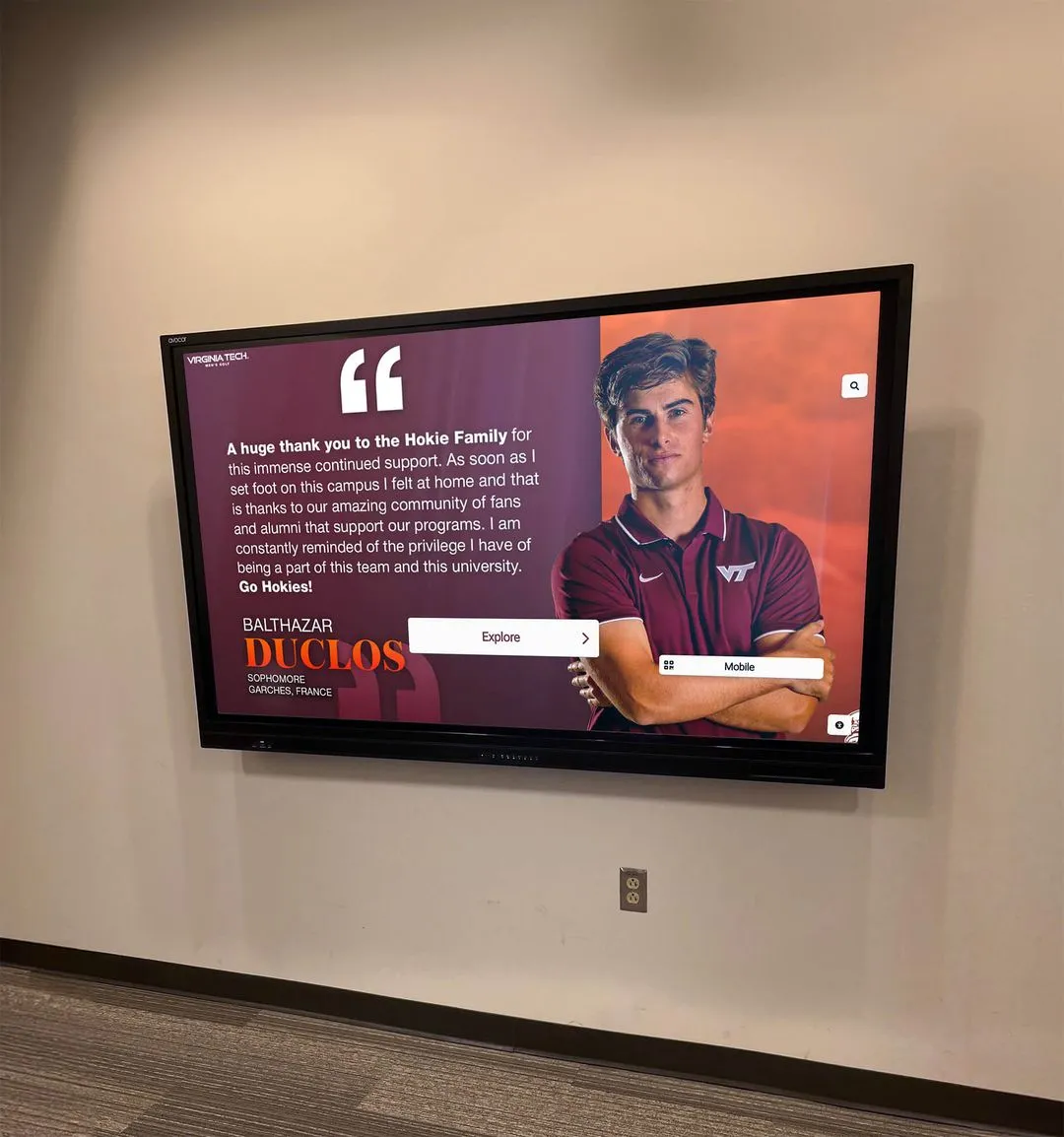
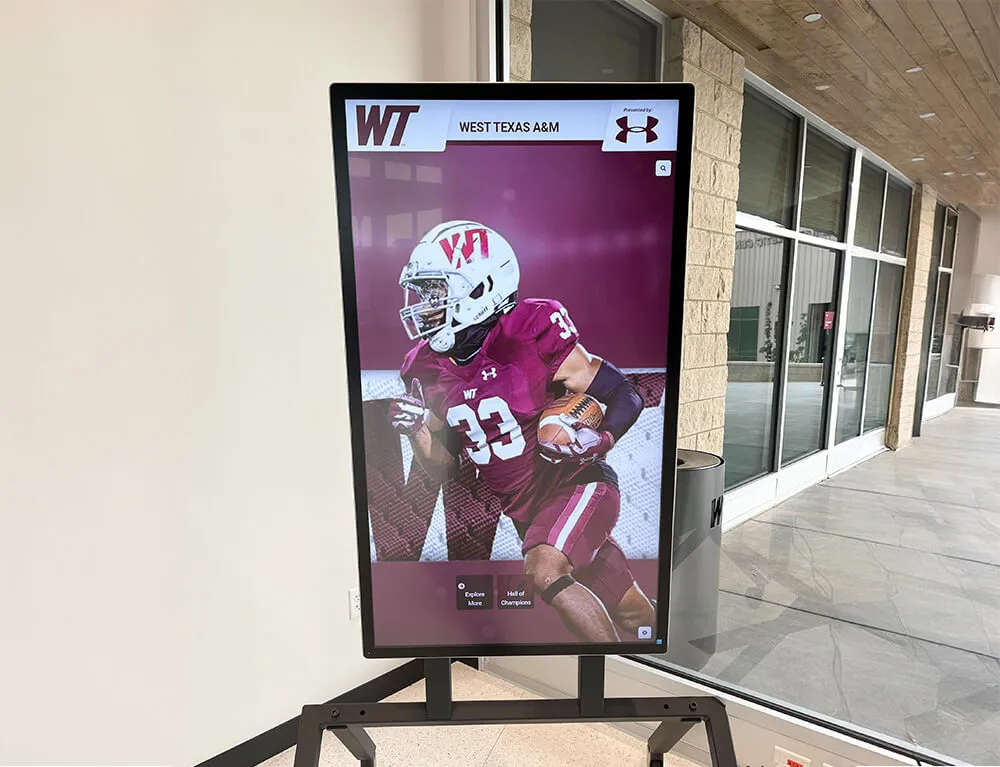
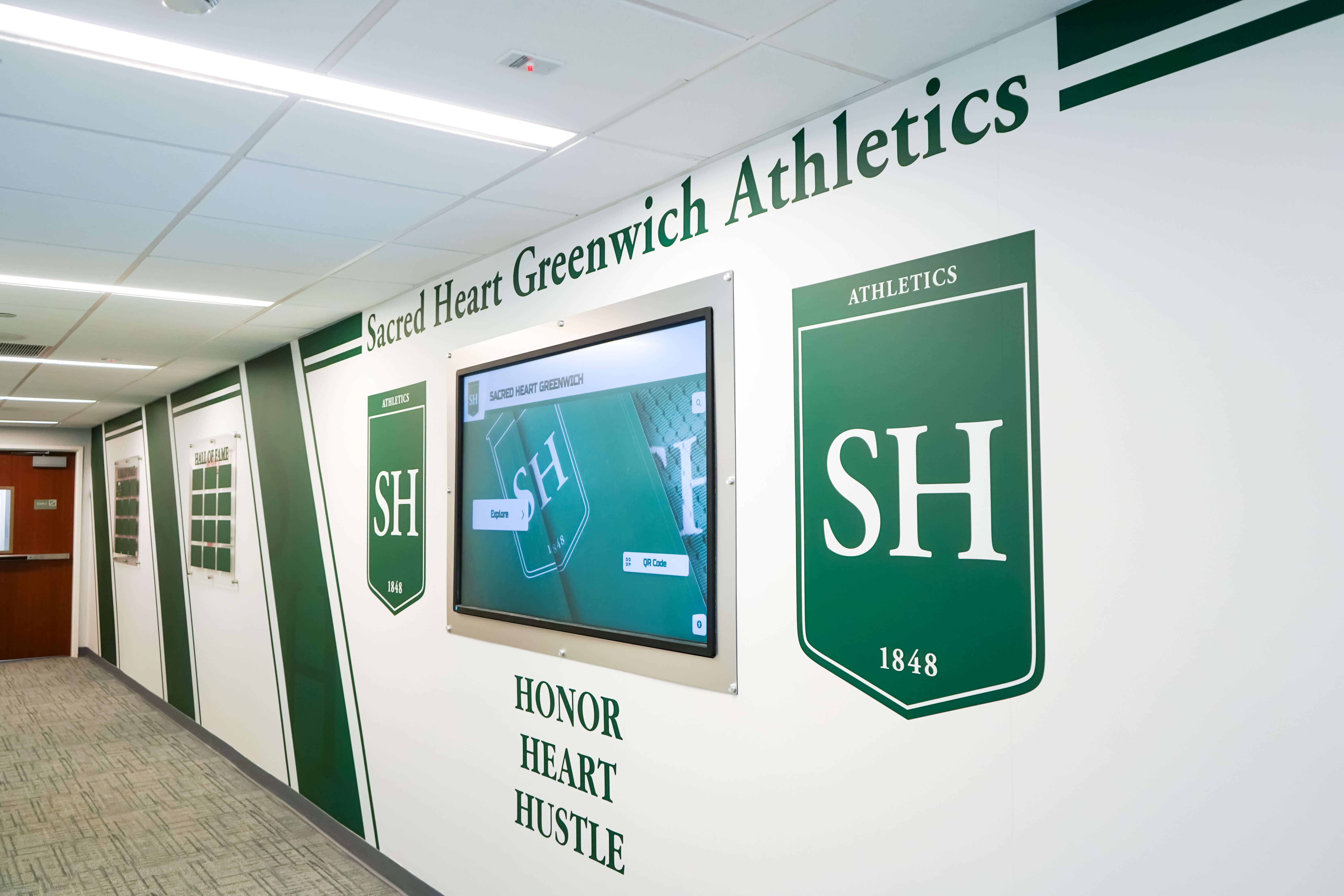
Forward-thinking programs implement permanent recognition through interactive digital displays installed in athletic facilities, allowing current players, recruits, families, and visitors to explore program history and individual player achievements across multiple categories. These systems ensure that technical excellence receives lasting celebration equivalent to competitive championships.
Adapting Drills for Different Age Groups and Skill Levels
The twelve drills presented here require modification based on player age, experience level, and current technical capability. Coaches must adapt exercises ensuring appropriate challenge without overwhelming players or boring advanced athletes with overly simple activities.
Youth Soccer Modifications (U8-U12)
Young players require closer passing distances (8-12 yards versus 15-20 yards for older players), simplified patterns (basic triangles before complex multi-player rotations), reduced pressure (passive defenders or no defenders initially), and shorter drill durations (3-5 minute segments before rotation).
Engagement strategies for youth include game-based contexts (“sharks and minnows” rather than “defensive pressure drill”), point systems and team challenges, visual markers (colored cones for specific players or positions), and frequent position rotations maintaining novelty and preventing boredom.
Youth players benefit particularly from celebrations of incremental progress through recognition systems that honor effort and skill development regardless of competitive outcomes.
High School and Competitive Adjustments
Advanced players require increased distances testing driven passing technique, tighter time constraints demanding quicker decisions, maximum pressure from motivated defenders, and extended drill durations building work capacity and concentration.
Technical standards should be higher—accept fewer errant passes, demand consistent one-touch execution where appropriate, and require ambidextrous competence (equal left and right foot capability). Competitive players must develop professional-level technique if aspiring to college soccer or beyond.
Tactical complexity can increase significantly—multiple-option decision trees, positional role variations, and game-realistic scenarios incorporating formations and strategic concepts. High school players can understand and execute complex tactical patterns beyond youth player capabilities.
Building Long-Term Passing Excellence
Single practice sessions don’t create passing excellence—systematic long-term development through progressive training across months and years transforms ordinary ball movement into precision teamwork that controls matches.
Season-Long Progression Planning
Effective coaches plan passing emphasis throughout seasons: pre-season focuses on technical mechanics and fundamental patterns, early season introduces pressure and game-realistic complexity, mid-season emphasizes tactical applications and position-specific passing roles, and late season maintains sharpness through game-speed repetitions and confidence building.
This periodization prevents stagnation while ensuring technical foundations receive adequate attention before tactical complexity. Teams attempting advanced patterns before mastering basic technique develop poor habits and inconsistent execution.
Multi-Year Development Frameworks
Programs serving players across multiple years should implement progressive curricula where each age group or class year emphasizes specific competencies: freshman year establishes technical foundations and basic patterns, sophomore year adds tactical understanding and positional concepts, junior year develops consistency and leadership, and senior year achieves mastery and mentorship of younger players.
This systematic approach creates program-wide technical standards and shared understanding of expectations, accelerating development compared to random year-to-year coaching without coordinated progression.
Programs celebrating multi-year development often implement recognition systems like those described in guides about creating team captain leadership traditions that honor both technical excellence and leadership growth.
Creating Practice Culture Emphasizing Technique
Perhaps most importantly, coaches must create practice cultures where technical excellence matters and players value precision passing as highly as scoring goals. This cultural emphasis emerges through what coaches praise during practice (celebrating perfect passes enthusiastically), how programs recognize players (acknowledging assist leaders and possession specialists), and what standards coaches accept (never tolerating lazy passes or poor technique regardless of game score or practice timing).
Programs where players take pride in technical mastery develop faster and sustain excellence across roster changes and graduating classes. The culture outlasts individual players, creating institutional identity around beautiful soccer and precise teamwork.
Elevating Your Soccer Program Through Skill Development and Recognition
Systematic passing development through structured drills transforms individual players into cohesive units capable of controlled possession and creative attack. The twelve exercises presented here provide frameworks for progressive skill building from fundamental mechanics through complex tactical patterns, enabling coaches to design practices that develop technical excellence while maintaining player engagement and enjoyment.
Beyond practice field development, modern programs increasingly recognize that celebrating skill mastery and player growth proves equally important to recognizing competitive championships. Interactive digital recognition systems installed in school hallways, athletic lobbies, or training facilities allow programs to showcase individual player achievements, document skill development milestones, and preserve program history for current athletes, recruits, and alumni to explore.
These permanent recognition platforms ensure that players who develop exceptional passing vision, demonstrate technical excellence, or contribute through possession maintenance and chance creation receive lasting celebration alongside goalscorers and championship teams. By honoring diverse contribution types, programs create culture where all roles receive appropriate recognition, strengthening team unity and individual motivation.
Whether coaching youth recreational teams or competitive high school programs pursuing conference championships, investing in systematic passing development through purposeful drill selection, progressive difficulty frameworks, and positive coaching emphasis creates immediate competitive advantages while building sustainable program excellence that outlasts individual seasons and player generations.
Ready to celebrate your soccer program’s achievements and honor the players who master these fundamental skills? Discover how interactive digital recognition displays can showcase your team’s success and inspire the next generation of players.