The final whistle sounds after a hard-fought playoff match. Your team controlled possession in the opening twenty minutes, executing the game plan flawlessly. But as the match progressed, opponents began winning loose balls, beating your defenders to through passes, and maintaining pressure while your players visibly fatigued. In the crucial final fifteen minutes when championship matches are decided, your technically skilled team simply couldn’t match the opponent’s relentless pace and sustained effort.
This scenario repeats itself across soccer fields nationwide when teams with superior technical skills and tactical understanding lose matches they should have won because they lacked the physical conditioning to execute their abilities for full match duration. Skill and strategy matter tremendously in soccer—but without the endurance to sustain effort for ninety minutes and the speed to exploit critical moments, technical excellence cannot translate into competitive success.
Soccer conditioning differs fundamentally from general fitness training. A well-conditioned distance runner might struggle through a soccer match despite excellent cardiovascular fitness. Soccer demands a unique combination of aerobic endurance supporting constant movement across large playing surfaces, anaerobic power enabling repeated high-intensity sprints, acceleration and change-of-direction speed for one-on-one situations, and muscular endurance maintaining technical execution despite accumulating fatigue.
Effective soccer conditioning programs integrate these physical demands through carefully designed training progressions that build comprehensive game fitness. Modern training science provides clear guidance about which conditioning methods develop specific physiological adaptations, how to sequence training for optimal improvement, when to emphasize different conditioning types across competitive seasons, and how to monitor training loads preventing overtraining while ensuring adequate stimulus for adaptation.
Understanding Soccer’s Physical Demands
Before designing conditioning programs, coaches must understand the specific physical demands soccer competitions place on athletes. This knowledge ensures training addresses actual game requirements rather than general fitness concepts that may not transfer to match performance.
The Aerobic Foundation: Distance Covered and Movement Patterns
Professional and elite collegiate soccer players cover substantial distances during matches—typically 9-12 kilometers for field players, with midfielders often covering the greatest distances due to their dual attacking and defending responsibilities. However, total distance covered tells only part of the conditioning story.
Movement Pattern Complexity: Soccer involves constantly varying movement patterns rather than steady-state running. Players perform hundreds of discrete efforts during matches including jogging, cruising, sprinting, backpedaling, shuffling laterally, and standing relatively still. This variation creates different conditioning demands than continuous running at moderate intensities.
Recovery While Moving: Unlike sports with complete rest intervals between efforts, soccer requires active recovery. Players must recover from high-intensity sprints while continuing to jog, shuffle into defensive positions, or move to supporting positions. This active recovery requirement places unique demands on the cardiovascular system’s ability to clear lactate and restore energy systems while continuing low-to-moderate intensity activity.
Positional Variations: Different positions encounter distinct physical demands requiring somewhat different conditioning emphasis. Central midfielders typically cover the greatest total distances with substantial moderate-intensity running. Forwards and wide players perform more high-intensity sprints but less total distance. Central defenders cover less ground overall but must produce explosive efforts in critical defensive moments. Effective conditioning programs account for these positional differences.
Anaerobic Power: High-Intensity Efforts and Sprint Demands
While aerobic endurance provides the foundation, soccer’s decisive moments typically involve high-intensity anaerobic efforts—accelerating past defenders, recovering defensively after turnovers, contesting loose balls, and pressing opponents aggressively.
Sprint Frequency and Distance: Research analyzing professional matches shows field players perform 150-250 brief high-intensity efforts per match, with 40-60 of these qualifying as true sprints at near-maximum velocity. Most sprints last 2-4 seconds covering 10-25 meters, though occasional longer sprints of 30-50 meters occur during counterattacks or defensive recovery situations.
Repeated Sprint Ability: Perhaps more important than single-sprint speed, soccer demands repeated sprint ability—the capacity to produce high-intensity efforts, recover briefly, then reproduce similar intensity repeatedly. A winger who sprints maximally down the touchline must be capable of performing another quality sprint thirty seconds later when the ball changes possession. This repeated sprint ability represents a specific physiological capacity requiring targeted training.
Change of Direction Speed: Linear sprint speed matters in soccer, but change-of-direction ability often proves more game-relevant. Winning one-on-one battles, adjusting to opponent movements, and exploiting space requires rapid acceleration, deceleration, and directional changes. These multidirectional movements demand different neuromuscular qualities than straight-line speed, requiring specific conditioning drills incorporating directional changes.
Maintaining Performance Under Fatigue
Championship-level conditioning enables players to maintain technical execution and tactical awareness despite accumulating fatigue across match duration. This ability to preserve performance quality under fatigue represents perhaps the most important conditioning outcome.
Technical Precision Maintenance: Studies comparing first-half and second-half performance demonstrate that poorly conditioned players show measurable declines in passing accuracy, first-touch control, and decision-making quality as matches progress. Well-conditioned athletes maintain technical standards throughout entire matches, providing crucial competitive advantages in decisive late-game moments.
Tactical Discipline Preservation: Fatigue undermines not just physical capabilities but cognitive function and tactical discipline. Exhausted players make poor decisions, fail to recognize tactical cues, and struggle to maintain positional discipline. Superior conditioning enables teams to execute complex tactical systems throughout full match duration rather than reverting to disorganized play as fatigue accumulates.
The connection between conditioning excellence and competitive success extends beyond individual match performance. Teams that systematically develop superior fitness gain confidence from knowing they can maintain their standard regardless of opponent pressure, apply relentless pressing strategies that break down opponent organization, and capitalize on late-match opportunities when less-conditioned opponents fade. Programs that celebrate conditioning achievements alongside technical and tactical excellence build cultures where fitness development receives appropriate emphasis.
Many successful programs implement recognition systems that honor athletic dedication, including fitness milestones and conditioning improvements. This visible celebration reinforces that physical preparation matters as much as skill development.
Essential Soccer Conditioning Drills for Endurance Development
Building the aerobic foundation supporting sustained match performance requires specific training methods that develop both general cardiovascular fitness and soccer-specific endurance capabilities.
Interval Training: The Foundation of Soccer Endurance
Interval training—alternating periods of higher intensity effort with recovery periods—represents the most effective method for developing soccer-specific endurance. Unlike continuous moderate-intensity running, intervals replicate soccer’s variable intensity patterns while providing sufficient stimulus for cardiovascular adaptation.
High-Intensity Interval Training (HIIT) Protocols:
Effective soccer HIIT protocols typically involve 3-5 minute work intervals at 85-95% of maximum heart rate, with 2-3 minute active recovery periods at 60-70% maximum heart rate. Teams typically complete 4-8 repetitions depending on fitness level and training phase.
Sample HIIT progression:
- Early preseason: 4 x 3 minutes at 85% max HR with 3-minute recovery
- Mid-preseason: 6 x 4 minutes at 90% max HR with 2-minute recovery
- Competition phase: 5 x 5 minutes at 90-95% max HR with 2-minute recovery
Implementation Methods: Rather than running on tracks or roads, implement HIIT using soccer-specific movements. Players can complete intervals through:
- Controlled possession games on reduced-size fields
- Technical circuits incorporating dribbling, passing, and finishing
- Position-specific movement patterns at prescribed intensities
- Small-sided games with interval timing and recovery periods
Monitoring Intensity: Heart rate monitors provide objective intensity tracking ensuring athletes work at appropriate levels. GPS units can supplement heart rate monitoring by tracking distance covered and speed distributions. However, perceived exertion ratings remain valuable, particularly for learning to self-regulate training intensity.
Tempo Runs: Building Aerobic Capacity
Tempo runs—sustained efforts at moderate-high intensity below anaerobic threshold—develop aerobic capacity efficiently while teaching pace judgment and mental toughness during sustained effort.
Tempo Run Structure: Effective tempo runs for soccer typically involve 20-40 minutes of continuous running at 75-85% of maximum heart rate—hard enough to challenge cardiovascular systems but sustainable for the entire duration without excessive lactate accumulation.
For soccer-specific application, incorporate ball work into tempo sessions:
- Continuous dribbling circuits with cone patterns
- Extended passing sequences maintaining constant movement
- Technical work with timed stations requiring movement between activities
- Position groups performing role-specific movement patterns at tempo pace
Progressive Tempo Protocols: Build tempo run duration and intensity gradually across training blocks:
- Week 1-2: 20 minutes at 75-80% max HR
- Week 3-4: 25 minutes at 78-82% max HR
- Week 5-6: 30 minutes at 80-85% max HR
- Week 7+: 35-40 minutes at 80-85% max HR
Fartlek Training: Variable Intensity Endurance
Fartlek training—Swedish for “speed play”—involves continuous running with spontaneous or planned variations in pace and intensity. This method replicates soccer’s unpredictable intensity fluctuations while building both aerobic and anaerobic capacities.
Structured Fartlek Sessions: Plan specific work and recovery intervals within continuous sessions:
- 30-second surges at 90-95% effort followed by 90 seconds at recovery pace
- 1-minute hard efforts (85-90%) followed by 2 minutes moderate pace (70-75%)
- 2-minute sustained pushes (80-85%) followed by 3 minutes easy (65-70%)
Complete 6-10 cycles depending on athlete fitness and training phase, maintaining continuous movement throughout the session.
Unstructured Fartlek Approaches: Allow athletes to self-select surge timing based on external cues or internal motivation:
- Surge between designated landmarks (light poles, field markers, cones)
- Accelerate when reaching specific field areas, recover in others
- Vary intensity based on perceived readiness rather than predetermined timing
Soccer-Specific Fartlek: Incorporate technical elements and directional changes:
- Dribbling circuits with sprint zones and recovery zones
- Passing combinations requiring movement bursts between stations
- Small-sided games with periodic all-out pressing intervals
- Position-specific movement patterns with intensity variations
Small-Sided Games: Conditioning Through Play
Small-sided games (SSGs)—modified scrimmages on reduced field sizes with fewer players—provide exceptional conditioning stimulus while simultaneously developing technical skills, tactical understanding, and decision-making under pressure.
Optimal SSG Formats for Conditioning:
Research demonstrates specific formats maximize conditioning stimulus:
- 3v3 on 25x20 yard fields: Produces highest heart rate responses and repeated high-intensity efforts
- 4v4 on 30x25 yard fields: Balances conditioning stimulus with tactical complexity
- 5v5 on 40x30 yard fields: Develops endurance with more realistic game structure
Manipulation Variables: Adjust SSG rules to emphasize specific conditioning outcomes:
- Increase field size to demand more running and sustained efforts
- Reduce player numbers to increase individual workload
- Limit touches to accelerate game tempo and intensity
- Add target players to create constant movement supporting play
- Implement time restrictions requiring quick decision-making
Work-to-Rest Ratios: Structure SSG sessions with appropriate work and recovery periods:
- 4-minute games with 2-minute recovery (2:1 ratio) for high-intensity sessions
- 6-minute games with 3-minute recovery for moderate-intensity work
- Continuous 8-10 minute games for sustained endurance emphasis
Complete 4-8 repetitions depending on game duration and intensity targets.
Programs that track conditioning improvements and celebrate fitness achievements create motivation for the demanding work endurance development requires. Many successful soccer programs incorporate achievement recognition systems that document season-to-season improvements in fitness testing results alongside technical and competitive accomplishments.
Speed Development Drills for Soccer Athletes
While endurance provides the foundation, speed differentiates good players from elite performers. Developing acceleration, maximum velocity, and repeated sprint ability requires specific training methods distinct from endurance conditioning.
Acceleration Training: The First Five Yards
Soccer rarely involves sprints longer than 30-40 meters, making acceleration over short distances more game-relevant than top-end speed. The ability to reach high velocity quickly in the first 5-10 yards determines success in most soccer sprint situations.
Acceleration Mechanics Fundamentals:
Proper acceleration technique involves:
- Forward body lean of 40-45 degrees from starting position
- Powerful arm drive with elbows at 90-degree angles
- Explosive ground contact with balls of feet
- Short, choppy initial steps transitioning to longer strides
- Progressive elevation to upright running position over 15-20 meters
Acceleration Development Drills:
Three-Point Starts: Athletes begin in three-point stance (one hand on ground, staggered feet) and explode forward on command, focusing on powerful first three steps. Sprint 10-15 meters at maximum intensity. Complete 6-8 repetitions with full recovery (1-2 minutes) between efforts.
Falling Starts: Athletes lean forward from standing position until falling forward forces first step. This drill emphasizes the forward lean essential for acceleration. Sprint 10 meters. Repeat 6-8 times.
Resistance Acceleration: Use resistance tools to overload acceleration mechanics:
- Partner resistance with towel or resistance band
- Weighted vest acceleration (5-10% body weight maximum)
- Sled pushes for 10-15 meters (moderate resistance allowing proper mechanics)
Complete 5-6 repetitions with full recovery ensuring quality remains high.
Sport-Specific Acceleration: Practice accelerating from soccer-specific positions:
- Backpedal to sprint transitions
- Lateral shuffle to forward sprint
- Acceleration from ground positions (sitting, lying)
- Ball-oriented acceleration (sprint to control through ball)

Maximum Velocity Speed Training
After initial acceleration, achieving and maintaining maximum velocity requires different technical elements and training approaches. While less frequently reached in soccer than in track sprinting, maximum velocity capability influences acceleration potential and creates separation in longer sprint situations.
Maximum Velocity Mechanics:
Effective top-speed sprinting involves:
- Upright posture with slight forward lean (5-10 degrees)
- High knee drive bringing thigh parallel to ground
- Explosive ground contact with minimal contact time
- Powerful arm swing coordinated with leg action
- Full hip extension driving maximum stride length
Flying Sprint Drills: Build velocity through 20-meter acceleration zone, then sprint maximally for 20-30 meters through “flying” zone. The acceleration zone allows athletes to reach near-maximum velocity before the measured sprint section. Complete 4-6 repetitions with 3-4 minute recovery.
Wicket Runs: Place small hurdles or cones at specific distances matching optimal stride length (approximately 7-8 feet for most athletes). Sprint through course focusing on rhythm and stride pattern. This drill develops efficient stride mechanics at high speeds. Complete 5-6 repetitions.
Overspeed Training: Carefully implemented overspeed methods expose the nervous system to velocities slightly exceeding what athletes can produce independently:
- Downhill sprinting on slight grades (2-3 degrees maximum)
- Assisted towing with bungee cords (requires experienced supervision)
- High-speed treadmill running above normal maximum velocity
Use overspeed methods sparingly (1-2 times weekly maximum) with extensive recovery to prevent injury while developing neuromuscular capacity for higher velocities.
Change of Direction Speed and Agility
Soccer success depends more on change-of-direction ability than linear speed. Developing the neuromuscular qualities enabling rapid acceleration, deceleration, and directional changes requires specific training distinct from straight-line speed work.
Deceleration Training: Effective direction changes require controlled deceleration before the turn. Practice:
- Sprint 15-20 meters, decelerate to stop within 3-5 steps
- Sprint to cone, plant foot, change direction 90-180 degrees
- Progressive deceleration from various speeds
Agility Drill Progressions:
5-10-5 Shuttle: Sprint 5 yards right, touch line, sprint 10 yards left through start, touch line, sprint 5 yards right through finish. Emphasizes acceleration, deceleration, and direction change. Complete 4-6 repetitions.
T-Drill: Set up T-shaped cone pattern. Sprint forward 10 yards, shuffle right 5 yards, shuffle left 10 yards, shuffle right 5 yards, backpedal 10 yards to start. Develops multidirectional movement. Repeat 4-5 times.
Box Drill: Create 10-yard square. Sprint forward, shuffle right, backpedal, shuffle left to return to start. Incorporates all movement directions common in soccer. Complete 4-6 repetitions.
Reactive Agility: Progress beyond predetermined patterns to reactive drills requiring responses to visual cues:
- Partner mirror drills matching movement changes
- Reaction to coach hand signals or ball movements
- Small-sided games requiring constant directional adjustments
Ball-Integrated Agility: Incorporate soccer balls into agility drills:
- Cone dribbling courses with tight turns
- Receive and turn sequences from various angles
- 1v1 situations in confined spaces
Repeated Sprint Ability Development
Soccer’s unique demand for repeated high-intensity efforts with incomplete recovery requires specific training developing the physiological systems supporting this capacity.
Repeated Sprint Training Protocols:
6 x 30-meter sprints: Sprint maximally for 30 meters, walk back to start (approximately 30-second recovery), repeat. This 1:1 work-to-rest ratio challenges the phosphagen energy system and lactate buffering capacity. Complete 3-4 sets with 4-5 minute recovery between sets.
10 x 20-meter shuttles: Sprint 20 meters out and back (40 meters total) with 20-second recovery between repetitions. The shuttles incorporate deceleration and direction change matching game demands. Complete 2-3 sets.
Pyramid Sprints: Variable distance sprints within a set:
- Set 1: 10m, 20m, 30m, 40m, 30m, 20m, 10m (30-second recovery)
- Set 2: Repeat sequence
- Set 3: Repeat sequence
Complete 2-3 sets with 5-minute recovery between sets.
Position-Specific Repeated Sprints: Design sprint patterns matching positional demands:
- Forwards: Short repeated sprints with directional changes (checking runs, penetrating runs)
- Midfielders: Longer distance repeated efforts (box-to-box runs)
- Defenders: Recovery sprints with backpedaling and turning
Recognizing improvements in speed and conditioning creates motivation for demanding training. Successful programs often implement comprehensive recognition approaches that celebrate both competitive achievements and measurable improvements in athletic performance metrics including speed, agility, and endurance testing results.
Periodization: Organizing Conditioning Across the Season
Effective conditioning programs don’t simply repeat the same drills throughout the year. Strategic periodization—planned variation in training volume, intensity, and emphasis—optimizes adaptation while managing fatigue and preventing overtraining.
Preseason Conditioning: Building the Foundation
The preseason phase typically spans 6-10 weeks before competition begins. This period emphasizes building comprehensive fitness foundations supporting season-long performance.
Early Preseason (Weeks 1-3):
Primary emphasis on aerobic base development through:
- High-volume, moderate-intensity continuous running (tempo runs, long intervals)
- Extended small-sided games developing endurance with technical work
- Gradual introduction of speed work focusing on mechanics
- Progressive strength training building foundational capacity
Training load increases systematically week-to-week while intensity remains moderate, allowing physiological adaptations without excessive fatigue.
Mid Preseason (Weeks 4-6):
Transition toward higher intensity while maintaining volume:
- Increased HIIT and interval training at game-relevant intensities
- Introduction of repeated sprint protocols
- Progressive increase in small-sided game intensity
- Continued strength development with emphasis on power
Late Preseason (Weeks 7-10):
Shift toward competition-specific conditioning:
- Reduced overall training volume with maintained or increased intensity
- Emphasis on speed and power development
- Competition-simulation training (full-sided scrimmages, tactical sessions)
- Final fitness testing to establish season baselines
The preseason establishes fitness levels that will be maintained throughout the competitive season. Insufficient preseason conditioning cannot be remedied once competition begins without risking poor match performance or injury.

In-Season Conditioning: Maintaining Peak Fitness
During the competitive season, conditioning emphasis shifts from developing new fitness to maintaining preseason gains while managing accumulated fatigue from training and competition.
Weekly Microcycle Structure:
A typical competition week might structure conditioning as follows:
Day 1 (Post-Match): Active recovery—light movement, stretching, foam rolling. No conditioning emphasis.
Day 2: Low-intensity technical work with minimal conditioning stimulus. Focus on recovery and preparation for next cycle.
Day 3: Moderate conditioning session—tempo running, moderate-intensity small-sided games, or position-specific conditioning maintaining aerobic fitness.
Day 4: Speed and power emphasis—acceleration work, agility drills, explosive movements. Lower volume, high quality.
Day 5: Tactical preparation with moderate activity levels. Small-sided games and set-piece work without excessive conditioning emphasis.
Day 6: Pre-match preparation—light activation work, strategic discussion, final preparations. Minimal physical load.
Day 7: Competition
Intensity Management: During season, most fitness maintenance occurs through match play and training sessions designed primarily for tactical and technical development. Additional conditioning work must balance the need to maintain fitness with recovery requirements and tactical preparation demands.
Individual Load Management: Monitor individual athlete loads through:
- Training and match GPS data tracking distance and intensity distributions
- Wellness questionnaires assessing fatigue, soreness, sleep quality
- Periodic fitness testing monitoring key markers
- Injury history and individual recovery capacity
Adjust individual training loads based on monitoring data, reducing volume for athletes showing excessive fatigue while providing additional work for those requiring more stimulus.
Off-Season Training: Active Recovery and Preparation
The off-season provides crucial recovery from competitive demands while maintaining fitness foundations and preparing for the next training cycle.
Early Off-Season (Weeks 1-3):
Emphasize recovery and unstructured activity:
- Complete rest from organized soccer training (1-2 weeks recommended)
- Low-intensity cross-training activities (swimming, cycling, recreational sports)
- General movement and mobility work
- Mental recovery from competitive pressures
Mid Off-Season (Weeks 4-8):
Gradual return to structured training with reduced volume:
- Moderate-intensity aerobic training maintaining cardiovascular fitness
- Strength training addressing individual weaknesses
- Technical skill development without conditioning emphasis
- Cross-training and variety maintaining engagement
Late Off-Season (Weeks 9-12):
Progressive increase preparing for preseason:
- Gradual increase in running volume and soccer-specific activity
- Introduction of interval training and speed work
- Small-sided games with increasing intensity
- Transition into preseason training plan
Athletes who maintain reasonable fitness during off-season periods begin preseasons from higher baselines, reducing injury risk and enabling faster progression toward competition-level conditioning.
Testing and Monitoring Conditioning Progress
Systematic testing and monitoring ensure conditioning programs produce desired adaptations, provide objective feedback motivating athletes, and enable data-driven program adjustments improving effectiveness.
Endurance Testing Protocols
Yo-Yo Intermittent Recovery Test: The Yo-Yo test represents the gold-standard field test for soccer-specific endurance. Athletes perform repeated 20-meter shuttle runs at progressively increasing speeds with brief recovery periods between shuttles. The test continues until athletes can no longer maintain the required pace. Results correlate strongly with match performance and aerobic capacity.
Cooper 12-Minute Run Test: Athletes run maximally for 12 minutes on a track or measured course. Total distance covered provides reliable assessment of aerobic fitness and correlates well with VO2 max estimations. Simple to administer with minimal equipment requirements.
Position-Specific Endurance Tests: Design tests matching positional demands:
- Midfielders: Extended interval protocols emphasizing volume
- Forwards: Shorter, higher-intensity repeated efforts
- Defenders: Moderate-distance efforts with recovery periods
Speed and Power Testing
10-Meter and 30-Meter Sprint Times: Electronic timing gates provide precise sprint time measurements eliminating human reaction time variability. Test both distances to distinguish acceleration (10m) from maximum velocity (30m) capabilities.
5-10-5 Shuttle Time: Tests change-of-direction speed and acceleration/deceleration capability. Set up cones 5 yards apart in straight line, use timing gates to measure completion time.
Vertical Jump and Broad Jump: Assess lower-body power important for jumping in aerial challenges and explosive first-step acceleration. Use jump mat or measurement tape for consistent testing.
Repeated Sprint Ability: Perform 6 x 30-meter sprints with 30-second recovery. Measure each sprint time and calculate total time, fatigue index (difference between best and worst sprint), and average time. Results indicate repeated sprint capacity specific to soccer demands.
Testing Schedule and Benchmarking
Pre-Season Baseline: Comprehensive fitness testing at start of preseason establishes baselines for individual improvement tracking and team standards.
Mid-Season Assessment: Brief testing battery (4-6 weeks into season) verifies fitness maintenance and identifies athletes requiring additional conditioning focus.
Post-Season Evaluation: End-of-season testing documents seasonal improvements and provides data for off-season program planning.
Benchmark Standards: Establish team standards for various tests based on:
- Position-specific requirements
- Competitive level (youth, high school, college)
- Historical team data
- Published norms for similar populations
Share benchmark standards transparently, celebrating athletes who meet or exceed targets while providing clear goals for those still developing. Programs implementing comprehensive recognition systems often include fitness achievement milestones alongside competitive accomplishments, reinforcing that physical preparation matters as much as technical skill.
Recovery and Injury Prevention in Conditioning Programs
Effective conditioning programs emphasize not just training stimulus but also recovery protocols and injury prevention strategies ensuring athletes adapt positively to training demands rather than breaking down.
Active Recovery Strategies
Post-Training Recovery Sessions: Implement structured recovery following intense conditioning sessions:
- 10-15 minutes light aerobic activity (easy jogging, cycling)
- Dynamic stretching and mobility work
- Foam rolling targeting major muscle groups
- Hydration and nutrition within 30-minute post-training window
Recovery Day Programming: Schedule complete rest days or active recovery days featuring:
- Low-intensity swimming or pool work
- Yoga or Pilates emphasizing flexibility and core stability
- Light recreational activities maintaining movement without intensity
- Sport massage or self-myofascial release
Sleep and Nutrition for Optimal Adaptation
Sleep Recommendations: Emphasize sleep as primary recovery tool:
- 8-10 hours nightly for adolescent athletes
- Consistent sleep schedules maintaining regular rhythms
- Pre-sleep routines minimizing screen time and creating relaxation
- Sleep environment optimization (dark, cool, quiet)
Nutrition for Conditioning: Provide basic guidance supporting training adaptations:
- Adequate carbohydrate supporting high training volumes
- Sufficient protein (1.2-1.6g per kg body weight) for recovery
- Hydration before, during, and after training
- Pre-training fueling supporting workout quality
- Post-training nutrition optimizing recovery
Injury Prevention Through Load Management
Progressive Overload Principles: Increase training loads gradually following the “10% rule”—avoid increasing weekly training volume more than 10% above previous week to prevent overuse injuries.
Monitoring Training Load: Track acute (7-day) and chronic (28-day) training loads using GPS data, session RPE, or other metrics. Maintain acute-to-chronic workload ratio between 0.8-1.3 to optimize adaptation while minimizing injury risk.
Individual Recovery Capacity: Recognize that athletes have different recovery capacities based on:
- Training age and experience
- Previous injury history
- Current fitness level
- Life stress factors
Adjust individual loads based on recovery monitoring rather than applying identical programs to all athletes regardless of individual circumstances.
Common Conditioning-Related Injuries
Overuse Injuries: Gradual-onset injuries from accumulated training stress:
- Shin splints from excessive running volume on hard surfaces
- Achilles tendinopathy from repetitive sprinting and jumping
- Stress fractures from inadequate recovery between high-impact sessions
Prevention Strategies: Vary training surfaces, ensure adequate recovery, build volume gradually, maintain strength training supporting connective tissue capacity.
Acute Injuries: Sudden injuries often occurring during high-intensity efforts:
- Hamstring strains from sprinting without adequate warm-up or with accumulated fatigue
- Ankle sprains from direction changes on uneven surfaces
- Muscle tears from explosive efforts exceeding tissue capacity
Prevention Strategies: Comprehensive warm-ups including dynamic movements, appropriate sprint volume progression, maintaining strength and flexibility, respecting individual recovery needs.
Motivation and Culture: Making Conditioning Work
Even the most scientifically sound conditioning program fails if athletes don’t buy into the work required. Creating culture where conditioning excellence is valued and developing motivation systems encouraging consistent effort represents crucial coaching responsibilities.
Building Buy-In Through Education
Athletes work harder when they understand how conditioning connects to competitive success. Educate players about:
- Specific game demands and how conditioning addresses them
- The physiological adaptations different training types produce
- How superior fitness provides competitive advantages
- Examples of championship teams built on conditioning excellence
Share testing data demonstrating individual improvements, connecting hard training to measurable gains. Use video analysis showing how fitness enables technical execution in critical late-match moments.
Creating Competitive Training Environments
Design conditioning sessions incorporating competitive elements:
- Partner or small-group competitions within conditioning drills
- Time trials with leaderboards tracking performance
- Team challenges requiring collective effort
- Individual goal-setting with recognition for achievement
Competition naturally motivates effort while making difficult training more engaging. However, balance competitive elements with individual improvement focus, celebrating personal progress alongside top performers.
Recognition Systems Celebrating Conditioning Excellence
Programs that visibly celebrate conditioning achievements alongside technical and competitive success communicate that fitness matters. Many successful soccer programs implement recognition approaches including:
- Conditioning awards at team banquets or season celebrations
- Visible display of fitness testing results and improvement leaders
- Social media recognition of conditioning milestones
- Team records for fitness testing across program history
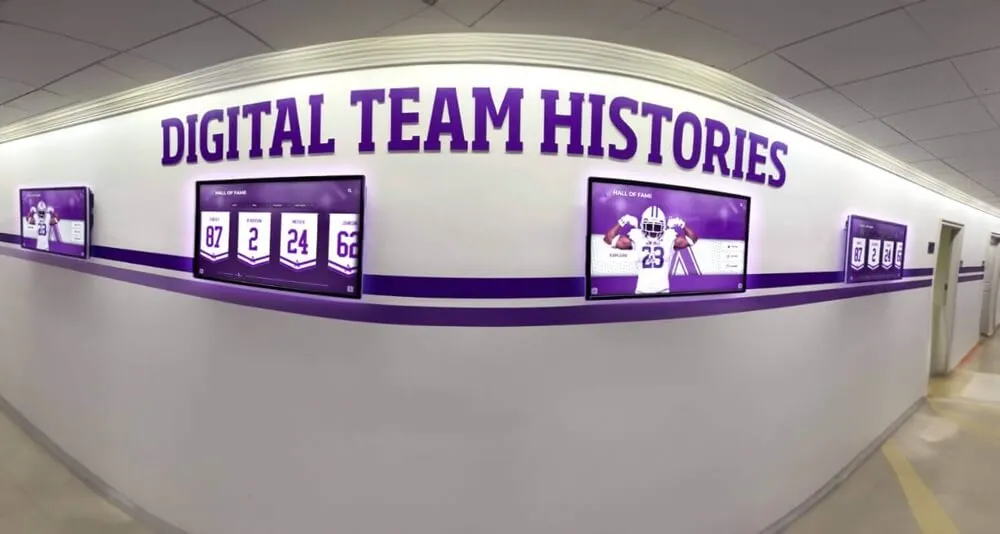
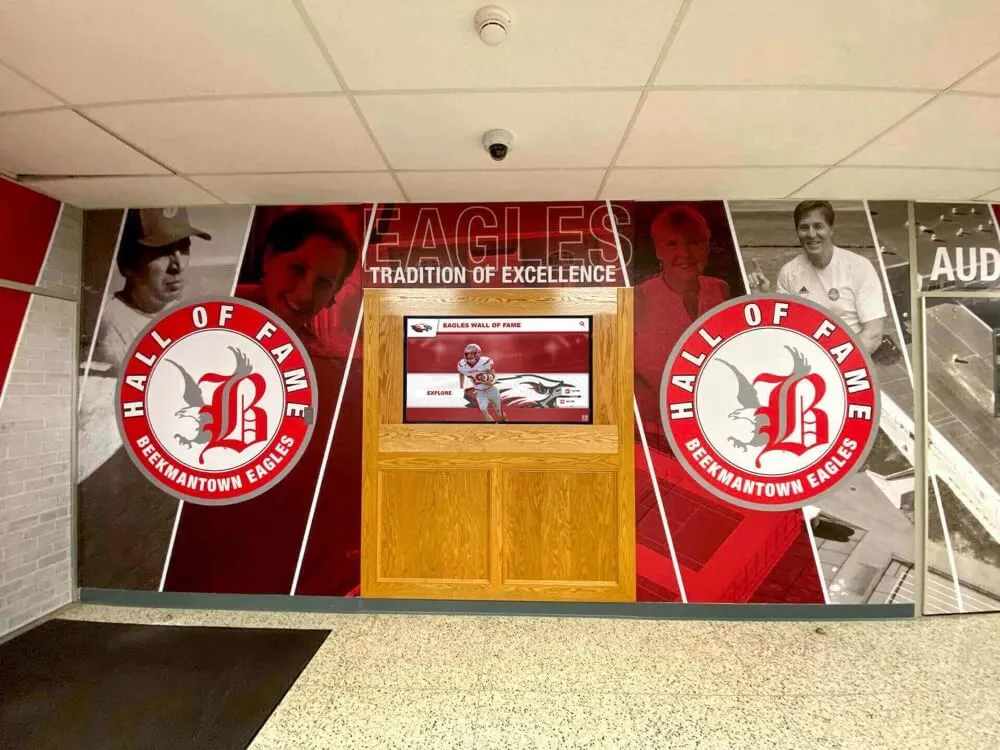
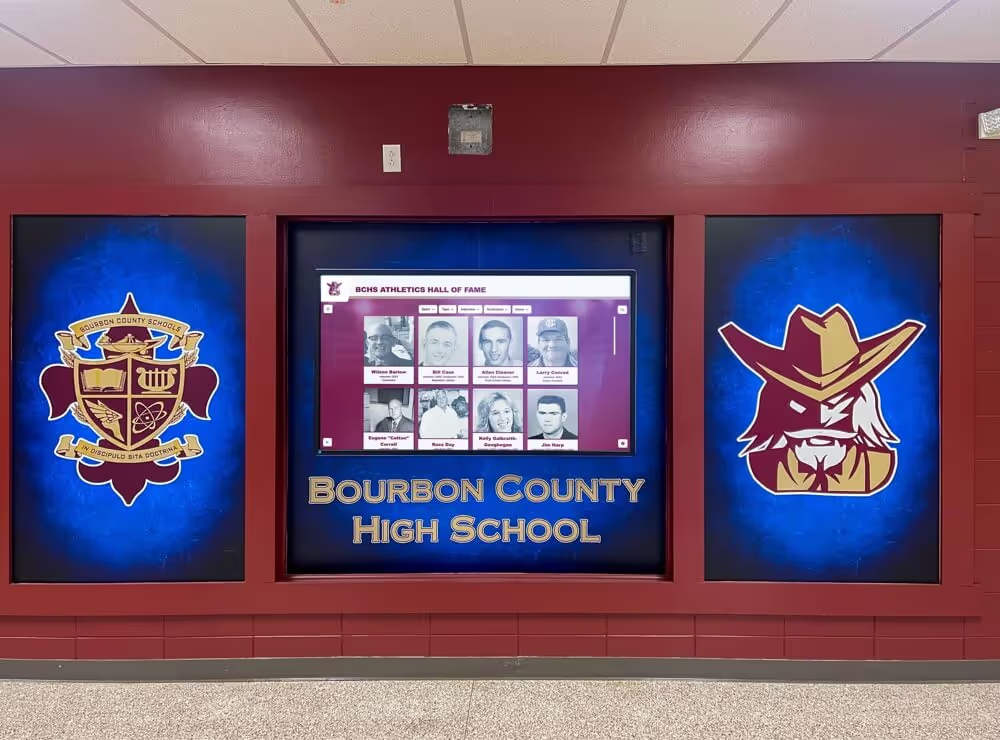
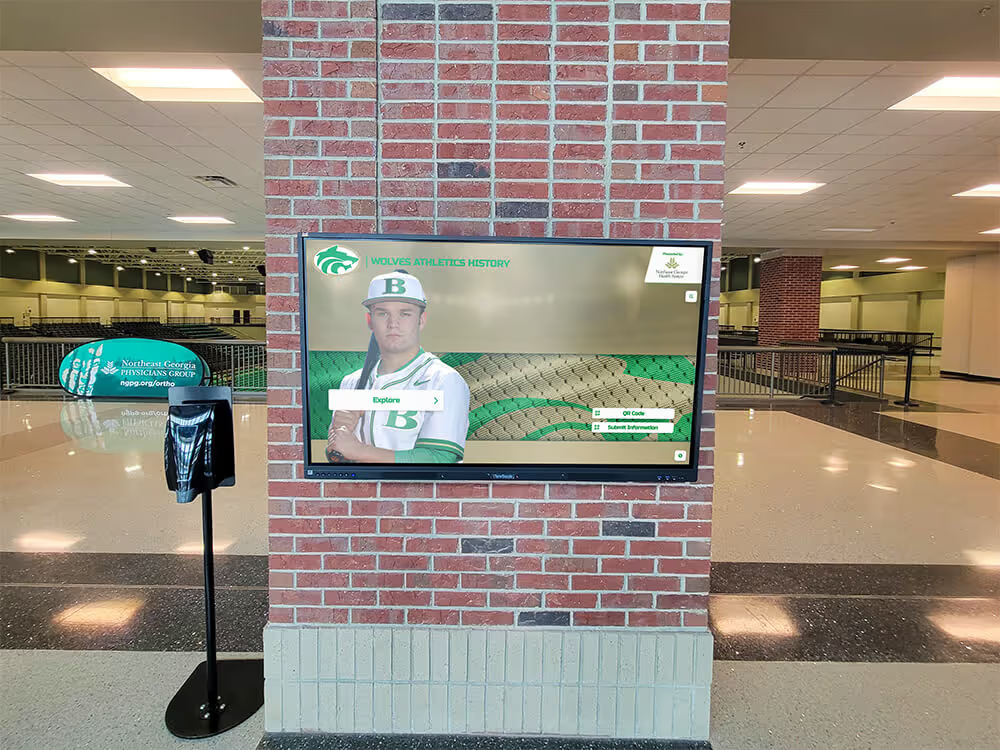
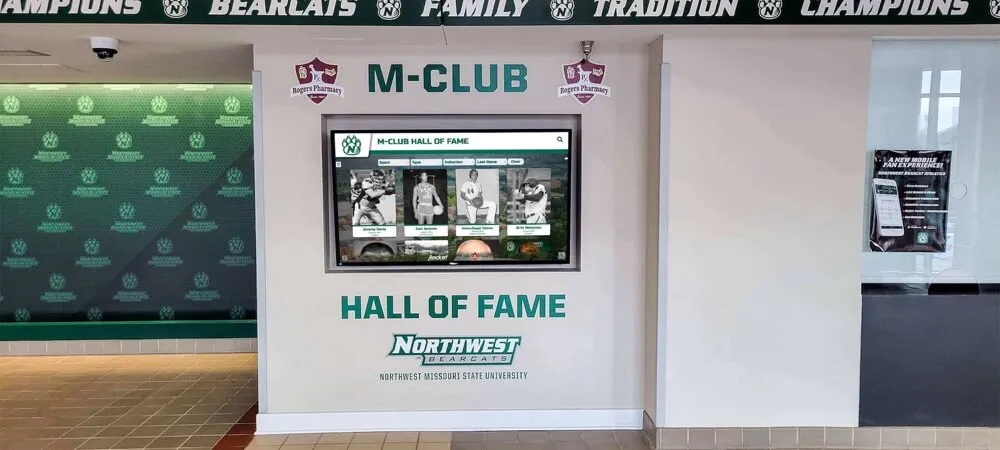
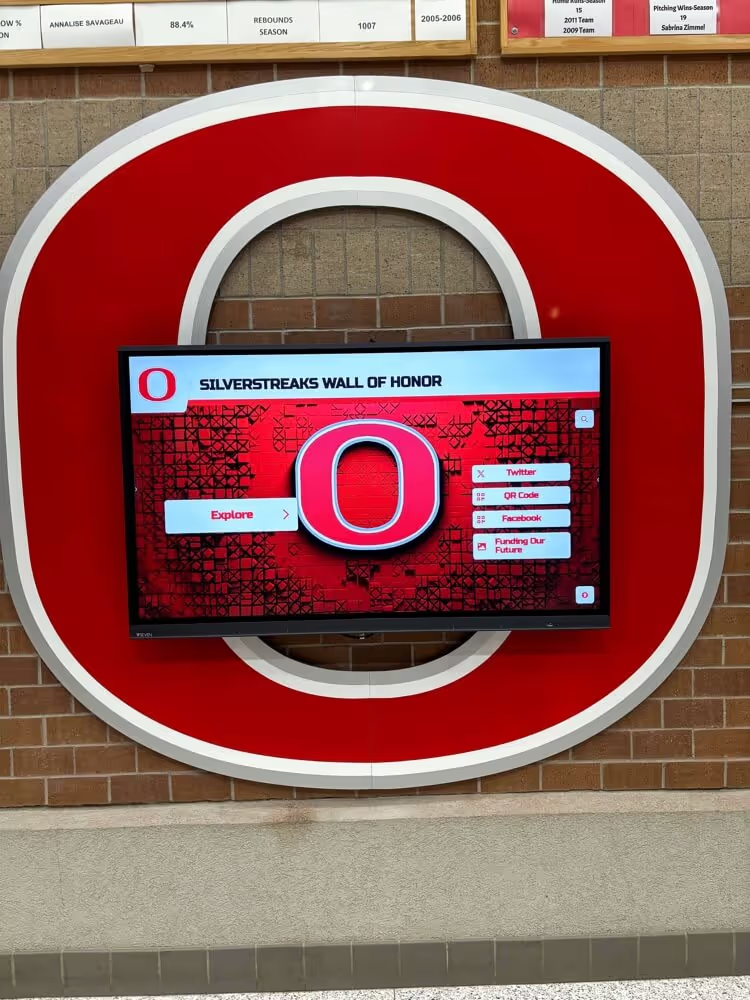
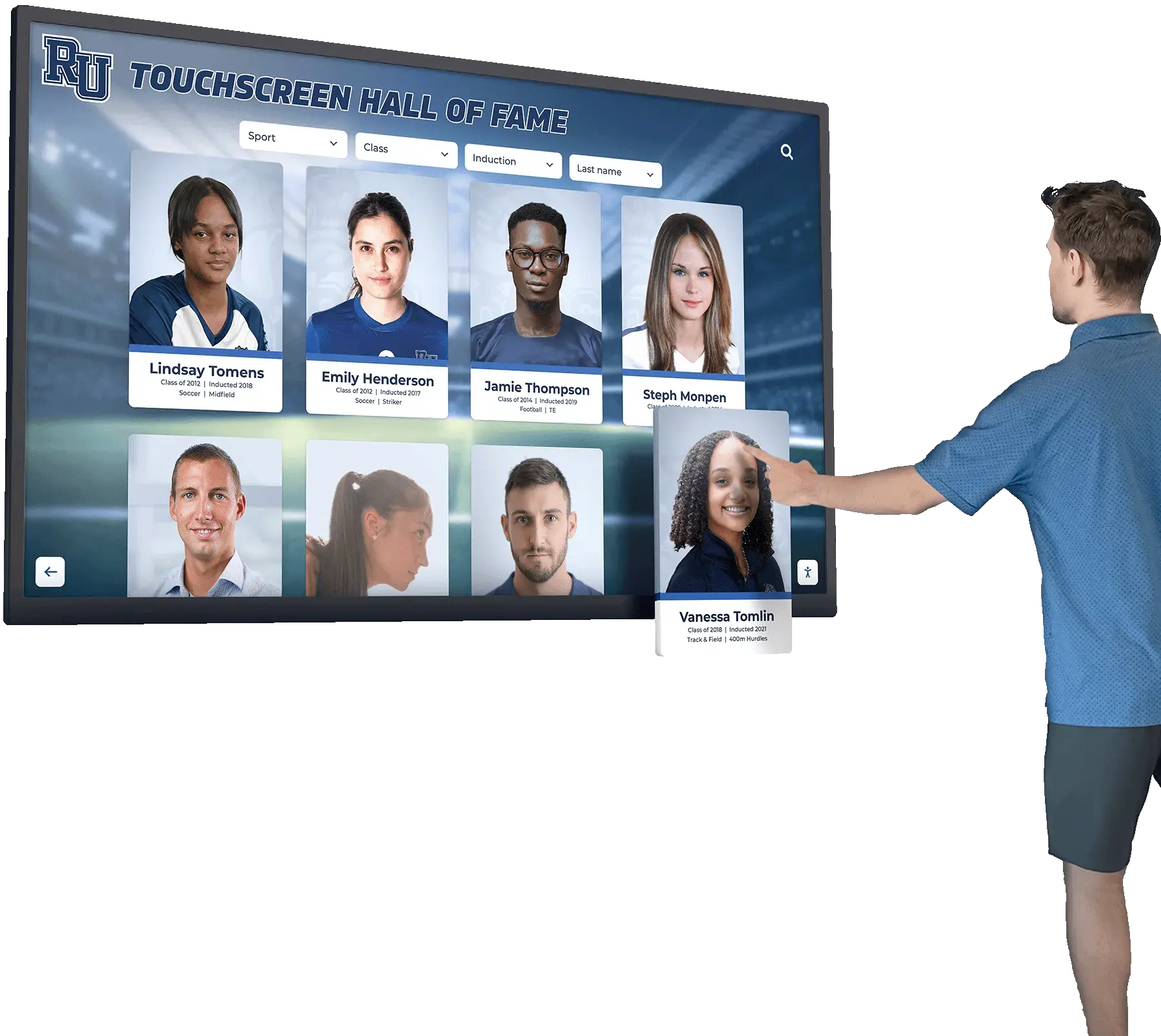
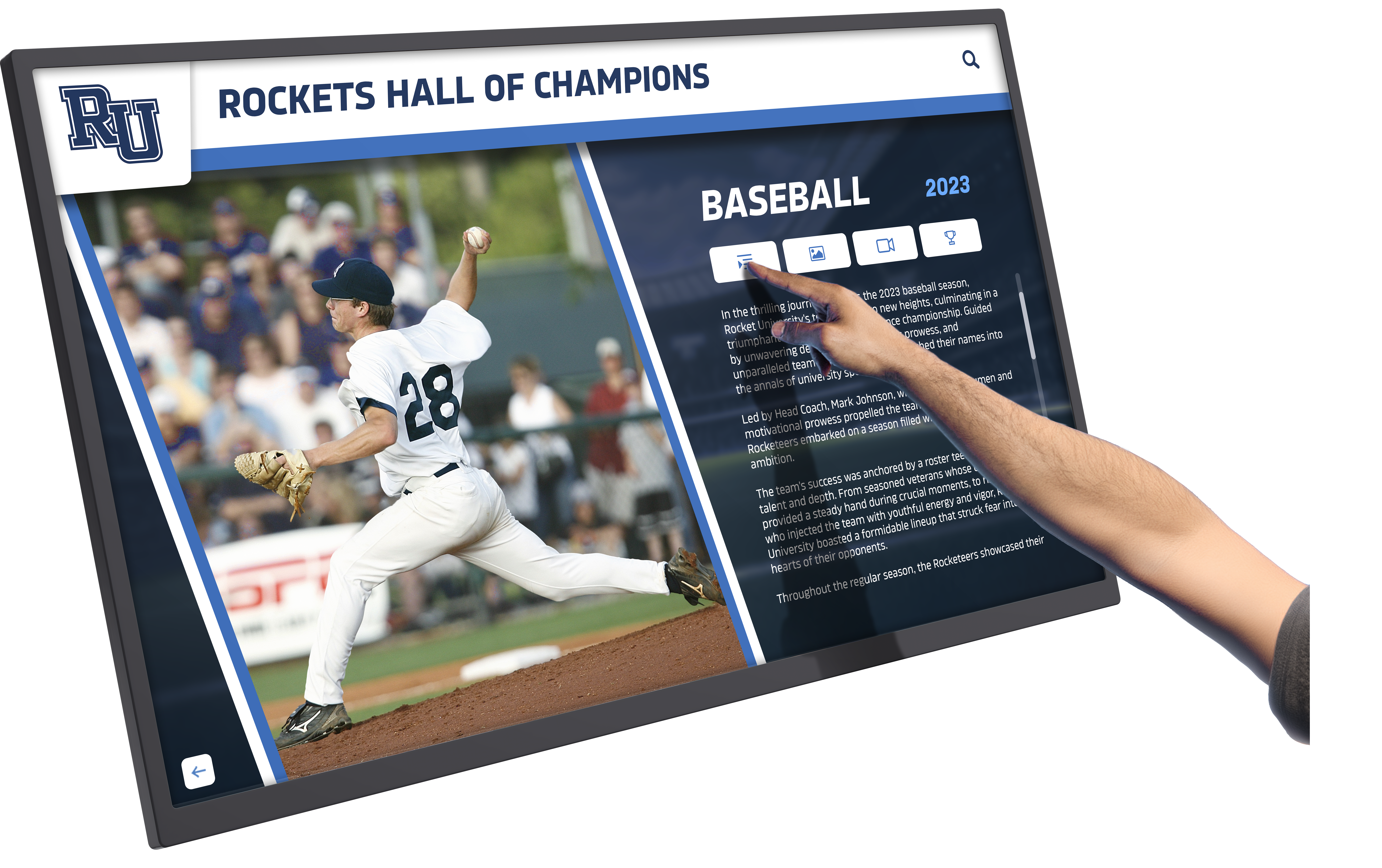
Advanced programs increasingly use digital recognition platforms showcasing comprehensive athlete profiles including not just competitive statistics but conditioning improvements, fitness testing achievements, and dedication awards. When athletes see conditioning excellence recognized with the same prominence as goals scored or games won, they understand its importance to program culture.
Some programs create specific conditioning achievement levels (Bronze, Silver, Gold standards) for various fitness tests, publicly recognizing athletes who reach each tier. Others maintain historical records showing fastest times, longest distances, or highest test scores in program history, creating targets for current athletes to pursue. These recognition systems transform conditioning from necessary drudgery into valued achievement worthy of celebration.
Variety and Progression Maintaining Engagement
Monotonous conditioning programs produce mental fatigue even when physical stimulus remains appropriate. Maintain athlete engagement through:
- Varied drill selection addressing similar physiological targets
- Creative small-sided game formats providing conditioning stimulus
- Periodic novel training environments (beach workouts, trail running, pool sessions)
- Progressive challenges building toward clear objectives
Periodization naturally provides variety as training emphasis shifts across season phases. Within individual training sessions, combine different drill types rather than excessive repetition of single formats.
Implementing Your Soccer Conditioning Program
Translating conditioning knowledge into effective programming requires systematic planning, appropriate resource allocation, and consistent implementation adjusted based on athlete response and competitive demands.
Creating Season-Long Conditioning Plans
Step 1: Analyze Competitive Schedule: Identify key competition periods, tournament sequences, recovery opportunities, and lighter competitive windows allowing increased conditioning emphasis.
Step 2: Establish Primary Goals: Define specific conditioning targets for the season:
- Endurance benchmarks (Yo-Yo test levels, 12-minute run distances)
- Speed standards (10m times, shuttle times, agility test results)
- Repeated sprint targets
- Position-specific conditioning goals
Step 3: Design Periodization Structure: Organize season into distinct training phases with specific conditioning emphasis:
- Preseason: Foundation building and progressive overload
- Early season: Maintaining gains while managing match loads
- Mid-season: Sustain fitness through matches and targeted maintenance sessions
- Late season: Peak fitness for playoffs while managing accumulated fatigue
Step 4: Plan Weekly Microcycles: Structure typical weeks within each phase allocating conditioning work around match schedules and recovery requirements.
Step 5: Select Specific Drills and Methods: Choose conditioning drills and training methods appropriate for each training phase and weekly structure.
Resource Requirements and Equipment
Effective conditioning programs require minimal specialized equipment but benefit from certain tools:
Essential Items:
- Cones for marking courses and distances
- Stopwatches or smartphone timing apps
- Measured field markings or distances
- Sufficient space for sprint work and extended running
Beneficial Additions:
- Heart rate monitors tracking training intensity
- GPS units measuring distance and speed distributions
- Agility ladders and hurdles for speed development
- Resistance bands or sleds for resistance training
- Electronic timing gates for precise sprint measurement
Technology Integration: Modern teams increasingly leverage technology including:
- Training apps tracking individual workloads and recovery
- Video analysis identifying movement efficiency
- GPS data informing load management decisions
- Testing databases tracking longitudinal improvement
However, technology should supplement rather than replace fundamental training principles. Effective conditioning occurs through well-designed progressive overload regardless of technological sophistication.
Adjusting Programs Based on Athlete Response
No conditioning program should remain static. Continuously monitor athlete response through:
- Performance in conditioning sessions (times, intensities achieved)
- Fitness testing results
- Match performance indicators (distance covered, sprint numbers, late-match effectiveness)
- Injury rates and athlete wellness
Adjust programming when:
- Testing shows insufficient improvement or declining fitness
- Injury rates increase suggesting excessive load or inadequate recovery
- Match performance indicates inadequate conditioning levels
- Athlete wellness monitoring reveals accumulated fatigue
Effective coaches balance adherence to planned periodization with flexibility responding to actual athlete adaptations and competitive circumstances.
Building Championship Conditioning Culture
The most effective conditioning programs extend beyond individual drill selection to create comprehensive cultures where physical preparation is valued, fitness excellence is celebrated, and continuous improvement represents a shared team commitment.
Championship programs establish clear standards that superior conditioning represents a non-negotiable foundation for competitive success. They educate athletes about how fitness enables technical and tactical execution. They design training that balances effectiveness with engagement, making difficult conditioning work purposeful rather than arbitrary punishment. They monitor progress systematically, celebrating improvements and adjusting programs based on objective data.
Perhaps most importantly, successful programs recognize and celebrate conditioning achievements with the same prominence given to technical skills and competitive results. Whether through traditional recognition methods or modern digital platforms, making conditioning excellence visible reinforces its importance to program identity.
When fitness becomes a celebrated component of program culture rather than merely an obligation to endure, athletes approach conditioning with purpose and pride. They understand that the conditioning work they complete today enables the technical execution and tactical discipline that will define their success in tomorrow’s critical matches. And when championship moments arrive—when matches are decided in the final fifteen minutes—properly conditioned teams possess the physical capacity to execute their abilities regardless of opponent pressure or accumulating fatigue.
Building this conditioning culture requires consistent messaging from coaching staff, systematic program design based on sound training science, objective monitoring documenting improvements, and visible recognition celebrating both individual achievement and collective commitment to excellence. Programs implementing these elements create self-reinforcing cycles where conditioning success builds confidence, confidence encourages continued investment in training, and superior fitness enables competitive results validating the entire approach.
The whistle blows to start the championship match. Your team is prepared—not just technically and tactically, but physically. You’ve built the endurance to sustain effort for ninety minutes. You’ve developed the speed to exploit critical moments. You’ve created the conditioning culture where fitness excellence is valued and celebrated. Now the only question remaining is whether you’ll execute the preparation you’ve invested months developing.
Ready to celebrate your team’s commitment to conditioning excellence and athletic achievement? Discover how Rocket Alumni Solutions’ digital recognition platforms help soccer programs showcase fitness milestones, season achievements, and program history through interactive displays that inspire current athletes while preserving your legacy for generations to come.