



End-of-season soccer celebrations represent defining moments that shape young players' memories and motivation for years to come. As the fastest-growing youth sport in America, soccer attracts millions of dedicated players who invest countless hours developing skills, supporting teammates, and pursuing competitive excellence. Coaches and club administrators face the meaningful challenge of recognizing diverse contributions—from goal-scoring prowess and defensive tenacity to leadership qualities and dramatic improvement—through awards that authentically honor each player's unique impact.
This comprehensive guide presents 50+ soccer award ideas organized by category and purpose, helping coaches create recognition programs where every player experiences genuine celebration while maintaining awards that honor exceptional achievement. Whether you lead recreational under-8 teams or competitive high school squads, you'll find soccer-specific recognition ideas that build positive team culture and create lasting memories.
Soccer represents more than athletic competition—it builds character, develops teamwork capabilities, teaches resilience, and creates lifelong connections. End-of-season recognition ceremonies provide opportunities to celebrate not just victories and statistics but also growth, dedication, sportsmanship, and the countless ways young players contribute to team success beyond goals scored.
Yet designing effective soccer award programs presents genuine challenges. Programs must balance celebrating exceptional performance with recognizing developing players. Awards should motivate continued participation while maintaining meaning and significance. Recognition systems must acknowledge diverse contributions—attacking flair, defensive excellence, leadership, improvement, team support—ensuring players with different strengths all experience authentic acknowledgment.
The soccer-specific award ideas throughout this guide address these challenges by presenting recognition frameworks appropriate for teams of all ages, competitive levels, and program philosophies. Beyond simple lists, this resource provides strategic guidance for selecting awards that honor achievement authentically while building the positive team culture that defines successful soccer programs.
Understanding Soccer Award Categories and Strategic Purpose
Before exploring specific award ideas, understanding broad categories and their strategic purposes helps coaches design comprehensive recognition systems aligned with team values and developmental goals.
Skill-Based Performance Awards
These traditional awards recognize soccer excellence and measurable achievement. They celebrate exceptional performance, statistical leadership, and competitive success specific to soccer positions and responsibilities.
Strategic Purpose: Acknowledge soccer excellence, reward skill development investment, provide competitive motivation, and establish performance standards that inspire teammates. Soccer-specific awards honor the unique demands of positions from attacking prowess to defensive solidity to goalkeeping excellence.
Considerations: Balance celebrating top performers with recognizing that young players develop at different rates. Consider age-appropriate standards and multiple skill categories ensuring diverse abilities receive recognition. Soccer’s position-specific nature enables multiple performance categories beyond just goal scoring.
Character and Sportsmanship Awards
Character-based recognition celebrates qualities beyond soccer ability: leadership, perseverance, positive attitude, respect for opponents and referees, and commitment to team values. These awards communicate that programs value how players conduct themselves equally with their performance statistics.
Strategic Purpose: Reinforce positive behaviors, establish cultural expectations, model values for younger players, and acknowledge contributions that don’t appear in scorebooks. In soccer, where respect for officials and opponents represents fundamental values, character recognition proves particularly significant.
Considerations: Establish clear criteria preventing character awards from becoming consolation prizes for less-skilled players. Character recognition should honor genuine exemplary behavior rather than serving as participation trophies.
Improvement and Development Awards
Recognition celebrating growth and progress proves particularly valuable in youth soccer where players develop at dramatically different rates. Improvement awards acknowledge dedication, work ethic, and personal progress regardless of absolute performance levels.
Strategic Purpose: Motivate developing players, reward effort and dedication, recognize late bloomers, and establish that growth matters more than current ability. Soccer’s technical complexity means improvement can manifest in countless ways—first touch refinement, positioning awareness, tactical understanding, or physical development.
Considerations: Use objective measures when possible (statistical improvement, coach observations, skill assessments) ensuring improvement recognition remains credible rather than arbitrary. Document specific areas where players demonstrated growth.
Position-Specific Excellence Awards
Soccer’s specialized positions enable recognition celebrating excellence in distinct roles requiring different skill sets and responsibilities.
Strategic Purpose: Acknowledge that winning requires excellence across all positions, not just goal-scoring forwards. Position-specific awards demonstrate that defenders, midfielders, and goalkeepers contribute equally to success even when statistics don’t capture their impact.
Considerations: Ensure position-specific criteria reflect actual performance rather than mere participation in certain positions. Defensive awards should recognize genuine excellence, not just acknowledge that teams need defenders.
Fun and Creative Awards
Lighthearted awards celebrating personality, unique characteristics, or memorable moments add enjoyment to recognition ceremonies while ensuring every player experiences celebration. When balanced with serious recognition, fun awards create positive associations with team experiences.
Strategic Purpose: Ensure all players receive acknowledgment, create memorable moments, build team camaraderie, and maintain positive tone during ceremonies. Soccer’s global culture and creative expression on the field provide abundant inspiration for fun recognition.
Considerations: Ensure fun awards remain genuinely good-natured rather than mocking or embarrassing. What seems funny to coaches or parents might feel humiliating to sensitive young players.
Attacking and Goal-Scoring Recognition (Awards 1-10)
Soccer’s attacking players create excitement and scoring opportunities that define matches. These awards celebrate offensive excellence and goal-scoring prowess.
1. Golden Boot / Top Goal Scorer The classic soccer award honoring the player scoring the most goals during the season. Clear, objective, and universally understood across soccer cultures. Consider separate awards for different age groups or competitive divisions if combining teams for recognition.
2. Golden Ball / Most Valuable Player Recognizes the player providing the most significant overall impact through goals, assists, playmaking, and leadership. Consider combining statistics with coach evaluation and peer voting for comprehensive assessment. The MVP transcends pure goal-scoring to acknowledge complete contribution.
3. Hat-Trick Hero Award Celebrates players achieving hat-tricks (three or more goals in single matches). If multiple players achieve hat-tricks, recognize the player with the most or the most impressive circumstance (championship match, come-from-behind victory). Hat-tricks represent individual excellence within team context.
4. Clinical Finisher Award Honors the player with the best conversion rate—highest percentage of shots becoming goals. This award recognizes efficient, smart finishing rather than just high-volume shooting. Calculate as (goals scored) / (total shots taken) to identify quality finishing.
5. Playmaker Award / Most Assists Celebrates unselfish playmaking by recognizing the player providing the most assists—passes directly leading to goals. This award honors the vision, creativity, and teamwork that enables scoring. Particularly valuable for recognizing creative midfielders whose impact doesn’t appear in goal statistics.
6. Long-Range Specialist Recognizes exceptional goals scored from distance—powerful shots from outside the penalty area. Consider this award when teams include players with impressive shooting ability from range. Can be determined by coach nomination of the most impressive distance goal.
7. Set Piece Specialist Honors players excelling at corner kicks, free kicks, or penalty kicks. Soccer’s set pieces create crucial scoring opportunities, and specialists who master these situations deserve recognition. Consider statistics (corner kick assists, successful free kicks) combined with coach assessment.
8. Comeback Player Celebrates the player who overcame injury, personal challenges, or performance slumps to contribute significantly. This award recognizes resilience and determination as much as soccer ability, making it meaningful recognition for players demonstrating character through adversity.
9. Breakout Player Recognizes a player who dramatically exceeded expectations or achieved significant performance elevation during the season. Often younger players who emerged as key contributors despite limited previous experience. This forward-looking award acknowledges emerging talent.
10. Super Sub Award Celebrates the most impactful substitute—players entering matches from the bench and making immediate difference through goals, assists, energy, or defensive contributions. This award acknowledges that winning teams need depth and that reserve players contribute meaningfully even without starting.
Defensive Excellence Recognition (Awards 11-18)
Strong defensive play proves just as crucial as goal-scoring for team success. These awards honor defenders who prevent opponents from scoring and provide defensive foundation for attack.
11. Golden Glove / Best Goalkeeper Honors goalkeeping excellence through clean sheets (matches without goals allowed), saves, and overall performance. Goalkeepers face unique pressures and deserve specific recognition. Consider statistics (save percentage, goals against average) combined with big-save contributions in important matches.
12. Defensive Player of the Year Recognizes the defender providing the most significant defensive contributions through tackles, clearances, positioning, and defensive organization. While defensive statistics prove harder to quantify than goals, coach evaluation combined with opponent scoring statistics identifies defensive excellence.
13. Clean Sheet Champion Celebrates the player (often goalkeeper but can include key defenders) contributing most to matches without goals allowed. Track clean sheet participation across the season, recognizing players whose presence correlates with defensive success. Team-oriented award acknowledging that preventing goals requires collective effort.
14. Last Line of Defense Award Honors center backs or sweeper defenders who consistently win crucial duels, make last-second clearances, and prevent dangerous situations. This award recognizes the composure and skill required for playing closest to one’s own goal where mistakes prove most costly.
15. Tackling Machine Recognizes the player winning the most tackles and defensive duels. Strong tackling represents fundamental defensive skill, and players who consistently dispossess opponents deserve acknowledgment. Track tackles won versus attempted to identify genuine effectiveness rather than just high-volume challenging.
16. Penalty Box Protector Celebrates defenders excelling at defending in the most dangerous area—their own penalty box. These players block shots, win headers, and make crucial clearances under maximum pressure. Particularly valuable for recognizing players who may not create attacking statistics but prove essential defensively.
17. Distribution Maestro (Goalkeeper) Honors goalkeepers whose distribution through throws, short passes, or long clearances initiates attacking opportunities. Modern soccer values goalkeepers as first attackers whose distribution quality impacts possession and transition. This award recognizes the complete goalkeeper beyond just shot-stopping.
18. Consistent Defender Award Celebrates reliable defensive performance across all matches and situations. Consistency matters tremendously in defense where momentary lapses prove costly. This award honors players coaches trust completely because they maintain standards regardless of score, opponent, or circumstance.
Midfield Mastery Awards (Awards 19-25)
Midfielders control possession, transition between defense and attack, and influence matches through work rate and tactical awareness. These awards honor midfield excellence.
19. Engine Room Award Recognizes the midfielder covering the most ground and providing tireless energy throughout matches. Midfielders who run constantly, win duels, and maintain intensity set the tempo for entire teams. This award celebrates work rate and commitment that enables team success.
20. Possession Master Honors the player maintaining highest passing accuracy and demonstrating exceptional ball retention. Modern soccer values possession, and players who rarely lose the ball provide crucial stability. Calculate passing completion percentage to identify players who keep possession under pressure.
21. Box-to-Box Midfielder Celebrates complete midfielders contributing significantly in both defense and attack. These versatile players tackle defensively, carry the ball forward, create chances, and occasionally score goals. Recognition acknowledges the demanding requirements of modern midfield play requiring comprehensive abilities.
22. Tactical Awareness Award Recognizes players demonstrating exceptional positional awareness, reading of the game, and decision-making. While harder to measure statistically than goals or assists, tactical intelligence proves crucial for team success. Coach assessment identifies players whose positioning consistently creates advantages.
23. Press Master Honors players excelling at defensive pressing—aggressively challenging opponents to force turnovers and prevent organized possession. Effective pressing requires intelligence, fitness, and commitment. This award recognizes players whose defensive work begins attacking team’s attack.
24. Transition Specialist Celebrates players who excel in transition moments when possession changes. Soccer increasingly emphasizes quick transitions from defense to attack (counter-attacking) and attack to defense (counter-pressing). Players who recognize and exploit these crucial moments deserve recognition.
25. Distance Covered Award Recognizes the player covering the most distance throughout the season. While distance alone doesn’t guarantee effectiveness, high-mileage players demonstrate commitment and physical contribution that supports teammates. GPS tracking or estimation based on match observation identifies exceptional work rates.
Leadership and Character Recognition (Awards 26-35)
Leadership and character represent as important as soccer skill for team success and positive culture. These awards celebrate exemplary conduct and influence beyond on-field statistics.
26. Captain’s Award Honors the team captain or player demonstrating exceptional leadership throughout the season. Leadership manifests through communication, example-setting, motivation, and representing team values. This prestigious award acknowledges that great teams need great leaders.
27. Sportsmanship Award The cornerstone character award celebrating respect for opponents, referees, and game integrity. Soccer’s global culture emphasizes respect and fair play, making sportsmanship recognition particularly meaningful. Players receiving this award consistently demonstrate grace in both victory and defeat.
28. Most Improved Player One of the most meaningful awards, celebrating players making the greatest improvement from season start to finish. Improvement awards prove especially motivating for developing players, demonstrating that dedication and effort produce tangible progress. Document specific improvement areas (technical skills, tactical awareness, physical development).
29. Coach’s Award Recognizes the player best exemplifying program values and team-first mentality. This special award typically reflects coach appreciation for players who may not lead statistics but contribute immeasurably to team culture, practice intensity, and positive environment. Often the award that means most to coaches.
30. Iron Player Award Celebrates durability and availability by recognizing players who rarely miss training or matches. Consistent attendance demonstrates commitment and reliability that coaches value tremendously. Soccer programs succeed through depth, and players who remain available throughout seasons provide crucial stability.
31. Hustle and Heart Award Honors relentless effort and maximum intensity regardless of score, opponent, or playing time. These players compete on every ball, sprint back defensively, and maintain commitment when results seem decided. This recognition celebrates character and work ethic inspiring teammates.
32. Best Teammate Award Peer-nominated recognition identifying the player teammates most appreciate having on their team. Authentically reflects team perspective rather than coaching assessment. Players earning this recognition support others, maintain positive attitudes, and create inclusive environments teammates value.
33. Future Leader Award Recognizes younger players demonstrating emerging leadership qualities. Encourages leadership development while acknowledging current contributions. This forward-looking award identifies players who may captain teams in future seasons while honoring their present impact.
34. Mental Toughness Award Celebrates players demonstrating exceptional resilience, composure under pressure, and ability to perform in high-stakes situations. Mental strength matters tremendously in competitive soccer where pressure affects performance. This award recognizes psychological qualities complementing physical abilities.
35. Soccer IQ Award Honors players demonstrating exceptional tactical understanding, game reading, and soccer intelligence. Smart players make better decisions, position themselves advantageously, and help teammates through communication. This recognition acknowledges the cognitive dimension of soccer excellence.
Creative and Fun Soccer Awards (Awards 36-45)
Lighthearted awards celebrating personality and memorable moments ensure all players experience recognition while creating enjoyable ceremonies that strengthen team bonds.
36. Golden Boot (Best Celebration) Celebrates the most creative or entertaining goal celebration. Soccer’s culture embraces celebratory expression, and memorable celebrations become team traditions. Can be selected through team vote, coach nomination, or video compilation review. Ensures entertainment value during recognition.
37. Nutmeg King/Queen Recognizes the player successfully completing the most nutmegs—kicking the ball through opponents’ legs. This cheeky skill demonstrates confidence and flair that soccer fans universally appreciate. Track nutmegs throughout the season for objective recognition.
38. Best Hair Award Lighthearted recognition celebrating unique hairstyles, team colors in hair, or memorable hair-related moments. Soccer features abundant creative hair expression, making this fun category for ensuring all players receive acknowledgment. Particularly popular with youth teams.
39. Best Soccer Cleats Celebrates the most impressive, colorful, or creatively customized cleats. Modern soccer features remarkable cleat designs, and players invest pride in their footwear. Simple, fun category that generates discussion and laughter during ceremonies.
40. Magician Award Honors the player with the best dribbling skills and creative moves. Soccer skills like stepovers, Cruyff turns, and elasticos demonstrate technical mastery and flair. Recognizes players who create excitement through individual technical brilliance. Can include video compilation of impressive moves.
41. Vocal Leader Award Celebrates the loudest, most communicative player who directs teammates and provides constant verbal encouragement. Communication represents a crucial yet often undervalued soccer skill. This award acknowledges players whose voices organize defense, direct attack, and motivate teammates.
42. Best Team Spirit Recognizes the player bringing the most enthusiasm, energy, and positive vibes to training and matches. These players lift morale, encourage teammates during difficulties, and create fun environments. Every team needs enthusiastic spirits who make soccer enjoyable beyond competition.
43. Unlikely Goal Award Celebrates the most unexpected or surprising goal of the season—perhaps a defender’s rare goal, deflection creating something spectacular, or unlikely circumstance. Reviewing season highlights to identify memorable goals creates entertainment during ceremonies and acknowledges unique moments.
44. Best Sideline Supporter Honors the player (often reserve or injured athlete) providing the most vocal, enthusiastic support from the sideline. Not all contribution happens on the field, and players supporting teammates from the bench deserve recognition for their positive influence on team morale.
45. Pre-Game Hype Leader Recognizes the player who gets teammates energized and ready to compete. Pre-game energy and focus prove crucial for performance, and players who create positive pre-match environments contribute significantly to team preparation and mental readiness.
Position-Specific Awards (Awards 46-50)
Soccer’s specialized positions enable recognition celebrating excellence in distinct roles requiring unique skills.
46. Best Right/Left Wing Recognizes excellence in wide positions that stretch defenses and provide width in attack. Wide players create crossing opportunities, stretch defenses, and track back defensively. This position-specific award ensures attacking wingers receive appropriate recognition even when not leading goal-scoring.
47. Striker Partnership Award Celebrates two forwards who formed the most effective striking combination. Soccer often features forward partnerships where players complement each other’s strengths. This joint award recognizes that some success requires collaborative excellence.
48. Defensive Partnership Award Similar to striker partnership but honoring center back pairs who formed solid defensive combinations. Great defensive partnerships communicate constantly, cover for each other, and provide reliable foundation. Joint recognition acknowledges that defensive excellence requires trust and coordination.
49. Wing-Back Warrior Recognizes fullbacks or wing-backs who excel in the demanding role requiring both defensive solidity and attacking contribution down the flanks. Modern soccer places tremendous demands on outside backs who must defend, attack, cross, and recover. This award celebrates complete flank play.
50. Holding Midfielder Award Honors defensive midfielders who protect the back line, break up opponent attacks, and provide positional stability. Holding midfielders often perform crucial work that doesn’t generate statistics but enables teammates to attack with confidence. This recognition ensures defensive midfield excellence receives appropriate acknowledgment.
Age-Appropriate Award Selection for Soccer Teams
Not all awards suit all age groups. Developmentally appropriate recognition ensures awards remain meaningful and motivating rather than confusing or potentially discouraging.
Recreational Youth Soccer (Ages 5-8)
Primary Goals: Build confidence, create positive associations with soccer, celebrate participation, and introduce basic concepts like teamwork and trying hard.
Recommended Award Types:
- Participation recognition ensuring everyone receives acknowledgment
- Fun awards based on personality and enjoyment
- Basic skill awards celebrating specific abilities (best dribbling, best passing)
- Improvement recognition celebrating any observable growth
- Team spirit and friendship awards
Awards to Avoid:
- Competitive Golden Boot or MVP awards creating “winners” and “losers”
- Complex statistical recognition young children won’t understand
- Awards requiring sophisticated tactical awareness beyond developmental level
Key Principles: Every child receives at least one meaningful award. Focus on fun, growth, and participation. Soccer at this age primarily develops fundamental love for the sport.
Competitive Youth Soccer (Ages 9-14)
Primary Goals: Encourage skill development, introduce competitive motivation, reinforce positive behaviors, and recognize diverse contributions to team success.
Recommended Award Types:
- Balanced mix of skill-based and character awards
- Statistical recognition for objective achievements (top scorer, most assists)
- Position-specific recognition acknowledging all roles
- Improvement awards celebrating measurable growth
- Leadership opportunities for older players in this range
- Fun awards complementing serious recognition
Key Principles: Recognition balances celebrating excellence with ensuring all players receive meaningful acknowledgment. Introduce more competitive awards as players mature, but maintain character recognition demonstrating that programs value conduct equally with performance.
High School and Competitive Club Soccer (Ages 15-18)
Primary Goals: Celebrate excellence, honor commitment and development, recognize leadership, and prepare players for potential college soccer while creating lasting memories.
Recommended Award Types:
- Complete range of performance-based awards including Golden Boot, playmaker recognition, and defensive excellence
- Statistical leadership across multiple categories
- Authentic character and leadership awards with clear criteria
- Position-specific recognition across all formations
- Academic achievement recognition (scholar-athlete honors)
- All-conference, all-state, and all-region acknowledgment
- Selective fun awards appropriate for mature audiences
Key Principles: Players at this level understand that not everyone wins MVP, and recognition should be earned through genuine achievement. However, comprehensive award categories ensure diverse contribution types receive acknowledgment. Balance competitive awards with character recognition honoring complete development.
Implementing Effective Soccer Award Selection Processes
Award significance depends not just on what awards exist but how recipients are selected. Fair, transparent processes maintain award credibility and meaning.
Establishing Selection Criteria
Define Objective Standards Where Possible: Statistical awards should use clear metrics everyone understands. Most goals scored, most assists provided, highest save percentage—simple, objective, indisputable. Track statistics throughout seasons using consistent methods.
Create Rubrics for Subjective Awards: Character and leadership awards benefit from evaluation frameworks considering multiple factors. Sample dimensions:
- Consistency of behavior throughout season (1-10 scale)
- Positive impact on team culture and morale (1-10 scale)
- Specific examples demonstrating award criteria
- Peer recognition and respect indicators
- Coach observations across training and matches
Communicate Criteria in Advance: Players perform better when understanding what recognition celebrates. Share that sportsmanship, improvement, leadership, and various soccer skills will be recognized, motivating these qualities throughout seasons.
Document Selection Reasoning: Maintain notes justifying award selections. If questioned by players or families, specific reasoning demonstrates fairness rather than arbitrary favoritism. Documentation particularly important for subjective character awards.
Involving Multiple Perspectives
Peer Input for Character Awards: Teammates often observe character qualities better than coaches who can’t see every interaction. Consider anonymous peer voting or nominations for sportsmanship, leadership, and teammate awards. Peer selection adds authenticity to character recognition.
Coaching Staff Consensus: Multiple coaches provide broader perspective than single decision-makers. Assistant coaches, age-group coordinators, and goalkeeping coaches notice details head coaches might miss. Collaborative discussion surfaces observations improving selection accuracy.
Statistical Verification: For performance awards, verify statistics carefully using consistent tracking methods. Nothing undermines award credibility like incorrect statistics or overlooking actual leaders. Maintain clear records throughout seasons rather than attempting reconstruction from memory.
Parent and Player Input (Selectively): Consider player or family voting for specific awards like best celebration, most memorable moment, or fan favorite. External perspectives complement coaching assessment while increasing community engagement with recognition.
Maintaining Fairness and Playing Time Considerations
Address Playing Time Disparities: Recognize that substitute players can’t fairly compete for statistical awards with starters. Create awards accessible to players regardless of playing time—best teammate, most improved, defensive specialist for limited appearances, super sub recognition.
Avoid Predetermined Recipients: Don’t decide awards before seasons based on reputation. Evaluate each season independently, acknowledging that form changes and younger players sometimes surpass expectations while established players occasionally regress.
Recognize Diverse Contributions: Ensure awards span different areas: attacking, defending, goalkeeping, midfield, character, improvement, and fun categories. Avoid award structures where the same few players win everything, leaving most of the team feeling invisible.
Balance Star Recognition with Depth Acknowledgment: Programs need stars and their excellence deserves celebration. However, recognition should extend beyond top three or four players to acknowledge contributions throughout rosters. Well-designed award programs ensure every player receives at least one genuine recognition.
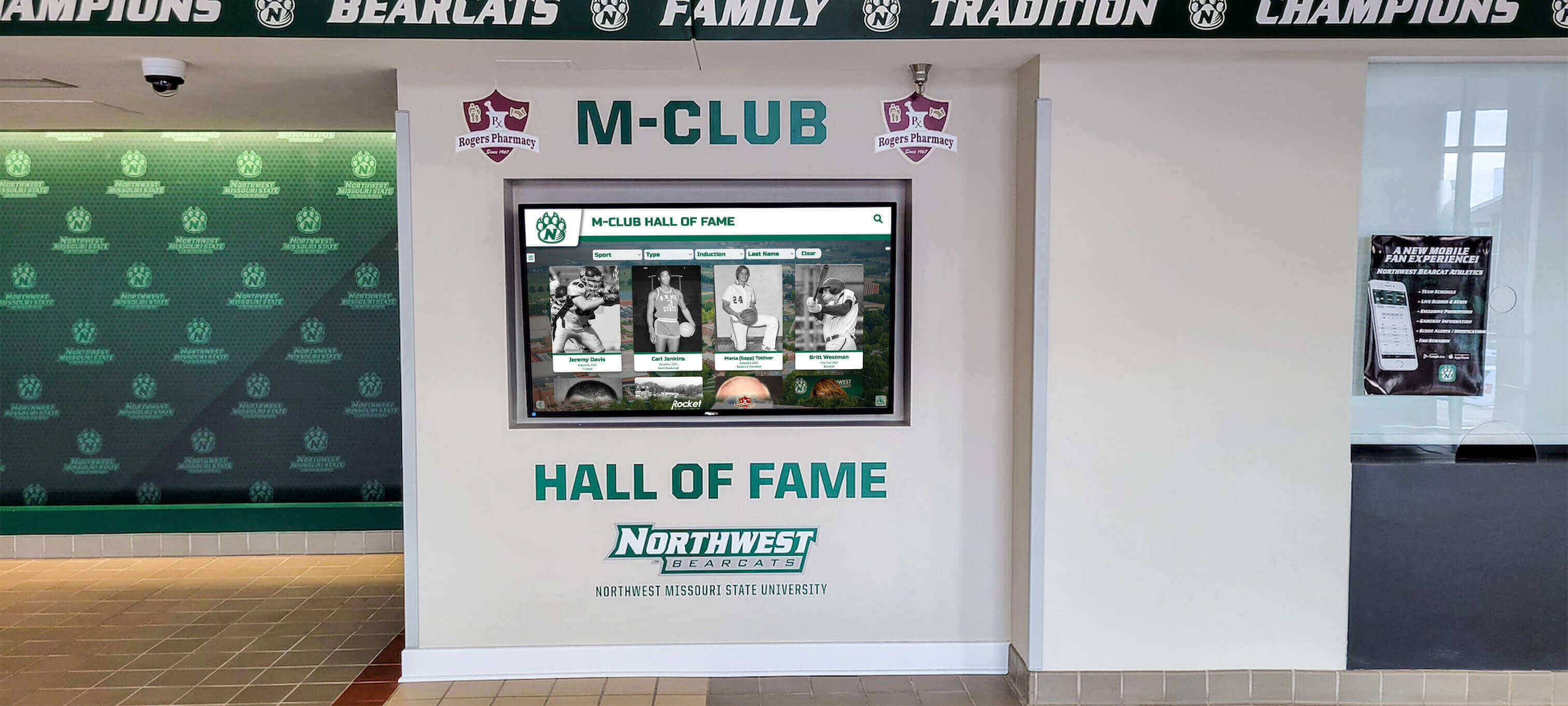
Digital Recognition: Extending Soccer Awards Beyond Ceremony
Traditional awards ceremonies create important moments, but modern technology enables recognition extending far beyond single evening events. Digital solutions provide lasting visibility for player achievements while building program identity and club pride.
Benefits of Digital Soccer Recognition
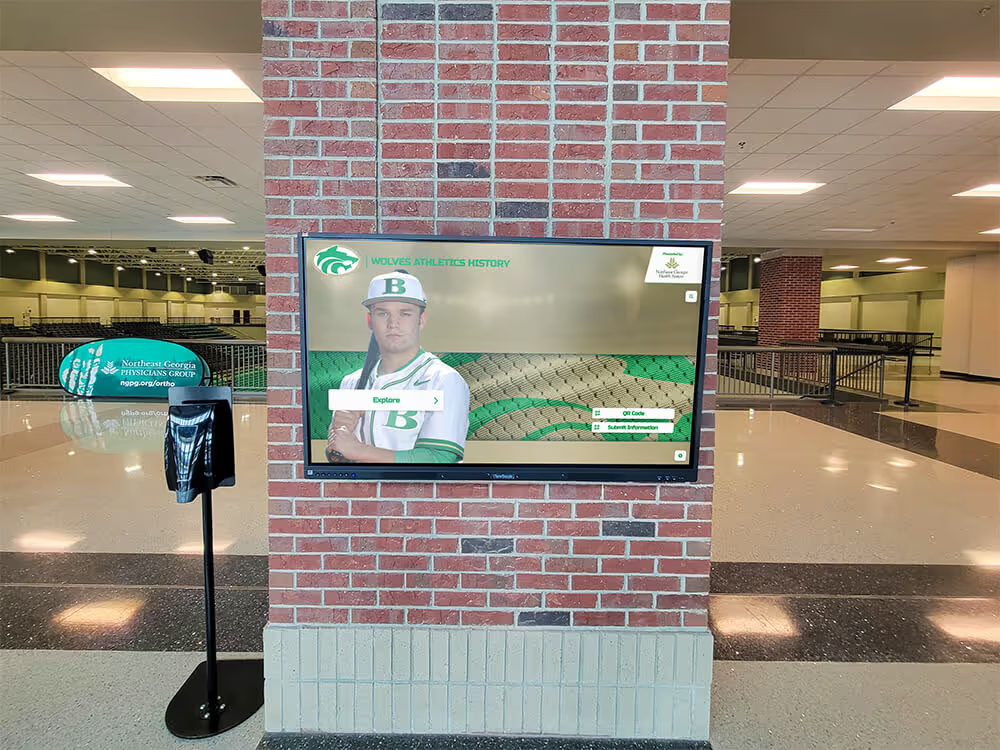
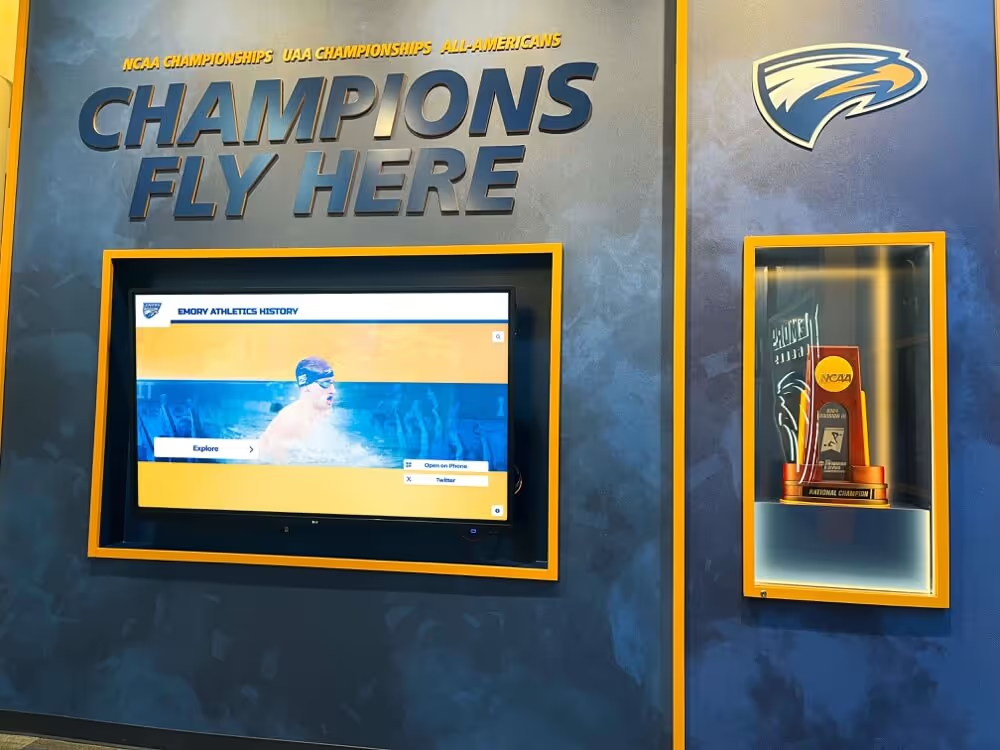
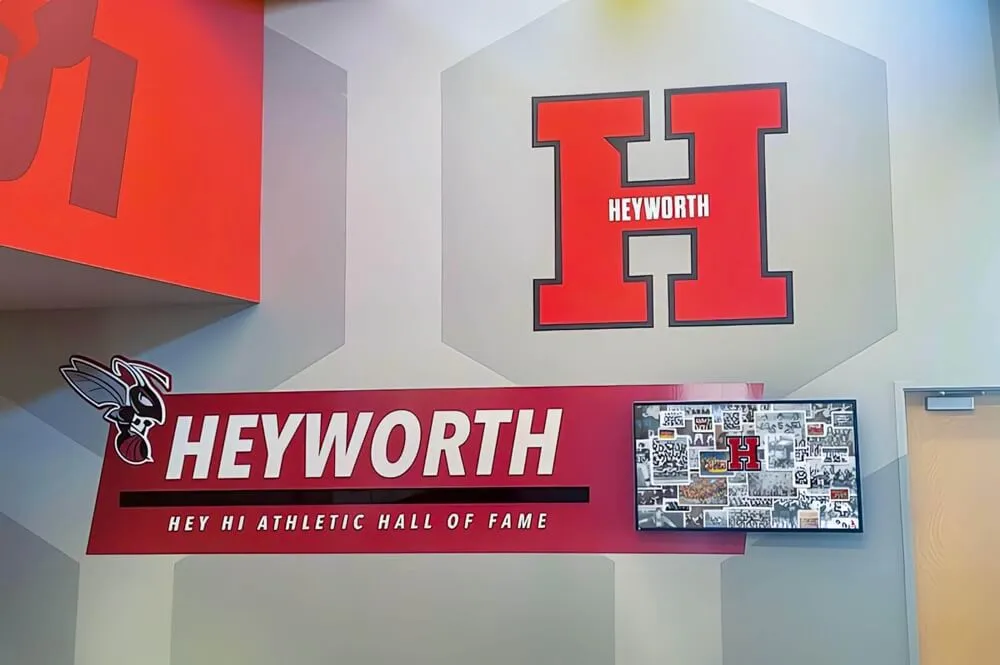
Permanent Visibility: Physical trophies often sit in cases rarely viewed after presentation. Digital recognition displays in club facilities or schools ensure player achievements receive ongoing recognition throughout and between seasons.
Comprehensive Achievement History: Traditional trophy cases have limited space, forcing programs to select which achievements warrant display. Digital platforms provide unlimited capacity, enabling comprehensive recognition without space constraints. Honor every award recipient from every team within your club or school.
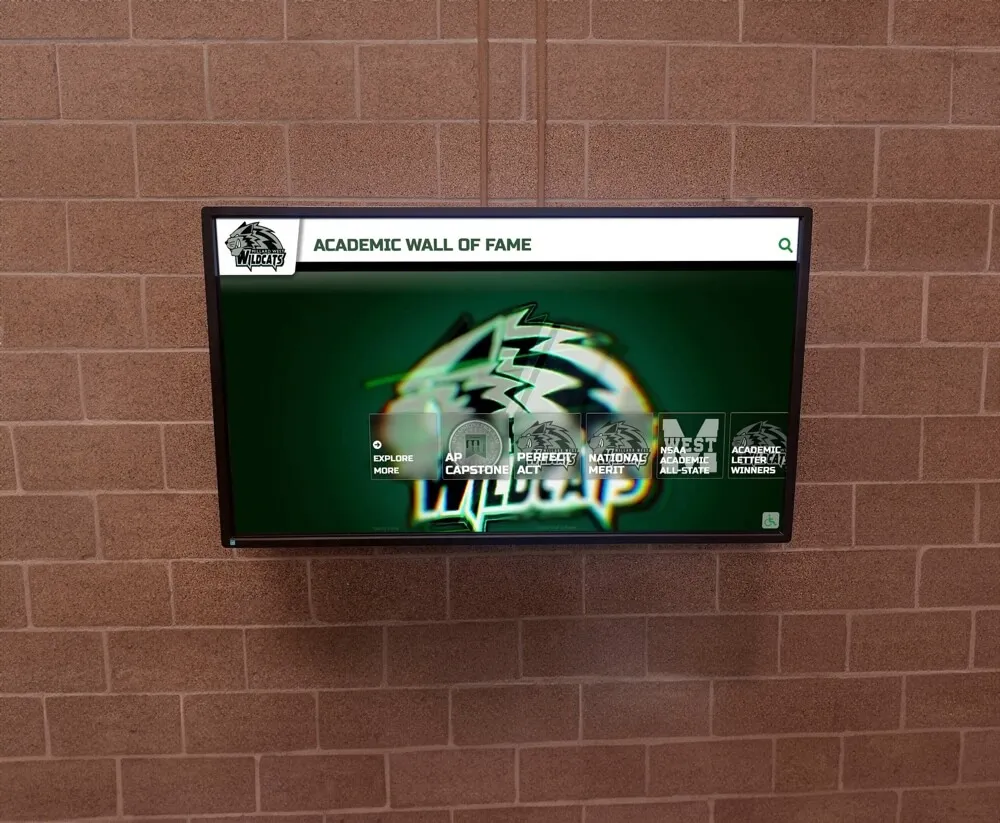
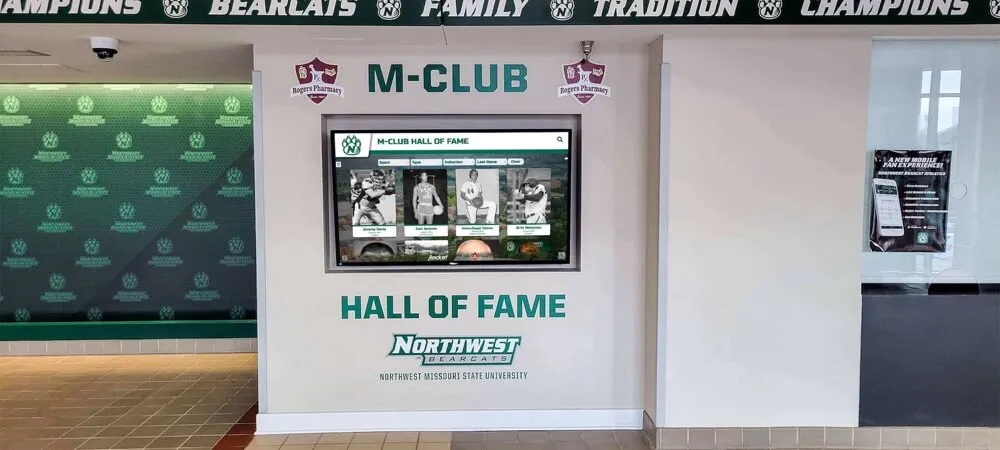
Rich Multimedia Content: Beyond names and awards, digital systems showcase player photos, achievement details, season highlights, and personal stories creating engaging recognition experiences. Include action shots from matches, statistics, quotes from coaches and teammates, and follow-up information about players’ continued soccer development.
Easy Updates and Additions: Adding new award recipients to digital displays requires simple content updates rather than engraving and physical installation. End-of-season recognition appears immediately, maintaining timeliness and relevance. Cloud-based management enables updates from any device.
Remote Accessibility: Web-based recognition enables players, families, and community members to explore achievements from anywhere. Alumni can revisit their awards years later. Families can share recognition with distant relatives. College recruiters can research club development records when evaluating prospects.
Analytics and Engagement Tracking: Digital systems provide data showing which players receive the most views, how long visitors engage with content, and what recognition categories generate greatest interest. These insights demonstrate recognition value to club leadership while informing future award decisions.
Implementing Digital Soccer Recognition
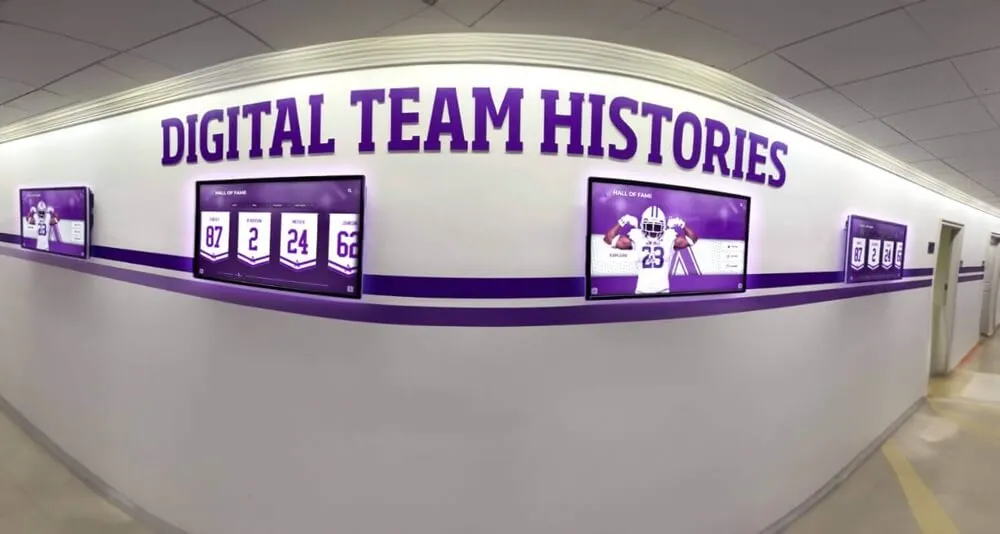
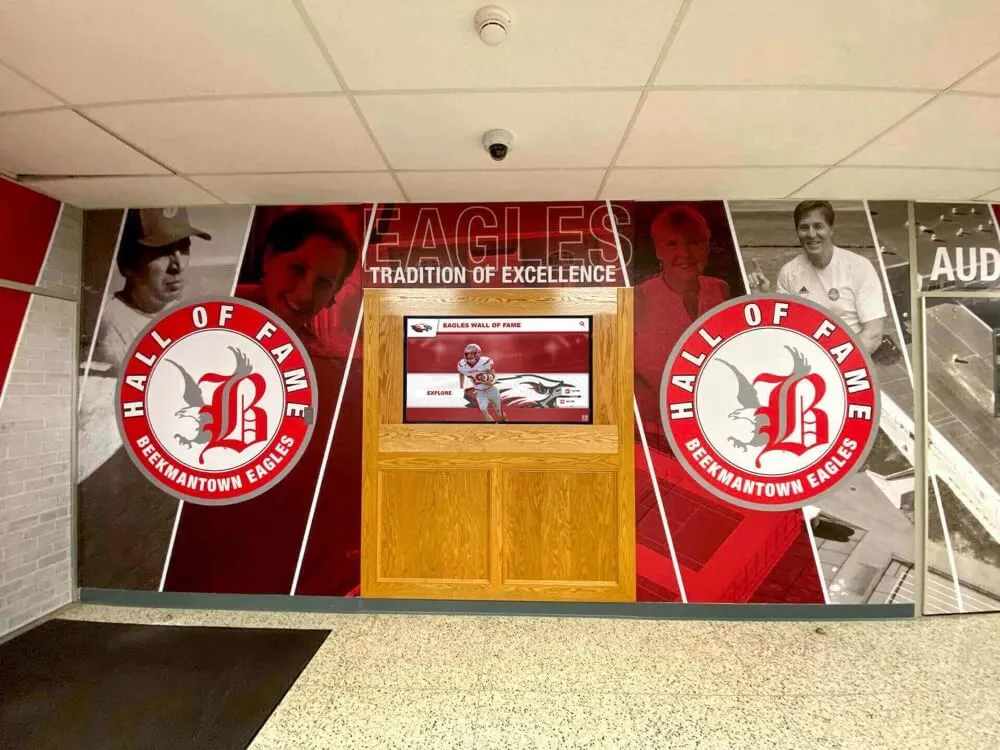
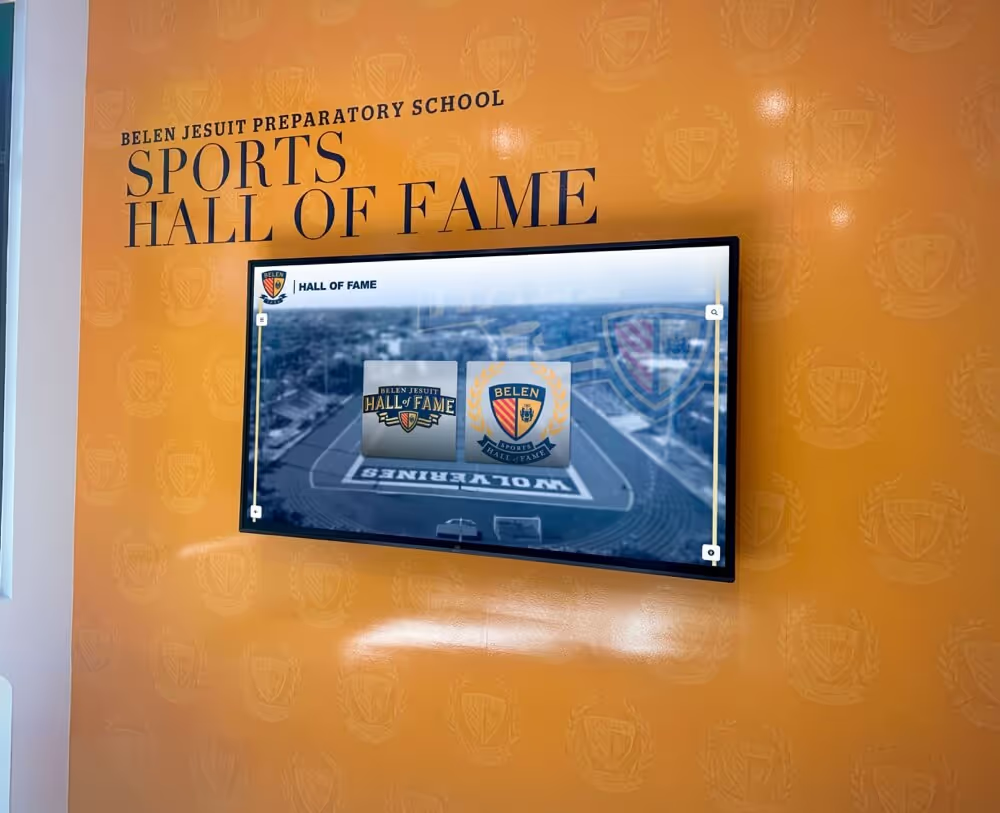
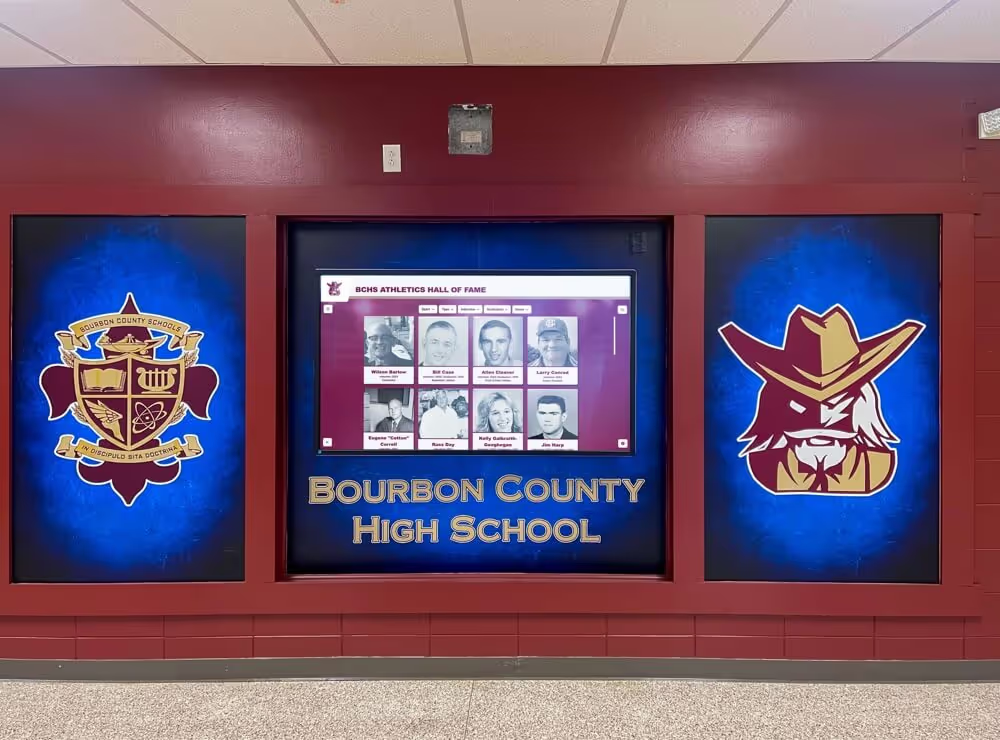
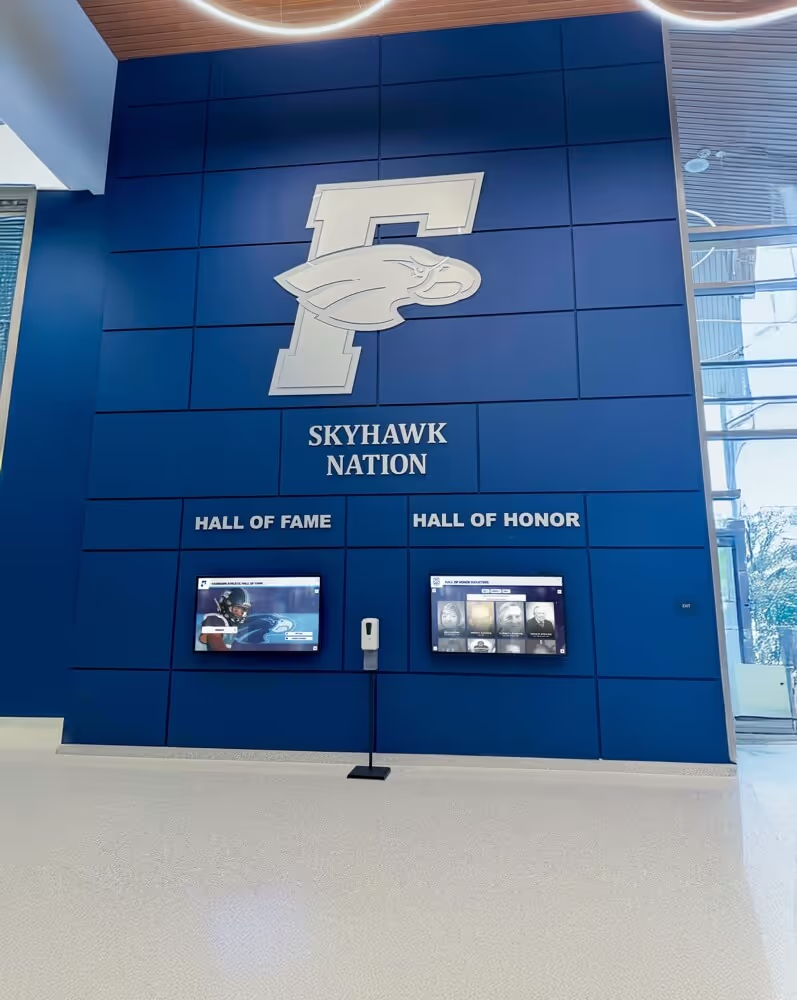
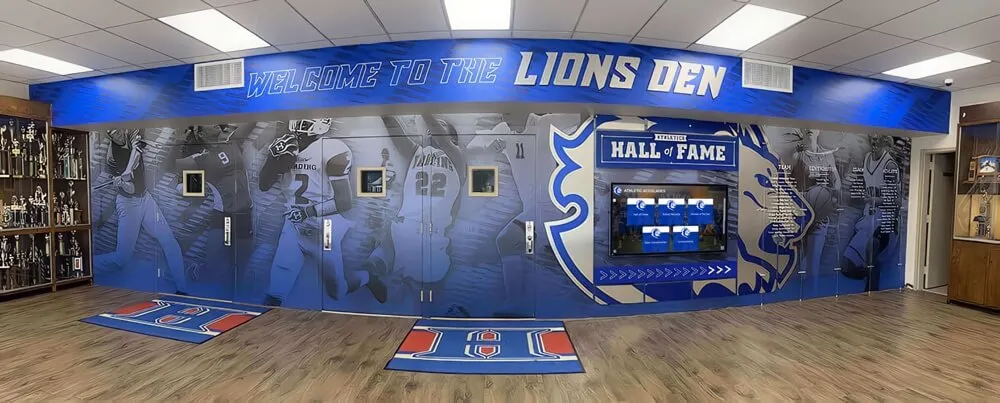
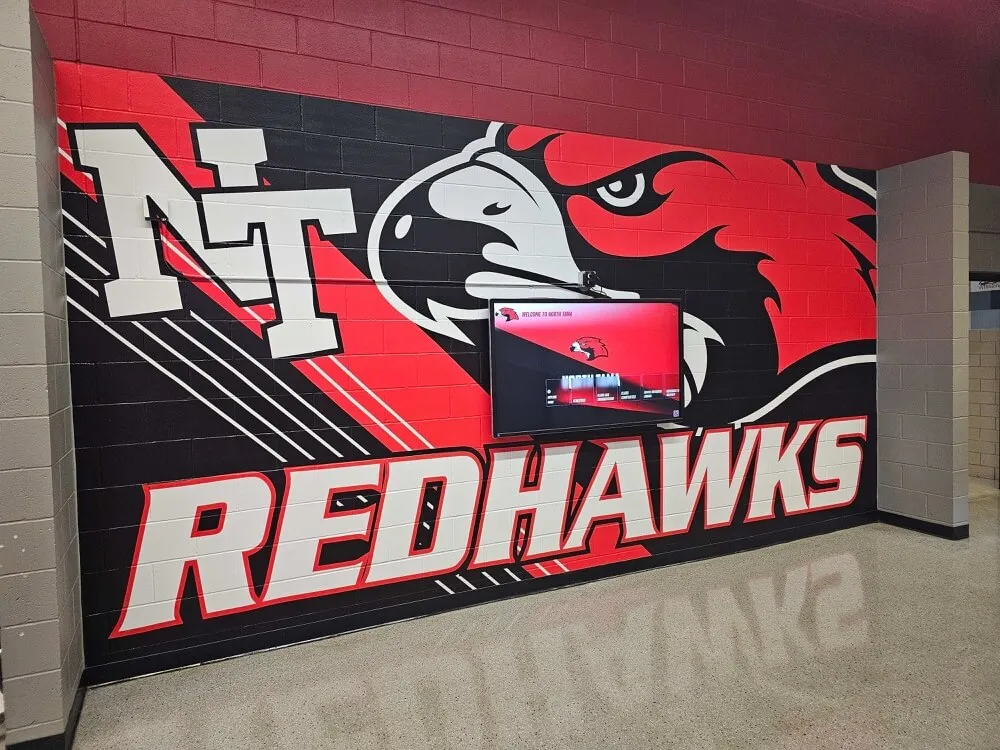
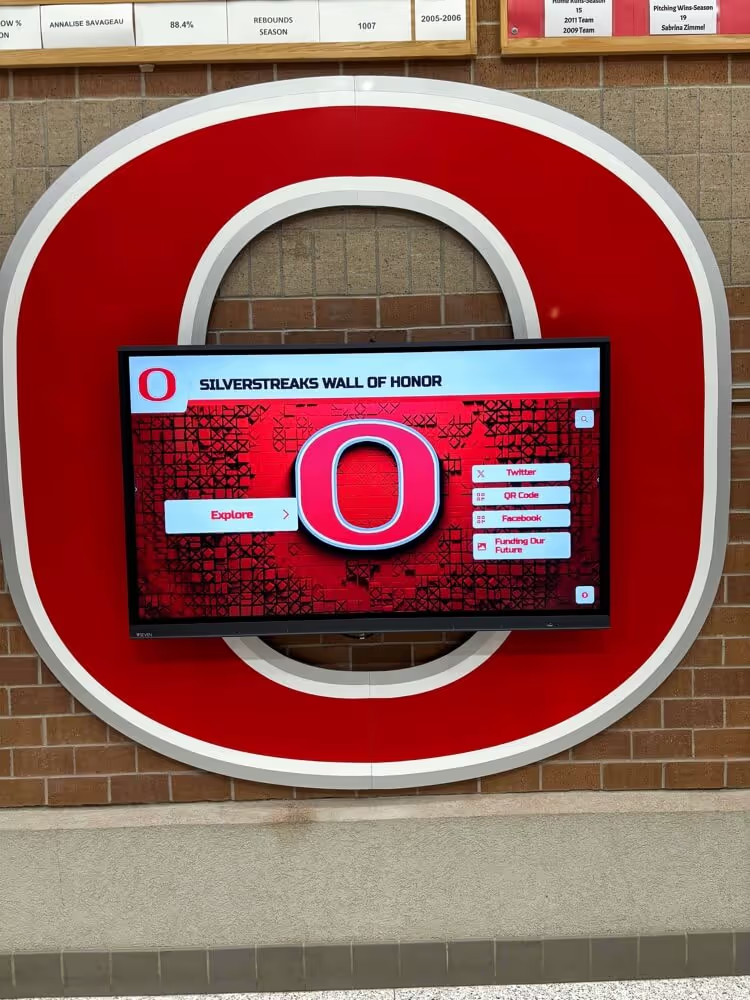
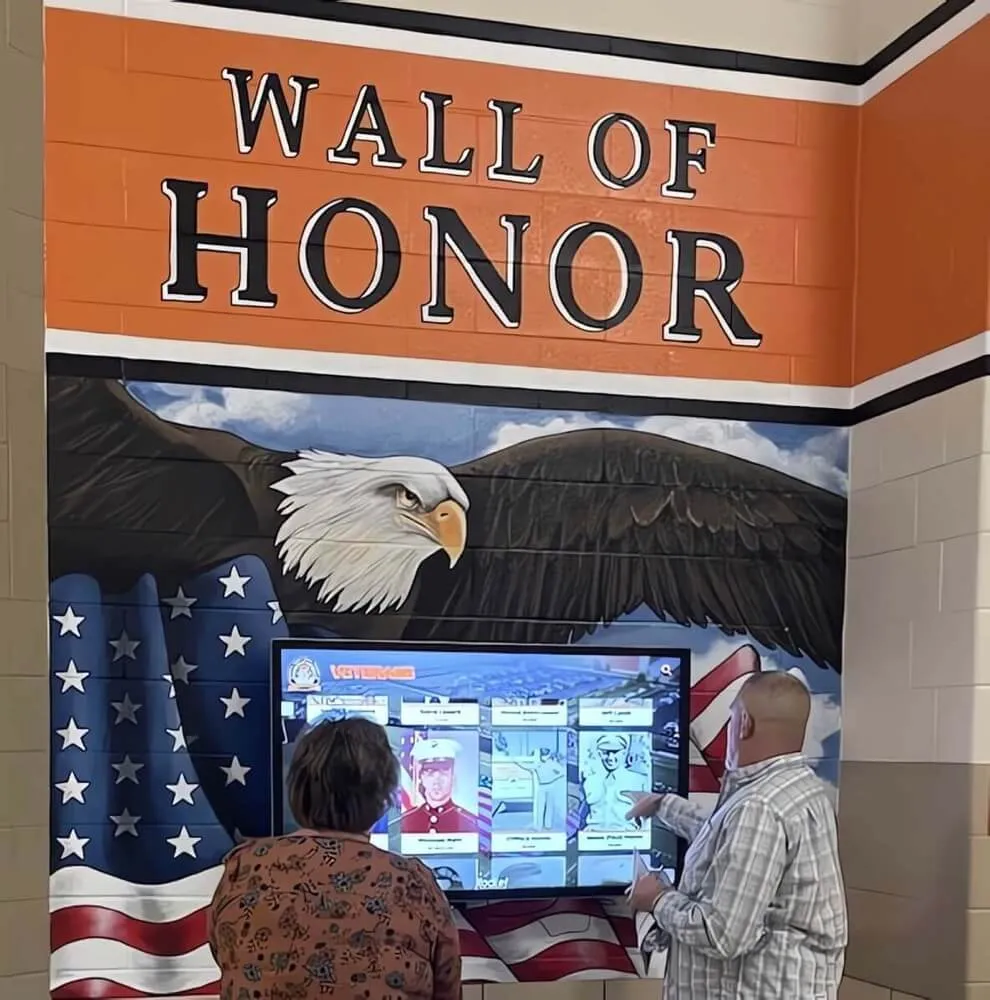
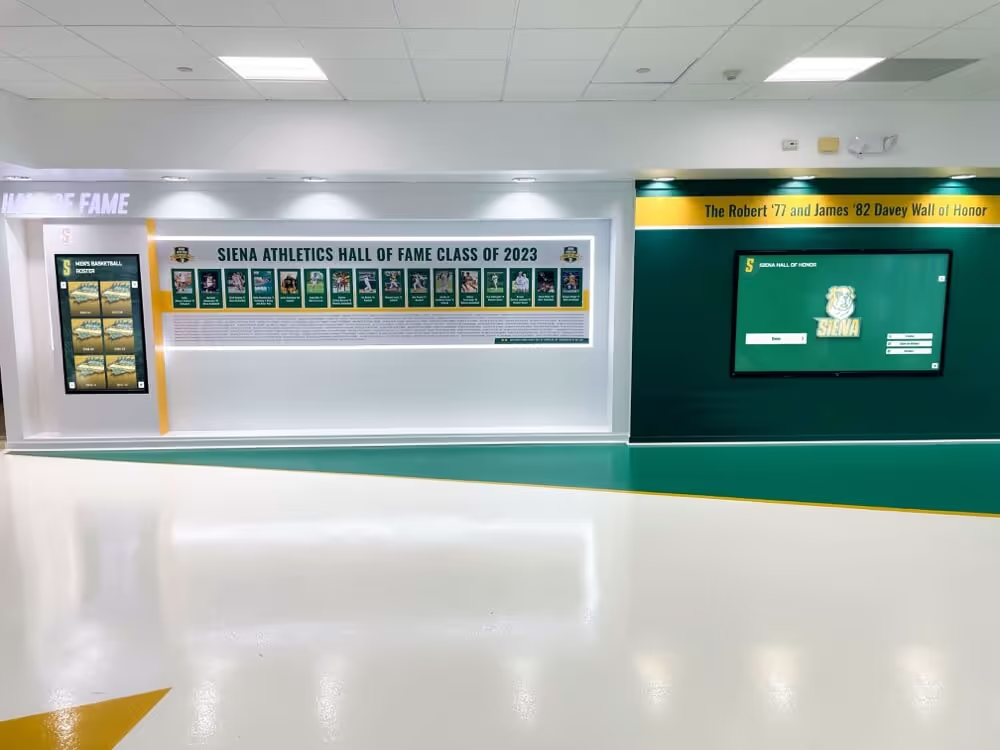
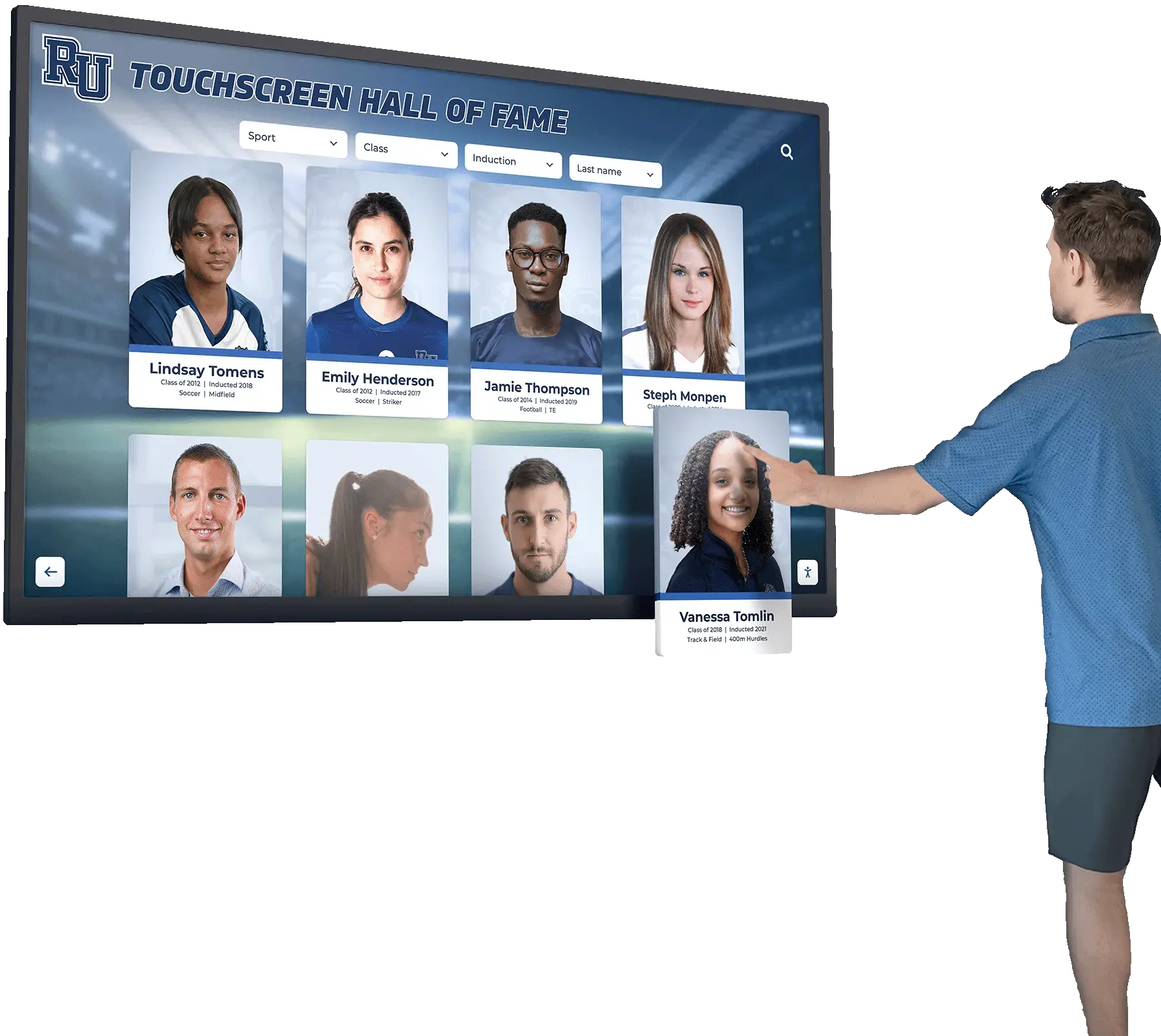
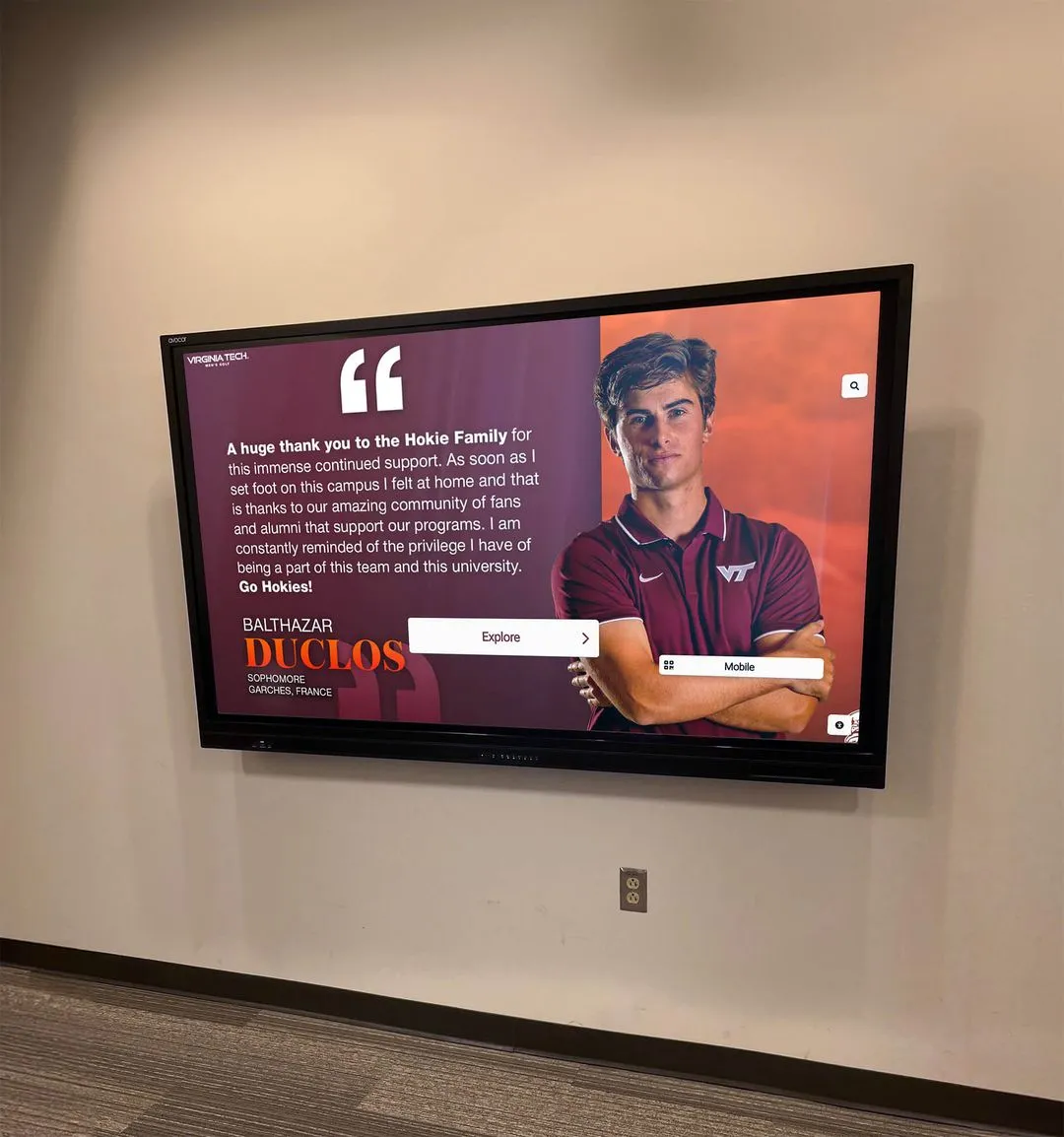
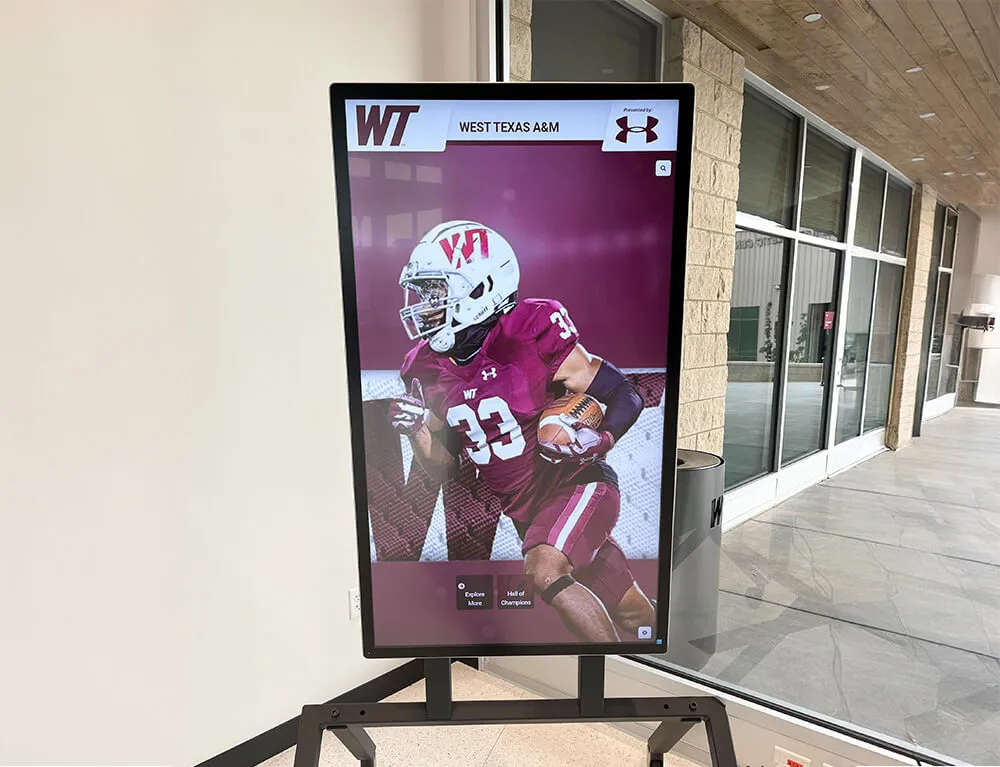
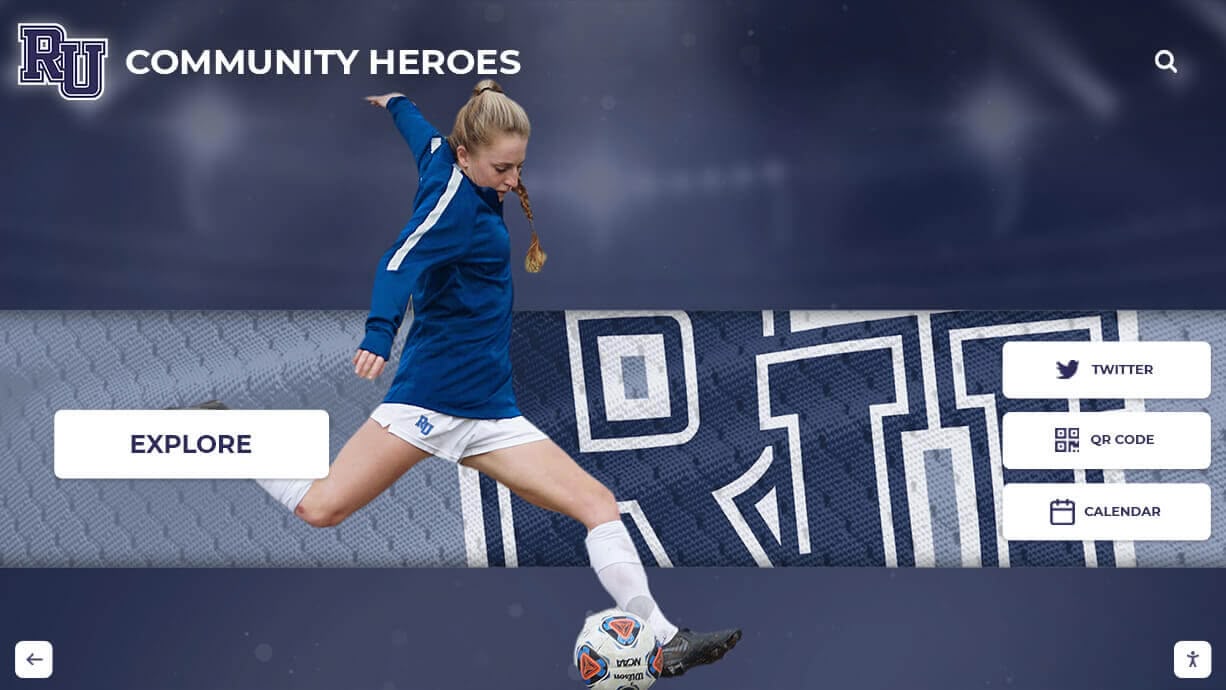
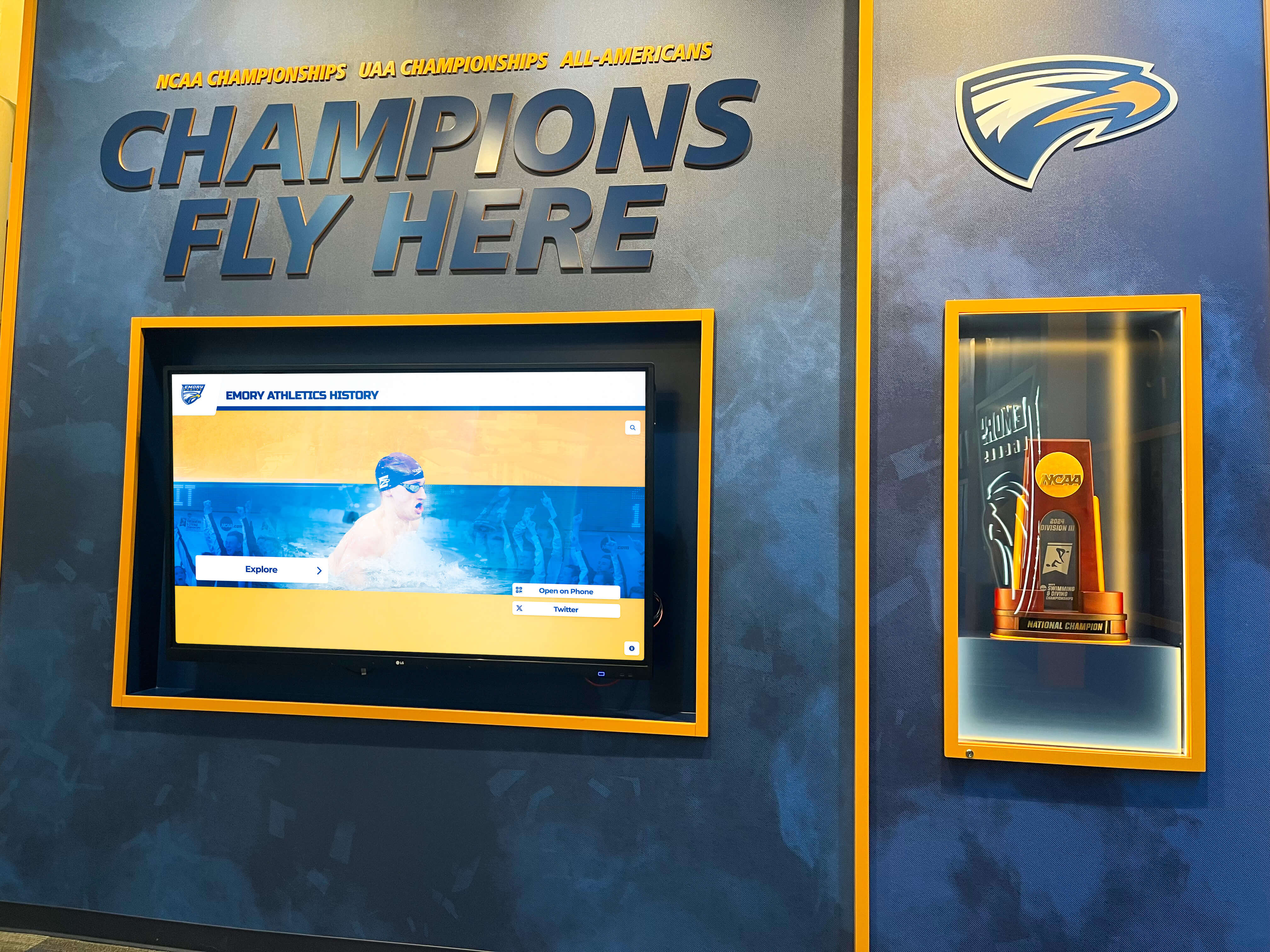
Youth soccer clubs and school programs increasingly adopt digital recognition solutions complementing or replacing traditional trophy cases and award walls. Interactive touchscreen displays in club facilities, school athletic buildings, or community centers provide engaging platforms where players, families, and community members explore achievements.
Content to Include:
- Award recipients with categories and years
- Player photos from matches or award ceremonies
- Achievement details and season statistics
- Team records and accomplishments
- Historical achievement archives
- Coach recognitions and program milestones
- Links to highlight videos when available
Strategic Placement: Position digital recognition displays where players, families, and community members naturally gather: club facility entrances, school athletic lobbies, near training fields, or community recreation centers. Visibility ensures recognition remains present in daily program life.
Integration with Ceremonies: Digital displays complement rather than replace traditional ceremonies. Present physical awards during ceremonies while adding recipients to permanent digital recognition accessible year-round. This blended approach honors tradition while leveraging technology advantages.
Update Workflows: Assign specific staff responsibility for adding new award recipients, ensuring recognition remains current without creating unsustainable administrative burdens. Modern content management systems make updates straightforward through simple web interfaces.
Modern recognition platforms like those offered by organizations specializing in youth sports recognition programs provide turnkey solutions requiring minimal technical expertise while delivering professional results that honor player achievements appropriately.
Budget Considerations for Soccer Award Programs
Soccer award programs span enormous cost ranges from essentially free recognition to thousands of dollars for premium presentations. Understanding options at different price points enables programs to celebrate players meaningfully within budget constraints.
Minimal Budget Options ($0-$100)
DIY Certificates: Computer-designed certificates printed on quality cardstock provide formal recognition at minimal cost. Free soccer-themed templates exist online, and printing costs typically run $0.25-$1.00 per certificate depending on paper quality. Professional appearance comes from thoughtful design rather than expense.
Homemade Soccer Awards: Creative programs design unique awards using craft supplies, soccer balls for signatures, or donated items. Personalized, handmade awards often carry more sentimental value than generic purchased trophies. Consider team-signed soccer balls for major award winners.
Digital-Only Recognition: Social media highlights, club websites, and digital displays require no physical award costs while providing broader visibility than physical trophies. Many clubs successfully recognize players through Instagram posts, website features, and club app notifications.
Local Business Sponsorships: Soccer clubs often secure local businesses to sponsor awards in exchange for recognition during ceremonies or on certificates. Pizza shops, sporting goods stores, and family restaurants frequently support youth soccer recognition.
Team Gear as Awards: Soccer-specific gear that players actually use—quality balls, training equipment, team scarves, or club apparel featuring award achievements—provides functional recognition players value beyond trophies collecting dust.
Mid-Range Budget ($100-$500)
Quality Printed Certificates and Plaques: Professional printing services produce premium certificates with foil seals or small plaques creating more impressive presentations than home printing. Costs typically run $10-$25 per item depending on quality.
Soccer-Specific Trophies and Medals: Sports award companies offer soccer-themed trophies featuring player figures, soccer balls, or cleat designs. Prices range from $10-$30 depending on size and customization with engraving.
Team Gifts with Award Recognition: Soccer equipment bags, performance gear, or training accessories featuring award achievements printed or embroidered. Players use functional items while remembering recognition.
Photo Packages: Professional soccer photography produces quality images that become lasting mementos for players and families, functioning as awards in themselves. Many soccer photographers offer package deals for clubs.
Mixed Recognition System: Combine certificates for all players with special trophies or plaques for major awards like Golden Boot, Most Valuable Player, and Coach’s Award. This approach spreads budget across team while providing premium recognition for top honors.
Premium Budget ($500-$2,000+)
Custom Engraved Awards: Personalized plaques, crystal awards, or custom trophies with detailed engraving provide premium recognition appropriate for significant achievements. Quality engraved awards cost $50-$150 each.
Award Jackets or Team Apparel: Custom warm-up jackets, track suits, or premium team gear with award designations embroidered. Functional awards players wear proudly while representing recognition.
Professional Video Highlight Packages: Video production capturing season highlights and individual player features creates unique recognition with lasting value. Compilation videos honor achievement while preserving memories.
Digital Recognition Display Investment: While initial costs run higher, comprehensive digital recognition systems provide multi-year value recognizing hundreds or thousands of players over system lifespan. Initial investment of $10,000-$30,000 creates permanent recognition infrastructure.
Premium Recognition Banquet: High-quality recognition dinners with venue rental, catering, professional presentation, and invited guests create memorable celebration experiences families value beyond physical awards themselves.

Soccer Award Ceremony Best Practices
Recognition value depends not just on awards themselves but how they’re presented. Effective ceremonies create memorable experiences honoring players appropriately while celebrating team accomplishments collectively.
Planning Successful Recognition Ceremonies
Schedule Appropriately: Plan ceremonies soon after season conclusions while accomplishments remain fresh and enthusiasm persists. For spring seasons, conduct recognition within two weeks of final matches. For fall/winter seasons, avoid delays beyond holiday breaks that diminish recognition immediacy.
Choose Accessible Venues: Select locations accommodating all players, families, and community members who wish to attend. Consider accessibility for individuals with physical limitations. Venues might include school cafeterias, club facilities, restaurant banquet rooms, or outdoor pavilions for warm weather.
Set Appropriate Duration: Keep ceremonies engaging without excessive length. Aim for 60-90 minutes for most youth soccer programs—long enough to honor everyone meaningfully but short enough to maintain attention, especially for younger siblings attending.
Create Professional Atmosphere: Even modest-budget ceremonies benefit from thoughtful details: decorations in team colors, organized seating, prepared remarks, and respectful presentation tone. Soccer-themed decorations, photo displays from the season, and music create appropriate ambiance.
Prepare Personalized Presentations: Coaches should prepare specific remarks about each award recipient rather than generic comments like “great season, worked hard.” Personal recognition mentioning specific moments, improvements, or qualities feels more genuine and meaningful.
Include Player Voices: Consider brief remarks from team captains, graduating seniors, or award recipients rather than exclusively coach-driven presentations. Player perspectives add authenticity and create ownership in recognition.
Incorporate Multimedia: Show season highlight videos, photo slideshows, or memorable moment compilations creating emotional connections and entertainment value. Soccer provides abundant visual material for engaging multimedia presentations.
Presentation Order and Flow
Start with Team-Wide Recognition: Begin by celebrating collective accomplishments: records set, tournaments won, championships earned, and team achievements affecting everyone before individual awards.
Progress from General to Specific: Present broad recognition (participation, commitment, team awards) before specialized recognition (position-specific, statistical leaders, major awards like Golden Boot and MVP).
Build Toward Major Awards: Structure ceremonies culminating in the most significant recognition (MVP, Golden Boot, Coach’s Award, senior tributes) creating natural climax. Save the biggest awards for the end when attention peaks.
Distribute Recognition Throughout: Avoid structures where the same few players receive all recognition consecutively. Spread acknowledgment throughout ceremony ensuring all players experience their moment and stay engaged.
Include Context and Stories: Rather than just reading names, share brief stories making recognition meaningful: specific plays, memorable moments, improvement trajectories, or qualities exemplifying awards. Context transforms names into narratives.
Maintain Appropriate Pace: Balance thorough recognition with maintaining energy and engagement. Avoid either rushing through players perfunctorily or dragging presentations excessively. Aim for 2-3 minutes per major award including presentation and remarks.
End with Forward-Looking Messages: Conclude ceremonies celebrating the season while looking ahead optimistically to future opportunities. Acknowledge graduating seniors’ contributions while expressing excitement for returning players and program future.
Common Soccer Award Program Mistakes to Avoid
Understanding frequent pitfalls helps programs implement recognition systems that genuinely benefit players and strengthen team culture rather than creating problems.
The “Everyone Gets the Same Trophy” Trap
Participation recognition serves valuable purposes, particularly for young players, but programs must balance inclusion with maintaining award significance. Problems emerge when all awards carry equal weight and presentation, eliminating meaningful distinction between exceptional achievement and basic participation.
Solution: Design tiered recognition systems. Participation acknowledgment (certificates, team gifts, verbal recognition) ensures all players feel valued. Special awards with distinct presentation recognize exceptional contributions. Clear differentiation maintains award meaning while ensuring inclusivity.
Favoritism and Inconsistent Criteria
Perceived favoritism destroys program trust and player motivation. Common manifestations include star players receiving recognition for qualities other players demonstrate equally or subjective awards consistently going to coach favorites.
Solution: Establish objective criteria before seasons begin. Document reasoning behind selections. Involve multiple perspectives (assistant coaches, peer voting) in subjective award decisions. Apply criteria consistently across all players regardless of personal relationships.
Overlooking Position Diversity
Soccer award programs sometimes focus recognition predominantly on attackers and goal-scorers, leaving defenders, midfielders, and goalkeepers feeling invisible despite crucial contributions.
Solution: Create diverse recognition categories acknowledging different position requirements. Ensure awards exist for defensive excellence, midfield control, goalkeeping, and various soccer roles beyond just goal-scoring. Comprehensive categories demonstrate that winning requires excellence across all positions.
Ignoring Age-Appropriateness
Awards inappropriate for developmental levels confuse young players or seem juvenile to older athletes. Competitive MVP awards for recreational six-year-olds create disappointment, while purely participation-based recognition for competitive teenagers feels insincere.
Solution: Design award systems matching developmental stages. Young children need inclusive, confidence-building recognition. Older competitive players expect and respect genuine achievement-based awards alongside character recognition. Adjust award sophistication to player age and program competitive level.
Poor Ceremony Execution
Even well-designed awards lose impact through poor presentation including disorganized ceremonies with unclear flow, generic impersonal remarks about recipients, rushing through recognition perfunctorily, or excessive length causing audience disengagement.
Solution: Plan ceremonies carefully. Prepare personalized remarks about each recipient. Practice pronunciation of names (especially important in soccer’s multicultural environment). Maintain appropriate pace. Create atmosphere demonstrating genuine appreciation for players rather than checking off administrative requirement.
Conclusion: Creating Recognition Systems That Build Soccer Culture
Soccer awards programs serve purposes far beyond distributing trophies and certificates. Thoughtfully designed recognition systems communicate what programs value, motivate continued participation and improvement, celebrate diverse contributions and achievement types, create lasting memories that players carry throughout their lives, build team culture and shared identity, and honor the dedication players invest in pursuing soccer excellence.
The 50+ soccer award ideas presented throughout this guide provide starting points, but effective recognition requires more than selecting award names from lists. Programs must consider their specific contexts: player age and development levels, competitive versus recreational orientations, program values and cultural priorities, budget realities, and logistical capabilities.
Keys to Successful Soccer Award Programs:
Balance Recognition Broadly: Design systems acknowledging attacking excellence, defensive solidity, midfield control, goalkeeping prowess, character development, improvement, and team contribution. Diverse recognition ensures players with different strengths all experience genuine celebration. Soccer’s position-specific nature enables recognition spanning various roles and responsibilities.
Maintain Award Significance: While ensuring all players feel valued, preserve meaningful distinction between exceptional achievement and basic participation. Tiered recognition maintains award significance while supporting inclusive team culture. Golden Boot and MVP awards should represent genuine excellence, not participation acknowledgment.
Implement Fair Selection Processes: Establish clear criteria, involve multiple perspectives, apply standards consistently, and document reasoning. Perceived fairness determines whether players trust and value recognition received. In soccer’s increasingly multicultural environment, fairness transcends favoritism to include cultural sensitivity.
Present Awards Thoughtfully: Recognition value depends heavily on presentation quality. Invest energy in creating respectful, engaging ceremonies where each player feels genuinely celebrated rather than receiving perfunctory acknowledgment. Personal stories and specific examples make recognition memorable.
Extend Recognition Beyond Single Moments: Documentation, photographs, permanent displays, and digital recognition ensure achievements receive lasting visibility rather than being forgotten after brief ceremony acknowledgments. Modern technology enables recognition extending far beyond traditional trophy cases.
Evaluate and Improve Continuously: Gather feedback from players, families, and staff. Assess whether recognition achieves intended goals. Make incremental improvements addressing issues while preserving successful elements. Award programs should evolve based on experience and stakeholder input.
Soccer participation shapes young people’s character development, work ethic, teamwork capabilities, and self-confidence in ways extending far beyond athletic skills. Recognition celebrating their dedication, achievement, and growth communicates that their efforts matter and their contributions deserve celebration. Programs investing thought and energy into designing meaningful recognition systems give players gifts they’ll carry throughout their lives—memories of being genuinely valued for their unique contributions to something larger than themselves.
Ready to create recognition systems that truly honor your soccer players? Modern solutions like Rocket Alumni Solutions provide comprehensive platforms designed specifically for youth sports and athletic recognition, offering intuitive content management, engaging interactive displays, unlimited recognition capacity, and proven approaches that help programs build the recognition culture their players deserve. Your athletes invest countless hours pursuing soccer excellence—comprehensive recognition ensures those achievements receive the celebration and lasting visibility that strengthens team culture for current players and future generations.