



Senior night ceremonies honor graduating athletes, celebrating years of dedication, sacrifice, and achievement. Behind every memorable senior night presentation lies thoughtful preparation—and few elements prove more impactful than a well-crafted senior night questionnaire that captures each athlete's unique personality, cherished memories, and individual journey.
The questions you ask athletes directly shape how their stories get told during ceremonies and displayed on digital recognition systems long after graduation. Generic questionnaires produce perfunctory responses that fail to capture what makes each senior special, while thoughtfully designed questions elicit the personal details, genuine emotions, and memorable anecdotes that create recognition experiences athletes and families treasure for decades. This comprehensive guide provides 50+ proven senior night questionnaire questions organized by category, implementation strategies for gathering quality responses, and practical tips for transforming questionnaire answers into compelling athlete profiles that celebrate individual personalities while strengthening program culture.
Senior night represents a pivotal moment in athletic careers—the final home competition where graduating athletes receive public recognition for years invested in their sport, their team, and their school. Coaches, athletic directors, and booster clubs planning these ceremonies face a fundamental challenge: how do you authentically capture what makes each senior athlete unique within the time constraints and planning realities of busy athletic seasons?
A comprehensive senior night questionnaire solves this challenge by systematically gathering the information, stories, and personal details that transform generic athlete introductions into genuine celebrations of individual journeys. The right questions draw out memorable responses revealing personality traits, highlighting meaningful relationships, acknowledging personal growth, and creating emotional connections with audiences who’ve supported these athletes throughout their careers.
Yet many programs struggle with questionnaire design. Some ask too few questions, resulting in sparse information that provides little material for compelling recognition. Others create exhaustive questionnaires with dozens of questions that overwhelm busy student-athletes already juggling academics, athletics, and college preparations. The most effective questionnaires strike a balance—asking enough questions to capture comprehensive stories while remaining realistic about athlete time and attention.
This guide addresses these challenges by presenting battle-tested questions organized into practical categories that together create complete athlete portraits. Whether you’re planning your first senior night or seeking to enhance established traditions, you’ll find specific question recommendations, implementation strategies, and creative approaches that help your senior night questionnaire capture the personalities, achievements, and memories that make recognition meaningful for athletes, families, and entire athletic communities.
Why Senior Night Questionnaires Matter
Before diving into specific questions, it’s worth understanding why thoughtfully designed questionnaires represent far more than administrative paperwork.
Creating Personal Connections
Generic senior night introductions—“John played varsity football for four years and plans to attend State University”—technically acknowledge participation but create no emotional connection. Audiences sit politely through dozens of similar introductions, applauding appropriately but feeling little genuine engagement with individual athletes’ stories.
Contrast this with introductions drawing from rich questionnaire responses: “Since joining the team as an undersized freshman doubting whether he belonged, Marcus has transformed not just his athletic ability but his entire approach to challenges. His teammates describe him as the first one at practice and the last one to leave, the player who never accepts ‘good enough,’ and the voice that reminded everyone that championships require sacrifice. His favorite memory remains the bus ride home after last year’s playoff victory when the entire team sang his favorite song—off-key but enthusiastically. Marcus credits Coach Thompson with teaching him that ’excellence isn’t an accident’ and plans to carry that mindset to State University and beyond.”
This richer introduction emerged from detailed questionnaire responses providing concrete details, specific memories, personal philosophies, and emotional context. The difference between generic and compelling recognition almost always traces back to questionnaire quality.
Preserving Athletic Legacy
Senior night ceremonies last an evening, but their impact should extend far longer. The information gathered through questionnaires becomes the foundation for lasting recognition that preserves athletic legacy long after graduation.
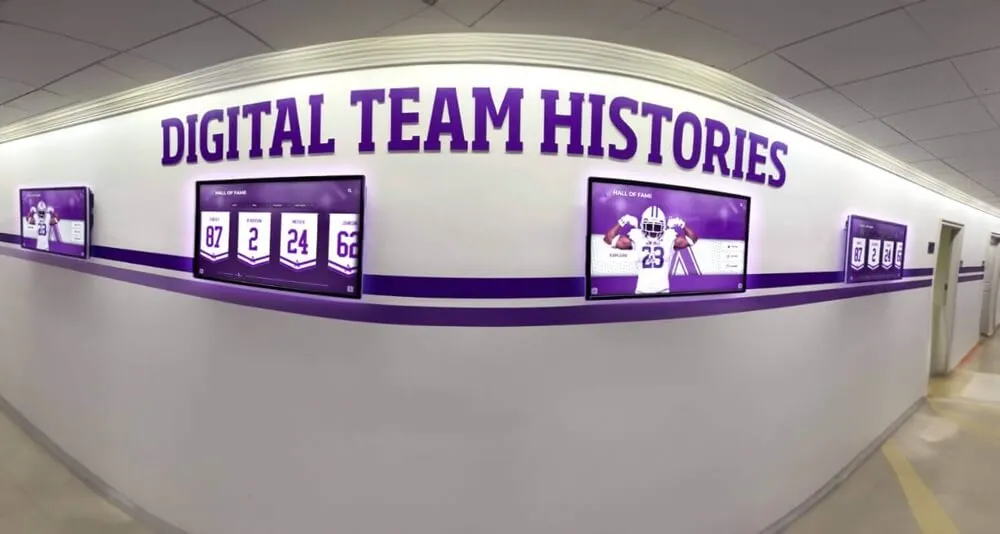
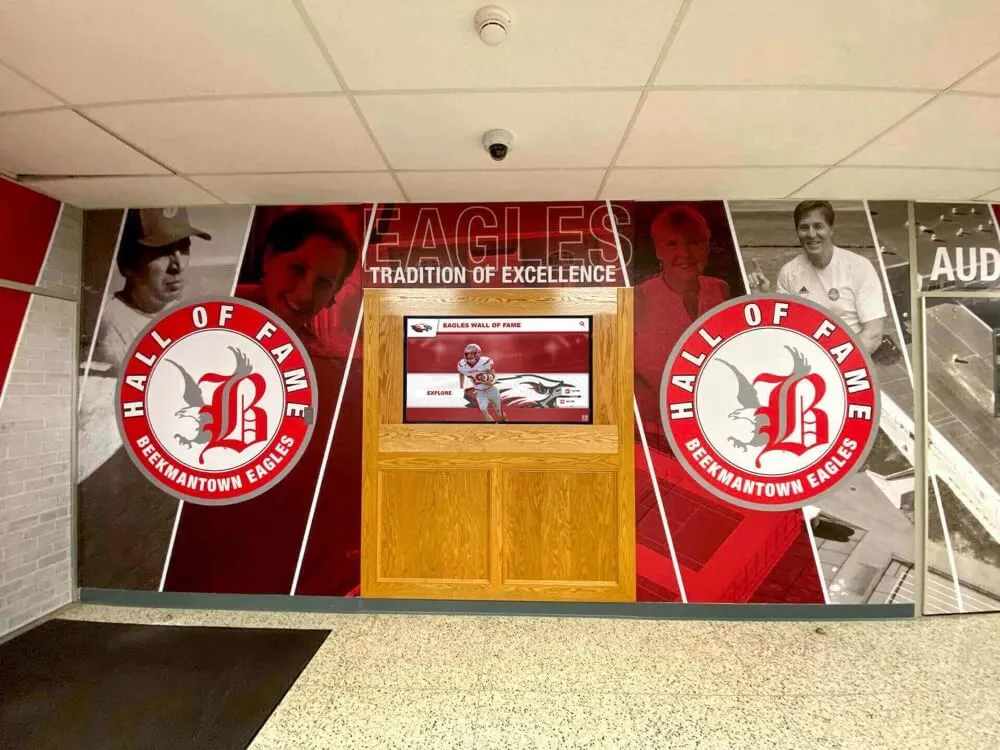
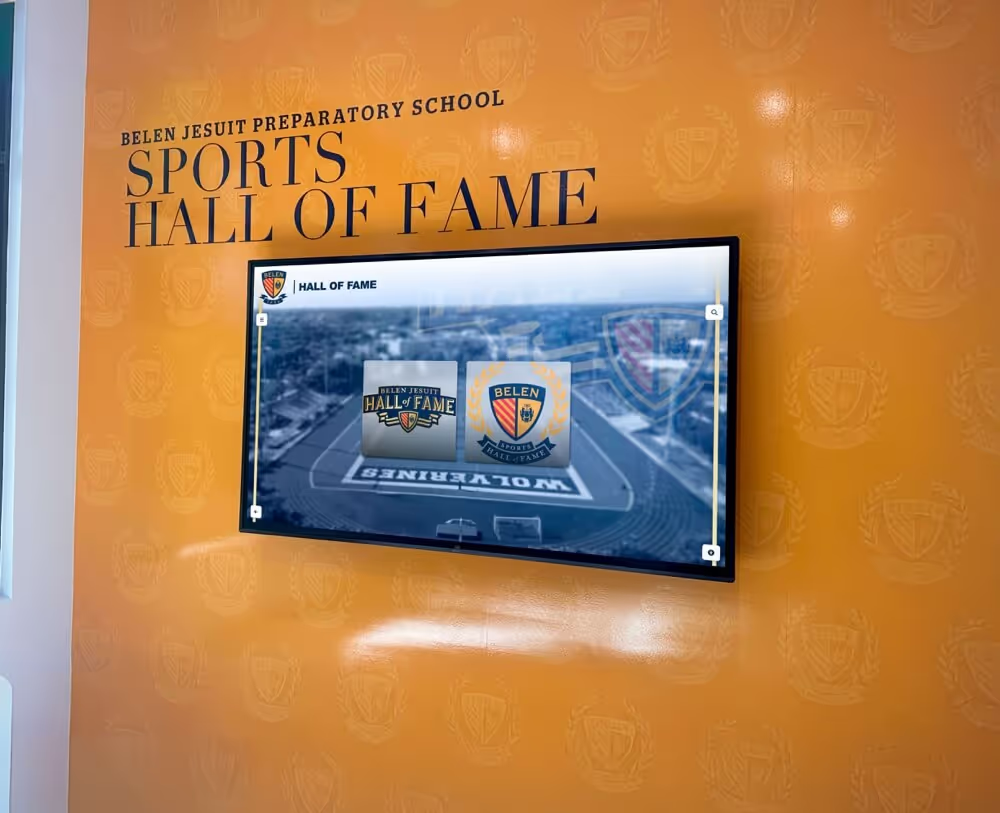
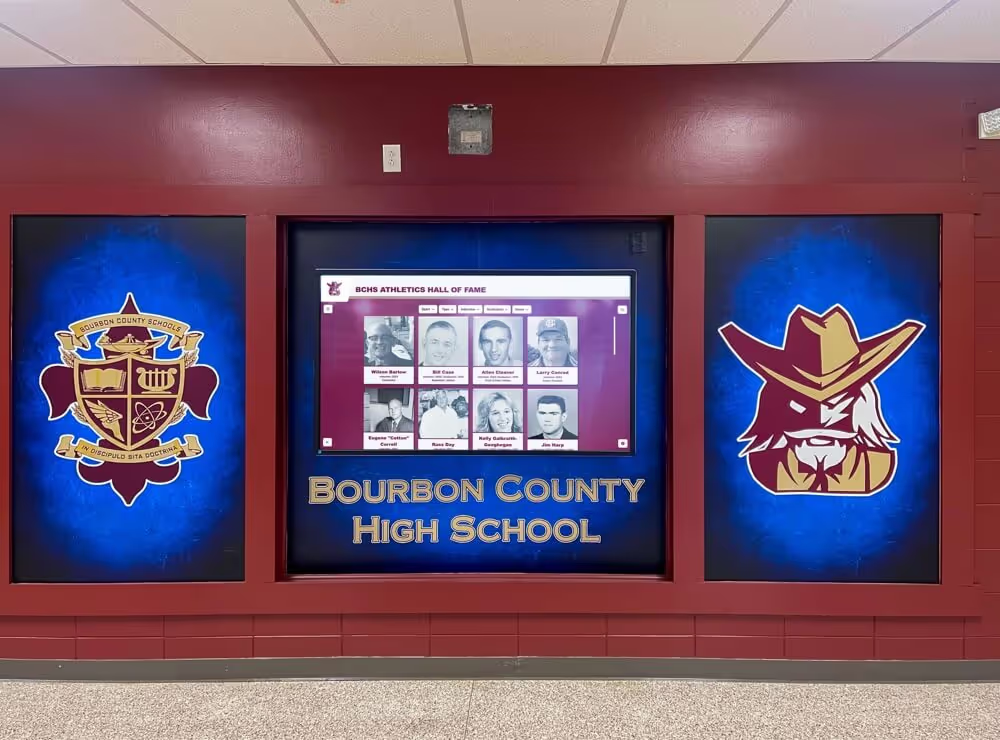
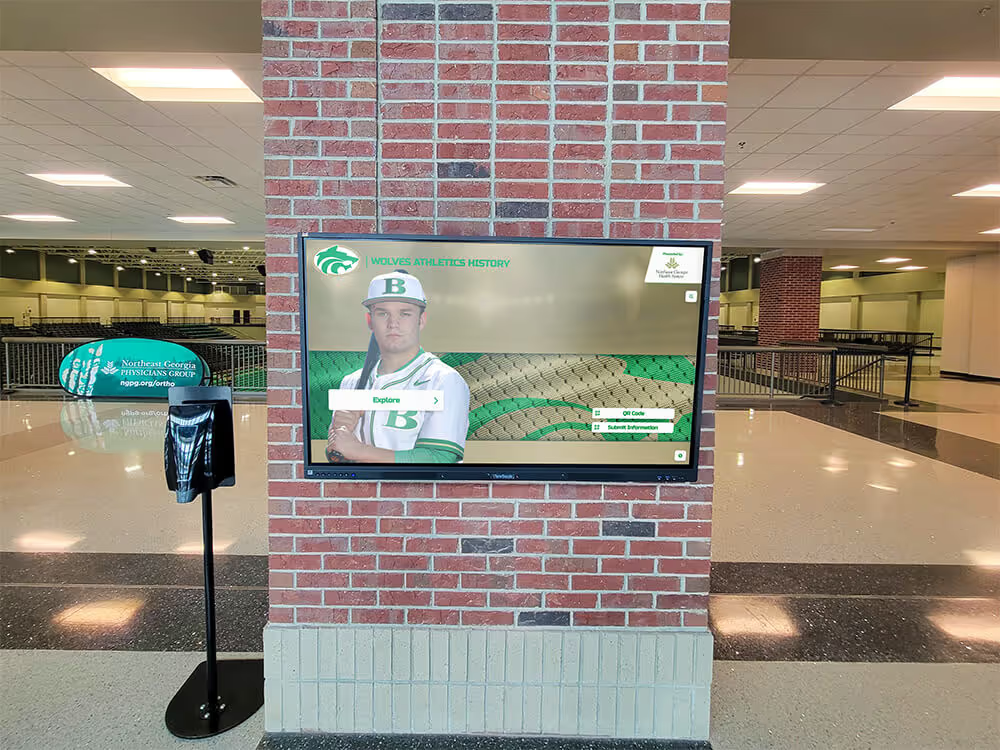
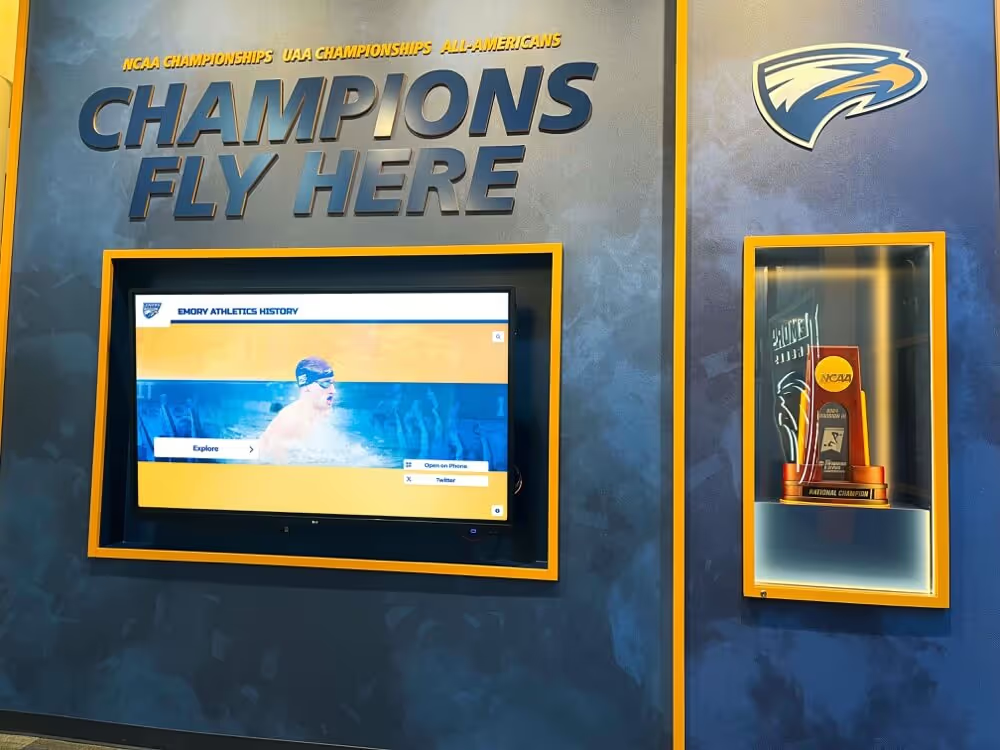
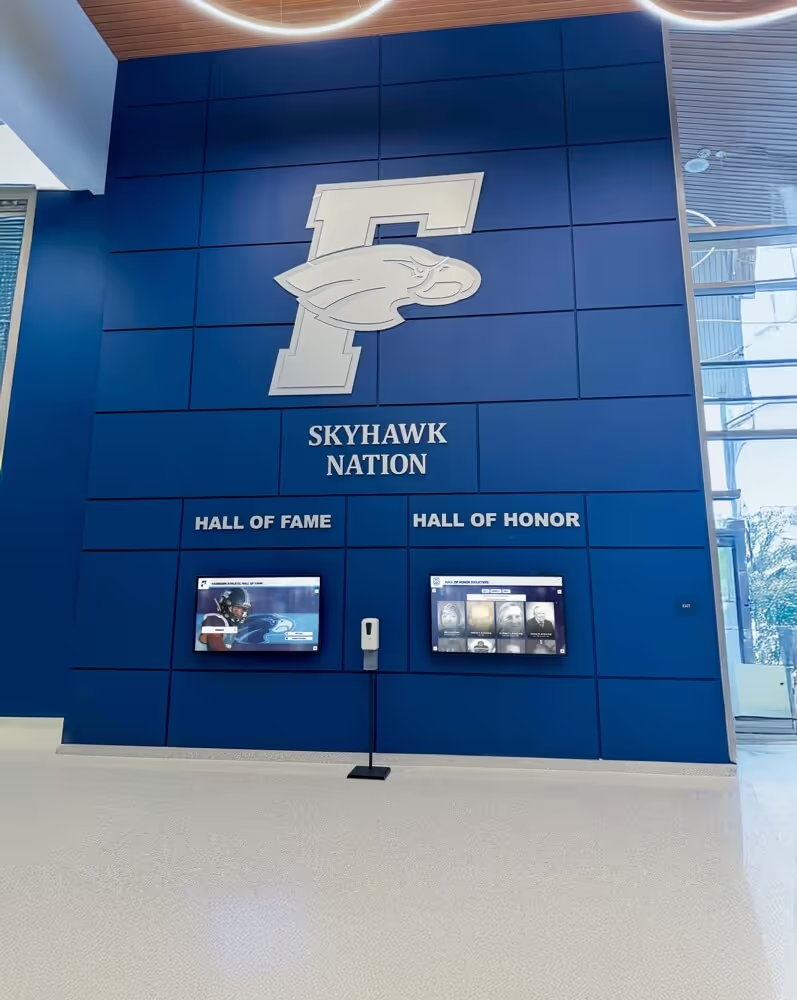
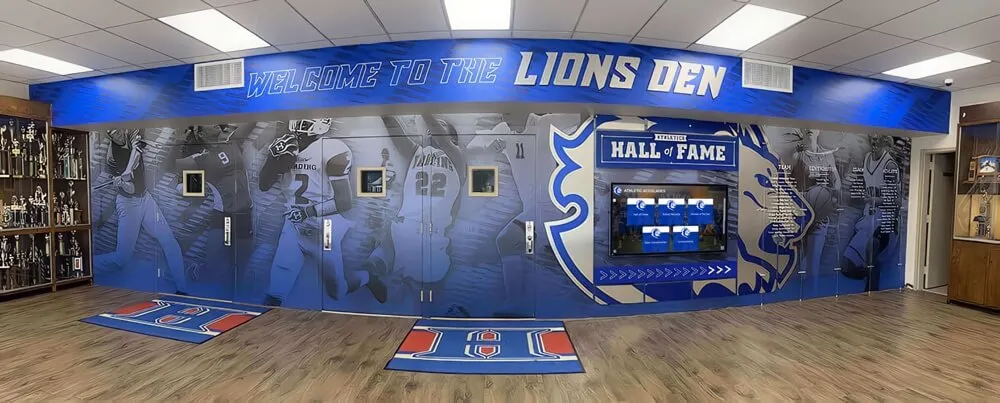
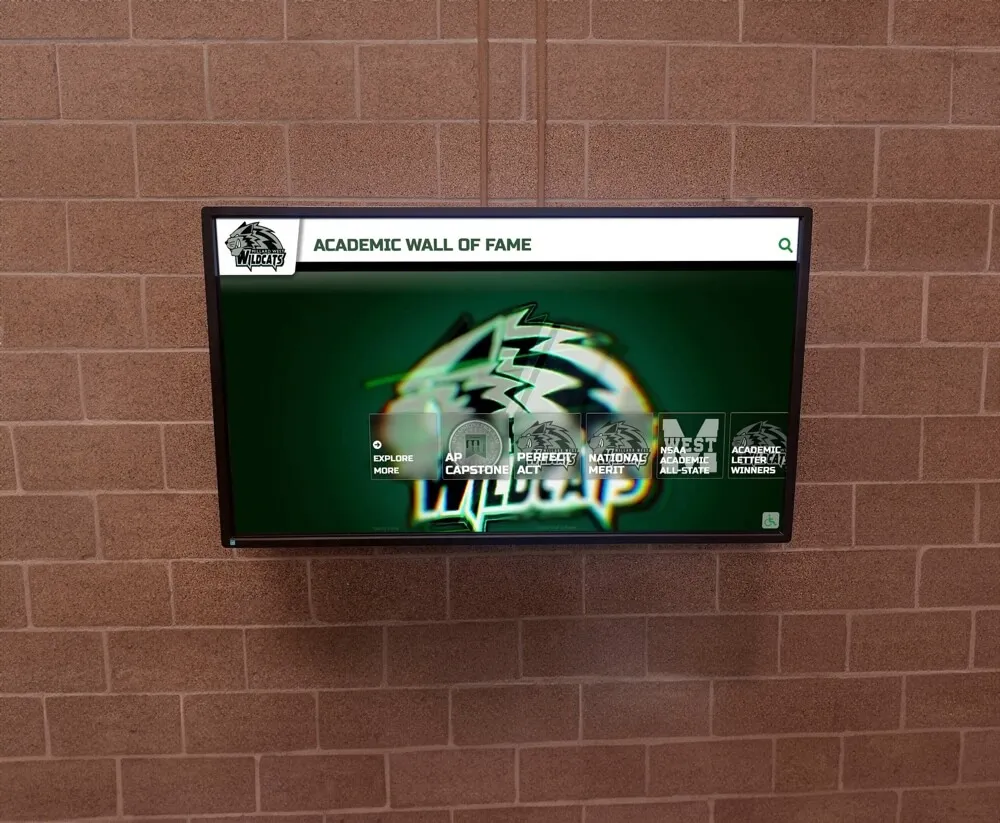
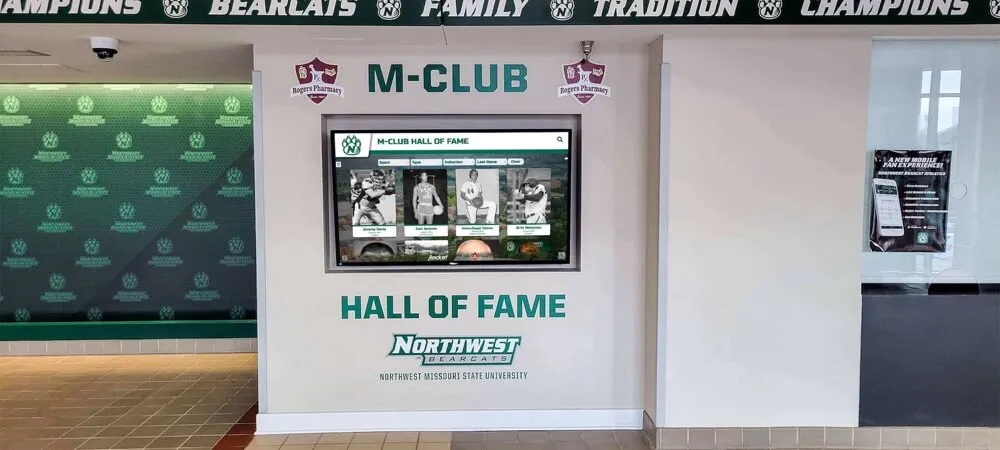
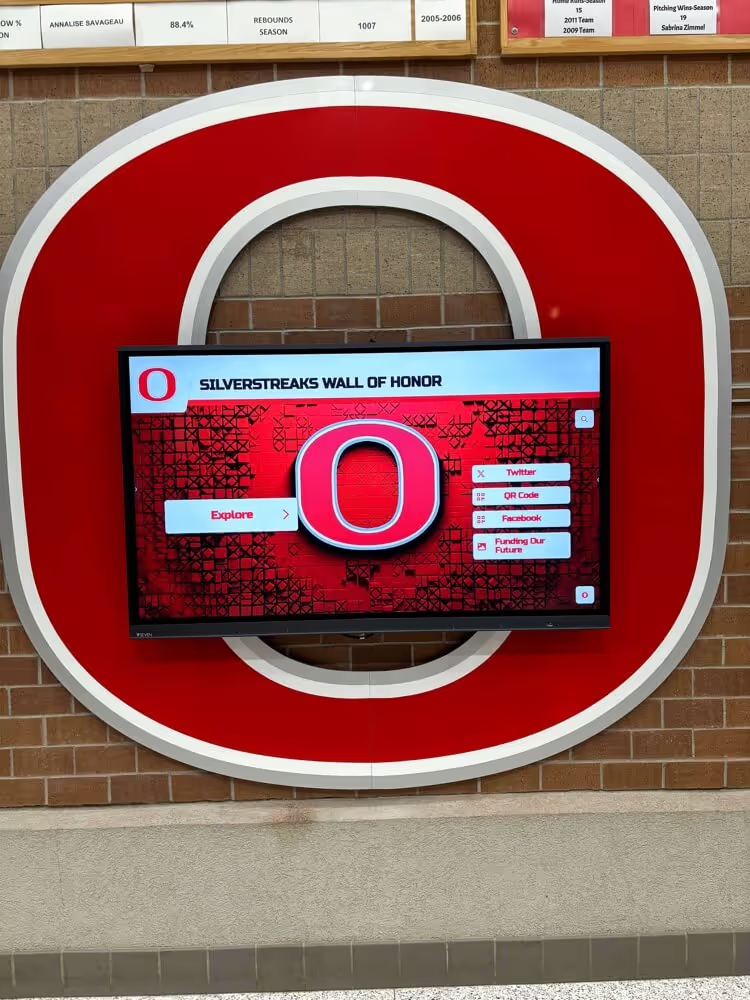
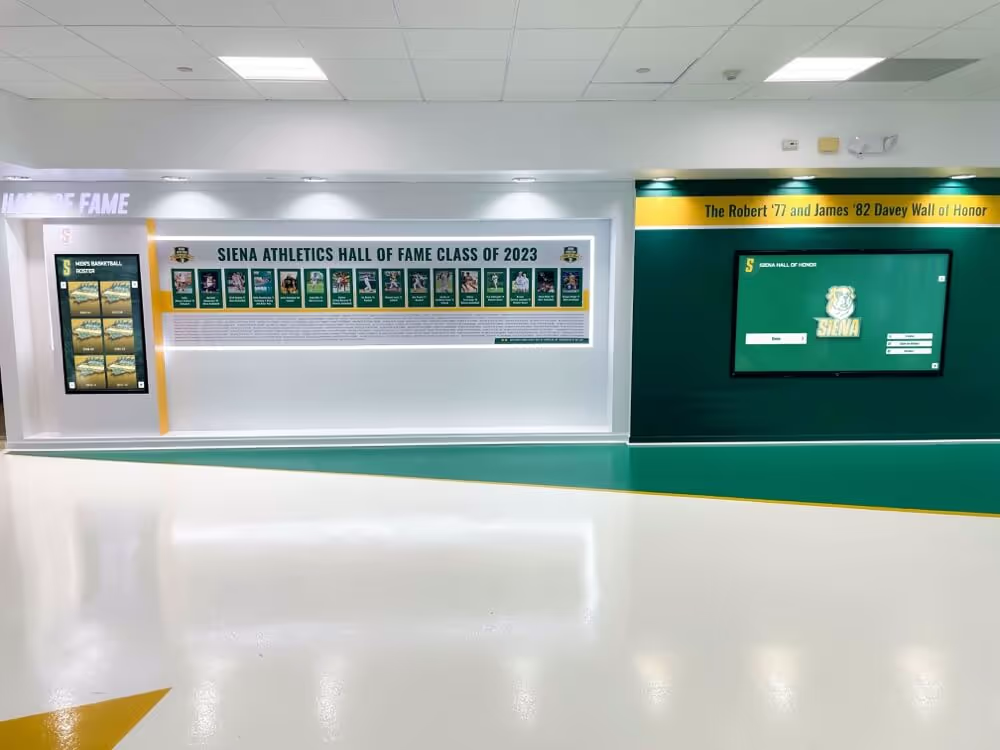
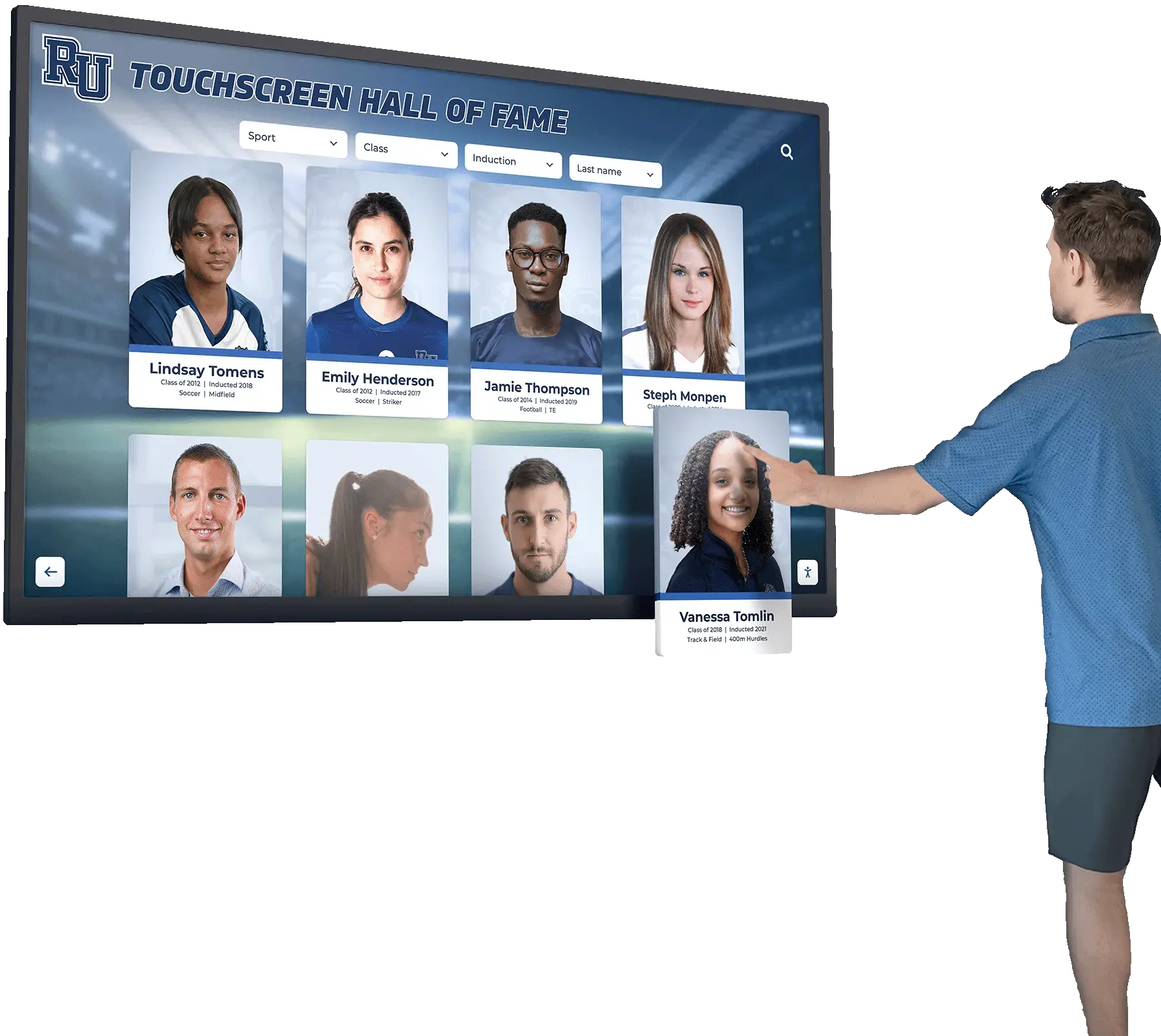
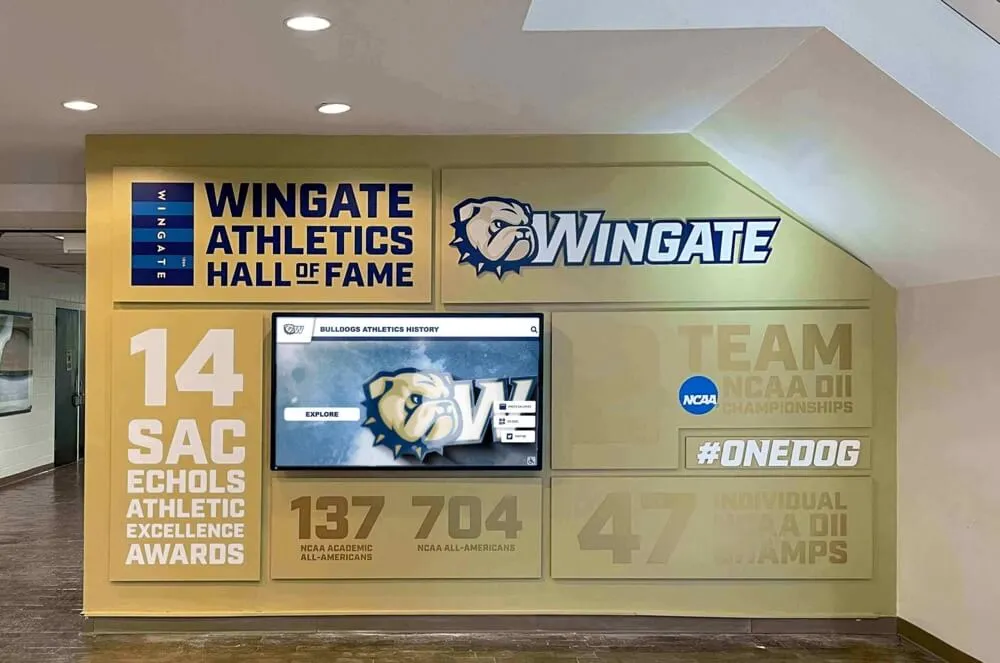

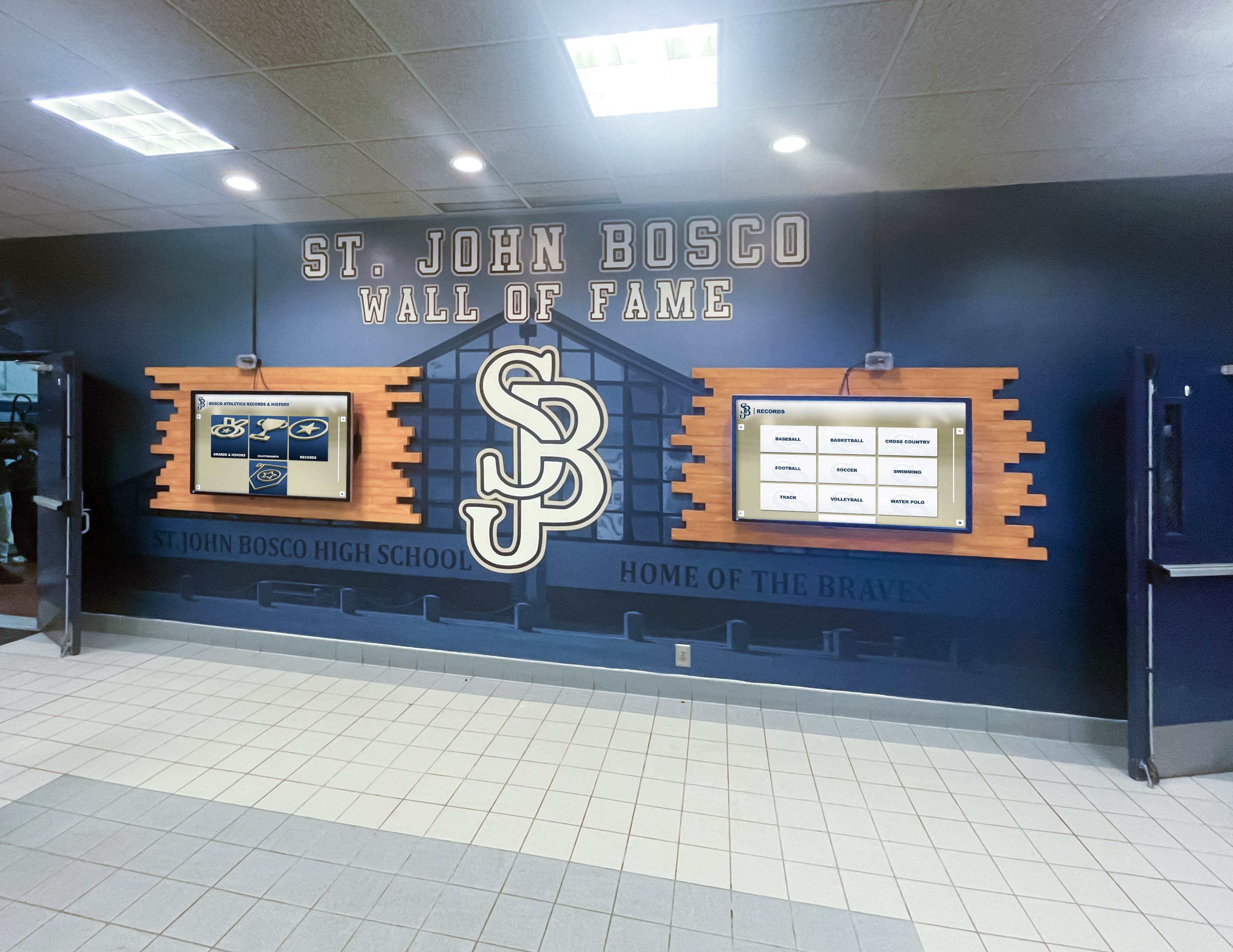
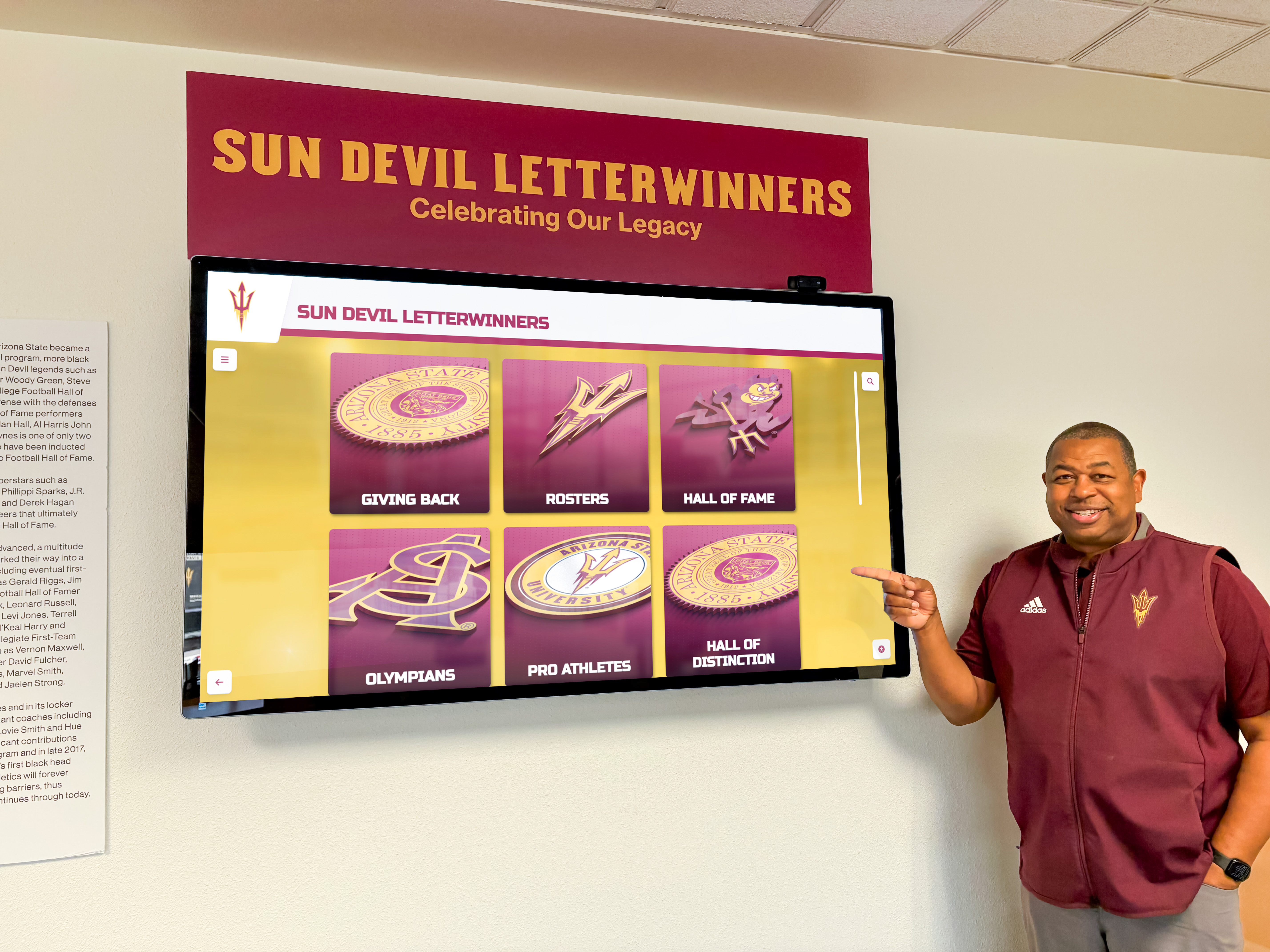
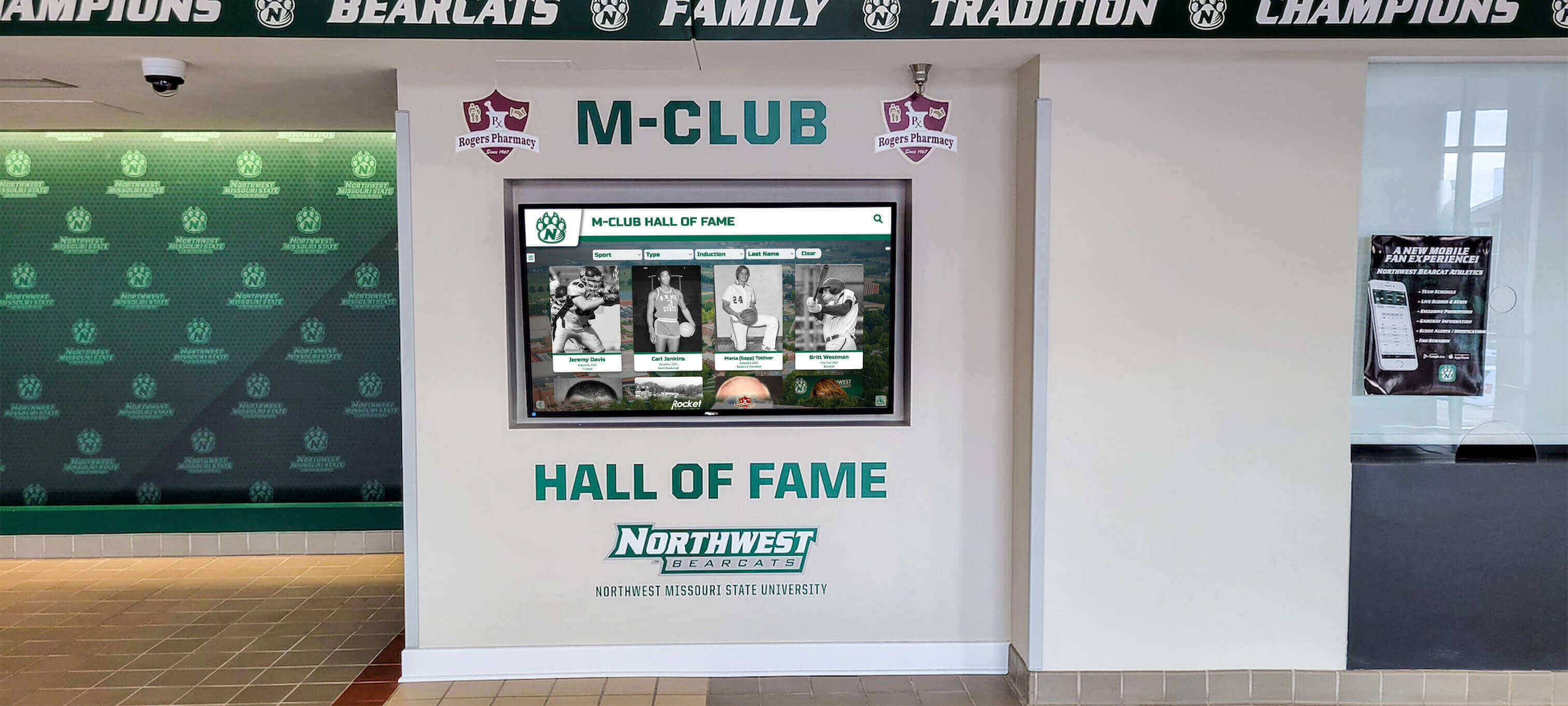
Modern digital recognition displays transform questionnaire responses into comprehensive athlete profiles featuring photos, statistics, personal stories, and memorable quotes accessible to current students, future athletes, returning alumni, and prospective families for years or decades after athletes graduate. These permanent digital profiles ensure senior recognition extends beyond single ceremonies into ongoing visibility that honors contributions long-term.
Without substantive questionnaire information, these lasting displays reduce to basic statistics and dates that document participation but fail to capture personality, relationships, or personal meaning. The investment in thorough questionnaires pays dividends through richer recognition that maintains emotional resonance across years.
Supporting Program Culture
Senior questionnaire responses do more than recognize individual athletes—they reinforce program values and culture by highlighting what coaches, teammates, and communities appreciate about graduating seniors. Questions about leadership, mentorship, team values, and personal growth prompt reflection while communicating what programs prioritize beyond wins and losses.
When seniors share that their most meaningful memories involve supporting struggling teammates, when they identify coaches’ life lessons as more valuable than athletic techniques, when they credit team bonds for personal growth—these responses demonstrate program impact that transcends athletic performance. Younger athletes witnessing this recognition understand that your program values character, relationships, and personal development alongside competitive success.
Strategic questionnaire design thus serves dual purposes: creating individual recognition while documenting and reinforcing the cultural elements that define successful programs across multiple generations.
Essential Questions: Core Information Every Questionnaire Needs
Certain information proves essential for any senior night recognition, forming the foundation that all questionnaires should include before adding sport-specific or creative elements.
Basic Biographical Information
Start with fundamental details required for accurate introductions and displays:
1. What is your full name (including preferred name if different from legal name)? Many athletes go by nicknames or preferred names that differ from official rosters. Clarifying this early prevents using names athletes dislike during their celebration.
2. What jersey number(s) did you wear during your career? Jersey numbers carry personal significance for many athletes and provide visual recognition elements for displays and introductions.
3. What position(s) did you play? Understanding primary and secondary positions provides context for discussing achievements and contributions.
4. How many years did you participate in this sport at this school? Years of participation demonstrate commitment level and provide context for career discussions.
5. Did you participate in other sports or school activities? Which ones? Multi-sport athletes and well-rounded students often want these additional involvements acknowledged, demonstrating that their identity extends beyond a single sport.
6. What are your post-graduation plans (college, career, military, gap year)? Future plans demonstrate how athletic experiences prepared seniors for next chapters while acknowledging their forward-looking goals.
7. If attending college, what school and what will you study? Specific college and major information interests families and community members while connecting athletic participation to academic ambitions.
8. Will you continue playing this sport in college or beyond? Athletes continuing their sport collegiately deserve special acknowledgment, while those concluding athletic careers merit recognition for choosing to compete throughout high school.
Family Recognition Information
Senior night typically involves family members, requiring information for appropriate acknowledgment:
9. Which family members will be attending senior night with you? Understanding who will be present (parents, siblings, grandparents, guardians, etc.) enables personalized recognition and appropriate gift/flower arrangements.
10. Are there special family members or supporters you’d like to acknowledge? Some athletes want to recognize family members who cannot attend or supporters beyond immediate family—coaches who mentored them before high school, youth league organizers, or others who shaped their athletic journeys.
11. What role did your family play in supporting your athletic career? Responses highlighting family sacrifices—driving to early practices, attending distant tournaments, managing injuries, or providing encouragement—create touching ceremony moments while honoring family contributions that made athletic participation possible.
Memory and Achievement Questions: Capturing the Journey
Beyond basic information, questions about experiences, memories, and achievements create the emotional depth that makes recognition meaningful.
Favorite Memories and Highlights
These questions elicit stories that audiences connect with emotionally:
12. What is your favorite memory from your athletic career at this school? This open-ended question often produces the most memorable responses—moments that mattered most to athletes themselves rather than those adults might assume were most important.
13. What was your most memorable game or competition? Specific games stick in athletes’ minds for various reasons—comeback victories, personal achievement moments, or emotionally significant occasions regardless of outcome.
14. What was the funniest thing that happened during your time on the team? Humor humanizes athletes and creates lighter moments during ceremonies that can become emotionally heavy. These responses also document team culture and inside jokes that matter to participants even if outsiders don’t fully understand the context.
15. What was your most challenging moment in this sport, and how did you overcome it? Overcoming challenges demonstrates character and resilience. These responses create recognition opportunities for growth that statistics never capture.
16. What is your proudest athletic accomplishment? Athletes’ personal pride doesn’t always align with coaches’ or parents’ assumptions. Some value individual records while others treasure team achievements or personal breakthroughs outsiders wouldn’t recognize.
17. Describe a moment when you realized how much this team/sport meant to you. These “aha moments” reveal personal significance and create emotional ceremony highlights, particularly when athletes discuss realizations about belonging, capability, or personal identity connected to athletics.
Coach and Mentor Recognition
Acknowledging coaching impact provides recognition opportunities for staff while demonstrating program influence:
18. Which coach or mentor had the biggest impact on you, and why? Athletes often credit coaches with life lessons extending far beyond athletic technique. These responses honor coaching contributions while demonstrating program values.
19. What is the most important lesson a coach taught you? Specific lessons remembered years later reveal what athletes truly internalized—often character or life lessons rather than sport-specific instruction.
20. What is your favorite quote or saying from a coach? Memorable coaching phrases often become team mantras that capture program philosophy and create continuity across generations of athletes.
21. How did your coaches help you grow as a person beyond athletics? These responses highlight holistic coaching approaches that develop character alongside athletic ability, demonstrating that your program values compete development over simply winning games.
Team Relationships and Culture
Questions about teammates and team culture reveal relationship impact and program community:
22. What will you miss most about being part of this team? Responses revealing what athletes will miss—whether team traditions, specific teammates, or program culture—provide insight into what makes your program special from participants’ perspectives.
23. Describe your relationship with this year’s senior class in three words. Concise responses force reflection on relationship essence while creating quotable content for recognition displays.
24. What advice would you give to younger teammates? Senior wisdom shared with underclassmen creates program continuity while demonstrating leadership and investment in program success beyond personal participation.
25. Who was your biggest supporter or motivator on the team? Recognizing peer influence honors teammate relationships while acknowledging that motivation often comes from peers as much as coaches.
26. What team tradition or ritual means the most to you? Team traditions create culture continuity. Hearing which traditions matter most helps programs preserve meaningful elements while potentially retiring practices that athletes don’t actually value.
27. How would your teammates describe you? Self-perception through teammates’ eyes reveals how athletes believe they contribute to team culture and dynamics.
28. What made this team/program special or different from other activities you’ve been part of? Comparing athletic experience to other involvements helps articulate unique program elements worth celebrating and preserving.
Personal Growth and Reflection Questions
These deeper questions prompt meaningful reflection while showcasing personal development resulting from athletic participation:
Character Development and Life Lessons
29. How has participating in this sport changed you as a person? Broad reflection on personal transformation demonstrates athletic participation’s impact on identity, values, and self-understanding.
30. What life skill from this sport will be most valuable in your future? Connecting athletic lessons to future success demonstrates practical value of participation while acknowledging that benefits extend far beyond competition.
31. What did this sport teach you about yourself that you didn’t know before? Self-discovery moments reveal how athletics facilitate personal understanding about capability, character, or personal values.
32. How did you handle setbacks or disappointments during your athletic career? Resilience and adversity management represent crucial life skills. These responses honor athletes who persisted through challenges regardless of final outcomes.
33. What personal quality are you most proud of developing through this sport? Self-awareness about character development acknowledges that sports build qualities like discipline, teamwork, or perseverance that extend throughout life.
Athletic Philosophy and Motivation
34. What motivated you to continue participating in this sport throughout high school? Understanding what sustained commitment through challenging seasons reveals personal drive and demonstrates that athletic participation serves different purposes for different athletes.
35. What does it mean to you to be a student-athlete? Reflection on dual identity acknowledges the balance required between academic and athletic commitments.
36. What does being part of this program mean to you? Open-ended reflection on program membership allows athletes to articulate personal significance in their own terms.
37. How do you define success in athletics beyond wins and losses? Non-outcome definitions of success reveal mature understanding that athletics develop qualities and experiences valuable regardless of competition results.
Creative and Fun Questions: Revealing Personality
Lighter questions provide personality insight while creating memorable, entertaining content for ceremonies and displays:
Personal Favorites and Preferences
38. What is your pre-game ritual or superstition? Personal rituals humanize athletes while documenting quirky details that teammates remember and laugh about for years.
39. What is your walk-up song or entrance music choice? Music selections reveal personality and create natural ceremony elements if you allow seniors to choose individual entrance songs during recognition.
40. What is your favorite pre-game or post-game meal? Food traditions connect to team culture while providing relatable, human details about athletes beyond their competitive personas.
41. What is your favorite pump-up song or artist? Music preferences provide personality insight and potential ceremony soundtrack elements.
42. If you could describe your playing style in three words, what would they be? Self-description creates quotable content while revealing how athletes view their own approach to competition.
Hypothetical and Imaginative Scenarios
43. If you could play any position besides your own, what would it be and why? Hypothetical scenarios often reveal positions athletes admire or skills they wish they possessed, providing insight into perspectives shaped by their actual roles.
44. If you could play one more game with any teammate (past or present), who would it be and why? Responses honoring former teammates or expressing desire to compete alongside specific individuals reveal relationship priorities and program connections across years.
45. What is one thing you wish you’d known as a freshman starting this sport? Hindsight wisdom creates advice-giving opportunities while acknowledging that understanding develops through experience.
46. If you could give your freshman self one piece of advice, what would it be? Similar to the previous question but more personalized, often producing more introspective, emotionally resonant responses.
Quick-Fire Personal Preferences
These rapid-response questions create personality snapshots:
47. Favorite sports movie? Personal entertainment preferences provide relatable detail while potentially revealing which sports narratives athletes connect with emotionally.
48. Favorite professional athlete or sports role model? Role model choices reveal aspirational qualities and athletes who inspired their own participation.
49. Game day essential you can’t live without? Whether lucky socks, specific equipment, or routine activities, these details document personal game day preparation.
50. Most memorable team meal, bus ride, or road trip? Travel memories often produce hilarious stories that capture team bonding and culture in ways competitive memories cannot.
51. Nickname or what teammates call you? Team nicknames often carry inside-joke significance that matters to participants even if the origin stories seem mundane to outsiders.
52. Hidden talent or hobby outside of this sport? Unexpected skills or interests demonstrate multidimensional identity beyond athletic specialization.
53. Celebrity look-alike or which actor should play you in a movie about your season? Playful questions create fun content while allowing athletes to express humor and self-perception.
Sport-Specific Question Additions
While the questions above apply broadly across sports, sport-specific additions capture unique elements of particular athletic experiences:
Team Sports Additional Questions
For basketball, soccer, football, volleyball, hockey, and other team sports:
54. What was your favorite play or strategy to run? Specific plays often carry special significance—moments when execution felt perfect or strategies that led to crucial victories.
55. What role did you play in team leadership and dynamics? Understanding self-perceived leadership roles reveals how athletes view their contribution beyond statistics.
56. What is your favorite assist you made (pass that led to a teammate’s success)? Celebrating facilitation acknowledges that contributing to teammate success matters as much as personal achievement.
Individual Sports Additional Questions
For track, swimming, wrestling, tennis, golf, and other individual sports:
57. What was your personal best performance or time, and what did it take to achieve it? Personal records represent tangible achievement in individual sports, documenting both results and the preparation required.
58. What was the most important mental strategy or mindset you developed? Individual sports emphasize mental competition with oneself, making psychological strategies particularly significant.
59. Who was your main practice partner or training supporter? Even individual sports involve relationships with training partners, teammates, or supporters who shared the journey.
Implementing Your Senior Night Questionnaire Effectively
Having great questions matters little if athletes provide rushed, superficial responses. Implementation strategy significantly impacts response quality.
Timing and Communication Strategy
Start Early—Really Early Distribute senior questionnaires at least 6-8 weeks before senior night. This timeline allows athletes to reflect thoughtfully, gives you time to follow up on incomplete responses, and provides adequate lead time for producing ceremony materials and digital displays featuring questionnaire content.
Many programs make the mistake of distributing questionnaires just 2-3 weeks before senior night, resulting in rushed responses as athletes juggle end-of-season competition pressure, academic deadlines, and college preparation activities. Early distribution communicates that recognition matters and deserves thoughtful attention rather than last-minute scrambling.
Explain Why Responses Matter Athletes (especially busy ones facing multiple deadlines) respond better when they understand purpose. Explain explicitly that their questionnaire responses will shape ceremony introductions, create lasting digital recognition displays they and families can access for years, provide content for program materials and social media celebration, and preserve their athletic legacy as inspiration for future athletes.
This context transforms questionnaires from burdensome paperwork into meaningful opportunities to shape how their stories get told.
Provide Clear Instructions and Expectations Remove ambiguity about what you’re requesting. Specific instructions should include minimum response length expectations (perhaps 2-3 complete sentences for major questions), examples of strong responses versus superficial ones, submission deadline and format (digital form, printed document, email), point person for questions or assistance, and consequences of late or incomplete responses.
Examples prove particularly valuable. Showing that “My favorite memory is winning the championship” represents weak responses compared to “My favorite memory remains the moment we realized we’d won the championship—not when the final buzzer sounded but during the team huddle afterward when Coach reminded us that this victory represented four years of work, countless 6 AM practices, and a team that refused to give up on each other. That moment made me understand that championships aren’t just about the final score” demonstrates the depth and detail you’re seeking.
Format and Accessibility Considerations
Choose the Right Format Digital forms (Google Forms, Microsoft Forms, survey platforms) offer several advantages including automatic response collection and organization, reminders to students who haven’t completed submissions, easy data export for creating displays and ceremony scripts, and accessibility from any device with internet access.
However, some athletes prefer or respond better to printed questionnaires they can complete offline, take time with away from screens, or physically write responses they find more thoughtful than typing. Consider offering both options if your population has varied preferences.
Break Questions Into Logical Sections Long, unorganized questionnaires overwhelm respondents. Organize your questions into clear sections with transitions like “Basic Information” (5-8 questions), “Your Athletic Journey” (8-10 questions), “Coaches and Mentors” (4-5 questions), “Team Relationships” (5-7 questions), “Personal Growth” (5-6 questions), and “Just For Fun” (5-8 questions).
This organization makes questionnaires feel more manageable while creating natural psychological breaks where athletes can pause and resume later if needed.
Make Most Questions Optional While certain basic information proves essential, making most questions optional reduces anxiety and prevents athletes from abandoning incomplete questionnaires. Frame questionnaires as “answer as many as you’d like—we’ll use the responses you provide to create your recognition.”
Athletes often answer more questions when they feel agency rather than obligation, particularly if examples demonstrate that thoughtful responses create better recognition than sparse information.
Following Up to Ensure Quality Responses
Review Early Submissions As questionnaires come in, review them promptly rather than waiting until all responses arrive. Early review allows you to identify athletes who need follow-up while there’s still time to improve responses.
Common issues requiring follow-up include one-word or single-sentence responses to open-ended questions requesting detail, skipped questions providing essential information, unclear responses you don’t understand well enough to use effectively, and missing photos or materials requested alongside written responses.
Personal Follow-Up for Incomplete Responses Generic reminder emails rarely motivate thoughtful completion. Instead, make personal contact: “Maria, your questionnaire looks great—thanks for the thoughtful responses about your favorite memories. Could you add 2-3 sentences to question 18 about Coach Thompson’s impact? That story about what she taught you would be powerful during your recognition, and I want to make sure we honor that relationship appropriately.”
This personalized approach demonstrates that someone actually read their responses and values their contribution, motivating completion in ways generic reminders cannot.
Work With Athletes Who Struggle With Written Expression Not all talented athletes excel at written communication. For athletes who submitted minimal or unclear responses despite good-faith effort, consider brief interviews where you ask key questions verbally and transcribe or paraphrase their responses, offering to draft responses based on conversations and letting them approve or modify, or partnering them with teammates or parents who can help articulate stories they struggle to write.
The goal is capturing each senior’s story authentically, not assessing writing ability. Accommodate diverse communication styles to ensure all athletes receive comparable recognition regardless of how easily they express themselves in writing.
Transforming Questionnaire Responses Into Powerful Recognition
Thoughtful questionnaire responses provide raw material, but their impact depends on how you transform that information into ceremony presentations and lasting displays.
Creating Compelling Ceremony Scripts
Organize Information for Maximum Impact Effective ceremony introductions typically follow a structure that builds emotional engagement rather than simply listing biographical facts in questionnaire order:
Opening Hook: Start with a compelling detail, quote, or story that immediately engages attention—often their favorite memory, a meaningful quote, or description of their character.
Athletic Journey Summary: Brief overview of years of participation, positions played, and key achievements.
Personal Growth and Impact: Discuss how they’ve grown, what they’ve contributed beyond statistics, or life lessons they’ve learned.
Relationships and Acknowledgments: Mention coaches who influenced them, teammates they appreciate, or family support enabling their success.
Looking Forward: Conclude with their future plans and how athletic experience prepared them for next chapters.
This structure creates narrative arc rather than disjointed fact recitation, maintaining audience engagement while honoring each athlete comprehensively.
Balance Individuality With Team Context While each senior deserves personalized recognition, ceremony flow suffers when every introduction follows identical templates. Vary what you emphasize for different athletes based on their unique stories—some seniors’ recognition might highlight overcoming adversity, others might focus on leadership and mentorship, while still others might emphasize talent development or academic-athletic balance.
This variation keeps ceremonies engaging across multiple seniors while ensuring each athlete receives recognition reflecting what actually mattered most about their personal journey.
Use Athletes’ Own Words Nothing creates authenticity like quoting seniors directly. When questionnaire responses include powerful phrases or memorable stories, use their exact language: “As Marcus put it, ‘Every championship starts with one person deciding they won’t let their teammates down.’ That philosophy defined his career and influenced every teammate who played alongside him.”
Direct quotes create intimacy and voice that third-person summaries cannot match.
Building Dynamic Digital Recognition Displays
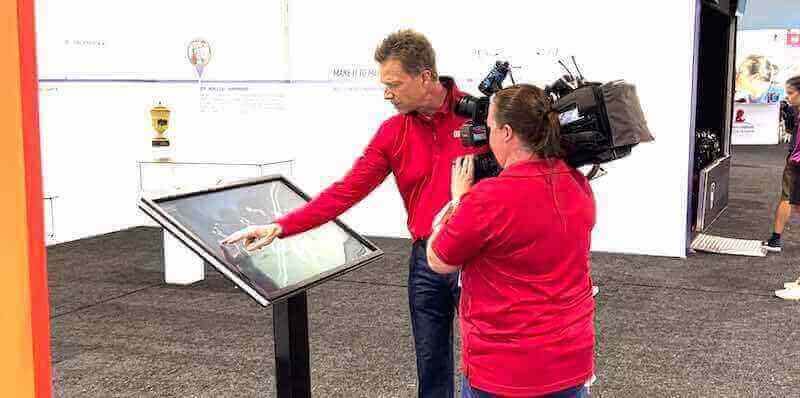
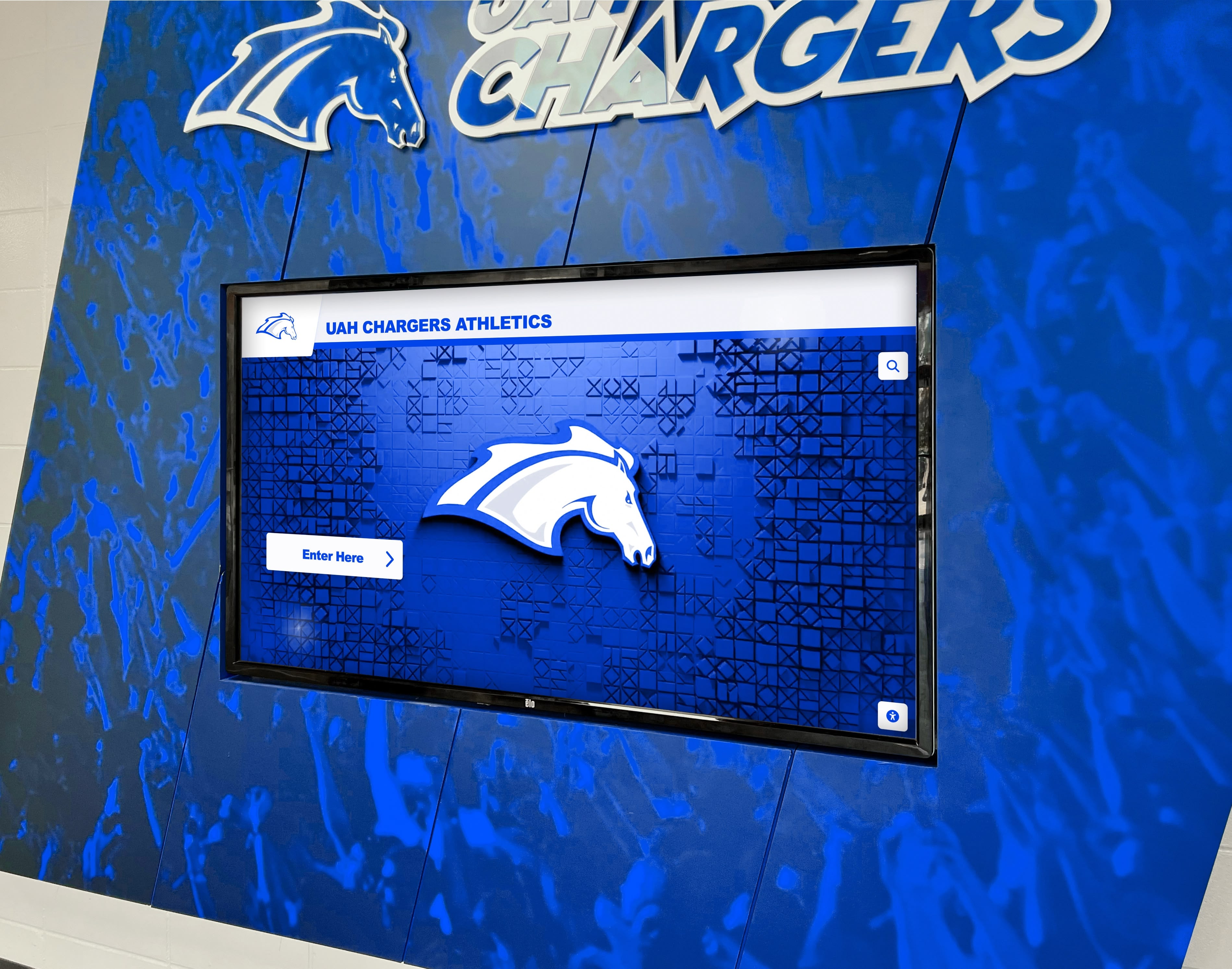
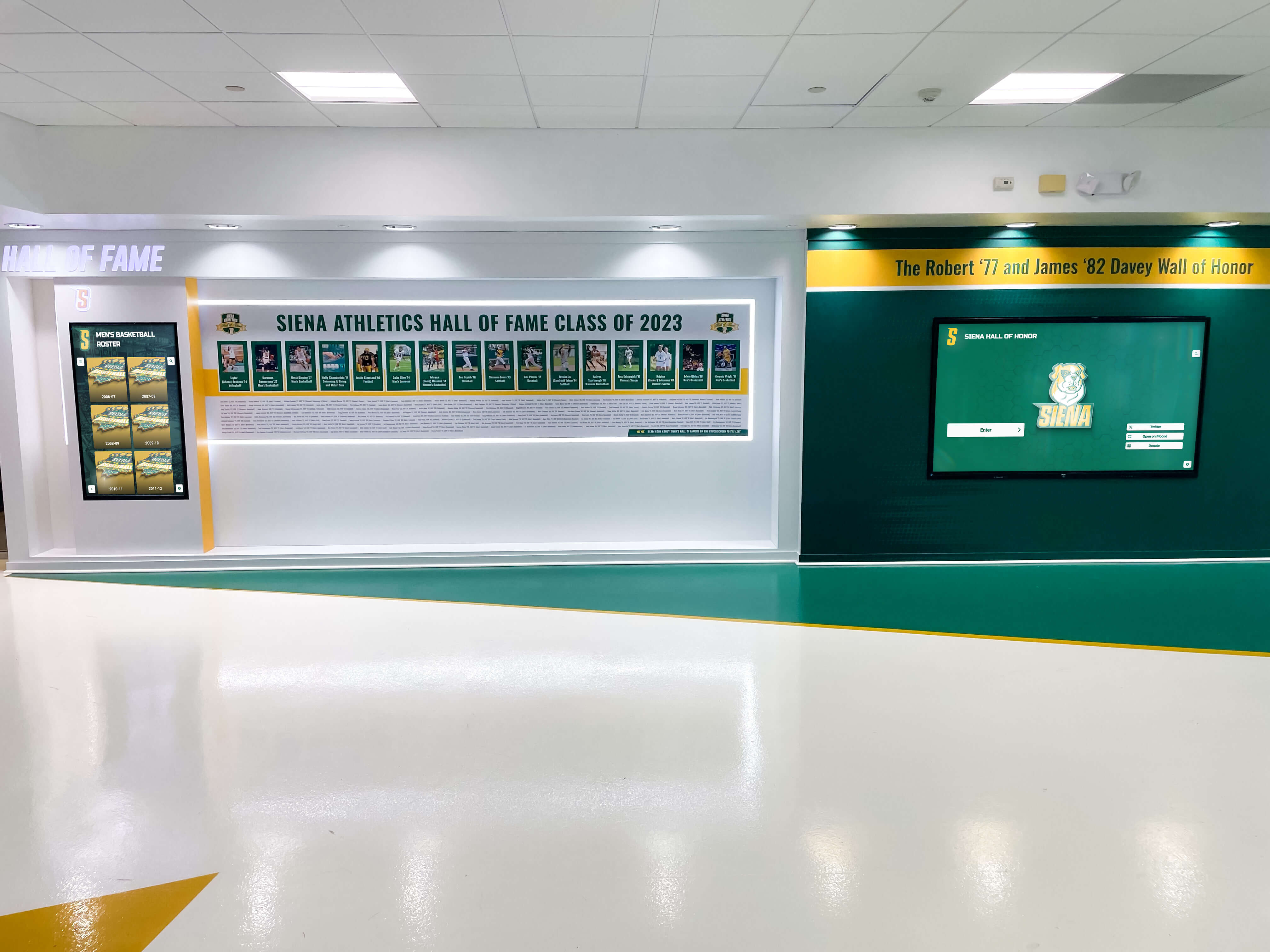
Questionnaire responses become even more valuable when transformed into comprehensive digital athlete profiles displayed on interactive touchscreen systems in athletic facilities.
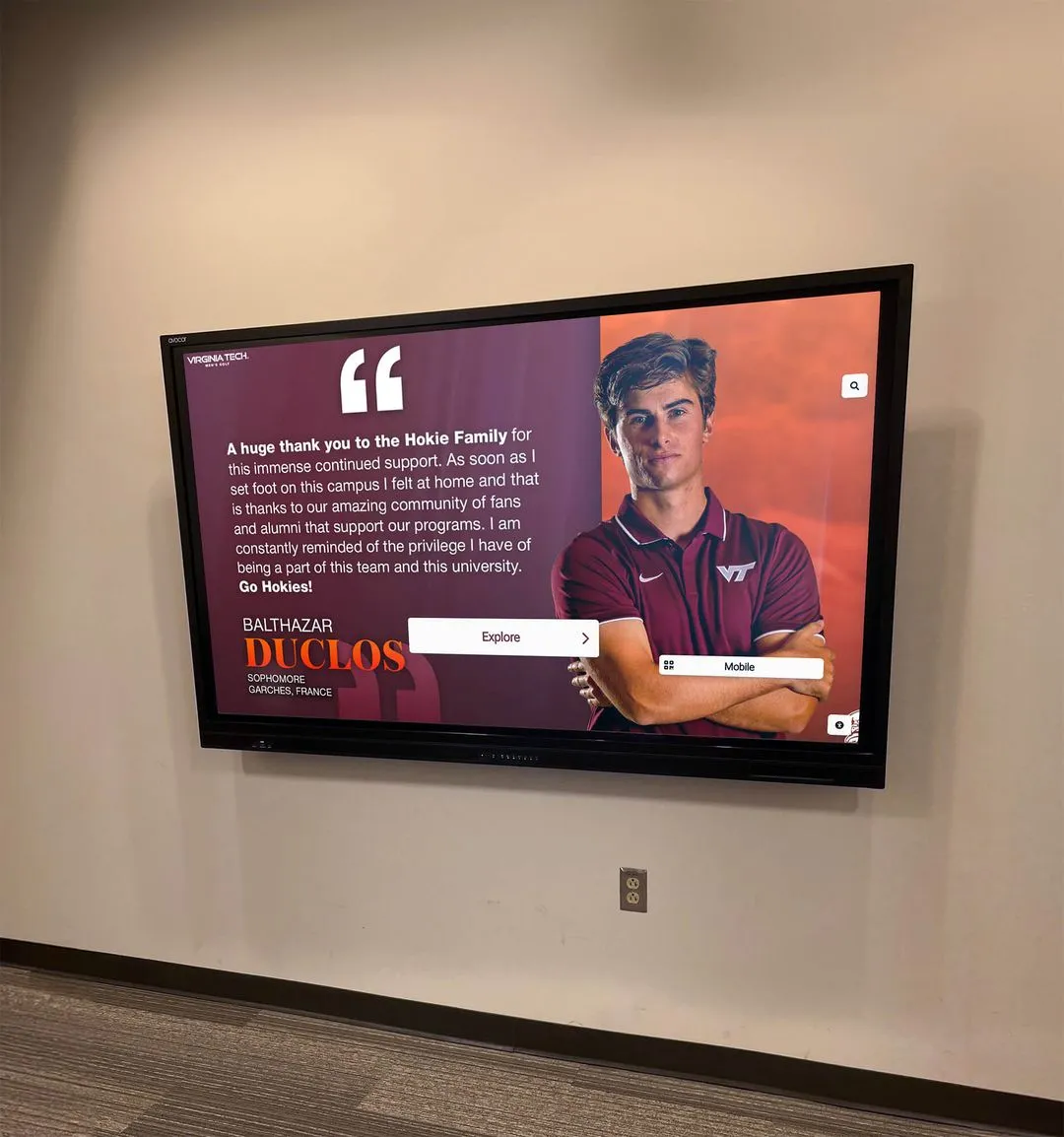
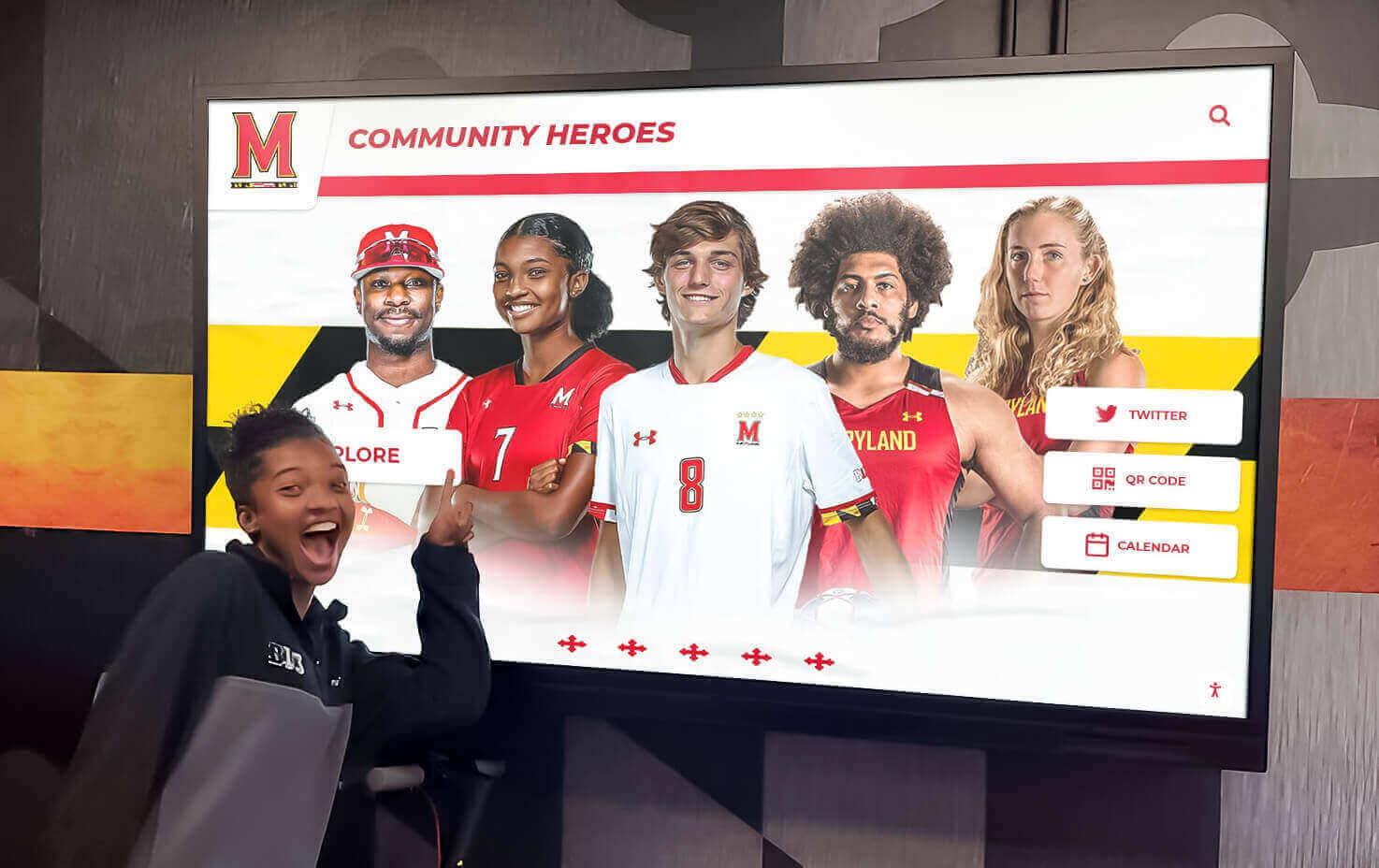
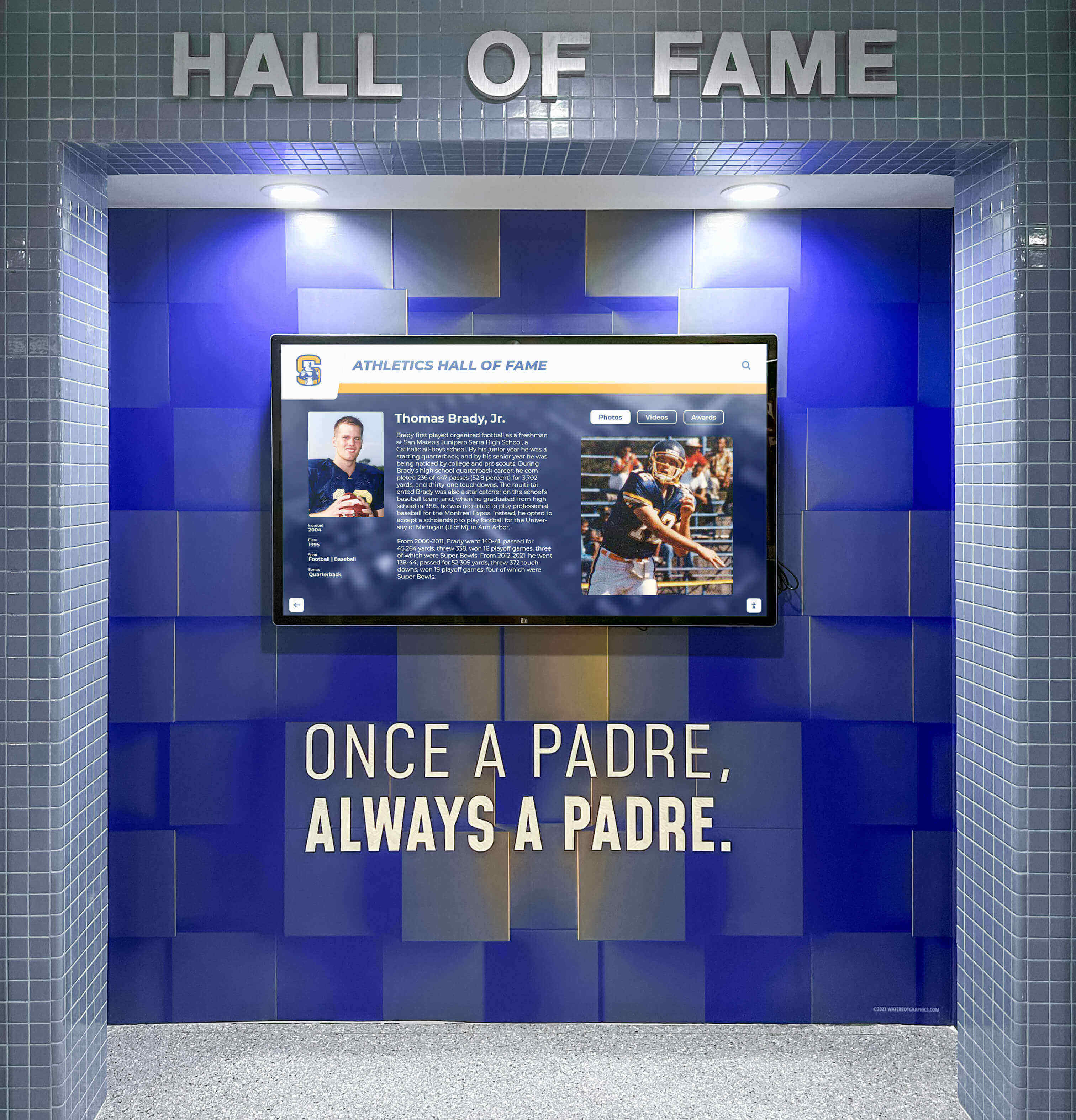
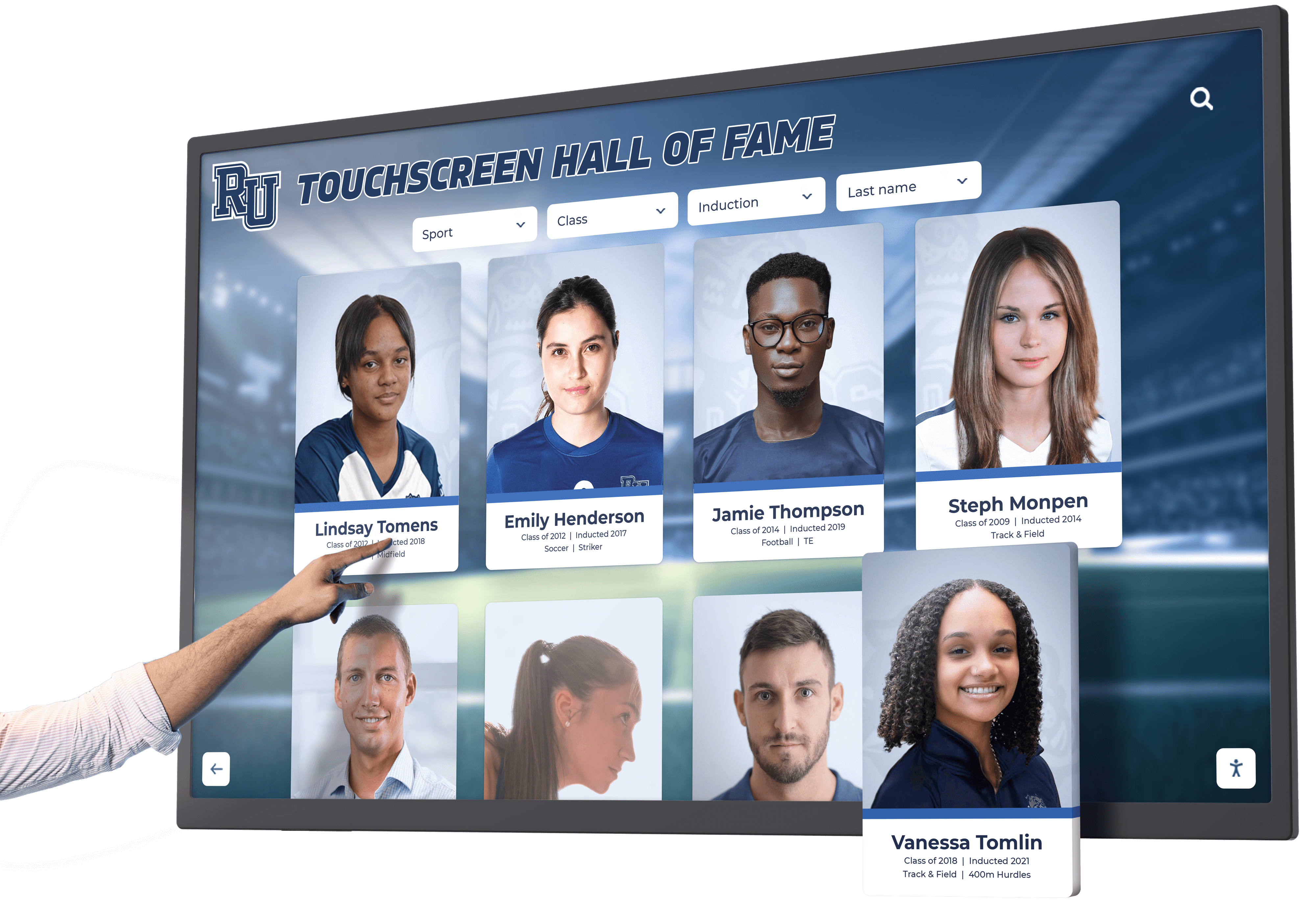
Comprehensive Profile Creation Modern digital recognition platforms like Rocket Alumni Solutions enable schools to create rich athlete profiles incorporating all questionnaire content including biographical information and career statistics, multiple photos showing athletes in action and candid moments, favorite quotes and memorable responses to key questions, career highlights and achievement summaries, coach and teammate testimonials, and embedded video content including competition highlights or personal messages.
These comprehensive profiles tell complete stories rather than reducing recognition to basic statistics and dates, creating engaging content that current students, returning alumni, and prospective families explore during facility visits.
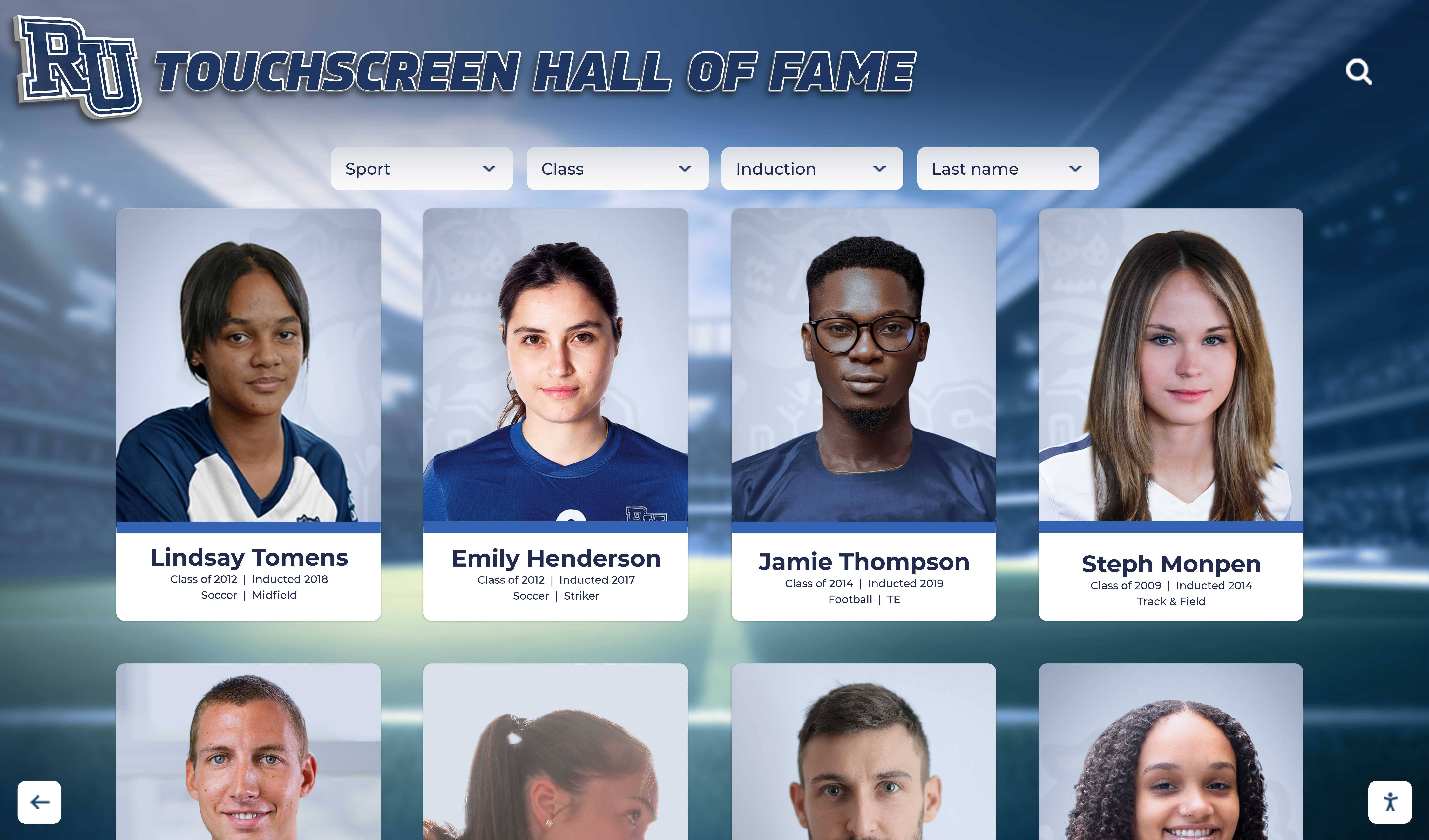
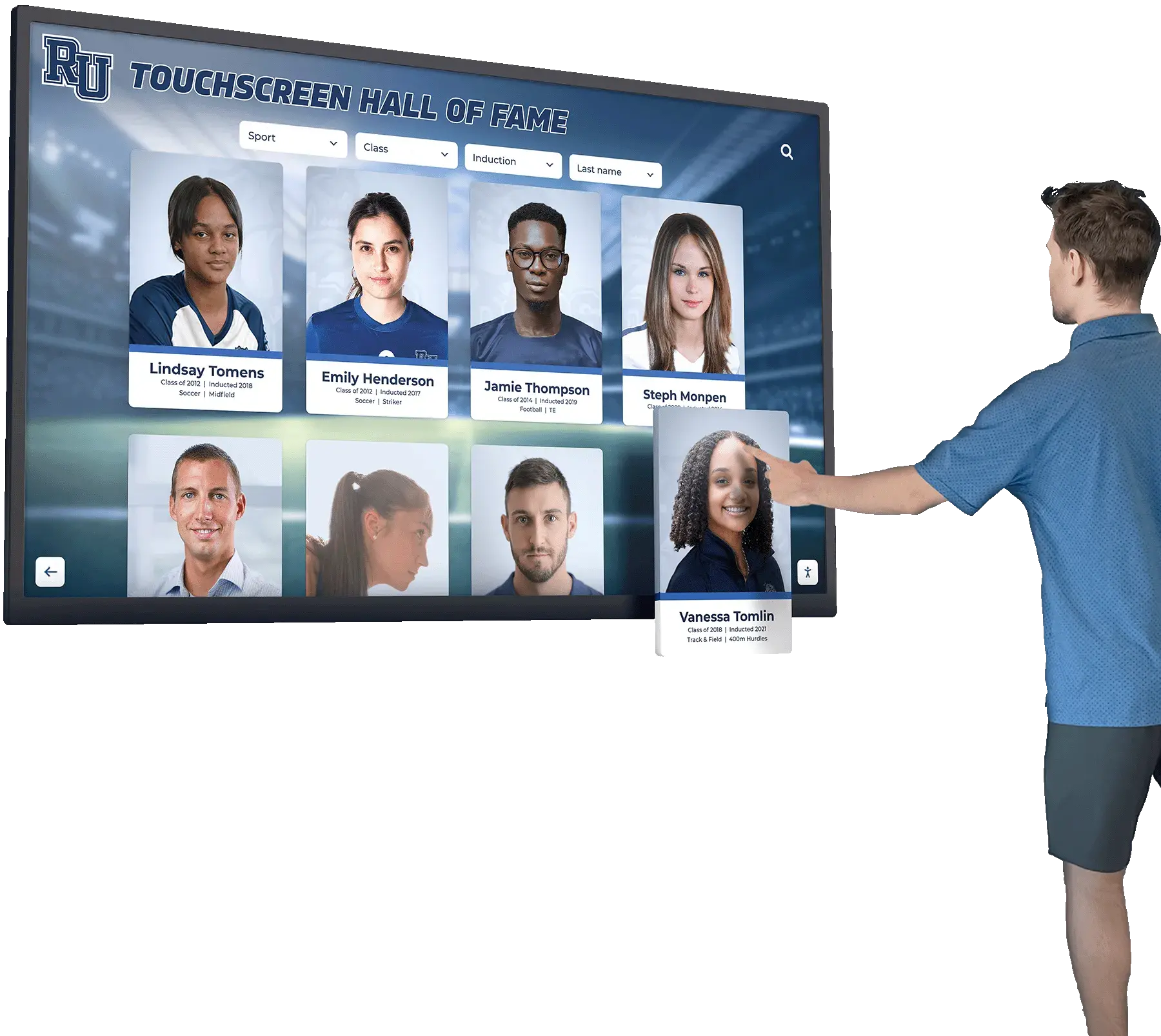
Search and Discovery Features Well-designed digital systems allow visitors to explore recognition content through multiple pathways such as searching by athlete name, year, or sport, browsing by specific recognition categories or achievements, filtering to see particular graduating classes or seasons, and discovering related content through intelligent linking between teammates, coaches, and time periods.
This flexibility ensures everyone can find relevant content whether they’re searching for themselves, exploring randomly, or seeking specific information about past teams or athletes.
Regular Updates and Expansion Digital platforms accommodate unlimited recognition capacity, allowing you to add new senior classes annually without space constraints while maintaining permanent profiles for all past graduates. This ongoing expansion creates comprehensive athletic program histories documenting every senior across decades, ensuring current recognition doesn’t come at the expense of past athletes who deserve ongoing visibility.
Solutions like Rocket Alumni Solutions provide intuitive content management allowing busy athletic administrators to quickly upload new senior information, photos, and questionnaire responses each season without requiring technical expertise or consuming hours of staff time.
Common Mistakes to Avoid With Senior Night Questionnaires
Even well-intentioned questionnaire efforts sometimes fall short due to predictable mistakes. Avoiding these common pitfalls improves both response quality and recognition impact:
Questionnaire Design Mistakes
Too Many Questions Creating Overwhelm Questionnaires exceeding 60-70 questions become burdensome rather than reflective opportunities. Athletes facing long questionnaires either abandon them incomplete or provide rushed, superficial responses just to finish. Focus on 30-50 well-chosen questions creating complete portraits without excessive length.
All Questions Weighted Equally Not all information carries equal importance. Clearly distinguish essential questions requiring responses from optional questions that add personality but aren’t necessary. This hierarchy prevents athletes from spending equal time on trivial preferences as on meaningful reflection questions.
Exclusively Serious Questions Lacking Personality Questionnaires focused entirely on serious reflection and achievements miss opportunities to capture personality, humor, and the quirky details that humanize athletes and create memorable recognition. Include lighter questions revealing interests, preferences, and personality traits beyond competitive personas.
Generic Questions Applicable to Any Sport While core questions apply broadly, completely generic questionnaires miss opportunities to capture sport-specific experiences and memories that matter to athletes. Include 5-10 questions specifically relevant to your sport, demonstrating understanding of what makes particular athletic experiences unique.
Implementation and Timing Mistakes
Last-Minute Distribution Questionnaires distributed 2-3 weeks before senior night force rushed responses during already-stressful end-of-season periods. Distribute at least 6-8 weeks early, allowing thoughtful reflection and providing buffer time for follow-up and response improvement.
No Follow-Up on Incomplete Responses Simply accepting whatever initial submissions you receive often results in sparse recognition for athletes who didn’t complete thorough responses. Proactive follow-up asking for clarification or additional detail dramatically improves final content quality.
Failing to Explain Purpose and Use Athletes respond more thoughtfully when they understand why information matters and how it will be used. Without this context, questionnaires feel like bureaucratic paperwork rather than meaningful opportunities to shape their recognition.
No Examples of Strong Responses Athletes often don’t understand the depth or detail you’re seeking without concrete examples. Showing the difference between superficial and thoughtful responses dramatically improves submission quality.
Recognition Application Mistakes
Using Questionnaire Language Verbatim Without Editing Raw questionnaire responses sometimes need editing for clarity, length, or appropriateness. Using responses exactly as written without thoughtful curation can result in ceremony scripts that feel disjointed or profiles that don’t flow coherently.
Ignoring Responses During Actual Recognition Occasionally programs gather extensive questionnaire information but then create ceremony introductions or displays that barely reference responses, relying instead on coach impressions or generic templates. This wastes athletes’ time and fails to deliver the personalized recognition that justified the questionnaire effort.
Focusing Only on Star Athletes Recognition quality shouldn’t correlate with playing time or statistics. Every senior who invested years in your program deserves thoughtful recognition using their questionnaire responses, not just starting players or standout performers.
Making Senior Night Questionnaire Responses Last Beyond Ceremony Night
The most effective programs extend questionnaire value far beyond single senior night ceremonies through strategic preservation and ongoing use.
Creating Permanent Digital Recognition
Senior night ceremonies provide important immediate recognition, but ceremony moments fade quickly from memory. Digital recognition platforms transform questionnaire responses into lasting visibility extending years beyond graduation.
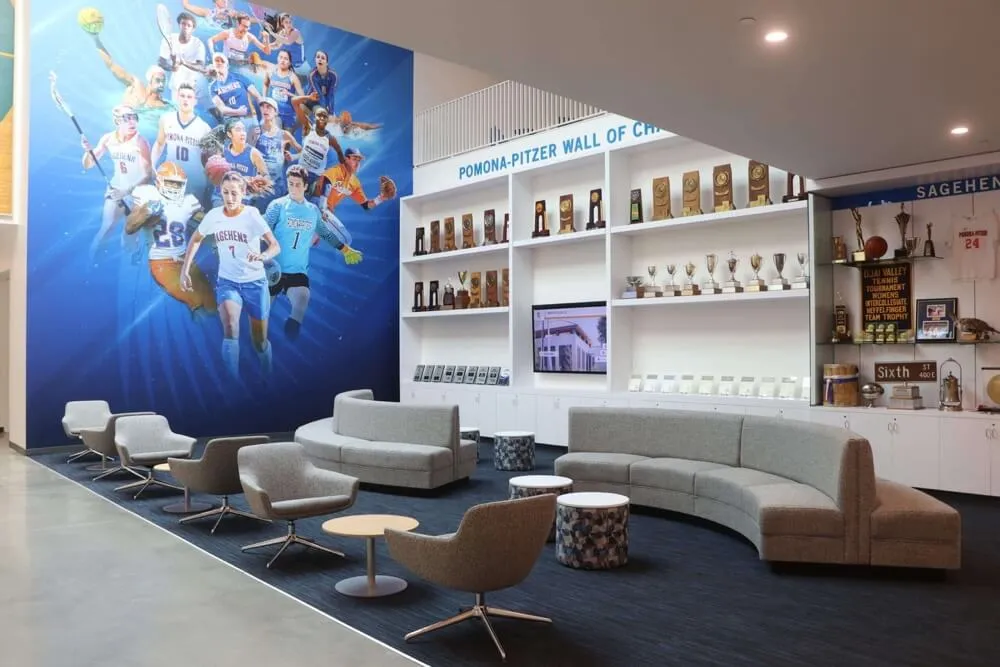
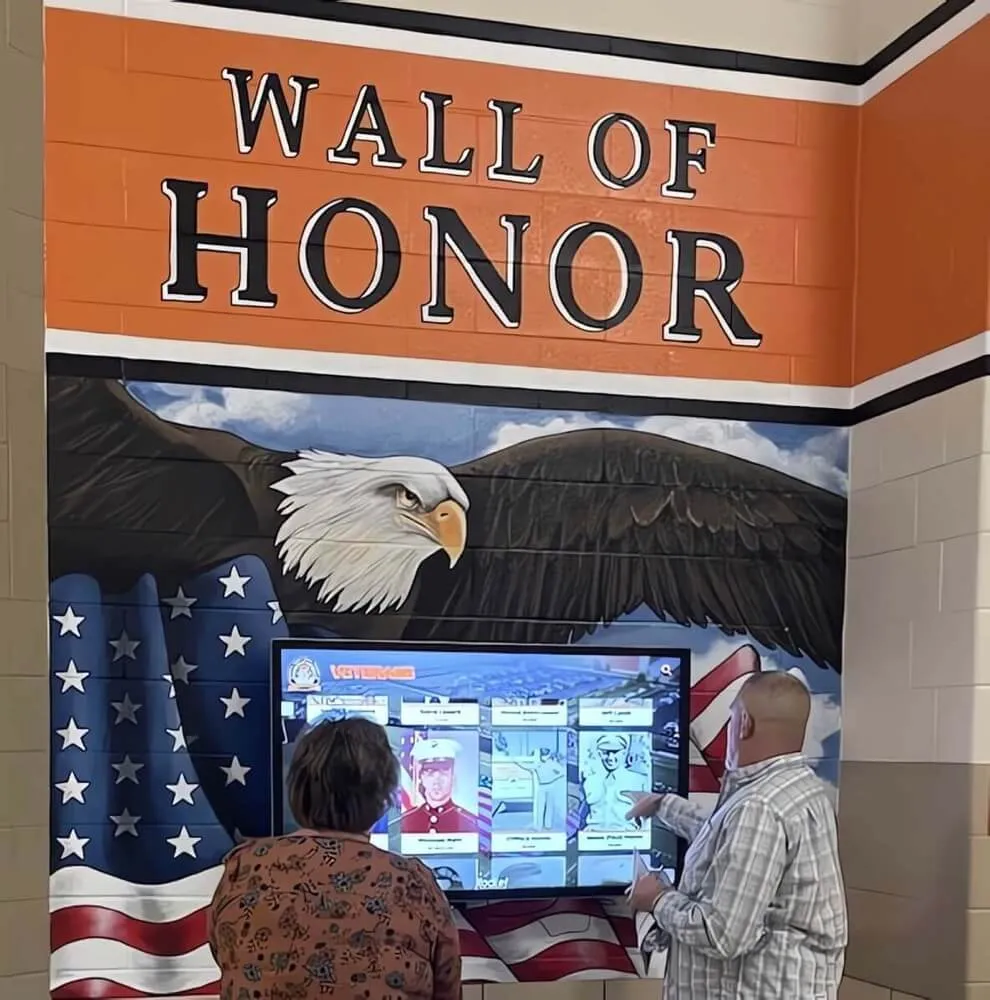
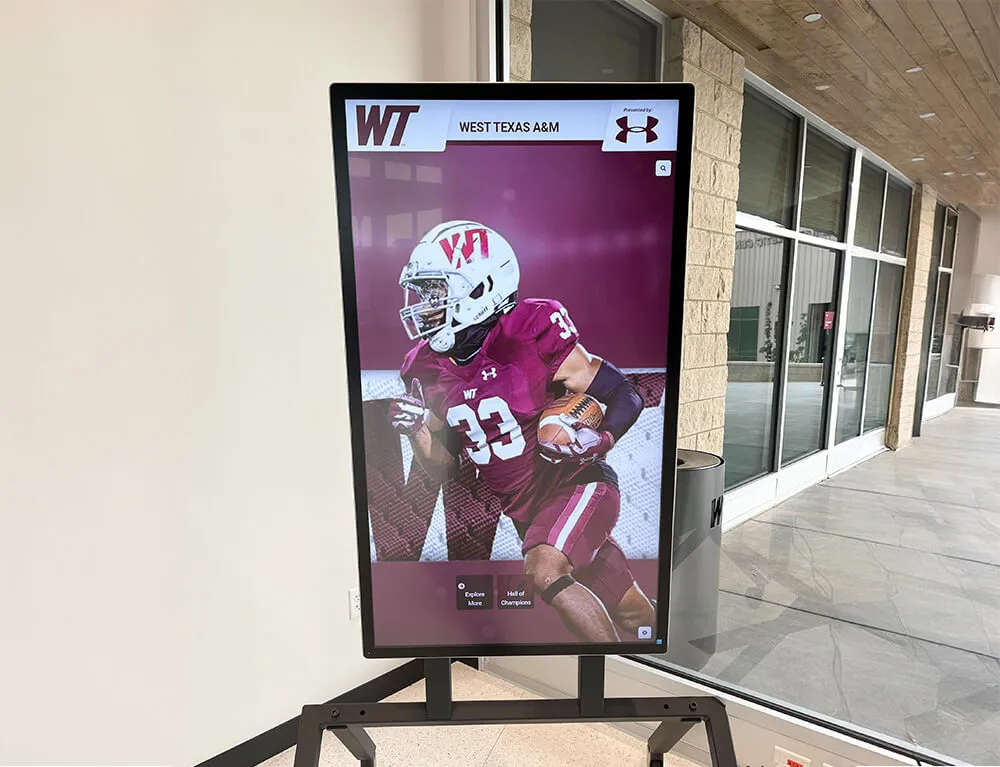
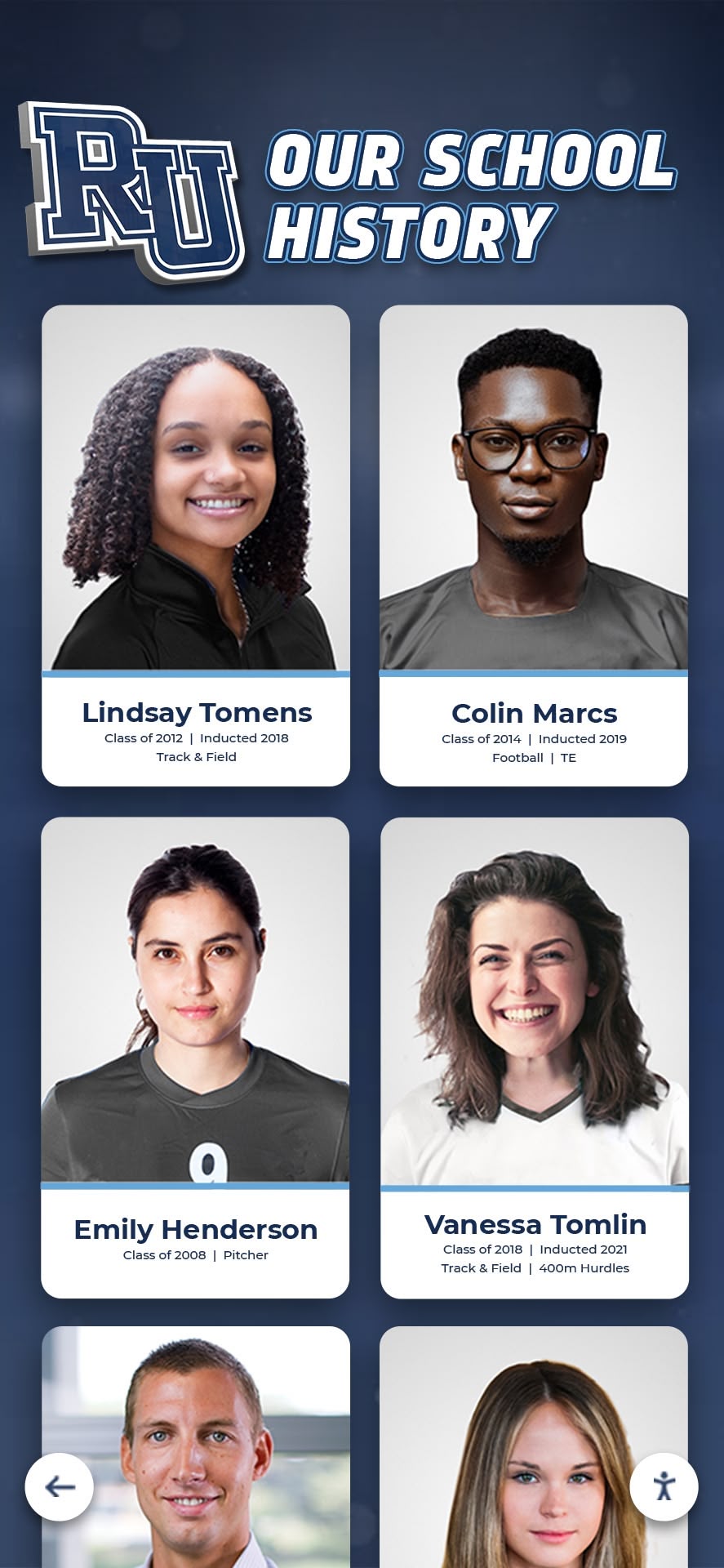
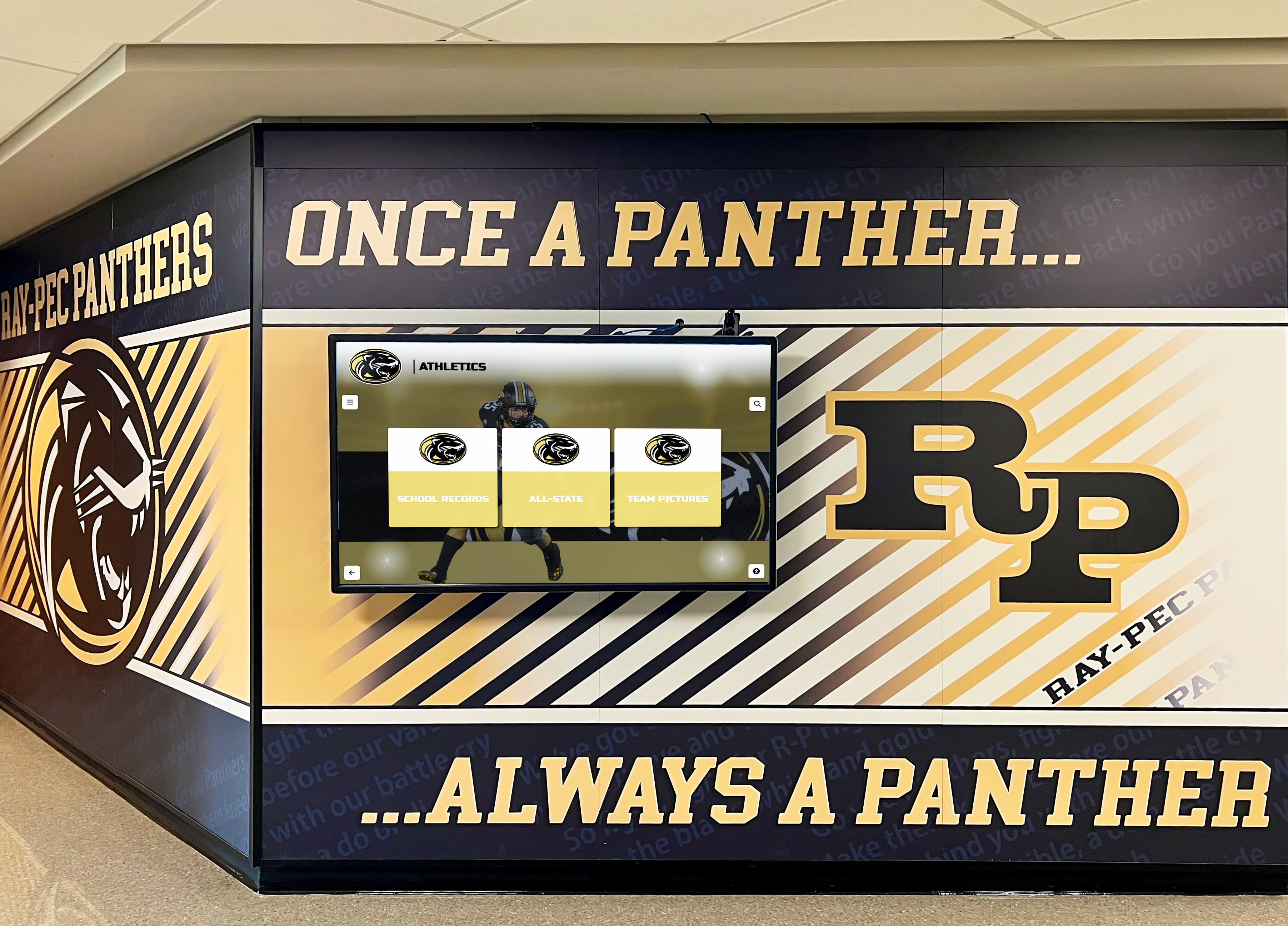
Interactive Touchscreen Displays Purpose-built systems installed in athletic facility lobbies, hallways, or common areas provide dynamic senior recognition with unlimited capacity. Digital platforms enable comprehensive senior profiles including all questionnaire responses, multiple photos from various seasons and activities, video tributes and ceremony recordings, career statistics and achievement highlights, and searchable databases by name, year, sport, or achievement type.
Unlike physical plaques limited by space constraints, digital systems accommodate every senior indefinitely, ensuring all graduating athletes receive permanent recognition regardless of wall space availability. These displays become natural gathering points during facility use, building program pride through continuous exposure to achievement celebration across multiple graduating classes.
Web-Based Recognition Portals Extend recognition reach beyond physical facilities through web-based platforms allowing alumni to explore their profiles from anywhere, family members to share recognition with distant relatives, prospective students to understand program culture, and current athletes to discover program history and role models. Web access dramatically extends recognition impact beyond those physically present in your building, creating ongoing visibility that physical displays alone cannot match.
Alumni Engagement and Ongoing Connection
Questionnaire responses facilitate ongoing relationships with graduated seniors, benefiting both individuals and programs long-term.
Alumni Networks and Communication Maintain contact with graduated seniors through email lists or newsletters using questionnaire information to personalize communication, social media groups connecting former teammates across graduating classes, invitations to return for future senior nights or program milestones, and mentorship programs connecting graduates with current athletes facing similar post-graduation paths.
These sustained relationships benefit programs through volunteer coaching assistance and expertise, donations and financial support for program needs, college and career guidance for current athletes, and strengthened community support and advocacy.
Recognition of Post-Graduation Achievements Continue honoring seniors after graduation by updating digital profiles with college athletic commitments or achievements, career milestones or professional accomplishments, significant life events like marriages or community service, and program alumni achievements that inspire current participants. This ongoing attention demonstrates that programs value athletes as people beyond high school contributions, strengthening lifelong connections and program culture.
Advanced Questionnaire Strategies for Mature Programs
Programs with established senior night traditions can enhance basic questionnaire approaches through advanced strategies that deepen recognition impact.
Incorporating Parent and Coach Perspectives
While senior self-reflection forms questionnaire core, supplementing with additional perspectives creates richer, more dimensional recognition.
Parent Contribution Sections Invite parents to respond to brief supplemental questions like “What moment made you most proud of your senior as an athlete?”, “How has participating in this sport changed your child?”, “What do you want your senior to remember about their athletic experience?”, or “What message would you share with your senior as this chapter closes?”
Parent perspectives provide external validation and emotional depth while acknowledging that family members witness growth and impact athletes themselves might not recognize. These responses work particularly well as elements read during ceremonies or displayed alongside athlete profiles, creating multi-generational storytelling.
Coach Commentary Integration Ask coaches to provide brief reflections on each senior addressing specific contributions beyond statistics, character qualities or growth demonstrated, memorable moments that captured their essence, or life lessons coaches hope athletes carry forward.
Coach perspectives validate program relationships while ensuring recognition includes adult observations about qualities seniors might not articulate about themselves. When combined with athlete self-reflection, these multiple viewpoints create comprehensive recognition honoring full complexity of athletic journeys.
Creating Collaborative Team Memory Books
Some programs extend individual questionnaires by having entire teams contribute to senior recognition.
Teammate Nomination and Appreciation Ask teammates to nominate seniors for specific recognition categories like “Most Likely to Encourage You When Struggling,” “Best Team Hype Person,” “Hardest Worker You Never Noticed,” or “Teammate Who Most Embodied Program Values.” These peer nominations highlight contributions that statistics and coach observations miss while demonstrating the respect and appreciation seniors earned from those who competed alongside them daily.
Shared Memory Collection Gather memories and messages from entire teams by asking underclassmen to share favorite memories with specific seniors, what they learned from them, or why they appreciate their presence. Compile these contributions into memory books given to seniors during recognition or displayed as part of digital profiles, creating collaborative celebration that strengthens team bonds while honoring graduating athletes.
Making Your Senior Night Questionnaire a Program Tradition
The most impactful questionnaires become established program traditions that graduating classes anticipate and value throughout their athletic careers.
Communicating Questionnaire Importance Early
Help younger athletes understand questionnaire significance years before completing their own by having them attend senior nights where questionnaire responses prominently feature in recognition, discussing how thoughtful responses create better celebration, showing examples of digital displays featuring past seniors’ questionnaire content, and explaining that their own senior year will involve similar reflection opportunities.
This forward-looking communication creates positive anticipation while demonstrating program commitment to comprehensive recognition that all athletes can expect when their time comes.
Evolving While Maintaining Core Elements
Effective questionnaires balance consistency with evolution. Maintain core questions creating program continuity and enabling comparison across years while periodically updating questions based on feedback from recent seniors about missing questions or confusing items, changes in program culture or emphasis, and emerging recognition opportunities or platforms requiring different information.
Regular modest updates keep questionnaires relevant without abandoning the traditions and question categories that define your program’s recognition approach across multiple senior classes.
Documenting Success Stories
Create ongoing motivation for thorough questionnaire completion by highlighting success stories showing how questionnaire responses created memorable recognition for past seniors, displaying particularly compelling questionnaire-derived profiles as examples of what thoughtful responses enable, and sharing feedback from seniors and families about recognition impact.
This evidence-based demonstration of questionnaire value encourages current seniors to invest appropriate time and reflection in their own responses, perpetuating a culture of thoughtful participation that strengthens recognition quality year after year.
Conclusion: Transforming Senior Night Recognition Through Thoughtful Questions
Senior night questionnaires represent far more than administrative paperwork or ceremony preparation. When designed thoughtfully and implemented effectively, questionnaires become the foundation for authentic recognition that celebrates individual athletes’ personalities, preserves their athletic legacies, and strengthens program culture across generations.
The difference between perfunctory senior night ceremonies and genuinely memorable celebrations typically traces directly back to questionnaire quality. Generic questions produce superficial responses that support only basic recognition. Strategic questions elicit the personal stories, meaningful relationships, individual personalities, growth experiences, and cherished memories that create recognition resonating emotionally with athletes, families, and entire communities.
Implementation strategy matters as much as question quality. The best questions fail if athletes don’t have adequate time for thoughtful reflection, don’t understand how responses will be used, or don’t receive the follow-up support ensuring complete, detailed submissions that provide rich recognition material.
Modern digital recognition platforms extend questionnaire value far beyond single ceremony nights. Interactive touchscreen systems and web-based displays transform questionnaire responses into permanent athlete profiles accessible for years or decades after graduation, ensuring recognition investment creates lasting visibility rather than momentary acknowledgment quickly forgotten.
Whether you’re planning your first senior night or seeking to enhance established traditions, success begins with understanding that every graduating athlete has a unique story worth telling—and that strategic questionnaire design provides the key to capturing those stories authentically. The 50+ questions provided in this guide offer starting points adaptable to your specific sport, program culture, and recognition goals, creating frameworks for comprehensive reflection that honors the full complexity of athletic journeys beyond statistics and wins.
The graduating seniors walking across your court, field, or facility during senior night have invested years in your program—thousands of hours of practice, countless sacrifices, and personal growth that extends far beyond athletic performance. They deserve recognition that acknowledges not just what they achieved but who they became through participation. Thoughtful senior night questionnaires provide the foundation for delivering the authentic, personalized, meaningful celebration that honors their dedication while creating lasting memories for athletes, families, and entire athletic communities.
Ready to transform how your program recognizes graduating athletes? Rocket Alumni Solutions provides purpose-built platforms designed specifically for athletic recognition, offering intuitive content management, engaging interactive displays, comprehensive athlete profiles, and solutions that make it easy to showcase questionnaire responses through lasting recognition your seniors truly deserve.