Every graduating senior deserves recognition that honors their contributions, celebrates their achievements, and creates lasting memories of their high school journey. Senior banners transform gymnasiums, hallways, stadiums, and common spaces into celebratory showcases that acknowledge individual accomplishments while building school spirit and community pride.
Whether you’re planning senior banner ideas for athletes competing in their final season, scholars graduating with academic honors, performing arts students completing their last production, or multi-sport participants who’ve contributed across programs, the right banner design communicates appreciation while creating visual impact that resonates with seniors, families, and the broader school community. This comprehensive guide presents 30 spotlight banner designs spanning traditional vinyl applications, modern digital displays, hybrid approaches, and creative alternatives that ensure every senior receives recognition reflecting their unique contributions.
Schools typically invest significant resources in senior recognition knowing these celebrations create memories graduating students carry throughout their lives. Yet many administrators struggle determining which banner styles best serve their communities, how to accommodate diverse achievement types without creating inequitable recognition tiers, and whether traditional or modern approaches provide better long-term value. This guide addresses these challenges with practical ideas, design considerations, implementation strategies, and recognition philosophies ensuring your senior banners genuinely honor the remarkable individuals they’re meant to celebrate.
Understanding Senior Banner Recognition: Purpose and Impact
Before exploring specific design ideas, understanding why senior banners matter helps schools make intentional decisions that maximize recognition impact while advancing broader institutional goals.
The Psychology of Public Recognition
Senior banners serve deeper purposes than simple decoration—they fulfill fundamental human needs for acknowledgment, belonging, and legacy. When schools publicly display senior recognition, they communicate that individual contributions matter, creating validation that resonates emotionally. Graduating seniors transitioning from high school to college, careers, or other paths benefit from affirmation that their efforts made meaningful differences in their school communities.
Research on recognition psychology demonstrates that public acknowledgment significantly impacts self-concept formation during adolescence and young adulthood. Seniors seeing their names, photos, and accomplishments displayed prominently develop stronger connections between their identities and positive achievements, influencing how they view themselves as they enter adult roles. Banner recognition doesn’t just celebrate what students have done—it shapes how they understand who they are and what they’re capable of accomplishing in future endeavors.
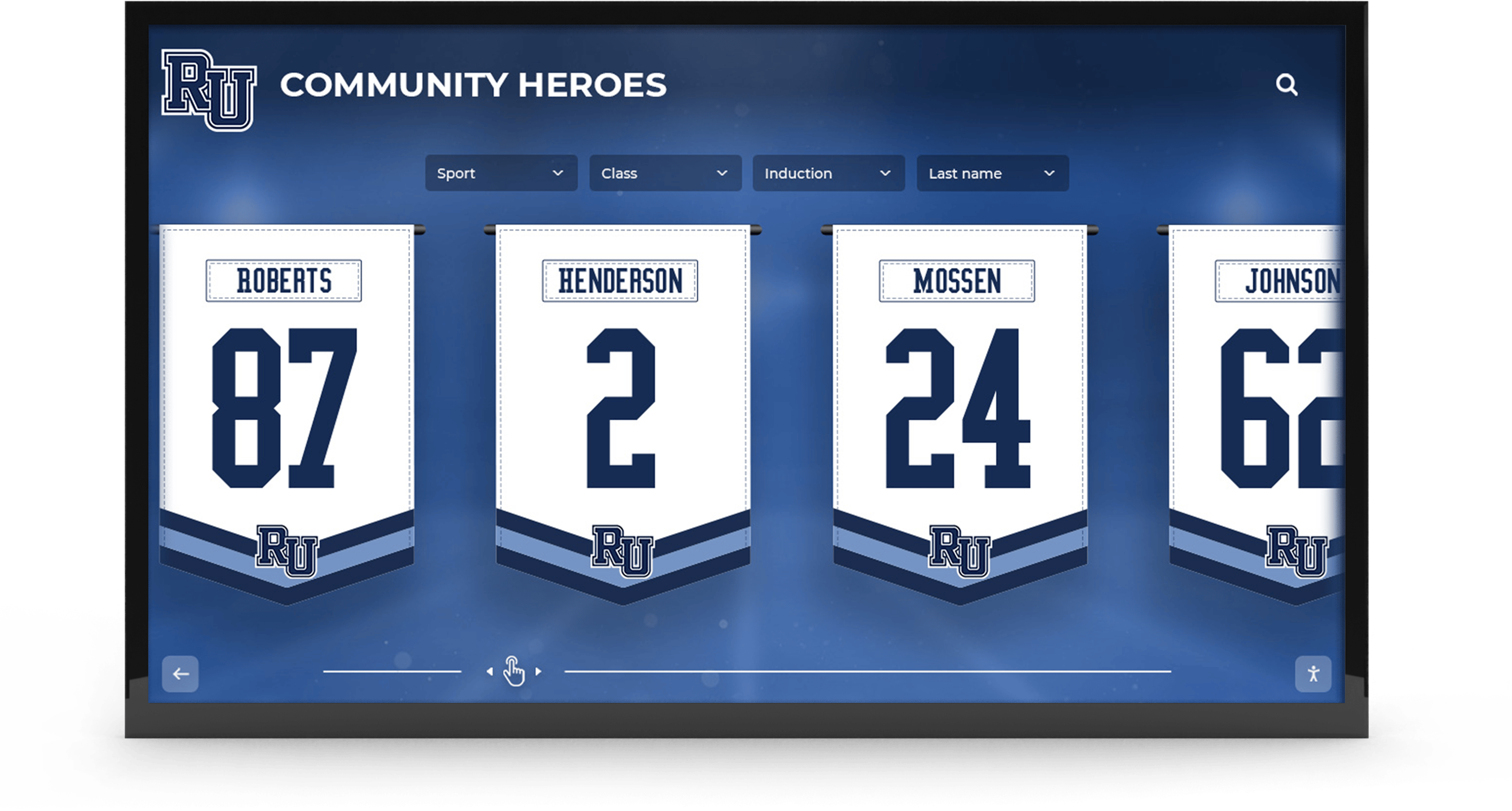
Beyond individual impact, senior banners strengthen community culture by demonstrating institutional values through whom and what schools choose to honor. Recognition priorities communicate whether schools value only athletic excellence or also academic achievement, whether they celebrate participation or solely championship performance, and whether recognition extends to diverse contribution types or concentrates narrowly on traditional achievements. Thoughtful banner programs that honor comprehensive contributions build inclusive cultures where more students see pathways to recognition and belonging.
Balancing Tradition with Modern Expectations
Traditional senior banner programs typically featured vinyl banners hung in gymnasiums during senior night celebrations, creating visual impact during final home competitions while providing physical keepsakes families could take home following graduation. These approaches remain popular because they deliver tangible recognition parents appreciate, create dramatic visual displays that photograph well, fit within established athletic program budgets, and continue traditions alumni remember from their own senior years.
However, contemporary students and families increasingly expect recognition approaches that reflect modern technology and communication patterns. Digital natives accustomed to sharing achievements through social media expect recognition formats easily photographed and shared online. Parents want recognition accessible beyond single-event displays, available throughout senior seasons rather than exclusively during final games. Schools competing to attract and retain students recognize that recognition quality influences institutional reputation within competitive educational markets.
Forward-thinking schools increasingly adopt hybrid approaches combining traditional banner elements that honor established traditions with modern digital components that extend recognition reach, update easily as seasons progress, and create ongoing engagement rather than single-event displays. This balanced strategy respects tradition while meeting contemporary expectations, satisfying multiple stakeholder groups simultaneously.
Traditional Vinyl Banner Design Ideas (Ideas 1-15)
Vinyl banners represent the most established senior recognition format, offering proven effectiveness, broad vendor availability, and keepsake value families appreciate. These 15 design ideas span traditional approaches through creative variations that maximize impact within conventional formats.
Classic Athletic Banner Designs
1. Vertical Action Shot Banner The quintessential senior banner format features a large vertical banner (typically 2’ x 6’ or 3’ x 8’) displaying the senior athlete in action—shooting a basketball, spiking a volleyball, throwing a pitch, or executing sport-specific skills. This design includes the athlete’s name, jersey number, graduation year, and often a motivational quote or personal message. The vertical orientation works well hanging from gymnasium rafters or mounting on walls, creating dramatic visual impact visible from distance.
Design considerations include selecting action photos showing athletes’ faces clearly for recognition, ensuring sufficient resolution for large-format printing without pixelation, choosing backgrounds that don’t compete visually with foreground subjects, and using school colors prominently to reinforce institutional branding. Many schools standardize action shot banner layouts so recognition appears consistent across different sports, preventing inadvertent hierarchy where some banners appear more prominent than others.
2. Side-by-Side Sport & Portrait Banner This design splits the banner into two sections—one showing the senior in athletic uniform performing their sport, the other displaying a formal portrait in casual clothing or academic attire. This dual-image approach acknowledges that student-athletes possess identities beyond their sports participation, celebrating both athletic and personal dimensions. The design works particularly well for multi-sport athletes where one side shows their primary sport while the other displays their secondary activity or academic focus.
Schools using this format typically include sections for the athlete’s name, multiple jersey numbers if applicable, graduation year, team positions, and years of participation. Some variations incorporate background graphics splitting the banner diagonally or vertically with different colors representing different programs or seasons.
3. Team Achievement Timeline Banner Rather than focusing exclusively on individual seniors, this banner design celebrates their journey through high school athletics with timeline formats showing progression from freshman through senior years. The design might include smaller photos from each season, statistics showing improvement over time, championship wins or significant achievements by year, and reflections on growth throughout their athletic careers.
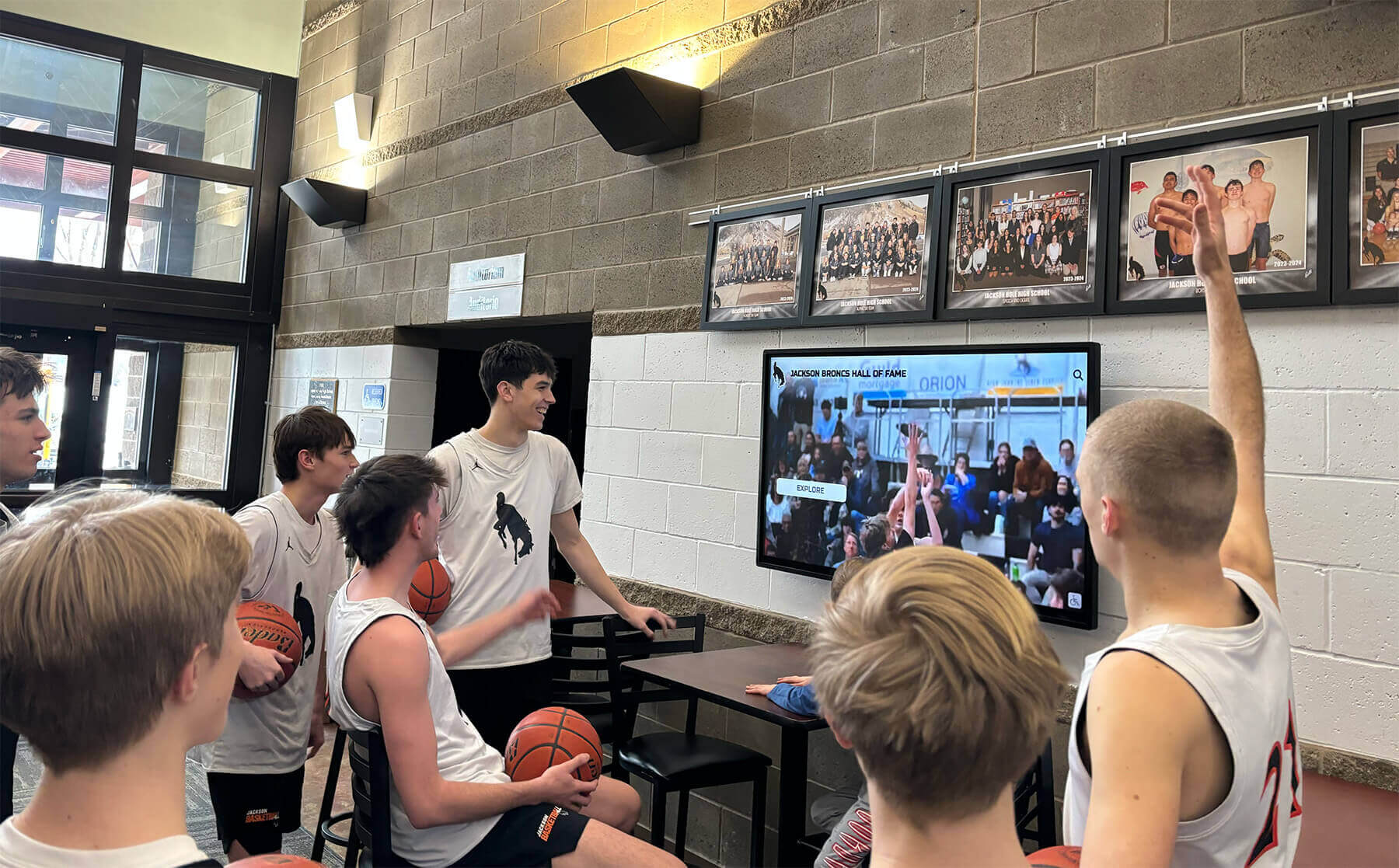
This approach works especially well for programs with strong multi-year participation where seniors have been program fixtures since ninth grade. Timeline banners celebrate persistence and development, not just final-year performance, honoring the complete athletic journey rather than isolated senior season highlights.
4. Career Statistics & Milestones Banner For sports where statistics communicate achievement—basketball points, baseball batting averages, soccer goals, volleyball kills, wrestling records—statistical banners present seniors’ career numbers prominently alongside action photos. These designs typically feature large typography displaying impressive statistics, comparisons to school or program records when applicable, milestone achievements highlighted visually, and context explaining what the numbers represent.
Statistical banners work best for seniors with genuinely impressive numbers that tell meaningful stories. Schools should avoid this format when statistics might inadvertently diminish recognition for seniors whose contributions transcended measurable metrics—team leadership, positive attitude, or improvement might matter more than raw statistics but don’t communicate as effectively through numbers.
5. Collage-Style Multi-Photo Banner Instead of featuring single images, collage banners incorporate 6-10 smaller photos showing the senior throughout their athletic career—youth league photos, freshman year images, championship celebrations, practice moments, and senior season highlights. This design creates visual interest through variety while telling richer stories than single photos can convey.
Effective collage designs organize photos logically (chronologically, by achievement level, or by emotion/tone) rather than randomly arranging images, use design software to create cohesive layouts rather than appearing cluttered, ensure no single photo dominates unless intentionally featured, and incorporate design elements like borders, backgrounds, or overlays unifying the composition. Collage banners require more design work than simple layouts but create distinctive recognition that stands out from standard formats.
Academic and Scholar Recognition Banners
6. Academic Honor Roll Banner Not all senior recognition should focus exclusively on athletics. Academic banners celebrate scholars graduating with honors, high GPAs, perfect attendance, or other academic distinctions. These designs typically use formal portrait photography rather than action shots, incorporate academic symbols like graduation caps, books, or school crests, highlight specific honors like valedictorian, salutatorian, or National Honor Society membership, and use design aesthetics conveying prestige and academic excellence.
Many schools display academic banners in library spaces, main hallways, or academic buildings rather than athletic facilities, ensuring scholar recognition receives comparable prominence to athlete recognition. This parallel approach communicates that schools value multiple achievement types equally, supporting academic recognition programs that build comprehensive school culture.
7. Major Scholarship Winner Banner Seniors earning significant college scholarships—academic, athletic, or talent-based—deserve recognition celebrating these remarkable achievements. Scholarship banners typically include the senior’s portrait, scholarship name and awarding institution, scholarship value if appropriate to share, the senior’s intended major or field of study, and brief statements about their achievements qualifying them for recognition.
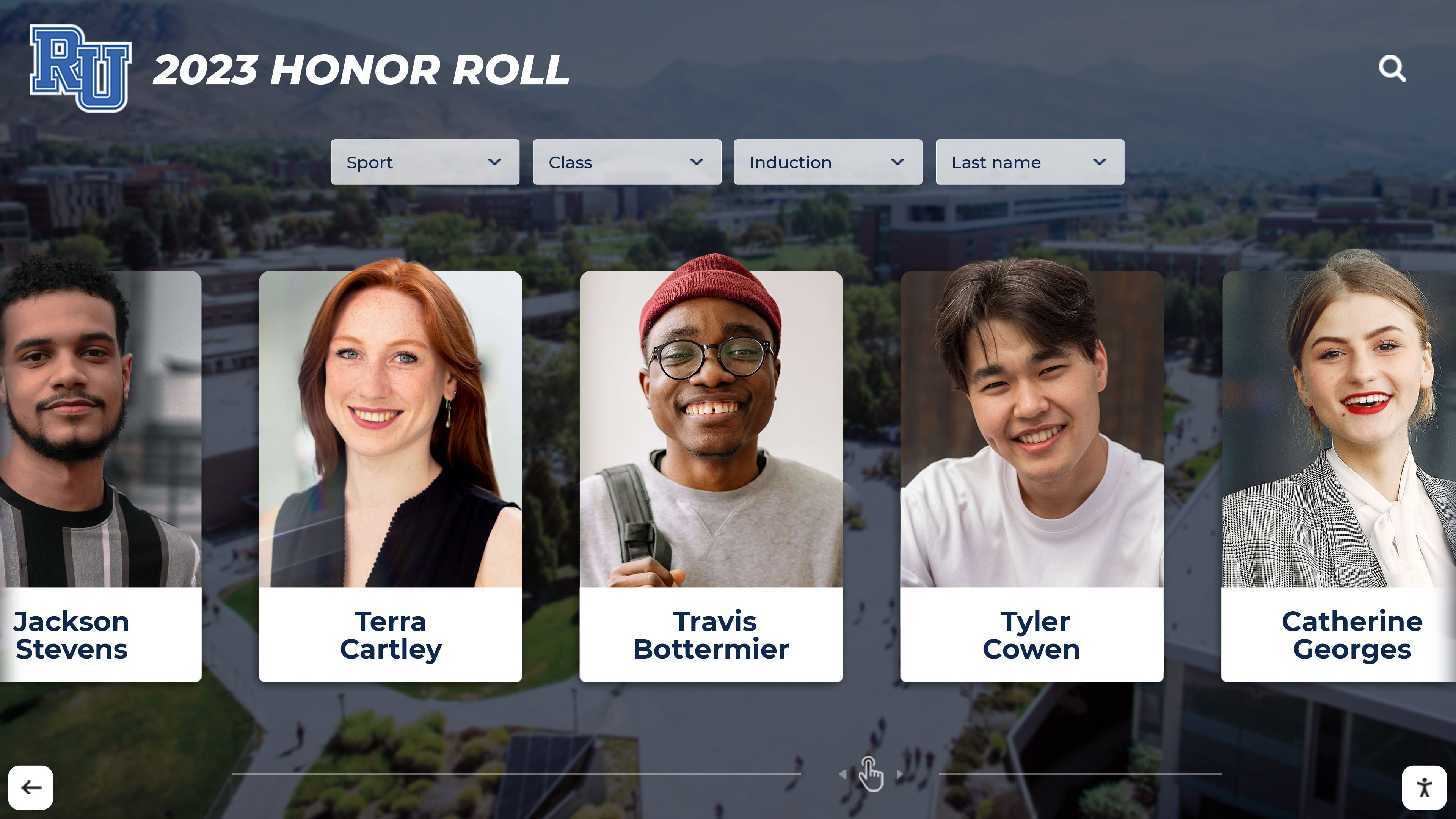
These banners work well displayed in counseling office areas, college preparation centers, or main hallways where underclassmen can see them regularly. Scholarship winner recognition serves dual purposes—honoring deserving seniors while motivating younger students to pursue similar achievements, demonstrating that significant scholarships remain accessible through dedicated academic or athletic work.
8. College Signing Day Banner Similar to scholarship recognition, college commitment banners celebrate seniors who’ve committed to compete in college athletics or attend specific institutions. These designs typically incorporate both the high school and college logos, the senior’s photo in both high school and college gear when available, signing day photos capturing the commitment moment, and statements about why they chose their college or what they’re excited to pursue.
Many schools display college commitment banners during dedicated signing day ceremonies, creating concentrated recognition events that celebrate multiple seniors simultaneously. These banners remain displayed throughout remaining senior seasons, serving as inspiration for underclassmen while honoring seniors’ achievements.
9. Service & Leadership Banner Some seniors’ greatest contributions come through service learning, volunteer work, club leadership, or community engagement rather than athletics or academics. Service banners recognize these vital but sometimes overlooked contributions through designs featuring the senior during service activities, listing organizations they’ve served or leadership positions held, quantifying impact when possible (hours volunteered, funds raised, people served), and including quotes about why service matters to them or what they’ve learned through leadership.
Schools committed to comprehensive recognition ensure service banners receive display prominence equal to athletic banners, communicating that all contribution types matter equally to institutional culture and community strength.
10. Performing Arts Senior Banner Theater, choir, band, orchestra, and dance seniors deserve recognition comparable to athletes. Performing arts banners typically feature performance photos showing the senior in productions or performances, list major roles, solos, or featured performances throughout their high school career, highlight awards, festival recognitions, or leadership positions in performing arts programs, and incorporate performing arts imagery like musical notes, theater masks, or dance silhouettes.
These banners work well displayed in performing arts facilities, auditoriums, or music wings, creating recognition specific to these spaces while establishing parallel traditions to athletic senior recognition. Many schools coordinate performing arts banner unveilings with final concerts or spring productions, creating memorable recognition moments within performing arts communities.
Creative Banner Format Variations
11. Horizontal Hall Banner While vertical banners suit gymnasium display, horizontal formats (8’ x 2’ or 10’ x 3’) work better for hallway installation, creating dramatic displays along main corridors where entire graduating classes can be featured sequentially. Horizontal designs typically arrange elements left-to-right rather than top-to-bottom, work well for multi-senior banners recognizing entire teams or programs on single displays, and create cohesive visual experiences when multiple banners hang in sequence.
Schools with prominent hallway spaces benefit from horizontal banner programs creating senior recognition galleries that remain visible to the entire school community throughout senior year rather than only during specific athletic events.
12. Double-Sided Stadium Banner For schools with outdoor stadiums or facilities where banners can be viewed from multiple angles, double-sided designs ensure recognition visibility regardless of viewing direction. These banners typically feature the same design on both sides, cost more than single-sided options but deliver better visibility, require specialized hardware for proper hanging and stability, and create dramatic visual impact for outdoor senior nights or graduation ceremonies.
Double-sided banners work particularly well for football, soccer, lacrosse, and other outdoor sports where stands surround fields and viewing angles vary significantly. They ensure all attendees—regardless of seating location—can see and appreciate senior recognition.
13. Locker Room Legacy Banner Some schools create separate banner sets for locker room display rather than public spaces, creating more personal recognition in spaces where teams gather, prepare, and bond. Locker room banners might include more informal photos showing team camaraderie and relationships, personal messages from coaches specifically addressing each senior, inside jokes or team memories that wouldn’t make sense to broader audiences, and design aesthetics reflecting team personality rather than formal institutional branding.
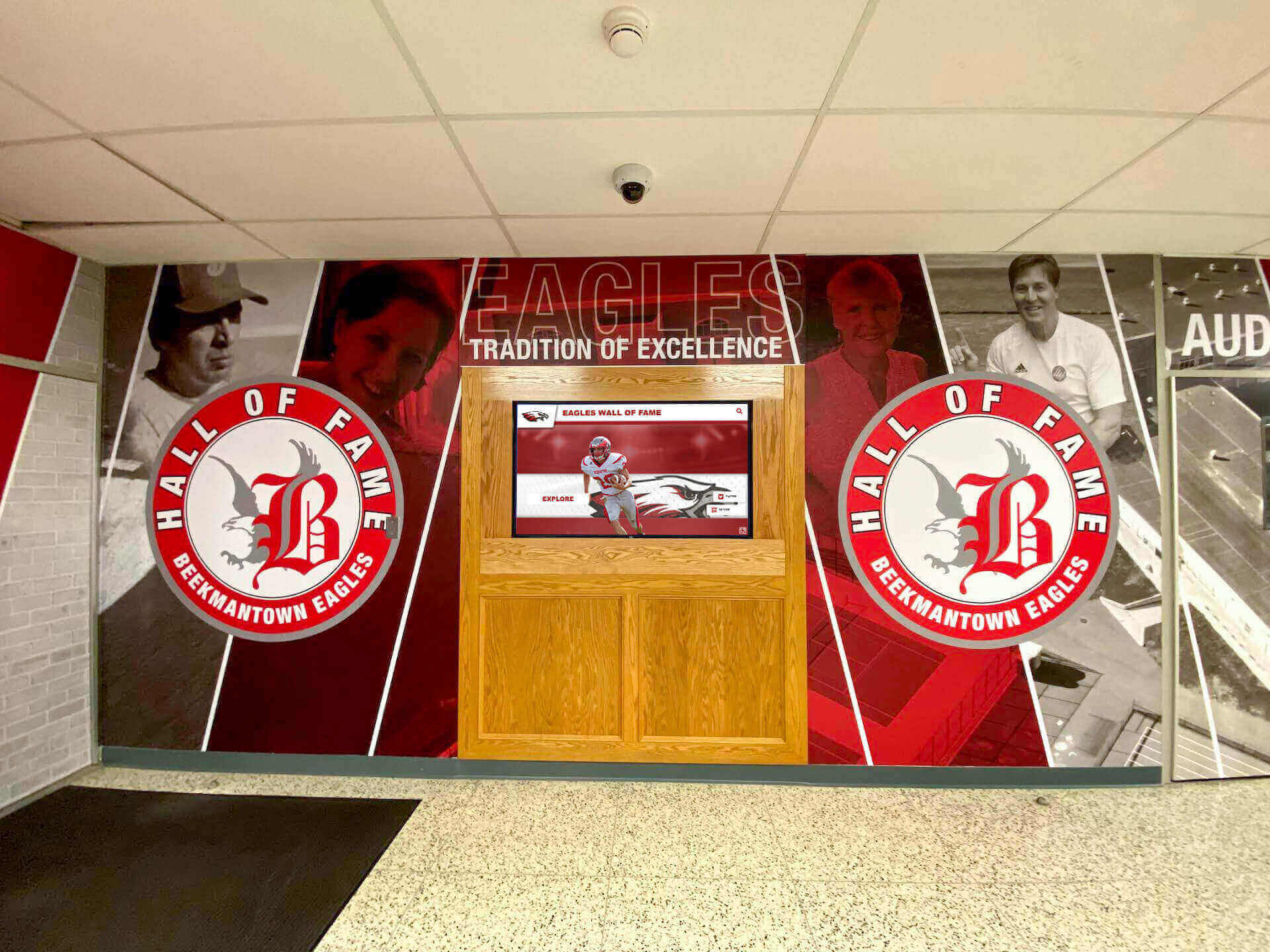
These private banners complement public recognition, creating layered acknowledgment that serves different purposes—public celebration for community and family appreciation, private recognition reinforcing team bonds and internal culture. Seniors often report that locker room banners feel more personally meaningful than public displays because they reflect authentic team relationships rather than formal institutional messaging.
14. Retractable Banner Stands Rather than permanent hanging installations, retractable banner stands offer portable recognition that travels easily, sets up quickly for events or displays, stores compactly when not in use, and provides flexibility for schools without permanent banner hanging capabilities. These systems use spring-loaded mechanisms pulling banners into base units when not displayed, create professional freestanding displays without ceiling or wall mounting, and allow banner repositioning for different events, locations, or purposes.
Retractable stands work well for schools hosting recognition events in multiple locations, facilities with installation restrictions or weight limits, and programs wanting to display banners at away competitions or tournaments. They provide recognition flexibility traditional hanging systems cannot match.
15. Photo Booth Banner Backgrounds An increasingly popular approach creates senior banners designed as photo booth backgrounds, encouraging interaction and social sharing rather than passive viewing. These oversized banners (8’ x 8’ or 10’ x 8’) provide backdrops for selfies and group photos, incorporate school branding and senior year information framing photos, create shareable content seniors post to social media naturally, and transform recognition displays into engagement opportunities.
Schools using this approach typically position photo-ready banners near entrances or high-traffic areas, create Instagram-worthy designs with hashtag suggestions, and encourage seniors to photograph themselves with the banners throughout their final seasons. This strategy extends recognition reach beyond physical viewers to digital audiences as seniors share photos online.
Modern Digital Display Ideas (Ideas 16-23)
While vinyl banners offer tangible keepsakes, digital recognition provides advantages including dynamic content that updates throughout seasons, multimedia integration incorporating video and animation, unlimited capacity recognizing all seniors without space constraints, and ongoing visibility extending beyond single events or seasons.
Interactive Digital Recognition
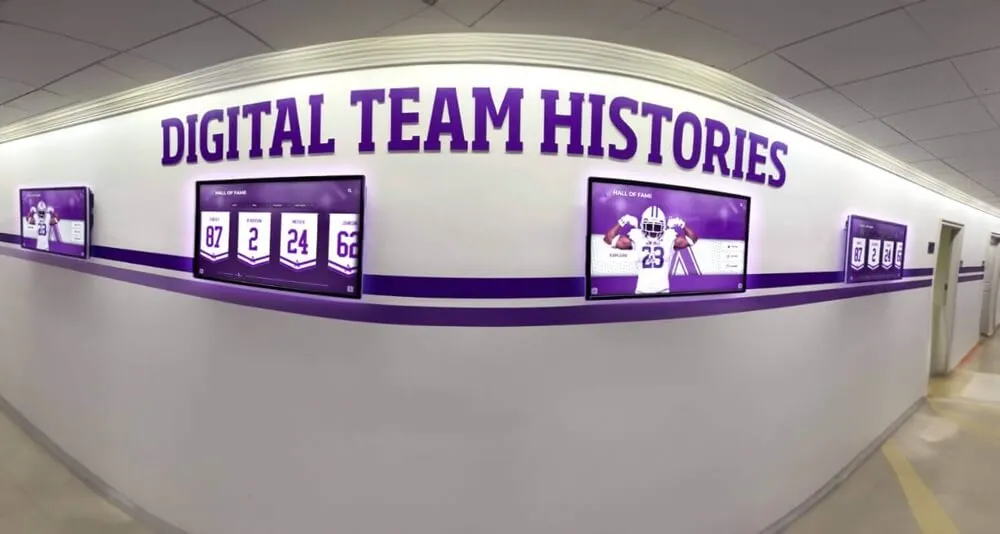
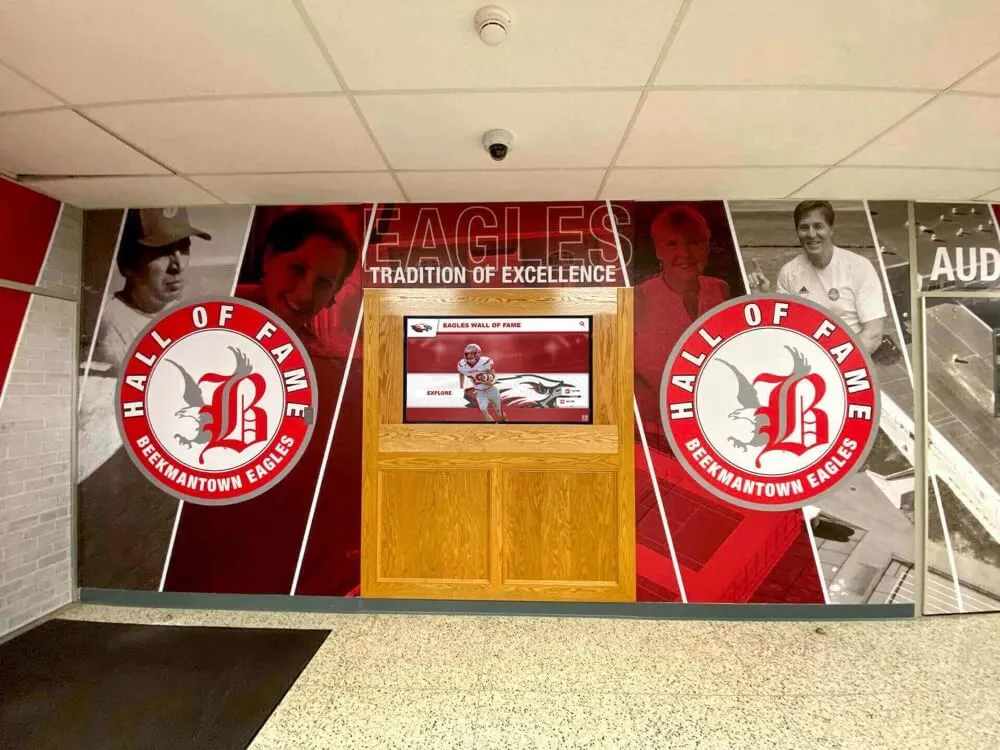
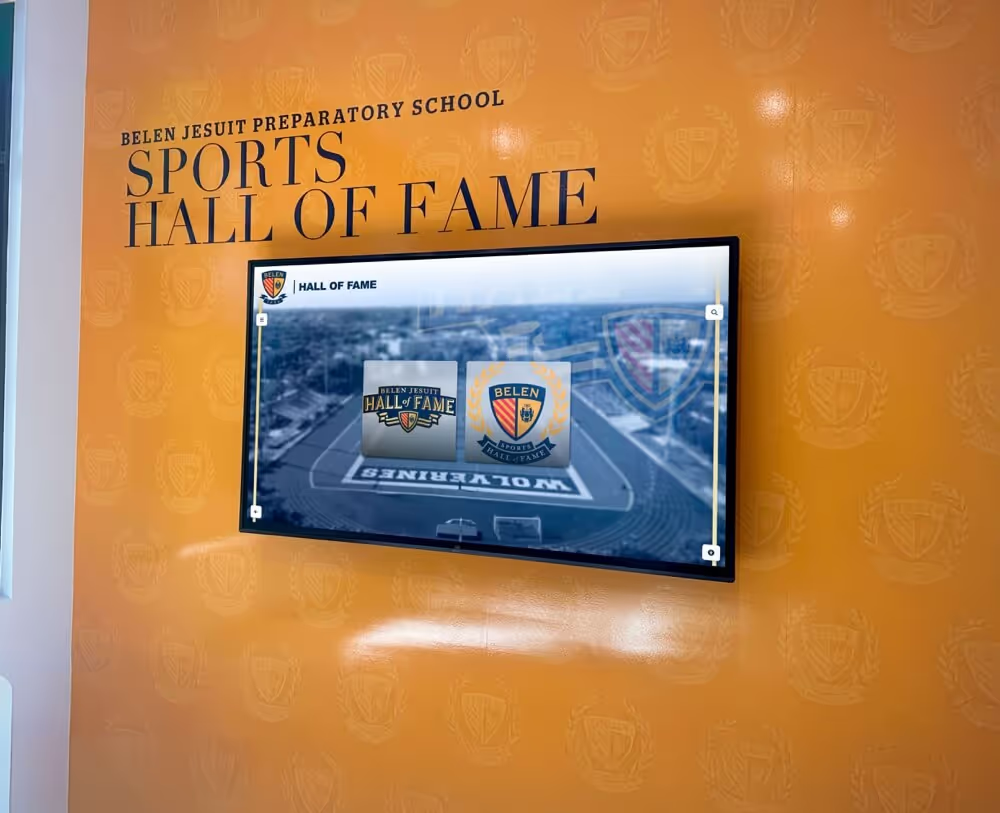
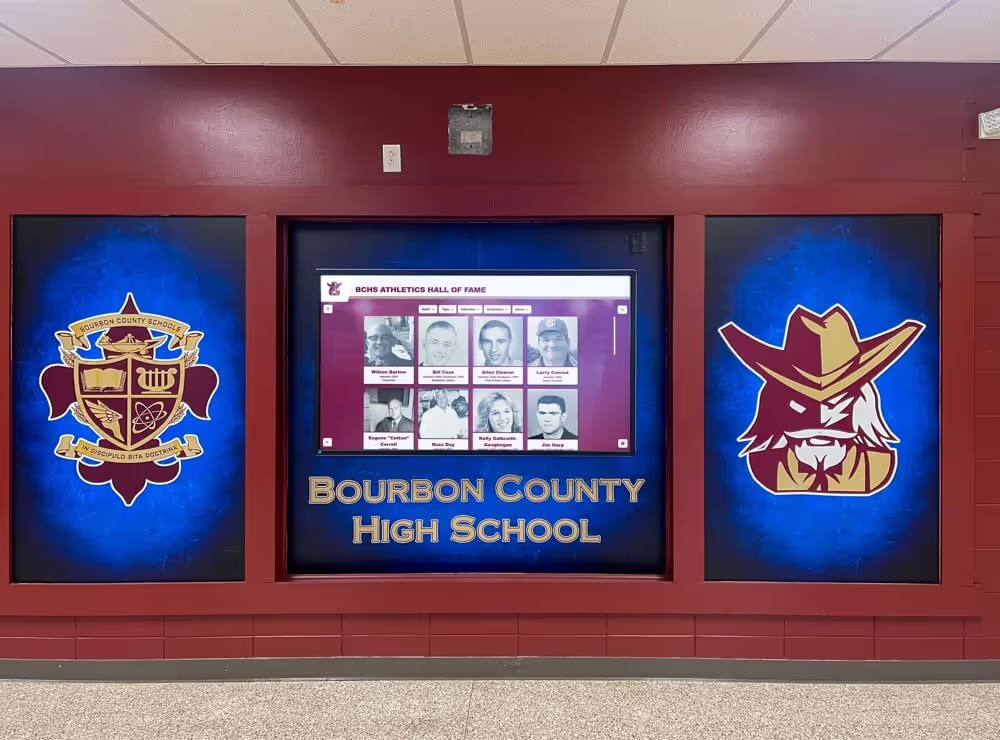
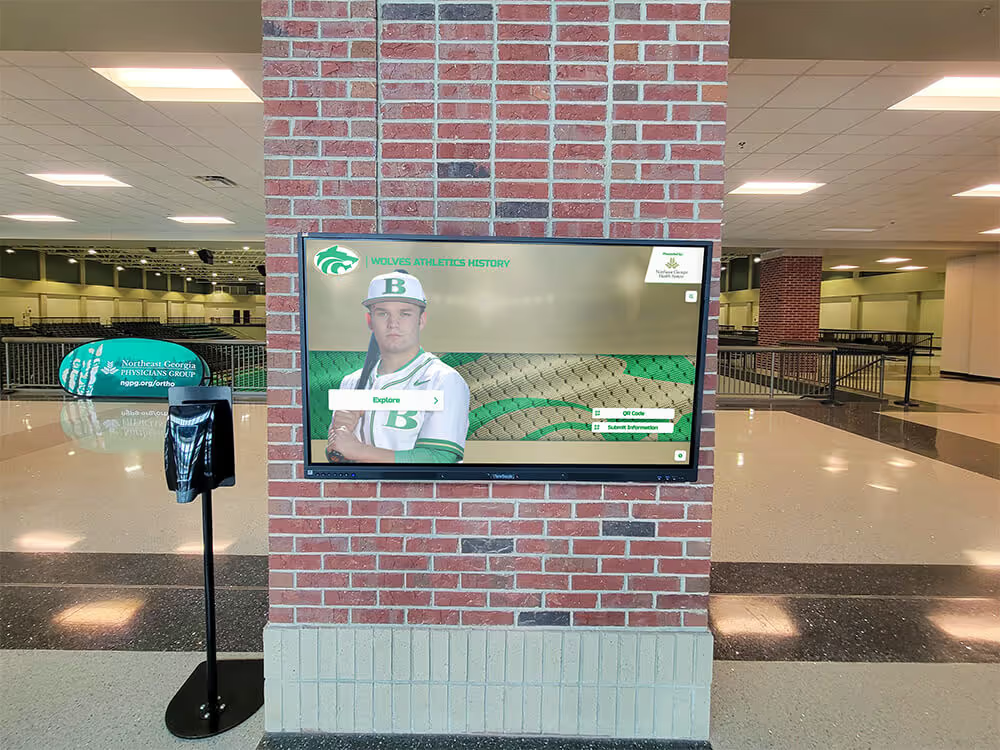
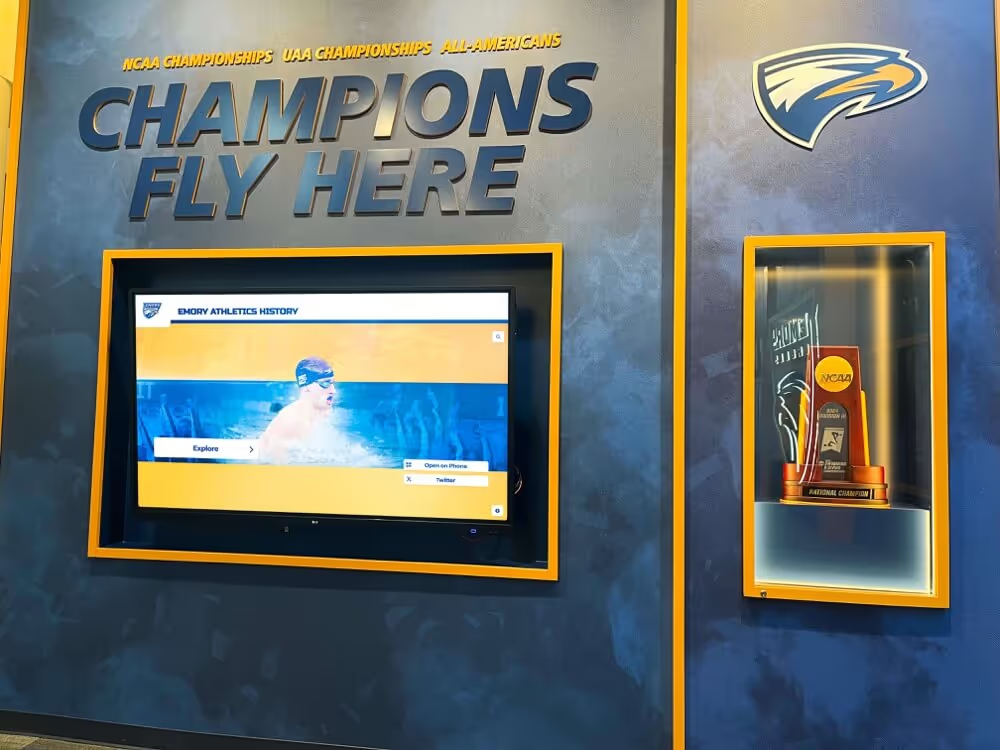
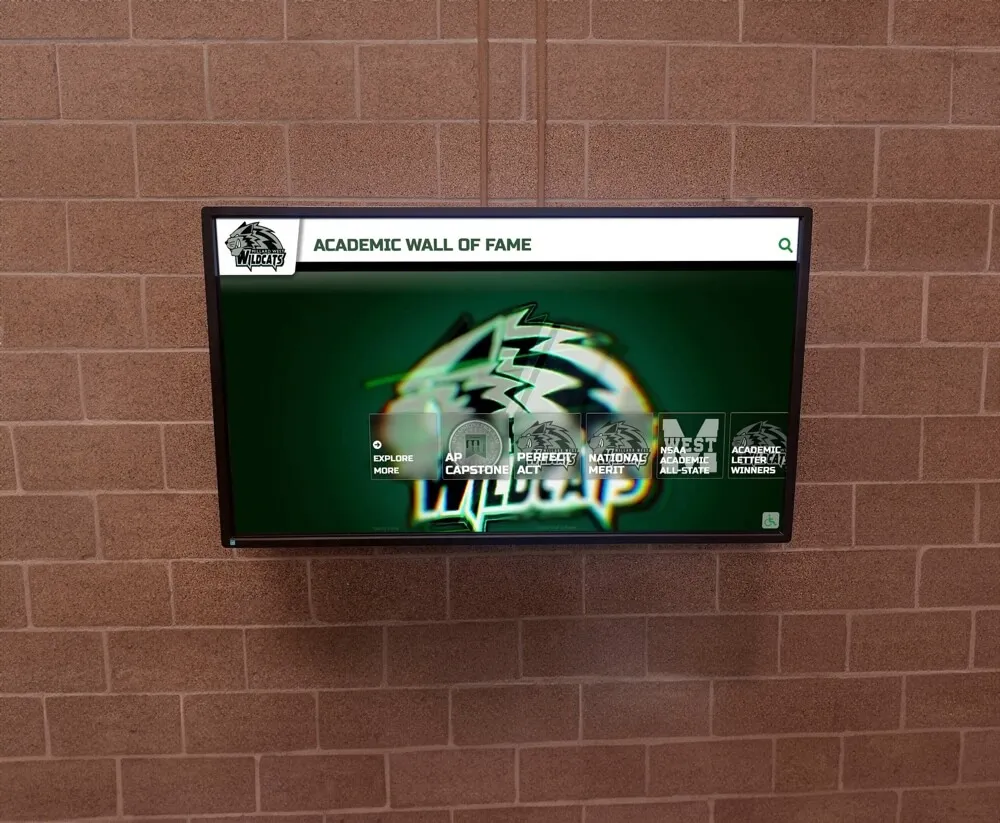
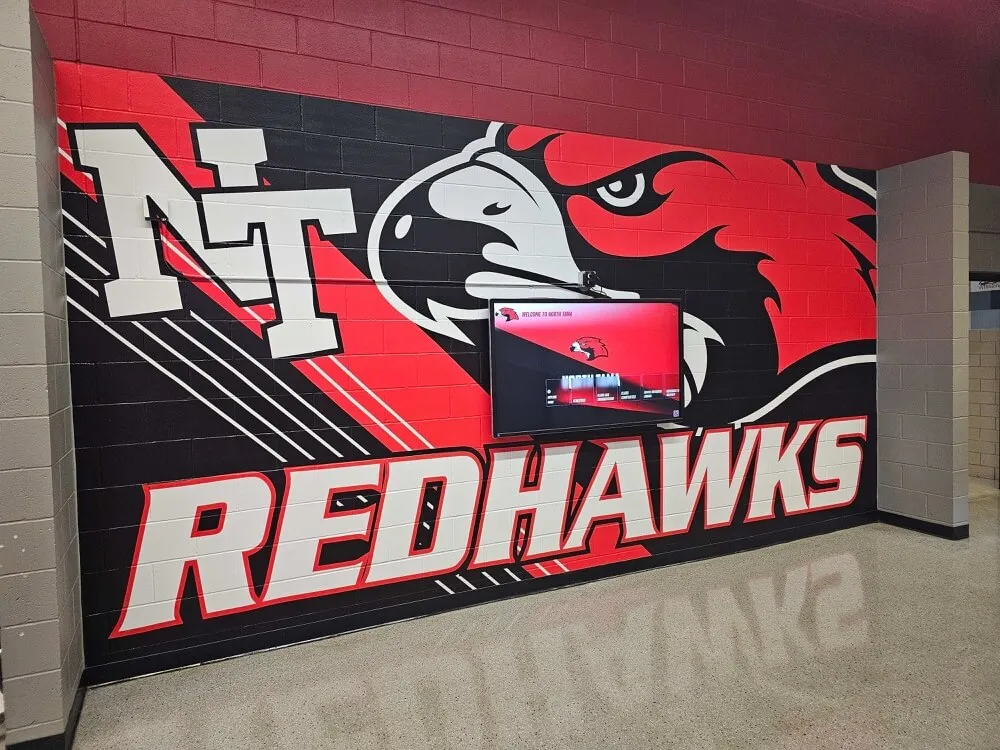
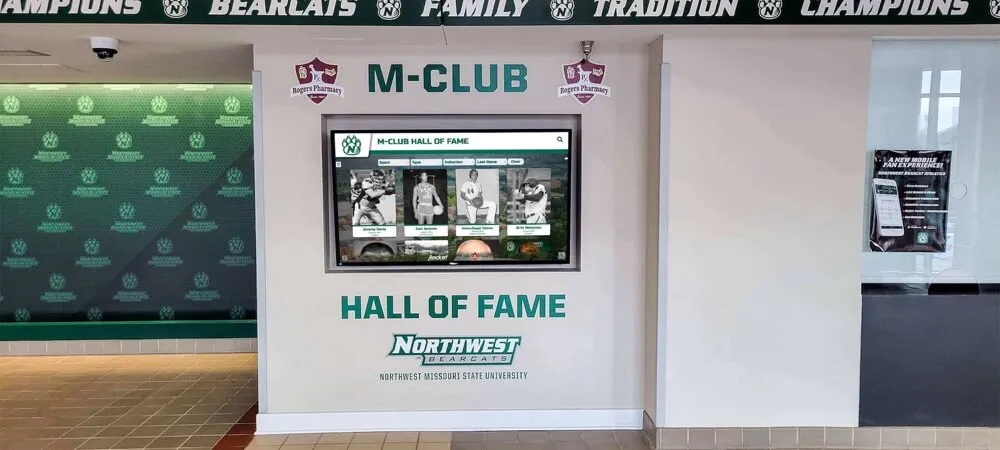
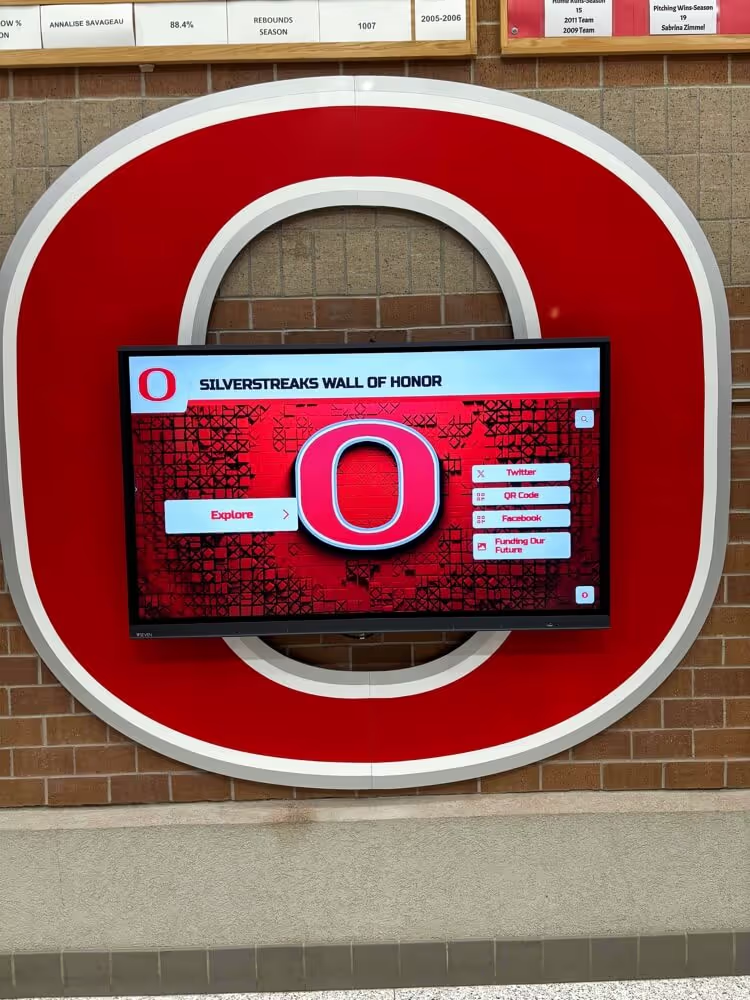
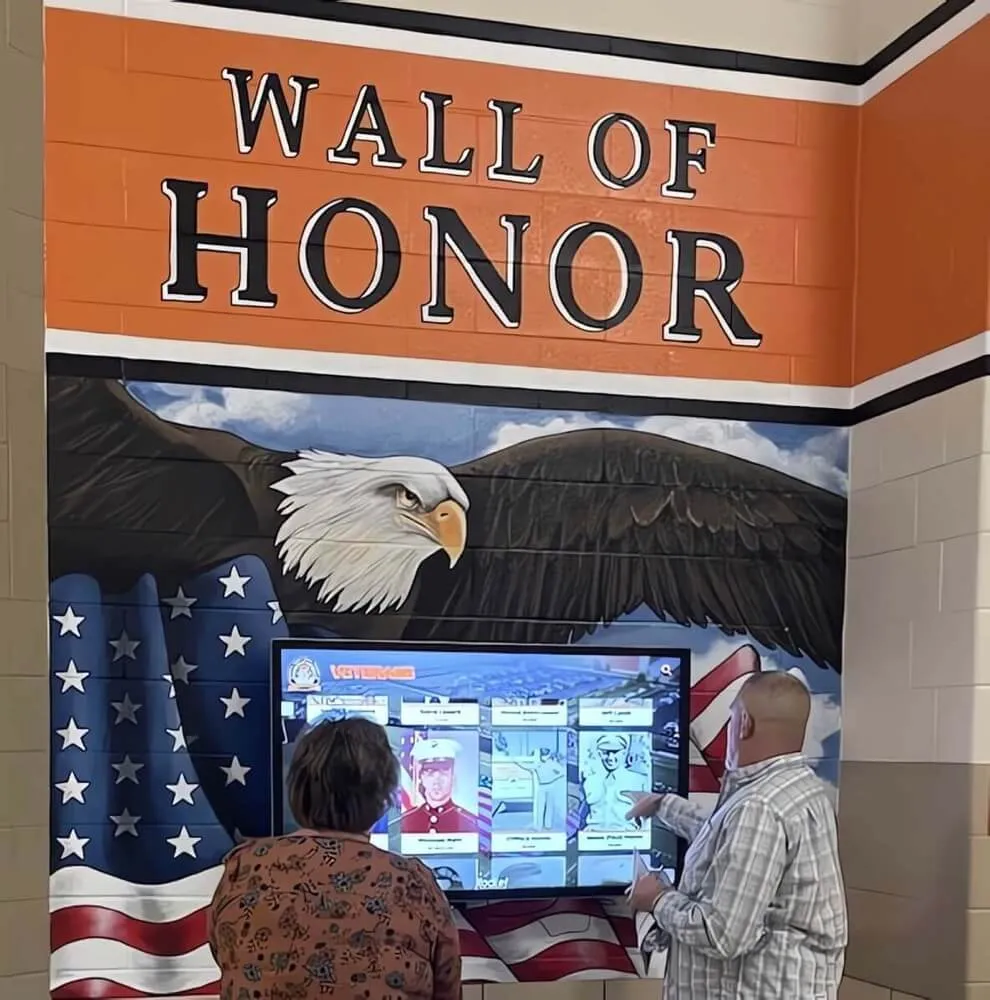
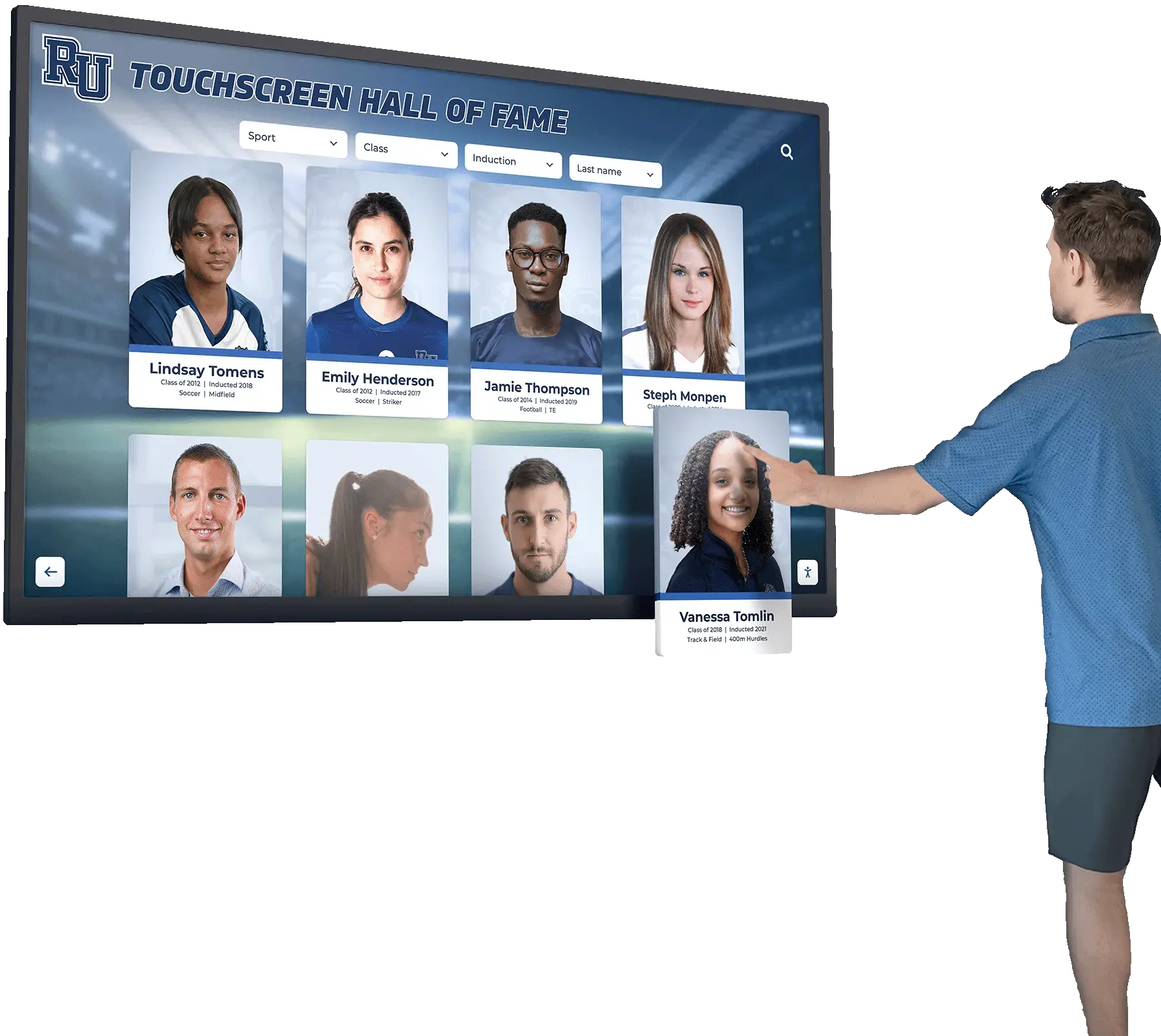
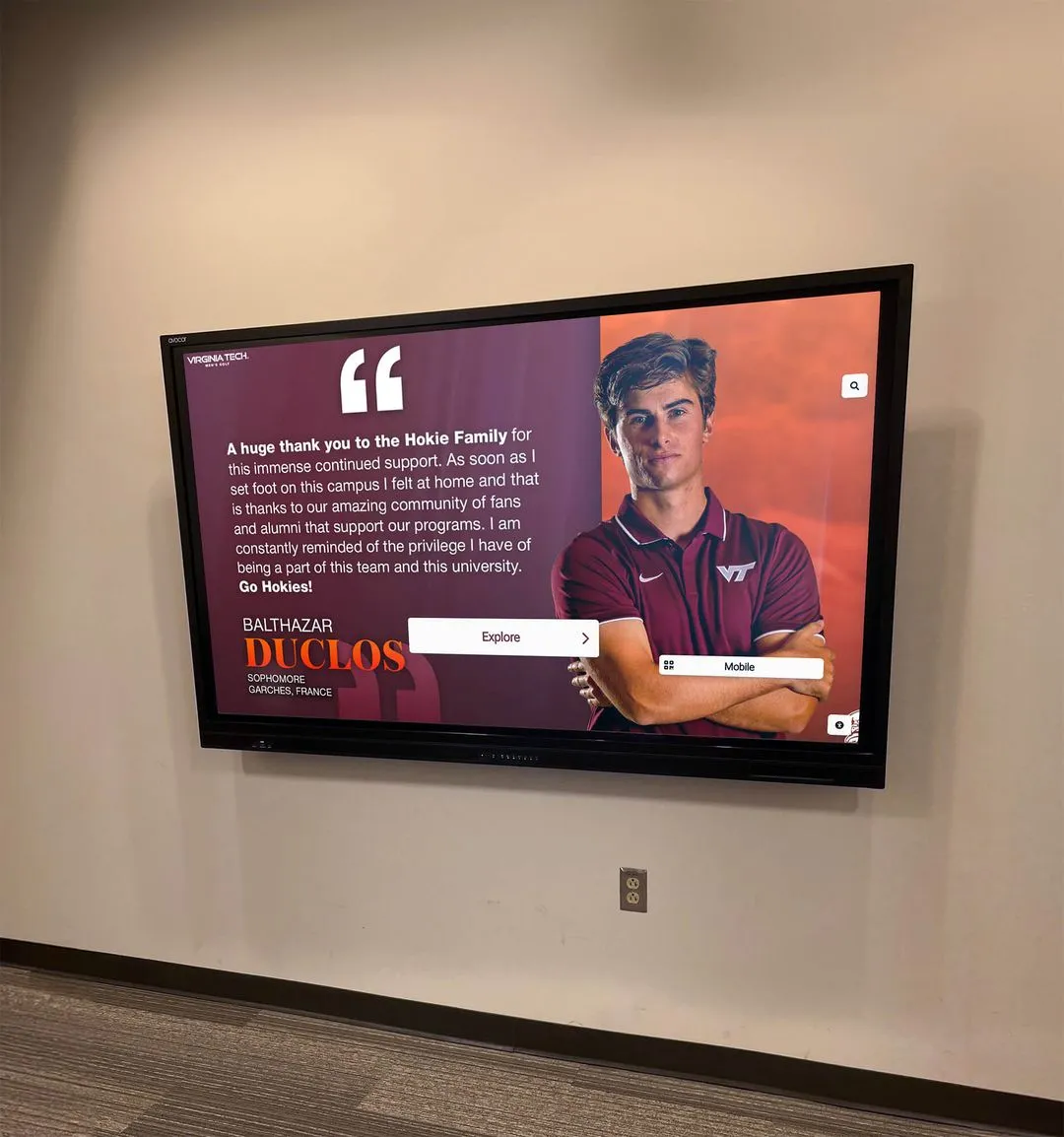
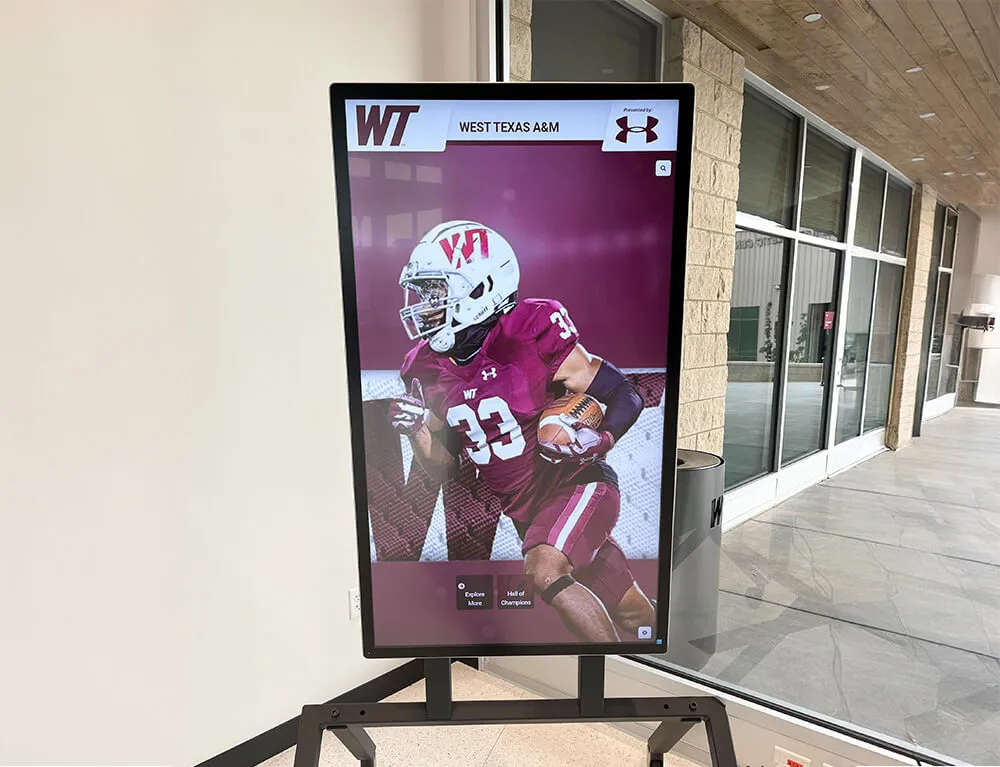
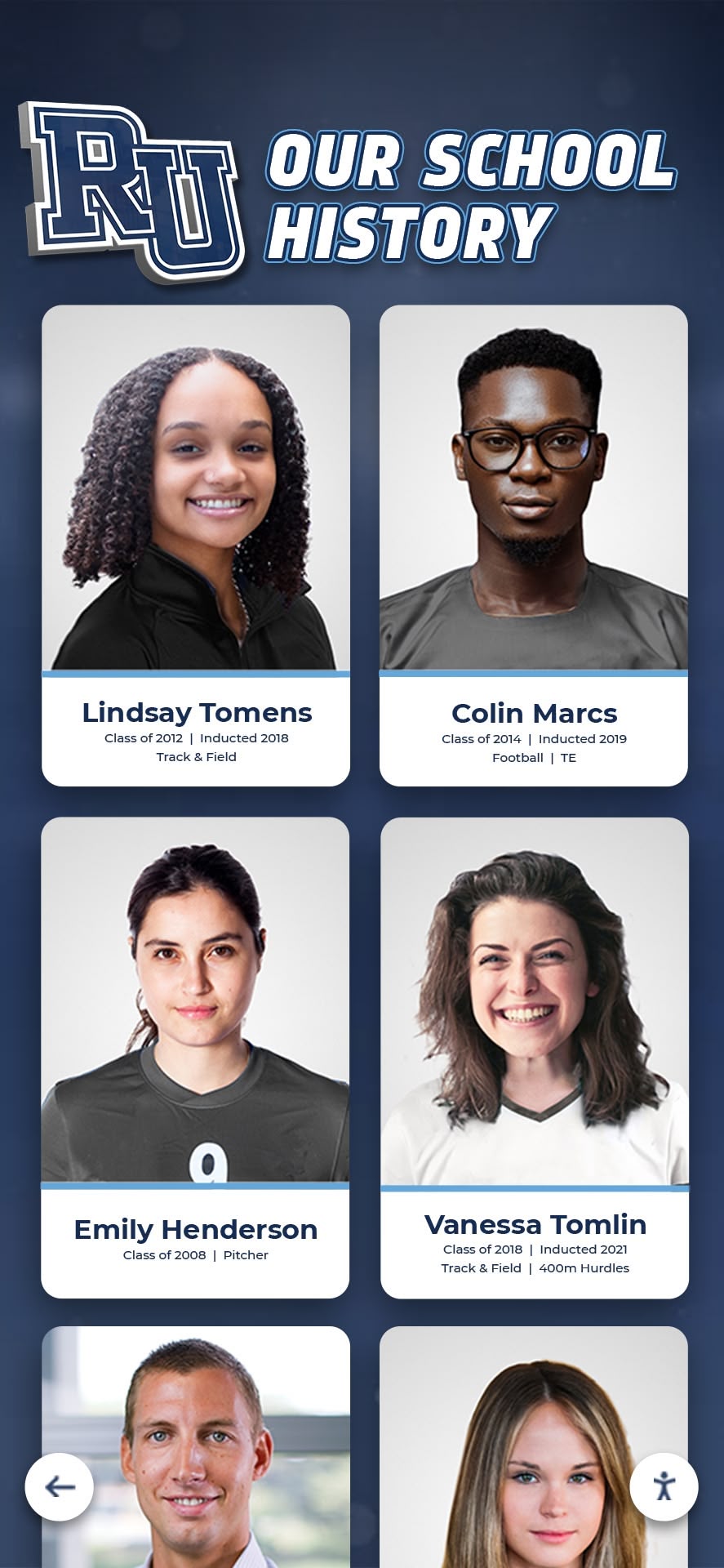
16. Touchscreen Senior Spotlight Displays Interactive touchscreen systems transform senior recognition from passive viewing to engaging experiences where students, families, and visitors can explore senior profiles through intuitive navigation, search functions finding specific seniors instantly, individual profile pages featuring photos, statistics, achievements, and personal information, video integration showing highlights, interviews, or thank-you messages, and unlimited recognition capacity without physical space constraints.
Modern digital recognition displays allow schools to recognize all graduating seniors—athletes, scholars, artists, and leaders—within single comprehensive systems rather than creating separate recognition programs for different achievement types. This unified approach ensures equitable recognition while simplifying management and providing cohesive user experiences.
17. Video Wall Senior Montages Large video walls or TV displays positioned in lobbies, hallways, or common areas can show rotating senior montages incorporating action footage from competitions and performances, interview clips where seniors share memories and thank supporters, photo slideshows spanning their entire high school careers, and background music creating emotional resonance and engagement.
Video-based recognition creates impact that static images cannot match, particularly for action-oriented achievements like athletics and performing arts where movement communicates accomplishment more effectively than still photography. Many schools coordinate with local media, parent volunteers, or student video programs to create professional-quality senior montages that become treasured keepsakes when shared digitally with families.
18. Social Media Integration Displays Modern recognition approaches can integrate social media feeds, displaying user-generated content where seniors, families, and fans post using designated hashtags like #GoEagles2026 or #SeniorSalute. Digital displays positioned throughout schools can aggregate and show these posts in real-time, creating living recognition that grows throughout senior seasons, encouraging community participation in celebration, amplifying recognition reach through digital channels, and creating more authentic representation since seniors control some of their own narrative.
Social integration requires moderation ensuring appropriate content appears on school displays, but when managed properly, it creates recognition that feels contemporary and engaging to students who live much of their lives through social platforms.
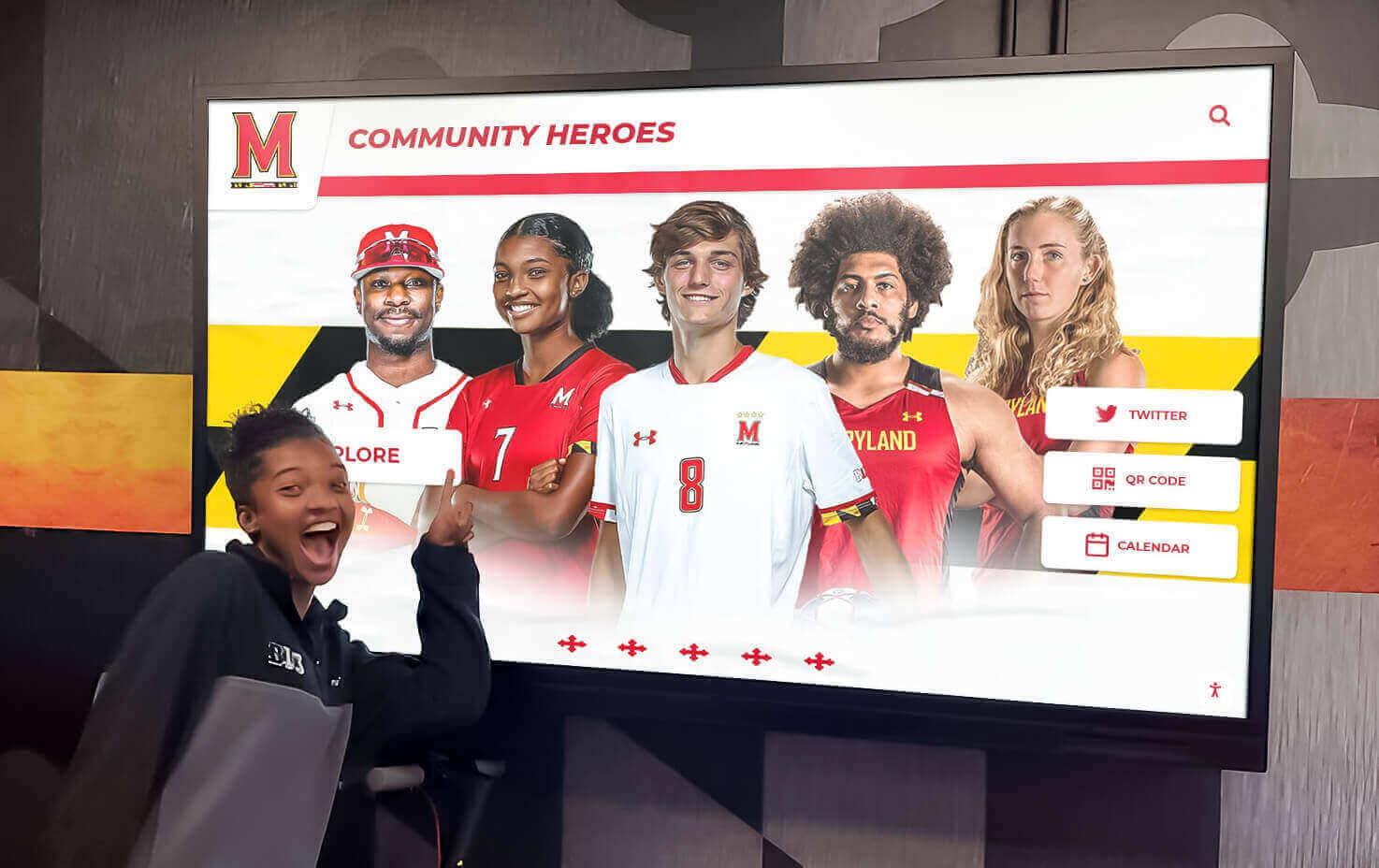
19. QR Code Banner-to-Digital Bridges Hybrid approaches combine physical vinyl banners with digital extensions, incorporating QR codes seniors and families scan with smartphones to access extended digital content, video highlights and career retrospectives not displayable on physical banners, statistics and information that would clutter printed designs, and digital guestbooks where community members leave congratulations and well-wishes.
This bridge strategy leverages strengths of both formats—physical banners create visual impact and keepsake value while digital extensions provide depth, multimedia, and interaction that physical formats cannot deliver. QR integration costs little to implement but significantly extends recognition value and engagement.
20. Real-Time Statistics Dashboards For athletic programs, digital displays can show senior statistics that update automatically throughout seasons rather than becoming outdated immediately after printing. Real-time dashboards track cumulative career statistics across high school years, compare current seniors to program records and historical achievements, highlight when seniors reach milestones or achieve personal bests, and maintain accuracy without manual updates or reprinting.
Statistics displays work particularly well in athletic facilities where teams, families, and fans naturally focus on performance metrics. They create ongoing engagement throughout seasons as people check back regularly to see updated numbers, generating more sustained attention than one-time banner unveilings.
21. Senior Spotlight Rotation Schedule Rather than recognizing all seniors simultaneously, some digital programs create rotation schedules where individual seniors receive extended spotlight features on designated days or weeks. Spotlight rotations might include a dedicated screen layout featuring one senior extensively with extended biography, multimedia content, and achievements, coordinated social media posts from official school accounts amplifying the individual spotlight, that senior’s banner or poster displayed prominently in a featured location, and sometimes small perks like reserved parking or cafeteria recognition.
Rotation approaches distribute attention across the entire senior class rather than concentrating recognition during crowded single-event displays where individual seniors can feel lost among dozens of peers. This method requires more coordination but creates moments where each senior receives undivided focus.
22. Alumni Connection Platform Previews Forward-thinking schools use senior recognition as an entry point to long-term alumni engagement by incorporating preview access to alumni networking platforms, profiles that continue beyond graduation transitioning from current students to alumni, connections to graduated seniors from previous years working in fields current seniors plan to enter, and messaging framing current recognition as the beginning rather than end of the school relationship.
This approach recognizes that senior year represents a transition rather than an ending, encouraging graduating students to maintain connections with their school communities throughout their lives. Digital platforms make this continuity far more practical than traditional physical recognition methods allowed, creating engagement opportunities that benefit both graduates and schools.
23. Multi-Location Synchronized Displays Schools with multiple campuses, buildings, or facilities can synchronize digital displays ensuring identical senior recognition appears throughout all locations simultaneously. This unified approach guarantees equal visibility regardless of which facilities students and families visit most frequently, eliminates questions about why some locations feature recognition while others don’t, and simplifies content management since updates propagate automatically across all displays.
Synchronized systems prove particularly valuable for large high schools or district-wide programs where athletic competitions, academic programs, and performing arts events occur in geographically dispersed locations. Digital technology makes this coordination practical whereas traditional physical banner programs required prohibitively expensive duplication.
Creative and Alternative Recognition Ideas (Ideas 24-30)
Beyond conventional banners and digital displays, creative approaches offer distinctive recognition that creates memorable experiences while honoring seniors in unexpected ways.
Experiential and Permanent Recognition
24. Senior Walk Recognition Pavers Permanent walkway pavers engraved with senior names, graduation years, and brief messages create lasting physical legacies that remain part of school facilities long after graduation. Senior walk programs typically allow families to purchase commemorative pavers funding facility improvements, install pavers in high-traffic areas where they’re regularly seen and appreciated, organize dedication ceremonies where families see their pavers installed, and create permanent recognition that literally becomes part of school foundations.
Unlike banners that eventually come down or digital displays that update with new content, paver programs provide truly permanent recognition that accumulates over decades, building visual histories of graduating classes and creating alumni connection points when graduates return to campus years later.
25. Senior Day Ceremony Presentations Formal recognition ceremonies during final home competitions or designated senior celebration days create memorable acknowledgment moments. These presentations typically include each senior walking with family members being announced individually, brief biography or achievement highlights read while seniors are recognized, small gifts or tokens presented by coaches, teachers, or administrators, and photo opportunities creating memorable family moments.
While not banners themselves, ceremony presentations complement physical and digital recognition by creating experiential moments seniors remember as powerfully as visual displays. Many schools coordinate banner unveilings with ceremony presentations, using physical recognition reveals as ceremony centerpieces.
26. Senior Locker Decorations Student-driven recognition where underclassmen or teammates decorate senior lockers creates personal, community-driven acknowledgment. Decorated lockers typically feature handmade posters with personal messages and inside jokes, photos and memorabilia celebrating relationships and memories, school colors and decorations creating visual celebration, and participatory recognition where peers rather than administrators lead the honoring.
Locker decorating traditions cost virtually nothing but create highly visible recognition throughout school buildings. They feel authentic and personal in ways formal institutional recognition sometimes cannot match, complementing rather than replacing official programs.
27. Yearbook Senior Tribute Pages Yearbook sections dedicated to graduating seniors create permanent recognition captured in publications families treasure indefinitely. Senior tribute pages go beyond standard yearbook portraits by including extended biography sections with future plans and reflections, “senior superlatives” or special recognition categories, photo collages showing seniors throughout their high school years, and messages from teachers, coaches, and administrators honoring specific students.
Yearbooks provide recognition permanence that extends beyond the school campus into homes and lives, creating keepsakes that maintain value throughout graduates’ lifetimes as they look back on their high school experiences decades later.
28. Senior Recognition Video Productions Professional or student-produced video tributes create emotional, shareable recognition that combines the best elements of photography, videography, music, and storytelling. Recognition videos typically feature action footage from competitions, performances, or activities, interview segments where seniors share reflections and gratitude, messages from coaches, teachers, parents, and teammates, emotional music creating appropriate tone and engagement, and production quality that makes the video feel like a keepsake rather than amateur documentation.
Schools increasingly premiere senior videos during recognition ceremonies, post them online for extended viewing and social sharing, and provide copies to senior families as graduation gifts. Video recognition creates impact and emotional resonance that static displays cannot match.
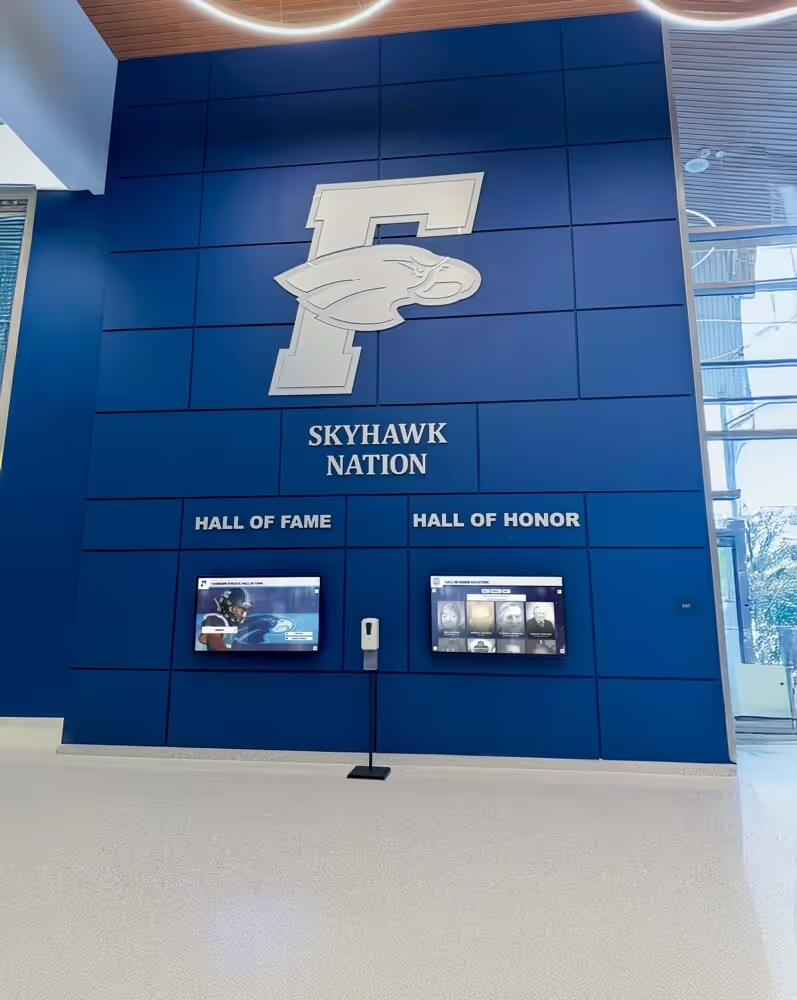
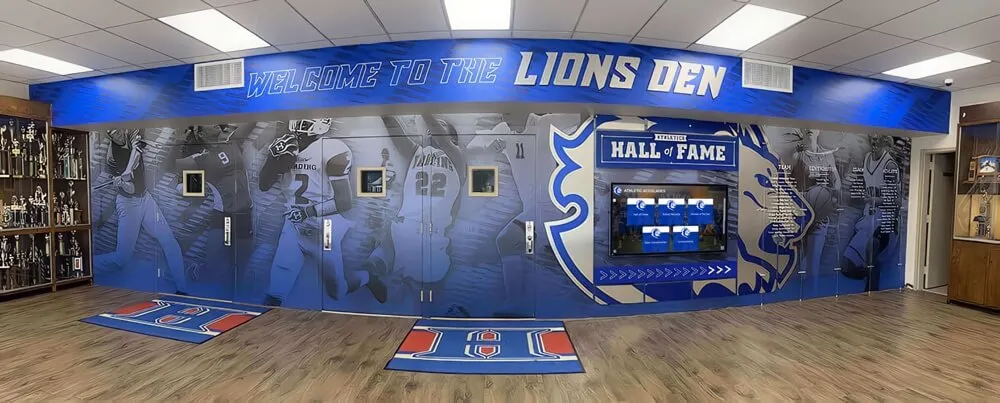
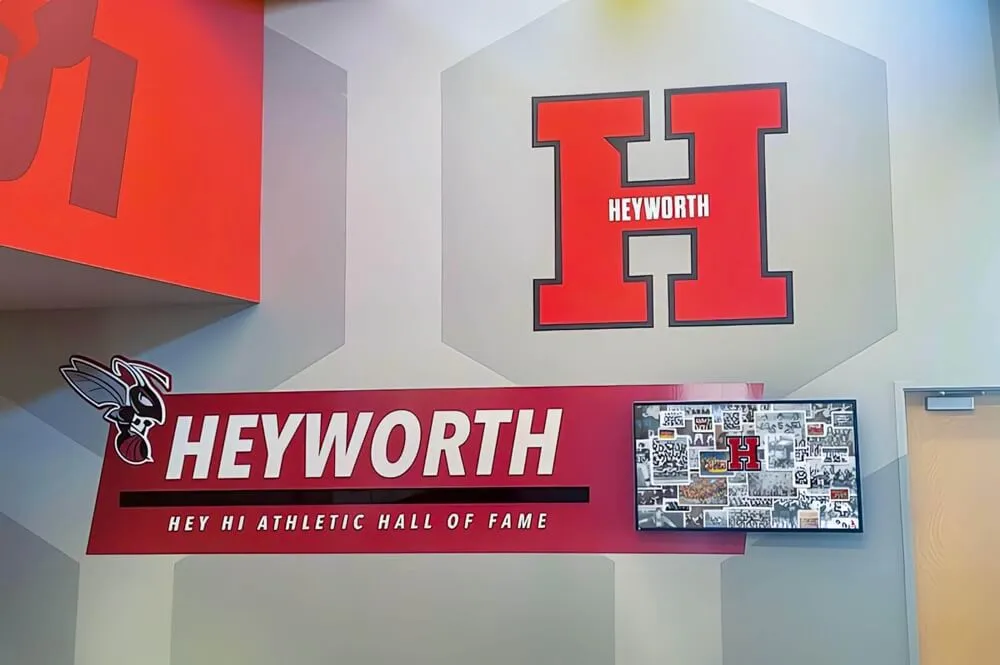
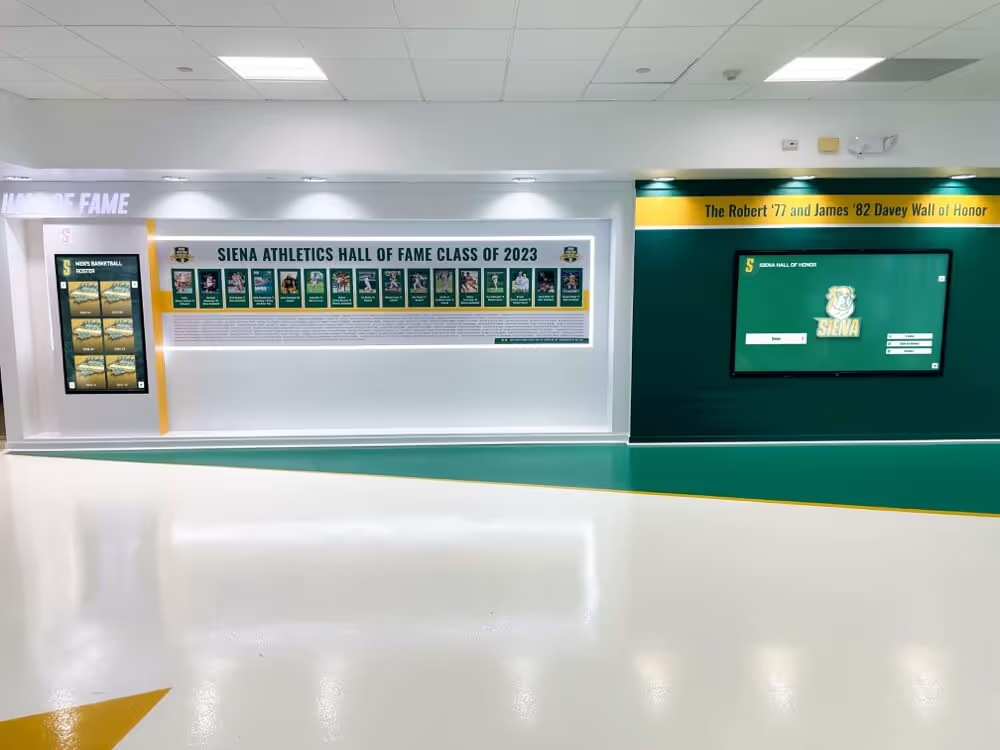
29. Hall of Fame Nomination and Induction Forward-thinking schools establish halls of fame recognizing outstanding graduates with formal induction ceremonies, permanent recognition in digital displays or physical plaques, and ongoing institutional acknowledgment. While traditional halls of fame recognize alumni years after graduation, some schools create senior divisions honoring graduating students as they leave, establishing baseline expectations that the most exceptional contributors return for full alumni hall of fame induction later.
This layered approach creates aspirational recognition that motivates underclassmen while immediately honoring deserving seniors, establishing clear institutional values about what achievements and contributions matter most to school culture and community.
30. Community Business Senior Spotlight Programs Partnerships with local businesses create extended recognition beyond school facilities by featuring senior spotlights in business windows, on restaurant placemats or receipts, in local newspaper advertisements or supplements, and on community social media accounts. These community-wide recognition programs amplify school-based efforts, create broader visibility and civic pride, strengthen school-business relationships benefiting both partners, and demonstrate that the entire community values and celebrates graduating seniors.
Community programs require coordination and partnership development but create recognition reach that isolated school efforts cannot achieve, making seniors feel celebrated by their entire hometowns rather than only within their schools.
Implementation: Planning and Executing Your Senior Banner Program
Creative ideas mean little without effective implementation. This section addresses practical considerations ensuring your senior banner program succeeds operationally while delivering the recognition impact seniors deserve.
Timeline and Project Management
Successful banner programs require early planning beginning months before senior night or graduation rather than hastily assembling recognition at the last minute. Effective timelines typically begin in late summer or early fall for spring senior recognition, coordinating with senior photo sessions, collecting information from athletes, scholars, and activity participants, establishing design standards and reviewing initial mockups, and securing approvals and funding before proceeding to production.
Schools should designate clear responsibility for banner program management—whether athletic directors, activities coordinators, or parent booster organizations—ensuring someone drives the project forward rather than assuming it will happen automatically. Project management includes establishing deadlines for each phase preventing last-minute rushes, coordinating with multiple stakeholders including coaches, families, and vendors, managing budgets ensuring costs align with approved funding, and maintaining communication so all participants understand expectations and timelines.
Budget Considerations and Funding Strategies
Banner programs range from modest efforts costing a few hundred dollars to comprehensive initiatives requiring thousands in annual investment. Budget factors include the number of seniors requiring recognition across all programs, banner size, material quality, and design complexity, whether schools purchase banners centrally or families buy them individually, installation hardware and any required facility modifications, and digital system costs if incorporating technology components.
Funding strategies vary significantly across schools. Some programs include banner costs in athletic or activity budgets, treating recognition as standard program expense. Others create parent-funded models where families purchase banners individually, maintaining quality control through approved vendor relationships. Booster organizations sometimes fund banner programs through fundraising initiatives, allowing more comprehensive recognition than limited school budgets could support.
Whatever funding approach schools adopt, clear communication about who pays for what prevents misunderstandings and ensures families understand expectations early enough to plan accordingly.
Design Standards and Quality Control
Inconsistent banner quality—where some seniors receive professional-looking recognition while others get inferior treatment—creates understandable resentment and reflects poorly on institutions. Quality control requires establishing design templates ensuring consistent layouts across all banners, approving all designs before production preventing errors or inappropriate content, using reputable vendors delivering professional quality reliably, and maintaining minimum standards for photo resolution, color accuracy, and materials.
Some schools create design committees reviewing all banner mockups before production, catching mistakes, ensuring brand compliance, and maintaining aesthetic consistency. This extra review step takes time but prevents embarrassing errors and creates uniformly professional results reflecting well on the school.
Vendor Selection and Production Management
Schools must decide whether to work with single vendors handling all banner production or allow families to source their own providers. Centralized vendor relationships typically provide volume pricing reducing per-banner costs, ensure consistent quality across all banners, simplify coordination requiring single vendor communication, and may provide design services included in production pricing.
Decentralized approaches offer families more design control and vendor choice but create challenges coordinating multiple providers, ensuring quality consistency, and managing timeline compliance. Most schools benefit from approved vendor lists—3-5 providers meeting quality standards—allowing families some choice while maintaining reasonable oversight.
Installation and Display Considerations
Banner impact depends partly on effective display maximizing visibility while maintaining safety. Installation considerations include whether facilities have existing banner hanging capabilities or require new infrastructure, safe access to installation locations without requiring risky climbing or lifting, sufficient banner spacing preventing overcrowding that diminishes individual visibility, and appropriate mounting hardware supporting banner weight safely over time.
Schools should involve facilities directors early in banner planning, ensuring installation plans align with building capabilities and safety requirements. Professional installation may cost more than DIY approaches but prevents damage to facilities or banners and ensures safe, stable mounting.
After Graduation: Banner Disposition
Schools must decide what happens to banners after seniors graduate. Common approaches include presenting banners to families during graduation ceremonies as keepsakes, allowing banners to hang throughout the following school year before removal, storing banners in archives for potential future display or reunion events, and repurposing banners into quilts, collages, or other consolidated displays.
Clear communication about banner lifecycle prevents family disappointment if they expected permanent display or keepsake presentation that wasn’t planned. Many families treasure receiving senior banners, displaying them in homes or dorm rooms as their graduates transition to college or careers.
The Future of Senior Recognition: Hybrid and Digital-First Approaches
Recognition technology continues evolving, creating new possibilities for honoring seniors while addressing traditional format limitations. Forward-thinking schools increasingly adopt hybrid approaches combining physical and digital elements or fully digital programs offering advantages traditional methods cannot match.
Why Schools Transition to Digital Recognition
Digital recognition systems deliver multiple advantages over traditional banner programs including unlimited capacity recognizing all seniors without space constraints preventing comprehensive inclusion, easy updates adding new achievements or information throughout senior seasons, multimedia integration incorporating video, audio, and interactive content, searchable navigation allowing quick access to specific individuals among large classes, and reduced ongoing costs since digital systems eliminate annual reprinting and storage.
Perhaps most significantly, digital recognition extends far beyond graduation day. While traditional banners typically come down shortly after seniors graduate, digital profiles can transition into permanent alumni records, maintaining recognition indefinitely while graduates advance through their lives and careers. This continuity transforms recognition from single-moment celebration into ongoing relationship maintaining connection between graduates and their schools across decades.
Schools considering digital transitions should evaluate their specific needs, community preferences, budget constraints, and facility capabilities before committing to particular approaches. The ideal solution varies based on institutional context rather than following one-size-fits-all prescriptions.
Hybrid Approaches: Best of Both Worlds
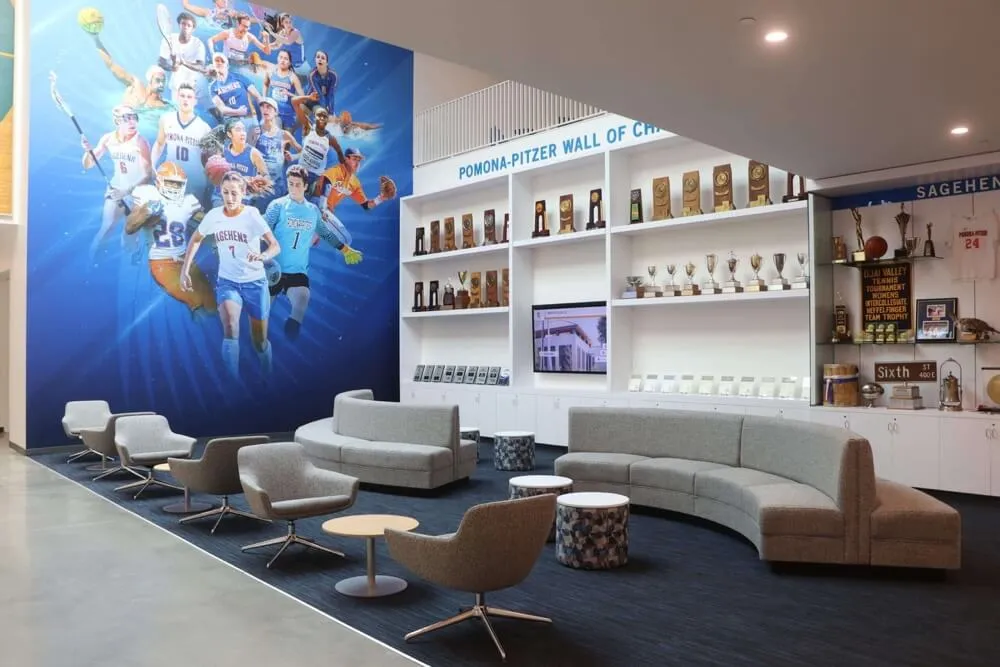
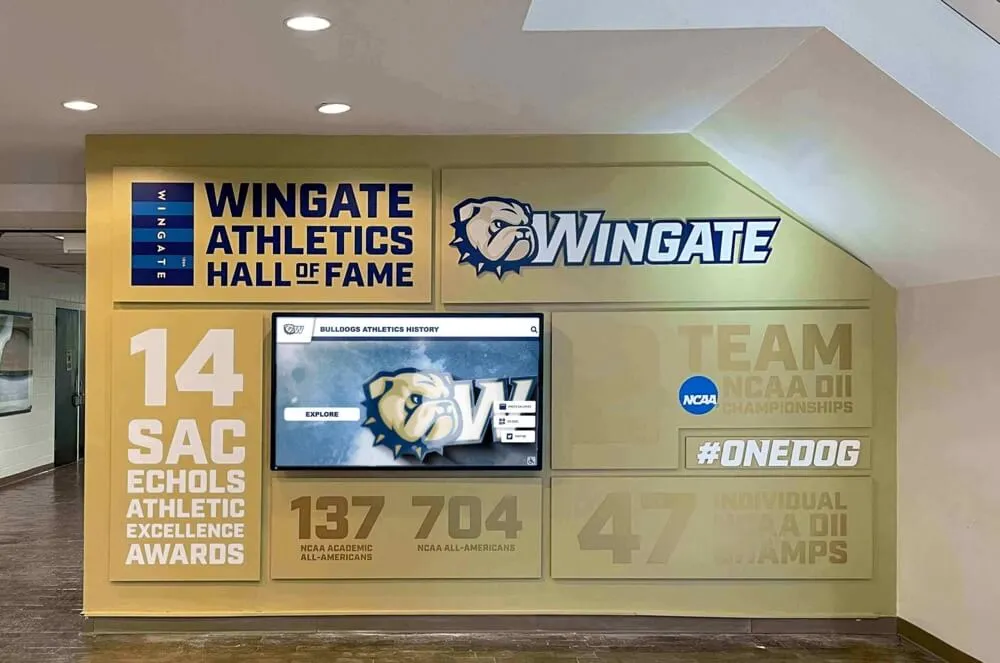
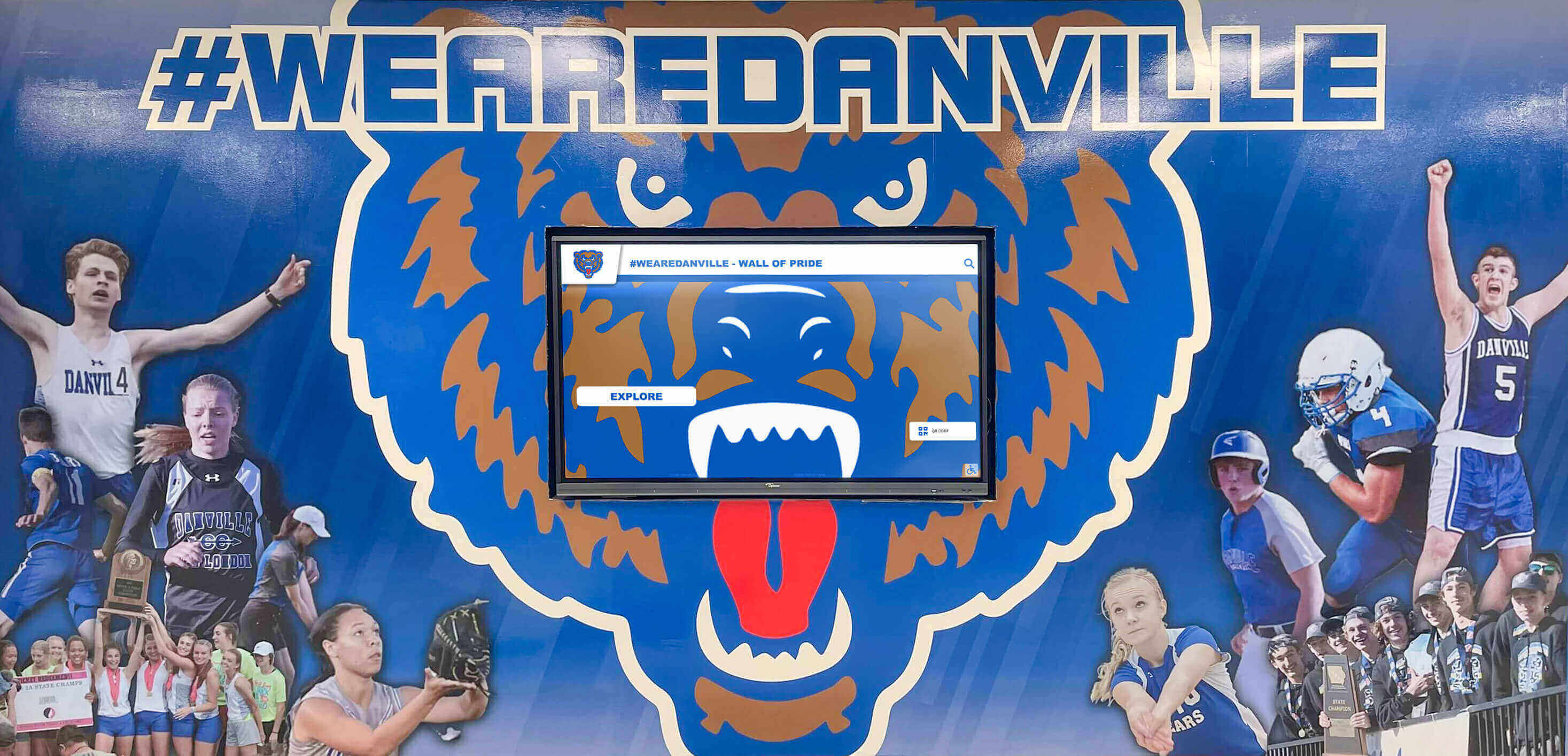
Many schools find that combining physical and digital recognition delivers optimal results by honoring tradition while embracing modern capabilities. Hybrid programs might include traditional vinyl banners for senior night celebrations creating tangible moments families photograph and remember, supplemented by permanent digital displays maintaining year-round recognition, QR codes on physical banners linking to extended digital profiles, and video displays showing content that physical formats cannot convey.
These combined approaches satisfy stakeholders with different preferences—traditionalists who value physical recognition and modern audiences expecting digital integration—while maximizing recognition reach and impact across multiple channels and audiences.
Modern solutions like Rocket Alumni Solutions provide schools with comprehensive digital recognition platforms that honor seniors through interactive touchscreen displays, unlimited profile capacity, multimedia integration, and seamless updates that keep recognition current throughout senior seasons and beyond graduation. These systems complement traditional banner programs or can serve as complete digital-first recognition solutions depending on school preferences and goals.
Conclusion: Recognition That Truly Honors Seniors
The best senior banner programs share common characteristics regardless of specific formats or approaches—they honor diverse achievements beyond narrow accomplishment types, maintain consistency ensuring all recognized seniors receive comparable treatment, communicate genuine appreciation rather than perfunctory obligation, and create lasting memories that seniors and families treasure throughout their lives.
Whether your school implements traditional vinyl banners, embraces cutting-edge digital recognition, or adopts creative hybrid approaches, the ultimate measure of success lies in whether graduating seniors feel genuinely seen, appreciated, and celebrated for their contributions. Recognition programs that achieve this goal—making seniors feel their efforts mattered and their school communities genuinely value their participation—create positive memories that influence how graduates remember their high school experiences and whether they maintain connections with their schools throughout their lives.
As you plan your senior recognition program, focus less on following prescribed formulas and more on understanding what your specific seniors need and deserve. The 30 ideas presented in this guide provide starting points and inspiration, but the most meaningful recognition emerges when schools thoughtfully adapt ideas to their unique communities, values, and circumstances. Your graduating seniors deserve nothing less than recognition that genuinely honors their remarkable contributions and celebrates the incredible people they’ve become during their high school journeys.
Start planning early, involve multiple stakeholders in decision-making, maintain focus on what truly matters—making seniors feel valued and appreciated—and your banner program will create the lasting impact your graduating students deserve as they prepare for the exciting chapters ahead in their lives.