



The final weeks of senior year represent milestone moments when schools have one last opportunity to celebrate students who've shaped their communities, achieved remarkable accomplishments, and prepared to step into their futures. Senior awards programs serve as powerful culminating experiences that validate years of dedication, honor diverse achievements, and create lasting memories students carry throughout their lives. Yet many schools struggle to design recognition systems that feel genuinely meaningful rather than perfunctory—ceremonies that celebrate authentic accomplishment while ensuring all graduating seniors feel valued for their unique contributions.
This comprehensive guide explores everything schools need to create senior awards programs that resonate with contemporary students in 2026: traditional award categories and innovative recognition approaches, strategies for balancing excellence-based honors with inclusive celebration, practical ceremony planning that maintains engagement and dignity, modern digital solutions that extend recognition beyond single events, and best practices from schools that have mastered the art of honoring graduating classes in ways students genuinely treasure.
Senior year culminates four transformative years during which teenagers evolve into young adults, discovering interests and passions, developing capabilities and character, forming lifelong friendships, and preparing for futures in college, careers, military service, or other pathways. The final months before graduation provide natural opportunities to pause, reflect, and celebrate—to honor not just academic achievement but the full spectrum of ways students have contributed to their school communities.
Effective senior awards programs accomplish multiple essential purposes. They validate years of hard work and dedication through formal recognition. They provide concrete achievements students can include in college applications, scholarship submissions, and resumes. They create emotionally resonant moments that strengthen students’ positive associations with their schools. They model for younger students what excellence looks like across multiple domains. And they give families opportunities to celebrate their graduating seniors’ accomplishments in formal, meaningful ways.
However, designing senior recognition programs presents genuine challenges. Schools must balance celebrating exceptional achievement with ensuring all seniors feel valued. Recognition systems should honor diverse pathways to contribution—not just academic and athletic excellence but also artistic accomplishment, community service, character development, and countless other ways students impact their communities. Ceremonies must maintain appropriate solemnity and significance while remaining engaging enough to hold the attention of teenagers who’ve attended dozens of similar events throughout their educational careers.
Understanding the Purpose and Impact of Senior Awards
Before exploring specific award categories and implementation strategies, it’s essential to understand why senior recognition matters and how thoughtfully designed programs create lasting impact.
The Psychology of Senior Recognition
Recognition during senior year carries special significance because it arrives at a pivotal developmental moment when students are consolidating their identities, preparing for major life transitions, and seeking validation that their high school experiences mattered.
Identity Consolidation and Self-Narrative Late adolescence represents the period when young people actively construct coherent narratives about who they are and what they value. Senior awards contribute to these self-narratives by providing external validation of internal qualities and accomplishments. A student honored for community service leadership begins seeing themselves as someone who makes a difference in their community. Recognition for perseverance through challenges becomes part of their story about overcoming obstacles. These award-validated narratives shape how students think about themselves as they move into adult roles.
Transition Support and Confidence Building Graduation marks one of life’s most significant transitions—leaving the familiar structures of compulsory schooling for the uncertain terrain of college, careers, or other adult pursuits. Recognition during this transition period provides emotional anchors and confidence boosters. Students heading to college carry memories of being honored for academic excellence. Those entering the workforce remember recognition for practical skills and reliability. These validated accomplishments provide psychological reassurance during challenging transition periods when self-doubt naturally emerges.
Legacy and Belonging Senior awards create formal recognition that students belonged to communities that valued them. Years later, alumni remember not just that they graduated but that their schools took time to specifically acknowledge their contributions. This sense of having been seen and celebrated creates lasting emotional connections between graduates and their schools—connections that later translate into alumni engagement, financial support, and positive advocacy.
Benefits for Students, Schools, and Communities
Senior recognition programs generate ripple effects extending far beyond individual award recipients.
For Graduating Seniors:
- Concrete recognition to include in college applications and scholarship submissions
- Validation of years of effort, dedication, and growth
- Positive memories associated with their high school experiences
- Formal acknowledgment of their unique contributions and qualities
- Motivation during the challenging final semester when senioritis tempts disengagement
- Tangible documentation of accomplishments they can reference throughout life
- Emotional closure and ceremonial marking of important life transitions
For Underclass Students:
- Role models demonstrating what excellence looks like in accessible, relatable forms
- Aspirational goals providing direction for their own high school journeys
- Understanding that sustained effort and character development receive recognition
- Visible proof that their school values diverse types of achievement beyond test scores
- Inspiration to pursue excellence in areas matching their strengths and interests
For Schools:
- Opportunity to publicly celebrate and communicate institutional values
- Documentation of student accomplishments supporting school reputation and recruitment
- Alumni who carry positive associations and later provide support
- Strengthened school culture emphasizing achievement and contribution
- Enhanced relationships with families during emotionally significant moments
- Visible demonstration to communities that schools produce accomplished graduates
For Families:
- Formal celebration of their children’s accomplishments in dignified settings
- Pride in seeing years of support and encouragement validated publicly
- Concrete documentation of achievements for family records and memory-keeping
- Shared ceremonial experiences creating lasting family memories
- Validation that their choice of school community provided quality education
Traditional Senior Award Categories
Most senior awards programs include several foundational categories that schools have recognized for generations. Understanding these traditional awards provides the baseline upon which schools can build comprehensive recognition systems.
Academic Excellence Awards
Academic honors represent the most established form of senior recognition, celebrating intellectual achievement and scholarly dedication.
Valedictorian and Salutatorian The most prestigious academic honors, recognizing the graduates with the highest and second-highest grade point averages across four years. These awards carry particular weight because of their clear, objective criteria and long history. Many colleges and scholarships specifically ask about valedictorian status, making these honors valuable beyond their ceremonial significance. Schools should establish and communicate clear policies about how GPAs are calculated, whether weighted or unweighted rankings apply, and how ties are handled—transparency prevents disputes and ensures fairness.
Honor Graduate Distinctions Beyond the top two positions, schools typically recognize broader academic excellence through tiered honor graduate designations. Common approaches include summa cum laude (typically 4.0 or 3.9+ GPA), magna cum laude (typically 3.7-3.89 GPA), and cum laude (typically 3.5-3.69 GPA). These Latin honor designations, borrowed from college traditions, provide formal recognition for strong academic performance across multiple levels, ensuring more students receive acknowledgment while maintaining distinction between achievement tiers.
Subject-Specific Academic Awards Departmental awards recognize excellence in specific academic disciplines, providing recognition opportunities for students whose overall GPAs may not reach highest honors but who demonstrate exceptional capability in particular subjects. Common awards include English Department Award for outstanding achievement in literature and writing, Mathematics Excellence Award for superior performance in mathematical studies, Science Achievement Award celebrating excellence in biology, chemistry, physics, or other sciences, Social Studies Recognition for exceptional understanding of history, geography, or social sciences, World Language Proficiency Awards honoring advanced language learning, Arts Excellence Awards for visual arts, music, drama, or other creative disciplines, and Career and Technical Education Awards recognizing outstanding achievement in vocational and technical programs. Subject-specific awards ensure students with concentrated excellence receive appropriate recognition even when their interests lie primarily in particular domains.
National Merit and External Academic Honors Schools should formally recognize national and regional academic distinctions students have earned including National Merit Scholars and Finalists, National Honor Society membership and leadership, AP Scholar Awards in various levels, College Board National Recognition Programs, and Academic Decathlon or Quiz Bowl achievement. While schools don’t confer these external honors, publicly acknowledging students who’ve earned them celebrates their accomplishments and models achievement for younger students. Learn more about academic recognition programs that support comprehensive student achievement.
Athletic Achievement Recognition
For students who’ve dedicated countless hours to sports, athletic recognition honors their commitment, teamwork, and competitive achievement.
Varsity Letter Awards The foundational athletic recognition, varsity letters acknowledge students who’ve met participation and performance standards in varsity-level competition. Many schools present senior athletes with special recognition during final awards ceremonies, honoring accumulated letters across multiple sports and years. Four-year varsity athletes in particular deserve special acknowledgment for sustained commitment and dedication.
All-Conference and All-State Honors Students selected by coaches, media, or athletic associations for all-conference, all-region, or all-state teams deserve special recognition at school ceremonies. These external validations represent peer and expert acknowledgment of exceptional athletic achievement. Schools should systematically track and celebrate these honors, ensuring they receive appropriate visibility rather than being mentioned casually if at all.
Team MVP and Captain Recognition Most Valuable Player awards and team captain selections recognize leadership and exceptional contribution within specific sports. While individual teams typically present these during season-ending banquets, schools should ensure senior MVPs and captains receive acknowledgment during comprehensive senior awards ceremonies as well, particularly for graduating captains who’ve led their teams throughout final seasons.
Athletic Scholar-Athlete Awards Recognizing students who excel both athletically and academically, scholar-athlete awards honor the demanding balance of maintaining high academic standards while competing at varsity levels. These awards validate students who refused to compromise either athletic or academic excellence, modeling well-rounded achievement for younger athletes who sometimes face pressure to prioritize one domain over another.
Four-Year Athlete Recognition Students who’ve participated in varsity athletics for all four high school years demonstrate remarkable commitment, resilience, and dedication. Special recognition for four-year athletes celebrates sustained involvement through the injuries, setbacks, and challenges that inevitably accompany athletic careers. This recognition proves particularly meaningful for athletes who may not have earned MVP or all-state honors but who showed up, worked hard, and contributed consistently across their entire high school careers.
Character and Service Recognition
Beyond academic and athletic achievement, character-based awards honor qualities essential to personal success and community contribution.
Community Service Leadership Award Recognizes seniors who’ve demonstrated exceptional commitment to serving others through sustained volunteer work, service project leadership, or community organization involvement. Effective community service awards honor genuine, significant contribution rather than mere hour accumulation, celebrating students who’ve made real differences in their communities through dedicated service. These awards validate students pursuing values-driven paths and model civic engagement for younger students.
Character and Integrity Award Honors students who’ve consistently demonstrated honesty, ethical behavior, respect for others, and moral courage throughout their high school careers. Character awards prove most meaningful when they recognize genuine patterns of behavior rather than popularity or likability. Students receiving these honors should be those peers and staff genuinely respect for doing what’s right even when difficult or unpopular.
Leadership Excellence Recognition Celebrates students who’ve demonstrated exceptional leadership through student government, club presidencies, athletic team captaincy, or other formal leadership roles. Effective leadership recognition should acknowledge both official leadership positions and the less formal but equally important leadership students provide through positive influence, initiative-taking, and inspiring others to excellence.
Citizenship and School Spirit Award Recognizes students who’ve embodied school values, demonstrated extraordinary school spirit, participated actively in school life, and contributed positively to school culture. Citizenship awards honor students who made their schools better places through enthusiasm, positive attitudes, and active engagement across multiple activities and contexts.
Perseverance and Resilience Award Honors seniors who’ve overcome significant challenges, obstacles, or personal hardships while maintaining commitment to their education and growth. These awards celebrate resilience, determination, and grit—qualities that predict long-term success better than pure talent or natural ability. Perseverance awards prove particularly meaningful for students whose circumstances made achievement far more difficult than it appeared from outside perspectives.
Fine Arts and Creative Achievement
For students whose passions and talents lie in creative domains, arts recognition validates accomplishments often undervalued in academically or athletically focused cultures.
Music Excellence Awards Recognizing outstanding achievement in vocal music, instrumental performance, music theory, or composition. Music awards might honor all-state ensemble members, solo competition winners, or students who’ve demonstrated sustained musical growth and dedication. Schools with strong music programs often differentiate awards by discipline—choral excellence, instrumental achievement, jazz performance—ensuring diverse musical accomplishments receive specific recognition.
Visual Arts Achievement Celebrating exceptional ability in painting, drawing, sculpture, photography, digital arts, or other visual media. Visual arts awards might recognize regional or national art competition success, sustained portfolio development, or students whose work demonstrates exceptional creativity and technical skill. Including student artwork in award presentations or displays adds visual interest while showcasing honored students’ capabilities.
Theater and Dramatic Arts Recognition Honoring outstanding achievement in acting, directing, technical theater, or other aspects of theatrical production. Drama awards celebrate students who’ve brought stories to life, created memorable performances, or contributed significantly to theatrical productions’ success. These awards validate the intensive time commitment and creative risk-taking that theater demands.
Creative Writing and Literary Arts Recognizing exceptional ability in poetry, fiction, creative nonfiction, journalism, or other forms of literary expression. Writing awards might honor students who’ve published work in literary magazines, won writing competitions, or demonstrated extraordinary growth and capability in crafting compelling written work.
Dance, Film, and Other Creative Disciplines As schools expand arts offerings, recognition should include newer creative domains including dance achievement, film and video production, graphic design, digital media creation, and other contemporary creative forms. Comprehensive arts recognition ensures students pursuing diverse creative paths all see that their schools value artistic excellence in its many manifestations.
Innovative and Contemporary Award Categories
Beyond traditional recognitions, forward-thinking schools include contemporary award categories reflecting 21st-century values and accomplishments.
STEM and Innovation Awards
As technology increasingly shapes modern life, recognition for technological capability and innovative thinking gains importance.
STEM Excellence Award Recognizes outstanding achievement across science, technology, engineering, and mathematics disciplines. STEM awards might honor success in science fairs, robotics competitions, coding challenges, or sustained excellence across multiple STEM domains. As STEM capabilities grow increasingly essential for career success, formal recognition validates students pursuing these challenging fields.
Entrepreneurship and Innovation Recognition Celebrates students who’ve demonstrated entrepreneurial thinking through starting businesses, developing innovative solutions to problems, or showing exceptional creativity in addressing challenges. Innovation awards validate nontraditional pathways and honor students whose entrepreneurial mindsets will serve them well regardless of specific career directions.
Technology Leadership Award Honors students who’ve demonstrated exceptional capability with technology while often providing technical assistance to teachers, maintaining school tech systems, developing apps or websites, or teaching others technical skills. As schools increasingly depend on technology, formal recognition for students who’ve contributed their technical expertise acknowledges valuable service while modeling technological competence.
Research Achievement Recognition Recognizes students who’ve conducted genuine research projects, often in partnership with universities or through specialized programs. Research awards celebrate sustained inquiry, methodological rigor, and intellectual curiosity—qualities essential for academic and professional success in increasingly complex fields.
Global Citizenship and Cultural Competence
In an interconnected world, schools increasingly value global awareness and intercultural capability.
Global Studies and International Engagement Award Honors students demonstrating exceptional knowledge of global issues, proficiency in multiple languages, or engagement with international programs and exchange opportunities. Global citizenship awards recognize students who’ve invested in understanding different cultures, perspectives, and global challenges.
Cultural Leadership and Diversity Advocacy Celebrates students who’ve promoted inclusion, celebrated diversity, educated peers about different cultures, or served as bridges between different student communities. Diversity leadership awards validate the often challenging work of promoting understanding across differences and creating more inclusive school cultures.
Environmental Stewardship and Sustainability Award Recognizes students who’ve demonstrated commitment to environmental protection through sustainability initiatives, environmental education, conservation projects, or advocacy for ecological responsibility. Environmental awards honor emerging leaders in addressing climate change and environmental challenges facing their generation.
Specialized Contribution Recognition
Some of the most meaningful awards recognize specific contributions unique to individual students.
Senior Class Leadership Award Specifically honors seniors who’ve provided exceptional leadership within their graduating class through student government, class officer roles, or organizing class events and activities. Class leadership awards acknowledge students who’ve worked to unite their classes and create positive class identities.
Mentor and Peer Support Recognition Celebrates students who’ve mentored younger students, provided peer tutoring, or offered emotional support helping classmates navigate challenges. Mentorship awards validate the generous investment of time and energy required for genuinely helping others succeed.
Arts and Culture Programming Award Recognizes students who’ve enriched school cultural life by organizing events, curating exhibitions, programming performances, or creating opportunities for peers to engage with arts and culture.
Unsung Hero Award Perhaps the most personally meaningful category, unsung hero awards recognize students whose quiet contributions might otherwise go unacknowledged—those who consistently help others, maintain positive attitudes, or contribute to their schools in countless small ways that collectively make significant differences.
Designing Comprehensive Senior Recognition Systems
Individual award categories matter less than the overall system design ensuring all graduating seniors receive meaningful recognition while maintaining the significance of special honors.
Balancing Excellence and Inclusion
The central tension in senior recognition involves honoring exceptional achievement while ensuring all seniors feel valued.
Tiered Recognition Approach Effective schools implement multiple recognition levels serving different purposes. Universal recognition ensures all graduating seniors receive acknowledgment through diploma presentation, participation in commencement ceremonies, inclusion in graduation programs, and basic recognition of high school completion. Achievement-based recognition celebrates specific accomplishments through academic honors for strong GPA achievement, subject-specific awards for departmental excellence, and activity-based recognition across athletics, arts, and other domains. Exceptional recognition honors truly outstanding achievement through valedictorian and salutatorian designations, major scholarship recipients, and all-state or national-level achievement.
This tiered approach ensures that everyone receives baseline recognition while preserving meaningful distinction for exceptional accomplishment—avoiding the “everyone gets a trophy” problem without leaving some students feeling invisible.
Multiple Pathway Philosophy Recognition systems should explicitly value diverse pathways to contribution. Schools communicate that achievement takes many forms by creating award categories spanning academics, athletics, arts, service, character, and specialized contributions, ensuring that students with different strengths all see realistic recognition possibilities. This diversity prevents recognition systems from feeling like competitions only certain student types can win.
Process Transparency and Clarity Students and families should understand exactly how award recipients are selected. Published criteria for academic honors (specific GPA thresholds), clear nomination and selection processes for subjective awards, rubrics explaining what character and service awards honor, and advance communication about which awards exist and what they recognize prevent perceptions of favoritism or arbitrary selection.
Selection Processes and Criteria
Award credibility depends entirely on selection fairness and appropriateness.
Objective Criteria for Academic Honors Academic awards should use clearly defined, publicly communicated standards. Valedictorian selection based on highest GPA, honor graduate levels tied to specific GPA thresholds, and subject awards for highest departmental achievement ensure transparency and objectivity. Schools should establish and communicate policies about whether GPAs are weighted or unweighted, which courses factor into calculations, and how ties are resolved.
Structured Selection for Subjective Awards Character, service, and leadership awards require more sophisticated selection approaches. Effective methods include nomination-based systems allowing faculty, staff, students, or community members to nominate candidates, selection committees reviewing nominations and discussing candidates’ qualifications, evaluation rubrics defining qualities being recognized and providing structure for discussions, and documentation requirements supporting nominations with specific examples and evidence.
Faculty and Staff Input Teachers, counselors, coaches, and other staff members who’ve observed students across contexts provide essential perspectives for selection. Anonymous or confidential faculty surveys asking staff to identify students who exemplify various qualities generate valuable input while avoiding individual staff feeling personally responsible for selections that might disappoint other candidates or families.
Student Voice in Appropriate Categories For certain awards, student perspective adds authenticity. Peer-nominated awards like “best classmate” or “most likely to succeed” reflect student rather than adult perspectives. Class officer selections and student government leadership positions already incorporate student voting. However, adults should maintain final authority over most recognition to prevent popularity contests and ensure fairness.
Community and Alumni Input Some schools incorporate community member or alumni perspectives for specific awards, particularly service recognition or unsung hero categories. External voices can identify contributions that internal staff might miss while adding credibility to selections.
Ensuring Demographic and Program Equity
Recognition systems should produce outcomes where honors are distributed reasonably across demographic groups and school programs.
Monitoring Recognition Distribution Schools should periodically analyze award recipients by gender, race/ethnicity, socioeconomic background, and program participation. While not every individual award should mirror school demographics, the aggregate recognition system should not systematically exclude particular student populations. Demographic disparities in recognition suggest possible bias in award structures or selection processes requiring examination.
Balancing Programs and Activities Recognition should span the full range of school programs and activities rather than concentrating in traditionally high-visibility domains. If athletics receives dozens of awards while arts receive few, or if certain academic subjects dominate departmental recognition, schools should add categories ensuring equitable representation of diverse programs.
Addressing Implicit Bias Selection committees should receive training about recognizing and mitigating implicit bias—unconscious preferences that may influence perceptions of students from different backgrounds. Structured rubrics, evidence requirements, and deliberative discussions help counteract bias that inevitably affects human judgment.
Creating Opportunities for Underrepresented Students Intentionally designed award categories can create recognition opportunities for students who might otherwise be overlooked. Awards for improvement and growth, perseverance through challenges, bilingualism and cultural bridging, or first-generation college students acknowledge accomplishments specific to students from backgrounds historically underrepresented in traditional recognition systems.
Planning and Executing Senior Awards Ceremonies
Recognition systems include formal ceremonies where awards are publicly presented. Ceremony quality significantly affects whether recognition feels meaningful or perfunctory.
Ceremony Format and Structure Options
Schools structure senior recognition ceremonies in various ways depending on tradition, practical constraints, and philosophical preferences.
Integrated Commencement Recognition Some schools incorporate senior awards into graduation ceremonies, presenting major recognitions during commencement programs. Advantages include single event rather than asking families to attend multiple ceremonies, guaranteed attendance from all graduating seniors, natural integration of recognition with graduation’s ceremonial weight, and maximized audience size for award presentations. Disadvantages include already lengthy commencement becoming longer, limited time preventing comprehensive recognition, potential disruption of graduation’s ceremonial flow, and awards competing for attention with diploma presentation.
Separate Awards Night Programs Many schools hold dedicated senior awards nights in the weeks before graduation. Advantages include dedicated time allowing comprehensive recognition without time pressure, focused attention on awards rather than competing with other ceremony elements, flexibility in timing and location selection, and opportunities for more informal, celebratory atmospheres. Disadvantages include requiring separate event organization and coordination, potentially lower attendance than compulsory graduation ceremonies, and possible confusion about which event is “more important.”
Multiple Specialized Recognition Events Larger schools sometimes distribute recognition across several domain-specific events including academic awards night recognizing scholastic achievement, athletic banquets celebrating sports accomplishment, arts showcases honoring creative achievement, and service recognition ceremonies celebrating community contribution. Advantages include appropriately scaled events better matching audiences to honorees, opportunities for domain-specific celebration and tradition, and avoiding single overwhelming ceremonies trying to recognize hundreds of students. Disadvantages include ceremony fatigue from attending multiple events, difficulty ensuring equitable treatment across separate ceremonies, and students comparing event quality and prestige across domains.
Hybrid Recognition Approaches Some schools combine approaches, presenting major awards during commencement while recognizing broader achievement through separate comprehensive ceremonies. Or schools might hold subject-specific recognition events throughout senior year while reserving cross-school awards for single capstone ceremony.
Ceremony Planning and Execution
Successful ceremonies require careful planning addressing multiple logistical and experiential dimensions.
Timing and Scheduling Senior awards ceremonies typically occur during the final 2-4 weeks before graduation, after final grades are determined but while seniors still attend school. Evening ceremonies on weekdays or weekend afternoons typically maximize family attendance. Schools should avoid conflicts with other major school events, religious observances, or community activities. Adequate advance notice—at least 3-4 weeks—allows families to prioritize attendance and honorees to prepare any required remarks or attendance.
Venue Selection and Setup Choose spaces accommodating all expected attendees plus seating honorees appropriately. Auditoriums, gymnasiums, or cafeterias typically serve as ceremony venues. Consider acoustics and sight lines ensuring all attendees can hear and see presentations, climate control for comfort during potentially lengthy programs, accessibility for attendees with mobility limitations, stage or presentation area with appropriate lighting, and parking adequacy for expected attendance.
Program Length and Pacing Aim for 90-120 minute programs for most high schools—long enough for comprehensive recognition but short enough to maintain engagement. Longer programs risk losing audience attention and creating restlessness. Carefully script programs including precise timing for each segment, planned transitions between recognition categories, strategic placement of entertainment or multimedia elements preventing monotony, and buffer time accommodating unexpected situations.
Presentation Quality and Dignity Recognition ceremonies should feel appropriately formal and significant through professional printed programs listing all honorees, clear audio systems ensuring audibility, rehearsed presentation preventing awkward pauses or confusion, appropriate decorations creating celebratory atmosphere without distraction, and respectful tone balancing celebration with dignity.
Incorporating Student Voice and Performance Ceremonies shouldn’t consist exclusively of adult speakers. Include student musical performances showcasing graduating senior musicians, brief remarks from selected award recipients sharing perspectives, student leaders hosting or introducing segments, multimedia presentations featuring student voices and perspectives, and senior class video or slideshow presentations creating emotional connection.
Family Engagement and Photography Families attend to celebrate their students. Facilitate this through clear photo opportunities when students receive recognition, designated photographers capturing professional images, reasonable policies allowing family photos during ceremonies, and reception or social time after formal program enabling family celebration and congratulations.
Digital Recognition Solutions for Lasting Impact
Traditional ceremonies create important moments, but modern technology enables recognition to extend far beyond single events, creating lasting visibility that honors senior achievement long after graduation.
Limitations of Traditional Recognition
Physical awards, printed programs, and one-time ceremonies have inherent limitations that digital solutions address.
Limited Visibility and Access Traditional recognition reaches only those physically present during ceremonies. Family members who can’t attend miss celebrations. Alumni can’t easily revisit their recognition years later. Community members rarely know about student accomplishments unless they attend ceremonies or read brief local media coverage.
Static Documentation Physical awards and printed programs document recognition but provide minimal context. A trophy or certificate confirms someone received an award but tells no story about what they accomplished or why recognition mattered. Graduation programs list names but rarely explain achievements beyond brief one-line descriptions.
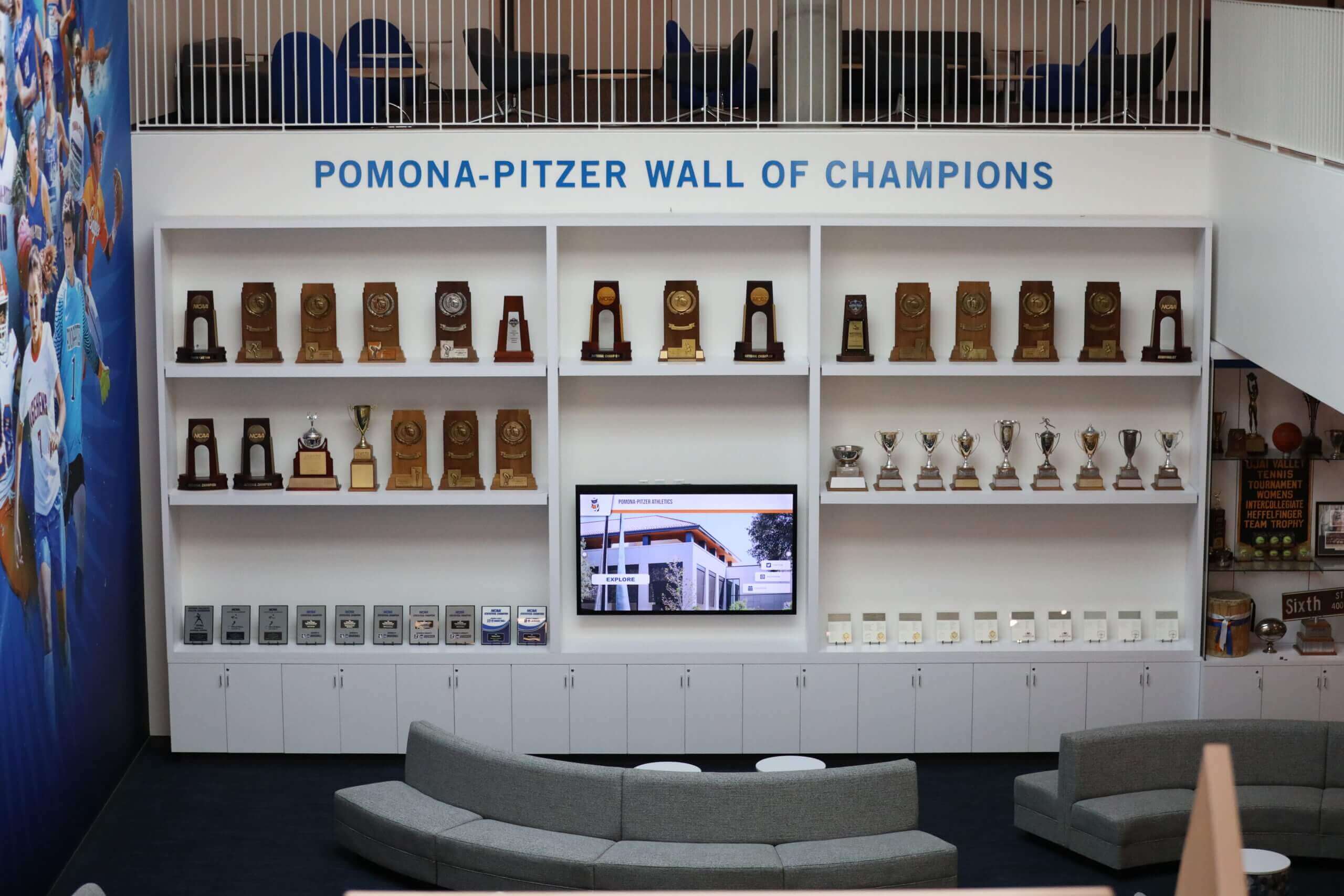
Space Constraints Physical trophy cases and recognition walls have finite capacity. As years pass, schools face difficult decisions about what recognition to display and what to store away. Limited space means many accomplishments never receive ongoing visibility beyond initial presentation.
Update Challenges Maintaining physical recognition displays requires significant effort. Adding new honorees to engraved plaques means ordering services and waiting weeks for completion. Updating physical displays with current information requires printing, mounting, and replacing outdated materials.
Digital Recognition Display Advantages
Modern interactive digital recognition systems address traditional limitations while creating enhanced experiences for students, families, and broader school communities.
Unlimited Recognition Capacity Digital platforms accommodate unlimited honorees across unlimited years without space constraints. Every award recipient, every honor graduate, every special recognition can be included permanently without choosing who to exclude based on physical space limitations. This comprehensive inclusion ensures that recognition remains accessible indefinitely rather than being archived and forgotten.
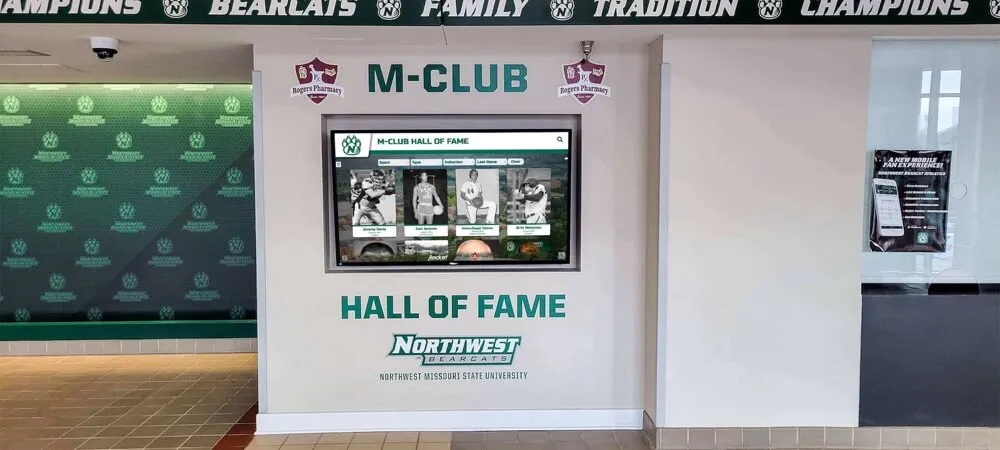
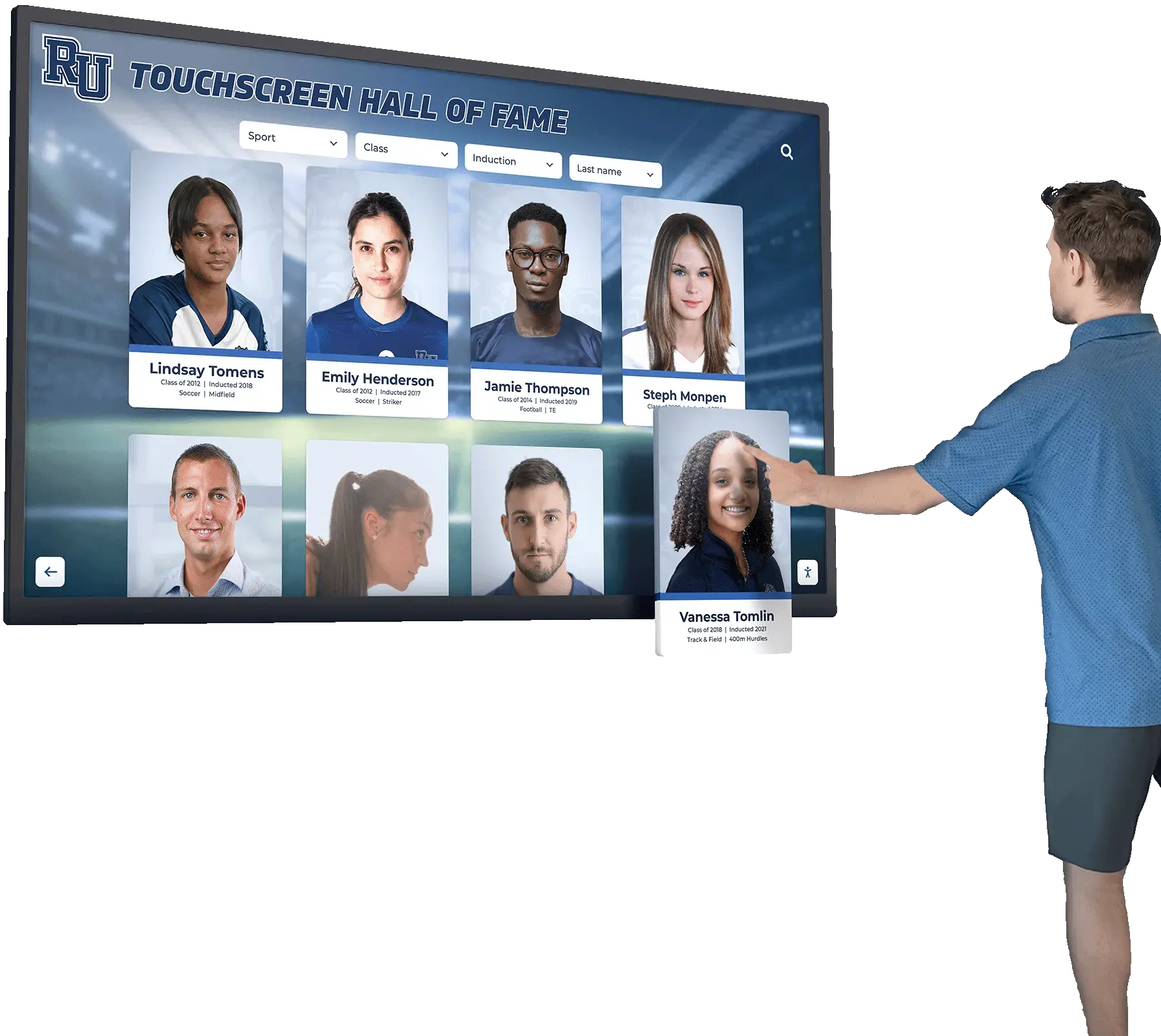
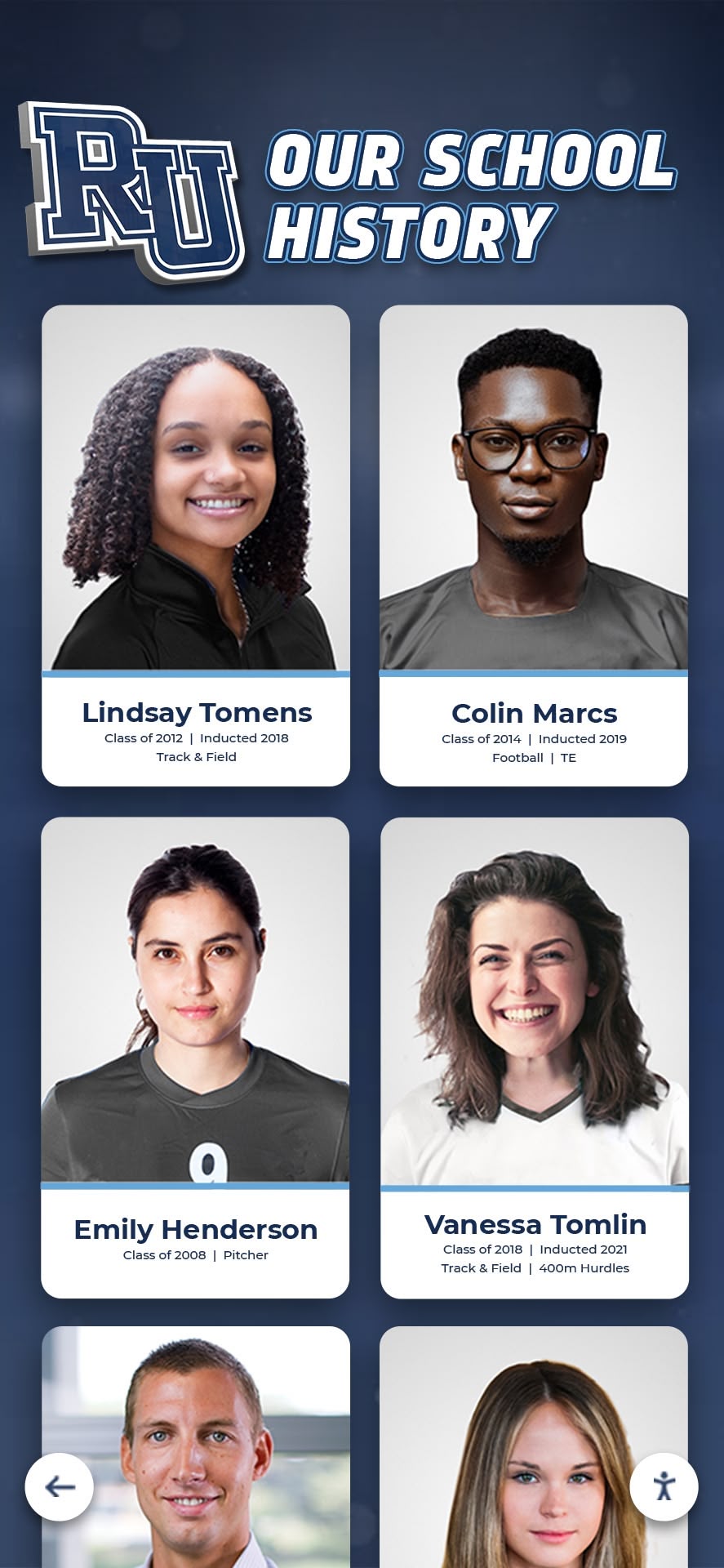
Rich Multimedia Profiles Beyond names and award titles, digital recognition showcases high-resolution photographs showing students during achievements or ceremonies, detailed achievement descriptions providing context and significance, video clips of performances, speeches, or competition highlights, embedded links to related content and external achievements, and personalized biographical information making recognition more meaningful and memorable.
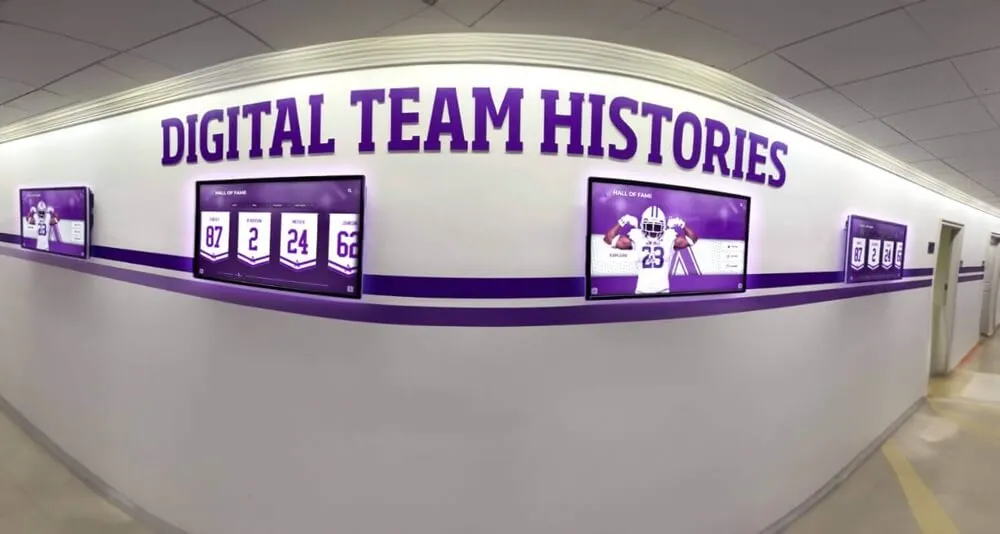
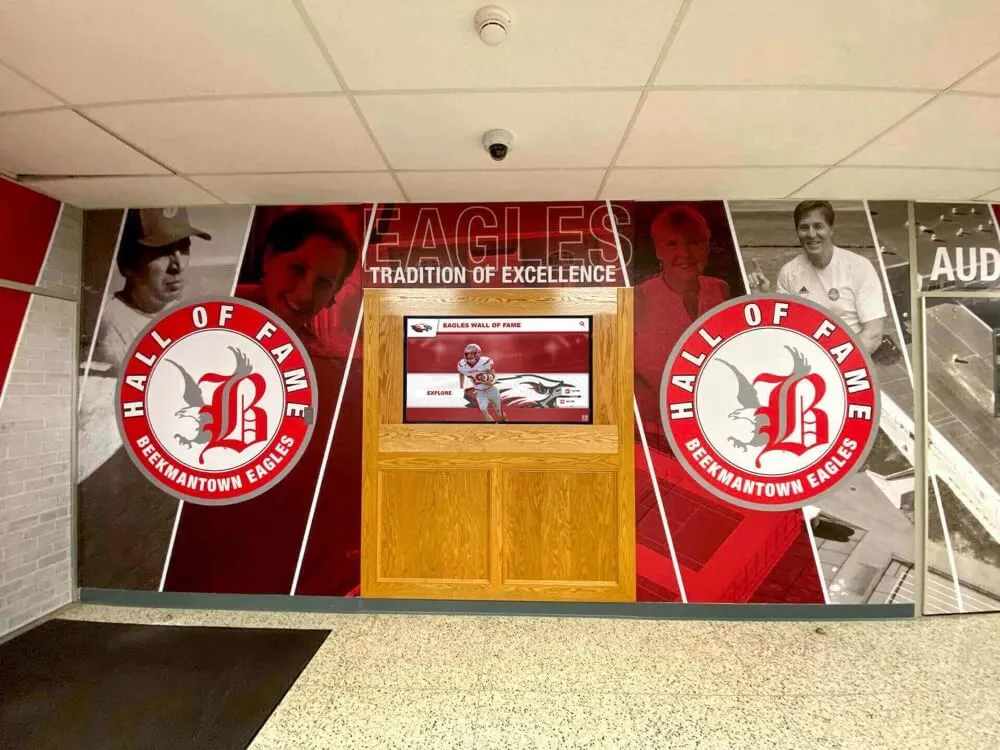
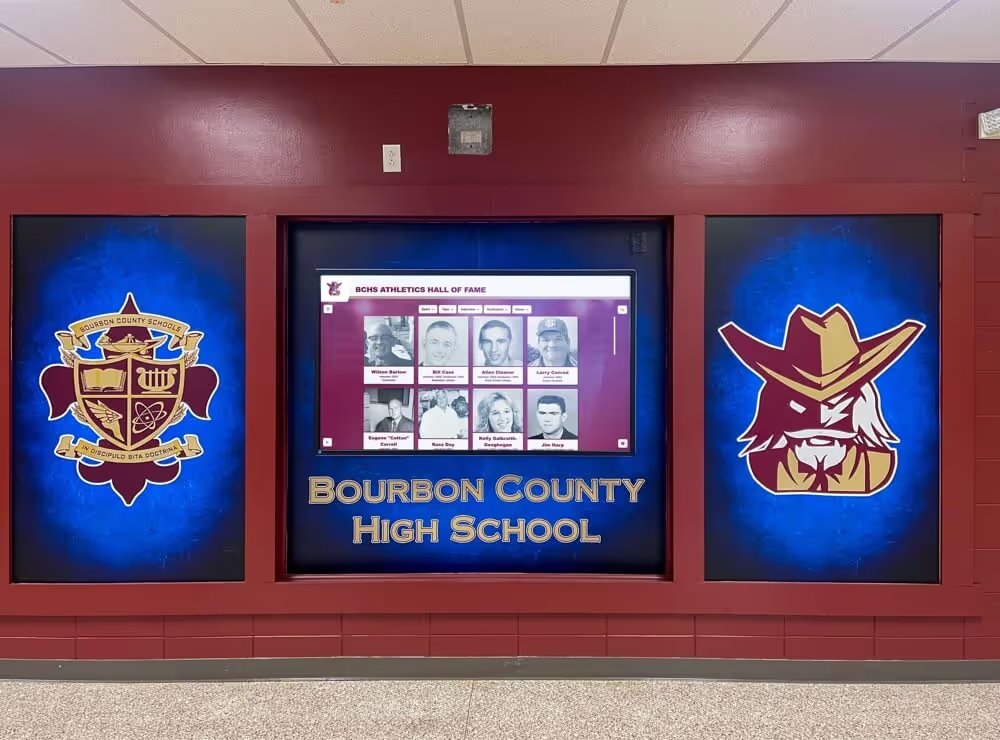
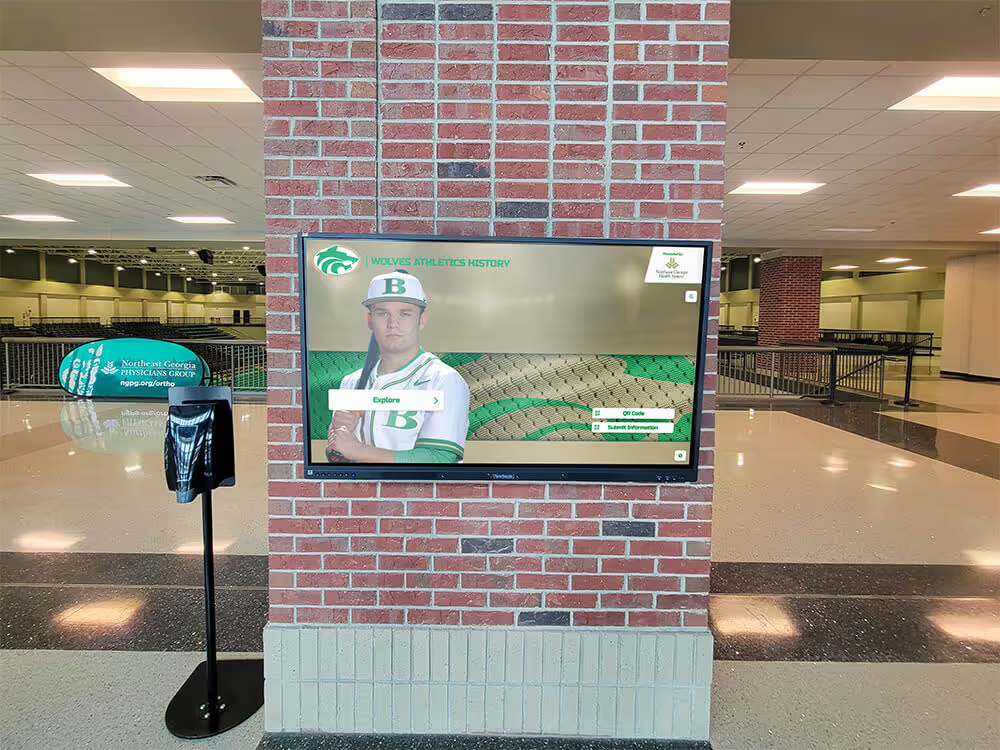
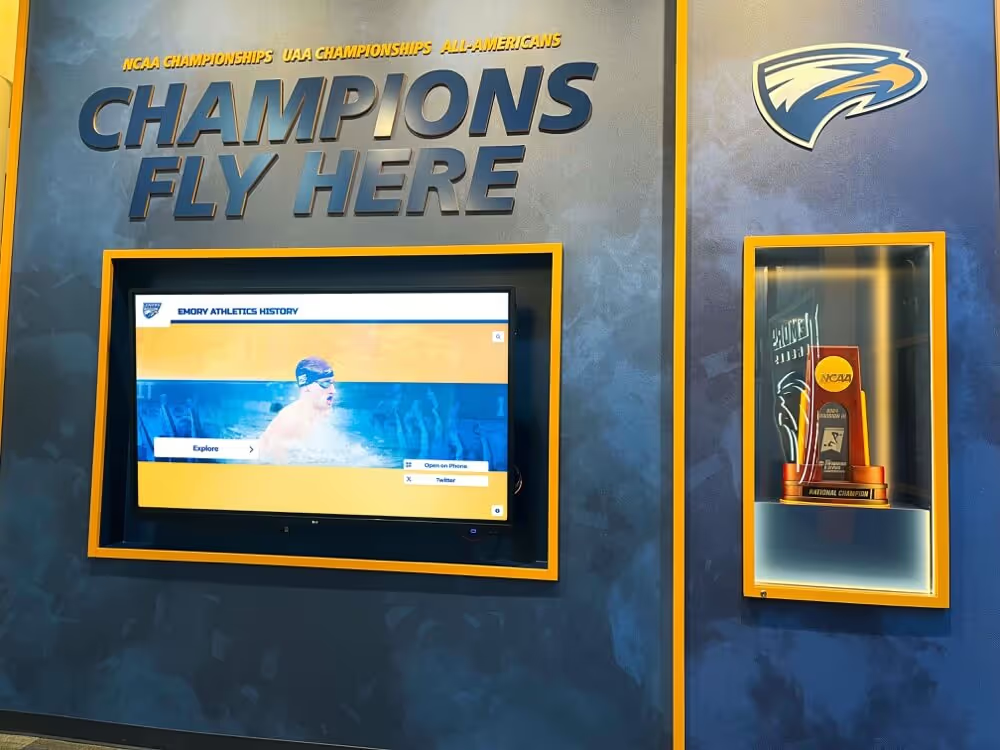
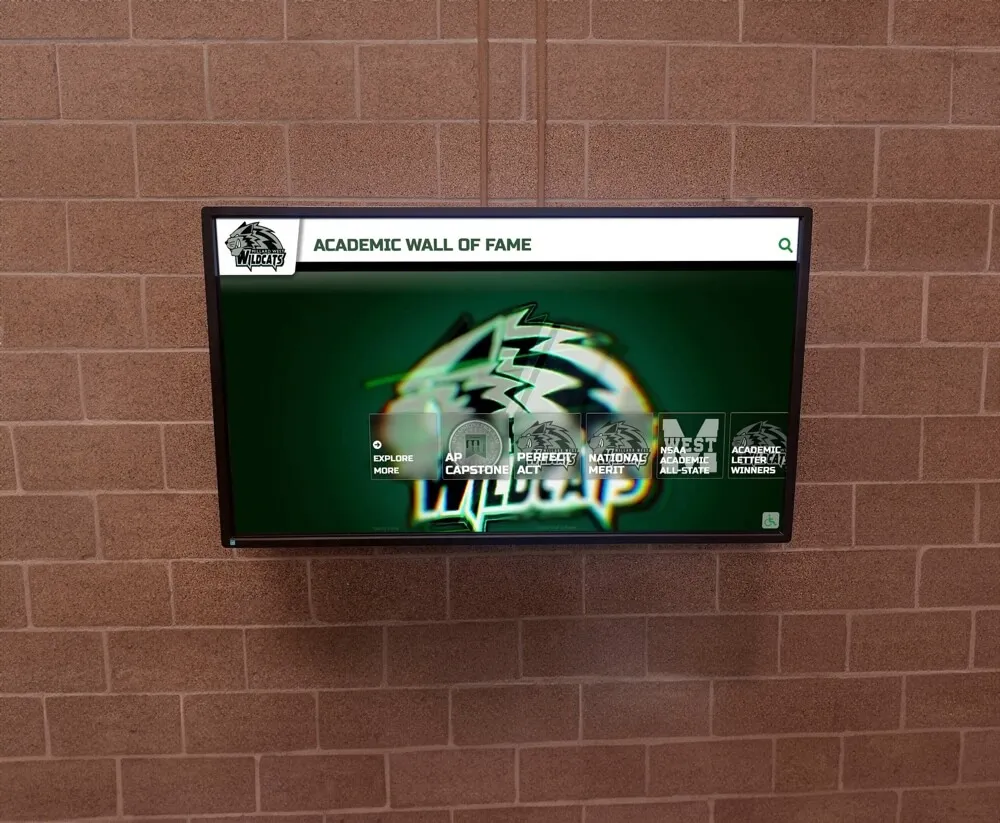
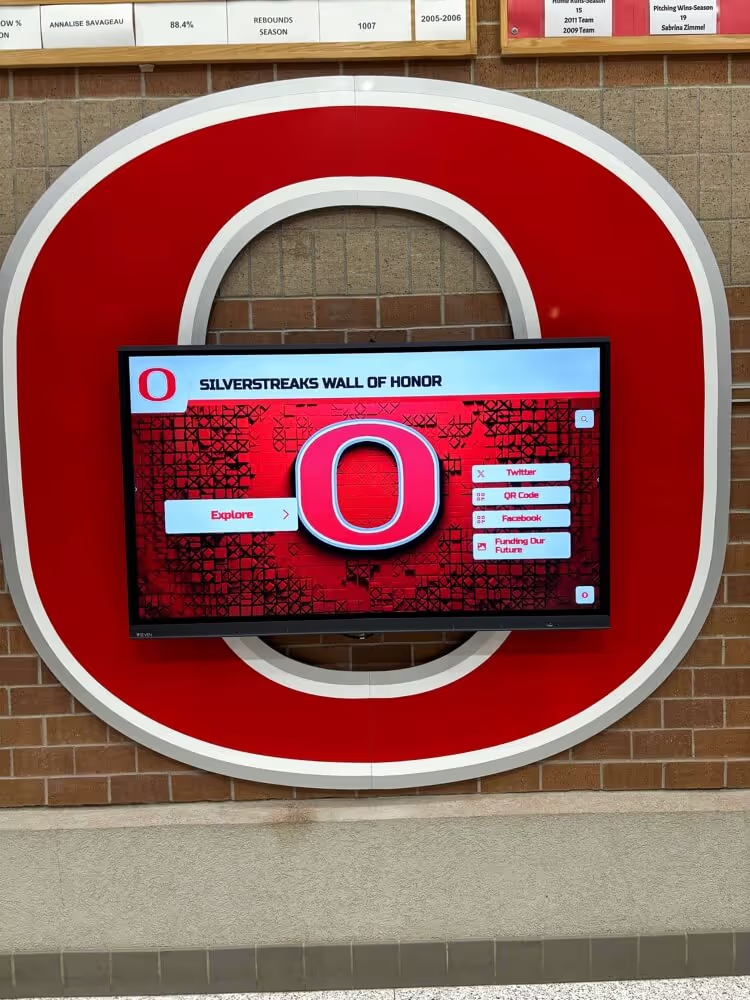
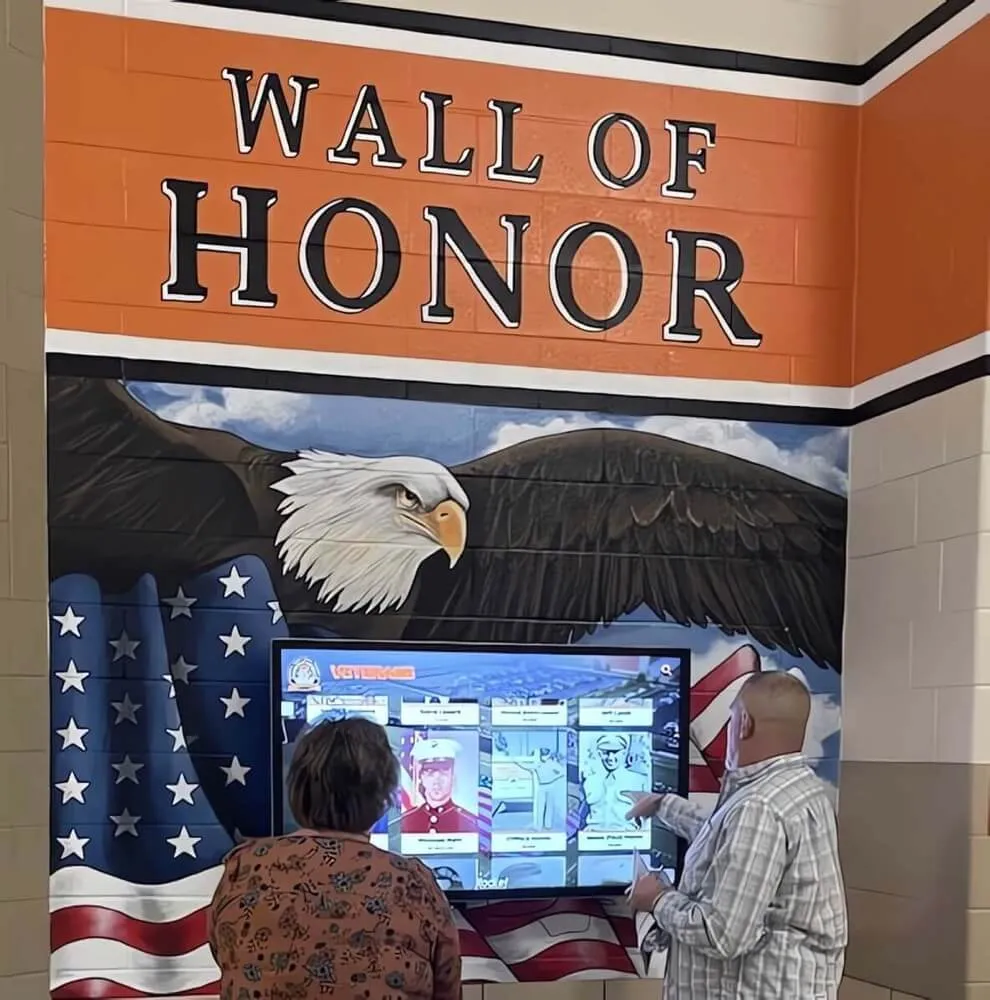
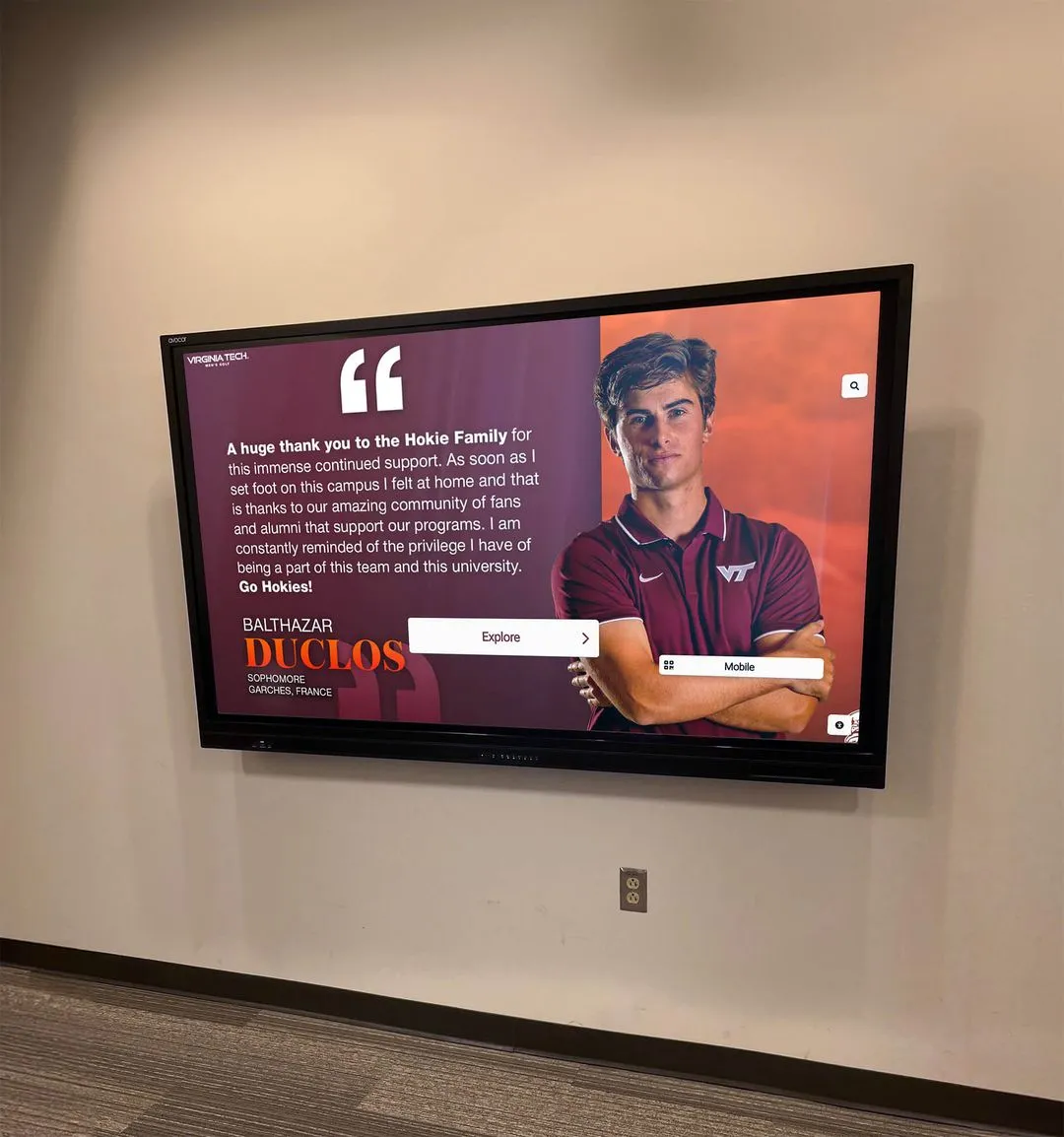
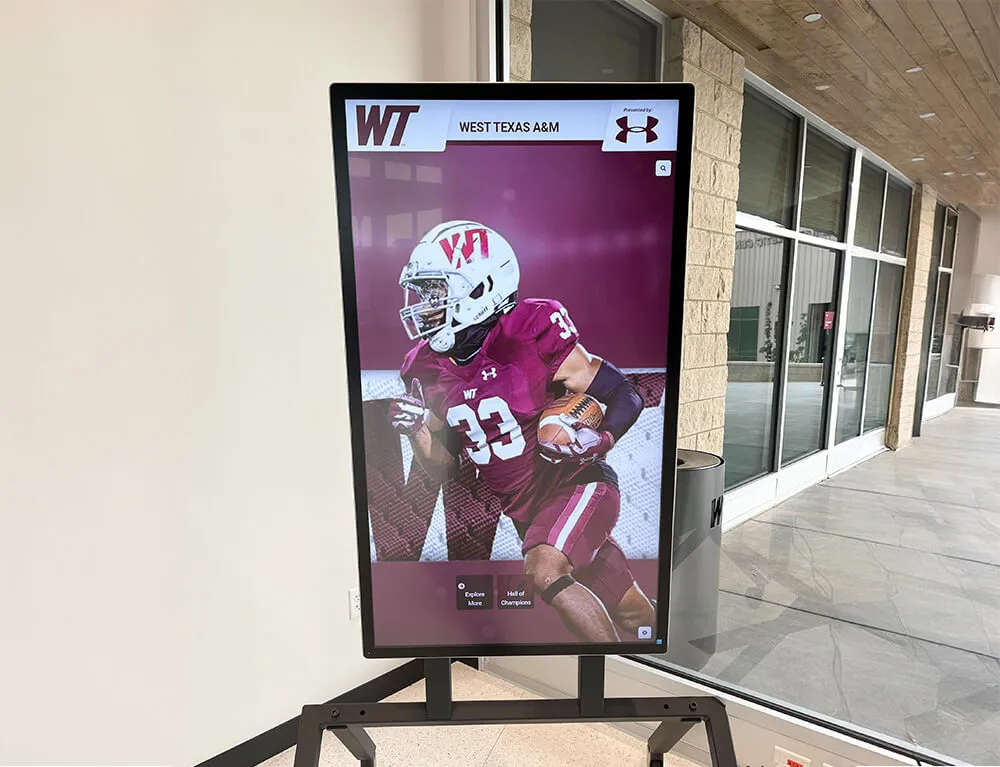
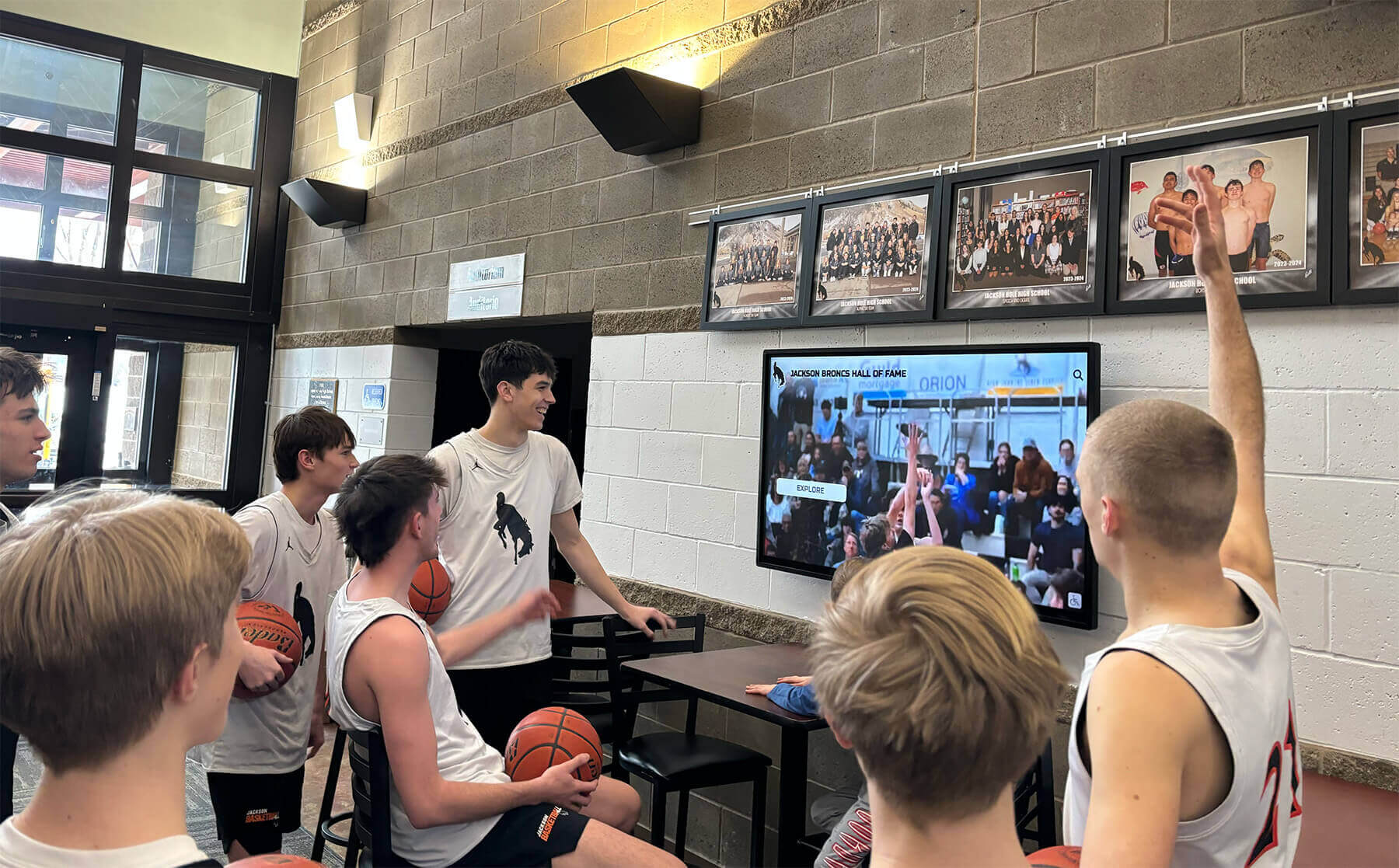
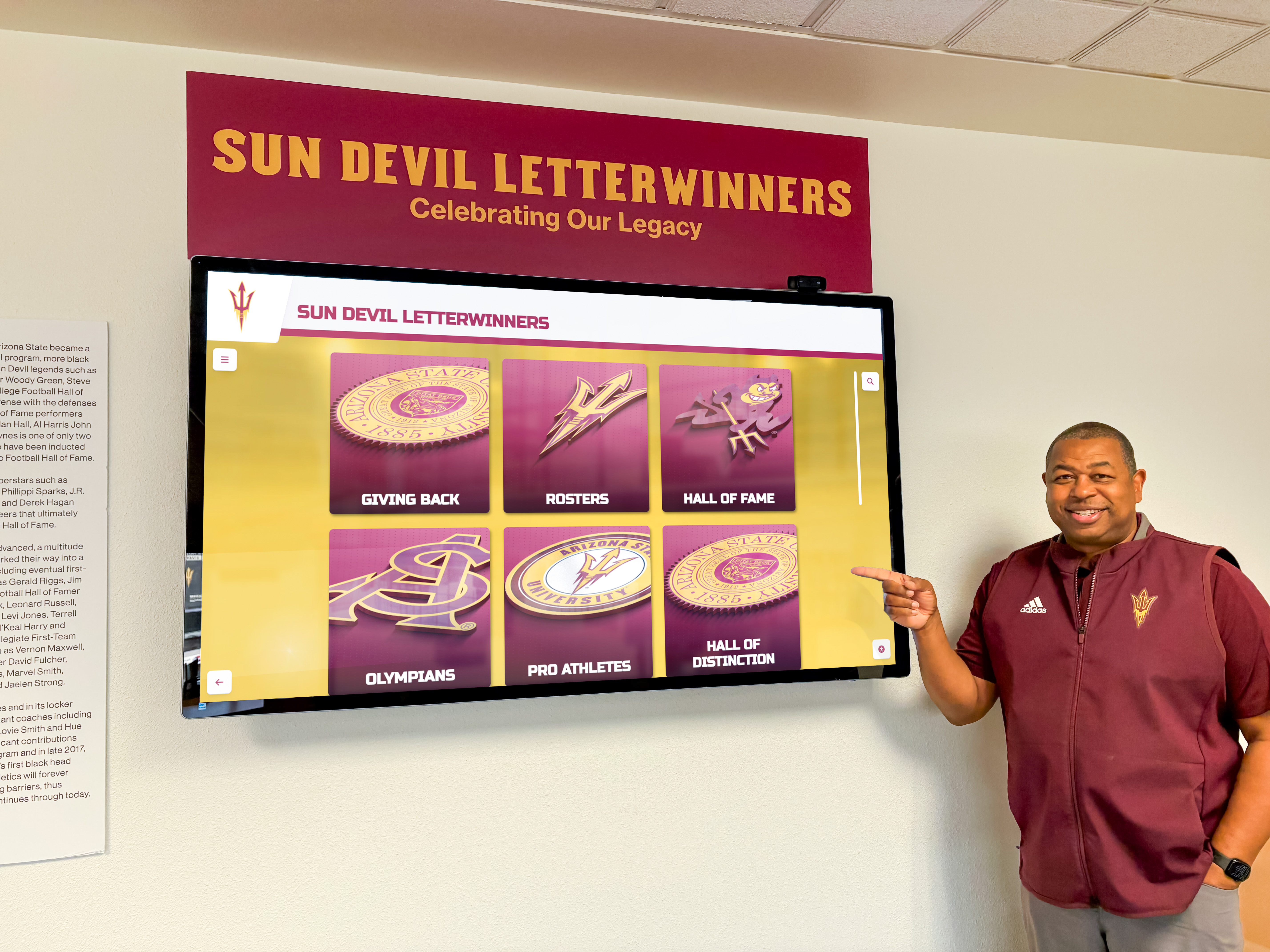
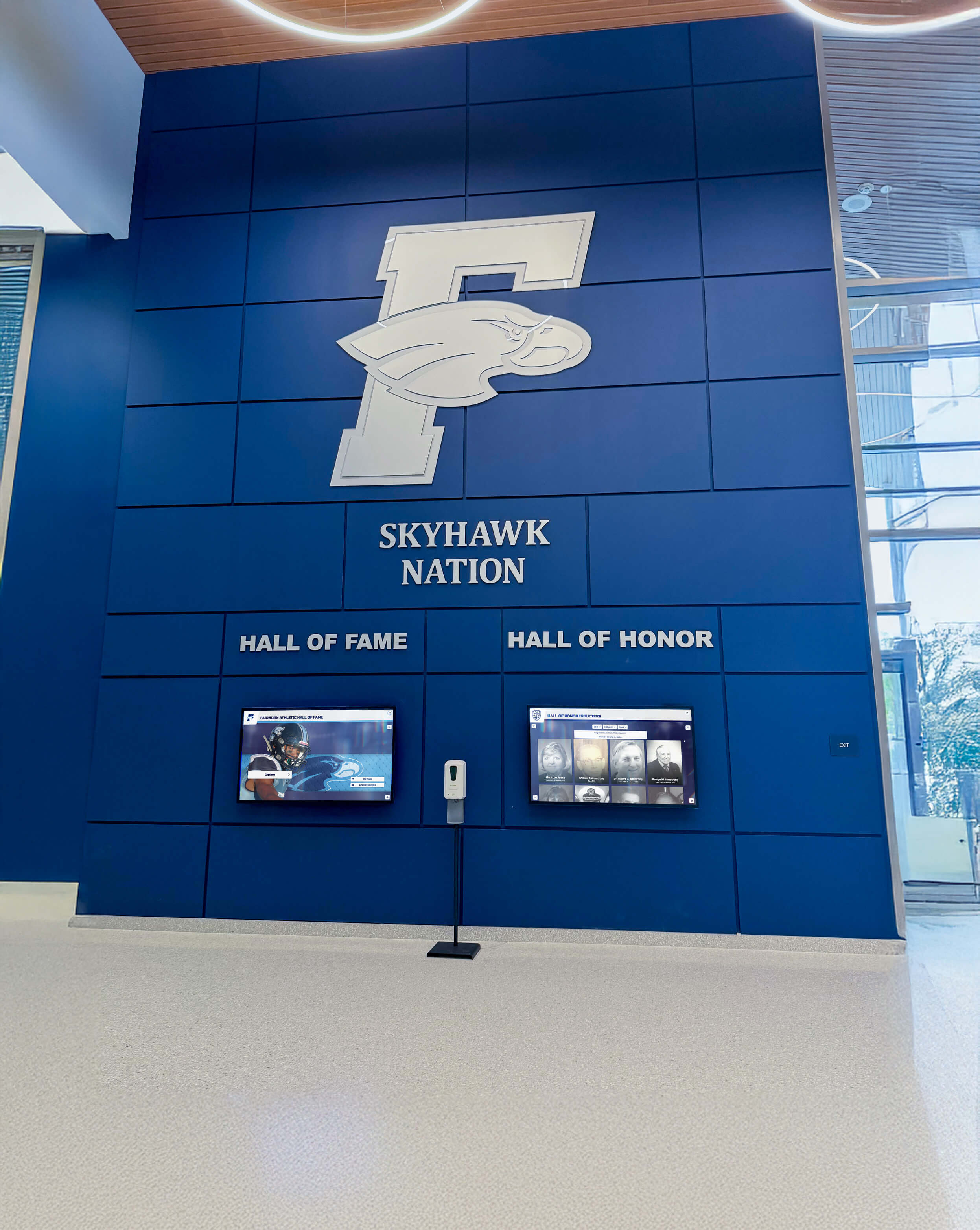
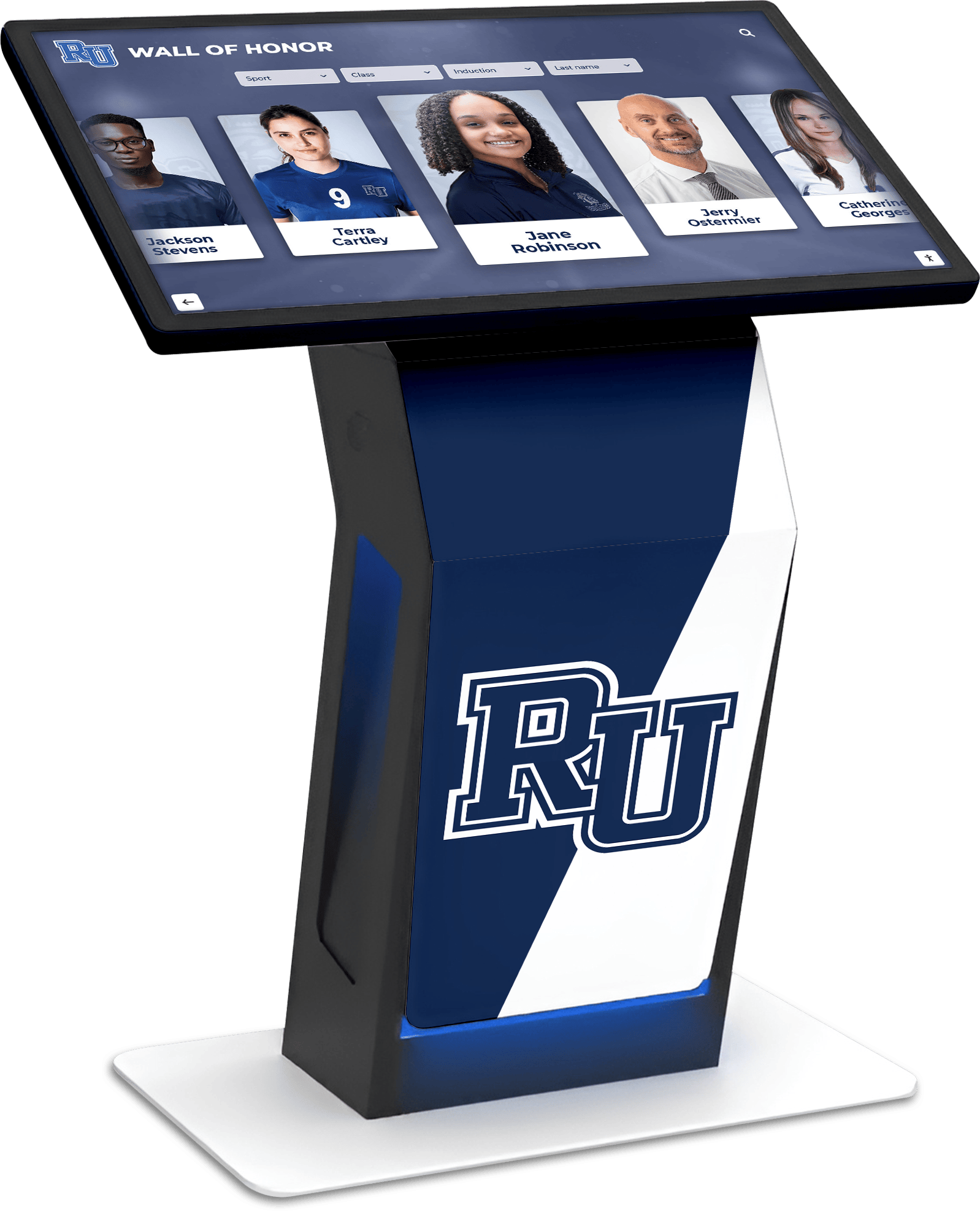
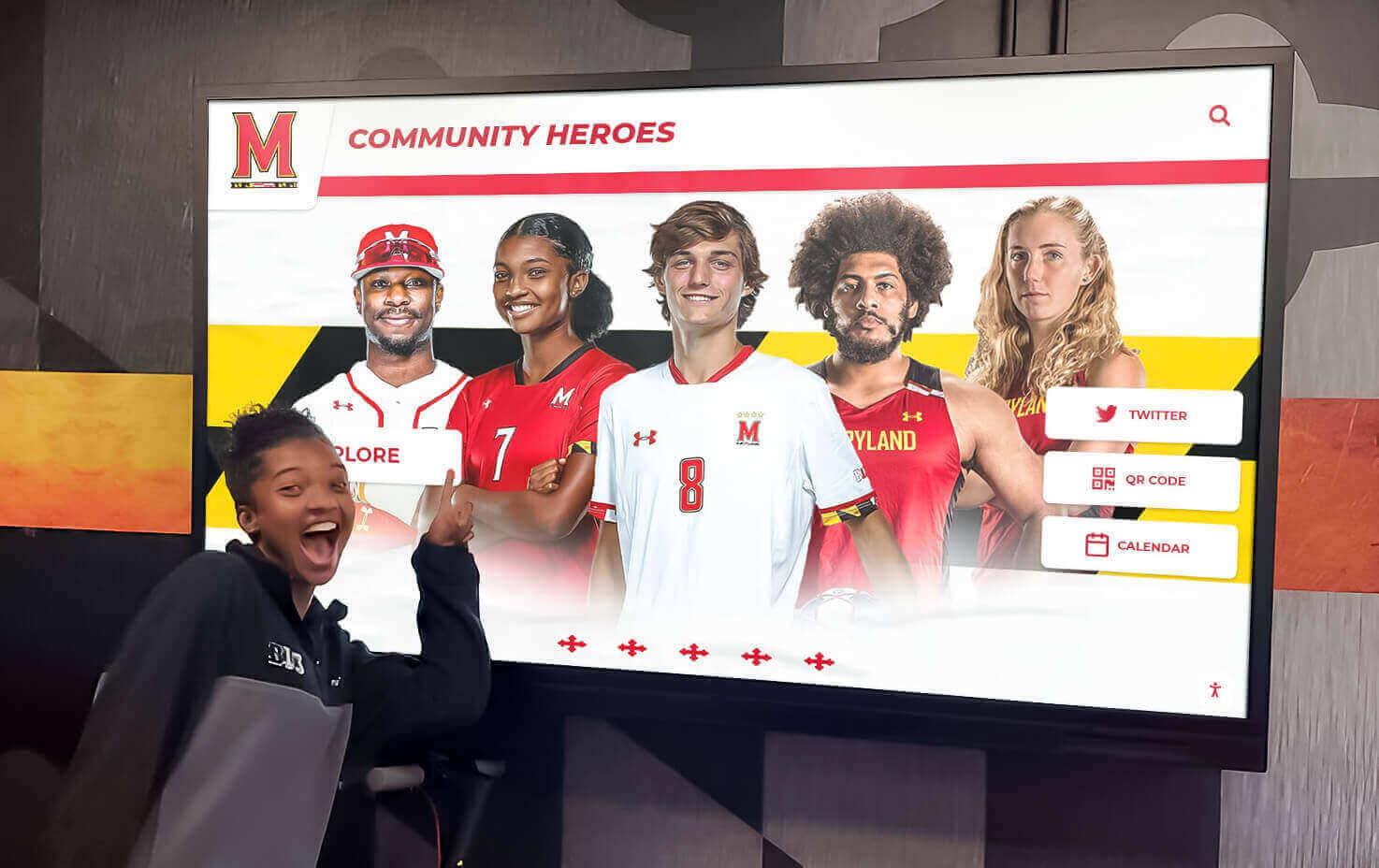
Interactive Exploration and Discovery Students, families, and visitors actively explore recognition through touchscreen interfaces rather than passively viewing static displays. Interactive features include searchable databases instantly locating specific students by name, category browsing examining all recipients of particular awards, year filtering exploring specific graduating classes, featured content highlighting recent or historically significant honorees, and intelligent recommendations connecting visitors to related content creating engaging discovery experiences.
Extended Reach and Accessibility Web-based recognition extends access far beyond physical trophy case viewers. Families share achievements with distant relatives through online access. Alumni return years later to show children or friends their high school recognition. Community members explore student accomplishments from anywhere. Prospective families tour school excellence virtually before visiting. Social media integration enables organic sharing spreading recognition throughout networks. Understanding best practices for virtual halls of fame helps schools maximize digital recognition impact.
Effortless Updates and Maintenance Cloud-based content management systems allow administrators to add new recipients in minutes from any internet-connected device, update information instantly without physical installation, schedule content rotations ensuring fresh displays, and modify layouts or presentations without hardware changes. This ease of maintenance ensures recognition remains current without requiring excessive staff time.
Analytics and Engagement Insights Digital platforms provide data about how visitors engage with recognition including session duration and interaction depth, most-viewed profiles and achievement categories, search terms revealing what visitors seek, peak usage times informing content strategy, and social sharing activity extending recognition reach. These insights help schools understand what resonates with their communities and demonstrate recognition program value to stakeholders.
Implementing Digital Senior Recognition
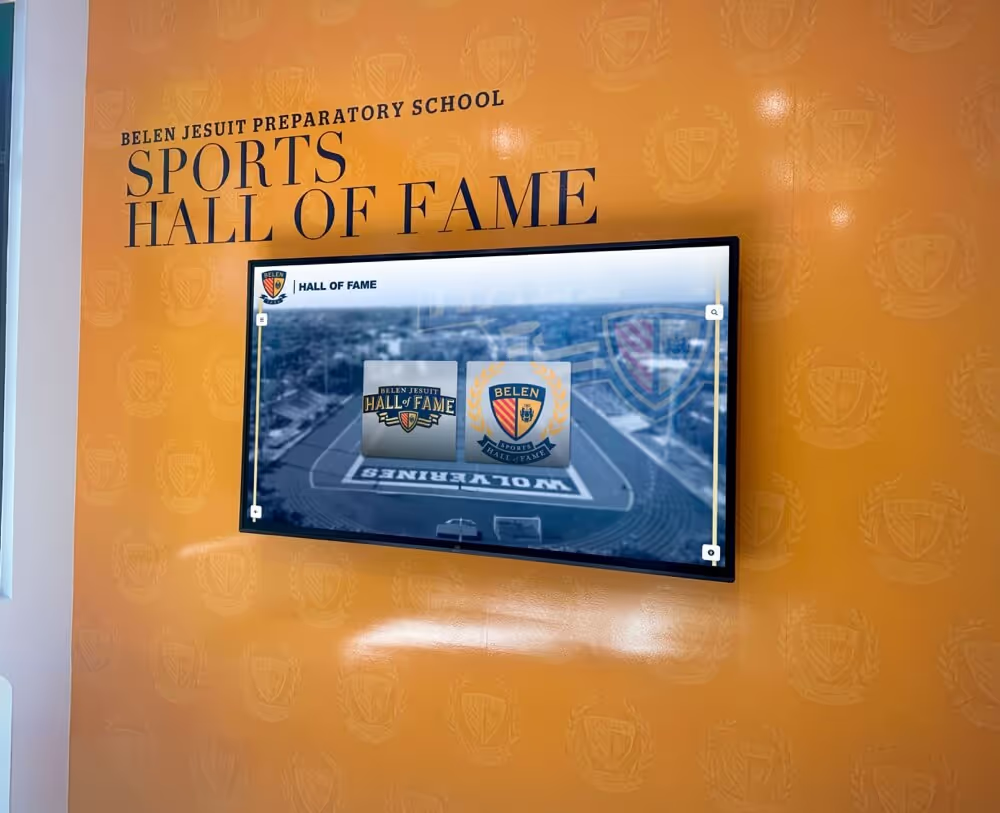
Schools increasingly adopt interactive digital recognition displays specifically designed for educational settings, complementing rather than replacing traditional physical awards and ceremonies.
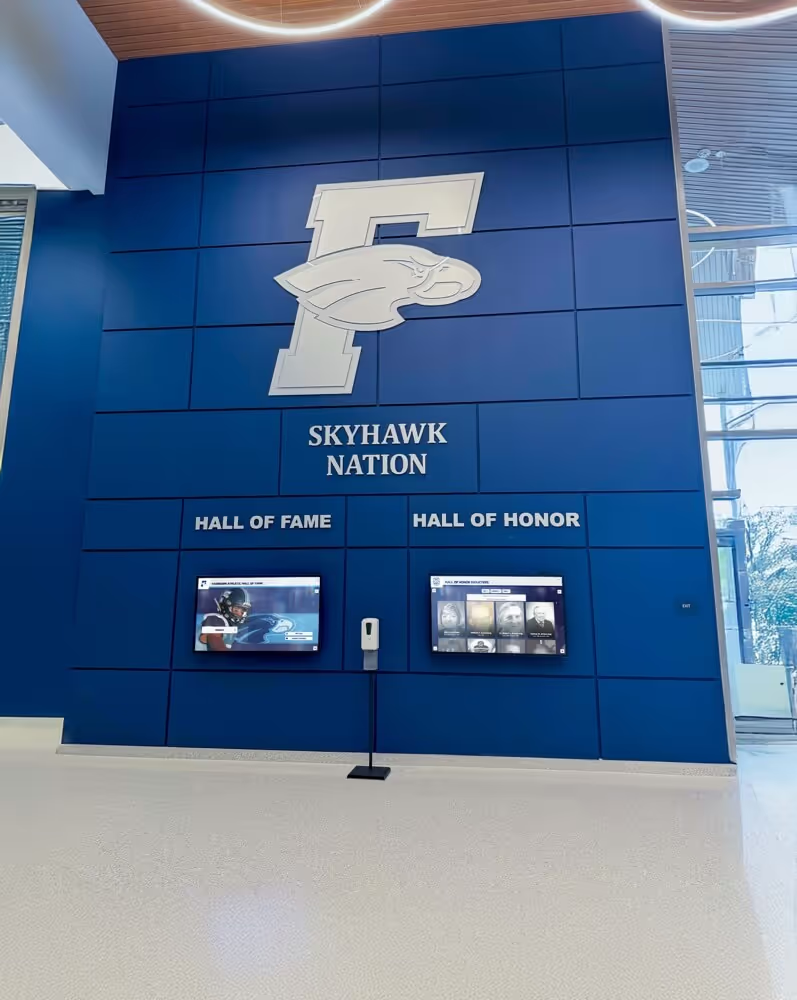
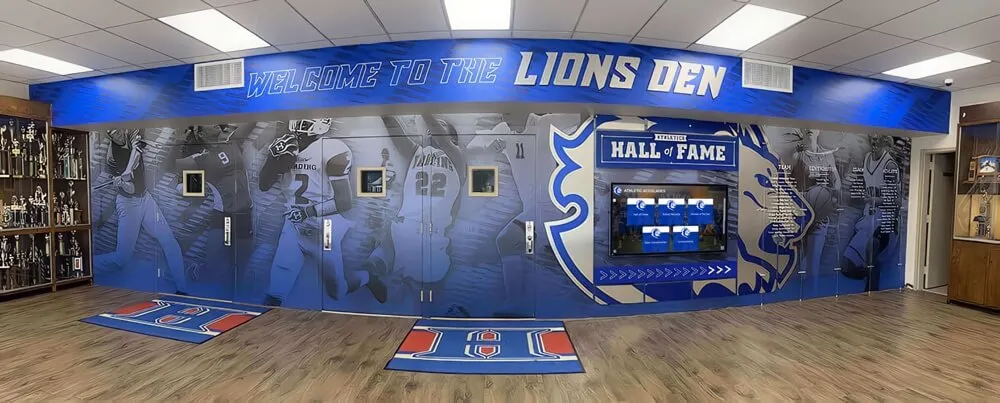
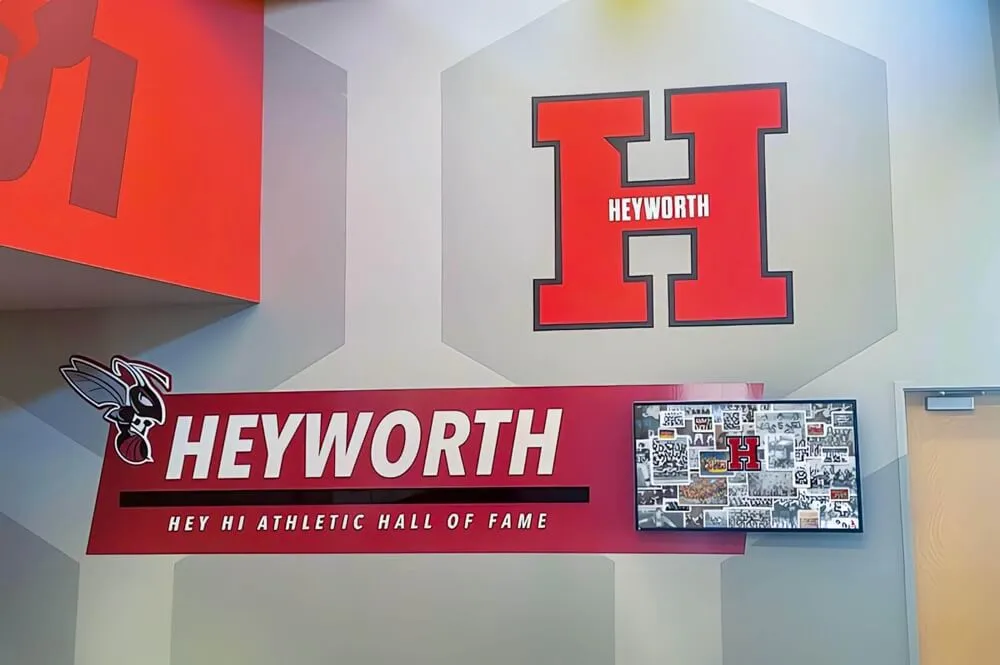
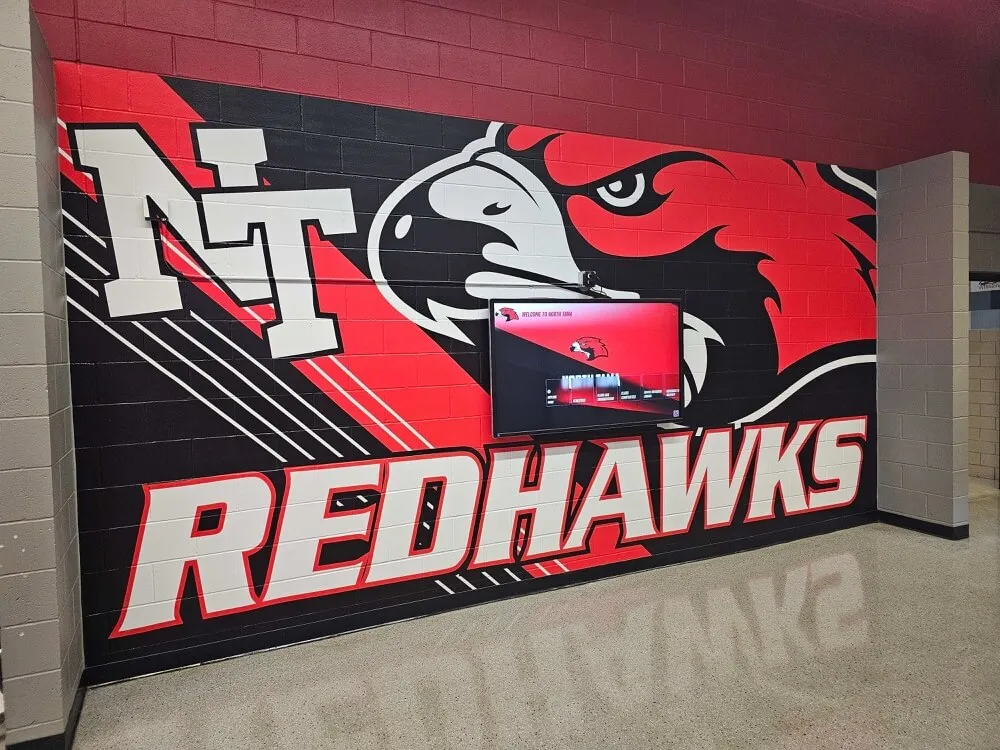
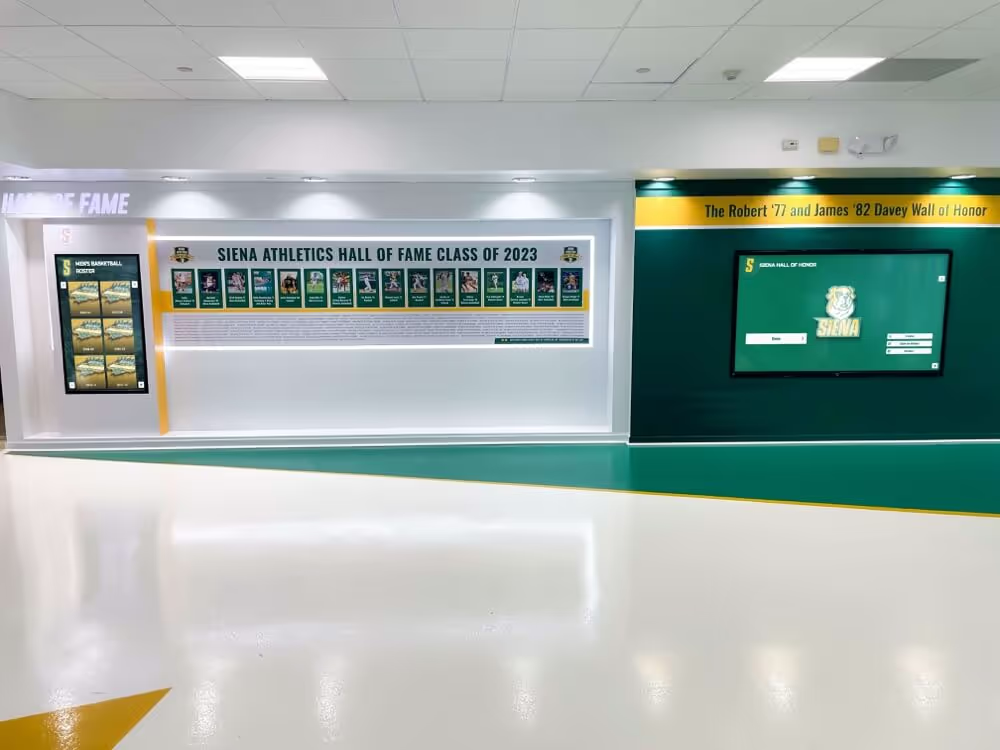
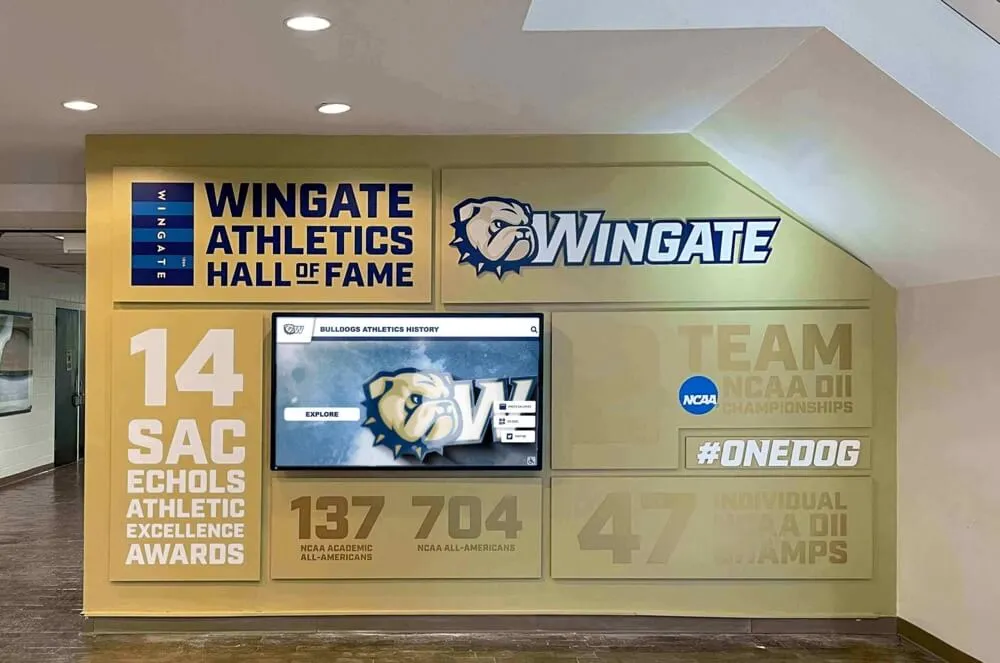
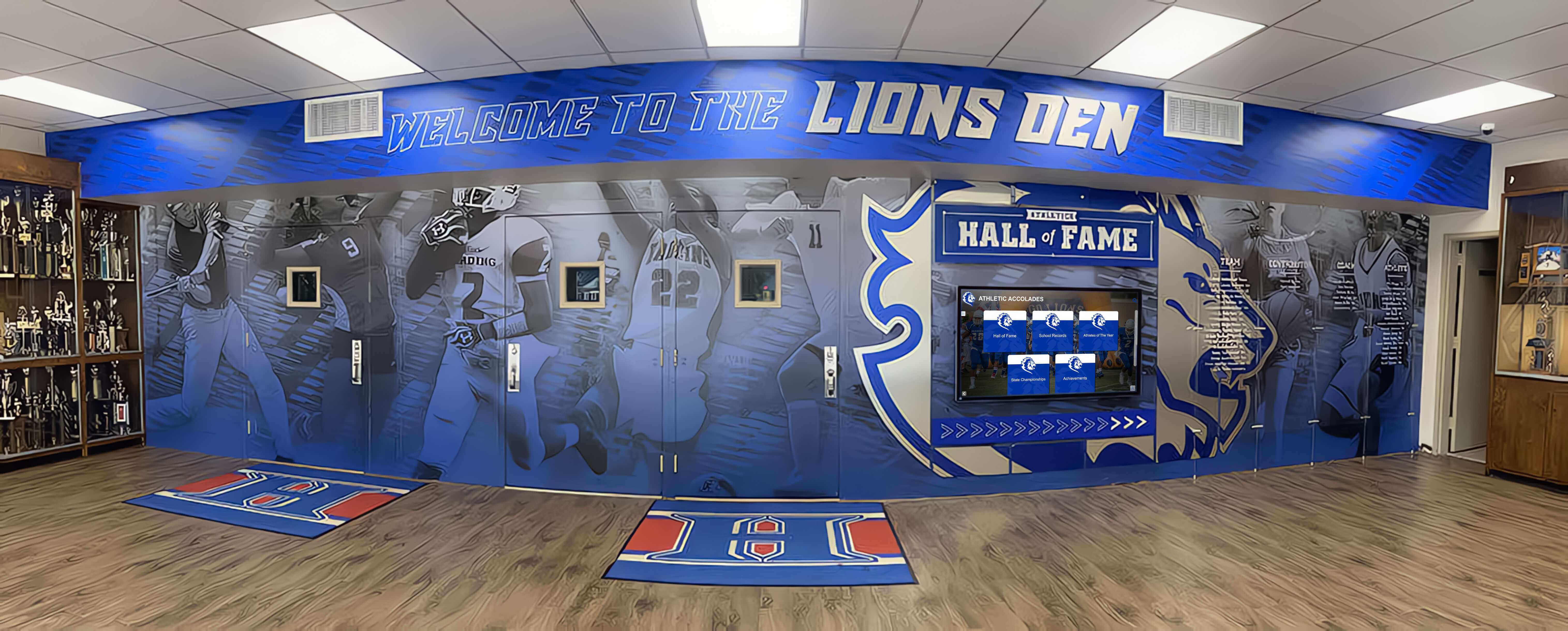
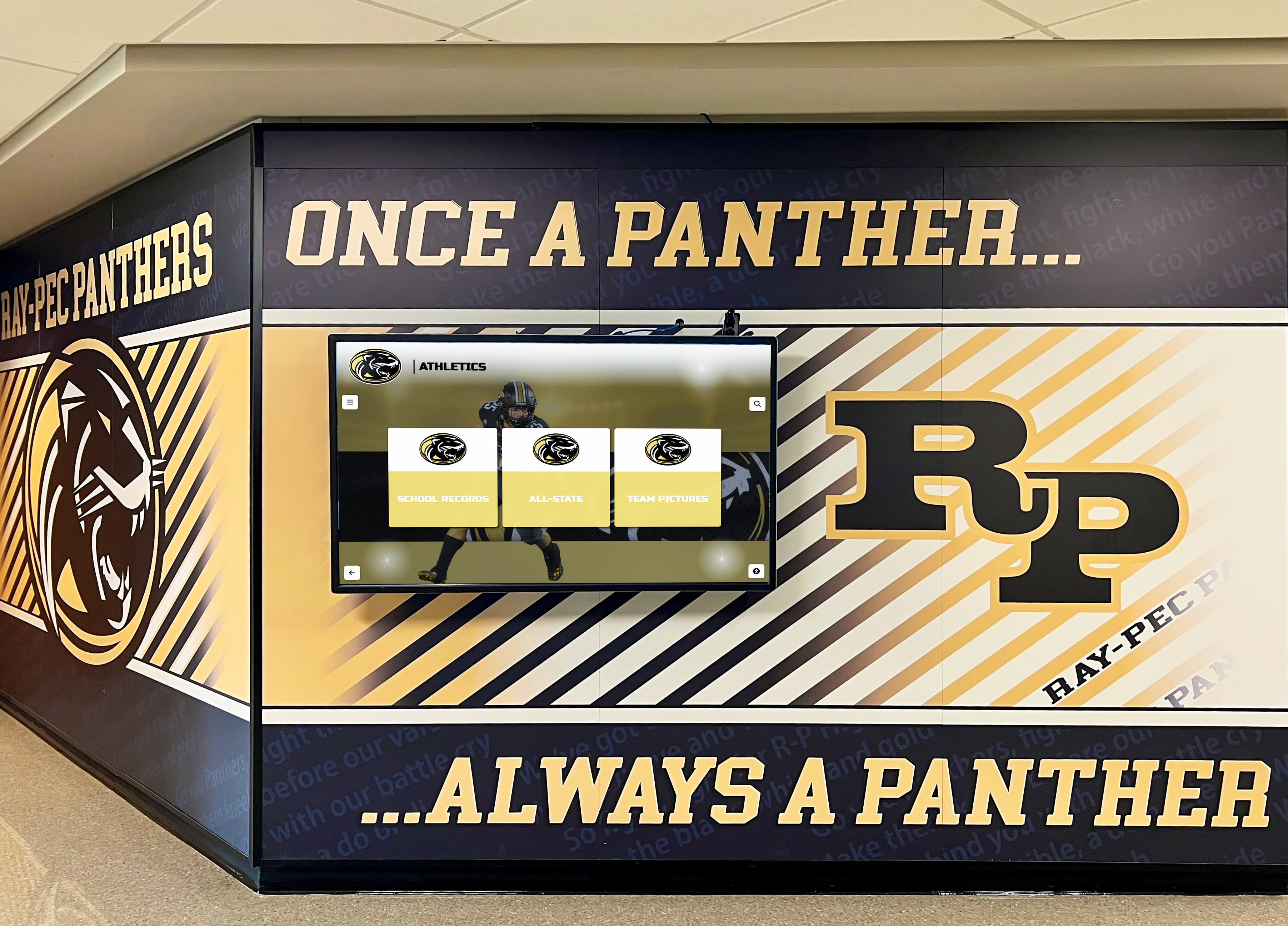
Strategic Placement Locations Digital recognition displays serve schools best in high-traffic areas where students, families, and visitors naturally gather including main entrance lobbies welcoming all visitors, hallways connecting main offices and key destinations, library and media center supporting student research and browsing, guidance and counseling areas reminding students of achievement possibilities, and cafeterias and commons offering engagement during lunch and free periods. Strategic placement maximizes visibility and usage, ensuring recognition becomes integrated into daily school experience rather than remaining isolated in low-traffic locations.
Content Strategy for Senior Recognition Comprehensive digital recognition for seniors should include complete honor graduate lists with achievement levels, valedictorian and salutatorian profiles and accomplishments, major scholarship recipients with award details, subject-specific award winners across all departments, athletic achievement including all-state and MVP recognition, arts excellence spanning music, visual arts, theater, and other creative domains, character and service award recipients with context about recognized qualities, specialized recognition unique to particular students or programs, and historical senior achievement creating perspective across graduating classes.
Integration with Traditional Recognition Digital displays work best complementing rather than replacing traditional approaches. Present physical awards during ceremonies creating memorable moments while adding comprehensive details to permanent digital recognition accessible year-round, give honored students physical certificates or trophies they can keep while maintaining digital documentation accessible indefinitely, use printed programs for immediate ceremony reference while providing digital archives with complete information and context, and leverage social media to amplify digital recognition, extending reach while driving traffic to comprehensive digital platforms.
Modern Recognition Platforms Purpose-built solutions like Rocket Alumni Solutions provide schools with turnkey digital recognition systems designed specifically for educational settings rather than adapted from generic digital signage software. These specialized platforms offer intuitive content management requiring minimal technical expertise, templates designed specifically for senior awards and school recognition, comprehensive profile systems telling achievement stories beyond simple lists, responsive web access extending recognition beyond physical displays, integration capabilities connecting with existing school systems, and ongoing support from teams understanding school contexts and constraints. Exploring digital donor recognition approaches provides insights into recognition display best practices.
Best Practices for Senior Recognition Programs
Successful senior recognition results from thoughtful design and consistent execution of several key principles.
Start Planning Early
Senior recognition planning should begin in junior year or early senior year, not in the final weeks before graduation.
Establish Criteria and Processes Define award categories, selection criteria, nomination processes, and timelines well in advance. Early planning prevents rushed decisions and ensures transparent, fair processes. Document everything clearly in writing so students, families, and staff all understand expectations and procedures.
Communicate Recognition Opportunities Students should know throughout junior and senior years what recognition opportunities exist and what they must do to qualify. This transparency motivates students to pursue achievement while ensuring fair access rather than awards surprising students who didn’t know they existed.
Track Achievements Systematically Maintain organized records of student achievements, awards, honors, and accomplishments throughout high school years. Counselors, administrators, and activities directors should systematically document student success as it occurs rather than trying to reconstruct achievement histories in spring of senior year. This documentation ensures comprehensive recognition that doesn’t overlook quieter accomplishments lacking vocal advocates.
Ensure Equitable Recognition
Fair recognition systems produce outcomes where honors are distributed reasonably across student populations and school programs.
Monitor Aggregate Outcomes Periodically review who receives recognition across categories, checking whether particular demographic groups or programs are consistently over- or under-represented. Aggregate patterns revealing systematic exclusion suggest structural problems requiring examination rather than coincidental outcomes.
Diversify Award Categories Create recognition opportunities spanning academics, athletics, arts, service, character, and specialized contributions. Diverse awards ensure students with different strengths all have realistic pathways to recognition rather than feeling that only certain student types receive honors.
Consider Recognition History While individual awards should go to most deserving candidates regardless of what else they’ve won, consider aggregate patterns. If a few students accumulate many awards while others receive none, consider whether additional categories might acknowledge contributions currently unrecognized or whether selection processes inadvertently favor particular student profiles.
Maintain Award Significance
Recognition should feel meaningful rather than perfunctory or obligatory.
Set Appropriate Standards Awards should recognize genuine achievement worthy of celebration. Overly accessible awards requiring minimal accomplishment diminish recognition value. Simultaneously, impossibly high standards that only one or two students annually achieve make awards feel irrelevant to most students. Find appropriate middle ground where awards celebrate real accomplishment while remaining accessible to students demonstrating consistent excellence and contribution.
Present Awards with Dignity and Care How recognition is presented matters as much as what is recognized. Personal remarks providing specific context about why recipients earned recognition, genuine celebration avoiding rushed or perfunctory presentations, appropriate ceremony settings communicating significance, and visible involvement from school leadership demonstrating institutional importance all enhance recognition meaningfulness.
Provide Substantial Documentation Recognized students deserve more than verbal acknowledgment. Professional certificates or plaques with specific award names and dates, detailed achievement descriptions beyond one-sentence summaries, inclusion in permanent school records and digital recognition systems, and letter documentation for college applications and scholarship submissions ensure recognition carries weight beyond ceremony moments.
Create Inclusive Ceremony Experiences
Awards ceremonies should celebrate achievement while ensuring all graduating seniors feel valued.
Balance Comprehensive and Selective Recognition Design ceremonies acknowledging all graduating seniors while providing special recognition for particular achievements. Universal elements like diploma presentation, class acknowledgment, and celebration of collective accomplishment ensure everyone feels included. Specific awards honor particular excellence without diminishing those not receiving individual recognition.
Incorporate Multiple Student Voices Ceremonies shouldn’t feature exclusively adult speakers and award presenters. Include student performances, selected recipient remarks, peer-nominated awards, student government recognition, and senior class presentations ensuring students themselves help shape recognition rather than remaining passive recipients of adult-controlled processes.
Consider Family and Community Perspectives Recognition ceremonies primarily serve students, but families and community members attend as important audiences. Professional programs listing all honorees, photo opportunities for family celebration, reasonable length maintaining engagement, and social time enabling congratulations and connection create positive experiences for broader school communities.
Leverage Recognition for Motivation
While recognizing current seniors matters most, recognition also influences underclass students.
Create Aspirational Models When younger students see diverse seniors honored for various achievements, they gain aspirational models showing what excellence looks like in accessible, relatable forms. Visible, well-documented recognition demonstrates to sophomores and juniors that sustained effort and dedication receive acknowledgment.
Communicate Recognition Criteria Clearly Underclass students who understand exactly what various awards recognize and how recipients are selected can set specific goals directing their remaining high school years. Transparency transforms recognition from mysterious honors bestowed unpredictably into achievable goals students can intentionally pursue.
Connect Recognition to Values Senior awards communicate institutional values—what schools genuinely prioritize versus what they claim to value. When recognition systems honor character alongside achievement, service alongside athletics, and diverse contribution alongside traditional excellence, underclass students understand that their schools authentically value multiple pathways to significance.
Common Challenges and Solutions
Even well-designed senior recognition programs encounter predictable challenges. Awareness and preparation help schools navigate obstacles successfully.
Managing Student and Family Expectations
Recognition always involves some disappointment—students who hoped to win particular awards but don’t receive them, families who believe their children deserved recognition not granted, or community members who disagree with selection decisions.
The Challenge Not every student can be valedictorian, MVP, or prom king. Recognition systems inherently create winners and non-winners. Managing disappointment and preventing conflicts requires careful planning and communication.
Effective Approaches Communicate selection criteria and processes transparently before selections occur, explaining objective standards for academic honors, nomination and committee processes for subjective awards, and timelines so students and families understand when decisions happen. Provide diverse recognition categories creating multiple pathways to acknowledgment rather than single recognition hierarchy. Make clear that not receiving specific awards doesn’t diminish student value or school appreciation. Focus communication on celebrating recipients rather than explaining why others didn’t win. Maintain consistent, fair application of published criteria without making exceptions under pressure.
Balancing Tradition and Evolution
Many schools have longstanding recognition traditions that community members value deeply. Yet traditions sometimes become outdated or fail to serve current student populations effectively.
The Challenge Changing traditional recognition—even when changes would improve outcomes—risks backlash from alumni, community members, or families attached to familiar approaches. Yet maintaining traditions that no longer serve students well perpetuates problems.
Effective Approaches Distinguish between essential traditions worth preserving and outdated practices requiring evolution. Involve multiple stakeholders—current students, families, staff, alumni—in discussions about potential changes, building broad understanding and support. Pilot test changes on small scale before full implementation when possible, gathering evidence about improvements while limiting risk. Communicate clear rationale for changes emphasizing student benefit rather than arbitrary preference. Preserve ceremonial elements creating emotional meaning while evolving specific recognition categories or selection processes as needed. Understand that not everyone will support every change, but transparent process and clear student-focused rationale minimize resistance.
Preventing Recognition Fatigue
Schools often layer multiple recognition events—subject-specific awards nights, athletic banquets, arts showcases, honors ceremonies, senior awards, baccalaureate services, graduation—until families face overwhelming ceremony attendance expectations.
The Challenge Well-intentioned recognition proliferates until ceremonies overwhelm families with busy schedules and limited availability. Multiple similar events create fatigue where recognition feels repetitive and ceremonies lose special significance. Students notice varying quality and prestige across separate events, creating perceptions of inequity.
Effective Approaches Consolidate recognition into comprehensive but manageable number of events preventing excessive ceremony attendance requirements. Consider whether some recognition could be effectively delivered through digital displays, newsletters, or social media rather than requiring separate ceremonies. When multiple events remain necessary, ensure comparable quality and dignity across domains preventing perceptions that certain recognition ceremonies receive second-class treatment. Communicate complete ceremony calendar early allowing families to prioritize attendance at most important events. Make programs efficient and engaging preventing unnecessarily lengthy ceremonies that turn celebration into endurance tests.
Addressing Budget Constraints
Quality recognition requires resources—physical awards, printed programs, ceremony venues, digital displays—yet many schools face severe budget limitations.
The Challenge Financial constraints force difficult choices between recognition quality and fiscal responsibility. Schools want to celebrate students appropriately but cannot afford expensive awards, elaborate ceremonies, or sophisticated technology.
Effective Approaches Prioritize what matters most to students and families. Research suggests meaningful ceremony experiences and lasting documentation matter more than expensive physical awards. Invest in elements creating significance—professional programs, dignified ceremonies, permanent digital recognition—rather than costly trophies students will store away. Seek community sponsorships and business partnerships supporting recognition programs. Local businesses often sponsor senior awards gaining positive community association while enabling schools to provide quality recognition within budget constraints. Leverage cost-effective digital solutions that provide sophisticated capabilities at modest subscription costs rather than expensive capital investments. Consider that digital trophy case solutions often prove more affordable than maintaining traditional physical displays when accounting for ongoing update costs.
Evaluating and Improving Recognition Programs
Like all school initiatives, senior recognition programs benefit from periodic evaluation and refinement based on evidence and feedback.
Gathering Stakeholder Feedback
Senior Exit Surveys Ask graduating seniors about their recognition experiences through anonymous surveys including which awards or recognitions felt most meaningful, whether recognition system felt fair and inclusive, what improvements they’d suggest, and whether ceremony experiences met expectations. Senior perspective proves invaluable since they experienced recognition most directly.
Family Input Parents and guardians observe ceremonies and understand student reactions. Brief surveys or focus groups gathering family feedback reveal whether recognition achieved intended impacts. Questions might explore ceremony quality and organization, communication clarity about recognition processes, whether diverse achievements received appropriate honor, and suggestions for improvements.
Staff Observations Teachers, counselors, administrators, and support staff see recognition from multiple angles. Staff debrief sessions discussing what worked well, what felt awkward or problematic, whether selection processes functioned fairly, and how recognition affects school culture provide essential perspectives for improvement.
Key Evaluation Questions
Did Recognition Feel Meaningful and Significant? The fundamental goal involves creating recognition that students genuinely value and remember. If recipients, families, or observers feel recognition was perfunctory or meaningless, improvements are needed in either selection processes, award significance, or presentation quality.
Were Diverse Achievements and Students Honored? Review aggregate recognition outcomes. Do honorees represent diverse student populations and programs, or do certain groups dominate while others remain largely invisible? Demographic or program concentration suggests structural problems requiring attention.
Did Ceremonies Engage Audiences? Ceremony quality affects whether recognition feels important. If audiences seemed restless, distracted, or disengaged, consider ceremony length, pacing, presentation quality, or content balance adjustments.
Did Recognition Align with Stated School Values? Awards communicate what institutions genuinely value versus what they claim to prioritize. Does recognition honor the values schools articulate publicly? Disconnect between stated values and actual recognition undermines school culture and messaging.
Was Recognition Accessible to Students and Families? Consider whether recognition systems felt accessible and transparent or mysterious and exclusive. Did students understand what they needed to do to earn recognition? Did families receive adequate information and communication? Was ceremony timing, location, and duration reasonable for family attendance?
Implementing Continuous Improvement
Make Incremental Adjustments Avoid wholesale recognition overhauls that disrupt tradition and create confusion. Instead, make targeted improvements addressing specific issues while maintaining successful elements. Incremental evolution proves more sustainable and acceptable than radical change.
Test Changes Before Full Implementation When considering significant modifications, pilot test with small groups or specific categories before full program implementation. Controlled testing reveals potential problems enabling adjustments before affecting entire programs.
Document Lessons and Maintain Institutional Memory Keep records about what works and what doesn’t. When staff members transition to new roles or schools, institutional knowledge about recognition programs can be lost. Documentation preserves lessons and prevents repeating mistakes.
Stay Current with Best Practices Educational practices evolve. Attend conferences, read professional publications, network with colleagues at other schools, and stay informed about recognition innovations and best practices. Schools willing to learn from others’ experiences and adapt successful approaches remain fresh and relevant.
Conclusion: Creating Senior Recognition That Truly Honors
Senior awards programs serve far more profound purposes than simply distributing certificates and trophies during end-of-year ceremonies. Thoughtfully designed recognition systems validate years of student dedication and growth, celebrate diverse pathways to achievement and contribution, create emotionally resonant memories students carry throughout lives, model institutional values for current and future students, strengthen school culture emphasizing excellence and character, and honor the remarkable young people who’ve shaped school communities before stepping into their futures.
The most effective senior recognition balances celebrating exceptional achievement with ensuring all graduating seniors feel genuinely valued, honors traditional forms of excellence while recognizing contemporary accomplishments, maintains appropriate standards preserving recognition significance while creating inclusive opportunities for acknowledgment, leverages modern technology extending recognition beyond single ceremony moments, and results from careful planning, fair processes, and authentic celebration rather than perfunctory obligation.
As schools enter 2026, the opportunities for innovative senior recognition have never been richer. Digital technologies like interactive touchscreen displays, web-based recognition platforms, and social media integration enable schools to celebrate achievement more dynamically, more inclusively, and more meaningfully than ever before. Purpose-built solutions designed specifically for school recognition make sophisticated programs accessible even for schools with limited technical resources or administrative capacity.
Yet technology represents only an enabler, not the essence of effective recognition. At its core, senior recognition succeeds when it authentically communicates what schools already know: that graduates have accomplished remarkable things deserving genuine celebration, that their contributions mattered to their school communities, and that their schools will remember and honor them long after graduation day.
Whether your school is establishing its first comprehensive senior recognition program, refreshing longstanding traditions, or enhancing existing approaches through modern solutions, success depends on designing systems that genuinely celebrate achievement, remain sustainable for busy schools, treat all students with dignity and fairness, and create the lasting memories and documented recognition that graduating seniors deserve as they prepare for the next chapters of their lives.
Ready to create senior recognition systems that truly honor your graduating classes? Modern solutions like Rocket Alumni Solutions provide comprehensive platforms designed specifically for school recognition, offering intuitive content management, engaging interactive displays, unlimited recognition capacity, and proven approaches that help schools build the recognition culture where every graduate—now and for generations to come—receives the lasting honor their high school achievements deserve.
Frequently Asked Questions About Senior Awards Programs
What awards should high schools give to graduating seniors?
Comprehensive senior recognition programs typically include several foundational categories. Academic honors acknowledge intellectual achievement through valedictorian and salutatorian recognition, honor graduate distinctions at multiple levels (summa, magna, and cum laude), and subject-specific departmental awards across all academic disciplines. Athletic achievement receives recognition through varsity letters and multi-year participation, all-conference and all-state honors, team MVP and captain acknowledgments, and scholar-athlete awards combining academics and athletics. Character and service recognition celebrates community service leadership, citizenship and integrity, perseverance through challenges, and leadership across school activities. Fine arts excellence honors outstanding achievement in music, visual arts, theater, creative writing, and other artistic disciplines. Contemporary awards might include STEM and innovation recognition, global citizenship awareness, environmental stewardship, and technology leadership. The specific combination should reflect each school’s unique values, programs, and student body while ensuring diverse achievement types receive appropriate celebration.
How do you select senior award recipients fairly?
Fair selection requires establishing clear processes before recognizing anyone. For objective awards like valedictorian or subject-specific achievement, use transparent criteria like highest GPA or top departmental performance with clear policies about calculation methods communicated well in advance. For subjective awards recognizing character, leadership, or service, implement structured nomination processes allowing faculty, staff, students, or community members to nominate candidates, selection committees that review nominations and discuss qualifications, evaluation rubrics defining qualities being recognized, and documentation requirements supporting nominations with specific examples. Involve multiple perspectives rather than relying on single decision-makers, apply criteria consistently across all candidates regardless of personal relationships, and document reasoning supporting selections. Periodic review of aggregate outcomes helps identify whether recognition is distributed reasonably across demographic groups and programs or whether particular populations are systematically over- or under-represented, suggesting potential bias requiring examination.
Should every graduating senior receive an award?
This depends on school philosophy and community context. The most effective approach implements tiered recognition serving different purposes. Universal recognition ensures all graduating seniors receive acknowledgment through diploma presentation, inclusion in commencement ceremonies, graduation program listing, and celebration of high school completion. Achievement-based recognition celebrates specific accomplishments through academic honors, subject awards, activity-based recognition, and various achievement categories. Exceptional recognition honors truly outstanding accomplishment through valedictorian designation, major scholarships, national-level achievement, and the most prestigious school awards. This approach ensures everyone receives baseline recognition validating their graduation while preserving meaningful distinction for exceptional achievement—avoiding “everyone gets a trophy” problems without leaving students feeling invisible. Create diverse award categories spanning academics, athletics, arts, service, and character so students with different strengths all have realistic recognition possibilities, but maintain appropriate standards ensuring awards represent genuine accomplishment worthy of celebration.
When should schools hold senior awards ceremonies?
Senior awards ceremonies typically occur during the final 2-4 weeks before graduation, after final grades are determined but while seniors still attend school regularly. This timing allows academic honors to reflect complete senior year performance while maintaining student and family engagement before the dispersal that follows graduation. Evening ceremonies on weekdays or weekend afternoon/evening programs typically maximize family attendance. Provide at least 3-4 weeks advance notice allowing families to prioritize attendance and honorees to prepare any required participation. Avoid scheduling conflicts with other major school events, religious observances, community activities, or final exam periods. Some schools integrate major awards into commencement ceremonies, presenting recognition during graduation programs themselves. This approach guarantees attendance from all graduating seniors and families while avoiding separate ceremony coordination, though it lengthens already substantial commencement programs and limits comprehensive recognition possible within graduation’s time constraints. The optimal approach depends on school tradition, practical constraints, and community preferences.
How can schools create senior recognition on limited budgets?
Meaningful recognition requires thoughtful planning more than substantial budgets. Cost-effective approaches include prioritizing experiences over expensive physical awards—dignified ceremonies, professional programs, and lasting digital recognition often matter more to students than costly trophies. Leverage digital recognition platforms with modest subscription costs providing sophisticated capabilities including unlimited recognition capacity, rich multimedia profiles, interactive displays, and web access—often proving more affordable long-term than maintaining traditional physical displays and engraved plaques. Seek community sponsorships where local businesses sponsor senior awards gaining positive community association while enabling schools to provide quality recognition within budget constraints. Create professional certificate templates that can be printed on quality paper for minimal cost rather than purchasing expensive pre-printed certificates. Invest resources in ceremony quality—venues, sound systems, professional programs—creating meaningful experiences rather than expensive awards students might store away. Consider that research consistently shows meaningful ceremony experiences, lasting documentation, and permanent recognition matter more to students and families than expensive physical awards themselves, allowing schools to create significant recognition within constrained budgets by prioritizing what truly matters.
How do digital recognition displays improve senior awards programs?
Digital recognition solutions address inherent limitations of traditional physical approaches while enhancing experiences for students, families, and school communities. Unlike trophy cases with finite capacity requiring difficult decisions about which achievements to display, digital systems accommodate unlimited honorees across unlimited years without space constraints—ensuring comprehensive recognition remains accessible indefinitely. Beyond names and awards, digital platforms showcase high-resolution photos, detailed achievement descriptions, video content, and biographical information creating engaging recognition experiences impossible with plaques or certificates alone. Interactive touchscreen interfaces enable students, families, and visitors to actively explore recognition through searchable databases, category browsing, and personalized discovery rather than passively viewing static displays. Web-based access extends recognition far beyond physical trophy case viewers—families share achievements with distant relatives, alumni revisit recognition years later, prospective families explore school excellence virtually, and social media integration enables organic sharing throughout networks. Cloud-based content management allows administrators to add new recipients in minutes, update information instantly, and maintain current recognition without physical engraving or installation delays. Analytics provide insights about engagement patterns, popular content, and recognition program impact. Purpose-built platforms like those schools implement through Rocket Alumni Solutions specifically address educational recognition needs rather than requiring adaptation of generic digital signage, providing intuitive management designed for busy school administrators.
What makes senior awards meaningful versus perfunctory?
Recognition meaningfulness depends less on award names than on selection integrity and presentation quality. Meaningful awards honor genuine achievement through clear criteria distinguishing excellence from basic participation, fair selection processes applied consistently across all candidates, specific recognition acknowledging what recipients actually accomplished rather than generic praise, and public presentation communicating genuine celebration rather than rushed, obligatory acknowledgment. Meaningful recognition provides substantial documentation including professional certificates with specific award details, inclusion in permanent school records, digital recognition accessible indefinitely, and letters students can use for applications and submissions. Recognition feels significant when ceremonies maintain appropriate dignity and length preventing either perfunctory brevity or exhausting duration, include personal remarks providing specific context about recipients rather than reading lists of names, incorporate student voices through performances and presentations, and balance comprehensive recognition with special acknowledgment of exceptional achievement. Ultimately, recognition proves meaningful when students genuinely feel seen and valued for authentic contributions rather than receiving token acknowledgment that could apply equally to anyone—specificity, authenticity, and genuine celebration distinguish meaningful recognition from perfunctory checkbox exercises.