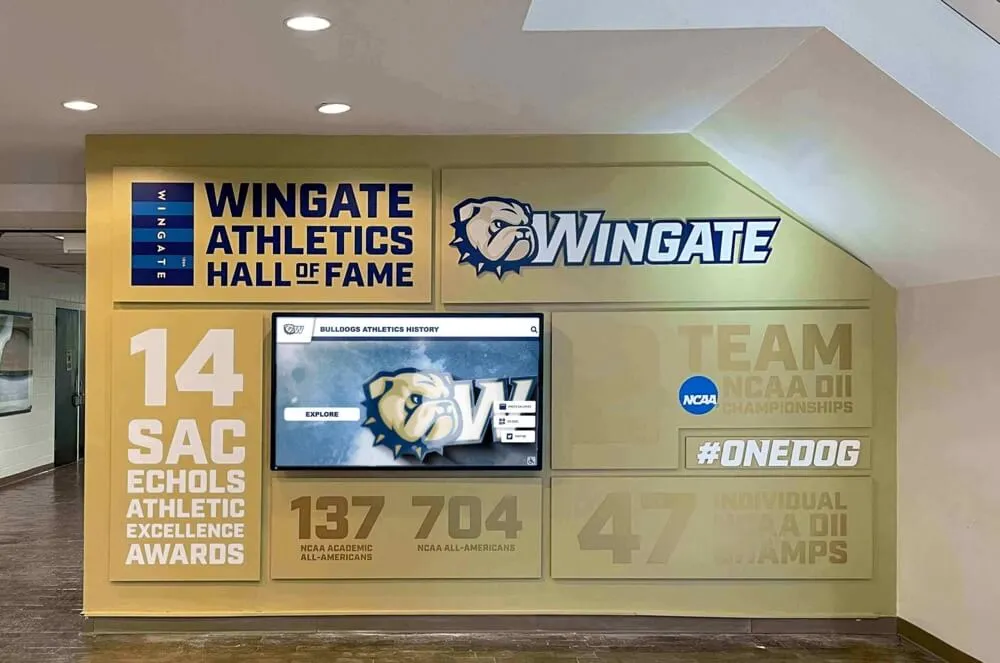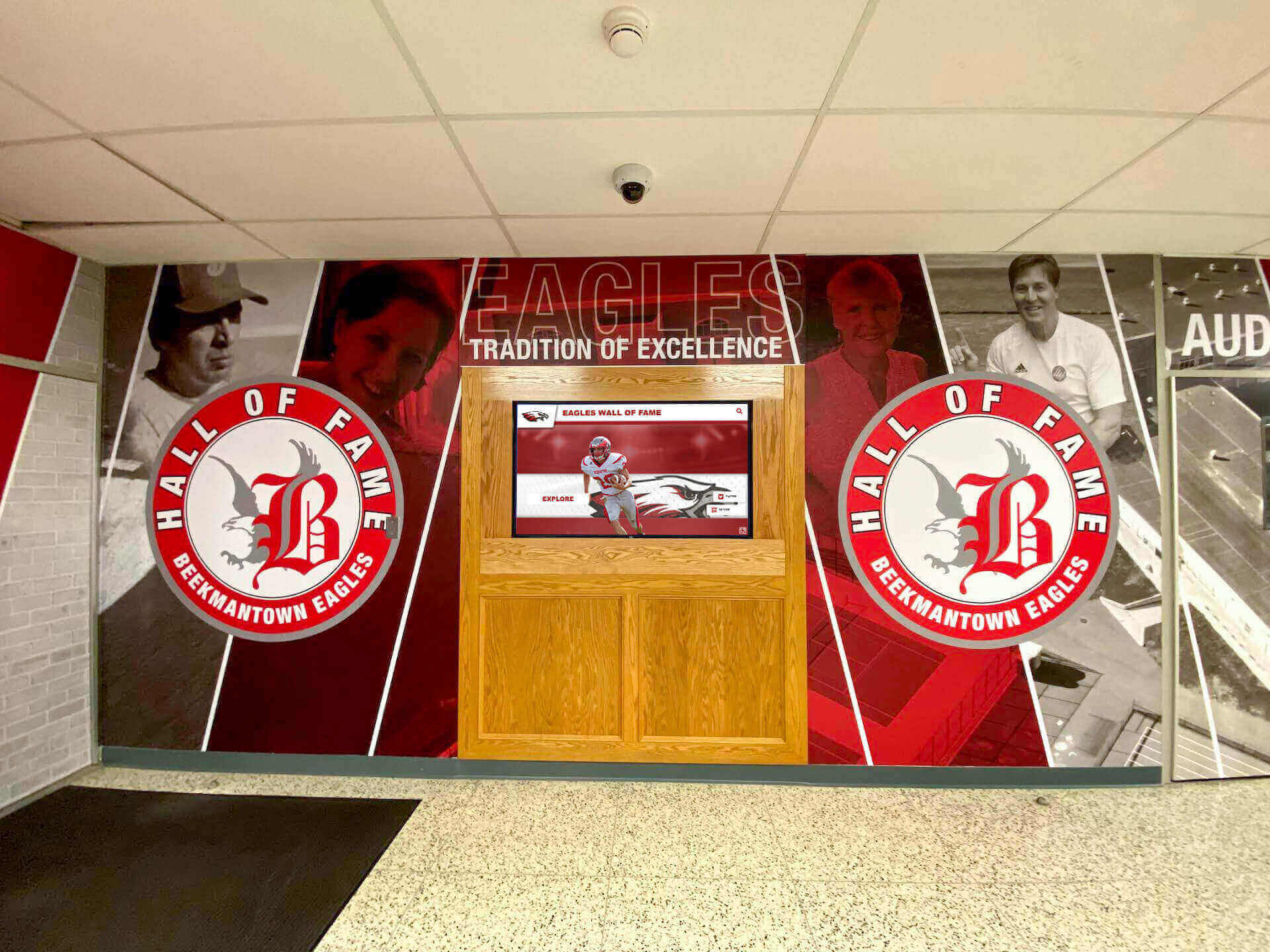
Senior athlete banners occupy unique positions in school athletic cultures. Unlike trophies stored in cases or awards handed out during private ceremonies, banners create public, prominent recognition visible to entire school communities. Each time students walk through hallways, attend games, or practice in facilities, these banners reinforce the message that athletic commitment matters, senior contributions are valued, and program traditions connect past and present.
The best senior athlete banner programs balance individual celebration with team identity, honoring each graduating athlete’s unique journey while maintaining visual cohesion that strengthens overall program branding. Schools implementing thoughtful banner programs create traditions that athletes anticipate throughout their careers, parents treasure as keepsakes, and younger athletes aspire to earn through their own dedication.
However, senior athlete banner programs face practical challenges including limited display space in crowded facilities, budget constraints requiring cost-effective solutions, storage complications when banners accumulate over multiple years, and maintenance issues as banners age or sustain damage. Forward-thinking athletic directors increasingly explore hybrid approaches combining traditional physical banners for immediate senior night impact with digital recognition systems providing permanent, easily updateable, and space-efficient long-term solutions.
Design Elements That Make Senior Athlete Banners Stand Out
Effective senior athlete banners balance multiple design elements—readability from distance, visual appeal that photographs well, individual personalization, and cohesive team identity.
Essential Information to Include
The most effective senior athlete banners include core information clearly visible even from gymnasium bleachers or hallway distances. Standard elements typically include:
Athlete Name and Photo: The centerpiece of every banner features the senior’s name in large, bold typography and a high-quality action or portrait photograph. Photos should be high-resolution (minimum 300 DPI when printed at final size) and show the athlete in uniform engaged in their sport. Many schools capture dedicated senior portrait sessions specifically for banner production, ensuring consistent lighting, backgrounds, and photo quality across all athletes.
Jersey Number: Displaying jersey numbers creates instant recognition and personal connection, particularly in sports where numbers carry special significance or family traditions. Numbers should be sized prominently, often as background design elements or featured alongside names.
Sport and Position: Clearly identifying the sport (and position when applicable) helps viewers immediately understand each athlete’s contribution. This becomes particularly important in facilities where banners from multiple sports hang together, allowing quick visual differentiation.
Years of Participation: Many programs include “Class of [Year]” designations or list all years the athlete participated (e.g., “Varsity Football 2023-2026”). This information contextualizes commitment levels and distinguishes four-year varsity athletes from those who joined programs later.
Key Achievements or Statistics: Space permitting, including notable achievements—All-Conference selections, team leadership roles, school records, or significant statistics—adds depth to recognition. However, be mindful that achievement listings can create perceived hierarchies among teammates if some seniors earned more accolades than others.
Color Schemes and Visual Identity
Banner color schemes should reinforce school identity while ensuring readability and visual impact from distance.
School Colors as Foundation: The most effective banners prominently feature official school colors as background or accent elements, creating instant visual connection to broader athletic program identity. Consistency in color usage across all sport banners strengthens overall cohesion even when individual sports add sport-specific elements. Just as school mascots and visual identity strengthen brand recognition, consistent banner color schemes reinforce program identity.
Contrast for Readability: Text and key information require sufficient contrast against backgrounds to remain readable from bleacher seats or hallway distances. Dark text on light backgrounds or light text on dark backgrounds typically work best. Avoid low-contrast combinations that look appealing up close but become illegible from distance.
Sport-Specific Accents: While maintaining school color foundations, many programs add sport-specific elements—football goalpost graphics, basketball court floor patterns, baseball diamond illustrations, soccer ball watermarks—that help differentiate sports while maintaining overall banner cohesion.
Professional Design Consistency: Working with professional designers or using consistent templates across all athletes ensures visual cohesion that elevates entire programs beyond what individual parent-designed banners typically achieve. Even when budgets limit professional design for every banner, investing in a master template that parents or volunteers customize maintains quality and consistency.
Banner Material Options and Durability Considerations
Selecting appropriate materials balances initial costs, intended display duration, environmental conditions, and desired visual quality.
Vinyl Banners: The Standard Choice
Vinyl banners represent the most common choice for senior athlete recognition, offering excellent durability, weather resistance, vibrant color reproduction, and reasonable costs at various quality tiers.
Standard Vinyl (13 oz): Basic vinyl material works well for indoor displays or short-term outdoor use. This lighter-weight option costs less but may show wear more quickly in harsh environments. Typical costs range $3-6 per square foot depending on quantity and design complexity.
Heavy-Duty Vinyl (18+ oz): Heavier vinyl offers enhanced durability for permanent outdoor installations or high-traffic areas where banners face frequent contact. The additional material weight provides better wind resistance and longer lifespan but increases costs to $6-10 per square foot.
Mesh Vinyl: For outdoor installations in windy environments, mesh vinyl includes small perforations allowing wind to pass through rather than creating sail effects that stress mounting points. This specialized material works particularly well for banners hung on exterior fences or building facades but may reduce image clarity slightly due to perforation patterns.
Fabric Banners: Premium Indoor Options
Fabric banners offer sophisticated appearances particularly suited to permanent indoor installations in prominent locations.
Polyester Fabric: Dye-sublimation printing on polyester fabric creates rich, saturated colors with elegant matte finishes that photograph beautifully and avoid glare issues common with glossy vinyl. Fabric banners cost more—typically $8-12 per square foot—but deliver premium aesthetics that justify the investment for high-visibility permanent displays.
Wrinkle Resistance: Quality fabric banners resist creasing and wrinkling that can develop during storage or installation, maintaining professional appearances throughout display lifespans. Look for treated fabrics specifically designed for banner applications rather than standard fabric that may require constant steaming or ironing.
Material Selection Based on Use Context
Senior Night Only: For banners displayed solely during senior night ceremonies and kept by families afterward as keepsakes, standard vinyl offers excellent value. These banners need to look great for one special evening and photograph well but don’t require extended durability.
Seasonal Display: Banners hung throughout athletes’ senior seasons (typically 3-5 months) benefit from heavy-duty vinyl or fabric materials that maintain appearance despite daily exposure to foot traffic, temperature fluctuations, and general wear.
Permanent Recognition: Schools creating permanent banner displays integrating senior recognition into lasting facility decor should invest in premium materials—heavy-duty vinyl or fabric—with UV-resistant inks preventing fading over multi-year display periods. For these applications, modern digital recognition alternatives often provide better long-term value by eliminating physical storage needs and enabling unlimited updates.
Creative Display Ideas That Maximize Impact
Where and how schools display senior athlete banners significantly affects their impact on athletes, families, and broader school communities.
Gymnasium and Arena Displays
Athletic facilities provide natural settings for senior athlete banners, creating environment where athletes competed and audiences gathered to support them.
Upper Wall Mounting: Hanging banners around gymnasium upper walls creates 360-degree recognition visible from all seating areas during events. This approach maximizes visibility during games when facilities fill with spectators but requires tall ladders or lifts for installation and removal.
Behind Bleacher Mounting: Installing banners on walls behind retractable bleachers protects them from daily wear while maintaining visibility during events when bleachers extend. This location works particularly well for permanent or seasonal displays but offers limited visibility when bleachers remain retracted during practice periods.
Entrance Displays: Mounting senior banners near gymnasium entrances creates immediate impact as spectators arrive for events. This high-traffic location generates maximum exposure but may face more physical contact and handling requiring durable materials.
Rafters and Ceiling Hanging: Suspending banners from gymnasium rafters creates dramatic visual effects, particularly when banners hang at staggered heights forming eye-catching displays. However, this approach requires professional installation addressing safety concerns and may interfere with facility lighting or athletic activities if positioned incorrectly.
Hallway and Common Area Installations
Beyond athletic facilities, hallway displays extend senior athlete recognition to broader school populations who may not regularly attend sporting events.
Athletic Wing Displays: Schools with dedicated athletic hallways or corridors leading to gymnasiums create natural gallery spaces for senior athlete banners. These locations reach daily foot traffic while maintaining thematic coherence keeping athletic recognition in appropriate contexts. Many schools combine senior banners with championship recognition displays creating comprehensive athletic achievement galleries.
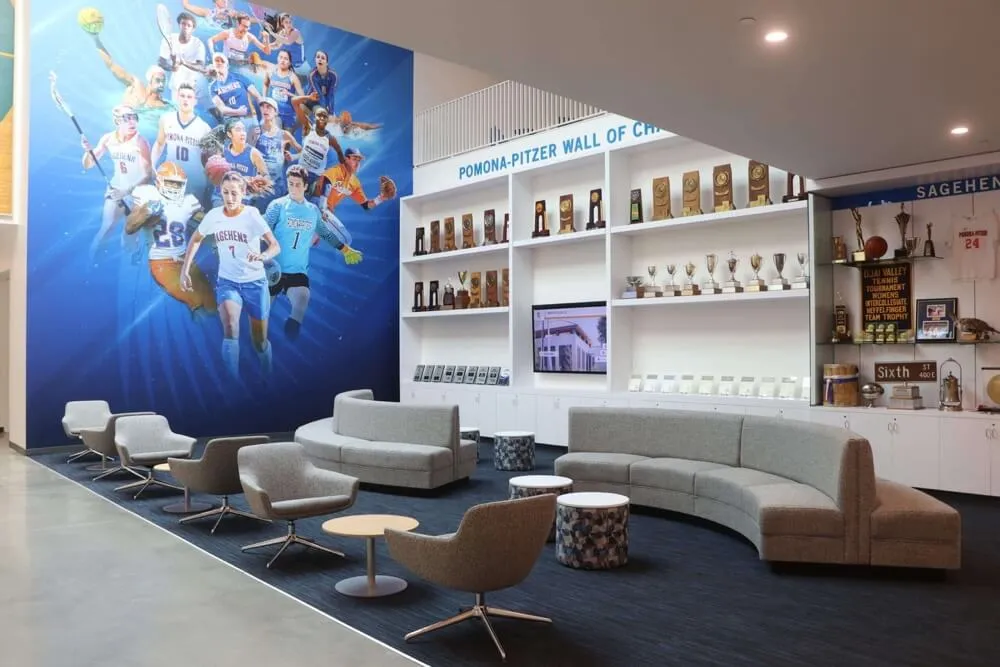
Trophy Case Integration: Positioning senior banners near trophy cases or athletic walls of honor creates comprehensive recognition zones celebrating program achievements across multiple formats. This integration reinforces connections between individual senior contributions and broader team success.
Main Entrance Recognition: Hanging senior banners in school main entrances or lobbies elevates athletic program visibility while ensuring recognition reaches entire school populations. This prominent placement sends powerful messages about institutional values and the importance placed on athletic participation.
Outdoor and Community Displays
Extending senior athlete recognition beyond school buildings creates broader community engagement while building program visibility.
Facility Fencing: Many schools mount vinyl banners on exterior fencing surrounding athletic fields, creating visible celebration for passing community members while transforming utilitarian chain-link into attractive program promotion. Mesh vinyl works particularly well for these installations, allowing wind passage while maintaining visibility.
Community Recognition Partnerships: Progressive programs coordinate with local businesses, restaurants, or community centers willing to display senior athlete banners in their establishments. This community partnership approach extends recognition reach while strengthening connections between athletic programs and their broader support ecosystems. Schools implementing these partnerships often include sponsor recognition on banners, creating mutual value that sustains annual programs.
Downtown Banner Programs: Some communities maintain downtown street banner programs where decorative banners hang from light poles during specific periods. Coordinating with municipal authorities to feature senior athlete banners (particularly during playoff seasons or homecoming periods) builds exceptional community pride while creating memorable recognition experiences.
Budgeting and Production Planning
Successful senior athlete banner programs require careful financial planning balancing quality, quantity, and sustainable funding models.
Cost Per Banner Breakdown
Understanding typical cost components helps athletic directors plan realistic budgets and set appropriate family contribution expectations.
Design Costs: Professional graphic design services typically charge $50-150 per banner for custom designs or $200-500 for master template creation that individual families customize. Many schools negotiate flat design fees covering entire senior classes, reducing per-banner costs through volume.
Photography: If not handled through existing school photography contracts, professional action shots suitable for banner reproduction typically cost $75-200 per athlete session. Some programs coordinate bulk photography days where professional photographers capture all seniors in single sessions, reducing per-athlete costs significantly.
Printing and Production: Depending on size (typical senior banners measure 2’x3’ to 3’x5’), material quality, and order quantities, printing costs range $30-100 per banner for standard vinyl to $75-150 for premium fabric options. Volume discounts apply when ordering complete senior classes simultaneously.
Hardware and Installation: Grommets for hanging typically add $5-15 per banner. Mounting hardware—pole pockets, hanging systems, or display frames—adds $15-50 depending on installation method. Professional installation services (recommended for ceiling or high-wall mounting) charge $50-200 per banner depending on complexity and accessibility.
Funding Models That Work
Schools implement various funding approaches making senior athlete banners accessible while managing athletic department budget constraints.
Family Purchase Model: The most common approach asks families to purchase their athletes’ banners—typically $100-200 per banner depending on size and quality—with schools coordinating design, production, and installation. Banners become family property after display periods, serving as keepsakes that justify family investment.
Booster Club Funding: Athletic booster clubs or parent organizations often fund senior banner programs as signature annual projects, eliminating direct family costs while building goodwill and membership value. This approach works well when booster clubs maintain strong fundraising capacity and prioritize senior recognition among spending priorities. Recognizing the volunteer contributions that make these programs possible through volunteer appreciation initiatives strengthens ongoing booster engagement.
Split-Cost Models: Some programs split banner costs between families and athletic departments or booster clubs, reducing individual family burdens while acknowledging that public school recognition deserves institutional investment. Typical splits range from 50/50 to 75% institutional / 25% family contributions.
Sponsorship Integration: Progressive programs offset banner costs through business sponsorships, including modest sponsor recognition (typically small logos or text) on banner designs. While this approach requires careful implementation maintaining primary focus on athlete recognition rather than commercial advertising, tasteful sponsor integration can fully fund programs while building community business partnerships.
Production Timeline
Successful banner programs follow structured timelines ensuring completion well before senior night ceremonies or display deadlines.
4-6 Months Before Senior Night: Determine program structure, select vendors, establish budgets, and communicate expectations to senior families. Early planning allows time for family feedback, adjustments, and alternative arrangements for families facing financial constraints.
3-4 Months Out: Collect athlete information, coordinate photography sessions, and begin design work. Building adequate time buffers prevents rushed production compromising quality or creating stress during already emotional senior seasons.
6-8 Weeks Out: Finalize all designs, secure family approvals, and submit print orders. Vendors typically require 3-4 weeks for production, so ordering 6+ weeks before needed dates provides cushion for unexpected delays or revision needs.
2-3 Weeks Before Display: Coordinate installation, whether handled by facilities staff, parent volunteers, or professional installers. Test all mounting systems and ensure banners hang securely and display properly before ceremony dates.
Modern Digital Alternatives to Traditional Banners
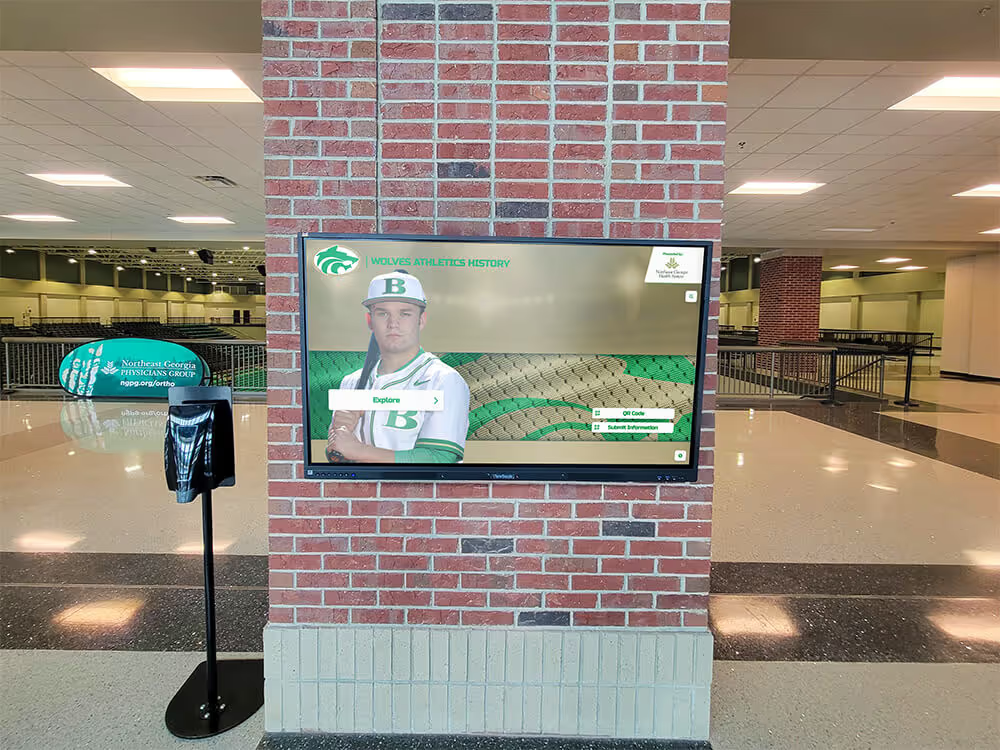
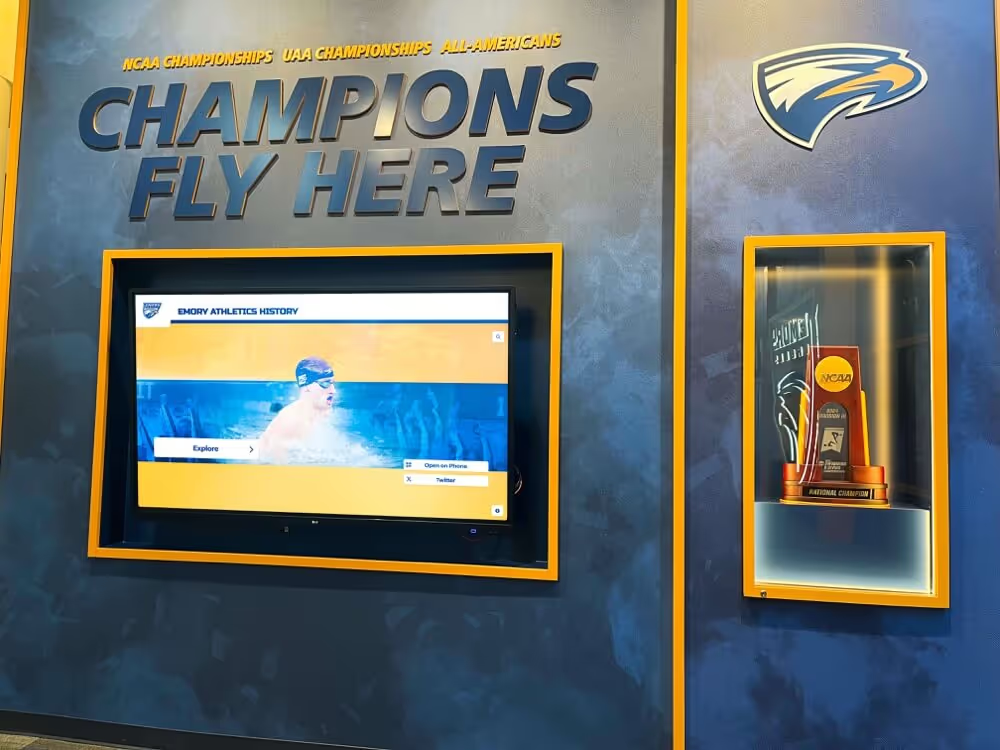
While physical senior athlete banners create powerful traditional recognition, schools increasingly explore digital alternatives addressing common banner program challenges—limited display space, storage complications, maintenance needs, and difficulty updating displays as programs grow.
Benefits of Digital Recognition Systems
Digital recognition platforms offer distinct advantages complementing or, in some contexts, replacing traditional banner programs.
Unlimited Display Capacity: Unlike physical banners constrained by available wall space, digital systems accommodate unlimited athlete profiles without overcrowding facilities. Schools can recognize every senior athlete across all sports—including smaller programs that physical space limitations might otherwise exclude—ensuring equitable celebration.
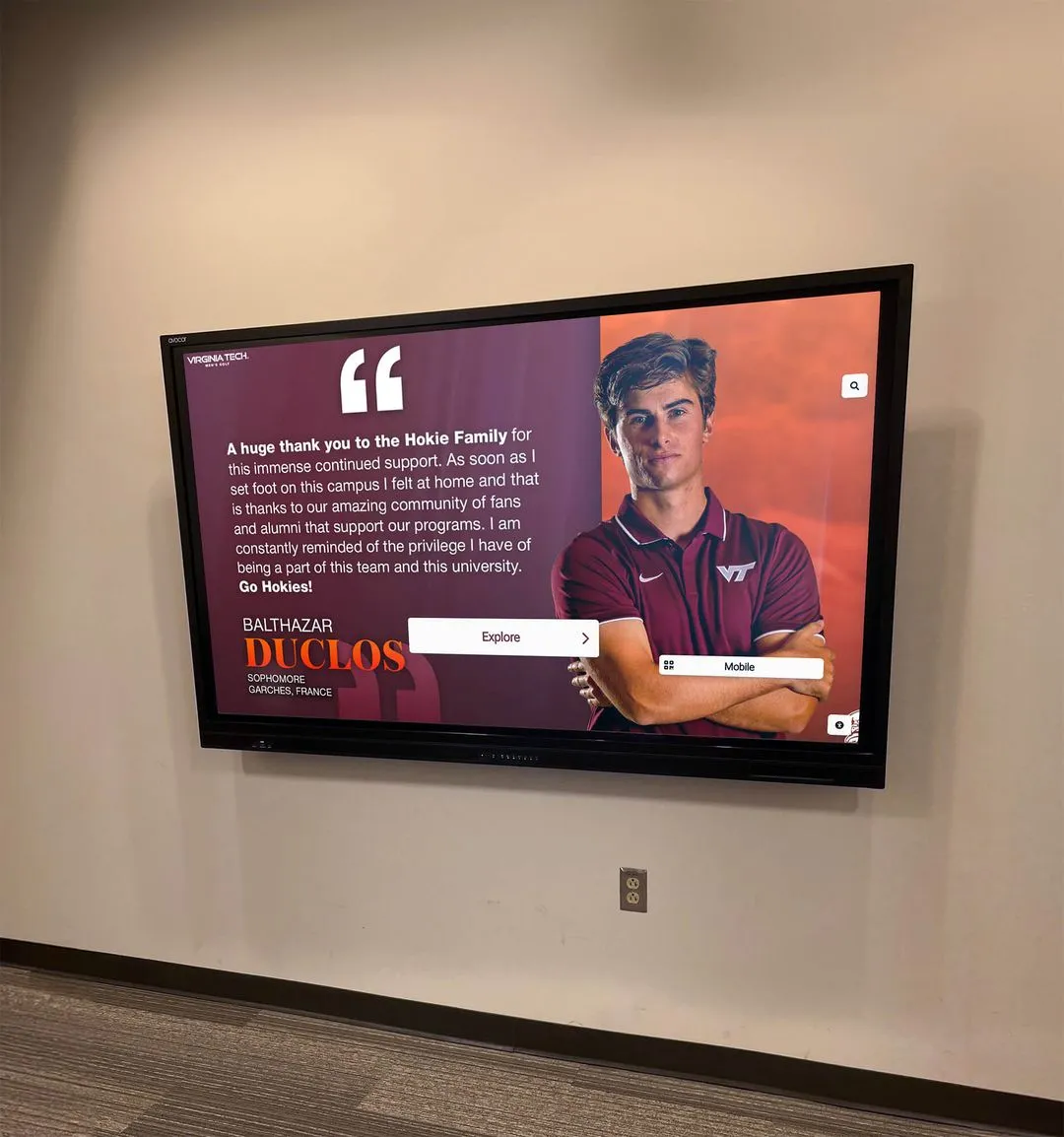
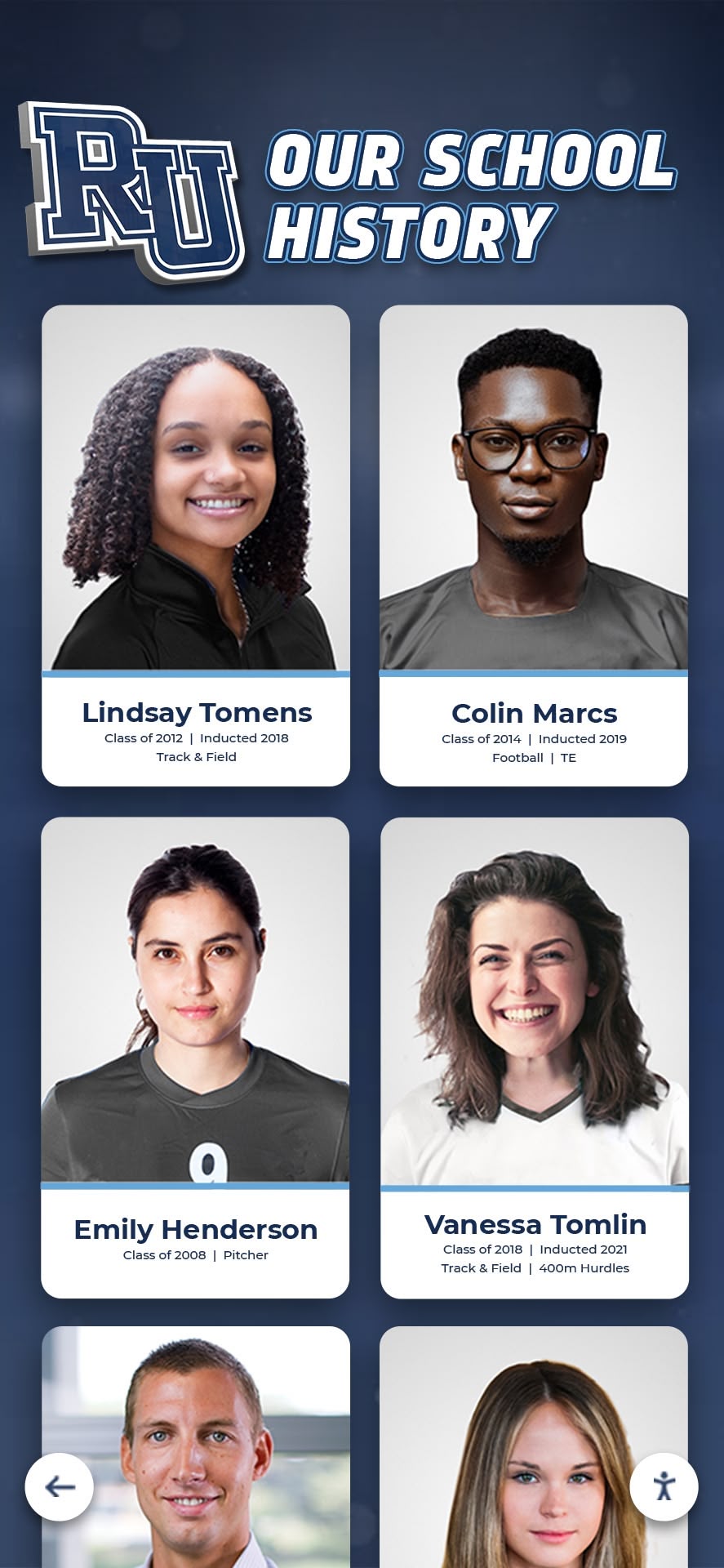
Rich Multimedia Content: Digital platforms enable recognition far beyond what static banners provide, incorporating photo galleries documenting athletes’ entire careers, video highlight reels capturing signature moments, detailed statistics and achievement records, personal statements or thank-you messages, and dynamic content that updates throughout seasons.
Permanent Accessibility: While physical banners typically display for limited periods before removal and storage, digital recognition remains permanently accessible. Alumni can revisit their profiles years after graduation, showing their own children their high school achievements through engaging digital experiences that physical banners stored in attics cannot match.
Cost-Effectiveness Over Time: Although digital systems require initial technology investments, they eliminate ongoing per-banner production costs, storage rental or space allocation, periodic banner replacement due to damage or fading, and labor-intensive installation/removal processes. For programs recognizing 50+ senior athletes annually, digital systems often cost less over 3-5 year periods than maintaining traditional banner programs.
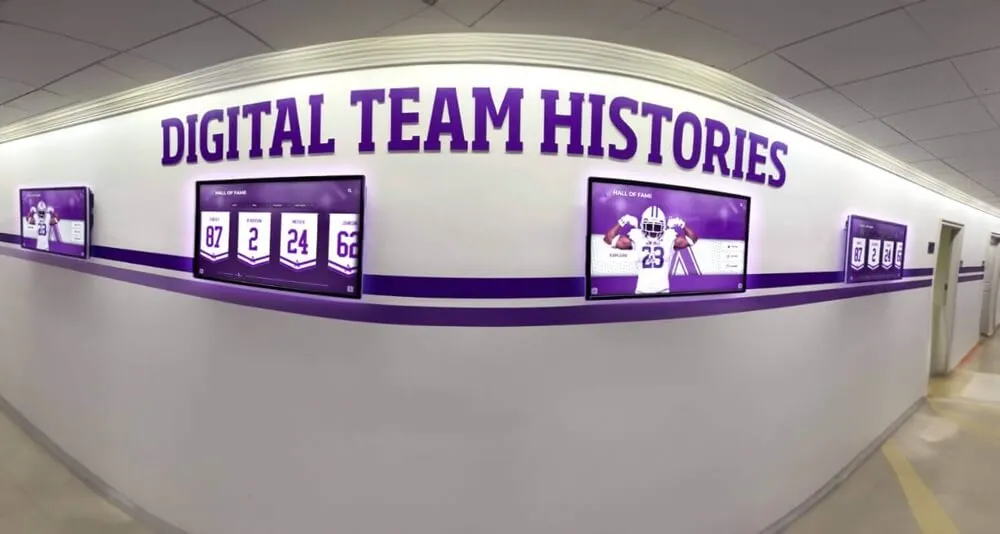
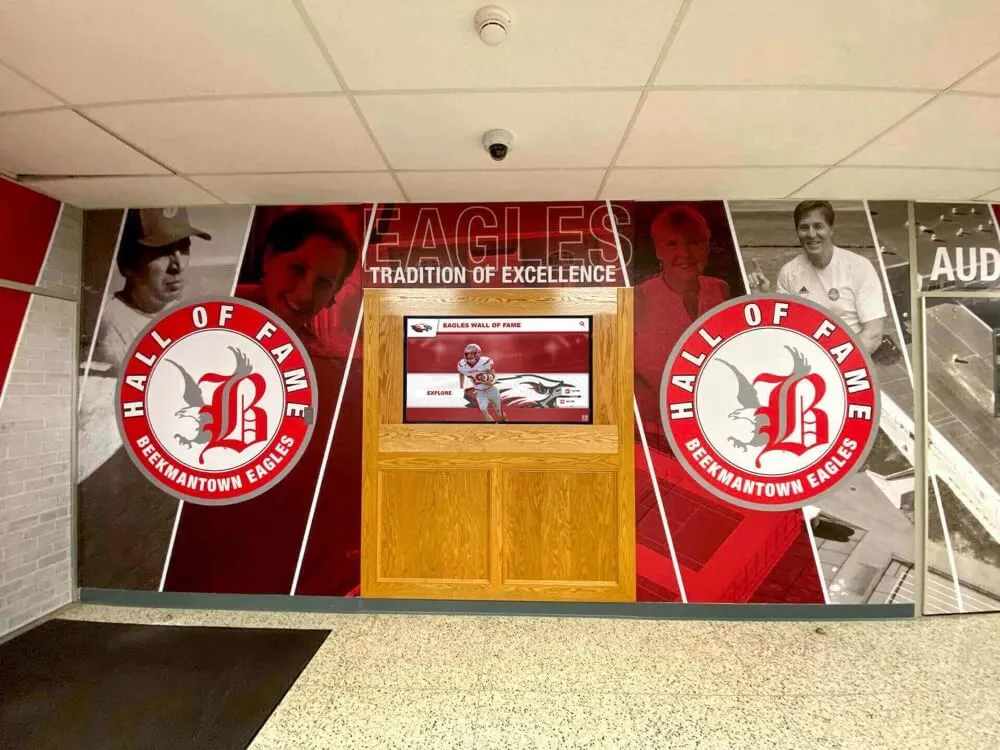
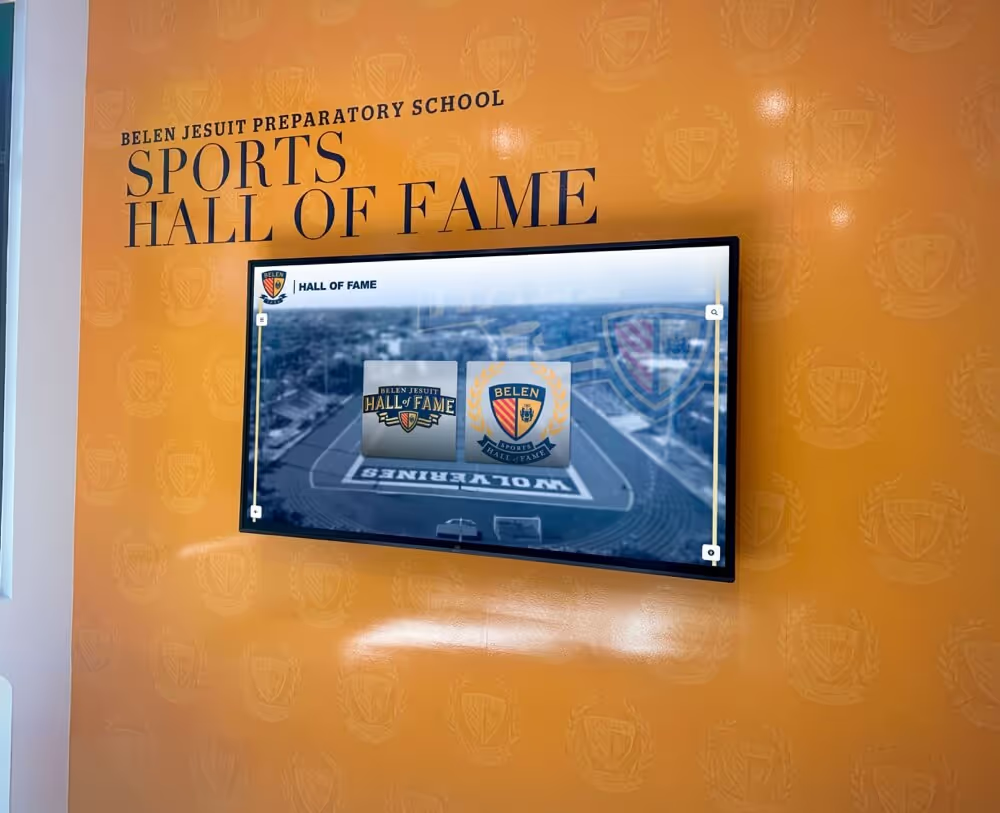
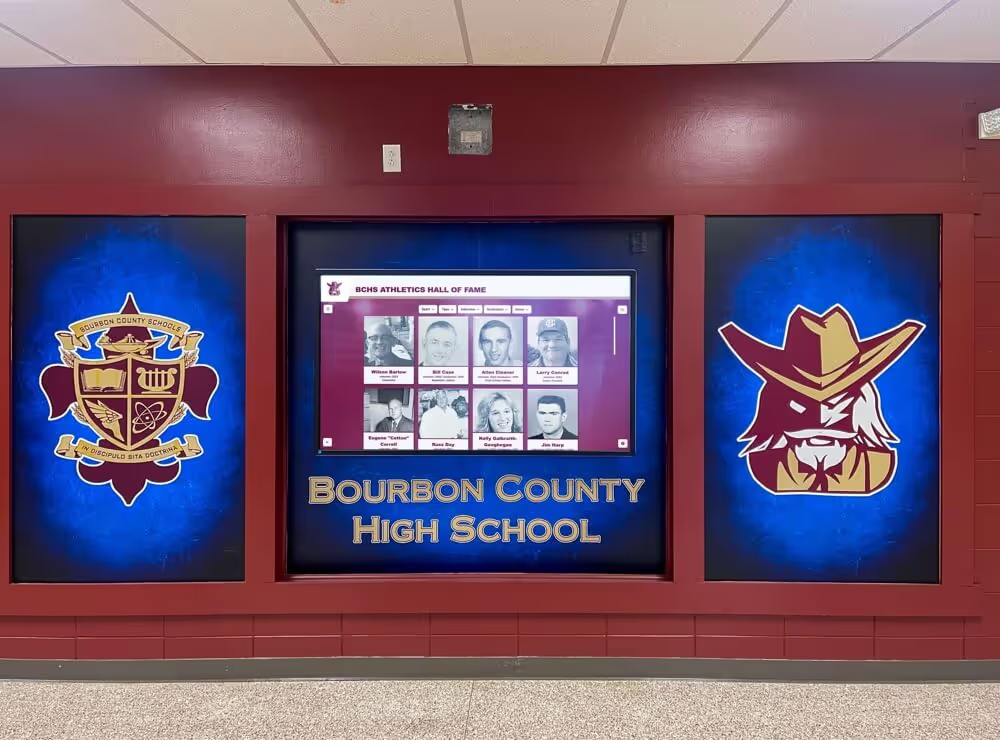
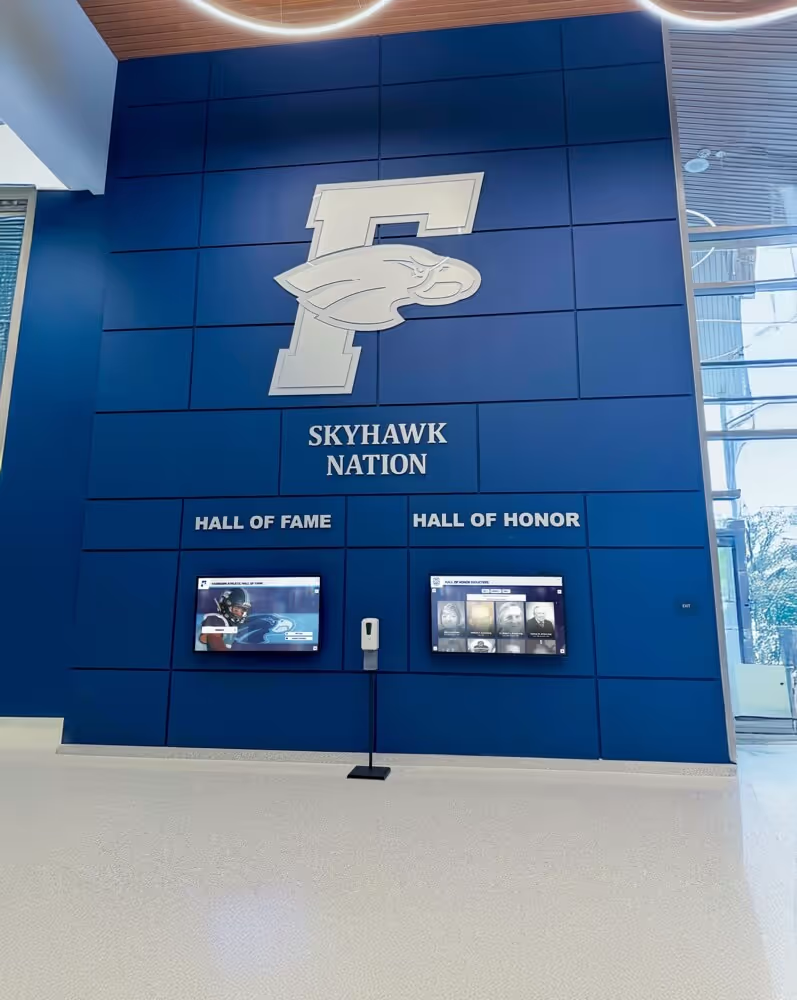
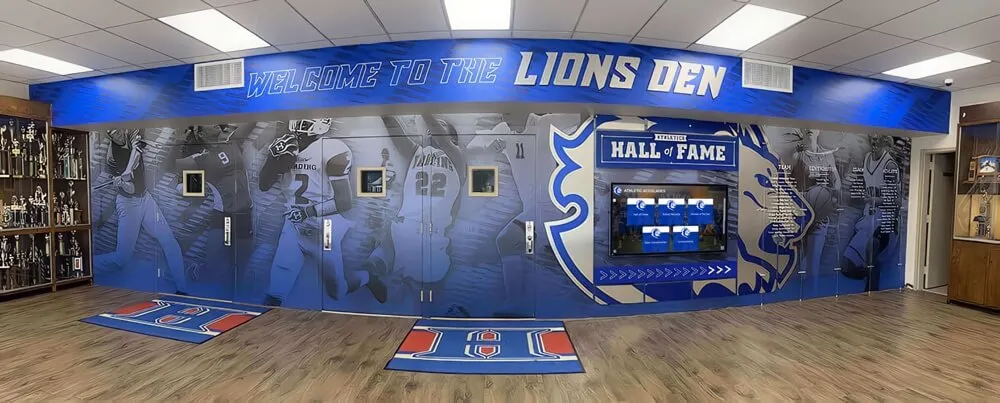
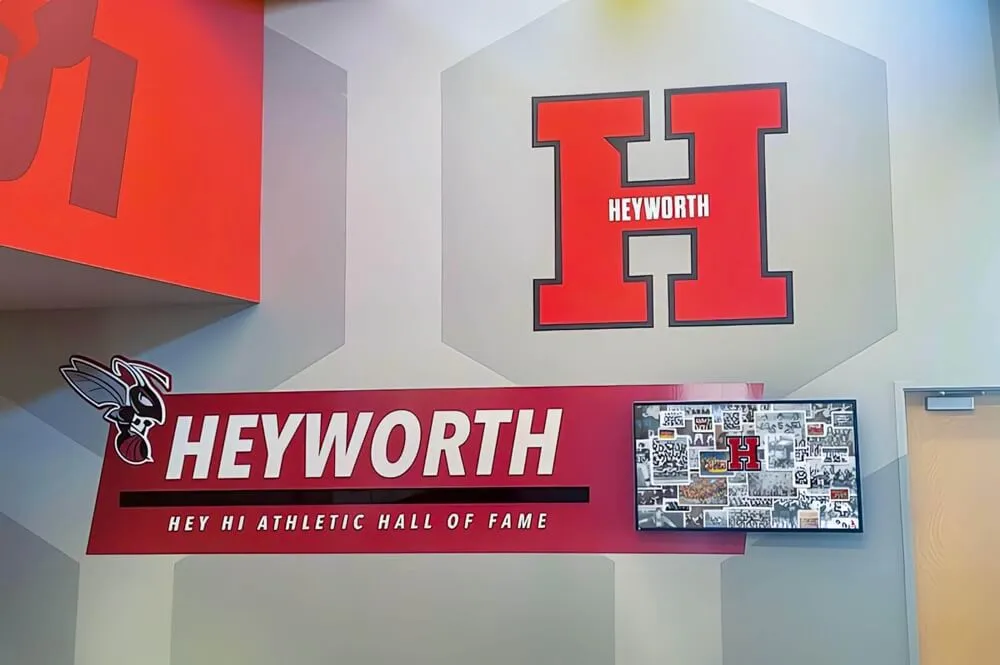
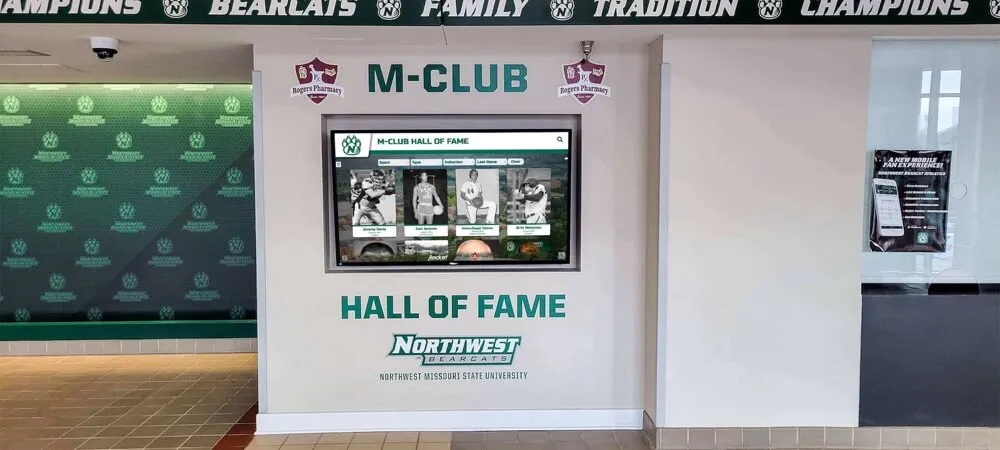
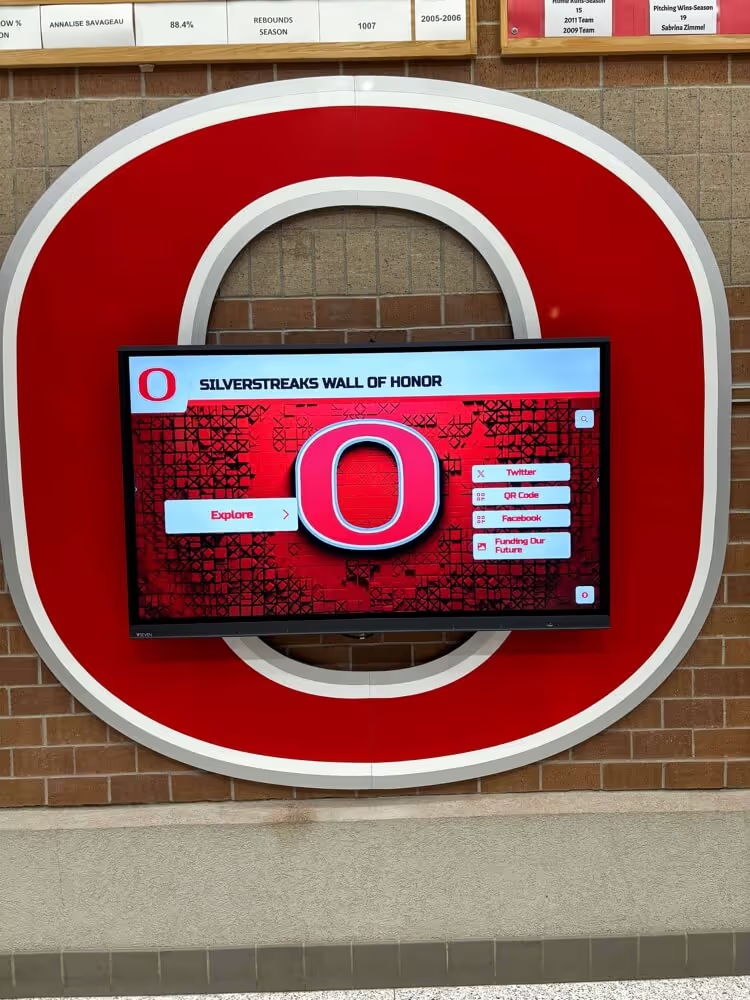
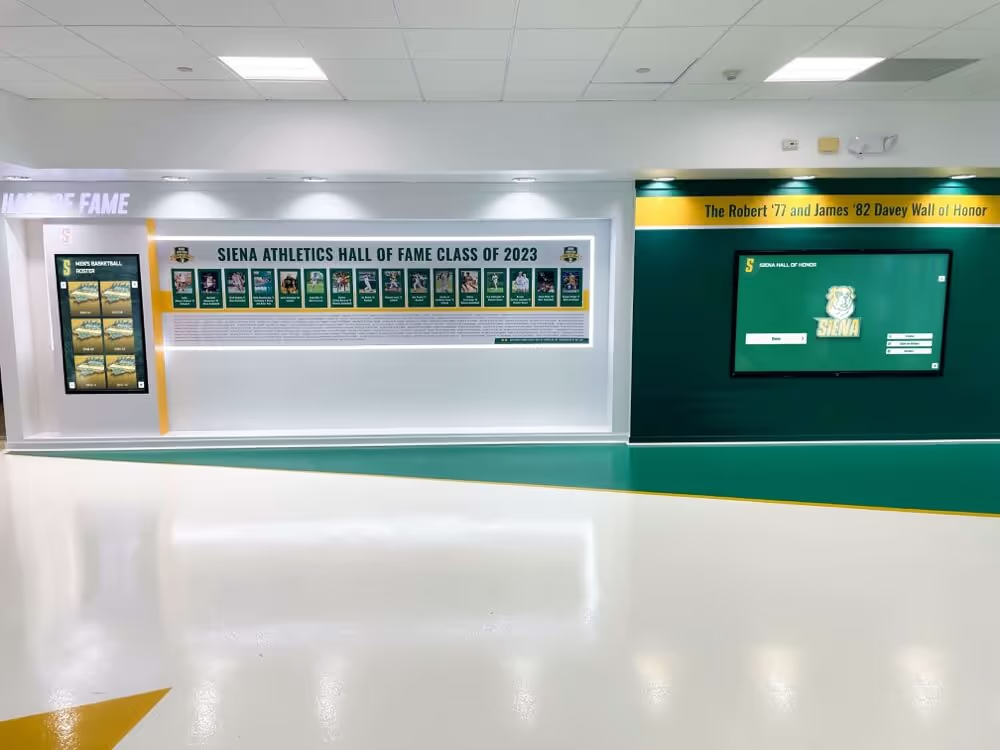
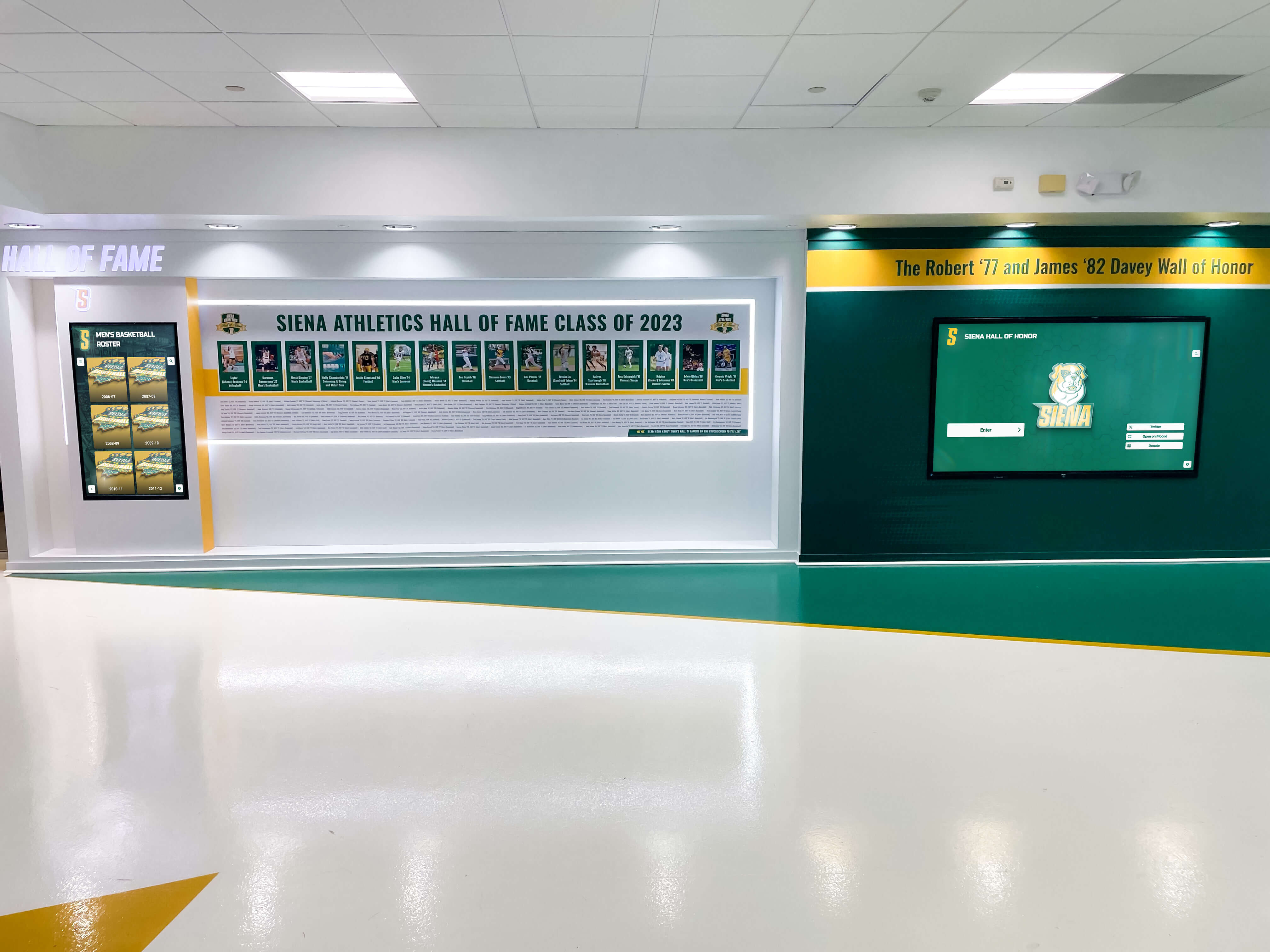
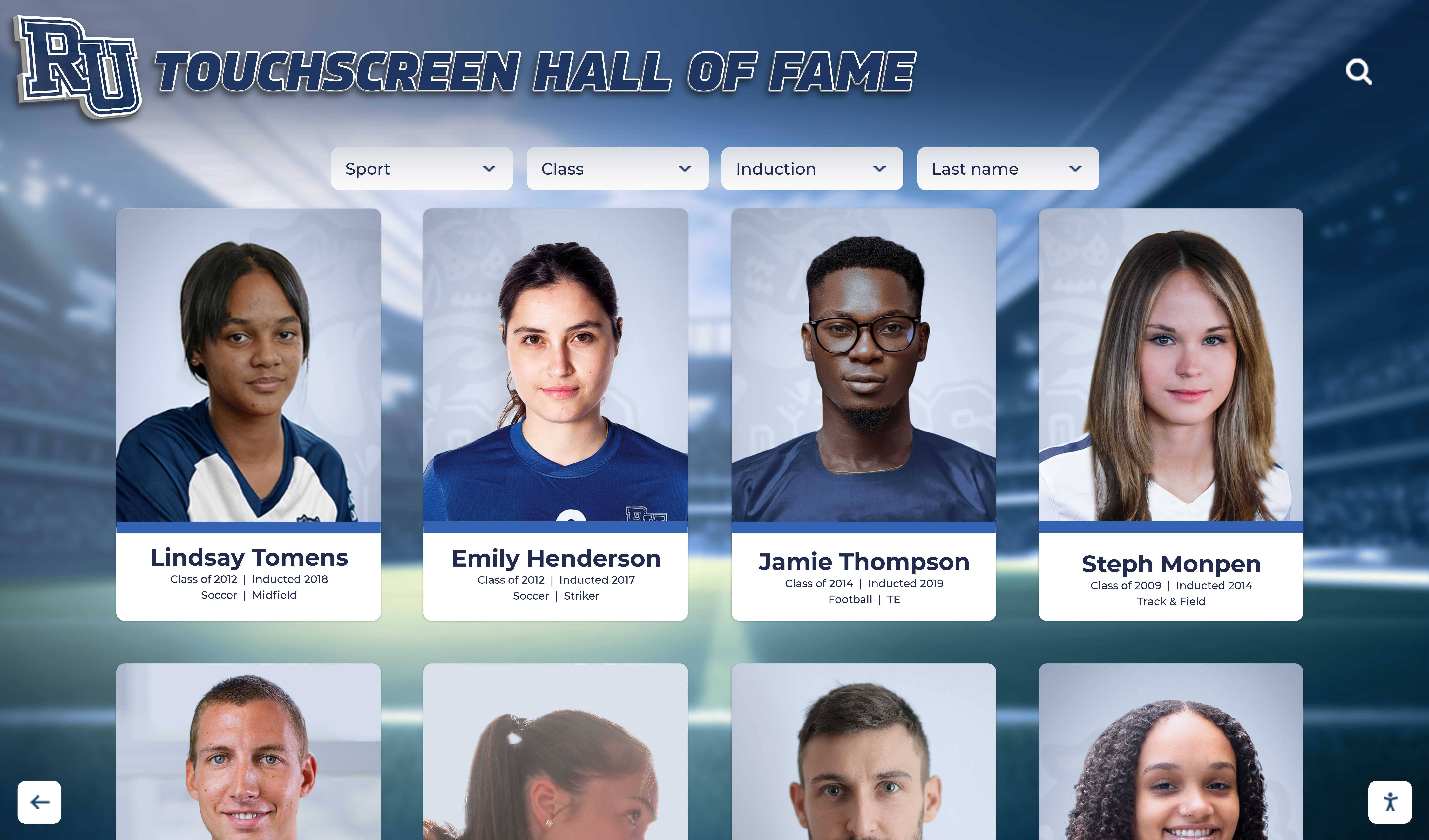
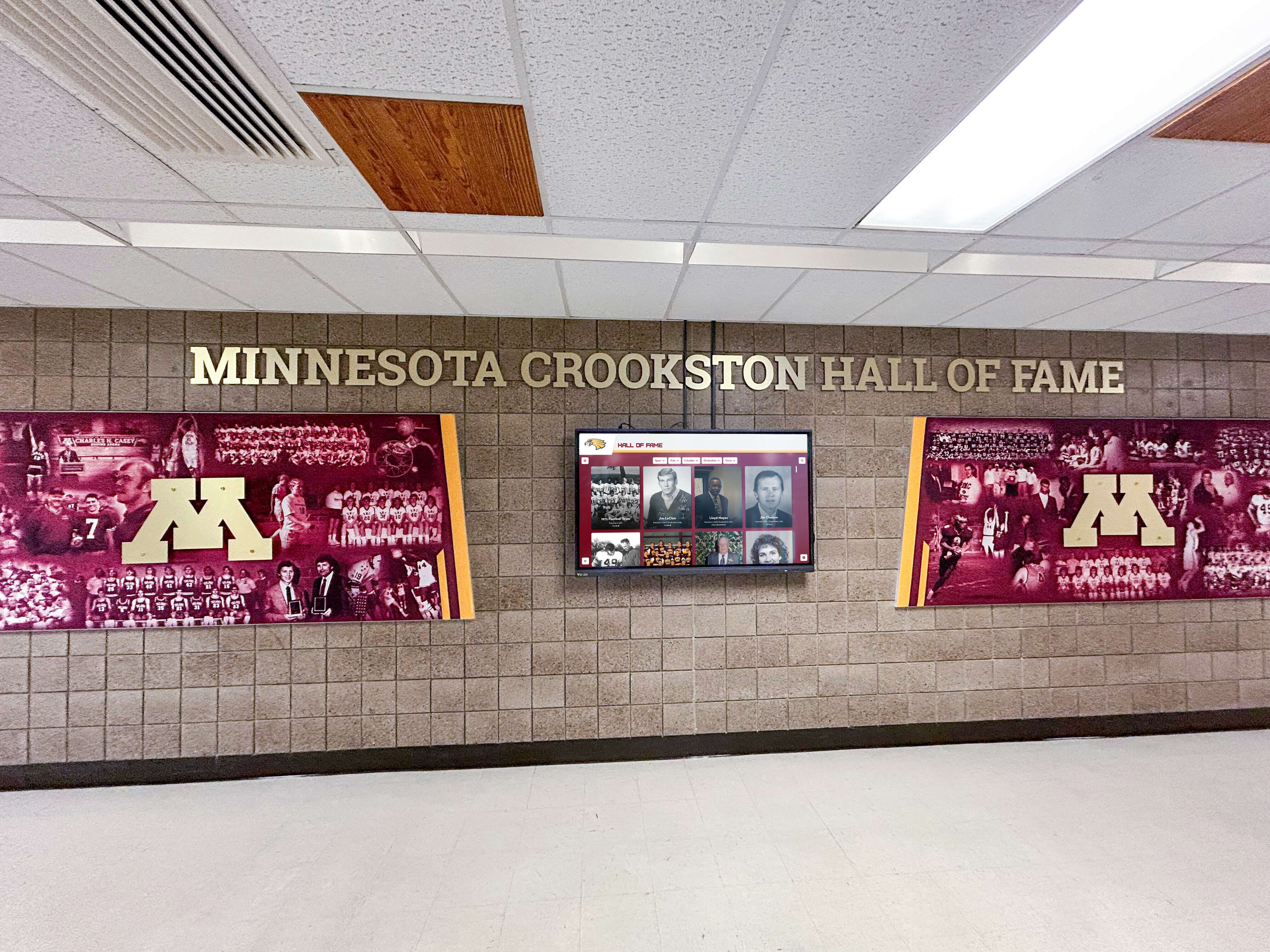
Integration with Broader Recognition: Modern digital walls of fame connect senior athlete recognition with hall of fame inductees, championship team celebrations, statistical leaderboards, and program history archives—creating comprehensive athletic recognition ecosystems rather than disconnected display formats.
Hybrid Approaches Combining Physical and Digital
Rather than viewing physical banners and digital recognition as competing alternatives, forward-thinking programs implement hybrid approaches leveraging each format’s strengths.
Senior Night Banner + Digital Archive: Many schools continue traditional senior night banner presentations—creating emotional ceremony moments and providing families tangible keepsakes—while also creating permanent digital profiles ensuring long-term accessibility. Athletes receive physical banners during ceremonies, then banners hang briefly before families take them home while digital profiles continue indefinitely.
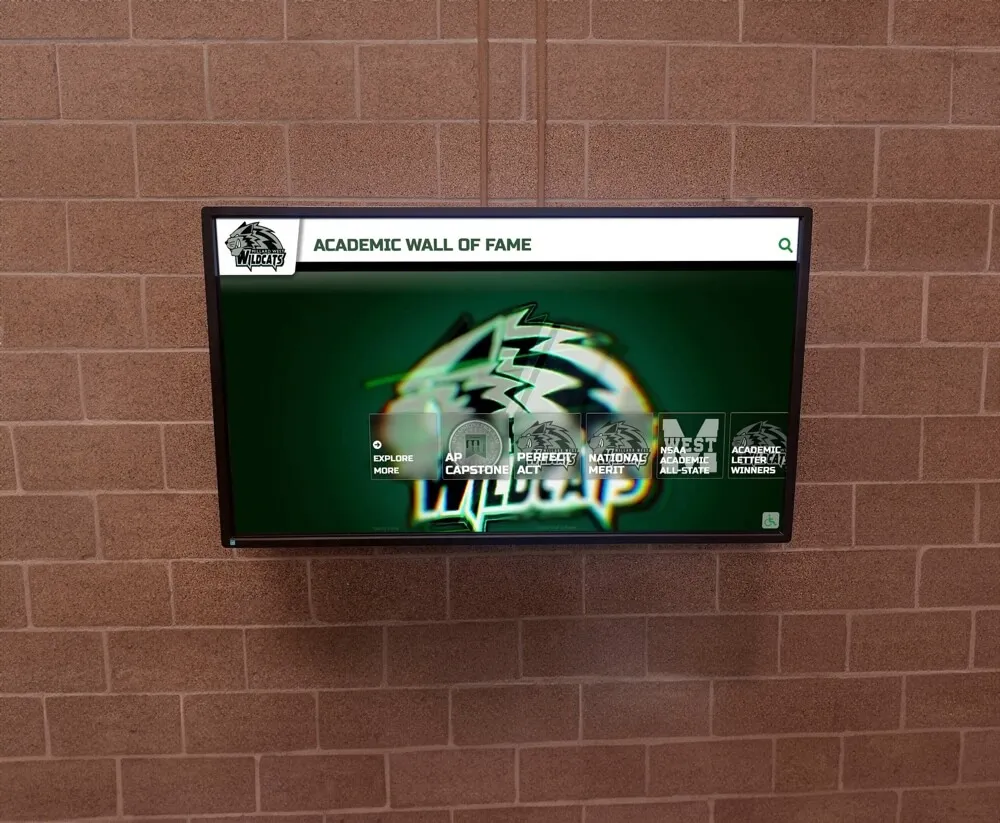
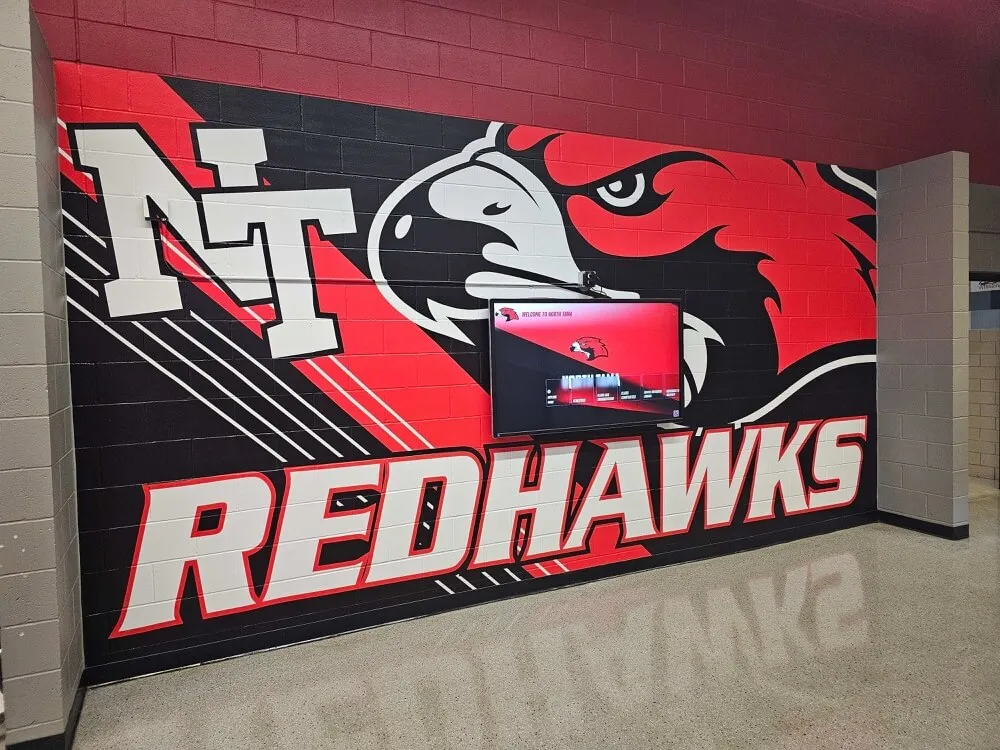
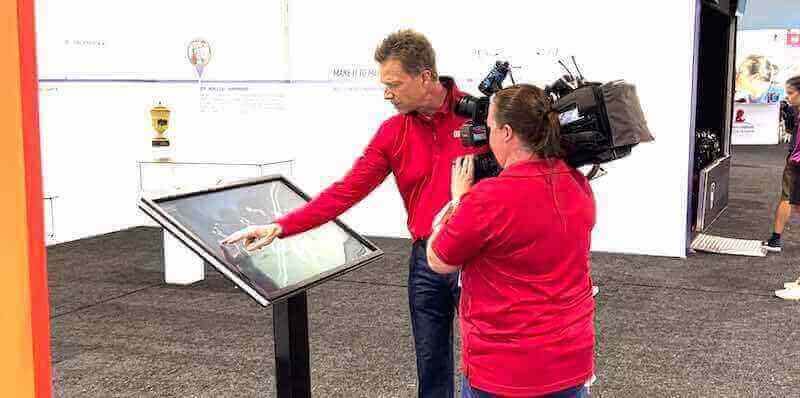
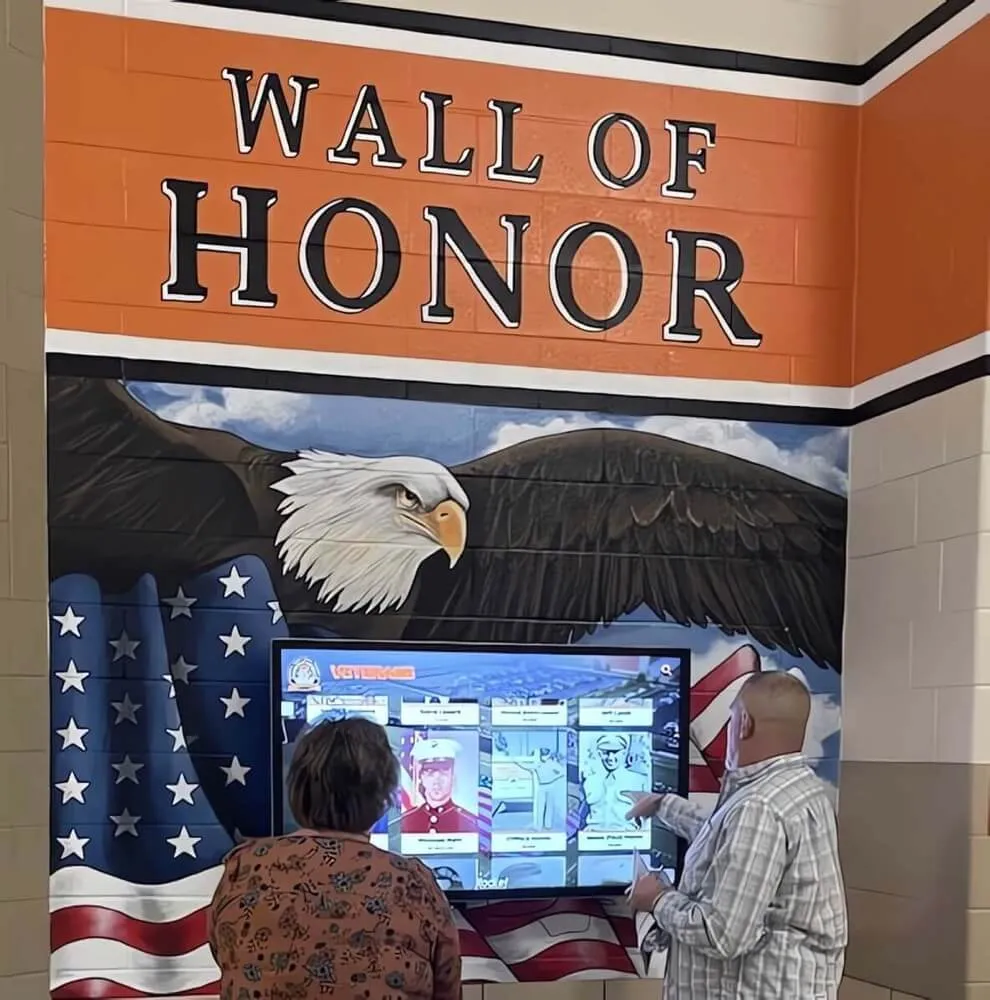
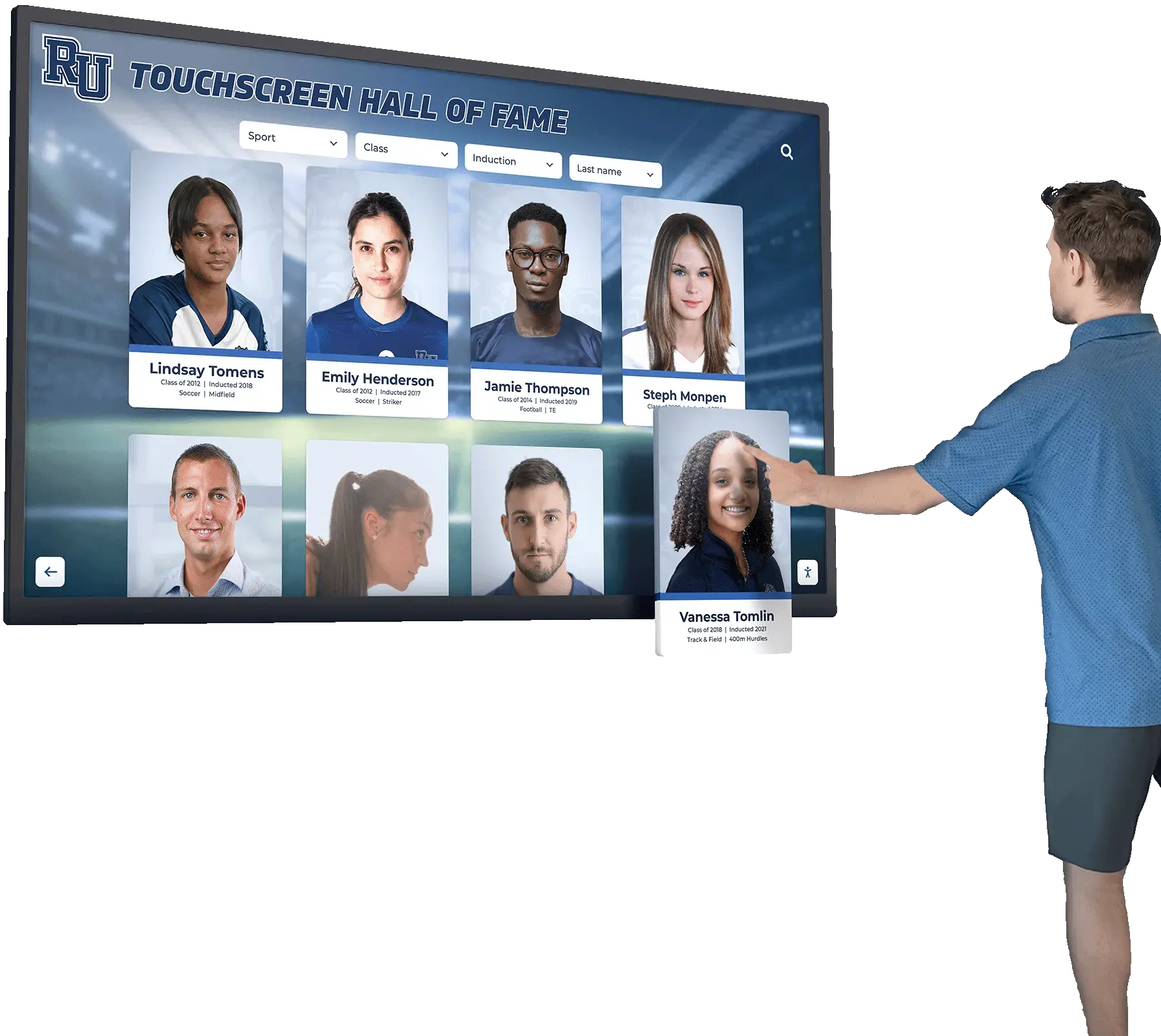
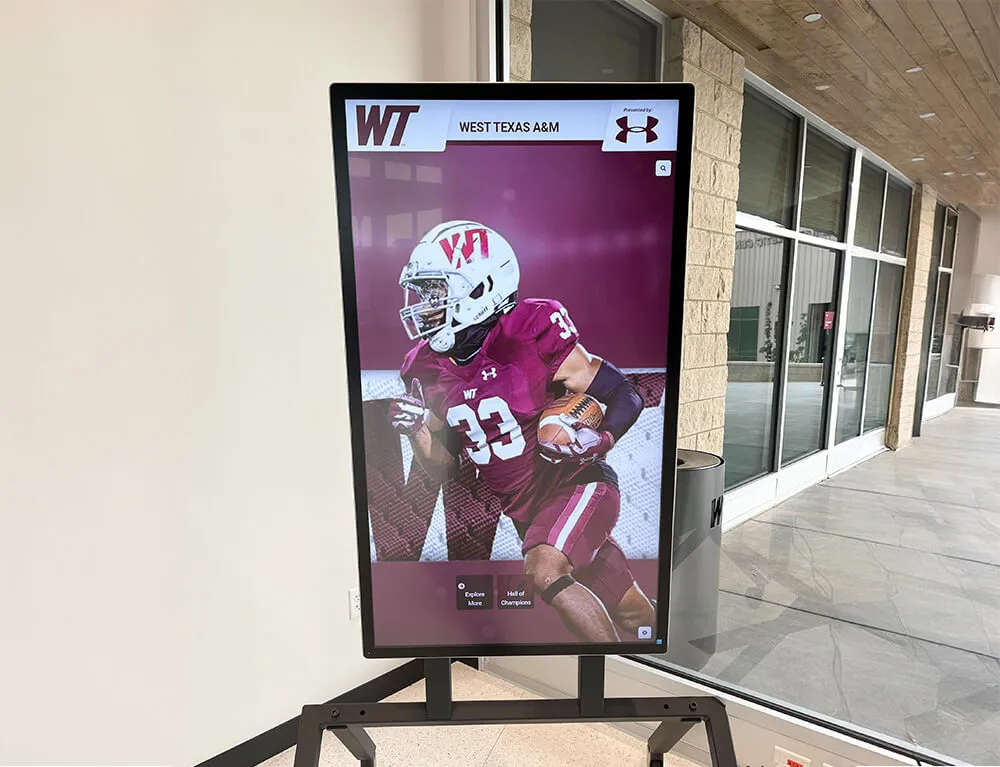
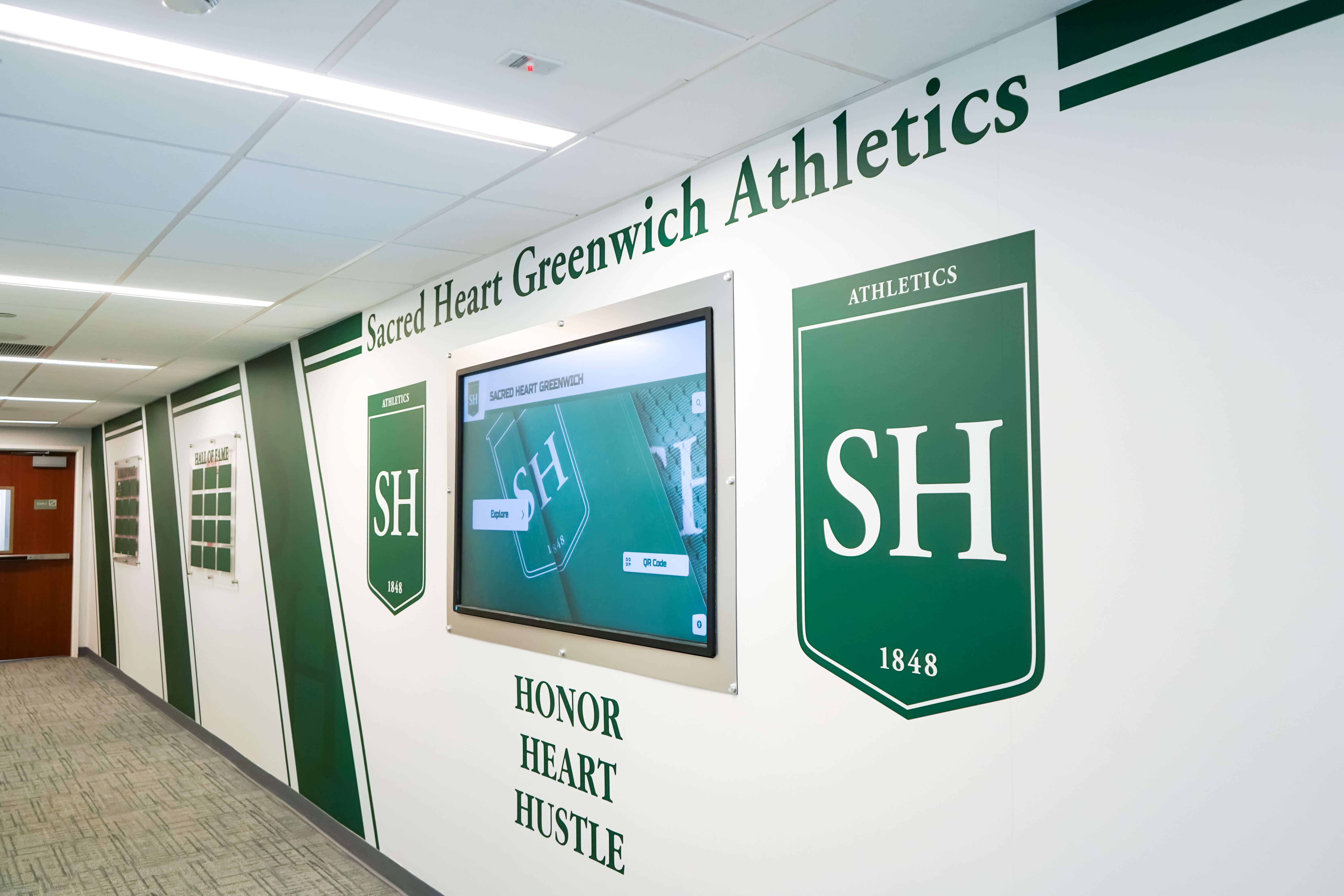
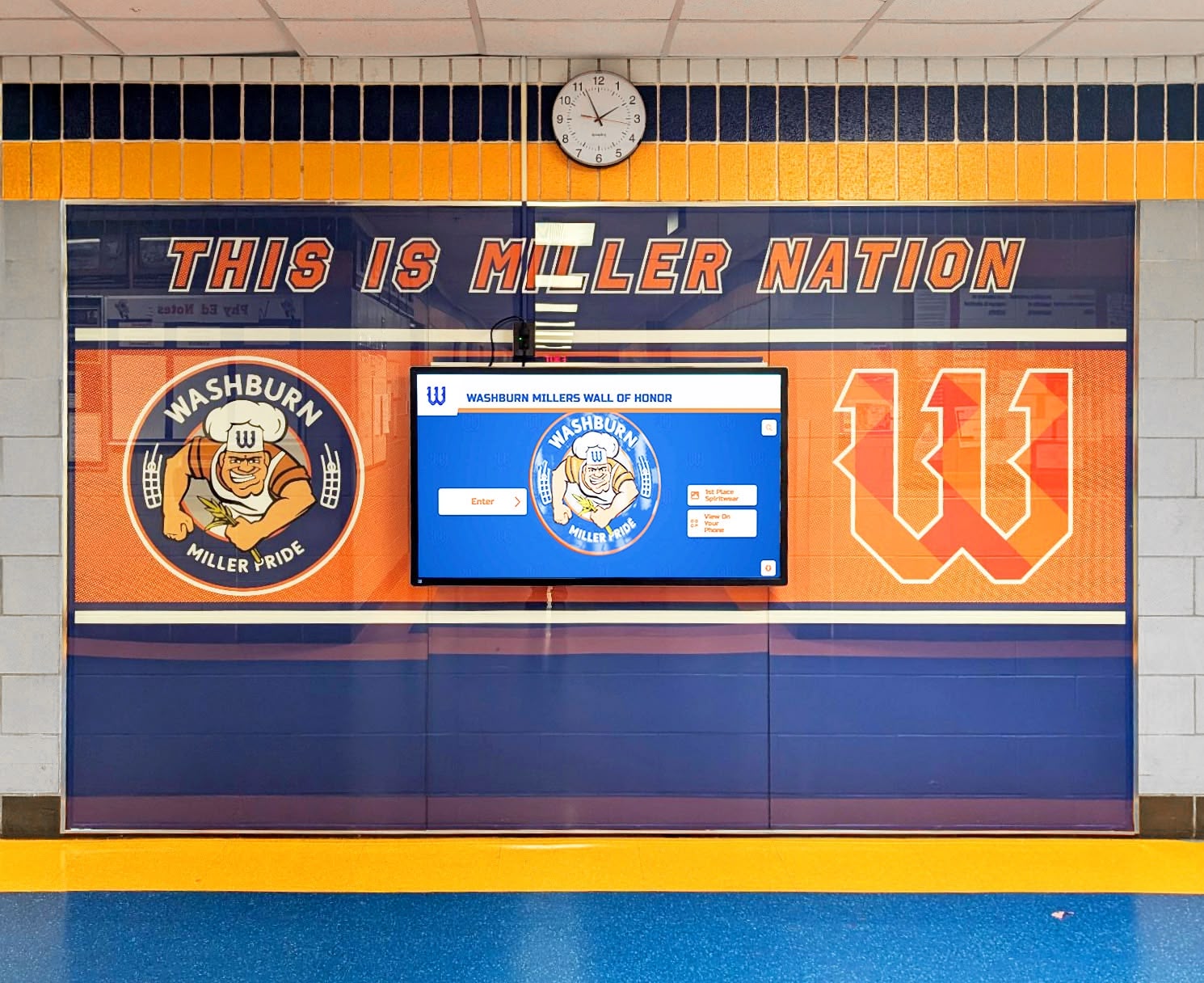
Rotating Physical Display + Comprehensive Digital Archive: Schools with limited display space feature rotating physical banner selections—perhaps highlighting current season seniors or randomly rotating through recent graduating classes—while maintaining complete digital archives accessible through lobby touchscreens or online recognition platforms.
QR Code Integration: Some innovative programs incorporate QR codes on physical banners that, when scanned with smartphones, direct viewers to comprehensive digital profiles containing extended photo galleries, video content, and detailed information impossible to include on physical banners. This approach creates engaging bridges between physical and digital recognition.
Making Senior Athlete Banners Meaningful and Inclusive
The most impactful senior athlete banner programs balance individual celebration with team cohesion while ensuring recognition feels meaningful and inclusive across varied athletic contexts.
Ensuring Equitable Recognition
Schools must thoughtfully address potential equity issues that can undermine banner programs’ positive impacts.
Equal Treatment Across Sports: Banner designs, sizes, and display prominence should remain consistent across all sports regardless of program sizes, competitive success levels, or spectator attendance. Treating football and basketball seniors more prominently than cross country or tennis seniors sends harmful messages about relative value placed on different athletic pursuits.
Recognizing All Participation Levels: Some schools limit banner recognition to varsity letter winners or four-year participants, excluding seniors who joined programs later, competed at junior varsity levels, or served in team manager or support roles. While resource constraints may necessitate prioritization, schools should carefully consider whether exclusionary policies contradict broader messages about valuing all forms of athletic participation and contribution.
Accommodating Financial Diversity: When banner programs require family financial contributions, schools must provide alternative arrangements ensuring no senior misses recognition due to economic circumstances. Establishing booster club hardship funds, securing sponsor support covering participation for families facing constraints, or implementing tiered pricing structures all help ensure equitable access.
Personalizing Recognition Within Consistent Frameworks
Effective banner programs balance consistency creating cohesive visual programs with personalization making each athlete feel individually celebrated.
Personal Statements or Quotes: Including brief personal statements—favorite memories, acknowledgments of family and coaches, or messages to younger athletes—adds individual voice while maintaining visual consistency through formatted text blocks of consistent sizes.
Achievement Highlighting Options: Rather than creating perceived hierarchies by listing all achievements, some programs allow athletes to select 2-3 accomplishments most meaningful to them for inclusion. This approach ensures standout athletes don’t dominate through longer achievement lists while giving all seniors agency in shaping their personal recognition.
Photo Selection Involvement: Allowing athletes to participate in selecting photos featured on their banners increases personal investment and satisfaction. Whether choosing between multiple action shots from dedicated photo sessions or selecting favorite images from season photography, athlete input creates stronger emotional connections to final displays.
Creating Traditions That Build Anticipation
The most successful banner programs become anticipated traditions that athletes look forward to throughout their careers, creating motivation and program identity that extends beyond graduating classes.
Consistent Annual Schedules: Displaying banners during consistent timeframes—always the week before senior night, throughout entire senior seasons, or permanently in designated locations—builds tradition and anticipation. Underclassmen see current seniors honored and anticipate their own future recognition.
Ceremonial Installations or Reveals: Some programs create ceremonial moments when senior banners are first unveiled—perhaps during preseason team dinners, at sports banquets, during homecoming celebrations, or through coordinated reveals where all seniors see their banners simultaneously for first times. These ceremony moments create shared memories strengthening class bonds.
Legacy Connections: Programs that thoughtfully connect graduating seniors with program history—displaying senior banners near hall of fame recognition, including statistics showing where seniors rank in program record books, or creating alumni mentorship pairings between current seniors and graduates from decades past—build powerful continuity reinforcing that today’s seniors join long traditions of athletic excellence and contribution.
Conclusion: Creating Recognition That Resonates
Senior athlete banners represent far more than decorated vinyl or fabric—they embody visible proof that athletic dedication matters, that senior contributions are valued, and that school communities celebrate the young people who represent them through competition and sportsmanship. Whether implemented through traditional physical banners, modern digital platforms, or hybrid approaches combining both formats, effective senior athlete recognition programs share common characteristics: they treat all athletes equitably, balance individual celebration with team identity, maintain high visual quality reflecting the importance placed on recognition, and create anticipated traditions that build program culture across graduating classes.
Schools beginning or revitalizing senior athlete banner programs should start by clearly defining program purposes and goals, engaging senior athletes and families in planning processes ensuring programs meet their actual desires rather than assumptions, establishing sustainable funding models preventing financial barriers from excluding participants, planning adequate timelines avoiding rushed production compromising quality, and regularly evaluating programs through participant feedback and willingness to evolve formats as needs change.
The athletic directors, coaches, booster leaders, and administrators who invest time and resources in thoughtful senior athlete recognition create lasting impacts extending far beyond graduation days. Decades later, alumni remember how their schools celebrated their contributions—whether through banners they saved and still display, digital profiles they revisit with their own children, or simply the feeling of being seen and valued during formative years when recognition mattered deeply.
Ready to explore modern recognition solutions that complement or enhance traditional senior athlete banners? Rocket Alumni Solutions specializes in interactive digital recognition systems that solve common senior athlete banner challenges—limited space, storage needs, and dated displays—while creating engaging touchscreen experiences celebrating athletic achievements, program history, and community pride. Our platforms enable schools to recognize unlimited senior athletes across all sports, integrate multimedia content impossible with physical banners, and maintain permanently accessible recognition that evolves as programs grow. Discover how digital recognition technology can strengthen your athletic program’s traditions while providing senior athletes the celebration they deserve.