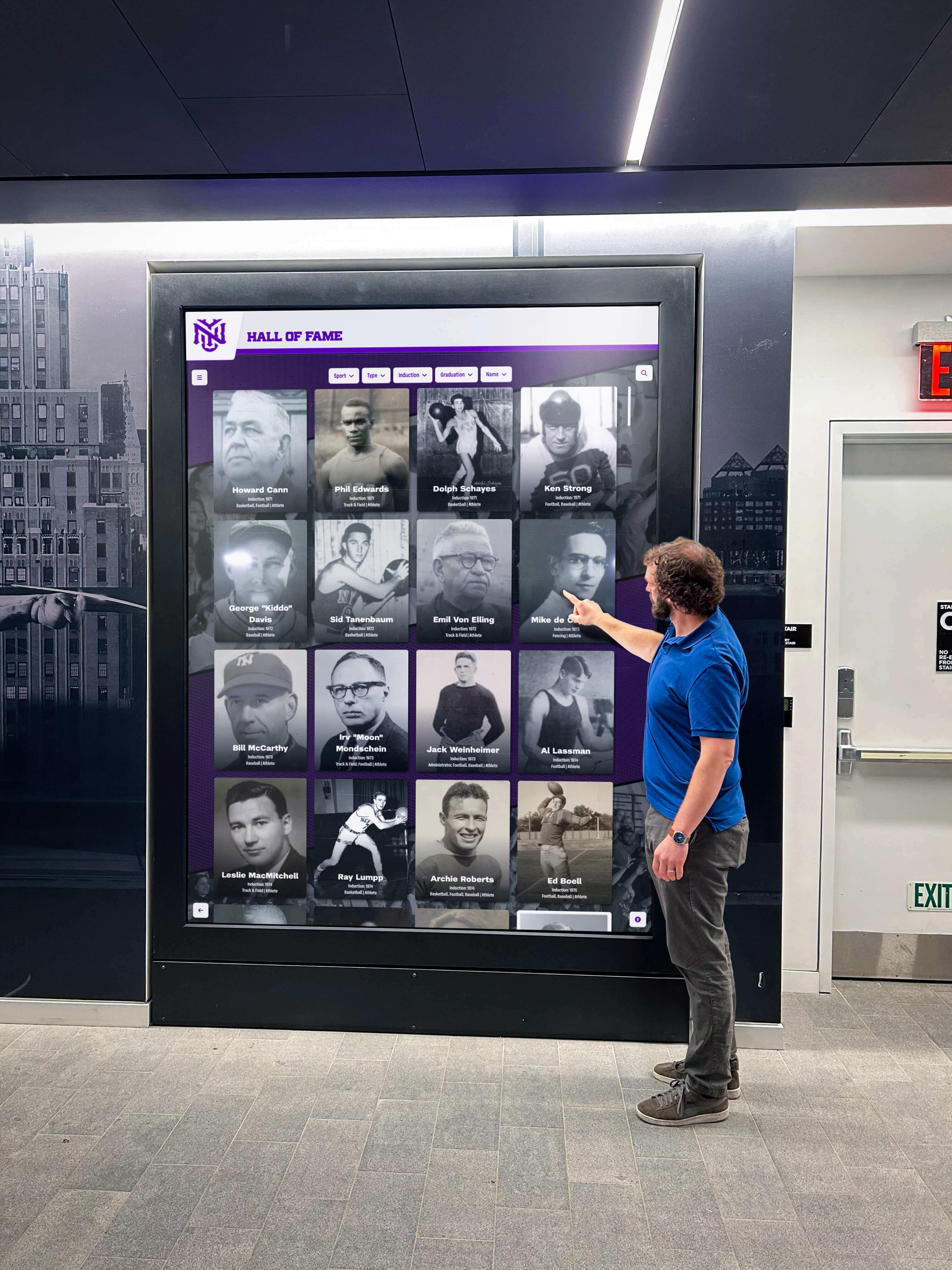
Every school yearbook picture tells a story. Class portraits capture the faces of students who walked hallways, participated in clubs, played on teams, and built friendships that shaped communities. Sports team photos preserve championship moments and coaching legacies. Club pictures document interests and activities defining each generation. Candid shots reveal daily life, fashion trends, and the unique character of different eras. Collectively, these images form irreplaceable visual records connecting current students to institutional traditions while providing alumni with nostalgic windows into formative years.
This comprehensive guide explores how schools can preserve school yearbook pictures through digital archives, making these invaluable historical records accessible to current students, alumni, and community members while protecting fragile originals from further deterioration. Whether you’re planning to digitize a single decade or create comprehensive archives spanning your institution’s entire history, these strategies help honor every class through modern technology.
The Enduring Value of School Yearbook Pictures
Before diving into preservation strategies, understanding why yearbook pictures matter helps schools invest appropriately in archiving initiatives and create systems serving genuine community needs.
Yearbook Pictures as Institutional Memory
School yearbook pictures function as the most comprehensive visual documentation of institutional history most schools possess. Unlike official administrative records focusing on enrollment data and academic performance, yearbooks capture the lived experience of students—what they wore, how they styled their hair, what activities attracted participation, who led organizations, and which teachers influenced generations.
This authentic documentation provides historical context impossible to reconstruct from other sources. When current students explore yearbook pictures from decades past, they discover how student life has evolved, recognize family members who attended the same institution, and develop appreciation for traditions connecting generations. For alumni, yearbook pictures trigger powerful memories and emotional connections to formative years, creating touchpoints that maintain lifelong relationships with their schools.
Connecting Generations Through Visual Archives
One of the most compelling aspects of yearbook picture archives lies in their ability to reveal unexpected connections across time. A current student discovers their grandfather played on the 1968 basketball team. A new teacher finds their mother’s senior portrait from when she attended the same school three decades earlier. Alumni visiting campus during reunions explore yearbook pictures from their children’s graduating classes, drawing direct lines between their experiences and the next generation.
These generational connections strengthen school communities by demonstrating continuity and shared experience transcending individual class years. When families can point to multiple generations represented in yearbook archives, institutional loyalty deepens and traditions gain meaning beyond just nostalgia.
Yearbooks as Community Historical Records
Beyond their importance to individual schools, yearbook pictures serve as valuable community historical documents preserving how society has changed. Fashion evolution, hairstyle trends, technology adoption, diversity progression, activity offerings, and countless other cultural shifts appear in yearbook archives providing researchers, historians, and community members with authentic visual evidence of social change.
Local historical societies, genealogists, and family researchers frequently seek access to yearbook pictures when studying community development or tracing family histories. Schools maintaining accessible yearbook archives perform valuable community service extending well beyond their institutional boundaries.
Understanding the Challenges of Physical Yearbook Preservation
Traditional approaches to maintaining yearbook collections face significant limitations that digital solutions address comprehensively.
Deterioration and Physical Damage
Yearbooks face constant threats from environmental conditions and physical handling. Paper yellows and becomes brittle, particularly in yearbooks from the 1950s-1970s produced on lower-quality acidic paper. Binding adhesives fail, causing pages to separate or fall out entirely. Photographs fade as chemical processes within the paper and ink break down over time. Water damage from leaks or flooding can destroy entire collections within hours.
Even careful handling causes cumulative wear. Each time someone turns pages, microscopic damage occurs. Fingerprints leave oils that contribute to long-term degradation. Well-loved yearbooks showing the most use often suffer the worst deterioration precisely because they’ve been most valued and frequently referenced.
Limited Accessibility and Usage Restrictions
Even when yearbooks remain in good condition, accessibility challenges limit their usefulness. Physical yearbooks can only be in one location at a time, preventing simultaneous access by multiple interested parties. Schools understandably restrict circulation of rare or fragile yearbooks to protect them from damage or loss, but these protective measures mean most community members never view the collections.
Alumni living in different cities or states rarely have opportunities to access their school’s yearbook archives without making special trips to campus and coordinating access with administrators. This geographic limitation means yearbook pictures—despite their value—reach only a tiny fraction of the people who would find them meaningful.
Incomplete Collections and Lost Volumes
Many schools discover significant gaps in yearbook collections when attempting to create comprehensive archives. Fire, flood, or simple negligence caused some years to disappear entirely from institutional holdings. Budget constraints may have prevented yearbook publication during certain periods, particularly Depression-era years or during wartime. Administrative transitions sometimes resulted in yearbooks being discarded rather than properly archived.
These gaps create frustrating limitations for alumni seeking their graduating class pictures or researchers attempting to study continuous institutional development. Once yearbook editions are lost, recovering them becomes extremely difficult unless alumni or community members donated personal copies to fill collection gaps.
Storage Space Requirements
Complete yearbook collections spanning 50, 75, or 100+ years occupy significant physical space. As schools face space pressures for growing student populations and expanding programs, dedicating valuable square footage to historical yearbook storage becomes increasingly difficult to justify, even when administrators recognize archival importance.
Climate-controlled archival storage meeting preservation standards requires even more resources and specialized facilities many schools cannot afford. The result is often suboptimal storage conditions accelerating yearbook deterioration rather than preventing it.
Creating Digital Yearbook Archives: Preservation Through Digitization
Digital archiving addresses virtually every limitation of physical yearbook preservation while creating new opportunities for engagement, accessibility, and historical documentation.
Benefits of Digital Yearbook Picture Archives
Transitioning school yearbook pictures to digital formats delivers immediate and long-term advantages for schools and communities.
Permanent Preservation
Once digitized, yearbook pictures become immune to the physical deterioration threatening originals. Digital files don’t yellow, fade, or become brittle. They can’t be damaged by water, fire, or handling. Quality digital copies created today will remain identical decades from now, preserving images exactly as they appear in the moment of digitization.
This permanence means schools can protect their most fragile and valuable yearbooks by digitizing them and then limiting or eliminating physical access to originals, relying on digital copies for all routine use while preserving originals in climate-controlled storage for emergency reference only.
Universal Accessibility
Digital yearbook archives enable simultaneous access by unlimited users regardless of geographic location. An alumnus in California can browse their 1985 class pictures while a current student in the school library explores yearbooks from the founding era and a local historian in Europe researches fashion trends across decades—all accessing the same archive simultaneously without scheduling conflicts or physical access limitations.
This accessibility dramatically increases the value schools receive from yearbook preservation efforts by ensuring these historical resources serve the broadest possible audience rather than remaining locked away in administrative offices where only occasional visitors ever see them.
Enhanced Searchability and Discovery
While physical yearbooks require page-by-page browsing to locate specific pictures or information, digital archives enable instant search functionality. Alumni can type their names to immediately find every yearbook appearance across multiple years. Coaches can locate team pictures from specific seasons. Researchers can search for particular clubs or activities to study participation trends.
This searchability transforms yearbooks from static historical artifacts into dynamic research tools enabling exploration patterns impossible with physical books. The time required to find specific information drops from hours of page-turning to seconds of digital searching.
Space Efficiency and Cost Savings
Digital storage requires virtually no physical space compared to the shelving, climate control, and archival facilities needed for physical yearbook preservation. Entire century-spanning collections fit on storage devices smaller than a single yearbook volume, dramatically reducing long-term storage costs while improving preservation conditions.
For schools facing space constraints, eliminating the need for extensive physical yearbook storage can free valuable square footage for instructional or student activity purposes while actually improving historical preservation through professional digitization.
Professional Yearbook Scanning and Digitization Services
While some schools attempt yearbook digitization as internal projects, professional yearbook scanning services typically deliver superior results with less institutional burden.
Understanding Professional Scanning Options
Multiple service models exist for yearbook digitization, each with distinct advantages and appropriate use cases.
On-Site Scanning Services
Some vendors bring professional scanning equipment to schools, digitizing yearbooks without requiring books to leave campus. This approach particularly appeals to institutions uncomfortable shipping rare or fragile yearbooks off-site, or schools wanting to maintain continuous physical access during digitization projects.
On-site scanning typically costs more than send-in services due to travel expenses and equipment transport, but eliminates shipping risks and allows administrators to monitor the digitization process directly.
Send-In Scanning Services
Most professional yearbook digitization services operate on send-in models where schools ship yearbooks to specialized facilities equipped with high-volume scanning systems and quality control processes. Books are typically scanned, then returned along with digital files in agreed formats.
Send-in services generally offer lower per-page costs due to operational efficiencies and specialized equipment investments possible only at dedicated facilities. High-volume yearbook scanning approaches can process entire collections quickly through batch workflows impossible with on-site equipment.
Quality Standards and Specifications
Professional services should provide clear specifications about scan resolution, color accuracy, file formats, and deliverable organization. Minimum resolution for yearbook pictures typically starts at 300 DPI for standard viewing, with 600 DPI preferred for archival quality allowing future reproduction or detailed examination.
Services should scan in color even when yearbooks are black-and-white to capture aging and paper condition accurately. Common deliverable formats include PDF files for each yearbook, individual JPEG or TIFF files for each page, and searchable text through optical character recognition (OCR) enabling name and content searching.
Choosing the Right Digitization Approach
Selecting appropriate scanning services requires evaluating multiple factors beyond just cost.
Collection Size and Condition
Large collections spanning many decades benefit from high-volume professional services with dedicated workflows and specialized equipment handling diverse yearbook formats, sizes, and condition challenges efficiently. Small projects covering just recent decades might be manageable through local print shops or library services at lower costs.
Yearbooks in poor condition with fragile binding or loose pages require careful handling that specialized archival scanning services provide better than general document scanning operations. The cheapest scanning option may cause irreparable damage to delicate yearbooks that professional archival services would preserve.
Timeline and Urgency
Schools wanting complete digital archives quickly for specific events like milestone anniversaries need high-capacity professional services capable of processing hundreds of yearbooks within weeks or months. Projects without tight deadlines might proceed more slowly through volunteer efforts or gradual digitization over multiple years.
Budget Considerations
Professional yearbook scanning typically costs $1-3 per page depending on book condition, volume, and service level, meaning complete yearbooks can range from $100-500+ each. Schools with extensive collections may invest $10,000-50,000+ for comprehensive digitization, though this one-time expense provides permanent preservation and unlimited future access.
Some schools implement phased approaches starting with the most requested or most deteriorated yearbooks, spreading costs across multiple budget cycles while building archives progressively. Others seek grant funding or alumni donations specifically for digitization projects, positioning preservation as fundraising opportunities with tangible deliverables.
Creating Interactive Digital Yearbook Displays
Once yearbook pictures exist in digital formats, schools can deploy them through multiple platforms maximizing accessibility and community engagement.
Web-Based Yearbook Archives
The most universally accessible approach involves creating online yearbook archives allowing anyone with internet access to browse digitized collections.
Archive Website Features
Effective online yearbook archives include year-by-year organization allowing easy navigation to specific decades or graduating classes, page-by-page viewing with zoom capabilities for examining details, name search functionality enabling alumni to locate their appearances instantly, and mobile responsiveness ensuring accessibility from smartphones and tablets.
Advanced features might include social sharing allowing alumni to post favorite pages to Facebook or Instagram, download capabilities for personal copies of pages featuring users, commenting and tagging functionality enabling alumni to identify classmates and share memories, and integration with alumni databases linking yearbook appearances to current contact information.
Privacy and Permission Considerations
Schools must balance yearbook accessibility with privacy concerns, particularly around images of minors and contemporary yearbooks. Some institutions limit online access to yearbooks older than 10-20 years, ensuring all pictured students have reached adulthood before their images appear in searchable online archives.
Others require authentication for yearbook archive access, limiting browsing to verified alumni, current students, staff, and approved researchers rather than making all content publicly searchable without restrictions. This balances historical preservation with privacy protection appropriate to institutional values and community expectations.
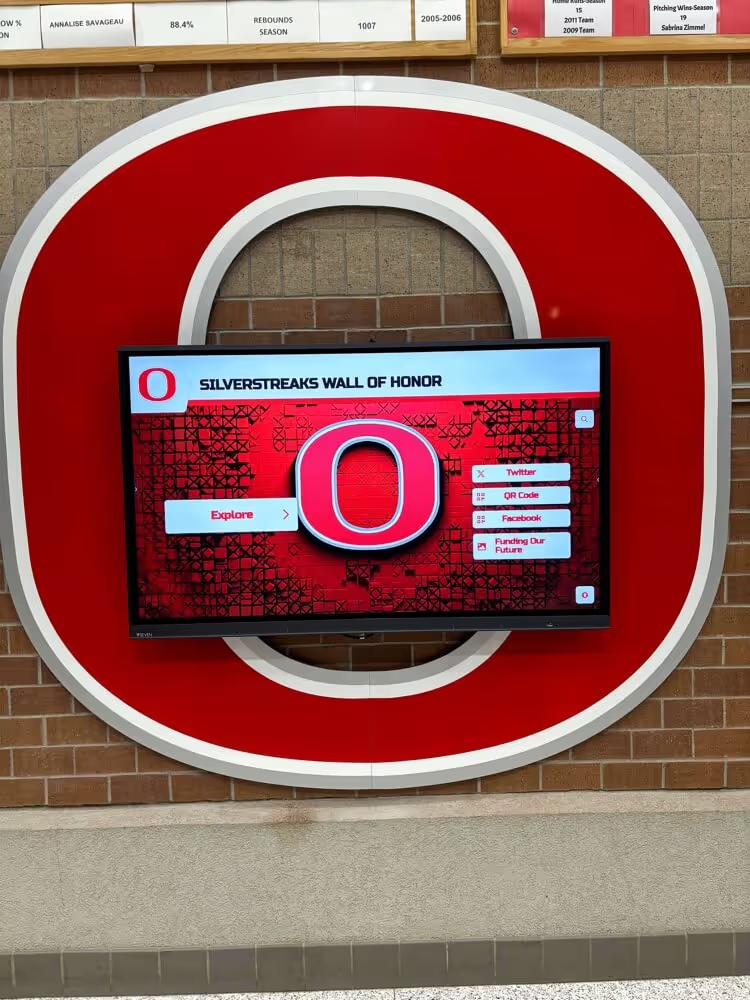
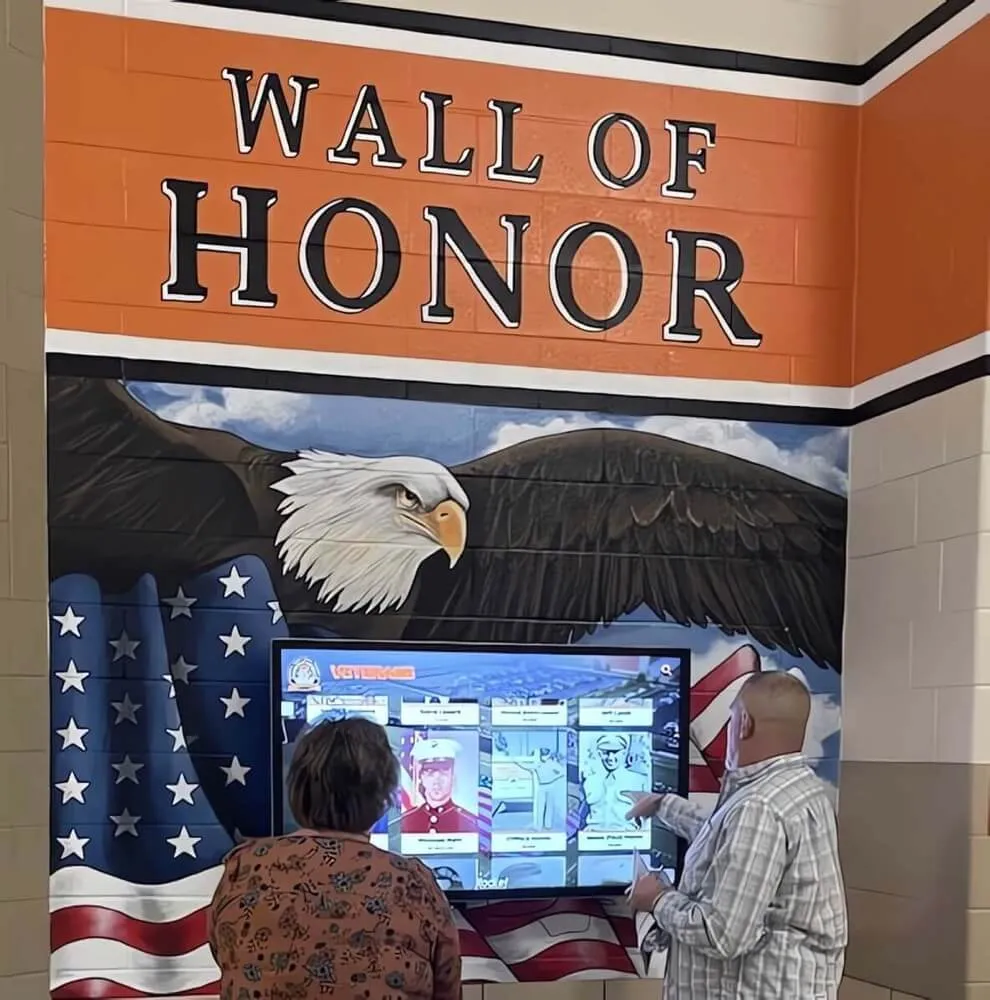
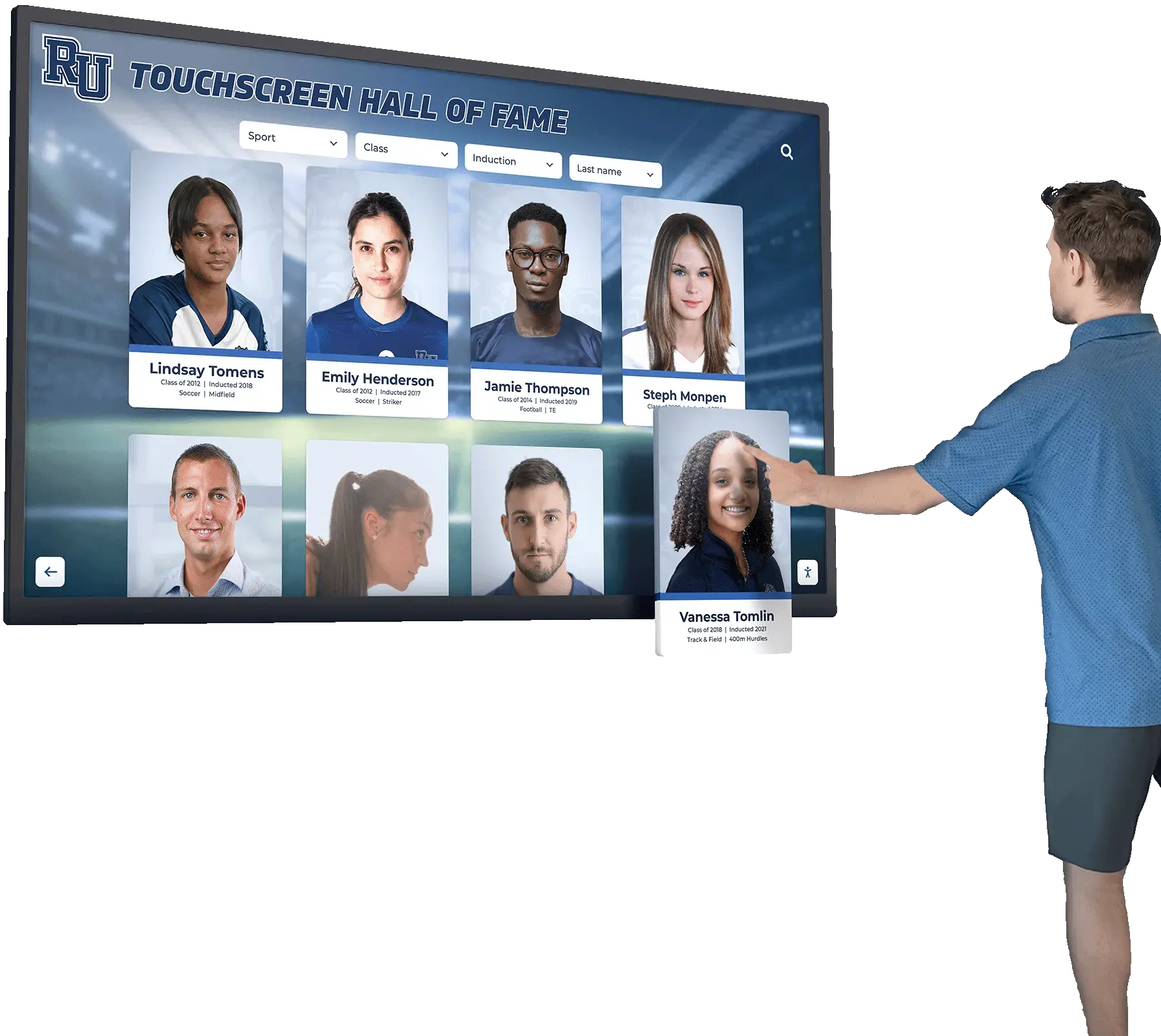
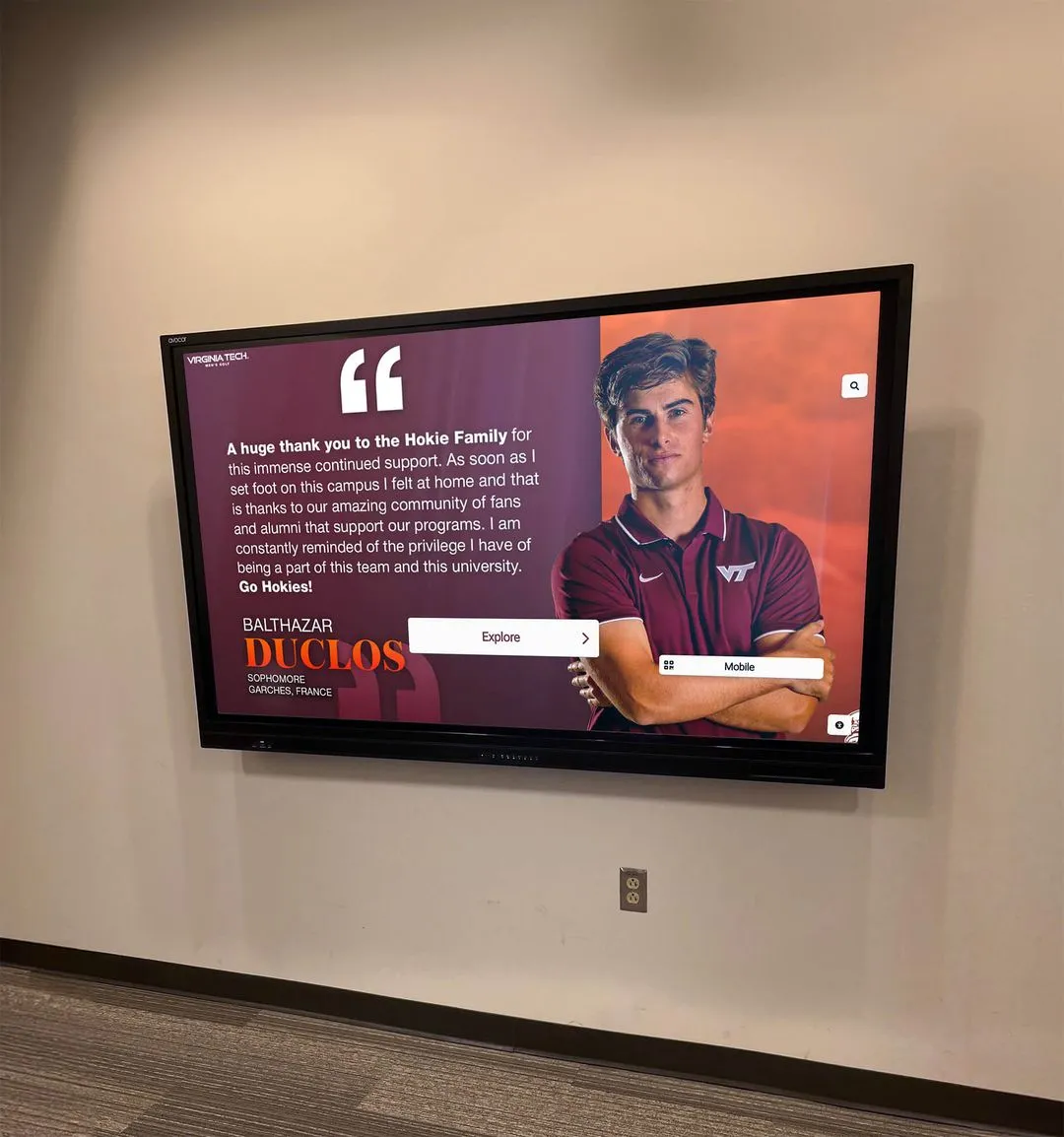
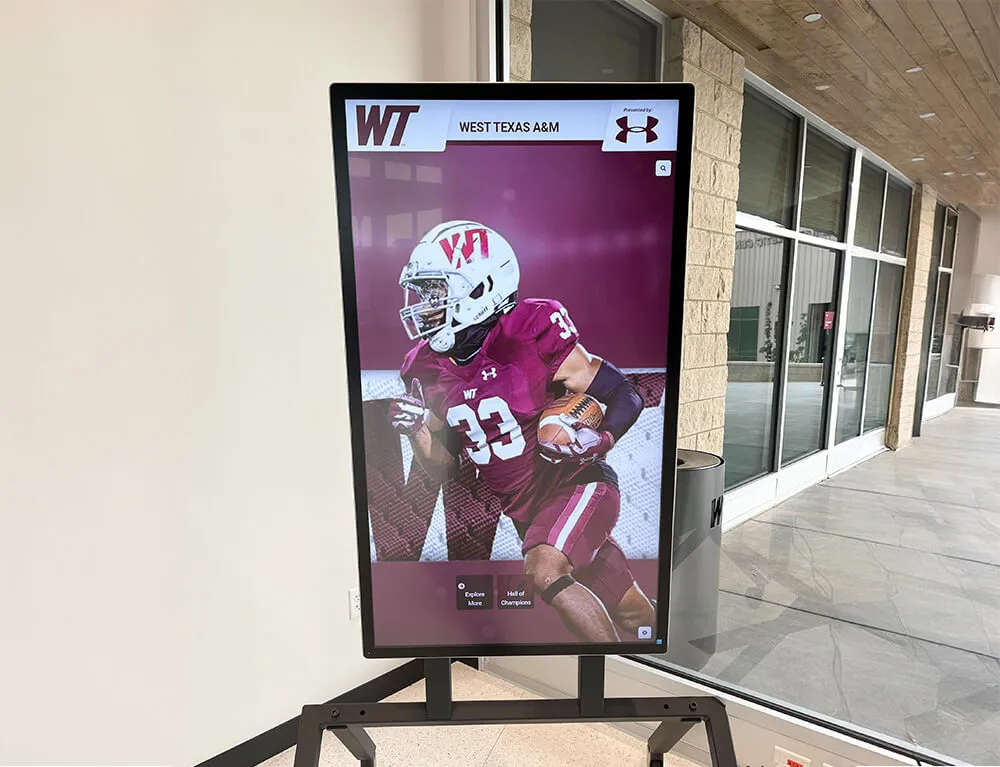
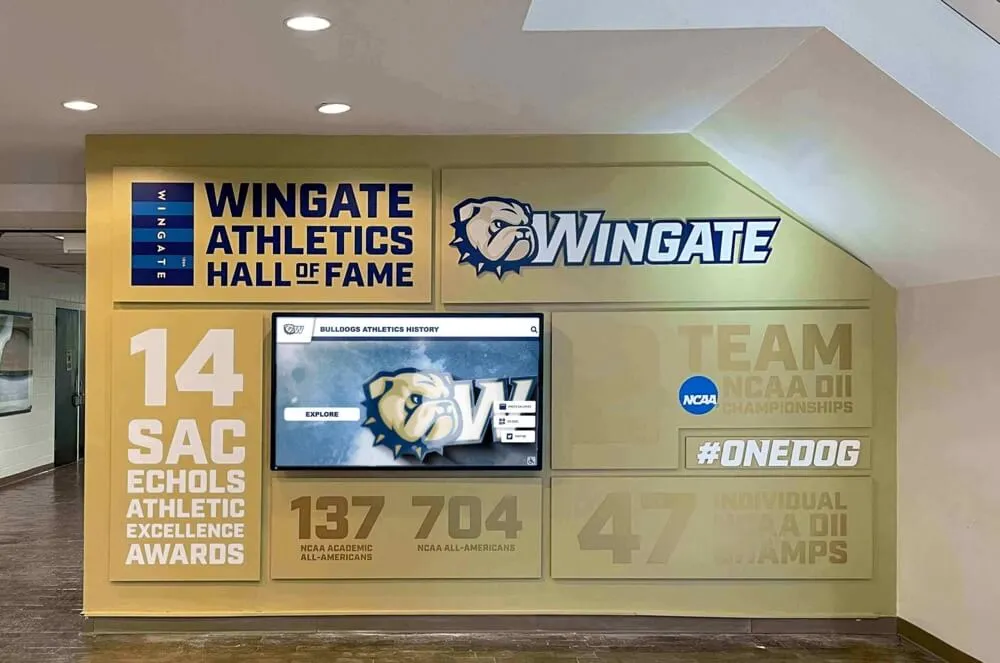
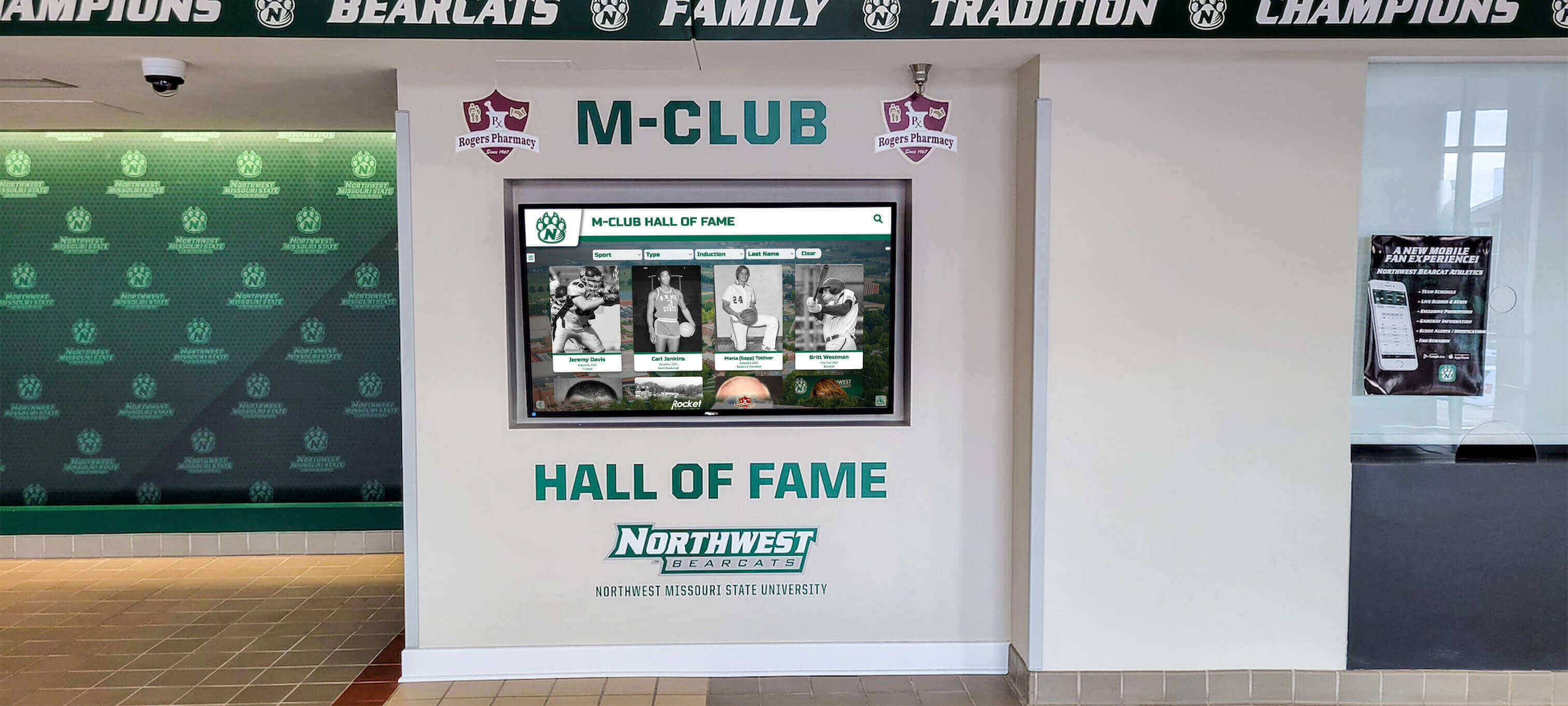
Touchscreen Kiosk Installations for On-Campus Exploration
While web access provides universal availability, physical interactive displays featuring old school photos create engaging on-campus experiences encouraging exploration and community building.
Strategic Placement Locations
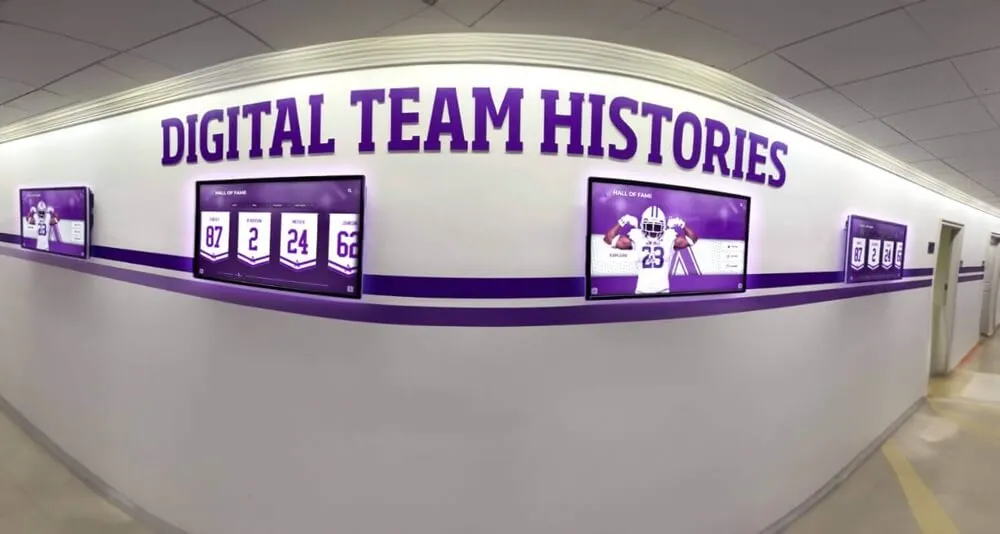
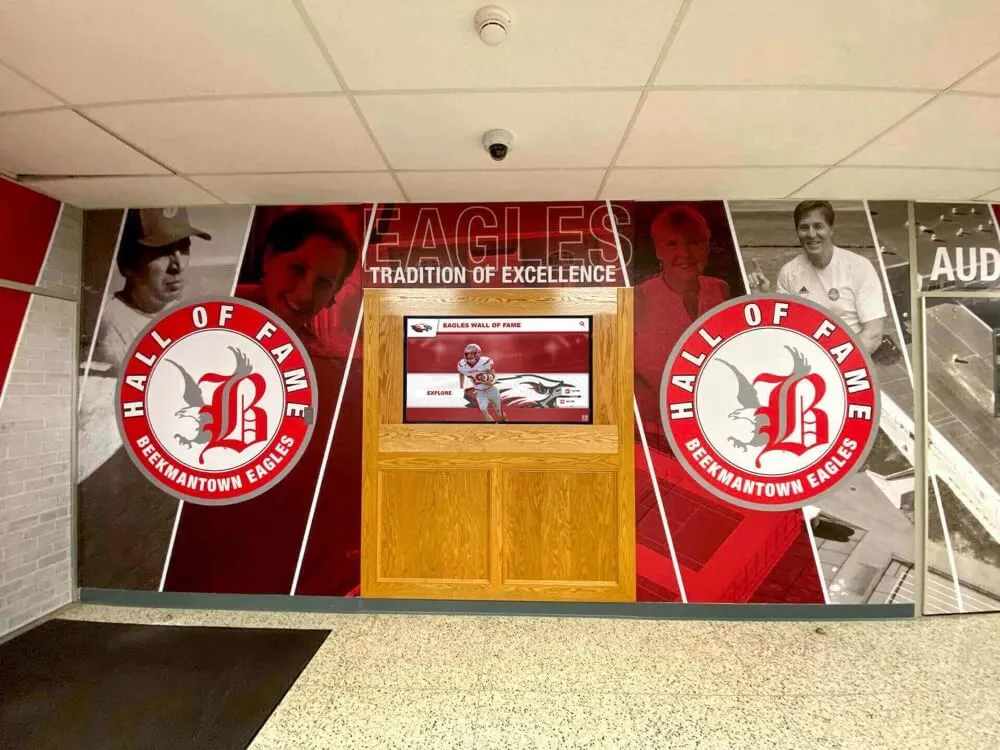
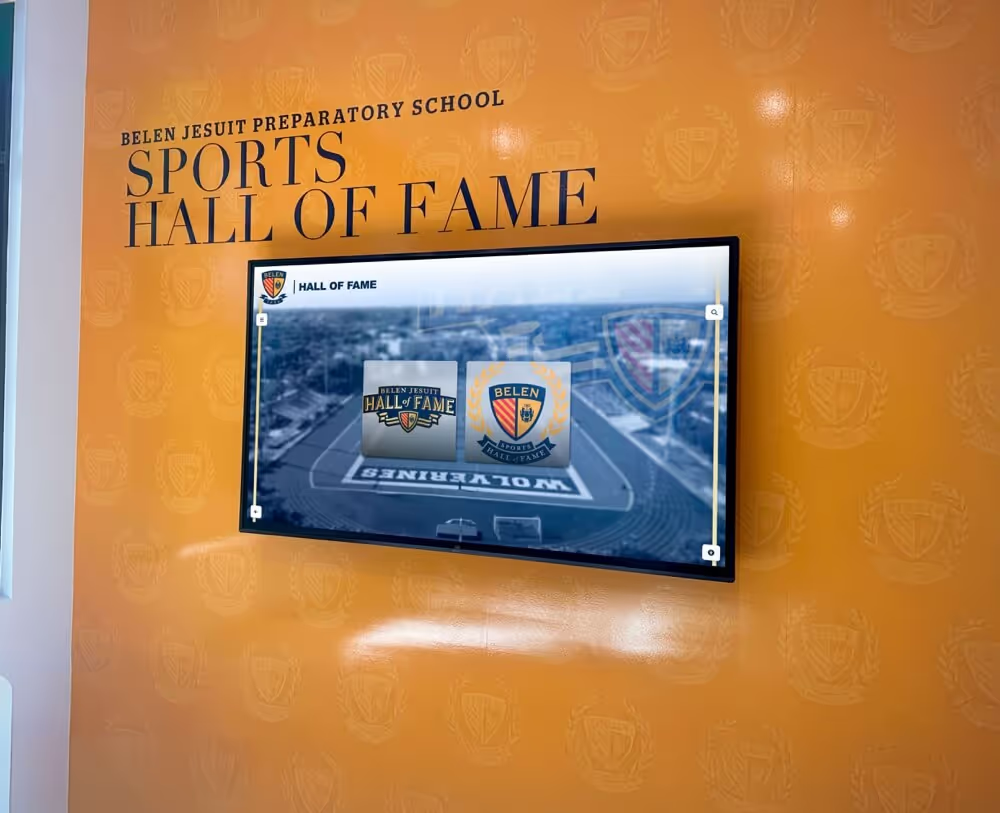
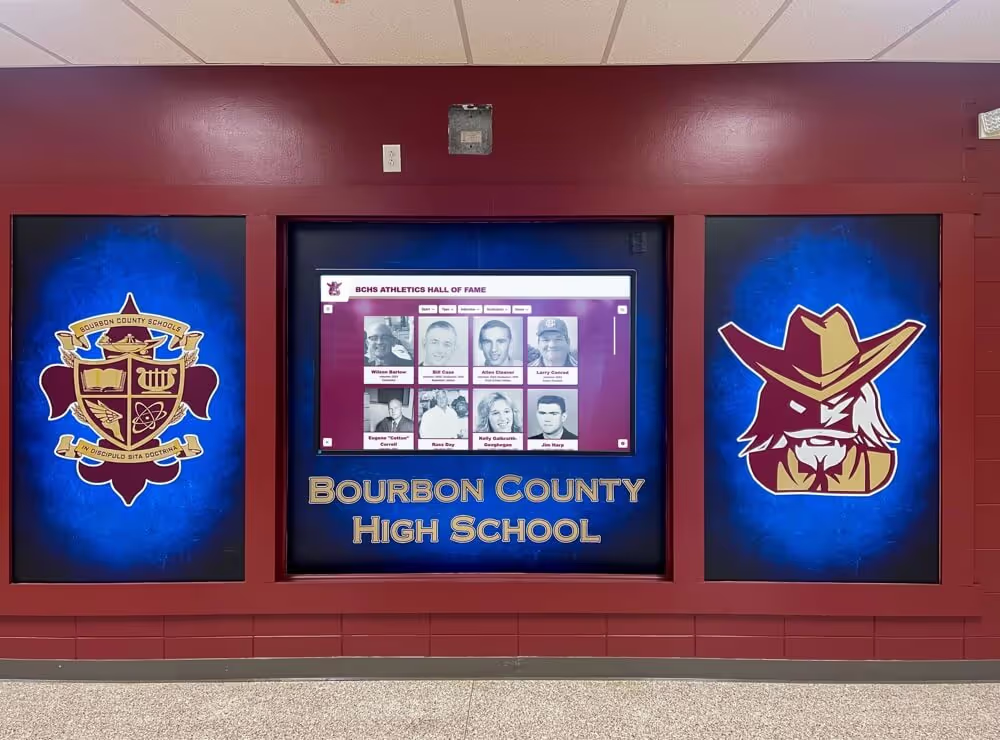
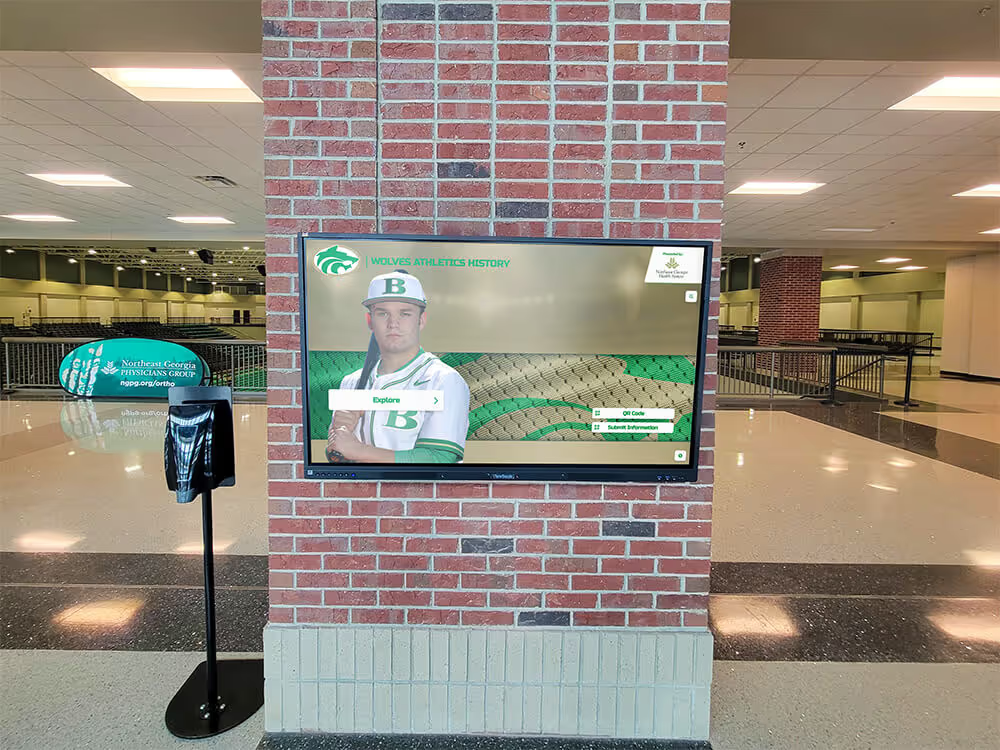
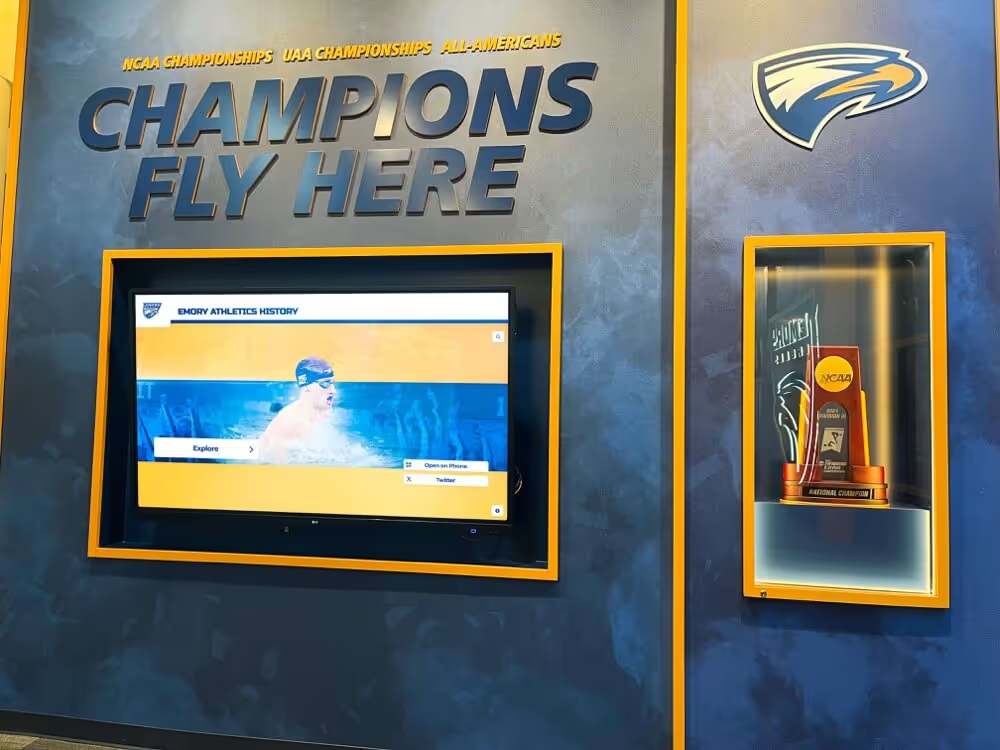
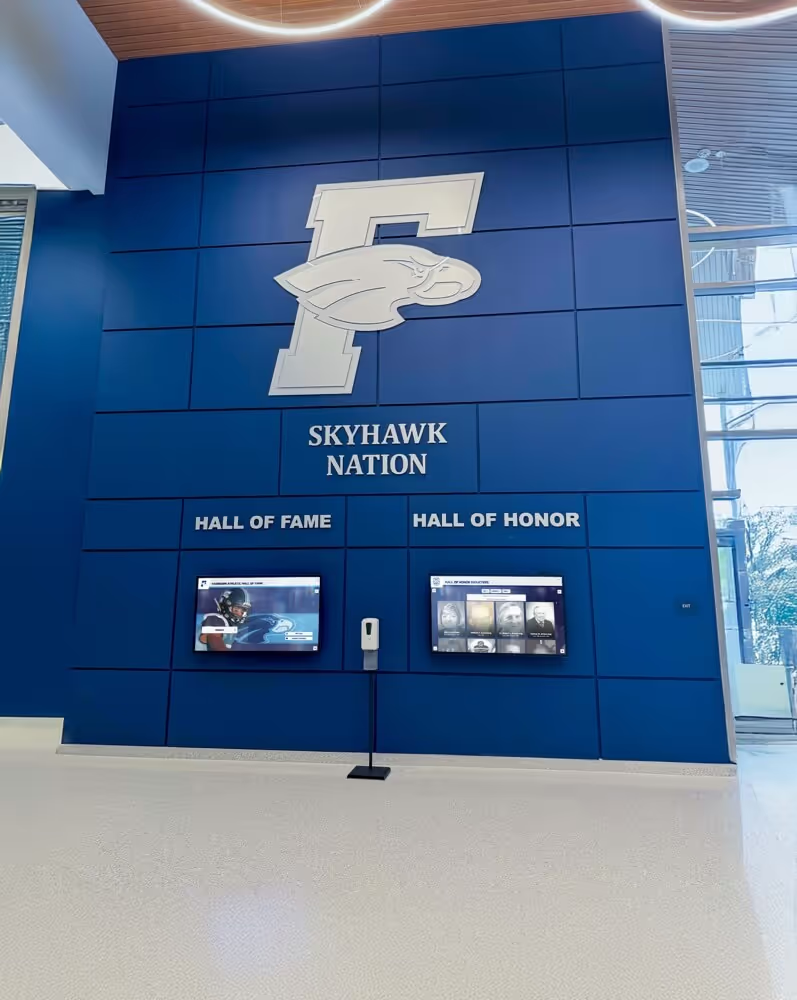
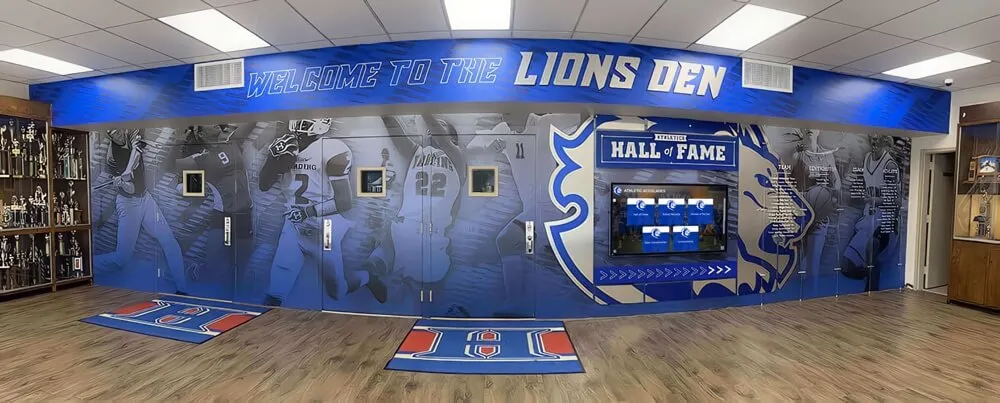
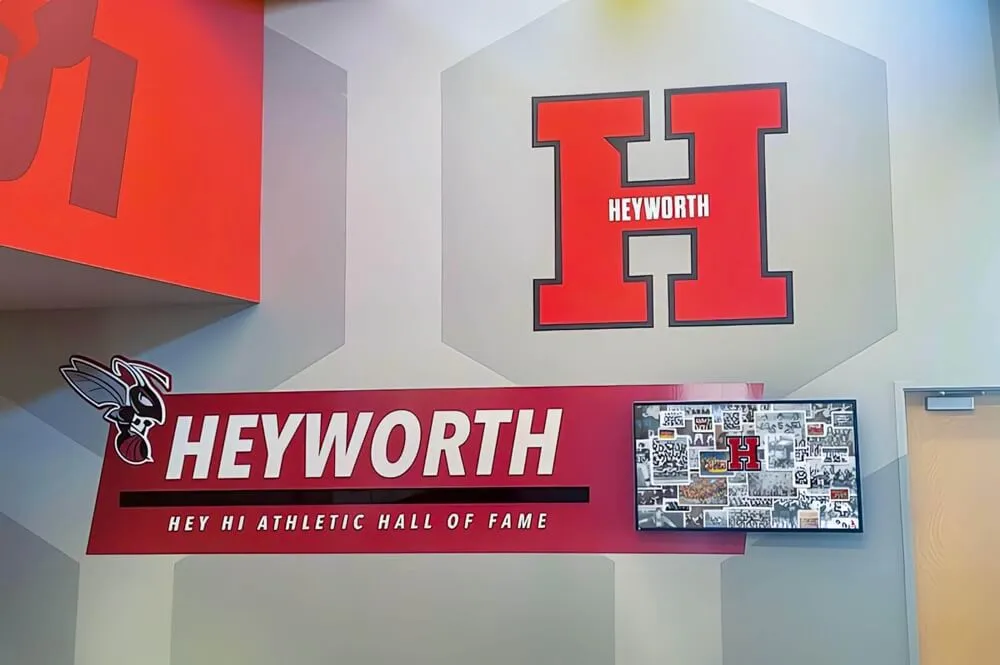
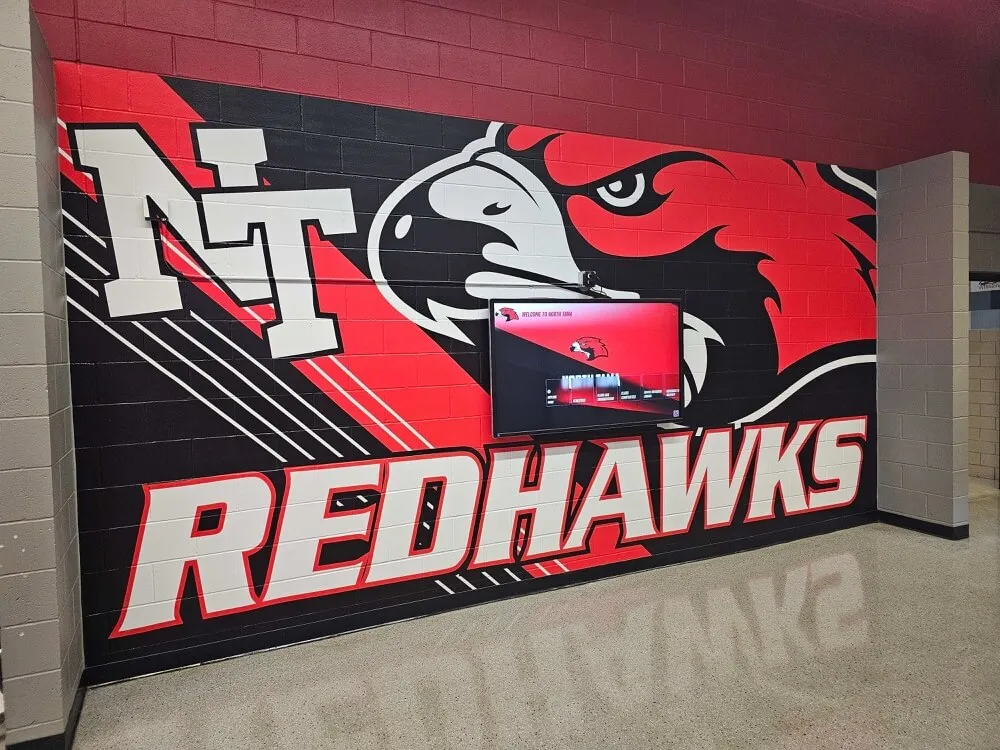
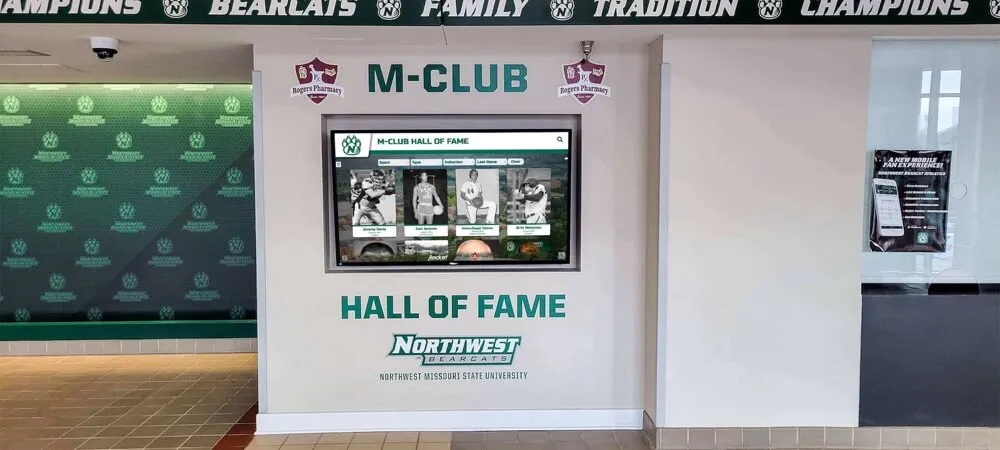
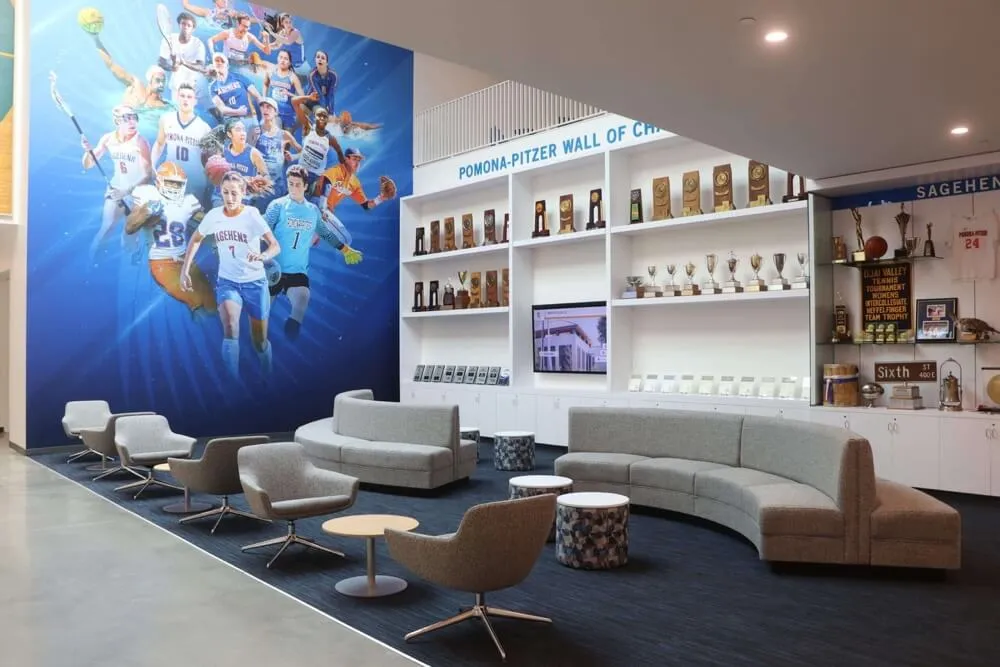
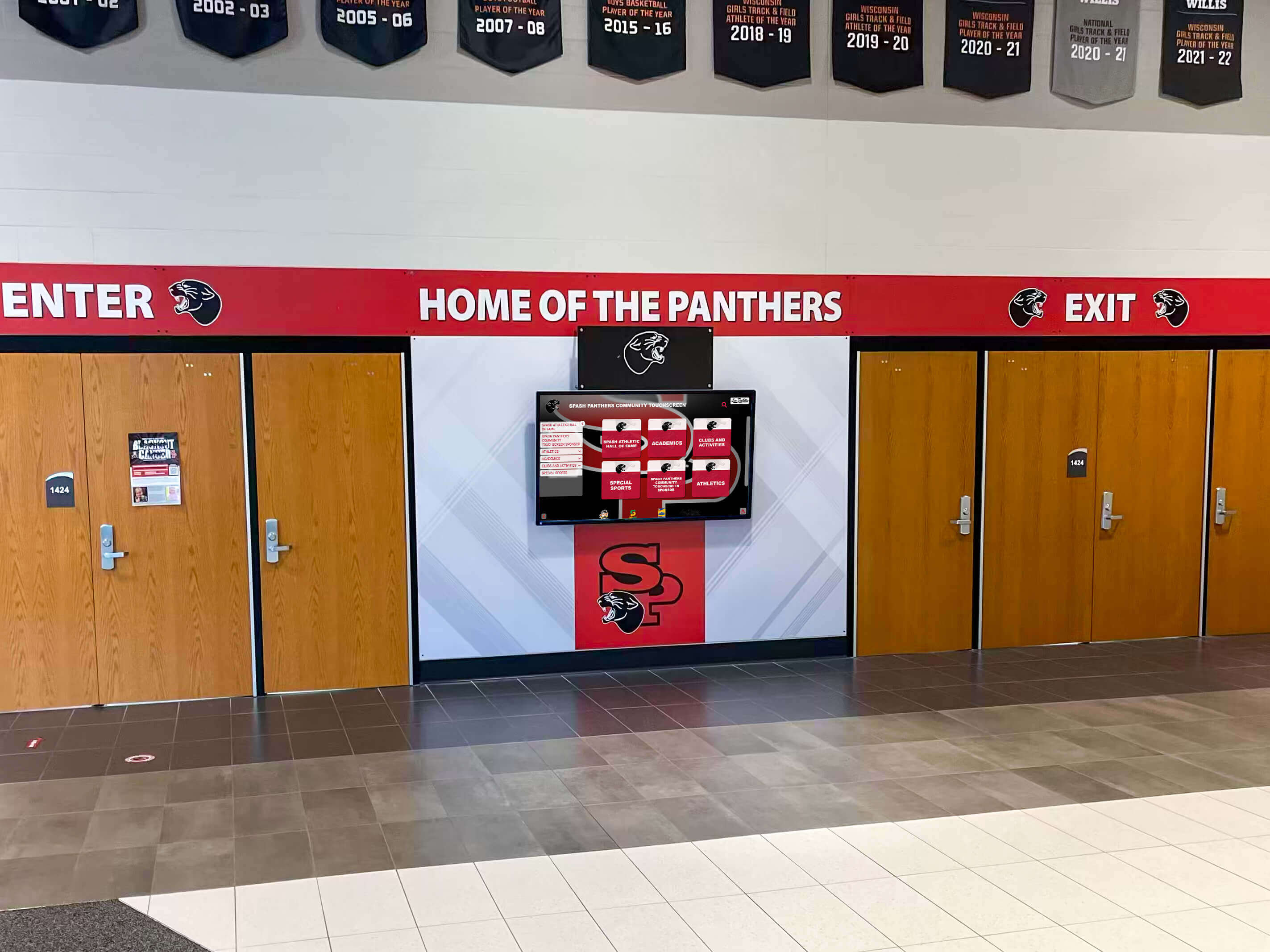
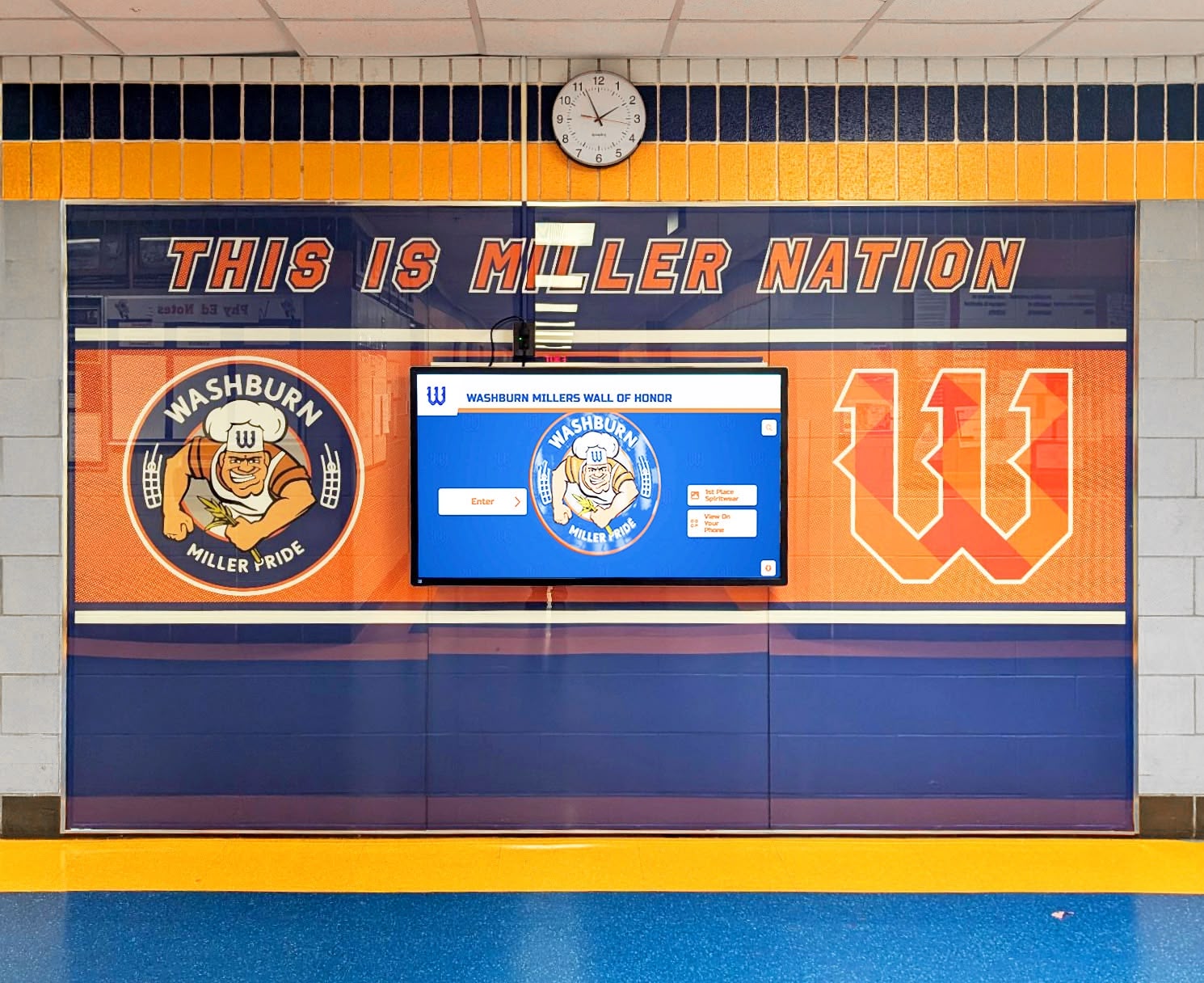
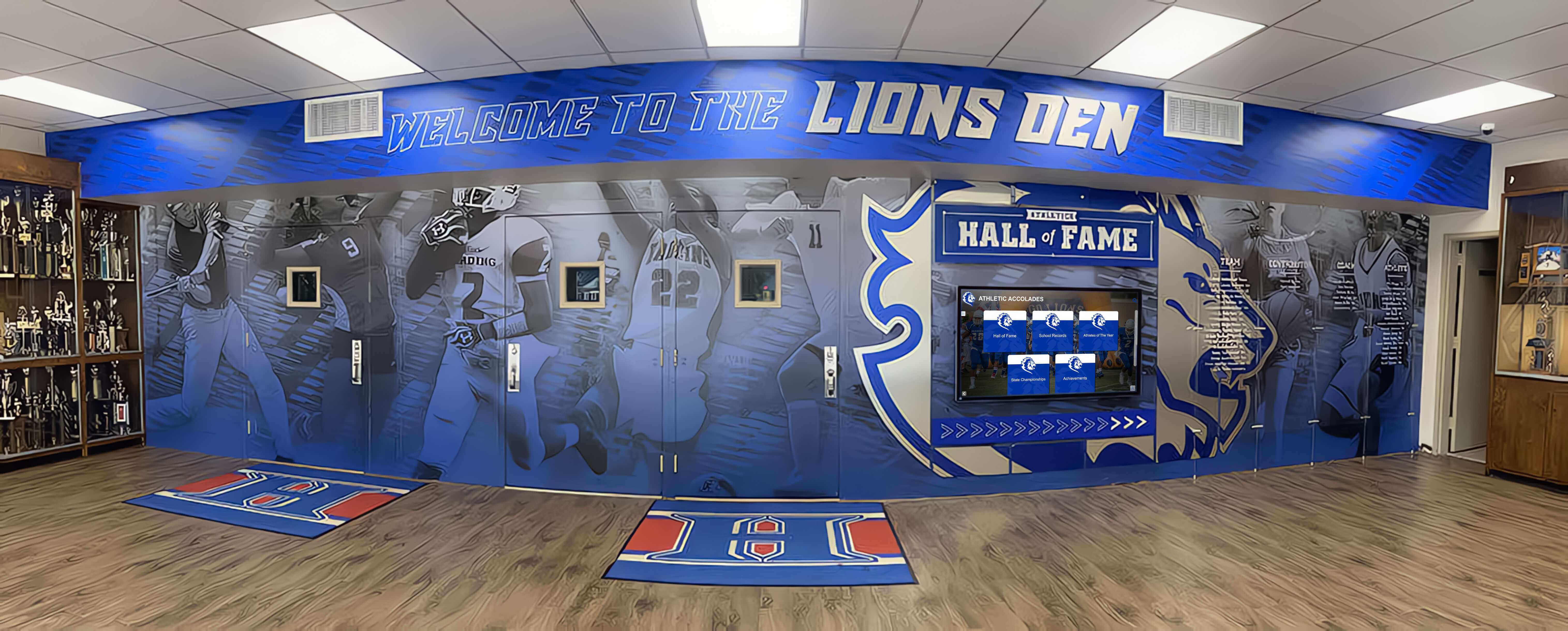
Yearbook archive touchscreen displays work particularly well in high-traffic areas including main entrances and lobbies where visitors form first impressions, administrative office waiting areas where community members spend time during appointments, alumni centers and gathering spaces during reunion events, cafeterias and student lounges encouraging casual browsing during free periods, and athletic facilities connecting current athletes to program history.
The key is positioning displays where people naturally congregate and have a few minutes for exploration rather than hiding them in seldom-visited corners where even excellent content goes unnoticed.
Interactive Features and Engagement Tools
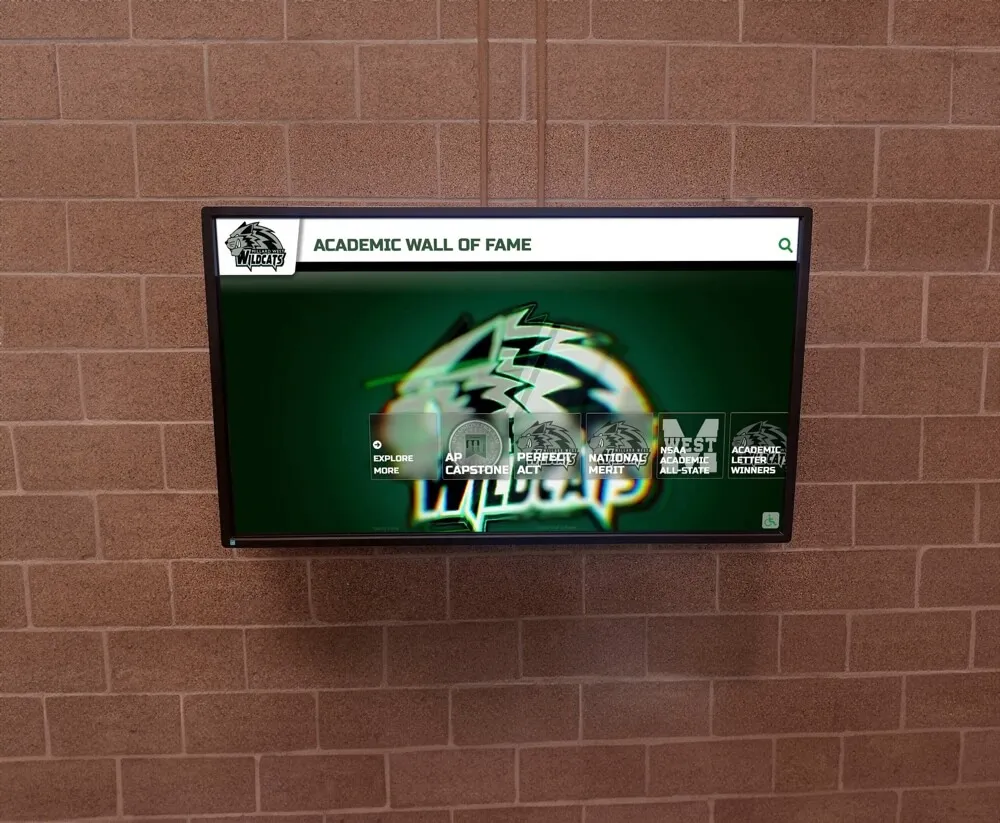
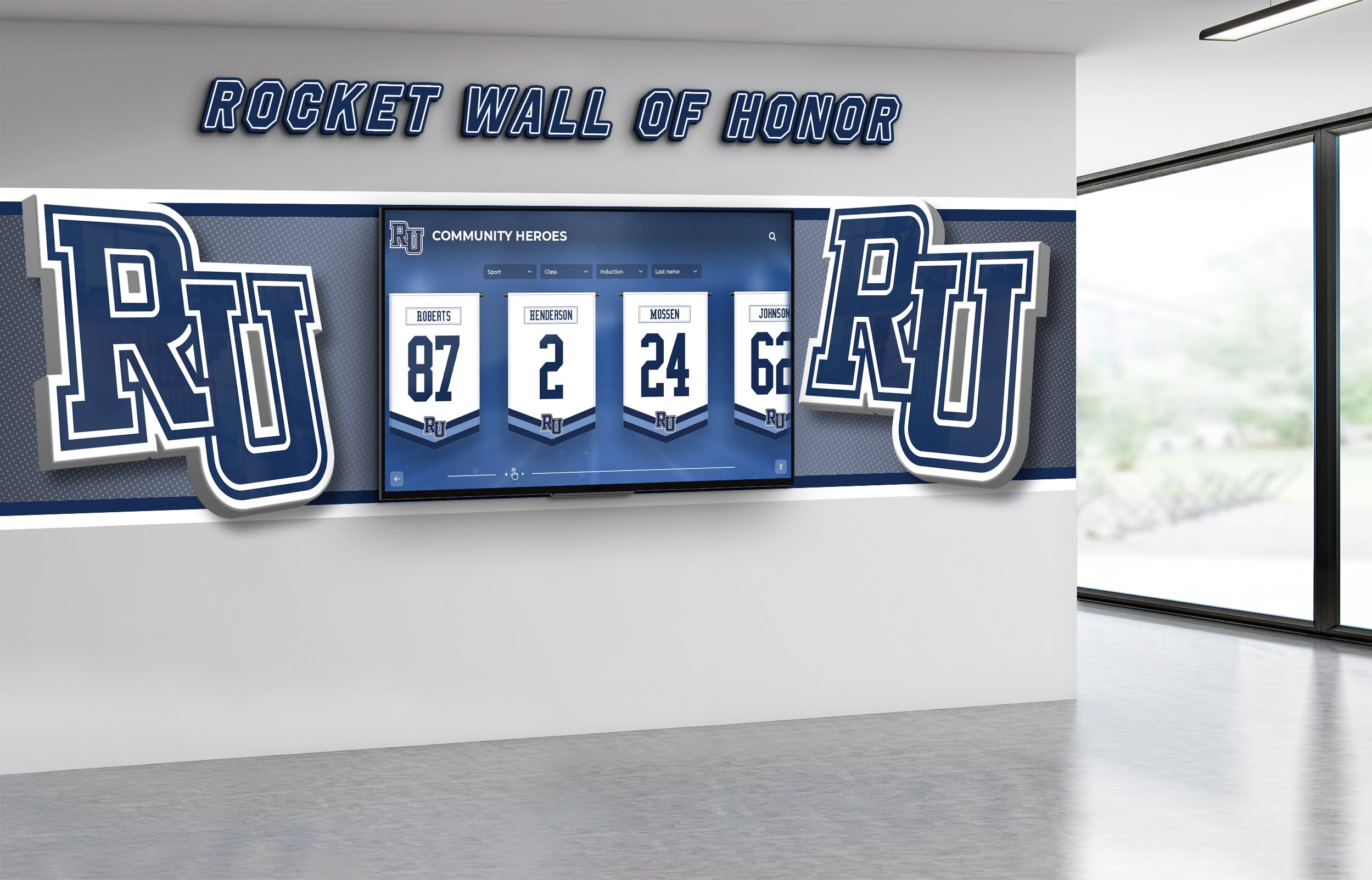
Touchscreen yearbook displays should enable intuitive browsing through decade timelines, sport and activity filtering showing specific clubs or teams across years, random discovery features highlighting interesting pages from throughout history, and comparison views showing how the same location or activity appeared across different eras.
Interactive displays can incorporate supplementary content beyond yearbook scans including audio interviews with alumni reflecting on their school experiences, video footage from events and celebrations complementing still images, historical context about significant events affecting school communities during particular years, and connections to current school programs showing evolution from historical predecessors.
Mobile Applications and Digital Access
Some schools develop mobile applications enabling alumni to carry yearbook archives on smartphones, creating always-available access to school history that travels with users.
Mobile App Advantages
Dedicated yearbook apps can send push notifications when new years are digitized, enable offline browsing of downloaded yearbook content when internet isn’t available, integrate with phone photo libraries allowing users to save favorite pages alongside personal pictures, and provide social features connecting alumni who appear in the same yearbooks or participated in the same activities.
However, app development and maintenance require ongoing technical resources and user adoption efforts that exceed many schools’ capabilities. For most institutions, mobile-responsive websites accessible through phone browsers provide similar functionality without custom app development costs and complexity.
Enhancing Yearbook Archives with Contextual Content
Digital yearbook archives become significantly more valuable when supplemented with contextual information providing historical perspective and deeper storytelling.
Historical Timeline Integration
Positioning yearbook pictures within broader historical contexts helps viewers understand how school experiences related to contemporary events shaping students’ lives.
Local and National Event Context
Digital archives can include timeline annotations noting significant historical events coinciding with yearbook years—wars, economic conditions, cultural movements, technological innovations, and social changes influencing student life. Understanding that a 1943 yearbook was created during World War II, or that a 1969 edition coincided with the moon landing and Woodstock, adds interpretive depth enriching viewer experience.
Local events also matter—new school buildings, championship seasons, natural disasters, community celebrations, and other regionally significant moments that shaped particular graduating classes deserve documentation alongside yearbook pictures to preserve complete historical records.
Institutional Milestone Recognition
Schools should highlight institutional developments appearing in yearbook archives including facility expansions visible in building photographs, program additions reflected in new club or team pictures, administrative transitions showing different principals and superintendents across decades, and accreditation achievements or recognition milestones elevating institutional reputation.
These annotations transform yearbooks from simple picture collections into comprehensive institutional histories documenting organizational evolution alongside student experiences.
Connecting Yearbook Pictures to Current School Programs
Effective digital archives draw explicit connections between historical yearbook content and contemporary school life, helping current students see their activities as extensions of longstanding traditions.
Activity and Organization Histories
When digitized yearbook archives are properly tagged and organized, schools can create longitudinal histories of specific organizations showing how debate club, student government, drama productions, or athletic teams have evolved across decades. Current participants can explore how predecessors engaged with the same activities, what formats and traditions have persisted, and how programs have grown or changed.
This historical perspective helps students understand their experiences as part of continuous traditions rather than isolated annual events, deepening engagement and institutional loyalty.
Alumni Connection Points
Digital yearbook systems can link historical pictures to current alumni database records when permission and privacy considerations allow, enabling current students to discover successful alumni who participated in the same activities or clubs, teachers to identify former students who’ve achieved notable accomplishments, and advancement offices to target reunion event promotion to specific graduating classes or activity participants.
These connections support fundraising, mentorship programs, career networking, and community building extending well beyond simple historical preservation.
Using Yearbook Pictures for Alumni Engagement and Development
Beyond their historical preservation value, digitized yearbook archives create powerful alumni engagement and donor recognition opportunities.
Reunion Event Enhancement
Yearbook pictures naturally support reunion events by providing conversation starters, memory triggers, and nostalgic touchpoints connecting attendees to their shared past.
Digital Displays at Reunion Gatherings
Setting up touchscreen yearbook displays at reunion events allows attendees to browse their graduating class yearbook together, identifying classmates and reminiscing about shared experiences. Interactive displays showing the specific graduation year alongside adjacent classes place individual experiences in broader context revealing how schools changed between consecutive years.
Some schools create custom reunion yearbook presentations highlighting specific class members’ activities, achievements, and candid moments from yearbook archives, personalizing events and demonstrating institutional commitment to celebrating each graduating class.
Pre-Reunion Engagement Content
Sending selected yearbook pictures to registered reunion attendees in the weeks before events builds anticipation and encourages participation. Nostalgia-driven engagement through yearbook content creates emotional connections motivating attendance and generating excitement about reconnecting with classmates.
Social media campaigns featuring throwback yearbook pictures with captions like “Can you identify these 1987 basketball team members?” or “Share your memories of this class activity” generate engagement and visibility extending reunion promotion beyond just registered attendees to broader alumni networks.
Fundraising and Development Applications
Yearbook archives support advancement goals by strengthening alumni relationships and providing recognition opportunities for donors.
Personalized Donor Outreach
Development officers can reference donors’ yearbook pictures and activities when crafting personalized solicitation messages, demonstrating genuine institutional knowledge of individual donor histories rather than generic appeals. Mentioning a major gift prospect’s senior class office or athletic participation from yearbook research shows personal attention that strengthens relationships.
Recognition Displays Incorporating Yearbook Content
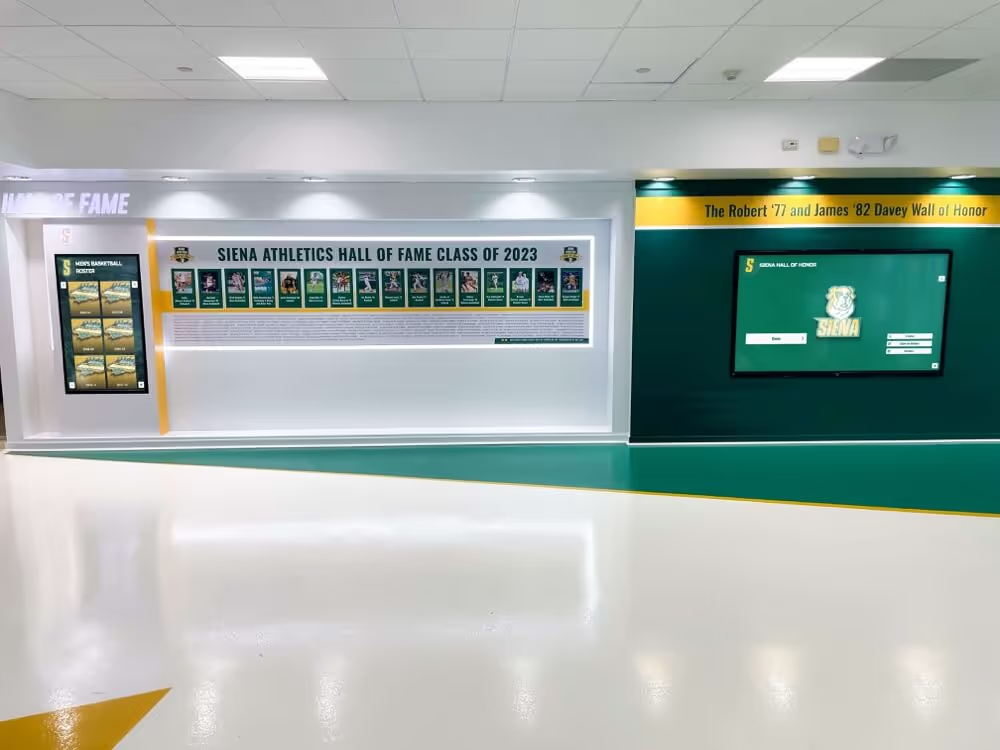
Donor recognition displays can integrate donors’ historical yearbook pictures alongside current giving level acknowledgments, creating visual narratives showing decades-long relationships between individuals and institutions. A wall featuring a donor’s senior portrait from 1965 next to their recognition as a major benefactor in 2026 tells a compelling story about lifelong institutional loyalty.
Social Media Content and Digital Marketing
Yearbook archives provide virtually unlimited content for social media channels seeking authentic, engaging material that resonates emotionally with alumni audiences.
Throwback Content Series
Regular “Throwback Thursday” or “Flashback Friday” posts featuring yearbook pictures from random years generate consistent engagement, comments identifying pictured individuals, and shares as alumni tag classmates. These regular series build follower anticipation and create steady content calendars without requiring constant new content creation.
Anniversary and Milestone Posts
Yearbook pictures from 10, 25, 50, or 75 years ago provide natural content for anniversary posts celebrating graduating classes and inviting those cohorts to share current updates and memories. These targeted posts often generate higher engagement than generic school news by directly addressing specific alumni groups with personally relevant content.
Best Practices for School Yearbook Picture Archives
Successful digital yearbook preservation requires attention to both technical execution and community engagement strategies.
Establish Clear Digitization Standards
Consistency in scanning specifications, file naming conventions, metadata creation, and organizational structure prevents future headaches and ensures archives remain usable long-term.
File Naming and Organization Systems
Standardized naming conventions like “SchoolName_Yearbook_1985.pdf” or “Lincoln_1972_Page045.jpg” create intuitive browsing and prevent confusion as collections grow. Consistent folder hierarchies organized by decade or year range make locating specific content straightforward for administrators managing archives.
Documenting naming conventions and organizational standards ensures that multiple people working on digitization projects over extended periods maintain consistency rather than creating incompatible systems requiring eventual remediation.
Metadata and Searchability Investment
The difference between minimally useful digital yearbook archives and truly powerful research tools often lies in metadata quality. Beyond just scanning images, effective archives invest in creating searchable text through optical character recognition, tagging images with relevant keywords describing content, creating indexes of names appearing in each yearbook, and adding contextual notes about significant pages or content.
This metadata investment requires significant time but multiplies archive value by enabling the sophisticated searching and filtering that makes digital collections dramatically more useful than physical yearbooks.
Balance Preservation and Accessibility
The most perfectly preserved yearbook archive provides no value if nobody can access it, yet completely unrestricted access may create privacy concerns or devalue content through oversaturation.
Tiered Access Models
Many schools implement graduated access levels balancing openness with appropriate controls. Historical yearbooks from 30+ years ago might be completely public and searchable without authentication. Recent yearbooks from the past 10-20 years could require alumni authentication ensuring only verified community members access them. Current yearbooks might be restricted to enrolled students and staff protecting privacy of minors.
These tiered approaches maximize historical content accessibility while maintaining appropriate protections for more contemporary material where privacy concerns carry greater weight.
Physical Original Protection
Once high-quality digital copies exist, schools should limit physical access to originals, preserving them in climate-controlled archival storage for emergency reference only. Digital copies can serve all routine research needs without subjecting fragile originals to handling damage accelerating deterioration.
This approach feels counterintuitive to some administrators who invested in digitization specifically to improve access, but the primary preservation benefit comes from eliminating need for original access rather than from the digital copies themselves.
Promote Archives Actively Rather Than Assuming Discovery
Creating excellent yearbook archives means little if target audiences don’t know they exist. Active promotion ensures digitization investments deliver maximum community value.
Launch Events and Publicity
Schools should announce completed yearbook digitization projects prominently through alumni newsletters and magazines, social media campaigns featuring sample content, press releases to local media outlets covering education and community history, and special events inviting alumni to explore new archives including interactive display unveilings or online archive launch celebrations.
These promotional efforts transform yearbook digitization from invisible back-office preservation work into celebrated accomplishments demonstrating institutional commitment to honoring history and serving alumni communities.
Integration with Ongoing Communications
Rather than single launch announcements, effective promotion weaves yearbook archive content into ongoing alumni communication through regular social media posts featuring archive highlights, newsletter articles spotlighting specific yearbook eras or themes, website homepage features rotating archive images, and incorporation into campus tour narratives showing visitors historical context through digital displays.
Consistent presence in communication channels keeps yearbook archives top-of-mind and encourages regular exploration rather than one-time curiosity visits.
The Future of School Yearbook Pictures: Interactive Digital Experiences
While digitization solves immediate preservation and access challenges, emerging technologies promise even richer experiences with yearbook picture archives in coming years.
Artificial Intelligence and Facial Recognition
AI-powered facial recognition technology can potentially identify the same individuals across multiple yearbook years automatically, creating personal historical profiles showing progression from freshman to senior portraits, identifying participation in different activities across years, and connecting siblings or family members attending the same school across decades.
However, facial recognition raises significant privacy and ethical concerns requiring careful consideration before implementation. Schools must balance technological capabilities with appropriate respect for individual privacy and community values around surveillance and automated identification.
Augmented Reality and Enhanced Experiences
Augmented reality applications could allow users to point smartphones at yearbook displays to access supplementary content including audio recordings of alumni discussing their experiences from pictured years, video footage from events and activities shown in still photographs, 3D models of historical buildings or facilities appearing in yearbook backgrounds, and connections to current locations showing how pictured spaces have changed across decades.
These enhanced experiences layer additional context and multimedia richness onto yearbook pictures, creating more immersive historical exploration than traditional archives enable.
Community Crowdsourcing and Collaborative Archives
Future yearbook archives might incorporate crowdsourcing tools enabling alumni to contribute their own memories, identify pictured classmates administrators cannot name, correct errors in captions or dates, upload personal photographs complementing official yearbook content, and share stories adding narrative context to pictures.
This collaborative approach transforms archives from static institutional resources into living community histories continuously enriched by participant contributions. The challenge lies in maintaining quality control and accuracy while enabling productive community participation.
Conclusion: Preserving School History for Every Generation
School yearbook pictures represent irreplaceable visual documentation of institutional history and community development. The students appearing in these photographs dedicated years to their educations, formed lasting friendships, developed skills and interests shaping their futures, and contributed to the character and culture of their schools. They deserve recognition systems ensuring their experiences remain accessible and honored long after they’ve graduated and moved on to careers and families.
Digital yearbook archives protect these precious historical records from deterioration while dramatically expanding access beyond the handful of people who might occasionally browse physical volumes in administrative offices. Through professional digitization, interactive displays, and thoughtful online platforms, schools transform static yearbook collections into dynamic resources serving current students learning about institutional traditions, alumni reconnecting with formative experiences and classmates, researchers studying educational and social history, and communities celebrating the generations of young people who’ve passed through their schools.
The technology enabling comprehensive yearbook preservation has never been more accessible or affordable. Rocket Alumni Solutions helps schools create interactive digital archives showcasing yearbook pictures alongside athletic achievements, academic honors, and institutional milestones in comprehensive recognition systems honoring every class and every student. These modern platforms ensure that the faces and stories in your yearbook pictures remain accessible and celebrated for generations to come, connecting past, present, and future through the shared experiences that define school communities.