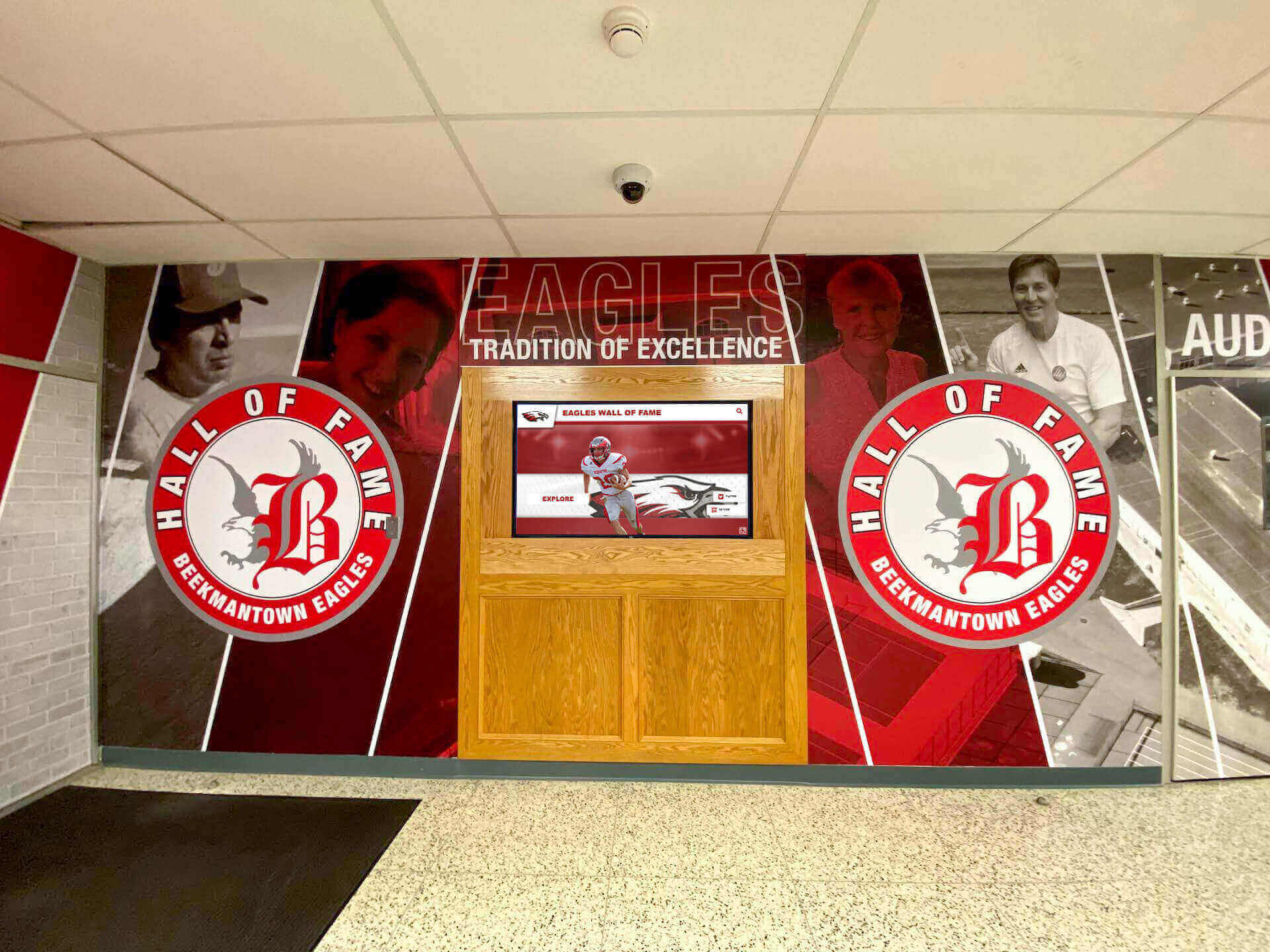




School hallways represent far more than transitional spaces connecting classrooms. These common areas shape first impressions for visitors, influence daily student experiences, and communicate institutional values through every design choice. Yet many schools struggle to transform blank corridor walls into engaging environments that celebrate achievement, reinforce learning, and create welcoming atmospheres.
This comprehensive guide explores practical school hallway decoration ideas that go beyond basic bulletin boards. Whether you're working with limited budgets, planning major renovations, or seeking to refresh existing spaces, you'll discover strategies for creating hallways that students, staff, and visitors want to experience rather than simply pass through.
Walk through most school buildings and you’ll notice a pattern—some hallways feel alive with energy, celebration, and purpose, while others remain institutional corridors that students barely notice. The difference rarely stems from budget or building age. Instead, it reflects intentional design choices that transform utilitarian spaces into environments reinforcing what schools value most.
Effective hallway decorations serve multiple simultaneous purposes. They celebrate student achievement and institutional pride, communicate school values and expectations, create wayfinding and organizational clarity, reduce noise and improve acoustics, provide educational content and visual learning, inspire students through role models and possibilities, welcome visitors and prospective families, and protect walls from wear while adding aesthetic value.
This guide addresses every dimension of school hallway decoration—from budget-friendly DIY projects to comprehensive design strategies that integrate recognition, learning, and community building throughout your building’s common spaces.
Understanding School Hallway Decoration Fundamentals
Before selecting specific decoration approaches, understanding core design principles ensures your hallways achieve intended goals while remaining practical for school environments.
Balancing Aesthetic Appeal with Durability
School hallways endure constant traffic, backpack brushes, occasional impacts, and continuous use that would destroy many residential design elements. Successful hallway decorations must withstand these realities.
Material Selection for High-Traffic Environments
Durable materials appropriate for school hallways include vinyl wall graphics that resist peeling and damage, acrylic or polycarbonate display cases protecting contents while maintaining visibility, sealed wood or composite materials resisting moisture and impacts, commercial-grade paints with washable finishes, and laminated prints or photographs protected from handling and environmental damage.
Avoid materials like paper-based posters without protection, unsealed wood vulnerable to moisture, glass in locations where impacts might occur, fabrics that collect dust and require frequent cleaning, and temporary adhesives that damage paint during removal.
The most successful schools invest in quality materials initially rather than repeatedly replacing damaged inexpensive options. Professional fabrication and installation ensure decorations withstand years of daily use.
Maintenance and Longevity Considerations
Even durable decorations require maintenance planning. Consider cleaning requirements and accessibility when designing displays, update mechanisms allowing content changes without complete reinstallation, repair processes for inevitable minor damage, and replacement timelines ensuring spaces remain fresh without constant renovation.
Digital display solutions often reduce maintenance compared to physical items requiring manual updating, replacement, and repair. Solutions like Rocket Alumni Solutions provide interactive digital recognition displays specifically designed for high-traffic school environments with minimal ongoing maintenance requirements.
Creating Cohesive Visual Identity
Random decoration decisions create cluttered, confusing hallway environments. Cohesive design principles unite disparate elements into purposeful experiences.
Color Schemes and Institutional Branding
Systematic color use throughout hallways reinforces institutional identity. Effective approaches include establishing primary color palettes aligned with school colors, designating secondary accent colors complementing primary choices, using colors consistently for specific purposes like wayfinding or grade levels, balancing bold accent walls with neutral base colors reducing visual fatigue, and incorporating institutional colors through paint, graphics, flooring, and display elements.
Color consistency creates subconscious familiarity and pride while helping visitors navigate buildings through visual cues associating colors with specific areas or functions.
Typography and Signage Standards
Consistent typography communicates professionalism while supporting wayfinding. Establish standard font families for different applications—primary institutional fonts for formal signage, complementary fonts for secondary content, and specialized fonts for specific purposes like safety or directional information. Maintain consistent sizing hierarchies ensuring readability from appropriate distances, establish clear contrast ratios between text and backgrounds for accessibility, and develop signage templates enabling consistent implementation across locations.
These standards prevent the visual chaos created when each teacher or department implements independent design preferences without coordination.
Thematic Consistency Across Spaces
While different hallway sections may serve distinct purposes, underlying design themes should connect spaces coherently. Consider establishing design systems where core elements remain consistent throughout the building, grade-level or department-specific variations occur within overarching frameworks, transition zones bridge different area themes visually, and signature elements appear consistently creating recognizable institutional identity.
This balance allows personality and differentiation while maintaining the cohesive feel that separates intentionally designed schools from accidentally decorated ones.
Functional Considerations for School Environments
Decorations must accommodate practical school operations beyond aesthetic goals.
Safety and Fire Code Compliance
School hallways require adherence to fire codes and safety regulations often restricting decoration options. Critical compliance areas include flame resistance requirements for all materials, maintaining clear egress pathways without obstructions, avoiding decorations that obscure emergency signage or equipment, ensuring proper anchoring preventing falling hazards, and verifying that electrical installations meet code requirements.
Consult with facilities managers and fire marshals during planning to prevent costly removal of non-compliant installations.
Accessibility and Universal Design
Hallway decorations should serve all students and visitors including those with disabilities. Accessibility considerations include mounting heights appropriate for wheelchair users when interactive elements are included, color contrast supporting vision-impaired navigation, tactile elements for sensory engagement, clear pathways maintaining accessibility clearances, and content representation showing diverse abilities and backgrounds.
Understanding how to create accessible school environments ensures decorations welcome and serve entire school communities.
Acoustic Impact and Noise Management
Hard surfaces in hallways amplify sound creating challenging acoustic environments. Decoration materials can improve or worsen these conditions. Beneficial approaches include fabric-wrapped acoustic panels reducing echo and reverberation, sound-absorbing ceiling treatments, strategic placement of soft materials dampening sound transmission, and design choices minimizing hard parallel surfaces reflecting sound.
While primarily functional, acoustic treatments can incorporate school colors, graphics, or imagery serving dual decoration and sound management purposes.
Recognition and Achievement Display Ideas
Celebrating student and institutional achievement represents one of the most impactful uses of hallway space, creating inspiration while honoring accomplishment.
Digital Interactive Recognition Displays
Modern technology transforms static recognition into dynamic, engaging experiences that traditional plaques cannot match.
Touchscreen Recognition Walls
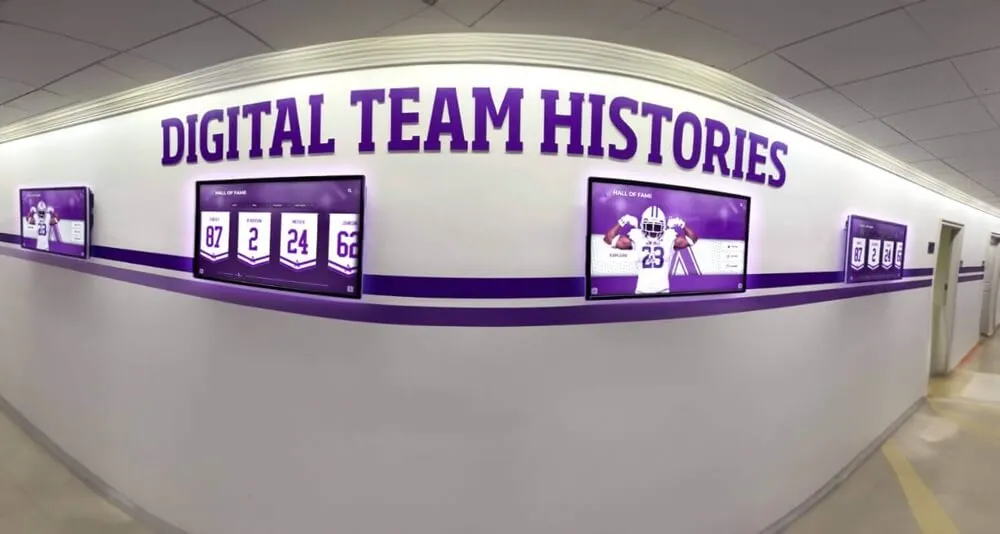
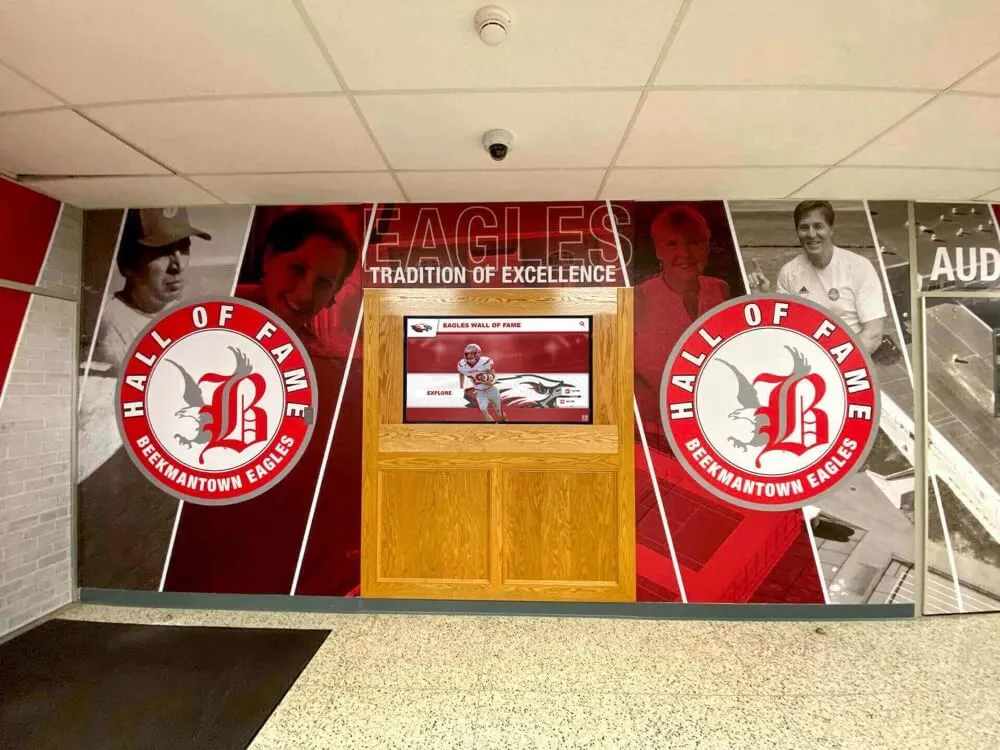
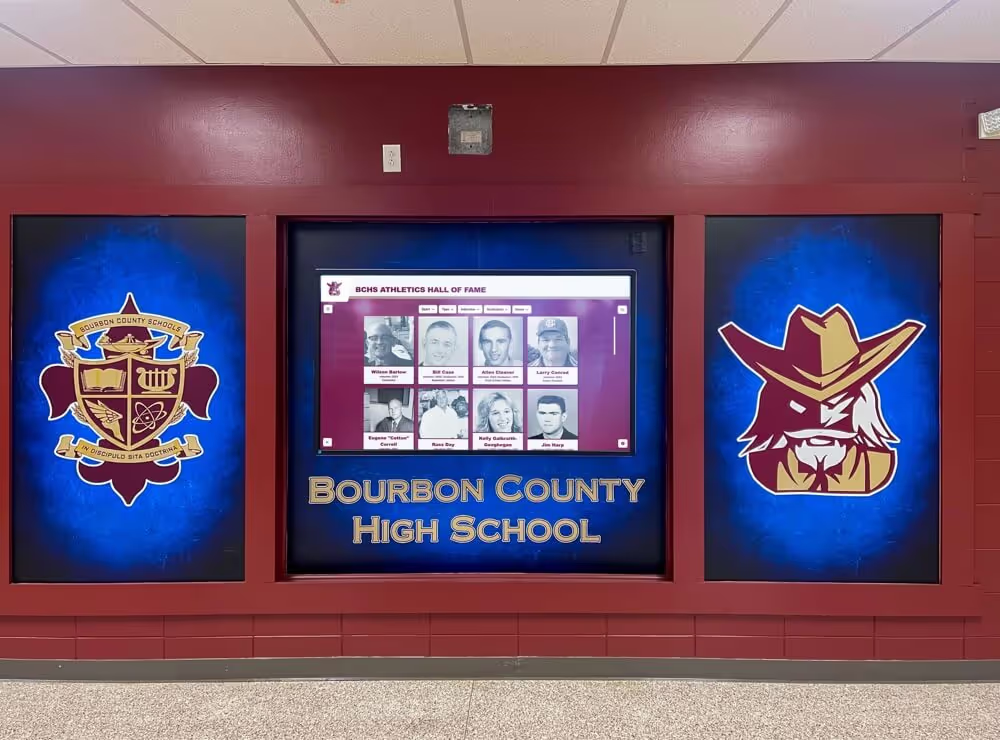
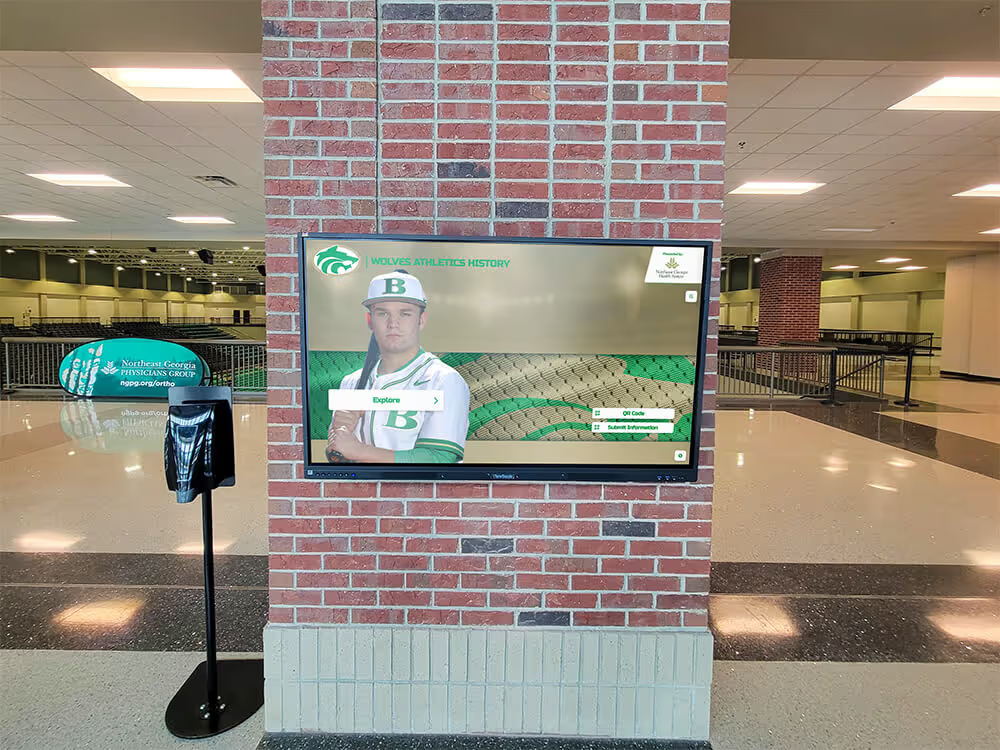
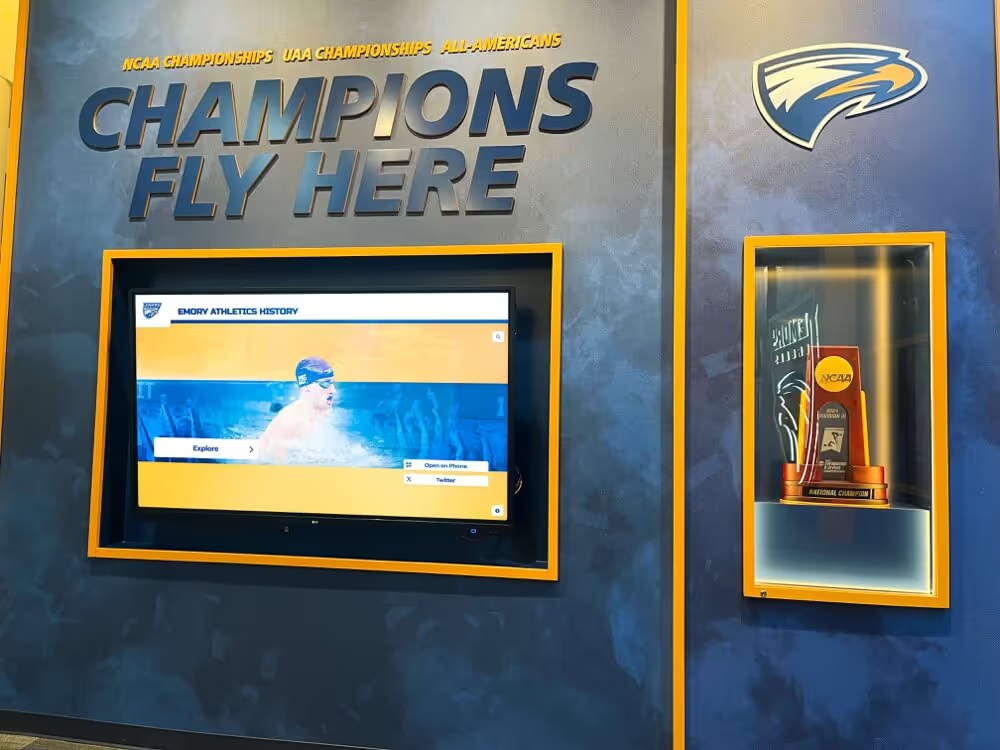
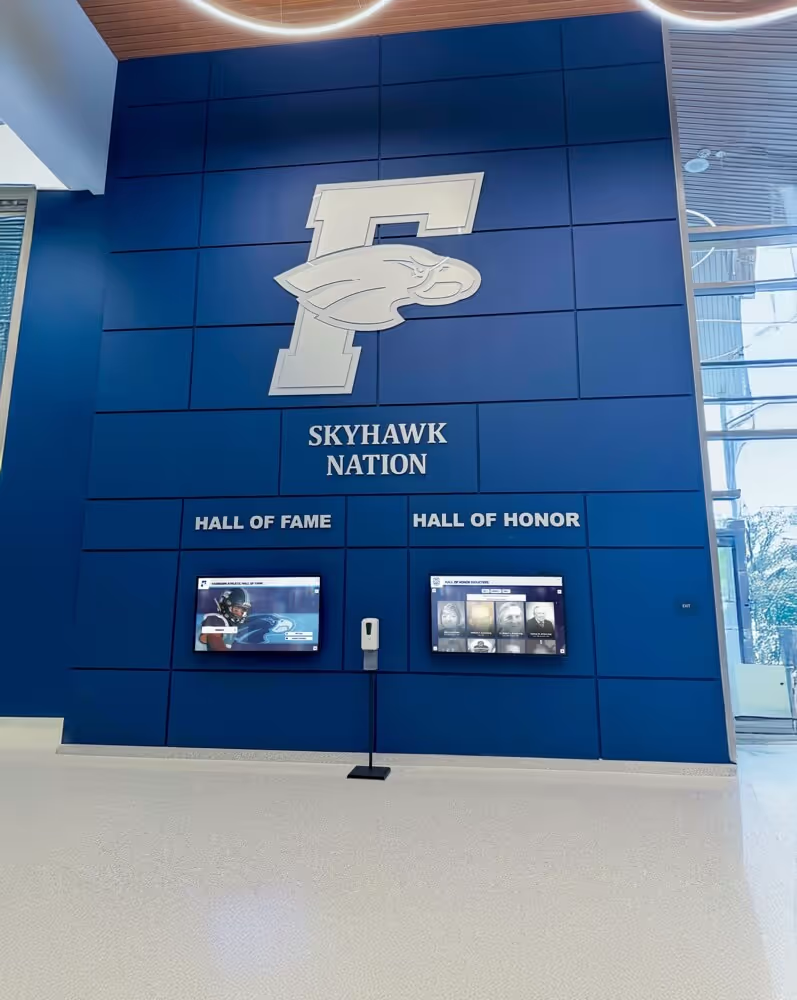
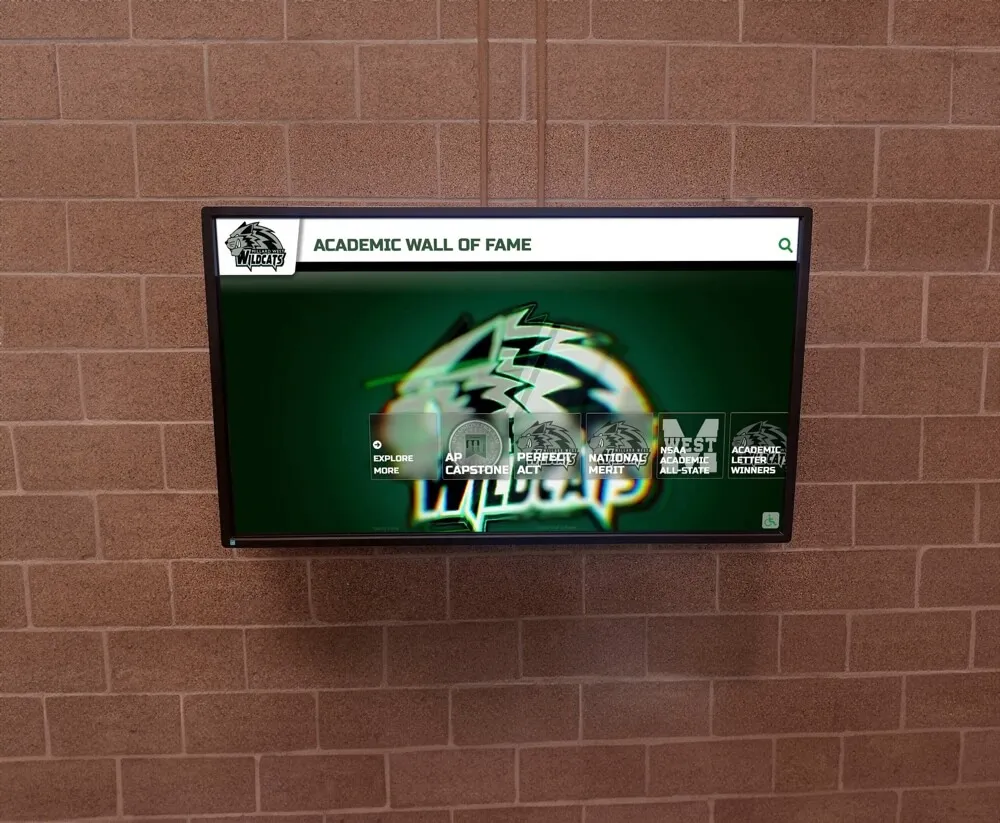
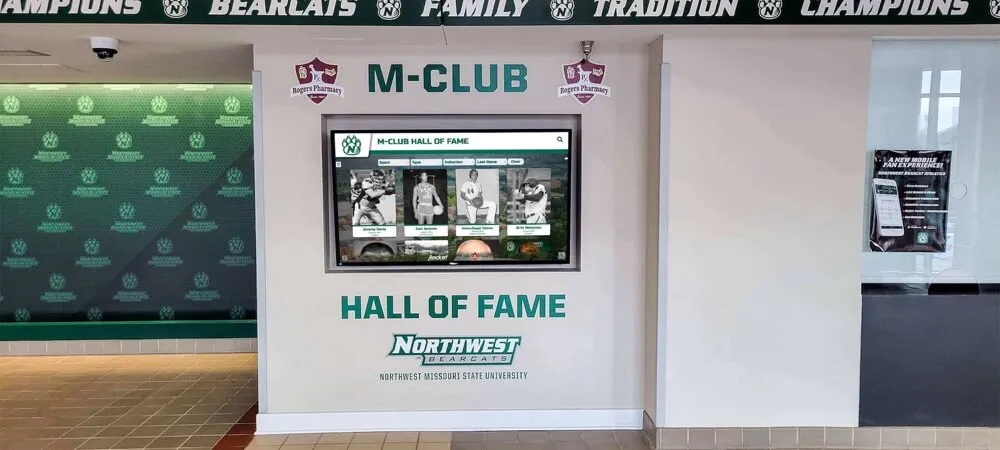
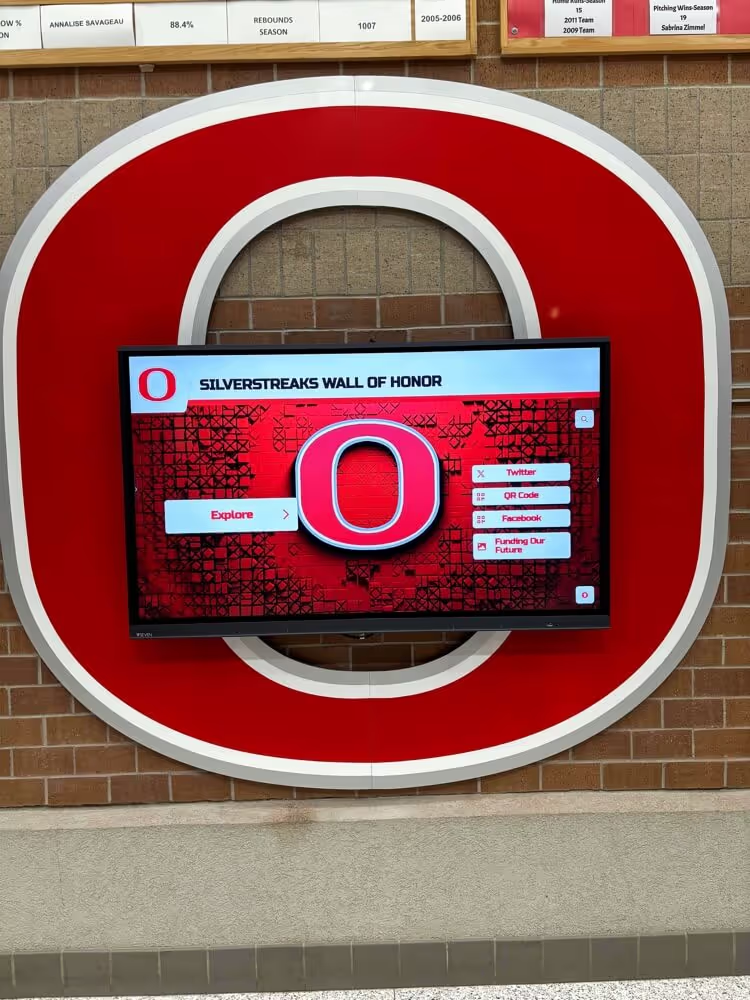
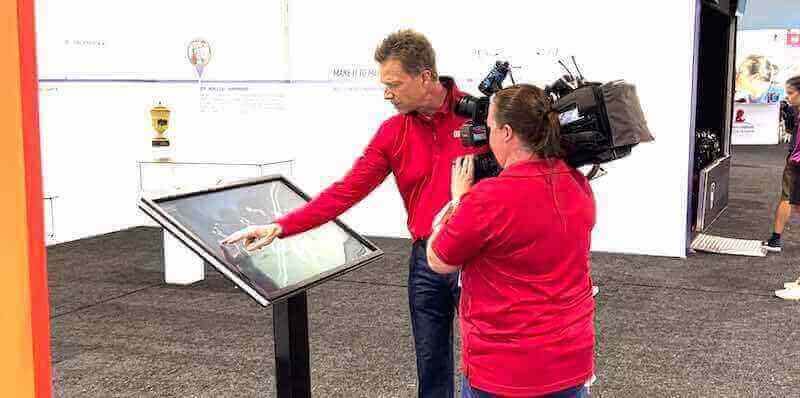
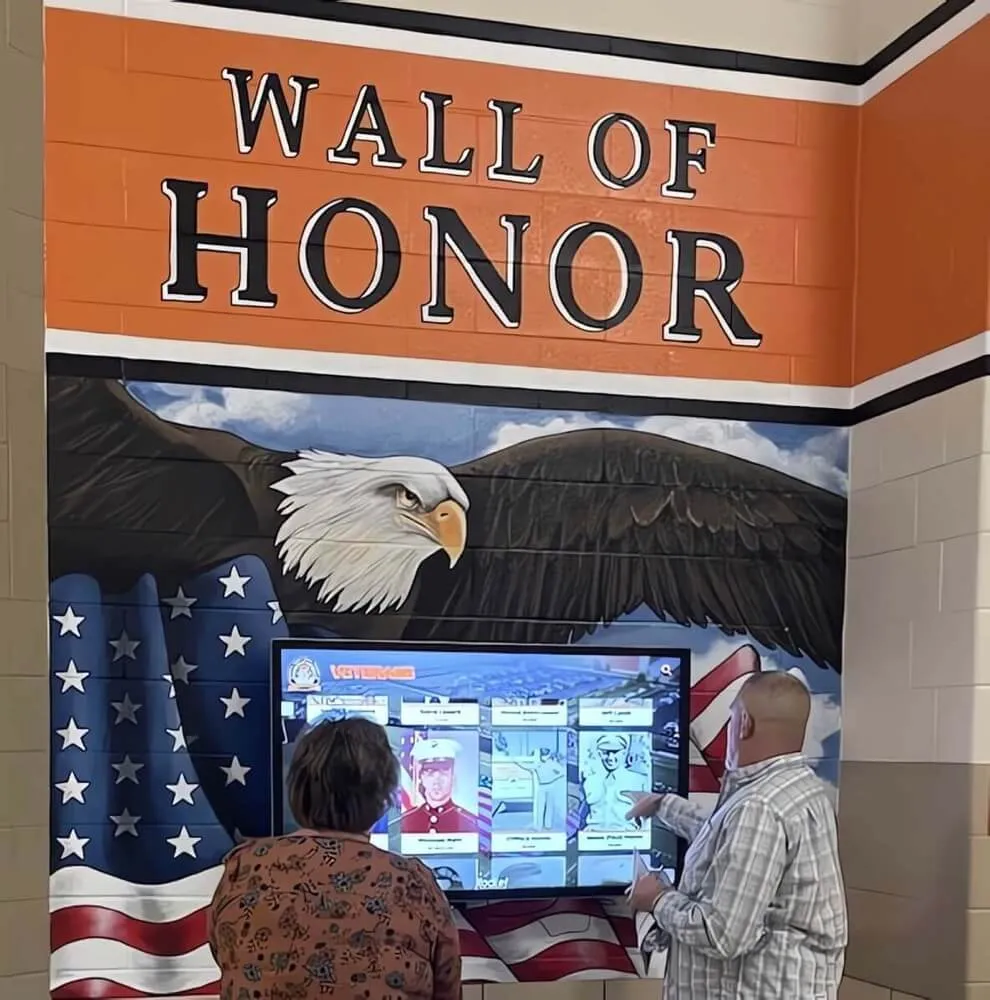
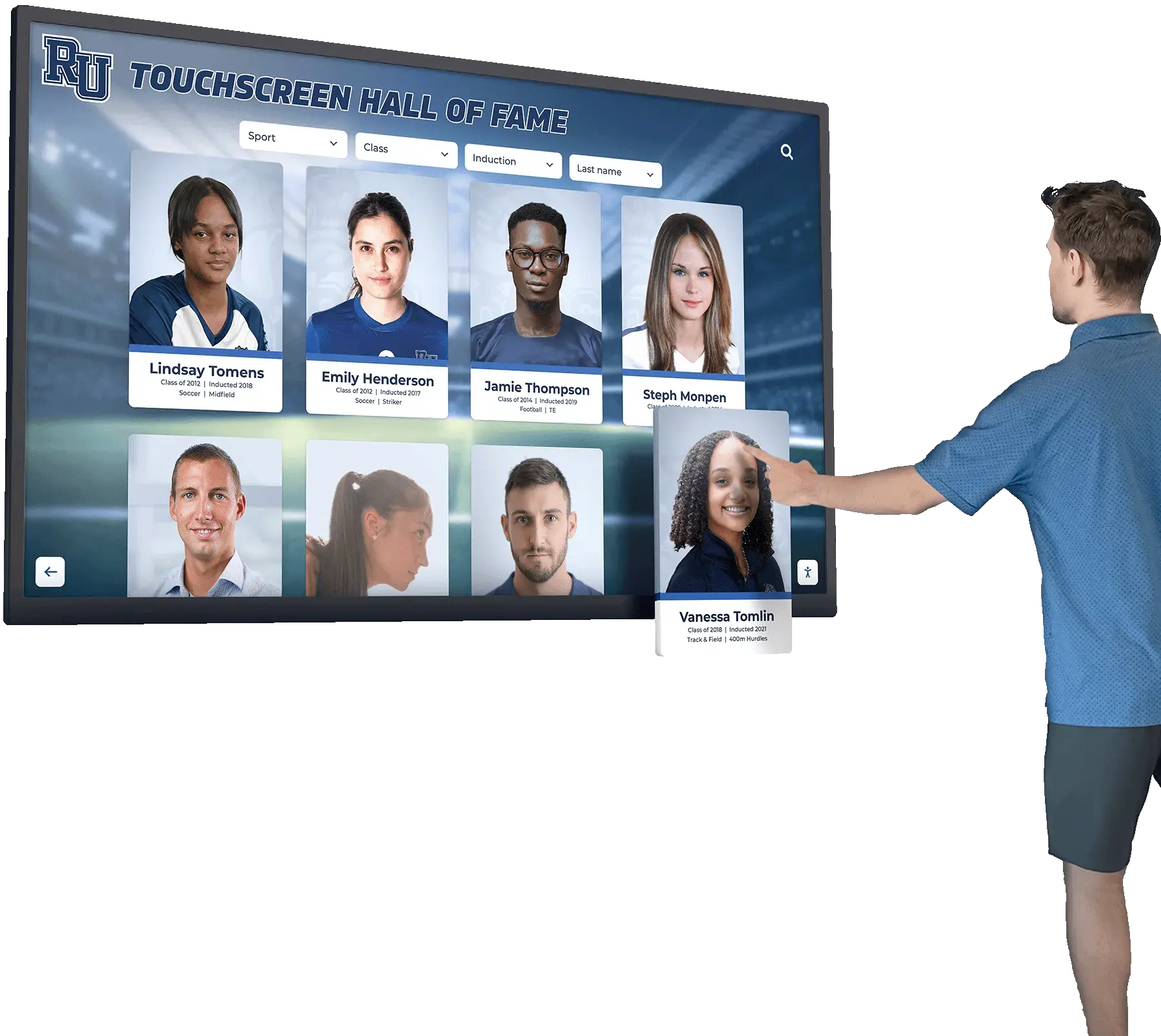
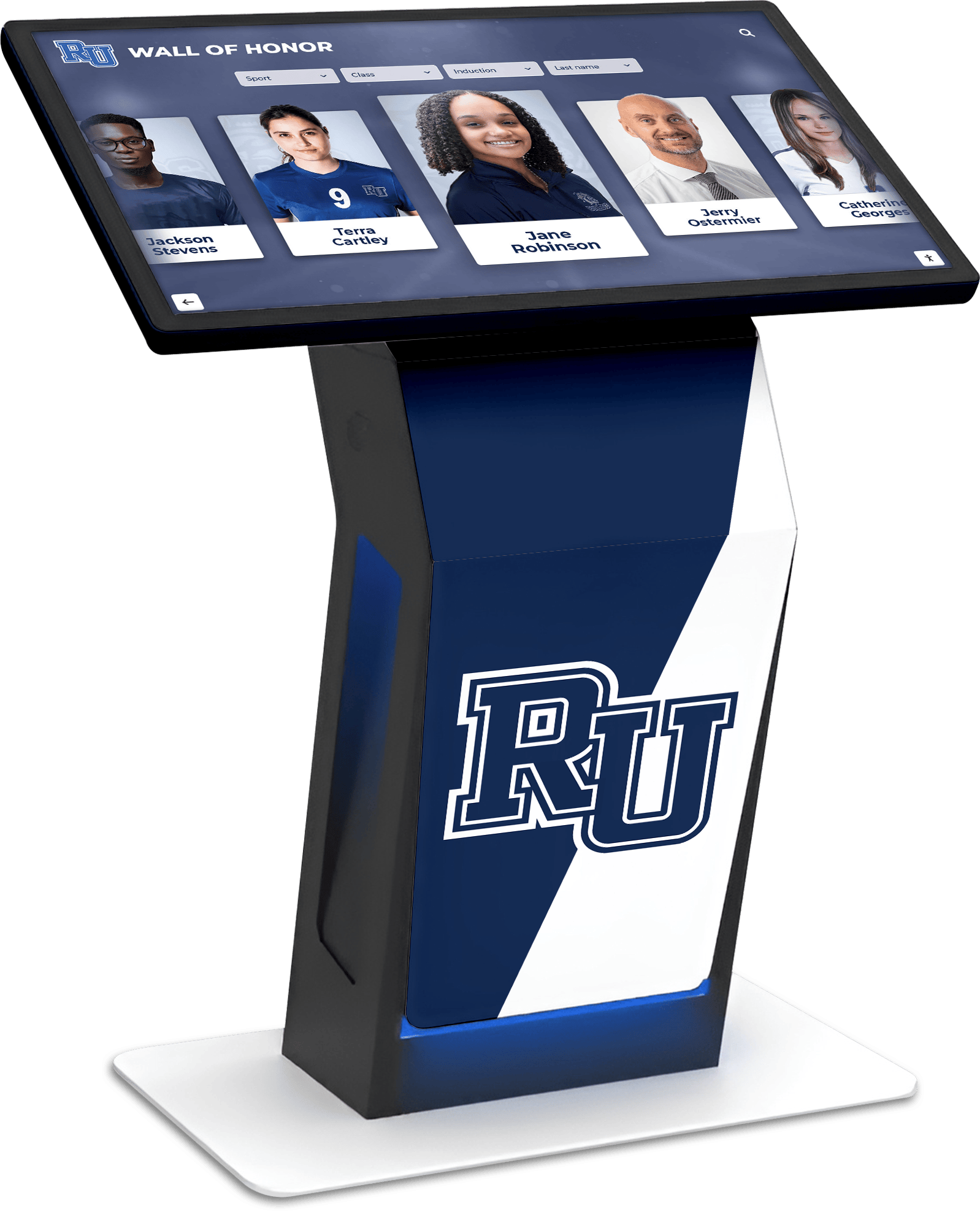
Interactive digital displays enable comprehensive recognition without physical space constraints. These systems allow students and visitors to browse extensive achievement databases by student name, graduation year, or achievement category, view detailed profiles with photos, biographical information, and accomplishment descriptions, watch embedded video content including competition highlights and interviews, discover connections between students, achievements, and time periods, and explore historical achievements extending decades into institutional history.
Unlike physical plaques limited by available wall space, digital systems accommodate unlimited honorees while remaining easily updatable. Schools can add recent achievements within minutes through cloud-based management systems accessible from any device.
Purpose-built recognition platforms designed specifically for schools provide intuitive interfaces, comprehensive management tools, and robust hardware appropriate for high-traffic environments. These specialized solutions deliver significantly better experiences than generic digital signage software adapted for recognition purposes.
Rotating Digital Achievement Showcases
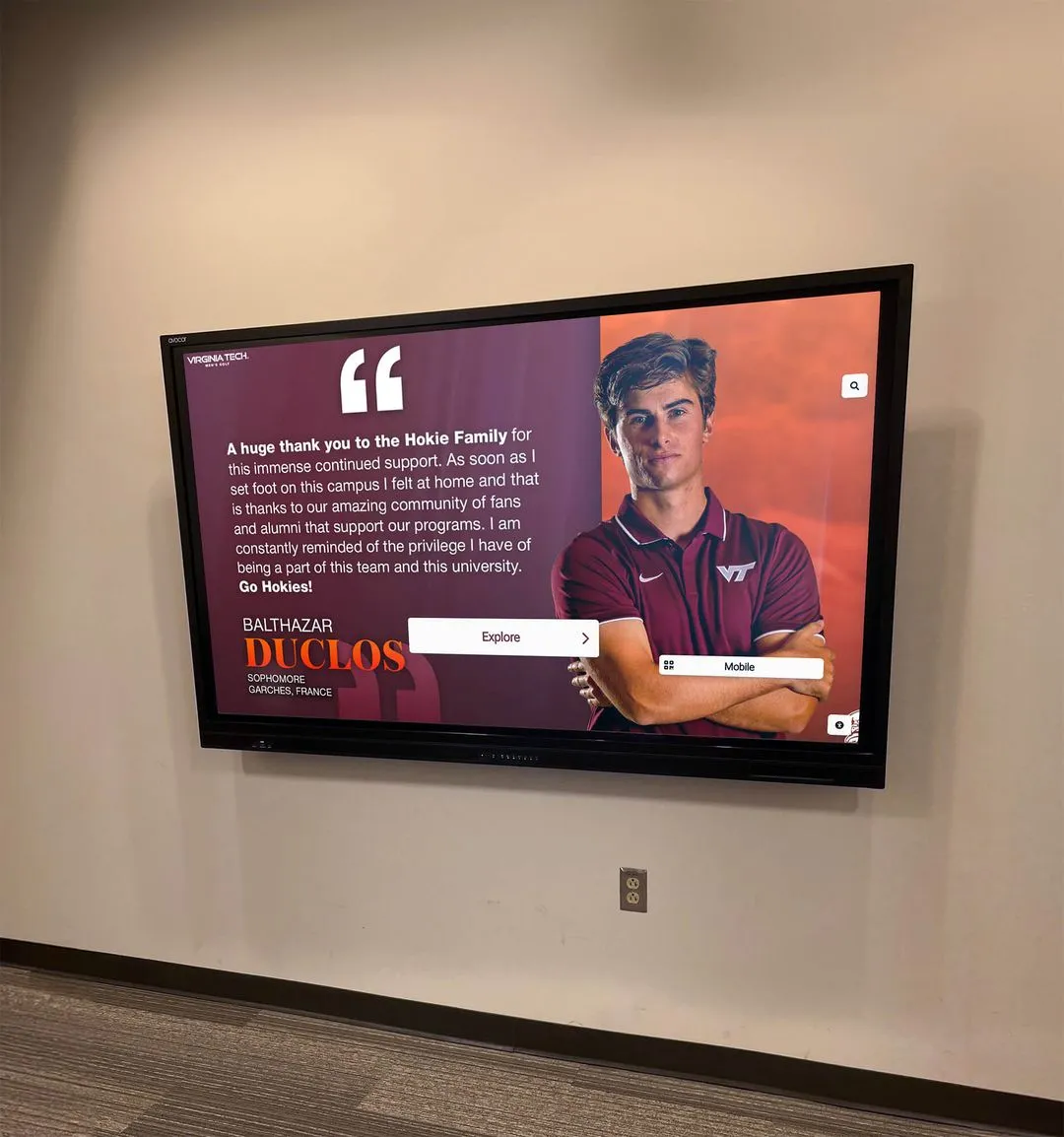
Large display screens throughout hallways can showcase rotating recognition content including current honor roll students with photos and achievement details, recent competition results and award winners, student of the month profiles across categories, scholarship recipients and college acceptances, and milestone achievements like perfect attendance or improvement recognition.
Automated content rotation ensures all recognized students receive visibility while maintaining fresh, current displays that capture attention during passing periods. Scheduled content allows seasonal focus like fall sports during autumn or academic awards during spring.
Learn more about implementing digital recognition displays for academic achievement to celebrate diverse student accomplishments throughout the year.
Traditional Recognition Wall Displays
For schools preferring permanent physical recognition, traditional displays provide timeless elegance and gravitas that digital solutions cannot replicate.
Engraved Plaque Installations
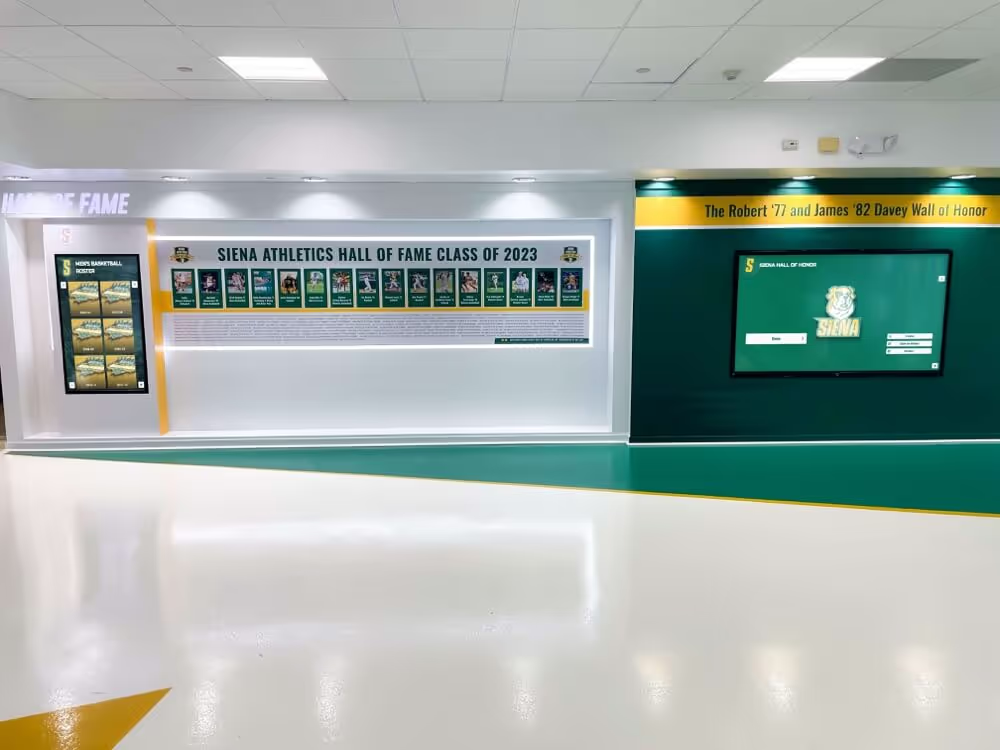
Metal plaques mounted on dedicated wall sections create formal recognition appropriate for significant achievements. Common configurations include donor recognition walls acknowledging major contributions to school projects, hall of fame installations honoring distinguished alumni or athletic achievement, academic excellence walls listing valedictorians, National Merit Scholars, or other top performers, and service recognition honoring teachers, administrators, or community members.
Quality materials like brass, bronze, or aluminum ensure longevity while professional engraving creates polished appearances. Design considerations include planning for future additions by including expansion space, maintaining consistent plaque sizing and formatting, organizing chronologically or categorically for easy navigation, and incorporating lighting to enhance visibility and emphasis.
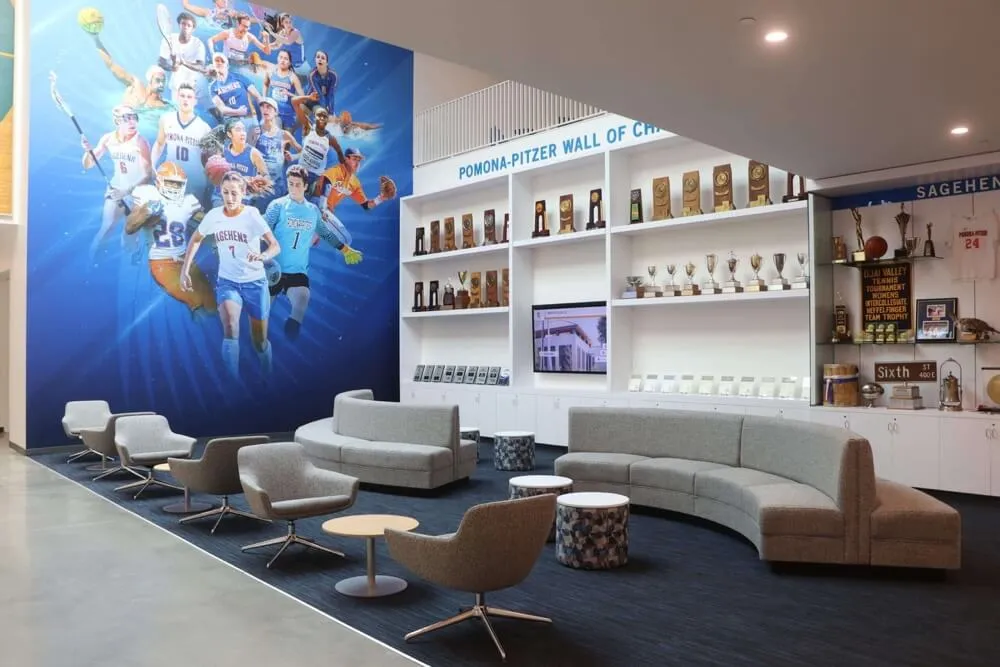
Trophy Cases and Achievement Displays
Three-dimensional display cases showcase physical artifacts representing achievement. Strategic placement near main entrances or high-traffic gathering areas maximizes visibility and impact. Effective trophy case design includes proper lighting highlighting contents while reducing glare, adjustable shelving accommodating items of varying sizes, secure locking protecting valuable contents, climate control preventing damage to sensitive materials, and informational plaques providing context about displayed items.
Rotating displays periodically prevent stagnation while allowing more achievements to receive prominent recognition over time. Create schedules featuring different sports each season, highlighting specific achievement categories, or honoring different graduating classes.
Understanding approaches to athletic hall of fame recognition provides frameworks adaptable to various achievement categories beyond athletics.

Photo Recognition Galleries
Photograph collections create emotional connections by showing honored students in action rather than simply listing names. Photo gallery approaches include graduation year composites showing all seniors, honor roll photo boards updated each marking period, athletic team photographs documenting seasons, performing arts and club activity images celebrating participation, and student leadership galleries recognizing elected officers and representatives.
Professional photography or high-quality prints properly matted and framed communicate respect for subjects while ensuring displays remain attractive for years. Consistent formatting and sizing create cohesive presentations rather than haphazard collections.
Inspiration and Role Model Displays
Beyond recognizing current students, hallway decorations can inspire through examples of what’s possible with dedication and effort.
Alumni Success Stories
Showcasing accomplished graduates demonstrates possibilities available through education while creating aspirational role models. Alumni displays might feature career achievement profiles highlighting diverse professional pathways, community service recognition honoring graduates contributing to society, entrepreneurship and innovation showcases celebrating alumni creating businesses or solving problems, and “where are they now” updates connecting current students with graduate experiences.
These displays prove particularly effective when they showcase realistic achievement across varied fields rather than exclusively featuring exceptional celebrity-level success. Students benefit from seeing graduates becoming teachers, nurses, engineers, and small business owners as much as from occasional professional athletes or corporate executives.
Historical Timeline Displays
Visual chronologies documenting institutional history create narrative threads connecting past and present. Timeline displays might feature founding and development milestones showing institutional evolution, decade-by-decade highlights demonstrating sustained excellence, thematic progressions tracking changes in specific areas like technology or curriculum, and significant achievement markers including championships, awards, or recognition.
Timelines help students understand themselves as parts of continuing institutional stories rather than isolated cohorts disconnected from heritage and tradition. Learn about creating effective school historical timelines that engage students with institutional legacy.
Career Pathway Visualizations
Educational institutions prepare students for futures beyond graduation. Career-focused displays can showcase alumni working in various industries and fields, educational pathways showing courses and credentials leading to specific careers, local business partnerships highlighting community opportunities, and inspirational quotes from professionals about how education enabled their success.
These forward-looking displays help students connect daily learning to future possibilities while reducing the abstraction that makes some academic content feel irrelevant.
Educational and Learning-Focused Hallway Decorations
Hallways can reinforce curriculum and extend learning beyond classroom walls through strategic decoration choices.
Subject-Specific Learning Displays
Content area hallways benefit from decorations reinforcing and celebrating specific disciplines.
Mathematics and Science Visualization
STEM hallways come alive through visual representations of concepts and achievements. Effective approaches include mathematical concept posters showing formulas, theorems, and applications, scientific process diagrams illustrating experimental methods, periodic table or anatomical displays providing reference information, mathematician and scientist biography displays celebrating contributors, and student project showcases featuring exceptional work from classes.
These displays serve dual purposes—decorating spaces while providing reference materials students encounter daily, unconsciously reinforcing content through repeated exposure.
Literary and Language Arts Inspiration
English and language arts corridors benefit from word-rich environments. Consider inspirational quote collections from literature and notable writers, vocabulary word walls introducing new terms monthly, student writing showcases featuring exceptional essays or creative work, author biography displays celebrating diverse literary voices, and reading program tracking encouraging participation through visible progress.
Text-rich environments support literacy development while celebrating the power of language and communication central to these disciplines.

Social Studies and Historical Context
History and social studies hallways provide opportunities for chronological displays, historical event timelines with images and descriptions, geography installations including maps and cultural information, civics education displays explaining governmental processes and civic engagement, and current events boards connecting classroom learning to contemporary issues.
These installations help students situate themselves historically and geographically while understanding connections between past events and present circumstances.
Arts and Creative Expression Galleries
Visual and performing arts programs generate exceptional display content. Arts hallways can feature rotating student artwork galleries updated seasonally, performing arts program playbills and cast photos, music achievement recognition including competition results, ceramics, sculptures, or three-dimensional art installations, and digital displays showing performance video highlights.
These galleries demonstrate that achievement extends beyond academics and athletics while creating welcoming, colorful spaces celebrating creativity.
Interactive Learning Elements
Beyond static displays, interactive hallway elements engage students actively with educational content.
QR Code Enhanced Displays
Quick Response codes transform traditional displays into gateways to extended content. Applications include linking from physical displays to detailed online information, providing audio explanations of visual content supporting different learning styles, connecting to video demonstrations or tutorials, enabling student submissions or responses to displayed prompts, and tracking engagement through scan analytics.
QR codes bridge physical and digital experiences while enabling much richer content than physical space constraints allow.
Puzzle and Problem-Solving Installations
Strategic placement of puzzles or problems throughout hallways creates informal learning opportunities. Options include weekly math problems with solution submissions, logic puzzles and brain teasers appropriate for various ages, historical mysteries or “this day in history” features, vocabulary or language challenges, and seasonal riddles or themed questions.
These interactive elements engage students during unstructured passing periods while creating positive associations with academic challenges beyond required coursework.
Student Work Rotation Systems
Dedicated spaces for showcasing exceptional student work provide recognition while demonstrating learning outcomes. Effective systems include standardized display frames enabling easy content rotation, scheduled update cycles ensuring fresh content, clear attribution crediting student work appropriately, subject-specific galleries within relevant hallway sections, and digital supplements showing additional work beyond physical space limitations.
Regular rotation prevents displays from becoming stale while ensuring more students receive recognition over time.
School Culture and Values Communication
Hallways communicate what schools value through decoration choices that reinforce mission, vision, and cultural priorities.
Mission and Values Visual Representation
Institutional guiding principles deserve prominent hallway presence creating daily reminders of shared purposes.
Mission Statement Displays
The institutional mission statement should appear prominently in high-visibility locations. Effective presentation approaches include large-scale typography making statements unmissable, visual design incorporating institutional branding and colors, contextual imagery illustrating mission components, translation into multiple languages serving diverse communities, and positioning near main entrances ensuring visitors encounter them immediately.
Beyond formal mission statements, consider displaying core values with explanatory descriptions showing how they manifest in daily school life, student testimonials about how values influence their experiences, faculty statements about teaching within values frameworks, and examples demonstrating values in action.
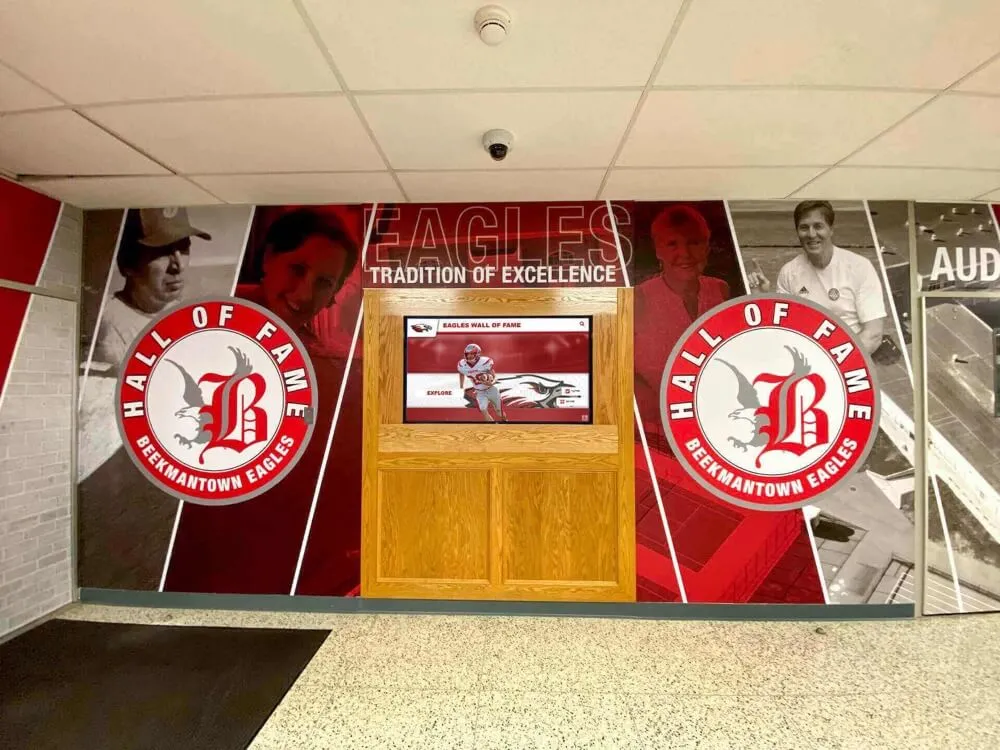
Character Education and Social-Emotional Learning
Schools emphasizing character development benefit from visual reinforcement throughout common spaces. Character-focused decorations might include monthly character trait focus displays with definitions and examples, social-emotional learning skill posters teaching specific competencies, conflict resolution and problem-solving process visualizations, mindfulness and wellness encouragement through calming visual elements, and positive behavior expectation reminders framed aspirationally rather than punitively.
These displays support intentional culture building while providing consistent messaging across all school spaces.
Diversity, Equity, and Inclusion Celebrations
Hallway decorations should reflect and celebrate community diversity. Inclusive representation includes cultural heritage month recognitions celebrating diverse backgrounds throughout the year, multilingual welcome signs and content acknowledging linguistic diversity, disability awareness and neurodiversity celebration, LGBTQ+ inclusive signage and safe space indicators, and diverse imagery in all displays showing varied races, abilities, family structures, and backgrounds.
Authentic inclusion requires ongoing attention ensuring decorations represent entire school communities rather than defaulting to majority population perspectives.
Mascot and School Spirit Displays
Institutional identity often centers on mascots and tradition that hallway decorations should reinforce.
Branded Environmental Graphics
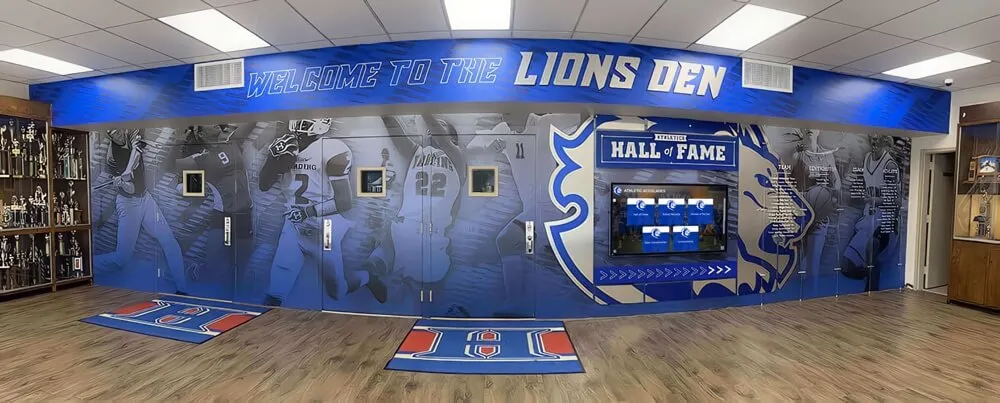
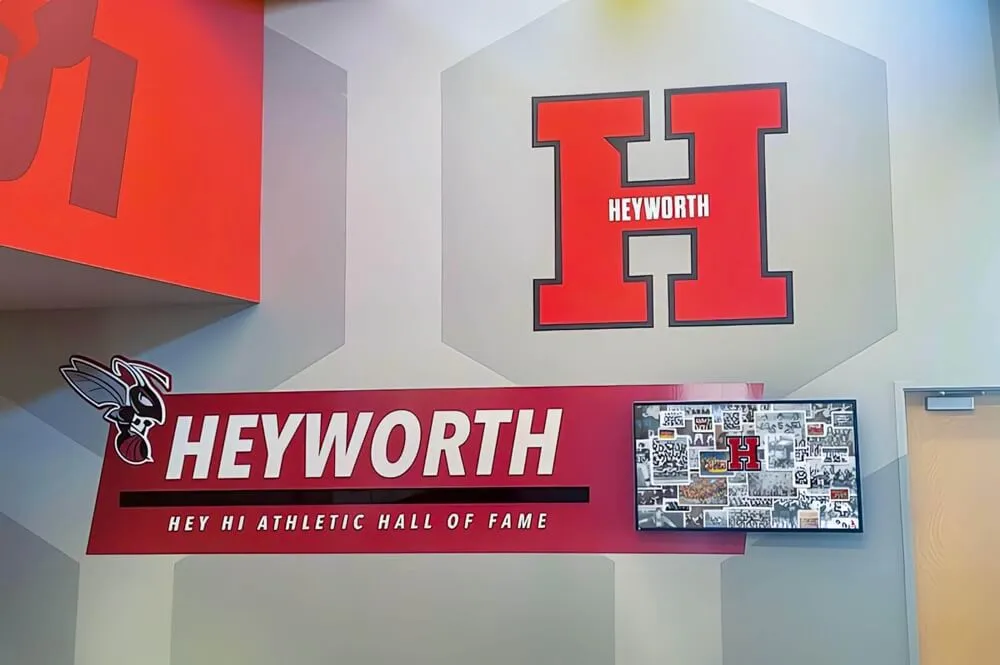
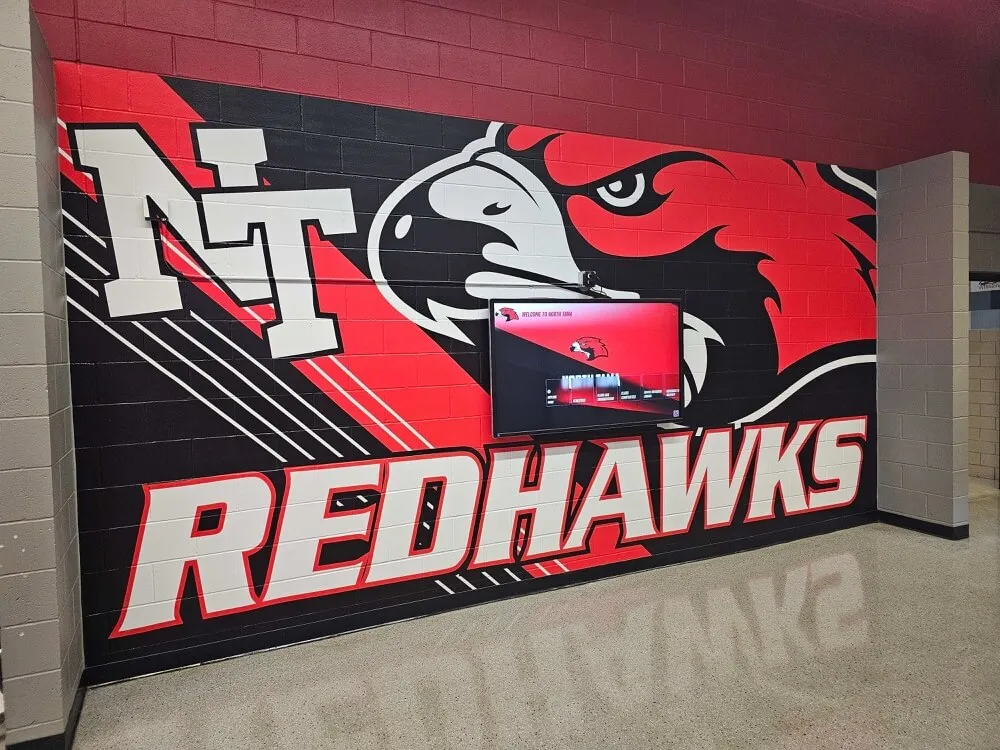
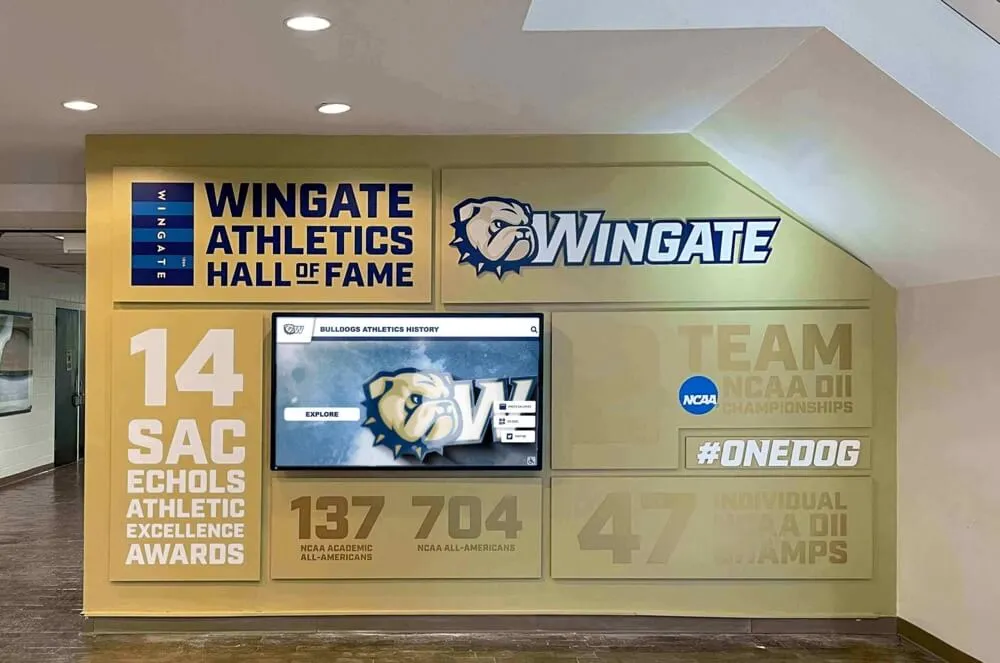
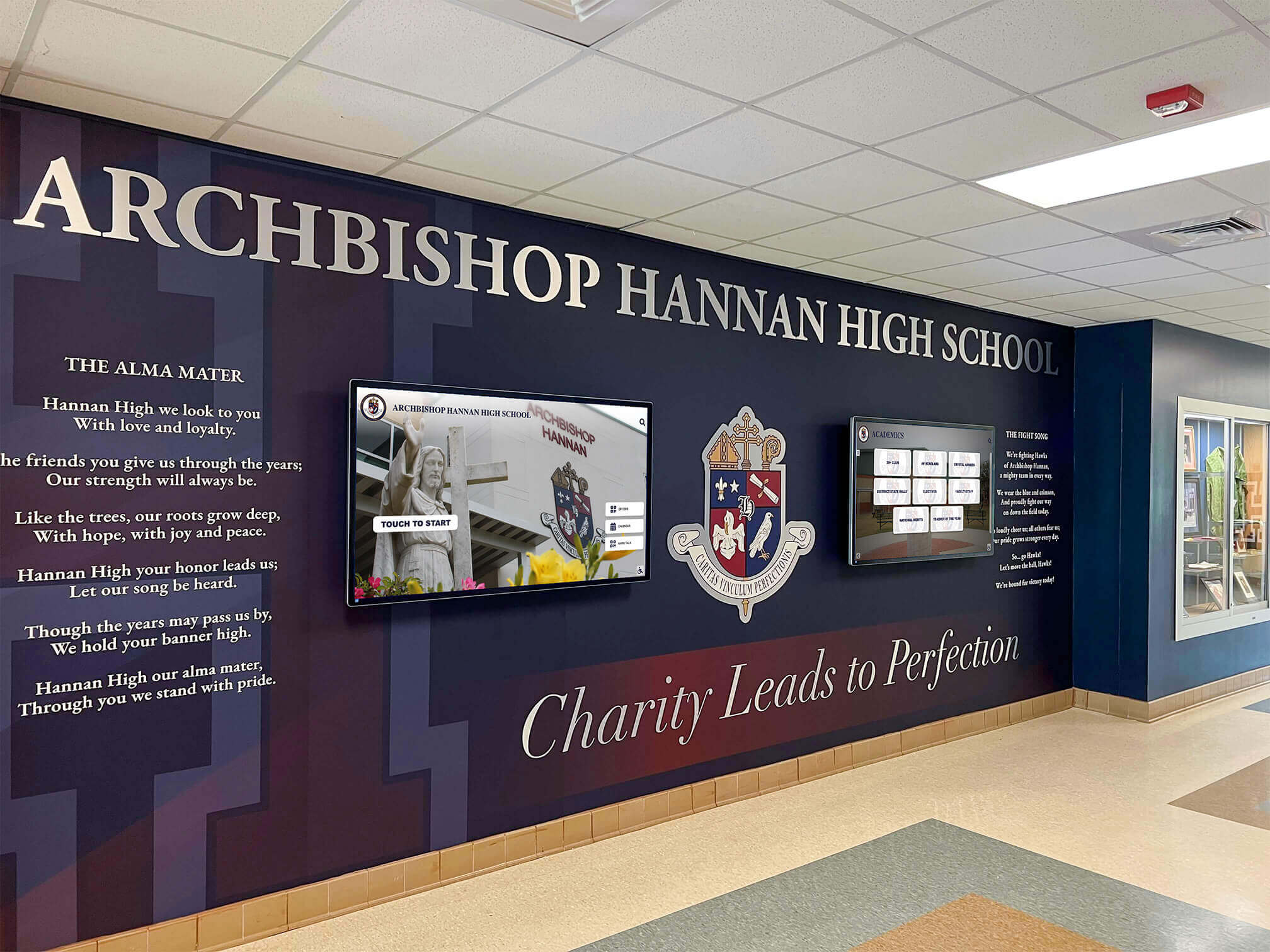
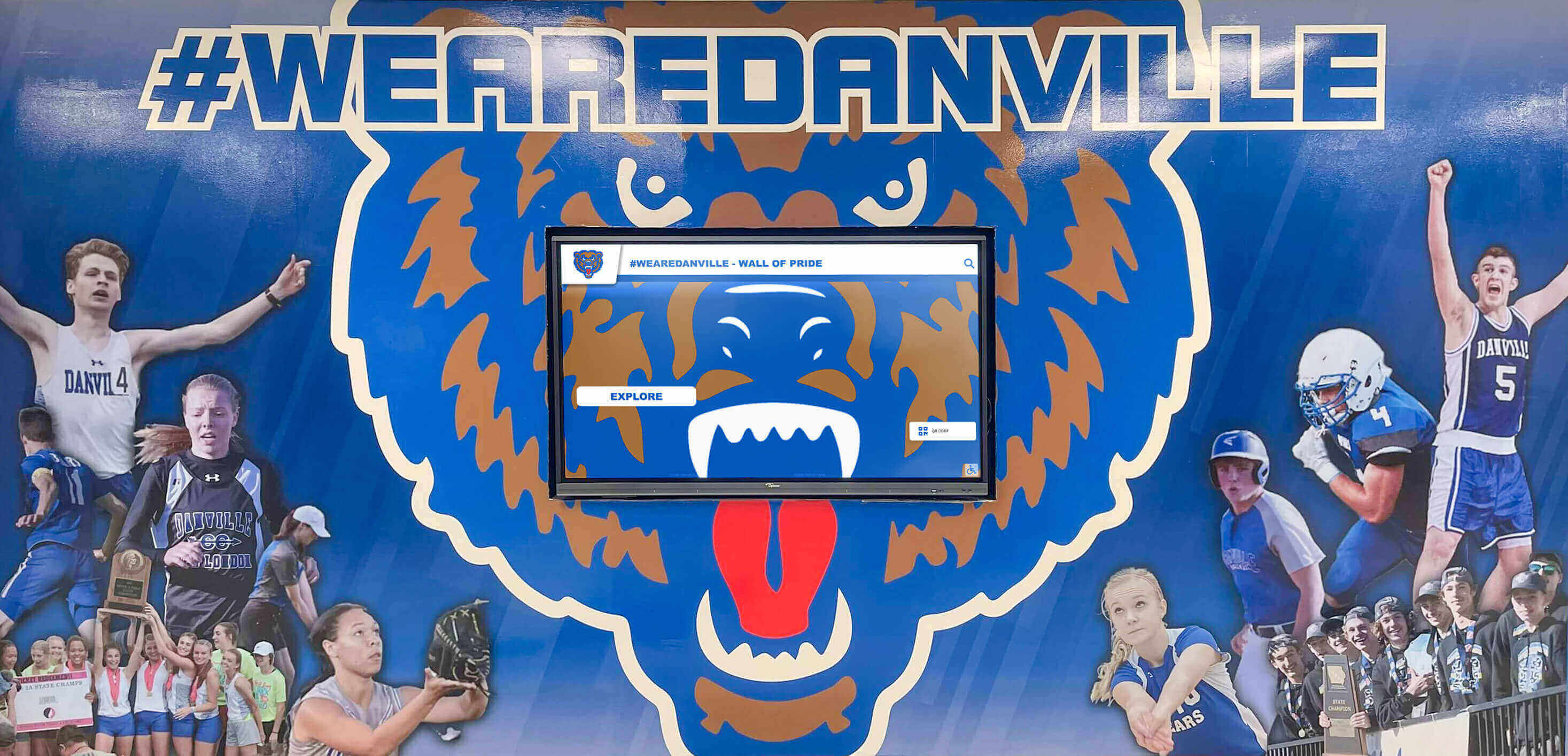
Large-scale graphics transform bland hallways into immersive branded environments. Effective installations include floor-to-ceiling mascot murals creating focal points, school name or motto installations using three-dimensional letters, athletic branding celebrating team identity, color blocking entire hallway sections in school colors, and vinyl floor graphics adding visual interest to horizontal surfaces.
Professional design and installation ensure these major elements appear polished and intentional rather than amateurish.
School Song and Chant Displays
Unique school songs, chants, or traditions can receive permanent hallway recognition. Consider installing school alma mater lyrics encouraging impromptu singing, traditional cheers or chants celebrating school identity, fight songs with historical context about their origins, and student-created traditions deserving institutional recognition.
These displays strengthen institutional culture while educating newer community members about traditions they’re joining.
Historical Tradition Documentation
Long-standing schools accumulate rich traditions deserving documentation and celebration. Tradition-focused displays might feature rivalry histories documenting competition with peer schools, homecoming and special event chronologies, uniform and logo evolution showing design changes over decades, and facility development illustrating campus transformation over time.
Historical context creates pride in institutional longevity while connecting current community members to those who came before them.
Practical Decoration Implementation Strategies
Understanding decoration concepts matters little without practical strategies for successful implementation within real school constraints.
Budget-Friendly Hallway Decoration Approaches
Not every school possesses substantial budgets for hallway renovations, but thoughtful approaches create impact at various investment levels.
DIY and Community-Created Elements
Engaging school communities in decoration creation reduces costs while building ownership. Consider student art competitions creating mural designs for professional execution, parent volunteer painting parties executing approved designs, faculty collaboration developing department-specific hallway themes, student club involvement maintaining rotating displays, and community business partnerships providing materials or expertise.
Participatory decoration development often creates better outcomes than purchased alternatives while strengthening community connections to physical spaces.
Strategic High-Impact Investments
Limited budgets benefit from concentration on high-visibility locations delivering maximum impact. Priority areas include main entrance lobbies creating first impressions for visitors, primary hallway corridors with highest daily traffic, cafeteria and common spaces where students gather, and athletic facilities showcasing institutional pride.
Investing in quality installations in visible locations creates greater perceived transformation than spreading resources thinly throughout entire buildings.
Phased Implementation Planning
Schools can transform hallways incrementally through multi-year phased approaches. Initial phases might address main entrance areas and primary corridors, subsequent phases expand to secondary hallways and specific departments, and final phases complete comprehensive decoration throughout all building spaces.
This staged development demonstrates value through early phases while building momentum for continued investment and refinement.
Working with Professional Designers and Vendors
While DIY approaches suit some projects, professional expertise ensures quality results for major installations.
Selecting Appropriate Partners
Professional selection requires evaluating experience with educational facilities specifically, portfolio quality demonstrating design capabilities, reference checking with previous school clients, understanding of compliance requirements including fire codes and accessibility, and project management capabilities ensuring on-time completion.
Educational environment experience matters because schools present unique challenges different from retail or corporate spaces.
Managing Installation Timelines
Hallway decoration installations often require coordination with school calendars and operations. Optimal timing considerations include summer installation avoiding disruption to instructional time, break period work during extended holidays, weekend or after-hours scheduling for minor projects, and phased approaches allowing building sections to remain operational.
Clear communication with custodial staff, administrators, and facility managers prevents conflicts and ensures smooth project completion.
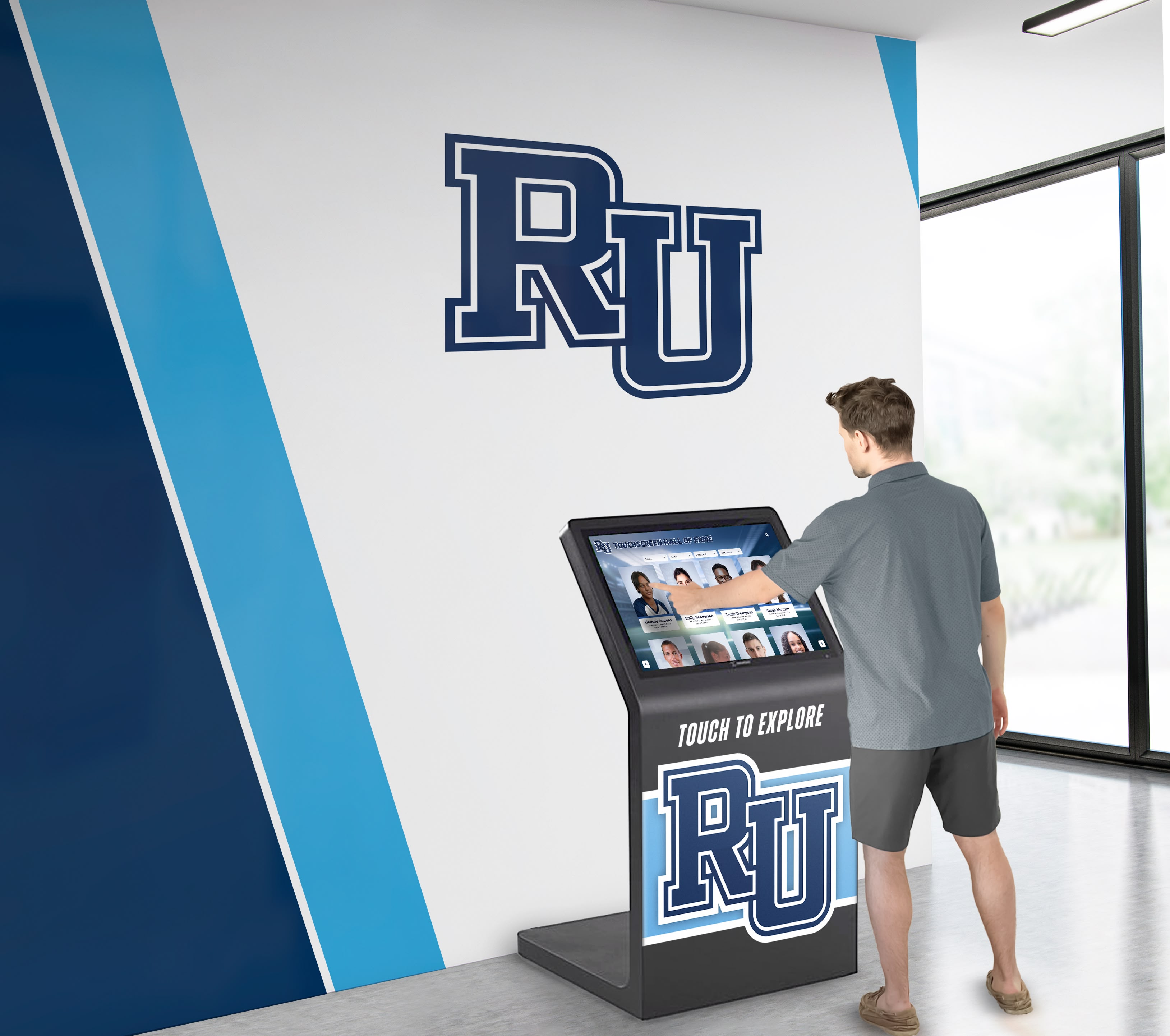
Digital Display Considerations
Interactive digital displays require additional technical considerations beyond traditional decorations. Critical factors include electrical infrastructure providing adequate power and network connectivity, mounting solutions appropriate for wall construction and display weight, content management system selection enabling easy updates, technical support arrangements ensuring prompt problem resolution, and warranty and maintenance agreements protecting investments.
Purpose-built education recognition platforms like Rocket Alumni Solutions address these concerns through comprehensive hardware, software, and support packages specifically designed for school environments.
Maintenance and Updating Systems
Even well-executed hallway decorations deteriorate without ongoing maintenance and periodic refreshing.
Establishing Maintenance Responsibilities
Clear ownership ensures decorations remain attractive over time. Responsibility assignments might include custodial staff handling routine cleaning and minor repairs, designated administrators managing content updates for changeable displays, department chairs maintaining subject-specific hallway sections, student organizations stewarding displays they created, and facilities managers coordinating major repairs or replacements.
Undefined responsibility typically results in neglect and deterioration that undermines decoration investments.
Content Refresh Schedules
Different decoration types require different update frequencies. Schedule recommendations include daily or weekly updates for current event or achievement boards, monthly rotation for featured student work or spotlight displays, quarterly refresh for seasonal or time-sensitive content, annual review of all static displays identifying needed updates, and multi-year replacement cycles for permanent installations showing wear.
Scheduled maintenance prevents displays from becoming dated, damaged, or ignored through staleness.
Damage Response Protocols
School environments inevitably damage decorations requiring prompt repair preventing minor issues from becoming major problems. Protocols should identify who receives damage reports and authorizes repairs, maintain relationships with vendors for warranty or repair work, keep touch-up paint and repair materials accessible for minor fixes, and prioritize high-visibility damage requiring immediate attention.
Quick responses maintain appearances while preventing the decline in care standards that occurs when visible damage remains unaddressed.
Specialized Hallway Decoration by Building Area
Different building sections serve distinct purposes suggesting specialized decoration approaches.
Main Entrance and Administration Areas
Entry spaces create critical first impressions requiring particular attention.
Welcome and Wayfinding Focus
Main entrances should immediately orient visitors while conveying institutional character. Effective entrance decoration includes prominent welcome messaging in multiple languages, clear directory information showing key office locations, digital displays showing announcements and upcoming events, recognition of current year or seasonal highlights, and comfortable seating areas for waiting visitors.
These functional elements serve practical purposes while demonstrating that schools value visitor experience and accessibility.
Achievement and Distinction Showcasing
Front lobby areas provide appropriate settings for highlighting institutional achievements including accreditation and recognition awards, championship trophies and competitive honors, academic distinction recognitions, innovative program features distinguishing the school, and alumni achievement highlights demonstrating long-term success.
Strategic achievement display communicates quality to prospective families, visiting officials, and community members while creating pride among current students and staff.
Athletic Facilities and Gymnasiums
Sports facilities benefit from specialized decoration reinforcing athletic program values and celebrating team achievement.
Team Legacy and History Displays
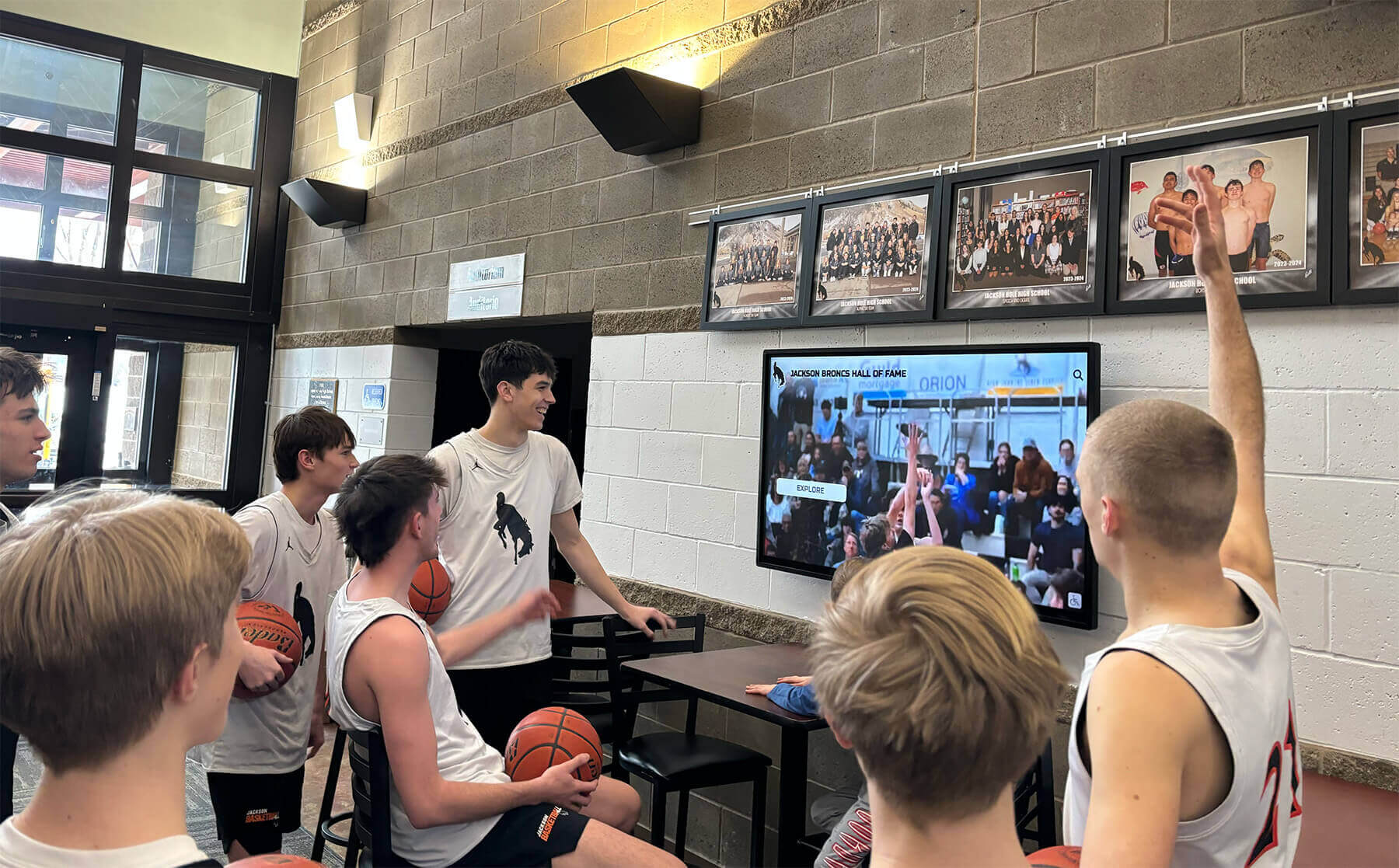
Athletic corridor decorations should honor team traditions and achievement. Consider installing championship banners listing title years and team members, record holder boards tracking top performances across sports, coach recognition honoring long-serving program leaders, retired number displays explaining the significance of honored athletes, and team photo chronologies documenting program history.
Learn about creating digital athletic recognition displays that eliminate space constraints while providing comprehensive team documentation.
Motivational and Inspirational Elements
Athletic spaces benefit from content inspiring excellence and commitment. Motivational decorations include inspirational quotes from coaches and athletes about dedication and teamwork, training principle posters reinforcing proper techniques, sportsmanship and character messaging emphasizing values beyond winning, goal-setting visualizations encouraging athlete development, and nutrition and wellness information supporting athletic performance.
These elements reinforce coaching messages while creating positive environments that celebrate effort alongside achievement.
Cafeterias and Student Common Areas
Gathering spaces where students spend unstructured time require welcoming, engaging decoration.
Student Life and Activity Showcases
Cafeteria decorations can celebrate non-academic aspects of school experience. Consider displaying club and organization information encouraging participation, student government updates and initiatives, upcoming events and activity calendars, student artwork and creative expression, and social-emotional wellness messaging supporting student wellbeing.
These informal spaces provide appropriate settings for celebratory, engaging content that might feel too casual in academic corridors.
Community Building Elements
Common areas benefit from decorations that strengthen relationships and create belonging. Community-focused installations include photograph collections showing student activities and events, birthday recognition creating individual celebration, staff appreciation displays honoring adults supporting students, visitor and volunteer recognition acknowledging community contributions, and interactive elements like comment boards or idea submissions.
These human-centered decorations combat the institutional coldness that can make large schools feel impersonal.
Library and Media Centers
Learning resource centers deserve decoration supporting their specific educational purposes.
Literacy and Research Promotion
Library decoration should encourage reading and research engagement. Effective approaches include new book displays highlighting recent additions, reading challenge tracking visualizing community progress, research resource guides explaining available tools and databases, librarian recommendations featuring curated selections, and author visit documentation celebrating literary connections.
These displays market library resources while reinforcing that reading and research extend beyond required assignments.
Quiet Space and Contemplative Design
Unlike active corridor spaces, libraries benefit from calmer decoration supporting concentration. Consider neutral color palettes reducing visual stimulation, nature imagery and calming visual elements, organizational clarity through intuitive wayfinding, acoustic treatments supporting quiet environments, and comfortable seating arrangements encouraging extended stays.
Design choices should differentiate libraries from busy hallways while maintaining institutional visual identity connections.
Seasonal and Rotating Hallway Decoration Strategies
Static hallway decorations risk becoming invisible through familiarity. Rotating elements maintain freshness and engagement.
Academic Year Rhythm and Seasonal Changes
Aligning decoration changes with predictable calendar rhythms creates manageable update systems.
Back-to-School and Opening Preparations
The school year beginning offers natural decoration refresh opportunities. Late summer preparation might include updating recognition displays with previous year achievements, installing new student government or leadership recognition, refreshing classroom identification signage, creating welcoming messages for returning and new students, and highlighting upcoming events and opportunities.
Fresh starts deserve fresh environments communicating renewal and possibility.
Holiday and Cultural Celebrations
Seasonal decoration opportunities throughout the year include fall harvest and autumn themes, winter holidays respecting religious diversity, Black History Month, Women’s History Month, and other heritage celebrations, spring renewal and achievement recognition themes, and end-of-year celebration and reflection.
Inclusive seasonal decoration acknowledges diverse traditions while creating shared celebratory moments throughout school communities.
Testing Motivation and End-of-Year Celebrations
Spring brings assessment periods and year-end transitions deserving specialized decoration. Consider motivational messaging supporting test preparation, recognition of senior achievements and college destinations, reflection on year accomplishments, and summer program or summer reading promotion.
These timely decorations address current community focus while demonstrating that schools remain responsive to student experiences throughout entire years.
Thematic Rotation Approaches
Beyond seasonal changes, thematic rotation maintains hallway engagement through intentional variety.
Monthly Focus Areas
Establishing monthly themes creates predictable rotation rhythms. Rotation might feature different curricular areas monthly, spotlight specific student achievement categories, highlight particular values or character traits, celebrate different grade levels or student groups, or showcase varying aspects of institutional history.
Predictable monthly themes enable advanced planning while ensuring diverse content receives attention over time.
Student-Generated Content Cycles
Involving students in hallway decoration content ensures relevance and engagement. Student content systems might include art class creations displayed on rotation, writing showcase featuring exceptional work periodically, STEM project demonstrations highlighting learning, student organization promotions explaining activities, and student photography or multimedia installations.
Regular inclusion of student voice and creation prevents hallways from feeling like adult-controlled institutional spaces disconnected from student experience.
Technology Integration in Hallway Decorations
Modern schools increasingly integrate technology with traditional decoration approaches creating hybrid environments.
Digital Signage and Content Management
Networked displays throughout hallways enable dynamic content delivery impossible with static decorations.
Strategic Screen Placement
Digital display effectiveness depends heavily on location decisions. Optimal placement includes high-traffic intersection areas where students naturally pause, near main entrances for visitor information and welcome content, outside cafeterias and auditoriums serving gathering functions, and within hallway sections dedicated to specific subjects or purposes.
Poor placement in low-traffic corridors or locations where students never pause wastes investments in equipment that nobody engages with meaningfully.
Content Strategy and Management
Digital signage requires ongoing content development and management. Successful systems include designated content managers with clear responsibility, content creation workflows involving multiple departments, scheduling systems rotating different content types, emergency override capabilities for urgent announcements, and analytics tracking engagement and popular content.
Without robust content strategies, digital displays often devolve into rotating announcements that students ignore, undermining their potential impact.
Exploring best practices for digital signage in schools helps institutions select appropriate platforms and develop effective content approaches.
Interactive Touchscreen Applications
Beyond passive viewing screens, interactive touchscreens enable active student and visitor engagement.
School Directory and Wayfinding
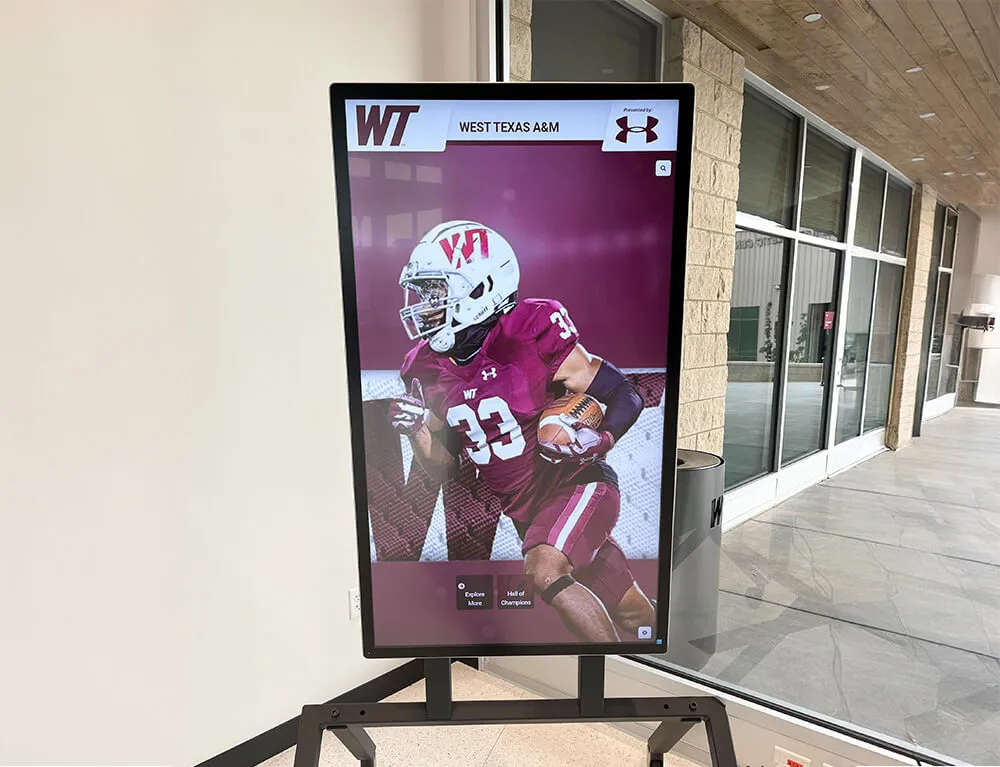
Large touchscreen kiosks near entrances provide interactive directory and navigation assistance. Capabilities include searchable staff directories with office locations, room finder functionality helping visitors navigate buildings, event calendars with detailed information, campus maps showing current locations and destinations, and accessibility information about building features.
These functional applications serve practical purposes while demonstrating technological sophistication and visitor consideration.
Recognition and Achievement Exploration
Interactive displays dedicated to recognition transform passive honor rolls into explorable databases. Students and visitors can search for specific individuals by name, filter achievements by category, sport, or type, browse by graduation year or time period, view detailed profiles with photos, videos, and accomplishments, and discover connections between related achievements or individuals.
This interactivity engages students during passing periods and unstructured time while accommodating unlimited recognition content without physical space constraints. Purpose-built recognition solutions provide significantly better experiences than generic touchscreen applications adapted for this specialized purpose.
Mobile Technology Integration
Smartphones and tablets offer opportunities for augmented physical hallway decorations through digital enhancements.
QR Code Extended Content
Quick Response codes on physical displays link to extended digital content including detailed information beyond physical space limitations, video interviews or demonstrations, submission forms for student participation, social media connections extending engagement, and tracking analytics measuring display effectiveness.
QR integration bridges physical and digital experiences while enabling much richer content than physical space allows.
Augmented Reality Experiences
Emerging augmented reality applications enable smartphone or tablet users to view additional content overlaid on physical spaces. AR applications might animate static posters or murals, provide three-dimensional visualizations of concepts, show historical photographs overlaid on current locations, enable virtual interactions with achievement displays, or create scavenger hunt experiences throughout buildings.
While still emerging, AR applications hint at future hallway decoration possibilities as technology becomes more accessible and familiar.
Measuring Hallway Decoration Impact and Effectiveness
Like any significant investment, hallway decoration initiatives warrant evaluation demonstrating value and informing continuous improvement.
Defining Success Metrics
Effective evaluation requires clear articulation of what decorated hallways should accomplish.
Student Engagement Indicators
Observable student behaviors indicate hallway decoration success or failure. Engagement measures include students stopping to view or interact with displays, crowds gathering around particularly engaging content, discussion among students about displayed information, social media sharing of hallway content, and dwell time in hallway spaces increasing when engaging decoration is present.
These behavioral indicators reveal whether decorations capture attention and interest or simply occupy space students ignore.
Visitor and Community Feedback
External perspectives provide valuable assessment data. Feedback collection approaches include visitor surveys during school tours asking about facility impressions, prospective family reactions to building environments, alumni returning to campus and noting positive or negative changes, community member comments during school events, and social media mentions referencing hallway decorations or environments.
External audiences often notice elements current students and staff take for granted through daily familiarity.
Staff and Teacher Perspectives
Educators working in spaces daily observe student responses and environmental impacts others might miss. Staff input methods include faculty surveys about hallway environment quality, teacher observations about student interactions with displays, staff suggestions for improvement or enhancement, department-specific feedback about subject area hallway effectiveness, and custodial staff perspectives on maintenance and durability.
Staff insights prove particularly valuable for identifying problems or opportunities that formal assessment methods miss.
Comparing Decorated vs. Undecorated Spaces
Natural experiments within buildings enable comparison between decorated and undecorated areas.
Behavioral Observation Studies
Systematic observation can quantify decoration impact. Comparative studies might measure dwell time in decorated versus plain hallways, noise levels comparing acoustically treated and untreated corridors, student interactions with decorated versus blank walls, and traffic patterns showing whether students prefer or avoid particular hallways.
Even informal observation often reveals substantial differences in how students experience and interact with intentionally designed versus basic institutional spaces.
Incremental Implementation Assessment
Phased decoration approaches enable before-and-after comparison. Assessment might compare student and staff satisfaction surveys before and after decoration projects, visitor feedback about renovated versus unrenovated building sections, maintenance requirements tracking whether quality decorations reduce or increase work, and cost-benefit analysis determining financial justification for investments.
Documented improvement from initial phases builds support for continued investment in remaining building areas.
Conclusion: Creating Hallway Environments That Inspire and Welcome
School hallway decorations represent far more than aesthetic choices that make buildings more attractive. When thoughtfully designed and authentically implemented, hallway environments reinforce institutional values, celebrate achievement, extend learning beyond classroom walls, create welcoming spaces where students and staff want to spend time, and communicate to visitors that excellence matters and community is valued.
The most effective hallway decorations share common characteristics regardless of specific implementation approaches. They reflect intentional design choices aligned with institutional mission and values rather than haphazard accumulation of unrelated elements. They balance aesthetic appeal with practical durability appropriate for high-traffic school environments. They celebrate diverse student achievements and contributions while inspiring continued excellence. They incorporate both permanent elements providing stability and rotating content maintaining freshness and relevance.
As schools look toward 2026 and beyond, the opportunities for innovative hallway decoration have never been richer. Digital technologies like interactive displays, dynamic content systems, and augmented reality applications enable celebration and communication impossible through traditional means alone. Yet technology serves as enabler rather than replacement—the most successful schools blend digital innovation with traditional elements creating hybrid environments leveraging the strengths of both approaches.
The spaces where students spend their days profoundly shape their experiences and perceptions. Hallways filled with celebration of achievement become environments where excellence feels normal and attainable. Corridors decorated with diverse representation become places where all students see themselves reflected and valued. Common areas designed with care become communities rather than institutions.
Whether you’re starting from blank walls or enhancing existing decoration systems, the key lies in approaching hallway design as strategic opportunity rather than afterthought. Every decoration choice communicates what schools value—make those messages intentional, make them authentic, and make them worthy of the students and staff who experience them daily.
For schools ready to transform hallway environments through innovative recognition displays, solutions like Rocket Alumni Solutions provide comprehensive digital platforms specifically designed for educational institutions. From interactive touchscreen kiosks celebrating student achievement to web-based recognition systems extending beyond physical walls, purpose-built tools enable impactful decoration without requiring extensive technical expertise or ongoing resources.
Ready to transform your school’s hallways from transitional spaces into engaging environments? Whether implementing comprehensive decoration strategies or enhancing specific building areas, thoughtful hallway design creates spaces that inspire students, welcome visitors, and celebrate the achievement and community that make your school exceptional. The hallways students walk through today shape the memories and pride they carry throughout their lives—make those spaces worthy of that significance.