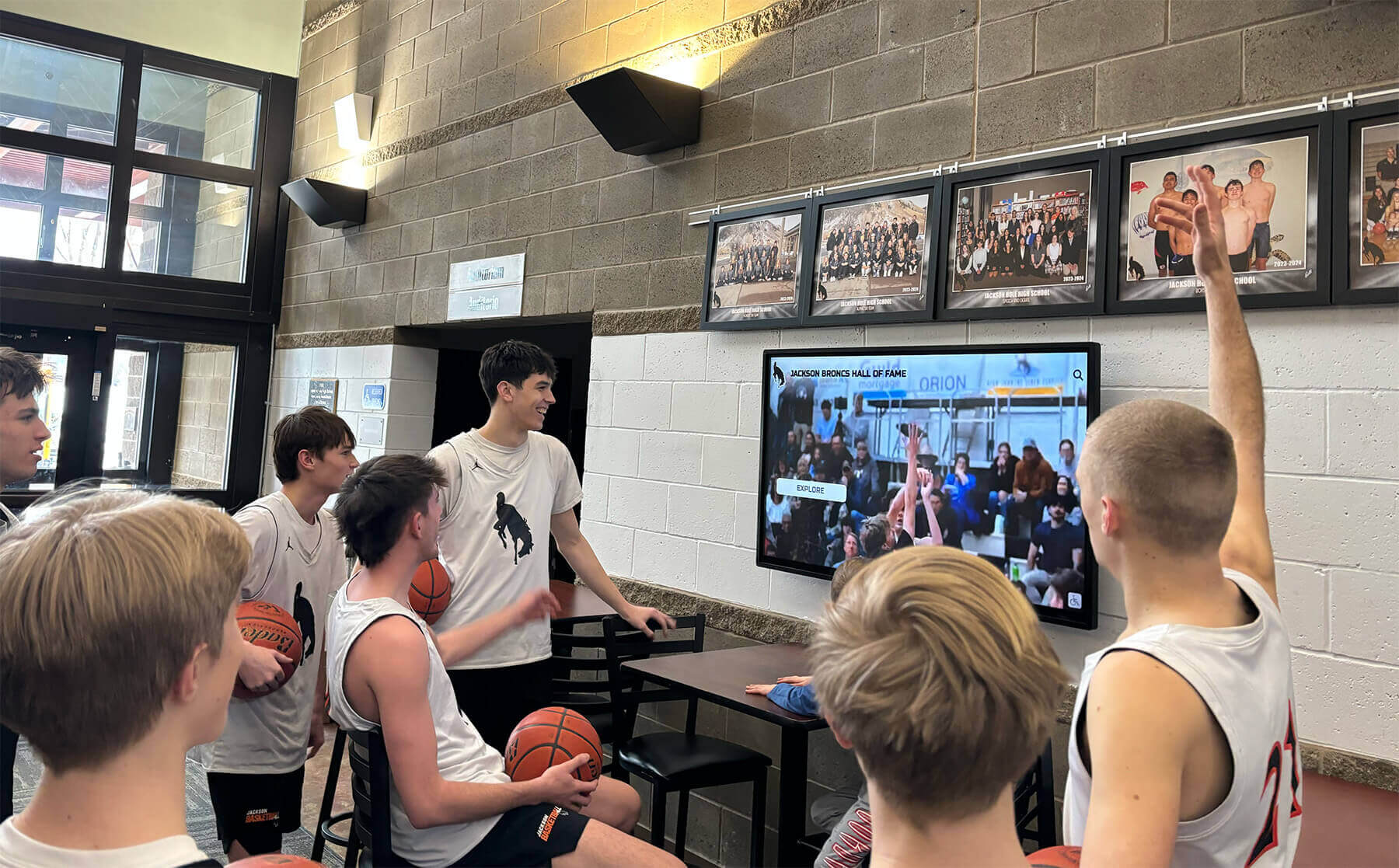




A well-designed school gymnasium serves as far more than just a basketball court with bleachers. Modern gymnasiums function as the athletic heart of educational institutions, hosting everything from competitive fall sports practices to energizing pep rallies, community events, and graduation ceremonies. The design choices administrators make today will shape student experiences, athletic performance, and community engagement for decades to come.
This comprehensive guide explores proven school gymnasium design ideas that transform basic athletic facilities into dynamic, multi-functional spaces serving entire school communities. Whether planning new construction, undertaking major renovations, or implementing targeted improvements, these design strategies help educators create gymnasiums that inspire excellence while serving practical institutional needs.
Understanding Modern School Gymnasium Requirements
Before exploring specific design elements, understanding how gymnasium functions have evolved helps administrators prioritize investments that address current educational and community needs.
The Multi-Purpose Reality of School Gymnasiums
Contemporary school gymnasiums serve remarkably diverse functions extending far beyond athletic competitions. A typical gymnasium might host varsity basketball games on Friday evenings, physical education classes throughout school days, wrestling tournaments on weekends, standardized testing sessions during exam periods, community meetings and voting on election days, and school-wide assemblies bringing entire student bodies together.
This multi-purpose reality fundamentally shapes design requirements. Gymnasiums need flexible seating configurations accommodating different event capacities, acoustical treatments supporting both athletic activities and speaking events, storage solutions hiding equipment when spaces serve alternate functions, robust flooring withstanding varied use patterns, and recognition elements celebrating athletic achievement without limiting facility versatility.

Key Stakeholders and Their Distinct Needs
Effective gymnasium design satisfies diverse stakeholder requirements that sometimes create competing priorities.
Athletes and Physical Education Students require safe playing surfaces that reduce injury risk, adequate spacing around courts meeting regulation requirements, proper ventilation maintaining comfortable temperatures during intense activity, quality lighting eliminating shadows and glare that affect performance, and inspiring environments connecting current students to athletic traditions and achievements.
Coaches and Athletic Directors need versatile spaces accommodating multiple sports and activities, appropriate storage for equipment serving different programs, spaces for team leadership development and pre-game preparation, recognition displays celebrating program excellence and building tradition, and durable finishes minimizing maintenance demands on limited staff time.
School Administrators balance capital costs against long-term value, seek designs maximizing facility utilization across programs, require accessibility meeting ADA compliance standards, desire flexible spaces supporting various institutional functions, and value designs that enhance recruitment, retention, and community engagement.
Community Members appreciate comfortable spectator amenities including adequate seating and restroom facilities, accessible parking and facility entrances, climate control providing comfort during events, concession areas supporting booster fundraising, and venues suitable for community gatherings, voting, and public meetings beyond school athletics.
Essential School Gymnasium Design Elements
1. Flooring Systems: Foundation of Athletic Performance
Gymnasium flooring represents perhaps the single most critical design decision affecting both athletic performance and long-term facility costs. The flooring system you select impacts injury rates, playing characteristics, maintenance requirements, and overall facility versatility for decades.
Hardwood Maple Flooring
Traditional hardwood maple flooring remains the gold standard for competitive gymnasiums, particularly those hosting basketball and volleyball programs. Properly installed hardwood provides consistent ball bounce meeting regulation standards, natural shock absorption reducing lower-extremity injury risk, excellent traction supporting quick directional changes, attractive aesthetics that enhance facility appearance, and proven durability lasting 40+ years with proper maintenance.
Modern hardwood systems incorporate advanced features including moisture barriers protecting against subfloor dampness, resilient underlayment systems enhancing shock absorption, specialty finishes providing durability and traction, integrated game line options accommodating multiple sports, and sustainable sourcing meeting environmental standards.
Synthetic Sports Flooring
Synthetic flooring systems using rubber, polyurethane, or vinyl offer compelling advantages for certain applications, particularly gymnasiums serving primarily physical education or multi-purpose functions rather than competitive athletics.
Benefits include lower initial installation costs compared to hardwood, reduced maintenance requirements without refinishing needs, enhanced shock absorption protecting developing joints, better moisture resistance in humid climates or multi-purpose spaces, and greater design flexibility through color and pattern options.
Flooring Design Considerations
Regardless of surface material, effective gymnasium flooring design addresses court markings and line systems for multiple sports, adequate safety zones around playing areas meeting NFHS standards, transitions to surrounding flooring maintaining accessibility, surface characteristics balancing performance and safety, and maintenance requirements fitting facility capabilities and budgets.

2. Lighting Design: Visibility, Energy, and Atmosphere
Proper gymnasium lighting affects everything from athletic performance to energy costs to event atmosphere, yet many facilities accept inadequate lighting that creates unnecessary limitations.
Performance Lighting Requirements
Athletic activities demand specific lighting characteristics including uniform illumination eliminating shadows and dark spots, adequate light levels meeting sport-specific visibility standards (typically 50-100 foot-candles for recreational use, higher for competitive events), glare control preventing vision impairment for players and spectators, and color rendering supporting accurate perception during fast-paced activities.
Modern LED Lighting Solutions
LED technology has transformed gymnasium lighting by delivering superior performance while dramatically reducing operating costs. LED systems provide instant-on capability eliminating warmup delays, precise dimming control enabling different lighting levels for various activities, exceptional energy efficiency reducing electricity costs by 50-75%, extended lifespan (50,000+ hours) minimizing maintenance disruptions, and reduced heat generation improving climate control efficiency.
Lighting Configuration Options
Strategic lighting design incorporates high-bay fixtures providing primary illumination from appropriate mounting heights, separate systems for playing surfaces versus spectator areas, emergency lighting ensuring safety during power disruptions, natural lighting integration where architectural design permits, and control systems enabling preset configurations for different activities.
3. Acoustic Treatment: Managing Sound in Large Volumes
Gymnasium acoustics present unique challenges due to large volumes, hard reflective surfaces, and diverse acoustic requirements across different events. Poor acoustics create communication difficulties during classes, excessive noise fatigue for regular users, unintelligible announcements during assemblies, and uncomfortable environments for non-athletic events.
Acoustic Design Solutions
Effective acoustic treatment combines wall panels in strategic locations absorbing sound reflections, ceiling treatments addressing overhead sound bounce, retractable or permanent divider curtains breaking up sound paths, speaker system design ensuring intelligibility, and material selection balancing acoustic performance with durability requirements.
Schools often overlook acoustic treatment during initial construction, then struggle with communication challenges and noise complaints requiring expensive retrofits. Incorporating acoustic strategies from project inception delivers superior results at lower costs while creating more comfortable learning and gathering environments.
4. Seating and Spectator Amenities
Spectator experiences shape community support for athletic programs while affecting facility versatility for assemblies and public events. Thoughtful seating design balances capacity requirements, budget constraints, and user comfort.
Seating System Options
Telescoping bleachers provide maximum flexibility by retracting when not needed, accommodate large crowds during events, offer various capacity configurations, and integrate well with multi-purpose gymnasium use.
Fixed stadium seating delivers enhanced spectator comfort through individual seats, creates more formal competition venues, maximizes capacity in available space, and provides superior accessibility options.
Portable/temporary seating offers flexibility for various event sizes, lower initial investment, easy storage when not needed, but requires setup labor and provides less spectator comfort.
Spectator Comfort Features
Beyond basic seating, consider amenities including adequate aisle spacing and accessibility paths, comfortable seatback options for extended events, climate control ensuring spectator comfort, quality restroom facilities appropriate for event capacity, and concession areas supporting booster fundraising and spectator convenience.
5. Climate Control and Ventilation
Proper climate control presents significant challenges in large-volume gymnasiums where temperatures can fluctuate dramatically during events and seasons. Inadequate HVAC systems create uncomfortable conditions that affect athletic performance, limit facility usage during extreme weather, increase energy costs through inefficiency, and shorten equipment lifespan through excessive runtime.
HVAC Design Priorities
Effective systems incorporate adequate capacity for large volumes during peak occupancy, efficient air distribution preventing hot/cold zones, humidity control protecting flooring and equipment, energy recovery ventilation reducing operating costs, and programmable controls optimizing performance across different activities and occupancy levels.
High-efficiency systems using modern equipment, strategic ductwork design, and smart controls deliver comfortable conditions year-round while minimizing the substantial energy costs associated with conditioning large gymnasium volumes.
6. Wall Protection and Safety Systems
Gymnasium walls withstand constant impact from balls, equipment, and occasional collisions with players. Appropriate wall protection systems prevent facility damage while enhancing player safety.
Protection System Components
Wall padding at appropriate heights around playing areas protects both players and facility surfaces, corner guards on exposed building elements prevent damage from equipment impacts, door and frame protection in high-traffic areas extends facility lifespan, and protective barriers shielding windows, lights, and mechanical systems prevent costly damage.
Material selection balances safety performance, durability requirements, aesthetic considerations, maintenance ease, and budget constraints. While initial costs vary, quality protection systems prevent expensive repairs while enhancing player safety—investments that pay dividends throughout facility lifespans.
Creating Identity and Tradition Through Design
Beyond functional performance elements, the most inspiring gymnasiums incorporate design features that build school identity, celebrate athletic excellence, and connect current students to institutional traditions.
School Branding and Visual Identity
Strategic integration of school colors, logos, and branding elements transforms generic gymnasiums into proud athletic homes that strengthen community identity.
Branding Opportunities
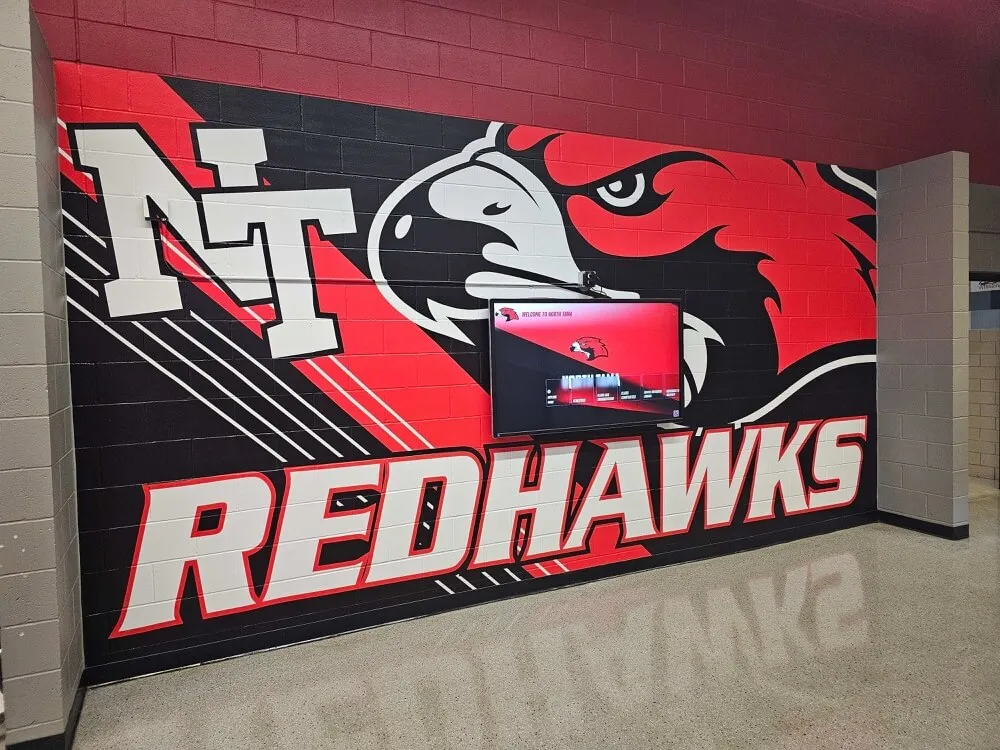
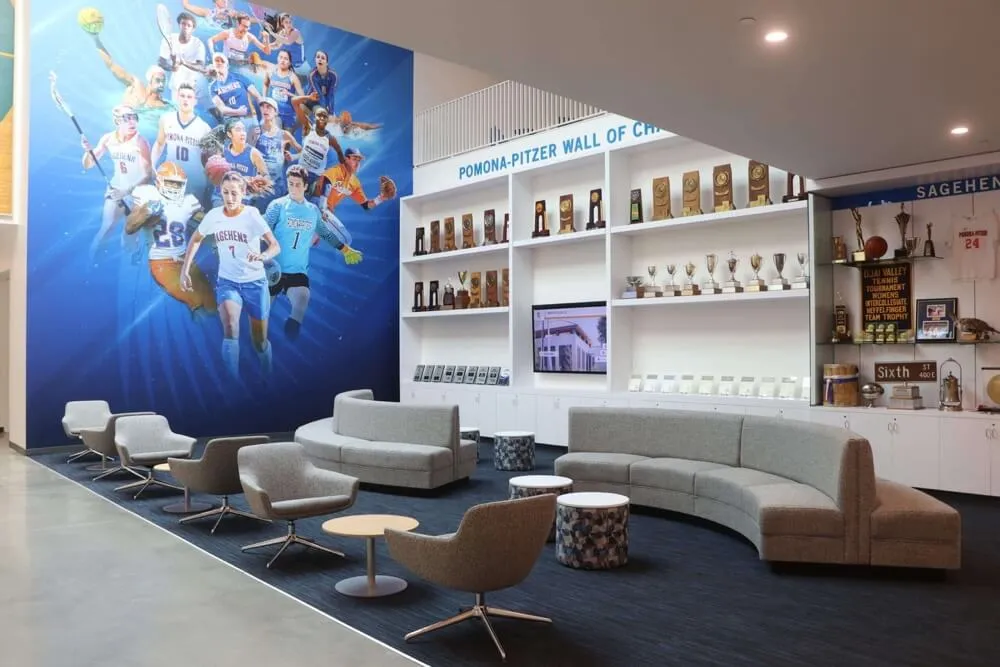
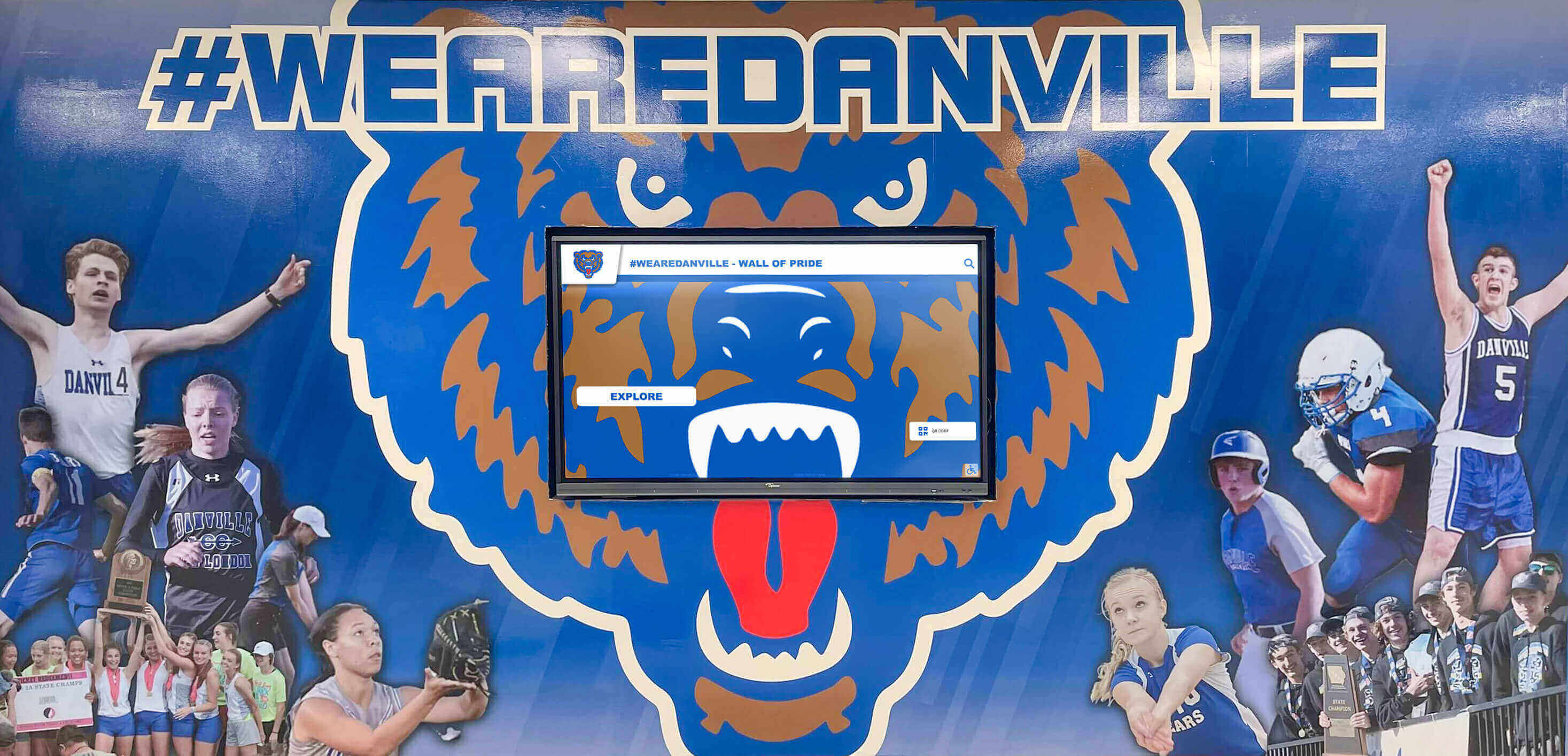
Center court logos create focal points visible to spectators and participants, wall graphics and murals celebrate school pride and athletic tradition, branded padding coordinates with school identity while providing protection, floor borders and decorative elements incorporate school colors, and entrance treatments establish identity as visitors arrive.
Effective branding strikes balance—creating inspiring environments without overwhelming spaces or limiting future flexibility as institutional identities evolve.
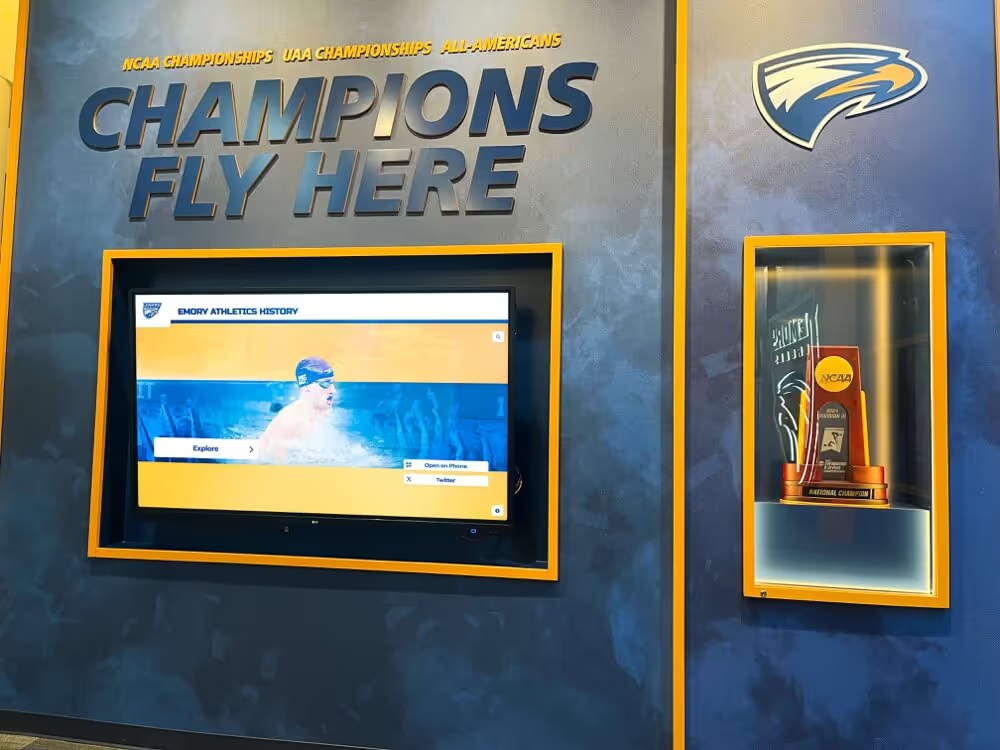
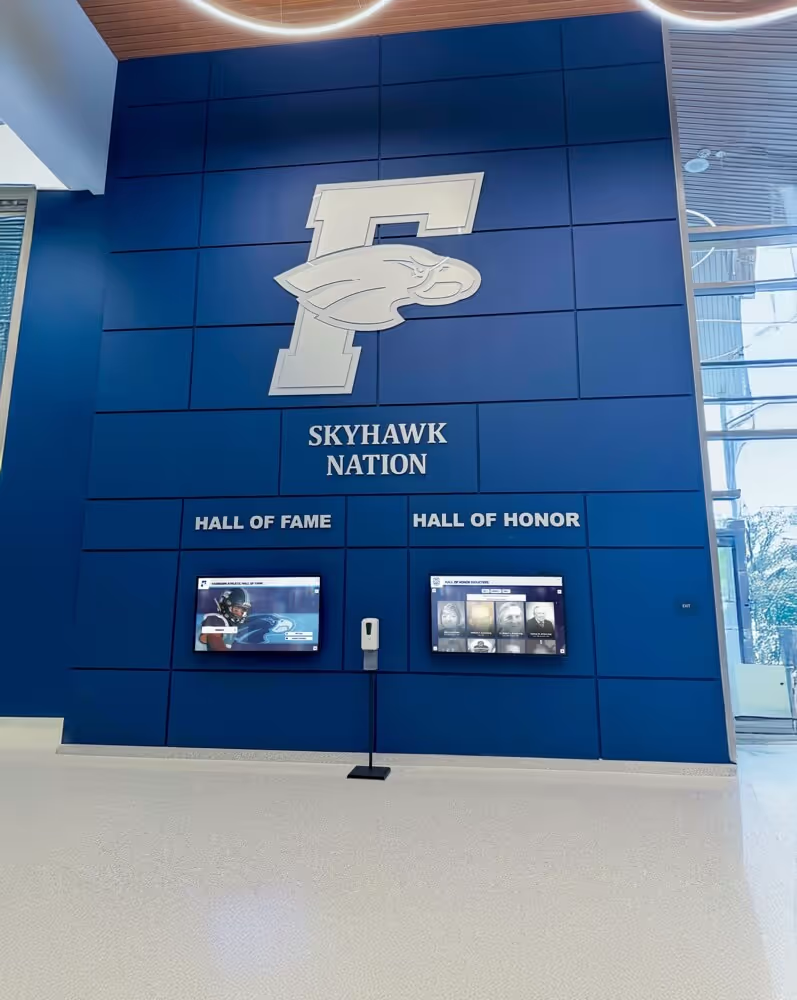
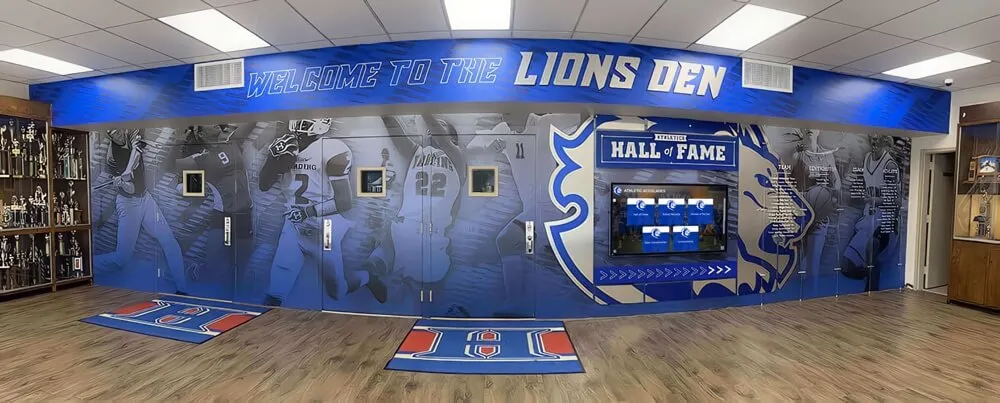
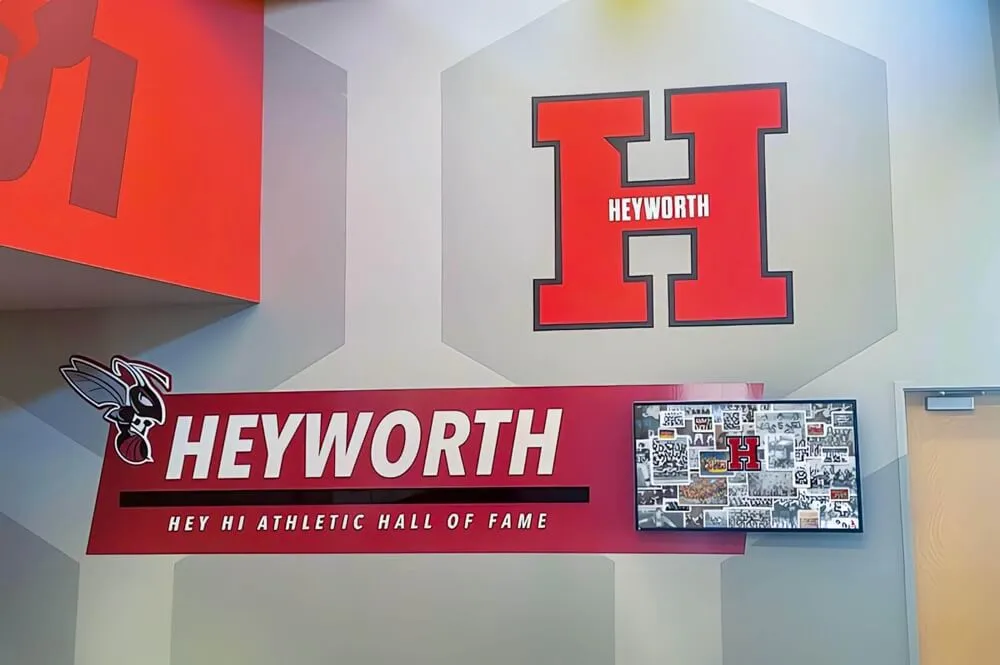
Athletic Recognition and Hall of Fame Displays
Celebrating athletic achievement through visible recognition serves multiple essential functions: inspiring current athletes by showcasing program excellence, building school pride connecting communities to athletic traditions, engaging alumni through continued recognition of their achievements, and recruiting prospective student-athletes by demonstrating program quality and tradition.
Traditional Recognition Approaches
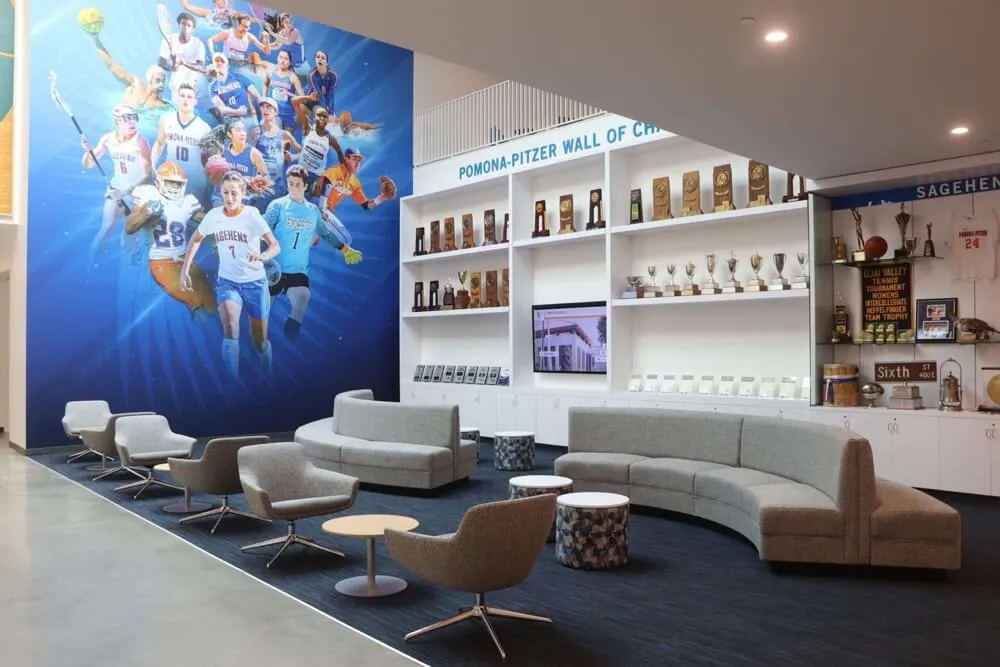
Many gymnasiums incorporate championship banners hanging from walls or ceilings, trophy cases displaying physical awards, retired jersey displays honoring exceptional athletes, and record boards listing top performances. While these approaches provide recognition, they face significant limitations including finite space constraining what achievements receive visibility, static displays becoming outdated without regular maintenance, limited storytelling capacity beyond basic facts, and high ongoing costs for new banners, plaques, and case updates.
Modern Digital Recognition Solutions
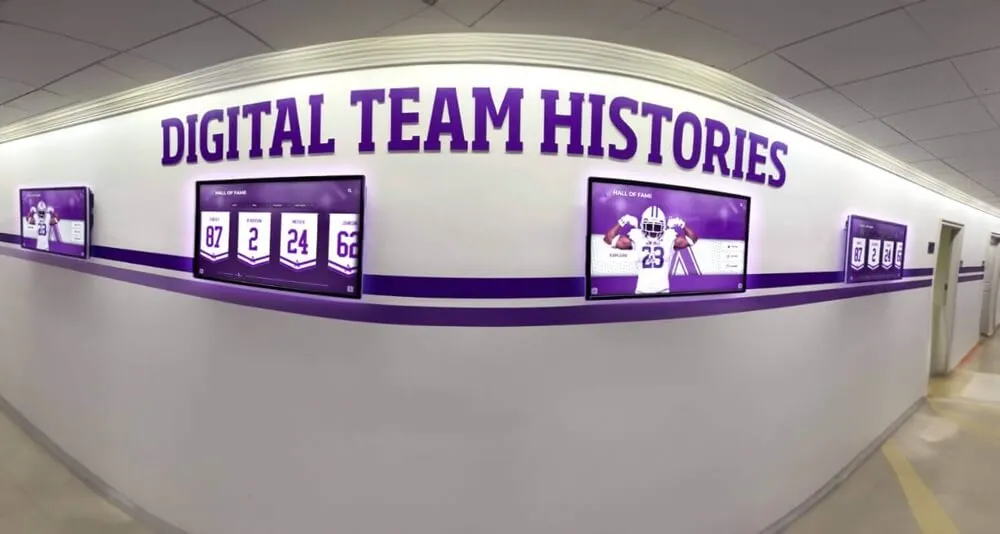
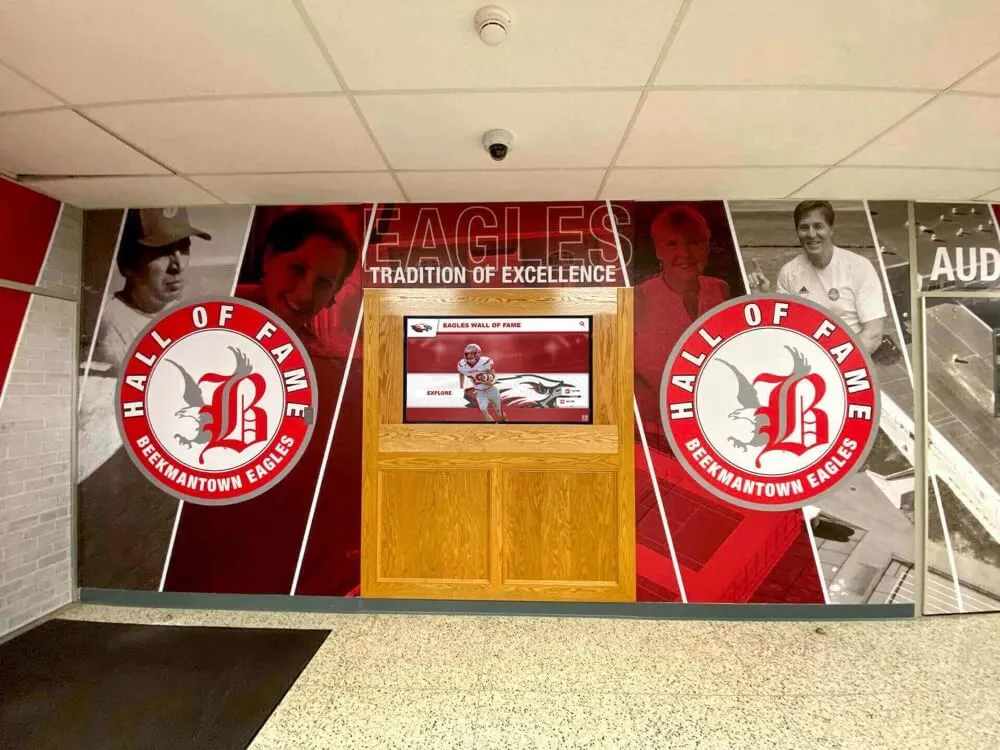
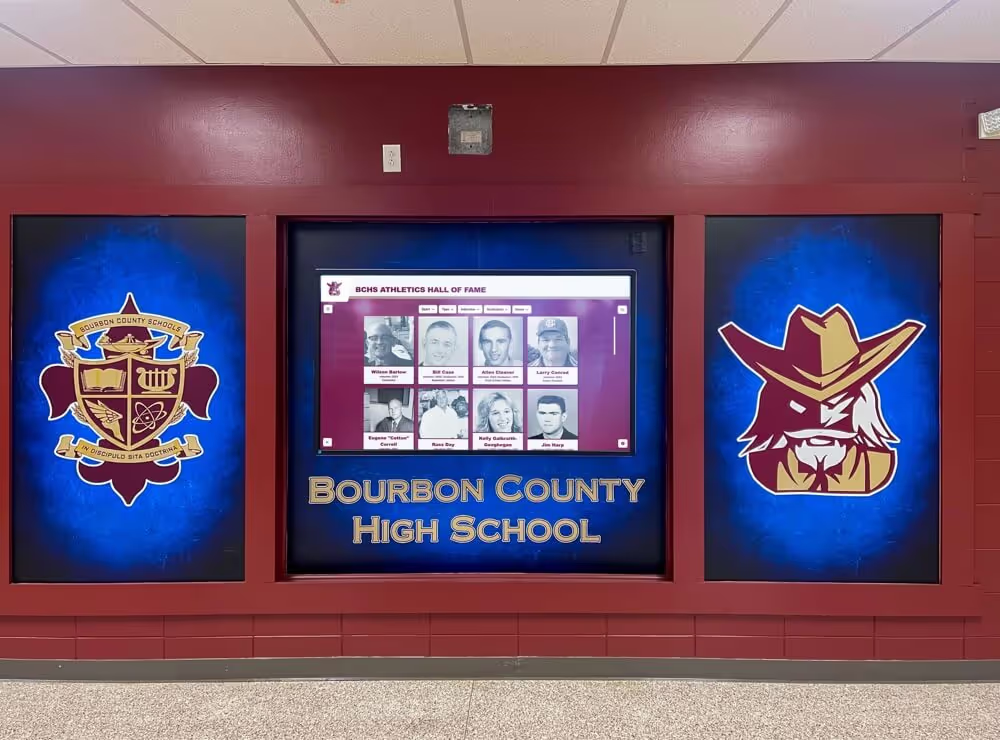
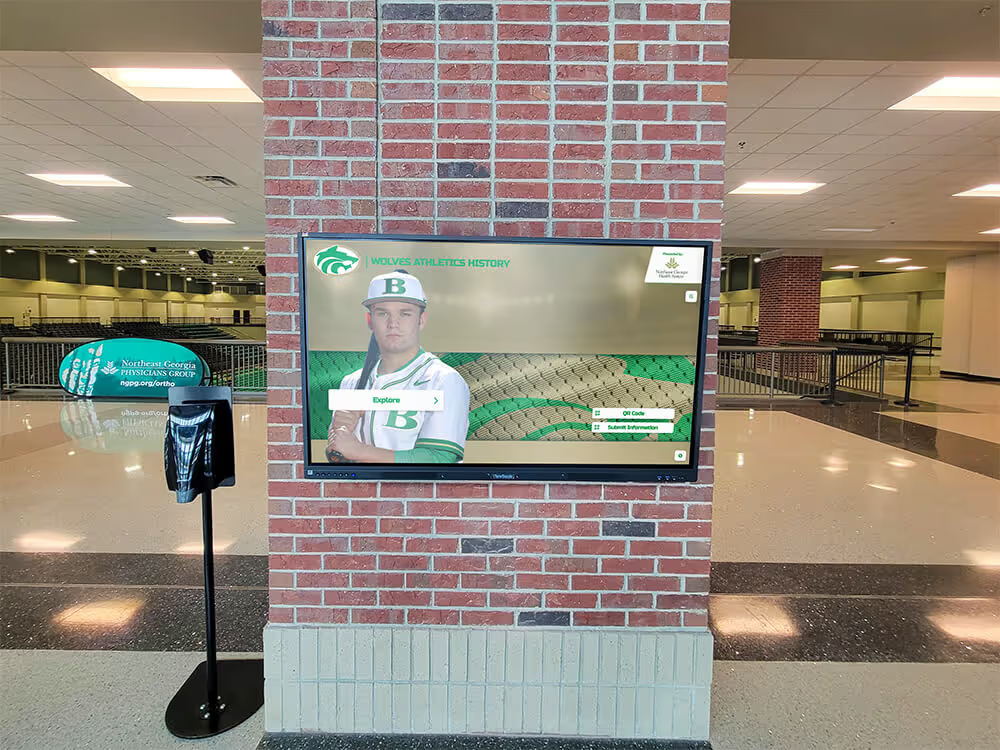
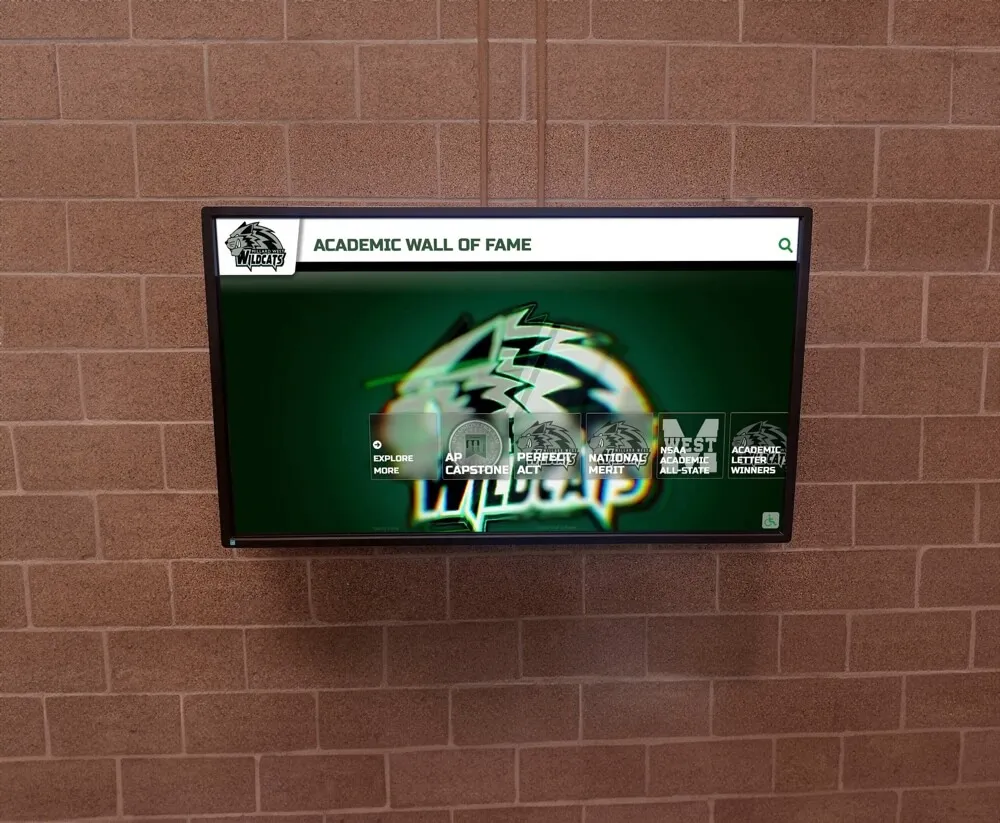
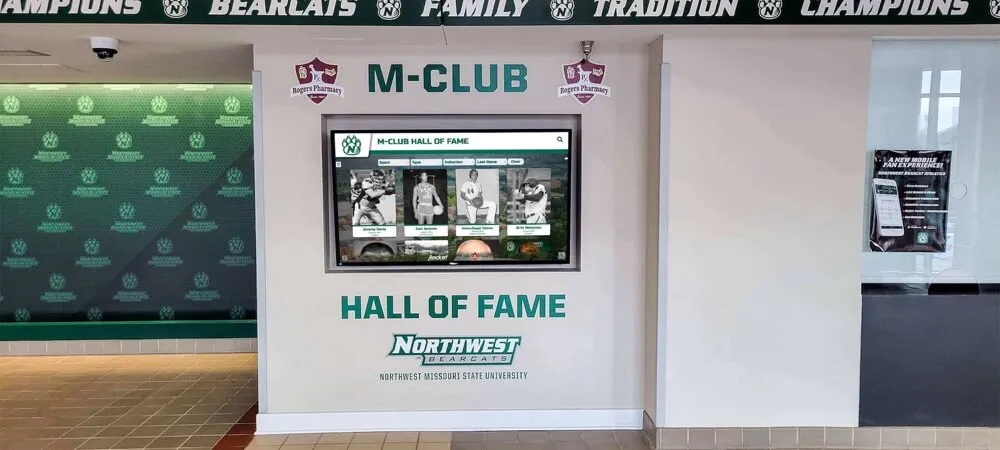
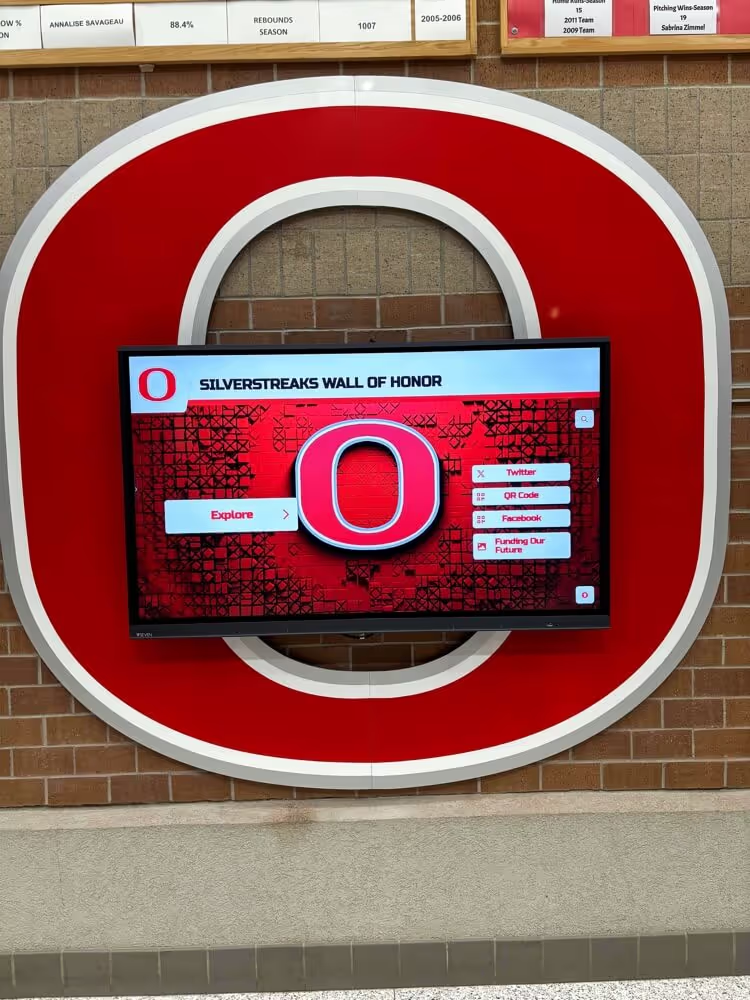
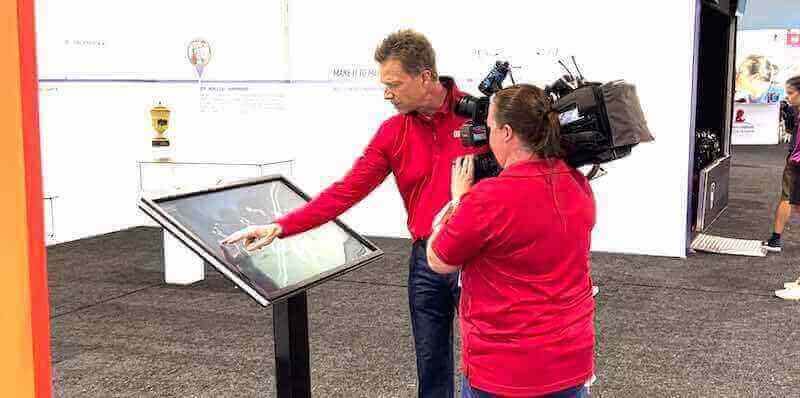
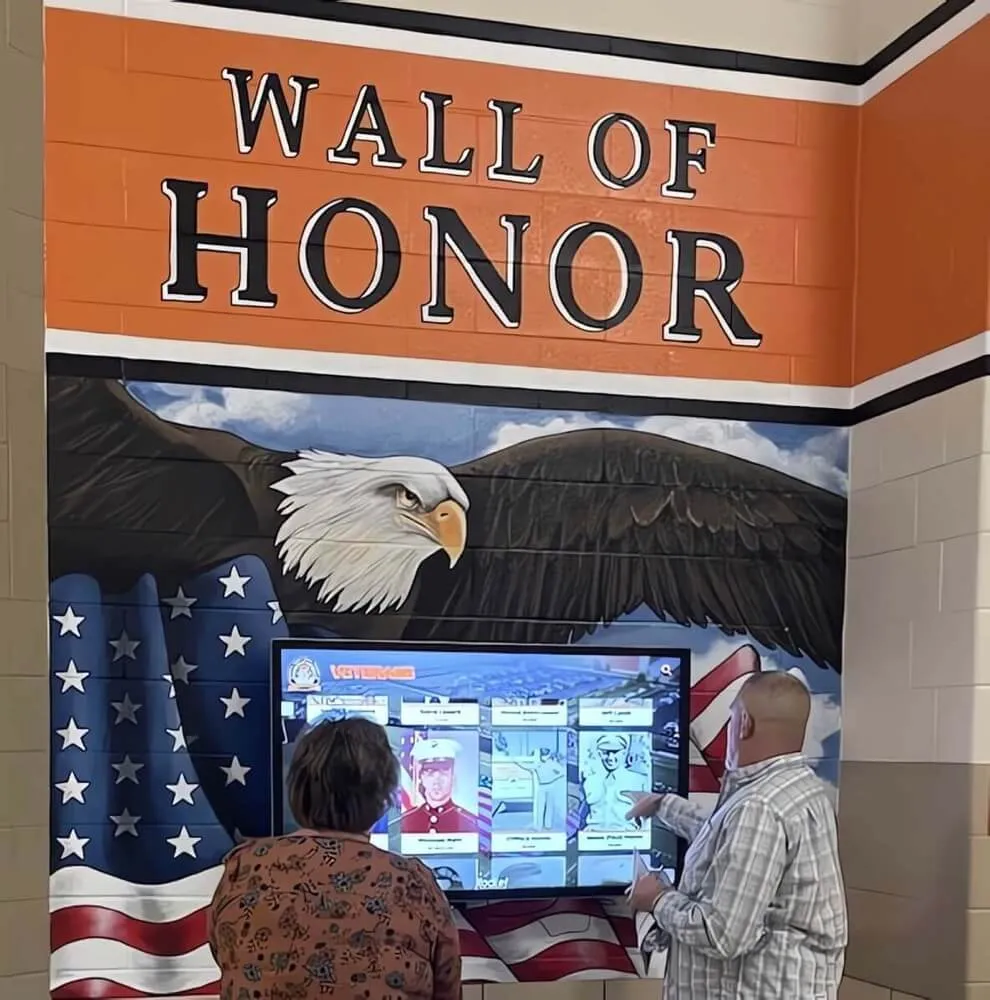
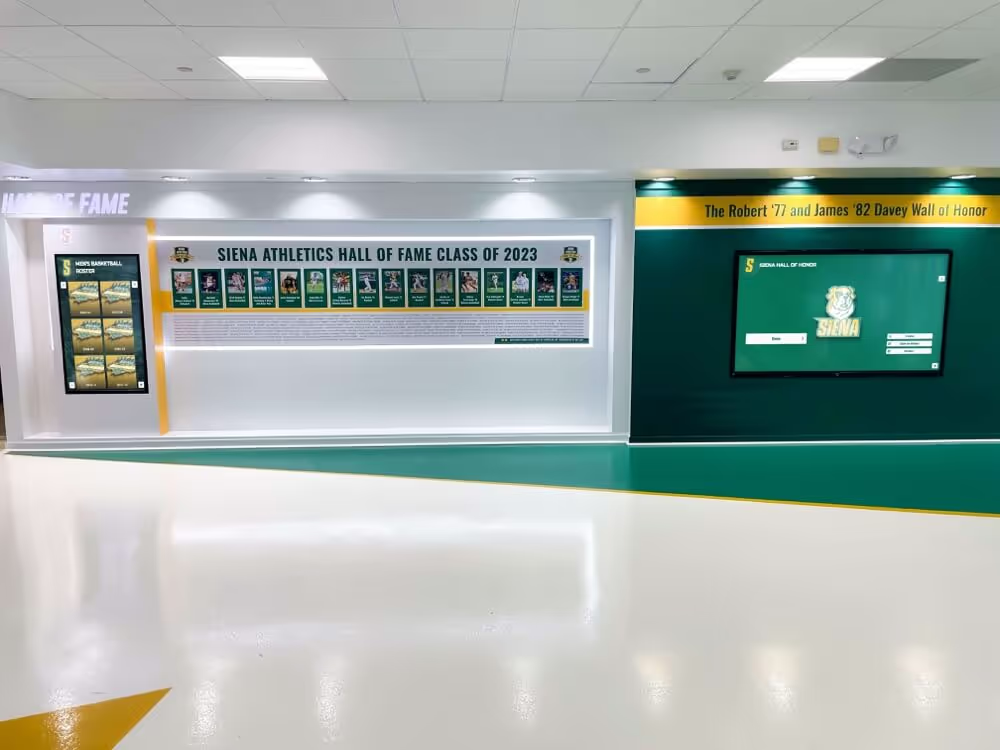
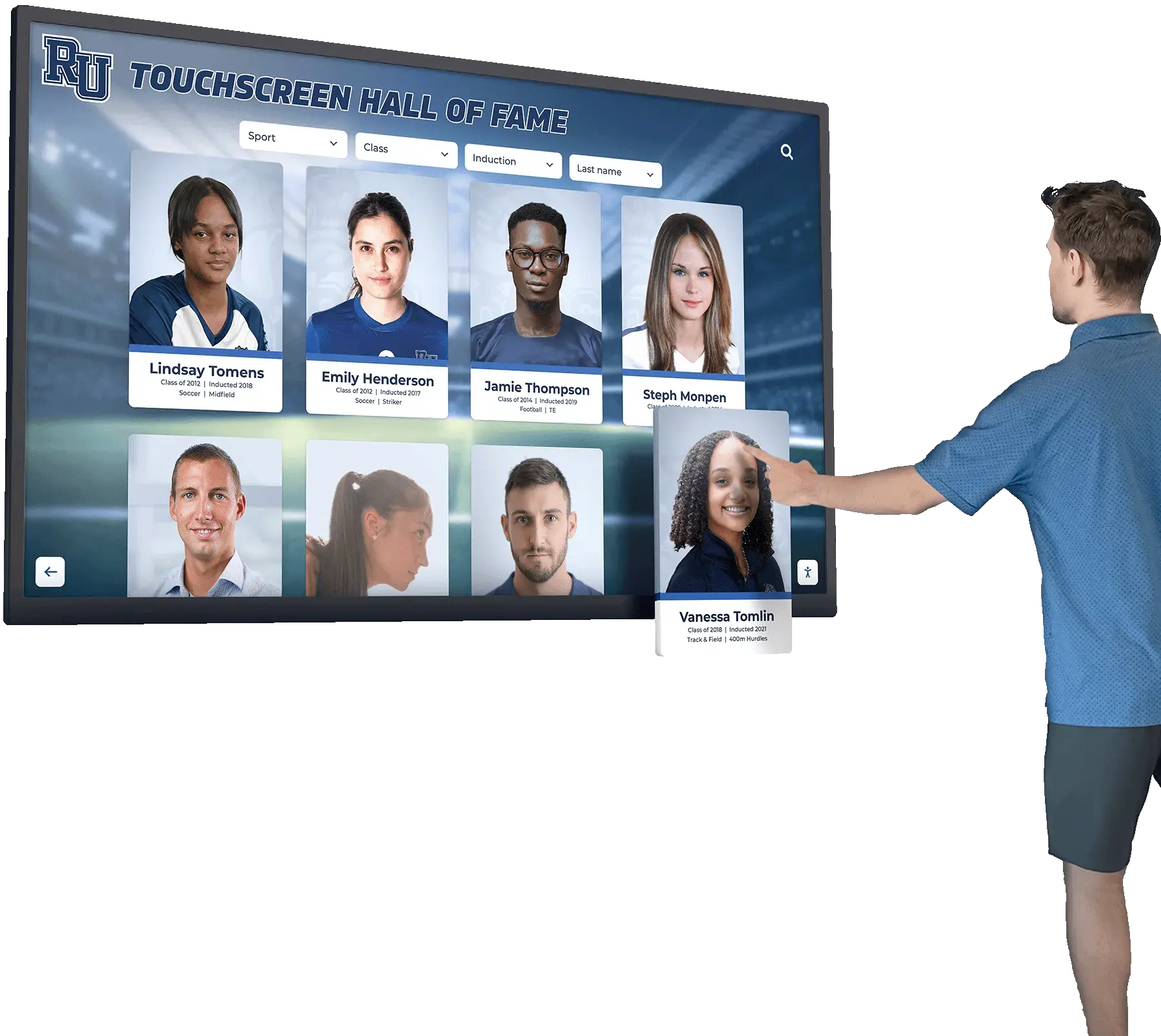
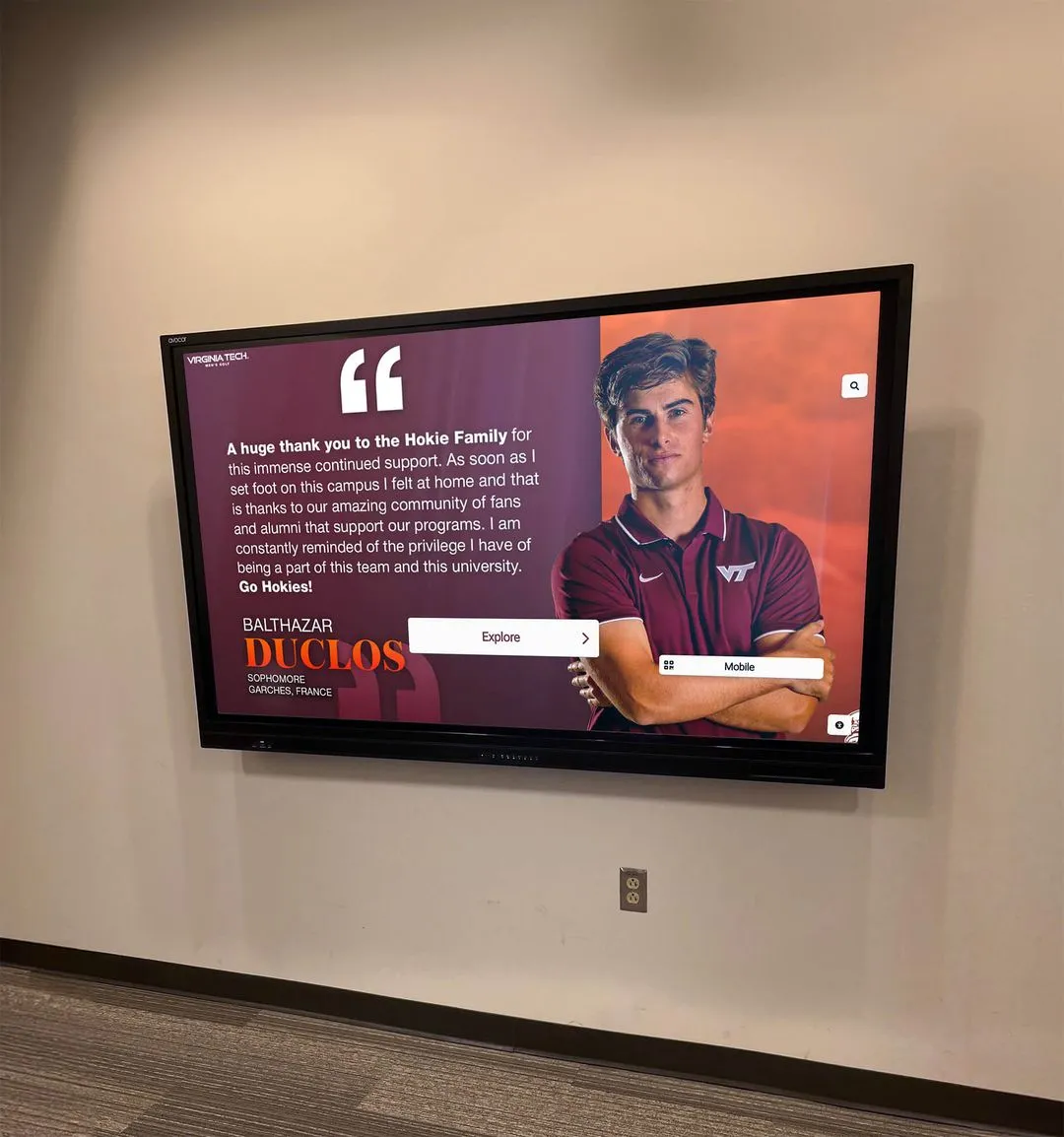
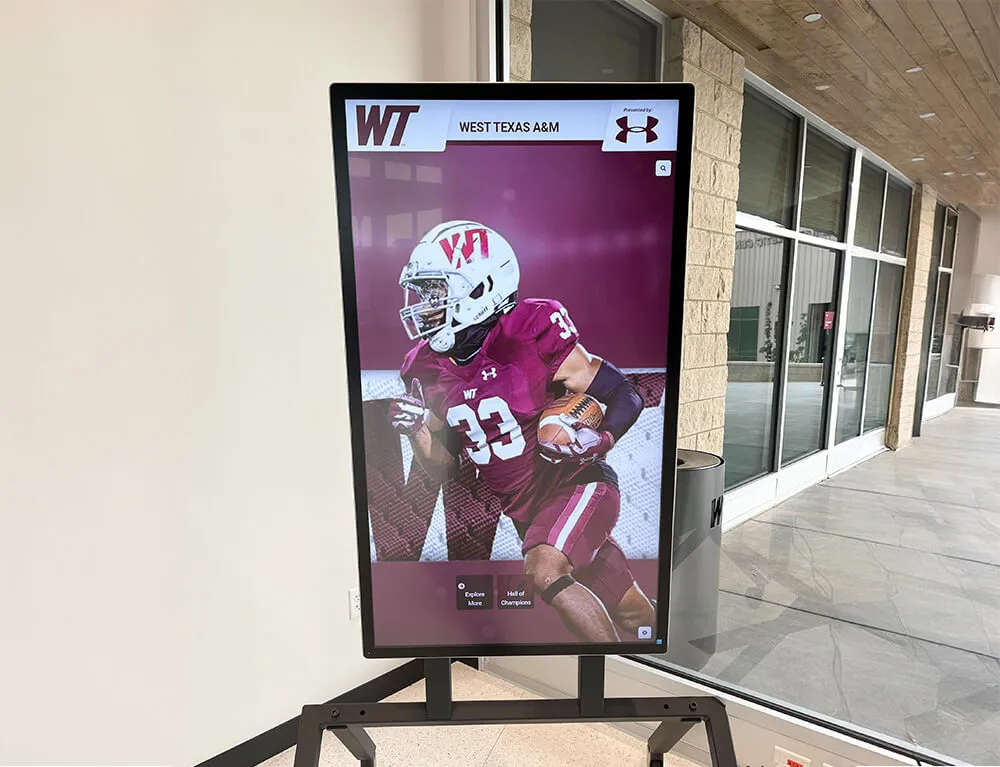
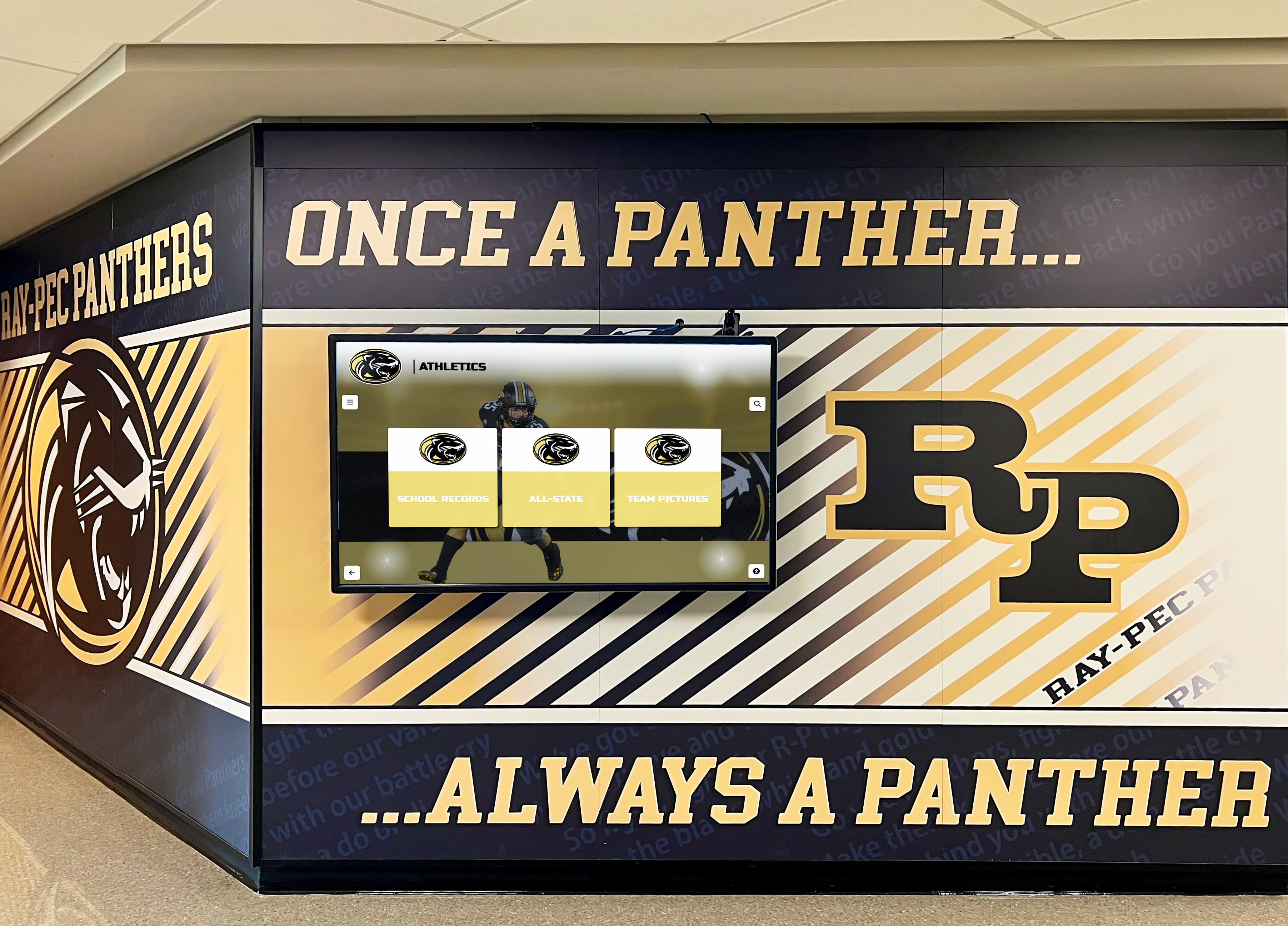
Digital trophy case systems from providers like Rocket Alumni Solutions transform how schools celebrate athletic excellence while addressing the fundamental limitations of traditional approaches. These interactive touchscreen displays offer unlimited capacity to recognize all achievements across decades of athletic history, rich multimedia storytelling integrating photos, videos, statistics, and narratives that bring accomplishments to life, search and filtering capabilities allowing users to instantly find specific athletes, teams, or achievements, remote management enabling easy updates as new accomplishments occur, and cost efficiency by eliminating recurring trophy production and case renovation expenses.
Digital systems complement rather than replace physical elements. Many schools combine digital record boards with select championship banners, creating layered recognition systems that maximize impact while minimizing constraints.
Strategic Recognition Placement
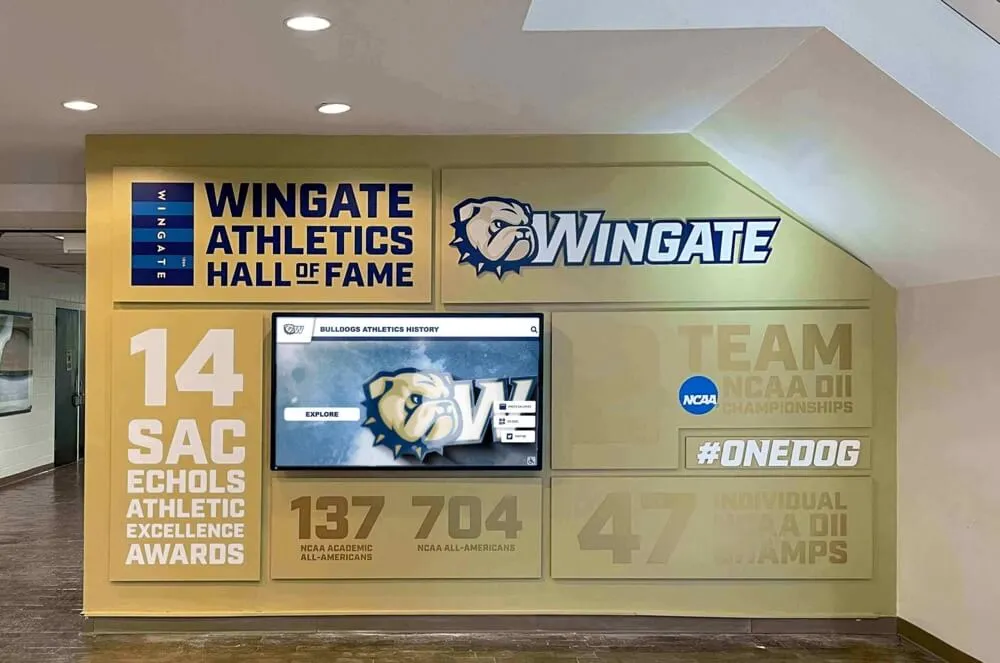
Position recognition displays in high-traffic areas where students, visitors, and community members naturally gather—gymnasium lobbies and entrances, main hallways connecting to athletic facilities, and gathering spaces near locker rooms. Visibility matters tremendously; hidden displays fail to inspire or build tradition regardless of content quality.
School History and Tradition Integration
Beyond individual athletic achievements, effective gymnasium design integrates broader institutional history and tradition. Timeline displays charting school evolution, historical photographs showing facility and uniform changes across decades, and milestone recognition celebrating significant institutional anniversaries create context connecting current students to those who came before.
Many schools discover that digital history archives enable comprehensive storytelling impossible through physical displays, while also supporting broader school purposes beyond athletics including alumni engagement programming, development and fundraising initiatives, and community relationship building.
Multi-Functional Design Strategies
School budgets and campus space limitations mean gymnasiums must serve diverse functions beyond competitive athletics. Strategic design maximizes facility versatility while maintaining athletic performance.
Divisible Space Configuration
Larger gymnasiums benefit from divider curtain systems that partition spaces for simultaneous activities. Quality divider systems enable multiple physical education classes operating concurrently, split tournament formats maximizing facility use, separate practice spaces for different teams, and varied event sizes matching gathering needs.
Electric or manual curtain operation depends on usage frequency and budget. Acoustic properties matter significantly—effective curtains provide sound isolation enabling truly independent activities rather than merely visual separation.
Flexible Equipment and Storage
Accommodating multiple sports and activities requires thoughtful equipment storage solutions. Built-in storage rooms adjacent to gymnasiums, wall-mounted systems for volleyball standards and basketball hoops, organized equipment carts enabling quick setup transitions, and dedicated spaces for specialized equipment (wrestling mats, gymnastics apparatus) enhance facility versatility without creating setup burdens that limit programming.
Technology Integration for Multiple Uses
Modern gymnasiums integrate technology supporting varied functions: sound systems with zone control for different areas, video displays for scoreboards, recognition content, and presentations, network infrastructure supporting administrative and educational technology needs, and streaming/recording capabilities enabling remote participation and content creation.
Schools increasingly recognize gymnasiums as venues for National Signing Day celebrations and other recognition events that benefit from integrated multimedia capabilities, making technology infrastructure important beyond basic scorekeeping.
Accessibility and Safety Considerations
Comprehensive gymnasium design ensures all community members can safely access and use facilities regardless of physical abilities.
ADA Compliance and Universal Design
Federal accessibility requirements establish minimum standards, but universal design principles create facilities serving everyone more effectively. Accessible parking and facility entrances with appropriate ramp grades, wide doorways and corridors accommodating wheelchairs, elevator access to elevated seating or second-level facilities, accessible spectator seating distributed throughout venues, and accessible restrooms with appropriate capacity and fixtures ensure facility usability for all community members.
Beyond legal compliance, accessible design communicates institutional values while expanding potential facility users and programming opportunities.
Safety Systems and Emergency Preparedness
Gymnasiums must support safe evacuation and emergency response through clearly marked emergency exits with adequate capacity, emergency lighting ensuring visibility during power failures, AED placement and emergency medical equipment access, communication systems enabling announcements and emergency notifications, and assembly areas accommodating building occupants during evacuations.
Regular safety inspections addressing equipment condition, structural integrity, and hazard identification prevent accidents while demonstrating institutional commitment to user welfare.
Sustainable and Cost-Effective Design Approaches
Gymnasium construction and renovation represent significant capital investments. Sustainable design approaches reduce operating costs while supporting environmental responsibility.
Energy Efficiency Strategies
Large gymnasium volumes create substantial heating, cooling, and lighting costs. Energy-efficient design delivers long-term savings through high-efficiency LED lighting systems reducing electricity consumption by 50-75%, high-performance HVAC equipment with energy recovery ventilation, proper insulation and building envelope performance minimizing thermal losses, programmable controls optimizing system operation across different usage patterns, and daylighting strategies reducing electric lighting needs where architecturally feasible.
While efficient systems typically increase initial construction costs, lifecycle analysis accounting for decades of operating expense savings demonstrates compelling return on investment.
Durable Materials and Low-Maintenance Finishes
Material selection dramatically impacts long-term facility costs through maintenance and replacement needs. Prioritize flooring systems with extended lifespans and manageable maintenance, wall finishes resisting impact damage and requiring minimal upkeep, mechanical systems with proven reliability and available service support, and protective systems preventing damage to building elements.
Quality materials commanding higher initial costs often deliver lower lifecycle expenses through reduced maintenance, deferred replacement, and superior long-term performance.
Phased Implementation for Budget Management
Schools with limited capital budgets can implement gymnasium improvements through strategic phasing. Phased approaches prioritize critical safety and functional needs first, sequence improvements to maintain facility operation throughout renovations, align projects with funding availability and budget cycles, and demonstrate value through initial phases to build support for subsequent work.
Many successful gymnasium renovations begin with high-impact improvements like digital recognition displays in gym lobbies that create immediate visible improvements building momentum for larger infrastructure projects requiring more significant investment.

Gymnasium Design Trends Shaping Modern Facilities
Understanding emerging trends helps administrators create facilities remaining relevant and functional for decades.
Wellness and Mental Health Integration
Contemporary facility design increasingly recognizes connections between physical activity spaces and overall student wellness. Some schools incorporate quiet zones for mindfulness and mental preparation, natural lighting and biophilic design elements reducing stress, air quality monitoring and enhanced ventilation supporting health, and integrated programming spaces supporting holistic student athlete development beyond pure physical training.
Community Partnership and Shared Use
Schools facing budget constraints increasingly partner with community organizations to share facility costs and expand programming. Joint-use agreements with parks departments, recreation organizations, or sports leagues can offset construction and operating costs, expand community access and programming, generate revenue supporting facility maintenance, and strengthen school-community relationships.
Facilities designed anticipating shared use incorporate separate entrances enabling community access without compromising school security, flexible scheduling systems managing varied user needs, appropriate insurance and liability protections, and clear maintenance and operational responsibilities.
Technology and Data-Driven Performance
Advanced facilities integrate technology supporting athletic development through performance tracking sensors monitoring training loads, video capture systems enabling technique analysis, biometric monitoring supporting athlete wellness and injury prevention, and data platforms integrating information supporting evidence-based training decisions.
While these technologies remain most common in elite collegiate and professional settings, costs are declining to levels where forward-thinking high schools can implement focused applications delivering measurable performance benefits.
Planning and Implementation Considerations
Successful gymnasium projects require careful planning balancing aspirations against practical constraints.
Needs Assessment and Programming
Before designing solutions, thoroughly assess facility needs through stakeholder input sessions gathering requirements from coaches, athletes, administrators, and community members, current facility audits identifying deficiencies and opportunities, program analysis examining how facilities will support curricular and extracurricular activities, and capacity planning ensuring facilities accommodate projected enrollment and participation trends.
Comprehensive needs assessment prevents costly mistakes where facilities fail to address actual requirements or include features that seemed desirable but see little actual use.
Budget Development and Funding Strategies
Realistic budgets accounting for all project costs prevent scope reductions or quality compromises during implementation. Consider construction costs including design fees, permits, and contingencies, equipment and furnishings from athletic to technical systems, technology infrastructure supporting current and anticipated needs, and ongoing operating costs including maintenance, utilities, and staffing.
Funding strategies might combine capital budgets from operational funds, bond measures approved by voters for major projects, grants from state athletic associations or private foundations, fundraising campaigns targeting athletic boosters and alumni, and donor recognition programs creating naming opportunities for significant contributors.
Design Team Selection
Qualified design professionals bring expertise schools lack internally. Architect selection should prioritize firms with educational facility experience, successful gymnasium projects demonstrating design quality, collaborative approaches incorporating stakeholder input, and proven ability delivering projects within budgets and schedules.
Specialty consultants for acoustics, lighting design, sports surfacing, or AV systems bring focused expertise for complex technical elements affecting facility performance and user satisfaction.
Construction Management and Quality Assurance
During implementation, active oversight ensures projects meet specifications and quality standards. Regular site visits and progress monitoring, testing and commissioning of systems before acceptance, punch list development addressing deficiencies, and documentation including warranties, manuals, and maintenance requirements protect school investments while ensuring facilities perform as designed.
Measuring Gymnasium Design Success
After completion, assess whether facilities deliver anticipated benefits through both quantitative metrics and qualitative feedback.
Utilization and Programming Metrics
Track facility usage hours across different activities and user groups, participation rates in athletic and physical education programs, community event hosting and attendance levels, and multi-purpose function frequency demonstrating facility versatility.
Underutilized facilities suggest design disconnects between anticipated and actual needs, while high utilization validates design decisions while potentially indicating capacity constraints requiring attention.
User Satisfaction and Feedback
Gather perspectives through athlete and coach satisfaction surveys, student physical education experience assessments, spectator and community member feedback, and staff evaluations from maintenance, administrative, and teaching personnel.
Qualitative feedback reveals design successes and shortcomings that utilization metrics alone cannot capture, informing both facility operation improvements and lessons for future projects.
Return on Investment Analysis
For administrators justifying expenditures, document returns through enrollment and retention impacts attributable to facility quality, community engagement and partnership opportunities enabled by facilities, fundraising success for facility-related campaigns, and operational cost changes from efficiency improvements or expanded revenue opportunities.
While some benefits resist precise quantification, comprehensive analysis demonstrates value beyond initial capital costs.
Conclusion: Creating Gymnasiums That Inspire Excellence
Thoughtfully designed school gymnasiums serve as catalysts for athletic achievement, community gathering, and institutional pride extending far beyond basic functional requirements. The design decisions administrators make today will shape student experiences, athletic performance, and community engagement for generations of students yet to walk through gymnasium doors.
The most successful gymnasium projects balance competing priorities—creating inspiring athletic environments while maintaining practical versatility, honoring tradition and achievement while embracing modern solutions, maximizing quality within budget constraints, and serving immediate needs while anticipating future requirements.
Whether planning comprehensive new construction, undertaking major renovations, or implementing targeted improvements, the design strategies outlined in this guide help create gymnasiums truly worthy of the students, athletes, and communities they serve. From fundamental elements like proper flooring and lighting to modern recognition systems celebrating athletic excellence, each design decision contributes to facilities that inspire excellence while serving practical institutional needs.
Ready to enhance your gymnasium’s recognition and tradition displays? Modern solutions like those from Rocket Alumni Solutions provide comprehensive digital platforms specifically designed for schools seeking to honor athletic achievement, inspire current athletes, and build lasting tradition through engaging recognition that traditional trophy cases simply cannot match. Discover how digital recognition technology can transform your athletic facilities into inspiring spaces where champions develop and traditions flourish.