



School culture—the shared values, beliefs, traditions, and behaviors that shape daily life in educational institutions—represents one of the most powerful forces influencing student success. Research consistently demonstrates that positive school culture correlates directly with higher academic achievement, improved attendance, reduced behavioral incidents, and enhanced teacher retention. Yet many schools struggle to intentionally cultivate the cultural environments that unlock these outcomes, allowing culture to form haphazardly rather than shaping it deliberately toward shared goals.
This comprehensive guide explores everything educational leaders need to know about building positive school culture in 2026—from understanding what school culture truly means and why it matters through implementing practical strategies including recognition programs, community engagement initiatives, and visible displays that reinforce desired values. Whether you're establishing culture in a new school or transforming existing environments, this guide provides actionable approaches that create learning communities where students, educators, and families all thrive together.
School culture isn’t something administrators can mandate through policy or install through a single initiative. It emerges from thousands of daily interactions, decisions, and messages—both explicit and implicit—that communicate what a school values, expects, and celebrates. Students absorb cultural messages from how adults treat them and each other, what achievements receive recognition and visibility, which behaviors earn consequences versus rewards, how physical spaces are maintained and decorated, and what stories get told repeatedly about the school’s identity and aspirations.
The distinction between intentional culture-building and passive culture formation determines whether schools create environments that systematically support excellence or environments that inadvertently undermine their stated missions. Schools that invest in deliberate culture work reap measurable benefits including higher standardized test scores and graduation rates, improved daily attendance and reduced chronic absenteeism, fewer disciplinary incidents and safer school environments, stronger teacher satisfaction and reduced staff turnover, enhanced family engagement and community support, and more successful college acceptance and career placement for graduates.
This guide examines the fundamental elements that shape school culture, provides concrete strategies for building positive environments, and explores how modern recognition solutions help schools communicate values visibly and sustainably. By the end, you’ll understand both why school culture matters profoundly and how to cultivate the specific cultural characteristics that drive student success in your unique context.
Understanding School Culture: Foundation Elements and Impact
Before implementing culture-building initiatives, educational leaders benefit from clear understanding of what school culture actually encompasses and how it influences daily educational experiences for students and staff.
Defining School Culture vs. School Climate
Education professionals sometimes use “school culture” and “school climate” interchangeably, but these concepts describe related yet distinct aspects of school environments.
School Culture: The Deeper Foundation
School culture encompasses the fundamental values, beliefs, traditions, and unwritten norms that define institutional identity and guide behavior over time. Culture represents “how we do things here”—the assumptions and shared understandings that persist even as individual students and staff come and go. Cultural elements include core values about learning, achievement, and community; shared assumptions about student potential and capabilities; traditions that connect current community members to institutional history; rituals and ceremonies marking important transitions and achievements; and implicit norms governing acceptable behavior and social interactions.
Culture develops slowly and proves difficult to change because it reflects accumulated history and deeply held beliefs rather than surface-level practices. Yet culture ultimately determines whether schools can sustain improvement initiatives or whether changes get absorbed into existing patterns that resist transformation.
School Climate: The Immediate Experience
School climate describes the quality and character of daily school life—the atmosphere students and staff experience moment-to-moment. Climate represents “how it feels here” and includes more observable elements like physical environment quality and safety, quality of interpersonal relationships and interactions, teaching and learning practices students experience, shared sense of purpose and engagement, and degree of respect, trust, and support people feel.
Climate changes more readily than culture since it reflects current practices and conditions rather than deep beliefs. Yet lasting climate improvements require underlying cultural shifts—superficial climate interventions fail when they contradict fundamental cultural assumptions about how the school should operate.
The Relationship Between Culture and Climate
Culture provides the foundation that shapes climate. Schools with cultures genuinely valuing academic excellence naturally develop climates where rigorous teaching and serious learning feel normal. Schools with cultures prioritizing belonging and inclusion create climates where diverse students feel welcomed and supported. Culture change initiatives must address both deep cultural beliefs and surface climate conditions, ensuring alignment between foundational values and daily experiences.
Key Components That Shape School Culture
Multiple interconnected elements combine to create distinctive school cultures. Understanding these components helps leaders identify specific leverage points for culture transformation.
Leadership Philosophy and Behavior
School culture ultimately reflects leadership priorities—what administrators pay attention to, celebrate, fund, and model through their own behavior. Leaders shape culture through visible priorities demonstrated through time allocation and agenda focus, recognition and rewards highlighting valued behaviors and achievements, disciplinary responses revealing genuine values regardless of stated policies, resource allocation showing what matters beyond rhetoric, and personal modeling demonstrating expected standards through consistent behavior.
When leaders consistently demonstrate values through decisions and actions, culture aligns with stated priorities. When leadership behavior contradicts stated values, culture reflects actual priorities regardless of policy documents or mission statements.
Shared Values and Beliefs About Learning
Fundamental assumptions about students, learning, and education purposes shape how schools operate daily. Critical cultural beliefs include growth mindset versus fixed mindset about student capabilities, college preparation emphasis versus career readiness focus, individual achievement celebration versus collaborative learning emphasis, standardized performance measures versus personalized goal orientation, and academic excellence primacy versus whole-child development balance.
These underlying beliefs manifest in countless daily decisions about curriculum, instruction, assessment, and support systems. Schools rarely articulate these beliefs explicitly, yet they powerfully shape educational experiences and outcomes for all students.
Recognition and Celebration Systems
What schools recognize and celebrate communicates values more powerfully than any mission statement. Recognition systems reveal genuine institutional priorities through visible celebration of specific achievement types, public acknowledgment timing and prominence, diversity of recognized accomplishment categories, accessibility of recognition for various student populations, and permanence of recognition through displays and records.
Schools that prominently celebrate academic achievement while minimizing artistic or civic accomplishments communicate clear hierarchies about what truly matters. Schools implementing comprehensive recognition programs acknowledging diverse talents demonstrate genuine commitment to multiple pathways toward excellence.
Physical Environment and Space Design
School facilities communicate powerful messages about institutional values and expectations. Physical environment elements shaping culture include cleanliness, maintenance, and aesthetic appeal standards, safety measures and security visibility, student work and achievement display prominence, space allocation for different activities and programs, accessibility for diverse learners and abilities, and personalization allowing students to shape their environment.
Well-maintained, attractive facilities communicate respect for students and pride in the institution. Neglected spaces suggest students don’t merit investment. Visible achievement displays demonstrate that excellence matters and accomplishment receives lasting recognition.
Relationships and Interpersonal Dynamics
The quality of relationships among students, between students and staff, and among educators fundamentally shapes daily school experience. Relationship dimensions affecting culture include trust levels between administrators and teachers, respect demonstrated in student-teacher interactions, collaboration versus competition among students, family engagement and home-school partnerships, and conflict resolution approaches when disagreements arise.
Cultures characterized by trust, respect, and collaboration enable risk-taking, innovation, and genuine engagement. Cultures marked by suspicion, disrespect, or antagonism create defensive environments where both students and educators focus on self-protection rather than learning and growth.
Traditions, Rituals, and Ceremonies
Repeated events and celebrations connect community members across time while communicating what the school values enough to commemorate regularly. Cultural traditions include opening and closing year ceremonies marking transitions, athletic banquets and recognition events celebrating excellence, pep rallies and spirit weeks building community pride, graduation ceremonies and other rites of passage, and anniversary celebrations connecting current to historical community.
These rituals create shared experiences and memories while reinforcing core values through what gets celebrated, who participates in ceremonies, and which achievements receive formal recognition during traditional events.
Research Evidence: How Culture Impacts Student Outcomes
Substantial research demonstrates that school culture significantly influences virtually every outcome educators care about, making culture-building among the highest-leverage improvement strategies available.
Academic Achievement and Learning
Multiple studies document relationships between positive school culture and academic outcomes. Schools with strong achievement-oriented cultures show higher standardized test scores across subjects, better course passage rates and grade point averages, more students completing advanced coursework, higher graduation rates and on-time completion, and stronger college acceptance and persistence rates.
These relationships persist even after controlling for student demographics and school resources, suggesting that culture independently contributes to academic success beyond simply reflecting advantaged student populations.
Student Engagement and Attendance
School culture powerfully influences whether students want to attend and engage actively in learning. Positive cultures generate higher daily attendance rates and reduced chronic absenteeism, increased homework completion and assignment submission, greater participation in extracurricular activities, enhanced classroom engagement and active learning, and improved student-reported sense of belonging and connection.
Students who experience supportive, respectful school cultures develop stronger bonds to their schools, viewing education as relevant and valuable rather than something they endure until legally permitted to leave.
Behavioral Outcomes and Safety
Culture shapes behavioral norms and safety perceptions throughout school communities. Schools with healthy cultures experience fewer disciplinary referrals and suspensions, reduced bullying and harassment incidents, decreased violence and serious safety concerns, lower vandalism and property damage, and improved student perceptions of school safety.
When positive behaviors reflect cultural norms rather than merely compliance with rules, schools maintain orderly environments with less enforcement effort while students develop internal motivation for appropriate conduct.
Teacher Satisfaction and Retention
School culture affects educators as profoundly as students. Schools with positive professional cultures demonstrate higher teacher job satisfaction and morale, reduced teacher turnover and improved retention, greater collaboration and peer support, enhanced willingness to innovate and improve practice, and stronger recruitment of high-quality teacher candidates.
Since teacher quality represents the most significant school-controlled factor affecting student achievement, cultures that attract and retain excellent educators indirectly benefit students through improved instructional quality and continuity.
Building Blocks of Positive School Culture
Understanding culture’s importance motivates culture-building efforts, but effective implementation requires concrete strategies addressing the specific elements that shape daily school life. These fundamental building blocks provide starting points for leaders at any school regardless of current culture status.
Establishing Clear, Shared Values and Mission
Strong cultures emerge from clear values and mission that genuinely guide decisions rather than existing only in policy documents filed away after accreditation reviews.
Collaborative Values Development
Values imposed from above rarely take root in school communities. Instead, effective schools engage stakeholders in collaborative processes defining core values through staff dialogue identifying shared beliefs about students and learning, student input about what makes schools effective and supportive, family perspectives on educational priorities and goals, and community member views on what graduates should know and be able to do.
This inclusive process builds ownership while revealing existing agreement that might not be apparent. The goal isn’t creating perfect consensus—some healthy tension reflects authentic diverse perspectives—but rather identifying sufficient common ground to guide collective action toward shared aspirations.
Translating Values Into Observable Behaviors
Abstract values become actionable when translated into specific behaviors observable in daily school life. For each core value, schools should define what students do when living that value, how teachers demonstrate the value through instructional practice, how administrators model the value through leadership decisions, and how families support the value through home engagement.
For example, a value statement about “respect for diversity” becomes concrete through specific behavioral expectations like active listening to different perspectives, inclusive language avoiding stereotypes, equitable participation in discussions and activities, and appreciation of varied cultural traditions and backgrounds. This specificity enables everyone to understand what values actually look like in practice rather than interpreting abstract principles differently.
Living Values Through Consistent Leadership
Stated values matter only when consistently demonstrated through leadership behavior and institutional decisions. School leaders reinforce values by explicitly connecting decisions to core values, publicly celebrating individuals and groups demonstrating values, addressing violations regardless of violator status or popularity, allocating resources aligned with stated priorities, and reflecting on misalignments between values and practices.
When leaders consistently apply values even during difficult decisions, community members learn that values genuinely guide the school rather than serving as public relations messaging disconnected from actual priorities.
Creating Comprehensive Recognition Systems
Few culture-building strategies prove more powerful than thoughtfully designed recognition systems that celebrate achievement while communicating what the school values and expects.
Beyond Traditional Honor Roll: Diverse Recognition
Comprehensive recognition systems acknowledge various achievement types ensuring diverse students find realistic pathways to acknowledgment. Effective recognition includes academic excellence through honor roll and subject awards, academic improvement and growth regardless of absolute performance level, artistic achievement in visual arts, music, theater, and creative writing, athletic excellence and sportsmanship in various sports, character qualities including leadership, service, and perseverance, and participation recognizing engagement in activities enriching school community.
This diversity ensures that students with different strengths and interests all see potential for recognition, preventing culture from suggesting only narrow achievement types merit celebration. Schools implementing diverse recognition approaches communicate genuine commitment to multiple excellence pathways.
Making Recognition Visible and Permanent
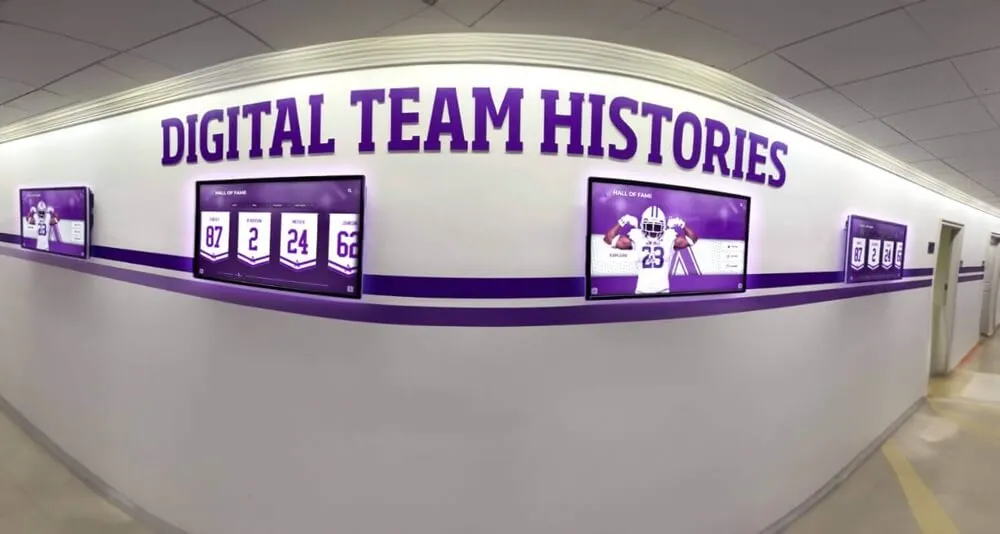
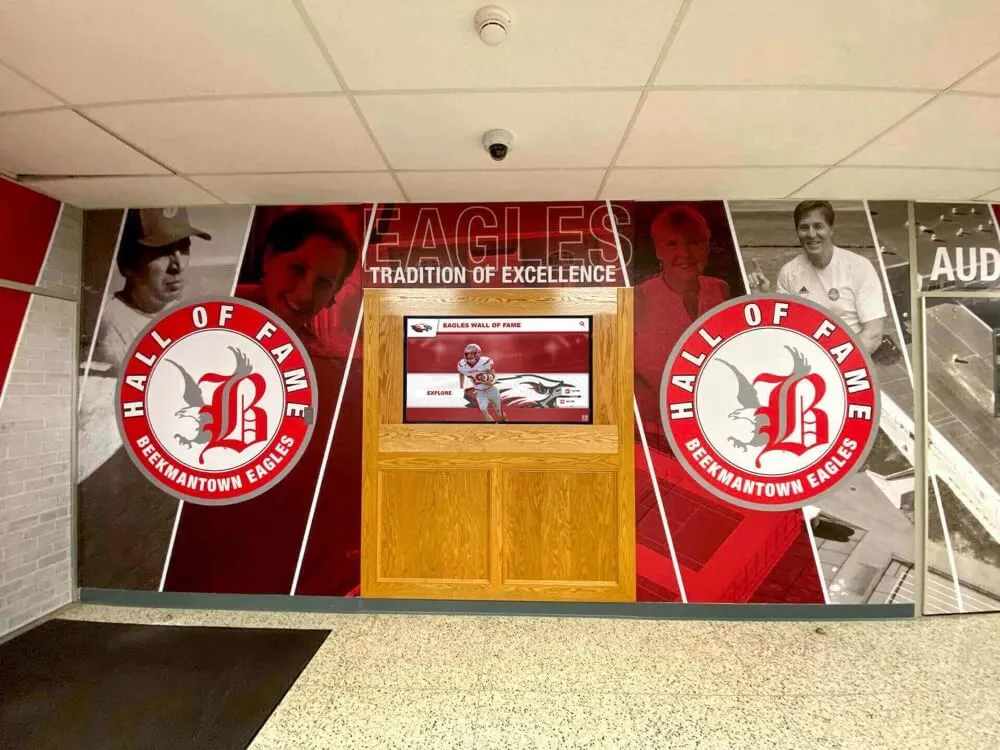
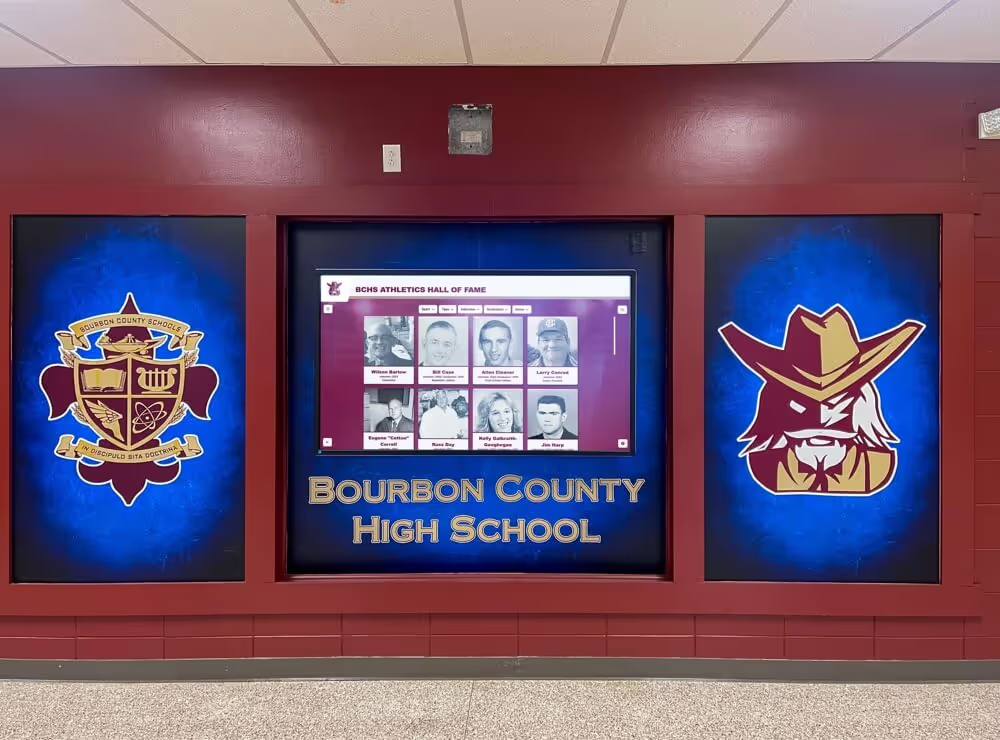
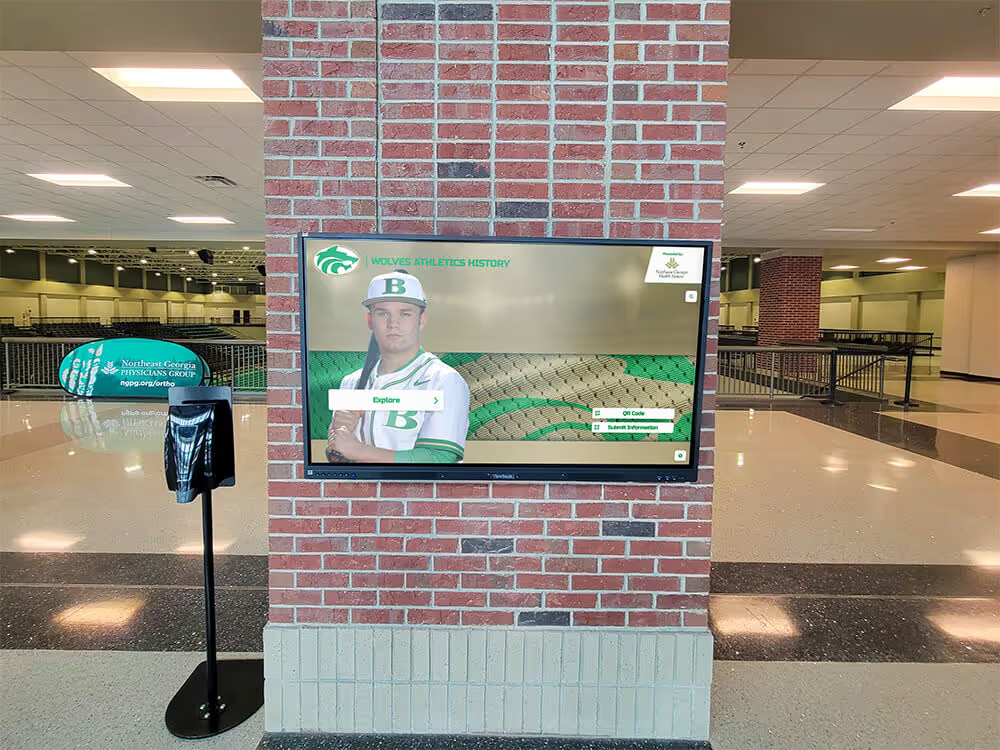
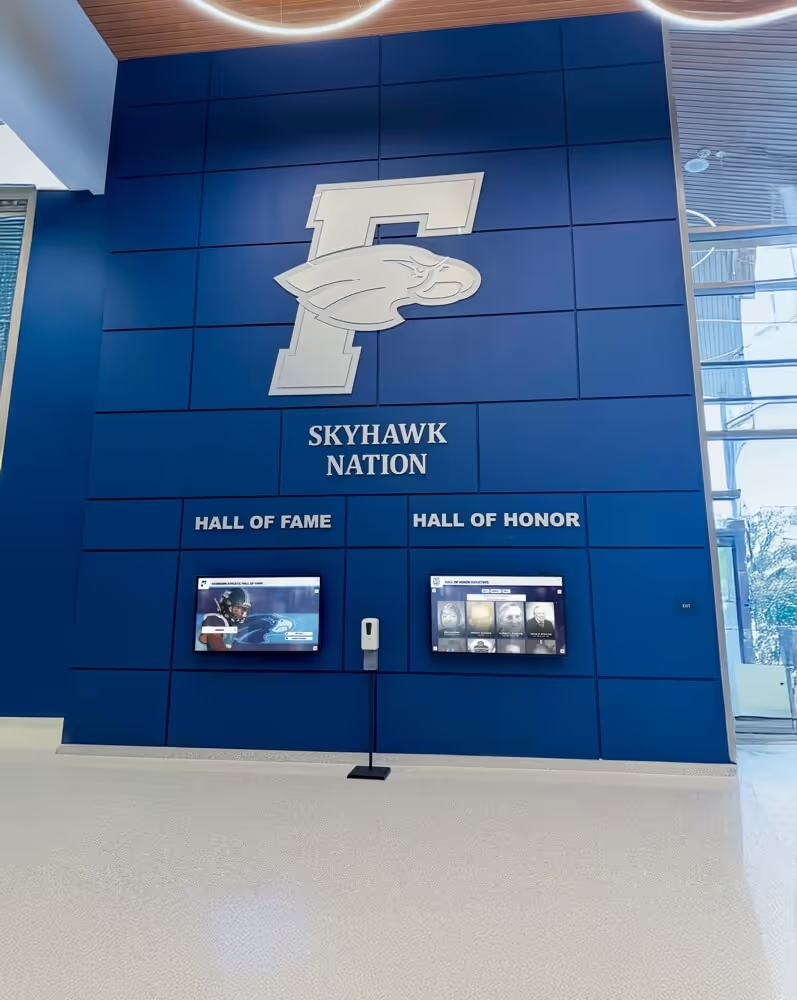
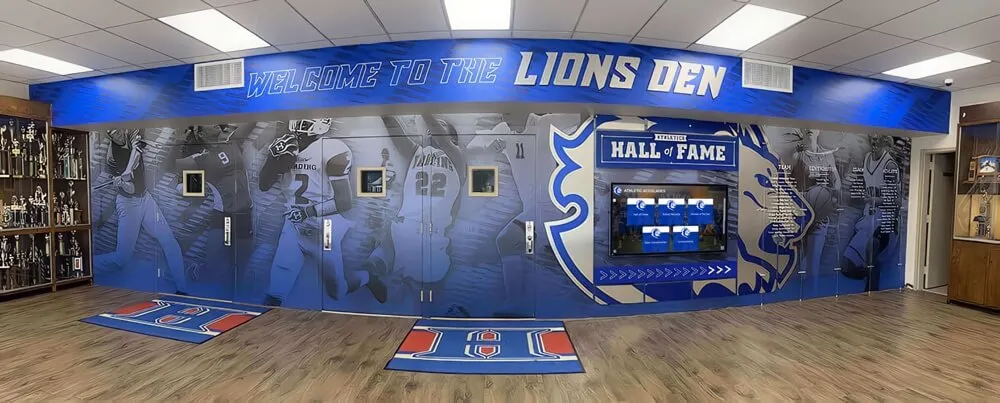
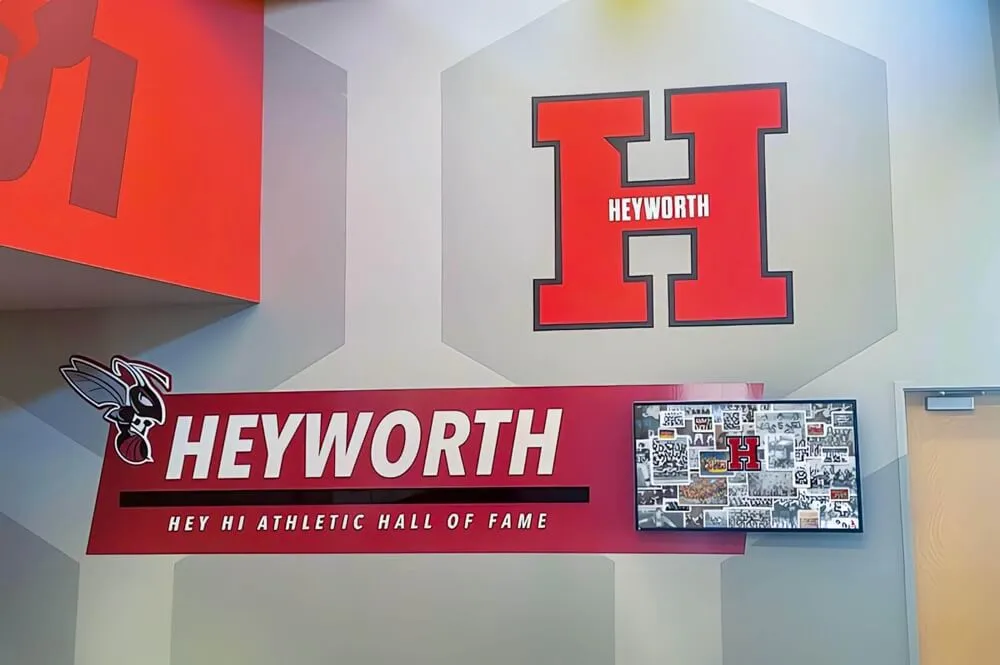
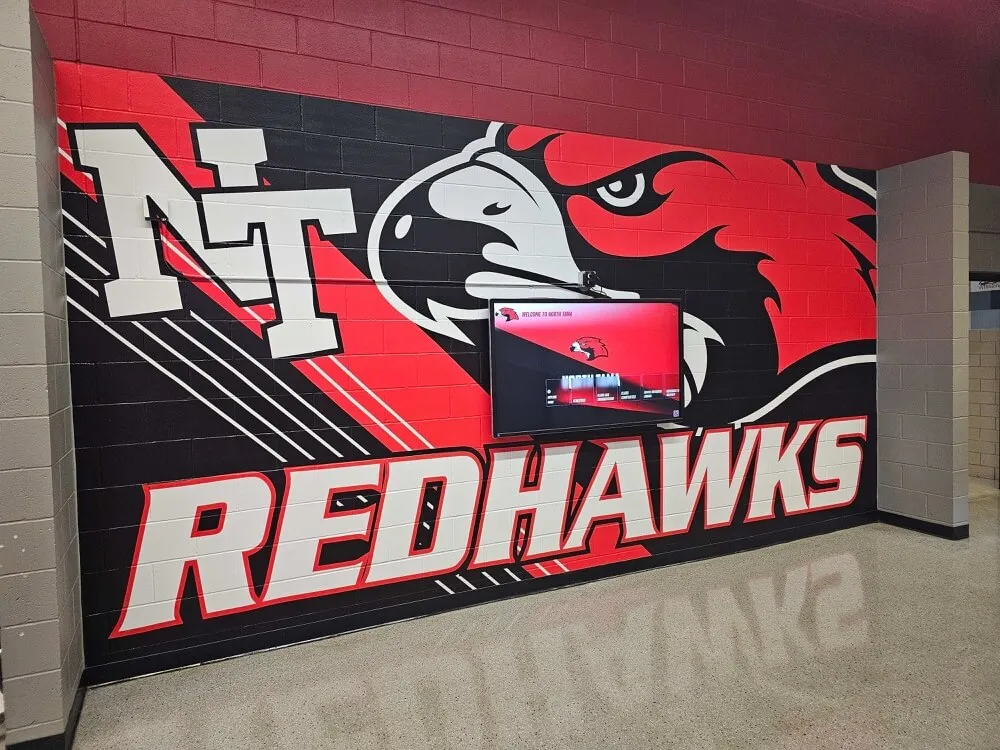
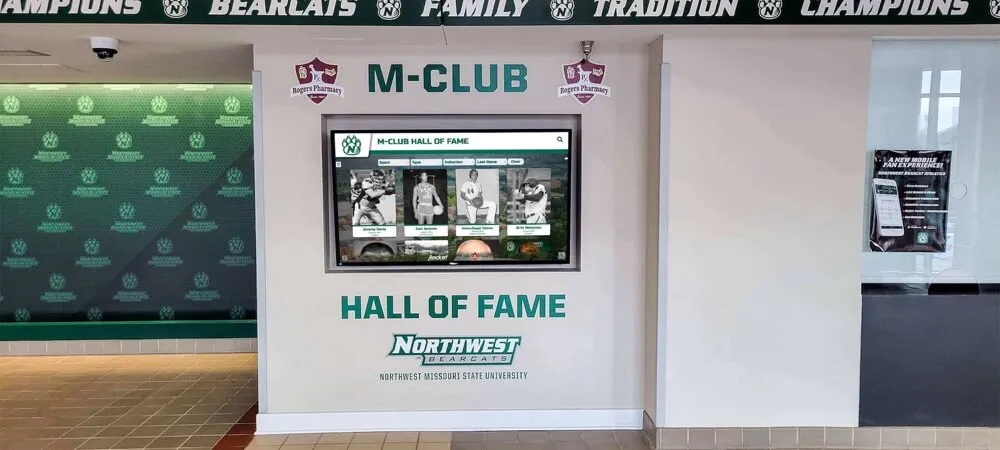
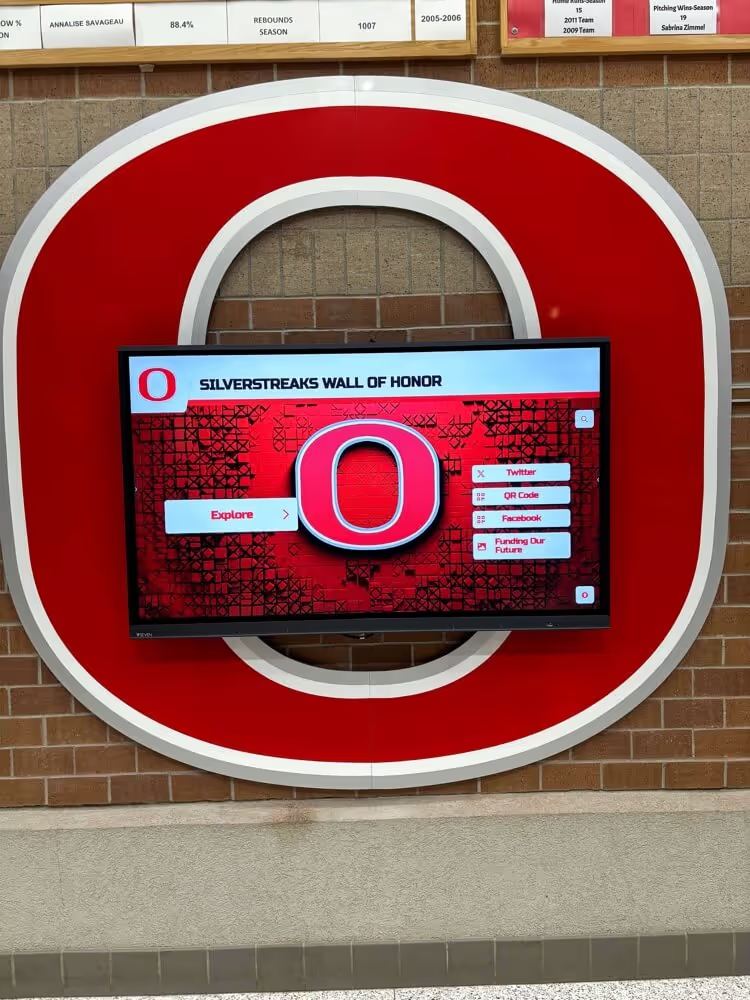
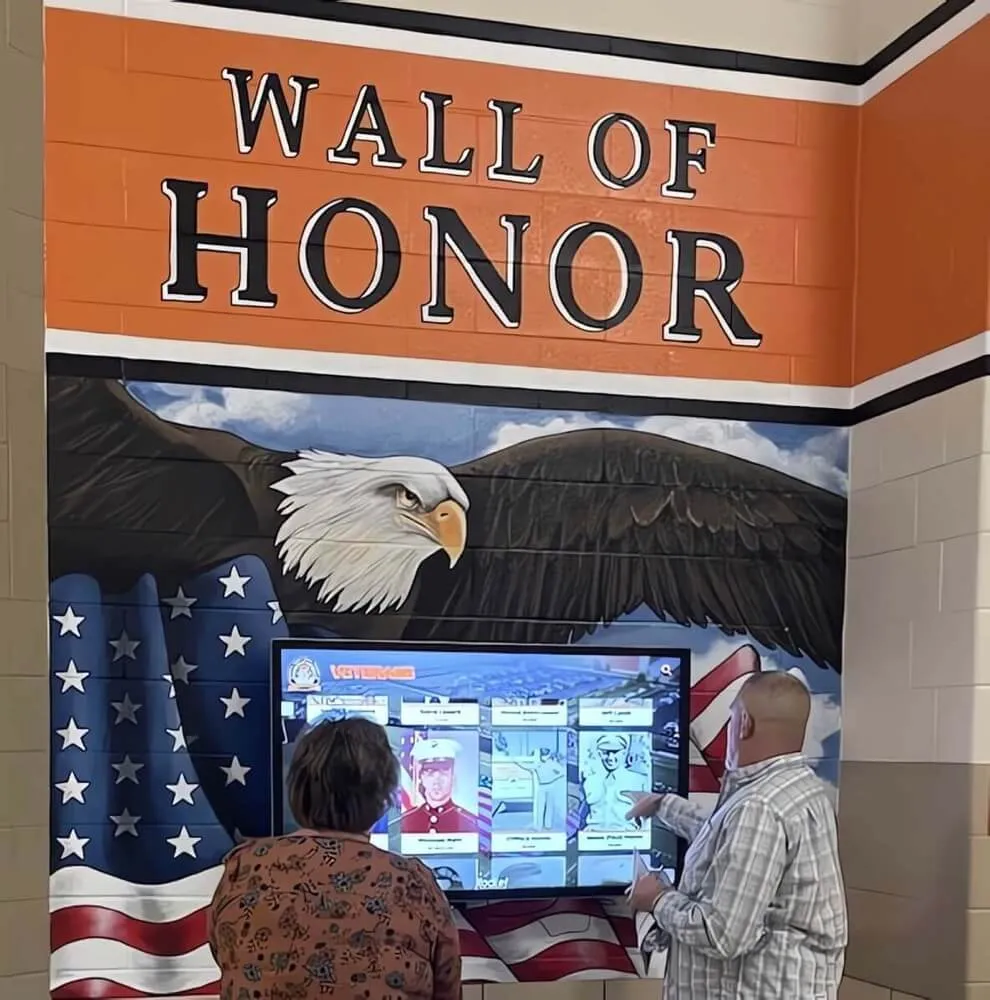
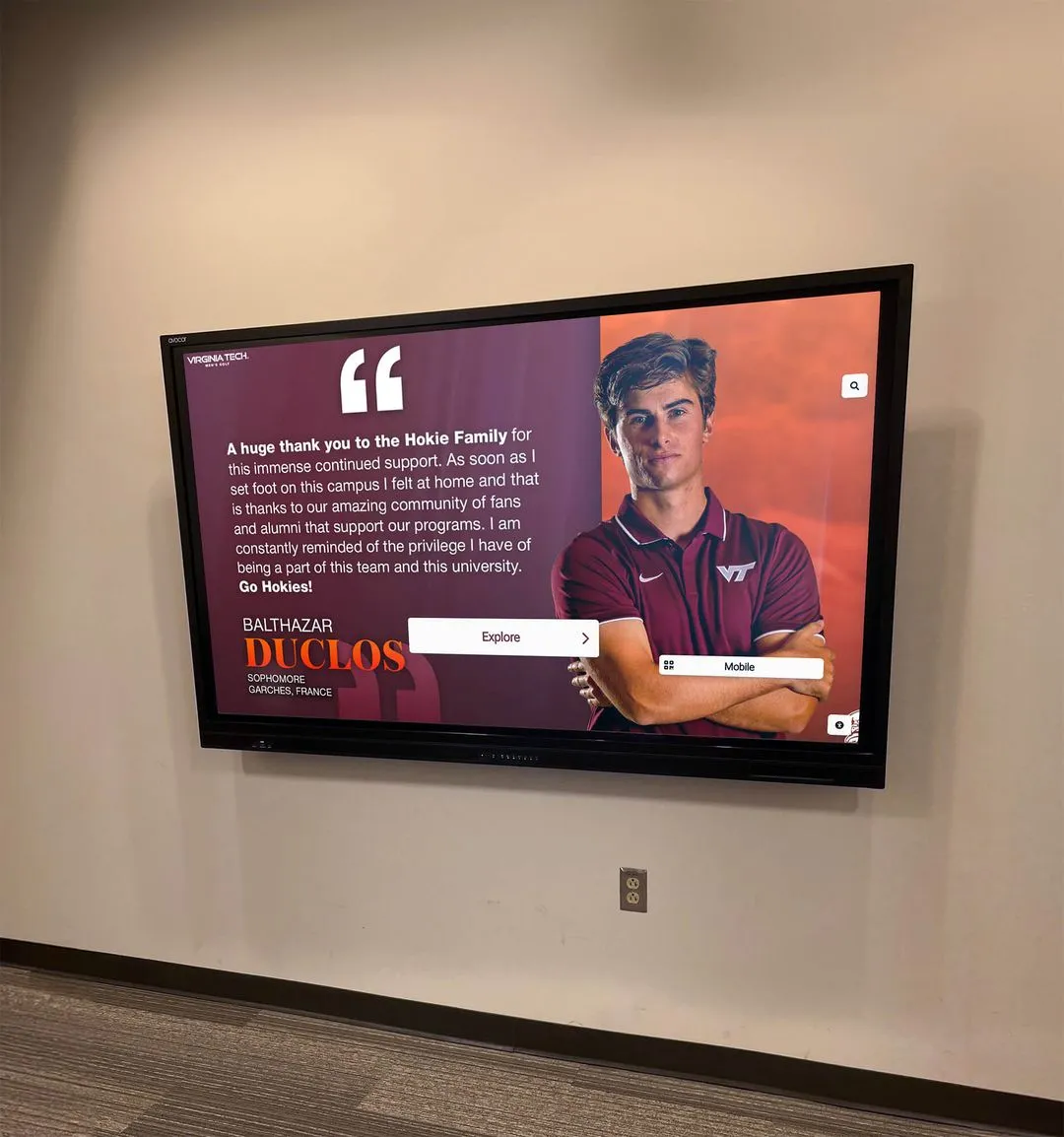
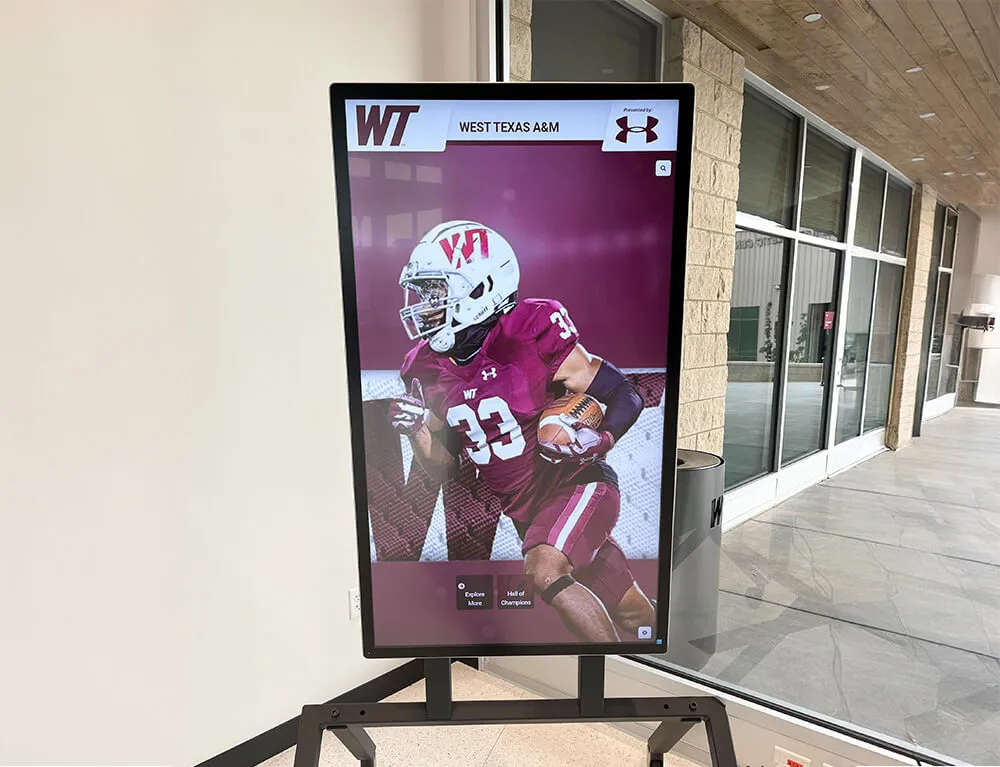
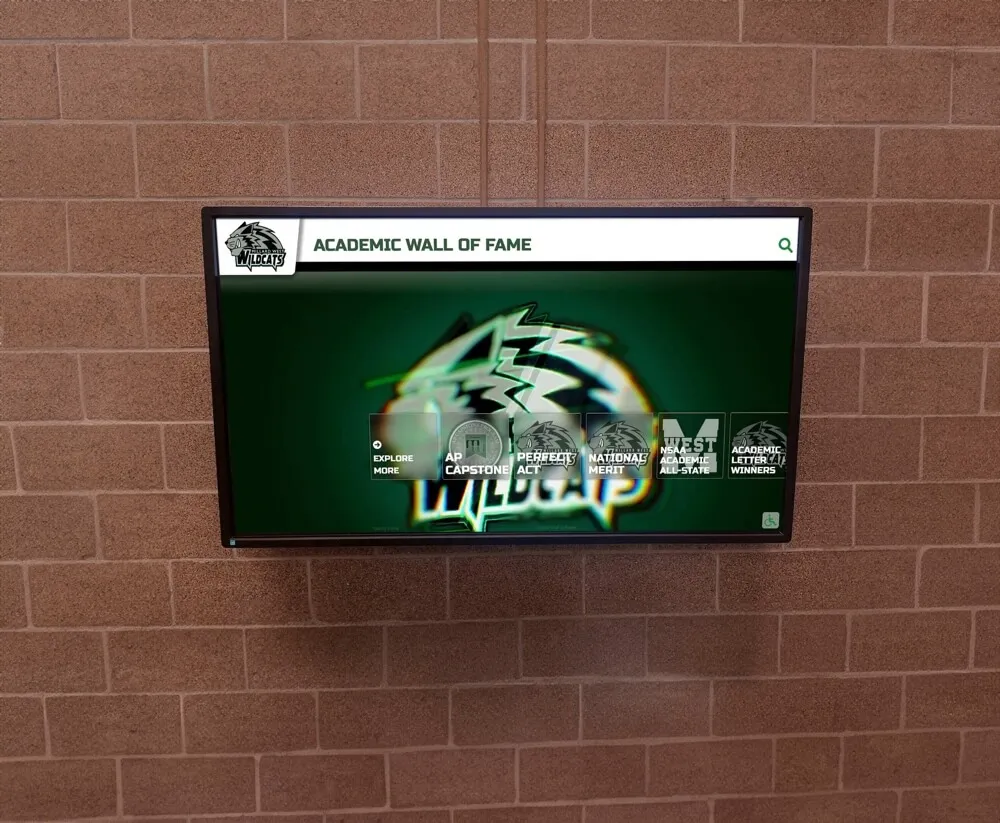
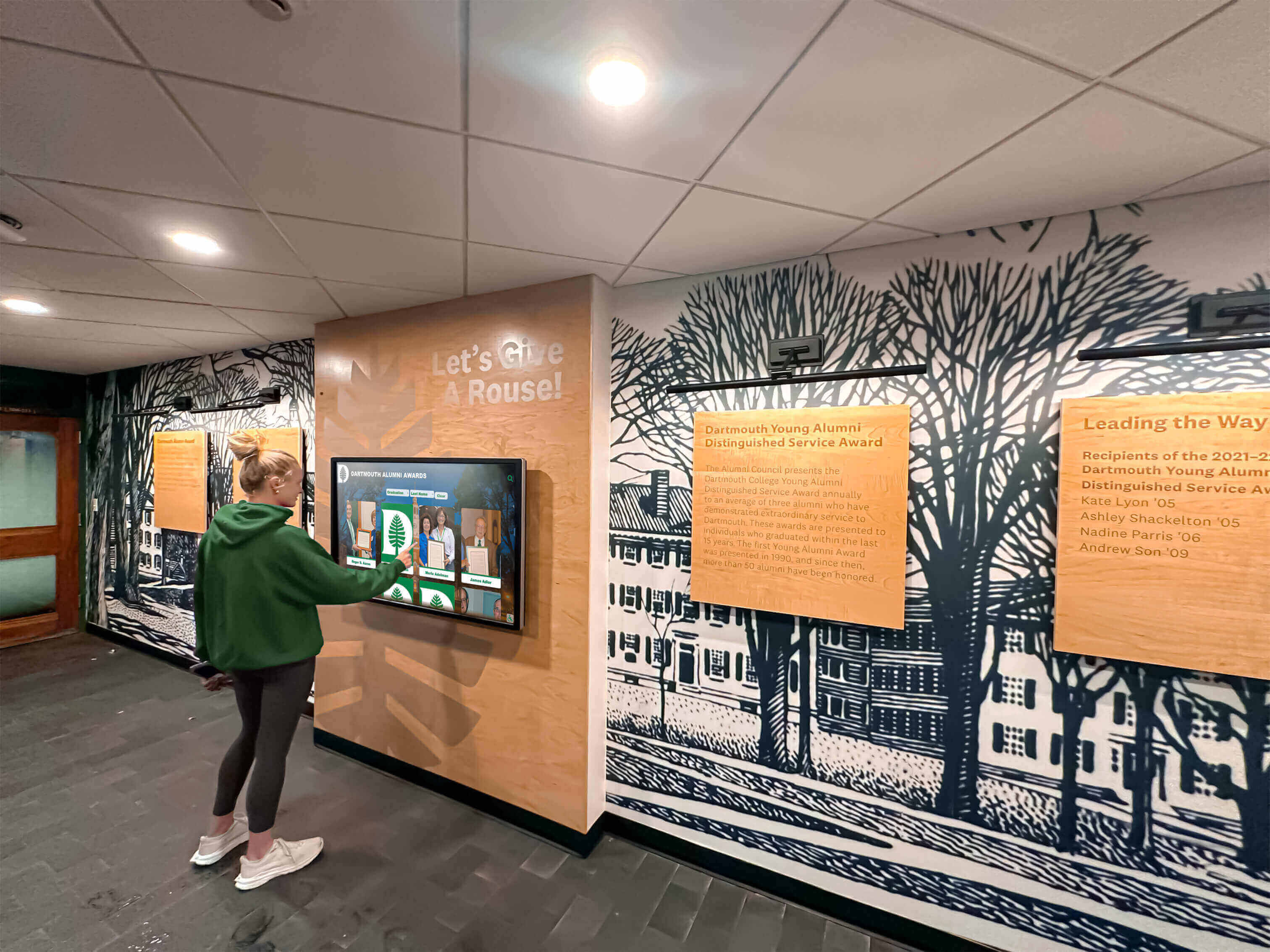
Recognition generates maximum cultural impact when visible throughout school communities rather than limited to brief announcements quickly forgotten. Strategies for visible recognition include prominent digital displays in high-traffic locations like lobbies and hallways, dedicated recognition sections on school websites accessible to broader audiences, social media celebration connecting school and family/community spheres, physical certificates and awards students keep permanently, and recognition ceremonies and events bringing achievement into communal focus.
Modern digital recognition solutions overcome traditional space limitations while enabling dynamic, engaging displays that tell rich achievement stories rather than simply listing names on static plaques.
Timing and Frequency Considerations
Recognition loses impact when delayed significantly after achievement occurs. Effective systems balance comprehensive documentation with timely acknowledgment through immediate informal recognition for daily achievements and excellent work, weekly or monthly highlights maintaining continuous awareness, quarterly or semester formal recognition aligning with grading periods, and annual celebrations honoring sustained achievement and graduating students.
This multi-frequency approach maintains recognition visibility throughout the year rather than concentrating celebration in end-of-year ceremonies when impact on continuing students diminishes.
Fostering Positive Relationships and Community
Culture ultimately lives in relationships—how people treat each other, communicate, resolve conflicts, and collaborate toward shared goals.
Advisory Programs and Mentorship
Structured programs ensuring every student has sustained relationships with caring adults strengthen culture by providing personalized support and connection. Effective approaches include advisory periods where small student groups meet regularly with designated staff, peer mentoring pairing older students with younger mentees, teacher-student conferences focusing on goals and growth, and family liaison roles connecting homes and schools for students needing extra support.
These relationships provide safety nets catching struggling students early while giving all students sense of belonging and mattering to the school community.
Collaborative Learning Structures
How schools organize learning experiences shapes student relationships and cultural norms. Instructional approaches supporting positive culture include cooperative learning structures requiring interdependence and mutual support, project-based learning enabling collaborative problem-solving, peer tutoring and teaching opportunities valuing student expertise, and mixed-ability grouping preventing permanent tracking and status hierarchies.
When collaboration becomes the norm rather than the exception, culture shifts from competitive individualism toward collective success where students genuinely support peers’ growth.

Family and Community Engagement
School culture extends beyond building walls to encompass families and broader communities. Strengthening these connections reinforces culture through regular two-way communication keeping families informed and gathering input, family participation in school activities and decision-making structures, community partnerships connecting students with civic engagement opportunities, volunteer programs welcoming families and community members as contributors, and public celebration of student achievement expanding recognition reach.
When families and community members feel welcomed as partners rather than clients or problems to manage, culture becomes more supportive and resource-rich for students.
Developing Student Voice and Leadership
Culture proves most positive when students experience genuine agency rather than passive reception of adult-determined experiences.
Authentic Student Governance
Student councils and governance structures contribute to culture when given real authority rather than symbolic roles. Meaningful student governance includes genuine decision-making power over appropriate domains, adequate resources enabling chosen initiatives to succeed, representation structures ensuring diverse student voices participate, and accountability systems expecting follow-through on commitments.
Students who experience authentic democratic participation develop stronger civic skills while investing more deeply in school success since they’ve actively shaped its direction.
Student-Led Recognition and Appreciation
Allowing students to recognize peers and adults creates powerful cultural messages about what community members value. Student-led initiatives might include peer recognition programs where students nominate classmates demonstrating values, student appreciation events honoring teachers and staff who make difference, student-designed recognition categories reflecting what peers actually value, and student-created content for recognition displays and communications.
These initiatives surface student perspectives while distributing cultural leadership beyond adults alone, strengthening student ownership of school culture.
Opportunities for Student Initiative and Innovation
Culture improves when students can pursue ideas and interests rather than merely complying with predetermined programming. Supporting structures include passion project time for self-directed learning, student proposal processes for new clubs and activities, exhibition opportunities showcasing student work and learning, and innovation challenges inviting student solutions to school problems.
When students experience schools as places where their ideas matter and can become reality, engagement and ownership deepen substantially.
Practical Implementation: Strategies That Work
Understanding culture-building principles matters less than successfully implementing strategies that actually shift daily experiences and outcomes. These practical approaches have proven effective across diverse school contexts.
Conducting Cultural Audits and Assessments
Culture transformation begins with understanding current culture—its strengths worth preserving and elements requiring change.
Multiple Perspective Data Collection
Comprehensive cultural assessment gathers input from all stakeholder groups using varied methods. Effective data collection includes anonymous staff surveys exploring climate perceptions and suggestions, student focus groups discussing school experience in depth, family surveys assessing satisfaction and desired improvements, classroom observations noting instructional culture and relationships, and community listening sessions gathering broader perspective.
This multi-method, multi-stakeholder approach reveals whether different groups experience culture similarly or perceive significantly different environments, highlighting equity concerns requiring attention.
Identifying Cultural Strengths and Gaps
Assessment data analysis should identify both positive cultural elements worth protecting and concerning patterns requiring intervention. Analysis might reveal strong academic achievement culture but weak celebration of artistic accomplishment, positive relationships among some student groups but exclusion of others, excellent recognition of athletes but minimal acknowledgment of academic competitors, or strong teacher collaboration within departments but silos between disciplines.
These specific findings enable targeted improvement efforts rather than broad initiatives addressing everything simultaneously and therefore nothing effectively.
Establishing Baseline Metrics for Progress Monitoring
Cultural assessment should establish measurable baselines enabling progress evaluation over time. Relevant metrics include stakeholder perception survey scores tracking climate dimensions, academic performance indicators monitoring learning outcomes, attendance and behavior data reflecting engagement and safety, staff turnover rates indicating professional culture health, and participation rates in activities showing engagement breadth.
Regular reassessment using consistent measures allows leaders to determine whether culture initiatives actually improve outcomes or merely create activity without impact.
Starting Small: Pilot Initiatives Before Scaling
Ambitious culture transformation often fails through attempting too much simultaneously. Strategic leaders pilot changes before broader implementation.
Selecting High-Leverage Starting Points
Rather than comprehensive change efforts, effective schools begin with specific initiatives likely to generate visible success building momentum for broader transformation. Promising starting points include recognition program expansion acknowledging more achievement types, relationship-building advisory program for one grade level, physical environment improvements in highest-traffic areas, family engagement initiative for particular student populations, or student voice expansion in specific decision-making domains.
Success with focused initiatives creates proof points and champions supporting subsequent expansion more successfully than comprehensive programs that overwhelm capacity and generate implementation failures undermining confidence.
Learning From Implementation Before Expanding
Pilot initiatives provide implementation learning that informs broader rollout. Effective schools systematically gather feedback from pilot participants about what worked and what requires refinement, analyze outcome data comparing pilot to non-pilot populations, identify unexpected challenges requiring problem-solving before expansion, and refine protocols and resources based on actual experience.
This learning orientation treats pilots as genuine experiments rather than predetermined successes, ensuring broader implementation benefits from early adopter experience.
Embedding Culture Work Into Existing Systems
Culture initiatives fail when treated as additions to already overwhelming workloads. Sustainability requires embedding culture work into existing structures and routines.
Integration With Professional Development
Rather than separate culture training, effective schools integrate culture work into ongoing professional learning through collaborative inquiry focused on instructional culture improvement, peer observation emphasizing classroom relationships and climate, coaching supporting teacher practice aligned with cultural goals, and professional learning communities examining student work and cultural influences on achievement.
This integration ensures culture remains central to instructional improvement rather than competing with it for limited professional development time and attention.
Alignment With Accountability and Evaluation
Culture work receives consistent attention when reflected in accountability and evaluation systems. Strategic alignment includes administrator evaluation criteria assessing culture leadership, teacher evaluation dimensions measuring classroom climate and relationships, school improvement plans incorporating cultural goals and strategies, and board reporting regularly updating governance on culture metrics and initiatives.
When evaluation and accountability systems ignore culture, it inevitably becomes subordinated to whatever those systems do measure regardless of stated priority.
Budgetary Commitment and Resource Allocation
Culture improvement requires resources. Schools demonstrate genuine commitment through budget line items supporting recognition programs and ceremonies, staff positions dedicated to culture and climate coordination, professional development funding for culture-related learning, technology investments enabling digital recognition and communication, and physical environment improvements creating welcoming spaces.
When culture work depends on discretionary funding cut during budget challenges, it receives subordinate priority regardless of rhetoric about importance.
Recognition and Visible Achievement: Cultural Cornerstones
Among culture-building strategies available to educational leaders, few prove more powerful and practical than comprehensive recognition systems making achievement visible throughout school communities.
Why Visible Recognition Shapes Culture
Recognition communicates values more convincingly than mission statements by revealing what schools actually celebrate versus merely claiming to value. Visible recognition systems shape culture through multiple mechanisms.
Establishing Behavioral Norms
Recognized behaviors become normative. When schools prominently celebrate academic excellence, rigorous coursework and serious studying become normal rather than exceptional. When service learning receives equal recognition visibility as athletic achievement, community contribution becomes equally valued. Students internalize these norms, conforming behavior toward recognized patterns even without conscious intention.
Creating Aspirational Models
Visible recognition creates peer models demonstrating achievable success pathways. When students regularly encounter displays showing classmates’ achievements with their own backgrounds and circumstances, excellence seems attainable rather than restricted to students perceived as naturally gifted or privileged. These relatable models prove more powerful than distant celebrity examples because students can interact with recognized peers, learning concrete strategies behind their success.
Building Collective Pride and Identity
Visible achievement throughout school environments generates collective pride strengthening community bonds. Students develop identification with institutions celebrating excellence, viewing “we’re a school where students achieve great things” as part of their own identity. This collective pride motivates individual effort—students want their personal achievements to contribute to communal reputation they share.

Strengthening Family and Community Connection
Recognition extending beyond school walls through digital platforms and social media strengthens family and community ties. Parents share children’s recognition throughout extended networks, generating positive publicity while reinforcing home support for academic and social achievement. Community members encountering visible student achievement develop stronger confidence in local schools, supporting funding and volunteering more readily.
Traditional Recognition Limitations
Many schools implement recognition programs that generate minimal cultural impact due to inherent limitations in traditional approaches.
Limited Capacity and Forced Prioritization
Physical trophy cases and plaque walls accommodate finite recognition before space exhausts. This scarcity forces difficult prioritization—whose achievements warrant permanent display versus temporary acknowledgment? These decisions inevitably communicate value hierarchies regardless of stated commitment to diverse achievement. Space limitations also prevent comprehensive historical recognition, eventually requiring removal of older honorees to accommodate new achievement.
Static Presentation and Minimal Engagement
Traditional physical recognition offers limited information—typically names, years, and brief achievement descriptions. This minimal content provides documentation but rarely engages audiences or tells compelling stories making achievement meaningful. Static displays generate brief glances rather than sustained attention and exploration, limiting cultural impact compared to engaging presentations capturing interest and building emotional connection.
Update Challenges and Maintenance Burden
Updating physical displays requires significant effort—engraving new names on plaques, printing and mounting updated materials, or accessing locked trophy cases. This friction means recognition often lags significantly behind achievement, diminishing motivational impact. Maintenance burden also means recognition systems decay over time as outdated displays remain unchanged because updating requires effort nobody has capacity to prioritize, eventually communicating that achievement actually matters less than initial installation suggested.
Restricted Access and Limited Reach
Physical recognition serves only those present in buildings during times when relevant spaces are accessible. Alumni cannot revisit their achievements easily. Families often never encounter displays in less-traveled building areas. Prospective families touring briefly may miss recognition entirely. This restricted access limits recognition’s ability to strengthen broader community connections and support.
Modern Digital Recognition Solutions
Contemporary digital platforms designed specifically for educational recognition overcome traditional limitations while creating new opportunities for culture-building through achievement celebration.
Unlimited Capacity and Comprehensive Recognition
Digital systems accommodate unlimited honorees without space constraints. Schools can recognize every honor roll student across decades, every competition participant, every scholarship recipient, every club officer—creating comprehensive achievement records celebrating entire communities rather than select individuals. This unlimited capacity enables genuinely inclusive recognition systems acknowledging diverse accomplishments rather than forcing prioritization based on space scarcity.
Rich Multimedia Storytelling
Digital recognition combines text, images, video, and interactive elements creating engaging achievement narratives. Rather than simply listing names, digital displays show students at competitions with photos, team accomplishments with embedded video highlights, individual profiles including achievement context and personal reflections, related content linking connected achievements and individuals, and dynamic presentations rotating featured content keeping displays fresh.
This rich storytelling transforms recognition from administrative documentation into compelling narratives that capture attention, build emotional connection, and create relatable models inspiring other students.
Effortless Updates and Real-Time Recognition
Cloud-based content management enables recognition updates in minutes from any device with internet access. Adding new honor roll students requires uploading a list and publishing. Recognizing weekend competition winners means adding photos Monday morning. This ease ensures recognition remains current, acknowledging achievement promptly when motivational impact proves strongest rather than waiting months for physical display updates requiring specialized labor and locked case access.
Extended Reach Through Web Access
Digital recognition platforms extend beyond physical displays through web-based access enabling students to share recognition with extended family anywhere, alumni to revisit achievements years after graduation, prospective families to understand culture before visiting, and social media sharing organically extending recognition reach, and community members to celebrate student success conveniently.
This extended reach amplifies cultural impact while strengthening school-community connections through achievement celebration accessible beyond building walls.

Rocket Alumni Solutions: Purpose-Built for School Culture
While generic digital signage can display information, purpose-built platforms like Rocket Alumni Solutions provide specialized capabilities designed specifically for educational recognition and culture-building.
Comprehensive Achievement Profiles
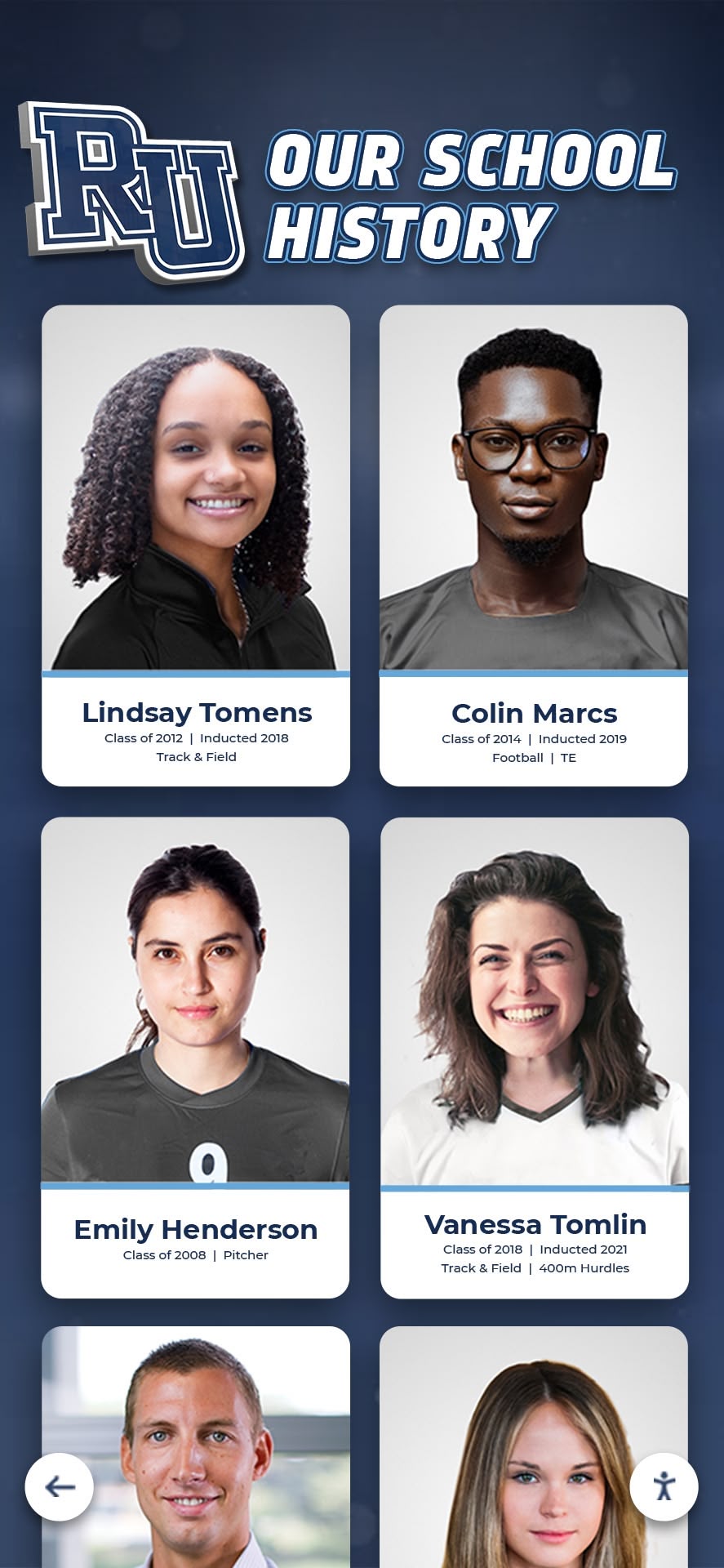
Rocket Alumni Solutions creates rich profiles for recognized students including biographical information and academic interests, detailed achievement descriptions with context explaining significance, multiple photos showing students in various achievement contexts, embedded video including competition highlights and student reflections, connections to related achievements, classmates, and programs, and scheduling features enabling timely recognition announcements.
These comprehensive profiles transform simple name lists into compelling achievement stories that engage audiences while providing relatable models inspiring younger students toward similar accomplishments.
Intuitive Exploration and Discovery
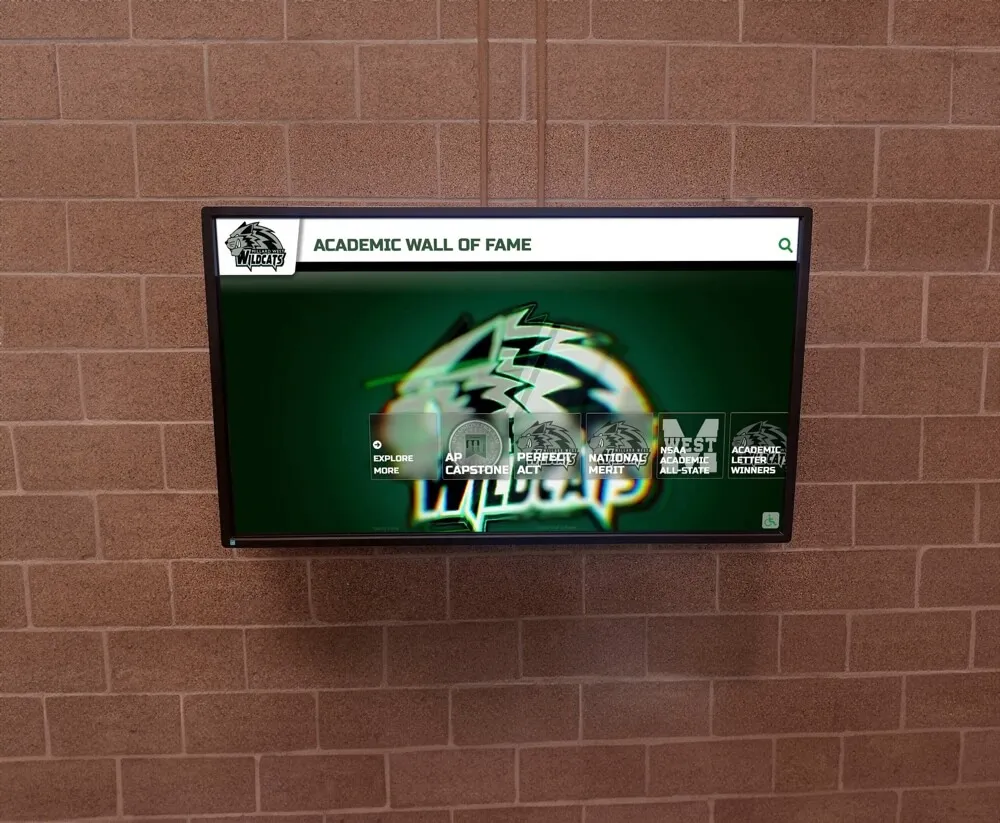
Rocket displays enable interactive exploration ensuring everyone can quickly find relevant content through searchable databases finding specific students instantly by name, category browsing examining achievement types like academics, athletics, or arts, year filtering exploring specific graduating classes or time periods, featured content highlighting recent additions or seasonal relevance, and intelligent recommendations connecting visitors to related content.
This multi-pathway approach ensures every visitor—whether searching for themselves, browsing randomly, or seeking specific information—can engage meaningfully with recognition content rather than passively viewing predetermined presentations.
Strategic Placement in High-Impact Locations
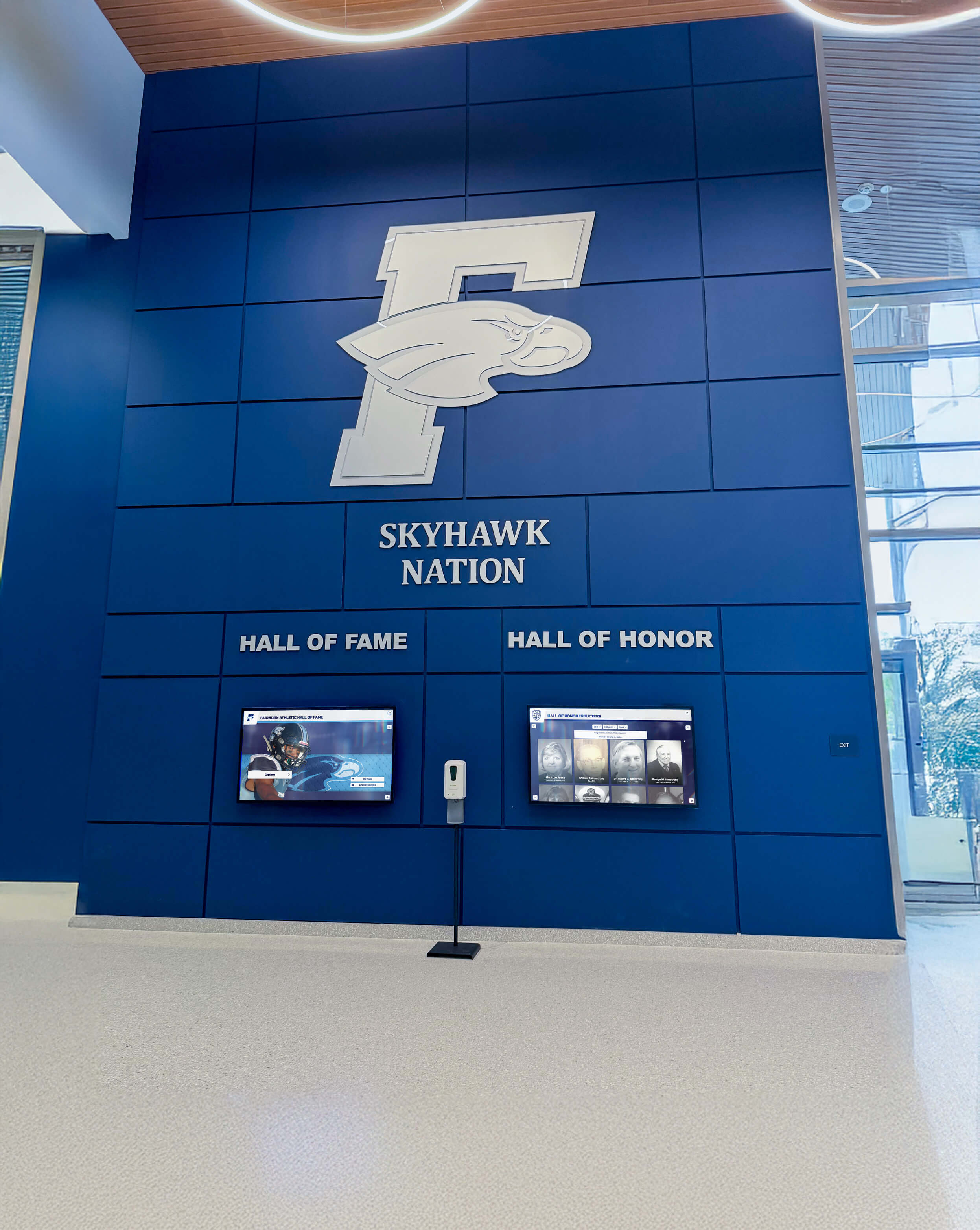
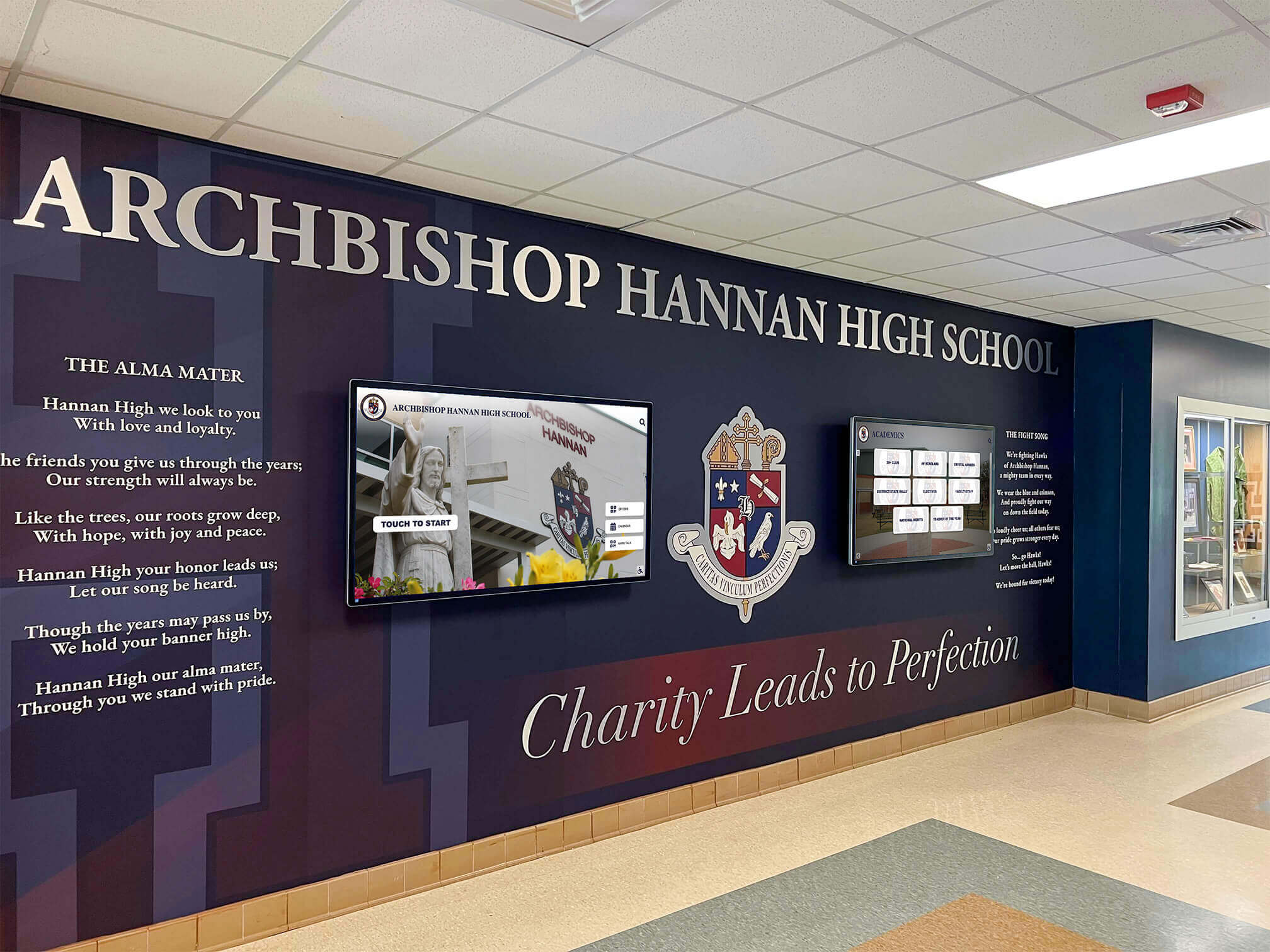
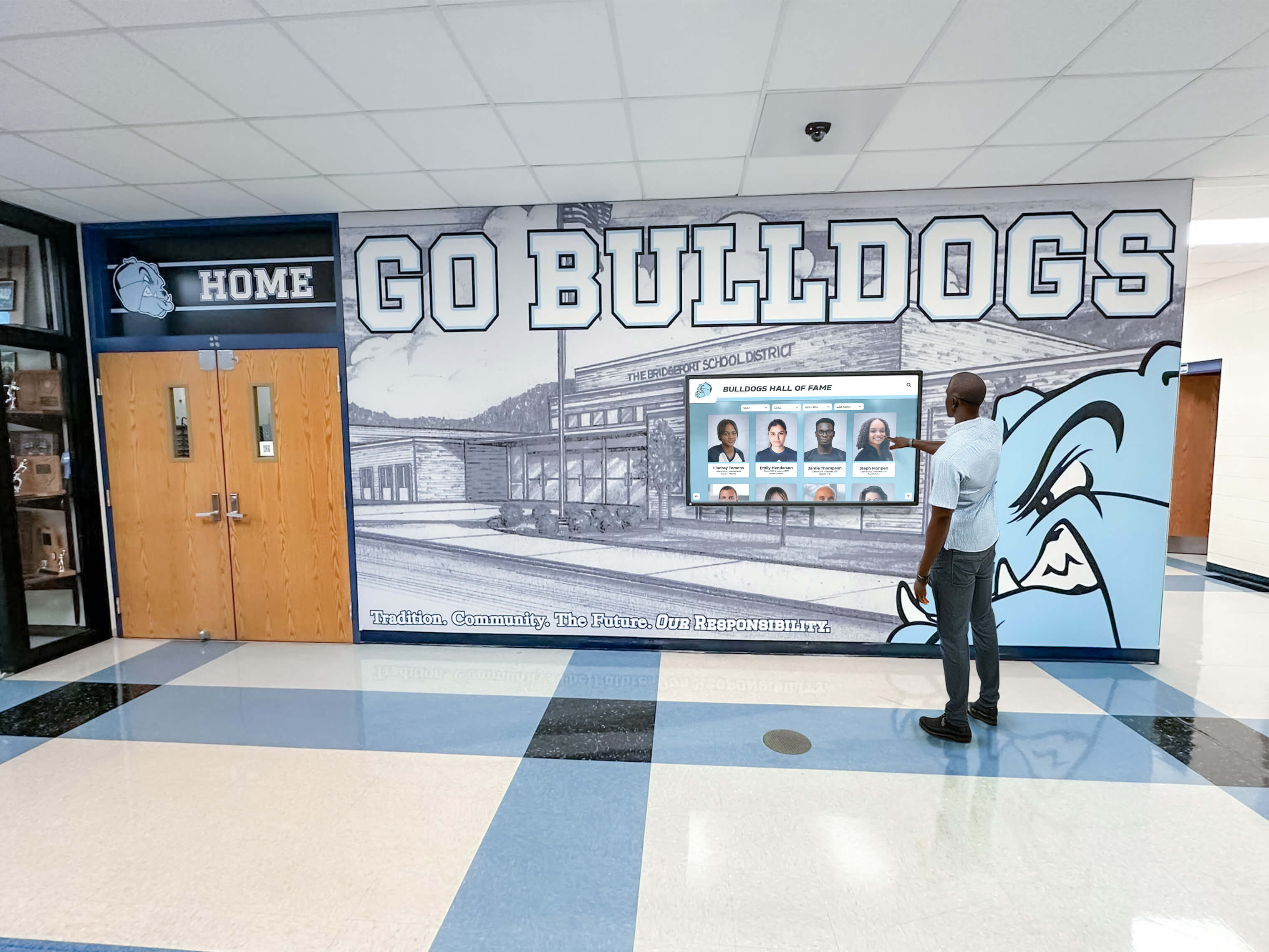
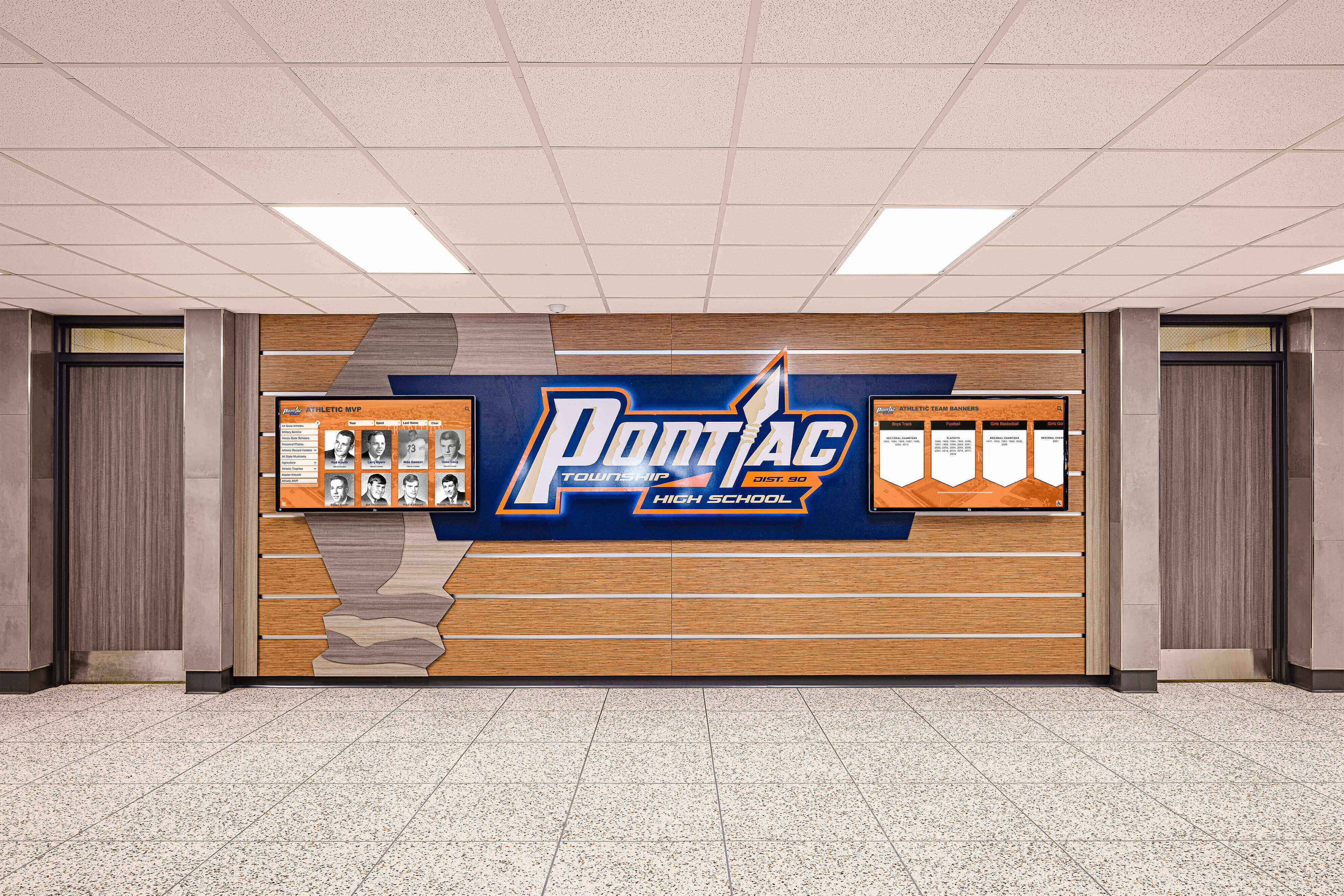
Rocket displays transform underutilized spaces into engagement hubs celebrating achievement. Strategic locations include main entrance lobbies welcoming visitors with immediate achievement visibility, hallway corridors becoming achievement galleries students traverse daily, library and media centers providing exploration during study time, guidance areas reminding students of achievement possibilities while planning futures, and cafeterias and commons offering engagement during lunch and unstructured time.
Interactive touchscreen nature means students naturally gravitate toward displays during passing periods and free time, building pride through continuous exposure to achievement celebration rather than requiring deliberate seeking.
Scalable Across Individual Schools and Districts
Rocket’s platform serves individual schools while scaling effectively to district-wide implementations. District administrators can deploy unified recognition across multiple campuses, maintain consistent achievement categories and standards district-wide, provide centralized management while allowing school-level autonomy for content, and create district-wide recognition celebrating system excellence beyond individual schools.
This scalability makes the platform appropriate whether implementing recognition at single schools or standardizing approaches across entire districts to create coherent culture transcending individual campuses.
Analytics Demonstrating Value and Engagement
Understanding how communities interact with recognition displays helps demonstrate value and optimize content. Rocket’s analytics track session duration and interaction depth revealing engagement quality, most-viewed profiles and categories showing what resonates, search terms indicating what visitors seek, peak usage times informing content strategy, and social sharing activity extending recognition reach.
These insights help schools refine recognition programs, understand what matters to their communities, and demonstrate return on investment to stakeholders and budget decision-makers through concrete engagement data rather than anecdotal claims.
Sustaining Positive Culture: Long-Term Strategies
Creating initial cultural improvements proves easier than sustaining them over time as leadership changes, staff turn over, and new challenges emerge. These strategies support lasting culture.
Embedding Culture in Institutional Memory
Culture sustainability requires moving beyond dependence on specific charismatic leaders toward institutionalization ensuring culture persists through transitions.
Documenting Cultural Practices and Expectations
Written documentation helps preserve culture by creating onboarding materials introducing new staff to cultural expectations, policy handbooks reflecting cultural values in explicit policies, tradition guides describing important rituals and their significance, and success stories preserving cultural memory through achievement narratives.
While culture ultimately lives in behavior rather than documents, clear documentation provides reference points ensuring new community members understand expectations and traditions beyond simply observing current practice.
Distributed Cultural Leadership
Sustainable culture requires leadership distributed throughout organizations rather than concentrated in a few individuals. Distribution strategies include cultural committees with representatives from all stakeholder groups, teacher leaders championing culture initiatives in departments and teams, student leaders taking ownership for peer culture and norms, and family representatives ensuring continued engagement perspective.
When cultural leadership pervades organizations, departure of any individual—even principals—doesn’t devastate culture since many others continue carrying forward.
Succession Planning and Cultural Continuity
Leadership transitions represent vulnerable moments for school culture. Protective strategies include explicit cultural conversations during principal searches and hiring, new leader onboarding emphasizing cultural strengths worth preserving, transition periods allowing outgoing and incoming leaders to overlap, and stakeholder engagement ensuring new leaders hear community voices about valued culture.
When transitions explicitly address culture preservation alongside necessary evolution, communities maintain positive elements while adapting appropriately to new circumstances and leadership perspectives.
Continuous Improvement and Cultural Evolution
While preserving core cultural strengths, effective schools continuously evolve culture responding to changing student needs and educational contexts.
Regular Cultural Assessment and Adjustment
Sustainable schools regularly reassess culture rather than assuming current state remains effective. Assessment cycles might include annual stakeholder surveys tracking climate perceptions over time, periodic focus groups gathering qualitative feedback about experiences, data analysis monitoring academic, behavioral, and engagement outcomes, and benchmarking comparing culture to peer schools or standards.
Regular assessment reveals emerging problems early when intervention proves easier than addressing entrenched dysfunction after years of neglect.
Responsive Innovation and Adaptation
Assessment insights enable responsive adjustments maintaining cultural health. Adaptive strategies include pilot programs testing new approaches before full implementation, feedback loops ensuring stakeholder voice informs decisions, iterative refinement improving initiatives based on experience, and strategic abandonment ending programs no longer serving their purposes.
This continuous improvement orientation prevents culture from ossifying into rigid tradition disconnected from current student needs and educational realities.
Celebrating Cultural Success and Milestones
Maintaining cultural focus requires periodic celebration of progress reinforcing that culture work generates meaningful results worth continued investment.
Recognition of Cultural Champions
Culture improves through countless individual contributions. Recognizing these champions sustains momentum through staff appreciation highlighting cultural leadership and contribution, student recognition celebrating those modeling desired culture, family acknowledgment honoring engaged supporters, and team celebrations marking collective cultural milestones and achievements.
These recognition practices reinforce that cultural contribution matters while providing concrete models of desired cultural leadership for others.
Sharing Success Stories and Impact Data
Communicating cultural success builds continued support and momentum through internal communication highlighting cultural improvements and achievements, community outreach sharing school success with broader audiences, board reporting demonstrating culture work effectiveness to governance, and media engagement generating positive publicity reinforcing reputation.
When communities see concrete evidence that culture work generates meaningful results—improved achievement, better attendance, stronger engagement—support for continued investment increases rather than viewing culture as soft expenditure compared to academic programs.
Addressing Common Culture Challenges
Even well-led culture initiatives encounter predictable obstacles. Anticipating these challenges enables proactive problem-solving rather than reactive crisis management.
Overcoming Resistance to Culture Change
Culture change inherently threatens existing norms and practices, generating resistance from those comfortable with current arrangements.
Understanding Sources of Resistance
Effective leaders recognize that resistance typically stems from legitimate concerns rather than mere obstruction. Common sources include fear of losing valued traditions or practices with personal meaning, uncertainty about whether new approaches will work effectively, additional workload concerns when capacity already feels maxed, threats to professional autonomy and discretion, and disagreement with underlying values or priorities driving change.
Understanding specific resistance sources enables targeted responses addressing legitimate concerns rather than dismissing all resistance as defensive obstacle.
Building Coalition and Momentum
Rather than mandating culture change, effective leaders build coalitions supporting transformation through early adopter identification finding natural champions, small wins generating proof points demonstrating success, stakeholder involvement ensuring voice in shaping initiatives, transparent communication explaining rationale and addressing concerns, and patience allowing time for gradual acceptance and adoption.
This coalition-building approach creates organic momentum rather than compliance generated through authority that disappears when attention shifts elsewhere.
Addressing Equity and Inclusion Concerns
Culture initiatives can inadvertently reinforce existing inequities unless deliberately designed for inclusiveness.
Examining Recognition for Systemic Bias
Thoughtful schools regularly audit recognition systems for patterns suggesting inequitable access. Analysis questions include: Which student demographic groups receive recognition at rates matching their enrollment? Do recognition criteria inadvertently advantage students with particular backgrounds? Does achievement celebrated reflect diverse paths to excellence or narrow definitions? Are recognition events scheduled and structured accessibly for all families?
Identifying inequitable patterns enables corrective action ensuring culture genuinely embraces all students rather than privileging some while marginalizing others despite inclusive rhetoric.
Creating Multiple Pathways to Recognition
Equity requires diverse recognition categories ensuring various students can achieve acknowledgment through academic excellence via traditional measures and alternative assessments, improvement and growth regardless of starting point, artistic and creative accomplishment across varied media, athletic achievement in diverse sports and skill levels, character and citizenship demonstrating values and contribution, and participation recognizing engagement even without winning competition.
This diversity ensures students with different strengths, backgrounds, and circumstances all see realistic recognition possibilities rather than systems effectively restricted to narrow populations.
Intentional Inclusion in Cultural Activities
Culture events risk becoming exclusive when scheduling, cost, or format prevent participation by students and families with particular circumstances. Inclusion strategies include event scheduling considering employment and religious diversity, cost minimization or elimination removing financial barriers, multilingual communication welcoming non-English-speaking families, accessibility ensuring physical and programmatic inclusion for disabilities, and cultural responsiveness incorporating varied traditions and perspectives.
When cultural activities genuinely welcome everyone rather than assuming dominant group norms, culture becomes more inclusive and stronger through enriched diversity.
Balancing Tradition and Innovation
Schools must honor valued traditions while remaining responsive to changing student needs and educational contexts.
Preserving Core Culture While Evolving Practices
Effective culture evolution distinguishes fundamental values worth protecting from specific practices that can change. Leadership strategies include explicit articulation of core values transcending particular practices, stakeholder dialogue distinguishing valued traditions from outdated habits, pilot innovations testing whether new approaches honor values differently, and transparent decision-making explaining how changes align with continuing values.
This approach allows practice evolution without cultural abandonment, maintaining continuity while remaining responsive to current needs and contexts.
Engaging Alumni and History in Contemporary Culture
Schools with long histories must integrate past into present culture without becoming museums. Integration approaches include historical recognition connecting current students to institutional legacy, alumni engagement bringing graduate perspective to current students, tradition adaptation updating practices for contemporary relevance while maintaining connection to history, and anniversary celebrations marking milestones while recommitting to evolving mission.
When schools honor history while clearly remaining focused on current students and future aspirations, culture benefits from continuity without becoming trapped in past glory.
Measuring Culture Change and Impact
Like any significant school initiative, culture work warrants evaluation ensuring efforts actually improve outcomes rather than merely creating activity.
Quantitative Indicators of Cultural Health
Multiple measurable indicators reflect cultural improvement over time when tracked systematically.
Academic Performance Trends
Positive culture should correlate with improving academic outcomes including standardized test score trends showing gains over time, grade distribution shifts reducing failure rates and increasing high achievement, course enrollment patterns showing more students choosing rigorous options, graduation rates increasing alongside on-time completion, and college acceptance and persistence rates improving for graduates.
While culture doesn’t directly teach content, it creates conditions where effective teaching and serious learning flourish—manifesting ultimately in stronger academic outcomes.
Engagement and Attendance Patterns
Culture influences whether students want to attend and engage in school life. Relevant metrics include daily attendance rates and chronic absenteeism reductions, extracurricular participation breadth and depth, homework completion and assignment submission rates, student survey responses about engagement and connection, and transition rates from middle to high school or grade to grade.
Improving engagement metrics suggest students increasingly value their school experiences and feel connected to their educational communities.
Behavioral and Safety Indicators
Positive culture reduces disciplinary incidents and enhances safety perceptions through declining discipline referrals and suspensions over time, reduced bullying and harassment reporting, decreased serious safety incidents and violence, lower vandalism and property damage rates, and improving student and family safety perception surveys.
These improvements reflect changing norms where positive behavior becomes culturally expected rather than merely compliance with rules.
Educator and Family Satisfaction
Culture affects adults throughout school communities as powerfully as students. Adult indicators include staff satisfaction surveys and morale assessments, teacher retention rates and turnover reduction, family engagement in school activities and events, parent satisfaction surveys about school quality and communication, and community perception studies about school reputation.
When adults report greater satisfaction and engagement, it suggests cultural improvements benefit entire communities rather than only students.
Qualitative Assessment of Cultural Transformation
Numbers tell important parts of the story, but qualitative data provides essential context and nuance.
Stakeholder Narratives and Testimonials
Stories reveal how culture feels and what specific changes matter most to community members through student interviews describing school experience and transformation, teacher reflections on cultural shifts and impacts on practice, family testimonials about improved relationships and communication, alumni perspectives comparing current to historical culture, and community member observations about visible school changes.
These narratives identify unexpected impacts, reveal underlying mechanisms behind quantitative changes, and provide compelling communication about culture work value that numbers alone cannot convey.
Observational Data About Daily Interactions
Systematic observation reveals cultural elements operating below explicit awareness through hallway climate observations noting interaction quality and tone, classroom culture assessments examining relationships and learning environment, event participation observations seeing who attends and how they engage, meeting dynamics analysis noting collaboration and decision-making patterns, and informal interaction observations revealing respect and relationship quality.
Trained observers can identify subtle cultural shifts invisible to those immersed daily in the environment but significant for long-term transformation.
Conclusion: Building the Culture Your Students Deserve
School culture represents simultaneously one of the most powerful forces shaping student outcomes and one of the most challenging aspects of educational leadership. Unlike curriculum adoption or schedule restructuring, culture can’t be mandated through policy or installed through single initiatives. It emerges gradually from thousands of daily decisions, interactions, and messages—both explicit and implicit—that communicate what schools genuinely value, expect, and celebrate.
Yet this very complexity shouldn’t paralyze leaders into inaction or resignation that culture simply exists beyond intentional influence. Research consistently demonstrates that deliberate, sustained culture-building generates measurable improvements in virtually every outcome educators care about—academic achievement, student engagement, behavioral health, teacher retention, and family satisfaction. Schools that invest in intentional culture work reap returns that compound over years as positive cultures become self-reinforcing through norms, traditions, and community expectations that persist even as individuals come and go.
The strategies explored throughout this guide—from comprehensive recognition systems and visible achievement celebration through relationship-building programs and authentic student voice—provide concrete starting points for leaders at any school regardless of current culture status. No school begins with perfect culture requiring only preservation. Every school possesses cultural strengths worth protecting alongside elements requiring transformation. The key lies in honest assessment of current culture, clear vision for desired culture aligned with institutional mission, and sustained implementation of strategic initiatives that gradually shift daily experiences and outcomes for students, educators, and families.
Among available culture-building strategies, few prove more practical and powerful than comprehensive recognition systems making achievement visible throughout school communities. Recognition communicates values more convincingly than mission statements by revealing what schools actually celebrate versus merely claiming to value. Modern digital recognition solutions like Rocket Alumni Solutions overcome traditional limitations—space constraints, update burden, static presentation—while enabling rich multimedia storytelling that engages audiences, creates relatable achievement models, and generates collective pride strengthening community bonds.

The students passing through your hallways today deserve learning environments where they feel welcomed, valued, challenged, and celebrated. They deserve cultures where excellence receives recognition across multiple domains—academic, artistic, athletic, civic—rather than narrow definitions privileging limited achievement types. They deserve communities where caring relationships, high expectations, and genuine support combine to unlock potential they themselves might not yet recognize. Building these cultures requires vision, persistence, and strategic investment—but it remains among the highest-leverage work educational leaders can undertake.
Ready to transform how your school celebrates achievement while building stronger culture through visible recognition? Rocket Alumni Solutions provides comprehensive platforms designed specifically for educational recognition, offering intuitive content management, engaging interactive displays, unlimited recognition capacity, and proven approaches that help schools build cultures celebrating excellence across diverse achievement domains. Your students’ accomplishments deserve recognition systems as thoughtful and sophisticated as the dedication they demonstrate—comprehensive solutions ensure achievement celebration strengthens culture while inspiring future generations toward similar excellence.
The culture you build today shapes not only current students’ experiences but also the alumni, citizens, and professionals they’ll become tomorrow. That profound impact justifies whatever effort culture-building requires—because ultimately, positive school culture represents one of the most valuable gifts educators can give the students, families, and communities they serve.