Every spring, graduating high school and college seniors across the country wait eagerly to learn which classmates have earned their institution’s highest academic honors. Among these distinctions, the title of salutatorian holds special significance—but what exactly does this prestigious designation mean, and how do schools determine who receives it?
The salutatorian is the student who achieves the second-highest academic rank in their graduating class, typically based on cumulative grade point average (GPA) throughout their academic career. The term derives from the Latin word “salutatorius,” meaning “relating to greeting,” because the salutatorian traditionally delivers the salutatory address—a greeting or welcome speech—at graduation ceremonies. This honor represents years of academic dedication, consistent excellence, and intellectual achievement that places the recipient among the very top scholars in their class.
Understanding academic honors like salutatorian requires examining the broader context of class rank systems, how schools recognize scholarly achievement, and why these traditions remain relevant in contemporary education. This comprehensive guide explores the salutatorian designation, compares it with other academic honors, explains calculation methodologies, and examines how modern schools celebrate their top scholars through both traditional ceremonies and innovative recognition displays.
Understanding the Salutatorian Role and Tradition
The salutatorian designation carries both symbolic and practical significance within academic communities, representing a tradition that connects contemporary students with centuries of educational history.
Etymology and Historical Origins
The term salutatorian entered English from Latin academic traditions, where formal addresses by students demonstrated rhetorical skills and honored important occasions. In medieval European universities, students selected for speaking roles at ceremonies represented the academic prowess of their institutions. As American educational institutions adopted European academic traditions during the colonial period, the practice of having high-ranking students deliver ceremonial addresses became standardized.
By the 19th century, American high schools and colleges had formalized the distinction between valedictorian (the highest-ranking graduate who delivers the farewell address) and salutatorian (the second-highest-ranking graduate who delivers the welcoming address). These Latin-derived titles reflected the classical education emphasis of the era and created a hierarchical honor system recognizing multiple top students rather than just one.

The Salutatory Address Tradition
Traditionally, the salutatorian delivers a speech at commencement ceremonies that formally welcomes attendees including families, faculty, administrators, and distinguished guests. This address typically occurs early in the ceremony program, setting a tone of celebration and reflection before other speakers present.
Effective salutatory addresses balance several objectives: acknowledging the significance of the occasion, welcoming guests warmly, reflecting on the shared experiences of the graduating class, setting an optimistic tone for the ceremony, and preparing the audience for subsequent speeches and proceedings. Unlike the valedictorian’s farewell address which typically offers reflective wisdom and future-oriented messages, the salutatory speech focuses more on gratitude, welcome, and celebration of collective achievement.
However, contemporary practices vary significantly. Some schools have eliminated formal salutatory addresses altogether, giving both valedictorian and salutatorian equal speaking roles with similar speech parameters. Others rotate speaking opportunities among all students who achieve highest honors. Many institutions now allow students to choose whether they wish to speak regardless of academic rank.
Modern Interpretations and Evolving Practices
The traditional salutatorian role has evolved considerably as educational philosophies and graduation practices have changed. Several factors have influenced these modifications:
Competitive Culture Concerns: Educators increasingly question whether ranking students numerically and publicly recognizing one or two individuals serves healthy academic culture or creates unhealthy competition that undermines collaborative learning.
Grade Point Average Limitations: Administrators recognize that GPA-based rankings may not accurately reflect genuine academic excellence when students strategically select easier courses to maintain higher averages rather than challenging themselves with rigorous coursework.
Equity Considerations: Schools serving diverse student populations consider whether class ranking disadvantages students facing systemic barriers including economic hardship, family responsibilities, health challenges, or limited access to advanced coursework.
Multiple Valedictorians: Grade inflation and increasingly competitive academics have led many schools to have multiple students with identical perfect or near-perfect GPAs, complicating traditional valedictorian/salutatorian distinctions.
These concerns have prompted some institutions to eliminate class ranking entirely, recognize all students achieving certain GPA thresholds equally, create “Latin honors” systems (cum laude, magna cum laude, summa cum laude) rather than numerical rankings, or allow multiple student speakers selected through application processes rather than academic rank alone.
How Schools Determine Salutatorian Standing
The methods schools use to identify their salutatorian vary considerably, though most approaches center on academic performance metrics accumulated throughout students’ educational careers.
Grade Point Average Calculation Methods
Most schools determine salutatorian standing primarily through cumulative GPA, though calculation methodologies differ significantly.
Unweighted GPA Systems: Unweighted GPA calculations assign the same point values to all grades regardless of course difficulty. In standard 4.0 scale systems, an A equals 4.0 points, B equals 3.0 points, C equals 2.0 points, and so forth. This straightforward approach treats all courses equally, meaning an A in a standard course carries the same weight as an A in an advanced course.
Unweighted systems offer simplicity and transparency but face criticism for potentially discouraging students from enrolling in challenging coursework that might lower their GPA. A student earning straight A’s in regular courses achieves the same 4.0 GPA as a student earning straight A’s in Advanced Placement classes, despite the significant difficulty difference.
Weighted GPA Systems: Weighted GPA calculations assign higher point values to grades earned in designated advanced courses including Advanced Placement (AP), International Baccalaureate (IB), honors, dual enrollment, or other rigorous programs. Common weighting adds 0.5 or 1.0 additional points to advanced course grades.
For example, in a weighted system adding 1.0 point for AP courses: an A in a regular course equals 4.0 points, while an A in an AP course equals 5.0 points. This approach aims to reward students who challenge themselves academically while recognizing that advanced coursework requires greater effort and demonstrates deeper subject mastery.

Weighted systems introduce complexity in calculation and comparison, particularly when schools use different weighting methodologies. A weighted 4.5 GPA at one school may represent very different achievement levels than a weighted 4.5 GPA at another school using different weighting scales.
Additional Ranking Criteria and Considerations
Beyond basic GPA calculations, schools may incorporate additional factors when determining salutatorian standing.
Course Requirements: Some schools require students to complete specific coursework to be eligible for valedictorian or salutatorian consideration, such as minimum numbers of AP/IB courses, four years of core subjects (math, science, English, social studies), specific advanced mathematics or foreign language levels, or completion of designated honors programs.
These requirements ensure that top academic honors recognize comprehensive academic preparation rather than narrow specialization or strategic course selection aimed solely at maximizing GPA.
Minimum Credit Hours: Schools may establish minimum credit thresholds requiring students to earn a certain number of credits at their institution to be eligible for class ranking honors. This particularly affects transfer students who complete portions of their education at other institutions or students who begin high school elsewhere.
Disciplinary Considerations: Some schools disqualify students from academic honor eligibility if they have significant disciplinary records, reasoning that the salutatorian should exemplify not only academic excellence but also character and citizenship. This practice raises fairness questions about whether academic achievement should be contingent on behavioral records.
Grade Calculation Timing: Schools vary in which grades they include when calculating final class rankings. Some consider only final grades through the fall semester of senior year when rankings for college applications are needed. Others continue calculations through the end of senior year, meaning final salutatorian designations could theoretically change based on spring semester performance, though this rarely occurs given the minimal number of courses remaining.
Tiebreaking Procedures
When multiple students have identical GPAs competing for limited valedictorian or salutatorian positions, schools employ various tiebreaking methods.
Common tiebreaking approaches include calculating GPA to additional decimal places beyond the standard hundredths place, comparing total credit hours of advanced coursework completed, examining standardized test scores (SAT, ACT), considering class rank from previous semesters or years, reviewing individual course grades in core academic subjects, or recognizing multiple students as co-valedictorians or co-salutatorians rather than applying tiebreakers.
The last approach—naming multiple co-salutatorians—has become increasingly common as grade inflation makes perfect or near-perfect GPAs more achievable and schools recognize that marginal GPA differences often reflect circumstances beyond students’ control rather than meaningful achievement distinctions.
Salutatorian vs. Valedictorian: Understanding the Distinction
While salutatorian and valedictorian represent the top two academic positions in a graduating class, meaningful differences distinguish these honors.
Academic Ranking and Recognition
Valedictorian designates the student with the absolute highest academic rank in the graduating class—the number one position. The term derives from Latin “vale dicere” meaning “to say farewell,” reflecting the traditional role of delivering the farewell address at graduation.
Salutatorian designates the student with the second-highest academic rank—the number two position. As noted, the term derives from Latin “salutare” meaning “to greet,” reflecting the welcoming address role.
In classes with co-valedictorians (multiple students tied for first place), schools typically eliminate the salutatorian designation entirely, as the students tied for third place technically rank fourth, not second. Some schools address this by naming co-salutatorians when multiple students tie for second place.
Speech Responsibilities and Ceremony Roles
Traditional graduation ceremonies assign distinct speaking roles: the valedictorian delivers the valedictory address, typically the most prominent student speech offering reflections on the class’s journey and forward-looking messages about future challenges and opportunities. This speech often receives the most attention from attendees and media coverage.
The salutatorian delivers the salutatory address focused on welcoming guests and acknowledging the occasion’s significance. While important, this speech typically receives less attention than the valedictorian’s address.
However, these traditional distinctions have blurred considerably. Many contemporary schools allow both speakers similar speech parameters and topic flexibility, recognize speaking as an honor but don’t prescribe specific content expectations, allow students to decline speaking roles if they’re uncomfortable with public speaking, or create selection processes for graduation speakers independent of academic ranking.

Scholarship and College Admission Implications
Both valedictorian and salutatorian designations carry weight in college admissions and scholarship competitions, though differences between the two honors have diminished in practical impact.
College Admissions Perspective: Selective colleges recognize both honors as indicators of exceptional academic achievement and intellectual capability. Admissions officers understand that the difference between valedictorian and salutatorian often comes down to hundredths of GPA points or subjective weighting policies rather than meaningful capability differences. Both honors significantly strengthen applications by demonstrating sustained academic excellence, intellectual curiosity and dedication, ability to succeed in rigorous academic environments, time management and organizational skills, and commitment to educational achievement.
However, neither honor guarantees admission to highly selective institutions, which employ holistic review processes considering many factors beyond academic rank including test scores, extracurricular achievements, leadership experiences, personal essays, recommendation letters, and demonstrated interests aligning with institutional missions.
Scholarship Opportunities: Numerous scholarship programs specifically target valedictorians and salutatorians. Many state universities offer automatic merit scholarships to in-state valedictorians, private institutions provide competitive scholarships for top academic achievers, and community organizations sponsor local scholarships recognizing class rank leaders. While some scholarships exclusively target valedictorians, many recognize both valedictorians and salutatorians equally or include salutatorians in the eligible applicant pool.
Students should research scholarship opportunities early in their high school careers, as some programs require applications during junior year or early senior year before final class rankings are determined. Schools incorporating digital recognition displays increasingly feature scholarship recipients alongside other academic honors, creating comprehensive showcases of student achievement.
Other Academic Honors and Class Rank Distinctions
Beyond valedictorian and salutatorian, schools recognize academic excellence through various additional honors that acknowledge outstanding achievement among broader groups of high-performing students.
Latin Honors System
Many high schools and virtually all colleges employ Latin honors designations derived from medieval European university traditions.
Cum Laude (with honor): Typically awarded to students graduating with GPAs in approximately the top 20-25% of their class, though specific thresholds vary by institution. This designation recognizes solid academic performance above average achievement.
Magna Cum Laude (with great honor): Generally awarded to students with GPAs placing them in approximately the top 10-15% of their class. This distinction recognizes academic excellence significantly above standard achievement.
Summa Cum Laude (with highest honor): Reserved for students with the highest GPAs, typically the top 1-5% of their class. This designation represents the highest academic honor many institutions grant and may include students who would qualify as valedictorian or salutatorian under traditional ranking systems.
The Latin honors approach offers several advantages over numerical ranking. It recognizes multiple exceptional students rather than just one or two, reduces unhealthy competition by creating broader achievement categories rather than emphasizing precise ranking, and maintains meaningful distinctions without requiring controversial tiebreaking procedures when students have identical GPAs.
Honor Roll Recognition
Schools typically maintain semester or quarterly honor roll lists recognizing students who achieve specified GPA thresholds during particular grading periods.
Honor Roll categories often include regular honor roll for GPAs above 3.0 or 3.25, high honor roll or Principal’s List for GPAs above 3.5 or 3.75, and highest honor roll or Superintendent’s List for GPAs above 3.85 or 4.0, though specific thresholds vary widely by institution. These periodic recognitions celebrate consistent academic performance throughout students’ educational careers rather than only recognizing final cumulative achievement. Digital honor roll displays enable schools to update and showcase these achievements throughout the academic year.
Special Academic Achievement Programs
Schools recognize academic excellence through specialized programs honoring distinctive achievement categories.
National Honor Society (NHS): This prestigious organization recognizes high school students who demonstrate excellence in scholarship (typically minimum 3.5 GPA), leadership, service, and character. NHS membership represents comprehensive achievement beyond grades alone, acknowledging students who contribute to their communities and demonstrate strong character. Many schools now feature National Honor Society student highlights on permanent recognition displays.
Subject-Specific Honors: Academic departments frequently recognize exceptional achievement in particular disciplines through department awards, subject-specific honor societies (mathematics, science, languages, arts), and recognition of highest grades in individual courses or subject areas. These honors acknowledge that academic excellence manifests in many forms beyond overall GPA.
Advanced Placement and International Baccalaureate Recognition: Students who complete significant numbers of AP courses and exams or full IB diploma programs often receive special recognition including AP Scholar designations (awarded by College Board for performance on multiple AP exams), IB diploma recipients (students completing the full two-year IB diploma program), and school-specific recognition for advanced coursework completion. These achievements demonstrate intellectual ambition and college-level academic preparation.
How Schools Celebrate and Display Academic Achievement
Educational institutions employ diverse methods to recognize and celebrate their top academic achievers, balancing traditional ceremony-based recognition with permanent displays that honor excellence over time.
Graduation Ceremony Recognition
Commencement ceremonies remain the primary venue for formally recognizing valedictorians, salutatorians, and other top academic achievers.
Traditional Ceremony Elements: Schools incorporate academic recognition through honor student identification via special cords, stoles, or honor society regalia worn with graduation gowns; formal announcement of class ranking honors including valedictorian and salutatorian designations; speaking opportunities for top-ranked students; special seating areas for honor graduates; and recognition of Latin honors, departmental awards, and special distinctions during diploma distribution or separate awards ceremonies.
These ceremonial elements create memorable moments for students and families while publicly acknowledging years of academic dedication. However, their ephemeral nature means recognition exists primarily in the moment and in attendees’ memories rather than creating lasting institutional documentation of achievement.
Graduation Programs and Materials: Printed graduation programs typically list academic honors including names of valedictorian, salutatorian, and Latin honors recipients; graduating students’ academic distinctions; honor society members; and recipients of departmental or special awards. While programs provide written documentation, they’re rarely revisited after the ceremony and don’t serve ongoing recognition functions within school communities.
Physical Recognition Displays
Many schools maintain permanent physical displays honoring academic achievement as visible reminders of institutional values and sources of inspiration for current students.
Traditional Recognition Methods: Conventional approaches include engraved plaques listing valedictorians and salutatorians by year, trophy cases displaying academic competition awards and achievements, hallway display cases with honor roll lists and academic achievement information, framed photographs of top academic achievers, and dedicated “academic honor walls” featuring names, years, and achievements of outstanding scholars.
These traditional methods provide permanent recognition but face inherent limitations including finite physical space restricting how many achievements can be displayed, static nature requiring manual updates that may be neglected, limited information capacity beyond names and basic facts, and inability to showcase rich multimedia content including photographs, accomplishments, and personal stories.
Modern Digital Recognition Solutions
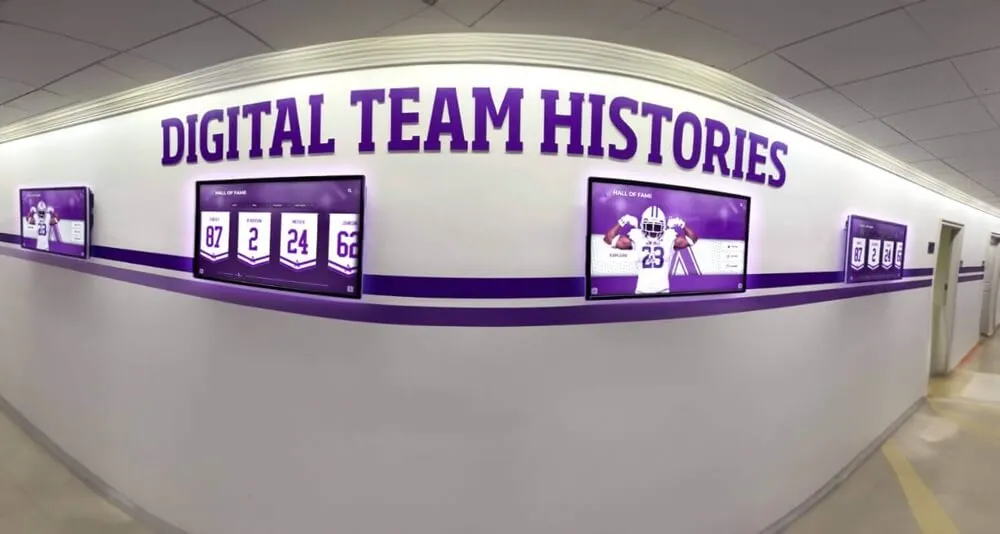
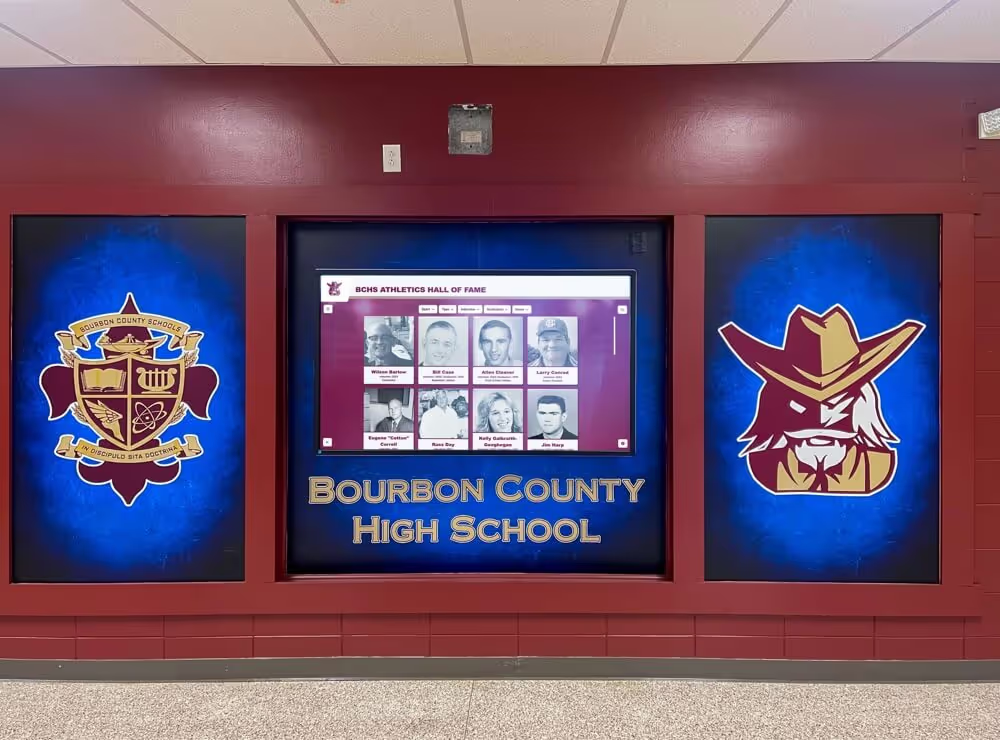
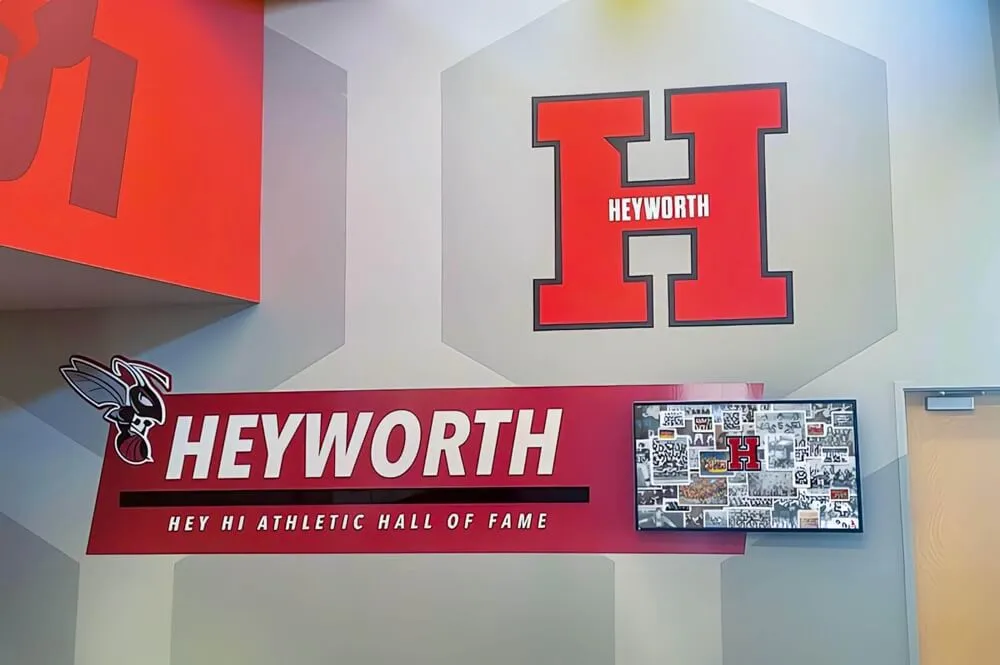
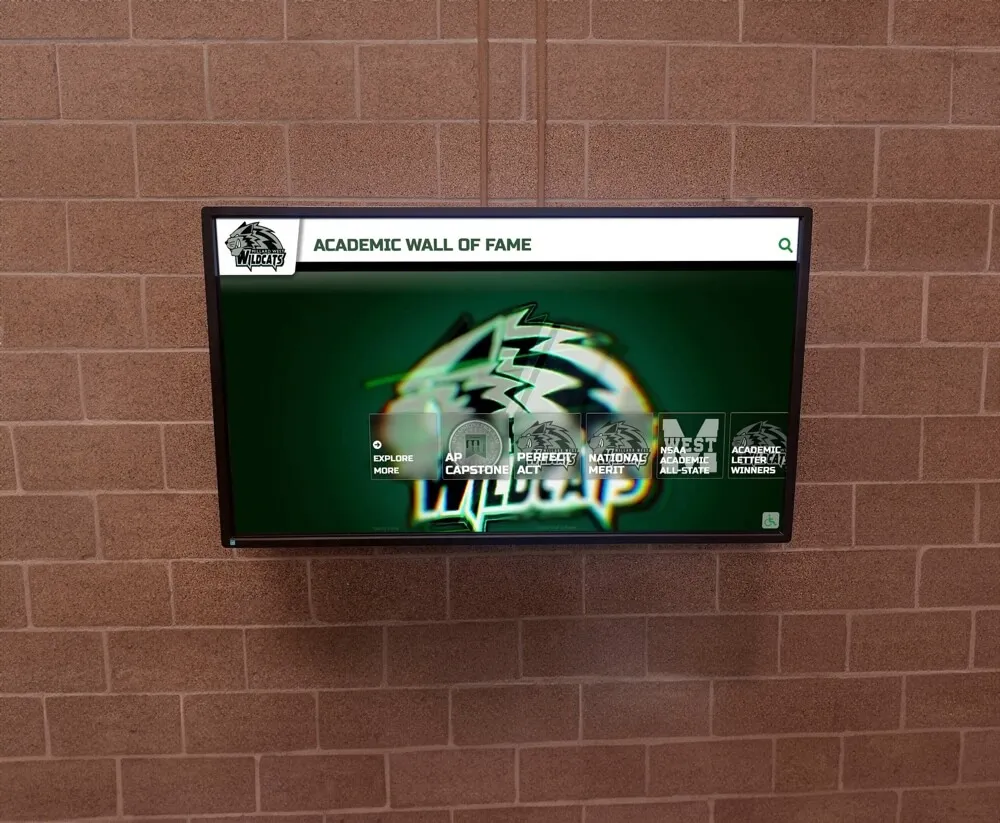
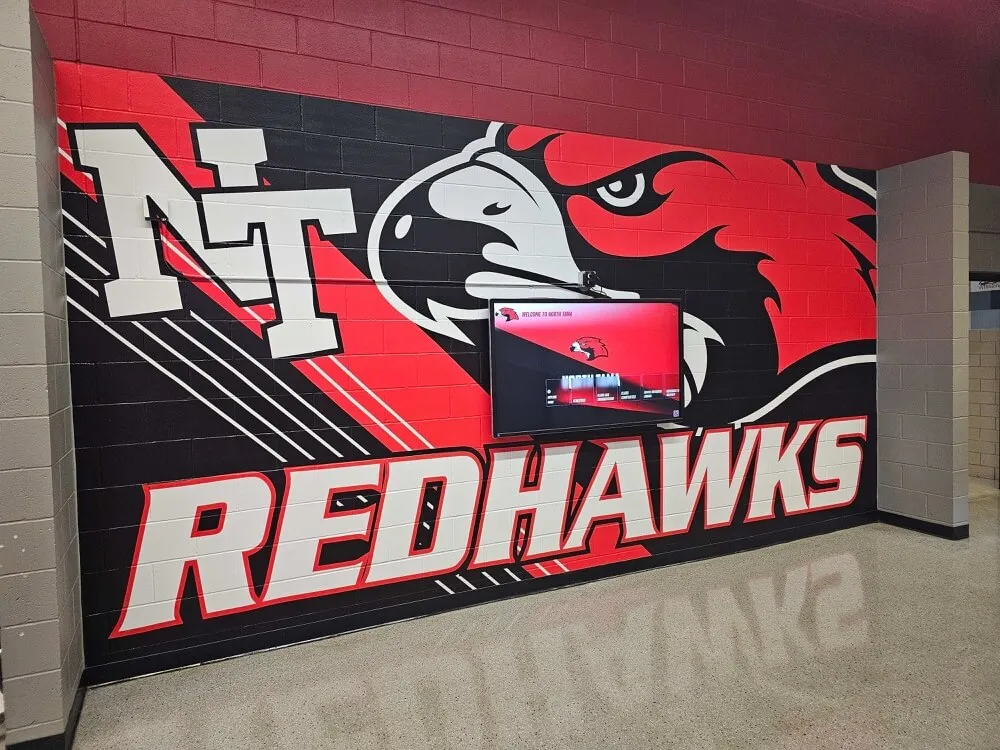
Contemporary schools increasingly adopt digital recognition platforms that overcome traditional display limitations while creating engaging, dynamic showcases of academic excellence. Digital walls of achievement transform how institutions honor their scholars.
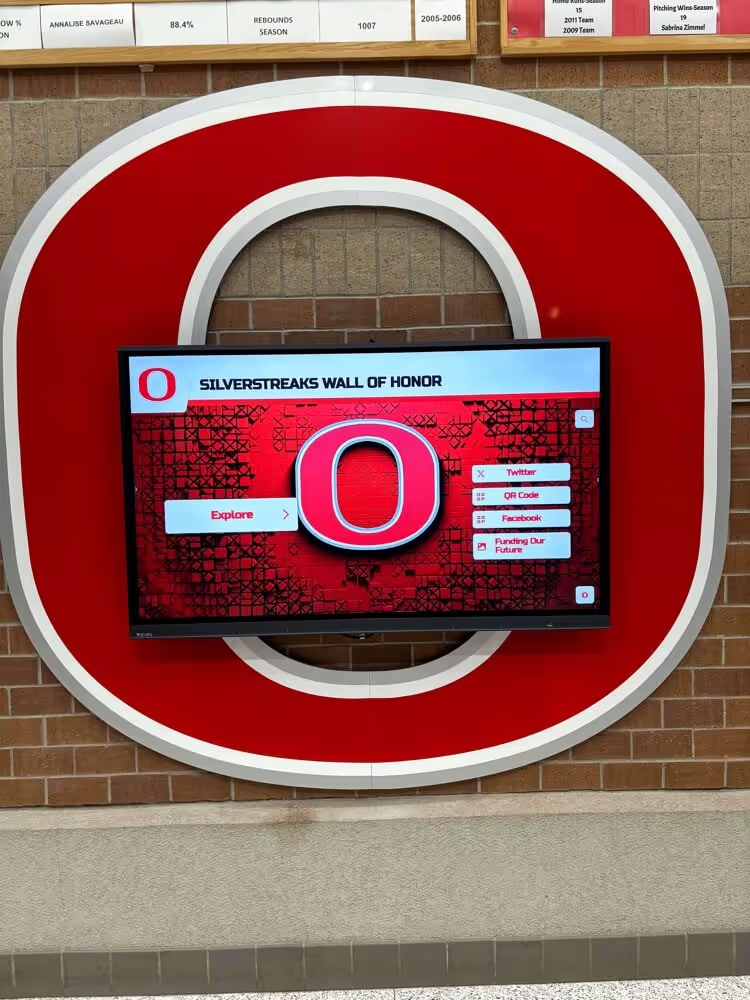
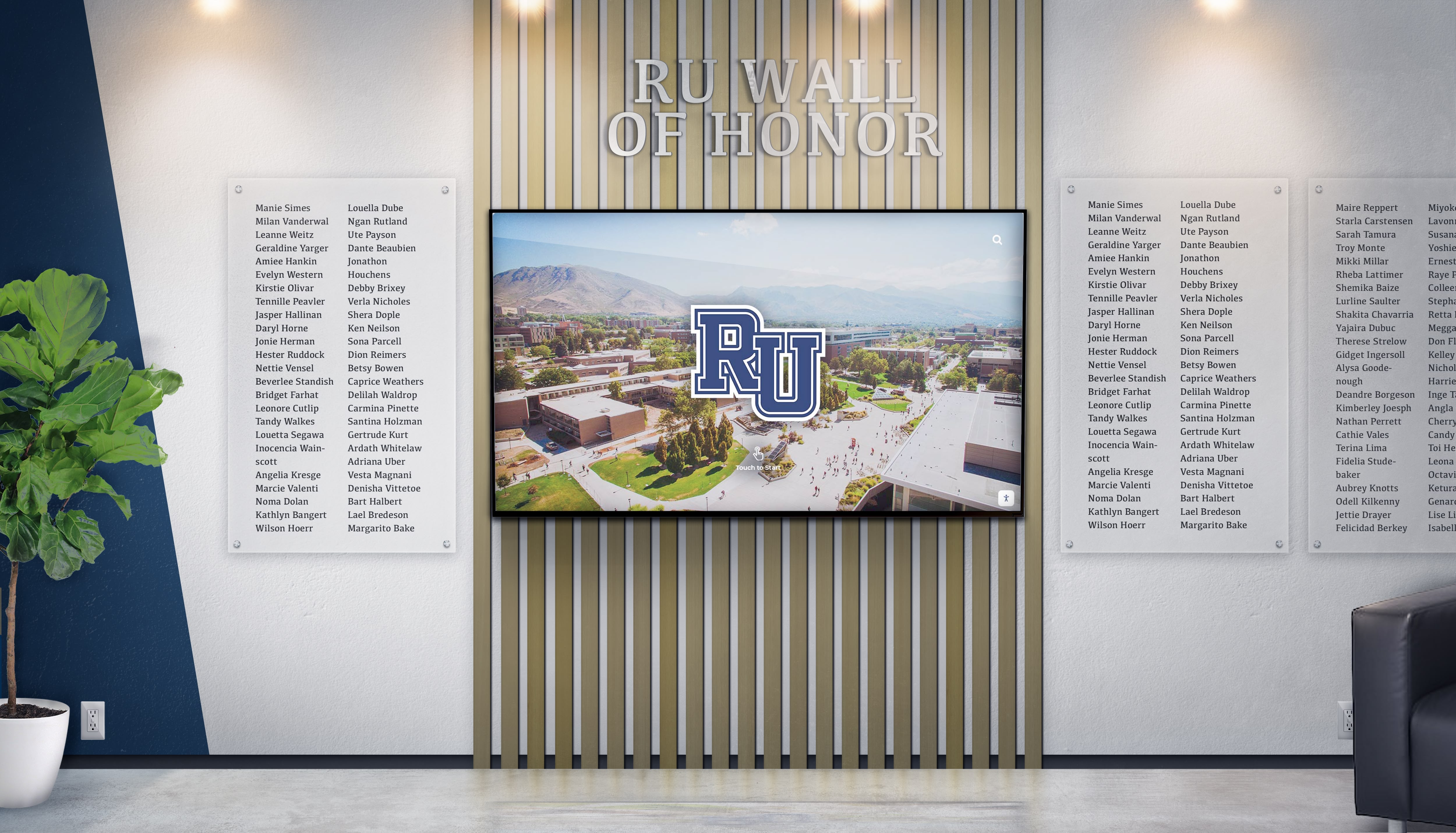
Interactive Touchscreen Displays: Digital recognition systems enable schools to create comprehensive academic honor showcases featuring searchable databases of all valedictorians, salutatorians, and honor graduates throughout institutional history; detailed individual profiles including photographs, academic achievements, extracurricular involvement, college destinations, and career accomplishments; current honor roll lists updated in real-time throughout academic years; recognition of academic competition achievements, scholarship recipients, and subject-specific honors; and multimedia content including video messages from alumni scholars, achievement documentation, and celebration of academic culture.
These interactive displays transform passive recognition into engaging experiences where students can explore academic achievement history, parents can see their children’s accomplishments showcased prominently, and visitors understand institutional commitment to academic excellence. Schools place digital recognition displays in high-traffic locations including main lobbies and entrances, media centers and libraries, academic wings and hallways, and guidance or college counseling areas where students consider their own academic pathways.
Benefits of Digital Academic Recognition: Modern digital recognition platforms offer significant advantages over traditional static displays. They provide unlimited capacity to recognize all deserving students without space constraints, easy updates allowing real-time additions and modifications throughout the year, rich content including photos, videos, and detailed achievement information, engagement through searchable, interactive interfaces that invite exploration, consistency through professional design and presentation standards, and longevity with proper maintenance, creating permanent institutional archives of academic excellence.
Schools implementing comprehensive recognition strategies often combine traditional ceremony-based recognition for immediate celebration with digital displays providing lasting documentation. This approach ensures academic achievers receive both the momentary recognition ceremonies provide and the enduring honor permanent displays create.

Creating Culture That Values Academic Excellence
Beyond formal recognition mechanisms, schools cultivate cultures that genuinely value academic achievement through intentional practices and messaging.
Institutional Priorities and Communication: Schools that successfully celebrate academic excellence regularly communicate achievement through school newsletters, social media, and announcements; allocate resources to academic programs demonstrating institutional commitment; invite distinguished alumni scholars back to campus to share their journeys; incorporate academic achievement recognition into school tours for prospective families; and ensure academic accomplishments receive equivalent attention to athletic and extracurricular achievements.
Creating welcoming institutional spaces that prominently feature academic recognition communicates that intellectual achievement matters and belongs at the heart of educational missions.
Balanced Recognition Approaches: Thoughtful schools balance recognition of highest achievers with celebration of academic growth and effort, ensure diverse pathways to recognition beyond GPA alone, acknowledge that excellence manifests differently across students with varied circumstances and abilities, and create cultures where academic achievement feels accessible and celebrated rather than impossibly competitive or limited to select groups.
This balanced approach recognizes top academic performers like valedictorians and salutatorians while simultaneously celebrating the broader community of learners and acknowledging that education serves purposes beyond competitive ranking.
Frequently Asked Questions About Salutatorian
What’s the difference between valedictorian and salutatorian? The valedictorian ranks first academically in the graduating class, while the salutatorian ranks second. Traditionally, the valedictorian delivers the farewell address at graduation while the salutatorian delivers the welcoming address, though contemporary practices vary significantly.
Is being salutatorian a big deal? Yes. Salutatorian represents exceptional academic achievement, recognizing a student as the second-highest academic performer among their entire graduating class. This honor demonstrates years of sustained excellence, intellectual capability, and dedication. Colleges and scholarship programs highly value this distinction.
How is salutatorian calculated? Most schools determine salutatorian through cumulative grade point average (GPA) across all courses throughout a student’s academic career. Calculation methods vary between weighted and unweighted GPA systems, with some schools adding requirements for minimum advanced coursework or applying tiebreaking procedures when students have identical GPAs.
Can there be multiple salutatorians? Yes. When multiple students tie for second-highest GPA, schools may recognize co-salutatorians rather than applying tiebreaking procedures. However, if multiple students tie for first place (co-valedictorians), schools typically don’t name salutatorians since the next-highest students technically rank third or fourth, not second.
Do all schools have salutatorians? No. Some schools have eliminated class ranking entirely due to concerns about competitive culture, GPA calculation limitations, or equity considerations. Others recognize only valedictorians or use Latin honors systems (cum laude, magna cum laude, summa cum laude) instead of numerical ranking. Practices vary widely across institutions.
What do salutatorians typically go on to do? Salutatorians typically attend selective colleges and universities, often with merit scholarships. They demonstrate the academic preparation, intellectual capability, and work ethic associated with success in rigorous college programs and competitive careers. However, high school class rank represents just one factor in future success.
Conclusion: Celebrating Academic Excellence Meaningfully
The salutatorian designation represents more than a numerical ranking—it symbolizes years of intellectual dedication, countless hours of study, consistent academic excellence, and commitment to educational achievement that inspires peers and strengthens institutional culture. Whether delivered through traditional Latin titles, contemporary recognition programs, or innovative digital displays, meaningful acknowledgment of academic achievement serves vital purposes within educational communities.
Effective academic recognition accomplishes several important objectives: it validates students’ efforts and sacrifices, communicating that dedication matters and produces real consequences; it creates aspirational examples for younger students, demonstrating that academic excellence is achievable and valued; it strengthens institutional culture by emphasizing that education serves purposes beyond minimum requirements; and it builds connections between current students and alumni scholars who share common values and experiences.
As educational practices continue evolving, the specific mechanisms schools use to identify and celebrate their top academic achievers will undoubtedly change. Some institutions may move further away from numerical ranking toward more holistic recognition approaches, while others may maintain traditional valedictorian and salutatorian designations as meaningful traditions connecting generations of students. Regardless of specific methodologies, the fundamental purpose remains constant: acknowledging academic excellence in ways that genuinely honor student achievement while inspiring continued pursuit of intellectual growth and educational accomplishment.
Schools seeking to strengthen their academic recognition programs should consider how both traditional ceremonial moments and permanent recognition displays work together to create cultures where academic achievement receives the celebration it deserves. Modern digital solutions enable institutions to recognize broader groups of achievers, maintain comprehensive historical records, and create engaging presentations that resonate with contemporary students while honoring the scholarly traditions represented by designations like salutatorian.
When schools thoughtfully implement comprehensive recognition strategies, they create environments where academic excellence flourishes, students feel genuinely valued for their intellectual contributions, and institutional missions centered on learning and growth find authentic expression in daily culture and community identity.
Celebrate Your Academic Excellence With Modern Recognition Displays
Transform how your school honors valedictorians, salutatorians, and all academic achievers with interactive digital recognition displays that create lasting tributes to scholarly excellence. Rocket Alumni Solutions provides comprehensive digital recognition systems that showcase your top students' achievements in engaging, searchable formats accessible to your entire community.
Explore Digital Recognition Solutions