Every spring, millions of high school seniors cross graduation stages to receive diplomas celebrating the completion of their secondary education journey. For most students, this ceremony represents a significant milestone marking their transition from high school to college or career paths. But for a select few exceptional scholars—the valedictorian and salutatorian—graduation brings additional recognition honoring years of sustained academic excellence, dedication to learning, and intellectual achievement that distinguished them from their peers.
If you’ve heard the term “salutatorian” mentioned during graduation discussions or seen it listed among academic honors but weren’t entirely sure what it meant, you’re not alone. While valedictorian status as the top-ranked student is widely understood, salutatorian recognition often receives less attention despite representing an equally impressive academic accomplishment requiring sustained excellence throughout high school.
Understanding what salutatorian means—along with the broader landscape of academic honor roles schools use to recognize top scholars—provides valuable context for students pursuing academic excellence, parents supporting their children’s educational journeys, and educators developing comprehensive recognition systems that celebrate diverse forms of scholarly achievement.
This comprehensive guide explores everything you need to know about salutatorian meaning and academic honor roles: the historical origins and ceremonial significance of salutatorian and valedictorian positions, how schools calculate class rank and determine top academic honors, alternative recognition systems including Latin honors and GPA-based distinctions, modern approaches to celebrating academic excellence through digital displays and comprehensive recognition platforms, and the evolving debates surrounding traditional class rank systems in contemporary education.

What Does Salutatorian Mean? Definition and Role Explained
Before exploring the broader landscape of academic honors, let’s establish a clear understanding of what salutatorian specifically means and the role this honored student traditionally plays in graduation ceremonies.
Salutatorian: The Second-Highest Academic Honor
The salutatorian is the student who ranks second in their graduating class based on cumulative academic performance, typically measured by grade point average (GPA) calculated across all four years of high school. This position represents the second-highest academic honor a school can bestow, recognizing a student who has demonstrated exceptional intellectual ability, consistent dedication to scholarship, and sustained excellence across diverse academic subjects throughout their secondary education.
The term “salutatorian” derives from Latin roots—specifically from “salutare,” meaning “to greet” or “to salute.” This etymology reflects the traditional ceremonial role of the salutatorian, who delivers the salutatory address (welcoming speech) at commencement ceremonies. While the valedictorian provides the valedictory address (farewell speech) as the ceremony’s capstone moment, the salutatorian’s speech opens the formal proceedings, welcoming the audience of families, faculty, administrators, and community members gathered to celebrate graduating students.
Historical Origins of Salutatorian and Valedictorian Honors
Academic honor designations like salutatorian and valedictorian have deep roots in American educational tradition, dating back to colonial-era colleges that established formal academic rankings and ceremonial recognition for top scholars.
Colonial College Traditions:
Harvard College and other early American institutions adopted recognition practices from European university traditions, particularly British and Continental systems where academic honors and formal ceremonies celebrated scholarly achievement. By the 18th century, American colleges had established the practice of designating top-ranking students to deliver Latin orations at commencement—sophisticated demonstrations of classical education mastery that reflected the era’s emphasis on classical languages and rhetoric as markers of educated status.
High School Adoption:
As American public high school education expanded dramatically during the late 19th and early 20th centuries, secondary schools adopted and adapted these college-level traditions. The salutatorian and valedictorian designations migrated from higher education into high school graduation ceremonies, becoming standard components of American secondary education culture by the mid-20th century. This adoption reflected broader educational philosophy emphasizing academic competition, merit-based recognition, and ceremonial celebration of exceptional student achievement.
Contemporary Practice:
In 2026, the vast majority of American high schools continue maintaining some form of top academic honor designation, though practices vary significantly. Some schools preserve traditional salutatorian and valedictorian roles exactly as practiced for generations, while others have modified, expanded, or even eliminated class rank-based honors in favor of alternative recognition approaches we’ll explore in detail later in this guide.

The Salutatorian’s Ceremonial Role at Graduation
Beyond representing the second-highest academic achievement, the salutatorian typically fulfills specific ceremonial responsibilities during commencement exercises.
Delivering the Salutatory Address:
The primary traditional responsibility is delivering the salutatory address—a welcoming speech that opens the formal commencement program. This speech typically:
- Welcomes graduates, families, faculty, administrators, and guests to the ceremony
- Acknowledges the shared journey of the graduating class through their high school years
- Recognizes significant challenges overcome, growth experienced, and accomplishments achieved
- Sets a positive, celebratory tone for the ceremony ahead
- Reflects on the meaning of the educational experience and anticipation of future paths
Salutatory addresses generally run 3-7 minutes in length, providing substantive reflection without extending to the length of valedictory addresses, which typically receive more time as the ceremony’s featured student speech.
Platform Party Placement:
At traditional graduation ceremonies, the salutatorian typically sits on the stage platform alongside the valedictorian, school administrators, board members, and distinguished guests. This visible placement physically demonstrates the honor associated with the position, recognizing the salutatorian’s exceptional achievement before the entire school community.
Special Recognition:
Beyond the speech opportunity, salutatorians typically receive special recognition during commencement programs—verbal acknowledgment by administrators, distinctive honor cords or medals identifying their status, special mention in printed programs, and sometimes specific awards or scholarships designated for the second-highest-ranking graduate.
GPA Requirements: What Does It Take to Become Salutatorian?
While specific requirements vary by school, becoming salutatorian generally demands sustained near-perfect academic performance throughout high school.
Typical GPA Thresholds:
Schools using traditional 4.0 unweighted scales typically see salutatorians with GPAs ranging from 3.9 to 4.0, representing nearly perfect grades across all four years. In competitive schools where many students maintain straight-A performance, salutatorian determination may come down to hundredths of grade point differences—a single A-minus instead of A can separate second place from third or fourth.
Weighted GPA Considerations:
Most contemporary high schools calculate weighted GPAs that provide additional points for honors, Advanced Placement (AP), International Baccalaureate (IB), or dual enrollment college courses. In weighted systems, salutatorians frequently have GPAs exceeding 4.0—sometimes reaching 4.5, 4.7, or even higher depending on how extensively their schools weight advanced coursework and how many rigorous courses the student completed.
The use of weighted GPAs for class rank determination creates incentives for students to pursue the most challenging curriculum available rather than protecting GPAs by avoiding difficult courses. Schools implementing weighted systems generally find that top-ranked students challenge themselves with substantial advanced coursework rather than strategically selecting easier classes to maintain perfect grades.
Course Load and Rigor:
GPA alone doesn’t tell the complete story. Salutatorians typically distinguish themselves not just through grades but through the rigor of courses selected. Top-ranked students generally:
- Complete the maximum number of AP, IB, or honors courses available at their schools
- Pursue advanced mathematics through calculus or beyond
- Study multiple years of laboratory sciences
- Maintain advanced foreign language study across multiple levels
- Select challenging electives rather than minimum-requirement courses
Schools recognize that maintaining exceptional grades while simultaneously tackling the most demanding curriculum available demonstrates both intellectual capacity and sustained work ethic that straightforward GPA numbers might not fully capture.
Many schools implementing comprehensive academic recognition programs celebrate not just top-ranked individuals but broader cohorts of high-achieving students through multiple recognition pathways.
Understanding Valedictorian: The Highest Academic Honor
To fully understand salutatorian status, it’s essential to understand the valedictorian position—the highest academic honor that the salutatorian ranks immediately below.
What Is a Valedictorian?
The valedictorian is the student who ranks first in their graduating class, representing the highest level of academic achievement among all graduating seniors. This position carries significant prestige as the ultimate academic recognition a high school can bestow on a student, acknowledging not just exceptional grades but sustained intellectual excellence, academic dedication, and scholarly commitment across the entirety of high school.
The term “valedictorian” comes from the Latin “vale dicere,” meaning “to say farewell.” This etymology reflects the traditional role of delivering the valedictory address—the farewell speech that typically concludes the student speaking portion of graduation ceremonies. The valedictorian’s speech represents the graduating class’s final formal remarks, often providing reflection on shared experiences, acknowledgment of gratitude to families and educators, and inspiration for future endeavors.
Valedictorian vs. Salutatorian: Key Differences
While both positions represent exceptional academic achievement and come with ceremonial responsibilities, several key differences distinguish valedictorian and salutatorian honors:
Class Rank Position:
- Valedictorian: Ranks first (highest GPA in graduating class)
- Salutatorian: Ranks second (second-highest GPA in graduating class)
Speech Role:
- Valedictorian: Delivers valedictory (farewell) address, typically toward the end of commencement
- Salutatorian: Delivers salutatory (welcoming) address, typically at the beginning of commencement
Speech Emphasis:
- Valedictorian: Often provides reflective, inspirational farewell addressing the class’s journey and future
- Salutatorian: Typically delivers welcoming remarks setting the ceremony’s tone and acknowledging attendees
Recognition Level:
While both represent tremendous achievement, valedictorian status typically receives slightly greater attention as the ultimate academic honor. Valedictorians may receive additional scholarship opportunities specifically designated for top-ranked students, more extensive media coverage in school publications and local newspapers, and greater emphasis in college application processes where valedictorian status can provide meaningful differentiation in selective admissions.
Competition Intensity:
In schools where multiple students achieve perfect or near-perfect GPAs, competition for valedictorian can be extraordinarily intense, with hundredths of points separating first from second place. The salutatorian may have an academic record virtually indistinguishable from the valedictorian—perhaps separated by a single course grade across four years—yet receives the second-place designation based solely on those minimal differences.
Multiple Valedictorians and Co-Salutatorians
Some schools designate multiple valedictorians when several students achieve identical top GPAs—a practice that has become increasingly common as grade inflation and weighted GPA systems produce more students with perfect or near-perfect academic records.
The Multiple Valedictorians Trend:
Schools facing three, five, ten, or even twenty students with identical weighted GPAs face difficult decisions: name a single valedictorian using arbitrary tiebreakers, or recognize all students with identical top achievement as co-valedictorians sharing the honor equally. Increasingly, schools choose the latter approach, designating all students with the highest GPA as valedictorians rather than creating artificial distinctions among identically achieving students.
This trend has sparked debate. Supporters argue that students with identical academic records deserve equal recognition, and creating tiebreakers based on minor factors (decimal rounding, non-academic courses, or arbitrary policies) undermines the fundamental fairness of merit-based honors. Critics contend that designating numerous valedictorians dilutes the honor’s meaning and eliminates the distinctive recognition that traditionally made valedictorian status particularly special.
Co-Salutatorian Designations:
Similarly, when multiple students share identical second-highest GPAs, schools may designate co-salutatorians sharing the honor equally. This situation often occurs in schools with multiple valedictorians—if ten students share the top GPA, the student(s) with the next-highest GPA become salutatorians, though this eleventh student might have a GPA only minimally below the top ten.
In other scenarios, schools eliminate salutatorian designation entirely when naming multiple valedictorians, reasoning that the “second-highest” position becomes unclear when ten students share first place. These policy decisions reflect broader institutional philosophy about academic recognition: whether to privilege exclusive individual distinction or celebrate all students achieving at exceptional levels.
How Schools Calculate Class Rank and Determine Top Honors
Understanding how schools calculate class rank provides essential context for how salutatorian and valedictorian positions are determined and why these calculations sometimes generate controversy.
GPA Calculation Methods: Weighted vs. Unweighted
Unweighted GPA Systems:
Traditional unweighted systems calculate GPAs using a straightforward 4.0 scale where:
- A = 4.0
- B = 3.0
- C = 2.0
- D = 1.0
- F = 0.0
In unweighted systems, all courses count equally regardless of difficulty level. An A earned in a standard-level course carries the same 4.0 value as an A earned in Advanced Placement Calculus BC—one of the most challenging high school courses available. This simplicity creates easy-to-understand calculations but arguably discourages students from challenging themselves with rigorous coursework when easier courses provide easier paths to perfect GPAs.
Weighted GPA Systems:
Weighted systems provide additional grade points for designated rigorous courses—typically honors, AP, IB, or dual enrollment college classes. Common weighting approaches include:
Standard Weighting: Adds 0.5 points for honors courses and 1.0 point for AP/IB courses
- A in regular course = 4.0
- A in honors course = 4.5
- A in AP/IB course = 5.0
Uniform Weighting: Adds the same bonus (typically 1.0) for all advanced courses
- A in regular course = 4.0
- A in honors/AP/IB course = 5.0
Weighted systems reward students who pursue challenging curriculum, but introduce complexity in GPA interpretation. A 4.3 GPA might represent strong performance in standard courses or mixed performance in extremely rigorous coursework—the number alone doesn’t clarify which scenario applies.
Hybrid Calculation Approaches:
Some schools calculate both weighted and unweighted GPAs, using weighted GPA for class rank determination while reporting unweighted GPA on transcripts for college admissions. This hybrid approach aims to incentivize rigorous course selection through weighted rankings while providing colleges standardized unweighted GPA data facilitating inter-school comparisons.
Understanding these systems helps families decode what salutatorian or valedictorian status means in specific school contexts—a 4.0 valedictorian in an unweighted system represents perfect grades across all courses, while a 4.7 valedictorian in a heavily weighted system indicates extensive advanced coursework with strong but perhaps not perfect grades.
Factors That Influence Class Rank Beyond Grades
While GPA provides the foundation for class rank calculation, numerous policy decisions affect how schools determine final rankings and thus who becomes salutatorian or valedictorian.
Which Courses Count Toward GPA:
Schools make varying decisions about which courses factor into class rank calculations:
Core Academic Only: Some schools calculate GPA using only core academic subjects—English, mathematics, science, social studies, and world languages—excluding electives like art, music, physical education, or career-technical courses. This approach focuses rankings on traditional academic disciplines while potentially penalizing students pursuing diverse educational experiences.
All Courses: Other schools include all courses toward GPA, treating physical education, art, and elective courses with equal weight as academic core classes. This comprehensive approach avoids privileging certain disciplines over others but may create situations where non-academic electives influence who becomes salutatorian or valedictorian.
Weighted Core Only: Some schools include all courses toward GPA but apply weighting only to core academic advanced courses, creating hybrid systems attempting to balance comprehensiveness with academic focus.
Transfer Grades and Course Credit:
Students transferring from other schools create complications for class rank systems. Schools must decide whether to:
- Include transfer grades in GPA calculations at face value, potentially using different grading scales or course rigor standards
- Recalculate transfer grades using the receiving school’s system and standards
- Accept transfer credits for graduation requirements but exclude transfer grades from class rank calculations entirely
These policies significantly impact transfer students’ ability to compete for top honors like salutatorian or valedictorian, sometimes creating perceived unfairness when transfer students with excellent records face disadvantages in class rank systems.
Repeating Courses and Grade Replacement:
Schools establish policies about how repeated courses affect GPA:
- Replace the original grade entirely, using only the higher grade in calculations
- Average both attempts together
- Include both grades separately as distinct course entries
- Include only the first attempt, treating subsequent attempts as supplementary
Grade replacement policies allowing students to retake courses and substitute higher grades can affect class rank competition, particularly in schools where top students sometimes retake even B+ grades to achieve perfect 4.0 records.
Students pursuing academic excellence benefit from understanding how modern digital recognition solutions can celebrate salutatorian and valedictorian honors alongside broader academic achievement recognition.

Tiebreaker Policies When Students Have Identical GPAs
When multiple students achieve identical GPAs eligible for salutatorian or valedictorian designation, schools must decide how to differentiate among equally achieving students or whether to recognize all as co-honorees.
Common Tiebreaker Approaches:
Extended Decimal Precision: Calculate GPAs to additional decimal places (three or four places instead of two), using hundredths or thousandths of points to break ties. While this approach identifies a single top student, it can feel arbitrary when students with 4.6782 and 4.6779 GPAs—records effectively identical—receive different honors.
Standardized Test Scores: Use SAT or ACT scores as a secondary criterion, designating the student with the highest GPA plus highest standardized test score as valedictorian. This approach has fallen out of favor as colleges de-emphasize standardized testing and schools recognize that test performance measures different skills than classroom achievement.
Course Rigor Analysis: When weighted GPAs are identical, examine the specific courses taken, designating the student who completed more AP/IB courses or the most challenging curriculum as the top honoree. This approach rewards course rigor but requires subjective judgment about which advanced courses represent greater difficulty.
Semester-by-Semester Performance: Use semester GPA trends as tiebreakers, perhaps favoring students who demonstrated improvement trajectories or maintained consistency across all terms rather than stronger performance in early years balanced by weaker performance later.
Co-Recognition: Recognize all students with identical top GPAs as co-valedictorians or co-salutatorians, sharing honors equally rather than creating artificial distinctions among identical achievement. This approach has become increasingly common and generally receives support from fairness perspectives.
Beyond Salutatorian and Valedictorian: Other Academic Honor Designations
While salutatorian and valedictorian represent the most prestigious individual academic honors, schools employ various additional recognition systems celebrating broader cohorts of high-achieving students.
Latin Honors: Cum Laude, Magna Cum Laude, and Summa Cum Laude
Many high schools have adopted Latin honors systems modeled after college graduation distinctions, providing tiered recognition acknowledging different levels of academic excellence.
The Three-Tier Latin Honors System:
Cum Laude (with honor): Typically awarded to students graduating with GPAs in approximately the top 20-25% of their class, often requiring cumulative GPAs of 3.5-3.7+ depending on school standards. This honor recognizes strong consistent academic performance deserving commendation.
Magna Cum Laude (with great honor): Awarded to students in approximately the top 10-15% of the class, typically requiring GPAs of 3.8-3.9+. This distinction celebrates exceptional academic achievement demonstrating sustained excellence across high school.
Summa Cum Laude (with highest honor): Reserved for the top 3-5% of graduates, generally requiring GPAs of 3.95-4.0 or higher in weighted systems. This represents the highest level of Latin honors, acknowledging truly outstanding scholarly achievement. Valedictorians and salutatorians typically receive summa cum laude designation along with their top individual honors.
Benefits of Latin Honors Systems:
Latin honors provide recognition for larger cohorts of high-achieving students rather than only the single top-ranked valedictorian and salutatorian. This broader recognition celebrates academic excellence among more students while maintaining meaningful distinctions between different achievement levels. Students who might narrowly miss salutatorian status—perhaps ranking third or fourth in their class—still receive prestigious summa cum laude honors acknowledging their exceptional performance.
Schools implementing comprehensive systems often combine traditional class rank honors (valedictorian/salutatorian) with Latin honors distinctions, maximizing recognition opportunities while maintaining multiple tiers of prestige corresponding to different achievement levels. For more context on how Latin honors systems work at the college level, see this detailed guide on what is Latin honors.

Honor Roll and Distinguished Honor Roll Recognition
Beyond graduation honors, most schools maintain ongoing semester or quarterly honor roll systems recognizing consistent academic achievement throughout students’ high school careers.
Standard Honor Roll:
Typically recognizes students achieving GPAs of 3.0-3.5+ for a specific grading period, celebrating solid academic performance and consistent effort. Honor roll designation provides regular positive reinforcement throughout high school rather than only at graduation, creating ongoing motivation and acknowledgment of sustained achievement.
Distinguished Honor Roll (High Honor Roll):
Represents a higher tier, usually requiring GPAs of 3.5-3.8+ or higher, with some schools also mandating no grades below B or B+ in any individual course. This distinction separates the strongest academic performers from those achieving solid but not exceptional results.
Principal’s Honor Roll:
Some schools create an additional highest tier, often requiring 4.0 GPAs (all A’s) for the grading period, acknowledging perfect academic performance during specific terms even if cumulative achievement doesn’t reach valedictorian or salutatorian levels.
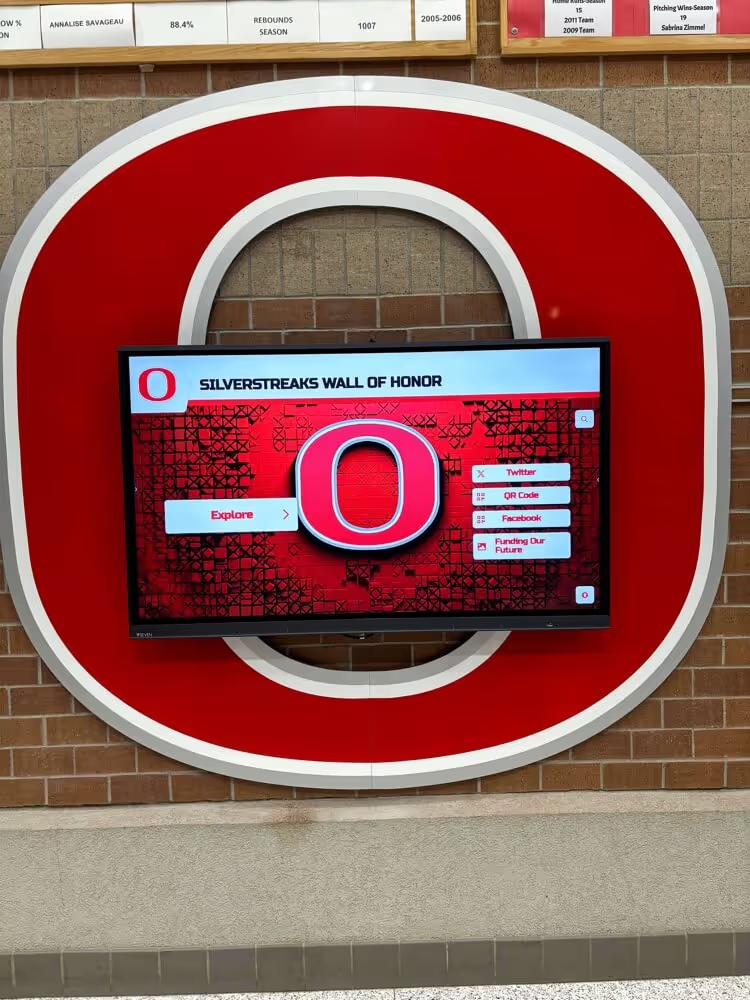
Schools implementing modern student recognition displays can showcase ongoing honor roll achievement alongside graduation honors like salutatorian and valedictorian status.
Class Ranking Systems: Decile, Quintile, and Quartile
Some schools have moved away from precise numerical class rank—which creates intense competition and fine distinctions among similarly performing students—in favor of broader ranking categories.
Decile Rankings:
Group students into tenths of the class (top 10%, second 10%, etc.), providing meaningful achievement context without creating pressure to differentiate students with nearly identical performance. Students in the top decile understand they rank among the strongest performers even if specific numerical rank remains unstated.
Quintile Rankings:
Divide the class into fifths (top 20%, second 20%, etc.), creating even broader groupings that acknowledge strong achievement without intensifying competition among similarly performing students.
Quartile Rankings:
Split classes into quarters (top 25%, second 25%, etc.), providing the broadest categorical ranking. Students in the top quartile clearly demonstrate strong academic performance without facing pressure to compete for every hundredth of a grade point separating them from classmates.
These categorical systems aim to preserve meaningful achievement information for college admissions—where class rank context helps admissions officers interpret GPAs from different schools—while reducing the stress and strategic gaming behaviors that precise numerical rankings can encourage.
The Evolving Debate: Should Schools Eliminate Class Rank?
While salutatorian and valedictorian honors have been cornerstone traditions in American education for over a century, increasing numbers of schools are questioning whether traditional class ranking systems serve contemporary educational values and student wellbeing.
Arguments for Eliminating Valedictorian and Salutatorian Designations
Reducing Unhealthy Academic Competition:
Critics argue that intense competition for valedictorian status—where hundredths of grade points separate top students—creates counterproductive stress, encourages strategic course selection prioritizing GPA protection over genuine learning, and fosters competitive rather than collaborative peer relationships. When students view classmates as obstacles to individual recognition rather than collaborative learning partners, educational culture suffers.
Students competing for top ranks sometimes avoid the most challenging courses that might risk their GPAs, make course selection decisions based primarily on grade optimization rather than intellectual interest, experience excessive stress about minor grade variations with minimal educational significance, and develop perfectionist tendencies where anything less than A+ performance feels like failure.
Acknowledging Multiple Forms of Excellence:
Traditional class rank systems privilege only a single dimension of achievement: academic GPA. Students demonstrating exceptional excellence in arts, athletics, leadership, community service, or other valuable domains receive less institutional recognition than academic high achievers. This narrow focus on GPA-based honors may communicate that schools value only academic performance, undervaluing other forms of significant student contribution and achievement.
Progressive educators advocate for comprehensive recognition systems celebrating diverse excellence pathways rather than elevating only top academic achievers to honored platform positions at graduation ceremonies.
Addressing Equity Concerns:
Class rank systems can inadvertently disadvantage students from less resourced backgrounds who may lack access to extensive AP course offerings, private tutoring, or other advantages that help affluent students maximize GPAs. Additionally, students facing family responsibilities, part-time work obligations, or other challenges may achieve remarkable academic success relative to their circumstances without reaching absolute GPA levels that lead to top ranks at resource-rich schools.
Some education equity advocates argue that individual recognition like valedictorian and salutatorian honors perpetuate achievement gaps by celebrating students who often benefit from significant advantages while providing less recognition for equally dedicated students facing greater challenges.
Arguments for Preserving Traditional Academic Honors
Celebrating Individual Excellence:
Supporters of traditional honors argue that recognizing exceptional individual achievement represents an important educational value, providing tangible acknowledgment that sustained dedication and intellectual excellence deserve special celebration. In many life domains—from careers to college admissions to competitive endeavors—individual distinction matters, and experiencing recognition for exceptional achievement during high school prepares students for future environments where merit-based differentiation exists.
Eliminating valedictorian and salutatorian honors in the name of reducing pressure or celebrating diverse achievements risks sending messages that individual excellence doesn’t warrant distinctive recognition or that achievement differences among students shouldn’t be acknowledged publicly.
Providing Meaningful Motivation:
For many academically driven students, working toward potential valedictorian or salutatorian status provides powerful motivation sustaining effort across four years of high school. The goal of reaching top academic honors encourages students to maintain focus, persist through challenging courses, and develop work habits that serve them throughout their educational and professional lives.
Schools eliminating these honors may inadvertently reduce one source of concrete academic motivation, particularly for students whose primary talents and interests lie in intellectual rather than athletic or artistic domains where recognition opportunities remain robust.
Maintaining Ceremonial Tradition:
Graduation ceremonies benefit from student voice—speeches that provide graduating class perspective, acknowledge shared experiences, and inspire peers and younger students. The valedictorian and salutatorian speaking tradition ensures that the strongest academic performers deliver these remarks, modeling intellectual excellence and demonstrating that scholarly achievement leads to honored visibility and platform opportunities.
Some communities value preserving educational traditions like valedictorian and salutatorian designations that have been continuous features of their schools’ histories for generations, creating connections between current graduates and alumni who received the same honors decades earlier.

Compromise Approaches: Modernizing Academic Recognition
Many schools adopt middle-ground approaches that preserve some traditional elements while addressing valid concerns about narrow competition and exclusive recognition.
Multiple Speakers:
Rather than featuring only valedictorian and salutatorian speeches, schools can select multiple student speakers representing diverse achievement domains—perhaps the top academic performer, the standout arts student, the exceptional athlete-scholar, and the remarkable community service leader. This approach maintains student voice at ceremonies while demonstrating that schools value multiple forms of excellence.
Selection-Based Rather Than Rank-Based Speakers:
Some schools have eliminated automatic speaking rights for top-ranked students, instead conducting selection processes where interested students submit speech proposals. Committees evaluate proposed speeches on quality, message, and appropriateness rather than selecting speakers solely by GPA. This approach ensures excellent speeches while disconnecting speaking opportunities from class rank competition.
Comprehensive Recognition Systems:
Schools can maintain valedictorian and salutatorian designations while simultaneously implementing robust recognition for diverse achievements through digital recognition displays, honor society inductions, departmental awards, and multi-faceted celebration ensuring academic top honors represent one category among many rather than the singular most prestigious recognition available.
Latin Honors Without Individual Rank:
Schools can eliminate specific valedictorian and salutatorian designations while maintaining Latin honors systems (summa cum laude, magna cum laude, cum laude) that recognize top-performing cohorts without singling out individuals or creating intense competition for single top spots.
How Schools Can Effectively Recognize Salutatorians, Valedictorians, and Top Scholars
Regardless of specific policy decisions about class rank and graduation honors, schools benefit from thoughtful approaches to recognizing academic excellence that genuinely celebrate achievement while supporting positive school culture.
Graduation Ceremony Recognition Best Practices
Meaningful Speech Opportunities:
When salutatorians and valedictorians deliver addresses, provide adequate time (typically 5-10 minutes) allowing substantive reflection rather than rushed remarks. Support students in speech development through writing workshops, feedback from English teachers or administrators, and practice sessions ensuring polished delivery.
Coordinate speaking slots so salutatorian and valedictorian addresses complement rather than duplicate each other—perhaps the salutatorian focusing on welcoming remarks and reflecting on the class’s journey while the valedictorian provides inspirational forward-looking commentary about future paths and possibilities.
Physical Recognition Symbols:
Provide distinctive recognition symbols identifying salutatorians, valedictorians, and other honor graduates during ceremonies:
- Special honor cords in designated colors worn with graduation robes
- Medals or stoles identifying specific honors
- Distinguished seating on the platform or in the front row
- Special mention in printed programs with achievement details
- Separate certificate presentations highlighting specific honors
These visible symbols ensure that the entire ceremony audience—not just those listening carefully to announcements—understands which students have achieved exceptional academic honors.
Family Acknowledgment:
Consider incorporating brief family acknowledgment moments where salutatorians, valedictorians, or other top honorees can thank specific individuals who supported their achievement. This personal touch creates memorable ceremony moments while recognizing that academic success reflects not just individual effort but also family support, teacher mentorship, and community investment.
Permanent Recognition: Digital Displays and Traditional Methods
Beyond graduation ceremony acknowledgment, schools should create permanent recognition honoring salutatorians, valedictorians, and other top scholars as part of institutional history and culture.
Traditional Physical Recognition:
Plaques and Display Boards: Many schools maintain physical displays listing valedictorians and salutatorians from every graduating class, creating visible records of academic excellence spanning decades. These displays typically appear in prominent locations like main lobbies, counseling areas, or library spaces where students encounter them regularly.
Trophy Cases: Some schools include academic achievement recognition within trophy cases traditionally dominated by athletic trophies, creating balanced displays demonstrating that schools value intellectual and physical achievement equivalently.
Engraved Boards: Permanent wall-mounted boards with engraved metal or wooden plaques listing each year’s top honors provide durable recognition visible to current students, families, and visitors throughout the school year and across generations.
Modern Digital Recognition Solutions:
Traditional physical recognition faces inherent limitations: finite space requiring difficult prioritization decisions, inability to include rich content like photos or achievement details, manual update requirements consuming staff time and resources, and static presentation lacking engagement features that inspire current students.
Digital recognition platforms designed specifically for educational institutions overcome these limitations while introducing powerful capabilities transforming how schools celebrate academic excellence.
Benefits of Digital Academic Recognition:
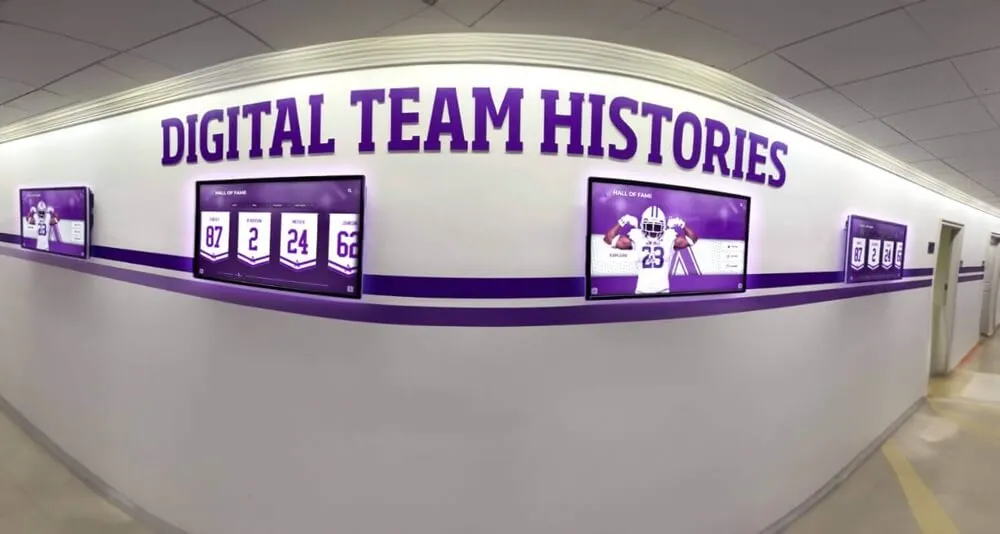
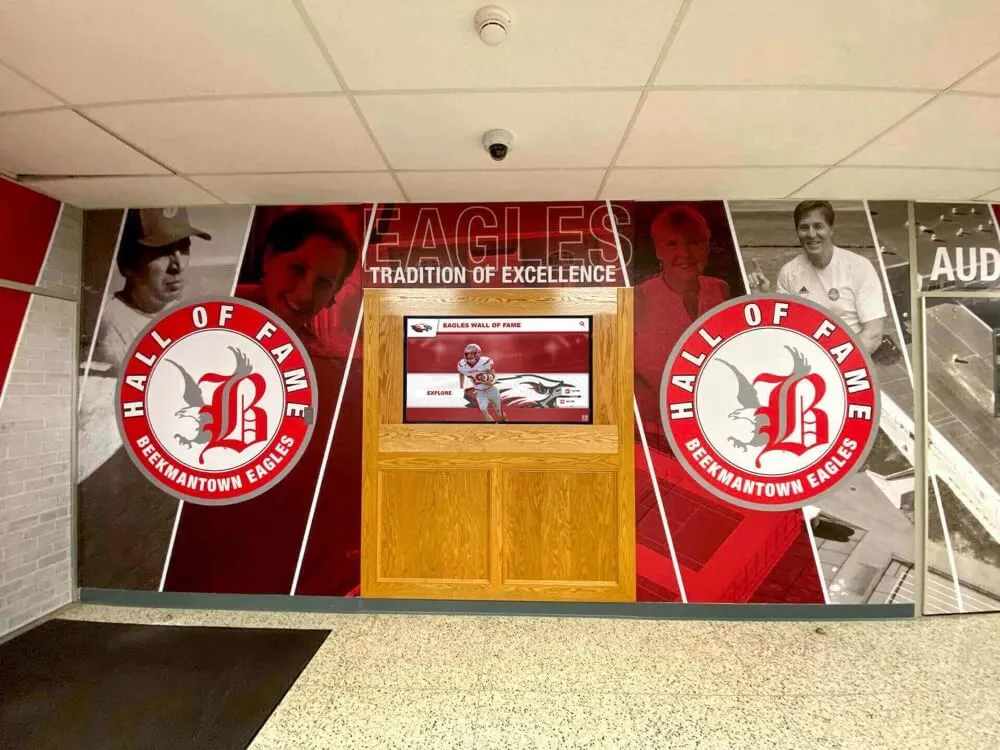
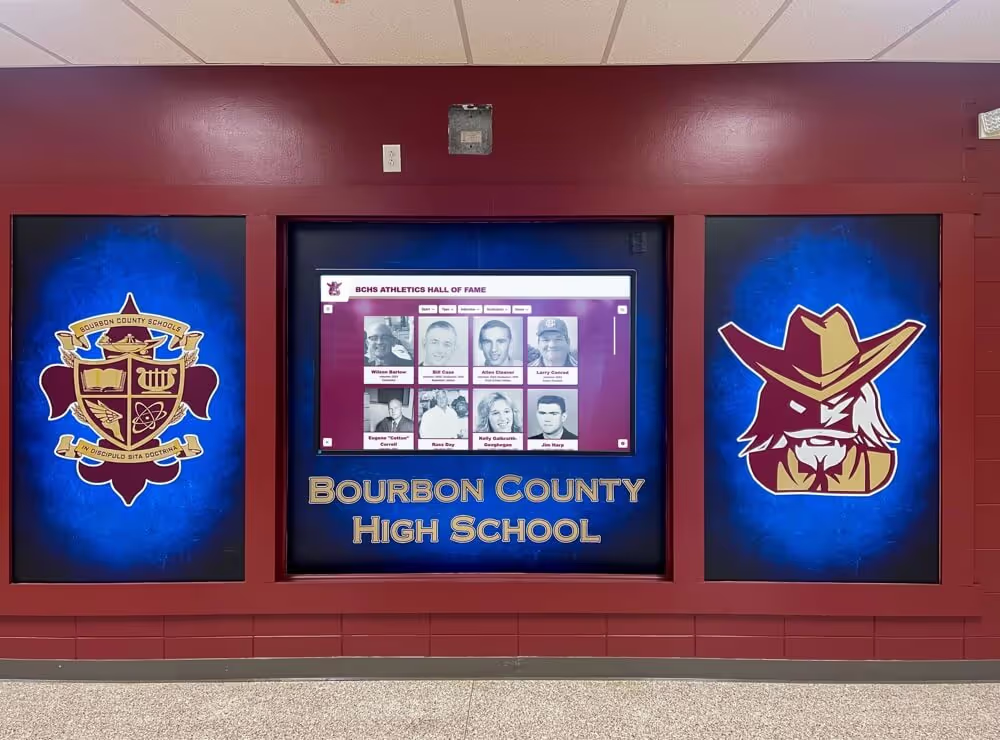
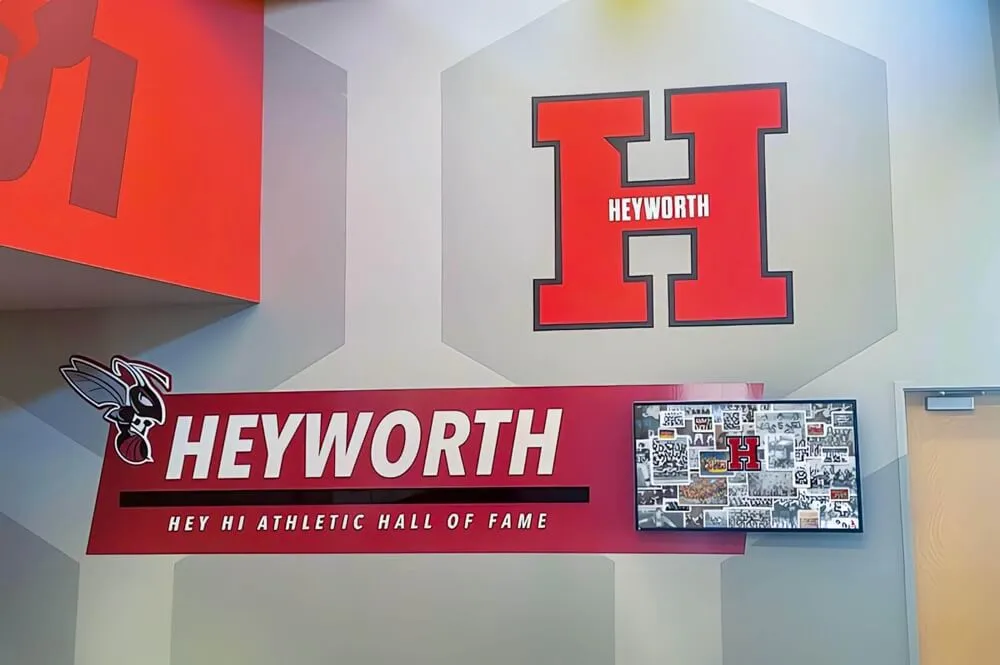
Modern solutions like Rocket Alumni Solutions provide comprehensive platforms that allow schools to create detailed profiles for salutatorians, valedictorians, and other honored students including professional photographs, achievement narratives explaining accomplishments and academic paths, advice for younger students pursuing academic excellence, college destination information, and complete academic honor details.
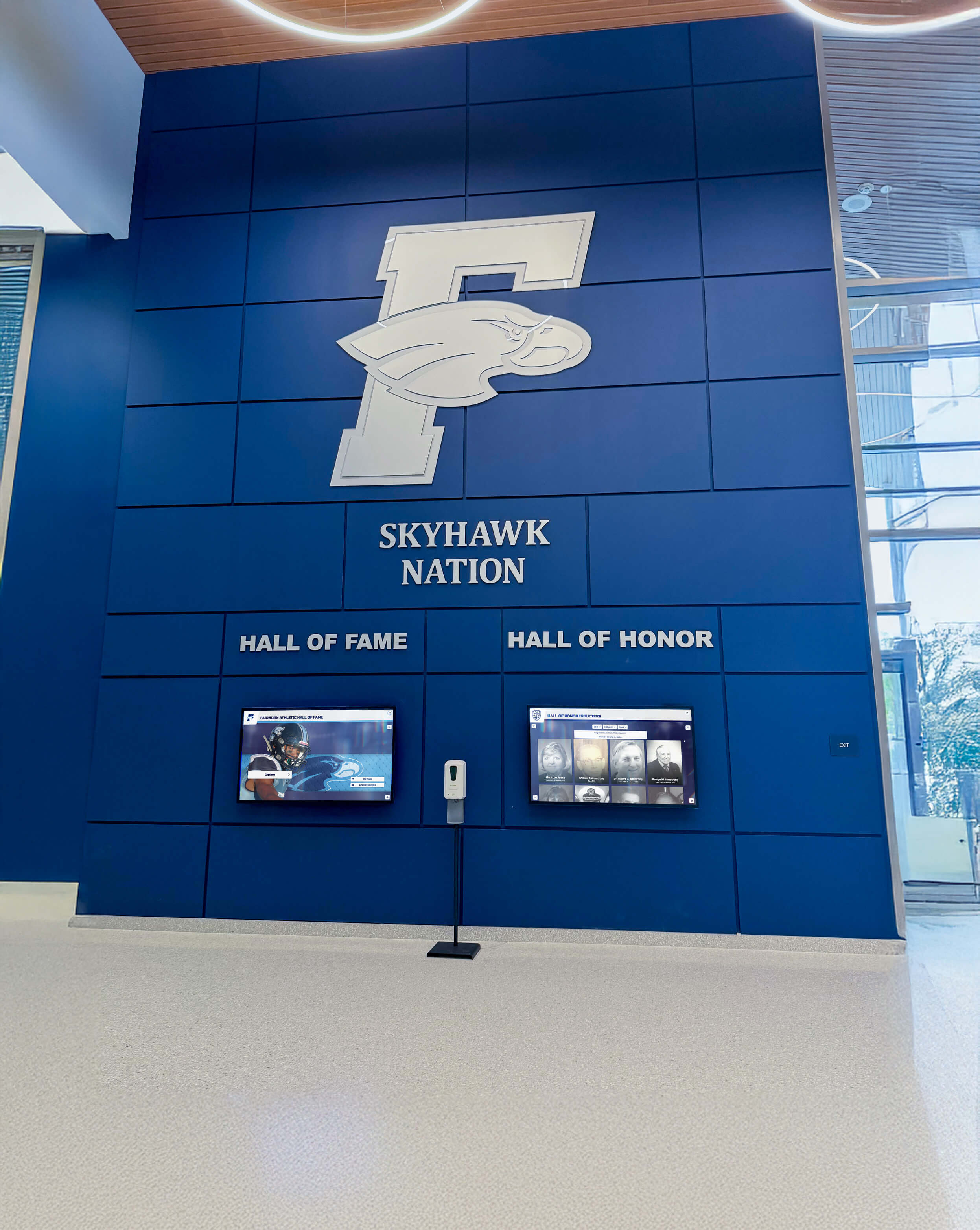
Interactive touchscreen displays enable students to explore recognition content by searching for specific graduates by name or year, browsing chronologically through decades of academic achievement history, filtering by specific honors or achievement types, and discovering connections between current students and past honorees.
Digital platforms accommodate unlimited recipients without space constraints, ensuring every salutatorian and valedictorian across school history can be recognized equally regardless of how many years have passed. Schools never face decisions about removing older recognition to create space for new honorees, preserving comprehensive institutional history indefinitely.
Additionally, web-based accessibility extends recognition beyond physical campus locations to families, alumni, and community members anywhere, creating broader impact and engagement than purely on-campus displays can achieve.
Schools can also integrate academic recognition with athletic, arts, and service achievements within unified systems demonstrating balanced institutional values. When prospective students and families explore recognition displays and see academic honors featured with equal prominence as athletic accomplishments, they understand schools genuinely value diverse forms of excellence.
Learn more about implementing comprehensive recognition display systems that celebrate salutatorians and other academic achievers.
Communicating Academic Opportunities to All Students
Early and Ongoing Information:
Schools should communicate clearly about salutatorian, valedictorian, and other academic honor requirements beginning in freshman year, ensuring all students understand what achievement levels earn different recognitions and what policies govern calculation and determination.
Provide detailed information through:
- Student handbooks with comprehensive academic honors sections
- Grade-level assemblies explaining recognition systems and requirements
- Individual counseling sessions during academic planning meetings
- School websites with dedicated academic recognition pages
- Parent communications at Back to School Night and other family engagement events
Transparent Criteria and Progress Tracking:
Make criteria completely transparent so students can understand their progress and set concrete goals. Offer online portals where students can view current GPA calculations, understand how different course selections might affect future rankings, and track progress toward various academic honor thresholds.
Inclusive Messaging:
Communicate about academic honors in ways that inspire effort rather than create anxiety or feelings of impossibility. Emphasize that achieving honor roll, Latin honors, or other recognition represents meaningful accomplishment even if not reaching valedictorian or salutatorian status. Position academic achievement as a personal growth journey rather than solely a competitive ranking exercise.
The Future of Academic Recognition: Trends and Innovations
As education continues evolving, academic recognition practices are adapting to contemporary values, technological capabilities, and educational research about student motivation and wellbeing.
Holistic Achievement Recognition
Forward-thinking schools are implementing comprehensive recognition systems that celebrate academic achievement like salutatorian and valedictorian honors while equally honoring excellence in arts, athletics, leadership, service, and other domains. Rather than privileging only GPA-based honors, these schools create balanced recognition cultures where students pursuing diverse paths to excellence feel equally valued.
Digital recognition platforms make this comprehensive approach practical by accommodating unlimited recognition categories without physical space constraints. Students can be celebrated as salutatorians while their peers receive equivalent honor for exceptional theater performances, championship athletic achievements, or remarkable community service—all within integrated systems demonstrating that multiple forms of excellence deserve celebration.
Data-Driven Recognition Insights
Modern recognition systems can track engagement analytics showing which students interact with displays, what content generates most interest, and how recognition features affect campus culture. Schools can use this data to continuously improve recognition approaches, ensuring they genuinely inspire current students while appropriately honoring achievements.
Analytics might reveal, for example, that students particularly engage with salutatorian and valedictorian profiles that include specific advice for academic success, or that recognition featuring diverse achievement types generates more sustained engagement than single-focus displays. These insights help schools optimize recognition to maximize positive cultural impact.
Personalized Achievement Narratives
Rather than reducing students to GPA numbers and class ranks, emerging best practices emphasize rich storytelling that captures individual achievement narratives. A salutatorian’s recognition might include their journey overcoming learning challenges, their passion for specific subjects that shaped their academic path, their involvement in academic competitions, and their future aspirations—creating a compelling story that inspires current students more effectively than a simple name and GPA listing.
Digital platforms make these rich narratives practical by providing multimedia capabilities and unlimited content space that physical plaques cannot match, transforming recognition from basic acknowledgment into meaningful inspiration.
Integration with Alumni Networks
Progressive schools connect current academic recognition with alumni outcomes, helping students understand how achievement like salutatorian status translates into college admission, scholarship opportunities, and career paths. Digital recognition profiles can include updates about where past salutatorians and valedictorians attended college, what fields they entered, and what they accomplished post-graduation.
This connection between present achievement and future outcomes creates powerful motivation for current students while maintaining ongoing relationships with accomplished alumni who may mentor current students, provide internship opportunities, or contribute to school communities in valuable ways.
Conclusion: Understanding and Celebrating Academic Excellence Through Salutatorian and Beyond
Salutatorian status represents the second-highest academic honor a school can bestow, recognizing a student who has demonstrated exceptional intellectual ability, sustained dedication to scholarship, and consistent excellence across four years of high school. Along with valedictorian recognition for the top-ranked student, salutatorian honors form the centerpiece of traditional academic recognition systems that have celebrated scholarly achievement in American education for over a century.
Understanding what salutatorian means provides important context for students pursuing academic excellence, families supporting educational journeys, and educators designing recognition systems. While definitions remain consistent—the second-highest-ranked graduate who traditionally delivers welcoming graduation remarks—the broader context of class rank calculation, honor designation systems, and recognition approaches varies significantly across schools and continues evolving as educational philosophy advances.
Contemporary schools increasingly recognize that while salutatorian and valedictorian designations provide meaningful individual recognition celebrating genuine achievement, comprehensive excellence requires celebrating diverse talents through multiple recognition pathways. The most effective recognition systems honor academic achievement through traditional class rank honors, Latin honors distinctions, honor roll acknowledgment, and departmental awards while simultaneously providing equivalent recognition for excellence in arts, athletics, leadership, service, and other domains demonstrating that schools value multiple paths to significance.
Modern digital recognition solutions make these comprehensive approaches practical by overcoming the space limitations and update challenges of traditional physical displays. Schools can celebrate every salutatorian and valedictorian across their history while simultaneously honoring hundreds of other exceptional students across diverse achievement categories—all within engaging interactive systems that inspire current students more effectively than static trophy cases.
Whether your school maintains traditional salutatorian and valedictorian honors exactly as practiced for generations, has modified these traditions to reflect contemporary values, or has adopted alternative recognition approaches, the fundamental goal remains constant: genuinely celebrating student achievement in ways that honor dedication, inspire excellence, and build positive school culture valuing sustained commitment and exceptional accomplishment.
Ready to transform how your school celebrates salutatorians, valedictorians, and all exceptional student achievers? Modern recognition solutions provide the tools schools need to create comprehensive systems honoring academic excellence alongside diverse achievements, preserving institutional history while inspiring current and future students. Explore how digital recognition solutions help schools build the balanced, inspiring recognition cultures their students deserve.