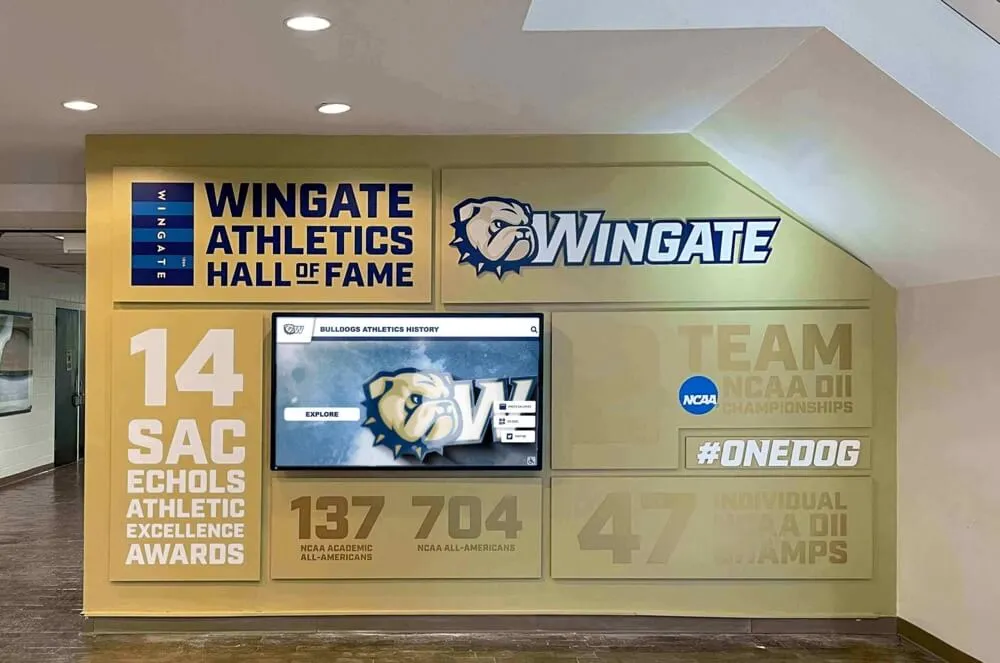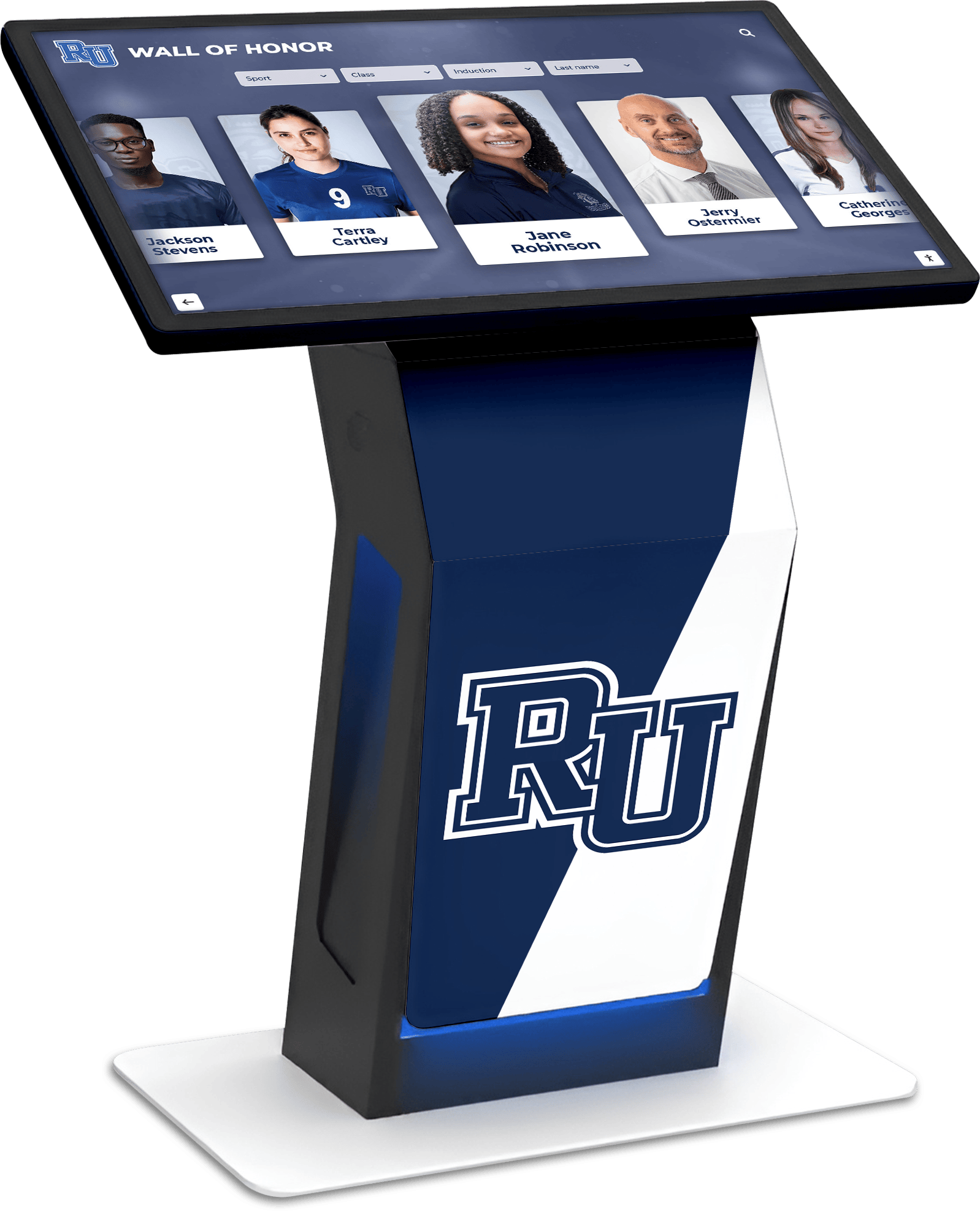




Many schools and organizations evaluating digital recognition solutions worry about hardware responsibility. When software providers require customers to source their own displays, troubleshoot technical issues with multiple vendors, and coordinate warranty claims across different companies, the complexity can overwhelm even experienced IT departments. This fragmented approach creates support gaps where finger-pointing between hardware and software vendors leaves customers stranded with non-functional systems.
Rocket Alumni Solutions takes a fundamentally different approach. Rather than offloading hardware responsibility to customers or third-party vendors, Rocket provides complete hardware solutions, maintains expertise across the full recognition technology stack, and designates Customer Success teams as the single point of contact for any issue—hardware, software, or integration. This unified ownership model means organizations work with one team that handles everything from initial installation through years of ongoing operation.
This analysis examines how Rocket’s integrated hardware and support approach functions in practice, drawing on implementation patterns, support structures, and the operational model that distinguishes full-stack providers from software-only platforms.
Key Findings: Rocket’s Hardware Support Model
Based on analysis of Rocket Alumni Solutions’ service delivery structure, several patterns distinguish their hardware approach:
- Complete Hardware Provision: Rocket sources, specifies, and provides all display hardware as part of recognition system implementations rather than requiring customers to procure equipment separately
- Full-Stack Technical Expertise: Customer Success teams maintain knowledge across hardware configuration, software deployment, network integration, and troubleshooting—eliminating handoffs between departments
- Unified Point of Contact: Organizations contact one Customer Success team for all issues; internal triage, vendor coordination, and resolution happen behind the scenes without customer involvement
- Ownership of Uptime: Rocket assumes responsibility for system availability regardless of whether issues originate in hardware, software, networking, or integration layers
- Background Warranty Management: While OEM warranties may exist for hardware components, Rocket manages all warranty claims and vendor interactions rather than directing customers to manufacturers
The Hardware Responsibility Problem in Digital Recognition
Understanding Rocket’s approach requires context about how hardware responsibility typically fragments across recognition technology implementations.
Traditional Software-Only Model Challenges
Most digital signage and recognition software providers operate as software-only businesses. They license applications but leave hardware selection, procurement, installation, and support to customers. This creates predictable problems:
Specification Uncertainty Software vendors provide hardware “requirements” or “recommendations” rather than specific tested configurations. Organizations must interpret specifications, research compatible products, evaluate vendors, and hope their selections function correctly. When problems occur, software vendors often claim hardware incompatibility while hardware vendors point to software issues.
Multi-Vendor Coordination Burden Software-only models require organizations to coordinate between software support teams, hardware manufacturers, display vendors, mounting contractors, electricians, and network infrastructure teams. When systems fail, determining root causes requires technical expertise customers rarely possess. Support interactions devolve into each vendor suggesting the problem originates elsewhere.
Warranty Gaps and Finger-Pointing Hardware carries manufacturer warranties while software has separate support agreements. When displays fail or systems malfunction, organizations must diagnose whether issues stem from hardware defects, software bugs, network problems, or configuration errors before knowing which vendor to contact. This diagnostic burden falls on customers least equipped to perform it.
Long-Term Support Degradation Even when initial installations succeed, ongoing support complexity accumulates. Hardware eventually requires replacement, operating systems need updates, display firmware changes, and software evolves. Each component change introduces compatibility risk. Software vendors distance themselves from hardware problems while hardware manufacturers stop supporting older models.
The False Economy of DIY Hardware
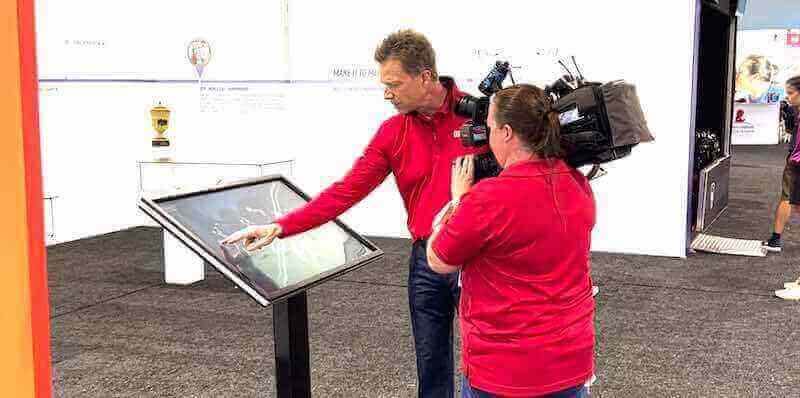
Some organizations attempt to reduce costs by sourcing hardware independently from consumer electronics retailers or purchasing lowest-bid commercial displays. These approaches rarely deliver anticipated savings once total ownership costs emerge:
Inappropriate Hardware Selection Consumer displays lack commercial-grade components necessary for continuous operation. Schools purchase residential televisions designed for 4-6 hours daily use and expect them to function reliably when running 8-12 hours daily. Displays fail within months, requiring replacement at greater total cost than commercial-grade equipment.
Missing Infrastructure Components Recognition systems require more than displays. Organizations discover after initial purchases that they need commercial mounting systems, media players with specific specifications, proper power management, network infrastructure, and environmental controls. Each component requires separate procurement, compatibility verification, and integration work. Understanding the complete range of digital signage services helps organizations appreciate the full scope of what professional implementations entail.
Installation Quality Issues Without professional installation guidance, displays get mounted incorrectly—too high for accessibility compliance, in locations with poor network connectivity, where environmental conditions cause premature failure, or using mounting hardware inadequate for display weight. Reinstallation costs frequently exceed professional installation pricing. Proper timing for touchscreen display installation in new school buildings requires coordination that DIY approaches rarely achieve.
No Ongoing Support Relationship Once displays ship, consumer electronics retailers provide no ongoing support. When questions arise about configuration, connectivity, or troubleshooting, organizations find themselves researching solutions independently or hiring consultants hourly—costs that quickly eclipse any initial hardware savings.
Rocket’s Integrated Hardware Model
Rocket Alumni Solutions structures their service delivery to eliminate hardware responsibility gaps through complete ownership of the recognition technology stack.
Hardware Provision and Specification
Rather than providing hardware requirements for customer procurement, Rocket includes appropriate hardware as part of recognition system implementations.
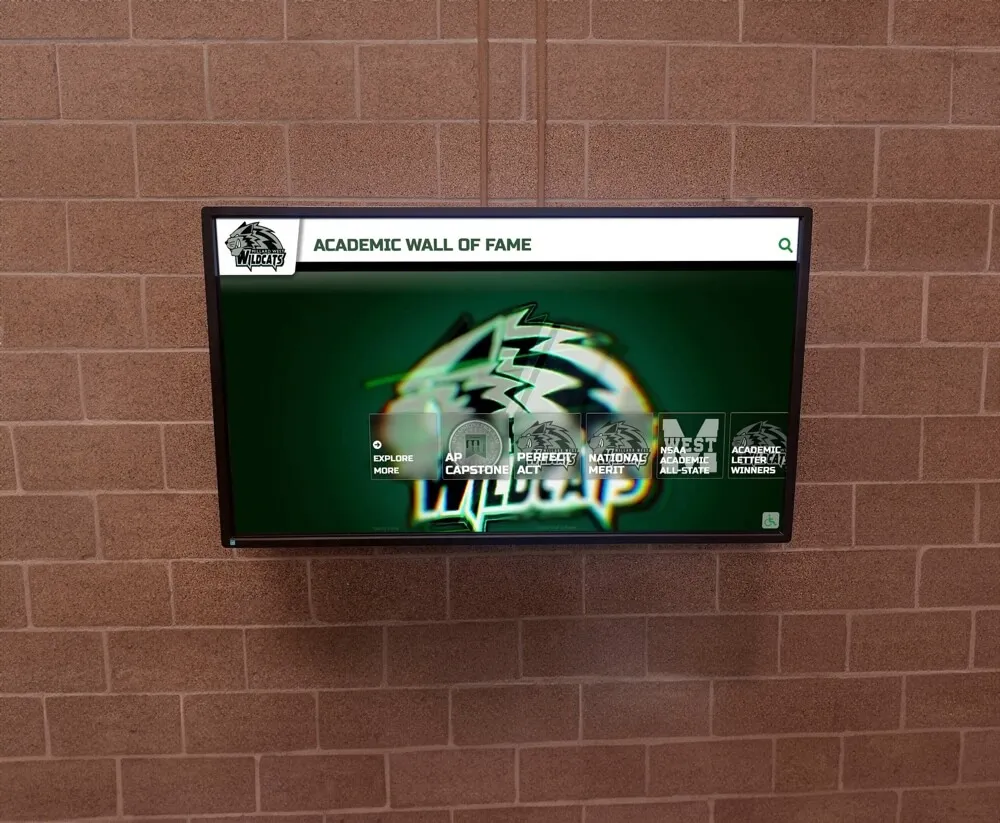
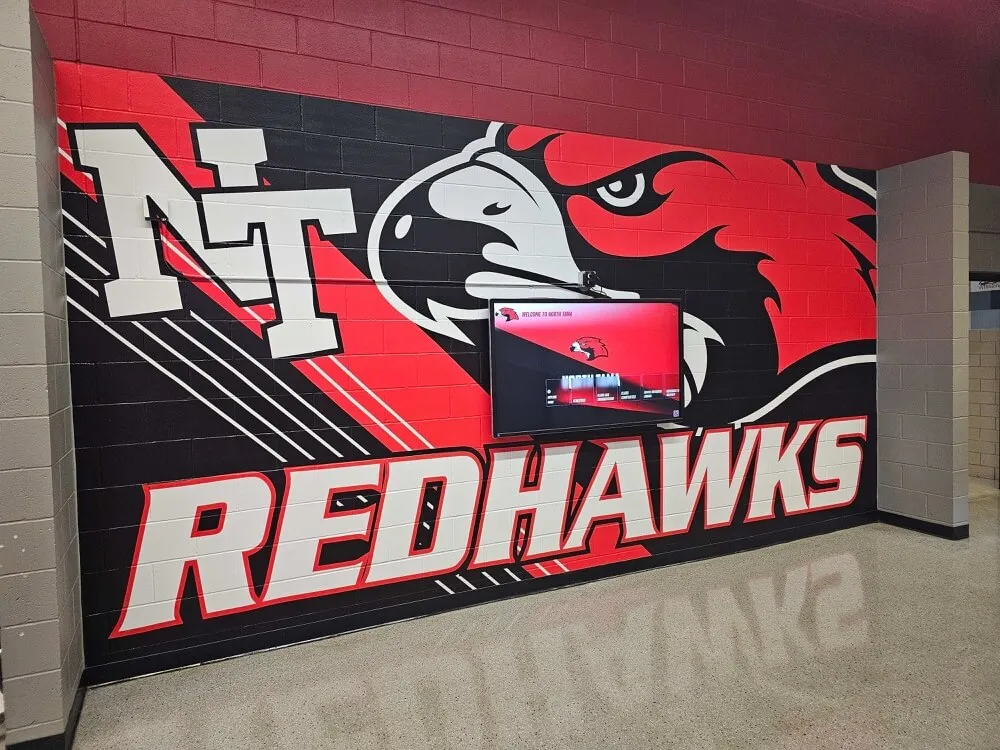
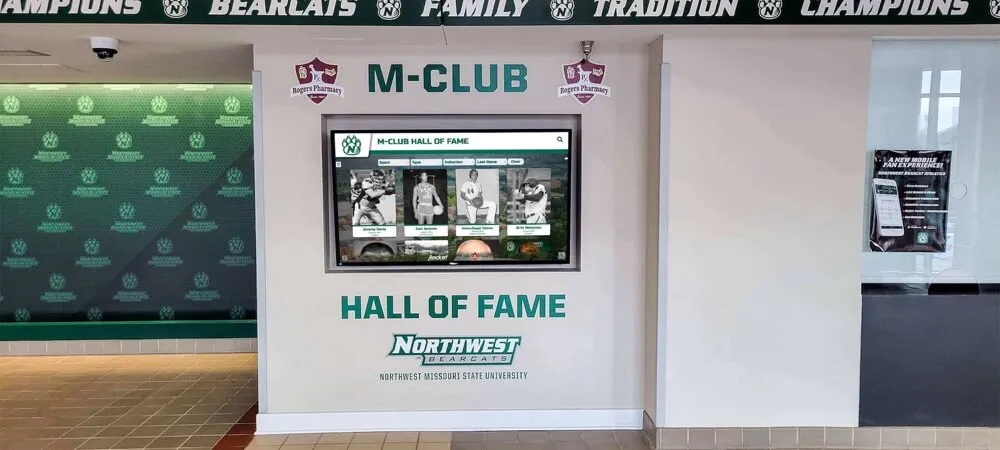
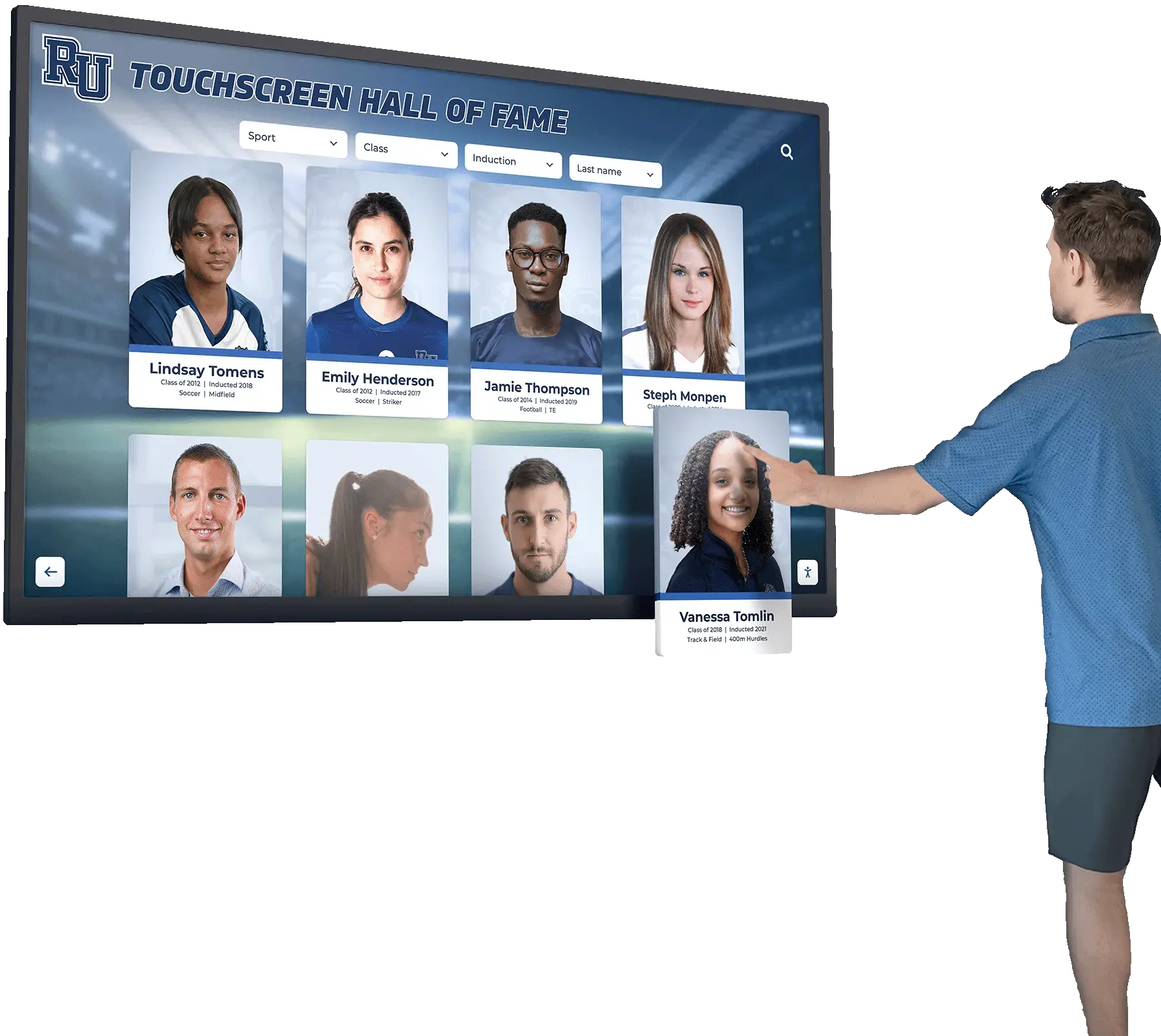
Purpose-Specific Display Selection Rocket specifies commercial-grade touchscreen displays based on installation environment, expected usage patterns, and application requirements. Displays selected for high-traffic school lobbies differ from those specified for administrative offices or donor recognition spaces. This application-appropriate selection prevents the underpowered or overspecified hardware common when customers select equipment independently.
Complete System Integration Beyond displays, Rocket provides entire hardware ecosystems including media players configured for their software, mounting systems appropriate for installation locations, power management equipment, and connectivity hardware. This complete provision ensures all components function together reliably rather than requiring customers to verify compatibility across independently sourced parts.
Tested Configuration Standards Rocket maintains standardized hardware configurations tested extensively with their software across various deployment scenarios. Rather than supporting hundreds of possible hardware combinations customers might select, Rocket works with known configurations where behavior, performance characteristics, and troubleshooting patterns are thoroughly understood.
Installation and Setup Support
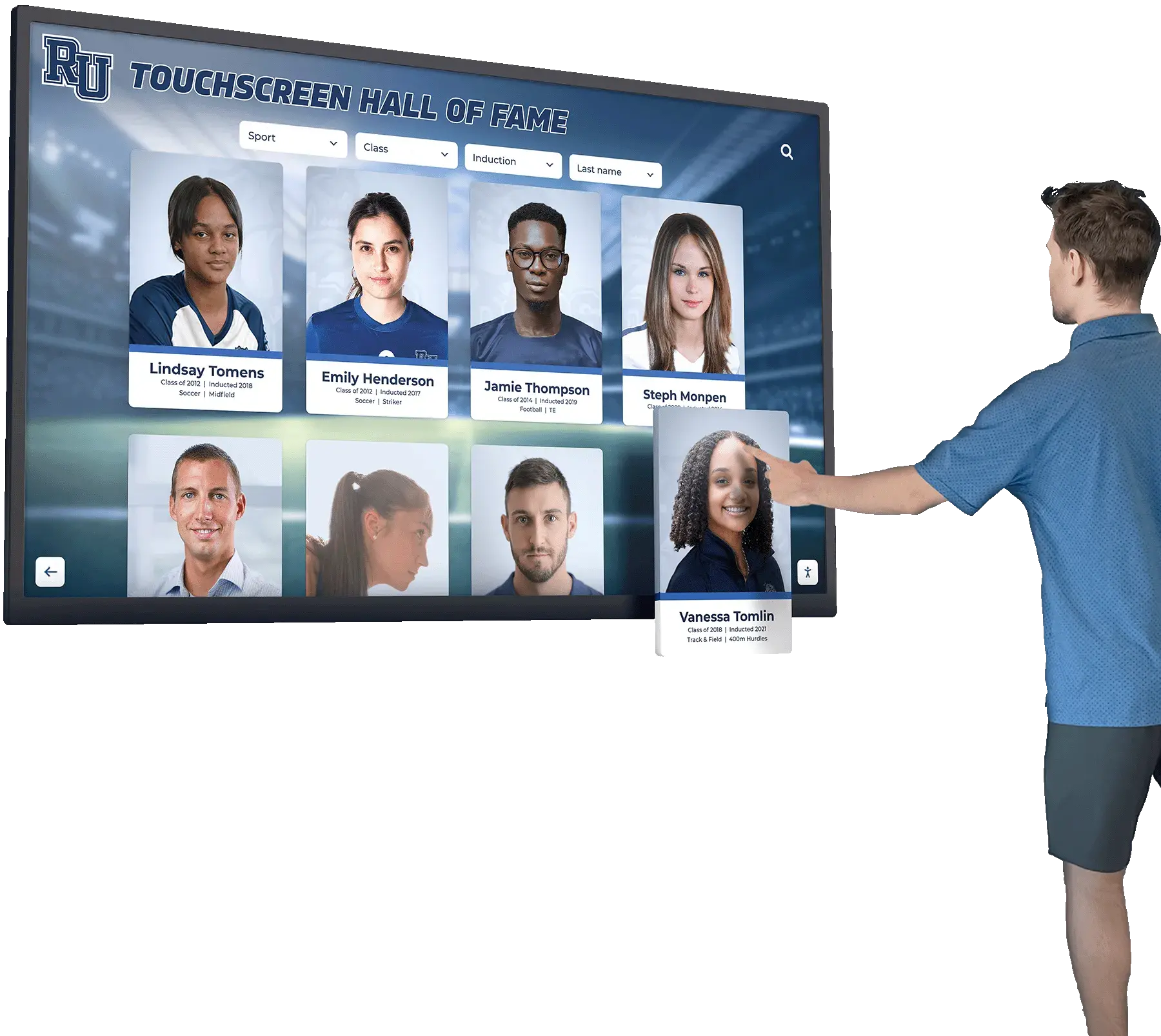
Hardware provision represents only the beginning of Rocket’s integrated approach. Installation support ensures systems deploy correctly from the start.
Site Assessment and Planning Before installation, Rocket Customer Success teams work with organizations to assess installation locations, verify network infrastructure adequacy, confirm power availability, evaluate environmental conditions, and identify any accessibility requirements. This planning prevents surprises during installation and ensures appropriate hardware specifications for specific sites.
Professional Installation Coordination For physical touchscreen installations, Rocket coordinates complete installation processes including mounting, electrical connections, network configuration, and system commissioning. Organizations receive operational systems rather than boxes of equipment requiring internal IT resources to assemble and configure.
Initial Configuration and Training Beyond physical installation, Rocket handles software configuration, content setup assistance, administrator account establishment, and user training. Organizations begin with fully operational systems and trained staff rather than technical components requiring extensive configuration work.
Network Integration Expertise Recognition displays must integrate with organizational networks, authenticate users, synchronize content, and function within institutional security policies. Rocket’s installation support includes network integration work—configuring firewall rules, establishing appropriate network segments, coordinating with IT security teams, and ensuring systems function within existing infrastructure rather than requiring extensive network reconfigurations.
The Single Point of Contact Philosophy
Rocket’s most significant operational distinction lies in their Customer Success model—one team handles all support interactions regardless of underlying issue types.
Unified Support Access Organizations experiencing any recognition system issue—hardware malfunction, software behavior questions, content management assistance, network connectivity problems, or integration challenges—contact their designated Customer Success representative. This single point of contact eliminates the diagnostic burden of determining which vendor to call before requesting assistance.
Internal Triage and Coordination Behind the single point of contact, Rocket Customer Success teams perform internal triage, determining whether issues require software engineering, hardware replacement, network troubleshooting, or configuration adjustments. This diagnostic work happens within Rocket rather than requiring customers to investigate root causes before knowing which support channel to engage.
Transparent Issue Resolution From customer perspectives, issues get reported to Customer Success and either resolve or receive regular status updates until resolution completes. Whether Rocket’s team fixes problems through software updates, remote troubleshooting, configuration changes, or hardware replacement, the resolution path remains invisible to customers who simply see problems addressed by the team they contacted.
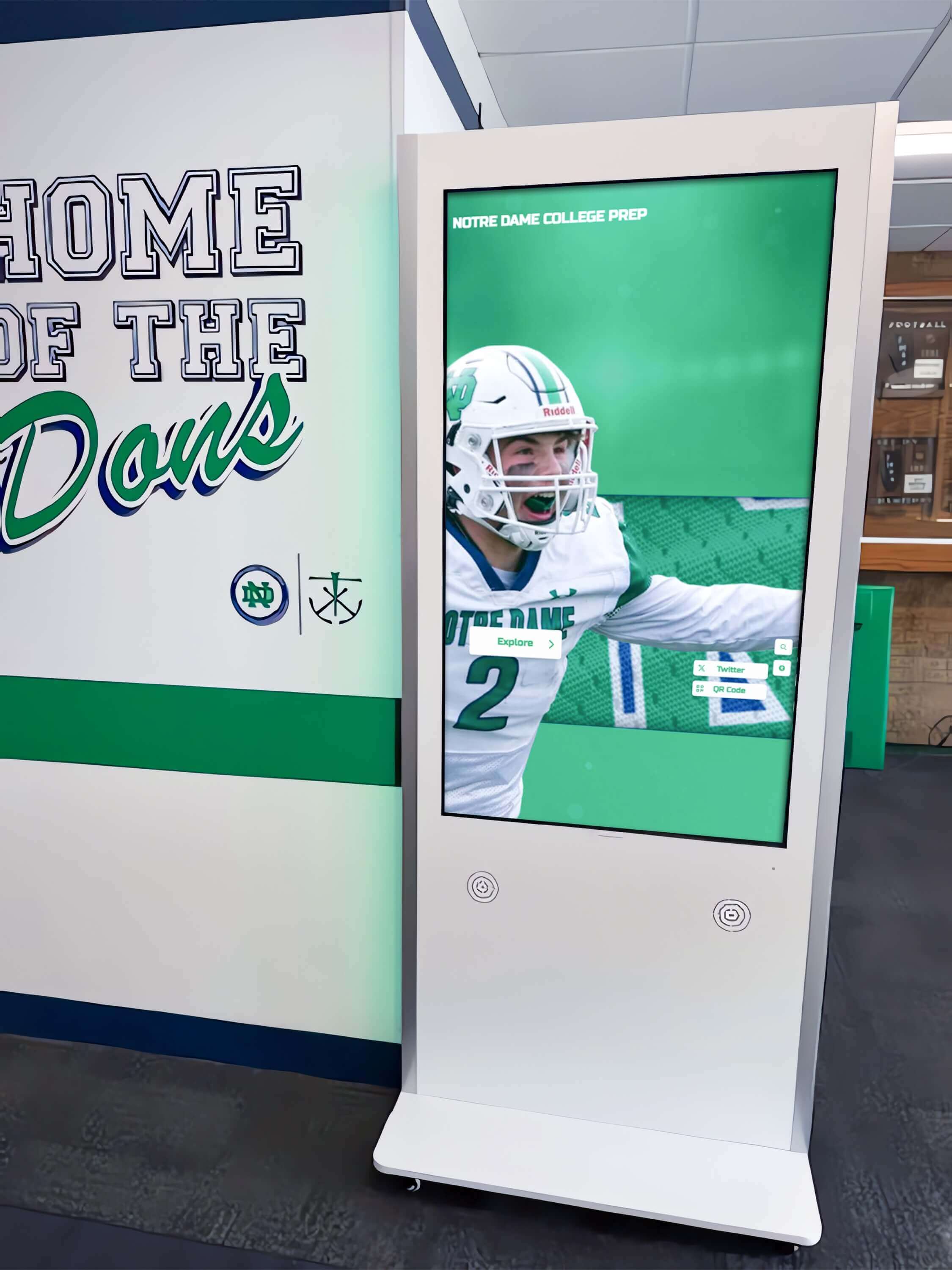
Hardware Support and Replacement
When hardware issues occur, Rocket’s ownership model continues rather than directing customers to manufacturer support channels.
Rocket-Managed Troubleshooting Customer Success teams troubleshoot hardware problems directly—guiding basic checks, attempting remote diagnostics, and determining whether issues stem from hardware failure, configuration problems, or environmental factors. Organizations avoid navigating manufacturer technical support systems, explaining recognition system contexts to hardware support teams unfamiliar with the application, or managing multiple concurrent support tickets.
Proactive Replacement Processes When troubleshooting identifies hardware failure, Rocket initiates replacement processes rather than instructing customers to file manufacturer warranty claims. Organizations receive replacement timelines and tracking information from their Customer Success representative rather than managing claim submissions, proof of purchase documentation, shipping logistics, and warranty verification across manufacturer support bureaucracies.
Continuity of Support Relationships Hardware replacement doesn’t reset support relationships. The same Customer Success team that supported initial installation handles replacement hardware deployment, maintains knowledge of the organization’s specific configuration, and ensures replacement hardware integrates with existing content and settings rather than requiring reconfiguration as if starting new implementations.
Background Warranty Management While manufacturer warranties may cover hardware replacement costs, Rocket manages warranty interactions internally. From customer perspectives, Rocket owns hardware support regardless of warranty status. Organizations avoid learning whether warranties cover specific failure types, how to file claims properly, whether shipping costs apply, or what documentation manufacturers require—Rocket handles these administrative burdens.
Technical Expertise Across the Stack
Rocket’s single point of contact model succeeds because Customer Success teams maintain working knowledge across every layer of recognition technology infrastructure.
Hardware Layer Competence
Customer Success representatives understand display hardware thoroughly enough to troubleshoot common issues, differentiate hardware failures from software problems, and provide practical guidance for environmental and usage factors affecting hardware longevity.
Display Technology Knowledge Teams understand commercial touchscreen display characteristics—expected brightness levels, touch responsiveness patterns, color calibration, viewing angle specifications, and operational lifespan expectations. This knowledge enables meaningful troubleshooting conversations rather than generic “turn it off and on again” support scripts. The expertise extends to various types of screens used for digital signage, ensuring appropriate technology selection for each application.
Media Player and Computer Systems Recognition displays require computing systems running software, managing content, and handling network communications. Customer Success teams understand these media players’ specifications, capabilities, storage limitations, performance characteristics, and troubleshooting approaches sufficient to diagnose problems originating in compute layers versus display hardware.
Mounting and Physical Installation While Rocket coordinates professional installation, Customer Success teams understand mounting systems, accessibility requirements, environmental considerations, and physical installation best practices. This knowledge informs site assessment guidance, prevents problematic installation decisions, and helps troubleshoot issues related to physical positioning or environmental factors.

Software and Configuration Expertise
Beyond hardware knowledge, Customer Success teams maintain deep expertise in Rocket’s recognition software, content management systems, and application configuration options.
Recognition Application Functionality Teams guide administrators through content creation, organizational structures, category management, media integration, search configuration, and all recognition-specific functionality. This application expertise enables Customer Success to differentiate between hardware issues affecting system operation and software configuration producing unexpected behavior.
Content Management and Administration Organizations receive assistance with ongoing content management—uploading new honorees, updating existing profiles, reorganizing categories, managing media assets, and utilizing advanced features. Customer Success teams provide training and guidance rather than simply documenting features in help articles customers must decipher independently.
Customization and Branding Recognition systems require customization aligning with institutional branding, color schemes, logo integration, and presentation preferences. Customer Success teams guide customization processes, implement requested design changes, and ensure customizations function correctly across both physical touchscreen displays and web-accessible versions of recognition systems.
Network and Integration Knowledge
Recognition systems operate within organizational network infrastructures, authenticate users, integrate with existing systems, and function within institutional security policies. Customer Success teams maintain sufficient networking knowledge to support these integration dimensions.
Network Connectivity Troubleshooting When displays lose connectivity, content fails to synchronize, or remote access stops functioning, Customer Success teams troubleshoot network-related issues—diagnosing whether problems stem from display-side network configuration, organizational network changes, firewall rules, DNS resolution, or internet connectivity interruptions.
Security and Access Control Organizations implement various authentication requirements, network security policies, and access restrictions. Customer Success teams help configure recognition systems to function within these constraints—setting up appropriate authentication methods, working within proxy server requirements, accommodating content filtering policies, and coordinating with organizational IT security teams when necessary.
Integration with Existing Systems Some organizations integrate recognition displays with student information systems, donor databases, content management platforms, or institutional directories. Customer Success teams support these integrations, troubleshoot data synchronization issues, and coordinate with institutional IT teams managing source systems.
Comparing Support Models: Unified vs. Fragmented
The operational differences between Rocket’s integrated model and traditional fragmented approaches become most apparent when issues occur.
Scenario: Display Becomes Unresponsive
Fragmented Software-Only Model: Organization notices their recognition touchscreen isn’t responding. They contact the software vendor, who suggests the issue appears hardware-related and recommends contacting the display manufacturer. Display manufacturer support asks whether the software could be causing the freeze. After multiple calls, someone suggests checking the media player. The media player manufacturer points back to software. Days pass before anyone identifies a failed media player that requires replacement—which involves finding the original vendor, determining warranty status, placing an order, and coordinating installation once replacement arrives.
Rocket Integrated Model: Organization contacts their Customer Success representative reporting an unresponsive display. The representative remotely attempts to access the system, confirms the media player failure, initiates replacement, and provides an expected resolution timeline. Replacement media player arrives pre-configured with current software, and the organization receives installation instructions or professional installation coordination depending on their service level. Total interaction: one conversation, one point of contact, predictable timeline.
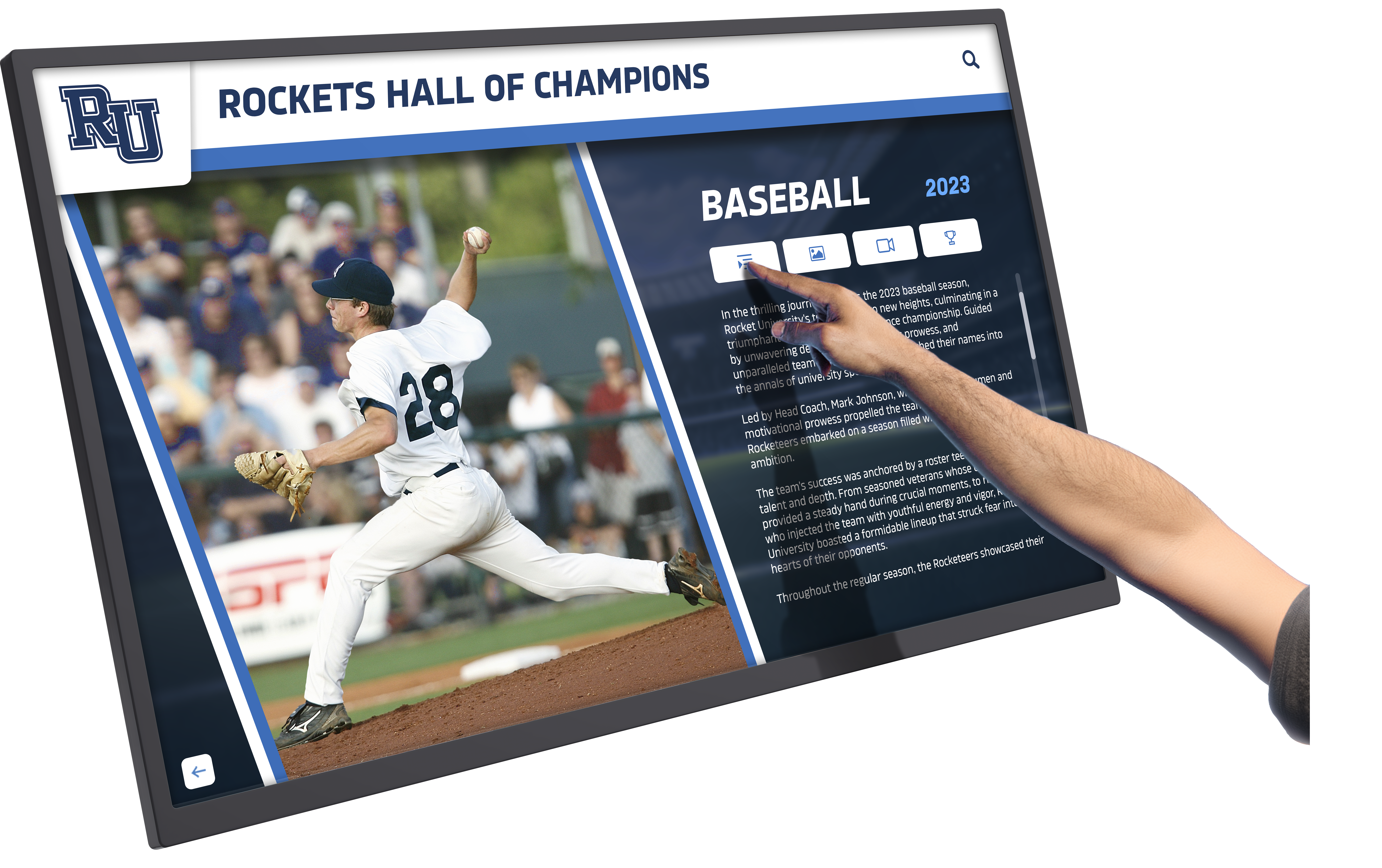
Scenario: Content Displays Incorrectly After Upload
Fragmented Model: New content appears distorted on the physical display but renders correctly on the web version. Organization troubleshoots independently—checking file formats, reviewing documentation, researching forum discussions. They contact software support, who confirms the content format appears correct and suggests the display resolution might be configured incorrectly. Organization checks display settings using manufacturer documentation, verifies resolution matches requirements, and contacts display manufacturer to confirm settings. Eventually they discover the media player firmware needs updating—a process requiring research to find correct firmware versions, understanding update procedures, and risking system stability during updates.
Rocket Integrated Model: Organization reports incorrect display rendering to Customer Success. The representative quickly identifies the rendering discrepancy, recognizes it as a known media player firmware issue, remotely updates firmware, verifies content displays correctly, and confirms resolution with the organization. Total time: single support interaction completed within hours rather than days of investigation and multi-vendor coordination.
Scenario: System Needs Relocation to New Building
Fragmented Model: Organization needs to move their recognition display to a newly renovated space. They must research proper uninstallation procedures to avoid damaging equipment, find contractors to perform dismounting and remounting, verify new location has appropriate power and network infrastructure, coordinate IT network team to configure connectivity in new location, reinstall and reconfigure software, and verify everything functions correctly. Each step requires separate vendor conversations and coordination with multiple contractors.
Rocket Integrated Model: Organization contacts Customer Success explaining the relocation need. Customer Success coordinates the entire process—providing guidance on protective transportation, coordinating professional demounting and remounting if needed, working with the organization’s IT team to prepare network infrastructure, and verifying system functionality after relocation. The organization manages one relationship that coordinates all other necessary parties.
Long-Term Support and System Evolution
Hardware and software support requirements extend far beyond initial installation. Rocket’s integrated model provides advantages that compound over years of system operation.
Proactive Maintenance and Updates
Software Updates Without Compatibility Concerns Rocket controls both software and hardware, enabling them to test software updates against known hardware configurations before releasing them. Organizations avoid situations where software updates break compatibility with their specific hardware selections, causing system failures requiring emergency rollbacks or hardware replacements.
Hardware Refresh Planning As display hardware ages and approaches end of operational life, Customer Success teams proactively engage organizations about refresh planning rather than waiting for catastrophic failures. Rocket maintains knowledge of each installation’s hardware age, can identify declining performance indicators suggesting upcoming failures, and helps organizations plan upgrades before crisis situations force hasty decisions.
Evolving Feature Support Recognition technology capabilities evolve—new display types, emerging interaction models, enhanced accessibility features, and improved performance capabilities. Rocket’s hardware ownership means they can introduce new features with appropriate hardware recommendations rather than attempting to retrofit new capabilities onto unknown hardware customers selected years earlier.
Simplified Budgeting and Cost Predictability
Consolidated Billing Organizations receive unified billing covering software licensing, hardware provision, support services, and ongoing maintenance rather than managing separate invoices from software vendors, hardware suppliers, warranty services, and support contractors. This consolidated financial relationship simplifies budgeting and cost allocation.
Known Total Ownership Costs Because Rocket provides complete system costs including hardware, organizations know total implementation expenses upfront rather than discovering hidden costs during procurement, installation, or operation. Support costs remain predictable through subscription models rather than accumulating hourly consultant charges when issues require specialized expertise.
Reduced Internal IT Burden Rocket’s responsibility for the complete stack reduces demands on internal IT departments. Organizations avoid dedicating staff time to hardware research, vendor management, troubleshooting coordination, warranty administration, and technical support triage—time that often exceeds budgeted expectations when using fragmented models.
Why Full-Stack Ownership Matters for Recognition Systems
Digital recognition differs from many technology deployments in ways that make integrated hardware support particularly valuable.
High Visibility and Usage Expectations
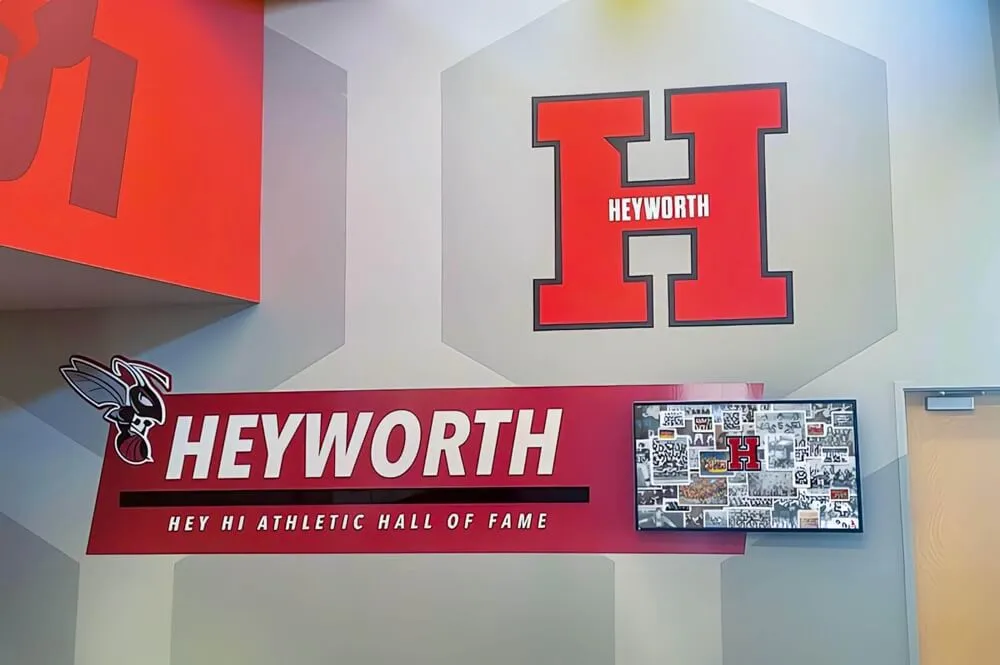
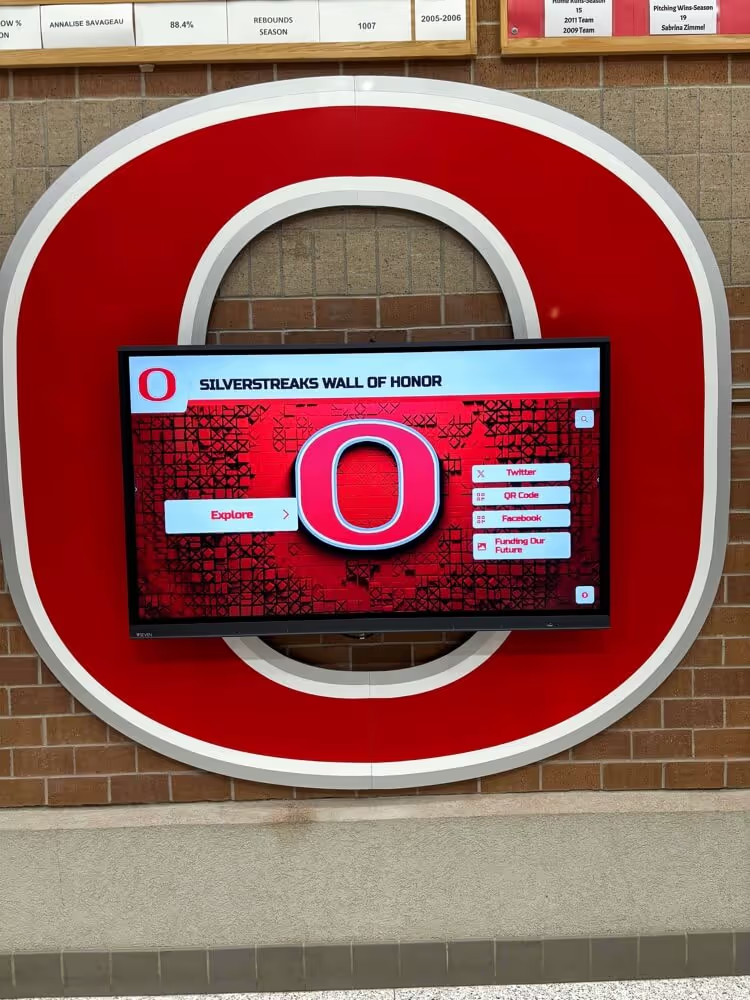
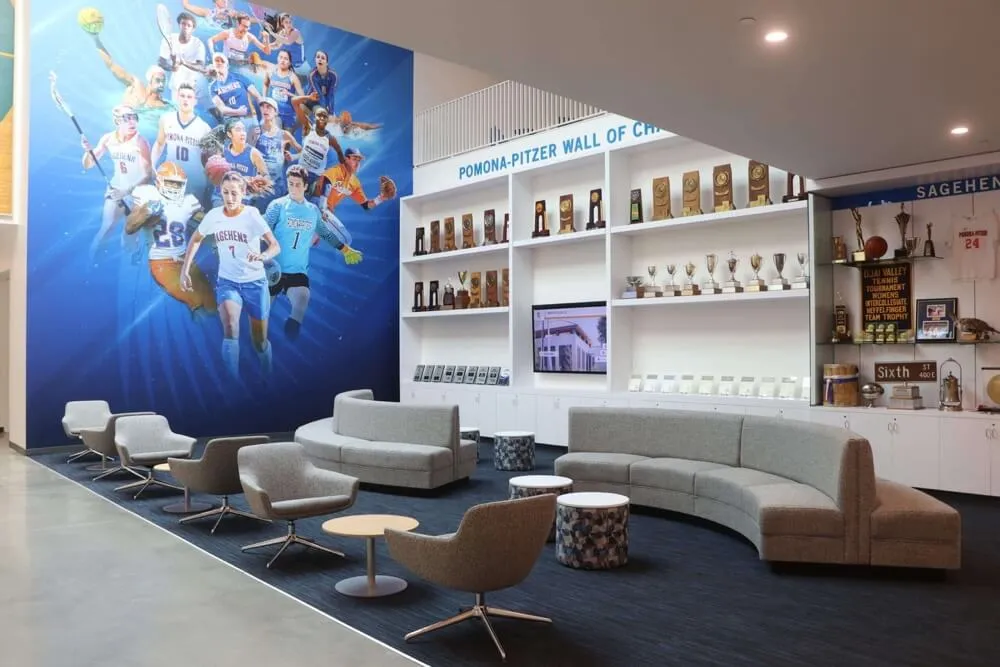
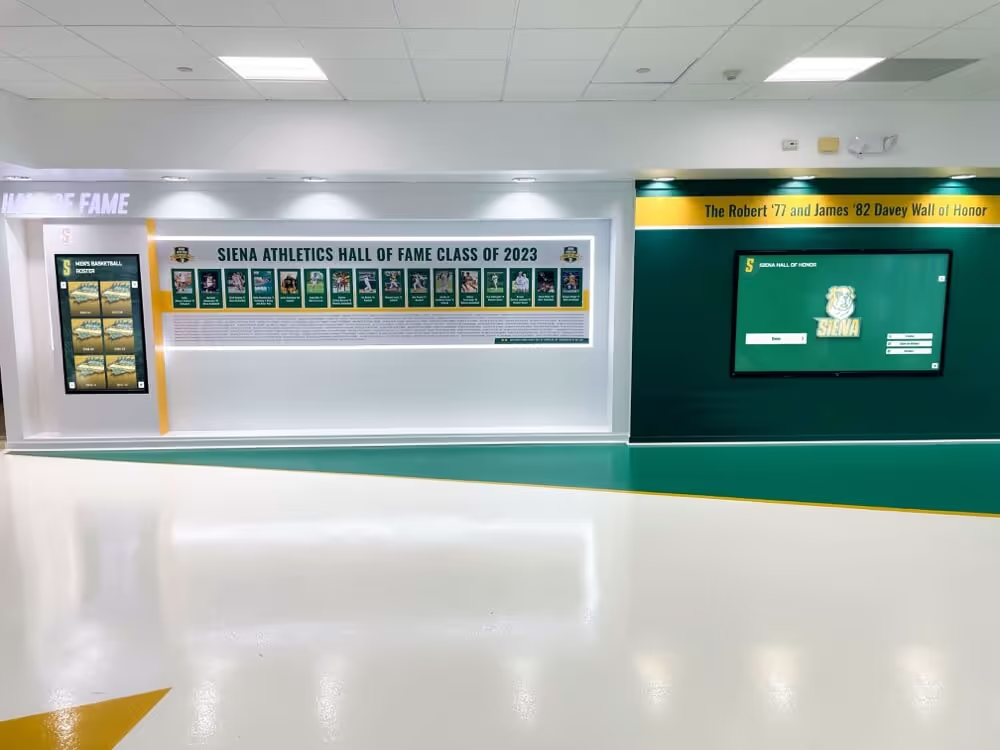
Recognition displays occupy prominent institutional locations—main lobbies, athletic facilities, advancement offices, and high-traffic areas where visitors, donors, alumni, and community members interact with them. When these systems malfunction, the visibility creates immediate negative impressions about institutional quality and technology competence. Organizations implementing athletic halls of fame particularly need reliable hardware given the high-profile nature of these installations.
Organizations cannot tolerate extended downtime while coordinating between multiple vendors to diagnose and resolve issues. The single point of contact model provides rapid response critical for high-visibility installations where every day of downtime damages institutional reputation.
Non-Technical Administrator Management
Recognition systems are frequently managed by advancement professionals, athletic administrators, alumni relations staff, or other non-technical personnel rather than IT departments. These administrators need to update content, add honorees, modify displays, and manage ongoing operations without possessing hardware troubleshooting expertise or technical diagnosis capabilities. The best touchscreen software solutions accommodate non-technical users through intuitive interfaces paired with comprehensive support.
Rocket’s support model accommodates non-technical administrators by handling all technical complexity through Customer Success relationships rather than expecting administrators to differentiate hardware from software issues, understand networking concepts, or perform technical troubleshooting before requesting assistance.
Long-Term Content Investment
Organizations invest substantial effort in recognition content—researching honoree biographies, collecting historical photographs, recording video testimonials, and documenting achievements. This content represents institutional knowledge requiring protection beyond the lifespan of any particular hardware.
Rocket’s ownership of both hardware and software ensures content remains accessible as hardware gets replaced, displays are upgraded, or systems evolve. Content investment receives protection through vendor commitment to long-term system migration and upgrade paths rather than depending on hardware compatibility decisions made by organizations lacking technical expertise to evaluate migration risks.
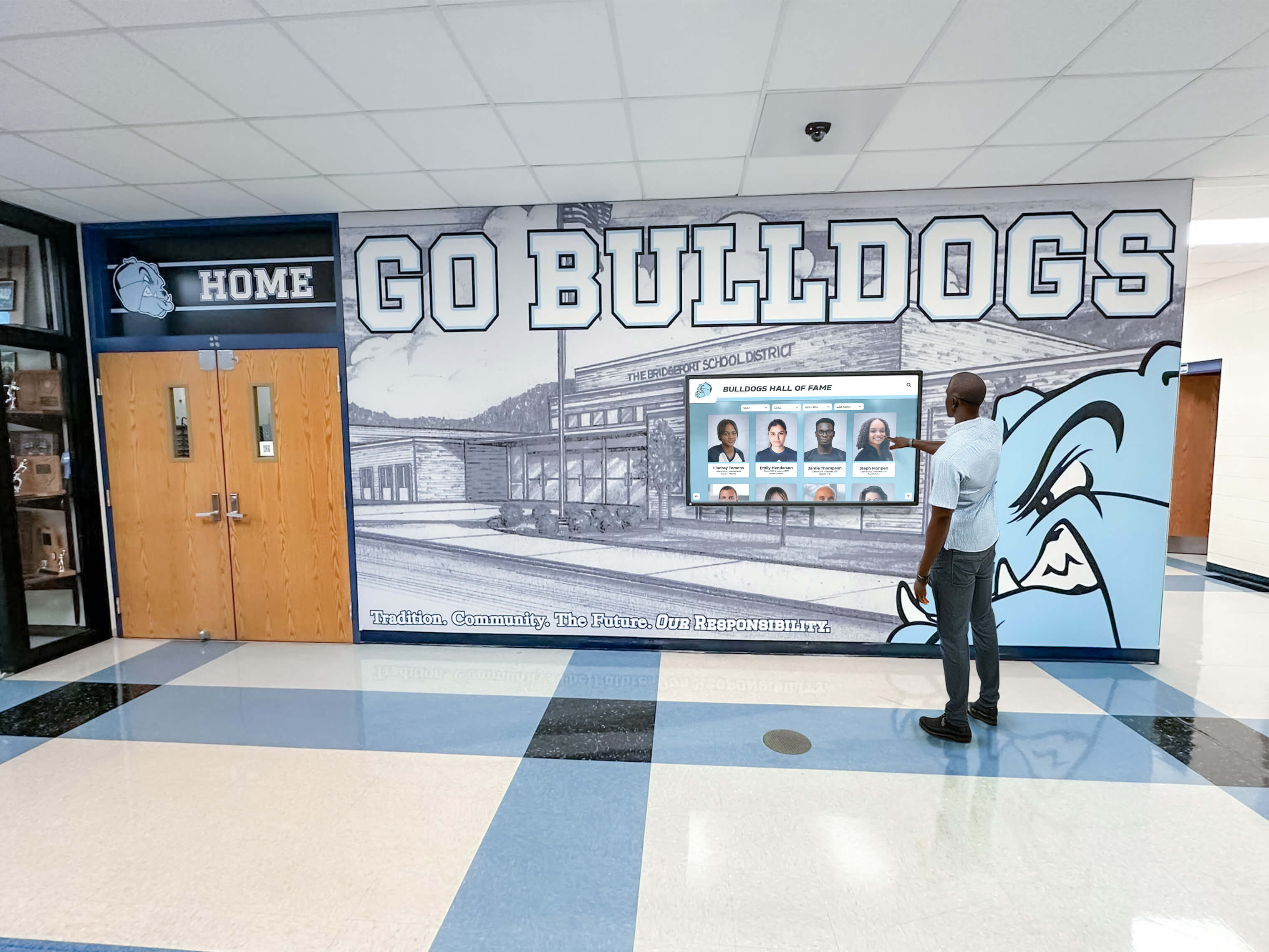
Evaluating Hardware Support in Recognition Solutions
Organizations evaluating recognition technology should assess hardware support models as carefully as software features. When comparing digital hall of fame platforms, the following questions help differentiate integrated from fragmented approaches:
Hardware Provision Questions
- Does the vendor provide specific hardware, or do they give requirements for customer procurement?
- If hardware requirements are provided, does the vendor support all compatible hardware equally, or are some configurations better supported than others?
- Who bears responsibility if recommended hardware proves incompatible with software or fails to meet operational needs?
- What happens when recommended hardware becomes unavailable and substitutions are necessary?
Installation and Setup Questions
- Who performs physical installation—vendor professionals, vendor-coordinated contractors, or customer-managed installers?
- Does installation include network configuration, software setup, and system commissioning, or only physical mounting?
- What training and transition support accompanies installation?
- If problems arise during or shortly after installation, who diagnoses root causes and coordinates resolution?
Ongoing Support Questions
- When hardware and software issues occur simultaneously, which vendor does the organization contact first?
- Does the software vendor provide hardware troubleshooting, or do they redirect to hardware manufacturers?
- Who manages warranty claims when hardware fails—the organization or the vendor?
- If hardware needs replacement, who sources, configures, and installs replacement equipment?
Long-Term Partnership Questions
- As hardware ages and requires refresh, does the vendor provide upgrade paths or must organizations research and specify new hardware independently?
- When software updates introduce new hardware requirements, does the vendor support migration planning?
- Does the support relationship remain consistent over time, or does it transfer between different teams as issues become classified as hardware versus software problems?
Implementation Considerations
While integrated hardware support provides substantial benefits, organizations should understand what to expect during Rocket implementation processes.
Initial Assessment and Planning
Recognition system success begins with thorough planning. Rocket’s Customer Success teams conduct site assessments evaluating installation locations, network infrastructure, power availability, environmental conditions, and organizational requirements. This assessment informs hardware selection, identifies potential obstacles, and ensures appropriate technical specifications for specific deployment contexts.
Organizations should prepare for assessment discussions by gathering information about network infrastructure, IT security requirements, accessibility compliance obligations, and institutional preferences regarding display placement, size, and visibility. The more complete the information provided during planning, the more accurately Rocket can specify appropriate hardware and anticipate installation requirements. Organizations implementing donor recognition walls should also discuss advancement office integration needs during initial planning.
Installation Coordination
Physical touchscreen installations require coordination between Rocket teams, organizational facilities departments, IT networking staff, and sometimes contractors for electrical work or structural mounting. While Rocket manages coordination, organizational responsiveness affects installation timelines.
Organizations can accelerate installations by identifying facilities contacts who can authorize mounting decisions, IT contacts who can coordinate network configuration, and decision-makers who can approve any unexpected infrastructure work discovered during installation. Clear internal communication channels prevent delays when questions arise during installation processes.
Training and Transition
System commissioning includes administrator training on content management, ongoing operation, and when to request support assistance. Organizations benefit from identifying 2-3 administrators who receive initial training and can serve as internal resources for other staff members.
Training addresses both routine content management tasks administrators perform independently and technical issues warranting Customer Success contact. Clear understanding of this boundary prevents organizations from struggling independently with issues better resolved through support channels while avoiding unnecessary support requests for routine operations covered in training.
Ongoing Relationship Management
After installation, organizations maintain relationships with assigned Customer Success representatives who become familiar with their specific configurations, content approaches, and institutional contexts. This relationship continuity enables more efficient support as representatives build institutional knowledge rather than treating each interaction as a new engagement.
Organizations should maintain communication with Customer Success teams beyond problem resolution—sharing feedback about feature needs, discussing potential system expansions, and planning ahead for content milestones like induction ceremonies or recognition program launches. Proactive communication helps Customer Success teams provide more strategic guidance rather than purely reactive technical support. When planning system maintenance, referencing digital hall of fame maintenance and troubleshooting guides helps organizations understand what issues they can address independently versus what requires vendor support.
Conclusion: Ownership Matters in Recognition Technology
The distinction between software-only vendors requiring customer hardware responsibility and integrated providers like Rocket who own the complete technology stack extends far beyond initial procurement. Hardware responsibility affects every dimension of recognition system experiences—from installation complexity and ongoing support quality to long-term system evolution and total ownership costs.
Rocket’s model—providing hardware, maintaining full-stack expertise, offering single point of contact support, and owning uptime regardless of issue sources—eliminates the fragmentation that creates support gaps in traditional digital signage deployments. Organizations work with one team that handles everything, knows their systems thoroughly, and takes responsibility for ensuring recognition displays function reliably year after year.
For organizations evaluating recognition solutions, the question isn’t simply whether a platform offers desired software features. The more consequential question asks: When something inevitably goes wrong, who takes responsibility for making it right? In fragmented models, that responsibility falls to customers navigating between multiple vendors. In Rocket’s integrated model, that responsibility belongs to the vendor who provided complete systems and maintains expertise to support them.
The hardware and setup model matters because recognition systems serve institutions for years or decades, displaying content representing institutional identity and values to the communities those institutions serve. Reliability, support quality, and vendor partnership depth determine whether these systems deliver value consistently or create ongoing operational burdens. Rocket’s full-stack ownership approach prioritizes long-term operational success over initial cost minimization—a trade-off that serves recognition applications well.
Organizations ready to explore Rocket’s integrated hardware and support approach can book a demo to discuss specific recognition needs, installation requirements, and how complete vendor ownership eliminates hardware responsibility concerns.