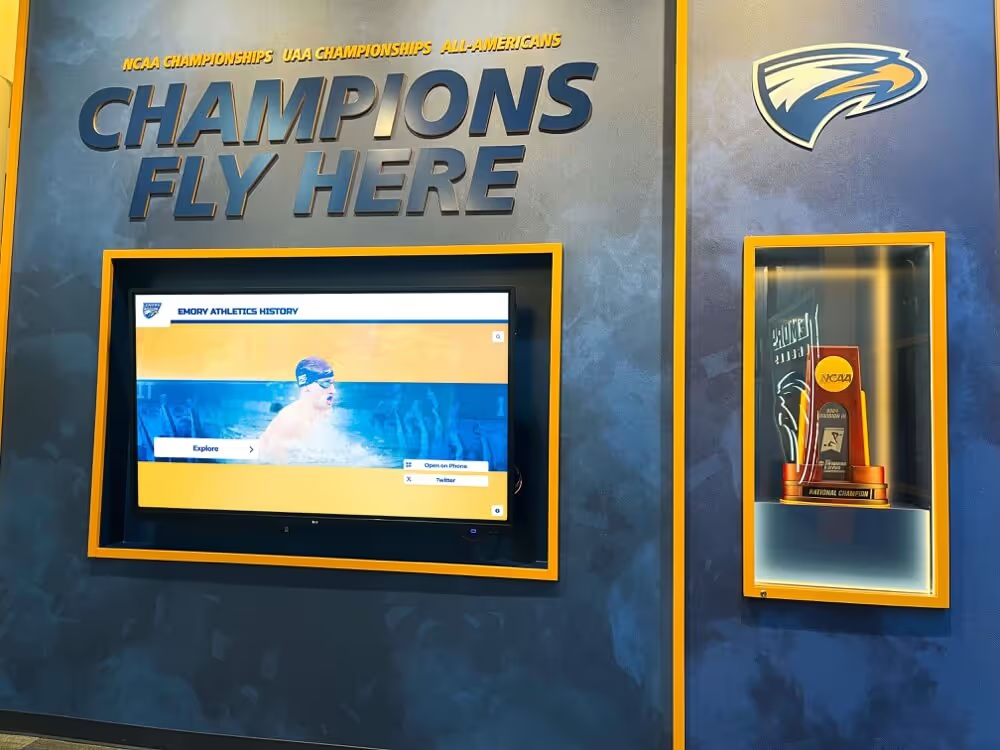
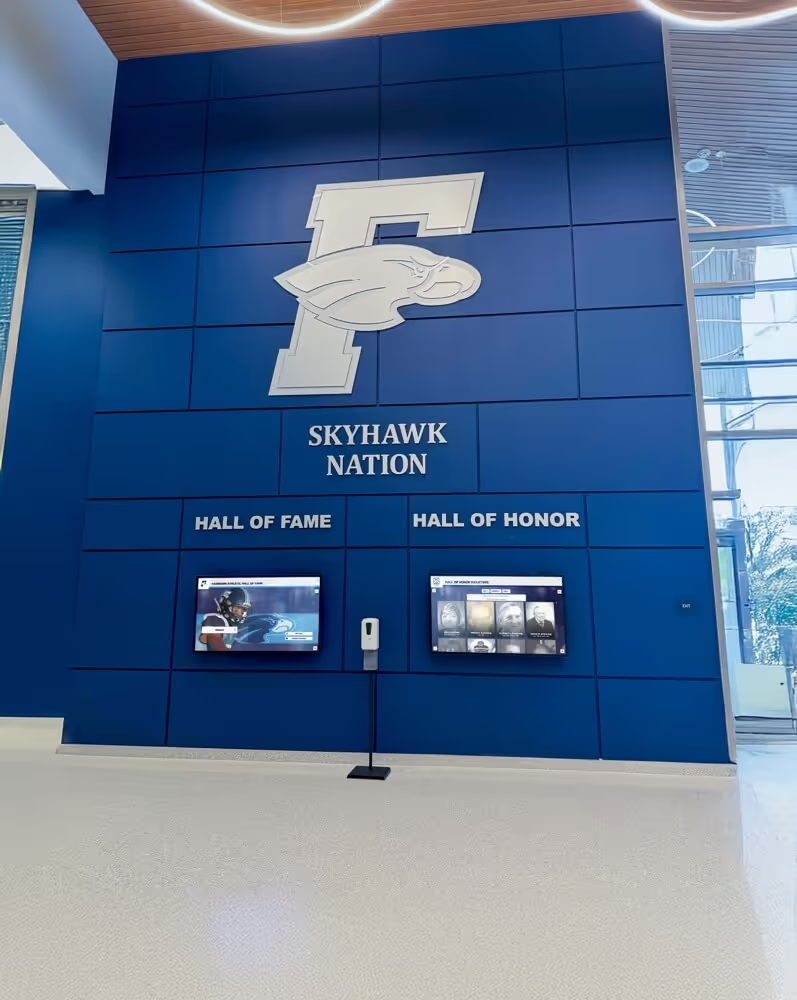
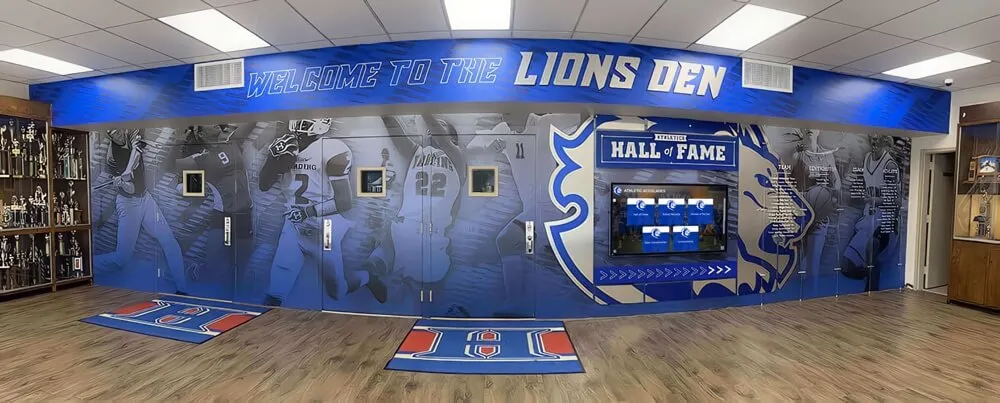
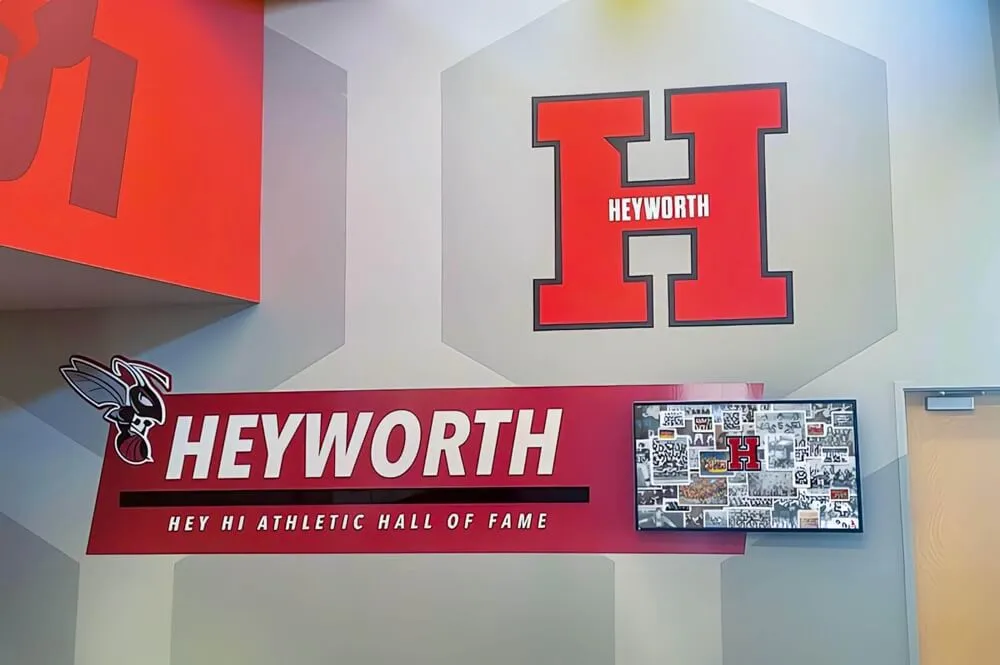
School administrators evaluating digital recognition platforms frequently encounter a common procurement challenge: rigid pricing structures that don’t match institutional buying requirements. Some vendors insist on annual subscriptions when districts need long-term price certainty for bond-funded projects. Others offer only perpetual licenses that leave schools vulnerable to expensive upgrade cycles and compatibility gaps as technology standards change. Many assume “subscription software” means mandatory annual renewals with unpredictable cost increases, while procurement officers managing grants, bonds, or multi-year RFP awards need budget commitments extending five, seven, or even ten years into the future.
This mismatch between vendor pricing models and institutional procurement realities creates unnecessary friction. Districts securing multi-million dollar capital improvement bonds want to lock in technology costs upfront rather than navigating annual renewal negotiations. Grant-funded programs need expenditures aligned with specific funding windows, sometimes requiring one-time payments rather than ongoing subscriptions. Meanwhile, administrators understand that truly “buying once” doesn’t eliminate ongoing costs—it simply shifts them from predictable maintenance agreements to unpredictable emergency spending when security vulnerabilities, accessibility requirements, or compatibility issues inevitably surface.
Understanding Different School Procurement Scenarios
Before exploring pricing models, it’s important to understand why schools need different payment structures and what drives these requirements beyond simple preference.
Annual Operating Budget Procurement
Many schools fund technology through recurring operating budgets with annual allocation cycles:
K-12 District Operating Budgets: Public school districts typically allocate technology spending from annual operating budgets approved through board processes. These budgets refresh yearly, making annual subscription models natural fits for procurement workflows and accounting practices.
Higher Education Annual Budgets: Colleges and universities often fund departmental technology from annual budgets managed by athletic departments, student affairs divisions, or facilities operations. Annual subscriptions align with these budget cycles and departmental spending authority limits.
Private School Annual Planning: Independent schools generally operate on fiscal year budgets with allocations revisited annually. Subscription models match institutional planning horizons and provide flexibility to adjust spending as enrollment or priorities shift.
For these scenarios, annual subscription pricing works well—schools pay predictable amounts each year, receive ongoing platform improvements and support, and maintain flexibility to adjust or discontinue if institutional needs change.
Bond-Funded Capital Projects
Capital improvement bonds create fundamentally different procurement requirements:
Long-Term Budget Certainty: Bond proceeds fund specific capital projects with defined scopes and budgets established years in advance. Once bond measures pass, districts need to spend allocated funds according to approved project descriptions—unpredictable annual subscription increases don’t fit this model.
Multi-Year Planning Horizons: Bond-funded projects typically span 5-20 years. When a district allocates $50,000 from bond proceeds for digital recognition infrastructure, that budget needs to cover not just initial implementation but also platform access throughout the facility’s intended lifespan.
Restricted Fund Accounting: Bond proceeds exist in restricted funds with specific allowable uses. Districts can’t easily supplement bond-funded technology with operating budget dollars if subscription costs increase unexpectedly, creating pressure for long-term price locks.
Board and Community Accountability: Bond measures include detailed project lists voters approve. Districts need to demonstrate fiscal responsibility by delivering promised projects within approved budgets—subscription cost uncertainty creates accountability challenges.

Grant-Funded Program Requirements
Grant funding imposes additional procurement constraints:
Defined Spending Windows: Most education grants require expenditures within specific timeframes—often 12-36 months. Grants supporting digital recognition initiatives need payment structures that consume allocated funds within grant periods rather than requiring multi-year payment commitments extending beyond grant windows.
One-Time Expenditure Requirements: Some grant programs prohibit ongoing operational expenses, requiring that funded technology purchases involve one-time capital expenditures rather than recurring subscriptions. This protects schools from creating unsustainable commitments after grant funding expires.
Budget Modification Challenges: Unlike operating budgets that refresh annually, grant budgets rarely allow modification after awards. If a grant allocates $25,000 for digital recognition, schools can’t adjust that amount if subscription pricing increases—they need upfront cost certainty.
Competitive Procurement Mandates: Larger grants often require formal RFP processes comparing multiple vendors. These comparisons work best with total cost of ownership calculations spanning defined periods rather than comparing subscription models with different escalation terms.
Request for Proposal (RFP) Procurement
Formal RFP processes create specific pricing structure needs:
Apples-to-Apples Comparison: RFPs require objective vendor comparison using consistent evaluation criteria. When vendors propose different pricing models—some subscription-based, others perpetual license—comparing total cost of ownership becomes complex and subjective.
Multi-Year Budget Authorization: Many RFP awards span 3-5 years with option years. Districts need pricing that remains valid throughout contract periods, avoiding annual renegotiation or cost escalation clauses that introduce budget uncertainty.
Board Approval Requirements: Large technology procurements require board authorization based on specific cost projections. Boards approve “not to exceed” amounts covering contract terms—subscription models with annual increases complicate board approval processes.
Audit and Compliance Documentation: Public sector procurement faces intense audit scrutiny. Long-term fixed pricing provides clear audit trails and simplifies compliance documentation compared to subscription models requiring annual purchase order modifications.
Alumni Association and Foundation Funding
Development offices and alumni associations represent another procurement scenario:
Donor-Funded Recognition: When major donors fund digital recognition displays, they typically provide one-time gifts rather than endowments generating perpetual subscription income. Recognition platforms need payment options matching one-time donor contributions.
Capital Campaign Integration: Alumni fundraising campaigns often target specific capital projects with defined budgets. Campaign feasibility depends on presenting total project costs to potential donors—ongoing subscription uncertainty complicates donor conversations and campaign planning.
Endowment vs. Operating Distinctions: Institutional advancement offices differentiate between capital gifts (for facilities and equipment) and operating support (for ongoing programs). Digital recognition that appears to be capital infrastructure but requires perpetual subscriptions straddles this distinction uncomfortably.
Donor Stewardship Messaging: When recognizing donors through digital displays funded by those same donors, ongoing subscription requirements create awkward stewardship dynamics. Donors funding “permanent” recognition displays expect institutions to maintain them without recurring appeals for subscription renewals.
The Misconceptions About Subscription vs. One-Time Pricing
Much confusion about digital recognition pricing stems from fundamental misconceptions about what different models actually provide and what risks they carry.
Myth: Subscription Means Unpredictable Annual Costs
The Misconception: Many assume subscription pricing means vendors can arbitrarily increase costs each year, creating unpredictable budget impacts and forcing schools into yearly renewal negotiations with uncertain outcomes.
The Reality: Professional subscription models for school technology include contractual terms defining pricing for multi-year periods. Well-structured agreements specify renewal rates, maximum annual increases, and protection against dramatic pricing changes that would disrupt institutional budgeting.
Rocket Alumni Solutions offers multi-year subscription agreements with locked pricing extending far beyond typical annual contracts. When schools need budget certainty, multi-year agreements provide that predictability while maintaining the advantages of subscription models—ongoing platform improvements, security updates, and support.
Myth: One-Time Payment Eliminates All Future Costs
The Misconception: Some administrators believe “buying once” through perpetual licensing eliminates all future expenses—pay upfront, own the software forever, never pay again.
The Reality: One-time software purchases eliminate recurring subscription fees but create other costs that eventually exceed subscription savings:
Security Vulnerability Responses: Software security risks evolve constantly. Perpetual license holders either pay for security patches and updates separately or accept growing security exposure as unpatched systems become vulnerable.
Accessibility Compliance Updates: WCAG standards and ADA digital accessibility requirements change as courts interpret existing laws and government agencies issue new guidance. Perpetual licenses don’t automatically include compliance updates when standards change.
Browser Compatibility Maintenance: Major browsers (Chrome, Firefox, Safari, Edge) update every 4-6 weeks. Software designed for today’s browser versions breaks when browser vendors change APIs, deprecate features, or modify security policies. Perpetual license holders either pay developers to fix compatibility issues or watch systems degrade as browsers evolve.
Operating System and Platform Changes: Recognition displays run on operating systems that receive major updates every 1-2 years. Windows, Android, iOS, and other platforms regularly change APIs, security models, and underlying architectures. Perpetual software designed for today’s operating systems may not function on tomorrow’s platforms without paid updates.
Database and Infrastructure Evolution: Backend databases, cloud services, and hosting infrastructure change continuously. Perpetual licenses tied to specific infrastructure versions eventually require costly migrations when underlying platforms reach end-of-life.
Feature Stagnation: Perpetual license holders receive software as it exists at purchase time. New features, improved interfaces, and enhanced capabilities developed over subsequent years remain unavailable unless schools pay for major version upgrades—effectively creating expensive irregular payments rather than predictable subscriptions.
Myth: Annual Subscriptions Don’t Work for Long-Term Projects
The Misconception: Bond-funded or capital campaign-supported projects require one-time payments because multi-year subscription commitments are impossible or inappropriate for capital projects.
The Reality: Long-term prepaid subscriptions structured as single-payment, multi-year agreements combine capital expenditure accounting with subscription model advantages. Schools can allocate bond funds or donor gifts as one-time capital expenses that purchase 5, 7, 10, or more years of platform access—receiving ongoing updates and support throughout the period while satisfying capital accounting requirements.
This approach delivers what schools actually need: budget certainty, capital expenditure treatment, and guaranteed platform maintenance throughout the commitment period. The payment happens once (satisfying capital budget requirements) but purchases continuous service (ensuring platform viability and support).
Myth: Schools Must Choose Between Flexibility and Certainty
The Misconception: Schools face binary choices—either accept annual subscription uncertainty for platform flexibility, or lock into perpetual licenses accepting future incompatibility risks.
The Reality: Modern software providers can structure agreements matching institutional needs without forcing artificial either-or choices. Multi-year prepaid subscriptions deliver long-term price certainty while maintaining vendor commitment to ongoing platform development. Subscription models with contractual renewal terms provide budget predictability without sacrificing platform evolution.
The key lies in working with vendors willing to structure agreements matching procurement requirements rather than forcing schools into vendor-preferred models regardless of institutional fit.
How Rocket Alumni Solutions Structures Flexible Pricing
Rocket Alumni Solutions approaches pricing differently than many digital recognition vendors, offering multiple structures accommodating various procurement scenarios rather than forcing schools into single rigid models.
Annual Subscription Model
For schools funding recognition platforms through recurring operating budgets, Rocket offers straightforward annual subscription agreements:
Predictable Annual Costs: Annual subscriptions involve known costs established in advance, with clear renewal terms and any price adjustments defined contractually rather than negotiated yearly.
Ongoing Platform Improvements: Subscription fees fund continuous engineering development, meaning platform capabilities improve throughout subscription periods. Schools benefit from new features, interface enhancements, and expanded functionality automatically without paying separate upgrade fees.
Security and Compliance Updates: Annual subscriptions include ongoing security patches, accessibility compliance updates as standards evolve, and compatibility maintenance as browsers and operating systems change. Schools avoid separate emergency fees when critical updates become necessary.
Unlimited Screen Deployment: As detailed in previous coverage of Rocket’s unlimited screen licensing, annual subscriptions cover unlimited physical displays—schools can deploy additional touchscreens as budgets allow without subscription cost increases.
Technical Support and Training: Subscriptions include comprehensive support access, training resources, and vendor assistance ensuring schools can effectively manage platforms without paying separately for support incidents or training sessions.
This model works well for schools with established recognition programs, stable budgets, and institutional preference for operational flexibility over long-term commitments.
Multi-Year Prepaid Agreements (Up to 10 Years)
For capital projects, bond funding, or situations requiring long-term budget certainty, Rocket offers heavily discounted multi-year prepaid subscription agreements:
Long-Term Price Lock: Schools can prepay for 3, 5, 7, 10, or even longer subscription periods at significantly discounted rates compared to annual subscriptions. A single upfront payment purchases platform access for the entire commitment period with guaranteed pricing—no renewal negotiations, no cost escalation, no budget uncertainty.
Substantial Discount Structures: Multi-year prepayment earns significant price reductions reflecting the value to Rocket of long-term committed revenue and reduced administrative overhead. Longer commitments generate larger discounts—10-year prepayments cost far less than paying annual subscriptions for equivalent periods.
Capital Expenditure Treatment: Single-payment, multi-year agreements satisfy capital accounting requirements. Districts can allocate bond proceeds, capital budgets, or donor gifts as one-time expenditures purchasing multi-year platform access—meeting the “capital purchase” requirement while ensuring ongoing platform maintenance and support throughout the period.
Guaranteed Ongoing Service: Unlike perpetual licenses where vendor motivation to provide updates diminishes after purchase, prepaid multi-year subscriptions create ongoing vendor commitments to platform maintenance. Rocket’s business model depends on customer success and retention—even prepaid customers receive full platform improvements, security updates, and support throughout commitment periods.
Risk Mitigation for Grant and Bond Scenarios: When schools secure one-time funding with specific spending deadlines, multi-year prepaid agreements allow spending allocated funds within required windows while guaranteeing platform viability for subsequent years. This eliminates the risk of building grant-funded recognition infrastructure that becomes unsupported after grant periods expire.
RFP-Friendly Total Cost Structure: Multi-year prepaid pricing simplifies RFP responses and vendor comparisons. Rocket can provide definitive total cost of ownership for specific contract periods (typically 3-5 years matching RFP structures), allowing objective comparison against competitor proposals without complex modeling of subscription escalation scenarios.
Board and Stakeholder Communication: When presenting recognition platform investments to school boards, donors, or community stakeholders, multi-year prepaid agreements provide clear, comprehensible cost structures. Rather than explaining subscription models with renewal assumptions and escalation estimates, administrators can present single total costs covering defined periods.
This pricing structure addresses the exact scenario the “subscription trap” critics cite—schools needing long-term price certainty, capital expenditure treatment, and guaranteed platform viability without annual renewal friction. Multi-year prepaid subscriptions deliver all these requirements while maintaining vendor commitment to ongoing platform development that benefits schools throughout their commitment periods.
One-Time Payment Options for Special Procurement
Some procurement scenarios—particularly certain RFP requirements, specific grant conditions, or institutional purchasing policies—require actual one-time payments rather than multi-year prepaid subscriptions:
True Perpetual Licensing When Required: For situations where procurement regulations mandate perpetual software ownership rather than subscription structures, Rocket can structure true one-time payment agreements. These rare scenarios typically involve specific public sector requirements or grant stipulations prohibiting any ongoing service agreements.
Bundled Long-Term Support Agreements: Even when one-time payment structures are required, Rocket works to bundle comprehensive support and maintenance agreements ensuring schools receive ongoing updates, security patches, and platform improvements. These structured as separate but simultaneous agreements satisfy “one-time software purchase” requirements while ensuring sustainable ongoing platform support.
Hosted vs. Self-Hosted Options: One-time payment scenarios may involve schools hosting software on institutional infrastructure rather than Rocket-managed cloud platforms. While less common and generally not recommended due to increased institutional IT burden, this option exists for situations where procurement requirements mandate it.
Realistic Cost Expectations: Unlike vendors promoting perpetual licenses as “cheaper” than subscriptions by hiding ongoing costs, Rocket clearly communicates total cost of ownership for one-time payment structures. Schools understand upfront what ongoing maintenance agreements cost, what happens if they choose not to renew maintenance, and what risks perpetual licenses carry regarding long-term platform viability.
One-time payment structures remain exceptions rather than Rocket’s primary offerings, reserved for situations where genuine procurement requirements mandate them rather than positioning as generally preferable to subscription models.
Hybrid and Custom Structures
Some institutional situations require creative combinations of payment models:
Multi-Campus Districts with Varied Funding: Districts where some schools have operating budget flexibility while others depend on bond or grant funding can structure agreements matching each school’s procurement requirements—annual subscriptions for some campuses, multi-year prepaid for others, all under district-wide agreements ensuring consistent platform capabilities across locations.
Phased Implementations with Different Funding Sources: Schools implementing recognition platforms in phases funded from different sources (year one: operating budget, year two: capital campaign gift, year three: bond proceeds) can structure payments matching funding availability while maintaining platform continuity.
Performance-Based or Enrollment-Scaled Pricing: Some institutions prefer pricing that scales with enrollment, usage metrics, or other institutional characteristics. While less common, Rocket can accommodate creative pricing structures aligning costs with institutional factors that drive value.
The underlying principle remains consistent: Rocket’s pricing should accommodate schools’ legitimate procurement requirements and institutional contexts rather than forcing artificial constraints that create friction without serving genuine business needs.
The Real Value Proposition: Operational Simplicity
Beyond pricing structure flexibility, the fundamental value schools receive from Rocket Alumni Solutions stems from operational simplicity—the recognition platform “just works” without constant institutional attention, technical intervention, or crisis management.
Automatic Updates Across All Displays
Because Rocket operates as a centrally-maintained, cloud-based platform, updates happen automatically:
Security Patches Deploy Immediately: When security vulnerabilities emerge (and they do, constantly, across all software), Rocket’s engineering team deploys patches that take effect across all customer displays immediately. Schools don’t need to schedule maintenance windows, coordinate IT interventions, or track which displays received which updates.
Browser Compatibility Maintained Continuously: As Chrome, Firefox, Safari, and Edge release updates every few weeks, Rocket’s platform adapts continuously. Schools don’t experience displays that suddenly stop working because browser updates broke compatibility—Rocket absorbs that maintenance burden centrally, testing against upcoming browser releases and deploying fixes before customers encounter issues.
Accessibility Compliance Updates Automatically: When WCAG standards evolve, court decisions establish new digital accessibility precedents, or government agencies issue updated guidance, Rocket updates platform accessibility features across all customer installations simultaneously. Schools remain compliant without separate accessibility audits, remediation projects, or retrofit efforts.
New Features Arrive Without Upgrade Decisions: Platform improvements, new content widgets, enhanced search capabilities, and interface refinements deploy across all customer accounts automatically. Schools don’t face “should we upgrade?” decisions comparing upgrade costs against feature value—improvements simply appear, and everyone benefits equally.
Centralized Technical Infrastructure
Schools’ displays connect to Rocket-managed infrastructure rather than depending on institutional IT resources:
No Local Server Requirements: Recognition platforms run entirely in Rocket’s cloud infrastructure. Schools don’t maintain local servers, manage database backups, monitor system performance, or troubleshoot infrastructure issues. This eliminates capital costs for server hardware and ongoing IT staff time for system administration.
Network Connectivity Only: Schools simply need network connectivity for displays—typically standard campus network connections. No specialized networking, VPN configurations, or complex firewall rules required. Displays connect to Rocket’s platform through standard HTTPS like browsing any website.
Remote Monitoring and Support: Because displays connect to centrally-managed infrastructure, Rocket’s support team can remotely diagnose issues, verify display status, and resolve problems without requiring school IT staff intervention or on-site service calls.
Disaster Recovery and Business Continuity: Rocket manages data backups, system redundancy, and disaster recovery infrastructure centrally. Schools don’t risk losing recognition content due to local hardware failures, accidental deletions, or facility incidents—content exists in professionally managed, geo-redundant cloud storage.
Sustainable Content Management
Recognition platforms fail when content management becomes overwhelming for school staff:
Simple Content Update Workflows: Rocket’s content management interface allows non-technical staff to add students, update records, modify displays, and manage content through intuitive web interfaces. Schools don’t need programmers, web developers, or IT specialists to maintain current recognition content.
Template-Based Content Creation: Rather than requiring custom design work for each recognition item, Rocket provides tested templates for common recognition types—sports records, student profiles, donor recognition, achievement awards. Staff simply enter information into structured forms, and professional-appearing content generates automatically.
Multi-User Collaboration: Different staff members manage different content areas—athletic staff update sports records, counseling offices maintain academic honors, development offices manage donor recognition—all within one platform with appropriate permission controls. This distributes workload and ensures subject-matter experts maintain their respective content areas.
Mobile-Friendly Management: Content managers can update recognition displays from anywhere using standard web browsers—no need to be on campus or access special software. This flexibility ensures timely updates even when key staff work remotely or travel.
The “Sleep at Night” Value
The fundamental promise Rocket makes to schools goes beyond features and pricing:
Platform Reliability: Displays simply work, consistently, without requiring constant attention. Schools don’t experience Sunday evening panics when displays go dark before Monday morning events, don’t face embarrassing blackouts during prospective family tours, and don’t scramble to restore functionality after browser updates.
Security Assurance: Schools trust that their recognition platforms remain secure against evolving threats without requiring vigilance or intervention. Rocket’s security monitoring, patch management, and incident response operate continuously on schools’ behalf.
Compliance Confidence: Administrators know their digital recognition displays meet accessibility requirements without conducting separate audits or worrying whether they’re exposed to ADA complaints or OCR investigations.
Longevity Protection: Schools’ recognition investments remain viable for years or decades because the underlying platform evolves with changing technology standards. Unlike static systems that gradually become obsolete, Rocket-powered recognition adapts continuously to maintain long-term viability.
This operational simplicity represents the true value subscription models fund. The subscription isn’t an arbitrary recurring fee—it’s purchasing peace of mind, professional maintenance, and sustained platform viability that one-time purchases don’t inherently provide.
Addressing the “Subscription Trap” Argument
Critics of subscription software in education often characterize recurring pricing as a “trap” that locks schools into perpetual payments with no escape. Understanding why this characterization misrepresents well-structured subscription models helps clarify what schools actually purchase.
What Makes a Subscription a “Trap”
Legitimate subscription concerns arise when:
Costs Increase Unpredictably: Vendors impose arbitrary annual increases without contractual limits, forcing schools to accept escalating costs or abandon platforms with significant switching costs.
Vendor Lock-In Prevents Competition: Proprietary data formats, export limitations, or technical barriers make migrating to alternative platforms prohibitively expensive, eliminating competitive pressure that would otherwise constrain pricing.
Value Diminishes While Costs Persist: Platforms stagnate without meaningful improvements while vendors collect renewal fees, providing decreasing value for sustained costs.
Exit Costs Exceed Subscription Savings: Canceling subscriptions triggers data loss, system failures, or expensive migration projects that effectively force continued subscription payments regardless of satisfaction.
These scenarios create genuine subscription traps where schools feel coerced into perpetual payments without receiving proportional value.
How Rocket’s Model Avoids Trap Characteristics
Rocket Alumni Solutions structures subscriptions to avoid these pitfalls:
Contractual Price Protection: Multi-year agreements define pricing throughout contract terms, eliminating surprise increases. Even annual agreements specify renewal terms rather than leaving pricing to yearly renegotiation. Schools know future costs with reasonable certainty.
Data Portability and Export: Schools own their recognition content. Rocket provides comprehensive data export capabilities allowing schools to retrieve student records, photos, achievement details, and all uploaded content. While migrating to alternative platforms requires effort, technical barriers don’t prevent it—schools maintain control over their data.
Continuous Value Delivery: Rocket’s business model depends on customer success and retention. Subscriptions fund ongoing engineering development that continuously improves platform capabilities. Schools see tangible value from subscription fees through new features, enhanced performance, and expanded functionality rather than paying for static systems.
No Destructive Cancellation: If schools choose to cancel subscriptions, their recognition content remains accessible through data exports. Displays stop connecting to Rocket’s platform, but schools don’t lose years of accumulated recognition data. This reduces exit friction and maintains competitive pressure on Rocket to deliver value justifying renewal.
The Alternative: Hidden Costs of Perpetual Licenses
“Buy once” alternatives carry hidden costs that often exceed subscription fees:
Reactive Emergency Spending: When security vulnerabilities emerge, browser updates break compatibility, or accessibility complaints arise, perpetual license holders pay consultants emergency rates to fix urgent problems. These irregular, unpredictable costs often exceed predictable subscription fees while delivering inferior results.
Deferred Maintenance Accumulation: Schools delay paying for updates and maintenance when budgets tighten, allowing recognition systems to accumulate technical debt. Eventually, accumulated issues require expensive comprehensive overhauls costing far more than continuous maintenance would have.
Platform Obsolescence Risk: Perpetual licenses gradually become obsolete as underlying technologies evolve. Eventually, schools face complete replacement rather than continuous evolution—replacing entire systems every 7-10 years at major capital expense rather than maintaining living platforms through manageable subscriptions.
Support Degradation: Vendors supporting perpetual license customers years after initial purchases face economic challenges—ongoing support costs without recurring revenue create incentives to deprioritize old customers. Support quality and responsiveness decline over time as vendors focus on customers generating current revenue.
The honest comparison isn’t “subscription vs. free ongoing use”—it’s “subscription vs. irregular emergency spending plus gradual obsolescence.” For most schools, predictable subscription fees delivering sustained value prove more cost-effective than apparent savings from one-time purchases that accumulate hidden costs.
Why Subscription Funds Better Outcomes
The subscription model exists because maintaining viable software platforms requires continuous investment:
Security Threat Evolution: New security vulnerabilities emerge constantly—in base operating systems, programming languages, libraries, databases, and application code itself. Defending against evolving threats requires ongoing security engineering investment that one-time purchases don’t fund sustainably.
Standards and Compliance Changes: Accessibility standards evolve through court decisions, regulatory guidance, and consensus standard updates. Browser security models change regularly. Data privacy requirements expand. Network protocols upgrade. Maintaining compliance requires continuous adaptation, not one-time development.
User Expectation Evolution: What constituted a good user experience in 2020 feels dated in 2026. Interface design, interaction patterns, mobile responsiveness, and search capabilities all evolve as users develop new expectations from consumer technology experiences. Platforms must adapt continuously or feel increasingly obsolete regardless of functional capability.
Technology Platform Evolution: The infrastructure underlying all software changes continuously—operating systems, cloud services, databases, programming languages, and development frameworks all evolve on independent timelines. Keeping software functional across these changes requires ongoing engineering investment.
Subscription models fund this continuous investment in ways one-time payments cannot. Schools paying subscriptions purchase sustained viability and ongoing evolution rather than static systems that gradually degrade.
Choosing the Right Pricing Structure for Your Institution
With multiple pricing options available, schools need frameworks for selecting structures matching their specific situations.
Assessment Questions to Guide Decision-Making
Before comparing pricing models, answer these foundational questions:
What funding source supports this investment?
- Operating budget → Annual subscription works naturally
- Bond proceeds → Multi-year prepaid provides capital treatment and long-term certainty
- Grant funding → Depends on grant structure; may require one-time payment or multi-year prepaid
- Donor gift → Often one-time; multi-year prepaid converts single gift to long-term platform access
- RFP contract → Typically multi-year with defined terms; multi-year prepaid aligns well
What procurement requirements apply?
- Standard institutional purchasing → Flexible across models
- Formal RFP with multi-year contract → Multi-year prepaid simplifies total cost comparison
- Grant compliance requirements → May mandate specific payment structures
- Bond measure language → May specify capital expenditure treatment
- Donor agreement terms → May require demonstrating full project completion with single gift
What planning horizon matters most?
- Annual budget cycles → Annual subscription maintains flexibility
- Multi-year strategic plans → Multi-year prepaid aligns with planning horizons
- Long-term facility investments → Extended prepaid (7-10 years) matches facility lifespan expectations
- Uncertain future needs → Annual subscription preserves optionality
How does your institution account for technology?
- Operating expense treatment → Annual subscription fits naturally
- Capital equipment treatment → Multi-year prepaid or one-time payment required
- Hybrid treatment based on cost → May need specific structuring to meet thresholds
What risk tolerance does your institution have?
- Low risk tolerance → Multi-year prepaid locks in predictable costs
- Moderate risk tolerance → 3-5 year prepaid balances certainty and flexibility
- Higher risk tolerance → Annual subscription maximizes flexibility
Scenarios and Recommended Structures
Scenario: K-12 District with Stable Operating Budget Recommendation: Annual subscription with 3-year initial commitment Rationale: Aligns with budget cycles, maintains flexibility, establishes relationship with moderate initial commitment
Scenario: Capital Improvement Bond Funding New High School Recommendation: 10-year prepaid subscription Rationale: Matches facility lifespan expectations, provides capital expenditure treatment, locks in long-term pricing aligned with bond proceeds
Scenario: Federal Grant Supporting Digital Recognition Pilot Recommendation: 3-year prepaid subscription funded from grant Rationale: Consumes grant funds within required window, ensures platform viability beyond grant period, allows assessing program success before committing to annual renewals
Scenario: Major Donor Funding Alumni Recognition Display Recommendation: 7-year prepaid subscription Rationale: Uses single donor gift to fund extended platform access, ensures donor’s investment remains viable long-term, appropriate timeframe before potential renewed fundraising
Scenario: State RFP with 5-Year Contract Including Option Years Recommendation: 5-year prepaid subscription Rationale: Matches contract term, simplifies total cost comparison against competitors, provides pricing certainty throughout base contract
Scenario: Private School Testing Recognition Platform Recommendation: Annual subscription with 1-year initial term Rationale: Minimal commitment allows assessing value before larger commitment, maintains full flexibility, appropriate for exploratory implementation
Scenario: Multi-Campus District with Mixed Funding Recommendation: Hybrid structure—annual subscription for campuses with operating budget flexibility, multi-year prepaid for bond-funded campuses Rationale: Matches each campus’s procurement reality while maintaining consistent platform capabilities district-wide
Calculating Total Cost of Ownership
When comparing pricing structures, calculate complete costs rather than focusing only on initial payments:
Annual Subscription Scenario (5 years)
- Year 1 subscription: $X
- Year 2 subscription (assume 3% increase): $X × 1.03
- Year 3 subscription (assume 3% increase): $X × 1.06
- Year 4 subscription (assume 3% increase): $X × 1.09
- Year 5 subscription (assume 3% increase): $X × 1.13
- Five-year total: Approximately 5.31X
5-Year Prepaid Subscription
- Single payment: Approximately 4.2X (typical ~20% discount for prepayment)
- Five-year total: 4.2X
- Savings vs. annual: Approximately 21%
10-Year Prepaid Subscription
- Single payment: Approximately 7.5X (typical ~30% discount for long-term prepayment)
- Ten-year total: 7.5X
- Savings vs. annual: Approximately 30%
These calculations illustrate why multi-year prepaid structures appeal to capital-funded projects—substantial discounts reflect both guaranteed revenue value to vendors and reduced administrative overhead from eliminated annual renewal processes.
Implementation and Procurement Best Practices
Regardless of chosen pricing structure, certain implementation practices improve outcomes:
Clear Institutional Decision-Making
Before approaching vendors, clarify internal requirements:
Identify Stakeholders: Who needs to approve the investment? Principals, technology directors, CFOs, boards, donors, grant administrators? Ensure all relevant parties participate in structure decisions rather than discovering late-stage approval requirements that force contract renegotiation.
Define Success Metrics: How will your institution measure whether the recognition platform delivers value? Student engagement, alumni connection, donor stewardship, recruitment impact? Clear success definitions help assess whether subscription investments justify renewal or whether institutional needs have shifted.
Establish Content Management Responsibilities: Who will manage ongoing content updates? Athletic departments, counseling offices, advancement teams, technology staff? Ensuring sustainable content management processes exist before implementation avoids platforms that become outdated because no one has time to maintain them.
Plan for Institutional Changes: How would recognition platform needs change if enrollment grows significantly, new buildings open, programs expand, or institutional priorities shift? Selecting pricing structures with appropriate flexibility or commitment lengths requires considering potential changes during contract periods.
RFP Development for Recognition Platforms
When formal procurement requires RFP processes, structure requests to enable meaningful vendor comparison:
Specify Desired Contract Terms: Rather than accepting whatever terms vendors propose, define preferred contract structures—“5-year agreement with pricing fixed throughout contract term” or “annual subscription with maximum 5% annual increases.” This enables objective comparison of proposals against institutional requirements.
Request Total Cost of Ownership: Ask vendors to provide complete cost projections spanning contract periods, including subscription fees, support costs, training expenses, implementation services, and any other anticipated charges. Prohibit “additional costs to be determined” language that hides true expenses.
Define Minimum Ongoing Service Requirements: Specify that proposals must include continuous security updates, accessibility compliance maintenance, browser compatibility support, and platform improvements. This prevents vendors from proposing artificially low “base” pricing that requires expensive add-ons for essential services.
Include Data Ownership and Export Requirements: Require proposals to confirm schools retain full ownership of uploaded content and can export comprehensive data in standard formats. This maintains competitive pressure and exit options rather than creating vendor lock-in.
Evaluate Vendor Stability and Longevity: In addition to price, assess vendors’ financial stability, customer retention, years in business, and capacity to support schools throughout contract terms. Low-price proposals from unstable vendors create risks when vendors fail to deliver promised ongoing service.
Contract Negotiation Considerations
Whether through RFP processes or direct negotiation, certain contract terms merit attention:
Price Escalation Terms: For annual subscriptions, define how pricing changes. Fixed percentage increases? CPI adjustments? Renegotiation cycles? Avoid open-ended “subject to price change” language creating budget uncertainty.
Service Level Commitments: What uptime does the vendor guarantee? How quickly must they respond to support requests? What remedies exist if service falls below commitments? Professional vendors provide clear SLA terms.
Update and Improvement Commitments: Contracts should specify that subscription fees include ongoing platform improvements, security updates, and feature enhancements. Avoid language allowing vendors to charge separately for routine updates.
Termination and Transition Terms: How much notice is required to cancel subscriptions? What data export support does the vendor provide? What happens to displays and content if schools choose not to renew? Clear exit terms maintain leverage and competitive pressure.
Multi-Year Prepayment Protection: For long-term prepaid agreements, what happens if the vendor discontinues the platform, goes out of business, or materially degrades service? Some form of guarantee or prorated refund provision protects schools’ prepaid investments.
Expansion and Contraction Flexibility: How do subscriptions adjust if schools add displays, open new buildings, or conversely close campuses or reduce programs? Ensure contract terms accommodate reasonable institutional changes without penalties.
Conclusion: Pricing Flexibility That Matches Institutional Reality
The debate about subscription versus perpetual licensing for school recognition platforms mischaracterizes the actual choice schools face. The question isn’t whether schools should pay once or pay forever—it’s whether payment structures align with institutional procurement realities while ensuring platforms remain secure, compliant, and viable throughout schools’ intended usage periods.
Rocket Alumni Solutions resolves this false choice by offering flexible pricing structures accommodating diverse scenarios. Schools funding recognition through annual operating budgets can choose annual subscriptions aligning with budget cycles. Districts securing bond proceeds or major grants can prepay for 5, 7, 10, or more years at significant discounts—gaining capital expenditure treatment and long-term price certainty while ensuring continuous platform maintenance throughout commitment periods. RFP procurement scenarios can specify multi-year terms with complete total cost of ownership clarity enabling objective vendor comparison.
The common thread across these structures is sustainable ongoing platform maintenance. Whether schools pay annually or prepay for a decade, subscription revenue funds continuous security updates, accessibility compliance improvements, browser compatibility maintenance, and platform enhancements benefiting all customers immediately. This centrally-maintained, continuously-evolving approach delivers operational simplicity—recognition displays that simply work without requiring constant institutional attention, technical intervention, or crisis management.
The alternative—attempting to buy recognition software once and avoid ongoing costs—doesn’t eliminate expenses; it shifts them to unpredictable emergency spending when security vulnerabilities emerge, accessibility complaints arrive, or browser updates break compatibility. These reactive costs typically exceed proactive subscription fees while delivering inferior results and creating constant anxiety about whether systems remain secure and compliant.
Your students accomplish remarkable achievements worthy of professional recognition. They deserve recognition technology that reliably celebrates those accomplishments throughout their time at your institution and preserves their legacy for future students to discover. That reliability requires sustainable ongoing investment in platform maintenance—investment that subscription models fund transparently while alternative approaches hide behind seemingly attractive one-time pricing.
Ready to explore which pricing structure aligns with your institution’s procurement requirements, funding sources, and long-term recognition goals? Talk to our team to discuss annual subscriptions, multi-year prepaid agreements, or custom structures matching your specific situation. Rocket Alumni Solutions’ pricing flexibility ensures the payment structure serves your needs rather than forcing artificial constraints that create procurement friction without delivering institutional value.