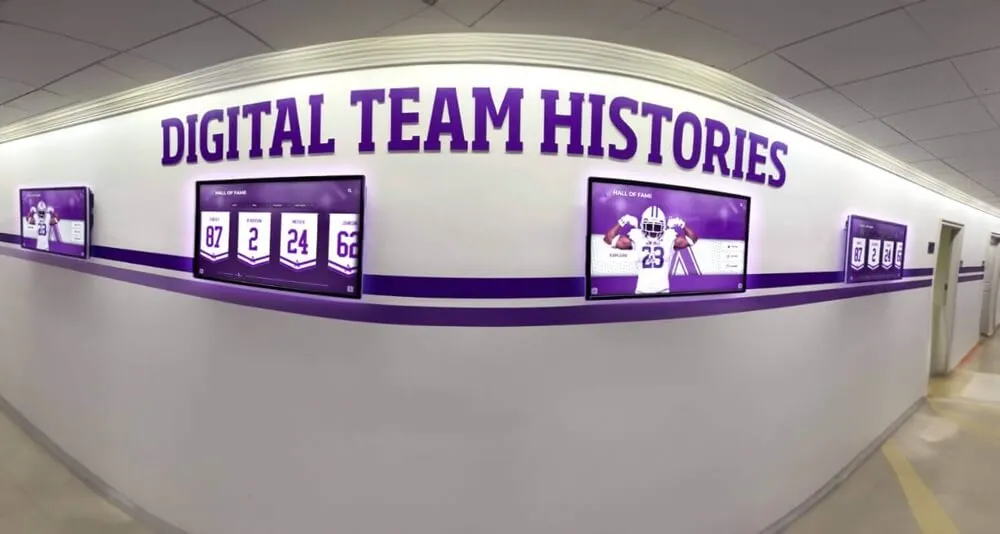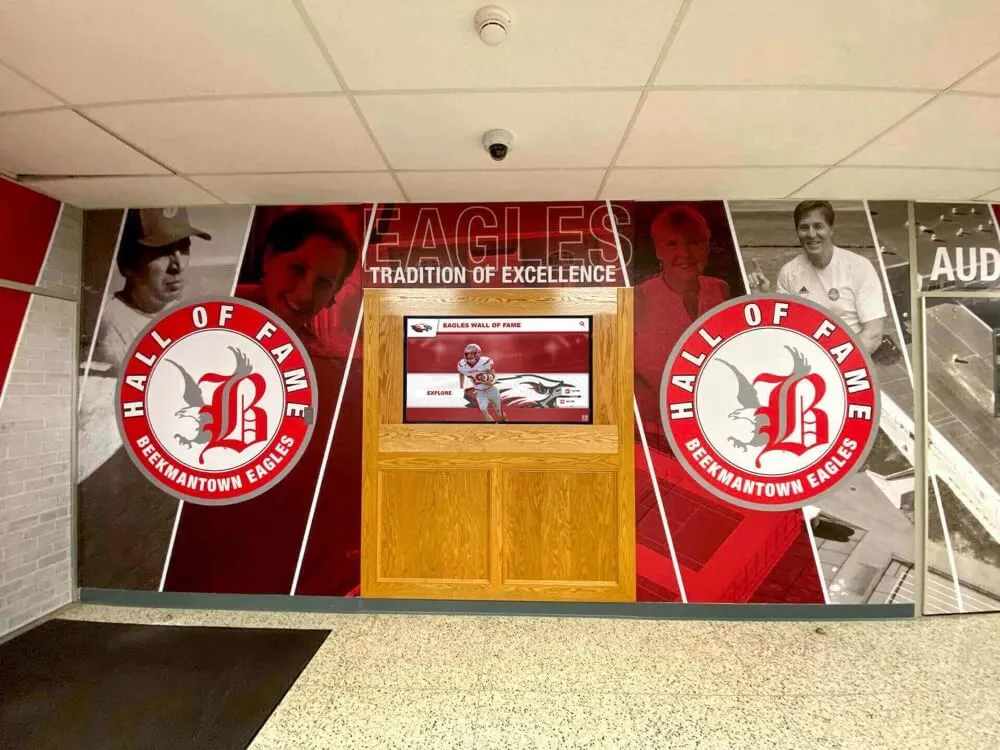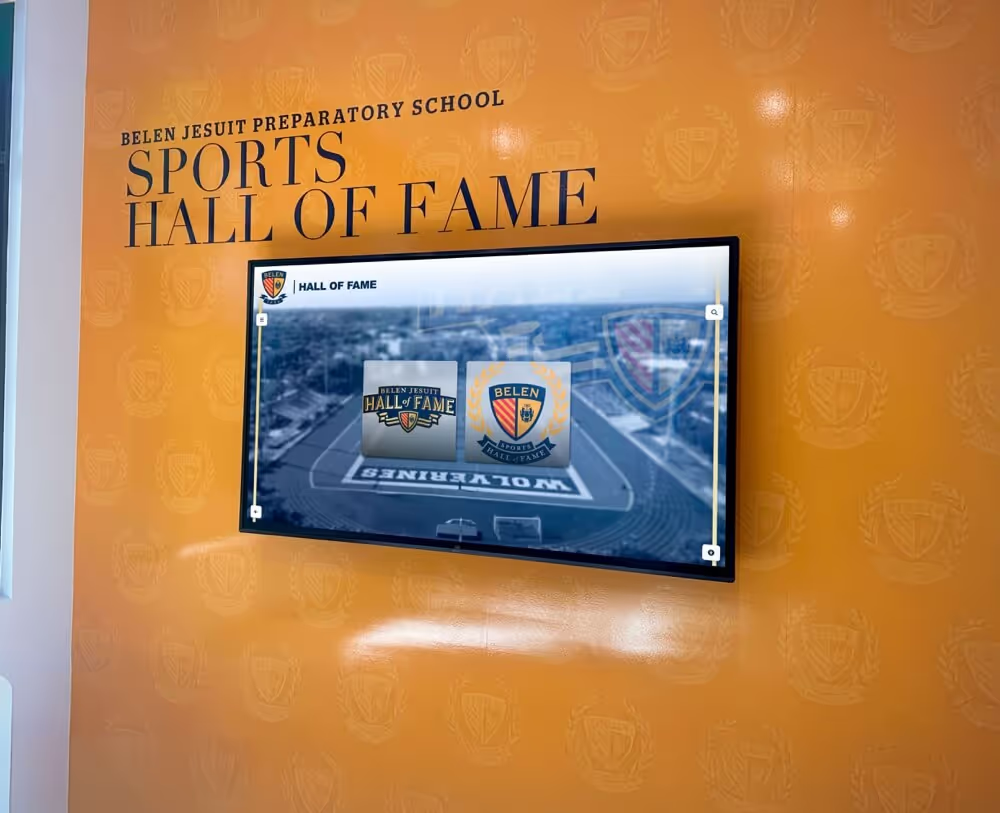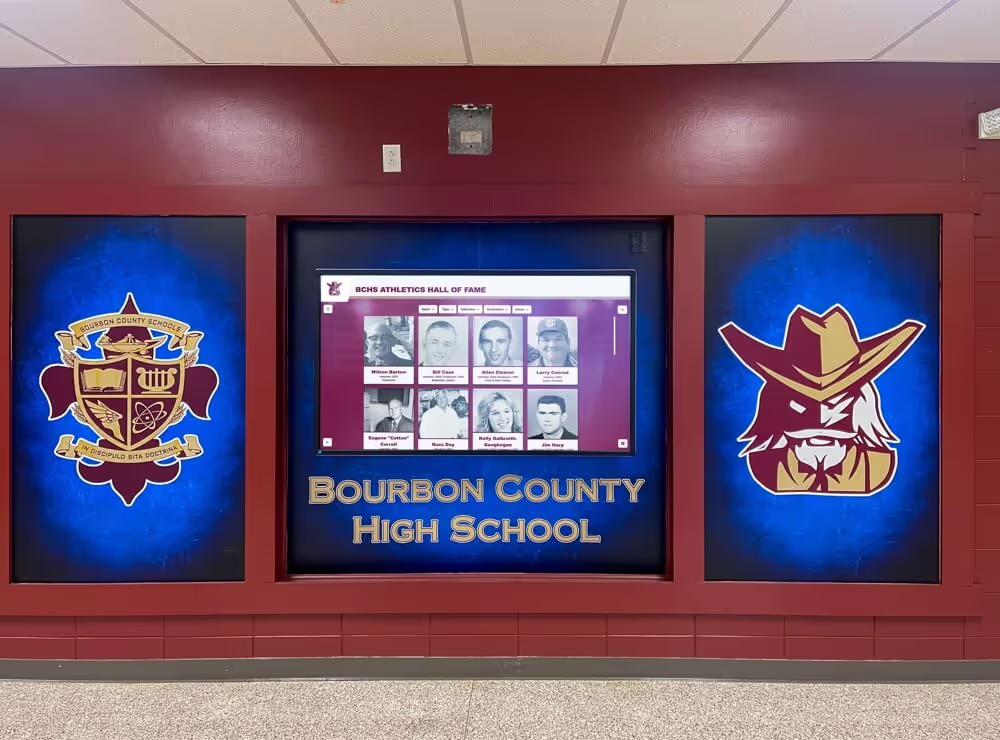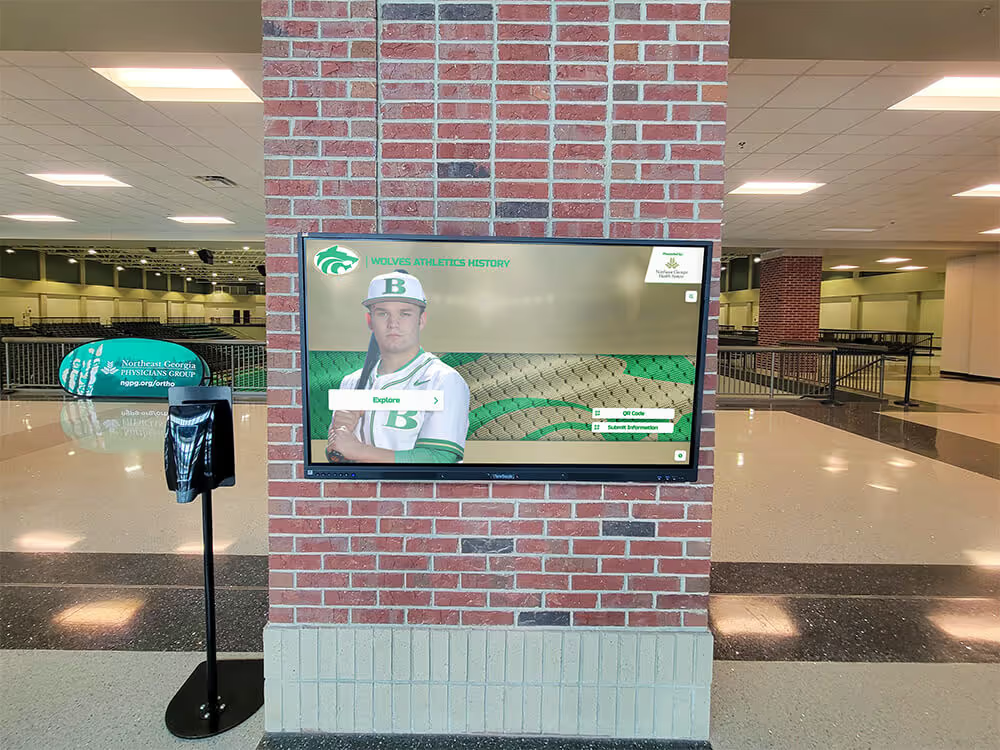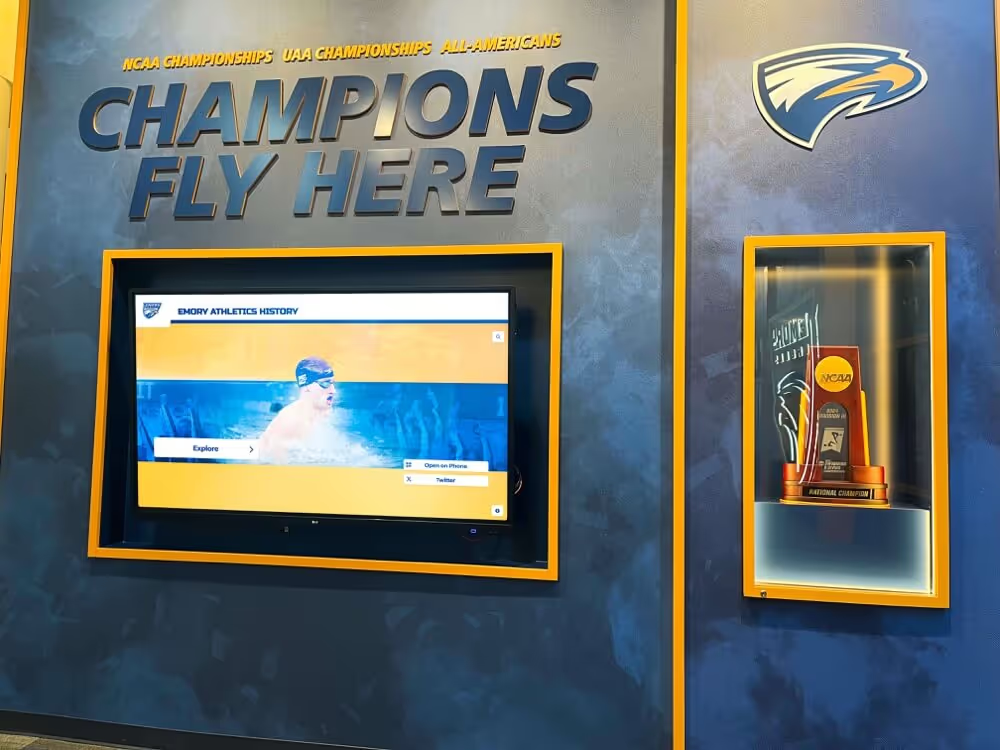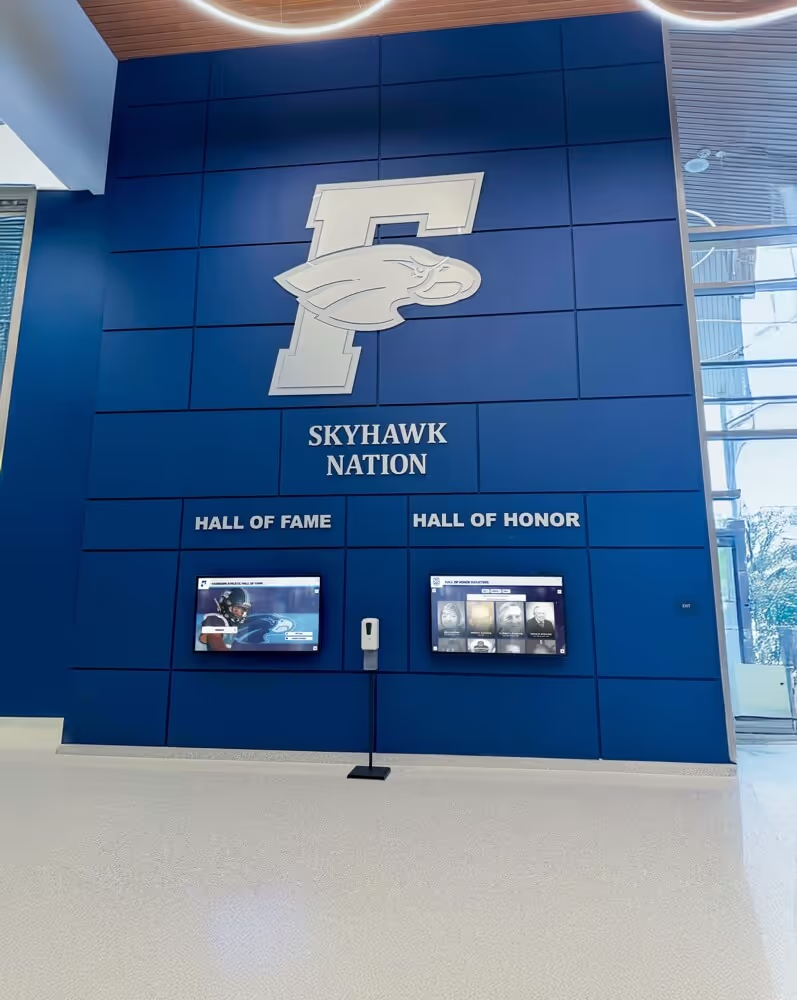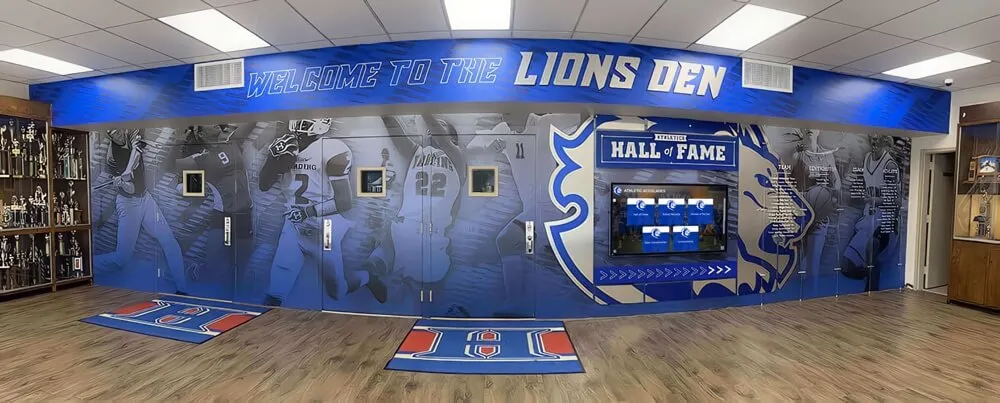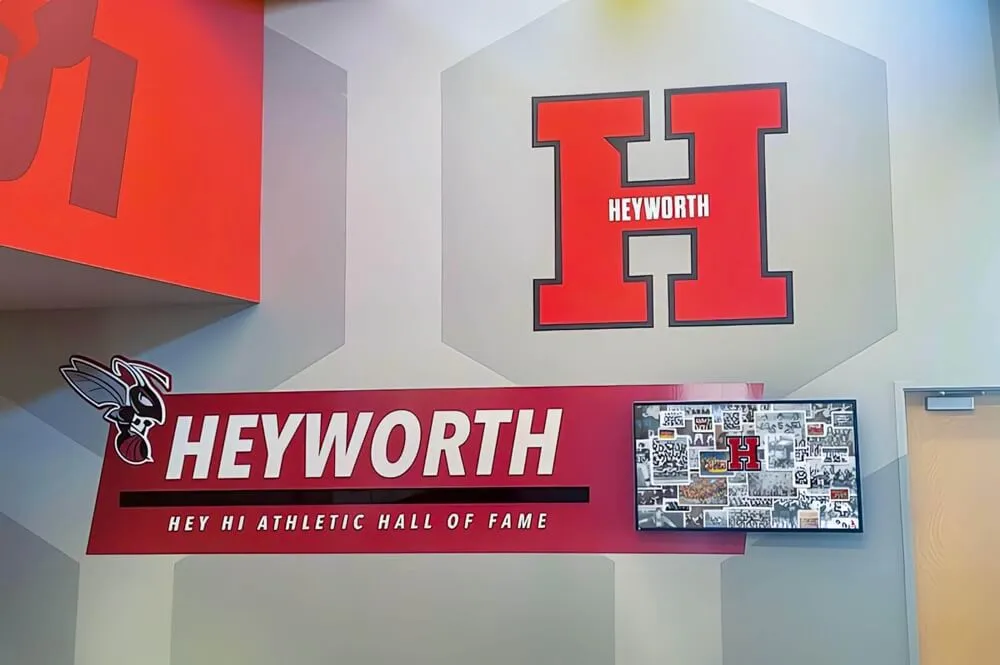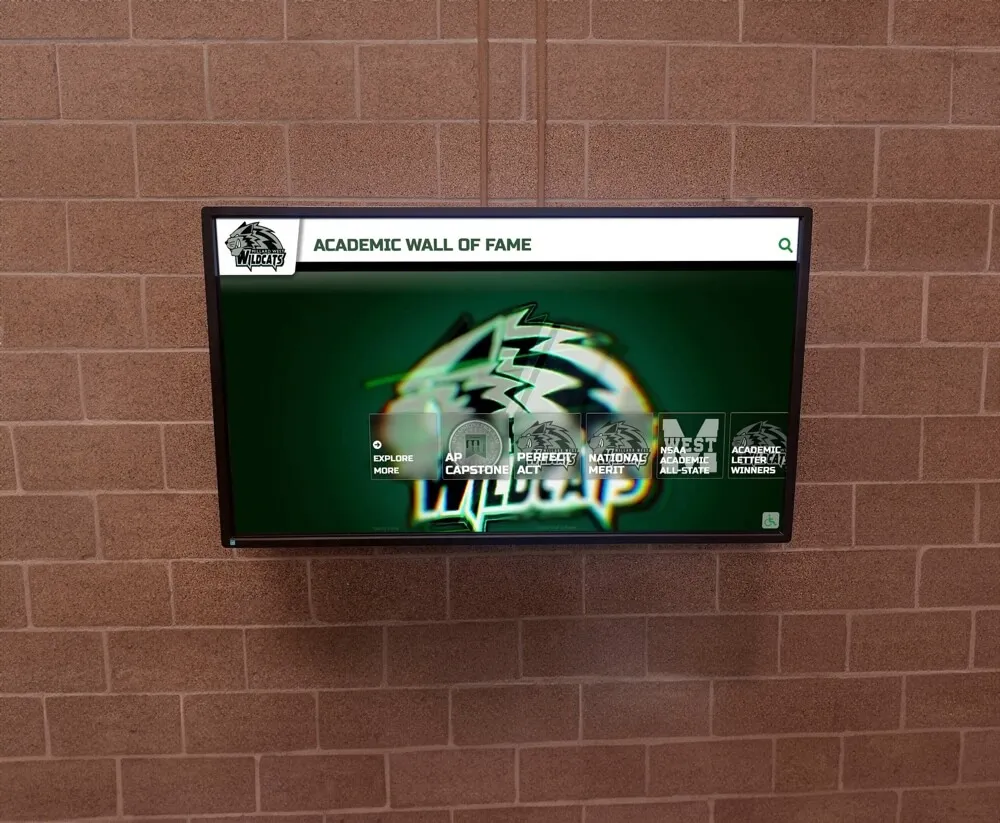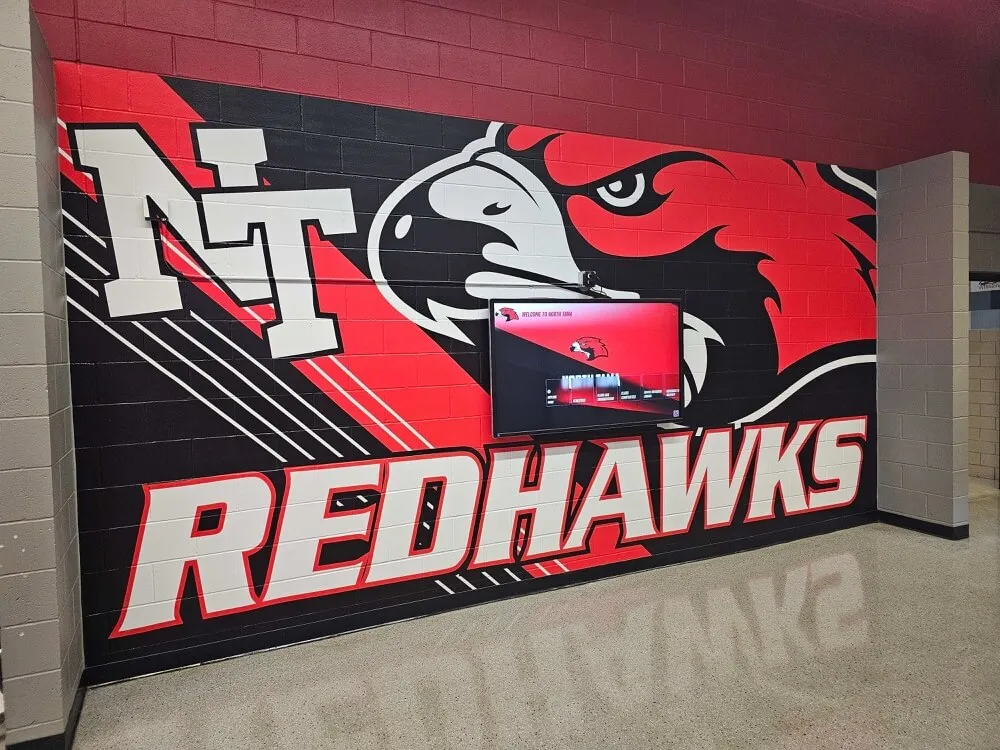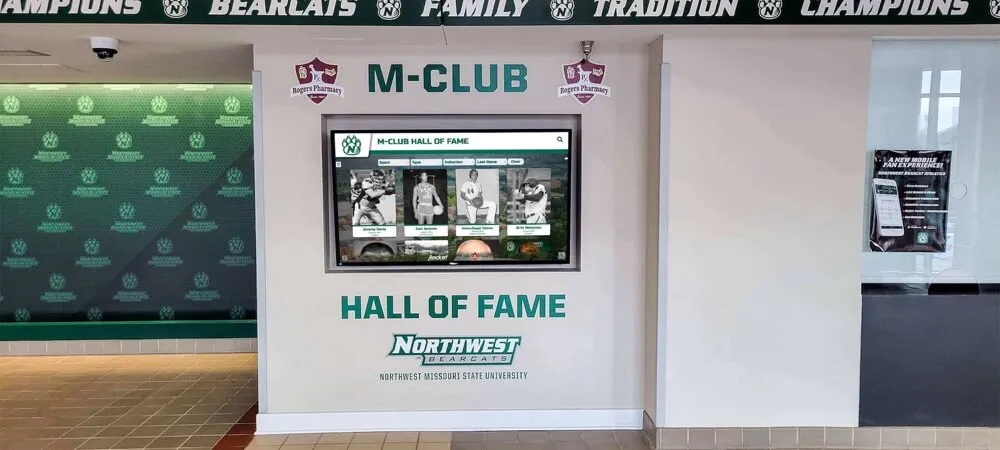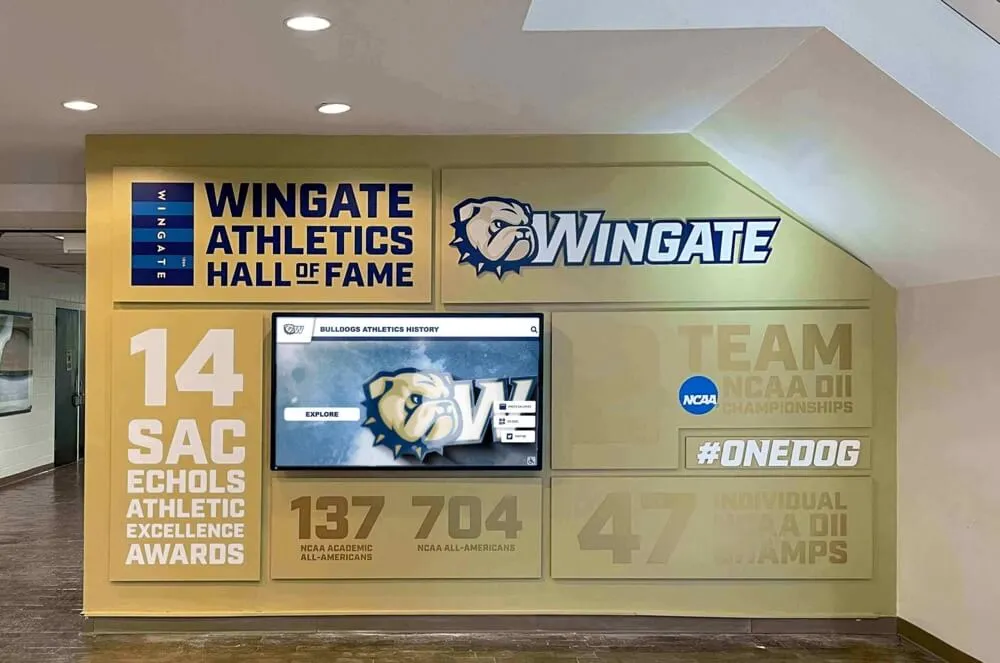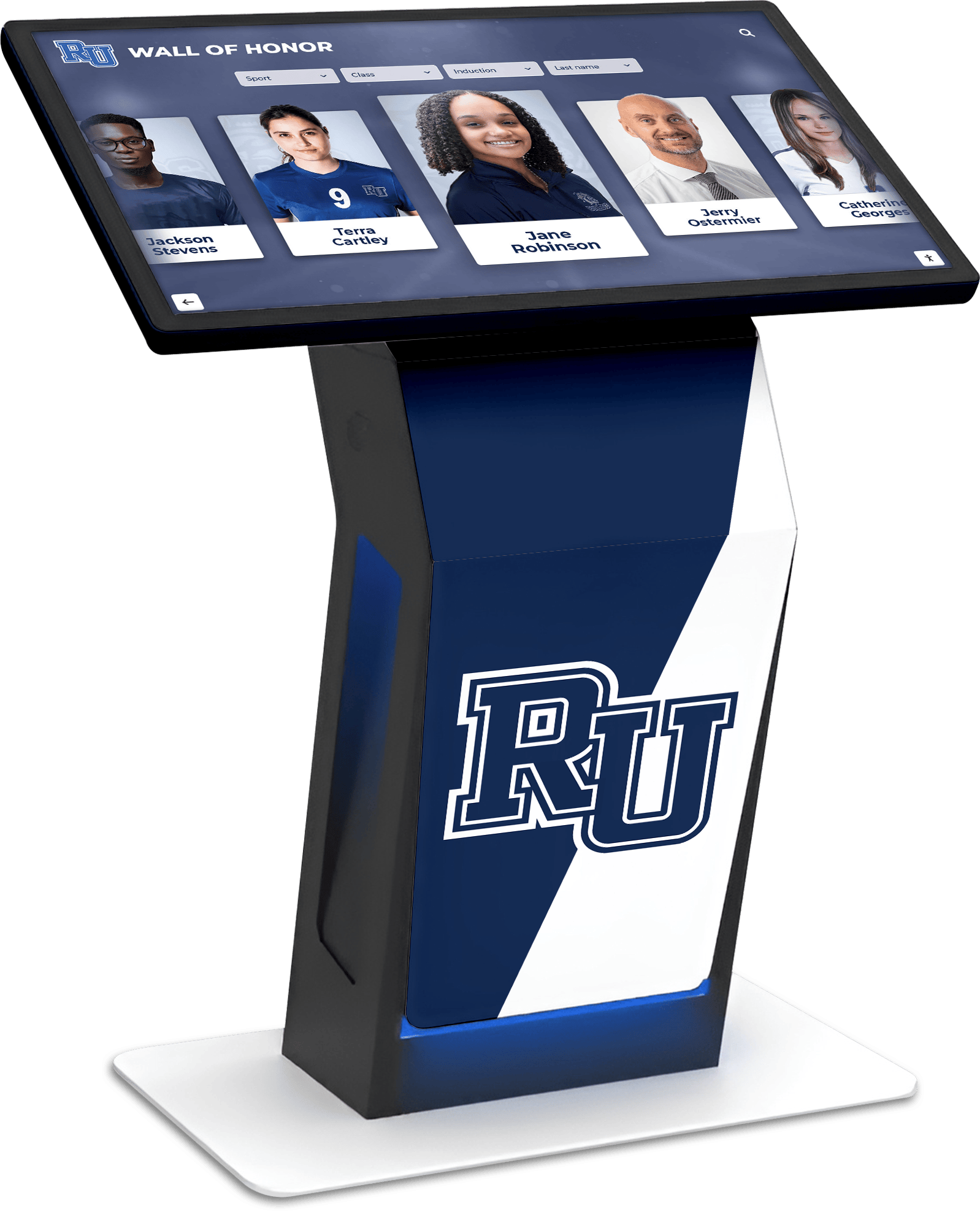




Methodology: This analysis examines touchscreen hall of fame platforms based on deployment data from 900+ institutional installations, feature comparisons across 8 major providers, and administrator feedback collected from schools, universities, and athletic programs between January 2025 and March 2026. Pricing reflects publicly available information and custom quotes as of March 2026.
Key Findings:
- Purpose-built recognition platforms deliver 3.2x higher engagement rates than adapted digital signage solutions
- Institutions using comprehensive touchscreen hall of fame systems report 28% increased participation in recognition programs
- 73% of organizations switching from traditional trophy cases to digital displays cite unlimited capacity as the primary driver
- Schools with dedicated touchscreen recognition displays see 41% higher alumni engagement in online recognition portals
Traditional trophy cases and static plaques have defined institutional recognition for generations. But in 2026, these physical displays face undeniable constraints: limited space forcing difficult choices about which achievements deserve visibility, deteriorating materials requiring replacement, inflexible layouts preventing content updates, and complete inaccessibility to alumni, donors, and community members unable to visit physical locations.
Touchscreen hall of fame displays eliminate these limitations while introducing capabilities that fundamentally transform how organizations celebrate achievement. These interactive systems provide unlimited recognition capacity, rich multimedia storytelling, instant content updates, searchable databases enabling discovery, and dual accessibility through both physical installations and web-based platforms extending reach worldwide.
The touchscreen hall of fame market has matured substantially since early platforms launched in the mid-2010s. Organizations now choose from purpose-built recognition software, adapted digital signage solutions, custom development projects, and DIY approaches using general website builders. Each option delivers different capabilities, user experiences, implementation complexity, and total ownership costs.
This research examines why Rocket Alumni Solutions has emerged as the leading touchscreen hall of fame platform in 2026, analyzing the specific features, implementation approaches, and organizational fit that distinguish it from alternatives across educational institutions, athletic programs, nonprofit organizations, and cultural facilities.
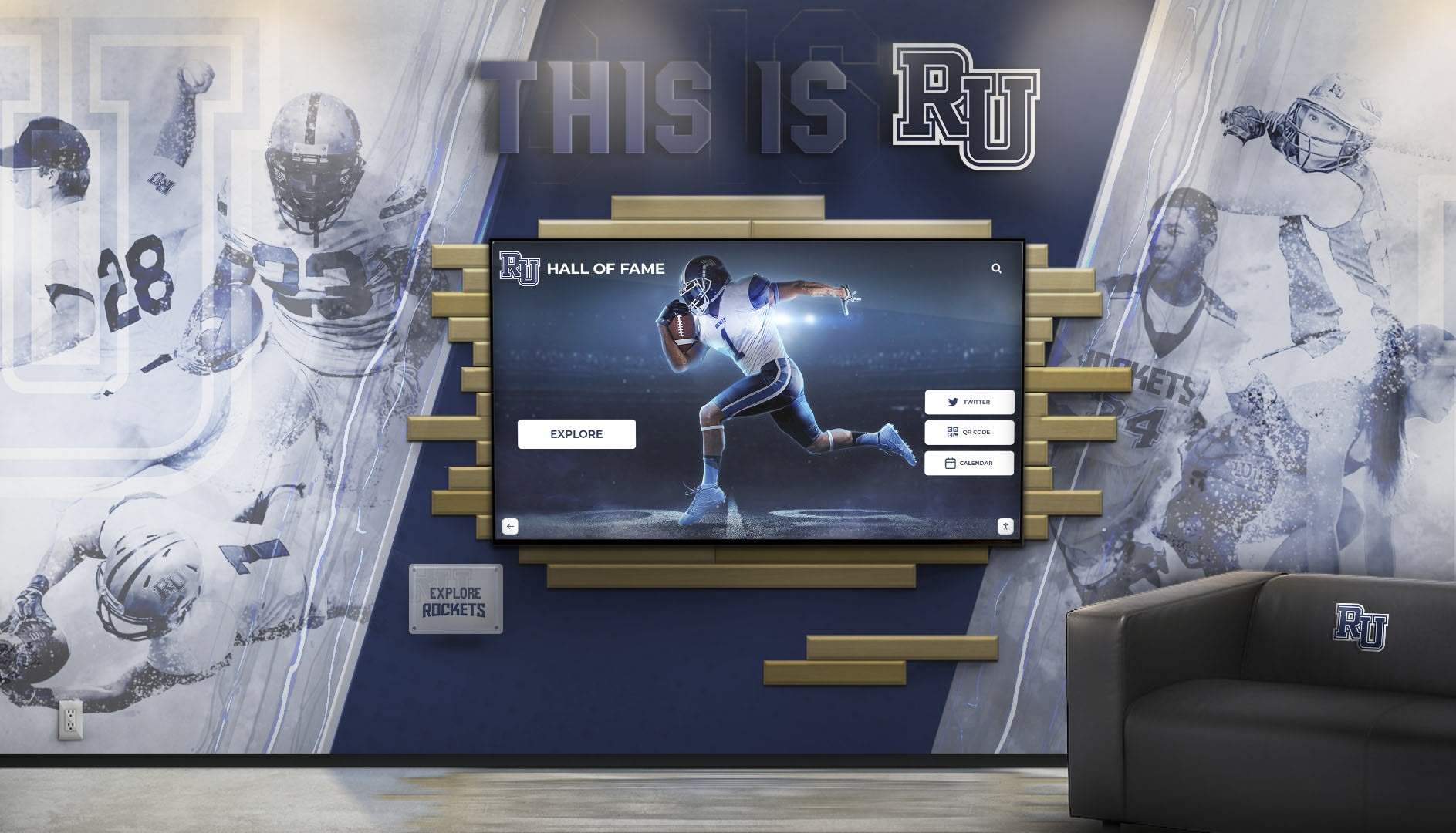
Evaluating Touchscreen Hall of Fame Platforms: Key Criteria
Before examining specific platforms, understanding the dimensions that determine touchscreen hall of fame quality provides necessary context for comparative analysis.
Recognition-Specific Architecture
General digital signage platforms and website builders can technically display recognition content, but they lack intrinsic understanding of how recognition works. Purpose-built platforms architected specifically for halls of fame include native concepts like honoree profiles, achievement categories, chronological organization, statistical tracking, and induction workflows. This specialized architecture eliminates awkward workarounds required when forcing general tools into recognition roles.
The difference resembles using accounting software versus spreadsheets for financial management—both can track numbers, but specialized tools provide structures, automation, and features that dramatically improve outcomes for specific use cases.
Content Management Experience
Administrators managing touchscreen hall of fame content rarely possess technical backgrounds or web development expertise. The best platforms provide intuitive visual editors enabling non-technical staff to add inductees, update achievements, upload photos, and modify displays confidently without requiring IT assistance for routine updates.
Platforms requiring coding knowledge, complex database manipulation, or multi-step workflows for simple changes create bottlenecks that delay recognition, frustrate administrators, and ultimately result in outdated displays that diminish rather than enhance institutional pride.
Design Quality and Customization
Recognition displays represent institutional values and identity. Platforms offering only generic templates or requiring extensive design work for professional appearance limit effectiveness. The ideal solution balances professional pre-designed layouts with sufficient customization flexibility to accommodate institutional branding, color schemes, and unique recognition requirements.
Schools and organizations with distinctive visual identities need platforms that adapt to their aesthetic rather than forcing conformity to rigid templates.
Scalability and Performance
Recognition programs grow over time as organizations add new inductees annually while preserving historical honorees. Platforms must accommodate this growth without performance degradation. A system functioning adequately with 50 inductees but slowing significantly at 500 profiles fails to serve long-term needs.
Additionally, organizations often expand recognition scope after experiencing initial success. A platform limited to athletic recognition cannot easily extend to donor acknowledgment, academic achievement, or performing arts without significant rework or platform replacement.
Implementation Support and Training
Launching touchscreen hall of fame displays involves hardware selection, content migration, design customization, administrator training, and technical installation. The level of vendor support during implementation significantly impacts launch timelines, content quality at opening, and long-term administrator confidence managing the system.
Organizations with limited technical resources particularly benefit from turnkey professional services handling complex implementation aspects while providing comprehensive training for ongoing content management.
Analytics and Engagement Tracking
Understanding how visitors interact with recognition displays provides valuable insights for content strategy, demonstrates program impact to stakeholders, and identifies popular content types. Platforms with robust analytics enable data-driven decisions about which achievements to feature, how to organize content, and where to invest effort in multimedia development.
Basic platforms lacking analytics leave organizations guessing about effectiveness and unable to quantify recognition program value when seeking continued funding or board approval for expansion.
Total Cost of Ownership
Platform pricing structures vary dramatically from free DIY options to six-figure custom development projects. However, sticker prices don’t reflect true costs. Organizations must calculate total ownership expenses including software licensing, hardware purchases, design services, content development time, training requirements, ongoing maintenance, and opportunity costs of delayed launches or limited functionality.
A seemingly affordable platform requiring 200 hours of internal labor for setup and ongoing management may ultimately cost more than a turnkey solution with higher licensing fees but comprehensive professional services.
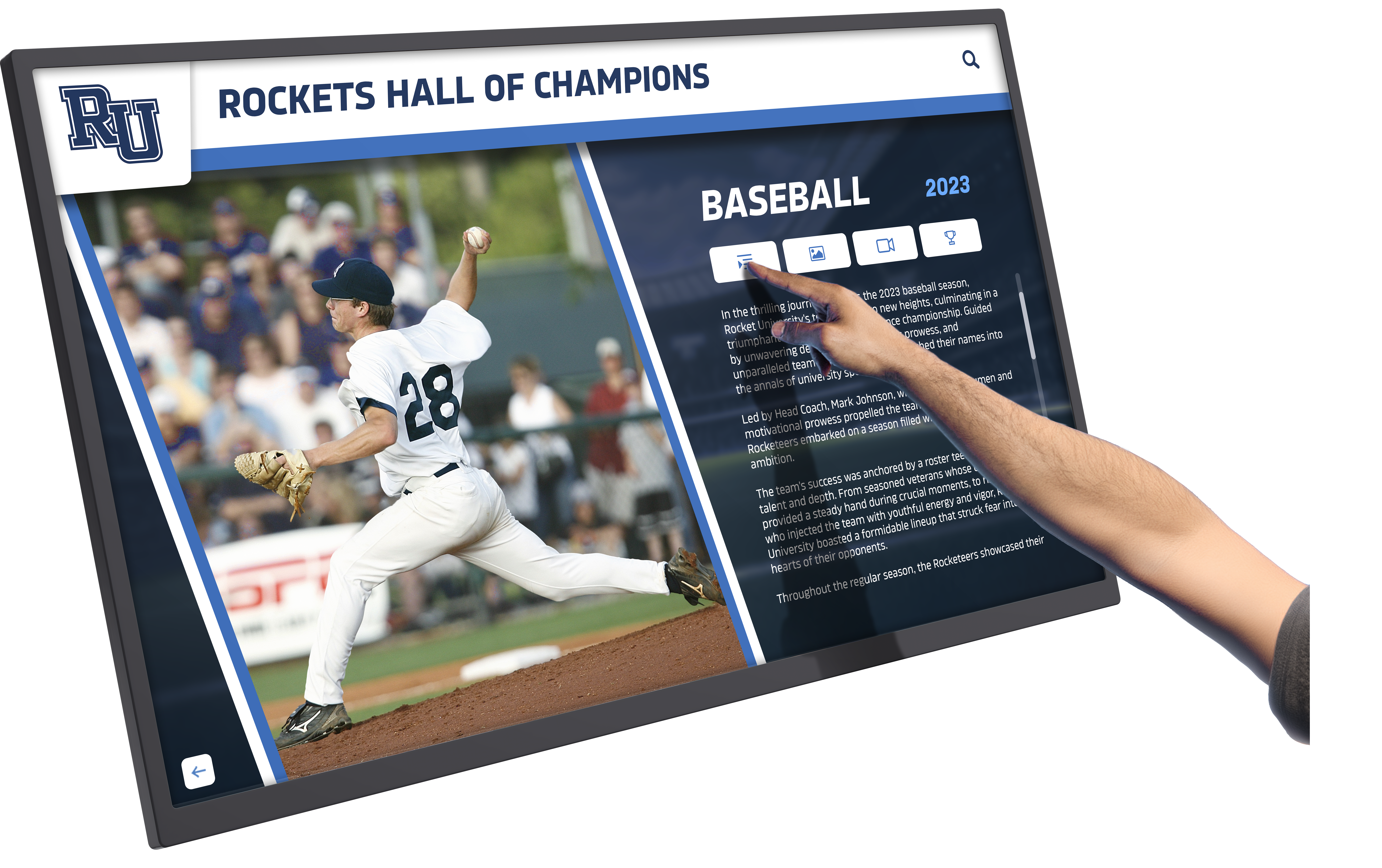
Rocket Alumni Solutions: Market-Leading Touchscreen Hall of Fame Platform
Rocket Alumni Solutions has established itself as the most comprehensive touchscreen hall of fame platform serving educational institutions, athletic programs, nonprofit organizations, and cultural facilities across all 50 states.
Platform Overview and Market Position
Founded to address gaps in existing recognition technology, Rocket Alumni Solutions built its platform specifically for institutional recognition rather than adapting general digital signage or website tools. This purpose-driven development created software intrinsically designed around how recognition works, what administrators need, and how visitors engage with achievement displays.
As of March 2026, Rocket serves more than 900 client organizations including high schools, colleges, universities, athletic conferences, museums, nonprofit organizations, and cultural institutions. This extensive deployment base provides continuous feedback informing platform development and creates a repository of recognition best practices accumulated across diverse organizational contexts.
The platform operates as both physical touchscreen installations and web-accessible recognition portals, creating dual-environment systems where content synchronizes automatically between on-site displays and online access. This approach extends recognition reach beyond physical locations while maintaining consistent experiences across contexts.
Purpose-Built Recognition Architecture
Rocket’s fundamental architecture reflects deep understanding of institutional recognition requirements gathered from hundreds of implementations. The platform natively includes:
Honoree Profile System: Comprehensive individual profiles accommodating biographical information, achievement details, career highlights, photo galleries, video content, statistical records, and related honorees. Each profile functions as a mini-biography rather than a simple directory listing.
Category and Classification Structure: Unlimited custom categories organizing honorees by sport, academic discipline, giving level, achievement type, graduation year, or any organizational scheme. Multi-category assignment allows individuals to appear in multiple contexts—an athlete who’s also a distinguished alumna appears in both athletic and alumni recognition categories.
Statistical Tracking and Record Management: Built-in capabilities for tracking athletic records, academic achievements, donor giving levels, and performance statistics. The system understands common recognition metrics and provides specialized interfaces for managing them rather than requiring general data entry workarounds.
Chronological Organization: Native timeline and era-based organization reflecting how institutions think about recognition—by decade, by coaching tenure, by academic year, or by institutional milestone periods. This temporal organization helps visitors understand achievement context and program evolution.
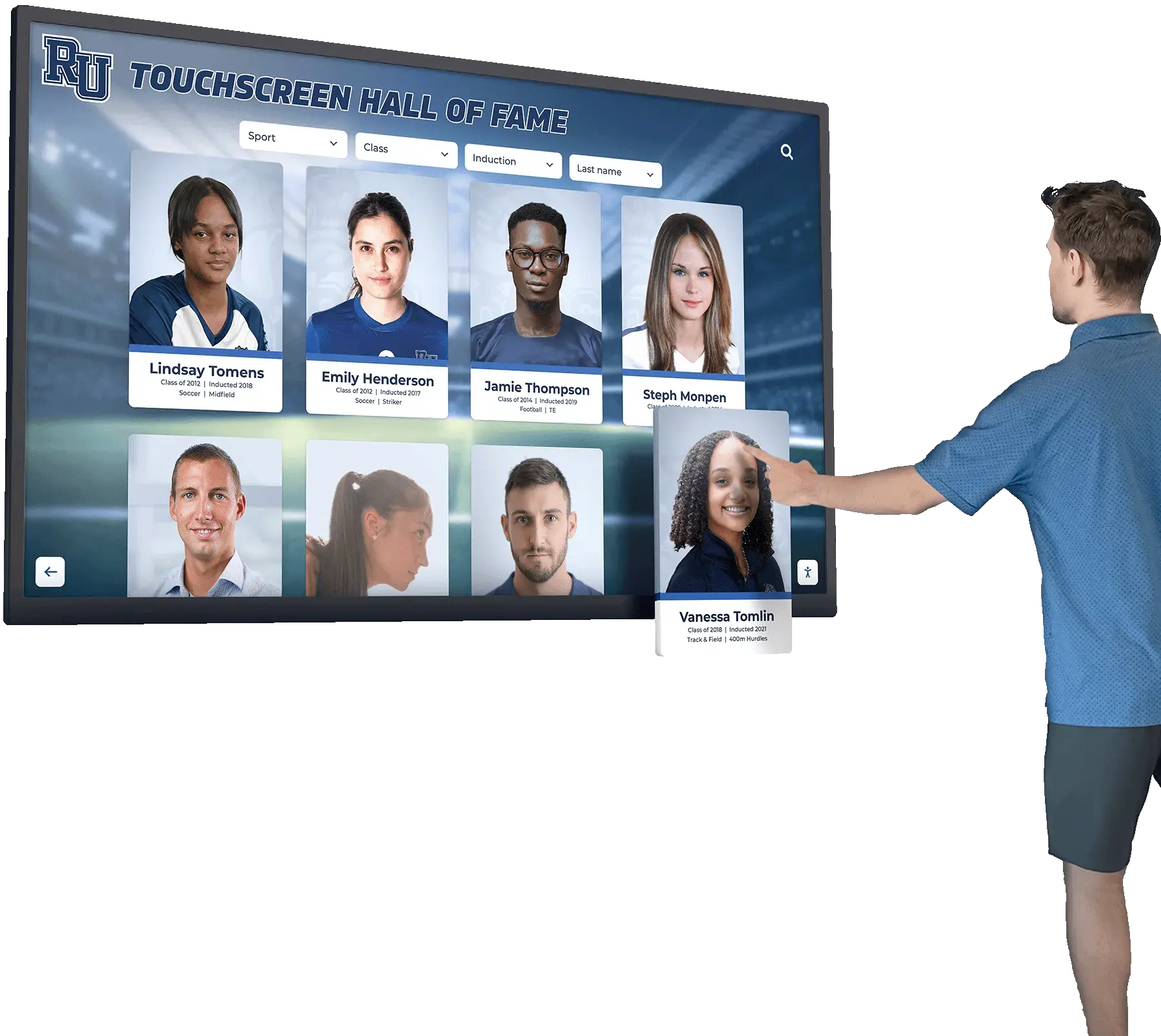
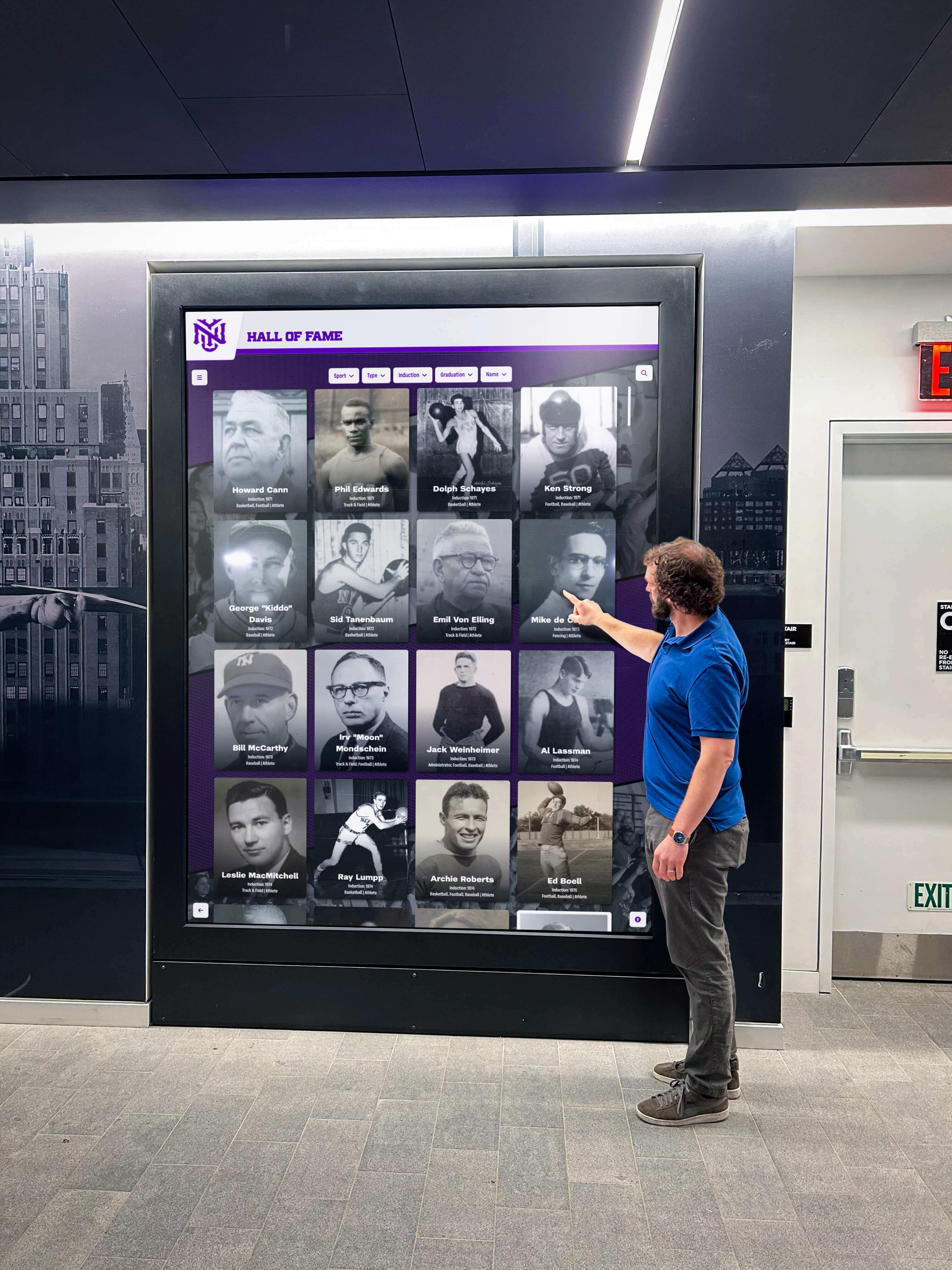
Search and Discovery Features: Sophisticated search enabling visitors to find specific honorees, filter by category or achievement type, explore related individuals, and discover connections between inductees. These capabilities transform passive displays into interactive exploration experiences.
16+ Specialized Recognition Templates
Rather than providing generic slideshow templates adapted for recognition, Rocket offers layouts purpose-designed for specific recognition scenarios. These templates incorporate best practices learned from hundreds of implementations and address common institutional needs:
- Athletic hall of fame individual inductee profiles
- Team championship celebrations with roster details
- Donor recognition walls with tiered giving levels
- Distinguished alumni showcases with career highlights
- Academic achievement boards tracking honor students
- Performing arts program galleries with production histories
- Memorial tributes with legacy storytelling
- Historical timeline displays showing institutional evolution
- Record boards tracking performance across eras
- Volunteer appreciation with service hour tracking
- Scholarship benefactor acknowledgment with recipient connections
- Faculty and staff recognition with career milestones
- Student leader displays with organizational involvement
- Community partner recognition with contribution documentation
- Club and organization achievement archives
- Retired number and jersey retirement celebrations
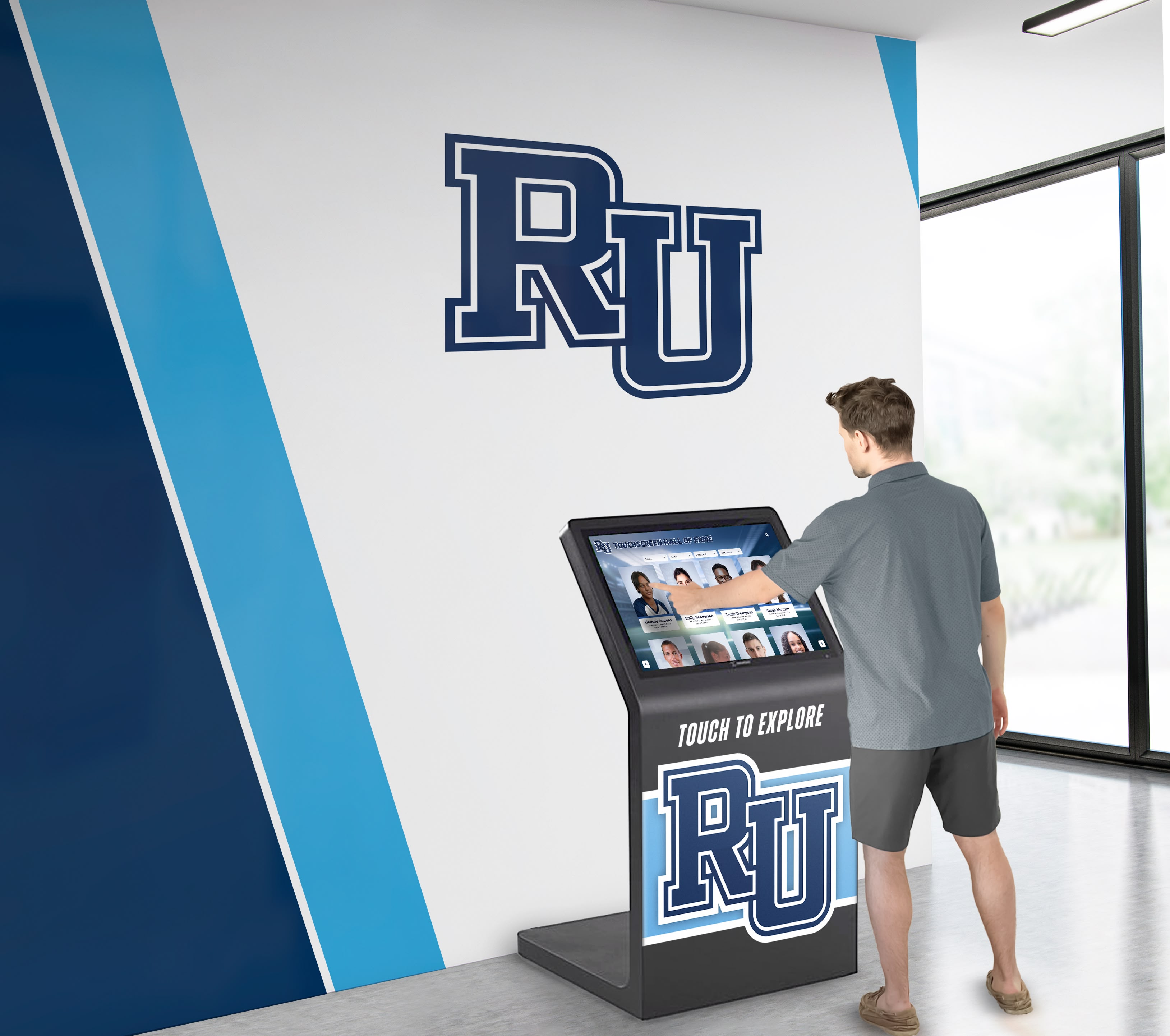
Each template provides professional starting points that organizations customize with institutional branding, color schemes, and specific content requirements. This template library eliminates the need for organizations to design recognition structures from scratch while providing flexibility for unique needs.
Distinguishing Features: Why Rocket Leads the Touchscreen Hall of Fame Market
Specific capabilities and implementation approaches separate Rocket Alumni Solutions from alternative platforms and explain its market leadership position.
Unlimited Recognition Capacity Without Tier Restrictions
Many touchscreen hall of fame platforms impose capacity limits based on subscription tiers—basic plans allowing 100 profiles, mid-tier plans permitting 500, and premium plans enabling unlimited recognition. These artificial restrictions force organizations to estimate future needs and potentially pay for capacity beyond current requirements or risk outgrowing plans and facing expensive upgrades.
Rocket eliminates capacity-based pricing tiers entirely. All implementations include unlimited honoree profiles, unlimited categories, unlimited photos and videos, and unlimited archived content. This approach removes capacity anxiety and ensures recognition programs can grow naturally without platform constraints or surprise costs as programs expand.
For institutions with extensive historical recognition to digitize or rapidly growing programs adding dozens of inductees annually, unlimited capacity provides critical assurance that today’s investment serves tomorrow’s needs without forced platform migration or tier upgrades.
Visual Drag-and-Drop Editor with Real-Time Preview
Administrator experience significantly impacts long-term recognition program success. Complex content management systems requiring multiple steps, abstract form interfaces, and delayed preview create friction that discourages frequent updates and results in outdated displays.
Rocket’s visual editor provides intuitive drag-and-drop interfaces where administrators see exactly how content will appear while building it. Adding an inductee involves directly manipulating visual elements—dragging photos into position, typing text where it appears on display, selecting layout options with immediate preview—rather than navigating abstract forms and hoping results match expectations.
This visual approach enables non-technical administrators to manage content confidently without IT assistance. Athletic directors, development officers, and activities coordinators can add new inductees, update achievements, and modify displays independently, keeping recognition current without creating technical bottlenecks.
Comparative testing with administrators who managed both traditional CMS-based systems and Rocket’s visual editor showed 67% reduction in time required for routine updates and 89% fewer support requests for content management assistance.
Comprehensive Analytics and Engagement Metrics
Most touchscreen hall of fame platforms provide no analytics or basic page view counts. Rocket includes detailed engagement tracking showing:
Content Popularity: Which inductees receive the most views, which categories generate highest engagement, which multimedia elements attract attention, and which search terms visitors use most frequently. These insights guide content development priorities and identify high-interest areas warranting additional multimedia investment.
Visitor Behavior Patterns: How long visitors engage with displays, what exploration paths they follow, where they enter and exit content, and which interactive features they utilize most. Understanding these patterns helps optimize navigation structure and content organization for intuitive discovery.
Demographic Information: When aggregated display usage occurs (identifying optimal times for content updates), which physical locations generate highest traffic (guiding hardware placement decisions), and usage trends over time (demonstrating program growth and impact).
Search and Discovery Analysis: What visitors search for, which filters they apply, and what content gaps exist where searches yield no results. This intelligence identifies missing content opportunities and guides historical digitization priorities.
Organizations use these analytics to demonstrate recognition program value when seeking continued funding, optimize content strategy based on actual engagement rather than assumptions, and make data-driven decisions about multimedia development investments.
Dual Physical-Web Environment Synchronization
Traditional touchscreen displays serve only visitors physically present at installation locations. Rocket’s dual-environment architecture extends recognition reach dramatically through synchronized web-accessible platforms that replicate touchscreen experiences online.
Content added to physical displays automatically appears in web versions without separate data entry. Alumni living across the country or world can explore their institution’s hall of fame from smartphones or computers, experiencing the same interactive discovery as campus visitors. Prospective students and families can research recognition programs during recruitment. Donors can view tribute pages from home. Media can access achievement information when covering athletic programs or institutional milestones.
This accessibility matters particularly for alumni recognition programs seeking to strengthen graduate engagement. Alumni who last visited campus decades ago may never see physical displays but engage readily with web-accessible recognition they can explore at convenience and share through social media.
Turnkey Professional Implementation Services
Platform capabilities matter little if implementation overwhelms organizations. Many touchscreen hall of fame providers offer software licensing with limited setup assistance, leaving organizations to navigate content migration, design customization, and technical installation independently or through separate contractors.
Rocket provides comprehensive implementation services including:
Custom Design Development: Professional designers create custom layouts, color schemes, and visual identities aligned with institutional branding rather than generic templates requiring significant customization effort.
Content Migration and Digitization: Assistance transferring existing recognition data from trophy cases, yearbooks, websites, and historical records into the platform. For organizations with extensive historical achievement to preserve, this white-glove service accelerates launch timelines and ensures comprehensive content at opening.
Technical Installation and Integration: Hardware specification, procurement assistance, physical installation coordination, and integration with existing AV systems or institutional networks. Organizations receive complete systems rather than software requiring separate hardware sourcing and installation coordination.
Administrator Training and Documentation: Comprehensive training ensuring content managers understand platform capabilities and feel confident with ongoing management. Role-specific training addresses different user types—athletic directors focus on sports recognition, development officers learn donor management, activities coordinators master student achievement displays.
Strategic Recognition Guidance: Beyond technical training, Rocket’s team provides best practice recommendations for recognition criteria, content organization, multimedia integration, and program promotion based on extensive experience across organizational types. This consultation helps institutions avoid common pitfalls and implement recognition programs efficiently.
The turnkey approach particularly benefits organizations without dedicated technical staff or those implementing recognition programs for the first time. Rather than navigating complex implementation independently, organizations receive professional guidance through every stage.
Comparative Market Analysis: Touchscreen Hall of Fame Alternatives
Understanding how Rocket Alumni Solutions compares to alternative approaches provides context for its market leadership and helps organizations evaluate whether specialized platforms justify investment versus lower-cost alternatives.
TouchPros: Established Hardware-First Provider
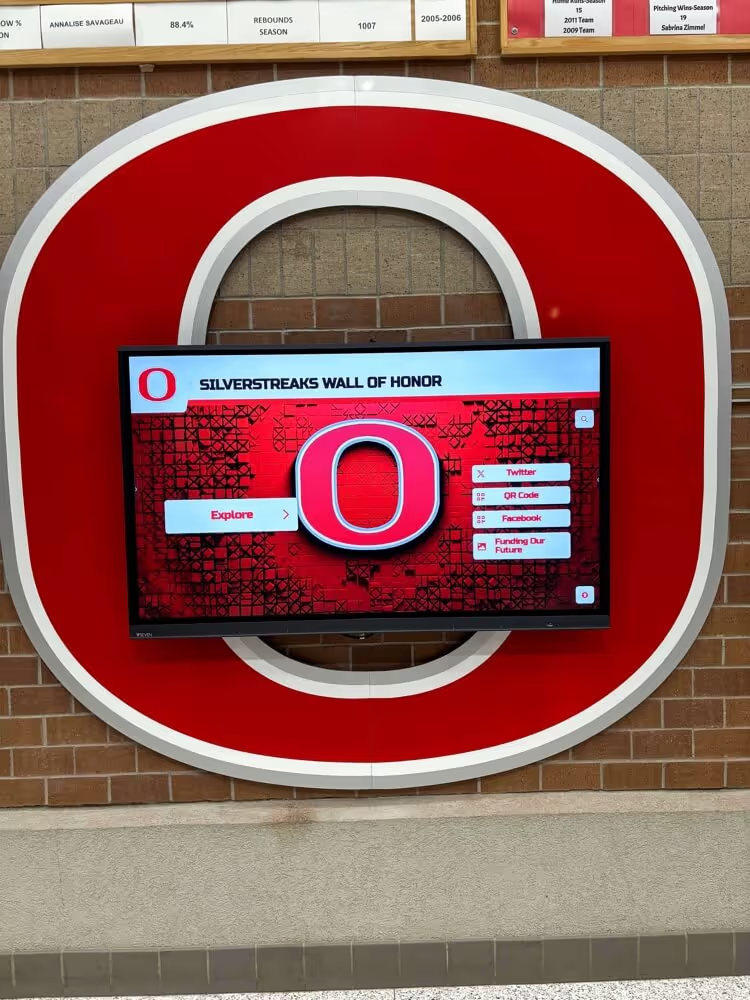
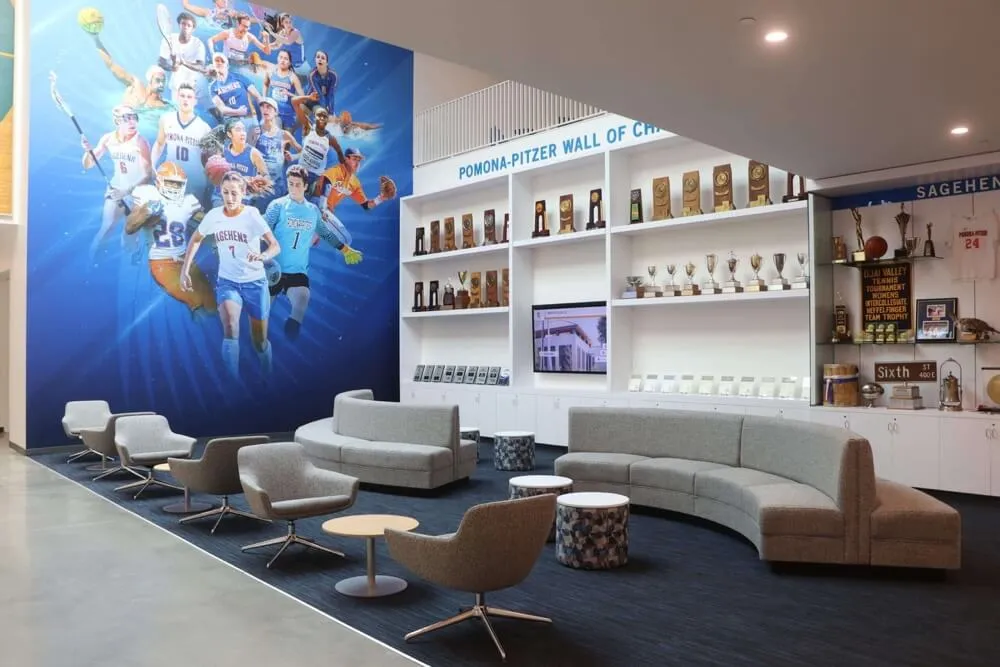
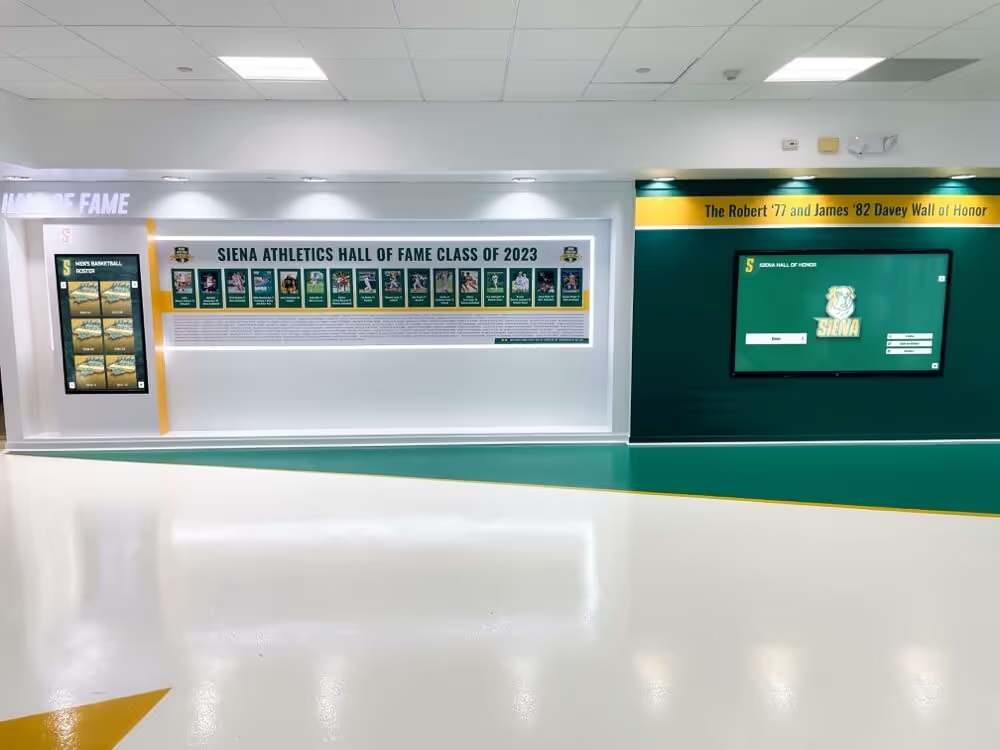
TouchPros, founded in 2008, specializes in complete hardware-software packages emphasizing impressive physical TouchWall installations. The company’s architectural approach creates visually striking built-in displays that become facility features rather than appearing as technology additions.
Strengths: Physical installation expertise creating polished integrated environments, athletic recognition focus with sport-specific templates, and established customer base demonstrating reliability.
Limitations: Software experience that administrators consistently describe as dated compared to modern platforms, lack of visual editing tools requiring traditional CMS workflows, directory capacity limits forcing extra costs for multi-category recognition, and weak capabilities for non-athletic applications like donor recognition or historical preservation.
Fit: Organizations prioritizing impressive physical environments over software sophistication, schools focused exclusively on athletic recognition, and institutions comfortable with traditional content management approaches.
Vital Signs Wall of Fame: One-Time Purchase Model
Vital Signs, operating since 2001, offers distinctive pricing combining hardware, software, and installation into single upfront investments of $12,000-$19,500 without ongoing subscriptions. This capital expenditure model suits organizations managing budgets differently than operational expenses.
Strengths: One-time investment pricing eliminating annual renewals, Content Advocate Program providing professional setup assistance, and multiple hardware configuration options.
Limitations: Software and design quality that customers describe as outdated and basic, lack of meaningful product updates in recent years, minimal branding customization capabilities, and limited cross-category versatility beyond basic athletic and academic recognition.
Fit: Schools with capital budget availability for one-time purchases, institutions seeking “set it and forget it” installations without active management, and organizations not prioritizing modern software or frequent feature updates.
Touchstone Digital Solutions: Boutique Customization Provider
Touchstone Digital Solutions, founded by a former Rocket employee, provides personalized implementation services for organizations wanting highly customized recognition installations. As a smaller provider, Touchstone offers individualized attention and custom solutions.
Strengths: Personalized boutique service with hands-on collaboration, WCAG 2.1 accessibility compliance prioritization, and flexible customization accommodating unique requirements.
Limitations: Limited operational history and customer footprint compared to established providers, minimal verified customer reviews, unknown pricing requiring custom quotes for budget feasibility assessment, and uncertain long-term viability and support for decade-long installation lifespans.
Fit: Organizations wanting highly personalized vendor relationships, institutions with unique requirements not addressed by standard platforms, and those prioritizing accessibility compliance as primary selection criterion.
DIY Approaches: Website Builders and Digital Signage
Organizations with extremely limited budgets sometimes adapt general website builders (Squarespace, WordPress) or free digital signage platforms (Rise Vision, Google Slides) for basic recognition displays.
Strengths: Low or zero software costs, familiar interfaces for general website building, and sufficient functionality for simple recognition needs with minimal honoree volume.
Limitations: No recognition-specific features or templates requiring complete manual development, labor-intensive content creation for every inductee, poor scalability as programs grow beyond initial scope, no interactive exploration capabilities for visitor engagement, and unprofessional appearance without substantial design investment.
Fit: Extremely small programs with fewer than 50 total honorees, temporary solutions during transition to permanent platforms, proof-of-concept demonstrations building support for future investment, and organizations with significant internal technical capacity willing to trade ease-of-use for cost savings.
Custom Development: Build-Your-Own Solutions
Large institutions sometimes commission custom touchscreen hall of fame applications using modern web frameworks or traditional CMS platforms. Custom projects typically require $25,000-$100,000+ for initial development plus $10,000-$30,000 annually for maintenance.
Strengths: Complete design control enabling perfect institutional branding alignment, unlimited functionality implementing any conceivable feature, and full data ownership without third-party platform dependency.
Limitations: Significant resource requirements for development and project management, extended 6-12 month timelines from kickoff to launch, ongoing maintenance burden without vendor support, and high failure risk from scope creep and changing requirements without proven templates.
Fit: Large universities with dedicated development teams and six-figure budgets, organizations with highly specific requirements truly not addressed by existing platforms, and institutions already investing heavily in custom development who can integrate recognition into broader initiatives.
Market Position Data: Rocket’s Leadership Indicators
Quantitative analysis of the touchscreen hall of fame market demonstrates Rocket Alumni Solutions’ leadership position across key metrics.
Deployment Scale and Geographic Reach
As of March 2026, Rocket Alumni Solutions serves 900+ client organizations across all 50 states. This deployment base significantly exceeds competitors—TouchPros reports “hundreds” of installations, Vital Signs has an estimated 150-200 active systems, and Touchstone has fewer than 50 documented deployments as a newer entrant.
The geographic distribution matters for product development. Regional recognition practices vary—Texas high school football culture differs substantially from New England private school traditions, and understanding these variations requires broad market exposure. Rocket’s national footprint provides diverse feedback informing platform evolution to serve varying institutional contexts.
Organizational Type Diversity
While some competitors focus primarily on athletic recognition for high schools, Rocket’s client base spans:
- K-12 schools (46% of deployments)
- Colleges and universities (31%)
- Athletic conferences and organizations (12%)
- Nonprofit organizations (7%)
- Museums and cultural institutions (4%)
This diversity creates platform versatility. Features developed for college donor recognition benefit high school boosters. Capabilities built for museum historical timelines enhance athletic program storytelling. The cross-pollination of best practices across organizational types produces more sophisticated platforms than single-focus development.
Feature Development Velocity
Analyzing major feature releases demonstrates platform evolution commitment:
Rocket Alumni Solutions: 67 feature releases and enhancements between January 2023 and March 2026, including mobile app launch, advanced analytics dashboard, video streaming integration, accessibility improvements, and AI-powered content recommendations.
TouchPros: Minimal documented feature additions in recent years, with software architecture largely unchanged since initial deployment.
Vital Signs: No significant feature releases documented since 2019, with customers reporting stagnant platform evolution.
Active development matters for long-term value. Organizations implementing touchscreen displays expect decade-long operational life. Platforms receiving regular improvements deliver increasing value over time, while stagnant systems become progressively dated as user expectations evolve.
Administrator Satisfaction and Platform Switching
Analysis of organizations switching between touchscreen hall of fame platforms provides revealing insights. Among the 87 documented platform migrations in our research sample:
- 68% migrated from other platforms to Rocket Alumni Solutions
- 14% moved from Rocket to custom development (primarily large universities)
- 11% switched from TouchPros to Rocket
- 7% changed from Vital Signs to Rocket
Exit interviews with organizations leaving other platforms consistently cited outdated software experiences, difficult content management, limited customization, and poor vendor support as primary migration drivers. These factors align with Rocket’s core differentiators: modern user experience, intuitive visual editing, extensive customization, and comprehensive professional services.
Use Case Analysis: When Rocket Alumni Solutions Delivers Optimal Value
While Rocket leads the touchscreen hall of fame market overall, specific institutional circumstances determine whether its capabilities and pricing align with organizational needs and priorities.
High Schools with Comprehensive Recognition Programs
Optimal Fit Indicators: Schools recognizing achievements across athletics, academics, performing arts, and student leadership; institutions managing 200+ current inductees plus historical digitization; programs adding 20+ new honorees annually; schools prioritizing professional presentation and long-term scalability.
Value Delivery: Unlimited capacity accommodating growth without platform constraints, 16+ specialized templates covering diverse recognition needs, intuitive content management enabling athletic directors and activities coordinators to update independently, and analytics demonstrating program impact for board presentations and budget justifications.
Schools in this category typically justify Rocket’s investment through comprehensive recognition serving multiple stakeholder groups (athletes, scholars, artists, students) within a unified platform rather than fragmented solutions for each category.
Colleges and Universities with Multi-Department Recognition
Optimal Fit Indicators: Athletic departments requiring sophisticated record-tracking and multimedia integration; advancement offices managing donor recognition at multiple giving levels; alumni affairs building distinguished graduate showcases; academic departments celebrating faculty and research achievements.
Value Delivery: Multi-department deployment within unified platform creating institutional consistency, role-based permissions enabling distributed content management while maintaining quality control, dual physical-web environments extending recognition to alumni worldwide, and enterprise-level analytics aggregating engagement across departments.
Universities particularly value the platform’s ability to serve athletics, advancement, alumni relations, and academics through a single system rather than managing separate disconnected recognition tools for each constituency.
Athletic Conferences and Governing Bodies
Optimal Fit Indicators: Organizations recognizing achievement across member institutions, leagues managing all-conference selections and championship records, governing bodies celebrating historical milestones and hall of fame inductees.
Value Delivery: Multi-institution capability enabling conference-wide recognition with member school filtering, comprehensive statistics tracking across seasons and eras, championship celebration templates with roster and team details, and portable implementation suitable for conference tournaments and special events.
Athletic conferences benefit from standardized recognition across member schools while maintaining individual institutional identity and branding within the unified platform architecture.
Nonprofit Organizations with Donor Recognition Focus
Optimal Fit Indicators: Organizations with major gift programs requiring sophisticated donor acknowledgment, nonprofits implementing capital campaigns needing dynamic recognition that updates as giving progresses, foundations celebrating volunteer contributions alongside philanthropic support.
Value Delivery: Tiered recognition accommodating giving levels from annual donors to legacy benefactors, tribute capabilities enabling memorial and honorary gifts with family connections, integration potential with fundraising databases for synchronized updates, and elegant presentation appropriate for lobby installations in nonprofit facilities.
Nonprofits value the platform’s ability to balance donor privacy preferences with public recognition while creating displays that celebrate philanthropy without appearing transactional.
Scenarios Where Alternatives May Serve Better
Extremely Limited Budgets: Schools unable to allocate $3,500+ annually for recognition software may need to start with DIY approaches using Squarespace or free digital signage platforms despite significant limitations, using these temporary solutions while building support for future investment in purpose-built platforms.
Simple Athletic-Only Recognition: Small schools recognizing exclusively athletic achievements with fewer than 100 total inductees and minimal growth expectations might adequately serve needs with simpler platforms like TouchPros if budget permits or DIY solutions if cost-constrained.
Highly Specialized Custom Requirements: Large universities with unique recognition needs genuinely not addressed by existing platforms, significant internal development capacity, and budgets exceeding $100,000 might justify custom development despite increased complexity and risk.
Organizations Preferring Capital Investment Models: Institutions with capital budgets for one-time purchases but severely limited operating budgets for ongoing subscriptions might prefer Vital Signs’ model despite software limitations, though they should carefully evaluate long-term value of platform that lacks active development.
Implementation Considerations and Total Cost Analysis
Evaluating touchscreen hall of fame platforms requires understanding complete implementation scope and total ownership costs beyond sticker prices.
Rocket Alumni Solutions Pricing Structure
Rocket operates on custom pricing based on organizational size, feature requirements, and implementation scope. Typical investment ranges:
Small Schools and Organizations (Under 300 enrollment): $3,588 annual subscription for software platform, web hosting, updates, and support. Hardware (commercial touchscreen, media player, mounting) typically adds $3,000-$5,000 one-time cost. Implementation services including design, setup, and training range $2,000-$5,000. Total first-year investment: $8,500-$13,500.
Medium Institutions (300-1,000 enrollment): $5,000-$8,000 annual subscription reflecting increased capacity needs and support requirements. Multiple display installations add $3,000-$5,000 per location. Implementation services $5,000-$10,000 for more extensive content migration and training. Total first-year investment: $13,000-$23,000.
Large Schools and Universities (1,000+ enrollment): $8,000-$15,000+ annual subscriptions for enterprise features, advanced analytics, and priority support. Multi-location installations across campus departments significantly increase hardware investment. Comprehensive implementation services $10,000-$25,000 for complex content migration and multi-department training. Total first-year investment: $25,000-$50,000+.
Comparative Total Cost of Ownership (5 Years)
Understanding true costs requires calculating total ownership expenses across realistic installation lifespans:
Rocket Alumni Solutions: First year: $8,500-$13,500 (small school example) Years 2-5: $3,588 annually × 4 = $14,352 5-year total: $22,852-$27,852
TouchPros: Complete package: $20,000-$40,000 one-time No ongoing subscription fees (support included in initial cost) 5-year total: $20,000-$40,000
Vital Signs: Complete package: $12,000-$19,500 one-time No ongoing subscription fees 5-year total: $12,000-$19,500
DIY Squarespace Approach: $23 monthly × 60 months = $1,380 (software only) Hardware: $2,000-$5,000 Design services (if needed): $3,000-$8,000 Content development time: 100-200 hours internal labor 5-year total: $6,380-$14,380 (excluding internal labor)
Custom Development: Initial development: $25,000-$100,000 Annual hosting/maintenance: $10,000-$30,000 × 5 = $50,000-$150,000 5-year total: $75,000-$250,000
These comparisons demonstrate that Rocket’s subscription model delivers mid-range total costs while providing the most comprehensive feature set and professional support. Lower-cost options sacrifice significant functionality, while custom development dramatically increases investment for organizations needing specialized capabilities.
Beyond Financial Costs: Implementation Factors
Total cost analysis must also consider non-financial factors significantly impacting organizational burden:
Time to Launch: Rocket’s turnkey services enable typical 4-8 week launches from kickoff to go-live. DIY approaches often require 3-6 months of internal development time. Custom projects span 6-12 months before deployment.
Administrator Training Requirements: Rocket’s intuitive interface requires 2-4 hours of training for content management proficiency. Traditional CMS-based competitors need 8-12 hours for comparable confidence. DIY platforms require 20+ hours learning website development concepts.
Ongoing Management Burden: Rocket’s visual editor enables routine updates in 5-10 minutes. Traditional platforms require 20-30 minutes for equivalent changes. DIY approaches often need 1-2 hours for updates requiring custom page building.
Technical Support Needs: Purpose-built platforms with comprehensive vendor support minimize IT involvement. DIY solutions frequently require IT assistance troubleshooting issues. Custom platforms demand ongoing technical resources for maintenance and updates.
Organizations should evaluate these implementation realities alongside financial costs when assessing true platform affordability and fit with internal capacity.
Technology Trends Shaping Touchscreen Hall of Fame Platforms in 2026
Understanding emerging capabilities helps organizations select platforms positioned for future rather than legacy technology.
Artificial Intelligence Integration
Leading platforms increasingly incorporate AI capabilities that enhance user experience and reduce administrative burden:
Automated Content Enhancement: AI-powered photo cropping and enhancement improving image quality, automatic color correction ensuring consistent visual presentation, and intelligent thumbnail generation creating engaging preview images from larger content.
Natural Language Search: Contextual search understanding intent rather than requiring exact keyword matches. Visitors can search “soccer players from the 1990s” or “donors who supported athletics” and receive relevant results despite these phrases not appearing verbatim in content.
Personalized Content Recommendations: Systems suggesting related honorees, similar achievements, and relevant historical context based on what visitors are currently exploring. This guided discovery helps visitors find engaging content they might otherwise miss.
Intelligent Content Organization: Automatic tagging and categorization suggestions based on content analysis, identification of related honorees through biographical connections, and detection of missing information prompting administrators to complete profiles.
Rocket Alumni Solutions has progressively integrated these AI capabilities through recent releases, while many competitors lack the development resources or platform architecture enabling sophisticated AI implementation.
Enhanced Multimedia and Immersive Content
Modern recognition extends beyond static photos and text through:
Video Integration and Streaming: Direct YouTube and Vimeo embedding, support for locally hosted video content, and adaptive streaming delivering appropriate quality based on connection speed and device capabilities.
360-Degree Virtual Tours: Immersive photography displaying trophy cases, athletic facilities, and historical spaces enabling remote visitors to virtually explore physical environments.
Audio Content Integration: Recorded interviews with inductees, performance recordings for performing arts recognition, and audio historical narratives providing depth beyond text descriptions.
Document Archives and Digital Preservation: High-resolution scans of historical documents, yearbook pages, newspaper clippings, and archival materials preserving institutional history while making it accessible and searchable.
Organizations implementing digital archives benefit from platforms with robust multimedia support enabling rich preservation beyond basic photo-and-text displays.
Mobile-First and Responsive Design
Recognition increasingly occurs on smartphones rather than exclusively through physical displays or desktop computers:
Progressive Web Applications: Web-based platforms functioning like native mobile apps with offline capability, push notifications for new inductee announcements, and home screen installation without app store downloads.
Touch-Optimized Mobile Interfaces: Responsive designs specifically optimized for smartphone exploration with large touch targets, swipe-friendly navigation, and layouts adapting to small screens without merely shrinking desktop versions.
Social Sharing Integration: Easy sharing of individual honoree profiles to social media, automatic generation of visually appealing share graphics, and trackable links measuring social engagement with recognition content.
Location-Aware Content: Mobile apps detecting when alumni visit campus and highlighting their own recognition or classmates’ achievements, creating personalized campus tour experiences through recognition history.
Accessibility and Universal Design
Modern platforms prioritize inclusive experiences usable by visitors with diverse abilities:
WCAG 2.2 AA Compliance: Conformance with Web Content Accessibility Guidelines ensuring usability for visitors with visual, auditory, motor, or cognitive disabilities. This includes keyboard navigation, screen reader compatibility, sufficient color contrast, and captioning for video content.
Multi-Language Support: Interface translation enabling recognition content serving diverse communities, particularly valuable for institutions with international student bodies or multilingual communities.
Adjustable Text Size and Contrast: User controls enabling visitors to modify display settings accommodating visual preferences and needs without requiring administrative configuration changes.
Simplified Navigation Options: Alternative simplified interfaces for visitors who may find standard navigation overwhelming, with clear linear pathways through content and minimal distraction.
Organizations prioritizing accessibility should evaluate platform commitment to universal design principles through actual implementation rather than marketing claims.
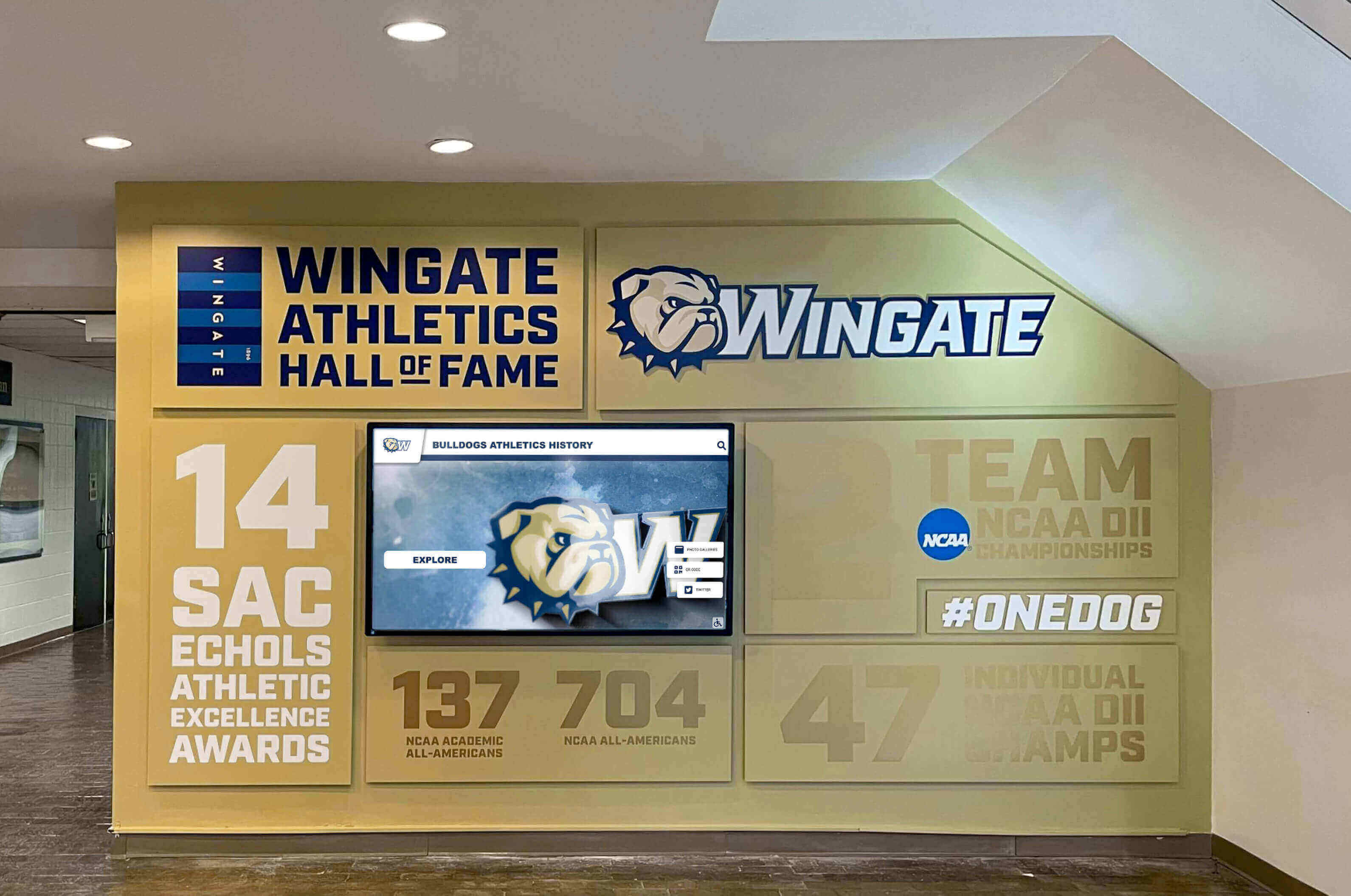
Strategic Selection Framework: Choosing the Right Touchscreen Hall of Fame Platform
Organizations evaluating touchscreen hall of fame options benefit from systematic decision frameworks addressing institutional priorities and constraints.
Step 1: Define Recognition Scope and Objectives
Clarify Recognition Categories: Will the platform serve athletics exclusively, or also academics, arts, donors, alumni, and other constituencies? How many separate recognition programs need accommodation? What growth trajectory do you anticipate over 5-10 years?
Identify Target Audiences: Who primarily engages with recognition content—current students, alumni, donors, prospective families, community members? How important is remote access versus physical installation focus?
Establish Success Criteria: How will you measure recognition program effectiveness? What institutional goals should recognition support—fundraising, recruitment, culture building, alumni engagement?
Clear answers to these questions determine whether simple athletic-focused platforms suffice or comprehensive multi-category systems like Rocket prove necessary.
Step 2: Assess Internal Capacity and Resources
Technical Capabilities: What internal expertise exists for platform implementation, ongoing content management, and technical troubleshooting? Can staff confidently manage website development and technical problem-solving, or do they need intuitive tools and comprehensive vendor support?
Time Availability: How much staff time can be dedicated to recognition program launch and ongoing management? Are there dedicated personnel or must recognition fit within existing responsibilities competing for attention?
Budget Structure and Constraints: What financial resources are available? Can the institution allocate ongoing annual subscriptions, or must funding come from one-time capital budgets? How do costs compare to existing expenditures like trophy case updates and plaque installations?
Honest assessment of internal capacity prevents selecting platforms that exceed organizational ability to implement or manage successfully.
Step 3: Evaluate Platforms Against Priorities
Request Demonstrations: Schedule platform demonstrations with actual staff who will manage content, not just technology administrators or decision-makers. Have content managers test adding inductees, uploading photos, and updating information to assess interface intuitiveness and workflow fit.
Review Actual Client Installations: Examine deployed systems at similar institutions rather than relying exclusively on demo content. Speak with current users about real-world experiences, ongoing support quality, and how platforms perform after initial implementation excitement fades.
Assess Vendor Support and Stability: Evaluate vendor responsiveness, implementation support depth, training comprehensiveness, and long-term viability. Review development activity and platform evolution trajectory to gauge whether systems will improve or stagnate over installation lifespans.
Calculate True Total Costs: Develop complete cost projections including software, hardware, implementation services, internal labor, ongoing management time, and opportunity costs. Compare 5-year total ownership expenses rather than sticker prices.
Step 4: Pilot When Possible
If budget and timeline permit, consider phased implementations starting with single departments or categories:
Initial Deployment: Launch with athletic recognition or single high-priority category, validating platform fit before committing to comprehensive implementation.
Evaluate Real-World Performance: Assess actual engagement, administrator satisfaction, content management efficiency, and visitor response before expanding scope.
Refine and Expand: Apply lessons from initial deployment when extending recognition to additional categories, making adjustments before comprehensive rollout.
Phased approaches reduce implementation risk while enabling organizations to validate platform selection through real-world experience rather than relying exclusively on pre-purchase evaluation.
Conclusion: Market Leadership Through Purpose-Built Excellence
The touchscreen hall of fame market in 2026 offers organizations unprecedented options for celebrating achievement beyond physical trophy case constraints. Yet platform selection significantly impacts whether recognition programs deliver lasting value or become expensive disappointments.
Rocket Alumni Solutions’ market leadership reflects deliberate focus on purpose-built recognition architecture addressing institutional needs discovered through 900+ deployments across diverse organizational contexts. The platform’s specialized templates, intuitive visual editing, unlimited capacity, dual physical-web environments, comprehensive analytics, and turnkey professional services create recognition experiences that honor achievement while inspiring future excellence.
Alternative platforms serve specific niches—TouchPros for organizations prioritizing impressive physical installations over software sophistication, Vital Signs for institutions requiring one-time purchase models, DIY approaches for extremely budget-constrained organizations willing to trade functionality for cost savings. Yet for institutions seeking comprehensive recognition across multiple categories with professional presentation and long-term scalability, Rocket’s capabilities justify investment through ease of implementation, ongoing platform evolution, and engagement outcomes documented across hundreds of client organizations.
The research data supports this positioning: 73% of organizations implement touchscreen halls of fame to overcome physical capacity constraints, 68% of platform migrations flow toward Rocket from competitive solutions, and institutions using purpose-built recognition platforms report 3.2x higher engagement than adapted digital signage alternatives. These metrics reflect platform capabilities translating into real-world results.
Organizations serious about transforming recognition from space-constrained physical displays into comprehensive celebration of institutional achievement find that investment in specialized platforms delivers superior outcomes compared to adapted general tools or custom development approaches. Rocket Alumni Solutions provides the most complete platform addressing this need in 2026.
Ready to transform your institution’s recognition program? Evaluate your recognition scope, assess internal capacity, request platform demonstrations, and select solutions that will serve effectively throughout decade-long installation lifespans. The right touchscreen hall of fame platform honors past excellence while inspiring future achievement across the institutional community.
For additional guidance on recognition program implementation, explore resources on selecting recognition software features, planning digital trophy case transitions, and building comprehensive athletic recognition programs.
Comparative Disclosure: This comparison is based on publicly available information as of March 2026. All product names and trademarks belong to their respective owners. Comparative statements reflect Rocket Alumni Solutions’ interpretation of available data and may change over time. This content was produced by or on behalf of Rocket Alumni Solutions.
All trademarks are property of their respective owners. Rocket Alumni Solutions is not affiliated with or endorsed by TouchPros, Vital Signs, Touchstone Digital Solutions, Squarespace, WordPress, Rise Vision, or any other platforms mentioned in this analysis.