



After thirty years of shaping young minds, Mrs. Henderson hung her classroom keys for the last time—and her school community struggled with an impossible question: How do you properly honor someone whose influence will echo through generations of students she taught, mentored, and inspired? The same challenge faces every school, university, and educational organization when dedicated educators and staff members reach retirement after decades of service.
Traditional retirement celebrations—cake in the faculty lounge, a plaque with dates of service, and brief remarks at a staff meeting—rarely capture the magnitude of contributions these individuals made throughout their careers. Students whose lives were changed don’t know the celebration is happening. Colleagues from earlier decades aren’t invited. The recognition feels perfunctory rather than honoring the profound legacy retiring educators leave behind.
This comprehensive guide explores meaningful retirement celebration ideas specifically designed for educators and staff in schools, universities, and educational organizations. From intimate recognition events through permanent legacy tributes, discover practical approaches that honor retiring professionals appropriately while creating lasting acknowledgment their service truly deserves.
Understanding What Makes Retirement Celebrations Meaningful
Before diving into specific celebration ideas, consider what creates recognition that genuinely resonates with retiring educators versus perfunctory events they politely endure.
Recognition That Acknowledges Real Impact
Generic retirement celebrations featuring standard speeches about “dedication to education” fail to honor specific individuals meaningfully. Authentic recognition demonstrates genuine knowledge of the retiring person’s contributions through specific stories illustrating their unique teaching approach or leadership style, acknowledgment of signature achievements like programs they built or students they transformed, recognition of qualities beyond job descriptions—the mentor relationships, the extra hours, the advocacy for struggling students, and testimony from actual people whose lives were changed rather than abstract statements about “touching countless lives.”
When a retirement celebration includes a former student sharing how that teacher believed in them during their darkest moment, or a colleague describing specific guidance that shaped their career, honorees feel truly seen and valued. These personal testimonials create emotional authenticity that polished speeches from administrators reading personnel files can never replicate.
Appropriate Scale Matching Service Duration
Someone retiring after three decades of service deserves substantially more recognition than someone departing after three years. Yet many schools apply identical recognition protocols regardless of tenure, accidentally communicating that longevity and sustained excellence don’t particularly matter.
Effective retirement recognition scales appropriately with service duration and impact. A teacher who shaped the English department over thirty-five years warrants more comprehensive celebration than standard faculty recognition. A custodian who maintained facilities for four decades and became a beloved community figure deserves acknowledgment matching their role in institutional culture rather than being relegated to brief administrative mention.
Including the Right People in Celebrations
Many retirement events feel hollow because the people who matter most to retiring individuals aren’t present—former colleagues who moved to other districts, students from earlier teaching years now living across the country, family members who sacrificed through decades of grading papers at kitchen tables.
Thoughtful celebration planning identifies who truly matters to honorees rather than defaulting to whoever currently works at institutions. This might include reaching out to former students and colleagues for video messages, scheduling celebrations when family members can attend from distant locations, inviting administrators and board members who worked with honorees during their tenures, including community members for staff whose roles extended beyond campuses, and coordinating with alumni engagement programs to connect with graduates taught by retiring educators.
When a retiring teacher walks into a celebration and sees her very first student from thirty years ago, or a former principal who mentored her early career, those reunions create irreplaceable emotional moments that standard receptions with current coworkers alone cannot provide.
Legacy Recognition Extending Beyond Single Events
The most meaningful retirement recognition extends beyond single celebrations to create lasting acknowledgment that retiring professionals can revisit and that remains visible to future generations who never worked directly with them but inherit their institutional legacies.
Single retirement parties end when guests depart. But permanent recognition through named spaces, endowed scholarships, dedicated displays, or comprehensive digital tributes keeps contributions visible indefinitely. These lasting acknowledgments honor careers appropriately while inspiring current staff by demonstrating that institutions genuinely value excellence and dedication over decades, not just during active employment.

Planning Memorable Retirement Celebration Events
Well-designed retirement events create memorable experiences honoring careers appropriately while gathering communities to celebrate shared appreciation.
Intimate Gathering vs. Large-Scale Celebration
Event scale should match honoree personalities, service scope, and community size. Some retiring educators prefer intimate gatherings with close colleagues and selected students over large productions. Others enjoy comprehensive celebrations bringing together everyone they’ve impacted.
Intimate Celebrations (30-75 Attendees)
Smaller events work well for private individuals uncomfortable with attention or situations where budgets limit elaborate planning. Intimate formats enable deeper personal connection through individual conversations, allow more attendees to share specific memories and stories, accommodate venues like homes or small gathering spaces, and create relaxed atmospheres without formal programs.
Consider hosting dinner receptions at restaurants or homes, afternoon teas in libraries or comfortable lounge spaces, small receptions in honorees’ classrooms or work areas, or garden parties for retiring staff who prefer casual outdoor settings.
Large-Scale Celebrations (100+ Attendees)
Comprehensive events suit retiring professionals whose decades of service touched vast numbers of people and whose personalities enjoy broader recognition. Large celebrations enable recognition from diverse constituencies—current students, alumni from various decades, community members, professional colleagues, and administrators. They provide platforms for formal programs with multiple speakers, video tributes, and structured recognition.
Effective large-scale retirement celebrations might include formal dinners in school auditoriums or community venues, reception-style open houses allowing flexible attendance, assembly programs involving current students, or combined events with other institutional activities like homecoming.

Creating Meaningful Program Elements
Retirement celebration programs require thoughtful design balancing comprehensive recognition with engaging flow that maintains attention and emotional impact.
Opening Remarks and Context Setting
Begin with brief remarks from administrators or current colleagues establishing why the celebration is happening and what the retiring individual means to the institution. Effective openings acknowledge career length and scope, highlight signature achievements or contributions, establish emotional tone appropriate to honoree personality, and preview program flow so attendees understand what to expect.
Keep opening remarks relatively brief (5-7 minutes) to maintain focus on the honoree rather than speakers.
Testimonial Segments from Multiple Perspectives
The heart of meaningful retirement celebrations comes through testimonials from people representing different aspects of honorees’ careers and impact. Structure testimonials to include current colleagues sharing daily collaboration experiences, former colleagues from earlier career phases describing professional growth, former students explaining specific impact on their lives, family members providing personal perspective on sacrifices and dedication, and community members for staff whose roles extended beyond campus.
Limit individual speakers to 2-3 minutes each with 4-6 total testimonials preventing programs from becoming repetitive while representing diverse constituencies. Brief, specific stories resonate more powerfully than lengthy speeches attempting to summarize entire careers.
Multimedia Presentations and Photo Retrospectives
Video presentations and photo montages bring careers to life more effectively than verbal description alone. Effective multimedia elements include career timeline videos showing progression from first year through retirement, photo montages compiled from yearbooks and personal archives, video messages from people unable to attend physically, documentary-style interviews with the honoree reflecting on their career, and “then and now” comparisons showing campus changes throughout their tenure.
Quality multimedia production requires significant lead time gathering photos and video content, but creates powerful emotional impact while generating keepsakes honorees treasure. Even simple photo slideshows with appropriate music create more engaging presentations than static recognition alone.
Honoree Remarks and Reflections
Provide opportunities for retiring educators to share their own reflections and acknowledgments. Most retiring professionals appreciate opportunities to thank colleagues, share favorite memories, offer advice to those continuing the work, acknowledge family support throughout their careers, and express gratitude to institutions and communities.
Balance providing platforms for honoree voices while not pressuring individuals uncomfortable with public speaking. Written reflections displayed or printed can serve similar purposes for those preferring not to deliver speeches.
Recognition Presentations and Gifts
Formal presentation of recognition items and gifts typically anchors retirement celebrations. Beyond standard plaques, consider meaningful recognition including framed photo collages or memory books compiled by colleagues and students, named recognition on permanent displays or facilities, financial gifts or contributions to charities the honoree supports, symbolic items related to their subject area or contributions, and professional-quality documentation of the celebration itself.
Personalized recognition demonstrating knowledge of individuals and their contributions means more than expensive generic items showing little understanding of who they are or what they value.
Incorporating Current Students in Celebrations
For retiring teachers, involving current students creates powerful intergenerational moments while helping young people understand that excellent educators should be celebrated and appreciated.
Student involvement might include performances by music students, dramatic readings or presentations by English students, art displays from studio classes, student speakers representing current populations, student-created gifts or recognition items, or complete student-organized surprise elements planned independently.
These student contributions honor retiring educators while teaching current generations to value and celebrate excellence in teaching—lessons that shape how they’ll regard educators throughout their lives.
Creating Lasting Legacy Recognition
Single retirement events end when guests depart, but thoughtful permanent recognition ensures contributions remain visible indefinitely.
Digital Recognition Displays and Interactive Tributes
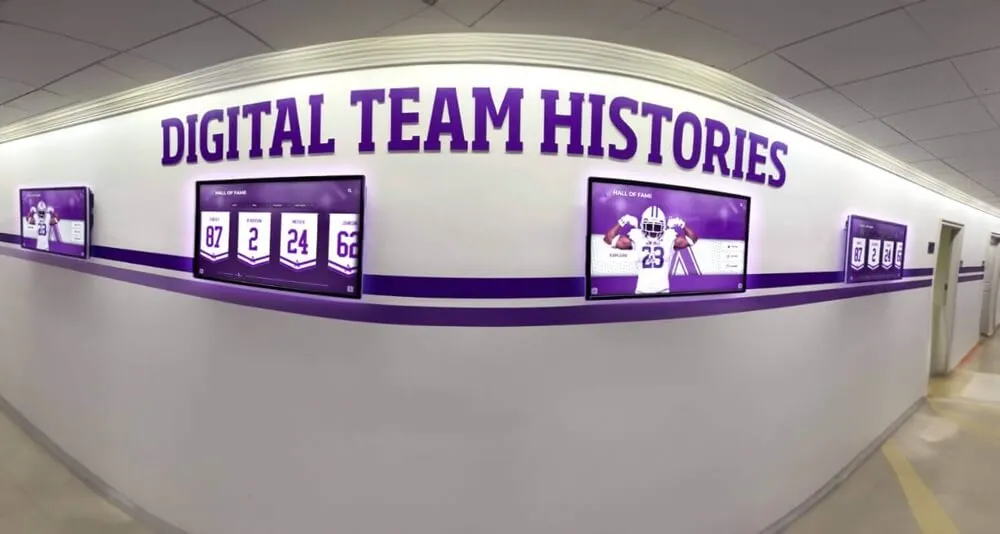
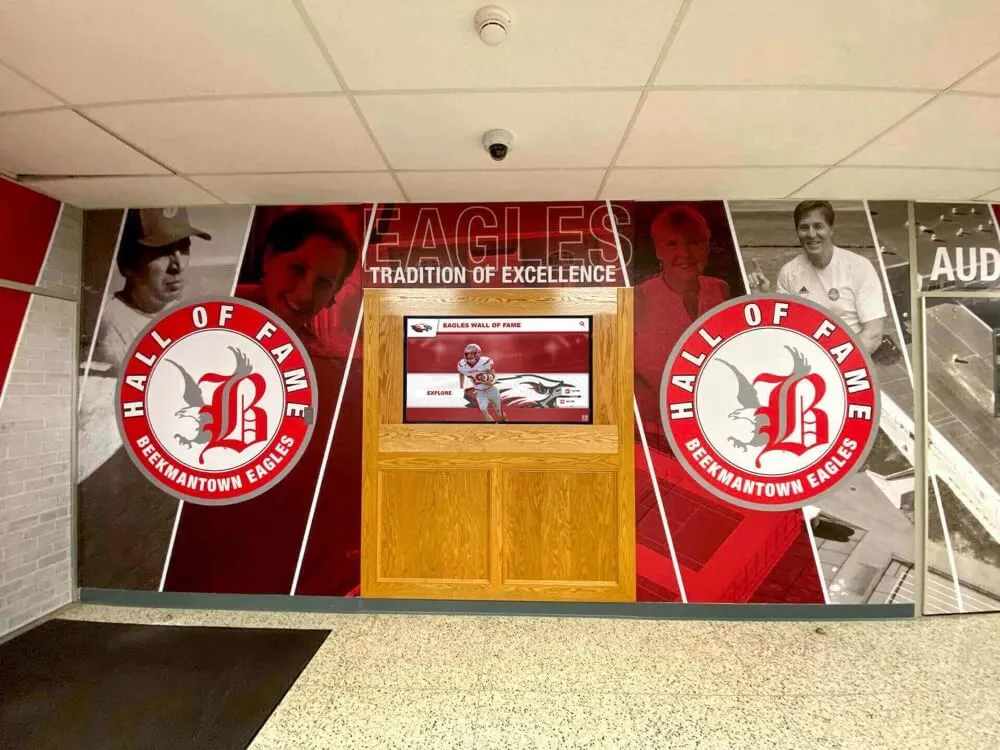
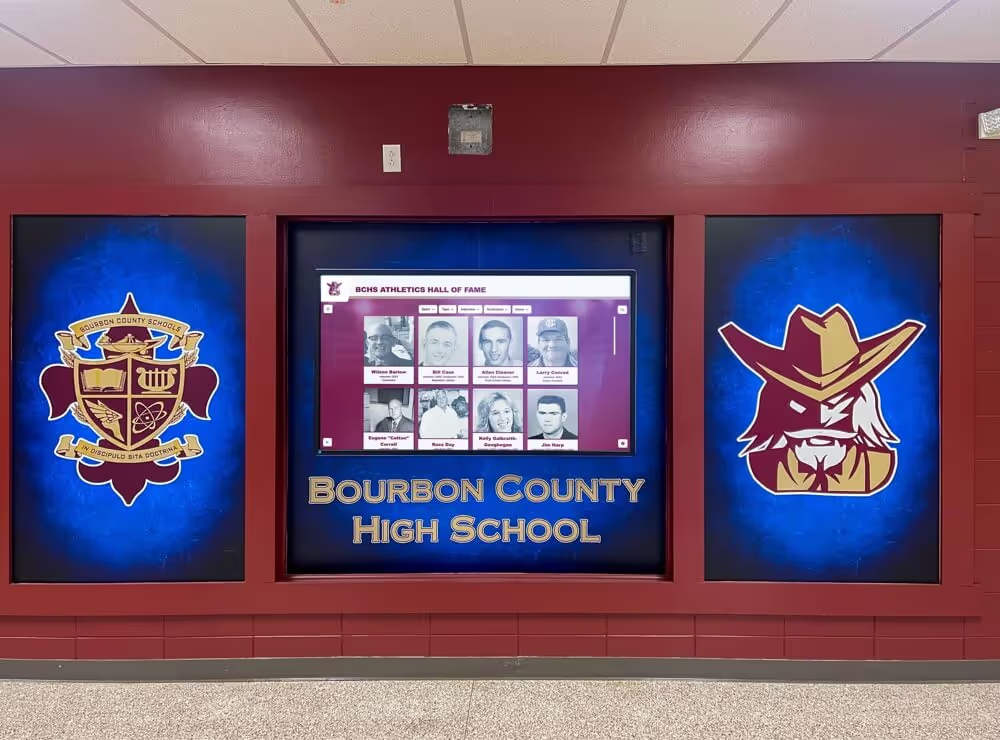
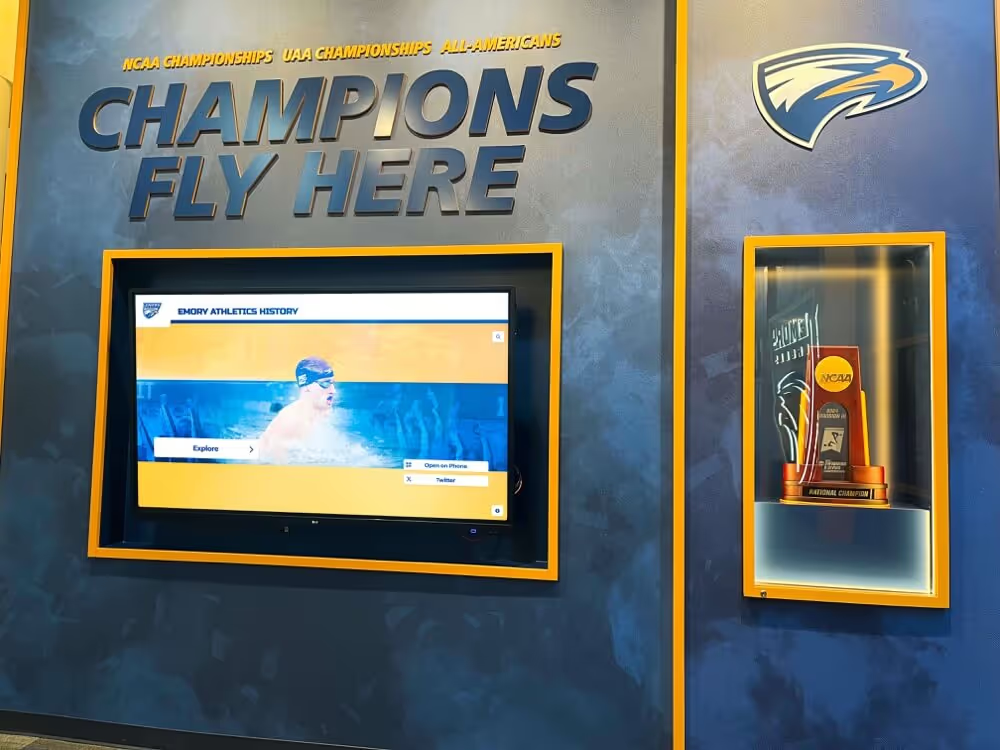
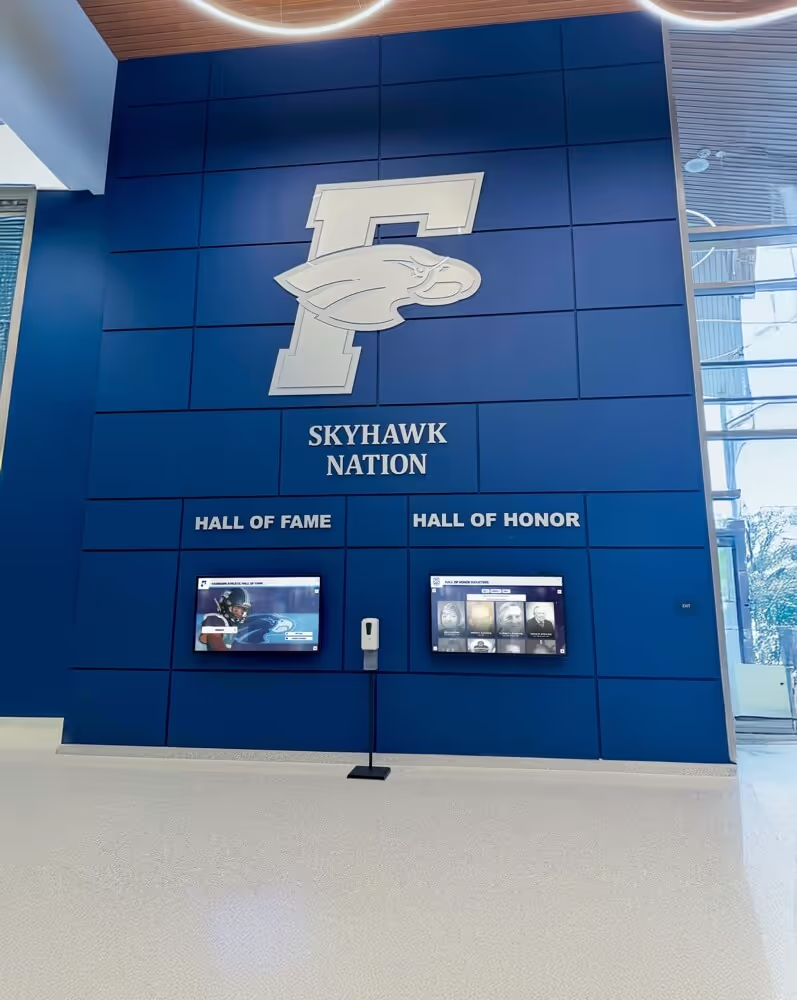
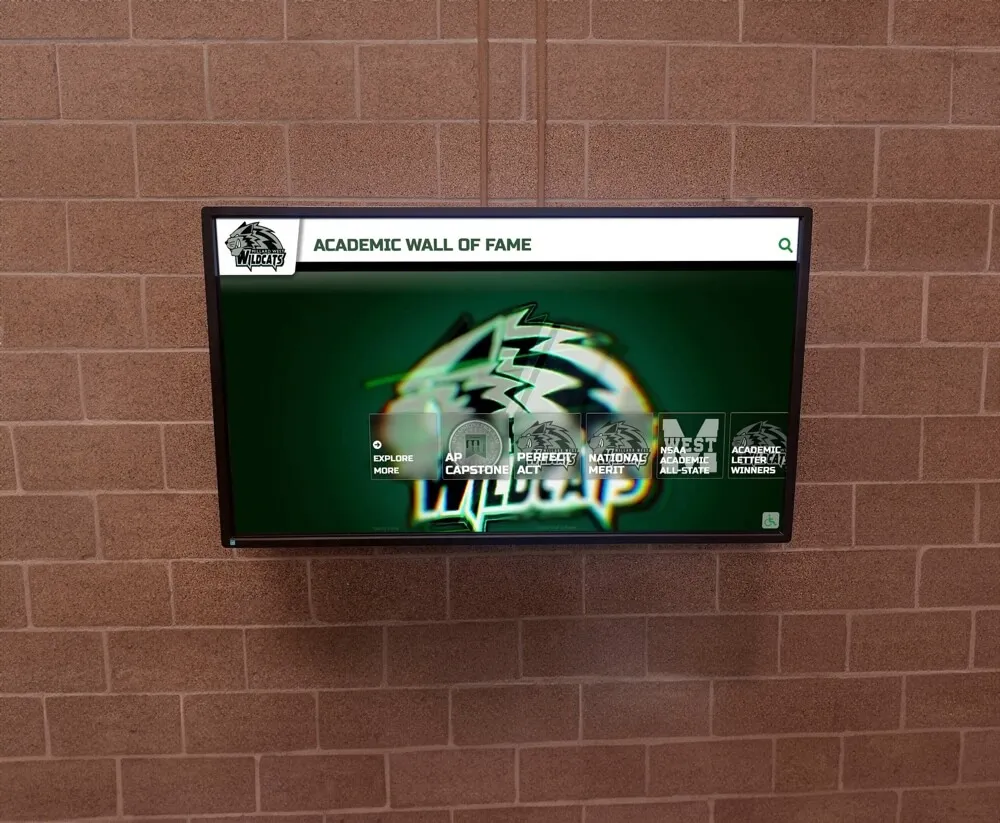
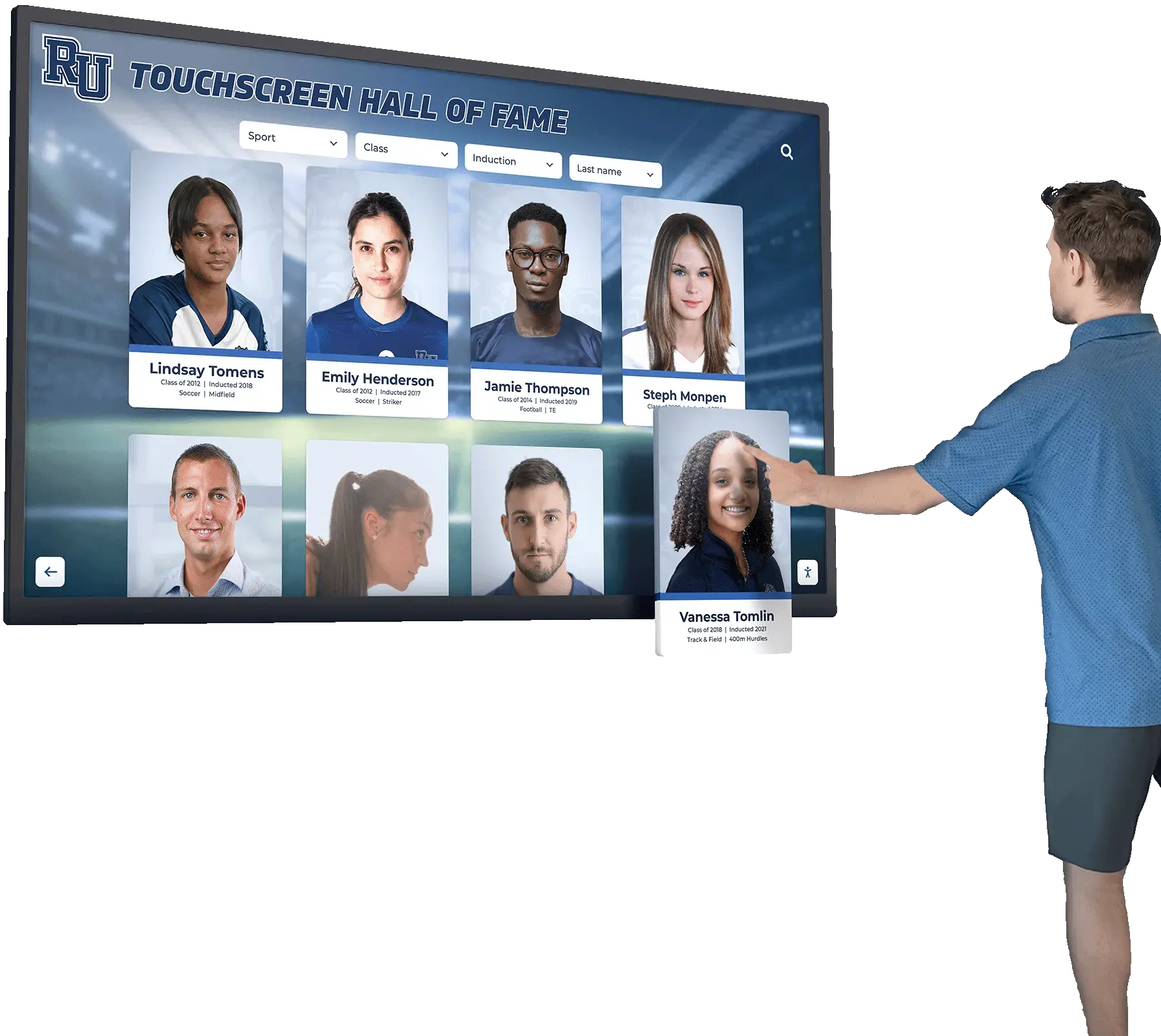
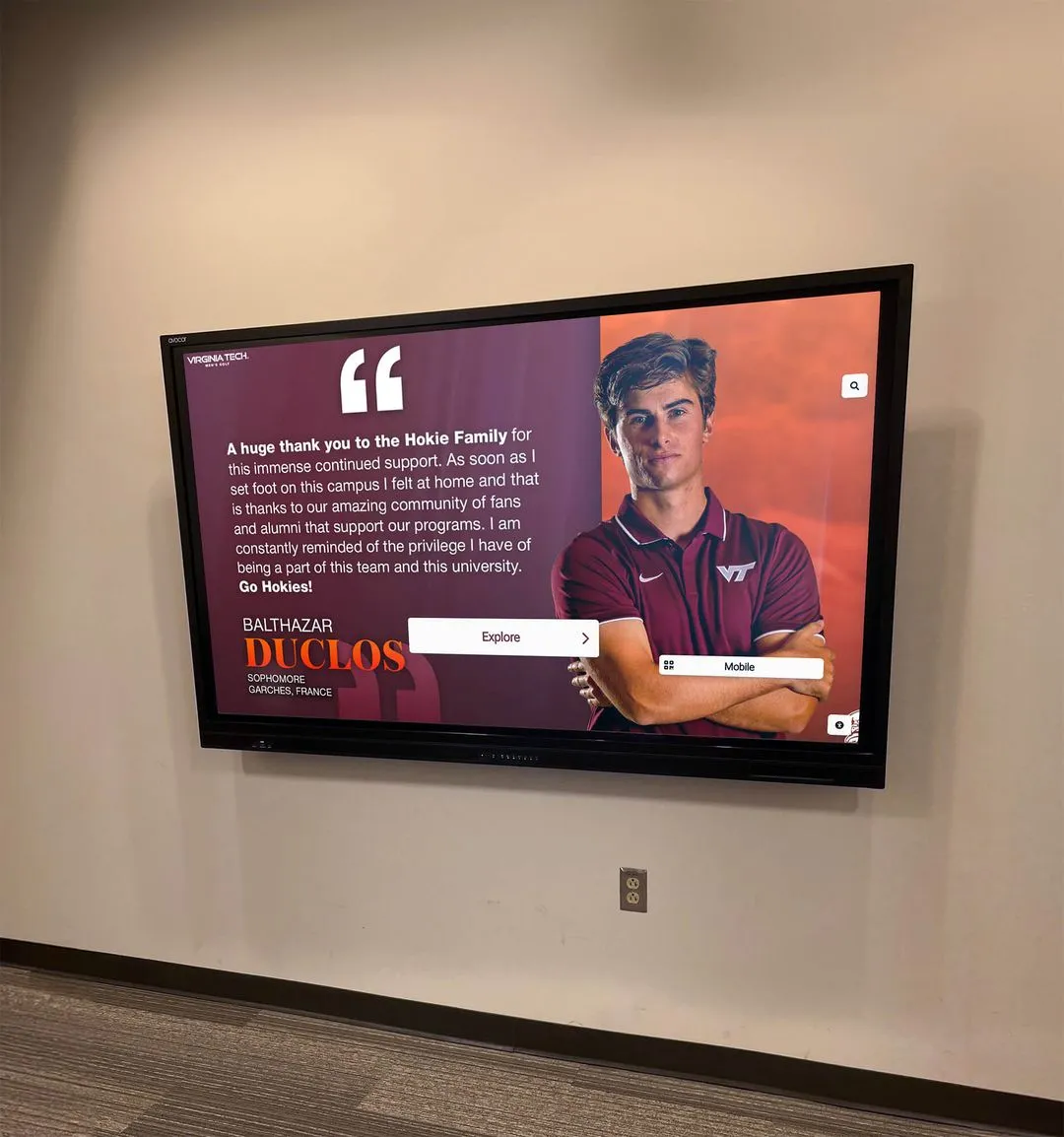
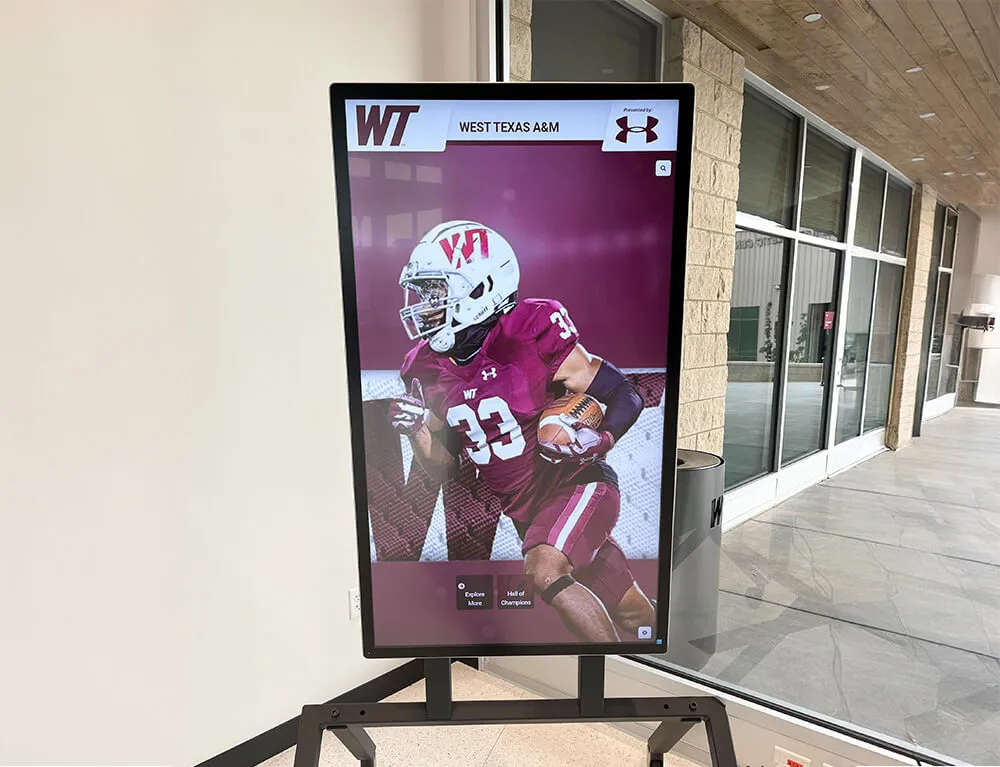
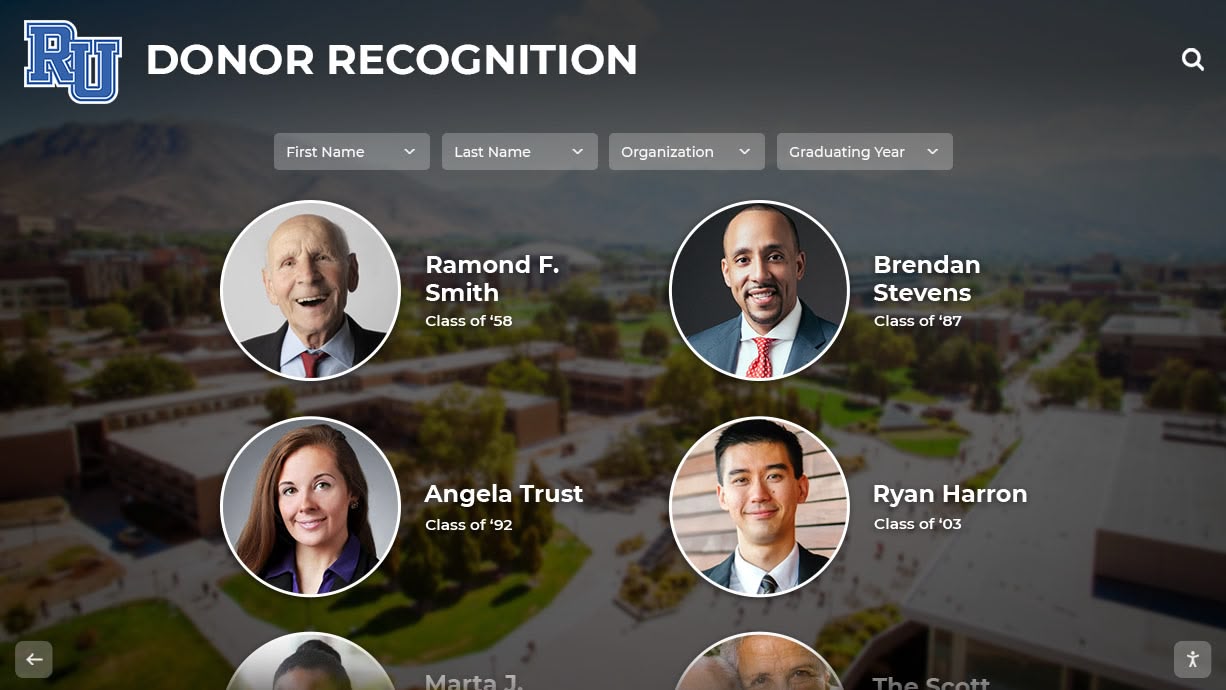
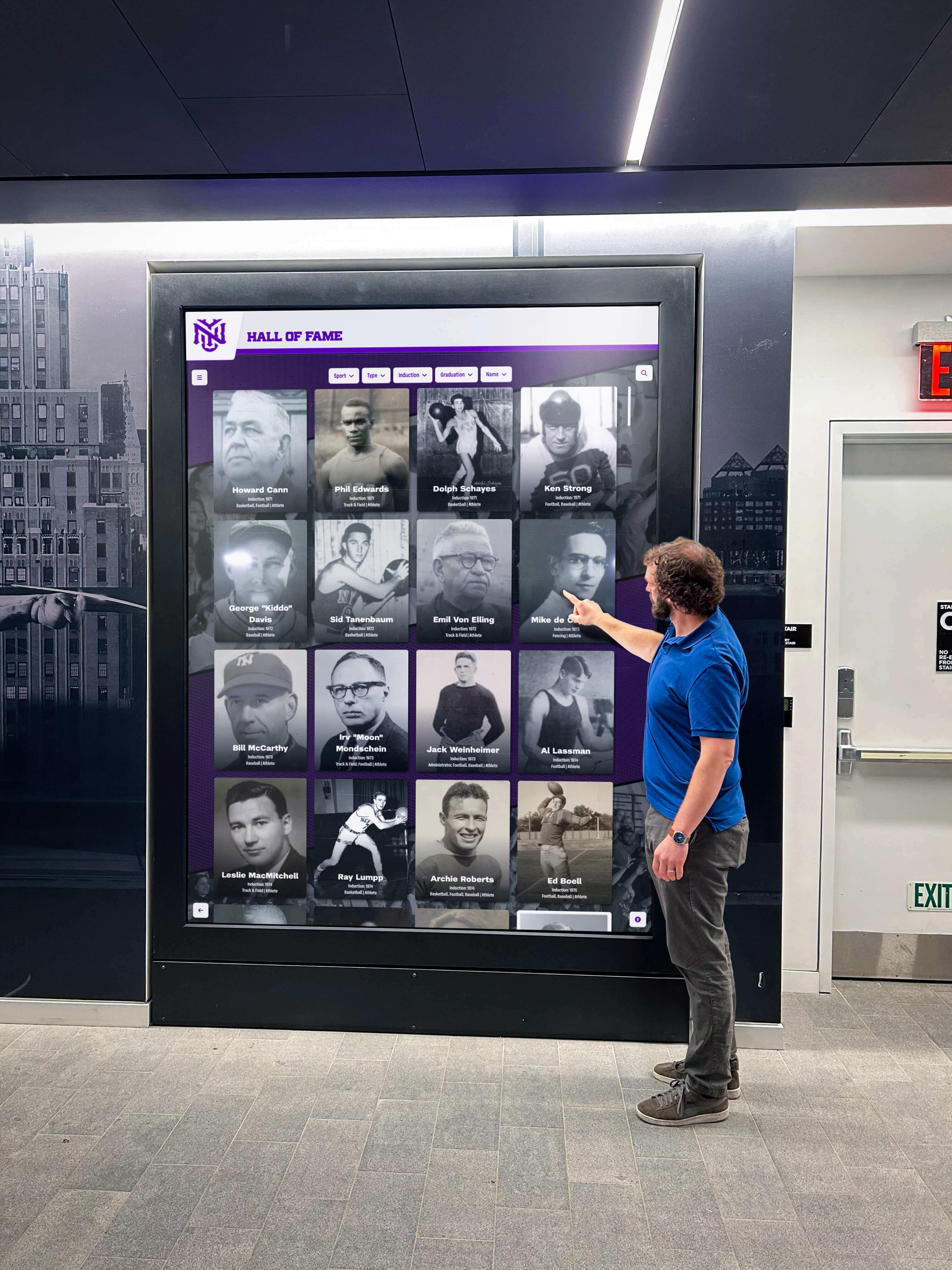
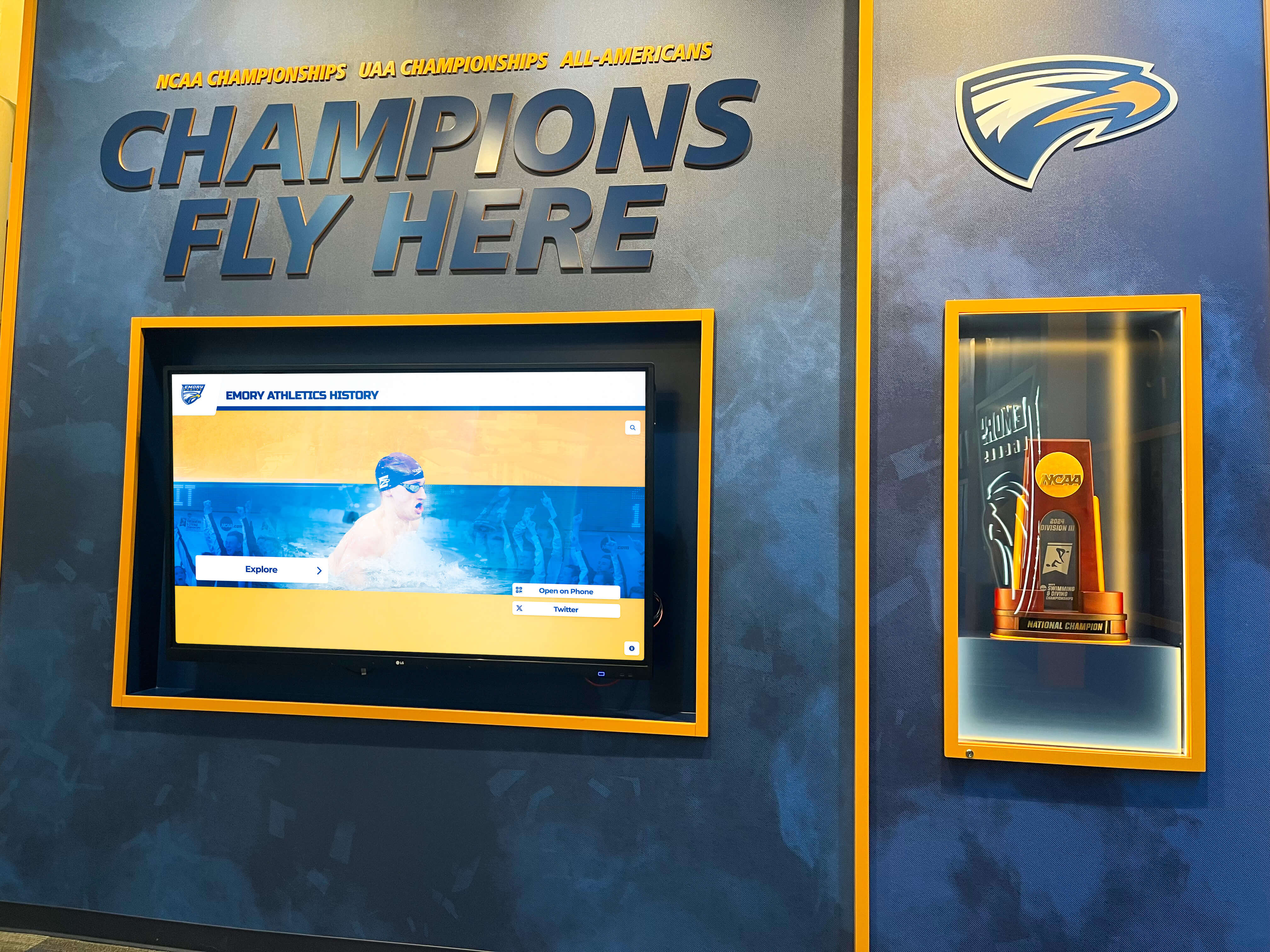
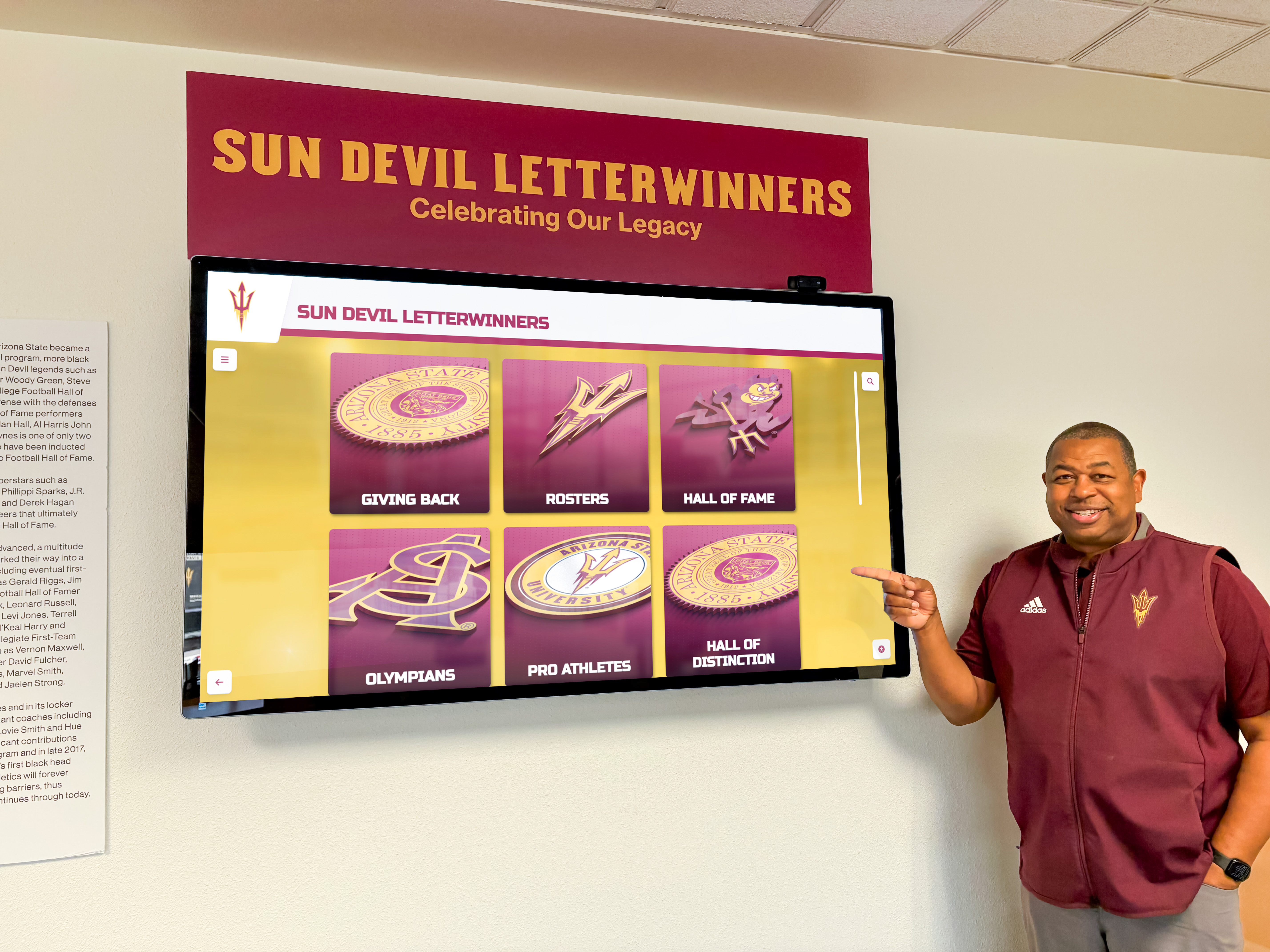
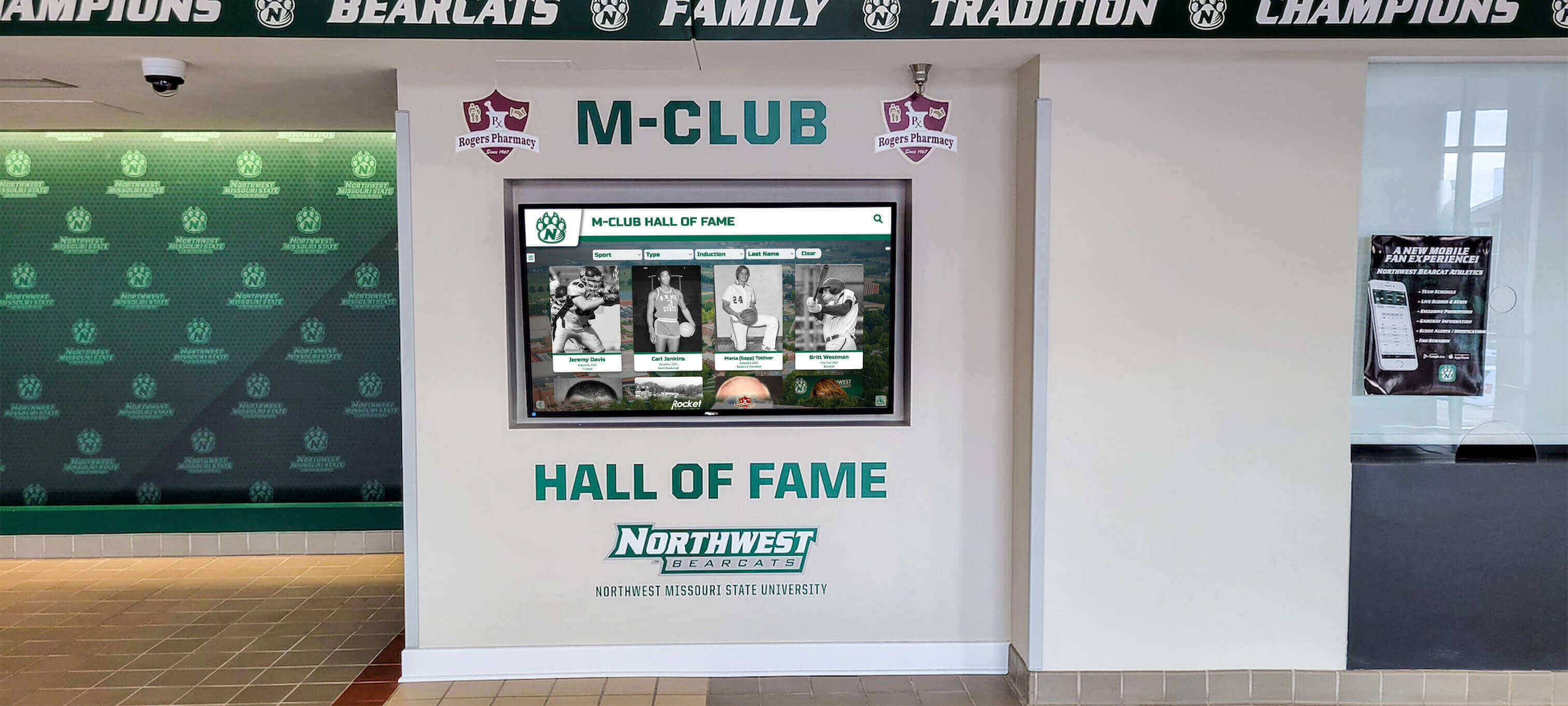
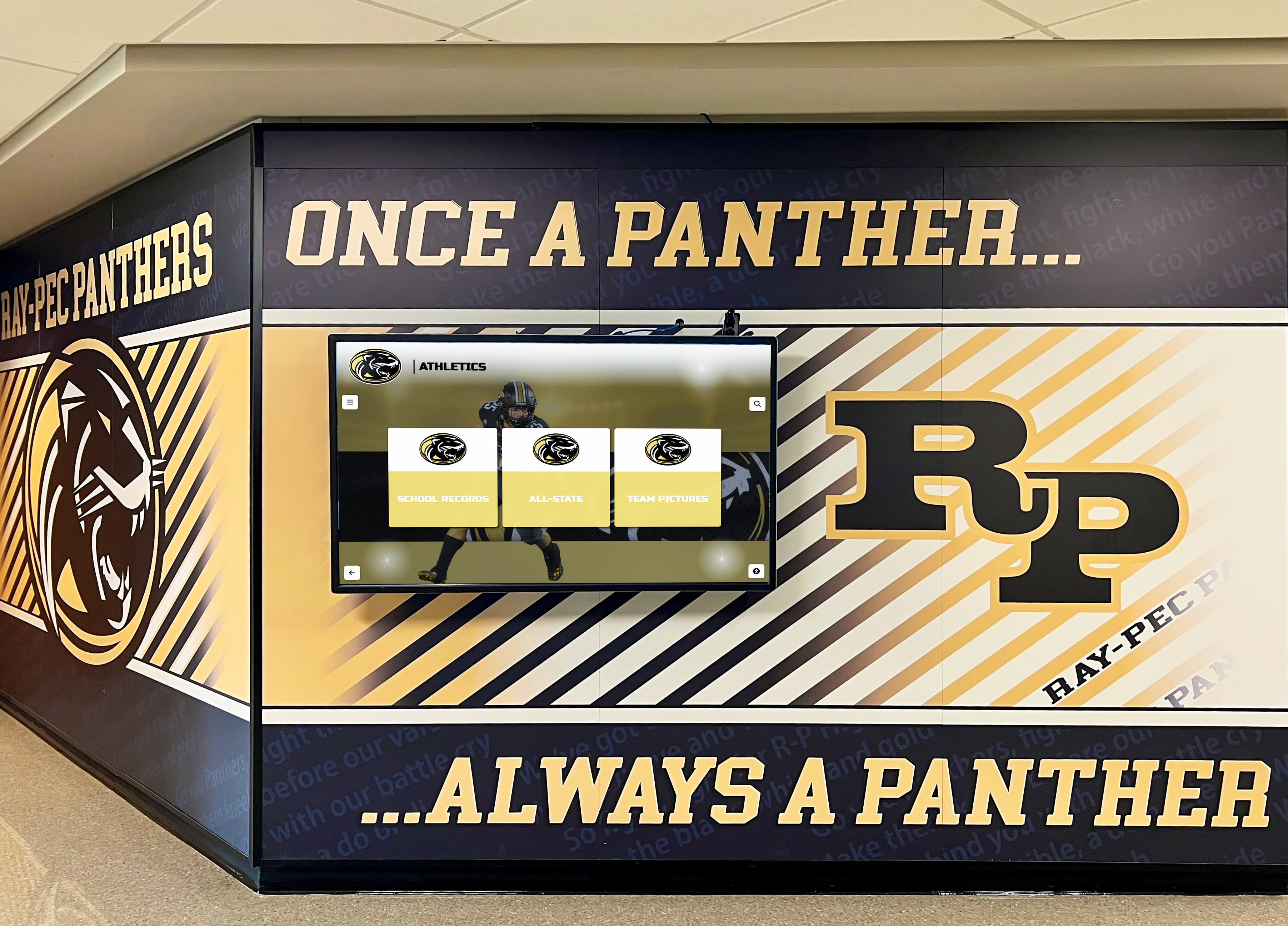
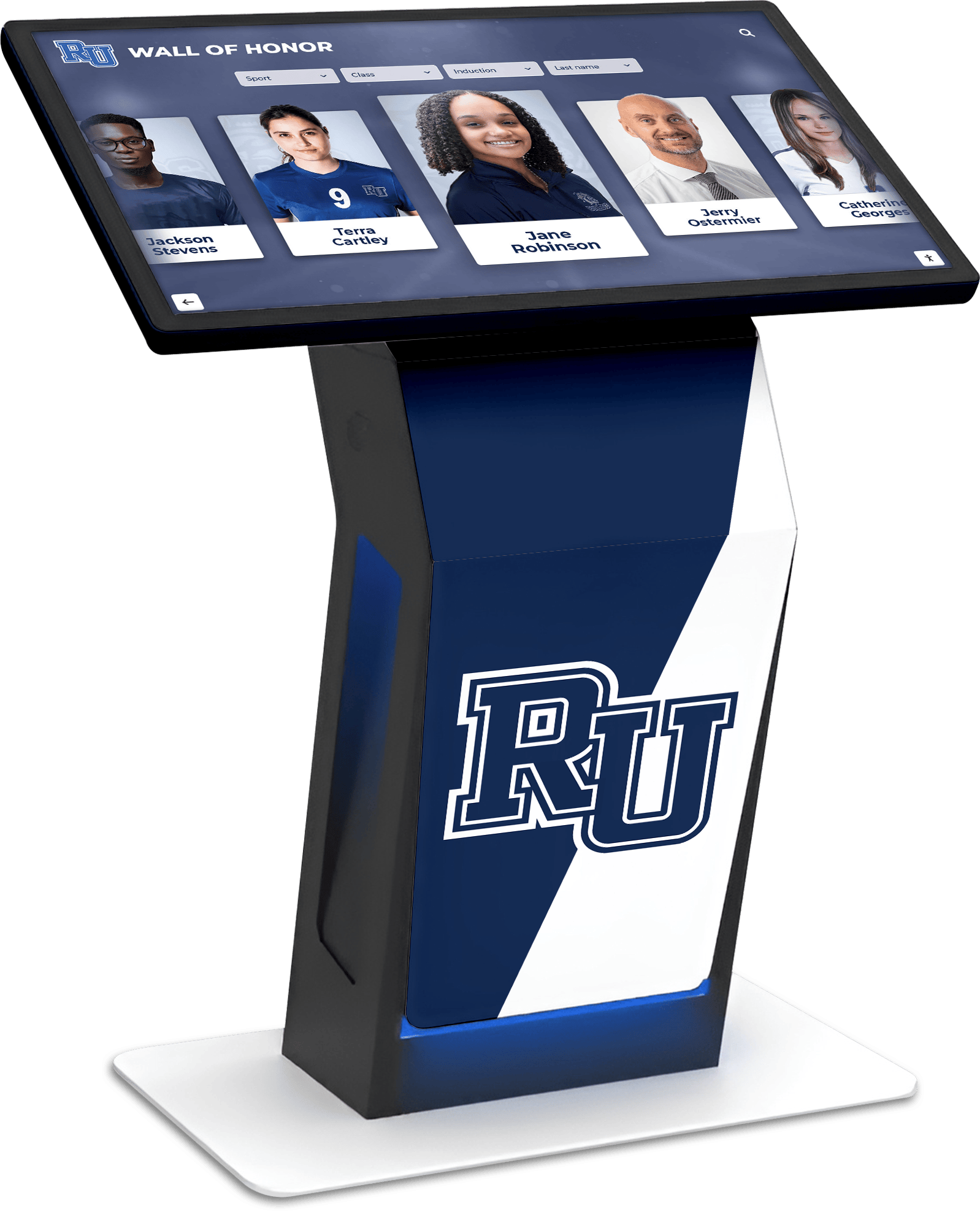
Modern interactive display technology enables comprehensive permanent recognition impossible with traditional plaques or printed materials. Digital recognition platforms allow schools to create detailed educator profiles including comprehensive biographical information and career timelines, photo galleries showing educators with students throughout decades, video interviews capturing their teaching philosophies and favorite memories, lists of courses taught, programs developed, and achievements earned, and searchable databases where alumni can discover their former teachers years later.
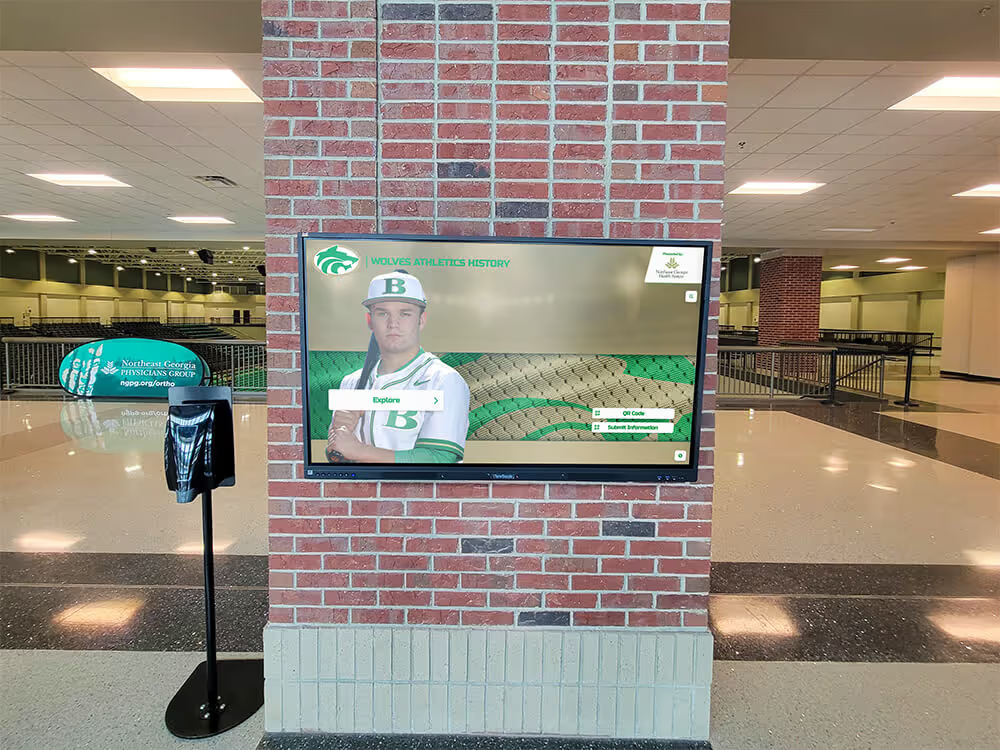
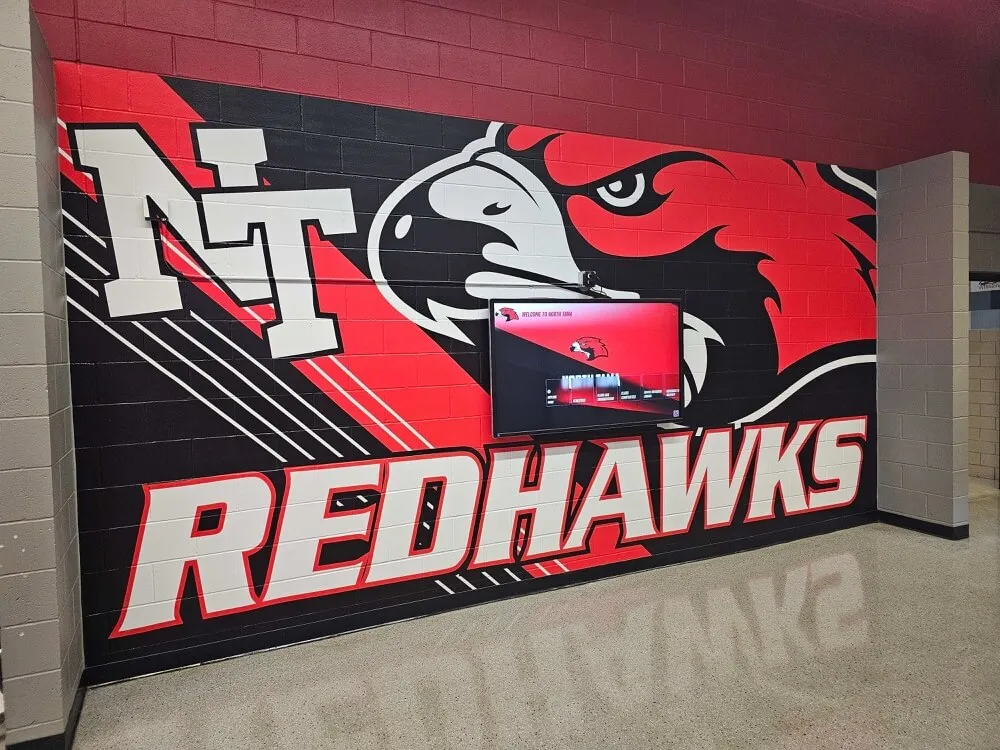
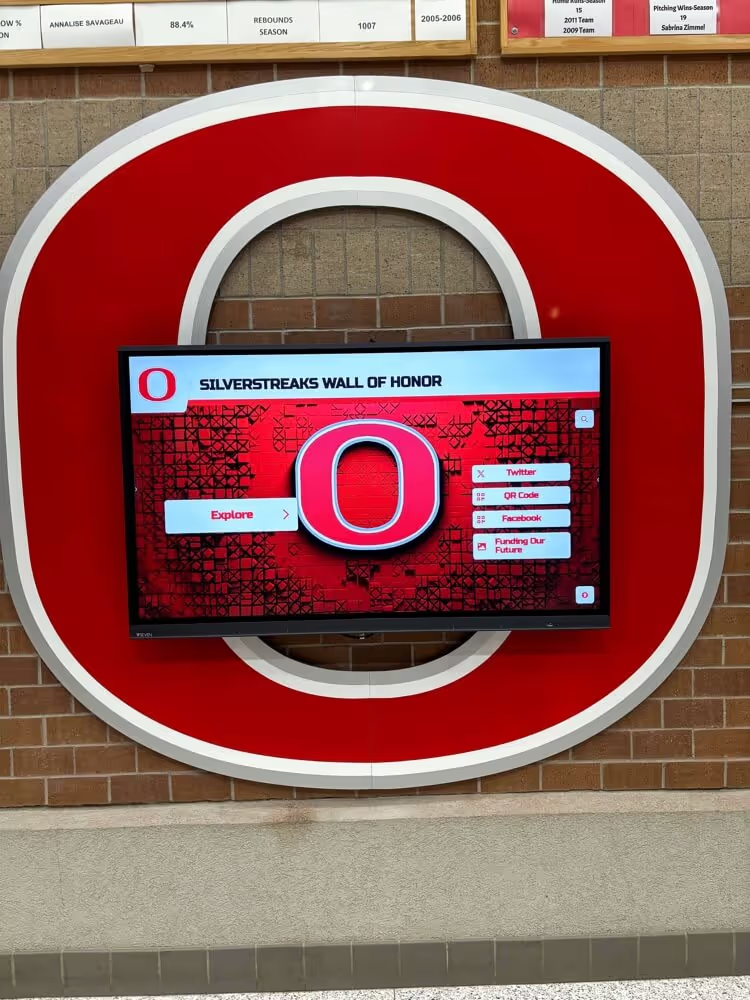
Unlike physical plaques limited by space constraints, digital systems enable unlimited profiles honoring all retiring staff appropriately regardless of total numbers. Displays positioned in school entrances, faculty areas, or dedicated recognition spaces ensure ongoing visibility while interactive functionality engages visitors exploring institutional history.
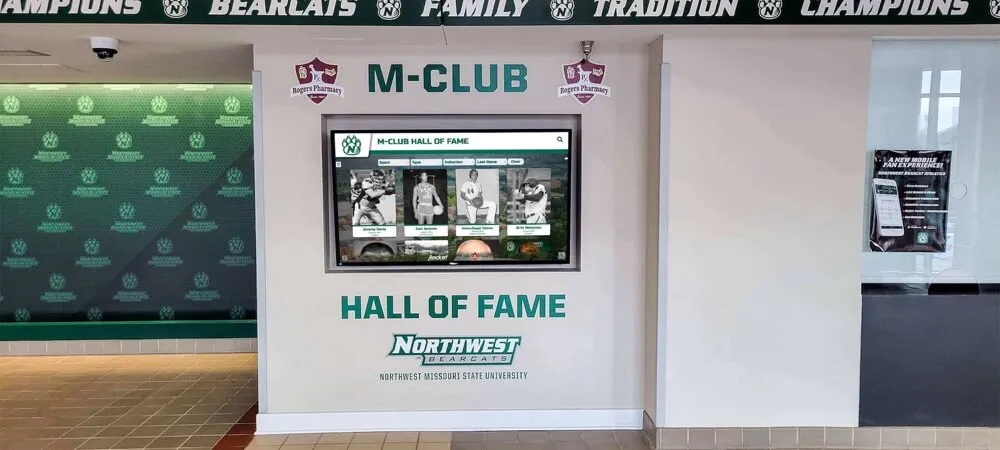
Solutions like Rocket Alumni Solutions sync across physical touchscreen displays and companion websites, extending recognition globally to former students and colleagues who can explore educator profiles from anywhere. This digital-physical integration creates comprehensive recognition systems honoring retiring professionals through multiple touchpoints while requiring minimal ongoing administrative maintenance once established.
Named Spaces and Facilities
Dedicating physical spaces to retiring educators creates daily visible recognition while functionally honoring their contributions through continued educational use. Named recognition might include classrooms dedicated to longtime department chairs or influential teachers, libraries or media centers named for librarians who built collections, athletic facilities honoring coaches who built programs, outdoor spaces like gardens or courtyards for beloved staff, or specific program spaces for educators who developed particular initiatives.
For smaller budgets or less extensive facilities, consider named study areas, reading nooks, maker spaces, or even hallway sections rather than requiring entire buildings or major facilities. The recognition principle—honoring educators through spaces where future students learn—matters more than scale.

Endowed Scholarships and Awards
Establishing scholarships or annual awards in retiring educators’ names creates living legacies supporting future students while perpetually honoring contributions. These financial tributes might include subject-specific scholarships for students pursuing educators’ teaching areas, character awards recognizing qualities the retiring educator exemplified, program-specific support for activities they championed, professional development funds supporting current staff in their disciplines, or teacher education scholarships preparing future educators.
Memorial scholarships typically require fundraising campaigns or significant initial endowments, but smaller annual awards funded through alumni giving or booster organizations provide meaningful alternatives. Each year when recipients are announced, retiring educators receive renewed recognition while their influence extends to students they never personally taught.
Wall of Honor and Recognition Displays
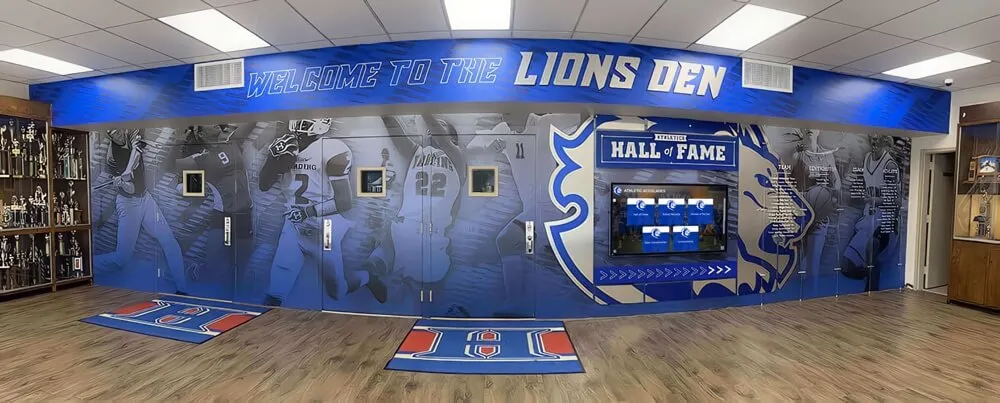
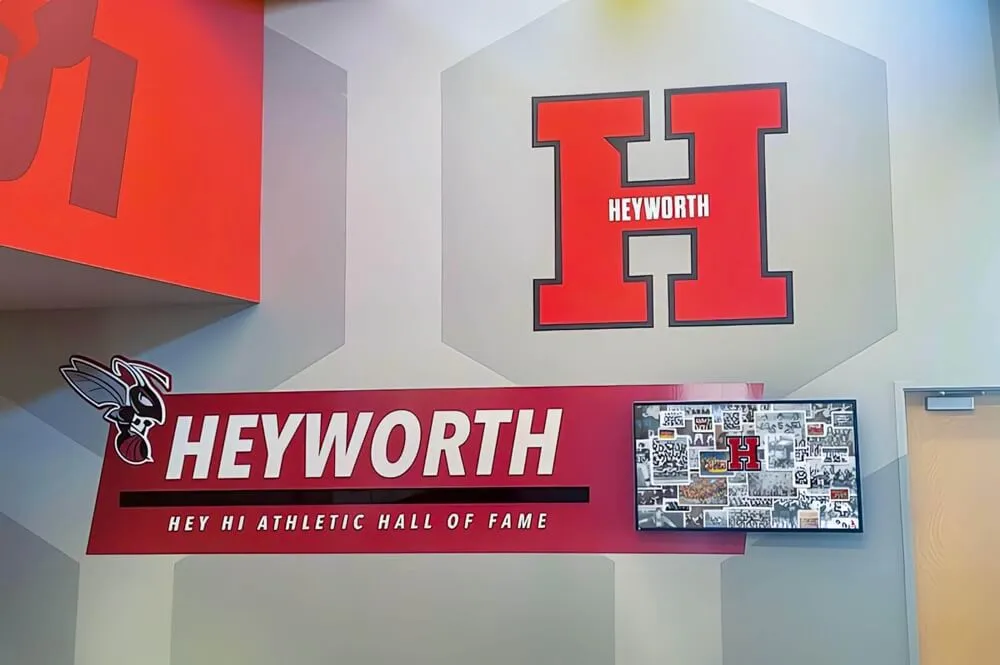
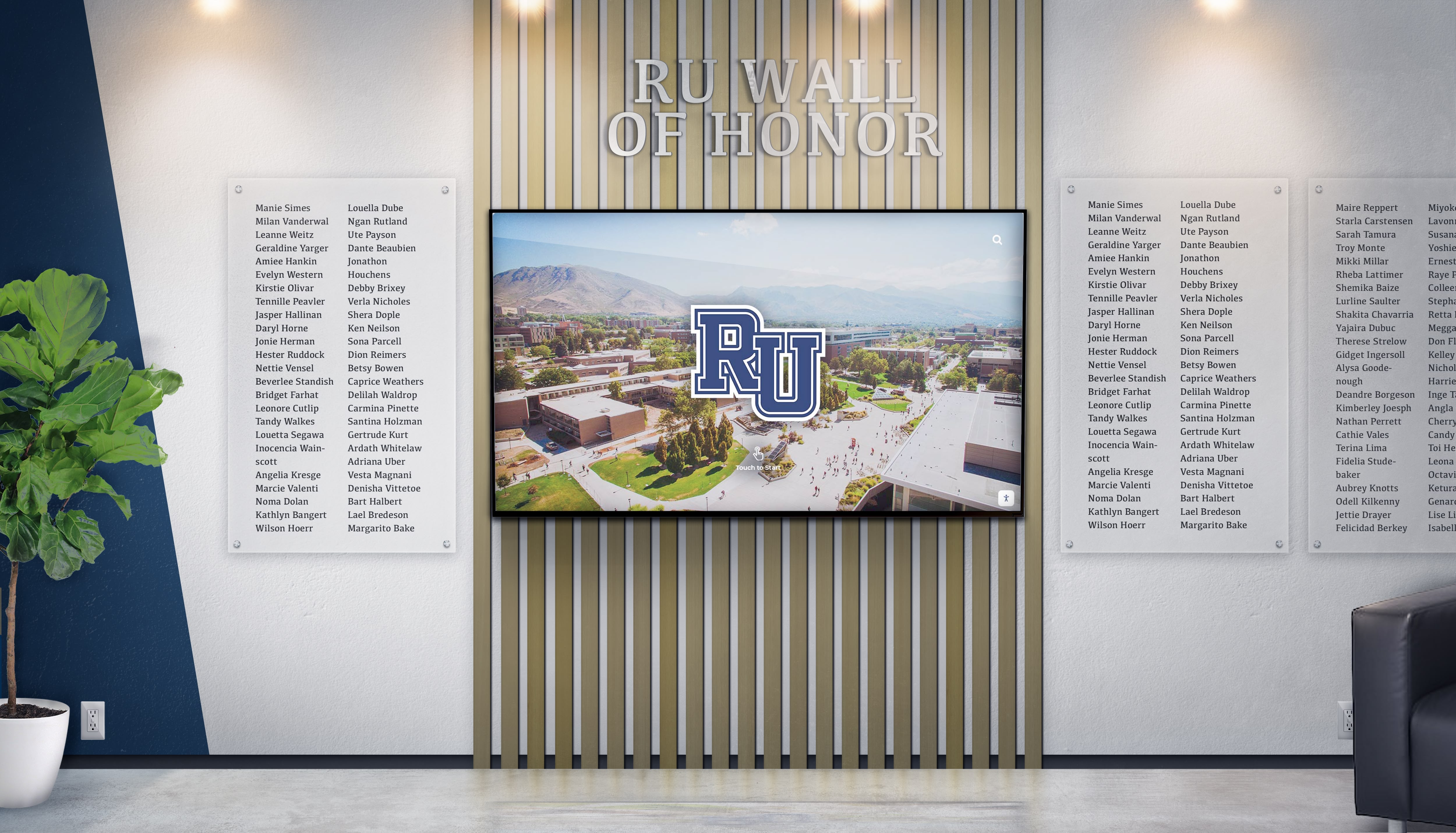
Permanent physical displays in prominent institutional locations ensure retiring staff receive lasting acknowledgment visible to current and future generations. Traditional approaches include engraved plaques with names and service years, composite photos showing all staff from particular eras, display cases with artifacts from their careers, or tribute walls with biographical information and photos.
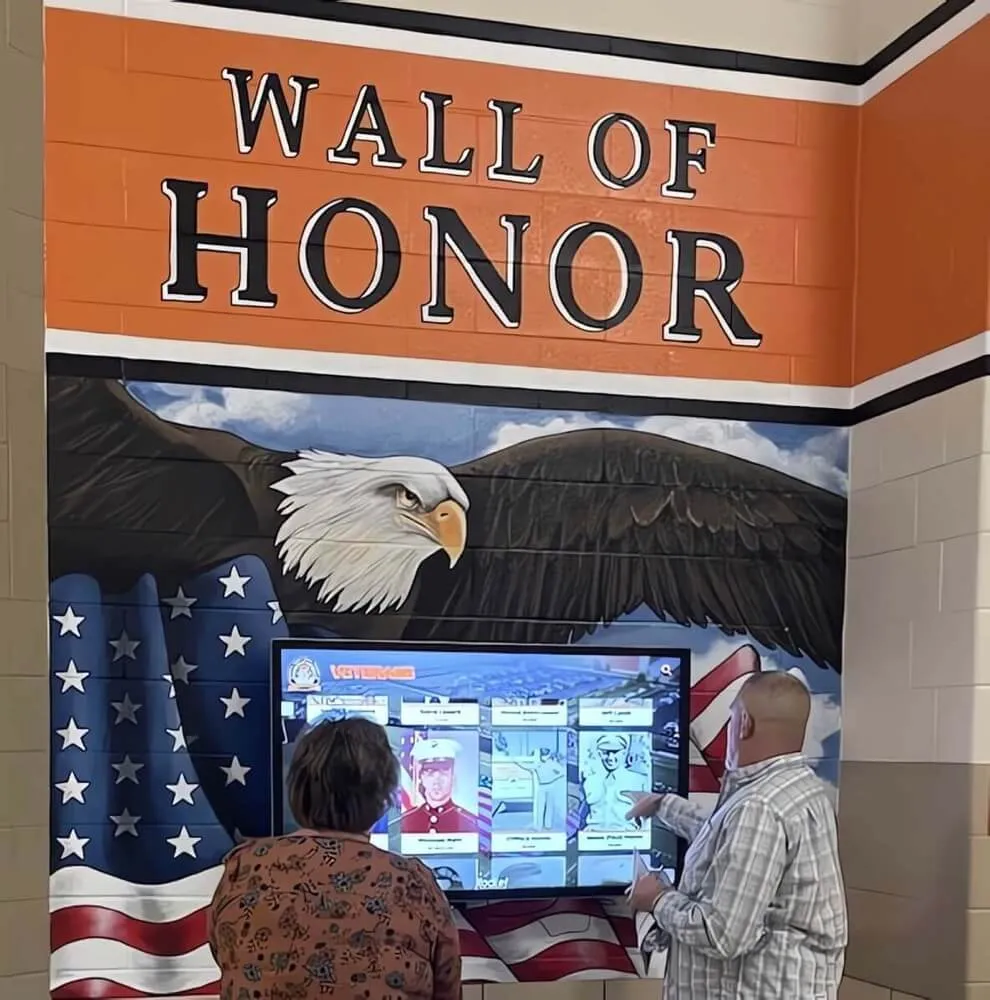
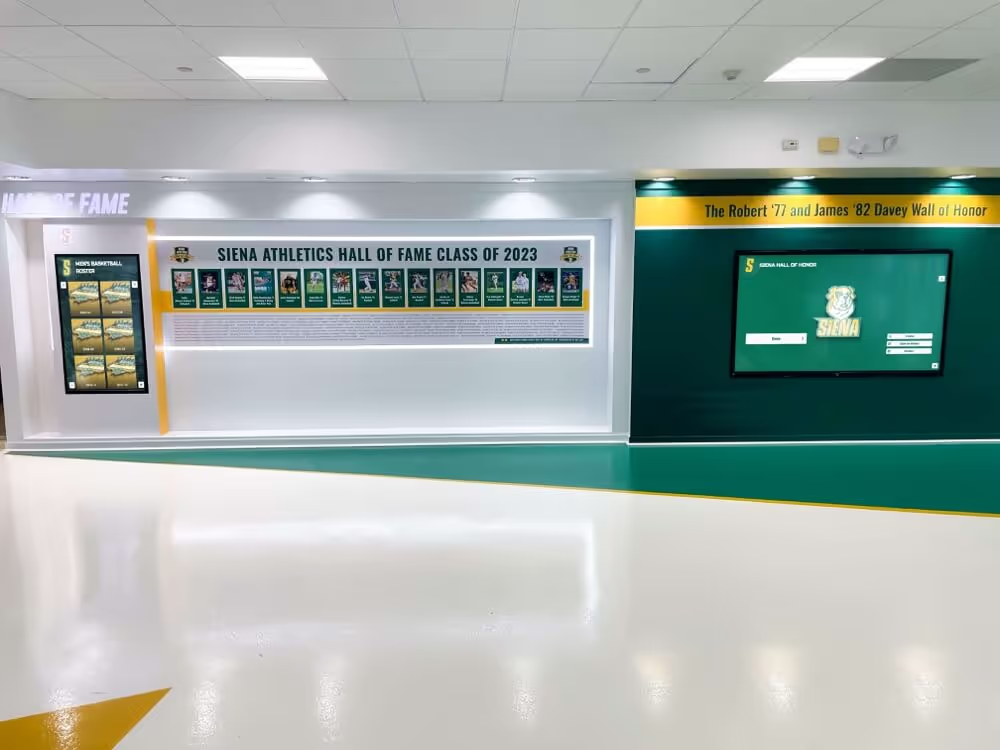
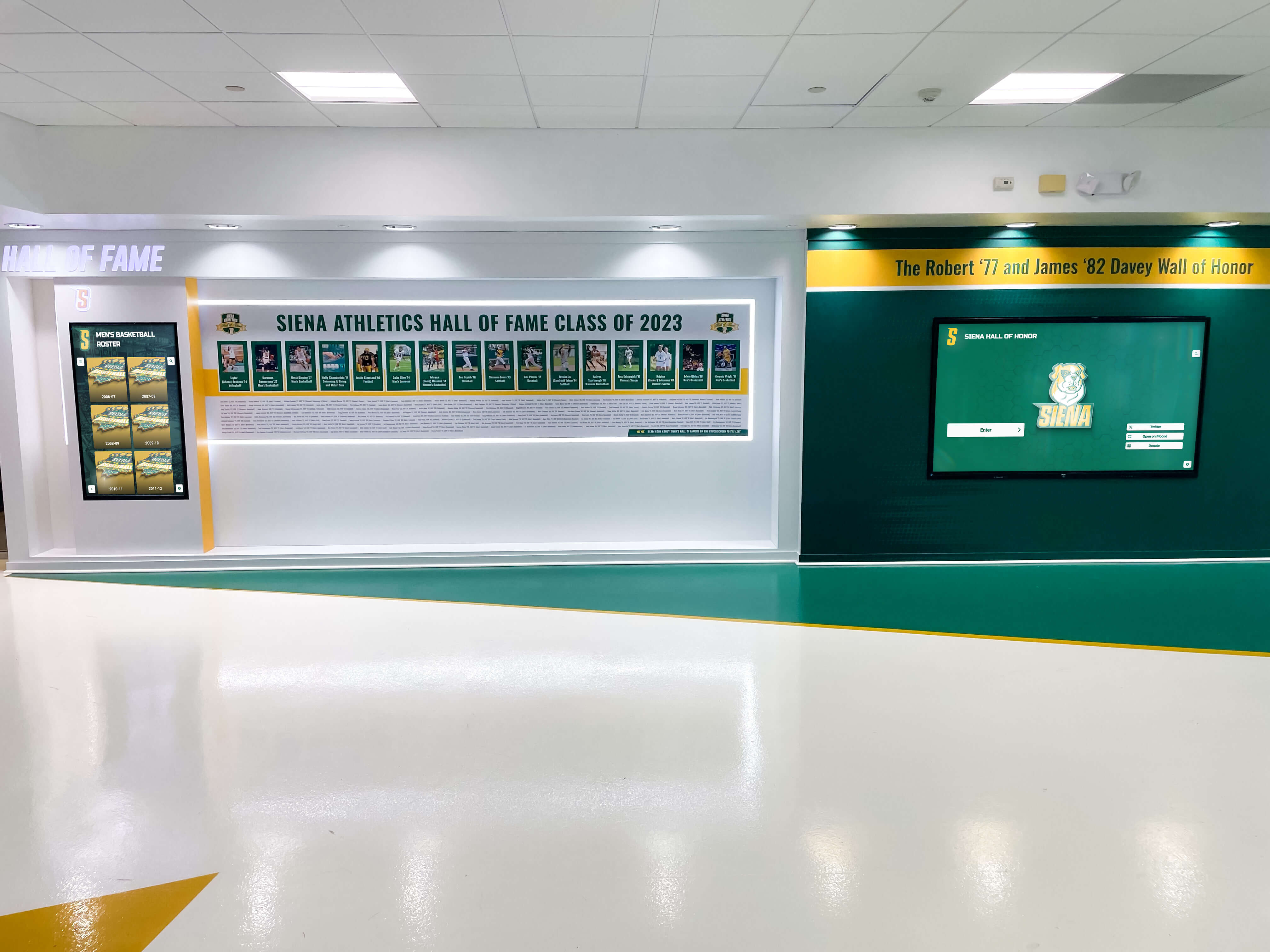
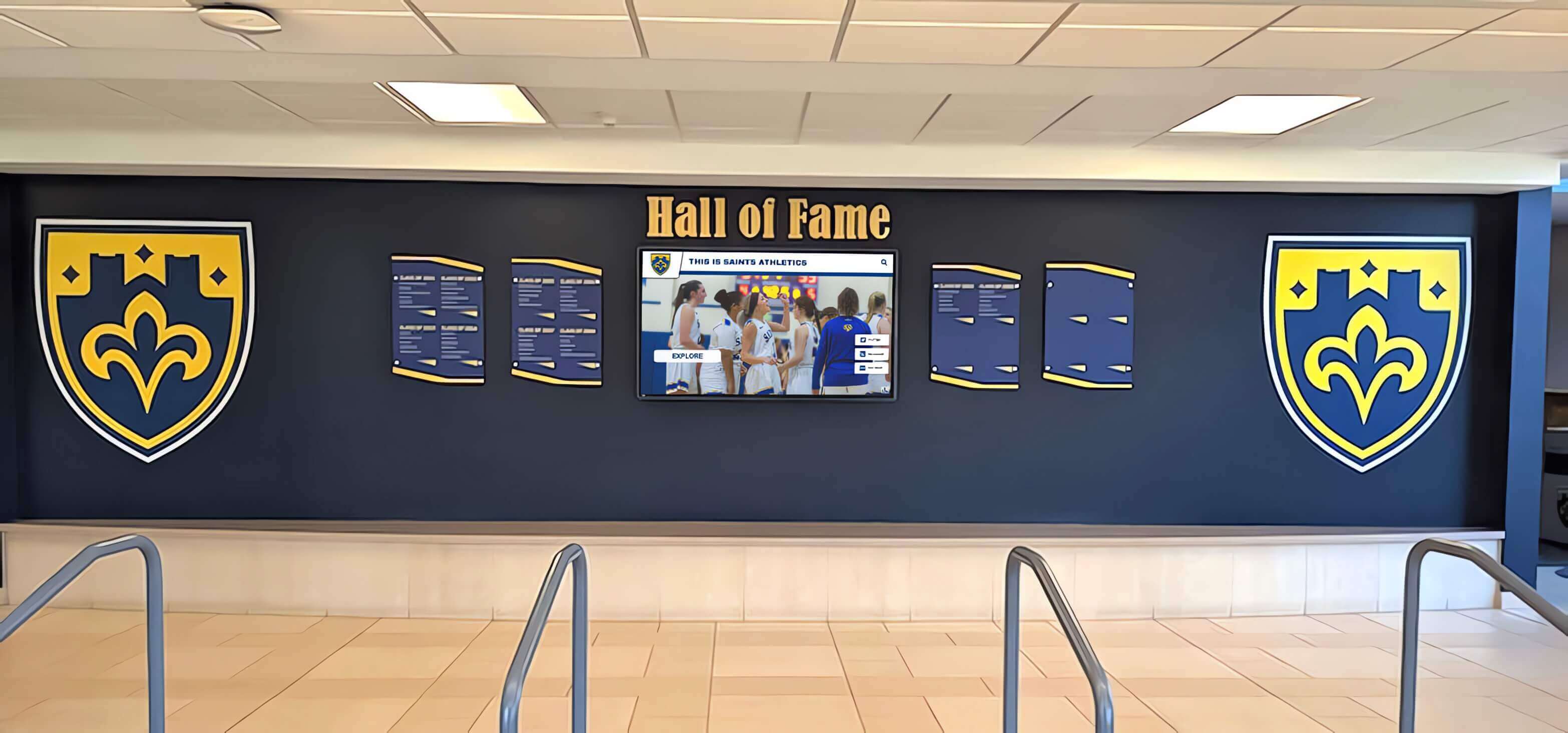
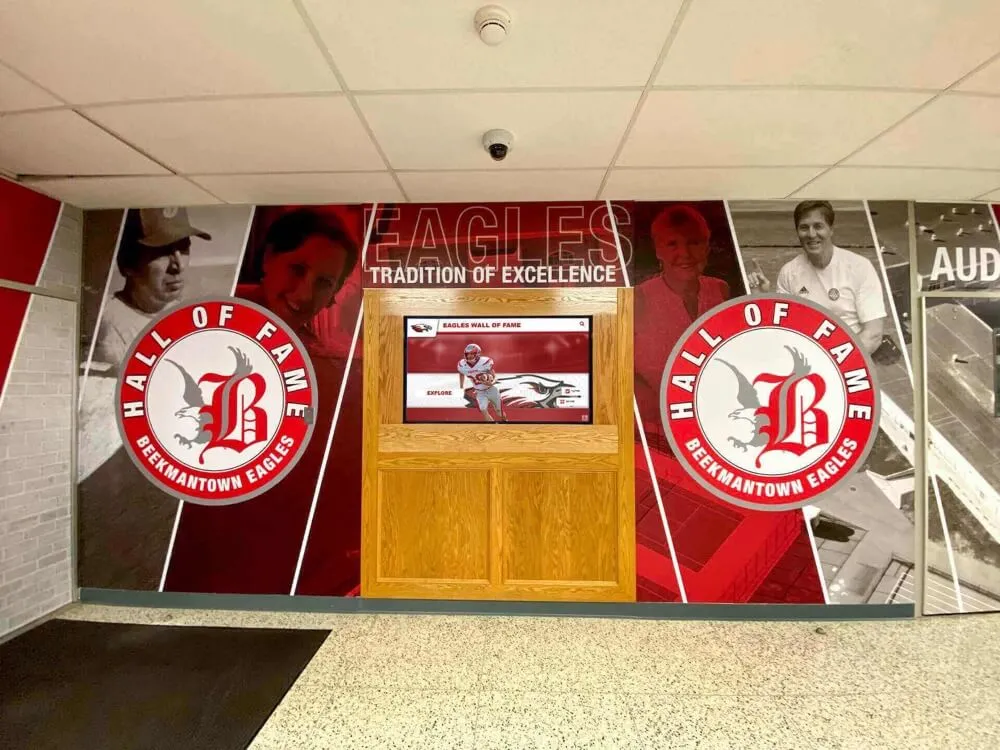
Modern alternatives integrate digital displays with physical design elements through touchscreen systems complementing traditional plaques, hybrid displays combining physical name recognition with digital biographical content, video displays showing rotating tributes to multiple retirees, and QR codes linking physical plaques to comprehensive online profiles.
For schools developing comprehensive recognition, donor recognition displays can celebrate both philanthropic supporters and retiring educators whose decades of service represent their own invaluable contributions to institutional missions.
Memory Books and Digital Archives
Comprehensive documentation of careers creates personal keepsakes for retiring staff while preserving institutional history. Memory books might include letters and messages from students throughout decades, photos from career highlights and everyday moments, documentation of curriculum innovations or programs developed, newspaper articles featuring their work or students, and colleague reflections on their professional impact.
Digital archives complement physical memory books by including video messages from people unable to contribute physically, scanned historical documents and photos, audio recordings of teaching sessions or speeches, comprehensive career timelines with multimedia documentation, and searchable databases enabling future research about institutional history.
Professional-quality memory books require substantial compilation effort but create treasured retirement gifts demonstrating genuine appreciation through invested time and thoughtfulness.
Recognition Ideas for Different Educational Roles
Various educational positions warrant adapted recognition approaches honoring their specific contributions and constituencies.
Retiring Teachers and Professors
Classroom educators represent the most visible retiring population requiring recognition approaches acknowledging their direct student impact.
Subject-Specific Recognition Elements
Tailor celebration elements to subjects or grade levels taught. English teachers might appreciate literary references in speeches or student dramatic readings. Science teachers might enjoy demonstrations from current students or displays of equipment they championed. Physical education teachers might appreciate athletic exhibitions or team recognition. Art teachers could be honored through student artwork displays or exhibitions.
These subject-specific elements demonstrate understanding of educators’ professional identities while creating more personalized recognition than generic approaches treating all teachers identically.
Student Connection Opportunities
Structure opportunities for students to express appreciation. Current students can share impact directly, while alumni from throughout careers might contribute video messages, write letters compiled into memory books, establish scholarship funds, attend celebration receptions, or participate in academic recognition programs honoring both student achievement and teaching excellence.
Many of the most powerful retirement moments occur when former students whom teachers barely remember appear to share how specific encouragement or intervention changed their life trajectories.
Retiring Administrators and Leadership
Principals, superintendents, deans, and other administrators shape institutions through strategic leadership requiring recognition acknowledging organizational impact beyond individual classrooms.
Administrative retirement recognition might highlight institutional improvements achieved during their tenures, policy innovations or program launches they championed, professional development initiatives supporting staff growth, challenging situations navigated successfully, or cultures they established through leadership example.
Include perspectives from various constituencies they served—teachers they supervised and mentored, students they advocated for, parents and community members they engaged, and board members or supervisors they partnered with throughout their careers.
For administrators who shaped facilities and infrastructure, consider timing retirement celebrations during building dedications or renovation completions honoring their roles in physical transformation.
Retiring Support Staff
Custodians, secretaries, food service workers, maintenance personnel, technology staff, and other support professionals enable everything else to function yet often receive less recognition than their contributions warrant.
Support staff retirement recognition should acknowledge their essential behind-the-scenes contributions through testimony from educators whose work they supported, student recognition of daily interactions building community, colleague appreciation of reliability and partnership, and acknowledgment of institutional knowledge accumulated over decades.
Many support staff members develop unique relationships with students and communities—the secretary who knew every family, the custodian who mentored struggling students, the cafeteria worker who ensured hungry children were fed. Their retirement celebrations should honor these human connections alongside functional job responsibilities.
Retiring Coaches and Activity Sponsors
Coaches and extracurricular activity sponsors invest countless hours beyond contract requirements building programs and mentoring students through sports, arts, clubs, and activities.
Recognition for retiring coaches should celebrate competitive achievements and championships won, program building from modest beginnings to established excellence, individual athlete development and life lessons taught, alumni who pursued careers in their sports or activities, and character development and leadership training extending beyond technique instruction.
Athletic retirement celebrations often coordinate with sports banquet traditions or season-end events bringing together alumni from throughout coaching tenures. Schools might establish coaching trees documenting athletes who became coaches themselves, create digital highlight reels of memorable games or performances, or induct retiring coaches into athletic halls of fame alongside distinguished athletes.
Budget-Conscious Retirement Recognition
Meaningful retirement celebrations don’t require elaborate budgets. Thoughtful planning and genuine appreciation matter far more than expensive productions.
High-Impact, Low-Cost Celebration Ideas
Several approaches create meaningful recognition without significant financial investment. Free or low-cost celebration options include potluck receptions where colleagues and families contribute dishes, outdoor gatherings in school grounds or public parks, classroom-based celebrations organized by students, virtual component options enabling distant attendance without travel expenses, and volunteer-organized events reducing professional planning costs.
Homemade memory books compiled by colleagues and students often mean more than expensive professional productions, while student-created artwork and gifts frequently become retiring educators’ most treasured recognition items.
Collaborative Funding and Community Support
When budgets limit institutional contributions, consider collaborative funding through alumni donations specifically for retirement recognition, booster club support for coaching staff and activity sponsors, parent organization fundraising for beloved teachers, and community business sponsorships particularly for long-serving staff well-known locally.
Frame fundraising as opportunities for appreciative communities to honor educators who shaped them rather than indicating institutional failure to recognize staff appropriately.
Prioritizing Personal Over Expensive
Retiring educators consistently report that personalized recognition demonstrating genuine knowledge of their contributions and specific gratitude from individuals they impacted matters far more than expensive gifts or elaborate productions.
A handwritten letter from a student explaining how that teacher changed their life means more than any plaque. A compilation of specific memories from colleagues carries more weight than generic speeches. A classroom visit from alumni who traveled to express gratitude creates more powerful moments than catered banquets.
Budget constraints need not prevent meaningful retirement recognition when institutions prioritize authentic appreciation over expensive but impersonal gestures.
Honoring Retiring Educators During Challenging Circumstances
Not all retirements occur under ideal circumstances. Some educators retire for health reasons, others amid institutional conflicts, and some depart during crisis periods affecting broader communities.
Unexpected or Medical Retirements
When educators retire earlier than anticipated due to health challenges or disabilities, recognition requires particular sensitivity while still honoring contributions. Considerations include accessible venues and flexible timing accommodating health limitations, shorter programs respecting energy limitations, options for private versus public recognition based on honoree preferences, focus on achievements and impact rather than retirement circumstances, and continued connection opportunities as health permits.
Medical retirements often carry grief for careers cut short. Recognition should validate contributions already made while avoiding implications that more should have been accomplished.
Contentious or Involuntary Departures
Some retirements occur amid institutional conflicts or represent negotiations ending problematic situations. Even in challenging circumstances, educators may have provided years of valuable service warranting acknowledgment despite difficult endings.
Navigate complex situations by focusing recognition on genuine contributions rather than recent challenges, separating employment decisions from recognition of past achievements, offering private recognition when public celebrations feel inappropriate, and involving only constituencies comfortable participating rather than forcing involvement from parties with unresolved conflicts.
Professional integrity requires acknowledging that not every retirement warrants comprehensive public celebration, but most careers include some positive contributions deserving appropriate recognition regardless of how they end.
Planning Timeline for Retirement Celebrations
Thoughtful retirement recognition requires substantial planning time. Begin early to ensure quality execution honoring careers appropriately.
4-6 Months Before Retirement
Initial planning establishes fundamental direction and begins time-intensive preparation. Early phase priorities include confirming retirement dates and honoree availability for celebrations, establishing planning committees with diverse representation, determining celebration formats and scale, developing preliminary budgets and securing funding, beginning outreach to alumni and former colleagues for participation, and starting multimedia content gathering from personal and institutional archives.
Early starts prevent rushed planning compromising celebration quality or missing important constituencies due to inadequate notification time.
2-3 Months Before Retirement
Mid-timeline planning finalizes details and executes time-sensitive preparations. Focus areas include finalizing and communicating celebration dates and logistics, completing speaker and participant recruitment and coordination, finalizing multimedia presentations and video compilations, ordering recognition items requiring production time, coordinating venue logistics and catering arrangements, and publicizing celebrations to desired attendees through multiple channels.
Adequate preparation time enables thoughtful execution rather than last-minute crisis management that characterizes rushed planning.
1 Month Before Retirement
Final weeks involve confirmation and detailed coordination. Priority actions include confirming attendance and finalizing headcounts, completing all printed materials and recognition items, rehearsing programs and technical elements, coordinating day-of logistics including setup and volunteer assignments, completing last outreach for video messages or testimonials, and preparing contingency plans for predictable challenges.
These final confirmations prevent day-of surprises that disrupt carefully planned recognition.
Beyond Retirement: Maintaining Connections
Retirement celebrations shouldn’t represent final institutional contact. Thoughtful ongoing connection honors careers while benefiting institutions through continued engagement.
Emeritus Programs and Continued Involvement
Formal emeritus status recognizes distinguished retirees while creating frameworks for continued engagement. Emeritus programs might include ongoing campus access and building privileges, continued email accounts maintaining institutional affiliation, invitations to professional development and department activities, mentorship opportunities with current staff, and participation in special committees or advisory boards.
These continued connections validate that retirement doesn’t sever institutional bonds or signal that retirees no longer matter to organizations they served for decades.
Alumni and Retiree Events
Regular gatherings specifically for retired faculty and staff maintain community while creating opportunities for current employees to learn from predecessors. Consider hosting annual retiree appreciation events, inviting retirees to homecoming and institutional celebrations, organizing reunion opportunities with former colleagues, coordinating campus tours showing facility improvements, and facilitating mentor programs connecting retirees with early-career staff.
These sustained connections benefit institutions through preserved institutional knowledge while preventing retirees from feeling forgotten immediately after celebrating their contributions.
Including Retirees in Institutional Communications
Continue including retirees in newsletters, announcements, and institutional updates maintaining their connection to communities they helped build. Regular communication demonstrates ongoing value while keeping retirees informed about successors carrying forward their work.
Consider special communications highlighting retiree news—grandchildren born, travel adventures, volunteer work, or continued professional activities—validating that institutions remain interested in their lives beyond active employment.

Conclusion: Creating Recognition Worthy of the Teaching Profession
Educators and educational staff dedicate their careers to developing others—shaping young minds, building character, imparting knowledge, and creating opportunities that change life trajectories. These professionals typically earn modest compensation compared to corporate sectors while investing countless unpaid hours grading papers, planning lessons, attending activities, mentoring struggling students, and advocating for resources their programs need.
When these dedicated professionals retire after decades of service, they deserve recognition matching the magnitude of their contributions—not perfunctory celebrations checking administrative boxes but genuine honor acknowledging specific ways they shaped their institutions and everyone who passed through them. Thoughtful retirement celebrations validate that careers spent educating and serving others mattered profoundly, inspiring both retirees feeling appreciated and current staff witnessing that their eventual contributions will receive similar honor.
The most meaningful retirement recognition combines immediate celebration gathering communities to express gratitude with permanent tributes ensuring contributions remain visible to generations who never personally benefited from retiring educators’ work but inherit their legacies. Whether through intimate gatherings or comprehensive celebrations, personalized recognition or permanent displays, the substance lies in genuine appreciation demonstrating real understanding of who these individuals are and what they accomplished throughout their careers.
Modern recognition technologies enable permanent tributes impossible with traditional approaches—interactive displays sharing comprehensive career documentation, searchable databases where alumni discover their former teachers decades later, and synchronized digital-physical systems extending recognition across campus locations and companion websites. Yet technology merely enables recognition; the core remains authentic appreciation for human dedication that shaped countless lives through patient, persistent commitment to educational excellence.
Whether your institution plans recognition for a single retiring educator or develops systematic approaches honoring all retiring staff appropriately, success lies in treating retirement not as administrative conclusion but as celebration of lives devoted to one of society’s most important professions—teaching future generations.
Ready to create lasting recognition for retiring educators extending far beyond single celebration events? Discover how Rocket Alumni Solutions helps schools and educational institutions honor retiring faculty and staff through interactive digital displays, comprehensive recognition systems, and engagement platforms specifically designed for celebrating careers devoted to education. Meaningful retirement recognition begins with honoring contributions appropriately and creating tributes that inspire current educators while preserving institutional memory for generations to come.