



Every successful school and organization shares a common characteristic: they’ve mastered the art of recognizing achievement in ways that genuinely motivate people and reinforce institutional values. Yet building effective recognition programs remains one of the most underestimated challenges administrators face. Too many well-intentioned award systems fail because they prioritize convenience over impact, recognition frequency over meaningfulness, or tradition over relevance.
The difference between recognition programs that transform culture and those that become mere formalities lies in thoughtful design, consistent execution, and genuine alignment with organizational values. This comprehensive guide distills decades of research and practical experience into actionable strategies for building recognition systems that inspire excellence, strengthen communities, and create lasting positive impact.
Recognition programs work when they're built on three foundational principles: They celebrate achievements that genuinely align with institutional values, they're accessible to diverse individuals across different achievement pathways, and they're executed with enough consistency and visibility to shape culture rather than simply acknowledge isolated accomplishments.
Table of Contents
- Why Recognition Programs Fail (And How to Avoid It)
- Core Principles of Effective Recognition Systems
- Designing Award Categories That Matter
- Creating Fair and Transparent Selection Processes
- Recognition Frequency and Timing Strategies
- Making Recognition Visible and Memorable
- Digital Recognition Solutions for Modern Organizations
- Measuring Recognition Program Effectiveness
- Sustaining Recognition Programs Long-Term
- Common Implementation Challenges and Solutions
1. Why Recognition Programs Fail (And How to Avoid It)
Understanding why recognition programs fail provides essential insights for building systems that succeed. The most common failure patterns fall into predictable categories.
The “Same People Every Time” Problem
When recognition consistently goes to the same high-achieving individuals, programs lose their motivational power for the broader population. This happens when award criteria focus exclusively on peak performance rather than recognizing growth, effort, character, or diverse achievement pathways.
Solution: Design multi-tiered recognition systems with categories spanning different achievement types—academic excellence, improvement, service, leadership, citizenship, creative accomplishment, and overcoming adversity. This ensures recognition remains accessible across the full spectrum of your community.
The Visibility Gap
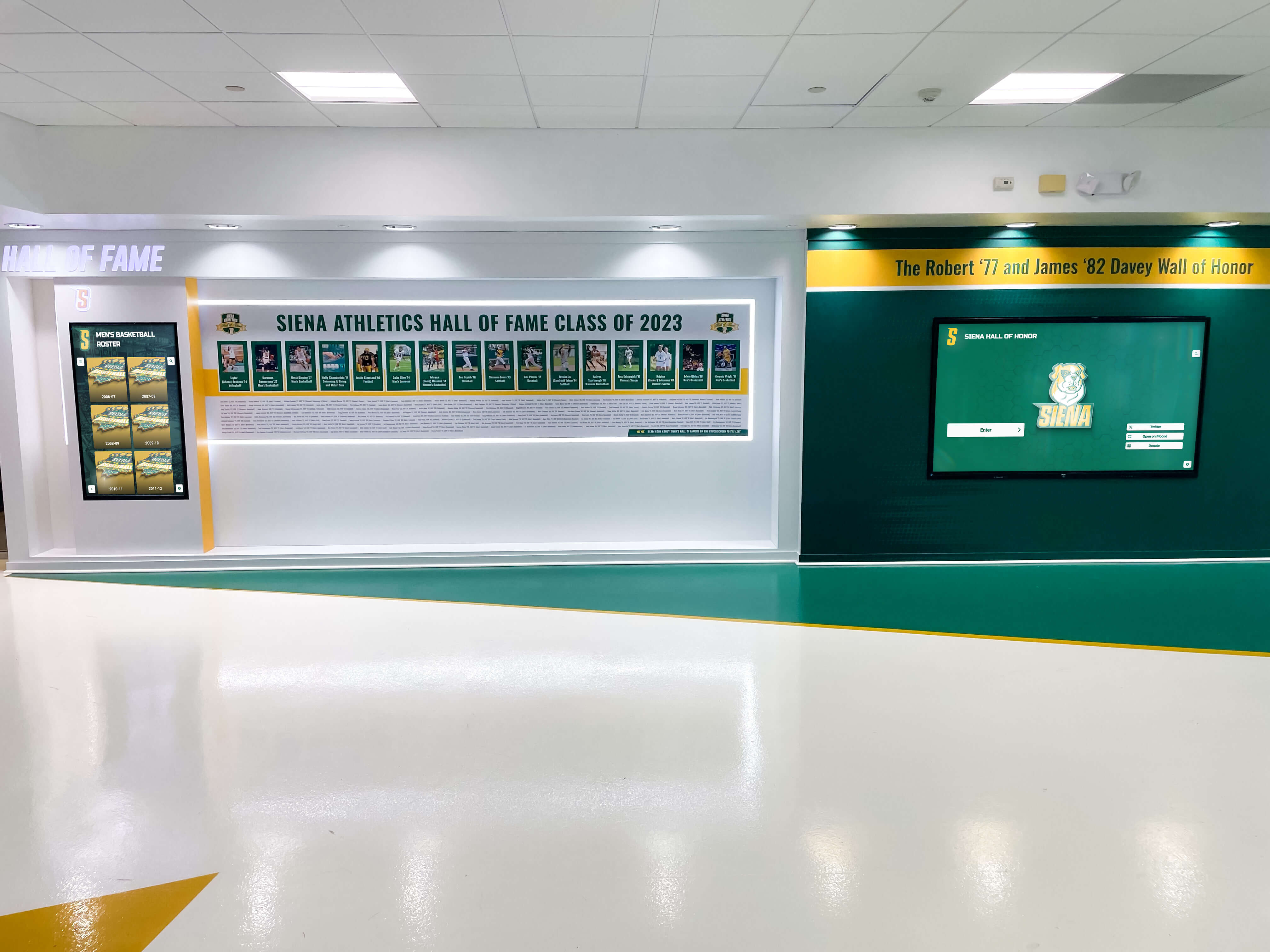
Recognition that happens privately or reaches limited audiences fails to reinforce cultural values or inspire others. Many programs invest significant effort in selection processes but minimal resources in making recognition visible and memorable.
Solution: Treat visibility as a core program component, not an afterthought. Budget time and resources for recognition displays, announcements, ceremonies, and ongoing celebration that keeps achievements visible long after initial presentation.
Inconsistent Execution
Programs that start strong but gradually deteriorate through inconsistent timing, changing standards, or diminished ceremony undermine trust and engagement. When people perceive recognition as arbitrary or unreliable, programs lose their cultural impact.
Solution: Document processes clearly, assign ownership for each program element, and create sustainability mechanisms that transcend individual champions. Build recognition into institutional calendars and operational rhythms rather than treating it as an additional task.
Misalignment With Values
Recognition programs that celebrate achievements disconnected from stated organizational values create cognitive dissonance and cynicism. When rhetoric about “values-based recognition” conflicts with what’s actually rewarded, culture suffers.
Solution: Begin program design by clearly identifying 3-5 core institutional values, then ensure every recognition category directly reinforces at least one of these values. Make the value connection explicit in award descriptions and presentations.
2. Core Principles of Effective Recognition Systems
Successful recognition programs rest on foundational principles that transcend specific contexts. Whether you’re designing awards for a high school, university, corporate environment, or community organization, these principles create programs with lasting impact.
Principle 1: Meaningful Over Frequent
Quality recognition creates deeper impact than quantity. Organizations often fall into the trap of recognizing everything, which paradoxically makes recognition feel meaningless. Effective programs establish clear achievement thresholds that make recognition genuinely special while remaining accessible to those who demonstrate the commitment to reach them.
Principle 2: Accessible Yet Aspirational
The most effective programs create pathways for diverse individuals to achieve recognition through different routes while maintaining high standards. This means designing multiple award categories reflecting varied achievement types, skill sets, and contribution areas rather than a single narrow definition of excellence.
Principle 3: Transparent and Fair
Trust in recognition programs depends on perceived fairness. This requires transparent selection criteria, consistent application of standards, diverse selection committees that represent community perspectives, and clear communication about processes and decisions.
Principle 4: Timely and Relevant
Recognition delivered months after achievements occurred loses emotional impact and motivational power. Effective programs build in mechanisms for timely acknowledgment while maintaining thorough evaluation processes.
Principle 5: Public and Permanent
Recognition gains power through visibility. While private acknowledgment has its place, programs that shape culture require public celebration and permanent documentation that allows achievements to inspire others long after initial recognition.
For schools creating comprehensive student recognition awards, these principles provide a framework for programs that genuinely motivate academic achievement while building inclusive excellence cultures.
3. Designing Award Categories That Matter
Award categories form the architecture of your recognition program. Well-designed categories create multiple pathways to recognition while reinforcing institutional values and priorities.
Academic Recognition Categories
Excellence Awards
- Highest GPA by grade level or academic division
- Subject-specific academic excellence (math, science, literature, etc.)
- Academic All-American or honor society recognition
- Perfect attendance combined with strong academics
Achievement and Growth Awards
- Most improved GPA year-over-year
- Overcoming academic challenges or learning differences
- First-generation student academic achievement
- Returning student academic excellence
Specialized Academic Recognition
- Research and innovation awards
- Creative arts and performance excellence
- Technical and vocational achievement
- Academic competition success (debate, quiz bowl, science olympiad)
Many schools complement traditional awards with digital donor walls that recognize families and community members who support educational programs.
Athletic and Extracurricular Recognition
Performance-Based Athletic Awards
- All-conference, all-state, and all-American selections
- Championship team recognition
- Individual achievement records and milestones
- Season and career statistical achievement
Character and Leadership Awards
- Team captain and leadership recognition
- Sportsmanship and character awards
- Most valuable player (when emphasizing team contribution)
- Coaches’ awards recognizing intangibles
Schools can showcase athletic achievements through modern sport awards systems that celebrate both team and individual accomplishments.

Service and Citizenship Recognition
Community Service Awards
- Volunteer hour thresholds (100+ hours, 250+ hours, 500+ hours)
- Sustained service to specific causes or organizations
- Service project leadership and innovation
- Presidential Volunteer Service Award qualification
Character and Citizenship Awards
- Peer-nominated kindness and inclusion awards
- Demonstrating institutional values in daily actions
- Overcoming adversity with grace and determination
- Positive influence on school or organizational culture
Leadership Recognition
Formal Leadership Roles
- Student government, club, and organization leadership
- Team captain and co-captain recognition
- Peer mentoring and tutoring leadership
- Event and initiative leadership
Informal Leadership Recognition
- Positive influence without formal title
- Bridge-building across groups or divisions
- Innovation and problem-solving leadership
- Cultural and community leadership
Organizations planning comprehensive recognition events can benefit from guidance on award ceremony planning that makes recognition memorable and meaningful.
4. Creating Fair and Transparent Selection Processes
Selection processes determine whether recognition programs build trust or breed cynicism. Fair, transparent processes require thoughtful design and consistent execution.
Establishing Clear Criteria
Every recognition category needs explicit, measurable criteria that define achievement thresholds. Vague criteria like “outstanding contribution” or “exemplary character” invite inconsistency and perceived favoritism.
Effective Criteria Components:
- Specific achievement metrics (GPA thresholds, performance statistics, hour requirements)
- Observable behaviors and actions rather than subjective assessments
- Time-bound parameters (season, semester, year)
- Comparative context when relevant (top 10%, record-breaking performance)
Selection Committee Composition
Diverse selection committees produce better outcomes and strengthen perceived fairness. Effective committees include:
- Multiple perspectives (faculty, staff, students, alumni, community members)
- Representation across departments or divisions
- People who understand achievement contexts
- Individuals trusted by the broader community
- Clear recusal policies for conflicts of interest
Documentation and Communication
Document selection processes thoroughly and communicate them clearly before recognition cycles begin. This includes:
- Published criteria and selection timelines
- Nomination procedures and deadlines
- Selection committee composition
- Evaluation rubrics and weighting factors
- Appeals or reconsideration processes when appropriate
Nomination Processes
Different award types benefit from different nomination approaches:
Self-Nomination: Appropriate for achievement-based awards with clear quantitative thresholds (academic honors, service hour milestones). Reduces administrative burden while ensuring qualified individuals aren’t overlooked.
Peer Nomination: Powerful for character, citizenship, and influence awards where behaviors are most visible to peers. Requires clear criteria to avoid popularity contests.
Faculty/Staff Nomination: Essential for recognizing subtle achievements, growth trajectories, and contributions that may not be self-evident to peers or quantitatively measurable.
Automatic Qualification: For clearly defined achievements (4.0 GPA, all-state selection, state championship participation), automatic recognition ensures consistency and reduces administrative overhead.
5. Recognition Frequency and Timing Strategies
When you recognize achievement affects how recognition shapes behavior and culture. Strategic timing maximizes impact and maintains program sustainability.
Annual Recognition Programs
End-of-Year Awards Most comprehensive recognition programs follow academic or fiscal year cycles, allowing evaluation of full-year achievements and participation.
Advantages:
- Complete achievement picture
- Natural ceremonial timing (graduation, end-of-season banquets)
- Reduced administrative burden through batched processing
Challenges:
- Delayed recognition reduces immediate motivational impact
- Earlier-year achievements may be forgotten or underweighted
- Requires sustained record-keeping throughout the year
Semester or Quarter Recognition
Mid-Cycle Recognition Programs Breaking recognition into shorter cycles maintains motivation and provides more frequent celebration opportunities.
Advantages:
- More timely acknowledgment closer to achievements
- Multiple chances for recognition throughout the year
- Sustained attention to performance rather than end-loaded focus
Challenges:
- Increased administrative demands
- Potential recognition fatigue if overused
- May miss sustained achievements requiring full-year evaluation
Ongoing Recognition Systems
Real-Time Recognition Some achievement types benefit from immediate acknowledgment as they occur.
Best Applications:
- Daily or weekly “caught being great” character recognition
- Immediate acknowledgment of competition victories or performance milestones
- Real-time social media or digital display updates
- Spontaneous celebration of unexpected achievements
Implementation Considerations:
- Requires low-friction submission and approval processes
- Benefits from digital platforms enabling quick updates
- Must maintain quality standards despite frequency
- Should complement, not replace, more formal periodic recognition
Modern digital platforms make it easier to maintain recognition displays with current honorees while preserving historical achievements.
6. Making Recognition Visible and Memorable
Recognition gains power through visibility and memorability. Programs that invest in selection processes but underfund celebration and display squander opportunities to maximize impact.
Recognition Ceremonies and Events
Well-executed recognition ceremonies create memorable moments while reinforcing institutional values and culture.
Essential Elements:
- Dedicated time and space (not rushed add-ons to other events)
- Honoree-focused programs highlighting individual stories
- Family and community involvement
- Dignified presentation reflecting achievement significance
- Multimedia elements bringing achievements to life
Ceremony Types:
- All-school or organization-wide assemblies for major awards
- Department or division-specific recognition events
- Intimate gatherings for specialized achievement categories
- Virtual ceremonies when geographic or schedule constraints prevent in-person gathering
Physical Recognition Displays
Permanent recognition displays keep achievements visible and inspire future generations.
Traditional Options:
- Plaques and trophy cases
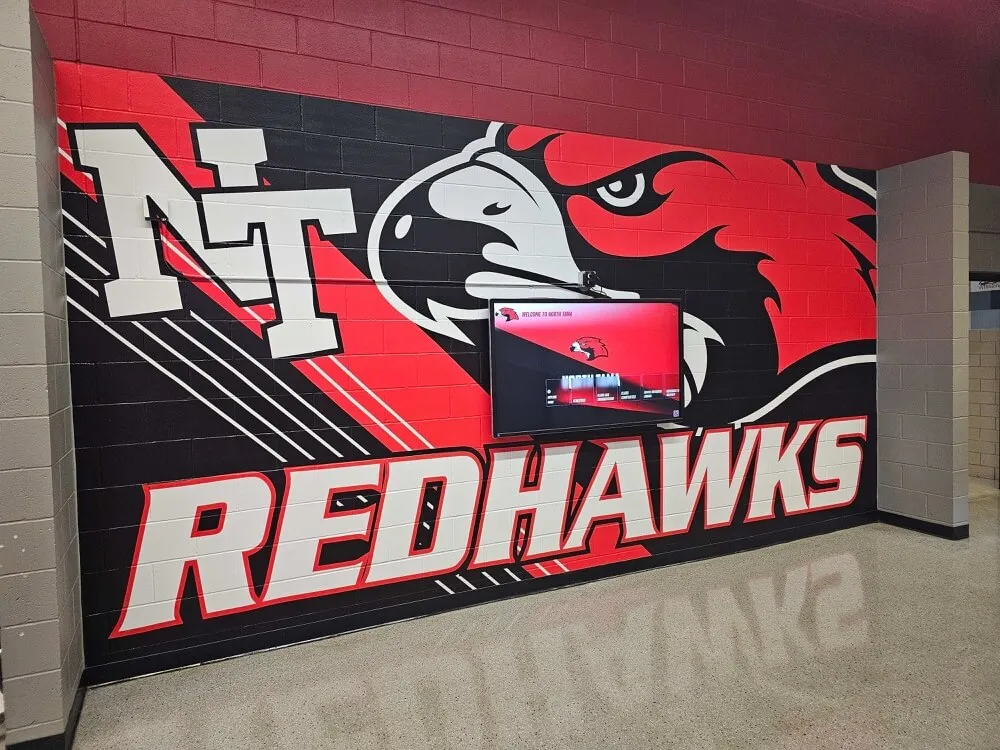
- Painted or printed wall murals
- Banner and pennant displays
- Engraved bricks or tiles
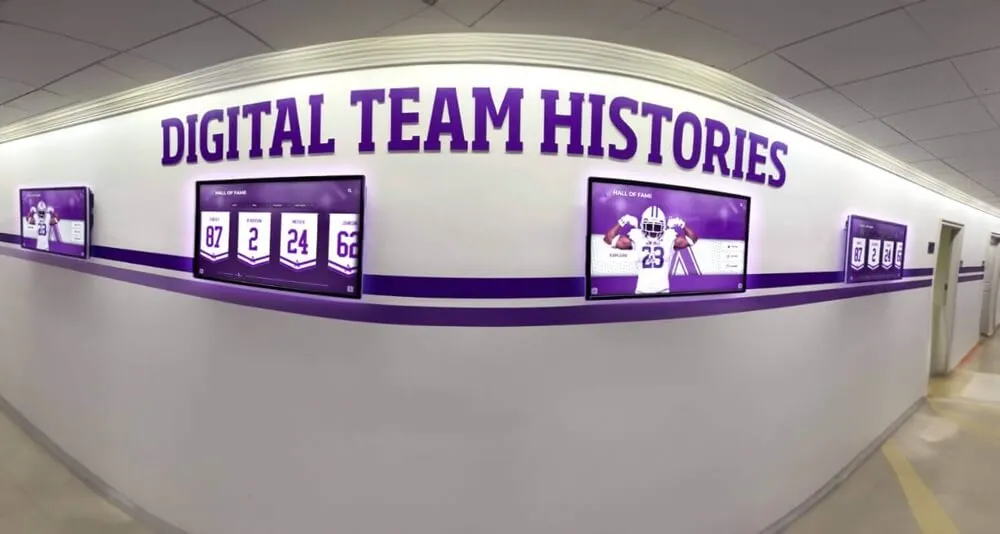
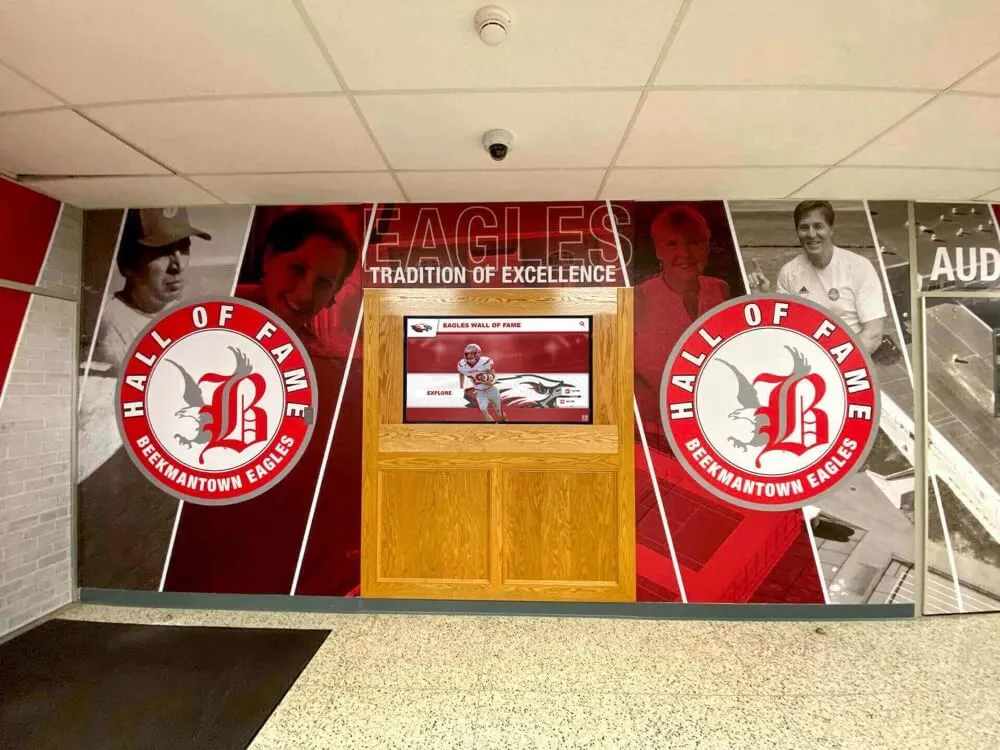
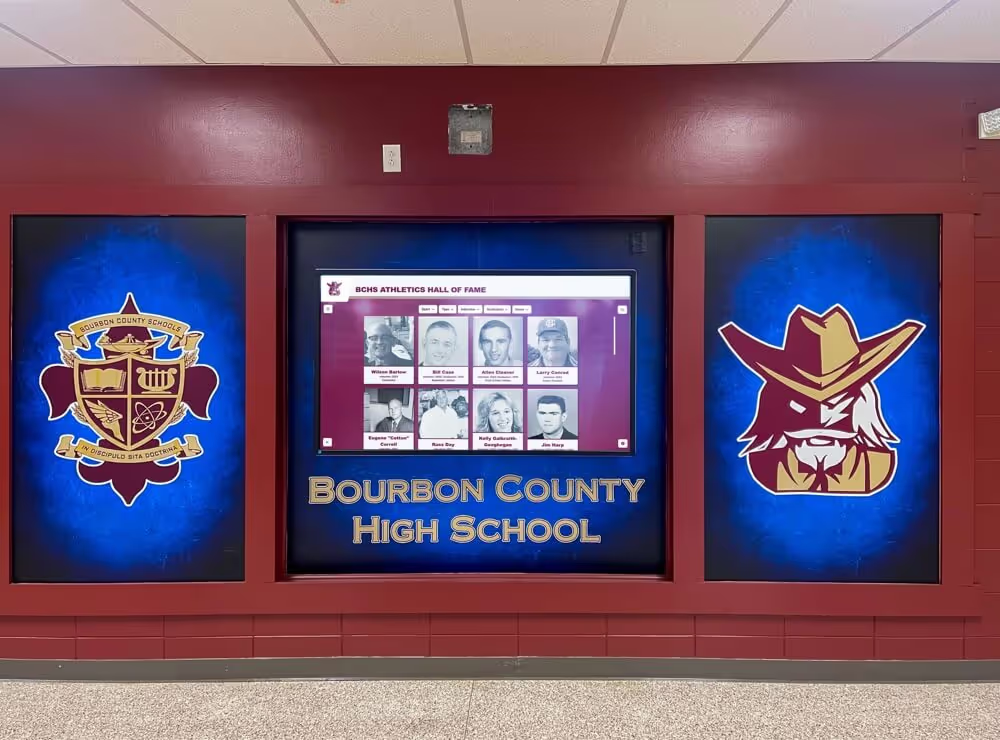
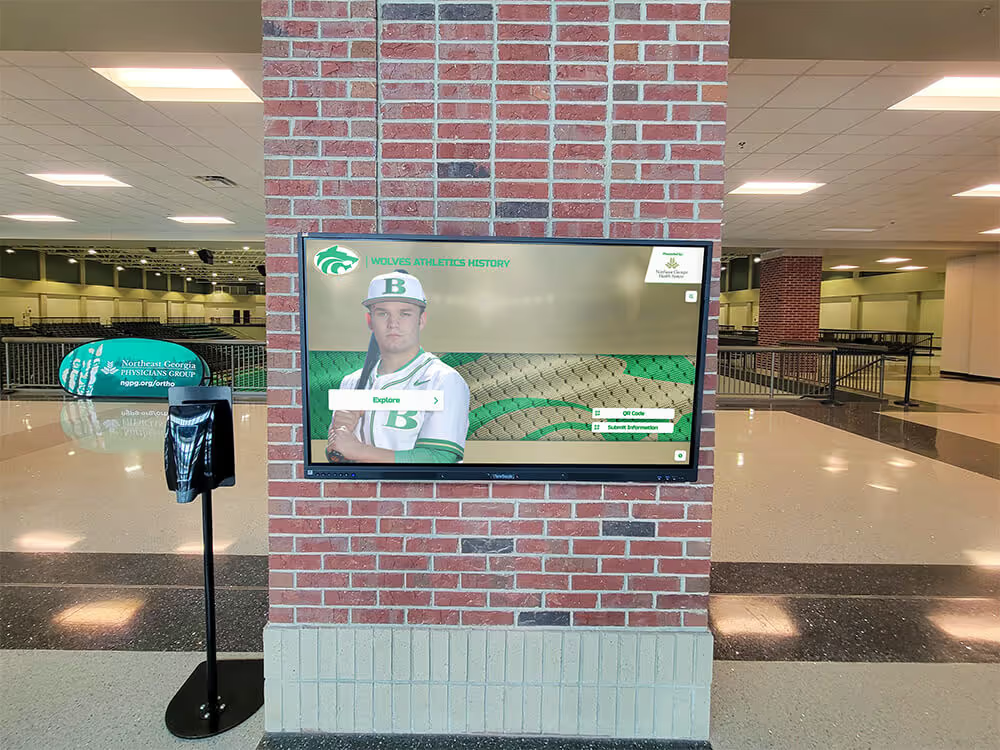
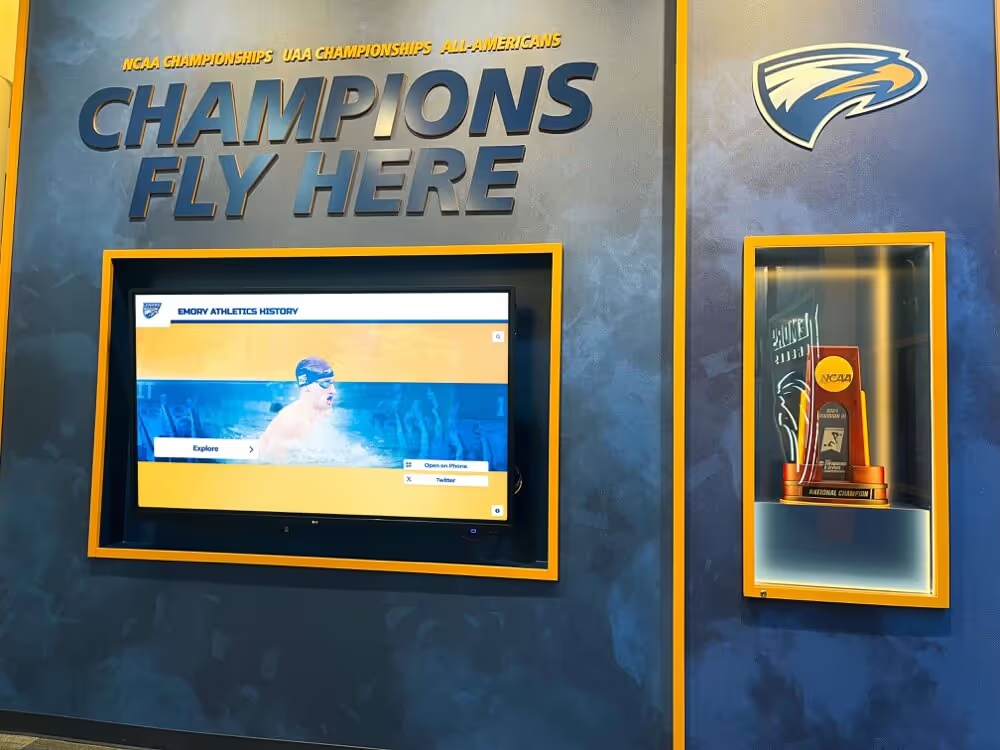
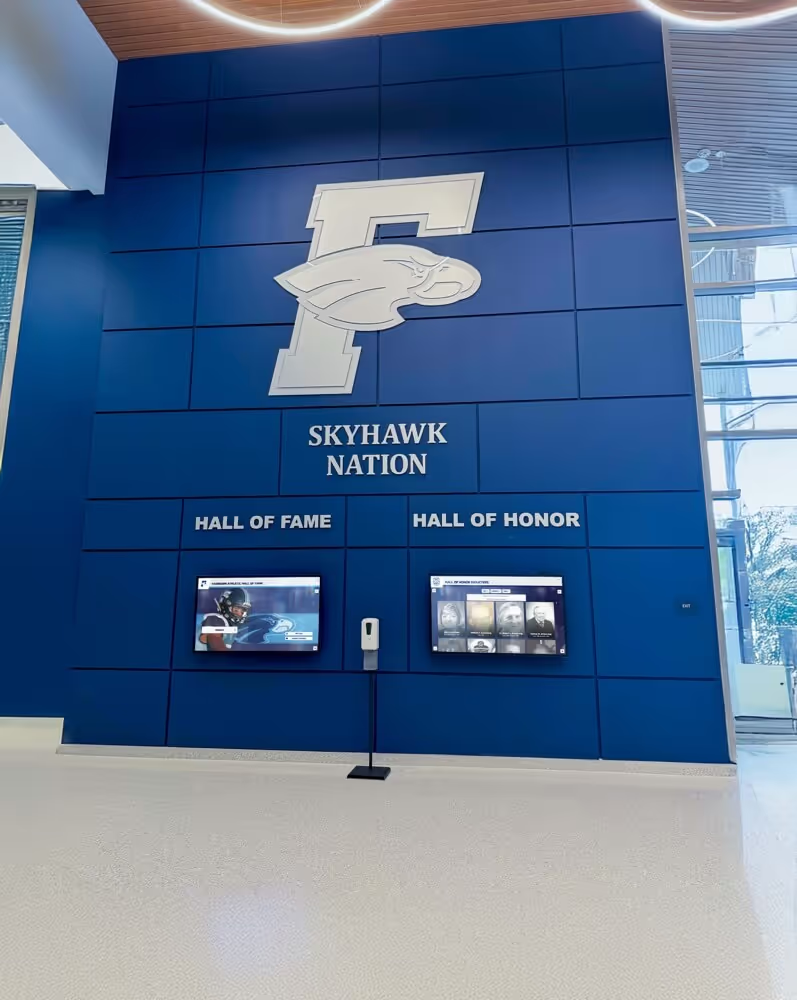
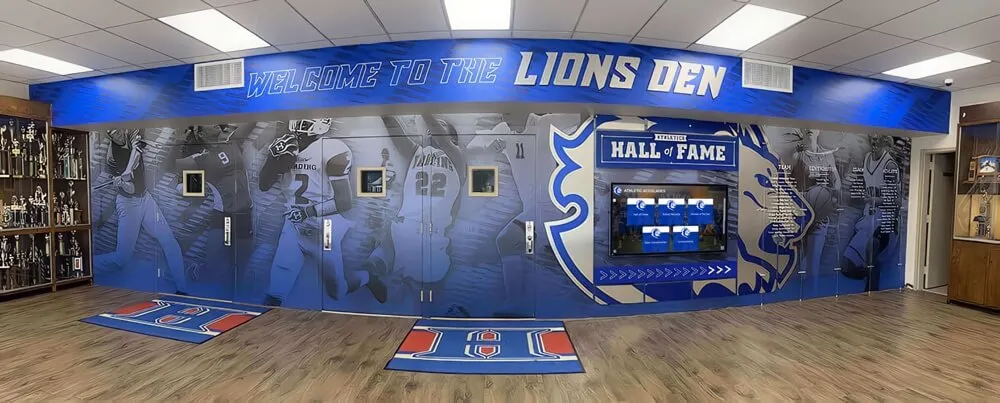
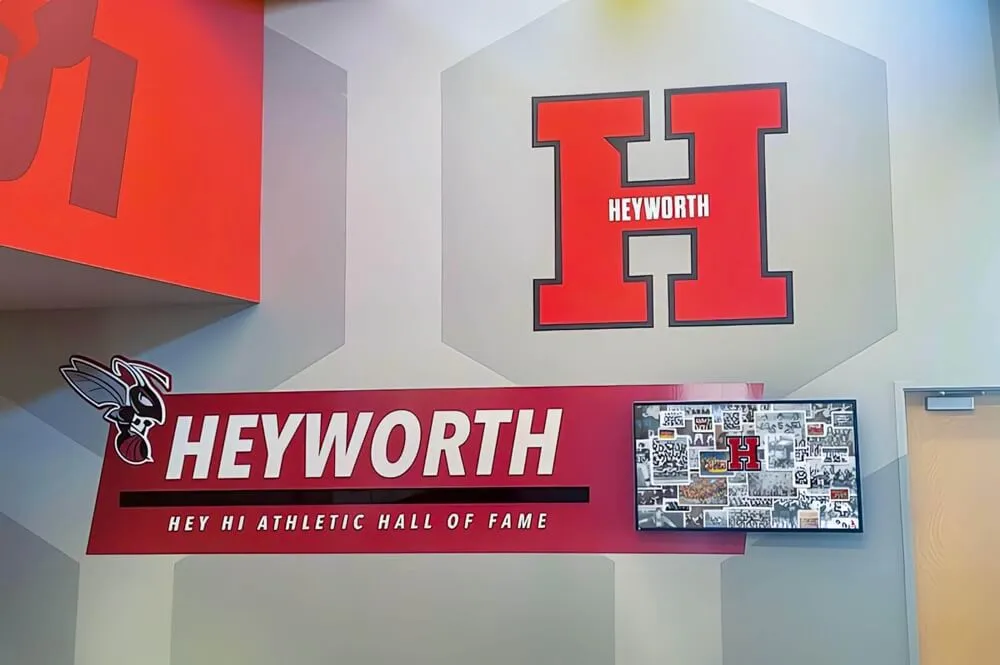
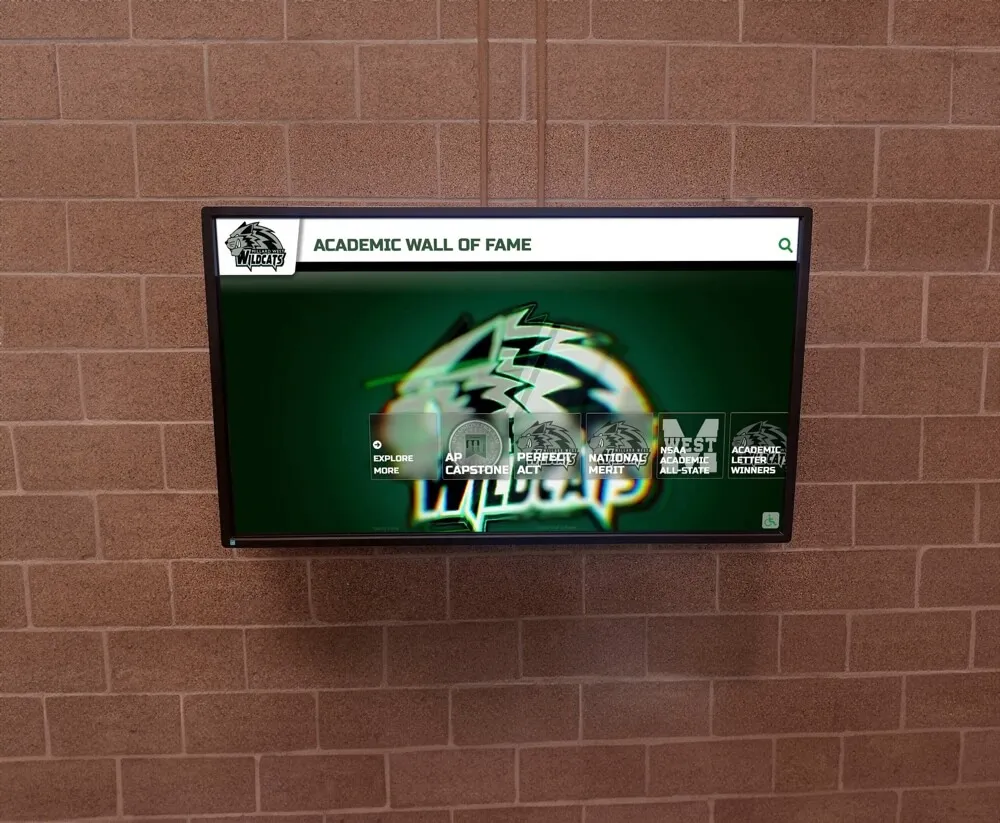
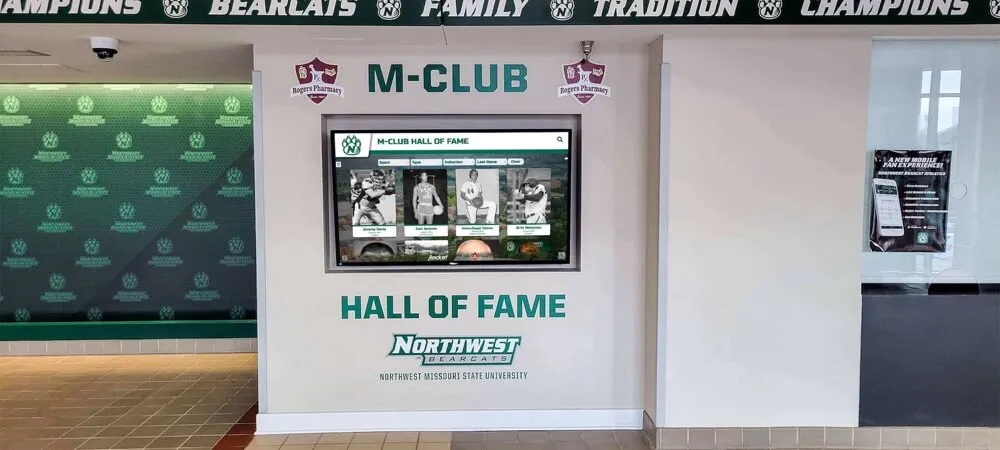
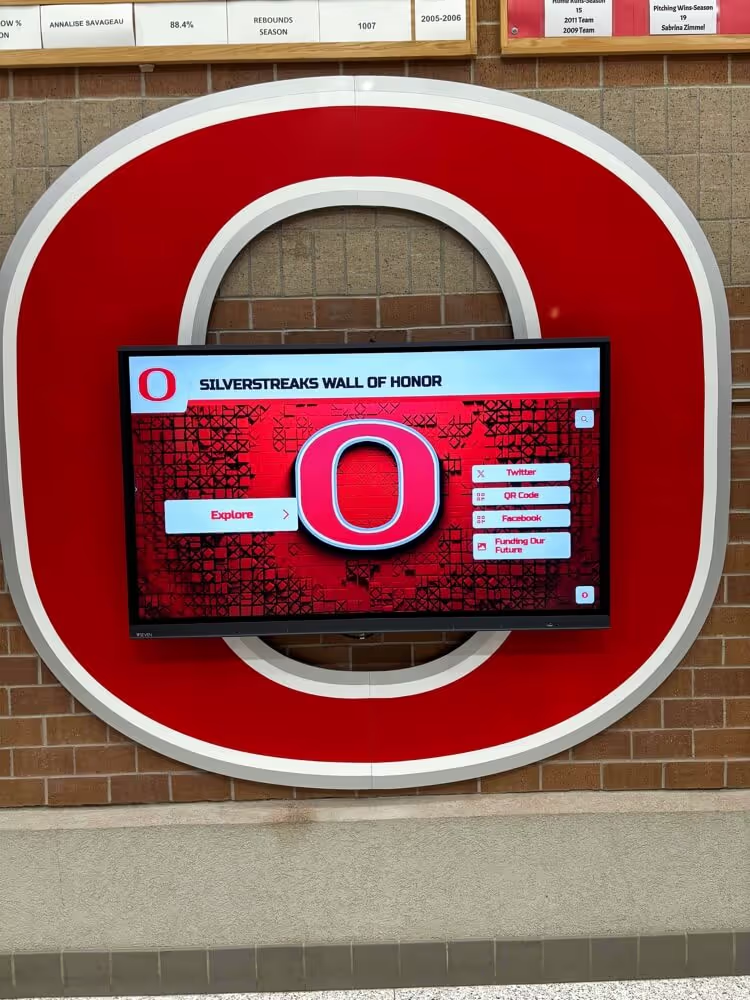
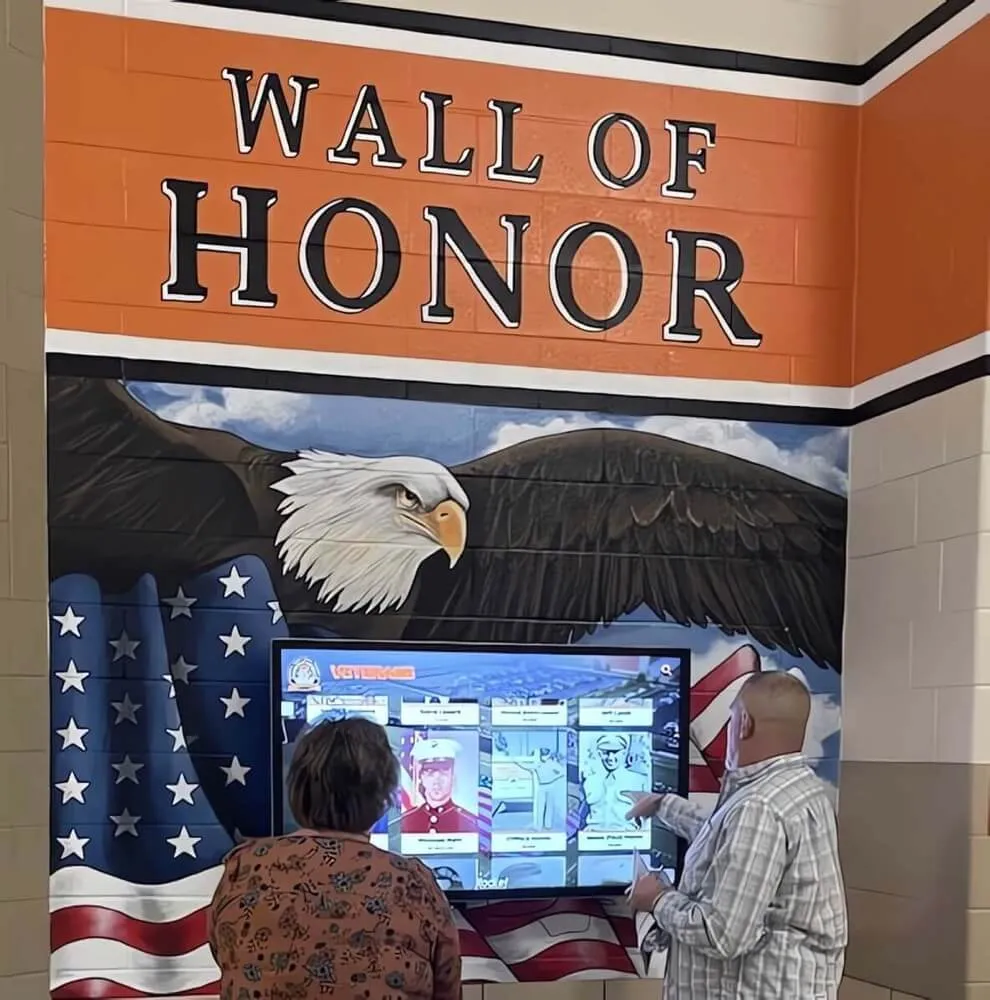
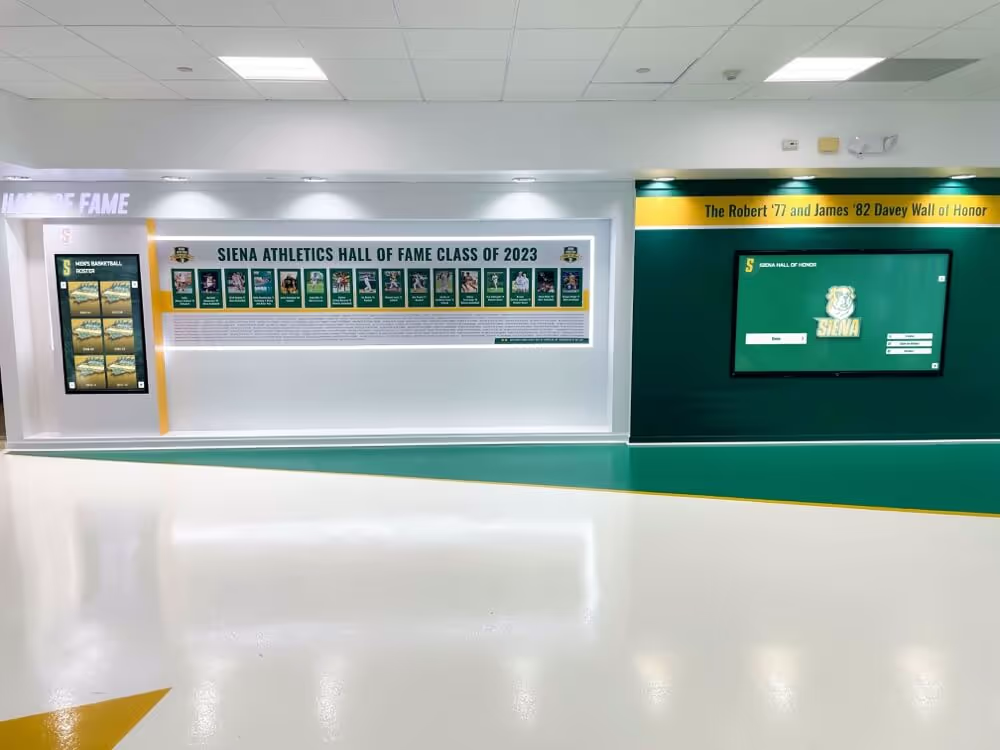
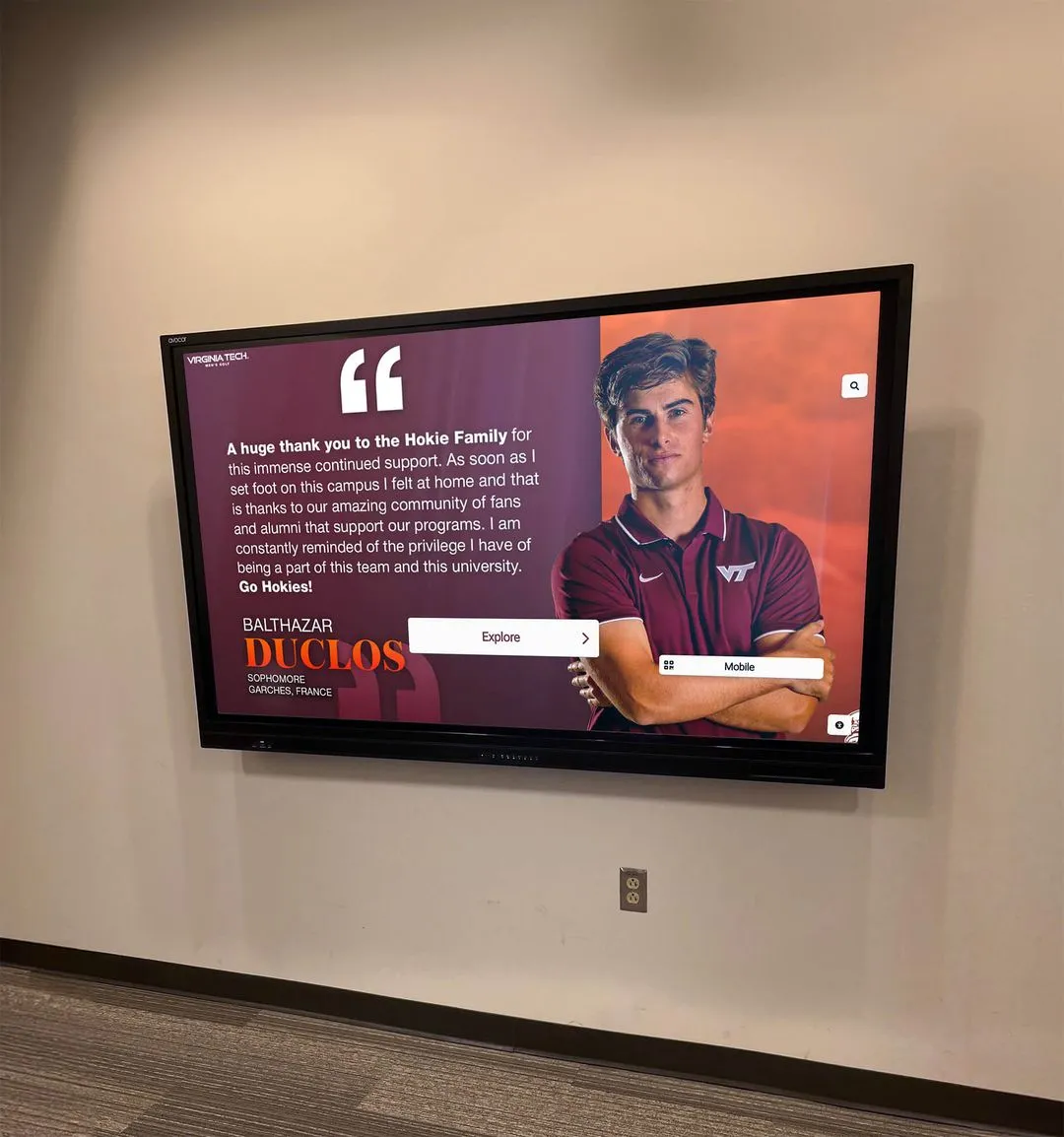
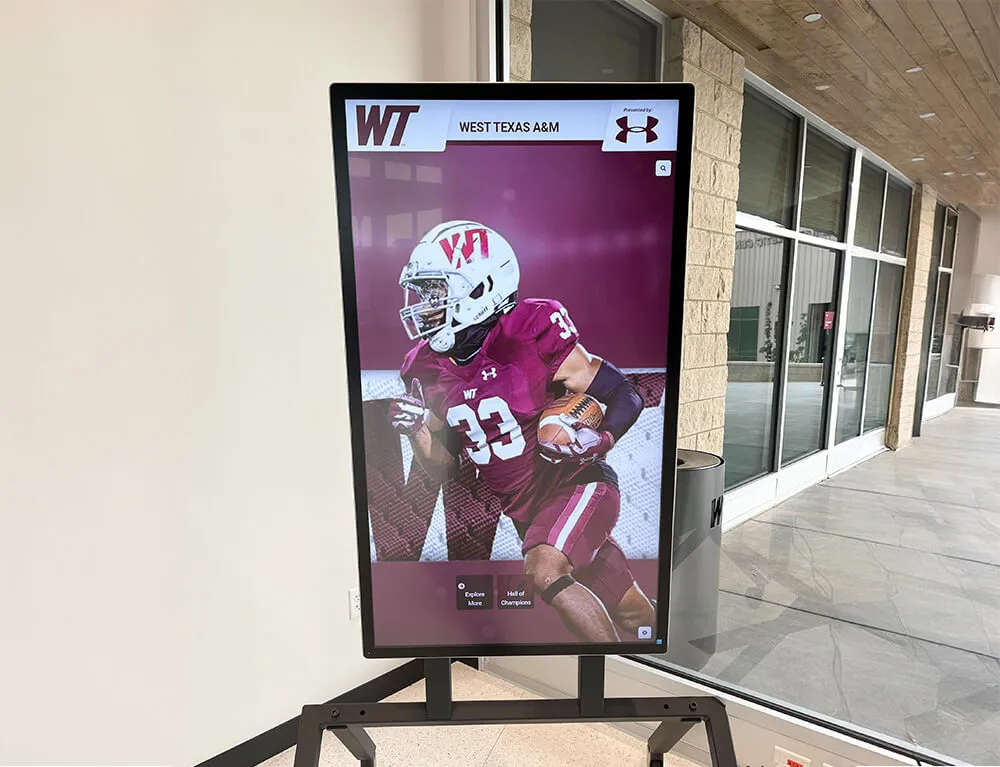
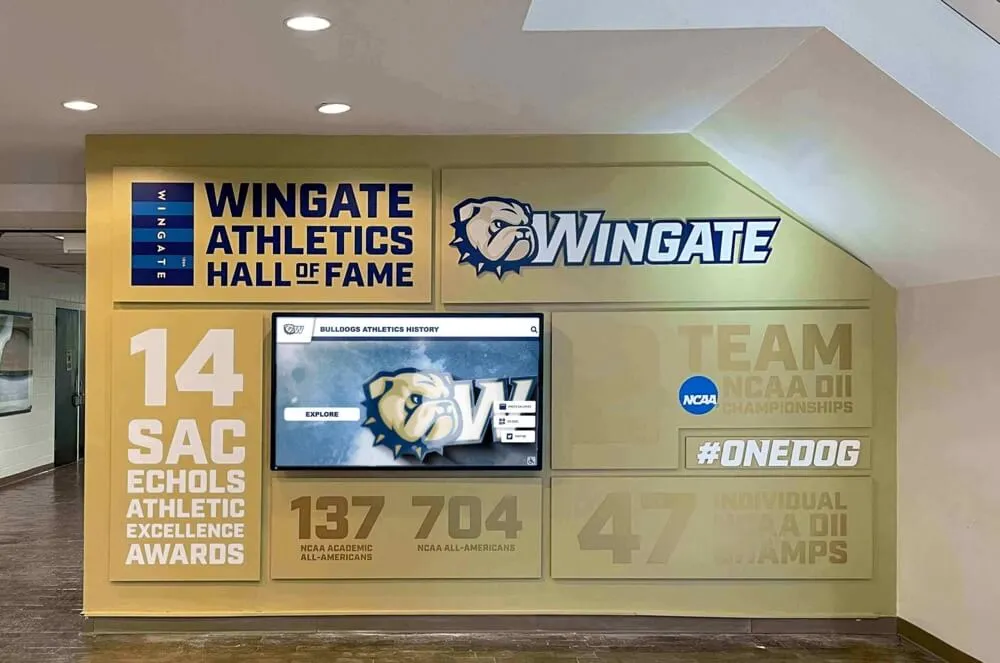
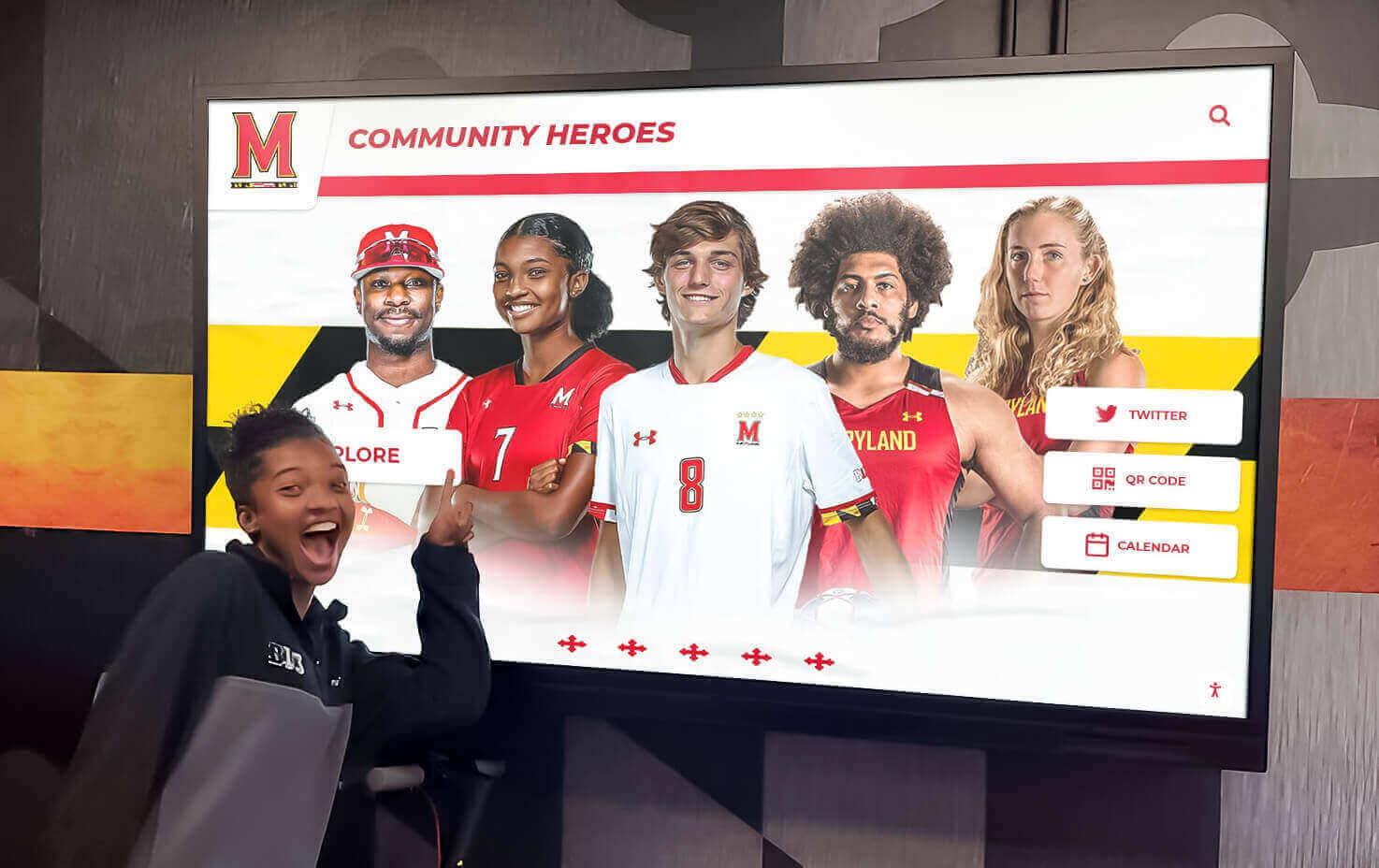
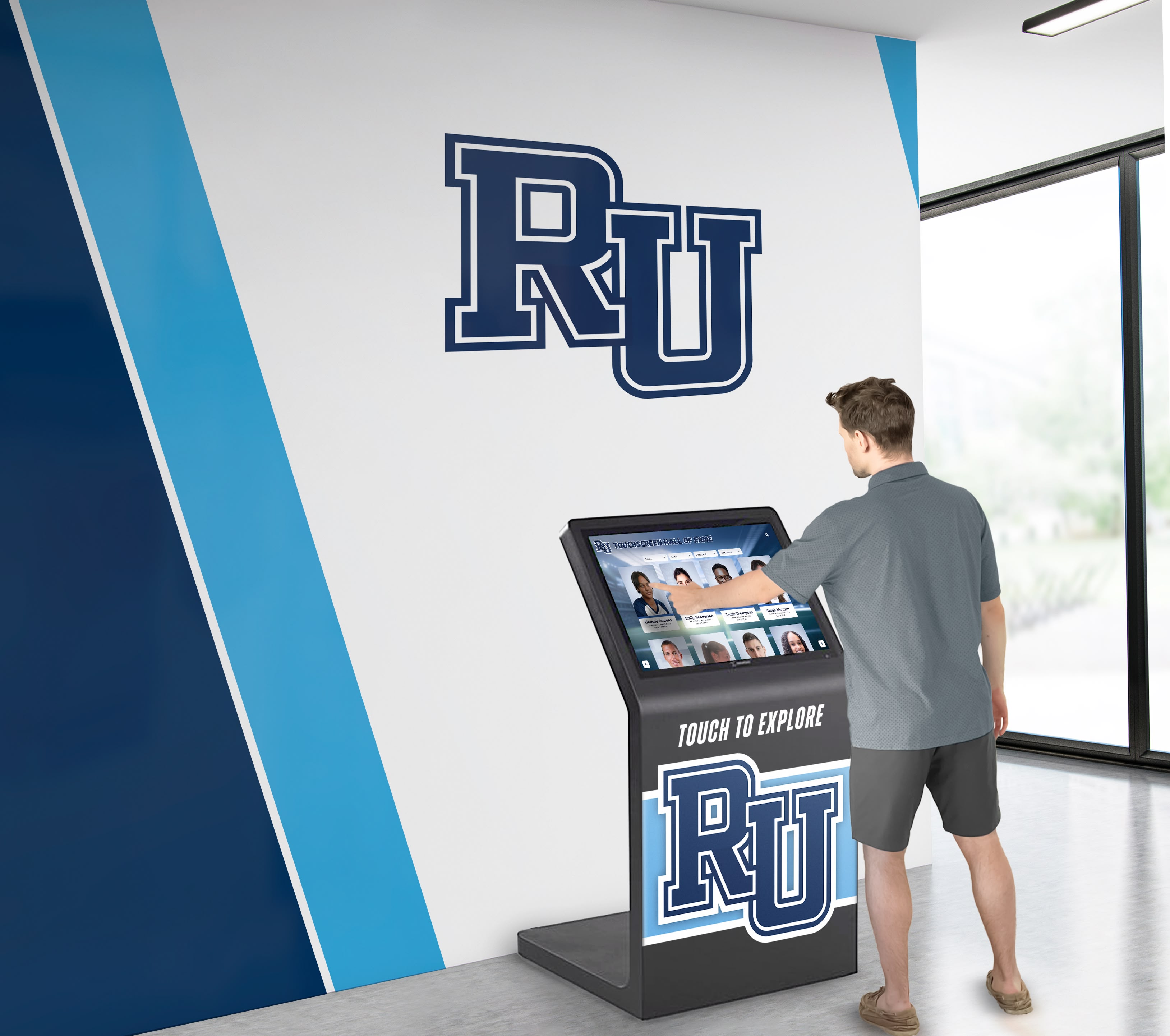
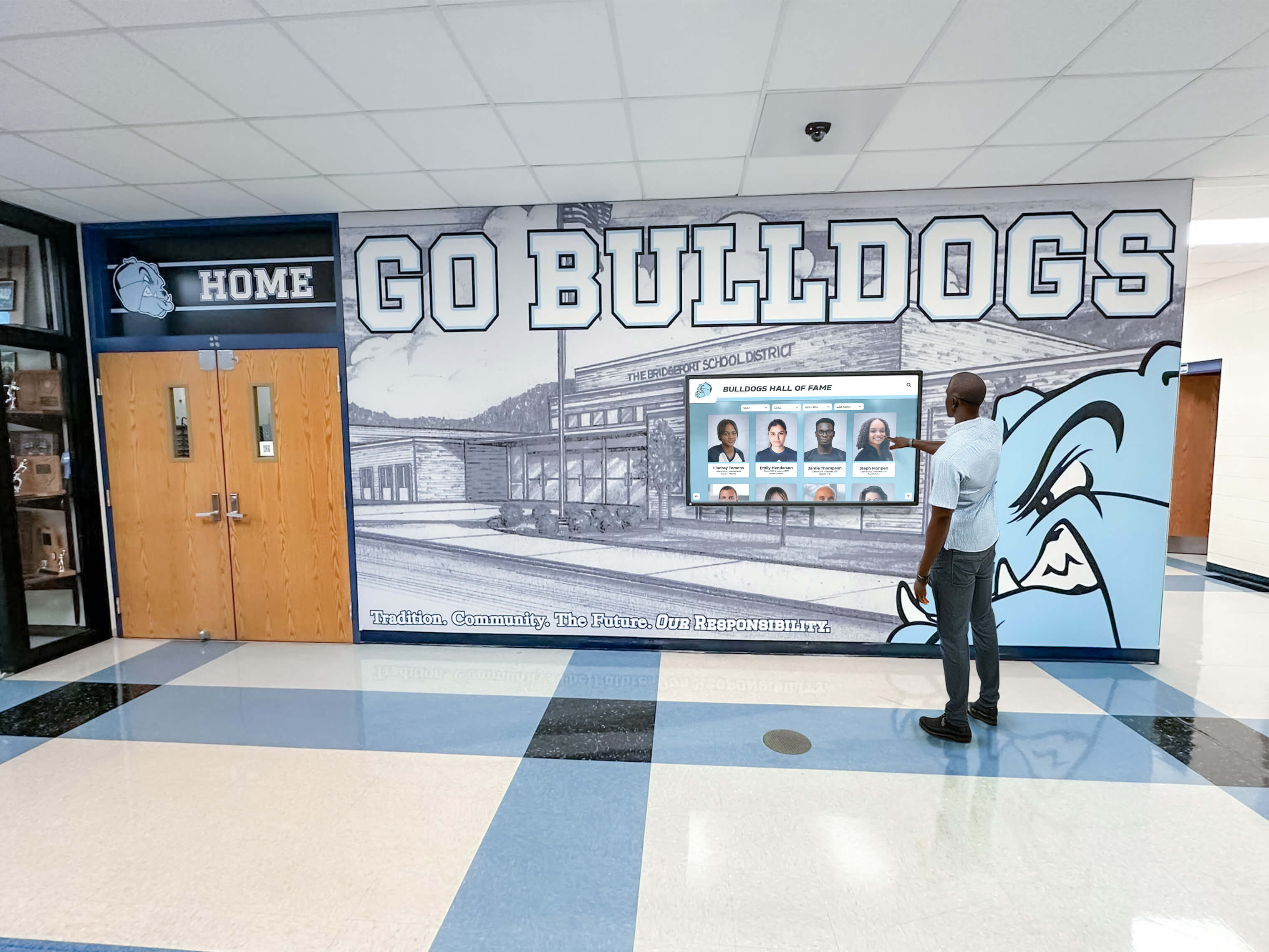
Modern Digital Solutions: Organizations increasingly adopt digital recognition displays that combine the permanence of traditional plaques with the engagement power of interactive technology. Digital platforms enable:
- Rich multimedia content including photos, videos, and detailed achievement narratives
- Easy updates adding new honorees without space constraints
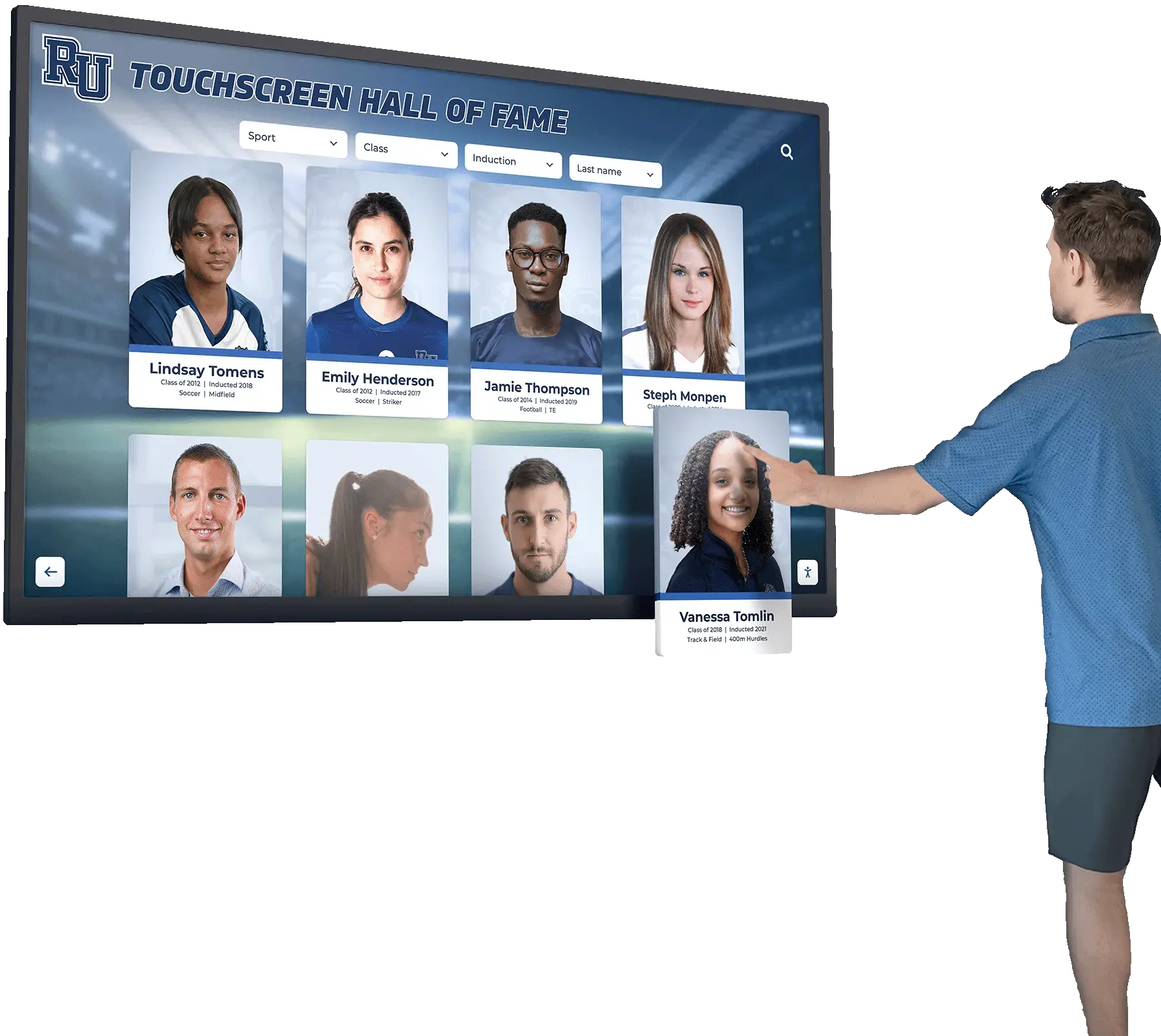
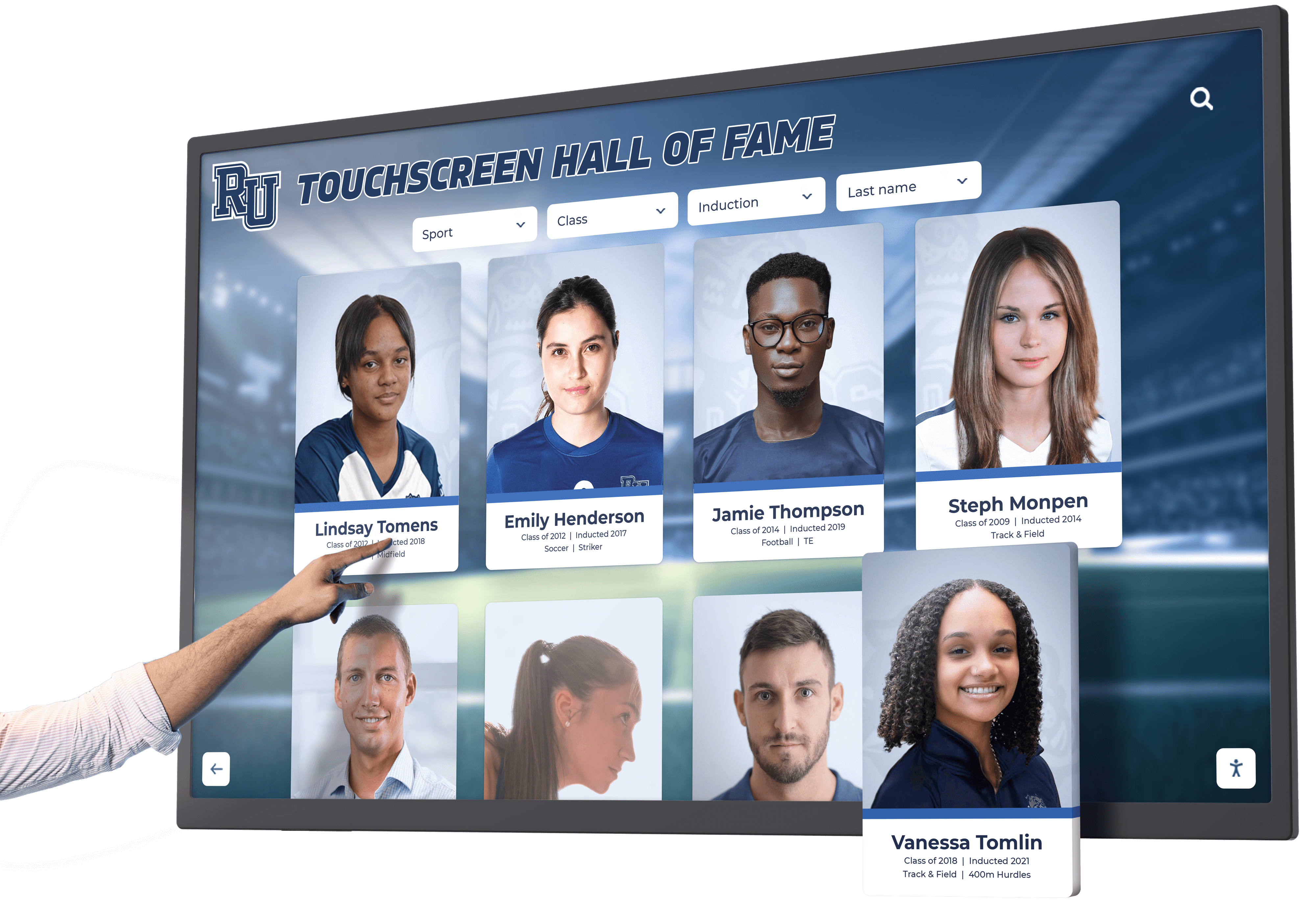
- Interactive exploration allowing visitors to search, filter, and discover honorees
- Dynamic content rotation highlighting different achievements
- Integration with websites and social media for extended reach
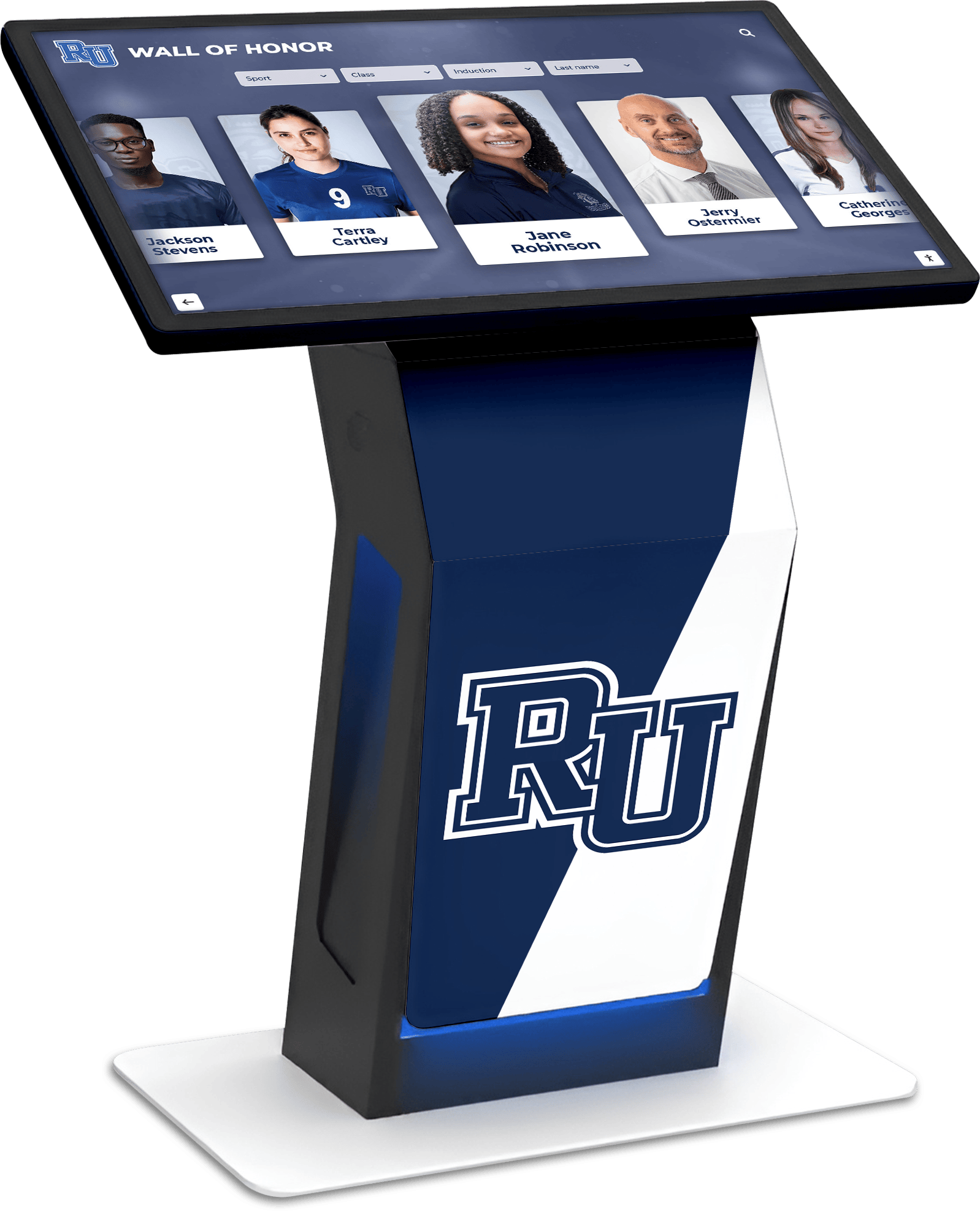
Solutions like Rocket Alumni Solutions provide schools and organizations with touchscreen recognition displays that transform static lists into engaging storytelling experiences. These digital halls of fame allow institutions to recognize unlimited honorees across multiple categories while providing visitors with intuitive ways to explore achievements that inspire them.
Digital and Social Media Recognition
Extend recognition reach beyond physical spaces through strategic digital communication.
Website Recognition:
- Dedicated recognition pages with honoree profiles
- Scrolling recognition widgets on homepage
- Searchable databases of award recipients
- Integrated photo galleries and achievement narratives
Social Media Strategies:
- Individual honoree spotlights with photos and achievement summaries
- Video features bringing honoree stories to life
- Countdown campaigns building anticipation before ceremonies
- Shareable graphics honorees can post to their own networks
- Hashtag campaigns creating community celebration
Email Communication:
- Recognition announcements to full community
- Weekly or monthly “spotlight” features highlighting individual honorees
- Links to detailed profiles and multimedia content
- Calls for nominations and applications during open periods
7. Digital Recognition Solutions for Modern Organizations
Technology has transformed what’s possible in recognition programs. Digital solutions solve longstanding challenges while creating new engagement opportunities.
Advantages of Digital Recognition Platforms
Unlimited Capacity Traditional plaques and trophy cases face space limitations that force difficult choices about who to recognize and for how long. Digital platforms eliminate these constraints, allowing institutions to recognize all deserving individuals across unlimited categories and years.
Rich Content and Storytelling Static plaques constrain recognition to names, dates, and brief descriptions. Digital platforms support comprehensive profiles including:
- High-resolution photos and videos
- Detailed achievement narratives
- Personal statements and reflections
- Career updates and where-are-they-now features
- Links to related content and media coverage
Easy Updates and Maintenance Adding honorees to traditional displays requires expensive physical modifications. Digital platforms enable instant updates through content management systems, keeping recognition current without fabrication costs or installation disruption.
Enhanced Engagement Interactive touchscreens invite exploration in ways static displays cannot match. Visitors spend significantly more time engaging with digital recognition when they can search by name, filter by achievement type, watch videos, and discover connections to their own experiences.
Data and Analytics Digital platforms provide insights into how recognition content is used—which honorees visitors explore, how long they engage, what features they use, and how recognition displays affect broader institutional metrics.
Implementation Considerations
Hardware Selection
- Screen size and placement for intended traffic patterns
- Touchscreen vs. non-interactive displays based on use cases
- Durability for public spaces with heavy use
- ADA accessibility for users with different abilities
- Integration with existing technology infrastructure
Software and Content Management
- Intuitive content management systems for easy updates
- Template-based profile creation for consistency
- Media management and optimization
- Search and filtering capabilities
- Mobile responsiveness for complementary web access
Content Strategy
- Profile templates ensuring consistent honoree coverage
- Photo and video quality standards
- Narrative length guidelines balancing depth with readability
- Update schedules for keeping content current
- Historical content digitization plans
Organizations exploring digital wall displays benefit from understanding the full range of implementation options and best practices for maximizing engagement.
8. Measuring Recognition Program Effectiveness
Effective programs require ongoing evaluation and refinement based on evidence rather than assumptions. Measuring impact enables continuous improvement and demonstrates value to stakeholders.
Quantitative Metrics
Participation and Reach
- Number of individuals recognized annually
- Diversity of honorees across demographics
- Distribution across award categories
- Percentage of community represented over multi-year periods
Engagement Metrics
- Ceremony and event attendance
- Digital display interaction rates and duration
- Website recognition page traffic
- Social media engagement (likes, shares, comments)
Behavioral Indicators
- Application and nomination volumes
- Retention of previously recognized individuals
- Academic performance trends in recognition categories
- Participation rates in recognized activities
Qualitative Indicators
Perception and Culture
- Community surveys about recognition program awareness and value
- Honoree feedback about recognition experience and impact
- Faculty and staff observations about cultural changes
- Alumni perspectives on program evolution
Story and Impact Evidence
- Testimonials from honorees about recognition meaning
- Examples of recognition influencing decisions or behavior
- Instances of recognition building connections or community
- Media coverage and external visibility generated
Assessment Methods
Annual Program Reviews Conduct comprehensive annual evaluations examining:
- Achievement of program objectives
- Diversity and accessibility of recognition
- Process efficiency and sustainability
- Stakeholder satisfaction
- Comparative analysis across years
Stakeholder Feedback Loops Regularly gather input from:
- Recent honorees about their experience
- Selection committee members about process effectiveness
- Community members about program visibility and value
- Administrators about resource requirements and impact
Benchmarking and Comparison Compare your programs to:
- Peer institutions and similar organizations
- Industry best practices and research
- Your own historical performance
- Award criteria standards from professional associations
9. Sustaining Recognition Programs Long-Term
Many recognition programs start strong but gradually deteriorate as founding champions move on, budgets tighten, or priorities shift. Building sustainability into program design ensures lasting impact.
Institutional Integration
Formal Policies and Procedures Document recognition programs in official handbooks, policy manuals, and operational procedures. This elevates programs from individual initiatives to institutional commitments that transcend personnel changes.
Budget Line Items Establish dedicated budget allocations for recognition programs rather than funding through discretionary funds or annual requests. This signals institutional commitment and ensures predictable resources.
Calendar Integration Embed recognition deadlines, selection processes, and ceremonies into institutional calendars and operational rhythms. When recognition becomes routine rather than extra, sustainability improves dramatically.
Distributed Leadership
Recognition Committees Create standing committees with rotating membership responsible for program oversight and execution. This distributes workload, builds broader ownership, and creates succession pipelines.
Role Documentation Clearly document responsibilities, timelines, and procedures for each role in recognition processes. This enables smooth transitions when individuals change positions.
Cross-Training Ensure multiple people understand critical processes rather than concentrating knowledge with single individuals. This prevents programs from collapsing when key people leave.
Technology and Systems
Automated Processes Leverage technology to reduce manual effort in:
- Nomination collection and tracking
- Communication and reminders
- Record-keeping and historical documentation
- Report generation and analysis
Centralized Information Management Maintain comprehensive databases tracking:
- Historical honorees across all categories
- Selection criteria and process documentation
- Photos, media, and biographical information
- Program evolution and decision rationale
Community Building
Alumni and Former Honoree Engagement Involve past recipients in program stewardship through:
- Selection committee participation
- Mentoring current students or members
- Ceremony participation and speaking
- Fundraising or resource support
Stakeholder Communication Regularly communicate program value to:
- Leadership demonstrating impact and ROI
- Community celebrating achievements and building culture
- Prospective members showcasing excellence pathways
- External audiences building reputation and visibility
10. Common Implementation Challenges and Solutions
Even well-designed recognition programs encounter predictable challenges. Anticipating these obstacles and preparing solutions increases success probability.
Challenge: Limited Budget
Solutions:
- Start with a few high-impact categories rather than comprehensive programs requiring unsustainable resources
- Leverage low-cost digital platforms and social media for visibility
- Seek sponsorships from alumni, parents, or community partners
- Integrate recognition into existing events rather than creating separate ceremonies
- Use digital displays that eliminate ongoing plaque fabrication costs
Challenge: Administrative Burden
Solutions:
- Simplify categories and criteria to reduce evaluation complexity
- Automate nomination and tracking through online forms and databases
- Establish clear ownership for each program component
- Create templates and procedures reducing decision-making overhead
- Consider biennial rather than annual programs for resource-intensive categories
Challenge: Perceived Favoritism or Unfairness
Solutions:
- Document and publish explicit selection criteria before cycles begin
- Use diverse selection committees representing community perspectives
- Implement blind review processes when appropriate
- Create multiple recognition pathways reducing zero-sum competition
- Communicate decisions with clear rationale tied to published criteria
- Establish formal appeal or reconsideration processes
Challenge: Lack of Engagement or Interest
Solutions:
- Survey stakeholders about valued achievement types and preferred recognition forms
- Increase visibility through strategic communication and prominent displays
- Showcase honoree stories emphasizing recognition meaning and impact
- Involve honorees in program promotion and recruitment
- Connect recognition to valued outcomes (college admissions, scholarships, career opportunities)
Challenge: Maintaining Consistency Over Time
Solutions:
- Document programs comprehensively in policy manuals and procedures guides
- Create checklists and timelines for annual execution
- Build recognition into institutional calendars and rhythms
- Establish standing committees with rotating membership
- Conduct annual reviews identifying needed adjustments
For institutions managing recognition across multiple facilities or departments, digital signage screens offer flexible solutions for maintaining consistent recognition while accommodating different contexts.
Building Recognition Programs That Transform Culture
Effective recognition programs represent one of the most powerful tools organizations possess for shaping culture, motivating excellence, and building communities united by shared values and celebrated achievements. Yet these programs require thoughtful design, consistent execution, sustained resources, and ongoing refinement based on evidence and feedback.
The organizations that excel at recognition share common characteristics: they align award categories with genuine institutional values, create accessible pathways for diverse individuals to achieve recognition, invest in making recognition visible and memorable, and build sustainability mechanisms ensuring programs endure despite changing personnel and priorities.
Whether you’re launching new recognition initiatives or refining existing programs, the principles and practices outlined in this guide provide a roadmap for creating systems that genuinely motivate people, strengthen culture, and honor achievement in ways that inspire excellence for generations to come.
Ready to transform how your organization recognizes achievement? Explore modern digital recognition solutions that make it easy to celebrate unlimited honorees with engaging, interactive displays that keep recognition visible and inspiring.