Every coach and athlete knows the feeling: that moment when the right song hits in the locker room and the entire team’s energy shifts. Shoulders straighten, eyes focus, conversations quiet as lyrics about overcoming obstacles and refusing to quit fill the space. This isn’t coincidence or superstition—it’s neuroscience meeting sports psychology, creating tangible performance advantages through carefully selected music.
Research consistently demonstrates that pre-competition music influences athletic performance across multiple dimensions. Studies show that high-tempo music increases physical arousal and readiness, specific songs trigger positive emotional states through conditioned associations, team-shared musical experiences strengthen group cohesion and identity, and rhythm synchronization through shared music creates unconscious coordination that carries into competition. Schools and programs that take game day music seriously—curating playlists thoughtfully rather than playing random popular tracks—create competitive advantages while building traditions that athletes remember long after graduation.
The evolution of game day music reflects broader changes in athletic culture. Where previous generations might have gathered in silence or listened to whatever happened to be on the radio, today’s student athletes experience carefully choreographed musical environments from warm-up through entrance. Modern athletic facilities feature sophisticated sound systems, teams collaborate on playlist creation through shared streaming platforms, and entrance music has become as much part of game day identity as uniforms and mascots.
Understanding the Psychology of Pump Up Songs
Before diving into specific track recommendations, understanding why certain songs energize athletes while others fall flat helps teams curate truly effective playlists rather than simply copying what’s popular.
How Music Influences Athletic Performance
Music impacts athletic performance through multiple mechanisms, each contributing to optimal competitive readiness.
Physiological Arousal and Heart Rate Regulation: High-tempo music with strong beats naturally increases heart rate, preparing cardiovascular systems for intense physical activity. This physiological priming means athletes’ bodies reach optimal performance states faster when competition begins. The key is matching musical tempo to desired arousal levels—high-intensity sports like football and basketball benefit from faster tempos (140-180 BPM), while sports requiring precision and control may need moderate tempos avoiding over-arousal.
Psychological Association and Anchoring: When teams consistently use specific songs during successful performances, these tracks become psychological anchors triggering positive mental states. Athletes who hear their team’s signature pump up song unconsciously recall previous victories and peak performances associated with that music, creating confidence and positive expectation. This anchoring effect explains why teams often stick with the same entrance music season after season—the familiarity itself provides psychological advantage.
Distraction from Pre-Competition Anxiety: Focusing attention on music diverts mental resources away from anxiety-producing thoughts about competition pressure, potential failure, or opponent strength. Instead of dwelling on nerves, athletes singing along to familiar pump up songs redirect mental energy toward positive, energizing experiences. This distraction effect proves particularly valuable for younger or less experienced athletes who haven’t yet developed sophisticated mental preparation techniques.
Team Cohesion and Shared Identity: When entire teams share musical preferences and participate together in pre-game musical rituals, these experiences strengthen group bonds and collective identity. Singing lyrics together, moving to the same rhythms, and sharing emotional peaks created by powerful songs all reinforce the sense that “we’re in this together”—the foundation of effective team chemistry.
Characteristics of Effective Pump Up Songs
Not all energetic music works equally well for athletic preparation. The most effective pump up songs share specific characteristics that maximize their motivational impact.
Driving Beat and High Tempo: Effective pump up songs typically feature strong, consistent rhythmic foundations with tempos above 120 BPM. The beat provides structure that unconsciously organizes team energy, while higher tempos naturally elevate physiological arousal to match competitive intensity requirements.
Empowering, Confident Lyrics: The best pump up songs feature lyrics emphasizing themes of strength, perseverance, overcoming obstacles, refusing to surrender, and ultimate triumph. Lyrics work best when teams can relate them to their competitive situations—facing tough opponents, bouncing back from defeats, or pursuing championships. Avoid songs with themes of vulnerability, loss, or defeat regardless of musical energy, as these subliminal messages undermine rather than support competitive confidence.
Memorable Hooks and Sing-Along Potential: Songs with powerful, easily remembered choruses that entire teams can shout together create shared emotional experiences far more impactful than passive listening. The act of singing together—particularly bellowing emphatic choruses—produces vocal and physical expressions of confidence that reinforce competitive mindsets.
Appropriate Cultural Fit: Effective pump up songs must match team personality and values. A song that energizes one team might feel inauthentic or uncomfortable for another with different cultural background or personality. The best approach involves collaborative playlist creation where team members contribute suggestions, ensuring final selections resonate genuinely with the specific athletes who’ll use them.
The Ultimate Game Day Pump Up Songs Playlist
This comprehensive playlist organizes pump up songs by category and intensity level, allowing teams to construct customized game day sequences matching their specific pre-competition routines and timing.
Classic Hip-Hop and Rap Pump Up Songs
Hip-hop has dominated game day playlists for decades thanks to confident vocal delivery, driving beats, and lyrics emphasizing strength and triumph over adversity.
Top Hip-Hop Pump Up Tracks:
“Till I Collapse” by Eminem ft. Nate Dogg: Perhaps the most iconic workout and pump up song ever created, featuring relentless energy, themes of refusing to quit, and a driving beat perfect for high-intensity preparation.
“Lose Yourself” by Eminem: The ultimate opportunity-seizing anthem, encouraging athletes to make the most of their moment without letting pressure create hesitation or fear.
“Can’t Hold Us” by Macklemore & Ryan Lewis: Explosive energy building from moderate beginning to intense climax, perfect for escalating pre-game intensity.
“All I Do Is Win” by DJ Khaled ft. various artists: Simple, repetitive affirmation of winning mentality with infectious beat that gets entire teams singing along.
“HUMBLE.” by Kendrick Lamar: Confident swagger balanced with recognition that success requires putting in work, not just talking about it.
“Power” by Kanye West: Massive, stadium-sized production with themes of strength and dominance, frequently used for team entrances.
“Remember the Name” by Fort Minor: Literally designed as sports anthem, breaking down the elements of success—skill, concentration, and will—over pounding rhythm.
“Started from the Bottom” by Drake: Overcoming-adversity narrative perfect for underdog teams or bouncing back from defeats.
“Going Bad” by Meek Mill ft. Drake: Aggressive confidence and competitive edge without crossing into inappropriate territory for school settings.
“Jumpman” by Drake & Future: Pure hype energy with basketball-specific references making it particularly popular among hoops programs.
Rock and Alternative Pump Up Songs
Rock music’s guitar-driven power and anthemic choruses create different energy than hip-hop but prove equally effective for athletic preparation, particularly for teams whose culture aligns with rock’s aesthetic.
Essential Rock Pump Up Tracks:
“Thunderstruck” by AC/DC: Iconic guitar intro building to thunderous chorus, used by countless teams for entrances and pre-game hype.
“We Will Rock You” / “We Are the Champions” by Queen: Classic stadium anthems that generations of athletes have used to build competitive confidence.
“Eye of the Tiger” by Survivor: The quintessential sports anthem, synonymous with training montages and competitive preparation since appearing in Rocky III.
“Enter Sandman” by Metallica: Heavy, ominous energy perfect for intimidating opponents and building aggressive competitive mindset.
“Crazy Train” by Ozzy Osbourne: Driving rhythm and energetic vocals creating sustained high energy throughout the track.
“Welcome to the Jungle” by Guns N’ Roses: Aggressive, confrontational energy establishing that competition will be intense and unrelenting.
“Shoot to Thrill” by AC/DC: High-energy guitar rock with themes of fearless action, frequently used by hockey and football programs.
“Seven Nation Army” by The White Stripes: Simple, unforgettable bass line that stadiums worldwide have adopted as crowd chant, creating instant recognition and energy.
“Kernkraft 400” by Zombie Nation: Electronic-rock hybrid providing simple, repetitive energy perfect for team chants and coordinated movement.
“Till I Collapse” by Rise Against: Punk-rock intensity with lyrics about refusing to surrender regardless of odds or obstacles.
Pop and Electronic Pump Up Songs
Contemporary pop and electronic music offers accessibility and familiarity that helps entire teams—regardless of individual music preferences—unite around shared playlist.
High-Energy Pop Pump Up Tracks:
“Stronger” by Kanye West: Built around Daft Punk sample, combining electronic production with confident lyrics about emerging better from challenges.
“Can’t Stop the Feeling!” by Justin Timberlake: Pure positive energy creating joy and confidence rather than aggression, suitable for teams preferring uplifting over intimidating pre-game mindset.
“Uptown Funk” by Mark Ronson ft. Bruno Mars: Infectious groove impossible not to move to, building team energy through shared dancing and singing.
“Roar” by Katy Perry: Empowerment anthem with particular appeal for women’s teams, featuring themes of finding inner strength and refusing to be silenced.
“Hall of Fame” by The Script ft. will.i.am: Literally about athletic achievement and legacy, making it perfect for teams focused on writing their names in school record books and championship displays.
“Don’t Stop Me Now” by Queen: Unstoppable momentum and pure confidence expressed through one of rock’s most joyful tracks.
“Centuries” by Fall Out Boy: Anthemic rock-pop specifically about being remembered long after competition ends, connecting to legacy and tradition.
“Radioactive” by Imagine Dragons: Building intensity with apocalyptic imagery creating sense of momentous, epoch-defining competition.
“Believer” by Imagine Dragons: Pain-into-power narrative perfect for teams that have overcome adversity to reach competition moment.
“The Greatest” by Sia ft. Kendrick Lamar: Self-belief anthem encouraging athletes to recognize their own potential and strength.

Emerging and Contemporary Pump Up Songs
Music evolves constantly, with new tracks emerging each season that capture current teams’ energy and cultural moment. These contemporary selections resonate particularly with today’s high school and college athletes.
Current Popular Pump Up Tracks:
“SICKO MODE” by Travis Scott: Multi-part structure creating journey through different energy levels, with explosive sections perfect for peak hype moments.
“BOP” by DaBaby: Pure confidence and swagger delivered with infectious energy and minimal lyrical complexity allowing easy sing-along.
“Going Bad” by Meek Mill ft. Drake: Competitive edge and refusal to back down from challenges or doubters.
“MIDDLE CHILD” by J. Cole: Confident but thoughtful, balancing swagger with substance in ways that resonate with student athletes navigating pressure.
“Old Town Road” by Lil Nas X: Became cultural phenomenon transcending genre boundaries, offering familiar energy that entire teams recognize.
“The Box” by Roddy Ricch: Minimalist production highlighting confident vocal delivery with hypnotic rhythm.
“Blinding Lights” by The Weeknd: Retro-influenced production with driving rhythm perfect for sustained high energy.
“Savage” by Megan Thee Stallion: Confident, unapologetic energy particularly popular among women’s teams.
“WAP” by Cardi B ft. Megan Thee Stallion: While explicit version isn’t school-appropriate, clean radio edit maintains energy women’s teams embrace.
“Levitating” by Dua Lipa: Infectious disco-pop energy creating joy and confidence through irresistible groove.
Constructing the Perfect Game Day Music Sequence
Understanding individual song effectiveness matters less than knowing how to sequence tracks into coherent progressions matching pre-game preparation phases and timing.
Pre-Game Timeline and Music Intensity Mapping
Effective game day playlists don’t maintain constant maximum intensity—instead, they build strategically through phases matching typical pre-competition routines.
60-90 Minutes Before Competition: Moderate Energy Warm-Up Music (110-130 BPM)
Early pre-game preparation involves physical warm-ups, stretching, and mental preparation requiring focus rather than peak intensity. Music during this phase should elevate energy above baseline without over-arousing athletes too far before competition.
Effective early-phase selections include more moderate tempo hip-hop, groove-oriented tracks encouraging movement without aggression, and songs with positive themes beginning mental preparation without demanding full emotional investment yet. This phase establishes foundation for energy escalation that follows.
30-60 Minutes Before Competition: Building Intensity (130-150 BPM)
As competition approaches and teams transition from individual warm-up to collective preparation, music intensity increases correspondingly. This middle phase features more driving beats, louder volumes, and more emphatic lyrics. Teams typically gather in locker rooms during this period, creating shared experiences around music that strengthens collective focus.
Track selection should increase rhythmic intensity while introducing more competitive, confidence-focused lyrics. This is when classic pump up songs like “Till I Collapse” or “Thunderstruck” work perfectly—building toward peak energy without quite reaching it yet.
10-30 Minutes Before Competition: Peak Intensity (140-180+ BPM)
The final pre-game phase demands maximum energy music matched to peak psychological and physiological arousal. This is when the most intense tracks play—fastest tempos, most emphatic beats, most aggressive confident lyrics. Teams often incorporate rituals during this phase—huddles, chants, speeches—with music providing emotional fuel.
Peak intensity playlists should include the 3-5 songs that most powerfully energize specific teams through personal significance and associations with past success. Many teams identify signature songs played every game during this final window, creating powerful psychological anchors linking that music to competitive readiness.
Competition Entrance: Signature Theme Music
The moment teams take the field, court, or pool deserves dedicated entrance music—the single track most representing team identity and creating desired impression on opponents and crowds. This signature song becomes synonymous with the program, played consistently enough that alumni returning years later immediately connect it to their athletic experience.
Entrance music selection should prioritize recognition and impact over pure energy—a track unmistakably associated with your specific program, creating immediate atmosphere shift when it begins playing. Many successful programs maintain the same entrance music across multiple seasons or even decades, building tradition around these sonic signatures.
Collaborative Playlist Creation
The most effective game day playlists emerge from collaborative processes involving athletes in selection rather than coaches dictating choices from their own musical preferences.
Team Voting and Input Systems: Begin with open nomination where any team member can suggest tracks for consideration. Create shared streaming playlists where athletes add suggestions, then use practice time to play candidates and gauge reactions. Many teams use voting systems—each athlete gets specified number of votes to distribute among nominations—ensuring final playlists represent collective preferences rather than small group dominating musical culture.
Balancing Variety with Cohesion: While incorporating diverse musical tastes promotes inclusion, too much stylistic inconsistency creates disjointed experiences undermining playlist flow. Effective approaches identify common ground—perhaps the team collectively prefers hip-hop but specific subgenre preferences vary—then builds playlists within that general framework while accommodating individual suggestions that fit tonally even if stylistically different.
Seasonal Updates Maintaining Core Classics: Game day playlists benefit from both consistency and freshness. Maintain core tracks with established psychological associations and tradition, but incorporate 20-30% new selections each season to keep playlists contemporary and allow current athletes to contribute their own stamp. This balance honors tradition while preventing stagnation.
Age and Content Appropriateness: School programs must ensure playlist content meets institutional standards regarding explicit language, violent imagery, or sexual content. Most streaming services offer explicit content filtering, and many popular pump up songs have clean radio edits maintaining energy while removing inappropriate language. Establish clear guidelines about what’s acceptable, recognizing that student athletes’ personal listening may differ from what’s appropriate for school-sponsored team activities.
Integrating Game Day Music into Broader Athletic Culture
The most successful programs view pump up songs not as isolated playlist decisions but as components of comprehensive athletic culture encompassing traditions, recognition systems, and shared identity.
Creating Musical Traditions and Rituals
Consistency transforms random music selections into meaningful traditions connecting current athletes to program history and future generations.
Signature Songs Spanning Generations: When programs maintain specific entrance music or locker room anthems across multiple years, these songs become part of institutional memory. Alumni returning for reunions immediately connect to their athletic experience when hearing the same tracks they heard before games twenty years earlier. This continuity creates powerful emotional bonds linking past and present team members through shared musical experience.
Post-Victory Celebration Music: Many programs designate specific victory songs played exclusively after wins, creating powerful positive associations. These celebration anthems—often more joyful than aggressive compared to pre-game pump up songs—become reward signals triggering pride and satisfaction. Over time, merely hearing these tracks triggers memories of specific victories and championship moments.
Senior Legacy Playlists: Some programs allow senior athletes to select signature songs played during their final home competition or season, creating personalized recognition while building playlist variety. These senior selections often become associated with specific classes or eras, allowing future teams to remember great athletes through the music connected to their careers.
Connecting Music to Recognition and Display Systems
Modern schools increasingly integrate game day music traditions into broader athletic recognition programs that celebrate achievements and build program identity.
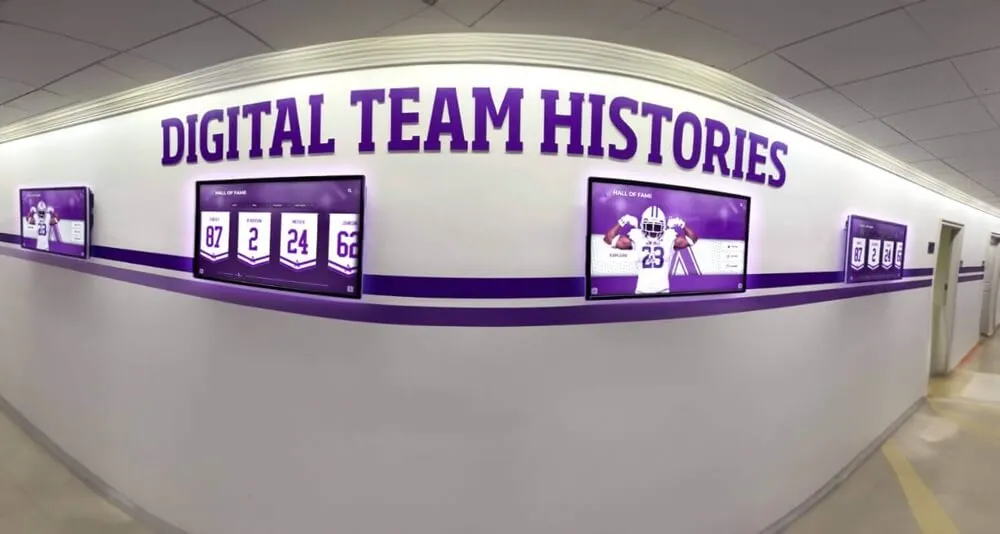
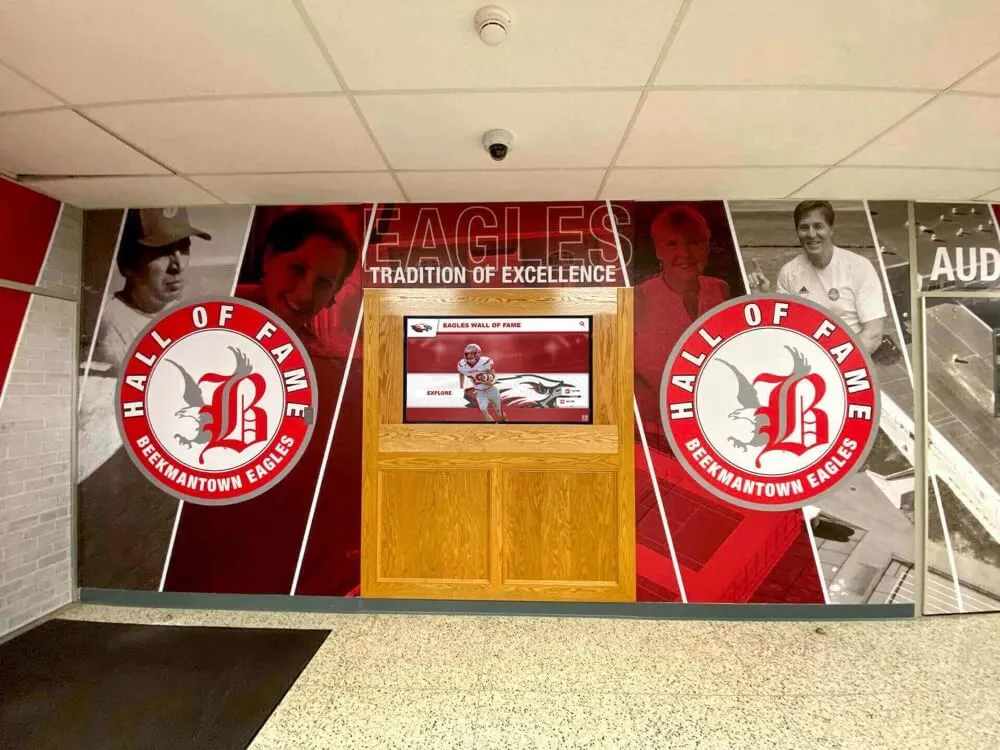
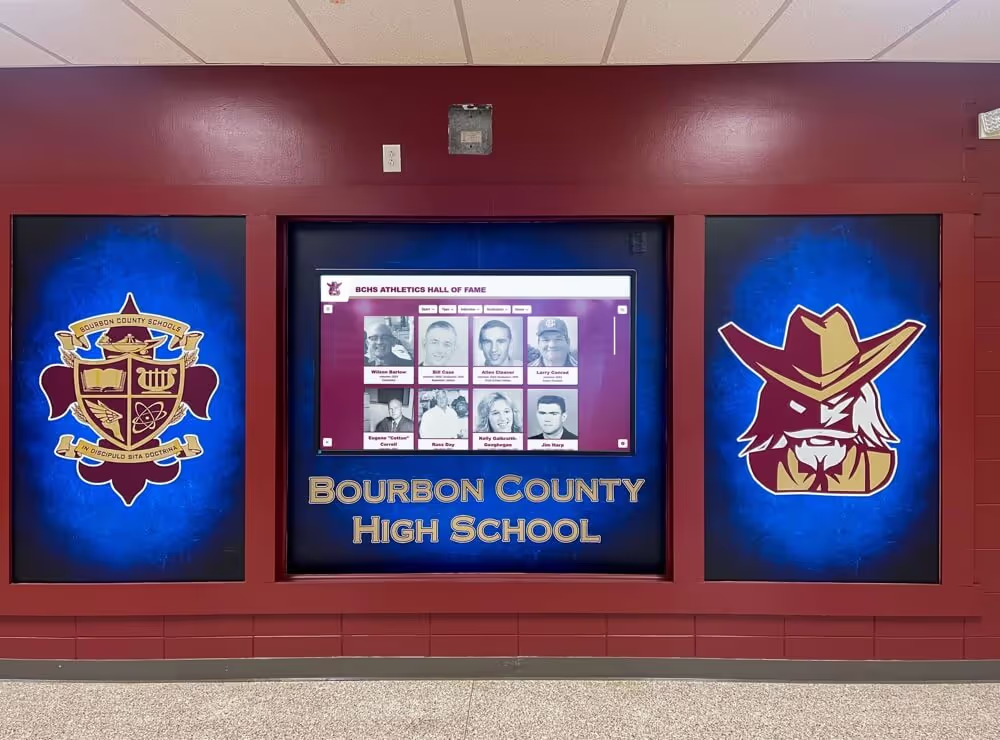
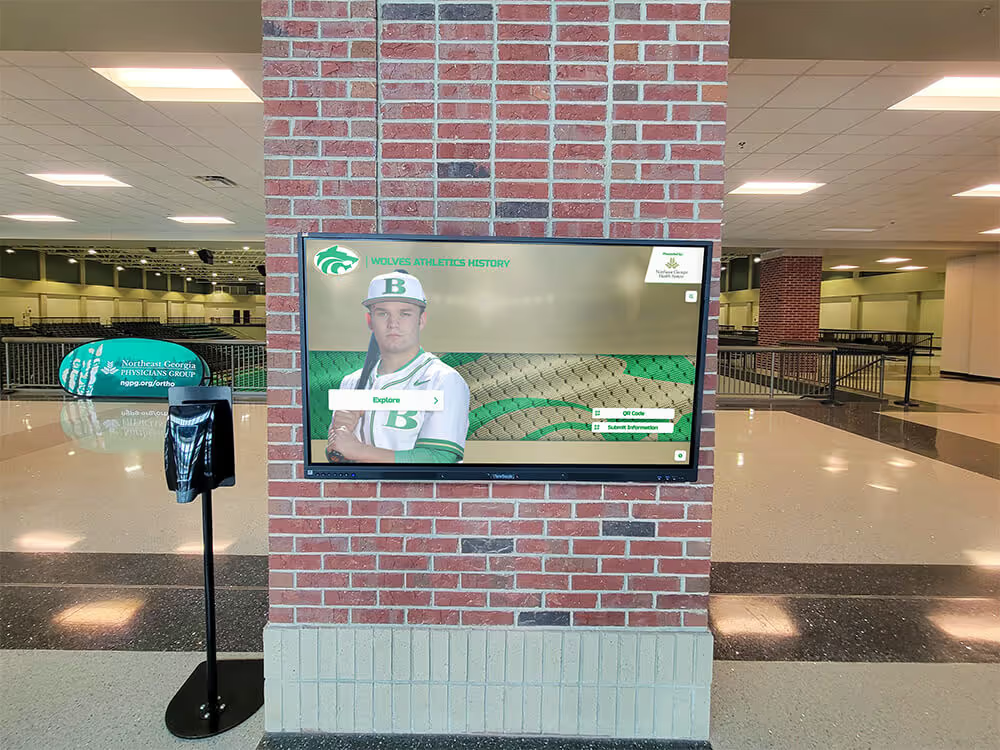
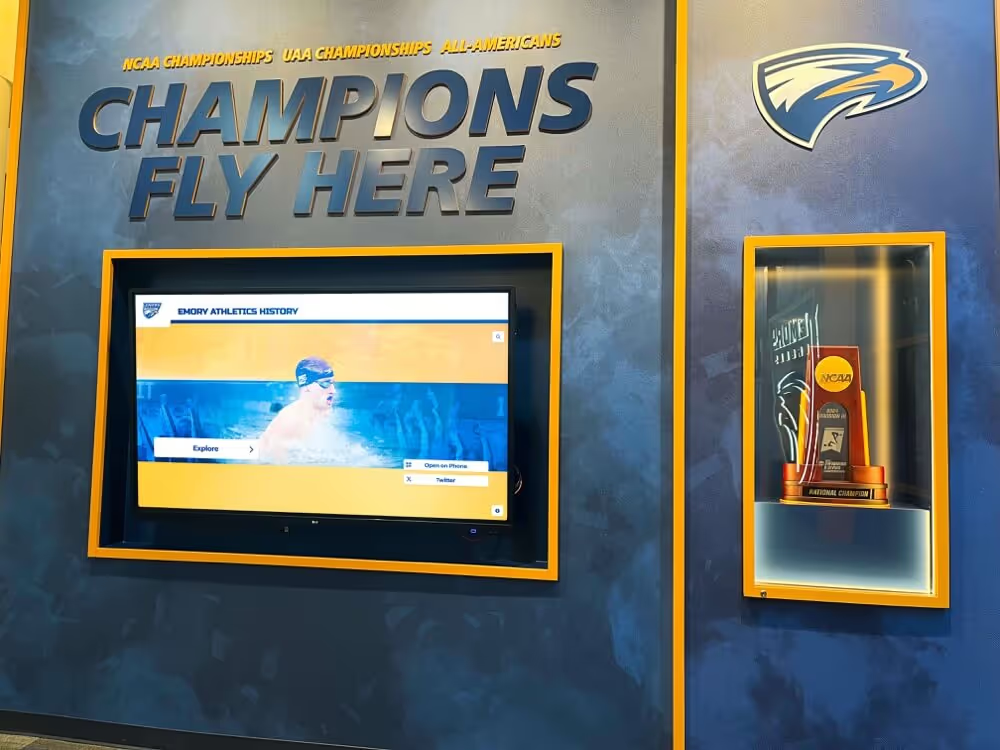
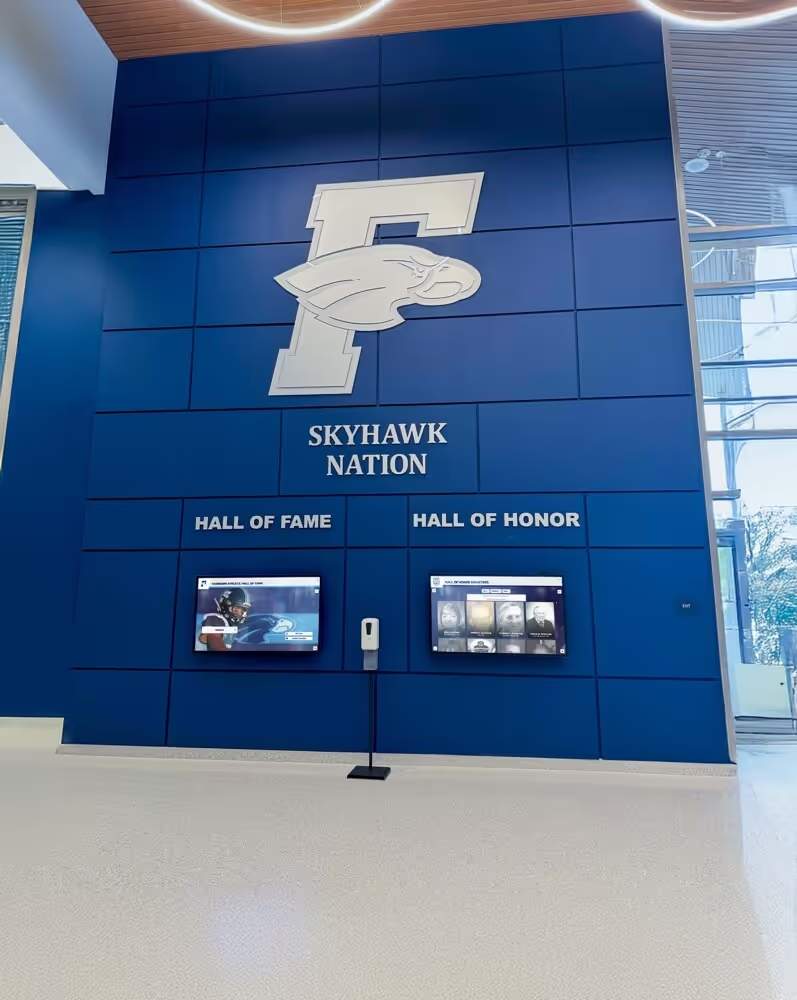
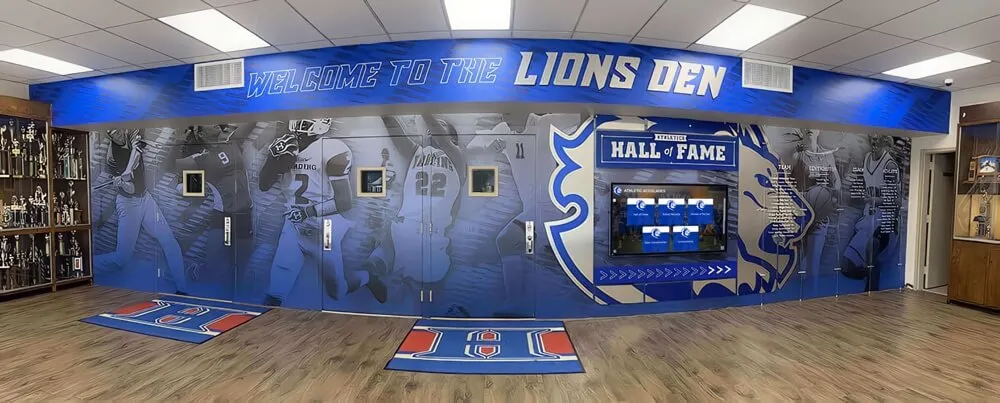
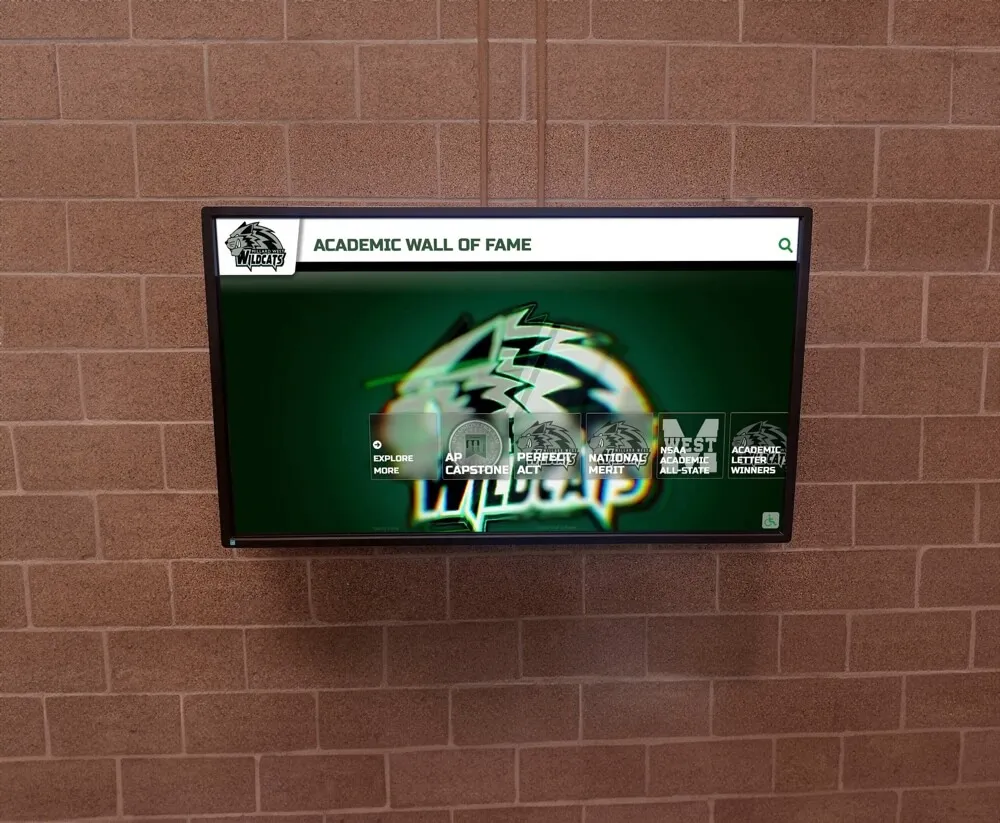
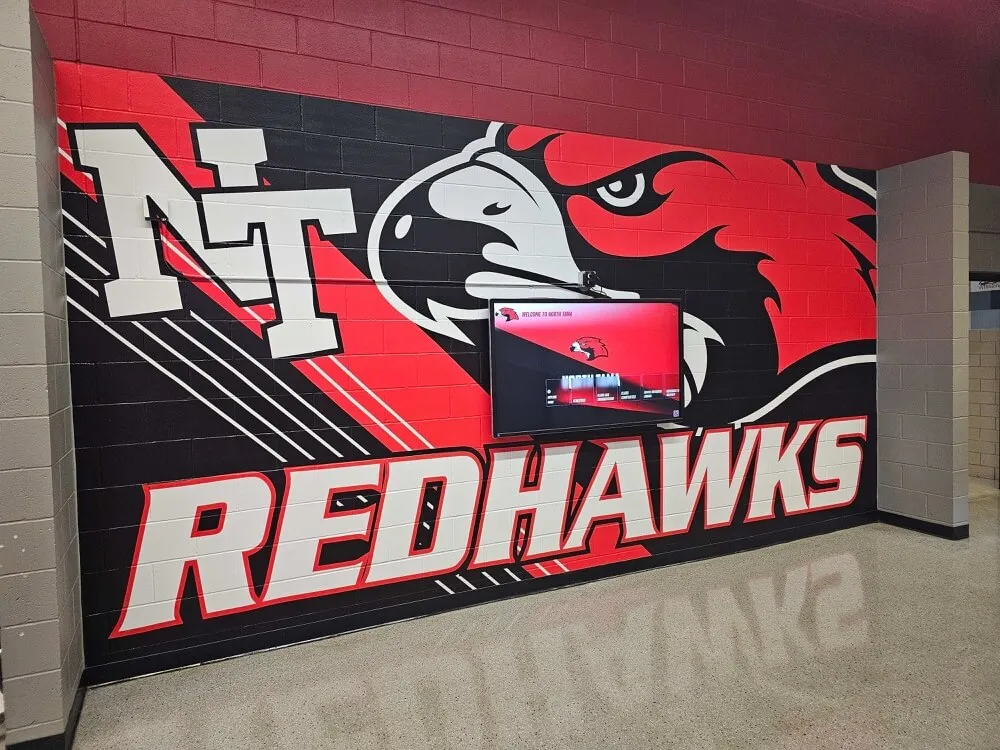
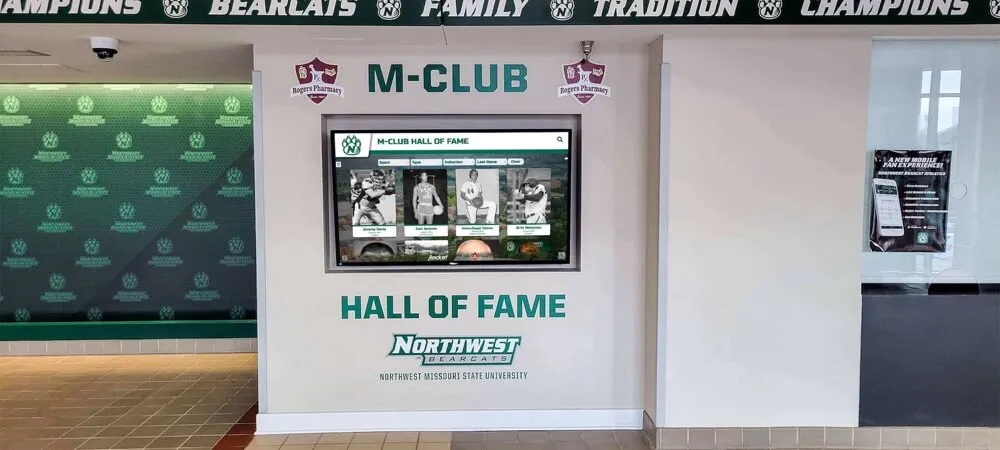
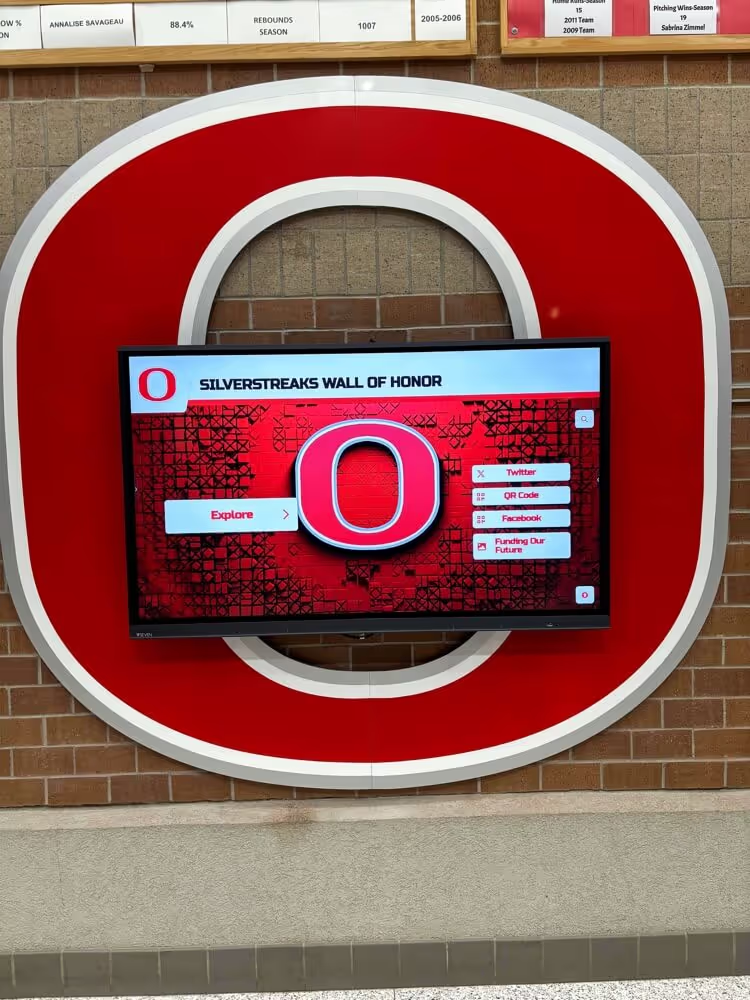
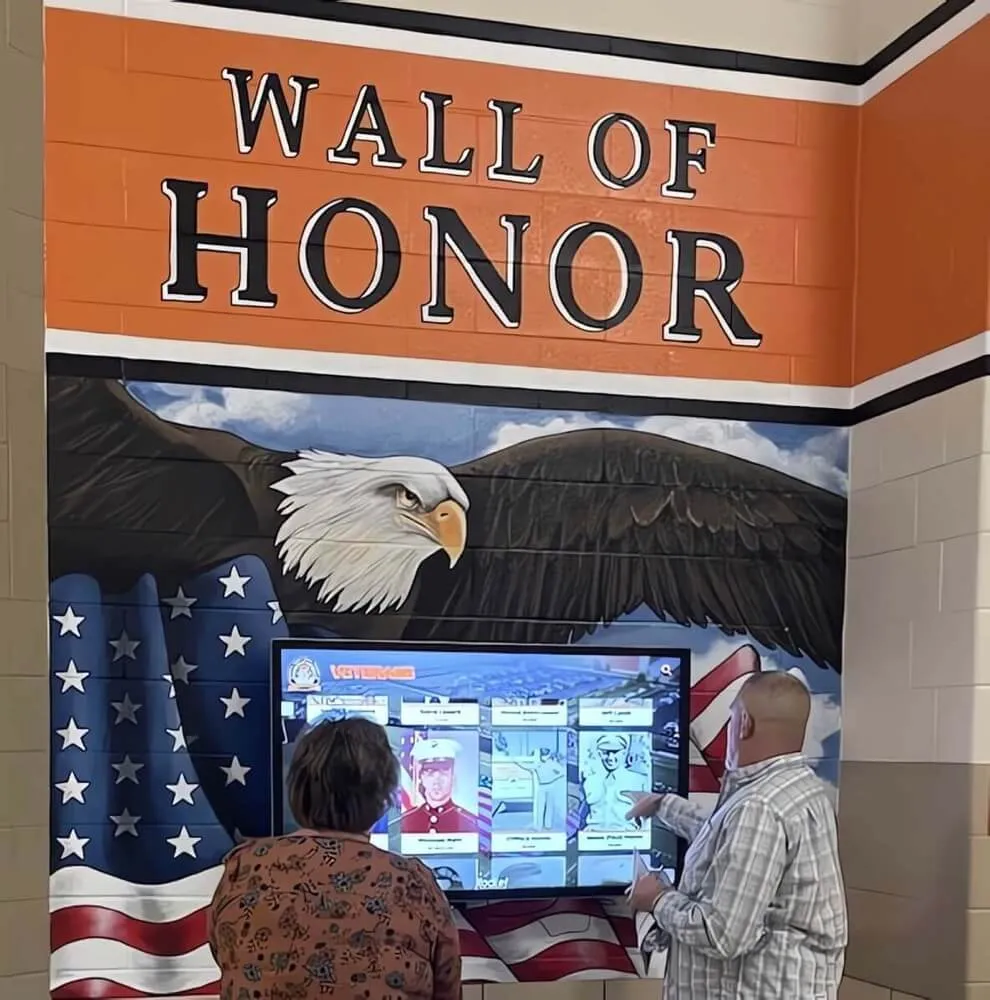
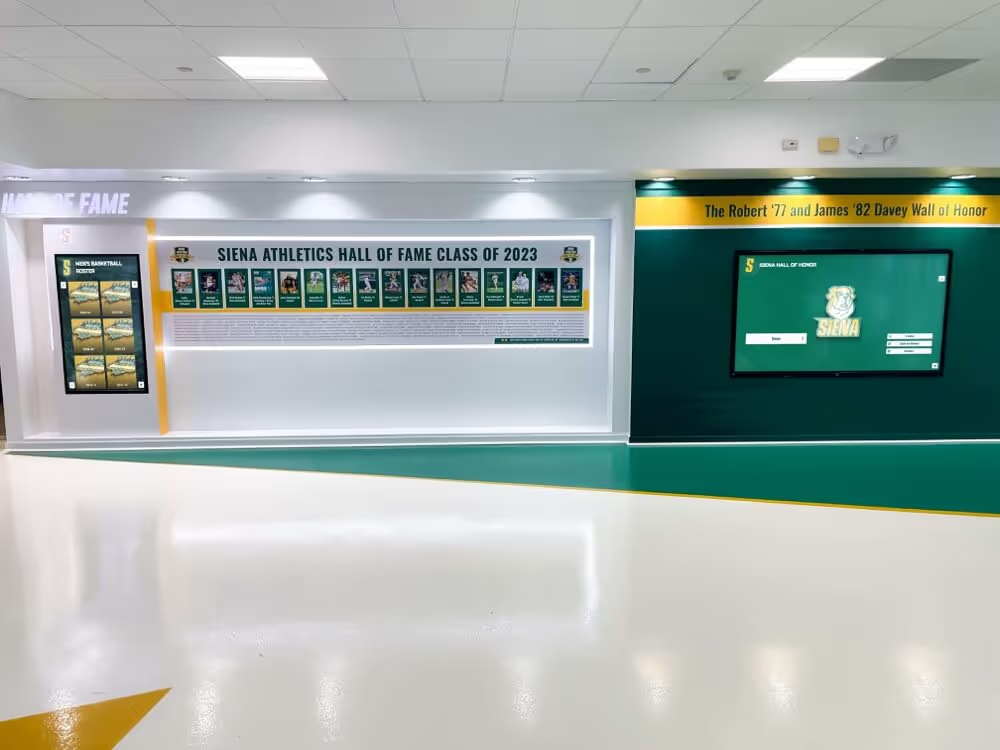
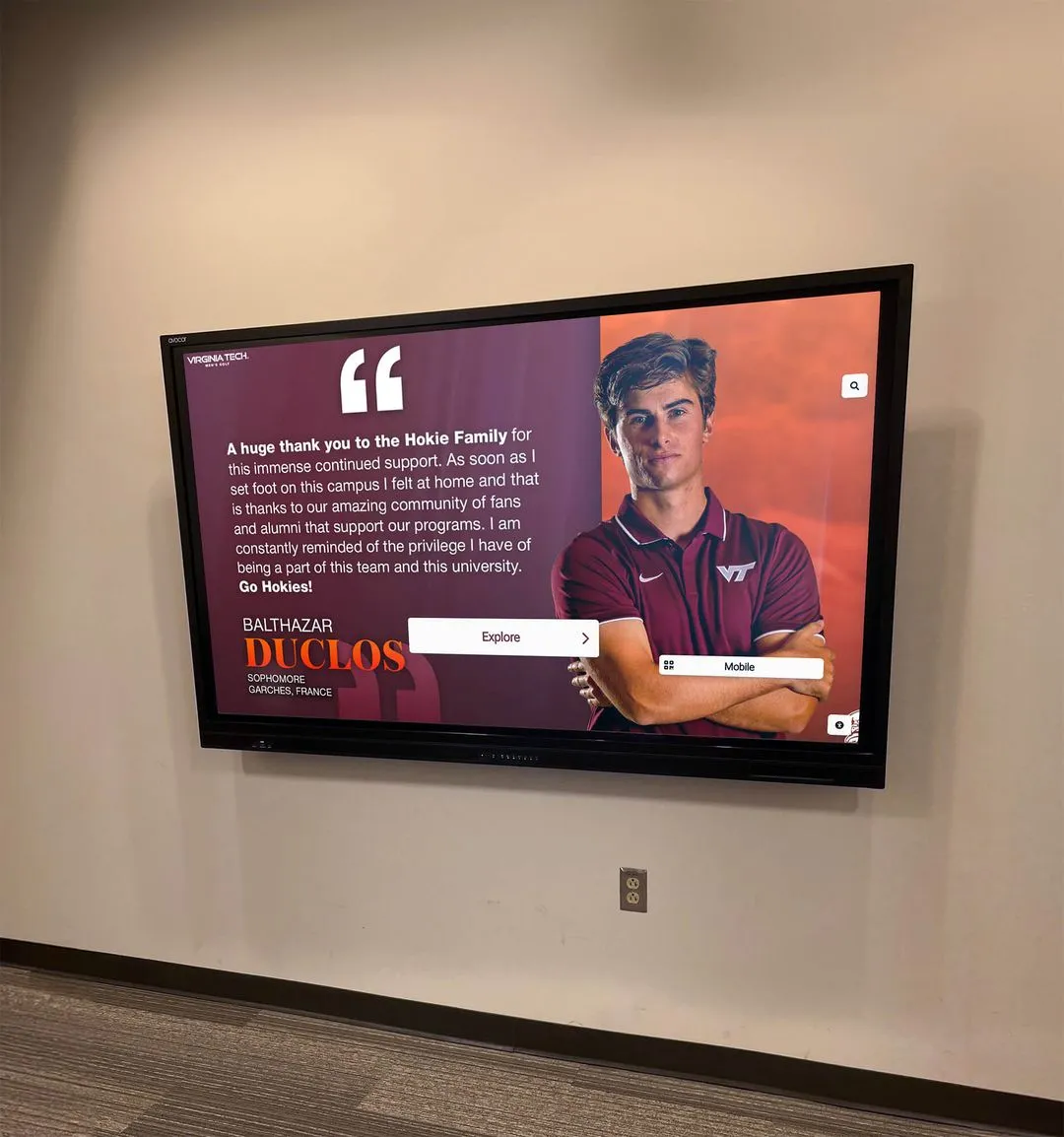
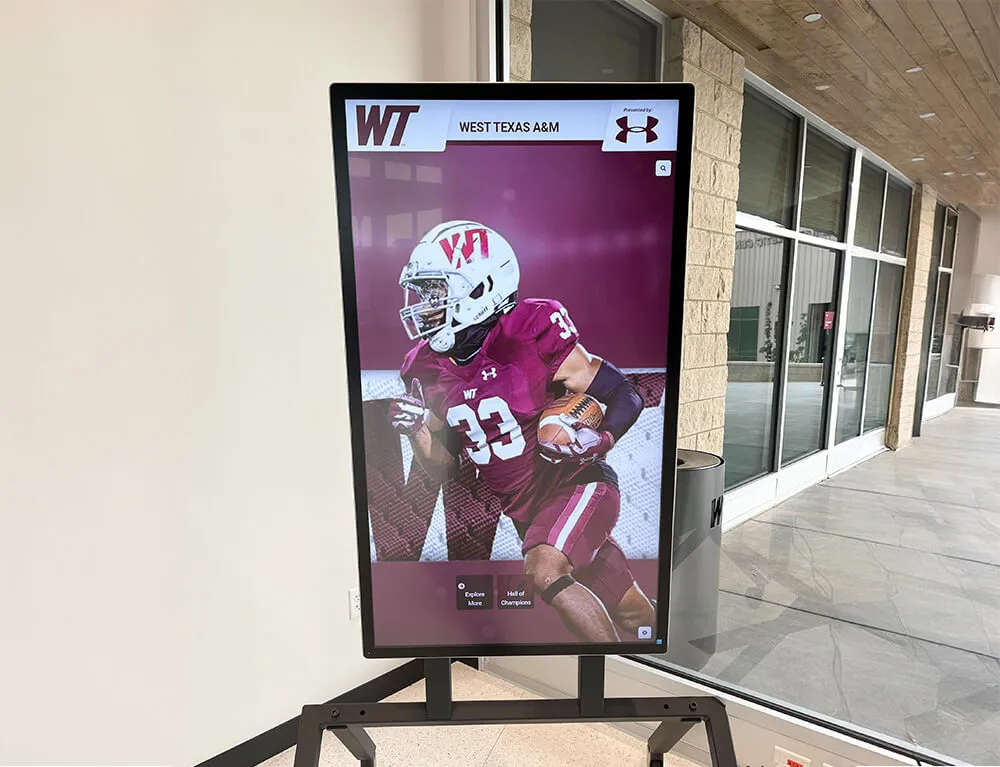
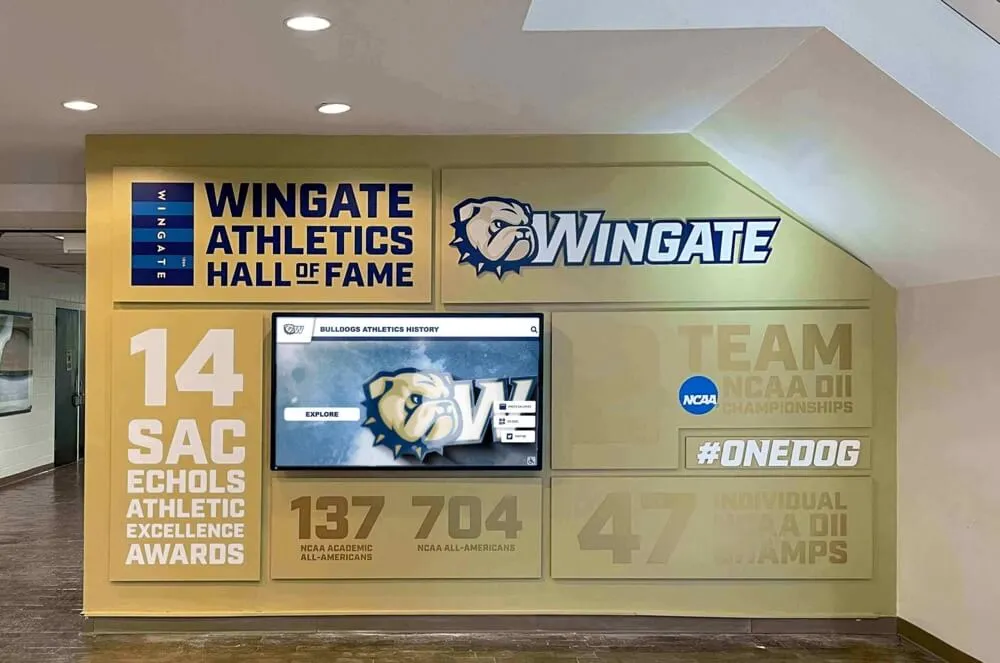
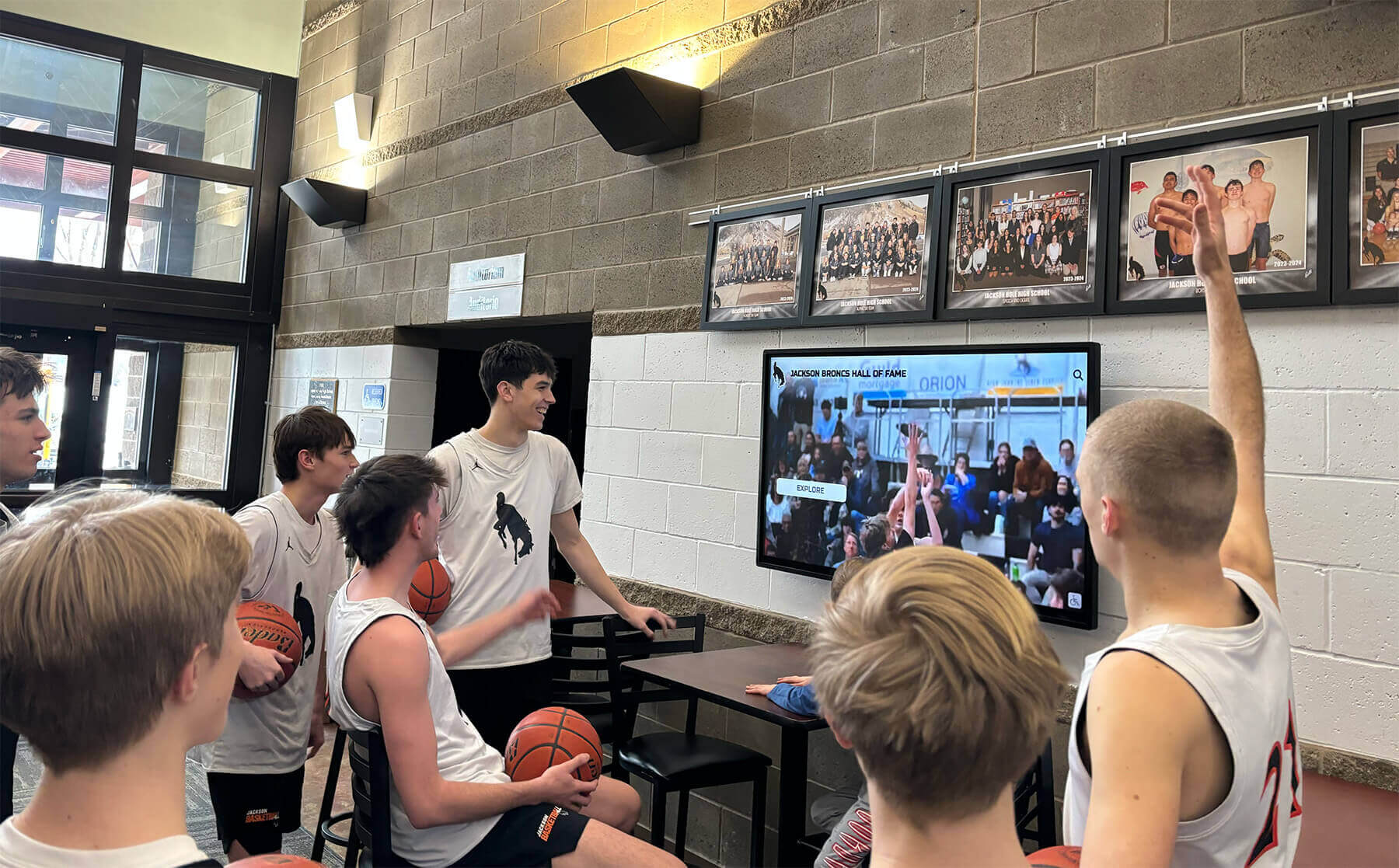
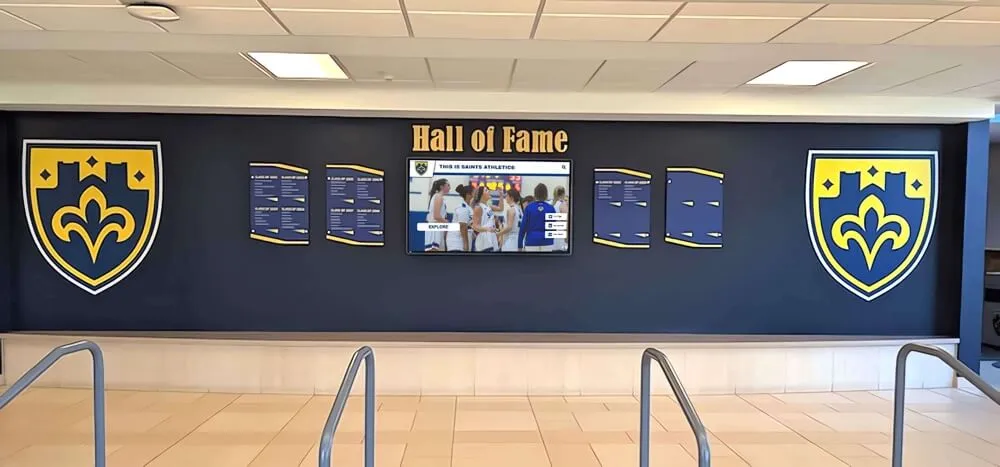
Digital Displays Featuring Team Traditions: Contemporary athletic facilities use interactive touchscreen displays showcasing not just statistics and championships but also cultural elements like team traditions, including signature pump up songs and entrance music history. These displays might feature video compilations of team entrances set to their traditional music, creating visible celebration of traditions alongside tangible accomplishments.
Athletic Facility Audio Systems: Investment in quality sound systems throughout athletic facilities enables sophisticated music deployment beyond basic locker room speakers. Modern facilities feature well-maintained audio infrastructure as part of comprehensive facility management, allowing entrance music that entire crowds experience, practice music motivating daily preparation, and integrated audio for recognition events and ceremonies.
Game Day Video Boards and Multimedia: Schools with video boards and multimedia capabilities synchronize pump up music with visual content—team highlight reels, hype videos featuring current athletes, and countdown sequences building toward competition start. These integrated audio-visual experiences create more powerful game day atmosphere than audio alone provides.
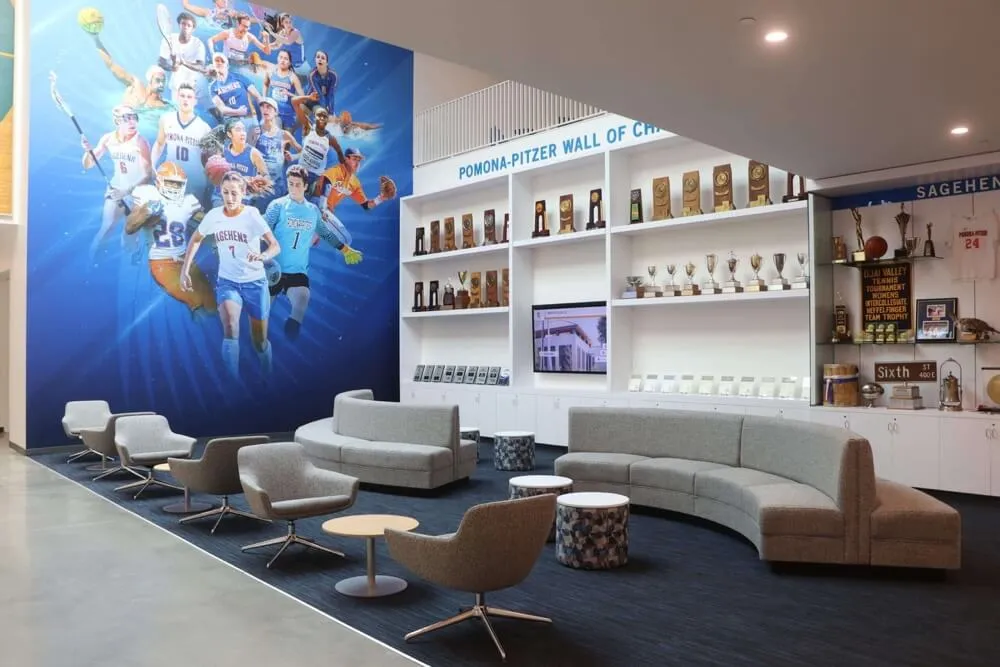
Championship Culture and Celebration Spaces: The same attention programs give to curating perfect game day playlists extends to how they celebrate achievements. Modern schools create dedicated spaces where championship teams receive lasting recognition, often incorporating the music associated with those championship seasons into displays that help visitors experience not just what teams accomplished but the culture and energy they embodied.
Beyond Competition: Music’s Role in Athletic Development
While this guide focuses primarily on game day pump up songs, effective athletic programs recognize music’s broader role in training, team building, and athletic development.
Practice and Training Music
Consistent music during practice and training sessions provides rhythm for conditioning work, distraction from physical discomfort during difficult training intervals, and environmental consistency helping athletes associate specific contexts with specific performance states. Many programs use different music for practice compared to competition, maintaining separation that helps preserve game day music’s special psychological impact.
Team Bonding and Culture Building
Shared musical preferences and experiences contribute to team chemistry beyond their direct performance impact. Bus rides to competitions featuring team playlists, informal singing along to pump up songs during down time, and inside jokes or traditions connected to specific tracks all strengthen relationships and collective identity. Programs that encourage these musical connections often report stronger team cohesion translating to better on-field performance.
Individual Athlete Focus Music
While team pump up playlists build collective energy, many individual athletes benefit from personalized music supporting their specific psychological preparation needs. Some athletes need calming music managing pre-competition anxiety, while others require maximum intensity tracks driving competitive aggression. Effective programs acknowledge these individual differences, allowing personal headphone use during portions of pre-game preparation while maintaining team playlist time for collective experience.
Academic and Study Applications
The same music psychology that enhances athletic performance applies to academic preparation. Many student athletes discover that specific music helps them focus during study sessions, manage stress during exam preparation, or maintain motivation during long homework sessions. Programs educating athletes about these connections help them apply peak performance principles beyond athletics, supporting their development as complete students rather than just competitors.
Technical Considerations for Game Day Music
Successfully deploying pump up songs requires addressing practical technical elements ensuring music plays reliably and effectively when needed.
Audio Equipment and Sound Systems
Quality audio equipment transforms mediocre playlists into powerful experiences while poor equipment undermines even perfectly curated song selections. Locker rooms benefit from dedicated sound systems rather than portable Bluetooth speakers—professional installation ensures adequate volume, clear sound quality despite room acoustics, and reliable operation without connection dropouts. Many programs budget for quality locker room audio as essential competitive infrastructure rather than luxury addition.
For entrance music and crowd experience, larger venue sound systems require professional configuration ensuring balanced coverage without dead zones where sound fades or distorts. Work with audio professionals familiar with athletic facility acoustics to optimize speaker placement and system calibration.
Playlist Management and Backup Systems
Technology failures at critical moments—dead batteries, Bluetooth connection problems, streaming service glitches—can disrupt pre-game routines and undermine carefully constructed psychological preparation. Robust approaches include downloaded playlists available offline rather than depending on internet connectivity, backup devices and connection methods ensuring redundancy, and designated team members responsible for audio setup and operation preventing last-minute scrambling.
Many programs create season-long playlists at season start, downloading them to multiple devices for redundancy, rather than building playlists on-the-fly and risking technical problems or copyright/streaming issues during competitions.
Volume Levels and Hearing Protection
While loud music increases psychological and physiological arousal, excessive volumes damage hearing—particularly concerning for athletes exposed to high-volume music frequently over multiple seasons. Responsible programs balance effectiveness with safety, maintaining volumes below hearing damage thresholds (typically 85 decibels for extended exposure), encouraging occasional use of musician-grade earplugs during peak-volume portions for athletes with hearing sensitivity, and avoiding prolonged exposure at maximum volumes even when brief intense bursts seem desirable.
Copyright and Licensing Considerations
Public performance of copyrighted music technically requires licensing, though enforcement varies. Schools hosting competitions where entrance music plays over public address systems for spectator experience operate in gray area regarding performance licensing. Many schools address this through blanket licenses covering public performance, while others operate assuming risk is minimal for school athletic events. Consult with school administration about institutional policies regarding music licensing for athletic events.
Building Lasting Athletic Traditions Through Music and Recognition
The most successful athletic programs understand that championship cultures emerge from comprehensive approaches where pump up songs, recognition systems, traditions, and values reinforce each other rather than existing as disconnected elements.
Comprehensive Athletic Culture Development
Game day pump up songs work most powerfully when integrated into broader cultural frameworks that connect music, tradition, achievement recognition, and institutional values. Programs that succeed long-term think systematically about how all cultural elements fit together, including how entrance music connects to team identity and values, how recognition displays celebrate not just championships but the culture that produced them, how daily practice environment reflects and reinforces competitive standards, and how traditions pass from senior classes to underclassmen creating continuity across generations.
Documenting and Preserving Athletic History
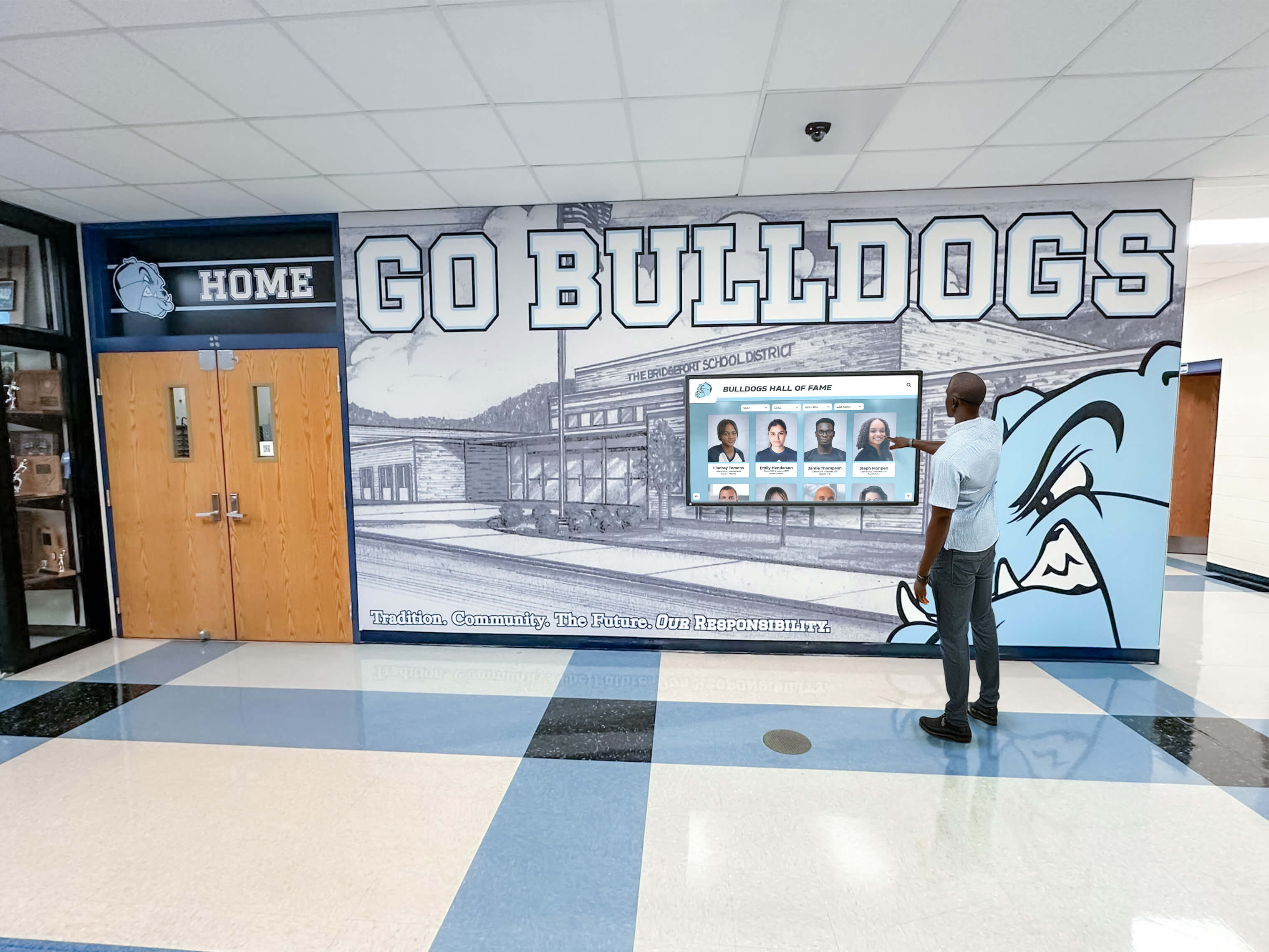
Music represents important component of athletic history that schools should preserve alongside statistics and championships. Modern digital recognition systems allow schools to document not just what teams accomplished but how they prepared, what music energized them, and what cultural elements defined their eras. Video archives of team entrances preserve the combination of music, energy, and atmosphere that made specific seasons special.
Alumni Connections Through Shared Traditions
Athletic music traditions create powerful alumni connection points. When programs maintain consistent entrance music, pump up songs, and victory celebration anthems across decades, these sonic signatures instantly transport alumni back to their competitive experiences. Reunion events featuring the music that defined specific eras create powerful emotional connections, while interactive displays at events can showcase how traditions have evolved while maintaining core identity elements.
Schools that document these traditions create resources for future programs learning how legendary teams prepared, what motivated them, and how they built championship cultures. This historical perspective helps current athletes understand they’re part of something larger than single seasons—they’re contributing to ongoing traditions that future generations will inherit and build upon.
Celebrating Achievement Beyond Competition
The competitive mindset pump up songs help create represents just one dimension of athletic development. Complete programs also celebrate academic achievement, community service, leadership development, and personal growth. Modern recognition approaches acknowledge these multiple contribution types, creating comprehensive athletic cultures where music and competition represent important but not exclusive elements of what teams value and celebrate.
Practical Game Day Playlist Construction Guide
Ready to build your team’s ultimate pump up playlist? Follow this practical step-by-step approach:
Step 1: Establish Timeline and Phases - Map your typical pre-game routine, identifying distinct preparation phases from initial arrival through competition start. Note approximate duration of each phase and activities occurring during them.
Step 2: Gather Team Input - Create shared playlist where all team members can suggest tracks. Consider using anonymous submission if some athletes feel uncomfortable advocating publicly for their preferences. Aim for 30-50 nominations providing selection options.
Step 3: Collective Evaluation - Play nominated tracks during practice, gauging team reactions. Notice which songs generate spontaneous singing, movement, or energy versus those that land flat despite individual advocacy. Trust collective reaction over individual lobbying.
Step 4: Phase Assignment - Sort tracks into appropriate phases based on tempo, intensity, and lyrical content. Place moderate energy selections in early phases, building toward highest intensity songs reserved for final pre-game minutes.
Step 5: Sequence Optimization - Within each phase, arrange songs in logical flow considering tempo changes, energy arcs, and stylistic transitions. Avoid jarring shifts that disrupt psychological preparation—build progressions that feel natural and inevitable.
Step 6: Signature Selection - Identify the single track that best represents team identity for entrance music. This should be song that entire team unanimously embraces and that creates immediate energy when it begins playing.
Step 7: Testing and Refinement - Use complete playlist during scrimmages or less critical early-season competitions, gathering team feedback about what works, what feels wrong, and what should change. Refine based on actual use rather than theoretical construction.
Step 8: Lock Core and Maintain Flexibility - Finalize core playlist used consistently but maintain flexibility for occasional substitutions keeping music fresh while preserving psychological associations with established tracks.
Conclusion: Music as Competitive Advantage and Cultural Foundation
The best pump up songs for game day do far more than fill locker rooms with noise—they create competitive advantages through physiological arousal and psychological preparation, build team identity and cohesion through shared musical experiences, establish traditions connecting current athletes to program history and future generations, and contribute to comprehensive athletic cultures where all elements reinforce championship standards.
Programs that approach game day music thoughtfully—curating playlists matching their specific culture and timing, involving athletes in collaborative selection processes, maintaining consistency while allowing appropriate evolution, and integrating music into broader recognition and tradition systems—create atmospheric advantages that opponents immediately sense when entering hostile competition environments.
The ultimate game day playlist for your team won’t perfectly match any generic recommendation list—it will emerge from your specific culture, values, and collective personality. Use this guide as foundation for understanding effective music selection principles, but trust your team’s authentic preferences over copying what works for others. The pump up songs that most powerfully energize your athletes are those they genuinely connect with, not those that theoretically should work based on popularity or conventional wisdom.
As you build your game day music traditions, remember that you’re creating more than pre-game preparation routines—you’re establishing cultural signatures that will define your program for current athletes and future generations. Choose songs that represent who you are and who you aspire to be. Make noise that demands respect. Build energy that opponents feel the moment you step on the field.
And when years from now your alumni gather for reunions and those old pump up songs begin playing, watch how instantly they’re transported back to locker rooms and bus rides and the moments before their biggest competitions. That’s the power of game day music done right—not just preparing athletes for immediate competition, but creating memories that last entire lifetimes.
Elevate Your Athletic Program’s Culture and Recognition
Game day pump up songs create powerful moments, but championship programs complement that energy with comprehensive recognition systems celebrating achievements long after final whistles blow. Rocket Alumni Solutions provides modern digital display platforms that transform how schools honor athletic excellence, showcase team traditions, and build lasting program culture.
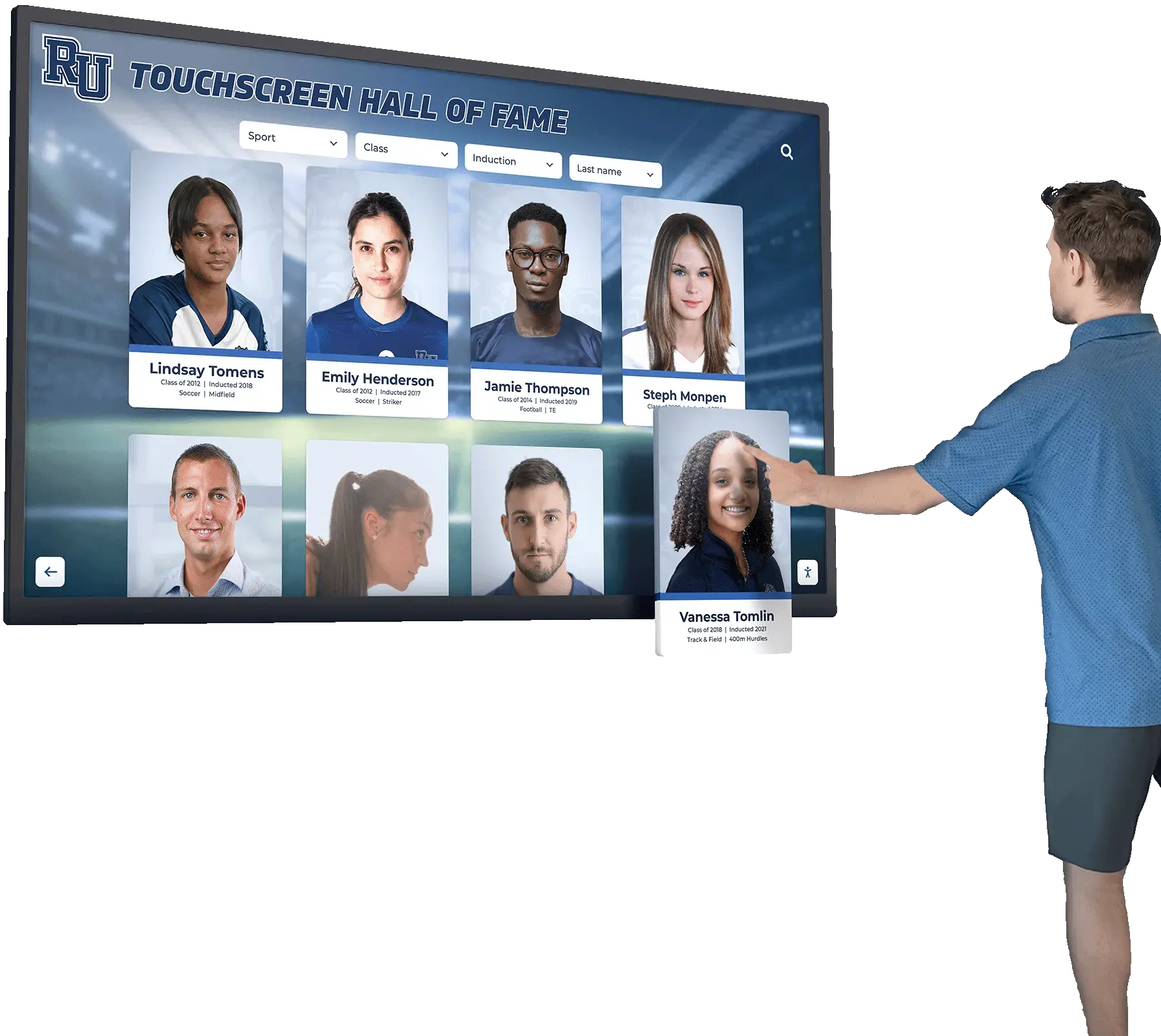
Our interactive touchscreen recognition walls allow schools to celebrate championship teams, document the traditions and music that defined legendary seasons, engage alumni through dynamic multimedia content, and create visible daily reminders of the excellence your pump up songs help athletes pursue. From celebrating special ceremonies and milestones to recognizing outstanding achievement across all dimensions, our solutions help schools build the comprehensive recognition cultures that championship programs demand.
Contact Rocket Alumni Solutions today to discover how modern digital recognition systems can complement your game day traditions, celebrate your athletic achievements, and build the visible culture of excellence that attracts great athletes and produces championship results.