Introduction: The Digital Transformation of Public Library Archives
Public library digital archive collections represent one of the most significant developments in democratizing access to historical and cultural materials. As libraries transition from purely physical repositories to hybrid institutions offering both traditional and digital resources, the management, preservation, and presentation of archival collections has evolved dramatically.
Market Context: The global libraries and archives market grew from $83.78 billion in 2026 to $89.01 billion in 2026 at a compound annual growth rate (CAGR) of 6.2%, with projections reaching $109.49 billion by 2029. Digital library users increased by 35% globally during 2020-2022, demonstrating sustained demand for digital archive access. This guide examines current practices, emerging technologies, and proven strategies for public library digital archive management based on industry data and institutional case studies.
This comprehensive guide examines the complete lifecycle of public library digital archive collections—from initial digitization planning through long-term preservation and innovative community access solutions. Whether your institution is launching its first digitization initiative or expanding existing digital collections, understanding contemporary best practices ensures your archives serve community needs while maintaining professional preservation standards.
Understanding the Scope of Public Library Digital Archives
Public library digital archives encompass far more than simple document scanning. These collections preserve and provide access to materials documenting local history, cultural heritage, and community memory in formats ranging from photographs and manuscripts through newspapers, maps, audio recordings, and born-digital materials.
Types of Materials in Digital Archive Collections
Historical Photographs and Images
Photographic collections form the foundation of many public library digital archives, documenting community evolution, notable residents, significant events, and everyday life across generations. These collections typically include:
- Family and individual portraits spanning multiple decades
- Community event documentation (parades, celebrations, gatherings)
- Architectural and landscape photography showing urban and rural development
- Business and commercial photography documenting economic history
- School photographs, yearbooks, and institutional records
- Local government and civic organization documentation
Manuscript and Document Collections
Textual materials provide essential context and narrative depth to photographic collections:
- Personal correspondence and family papers
- Business records and organizational archives
- Government documents and municipal records
- Local newspaper collections and clipping files
- Maps, surveys, and planning documents
- Ephemera (postcards, advertisements, event programs)
Audio and Visual Materials
Multimedia collections capture dimensions of history that static images and text cannot convey:
- Oral history interviews with community members
- Local radio broadcasts and audio recordings
- Video documentation of events and interviews
- Film collections (amateur, commercial, educational)
- Music recordings by local artists and performers
Born-Digital Materials
Contemporary archives increasingly include materials created in digital formats:
- Digital photographs and video recordings
- Electronic documents and correspondence
- Social media archives documenting community events
- Websites and online publications
- Digital art and creative works
The Value Proposition for Community Stakeholders
Public library digital archives deliver measurable benefits across multiple stakeholder groups, justifying the substantial investment required for comprehensive digitization and preservation programs.
For Researchers and Genealogists
Digital archives eliminate geographical and temporal barriers to research:
- 24/7 access to materials regardless of physical location
- Searchable databases accelerating discovery of relevant materials
- High-resolution images enabling detailed examination
- Citation and sharing tools facilitating academic and personal research
- Cross-collection discovery revealing previously hidden connections
According to the American Library Association, virtually all public libraries now provide free access to computers, internet, and robust digital content supporting education, research, and civic engagement.
For Educational Institutions
Teachers and students gain unprecedented access to primary source materials:
- Curriculum-integrated resources bringing local history into classrooms
- Student research projects leveraging authentic historical materials
- Digital literacy skill development through archival research
- Cost-free access removing financial barriers to quality educational resources
- Engaging materials connecting abstract historical concepts to local context
For Community Organizations
Historical societies, museums, and civic organizations leverage digital archives to:
- Document and celebrate community heritage
- Support programming and exhibitions with digital assets
- Engage members through shared historical exploration
- Preserve organizational history and institutional memory
- Build community identity and collective pride
For General Public Access
Casual browsers and community members discover unexpected connections:
- Family history research and genealogical exploration
- Nostalgia and personal memory reinforcement
- Discovery of forgotten community stories and achievements
- Understanding of neighborhood and local area evolution
- Strengthened sense of place and community belonging
Digitization Planning and Implementation
Successful digital archive programs begin with comprehensive planning that addresses technical, organizational, and financial considerations. Libraries that invest adequate time in planning phases report significantly higher success rates and lower total project costs than institutions rushing into digitization without proper preparation.
Assessment and Selection Criteria
Collection Evaluation Framework
Not all materials warrant immediate digitization. Libraries should employ systematic evaluation criteria to prioritize collections:
High-Priority Collection Characteristics:
- Unique materials not available elsewhere
- High research demand and frequent access requests
- Fragile or deteriorating condition requiring handling reduction
- Materials supporting strategic institutional priorities
- Collections with clear intellectual property status
- Well-organized collections with existing description
- Materials documenting underrepresented communities
- High community engagement potential
Lower-Priority Collection Characteristics:
- Duplicates of widely available materials
- Poor physical condition requiring conservation first
- Unclear copyright or rights status
- Limited research value or community interest
- Disorganized collections lacking basic description
- Materials requiring extensive preparation work
- Very large collections with limited staff capacity
- Highly specialized materials with narrow audiences
Community Input and Stakeholder Engagement
Effective digitization programs incorporate community perspectives into selection decisions. Libraries should engage:
- Local historical societies and heritage organizations
- Genealogical societies and family history researchers
- Educational institutions and curriculum coordinators
- Cultural organizations representing diverse community groups
- Library patrons through surveys and focus groups
This engagement ensures digital collections address actual community needs rather than librarian assumptions about value.
Technical Standards and Specifications
Professional digitization requires adherence to established standards ensuring long-term preservation and usability. The Digital Preservation Coalition identifies key standards including PREMIS and METS as essential frameworks for digital preservation programs.
File Format Selection
Format decisions impact preservation, access, and storage requirements:
Master Files (Preservation Copies):
- Uncompressed TIFF format for photographs and documents
- High-resolution capture (400-600 dpi for photographs, 300 dpi for text)
- Color depth appropriate to source materials (24-bit for color, 8-bit grayscale)
- BWF (Broadcast Wave Format) for audio at 96 kHz/24-bit
- Uncompressed or losslessly compressed video in archival containers
Access Copies (Public Distribution):
- JPEG format for web delivery (optimized for bandwidth)
- PDF/A format for document collections (searchable text)
- MP3 format for audio streaming
- H.264 compressed video for streaming delivery
Metadata Standards
Comprehensive metadata enables discovery and provides essential context. Libraries should implement:
- Dublin Core elements for basic description
- PREMIS metadata for preservation information
- Local controlled vocabularies for place names and subjects
- Rights metadata documenting usage restrictions
- Technical metadata capturing digitization specifications

Workflow Development and Quality Control
Digitization Workflow Stages
Efficient digitization programs establish clear workflows:
- Material Preparation: Physical cleaning, folder creation, item numbering
- Capture: Scanning or photography following technical specifications
- Quality Review: Inspection for technical issues, color accuracy, resolution
- Metadata Creation: Descriptive and technical metadata entry
- File Processing: Derivative creation, optimization, format conversion
- Quality Assurance: Final review before publication
- Upload and Publication: Ingest into digital asset management system
- Post-Processing: Original material return, physical storage
Quality Control Protocols
Systematic quality control prevents expensive rework and ensures professional results:
- Random sampling inspection (typically 10% of production)
- Defined acceptance criteria for resolution, focus, color, and cropping
- Documented review procedures and correction protocols
- Regular calibration of equipment and color management
- Staff training and competency assessment
- Feedback loops improving process efficiency
In-House vs. Vendor Digitization
In-House Digitization Benefits:
- Greater control over quality and workflow
- Lower per-item costs for large, ongoing programs
- Staff skill development and institutional capacity building
- Flexibility in scheduling and project adjustment
- Enhanced security for sensitive materials
Vendor Digitization Benefits:
- Professional equipment and expertise without capital investment
- Rapid completion of large backlogs
- Specialized capabilities (oversized materials, fragile items)
- Predictable costs and timelines
- Staff time freed for other priorities
Many libraries employ hybrid approaches, handling routine materials in-house while contracting specialized work to vendors.
Digital Preservation Strategies and Standards
Digitization represents only the beginning of digital archive management. Long-term preservation requires ongoing attention, infrastructure investment, and adherence to professional standards ensuring materials remain accessible decades into the future.
Preservation Framework Components
The Library of Congress emphasizes that digital preservation activities aim to maintain long-term access to digital assets while ensuring authenticity, integrity, and usability over time.
Storage Architecture
Robust preservation programs employ multiple storage tiers:
Online Storage:
- Immediate access for public-facing materials
- Redundant systems with backup and failover capabilities
- Regular integrity checking and corruption detection
- Cloud storage for geographic redundancy
Near-Line Storage:
- Automated tape libraries or cloud archive tiers
- Lower cost per terabyte for large collections
- Rapid retrieval when needed (minutes to hours)
- Suitable for master files and less-frequently accessed materials
Offline Storage:
- Tape backup stored off-site for disaster recovery
- Annual refreshment and migration schedules
- Long-term preservation for permanent collections
- Protection against ransomware and catastrophic data loss
Format Migration Planning
Digital formats become obsolete, requiring periodic migration to current standards:
- Regular monitoring of format obsolescence indicators
- Defined triggers for migration projects (software end-of-life, declining format support)
- Testing procedures ensuring migration fidelity
- Documentation of all migration actions in preservation metadata
- Maintaining original files alongside migrated versions when possible
Preservation Metadata and Documentation
Comprehensive metadata enables long-term management and authenticity verification:
PREMIS Implementation
The PREMIS Data Dictionary provides international standards for preservation metadata including:
- Object characteristics (format, size, checksums)
- Preservation events (migration, validation, fixity checks)
- Relationships between objects (derivatives, versions)
- Rights information governing access and use
- Agent information documenting responsible parties
Provenance Documentation
Chain of custody documentation establishes authenticity:
- Original source identification and acquisition documentation
- Digitization procedures and equipment specifications
- Processing actions and software versions used
- Staff responsible for each workflow stage
- Date and time stamps for all actions
Fixity Checking and Integrity Monitoring
Regular verification prevents undetected corruption:
- Checksum generation at time of creation (MD5, SHA-256)
- Scheduled fixity checking (monthly for active collections, quarterly for stable collections)
- Automated alerting when corruption detected
- Documented repair procedures using backup copies
- Audit trails documenting all integrity checks
Community Access and Engagement Strategies
Digital archives fulfill their mission only when communities can discover, access, and engage with materials. Innovative libraries employ multiple strategies ensuring collections reach diverse audiences with varying technical capabilities and interests.
Digital Collection Platforms
Online Collection Databases
Web-based platforms provide searchable access to digital collections:
- Faceted search enabling filtering by date, location, subject, format
- High-resolution zoom viewers for detailed examination
- Download options for research and educational use
- User tagging and commenting for crowdsourced enhancement
- Citation tools generating proper attribution
- Social media sharing encouraging viral discovery
Popular platforms include CONTENTdm, Omeka, ArchivesSpace, and open-source alternatives. The Digital Public Library of America aggregates collections from libraries nationwide into a unified discovery portal.
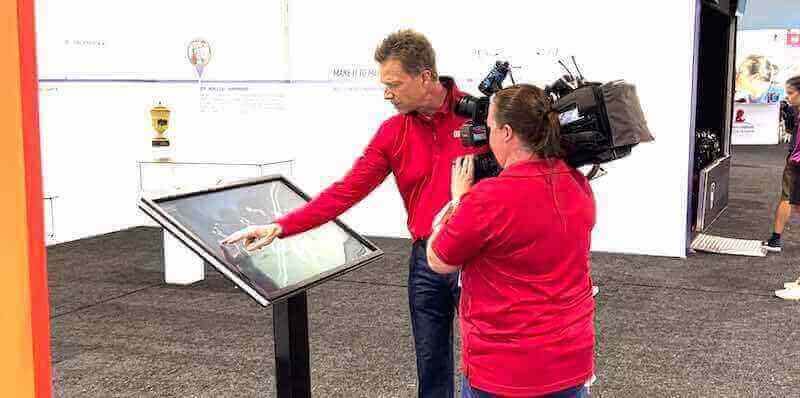
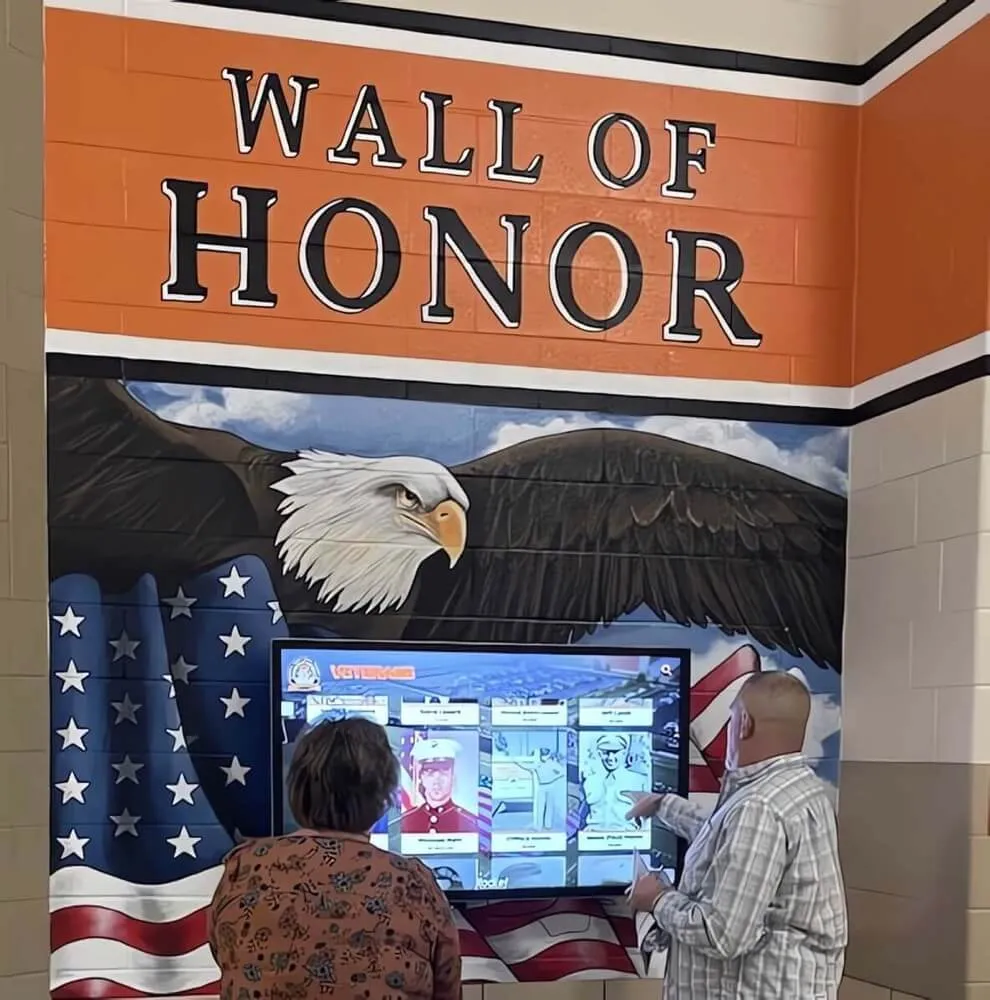
Interactive Touchscreen Displays
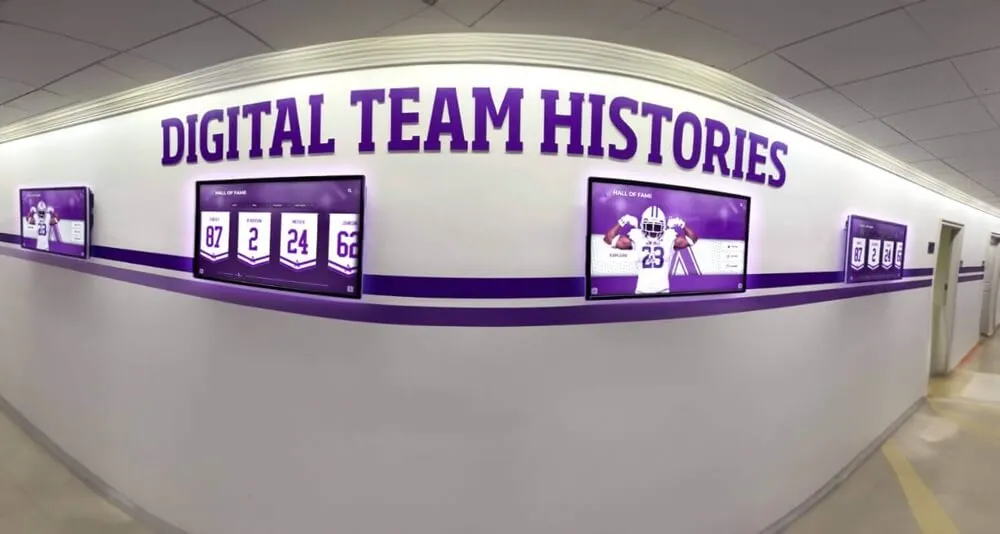
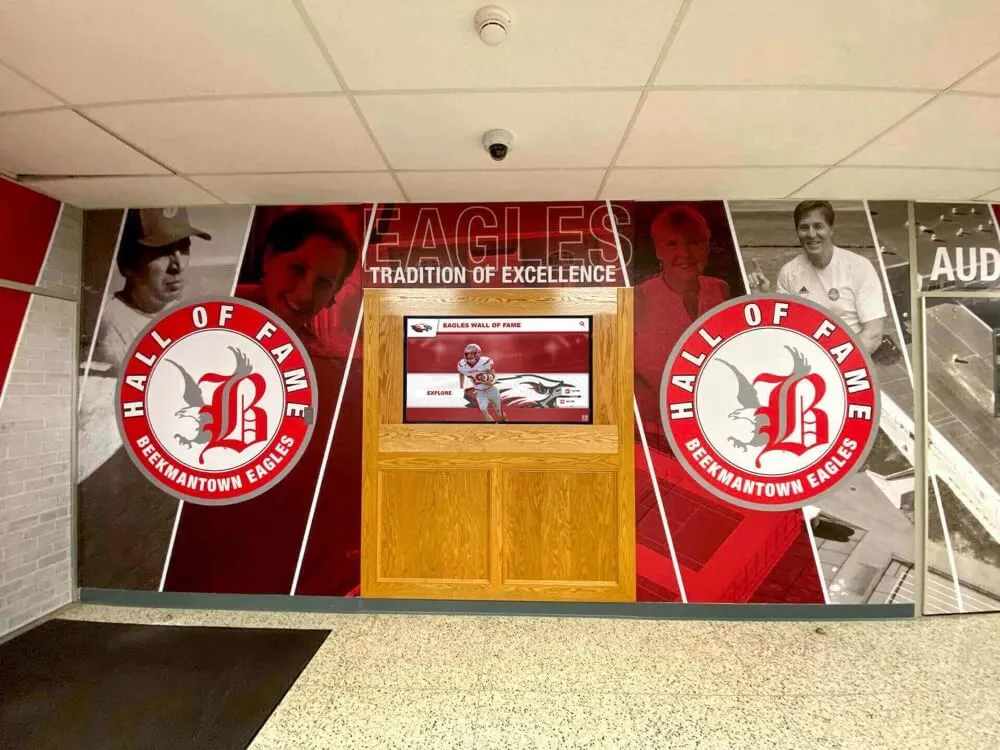
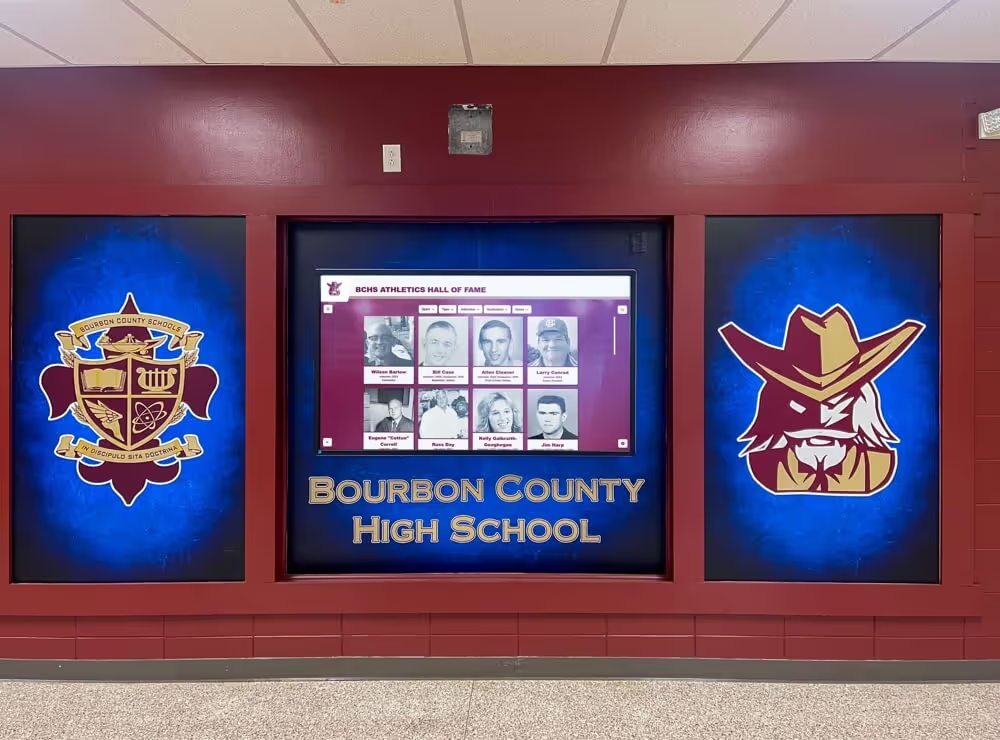
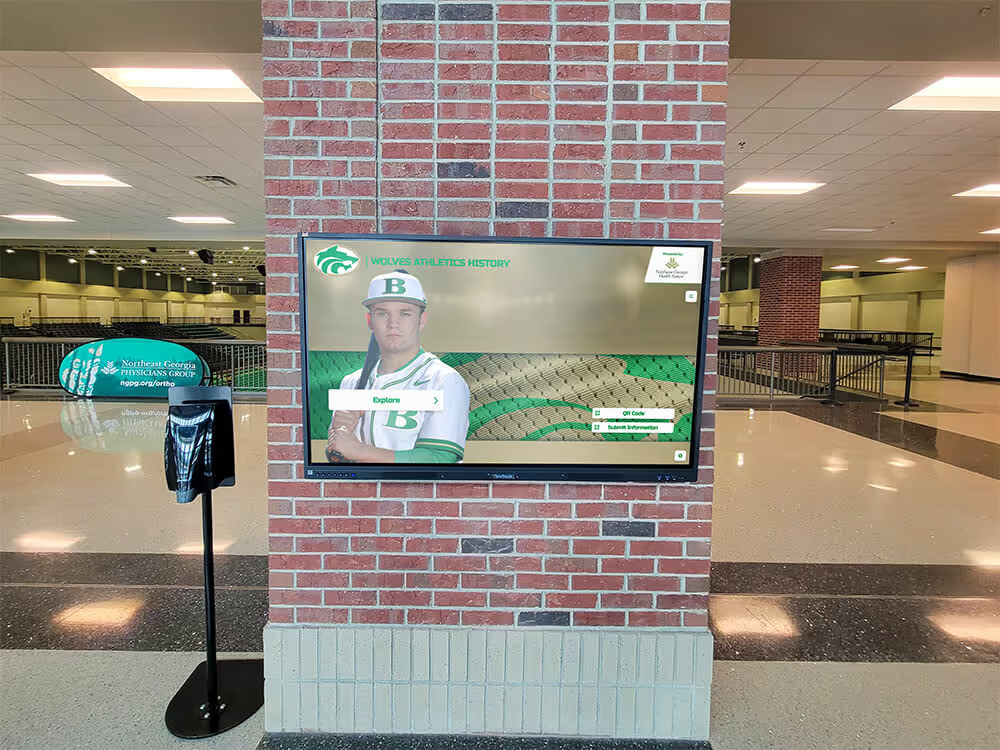
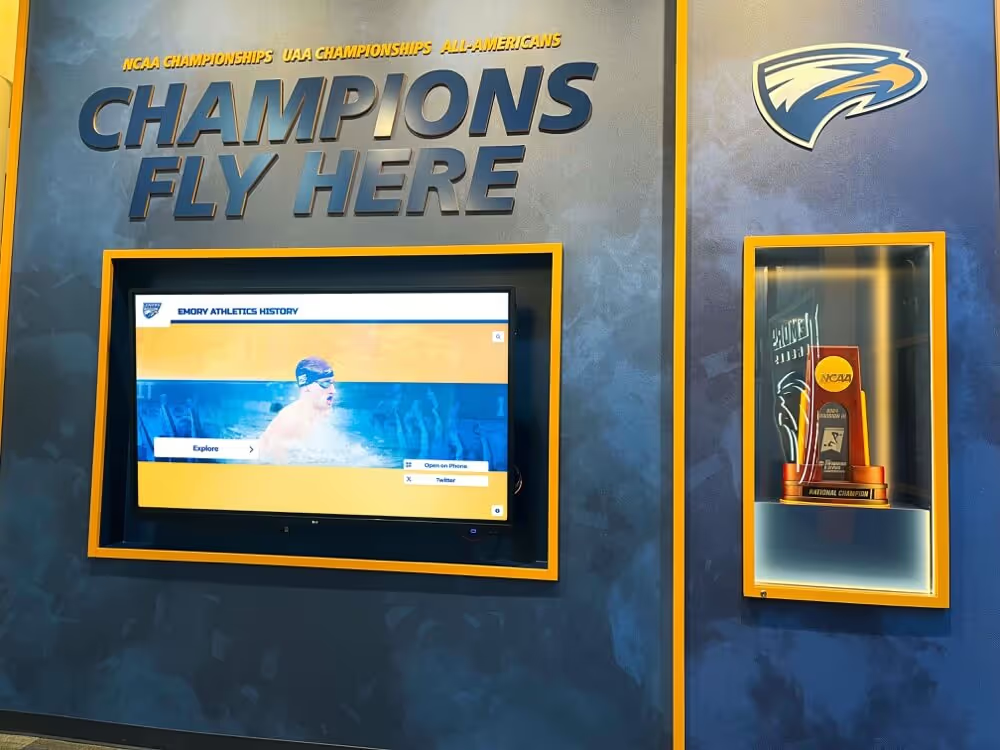
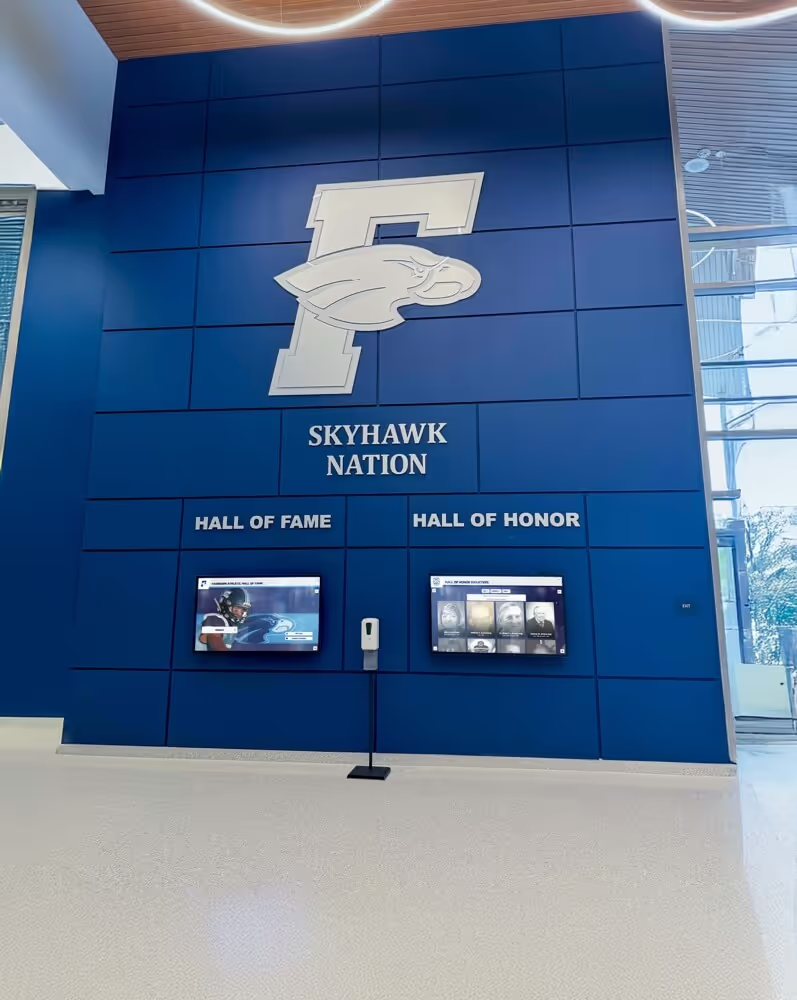
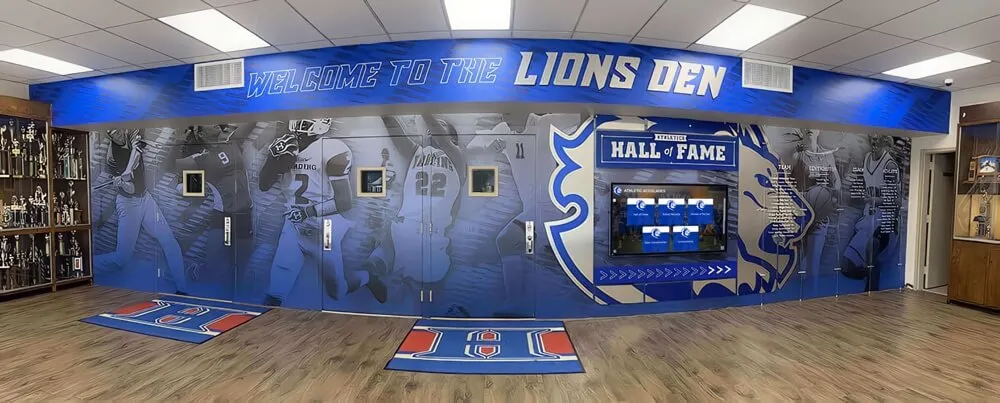
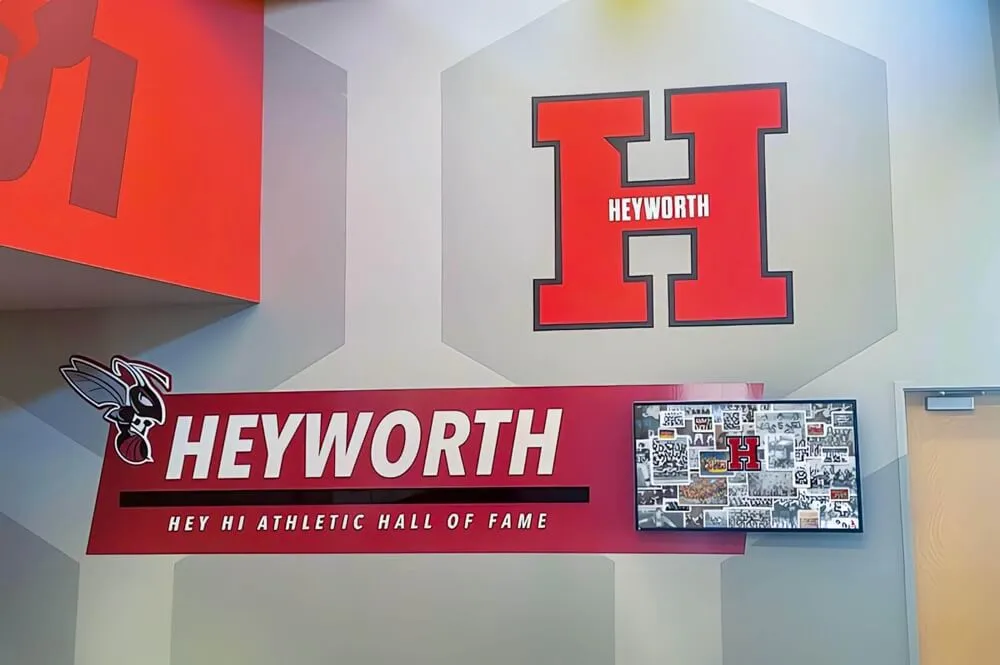
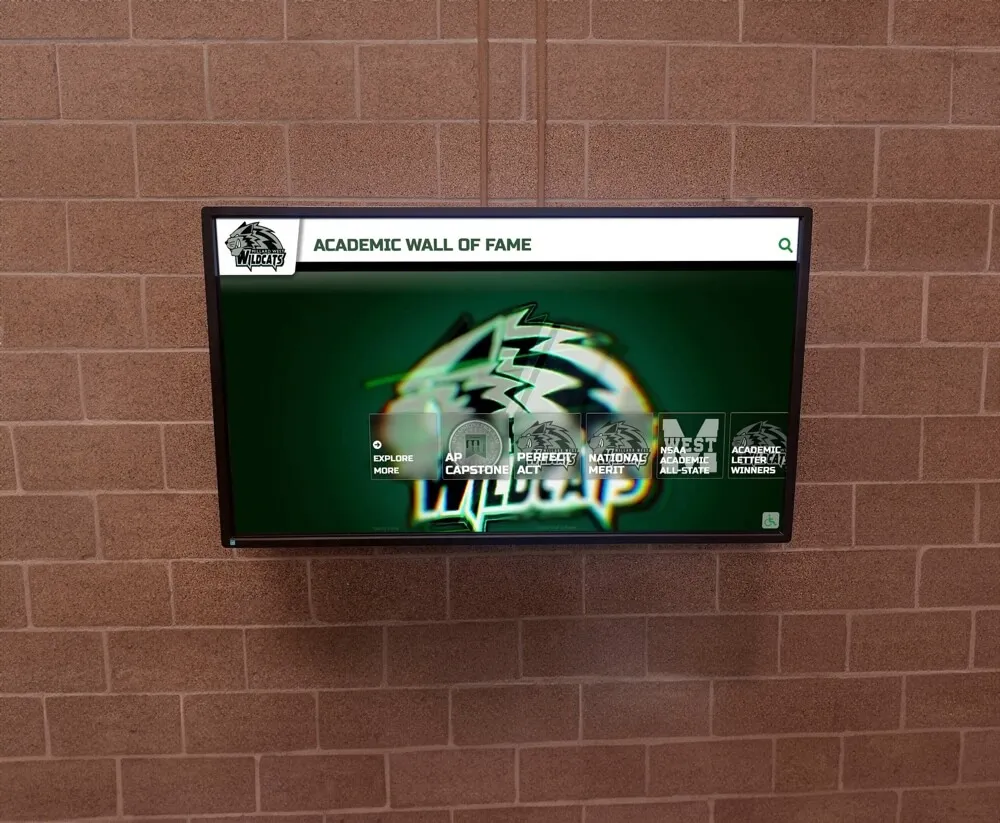
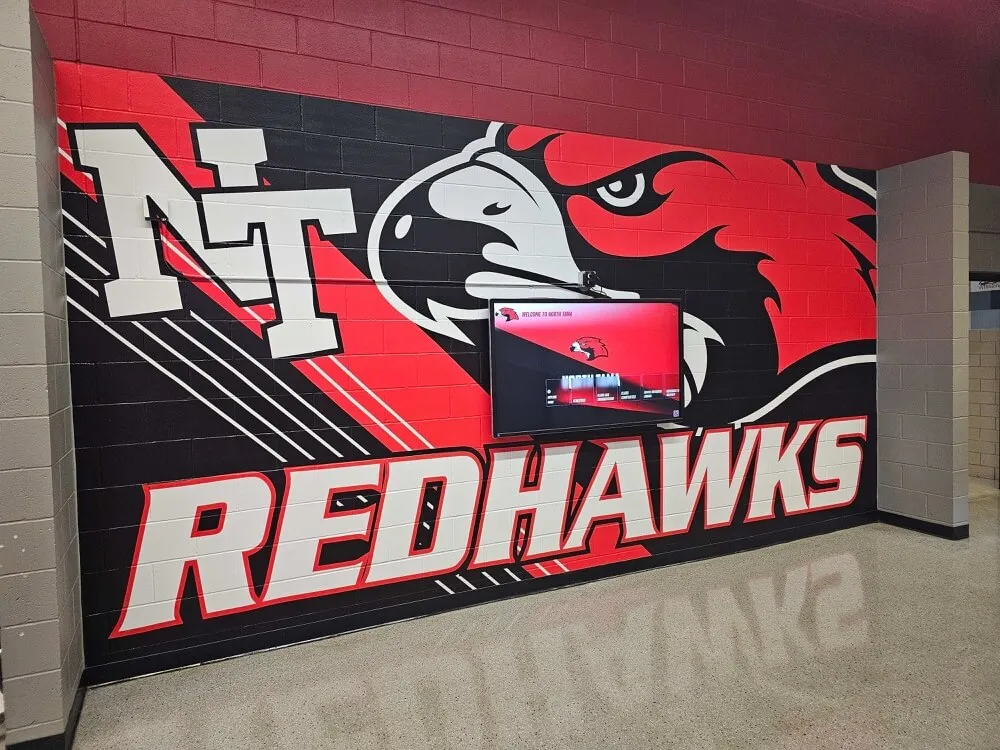
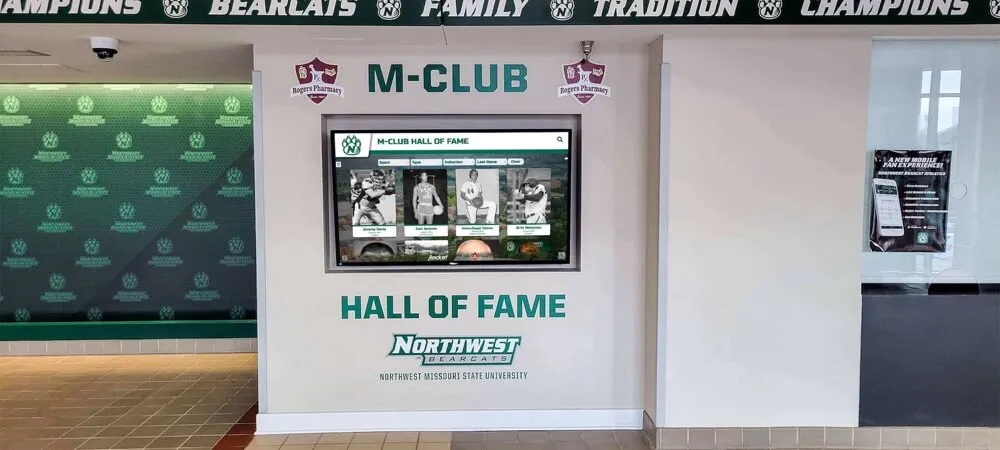
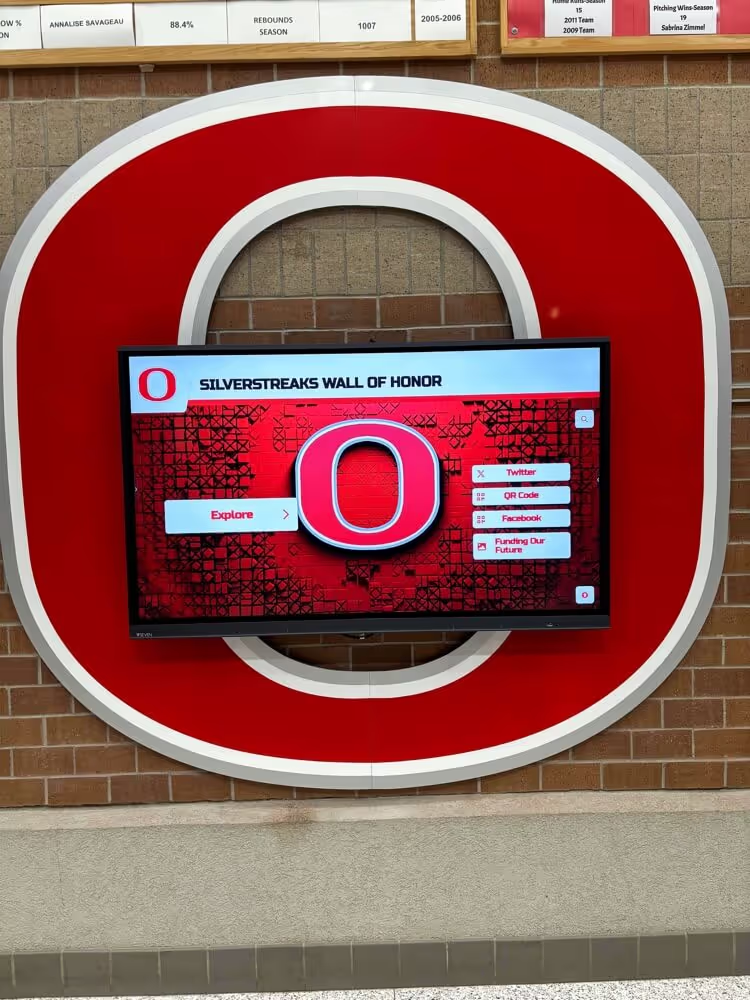
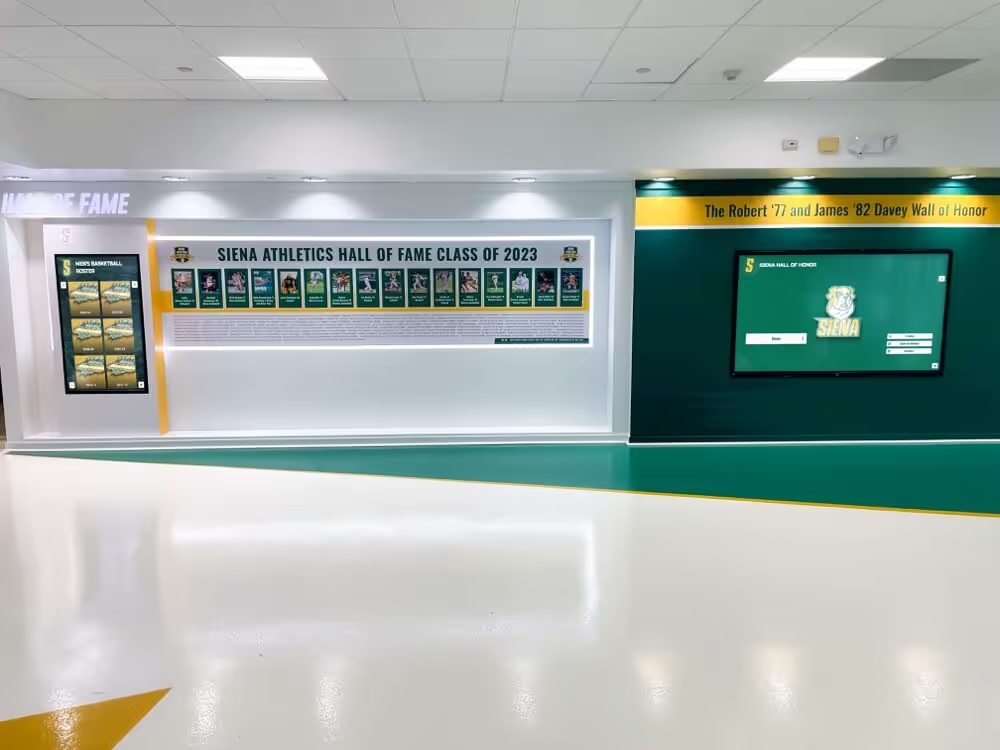
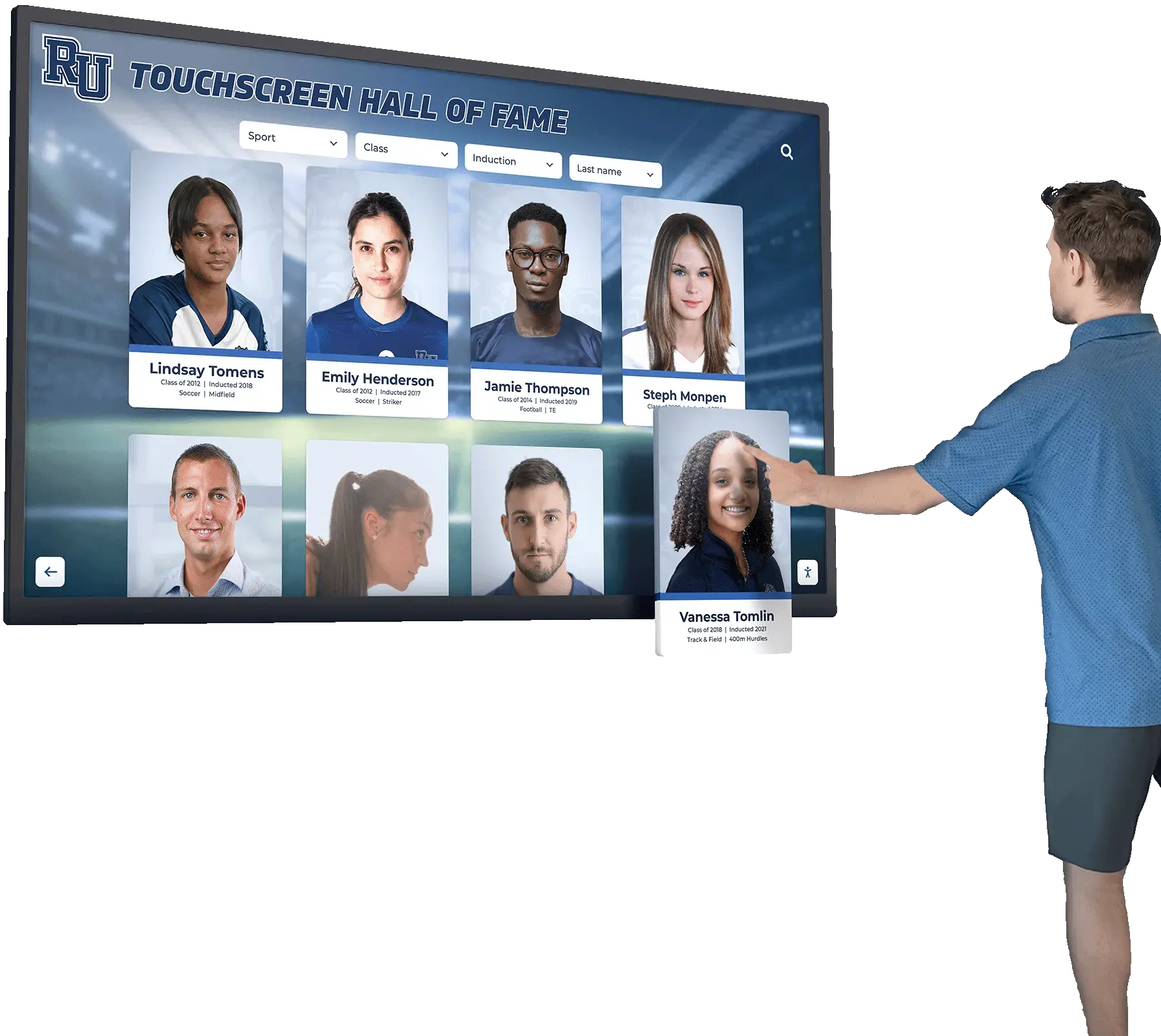
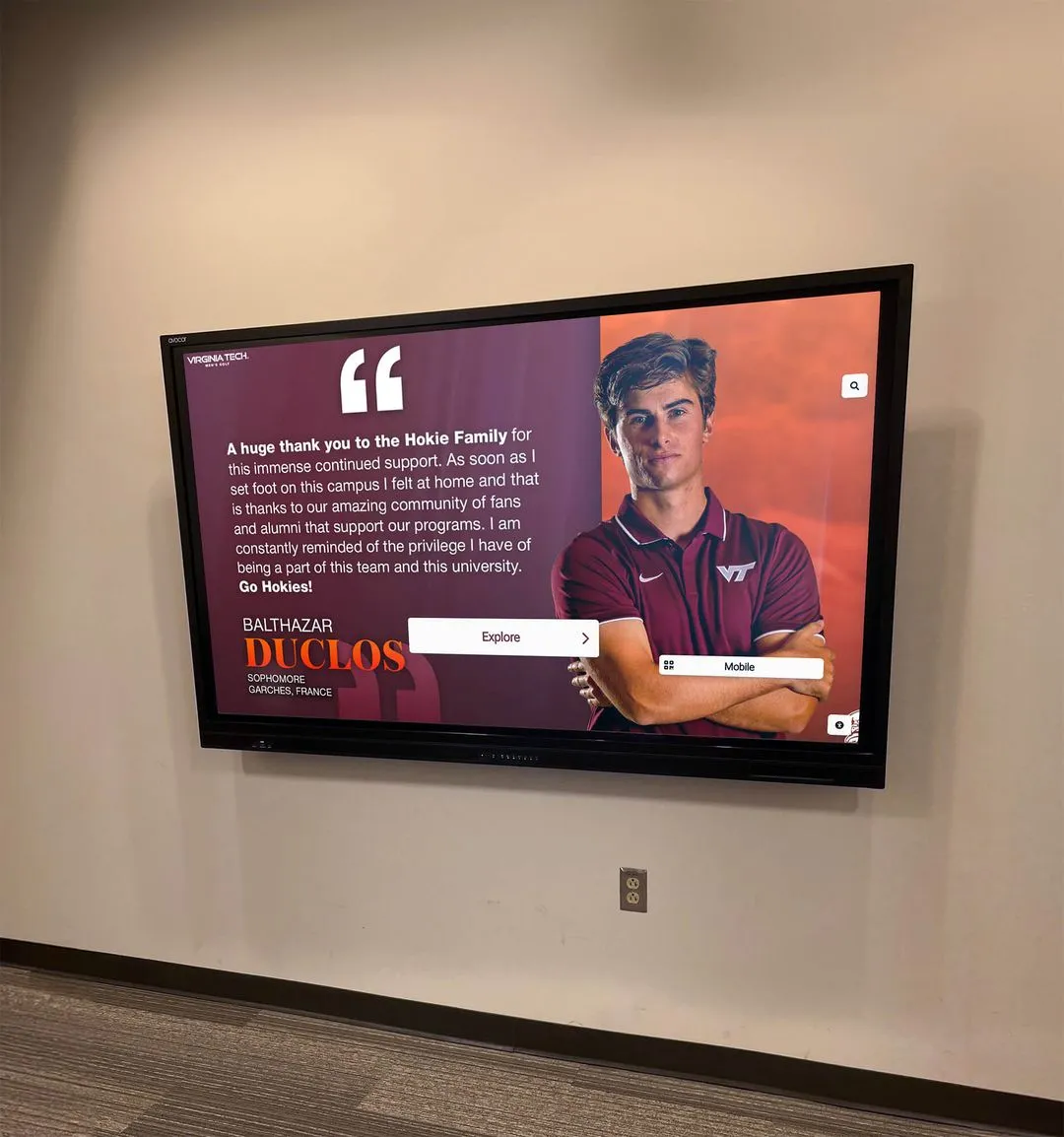
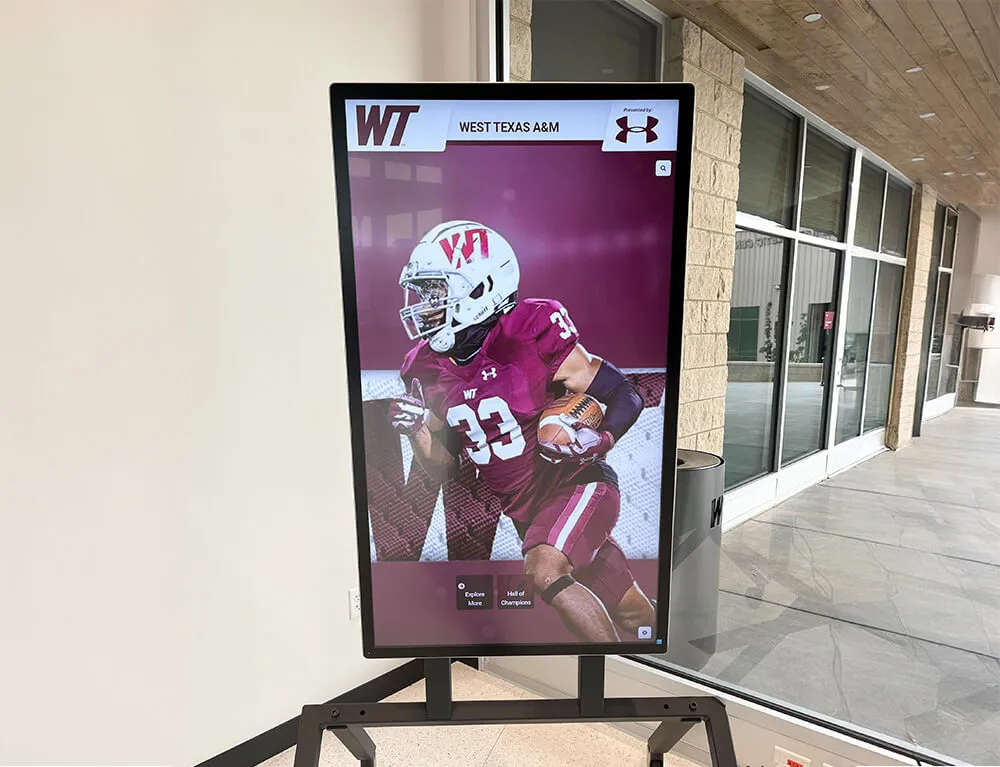
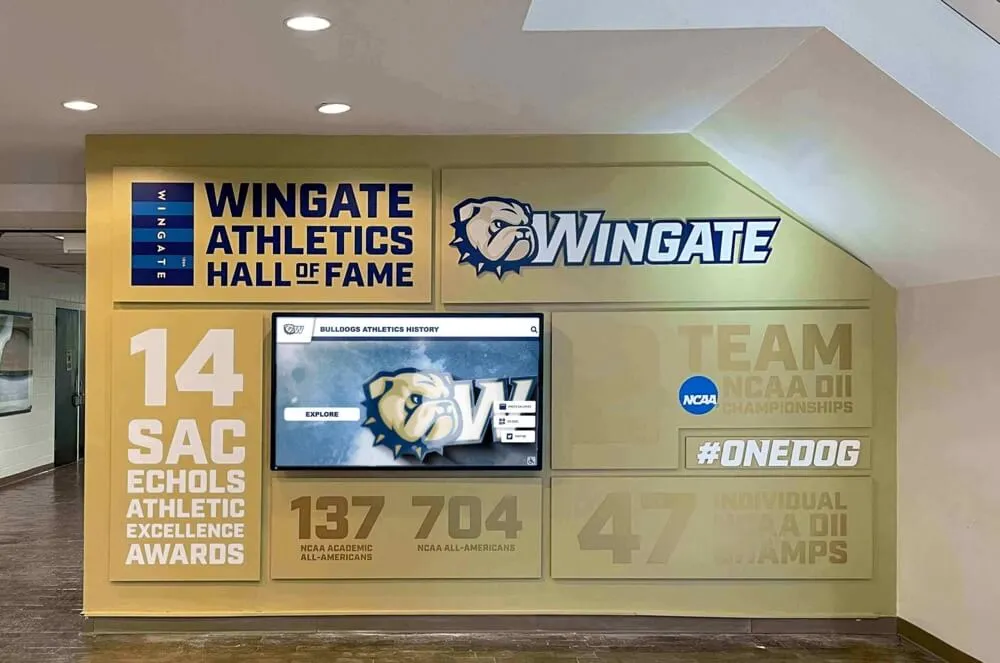
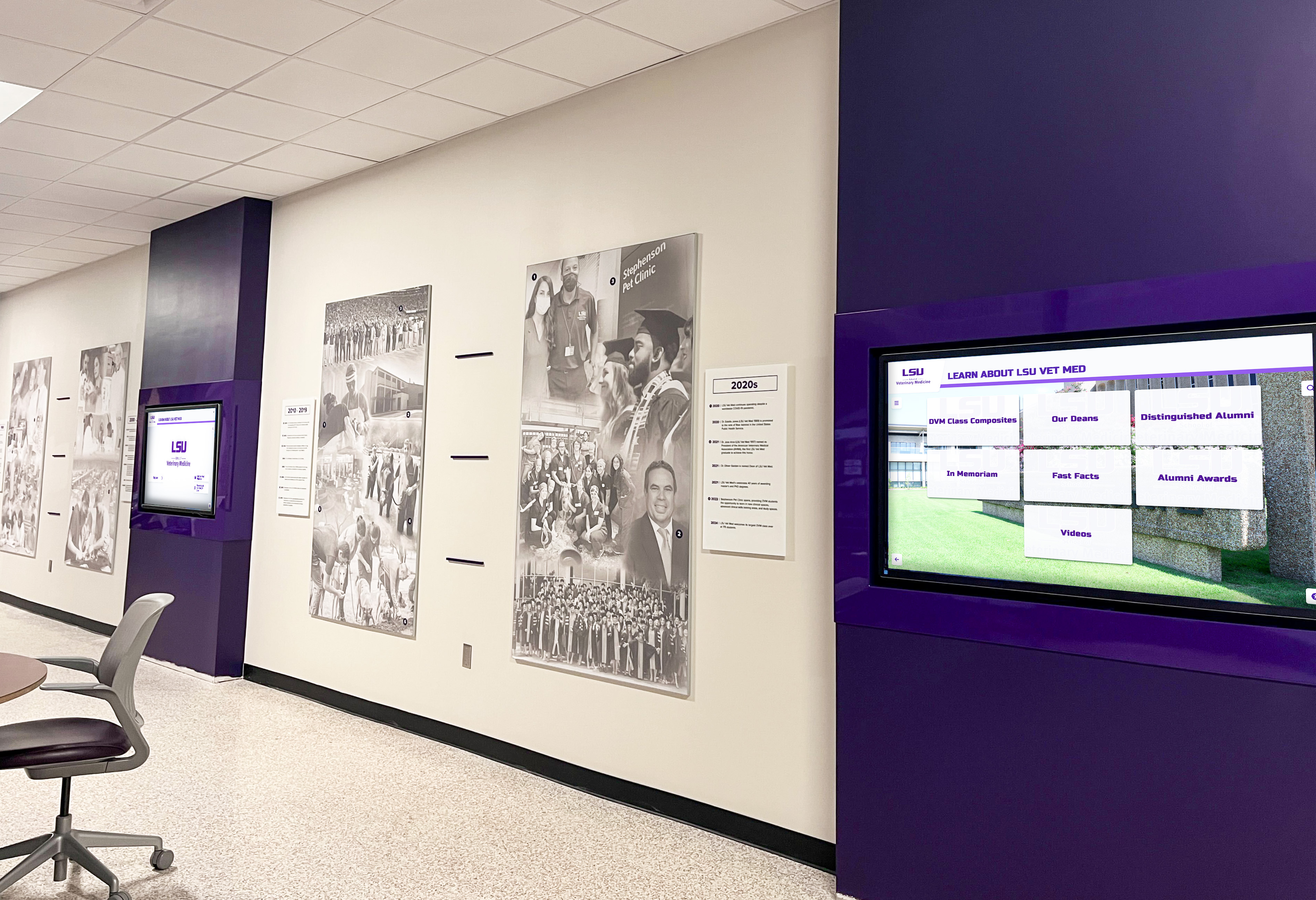
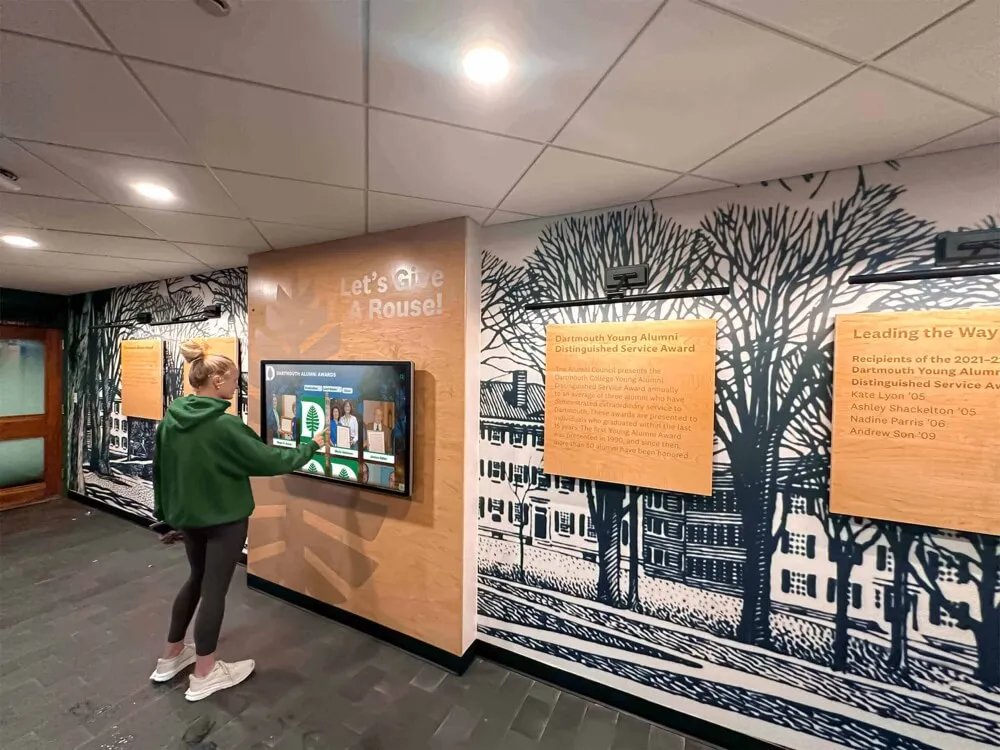
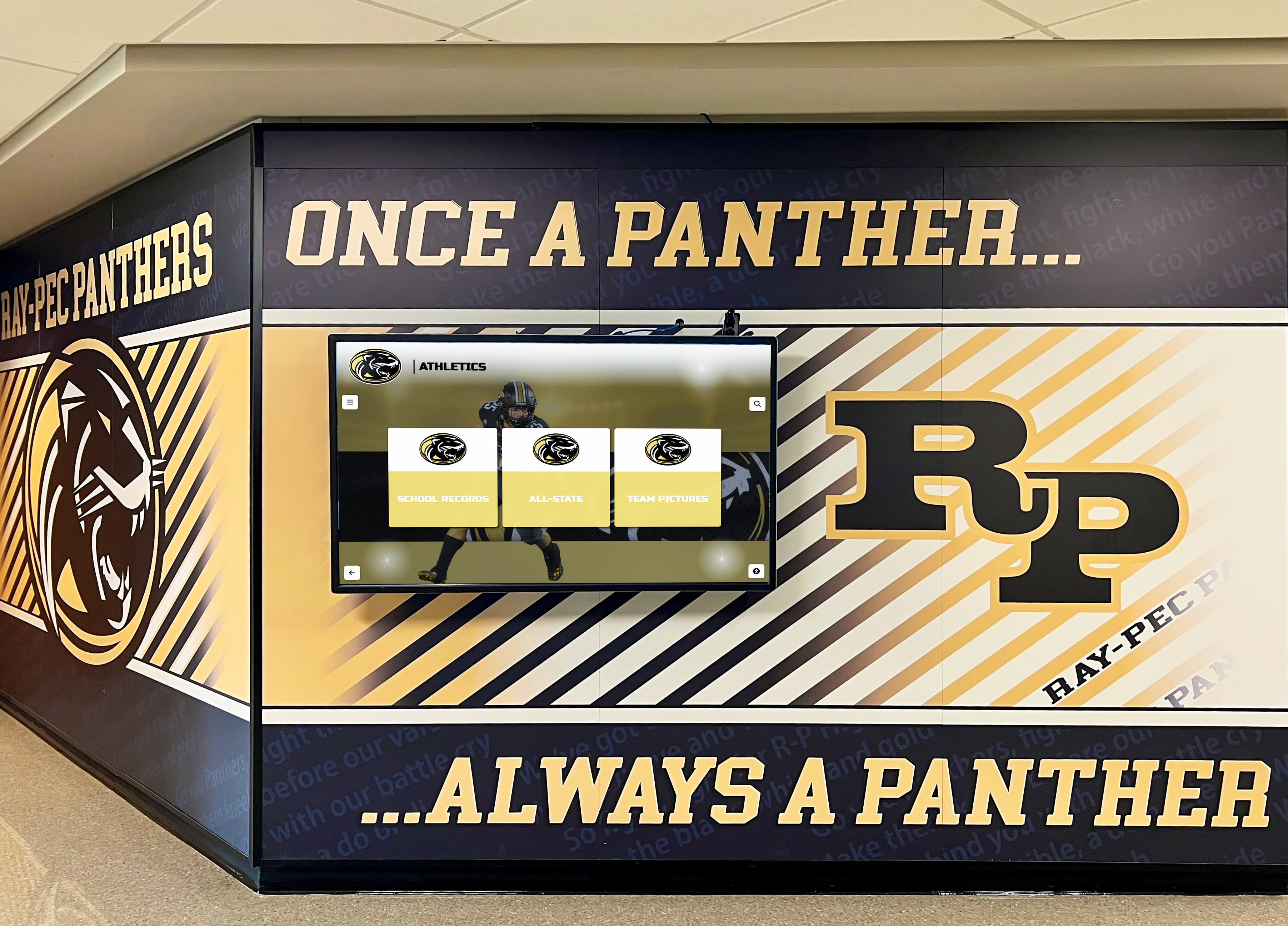
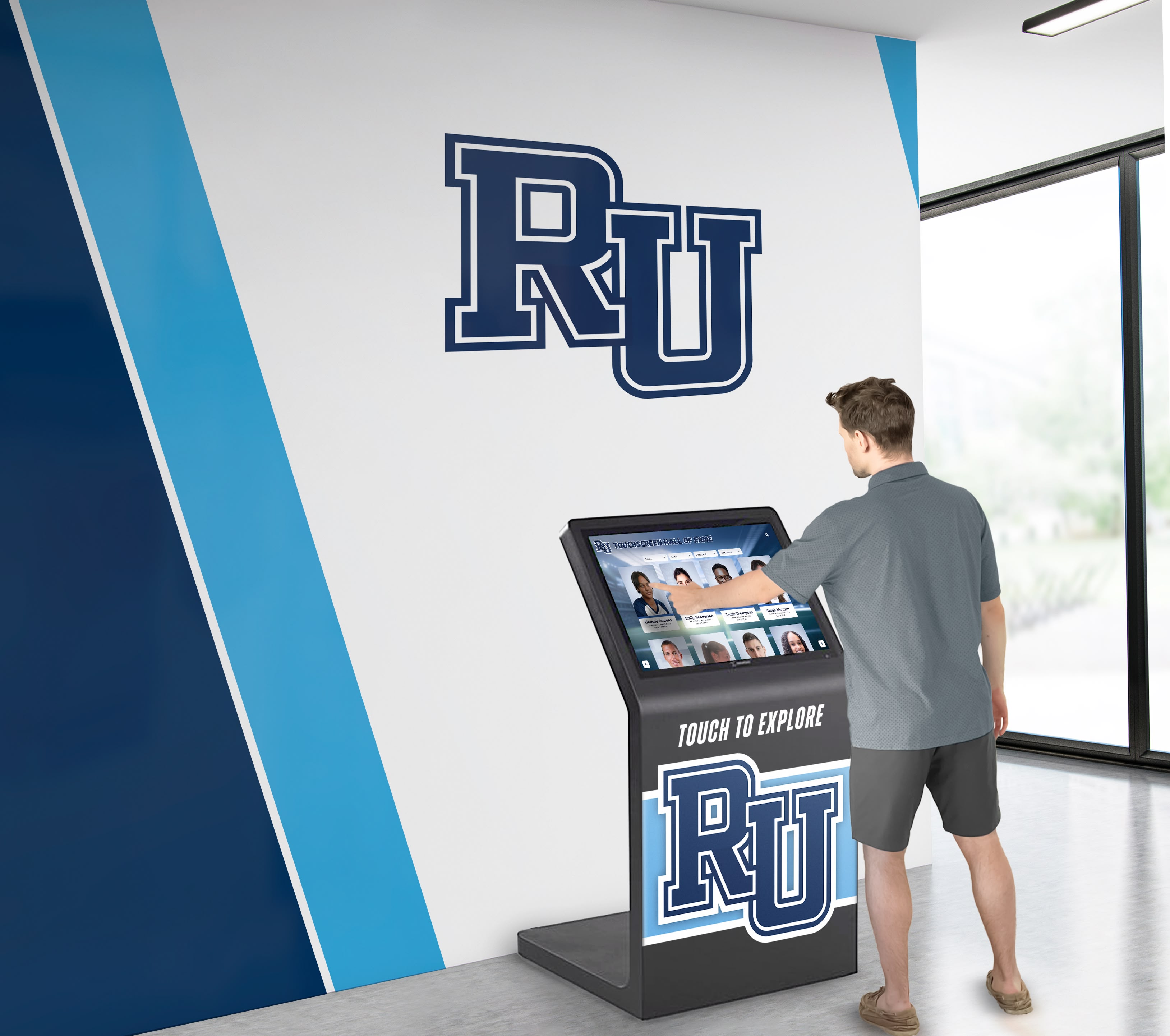
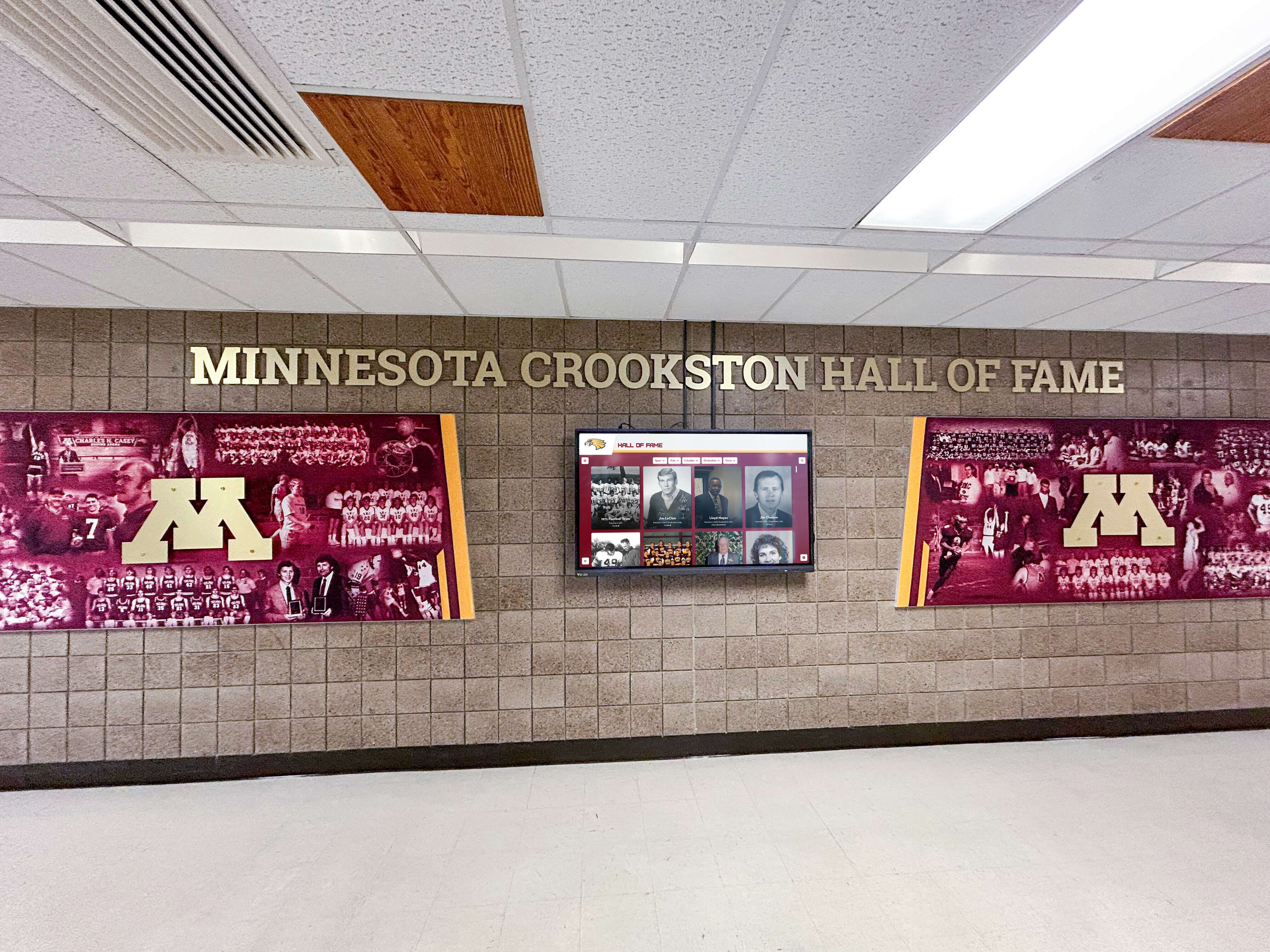
Physical installations bring digital archives into public spaces where casual browsing occurs naturally. Digital recognition displays transform traditional library lobbies, community centers, and educational institutions into engaging spaces where visitors discover local history through intuitive touchscreen interaction.
Interactive displays offer advantages online platforms cannot replicate:
- Serendipitous discovery through casual browsing
- Social experience enabling group exploration
- Visual impact attracting attention in public spaces
- No login barriers or technical prerequisites
- Storytelling through curated exhibitions
- Integration with physical spaces and architectural context
Solutions like those from Rocket Alumni Solutions enable libraries to transform archival photographs, documents, and multimedia materials into immersive touchscreen experiences. These systems support digitized yearbooks, historical timelines, and community recognition programs that connect past and present.
Programming and Outreach Initiatives
Educational Programming
Active programming extends archive impact beyond passive access:
- Workshops teaching genealogical research techniques
- Student projects creating digital exhibits from archival materials
- Oral history initiatives capturing contemporary community voices
- Digitization days where community members contribute family materials
- Lectures and presentations highlighting collection discoveries
Approximately 80% of US public libraries have implemented community engagement programs focused on literacy and digital skills, according to community engagement research.
Collaborative Collection Development
Community-contributed materials enrich official collections:
- Scanning days where families digitize personal photographs for inclusion
- Crowdsourced description campaigns identifying people, places, and dates
- Student internships processing collections and creating finding aids
- Partnership projects with local organizations contributing materials
- Born-digital collecting of contemporary community documentation
The Community Webs program partners with libraries to preserve web archives documenting local history and underrepresented groups, demonstrating collaborative approaches to contemporary collecting.
Accessibility and Inclusive Design
Digital archives should serve all community members regardless of ability:
Technical Accessibility Requirements:
- WCAG 2.1 AA compliance for web interfaces
- Alternative text for all images
- Keyboard navigation for all functions
- Screen reader compatibility
- Captioning for audio and video materials
- Transcripts for multimedia content
Cultural and Linguistic Accessibility:
- Multilingual interfaces serving non-English speakers
- Description and metadata in community languages
- Culturally appropriate terminology and subject headings
- Collections representing diverse community populations
- Inclusive representation in curated exhibitions and featured materials
Economic Accessibility:
- Free access without subscription or fee barriers
- Public computer access for community members without home internet
- Download and print options for offline use
- Educational licensing permitting classroom use
For institutions seeking to showcase historical materials through interactive touchscreen displays, ensuring accessibility features are built into the user experience from the beginning prevents costly retrofitting and ensures all visitors can engage with community history.
Managing Rights, Permissions, and Ethical Considerations
Digital publication introduces complex legal and ethical dimensions requiring careful attention. Libraries must balance desires for broad access with respect for copyright, privacy, and cultural sensitivities.
Copyright and Intellectual Property
Public Domain Materials
Many archival materials have entered the public domain:
- Works published before 1929 in the United States
- Federal government documents and publications
- Works explicitly donated to the public domain
- Orphan works where rights holders cannot be located (with appropriate risk assessment)
Public domain materials can be digitized and shared without restriction, though ethical considerations may still apply.
Copyright-Protected Materials
Materials under copyright require permission for digital publication:
- Works created after 1978 remain under copyright for author’s life plus 70 years
- Works for hire and corporate authorship follow different terms
- Unpublished materials have complex copyright status
- Permission required from rights holders for digitization and online access
Many libraries employ “risk-managed” approaches, digitizing orphan works with takedown policies enabling rights holders to request removal if they emerge.
Fair Use Considerations
Fair use provisions may permit limited digitization without permission:
- Transformative purposes (commentary, criticism, education)
- Limited portions of larger works
- Materials without commercial market value
- Digitization serving preservation purposes
Libraries should consult legal counsel when relying on fair use for digitization decisions.
Privacy and Sensitive Materials
Historical materials may contain information subjects would prefer remain private:
Personally Identifiable Information:
- Social Security numbers and financial information
- Medical records and health information
- Educational records protected by FERPA
- Criminal justice records with privacy implications
Libraries should redact sensitive information or restrict access to materials containing it.
Cultural Sensitivity
Materials documenting marginalized communities require special consideration:
- Sacred or ceremonial materials inappropriate for public access
- Images of deceased individuals in cultures restricting such display
- Materials containing racist, sexist, or otherwise offensive content
- Historical materials documenting trauma or oppression
Many institutions develop consultative processes with community members determining appropriate access and contextualization for sensitive materials.
Technology Infrastructure and Management Systems
Sustainable digital archive programs require robust technical infrastructure supporting capture, storage, preservation, access, and long-term management. Libraries must balance functional requirements with budget constraints and staff technical capacity.
Digital Asset Management Systems
Core DAMS Functionality
Digital Asset Management Systems provide centralized infrastructure for archival collections:
- Centralized storage with version control and backup
- Metadata management with controlled vocabularies
- Workflow tools supporting digitization pipelines
- Access control and permission management
- Public access interfaces and APIs
- Preservation functions including format migration and fixity checking
- Analytics tracking usage and identifying popular materials
Platform Selection Criteria
Libraries should evaluate systems based on:
- Total cost of ownership (licensing, hosting, support, customization)
- Scalability to accommodate collection growth
- Interoperability with existing library systems
- Standards compliance (OAIS, PREMIS, Dublin Core)
- Staff learning curve and technical support requirements
- Vendor stability and product roadmap
- Community and user base size
Popular options include ArchivesSpace, CONTENTdm, Islandora, Omeka, and commercial platforms from vendors like Ex Libris and OCLC.
Complementary Technologies
Optical Character Recognition (OCR)
OCR transforms image-based documents into searchable text:
- Essential for newspaper, manuscript, and document collections
- Accuracy varies by source material quality and typographic complexity
- Manual correction required for materials with poor OCR results
- AI-powered solutions improving accuracy rates
- Multi-language OCR supporting multilingual collections
Ex Libris introduced Alma Specto in 2026, using AI to extract and organize metadata from digital materials, demonstrating emerging applications of artificial intelligence in digital archives.
Facial Recognition and Computer Vision
Emerging technologies assist with photograph organization:
- Automated face detection and grouping
- Potential for identifying known individuals
- Privacy concerns requiring careful policy development
- Enhanced discovery for portrait collections
- Bias issues with commercial systems trained on limited datasets
Infrastructure Monitoring and Maintenance
Reliable digital archives require ongoing technical attention:
- Regular software updates and security patching
- Performance monitoring and optimization
- Capacity planning and storage expansion
- Backup testing and disaster recovery drills
- User experience testing and interface improvements
- Analytics review identifying usage patterns and issues
Financial Sustainability and Resource Development
Digital archive programs require sustained investment extending far beyond initial digitization costs. Libraries must develop sustainable funding models supporting ongoing operation, preservation, and growth.
Cost Components and Budget Planning
Initial Implementation Costs:
- Digitization equipment or vendor services
- Digital asset management system licensing or implementation
- Staff training and skill development
- Metadata creation and quality control
- Server infrastructure or cloud storage
- Software licenses for processing and management
Ongoing Operational Costs:
- Staff salaries for digital archive management
- Storage costs (expanding with collection growth)
- Software maintenance and licensing fees
- Equipment replacement and upgrades
- Format migration projects
- Bandwidth and hosting costs
- Backup and disaster recovery infrastructure
Libraries report that ongoing costs typically equal 15-30% of initial implementation investment annually, requiring sustained budget commitment.
Grant Funding and External Support
Multiple funding sources support digital archive development:
Federal Grant Programs:
- Institute of Museum and Library Services (IMLS)
- National Endowment for the Humanities (NEH)
- National Historical Publications and Records Commission (NHPRC)
- State library agency programs
Foundation Support:
- Local community foundations
- National foundations supporting cultural heritage
- Technology-focused foundations
- Subject-specific foundations (historical, genealogical, ethnic heritage)
Collaborative Funding:
- Multi-institutional projects sharing costs
- Regional digitization centers providing shared infrastructure
- State digitization programs offering services to local libraries
- Public-private partnerships with commercial partners
Successful grant applications demonstrate clear community need, sustainable operational plans, and measurable outcomes aligned with funder priorities.
Measuring Success and Demonstrating Value
Effective advocacy for digital archive programs requires demonstrating value through quantitative metrics and qualitative impact stories. Libraries should establish measurement frameworks aligned with institutional priorities and stakeholder interests.
Key Performance Indicators
Usage Metrics:
- Total page views and unique visitors
- Search queries and browse patterns
- Downloads and sharing actions
- Geographic distribution of users
- Repeat visitor rates and session duration
- Mobile vs. desktop access patterns
Collection Growth Metrics:
- Items digitized per month/year
- Collections made publicly accessible
- Metadata records created and enhanced
- Formats represented in collections
- Date range coverage and gap identification
Community Engagement Metrics:
- Program attendance and participation
- Materials contributed by community members
- User-generated content (tags, comments, identifications)
- Social media engagement and shares
- Educational use and classroom integration
- Reference inquiries and research consultations
Operational Efficiency Metrics:
- Cost per item digitized
- Processing time per item
- Staff productivity measures
- Error rates and rework requirements
- Equipment utilization rates
Qualitative Impact Assessment
Numbers tell only part of the story. Libraries should document:
- Researcher testimonials about discoveries enabled by digital access
- Student learning outcomes from archival research projects
- Community stories about personal connections to archival materials
- Genealogical breakthroughs facilitated by digital collections
- Media coverage and public recognition of collections
- Awards and professional recognition received
Combining quantitative data with compelling stories creates powerful narratives demonstrating value to funders, administrators, and community stakeholders.
Future Trends and Emerging Technologies
Digital archive practice continues evolving as new technologies emerge and user expectations shift. Forward-thinking libraries monitor trends positioning institutions to adopt innovations delivering genuine value while avoiding technology-for-technology’s-sake distractions.
Artificial Intelligence Applications
AI technologies offer potential for automating labor-intensive processes:
- Automated metadata generation from image and text analysis
- Handwriting recognition for manuscript collections
- Audio transcription for oral history collections
- Automatic subject classification and tagging
- Similarity detection revealing connections between materials
- Anomaly detection identifying damaged or corrupted files
Libraries should approach AI adoption carefully, maintaining human oversight ensuring accuracy and addressing bias concerns inherent in training data.
Immersive Technologies
Virtual and augmented reality create new engagement opportunities:
- VR environments enabling exploration of historical spaces
- 3D digitization of artifacts and objects
- AR applications overlaying historical images on contemporary locations
- Interactive storytelling experiences using archival materials
- Virtual exhibitions accessible remotely
While immersive technologies generate excitement, libraries should ensure investments align with actual user needs and available staff capacity rather than pursuing novelty for its own sake.
Blockchain and Distributed Preservation
Emerging preservation approaches leverage distributed technologies:
- Blockchain-based provenance tracking ensuring authenticity
- Distributed storage networks reducing centralization risks
- Smart contracts automating preservation actions
- Cryptographic verification of file integrity
- Decentralized preservation networks across institutions
These technologies remain experimental, but may eventually provide alternatives to centralized preservation models.
Getting Started: Practical Steps for Libraries
Libraries beginning digital archive programs should approach implementation systematically, building capacity incrementally rather than attempting comprehensive transformation immediately.
Phase 1: Assessment and Planning (Months 1-3)
Essential Activities:
- Survey existing collections and identify digitization priorities
- Assess current technical infrastructure and staffing capacity
- Research digital asset management systems appropriate to scale and budget
- Consult with similar institutions about lessons learned
- Develop preliminary project plans and budget estimates
- Identify potential funding sources and partnership opportunities
Phase 2: Pilot Project (Months 4-9)
Pilot Project Goals:
- Test workflows and identify process improvements
- Evaluate equipment and technical specifications
- Train staff and develop competencies
- Create sample collections for user testing
- Refine metadata standards and controlled vocabularies
- Gather usage data and community feedback
Successful pilot projects typically involve 500-1,000 items from a single, well-defined collection with clear community interest and minimal rights complications.
Phase 3: Production Implementation (Months 10-24)
Scaling Activities:
- Expand digitization to additional priority collections
- Implement permanent digital asset management system
- Launch public access interface with marketing and outreach
- Establish ongoing workflows and staffing patterns
- Develop policies and procedures documentation
- Create training materials for new staff and volunteers
Phase 4: Sustainable Operations (Month 25+)
Long-Term Success Factors:
- Sustained budget allocation for ongoing operations
- Regular collection growth and enhancement
- Continuous user feedback and interface improvements
- Preservation activities including format migration and integrity checking
- Staff professional development and skill updating
- Program evaluation and metric tracking
- Strategic planning for future directions
Libraries implementing digital display solutions for showcasing archival materials should coordinate hardware installation with digital collection readiness, ensuring compelling content is available when displays launch.
Conclusion: Building Digital Archives That Serve Communities
Public library digital archive collections represent far more than technology implementations—they embody institutional commitments to preserving community memory, democratizing access to cultural heritage, and ensuring historical materials remain available for future generations. Successful programs balance technical excellence with community responsiveness, professional standards with user accessibility, and preservation rigor with innovation.
Libraries embarking on digital archive journeys should remember that perfect is the enemy of good. Starting with manageable pilot projects, learning from experience, and incrementally building capacity produces better long-term results than pursuing comprehensive solutions before institutional readiness exists. The most sustainable programs emerge from realistic assessment of resources, clear alignment with community needs, and commitment to ongoing evolution rather than static completion.
For libraries considering interactive touchscreen displays to showcase digital archives in physical spaces, solutions like those from Rocket Alumni Solutions bridge digital collections and community engagement, transforming historical materials into compelling visitor experiences that build pride, connection, and appreciation for local heritage.
The digital transformation of library archives continues accelerating, driven by technological advancement, changing user expectations, and institutional recognition of access and preservation as inseparable priorities. Libraries investing thoughtfully in digital archive programs position themselves as essential community institutions preserving the past while building foundations for future discovery and engagement.
Sources
- Library Tech Trends for 2026 - The Digital Librarian
- 2026 Library Systems Report - American Libraries Magazine
- Libraries & Archives in the US Industry Analysis, 2026 - IBISWorld
- Standards and best practice - Digital Preservation Handbook
- Digital Preservation at the Library of Congress
- Public Library Use - American Library Association
- Library Statistics Market Data Report 2026 - World Metrics
- Community Webs joins the Digital Public Library of America - Internet Archive
- History For All: Cultivating Community Engagement - Advantage Archives