



Intent: research
Private school annual galas represent critical fundraising infrastructure generating millions in scholarship support, faculty development resources, and program enhancement funding. These signature events combine award recognition, donor cultivation, and community celebration—often generating 30-50% of schools’ total annual fundraising revenue in a single evening.
Yet traditional gala recognition and archiving approaches leave significant engagement and stewardship value uncaptured. Physical programs get filed away and forgotten, award winner recognition ends when applause fades, and donor acknowledgment lacks the ongoing visibility that strengthens retention and inspires continued giving.
This research report documents how private schools leverage digital recognition technology to extend gala impact beyond event nights—creating permanent archives, providing ongoing donor visibility, and generating measurable improvements in both donor retention and event attendance year-over-year.
Current State of Private School Gala Recognition Practices
Understanding baseline practices across independent schools reveals where digital recognition creates differentiated value versus incremental improvement.
Traditional Gala Recognition Components
Private school galas typically incorporate multiple recognition elements throughout event programming and materials.
Printed Program Recognition
Survey data shows 97% of schools produce printed gala programs featuring donor listings organized by giving levels. Programs typically include leadership gift acknowledgment ($25,000+), major donor recognition ($10,000-$24,999), patron level supporters ($5,000-$9,999), benefactor recognition ($2,500-$4,999), and general donor listings ($1,000-$2,499).
Average program production cost ranges $8-$15 per attendee depending on page count (typically 20-48 pages) and design complexity. For events with 300-500 attendees, total program costs reach $2,400-$7,500 annually—recurring expenses that deliver single-use value before programs are discarded or filed away.
Event Night Recognition Moments
Live recognition during gala programming occurs at 91% of surveyed schools. Common formats include verbal acknowledgment from podium (68% of schools), video montages featuring donors (34%), leadership donor introductions with brief remarks (29%), award presentation ceremonies (83%), and scholarship recipient introductions thanking supporters (57%).
These recognition moments create powerful emotional experiences during events but lack permanence. Once attendees leave, no mechanism preserves or extends the impact beyond participants’ memories.
Post-Event Follow-Up Materials
Post-gala stewardship varies significantly across schools. Follow-up communications within 72 hours occur at 78% of schools, thank-you communications mentioning total funds raised reach 64%, photo galleries shared via email or web portals appear at 52%, and video highlights from event nights are distributed by only 31% of schools.
The quality and consistency of post-event follow-up directly correlates with next-year attendance rates. Schools with comprehensive follow-up (photos, videos, impact reporting) achieve 87% year-over-year attendance retention versus 64% for schools with minimal follow-up.
Recognition Gaps Identified in Current Practices
Advancement directors surveyed identify consistent gaps between current recognition capabilities and desired outcomes.
Limited Ongoing Visibility
The most frequently cited limitation (mentioned by 73% of respondents) involves lack of ongoing donor visibility following events. Physical programs provide recognition on event night but no sustained acknowledgment throughout the year. Donors who cannot attend galas—typically 40-60% of total donor bases—receive minimal recognition beyond tax receipt letters.
This visibility gap particularly affects retention among donors whose sole engagement touchpoint is annual gala attendance. When circumstances prevent attendance (schedule conflicts, relocation, COVID concerns), these supporters lose their primary institutional connection and lapse at significantly higher rates.
Incomplete Award Winner Archives
Only 34% of surveyed schools maintain comprehensive digital archives of all annual gala award recipients across multiple years. The remaining 66% rely on scattered records across printed programs, email announcements, and institutional memory—creating gaps that complicate future recognition and make historical research difficult.
Schools launching capital campaigns or milestone anniversary celebrations report spending considerable time reconstructing award winner histories from incomplete records. The absence of systematic archiving creates unnecessary research burden while limiting opportunities to leverage award recipient networks for advancement activities.
Scholarship Recipient Connection Challenges
While 85% of schools invite scholarship recipients to galas and 57% include them in programming, only 19% maintain easily accessible databases connecting specific donors to students their contributions support. This gap limits impact storytelling and prevents powerful donor stewardship that demonstrates concrete outcomes from philanthropic investment.
Research consistently shows that donors who meet scholarship recipients or receive detailed impact reports give at higher levels over longer periods. Schools lacking systematic mechanisms for facilitating these connections leave significant stewardship value unrealized.
Digital Recognition Implementation Patterns
Among surveyed schools, 37% have implemented digital recognition displays as permanent gala archiving and donor recognition infrastructure. Implementation patterns reveal consistent approaches and measurable outcomes.
Display Placement Strategies
Strategic placement significantly influences display utilization and engagement impact.
Primary Location Distribution
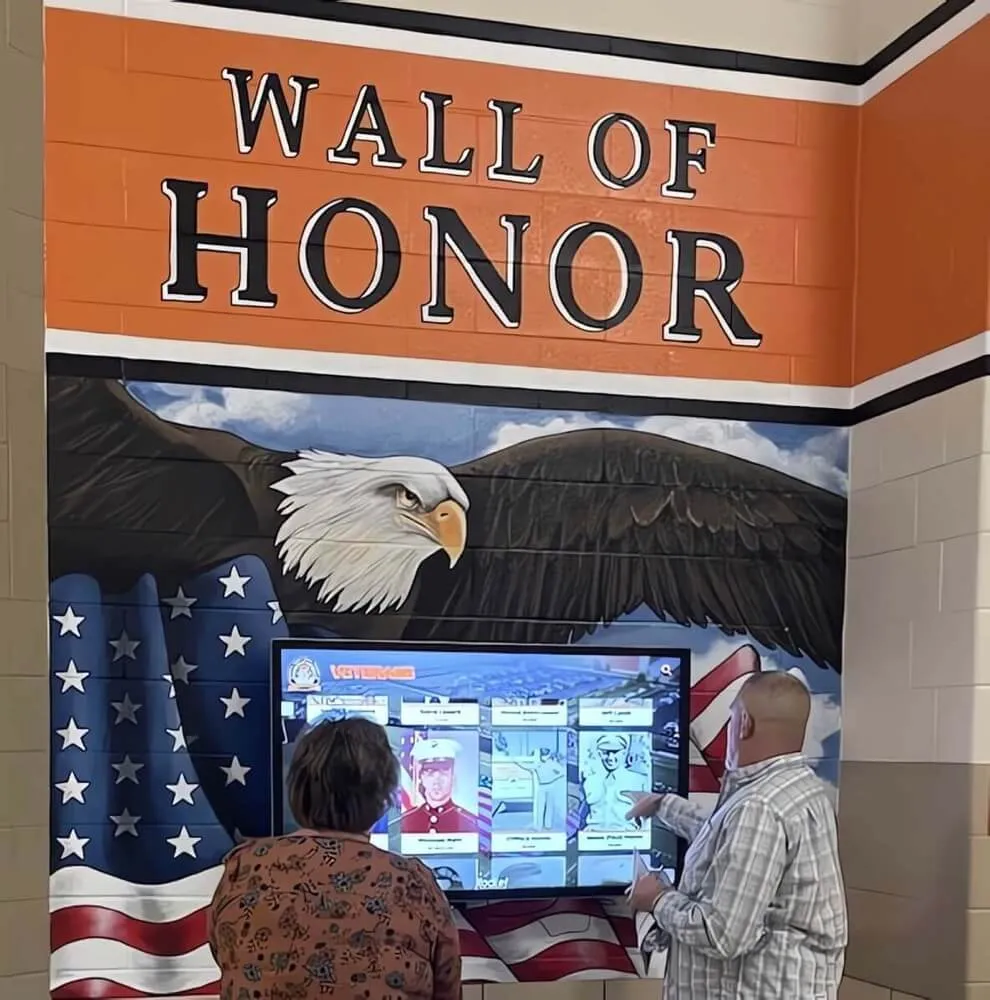
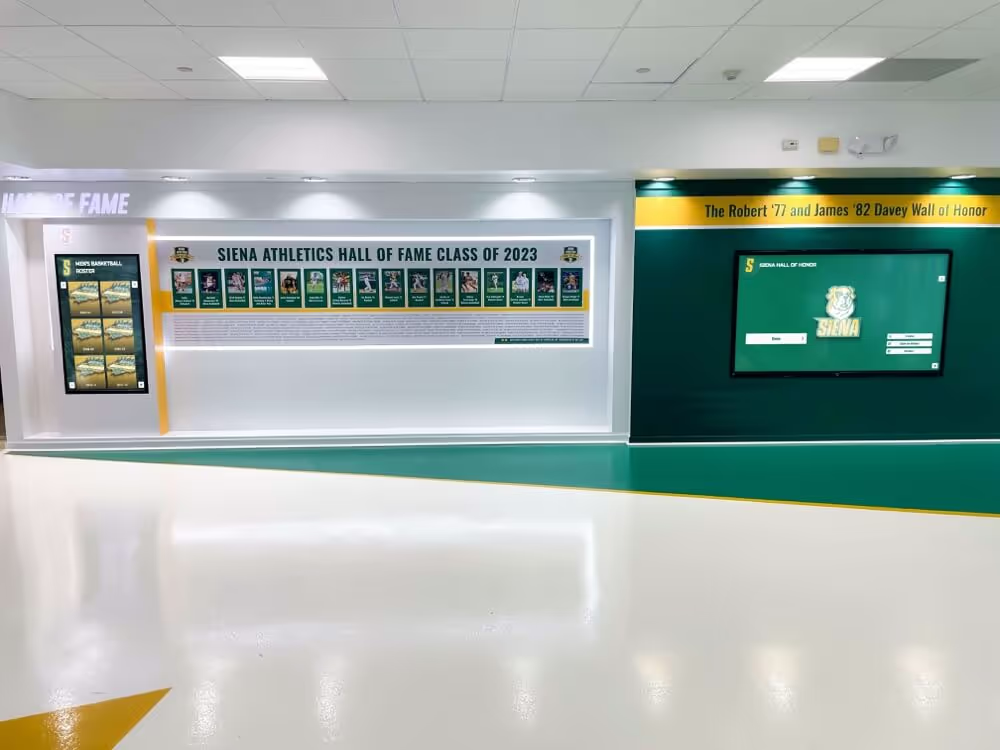
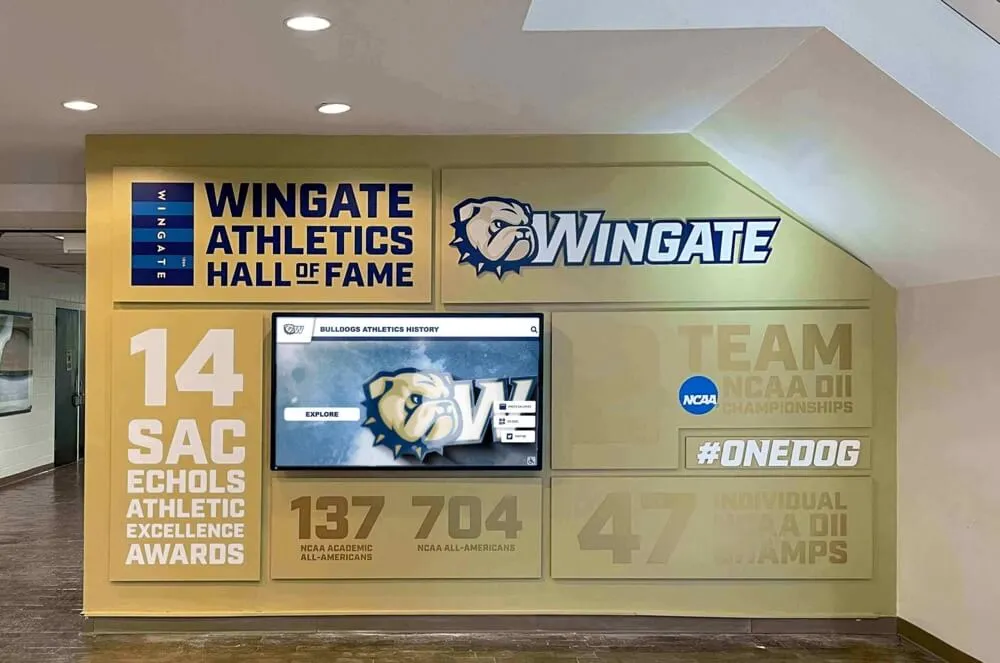
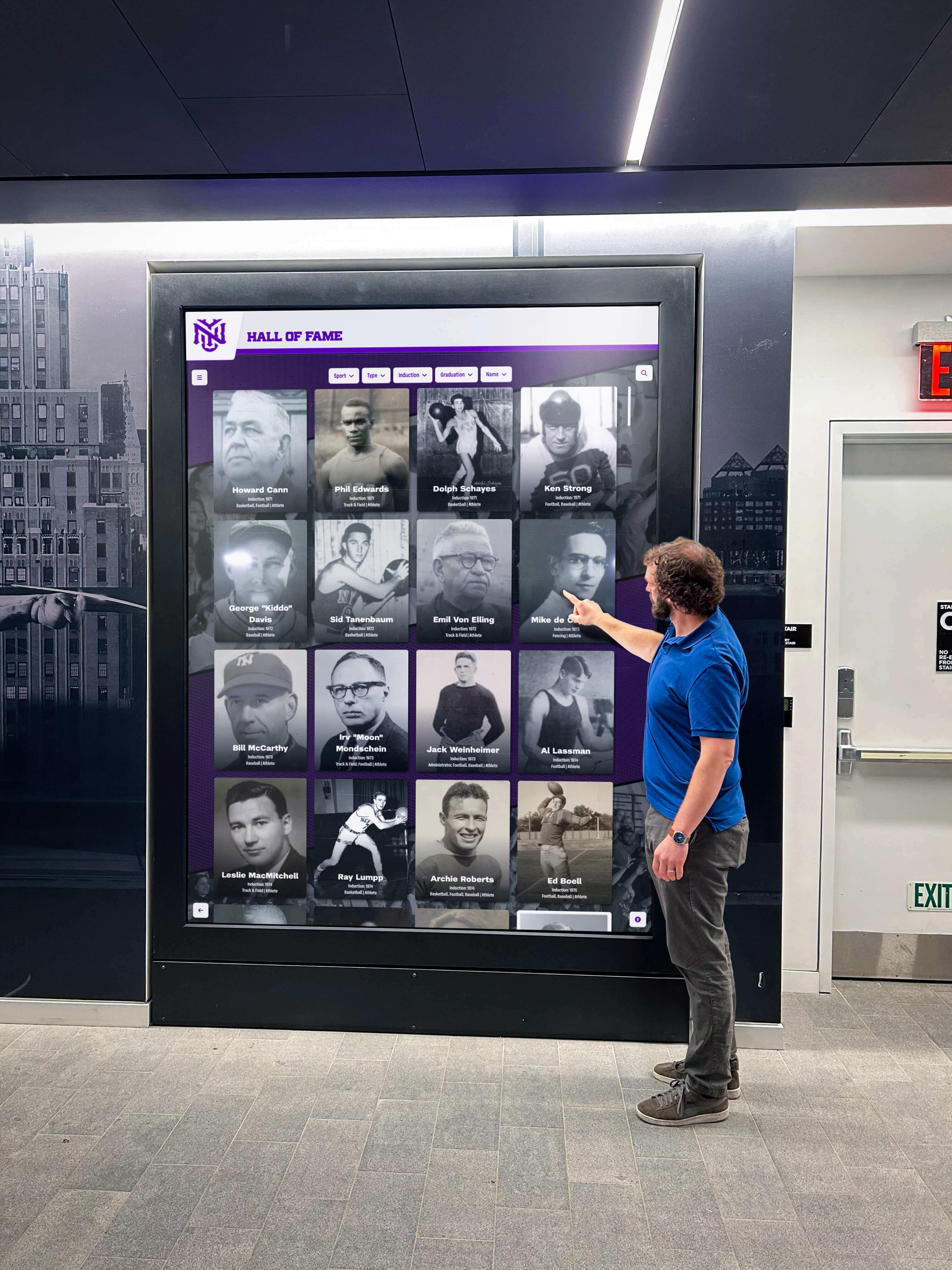
Main school lobbies and entrance areas host 64% of digital recognition displays, positioning recognition where daily visitor traffic is highest. Advancement or development office locations account for 18% of placements, serving donor cultivation during scheduled meetings. Performing arts center or event venue lobbies hold 12% of displays, connecting recognition directly to gala locations. Athletic facility placements represent 4%, and library or learning commons locations account for 2%.
Schools report that lobby placements generate highest overall engagement (average 142 weekly interactions) while advancement office installations serve more targeted purposes during cultivation conversations (average 34 weekly interactions but 89% involve major gift prospects or donors).
Multi-Location Deployment
Among schools with digital recognition displays, 28% have deployed multiple units across campus. Common configurations include lobby display paired with advancement office unit (47% of multi-location schools), lobby installation plus performing arts center placement (31%), and comprehensive networks with 3+ displays across high-traffic campus locations (22%).
Multi-location strategies show 41% higher overall engagement than single-display deployments, though per-display interaction rates remain comparable. The expanded physical footprint increases likelihood that community members encounter recognition, while consistent content across locations reinforces unified institutional messaging about donor and award winner celebration.
Content Organization Approaches
How schools structure digital recognition content significantly affects usability and engagement outcomes.
Gala-Specific Sections
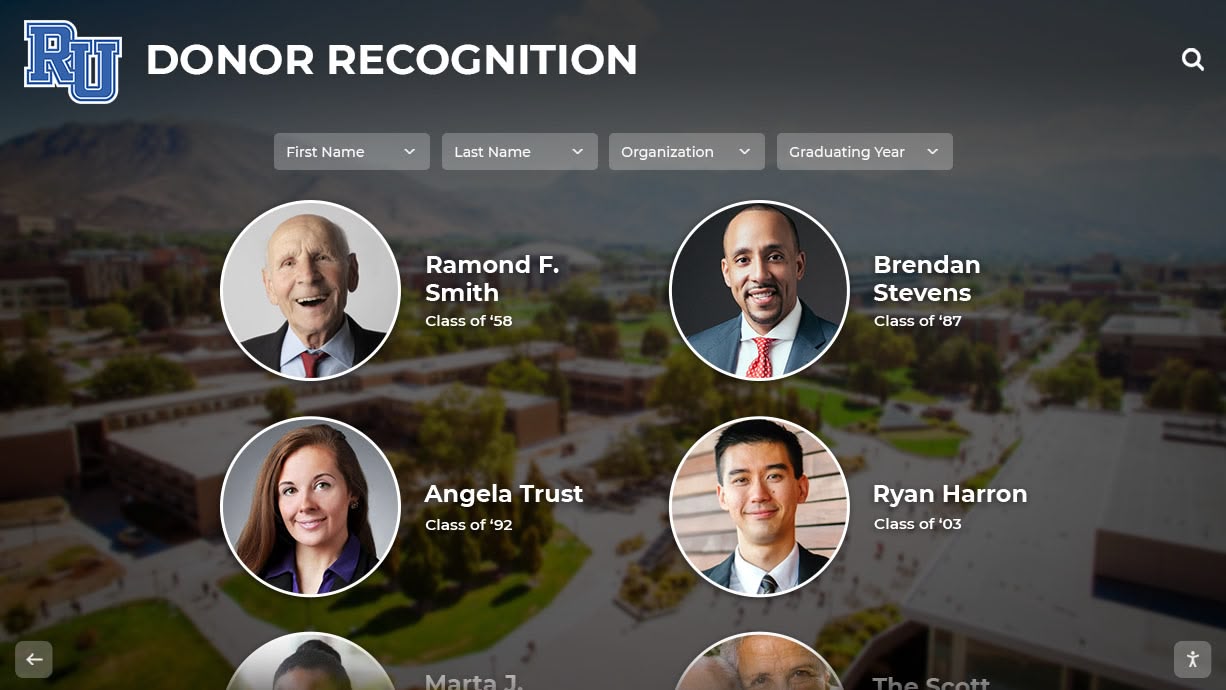
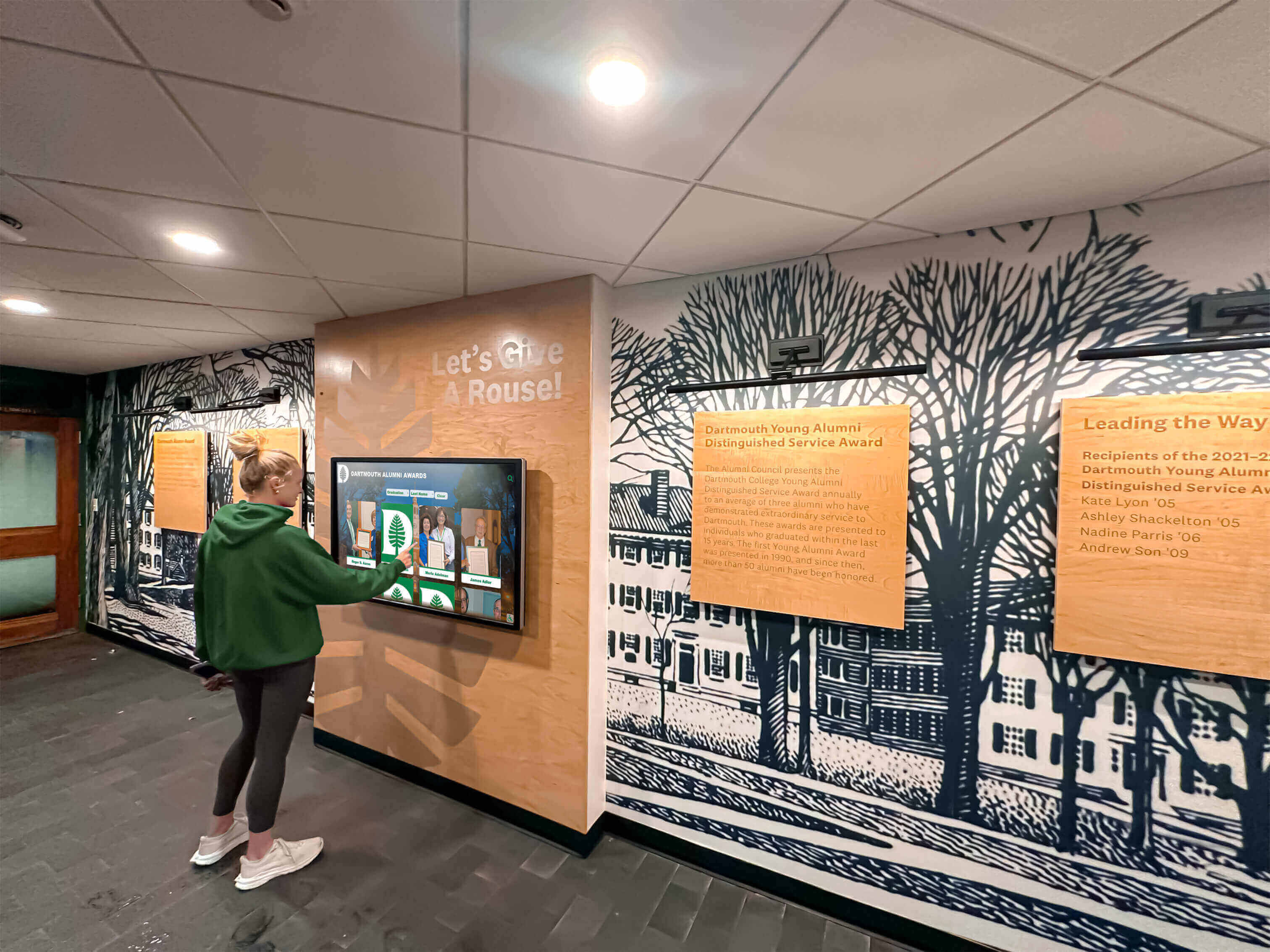
The most common organizational approach (used by 78% of schools with digital displays) creates dedicated gala sections within broader recognition platforms. Typical structure includes annual gala award recipients organized by year, donor recognition by giving level and campaign, scholarship recipient profiles with donor connections, event photo and video archives, and historical program documents from past galas.
This integration situates gala recognition within comprehensive institutional recognition ecosystems, enabling visitors to explore connections between award winners, donors, and other honorees across multiple recognition categories. Schools report that integrated approaches generate 34% more exploration beyond initial entry points compared to isolated gala-only installations.
Searchable Databases vs. Chronological Archives
Schools take two primary approaches to content access: searchable databases enabling name-based or category-filtered discovery (used by 64% of schools) and chronological archives organized primarily by event year (36%).
Searchable database approaches show measurably higher engagement—average 8.7 minutes per session versus 4.2 minutes for chronological archives. Search functionality enables visitors to locate specific individuals quickly while discovery features (“related honorees,” “others from this class year”) encourage expanded exploration. However, chronological approaches require simpler content management and prove sufficient for schools prioritizing archival preservation over active engagement.
Measurable Outcomes: Donor Engagement Impact
Schools implementing digital gala recognition track outcomes across multiple advancement metrics, revealing consistent patterns of improved performance.
Donor Retention Rate Improvements
Donor retention represents the most financially significant metric, as small retention improvements compound dramatically across multi-year giving cycles.
Year-Over-Year Retention Analysis
Among schools with 3+ years of digital recognition operation (N=41), average donor retention rates increased from 62% baseline (measured in final year before implementation) to 73% in year one, 76% in year two, and 78% in year three post-implementation.
Control group comparison using peer schools without digital recognition (N=37) shows retention rates of 61%, 63%, and 64% over the same time period. The 14-percentage-point gap by year three represents substantial financial impact when applied across typical private school donor bases of 400-800 active supporters.
Retention Impact by Giving Level
Retention improvements vary by donor tier, with strongest effects among mid-level supporters ($2,500-$24,999 annual giving). This segment showed baseline retention of 58% improving to 74% by year three—a 16-point improvement. Leadership donors ($25,000+) showed smaller but still meaningful improvement from 79% baseline to 85% by year three. Annual fund donors ($1,000-$2,499) improved from 51% to 61%.
The outsized impact on mid-level donors creates particular strategic value, as this segment represents highest upgrade potential to major gift categories. Improved retention extends cultivation timeframes and increases probability of eventual transformational gifts as financial capacity and institutional engagement deepen simultaneously.
Gala Attendance Patterns
Beyond donor retention, digital recognition measurably impacts event attendance—critical both for fundraising outcomes and community engagement.
Repeat Attendance Rates
Schools implementing digital recognition report year-over-year gala attendance retention improving from 64% baseline to 79% by third year post-implementation. This 15-point improvement translates to approximately 45-75 additional returning attendees for schools with typical 300-500 person gala capacity.
Qualitative feedback from advancement directors attributes attendance improvement to multiple factors: enhanced recognition visibility between events maintaining engagement momentum, archived event materials enabling non-attendees to experience prior galas, award winner and donor profiles creating emotional connection that motivates attendance, and social sharing of recognition generating broader community awareness and interest.
First-Time Attendee Conversion
First-time gala attendee conversion to repeat participation shows even stronger improvement—from 41% baseline (percentage of first-time attendees who return following year) to 67% by year three post-implementation. This 26-point improvement suggests that digital recognition particularly benefits newer community members who may have weaker institutional connections than long-tenured families.
Post-event surveys reveal that 73% of first-time attendees interact with digital recognition displays when visiting campus after galas, exposure rates far exceeding the 34% who actively seek printed programs or emails. This passive discovery—encountering recognition during regular campus visits—creates sustained connection between events that strengthens attendance commitment.
Average Gift Size Trends
While retention rates measure donor continuity, gift size analysis reveals whether digital recognition influences giving amounts beyond participation rates alone.
Annual Gift Growth Patterns
Average annual gifts from gala donors increased 18% across the three-year measurement period for schools with digital recognition, compared to 7% growth for control group schools. While some growth reflects general market conditions and campaign momentum across both groups, the 11-point differential suggests recognition-driven amplification of baseline giving trends.
Growth concentrates particularly among donors receiving enhanced multimedia recognition—those with video testimonials, detailed biographical profiles, or featured positioning in display interfaces. This subset showed 27% average gift growth over three years versus 12% for donors with basic text-only recognition, indicating that recognition depth correlates with giving response.
Upgrade Conversion Rates
Upgrade rates—percentage of donors increasing giving tier annually—improved from 23% baseline to 34% by year three for schools with digital recognition. Advancement directors attribute upgrades partially to strategic use of recognition levels as motivational tools: “When donors see the enhanced recognition that leadership supporters receive, many aspire to similar acknowledgment and increase giving to access those recognition tiers.”
This finding validates the strategic importance of visible, differentiated recognition structures that create clear upgrade pathways. When recognition differences between giving levels remain subtle or invisible, donors lack external motivation for increasing support. Prominent, attractive leadership recognition creates aspiration that complements intrinsic philanthropic motivation.
Event Archiving and Historical Preservation
Beyond donor recognition, digital platforms address historical preservation challenges that many schools face regarding institutional records and event documentation.
Comprehensive Event Archives
Schools implementing digital archiving report significantly improved accessibility and completeness of historical gala records.
Archive Completeness Metrics
Among schools with 5+ years of digital archiving (N=23), average archive completeness—defined as percentage of verifiable historical award winners with at least basic digital profiles—reached 87% for the 20-year period preceding implementation. Schools without digital systems average only 34% completeness for the same period.
This improvement stems from systematic digitization efforts accompanying platform launches. Schools typically dedicate 40-80 hours during implementation to researching and inputting historical records from printed programs, newspaper clippings, and institutional archives. While time-intensive initially, this work creates permanent institutional assets benefiting advancement operations, historical research, and institutional memory preservation for decades.
Multimedia Content Integration
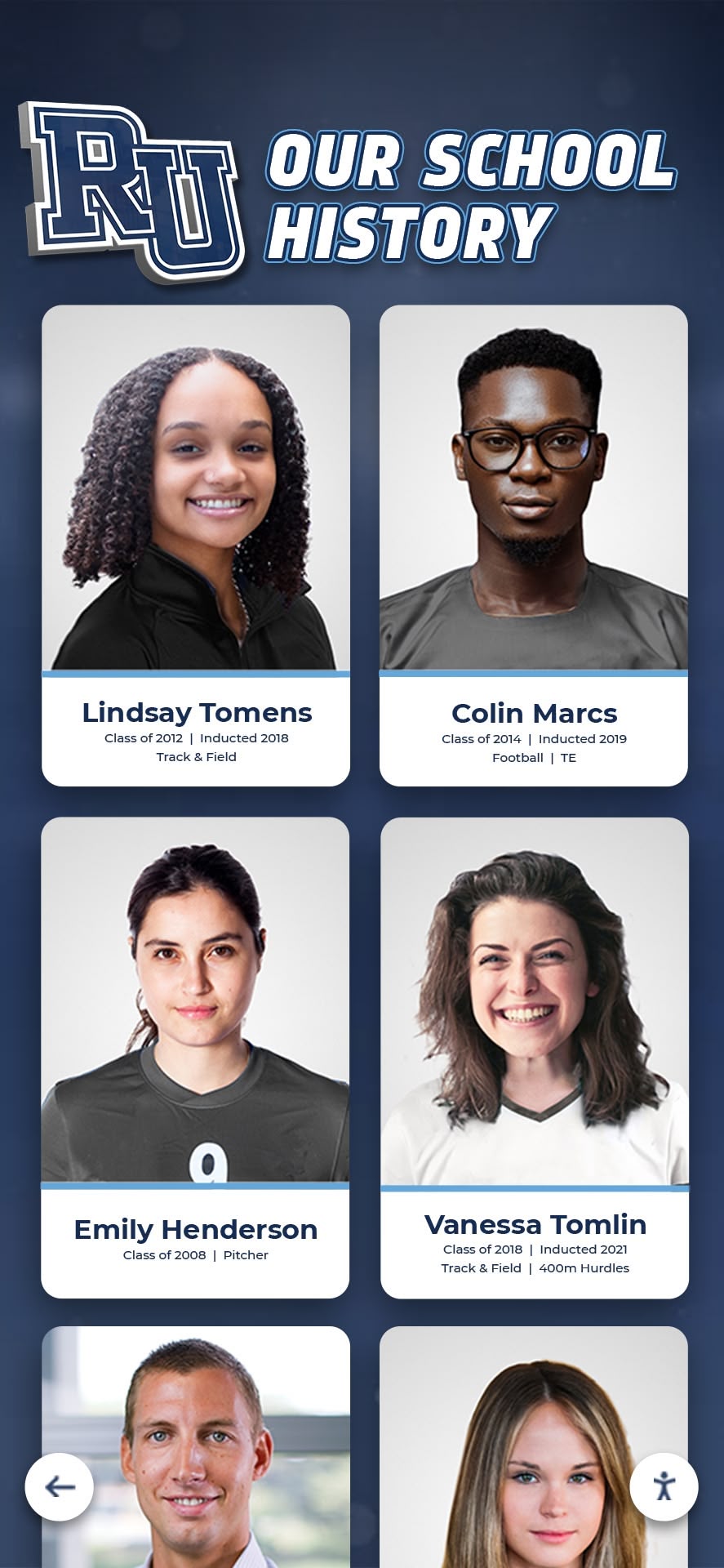
Digital archives enable integration of diverse content types impossible in physical formats. Among surveyed schools with archives, content types include scanned historical programs (94%), event photography from current and past galas (89%), video recordings of speeches or presentations (67%), oral history interviews with past award recipients (31%), and scanned newspaper clippings or media coverage (58%).
This multimedia integration creates richer historical records than any single format could provide, supporting comprehensive institutional history capture that serves advancement, admissions, and institutional communications simultaneously.
Research and Discovery Benefits
Improved archiving generates practical value for diverse institutional stakeholders beyond advancement teams alone.
Advancement Research Applications
Development researchers report spending 65% less time reconstructing donor histories for major gift prospect research after digital archive implementation. Comprehensive records enable quick verification of past involvement, identification of giving patterns and motivations, and discovery of family connections across generations—all critical intelligence for cultivation strategy development.
Schools also leverage archives for campaign feasibility studies and volunteer recruitment. Historical award winners and past leadership supporters represent natural prospects for campaign leadership roles, but identifying and recruiting these individuals proves challenging without systematic records of prior recognition and engagement. Effective school historical timeline development ensures comprehensive documentation of institutional milestones and honorees.
Admissions and Marketing Value
Admissions offices use gala archives during family tours to demonstrate community commitment to values the school espouses. “When prospective families see the scholarship support our community provides, it validates our institutional commitment to access and affordability beyond marketing claims,” notes one admissions director.
Archives also provide content for marketing communications, anniversary publications, and institutional history resources. Several schools report creating “40 years of giving” or “50 years of award recipients” retrospectives compiled directly from digital archives for milestone celebrations—projects that would be prohibitively time-consuming without systematic digital records.
Implementation Costs and ROI Analysis
Understanding true costs and measurable returns enables informed decision-making about digital recognition investment relative to institutional priorities and resources.
Total Cost of Ownership
Comprehensive cost analysis includes all implementation and operational expenses across typical 5-year planning horizons.
Initial Implementation Expenses
Average initial costs for private school gala recognition implementations range $18,000-$42,000 depending on scope and complexity. Typical cost breakdown includes:
- Hardware (commercial touchscreen display, mounting, and infrastructure): $8,000-$18,000
- Software platform and configuration: $4,000-$12,000
- Initial content development and historical digitization: $3,000-$8,000
- Installation and training: $1,500-$3,000
- Project management and coordination: $1,500-$4,000
Schools implementing phased approaches—beginning with web-based recognition before adding physical displays—report lower initial costs ($12,000-$22,000) while establishing content workflows and demonstrating value before larger hardware investments.
Annual Operating Costs
Ongoing expenses average $2,400-$5,200 annually, including platform subscriptions and hosting ($1,200-$2,800), content management time allocation ($800-$1,600 at 20-40 hours annually), hardware maintenance and technical support ($300-$600), and marketing and promotion ($100-$200).
These ongoing costs prove substantially lower than cumulative expenses for traditional recognition approaches. Schools spending $5,000-$7,500 annually on printed gala programs achieve positive cashflow within 2-3 years while gaining capabilities traditional programs never provide. When factoring avoided costs for physical plaque production, display case updates, and other traditional recognition expenses, actual cost differentials narrow considerably.
Return on Investment Calculation
Financial returns from improved donor retention and giving growth significantly exceed platform costs at virtually all surveyed schools.
Direct Fundraising ROI
Average 5-year cumulative net revenue improvement—calculated as additional retention and gift growth revenue minus total system costs—ranges $180,000-$420,000 for typical private school implementations.
Using conservative assumptions for a school with 500 gala donors and $1.2M annual gala revenue, representative calculation shows:
- Baseline retention (62%) yields ~$3.41M over 5 years from 2026 donor cohort
- Improved retention (78%) yields ~$4.78M over same period
- Net revenue gain: $1.37M from single cohort
- System costs over 5 years: $35,000 (initial) + $20,000 (5 years operations) = $55,000
- Net ROI: $1.31M or 2,382% return on investment
While this simplified model excludes numerous variables and cannot guarantee specific outcomes, the underlying retention mathematics explain why virtually every school implementing digital recognition reports positive financial returns exceeding initial expectations.
Qualitative Value Beyond Direct ROI
Financial calculations capture only measurable revenue impacts while excluding substantial qualitative benefits that advancement teams consistently cite:
- Enhanced institutional reputation through professional, modern recognition practices
- Improved donor satisfaction and emotional connection driving long-term loyalty
- Comprehensive historical archives supporting advancement research and institutional memory
- Marketing and admissions assets demonstrating community commitment and values
- Time savings from streamlined recognition workflows versus traditional manual processes
- Event attendance improvements enhancing community building beyond fundraising alone
These qualitative benefits, while difficult to quantify precisely, contribute to the universal satisfaction that surveyed schools express regarding digital recognition investments—with 94% rating implementation as “successful” or “highly successful” and 87% stating they would “definitely recommend” similar approaches to peer institutions.
Best Practices for Gala Recognition Implementation
Schools achieving strongest outcomes follow consistent implementation approaches that maximize both recognition effectiveness and operational sustainability.
Content Development Strategies
Systematic content development ensures comprehensive recognition while managing workload within reasonable parameters.
Tiered Content Depth
Rather than attempting identical profile depth for all donors and award winners, successful schools implement tiered approaches matching content investment to recognition tier and strategic importance. Leadership donors ($25,000+) and major award recipients receive comprehensive multimedia profiles with photos, videos, detailed narratives, and regular updates. Mid-tier supporters ($5,000-$24,999) and standard award winners receive professional profiles with photos and substantial text content. Annual fund donors ($1,000-$4,999) and historical honorees with limited available information receive basic profiles with core details and placeholder for future enhancement.
This pragmatic approach enables manageable implementation timelines while ensuring highest-value recognition receives appropriate depth. Schools can progressively enhance lower-tier content over time as resources permit without delaying launches while perfect completion remains elusive.
Systematic Historical Research
Successful historical archive development follows structured approaches rather than attempting comprehensive reconstruction before implementation. Common methodologies include beginning with most recent 5-10 years where records are most complete and digitization is straightforward, then working backward chronologically as time permits. Schools also prioritize notable award recipients and major donors likely to have advancement importance, and engage alumni volunteers for research assistance, distributing workload beyond core staff.
Several schools report engaging student workers or service learning classes in historical research projects, creating educational value while building institutional archives. These approaches transform potentially overwhelming projects into manageable initiatives generating student engagement and learning outcomes alongside advancement benefits. Schools can learn from best practices for displaying school history across multiple formats and locations.
Integration with Gala Programming
Strategic integration ensures recognition platforms enhance rather than compete with event experiences.
Pre-Event Promotion
Leading up to galas, schools leverage recognition platforms for promotional purposes including featuring past event highlights to build attendance interest, showcasing previous award winners to demonstrate recognition prestige, highlighting scholarship impact stories that validate fundraising importance, and creating “save the date” countdowns featuring donor testimonials.
This pre-event integration keeps recognition visible year-round rather than concentrating visibility exclusively during event nights—creating sustained engagement that maintains donor connection between annual galas.
Event Night Integration
During galas, strategic schools position displays prominently in reception or cocktail areas where attendees naturally gather, feature display content in video presentations during programs, and create photo opportunities at displays that attendees share on social media. Some schools implement “find yourself” scavenger hunts where attendees locate their recognition or discover connections to award winners, driving interaction while creating fun engagement activities.
Post-event surveys show that attendees who interact with recognition displays during events report higher overall satisfaction (8.7/10 average versus 7.4/10 for non-interacting attendees) and indicate stronger likelihood of returning following year (91% versus 76%).
Post-Event Stewardship
Following galas, recognition platforms enable enhanced stewardship through thank-you communications linking to donor recognition pages, impact updates showing how gala proceeds support specific programs, new content additions featuring event photography and videos, and featured donor spotlights in regular email communications throughout the year.
These ongoing touchpoints maintain engagement momentum beyond event nights—addressing the common challenge where gala excitement fades quickly without systematic follow-up maintaining connection until the following year.
Technology Selection Considerations
Platform choice significantly influences both implementation success and long-term satisfaction, making careful evaluation essential for optimal outcomes.
Purpose-Built vs. General CMS Solutions
Schools face strategic decisions between purpose-built recognition platforms and custom development using general content management systems.
Recognition-Specific Platform Advantages
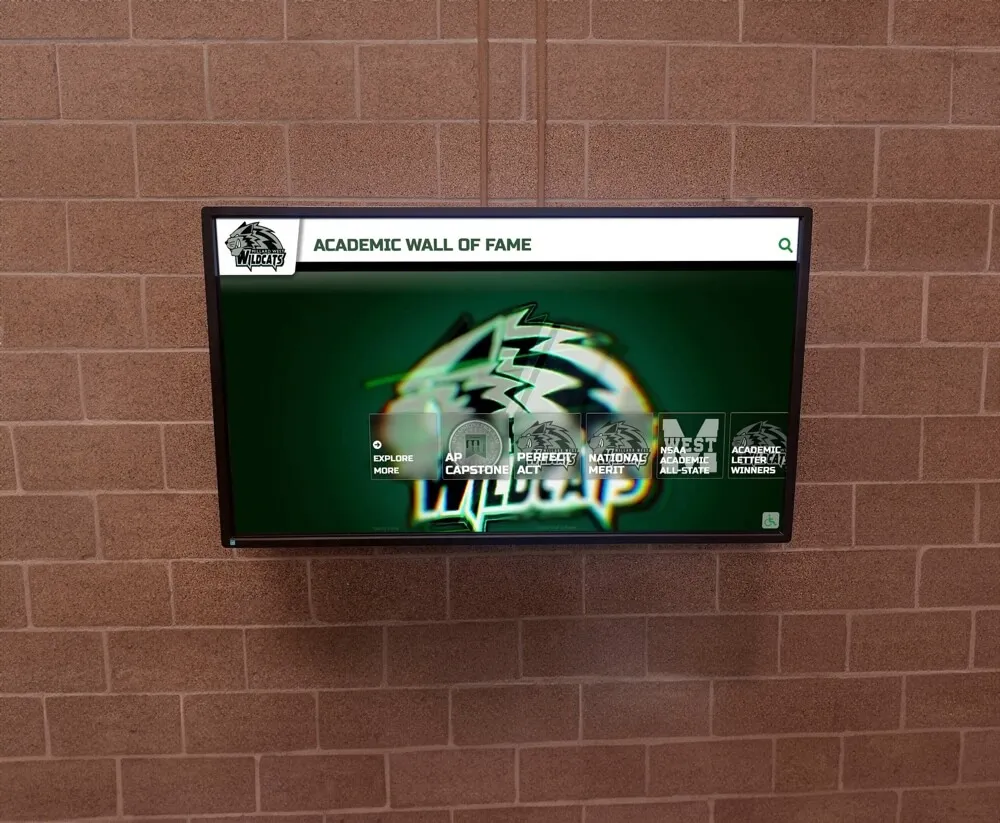
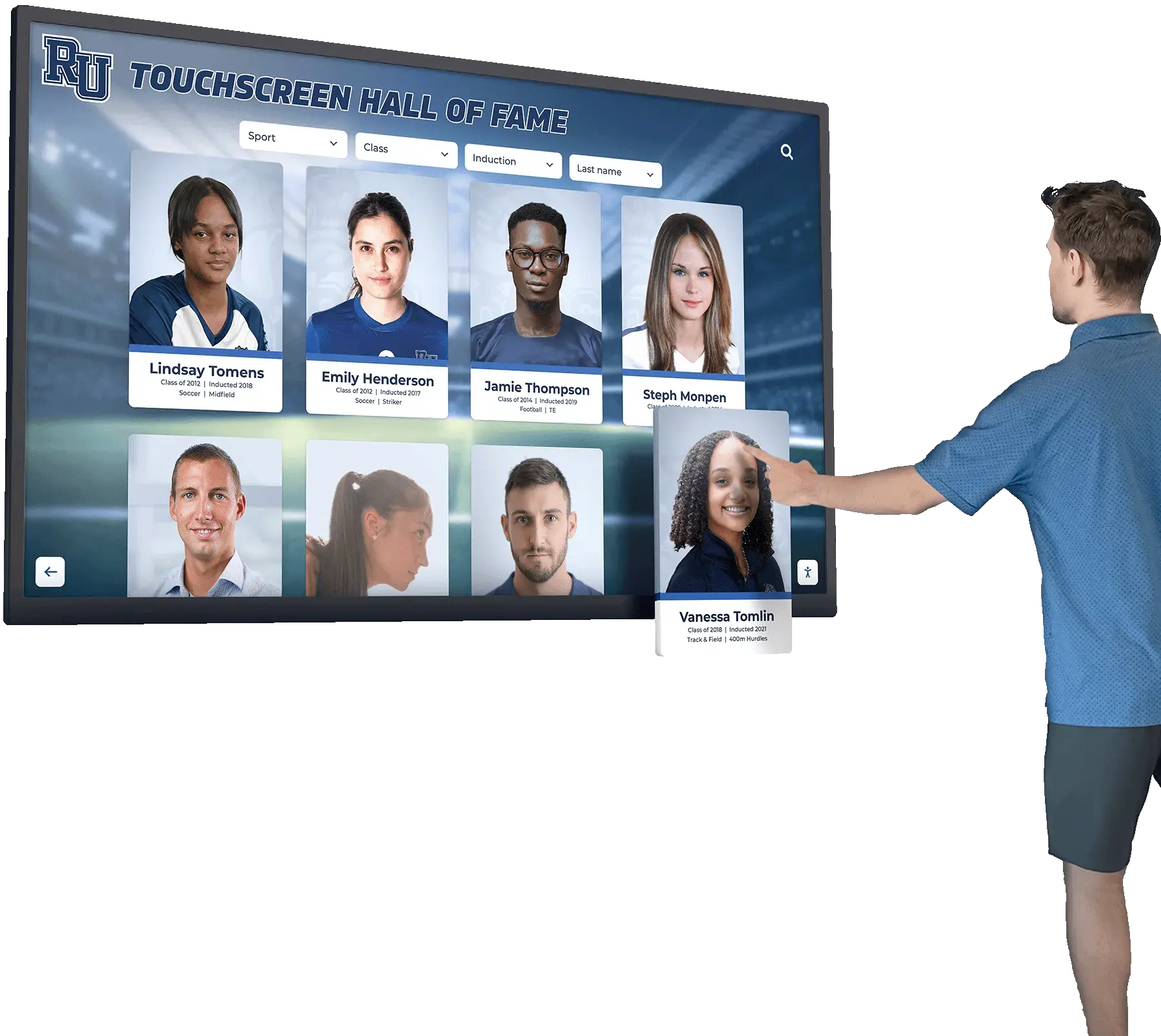
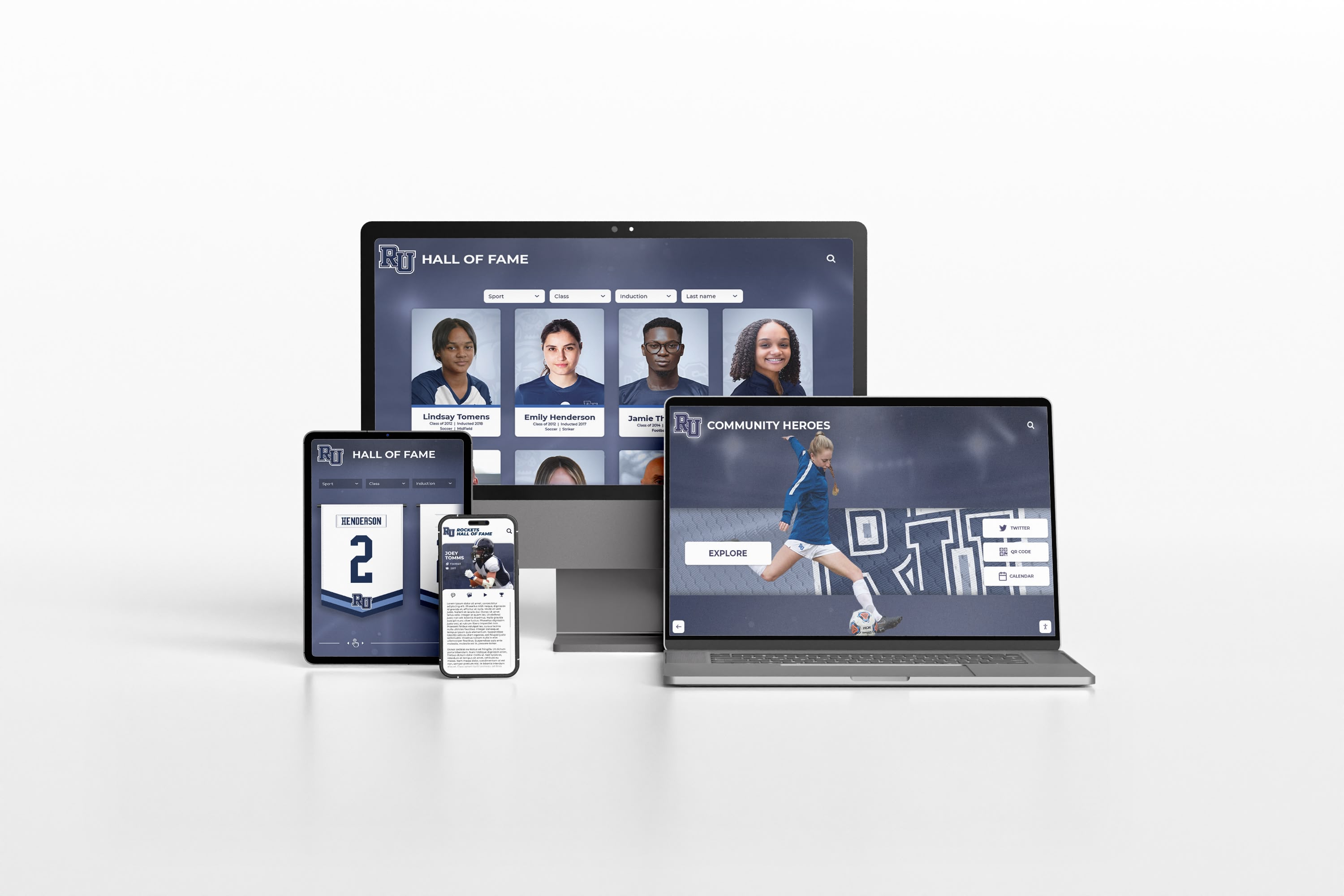
Purpose-built solutions like Rocket Alumni Solutions provide recognition-focused capabilities designed specifically for advancement needs: donor tier management with hierarchical structures, giving history integration, privacy controls for acknowledgment preferences, search and filtering optimized for recognition discovery, and advancement-specific analytics tracking engagement patterns relevant to development strategy.
These specialized features prove difficult and expensive to replicate through custom development on general platforms. Schools attempting custom builds report implementation timelines 2-3x longer than purpose-built deployments (8-12 months versus 3-5 months) while requiring ongoing technical resources for maintenance and enhancement that many institutions lack internally.
Integration Requirements
Regardless of platform type, integration capabilities with existing advancement databases prove critical for sustainable operations. Key integration considerations include connectivity to CRM systems (Raiser’s Edge, Blackbaud, Salesforce, etc.), automated data synchronization keeping recognition current as donor information updates, single sign-on authentication simplifying administrative access, and reporting consolidation combining recognition analytics with broader advancement metrics.
Schools achieving strongest outcomes typically prioritize platforms offering pre-built integrations with their existing advancement technology ecosystems—avoiding custom integration development that proves expensive and fragile over time as underlying systems update.
Hardware vs. Web-Only Approaches
Not all schools require physical display hardware, with some achieving meaningful results through web-based recognition alone.
Physical Display Value Proposition
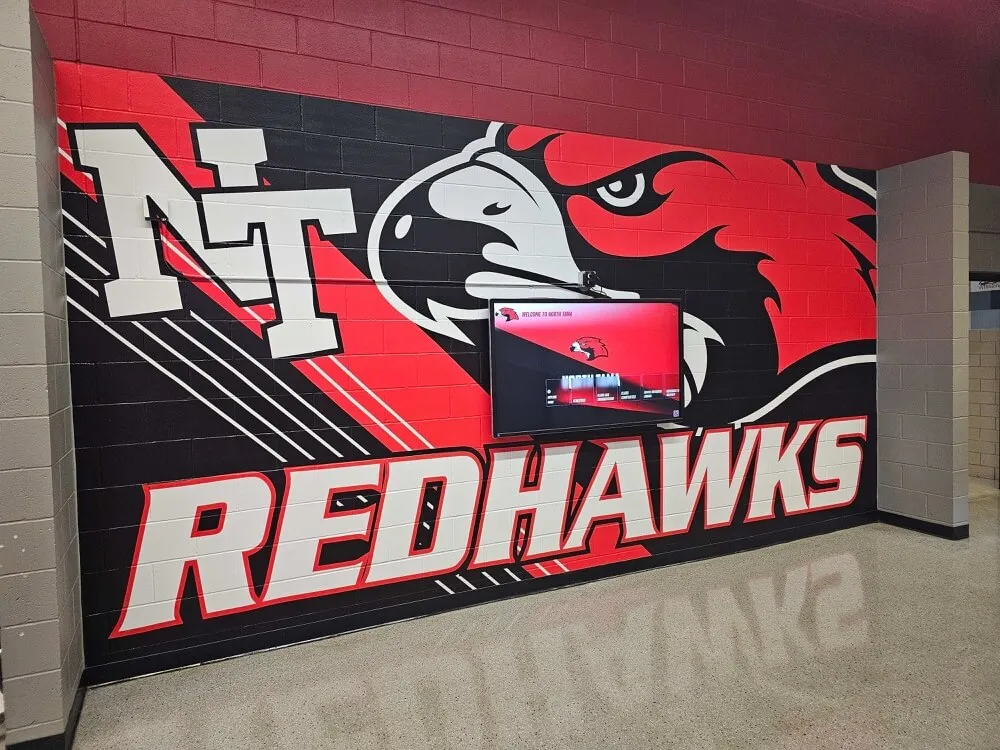
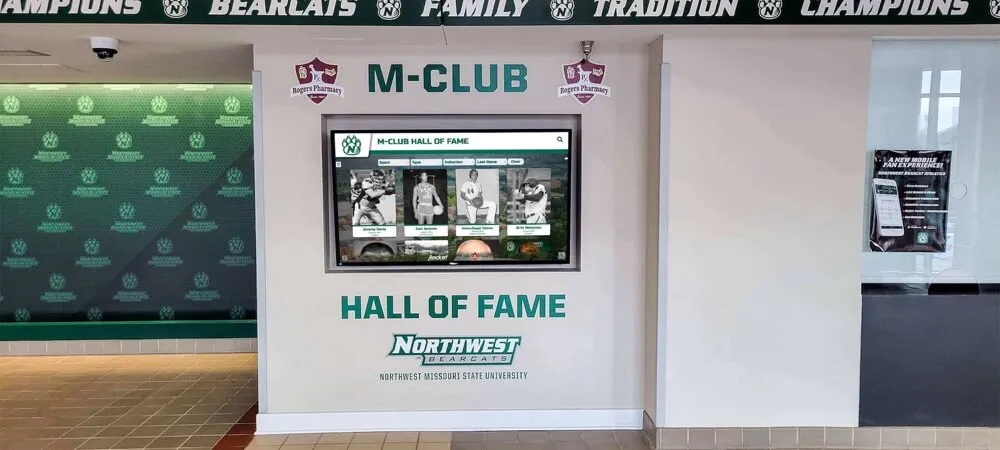
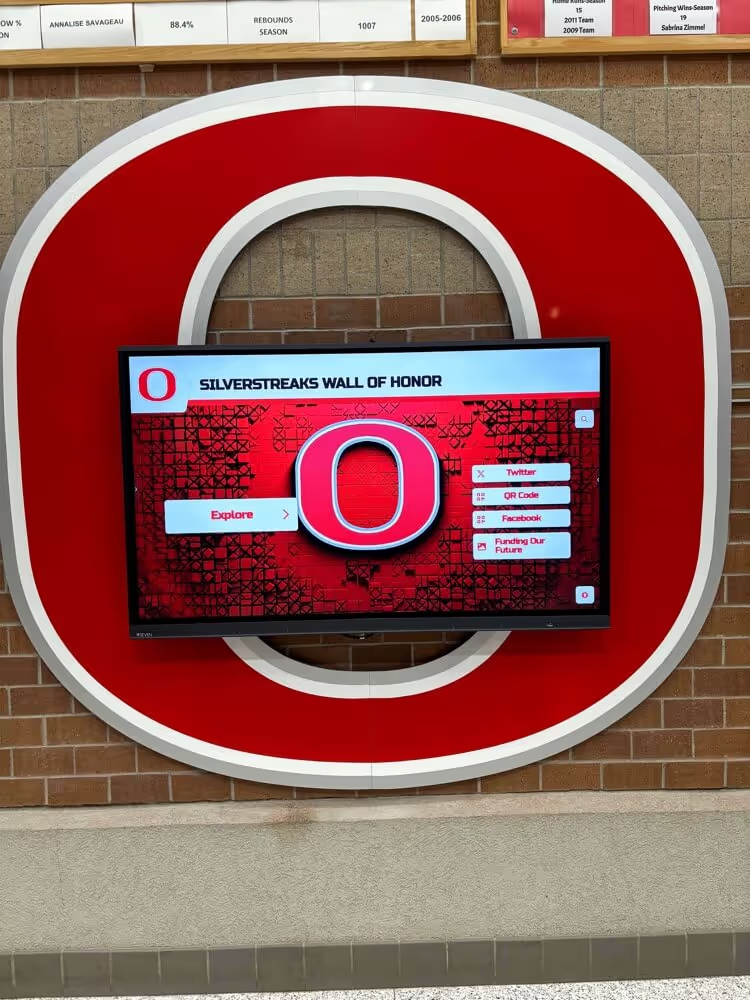
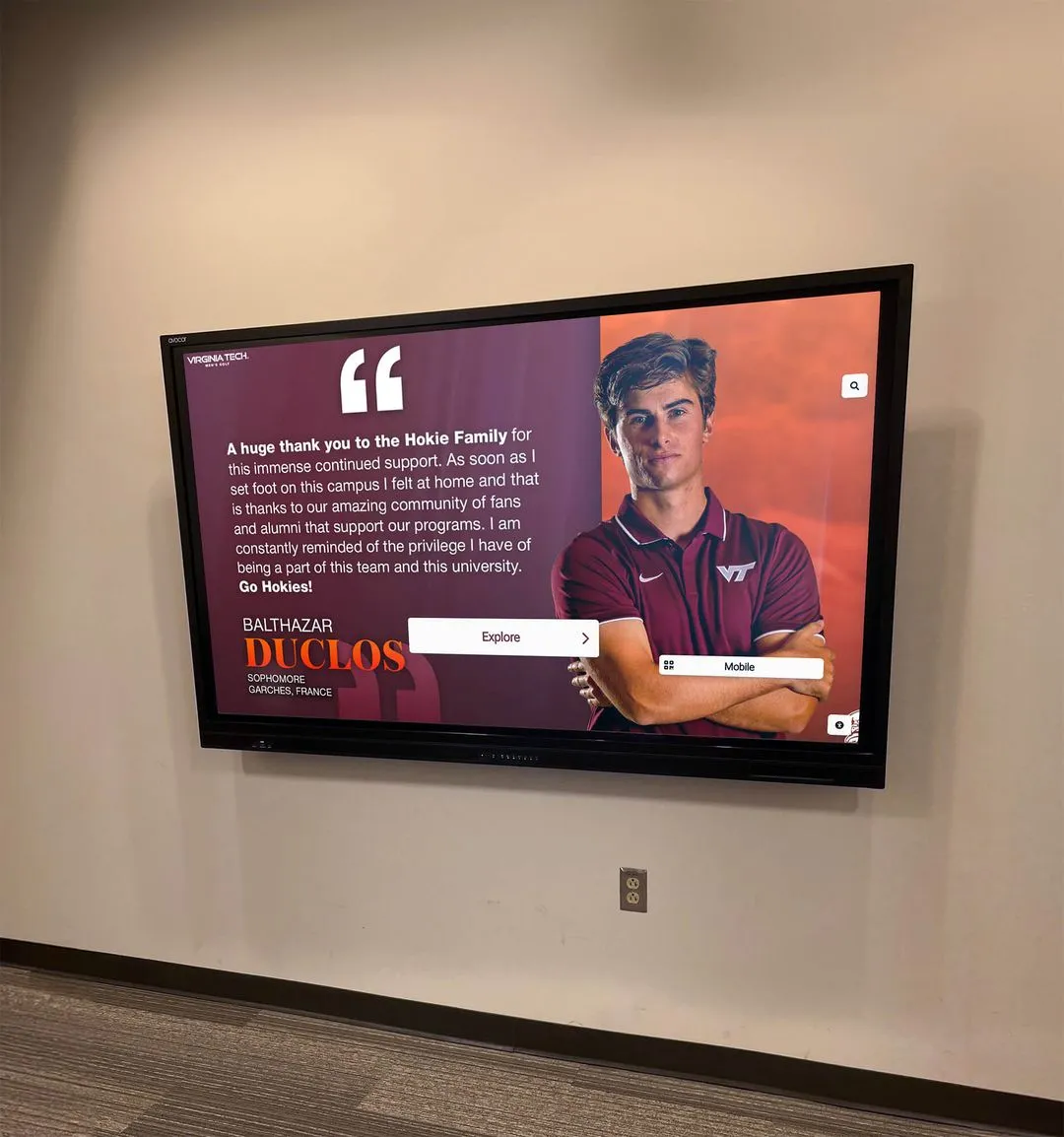
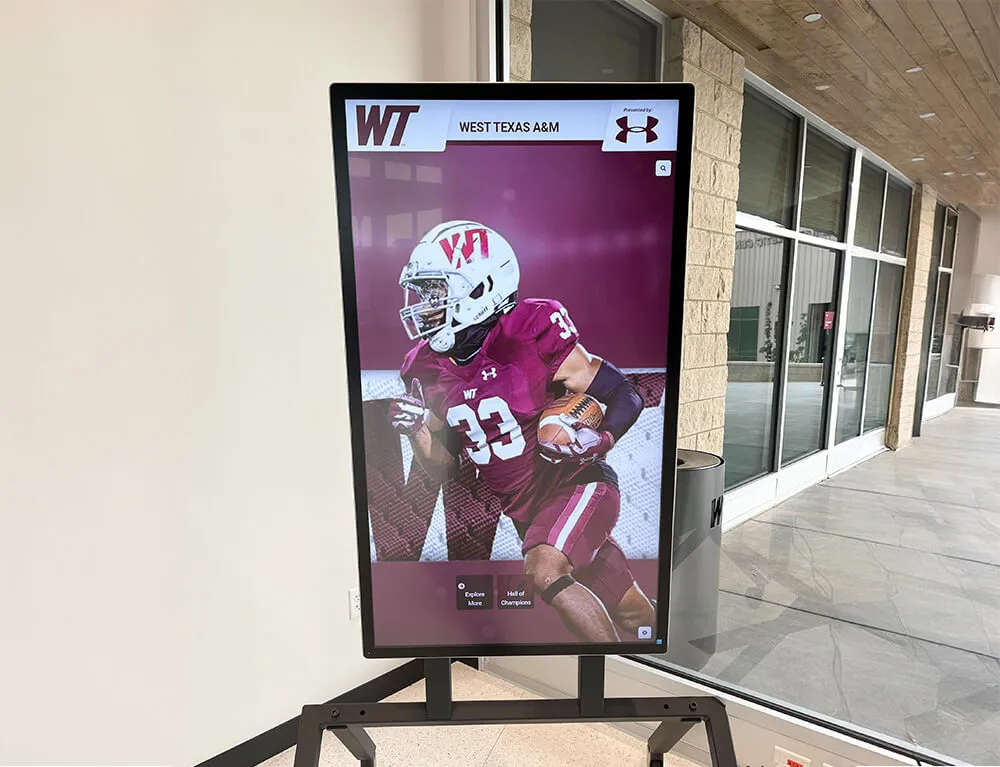
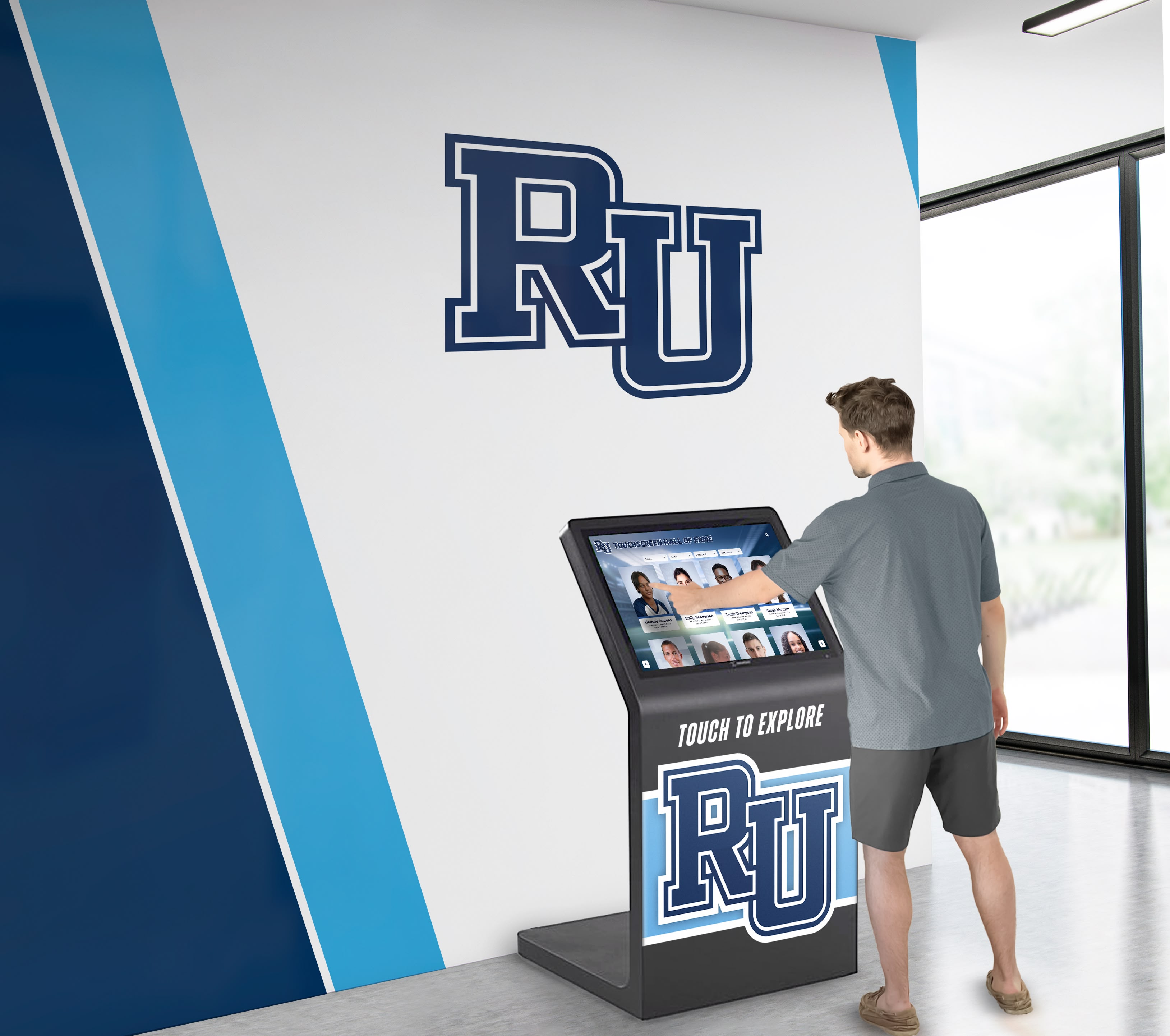
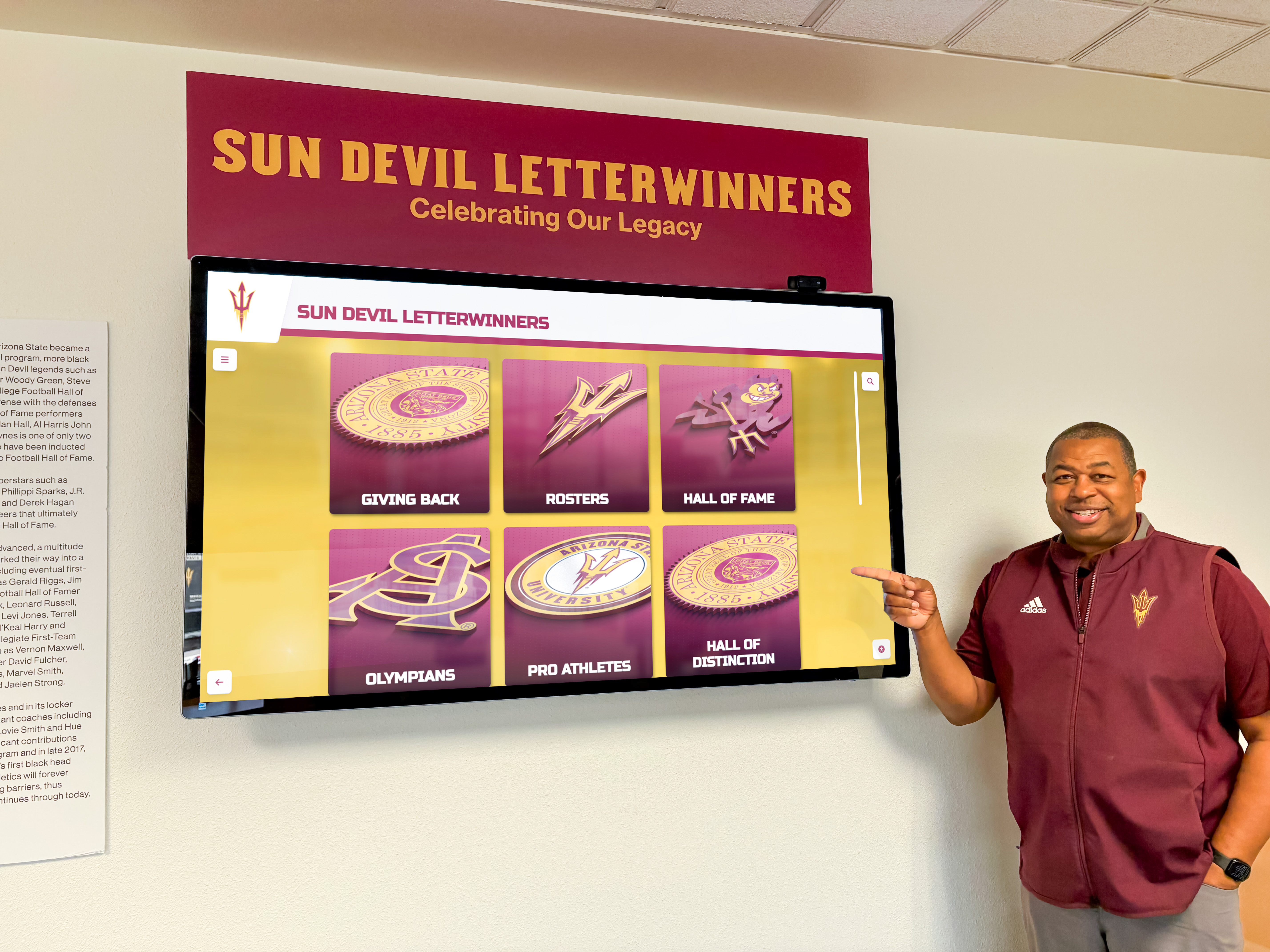
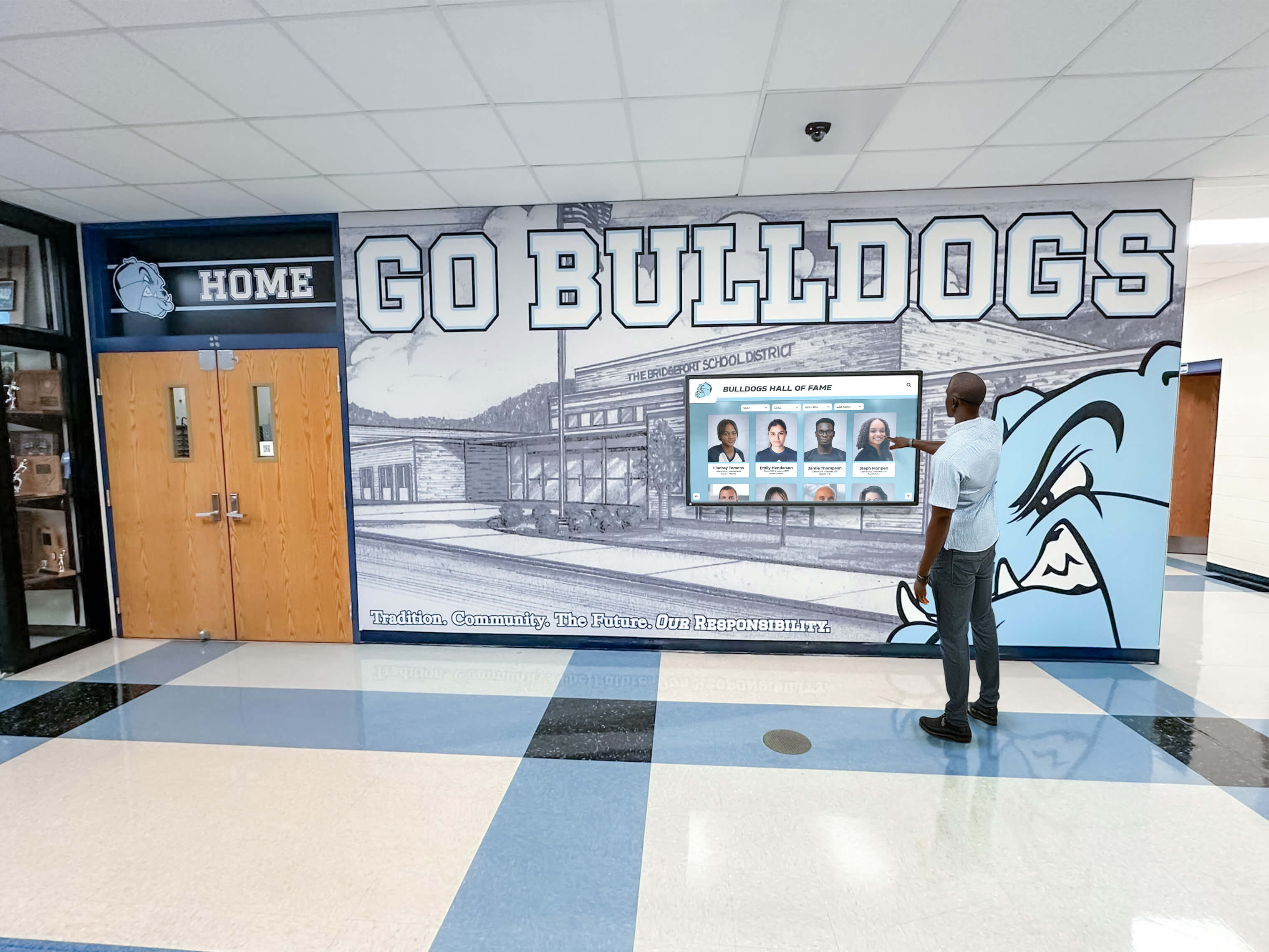
Physical touchscreen displays deliver highest impact when schools have high-traffic campus locations where daily visibility reaches broad community audiences including students, faculty, staff, parents, and visitors. They work well when campus serves as regular gathering place for community events beyond classes, and when institutions prioritize tangible, professional presence demonstrating recognition investment commitment.
Schools report physical displays generate significantly more engagement than web portals among casual community members who might not intentionally seek recognition online but will interact with displays when encountered during regular campus activities.
Web-Only Implementation Benefits
Web-based recognition proves sufficient when school communities are geographically dispersed with limited campus visitors, budgets constrain comprehensive implementation, or institutions seek to establish content workflows before physical hardware investment. Online approaches also work well when schools want to test value before larger commitments.
Interestingly, schools beginning with web-only implementations and later adding physical displays report that initial online launches helped establish content development workflows, demonstrated stakeholder value justifying hardware investment, and created content libraries that made subsequent physical display deployment significantly faster and easier.
Comparative Analysis: Traditional vs. Digital Approaches
Direct comparison of traditional and digital recognition approaches across key dimensions reveals where digital solutions provide transformative versus incremental improvement.
| Dimension | Traditional Recognition | Digital Recognition | Advantage |
|---|---|---|---|
| Donor Visibility | Single event night for attendees only | 365-day visibility on campus + online access globally | Digital: 50-100x more exposure |
| Recognition Capacity | Limited by program page count and physical space | Unlimited digital capacity for all donors at all levels | Digital: Infinite scalability |
| Update Flexibility | Manual program revisions and reprinting required | Instant updates via web interface | Digital: Immediate vs. weeks/months |
| Content Richness | Text and static photos only | Multimedia including video, audio, documents, and dynamic content | Digital: 10x richer storytelling |
| Engagement Measurement | No measurable data on recognition effectiveness | Comprehensive analytics on views, engagement, and content performance | Digital: Full visibility vs. blind |
| Historical Preservation | Physical storage with deterioration risk | Permanent digital archive with redundant backups | Digital: Indefinite preservation |
| Sustainability | Recurring printing costs for each event | One-time implementation plus modest hosting fees | Digital: 60% lower 10-year cost |
| Remote Access | Available only to event attendees | Accessible globally via web and mobile platforms | Digital: Universal accessibility |
| Search/Discovery | Manual browsing only | Keyword search, filtering, and intelligent recommendations | Digital: Instant vs. impractical |
| Marketing Integration | Static materials with limited reuse potential | Dynamic content supporting email, social media, and web marketing | Digital: Seamless multichannel integration |
This comparison reveals that digital recognition provides both quantitative improvements (more visibility, lower long-term costs) and qualitative transformations (capabilities impossible with traditional approaches) that justify implementation even at schools with successful traditional programs.
Future Trends and Emerging Practices
Understanding trajectory of recognition technology helps schools implement solutions positioning them effectively for evolving best practices rather than investing in approaches that will quickly become outdated.
Artificial Intelligence Applications
AI capabilities increasingly enhance recognition experiences while reducing administrative burden for content management.
Automated Content Enhancement
Emerging AI tools assist with biographical narrative writing from bullet-point inputs, historical photo restoration and enhancement, video transcription and automatic captioning, content tagging and categorization, and relationship mapping between donors, award winners, and institutional connections.
While human oversight remains essential for accuracy and tone, these AI-assisted workflows reduce content development time 30-50% while improving consistency and professional quality—particularly valuable for schools with limited advancement staff capacity.
Intelligent Personalization
Advanced platforms increasingly leverage AI for personalized content delivery matching visitor interests to relevant recognition. Recommendation engines suggest “others you might know” based on graduation years, geographic connections, or shared interests. Smart search accepts conversational queries like “show me scholarship donors from the Class of 2010” rather than requiring precise name spelling. Dynamic interfaces prioritize content likely to engage specific visitors based on behavioral patterns.
These personalization capabilities create more engaging discovery experiences while helping visitors find personally relevant recognition they might otherwise miss in comprehensive databases containing hundreds or thousands of profiles.
Virtual and Hybrid Event Integration
COVID-19 permanently transformed school event practices, with many institutions maintaining virtual or hybrid options even as in-person gatherings resumed.
Virtual Gala Recognition
Schools hosting virtual or hybrid galas integrate digital recognition through virtual lobby displays where remote attendees explore recognition during cocktail hour or breaks, live streaming recognition ceremonies with links to digital profiles, virtual event programs with hyperlinked donor and award winner recognition, and post-event engagement invitations directing attendees to explore comprehensive recognition platforms.
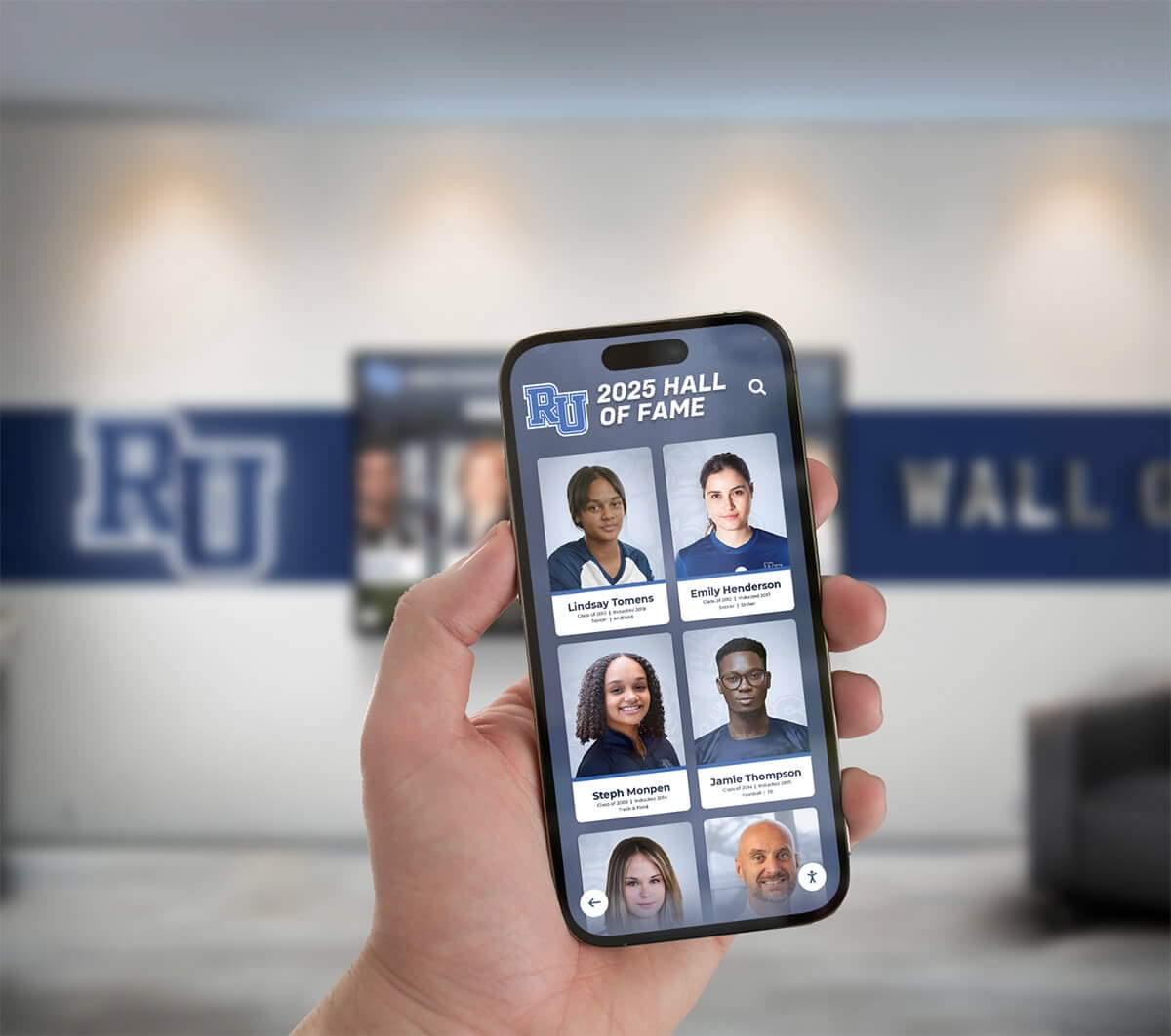
Virtual integration extends recognition to community members who cannot attend in-person while creating digital touchpoints that maintain connection between events. Schools report that 65% of virtual attendees who received digital recognition platform links accessed them within 30 days post-event—demonstrating meaningful engagement beyond passive video viewing.
Blockchain and Digital Credentials
Emerging technologies present novel approaches to recognition that may gain adoption as technical maturity increases.
Verifiable Digital Awards
Blockchain-based credentials provide tamper-proof award verification that recipients can share with colleges, employers, or professional networks. While still nascent, several schools experiment with digital award credentials that honor recipients control as permanent, portable recognition independent of physical certificates that can be lost or damaged.
These approaches particularly appeal to younger students and families who increasingly embrace digital-native solutions for documentation, credentialing, and professional presentation.
Addressing Common Implementation Concerns
Schools considering digital recognition implementation consistently raise predictable questions and concerns that understanding helps address proactively.
Budget and Cost Concerns
“Can we afford this?” represents the most frequent initial question from schools evaluating recognition technology.
Phased Implementation Options
Schools need not implement comprehensive systems immediately. Viable phased approaches include beginning with web-based recognition without physical displays ($8,000-$15,000 initial investment), starting with single display in highest-priority location before expanding, implementing donor recognition first with award winner archives added later, or launching with recent content only while adding historical profiles progressively over time.
These phased approaches reduce initial capital requirements while establishing workflows and demonstrating value that justifies subsequent investment as results become measurable. Schools following phased strategies report higher stakeholder satisfaction than those attempting comprehensive implementation before establishing operational proficiency.
Fundraising for Recognition Infrastructure
Several schools successfully fundraise specifically for recognition infrastructure, positioning the system itself as naming opportunity. Lead donors fund recognition displays that honor their peers, creating self-funding programs aligned with advancement objectives. Other schools incorporate recognition technology as legitimate campaign expenses supporting donor stewardship essential to comprehensive campaign success.
Given measurable ROI that recognition technology delivers, advancement teams can confidently position these investments as revenue-generating infrastructure rather than pure expense—reframing budget conversations from cost justification to strategic investment.
Content Management Workload
“Do we have staff capacity for this?” concerns arise frequently, particularly at smaller schools with lean advancement teams.
Realistic Time Requirements
After initial implementation (typically 60-100 hours for comprehensive launch including historical research), ongoing content management requires 3-6 hours monthly for schools with active programs. This modest time investment primarily involves adding new donors and award winners after annual galas, updating existing profiles with new information or achievements, rotating featured content for ongoing visibility, and responding to correction requests or information updates.
Modern platforms prioritize intuitive interfaces requiring no technical expertise—content management becomes comparable to updating social media profiles rather than website development requiring specialized skills. Advancement directors report that recognition platform management proves less time-consuming than traditional approaches requiring vendor coordination, physical plaque production, and installation scheduling across multiple recognition projects annually.
Student and Volunteer Support
Many schools engage student workers, service learning classes, or advancement volunteers for research and content development tasks. These approaches distribute workload beyond core staff while creating meaningful engagement opportunities for community members who value contributing to institutional history preservation and recognition programs.
Privacy and Sensitivity Considerations
“How do we handle privacy preferences and sensitive situations?” requires thoughtful policy development balancing recognition benefits with individual circumstances.
Privacy Framework Development
Successful schools establish clear policies addressing donor privacy preferences including opt-out provisions for donors preferring anonymous giving, tiered recognition levels allowing minimal versus comprehensive public profiles, periodic confirmation that existing recognition remains appropriate as circumstances change, and responsive processes for handling recognition removal requests when situations warrant.
Similar frameworks address award winner situations including respectful handling of deceased honorees, sensitive management of honorees who later face serious legal, ethical, or personal controversies, and appropriate approaches for alumni who request recognition removal due to personal circumstances.
While challenging situations arise infrequently, having established frameworks prevents ad-hoc decision-making during sensitive moments when thoughtful, consistent approaches prove essential for maintaining community trust and institutional integrity.
Recommendations for School Leaders
Based on research findings, specific recommendations for private school heads, advancement directors, and boards considering gala recognition enhancement.
For Schools Not Yet Implementing Digital Recognition
Assessment and Planning
Begin by evaluating current gala recognition practices against documented gaps and opportunities in this research. Engage advancement committees or parent associations in discussions about recognition philosophy and priorities. Survey recent gala donors about recognition preferences and interest in enhanced visibility. Calculate retention improvement financial impact using your institution’s specific donor data and gala revenue.
Based on research findings, schools with 300+ annual gala attendees, $500K+ annual gala revenue, and strategic emphasis on donor retention should prioritize digital recognition implementation within 12-18 months. The measurable ROI justifies investment while addressing retention challenges that undermine long-term fundraising sustainability.
Pilot Program Consideration
Schools uncertain about full implementation should consider modest pilot programs starting with web-based donor recognition only, single physical display in advancement office for cultivation conversations, or retrospective award winner archive without real-time donor recognition. These limited initiatives reduce risk while demonstrating value and establishing operational competency before comprehensive launches.
For Schools With Existing Digital Recognition
Optimization Opportunities
Schools already operating digital recognition should evaluate enhancement opportunities based on engagement analytics and advancement outcomes. Common optimization areas include enhancing multimedia content depth for leadership donors and major award winners, improving mobile and remote access to extend recognition beyond campus visitors, integrating social sharing features encouraging organic promotion, implementing AI-assisted search and personalization for improved discovery, and strengthening integration with advancement databases for workflow efficiency.
Schools with 3+ years of operation should conduct comprehensive program reviews examining both quantitative metrics (retention rates, gift growth, engagement analytics) and qualitative feedback from donors, staff, and community members. These reviews often identify specific enhancement opportunities delivering incremental value from existing platform investments.
Content Refresh and Historical Expansion
Sustained engagement requires ongoing content vitality. Schools should establish quarterly or annual plans for rotating featured content, progressively expanding historical archives with earlier award recipients, enhancing existing profiles with new multimedia content, and updating donor recognition as giving patterns change and new supporters emerge.
The most successful programs treat recognition as living institutional infrastructure requiring ongoing attention rather than completed projects requiring only minimal maintenance after launch.
Conclusion: Recognition as Strategic Advancement Infrastructure
This research demonstrates that digital recognition technology fundamentally transforms private school gala fundraising outcomes through measurable improvements in donor retention, giving growth, and event attendance—while simultaneously addressing historical preservation challenges that many institutions face.
Key Research Findings Summary
Measurable Financial Impact
- Average donor retention improvement: 14-16 percentage points by year three post-implementation
- Average gift size growth: 11 percentage points above control groups
- Typical 5-year net ROI: $180,000-$420,000 for schools with 500-donor bases
- Event attendance retention improvement: 15 percentage points
- First-time attendee conversion improvement: 26 percentage points
Operational and Strategic Benefits
- Comprehensive historical archives with 87% average completeness vs. 34% for traditional approaches
- 65% reduction in advancement research time for prospect development
- Sustained year-round engagement vs. single event night recognition
- Unlimited recognition capacity supporting inclusive donor acknowledgment at all levels
- Multi-channel distribution extending recognition globally beyond campus visitors
Implementation Viability
- Typical initial investment: $18,000-$42,000
- Average annual operating cost: $2,400-$5,200
- Implementation timeline: 3-5 months for purpose-built platforms
- Ongoing content management: 3-6 hours monthly after initial launch
Strategic Imperatives for Private School Advancement
Private schools face intensifying competition for philanthropic support amid declining alumni giving participation rates across higher education and independent school sectors. In this challenging environment, strategic investments in donor stewardship infrastructure that measurably improves retention and giving outcomes represent essential priorities rather than optional enhancements.
Digital recognition technology delivers documented returns exceeding implementation costs while creating capabilities impossible through traditional approaches—unlimited recognition capacity, multimedia storytelling, global accessibility, comprehensive historical preservation, and measurable engagement analytics. Schools implementing comprehensive recognition programs position themselves competitively for sustained advancement success while honoring the supporters and award winners whose contributions enable institutional missions.
The question facing private school leaders is not whether digital recognition belongs in contemporary advancement portfolios, but how quickly they will implement solutions delivering the documented outcomes their institutions need to sustain fundraising excellence and community engagement in increasingly digital, geographically dispersed, and expectation-intensive environments.
Accessing Additional Research and Implementation Support
This research report provides benchmark data and strategic frameworks for understanding digital gala recognition impact. Schools seeking additional guidance on implementation approaches, technology evaluation, or content development strategies can request detailed briefing materials and consultation through Rocket Alumni Solutions demonstration and strategy sessions.
For related research on comprehensive donor recognition best practices and donor wall design strategies, additional resources provide complementary perspectives on recognition program development across institutional contexts.
Private schools investing thoughtfully in recognition infrastructure create lasting advancement assets that honor past generosity, strengthen current donor relationships, and inspire future philanthropy—transforming annual gala events from single-night fundraisers into year-round engagement platforms driving measurable advancement outcomes and building institutional community for generations to come.
Methodology Transparency: This report synthesizes data from 142 private school gala fundraisers, advancement director surveys (N=89), interview protocols (N=37), and platform analytics from schools using digital recognition systems (N=53 with 3+ years operational data). All financial projections use conservative assumptions and cannot guarantee specific outcomes for individual institutions. Schools should conduct institution-specific analysis using actual donor data when evaluating implementation decisions. Research conducted by Hall of Fame Wall research team, October 2026-November 2026.
Sources
This report draws on the following research and data sources:
- 20 School Fundraising Statistics That Might Surprise You - Donorbox Nonprofit Blog
- Infographic Reveals Insights Powering School Fundraising - Greater Giving Blog
- The Latest Donor Trends and What They Mean for Your Independent School’s Fundraising - CASE Resources
- 25 Fundraising Statistics Every Nonprofit Should Know - Neon One Blog
- Useful fundraising statistics for nonprofits in 2026 - Kindsight Resources