



When a beloved principal announces their retirement, the entire school community feels the weight of that transition. These leaders shape school culture, champion students and teachers, navigate countless challenges, and create environments where learning flourishes. Their departure marks the end of an era—and deserves recognition that truly honors their contributions.
Yet many people tasked with delivering a principal retirement speech struggle to capture the magnitude of these leaders’ impact. How do you condense years of dedication into a few meaningful minutes? What stories will resonate with diverse audiences? How do you balance emotion with professionalism, humor with gravitas, personal connection with institutional appreciation?
This comprehensive guide provides everything you need to craft and deliver a principal retirement speech that genuinely honors your school leader's legacy. Whether you're a superintendent, school board member, fellow administrator, teacher representative, or student speaker, you'll find practical frameworks, real speech examples, and proven strategies for creating tributes that celebrate leadership while acknowledging the profound impact retiring principals have on everyone they serve.
Understanding the Purpose of a Principal Retirement Speech
Before drafting specific remarks, consider what a principal retirement speech should accomplish. These addresses serve multiple important functions within school communities.
Acknowledging Professional Accomplishments
Principals often work behind the scenes—managing budgets, navigating district policies, handling difficult personnel situations, implementing curriculum changes, and addressing parent concerns—while rarely receiving public recognition for these contributions. Retirement speeches provide opportunities to illuminate these often-invisible accomplishments, helping audiences understand the breadth and depth of what their principal actually did.
Effective speeches highlight specific achievements: improved test scores or graduation rates, successful capital campaigns or facility improvements, innovative programs that distinguished the school, crisis management during challenging periods, policy changes that benefited students or staff, and culture transformations that shifted school climate. These concrete examples help communities appreciate tangible impacts beyond general platitudes about being a “great leader.”
Celebrating Personal Qualities and Leadership Style
Beyond measurable outcomes, principals succeed through personal qualities—empathy, vision, integrity, humor, resilience, and authenticity. Retirement speeches should celebrate these characteristics through specific stories and examples that illuminate who this person is, not just what they accomplished.
The principal who knew every student’s name. The leader who taught a class when teachers were shorthanded. The administrator who stayed late helping a struggling family find resources. The visionary who believed in initiatives others doubted. These personal qualities and leadership approaches define legacies as much as any achievement metric.
Providing Closure for the School Community
Principal retirements affect entire communities—teachers losing a trusted leader, students saying goodbye to a familiar presence, parents transitioning to new leadership, and community members acknowledging shifting institutional identity. Retirement speeches facilitate this communal closure by publicly acknowledging what’s ending, validating emotions that accompany change, and creating shared moments of appreciation.
These addresses help communities process transitions together, transforming individual feelings of loss into collective celebration of what was accomplished and gratitude for what the principal contributed.
Preserving Institutional Memory
Schools often struggle to maintain institutional memory as leaders, teachers, and students cycle through. Retirement speeches serve as historical records—capturing stories, achievements, and cultural touchstones that might otherwise be lost. When delivered publicly and recorded, these tributes become part of school archives, helping future generations understand their institution’s development and the leaders who shaped it.
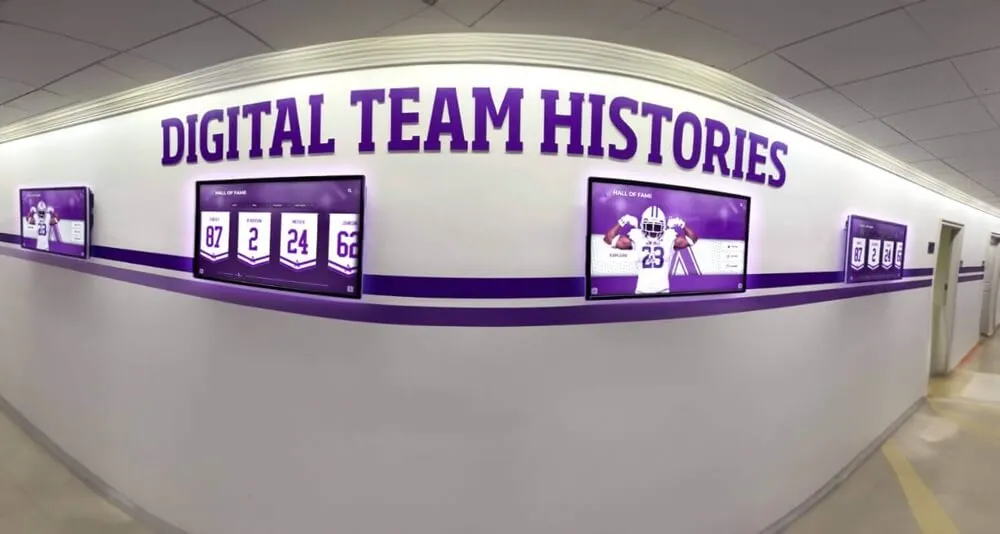
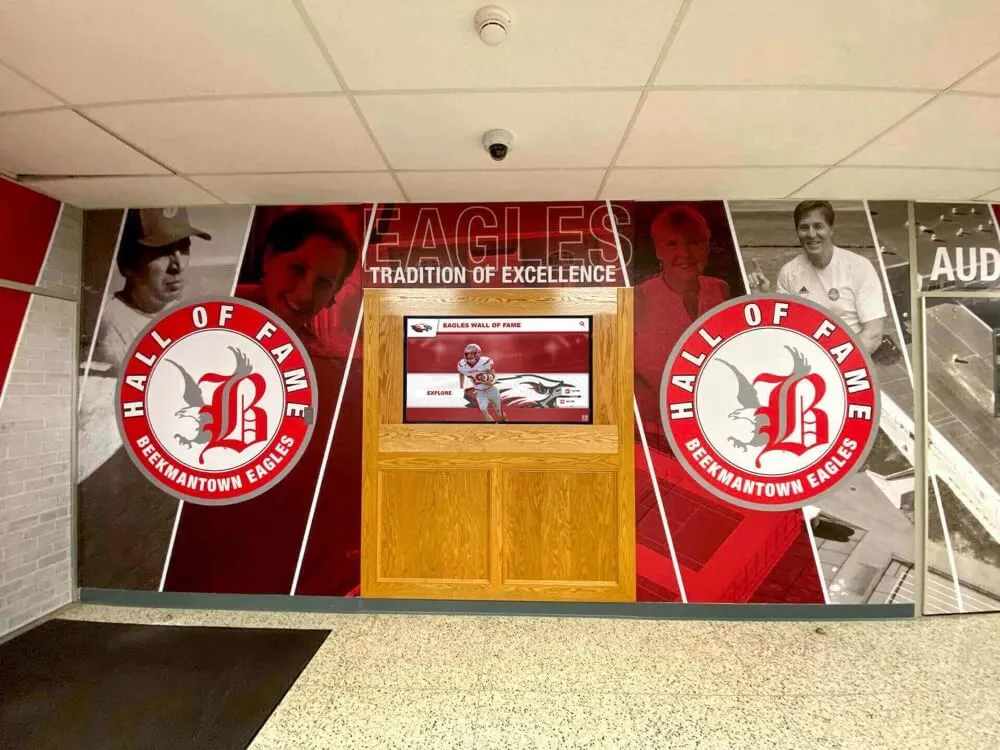
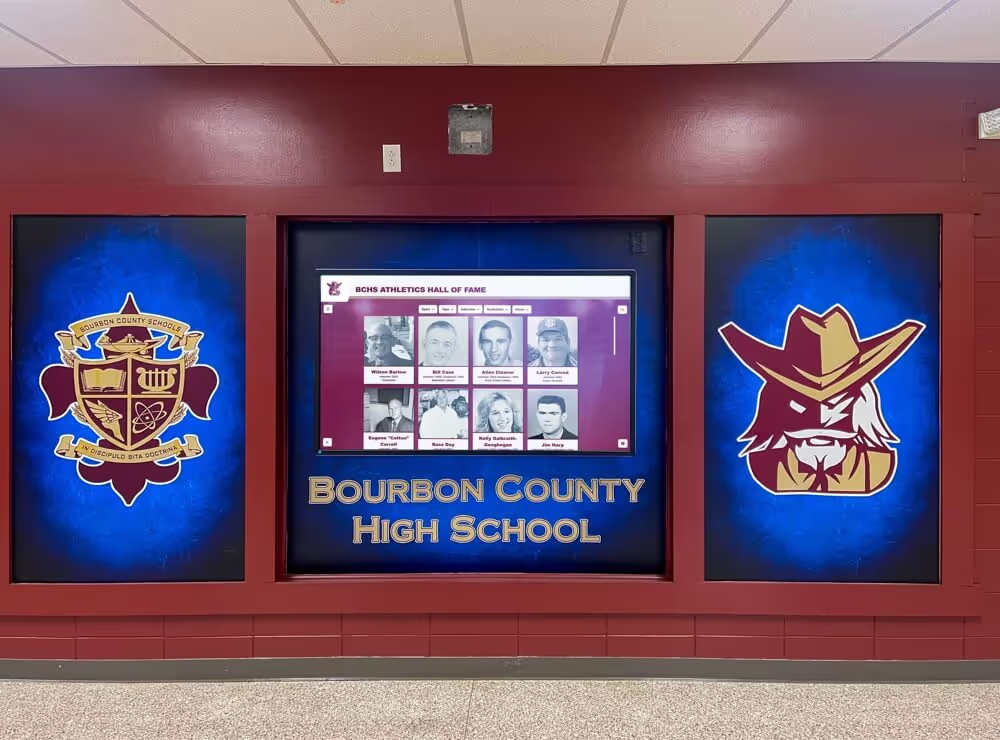
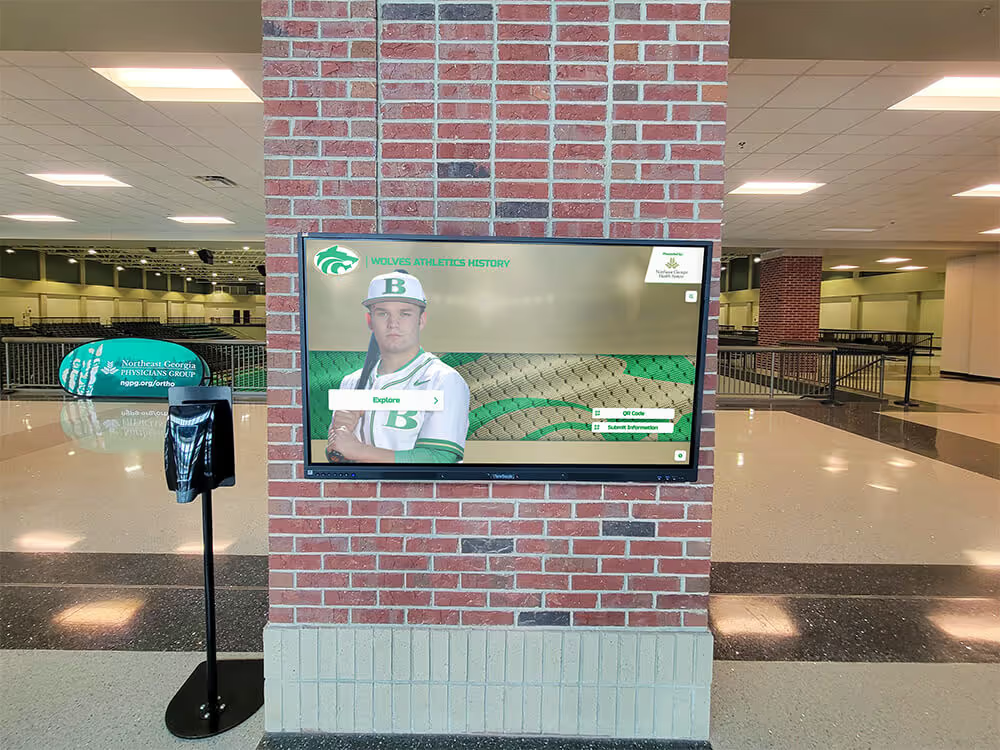
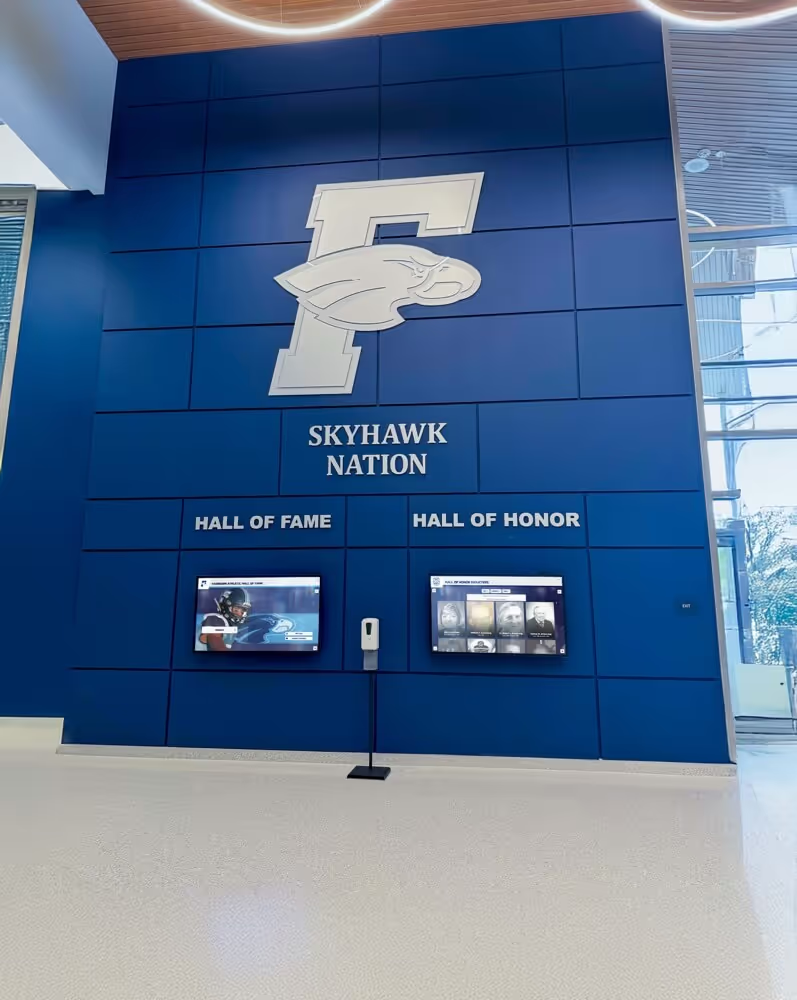
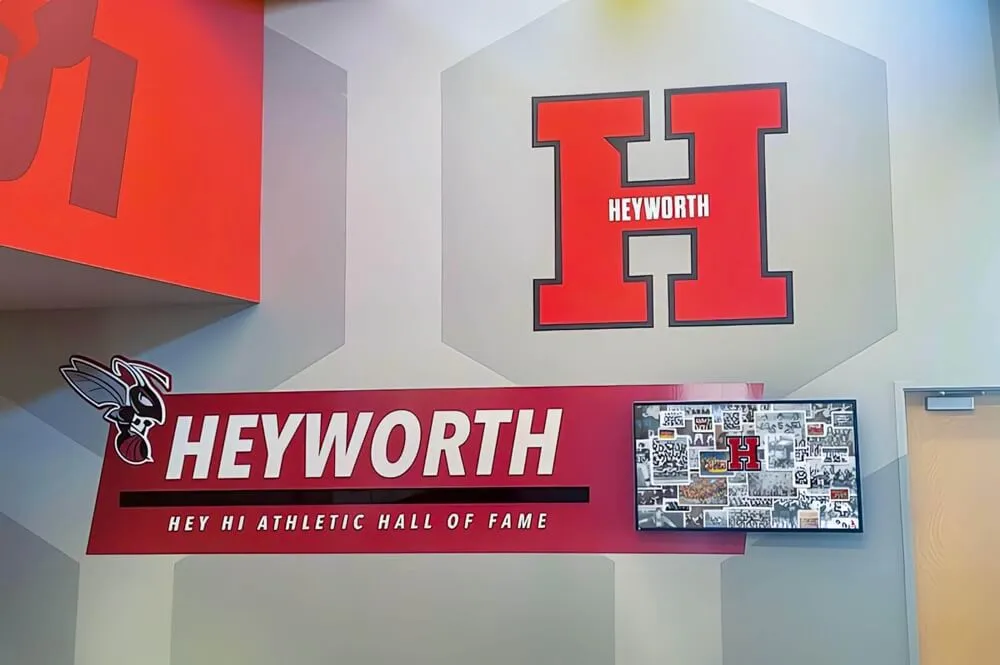
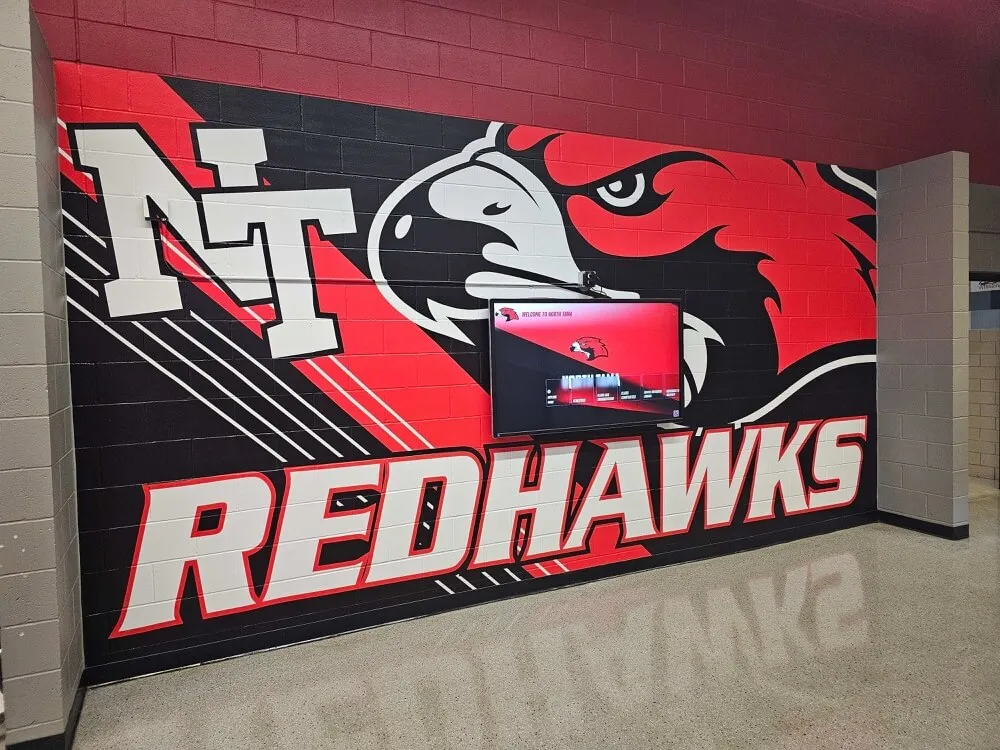
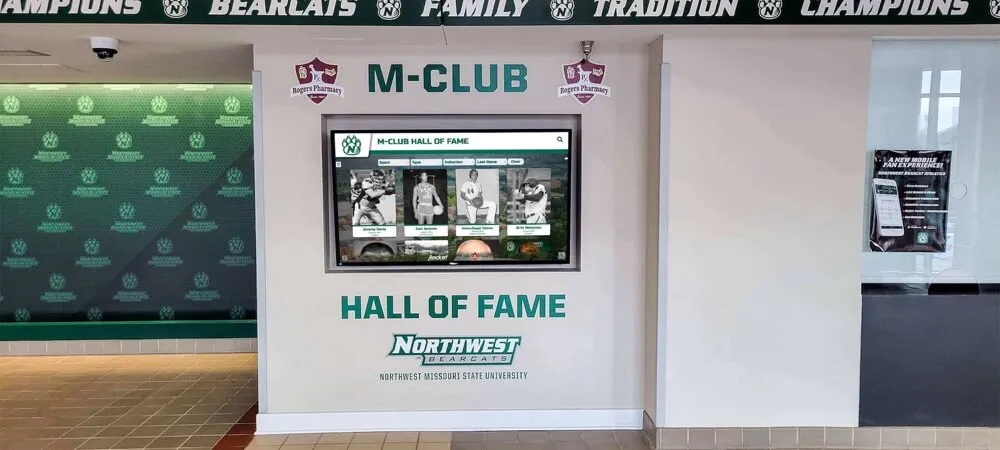
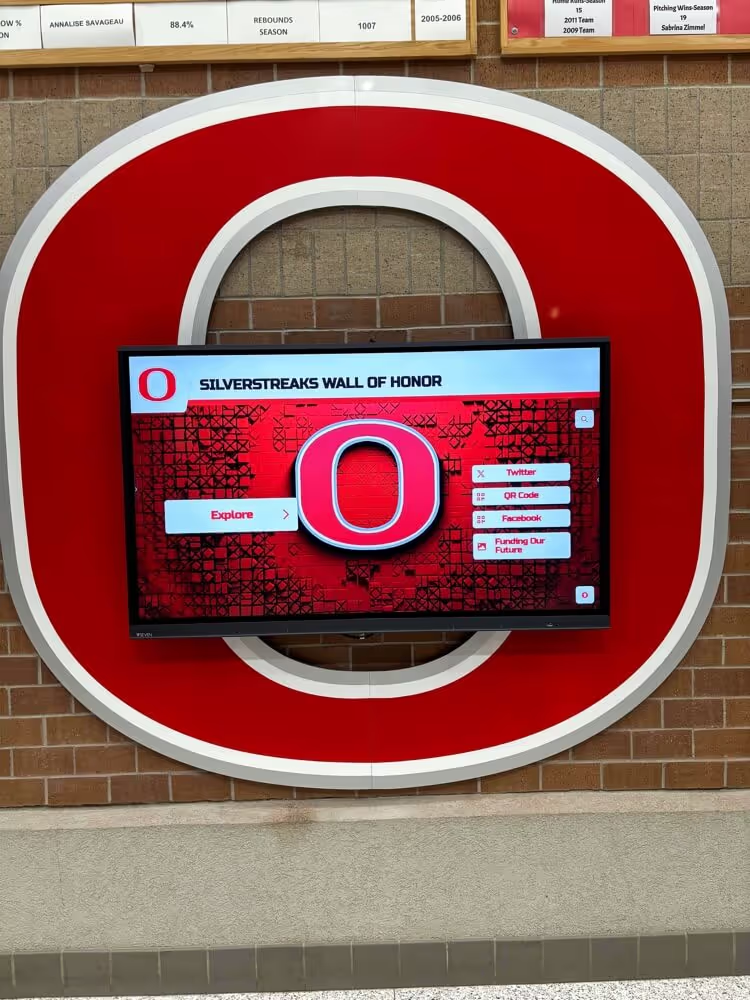
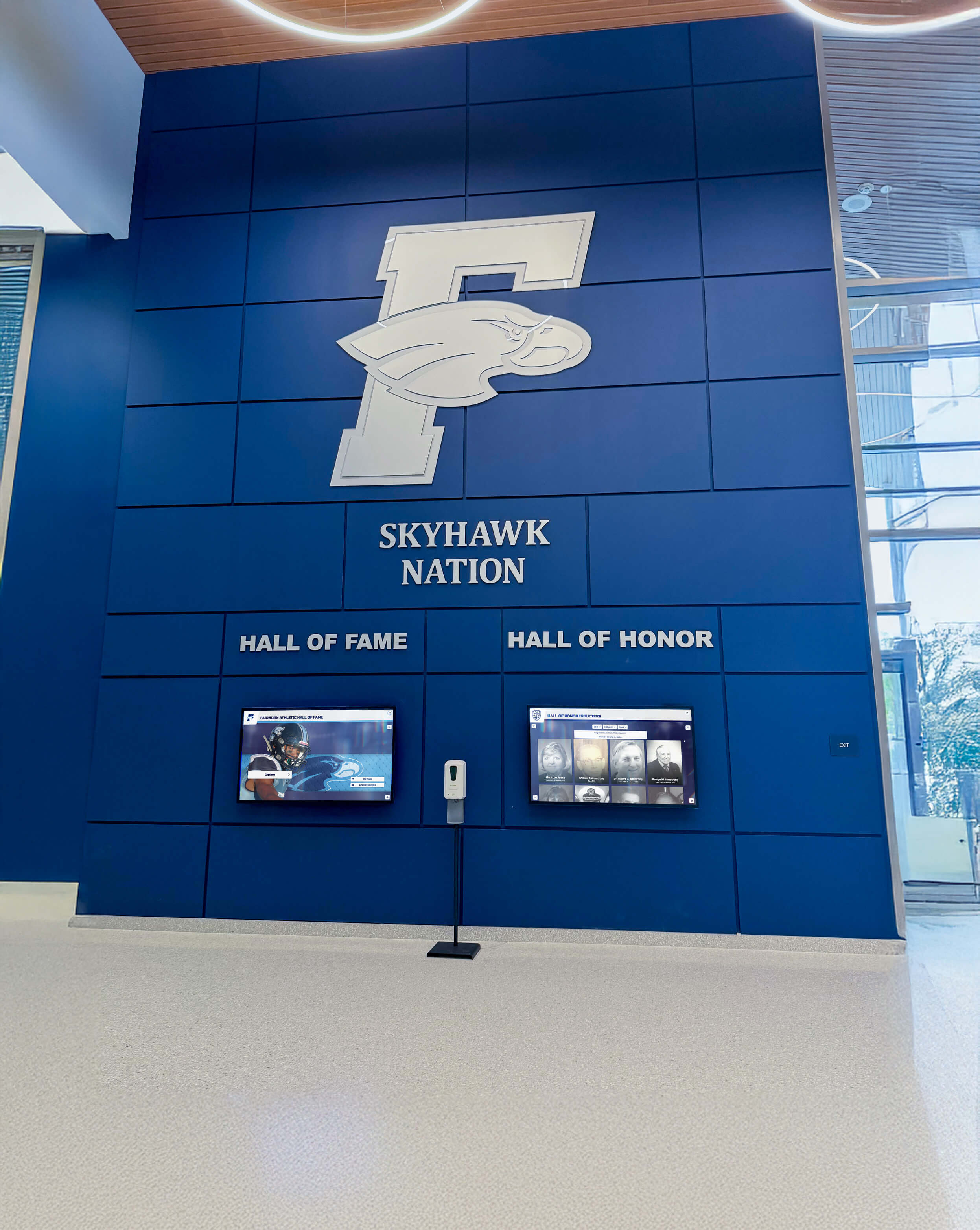
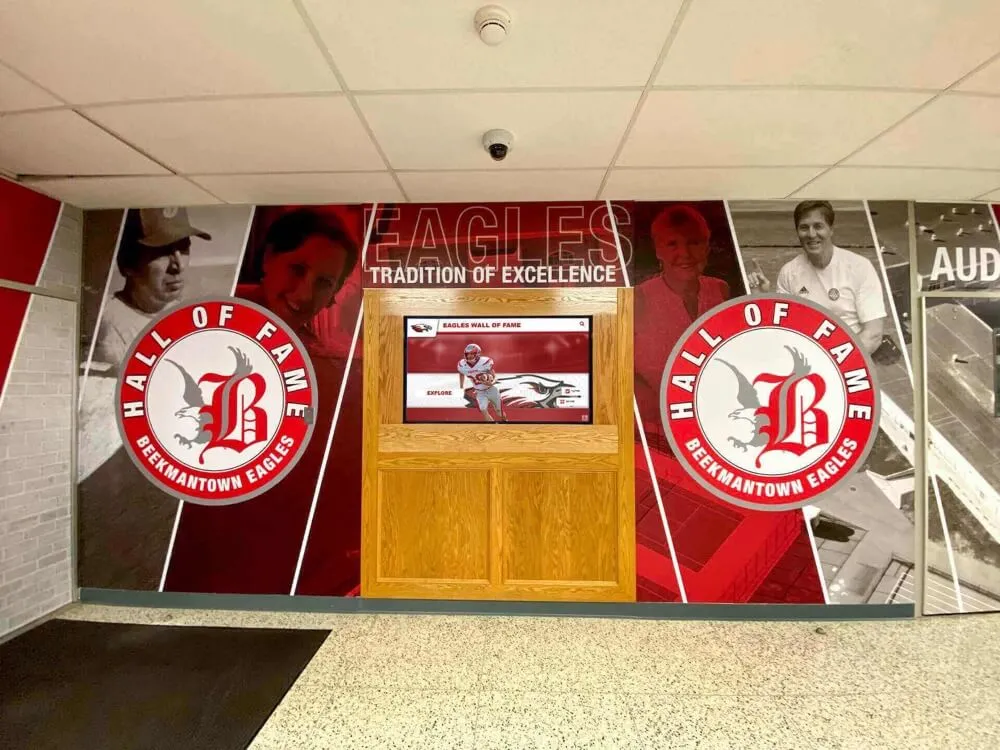
Many schools now complement retirement speeches with permanent recognition displays in school lobbies that honor retiring principals alongside other distinguished contributors, creating lasting institutional memory that extends beyond a single ceremony.
Who Should Deliver a Principal Retirement Speech?
Multiple stakeholders typically speak at principal retirement celebrations, each bringing unique perspectives that together create comprehensive recognition.
Superintendent or District Leadership
District leadership often delivers the official institutional tribute, acknowledging the principal’s professional accomplishments within the broader district context. These remarks typically emphasize system-wide impacts, district recognition of the principal’s contributions, professional development and leadership the principal provided to colleagues, and succession planning or transition messaging.
Superintendent speeches balance celebrating the individual with maintaining institutional continuity, signaling to the community that while leadership changes, the school’s mission and excellence will continue.
School Board Representatives
Elected board members represent community voice and governance oversight. Their speeches often emphasize community impact beyond school walls, appreciation from the broader constituency, recognition of the principal’s partnership with board leadership, and acknowledgment of how the principal advanced board priorities and community values.
Board member speeches help retiring principals understand how their leadership resonated throughout the entire community, not just within school walls.
Teacher or Staff Representatives
Teacher speakers bring authentic insider perspectives, sharing what it was actually like to work for this principal daily. These speeches often prove most emotionally resonant because they capture personal moments, leadership during difficult situations, support and advocacy for teachers, and the day-to-day reality of this principal’s leadership style.
Teacher representatives should be chosen thoughtfully—ideally someone who worked with the principal for significant time, represents broad faculty sentiment, can speak publicly with composure and articulateness, and balances affection with professionalism.
Recognizing staff contributions meaningfully matters throughout the school year, not just at retirement. Institutions committed to authentic appreciation often implement comprehensive staff recognition programs that celebrate excellence consistently.
Student Representatives
Student speeches often prove most memorable and emotional, offering perspectives from those most directly affected by the principal’s leadership. Effective student speakers share personal stories of how the principal impacted their education or life, observations about leadership qualities they admired, humor and lightness that brings joy to celebrations, and gratitude expressed with youthful authenticity.
Student remarks remind everyone why principals do this work—for the young people whose futures they help shape.

Parent or PTA Representatives
Parent speakers represent family perspectives, acknowledging how the principal’s leadership created environments where their children thrived. These remarks often emphasize trust and confidence the principal inspired, communication and partnership with families, responsiveness during concerns or crises, and appreciation for safe, nurturing school environments.
Parent speeches validate the extensive behind-the-scenes work principals do to maintain strong school-family partnerships.
Fellow Administrators or Colleagues
Peer administrators bring professional understanding of the principal’s role—they comprehend the unique pressures, impossible decisions, and lonely moments of educational leadership. Their speeches often acknowledge challenges others might not recognize, mentorship and professional support the principal provided, professional respect and admiration from those who understand the work, and shared experiences that created deep professional bonds.
These remarks honor the principal as a professional among professionals, celebrating competence and expertise.
Essential Elements of an Effective Principal Retirement Speech
Regardless of who’s speaking, the most effective principal retirement speeches incorporate several key elements that create meaningful, memorable tributes.
Opening That Captures Attention
Strong openings immediately engage audiences and set appropriate tones for what follows. Effective opening strategies include surprising statistics or facts about the principal’s tenure, humorous anecdotes that everyone can relate to, powerful quotes that capture the principal’s philosophy, rhetorical questions that make audiences reflect, or vivid scene-setting that places audiences in meaningful moments.
Avoid generic openings like “We’re here today to celebrate Principal Johnson’s retirement.” Instead, draw people in immediately with something compelling: “When Principal Johnson arrived twenty years ago, this building had 400 students, one computer lab, and a leaking roof. Today…”
Specific Stories and Examples
The difference between forgettable and memorable speeches lies in specificity. Generic praise—“She was a great leader who cared about students”—lacks the impact of specific stories: “When Sarah Martinez’s family lost their home to fire, Principal Thompson quietly organized donations, found temporary housing, and made sure Sarah never missed a day of school. That’s who we’re celebrating today.”
Collect stories from multiple sources: teachers who witnessed leadership moments, students who experienced the principal’s impact personally, parents who valued specific support, colleagues who worked alongside the principal, and community members who observed broader influence.
The most powerful stories reveal character through action: the principal who broke up his first fight and got punched, then established restorative justice programs; the leader who cried with a teacher after a student loss, then created mental health support systems; the administrator who admitted mistakes publicly, modeling accountability.
Balance of Humor and Heart
Effective retirement speeches balance emotional sincerity with humor and lightness. Too solemn, and the event feels like a funeral; too jokey, and it feels dismissive of genuine impact. The best speeches weave between these tones naturally.
Humor typically works best when it gently teases (with the principal’s permission) or shares universally relatable moments: the principal’s terrible parking, their obsession with school spirit t-shirts, their predictable cafeteria lunch schedule, or their famous sayings everyone can quote. These moments of levity make audiences laugh together, releasing tension and creating shared joy.
But humor should transition into heartfelt acknowledgment of real impact, meaningful sacrifice, and genuine appreciation. The emotional core of the speech matters most—humor simply makes that core more palatable and the overall experience more balanced.
Acknowledgment of Sacrifice and Challenge
Principalship demands enormous personal sacrifice—long hours, weekend and evening commitments, emotional labor, public scrutiny, and sometimes threats to personal safety. Effective speeches acknowledge these realities without dwelling on them: “We know you missed countless family dinners, worked through holidays, and lost sleep worrying about students facing challenges. Your family sacrificed too, and we’re grateful to them for sharing you with us.”
This acknowledgment validates the retiring principal’s experience—they weren’t imagining how hard it was—while honoring family members who supported their career.
Connection to Broader Legacy
Place the retiring principal’s contributions within broader institutional history and future trajectory. How did their leadership advance the school’s mission? What foundation did they lay for future success? How will their influence continue after departure?
“When future classes walk these halls, they’ll benefit from your vision even if they never knew your name. The STEM program you championed, the inclusive culture you insisted upon, the high standards you maintained—these become part of who we are, your legacy extending far beyond your tenure.”
This framing helps retiring principals see their work as part of something larger than themselves, providing meaningful closure.
Looking Forward Without Diminishing
Acknowledge that the school will continue and transition successfully without appearing to diminish the retiring principal’s importance or suggest they were easily replaceable. This requires careful balance: “While we know this school will thrive under new leadership, we also know we’ll never have another Principal Chen. The specific way she led—with humor, high expectations, and unfailing belief in every single person—that was hers alone. We’ll carry forward what she built, but we’ll deeply miss who she was.”
Closing That Provides Meaningful Send-Off
Strong closings provide satisfying endings that audiences remember. Effective approaches include returning to opening themes creating circular structure, final call-and-response involving the entire audience, presentation of tangible recognition or gifts, invitation for the principal to respond, or forward-looking blessing or well-wishes for retirement.
“Principal Thompson, you changed hundreds of lives—including mine. As you close this chapter and begin your next adventure, we hope you carry with you our profound gratitude, our deep affection, and our absolute certainty that this place was better because you led it. Thank you.”
Principal Retirement Speech Examples
Seeing complete speech examples helps clarify how these elements combine in practice. Below are sample speeches from different perspectives.
Example 1: Superintendent’s Speech for Elementary School Principal
“Good evening, and thank you all for gathering to celebrate Principal Maria Santos, who will retire this June after serving Lincoln Elementary for eighteen remarkable years.
I first met Maria in 2008, when she interviewed for the assistant principal position. I remember asking her, ‘What’s your educational philosophy in ten words or less?’ Without hesitation, she said, ‘Every child can learn. Every child deserves to feel loved.’ That wasn’t ten words—it was eleven. Maria never could follow arbitrary rules when a child’s needs required breaking them.
When Maria became principal in 2010, Lincoln Elementary faced significant challenges. Test scores lagged behind district averages, teacher turnover was high, and community trust had eroded. Many educators would have focused exclusively on metrics—raising those scores at any cost. Maria took a different approach. She believed that if students felt safe, valued, and engaged, achievement would follow.
She started by getting to know every single student—all 380 of them. She learned their names, their stories, their struggles, and their dreams. She stood outside every morning greeting families as they arrived, and she was there again each afternoon waving goodbye. Rain or shine, snow or heat, Maria was present.
The teachers here will tell you about the morning they arrived to find Maria already in the building at 5:30 AM, making coffee and setting out breakfast because she knew budget discussions were weighing on everyone. Or the time she taught third grade for three weeks when Mrs. Patterson was on medical leave—all while maintaining her principal responsibilities.
Maria’s leadership transformed this school. Test scores did rise—dramatically—but that was never the whole story. Lincoln became a place where teachers wanted to work and families fought to enroll their children. When we surveyed families last year, 98% said they felt Lincoln Elementary truly cared about their child as an individual. That number reflects Maria’s philosophy in action.
She championed initiatives others thought impossible: the community garden that now feeds forty families, the dual-language program that celebrates our district’s diversity, the trauma-informed practices that recognize what students carry with them to school, and the maker space that sparked creativity in students who struggled with traditional academics.

But Maria’s greatest legacy isn’t programs or scores—it’s the hundreds of children who felt seen, valued, and capable because she believed in them. The student who arrived speaking no English and graduated as valedictorian. The child with severe anxiety who learned to feel safe at school. The family facing homelessness who found not just resources but dignity and respect.
Maria, you’ve given this community eighteen years of morning greetings, patient listening, fierce advocacy, wise leadership, and unconditional love for children. As you retire, I hope you know that your influence extends far beyond these walls. The students you championed will carry your belief in them throughout their lives. The teachers you mentored will lead with the compassion you modeled. And this community will forever be grateful that you chose to serve here.
On behalf of the entire district, thank you. We wish you a retirement filled with the joy, rest, and adventure you so richly deserve.”
Example 2: Teacher’s Speech for High School Principal
“Principal Jackson, when you hired me twelve years ago, I was a terrified first-year teacher who had no idea what I was doing. In our interview, you asked me, ‘Why do you want to teach?’ I gave some rehearsed answer about making a difference. You looked at me and said, ‘That’s nice. But you’re going to have awful days where you wonder why you chose this profession. On those days, come see me.’
I took you up on that offer more times than I can count. Thank you for every one of those conversations.
I stand here today representing the faculty, but honestly, I’m representing hundreds of teachers across your forty-two years in education—twenty of them right here at Roosevelt High School. Those of us lucky enough to work for you learned what true educational leadership looks like.
You taught us that leadership means showing up—at every game, concert, play, and competition. Students noticed you in the stands, and they played harder, performed better, and competed fiercer because Principal Jackson was watching. You taught us that presence matters.
You taught us that leadership means protecting instructional time—fighting district mandates that didn’t serve students, absorbing parent complaints that should never have reached teachers, and handling discipline so we could focus on teaching. You created space for us to do our jobs well.
You taught us that leadership means difficult conversations with compassion. When you had to counsel struggling teachers, you did it with dignity. When you delivered bad news, you did it honestly but kindly. And when teachers faced personal crises—illness, divorce, loss—you gave grace without hesitation.
I’ll never forget the day my father died suddenly. You found coverage for my classes, drove me to the airport, and handed me an envelope. Inside was money from the faculty emergency fund you’d quietly maintained for years. ‘Just get home to your family,’ you said. ‘We’ve got everything here.’ That’s who you are.
You taught us that leadership means celebrating success—the wall of college acceptances you insisted we maintain, the teacher spotlight in every newsletter, the student achievement boards throughout the building. You made people feel valued for their contributions.
Many schools implement comprehensive academic recognition systems that celebrate excellence across multiple dimensions. You understood that recognition isn’t just nice—it’s essential for building cultures where achievement thrives.
Principal Jackson, you led through teacher strikes, budget cuts, a pandemic, school shootings across the country that terrified us all, and countless individual crises that never made headlines. You navigated impossible situations with integrity, clarity, and steadiness we all relied upon.
Last week, I asked teachers to share their favorite Principal Jackson memories. I received over seventy responses. Do you want to know the theme? It wasn’t your administrative decisions or your strategic planning. It was moments when you saw people—really saw them.
The teacher whose classroom you visited every Friday because you knew she struggled with depression and needed someone to check on her. The custodian whose name you not only knew but whose family you asked about. The student who had no one attending their graduation, so you sat with their family. The parent who broke down in your office, and you just listened without judgment or platitudes.
You made people feel like they mattered. That’s your legacy, Principal Jackson. You built a school where people—students, teachers, staff, families—felt valued, respected, and cared for. That’s not soft leadership—that’s the hardest and most important kind.
As you retire, please know that hundreds of educators are better professionals because you led us. Thousands of students are better humans because you educated them. And this school is fundamentally better because you believed in what it could become and worked tirelessly to make that vision real.
Thank you, Principal Jackson. For everything.”
Example 3: Student Speech for Middle School Principal
“Principal Davis, when I started sixth grade three years ago, I was scared. Middle school felt huge and intimidating. But on the first day, you stood at the entrance high-fiving every student who walked through the doors. When I nervously put up my hand, you high-fived me and said, ‘Welcome! This is going to be a great year!’ You were right—it has been great, mostly because you’ve been here.
I’m Emma Chen, eighth grade class president, and I have the honor of speaking for my classmates today. We wanted you to know what you’ve meant to us.
You know all our names—literally all 642 students. When you see us in the hallway, you don’t just say ‘hello.’ You ask about our soccer tournament or our science project or our grandmother’s surgery. You pay attention, and that makes us feel like we matter.
You make school feel safe. When I was bullied in seventh grade, you didn’t just punish the students involved. You sat with me, asked how I was doing, and checked on me every week for months. You did the same for the students who bullied me—helping them understand their impact without making them feel like bad people. That’s when I learned what real leadership looks like.
You make school fun. The Halloween costume contests, the spirit weeks, the surprise ice cream days, the talent shows—you create joy. Adults sometimes forget that school should be fun sometimes, but you never forgot.
You also make school matter. You have high expectations for all of us. You don’t accept excuses, but you help us find solutions. When I wanted to quit accelerated math because it was too hard, you told me, ‘Emma, I believe you can do hard things. Let’s find you some support so you can succeed.’ You were right—I could do hard things. I just needed someone to believe in me first.

Principal Davis, you’ve taught us lessons we won’t find in textbooks: that leadership means service, that everyone deserves respect, that mistakes are opportunities to learn, that kindness is strength, and that believing in yourself starts with someone else believing in you first.
My classmates wanted me to give you something today. We created a memory book with messages from students, and we also started something new. Our class voted to establish the ‘Principal Davis Kindness Award’ that will be given every year to a student who demonstrates the compassion, integrity, and leadership you’ve shown us. Your name will be here forever, even after you’re gone.
We’re going to miss you so much. But we’re grateful we got to be your students. Thank you for making middle school—which could have been awful—actually wonderful. Thank you for believing in us even when we didn’t believe in ourselves. And thank you for showing us what it means to be a leader who leads with heart.
We love you, Principal Davis. Have an amazing retirement—you deserve it!”
Tips for Delivering Your Principal Retirement Speech
Writing a strong speech matters, but delivery determines whether your words land with impact. These practical tips help ensure effective presentation.
Prepare Thoroughly But Stay Flexible
Memorize your speech’s structure and key stories, but don’t try to recite it word-for-word from memory—that often sounds stilted. Write out your complete speech, then create note cards with key phrases and transitions. Practice enough that you’re comfortable but not so much that you lose authenticity.
Be prepared to adapt in the moment. If someone ahead of you tells a story you planned to share, acknowledge it: “As Superintendent Williams just mentioned…” Then pivot to your unique perspective on that story or transition to different material.
Practice Pacing and Pausing
Nervous speakers rush, running words together and racing through emotional moments. Practice speaking more slowly than feels natural. Record yourself and listen back—you’ll likely discover you’re still speaking too quickly.
Build in pauses, especially before important statements or after emotional stories. Pauses give audiences time to process, allow emotion to land, and create emphasis that rushing eliminates. The silence might feel awkward to you, but it feels powerful to listeners.
Make Eye Contact Across the Audience
Don’t just read from notes or stare at the back wall. Look at different audience members throughout your speech, making genuine eye contact that creates connection. Look at the retiring principal periodically (but not constantly, which becomes awkward). Scan the entire room so everyone feels included.
Manage Your Emotions
It’s perfectly acceptable—even expected—to show emotion during retirement speeches. If you need to pause to collect yourself, that’s fine. Audiences appreciate authentic emotion. However, if you become so overwhelmed that you can’t continue, that shifts attention from the honoree to your distress.
If you know you’ll struggle emotionally, practice the most difficult sections repeatedly until you can deliver them without completely breaking down. Have water available, and don’t apologize for emotion—just acknowledge it and continue: “This is harder than I expected… but what I want you to know is…”
Watch Your Timing
Respect time limits. Retirement celebrations often include multiple speakers, and running long means cutting someone else’s time. Aim for 5-7 minutes unless you’re the only speaker. That’s enough time to tell 2-3 stories and make meaningful points without losing audience attention.
If you must cut content in the moment, eliminate tangential details rather than core messages. Know which parts are essential and which could be removed without losing your central meaning.
End Strongly
Your closing should feel conclusive and significant. Don’t let your speech trail off with “So, yeah, thanks for everything, I guess.” End with power: “Principal Martinez, you changed this school and everyone in it. We are better because you led us, and we are forever grateful. Thank you.”
Practice your closing repeatedly so you can deliver it with confidence even if you’re emotional. The last words audiences hear matter most, so make them count.
Beyond the Speech: Creating Lasting Recognition
While retirement speeches provide important ceremonial recognition, forward-thinking schools complement these momentary tributes with permanent recognition that honors retiring principals’ legacies long-term.
Physical Recognition in School Spaces
Many schools name spaces after retiring principals—libraries, auditoriums, athletic facilities, or courtyards—creating permanent physical reminders of their contributions. These namings typically require board approval and follow established protocols, but they provide meaningful ways to honor significant tenures.
Other permanent recognition options include dedicating annual awards in the principal’s name, creating portrait galleries of past principals, installing plaques acknowledging specific achievements or contributions, establishing scholarship funds in the principal’s honor, and planting memorial trees or gardens with dedicatory markers. Schools exploring lasting tribute options often benefit from reviewing memorial plaque design approaches that create dignified, enduring recognition.
Modern Digital Recognition Solutions
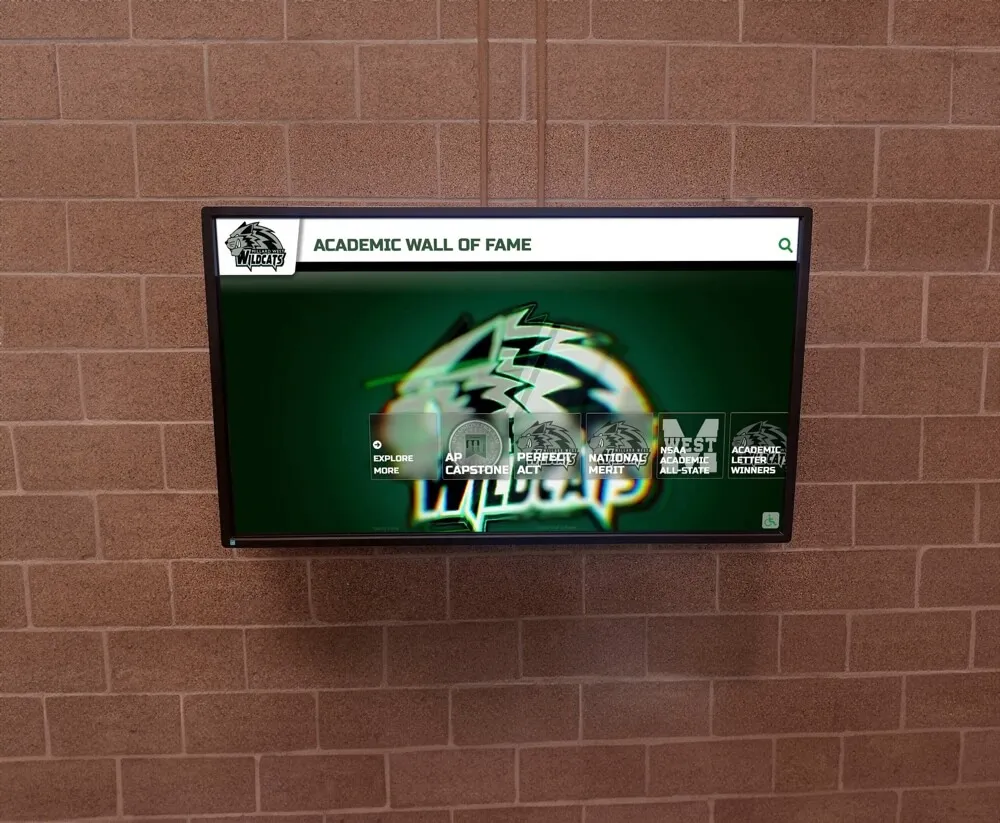
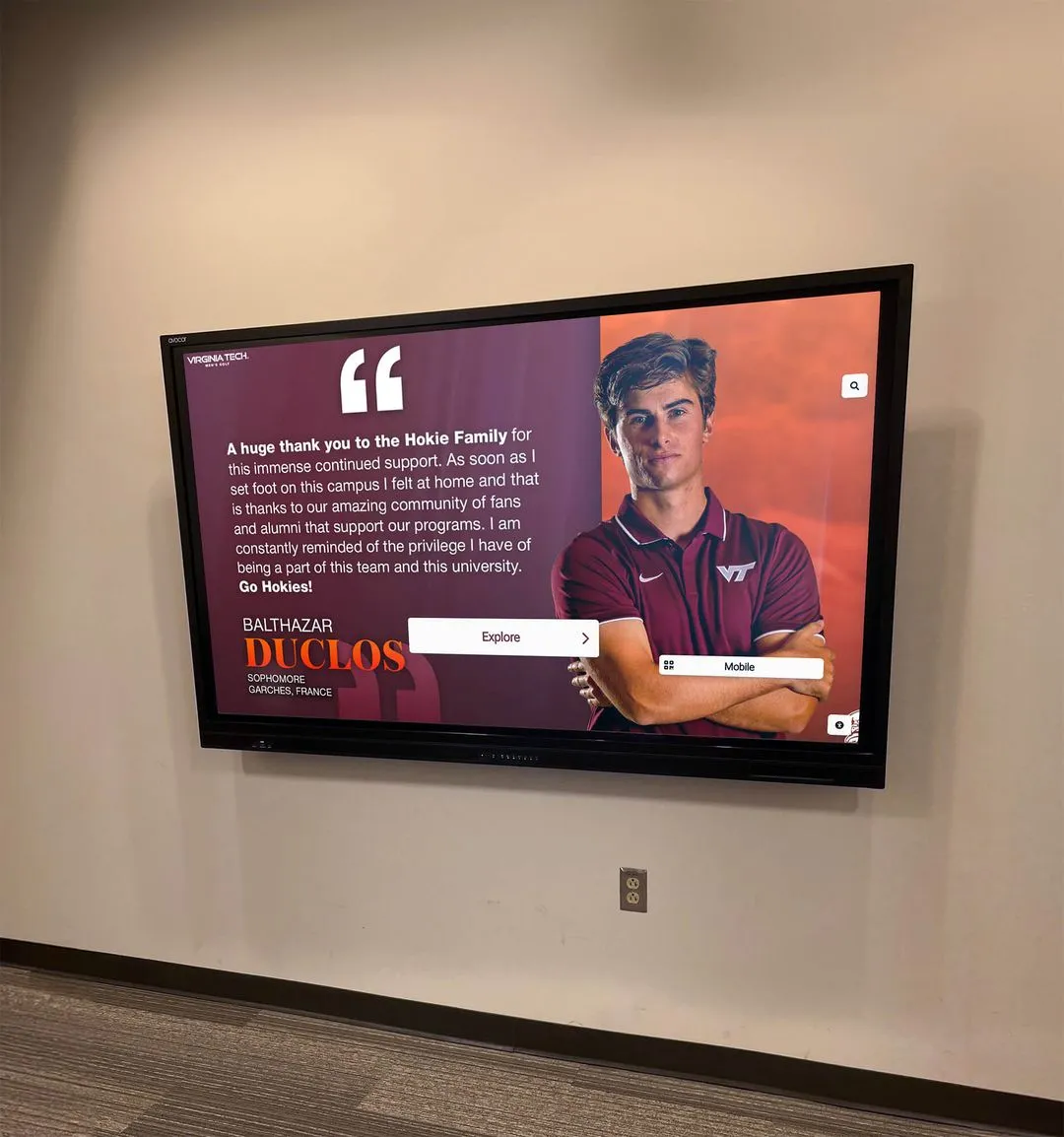
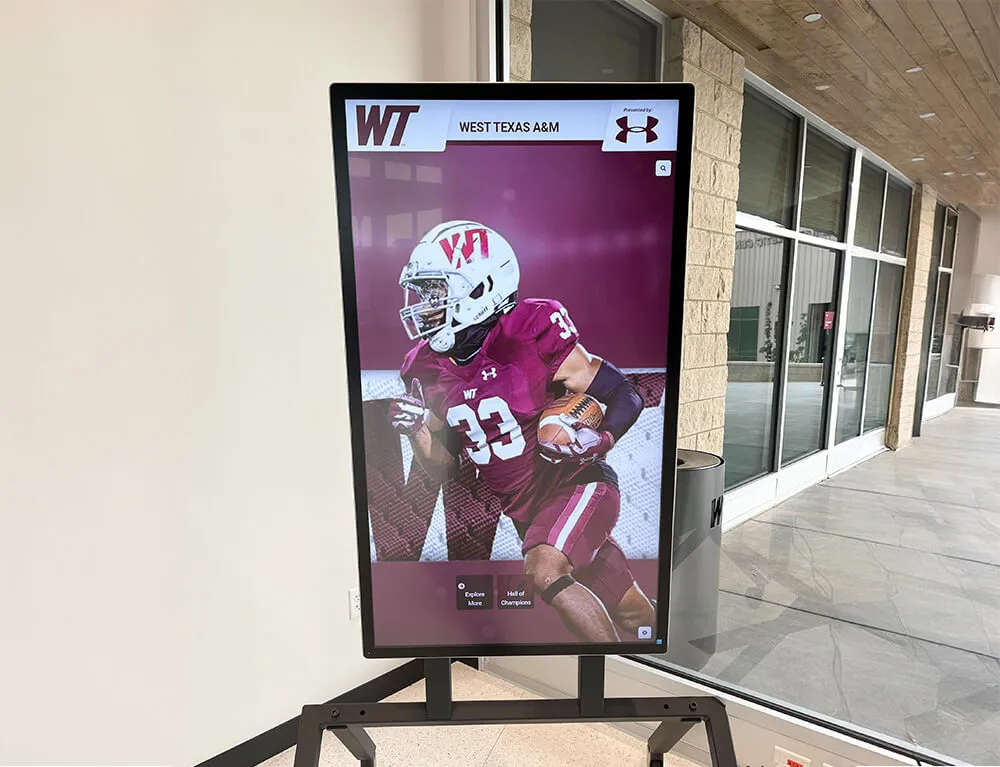
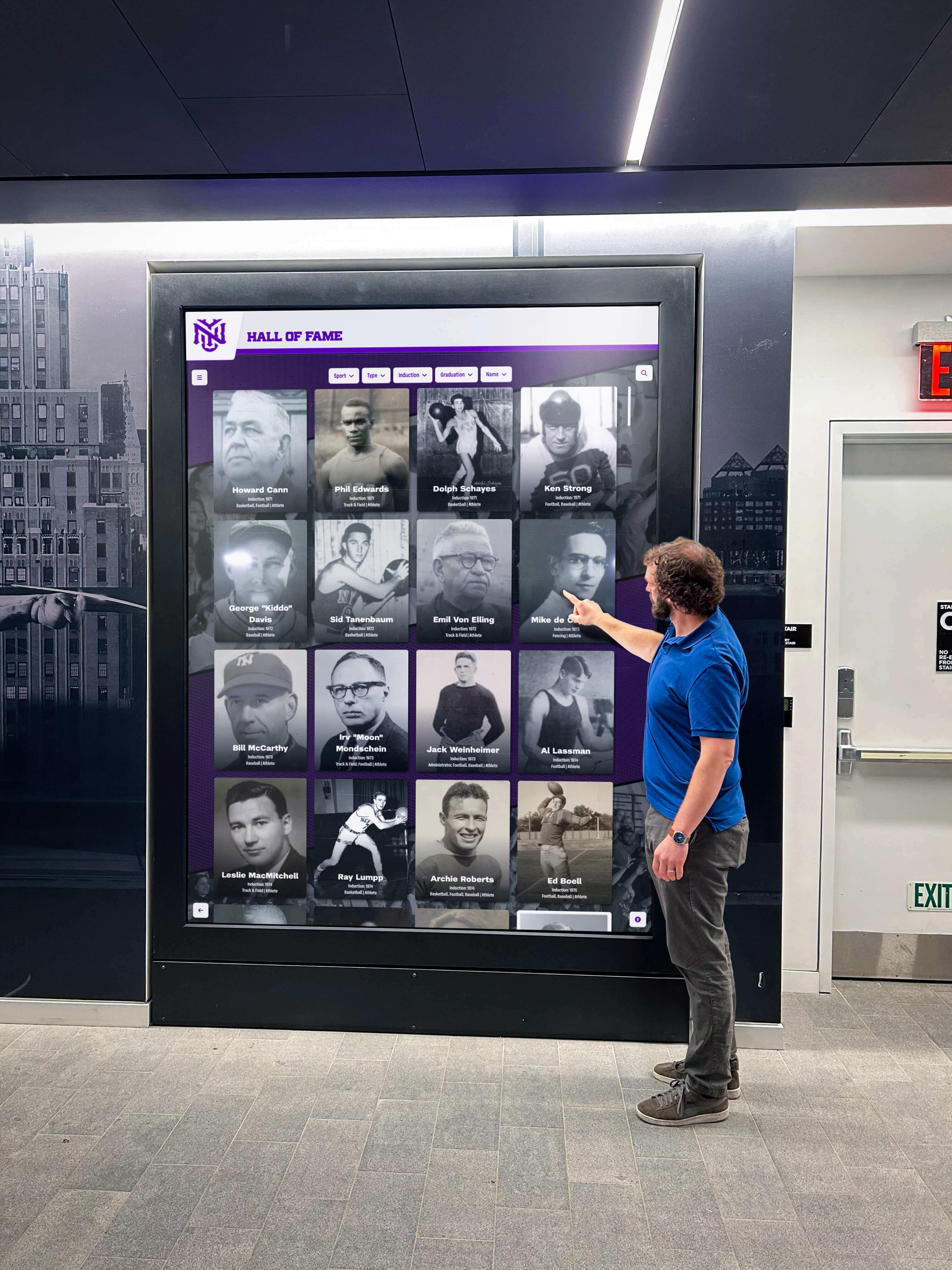
Traditional plaques and portraits serve valuable purposes, but modern recognition technology enables richer storytelling that better captures principals’ complex legacies. Digital recognition displays allow schools to share not just names and tenure dates but career histories and achievements, photographs from throughout their principalship, video tributes from students and teachers, descriptions of programs and initiatives they championed, and interactive timelines showing school evolution during their tenure.
Solutions like Rocket Alumni Solutions’ interactive recognition displays transform static recognition into engaging experiences where current and future students can explore their school’s leadership history. These systems easily update as new principals retire, creating comprehensive institutional memory that preserves stories that might otherwise be lost.
Schools implementing comprehensive recognition systems often find value in understanding best practices from donor recognition programs, which offer insights about creating meaningful, lasting tributes that honor significant contributions.
Preserving Oral Histories
Beyond formal speeches, consider recording extended oral history interviews with retiring principals where they share career reflections, discuss significant decisions and turning points, describe school culture and how it evolved, tell stories that wouldn’t fit in public speeches, and offer advice for future school leaders.
These interviews become valuable historical records that provide future administrators, researchers, and community members with first-person accounts of school development and educational leadership across different eras. Institutions committed to preserving institutional memory often develop comprehensive school history preservation systems that archive these leadership stories alongside other significant milestones.
Creating Succession Transitions
Thoughtful recognition includes transition planning that honors the retiring principal while supporting their successor. This includes documenting key processes and relationships, introducing the new principal to critical community partners, facilitating knowledge transfer about school culture and history, and establishing emeritus roles if appropriate and desired.
This approach validates that the retiring principal’s knowledge and relationships have lasting value while ensuring institutional continuity.
Common Mistakes to Avoid in Principal Retirement Speeches
Even well-intentioned speakers sometimes make mistakes that diminish speech effectiveness. Avoid these common pitfalls.
Being Too Generic
“She was a great principal who cared about students and teachers.” This statement could apply to any competent principal. Generic praise lacks the impact of specific stories and examples that reveal who this particular principal was and what they specifically accomplished.
Replace generic adjectives with specific examples. Instead of “dedicated,” share the story of them staying until midnight during the school play. Instead of “innovative,” describe the specific program they created that others thought impossible.
Focusing Exclusively on Achievements
While acknowledging accomplishments matters, speeches that read like résumés—listing programs implemented and metrics achieved—miss the human element. People connect with stories about character, relationships, and personal impact, not just professional achievements.
Balance achievement recognition with stories revealing who this person is—their humor, their compassion, their quirks, their humanity.
Making It About Yourself
Some speakers inadvertently center themselves in retirement speeches, sharing extensive personal stories where the principal plays a supporting role in the speaker’s narrative. Remember: this recognition celebrates the principal, not you. Your stories should illuminate the principal’s impact, not your own experiences.
Frame stories from the perspective of what they reveal about the principal: “When my father died and Principal Chen drove me to the airport, I saw the kind of leader she is—someone who shows up in crisis and provides exactly what people need.”
Inappropriate Humor or Inside Jokes
Gentle humor that everyone can appreciate works well, but inside jokes that exclude most of the audience or humor at the principal’s expense that crosses the line from playful teasing to mean-spiritedness creates discomfort rather than joy.
Test humor on trusted colleagues before the speech. If there’s any doubt about whether something might offend or confuse, remove it.
Running Too Long
Speakers often misjudge timing, thinking more words equal more honor. Concise, well-crafted speeches land with more impact than rambling, repetitive addresses that lose audience attention. Respect both the audience’s time and other speakers’ opportunities by staying within your allotted time.
Ignoring the Audience
Effective speeches consider who’s listening and what they need from this moment. A room full of elementary students requires different language and examples than a gathering of board members and community leaders. Tailor content, vocabulary, and references to your specific audience.
Failing to Acknowledge Family
Principal retirements affect families who sacrificed time, attention, and normalcy so their loved one could serve schools. Speeches should acknowledge and thank family members who supported the principal’s career: “To the Jackson family: you shared Dr. Jackson with us for twenty years. You understood when he missed dinners and worked weekends. Thank you for that generosity.”

This acknowledgment validates family sacrifice while honoring the principal within their fuller life context.
Cultural Considerations for Diverse School Communities
Schools serve increasingly diverse communities with varied cultural expectations around recognition, emotion, and ceremony. Culturally responsive retirement speeches consider these differences thoughtfully.
Varying Comfort With Public Emotion
Some cultures embrace public emotional expression, while others value restraint and composure. Know your principal’s cultural background and comfort level. For principals from cultures that value emotional restraint, effusive public displays might feel uncomfortable rather than honoring. For those from cultures that embrace emotional expression, overly formal, restrained speeches might feel cold.
When speaking about principals from cultural backgrounds different from your own, consult with community members from that culture about appropriate recognition approaches.
Language and Translation
In multilingual communities, consider whether portions of the speech should be delivered in languages beyond English. Honoring a principal who championed dual-language programs by including Spanish, Mandarin, or other languages spoken by families demonstrates authentic respect for their values and legacy.
Similarly, if the retiring principal is bilingual or serves a community where many families speak languages other than English, providing translation during the ceremony ensures all community members can participate fully.
Collective Versus Individual Achievement
Western cultures often emphasize individual achievement, while many other cultures value collective success and community contribution more highly. For principals from cultures that prioritize collective values, framing their success as personal achievement might feel uncomfortable. Instead, emphasize how they built community, served others, and elevated collective success.
“Principal Nguyen never sought personal recognition. She believed success belonged to the entire community working together. But today, we collectively insist on recognizing the leader who made that community possible.”
Understanding Recognition Preferences
Some cultures view public recognition as honoring and appropriate, while others see it as potentially boastful or uncomfortable. If possible, discuss with the retiring principal what kind of recognition feels meaningful versus uncomfortable to them. Some principals might prefer low-key acknowledgment over large ceremonies; others might appreciate elaborate celebrations.
Honoring how someone wants to be honored—rather than imposing recognition approaches they find uncomfortable—demonstrates true respect.
Planning the Retirement Celebration Event
The speech sits within a larger retirement celebration. Thoughtful event planning ensures the entire experience honors the principal effectively.
Choosing the Right Venue and Format
Consider whether the celebration should be intimate (staff and close colleagues only) or inclusive (entire school community). Both approaches offer value—intimate gatherings allow more personal sharing, while large community events demonstrate broad impact.
Venue selection matters. Holding the celebration in the school building connects the honor to the space where the principal served. Alternatively, off-site locations might feel more special and separate the celebration from daily work routines.
Structuring the Program
Effective retirement programs typically follow this structure: welcome and opening remarks, speeches from various perspectives (superintendent, board member, teacher, student, etc.), presentation of gifts or recognition, opportunity for the principal to respond, closing remarks or benediction, and reception or social time.
Keep the formal program under 90 minutes. Guests grow restless during longer programs, and the event starts feeling more tedious than celebratory.
Creating Opportunities for Broader Participation
Not everyone can deliver formal speeches, but many people want to contribute to recognition. Provide multiple participation opportunities including memory books where people write personal messages, video montages compiling brief tributes from many people, reception receiving lines allowing personal conversations, gallery walks featuring photographs and memorabilia from the principal’s tenure, and social media campaigns where people share appreciation using designated hashtags.
These varied participation methods ensure everyone who wants to honor the principal finds an appropriate avenue.
Selecting Meaningful Gifts
Thoughtful gift selection demonstrates that planning committees paid attention to the principal’s interests and values. Options include personalized items reflecting hobbies or interests, professional recognitions like engraved plaques or framed resolutions, contributions to causes the principal cares about, experiences like travel vouchers or special event tickets, commissioned artwork featuring the school or meaningful quotes, and collections of letters or messages from community members.
Schools often draw inspiration from thoughtful teacher appreciation gift approaches when selecting retirement presents, adapting successful recognition strategies for administrative leaders. The most meaningful gifts reflect genuine knowledge of who the principal is beyond their professional role.
Recording the Event
Document retirement celebrations thoroughly through professional photography capturing key moments, video recording of speeches and tributes, audio recording for principals who want to hear remarks again, and written programs that become keepsakes.
Many principals treasure recordings that allow them to revisit the celebration and hear tributes again. This documentation also becomes part of school archives, preserving institutional history.
Supporting Principals Through Retirement Transitions
Meaningful support extends beyond the retirement celebration into the transition period itself. Thoughtful colleagues and institutions help retiring principals navigate this significant life change.
Acknowledging Mixed Emotions
Retirement brings complex emotions—relief and excitement mixed with grief, uncertainty, and identity questions. Principals who devoted decades to their schools often struggle with losing central parts of their identity and daily purpose. Recognize that retirement is both ending and beginning, acknowledging the losses alongside celebrating new opportunities.
Create space for retiring principals to express ambivalence: “It’s okay to feel sad about leaving even while you’re excited about what’s next. Both feelings are valid.”
Providing Practical Transition Support
Beyond ceremonial recognition, offer practical help with office and personal item clearing, contact list and personal file organization, benefit and pension paperwork navigation, technology account transitions, and connection to retiree networks or groups.
These practical supports demonstrate ongoing care beyond the celebration moment.
Establishing Post-Retirement Connection
Clarify expectations about post-retirement relationship between the principal and school. Some principals prefer clean breaks, while others want to maintain connections. Discuss whether the retiring principal wants to be invited to school events, consulted on historical or institutional questions, or connected with the new principal, or if they prefer to step away completely.
Respecting individual preferences about ongoing connection honors the principal’s needs during this transition.
Creating Emeritus or Alumni Roles
Some schools establish emeritus roles for distinguished retired principals, allowing them to maintain connection through occasional consulting, mentoring new administrators, participating in special events or milestone celebrations, and contributing to strategic planning or institutional reflection.
These roles allow retiring principals who want ongoing connection to maintain meaningful involvement without the responsibilities of active leadership.
The Lasting Impact of Meaningful Recognition
When schools honor retiring principals thoughtfully—through speeches that capture their specific impact, celebrations that engage entire communities, and permanent recognition preserving their legacies—everyone benefits. Retiring principals receive validation that their life’s work mattered and made lasting difference. Current staff see that the institution values and honors service, increasing their own commitment. Students learn that leadership and service deserve recognition and appreciation. New principals inherit institutional cultures that respect leadership. And communities strengthen their collective identity by preserving and celebrating their history.
The retiring principal who led your school invested decades in creating environments where learning flourished, teachers thrived, students succeeded, and communities connected. They navigated impossible challenges, made difficult decisions, and carried responsibilities most people never see. They deserve recognition that matches the magnitude of their contribution.
The speech you deliver, the celebration you plan, and the permanent recognition you establish all contribute to honoring their legacy appropriately. Take the time to craft tributes that are specific, authentic, balanced, and meaningful. Future generations will inherit not just the programs and culture these leaders built, but also the stories of who they were and what they contributed.
Schools committed to preserving and celebrating leadership legacies often find that comprehensive recognition systems serve multiple institutional purposes—honoring retiring principals while also recognizing distinguished alumni, championship teams, academic achievers, and other community members who contributed to institutional success. These integrated approaches create cultures where excellence is consistently celebrated and institutional memory is actively preserved.
Discover how modern recognition technology can help your school preserve leadership legacies and celebrate community excellence through interactive displays that engage current students while honoring those who shaped your institution’s history.
Conclusion: The Power of Honoring Leadership
Principal retirement speeches serve purposes far deeper than ceremonial obligation. When crafted with care and delivered with authenticity, these tributes validate careers of service, preserve institutional memory, facilitate communal closure, model recognition culture, and honor the profound impact educational leaders have on everyone they serve.
The principal retiring from your school devoted their professional life to creating environments where students could learn, teachers could thrive, and communities could connect. They absorbed stress so others could focus on teaching and learning. They made impossible decisions with insufficient information. They celebrated others’ successes while their own contributions often went unrecognized. They believed in students who didn’t believe in themselves, supported teachers through difficult moments, and led with integrity even when easier paths existed.
Your speech provides an opportunity to tell them, publicly and permanently, that their work mattered. That they made a difference. That they will be remembered.
Take that opportunity seriously. Research thoroughly. Write thoughtfully. Practice diligently. Deliver authentically. And create recognition that extends beyond the ceremony into permanent institutional memory.
The principal you’re honoring deserves nothing less. And the students who will walk your halls decades from now deserve to know the stories of the leaders who built the excellent schools they inherit.
Honor your principal well. Tell their story completely. And preserve their legacy permanently. That’s how educational communities demonstrate that leadership, service, and excellence truly matter.