When a student comes home and tells their family they received a principal award, the reaction is usually immediate pride—but the follow-up question is almost always the same: what exactly does that mean? The answer depends on the school, the grade level, and the specific type of honor being given. Principal awards cover a wide range of formal recognition programs, from the academic principal’s list to character awards to end-of-year excellence recognition for outstanding staff. What they share is their source of authority: the principal’s direct acknowledgment that someone in the building has done something exceptional.
This guide walks through every major form of principal recognition, explains the criteria schools commonly apply, and explores how thoughtful schools move beyond paper certificates to create permanent records of excellence that inspire future generations.
What Is a Principal Award?
A principal award is a formal recognition given under a school principal’s direct authority to acknowledge achievement that rises above standard classroom performance or everyday school participation. The term covers several distinct recognition types that are easy to conflate but carry meaningfully different weight.
The Principal’s List
The most commonly used form of principal award in American schools is the principal’s list, sometimes called the principal’s honor roll. This academic distinction recognizes students who earn the highest possible grade point averages during a grading period—typically a 4.0 or straight-A equivalent, though some schools require all A’s in every academic subject regardless of elective grades.
The principal’s list sits above the standard honor roll. Most schools operate a tiered system:
- Honor Roll: Generally requires a GPA of 3.0 to 3.49, or a mix of A’s and B’s
- High Honor Roll / Academic Honor Roll: Typically requires a 3.5 to 3.99 GPA, or mostly A’s
- Principal’s List: Reserved for the highest achievers—usually a 4.0 or all-A grades for the period
Because the principal’s list represents the absolute ceiling of academic recognition at the school level, it carries special weight when documented on transcripts, college applications, and award certificates. A student who makes the principal’s list multiple semesters is demonstrating not just occasional excellence but sustained commitment to academic performance at the highest level.

The Principal’s Award for Excellence
Separate from the academic principal’s list, many schools present a Principal’s Award for Excellence at end-of-year ceremonies or graduation events. This award is typically selective in a way the principal’s list is not—rather than going to every student who meets a numerical threshold, it is awarded to one or a handful of students judged to embody the school’s highest values across multiple dimensions.
Common criteria for a Principal’s Award for Excellence include:
- Academic achievement: Strong GPA, rigorous course selection, consistent performance
- Character and integrity: Demonstrated honesty, responsibility, and ethical conduct
- Leadership: Initiative in student government, clubs, teams, or informal peer influence
- Community contribution: Service to the school and surrounding community
- Personal growth: Overcoming challenges and demonstrating resilience
Because this award involves judgment rather than calculation, it carries a different kind of significance than the principal’s list. A student who earns the Principal’s Award for Excellence has been personally selected by the school’s leader as someone who represents what the school aspires to produce.
Principal’s Award for Staff
Schools also extend principal-level recognition to staff members. A Principal’s Award for Outstanding Service or similar designation acknowledges educators and support staff who have gone beyond their job descriptions in ways that demonstrably improved the school community.
Staff principal awards typically recognize:
- Innovative teaching that produced measurable student outcomes
- Extraordinary mentorship that changed individual students’ trajectories
- Leadership on school improvement initiatives
- Consistent demonstration of the school’s core values over many years
- Contributions to school culture that extended well beyond classroom walls
When principals name these awards publicly—at faculty meetings, school board presentations, or community ceremonies—they send a clear signal about what the institution values and what behaviors it seeks to cultivate throughout the staff.
Why Principal Award Meaning Goes Deeper Than a Certificate
The mechanics of principal awards—criteria, grade thresholds, selection committees—tell only part of the story. Understanding the fuller meaning of these recognitions requires thinking about what they communicate to different audiences.
What a Principal Award Communicates to Students
For the student receiving the recognition, a principal award is confirmation that their effort has been witnessed and valued at the highest level of the institution they spend most of their day in. Adolescent motivation research consistently finds that recognition from authority figures carries significant psychological weight, particularly during the developmental years when students are forming their identities and their beliefs about what they’re capable of.
A student who makes the principal’s list for the first time often describes the experience as a turning point—a moment when they understood that academic excellence was genuinely attainable for them. Students who receive a Principal’s Award for Excellence at graduation often cite it when describing their confidence entering college or the workforce.
The range of student awards that schools can offer extends well beyond academics, but principal-level recognition holds a distinct place because it comes from the person ultimately responsible for the entire school community. That source of authority matters to students even when they would not articulate it in those terms.

What a Principal Award Communicates to the School Community
Principal awards also function as institutional messaging. When a principal publicly names what constitutes excellence—through the criteria for the principal’s list or the qualities evaluated for the Principal’s Award for Excellence—they are telling every student, family, and staff member what the school genuinely values, not just what it lists in its mission statement.
Schools that consistently recognize academic achievement through principal awards send a message that intellectual rigor is genuinely honored, not merely expected. Schools that present Principal’s Awards for Excellence that emphasize character alongside grades communicate that being a good person matters as much as earning A’s. These signals shape school culture in ways that outlast any individual award ceremony.
What a Principal Award Communicates to Colleges and Employers
On transcripts and applications, principal’s list recognition is a verifiable credential. Colleges reviewing applications understand that a principal’s list designation indicates the highest academic tier at that school. Multiple semesters of principal’s list recognition demonstrates consistency that a single strong semester does not.
The Principal’s Award for Excellence, when documented appropriately, communicates something different: that the student was personally selected above their peers by the school’s chief administrator. This distinction can provide meaningful context in competitive admissions processes or scholarship applications where numerical credentials may look similar across many applicants.
Types of Principal Awards by School Level
The specific form principal awards take shifts across grade levels, reflecting different developmental priorities and academic structures.
Elementary School Principal Awards
At the elementary level, principal awards typically emphasize character and effort more than absolute academic performance. Common forms include:
Principal’s Pride Award: Recognizing students who demonstrate the school’s core values—respect, responsibility, kindness—during a given week or month. These nominations often come from teachers but are presented by the principal to underscore their significance.
Academic Excellence Recognition: Even at elementary levels, schools often maintain a principal’s list for students achieving all A’s or equivalent marks, introducing the concept of principal-level academic recognition early.
Most Improved: Some principals present personal recognition for students who have demonstrated significant growth, acknowledging that trajectory matters alongside absolute performance.
Elementary principal awards are often presented publicly—in school assemblies, in newsletters sent home, on bulletin boards in hallways—because the public acknowledgment reinforces positive behavior across the student body.
Middle School Principal Awards
Middle school is when academic principal’s list programs typically become more formalized and tracked across semesters. The transition to departmentalized instruction and letter-graded courses makes GPA-based principal’s list criteria feasible in a way it often isn’t in elementary school.
Common middle school principal recognition includes:
Semester Principal’s List: Awarded at the close of each semester to students who earned all A’s or met the school’s highest GPA threshold.
Principal’s Leadership Award: Recognizing students who show initiative in student government, clubs, or peer leadership programs.
Character Recognition: Schools may present certificates or other recognition at end-of-year ceremonies for students demonstrating exemplary conduct throughout the year.
The middle school years are critical for establishing students’ beliefs about what they can achieve academically. Research on academic mindset development suggests that recognition during these years—particularly from authority figures like principals—can significantly influence whether students believe high achievement is attainable for them.
High School Principal Awards
High school principal awards carry the most weight in terms of external documentation because they appear on transcripts reviewed by colleges and scholarship committees.
Principal’s List: Typically maintained semester by semester and noted on official transcripts. Cumulative recognition for multiple semesters may also appear on award certificates presented at honors nights.
Principal’s Award for Excellence: Usually presented at senior awards night or graduation ceremonies, recognizing the graduating senior or seniors who most fully embody the school’s values across their entire four-year tenure.
Department-Based Principal Recognition: Some high schools allow department chairs to nominate students for principal-level subject recognition, creating pathways for students whose strength areas are specific disciplines rather than overall GPA.
Senior Honors Recognition: End-of-year principal recognition programs often include academic achievement, but also athletic distinction, arts excellence, and community service—creating a comprehensive portrait of what the graduating class has accomplished. Celebrating students through end-of-year recognition programs helps schools mark what each class has contributed before they graduate.

How Schools Determine Principal Award Criteria
The specifics of what qualifies a student for principal-level recognition vary considerably across schools, but most well-run programs share common design principles.
Academic Criteria: Precision Matters
For the principal’s list, clarity in criteria prevents disputes and helps students set concrete goals. Schools typically define:
GPA threshold: Most commonly 4.0 on a standard scale, though some schools accept 3.9 or higher. Schools with weighted GPA systems for honors and AP courses may set higher thresholds or maintain parallel weighted and unweighted lists.
Course scope: Does the principal’s list require all-A grades in every enrolled course, including physical education and electives? Or does it apply only to core academic subjects? Published policies should answer this question explicitly.
Grading period: Is recognition awarded by semester, by quarter, or annually? Semester-based recognition is most common at secondary levels and aligns with transcript reporting.
Tie-breaking for holistic awards: For awards like the Principal’s Award for Excellence that involve selection among similarly qualified students, clear documentation of the evaluation process—selection committee composition, criteria weighting, review timeline—protects against perceptions of favoritism.
Character and Leadership Criteria
For principal awards that recognize qualities beyond grades, schools face the challenge of making subjective evaluation feel fair and consistent. Effective approaches include:
Nomination systems: Teachers, counselors, or peers submit nominations with written rationale, which a review committee evaluates against published criteria. This distributes judgment while maintaining standards.
Behavioral documentation: Schools that track character-related incidents—both positive and negative—can reference this record when evaluating character awards, creating a more objective basis for assessment.
Multi-year consideration: For graduation-year awards like the Principal’s Award for Excellence, considering a student’s entire high school record rather than only senior year performance acknowledges sustained commitment rather than strategic behavior in the final months.
Staff Award Criteria
Principal awards for staff work best when criteria are transparent to the entire faculty in advance rather than announced only with the award. Criteria might include objective elements like professional development hours, attendance records, and student outcome data alongside more subjective dimensions like peer nominations and principal observation notes.
Recognizing Principal Award Recipients: From Certificate to Lasting Legacy
Presenting a certificate is the beginning of recognition, not the end. Schools that invest in making principal awards meaningful find that the recognition’s impact grows significantly when it extends beyond a single ceremony.
Display and Public Recognition
Public display of principal’s list honorees reinforces the message that academic excellence is valued throughout the school community—not just in classrooms but in hallways and common areas where the entire community sees it.
Traditional approaches include:
- Posted honor roll lists: Printed lists in main hallways updated each semester
- Trophy case certificates: Framed certificates from the principal’s list or Principal’s Award for Excellence displayed in central locations
- Yearbook recognition sections: Dedicated pages listing principal’s list students semester by semester
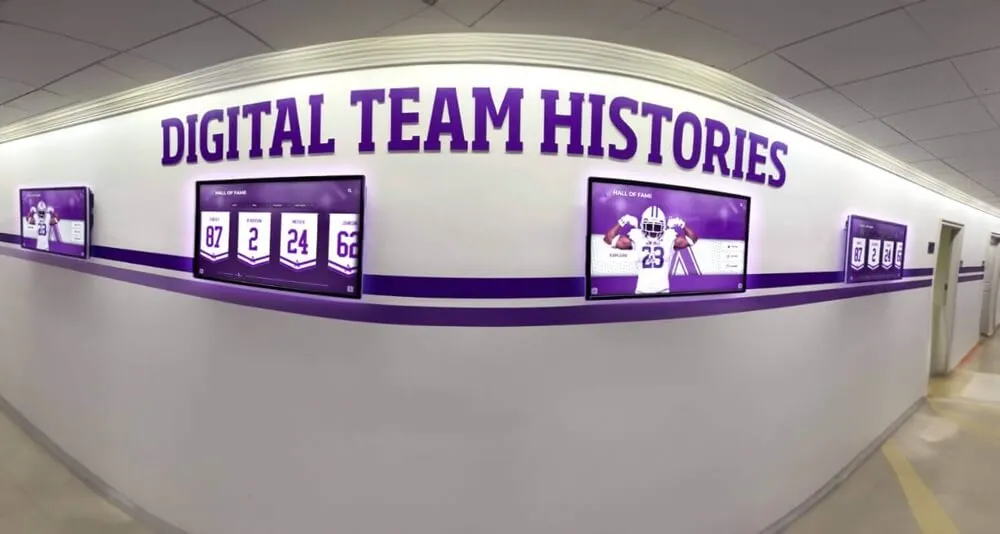
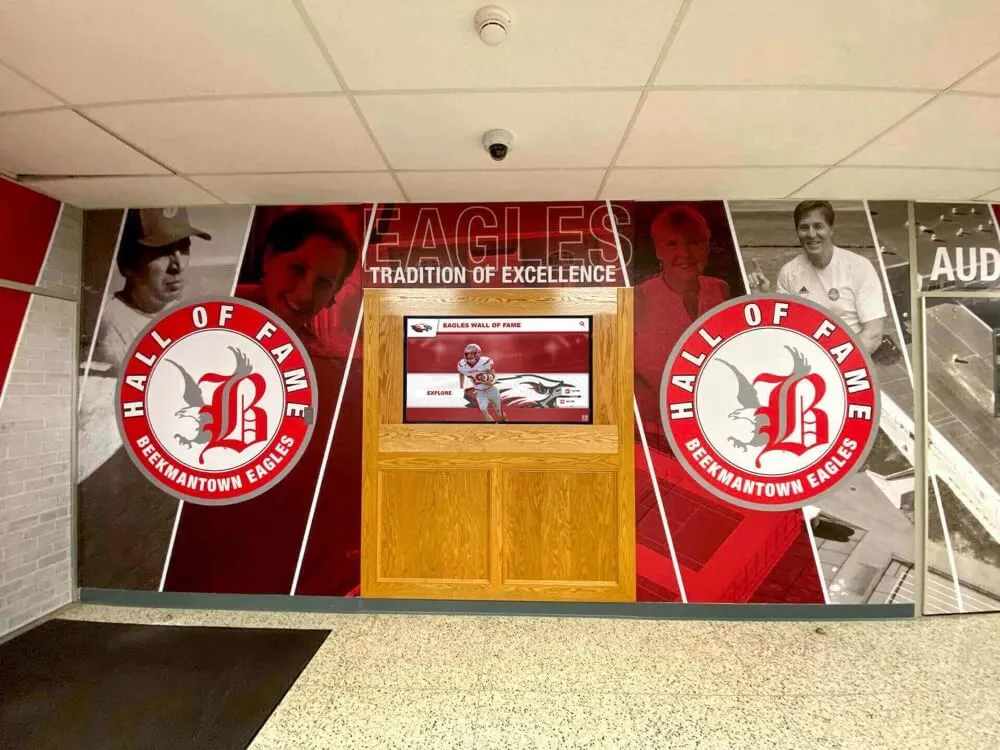
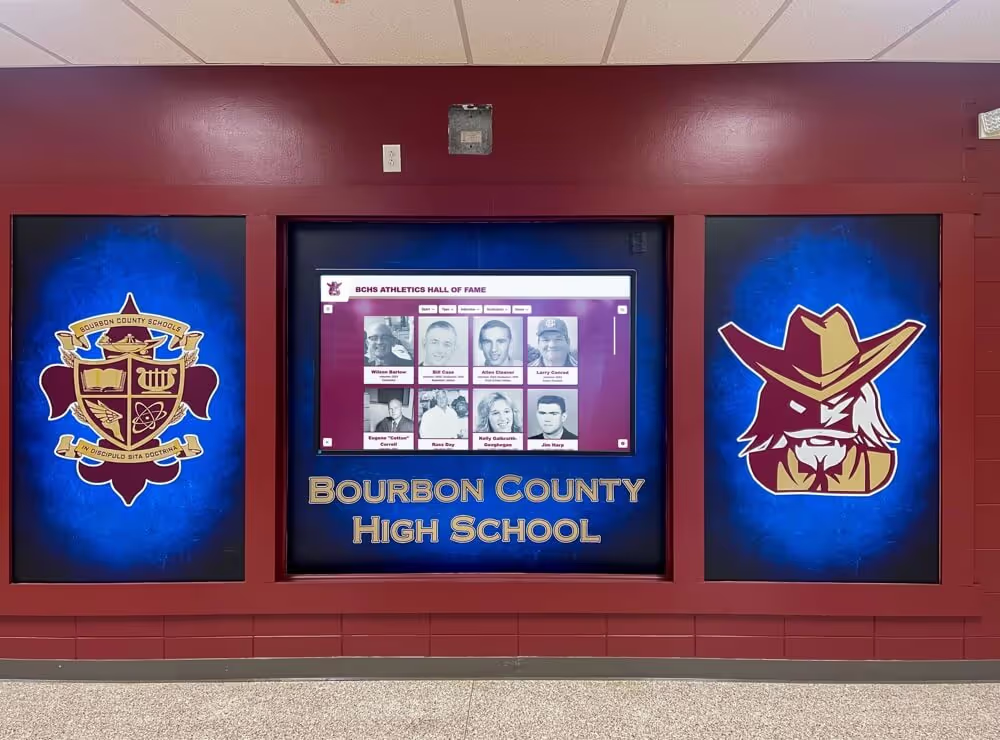
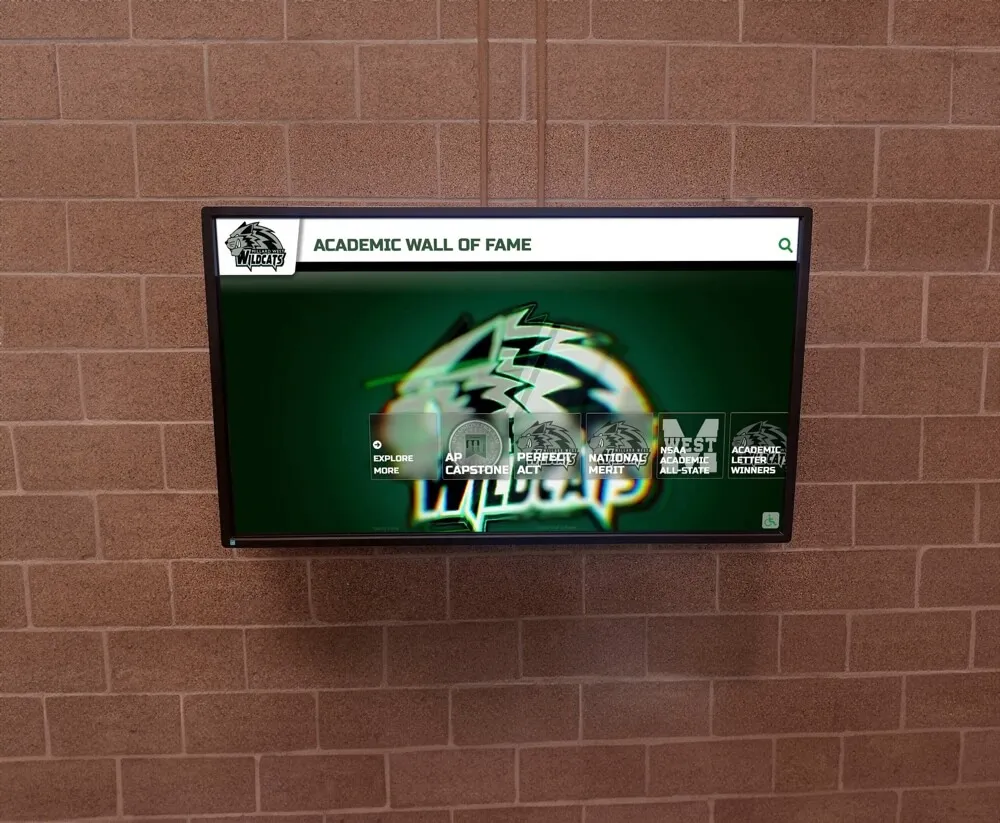
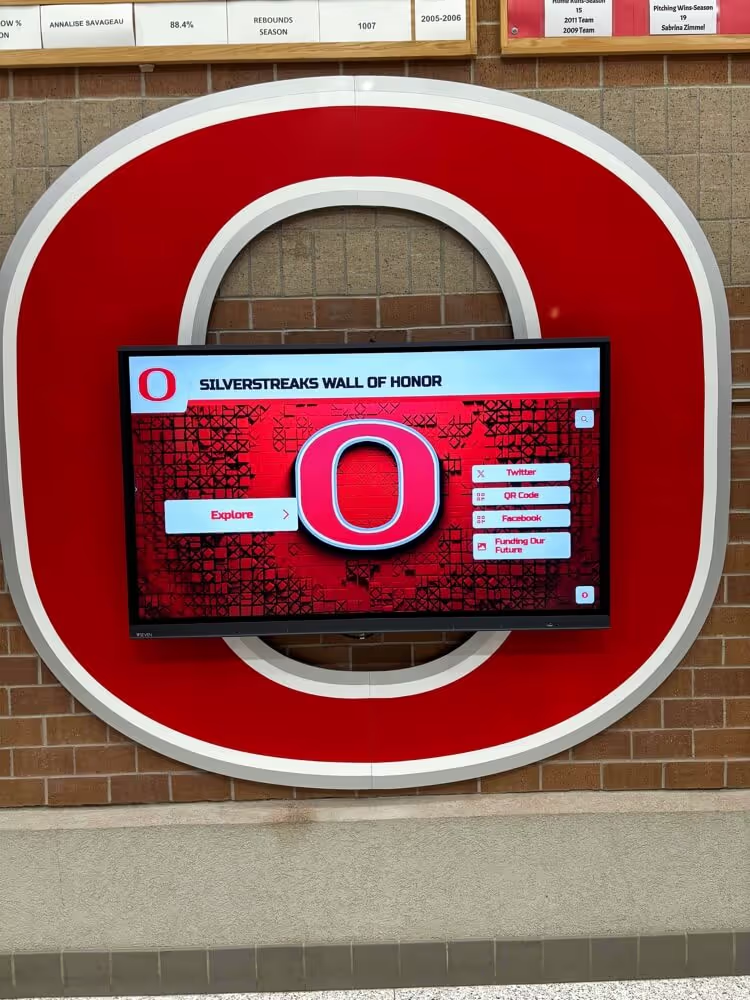
Digital approaches extend the reach and impact of these same recognitions. Interactive honor roll touchscreen displays transform what was once a static list into an engaging, searchable record that students, families, and visitors can interact with in the moment.
Building a Long-Term Recognition Record
One of the most meaningful things schools can do for principal award recipients is ensure their recognition is preserved in a way that remains accessible years after graduation. A certificate kept in a filing cabinet does not serve this purpose. Neither does a printed list that gets recycled at the end of the school year.
Schools that treat principal recognition as part of their institutional memory—building archives of past honorees that current students can explore and alumni can revisit—create a powerful continuity of excellence. A freshman who can scroll through twenty years of principal’s list honorees and see names they recognize from their community understands that this is a real tradition with real weight, not just an administrative exercise.
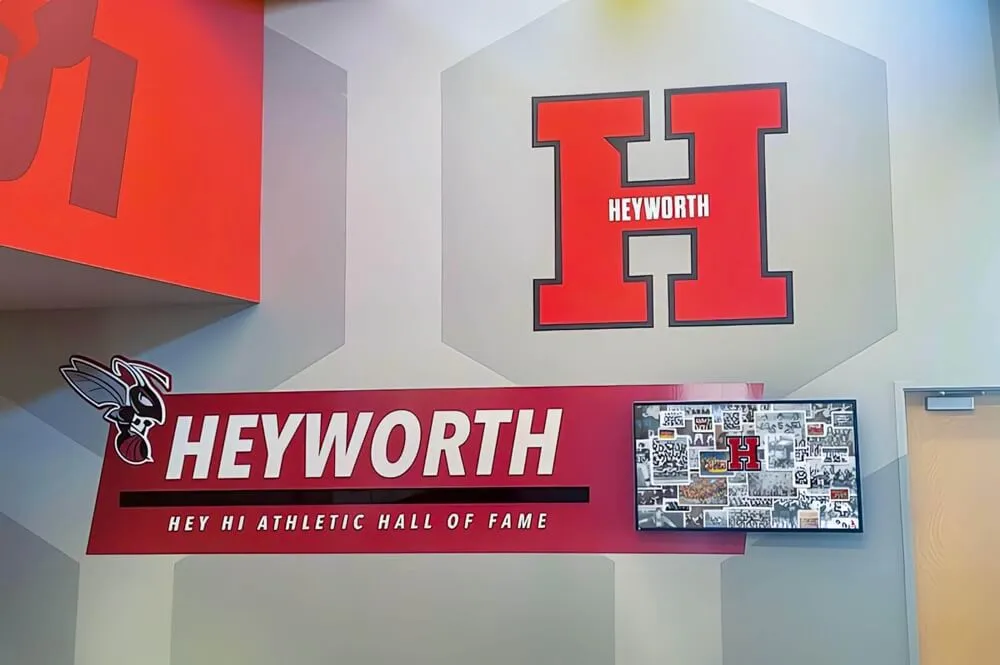
Creating a school hall of fame that incorporates principal award recipients alongside athletic and arts honorees gives academic excellence the same cultural prominence that other achievement categories have traditionally enjoyed in school buildings.
Digital Displays for Academic Recognition
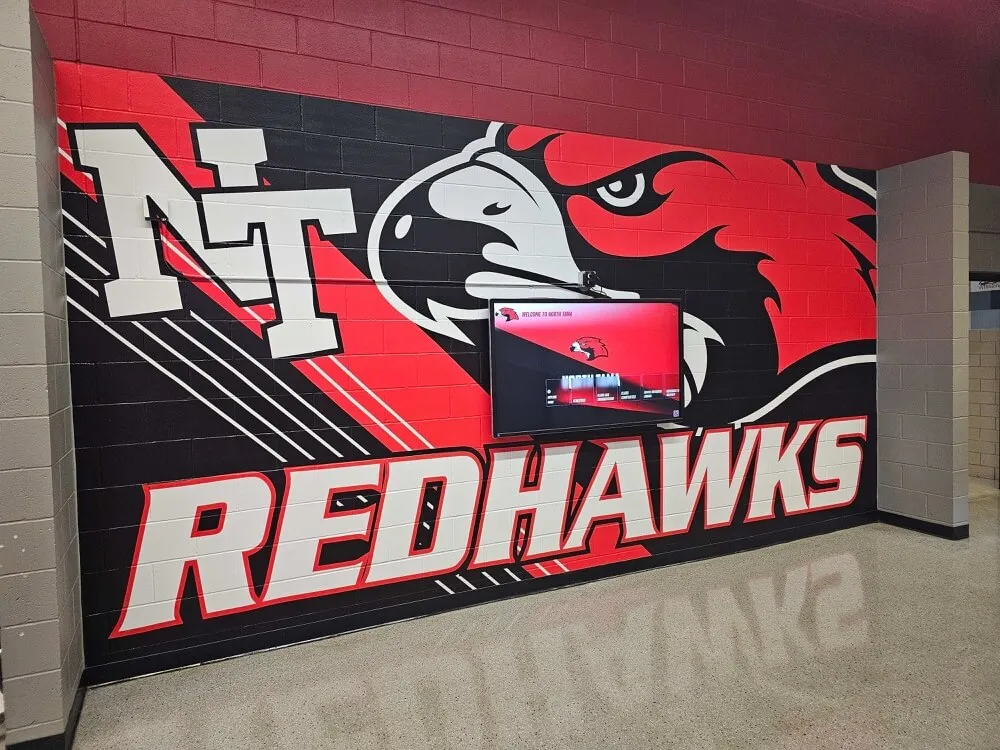
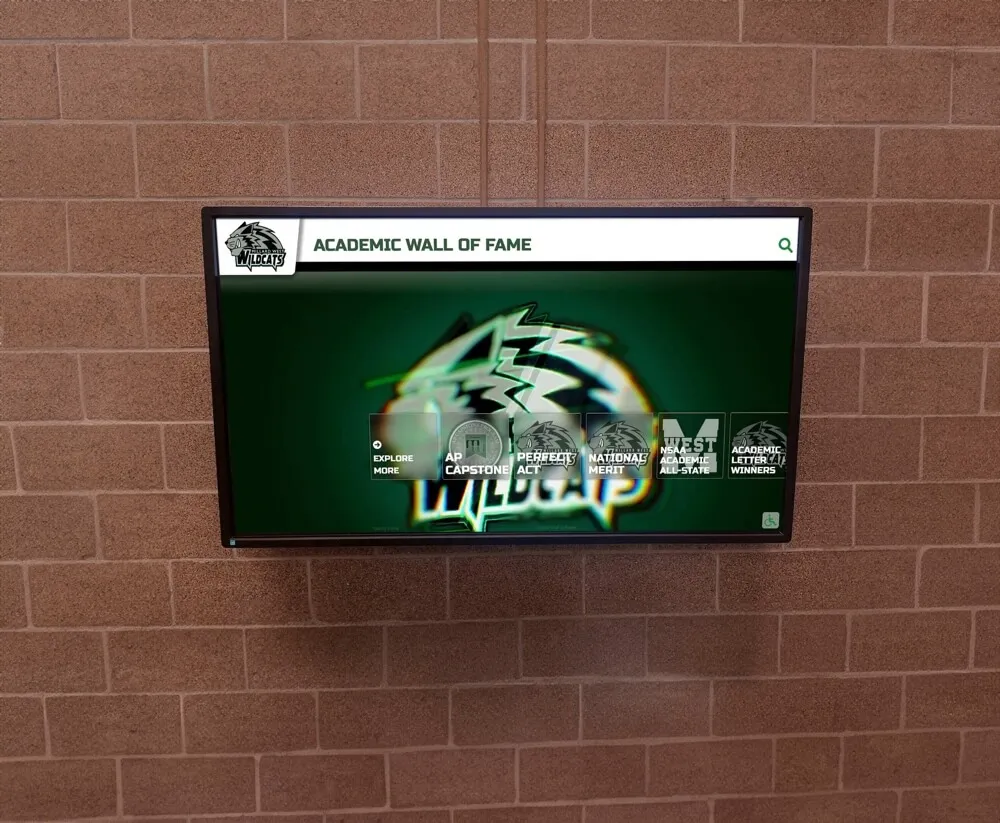
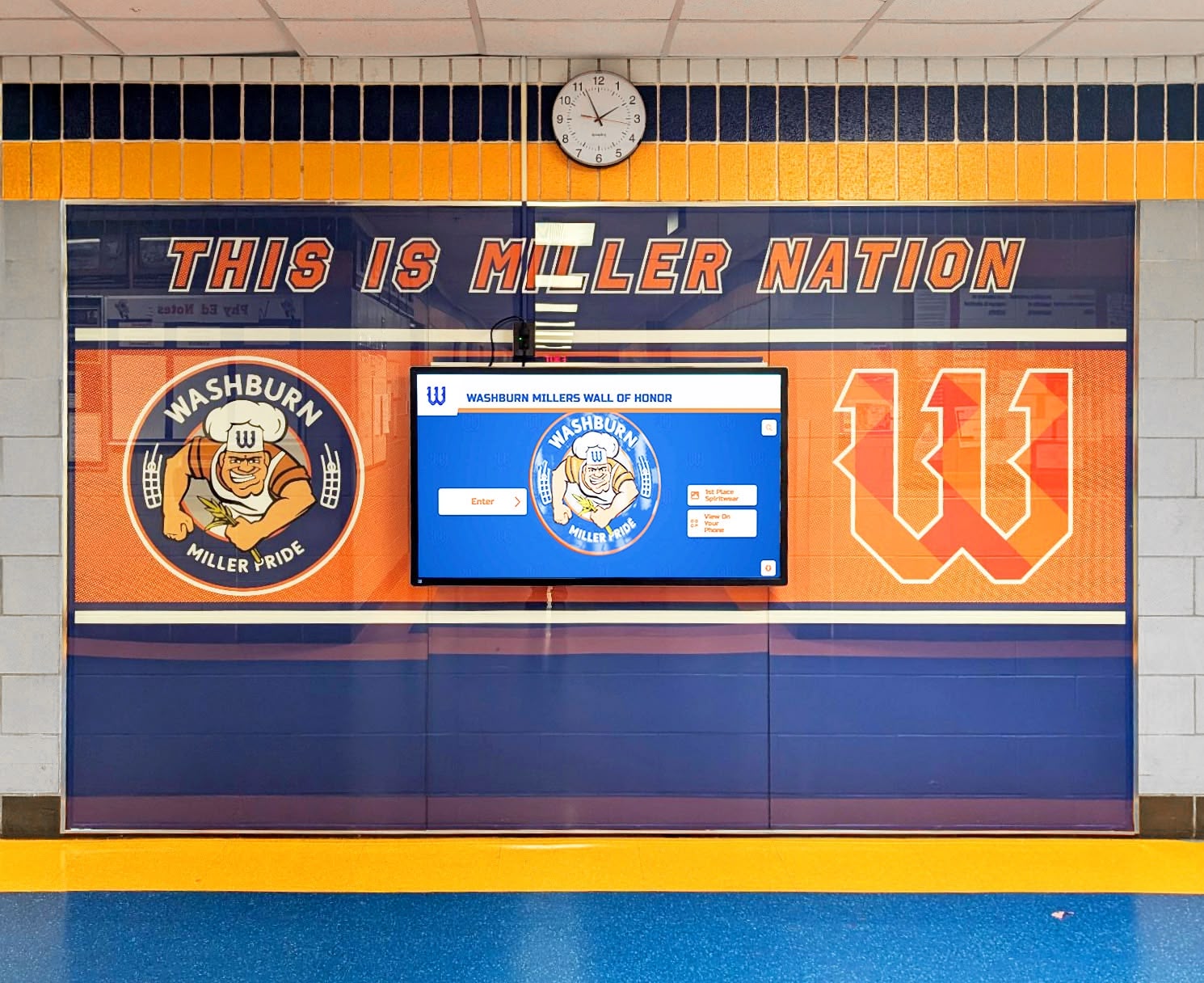
Modern schools are increasingly turning to interactive digital displays to make academic recognition visible and lasting in ways that physical bulletin boards cannot match. A wall-mounted touchscreen kiosk in a school lobby can display current principal’s list honorees, maintain searchable archives of past recipients, and provide context for what the recognition means—all without consuming additional wall space as the years accumulate.
This approach addresses one of the persistent challenges of principal’s list recognition: growth over time. A school that has been issuing principal’s list certificates for thirty years has thousands of former honorees who deserve acknowledgment but no realistic way to display them all on a physical wall. Digital archives solve this problem elegantly, allowing every recipient to be honored regardless of when they attended.
Touchscreen displays in high school gym lobbies and main corridors have become one of the most effective ways to make academic recognition as visible as athletic achievement—placing honor roll and principal’s award displays in the same high-traffic spaces where championship banners and athletic trophies are traditionally celebrated.
For schools documenting the full range of academic accomplishment, models like national merit scholar recognition walls offer templates for how academic distinction can be displayed with the same permanence schools devote to athletic achievement. A national merit scholars wall demonstrates how top academic honors can receive recognition that lasts decades.
Principal Awards in Context: How They Relate to Other School Honors
Understanding principal award meaning is easier when you see where these recognitions fit within the broader landscape of school honors.
Principal Awards vs. Teacher Nominations
Many classroom-level recognitions are teacher-driven: student of the week, subject excellence awards, and participation recognitions typically originate with individual teachers observing their own students. Principal awards differ in that they represent the school’s institutional voice rather than an individual educator’s judgment. This distinction matters when students and families evaluate the significance of different recognitions.
Principal Awards vs. National Programs
Programs like the National Merit Scholarship, National Honor Society, and AP Scholar Awards operate outside the school’s direct control—they use standardized external criteria applied consistently across many schools. Principal awards complement these external recognitions by reflecting school-specific values and criteria. A student might earn AP Scholar recognition for exam performance while also making the principal’s list for overall GPA and receiving the Principal’s Award for Excellence for leadership. These recognitions tell different, complementary parts of the story.
Academic all-Americans and similar distinction programs show how academic achievement can be celebrated with the visual prominence typically reserved for athletic distinction—a model that principals awarding academic honors can learn from when designing their recognition programs.
Principal Awards vs. District and State Honors
Some districts and states have their own top academic recognition tiers—superintendent’s lists, district scholar designations, or state-level academic achievement awards. These typically sit above the school-level principal’s list in terms of scope. A student making the principal’s list qualifies for school-level recognition; making a district or state list extends that recognition outward. Schools can frame principal-level recognition as the foundation from which students may advance to broader honors.
Building a Culture Where Principal Awards Matter
The value of any recognition depends partly on how seriously the school community treats it. Schools where principal awards receive genuine celebration—where making the principal’s list generates congratulations in the hallways and features in the school newsletter, where the Principal’s Award for Excellence is presented at a ceremony that families attend—find that students pursue these distinctions with real motivation. Schools where principal awards are printed and filed without ceremony find that students may not even know the recognition exists.
Effective student achievement strategies consistently show that the visibility and cultural weight given to recognition programs directly affects how much students value them as goals worth pursuing.

Making Principal Award Recognition Last
The day a student receives a principal award, the meaning is obvious. The challenge schools face is keeping that meaning alive—for the students who earned recognition, for the current students who should feel inspired by it, and for the alumni who should be able to revisit it when they return to the building years later.
Creating Searchable Archives
Digital recognition systems that maintain searchable archives of all past principal award honorees create a resource that serves multiple audiences at once. Current students can browse who preceded them. Alumni who return for events can find their own recognition. Parents can look up whether older siblings or extended family appeared on past lists.
This archival function gives principal awards a permanence that certificates folded in a drawer never achieve. When a student’s name appears on a searchable digital record that is accessible through the school’s lobby touchscreen or its website, the recognition has become part of institutional memory rather than a personal artifact that may eventually be lost.
Connecting Recognition to School Identity
The schools that make principal awards most meaningful connect these recognitions explicitly to their school’s identity and values. An annual program that presents the Principal’s Award for Excellence to a senior who embodied the school’s mission—and that includes a brief written or video statement about why this student was selected—gives the award a narrative that purely numerical recognition cannot provide.
Over time, this creates a lineage of recognized excellence that defines what the school stands for. A freshman who reads about past Principal’s Award for Excellence recipients understands not just what the award is but what kind of person receives it—and may begin measuring themselves against that standard.
Integrating with Broader Recognition Programs
Principal awards gain meaning when they are integrated into a school’s comprehensive recognition ecosystem rather than treated as isolated events. A recognition program that includes academic halls of fame, digital displays in key building locations, ceremony programs preserved for posterity, and searchable databases accessible to alumni creates a system where principal award recognition is visible, preserved, and culturally weighted.
Senior recognition programs that document the full spectrum of academic, leadership, and character recognition give graduating classes a comprehensive record of what they achieved—with principal-level awards holding the place of highest institutional honor within that record.
Solutions like Rocket Alumni Solutions help schools build interactive digital displays that honor academic excellence alongside athletic and alumni recognition, giving principal awards the permanent, visible home they deserve in the school community.
Frequently Asked Questions About Principal Award Meaning
What is the difference between the honor roll and the principal’s list?
The honor roll recognizes students who achieve a defined GPA threshold—commonly 3.0 or higher. The principal’s list is the top tier of academic recognition, typically reserved for students with a 4.0 GPA or all-A grades in every subject. Not every school uses both terms, but where they coexist, the principal’s list represents a higher standard than the general honor roll.
Does the principal’s list appear on a college transcript?
Yes, when schools include honor distinctions on official transcripts, the principal’s list—often labeled as “Principal’s Honor Roll” or “Highest Honors”—appears as a notation tied to the relevant semester or academic year. Colleges reviewing transcripts can see which semesters a student met this standard and how consistently they achieved it over their high school career.
Can a student be on the principal’s list for every semester of high school?
Yes. Students who consistently earn all-A grades can appear on the principal’s list every semester of their high school career. Some schools present cumulative recognition for students who achieve this distinction across multiple semesters, acknowledging sustained excellence over time rather than only within individual grading periods.
What is the Principal’s Award for Excellence, and how is it different from the principal’s list?
The principal’s list is an automatic academic distinction awarded to every student who meets the GPA threshold. The Principal’s Award for Excellence is a selective honor—typically presented at the end of the school year or at graduation—to one or a small number of students who best embody the school’s values across academics, character, leadership, and service. The principal’s list rewards numerical performance; the Principal’s Award for Excellence rewards the full person.
Do principal awards matter for college admissions?
Principal’s list notation on a transcript signals consistent high academic performance to college admissions offices, which is meaningful. A Principal’s Award for Excellence presented at graduation carries additional weight because it indicates the school’s chief administrator personally selected this student for recognition above their peers—a distinction that stands out in personal statements and interview conversations about formative accomplishments.
How can schools make principal awards more visible and lasting?
Beyond traditional certificates and posted lists, schools can invest in digital recognition displays in lobby and hallway locations, maintain searchable databases of past honorees accessible through touchscreen kiosks or school websites, present awards at public ceremonies with written documentation of selection rationale, and integrate principal recognition into school hall of fame programs alongside athletic and arts achievement. The goal is transforming what could be a private paper certificate into a permanent institutional record.
What criteria do principals typically use for the Principal’s Award for Excellence?
Criteria vary by school but commonly include academic GPA and course rigor, demonstrated character and integrity across the full school career, leadership in student activities, community service contributions, and the overall impression the student made on faculty and staff. Most schools use a nomination and review process rather than selecting based on a single metric, ensuring that multiple perspectives inform the final decision.
Does a principal award for staff carry the same weight as student recognition?
Principal awards for staff serve a different function than student recognition but carry comparable cultural weight within the school community. When a principal publicly honors a teacher or staff member, they signal to the entire faculty what behaviors and contributions the school leadership values—which influences school culture in ways that reach every student in the building indirectly through the staff members who work with them daily.
Looking to give your school’s principal award recipients the lasting recognition they deserve? Rocket Alumni Solutions builds interactive digital displays that make academic excellence as visible and permanent as any championship banner—explore how schools are recognizing their highest honors.