



The role of school principal has evolved dramatically in recent decades. Today’s principals function simultaneously as instructional leaders guiding curriculum and teaching quality, operational managers overseeing budgets and facilities, community liaisons building partnerships with families and local organizations, staff mentors supporting teacher development and retention, and student advocates ensuring every child receives appropriate support and opportunity. This multifaceted position demands extraordinary dedication, expertise across diverse domains, emotional resilience, and unwavering commitment to educational excellence.
Research consistently demonstrates that effective school leadership significantly impacts student achievement, teacher retention, and school culture. Studies show that principals influence student learning second only to classroom teaching, primarily through their impact on teacher quality, school climate, and organizational effectiveness. High-quality principals improve student achievement by approximately three months of learning annually, with particularly strong effects in high-poverty schools where leadership stability and quality matter enormously.
Despite their profound impact, principals often work behind the scenes, their contributions visible primarily through the success of students and teachers they support rather than direct recognition of their own efforts. Principal Appreciation Week offers intentional opportunity to make visible the dedication, expertise, and care these educational leaders bring to their roles daily—creating moments of genuine gratitude that sustain principals through inevitable challenges.
Understanding What Principals Value: Recognition That Resonates
Before planning Principal Appreciation Week activities, understanding what principals themselves value helps ensure recognition efforts feel authentic and meaningful rather than perfunctory.
Appreciation That Acknowledges Specific Impact
Generic recognition that could apply to any principal in any context typically feels hollow compared to appreciation acknowledging specific contributions the particular principal has made to your school community. Principals value recognition that demonstrates awareness of their priorities, initiatives they’ve championed, challenges they’ve navigated, and the specific ways they’ve shaped school culture and student experience.
Personalized Recognition Approaches: Rather than generic “best principal” declarations, meaningful appreciation references specific examples: acknowledging how they advocated for new programs that expanded student opportunities, recognizing their visible presence at countless student events demonstrating genuine interest in students’ lives, appreciating their support during difficult situations teachers or families faced, or highlighting initiatives they’ve implemented that improved school climate or academic outcomes.
Student Voice Centrality: Principals consistently report that recognition from students—hearing directly how their leadership impacted young lives—means more than any external award. Student testimonials, letters, or presentations sharing specific examples of how the principal’s decisions, encouragement, or advocacy made personal differences create profoundly meaningful appreciation.
Recognition That Respects Their Time
Principals face relentless time pressures managing operational responsibilities, attending to crisis situations, supporting struggling students or teachers, and maintaining visibility throughout school communities. Appreciation activities demanding significant time away from these responsibilities can paradoxically create stress rather than demonstrating genuine care.
Thoughtful Time Management: Effective Principal Appreciation Week activities integrate into existing schedules rather than adding burdensome obligations. Brief morning celebrations before school starts, recognition integrated into already-scheduled faculty meetings, or surprise decorations requiring no principal time investment demonstrate consideration for their schedules. Extended elaborate events might seem impressive but often create anxiety about work accumulating during forced attendance.
Authentic Over Extravagant
Most principals value authentic, heartfelt appreciation from their school communities over expensive gifts or elaborate productions. A collection of handwritten notes from teachers sharing specific examples of appreciated support often resonates more deeply than costly gift baskets, while student-created recognition displays demonstrate more genuine gratitude than professionally produced plaques.

Creative Principal Appreciation Week Activities
Effective appreciation combines various recognition types—personal gestures, community activities, and visible installations—creating week-long celebration acknowledging principals’ multifaceted contributions.
Student-Led Recognition Initiatives
Student-centered appreciation typically means most to principals given their fundamental purpose of serving young people’s educational growth and development.
“Why We Appreciate Our Principal” Video Project: Students from various grade levels record short video clips sharing specific examples of how their principal has impacted their school experience—perhaps remembering a hallway conversation that mattered, acknowledging support during difficult times, or highlighting initiatives that created new opportunities. Compile these testimonials into a presentation shared during an assembly or faculty meeting, creating permanent documentation of the principal’s impact.
Principal’s Day in the Life: Elementary students can create illustrated books depicting their understanding of everything their principal does throughout typical days—from morning bus duty through afternoon meetings, highlighting both visible and behind-the-scenes responsibilities. This activity builds student understanding of principals’ roles while creating touching keepsakes principals treasure for years.
Student Advisory Leadership Panel: Invite the principal to lead a special student advisory session where they discuss their educational philosophy, career journey, and vision for the school. Students prepare thoughtful questions about leadership, decision-making, and school culture. This recognition-through-dialogue honors principals’ expertise while providing meaningful interaction students value.
Classroom Visit Rotation: Organize a schedule where every classroom prepares brief (5-minute) appreciation presentations or activities for the principal to visit throughout the week. Each class might share a collective thank-you message, perform a brief song or skit, or present hand-created cards. This approach distributes appreciation across all students while giving principals visible connection throughout the building.
Staff and Teacher Recognition Activities
Teacher-led appreciation demonstrates colleagues’ recognition of principals’ support, leadership, and the crucial role they play enabling effective teaching.
Appreciation Timeline Display: Create a visual timeline in a prominent hallway or staff room documenting the principal’s tenure—noting major initiatives launched, challenges navigated, celebrations enjoyed, and growth milestones achieved. Include photos, quotes, and brief descriptions highlighting their leadership journey. Teachers and staff contribute memories and observations to build this collaborative recognition display.
“Leadership Lessons” Collection: Ask teachers and staff to share specific leadership lessons they’ve learned from observing or working with their principal—perhaps approaches to difficult conversations, balancing competing priorities, remaining calm during crises, or maintaining student-centered focus despite administrative pressures. Compile these reflections into a bound collection presented during Principal Appreciation Week, creating documentation of leadership impact extending beyond immediate school contexts.
Professional Development Recognition: Many principals prioritize teacher professional development and growth opportunities. Honor this by highlighting how professional development they’ve championed or funded has impacted instructional quality—perhaps through brief teacher testimonials about conference attendance that transformed their teaching or collaborative time structures enabling meaningful curriculum development.
Staff Appreciation Video Messages: Organize brief video recordings where teachers and staff share specific appreciation for support the principal provided—covering for classes during emergencies, advocating for resources, supporting innovative teaching approaches, or simply listening during difficult situations. Compile these into a presentation that acknowledges the less-visible support work principals perform daily.
Parent and Community Recognition
Engaging families and community partners in Principal Appreciation Week demonstrates broader recognition of educational leadership’s community-wide impact.
Parent Testimonial Campaign: Invite parents to submit brief written or video testimonials sharing how the principal’s leadership has impacted their children’s educational experiences. Parents often observe impacts teachers might not see—perhaps how principals’ communication during difficult situations helped families feel supported, or how specific programs they implemented created opportunities particularly meaningful for individual students. Share these testimonials through school newsletters, social media, or displays during Principal Appreciation Week.
Community Partner Acknowledgments: If your principal has built partnerships with local businesses, community organizations, or civic groups, invite these partners to contribute recognition messages acknowledging collaborative efforts. This highlights principals’ community-building work that extends beyond school walls while strengthening ongoing partnerships through acknowledgment.
School Board Recognition: Coordinate with district administration and school board members to provide formal recognition during board meetings held during Principal Appreciation Week. Board acknowledgment carries significance as recognition from governance leadership while providing community visibility to principals’ contributions.
Alumni Connections: For principals with longer tenure, reaching out to former students who’ve graduated can create particularly powerful appreciation. Alumni testimonials sharing how their principal’s influence shaped their educational experiences or future trajectories demonstrate leadership’s lasting impact beyond immediate school years. Understanding the roles and responsibilities of school principals helps alumni articulate specific appreciation for the complex work these leaders perform.
Personal Gestures and Thoughtful Touches
Small personal touches throughout Principal Appreciation Week create atmosphere of sustained appreciation rather than single-day recognition.
Daily Theme Approach: Organize each day around different appreciation themes—perhaps Monday focusing on instructional leadership, Tuesday highlighting community building, Wednesday celebrating crisis management, Thursday acknowledging staff support, and Friday featuring student recognition. Each day includes activities, messages, or small gestures aligned with that theme, creating varied recognition acknowledging different aspects of principals’ multifaceted roles.
Morning Greeting Reception: Organize brief (15-20 minute) morning receptions where teachers, staff, and available students greet their principal with coffee, light refreshments, and informal appreciation conversations before the school day begins. This low-key approach provides personal connection time without disrupting operational responsibilities.
Decoration Surprises: Transform principals’ office spaces with appreciation decorations while they’re away—perhaps covering desks with sticky notes containing specific appreciation messages from various community members, creating bulletin boards displaying student artwork or messages, or hanging streamers and posters. These visual reminders of appreciation remain visible throughout the week and beyond.
Lunch Coverage and Time Gift: Arrange for assistant principals or department heads to cover typical lunch duty or other routine responsibilities for the week, explicitly framing this coverage as “gift of time” allowing principals brief respite from constant operational demands. Include a note explaining that the coverage is intentional appreciation recognition rather than emergency response.
Permanent Recognition: Honoring Educational Leadership Long-Term
While Principal Appreciation Week activities create meaningful annual celebration, permanent recognition installations provide lasting acknowledgment of educational leadership that honors current administrators while inspiring future leaders.
Digital Recognition Displays for School Leadership
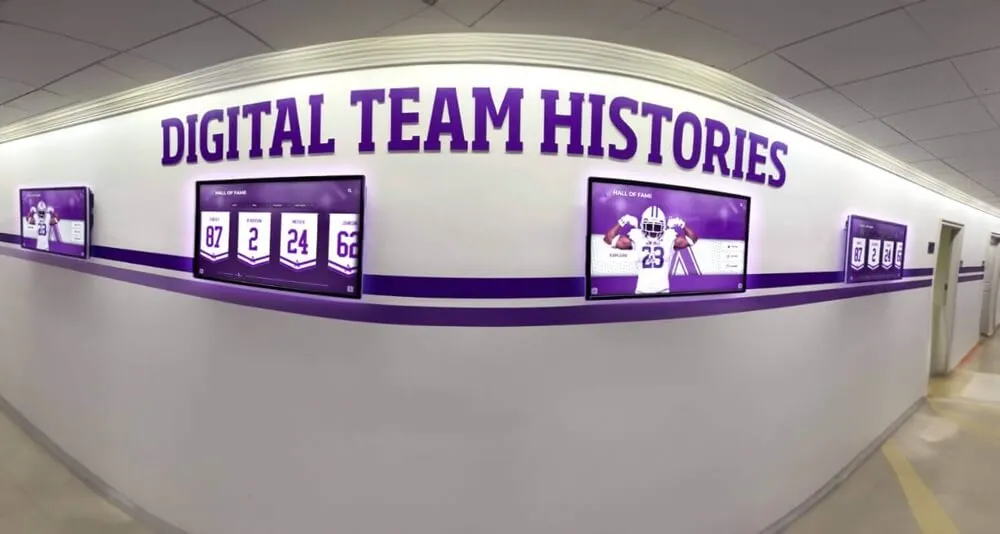
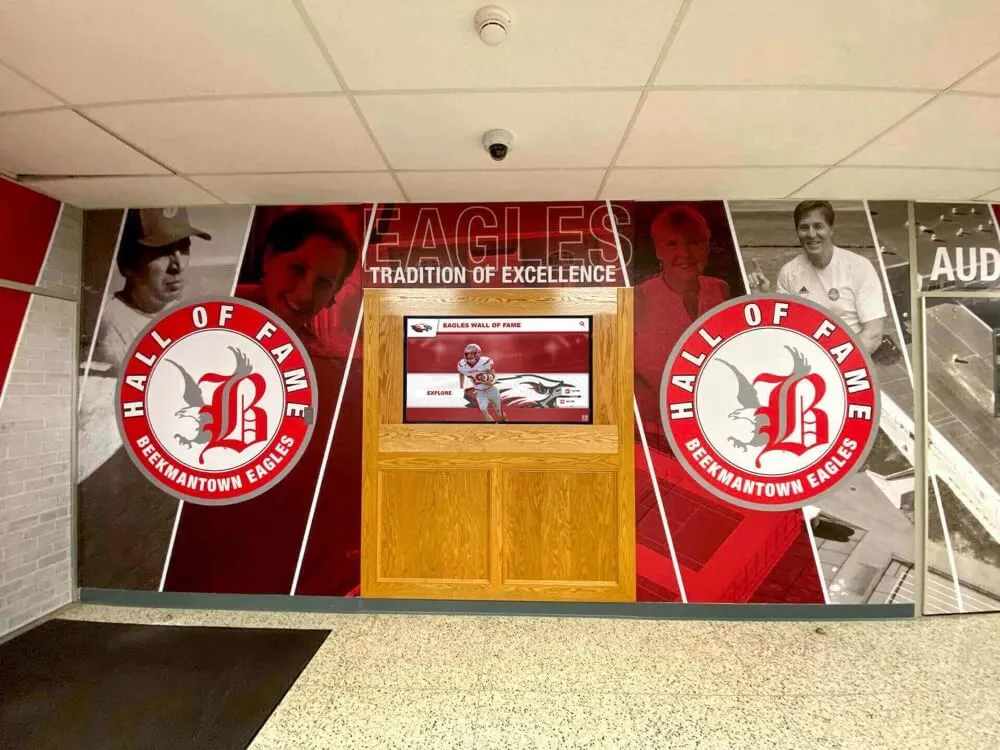
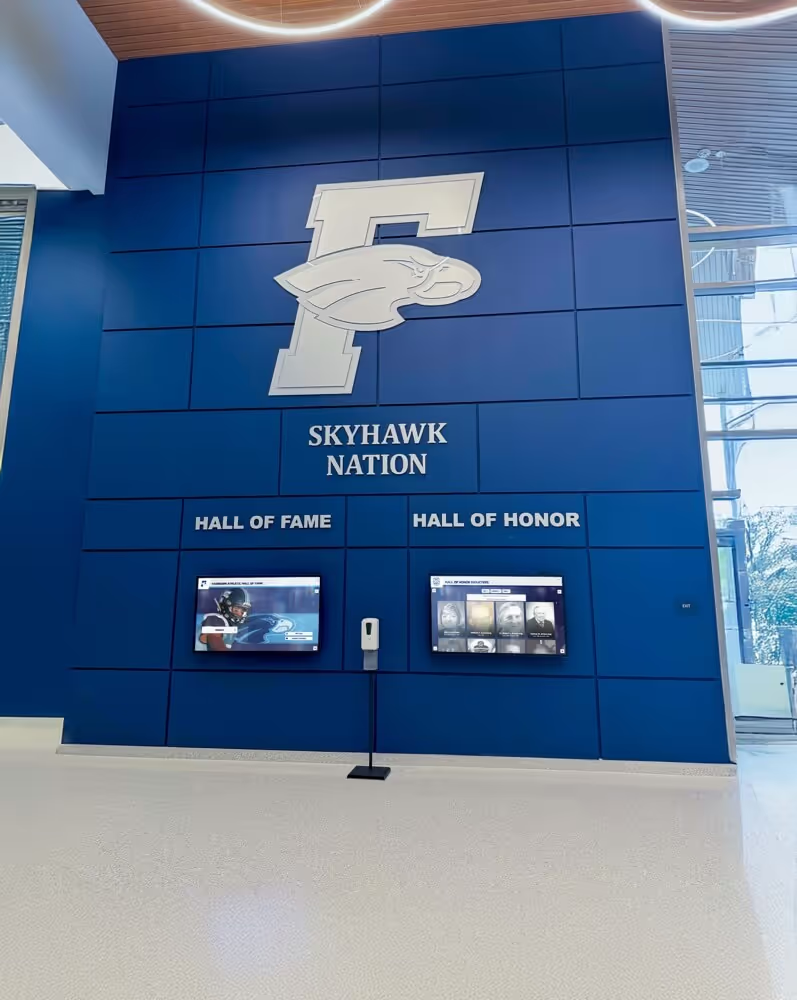
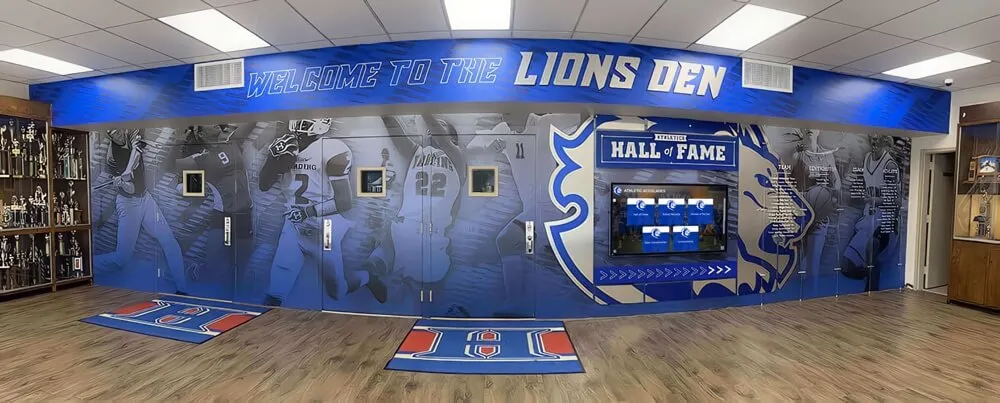
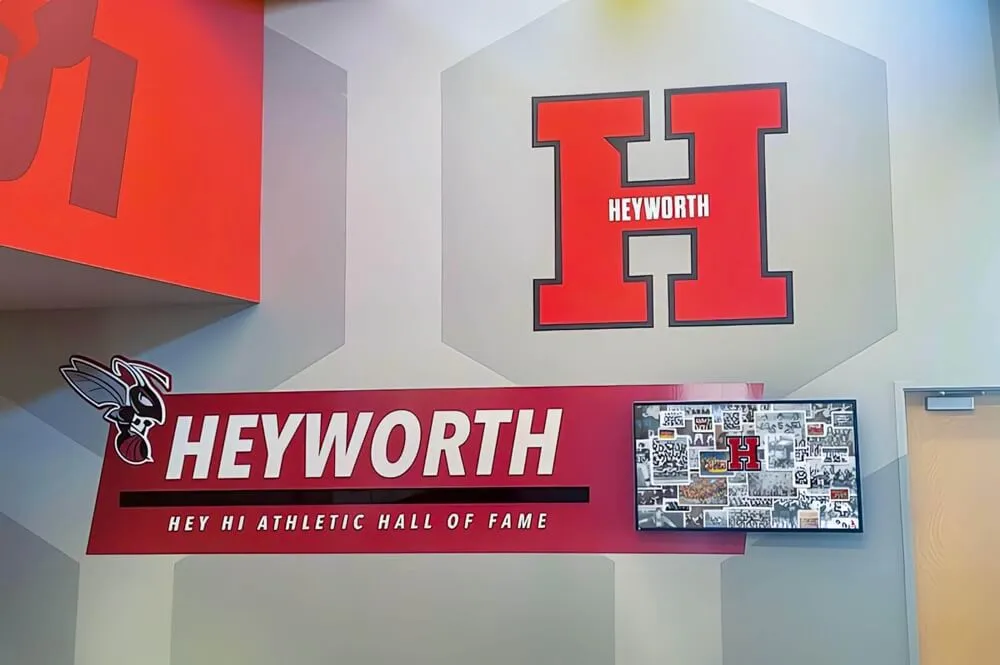
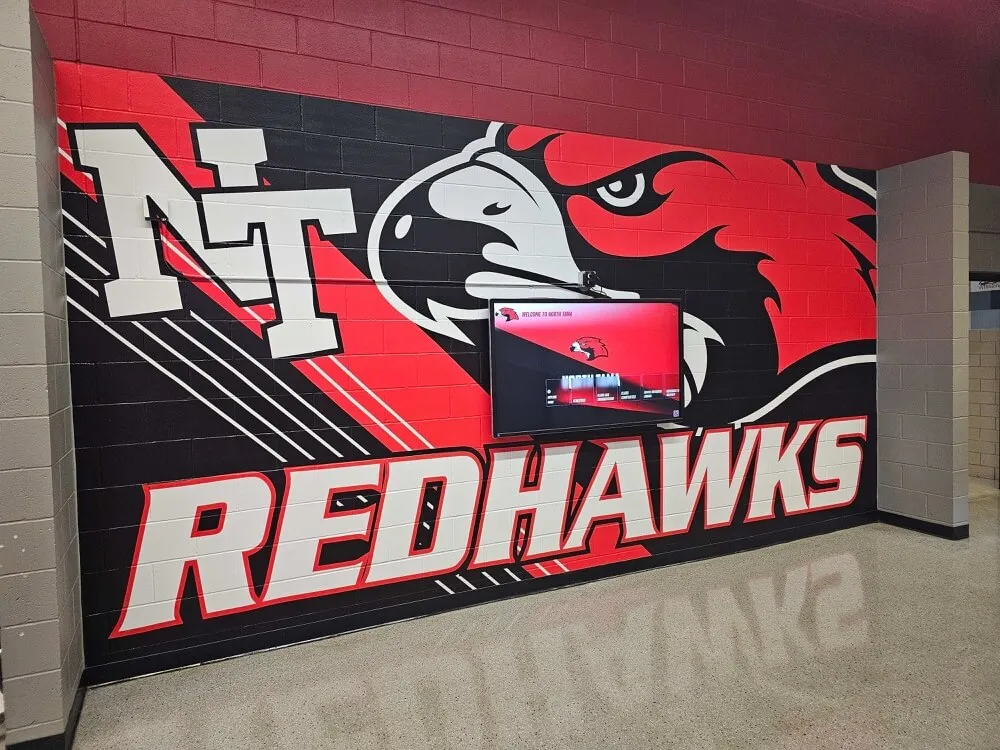
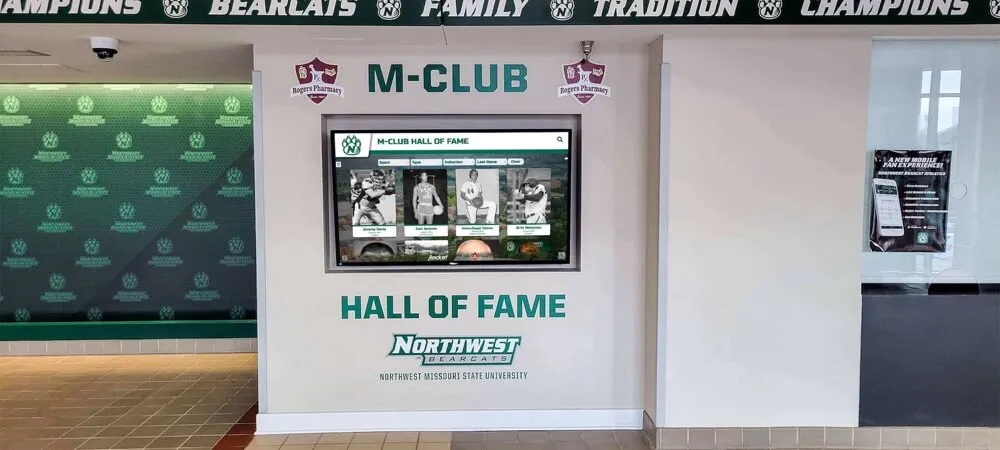
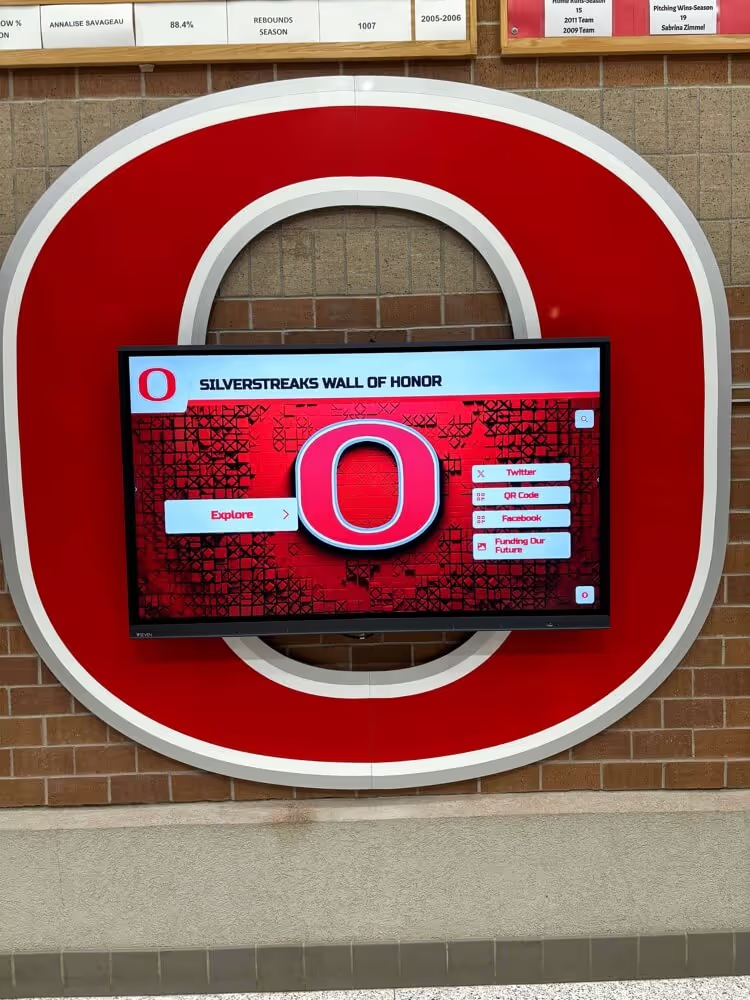
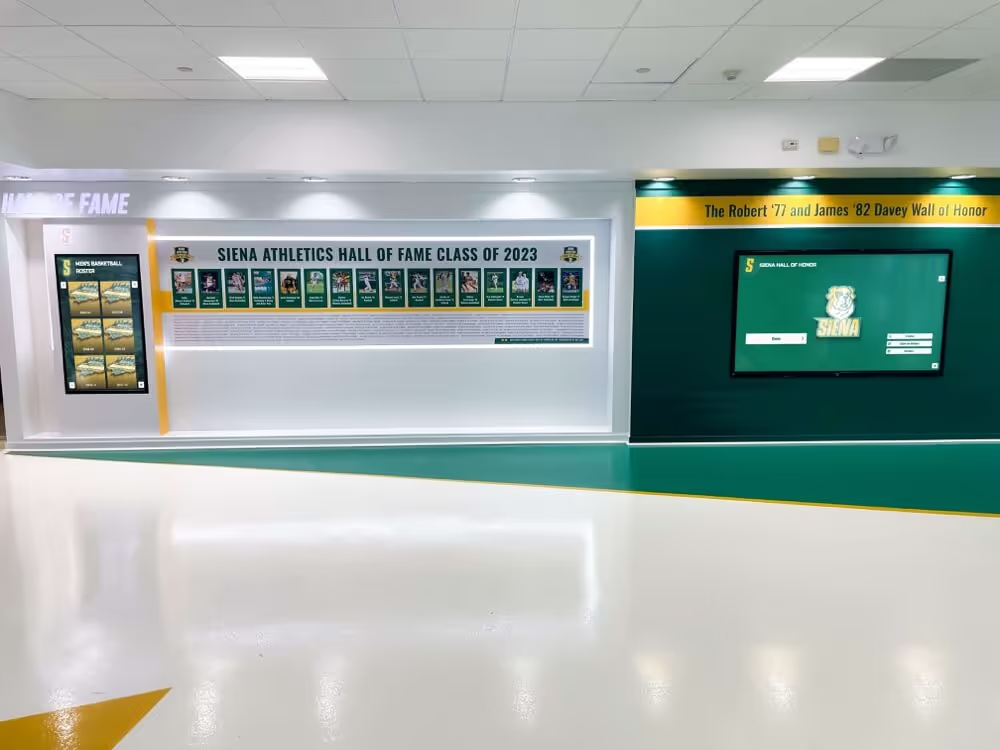
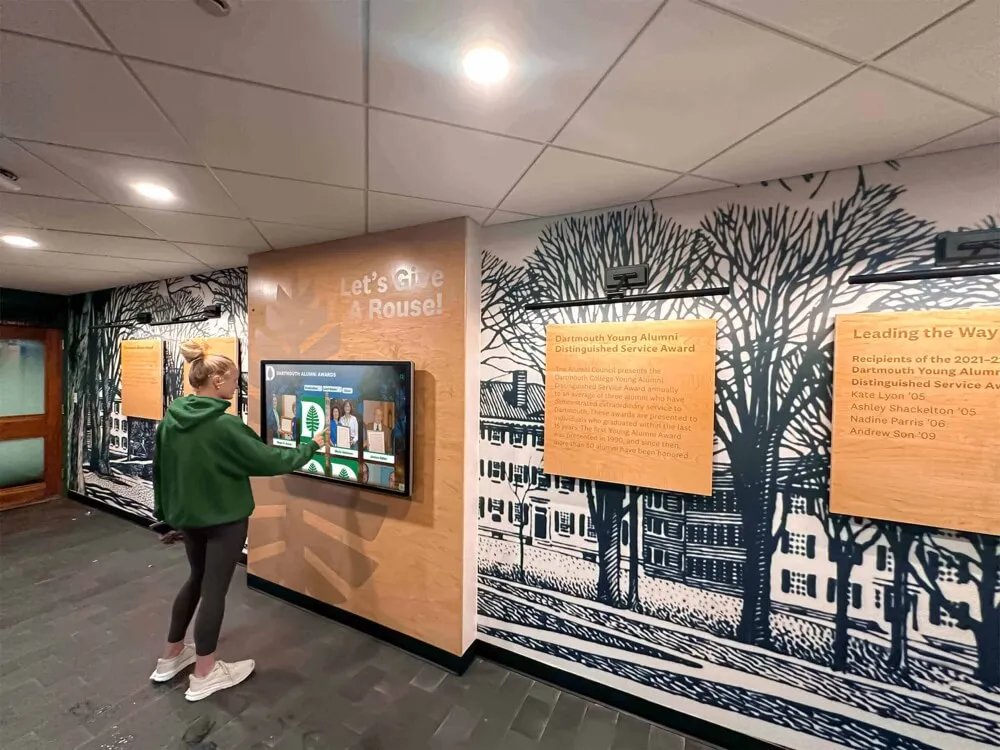
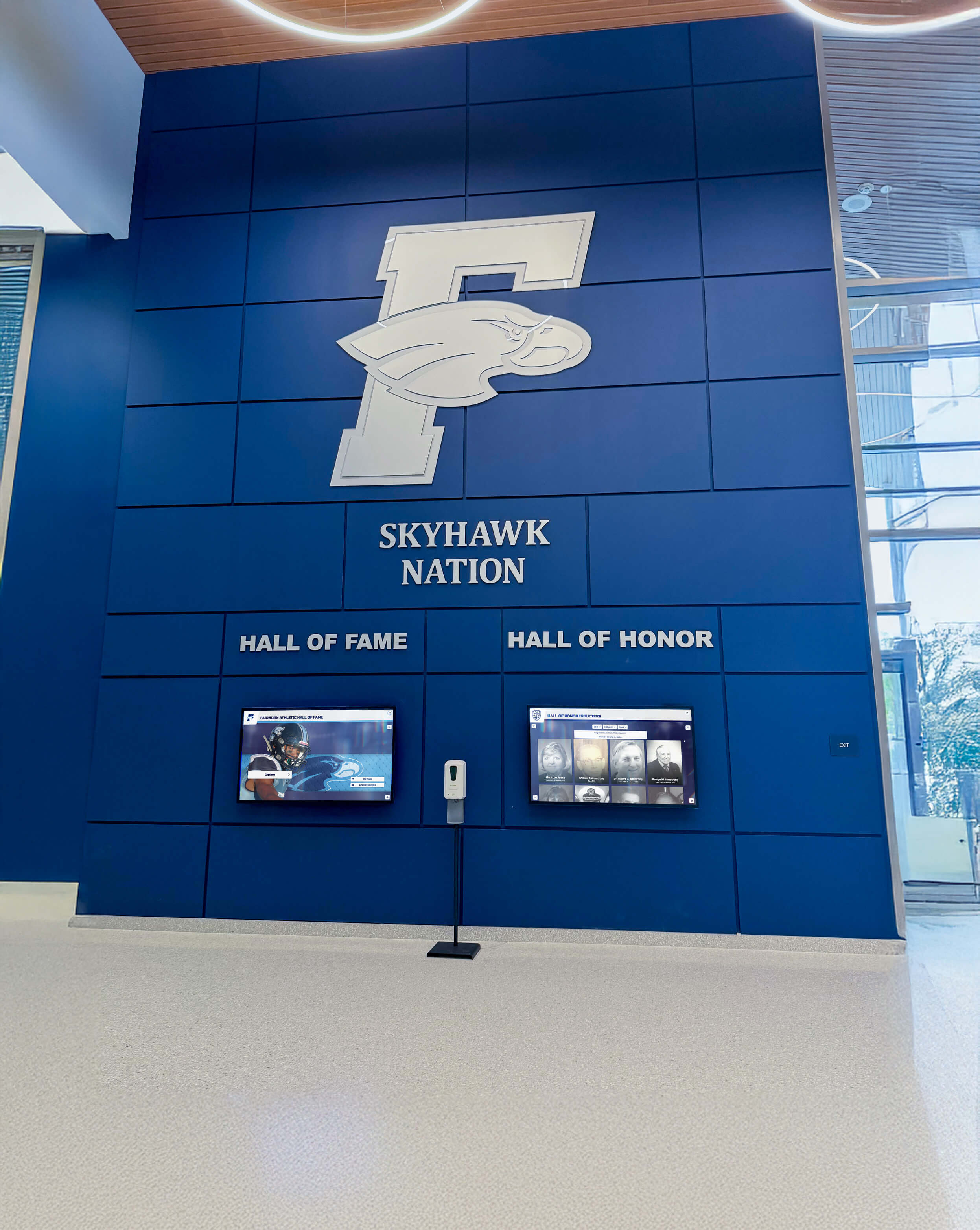
Modern schools increasingly implement comprehensive digital recognition systems that can showcase educational leaders alongside student achievements, athletic accomplishments, and institutional history. These systems offer flexible, updateable approaches to leadership recognition that evolve as administration changes while maintaining historical documentation.
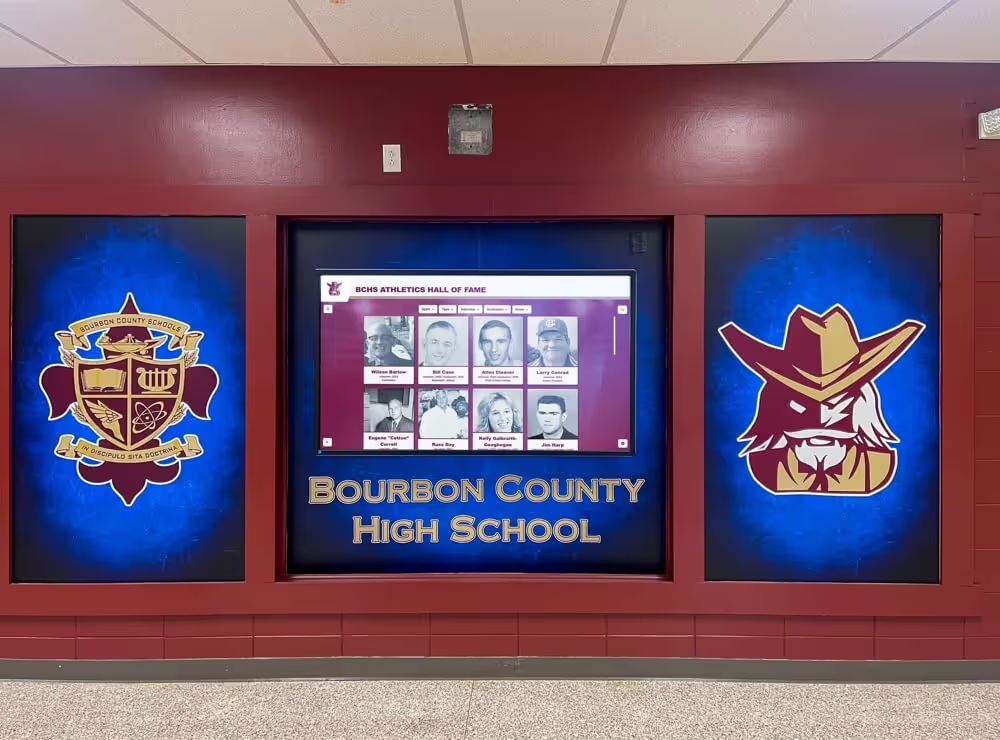
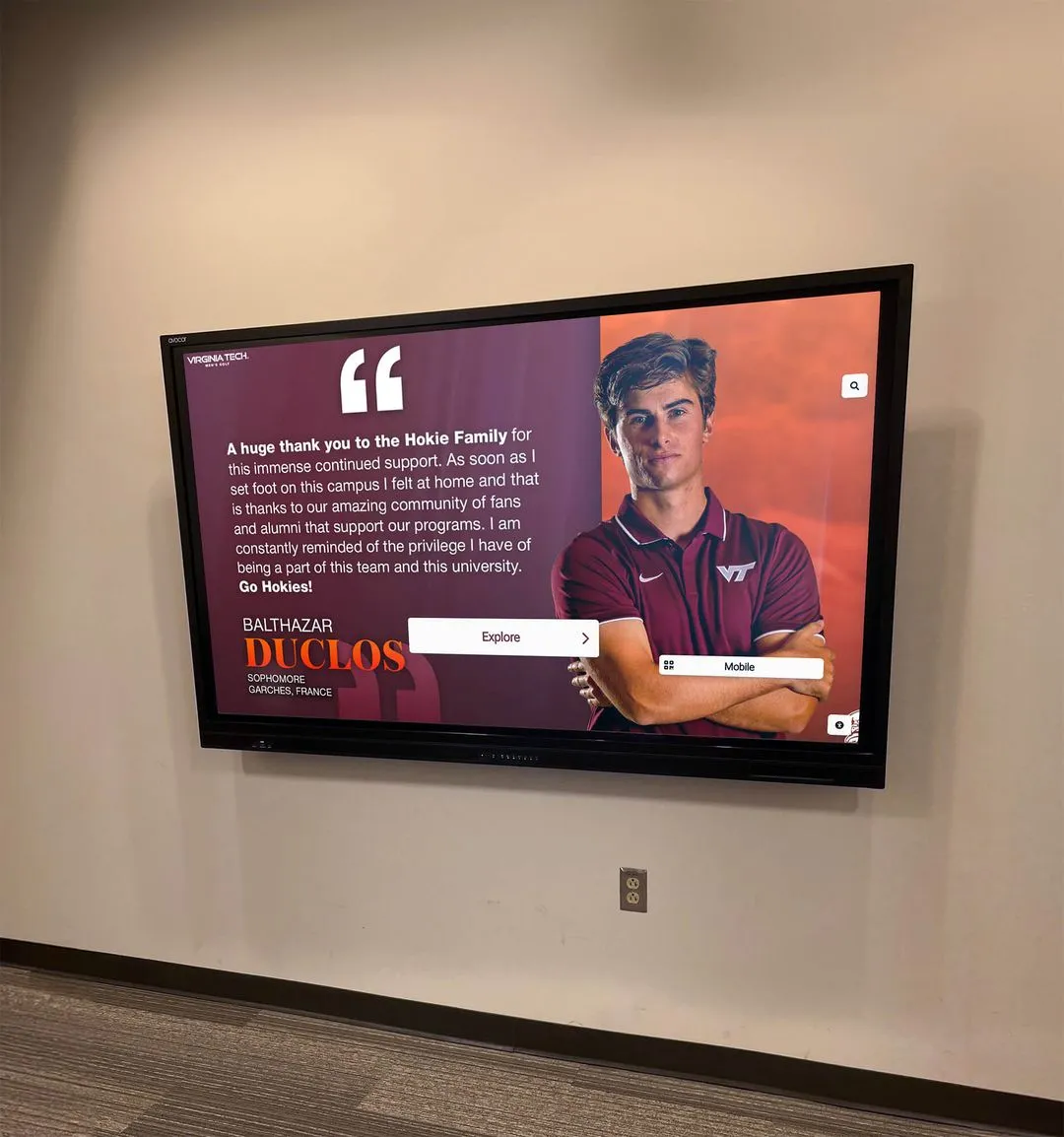
Leadership Legacy Displays: Digital recognition installations positioned in main lobbies or administrative corridors can feature dedicated sections honoring current and former principals. These displays might include professional photographs, tenure dates, major initiatives or accomplishments during their leadership, personal philosophy statements, and testimonials from students, teachers, or community members. Unlike static plaques limited to names and dates, digital systems accommodate rich multimedia content that communicates leadership impact more fully.
Principal Message Integration: Many digital recognition platforms enable principals to record welcome messages, share school vision statements, or communicate important information directly through lobby displays. This integration positions principals visibly within school recognition ecosystems, demonstrating their central role in school culture and community.
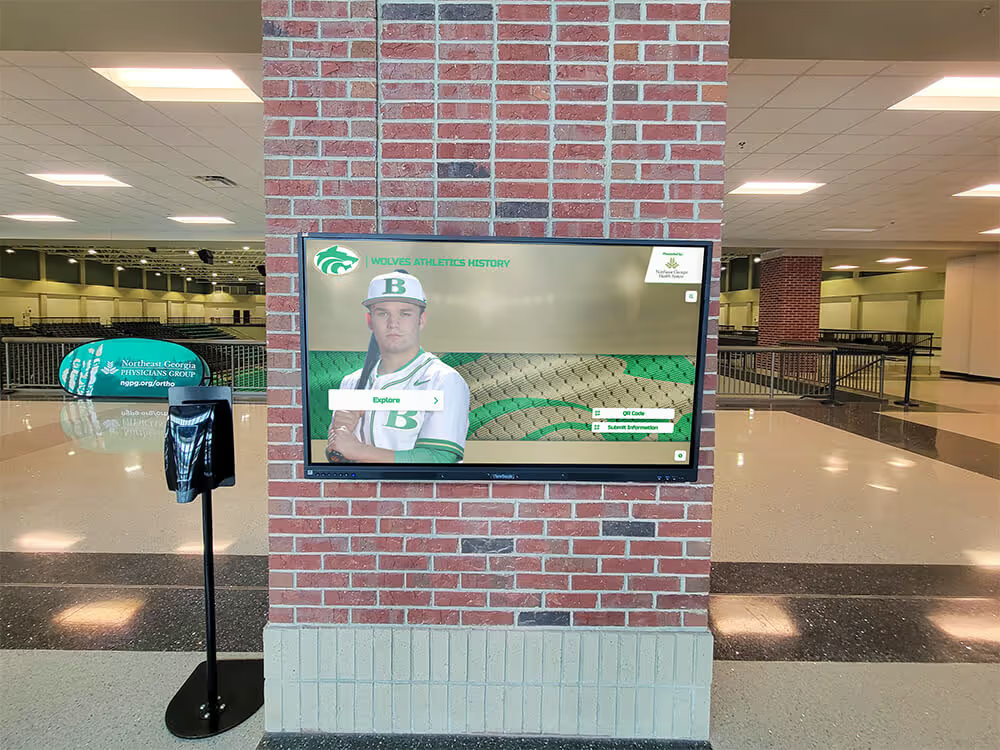
Timeline Documentation: Interactive touchscreen systems allow visitors to explore school history chronologically, seeing how different principals’ leadership shaped institutional evolution over decades. Community members can browse through different administrative eras, understanding how various leaders’ priorities and approaches contributed to current school identity. This historical documentation approach preserves institutional memory while honoring successive generations of educational leadership.
Traditional Recognition Installations
Digital solutions complement rather than replace traditional recognition approaches. Many schools combine both methods, creating comprehensive leadership acknowledgment.
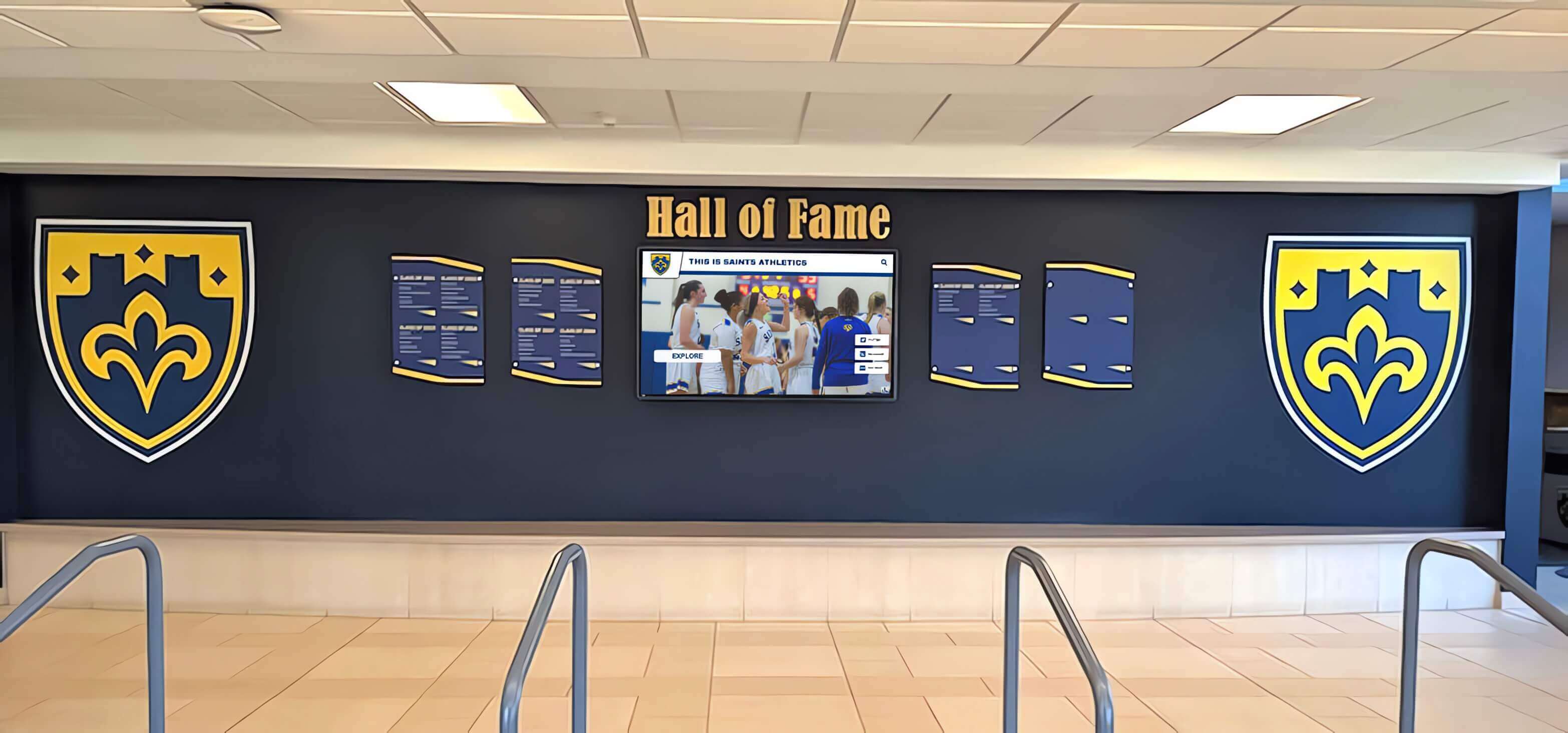
Leadership Recognition Walls: Dedicated display areas featuring photographs and plaques for all principals who have served the school create visible leadership legacy. These installations typically include names, tenures, and brief descriptions of significant contributions or initiatives. Positioned prominently in administrative areas or main lobbies, they communicate institutional values around acknowledging educational leadership.
Named Spaces and Facilities: Schools sometimes honor particularly impactful principals by naming facilities, programs, or spaces in recognition of their service—perhaps a media center, athletic facility, or scholarship program. This recognition typically occurs following retirement or in memorial situations rather than for currently serving principals, ensuring appropriateness and avoiding potential discomfort.
Legacy Garden or Outdoor Spaces: Creating memorial gardens or outdoor gathering spaces dedicated to principals provides living recognition that beautifies school campuses while honoring leadership. These spaces might include engraved stones, dedication plaques, or planted trees symbolizing principals’ lasting influence on school communities.
Integrated Recognition Ecosystems
The most effective recognition approaches position principal appreciation within comprehensive ecosystems celebrating all forms of contribution to school communities—student achievement, athletic success, teacher excellence, volunteer service, and administrative leadership.
Holistic Recognition Philosophy: Rather than isolated principal appreciation, schools with strong recognition cultures integrate leadership acknowledgment alongside academic achievement recognition, athletic accomplishment displays, and community contributor celebrations. This integrated approach communicates that educational success results from collective effort across all community members, with principals playing crucial coordinating and visionary roles within larger ecosystems.
Recognition Program Development: Schools building comprehensive recognition programs typically establish guidelines determining when and how various contributors, including principals, receive formal acknowledgment. Clear criteria and processes ensure recognition feels earned and meaningful rather than arbitrary or politically motivated.
Planning Successful Principal Appreciation Week
Effective Principal Appreciation Week requires advance planning, coordination across multiple groups, and attention to principals’ preferences and personalities to ensure activities resonate authentically.
Establish Planning Committee
Form a small planning committee approximately 4-6 weeks before Principal Appreciation Week, including representatives from teachers, staff, parents, and potentially student leaders. This diverse committee ensures varied perspectives inform planning while distributing organizational responsibilities.
Committee Responsibilities: The planning committee coordinates activities across different groups (teachers, students, parents), communicates plans ensuring consistency and avoiding duplicated efforts, manages any budget allocations for appreciation activities, coordinates logistics including scheduling and space usage, and ensures all activities reflect genuine appreciation aligned with principal’s personality and preferences.
Discretion and Surprise Elements: Some appreciation components work best as surprises while others require principals’ awareness for scheduling purposes. Planning committees balance surprise elements creating delight against practical considerations requiring principal cooperation or schedule awareness.
Budget Considerations
Principal Appreciation Week need not require significant financial resources. Many of the most meaningful recognition activities—student letters, staff testimonials, volunteer time—cost nothing beyond coordination effort and creativity.
Cost-Effective Approaches: Focus appreciation budgets on items creating lasting value rather than consumable gifts or elaborate productions with fleeting impact. A quality digital recognition display honoring educational leaders permanently provides far greater long-term value than expensive gift baskets enjoyed briefly. Similarly, bound collections of student letters or professionally printed photograph books documenting appreciation activities create keepsakes principals treasure for years at modest cost.
Funding Sources: If appreciation activities require modest budgets, consider funding through PTA/PTO organizations traditionally supporting school initiatives, staff voluntary contributions pooling small amounts, or reallocating existing recognition or staff appreciation budgets. Avoid placing financial burdens on families or teachers already contributing significantly to school communities through tuition, donations, or classroom supply purchases.
Communication and Coordination
Clear communication ensures Principal Appreciation Week activities achieve maximum impact without creating confusion or redundancy.
Timeline Development: Create detailed schedules outlining daily activities, responsible parties, required materials, and timing. Distribute these schedules to all participants sufficiently in advance that they can prepare contributions without last-minute stress.
Central Coordination: Designate one person as central coordinator collecting all recognition materials (letters, videos, testimonials), managing schedules, and serving as point person for questions. This coordination prevents duplicated efforts or missed elements.
Documentation and Sharing: Assign someone to photograph or record appreciation activities throughout the week. These documentation materials serve multiple purposes—creating memories principals can revisit, generating content for school newsletters or social media building community pride, and providing examples inspiring future appreciation efforts.

Beyond Principal Appreciation Week: Building Recognition Culture
While dedicated appreciation weeks create important focused celebration, the most meaningful recognition exists within broader school cultures that consistently acknowledge contributions from all community members throughout entire years.
Ongoing Recognition Practices
Schools with strong recognition cultures don’t limit principal appreciation to single weeks annually. Instead, they establish ongoing practices embedding leadership acknowledgment into regular school operations.
Regular Recognition Integration: Include brief principal acknowledgments in faculty meetings when specific leadership actions warrant recognition—perhaps appreciating advocacy securing new resources, acknowledging successful navigation of challenging situations, or recognizing consistent visibility at student events. These regular, specific acknowledgments throughout the year demonstrate genuine ongoing appreciation rather than obligatory annual gestures.
Student Leadership Council Feedback: Establish regular forums where student leaders provide feedback directly to principals about school climate, policies, and student concerns. Framing these sessions as opportunities for principals to hear student perspective demonstrates respect for their leadership while providing valuable insight they might not otherwise receive. The dialogue itself constitutes recognition of principals’ student-centered values.
Alumni Network Development: Schools with active alumni recognition programs often include current administrative leadership in alumni communications and events. This integration acknowledges principals’ roles in continuing school legacy while building relationships extending beyond current student populations.
Leadership Transition Recognition
When principals retire or transition to other positions, schools have opportunities to provide comprehensive recognition acknowledging entire tenures of service and lasting impact on school communities.
Legacy Documentation Projects: Create comprehensive documentation of departing principals’ contributions—perhaps video compilations featuring testimonials from students, teachers, parents, and community partners spanning their tenure, or published books collecting stories, photographs, and reflections about their leadership impact. These materials become permanent historical documentation while providing departing principals tangible evidence of their influence.
Farewell Celebrations and Tributes: Organize special events inviting broad community participation in honoring transitioning principals. Unlike rushed final-day goodbyes, planned farewell celebrations allow alumni, former teachers, community partners, and extended school families to participate in expressing gratitude and celebrating leadership legacies.
The Broader Importance of Educational Leadership Recognition
Investing in meaningful principal appreciation serves purposes extending well beyond making individual administrators feel valued, though that alone justifies the effort.
Supporting Principal Retention and Wellbeing
School leadership roles carry enormous stress given constant pressure, complex responsibilities, and often inadequate resources. Principal burnout contributes significantly to leadership turnover that disrupts school stability and student achievement. Nationwide, approximately one-fifth of principals leave their positions annually, with highest turnover rates in high-poverty schools where leadership stability matters most.
Authentic, sustained appreciation contributes to principals’ sense of professional fulfillment, helping counter inevitable frustrations and setbacks inherent in educational leadership. While recognition alone doesn’t resolve systemic challenges like inadequate funding or excessive testing pressures, it reinforces that their efforts matter and that school communities value their dedication—providing emotional sustenance supporting persistence through difficult periods.
Modeling Recognition for School Culture
How schools recognize principal leadership teaches students and teachers about organizational values and culture. Schools that thoughtfully acknowledge principals’ contributions model appreciation practices students internalize, learning to recognize teachers, classmates, and eventually colleagues throughout their lives. Conversely, schools failing to acknowledge leadership contributions communicate—perhaps unintentionally—that contributions go unnoticed regardless of impact.
Principals themselves often set recognition tone throughout schools—acknowledging teacher excellence, celebrating student achievement, and appreciating parent involvement. When school communities reciprocate this recognition toward principals, it creates positive feedback loops strengthening overall recognition culture.
Attracting Future Educational Leaders
Education faces persistent challenges recruiting talented professionals into school leadership roles. Complex demands, extensive time commitments, stress levels, and often modest compensation relative to responsibilities make principalships increasingly difficult positions to fill with highly qualified candidates.
Schools that visibly honor their principals and create cultures of genuine appreciation for educational leadership contribute to more positive perceptions of these roles. When teachers observe principals receiving meaningful recognition and operating in supportive environments, they may more readily consider leadership paths themselves. Similarly, graduate students considering educational administration observe how schools treat their leaders when determining whether principalships represent attractive career goals.

Technology-Enhanced Recognition: Modern Approaches to Honoring Leadership
Contemporary schools increasingly leverage technology to enhance recognition programs, creating more engaging, accessible, and permanent acknowledgment of educational leadership and broader community contributions.
Interactive Recognition Platforms
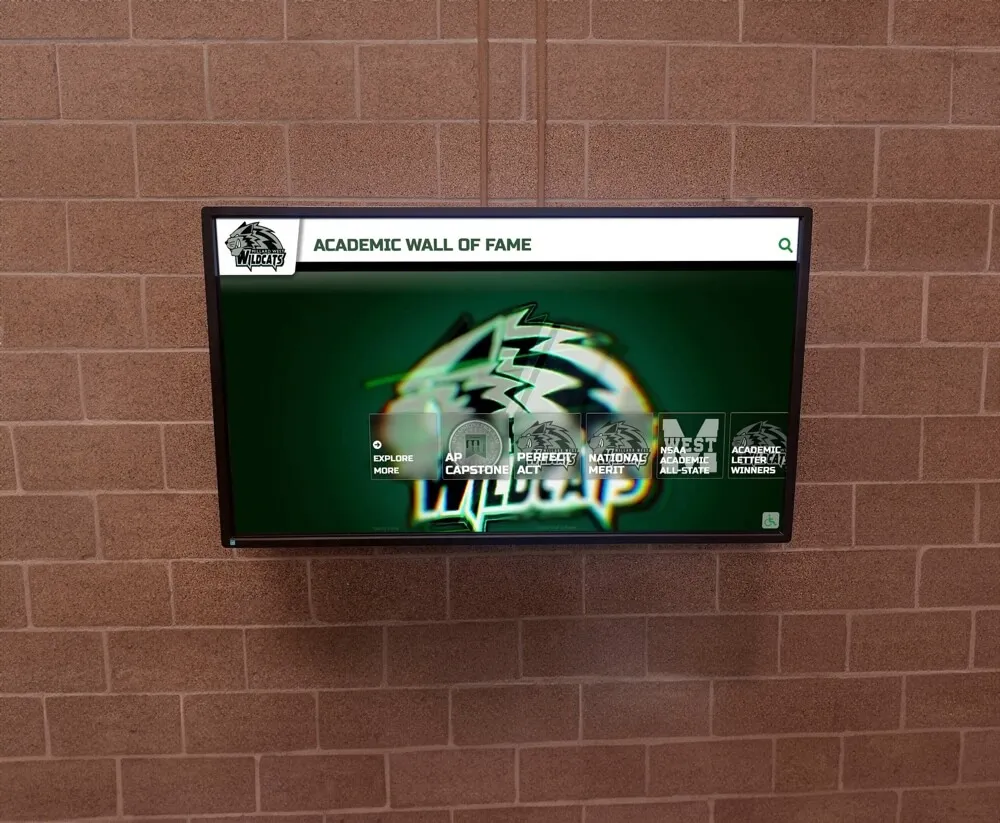
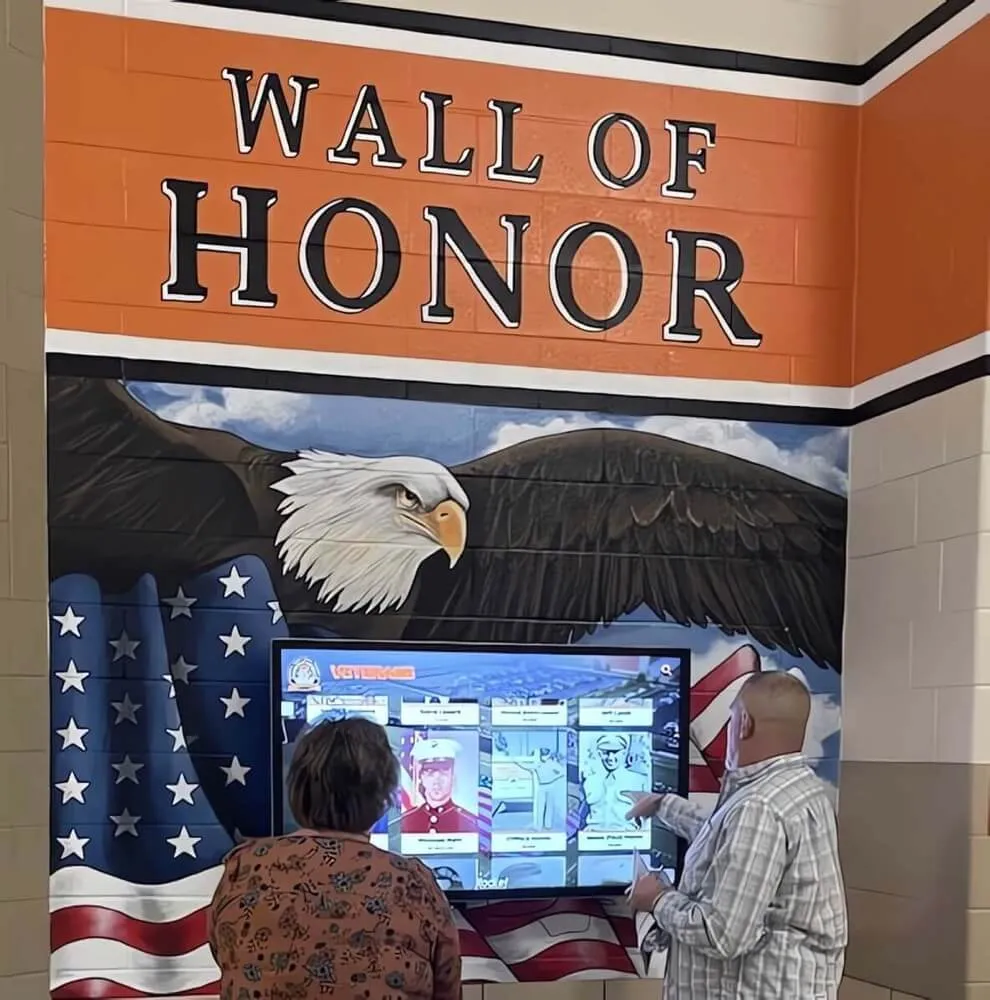
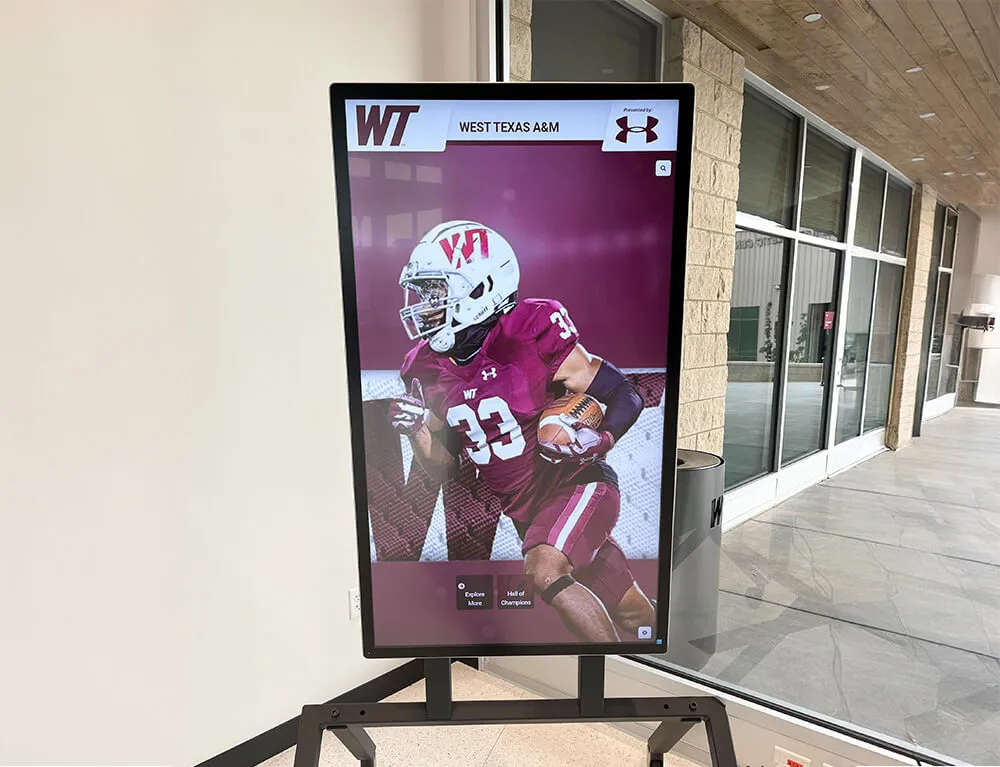
Modern digital recognition solutions offer capabilities far exceeding traditional static displays. Interactive touchscreen systems allow community members to explore comprehensive content about current and former principals—reading biographical information, viewing photograph galleries documenting their tenure, watching video messages or speeches, and accessing detailed descriptions of initiatives they championed.
Multimedia Capability: Unlike plaques limited to text and static images, digital platforms accommodate video testimonials from students and teachers, audio recordings of principals discussing their educational philosophies, interactive timelines showing school evolution during their leadership, and searchable databases allowing visitors to explore comprehensive leadership histories.
Regular Updates: Digital systems enable continuous content updates as principals achieve new milestones, launch additional initiatives, or when new testimonials become available. This dynamic capability ensures recognition remains current and relevant rather than becoming outdated shortly after installation.
Community Engagement Features: Advanced recognition platforms often include features enabling community members to submit their own appreciation messages or stories about principals’ impact—creating collaborative recognition that grows organically over time rather than remaining limited to initial installation content.
Integration with Comprehensive School Recognition
The most effective digital recognition systems position principal appreciation within comprehensive platforms celebrating all forms of school achievement and contribution. Rather than isolated principal displays, integrated systems create coherent recognition ecosystems.
Holistic School History: Visitors exploring school history naturally encounter principals’ leadership as integral parts of institutional narratives—seeing how specific leaders shaped athletic programs, academic offerings, facility development, or community partnerships. This contextual recognition demonstrates leadership impact more effectively than isolated administrative sections separated from school life they influenced.
Cross-Linking and Context: Digital platforms enable linking principals to specific achievements or initiatives they championed—perhaps connecting current principal profiles to academic programs they launched, athletic facilities they helped fund, or academic recognition traditions they established. These connections make leadership impact tangible and specific rather than vague and general.
Making Principal Appreciation Meaningful and Sustainable
The ultimate goal of Principal Appreciation Week extends beyond single weeks of celebration toward building sustainable recognition practices that authentically acknowledge educational leadership throughout entire careers and institutional histories.
Focus on Authenticity
The most meaningful appreciation reflects genuine understanding of specific principals’ contributions, leadership styles, and values rather than generic recognition applicable to any administrator. Take time to identify what makes your principal’s leadership distinctive—perhaps their consistent visibility at student events, their data-informed decision-making approach, their focus on social-emotional learning, or their advocacy for marginalized students. Structure appreciation activities around these specific qualities.
Include Diverse Voices
Comprehensive principal appreciation incorporates perspectives from all community members—elementary through high school students, teachers across all departments, support staff often overlooked in recognition activities, parents representing diverse backgrounds and experiences, and community partners who’ve worked with principals on collaborative initiatives. Each group experiences principals’ leadership differently; inclusive recognition processes capture this multifaceted impact.
Create Lasting Recognition
While Principal Appreciation Week activities create important immediate celebration, consider investments in permanent recognition that acknowledges educational leadership for years or decades to come. Digital recognition displays positioned in main lobbies provide ongoing visibility to principals’ roles in school communities, inspire current students by making leadership more accessible and human, preserve institutional history documenting leadership succession, and model recognition practices demonstrating organizational values. These permanent installations represent ongoing appreciation rather than single-moment acknowledgments.
Build Recognition Culture
The highest form of principal appreciation manifests through strong recognition cultures where acknowledging contributions from all community members—administrators, teachers, students, support staff, volunteers—becomes standard practice rather than exceptional effort. Schools with robust recognition cultures don’t need reminder weeks to prompt appreciation; instead, they maintain ongoing practices ensuring leadership and all contributions receive regular acknowledgment throughout entire school years.
Conclusion: The Lasting Impact of Meaningful Recognition
Principal Appreciation Week provides dedicated opportunity to recognize educational leaders whose vision, dedication, and countless daily decisions profoundly impact entire school communities. Yet truly meaningful appreciation extends beyond obligation-driven annual gestures toward authentic acknowledgment grounded in specific understanding of individual principals’ contributions, leadership approaches, and lasting influence on students’ lives and school culture.
The most effective principal appreciation combines varied recognition types—personal gestures demonstrating genuine care and understanding, community activities engaging diverse school stakeholders in collective acknowledgment, and permanent recognition installations that honor leadership for years beyond individual tenures. These comprehensive approaches create celebration that resonates authentically while building stronger school cultures valuing educational leadership.
As schools plan Principal Appreciation Week activities, they simultaneously invest in recognition infrastructures benefiting entire communities—modeling appreciation practices that strengthen organizational culture, supporting principal retention and wellbeing that provides leadership stability, and creating historical documentation that preserves institutional memory across generations.
Principals dedicate careers to creating environments where students thrive, teachers excel, and communities flourish. Thoughtful, sustained appreciation acknowledging their enormous contributions represents minimal reciprocation for extraordinary dedication—and strengthens the educational leadership our schools and students deserve.
Ready to create permanent recognition honoring your school’s leadership? Rocket Alumni Solutions specializes in comprehensive digital recognition platforms designed specifically for educational institutions. Our interactive touchscreen displays enable schools to celebrate principals, teachers, students, and all community contributors through engaging multimedia content that preserves institutional history while inspiring current generations. From administrative leadership recognition to academic achievement celebrations and athletic hall of fame installations, our solutions create permanent acknowledgment that strengthens school culture and community pride. Contact us today to discover how modern recognition technology can help your school honor the leaders who shape tomorrow’s possibilities.