



Fraternities and sororities possess rich histories that define their identities, guide their values, and connect generations of members through shared traditions and experiences. Yet many Greek life organizations struggle to preserve this heritage effectively, watching precious chapter histories fade as composites deteriorate in storage, documents scatter across multiple locations, and institutional memory disappears as older members lose touch with active chapters.
The story of every fraternity and sorority chapter is unique—shaped by decades of leadership, service, brotherhood and sisterhood, challenges overcome, and contributions to campus and community. Preserving this history effectively requires more than storing old composites in basements or maintaining dusty files in chapter houses. It demands intentional strategies that protect irreplaceable materials, leverage modern technology, engage members across generations, and create accessible archives that inspire current and future members while honoring those who built the foundations of organizational excellence.
Whether you’re a chapter officer seeking to organize scattered historical materials, an alumni advisor working to establish formal archives, a national headquarters professional supporting chapters with preservation guidance, or a university Greek life office maintaining campus-level collections, this guide provides practical frameworks for protecting and celebrating the unique histories that make Greek life organizations meaningful communities spanning generations.
Understanding Fraternity and Sorority Historical Assets
Before implementing preservation strategies, conduct comprehensive inventories of existing historical resources—many of which organizations possess but have never systematically cataloged or organized.
Chapter-Level Historical Materials
Individual chapters typically maintain the most detailed records of local history, though these materials often remain scattered and vulnerable to loss during chapter transitions or facility changes.
Composite Photographs
Annual composite photographs represent the most visible and valued historical artifacts for most chapters. These formal group portraits document membership year by year, providing visual records that allow alumni to reconnect with their pledge classes, remember friends, and track organizational evolution across decades. Yet composites frequently suffer from inadequate storage conditions—tucked into basements, attics, or storage units without archival protection, exposed to moisture, temperature fluctuations, and physical damage that causes fading, warping, and deterioration.
According to preservation experts working with Greek life organizations, approximately 80% of fraternal history exists at the chapter level rather than in national headquarters archives, making chapter-based preservation efforts particularly critical for organizational heritage protection.
Chapter Records and Documents
Historical documents include meeting minutes recording decisions and discussions, membership rosters listing initiates by year, financial records showing budgetary priorities and property management, correspondence with national headquarters and other chapters, event programs and invitation materials, philanthropic records documenting community service, disciplinary records and judicial board proceedings, constitution revisions and governance changes, and property deeds and facility documentation.
These records provide invaluable context for understanding chapter evolution, institutional challenges, changing campus dynamics, and how organizations responded to external pressures across different eras.
Physical Artifacts and Memorabilia
Three-dimensional historical objects include ritual items and ceremonial objects, founding documents and charters, badges, pins, and member regalia, banners and flags from different eras, trophies and awards for competitions, furniture and decorative items from chapter houses, uniforms and athletic equipment from intramural teams, and scrapbooks assembled by member committees or social chairs.
These artifacts create tangible connections to history, providing physical evidence of organizational traditions and culture that documents alone cannot fully capture.
National Headquarters Historical Resources
National fraternity and sorority organizations maintain centralized collections documenting broader organizational history beyond individual chapter experiences.
National Publications and Media
Most Greek life organizations publish magazines, journals, or newsletters distributed to members and chapters. These publications document national-level activities, profile distinguished alumni, share best practices across chapters, report organizational statistics and growth, and preserve editorial perspectives on issues facing Greek life communities across different historical periods.
National publications provide standardized documentation that helps contextualize individual chapter histories within broader organizational narratives and external social movements affecting higher education and student life.
Convention and Leadership Materials
National conventions generate substantial documentation including convention programs and agendas, keynote speeches and workshop presentations, legislation passed at national meetings, award recipients and recognition programs, historical photographs from gatherings, and financial reports to membership. These materials reveal organizational priorities, leadership evolution, and how national organizations responded to changing cultural contexts.
Founding History and Heritage Resources
National organizations typically maintain foundational documents including incorporation papers and legal charters, founder biographies and personal papers, early correspondence establishing organizational mission, heritage books and official histories, badge and symbol design documentation, and ritual development materials. These resources connect current members to founding ideals and original organizational purposes.
University Archives and Special Collections
Many colleges and universities maintain special collections documenting campus Greek life history, providing valuable resources beyond individual chapter control.
University archives often contain yearbooks showing Greek life evolution, student newspapers covering chapter activities and controversies, administrative records regarding Greek life policies, campus photographs including fraternity and sorority buildings and events, and oral histories with students and administrators from different eras.
Research institutions increasingly recognize Greek life history as integral to broader student culture documentation, establishing dedicated collecting programs that preserve organizational records within academic archival contexts. The Student Life and Culture Archives at the University of Illinois, for example, collects materials documenting fraternity and sorority history both nationally and within campus-specific contexts, making resources available to researchers, members, and students studying higher education history.
Challenges Facing Greek Life Historical Preservation
Understanding common obstacles helps organizations develop realistic preservation strategies that address specific vulnerabilities threatening chapter and organizational heritage.
Physical Deterioration and Storage Issues
Inadequate storage represents one of the most serious threats to fraternity and sorority historical materials. Many chapters store composites and documents in basements, attics, or rental storage units lacking climate control, exposing materials to moisture causing mold and mildew, temperature fluctuations accelerating deterioration, direct sunlight fading photographs and documents, pest damage from rodents and insects, and physical crushing from stacked items or water damage from leaks.
Photographs prove particularly vulnerable to environmental damage. The faces preserved on composites represent irreplaceable visual records of chapter membership—yet these priceless storytelling tools often suffer from fading, discoloration, adhesive failure, and physical fragility that makes handling risky without proper archival materials.
Traditional framed composites consume significant wall space in chapter facilities. As organizations accumulate decades of annual composites, available display space becomes scarce, forcing difficult decisions about which years to display prominently and which to remove from view. Limited display capacity often results in older composites moving to storage where they become forgotten and vulnerable to deterioration or loss during chapter moves or facility renovations.
Scattered and Incomplete Collections
Historical materials frequently scatter across multiple locations as leadership changes and members graduate. Important documents might reside in current officers’ possession, alumni homes, chapter house storage, national headquarters archives, university special collections, and personal collections of long-graduated members who never returned materials to official channels.
This dispersion makes comprehensive historical research difficult while increasing vulnerability to permanent loss. When no centralized inventory exists documenting what materials survive and where they’re located, gaps in historical records remain invisible until researchers attempt to reconstruct chapter narratives and discover missing years or absent documentation for significant events.
Limited Resources and Expertise
Most chapters and even many national organizations lack dedicated resources for historical preservation. Student chapter officers face demanding academic schedules alongside organizational responsibilities, leaving limited time for historical work. Professional staff at national headquarters, when they exist, typically focus on member services, chapter support, and risk management rather than archival preservation. Alumni volunteers may possess enthusiasm for preservation but lack training in archival best practices, conservation techniques, or digital asset management.
Budget constraints compound capacity limitations. Comprehensive preservation projects—professional digitization services, archival storage supplies, climate-controlled facilities, software platforms for digital collections—require financial investments that compete with other organizational priorities like property maintenance, program development, and member services.
Loss of Institutional Memory
As student membership turns over every four years and alumni connections gradually weaken after graduation, organizational memory fades. Stories explaining tradition origins, contexts for historical decisions, relationships among members from different eras, and meanings behind artifacts and customs disappear when not systematically documented through oral histories or written records.
This memory loss accelerates when chapters experience extended periods of weakness—membership declines, leadership instability, or suspensions—that disrupt historical continuity. Organizations reopening after closures or suspensions often discover that connections to pre-closure history have been completely severed, leaving current members without knowledge of their chapter’s earlier experiences, achievements, and challenges.
Privacy and Sensitivity Concerns
Historical records sometimes contain sensitive information that complicates preservation and access decisions. Membership directories may include personal information that members did not consent to share publicly. Disciplinary records document situations individuals might prefer remain private. Photographs and documents may capture behaviors or attitudes that were acceptable historically but now appear problematic through contemporary cultural lenses.
Organizations must balance historical preservation imperatives with privacy protections, legal obligations regarding records retention and destruction, sensitivity to how historical materials might affect current organizational reputation, and ethical considerations about appropriate access restrictions for sensitive materials.
Preserving Physical Composites and Photographs
Composite photographs represent the most visible and emotionally resonant historical artifacts for most Greek life organizations, making their preservation particularly important for maintaining organizational heritage.
Proper Storage for Physical Composites
When organizations choose to maintain physical composites rather than relying solely on digital preservation, proper storage protocols dramatically extend material lifespans and prevent avoidable deterioration.
Environmental Controls
Store composites in climate-controlled environments maintaining stable temperatures between 65-70°F and relative humidity between 30-40%. Avoid basements and attics where temperature and humidity fluctuate dramatically with seasons. Eliminate exposure to direct sunlight or fluorescent lighting, which accelerates fading and causes chemical breakdown of photographic emulsions and paper substrates.
Archival Materials
Use archival-quality storage materials meeting preservation standards established by professional archival organizations. Acid-free mat boards and backing protect photographs from chemical deterioration. Archival sleeves made from polyester, polypropylene, or polyethylene (but not PVC) prevent scratches and handling damage while allowing viewing without direct physical contact. Archival boxes sized appropriately for stored items prevent crushing while protecting against dust and light exposure.
Proper Handling
Minimize physical handling of original composites, which introduces oils, dirt, and moisture from hands that accelerate deterioration. When handling is necessary, use clean cotton gloves preventing fingerprint oils from transferring to photographic surfaces. Support photographs fully when moving them rather than holding by edges, which can cause creasing or tearing. Never use adhesive tape, rubber bands, paper clips, or other common fasteners on historical photographs—all cause permanent damage.
Digital Composite Preservation
Digital preservation creates permanent copies of composites that survive physical deterioration while enabling new uses impossible with physical artifacts alone. According to preservation specialists working with Greek life organizations, digital composite preservation gives these visual records a virtual home where members can search tagged photos for friends, family, and themselves—transforming static physical displays into interactive, accessible archives.
Professional Digitization Services
High-quality digitization requires specialized equipment and expertise beyond what standard office scanners provide. Professional services photograph composites at high resolution (typically 600+ DPI) capturing fine details and enabling future enlargement. Color-accurate photography preserves true tones and prevents color shifts that affect how members appear. Professional post-processing removes dust, corrects exposure issues, and addresses minor damage while maintaining archival integrity by preserving information about original condition.
Specialized digitization services for Greek life organizations, such as those provided by archival companies focused on fraternity and sorority history, understand unique needs including proper handling of fragile historical materials, metadata standards for organizing composite collections, tagging and indexing protocols enabling member searching, and appropriate file formats for long-term digital preservation.
Metadata and Organization
Digital files require comprehensive metadata making collections searchable and usable across time. Essential information includes composite year and semester, chapter name and institutional location, photographer and creation date when known, names and positions of identified members, and descriptive keywords enabling future discovery. Well-organized digital archives allow alumni to quickly locate their pledge class composites, current members to explore chapter history across eras, and researchers to analyze membership patterns and organizational evolution.
Storage and Backup Protocols
Digital preservation requires redundancy ensuring files survive technology failures, disasters, or format obsolescence. Best practices include maintaining multiple copies in geographically separate locations, using cloud storage services with professional backup protocols, refreshing storage media periodically to prevent degradation, migrating files to current formats as technology evolves, and documenting file organization and naming conventions enabling future access even when original creators have graduated or moved on.
Creating Searchable Digital Composite Libraries
Modern technology transforms digitized composites from static images into searchable, interactive resources that enhance organizational value while expanding access beyond physical chapter locations.
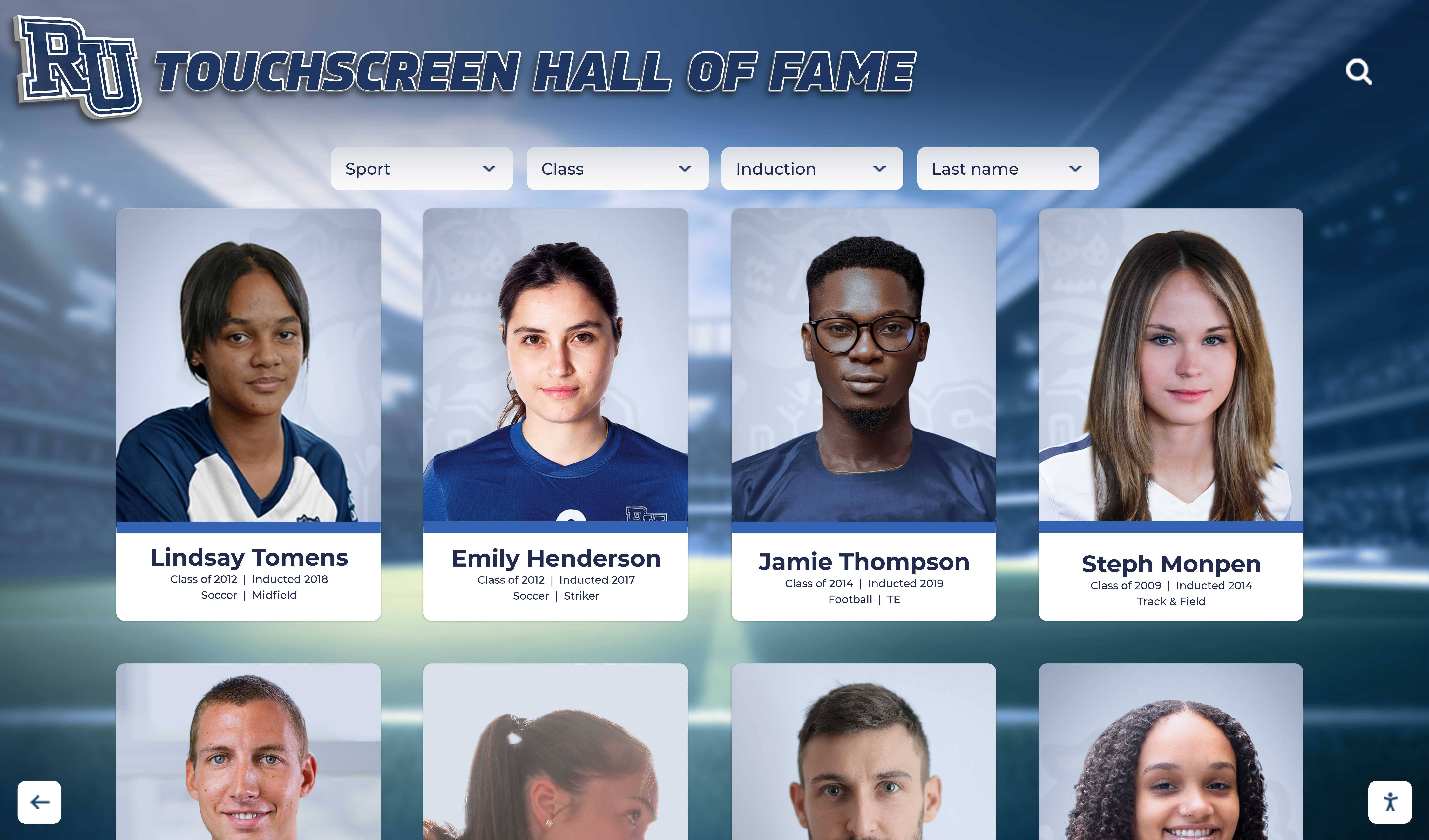
Solutions like Rocket Alumni Solutions provide platforms specifically designed for Greek life organizations seeking to digitize and showcase composite collections. These digital recognition systems create virtual homes for composite photographs where members can search by name, graduation year, or position; view high-resolution images of historical composites; explore chapter history across decades through visual timelines; share composite images via social media; and access collections from anywhere globally through web-based platforms.
Digital composite libraries prove particularly valuable for alumni engagement initiatives, allowing graduated members to revisit their undergraduate years, locate lost friends, and maintain emotional connections to chapters they haven’t visited physically in years or decades. These digital archives support reunion planning, mentorship connections between alumni and current members, and fundraising efforts by strengthening graduates’ identification with organizational heritage.
Organizing and Preserving Chapter Records
Beyond composites, comprehensive preservation addresses the documents, publications, and records that provide textual context for organizational history and decision-making across eras.
Establishing Chapter Archives
Formal archival programs designate specific individuals responsible for historical preservation, implement systematic collection procedures, and create organized repositories replacing ad hoc accumulations of scattered materials.
Archival Policies and Procedures
Develop written policies establishing retention schedules specifying how long different record types must be kept, accessioning procedures for transferring materials into formal archives, cataloging standards for describing and organizing collections, access policies balancing preservation with appropriate availability, and preservation priorities when resources limit comprehensive treatment.
Written policies ensure consistency across leadership transitions, preventing each administration from reinventing preservation approaches or neglecting historical materials during busy academic terms focused on immediate operational demands.
Dedicated Archival Space
Designate specific physical locations—file cabinets, closets, or dedicated archive rooms—for historical material storage. Ensure spaces provide appropriate environmental conditions with climate stability, protection from water damage and pests, security against theft or unauthorized removal, and sufficient capacity for collection growth as materials accumulate annually.
Even modest dedicated spaces prove vastly superior to allowing materials to scatter throughout facilities or migrate to individual members’ rooms, where they become vulnerable to loss during graduation moves.
Archival Supplies and Materials
Invest in basic archival supplies appropriate for organizational collection sizes and priorities. Acid-free folders and document boxes protect paper records from deterioration. Archival binders with non-reactive sleeves organize and display photographs, publications, and documents while protecting against handling damage. Labels and finding aids help future members and researchers navigate collections efficiently.
Digitizing Historical Documents
Scanning historical documents creates accessible digital copies while protecting originals from excessive handling that accelerates deterioration.
Document Scanning Protocols
Scan documents at resolutions appropriate for intended uses—typically 300 DPI for text documents and 600 DPI for photographs or items where fine detail matters. Use optical character recognition (OCR) technology converting scanned text into searchable digital documents rather than static images. Create standardized file naming conventions enabling systematic organization and future discovery. Generate multiple format versions including archival masters in uncompressed formats and access copies in compressed formats suitable for web distribution.
Digital Asset Management Systems
As digital collections grow, specialized software becomes necessary for organization and access. Digital asset management platforms provide centralized repositories for scanned documents, photographs, and other materials; metadata schemas for describing and categorizing items; search functionality enabling users to locate relevant materials quickly; permission systems controlling access to sensitive materials; and presentation tools creating online exhibitions or public access portals.
For Greek life organizations, digital asset management might include dedicated software for organizational archives or leveraging broader platforms provided by national headquarters or university special collections programs willing to host chapter materials within institutional digital collections.
Creating Finding Aids and Indexes
Even well-organized archives provide limited value when users cannot locate relevant materials efficiently. Finding aids and indexes transform collections into usable research resources.
Comprehensive finding aids describe collection scope and contents, provide biographical or historical context for materials, list major series and subseries within collections, note restrictions on access when applicable, and include keywords and subject terms enabling discovery. Organizations might create master inventories listing all materials in chapter archives by box and folder, chronological indexes organizing materials by year and date, subject indexes grouping materials by topic regardless of original filing, and name indexes identifying significant individuals appearing in records and photographs.
Well-designed finding aids allow current members to answer questions about chapter history, support alumni seeking information about their undergraduate years, enable researchers studying Greek life or higher education history, and facilitate administrative needs when reviewing past practices or decisions.
Implementing Digital Recognition Displays
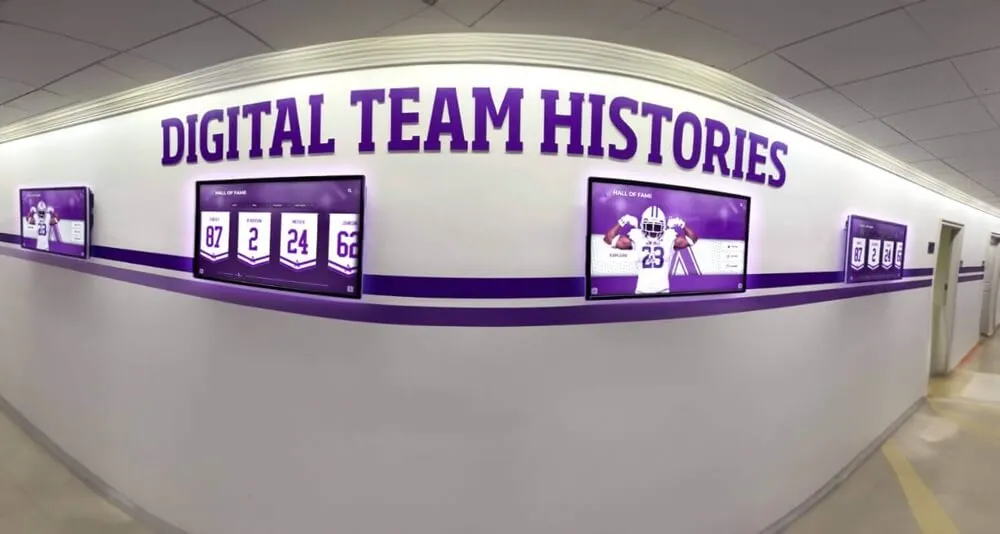
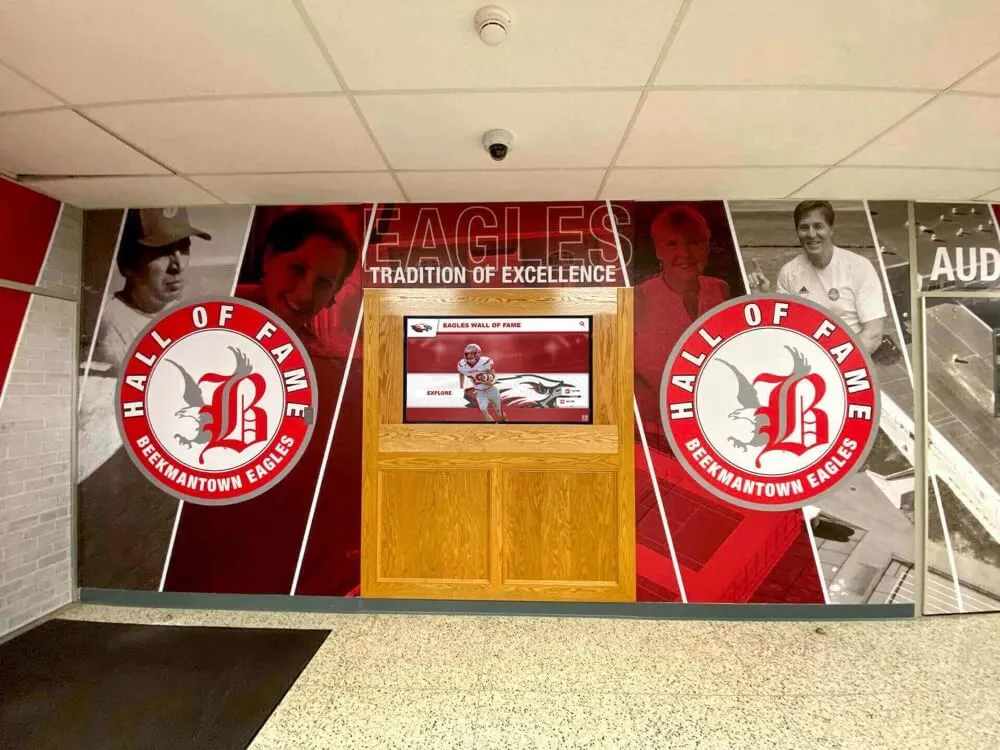
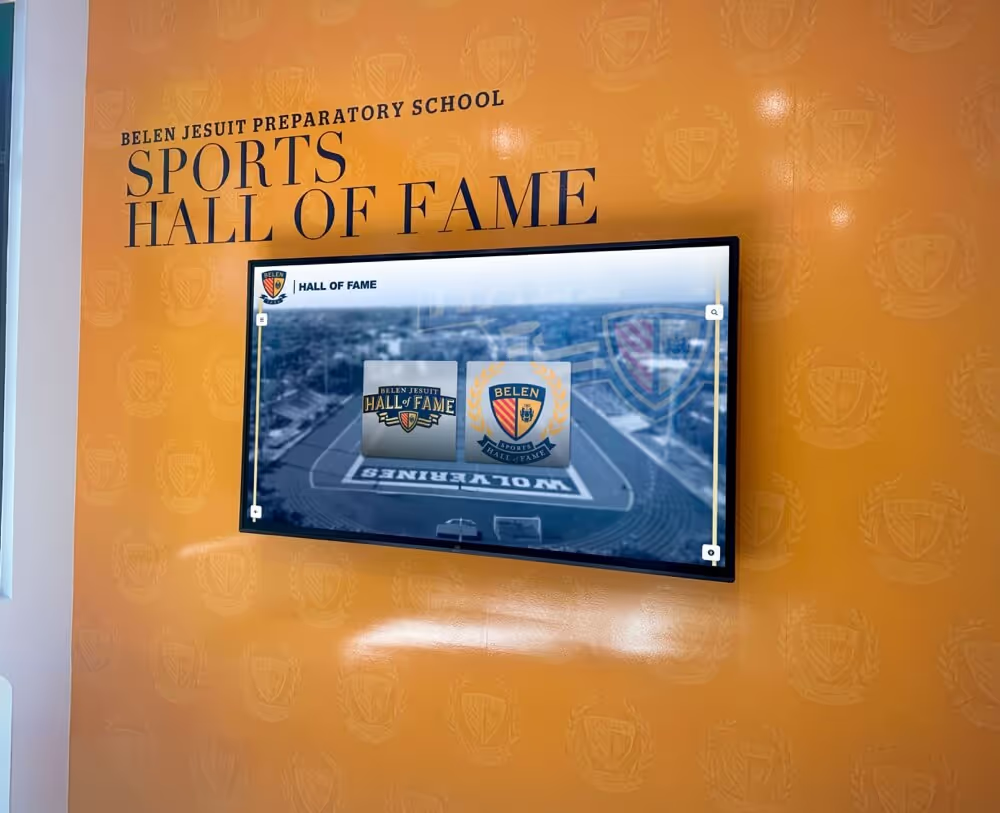
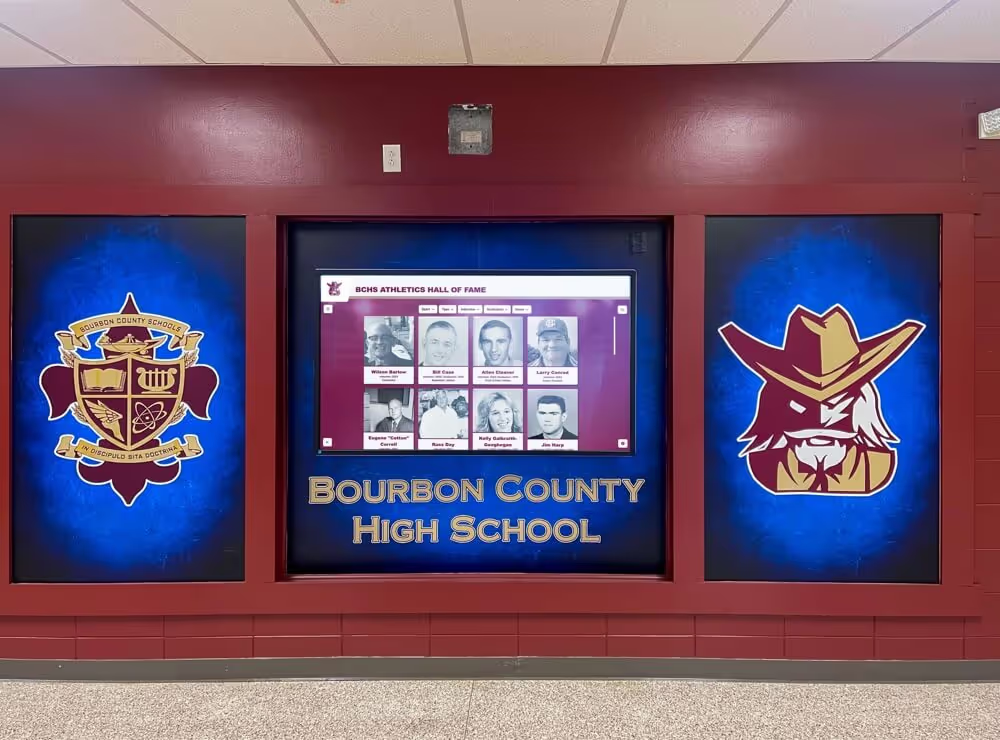
Modern technology creates powerful new approaches to preserving and presenting fraternity and sorority history through interactive displays that overcome space limitations while enhancing engagement with organizational heritage.
Advantages of Digital Recognition for Greek Organizations
Digital recognition systems address many challenges that traditional physical displays create for fraternities and sororities while introducing capabilities impossible with static composites and plaques.
Unlimited Visual Capacity
Unlike chapter house walls with finite display space, digital systems accommodate unlimited composites, member profiles, and historical photographs. Whether showcasing 10 years of composites or 100, display footprint remains constant while content grows indefinitely. This unlimited capacity eliminates difficult decisions about removing older composites from display to make room for recent years—all eras remain simultaneously accessible through intuitive navigation.
Enhanced Member Engagement
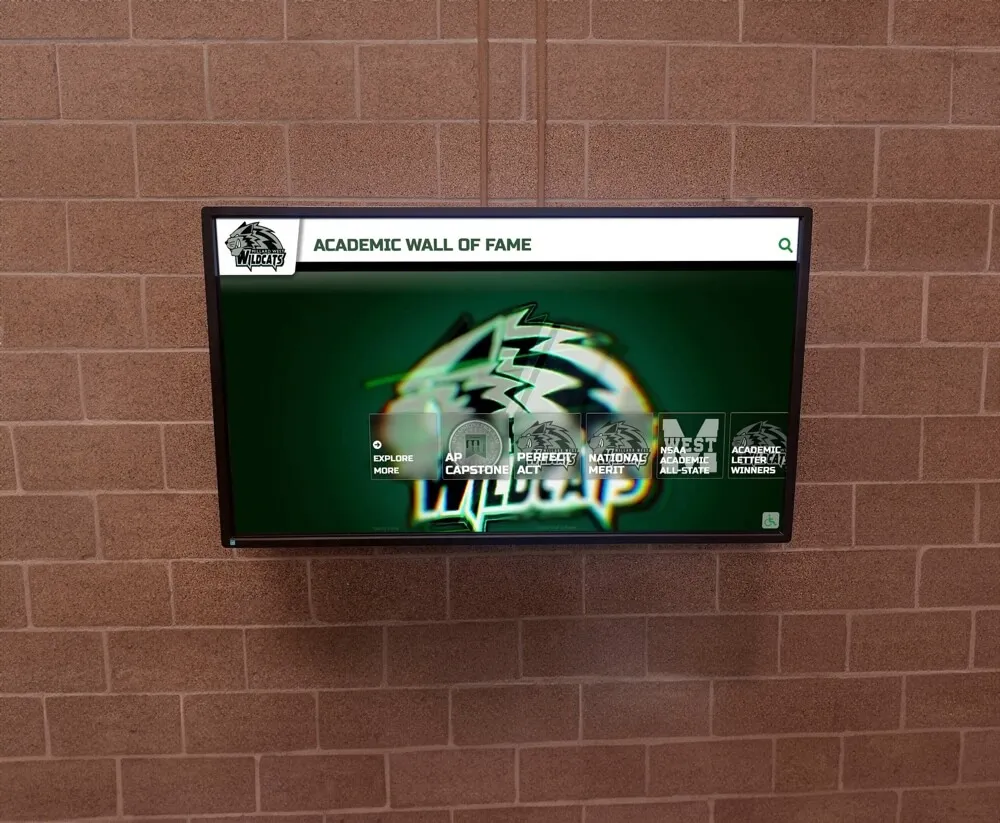
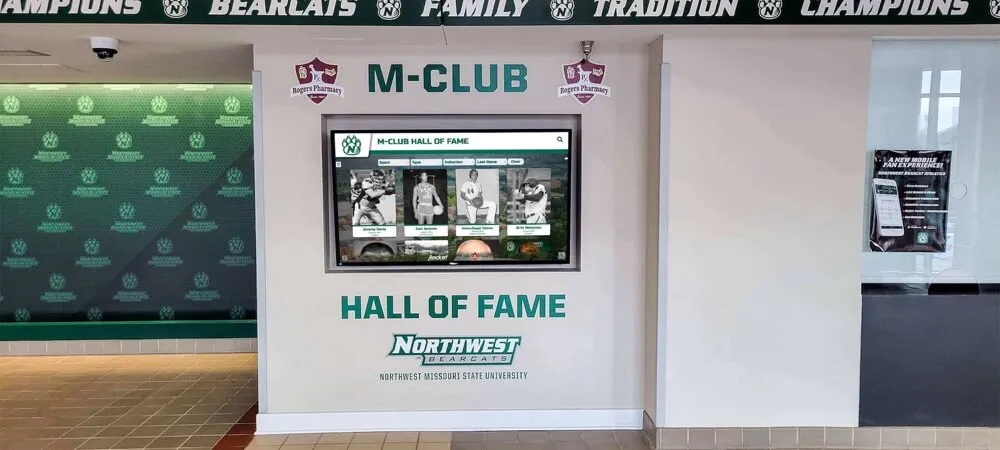
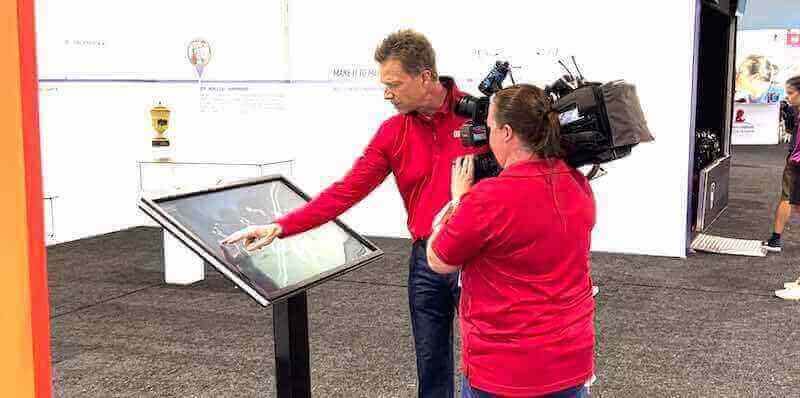
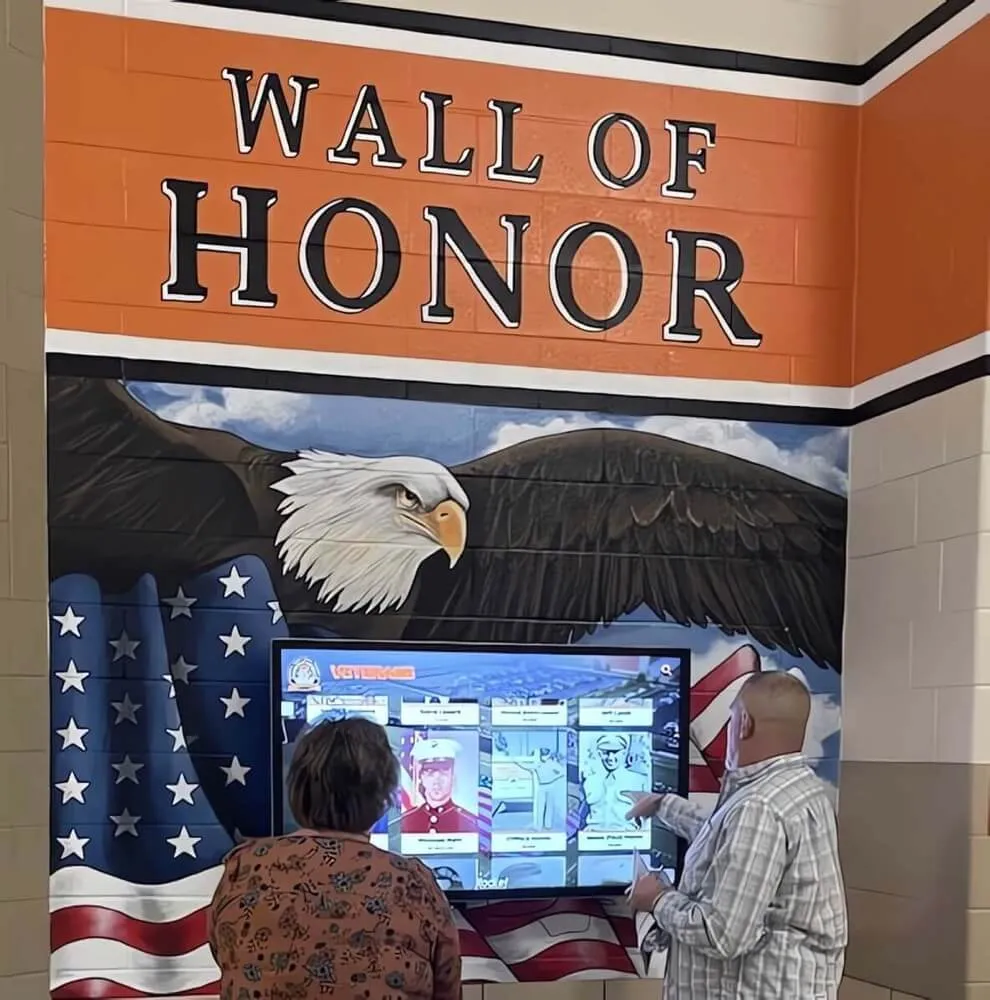
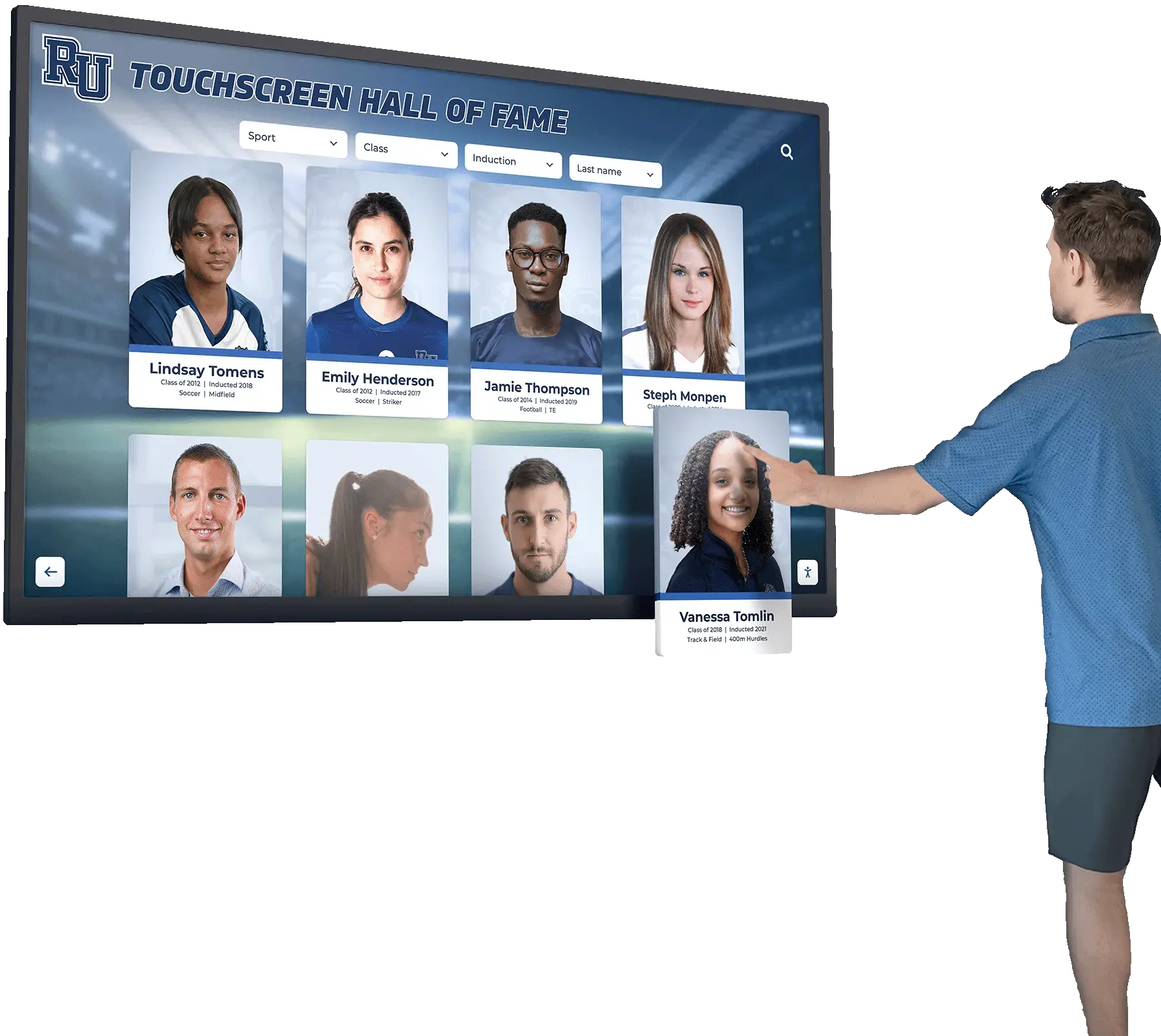
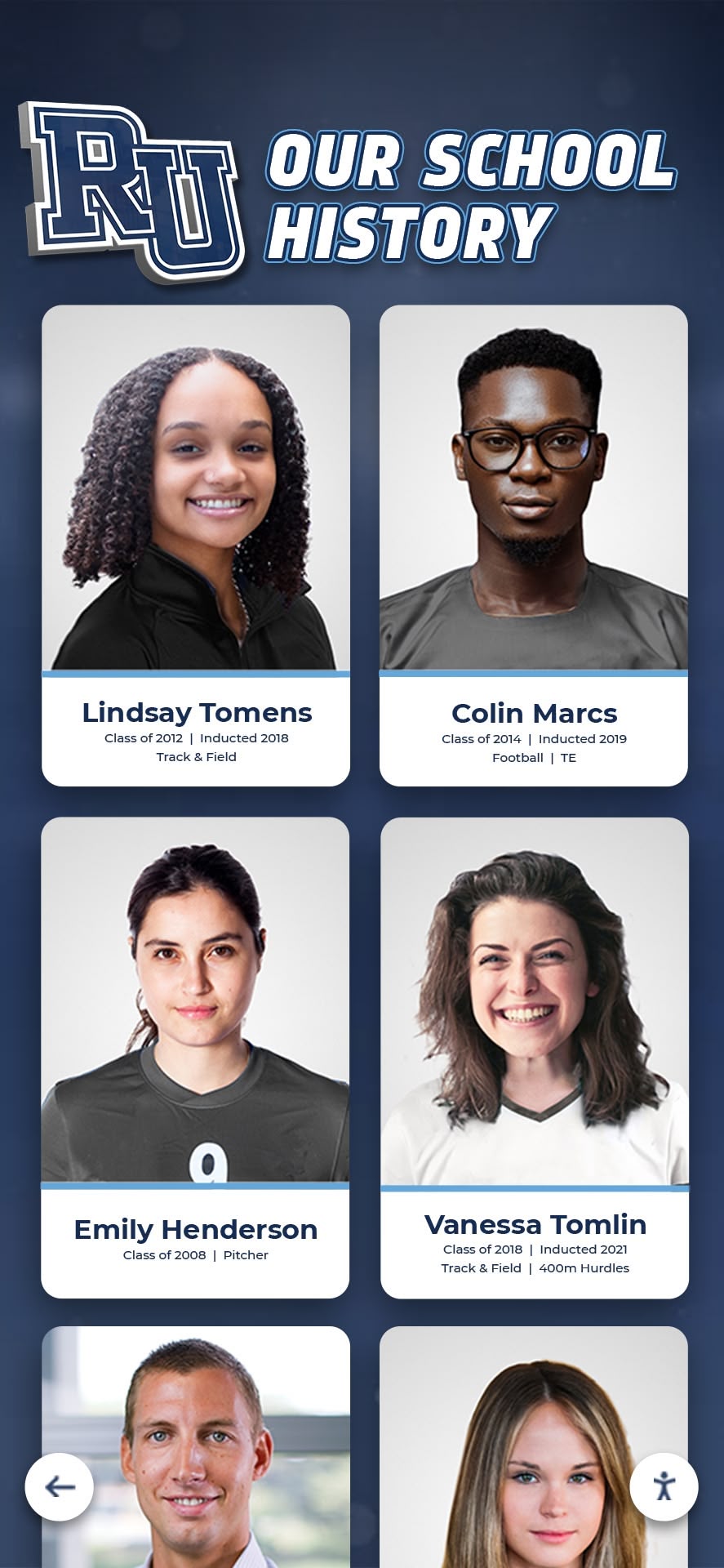
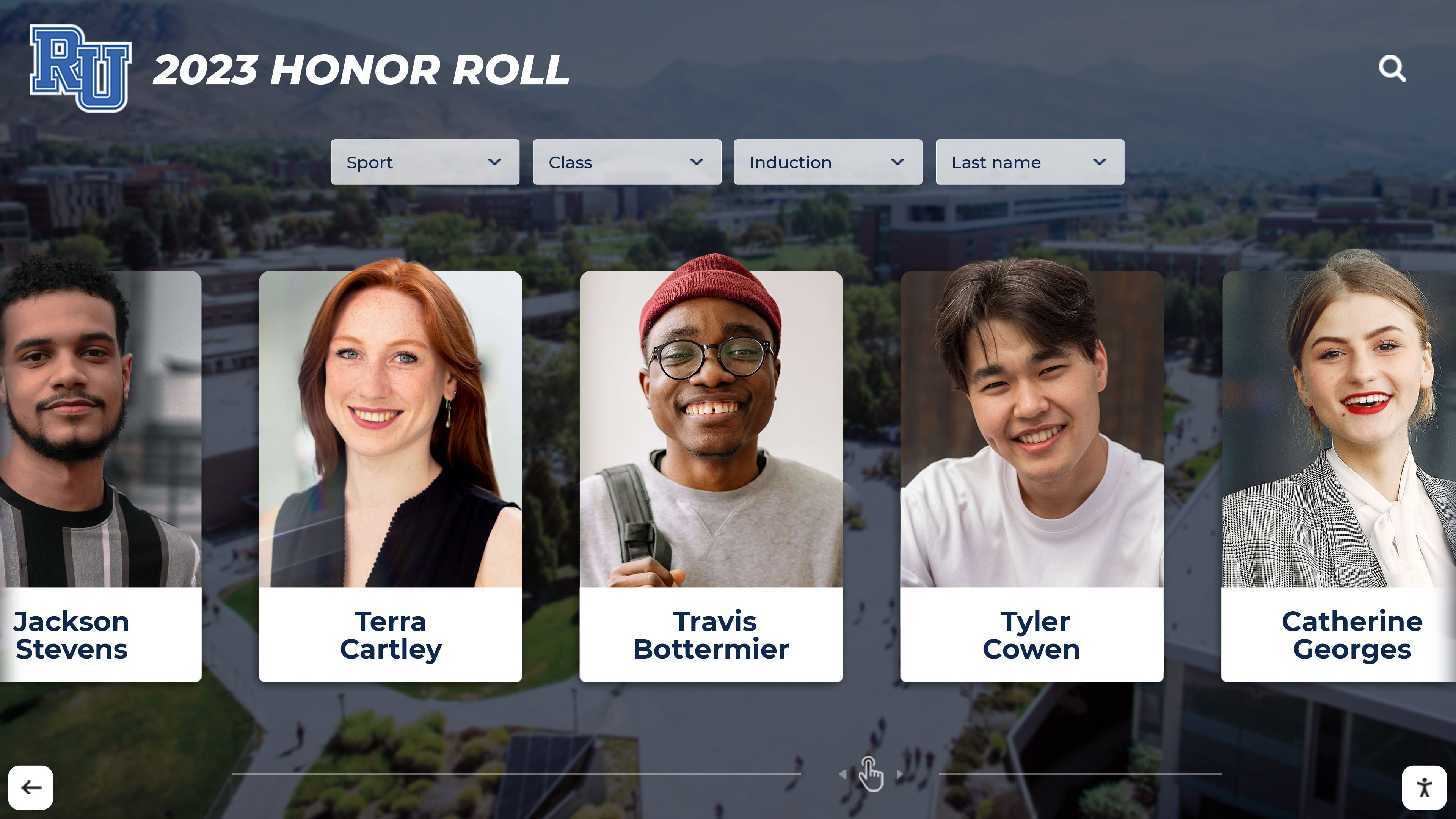
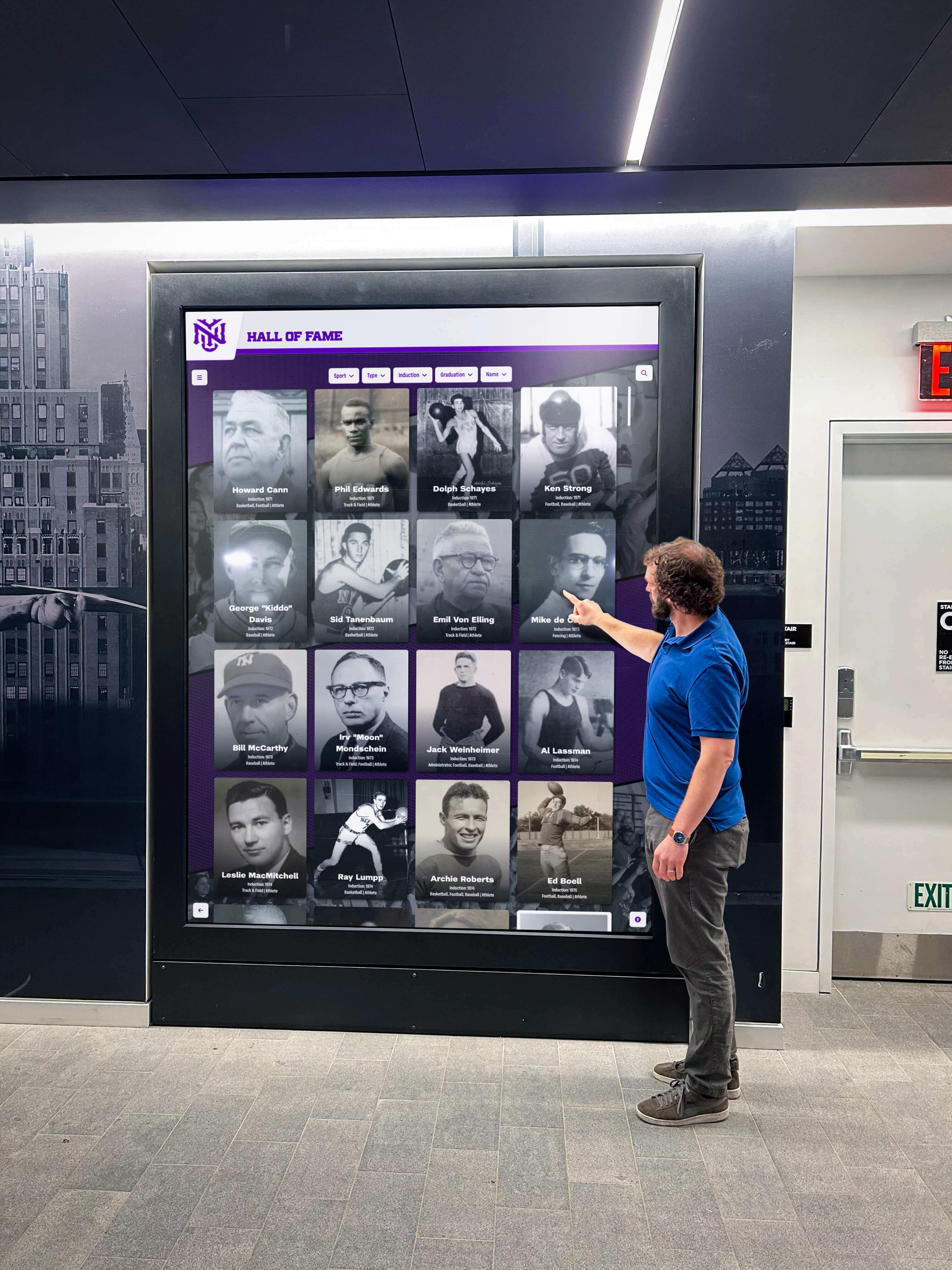
Interactive touchscreen interfaces allow members and visitors to search by name locating specific individuals across multiple composites, filter by year exploring particular eras in chapter history, browse leadership positions identifying past officers and committee chairs, view high-resolution images impossible with physically distant wall displays, and share profiles via social media extending organizational visibility.
This interactivity transforms passive viewing into active exploration, increasing time spent engaging with historical content while creating personalized experiences as individuals search for roommates, big brothers or big sisters, pledge class siblings, and themselves.
Flexible Content Updates
Digital systems allow immediate content updates without physical modifications or manufacturing delays. Add new composite photographs as they’re created each semester or year, update member profiles with post-graduation accomplishments, correct information errors discovered through member feedback, enhance existing entries with newly discovered photographs or documents, and create special historical features for anniversaries or reunion events.
This flexibility ensures displays remain current and accurate rather than frozen at installation moments with errors permanently embedded in engraved plaques or printed materials.
Integration with Broader Alumni Engagement
Digital recognition platforms extend beyond chapter houses through web-based access allowing alumni globally to explore chapter history. Online platforms support alumni networking and mentorship programs, enable virtual reunion experiences for graduates unable to visit physically, facilitate fundraising through renewed emotional connections to chapter heritage, and provide content for social media and communications strengthening organizational visibility.
This integration transforms historical preservation from isolated archival work into strategic organizational asset supporting multiple engagement objectives simultaneously.
Implementing Interactive Touchscreen Displays
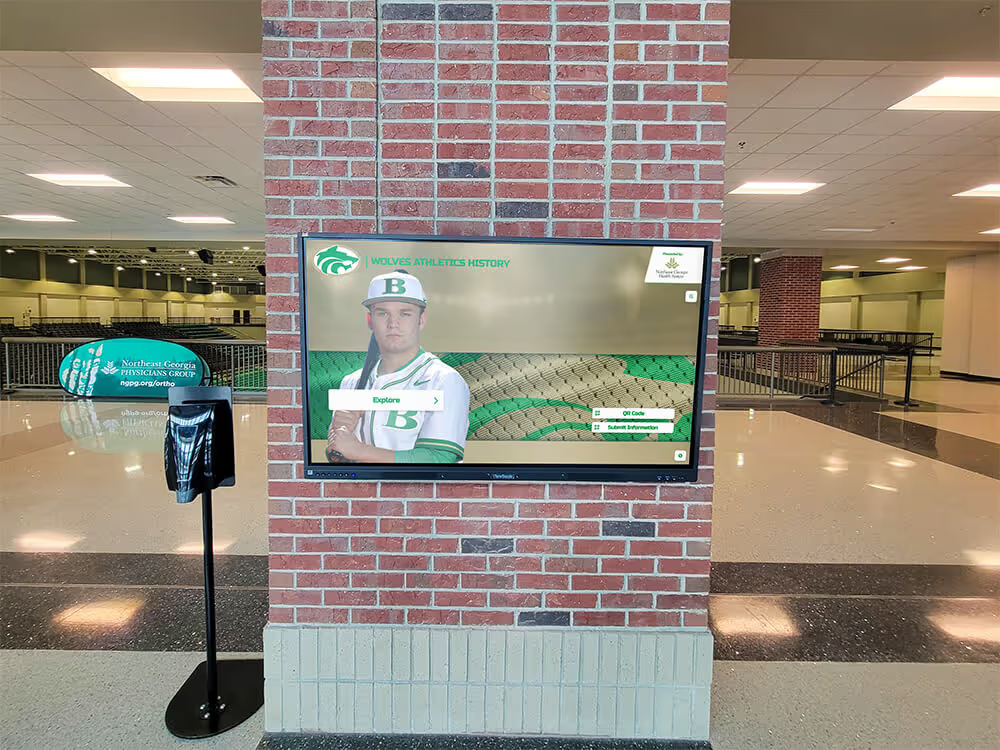
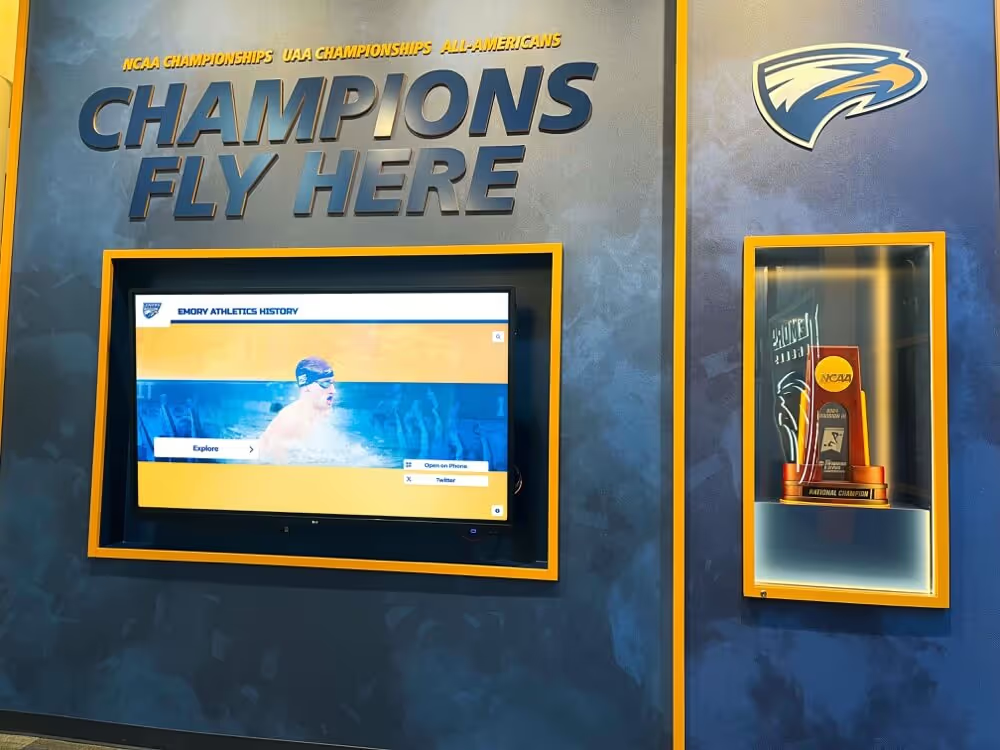
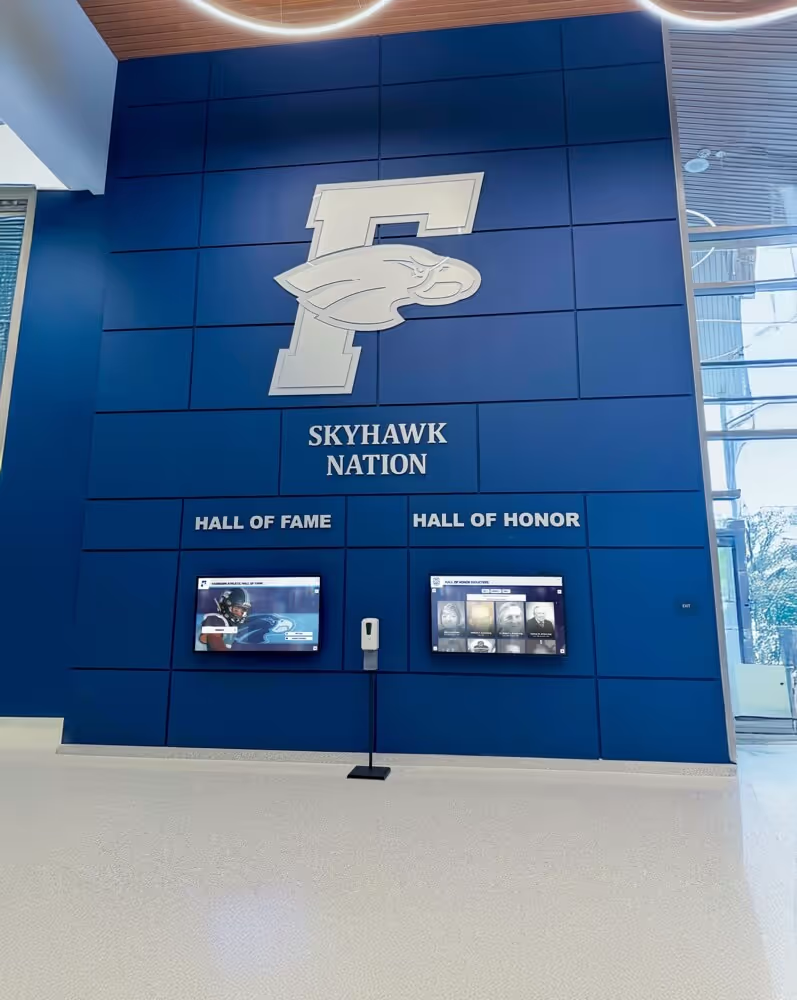
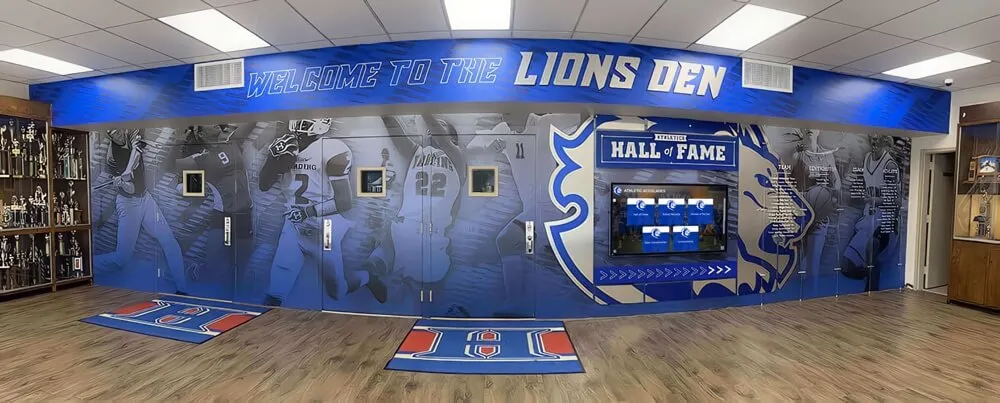
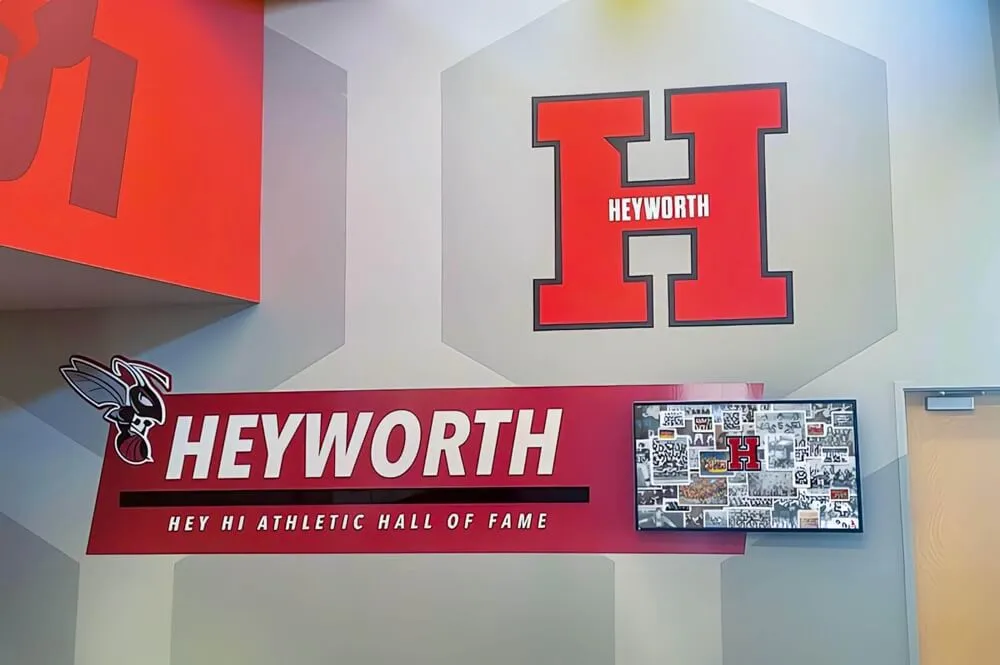
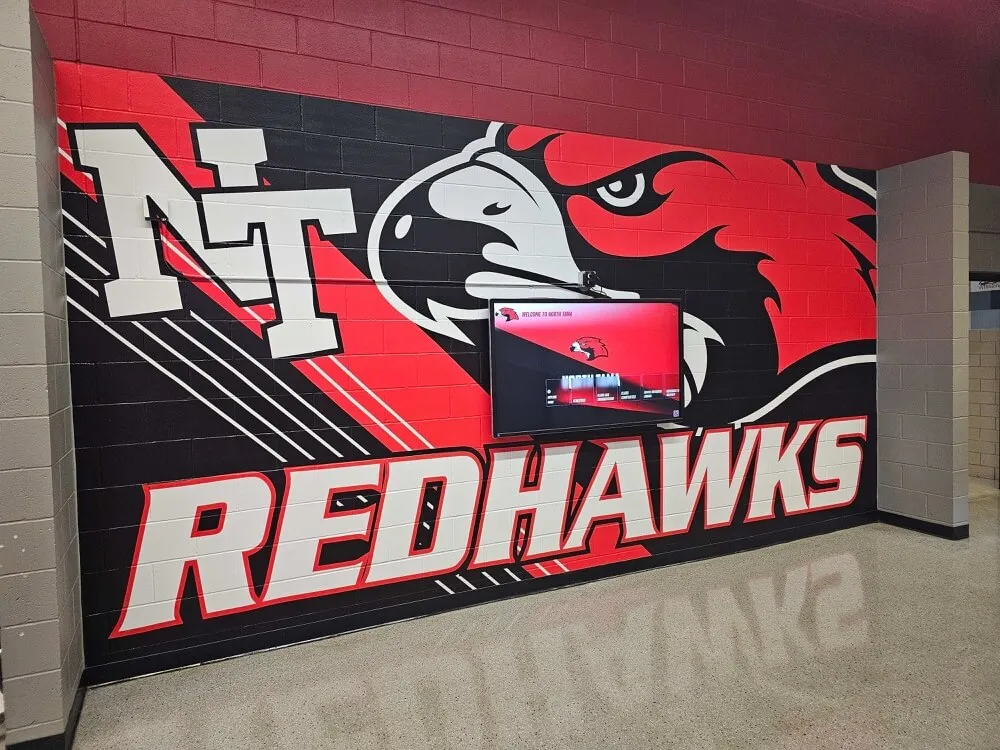
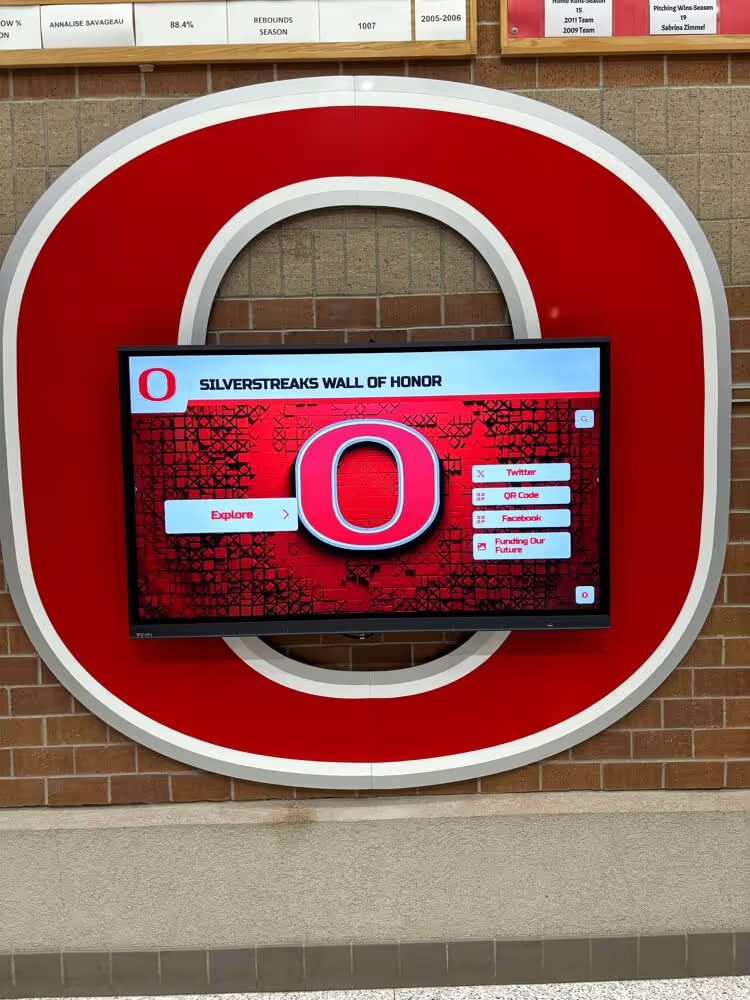
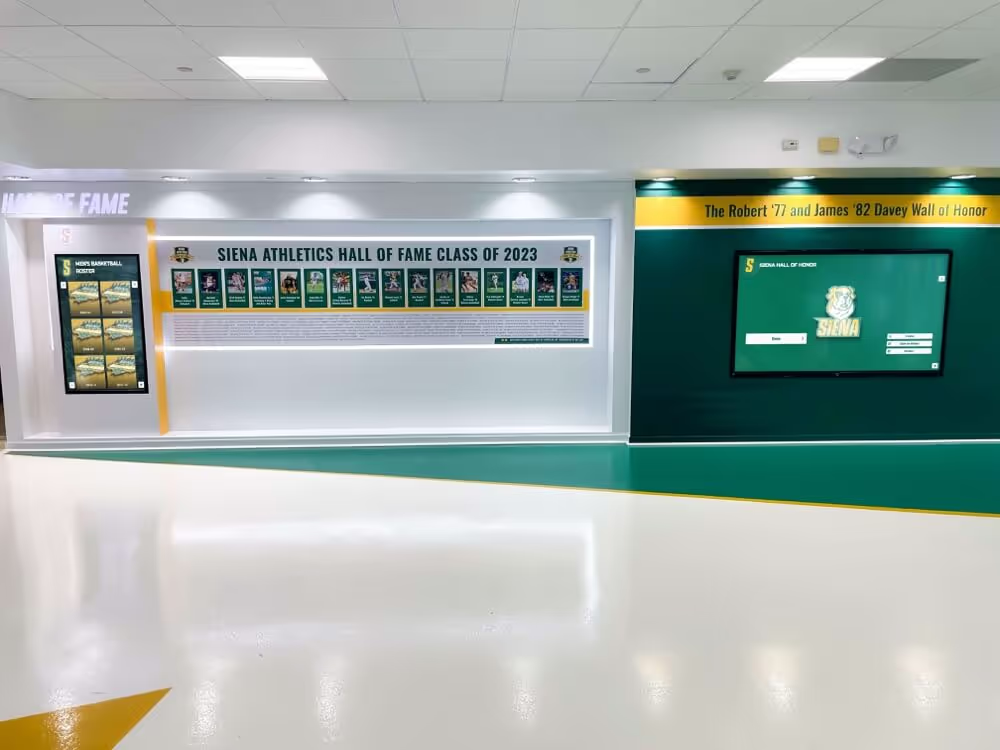
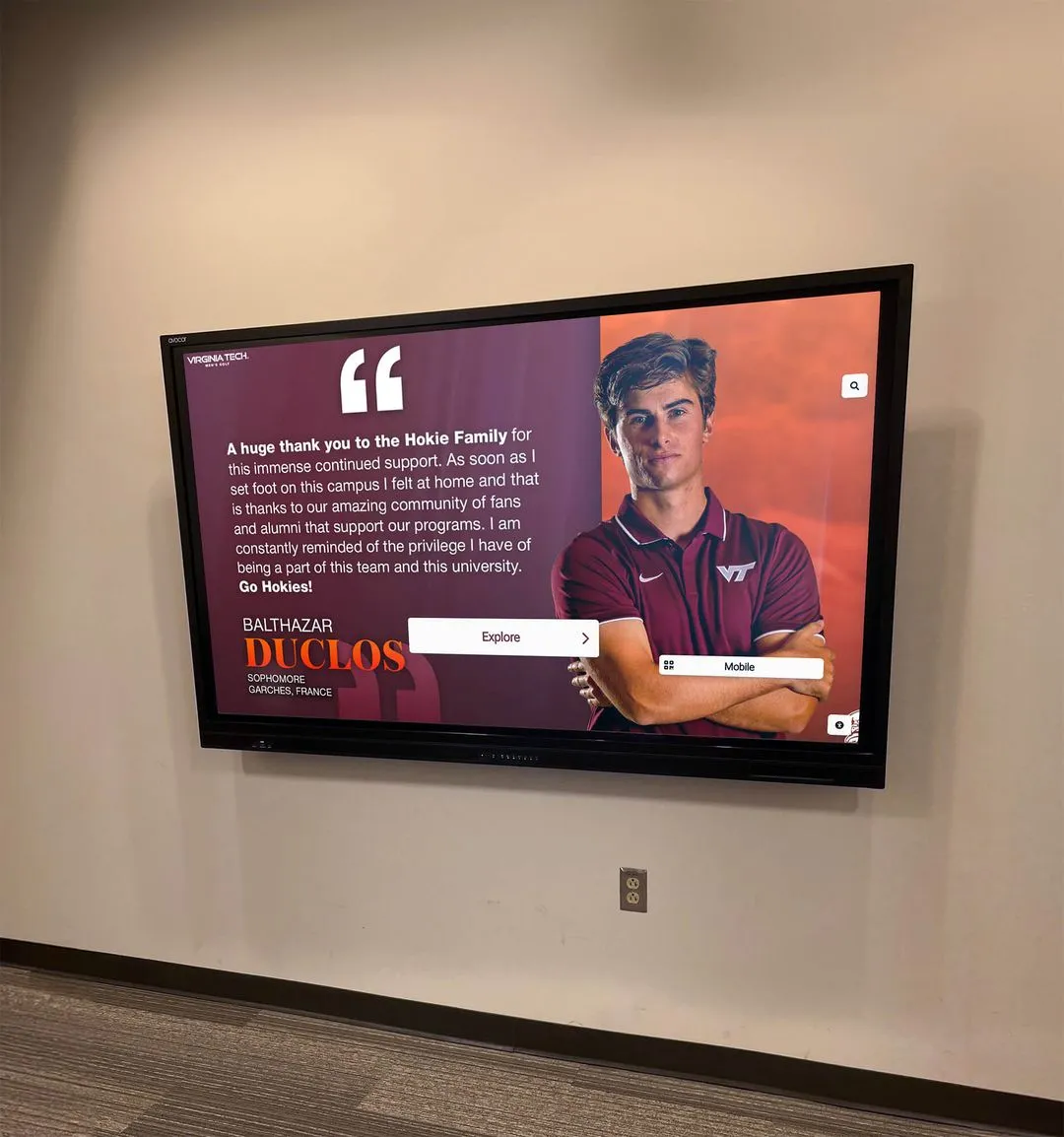
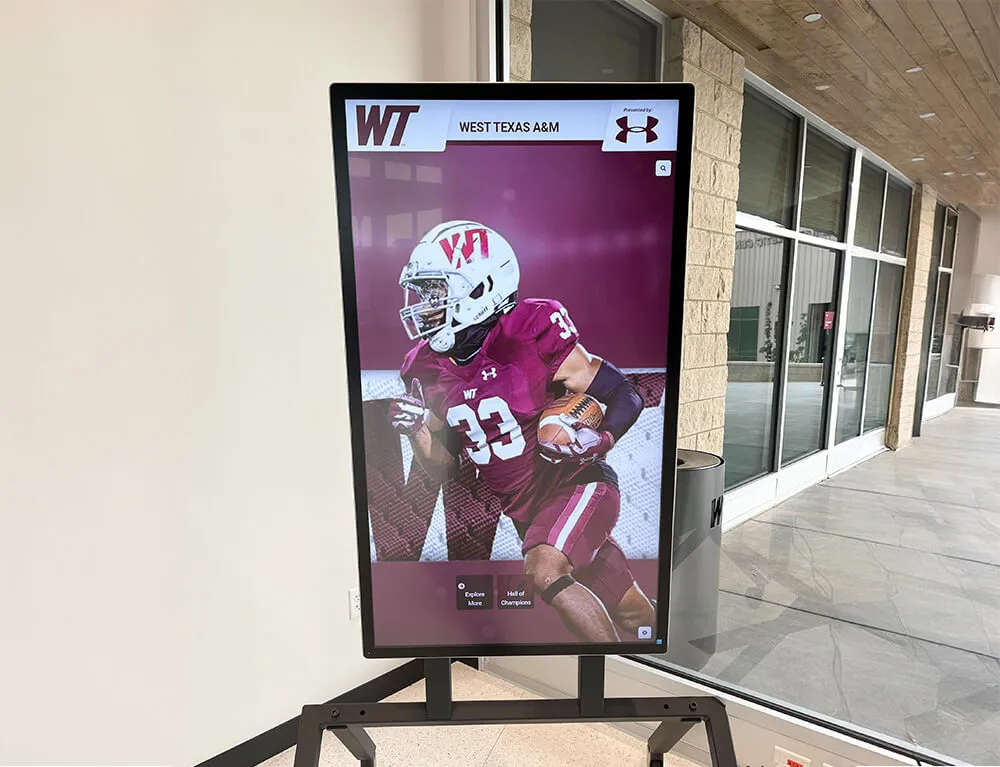
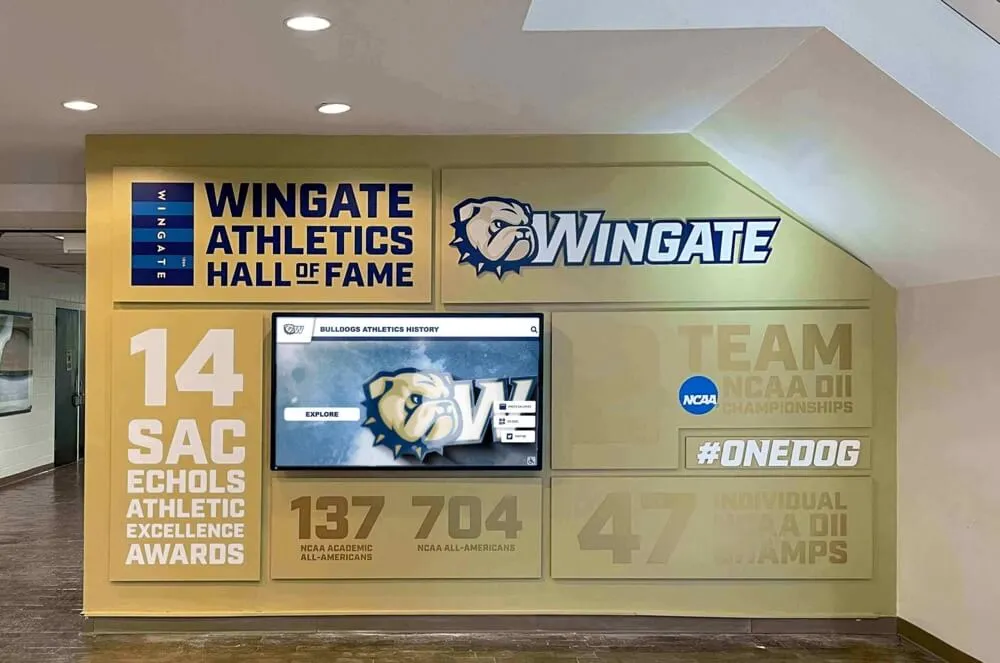
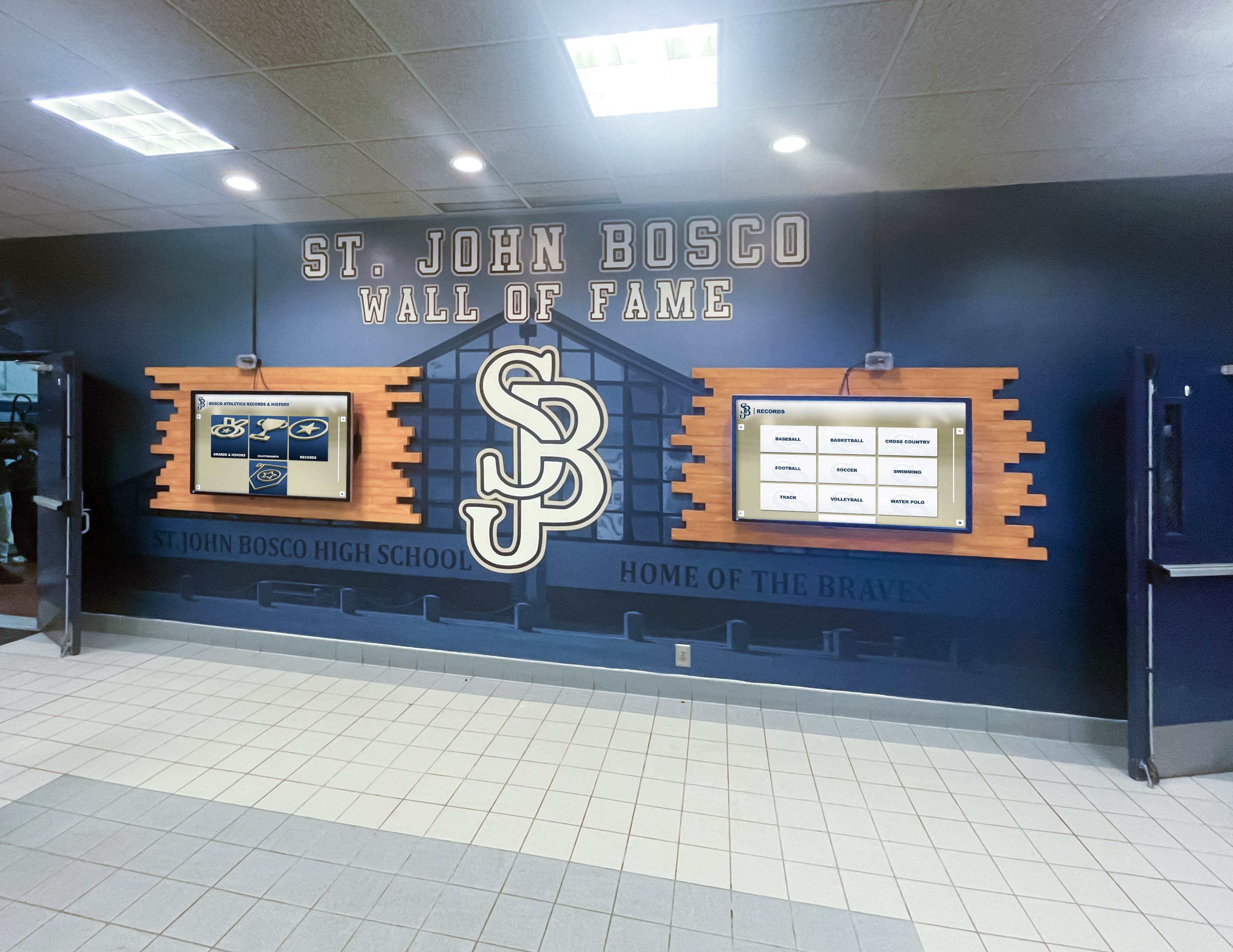
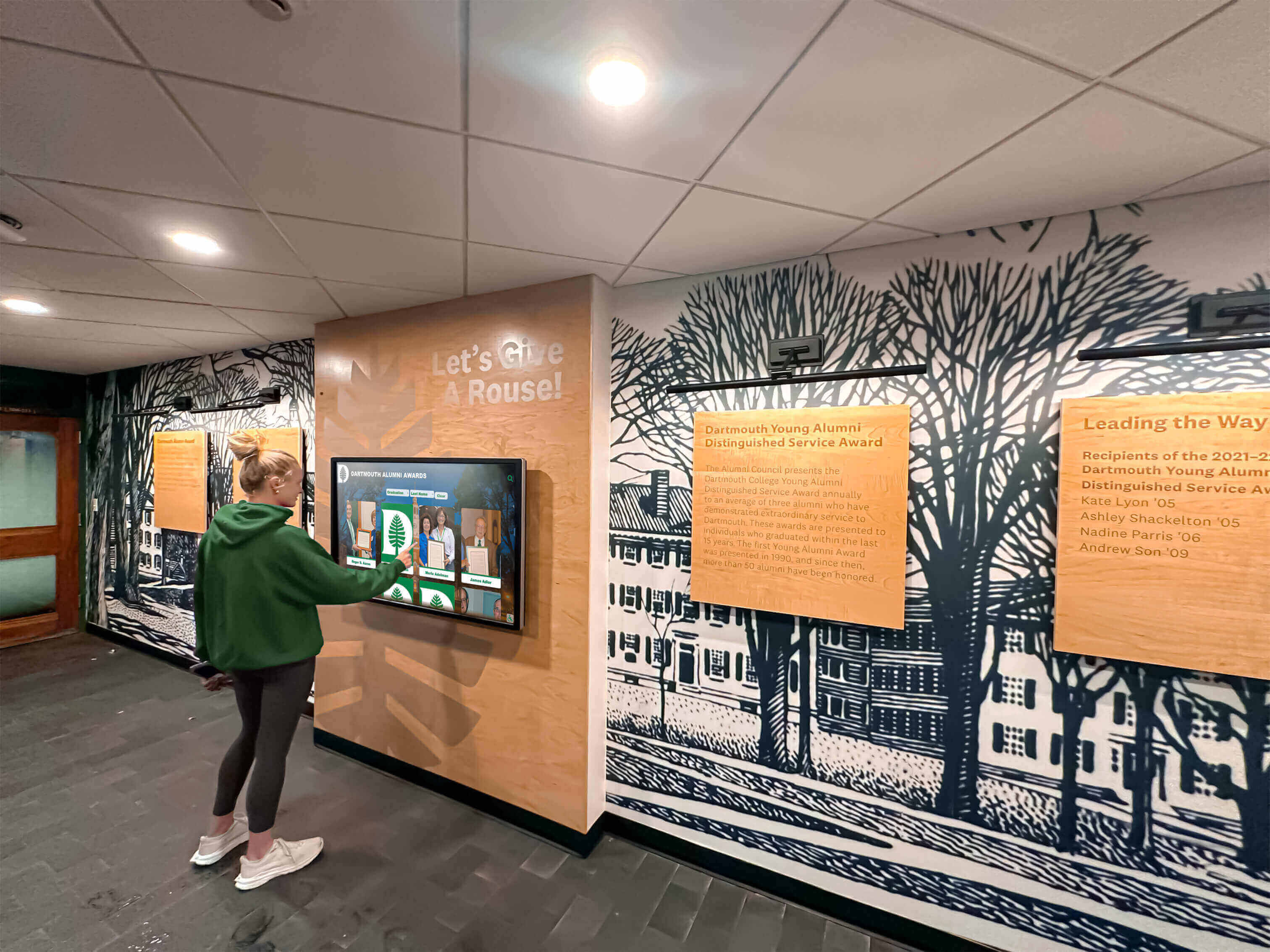
Physical touchscreen installations in chapter houses, Greek life offices, or alumni centers create prominent recognition displays that celebrate organizational history while occupying minimal space.
Display Location and Visibility
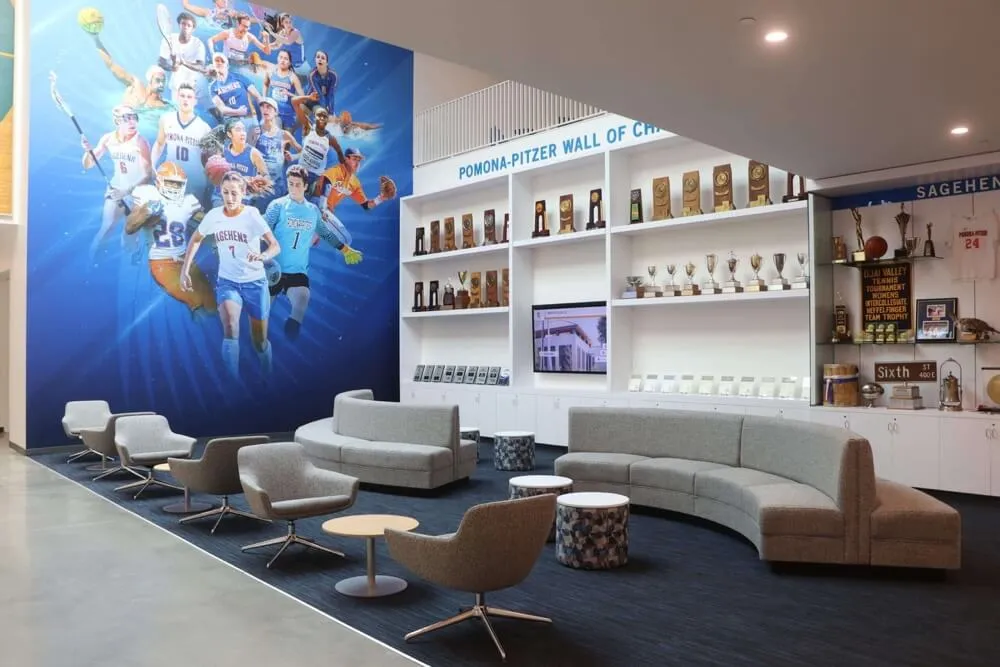
Position digital recognition displays in high-traffic areas where members, visitors, and alumni encounter them regularly—chapter house entry foyers or living spaces, Greek life office reception areas on campus, alumni center lobbies, or dedicated heritage rooms. Prominent placement ensures displays influence organizational culture by keeping history visible in daily life rather than hidden in archives accessible only through deliberate research efforts.
Content Development and Curation
Successful digital displays require thoughtful content development including digitized composites with member tagging enabling searching, historical photographs showing chapter events and facilities, narrative text providing context for different eras, video content featuring alumni reflections and oral histories, and timeline features illustrating organizational evolution across decades.
Content curation should balance comprehensiveness with strategic emphasis—ensuring all eras receive representation while creating featured content highlighting particularly significant periods, distinguished members, or transformative events in chapter development.
User Interface Design
Intuitive navigation determines whether displays become regularly used resources or ignored decorations. Effective interfaces provide multiple discovery pathways including simple name search for directed inquiries, browsing by year for temporal exploration, filtering by leadership positions or achievement categories, random member features enabling serendipitous discovery, and featured content highlighting particularly compelling stories or historically significant entries.
Consider varying user familiarity with technology—interfaces should feel intuitive to both 20-year-old members comfortable with digital interactions and 70-year-old alumni visiting for milestone reunions who may have limited touchscreen experience.
Web-Based Recognition Platforms
Online platforms complement physical displays by extending access to organizational history beyond chapter house locations, supporting broader engagement with geographically distributed alumni populations and prospective members exploring organizations during recruitment.
Web-based platforms provide 24/7 access from any internet-connected device, mobile-responsive designs enabling smartphone and tablet viewing, social sharing features amplifying organizational visibility, integration with alumni directories supporting networking, and content management interfaces allowing designated members to update information without technical expertise.
Organizations implementing comprehensive recognition might combine physical touchscreen displays in chapter houses with parallel web platforms ensuring all stakeholders—current members, alumni, parents, university administrators, potential new members—can access and engage with chapter history through their preferred channels and locations.
Solutions like Rocket Alumni Solutions offer integrated approaches combining physical interactive displays with web-based platforms, creating seamless recognition systems accessible both in chapter facilities and online. These comprehensive platforms prove particularly valuable for organizations with extensive athletic or competitive histories requiring searchable databases of achievements, records, and team photographs spanning decades.
Engaging Alumni in Heritage Preservation
Graduated members represent invaluable resources for historical preservation efforts—they possess materials in personal collections, maintain memories of eras not captured in official records, and often feel strong emotional connections to chapter heritage that motivate preservation volunteerism and financial support.
Crowdsourcing Historical Materials
Alumni outreach campaigns can dramatically expand historical collections beyond materials retained in chapter houses or national headquarters.
Composite and Photograph Donation Appeals
Many alumni possess personal copies of composites, event photographs, or informal snapshots from their undergraduate years—materials that might provide the only surviving copies when chapter archives contain gaps. Systematic appeals requesting alumni share or donate historical photographs can fill collection gaps while engaging graduates in heritage stewardship.
Effective appeals explain why preservation matters, describe how materials will be protected and used, provide clear submission procedures through mail or digital uploads, and acknowledge contributors publicly (when they consent), creating recognition that validates participation and encourages others to share materials.
Document and Memorabilia Collection
Beyond photographs, alumni often retain programs from chapter events, correspondence from national headquarters, chapter newsletters from their eras, membership certificates and badges, and various ephemera that rarely survives in official archives but provides valuable context for understanding chapter culture and activities across different periods.
Create wish lists specifying materials particularly desired—perhaps identified through collection inventories revealing gaps—while remaining open to unexpected items alumni believe significant enough to preserve.
Oral History Projects
Systematic recording of alumni memories preserves perspectives and knowledge that written records cannot fully capture, creating qualitative historical resources that bring organizational narratives to life through personal voices and experiences.
Structured Interview Programs
Develop interview protocols with consistent questions ensuring comparable information across participants while allowing flexibility for unique experiences. Questions might explore what attracted interviewees to join their organizations, memorable chapter events and traditions from their eras, influential friends and mentors, significant challenges chapters faced and how they were addressed, how chapter experiences shaped post-graduation lives and careers, advice for current members, and reflections on how organizations have evolved since graduation.
Record interviews through video when possible, preserving not just words but voices, mannerisms, and physical presence. Audio recordings provide acceptable alternatives when video proves impractical. Supplement recordings with written transcripts enabling textual analysis and quotation while preserving accuracy.
Strategic Participant Selection
Prioritize interviews with older alumni whose memories and eras are most at risk of being lost, former officers who possessed insider knowledge of chapter operations, alumni who experienced particularly significant periods in chapter history, diverse members representing various backgrounds and perspectives, and graduates who remained engaged with chapters long after graduation and possess longitudinal perspectives on organizational change.
Oral history projects require significant time commitments but create irreplaceable historical resources while strengthening individual alumni relationships with chapters and providing compelling content for recognition displays and organizational communications.
Alumni Heritage Committees
Formal volunteer groups focused specifically on historical preservation create sustainable approaches to heritage stewardship extending beyond individual projects.
Heritage committees might establish preservation priorities and strategies, coordinate digitization and organization projects, review and catalog donated materials, conduct oral history interviews, plan historical programming for reunions and anniversaries, serve as institutional memory resources for current members, and advocate for heritage preservation within broader organizational priorities.
Alumni volunteers often possess professional skills valuable for preservation work—librarians and archivists contributing expertise, attorneys advising on privacy and records policies, IT professionals supporting digital preservation, writers and editors developing historical narratives, and photographers documenting current activities for future historical value.
Leveraging National Headquarters Resources
National fraternity and sorority organizations increasingly recognize heritage preservation importance and provide support helping chapters protect local history while contributing to broader organizational archives.
National Archival Programs
Many national headquarters maintain formal archives documenting organizational history from founding through present. These centralized collections provide resources chapters can leverage including model policies for chapter-level preservation, digitization standards ensuring compatibility across chapter collections, access to professional archivists and preservation consultants, centralized digital repositories accepting chapter contributions, and historical research supporting anniversary celebrations and heritage projects.
National archives often welcome donations of historical materials from chapters and individual alumni, particularly for eras or topics where existing collections contain gaps. Contributing copies of chapter materials to national collections provides insurance against local losses while supporting broader organizational historiography.
Heritage Grant Programs
Some national organizations offer competitive grants supporting chapter heritage preservation projects. Funding might support professional composite digitization, purchase of archival storage supplies, development of historical displays or exhibitions, oral history projects with local alumni, or anniversary publications documenting chapter history.
Grant applications typically require demonstrating clear preservation plans, showing organizational commitment beyond one-time projects, explaining how preservation will support chapter educational missions, and agreeing to share results with national headquarters.
Educational Resources and Training
National headquarters can provide valuable education for chapter members and advisors undertaking preservation work through webinar training on archival best practices, model policies adaptable to chapter contexts, vendor recommendations for digitization and preservation services, conference workshops connecting heritage-focused volunteers, and online resource libraries with preservation guidance and templates.
Educational support proves particularly valuable given high member turnover in chapters—training resources that persist across leadership transitions help maintain preservation momentum even as specific individuals responsible for heritage work graduate and are replaced by successors.
Creating Historical Programming and Events
Heritage preservation creates opportunities for engaging programming that strengthens organizational culture while celebrating chapter and organizational history.
Founder’s Day and Anniversary Celebrations
Special observances honoring founding dates or milestone anniversaries provide natural occasions for historical programming that deepens member connections to organizational heritage.
Programming might include historical presentations exploring founding stories and organizational evolution, displays of archival materials and artifacts, video screenings featuring archival photographs and footage, founder or heritage awards recognizing preservation efforts, special recognition of legacy families with multi-generational membership, and dedication of preservation projects or displays unveiled during celebrations.
Anniversary years justify more substantial heritage investments—commissioned histories, professional digitization projects, permanent recognition installations—that might be difficult to fund during routine years but attract alumni support when framed as anniversary legacy initiatives.
Heritage Education for New Members
Incorporating organizational history into new member education programs ensures succeeding generations understand chapter heritage, founding principles, and how their membership connects to broader organizational narratives.
New member programs might require researching and presenting chapter history topics, meeting with alumni from different eras hearing first-person accounts, visiting local or national archives exploring historical materials, and reflecting on how historical experiences inform contemporary organizational challenges.
This educational emphasis signals heritage importance while creating informed membership appreciating why preservation matters and understanding their roles as current stewards of organizational legacy.
Reunion Historical Exhibits
Class reunions and homecoming events provide ideal opportunities for curated historical displays that create powerful nostalgic experiences while re-engaging alumni with chapter heritage.
Customize exhibits for specific reunion classes showing composites from their years, photographs from events they participated in, copies of chapter newsletters from their undergraduate eras, and displays of cultural artifacts illustrating campus life during their time. These personalized historical presentations create emotional resonance that generic organizational history cannot match, strengthening alumni relationships and often inspiring financial support for preservation initiatives or broader philanthropic commitments.
Reunion exhibits might leverage digital platforms creating virtual reunion experiences accessible to graduates unable to attend physically, extending event value beyond in-person attendees while demonstrating preservation project impacts in compelling, personal ways.
Budgeting for Greek Life Heritage Preservation
Historical preservation requires resource investment, but approaches exist for various financial capacities while demonstrating strong returns through enhanced member engagement and alumni relations.
Low-Cost Preservation Approaches
Organizations with limited budgets can accomplish meaningful preservation through strategic prioritization and volunteer effort.
Volunteer Digitization Projects
While professional digitization provides highest quality, volunteer scanning using available equipment creates acceptable digital copies at minimal cost. Alumni or members with photography skills can photograph composites using quality digital cameras. Student members might contribute labor as service projects or for academic credit through independent studies. University special collections staff sometimes assist with scanning in exchange for copies enriching institutional archives.
Crowdfunding Heritage Projects
Online fundraising platforms enable targeted campaigns for specific preservation initiatives. Alumni often support heritage preservation more generously than general operations, particularly when campaigns tell compelling stories about materials at risk and clearly explain how contributions will protect irreplaceable history. Crowdfunding works particularly well for bounded projects—digitizing composites from specific decades, creating chapter history videos, or purchasing archival storage supplies—where donors understand exactly what their contributions accomplish.
Partnerships with University Archives
Many colleges and universities actively collect Greek life history as part of broader student culture documentation. Partnerships might provide professional archival processing and preservation for chapter materials in exchange for access copies enriching university collections, workspace and equipment for volunteer scanning projects, consultation on preservation best practices, and inclusion in university digital collections expanding access.
Professional Preservation Investments
Organizations with more substantial resources or important anniversaries can invest in professional services delivering superior quality and long-term value.
Professional Digitization Services
Specialized companies focused on fraternity and sorority history provide comprehensive digitization including high-resolution photography with archival color accuracy, digital restoration addressing damage and fading, member tagging enabling searchable databases, metadata creation supporting long-term access, and hosting on dedicated platforms designed for Greek life organizations.
Professional services typically charge per composite or per member, with comprehensive chapter projects ranging from several thousand to tens of thousands of dollars depending on collection size and desired features. While representing significant investments, professional digitization creates permanent archives that serve organizations indefinitely while requiring minimal ongoing costs beyond platform subscriptions.
Interactive Display Systems
Digital recognition displays combining touchscreen hardware with specialized software represent substantial investments—typically $15,000-$50,000 depending on hardware quality, screen size, software capabilities, and content development services included. However, these systems provide unlimited display capacity, eliminate per-inductee costs traditional plaques require annually, create engaging interactive experiences impossible with physical displays, and generate analytics demonstrating usage and impact.
Organizations often fund display systems through capital campaigns, anniversary fundraising, facility renovation budgets, or multi-year savings from eliminating traditional plaque expenditures that compound annually as new classes require recognition.
Solutions like Rocket Alumni Solutions provide comprehensive platforms specifically designed for Greek life organizations, combining intuitive content management with professional implementation support and ongoing technical assistance ensuring long-term success.
Measuring Preservation Impact
Evaluating heritage preservation effectiveness helps demonstrate value to organizational stakeholders while identifying opportunities for program improvement.
Quantitative Metrics
Trackable measures reveal engagement levels and preservation program reach including number of composites and photographs digitized, website analytics showing digital archive usage, social media engagement with historical content, alumni participation in heritage events and programming, oral history interviews completed and archived, and funding raised specifically for preservation initiatives.
For digital recognition systems, usage analytics provide particularly compelling evidence of impact through daily interaction counts, most-viewed content revealing what resonates, search patterns showing how users discover information, and session duration indicating engagement depth.
Qualitative Assessment
Subjective measures capture cultural influence and member responses including testimonials from alumni about how accessing historical materials affected them, member feedback about heritage programming effectiveness, observations about organizational culture and historical consciousness, media coverage quality highlighting organizational history, and depth of historical knowledge among current members.
Regular assessment informs continuous improvement—identifying collection gaps requiring targeted material acquisition, revealing which content types generate most engagement, suggesting programming adjustments based on member interests, and demonstrating preservation value to leadership making budget decisions and strategic choices.
Conclusion: Honoring the Past While Building the Future
Preserving fraternity and sorority history represents far more than nostalgic backward glancing—it’s strategic investment in organizational identity, member development, and community building that creates value across multiple dimensions of Greek life purpose and operation. When chapters and national organizations commit to protecting heritage through systematic preservation, digital innovation, and member engagement, they strengthen the distinctive traditions and shared experiences that make fraternities and sororities meaningful communities spanning generations.
The most effective preservation approaches recognize that history lives through use rather than storage alone. Accessible, engaging historical resources—searchable digital composite libraries, interactive recognition displays, well-organized archives supporting research—transform heritage from abstract concept to tangible presence informing current members’ understanding of who they are, where they came from, and what their organizations stand for beyond social programming and campus activities.
Organizations ready to implement comprehensive heritage preservation have more resources available than ever before. Whether starting with modest volunteer digitization projects, partnering with university archives, or investing in professional preservation services and interactive display technology, the essential element is beginning deliberately and building systematically over time—ensuring that unique chapter and organizational stories receive protection and celebration they deserve.
For fraternities and sororities seeking purpose-built solutions designed specifically for Greek life heritage preservation, platforms like Rocket Alumni Solutions provide comprehensive systems combining digital composite libraries, interactive recognition displays, and intuitive content management that make historical preservation accessible even to organizations with limited technical expertise or archival experience. These integrated approaches help organizations honor their pasts while building stronger futures grounded in heritage awareness, member pride, and cross-generational connections that define Greek life at its finest.
Begin your preservation journey wherever current resources allow—by properly storing physical composites, conducting oral history interviews with older alumni, digitizing materials from significant eras, or implementing comprehensive digital recognition systems. The key is recognizing that every organization’s history matters and deserves intentional stewardship ensuring that future generations inherit rich, accessible heritage reflecting their organizations’ true depth and significance.