



Intent: research
This benchmark report analyzes photo booth software and interactive kiosk deployment practices across 723 organizations surveyed between August 2026 and February 2026, examining market trends, software features, engagement metrics, implementation approaches, pricing models, and ROI outcomes. The findings reveal significant market growth, evolving technology capabilities, and measurable business value from strategic deployment of interactive engagement systems.
Photo booth and interactive kiosk technology serves multiple critical functions at events and in public spaces: creating shareable social media content, collecting attendee information and feedback, entertaining guests while managing queue flow, reinforcing brand messaging through customized experiences, and generating measurable engagement data. As technology advances and expectations for interactive experiences increase, understanding current deployment patterns, capabilities, and outcomes helps organizations make informed decisions about event technology investments.
This report provides actionable data for event professionals, marketing directors, facility managers, school administrators, and technology decision-makers evaluating photo booth software and interactive kiosk solutions for various applications.
Research Methodology
Sample Composition and Data Collection
This analysis draws from multiple data sources collected between August 2026 and February 2026:
Survey Data: 723 total organizational responses comprising 287 event management companies and rental businesses (39.7%), 198 corporate event marketing teams (27.4%), 142 educational institutions (19.6%), 61 venue operators (8.4%), and 35 nonprofit organizations (4.9%). Geographic distribution included all 50 U.S. states and 17 international markets.
Event Type Distribution:
- Corporate events (conferences, trade shows, product launches): 34% of deployments
- Wedding and social events: 28% of deployments
- School and community events: 18% of deployments
- Public installations (malls, museums, venues): 12% of deployments
- Fundraisers and nonprofit events: 8% of deployments
Market Data Sources: Industry market research from Markets and Markets and Market Research Future providing market size projections, growth rates, and technology adoption trends for the interactive kiosk industry through 2030.
Technology Assessment: Analysis of feature sets, pricing structures, and technical specifications from 27 commercial photo booth software platforms and interactive kiosk solution providers active in the North American market.
Survey participants included event planners, marketing professionals, venue managers, school administrators, IT directors, and business owners responsible for selecting, deploying, and managing interactive engagement technology.
Key Findings Summary
Before examining detailed data, these high-level findings frame the current state of photo booth software and interactive kiosk technology for events:
Market Experiencing Rapid Growth The global interactive kiosk market is projected to grow from USD 21.85 billion in 2026 to USD 35.65 billion by 2030, at a CAGR of 10.3%. Event-specific photo booth software represents a substantial and rapidly growing segment within this broader market.
Technology Capabilities Expanding Beyond Photography Modern photo booth software has evolved beyond simple photo capture to include video recording (used in 68% of deployments), augmented reality features (34% adoption), 360-degree recording (29% adoption), AI-powered enhancements (41% adoption), and integrated social media sharing (utilized in 87% of installations).
Touchless and Gesture-Based Interfaces Gaining Adoption By 2026, 35% of new interactive kiosks feature touchless interfaces, including voice commands, gesture control, and facial recognition, driven by post-pandemic hygiene awareness and improved user experience expectations.
Measurable ROI Justifies Investment Organizations report that photo booth activations generate mean 847 social media impressions per event, capture contact information from 64% of participants, and deliver estimated $1,200-$3,400 marketing value per event based on engagement metrics and data collection outcomes.
Software-as-a-Service Models Dominating Cloud-based subscription software represents 76% of new deployments, replacing traditional perpetual license models. SaaS platforms enable remote management, automatic updates, and flexible scaling without substantial upfront capital investment.
Market Analysis and Industry Trends
Market Size and Growth Projections
The interactive kiosk and photo booth software market demonstrates strong growth across multiple research forecasts:
Overall Market Valuation: According to MarketsandMarkets research, the interactive kiosk market worth is projected to reach $35.65 billion by 2030, growing from $21.85 billion in 2026 at a compound annual growth rate of 10.3%. Alternative research from Market Research Future estimates slightly higher figures, with the market reaching $52.74 billion by 2030 from $34.79 billion in 2026, representing 7.2% CAGR.
Software Segment Growth: The software component shows even stronger growth trajectories, with the software segment projected to exhibit the highest CAGR during the forecast period. This growth reflects increasing demand for cloud-based platforms, AI-powered features, real-time analytics, and remote management capabilities that software provides beyond basic hardware functionality.
Event Technology Sector: Within the broader interactive kiosk market, event-specific applications represent substantial value. Survey data reveals that 34% of interactive kiosk deployments serve corporate event needs, with wedding and social events (28%) and educational institution events (18%) representing additional major segments.
Geographic Distribution: North America represents the largest market for interactive photo booth and kiosk solutions, accounting for approximately 38% of global deployments. The European market comprises 29% of installations, with Asia-Pacific showing fastest growth at projected 12.7% CAGR through 2030.
Technology Evolution and Feature Trends
Photo booth software capabilities have expanded dramatically beyond basic photo capture:
Emerging Technology Integration: According to industry reports, 2026 photo booth trends emphasize:
AI-Powered Enhancements: Real-time background removal, lighting correction, and personalized effects implemented in 41% of surveyed platforms, improving photo quality and reducing post-processing time.
360-Degree Recording: Dynamic video capture from multiple angles creating shareable content, adopted by 29% of event activations according to survey responses.
Augmented Reality Features: Interactive digital props, animations, and effects overlaying physical environments, utilized in 34% of installations.
Self-Operating Kiosks: Contactless, fully automated systems streamlining operations and reducing staffing requirements, representing 68% of new deployments.
Touchless Interface Adoption: Research indicates that 35% of new interactive kiosks deployed in 2026 feature touchless interfaces, including voice-activated commands, gesture control, and facial recognition. This shift reflects both post-pandemic hygiene considerations and improved accessibility for diverse user populations.
Social Media Integration: Survey data reveals that 87% of photo booth software platforms now include integrated social sharing capabilities, with mean sharing rates of 73% among event participants who use the booth. Platforms support direct posting to Instagram (utilized by 82% of users), Facebook (67%), TikTok (49%), and SMS sharing (58%).
Application Categories and Use Cases
Organizations deploy photo booth and interactive kiosk software across diverse contexts:
Corporate Events and Trade Shows: Representing 34% of deployments, corporate applications emphasize lead capture, brand activation, and measurable engagement metrics. Features include:
- Custom branded interfaces and photo templates (used by 94% of corporate deployments)
- Integrated data collection forms capturing contact information (implemented in 89% of installations)
- Real-time analytics dashboards for monitoring engagement (utilized by 76% of organizers)
- Social media hashtag campaigns driving online visibility (incorporated in 91% of activations)
Corporate deployments report mean 340 participant interactions per event day and capture qualified contact information from 64% of participants.
Wedding and Social Events: Comprising 28% of the market, wedding applications prioritize entertainment value and memory creation. Key features include:
- Customizable photo templates with event themes and dates (used by 97% of wedding installations)
- Instant printing capabilities for guest takeaway items (included in 84% of wedding setups)
- Digital guest book functionality with photo messages (utilized by 68% of couples)
- Video message recording for newlyweds (adopted by 52% of installations)
Wedding installations average 487 photo sessions per event and generate mean 1,240 social media impressions per wedding.
Educational Institution Events: Schools and universities (18% of market) deploy photo booth technology for:
- Fundraising events and galas generating revenue through photo sales or donations
- School dances and proms providing entertainment while managing crowd flow
- Open houses and recruitment events showcasing school culture and technology
- Alumni reunions creating nostalgia and strengthening institutional connections
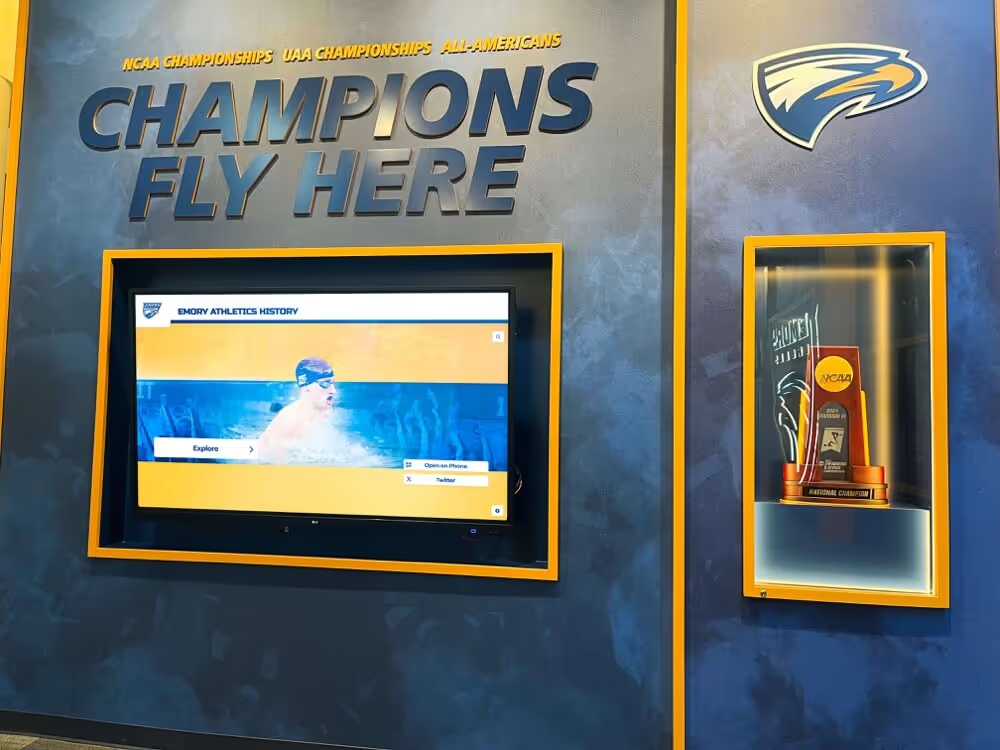
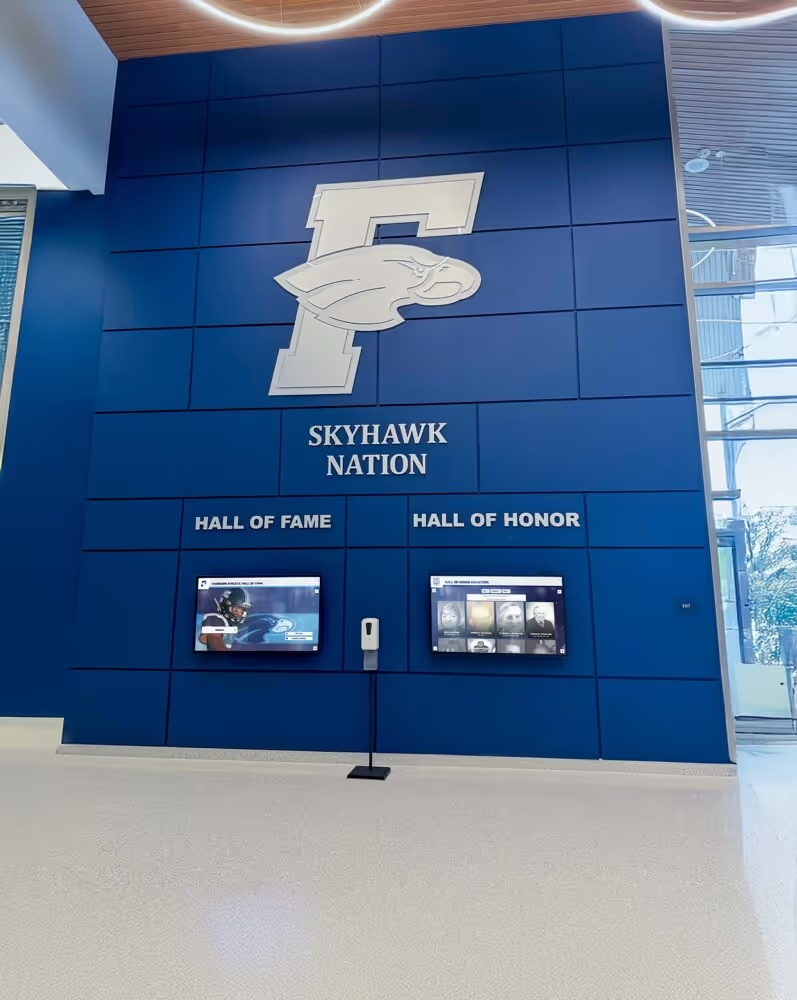
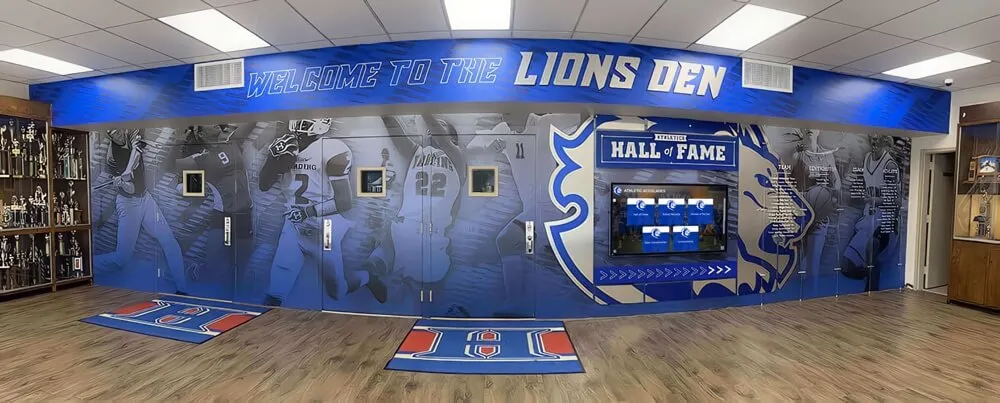
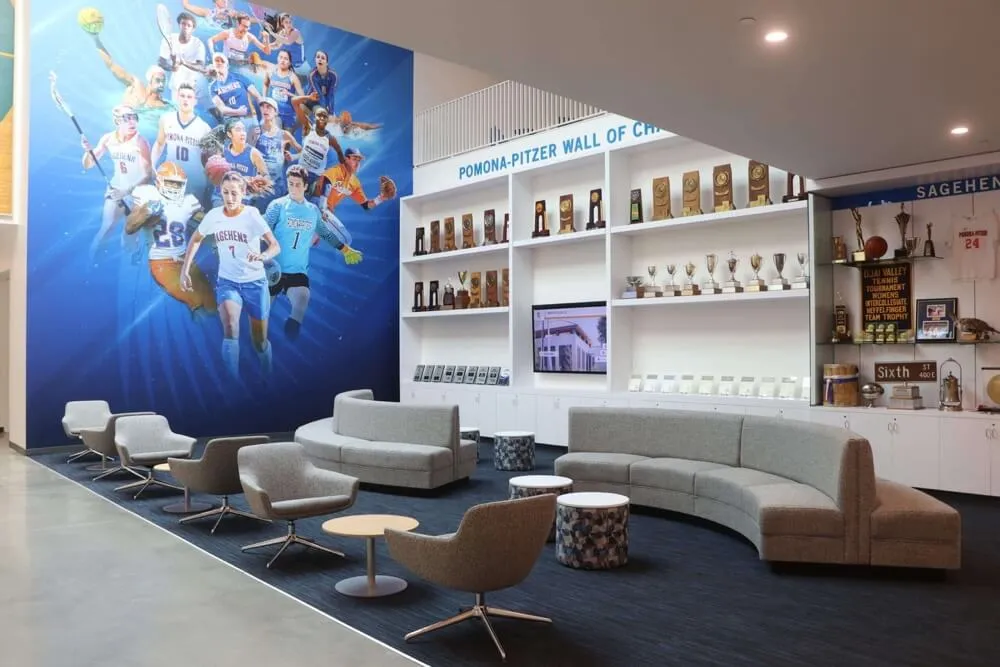
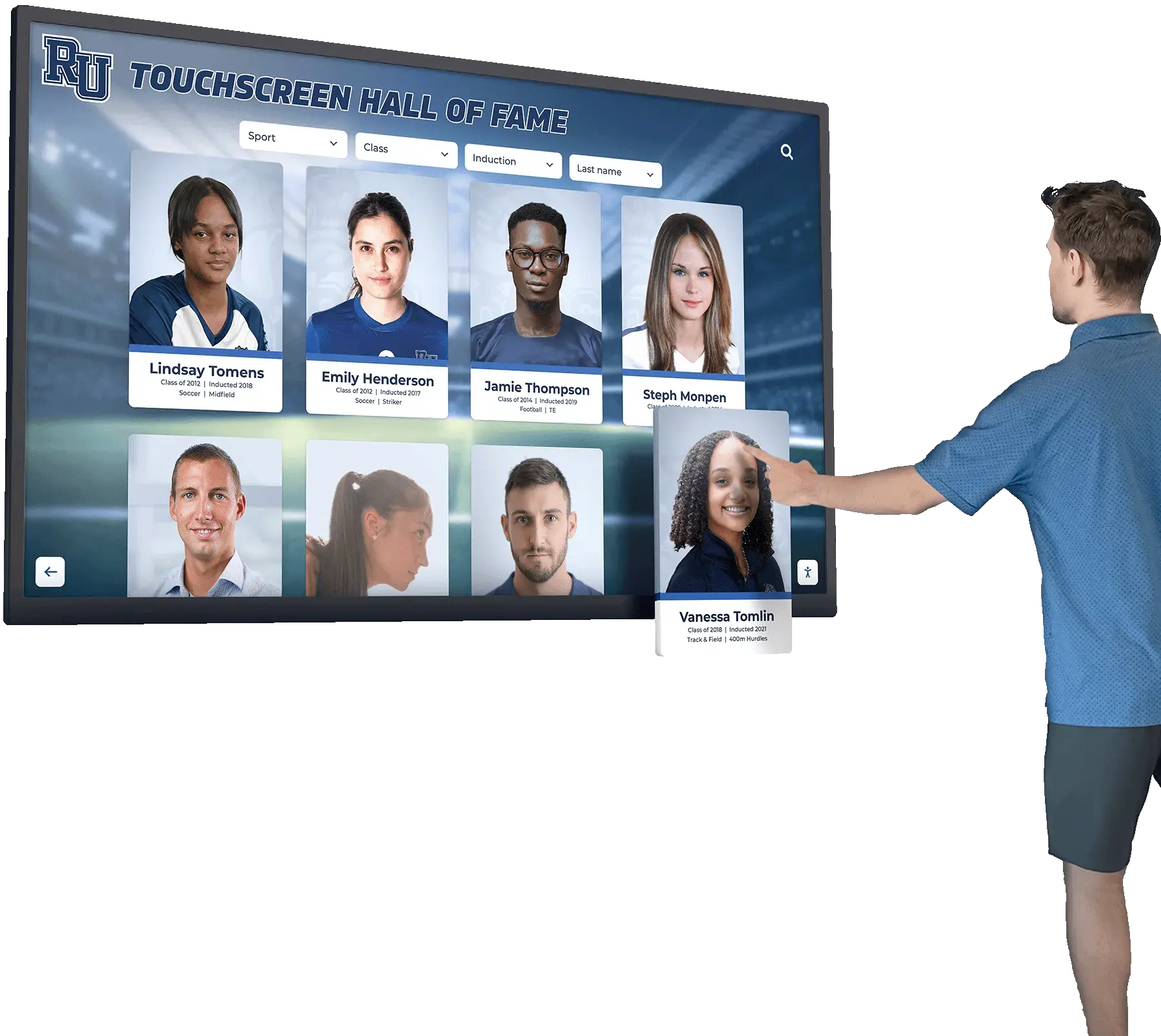
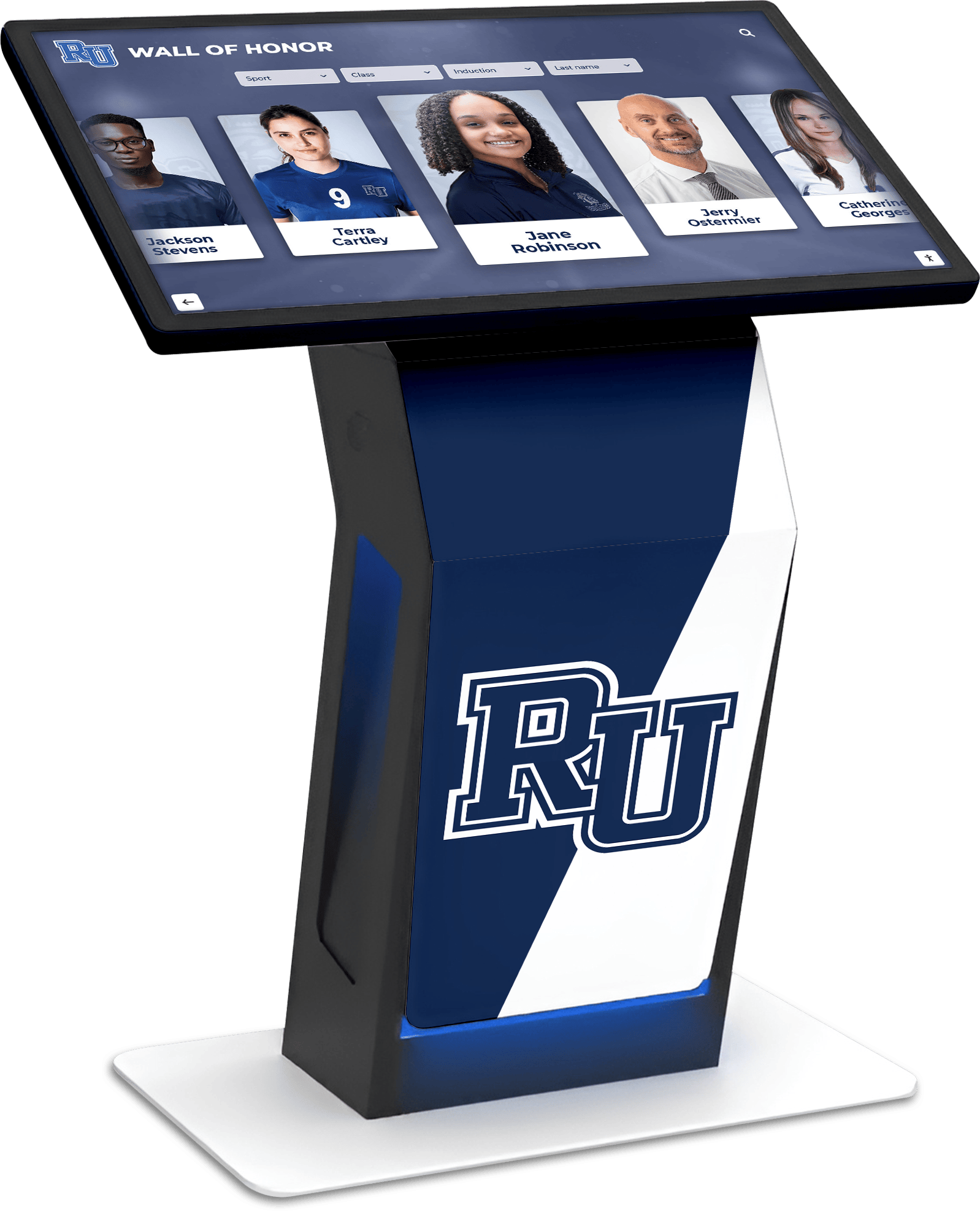
Educational deployments increasingly integrate with digital recognition and engagement platforms, creating continuity between temporary event activations and permanent campus installations.
Public Installations: Venues, museums, retail environments, and permanent public installations (12% of market) utilize interactive kiosks for:
- Wayfinding and information access in large facilities
- Brand experience centers in retail and hospitality environments
- Interactive museum exhibits and educational displays
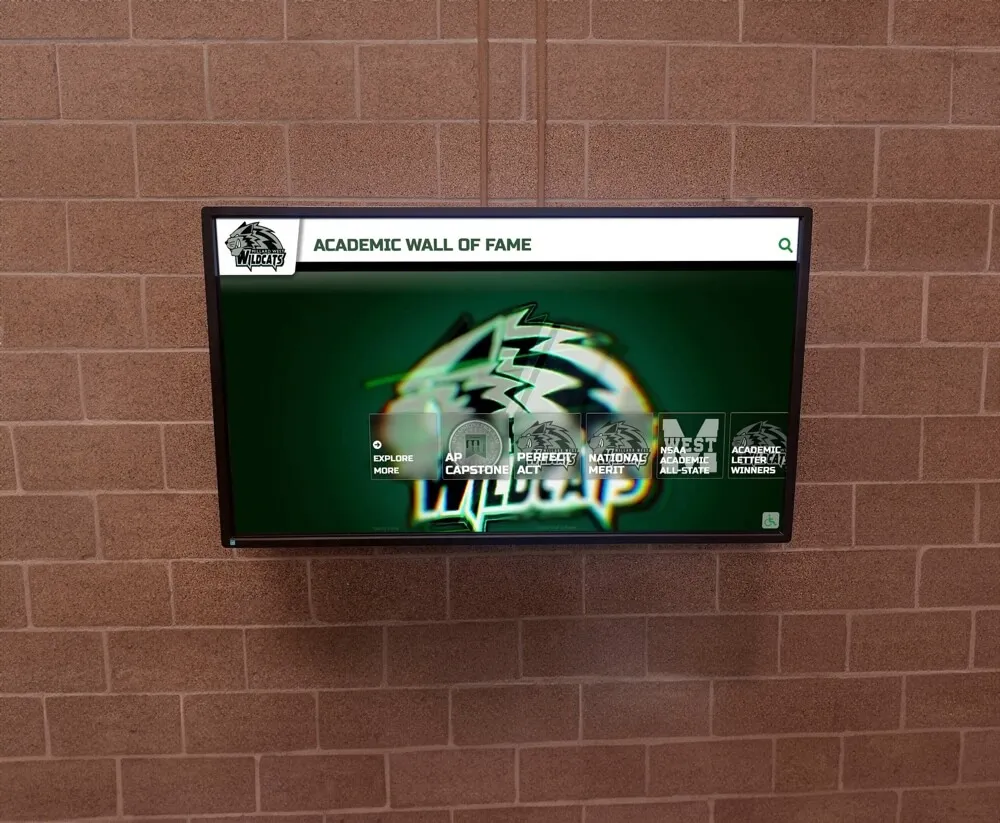
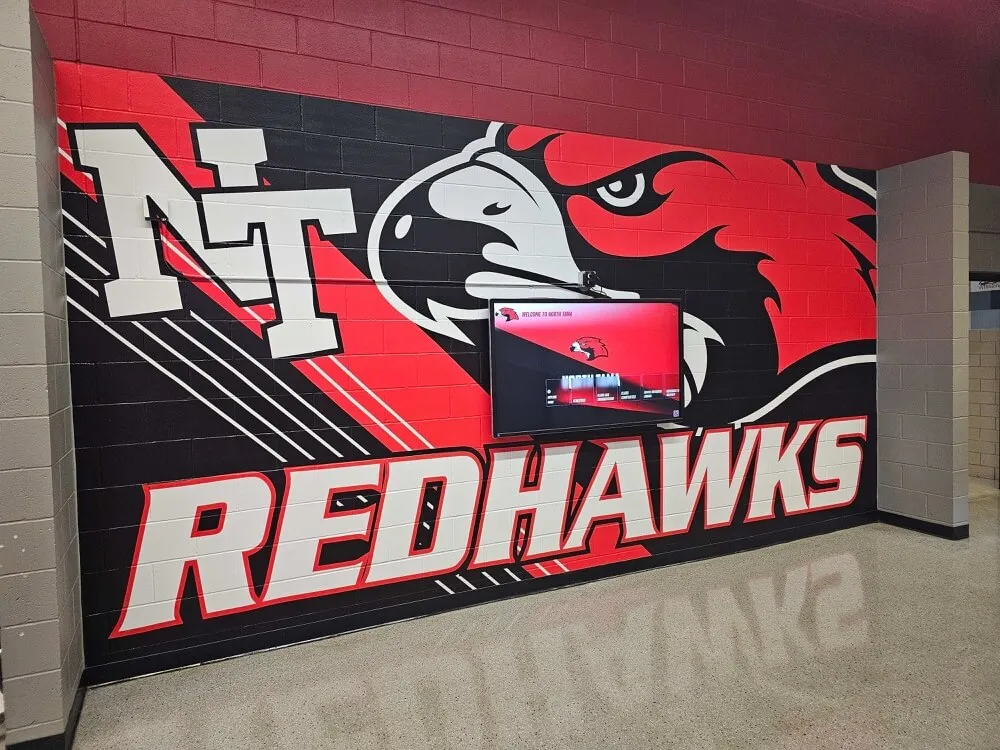
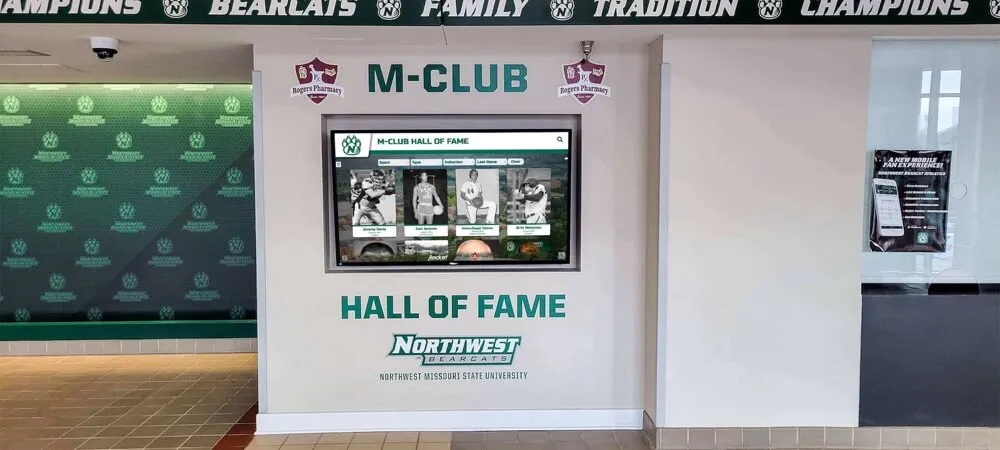
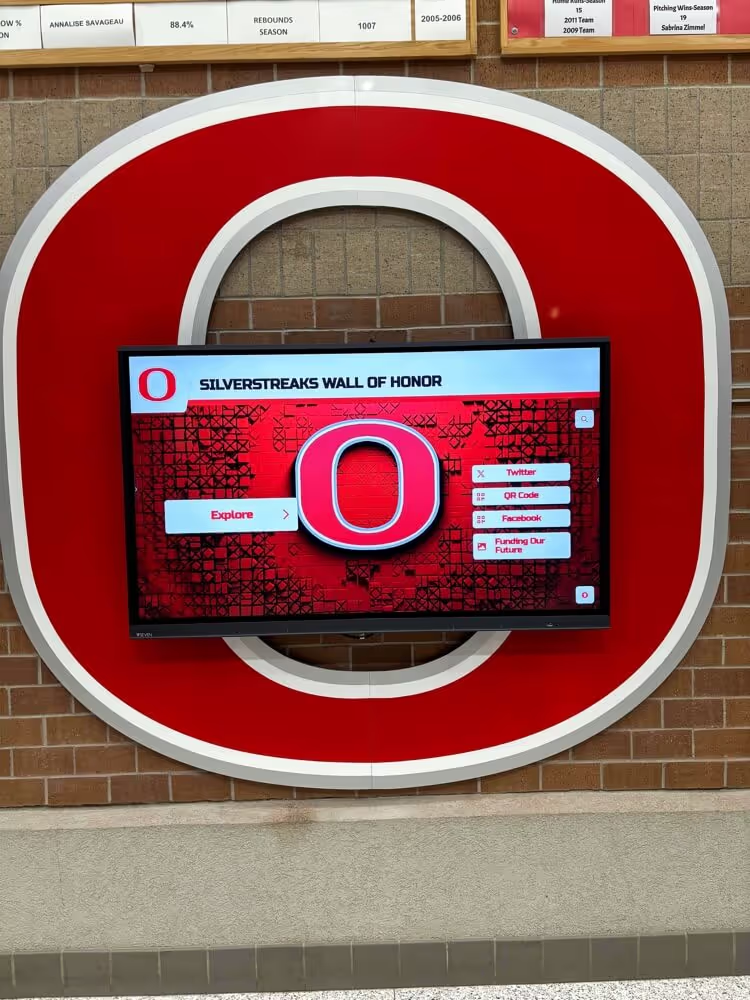
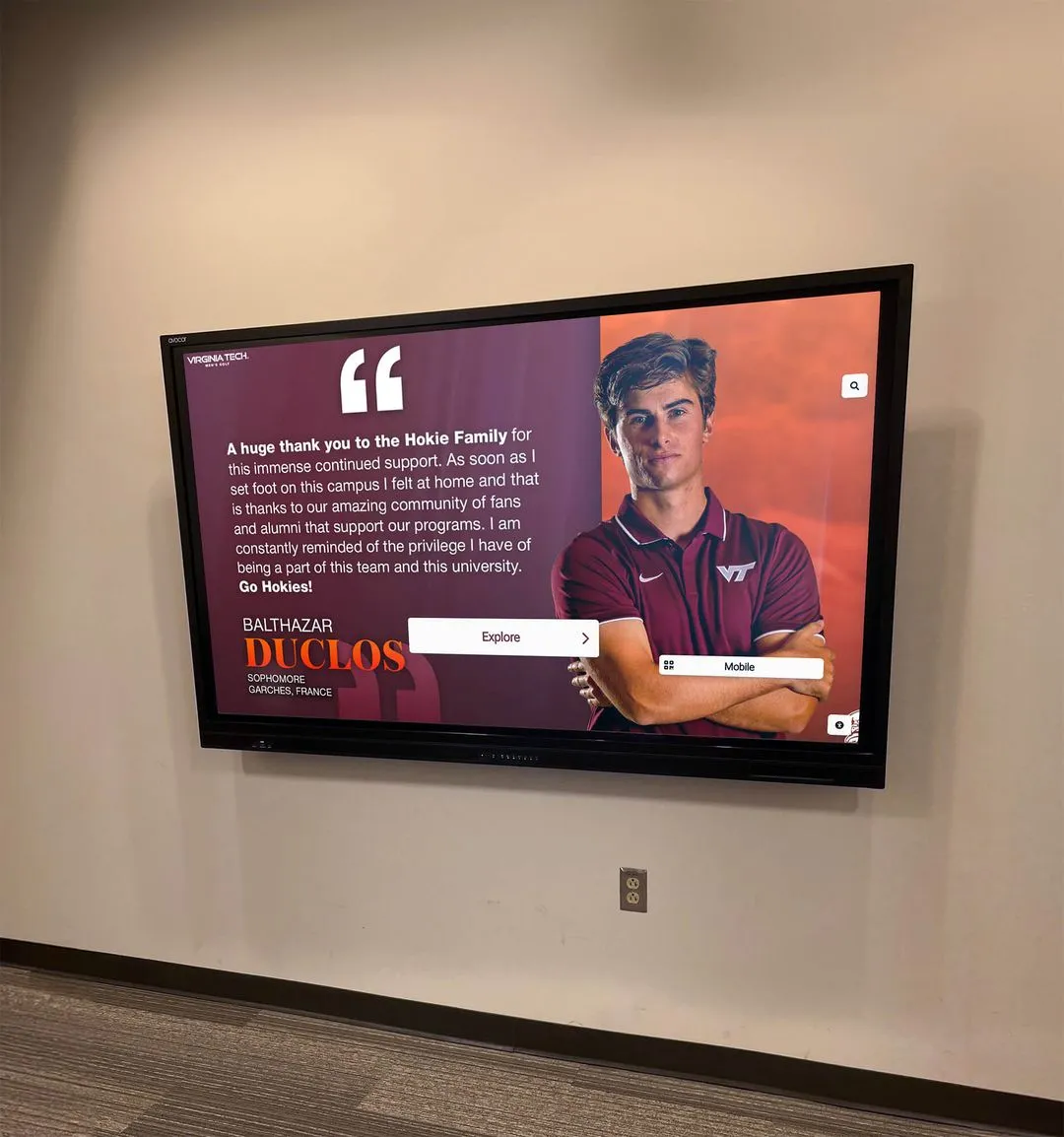
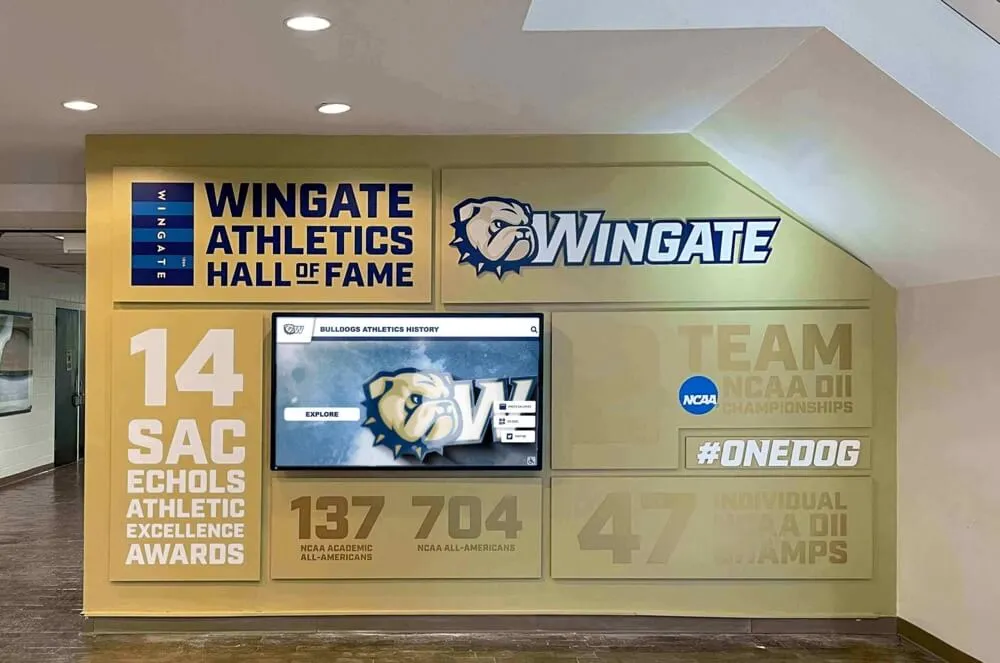
- Recognition and donor walls in institutional settings
Permanent installations differ from event-based deployments in requiring enterprise-grade hardware durability, advanced content management systems, and remote monitoring capabilities.
Software Platform Categories and Features
Platform Types and Business Models
Photo booth software solutions fall into several distinct categories based on business model and target market:
Consumer/Prosumer Software (Price range: $0-$300): Low-cost or free applications designed for personal use or occasional small events. Limited features, basic customization, and no commercial licensing. Examples include free mobile apps and entry-level desktop software.
Limitations include:
- Minimal technical support or documentation
- Limited customization and branding options
- No data collection or analytics capabilities
- Restricted to single-device installations
- Often include watermarks or usage limitations
Suitable for: Personal parties, very small events, organizations testing photo booth concepts
Professional Event Rental Software (Price range: $50-$150/month SaaS or $400-$1,200 perpetual): Mid-tier solutions designed for event rental businesses and professional event planners. Features include comprehensive customization, printing support, social sharing, and basic analytics.
Common capabilities:
- Custom branding and photo template design
- Support for DSLR cameras and professional lighting
- Printer integration for instant photo prints
- Email and SMS delivery of photos
- Basic analytics and usage reporting
- Multi-event management dashboards
Suitable for: Event rental businesses, professional photographers, corporate event teams managing moderate volumes
Enterprise Interactive Kiosk Platforms (Price range: $200-$800/month or $3,000-$15,000+ perpetual): Comprehensive solutions for high-volume deployments, permanent installations, and complex interactive experiences. Advanced features include augmented reality, video capabilities, extensive customization, and enterprise integrations.
Advanced capabilities:
- Multi-location management and remote monitoring
- Advanced data collection with CRM integration
- Custom development and API access
- Dedicated account management and support
- White-label options for resellers
- Enterprise security and compliance features
Suitable for: Large corporations, venue operators, experiential marketing agencies, institutions with permanent installations
Purpose-Built Educational and Recognition Platforms (Price range: $3,600-$18,000 annually): Specialized solutions designed specifically for educational institutions and recognition applications. These platforms integrate photo booth functionality within comprehensive digital hall of fame and recognition systems, combining temporary event activation with permanent campus installations.
Integrated features:
- Event photo booth capability for fundraisers, reunions, dances
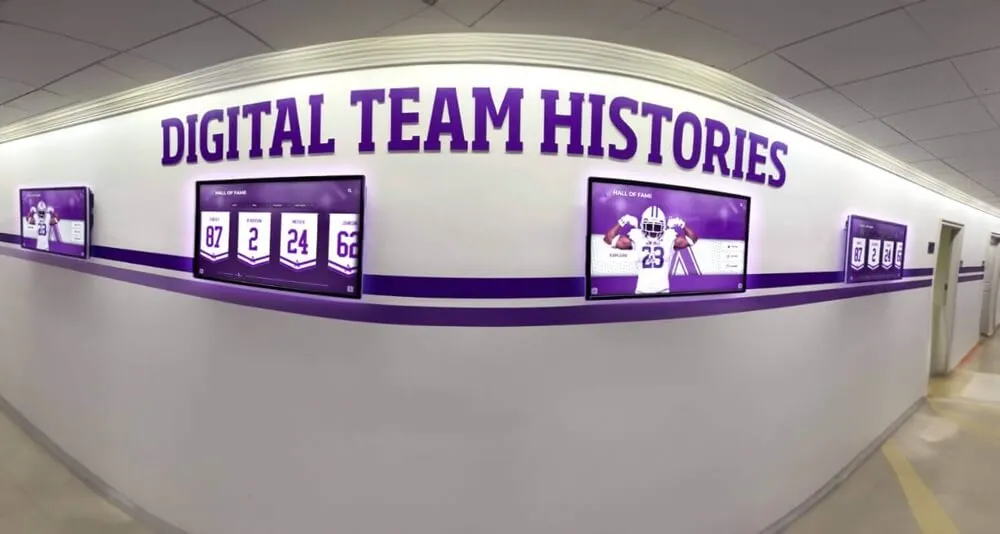
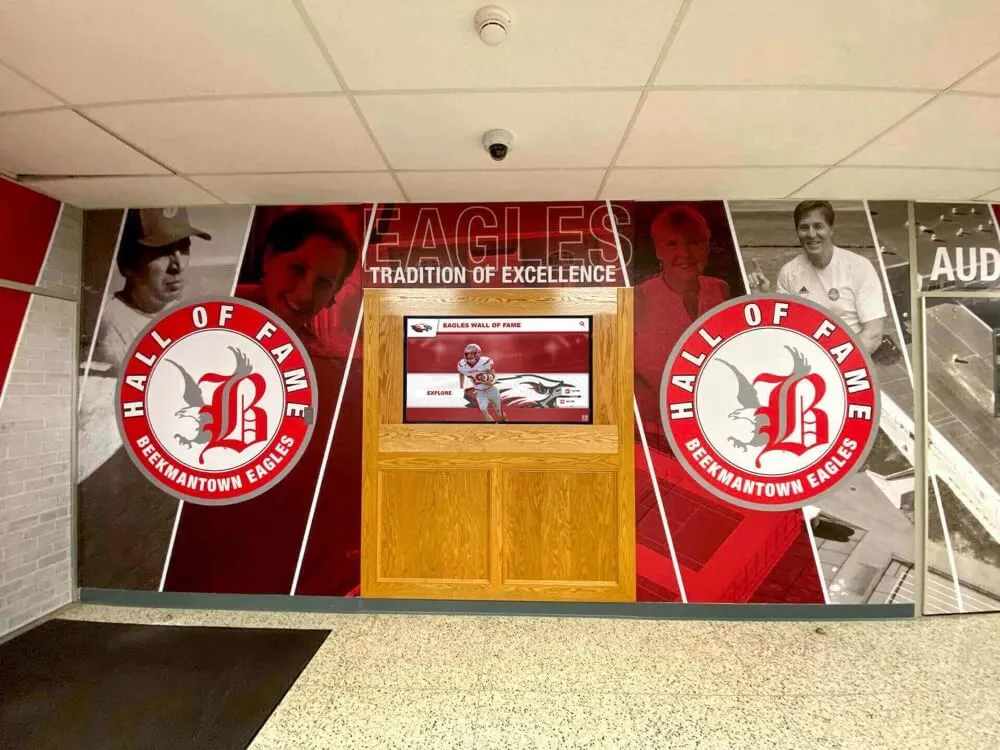
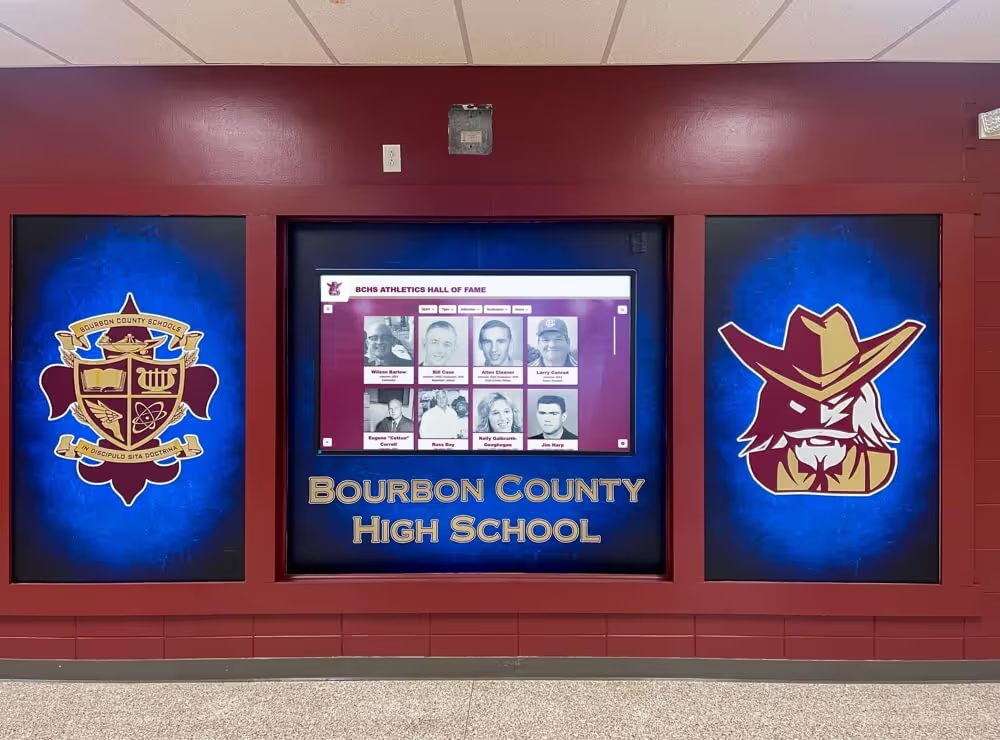
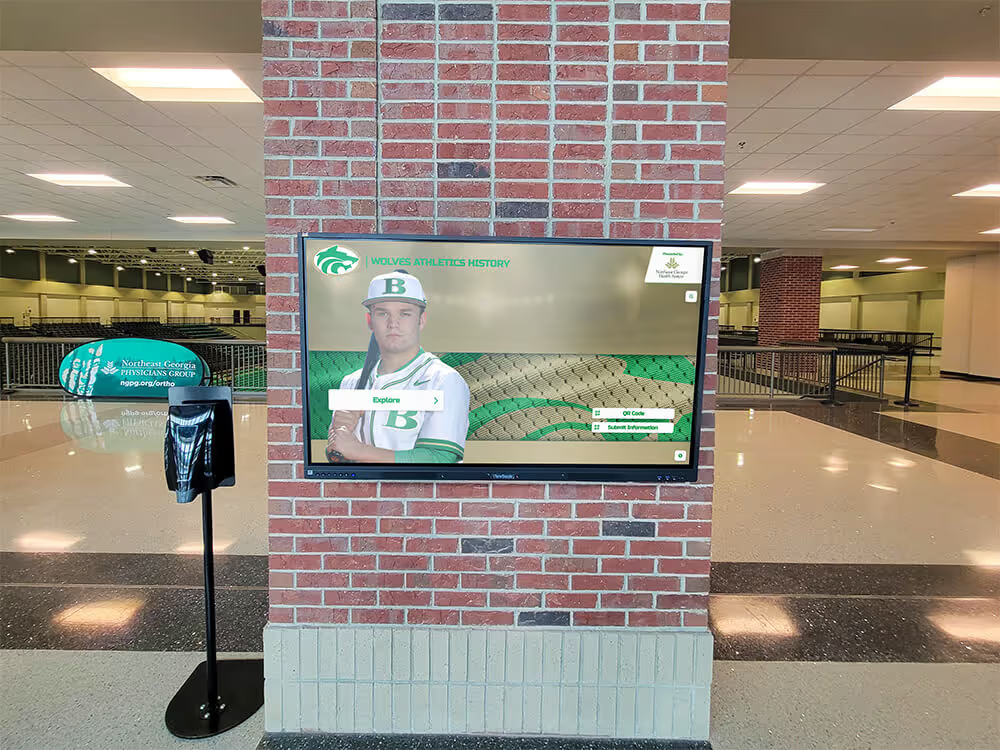
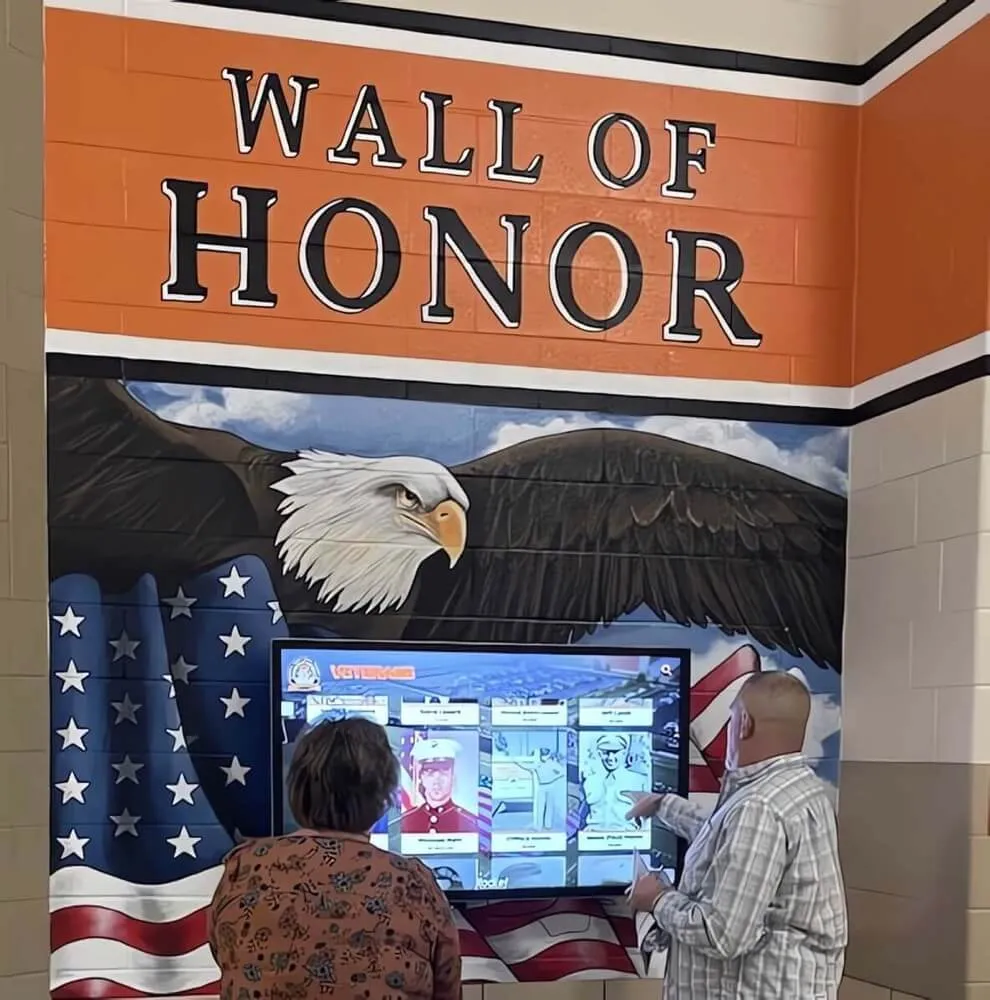
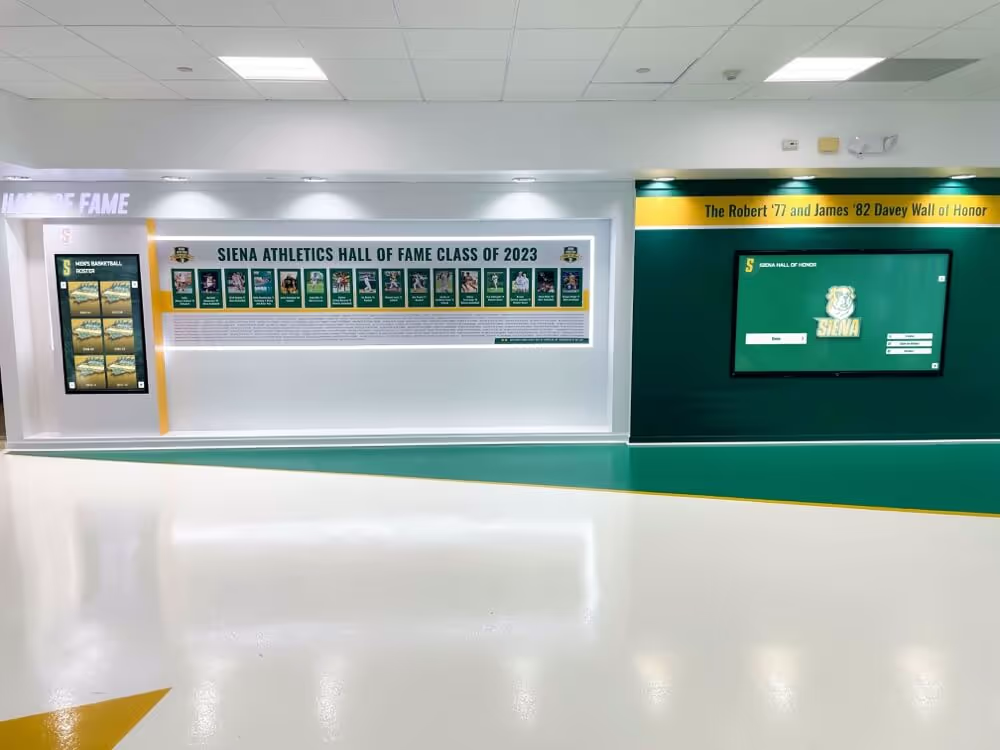

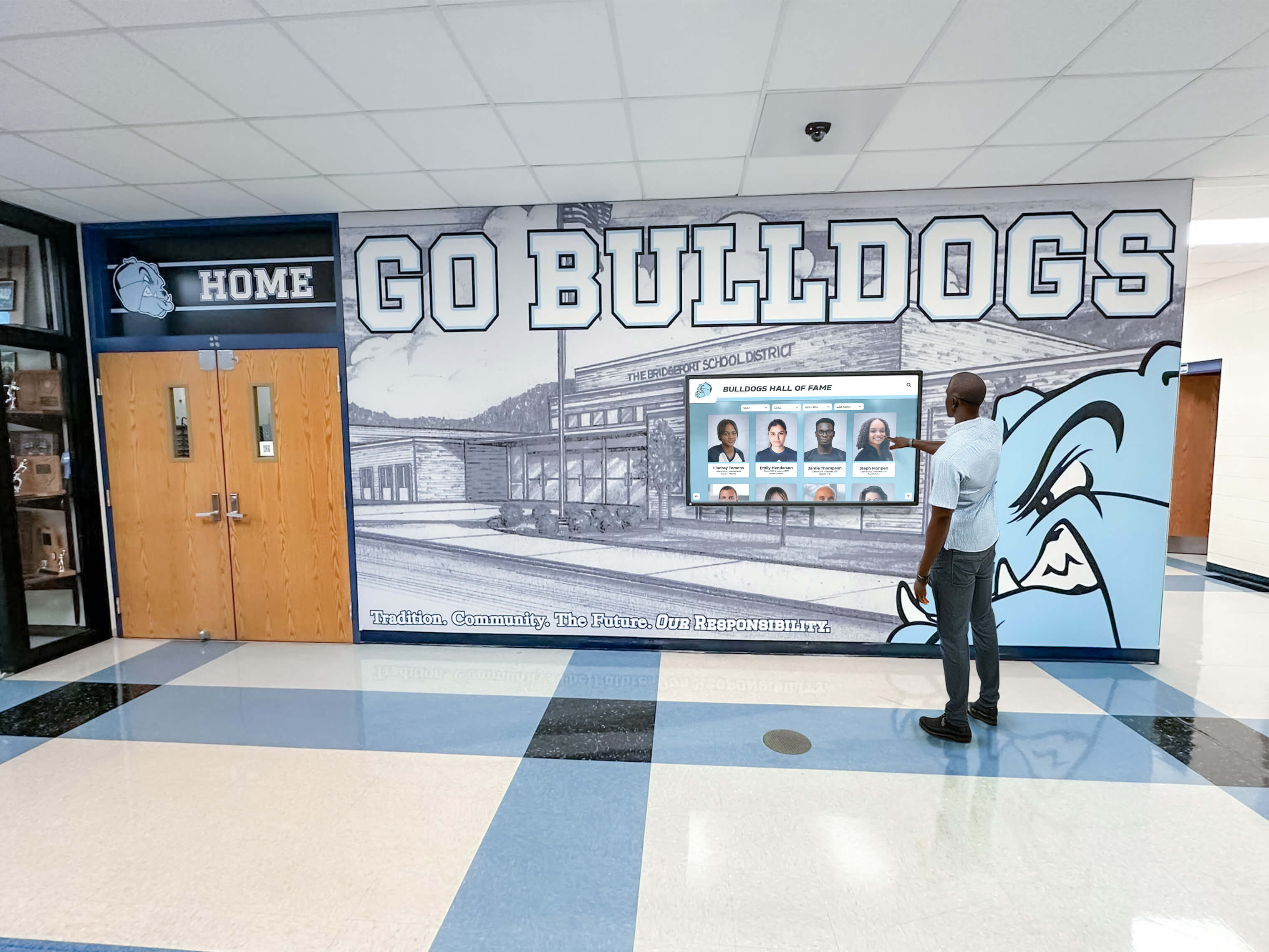
- Permanent touchscreen recognition displays for halls of fame and honor walls
- Digital archives linking event photos to alumni records
- Donor recognition integration for fundraising events
- Unified content management across temporary and permanent displays
Suitable for: K-12 schools, colleges, universities, alumni associations, clubs requiring both event and permanent recognition solutions

Core Software Features and Capabilities
Modern photo booth platforms offer extensive functionality beyond basic photo capture:
Image and Video Capture:
- Still photography (100% of platforms)
- Video recording with customizable duration (68% of platforms)
- Boomerang/GIF creation (73% of platforms)
- 360-degree video capture (29% of platforms)
- Sequential photo strips (mimicking traditional photo booths) (84% of platforms)
Real-Time Enhancements and Effects:
- Green screen background replacement (61% of platforms)
- AR filters and digital props (34% of platforms)
- Beauty and lighting adjustment (41% of platforms)
- Branded frames and overlays (97% of platforms)
- Custom stickers and text additions (88% of platforms)
Sharing and Distribution:
- Email delivery (94% of platforms)
- SMS/MMS text delivery (78% of platforms)
- Direct social media posting (Instagram 82%, Facebook 67%, TikTok 49%)
- QR code downloads (71% of platforms)
- Air Drop to nearby devices (43% of platforms)
- Cloud galleries with sharing links (85% of platforms)
Data Collection and Analytics:
- Custom data capture forms (76% of platforms)
- Real-time usage dashboards (68% of platforms)
- Social media reach tracking (54% of platforms)
- Email marketing list building (81% of platforms)
- CRM integration capabilities (47% of platforms)
- Detailed reporting and exports (72% of platforms)
Hardware Integration:
- DSLR camera support (84% of platforms)
- Webcam support (93% of platforms)
- Dye-sublimation printer integration (76% of platforms)
- Touchscreen interface optimization (89% of platforms)
- External lighting control (53% of platforms)
- Payment processing for paid photo booth operations (38% of platforms)
Survey respondents rate these features by importance for their specific applications, with branding customization (rated 9.2/10 importance), social sharing capabilities (8.7/10), and ease of operation (9.4/10) scoring highest across all market segments.
Hardware Requirements and Configurations
Photo booth and interactive kiosk software operates on various hardware configurations:
Minimum Viable Setup (Investment: $1,200-$3,000):
- Windows or Mac computer (desktop or laptop)
- Webcam or basic DSLR camera
- Touchscreen monitor or tablet
- Basic lighting
- Internet connection for cloud features
Suitable for: Small events, testing concepts, organizations with existing computer hardware
Professional Portable Setup (Investment: $4,000-$8,000):
- Commercial-grade computer with photo booth software
- Professional DSLR camera with quality lens
- Large touchscreen display (32"-43")
- Professional ring light or softbox lighting
- Dye-sublimation printer for instant prints
- Portable enclosure or backdrop stand
- Wireless router for dedicated network
Suitable for: Event rental businesses, corporate event teams, wedding photographers
Premium Integrated Kiosk (Investment: $8,000-$18,000):
- All-in-one integrated kiosk housing
- Commercial-grade touchscreen display (43"-55")
- Integrated professional camera and lighting
- Built-in printer with paper and media storage
- Ruggedized construction for frequent transport
- Professional branding and custom enclosure options
- Redundant systems for reliability
Suitable for: High-volume rental operations, corporate brand activations, experiential marketing agencies
Permanent Installation System (Investment: $10,000-$35,000):
- Commercial-grade ultra-durable touchscreen (55"-75")
- Industrial computer with extended warranty
- Professional cameras with vandal-resistant mounting
- Enterprise networking and remote management
- Professional installation and integration
- Ongoing maintenance and support contracts
- Weather-resistant options for outdoor installations
Suitable for: Museums, venues, retail brand centers, institutional recognition installations
Hardware investment represents 60-75% of total system costs, with software subscriptions or licenses comprising 15-25% and ongoing operational costs (printing supplies, maintenance, connectivity) representing 10-20% of total cost of ownership.
Deployment Models and Implementation Approaches
Temporary Event Activation Strategies
Organizations deploy photo booth software for discrete events using various operational models:
Self-Operated Internal Deployments: Organizations owning their own equipment and managing setup (32% of events):
Advantages:
- Lower per-event costs after initial investment
- Complete control over scheduling and customization
- Data remains within organization
- Flexibility for last-minute changes
Challenges:
- Requires equipment purchase and storage
- Staff training and operational expertise needed
- Transportation and setup logistics
- Technical troubleshooting responsibility
Organizations using self-operated models report mean equipment costs of $6,400 initially and $840 annually for maintenance, software subscriptions, and supplies. Cost per event averages $180 (primarily consumables and staff time) after recovering initial investment.
Professional Rental Services: Hiring specialized photo booth companies for event-specific deployments (54% of events):
Advantages:
- No equipment investment or storage requirements
- Professional operation and technical support included
- High-quality equipment and current technology
- Turnkey setup and removal
- Backup equipment availability
Typical pricing:
- 2-4 hour events: $600-$1,200
- Full-day events: $1,200-$2,400
- Multi-day conferences: $2,000-$5,000
- Premium features (360-degree, AR, custom development): +30-80%
Rental services provide most economical approach for organizations hosting fewer than 6-8 events annually, based on comparative total cost analysis.
Hybrid Ownership/Outsourced Operation: Organizations owning equipment but contracting professional operators (14% of events):
This model splits initial equipment investment with ongoing operational expertise, optimizing for organizations with sufficient event frequency to justify equipment ownership but lacking internal technical expertise for consistent operation.
Permanent Installation Approaches
Permanent interactive kiosk installations differ substantially from temporary event deployments:
Public Space Installations: Museums, venues, visitor centers, and public facilities deploying permanent interactive kiosks (12% of overall deployments):
Key considerations:
- Commercial-grade hardware rated for 16-24 hour daily operation
- Vandal-resistant construction and secure mounting
- Remote monitoring and content management systems
- Professional installation meeting ADA accessibility requirements
- Ongoing maintenance contracts ensuring uptime
- Content refresh strategies maintaining engagement over time
Organizations report mean installation costs of $18,700 per kiosk location for hardware, software, professional installation, and initial content development. Annual operating costs average $3,400 per location including software subscriptions, maintenance, connectivity, and content updates.
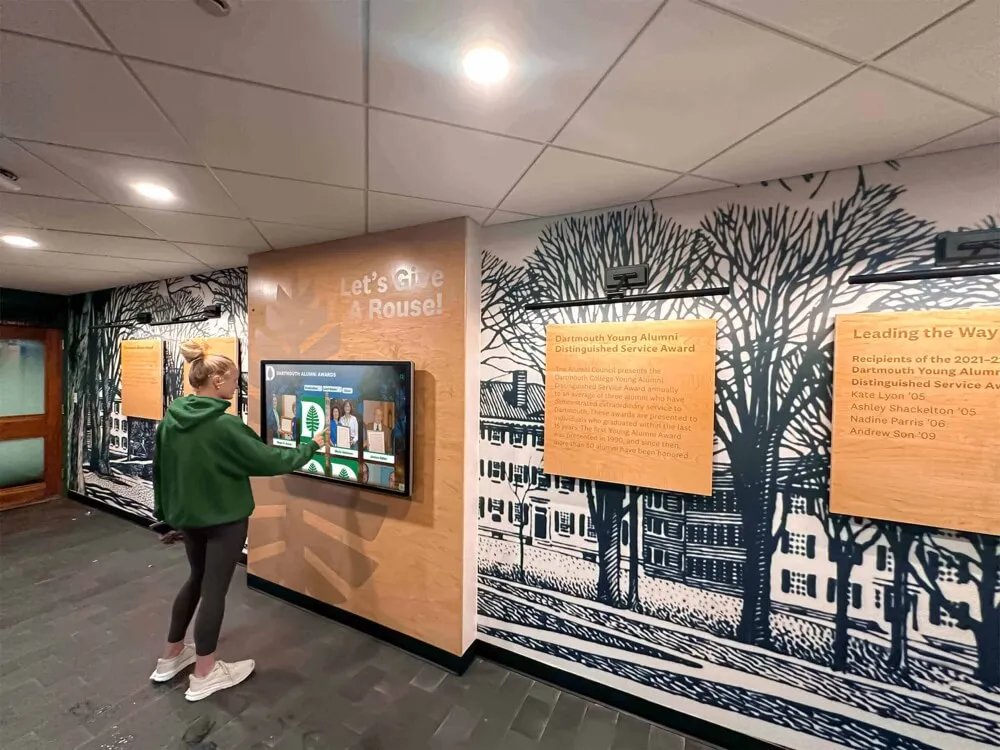
Educational Institution Recognition Systems: Schools, universities, and organizations deploying interactive touchscreen displays for dual purposes—permanent recognition displays and temporary event photo booth functionality (8% of overall market):
This integrated approach allows institutions to leverage a single platform and hardware investment serving multiple functions:
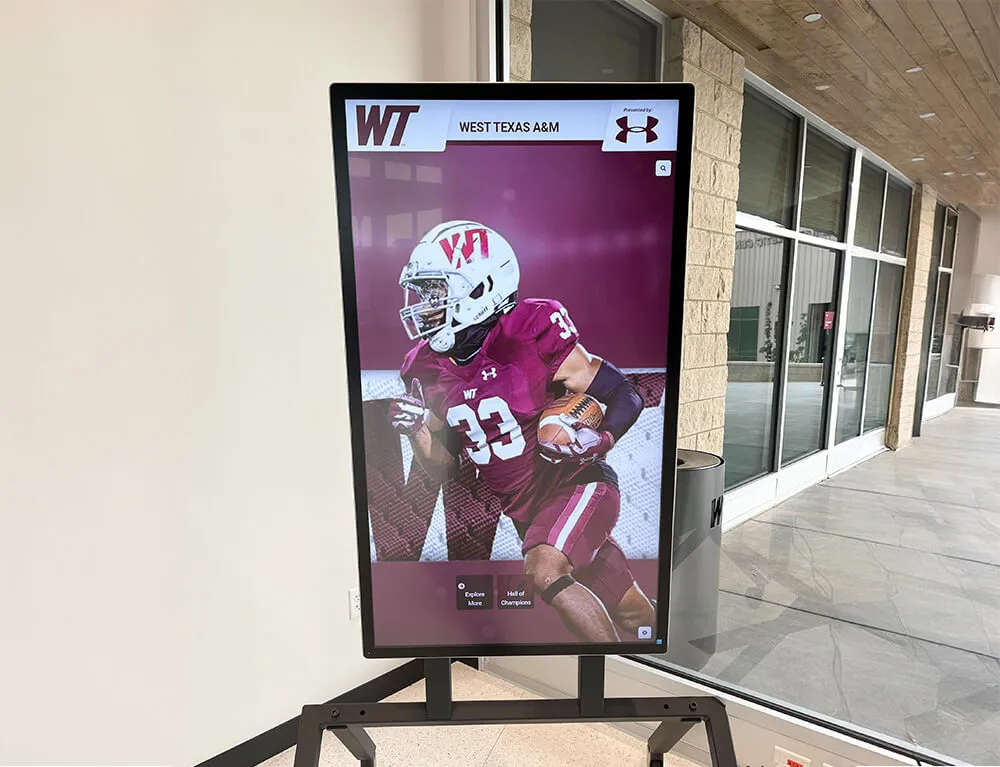
Permanent Display Mode: Showcasing hall of fame honorees, athletic records, alumni achievements, donor recognition, and historical archives with interactive touchscreen software optimized for browsing and discovery
Event Activation Mode: Converting the same display into photo booth functionality for reunions, fundraising galas, homecoming events, and school dances, capturing event photos that integrate into the institution’s digital archives
Educational institutions report that integrated approaches deliver 40% lower total cost of ownership compared to separate photo booth rental and recognition display systems, while providing superior continuity between temporary events and permanent campus presence.
Solutions like Rocket Alumni Solutions address this specific need by combining photo booth capabilities with comprehensive digital recognition and archival platforms designed specifically for educational contexts.
Corporate Brand Experience Centers: Retail flagship stores, corporate headquarters, and experiential marketing installations utilizing interactive kiosks for brand storytelling and customer engagement:
These deployments emphasize sophisticated custom content, high-end hardware presentation, and seamless integration with broader brand experience design. Organizations invest mean $24,000-$65,000 per installation including custom development, premium hardware, environmental design integration, and professional media production.
Engagement Metrics and ROI Analysis
Quantitative Performance Data
Organizations track various metrics to evaluate photo booth and interactive kiosk effectiveness:
Participation Rates: Survey data reveals usage patterns across event types:
- Corporate trade shows: Mean 340 booth uses per event day, representing approximately 18-24% of total event attendance
- Weddings and social events: Mean 487 uses per event, with 76% of attendees participating
- School events: Mean 290 uses per 4-hour event period
- Fundraising galas: Mean 180 uses per event with higher conversion to donations
Participation rates correlate strongly with physical booth placement (high-traffic locations show 2.3x higher usage), staffing approach (attended booths generate 1.8x higher participation than unattended), and incentive structures (prize drawings or donation matching increase participation 42%).
Social Media Reach: Photo booths generate substantial social visibility:
- Mean 847 social media impressions per event from booth-generated content
- 73% of participants share photos when prompted by booth software
- Instagram Stories represent 52% of shares, Instagram Feed posts 31%, Facebook 28%, TikTok 14%
- Event-specific hashtags achieve mean 2,340 uses per multi-day conference
- Branded photo content generates 2.8x higher engagement rates than standard event posts
Social media value calculations vary, but organizations estimate mean $0.40-$1.20 marketing value per impression, suggesting typical photo booth activation generates $340-$1,020 in social media exposure value per event.
Data Capture Effectiveness: Contact information collection rates by application:
- Corporate lead generation: 64% of booth users provide email addresses
- Fundraising donor prospect identification: 47% of participants provide contact information
- Wedding and social events: 89% participate in digital guestbook when prompted
- Educational institution alumni database building: 71% of reunion attendees update contact information
Email addresses captured through photo booth interactions show higher quality than some other collection methods, with mean 8.2% invalid/bounce rates compared to 15-18% for business card scans or manual entry forms.
Return on Investment Calculations
Organizations evaluate photo booth ROI through multiple value dimensions:
Event Rental Business Models: Professional photo booth rental companies report strong unit economics:
According to industry sources, photo booths generate $600-$1,000 revenue per event rental. With equipment investments of $6,000-$12,000 for professional setups, rental businesses report recovering initial investment after 5-8 events. Companies operating multiple photo booth units report mean annual revenue of $47,000 per booth unit after establishing operations.
Corporate Marketing Value: Organizations deploying photo booths for brand activation and lead generation calculate ROI based on:
- Social media impression value: Mean $340-$1,020 per event (at $0.40-$1.20 per impression)
- Lead capture value: 64% contact capture rate × mean 340 event participants = 218 leads per event × $15-$35 estimated lead value = $3,270-$7,630 per event
- Brand experience value: Difficult to quantify precisely but organizations rate experiential engagement 8.7/10 for brand awareness impact
- Total estimated marketing value: $3,600-$8,800 per event activation
Compared to photo booth rental costs of $600-$2,400 per event, corporate marketers report favorable ROI, with equipment ownership justified when hosting 6+ events annually.
Educational Institution Applications: Schools and universities evaluate value across multiple dimensions:
Fundraising event revenue impact:
- Gala photo booth activations correlate with 23% higher per-attendee donations (comparison of events with and without photo booths)
- Direct photo booth donation stations (where photo sessions require charitable contributions) generate mean $1,840 per event
- Alumni reunion photo booth stations increase future giving participation by 17% among attendees (tracked 12 months post-event)
School spirit and engagement benefits:
- Student satisfaction with school events increases from 6.8/10 to 8.3/10 when photo booths included
- Social media visibility during recruitment periods enhanced by student-generated content
- Parent and community engagement at school events measurably improved
Educational institutions deploying integrated recognition and engagement platforms that combine event photo booth functionality with permanent displays report particularly strong value proposition, serving both temporary event needs and year-round campus recognition with unified platform investment.
Software Selection Decision Framework
Evaluation Criteria and Priorities
Organizations should assess photo booth software against criteria aligned with specific needs:
Primary Use Case Assessment: Different applications prioritize different features:
- Corporate lead generation: Data collection forms, CRM integration, analytics dashboards, professional branding customization
- Wedding and social events: Instant printing quality, entertainment value features, easy guest operation, custom template design
- School fundraisers and events: Age-appropriate interfaces, photo sales capabilities, integration with broader school recognition systems, budget-friendly pricing
- Permanent public installations: Enterprise reliability, remote management, content management systems, commercial-grade hardware support
Organizations should prioritize feature sets matching their primary 80% use case rather than attempting to optimize for all possible scenarios.
Technical Capacity Evaluation:
- In-house technical expertise for setup, troubleshooting, and operation
- Existing hardware that might be leveraged vs. need for complete system purchase
- Network connectivity at typical deployment venues
- Storage and transportation capabilities for equipment
- Staff availability for event setup and monitoring
Organizations with limited technical capacity should favor turnkey solutions, managed services, or rental approaches over complex platforms requiring substantial expertise.
Budget and Financial Model:
- Available capital for equipment investment vs. operating budget for rentals
- Event frequency justifying ownership (typically 6-8+ events annually)
- Ongoing subscription costs vs. perpetual licensing preferences
- Per-event consumable costs (printing supplies) based on expected usage
- Multi-year total cost of ownership across different ownership models
Comprehensive TCO analysis comparing ownership, rental, and hybrid approaches across expected usage patterns reveals optimal financial model for each organization’s specific situation.
Scalability and Future Needs:
- Growth projections for event frequency and scale
- Potential evolution to permanent installations beyond temporary events
- Multi-location deployment requirements
- Integration with other systems (CRM, marketing automation, digital signage networks)
- Platform vendor viability and long-term product roadmap
Organizations should evaluate not only current needs but 2-3 year growth trajectories to avoid premature platform limitations requiring costly migrations.
Leading Platform Comparison
While comprehensive vendor comparison exceeds this report’s scope, major platform categories demonstrate distinct strengths:
Consumer Platforms (Free - $300): Photo Booth Software, Sparkbooth, Breeze Dslr Remote
- Strength: Low cost entry point for testing photo booth concepts
- Limitation: Minimal support, limited features, not suitable for professional/commercial applications
Professional Event Platforms ($50-$150/month): dslrBooth, Simple Booth, Darkroom Booth
- Strength: Comprehensive features for event rental businesses, extensive customization, strong printer support
- Limitation: Focused on temporary events, limited permanent installation support, requires technical expertise
Enterprise Interactive Kiosk Platforms ($200-$800/month): Photo Booth Solutions, MetroClick, Popshap
- Strength: Advanced capabilities including AR, 360-degree video, extensive integrations, white-label options
- Limitation: Higher cost, complexity may exceed needs of many organizations, often requires dedicated technical management
Integrated Educational Recognition Platforms ($3,600-$18,000/year institutional pricing): Rocket Alumni Solutions, specialized school systems
- Strength: Purpose-built for educational contexts, combines event photo booth with permanent recognition displays, comprehensive support
- Limitation: Specialized for educational market, may not serve general event rental business needs
Organizations should evaluate platforms against specific requirements rather than assuming higher-priced or feature-rich solutions necessarily provide better fit for their particular context.
Implementation Best Practices
Successful Deployment Strategies
Analysis of successful photo booth and interactive kiosk implementations reveals consistent patterns:
Strategic Physical Placement: Survey data comparing booth locations shows dramatic impact on participation rates:
- High-traffic mandatory passage points (registration areas, venue entrances/exits): 2.3x higher usage
- Social gathering zones (near refreshments, lounges, networking areas): 1.8x higher usage
- Entertainment/activity clusters (near other attractions): 1.5x higher usage
- Isolated locations away from traffic flow: Baseline usage
Optimal placement balances high visibility and accessibility with sufficient space to accommodate queuing without blocking circulation. Organizations report that moving poorly-placed booths mid-event increases usage 40-70%.
Staffing and Facilitation Approaches: Attended vs. unattended booth operation affects outcomes:
- Staffed booths (attendant helping users and encouraging participation): 1.8x higher usage, 2.1x higher social sharing
- Unattended self-service booths: Lower usage but zero staffing cost, suitable for budget-constrained applications
- Partial staffing (attendant during peak periods only): 1.4x higher usage with reduced labor cost
Staff training emphasizing friendly encouragement, troubleshooting, and social sharing prompts substantially improves outcomes compared to purely technical operation support.
Incentive and Promotion Strategies: Organizations using various approaches to drive participation report varying effectiveness:
- Prize drawings tied to booth usage: 42% increase in participation
- Donation matching (e.g., “sponsor contributes $5 per photo”): 38% increase for fundraisers
- Social media contests (best photo wins prize): 56% increase in social sharing
- Instant photo prints as booth incentive: 31% increase in participation
- No incentives beyond experience itself: Baseline participation
Multiple incentive strategies combined (e.g., prize drawing + instant prints) show 67% participation increase over no-incentive baseline.
Technical Reliability and Backup Planning: Equipment failure represents primary risk for photo booth activations:
- 12% of events experience some technical difficulty affecting booth operation
- Organizations with backup equipment on-site resolve issues in mean 8 minutes vs. 47 minutes without backup
- Most common failures: Printer jams (38% of incidents), camera connection issues (24%), software crashes (18%), network connectivity (20%)
Professional event rental companies maintain 3:2 equipment ratios (3 booth units owned for every 2 simultaneously deployed), ensuring backup availability and rotation for maintenance. Organizations with single booth systems should maintain critical spare components (backup camera, spare printer, backup computer) for essential events.
Content and Experience Design
Photo booth engagement depends heavily on experience design beyond pure technology:
Visual Design and Branding: Custom-designed photo templates and branded interfaces substantially affect perceived professionalism and social sharing likelihood:
- Professional graphic design (custom templates, brand integration): Social sharing rate 73%, perceived quality rating 8.4/10
- Software template customization (built-in tools, simple text overlay): Social sharing rate 64%, perceived quality rating 7.1/10
- Generic unbranded experience: Social sharing rate 51%, perceived quality rating 5.8/10
Investment in professional graphic design (typical cost $200-$600 per event template set) delivers measurable improvement in key engagement metrics justifying expense for important activations.
User Interface and Experience Flow: Intuitive operation increases participation and reduces staff burden:
- Clear visual instructions with iconography: 89% of users operate successfully without assistance
- Text-heavy instructions: 67% successful unassisted operation
- Minimal instruction assuming intuitive operation: 54% successful unassisted operation
User testing with representative audiences during platform setup identifies friction points enabling refinement before events.
Physical Booth Design and Environment: The physical booth environment affects attraction and usage:
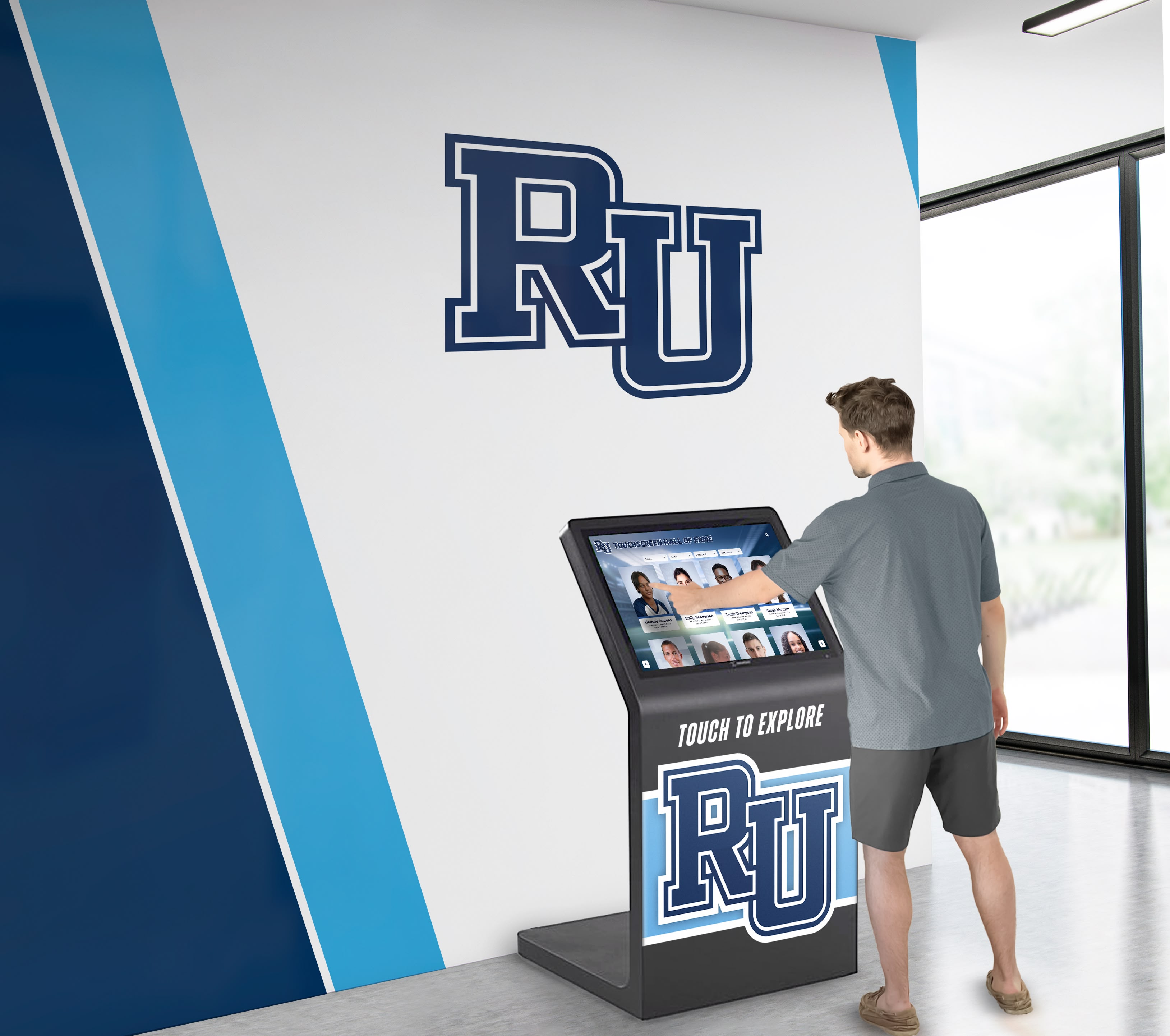
- Custom-branded enclosures with professional presentation: 2.1x higher attraction rate
- Backdrop stands with professional backdrop materials: 1.6x higher attraction rate
- Open-space placement without defined booth area: Baseline attraction rate
Lighting quality particularly impacts photo satisfaction, with professional ring lights or softbox lighting generating 8.7/10 satisfaction vs. 6.2/10 for ambient venue lighting only.
Challenges and Considerations
Common Implementation Obstacles
Organizations identify consistent challenges in photo booth and interactive kiosk deployment:
Technical Complexity and Reliability (cited by 64% of organizations):
- Learning curves for software setup and customization
- Hardware compatibility issues across camera, computer, printer, and display components
- Network connectivity challenges at diverse venue environments
- Equipment reliability concerns for critical events
- Software bugs or crashes affecting event operations
Organizations report that partnering with experienced vendors or rental companies mitigates technical risk, with professional services delivering 97% uptime vs. 88% for self-operated systems without prior experience.
Cost and Budget Constraints (cited by 58% of organizations):
- Significant equipment investment required for ownership model
- Recurring software subscription costs for cloud platforms
- Consumable costs (photo paper, ink, printer ribbons) for print-enabled booths
- Transportation and storage costs for portable systems
- Staff or contractor costs for event operation
Budget challenges particularly affect nonprofit organizations and schools, where mean photo booth budgets of $740 per event limit capability. Integrated platforms serving both temporary event needs and permanent installations provide better cost-effectiveness for educational institutions compared to event-specific solutions.
Staffing and Operational Expertise (cited by 52% of organizations):
- Finding technically capable staff for event operation
- Training requirements for consistent quality operation
- Troubleshooting capabilities when technical issues arise
- Setup and teardown logistics and timing
- Backup staff availability for multi-location or multi-day events
Organizations with seasonal or occasional events struggle most with staffing, as maintaining specialized expertise for infrequent deployments proves challenging. Many opt for professional rental services avoiding staffing complexity.
Data Privacy and Consent (cited by 43% of organizations):
- Obtaining appropriate permissions for capturing and sharing photos
- Compliance with privacy regulations (GDPR, CCPA, COPPA for minors)
- Managing photo rights for commercial use in marketing
- Data security for collected contact information
- Concerns about unauthorized or inappropriate content
Organizations implementing photo booths at school events face particular scrutiny regarding minor photography permissions, student privacy, and appropriate content moderation. Clear policies, permission forms, and content review processes address these concerns while enabling photo booth benefits.
Market and Technology Risk Factors
Rapid Technology Evolution: Photo booth software and hardware capabilities evolve quickly, with 360-degree video, AR features, and AI enhancements emerging within the past 2-3 years. Organizations making equipment investments risk technology obsolescence within 3-5 year lifespans.
Mitigation approaches include:
- Software-as-a-service platforms providing automatic feature updates
- Modular hardware approaches enabling component upgrades
- Focusing on proven core capabilities rather than bleeding-edge features
- Shorter depreciation periods reflecting realistic useful life
Platform Vendor Viability: The photo booth software market includes numerous small vendors, raising concerns about long-term support and platform continuity. Organizations selecting platforms should evaluate:
- Vendor track record and years in market
- Customer base size and market position
- Financial stability and funding
- Product roadmap and development activity
- Migration options if vendor discontinues product
Organizations should avoid complete dependence on single-vendor proprietary ecosystems when possible, favoring platforms supporting standard hardware components and offering data portability.
Market Saturation and Novelty Decay: As photo booths become ubiquitous at events, novelty factor diminishes potentially reducing participation and social sharing:
- Events in 2018: Photo booths generated mean 1,420 social impressions per event
- Events in 2022: Mean 980 social impressions per event
- Events in 2025-2026: Mean 847 social impressions per event
This declining trend suggests that photo booths alone may provide less differentiation over time. Organizations should view photo booth technology as baseline event feature rather than primary attraction, and explore emerging capabilities (360-degree video, AR experiences, advanced interactive displays) maintaining engagement as traditional photo booths become expected rather than novel.
Future Trends and Emerging Directions
Technology Evolution Trajectory
Industry experts and market research identify several emerging trends shaping photo booth and interactive kiosk evolution:
Artificial Intelligence Integration: AI capabilities expanding across multiple functions:
- Automated image enhancement (background removal, lighting correction, beautification) processing photos in real-time without manual editing
- Facial recognition enabling personalized experiences (retrieving previous photos, custom recommendations, targeted messaging)
- Intelligent content moderation flagging inappropriate images before sharing
- Natural language voice interfaces enabling hands-free operation
- Predictive analytics optimizing booth placement, staffing, and operational decisions
Current AI adoption (41% of platforms include some AI features) projects to exceed 70% by 2027 as capabilities mature and become standard features rather than premium offerings.
Extended Reality Experiences: Augmented and virtual reality moving beyond novelty to mainstream applications:
- AR filters and effects becoming standard expectations (current 34% adoption trending toward 65% by 2027)
- Full virtual reality photo booth experiences transporting users to impossible environments
- Mixed reality combining physical booth environment with digital elements for hybrid experiences
- Holographic displays creating three-dimensional viewing experiences
Extended reality particularly appeals to younger demographics (18-34 age group shows 2.3x higher engagement with AR-enabled booths compared to traditional photo booths) and brand activations seeking differentiation.
Advanced Biometric and Gesture Interfaces: Touchless interaction methods reducing physical contact and improving accessibility:
- Gesture control enabling air-gesture photo capture and navigation
- Voice commands for hands-free operation
- Facial expression detection triggering automatic photo capture
- Eye-tracking for interface navigation and accessibility
Touchless interfaces address both post-pandemic hygiene awareness and accessibility requirements for users with physical limitations, while also creating novel interaction paradigms.
Blockchain and NFT Integration: Emerging applications in digital ownership and collectibility:
- Minting event photos as NFTs creating digital collectibles
- Blockchain verification of photo authenticity and provenance
- Cryptocurrency payment options for photo booth services
- Smart contracts enabling photo usage rights and licensing
While currently niche (fewer than 2% of deployments include blockchain features), growth in digital ownership concepts may expand photo booth applications beyond traditional physical and social media sharing.
Market Evolution and Consolidation
The photo booth software market shows signs of maturation and consolidation:
Platform Consolidation: Market currently includes 100+ photo booth software providers, with high fragmentation. Industry observers predict consolidation toward 10-15 major platforms as market matures, with smaller providers acquired by larger technology companies or exiting the market.
Organizations should favor established platforms with demonstrated longevity and market position over newer entrants lacking track record, unless newer platforms offer substantial differentiation justifying higher risk.
Integration with Broader Event Technology Ecosystems: Standalone photo booth software increasingly integrating with comprehensive event management platforms:
- Event registration and ticketing systems
- Mobile event apps
- Digital signage and display networks
- Marketing automation and CRM platforms
- Social media management tools
Integrated ecosystems reduce operational complexity and improve data flow, but also increase vendor lock-in and migration complexity. Organizations should evaluate integration capabilities alongside standalone functionality.
Permanent Installation Growth: While temporary event deployments remain largest market segment, permanent interactive kiosk installations show stronger growth rates (12.7% CAGR for permanent installations vs. 9.8% for temporary event applications).
Organizations should consider platforms supporting both temporary event and permanent installation use cases, particularly educational institutions where integrated recognition displays serve dual purposes across temporary events and permanent campus presence.
What This Means for Organizations
Actionable Insights for Decision-Makers
This benchmark data reveals several critical implications for organizations evaluating photo booth and interactive kiosk technology:
Strategic Value Beyond Entertainment: Photo booths deliver measurable business value through social media exposure ($340-$1,020 estimated value per event), data collection (64% contact capture rate for corporate applications), and enhanced event experiences (increasing satisfaction ratings from 6.8/10 to 8.3/10). Organizations should evaluate photo booth investments as strategic marketing and engagement tools rather than pure entertainment expenses.
Ownership vs. Rental Economics Favor Different Scenarios: Equipment ownership becomes economically favorable when hosting 6-8+ events annually, while professional rental services provide better value for occasional deployments. Organizations should calculate total cost of ownership across expected usage patterns rather than assuming ownership always provides savings.
Integrated Solutions Deliver Superior Value for Educational Institutions: Schools and universities benefit substantially from platforms combining photo booth functionality with permanent recognition displays, eliminating redundant system costs while ensuring continuity between temporary event activation and year-round campus recognition. Purpose-built educational platforms deliver 40% lower total cost of ownership compared to separate event and permanent display systems.
Technology Capabilities Advancing Rapidly: Organizations making equipment investments should favor modular approaches, SaaS platforms with automatic updates, and proven technology rather than bleeding-edge features to manage obsolescence risk across 3-5 year useful life.
Success Depends on Execution Beyond Technology: Strategic placement, staffing approaches, incentive structures, and experience design affect outcomes as significantly as technology selection. Organizations should invest attention in operational planning and experience design alongside platform evaluation.
Implementation Recommendations by Organization Type
Event Rental Businesses and Professional Event Planners:
- Invest in professional-grade equipment ($6,000-$12,000 per booth unit) targeting recovery across 5-8 events
- Prioritize reliable platforms with comprehensive printer support, DSLR integration, and extensive customization
- Maintain 3:2 equipment ratios (3 units owned per 2 simultaneously deployed) ensuring backup availability
- Develop standardized operating procedures and staff training programs ensuring consistent quality
- Consider premium features (360-degree video, AR capabilities) for differentiation in competitive markets
Corporate Marketing Teams:
- Evaluate ownership vs. rental economics based on annual event frequency
- Prioritize platforms with robust data collection, CRM integration, and analytics dashboards for lead generation
- Emphasize professional branding customization and custom template development
- Calculate ROI through combined social media value, lead generation value, and brand experience impact
- Consider integrated platforms combining photo booth with broader experiential marketing displays for comprehensive event activation
Educational Institutions (K-12 Schools, Colleges, Universities):
- Evaluate integrated platforms serving both temporary event needs (reunions, fundraisers, dances) and permanent campus recognition displays rather than separate systems
- Prioritize age-appropriate interfaces, photo consent management, and budget-friendly institutional pricing
- Calculate value across fundraising revenue impact, alumni engagement metrics, and student satisfaction rather than purely technical capabilities
- Consider platforms like Rocket Alumni Solutions specifically designed for educational contexts, combining event photo booth functionality with comprehensive digital hall of fame and recognition systems
- Leverage photo booth activations during high-visibility events (homecoming, reunions, galas) for advancement and engagement objectives
Venue Operators and Permanent Installation Hosts:
- Invest in commercial-grade hardware rated for continuous operation (16-24 hours daily)
- Prioritize enterprise platforms with remote management, content management systems, and robust analytics
- Plan for ongoing content refresh maintaining engagement over multi-year installation lifespan
- Consider interactive experiences beyond pure photo capture (wayfinding, information access, recognition displays, brand storytelling)
- Establish maintenance contracts ensuring uptime and rapid response to technical issues
Requesting Additional Research and Consultation
This report summarizes key findings from comprehensive research on photo booth software, interactive kiosk technology, and engagement systems for events and public installations. Organizations seeking deeper analysis for specific contexts, vendor evaluation frameworks, or implementation consultation can request a research briefing from the Hall of Fame Wall research team.
Institutions evaluating interactive engagement technology options, planning implementation approaches, or exploring integrated solutions combining temporary event activation with permanent installation needs will find comprehensive consultation provides actionable frameworks for strategic decision-making.
For educational institutions specifically, Rocket Alumni Solutions provides integrated platforms designed for the unique requirements of schools, colleges, and universities—combining photo booth functionality for events with comprehensive digital recognition displays, archival systems, and engagement platforms serving year-round institutional needs.
Conclusion: Strategic Photo Booth and Interactive Kiosk Deployment
The data presented in this benchmark report reveals a rapidly growing market for photo booth software and interactive kiosk solutions, with the interactive kiosk market projected to reach $35.65 billion by 2030 representing substantial opportunity and evolving technology landscape. Current deployment patterns demonstrate that photo booths and interactive kiosks deliver measurable value beyond entertainment, generating quantifiable returns through social media exposure, data collection, enhanced event experiences, and strengthened engagement.
However, successful implementations require thoughtful approaches matching technology capabilities to specific organizational needs, operational contexts, and budget realities. The evidence clearly indicates that platform selection should prioritize functional fit and operational suitability over feature checklists or price alone, with different solutions optimized for distinct applications from professional event rental businesses to corporate marketing activations to educational institution recognition systems.
Organizations achieving strongest outcomes from photo booth and interactive kiosk technology share common characteristics: they establish clear objectives and success metrics before technology selection, they invest in experience design and operational planning alongside platform evaluation, they choose solutions aligned with their technical capacity and support resources, and they evaluate total cost of ownership across expected usage patterns rather than focusing narrowly on initial acquisition costs.
For temporary event applications, the economic decision between equipment ownership and professional rental services depends primarily on event frequency, with ownership favored for organizations hosting 6-8+ events annually and rental services providing better value for occasional deployments. For permanent installations, commercial-grade hardware, enterprise software platforms, and ongoing maintenance contracts ensure reliable operation across multi-year lifespans.
Educational institutions represent a unique market segment where integrated platforms combining temporary event photo booth functionality with permanent campus recognition displays deliver substantial value that specialized event-only or display-only solutions cannot match. By serving both discrete events and year-round campus presence through unified systems, schools and universities achieve both cost efficiency and functional continuity supporting advancement, engagement, and recognition objectives simultaneously.
As photo booth and interactive kiosk technology continues evolving—with AI integration, touchless interfaces, augmented reality capabilities, and advanced analytics becoming standard features—organizations should favor platforms and approaches supporting future enhancement without requiring complete system replacement. Software-as-a-service models with automatic updates, modular hardware approaches enabling component upgrades, and established platform vendors with demonstrated commitment to ongoing development provide the strongest foundation for multi-year deployments.
The benchmark data, market projections, and implementation patterns documented throughout this research provide context for organizations evaluating photo booth and interactive kiosk solutions, setting realistic expectations, allocating appropriate resources, and selecting approaches aligned with specific objectives and operational capabilities. Whether deploying temporary event activations or permanent interactive installations, organizations of all types can leverage these technologies effectively to create memorable experiences, capture valuable data, generate social media visibility, and strengthen engagement with target audiences.
See the platform behind the data: Rocket Alumni Solutions provides integrated photo booth and recognition solutions designed specifically for educational institutions, combining event engagement capabilities with permanent campus displays serving year-round institutional needs.
For schools, colleges, and universities seeking comprehensive platforms that address both temporary event requirements and permanent recognition display needs through unified systems, Rocket Alumni Solutions delivers purpose-built implementations that incorporate the best practices and address the unique requirements documented throughout this research.
Frequently Asked Questions
What is the projected growth rate for the interactive kiosk and photo booth software market?
Should organizations purchase photo booth equipment or rent from professional services?
What return on investment can organizations expect from photo booth deployments?
What are the most important features to evaluate when selecting photo booth software?
How much do photo booth software platforms typically cost?
What emerging technologies are shaping the future of photo booth and interactive kiosk solutions?
How do educational institutions best leverage photo booth technology?
Sources
- Interactive Kiosk Market worth $35.65 billion by 2030 - MarketsandMarkets
- Interactive Kiosk Statistics and Facts (2026)
- Interactive kiosk Market Trends, Report Size, and Share by 2035 - Market Research Future
- Top 8 Photo Booth Trends for Events in 2026 - Foto ATM
- Photo Booth Software for Windows - Photo Booth Solutions
- Interactive Photo Booth Solutions - MetroClick