



The gymnasium erupts with deafening cheers as students flood the bleachers, sporting face paint in school colors and waving homemade signs. The drumline pounds out an infectious rhythm while the dance team takes center stage. Cheerleaders launch into coordinated routines that send waves of energy rippling through the crowd. Then the moment everyone’s been waiting for—athletes from the varsity football team burst through a paper banner to thunderous applause, their season achievements projected on massive screens for all to see.
This is what exceptional pep rallies look like. They’re not perfunctory assemblies where administrators drone through announcements while students check their phones. They’re electrifying celebrations where school pride becomes palpable, athletic achievement receives proper recognition, and the entire community comes together in shared enthusiasm.
Yet many schools struggle to create pep rallies that genuinely excite students. Traditional formats have grown stale—the same predictable speeches, tired games that engage only a handful of participants, and recognition methods that fail to capture achievement significance. Students attend out of obligation rather than anticipation. Athletes feel their accomplishments get superficial acknowledgment before assemblies rush to dismissal. School spirit remains frustratingly elusive despite repeated attempts to manufacture enthusiasm.
The difference between forgettable pep rallies and unforgettable celebrations comes down to intentional planning, creative execution, and understanding what actually resonates with students. The best pep rallies combine high-energy activities that engage broad participation, meaningful recognition that honors genuine achievement, inclusive elements ensuring all students feel valued, creative themes that provide structure and excitement, and modern technology that amplifies impact through visual engagement and digital sharing.
This comprehensive guide explores proven pep rally ideas that get entire schools excited. From interactive games that involve hundreds of participants to recognition strategies that make athletes feel genuinely celebrated, from creative themes that transform gymnasiums into immersive experiences to digital displays that extend pep rally impact far beyond single events—discover how schools across the country create pep rallies their communities genuinely love.
Understanding What Makes Pep Rallies Effective
Before diving into specific ideas, understanding the core purposes pep rallies serve and what elements make them successful provides essential foundation for planning memorable events.
The Multiple Purposes of School Pep Rallies
Pep rallies accomplish several interconnected objectives when executed effectively:
Building School Spirit and Community Identity:
Pep rallies create shared experiences that unite students across grade levels, social groups, and activity interests. When an entire school gathers to celebrate together, students develop stronger connections to their school community and sense of belonging to something larger than themselves. This collective identity strengthens school culture and creates environments where students take pride in their institution.
Recognizing Athletic Achievement:
Athletic teams dedicate countless hours to practice, competition, and skill development. Pep rallies provide public forums for celebrating these commitments and achievements, ensuring athletes receive appreciation from their peers and school community. Proper recognition validates athletic dedication while inspiring younger students to pursue similar excellence.
Energizing Support for Upcoming Competitions:
Before major athletic contests—homecoming games, playoff matches, championship competitions—pep rallies unite student bodies behind their teams. This collective energy creates home-field advantages when supporters fill stands with enthusiastic cheering. Athletes consistently report that feeling supported by their school community enhances motivation and performance.
Creating Memorable School Traditions:
The best pep rallies become anticipated traditions students remember long after graduation. These events contribute to institutional identity and create shared experiences connecting current students with alumni who participated in similar celebrations during their own school years. Over time, pep rally traditions strengthen school culture across generations.
Providing Leadership and Participation Opportunities:
Planning and executing pep rallies creates meaningful leadership roles for student council members, class officers, and activity groups. Students develop organizational skills, public speaking abilities, and creative planning capabilities through pep rally involvement. Additionally, well-designed events provide participation opportunities for students with diverse interests—performers, artists, athletes, and enthusiastic supporters—ensuring broad engagement beyond just watching from bleachers.
Key Elements of Successful Pep Rallies
Research on effective school assemblies and event planning identifies several characteristics distinguishing memorable pep rallies from forgettable ones:
High Energy and Engagement:
Successful pep rallies maintain constant energy through rapid pacing, varied activities preventing monotony, strategic use of music and sound effects, visual stimulation through lighting, graphics, or props, and active participation opportunities rather than passive observation. Dead time kills energy—the best pep rallies transition seamlessly between segments maintaining momentum throughout.
Inclusive Participation:
While pep rallies often focus on athletics, the most effective events ensure all students feel included. This means recognizing diverse achievements beyond just sports, creating participation opportunities accessible to students with varied interests and abilities, avoiding insider references that exclude students unfamiliar with athletic culture, and celebrating contributions from multiple groups including band, dance, cheer, spirit clubs, and academic teams.
Authentic Recognition:
Students recognize and appreciate genuine celebration of meaningful achievement. Recognition that feels authentic and substantial creates emotional impact, while superficial acknowledgment comes across as obligatory box-checking. Effective recognition provides specific details about achievements rather than generic praise, shares stories and context helping audiences understand accomplishments’ significance, uses multimedia elements showing rather than just telling, and allocates sufficient time for important recognition without rushing through crucial moments.
Creative and Fresh Content:
Repeating identical formats at every pep rally causes student interest to wane. The best programs continuously introduce fresh elements including new games and competitions, rotating themes providing different experiences, surprise elements students don’t anticipate, and contemporary music and cultural references resonating with current students rather than recycling content from prior generations.
Creative Pep Rally Game Ideas That Engage Students
Games and competitions represent the heart of most pep rallies, providing entertainment while building excitement. The most effective games involve multiple participants, require minimal explanation, move quickly, and create genuine suspense about outcomes.
Large-Group Participation Games
Class Competition Games:
Pit different grade levels against each other in competitions that allow broad participation while creating natural rivalries:
Musical Chairs Variation: Set up rows of chairs (one fewer than participants) and have representatives from each class compete. When music stops, students rush to claim seats. Eliminated students return to their class sections amid cheers. Continue until one class’s representative claims victory. Scale up by having multiple rounds with different students representing each class.
Beach Ball Keep-Up Challenge: Give each class section one or more beach balls. The goal is keeping balls in the air without letting them touch the ground. Track which section maintains the longest run, or have all sections compete simultaneously with elimination when balls drop. This engages entire class sections rather than just selected participants.
Tug-of-War Tournaments: Classic tug-of-war pits class representatives or entire sections against each other. Consider mixed teams combining students and faculty, or creative variations like seated tug-of-war or competitions with students pulling from opposite directions.
Relay Race Variations: Traditional relays work well with creative twists. Students might race while dribbling basketballs, carrying eggs on spoons, three-legged with partners, or wearing oversized athletic gear. Multiple team members participate per class, engaging broader groups while creating exciting competition.
Spirit Section Competitions:
Assess and reward school spirit demonstrated by different class sections:
Organized Cheer Contest: Each class section prepares and performs a coordinated cheer or chant. Student judges (or audience volume measurement) determine the winner. This encourages pre-rally preparation and creates investment in pep rally outcomes.
Spirit Attire Assessment: Announce themes in advance—school colors, decade themes, or creative costume ideas—then recognize the class section demonstrating best participation and creativity. Walking through sections with judges and microphones builds anticipation and allows creative students to showcase their efforts.
Class Section Decoration: Allow classes to bring appropriate decorations for their sections—banners, signs, class colors, creative displays. Assess which section creates the most impressive environment. This transforms passive seating areas into expressions of class pride.
Individual and Small-Team Competitions
Athletic Skill Challenges:
Showcase athletic abilities while creating entertaining competitions:
Free Throw Shooting Contest: Students attempt specified numbers of free throws within time limits. Track makes and determine winners. This simple activity creates suspense with each shot while highlighting basketball skills. Consider faculty vs. student competitions adding humorous elements.
Obstacle Course Races: Design courses incorporating various physical challenges—crawling under barriers, weaving through cones, jumping rope sections, basketball dribbling portions. Time individual competitors or pit multiple runners against each other simultaneously. Faculty participation adds entertainment value.
Sports Trivia Competitions: Test knowledge about school athletic history, current teams, or general sports facts. Students buzz in to answer questions, earning points for correct responses. This engages students who may not excel athletically but possess strong school spirit and sports knowledge.
Creative Performance Competitions:
Lip Sync Battles: Students or faculty members perform lip sync routines to popular songs. Encourage choreography, props, and costumes. Audience response or judges determine winners. This showcases performance creativity while providing highly entertaining segments that students genuinely enjoy.
Dance-Off Competitions: Students or faculty demonstrate dance abilities through freestyle challenges or learning and performing short routines. Consider teaching simple choreography at the event, with participants attempting to replicate moves for audience judgment.
Talent Showcase Moments: Incorporate brief performances from students with unique talents—singing, instrument playing, magic tricks, comedy routines. These segments celebrate diverse student abilities while providing entertainment variety beyond pure athletics.
Faculty Involvement Games
Including teachers and administrators in games creates memorable entertainment while humanizing faculty:
Student vs. Faculty Competitions:
Direct competitions between student athletes and faculty teams generate tremendous excitement. Basketball games with abbreviated rules, relay races, trivia contests, or physical challenges where faculty compete against students consistently rank among students’ favorite pep rally segments. Faculty should embrace good humor and effort even when losing badly to superior student athletes.
Faculty Performance Challenges:
Have teachers attempt athletic skills outside their comfort zones—dance routines, cheerleading stunts, musical performances. Students love seeing respected authority figures embrace vulnerability and humor. Consider training faculty beforehand for elaborate surprise performances that genuinely impress students.
Administration Participation:
Principals and administrators participating in games—especially those involving mild embarrassment or physical challenges—creates memorable moments. Students appreciate leaders willing to appear foolish for school spirit, and these moments strengthen administrator-student connections beyond typical authority relationships.
Thematic Pep Rally Ideas That Create Memorable Experiences
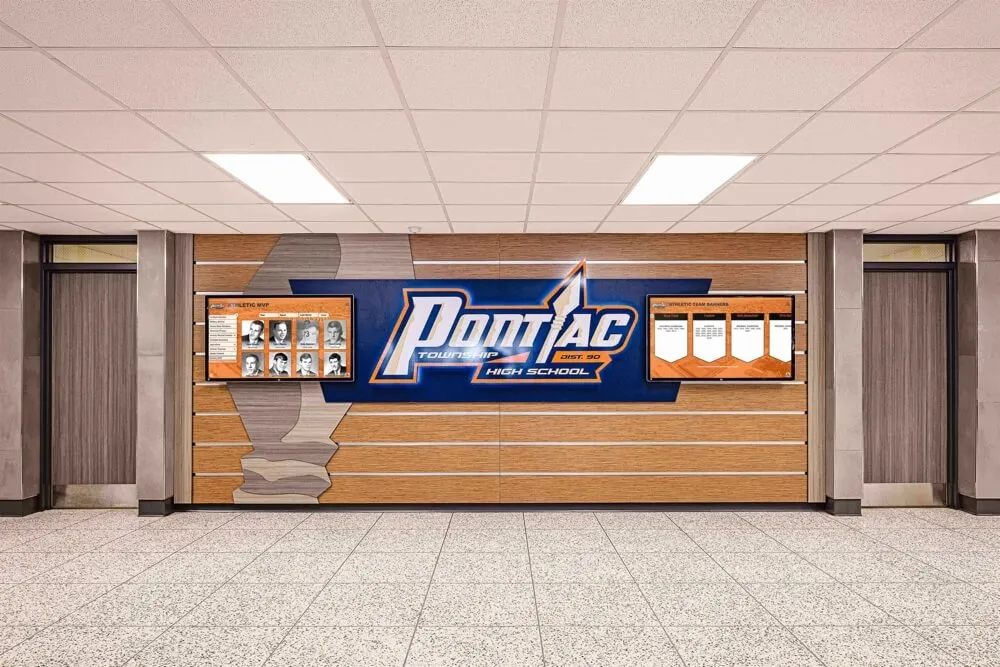
Themes provide organizational structures that make pep rallies feel like cohesive events rather than disconnected activity collections. Well-executed themes influence decorations, music selection, activities, and recognition elements creating immersive experiences.
Seasonal and Holiday Themes
Homecoming Royalty Celebration:
The traditional homecoming pep rally remains one of the year’s most significant events. Maximize impact through elaborate homecoming court introductions with red carpet entrances, video profiles showing candidates’ school involvement, creative court presentations matching homecoming themes, and meaningful coronation ceremonies. Integrate homecoming theme celebrations into recognition.
Spirit Week Theme Days:
Coordinate pep rallies with broader spirit week activities, allowing students to wear theme-coordinated attire throughout the week before celebrating at Friday rallies. Themes might include decades days (60s, 70s, 80s, 90s), color wars with different classes wearing assigned colors, career day showing future aspirations, or twin day with matched partner outfits.
Holiday-Themed Rallies:
For rallies coinciding with holidays, incorporate appropriate elements—Halloween costumes, winter holiday decorations, Valentine’s Day competitions, or spring celebration themes. These seasonal connections make events feel special and timely rather than generic assemblies that could happen any day.
Pop Culture and Entertainment Themes
Decade Throwbacks:
Transport the entire school to different eras through comprehensive theming. Select decades (50s sock hops, 70s disco, 80s neon, 90s grunge, 2000s pop) and incorporate era-appropriate music, encourage period-appropriate attire from participants and attendees, use decorations and visual elements matching the era, and incorporate references to popular culture from selected periods.
Movie and TV Show Themes:
Popular films and television shows provide rich theming possibilities. Superhero themes allow students to embrace alter egos and explore concepts of heroism. Competition-focused shows like game shows or reality TV contests provide natural structures for pep rally activities. Epic adventure themes (space exploration, jungle expeditions, quests) transform gymnasiums into different worlds.
Music Genre Celebrations:
Organize entire pep rallies around specific music genres—rock concerts, country jamborees, hip-hop festivals, pop star spectaculars. Use genre-consistent music throughout, encourage related attire and styling, and incorporate dance and performance elements matching musical themes.
School-Specific Traditions and Identity Themes
Mascot Celebration:
Build entire pep rallies around school mascots and associated imagery. Create competitions and games incorporating mascot characteristics, invite alumni mascot performers for multi-generational appearances, develop skits featuring mascot characters, and use mascot-themed decorations and visuals throughout venues.
School Color Coordination:
Divide the school into teams based on school colors and create color-based competitions throughout rallies. Assess which color demonstrates best spirit, participation, and enthusiasm. This simple organizational structure creates natural team identities and rivalries.
Historic Achievement Anniversaries:
Celebrate milestone anniversaries of significant school achievements—championship victories, program foundings, facility openings. Connect current students to institutional history while honoring those who built foundations for current success. Invite alumni from celebrated teams or eras to participate in recognition.
Recognizing Athletes and Achievements at Pep Rallies
Recognition represents one of pep rallies’ core purposes, yet many schools struggle to make athlete acknowledgment feel substantial and meaningful rather than perfunctory.
Beyond Basic Name Reading: Creating Impactful Recognition
Team Introduction Strategies:
Move beyond simply reading names from lists. Create memorable introductions through coordinated entrance choreography with music and lighting effects, video montages showing season highlights and memorable plays, individual player spotlights highlighting unique contributions or achievements, coach introductions providing context about team preparation and performance, and recognition of senior athletes with special acknowledgment for their careers and contributions.
Achievement Context and Storytelling:
Help audiences understand what achievements actually represent. When recognizing championship teams, all-conference athletes, or record-breaking performances, provide context explaining how rare or significant accomplishments are, share specific statistics or comparative data illustrating excellence, tell brief stories about pivotal moments or challenges overcome, and connect current achievements to program history and traditions.
Visual Enhancement of Recognition:
Static verbal recognition lacks impact. Amplify athlete acknowledgment through large-screen video displays showing action photos and game footage, digital graphics highlighting statistics, records, and awards, slideshow presentations featuring multiple images per athlete or team, and live video feeds capturing athlete reactions to recognition creating dynamic rather than static displays.
Integrating Digital Recognition Displays
Forward-thinking schools leverage digital technology to transform recognition impact during pep rallies and beyond:
Interactive Touchscreen Displays:
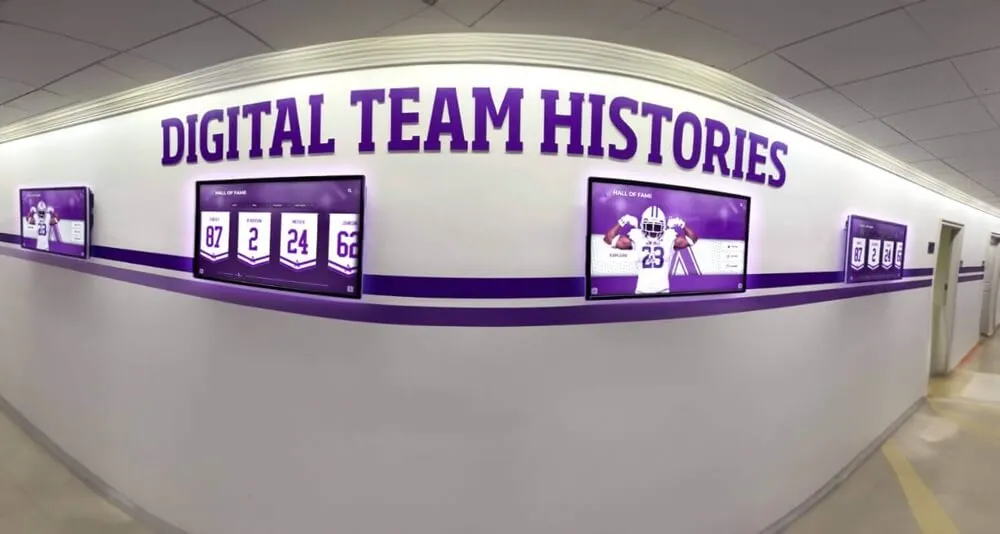
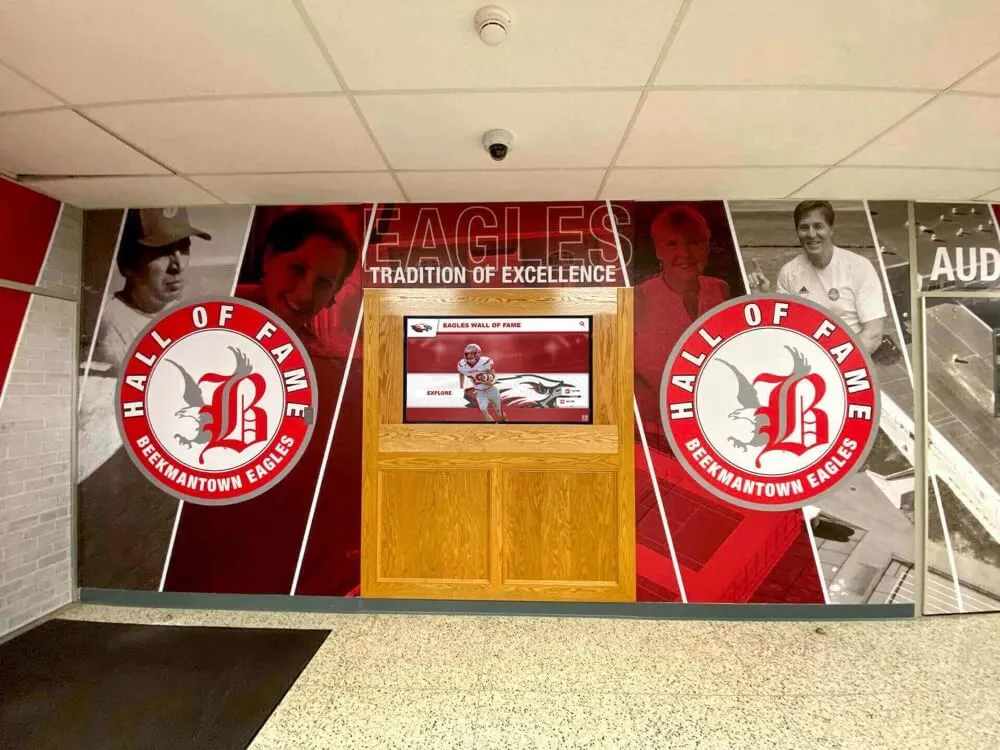
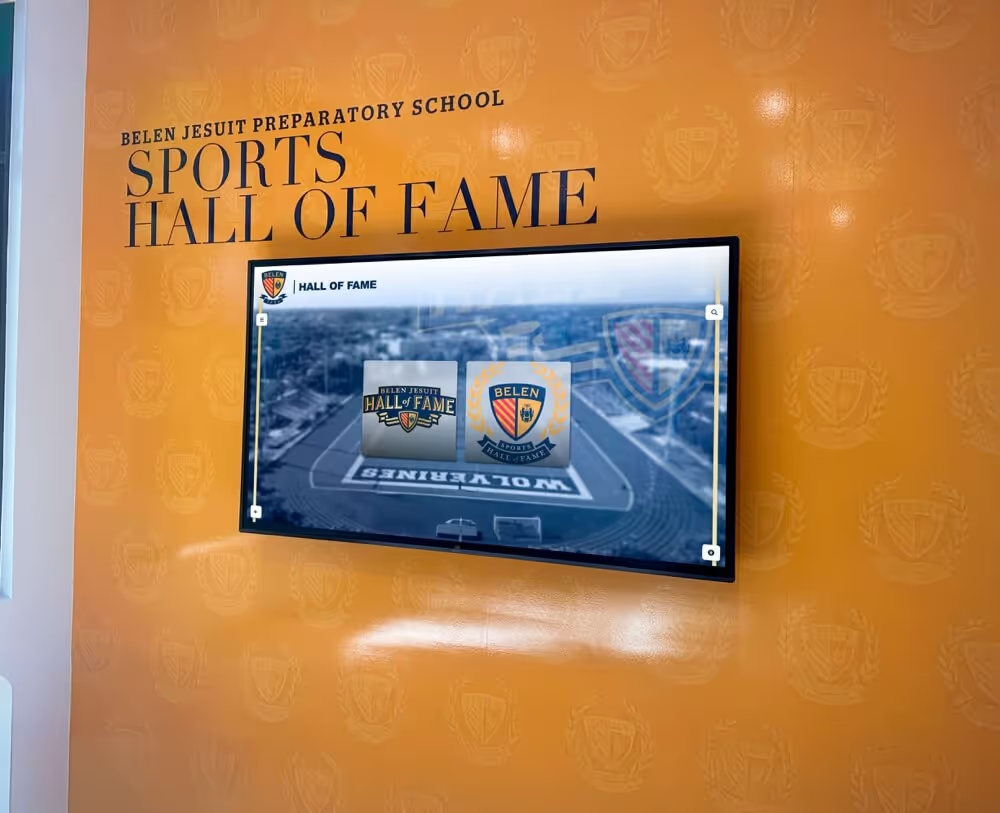
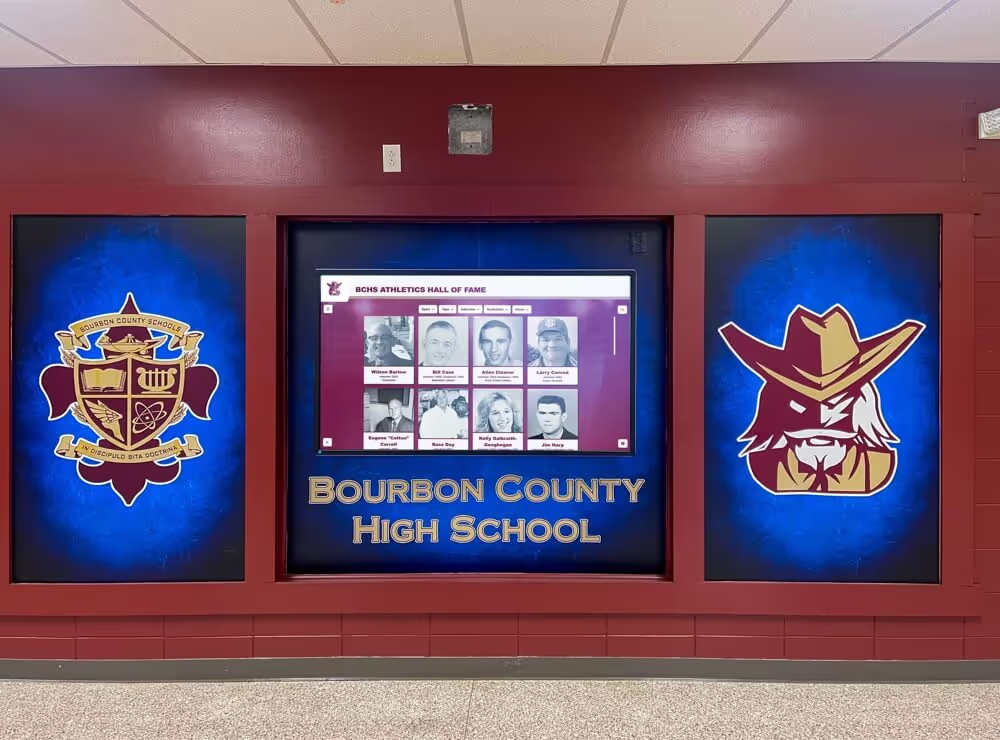
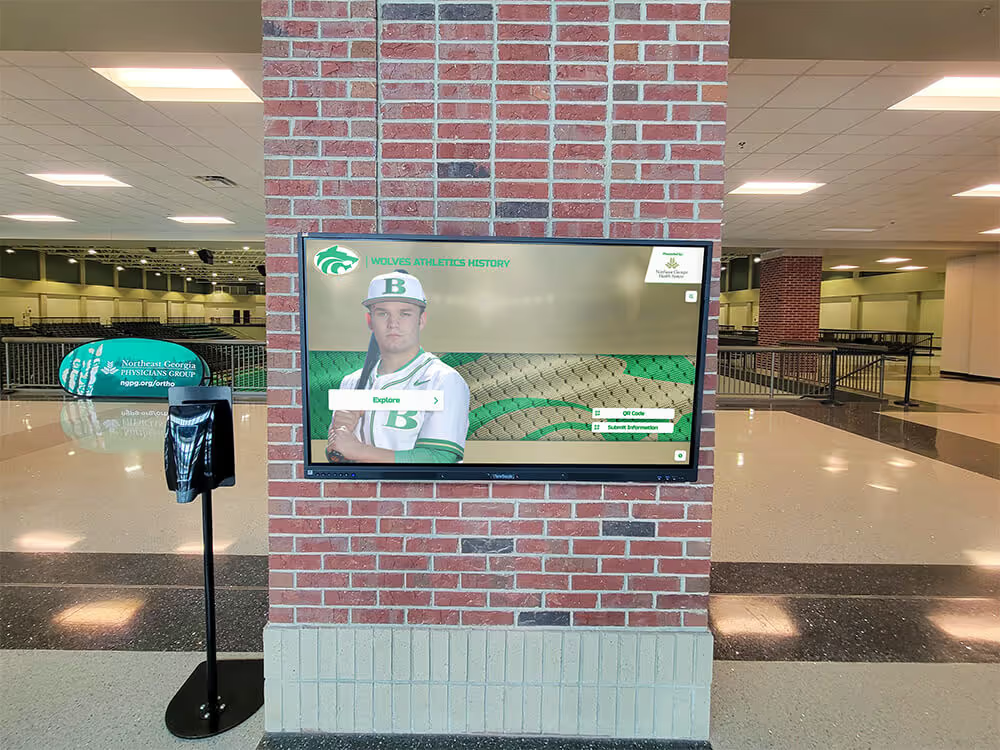
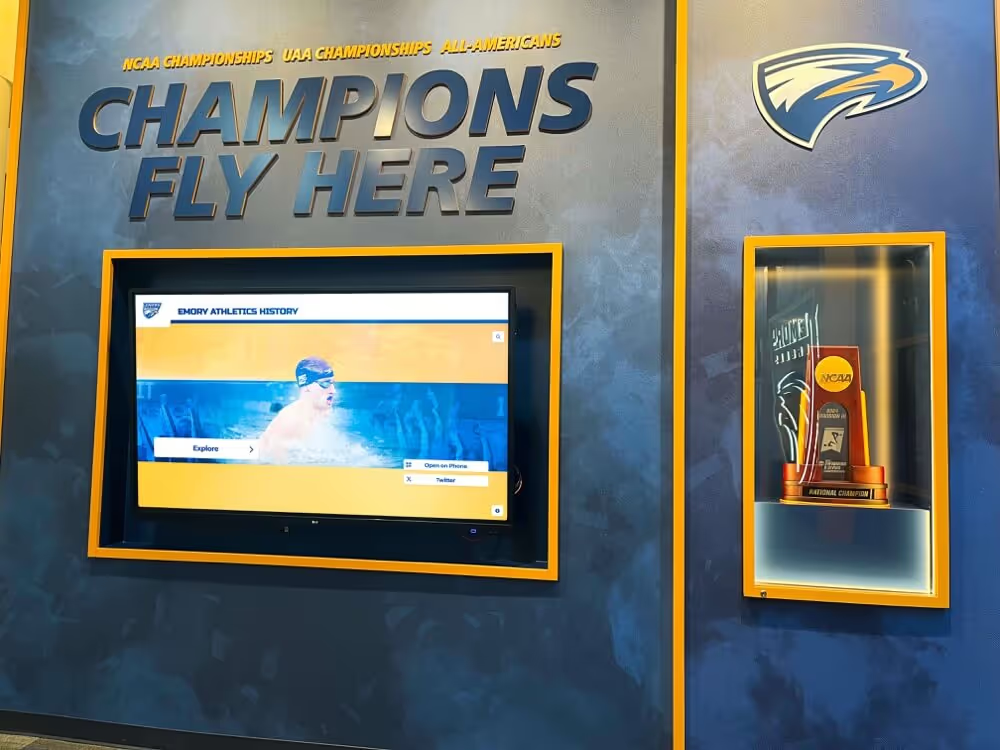
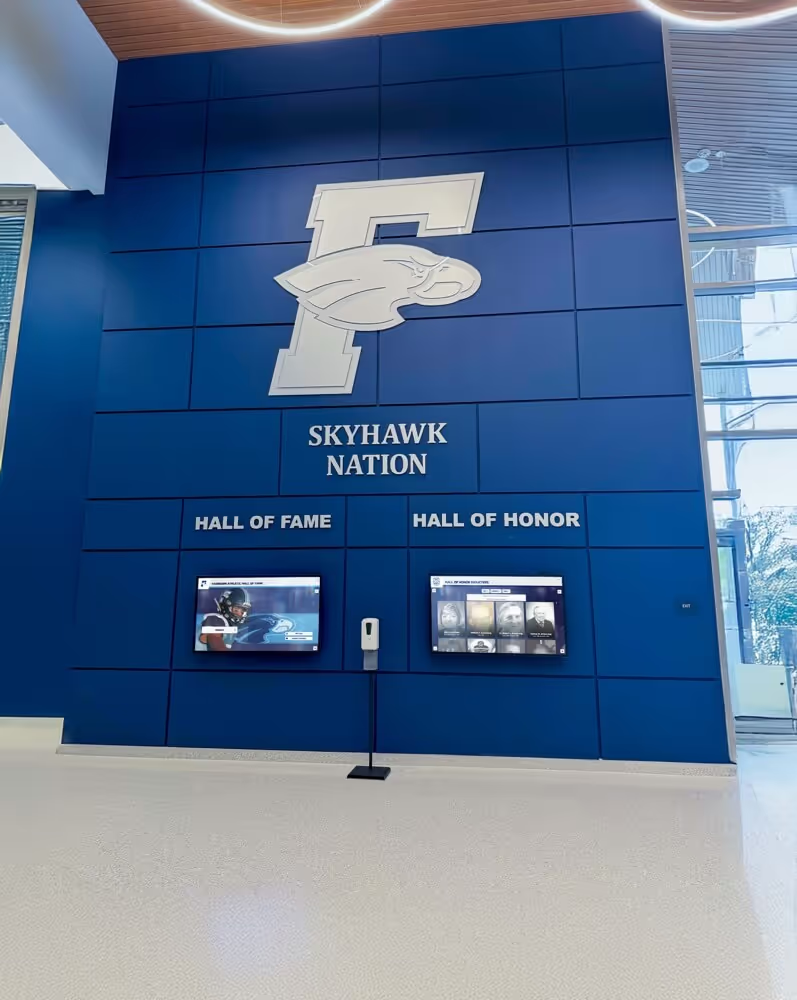
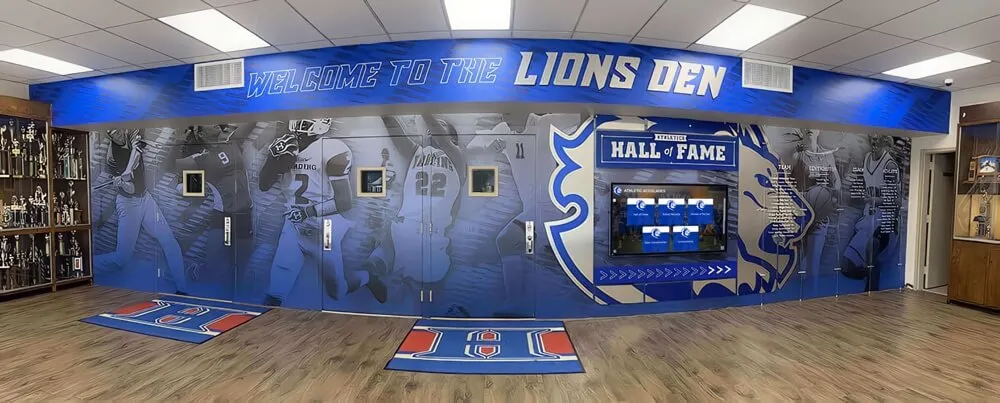
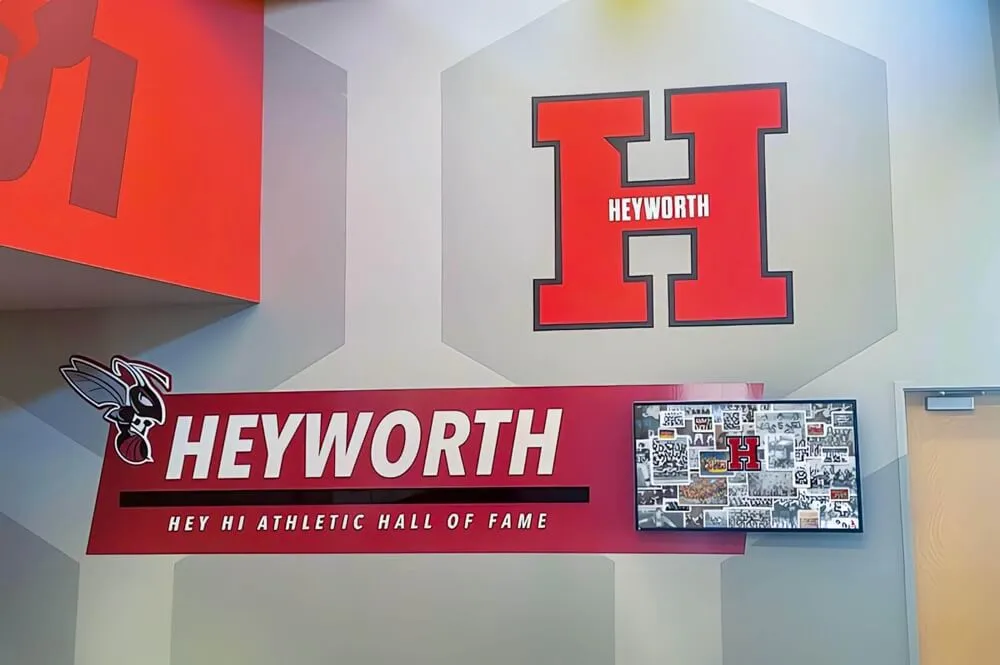
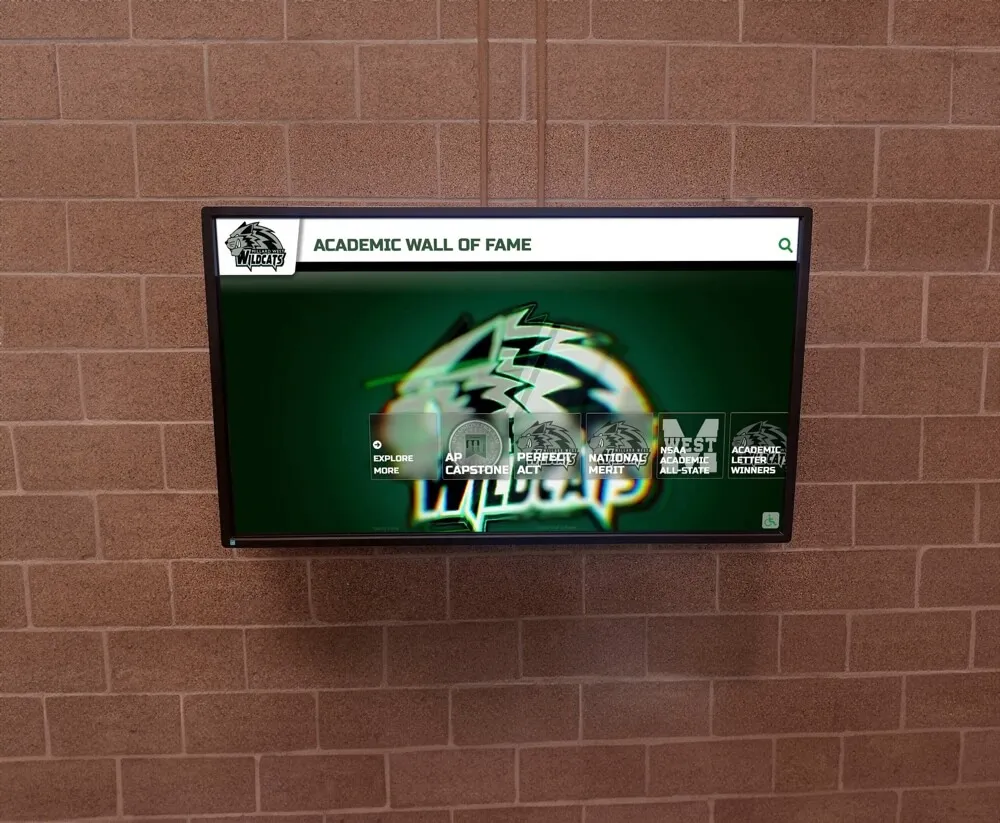
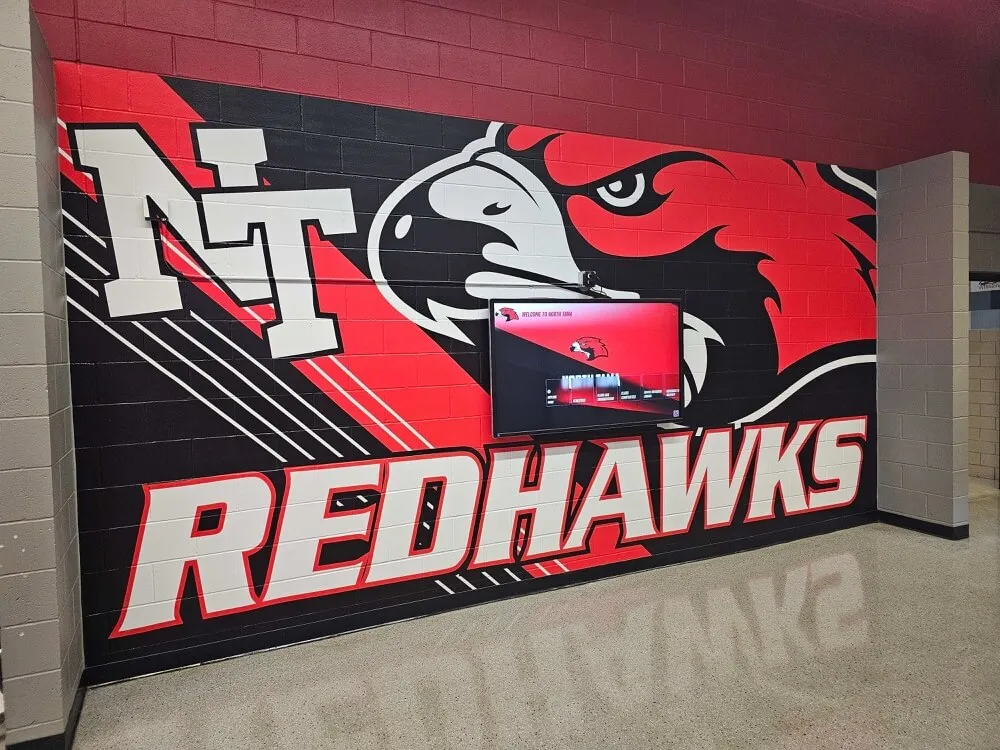
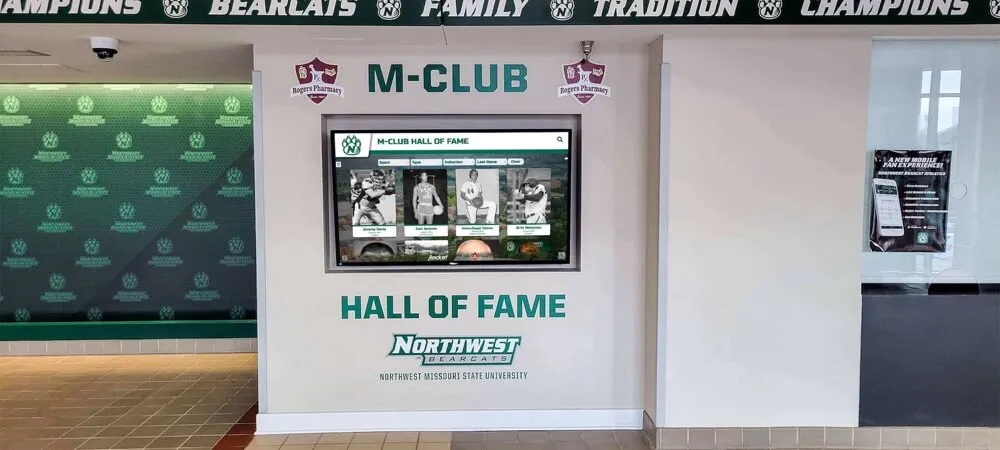
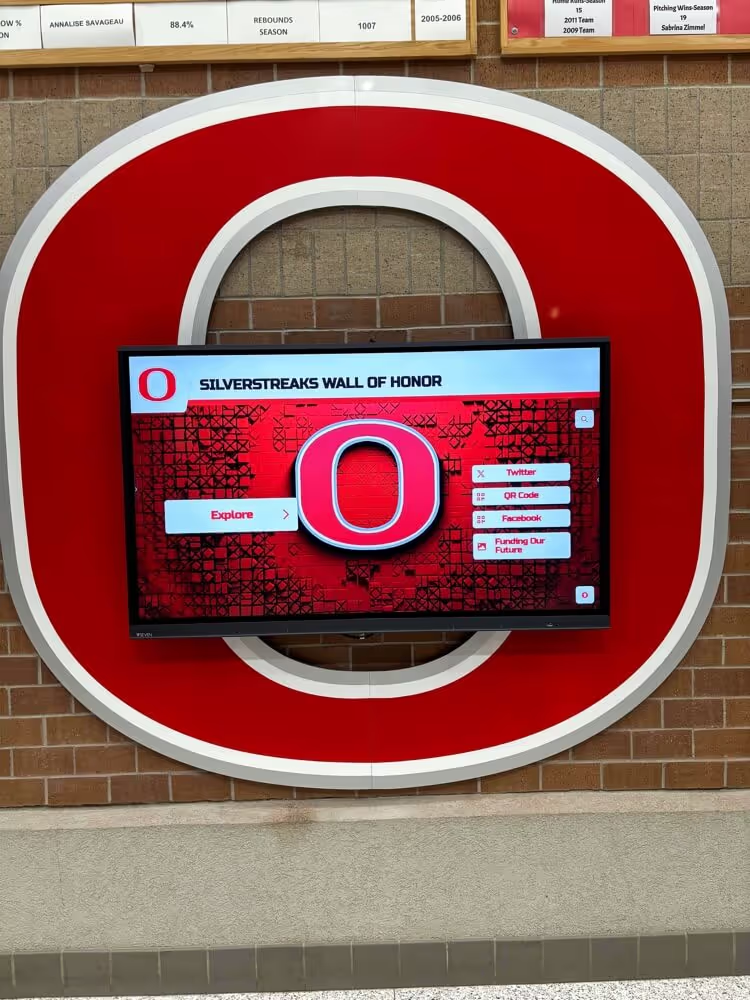
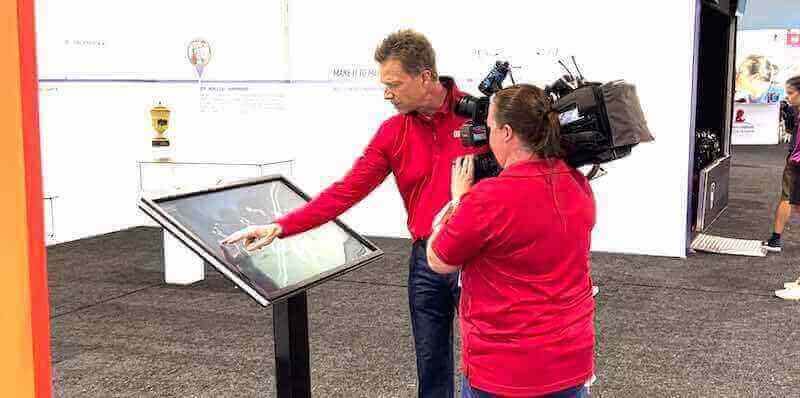
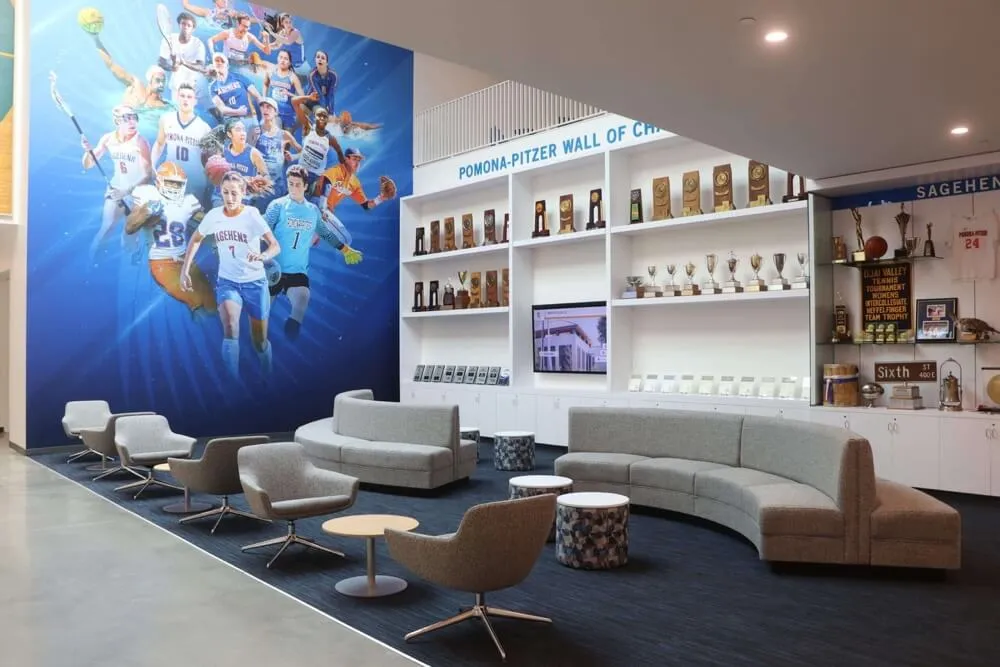
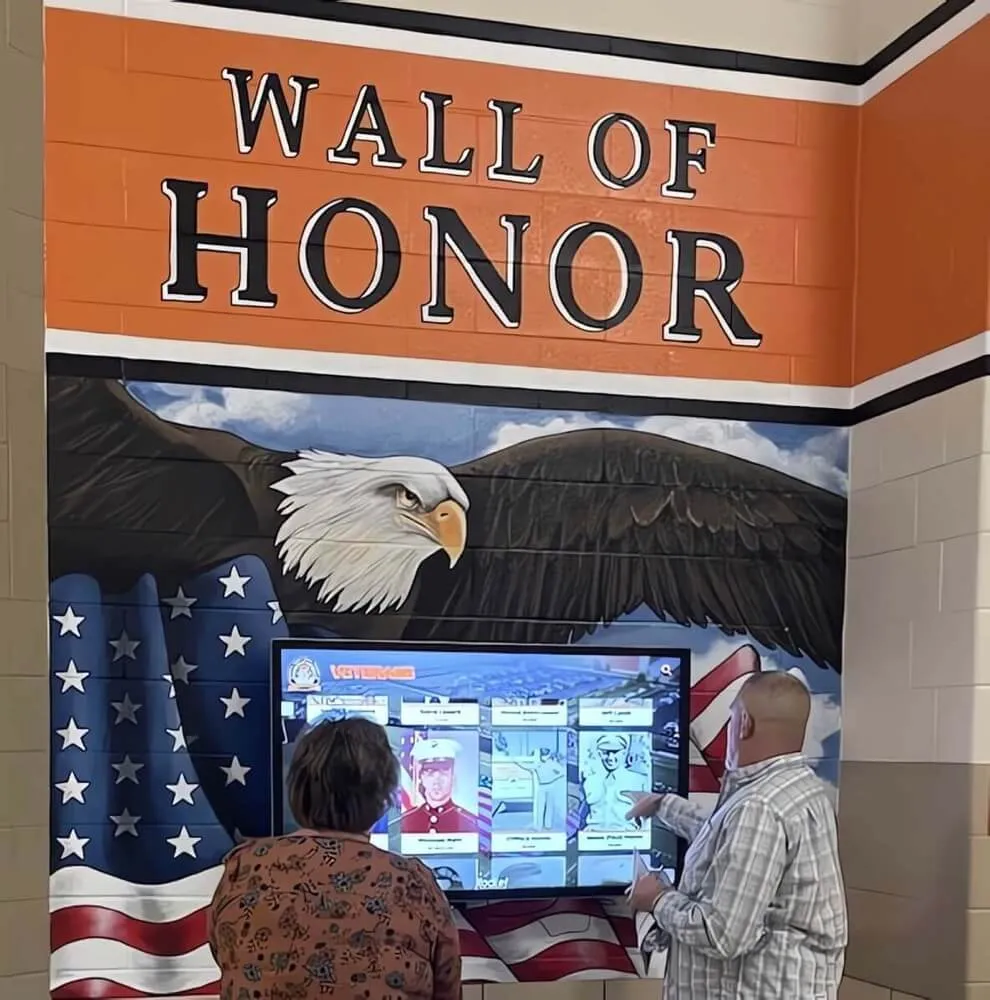
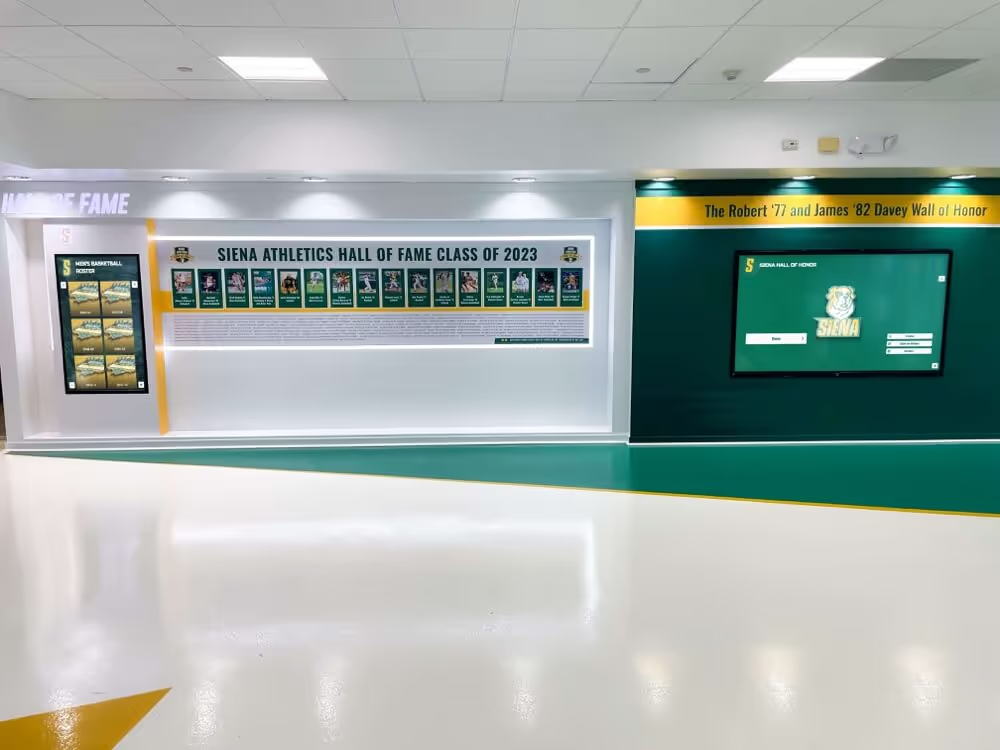
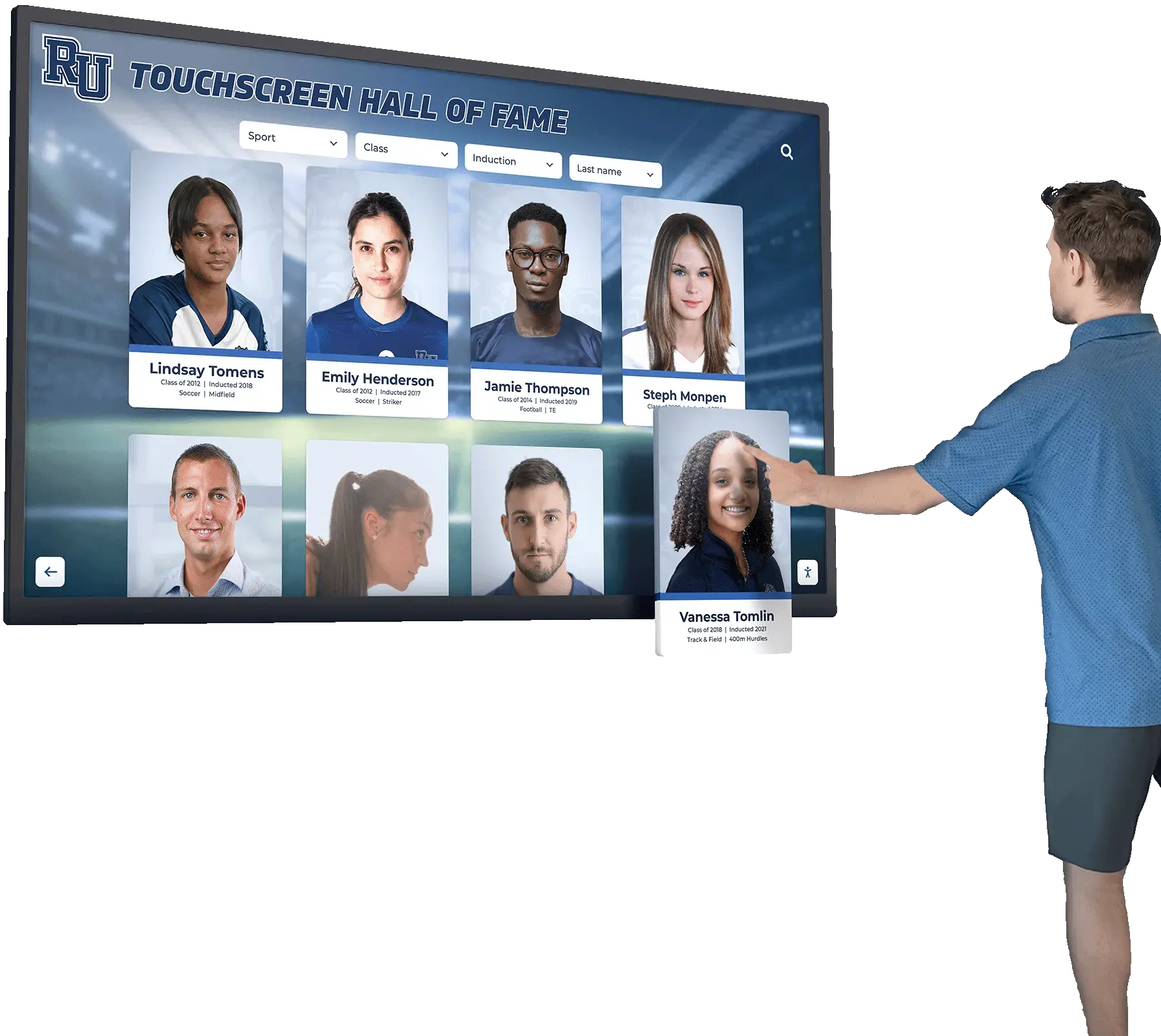
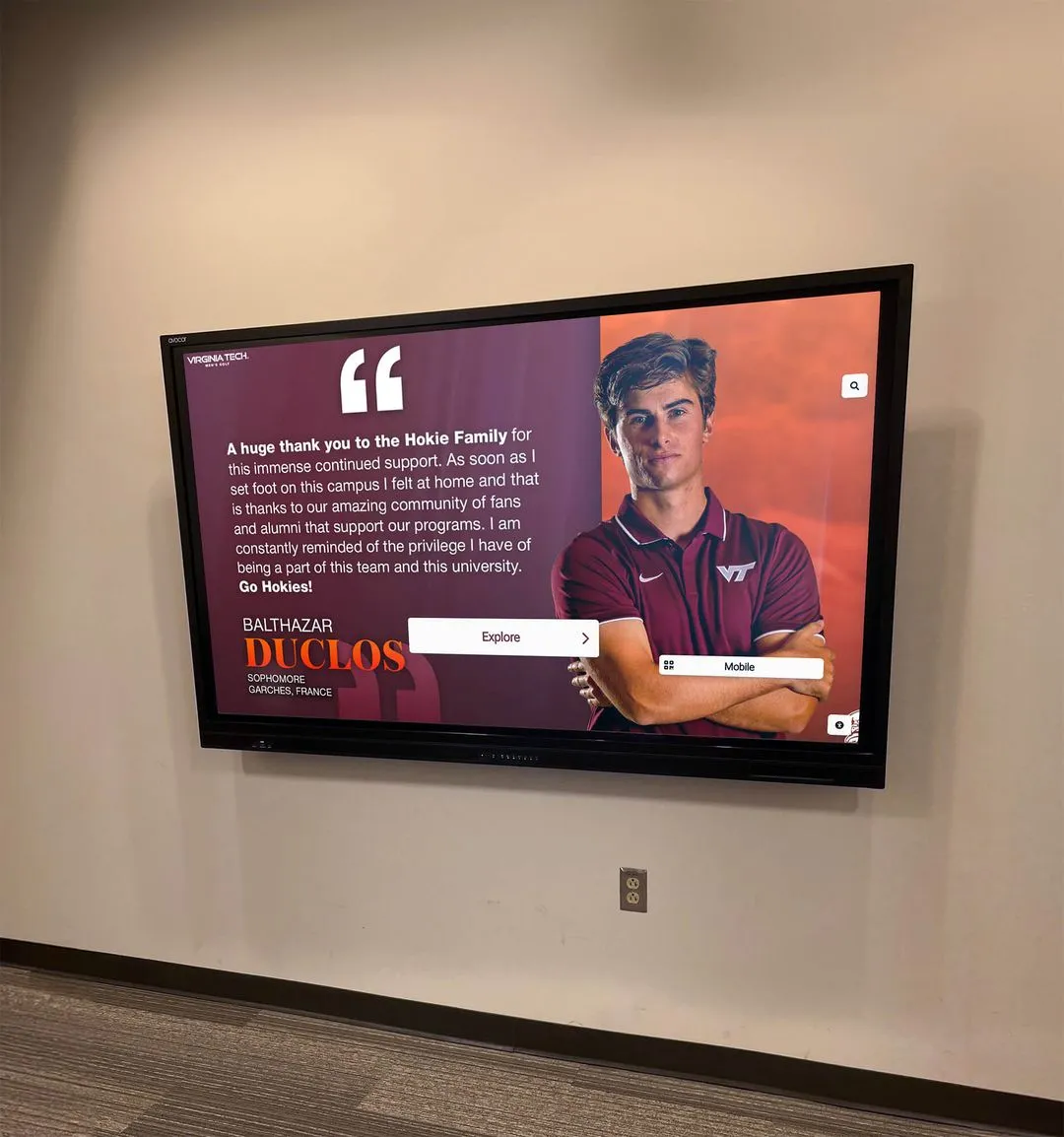
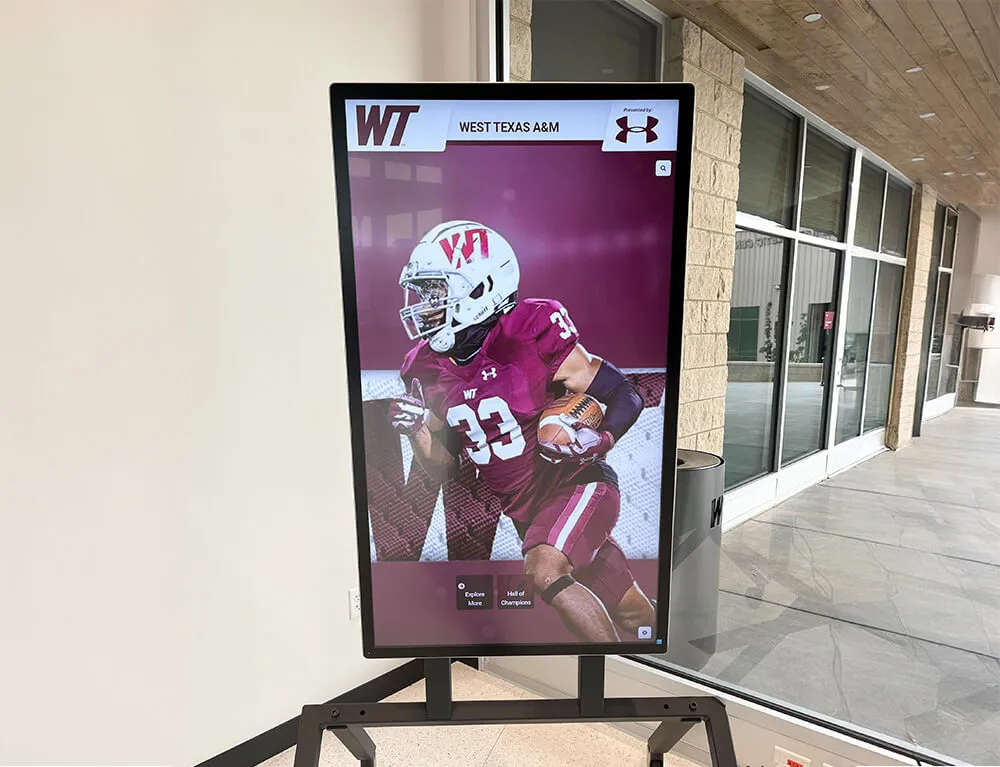
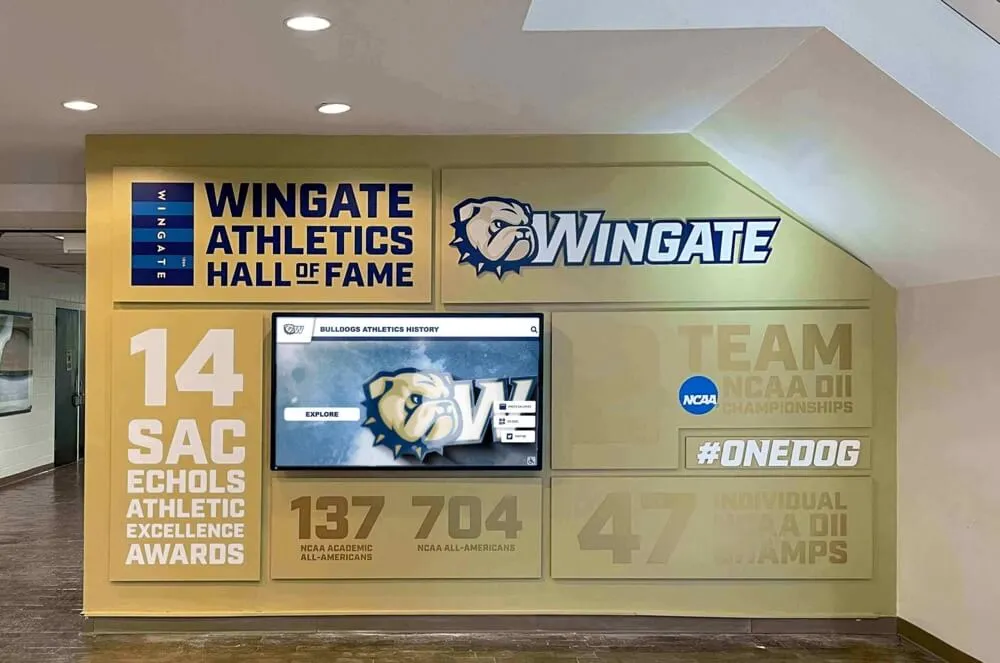
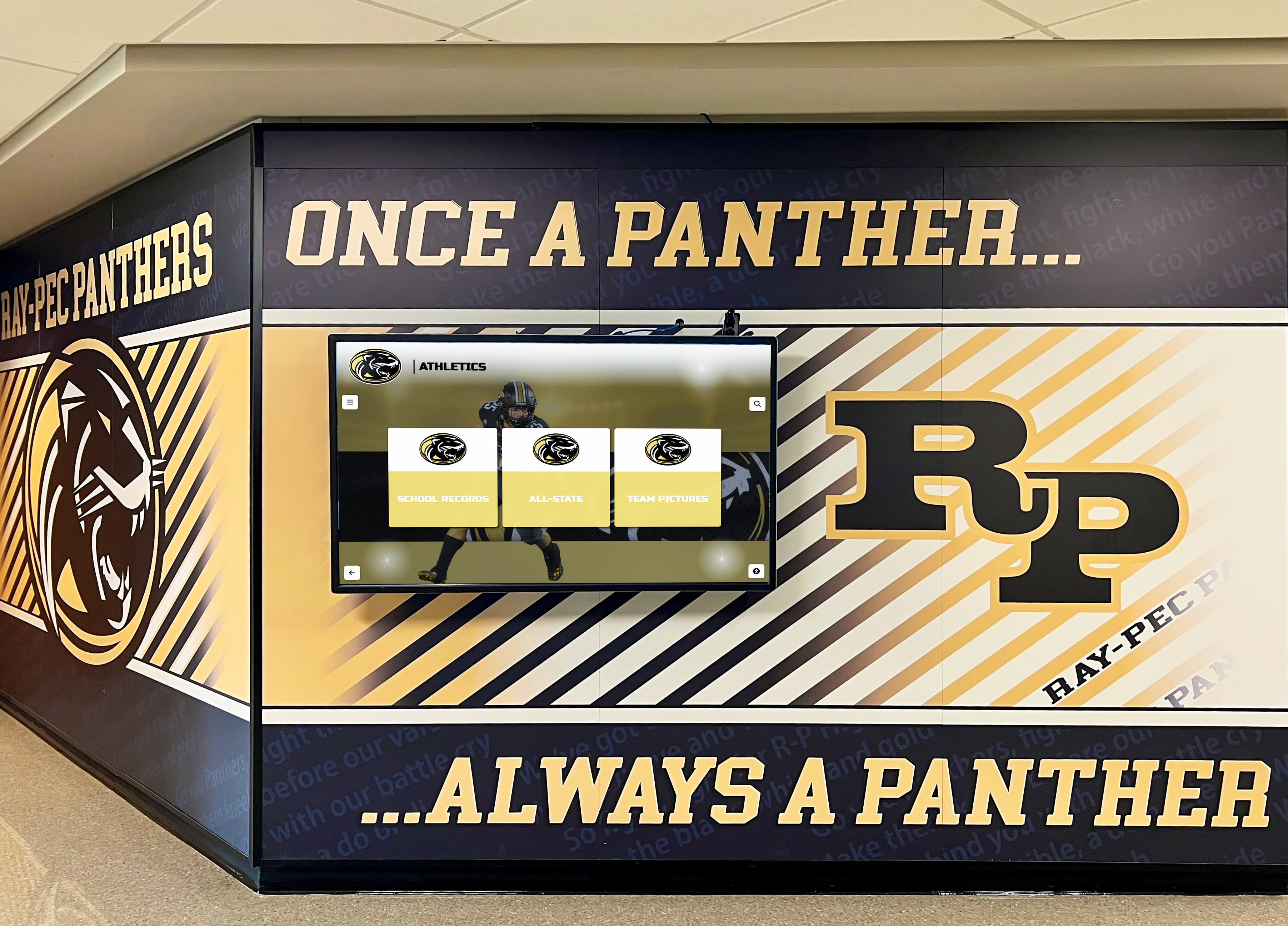
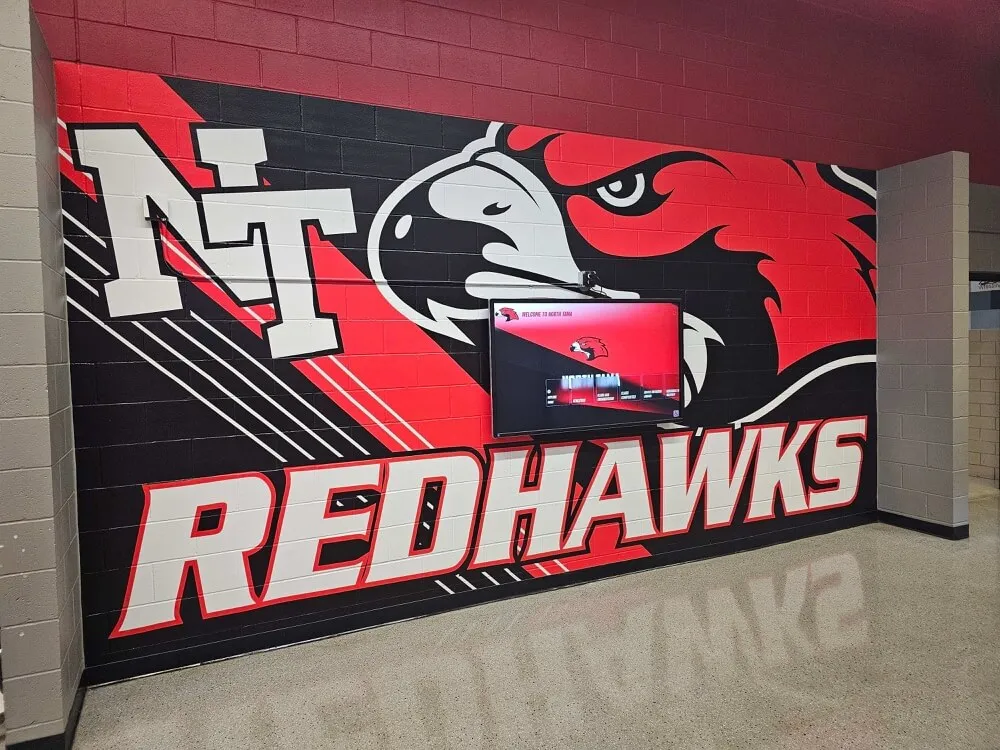
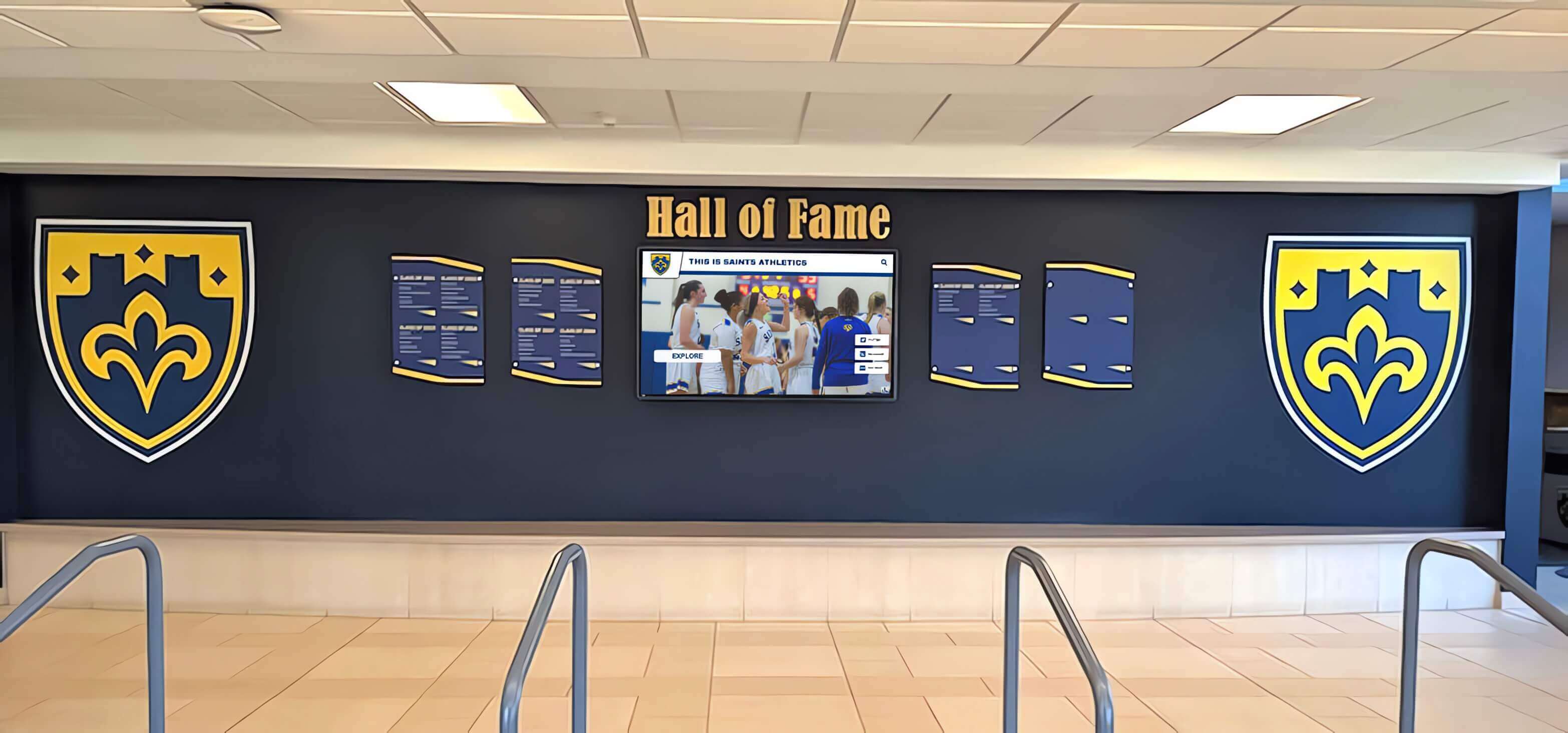
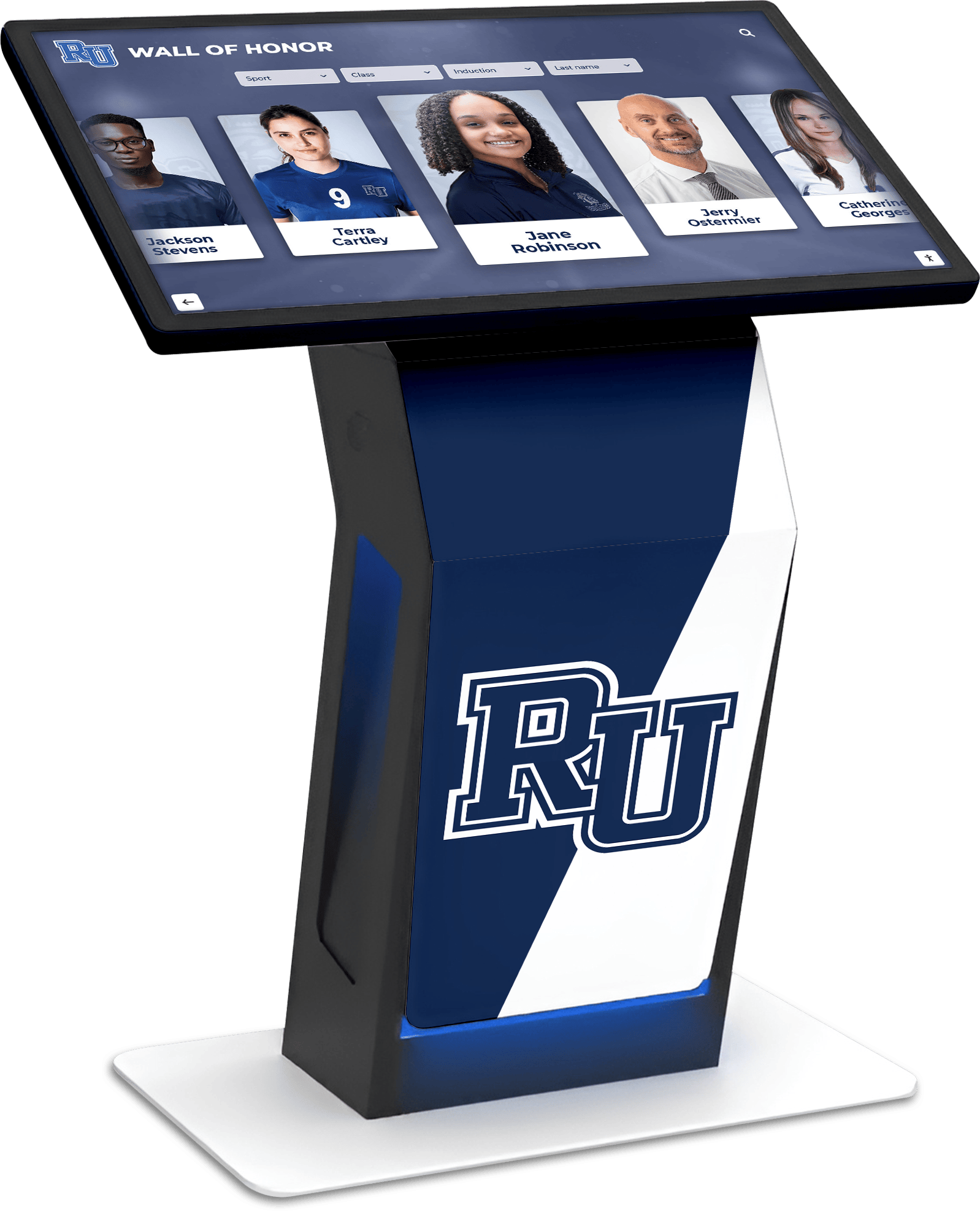
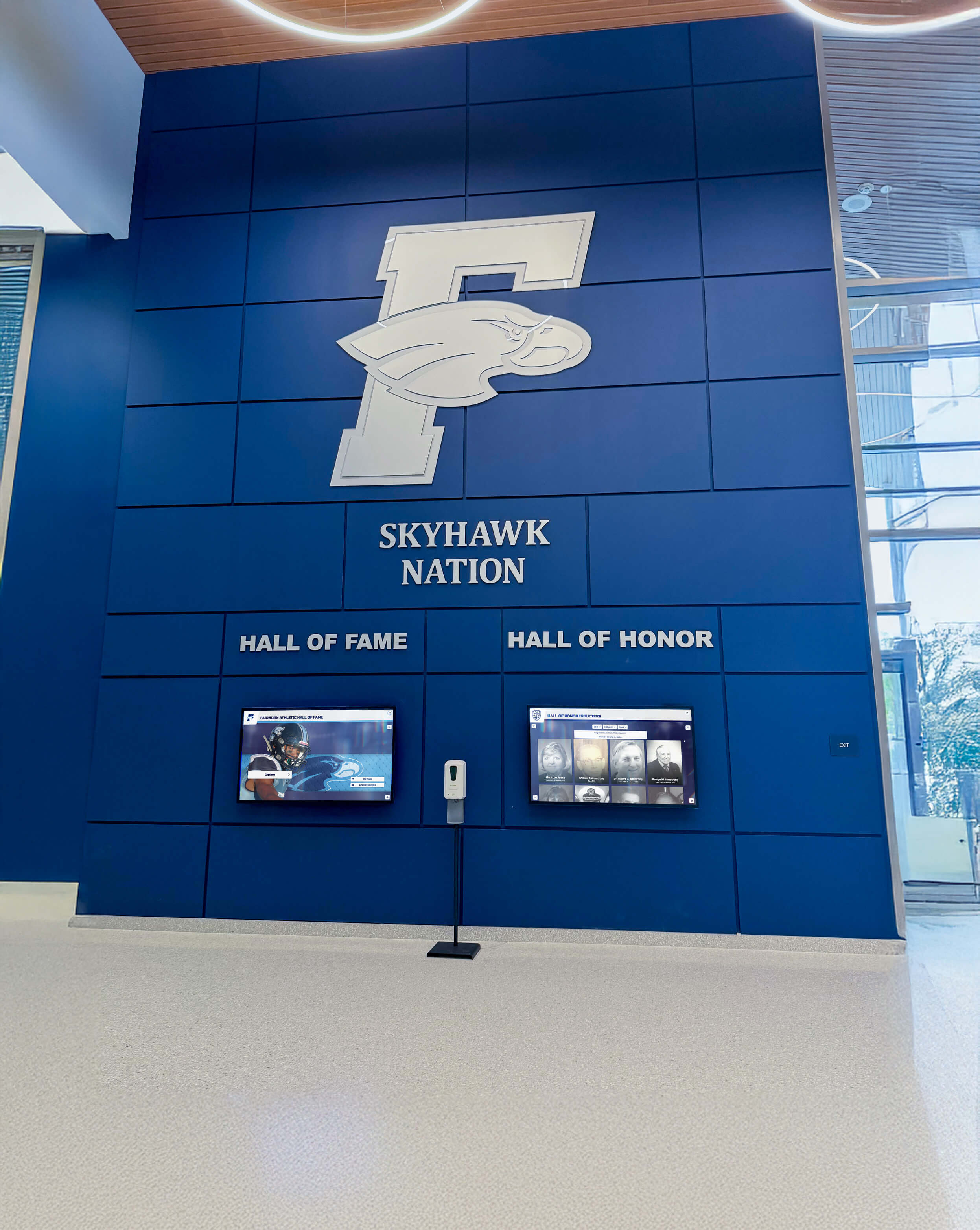
Schools increasingly install interactive digital recognition displays in prominent locations showcasing athletic achievements, academic excellence, and school history. These displays can be featured during pep rallies through live demonstrations showing the platform’s capabilities, students exploring athlete profiles in real-time on stage, highlighting how the system preserves achievements permanently, and encouraging attendees to visit displays after events to learn more about school athletic history.
Solutions like Rocket Alumni Solutions provide purpose-built platforms enabling schools to create comprehensive digital halls of fame accessible via touchscreens in facilities and online through any device, extending recognition far beyond brief pep rally mentions.
Large-Screen Presentations During Events:
Use gymnasium projection systems or large video displays for dynamic visual content during recognition segments. Show real-time statistics, career highlight reels featuring athletes’ best performances throughout seasons, athlete interviews or quotes discussing their experiences, photo galleries celebrating team unity and memorable moments, and graphics comparing current achievements to program historical records.
This multimedia approach transforms verbal recognition into engaging visual experiences that capture attention and create emotional impact far exceeding simple name announcements.
Social Media Integration:
Extend pep rally recognition beyond physical attendees through strategic social media use. Live-stream portions of rallies allowing parents, community members, and alumni to watch remotely, post athlete spotlights and achievement highlights during or immediately after events, encourage students to share event content with provided hashtags, create photo opportunities with branded backdrops for social sharing, and follow up with digital content celebrating achievements in the days following rallies.
This multi-platform approach multiplies recognition reach and creates permanent digital records of celebration.
Inclusive Recognition Beyond Varsity Athletics
While varsity teams typically receive primary pep rally focus, comprehensive recognition should extend to other contributors:
Supporting Program Recognition:
Acknowledge cheerleaders, dance teams, band members, and spirit clubs providing essential support for athletic programs. These students dedicate comparable time and effort to varsity athletes yet often receive minimal recognition.
Junior Varsity and Freshman Teams:
Younger athletes building skills through sub-varsity participation deserve acknowledgment. Brief recognition of these teams demonstrates that the school values athletic participation across all levels and encourages continued dedication as students develop.
Academic and Artistic Achievement:
Consider incorporating recognition for recent academic achievements like National Merit Scholars, academic all-state selections, or artistic accomplishments. This demonstrates that school pride extends beyond athletics and celebrates diverse excellence.
Performance Elements That Energize Pep Rallies
Beyond games and recognition, performance elements provide entertainment while showcasing student talents:
Music and Dance Performances
Pep Band and Drumline:
School bands provide essential energy through fight songs, contemporary music arrangements, and coordinated performances. Feature band prominently through dedicated performance slots, processional music during team entrances, responsive playing coordinating with crowd reactions, and creative collaborations with dance or cheer programs.
Dance Team Showcases:
Choreographed dance performances consistently rank among students’ favorite pep rally elements. Feature dance teams through high-energy routines to popular music, theme-appropriate choreography matching rally concepts, faculty or student athlete participation in choreographed segments, and interactive elements encouraging audience participation in simple moves.
Student Musical Performances:
Showcase talented student musicians through brief performances. Solo singers performing school songs or popular anthems, small ensembles performing contemporary music, and student bands providing modern musical elements supplement traditional pep band offerings while celebrating diverse student abilities.
Cheer and Spirit Demonstrations
Cheerleading Routines:
Cheerleading squads provide energy and structure through coordinated chants leading crowd participation, impressive stunting demonstrations, creative pyramids and tosses, synchronized dance and tumbling elements, and sideline interactions maintaining crowd engagement between activities.
Spirit Squad Coordinations:
Larger spirit programs might coordinate multiple groups—cheerleaders, dance, and spirit clubs—for unified performances demonstrating school-wide participation and creating visually impressive moments.
Crowd Participation Elements:
The best performances don’t just entertain passive audiences but actively engage them. Teach simple chants or cheer for audience participation, coordinate call-and-response elements between performers and crowd, organize wave or stomp elements creating building energy, and provide cues for specific class sections to demonstrate spirit competitively.
Visual and Theatrical Elements
Video Packages and Multimedia:
Pre-produced video content adds professional polish and storytelling capabilities. Create hype videos building excitement for upcoming competitions featuring dramatic music, game footage, and inspirational messaging; athlete profile pieces introducing team members beyond just game statistics; highlight reels celebrating season achievements; and alumni messages from former athletes supporting current teams.
Skits and Comedy Segments:
Brief entertaining skits provide variety while allowing creative students to showcase talents. Student council or drama students might perform humorous sketches about school life, create comedy routines about upcoming competitions, parody popular media with school-specific twists, or develop mascot-centered entertainment.
Entrance Spectacles:
Transform routine team introductions into memorable spectacles through dramatic lighting changes and spotlights, fog or special effects creating atmosphere, breaking through paper banners or walls, coordinated entrance choreography, and surprise elements audiences don’t anticipate.
Logistical Planning for Successful Pep Rallies
Even the most creative pep rally ideas fail without proper logistical planning ensuring smooth execution.
Timeline and Organization
Planning Committee Formation:
Establish clear responsibility structures well in advance. Student council typically leads planning with representatives from key groups including athletics, cheerleading, band, and class officers. Meet regularly in weeks leading up to events to coordinate all elements.
Activity Sequencing:
Develop detailed run-of-show documents specifying exact sequence of all activities, time allocations for each segment, transition plans between elements, music cues and technical requirements, and backup plans for activities running long or technical difficulties. Share documents with all participants ensuring everyone understands their roles and timing.
Rehearsal Requirements:
Major performance elements should be rehearsed in actual venues when possible. Full dress rehearsals help identify technical issues, refine timing and transitions, train students managing technical elements, and build confidence among participants.
Technical and Equipment Considerations
Sound System Requirements:
Proper audio dramatically impacts pep rally effectiveness. Ensure adequate microphone coverage for multiple speakers, wireless microphones for mobile hosts or performers, music playback capabilities with professional sound quality, volume levels appropriate for venues without distortion, and backup equipment preventing single-point failures.
Visual Display Needs:
Modern pep rallies increasingly depend on visual technology. Plan for large screens visible throughout venues, projection or LED displays of appropriate size and brightness, content creation and playback systems, and technical operators managing displays throughout events.
Lighting Enhancement:
Even basic lighting changes amplify impact. Consider house lights control for dramatic effects, colored lighting matching school colors or themes, spotlights for focused attention during recognition, and coordination between lighting and music for performances.
Safety and Supervision
Crowd Management:
Large assemblies require proper supervision. Position administrators and faculty throughout seating areas, establish clear entry and exit procedures, plan for medical emergencies, and set behavior expectations communicated before and reinforced during events.
Activity Safety:
Physical games and performances carry inherent risks. Evaluate all activities for reasonable safety, provide proper equipment and protective gear when needed, brief participants on safety requirements, have medical staff present or readily available, and consider liability implications of proposed activities.
Extending Pep Rally Impact Beyond Single Events
The most effective pep rallies create impact extending far beyond the assembly period through strategic follow-up and connection to ongoing recognition systems.
Social Media and Digital Content
Live Event Coverage:
Document pep rallies through designated student photographers and videographers, live social media updates with real-time highlights, parent and community engagement in online sharing, and official school social media coverage creating permanent event records.
Post-Event Content:
Follow up immediately with highlight videos condensing events into shareable clips, photo galleries celebrating memorable moments, thank-you posts recognizing participants and organizers, and re-shares of student-generated content from attendees.
Connecting to Permanent Recognition Systems
Digital Hall of Fame Integration:
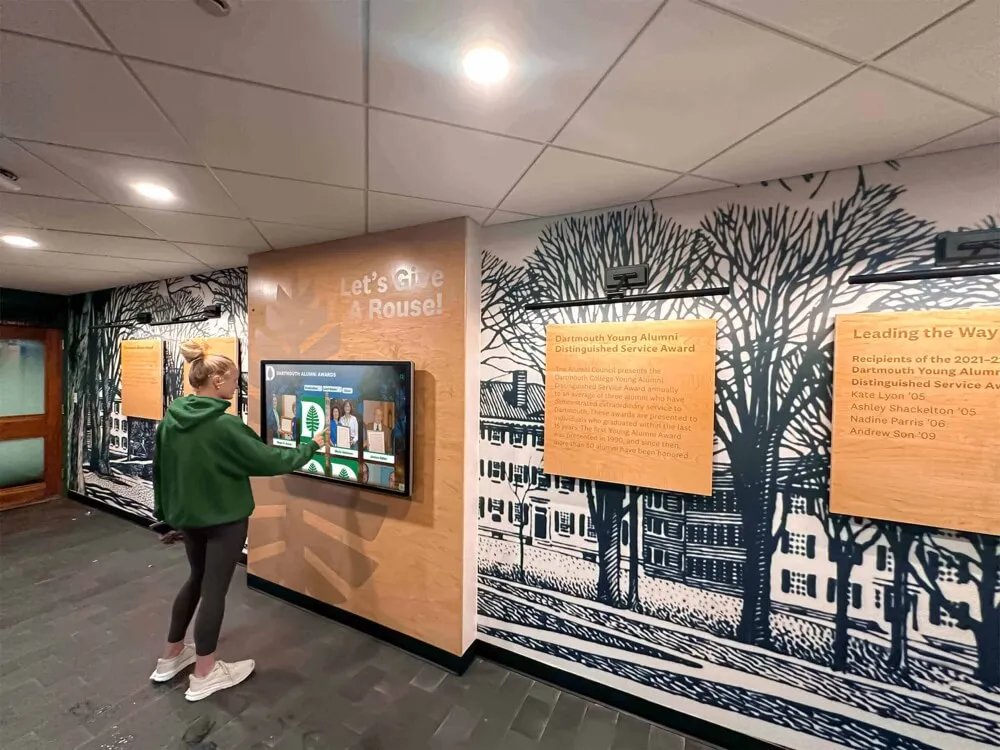
Schools with comprehensive digital recognition systems should explicitly connect pep rally celebrations to permanent athlete profiles. During recognition segments, demonstrate how athletes’ achievements appear in digital halls of fame, encourage students to explore complete athletic histories through interactive displays, direct families to web-based versions of recognition content, and treat pep rallies as promotional opportunities for ongoing recognition platforms.
Modern recognition solutions like Rocket Alumni Solutions enable schools to create comprehensive digital halls of fame preserving athletic achievement permanently while providing engaging interactive experiences during pep rallies and ongoing exploration opportunities afterward.
Building Historical Archives:
Document each pep rally systematically creating historical records. Save programs, runsheets, and participant lists; archive photos and videos from each event; maintain records of recognized athletes and achievements; and create accessible historical databases allowing future students to explore institutional traditions.
Measuring Success and Gathering Feedback
Student Response Assessment:
Evaluate pep rally effectiveness through post-event surveys asking students about favorite elements, suggestions for improvement, and overall satisfaction; informal feedback sessions with student government and activity leaders; observation of engagement levels during events; and tracking social media sentiment and sharing.
Continuous Improvement:
Use feedback to refine future events by identifying successful elements warranting repetition, recognizing aspects needing improvement or elimination, discovering new ideas from student suggestions, and adjusting formats based on changing student interests.
Common Pep Rally Challenges and Solutions
Even well-planned pep rallies encounter predictable challenges. Understanding common issues and proven solutions helps schools navigate difficulties successfully.
Managing Large Crowds and Maintaining Order
Challenge: Hundreds or thousands of students gathering in single spaces can become chaotic without proper management. Excessive noise prevents hearing announcements, movement between sections disrupts activities, and poor behavior distracts from positive celebration.
Solutions: Establish and clearly communicate behavior expectations before events. Position adequate adult supervision throughout venues. Use engaging content and rapid pacing preventing boredom that leads to misbehavior. Implement class competition elements rewarding sections demonstrating best behavior and spirit. Consider assigned seating by class maintaining organization. Brief students beforehand about appropriate responses ensuring understanding of expectations.
Engaging All Grade Levels
Challenge: Pep rallies sometimes engage certain grade levels—typically upperclassmen—while younger students feel excluded or disinterested. This particularly impacts freshmen unfamiliar with traditions or intimidated by large assemblies.
Solutions: Ensure recognition and games involve all grade levels equitably. Create class-specific competitions giving each grade spotlight opportunities. Feature mixed-age teams in activities. Explain traditions and inside references helping newer students understand context. Consider separate rallies for different school divisions if combined assemblies prove ineffective. Use inclusive themes accessible regardless of tenure or athletic knowledge.
Balancing Entertainment and Recognition
Challenge: Schools sometimes struggle finding appropriate balance between entertaining games and substantive athlete recognition. Too much focus on games makes events feel like generic assemblies rather than athletic celebration. Too much recognition without entertainment elements loses student attention.
Solutions: Integrate recognition throughout events rather than concentrating it in single blocks. Intersperse performance and game segments between recognition moments maintaining energy while honoring achievements. Allocate appropriate time based on significance—major championships deserve extended recognition while routine season kickoffs warrant briefer acknowledgment. Use multimedia elements making recognition visually engaging rather than static verbal listing.
Technical Difficulties
Challenge: Schools increasingly depend on technology for sound, video, and lighting. Technical failures create awkward dead time and diminish event quality.
Solutions: Conduct thorough technical rehearsals testing all equipment before events. Maintain backup equipment for critical systems. Cross-train multiple students or staff on technical operation preventing single-person dependencies. Develop contingency plans for major technical failures allowing events to proceed without full capabilities. Partner with audio-visual professionals when school expertise proves insufficient.
Limited Budget Constraints
Challenge: Creative pep rallies sometimes require resources schools struggle to afford—professional audio/visual equipment, elaborate decorations, prizes, or performer compensation.
Solutions: Prioritize investments in permanent infrastructure like quality sound systems and projection capabilities providing value across multiple events. Leverage student creativity replacing purchased decorations with student-made alternatives. Seek booster club support or community sponsorships funding specific elements. Use digital tools reducing ongoing material costs. Focus resources on few high-impact elements rather than spreading budgets thinly across many mediocre components.
Building Pep Rally Traditions That Last
The most successful pep rally programs create enduring traditions students anticipate and remember long after graduation.
Establishing Signature Elements
Identifying School-Specific Traditions:
Develop unique elements distinctive to your school becoming synonymous with pep rallies in your community. This might include signature entrance traditions for specific teams, recurring music or chant traditions performed at every rally, mascot appearances or skits unique to your school, or creative rituals involving alumni, community members, or local traditions.
These signature elements create continuity across years, connecting current students with alumni who experienced similar traditions and building institutional identity transcending individual class cohorts.
Annual Highlight Events:
Designate certain pep rallies as particularly significant annual events warranting special attention and resources. Homecoming rallies typically serve this role, but schools might also emphasize rallies before major rivalry competitions, championship event sendoffs, or spring celebrations concluding athletic years. Building anticipation for signature annual events creates focal points students look forward to throughout entire school years.
Involving Alumni and Community
Alumni Participation:
Invite graduated athletes to participate in pep rallies creating intergenerational connections. Feature alumni guest speakers providing motivation and perspective, recognize milestone reunion classes celebrating anniversaries, invite championship teams for anniversary celebrations, and coordinate alumni performances or demonstrations. These connections help current students understand they’re part of longer institutional stories while strengthening alumni engagement with current programs.
Community Integration:
Welcome community members to appropriate rallies building broader support for school athletics. Feature youth sports programs feeding into high school teams, recognize community supporters like booster club members, welcome families and younger siblings to family-friendly events, and consider hosting some rallies as evening or weekend community events rather than school-day assemblies.
Documentation and Historical Preservation
Creating Lasting Records:
Systematically document pep rally history through comprehensive photo and video archives, program and script preservation, participant and recognition records, and historical timeline development showing tradition evolution. Many schools integrate pep rally history into comprehensive digital athletic displays showcasing not just athletic achievement but broader school spirit culture and tradition.
Conclusion: Creating Pep Rallies That Build Lasting School Spirit
Exceptional pep rallies represent far more than mandatory assemblies filling time between classes. When planned thoughtfully with creative games that engage broad participation, meaningful recognition that truly honors athletic achievement, inclusive elements ensuring all students feel valued, strategic use of technology amplifying impact, and careful attention to logistics ensuring smooth execution, these events become powerful catalysts for school spirit and community building.
The investment schools make in quality pep rallies pays dividends across multiple dimensions. Students develop stronger connections to their school communities and sense of institutional pride. Athletes receive public recognition validating their dedication and inspiring continued excellence. School culture becomes more positive and unified as students from diverse backgrounds share enthusiastic celebration. Traditions develop creating institutional identity connecting current students with past and future generations.
Ready to transform how your school recognizes athletic achievement during pep rallies and beyond? Modern digital recognition solutions extend pep rally impact far beyond single events by creating comprehensive, permanent celebrations of excellence accessible to entire school communities. Rocket Alumni Solutions provides purpose-built platforms enabling schools to showcase athletic achievements through interactive touchscreen displays in facilities and online access via any device—transforming brief pep rally recognition into lasting celebrations students, families, and communities can explore repeatedly throughout school years and beyond.
Your athletes dedicate countless hours to excellence. Your students deserve events that genuinely excite and unite them. The most successful schools create pep rally traditions students anticipate eagerly, remember fondly, and associate with their proudest moments of school pride and community belonging. With intentional planning, creative execution, and proper recognition systems, your school can build that same electric atmosphere where spirit flourishes and achievement receives the celebration it genuinely deserves.