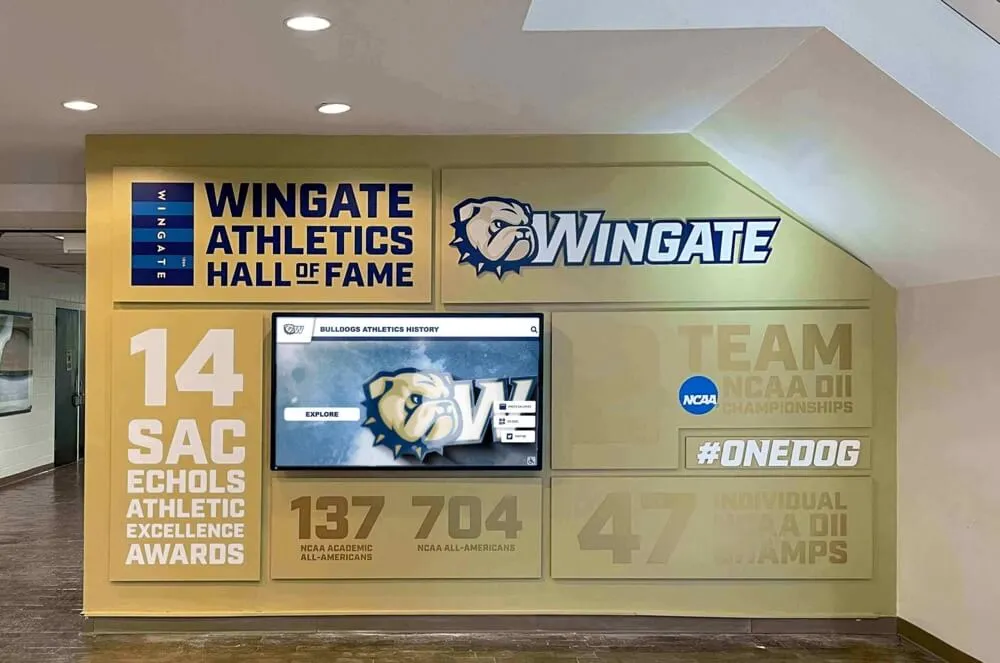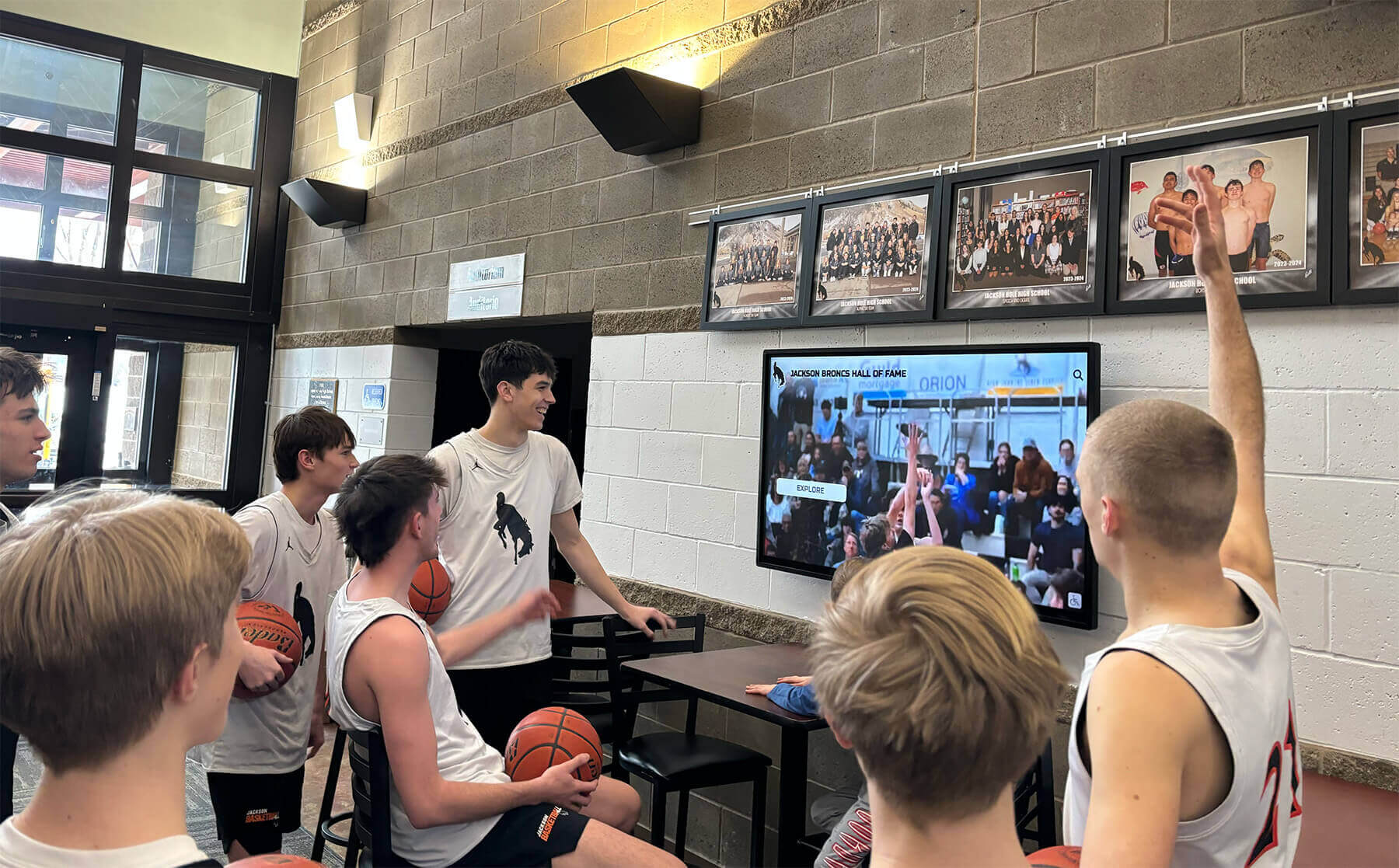
The gymnasium is packed. The band is playing the fight song. Seniors are screaming louder than freshmen, and that one PE teacher is about to get absolutely destroyed in a three-point shooting contest in front of 800 students. That’s a pep rally.
Not the version where the principal reads announcements while students check their phones. The kind where the games are so good that students arrive early to get seats, where athletes feel genuinely celebrated, and where the energy from Friday afternoon carries straight into the bleachers for Friday night’s game.
Getting there requires deliberate planning and game selection. The wrong games — slow, confusing, or only engaging for a handful of participants — kill momentum. The right ones build the kind of spirited environment that defines a school’s athletic culture for years.
These 20 pep rally game ideas are organized by type, so you can mix and match based on your gym layout, student body size, and the tone you want to strike. Every activity includes a practical note on what makes it work and how it connects to the legacy-building mission of a great school athletic program.

Why the Right Games Matter for Hall of Fame Culture
Pep rally games do more than kill time between team introductions. They model what your athletic program stands for. Games built around school records invite students to understand the history of achievement. Games featuring athlete competitions show what dedication produces. Games that bring alumni back create visible connections between present students and the names on your wall of honor.
Schools serious about building lasting school pride understand that events like pep rallies aren’t separate from the recognition infrastructure — they’re the live version of it. The athletes recognized in a digital hall of fame this spring were students who sat in those bleachers a few years ago, watching the games, absorbing the culture, deciding it was worth chasing.
Choose games that reinforce what you want your program to represent, and your pep rallies become part of the athletic tradition rather than a break from it.
Category 1: Class vs. Class Competition Games
These games pit grade levels against each other, which accomplishes two things simultaneously: they engage large numbers of students as invested participants (not just spectators), and they create natural energy as sections compete for bragging rights. Keep scoring visible and audible throughout.
1. The Class Cheer-Off
Each grade level prepares a 60-second original cheer or chant in advance. A panel of student judges — or a simple volume meter — determines the winner. Classes that know the competition is coming will organize themselves, recruit classmates, and actually practice, which means every participating section arrives more invested in the rest of the rally than they would be otherwise.
What makes it work: The preparation requirement. When students have already committed effort before arriving, their investment in the outcome is real.
Tip: Announce the Cheer-Off at least two weeks in advance. Grade-level representatives can organize practice sessions during lunch.
2. Beach Ball Keep-Up Challenge
Distribute one or more beach balls to each class section. On the signal, every section keeps their ball airborne without letting it touch the floor. Track time, or eliminate sections when their ball drops. The chaos is the entertainment — hundreds of students suddenly focused on the same small task creates tremendous noise and energy.
What makes it work: Every single person in the section participates simultaneously. There’s no waiting, no watching, no passivity.
Variation: Use multiple balls per section, requiring groups to keep all of them up at once. Raises difficulty and amplifies the spectacle.
3. Tug-of-War Tournament
The classic. Run it as a bracket with representatives from each class, or go all-in with sections physically pulling against each other. Mixed teams — students and faculty on opposite ends — add a dimension that students love.
What makes it work: Pure, legible competition with immediate, obvious results. No judging ambiguity.
Safety note: Use proper rope, clear the floor, and make sure anchors are planted on stable footing. Brief participants on safe grip and body positioning.
4. Spirit Section Showdown
Announce a spirit theme in advance — school colors, decade costumes, the mascot, sports jersey day. Judges walk through each section assessing participation rate, creativity, and collective enthusiasm. Score on a rubric or simply announce a winner by class.
What makes it work: It rewards pre-rally effort and creates a reason for students to coordinate with classmates before the event even starts. Sections that went all-in celebrate together; sections that barely tried have motivation for next time.
5. Class Trivia Tournament
Run a multi-round trivia bracket with representatives competing for their grade. Categories should mix school athletic history, current roster knowledge, and general sports questions. When students answer questions about records set by athletes who are now in the school’s hall of fame, they’re learning that history in the most engaging format possible.
What makes it work: Connects entertainment to institutional knowledge. Students who didn’t know who holds the school’s scoring record do know it by Monday morning.
Content tip: Pull questions from your school’s athletic archives. If you have a digital record display, it’s a ready-made source of trivia material — and a natural moment to show the display to the student body.
6. Musical Chairs Royale
Set up a large row of chairs and run elimination rounds with class representatives. Play the school fight song instead of generic music. Each round eliminates one student, and that student returns to their class section to cheer on their remaining representative. The connection to class pride keeps even eliminated students invested in the outcome.
What makes it work: Simple, legible format that scales well in any gym. Fight song as the soundtrack keeps the school identity front and center.
Category 2: Athletic Skill Challenge Games
These games showcase actual athletic ability and create moments where student athletes can demonstrate what they’ve worked for. They’re also where your pep rally earns its credibility as an athletic celebration rather than just a party.
7. Free Throw Shooting Contest
Simple, suspenseful, and universally understood. Each competitor attempts a set number of free throws — five or ten works well for time — and the highest make percentage wins. Consider running multiple rounds: one for general student participants, one for varsity athletes, and one for faculty. The faculty round is almost always the crowd favorite.
What makes it work: Every attempt is its own small moment of tension. The crowd reacts to makes and misses in real time. It’s naturally entertaining without any production required.
Hall of fame tie-in: Before the contest, announce the school record for free throw percentage and the athlete who holds it. It contextualizes the competition and teaches students who to look up on the recognition wall.
8. Athletic Obstacle Course
Design a course using gym equipment, cones, and props representing your school’s sports: dribble a basketball through cones, do five push-ups on the mat, kick a soccer ball into a small goal, complete a broad jump, sprint to the finish. Time each competitor. The variety of sports represented signals that multiple programs matter, not just the featured fall sport.
What makes it work: The variety keeps crowds entertained across the full course, not just the finish line. Route design through the center of the gym keeps participants visible throughout.
Variation: Have representatives from each varsity sport complete the course, positioning it as an “all-school athlete” competition rather than a single-sport showcase.
9. Dizzy Bat Relay Race
Teams of four or five race in relay format. At the baton-exchange point, each runner must spin around a bat (or foam pool noodle for safety) ten times before sprinting to the next leg. The disorientation produces the kind of slapstick entertainment that transcends age, sport, and student group.
What makes it work: The visual humor. Students watching will see their friends, teachers, and athletes stumbling across the gym floor, and the crowd noise will be immediate and sustained.
10. Three-Point Shootout Bracket
Bracket eight students — or seed by class year — and run head-to-head three-point shooting competitions. A set number of attempts per round, most made advances. This format works especially well before basketball season and creates mini-rivalries within the bracket.
What makes it work: Tournament bracket logic creates natural stakes at every round. Students who follow any sport understand the format immediately. The final two competitors create a genuine championship moment.
11. Serve, Spike, or Spike-Off
For schools with strong volleyball programs, run a serving accuracy contest (serving into a target zone) or a spike-off where students try to put the ball away against a passive block. Works as an individual competition or a team relay.
What makes it work: Sport-specific skill games showcase program athletes in their element while also allowing general student participants to try, which creates humorous contrasts between trained athletes and enthusiastic amateurs.
Category 3: Hall of Fame Tribute Games
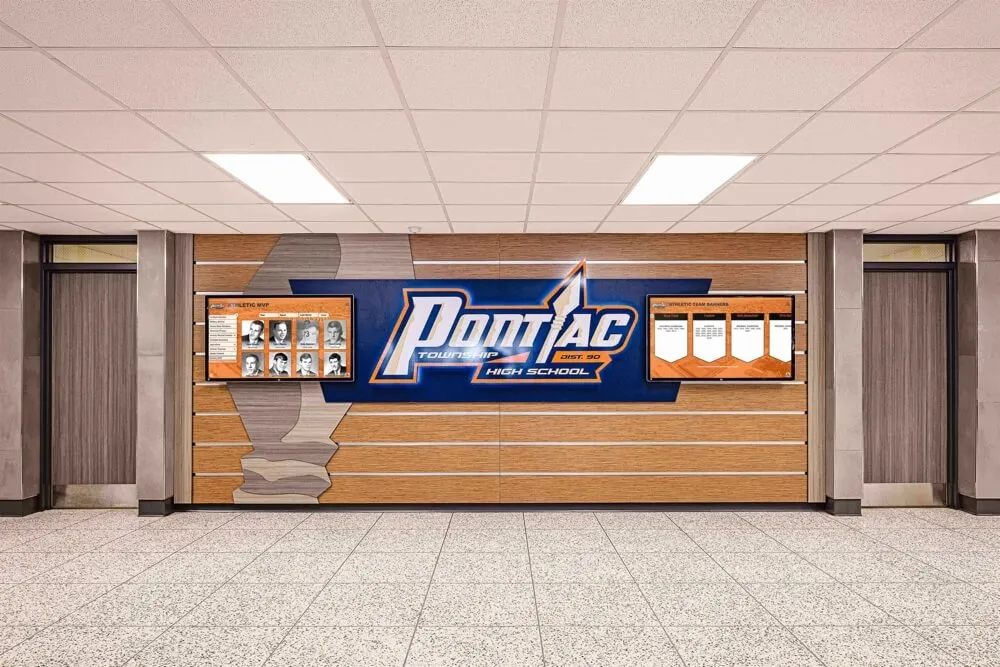
These games exist specifically to connect the student body to school athletic history, teach younger students who came before them, and generate the kind of institutional pride that ends up sustaining programs across generations. They work especially well when introduced around Hall of Fame induction season.
12. “Who Am I?” Hall of Famer Challenge
Read a series of clues — athletic statistics, years attended, sport, notable moments — and have student representatives buzz in to identify the alumnus being described. Pull profiles from your school’s actual hall of fame inductees. When students hear stats like “state champion in 1987, school record holder for 200-meter dash still standing today,” the names on the wall become real rather than just plaques.
What makes it work: Teaches history through competition. Students learn about past alumni in a format where knowing the answer is exciting rather than obligatory.
Implementation: Coordinate with athletic department to compile accurate profiles. If your school has an interactive school history timeline, use it as your source material and show it on-screen as you reveal answers.
13. Beat the Record Challenge
Pull a school record from the athletic archives — most push-ups in a minute, fastest shuttle run, standing broad jump — and invite students to attempt to beat it on the spot. The record-holder’s name and year should be visible on screen throughout the attempt.
What makes it work: Creates a direct, visceral connection between a student in the bleachers and the person whose name is on the wall. Whether the attempt succeeds or fails, every student in the gym just learned that record.
Note: Choose records that are challenging but not impossibly distant from what a fit student could achieve. The goal is drama, not humiliation.
14. School History Scavenger Hunt
Divide participants into teams of three or four. Each team receives a card with ten questions about school athletic history — championship years, program founding dates, record-holders, mascot origin, retired numbers. First team to submit all correct answers wins.
What makes it work: Encourages collaboration and rewards students who pay attention to school history. When teams can’t answer a question, they notice what they don’t know, which is its own form of engagement.
Preparation shortcut: Questions from this game can be pulled directly from end-of-year athletic program materials, your media guide, or your hall of fame display.
Category 4: Faculty vs. Student Games
Faculty participation is one of the highest-leverage elements in any pep rally. When teachers and administrators compete — especially when they lose badly and handle it with good humor — the social distance between faculty and students narrows in a way that makes the whole school feel more unified. These are consistently students’ favorite segments.
15. Lip Sync Battle
Two or three faculty members and two or three student representatives prepare 90-second lip sync performances to songs of their choice. The more choreography, props, and commitment, the better. Student-faculty brackets work extremely well: a round of student vs. student, then a round of teacher vs. teacher, then a final round pitting the winners against each other.
What makes it work: The unexpected contrast between a faculty member’s everyday authority and their willingness to perform creates genuine warmth. Students appreciate teachers who risk embarrassment for a good cause.
Tip: Coach participating teachers to commit fully. Half-hearted lip syncs land poorly; committed ones become legendary.
16. Faculty Obstacle Course
Send three teachers through the same obstacle course used in Game 8 and time their runs. The slowest time buys the class with the best spirit score a pizza party, a dress-down day, or whatever incentive works at your school.
What makes it work: Stakes and accountability. Faculty who know they’re being timed actually try, and students can compare faculty times to student times from earlier in the rally.
17. Principal’s Challenge
Pick a physical challenge that’s achievable but clearly difficult — planks for 60 seconds, completing a basketball free throw against the starting point guard, finishing a push-up-to-sprint interval — and have the principal attempt it on stage. If they succeed, the school gets a privilege. If they fail, a student rep earns a symbolic “win” for the student body.
What makes it work: Stakes create investment. Students are genuinely watching to find out what happens, and either outcome is entertaining.
Note: Clear participation with the principal in advance and let them choose the challenge within a defined range of options. This maintains genuine unpredictability while preventing anything unreasonable.
18. Faculty Free Throw Contest
This is a reliable crowd-pleaser regardless of how athletic your faculty is. Give five to eight teachers five free throw attempts each. Track cumulative makes. Compare their collective total to the varsity basketball team’s combined shooting percentage.
What makes it work: Low stakes, high entertainment. Faculty miss shots in entertaining ways; occasional makes are celebrated out of proportion to their difficulty. The comparison to varsity athletes creates a natural moment to highlight your basketball program.
Category 5: Creative and Performance Games
These games showcase student talent beyond pure athletics, ensure non-athletes feel celebrated and included, and provide variety that prevents any pep rally from feeling like a one-dimensional sports broadcast.
19. Dance-Off Competition
Open brackets or faculty vs. student rounds. Contestants freestyle for 30 seconds per round while a panel of student judges scores on energy, creativity, and crowd response. Consider teaching a brief group routine at the start of the rally and incorporating it into a final mass dance-off where the whole gym participates.
What makes it work: Inclusive by design. Dance ability doesn’t correlate with athletic achievement, which means a student who has never played a sport can win and be celebrated in front of the whole school.
Variation: Incorporate school-specific moves — actions that mimic the mascot, gestures referencing a championship season, or moves tied to fight song lyrics.
20. Class Banner Reveal and Vote
Each class creates a banner representing their grade in the weeks before the rally. At the rally, all four banners are revealed simultaneously. Students vote by section volume — the section that cheers loudest for their banner wins points for the class competition. Banners are then displayed in the hallway throughout the competitive season.
What makes it work: Extends spirit week energy into a tangible artifact that persists after the pep rally ends. The banner in the hallway is a daily reminder of school pride, not just a one-day event.
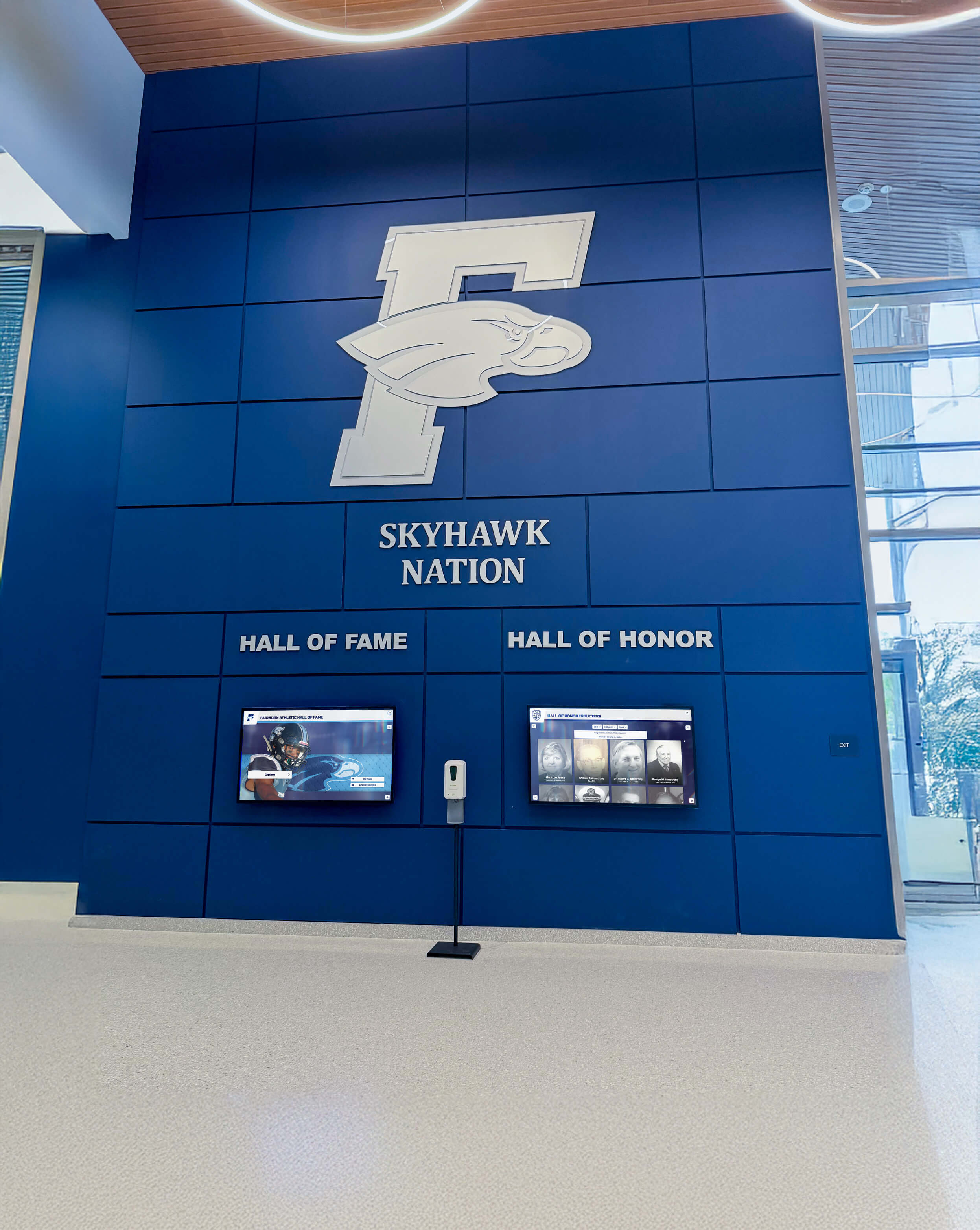
Hall of fame connection: Consider displaying banners near your athletic recognition wall or trophy case. The juxtaposition of current student work and historical achievement creates a visual narrative of continuing tradition.
How to Connect Pep Rally Games to Your Hall of Fame
The strongest pep rallies don’t just entertain in isolation — they actively connect students to the institution’s athletic history and the recognition systems that preserve it.
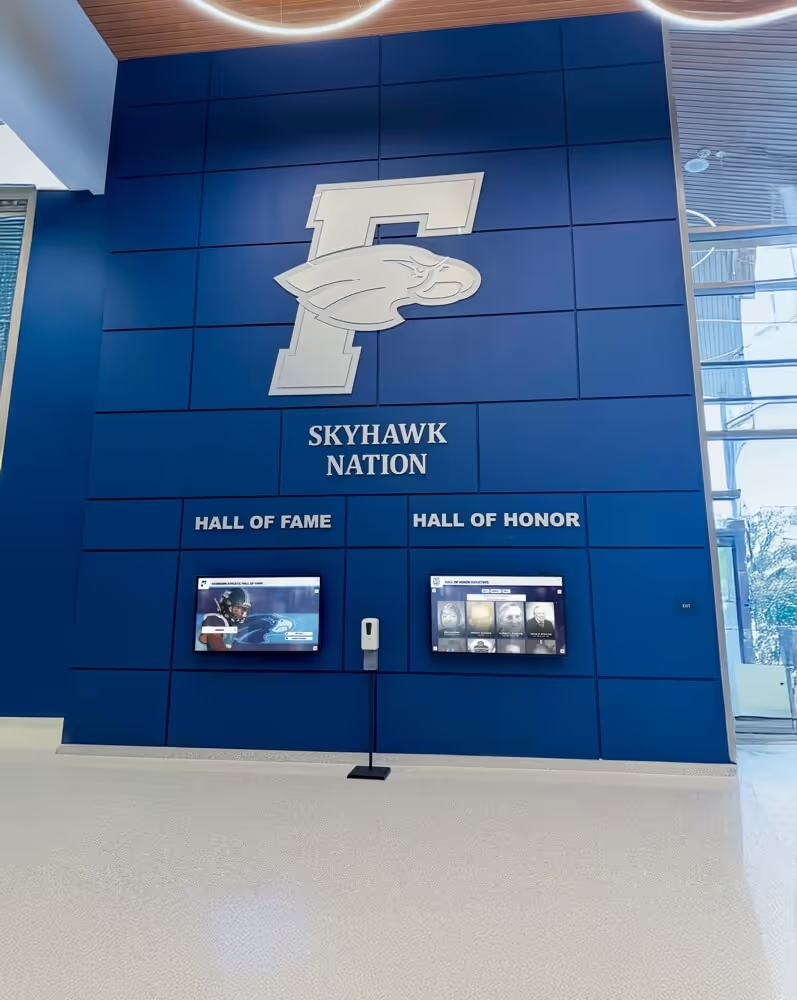
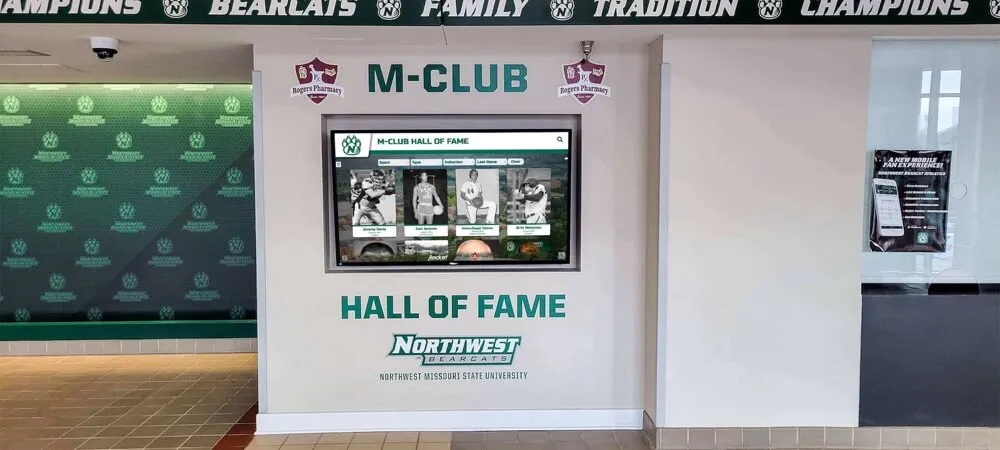
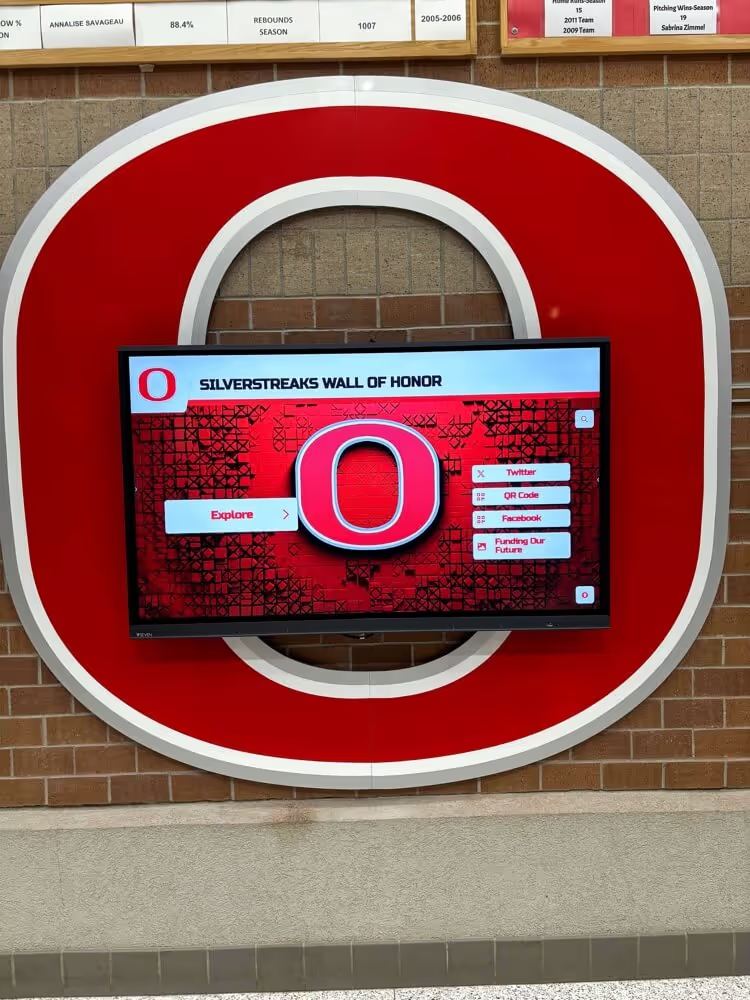
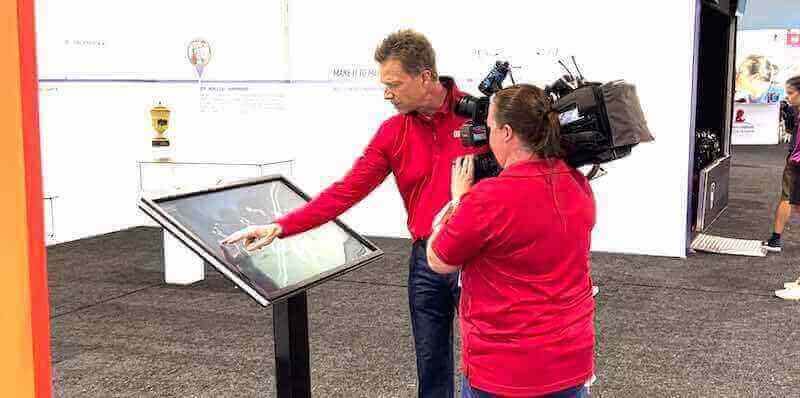
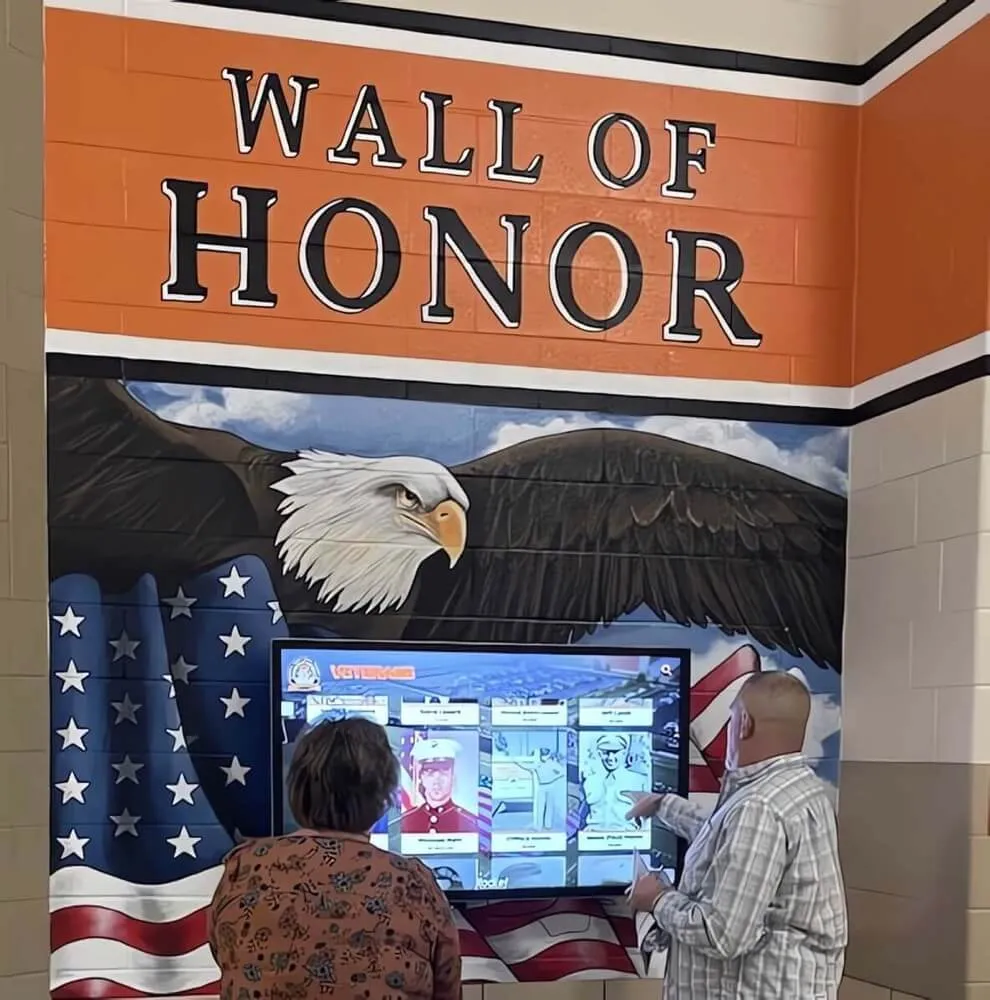
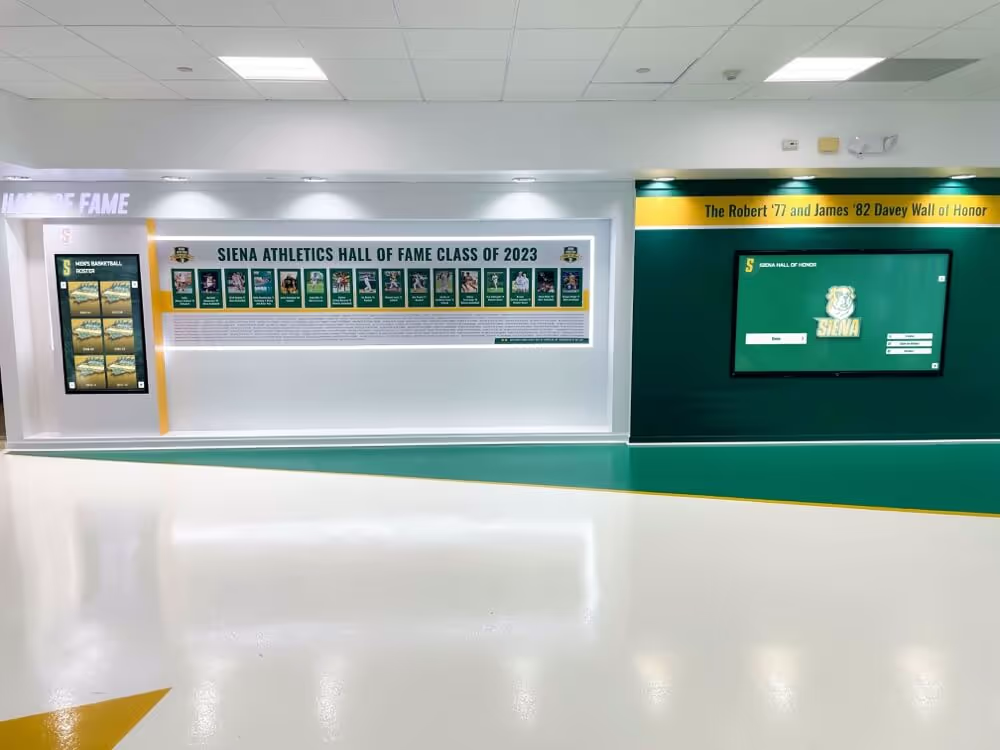
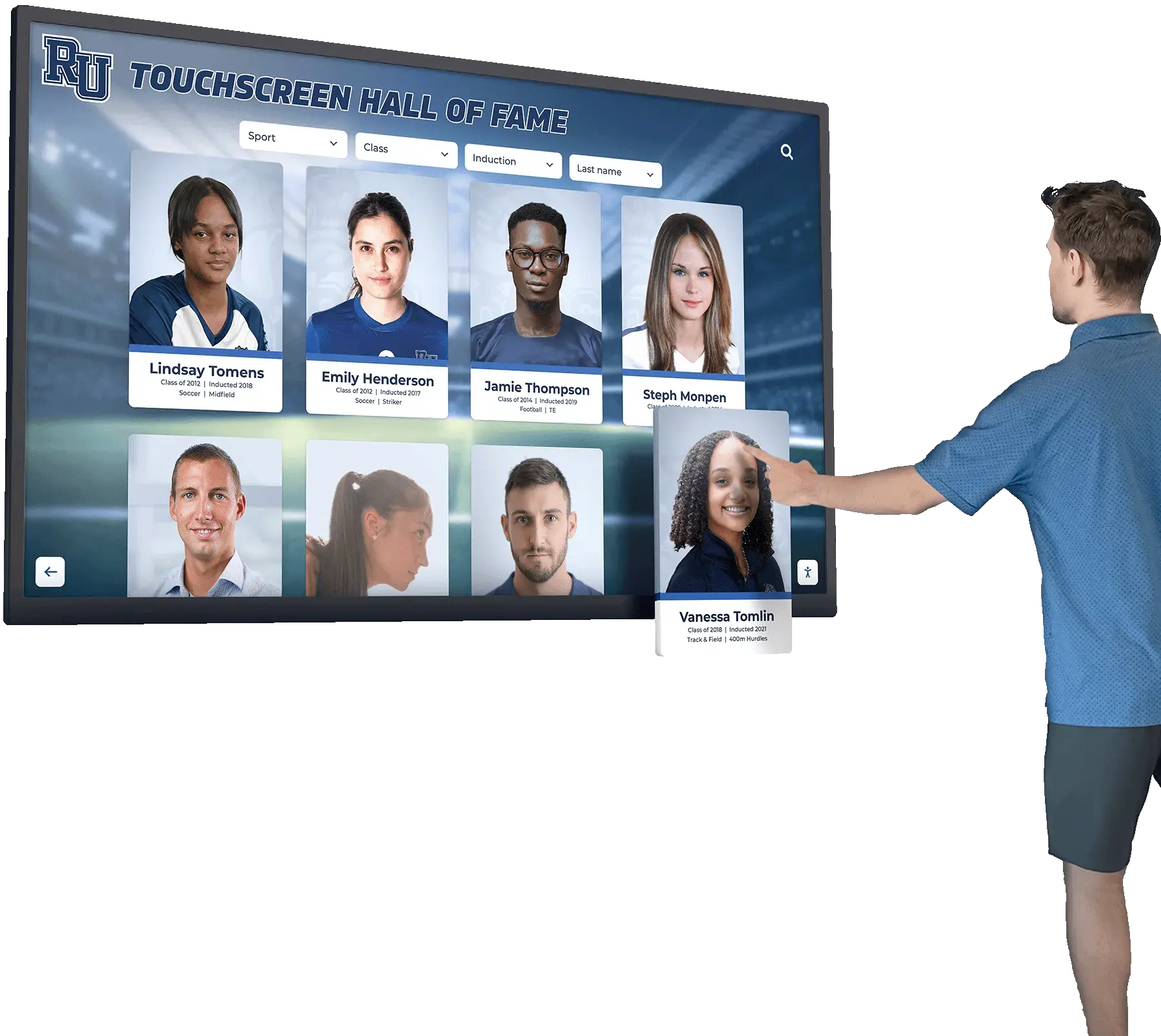
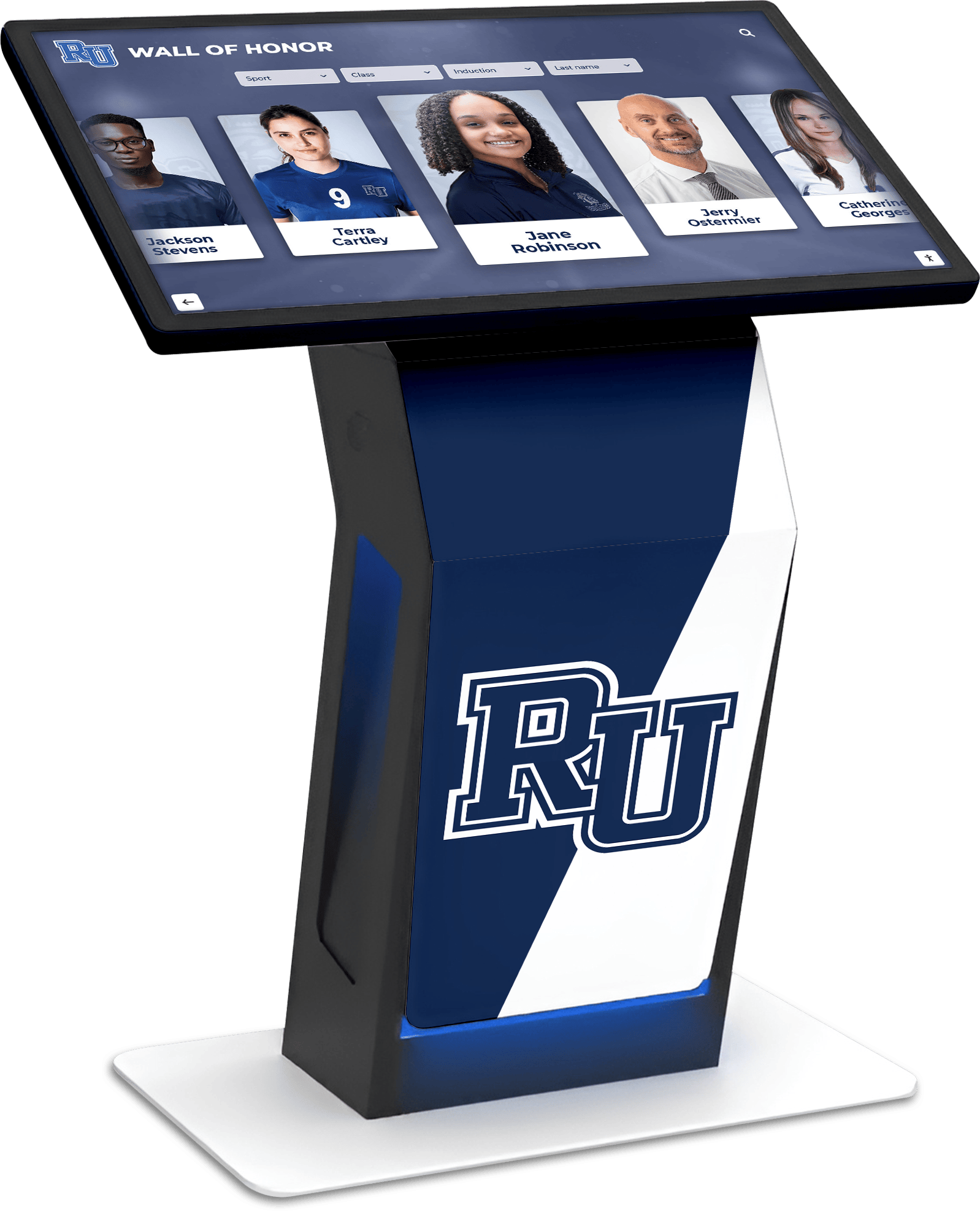
Display hall of fame profiles during transitions. When running game 12 (Who Am I?) or game 13 (Beat the Record), show the inductee’s profile on-screen. If your school uses a touchscreen hall of fame display, this can be demonstrated live, giving students a reason to visit the display in the hallway the following week.
Invite hall of fame alumni to attend. Former inductees who appear at pep rallies create multi-generational connections that current students absorb even without fully recognizing it. A retired coach who mentored three coaches who are now coaching in the same gym carries decades of institutional memory into the room. Schools looking to honor retired coaches through dedicated displays find that pep rallies offer natural moments to introduce those figures to the current student body.
Name game winners after program records. When a student beats a pep rally record in the three-point shootout, announce it in the context of the actual school record. “That’s the most three-pointers made at a pep rally contest since 2019 — and the school’s all-time record from 1998 still belongs to Marcus Telford, who you can find in the Class of 2001 section of our hall of fame.”
Use trivia to build historical awareness. Students who learn school athletic history through game 5 (Class Trivia) or game 14 (Scavenger Hunt) are more likely to stop and read the recognition wall when they walk past it. The cognitive connection is already made.
Planning Tips for Running 20 Games Effectively
You won’t fit all 20 games into a single 40-minute rally. The value of this list is in selection and rotation, not exhaustion.
Select 4-6 games per rally. Mix at least one class competition, one athletic skill game, one faculty involvement segment, and one creative game. This coverage ensures broad appeal across different student interests.
Time your segments. Each game should run no longer than 7-8 minutes including setup and announcement. Fast-paced transitions between games keep energy high. The pep rally should feel like it’s moving, not like it’s waiting.
Use a run-of-show document. A detailed script with cues, timing notes, and transitions shared with all involved keeps everything coordinated. Student hosts who know exactly what’s coming next never create dead air.
Build in recognition. At least two or three transitions should acknowledge athletic achievement directly — a team introduction, an awards announcement, or a hall of fame reference. Games deliver energy; recognition delivers meaning.
Rotate games across rallies. If your school holds four or five rallies per year, use different games at each one. Students who know a new game is coming have a reason to attend with fresh anticipation rather than settled expectations.
For schools developing a comprehensive athletic culture from the ground up, studying models like high school sports media guides can help establish the vocabulary and systems for how achievement gets documented, celebrated, and eventually inducted into a hall of fame. Pep rally games are one node in that broader ecosystem.
Extending Pep Rally Spirit Beyond the Gym
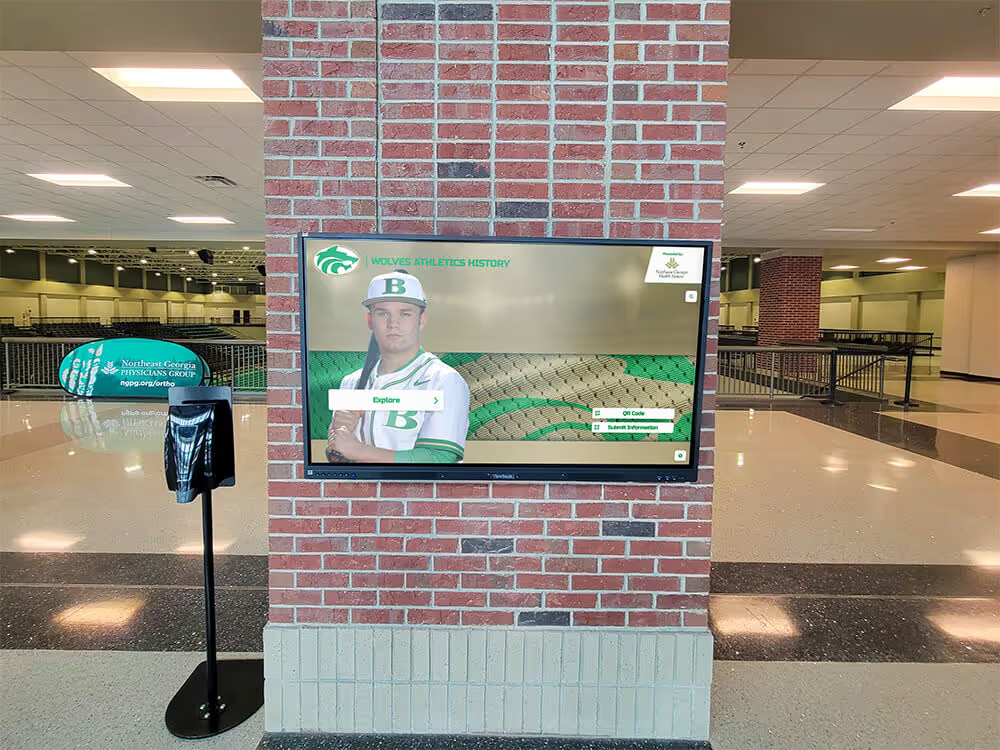
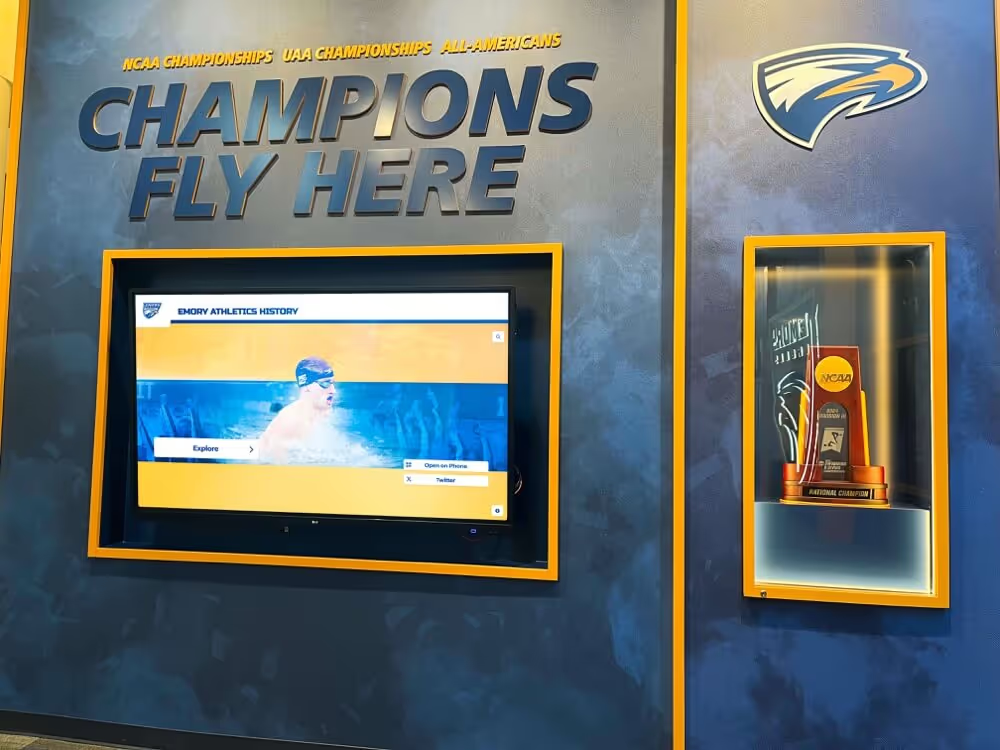
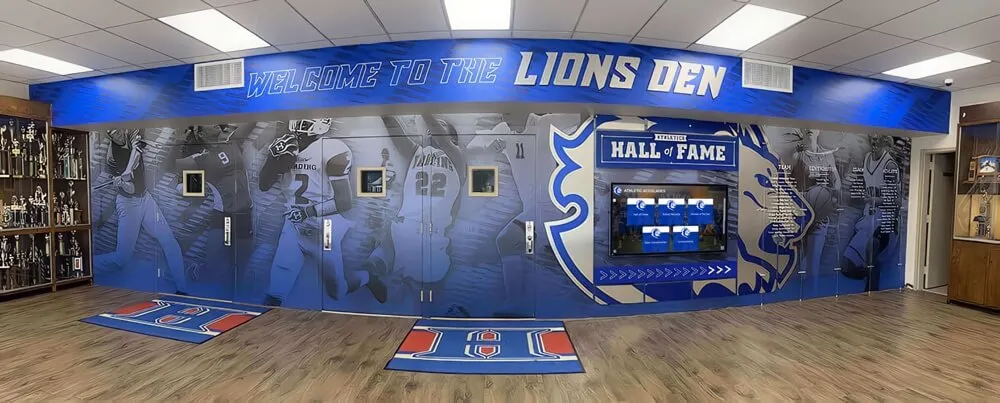
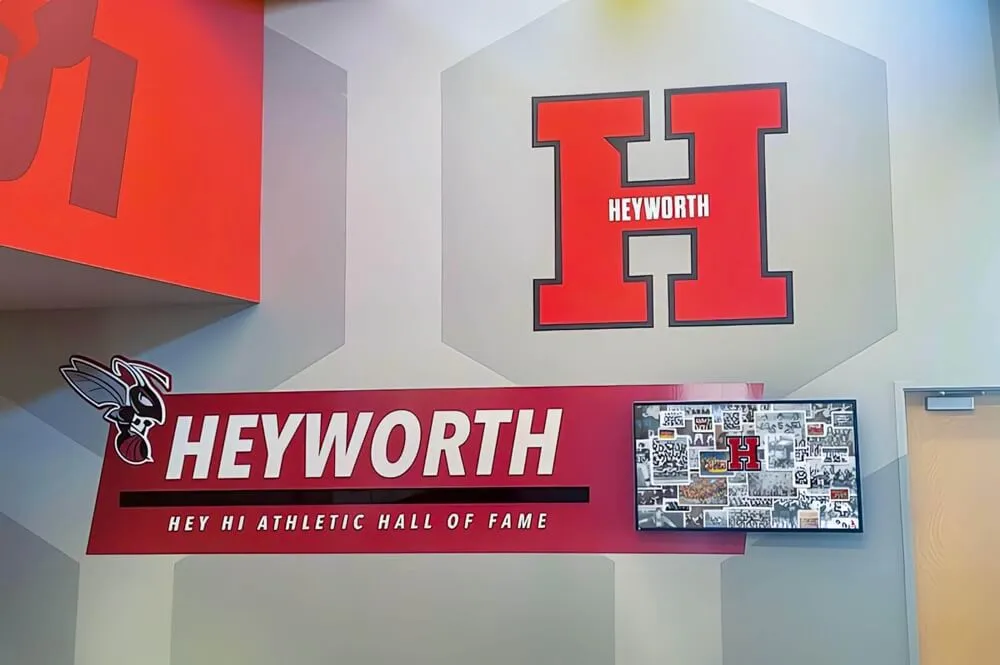
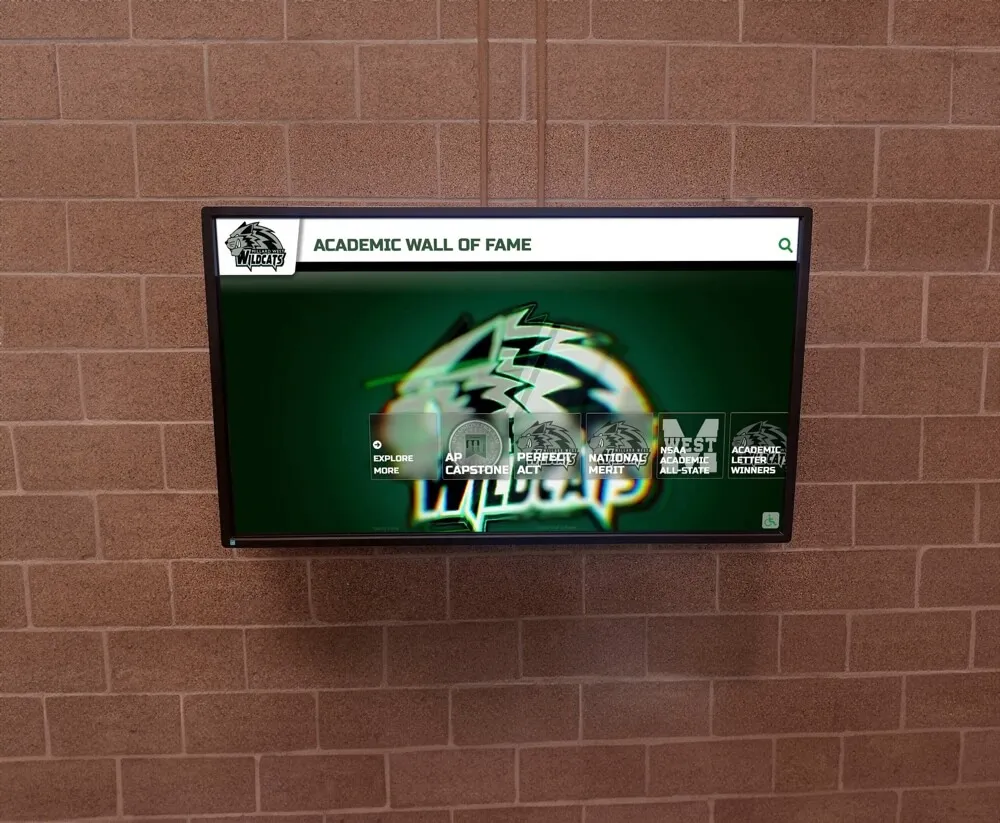
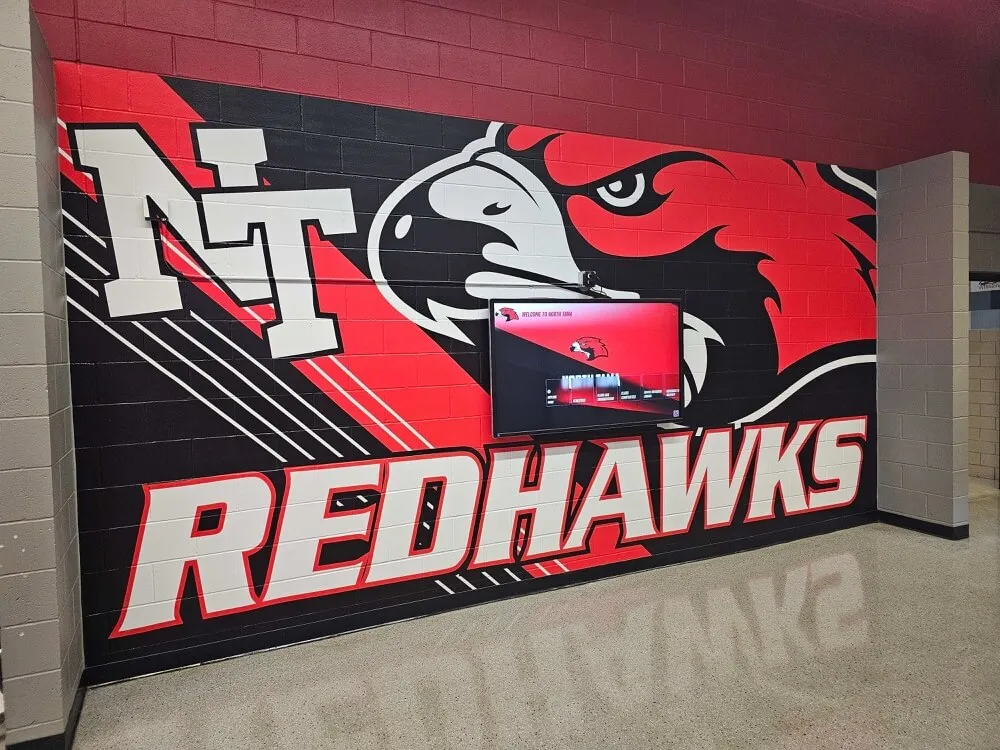
The school spirit built in a pep rally is only as durable as the systems in place to reinforce it between events. When students leave the gym on Friday afternoon and walk past hallways filled with athletic murals, digital record boards, and interactive recognition displays, the culture they absorbed in the rally gets reinforced daily.
Schools that invest in strong alumni engagement programs find that pep rally traditions create natural touchpoints for alumni return visits — former athletes who competed in game segments, who saw their records referenced on the screen, who were inducted into the hall of fame now visible in the school’s main corridor. The pep rally brings them back; the recognition infrastructure gives them something to show their own children.
Fan experience design at the college and professional level reflects the same insight: the moments of competition and community are more memorable when surrounded by visible evidence of the program’s history and achievement. That principle applies equally to a high school gymnasium.
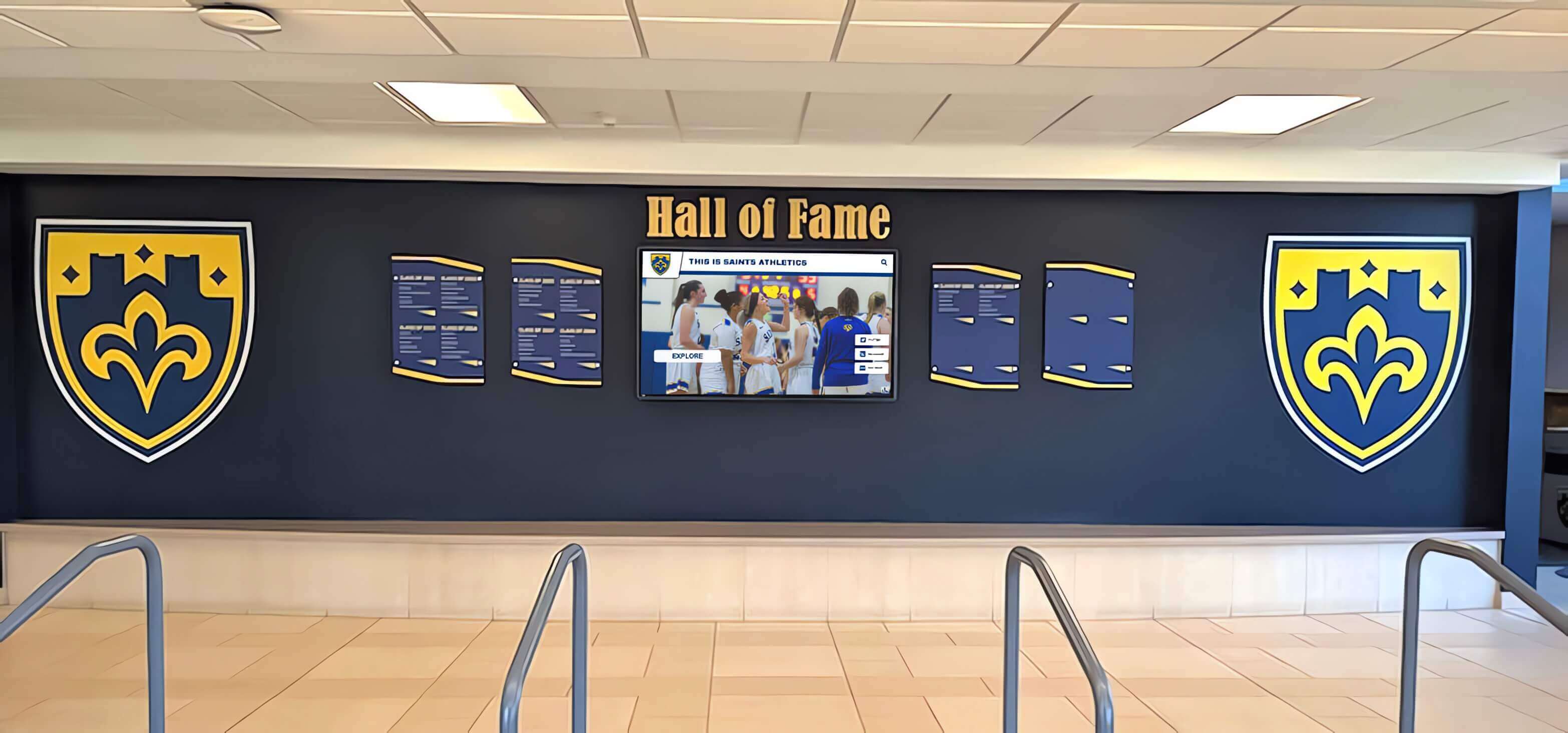
Even small schools can build this culture effectively. The right tools — designed specifically for school athletic recognition rather than adapted from generic signage software — remove the technical barriers that have historically kept smaller programs from maintaining robust recognition infrastructure. Digital recognition designed for smaller schools has become increasingly accessible and affordable, making hall of fame culture achievable at any enrollment size.
Conclusion: Games That Build the Culture Behind Your Hall of Fame
Great pep rally games do two things at once. In the moment, they energize a gymnasium full of students. Over time, they build the culture of pride, competition, and institutional identity that makes athletic achievement feel worth pursuing — and worth preserving.
The athletes who end up inducted into your hall of fame didn’t emerge from a vacuum. They grew up in a school where effort was celebrated, history was honored, and excellence had a visible home. Every well-designed pep rally game contributes to that environment.
Start with two or three games from the list above that fit your school’s size and gym setup. Add a hall of fame reference to your trivia questions. Introduce one faculty competition that lets teachers show their humanity. Build from there. The culture you create at each rally is the culture that students take into practice, into competition, and eventually onto the recognition wall.
Ready to build recognition infrastructure that reinforces pep rally spirit year-round? Rocket Alumni Solutions provides interactive digital halls of fame for schools that want to make athletic history visible, accessible, and alive — in the hallway every day, and on-screen at every pep rally.