



When employees feel genuinely appreciated by their peers, everything changes. Morale improves, collaboration strengthens, and people approach their work with renewed energy and purpose. Yet traditional top-down recognition programs, where only managers acknowledge achievements, often miss the daily contributions that truly make teams successful.
Peer-to-peer recognition programs address this gap by empowering everyone in an organization—not just managers—to celebrate colleagues’ accomplishments, efforts, and positive behaviors. These programs create cultures where appreciation flows naturally throughout teams, strengthening bonds and reinforcing the values that drive organizational success.
This comprehensive guide examines peer-to-peer recognition program design, implementation strategies, platform options, success measurement, and best practices for creating appreciation cultures that strengthen teams while advancing organizational goals.
Understanding Peer-to-Peer Recognition Programs
Before launching recognition initiatives, organizational leaders must understand what distinguishes effective peer recognition from generic appreciation gestures that create minimal impact.
What Makes Recognition “Peer-to-Peer”
Peer-to-peer recognition programs democratize appreciation by enabling anyone in an organization to acknowledge colleagues’ contributions regardless of hierarchical position. Unlike traditional recognition flowing exclusively from supervisors to subordinates, peer recognition creates horizontal appreciation networks where teachers recognize fellow teachers, nurses celebrate other nurses’ exceptional care, and team members across departments acknowledge collaborative contributions.
This horizontal structure matters because colleagues working alongside each other daily observe contributions that supervisors might miss. The teacher who stays late helping a struggling colleague perfect a lesson plan, the custodian who notices details preventing safety issues, the administrative assistant who remembers everyone’s preferences—these daily acts of excellence often occur beyond managerial visibility yet profoundly impact team effectiveness.
Authentic peer recognition demonstrates several essential characteristics. It occurs frequently rather than waiting for annual reviews, as immediate appreciation reinforces desired behaviors more effectively than delayed acknowledgment months after contributions occur. It focuses on specific behaviors and impacts rather than vague praise, helping recipients understand exactly what they did well and encouraging repetition.
Effective peer recognition is public enough to inspire others while remaining appropriate to organizational culture—some organizations celebrate recognition loudly through all-staff channels while others prefer quieter acknowledgment respecting individual preferences. Most importantly, genuine peer recognition reflects authentic appreciation rather than obligatory participation, distinguishing programs that strengthen culture from those that feel like mandated chores creating resentment.
Benefits Beyond Morale
While improved morale represents the most obvious benefit, peer-to-peer recognition programs deliver multiple strategic advantages that justify investment and sustained commitment.
Strengthening Collaboration and Team Cohesion:
When people regularly acknowledge colleagues’ contributions, working relationships deepen beyond transactional interactions. Recognition creates social bonds and psychological safety, making team members more willing to ask for help, offer assistance proactively, and collaborate across traditional boundaries. Teachers who feel appreciated by colleagues share resources more freely. Healthcare teams where recognition flows regularly communicate more effectively during high-pressure situations.
Research from MIT’s Human Dynamics Laboratory demonstrates that teams with strong peer recognition practices develop communication patterns associated with highest performance—frequent short conversations, balanced participation, and connections across subgroups rather than isolated clusters. Recognition serves as social glue binding individuals into cohesive teams.
Reinforcing Cultural Values and Desired Behaviors:
Organizations can strategically shape culture through recognizing behaviors that exemplify desired values. Schools committed to innovation celebrate teachers who experiment with new approaches. Nonprofits focused on community impact recognize staff who go beyond formal responsibilities to serve constituents meaningfully. Businesses prioritizing customer service acknowledge employees delivering exceptional experiences.

This behavioral reinforcement works because recognition provides visible examples of what success looks like, communicates priorities more effectively than policy statements, rewards and therefore encourages desired behaviors, and creates positive peer pressure as people aspire to recognition their colleagues receive.
Improving Retention and Reducing Turnover:
Employee retention represents one of peer recognition’s most compelling financial benefits. Replacing departed staff costs organizations 50-200% of annual salaries when accounting for recruitment, onboarding, lost productivity, and institutional knowledge loss. Retention improvements from effective recognition programs deliver substantial return on investment.
Gallup research reveals employees who feel adequately recognized are significantly less likely to seek employment elsewhere. This effect intensifies when recognition comes from peers rather than only managers, as colleague appreciation validates that one belongs to and matters within a community rather than merely satisfying a boss’s expectations.
Enhancing Recruitment Through Reputation:
Organizations known for strong appreciation cultures attract higher-quality candidates. When current employees enthusiastically describe workplace environments where contributions receive genuine recognition, recruitment becomes easier and less expensive. Digital recognition platforms showcasing staff achievements serve dual purposes, celebrating current employees while demonstrating to prospective hires that the organization values and celebrates its people.
Common Misconceptions About Peer Recognition
Several misconceptions prevent organizations from implementing effective peer-to-peer recognition programs. Understanding and addressing these barriers helps leaders overcome resistance and build sustainable appreciation cultures.
“Recognition Programs Are Expensive”:
Effective peer recognition requires minimal financial investment. While some organizations purchase sophisticated platforms or offer tangible rewards, the most impactful recognition costs nothing—genuine acknowledgment of specific contributions, public celebration of achievements during meetings, handwritten notes expressing appreciation, and visible displays honoring accomplishments.
Even when organizations invest in digital platforms or recognition budgets, costs typically pale compared to turnover reduction benefits. Replacing a single employee often costs more than annual recognition program expenses serving entire departments.
“We Already Have Annual Awards—That’s Enough”:
Annual recognition events serve important purposes but cannot substitute for frequent peer appreciation. Recognition loses impact when delayed months after achievements occur, as immediate acknowledgment reinforces behaviors more effectively. Annual programs typically recognize few individuals, leaving most staff unacknowledged. They emphasize exceptional achievement over consistent excellence, potentially discouraging people who contribute reliably without dramatic highlights.
Effective recognition cultures combine formal annual recognition with informal daily appreciation, creating multilayered systems where everyone receives acknowledgment appropriate to their contributions.
“Only Managers Should Provide Recognition”:
This outdated assumption reflects hierarchical organizational models increasingly recognized as limiting. Managers observe limited aspects of employee performance and may miss contributions occurring beyond their direct supervision. Peers working alongside colleagues daily notice efforts that supervisors never see, making their recognition often more meaningful and specific than managerial acknowledgment.
Organizations benefit from recognition flowing through multiple channels—from managers to employees, from employees to managers, and most frequently among peers sharing daily work experiences.
“Recognition Programs Feel Forced and Inauthentic”:
This concern reflects poorly designed programs rather than inherent recognition flaws. Mandatory recognition quotas, generic praise lacking specificity, insincere public displays in cultures valuing privacy, and performative appreciation disconnected from genuine gratitude do feel forced and create cynicism.
However, well-designed programs avoiding these pitfalls cultivate authentic appreciation. Voluntary participation rather than mandates, specific acknowledgment of concrete contributions, options for public or private recognition respecting preferences, and leadership modeling genuine gratitude create environments where appreciation flows naturally because people genuinely value colleagues’ contributions.
Designing Effective Peer-to-Peer Recognition Programs
Successful recognition programs require intentional design addressing organizational culture, participant preferences, and strategic objectives rather than implementing generic templates mismatched to specific contexts.
Establishing Program Foundations
Before launching recognition initiatives, clarify purposes, values, and success indicators guiding program design and future refinement.
Defining Recognition Objectives:
Different organizations pursue different outcomes through recognition programs. Educational institutions might prioritize strengthening collaborative culture among faculty, celebrating instructional innovation, improving staff retention in high-turnover positions, and building school pride visible to students and families.
Healthcare organizations often emphasize reinforcing patient-centered care behaviors, reducing burnout through appreciation, improving interdisciplinary team cohesion, and demonstrating organizational values alignment.
Businesses typically focus on increasing employee engagement and satisfaction, reducing turnover and associated costs, reinforcing customer service excellence or innovation, and strengthening employer brand attracting talent.
Clear objectives enable strategic design and meaningful measurement. Programs aimed at retention require different features than those primarily reinforcing cultural values or improving collaboration.
Aligning Recognition with Organizational Values:
Effective programs explicitly connect recognition to organizational values and mission, ensuring appreciation reinforces rather than dilutes what matters most. Schools emphasizing educational excellence design recognition categories celebrating teaching innovation, student support going beyond requirements, professional development leadership, and collaborative curriculum development.
Nonprofits focused on community impact create recognition highlighting mission-aligned service, stakeholder relationship building, program innovation improving outcomes, and collaborative problem-solving addressing constituent needs.
This alignment ensures recognition consistently reinforces desired behaviors while preventing awards that might inadvertently reward actions contradicting stated values—for example, individually competitive achievement in organizations prioritizing collaboration.
Securing Leadership Commitment and Participation:
Peer recognition programs require active leadership endorsement to succeed. When principals regularly acknowledge teachers publicly, when executive directors celebrate staff accomplishments at meetings, when department heads participate enthusiastically in recognition platforms, cultures shift. Leadership modeling demonstrates that appreciation truly matters rather than representing optional activities subordinate to “real work.”
Conversely, programs receiving lukewarm leadership support struggle regardless of design quality. If leaders don’t participate, staff perceive recognition as unimportant, participation remains minimal, and cynicism develops about disconnects between stated values and actual priorities.
Choosing Recognition Categories and Criteria
Structured categories help participants understand what contributions merit recognition while ensuring appreciation addresses diverse excellence forms rather than narrow achievement definitions favoring particular roles or personality types.
Creating Inclusive Recognition Categories:
Effective programs honor various contribution types ensuring all roles and work styles receive appropriate acknowledgment. Schools might recognize outstanding teaching and instruction, exceptional student support and mentoring, collaborative leadership and teamwork, innovation and professional initiative, and community building and school spirit.
Healthcare organizations often create categories including exceptional patient care and compassion, clinical excellence and innovation, teamwork and interdisciplinary collaboration, quality improvement and safety contributions, and going above and beyond typical responsibilities.
Businesses frequently establish recognition for customer service excellence, innovation and creative problem-solving, collaboration and team support, leadership and mentoring, and embodying company values.
Category diversity prevents recognition from concentrating on narrow achievement definitions that leave most staff feeling ineligible while ensuring extroverted, publicly visible contributions don’t consistently overshadow quieter essential work.
Balancing Specific Criteria with Flexibility:
Recognition programs benefit from guidance about what merits acknowledgment without becoming overly rigid. Provide examples of recognizable contributions like “created resource that multiple colleagues adopted” or “stayed late helping teammate meet deadline” while allowing nominators flexibility acknowledging contributions not fitting predetermined templates.
Overly prescriptive criteria constrain authentic appreciation, forcing genuine gratitude into artificial boxes. Excessive flexibility without any guidance may result in vague recognition lacking specificity that makes acknowledgment meaningful and instructive.
Ensuring Accessibility Across All Roles:
Recognition categories should enable acknowledgment for every position from entry-level to senior leadership. Custodians, administrative staff, teachers, nurses, technicians, managers—all should see themselves reflected in recognition opportunities rather than programs implicitly favoring certain roles.
Consider whether recognition categories inadvertently advantage positions with high visibility over essential behind-the-scenes work, recognize individual achievement over collaborative contributions in team-oriented cultures, or require resources or authority unavailable to staff in certain roles.
Programs where only certain departments or job classifications receive regular recognition create resentment rather than strengthening culture, as overlooked staff perceive that their contributions matter less than others'.
Determining Recognition Frequency and Methods
Recognition delivery mechanics significantly impact program effectiveness. Decisions about timing, publicity, and formats should reflect organizational culture and participant preferences rather than defaulting to generic approaches.
Frequency: Ongoing vs. Episodic Recognition:
The most effective programs combine continuous micro-recognition—brief acknowledgments of daily contributions—with periodic formal recognition celebrating sustained excellence or exceptional achievements. Continuous recognition might involve brief shoutouts during team meetings, digital platform posts acknowledging specific contributions, personal thank-you notes or messages, and informal verbal appreciation delivered spontaneously.
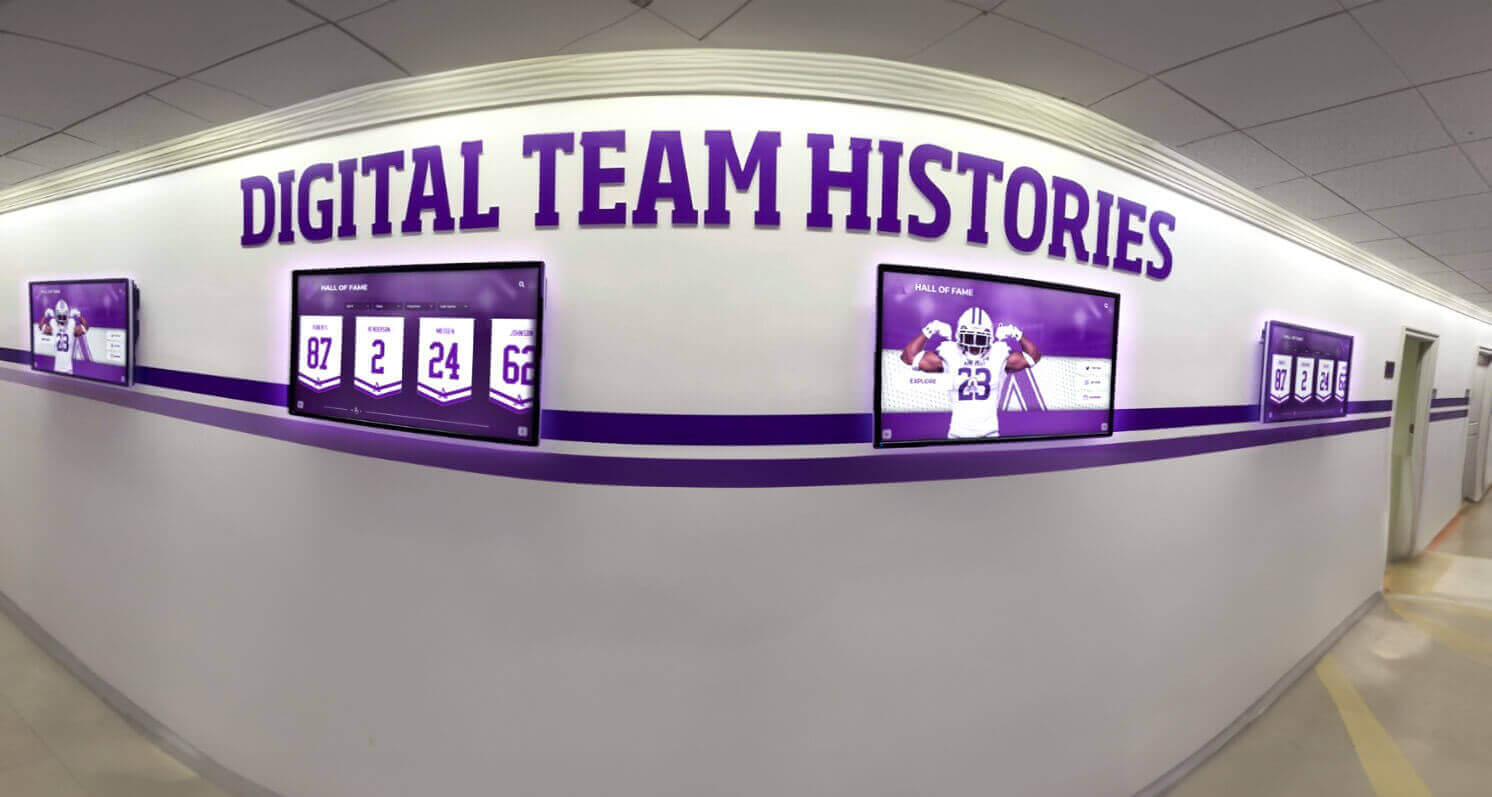
Periodic formal recognition includes monthly or quarterly award presentations, annual recognition ceremonies or events, featured profiles of exceptional contributors, and permanent recognition through digital displays or physical installations.
This layered approach provides immediate behavioral reinforcement through continuous recognition while generating anticipation and prestige through less frequent formal acknowledgment.
Public vs. Private Recognition:
Cultural norms and individual preferences vary regarding publicity. Some people appreciate public celebration while others find it uncomfortable. Effective programs offer options rather than forcing single approaches.
Public recognition methods include all-staff email announcements, social media or intranet features, recognition displays in common areas, acknowledgment during team or organization-wide meetings, and spotlight features in newsletters or communications.
Private recognition approaches involve direct messages or emails from recognizers, handwritten notes, one-on-one acknowledgment during conversations, and private leadership communications copied to recipients and managers.
Many programs allow nominators or recipients to specify recognition publicity preferences, respecting that meaningful appreciation doesn’t require forcing naturally reserved individuals into uncomfortable public spotlights.
Recognition Formats: Verbal, Written, Visual, and Tangible:
Different formats suit different contexts and preferences. Verbal recognition works well for immediate acknowledgment, spontaneous appreciation, meeting or event announcements, and personal expression of gratitude. Written recognition provides documentation for personnel files, thoughtful detailed appreciation, asynchronous acknowledgment across different schedules, and permanent records of contributions.
Visual recognition encompasses photographs or videos featuring recognized individuals, digital displays showcasing achievements and profiles, physical plaques or displays in prominent locations, and social media graphics celebrating contributions. Tangible rewards might include modest gift cards or gifts, extra time off or schedule flexibility, professional development opportunities, and symbolic tokens or certificates.
Most effective programs employ multiple formats creating varied recognition experiences rather than monotonous approaches that lose impact through excessive repetition.
Technology Platforms for Peer Recognition Programs
Modern digital platforms transform recognition program management while creating engaging experiences that encourage consistent participation and build appreciation cultures systematically.
Benefits of Digital Recognition Platforms
Technology platforms address traditional recognition challenges while enabling capabilities impossible through manual approaches or basic communication channels.
Removing Participation Barriers:
Digital platforms make recognition remarkably convenient—staff can acknowledge colleagues within seconds from smartphones or computers, eliminating friction that prevents busy people from participating despite genuine appreciation. Mobile accessibility enables recognition anywhere anytime rather than requiring formal processes, memory aids like notifications prompt appreciation preventing well-intentioned recognition from being forgotten amid busy schedules, and searchable directories help identify colleagues by name, department, or role.
This convenience dramatically increases recognition frequency compared to programs requiring paperwork, forms, or waiting for specific meetings. When appreciation takes less than one minute to express, it happens far more consistently.
Creating Visibility and Amplifying Impact:
Digital platforms provide visibility impossible through person-to-person verbal recognition. Acknowledged individuals see formal documentation of appreciation that might otherwise remain known only to recognizers and recipients, peers observe colleagues being recognized for specific behaviors providing concrete examples of valued contributions, leaders monitor recognition patterns identifying trends and highly appreciated individuals, and public feeds create positive reinforcement as staff observe organizational appreciation norms.
This visibility transforms individual recognition instances into cultural infrastructure, as accumulated acknowledgments demonstrate systematic appreciation rather than occasional gestures.
Enabling Rich Recognition Content:
Modern platforms support multimedia recognition far exceeding simple text acknowledgment. Staff can attach photos documenting recognized work or celebrating achievements, include relevant documents or links providing context, tag multiple people when recognizing collaborative contributions, categorize recognition by values or achievement types, and share stories providing detailed context about why contributions mattered.
This richness makes recognition more meaningful while creating valuable content for broader communications and staff spotlights.
Providing Analytics and Insights:
Platform analytics reveal patterns invisible through informal recognition approaches. Administrators can track recognition frequency trends over time, participation rates by department or role, common recognition categories and themes, highly recognized individuals potentially suitable for advanced opportunities, departments or teams with low recognition suggesting culture concerns, and patterns indicating whether recognition reaches all staff or concentrates on visible few.
These insights enable data-driven program refinement addressing participation gaps while identifying cultural strengths and challenges requiring attention.
Platform Options and Features
Recognition platform sophistication ranges from simple dedicated applications to comprehensive employee engagement ecosystems integrating multiple people management functions.
Standalone Recognition Platforms:
Dedicated recognition platforms focus specifically on peer acknowledgment and appreciation. Leading platforms include features like mobile apps enabling smartphone recognition, customizable recognition categories aligned with organizational values, social feeds displaying recognition streams, points or reward systems providing tangible acknowledgment, leadership dashboards showing recognition analytics, integration with communication tools like Slack or Microsoft Teams, and automated celebration of milestones like anniversaries or birthdays.
These focused platforms excel at recognition but may require separate systems for other human resources functions.
Integrated Workplace Platforms:
Comprehensive employee experience platforms incorporate recognition alongside performance management, learning management, internal communications, and other functions. Benefits include single sign-on simplifying access, unified employee profiles consolidating information, recognition integrated into performance review processes, comprehensive analytics across multiple engagement dimensions, and reduced tool proliferation preventing platform fatigue.
Trade-offs involve potentially less sophisticated recognition features compared to dedicated platforms and higher costs reflecting broader functionality.
Utilizing Existing Communication Channels:
Organizations with limited budgets can leverage existing platforms creatively. Microsoft Teams or Slack channels dedicated to recognition provide accessible starting points. Intranet recognition pages or features create permanent visibility. Email distribution lists focused on appreciation enable organization-wide acknowledgment. Social media workplace accounts like Facebook Workplace or Yammer facilitate recognition with familiar interfaces.
While less sophisticated than purpose-built platforms, these approaches enable recognition culture development with minimal financial investment, providing foundations for future dedicated platform adoption once cultures embrace appreciation systematically.
Interactive Physical Recognition Displays
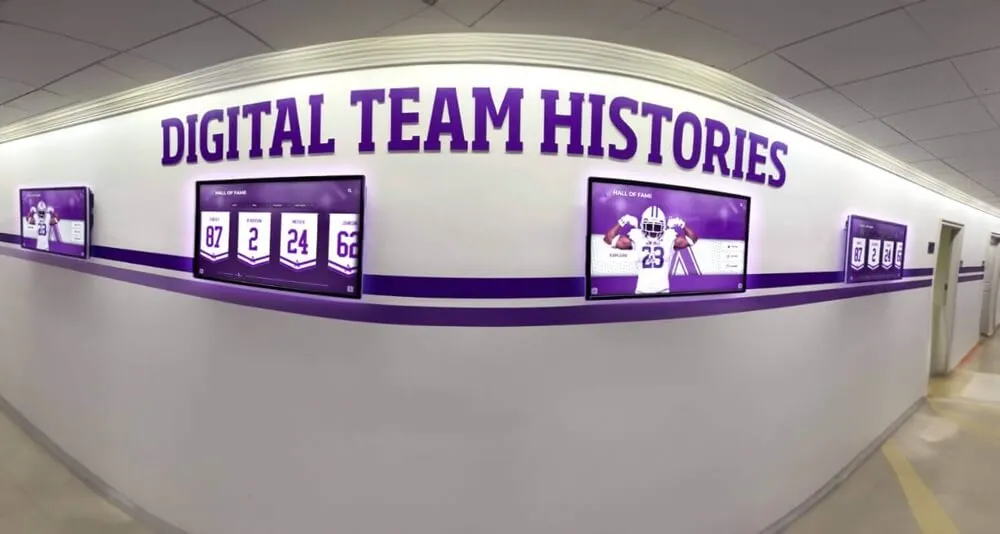
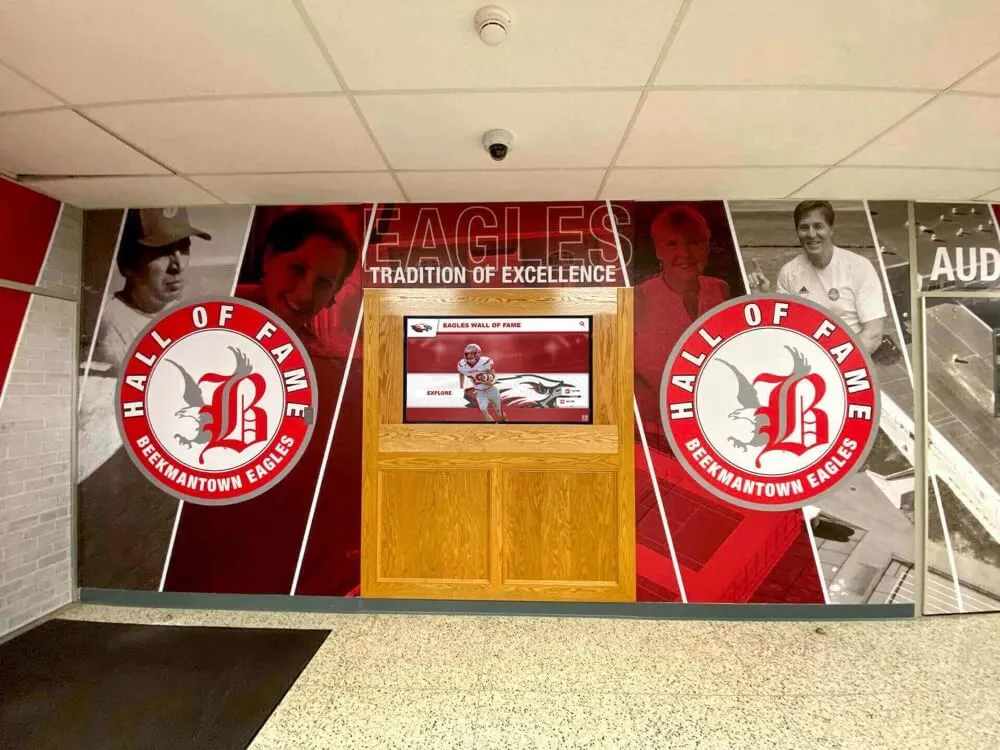
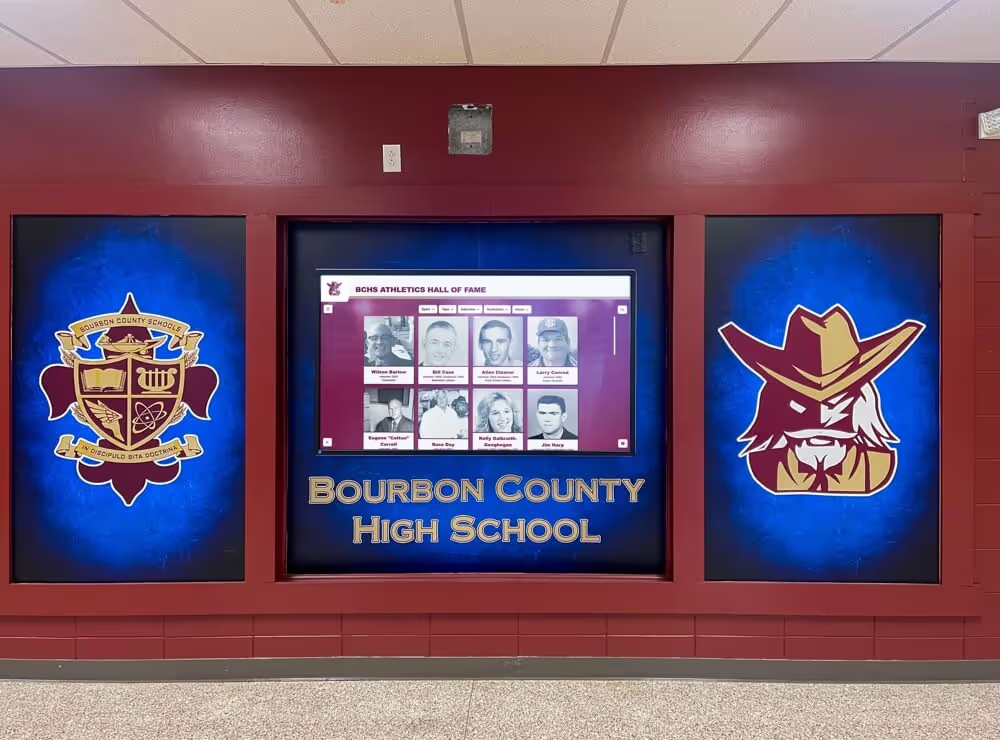
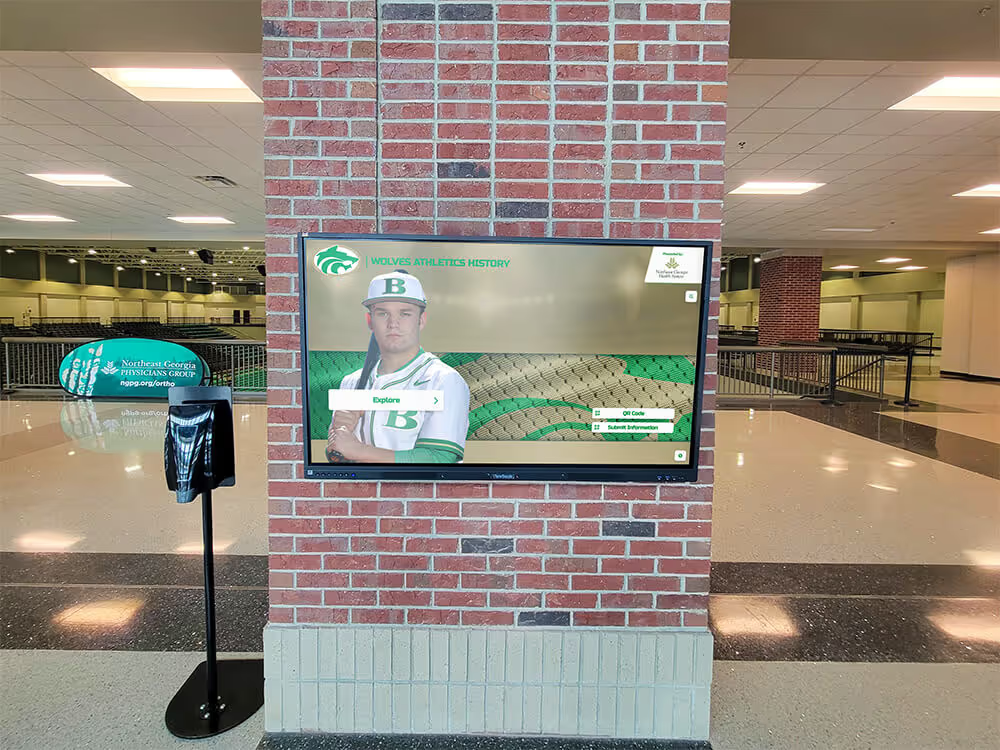
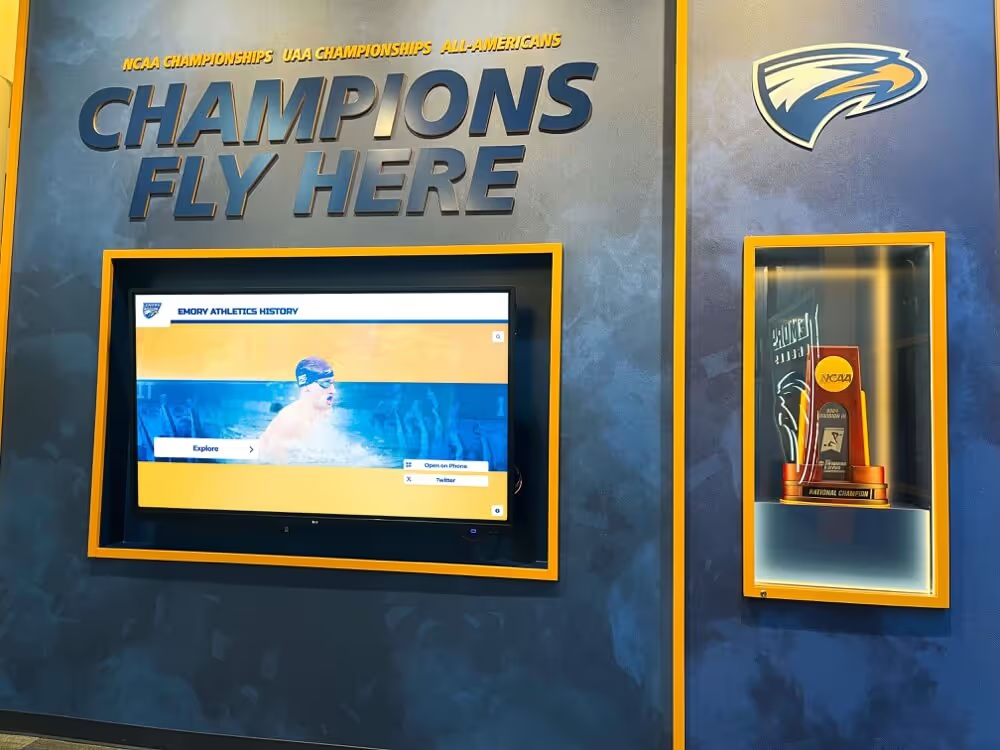
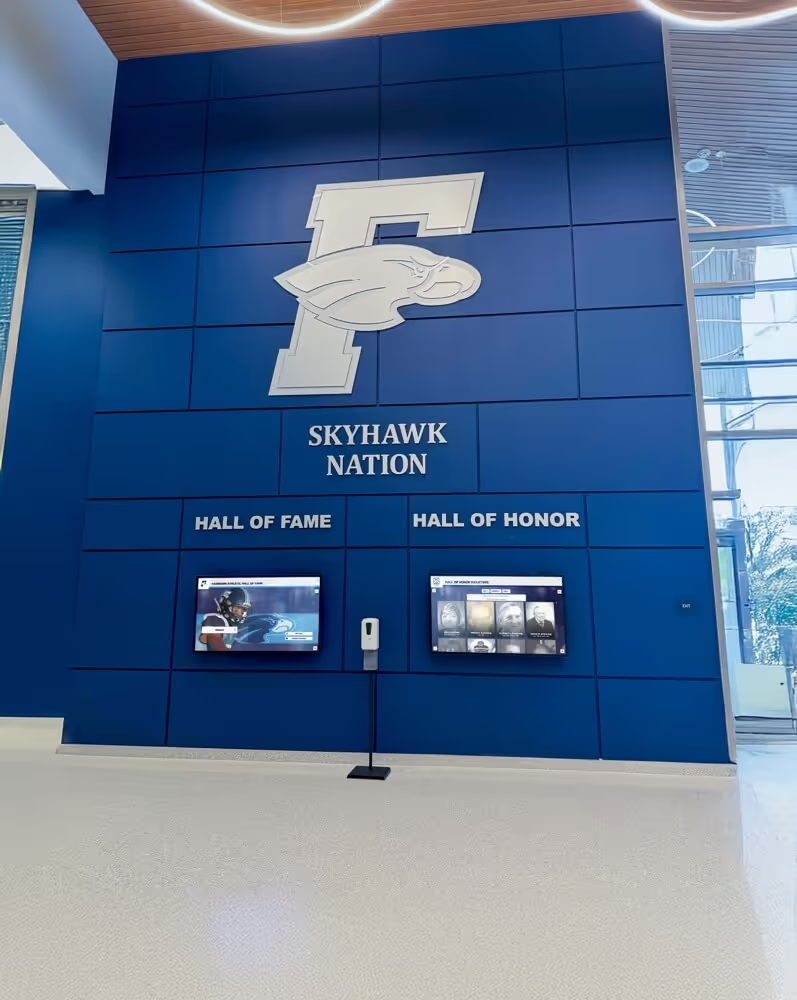
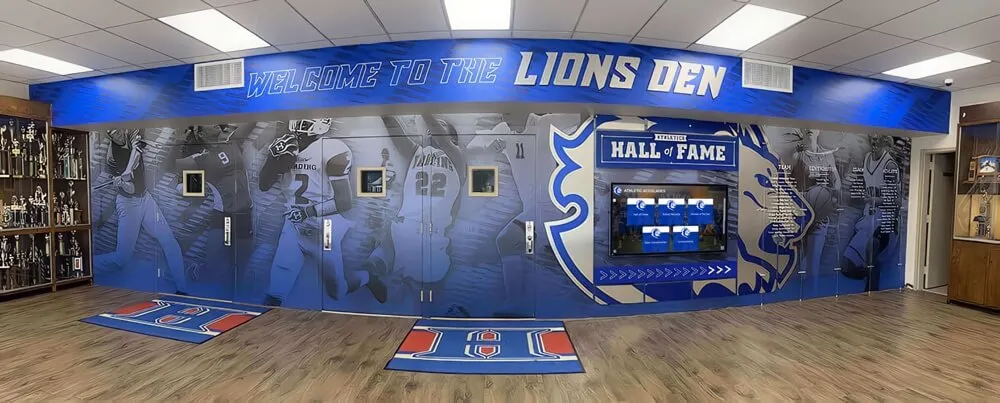
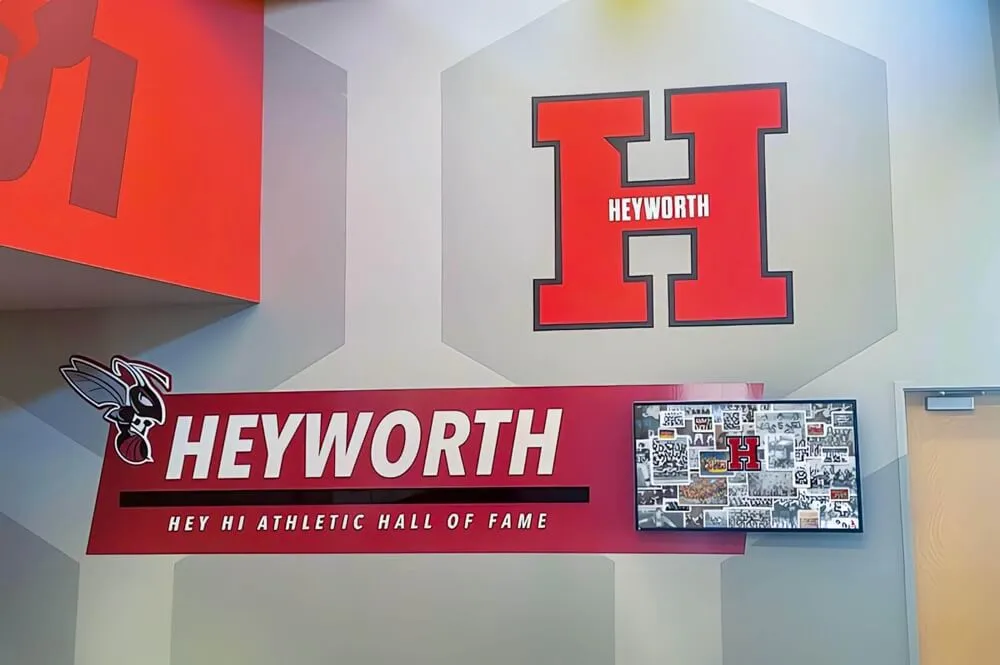
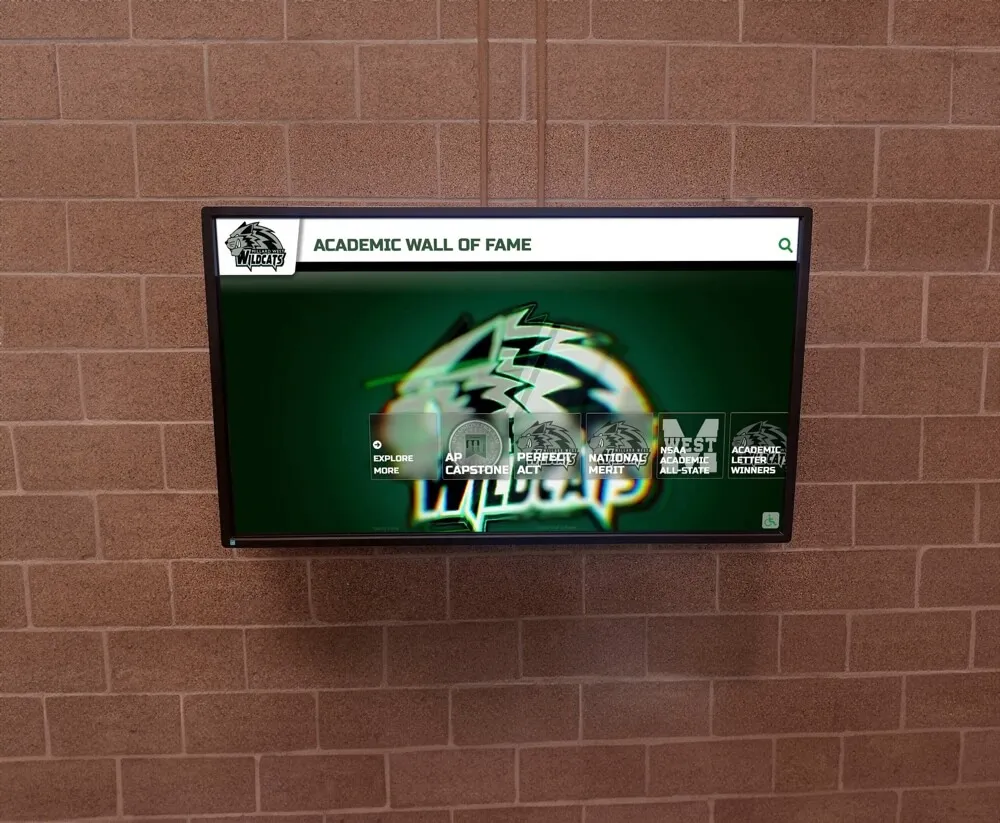
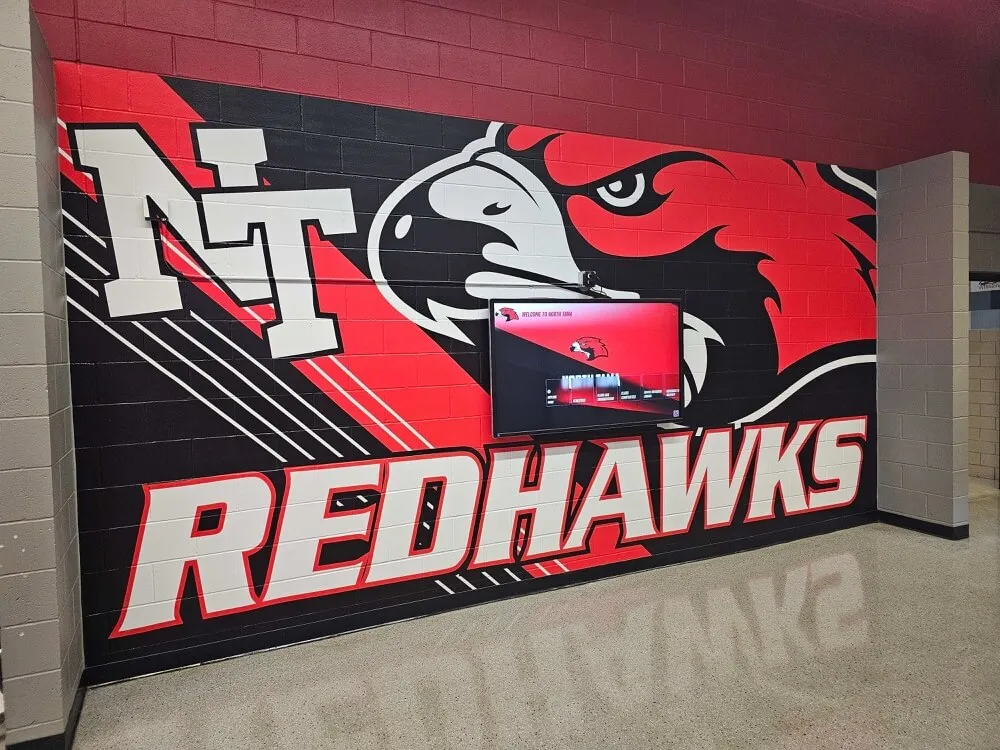
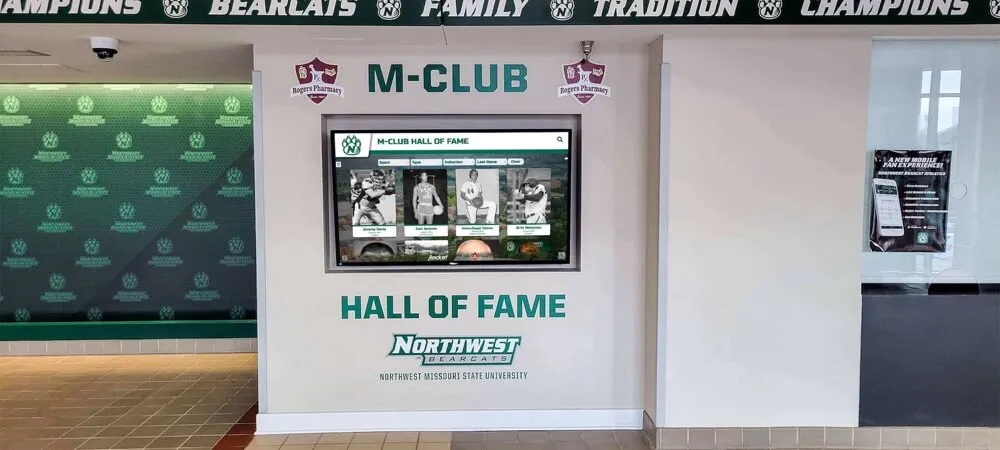
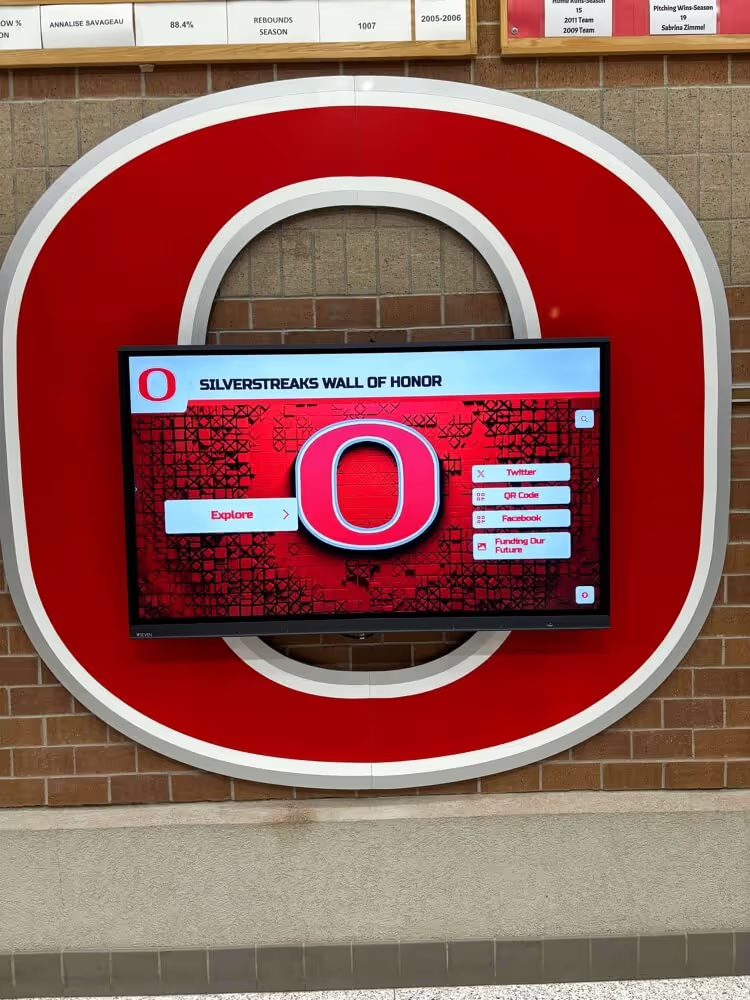
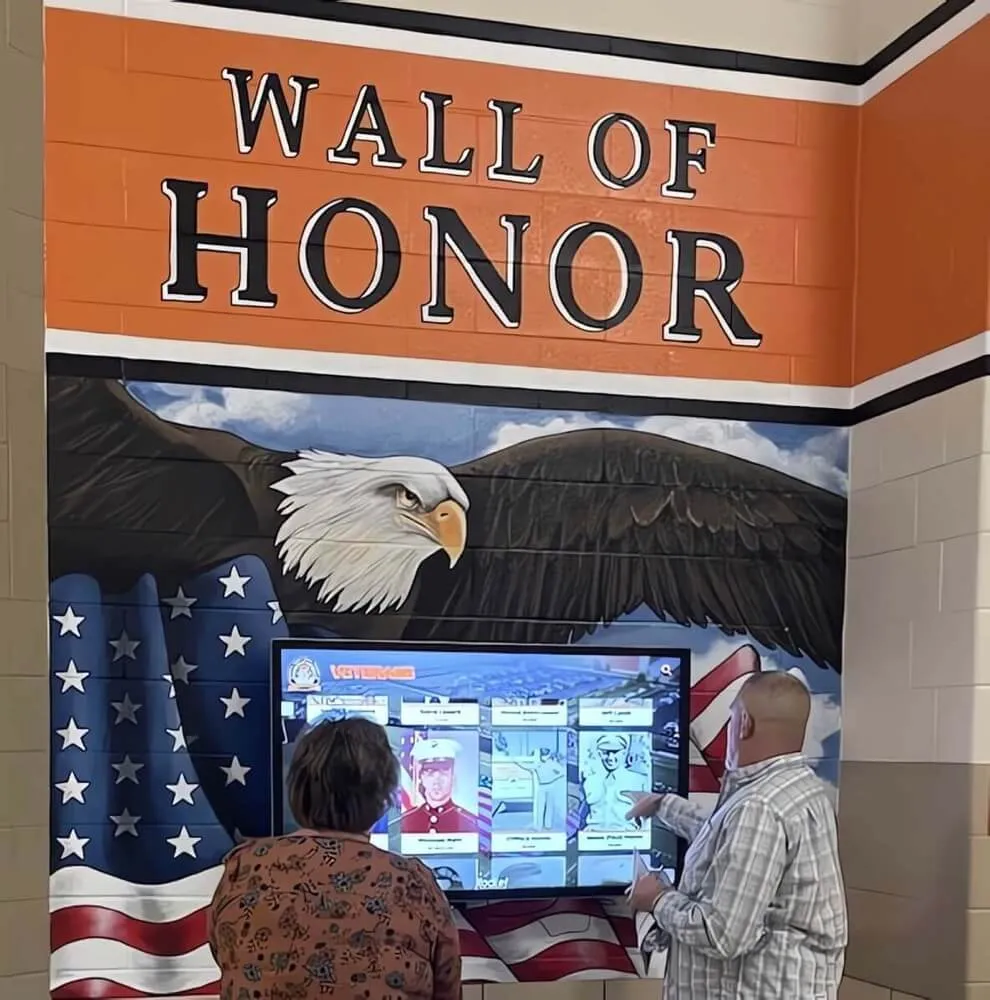
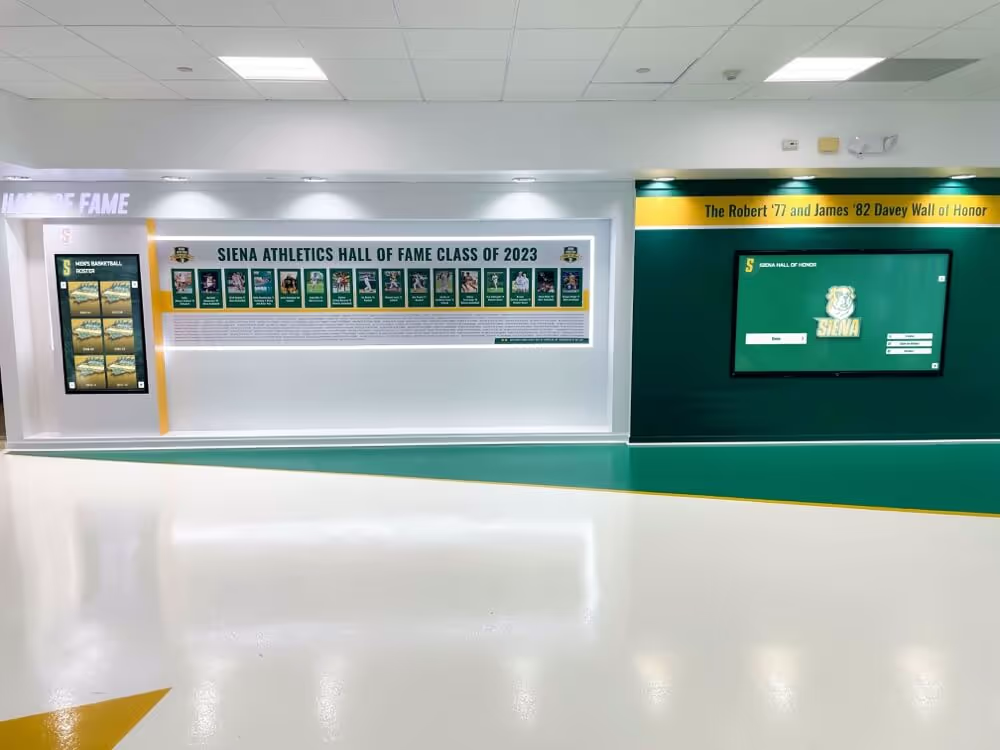
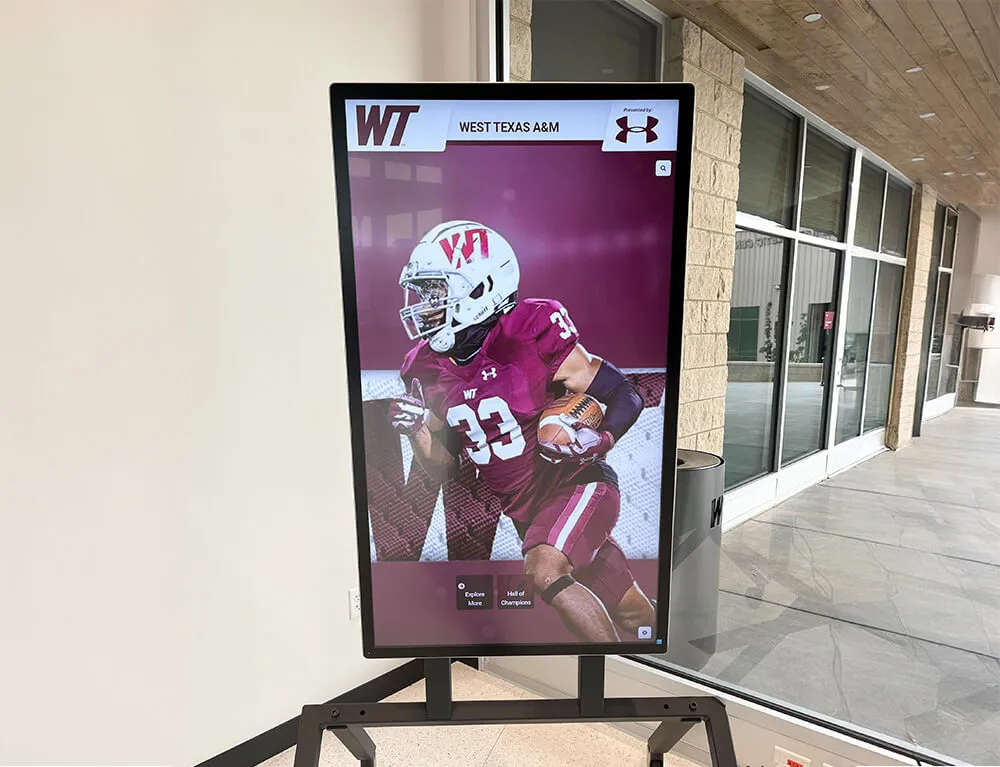
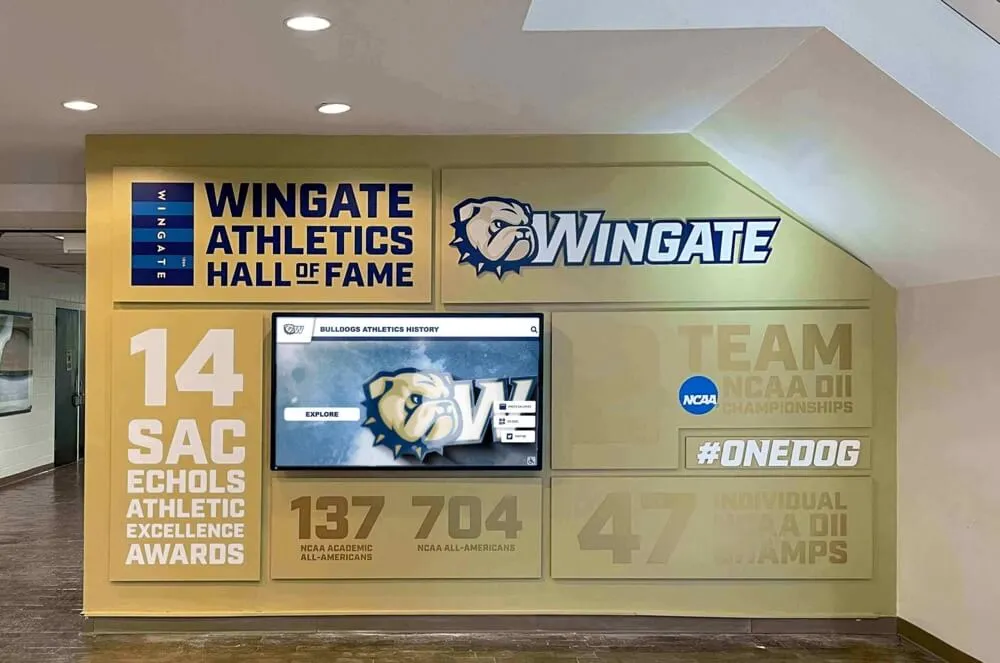
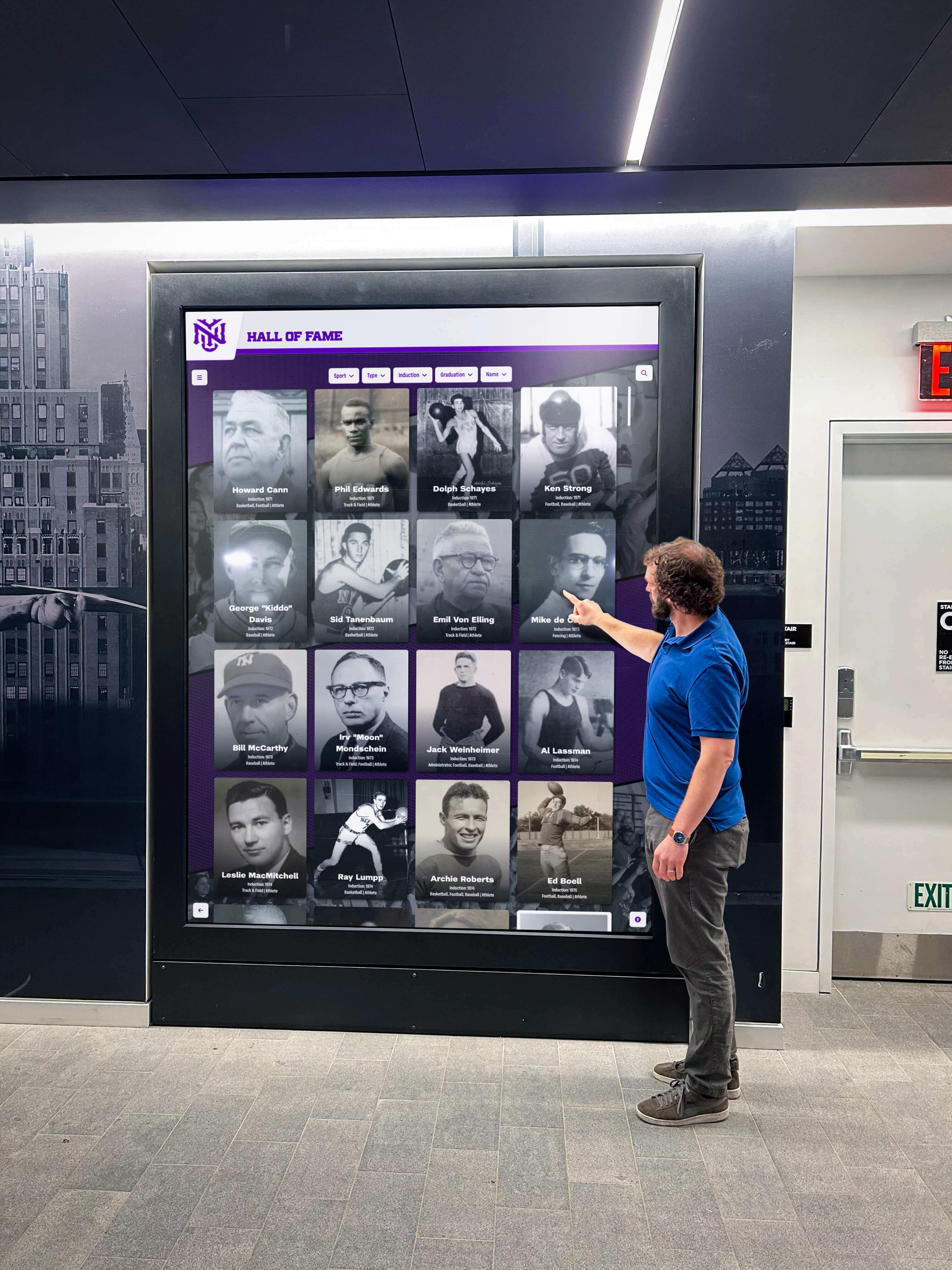
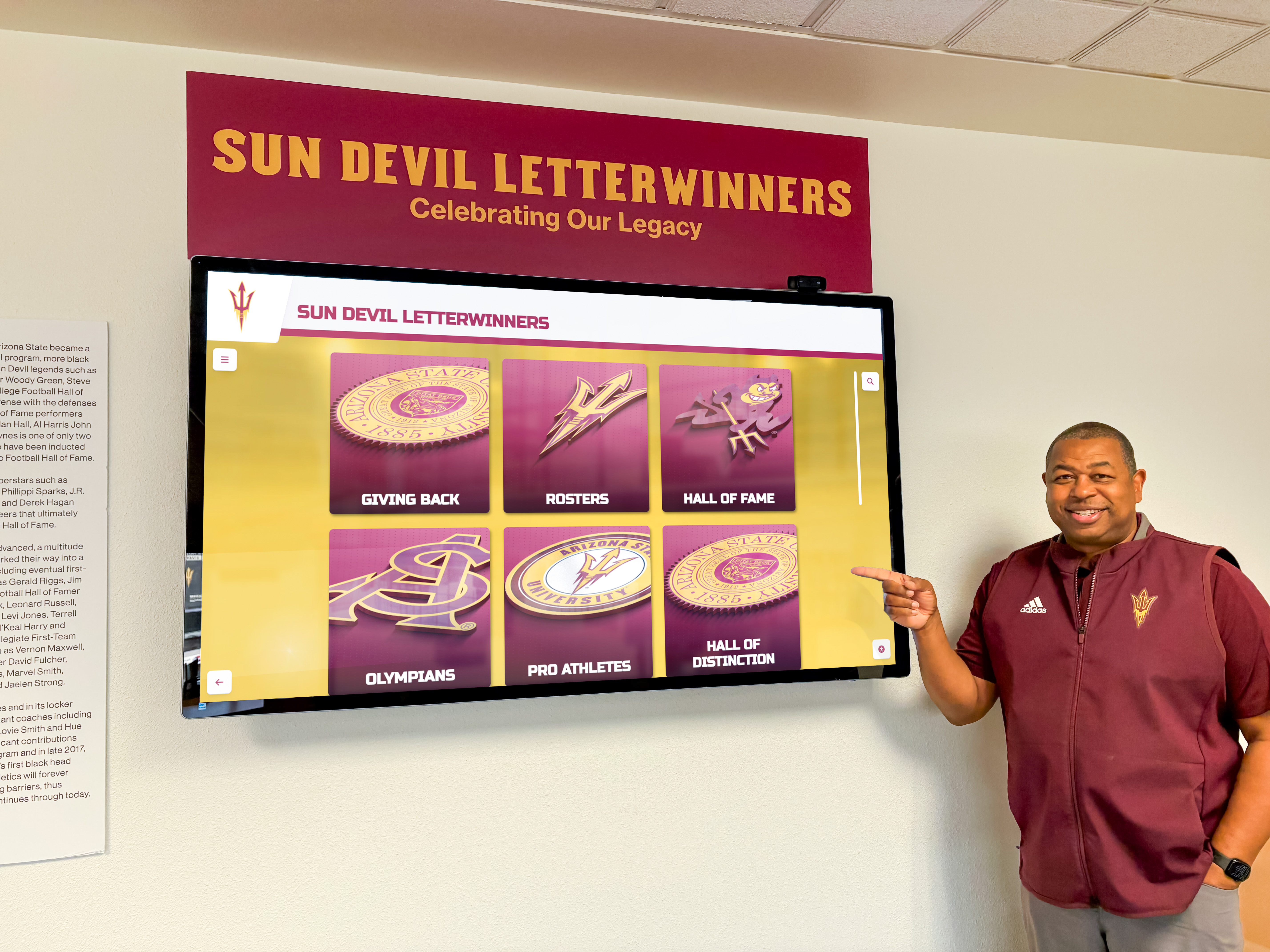
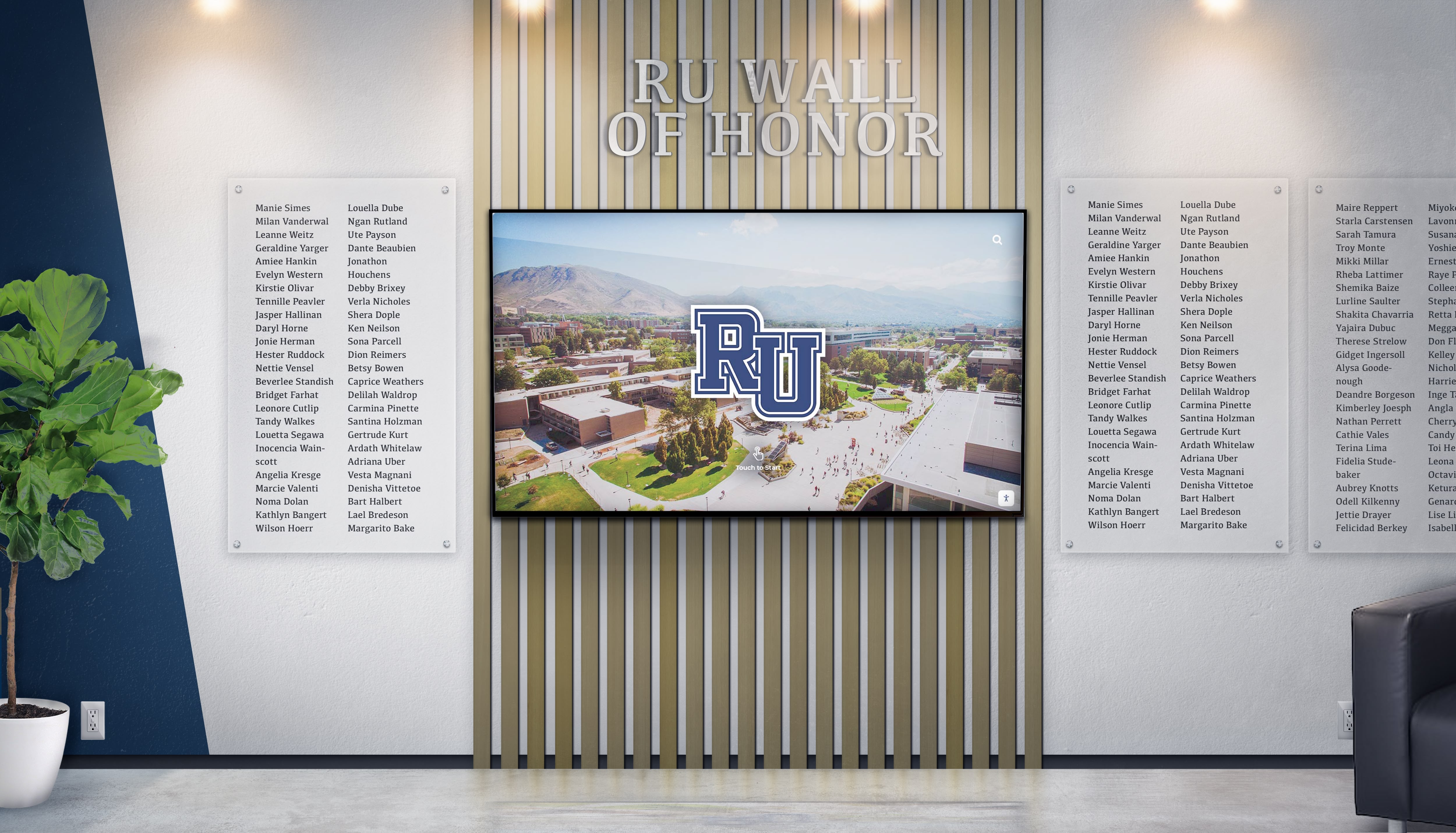
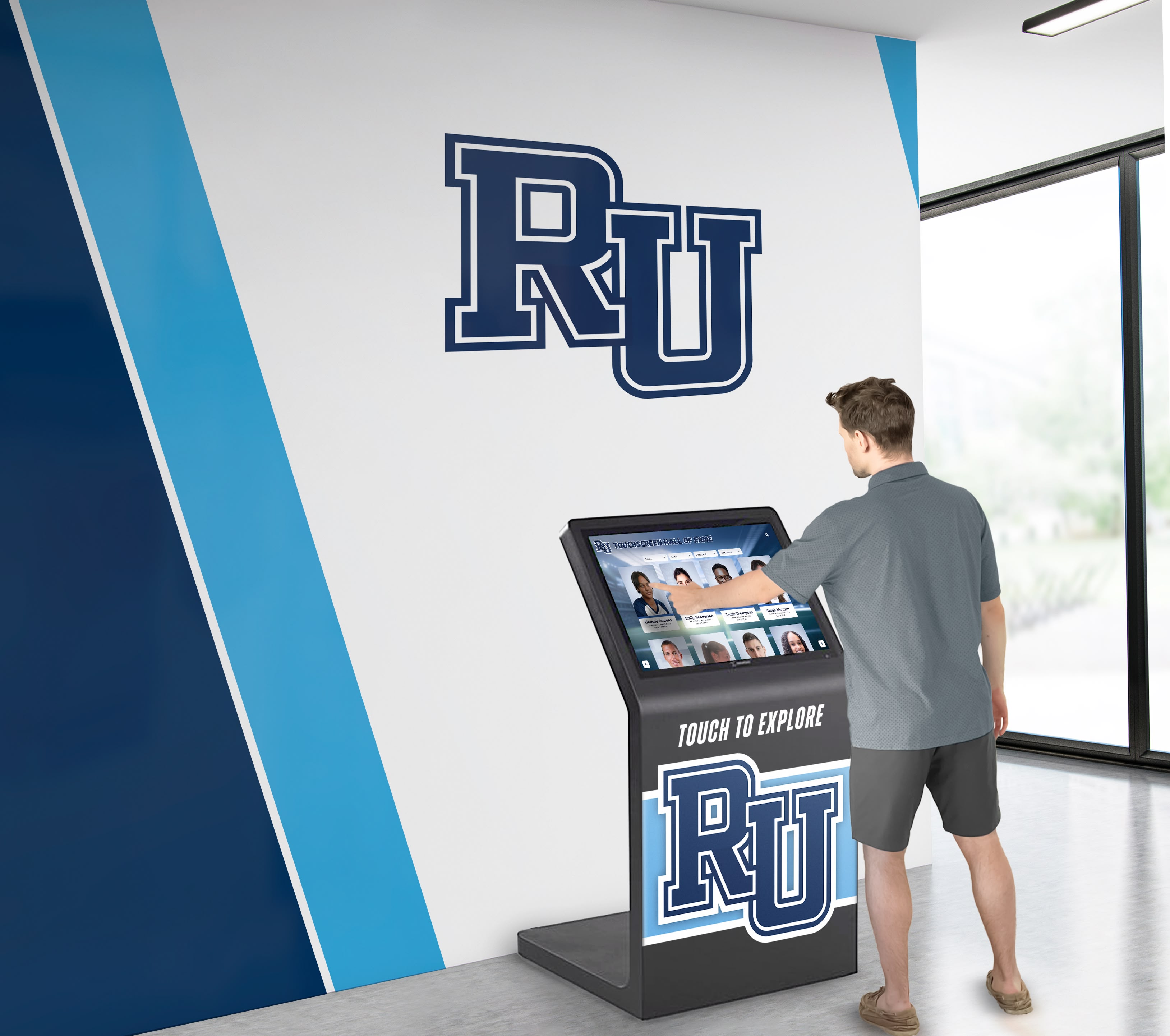
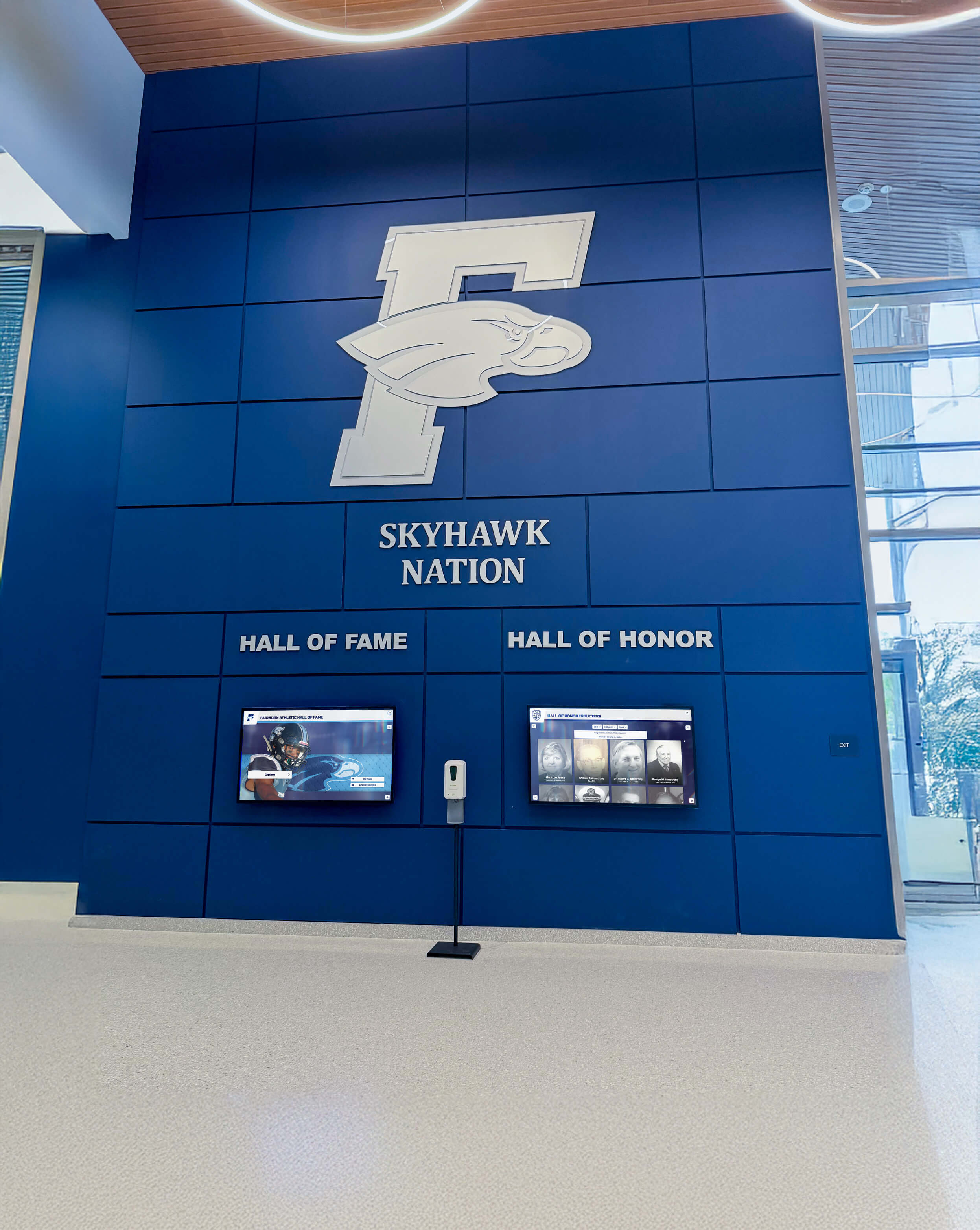
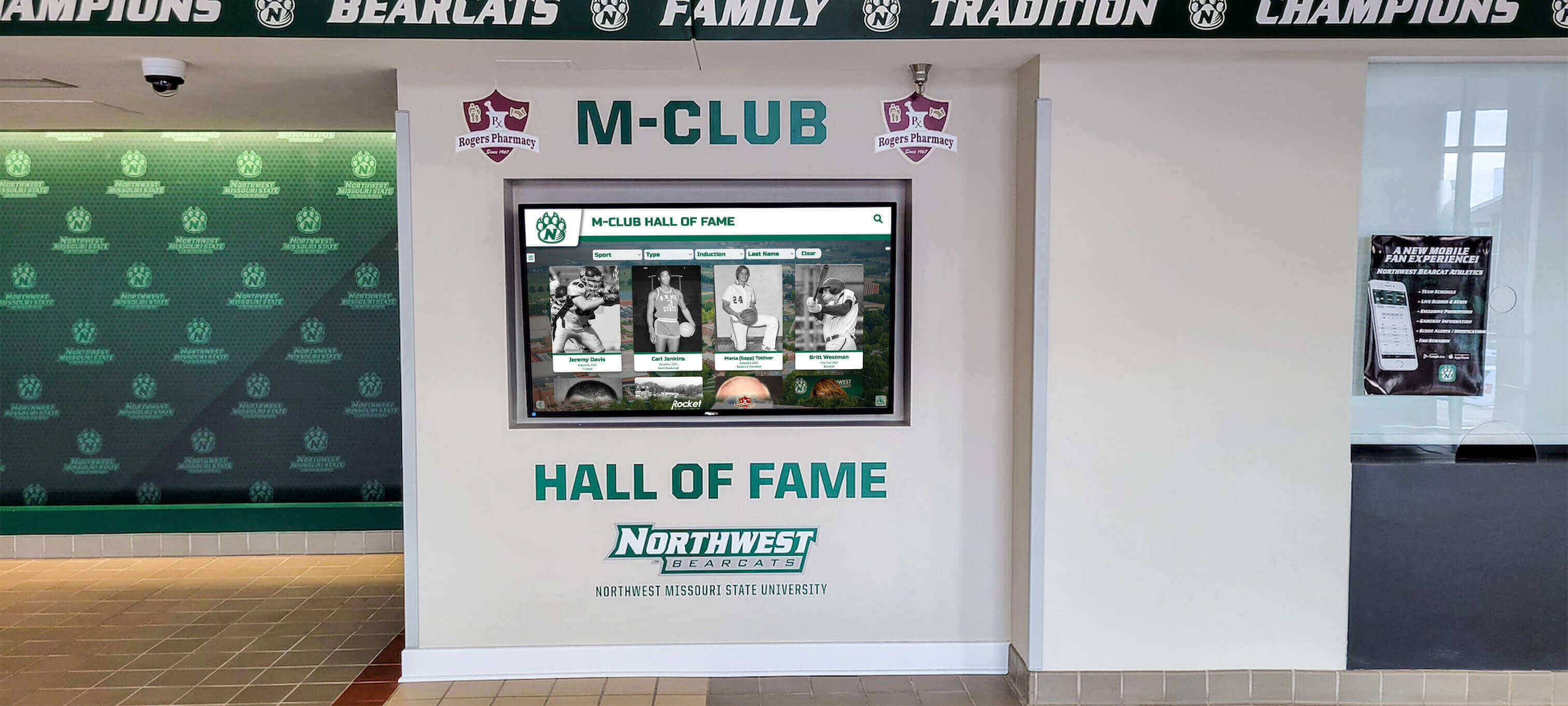
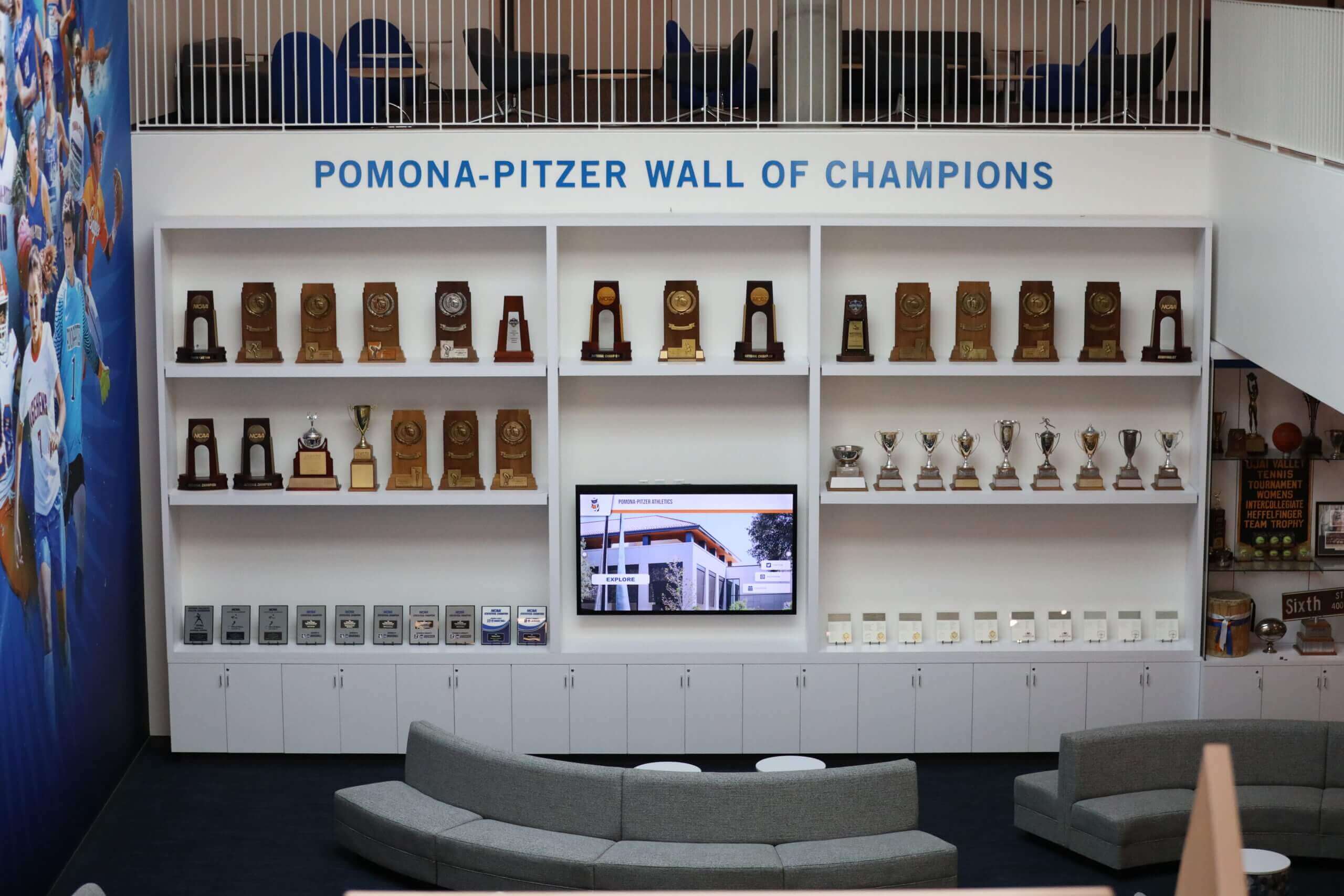
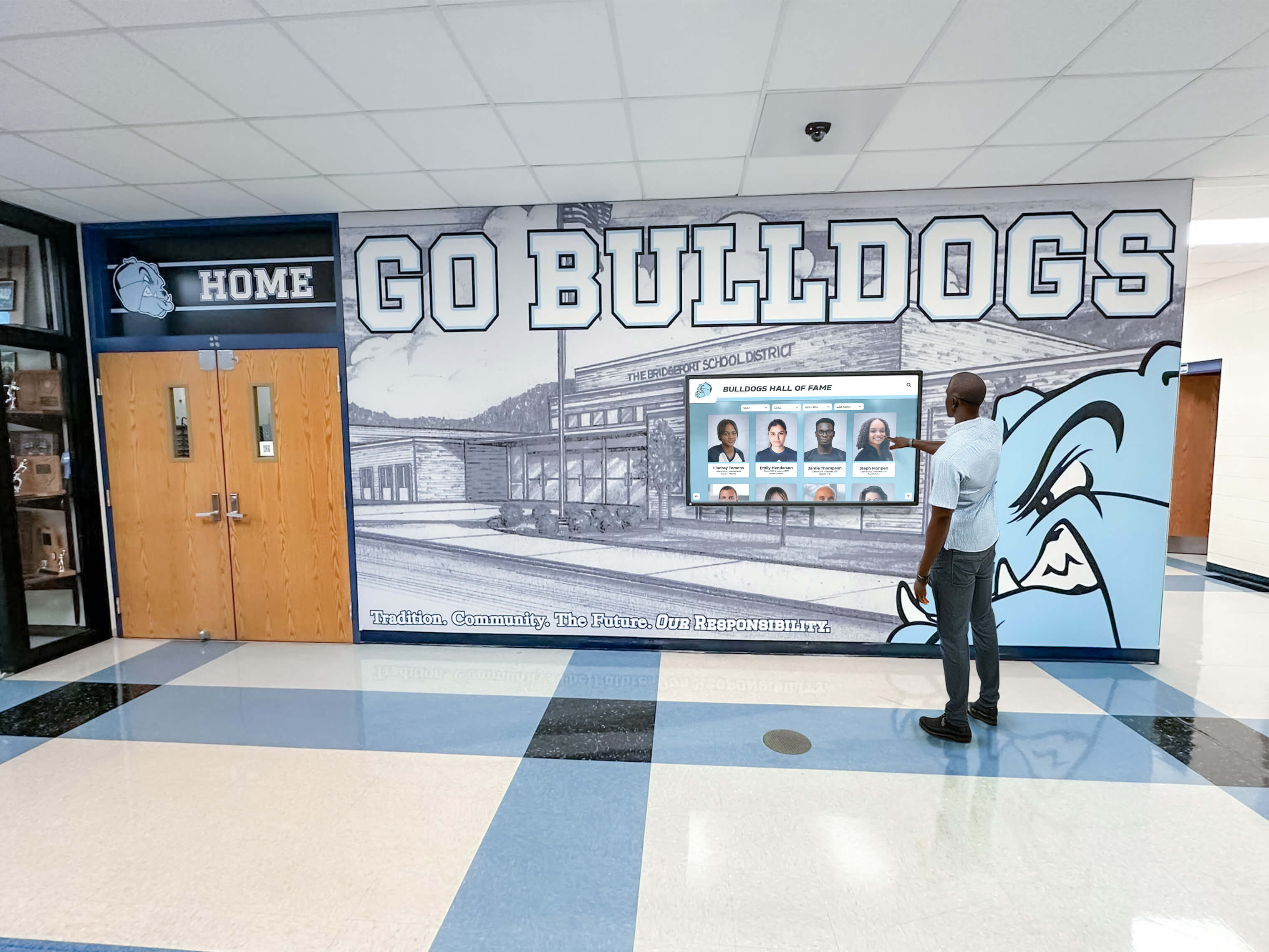
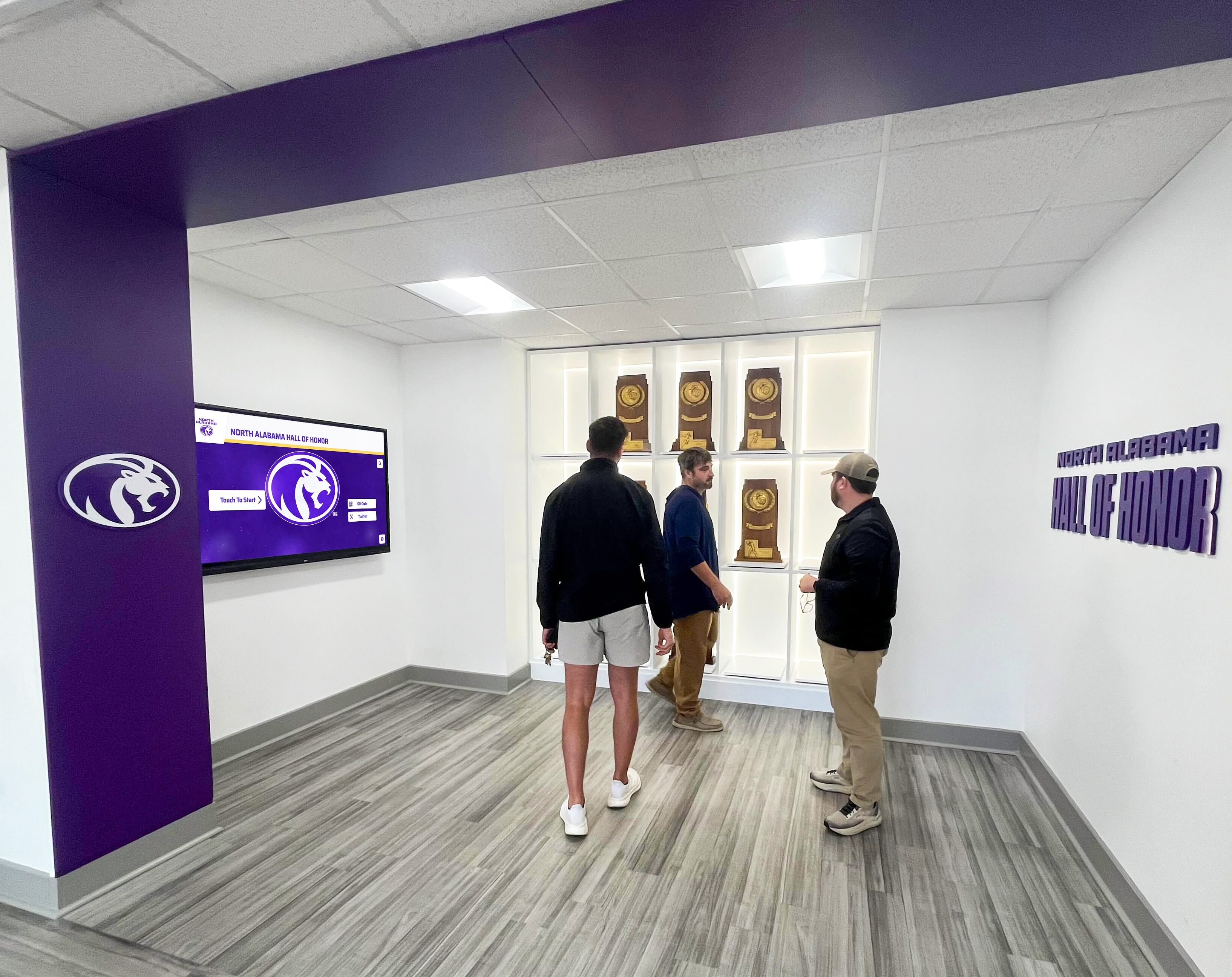
Digital platforms complement rather than replace physical recognition visible in organizational spaces. Interactive touchscreen displays bridge digital convenience with physical presence creating engaging experiences that inspire students, staff, and visitors while demonstrating organizational appreciation culture visibly.
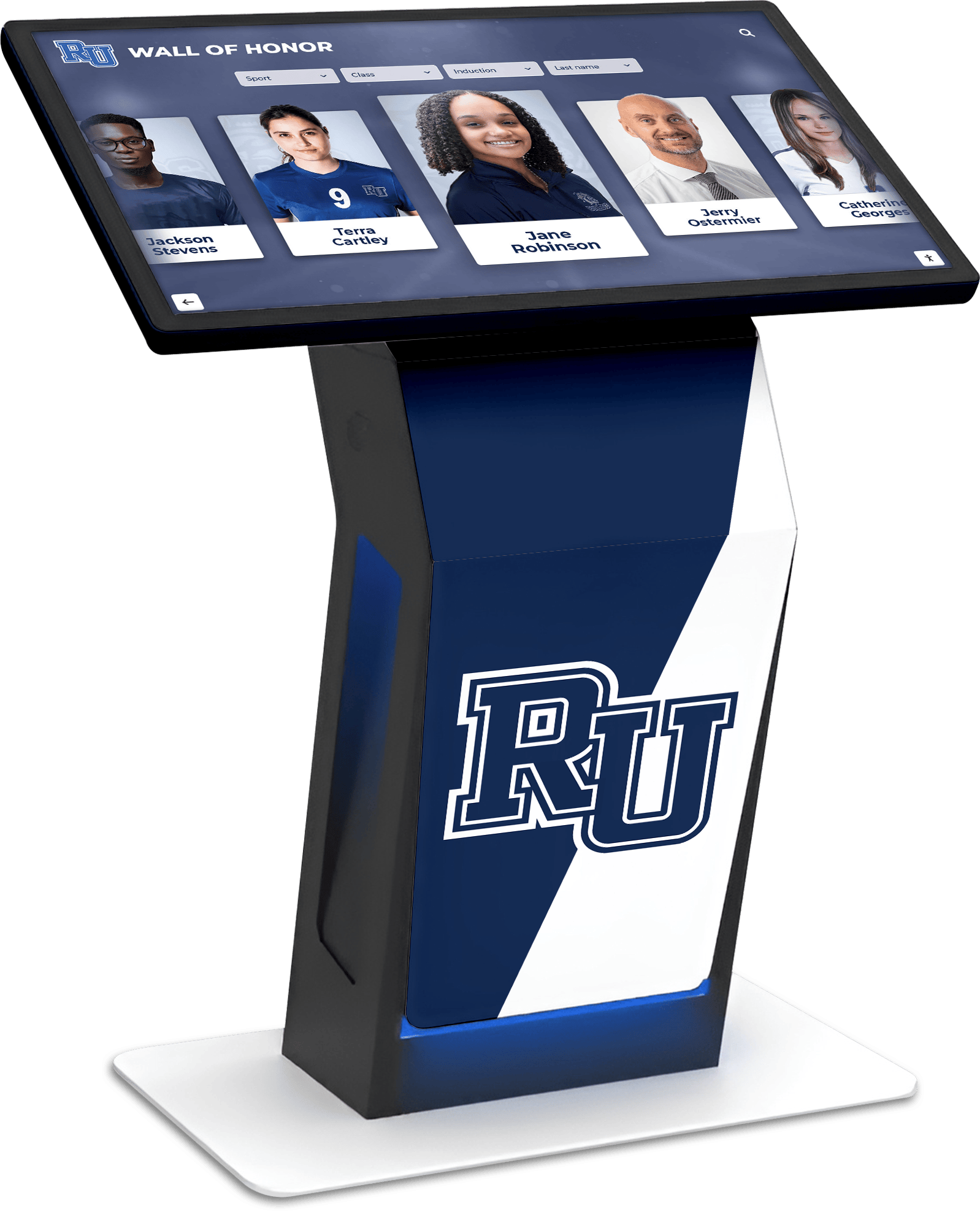
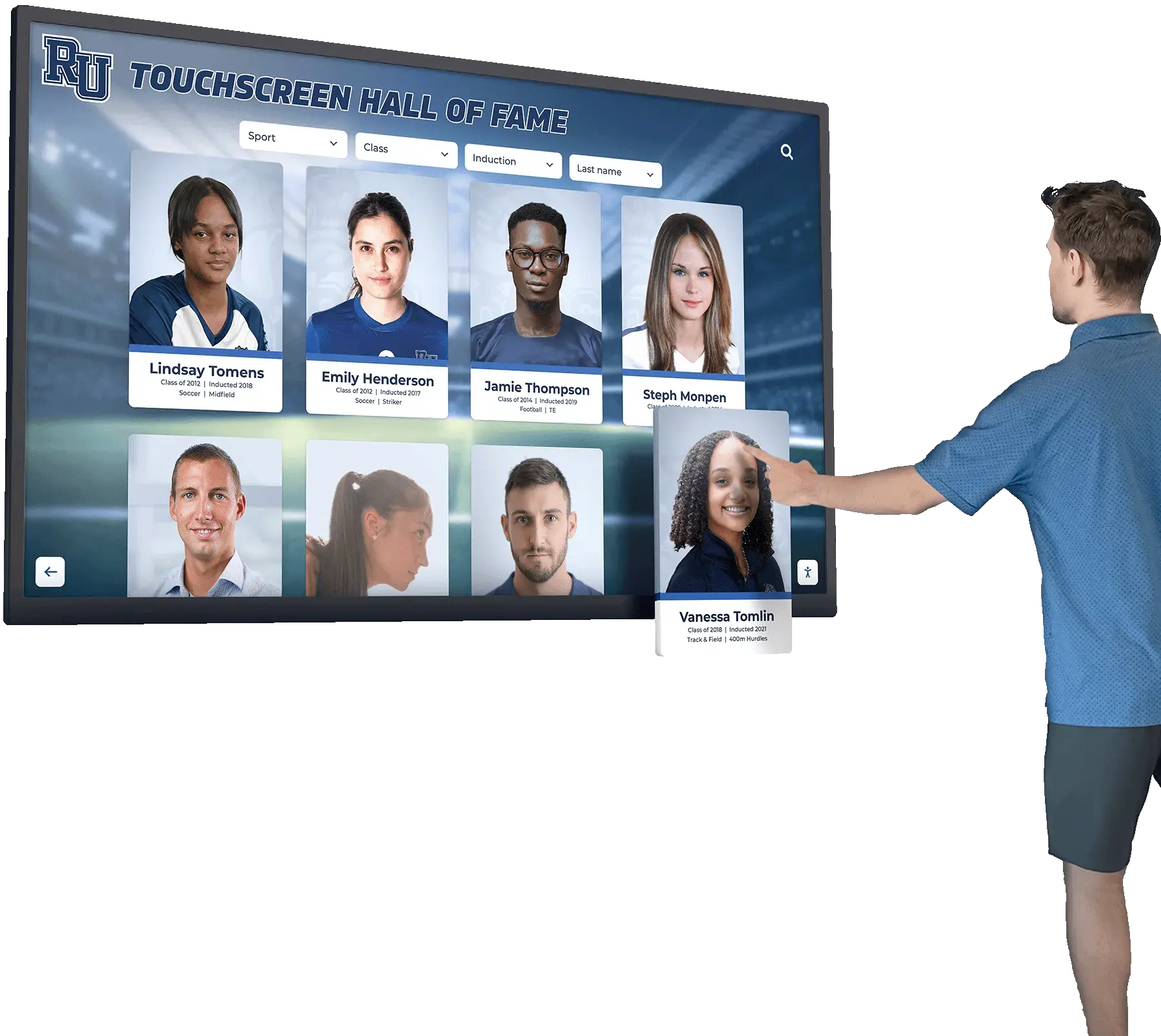
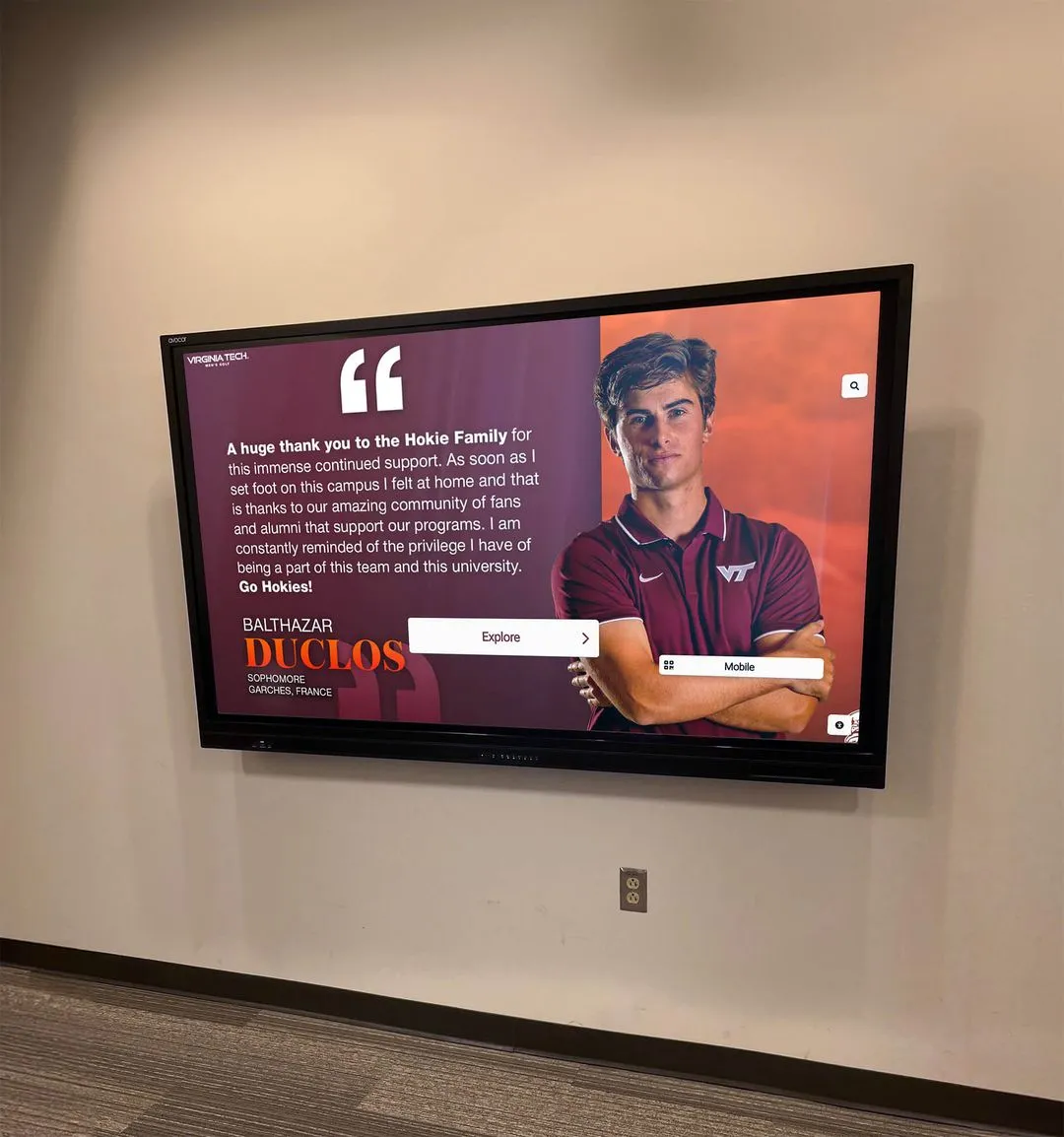
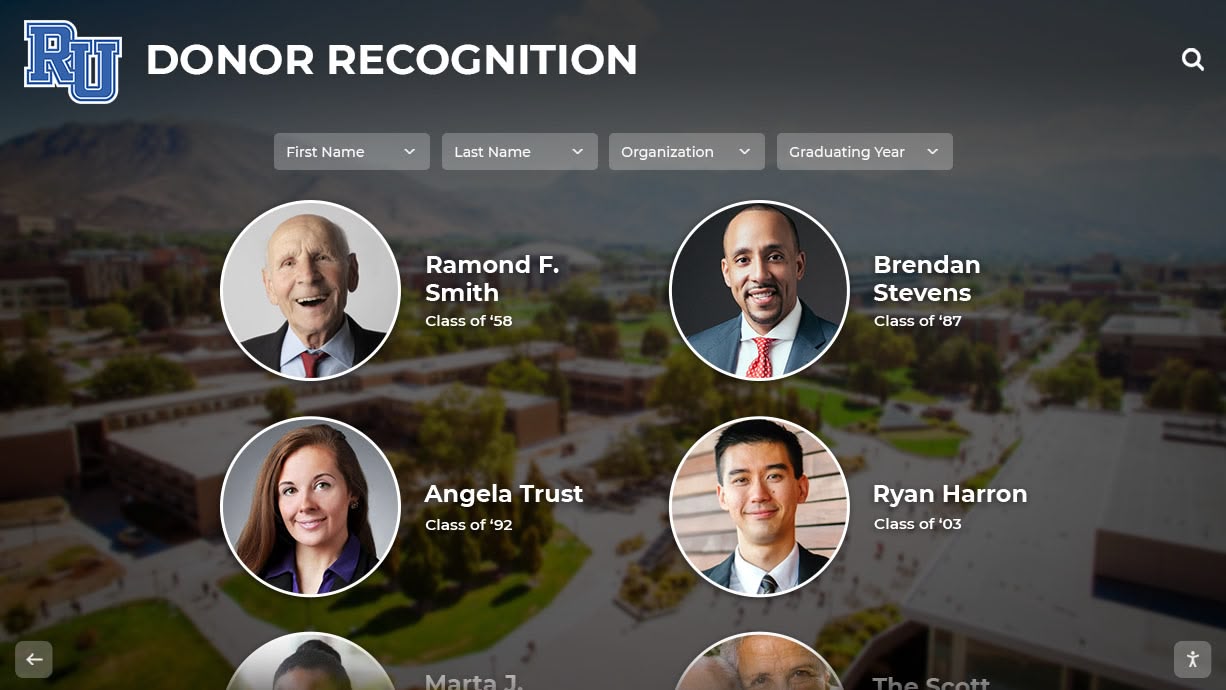
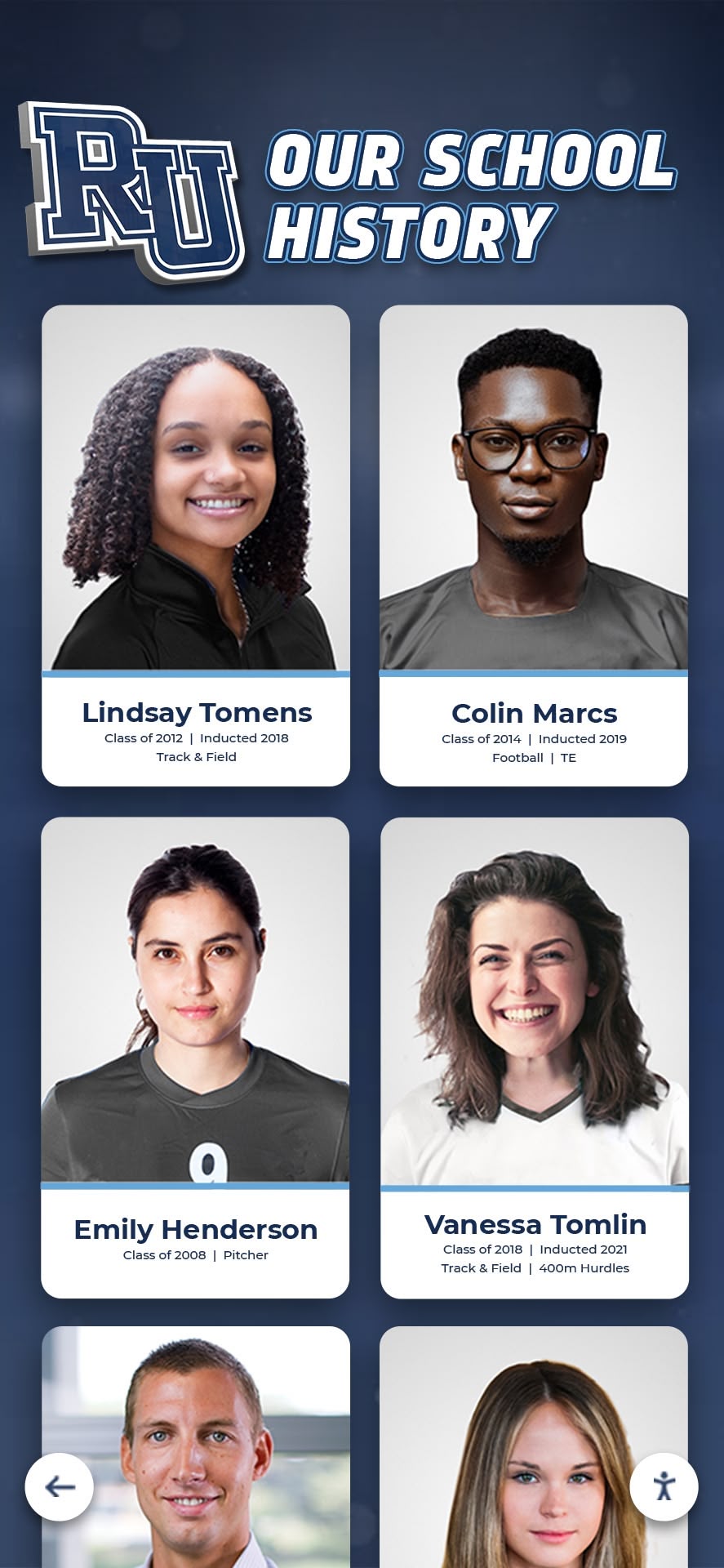
Modern recognition displays enable unlimited honoree capacity without physical space constraints traditional plaques face, dynamic real-time updates as recognition occurs rather than static outdated content, rich multimedia profiles featuring photos, stories, and accomplishments, searchable databases enabling easy discovery of specific individuals, and rotating featured content maintaining freshness and renewed interest.
Schools implementing interactive displays showcase teacher recognition alongside student achievements, creating comprehensive celebration visible to entire communities. Nonprofits feature staff alongside volunteer recognition and donor appreciation, demonstrating holistic community commitment. Businesses display employee recognition in lobbies and common areas, communicating culture to candidates, clients, and staff themselves.
Solutions like Rocket Alumni Solutions enable organizations to implement sophisticated recognition displays without extensive technical expertise or ongoing development costs, making permanent visible appreciation accessible for schools, nonprofits, and organizations with limited technology resources.
Implementing Successful Recognition Programs
Program design alone doesn’t guarantee success—implementation approach significantly impacts whether recognition becomes embedded cultural practice or forgotten initiative abandoned after initial enthusiasm fades.
Launch Strategy and Communication
Recognition program introduction establishes expectations, generates excitement, and determines initial participation determining long-term trajectory.
Building Anticipation Before Launch:
Effective launches begin weeks before programs go live. Preview communications explain program purposes and benefits, leadership videos or messages endorsing recognition and committing to participation, teaser content building curiosity and interest, and soft openings with pilot groups testing functionality and providing testimonials create momentum before official launch.
This anticipatory period allows addressing concerns, refining approaches based on early feedback, and building enthusiasm preventing lackluster launches that struggle gaining traction.
Clear Instructions and Training:
Assume no familiarity with recognition best practices. Provide written guides explaining recognition submission processes, video tutorials demonstrating platform functionality, examples of high-quality recognition providing concrete models, live training sessions allowing questions and practice, and reference materials like FAQs and troubleshooting guides.
Accessible training dramatically increases participation by removing uncertainty about how to engage appropriately.
Leadership Modeling and Visible Participation:
Perhaps most critical, leaders must actively participate from day one. When principals immediately begin recognizing teachers, when executive directors publicly acknowledge staff contributions, when department heads consistently submit recognition, participation accelerates dramatically. Conversely, if leaders announce programs but don’t participate personally, staff perceive recognition as unimportant regardless of stated priorities.
Schedule leadership recognition time directly into calendars treating it as essential rather than optional when time permits.
Sustaining Participation and Engagement
Initial enthusiasm typically generates strong early participation that naturally declines after novelty fades. Sustaining momentum requires intentional ongoing attention preventing programs from becoming dormant.
Regular Reminders and Prompts:
Periodic reminders maintain awareness without becoming annoying. Weekly or monthly newsletters might feature recent recognition highlights, showcase exceptional recognition examples providing inspiration, remind staff about submission processes and upcoming deadlines, and share participation statistics building positive peer pressure.
Platform notifications can prompt users suggesting recognition when colleagues achieve milestones or complete projects, congratulate those receiving recognition encouraging continued excellence, and remind inactive users to participate periodically.
Recognizing the Recognizers:
Meta-recognition—acknowledging people who consistently recognize others—reinforces appreciation culture. Feature prolific recognizers in communications, acknowledge departments or teams with high recognition activity, and celebrate individuals whose recognition exemplifies program values through specificity and genuine gratitude.
This double-loop recognition communicates that appreciation itself represents valued behavior worthy of acknowledgment.
Gamification and Friendly Competition:
When appropriate to culture, gamification elements maintain engagement. Recognition leaderboards showing most-recognized individuals or most-active recognizers, departmental competitions measuring recognition activity, achievement badges for participation milestones, and periodic drawings for participants provide extrinsic motivation complementing intrinsic appreciation.
However, apply gamification thoughtfully—overly competitive approaches may undermine authentic appreciation by creating perception that recognition serves point accumulation rather than genuine gratitude. Balance competition with emphasis on sincerity and meaningful acknowledgment.
Continuous Program Evolution:
Successful programs evolve based on usage patterns, participant feedback, changing organizational priorities, and cultural shifts. Regularly review recognition analytics identifying participation patterns and gaps, survey participants about satisfaction and improvement suggestions, pilot new recognition categories or features based on feedback, retire underutilized elements cluttering systems, and adjust recognition visibility or frequency matching preferences.
This adaptive approach prevents programs from becoming stale while demonstrating responsiveness to community needs and preferences.
Addressing Resistance and Challenges
Recognition programs inevitably encounter resistance requiring patient persistent leadership rather than defensive reactions.
“I Don’t Have Time for This”:
Time constraints represent the most common objection. Address this by emphasizing recognition brevity—meaningful acknowledgment requires 60 seconds, streamlining submission processes minimizing complexity, enabling mobile recognition from anywhere, and demonstrating time investment return through improved morale and culture.
Leaders modeling regular recognition despite busy schedules powerfully communicates that appreciation is never too time-consuming for matters genuinely prioritized.
“This Feels Forced and Inauthentic”:
Authenticity concerns require reassurance that recognition remains voluntary rather than mandatory. Emphasize that quality exceeds quantity—genuine specific acknowledgment matters more than frequent vague praise. Provide examples of meaningful recognition demonstrating sincerity rather than performative compliance, and create options for private recognition respecting those uncomfortable with public attention.
“Some People Get Recognized More Than Others”:
Recognition inequality concerns are valid—highly visible roles or outgoing personalities may receive disproportionate acknowledgment. Address this by actively recognizing underappreciated roles like behind-the-scenes support staff, promoting specific behavior-focused recognition rather than personality-based general praise, creating structured rotation ensuring systematic acknowledgment across all departments and roles, and monitoring analytics identifying recognition gaps requiring attention.
Explicitly communicate that effective recognition celebrates diverse contribution types rather than narrow achievement definitions favoring particular roles or work styles.
“What If Recognition Creates Jealousy?”:
Occasional jealousy represents normal human response that shouldn’t prevent recognition programs. Mitigate through inclusive categories ensuring everyone has pathways to acknowledgment, emphasizing recognition abundance rather than scarcity—celebrating one person doesn’t diminish others, focusing on specific behaviors and contributions rather than suggesting superior general worth, and addressing patterns where certain individuals or groups consistently receive insufficient recognition suggesting deeper cultural or equity issues requiring attention.
Jealousy stemming from genuine unfairness requires addressing through more equitable recognition practices rather than eliminating acknowledgment altogether.
Measuring Program Impact and Success
Systematic measurement enables demonstrating value, identifying improvement opportunities, and building support for sustained investment in recognition infrastructure.
Key Metrics and KPIs
Comprehensive program evaluation tracks multiple dimensions revealing whether recognition achieves intended objectives.
Participation and Engagement Metrics:
Track recognition submission rates measuring what percentage of staff actively recognize colleagues, frequency statistics showing recognition instances per week or month, recognition distribution examining whether acknowledgment concentrates on few individuals or spreads broadly, category utilization revealing which contribution types receive emphasis, and participation trends over time indicating whether engagement sustains, grows, or declines.
Healthy programs typically achieve monthly participation from 40-60% of staff rather than expecting universal engagement, as even consistent recognizers don’t acknowledge colleagues every single month.
Program Reach and Coverage:
Monitor recognition distribution ensuring inclusion rather than concentration. Calculate what percentage of staff receives recognition at least annually, analyze demographic distribution examining whether recognition fairly represents gender, race, age, and other characteristics, assess departmental coverage determining whether certain units receive disproportionate attention, and evaluate role representation checking whether acknowledgment spans all positions or concentrates on certain job types.
Systematic coverage gaps indicate either cultural issues where certain groups face exclusion or structural barriers requiring program design adjustments.
Staff Satisfaction and Sentiment:
Perception matters more than activity statistics alone. Survey staff about recognition satisfaction and perceived fairness, awareness of how to participate and submit recognition, feelings about recognition frequency and quality, and comfort with recognition publicity and visibility.
Qualitative feedback through open-ended responses provides rich insights that quantitative metrics miss.
Organizational Outcomes:
Connect recognition to broader institutional priorities through retention rates comparing recognized versus unrecognized staff, engagement survey scores tracking changes following program implementation, recruitment metrics including application volumes and acceptance rates, collaboration indicators measuring cross-departmental project frequency, and productivity measures appropriate to organizational context.
While attribution challenges exist—recognition programs don’t occur in isolation from other initiatives—longitudinal analysis often reveals correlations between robust recognition cultures and desirable organizational outcomes.
Collecting and Analyzing Feedback
Quantitative metrics alone provide incomplete pictures. Systematic qualitative feedback reveals why participation patterns exist and how programs could improve.
Structured Survey Approaches:
Conduct annual recognition surveys assessing program awareness and participation, satisfaction with recognition frequency and quality, perceived fairness and inclusivity, technical platform usability, suggestions for improvements, and preferences regarding recognition publicity and format.
Quarterly pulse surveys with 2-3 questions maintain feedback flow without survey fatigue overwhelming staff.
Focus Groups and Interviews:
Periodic conversations with diverse staff cohorts surface insights surveys miss. Conduct sessions with highly engaged recognizers understanding what motivates participation, staff receiving frequent recognition exploring how acknowledgment impacts them, employees who haven’t participated investigating barriers, representatives across departments and roles ensuring broad perspectives, and leadership discussing program observations and refinement suggestions.
These qualitative discussions often reveal cultural nuances and implementation concerns that quantitative data obscures.
Recognition Content Analysis:
Examine actual recognition submissions identifying common themes and valued behaviors, specificity quality measuring whether acknowledgment includes concrete details, tone and authenticity assessing whether recognition feels genuine or obligatory, category utilization patterns revealing which achievement types receive emphasis, and language indicating cultural values reflected through recognition content.
This content analysis reveals whether recognition actually reinforces intended values or inadvertently emphasizes unexpected priorities.
Demonstrating ROI and Building Support
Recognition program value becomes more apparent when systematically documented and communicated to stakeholders who control resources and set priorities.
Retention Cost Avoidance:
Calculate financial impact of reduced turnover. If recognition correlates with improved retention even marginally, cost savings from avoided replacement expenses often dramatically exceed program costs. Replacing departed employees typically costs 50-200% of annual salaries when including recruitment, onboarding, training, lost productivity, and institutional knowledge loss.
If a school district employing 200 teachers experiences even 2% retention improvement attributable partly to recognition culture—four additional teachers staying rather than leaving—and teacher replacement costs $20,000 per person, annual savings total $80,000 substantially exceeding most recognition program expenses.
Productivity and Performance Improvements:
When feasible, measure performance indicators before and after recognition program implementation. Schools might track teacher evaluation scores, student achievement data, or parent satisfaction metrics. Healthcare organizations could monitor patient satisfaction scores, safety indicators, or quality measures. Businesses typically examine sales performance, customer retention, or operational efficiency.
While isolating recognition impact from other variables challenges evaluation, consistent improvements following robust recognition implementation suggest positive influence worth continued investment.
Recruitment and Employer Brand Value:
Strong recognition cultures attract higher-quality candidates reducing recruitment costs and time-to-hire metrics. Survey new hires about factors influencing their decisions to join—appreciation culture frequently ranks among top considerations when visible through workplace tours, digital displays, and candidate conversations.
Organizations where recognition is prominent during recruitment often experience higher offer acceptance rates and broader candidate pools to select from.
Best Practices and Success Strategies
Organizations with exemplary recognition cultures share common practices distinguishing sustained success from programs that launch enthusiastically then fade into irrelevance.
Making Recognition Specific and Meaningful
Generic praise like “great job” feels hollow compared to specific acknowledgment connecting recognition to concrete behaviors and tangible impacts.
The Behavior-Impact Framework:
Effective recognition follows clear patterns describing specific actions observed, explaining why those actions mattered, and connecting behaviors to organizational values. Rather than “Thanks for your help this week,” high-quality recognition states: “Thank you for staying after your shift Tuesday to help me prepare materials for Wednesday’s presentation. Your assistance meant I could deliver polished work on deadline rather than scrambling with incomplete preparation. This exemplifies our collaborative culture and commitment to excellence.”
This specificity provides several benefits. Recipients understand exactly what they did well, encouraging repetition. Observers seeing recognition learn what behaviors the organization values. The acknowledger demonstrates genuine attention rather than reflexive generic praise. Documentation provides concrete examples for performance reviews or advancement considerations.
Connecting Recognition to Values:
When recognition explicitly references organizational values, it reinforces cultural priorities systematically. If schools prioritize innovation, recognition might state: “Your experimental approach to project-based learning exemplifies our innovation value. By piloting this new method and sharing results with colleagues, you’re helping our entire team improve.” Healthcare organizations emphasizing patient-centered care might recognize: “The extra time you spent explaining treatment options to the Johnson family demonstrated exceptional patient-centeredness, helping them feel empowered to participate in care decisions confidently.”
This value connection transforms recognition from nice gestures into cultural infrastructure systematically reinforcing what organizations stand for.
Acknowledging Effort and Growth, Not Just Outcomes:
Recognition focused exclusively on outcomes or results may inadvertently discourage people in challenging circumstances beyond their control. Acknowledge effort, persistence, and professional growth even when final results disappointed.
Teachers whose students struggle despite excellent instruction deserve recognition for dedication and pedagogical skill rather than only acknowledging colleagues whose students test well. Salespeople facing difficult territories merit appreciation for creative persistence regardless of quota achievement. This effort recognition supports all staff members rather than only those in favorable circumstances.
Creating Recognition Routines and Rituals
Systematic recognition practices prevent appreciation from occurring only when people spontaneously remember amidst busy schedules.
Regular Recognition Agenda Items:
Build recognition directly into recurring meeting agendas. Team meetings might open with “recognition roundtable” where anyone can acknowledge colleagues. Leadership meetings could include “appreciation spotlight” reviewing exceptional recognition submitted recently. All-staff gatherings traditionally begin with recognition celebration before transitioning to business matters.
These structured opportunities ensure recognition occurs consistently rather than hoping busy people remember independently.
Monthly Recognition Days or Themes:
Some organizations designate monthly recognition focuses rotating through different contribution types or departments. January might emphasize innovation recognition, February collaborative teamwork, March customer service excellence, and so forth. Alternatively, focus monthly recognition on different organizational units ensuring every department receives concentrated appreciation systematically rather than relying on spontaneous acknowledgment patterns that might overlook less visible groups.
Themed approaches provide structure while maintaining flexibility for recognizing any contribution anytime.
Anniversary and Milestone Recognition:
Systematic service anniversary acknowledgment demonstrates appreciation for sustained commitment. Celebrate employment anniversaries, major project completions, professional certifications or achievements, and retirement milestones with appropriate recognition matching significance.
Automated platform reminders ensure these milestones receive acknowledgment rather than being forgotten amid operational demands.
Building Peer Recognition into Daily Workflows
The most sustainable recognition integrates seamlessly into existing work processes rather than requiring separate dedicated time that busy people struggle to find.
Recognition in Project Retrospectives:
When completing projects or initiatives, include recognition as formal closure activities. Team retrospectives examining what worked well, what could improve, and lessons learned should explicitly acknowledge individuals whose contributions drove success.
This integration ensures recognition accompanies natural work rhythm rather than feeling like additional burdensome task.
Recognition in Professional Development:
Incorporate peer recognition into professional growth processes. Teachers observing colleagues might formally recognize exceptional practices witnessed. Healthcare professionals completing interdisciplinary training could acknowledge peers who supported learning. Staff completing certification programs might recognize mentors facilitating advancement.
Connecting recognition to professional development reinforces that acknowledgment serves growth and excellence rather than superficial feel-good gestures.
Collaboration Tools Integration:
When staff use platforms like Slack, Teams, or project management tools daily, integrate recognition directly into these environments. Recognition bots enable acknowledgment within communication channels where work already occurs. Tagging colleagues with recognition hashtags or emojis creates lightweight appreciation. Dedicated recognition channels maintain visibility without requiring separate platform access.
This reduces friction making recognition as convenient as sending routine messages.
Ensuring Equity and Inclusion in Recognition
Recognition programs must actively counter biases that may result in certain staff receiving disproportionate acknowledgment while others remain consistently overlooked despite valuable contributions.
Monitoring Recognition Distribution:
Regularly analyze recognition data by demographic characteristics, job roles and levels, departments and work locations, and length of service. When patterns reveal certain groups receiving significantly less recognition than representation suggests appropriate, investigate whether recognition biases, cultural dynamics, work visibility differences, or structural barriers prevent equitable acknowledgment.
Equity doesn’t mean identical recognition for everyone—contributions vary—but systematic underrepresentation indicates problems requiring attention.
Proactive Recognition of Underappreciated Roles:
Behind-the-scenes staff often receive insufficient appreciation despite essential contributions. Custodians, administrative assistants, facilities staff, food service workers, and technical support personnel enable core organizational functions yet frequently remain invisible in recognition programs emphasizing front-line roles.
Leadership should explicitly recognize underappreciated positions modeling appreciation that encourages broader community acknowledgment. Create recognition categories specifically honoring support roles ensuring visibility.
Cultural Competence in Recognition:
Recognition preferences vary across cultures. Some cultures embrace public celebration while others consider public individual recognition uncomfortable or inappropriate. Some value individual achievement while others prioritize collective team accomplishment.
Provide recognition options respecting cultural diversity—allowing private acknowledgment, recognizing teams rather than only individuals, and offering recipients voice in how recognition is shared publicly or privately.
Leadership’s Role in Recognition Culture
While peer recognition theoretically democratizes appreciation, leadership behavior profoundly influences whether programs succeed or languish unused.
Modeling Consistent Recognition:
Leaders must recognize staff regularly and visibly, demonstrating through actions rather than words that appreciation matters. Schedule recognition time directly into calendars, participate actively in recognition platforms and displays, acknowledge staff publicly during meetings and events, and recognize privately through personal notes or conversations.
Leaders who consistently recognize others normalize appreciation as standard practice rather than optional activity performed only by particularly nurturing individuals.
Responding to Recognition Received:
When leaders receive recognition from staff—which peer programs enable—responses matter significantly. Express genuine gratitude and acknowledge specific contributions, share credit highlighting collaborative aspects, reciprocate by recognizing team accomplishments without making it transactional quid-pro-quo, and reference recognition during subsequent conversations demonstrating meaningful impact.
Leaders dismissing recognition received or failing to acknowledge it signals that appreciation doesn’t actually matter despite program existence.
Allocating Resources for Recognition:
Budget allocation communicates priorities more clearly than mission statements. Invest in quality recognition platforms, physical displays, appreciation events, and training. When leaders claim recognition importance while refusing resource allocation, staff perceive hypocrisy between stated and actual values.
Even modest investments demonstrate commitment that catalyzes cultural change far exceeding financial costs.
Creating Sustainable Recognition Cultures
Beyond programs and platforms, lasting appreciation cultures require shifting fundamental organizational mindsets about what matters and how success is acknowledged.
From Programs to Cultural Practice
The ultimate goal involves embedding recognition so deeply into organizational DNA that appreciation flows naturally regardless of formal program existence.
When Recognition Becomes Habitual:
Mature recognition cultures display characteristic patterns. Acknowledgment occurs spontaneously without needing reminders or prompts, staff recognize colleagues across departments they barely know, leadership and staff freely recognize each other bidirectionally, appreciation happens in private conversations as commonly as public forums, and newcomers quickly adopt recognition norms observing others model.
This cultural embedding takes years developing but creates self-sustaining appreciation that persists even when specific programs or platforms change.
Connecting Recognition to Broader Culture Initiatives:
Recognition shouldn’t exist in isolation from other cultural priorities. Integrate appreciation with diversity and inclusion efforts recognizing contributions to equity, wellness initiatives acknowledging self-care and supporting colleagues’ wellbeing, professional development celebrating growth and learning, and community service recognizing contributions beyond organizational boundaries.
This integration reinforces that appreciation permeates all organizational dimensions rather than representing isolated human resources program.
Evolving Recognition as Organizations Change:
Effective recognition adapts as organizations evolve. Growing organizations may need more structured recognition systems replacing informal approaches sufficient when smaller. Organizations undergoing mergers integrate recognition across previously separate cultures. Institutions changing strategic directions adjust recognition categories emphasizing new priorities.
This adaptive capacity prevents recognition from becoming obsolete rituals disconnected from current realities.
Peer Recognition in Remote and Hybrid Environments
Distributed workforces require particular attention ensuring recognition reaches remote staff who may feel disconnected from organizational communities.
Overcoming Distance Barriers:
Remote recognition strategies include digital platforms serving as primary recognition infrastructure, virtual recognition ceremonies or gatherings, scheduled video calls dedicated partly to recognition, recognition incorporated into remote meeting agendas, and mailed tangible recognition items like cards or small gifts.
The goal involves ensuring remote staff receive recognition frequency and quality matching in-person colleagues rather than becoming invisible through geographic separation.
Creating Virtual Recognition Moments:
Digital work environments enable creative recognition approaches. Video messages acknowledging contributions add personal warmth that text alone lacks. Virtual backgrounds featuring recognized individuals during meetings provide visibility. Slack or Teams reactions enable quick lightweight acknowledgment. Screen-sharing recognition during video meetings creates shared celebration.
These virtual adaptations maintain recognition presence despite physical distance.
Hybrid Recognition Equity:
Organizations with mixed remote and in-person staff must prevent recognition inequality favoring on-site employees who remain more visible. Monitor recognition distribution ensuring remote staff receive proportional acknowledgment, create explicit remote recognition opportunities, celebrate remote achievements during in-person gatherings maintaining connection, and recognize people bridging remote and in-person environments facilitating hybrid collaboration.
Conclusion: Building Cultures of Appreciation That Last
Effective peer-to-peer recognition programs transform organizations by democratizing appreciation, reinforcing values through celebrated behaviors, strengthening team cohesion through acknowledgment, improving retention by creating belonging, and building cultures where excellence receives consistent acknowledgment rather than remaining invisible.
The most successful programs share fundamental characteristics. They align recognition explicitly with organizational values and strategic priorities rather than existing as disconnected human resources initiatives. They make recognition convenient and accessible through user-friendly platforms and integrated workflows rather than creating burdensome separate processes. They provide structure and guidance about what merits recognition while maintaining flexibility for authentic spontaneous appreciation.
Successful programs ensure equity through monitoring distribution and proactively recognizing underappreciated roles. They celebrate specificity and meaningful acknowledgment over vague generic praise. They sustain momentum through leadership modeling, regular communication, and continuous refinement based on data and feedback. Most importantly, they recognize that appreciation represents ongoing cultural practice requiring years to embed deeply rather than quick fixes generating temporary enthusiasm before fading.
Organizations beginning recognition journeys should start with clear objectives aligned to institutional priorities, secure genuine leadership commitment demonstrated through active participation, implement user-friendly systems removing participation barriers, communicate expectations and provide training ensuring broad understanding, celebrate early successes building momentum, monitor metrics and gather feedback enabling continuous improvement, and maintain patience recognizing cultural change occurs gradually through persistent attention.
Whether schools strengthening faculty culture, nonprofits supporting mission-driven staff, healthcare systems improving team dynamics, or businesses building engagement, peer-to-peer recognition programs deliver measurable returns on modest investments. The appreciation cultures they cultivate create environments where people feel valued, supported, and connected—transforming organizations one acknowledgment at a time.
Ready to create lasting recognition culture through innovative display systems showcasing peer appreciation, staff achievements, and organizational values? Explore how solutions like Rocket Alumni Solutions help schools, nonprofits, and organizations implement interactive recognition platforms that celebrate contributions visibly, inspire excellence continuously, and strengthen cultures systematically. Effective peer-to-peer recognition programs begin with making appreciation visible, convenient, and integrated into organizational life—creating communities where everyone feels genuinely valued for the unique contributions they provide.
Frequently Asked Questions
What is a peer-to-peer recognition program?
A peer-to-peer recognition program empowers all employees, staff, or team members to acknowledge and celebrate colleagues’ contributions regardless of hierarchical position. Unlike traditional top-down recognition where only managers acknowledge subordinates, peer recognition programs create horizontal appreciation networks where anyone can recognize anyone else. These programs typically provide structured platforms, processes, or systems making it easy for colleagues to submit recognition highlighting specific behaviors, accomplishments, or values that others demonstrated. Effective peer recognition programs combine informal spontaneous acknowledgment with more formal periodic recognition, creating multilayered appreciation systems where daily contributions receive immediate acknowledgment while exceptional sustained excellence earns formal celebration. The programs work because peers working alongside each other daily observe contributions that supervisors might miss—the colleague who stays late helping others meet deadlines, the team member who consistently demonstrates patience during stressful periods, the person whose positive attitude lifts entire teams. By democratizing recognition beyond management, peer programs ensure valuable contributions receive appropriate appreciation regardless of whether supervisors witnessed them directly. Most importantly, peer recognition often feels more meaningful than managerial acknowledgment because colleagues’ opinions frequently matter more than supervisors’ perspectives to many employees.
How do you implement a peer recognition program?
Implementing successful peer-to-peer recognition programs involves several essential steps. First, define clear objectives identifying what outcomes the program should achieve—improved retention, stronger collaboration, reinforced values, or enhanced engagement. Next, secure genuine leadership commitment ensuring executives or administrators actively participate and model recognition rather than merely endorsing programs they don’t personally use. Design recognition categories and criteria aligned with organizational values, creating inclusive structures ensuring all roles and contribution types receive acknowledgment rather than narrow definitions favoring particular positions. Select appropriate technology platforms or systems making recognition convenient—this might involve dedicated recognition software, interactive physical displays, or creative use of existing communication tools. Develop clear communication and training materials explaining how to submit meaningful specific recognition rather than vague generic praise. Launch programs with enthusiasm through leadership announcements, training sessions, and early recognition examples demonstrating desired approaches. Monitor participation and recognition distribution through analytics ensuring equity and broad engagement rather than concentration on few individuals or departments. Gather regular feedback through surveys, focus groups, and content analysis understanding what works well and what requires adjustment. Sustain momentum through regular reminders, recognition of recognizers, periodic program refinements, and continued leadership modeling demonstrating appreciation remains prioritized rather than temporary initiative abandoned once novelty fades.
What are the benefits of peer-to-peer recognition?
Peer-to-peer recognition programs deliver multiple benefits justifying implementation investment. They improve employee engagement and job satisfaction as people feeling genuinely appreciated by colleagues report higher workplace happiness and commitment. They strengthen retention and reduce turnover since staff receiving regular peer recognition are significantly less likely to seek employment elsewhere, reducing costly recruitment and replacement expenses. Recognition programs enhance collaboration and teamwork by creating positive relationships and psychological safety encouraging people to help each other, share resources, and communicate effectively. They reinforce organizational values and desired behaviors by providing concrete visible examples of what success looks like, celebrating people who exemplify priorities and inspiring others to demonstrate similar behaviors. Peer recognition improves morale and workplace culture, creating positive environments where people feel valued and supported rather than invisible or taken for granted. These programs also enhance recruitment and employer brand as organizations known for strong appreciation cultures attract higher-quality candidates who prioritize positive work environments over purely financial considerations. For organizations like schools, peer recognition programs can increase staff retention, improve collaboration among faculty, strengthen school culture visible to students and families, and create evidence of positive workplace environment useful during recruitment. Research consistently demonstrates that organizations with robust peer recognition practices experience measurably better outcomes across retention, engagement, productivity, and satisfaction metrics compared to those relying exclusively on traditional top-down managerial recognition approaches.
What should I include in a peer recognition message?
Effective peer recognition messages share several essential elements making acknowledgment meaningful rather than perfunctory. Include specific behaviors observed rather than vague general praise—instead of “great job,” describe exactly what the person did: “You spent an hour after school helping me troubleshoot technology issues before my presentation.” Explain why those behaviors mattered and what impact they created: “Your assistance meant my presentation went smoothly rather than being derailed by technical problems, and the positive board reception may influence funding decisions.” Connect recognition to organizational values or priorities demonstrating how behaviors exemplify what the organization stands for: “This exemplifies our collaborative culture and commitment to supporting each other’s success.” Make recognition timely, acknowledging contributions soon after they occur rather than waiting weeks or months when impact diminishes. Keep tone genuine and conversational rather than overly formal or formulaic—recognition should sound like authentic appreciation from one colleague to another rather than official corporate communication. When appropriate, make recognition public enough to inspire others who observe examples of valued behaviors while respecting individuals who prefer more private acknowledgment. Include relevant context helping others understand circumstances—if the recognized person overcame particular challenges or went beyond normal responsibilities, mention those details. Finally, avoid qualified recognition that diminishes appreciation through hedging—don’t say “You did great considering the circumstances” or “Not bad for a first attempt.” Unqualified genuine acknowledgment of specific valuable contributions creates the meaningful recognition that strengthens relationships and reinforces desired behaviors most effectively.
How often should employees receive recognition?
Recognition frequency depends on roles, contributions, and organizational context rather than rigid universal formulas. Research suggests employees benefit from recognition approximately weekly rather than only during annual reviews or periodic ceremonies, as frequent acknowledgment provides continuous reinforcement and emotional connection. However, this doesn’t mean every person requires formal recognition every single week—smaller informal acknowledgments combined with periodic more substantial recognition creates healthy patterns. Quality matters far more than quantity, as excessive generic recognition loses meaning while less frequent but specific meaningful acknowledgment creates lasting impact. Different contribution types warrant different recognition frequency—outstanding project completion merits immediate substantial recognition while consistent daily reliability might receive brief acknowledgment periodically rather than continuously. Organizations should establish baseline expectations that all staff receive some formal recognition at least quarterly, ensuring no one remains invisible for extended periods regardless of role visibility. Monitor recognition distribution to identify people receiving insufficient acknowledgment relative to contributions and work to address systematic underrecognition. Avoid quota-based approaches mandating specific recognition numbers per person or period, as these create performative compliance rather than authentic appreciation—recognition should respond to actual contributions rather than arbitrary requirements. The goal involves creating cultures where appreciation flows naturally and frequently enough that everyone feels genuinely valued while avoiding recognition inflation where constant acknowledgment loses significance. Regular pulse surveys asking staff whether they feel adequately recognized provide better frequency guidance than predetermined schedules disconnected from actual organizational dynamics and individual preferences.
Do peer recognition programs work in schools?
Peer-to-peer recognition programs prove particularly effective in educational environments where collaborative culture directly impacts student outcomes. Schools implementing peer recognition programs report improved teacher retention, which is especially valuable given national teacher shortage challenges making replacement difficult and expensive. Recognition programs strengthen faculty collaboration and resource sharing as teachers feeling appreciated by colleagues become more willing to share lesson plans, strategies, and support each other professionally. They improve school culture visible to students, families, and communities, as appreciation among adults models positive behaviors for students while demonstrating supportive professional environment to prospective teachers. Recognition programs provide valuable data for administrative decisions by highlighting teachers whose peers recognize exceptional contributions, potentially identifying candidates for leadership roles, committee assignments, or professional development opportunities. Programs celebrating diverse contribution types ensure all roles receive acknowledgment—not just classroom teachers but also specialists, support staff, administrators, and paraprofessionals whose work enables school success. Schools can implement recognition through digital platforms, physical displays in staff areas, regular acknowledgment during faculty meetings, or creative integration into existing communication channels like email newsletters or staff intranets. When schools combine staff recognition with student achievement celebration using integrated display systems, they create comprehensive cultures of appreciation visible throughout buildings. Organizations like Rocket Alumni Solutions provide schools with platforms that can showcase both staff recognition and student accomplishments simultaneously, creating unified celebration visible to entire communities rather than isolated appreciation known only to acknowledged individuals.