



Every season, a new generation of athletes steps onto the field, court, or track for the first time at a higher competitive level. Most spend their rookie seasons adjusting to increased speed, stronger opponents, and more complex strategies. But occasionally, a first-year athlete arrives fully formed—dominating from day one, rewriting expectations, and making veteran players look over their shoulders. These exceptional rookies don’t just participate; they immediately change the competitive landscape and earn recognition as offensive rookie of the year.
Whether you’re following professional sports’ most prestigious rookie awards, coaching young athletes navigating their first varsity seasons, or managing athletic programs seeking to recognize breakthrough first-year performers, understanding the unique achievement of offensive rookie excellence provides perspective on both athletic development and the importance of timely, meaningful recognition.
Understanding Offensive Rookie of the Year Awards Across Sports
Offensive rookie of the year recognition exists across virtually every competitive sport, each with distinct selection criteria, competitive contexts, and historical traditions that make these honors meaningful within their specific athletic communities.
NFL Offensive Rookie of the Year: Professional Football’s Premier First-Year Honor
The NFL’s Offensive Rookie of the Year represents one of professional football’s most prestigious individual awards, recognizing the league’s most outstanding first-year offensive player. Presented annually by the Associated Press since 1967, this honor has been claimed by some of football’s all-time greatest players during their debut seasons.
Recent winners demonstrate the explosive impact elite rookies can deliver immediately. In 2023, Houston Texans quarterback C.J. Stroud captured the award after leading all rookie quarterbacks in passing yards (4,108), touchdowns (23), and passer rating (100.8) while guiding Houston to a surprising playoff appearance. His exceptional rookie campaign exemplified the rare quarterback who doesn’t just survive but thrives during the notoriously difficult adjustment to professional football.
Running backs historically dominate NFL Offensive Rookie of the Year voting due to their ability to make immediate impacts without the steep learning curve quarterbacks face. Players like Saquon Barkley (2018), Ezekiel Elliott (2016), and Eddie Lacy (2013) rushed for 1,000+ yards in their debut seasons, providing instant offensive firepower for their teams. Wide receivers occasionally break through when combining elite athleticism with refined route-running—Odell Beckham Jr.’s spectacular 2014 rookie season exemplified this rare combination.
The award selection process involves voting by a national panel of 50 media members who cover the NFL, with each voter selecting their choice for the most outstanding offensive rookie. The winner typically demonstrates sustained excellence across the entire season rather than brief hot streaks, statistical production that ranks among league leaders regardless of experience level, critical contributions to team success including playoff appearances, and the “eye test” confirming that performance reflected genuine skill rather than fortunate circumstances.
College Football Offensive Freshman of the Year Recognition
College football programs and media organizations present various freshman of the year awards recognizing outstanding first-year college players. While colleges field true freshmen alongside upperclassmen with 3-4 years of development, exceptional rookies occasionally dominate from day one.
The distinction between “true freshman” (first year out of high school) and “redshirt freshman” (second year on campus, first year playing) matters significantly in college contexts. True freshman offensive players who earn starting roles and produce at high levels face particularly steep challenges adjusting to college speed, strength, and scheme complexity while managing full academic courseloads.
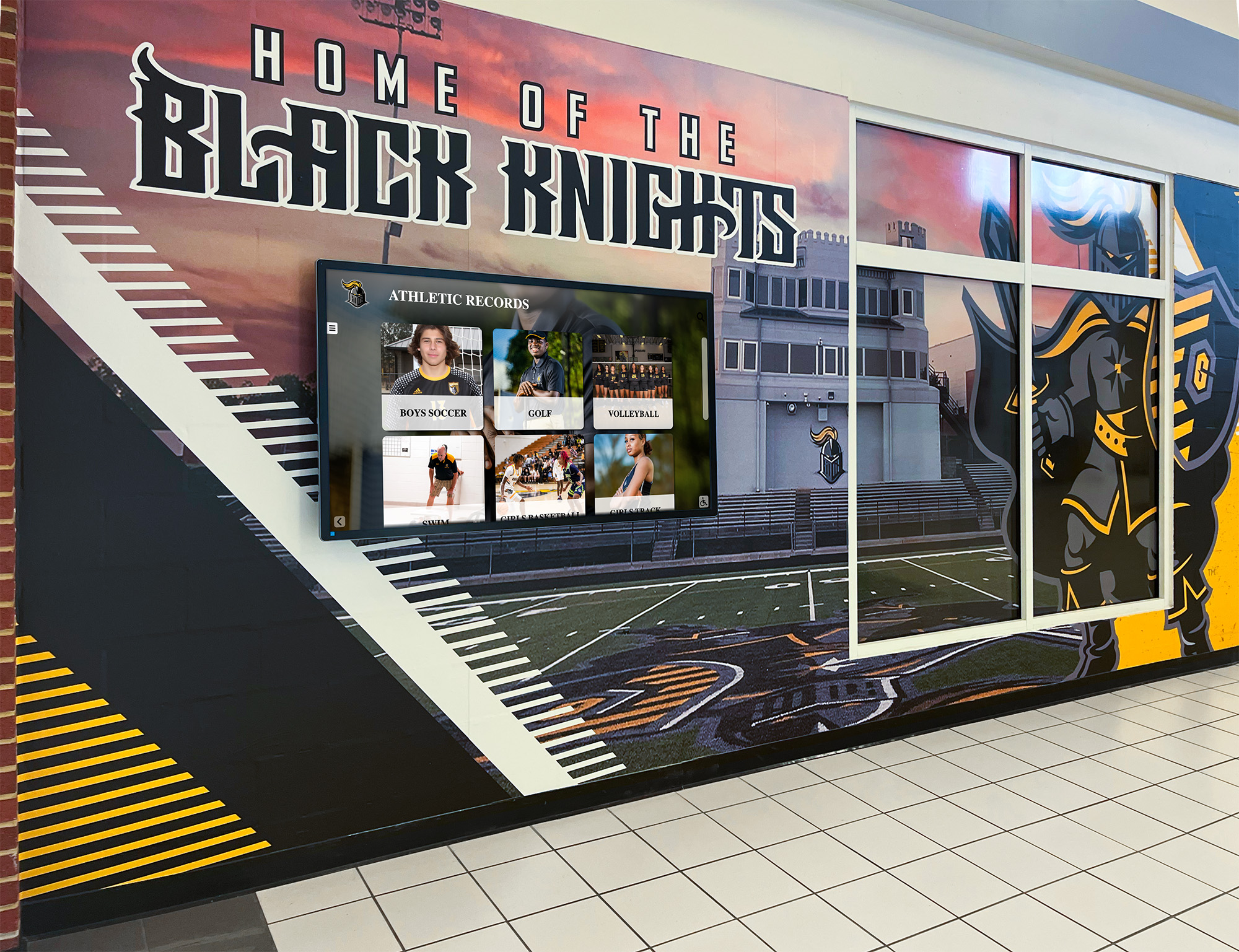
Notable college offensive freshmen who made immediate impacts include quarterbacks like Trevor Lawrence (Clemson, 2018), who led his team to a National Championship in his true freshman season, running backs like Adrian Peterson (Oklahoma, 2004), who rushed for over 1,900 yards as a true freshman, and wide receivers like Randy Moss (Marshall, 1996), who caught 28 touchdown passes in his first collegiate season.
College offensive rookie recognition often emphasizes not just raw statistics but also leadership maturity rare in 18-19 year-olds, performance in high-stakes games against ranked opponents, development trajectory suggesting sustained excellence beyond freshman seasons, and balancing athletic demands with academic success that validates the student-athlete ideal.
High School Freshman Impact Awards and Recognition
High school athletic programs increasingly recognize exceptional freshmen who make varsity impacts immediately rather than spending years developing in junior varsity programs. While most freshmen require physical maturation before competing effectively against 17-18 year-old seniors, rare athletes possess the combination of skill, size, strength, and maturity enabling varsity contributions from day one.
High school offensive rookie recognition might honor freshmen who earn varsity starting positions in competitive programs, first-year players who lead teams in key offensive statistics, ninth-graders who earn all-conference recognition despite competing against upperclassmen, and freshman contributors to championship teams whose performances proved essential to success.
The significance of freshman varsity success varies dramatically based on program competitiveness and school size. Starting as a freshman at a perennial state championship contender represents a vastly different achievement than starting at a struggling program desperate for any talent. Context matters when evaluating high school offensive rookie impact.
Schools that recognize exceptional freshmen thoughtfully balance celebrating legitimate achievement against creating unrealistic pressure on young athletes still developing physically, emotionally, and socially. Effective recognition acknowledges impressive first-year performance while maintaining perspective about long-term development paths.
What Separates Offensive Rookies of the Year From Their Peers
Award-winning offensive rookies share common characteristics that enable them to bypass typical adjustment periods and deliver immediate production at higher competitive levels.
Physical Readiness Beyond Typical First-Year Athletes
Exceptional offensive rookies typically arrive at new competitive levels with physical tools already comparable to established veterans. Their combination of size, speed, strength, and athleticism enables them to compete effectively despite limited experience with advanced schemes and strategies.
In professional football, rookie running backs and wide receivers often possess physical advantages over defensive veterans who have lost a step athletically. Elite rookie quarterbacks combine arm strength with mobility that keeps plays alive when protection breaks down. Rookie offensive linemen who translate college size and power to professional levels contribute immediately rather than requiring years of physical development.

At high school levels, freshman athletes who compete successfully on varsity typically exhibit early physical maturation—they’re taller, stronger, and more developed than typical 14-15 year-olds. This physical readiness allows them to absorb hits, win contested situations, and match the physicality that older opponents bring to competition.
Physical tools alone don’t guarantee success, but they provide the foundation enabling rookies to survive long enough for their skills and understanding to develop. Undersized or physically immature rookies rarely earn offensive rookie of the year consideration regardless of their skill level, simply because they cannot consistently compete against stronger, more mature opponents.
Advanced Football IQ and Pattern Recognition
Elite offensive rookies demonstrate mental processing speeds and pattern recognition abilities that typically require years to develop. They read defenses quickly, recognize coverages and blitz packages, anticipate opponent reactions, and make decisions that put them in position to succeed.
Rookie quarterbacks who earn offensive rookie of the year consideration consistently demonstrate pre-snap recognition identifying defensive schemes, post-snap processing making correct decisions under pressure, leadership commanding respect from veteran teammates, and poise maintaining composure when plays break down or adversity strikes.
Rookie running backs and wide receivers who excel immediately show exceptional instincts reading blocking schemes and finding running lanes, route-running precision creating separation against veteran defenders, ball security preventing fumbles that undermine trust, and versatility contributing in multiple offensive roles rather than specializing narrowly.
This advanced mental game reflects countless hours studying film, natural aptitude for pattern recognition, experience competing against high-level competition during their development, and maturity processing information quickly despite the speed and complexity of advanced competition.
Situation-Appropriate Confidence Without Arrogance
Award-winning offensive rookies carry themselves with confidence appropriate to elite performers while avoiding arrogance that alienates teammates or creates distractions. They believe in their abilities without needing to constantly prove or announce their talent.
This balanced confidence manifests through eagerness to learn from experienced teammates and coaches, willingness to accept criticism and adjust based on feedback, assertiveness making plays in crucial situations without hesitation, and humility crediting teammates and recognizing that individual success requires collective effort.
Rookie athletes who arrive overconfident often struggle to make necessary adjustments when facing adversity. Those who arrive too tentative never seize opportunities to showcase their abilities. The sweet spot combines belief in one’s preparation and talent with openness to continued learning and improvement.
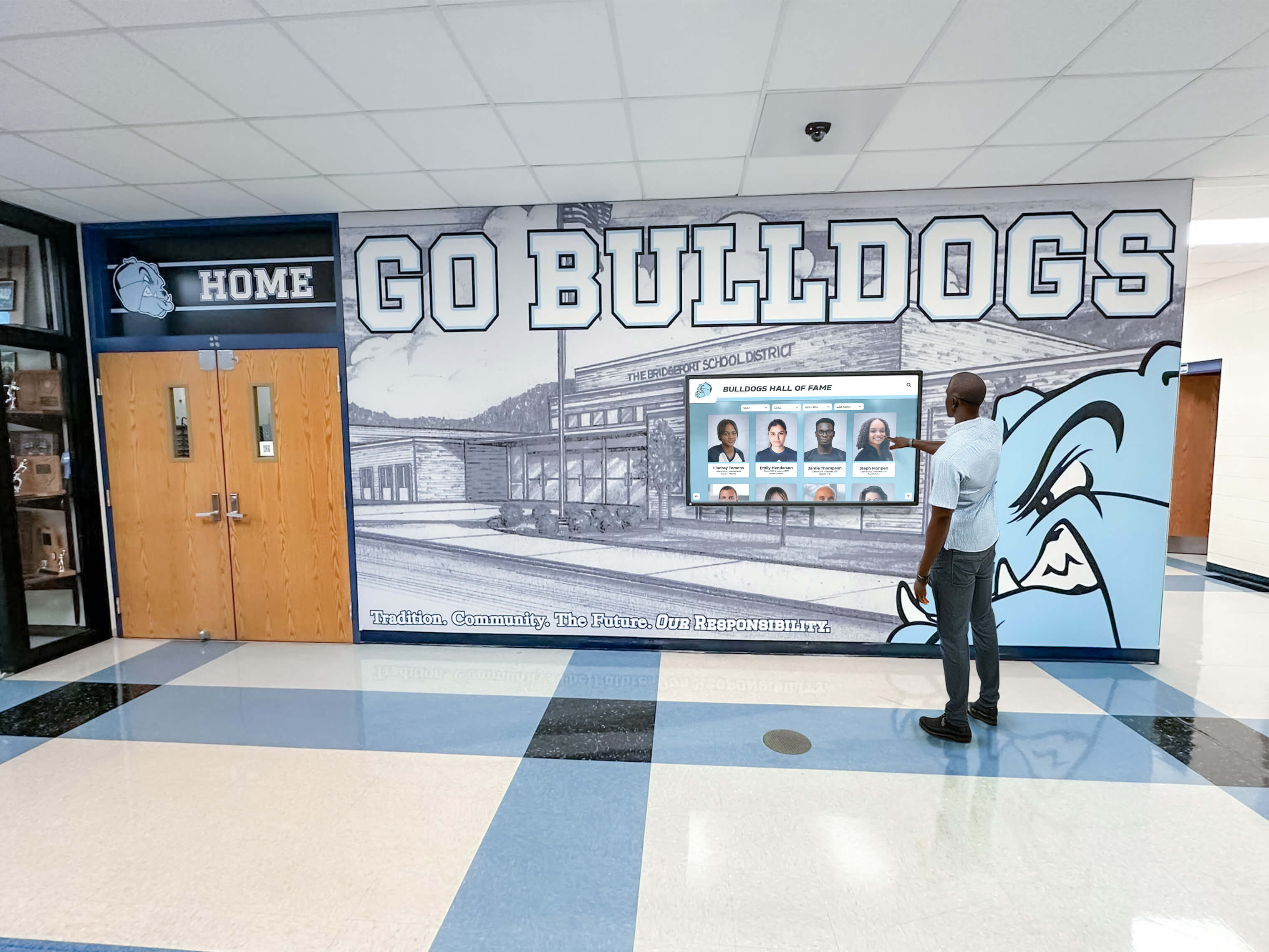
Veteran teammates and coaches consistently cite confidence-humility balance as critical for rookie success. Rookies who earn respect while maintaining coachable attitudes integrate smoothly into established team cultures, accelerating their development and maximizing their immediate contributions.
Preparation and Work Ethic Exceeding Expectations
Offensive rookies of the year consistently demonstrate preparation habits and work ethics that match or exceed those of veteran players with years of professional or advanced experience. They arrive early, stay late, study extensively, condition religiously, and approach every practice and preparation opportunity with maximum intensity.
This exceptional preparation manifests through mastering playbooks and scheme details beyond baseline expectations, putting in extra film study understanding opponents and tendencies, maintaining peak physical condition through disciplined training and nutrition, practicing at game speed developing muscle memory for critical situations, and seeking additional coaching and mentorship accelerating learning curves.
Coaches frequently note that award-winning rookies practice like veterans while retaining the enthusiasm and energy typical of young athletes excited by new opportunities. This combination accelerates development while bringing positive energy that elevates entire team preparation standards.
The preparation advantage compounds over time. Rookies who study more, practice more deliberately, and condition more consistently improve faster than peers who rely primarily on natural talent. By season’s end, the gap between exceptional rookies and typical first-year players often reflects preparation differences as much as talent differences.
Creating Recognition Programs That Honor Exceptional First-Year Athletes
Schools and athletic organizations should implement systematic approaches to recognize offensive rookies who make exceptional first-year impacts, ensuring these achievements receive appropriate celebration and documentation.
Establishing Clear Criteria for Freshman Athletic Recognition
Effective recognition programs define specific achievement standards that distinguish truly exceptional freshman performance from typical first-year contributions. Clear criteria ensure fairness while maintaining recognition prestige and meaning.
Statistical Production Thresholds: Consider recognizing freshmen who lead teams in key offensive categories (points scored, yards gained, touchdowns, assists), achieve milestone performances like 1,000-yard rushing seasons or 20-goal scoring campaigns, or rank among conference statistical leaders despite competing against upperclassmen.
Playing Time and Role Significance: Acknowledge freshmen who earn starting positions in competitive programs where upperclassmen typically fill starting roles, contribute significant playing time in crucial games and playoff scenarios, or play multiple positions demonstrating versatility valuable to team success.
Team Impact Measures: Recognize first-year players whose performances directly contributed to championship victories or playoff qualification, rookies whose arrival coincided with dramatic team improvement suggesting their catalytic impact, or freshmen who consistently performed in clutch situations when games were decided.
Development Trajectory Indicators: Highlight rookies showing continuous improvement throughout seasons, first-year athletes earning postseason honors like all-conference selection typically reserved for upperclassmen, or freshmen attracting recruiting attention from higher competitive levels based on debut performances.
Documentation of these criteria provides transparency ensuring athletes, families, and broader communities understand exactly what achievements warrant freshman recognition. Written standards prevent perceptions of favoritism while making recognition meaningful through consistent application.
Integrating Rookie Recognition Within Comprehensive Athletic Displays
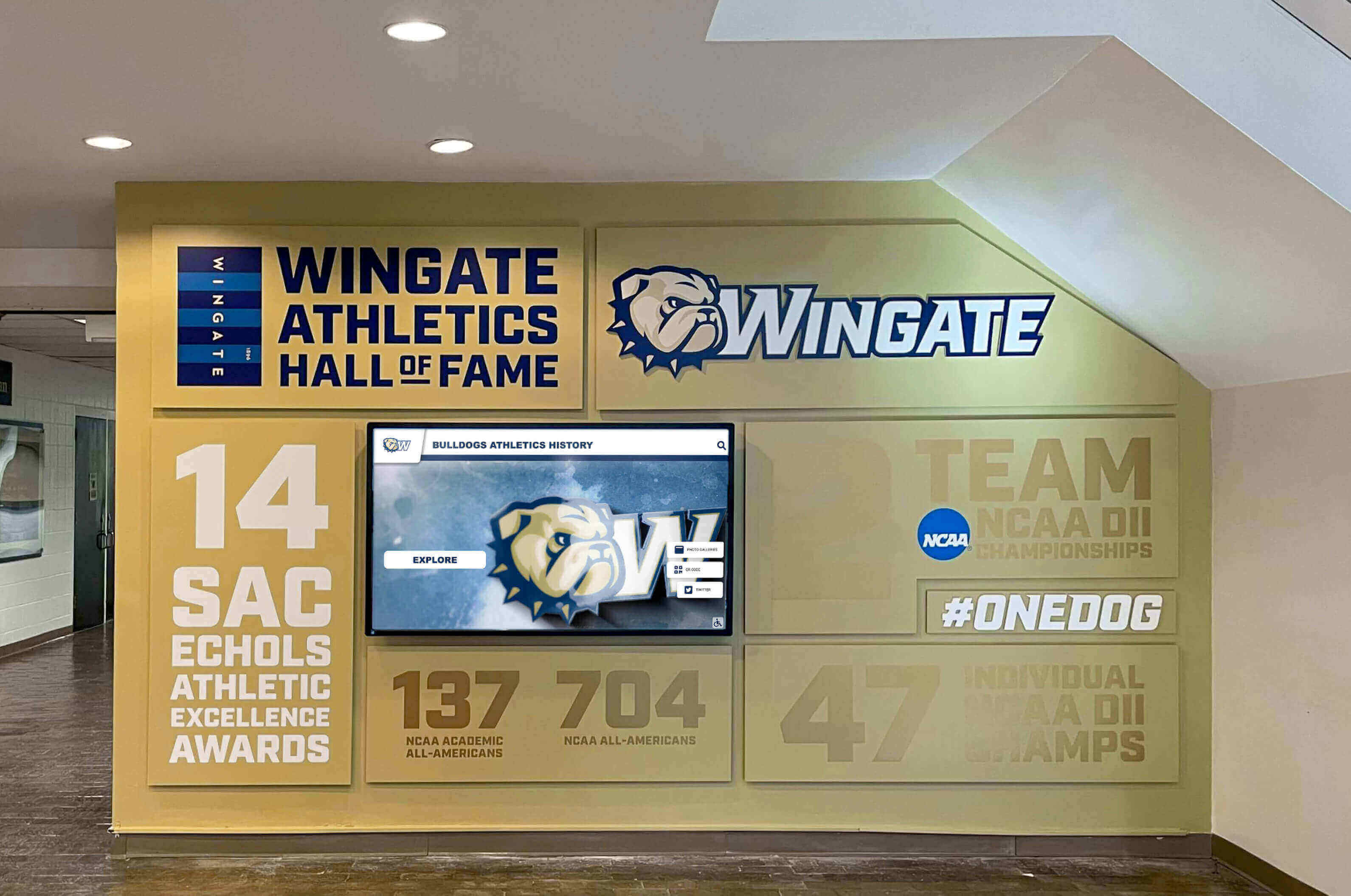
Rather than creating isolated freshman awards, integrate rookie recognition within comprehensive digital recognition systems that showcase athletic achievement across all levels and categories. This integration demonstrates how exceptional rookies fit within broader program traditions while ensuring their accomplishments receive appropriate prominence.

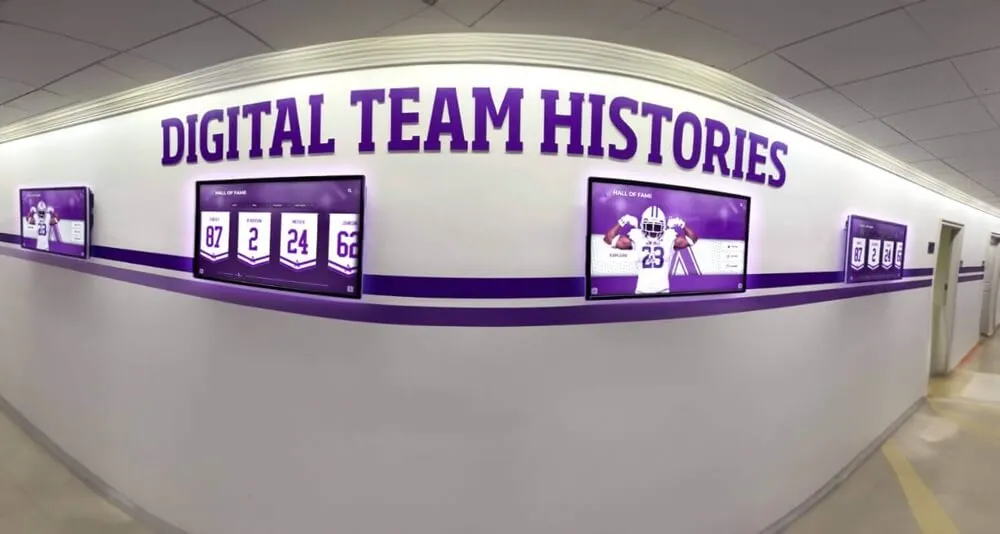
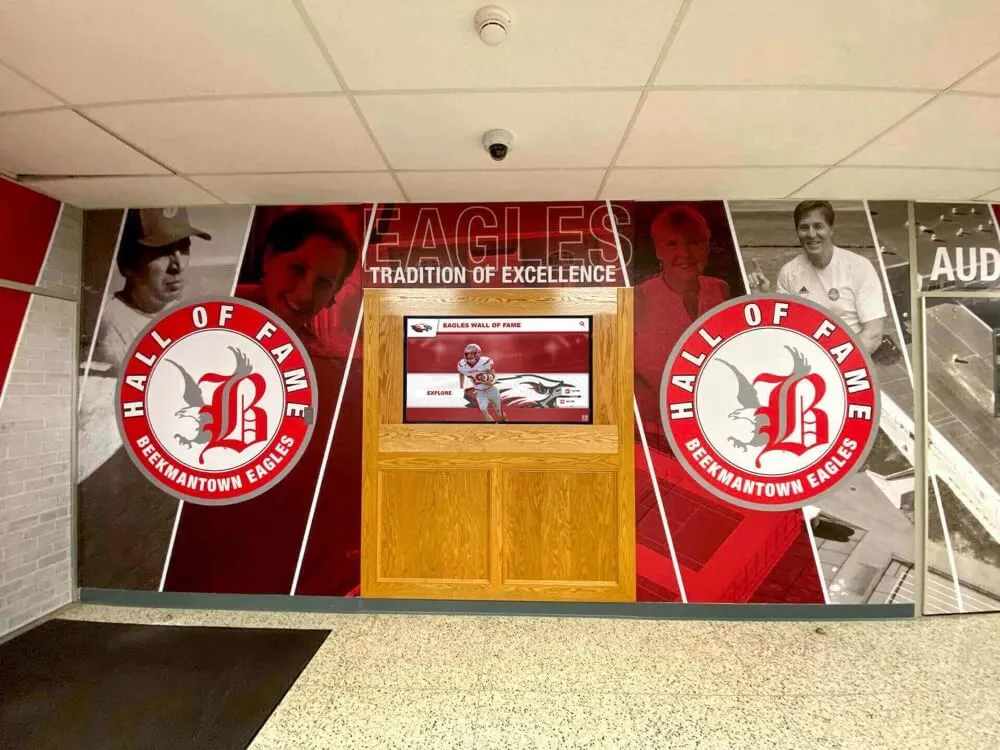
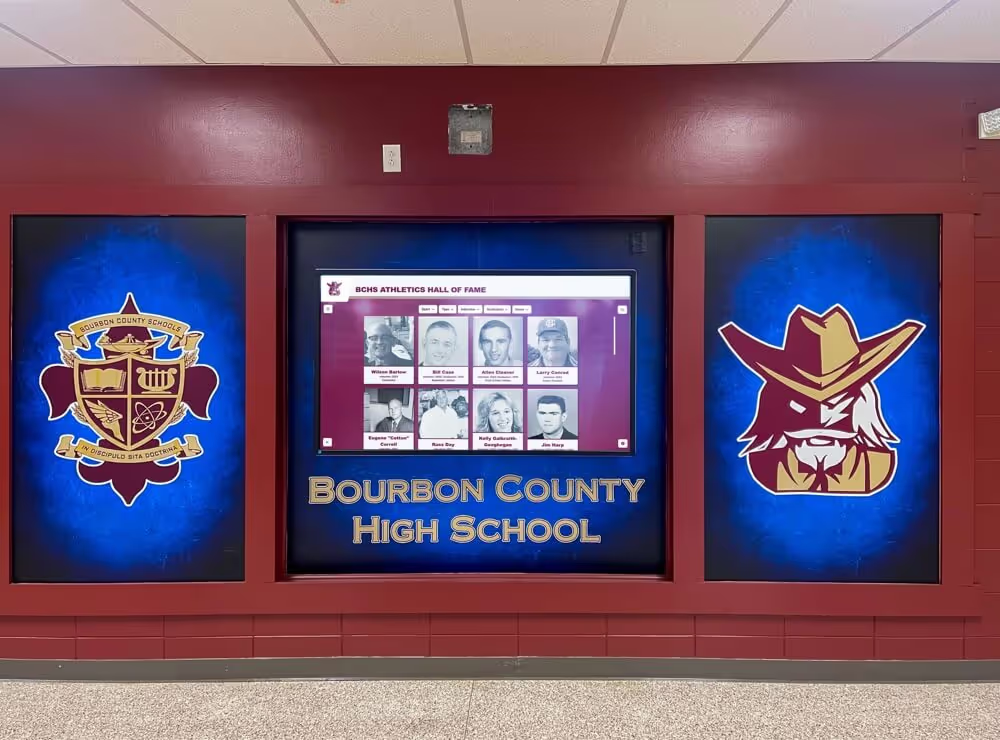
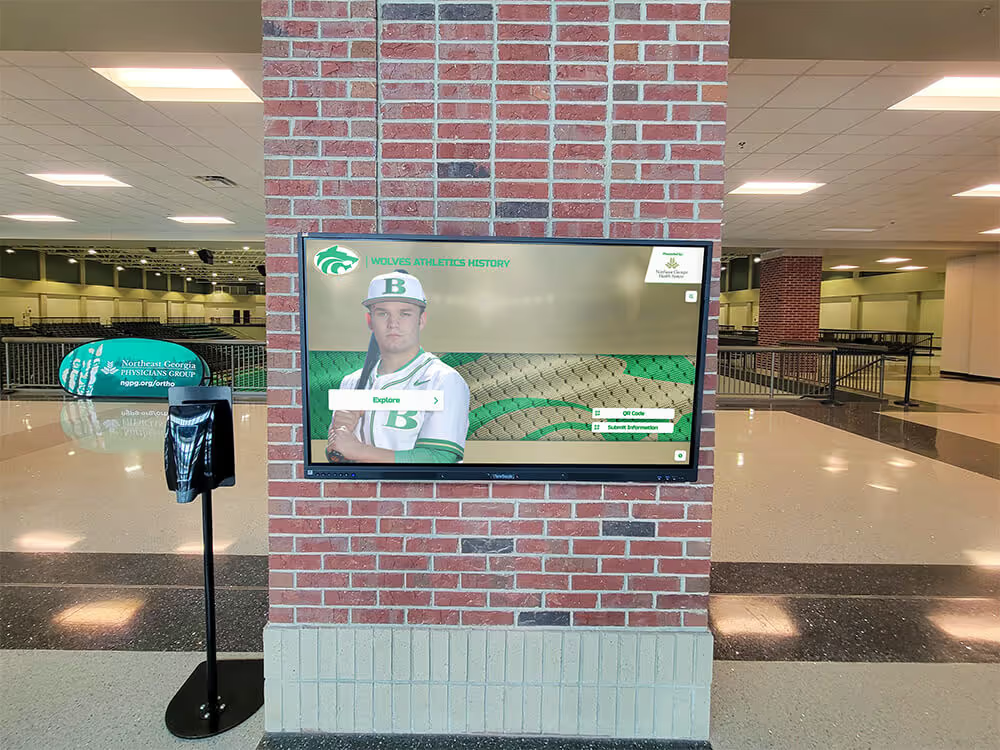
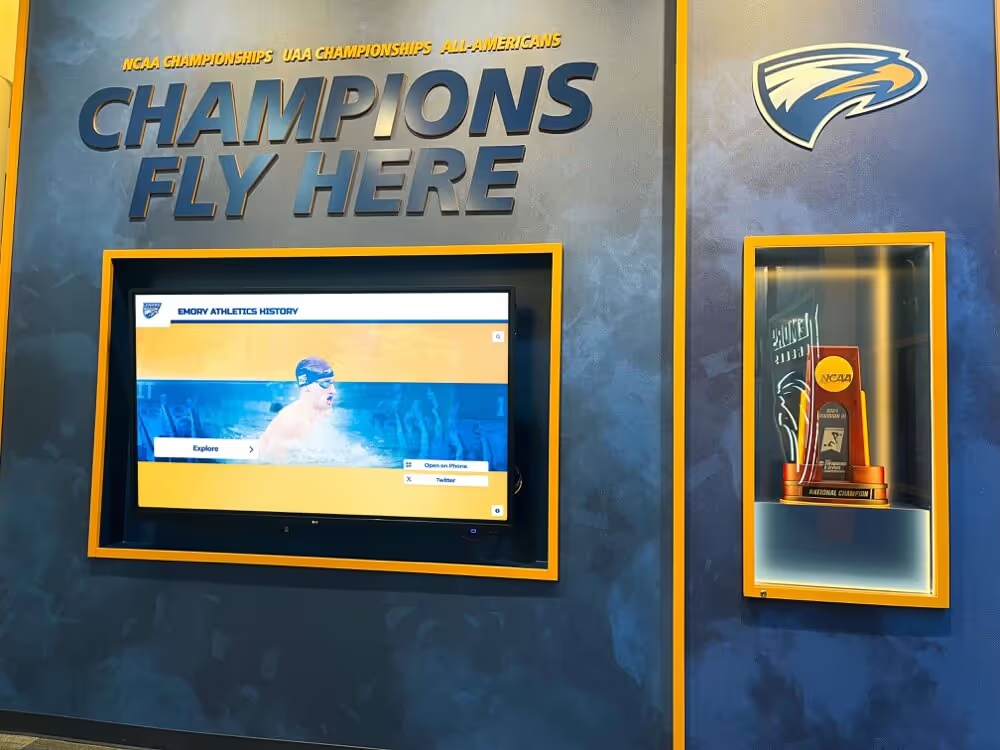
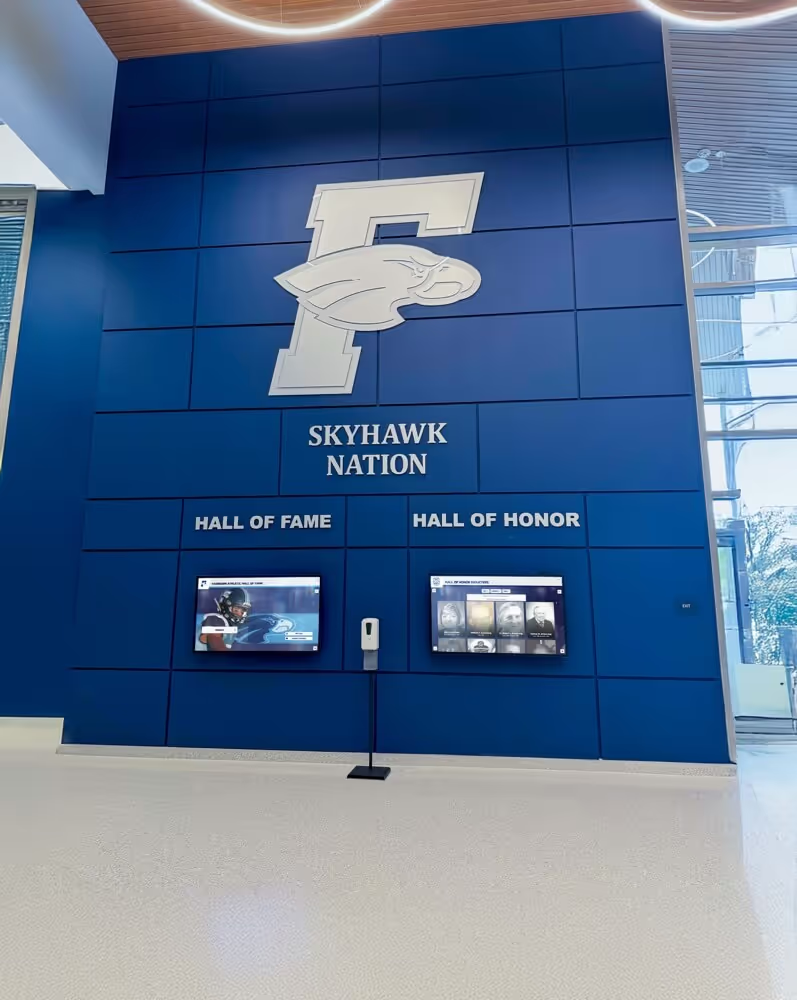
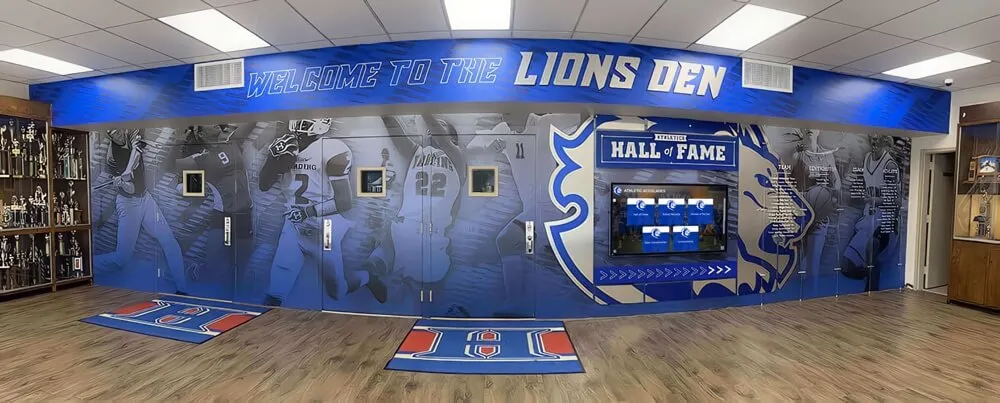
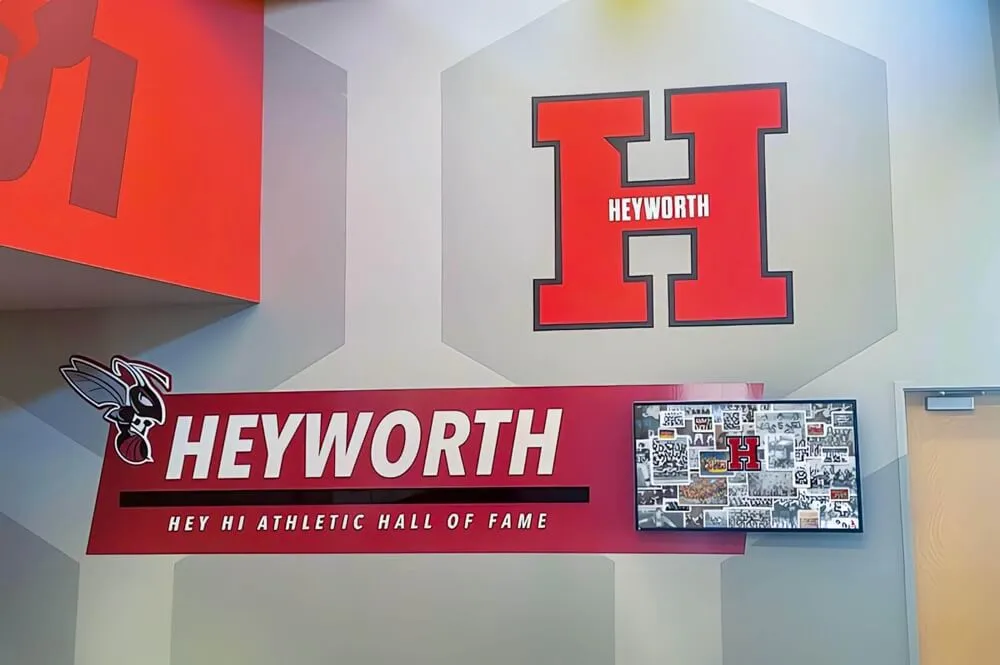
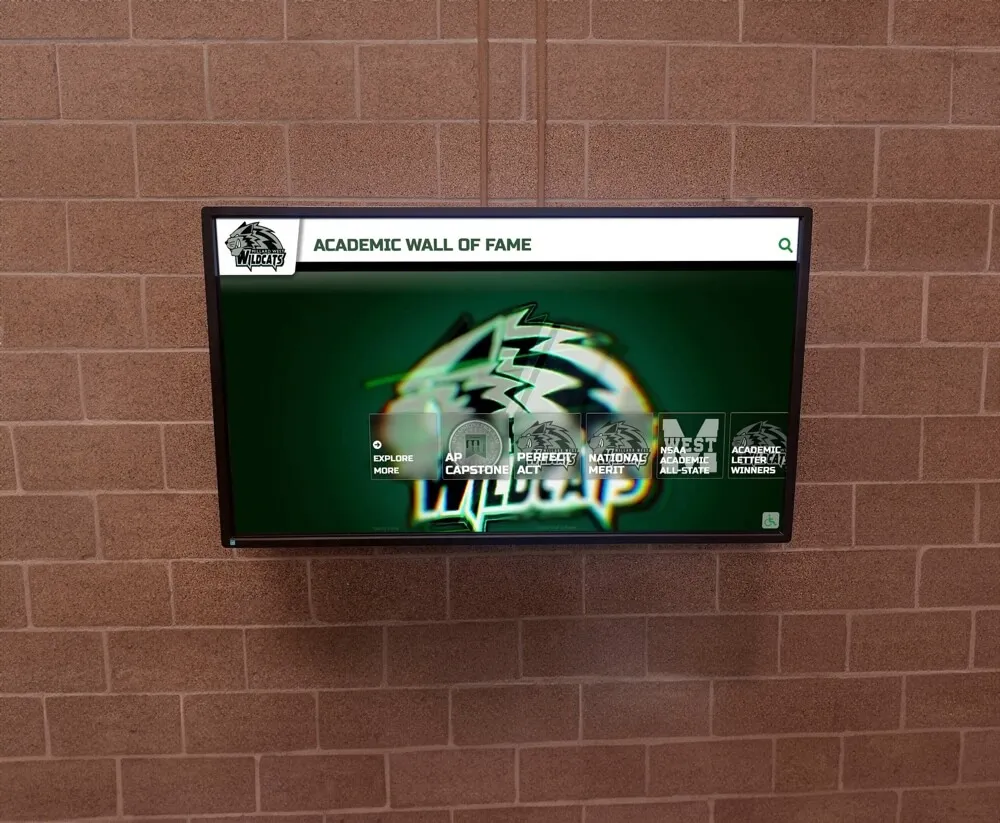
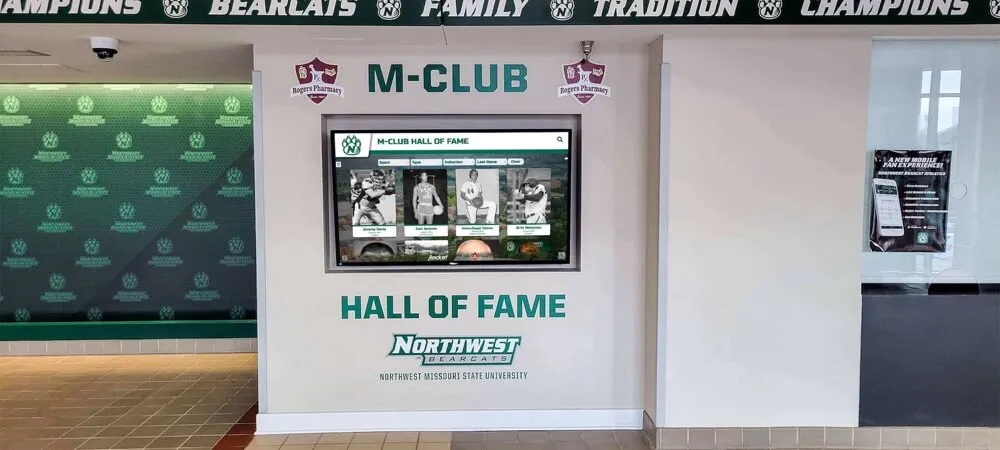
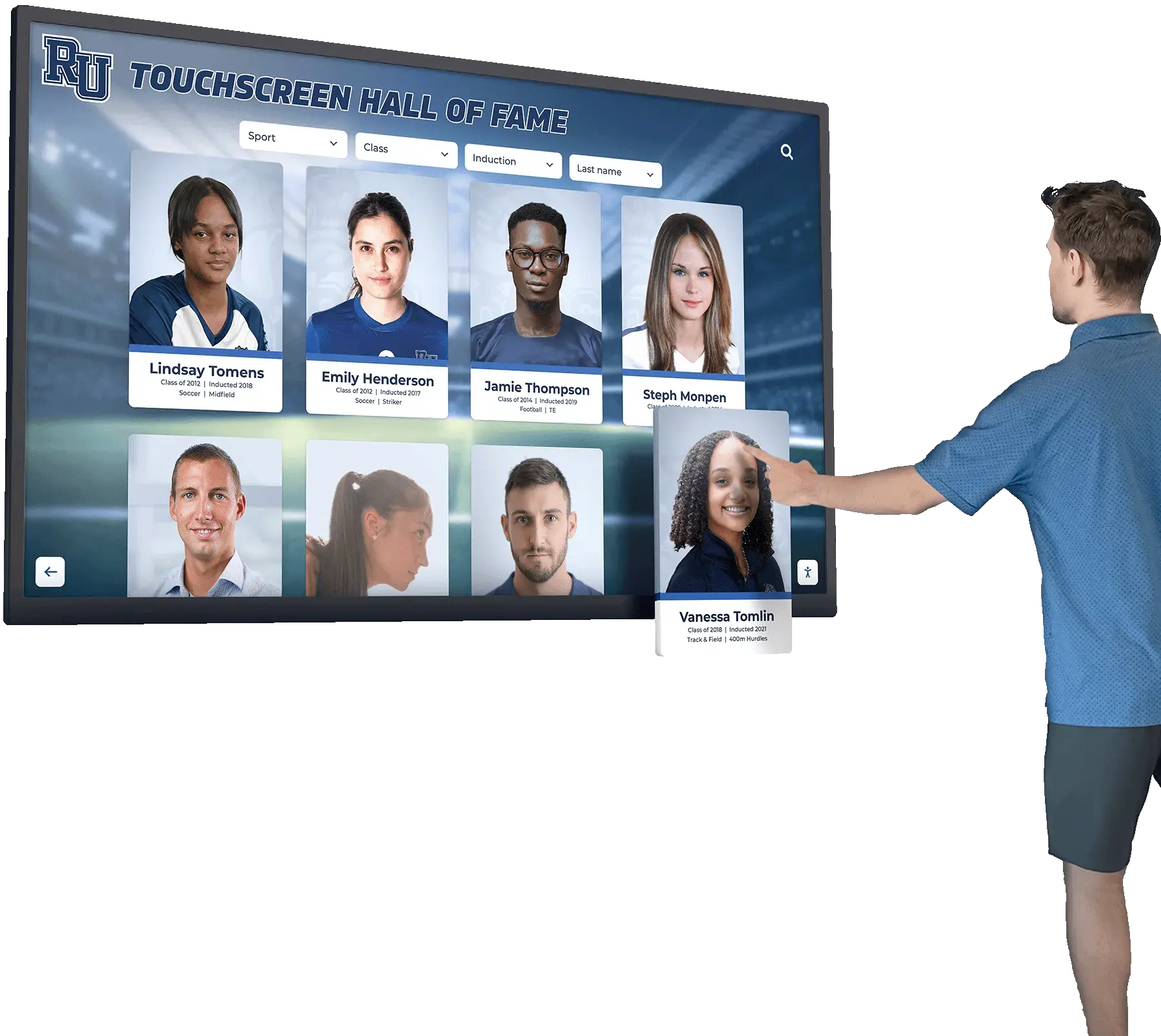
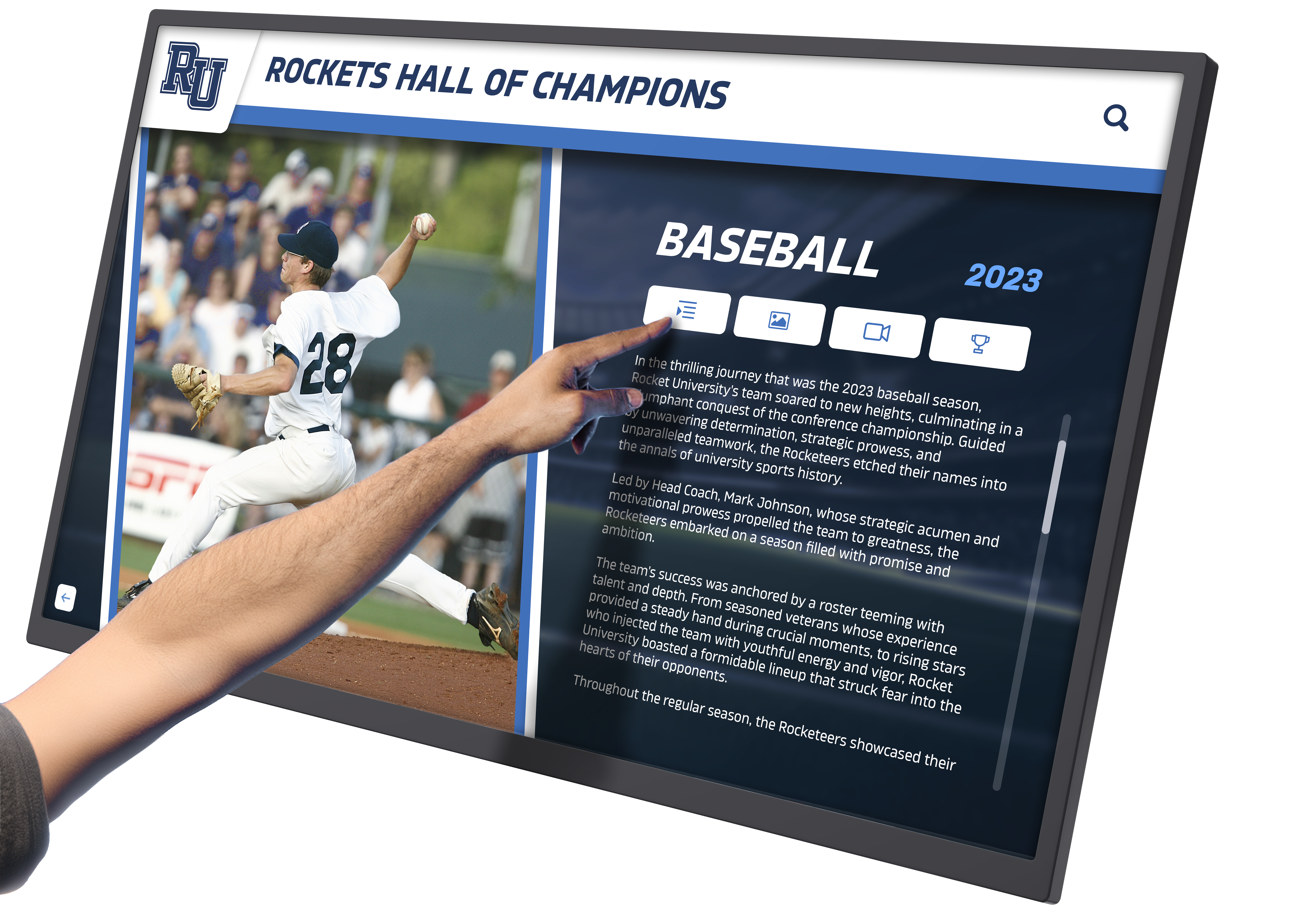
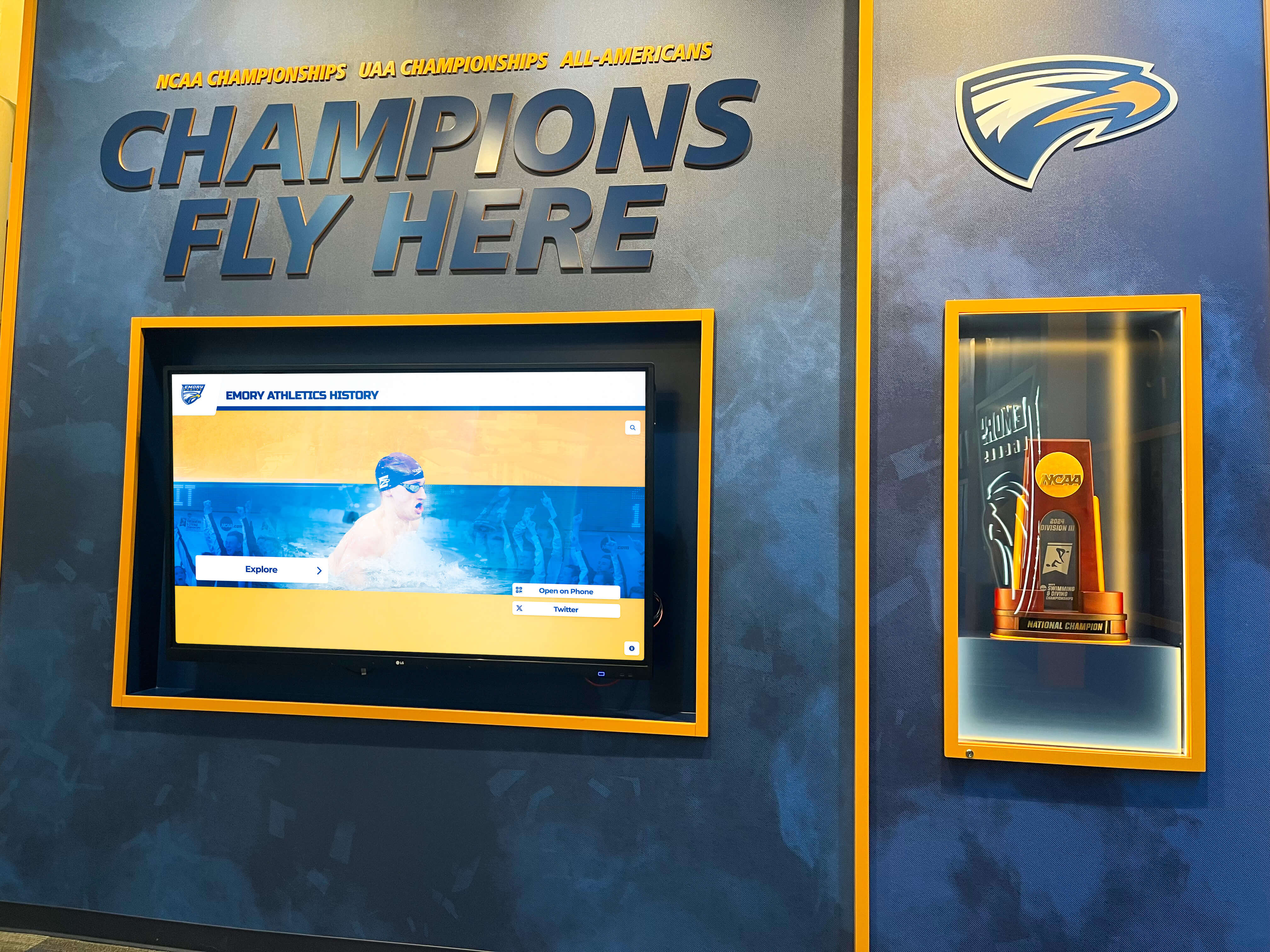
Modern digital athletic recognition displays enable schools to maintain searchable databases where visitors can filter achievements by multiple criteria including class year, sport, award type, season, and statistical categories. Freshman athletes who earn offensive rookie recognition receive detailed profiles featuring career statistics starting from their first varsity contributions, photographs and video highlights from breakthrough performances, coach and teammate testimonials providing context about their immediate impact, and documentation of how their freshman achievements predicted sustained excellence throughout careers.
This comprehensive approach allows current freshmen considering trying out for sports to discover role models who navigated similar first-year challenges, demonstrates program traditions of developing young talent to prospective families evaluating schools, and preserves institutional athletic history ensuring exceptional rookie seasons aren’t forgotten as athletes graduate and new generations arrive.
Solutions like Rocket Alumni Solutions provide purpose-built platforms designed specifically for athletic recognition, enabling schools to showcase freshman breakthrough performers alongside all-conference athletes, championship teams, and program records within cohesive recognition ecosystems that tell complete stories about athletic excellence.
Celebrating Rookies Without Creating Unrealistic Pressure
While exceptional freshman performance deserves celebration, schools must balance recognition against risks of creating unsustainable pressure on young athletes who still have years of development ahead.
Emphasize Team Context: Frame rookie recognition within team success contexts, acknowledging how supporting casts, coaching, and team chemistry enabled individual freshman achievement. This perspective prevents rookies from feeling they must single-handedly carry teams going forward.
Highlight Development Opportunities: Use recognition moments to discuss continued growth potential and areas where freshmen can improve, maintaining learning mindsets rather than suggesting they’ve already reached peak performance levels.
Provide Historical Perspective: Share examples of past exceptional freshmen who experienced sophomore slumps or uneven development before ultimately achieving success. This context normalizes non-linear improvement paths and reduces pressure for immediate repeat performances.
Encourage Process Focus: Celebrate work habits, preparation discipline, and competitive mentalities that enabled rookie success as much as statistical outcomes. This emphasis helps young athletes maintain approaches that drove initial success regardless of future results fluctuations.
Athletic directors and coaches should proactively communicate with exceptional freshman athletes and their families about how recognition reflects genuine achievement while understanding that development continues for years. Balancing celebration with realistic expectations protects young athletes’ long-term development and enjoyment of their sports.
Modern Recognition Solutions for Athletic Achievement
Technology has transformed how schools and athletic organizations recognize achievement, making comprehensive recognition accessible to programs regardless of size or budget while creating engaging experiences that inspire current athletes.
Digital Displays Providing Unlimited Recognition Capacity
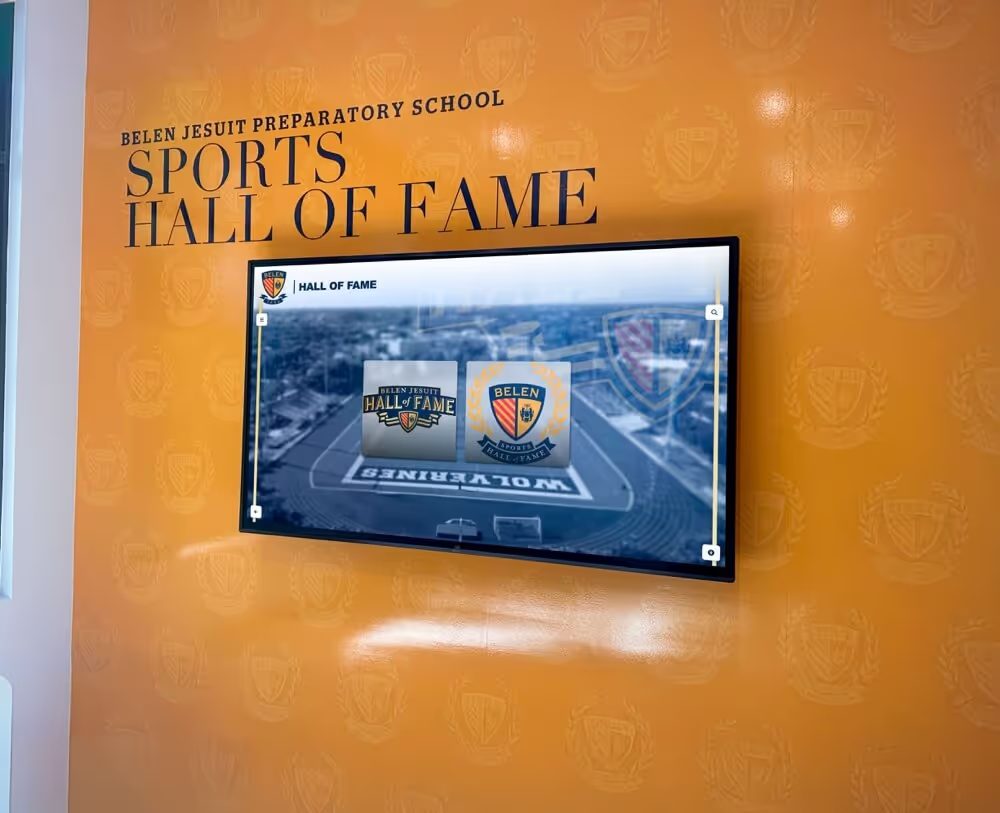
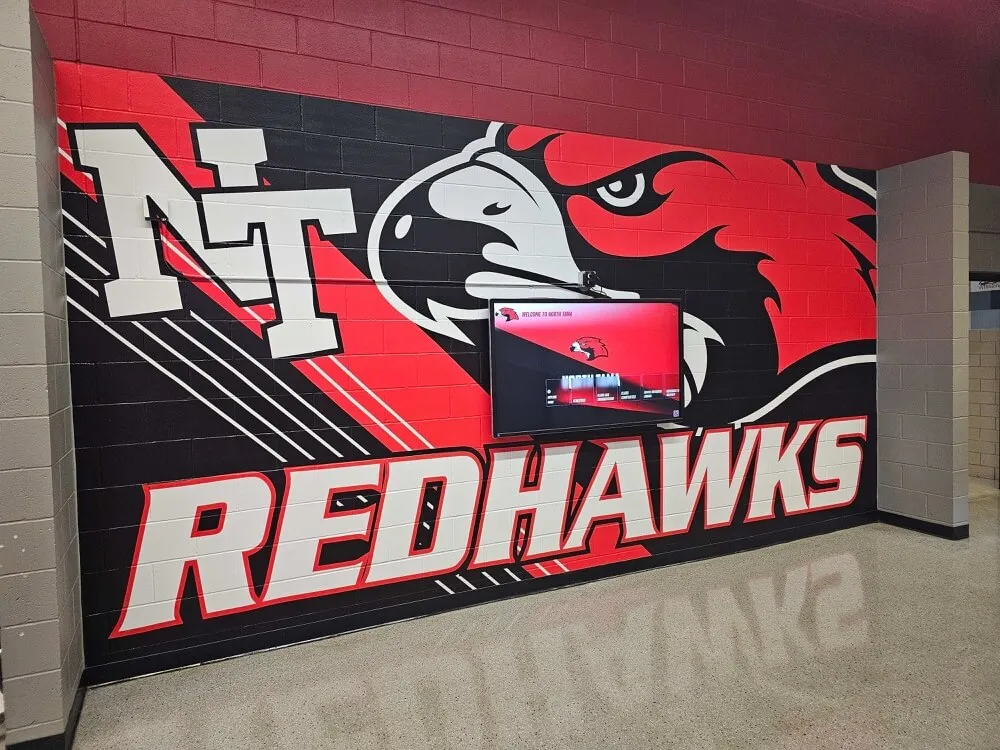
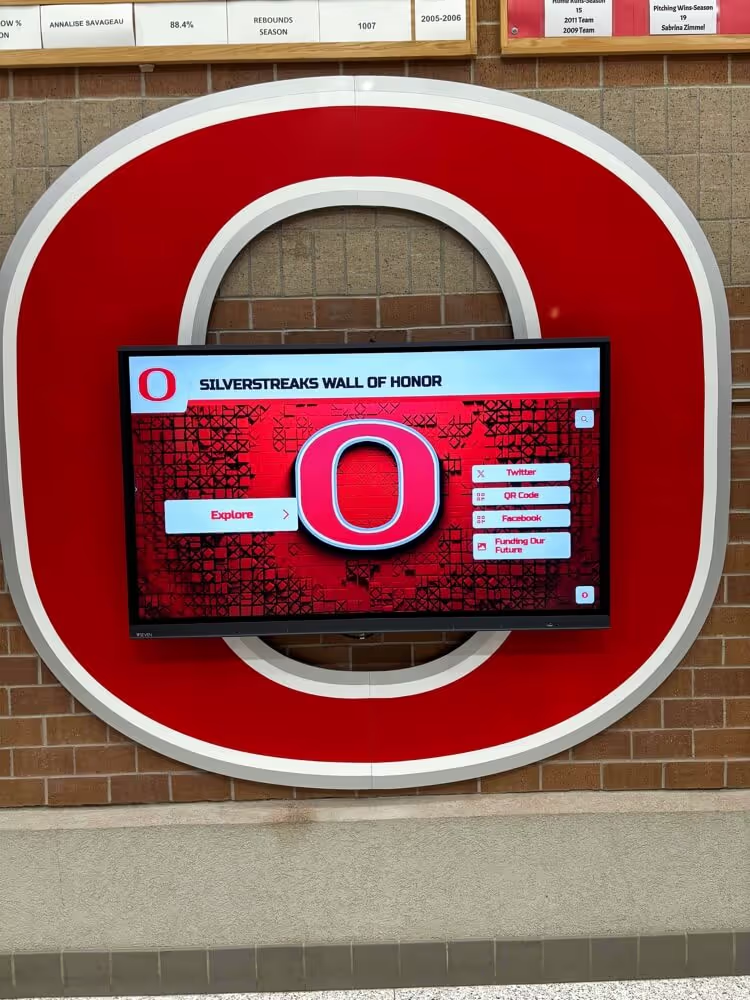
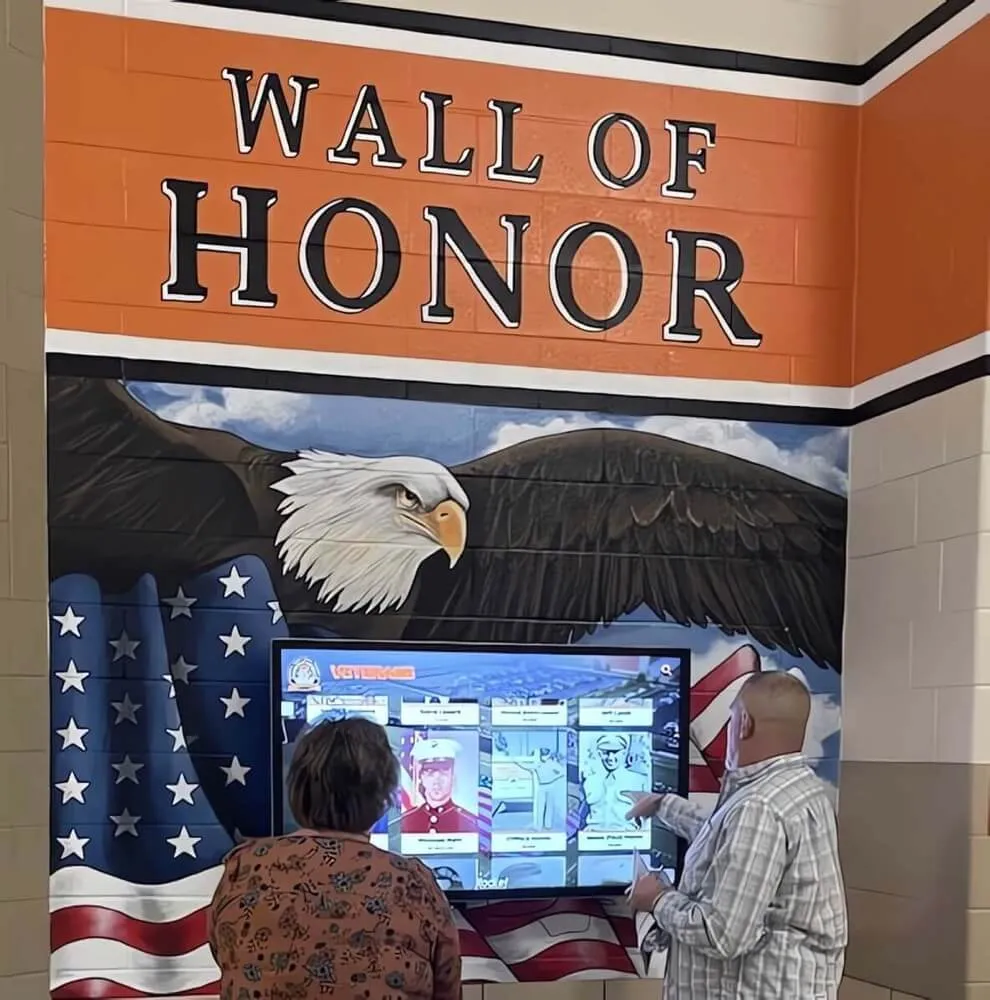
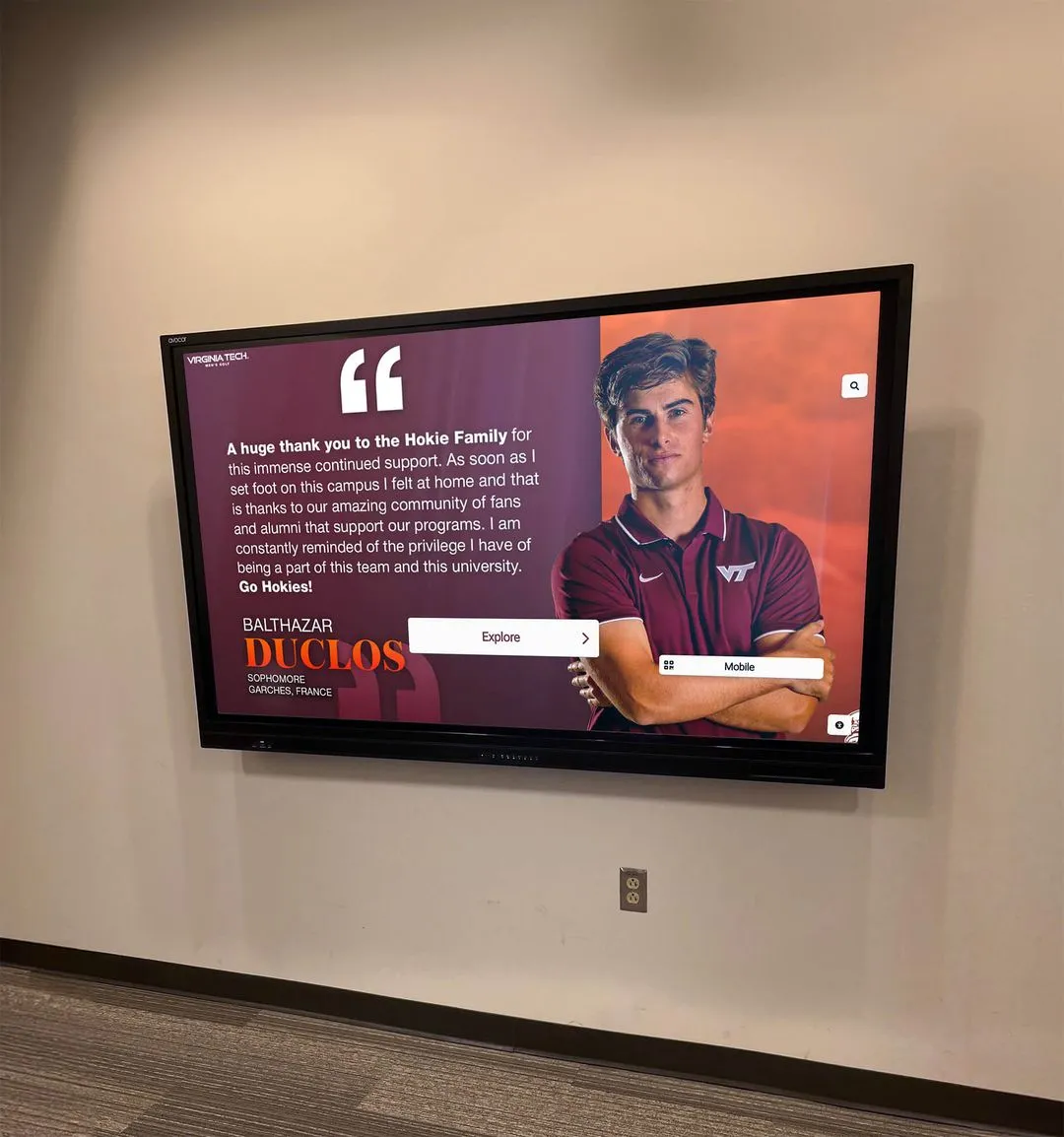
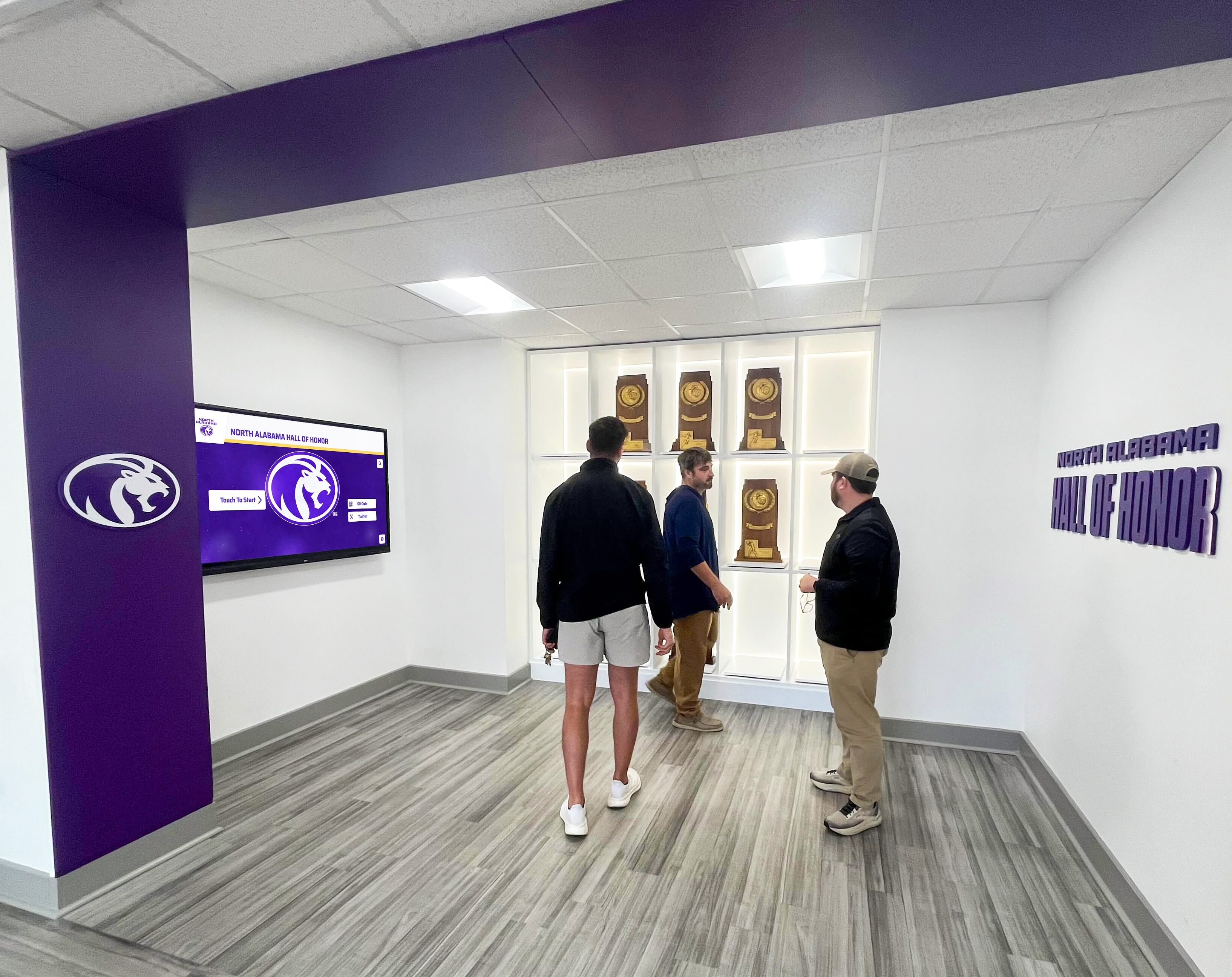
Traditional trophy cases and wall plaques face inherent space limitations that force difficult choices about which achievements warrant physical recognition. Digital touchscreen systems eliminate capacity constraints entirely, enabling schools to honor every offensive rookie award winner, all-conference selection, championship contributor, and statistical achievement throughout program history.
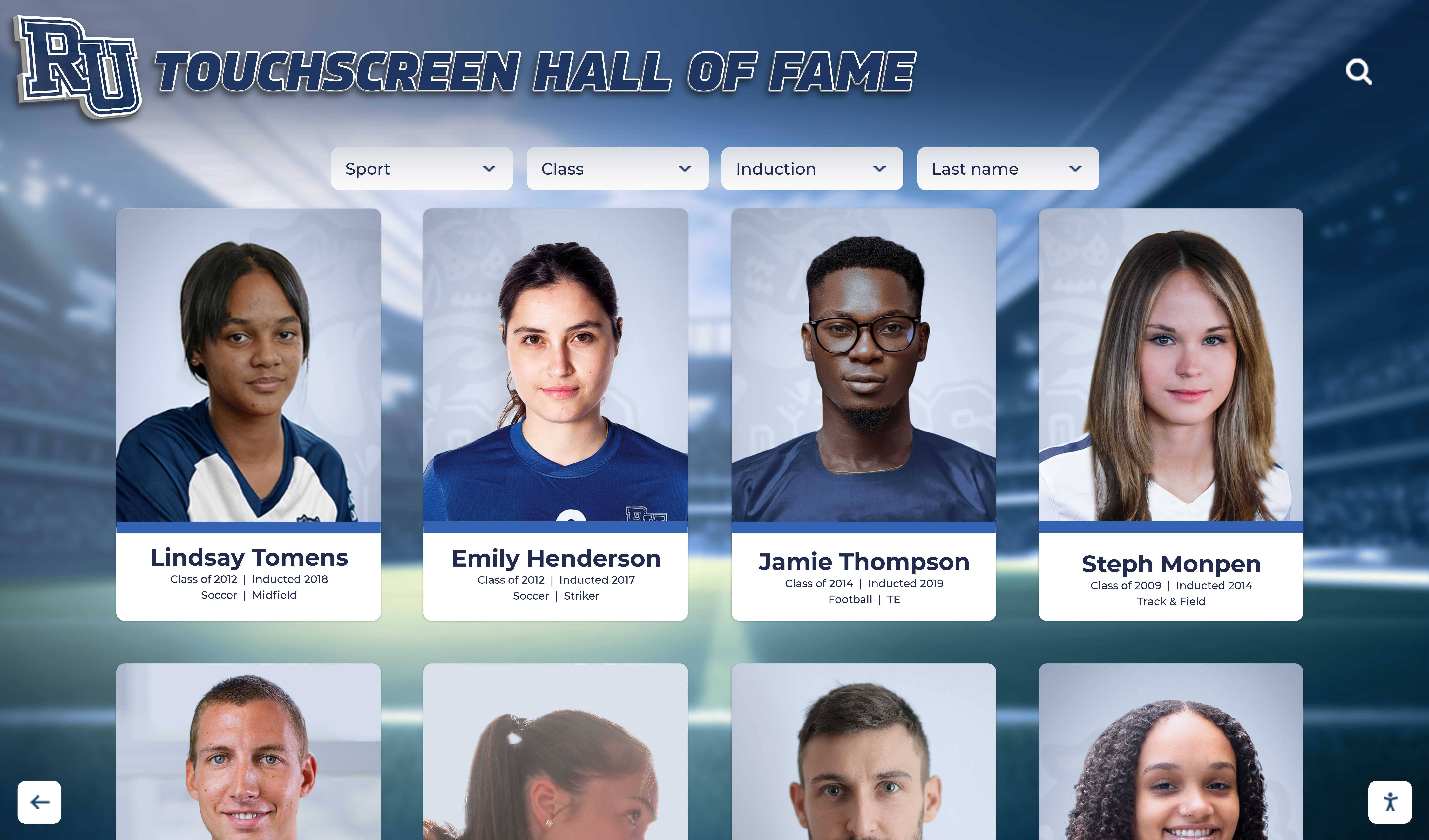
This unlimited capacity proves particularly valuable for multi-sport programs where recognizing diverse athletic excellence across football, basketball, soccer, baseball, softball, track, volleyball, and other sports quickly overwhelms traditional physical displays. Digital platforms accommodate thousands of athlete profiles without requiring additional wall space or hardware investment.
Schools can create dedicated sections highlighting freshman breakthrough performers who earned varsity letters and made immediate offensive impacts, while simultaneously maintaining comprehensive career profiles for these same athletes as they progress through their high school careers. This dual approach celebrates first-year success while documenting continued development through graduation.
Interactive Features That Engage and Inspire
Static plaques and trophy cases offer no opportunities for exploration or discovery—visitors see only what’s physically present, in predetermined arrangements. Interactive touchscreen recognition systems invite active engagement through searchable databases where students can find specific athletes by name, sport, or graduation year, filtering tools enabling discovery of all offensive rookie award winners across program history, comparison features showing statistical achievements across different eras and players, and multimedia content including photos, video highlights, statistics, and detailed narratives.
This interactivity dramatically increases engagement time and emotional impact. Students don’t just glance at recognition displays—they actively explore, discovering athletes who played their positions, attended in their era, or came from their hometowns. These personal connections make recognition more meaningful while inspiring current athletes by demonstrating that peers achieved excellence within the same program they now represent.
Interactive recognition experiences particularly benefit freshman athletes who can search for similar breakthrough performers from past years, understanding what performance levels enabled those athletes to earn recognition and potentially mapping pathways toward similar achievement during their own careers.
Instant Updates Maintaining Currency and Relevance
Traditional recognition requires weeks or months between achievement and physical recognition appearance. Plaques must be designed, manufactured, shipped, and installed—processes consuming time and budget while diminishing recognition timeliness and impact.
Digital recognition platforms enable immediate updates celebrating achievements while excitement remains high. When a freshman quarterback throws for 300 yards and three touchdowns in a breakthrough performance, athletic staff can publish detailed recognition profiles within hours, ensuring the athlete sees their achievement celebrated instantly rather than waiting months for physical plaques.
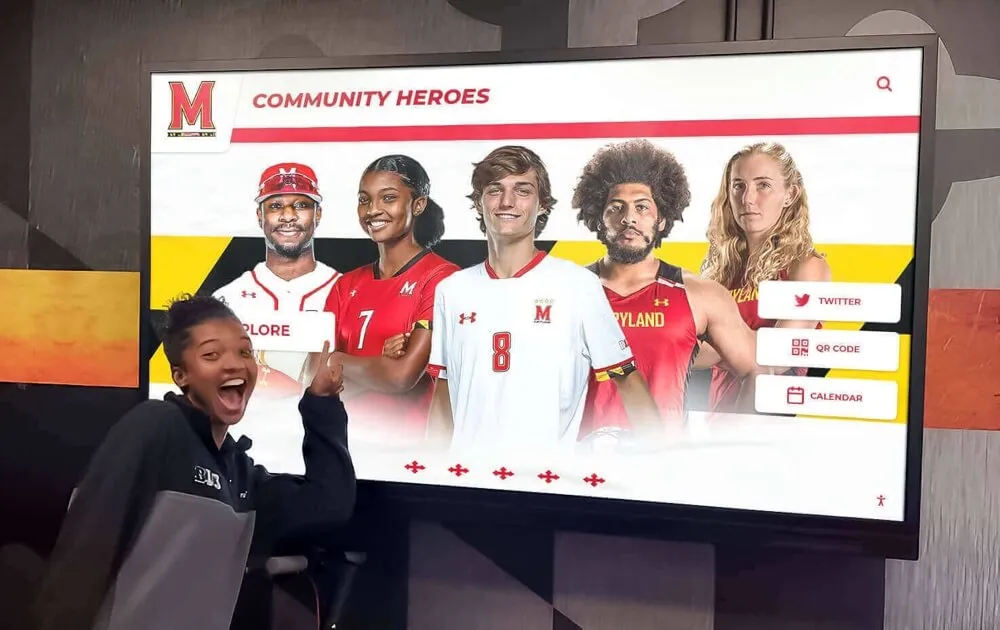
This immediacy proves especially important for first-year athletes whose early successes build confidence and motivation for continued development. Timely recognition reinforces positive behaviors and performances while they’re fresh in athletes’ minds, maximizing motivational impact and demonstrating that the program genuinely values their contributions.
Schools can maintain living recognition that grows throughout seasons as achievements accumulate, rather than waiting for seasons to end before beginning recognition processes. This real-time acknowledgment creates ongoing excitement around athletic programs while keeping recognition displays current and relevant to students’ daily experiences.
Accessibility Beyond Physical Location
Traditional trophy cases exist in single locations—typically school athletic facilities or main lobbies. Alumni living elsewhere cannot show their families their recognition, prospective students researching schools cannot preview athletic traditions, and community members rarely visit schools specifically to view trophy cases.
Digital recognition extends beyond physical displays through web-based companion platforms accessible from anywhere. Offensive rookie award winners can share their recognition profiles through social media, families can bookmark and revisit athlete profiles from any device, college recruiters can research program histories and traditions remotely, and alumni can stay connected to programs by following current athlete achievements and comparing them to their own careers.
This extended accessibility multiplies recognition impact far beyond what traditional physical displays can achieve. An athlete recognized in a trophy case might have 50-100 people view their plaque annually. That same athlete featured on a digital recognition platform with online access might receive thousands of profile views from diverse audiences worldwide, dramatically expanding the reach and significance of their recognition.
Professional Offensive Rookie of the Year Impact on Youth Athletics
Professional offensive rookie of the year awards and winners influence youth athletic culture, creating aspirational models while sometimes establishing unrealistic expectations that require careful management.
Inspiration Through Accessible Role Models
Young athletes connect strongly with rookie award winners because these players exist in a liminal space—no longer peers but not yet established stars. Rookies’ recent transitions from college or high school to professional levels feel more accessible than the distant greatness of 10-year veterans.
When a rookie quarterback wins offensive rookie of the year while demonstrating preparation habits, leadership qualities, and work ethics that enabled their rapid success, young quarterbacks gain concrete blueprints for their own development. These recent examples feel more relevant than studying legends whose careers occurred in different eras with different training methods, rules, and competitive contexts.
Schools and coaches can leverage professional rookie success stories strategically by highlighting preparation and process elements that enabled rookie excellence, discussing challenges rookies overcame and lessons learned from setbacks, connecting rookie success to youth development pathways young athletes can follow, and emphasizing that even exceptional rookies continue learning and developing throughout careers.
This framing helps young athletes understand that early success reflects years of preparation and dedicated development rather than simply natural talent, making excellence feel achievable through commitment rather than genetic lottery.
Managing Expectations Around Athletic Development Timelines
Professional offensive rookies of the year create potential misconceptions about typical athletic development timelines. Young athletes might conclude that elite players should dominate immediately at every new competitive level, underestimating the years of development most athletes require before achieving sustained success.
Coaches and parents should provide context about statistical realities: most professional offensive rookies of the year were elite athletes who dominated at every prior competitive level, these exceptional rookies represent extreme outliers among thousands of professional athletes who required years to develop, even award-winning rookies typically show significant improvement in subsequent seasons as they gain experience, and many Hall of Fame offensive players had modest rookie seasons before developing into legends.
This context prevents young athletes from becoming discouraged when they don’t immediately dominate at new competitive levels. Normal development includes adjustment periods, learning curves, and gradual improvement rather than instant mastery. Recognizing growth and improvement throughout development journeys proves as important as celebrating immediate success for the small percentage who achieve it.
Connecting Professional Success to High School Recognition
Schools can draw explicit connections between professional offensive rookie of the year winners and high school athletic recognition, demonstrating how early excellence in high school programs launched professional careers.
Many professional offensive rookies of the year earned similar recognition during their high school careers—they were exceptional freshmen who made immediate varsity impacts, continued developing through high school to earn all-state and all-American honors, used high school success as springboards to college scholarships, and maintained work ethics and competitive approaches that enabled professional success.
Highlighting these connections accomplishes multiple purposes: validates the significance of high school athletic achievement and recognition, demonstrates clear developmental pathways from high school excellence to professional success, inspires current high school athletes by showing that professionals once competed in similar settings, and encourages continued development after high school knowing that excellence can lead to higher opportunities.
Schools implementing comprehensive recognition systems can feature “where are they now” sections for exceptional freshman athletes who went on to college and professional careers, explicitly connecting early high school success to subsequent achievement at higher levels. This longitudinal perspective enriches recognition while providing inspirational examples for current athletes.
Best Practices for Recognizing First-Year Athletic Excellence
Schools and organizations that successfully recognize exceptional rookie offensive performance share common approaches ensuring recognition remains meaningful, fair, and inspiring.
Balance Individual Recognition With Team Success Context
Offensive rookie of the year recognition celebrates individual achievement, yet sports success always occurs within team contexts. Effective recognition explicitly acknowledges the roles teammates, coaches, and supporting casts played in enabling individual statistical production and award consideration.
Recognition content should mention offensive line play that gave rookie quarterbacks time to throw, defensive performances that created favorable field position, coaching schemes that put rookies in position to succeed, and veteran leadership that helped rookies navigate first-year challenges. This framing prevents resentment while accurately reflecting that individual excellence depends on collective support.
Many successful programs feature dual recognition highlighting both individual award winners and the teams that enabled their success. A freshman offensive player of the year might be recognized alongside the offensive line that protected them or the championship team they contributed to, creating comprehensive stories rather than isolated individual celebrations.
Recognize Diverse Excellence Across All Athletic Programs
Offensive rookie recognition should span all athletic programs rather than concentrating disproportionately on high-profile sports. Exceptional freshman soccer players, volleyball players, swimmers, and track athletes deserve recognition equal to football and basketball rookies when their achievements warrant it.
This comprehensive approach requires establishing sport-appropriate criteria acknowledging different statistical measures and success indicators across activities. A freshman striker leading the soccer team in goals deserves consideration equivalent to a freshman quarterback leading in passing yards. A freshman swimmer breaking pool records merits recognition comparable to a freshman basketball player leading in scoring.
Equitable recognition across all athletic programs communicates that the school values diverse forms of excellence, encourages participation across all sports rather than funneling all talented athletes toward high-profile activities, and demonstrates recognition systems’ fairness rather than favoritism toward certain sports.
Digital recognition platforms particularly enable this comprehensive approach by accommodating unlimited profiles across all sports without the space constraints that might force prioritization of certain activities over others.
Create Sustainable Recognition Workflows and Processes
Effective recognition requires systematic processes ensuring consistency across years regardless of staff turnover or other institutional changes. Assign specific staff members responsibility for identifying rookie achievement, collecting athlete information and media, publishing recognition content to digital platforms, and communicating with athletes and families about recognition.
Establish annual calendars defining when rookie awards are determined, when recognition content is published, when recognition ceremonies occur if applicable, and when follow-up content updates are completed. These structured timelines prevent recognition from falling through cracks during busy athletic seasons.
Document procedures in writing ensuring new staff can maintain recognition programs when personnel change. Include criteria definitions, content standards, approval workflows, and technical instructions for platform management. This documentation protects institutional knowledge while enabling program continuity.
Schools successfully maintaining comprehensive recognition over decades invest in these sustainable processes rather than depending on individual champions whose departures might cause programs to deteriorate or disappear.
Leverage Recognition for Recruitment and Retention
Strategic recognition of offensive rookies provides powerful evidence for prospective athletes and families evaluating programs. Comprehensive displays showing years of exceptional freshman performances demonstrate that programs consistently develop young talent rather than requiring athletes to wait years for opportunities.
During recruitment conversations and campus tours, athletic directors and coaches can showcase specific examples of freshmen who made immediate impacts, earning varsity roles and recognition while most first-year athletes were still adjusting. These concrete examples prove more convincing than verbal promises about development opportunities.
Recognition also aids retention by making current freshmen feel valued early in their athletic careers. Athletes who see their breakthrough performances quickly celebrated through professional recognition displays develop stronger connections to programs, increasing likelihood they’ll remain engaged through graduation rather than losing interest or transferring.
Measuring the Impact of Athletic Recognition Programs
Schools investing in recognition systems should assess their impact through both quantitative metrics and qualitative feedback, demonstrating return on investment while identifying opportunities for continuous improvement.
Engagement Analytics and Usage Patterns
Digital recognition platforms provide detailed analytics revealing how visitors interact with athletic content. Track metrics including total display interactions and unique visitors over time, average engagement duration indicating depth of interest, most-viewed athlete profiles revealing which content resonates, search queries showing what information visitors seek, and return visitor percentages suggesting sustained interest versus one-time viewing.
Growing engagement over time validates recognition investment and demonstrates that displays provide ongoing value rather than brief initial interest that fades. Schools can share these metrics with stakeholders including administrators, booster clubs, and alumni to justify recognition spending and build support for expansion or enhancement.
Analytics also inform content development priorities by revealing which athlete profiles, sports, or eras receive the most attention. Schools can enhance popular content while ensuring less-viewed sections receive improvements that might increase interest.
Athlete and Family Feedback
Systematically gather input from recognized athletes and their families about recognition experiences. Survey freshmen who earned offensive rookie recognition about whether it felt meaningful and motivational, how they learned about their recognition, whether they shared recognition with family and friends, and if recognition influenced their continued commitment to athletic programs.
Solicit feedback from families about recognition quality, timeliness, and presentation. Parents and guardians often appreciate recognition even more than athletes themselves, and their perspectives provide valuable insights about what makes recognition meaningful versus perfunctory.
Conduct focus groups with current freshman athletes who haven’t yet earned recognition, exploring whether seeing recognized athletes inspires their development, what types of recognition would feel most meaningful, and how recognition displays influence their athletic goals and aspirations.
This qualitative feedback complements quantitative analytics by revealing the emotional impact and personal significance recognition creates, which data alone cannot capture.
Recruitment and Retention Metrics
Assess whether improved athletic recognition affects recruitment and retention outcomes. Track prospective athlete awareness of recognition programs during campus visits and their influence on commitment decisions, yield rates for recruited athletes choosing between your school and competitors, freshman athletic participation rates after recognition implementation, and retention of freshman athletes through graduation compared to historical norms.
While many factors influence recruitment and retention, positive trends following recognition investment suggest it contributes to athletic program appeal and athlete satisfaction. Even modest improvements in these areas generate value far exceeding recognition system costs.
Survey enrolled student-athletes about factors that influenced their school selection, noting mentions of athletic recognition, program tradition, or facility quality that might reflect comprehensive recognition systems. These insights help administrators understand recognition value from recruit perspectives.
Alumni Engagement Indicators
Measure whether recognition strengthens connections with athletic alumni including interaction with online recognition content through web analytics, alumni attendance at athletic events and recognition ceremonies, participation in mentorship or support programs connecting alumni with current athletes, and philanthropic giving to athletic programs from engaged alumni constituencies.
Recognition systems that make alumni feel valued and connected tend to generate increased engagement across multiple dimensions. Athletic alumni who see their achievements honored appropriately develop stronger identification with programs and institutions, manifesting through various forms of continued involvement and support.
Conclusion: Honoring Rookie Excellence While Inspiring Continued Growth
Offensive rookie of the year awards celebrate exceptional first-year athletes who bypass typical adjustment periods to deliver immediate impact at higher competitive levels. From NFL stars who dominate professional football in their debut seasons to high school freshmen who earn varsity starting roles and lead teams in scoring, these achievements represent rare combinations of physical readiness, mental maturity, exceptional preparation, and competitive hunger that distinguish elite rookies from typical first-year athletes.
Recognition of offensive rookie excellence serves multiple essential purposes. It validates exceptional achievement ensuring young athletes receive appropriate acknowledgment for breakthrough performances, inspires current and future athletes by demonstrating that excellence can emerge immediately rather than requiring years of development, documents program traditions of developing young talent attractive to prospective athletes and families, and preserves institutional athletic history for future generations who might otherwise never know about exceptional rookie seasons from previous eras.

Modern digital recognition systems have transformed how schools honor athletic achievement, making comprehensive recognition accessible regardless of program size or budget. By eliminating space constraints that plagued traditional trophy cases, enabling rich multimedia storytelling impossible with simple plaques, providing instant updates celebrating achievement while excitement remains high, and extending recognition beyond physical locations through web-based access, digital platforms create recognition experiences that truly honor offensive rookies while inspiring their teammates and successors.
Schools implementing or enhancing athletic recognition should establish clear criteria defining what offensive rookie achievements warrant recognition, integrate rookie honors within comprehensive systems showcasing all athletic excellence, balance celebration of individual success with team context acknowledgment, and create sustainable processes ensuring recognition continues regardless of staff changes or institutional challenges.
The transition from limited trophy case space to unlimited digital capacity represents more than technological convenience—it reflects evolved understanding of recognition’s role in athletic culture. Every offensive rookie honored in comprehensive recognition systems becomes part of ongoing stories about dedication, performance, and achievement that motivate current students, attract talented recruits, and strengthen institutional culture around athletic excellence.
Whether your school currently uses traditional plaques or no recognition system at all, modern solutions make it possible to honor every offensive rookie who made exceptional first-year impact while simultaneously recognizing championship teams, statistical leaders, and program legends. These comprehensive recognition ecosystems demonstrate program traditions while celebrating individual excellence in ways that inspire continued athletic achievement.
Ready to create recognition worthy of your offensive rookies’ exceptional achievements? Explore how Rocket Alumni Solutions provides purpose-built platforms designed specifically for athletic recognition, enabling schools to showcase breakthrough freshman performers alongside championship teams and program legends within cohesive recognition systems that honor excellence while inspiring future generations of athletes who will add their own chapters to your athletic tradition.