



Intent: research
Nostalgia marketing has emerged as one of the most powerful psychological tools available to educational institutions seeking to deepen alumni connections and drive philanthropic revenue. Unlike traditional marketing approaches that focus solely on rational benefits or transactional relationships, nostalgia marketing taps into fundamental human emotions—belonging, identity, and the comfort of shared memories—to create bonds that translate directly into measurable financial outcomes.
Research from Nielsen demonstrates that advertisements creating strong emotional responses generate a 23% lift in sales compared to non-emotional campaigns. For educational institutions, this emotional resonance proves even more powerful: alumni who feel strong nostalgic connections to their schools give at three to five times the rate of disconnected graduates, with average gifts substantially larger and retention rates significantly higher.
This comprehensive guide explores how educational institutions can systematically leverage nostalgia marketing to transform emotional connections into sustained revenue growth. Whether you’re a university advancement professional, independent school development officer, or alumni association director, these research-backed strategies will help you build programs that generate both immediate fundraising results and long-term institutional value.
Understanding Nostalgia Marketing: The Psychology Behind the Revenue
Before implementing tactics, it’s essential to understand why nostalgia creates such powerful financial outcomes and what distinguishes effective nostalgia marketing from simple reminiscence.
Defining Nostalgia Marketing in Educational Contexts
Nostalgia marketing involves strategically activating positive memories and emotional associations with past experiences to strengthen current relationships and motivate desired behaviors—in educational settings, primarily philanthropic giving, event attendance, volunteer engagement, and program participation.
This approach differs fundamentally from generic alumni communications. While standard newsletters might mention campus updates or request donations, nostalgia marketing deliberately invokes specific shared experiences, celebrates communal achievements, honors traditional rituals, recognizes generational connections, and positions giving as continuation of cherished institutional legacies.
Research published in the Journal of Consumer Research demonstrates that inducing nostalgia significantly increases consumers’ willingness to spend money—the “nostalgia effect” essentially weakens desire to hold onto money as people recall fond experiences and want to maintain connections to communities that created those memories.
The Neurological Foundation of Nostalgia-Driven Giving
Understanding the brain science behind nostalgia reveals why this emotion proves so effective for fundraising applications.
Dopamine and Reward Pathways
When people experience nostalgia, their brains release dopamine—the neurotransmitter associated with pleasure and reward. This neurological response creates positive associations with whatever stimuli triggered the nostalgic feelings. For educational institutions, this means that communications, events, or recognition programs evoking positive school memories literally create pleasurable brain responses that alumni begin associating with institutional engagement.
This dopamine release explains why alumni report feeling “good” when encountering nostalgic content from their schools and why they’re more likely to respond positively to requests immediately following these emotional experiences. The brain essentially links institutional engagement with reward, creating biological motivation for continued interaction and support.
Social Bonding and Belonging
Nostalgia strengthens feelings of social connectedness and belonging—fundamental human needs that drive much of our behavior. Studies show that nostalgia reduces feelings of loneliness and increases interpersonal warmth and trust, effects particularly powerful for alumni who may feel disconnected from institutional communities after years away.
Educational institutions that successfully activate nostalgic feelings help alumni re-experience the sense of belonging they felt during their school years. This renewed connection creates psychological openness to requests for support—alumni want to maintain relationships with communities where they feel they belong, and giving represents tangible expression of continued membership.
Nostalgia vs. Simple Reminiscence: Critical Distinctions
Not all backward-looking content creates revenue-generating nostalgia. Understanding distinctions between effective nostalgia marketing and ineffective reminiscence prevents wasted effort on tactics that generate sentiment without action.
Strategic Nostalgia: Purpose-Driven Emotional Activation
Effective nostalgia marketing deliberately connects past experiences to current opportunities for engagement. Rather than simply saying “remember when,” strategic approaches position alumni as continuing institutional stories they started during their school years. This forward-looking element transforms passive reminiscence into active participation.
For example, a campaign might highlight a beloved former professor’s legacy while inviting alumni to fund a scholarship in that professor’s name—connecting nostalgic memories of transformative teaching to concrete present-day impact. This approach activates emotional connections while providing clear pathways for expressing those emotions through supportive action.
Generic Reminiscence: Emotion Without Direction
In contrast, generic reminiscence evokes memories without channeling resulting emotions toward institutional objectives. Posting old campus photos with “throwback Thursday” hashtags might generate comments and likes, but without strategic connection to giving opportunities, event registration, or other engagement pathways, emotional activation dissipates without producing measurable outcomes.
The distinction is subtle but critical: nostalgia marketing always includes mechanisms for converting emotional responses into desired actions, while simple reminiscence generates sentiment that institutions fail to capture for strategic purposes.
The Financial Case for Nostalgia Marketing in Education
Data from educational institutions implementing sophisticated nostalgia marketing reveals consistent patterns of improved fundraising performance across multiple metrics.
Donor Participation Rate Improvements
The most fundamental fundraising metric—percentage of alumni who give annually—shows significant improvement when institutions implement comprehensive nostalgia marketing strategies.
Benchmark Performance Data
Schools and universities emphasizing nostalgia-driven engagement report donor participation rates 12-18 percentage points higher than peer institutions using traditional approaches. For a university with 50,000 living alumni, a 15-point participation improvement represents 7,500 additional donors annually—a transformational difference in advancement outcomes.
Among research from 142 private schools implementing digital recognition displays as nostalgia marketing infrastructure, donor retention rates improved from 62% baseline to 78% within three years, a 16-point improvement representing substantial financial impact when compounded across multi-year giving cycles.
Cohort-Specific Impact Patterns
Nostalgia marketing effectiveness varies by graduation cohort, with strongest results among alumni 10-40 years post-graduation. This mid-career segment typically has highest giving capacity combined with strongest emotional connections to formative school experiences. Older alumni already giving at high rates show modest improvements, while very recent graduates often lack sufficient distance for true nostalgia to develop.
Strategic programs account for these variations by tailoring nostalgic content to different cohorts—highlighting athletic rivalries and social traditions for older alumni while emphasizing academic experiences and career preparation for younger graduates still establishing themselves professionally.
Average Gift Size and Upgrade Rates
Beyond participation, nostalgia marketing measurably increases the amounts donors contribute and their willingness to upgrade giving levels over time.
Gift Amount Analysis
Consumers are willing to pay up to 10-15% more for products that evoke nostalgic feelings, and this premium extends to charitable giving. Alumni responding to nostalgia-driven campaigns give 14-22% more on average than those solicited through standard approaches emphasizing tax benefits or institutional needs.
This gift size improvement reflects the emotional value alumni place on maintaining connections to institutions that shaped their identities. When giving is framed as continuation of cherished traditions or support for experiences that transformed their lives, price sensitivity decreases as emotional motivation supplements or replaces purely rational decision-making.
Upgrade Conversion Trends
Among schools implementing nostalgia-focused recognition programs, donor upgrade rates—percentage moving to higher giving tiers annually—improved from 23% baseline to 34% within three years. This represents nearly 50% more donors increasing support annually, driving substantial compound revenue growth over time.
Advancement directors attribute upgrades partially to aspirational recognition: “When donors see the enhanced recognition that leadership supporters receive through our digital hall of fame, many aspire to similar acknowledgment and increase giving to access those recognition tiers.” This finding reveals how recognition infrastructure serves dual purposes—honoring current generosity while motivating future giving increases.
Long-Term Donor Retention and Lifetime Value
Perhaps most significantly, nostalgia marketing improves donor retention across multi-decade periods, dramatically increasing lifetime giving value.
Retention Rate Mathematics
Small retention improvements create enormous long-term financial impact through compound effects. Consider a donor base where 1,000 alumni give $500 annually: at 60% retention, this cohort generates approximately $3.41 million over 20 years. At 75% retention—a 15-point improvement consistent with strong nostalgia marketing programs—the same cohort generates $5.77 million, a $2.36 million difference from a single graduation class.
When this retention improvement applies across dozens of graduation cohorts simultaneously, total impact reaches tens of millions of dollars over institutional planning horizons—returns that dwarf nostalgia marketing program costs.
Lifetime Value Calculations
Average alumni lifetime giving value increases 40-65% when institutions employ comprehensive nostalgia marketing strategies compared to traditional approaches. This improvement stems from combined effects of higher initial participation, larger average gifts, better retention, and more frequent upgrades to leadership giving levels.
For advancement professionals focused on building sustainable funding streams, these lifetime value improvements represent the ultimate validation of nostalgia marketing effectiveness. Programs generating short-term emotional responses without sustained engagement may boost single campaign results but fail to compound over decades. True nostalgia marketing creates lasting bonds that endure across entire alumni lifetimes.
Core Nostalgia Marketing Strategies for Educational Institutions
Successful nostalgia marketing programs employ multiple tactics coordinated into comprehensive strategies that create consistent emotional touchpoints throughout alumni experiences.
Celebration of Institutional Heritage and Traditions
The most fundamental nostalgia marketing approach involves systematically celebrating the traditions, rituals, and heritage that create shared identity among alumni across generations.
Annual Tradition Marketing
Every educational institution has signature events and traditions—homecoming celebrations, rivalry competitions, commencement ceremonies, service days, or cultural festivals. Strategic nostalgia marketing positions these continuing traditions as connections between current students and alumni experiences decades earlier.
For example, homecoming campaigns might feature side-by-side photos of alumni from the 1980s, 1990s, 2000s, and 2010s participating in the same parade route or pep rally, emphasizing continuity across generations. This visual storytelling communicates that alumni remain part of living traditions they helped create, motivating attendance at current events and support for programs ensuring traditions continue for future generations.
Solutions like interactive announcement feeds enable institutions to showcase both historical and current tradition participation, creating dynamic recognition that honors past while celebrating present.
Historical Anniversary Opportunities
Milestone anniversaries—50 years of a particular program, 100 years since a building opened, 25 years of a championship victory—provide natural hooks for nostalgia marketing campaigns. These occasions justify retrospective content that might feel forced in other contexts while creating urgency (“limited time to celebrate this milestone”) that motivates immediate action.
Strategic anniversary campaigns connect historical significance to current opportunities: a 50th anniversary of a beloved academic program might anchor scholarship fundraising specifically for students in that program, while a building centennial could launch renovation campaigns preserving historic spaces for future generations.
Personal Recognition as Nostalgia Marketing Infrastructure
Recognition programs represent perhaps the most powerful nostalgia marketing tools available to educational institutions because they create lasting, visible celebrations of individual and collective achievements.
Digital Recognition Displays as Emotional Anchors
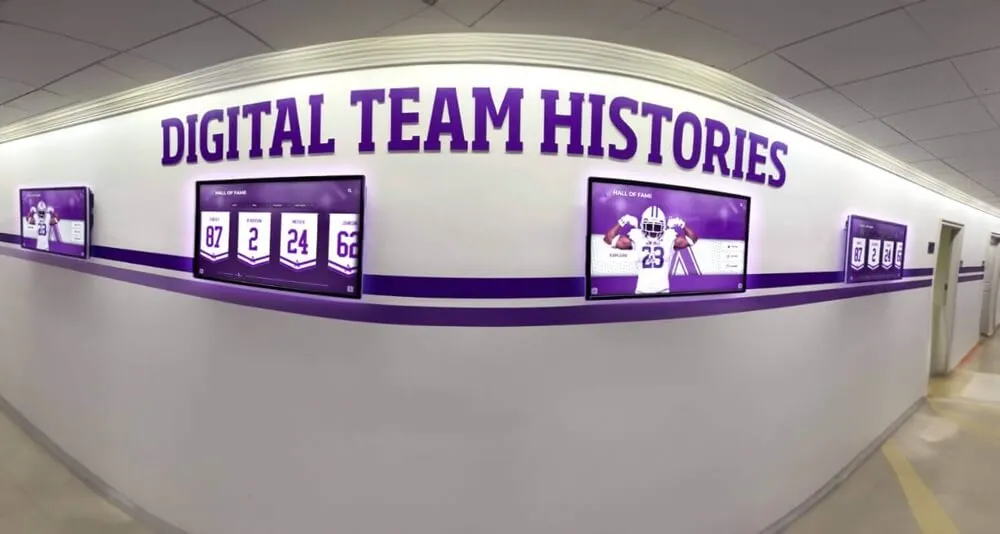
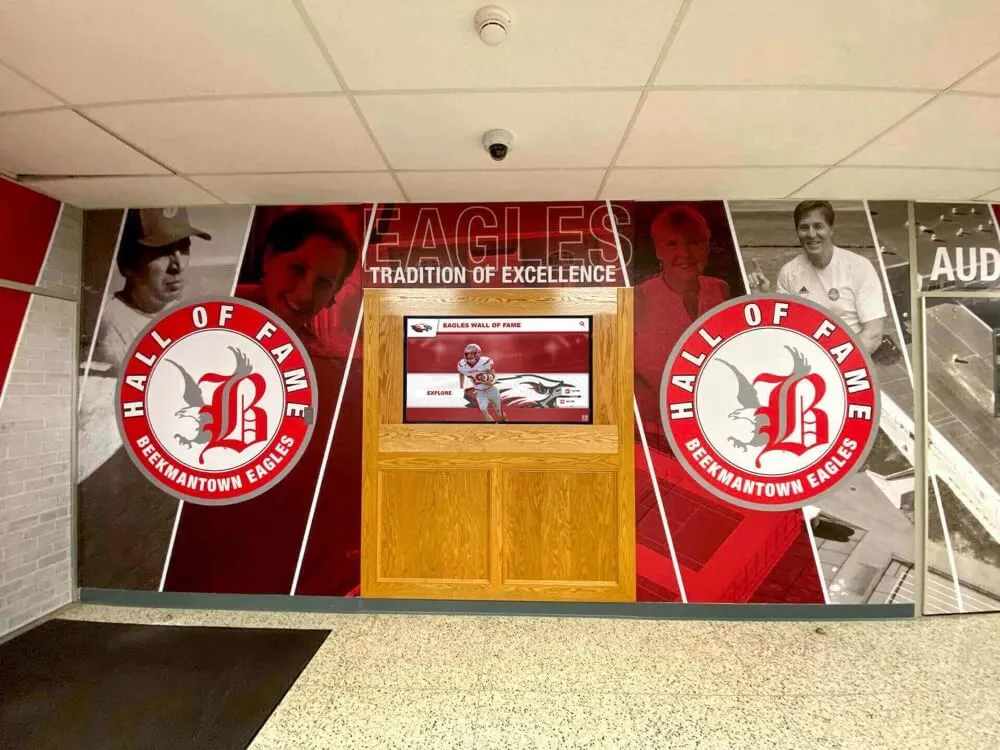
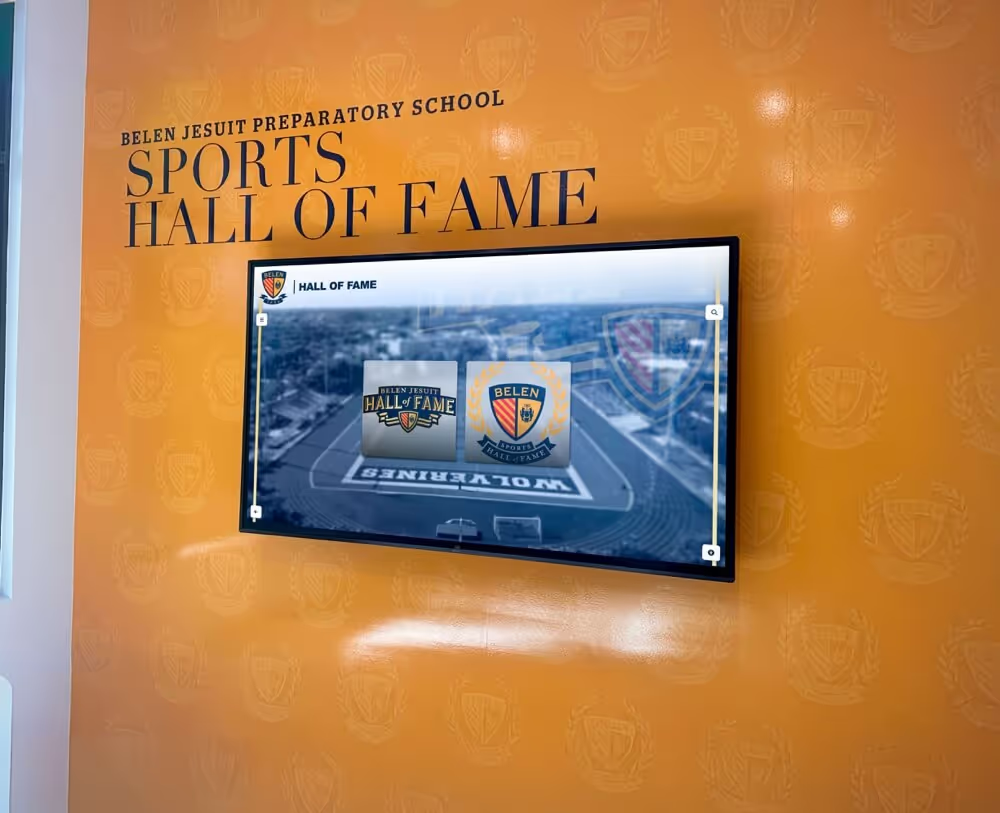
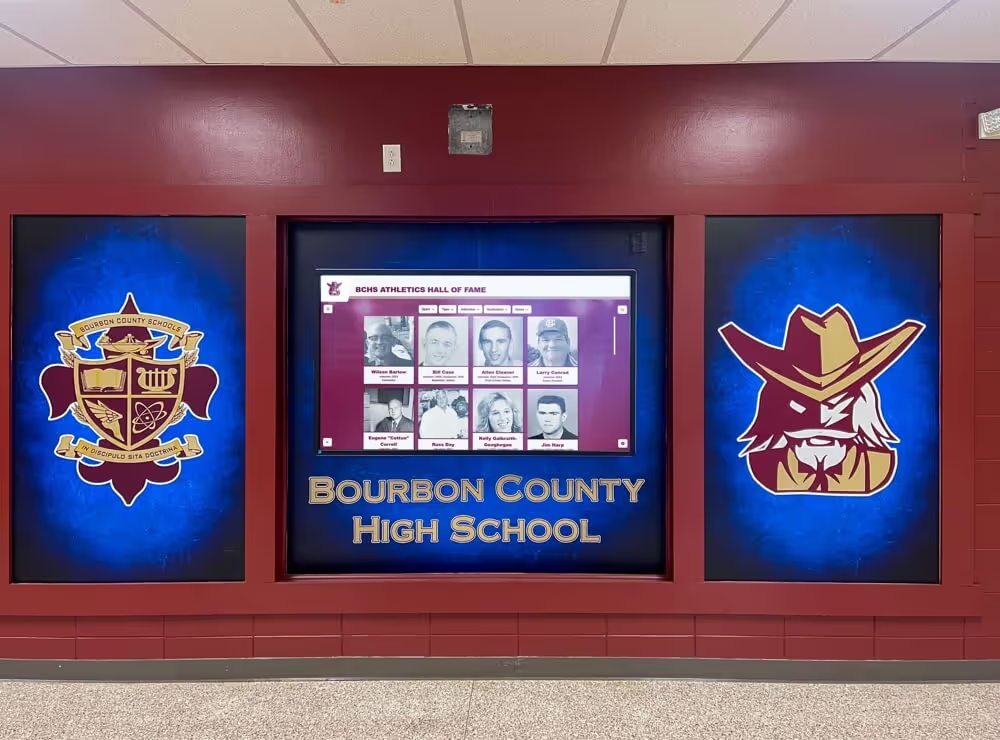
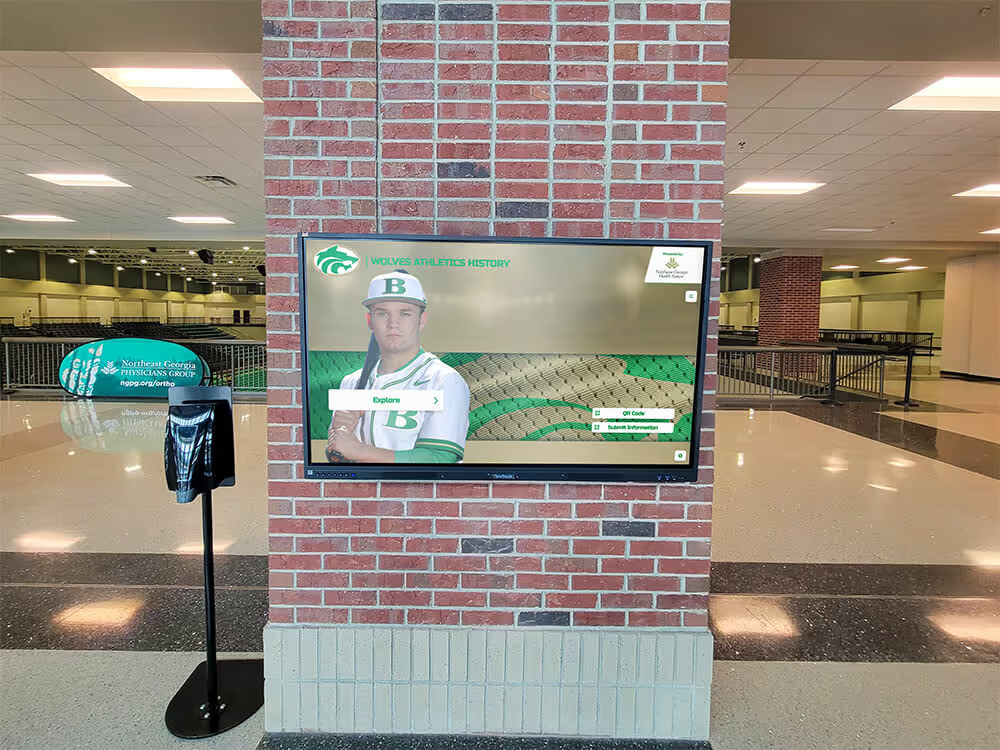
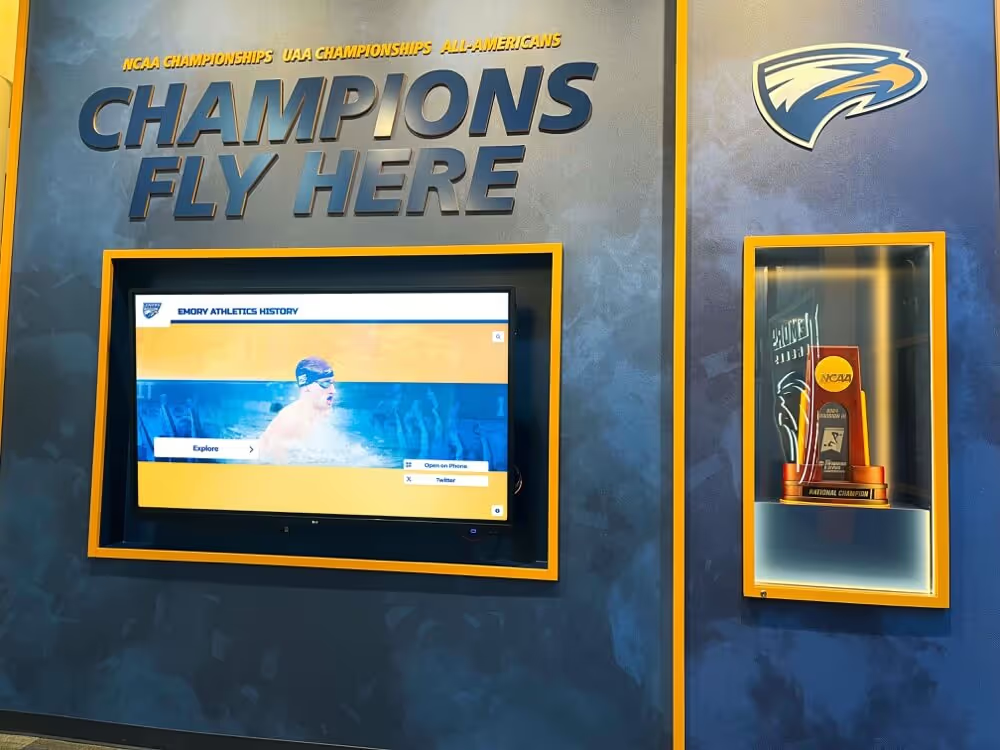
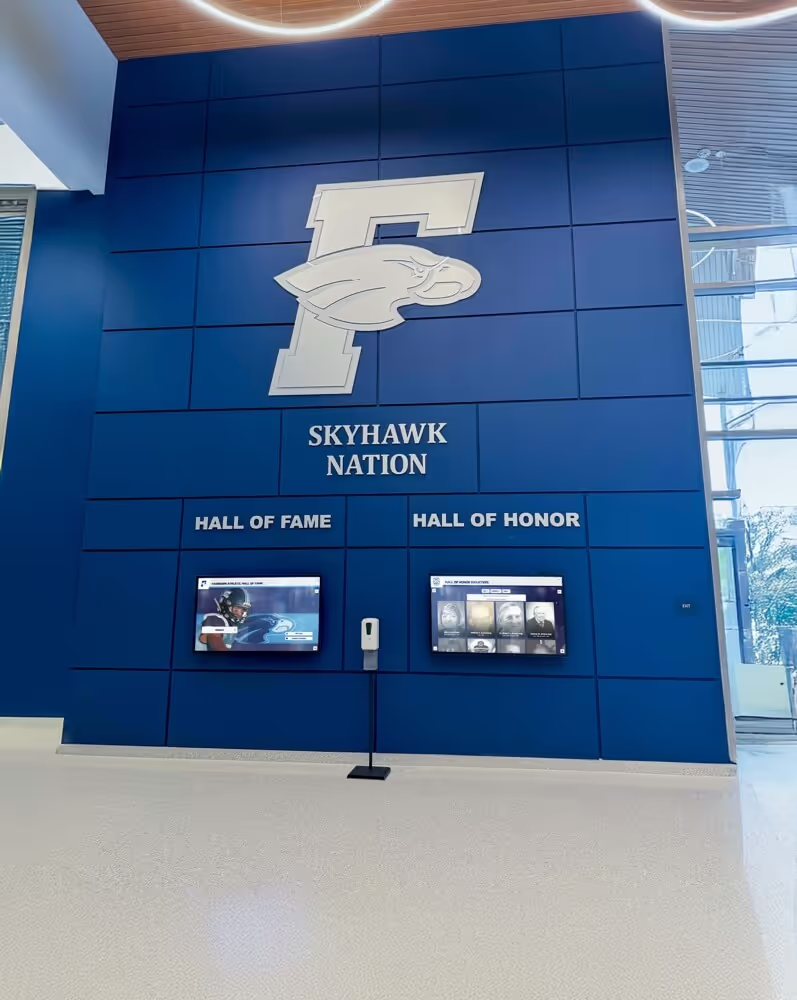
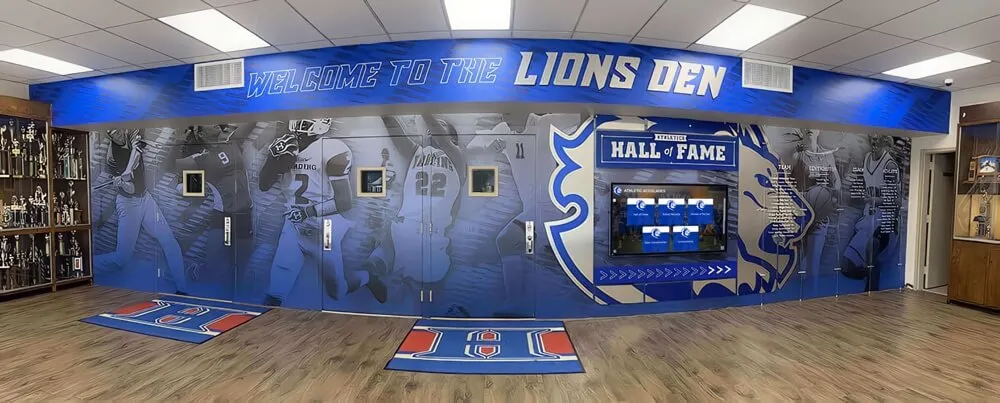
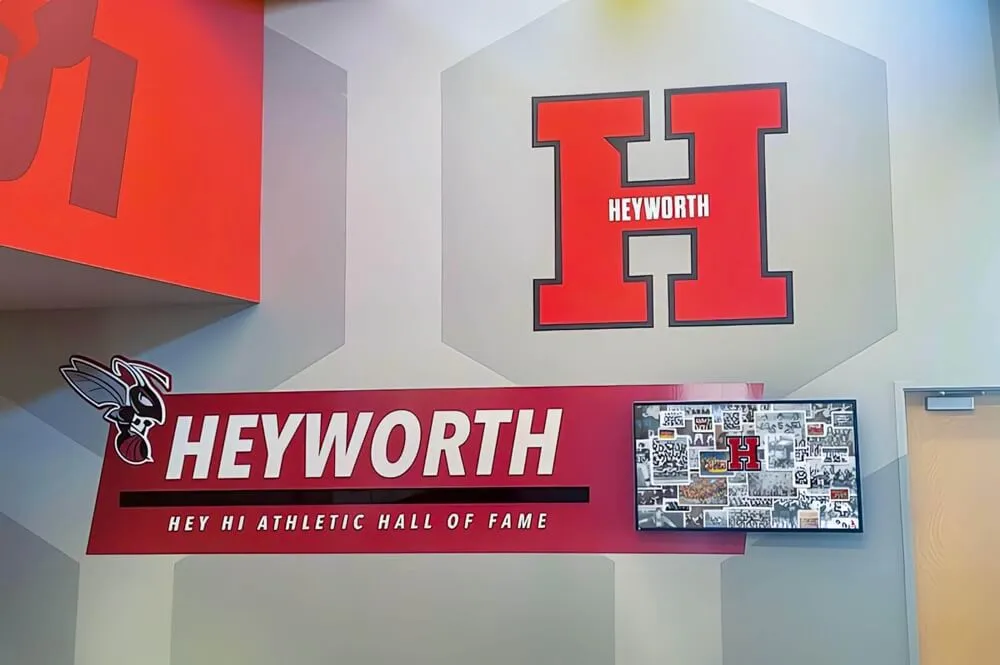
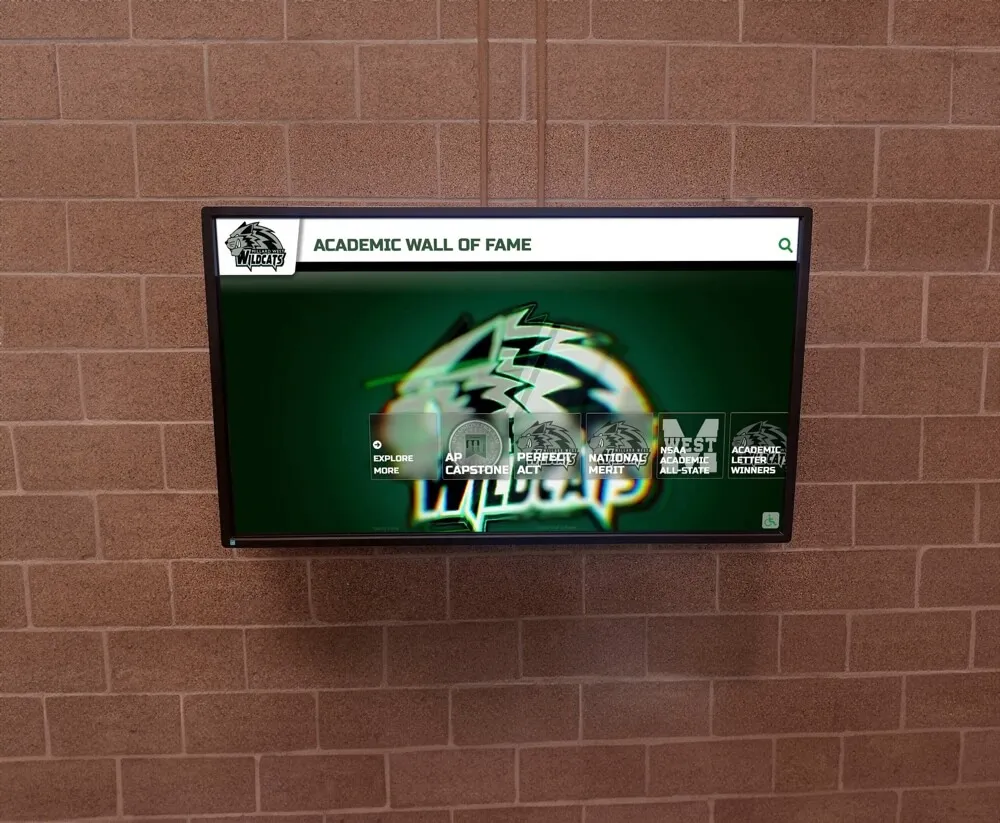
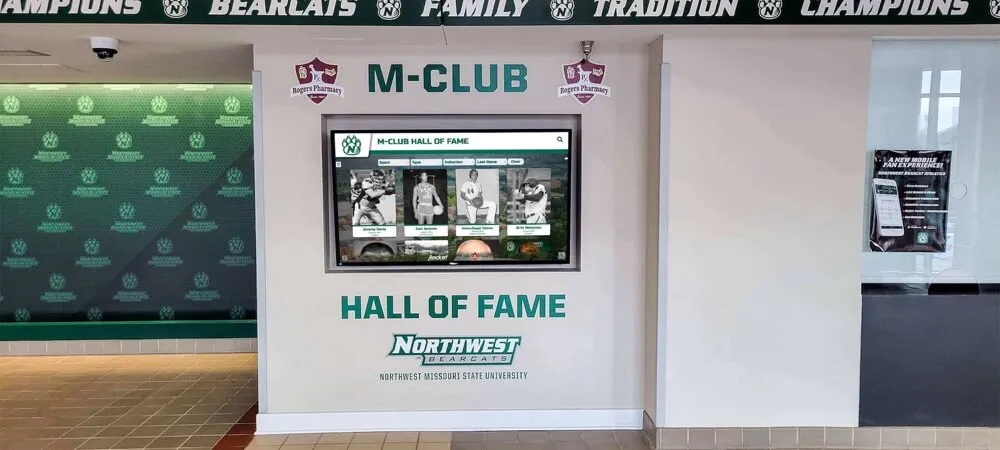
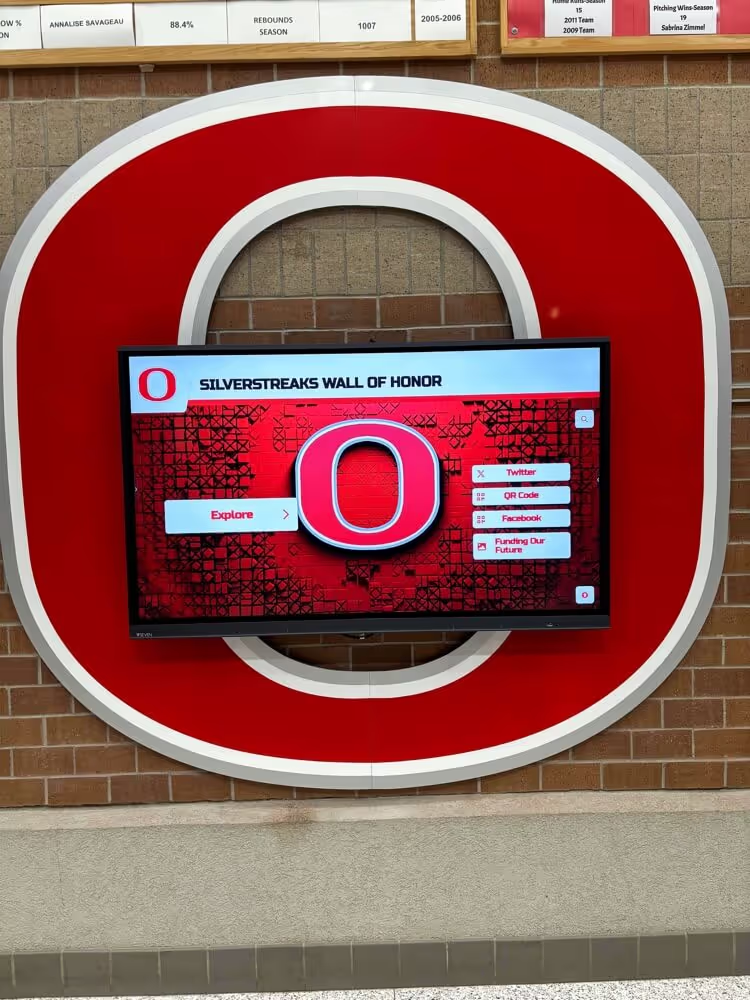
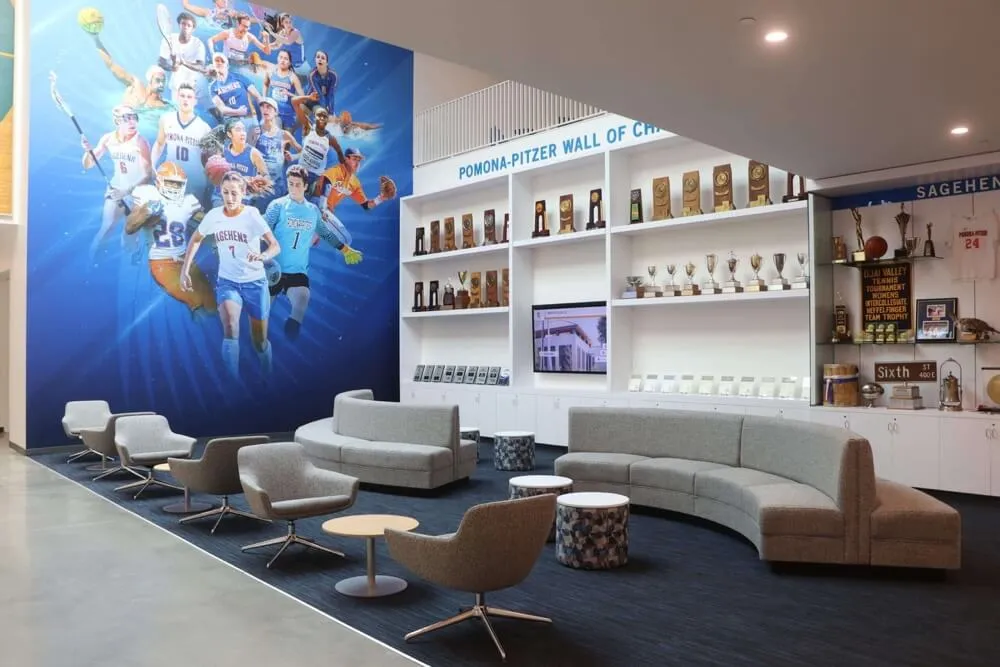
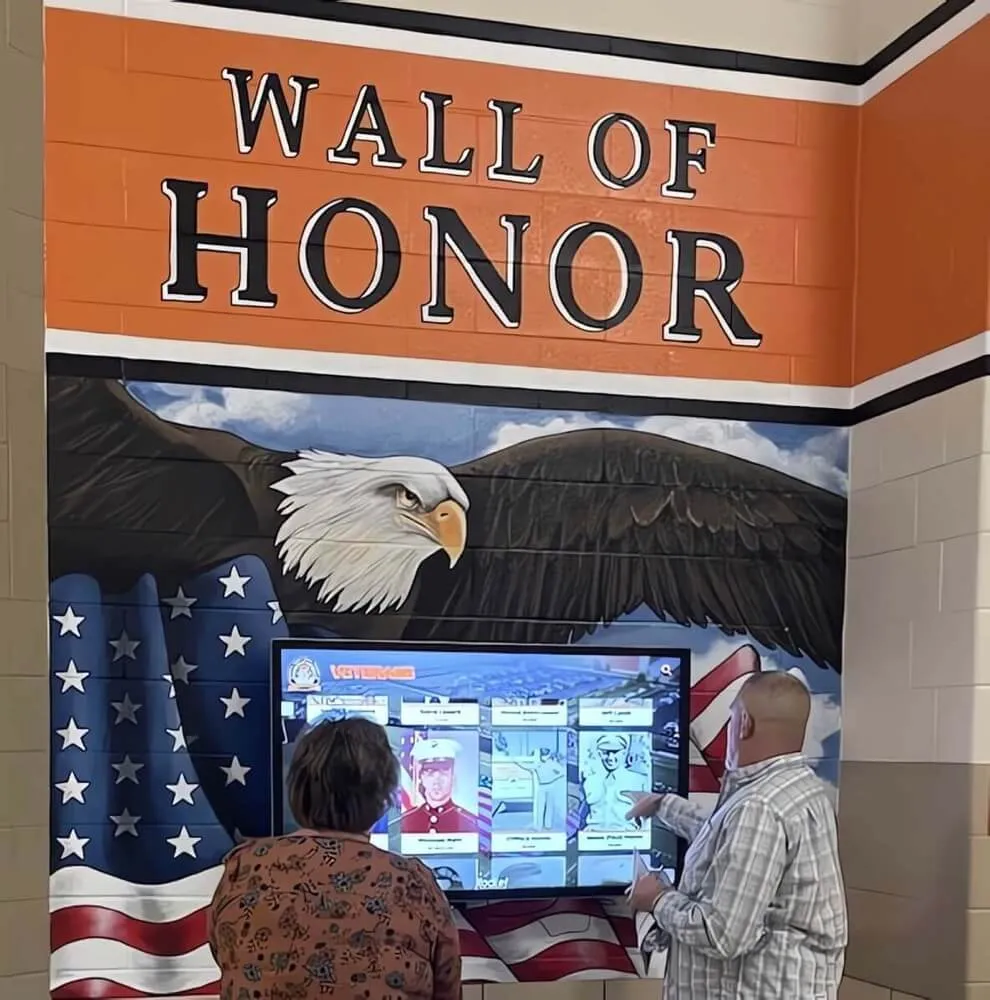
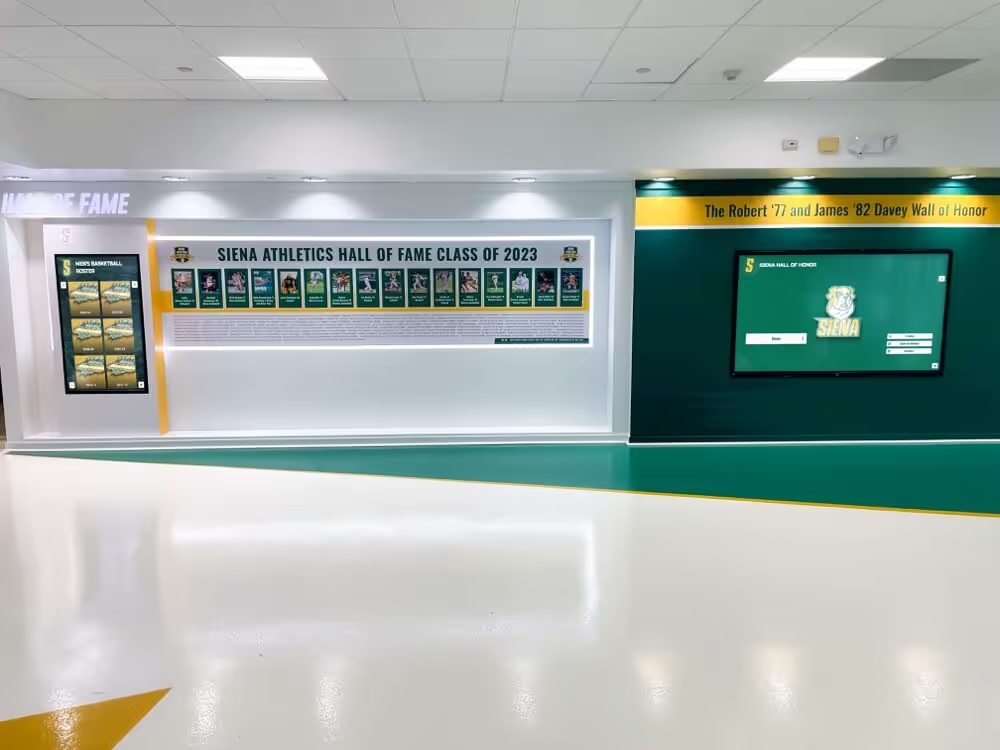
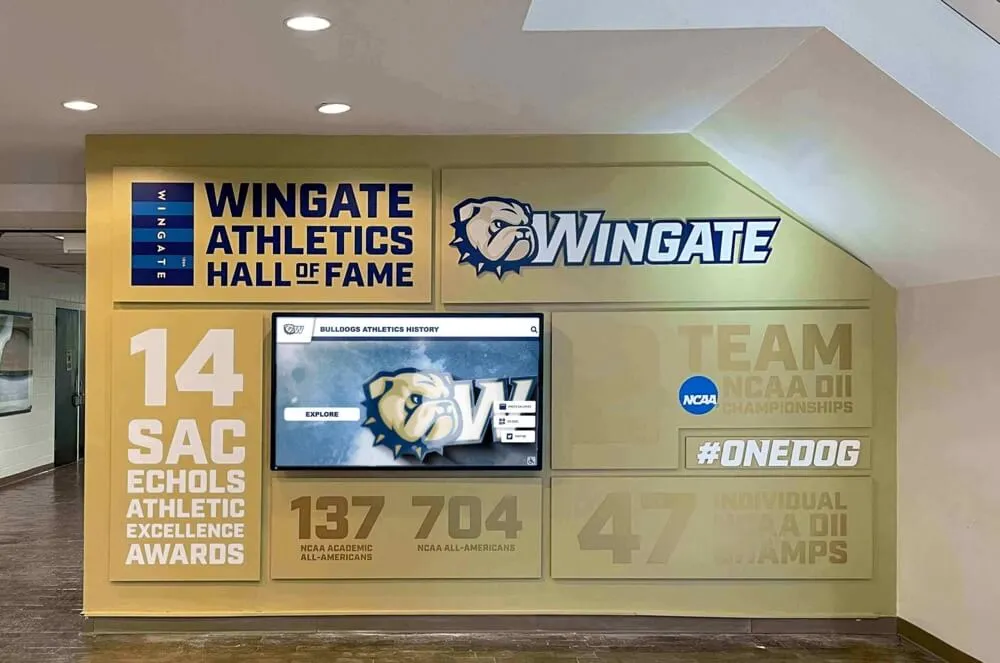
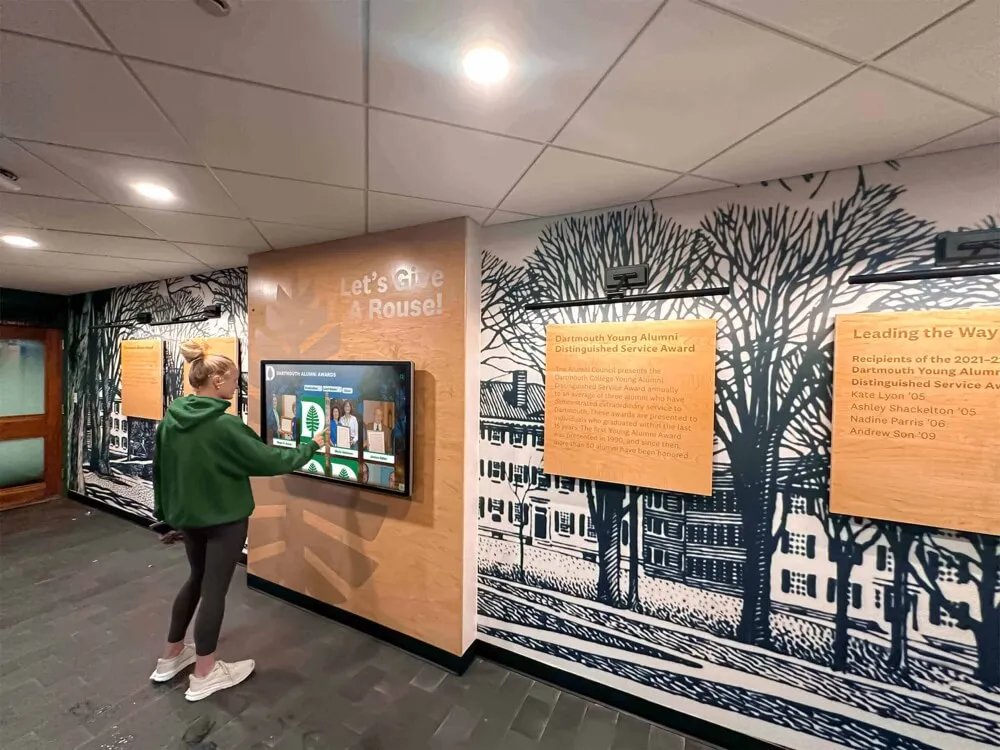
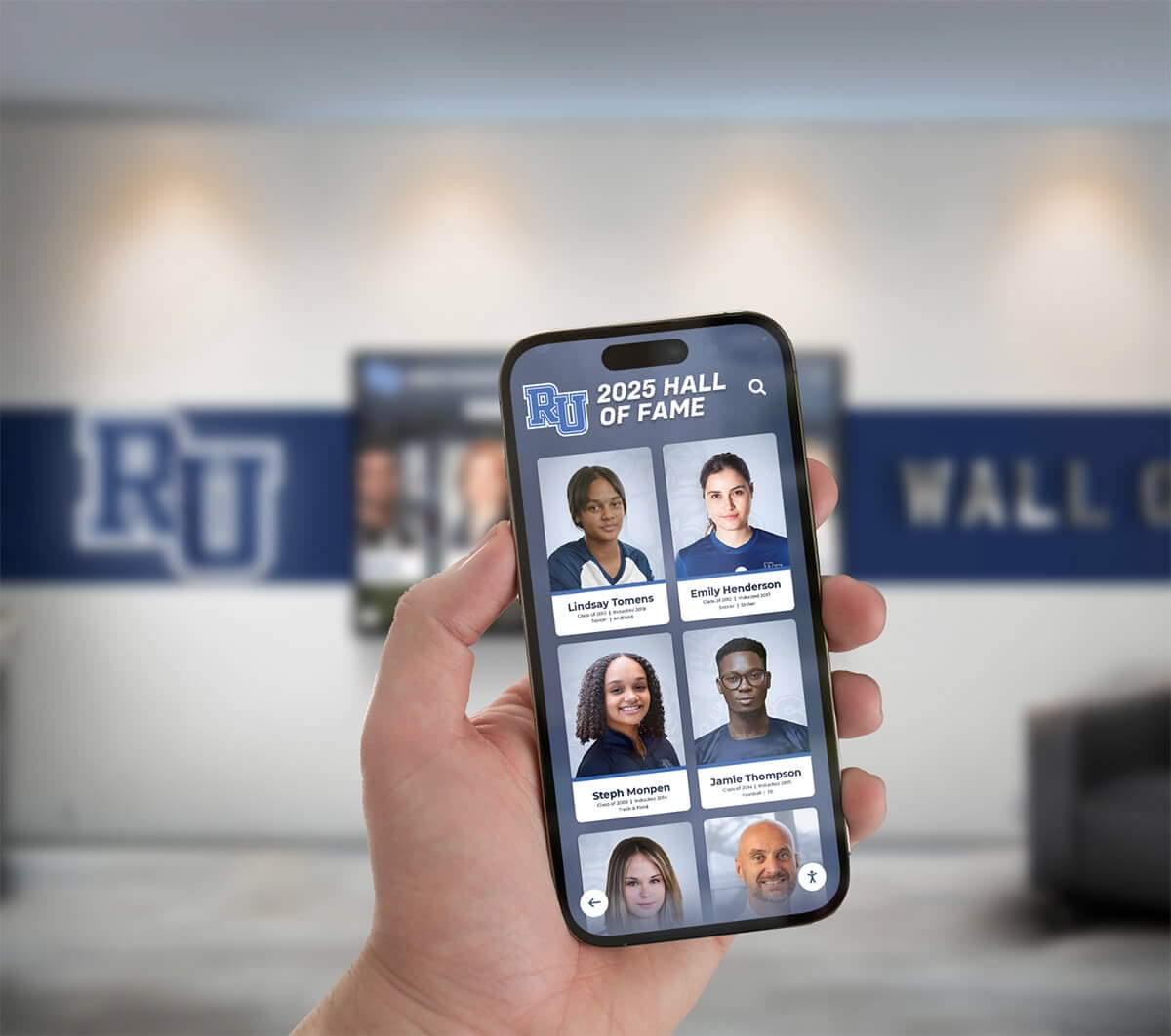
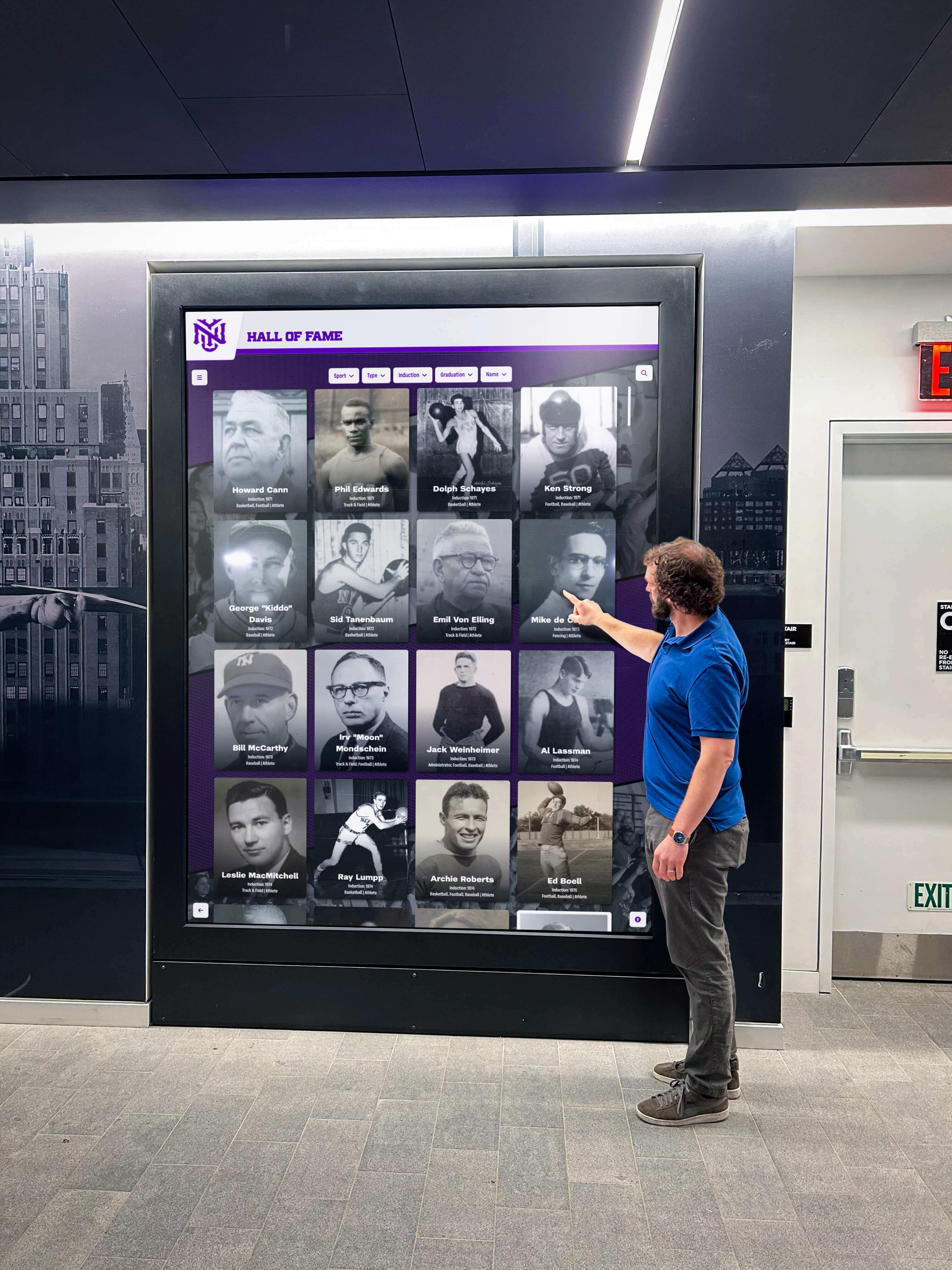
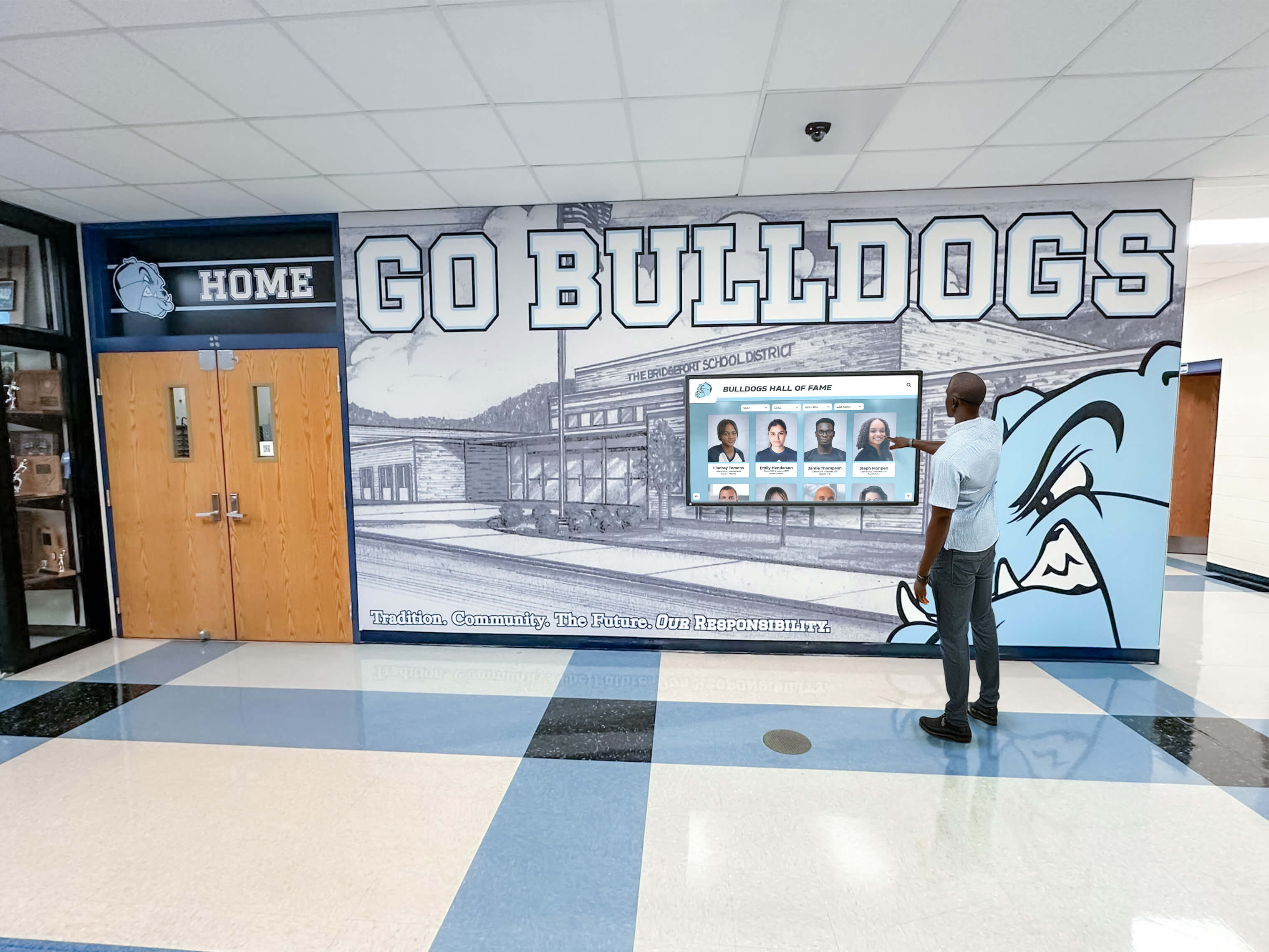
Physical and digital recognition displays positioned in high-traffic campus locations create daily encounters with institutional history that activate nostalgic responses among visitors. When alumni return to campus and see their names, photos, or achievements celebrated alongside classmates and community members from across decades, powerful emotional responses result.
These encounters communicate that institutional communities remember and value alumni contributions, validating that school experiences and subsequent achievements matter to communities beyond individual memories. This validation strengthens emotional bonds and creates gratitude that translates into philanthropic reciprocity.
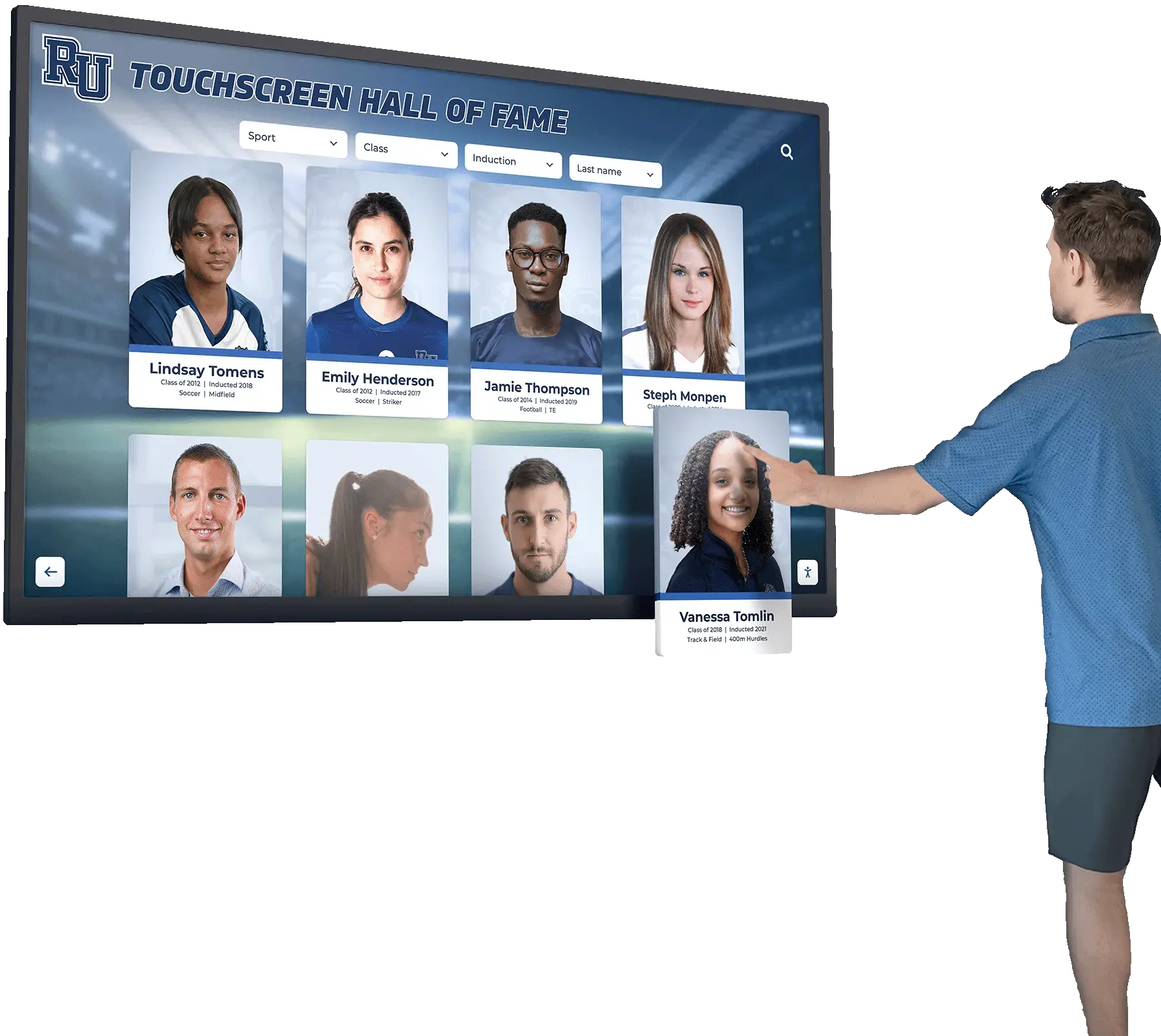
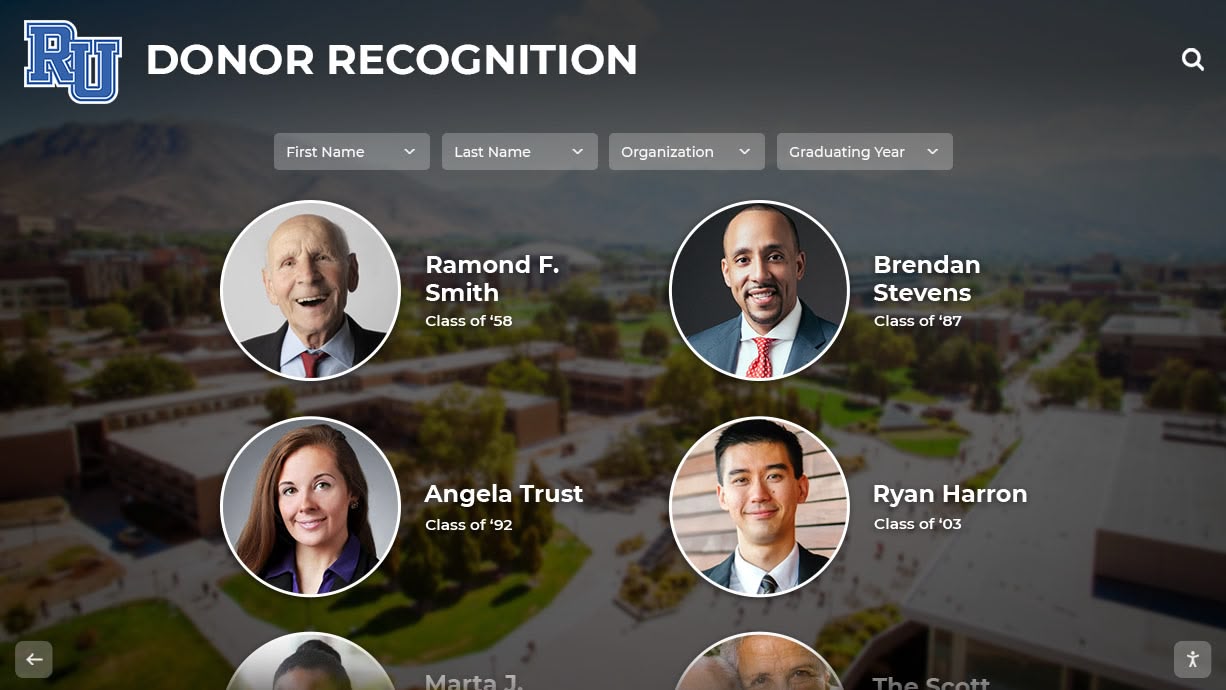
Platforms like digital halls of fame transform traditional plaques into dynamic recognition systems where visitors can explore connections between honorees, discover classmates, and engage with multimedia content that brings institutional stories to life. Understanding digital hall of fame best practices ensures recognition infrastructure delivers maximum emotional and fundraising impact.
Alumni Spotlight Programs
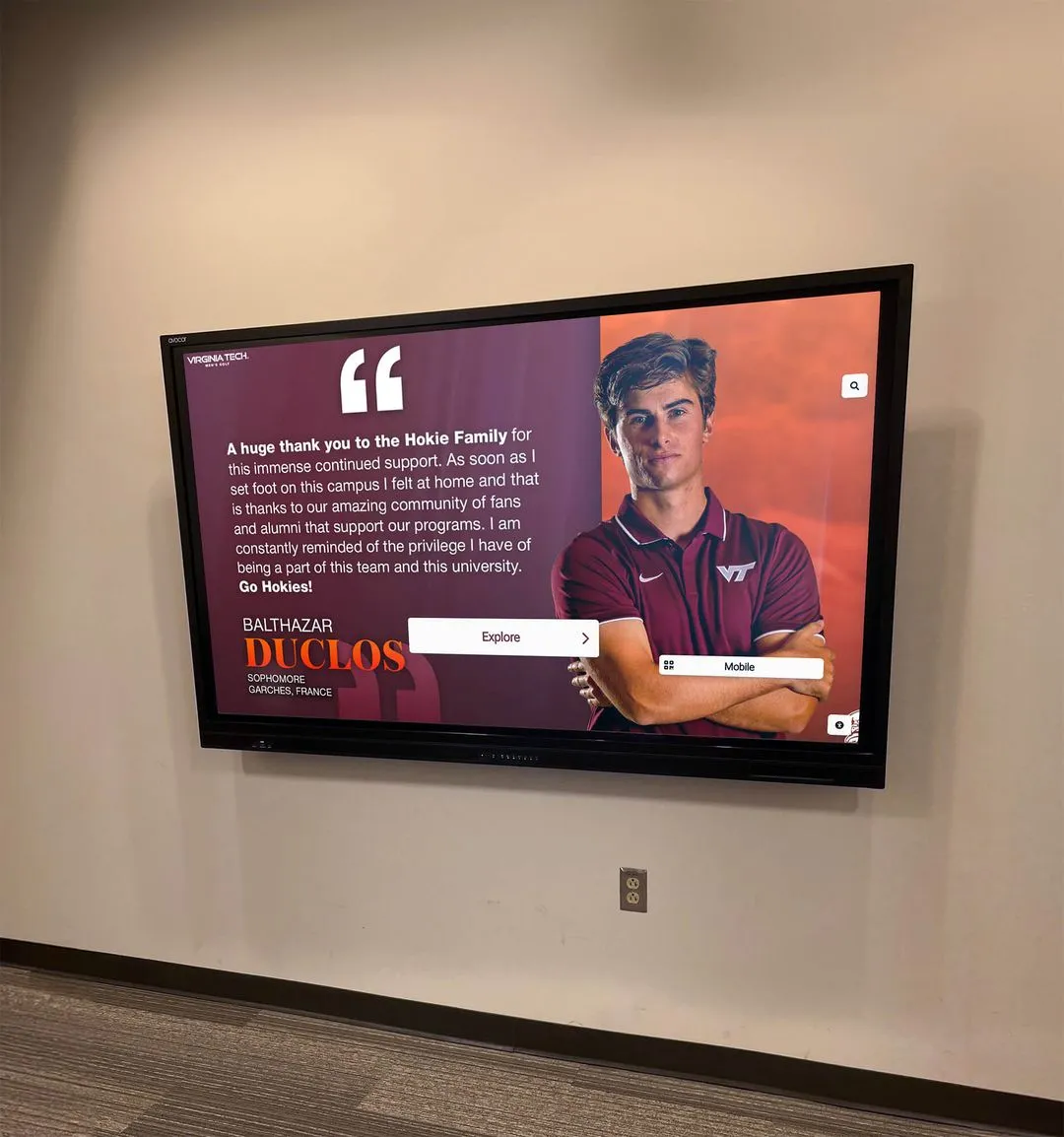
Systematic programs spotlighting individual alumni achievements create regular opportunities for nostalgic storytelling that benefits both featured individuals and broader alumni populations. When alumni see peers celebrated for professional success, community service, or life accomplishments, they feel pride in institutional affiliation while recalling their own formative experiences.
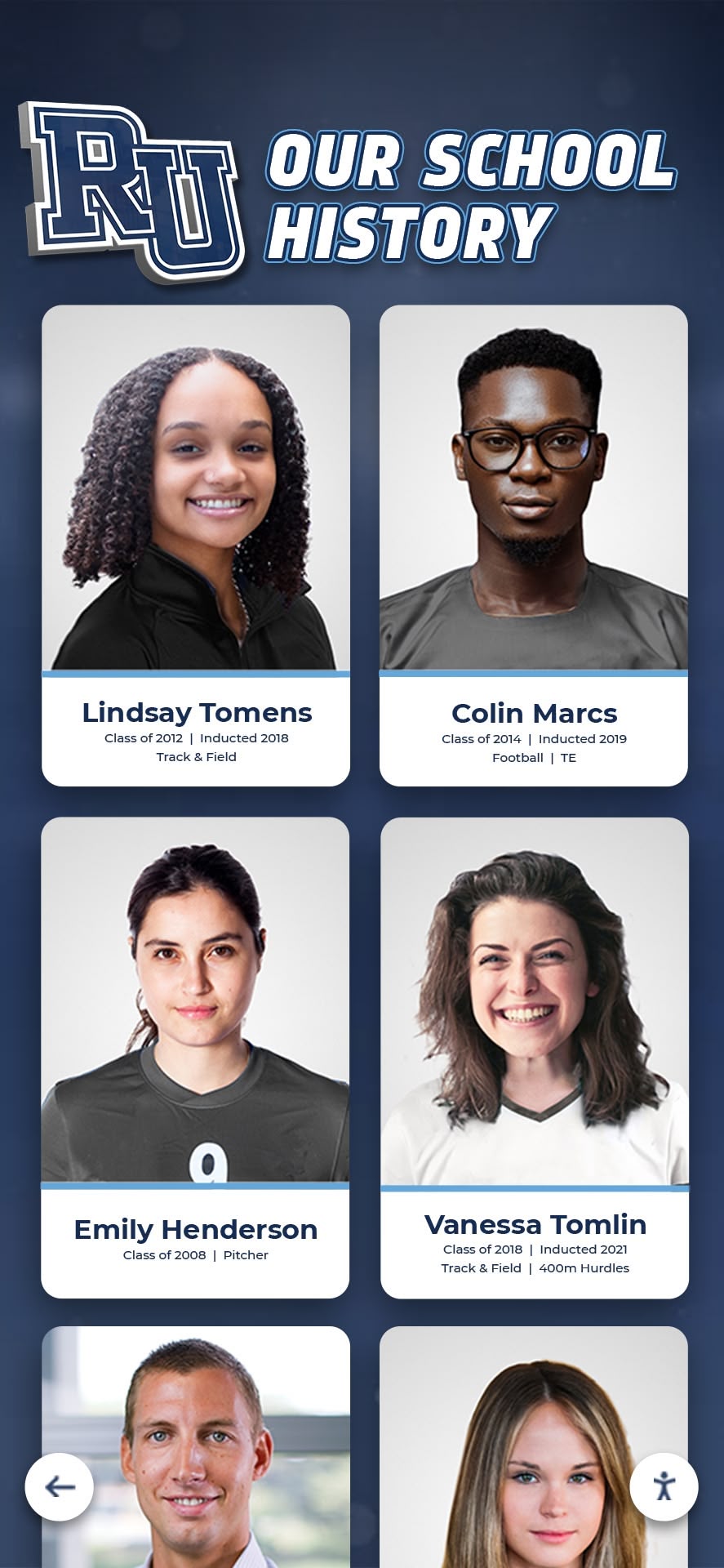
Strategic spotlight programs ensure diverse representation across graduation cohorts, career fields, and achievement types—communicating that all paths receive celebration and all alumni remain valued community members regardless of their particular success definitions. Alumni “where are they now” features serve as excellent frameworks for systematic recognition that maintains engagement across diverse populations.
Reunion Programs as Revenue-Generating Nostalgia Events
Class reunions represent peak nostalgia marketing opportunities where emotional activation and fundraising naturally converge.
Milestone Reunion Strategies
5th, 10th, 25th, and 50th reunions create particularly powerful opportunities because they align with natural life transitions and reflection periods. Advancement teams should coordinate intensive cultivation around these milestones, recognizing that alumni returning for major reunions are experiencing heightened nostalgia and openness to rekindling institutional relationships.
Reunion giving campaigns should launch 6-9 months before events, building momentum through progressively deeper engagement. Early communications might share throwback photos and memories, middle-phase outreach could feature video messages from beloved former faculty or coaches, and final pushes before reunions emphasize the collective power of class participation to create lasting impact.
Reunion Gift Structures That Leverage Psychology
Rather than simply requesting donations, sophisticated reunion campaigns create recognition tiers specifically for reunion classes—“25th Reunion Leadership Society” or “Class of 1999 Legacy Circle”—that activate competitive dynamics and status motivation alongside pure nostalgia. Alumni want their classes to perform well relative to other cohorts, creating social pressure that supplements individual motivation.
Participation-based challenges often outperform dollar-based goals for reunion giving: “Can we reach 50% class participation?” motivates alumni who can’t give at high levels but want their class to achieve distinction. This approach democratizes participation while building the broad engagement that predicts long-term giving growth better than a few large gifts from wealthy alumni.
Digital Archives and Historical Content Marketing
Systematic development and promotion of historical archives creates continuous streams of nostalgic content that maintains emotional connections between major events or campaigns.
Digitized Yearbook and Historical Photo Libraries
Converting physical archives into searchable digital collections creates engagement opportunities that traditional storage never provided. Alumni who would never request physical yearbooks from institutional archives will spend hours browsing digital collections where they can search their names, discover photos they’ve never seen, and share memories with classmates.
Strategic institutions promote these archives through social media (“On this day in 1997…”), email campaigns (“Find yourself in our newly digitized archives”), and targeted outreach during key periods (graduation anniversaries, school holidays, homecoming week). Each promotion drives archive traffic that creates nostalgic engagement and reinforces institutional connection. Comprehensive guides to digitizing yearbooks provide practical implementation roadmaps for this foundational nostalgia marketing infrastructure.
Historical Timeline Development
Interactive timelines mapping institutional history with embedded photos, videos, documents, and achievement milestones create compelling exploration experiences that alumni can spend substantial time engaging with. Unlike static history pages, interactive timelines invite discovery and personal connection as alumni find their graduation years, rediscover contemporary events, and see how their school years fit into broader institutional narratives.
These timelines serve triple purposes: they provide engagement infrastructure for current nostalgia marketing, they become resources that advancement staff use during major gift cultivation conversations, and they offer admissions and marketing teams assets for demonstrating institutional heritage to prospective students and families. Learning from successful approaches to displaying school history ensures timeline development delivers maximum strategic value.
Multi-Generational Family Connection Programs
Educational institutions serving multiple family generations can leverage these connections for particularly powerful nostalgia marketing that compounds emotional bonds.
Legacy Family Recognition
Systematically identifying and celebrating families with multiple generations of graduates creates elite recognition that strengthens commitment among institutions’ most loyal supporters. These legacy families often give at significantly higher rates than single-generation alumni because institutional affiliation becomes part of family identity rather than individual experience.
Recognition programs might include legacy family registries, special event receptions, distinctive giving societies, featured stories in institutional publications, and prominent display in campus recognition installations. Each recognition touchpoint reinforces that multi-generational commitment receives special appreciation, motivating continued family engagement across generations. Exploring strategies for celebrating multi-generational families reveals how institutions effectively honor these particularly valuable relationships.
Student-Alumni Connection Programs
Programs systematically connecting current students with alumni from their same families, hometowns, academic programs, or career interests create living nostalgia as alumni vicariously re-experience school through current student perspectives while students benefit from alumni mentorship and networking.
These connections serve advancement objectives by keeping alumni emotionally engaged with current institutional realities—maintaining relevance of school memories while demonstrating that their support enables similar transformative experiences for today’s students. Mentorship participants give at 1.5-2x the rate of non-participating peers across most institutions, validating the investment required to operate substantial mentorship infrastructure.
Implementing Nostalgia Marketing: Tactical Execution
Understanding strategies provides direction, but successful programs require systematic execution addressing content creation, channel selection, measurement frameworks, and organizational alignment.
Content Development for Nostalgia Marketing
Creating effective nostalgic content requires balancing authentic historical accuracy with strategic message framing that drives desired actions.
Photo and Video Archive Curation
Raw historical materials rarely work as-is for marketing purposes—they require curation, contextualization, and strategic framing. When developing nostalgic content from archival materials, successful institutions provide context explaining what photos show, identify significant people or moments, connect historical content to current relevance, include clear calls-to-action for engagement, and optimize materials for modern digital consumption (proper resolution, mobile-friendly formatting, accessible design).
This curation transforms dusty archives into compelling content assets. A grainy photo of a 1970s campus event becomes powerful nostalgia marketing when paired with identification of now-prominent alumni in attendance, explanation of the tradition being celebrated, announcement of current continuation of that tradition, and invitation to support the program ensuring future generations experience similar community moments.
Storytelling Frameworks That Drive Action
The most effective nostalgic content follows storytelling structures that build emotional resonance then channel resulting emotions toward specific opportunities. Common frameworks include “Then and Now” comparisons showing tradition continuity, “Because of You” narratives connecting alumni support to current student experiences, “Unfinished Legacy” stories positioning giving as continuation of alumni achievements, and “Coming Full Circle” content showing alumni returning to serve institutions that shaped them.
Each framework activates nostalgia while directing emotional responses toward engagement actions—making requests feel like natural extensions of stories rather than unrelated solicitations. This seamless integration of emotion and action produces significantly higher response rates than disjointed approaches where nostalgic content and fundraising asks appear in separate, disconnected communications.
Channel Strategy and Multi-Touchpoint Campaigns
Nostalgia marketing effectiveness multiplies when institutions coordinate messages across multiple channels creating reinforcing touchpoints rather than isolated encounters.
Email Marketing with Nostalgic Personalization
Email remains the primary communication channel for most advancement operations, and personalization based on graduation year, participation in specific programs, or demonstrated interests significantly improves response rates. Rather than generic mass emails, sophisticated campaigns segment audiences and customize content accordingly.
For example, an email to Class of 2005 alumni might feature specific photos from their graduation year, reference cultural moments from that era, quote beloved faculty who were teaching in 2005, and highlight giving opportunities specifically supporting programs those alumni participated in. This personalization creates immediate relevance and emotional connection that generic communications never achieve.
Social Media for Organic Nostalgia Sharing
Social platforms excel at amplifying nostalgic content through organic sharing as alumni tag classmates, share memories, and extend institutional messaging to their personal networks. Strategic social media approaches post archival content during high-engagement periods (Thursday and Friday afternoons, Sunday evenings), encourage user-generated content through specific hashtags, create interactive elements like “caption this photo” contests, and respond actively to comments fostering community conversation.
Each piece of engagement—likes, comments, shares, tags—represents an alumni touchpoint that reinforces institutional connection. Even alumni who don’t directly engage see classmates interacting with institutional content in their feeds, providing passive exposure that maintains awareness and positive association.
Physical Recognition Infrastructure on Campus
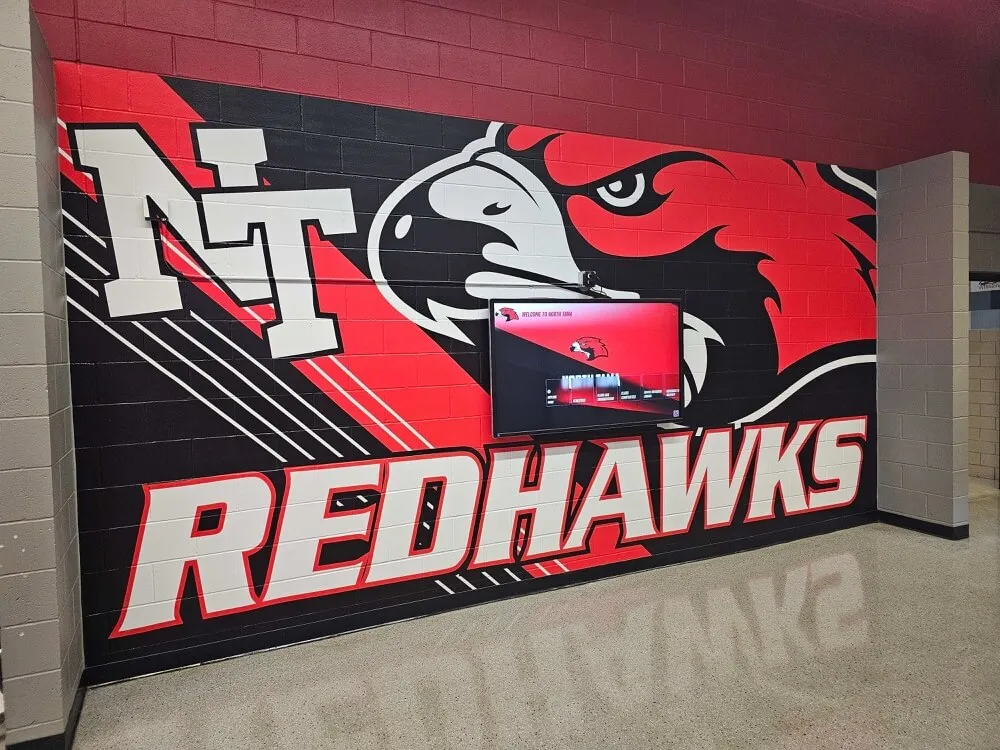
Digital marketing channels provide reach, but physical recognition installations on campus create powerful emotional experiences during in-person visits. Alumni returning for events, tours, or casual visits who encounter professional recognition displays celebrating their achievements and those of peers experience visceral emotional responses that digital content rarely matches.
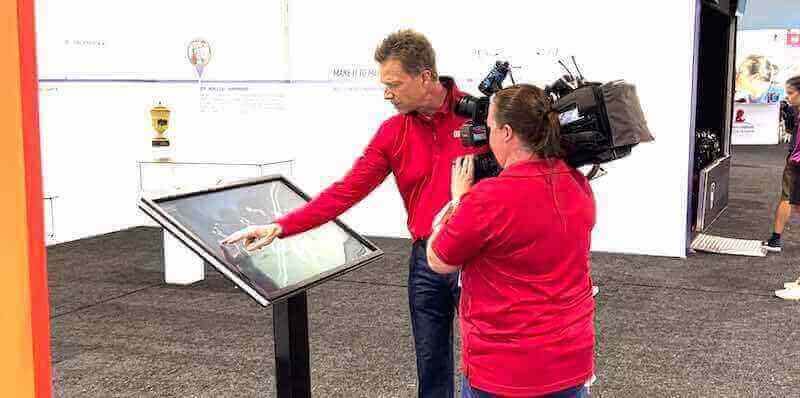
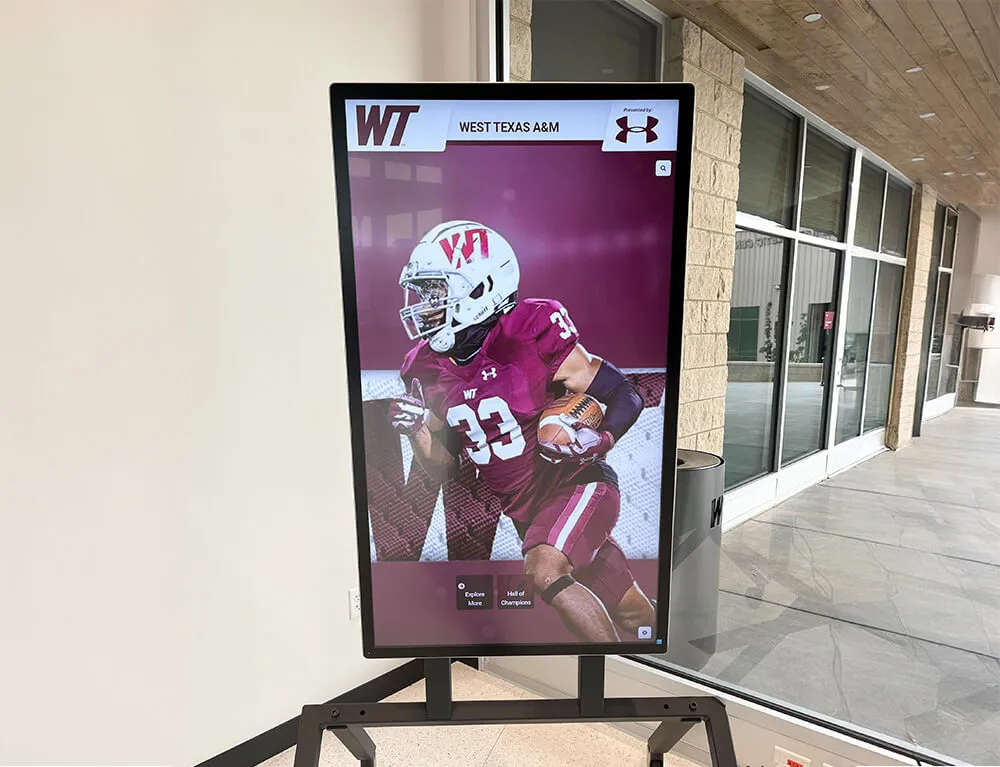
These physical installations create “word of mouth marketing” as visitors share recognition experiences with friends and family, post photos on social media, and tell stories about seeing their names or discovering classmates. This organic promotion extends recognition program value far beyond on-campus encounters. Reviewing options for digital trophy walls and digital donor walls reveals how institutions create recognition infrastructure that serves both fundraising and nostalgia marketing objectives simultaneously.
Measurement and Continuous Optimization
Nostalgia marketing programs require systematic measurement frameworks that track both emotional engagement indicators and financial outcomes, enabling data-driven optimization over time.
Leading Indicators of Emotional Connection
While ultimate success manifests in giving metrics, leading indicators provide early signals about program effectiveness and opportunities for improvement. Key metrics include content engagement rates (email opens, clicks, social media interactions), event registration and attendance trends, volunteer program participation, website and archive traffic patterns, and qualitative feedback from surveys and conversations.
These engagement metrics predict future giving behavior—alumni showing higher emotional engagement consistently convert to donors at elevated rates and give more generously when they do contribute. Tracking engagement enables proactive intervention when alumni show declining connection before they lapse from giving entirely.
Financial Performance Metrics
Ultimate nostalgia marketing success appears in advancement outcomes including donor participation rates by cohort and overall, average gift sizes and upgrade conversion rates, donor retention and multi-year giving patterns, reunion giving performance relative to historical baselines, and total fundraising revenue growth attributable to enhanced engagement.
Sophisticated institutions develop attribution models attempting to isolate nostalgia marketing impact from other factors affecting fundraising performance. While perfect attribution proves impossible, careful analysis comparing cohorts with different exposure levels to nostalgia programs, examining giving patterns before and after major nostalgia initiatives, and conducting donor surveys asking about motivation factors provides reasonable confidence in program ROI.
Common Nostalgia Marketing Mistakes to Avoid
Understanding what doesn’t work proves as valuable as knowing effective strategies, preventing wasted resources on counterproductive tactics.
Nostalgia Without Contemporary Relevance
Perhaps the most common mistake involves purely backward-looking nostalgia that fails to connect historical content to current institutional realities or opportunities for engagement.
The “Glory Days” Trap
Content emphasizing how much better things were in previous eras alienates younger alumni who didn’t experience those supposedly superior times while creating resistance among current students and recent graduates who resent implications that today’s institution falls short of past glory.
Effective nostalgia marketing celebrates historical achievements while demonstrating institutional excellence continues and evolves. “Look how far we’ve come” narratives work better than “remember when things were great” messaging that implies decline. The goal is creating pride in institutional heritage without suggesting current experiences pale in comparison to idealized pasts.
Inauthentic or Forced Nostalgia
Alumni immediately recognize when institutions manufacture artificial nostalgia or cynically manipulate emotions purely for fundraising purposes.
Generic Stock Photos Instead of Real Institutional History
Using generic “college campus” stock photography or creating composite “vintage” imagery rather than drawing from authentic institutional archives destroys credibility and emotional connection. Alumni want to see real people, actual campus locations, and genuine institutional history—not polished marketing fabrications bearing no relationship to their lived experiences.
This authenticity requirement demands investment in proper archival research and digitization. Institutions lacking substantial archives should acknowledge gaps honestly rather than filling spaces with inauthentic substitutes that undermine trust.
Exclusionary Nostalgia That Alienates Portions of Alumni Populations
Nostalgia marketing emphasizing narrow experiences—only athletic traditions, only Greek life, only certain academic programs—excludes alumni whose school experiences didn’t include those elements.
Diversity of Nostalgic Touchpoints
Effective programs ensure broad representation across different types of memories and experiences: academic and intellectual achievements alongside athletic glory, service and community engagement alongside social traditions, diverse student organization participation, varied career pathway representations, and inclusion of alumni from different demographic backgrounds and experiences.
This diversity ensures all alumni populations see themselves represented and feel that their particular paths to success and forms of institutional connection receive appropriate celebration. Comprehensive recognition platforms facilitate this inclusive approach by enabling unlimited recognition categories and content volume impossible with physical plaques alone.
Measuring Sentiment Instead of Action
Many institutions track engagement metrics—likes, comments, shares, email opens—but fail to connect these “vanity metrics” to advancement outcomes that actually matter for institutional sustainability.
Conversion-Focused Measurement
While engagement metrics provide useful leading indicators, ultimate success requires measuring conversion from engagement to desired actions: what percentage of alumni engaging with nostalgic content subsequently register for events, volunteer, or donate? How do giving patterns differ between alumni with high versus low nostalgic content engagement? Does nostalgic content drive meaningful advancement outcomes or just generate pleasant but financially inconsequential sentiment?
These tougher questions separate effective nostalgia marketing that drives institutional objectives from feel-good tactics that create busy work without meaningful returns. Rigorous measurement and willingness to abandon ineffective approaches despite emotional attachment enables continuous program optimization toward maximum impact.
Advanced Nostalgia Marketing: Emerging Trends and Innovations
Leading educational institutions increasingly employ sophisticated approaches that extend nostalgia marketing effectiveness through technological innovation and psychological insight.
Personalized Nostalgia at Scale
Advances in marketing automation and data analytics enable mass personalization previously impossible with manual processes.
Dynamic Content Serving Based on Alumni Profiles
Modern alumni engagement platforms can automatically serve different content to different alumni segments based on graduation year, participation in specific programs, giving history, geographic location, and expressed interests. This enables single “campaigns” that deliver hundreds of personalized variations—each optimized for maximum relevance to specific recipients.
For example, a homecoming promotion might automatically feature different historical photos, reference different traditions, highlight different recognition opportunities, and emphasize different giving programs based on each recipient’s profile. This personalization creates “just for me” experiences that mass communications never achieve while remaining operationally sustainable through automation.
Virtual and Augmented Reality Nostalgia Experiences
Emerging technologies enable immersive nostalgic experiences impossible through traditional media.
Virtual Campus Tours of Historical Environments
Some institutions develop virtual reality experiences recreating campus environments from past decades, enabling alumni to virtually “walk through” campus as it appeared during their student years. These deeply immersive experiences trigger powerful nostalgic responses while demonstrating institutional innovation and technological sophistication.
While currently expensive to produce, costs continue declining rapidly. Within coming years, virtual reality nostalgia experiences may become standard components of reunion programs and major gift cultivation strategies for institutions seeking to create maximally powerful emotional experiences for highest-value prospects.
Augmented Reality Recognition Discovery
Augmented reality applications enable mobile phone users to point cameras at campus locations and see historical photos, recognize achievements of alumni associated with those locations, or access multimedia content about building histories and tradition origins. This “layered” approach to campus experience creates discovery opportunities and educates current community about institutional heritage in engaging, interactive formats.
Artificial Intelligence for Nostalgic Content Generation
AI tools increasingly assist with content development that makes comprehensive nostalgia marketing operationally sustainable even for institutions with limited advancement staff.
Automated Historical Research and Content Creation
AI systems can scan thousands of historical documents, photos, and archives to identify relevant content, suggest content themes and campaigns, draft biographical narratives from bullet-point data, and personalize messaging for different audience segments—all tasks that would require hundreds of staff hours if performed manually.
While human oversight remains essential for quality control and strategic direction, AI assistance enables smaller teams to operate sophisticated nostalgia marketing programs that would otherwise remain beyond their resource capacity. This democratization of advanced marketing capabilities helps level competitive playing fields between large, wealthy institutions and smaller schools with limited budgets.
Return on Investment: Calculating Nostalgia Marketing Value
Advancement officers require business cases demonstrating that nostalgia marketing investments generate returns justifying resource allocation, particularly when competing with other institutional priorities for limited budgets.
Direct Revenue Attribution Models
While perfect attribution proves impossible in complex advancement environments with multiple overlapping initiatives, reasonable methodologies provide confidence in program value.
Cohort Comparison Analysis
Compare giving patterns between alumni cohorts receiving intensive nostalgia marketing exposure and control groups with minimal exposure. While numerous confounding variables exist, statistically significant differences in participation rates, average gifts, or retention rates provide evidence of program impact—particularly when differences persist across multiple cohorts and over extended time periods.
For institutions implementing major nostalgia infrastructure like digital recognition displays, comparing institutional performance in periods before and after implementation reveals whether expected improvements materialize. Among schools studied in recent research, those implementing comprehensive digital recognition saw donor retention improve 14-16 percentage points within three years—improvements worth hundreds of thousands to millions of dollars depending on donor base size.
Calculating Lifetime Value Impact
Rather than focusing exclusively on immediate campaign returns, sophisticated ROI analysis examines how nostalgia marketing affects donor lifetime value through improved retention and upgrade patterns.
Compound Value of Retention Improvements
Small retention improvements create enormous long-term value through compound mathematics. Consider a donor base of 5,000 alumni averaging $250 annual gifts: improving retention from 60% to 75% over 20 years creates approximately $23.6 million in additional lifetime value from current donors—returns that dwarf typical nostalgia marketing program costs of $50,000-$150,000 for comprehensive implementation including digital recognition infrastructure.
These lifetime value improvements represent the true strategic case for nostalgia marketing. While any single campaign might show modest returns relative to traditional approaches, compound effects across decades of improved retention and giving growth create transformational financial impact that justifies treating nostalgia marketing as essential advancement infrastructure rather than optional enhancement.
Qualitative Value Beyond Direct Revenue
Financial returns provide strongest business cases, but qualitative benefits contribute substantial institutional value even when difficult to monetize precisely.
Institutional Reputation and Community Strength
Strong nostalgia marketing programs create reputational benefits including enhanced perception of institutional quality and tradition, stronger sense of community among current students, faculty, and staff, improved admissions yield as prospective families observe engaged alumni communities, and competitive differentiation in increasingly crowded educational markets.
These qualitative benefits, while hard to measure precisely, contribute to long-term institutional sustainability and competitive positioning. Alumni engagement increasingly serves as proxy metric for institutional quality in rankings and reputation assessments, making strong nostalgia marketing programs valuable beyond direct fundraising returns.
Conclusion: From Emotion to Revenue Through Strategic Nostalgia
Nostalgia marketing represents far more than sentimental reminiscence or manipulative emotional exploitation. When implemented strategically, it provides systematic frameworks for building and maintaining the emotional connections that transform disconnected alumni into engaged community members who give generously, volunteer actively, and advocate passionately for institutions that shaped their lives.
The research is clear: advertisements creating strong emotional responses generate 23% sales lift compared to non-emotional approaches, consumers willingly pay 10-15% premiums for products evoking nostalgia, and nostalgic content generates emotional reactions at twice the rate of standard marketing material. For educational institutions, these psychological dynamics translate directly into measurable advancement outcomes: higher donor participation, larger average gifts, better retention rates, and dramatically increased lifetime giving value.
Keys to Successful Nostalgia Marketing
- Connect historical content to current engagement opportunities
- Invest in recognition infrastructure creating lasting emotional anchors
- Develop comprehensive historical archives for continuous content streams
- Personalize nostalgic messaging based on cohort and experience differences
- Coordinate multi-channel campaigns creating reinforcing touchpoints
- Measure both engagement indicators and financial outcomes systematically
- Ensure inclusive representation across diverse alumni experiences
- Calculate and communicate lifetime value impacts justifying investment
Common Nostalgia Marketing Pitfalls
- Purely backward-looking content without contemporary relevance
- Inauthentic manufactured nostalgia using generic imagery
- Narrow focus excluding portions of alumni populations
- Measuring sentiment instead of conversion to desired actions
- Failing to connect nostalgic emotion to giving opportunities
- Inconsistent execution without sustained programmatic approach
- Ignoring generational differences in nostalgic preferences
- Under-investment in foundational infrastructure like archives
The institutions achieving exceptional results share common characteristics: they invest strategically in nostalgia marketing infrastructure including digital recognition platforms, historical archives, and engagement technology; they create systematic programs generating consistent emotional touchpoints rather than episodic campaigns; they connect nostalgic content to clear opportunities for engagement and support; they measure both leading indicators and ultimate outcomes to optimize continuously; and they calculate lifetime value impact demonstrating that nostalgia marketing generates returns that compound dramatically over multi-decade horizons.
Whether your institution is beginning nostalgia marketing efforts or refining established programs, every step toward strategically leveraging emotional connections delivers value. The advancement landscape continues evolving with technological change and shifting alumni expectations, but fundamental principles remain constant: humans make decisions emotionally then justify rationally, belonging needs drive behavior as powerfully as self-interest, and institutions that help alumni maintain emotional connections to communities that shaped their identities earn support that purely transactional relationships never achieve.
Ready to transform your advancement outcomes through strategic nostalgia marketing infrastructure? Explore how solutions like Rocket Alumni Solutions help educational institutions create interactive recognition displays, comprehensive digital archives, and engagement platforms specifically designed for schools, universities, and alumni associations. Revenue growth begins with emotional connections—and emotional connections begin with celebrating shared history and honoring continued community membership.
Sources
This guide draws on the following research and sources:
- Best Nostalgia Marketing Statistics 2026 - AMRA & ELMA Marketing Research
- The Power of Nostalgia Marketing: Why the Past Still Sells in 2026 - DesignRush Marketing Trends
- Nostalgia Marketing: Crafting Timeless Connections Through Emotional Engagement - Selzy Blog
- Nostalgia Marketing: A Data-Driven Approach to Engaging the Heart - Accelerant Research
- The Latest Donor Trends and What They Mean for Your Independent School’s Fundraising - CASE Resources