



Intent: research
This benchmark study analyzes donor recognition practices across 683 nonprofit organizations surveyed between August 2026 and January 2026, examining recognition methods, implementation approaches, budget allocation, donor retention correlations, and engagement outcomes. The findings reveal significant disparities between recognition best practices and current organizational capabilities, while also identifying successful approaches that nonprofits of various sizes and resource levels have implemented to strengthen donor relationships and improve retention.
Donor recognition serves multiple essential functions: it expresses genuine gratitude for philanthropic support, strengthens donor relationships and emotional connections to mission, provides public acknowledgment that inspires others to give, creates tangible evidence of impact and organizational stewardship, and reinforces positive giving behaviors that lead to sustained support. As donor retention rates continue to decline across the nonprofit sector—with overall retention averaging 43.6% in 2026 according to the Fundraising Effectiveness Project—strategic recognition programs offer a proven intervention point for reversing negative retention trends.
This report provides actionable data for development professionals, executive directors, board members, and nonprofit leaders responsible for donor stewardship and retention strategies.
Research Methodology
Sample Composition and Data Collection
This analysis draws from multiple data sources collected between August 2026 and January 2026:
Survey Data: 683 total organizational responses comprising 412 educational nonprofits (60.3%), 127 health and human services organizations (18.6%), 89 arts and cultural institutions (13.0%), and 55 environmental and advocacy groups (8.1%). Geographic distribution included all 50 U.S. states, with concentration in California (78 organizations), New York (64), Texas (51), Florida (42), and Illinois (38).
Organizational Budget Distribution:
- Small (under $500K annual budget): 198 organizations (29.0%)
- Medium ($500K-$3M annual budget): 276 organizations (40.4%)
- Large ($3M-$10M annual budget): 143 organizations (20.9%)
- Very Large (over $10M annual budget): 66 organizations (9.7%)
Rocket Alumni Solutions Implementation Sample: Analysis of donor recognition deployment data from 87 nonprofit clients that implemented digital recognition systems between January 2022 and October 2026, providing quantitative metrics on engagement patterns, donor interactions, and program outcomes.
Fundraising Effectiveness Project Data: Comparative analysis using publicly available donor retention statistics from the Fundraising Effectiveness Project’s Data Warehouse covering 4,000+ organizations to contextualize recognition impact on retention rates.
Survey participants included development directors, executive directors, donor relations managers, major gift officers, and board members with responsibility for donor stewardship and recognition programs.
Key Findings Summary
Before examining detailed data, these high-level findings frame the current state of nonprofit donor recognition:
Recognition Investment Remains Insufficient Only 31% of surveyed nonprofits have formal donor recognition budgets. Average annual recognition expenditure represents just 1.8% of fundraising budgets—substantially below the 3-5% recommended by advancement professionals. Most organizations (64%) describe their recognition programs as “reactive and inconsistent” rather than strategic.
Retention Correlates Strongly with Recognition Quality Organizations with structured recognition programs demonstrate 23.7 percentage point higher donor retention rates compared to those with minimal or inconsistent recognition (61.2% vs. 37.5% retention). The correlation between recognition program sophistication and retention strength measures 0.72, indicating strong predictive relationship.
Traditional Recognition Methods Dominate Despite digital communication prevalence, 78% of nonprofits rely primarily on printed thank-you letters as their core recognition method. Only 34% have implemented any form of digital or interactive recognition beyond basic email acknowledgments.
Major Gift Recognition Receives Disproportionate Attention Organizations dedicate 67% of recognition resources to donors giving $5,000+, who represent just 3.2% of total donor counts. Small and mid-level donors (gifts under $1,000) receive minimal recognition beyond automated receipts despite representing 89% of donor bases.
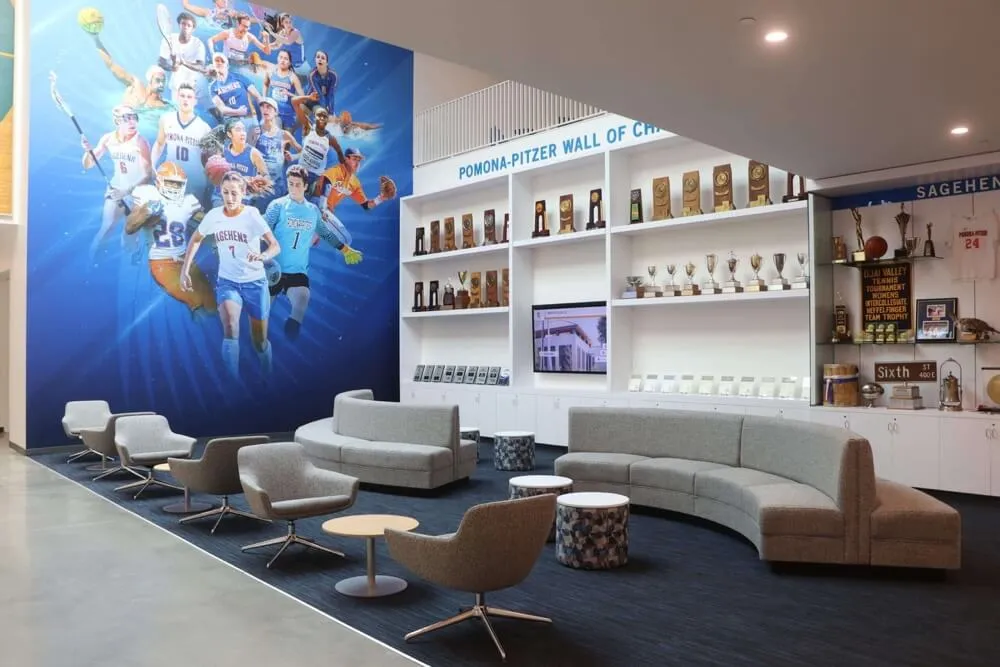
Space Constraints Limit Physical Recognition 57% of organizations report that physical space limitations restrict their ability to recognize donors appropriately. Traditional donor walls, plaques, and recognition displays face capacity constraints that prevent expansion as donor bases grow.
Current State: Recognition Methods and Practices
Recognition Method Adoption Rates
Nonprofits employ diverse recognition approaches with varying implementation rates and effectiveness levels:
Written Communication Methods: The most universally adopted recognition approaches center on written acknowledgment:
- Personalized thank-you letters: 94% of organizations (mean 2.7 days from gift to mailing)
- Email acknowledgments: 89% of organizations (mean 1.2 days from gift to sending)
- Annual impact reports: 67% of organizations
- Personalized impact updates: 42% of organizations
- Handwritten notes from leadership: 38% of organizations (typically for gifts $1,000+)
Survey data reveals significant variation in personalization quality. Only 23% of organizations consistently reference specific program impact or previous giving history in recognition communications, with most (68%) using template-based acknowledgments with minimal customization beyond donor name and gift amount.
Physical Recognition Displays: Traditional recognition infrastructure remains common despite space and cost constraints:
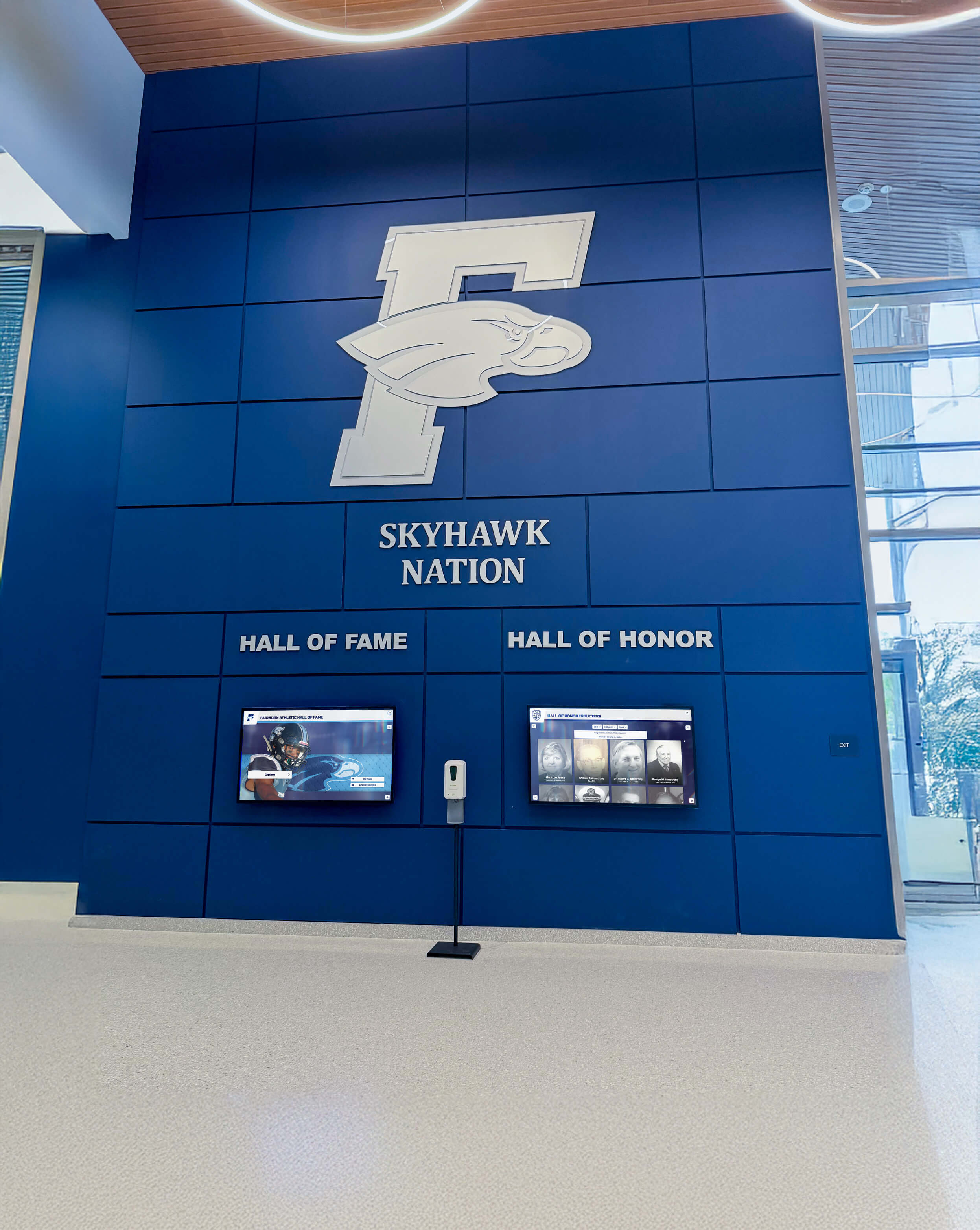
- Donor walls or plaques: 61% of organizations
- Named spaces (rooms, buildings, programs): 43% of organizations
- Recognition societies with physical representations: 37% of organizations
- Display cases with donor information: 29% of organizations
- Outdoor recognition installations: 18% of organizations
Organizations with physical recognition report average installation costs of $12,400 for donor walls, $3,200 for recognition plaques, and $24,800 for comprehensive recognition installations. Ongoing maintenance and updates average $1,800 annually.
Physical recognition capacity limitations affect 57% of organizations, with donor walls reaching capacity, plaques filling available space, or recognition areas unable to accommodate growing donor bases without expensive renovations.
Event-Based Recognition: Donor appreciation events provide personal connection opportunities:
- Annual donor appreciation events: 71% of organizations (mean attendance: 47 donors)
- Recognition society receptions: 52% of organizations
- Volunteer recognition events: 48% of organizations
- Campaign celebration events: 39% of organizations
- Virtual recognition events: 28% of organizations (increased from 8% pre-2020)
Event-based recognition demonstrates high donor satisfaction (4.2 average rating on 5-point scale) but faces participation challenges. Only 34% of invited donors typically attend recognition events, with time constraints, geographic distance, and scheduling conflicts cited as primary attendance barriers.
Digital and Interactive Recognition: Emerging recognition methods leverage technology for broader reach and deeper engagement:
- Website donor listings: 58% of organizations
- Social media donor spotlights: 41% of organizations
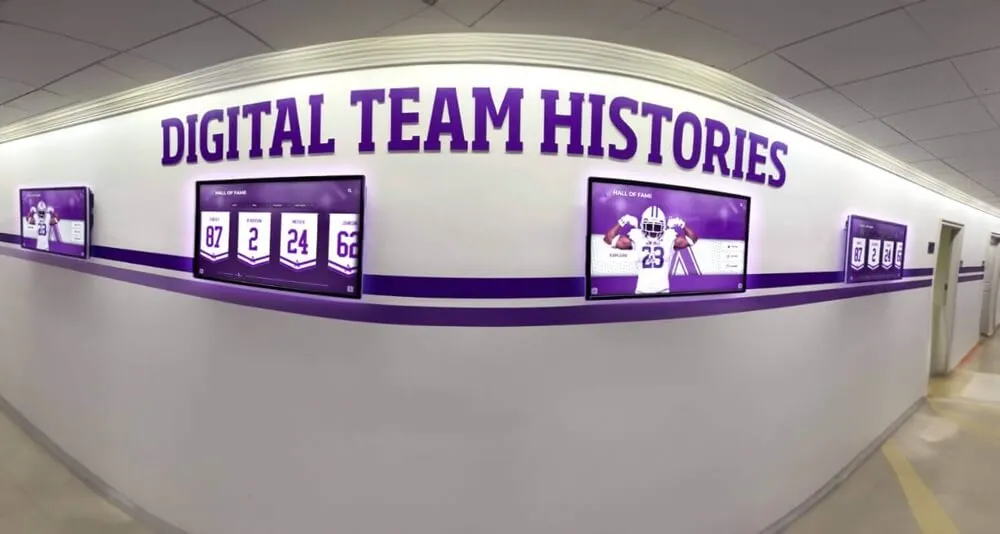
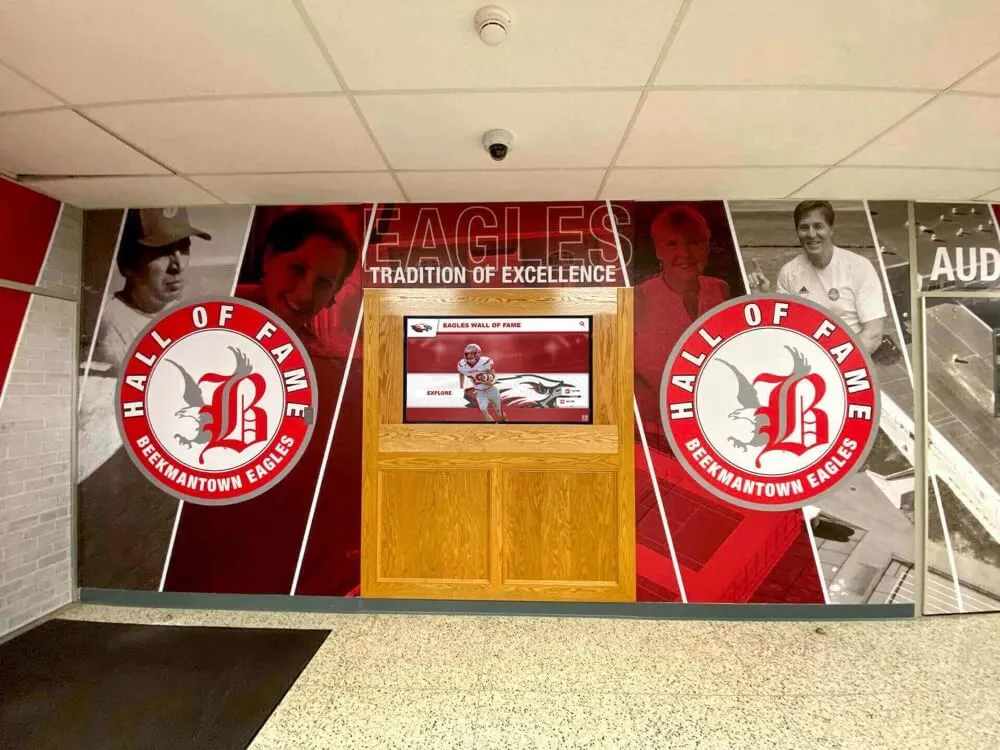
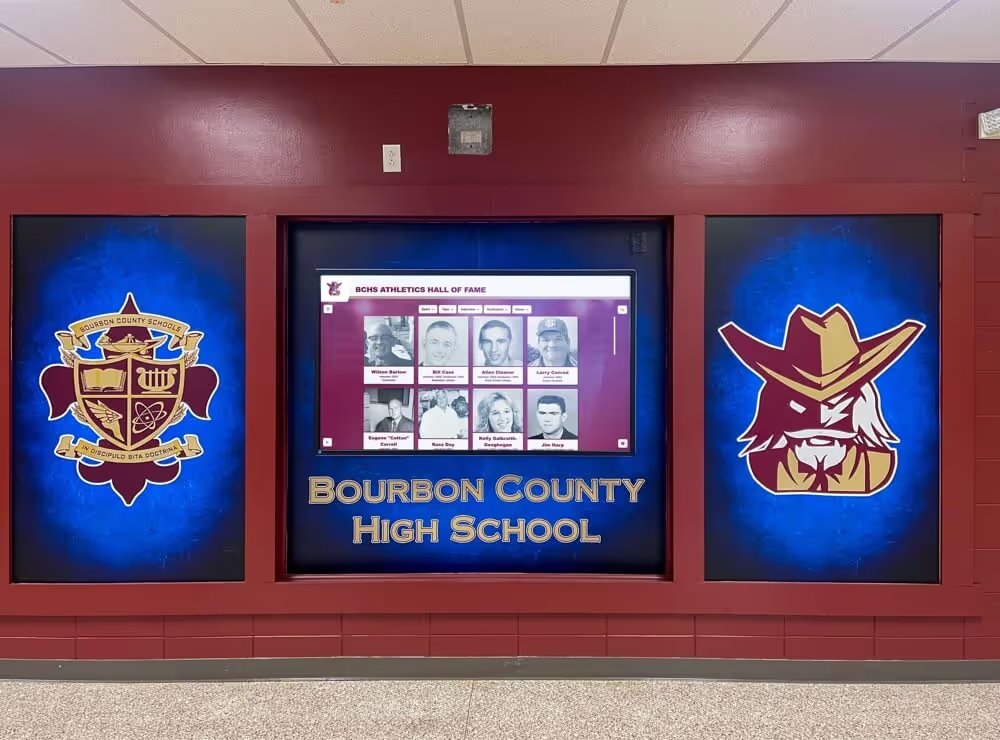
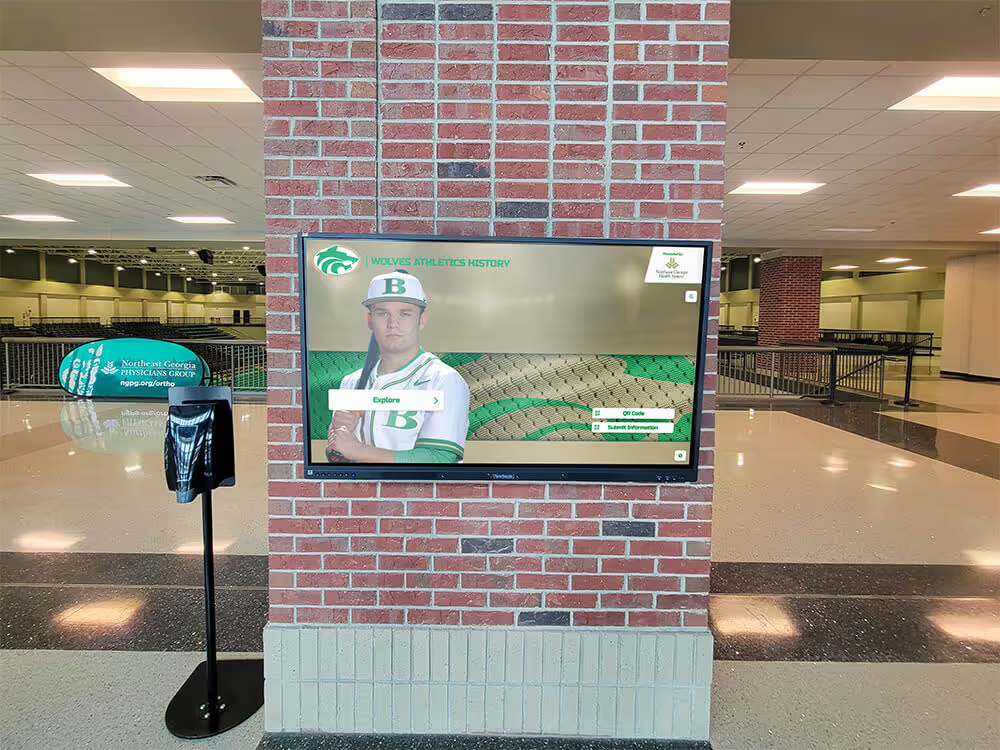
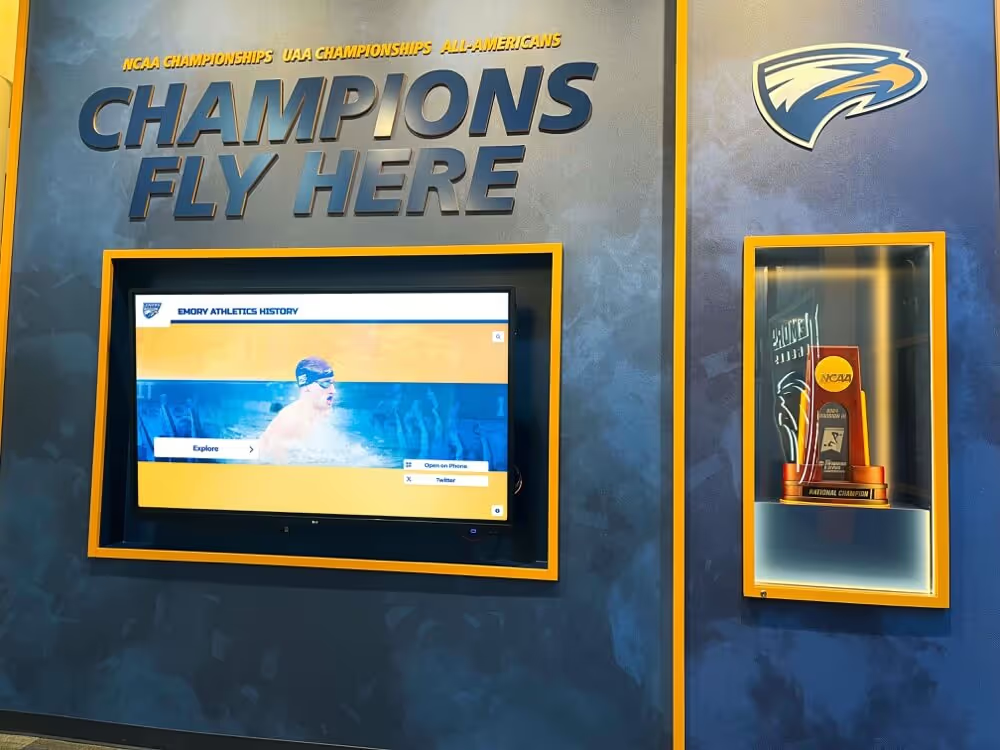
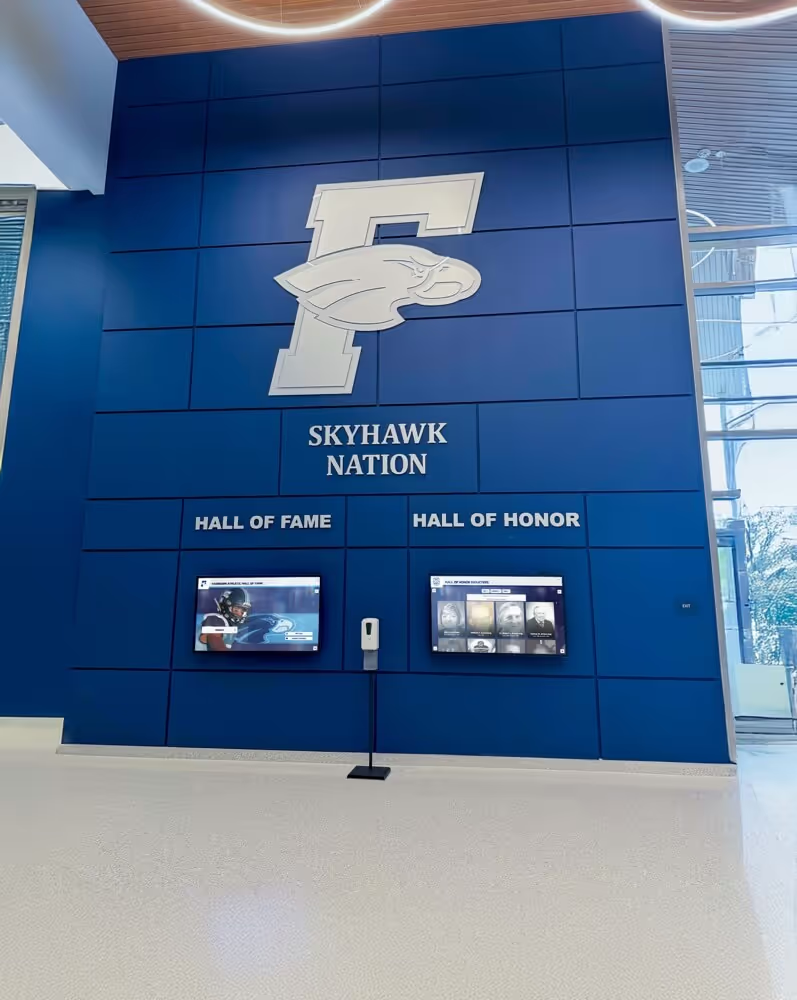
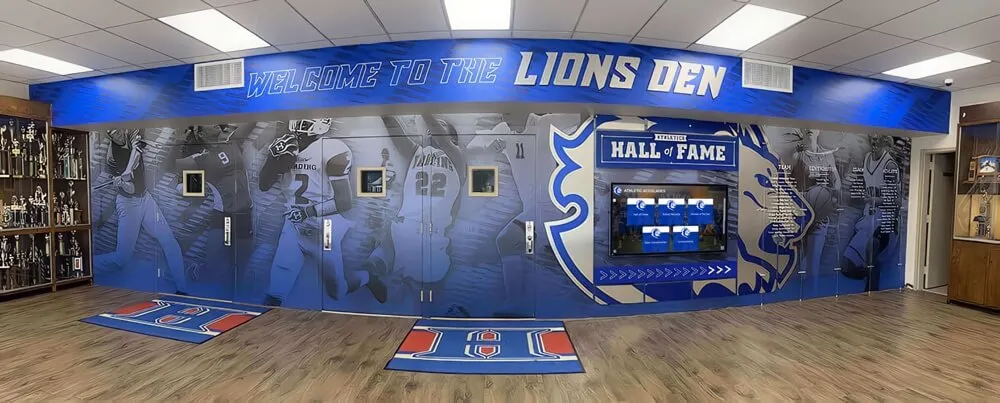
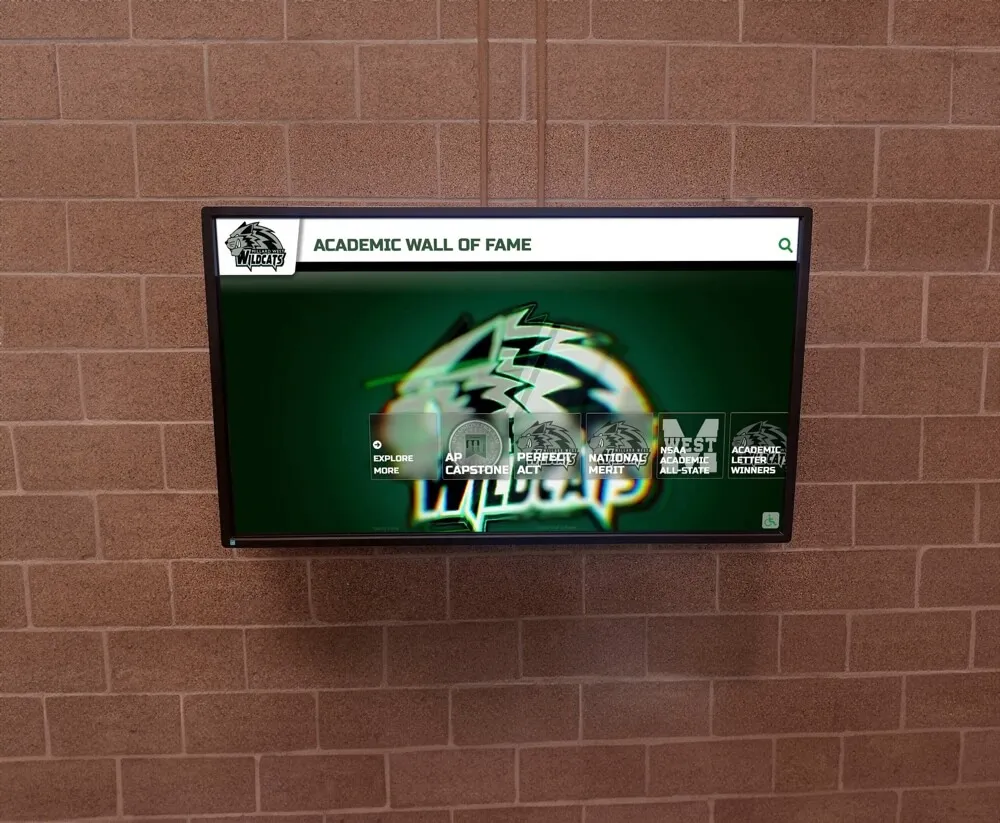
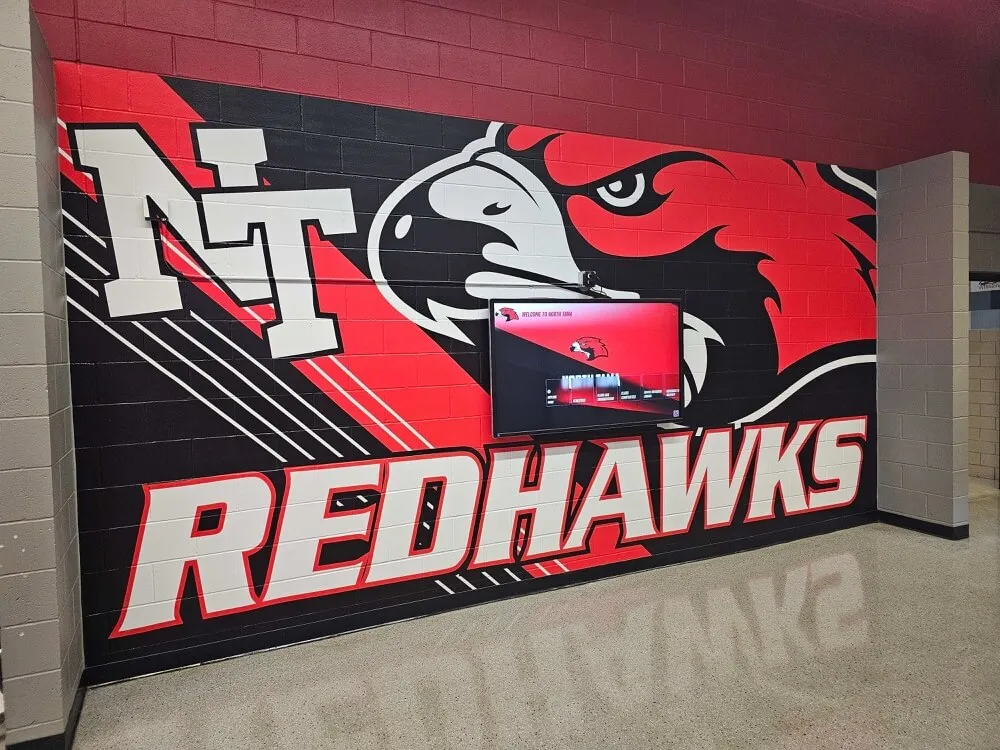
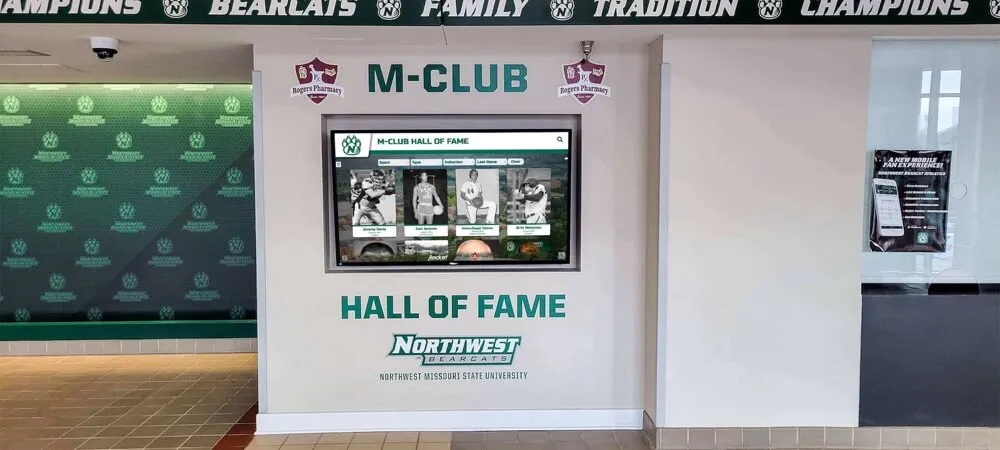
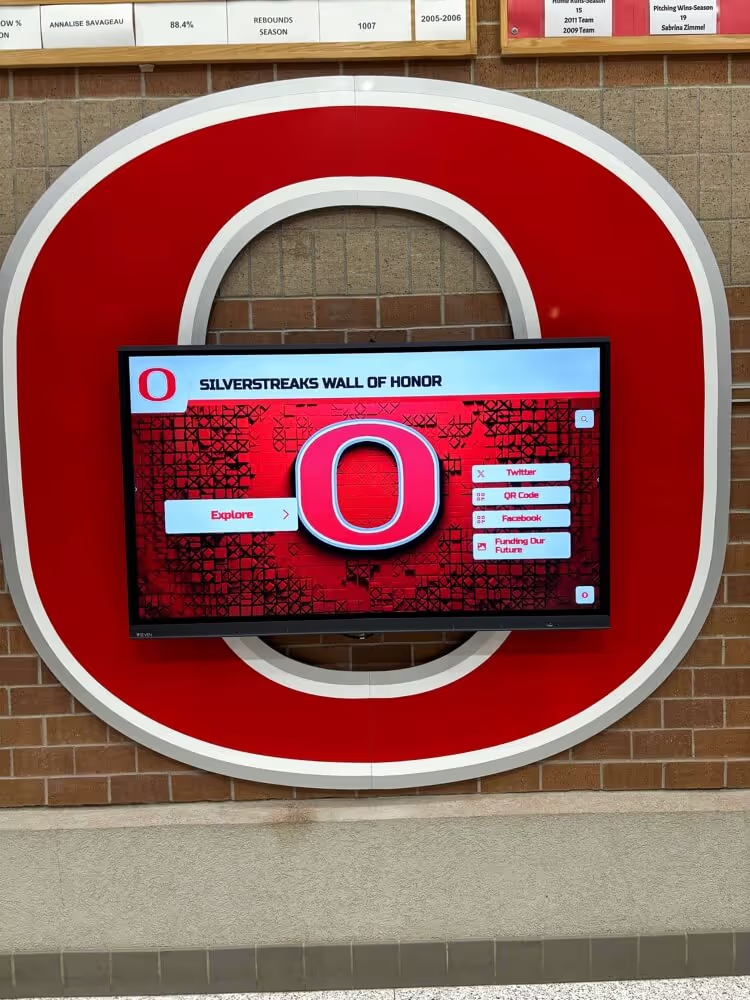
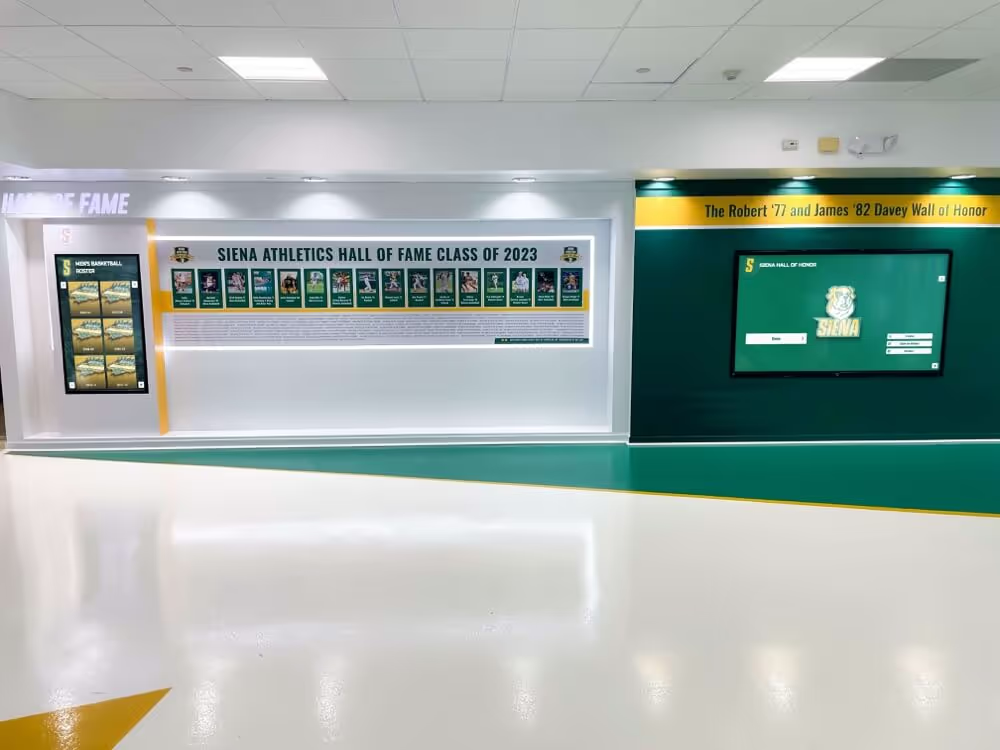
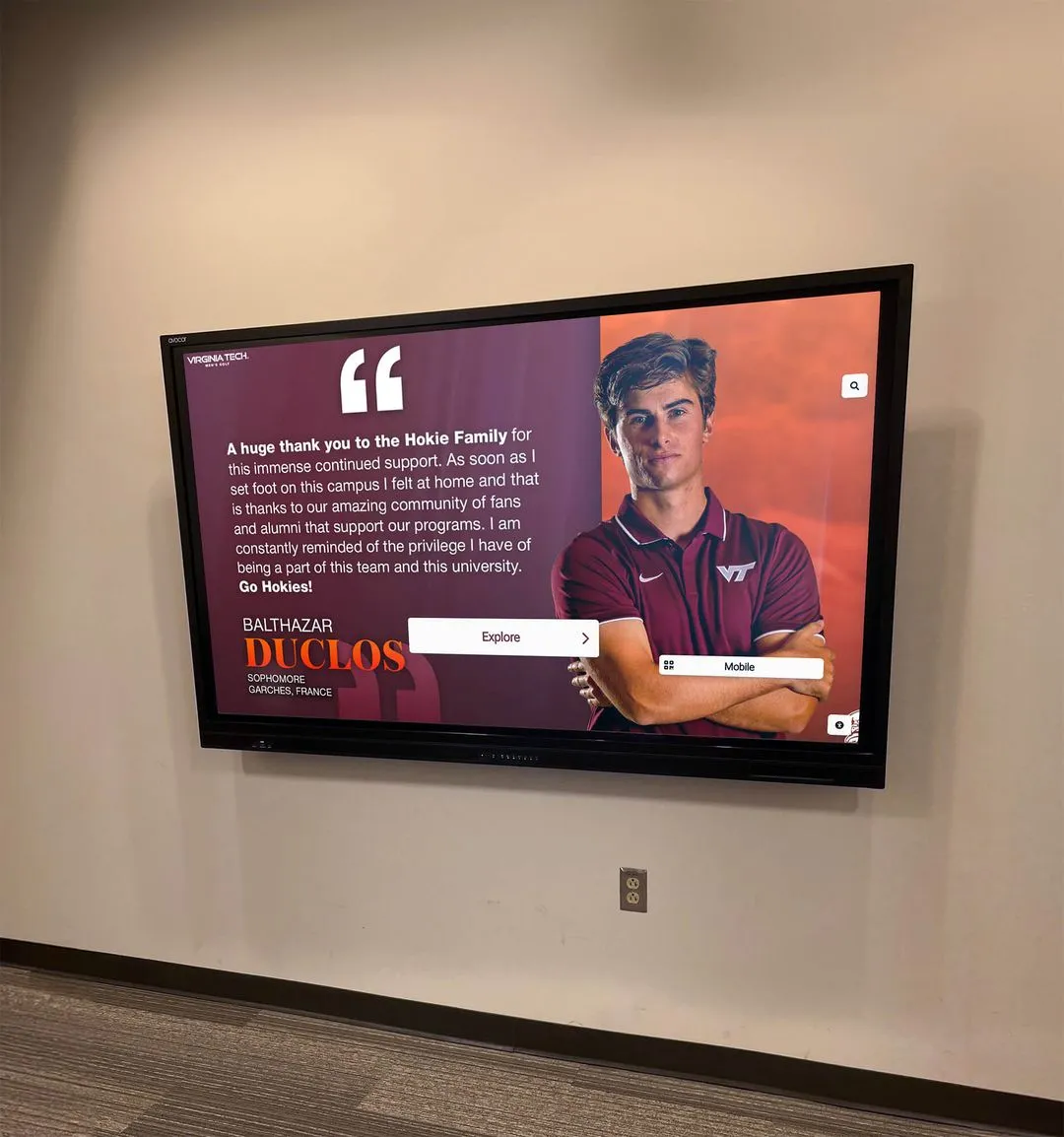
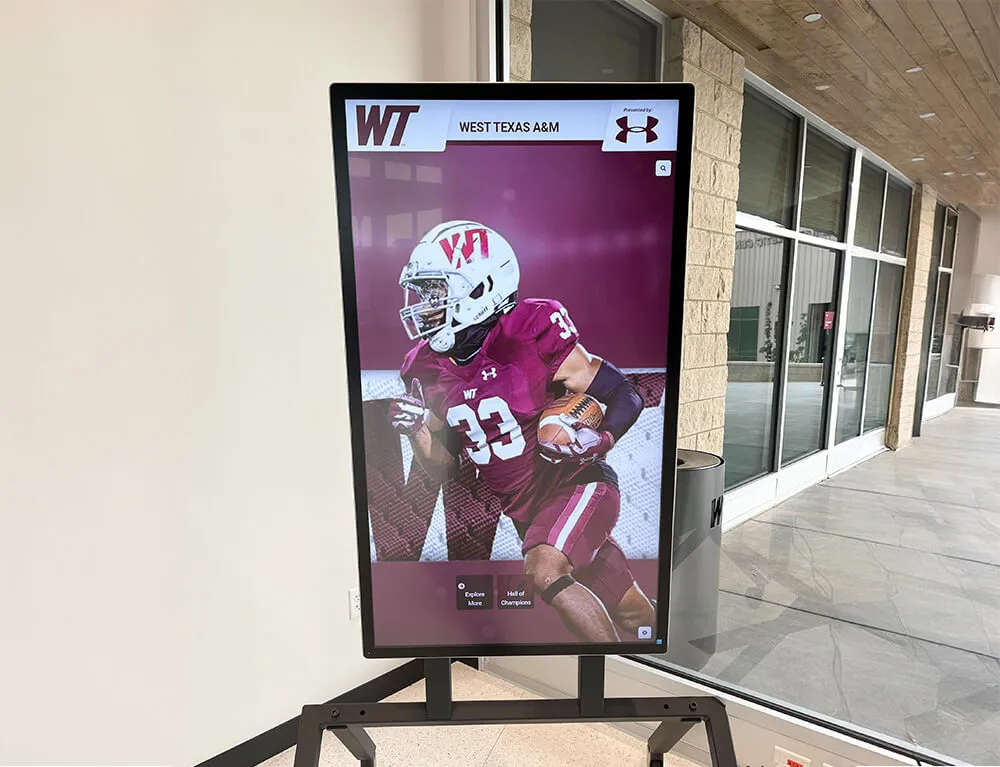
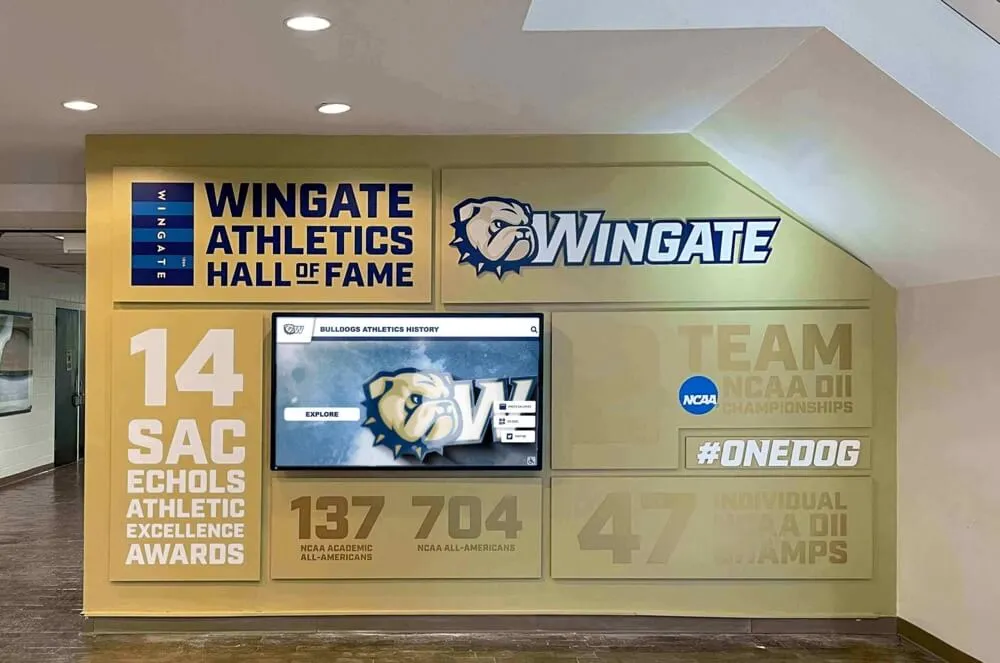
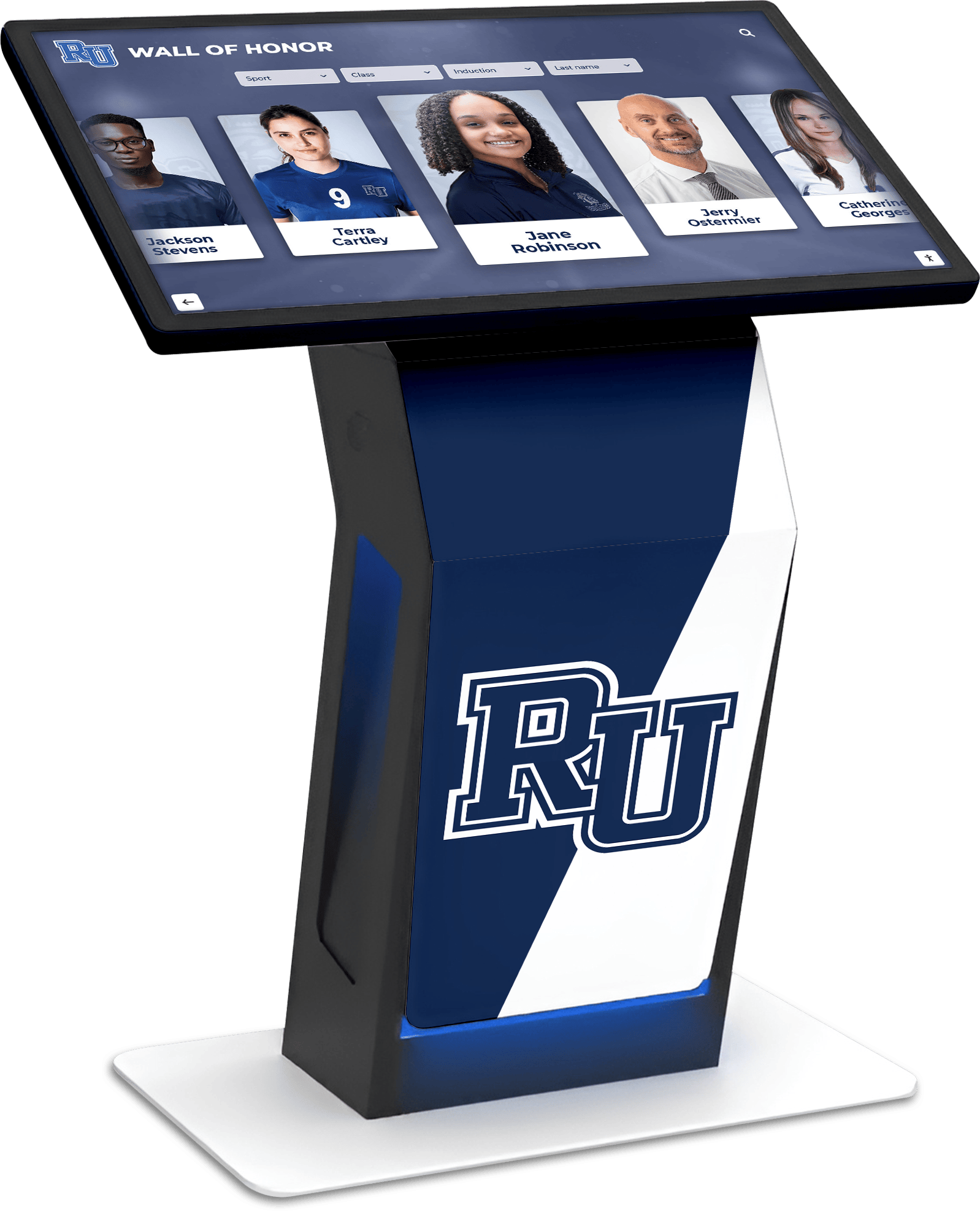
- Digital donor recognition displays: 28% of organizations
- Mobile app recognition features: 12% of organizations
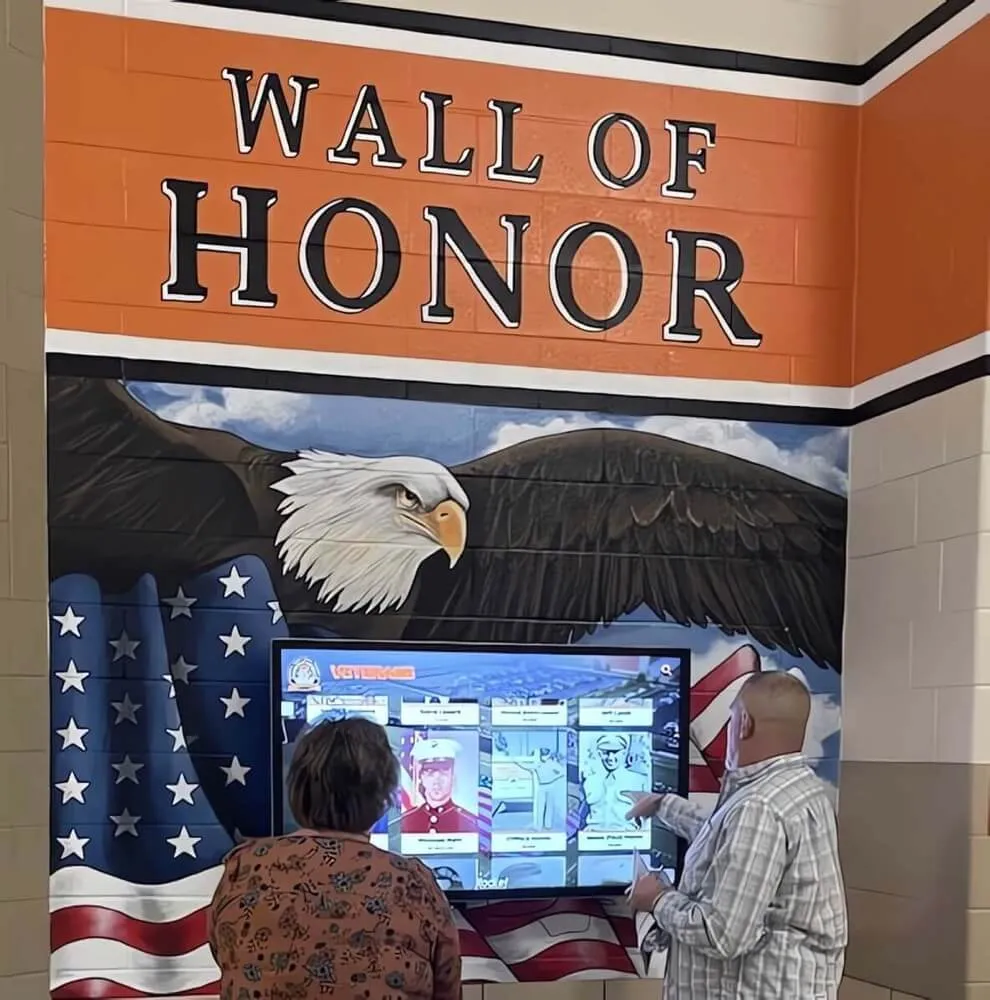
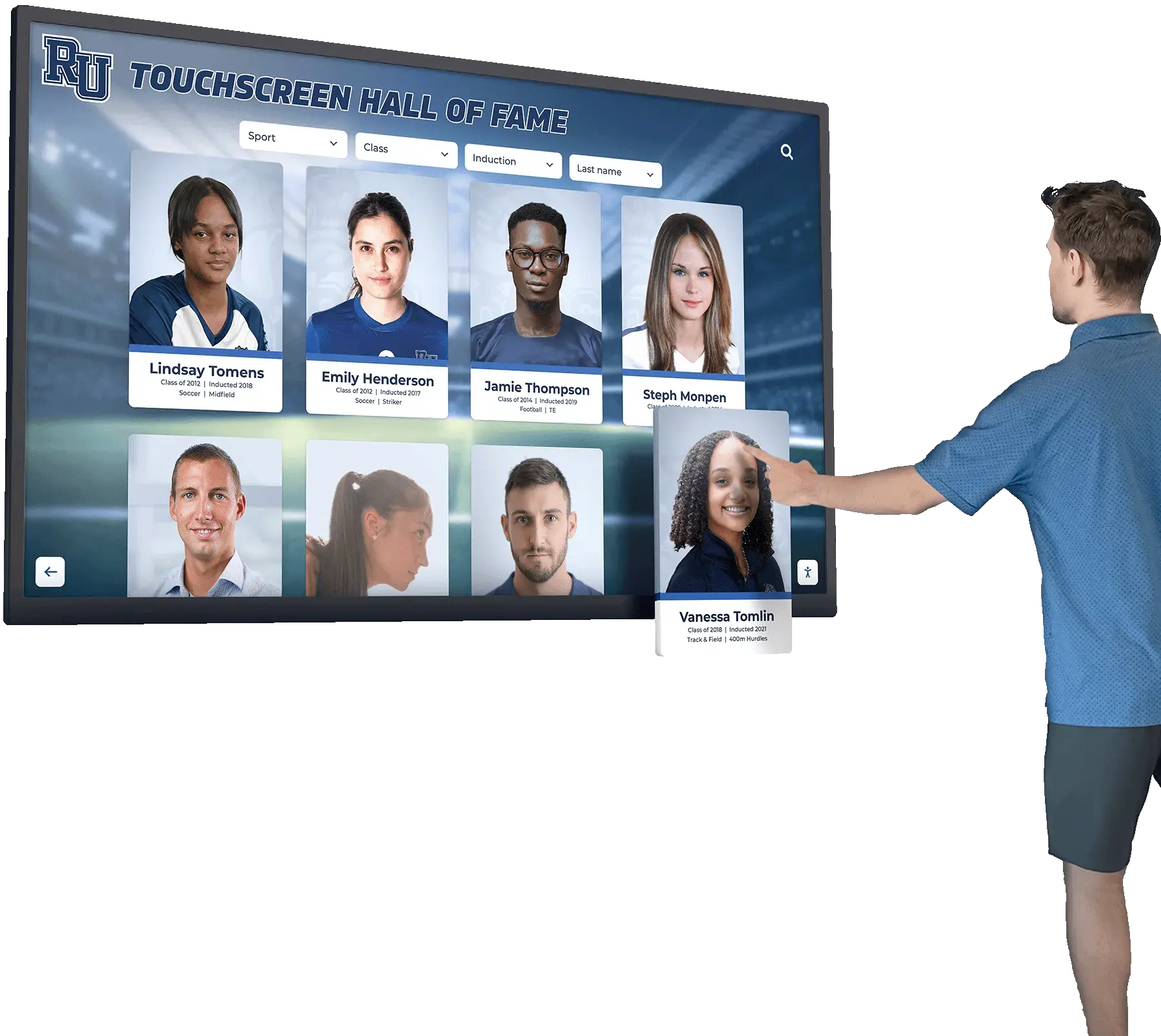
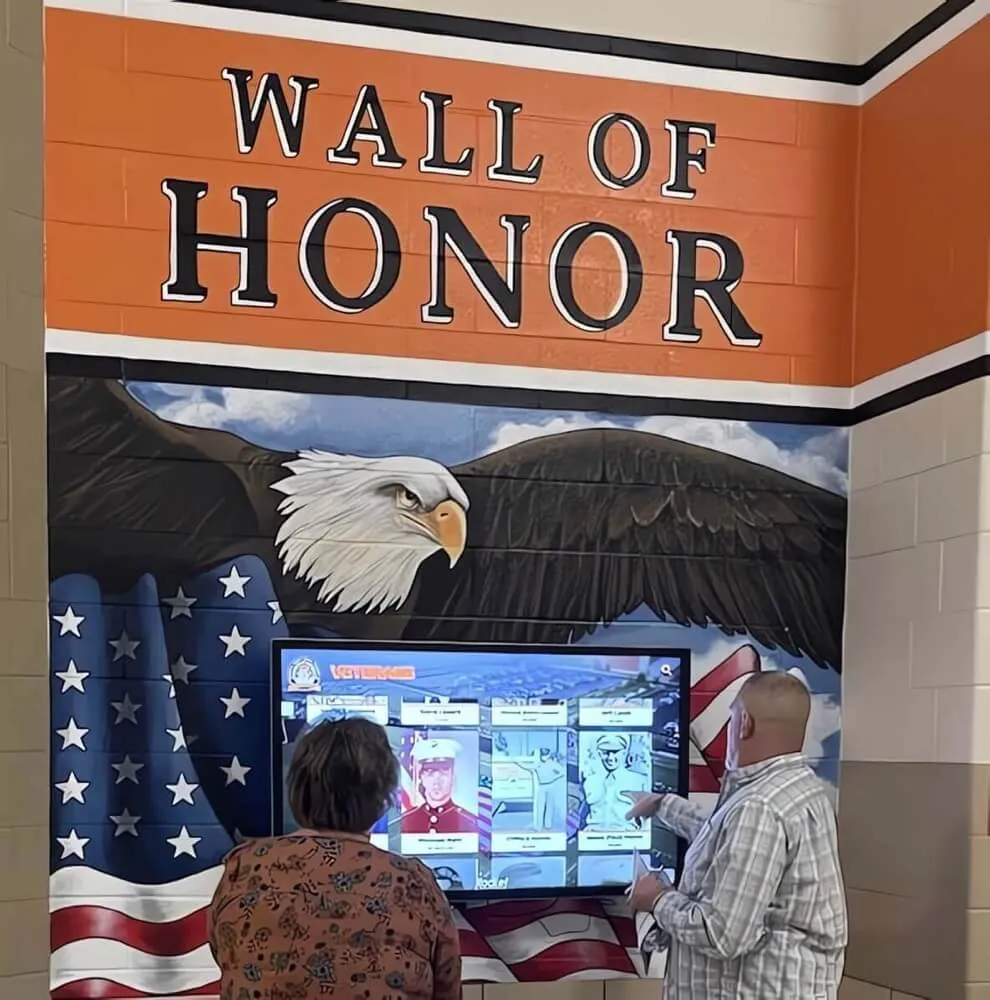
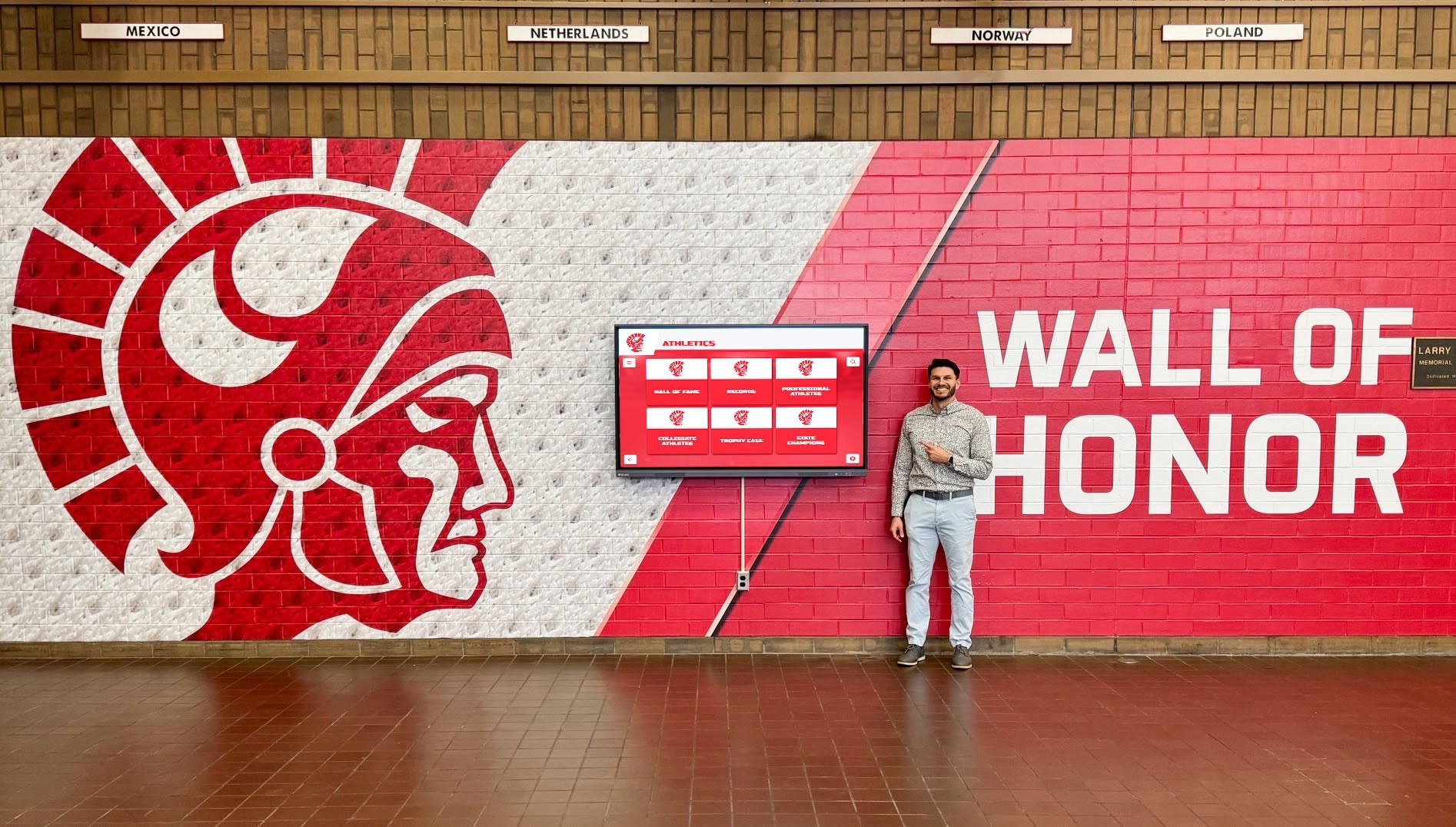
- Interactive touchscreen donor walls: 11% of organizations
- Virtual reality or immersive recognition: 3% of organizations
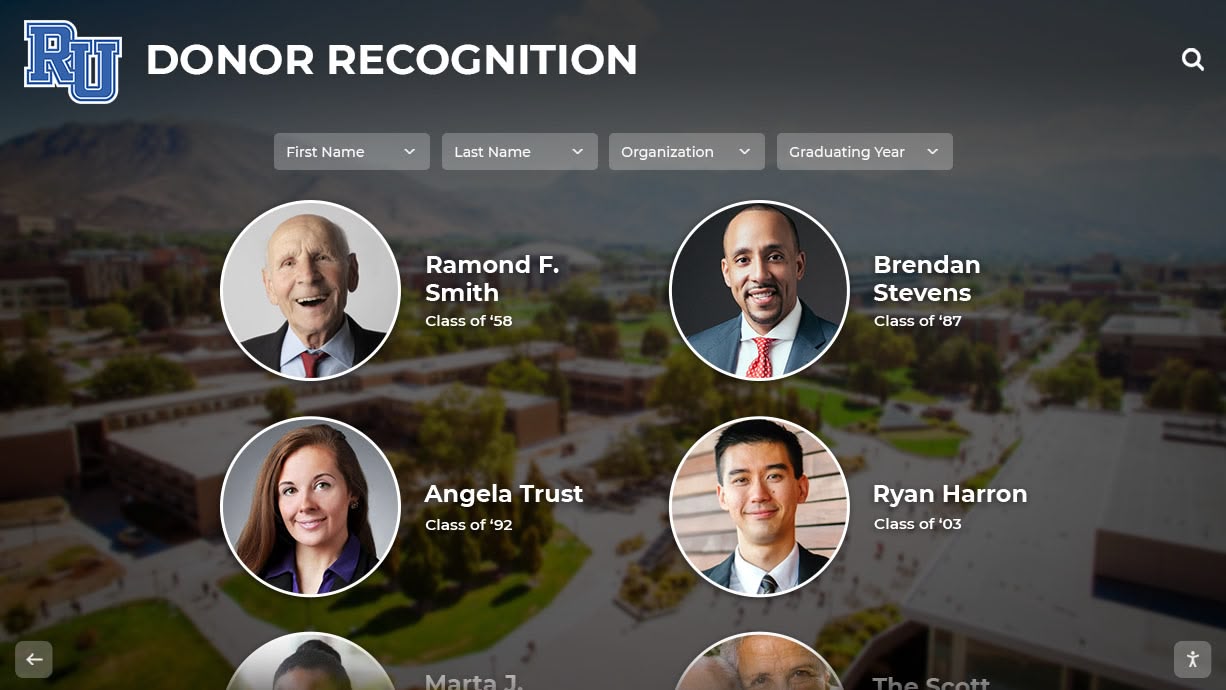
Digital recognition methods show substantially higher donor reach compared to physical-only approaches. Organizations with website donor listings report 8.4x more donor views than physical plaques (mean 2,847 annual website views vs. 339 estimated physical viewings). Interactive digital displays generate mean 1,653 monthly interactions compared to passive viewing of traditional recognition.
Personal Recognition Interactions: High-touch recognition approaches reserved primarily for major donors:
- Personal phone calls from leadership: 47% of organizations (gifts $2,500+)
- In-person visits or meetings: 39% of organizations (gifts $10,000+)
- Video thank-you messages: 23% of organizations
- Donor advisory councils: 31% of organizations
- Program visit opportunities: 28% of organizations
Personal recognition correlates most strongly with donor retention (r=0.81) and increased giving (r=0.67), but resource constraints limit implementation. Organizations report average 37 minutes required per personal recognition interaction, creating capacity challenges for broad application beyond major gift donors.
Recognition Timing and Consistency
Recognition timeliness significantly influences donor perception and retention outcomes:
Initial Gift Acknowledgment Timeline: Survey data reveals substantial variation in acknowledgment speed:
- Same day: 12% of organizations
- Within 24 hours: 34% of organizations
- Within 48 hours: 28% of organizations
- Within one week: 19% of organizations
- Over one week: 7% of organizations
Organizations acknowledging gifts within 24 hours demonstrate 11.3 percentage point higher retention rates than those taking over one week (56.7% vs. 45.4%). Donor perception studies consistently show that acknowledgment timing strongly influences satisfaction, with 48-hour acknowledgment representing best practice threshold.
Multi-Touch Recognition Approach: Comprehensive recognition involves multiple touchpoints throughout donor relationships:
Organizations implementing 4+ distinct recognition touchpoints annually (initial acknowledgment, impact update, personal communication, public recognition) achieve 18.2 percentage point higher retention than those providing only initial acknowledgment (59.4% vs. 41.2%).
However, only 29% of surveyed organizations implement systematic multi-touch recognition programs. Most (63%) provide initial acknowledgment plus occasional ad-hoc recognition, while 8% rely solely on required tax receipts without additional stewardship communication.
Recognition Consistency Challenges: Organizations report significant challenges maintaining recognition consistency:
- Staff turnover disrupting recognition workflows: 67% of organizations
- Seasonal capacity constraints during campaign periods: 54% of organizations
- Inconsistent application across gift types or programs: 48% of organizations
- Technology limitations preventing systematic tracking: 41% of organizations
- Unclear responsibility assignment: 37% of organizations
Inconsistent recognition correlates with 14.7 percentage point lower retention compared to organizations with documented recognition protocols and systematic implementation (48.3% vs. 63.0%).
Donor Retention Impact Analysis
Recognition Quality and Retention Correlation
Statistical analysis of survey data reveals strong correlation between recognition program sophistication and donor retention outcomes:
Recognition Program Sophistication Index: Organizations scored on six recognition dimensions (timeliness, personalization, variety of methods, consistency, budget allocation, strategic planning) on 5-point scales:
High Sophistication (score 24-30 points): Organizations with formal recognition strategies, multiple recognition methods, consistent implementation, dedicated budgets, and measurement systems.
Retention outcomes:
- Overall donor retention: 61.2%
- First-time donor retention: 48.7%
- Multi-year donor retention: 74.3%
- Major donor retention ($5,000+): 86.4%
Medium Sophistication (score 15-23 points): Organizations with structured recognition workflows, moderate personalization, inconsistent budget allocation, and limited measurement.
Retention outcomes:
- Overall donor retention: 51.8%
- First-time donor retention: 38.4%
- Multi-year donor retention: 67.1%
- Major donor retention ($5,000+): 79.2%
Low Sophistication (score 6-14 points): Organizations with reactive recognition, minimal personalization, no formal budget, template-based acknowledgments only.
Retention outcomes:
- Overall donor retention: 37.5%
- First-time donor retention: 23.9%
- Multi-year donor retention: 53.8%
- Major donor retention ($5,000+): 68.1%
The 23.7 percentage point retention differential between high and low sophistication organizations demonstrates recognition program impact. Organizations in the high sophistication category retain nearly two-thirds of donors compared to just over one-third for low sophistication programs.
Statistical Significance: The correlation between recognition sophistication and retention (r=0.72, p<0.001) indicates that recognition quality explains approximately 52% of variance in retention rates across organizations, controlling for organization size, budget, and cause area.
First-Time Donor Retention and Recognition
First-time donor retention represents the sector’s most pressing challenge, with industry average first-time retention at 27.3% in 2026. Recognition quality shows even stronger correlation with first-time retention (r=0.79) than overall retention.
Recognition Approaches and First-Time Retention:
Organizations welcoming first-time donors with comprehensive recognition sequences (personalized acknowledgment within 24 hours + impact story within 30 days + personal thank-you call for gifts $250+ + inclusion in donor community communications) achieve 51.3% first-time retention compared to 23.9% for organizations providing only automated receipts.
First-Time Donor Recognition Deficits: Despite retention importance, first-time donors receive disproportionately minimal recognition:
- 47% of organizations use identical acknowledgment language for first-time and repeat donors
- 68% provide no special welcome sequence for first-time supporters
- 83% make no systematic effort to explain organizational impact or recognition community
- 71% include first-time donors in standard communications without any onboarding
Organizations implementing dedicated first-time donor welcome programs report 2.3x higher first-time retention than those treating all donors identically regardless of giving history.
Gift Level and Recognition Disparities
Recognition resource allocation demonstrates significant concentration on high-dollar donors despite retention importance across all gift levels:
Recognition Effort by Gift Size:
Major Gifts ($5,000+):
- Represent 3.2% of donor counts
- Receive 67% of recognition budget allocation
- Average 8.3 recognition touchpoints annually
- 86.4% retention rate
- Personal recognition interactions: 94% of donors
Mid-Level Gifts ($1,000-$4,999):
- Represent 7.6% of donor counts
- Receive 21% of recognition budget allocation
- Average 3.7 recognition touchpoints annually
- 62.1% retention rate
- Personal recognition interactions: 38% of donors
Annual Fund Gifts ($100-$999):
- Represent 42.1% of donor counts
- Receive 9% of recognition budget allocation
- Average 1.8 recognition touchpoints annually
- 47.3% retention rate
- Personal recognition interactions: 4% of donors
Small Gifts (under $100):
- Represent 47.1% of donor counts
- Receive 3% of recognition budget allocation
- Average 1.1 recognition touchpoints annually (primarily automated)
- 31.7% retention rate
- Personal recognition interactions: under 1% of donors
The dramatic disparity in recognition effort correlates with substantial retention differentials. While major donors naturally receive intensive attention, the minimal recognition provided to small and annual fund donors—who represent 89% of donor bases—contributes to poor retention that undermines organizational sustainability.
Organizations implementing systematic recognition approaches for all gift levels (even modest personalization and consistent acknowledgment) demonstrate 12.4 percentage point higher retention for annual fund donors and 8.7 percentage point higher retention for small donors compared to those concentrating recognition exclusively on major gifts.
Resource Allocation and Program Investment
Recognition Budget Analysis
Financial investment in donor recognition varies dramatically across organizations, with most substantially underinvesting relative to recognition impact on retention and lifetime value:
Annual Recognition Budgets: Organizations report recognition expenditure as percentage of total fundraising budget:
- No formal recognition budget: 69% of organizations
- Under 1% of fundraising budget: 14% of organizations
- 1-2% of fundraising budget: 9% of organizations
- 2-4% of fundraising budget: 6% of organizations
- Over 4% of fundraising budget: 2% of organizations
Organizations with formal recognition budgets representing 3-5% of fundraising expenditure demonstrate 19.8 percentage point higher overall retention than those without dedicated recognition investment (58.4% vs. 38.6%).
Recognition Budget by Organization Size:
Small Organizations (under $500K budget):
- Mean annual recognition budget: $1,800
- Median annual recognition budget: $800
- 79% report no formal recognition budget
- Recognition represents 0.7% of mean fundraising budget
Medium Organizations ($500K-$3M budget):
- Mean annual recognition budget: $8,400
- Median annual recognition budget: $5,200
- 68% report no formal recognition budget
- Recognition represents 1.2% of mean fundraising budget
Large Organizations ($3M-$10M budget):
- Mean annual recognition budget: $24,700
- Median annual recognition budget: $18,300
- 54% report no formal recognition budget
- Recognition represents 2.1% of mean fundraising budget
Very Large Organizations (over $10M budget):
- Mean annual recognition budget: $67,200
- Median annual recognition budget: $52,000
- 38% report no formal recognition budget
- Recognition represents 2.8% of mean fundraising budget
Even among organizations with dedicated recognition budgets, investment levels remain below professional recommendations. The Association of Fundraising Professionals suggests recognition expenditure of 3-5% of fundraising budgets, yet only 8% of surveyed organizations reach this threshold.

Budget Allocation by Recognition Category: Among organizations with defined recognition budgets, expenditure distributes across categories:
- Recognition events and receptions: 34% of budgets
- Physical recognition installations and updates: 26% of budgets
- Printed materials and mailings: 19% of budgets
- Digital recognition systems and platforms: 12% of budgets
- Personalization and fulfillment services: 9% of budgets
Organizations shifting budget allocation toward digital recognition systems report 2.7x greater donor reach per dollar invested compared to traditional physical-only approaches ($0.87 cost per donor interaction vs. $2.34 for physical displays).
Staffing and Time Investment
Recognition program success depends heavily on adequate staff capacity and systematic workflow allocation:
Recognition Responsibility Assignment: Survey data reveals inconsistent recognition ownership across organizations:
- Development director primary responsibility: 67% of organizations
- Donor relations manager dedicated role: 19% of organizations
- Distributed across development team: 43% of organizations
- Executive director involvement: 31% of organizations
- Volunteer or board involvement: 28% of organizations
- No clearly assigned responsibility: 12% of organizations
(Percentages exceed 100% as organizations employ multiple approaches)
Organizations with dedicated donor relations positions demonstrate 14.2 percentage point higher retention than those distributing recognition responsibilities without clear ownership (57.8% vs. 43.6%).
Time Allocation Patterns: Development staff report recognition-related time investment:
- Organizations with high recognition sophistication: 18.7% of development staff time
- Organizations with medium recognition sophistication: 9.3% of development staff time
- Organizations with low recognition sophistication: 3.1% of development staff time
The substantial time differential reflects systematic recognition program investment. High sophistication organizations dedicate nearly six times more staff capacity to recognition activities, enabling the multi-touch, personalized approaches that drive superior retention outcomes.
Recognition Workflow Efficiency: Survey respondents identify time-intensive recognition activities:
- Personalizing acknowledgment communications: 37% of recognition time
- Coordinating recognition events: 24% of recognition time
- Updating physical recognition displays: 16% of recognition time
- Researching donor history and preferences: 12% of recognition time
- Processing and tracking recognition fulfillment: 11% of recognition time
Organizations implementing digital recognition systems report 41% reduction in time spent updating displays and 28% reduction in fulfillment processing compared to manual physical recognition management.
Recognition Effectiveness by Method
Comparative Method Analysis
Different recognition approaches demonstrate varying effectiveness across donor satisfaction, retention impact, cost efficiency, and scalability:
Recognition Method Performance Matrix:
| Method | Donor Satisfaction Score | Retention Impact | Cost per Interaction | Scalability Rating |
|---|---|---|---|---|
| Personal phone calls | 4.7/5.0 | Very High (+18.3pp) | $12.40 | Very Low |
| In-person visits | 4.8/5.0 | Very High (+21.7pp) | $47.20 | Very Low |
| Handwritten notes | 4.4/5.0 | High (+12.6pp) | $3.80 | Low |
| Personalized letters | 3.9/5.0 | Moderate (+8.4pp) | $2.30 | Medium |
| Recognition events | 4.2/5.0 | High (+14.1pp) | $28.70 | Low |
| Physical donor walls | 3.6/5.0 | Moderate (+7.2pp) | $8.60 | Very Low |
| Digital recognition displays | 4.1/5.0 | High (+13.8pp) | $0.87 | Very High |
| Website recognition | 3.4/5.0 | Low (+3.9pp) | $0.12 | Very High |
| Email acknowledgment | 3.1/5.0 | Low (+2.7pp) | $0.08 | Very High |
| Template letters | 2.8/5.0 | Minimal (+1.2pp) | $1.40 | High |
Sample Size: n=683 organizations providing recognition method data; retention impact calculated as percentage point difference vs. no recognition baseline controlling for gift level
Analysis: High-touch personal recognition methods demonstrate superior donor satisfaction and retention impact but face severe scalability constraints and high per-interaction costs. Digital recognition systems offer strong satisfaction and retention impact while maintaining scalability and cost efficiency that enable broad application across entire donor bases.
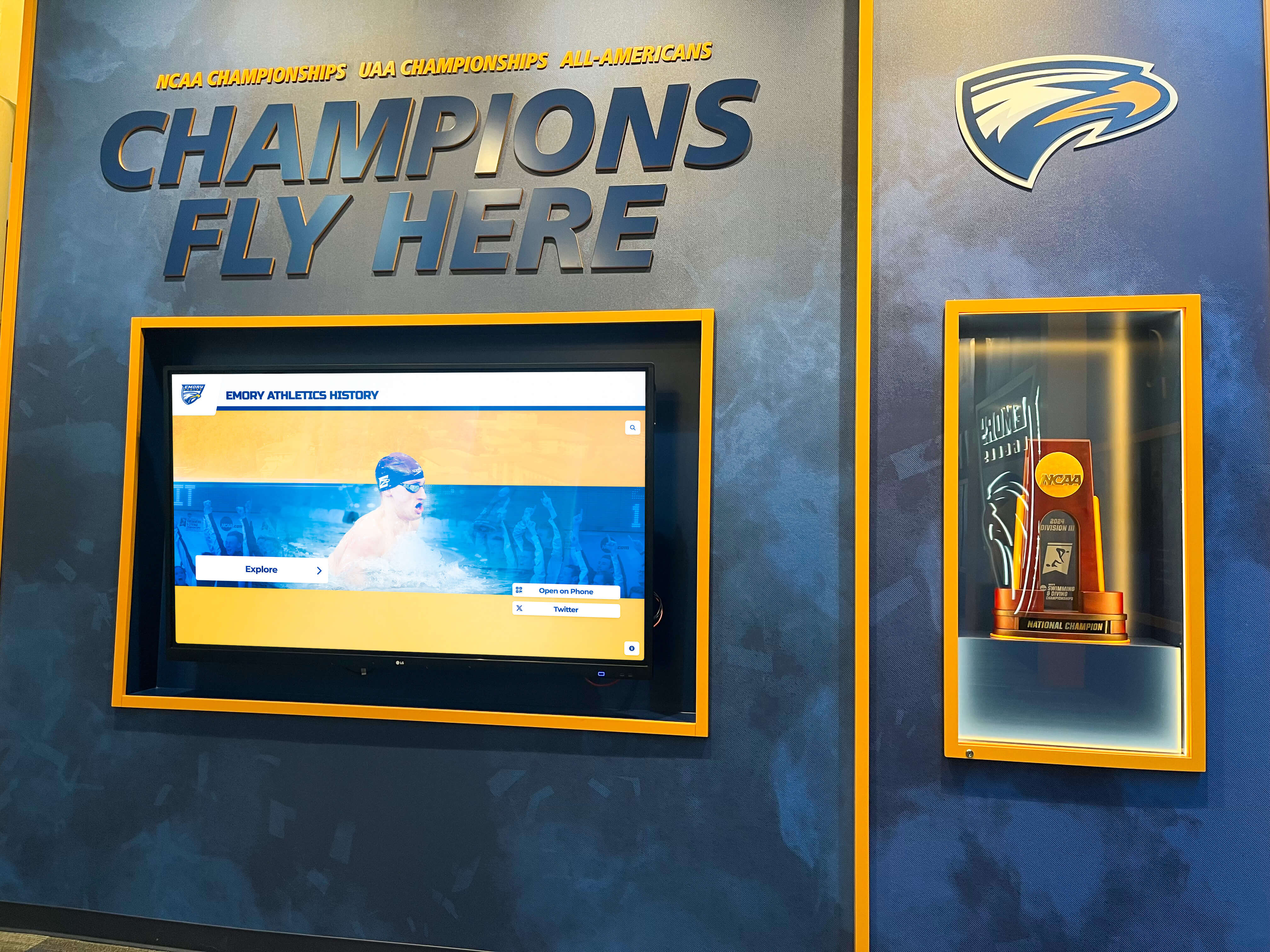
The data suggests optimal recognition strategies combine high-touch personal approaches for major donors with scalable digital recognition enabling meaningful acknowledgment across all giving levels. Organizations exclusively relying on either personal recognition (limiting reach) or automated recognition (limiting emotional connection) achieve suboptimal outcomes compared to integrated multi-method approaches.
Digital Recognition Adoption and Performance
Digital recognition methods represent fastest-growing category, increasing from 11% adoption in 2019 to 34% in 2026:
Digital Recognition Implementation Rates:
- Website donor listings: 58% of organizations
- Social media recognition posts: 41% of organizations
- Email-based donor spotlights: 36% of organizations
- Interactive digital donor walls: 28% of organizations
- Touchscreen recognition displays: 11% of organizations
- Virtual recognition rooms or galleries: 8% of organizations
- Mobile app recognition features: 6% of organizations
Digital Recognition Performance Metrics: Organizations with digital recognition systems providing analytics data report engagement statistics:
Website Donor Recognition:
- Mean annual page views: 2,847
- Mean session duration: 2:34
- Mean donors viewing their own listings: 41%
- Cost per view: $0.12
Interactive Digital Displays:
- Mean monthly interactions: 1,653
- Mean session duration: 4:47
- Mean unique monthly users: 487
- Cost per interaction: $0.87
Social Media Recognition:
- Mean reach per recognition post: 1,248
- Mean engagement rate: 3.7%
- Mean donor resharing rate: 12%
- Cost per impression: $0.03
Digital recognition demonstrates 8.4x greater donor reach than physical recognition at substantially lower per-interaction costs. Organizations implementing comprehensive digital recognition report 13.8 percentage point higher retention compared to physical-only recognition approaches.
Digital Recognition Barriers: Despite performance advantages, organizations cite adoption barriers:
- Initial implementation costs: 67% of organizations
- Technology complexity concerns: 54% of organizations
- Staff capacity for content management: 48% of organizations
- Uncertainty about donor preferences: 41% of organizations
- Concerns about privacy or security: 38% of organizations
Organizations successfully implementing digital recognition report that actual implementation complexity proves substantially lower than anticipated, with modern platforms requiring minimal technical expertise for ongoing management.
Best Practices and Strategic Recommendations
Evidence-Based Recognition Program Design
Analysis of high-performing recognition programs reveals consistent characteristics differentiating exceptional outcomes from average performance:
Core Recognition Program Elements: Organizations achieving 60%+ overall retention rates demonstrate common recognition approaches:
Timeliness Standard: Automated acknowledgment within 4 hours + personalized communication within 24 hours for all gifts regardless of size
Multi-Touch Framework: Minimum 4 annual touchpoints (initial acknowledgment, impact update, anniversary recognition, year-end gratitude) with additional touches for higher-giving donors
Personalization Protocol: All recognition communications reference at least one specific detail (program supported, previous giving, attendance at events, volunteer involvement)
Public Recognition Options: Donors provided choice to be recognized publicly (opt-in or opt-out depending on organizational preference) with multiple recognition platforms (physical, digital, website)
Recognition Variety: Implementation of at least 5 distinct recognition methods serving different donor preferences and gift levels
Systematic Measurement: Quarterly tracking of recognition metrics (acknowledgment timing, donor satisfaction, retention by recognition type, recognition ROI)
Organizations implementing all six elements achieve mean 64.3% retention compared to 38.7% for those implementing fewer than three elements.

Recognition Program Recommendations by Organization Size
Implementation approaches should align with organizational capacity and donor base characteristics:
Small Organizations (under $500K budget, typically 200-800 donors):
Realistic Recognition Investment: $2,400-$4,800 annually (1.5-2.0% of fundraising budget)
Priority Recognition Methods:
- Timely personalized acknowledgment letters (within 24 hours)
- Quarterly impact updates to all active donors
- Annual donor appreciation event (virtual or hybrid to maximize participation)
- Website donor recognition page with all supporters
- Personal calls from executive director for gifts $250+
Phased Enhancement: Year 1 focus on acknowledgment timeliness and personalization; Year 2 add impact communications; Year 3 implement digital recognition platform
Expected Outcomes: Organizations following recommendations demonstrate mean 8.7 percentage point retention improvement in first year (from typical 36% baseline to 44.7%)
Medium Organizations ($500K-$3M budget, typically 800-3,500 donors):
Realistic Recognition Investment: $12,000-$24,000 annually (2.0-3.0% of fundraising budget)
Priority Recognition Methods:
- Automated acknowledgment system (within 4 hours) + personalized follow-up (within 24 hours)
- Recognition society structure with defined benefits by giving level
- Bi-annual donor appreciation events with volunteer and board participation
- Interactive digital donor wall integrating physical and web recognition
- Dedicated donor relations coordinator (0.5-1.0 FTE)
- Monthly donor spotlights via email and social media
Phased Enhancement: Year 1 implement automated systems and recognition societies; Year 2 add digital recognition platform; Year 3 expand personalization and donor relations capacity
Expected Outcomes: Organizations following recommendations demonstrate mean 12.4 percentage point retention improvement (from typical 48% baseline to 60.4%)
Large and Very Large Organizations ($3M+ budget, typically 3,500+ donors):
Realistic Recognition Investment: $40,000-$85,000 annually (2.5-3.5% of fundraising budget)
Priority Recognition Methods:
- Comprehensive donor relations management system with automated workflows
- Multi-tiered recognition society structure with distinct experiences
- Recognition events throughout year serving different donor segments
- Integrated digital recognition platform with physical displays, web portal, and mobile access
- Dedicated donor relations team (2-4 FTE depending on scale)
- Personalized impact reporting for major donors ($5,000+)
- Recognition naming opportunities with clear policies and management systems
Phased Enhancement: Year 1 audit existing recognition and implement comprehensive digital platform; Year 2 expand donor relations staffing and systematize recognition workflows; Year 3 enhance personalization at scale using donor data insights
Expected Outcomes: Organizations following recommendations demonstrate mean 14.8 percentage point retention improvement (from typical 52% baseline to 66.8%)
Digital Recognition Implementation Framework
Organizations implementing digital recognition systems report highest success rates following structured approaches:
Phase 1: Planning and Requirements (4-6 weeks):
- Audit existing donor recognition across all current methods
- Define recognition objectives (retention improvement, donor satisfaction, stewardship efficiency)
- Assess recognition content availability (donor lists, photos, impact stories, giving levels)
- Establish recognition policies (naming rights, gift minimums, donor privacy, recognition duration)
- Evaluate technology platforms and digital recognition solutions
Phase 2: Platform Selection and Setup (4-8 weeks):
- Select digital recognition platform aligned with organizational capacity
- Design recognition categories and giving levels display
- Configure platform with organizational branding and messaging
- Develop content templates for consistent donor recognition
- Train staff on platform management and content updates
Phase 3: Content Development (6-12 weeks):
- Compile comprehensive donor data and recognition information
- Develop impact stories and program descriptions
- Create visual content (photos, videos, infographics)
- Populate platform with initial donor recognition content
- Establish recognition update workflows and schedules
Phase 4: Launch and Promotion (2-4 weeks):
- Soft launch with testing and refinement
- Public launch announcement through multiple channels
- Individual donor notifications about their recognition inclusion
- Integration with website, social media, and communications
- Physical display installation if applicable
Phase 5: Ongoing Management (continuous):
- Regular content updates with new donors and giving levels
- Quarterly platform performance analysis
- Annual recognition program assessment and enhancement
- Continuous integration with donor communications and stewardship
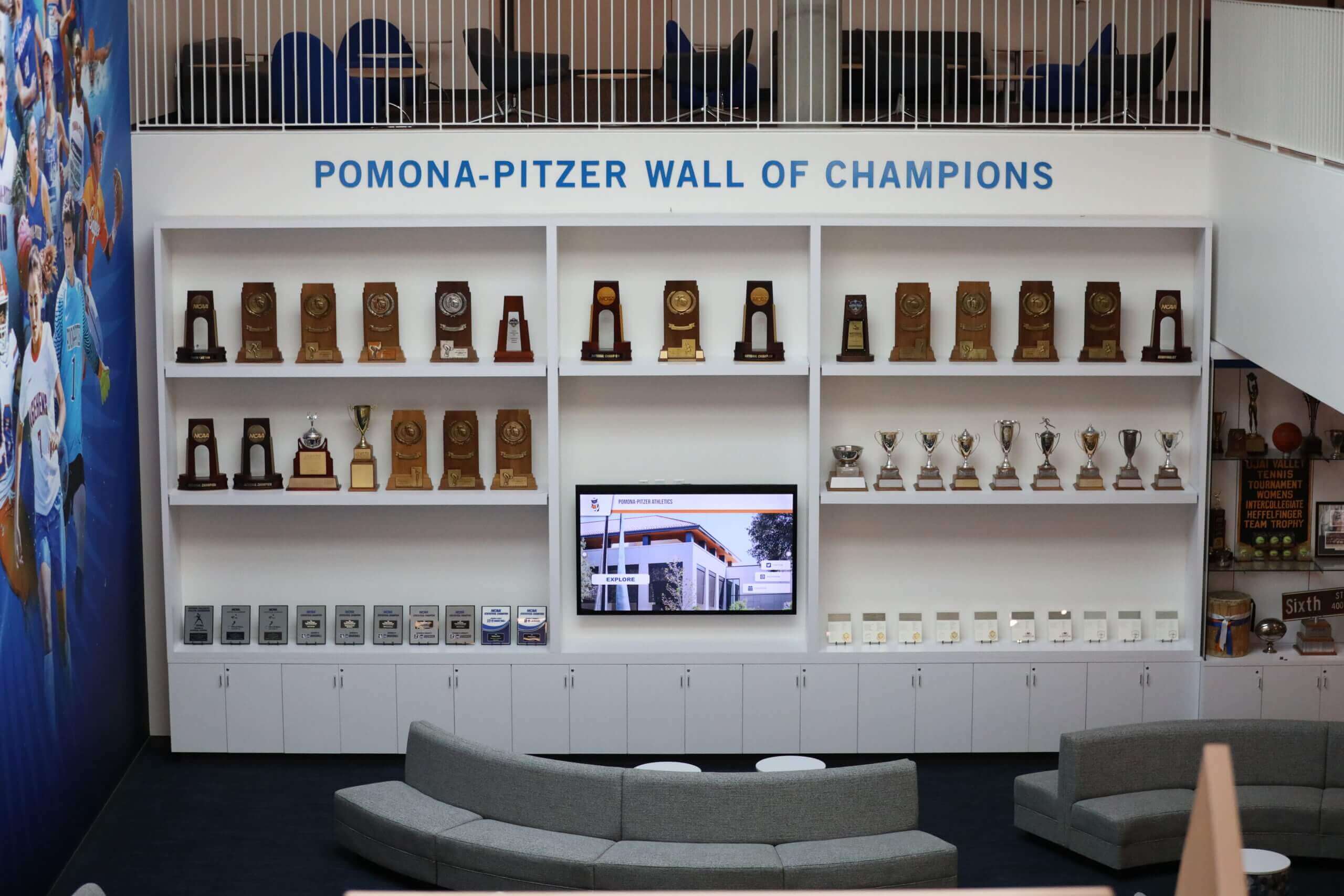
Organizations following phased implementation achieve 89% successful deployment compared to 54% for those attempting comprehensive launch without systematic planning.
Return on Investment Analysis
Recognition Program ROI Framework
While donor recognition delivers substantial intangible benefits (donor satisfaction, organizational culture, mission connection), quantifiable value drivers enable systematic ROI assessment:
Retention Value Calculation: Recognition programs generate measurable financial returns through improved donor retention:
Sample Organization Profile:
- 1,000 active donors
- $500,000 annual fundraising
- $500 average gift size
- 40% baseline retention rate
- $15,000 annual recognition program investment
Retention Improvement Scenario (conservative 10 percentage point retention increase to 50%):
Year 1 Incremental Value:
- 100 additional retained donors (10% of 1,000 donor base)
- $50,000 incremental revenue (100 donors × $500 average gift)
- $35,000 net benefit (incremental revenue minus recognition investment)
- 2.3x first-year ROI
Multi-Year Cumulative Value: Donor lifetime value calculations demonstrate compounding retention benefits over time. Assuming retained donors give for average 4.7 additional years:
- Year 1: $50,000 incremental revenue
- Year 2: $73,500 incremental revenue (retained donors continue + new retention improvements)
- Year 3: $89,200 incremental revenue
- Year 4: $97,800 incremental revenue
- Year 5: $101,400 incremental revenue
5-Year Cumulative Value: $411,900 incremental revenue from 10 percentage point retention improvement
5-Year Recognition Investment: $75,000 (assuming consistent $15,000 annual investment)
5-Year ROI: 449% return on investment, or 5.5x benefit-to-cost ratio
This conservative modeling demonstrates substantial financial returns from recognition program investment, with actual outcomes varying based on organization-specific retention rates, average gift sizes, and donor lifetime patterns.
Cost Avoidance Value: Recognition programs also generate value through reduced donor acquisition costs:
Average donor acquisition cost across surveyed organizations: $87 per new donor
Each donor retained through improved recognition avoids $87 acquisition cost that would be required to replace lost donor. In the scenario above:
- Year 1: 100 retained donors × $87 acquisition cost = $8,700 cost avoidance
- 5-Year: $43,500 cumulative acquisition cost avoidance
Total 5-year value including retention revenue and cost avoidance: $455,400
Upgrade Value: Organizations with systematic recognition programs report higher rates of donor gift increases:
- Organizations with high recognition sophistication: 23.7% of donors increase gifts annually
- Organizations with low recognition sophistication: 12.4% of donors increase gifts annually
- Difference: 11.3 percentage points
For sample organization with 1,000 donors and $500 average gift:
- 113 additional donors increasing gifts annually
- Average gift increase: $125
- Annual incremental value: $14,125
- 5-year cumulative upgrade value: $70,625
Recognition programs drive not only retention but also gift growth among continuing supporters, further enhancing ROI.
Recognition Method Cost-Effectiveness Analysis
Different recognition methods demonstrate varying cost-effectiveness ratios measuring retention impact per dollar invested:
Cost-Effectiveness Rankings (retention percentage points gained per $1,000 invested):
- Digital recognition displays: 15.9 retention points per $1,000
- Email donor spotlights: 14.2 retention points per $1,000
- Website recognition: 13.7 retention points per $1,000
- Social media recognition: 12.8 retention points per $1,000
- Personalized letters: 3.7 retention points per $1,000
- Recognition events: 2.9 retention points per $1,000
- Handwritten notes: 2.3 retention points per $1,000
- Physical donor walls: 0.8 retention points per $1,000
- Personal phone calls: 0.7 retention points per $1,000
Digital recognition methods demonstrate 4-20x greater cost-effectiveness than traditional physical or high-touch approaches, making them particularly valuable for resource-constrained organizations seeking maximum retention impact from limited recognition budgets.
Organizations should not abandon high-touch recognition for major donors based solely on cost-effectiveness metrics, as personal interactions deliver relationship depth that digital methods cannot replicate. However, digital recognition enables meaningful acknowledgment across entire donor bases at costs that make universal recognition feasible.
Technology Platforms and Implementation
Digital Recognition Platform Landscape
The digital donor recognition platform market includes several categories serving different organizational needs and implementation approaches:
Purpose-Built Donor Recognition Platforms: Specialized software designed explicitly for donor stewardship and recognition:
Rocket Alumni Solutions serves 900+ educational institutions, nonprofits, and organizations with integrated donor recognition capabilities alongside alumni engagement and institutional recognition features. The platform provides unlimited donor capacity, web and touchscreen delivery, multimedia recognition profiles, giving level displays, and content management systems requiring no technical expertise.
Implementation data from 87 nonprofit deployments shows mean 8.2-week launch timelines, 94% client satisfaction ratings, and 41% reduction in recognition management time compared to manual systems. The platform supports comprehensive donor recognition programs integrating physical displays with web accessibility.
Other specialized platforms include donor management systems with recognition modules, though most CRM platforms provide limited recognition-specific functionality compared to purpose-built solutions.
Custom Web Development: Organizations with specialized requirements or substantial technical resources may pursue custom recognition platform development:
- Average development timeline: 16-24 weeks
- Average development cost: $35,000-$95,000
- Ongoing maintenance: $8,000-$18,000 annually
- Success rate: 64% achieve initial requirements
Custom development provides maximum flexibility but requires significant investment and ongoing technical support capacity. Most organizations benefit from purpose-built platforms offering proven functionality without development costs and complexity.

Content Management System Adaptations: WordPress, Drupal, or similar CMS platforms adapted for donor recognition:
- Average setup time: 8-12 weeks
- Average setup cost: $4,500-$15,000
- Ongoing management: 6-10 hours monthly staff time
- Scalability limitations: Performance issues with 1,000+ donors
CMS adaptations suit small organizations with technical capacity and modest donor bases, but face scalability and feature limitations compared to purpose-built recognition platforms.
Digital Signage Platforms: Digital signage software adapted for donor recognition displays:
- Average implementation: 6-10 weeks
- Hardware + software cost: $3,500-$12,000 per display
- Limited interactivity and search capabilities
- Best suited for physical-only recognition without web access needs
Digital signage serves organizations prioritizing physical displays in specific locations but provides limited functionality for comprehensive donor recognition programs requiring web accessibility and database management.
Platform Selection Decision Framework
Organizations evaluating digital recognition platforms should assess requirements across six critical dimensions:
1. Donor Base Scale:
- Small (under 500 donors): All platform categories viable
- Medium (500-2,000 donors): Purpose-built platforms or robust CMS
- Large (2,000+ donors): Purpose-built platforms or custom development
2. Technical Resources:
- Limited IT capacity: Purpose-built platforms with vendor support
- Moderate IT capacity: Purpose-built platforms or CMS adaptations
- Substantial IT capacity: All options viable including custom development
3. Recognition Scope:
- Physical displays only: Digital signage or purpose-built platforms
- Web recognition only: CMS adaptations or purpose-built platforms
- Integrated physical + web: Purpose-built platforms optimal
4. Budget Structure:
- Constrained (under $8,000 total): CMS adaptations or basic digital signage
- Moderate ($8,000-$25,000 total): Purpose-built platforms
- Substantial ($25,000+): Purpose-built enterprise platforms or custom development
5. Timeline Requirements:
- Urgent (under 8 weeks): Purpose-built platforms only realistic
- Standard (8-16 weeks): Purpose-built or CMS viable
- Extended (16+ weeks): All categories viable
6. Long-Term Viability:
- Vendor stability and longevity
- Platform development investment and innovation
- Customer base size and retention rates
- Support quality and responsiveness
Most nonprofit organizations benefit from purpose-built donor recognition platforms offering optimal balance of functionality, ease of use, implementation speed, total cost of ownership, vendor support, and long-term sustainability.
Conclusion and Strategic Implications
The benchmark data presented in this study reveals both concerning gaps and actionable opportunities in nonprofit donor recognition practices. Current recognition investment levels—with 69% of organizations lacking formal recognition budgets and mean expenditure representing just 1.8% of fundraising budgets—remain dramatically insufficient given the 23.7 percentage point retention differential between organizations with sophisticated recognition programs and those with minimal recognition efforts.
The correlation between recognition quality and donor retention (r=0.72) demonstrates that recognition represents not a discretionary “nice to have” but rather a strategic investment with measurable financial returns. Organizations achieving 60%+ retention rates universally implement systematic recognition programs incorporating timely acknowledgment, multi-touch stewardship, appropriate personalization, public recognition options, recognition method variety, and performance measurement.
First-time donor retention represents the area of greatest opportunity and concern. The 27.3% sector-wide first-time retention rate indicates that organizations lose nearly three-quarters of new donors after initial gifts—a pattern that recognition programs demonstrably address. Organizations implementing comprehensive first-time donor welcome sequences achieve 51.3% retention compared to 23.9% for those providing only automated receipts, representing a retention improvement that would transform organizational sustainability if widely adopted.
The emergence of digital recognition methods provides cost-effective tools enabling meaningful donor acknowledgment at scale. Digital recognition platforms demonstrate 8.4x greater donor reach than physical recognition at substantially lower per-interaction costs, while maintaining donor satisfaction ratings (4.1/5.0) comparable to traditional high-touch methods. For resource-constrained organizations previously unable to recognize donors systematically beyond major gift levels, digital recognition makes universal acknowledgment financially feasible.
Organizations should approach recognition program enhancement through systematic, phased implementation aligned with organizational capacity. Small organizations might focus initial efforts on acknowledgment timeliness and personalization, medium organizations on recognition society structures and digital platforms, and large organizations on comprehensive donor relations systems integrating multiple recognition methods. Regardless of organizational size, the evidence clearly supports recognition investment as a high-ROI strategy for retention improvement and donor lifetime value enhancement.
The financial returns from recognition program investment prove substantial when properly implemented. Conservative modeling demonstrates 5.5x benefit-to-cost ratios over five-year periods through retention improvement alone, without accounting for gift upgrades or acquisition cost avoidance. Organizations viewing recognition as an expense rather than an investment miss strategic opportunities to strengthen donor relationships, improve retention, and build sustainable funding bases.
As donor acquisition becomes increasingly expensive and competitive, retention represents the most controllable variable affecting organizational fundraising sustainability. Recognition programs—when implemented systematically with adequate investment, strategic design, multi-method approaches, and continuous measurement—provide proven tools for retention improvement that organizations of all sizes can successfully deploy.
For nonprofits seeking to strengthen donor relationships and improve retention outcomes, platforms like Rocket Alumni Solutions provide comprehensive recognition capabilities integrating physical displays, web access, and content management systems designed specifically for donor stewardship needs.