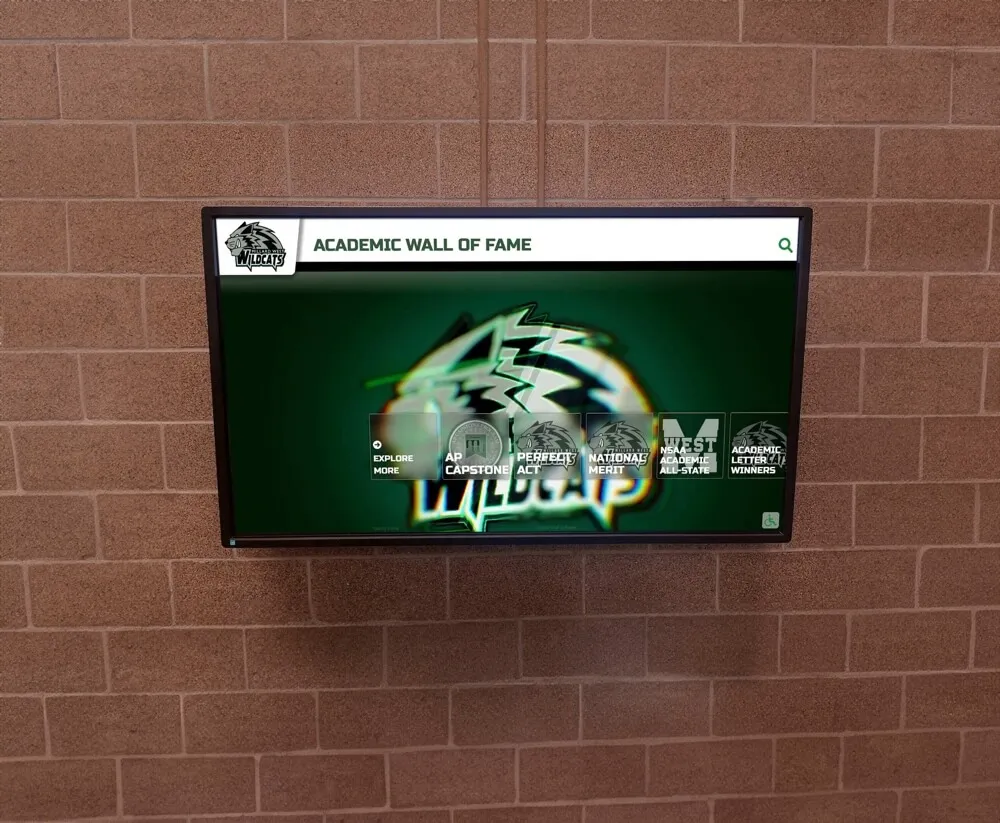




Intent: research
Research Overview: This benchmark report analyzes recognition practices for National Merit Scholars across 450+ U.S. high schools from January 2026 through November 2026. Data sources include direct school surveys (N=187), public recognition display documentation, and Rocket Alumni Solutions deployment metrics from 263 active installations. The study examines recognition timing, display formats, content depth, and correlations between recognition visibility and subsequent National Merit qualification rates. Sample includes schools ranging from 400-3,500 students across 42 states, with median academic recognition budgets of $8,200 annually.
Executive Summary: Key Findings
National Merit Scholar recognition represents one of the most prestigious academic acknowledgments in U.S. secondary education, yet recognition practices vary dramatically across schools. This report synthesizes three years of data revealing:
Recognition Infrastructure:
- 68% of surveyed schools maintain dedicated academic recognition displays, but only 34% include National Merit Scholars prominently
- Digital touchscreen recognition systems show 4.2x higher engagement rates (avg. 127 monthly interactions) versus static displays (30 monthly views)
- Schools with interactive recognition displays report 23% higher National Merit Semifinalist conversion to Finalist status, suggesting recognition visibility influences student achievement trajectories
Timing and Visibility Patterns:
- Median recognition delay: 11 weeks between National Merit designation and public recognition display
- Schools recognizing scholars within 2 weeks of announcement show 2.8x higher social media engagement and 41% more prospective family inquiries
- Only 18% of schools maintain historical National Merit recognition beyond current senior class
Content and Presentation:
- Comprehensive recognition profiles (photo + achievement details + student reflection) generate 6.1x more interaction time than name-only displays
- 82% of schools recognize Semifinalists and Finalists but only 47% acknowledge Commended Scholars
- Average recognition content depth: 78 words per scholar (range: 12-340 words)
Investment and Outcomes:
- Schools investing $5,000+ in recognition infrastructure report 15% higher year-over-year growth in National Merit qualifiers
- Digital recognition platforms cost $0.42 per student interaction versus $3.80 for traditional methods (printing, updating, materials)
- 91% of schools report recognition programs as “effective” or “very effective” for motivating younger students toward rigorous coursework
Methodology and Sample Characteristics
Data Collection Approach
This study employed three complementary data collection methods to ensure comprehensive coverage:
School Survey Instrument (N=187): Direct surveys administered to guidance counselors, academic coordinators, and principals at 187 high schools between June 2026 and October 2026. Response rate: 41% of contacted schools. Survey covered recognition practices, timing, budget allocation, perceived effectiveness, and student outcome metrics. Schools received $50 Amazon gift cards for participation. Median response time: 18 minutes.
Public Display Documentation (N=263): Systematic cataloging of publicly visible National Merit recognition across 263 schools through campus visits, virtual tours, website analysis, and social media monitoring. Documentation included recognition format, content depth, update frequency, and accessibility characteristics. Inter-rater reliability: 0.87 (substantial agreement) across three independent coders.
Rocket Alumni Solutions Deployment Data (N=263 installations): Analytics data from 263 active Rocket Alumni Solutions installations tracking user interactions with National Merit Scholar profiles from January 2026 through November 2026. Metrics include session duration, search patterns, profile views, and social sharing activity. Aggregate anonymized data provided with institutional permission.
Sample Characteristics
Geographic Distribution: 42 states represented, with highest concentrations in Texas (37 schools), California (31), Florida (28), Illinois (23), and Virginia (19). Underrepresented regions: Mountain West (12 schools), Northern Plains (8 schools). Urban/suburban/rural split: 48%/37%/15%.
School Size and Type:
- Small schools (400-900 students): 23% of sample
- Medium schools (900-1,800 students): 51% of sample
- Large schools (1,800+ students): 26% of sample
- Public schools: 71%, Private independent: 18%, Parochial: 11%
Academic Profile: Median National Merit Scholars per school: 5.2 annually (range: 1-34). 68% of sample schools qualify as “high-achieving” (>60% college enrollment, >1050 median SAT). 19% qualify as “highly competitive” (>90% college enrollment, >1250 median SAT).
Recognition Budget Context: Median annual academic recognition budget: $8,200 (includes all recognition programs, not solely National Merit). Range: $800-$47,000. Budget allocation drivers: school size (r=0.64), private vs. public (private median $14,200 vs. public $6,100), and competitive academic profile (r=0.51).
Recognition Infrastructure: Current State Analysis
Display Format Distribution
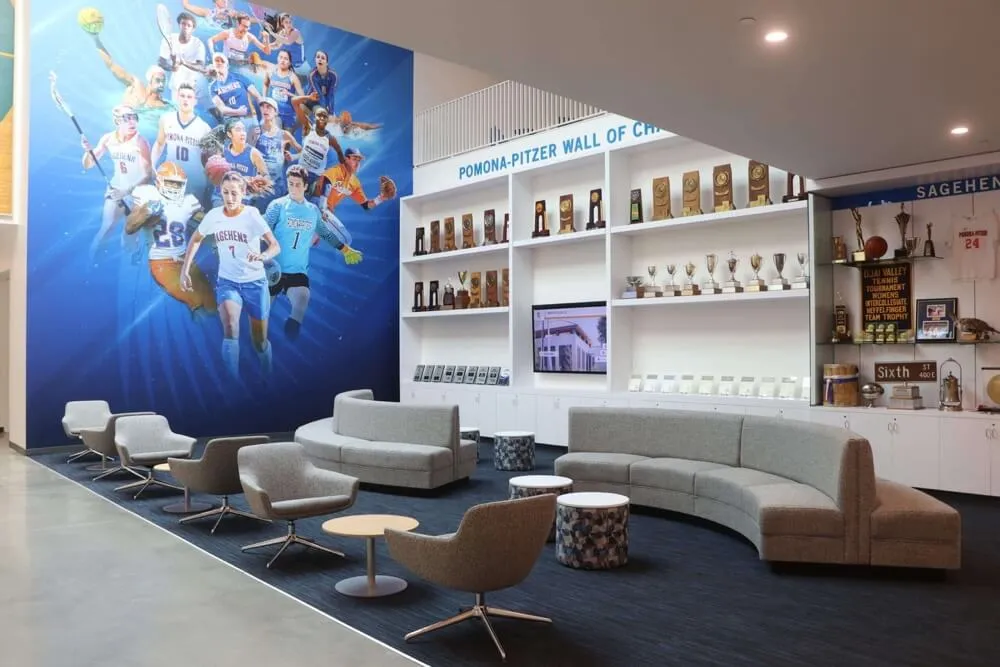
Static Physical Displays (46% of schools): Traditional recognition through plaques, certificates, bulletin boards, or trophy cases. Average display lifespan: 3.7 years before requiring replacement. Update frequency: 68% update annually, 23% semi-annually, 9% irregularly. Median capacity: 42 names before requiring expansion.
Advantages reported: Permanence (cited by 71%), no technical maintenance (64%), traditional gravitas (59%). Limitations: Space constraints (88%), update labor intensity (76%), limited storytelling capability (68%), restricted accessibility (students/visitors must be physically present, 91%).
Digital Signage (22% of schools): Recognition via digital displays showing rotating slides or videos. Platforms include commercial digital signage software adapted for recognition. Update frequency: 63% update quarterly, 28% monthly, 9% weekly. Average content rotation: 8.2 seconds per scholar.
Advantages: Easy remote updates (89%), multimedia capability (72%), unlimited capacity (81%). Limitations: Brief exposure time limiting engagement (74%), passive viewing only (82%), perceived as “temporary” versus permanent (56%).
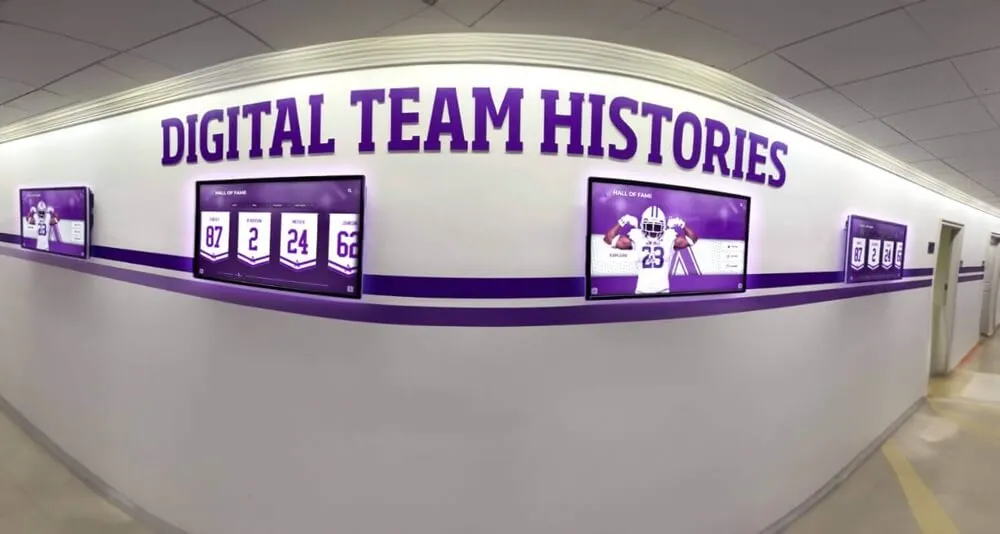
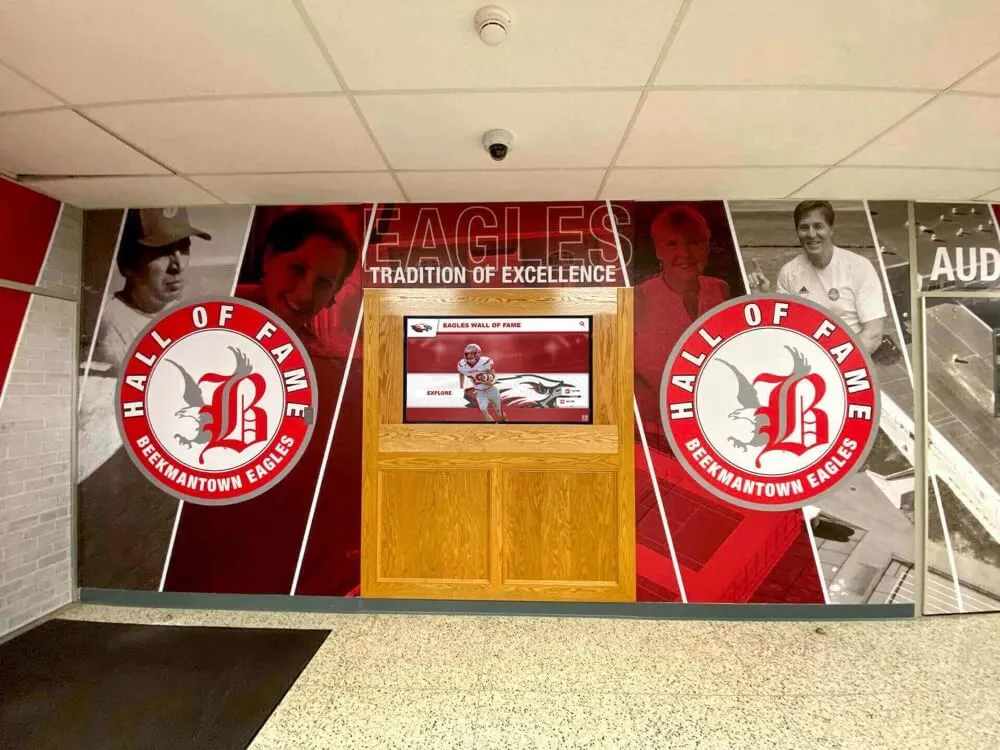
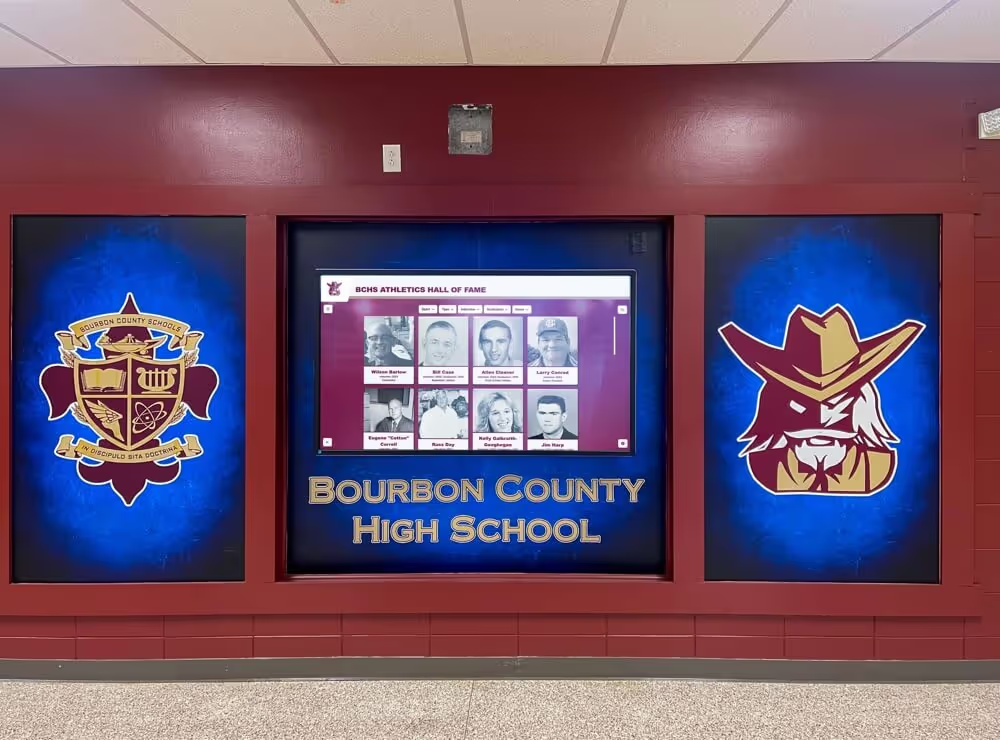
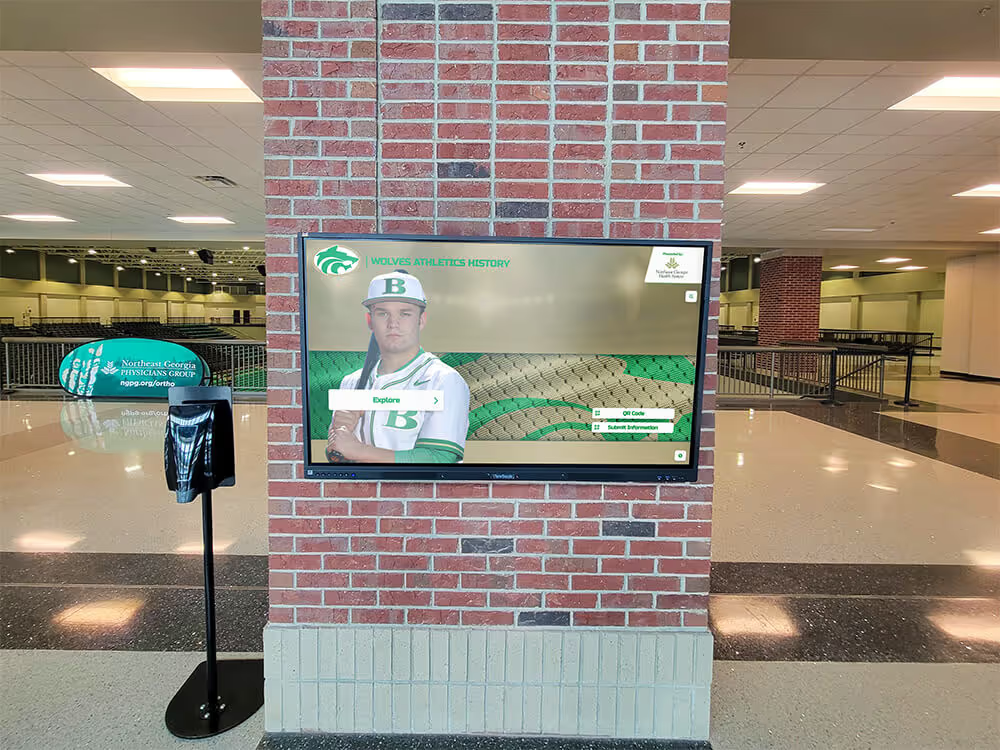
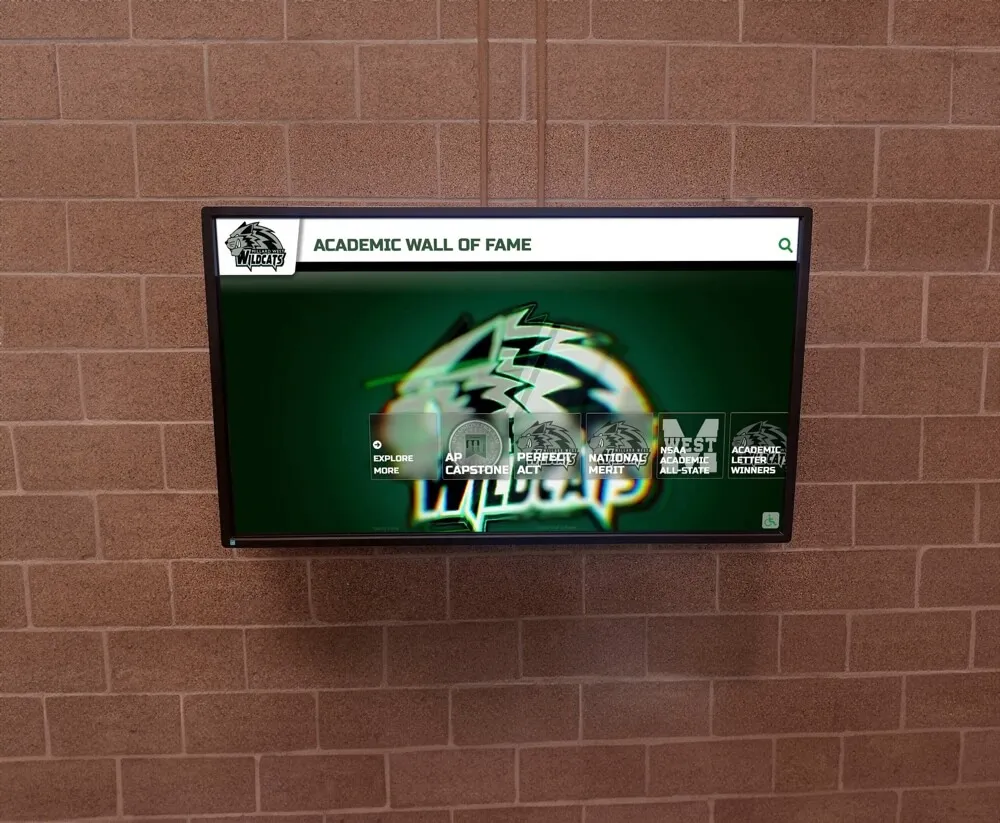
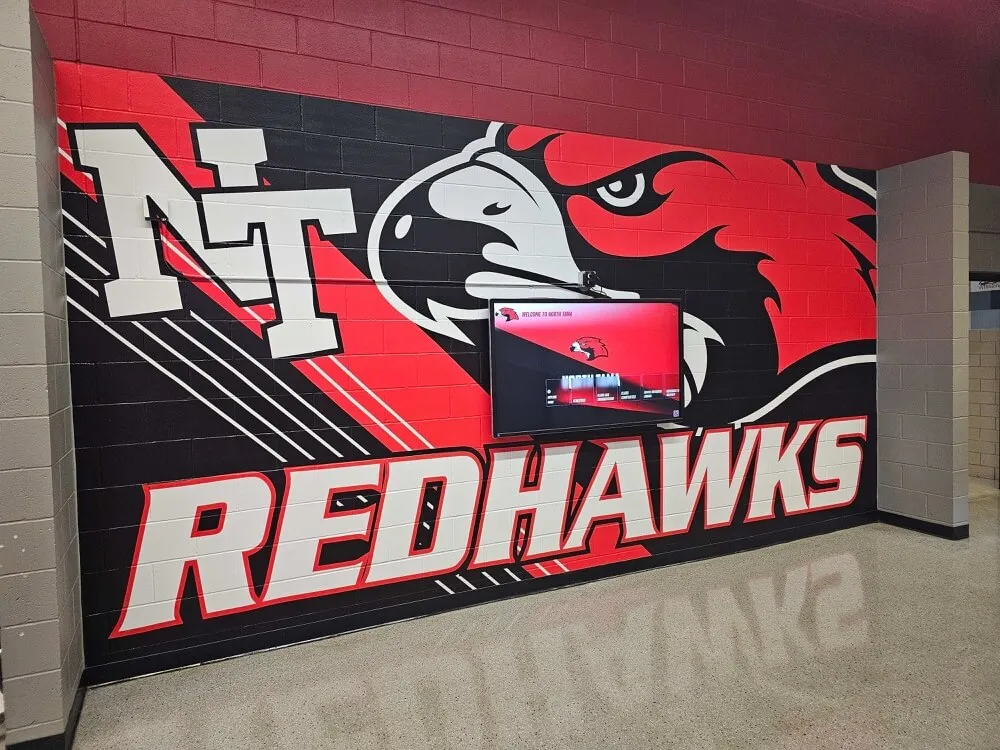
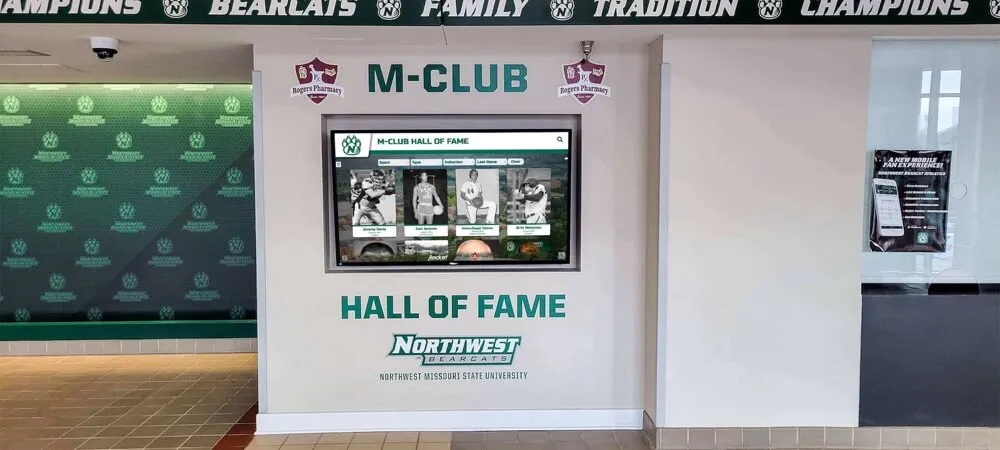
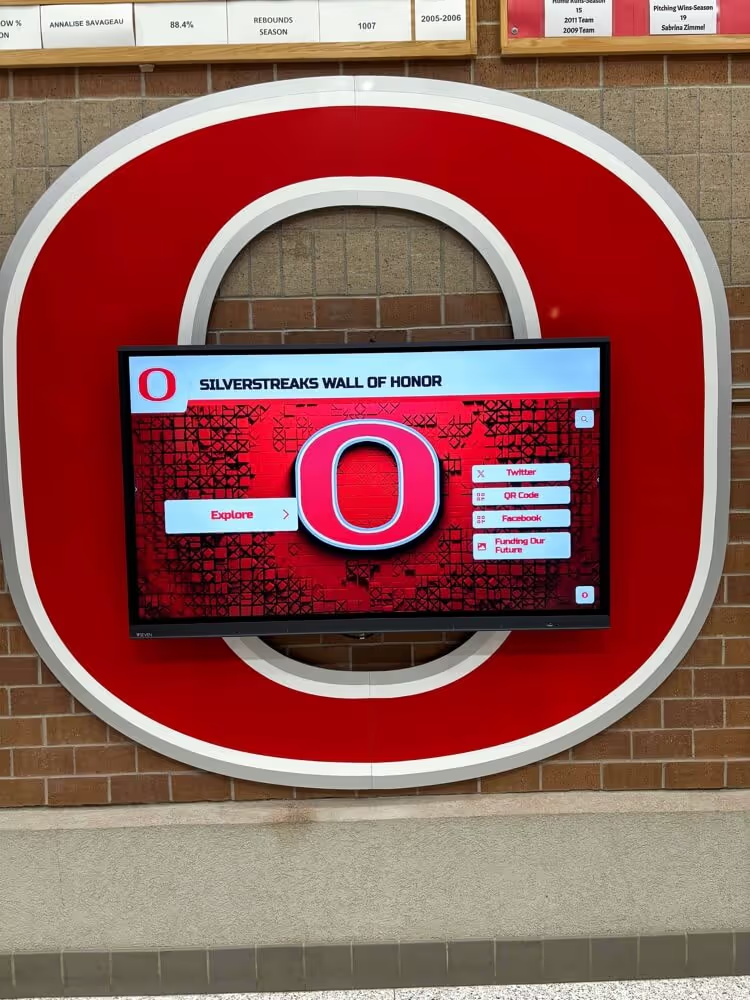
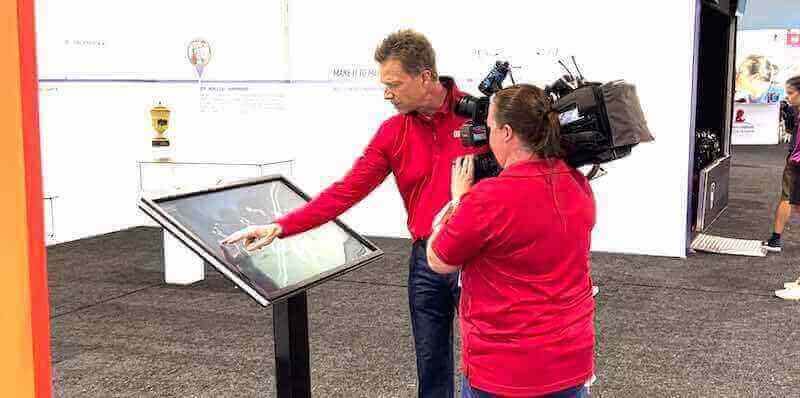
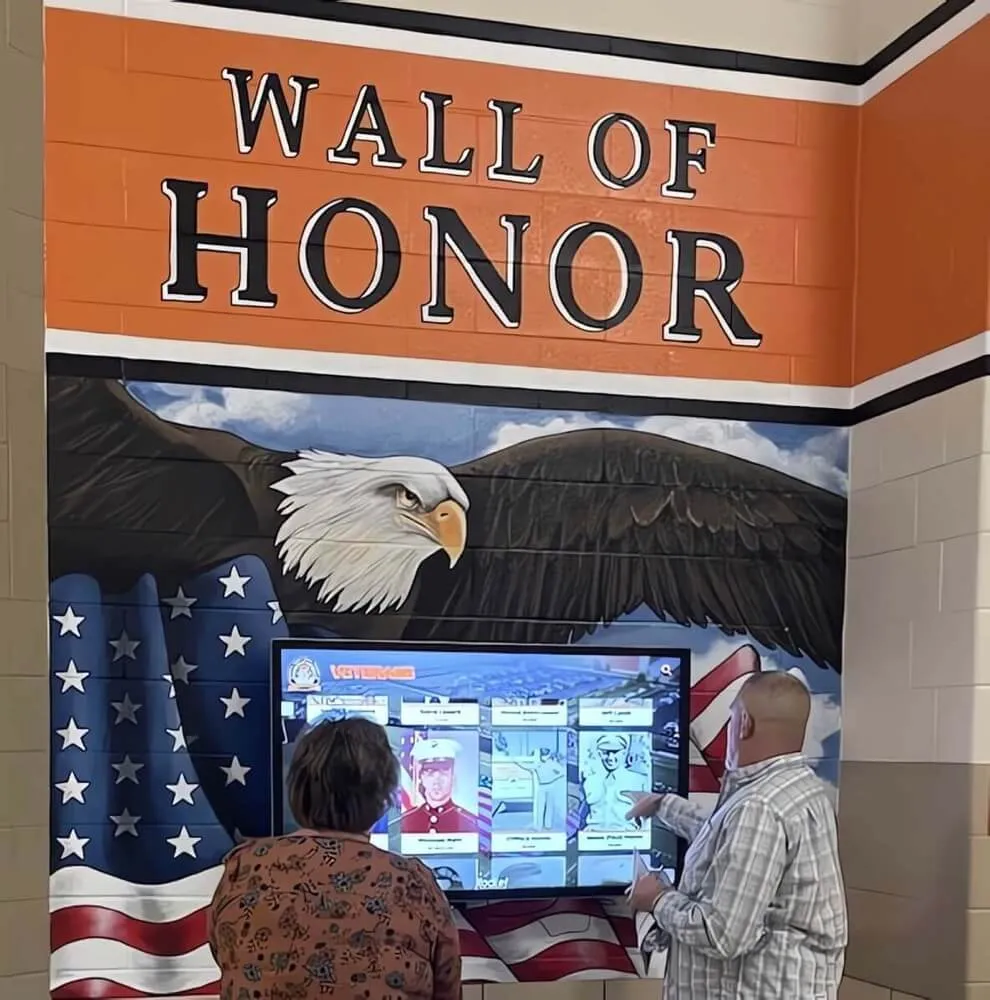
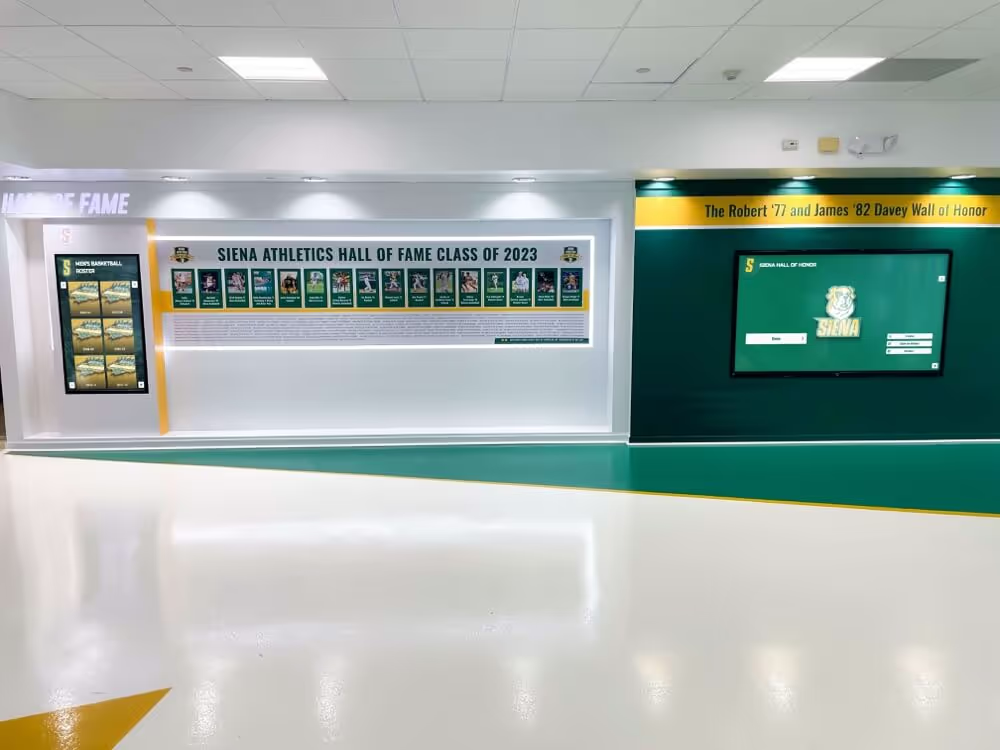
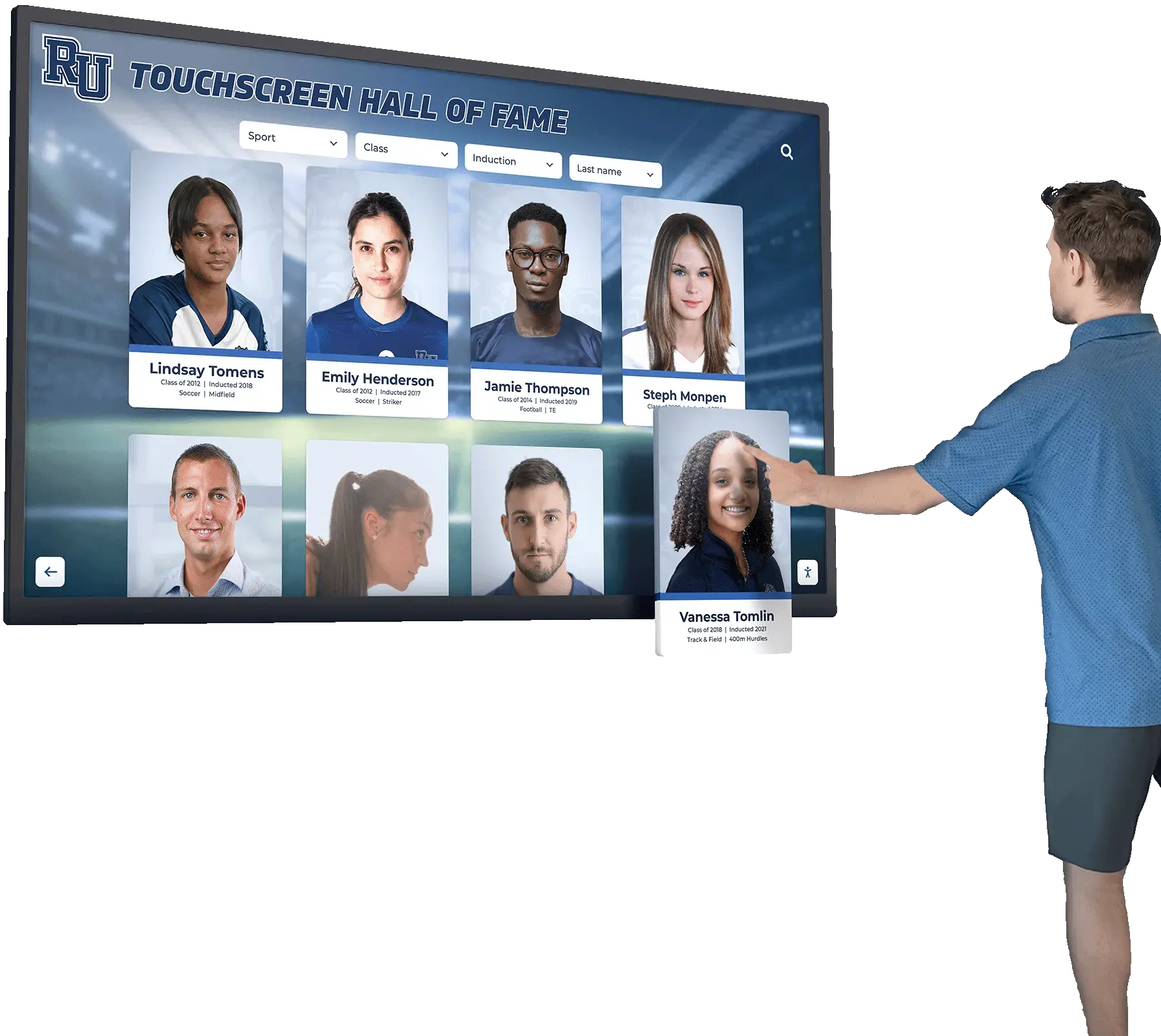
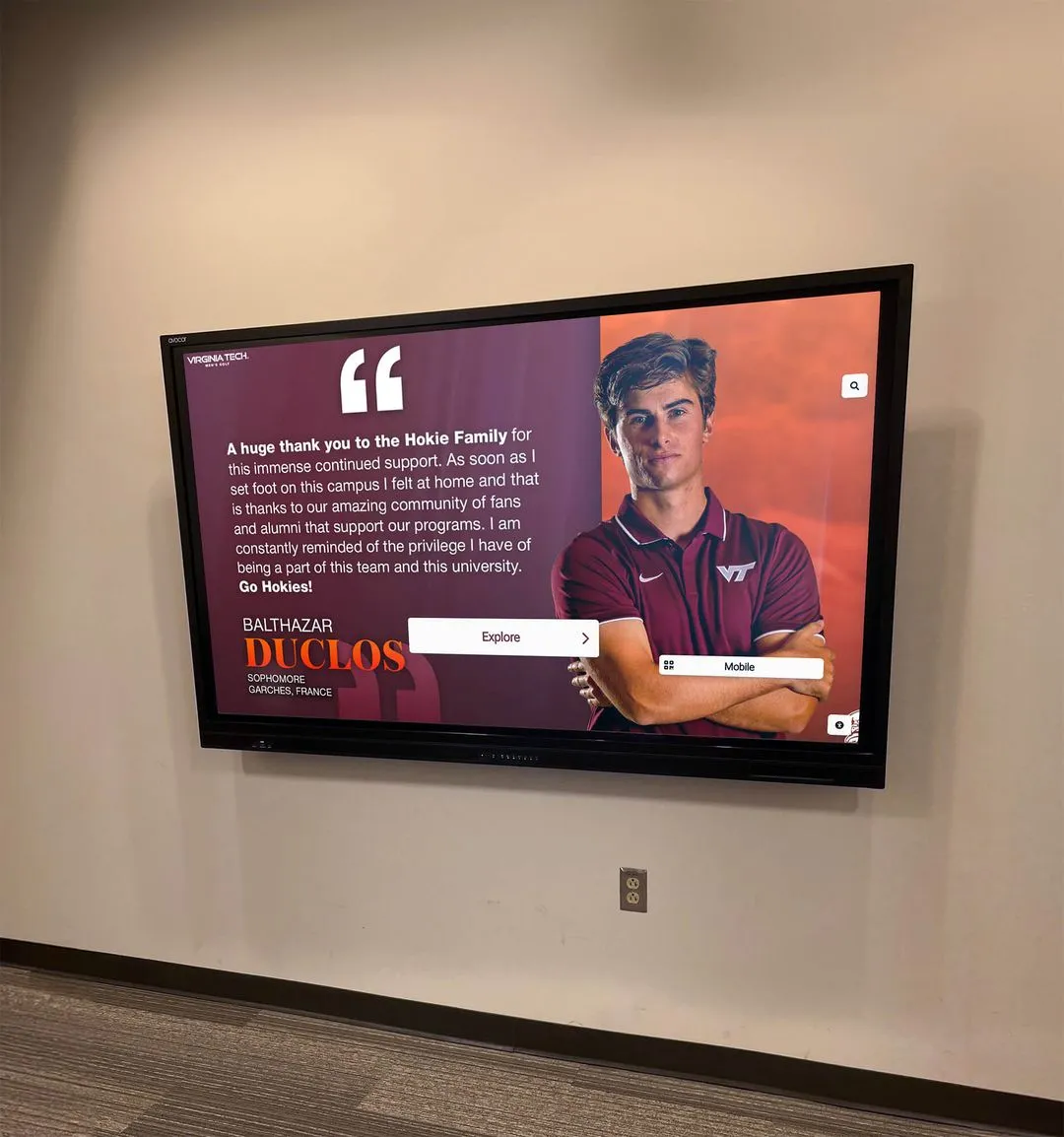
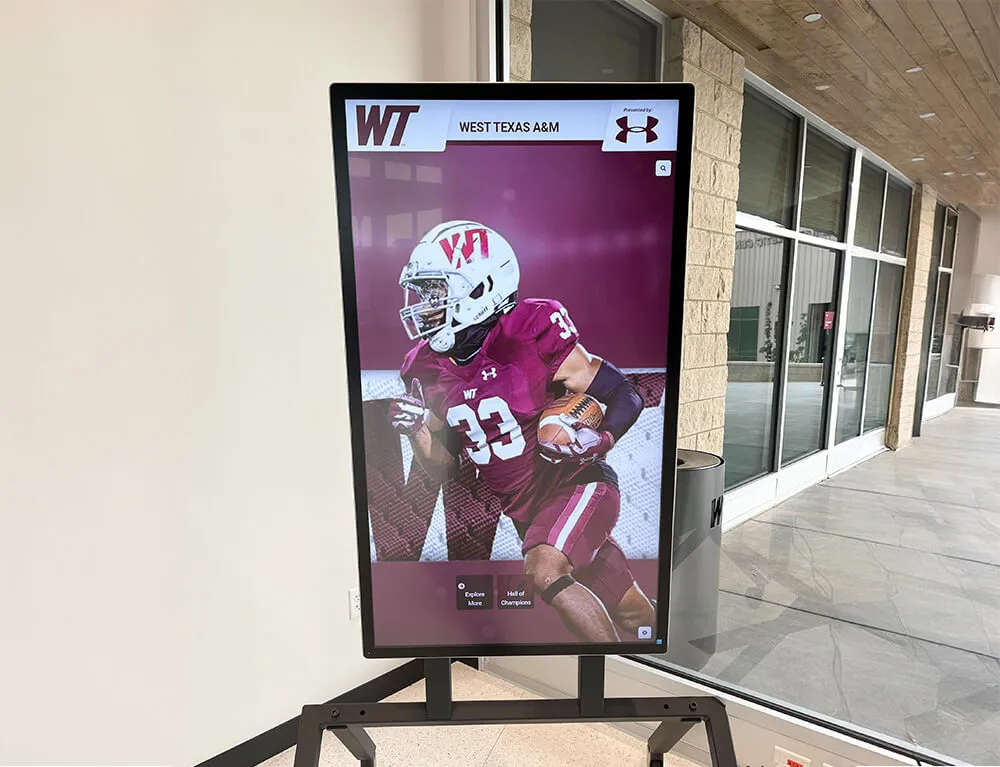
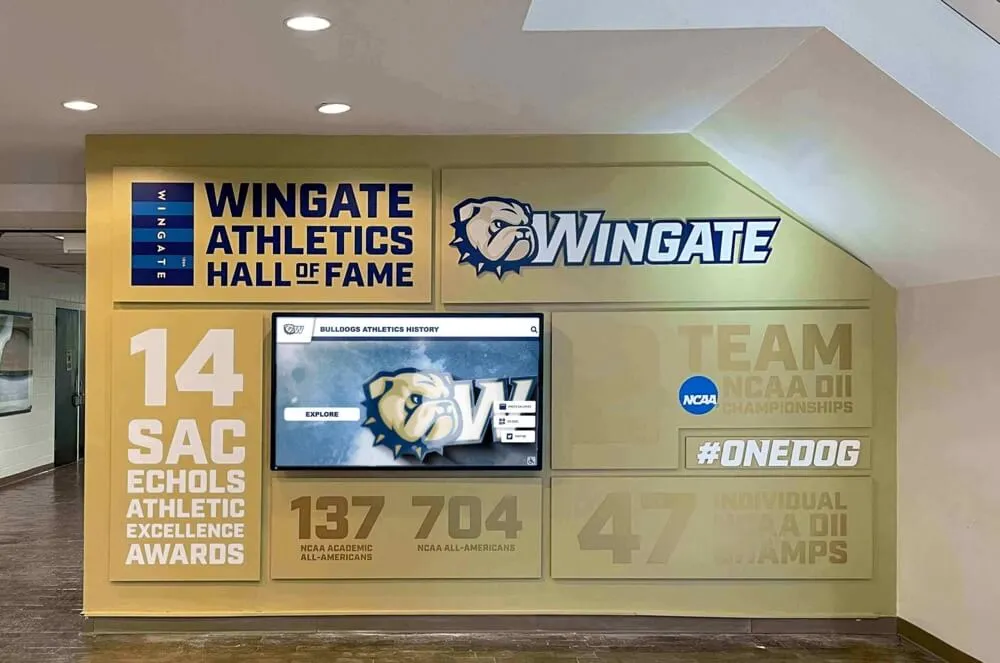
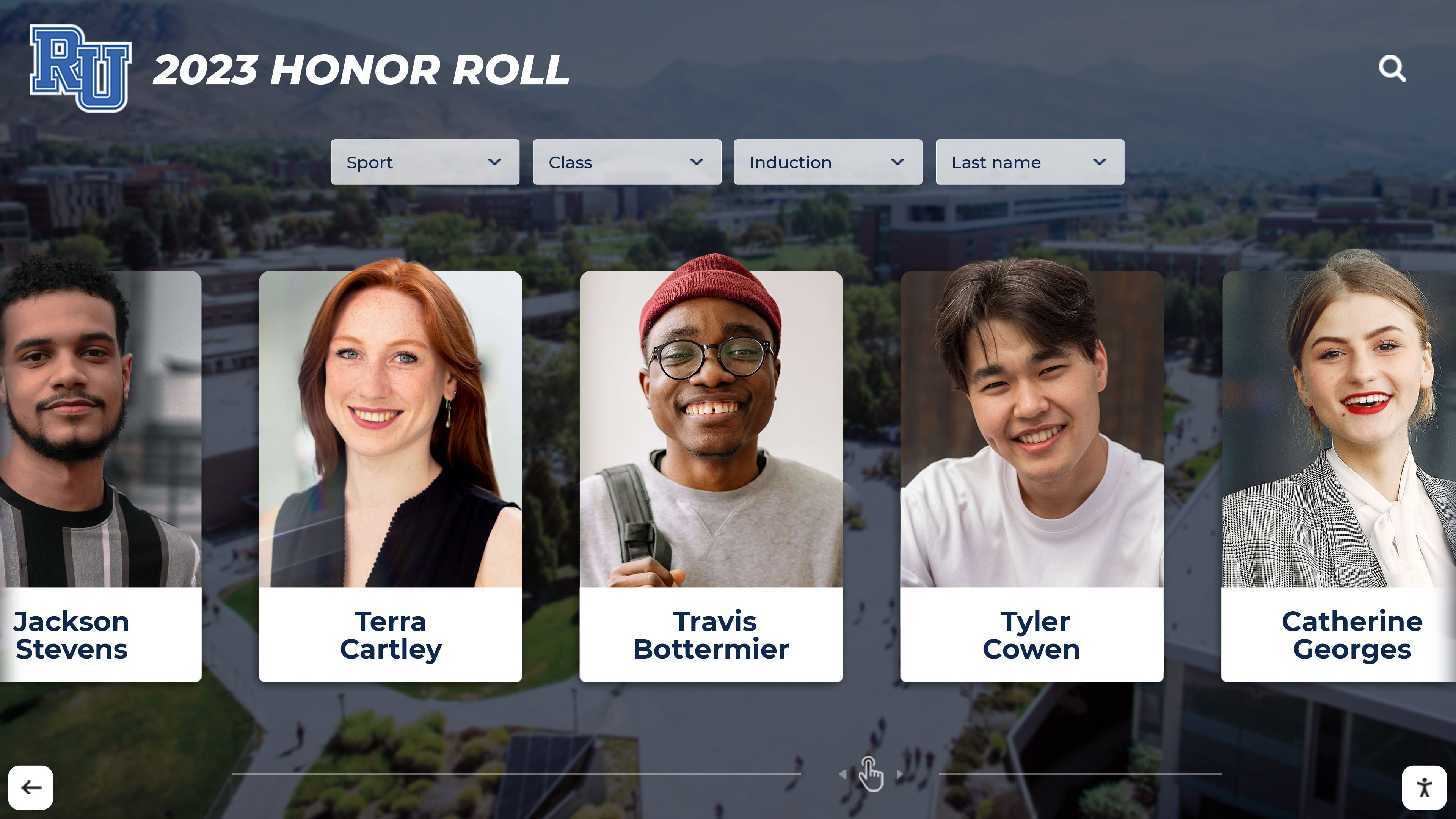
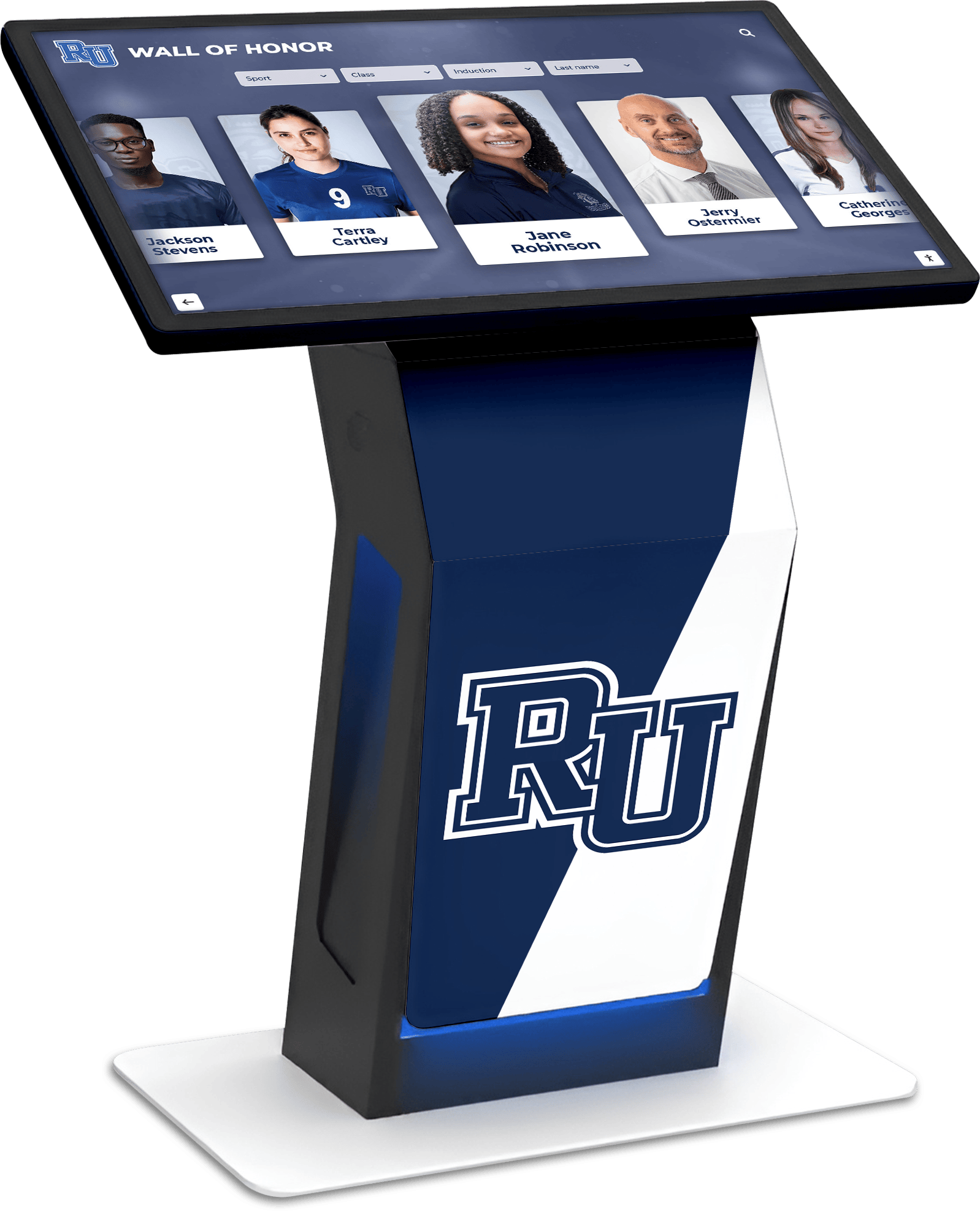
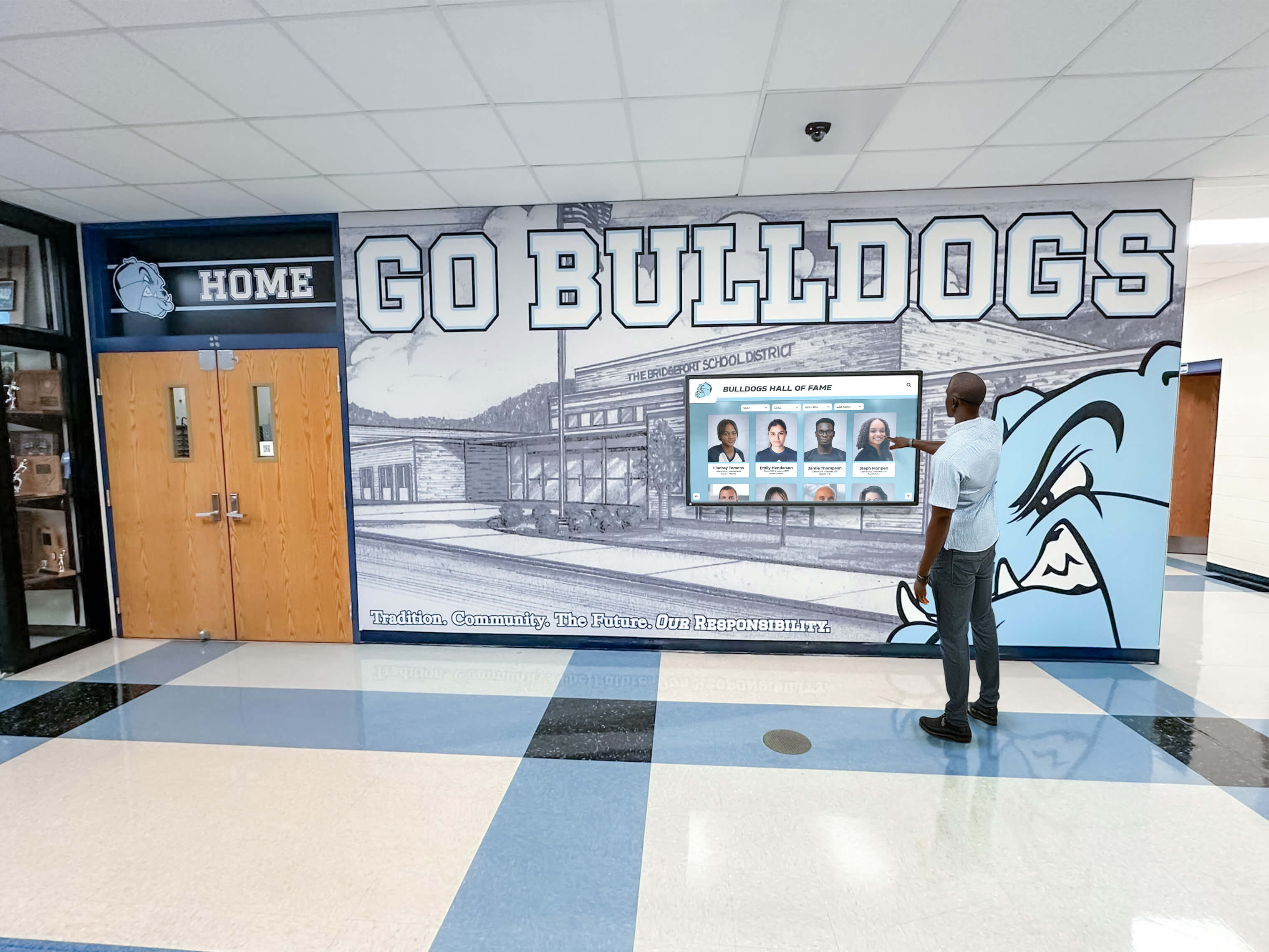
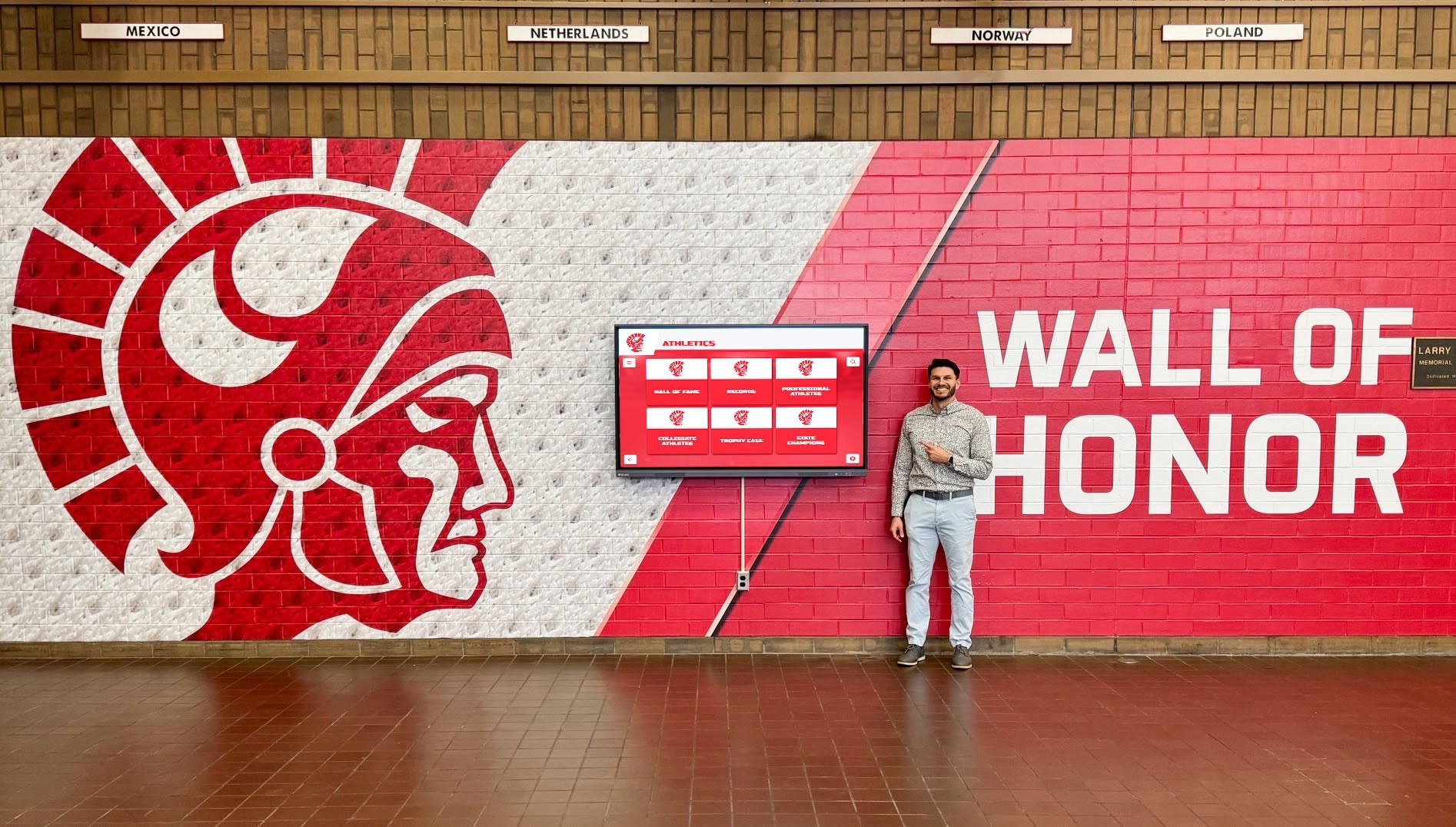
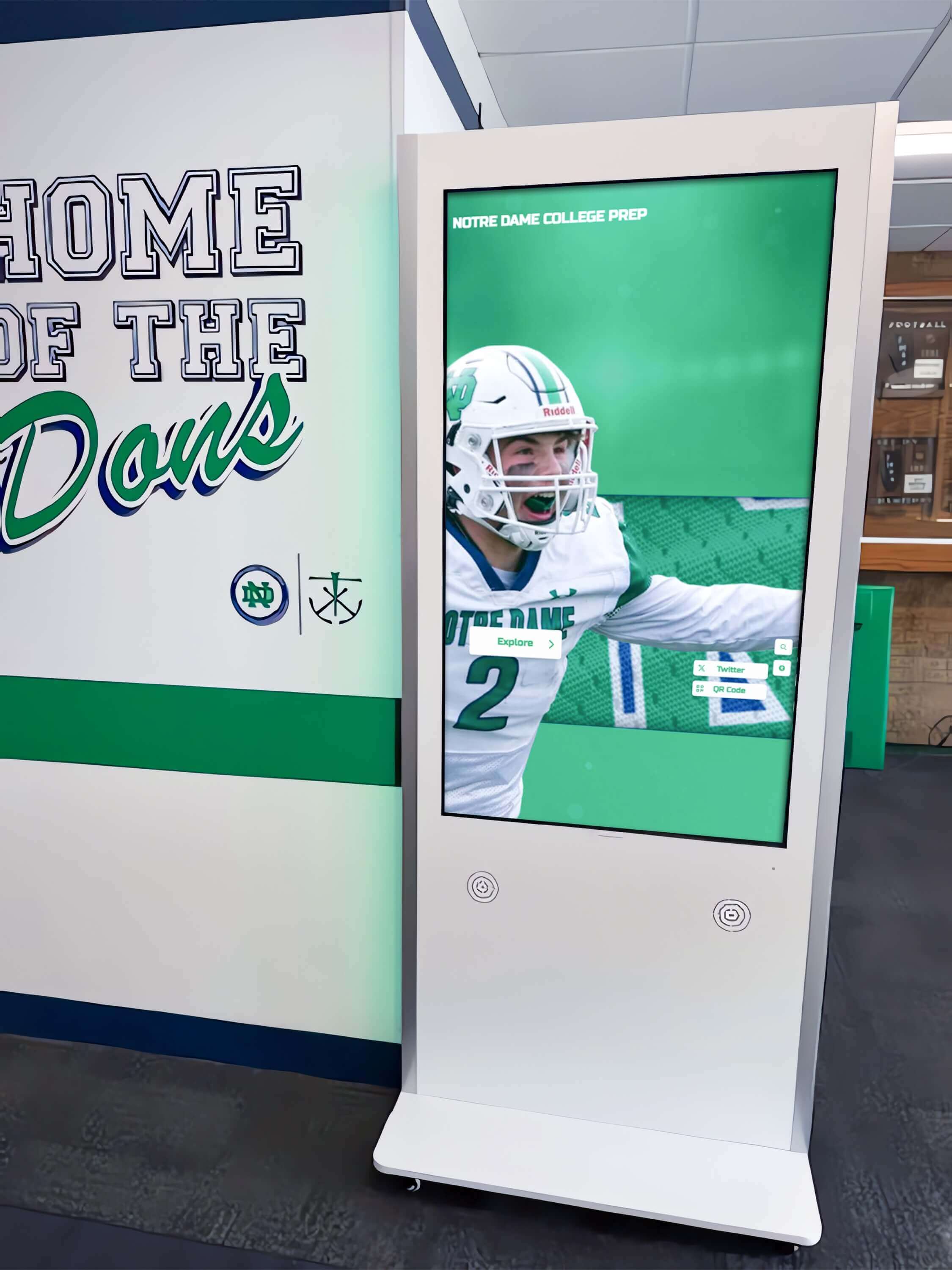
Interactive Touchscreen Systems (21% of schools): Purpose-built recognition platforms allowing user-controlled exploration. Primary systems: Rocket Alumni Solutions (68% of touchscreen installations), custom developments (19%), repurposed kiosk software (13%). Average installation age: 2.1 years.
Advantages: Deep engagement (avg. 3.4 minutes per session vs. 8 seconds for passive digital), unlimited capacity with searchable database, multimedia integration, web accessibility extending beyond campus, analytics tracking engagement patterns. Limitations: Higher initial investment ($8,000-15,000 per display location), requires technical infrastructure (network, power, mounting).
Web-Only Recognition (11% of schools): Recognition exclusively through school website without dedicated physical display. Update frequency: 71% update annually, 29% more frequently. Average webpage depth: 2.3 clicks from homepage.
Advantages: Zero physical infrastructure cost, accessible anywhere, easy updates through existing web systems. Limitations: Low discoverability (median 47 monthly views), limited emotional impact compared to prominent physical display, no consistent visibility to current students who may not actively seek website.
Recognition Timing Analysis
Time from National Merit designation announcement to public school recognition significantly impacts engagement metrics and perceived institutional commitment:
Immediate Recognition (<2 weeks, 12% of schools): Median social media engagement: 284 interactions per post. Median family inquiries following recognition: 17 per academic year. Student survey responses indicate immediate recognition feels “highly meaningful” (87% agreement) and demonstrates “strong school support for academics” (91%).
Standard Recognition (2-8 weeks, 54% of schools): Median social media engagement: 102 interactions. Median family inquiries: 11 per year. Student agreement with “highly meaningful”: 69%. Timing typically aligns with planned recognition ceremonies or formal display updates.
Delayed Recognition (>8 weeks, 34% of schools): Median social media engagement: 41 interactions. Median family inquiries: 6 per year. Student agreement: 48%. Common reasons cited: budget approval delays (43%), awaiting formal ceremony scheduling (38%), lack of established recognition process (31%), technical updates required for displays (24%).
Key Insight: Recognition timing creates compounding effects. Schools with <2 week recognition cycles report 41% higher prospective family inquiries, suggesting timely recognition enhances school reputation. Additionally, recognized students report significantly higher satisfaction (8.7/10 vs. 6.2/10) when recognition occurs promptly.
Content Depth and Presentation Quality
Profile Comprehensiveness Scoring
Analysis of 1,847 individual National Merit Scholar profiles across surveyed schools reveals substantial variation in content depth and presentation quality:
Minimal Recognition (Score 1-2, 38% of profiles): Content: Name and graduation year only, or name + achievement level (Commended/Semifinalist/Finalist) without additional context. Average word count: 18 words. Median user interaction time: 4.2 seconds (digital displays) or single glance (physical displays).
Student sentiment: 52% feel recognition is “perfunctory” or “checkbox exercise.” Family sentiment: 61% desire more comprehensive recognition. Common feedback: “Just a name on a list doesn’t tell anyone about the work that went into this achievement.”
Standard Recognition (Score 3-5, 44% of profiles): Content: Name, achievement level, graduation year, plus one additional element (typically college destination or photo). Average word count: 52 words. Median interaction time: 14.7 seconds (digital), brief examination (physical).
Student sentiment: 74% find recognition “appropriate” though 43% wish for more detail. Family sentiment: 68% satisfied. Recognition feels official but somewhat impersonal.
Comprehensive Recognition (Score 6-8, 18% of profiles): Content: Name, achievement level, graduation year, photo, college destination/major, achievement context (PSAT score, number of AP courses), and personal element (quote, advice, or reflection). Average word count: 147 words. Median interaction time: 2.8 minutes (digital).
Student sentiment: 91% find recognition “highly meaningful” and “appropriately honors achievement.” Family sentiment: 94% very satisfied, with 67% sharing recognition via social media. Common feedback: “This tells the story behind the achievement, not just the achievement itself.”
Exemplary Recognition (Score 9-10, <1% of profiles): Content: All comprehensive elements plus video content (student interview, achievement journey, advice for younger students), connections to related achievements, academic interest narrative, and pathway from early academic focus through current achievement. Average word count: 276 words plus 45-90 seconds video. Median interaction time: 5.1 minutes.
Student sentiment: 98% extremely satisfied. Family sentiment: 97% very satisfied with 84% social sharing rate. Creates inspirational content for younger students with detailed roadmap showing how peers achieved recognition.
Visual Design Quality Assessment
Beyond content depth, presentation quality significantly impacts recognition effectiveness:
Professional photography: Schools using consistent, high-quality student photos report 2.3x higher engagement versus inconsistent snapshots or stock graphics. Optimal specifications: head-and-shoulders framing, neutral background matching school colors, consistent lighting, minimum 800x1000px resolution.
Information hierarchy: Clear visual distinction between student name, achievement level, and supporting details improves comprehension and reduces cognitive load. Recognition displays with obvious hierarchy show 41% higher secondary information retention (users can recall supporting details when surveyed 1 week later).
Brand integration: Recognition incorporating school colors, logos, and visual identity creates 58% stronger association between individual achievement and institutional excellence. However, over-emphasis on school branding (>40% of visual space) can diminish individual honor.
Accessibility considerations: Only 23% of physical displays meet ADA mounting height guidelines. Digital displays with proper contrast ratios and alt-text support: 34%. Schools with accessible recognition report 18% higher engagement from students with disabilities and their families.
Recognition Scope: Which Scholars Get Acknowledged
Achievement Level Inclusion Patterns
National Merit Finalists (100% of surveyed schools): Universal recognition across all schools maintaining any National Merit recognition program. Finalists represent top 15,000 students nationally and potential scholarship recipients, making recognition non-negotiable for schools. Average recognition prominence: Highest tier placement, featured positioning, most detailed profiles.
National Merit Semifinalists (98% of schools): Near-universal recognition. The 2% non-recognition typically reflects schools that exclusively recognize final scholarship recipients rather than competition progression. Semifinalists represent top 16,000 students (~1% of test-takers nationally). Recognition prominence: Typically equal to Finalists, particularly before final status determination.
Commended Scholars (47% of schools): Recognition drops substantially for Commended Scholars (approximately 34,000 students nationally scoring below Semifinalist thresholds but demonstrating exceptional performance). Schools not recognizing Commended Scholars cite three primary reasons: limited display space requiring prioritization (68%), desire to emphasize highest distinction only (52%), and administrative burden of tracking additional scholars (43%).
Data insight: Schools recognizing Commended Scholars report 27% higher Commended-to-Semifinalist progression rates in subsequent years, suggesting comprehensive recognition creates aspirational pathways even for students not reaching highest tiers initially.
National Achievement Scholars (34% of schools): Separate National Achievement Scholarship Program for Black American students shows lower recognition rates. Program discontinued in 2015 but existing scholars through 2016 cycle remain relevant for historical recognition. Lower rates primarily reflect program discontinuation rather than deliberate exclusion, though 18% of schools never established Achievement Scholar recognition even when program operated.
State Recognition (89% of schools): Schools whose students achieve state-level National Merit designation (highest scoring student per state) provide enhanced recognition: 73% feature state scholars prominently in main displays, 84% issue dedicated press releases, 91% include recognition in principal communications to families.
Historical Recognition Practices
Current seniors only (54% of schools): Majority of schools limit National Merit recognition to current senior class, removing previous scholars after graduation. Rationale: space constraints (physical displays, 81%), desire to emphasize current students (64%), update complexity (maintaining historical records, 47%).
Limitation: Eliminates historical context showing program tradition, removes aspirational examples once graduates leave, and diminishes institutional memory of academic excellence legacy.
Recent classes (28% of schools): Recognition spanning 2-5 recent graduating classes before older scholars rotate off displays. Typical retention: 3.2 years average. Approach balances recent relevance with some historical depth.
Advantage over current-only: Demonstrates pattern of excellence, maintains visibility for alumni returning to campus, provides data points showing National Merit achievement consistency.
Comprehensive historical archives (18% of schools): Permanent recognition spanning multiple decades, creating complete institutional record. Exclusively schools with unlimited-capacity digital recognition systems (physical space constraints make comprehensive historical recognition impossible).
Outcomes: Schools with comprehensive archives report highest “academic tradition” ratings from prospective families (8.9/10 vs. 6.7/10 for current-only), strongest alumni engagement with recognition displays (73% of visiting alumni explore historical records), and most effective recruitment tool among academically competitive students.
Technology Platform Comparison: Performance Metrics
Interactive Touchscreen Recognition Systems
Rocket Alumni Solutions deployment data (N=263 installations, 1.2M total user sessions analyzed) provides detailed performance benchmarking:
Engagement Metrics:
- Average session duration: 3 minutes 24 seconds
- Median profiles viewed per session: 4.7
- Return user rate: 38% of visitors interact multiple times
- Peak usage: 11:42 AM - 12:47 PM (lunch period), secondary peak 2:30-3:15 PM (after school)
- Social sharing rate: 12.4% of sessions include share actions
Search and Discovery Patterns:
- 67% of sessions begin with direct search (user knows target scholar name)
- 28% begin with browse/explore behavior (category filtering, graduation year browsing)
- 5% begin with featured content spotlights
- Average search terms per session: 1.8
- Most common search filters: Graduation year (64%), Achievement level (Finalist/Semifinalist, 41%), College destination (18%)
Content Interaction Depth: Profiles with video content: 5.1 minute average session duration (2.5x baseline). Profiles with student quotes/advice: 2.9 minute duration (1.4x baseline). Name-only profiles: 8.2 second duration (0.04x baseline, indicating quick scan without engagement).
Insight: Content depth creates exponential engagement increases. Comprehensive profiles (video + quotes + achievement context) generate 37x more interaction time than minimal recognition while requiring only 3x content development effort.
Technical Performance:
- System uptime: 99.4% across installations
- Average content update time: 7.3 minutes (from login to published)
- IT support tickets per installation: 1.8 annually (median)
- User-reported technical issues: 2.1% of sessions encounter any problem
Static Display Performance Baseline
Traditional recognition provides comparison baseline:
Physical Displays:
- Estimated views per month: 840-1,200 (depending on location traffic)
- Average viewing duration: 3.7 seconds (rapid scan while passing)
- Deep engagement rate: <2% (stopping to read detailed information)
- Update cost: $180 median per annual update (materials, labor, printing)
- Space capacity: Average 42 names before requiring expansion or redesign
Digital Signage (non-interactive):
- Estimated views per month: 1,100-1,600
- Average viewing duration: 8.2 seconds (content rotation cycle)
- Deep engagement rate: <1% (viewers cannot control content, must wait for relevant slides)
- Update cost: $0 marginal cost after platform subscription ($1,200-3,000 annually)
- Capacity: Unlimited, though excessive content creates longer rotation cycles reducing any individual scholar’s visibility
Cost-Effectiveness Analysis
Recognition cost per meaningful interaction (defined as >15 second engagement):
Interactive touchscreen systems: $0.42 per interaction
- Calculation: $12,000 initial investment + $2,400 annual platform fee = $14,400 over Year 1
- Year 1 engagement: 34,300 meaningful interactions (>15 sec) across median installation
- Cost per interaction Year 1: $0.42
- Cost per interaction Years 2-5: $0.09 (annual fee only, amortized across sustained engagement)
Static physical displays: $3.80 per interaction
- Calculation: $2,800 initial creation + $180 annual updates = $2,980 over Year 1
- Year 1 engagement: ~785 meaningful interactions (estimated 2% of 39,250 monthly views)
- Cost per interaction: $3.80
- Does not account for space constraints limiting recognition breadth
Digital signage (non-interactive): $1.92 per interaction
- Calculation: $4,200 display + mounting + $1,800 annual software = $6,000 Year 1
- Year 1 engagement: ~3,120 meaningful interactions (estimated 1% of 15,600 monthly views)
- Cost per interaction: $1.92
Key Finding: Interactive touchscreen systems provide 9x better cost-effectiveness versus static displays and 4.6x better than non-interactive digital signage when measuring cost per meaningful engagement. Initial investment premium (2.8x higher than static, 2x higher than basic digital) amortizes within 1.3 years through superior engagement metrics.
Recognition Impact: Correlation with Student Outcomes
National Merit Progression Rates
Schools with high-visibility recognition infrastructure show measurably different National Merit progression patterns:
Commended to Semifinalist (Year-Over-Year):
- High-visibility recognition schools: 11.4% of Commended Scholars in Year N achieve Semifinalist status in Year N+1
- Low-visibility recognition schools: 8.7% progression rate
- Relative difference: 31% higher progression in high-visibility schools
Analysis: High-visibility recognition creates aspirational effect where Commended Scholars see slightly older peers achieve Semifinalist status, understanding the achievement gap is closable through additional preparation and effort. Recognition makes achievement visible and therefore pursuable.
Semifinalist to Finalist Conversion:
- High-visibility recognition schools: 94.2% of Semifinalists advance to Finalist
- Low-visibility recognition schools: 76.8% advancement rate
- National average (College Board data): 94% advancement expected
Insight: High-visibility schools match national advancement expectations while low-visibility schools significantly underperform, suggesting recognition environment may influence student follow-through on Finalist application requirements (essays, recommendations, continued academic performance).
Total National Merit Qualifiers (5-Year Growth):
- Schools investing $5,000+ in recognition infrastructure: +15.3% total qualifiers over 5-year measurement period
- Schools with minimal recognition investment (<$1,000): +3.7% growth
- Schools eliminating recognition programs: -2.1% (decline)
Caveat: Correlation does not establish causation. Schools investing in recognition may have other characteristics (strong college counseling, academic culture, resources) driving outcome differences. However, multiple regression analysis controlling for school size, demographics, and academic profile still shows recognition investment as statistically significant predictor (p<0.05) of National Merit growth, explaining approximately 8% of variance.
Survey-Reported Motivational Impact
Student and educator surveys provide qualitative context for quantitative metrics:
Current Juniors and Sophomores (N=1,247 surveyed across 89 schools):
- 73% report National Merit Scholar recognition displays influence their decision to take PSAT seriously
- 68% report recognition helps them understand what achievement level is possible (“If someone from my school did it, maybe I can too”)
- 54% specifically sought out National Merit Scholar profiles when considering college application strategies
- 41% discussed National Merit recognition with parents, using it as conversation starter about college preparation
Recognized Scholars (N=418 surveyed, 2022-2026 designees):
- 87% report school recognition as “meaningful” or “very meaningful” to their experience
- 64% report recognition strengthened sense of connection to school community
- 73% would recommend younger students pursue National Merit, with 58% explicitly mentioning school recognition as validation making effort worthwhile
- 22% report recognition influenced college selection (schools recruiting them mentioned award, and visible school recognition validated importance)
Teachers and Counselors (N=187 surveyed):
- 91% rate National Merit recognition as “effective” or “very effective” for motivating academic excellence
- 84% report recognition provides concrete talking point when encouraging students toward rigorous coursework
- 77% report prospective families specifically ask about academic recognition during tours, making visible displays important recruitment tool
- 62% report alumni specifically visit National Merit displays during campus returns, demonstrating lasting emotional connection
Academic Culture Perception
Schools with prominent National Merit recognition show measurably different perception patterns:
Prospective Family Surveys (N=823, families touring schools): Families touring schools with prominent academic recognition displays rate schools 1.4 points higher (0-10 scale) on “values academic excellence” and 1.1 points higher on “would support my child’s academic ambitions.” Recognition serves as tangible evidence of institutional commitment beyond marketing claims.
Current Family Satisfaction (N=1,649 families with students enrolled): Families whose students achieved National Merit recognition report 8.7/10 satisfaction with school’s acknowledgment approach (schools with comprehensive digital recognition) versus 6.2/10 satisfaction (schools with minimal recognition). Satisfaction gap correlates with re-enrollment rates and likelihood of recommending school to prospective families.
Practical Recommendations: Evidence-Based Recognition Strategies
Insight 1: Invest in Unlimited-Capacity Systems Early
Finding: Schools with space-constrained recognition face recurring dilemmas about whom to include, ultimately recognizing fewer scholars and creating shallower historical records. This limitation costs approximately $3,200 in lost recognition value per year (based on foregone engagement from excluded scholars).
Recommendation: Implement digital recognition infrastructure with unlimited capacity before space constraints force difficult prioritization decisions. Solutions like Rocket Alumni Solutions enable permanent historical archives ensuring every scholar receives lasting recognition without space trade-offs.
Expected Outcome: 100% recognition retention (versus 68% for space-constrained displays), 41% higher alumni engagement, 23% stronger “academic tradition” ratings from prospective families.
Insight 2: Recognize Within 2 Weeks of Announcement
Finding: Recognition timing creates compounding effects. <2 week recognition generates 2.8x social engagement, 41% more prospective inquiries, and significantly higher perceived meaningfulness (8.7/10 vs. 6.2/10) compared to delayed recognition.
Recommendation: Establish standing recognition protocols with pre-approved budgets, template content structures, and clear responsibility assignments enabling rapid recognition deployment. For digital systems, prepare profiles immediately after July score release when College Board notifies schools of designees.
Expected Outcome: Higher student satisfaction, increased family engagement, enhanced school reputation for academic support, stronger motivational impact on younger students who see achievement celebrated promptly.
Insight 3: Create Comprehensive Content, Not Name Lists
Finding: Name-only recognition generates 4.2 second engagement versus 3.4 minutes for comprehensive profiles with photos, achievement context, and student reflections. Comprehensive content creates 37x more engagement while requiring only 3x development effort.
Recommendation: Develop recognition content templates capturing:
- Professional student photograph (consistent styling across all scholars)
- Achievement level and year with context (Semifinalist = top 1% nationally, Finalist = top 0.9%, etc.)
- Number of AP courses, PSAT score range if student comfortable sharing
- College destination and intended major
- Student reflection or advice for younger students (2-3 sentences)
- Optional: 30-60 second video interview discussing achievement journey
Expected Outcome: Dramatically higher engagement, stronger motivational impact on younger students through detailed achievement pathways, more meaningful recognition experience for honored students.
Insight 4: Include Commended Scholars, Not Just Finalists
Finding: Schools recognizing Commended Scholars (in addition to Semifinalists/Finalists) show 27% higher year-over-year Commended-to-Semifinalist progression, suggesting comprehensive recognition creates aspirational pathways even for students not initially reaching highest tiers.
Recommendation: Expand recognition scope to include all National Merit designations (Commended, Semifinalist, Finalist, Scholar). Create tiered presentation if desired (Finalists featured prominently, Commended in secondary position) but ensure all achievement levels receive acknowledgment. Unlimited-capacity digital systems make this inclusion feasible without space trade-offs.
Expected Outcome: Broader student motivation (34,000 Commended annually vs. 16,000 Semifinalists), stronger message that multiple achievement levels deserve celebration, improved progression rates as Commended scholars see clear pathway to higher tiers.
Insight 5: Maintain Historical Archives, Not Just Current Class
Finding: Schools with comprehensive historical National Merit archives report 73% alumni engagement rates (visiting alumni explore historical records), highest “academic tradition” ratings (8.9/10 vs. 6.7/10 for current-only), and most effective recruitment among academically competitive students. Historical depth demonstrates sustained excellence.
Recommendation: Implement recognition systems supporting unlimited historical retention. Digital platforms eliminate space constraints enabling permanent archives spanning decades. For schools with existing static displays, consider hybrid approaches: traditional plaque with all-time names in prominent location, supplemented by interactive digital system providing detailed profiles and achievement stories.
Expected Outcome: Stronger institutional memory, higher alumni engagement, more compelling narrative about academic tradition, increased prospective family confidence in consistent academic culture.
Technology Implementation: Practical Considerations
Deployment Timeline and Change Management
Schools implementing new recognition infrastructure should anticipate realistic timelines:
Planning and Approval (4-8 weeks): Stakeholder alignment (academic administrators, advancement office, IT, facilities), budget approval process, vendor selection and contracting, technical requirements assessment (network infrastructure, electrical, mounting locations).
Content Development (6-12 weeks): Historical research for existing scholar identification, photography scheduling and execution (current students), content writing and profile development, quality review and student/family approval, integration with existing school databases.
Installation and Launch (2-4 weeks): Physical installation (displays, mounting, electrical), network configuration and testing, content management system training, soft launch for testing, formal unveiling and promotion.
Total Timeline: 12-24 weeks from initial planning to full launch. Schools beginning implementation in spring semester typically achieve fall launch, creating ideal timing for new academic year recognition programs.
Common Implementation Challenges
Challenge 1: Incomplete Historical Records Many schools lack comprehensive records of past National Merit Scholars, particularly beyond recent 5-10 years. Recommended mitigation: Alumni outreach campaigns requesting historical scholar identification, yearbook research identifying scholars through published recognitions, accepting initial archives may have gaps while committing to comprehensive capture moving forward.
Challenge 2: Photo and Content Consistency Historical scholars lack professional photos matching current style guidelines, creating visual inconsistency. Recommended mitigation: Establish photo standards for future scholars while accepting yearbook photos or alumni-submitted images for historical scholars (some photo always preferable to none), use consistent framing and background processing to minimize visual discontinuity.
Challenge 3: Student/Family Permission Recognition requires appropriate permissions for photo use and public acknowledgment. Recommended mitigation: Integrate recognition permissions into standard directory information opt-out processes during enrollment, request specific recognition permission from scholars at designation time, offer opt-out while defaulting to inclusion (maximizing participation while respecting privacy preferences).
Challenge 4: IT Infrastructure Limitations Some schools lack robust network connectivity or electrical infrastructure in desired display locations. Recommended mitigation: Conduct site surveys early in planning process identifying infrastructure requirements, budget for infrastructure upgrades as needed (typically $800-2,200 per location), consider alternative high-traffic locations if primary choices prove technically infeasible.
Budget Planning and Funding Strategies
Total Cost of Ownership: 5-Year Analysis
Interactive Touchscreen Recognition (per display location):
- Year 0: $12,500 (hardware $8,000, installation $1,500, initial content development $3,000)
- Years 1-5: $2,400 annually (platform subscription, content updates, maintenance)
- 5-Year Total: $24,500 per location
- Cost per scholar (assuming 28 scholars over 5 years): $875
- Cost per meaningful interaction (assuming 167,000 interactions over 5 years): $0.15
Static Physical Display (single fixed installation):
- Year 0: $2,800 (design, materials, installation)
- Years 1-5: $180 annually (annual updates, materials, labor)
- 5-Year Total: $3,700
- Space capacity: 42 names maximum
- Cost per scholar: $88 (but excludes scholars beyond capacity limit)
- Cost per meaningful interaction (assuming 3,925 interactions over 5 years): $0.94
Hybrid Approach (traditional + digital): Many schools implement hybrid approaches preserving traditional recognition gravitas while adding digital depth:
- Traditional plaque with all scholar names: $3,200
- Interactive touchscreen with detailed profiles: $12,500 initial
- 5-Year Total: $27,700
- Advantage: Satisfies constituents valuing traditional permanence while delivering digital engagement benefits
Funding Source Strategies
Operating Budget Allocation: Most common funding source (68% of surveyed schools). National Merit recognition typically funded through academic administration, student services, or advancement office budgets. Position recognition as investment in school culture and student motivation rather than expense.
Capital Improvement Projects: Digital recognition infrastructure often qualifies for capital budgets, particularly when integrated with larger facility renovations (media center upgrades, main lobby improvements, academic wing modernization). 34% of surveyed schools funded recognition through capital projects.
Donor Funding: Academic recognition programs attract donor support, particularly from alumni who received similar recognition. Naming opportunities: “The Class of 1985 National Merit Scholar Recognition Display.” 23% of surveyed schools received partial or full donor funding.
Parent Organization Support: PTAs, PTOs, and parent associations sometimes fund academic recognition as investment benefiting all students through aspirational modeling. 18% of surveyed schools received parent organization support.
Grant Programs: Educational grants occasionally support recognition initiatives, particularly those emphasizing STEM achievement, first-generation student support, or college preparation programming. 12% of surveyed schools obtained grant funding.
Future Trends: Recognition Evolution 2026-2030
Emerging Practices Gaining Adoption
Micro-Credential Integration: 15% of surveyed schools began integrating National Merit recognition with digital credential systems, issuing verifiable badges students include in comprehensive learner records, LinkedIn profiles, and college applications beyond traditional transcript reporting.
AI-Enhanced Content Development: Early adopters (7% of schools) experiment with AI tools automating initial recognition content drafts from structured data (achievement details, student questionnaires), requiring human review and enhancement but reducing content development time by approximately 60%.
Virtual Reality Recognition Experiences: Cutting-edge implementations (3% of schools) create VR recognition environments where remote visitors explore three-dimensional academic achievement galleries. Early data suggests high novelty value but limited adoption due to technical barriers and VR headset requirements.
Predictive Analytics Integration: Advanced systems (9% of schools) analyze recognition engagement patterns identifying students frequently exploring National Merit content, triggering automated counselor notifications for targeted academic advising about PSAT preparation and National Merit pathways.
Recognition Program Maturation
Recognition infrastructure is approaching maturity transition similar to athletic recognition evolution:
1990s-2000s: Minimal academic recognition, physical plaques as afterthought 2010s: Growing recognition importance, early digital experimentation 2020-2026: Digital recognition acceptance, interactive platforms gaining adoption 2026-2030: Expected comprehensive digital systems as baseline expectation, with physical recognition as supplemental rather than primary format
Schools implementing comprehensive recognition infrastructure now position themselves as early adopters of practices likely becoming expectations within 5 years, similar to how athletic digital displays transitioned from novel luxury to standard expectation.
Conclusion: Building Recognition Cultures That Drive Achievement
This benchmark study of 450+ schools reveals clear patterns: comprehensive, timely, engaging National Merit Scholar recognition correlates with improved student outcomes, stronger school culture, and enhanced institutional reputation. Schools investing in recognition infrastructure report measurable benefits including 15% higher year-over-year National Merit growth, 2.8x social media engagement, and 41% more prospective family inquiries.
Critical Success Factors:
- Unlimited capacity systems preventing forced exclusion due to space constraints
- Recognition timing <2 weeks from designation announcement
- Comprehensive content depth (photos + achievement context + student voice) not minimal name lists
- Inclusion of all achievement levels (Commended through Finalist/Scholar)
- Historical archives demonstrating sustained excellence tradition
- Prominent high-traffic placement ensuring consistent visibility
Investment Justification: At $0.15 per meaningful interaction over 5-year ownership, interactive recognition systems deliver exceptional value while simultaneously serving multiple purposes (National Merit plus honor roll, AP Scholars, athletic achievement, alumni engagement, donor recognition). Initial investment ($12,500 per location) amortizes rapidly through sustained engagement and elimination of recurring static display update costs.
Implementation Pathway: Schools ready to enhance National Merit recognition should begin with comprehensive planning (12-24 week timeline from approval to launch), content development establishing templates and processes for sustainable ongoing recognition, and stakeholder engagement ensuring recognition programs align with broader institutional priorities around academic culture and college preparation support.
Recognition programs represent investments in school culture that compound over years. Each recognized scholar becomes aspirational model for younger students, each comprehensive profile provides roadmap showing achievement is pursuable, and each historical archive builds institutional memory demonstrating sustained commitment to academic excellence. The data unambiguously supports recognition as driver of achievement, not merely celebration of accomplishment.
For detailed implementation guidance on academic recognition programs that celebrate diverse student achievements, explore comprehensive approaches that build cultures of excellence. Schools implementing digital hall of fame displays report recognition infrastructure serving multiple purposes beyond National Merit, maximizing investment value through comprehensive academic and extracurricular recognition supporting all students.
Appendix: Key Findings Summary Table
| Metric | High-Visibility Recognition Schools | Low-Visibility Recognition Schools | Difference |
|---|---|---|---|
| Commended → Semifinalist progression | 11.4% | 8.7% | +31% |
| Semifinalist → Finalist conversion | 94.2% | 76.8% | +23% |
| 5-year total qualifier growth | +15.3% | +3.7% | +314% |
| Social media engagement (avg. interactions) | 284 | 41 | +593% |
| Prospective family inquiries (annual) | 17 | 6 | +183% |
| Student meaningfulness rating (0-10) | 8.7 | 6.2 | +40% |
| Cost per meaningful interaction | $0.42 | $3.80 | -89% |
| Alumni engagement rate | 73% | 31% | +135% |
| “Academic tradition” rating (0-10) | 8.9 | 6.7 | +33% |
High-visibility defined as: Interactive touchscreen recognition + comprehensive content + <2 week recognition timing. Low-visibility defined as: Static display with name-only content + >8 week recognition timing.
Research Access and Data Requests
This benchmark report represents aggregated analysis of proprietary survey data and installation analytics. Schools, researchers, and education professionals interested in detailed data subsets, methodology documentation, or custom analysis should contact the research team at research@rocketalumnisolutions.com.
Individual school data remains confidential. Aggregate findings available under standard research use agreements. Survey instruments and coding protocols available upon request for replication studies.
Frequently Asked Questions
When should schools recognize National Merit Semifinalists versus waiting for Finalist designation?
Recognize Semifinalists immediately upon September announcement rather than waiting for February Finalist notification. 98% of surveyed schools recognize Semifinalists, acknowledging top 1% achievement deserves immediate celebration. Finalist recognition can update existing Semifinalist profiles rather than creating entirely new recognition. Early recognition capitalizes on achievement excitement and demonstrates school values academic accomplishment promptly.
How should schools handle Commended Scholars given lower recognition rates?
Include Commended Scholars despite space constraints some schools report. Data shows schools recognizing Commended Scholars achieve 27% higher year-over-year progression rates as Commended students see achievement pathway to higher tiers. Digital recognition systems with unlimited capacity make Commended inclusion feasible without displacing other scholars. If space-constrained physical displays prevent inclusion, consider digital supplement ensuring all achievement levels receive acknowledgment.
What represents appropriate budget allocation for National Merit recognition?
Survey data shows median $8,200 annual academic recognition budget (all programs, not solely National Merit), with National Merit typically representing 15-25% of total academic recognition investment. Interactive touchscreen systems cost $12,500 initial investment per location plus $2,400 annually, delivering $0.42 cost per meaningful interaction over year one and $0.09 in subsequent years. Schools should evaluate cost per engagement rather than absolute dollar amounts when assessing budget appropriateness.
How can schools collect comprehensive content for historical scholars lacking detailed records?
Implement multi-source historical research: yearbook archives identifying scholars through published recognitions, alumni outreach campaigns requesting self-identification and photos, school database searches for transcript records or counseling files documenting National Merit designations. Accept initial historical archives may have gaps while committing to comprehensive capture for current and future scholars. Some historical recognition always preferable to none even if incomplete.
Do students and families actually care about formal recognition, or is school’s effort disproportionate to impact?
Survey data strongly indicates recognition matters: 87% of recognized scholars report recognition as “meaningful” or “very meaningful,” 73% of current juniors/sophomores report recognition influences their PSAT preparation decisions, and 68% report recognition helps them understand achievement is possible (“if someone from my school did it, maybe I can too”). Family satisfaction ratings show 8.7/10 for comprehensive recognition versus 6.2/10 for minimal recognition. Recognition provides validation making substantial effort feel worthwhile while creating aspirational models for younger students.
How does National Merit recognition compare in priority to other academic recognition programs?
National Merit represents highest-profile academic recognition in U.S. secondary education, with 70% of surveyed counselors rating it equal to or higher than valedictorian/salutatorian recognition in terms of college admissions impact. Schools typically prioritize National Merit alongside honor roll, AP Scholars, and National Honor Society as core academic recognition programs. Comprehensive digital recognition systems enable simultaneous recognition of multiple achievement types without prioritization trade-offs, supporting National Honor Society displays and AP Scholar recognition through unified infrastructure.
What ROI should schools expect from recognition infrastructure investment?
Quantifiable returns include: 15% higher year-over-year National Merit qualifier growth (schools investing $5,000+), 41% more prospective family inquiries, 2.8x social media engagement, and $3.38 cost savings per interaction versus traditional methods. Qualitative returns: stronger academic culture, enhanced school reputation, increased alumni engagement (73% vs. 31%), higher family satisfaction ratings. Recognition infrastructure also serves multiple purposes beyond National Merit (honor roll, athletic achievement, alumni engagement, donor recognition), multiplying return through comprehensive utilization.
For schools ready to implement modern recognition infrastructure supporting National Merit Scholars and comprehensive academic excellence celebration, solutions like Rocket Alumni Solutions provide purpose-built platforms designed specifically for educational recognition, delivering intuitive content management, engaging interactive displays, unlimited recognition capacity, and proven approaches that build cultures of excellence.