The National Junior Honor Society represents one of the most prestigious academic recognitions available to middle school students in the United States. Since its establishment in 1929 by the National Association of Secondary School Principals (NASSP), NJHS has recognized millions of outstanding middle-level students who demonstrate excellence in scholarship, service, leadership, character, and citizenship. For students in grades 6-9, NJHS membership signifies more than academic achievement—it represents a commitment to the values and qualities that define educational excellence and community contribution.
For middle school principals, NJHS advisors, and educational leaders responsible for recognizing student achievement, understanding NJHS eligibility requirements, communicating member benefits effectively, and implementing meaningful recognition strategies ensures these prestigious honors receive the visibility and celebration they deserve. This comprehensive guide explores the National Junior Honor Society’s purpose and standards, examines eligibility criteria that schools must follow, details the benefits NJHS membership provides to students, and offers practical approaches for recognizing members in ways that enhance school culture while inspiring future achievement.
Understanding the National Junior Honor Society
Before examining specific eligibility requirements or recognition strategies, understanding what NJHS represents and how it functions within the broader educational landscape provides essential context for effective implementation.
The Mission and History of NJHS
The National Association of Secondary School Principals established NJHS in 1929 to create a formal recognition program for outstanding middle-level students parallel to the National Honor Society (NHS) already serving high schools. The organization’s founding purpose—to recognize and encourage academic achievement while developing other characteristics essential to outstanding citizens—remains unchanged nearly a century later.
NJHS operates on the principle that academic excellence alone, while necessary, proves insufficient for membership. Instead, the organization evaluates students across five distinct pillars that together define exceptional middle school achievement: scholarship (academic performance), service (voluntary contributions to school and community), leadership (resourcefulness, initiative, and positive influence), character (integrity, honesty, and ethical behavior), and citizenship (understanding and respect for laws, regulations, and democratic principles).

This comprehensive evaluation framework distinguishes NJHS from purely academic honor rolls that recognize only grade point averages. By requiring demonstrated excellence across all five pillars, NJHS identifies students who not only achieve academically but also contribute positively to their schools and communities through service and citizenship while displaying the character and leadership qualities that predict future success.
The organization’s reach extends to more than 8,500 middle schools across the United States and international schools, making NJHS the nation’s premier recognition program for middle-level students. Chapter advisors—typically faculty members appointed by school principals—manage local chapters, conduct selection processes, organize induction ceremonies, and coordinate member activities that fulfill NJHS requirements for service, leadership development, and citizenship engagement.
The Five Pillars of NJHS Membership
Understanding the five pillars NJHS evaluates helps clarify why membership carries such prestige and what specific qualities students must demonstrate to earn selection.
Scholarship: The scholarship requirement establishes minimum academic standards for NJHS consideration. According to national NJHS guidelines, students must maintain a cumulative grade point average of at least 3.0 on a 4.0 scale (or equivalent) in all academic subjects. Individual chapters may establish higher GPA requirements based on their school’s academic environment and competitive standards, though they cannot lower the 3.0 minimum threshold.
Scholarship represents the foundational eligibility criterion—students who don’t meet academic standards cannot advance to evaluation of other pillars regardless of their excellence in service, leadership, character, or citizenship. This academic floor ensures NJHS membership recognizes students who first and foremost succeed in their primary responsibility as students.
Service: The service pillar evaluates students’ voluntary contributions to their schools, communities, and the larger society. NJHS defines service as voluntary contributions made by students without pay or recognition for personal gain, emphasizing work that benefits others and addresses genuine needs within schools or communities.
Quality of service matters more than quantity of hours. Selection committees evaluate whether students demonstrate sustained commitment to service causes, make meaningful contributions through their volunteer work, serve diverse groups and needs rather than single organizations, and reflect genuine altruism rather than resume-building through their service choices. Many chapters require specific minimum service hours for membership consideration, though standards vary significantly by chapter.
Leadership: Leadership assessment examines students’ resourcefulness, initiative, and positive influence on others rather than simply tallying formal leadership positions held. While serving as class president, team captain, or club officer certainly demonstrates leadership, NJHS equally values informal leadership shown by students who take initiative to solve problems, inspire and encourage peers toward positive goals, display resourcefulness when facing challenges, and contribute ideas that improve schools and communities.

Selection committees look for evidence that students demonstrate leadership qualities in various settings—classrooms, extracurricular activities, community organizations, and peer relationships—rather than requiring specific titles or formal positions.
Character: The character pillar evaluates students’ integrity, honesty, reliability, and ethical behavior in all aspects of school and community life. Character assessment proves most challenging because it requires evaluating internal qualities rather than observable achievements like grades or service hours. Selection committees typically gather input from multiple teachers who can attest to students’ honesty in academic work, reliability in meeting commitments, respect toward peers and adults, and ethical behavior in challenging situations.
Character standards mirror those used for high school National Honor Society evaluations, establishing early expectations for ethical conduct that continue through secondary education.
Citizenship: Citizenship assessment examines students’ understanding of and respect for laws, regulations, and democratic principles, along with their contributions to school and community betterment. Strong citizenship candidates demonstrate respect for school rules and community laws, understanding of democratic processes and civic responsibilities, positive contributions to school climate and culture, and respect for diversity and inclusion across different groups.
Many chapters evaluate citizenship through teacher recommendations, discipline records, attendance patterns, and evidence of civic engagement like participation in student government, community service projects, or school improvement initiatives.
NJHS Eligibility Requirements: What Students Need to Know
While NJHS national guidelines establish baseline standards, individual chapters implement specific eligibility processes that students and families must understand to navigate selection successfully.
Academic Eligibility Standards
Academic eligibility represents the first gate students must pass to receive NJHS consideration. National NJHS guidelines establish a minimum cumulative GPA of 3.0 on a 4.0 scale across all academic subjects, though individual chapters frequently set higher thresholds based on their school’s academic environment.
Many competitive chapters require GPAs of 3.5 or higher, reflecting their school’s strong academic culture and the selective nature of their NJHS membership. Chapter advisors typically communicate specific GPA requirements clearly during information sessions early in the school year when students first become eligible for consideration.
Grade-Level Eligibility: NJHS chapters may induct students in grades 6-9, though most middle schools limit membership to 7th and 8th graders. This common practice allows students a full year to establish their academic record and demonstrate service, leadership, character, and citizenship before becoming eligible for consideration. Some chapters induct only 8th graders, making NJHS a capstone honor recognizing cumulative middle school achievement.
Students typically must complete at least one full semester at their current school before eligibility consideration, ensuring adequate opportunity for faculty to observe character, leadership, and citizenship qualities across multiple settings and situations.
Maintaining Academic Standards: Initial eligibility represents only the beginning—NJHS members must maintain the GPA standards that qualified them for membership throughout their time in the organization. Members whose grades fall below chapter standards typically receive probationary periods to return to required academic levels, with dismissal possible for students who cannot sustain academic performance.
The Selection Process: Beyond Grades
Meeting academic eligibility requirements makes students candidates for NJHS membership, but selection committees evaluate additional qualities before extending invitations.
Faculty Council Evaluation: NJHS national guidelines require each chapter to form a Faculty Council consisting of five faculty members who evaluate eligible candidates based on service, leadership, character, and citizenship. This multi-person evaluation ensures fair, comprehensive assessment rather than single-person judgment.
The Faculty Council reviews documentation submitted by candidates (often through application forms detailing service activities, leadership roles, and citizenship contributions) and considers input from teachers across multiple subject areas who can speak to students’ character, work ethic, and behavior in various settings. This comprehensive evaluation process typically occurs during the fall semester, with selection announcements and spring induction ceremonies following shortly after.
Application Requirements: Most chapters require eligible students to complete application forms documenting their service contributions, leadership experiences, and citizenship activities. Strong applications provide specific examples with dates, organizations involved, hours committed, and impact achieved rather than vague descriptions of involvement.
Students should describe diverse activities demonstrating all pillars rather than concentrating solely on one area of excellence. For example, serving as captain of the debate team (leadership) while volunteering weekly at a food bank (service) and maintaining perfect attendance and respectful classroom behavior (character and citizenship) presents a more comprehensive profile than listing only academic achievements.
Teacher Recommendations: Many chapters require teacher recommendations as part of the selection process, asking educators to comment specifically on students’ character, citizenship, and leadership qualities observed in classroom and school settings. These recommendations provide Faculty Councils with professional observations from adults who interact regularly with candidates, offering insights into qualities difficult to measure through applications alone.
Special Circumstances and Transfer Students
NJHS chapters must address various special circumstances when evaluating eligibility and membership continuation.
Transfer Students: Students who were NJHS members at previous schools typically receive consideration for membership at new schools, though they must meet the new chapter’s specific requirements and complete any additional application processes required. Transfer students should provide documentation of prior NJHS membership and remain in good standing academically to facilitate smooth membership continuation.
Students with Disabilities: NJHS eligibility processes must comply with all applicable laws regarding students with disabilities, including Section 504 of the Rehabilitation Act and the Individuals with Disabilities Education Act (IDEA). Chapters cannot exclude students solely based on disability and must make reasonable accommodations in selection processes when appropriate.
Homeschooled Students: Some NJHS chapters operate through homeschool cooperatives or community organizations, providing homeschooled students with opportunities to earn NJHS membership through alternative structures that evaluate the same five pillars using methods appropriate for homeschool environments.
Benefits of NJHS Membership for Middle School Students
NJHS membership provides students with immediate benefits during middle school while establishing foundations for future academic and personal success that extend well beyond these formative years.
Academic and Educational Advantages
NJHS membership creates educational opportunities and recognition that enhance students’ middle school experiences while positioning them advantageously for high school and beyond.
Recognition of Achievement: NJHS membership provides formal recognition that validates students’ hard work, dedication, and excellence across multiple dimensions of school life. This official acknowledgment from a nationally-recognized organization carries weight with families, communities, and educational institutions, affirming that students meet rigorous standards evaluated by professional educators.
Recognition proves particularly meaningful during the middle school years when students face significant developmental changes and challenges. NJHS membership communicates to students that their efforts matter, their achievements deserve celebration, and their positive qualities are noticed and valued by the adults who guide their education.
Preparation for National Honor Society: NJHS membership establishes excellent preparation for potential National Honor Society (NHS) selection during high school. Students who successfully meet NJHS requirements understand the five pillars NHS also evaluates, have established habits of service and leadership NJHS requires, and developed the time management skills necessary to balance academics with co-curricular involvement.

Many high schools explicitly recognize NJHS membership when evaluating NHS candidates, viewing middle school NJHS participation as evidence of sustained commitment to the values both organizations promote. This connection makes NJHS membership a strategic early step for students who aspire to NHS recognition during their high school careers. Schools can showcase both NJHS and NHS achievements through integrated recognition displays that celebrate academic excellence across grade levels.
College Application Value: While middle school achievements typically don’t appear on college applications, NJHS membership establishes patterns of service, leadership, and citizenship that students can continue throughout high school, creating compelling narratives for college admissions. Students who begin service commitments during NJHS membership and sustain them through high school demonstrate genuine dedication rather than resume-building shortly before college applications.
Personal Development and Life Skills
Beyond academic advantages, NJHS membership develops personal qualities and practical skills that serve students throughout their lives.
Leadership Development: NJHS chapters typically require members to participate in chapter activities, service projects, and leadership opportunities that develop practical skills students use throughout their lives. Planning and executing service projects teaches project management, collaboration, and problem-solving. Representing NJHS at school events develops public speaking and communication abilities. Mentoring younger students or peers builds teaching and coaching capabilities.
These hands-on leadership experiences prove more valuable than theoretical leadership discussions because students practice real skills with actual stakes, receiving feedback and guidance from chapter advisors who help them develop capabilities through meaningful work.
Service Mindset and Civic Engagement: NJHS service requirements introduce students to volunteer work during formative years when habits and values crystallize. Students who engage in meaningful service during middle school often continue this involvement throughout high school and adulthood, developing civic-minded outlooks and commitment to community contribution that shape their life trajectories.
Research on youth civic engagement consistently demonstrates that early volunteer experiences predict adult civic participation across multiple dimensions including voting, community service, charitable giving, and involvement in civic organizations. NJHS membership plants these seeds during critical developmental years when students form lasting values and patterns.
Time Management and Organizational Skills: Balancing NJHS membership requirements with academic responsibilities, extracurricular activities, family commitments, and personal interests requires effective time management and organizational skills. Students learn to prioritize competing demands, plan ahead to meet deadlines, manage complex schedules, and follow through on commitments—all skills that prove essential throughout education and professional life.
Social and Community Benefits
NJHS membership provides social advantages and community connections that enrich students’ middle school experiences while building networks extending beyond their immediate peer groups.
Peer Recognition and Respect: NJHS membership earns students respect from peers who recognize the achievement represented by selection. While middle school social dynamics can be complex, NJHS provides a socially-acceptable framework for celebrating academic achievement and positive behavior, countering anti-achievement cultures that sometimes emerge during these years.
Membership also connects students with like-minded peers who value academic excellence, service, and leadership, creating supportive peer groups that reinforce positive choices and aspirations. These connections often develop into lasting friendships based on shared values and complementary goals.
School Leadership Opportunities: Many middle schools designate NJHS members for special leadership roles including peer tutoring programs, new student mentoring, school tour guides for prospective families, student ambassadors at school events, and representatives on school improvement committees.
These opportunities allow NJHS members to contribute meaningfully to their school communities while developing visibility, influence, and connection with faculty and administrators who guide student leadership experiences.
Community Recognition: Beyond their schools, NJHS members often receive recognition from local community organizations, civic groups, and media outlets that celebrate youth achievement. Induction ceremonies frequently attract coverage from local newspapers, and some communities host special recognition events honoring NJHS inductees from all local middle schools.
This broader community recognition creates pride for students and their families while strengthening connections between schools and the communities they serve. Many local businesses and organizations offer special recognition or benefits to NJHS members, creating tangible community validation of academic and civic excellence.
How Middle Schools Recognize NJHS Members
The manner in which middle schools recognize NJHS members significantly impacts the program’s visibility, influence, and effectiveness in driving school culture toward excellence.
Traditional Recognition Approaches
For decades, middle schools have recognized NJHS members through established methods that, while meaningful, face limitations in visibility and engagement.
Induction Ceremonies: The NJHS induction ceremony represents the signature recognition event for most chapters. These formal programs typically occur in the spring, featuring keynote speakers (often distinguished alumni or community leaders), candle-lighting ceremonies representing the five pillars, administration of the NJHS pledge by inductees, and recognition of individual students as they receive membership certificates and pins.
Induction ceremonies create memorable moments for students and families, providing formal public recognition of achievement in settings emphasizing the significance of NJHS membership. Schools often invite families, faculty, and community members to attend, making ceremonies celebratory community events rather than internal school programs.
However, induction ceremonies reach limited audiences—primarily inductees, their families, and invited guests—and create fleeting recognition that concludes when the ceremony ends. Students inducted in prior years rarely receive continued visibility, and younger students not yet eligible for NJHS may not attend ceremonies or understand what the honor represents.
Yearbook Recognition: School yearbooks typically feature NJHS members, often with group photos of all members plus individual portraits from senior yearbook sections. This recognition preserves NJHS membership in permanent records, allowing students to show family and friends their achievement in printed format.
Yearbook recognition faces inherent limitations including publication timing (often late in the school year or after graduation), limited circulation (primarily to graduating students and their families), static format providing minimal context about NJHS requirements or significance, and inaccessibility once yearbooks are distributed and archived.
Trophy Cases and Plaques: Many middle schools display NJHS recognition in trophy cases through plaques listing annual inductees, photographs of induction ceremonies, or displays of the NJHS emblem and organizational materials. These permanent installations provide year-round visibility in central school locations where students, families, and visitors see NJHS recognition regularly.
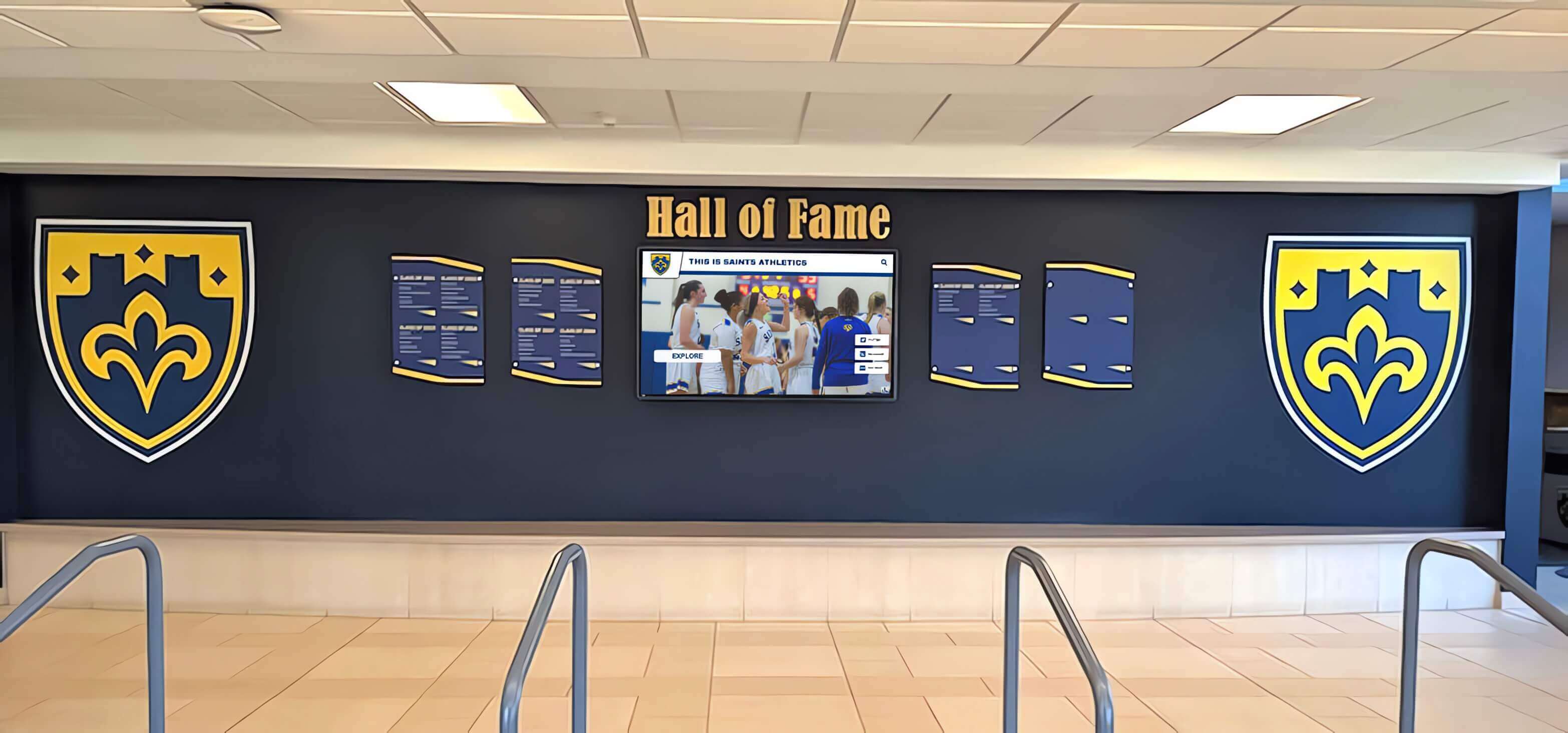
Trophy case recognition faces constraints including limited physical space that quickly becomes crowded, static displays providing minimal information beyond names and years, deterioration over time as materials age and fade, and inability to update or expand displays without physical renovation.
Modern Digital Recognition Solutions
Digital recognition platforms address every limitation of traditional approaches while introducing capabilities that fundamentally transform how middle schools celebrate NJHS achievements.
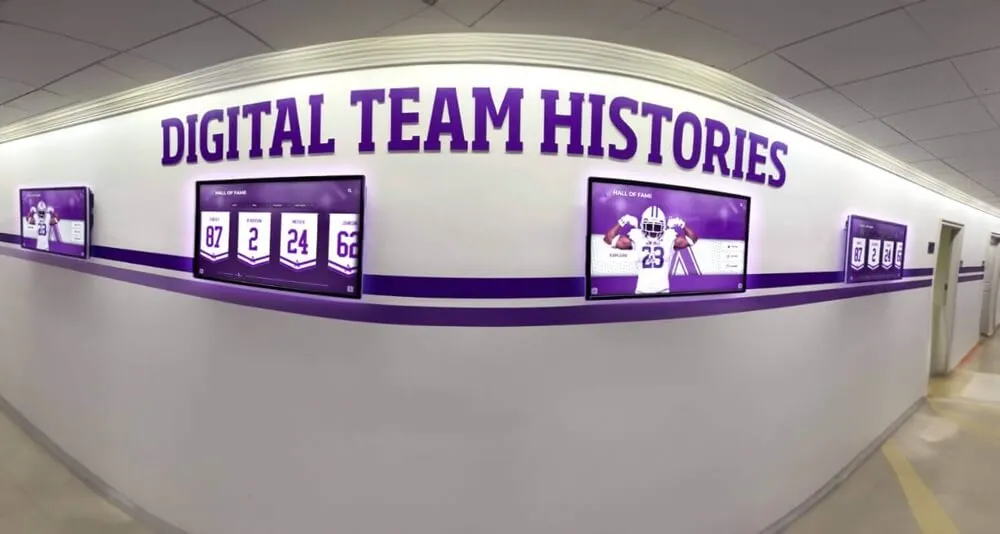
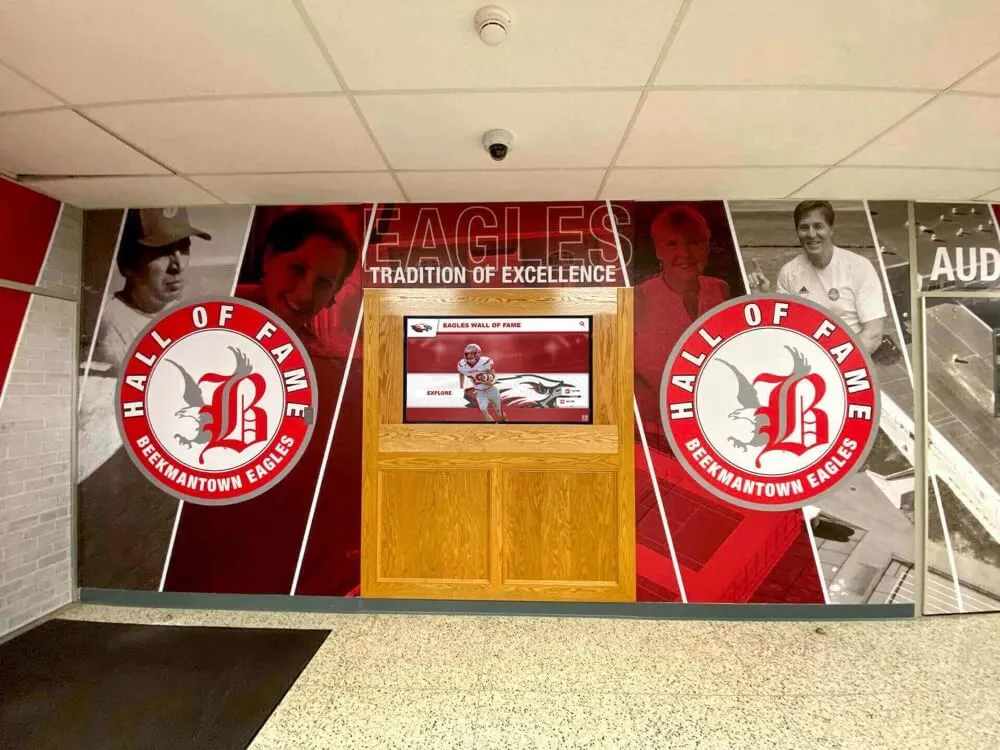
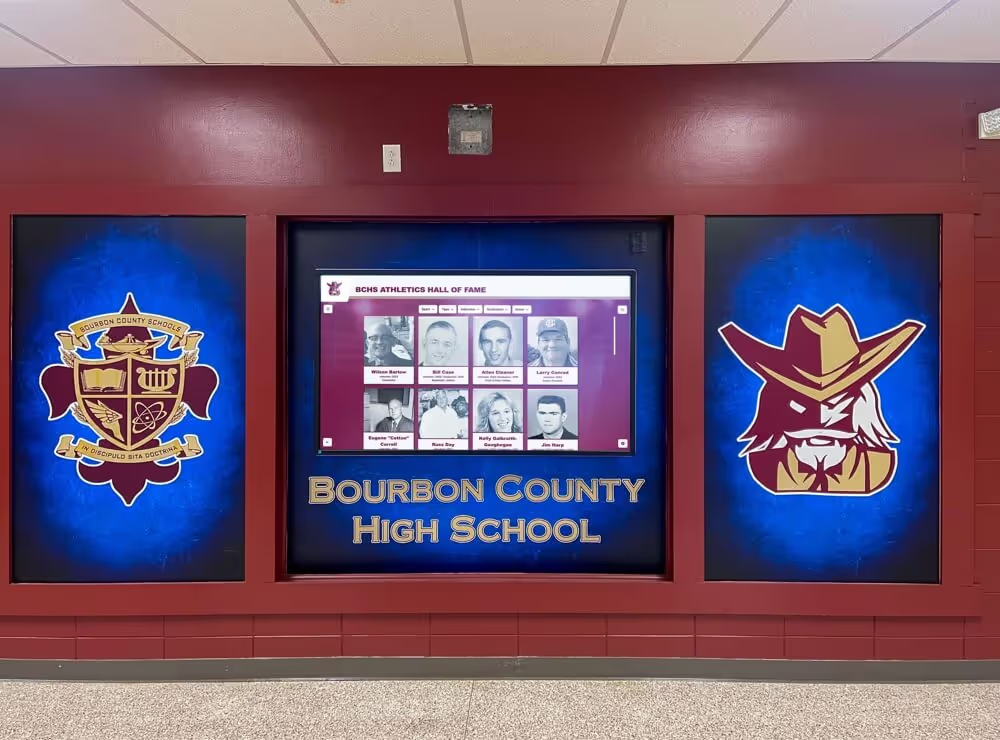
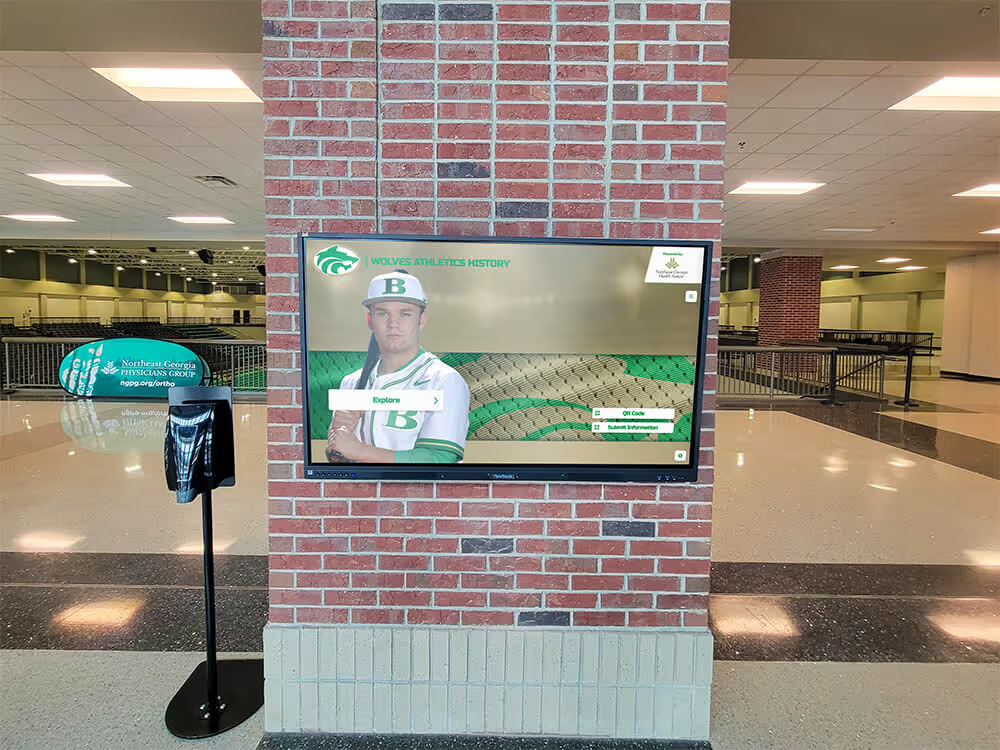
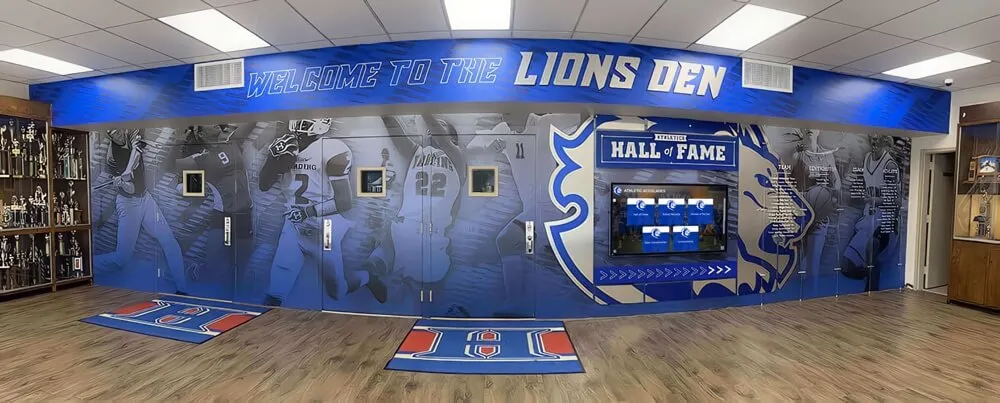
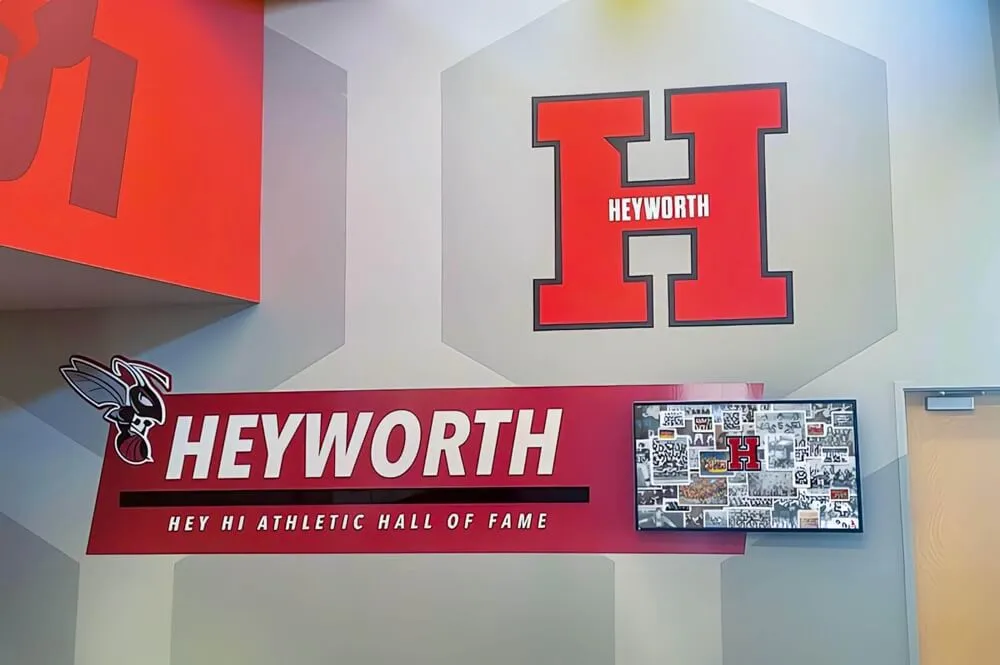
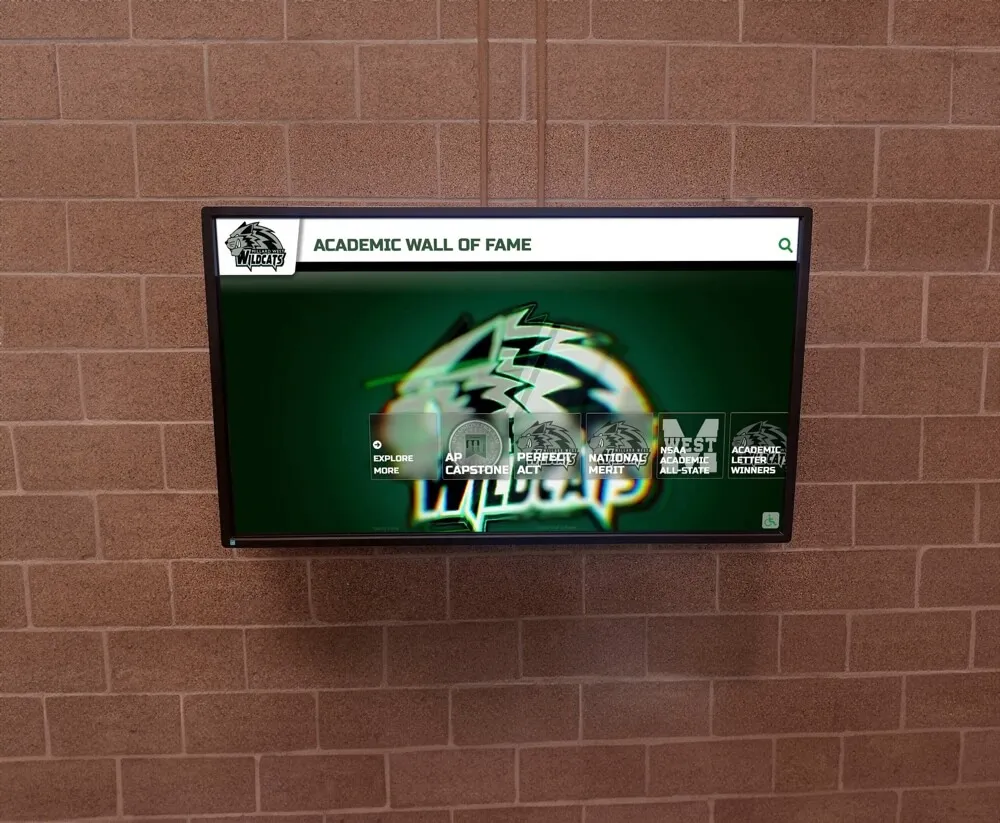
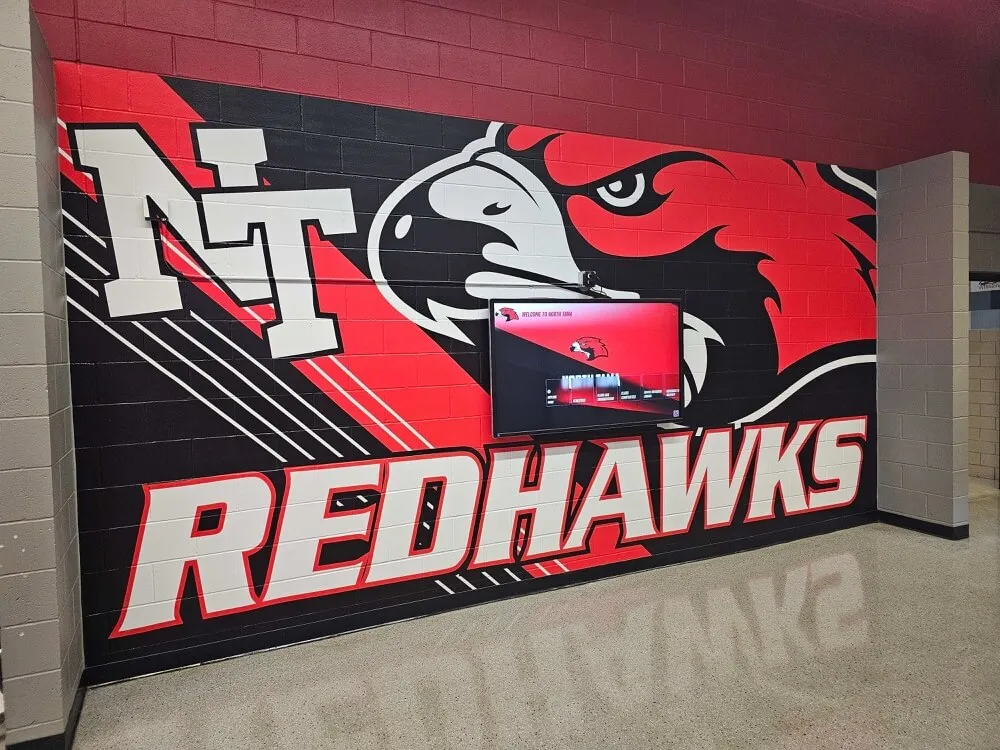
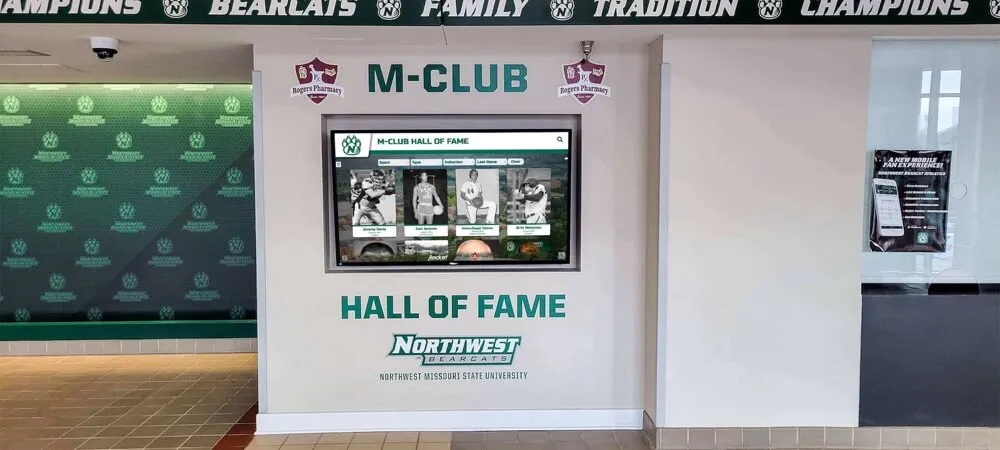
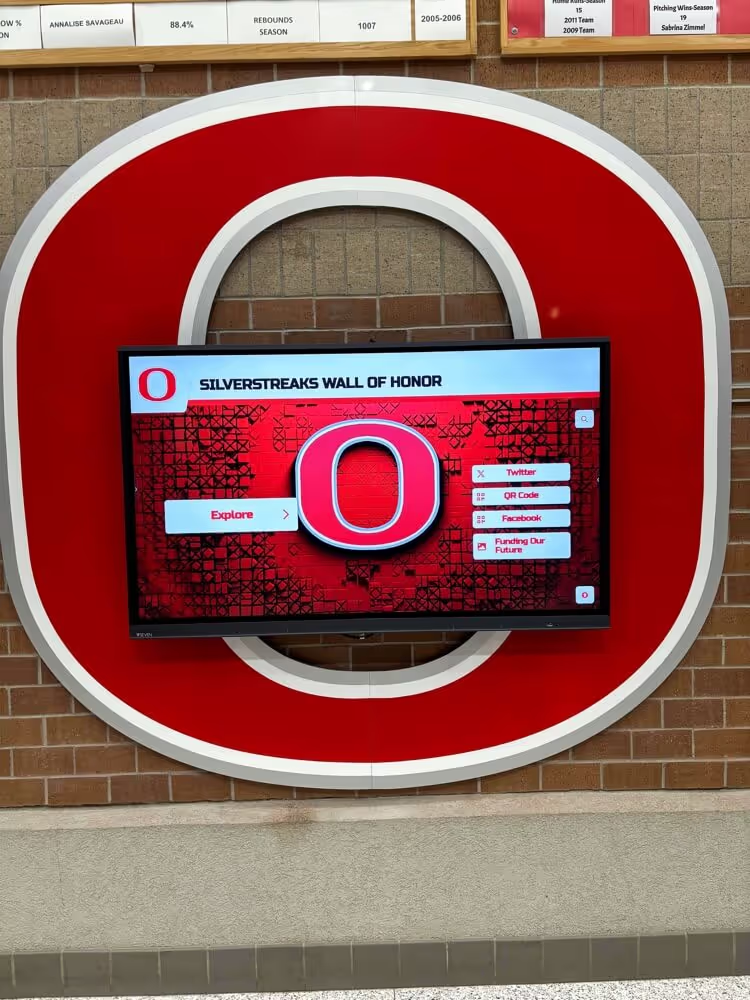
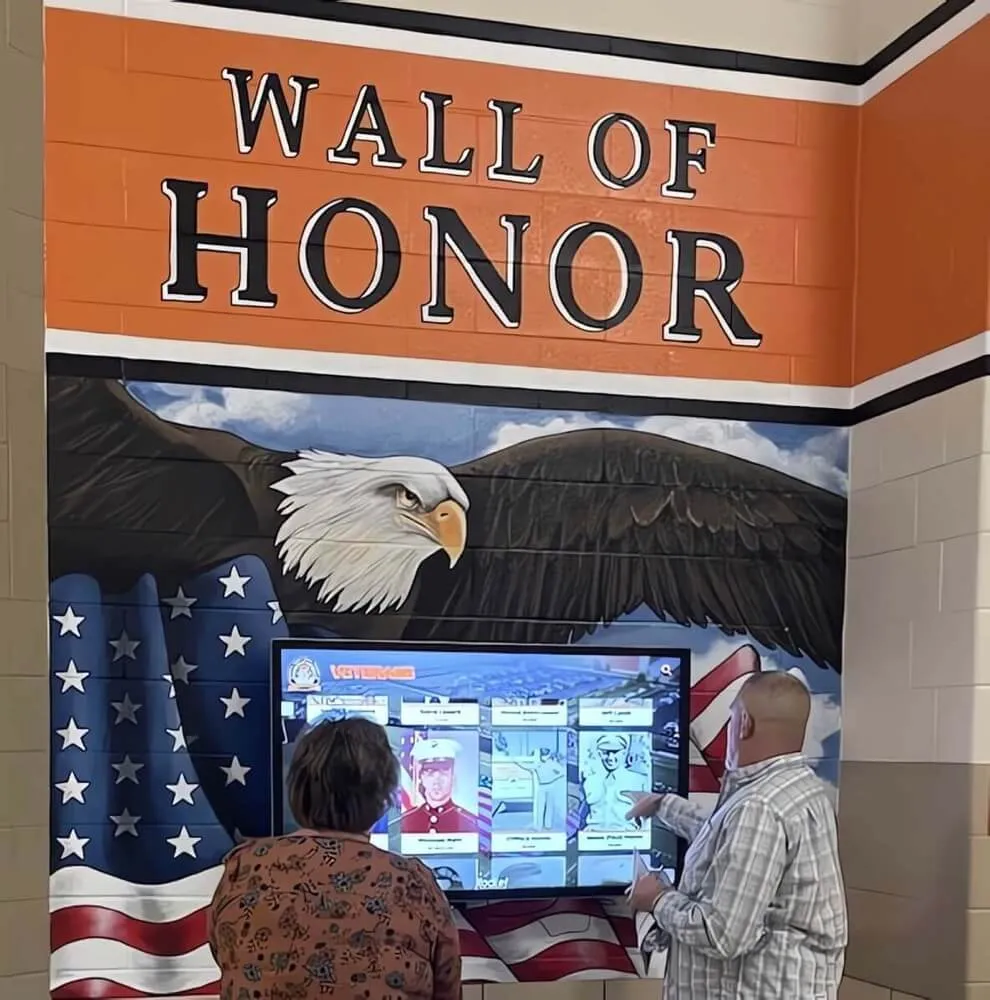
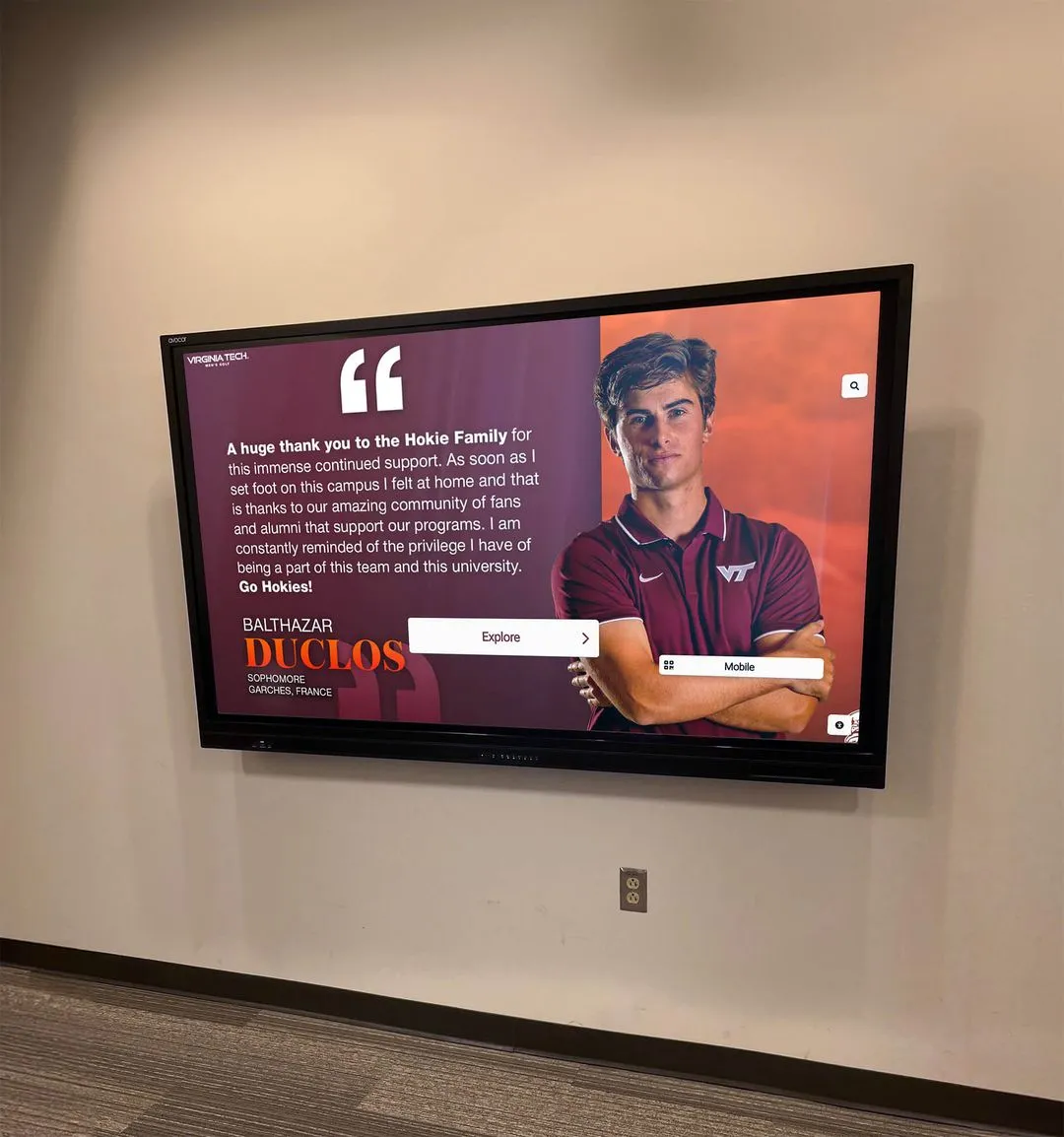
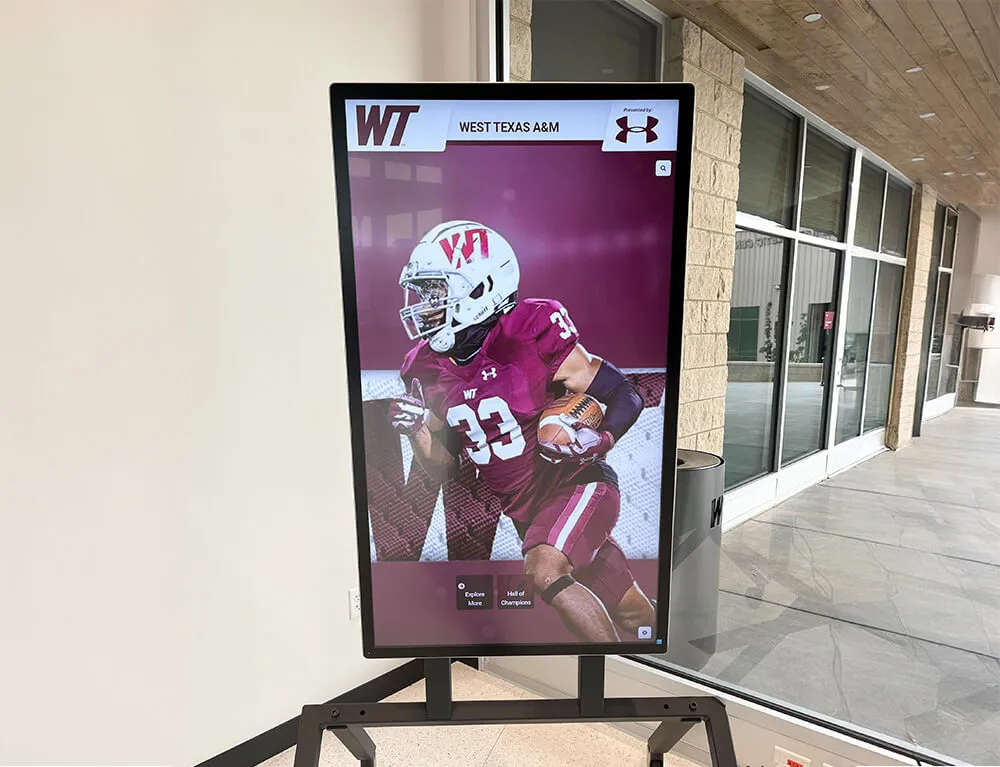
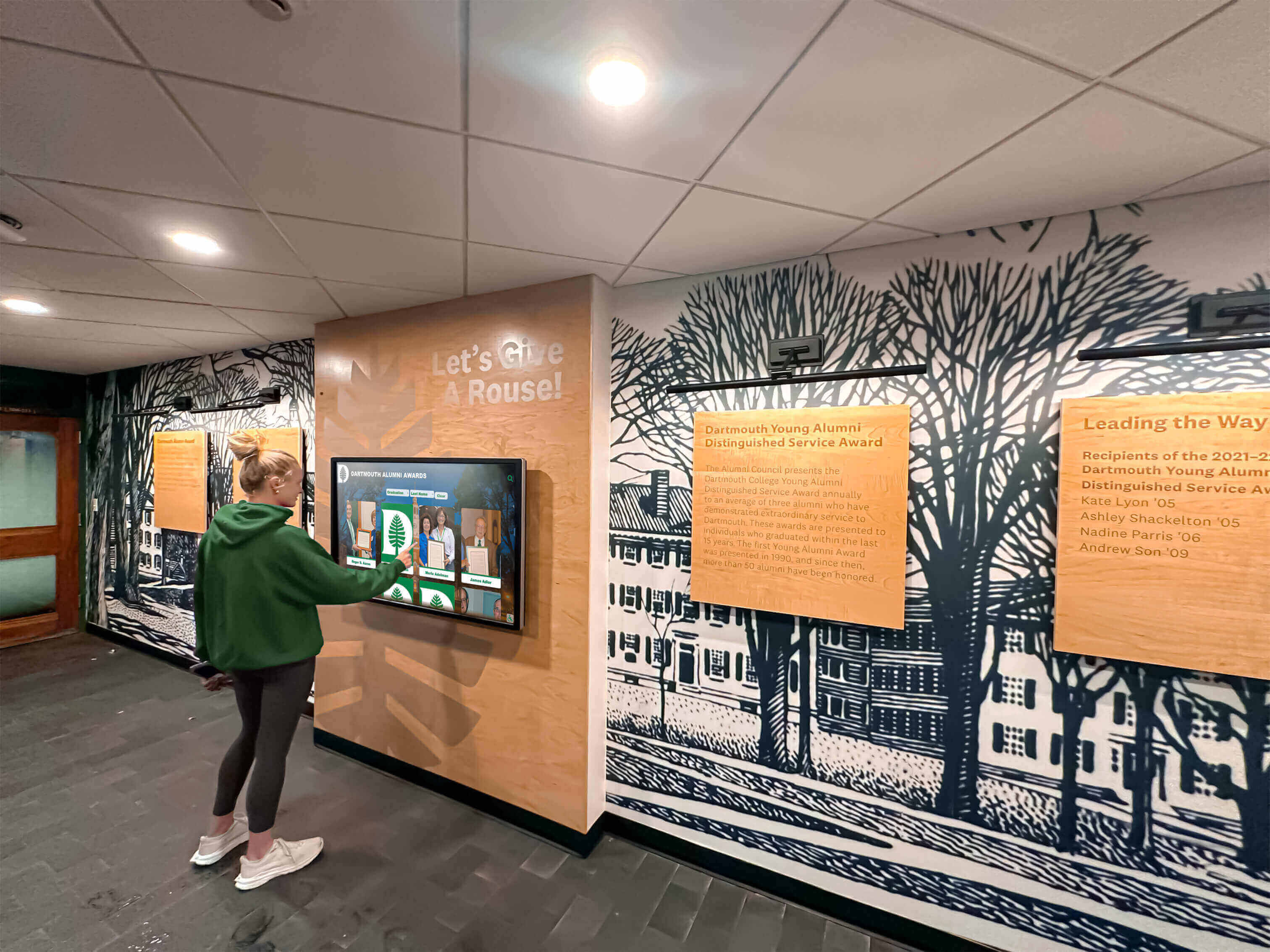
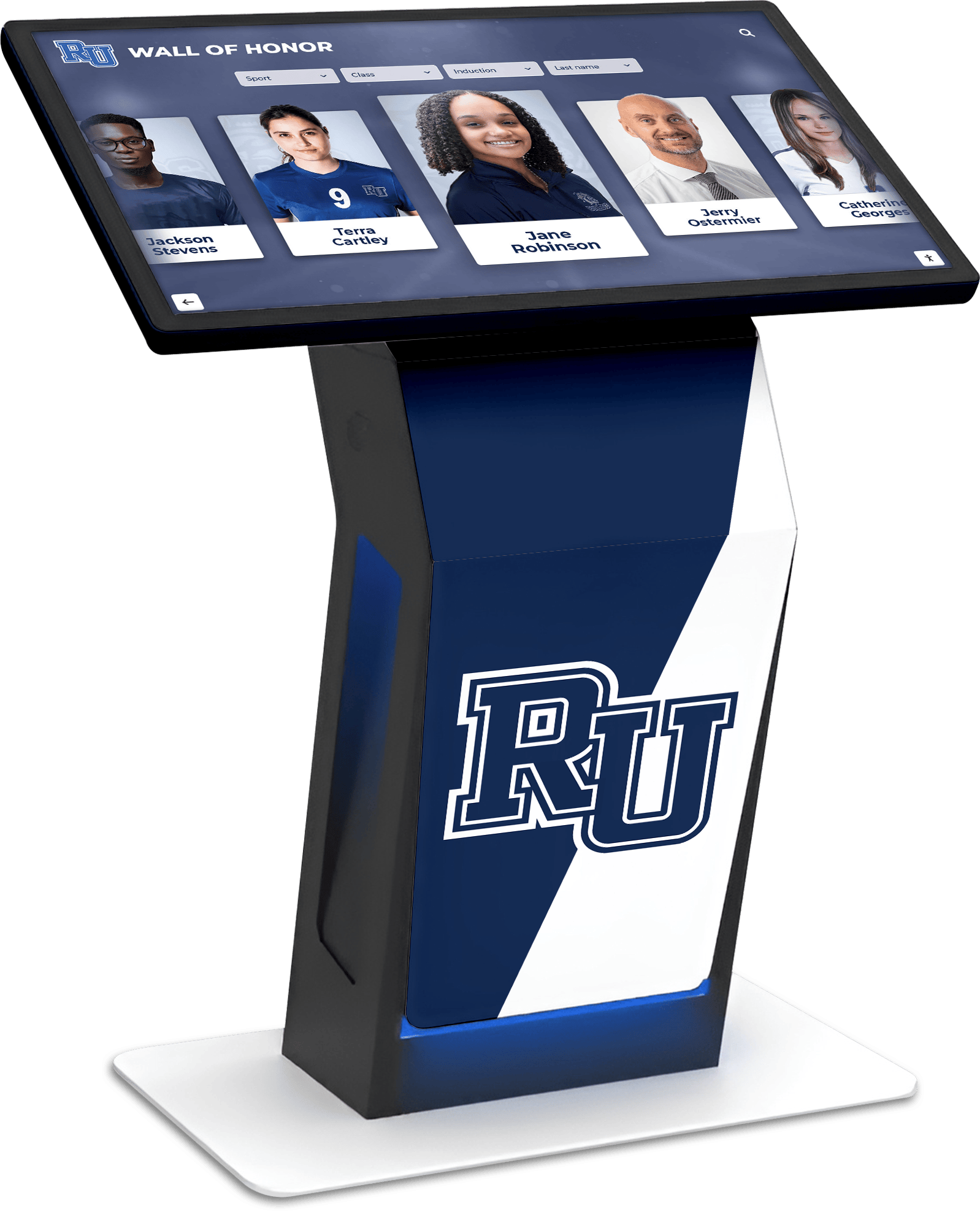
Interactive Touchscreen Displays: Modern digital recognition systems combine commercial-grade touchscreen hardware with specialized software designed for educational recognition. Unlike generic digital signage adapted for recognition purposes, purpose-built platforms provide intuitive interfaces, robust content management, and engaging interactive experiences that honor NJHS members while inspiring younger students toward similar achievement.
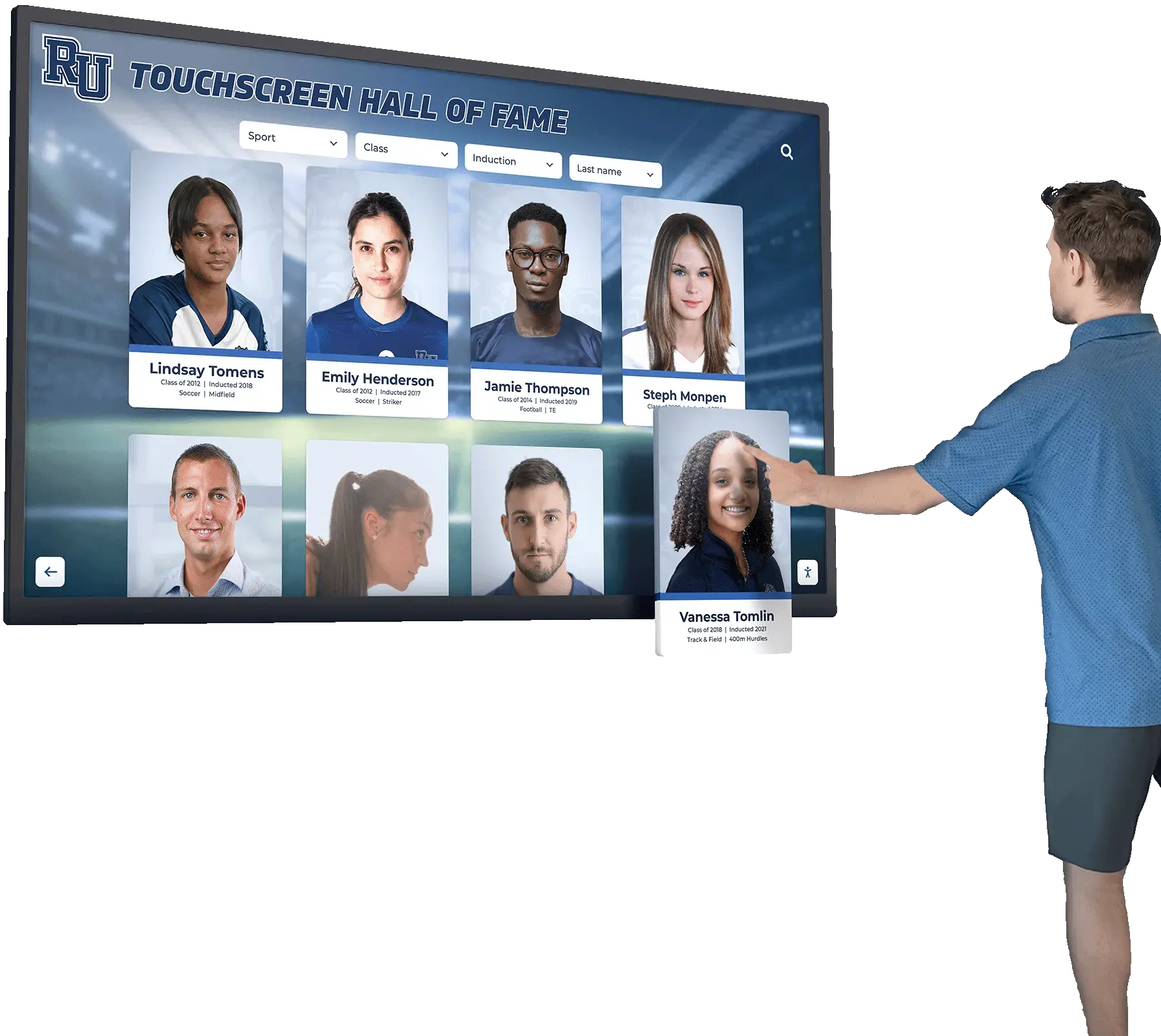
Digital hall of fame solutions allow schools to create comprehensive NJHS member profiles including student photos and biographical information, academic achievements and GPA recognition, service project documentation and volunteer hours, leadership roles and accomplishments, and character and citizenship highlights that explain what each student contributed to school community.
Interactive exploration allows viewers to browse NJHS members by year, search for specific students, filter by characteristics or accomplishments, and view complete profiles with details impossible in traditional trophy cases. This depth of information helps younger students understand specifically what NJHS membership requires and what current members achieved to earn selection.
Unlimited Recognition Capacity: Digital platforms eliminate physical space constraints entirely. Middle schools can create comprehensive profiles for every NJHS member across all years the chapter has existed—from recent inductees to students from decades ago when chapters first formed—without competing for limited trophy case space.
This unlimited capacity proves particularly valuable for established NJHS chapters that have inducted hundreds or thousands of students over many years. Rather than difficult decisions about which students or which years to feature in limited physical space, schools honor all NJHS members comprehensively, demonstrating sustained commitment to academic excellence across generations.
Dynamic Content and Annual Updates: Traditional plaques require physical fabrication, installation, and replacement to add new inductees each year. Digital systems allow instant updates through web-based content management interfaces that chapter advisors or school administrators access from any device.
Adding each year’s new NJHS inductees requires only uploading student information and photos to the digital platform—no plaques to order, no installation contractors to schedule, no disruption to school operations. This ease of updating ensures recognition remains current year after year without budget strain or logistical challenges.
Multi-Location Accessibility: While physical trophy cases exist in single locations (typically main lobbies or specific hallways), digital recognition content can display simultaneously across multiple screens throughout school buildings and even on school websites, making NJHS recognition visible in diverse high-traffic areas.
Schools might feature NJHS displays in the main lobby for visitors and families, in the cafeteria where students gather daily, near administrative offices where parents and community members visit, and in academic hallways where younger students see recognition as they move between classes. This multi-location visibility maximizes exposure and reinforces the importance schools place on NJHS achievement.
Engaging Visual Presentation: Digital platforms enable dynamic visual presentations impossible with static plaques including professional layouts that organize information clearly and attractively, high-resolution photos showing students professionally, branded designs incorporating school colors, logos, and identity, video content featuring ceremony highlights or student interviews, and rotating displays that showcase different aspects of NJHS achievement.
This visual richness creates compelling presentations that capture attention and encourage exploration, particularly for middle school students who have grown up with digital technology and expect interactive, visually-engaging content.
Implementing Comprehensive NJHS Recognition
Successful NJHS recognition programs combine traditional elements that create meaningful ceremonies with modern digital solutions providing ongoing visibility and engagement.
Integrated Recognition Strategy: Rather than choosing between traditional and digital approaches, leading middle schools implement integrated strategies that leverage the strengths of each method. Induction ceremonies create formal recognition moments and celebratory experiences that families treasure. Digital displays provide year-round visibility and comprehensive information that ceremonies cannot accommodate. Yearbook features preserve membership in traditional formats students collect and keep.
Together, these complementary approaches ensure NJHS recognition serves multiple purposes: celebrating achievement, inspiring younger students, engaging families, and strengthening school culture around academic excellence and civic contribution.
Community Engagement Through Recognition: Effective NJHS recognition extends beyond internal school audiences to engage broader communities in celebrating youth achievement. Many middle schools feature digital NJHS displays in locations where community members regularly visit, including school libraries that host public events, performing arts lobbies where families attend concerts and productions, athletic facilities where community members watch games and tournaments, and main offices where parents and visitors enter buildings.
This community-facing recognition builds pride beyond student body and faculty, creating broader awareness of middle school academic excellence and the rigorous standards students meet to earn NJHS membership. Academic recognition displays that showcase NJHS alongside other achievement programs demonstrate schools’ comprehensive approach to celebrating diverse student accomplishments.
Inspiring Future Generations: Perhaps the most important outcome of comprehensive NJHS recognition involves inspiring younger students to aspire to similar achievement. When 6th graders entering middle school immediately encounter prominent displays celebrating NJHS members, they understand from day one that academic excellence, service, leadership, character, and citizenship matter deeply in their school culture.
Digital displays that show progression—how students improved GPAs across grade levels, developed leadership skills through specific experiences, or contributed service hours through particular organizations—make NJHS membership feel achievable rather than reserved only for naturally gifted students. This accessibility of aspiration proves critical during middle school years when students form beliefs about their academic capabilities and future potential.
Chapter Activities and Ongoing Recognition: Beyond initial induction recognition, successful NJHS chapters maintain visibility through ongoing activities that digital displays can showcase including service project participation and impact documentation, leadership development workshops and training, tutoring and peer mentoring programs, community engagement initiatives and partnerships, and chapter meetings and member activities.
Documenting these ongoing activities through photos, videos, and descriptions uploaded to digital displays demonstrates that NJHS membership involves active participation rather than simply a title earned through past achievement. This ongoing activity recognition helps current members take pride in their continued contributions while showing prospective members what NJHS membership entails beyond initial selection.
Creating Lasting Impact Through NJHS Recognition
When middle schools implement comprehensive recognition strategies that honor NJHS members meaningfully, the impact extends far beyond individual students to influence entire school cultures and communities.
Building Culture of Achievement
Visible, prominent NJHS recognition sends powerful messages about what schools value and what expectations they hold for students. When academic excellence, service, leadership, character, and citizenship receive celebration equal to or exceeding athletic achievements, students understand that schools prioritize holistic development encompassing all aspects of personal growth.
This cultural messaging proves particularly important during middle school years when students form lasting beliefs about education’s purpose and what constitutes success. Schools that consistently recognize NJHS members prominently establish cultures where academic achievement carries social capital, service to others represents expected behavior rather than exceptional choice, and character and citizenship matter as much as grades or test scores.
Setting Clear Expectations: Comprehensive NJHS recognition helps schools communicate clear expectations about what success looks like in their environments. When younger students see specific examples of service hours required, leadership roles held, and character standards expected, abstract aspirations become concrete goals they can pursue systematically.
Digital recognition platforms excel at this expectation-setting because they provide detailed information about what each NJHS member achieved—not just names and photos but specific accomplishments, service contributions, and demonstrated qualities that earned selection. This transparency helps all students understand the pathway to NJHS membership rather than viewing selection as mysterious or arbitrary.
Supporting Equitable Recognition
Digital recognition platforms support equity by ensuring all NJHS members receive equal visibility and celebration regardless of family resources, social connections, or other factors that sometimes influence traditional recognition visibility.
In systems where only students whose families purchase yearbook ads or attend induction ceremonies receive significant recognition, inequality emerges based on family circumstances rather than student achievement. Digital displays democratize recognition by featuring all members equally and providing access to the entire school community regardless of family investment in particular recognition formats.
This equity proves essential for middle schools serving diverse communities where students come from varied socioeconomic backgrounds. NJHS membership itself should represent the great equalizer—selection based solely on merit, service, leadership, character, and citizenship demonstrated by students themselves. Recognition should similarly focus on what students achieved rather than what families could afford.
Engaging Families and Communities
Comprehensive NJHS recognition creates opportunities for family and community engagement that strengthen connections between schools and the communities they serve.
Family Pride and Involvement: NJHS membership represents significant achievement for families as well as students. Digital recognition displays give families accessible ways to share their student’s accomplishments with extended family, friends, and community members who might not attend induction ceremonies or receive yearbooks.
Many digital recognition platforms include web-accessible features that allow families to view and share content remotely, meaning grandparents in different states, deployed military parents, or other distant relatives can celebrate student achievement virtually even if they cannot visit schools physically.
Community Investment: When local businesses, civic organizations, and community members see middle schools prominently recognizing academic achievement, service, and citizenship through professional, comprehensive displays, they develop greater investment in supporting educational excellence. This community support can manifest through donations supporting NJHS chapter activities, volunteering as ceremony speakers or mentors, providing service project opportunities for members, and celebrating youth achievement through local media and recognition.
Student recognition programs that extend beyond academics alone—celebrating the full range of NJHS pillars including service and citizenship—help communities understand that schools develop well-rounded individuals prepared for civic contribution rather than only academic performance.
Practical Steps for Enhancing NJHS Recognition
Middle schools ready to elevate how they recognize NJHS members can implement practical strategies that enhance existing programs while building toward more comprehensive digital solutions.
Immediate Actions for Current Programs
Even before implementing major recognition upgrades, schools can enhance existing NJHS programs through targeted improvements:
Document Chapter Activities Comprehensively: Begin systematically photographing and documenting induction ceremonies, service projects, leadership activities, and chapter meetings. This documentation creates content libraries schools can leverage for yearbooks, websites, social media, and future digital recognition displays. Assign a student member or parent volunteer as chapter photographer to ensure consistent documentation throughout the year.
Expand Yearbook Recognition: Work with yearbook staff to expand NJHS coverage beyond simple group photos to include feature articles about service projects, profiles of members explaining their pathways to selection, documentation of the five pillars with examples from current members, and quotes from inductees about what NJHS membership means to them.
Leverage School Communications: Feature NJHS recognition prominently in school newsletters, website updates, social media channels, and email communications to families. Regular visibility throughout the year keeps NJHS achievement top-of-mind for school communities rather than limiting recognition to induction ceremony timeframes.
Create Temporary Displays: Even before permanent digital installations, schools can create temporary bulletin board displays, hallway poster series, or digital slide shows for existing TVs that showcase NJHS members with more depth than trophy cases allow. These temporary solutions provide practice creating content while building awareness of NJHS achievement.
Planning for Digital Recognition Implementation
Schools considering digital recognition solutions should approach implementation strategically to ensure systems meet their specific needs and integrate effectively with existing programs.
Assess Recognition Needs and Goals: Begin by clarifying what your school hopes to accomplish through enhanced NJHS recognition. Common goals include inspiring younger students to aspire to NJHS membership, providing families with accessible ways to celebrate achievement, strengthening school culture around academic excellence and service, and creating permanent records of NJHS chapters across multiple years.
Clear goals guide decisions about display locations, content priorities, feature requirements, and implementation timelines. Schools with different goals may choose different solutions or implementation approaches even when using similar technology.
Evaluate Location Options: Consider where digital displays would have greatest impact based on traffic patterns, visibility, and audience access. High-traffic locations like main lobbies, cafeteria entrances, administrative office areas, and academic hallways typically provide maximum exposure.
Also consider whether displays should focus primarily on internal audiences (current students and staff) or include external audiences like prospective families, community members, and visitors. This audience consideration influences both location choices and content development priorities.
Research Platform Options: Multiple technology providers offer digital recognition solutions designed for educational environments, each with different feature sets, pricing models, and implementation requirements. Digital signage platforms for schools vary significantly in their capabilities and suitability for academic recognition purposes.
Research should evaluate ease of content management (can chapter advisors update displays without IT department involvement?), interactive capabilities (can viewers explore and search content?), customization options (can displays match school branding and visual identity?), scalability (can systems grow as recognition needs expand?), and total cost of ownership including hardware, software, installation, training, and ongoing support.
Engage Stakeholders in Planning: Successful implementation requires input from various stakeholders including chapter advisors who manage member selection and activities, school administrators who control budgets and facility decisions, IT staff who support technology infrastructure, facilities personnel who handle installation and maintenance, and student members who can offer perspectives on what recognition would be most meaningful.
This collaborative planning ensures digital recognition solutions address actual needs rather than just incorporating impressive technology without clear purpose or integration into school culture and programs.
Measuring Recognition Impact
Schools investing in enhanced NJHS recognition should measure impact to justify expenditures and guide ongoing program refinement.
Track Application and Membership Trends: Monitor whether enhanced recognition correlates with increased interest in NJHS membership evidenced by growth in eligible students who complete applications, improvement in quality of applications submitted, or increases in service hours and leadership activities students document.
Survey Student and Family Feedback: Collect feedback from NJHS members, their families, and younger students about recognition visibility, meaningfulness, and impact. Ask members whether recognition made their achievement feel valued, families whether displays helped them celebrate accomplishments, and younger students whether seeing NJHS recognition inspired aspirations toward similar achievement.
Assess School Culture Indicators: Evaluate whether comprehensive NJHS recognition contributes to broader school culture goals like increased participation in service activities, stronger student engagement in academic programs, improved school pride and community connection, or enhanced reputation with prospective families considering your school.
While attribution proves difficult—many factors influence school culture simultaneously—triangulating multiple data sources helps schools understand whether recognition investments yield desired returns.
Conclusion: Honoring Excellence, Inspiring Achievement
The National Junior Honor Society represents one of middle level education’s most meaningful recognition programs, celebrating students who exemplify scholarship, service, leadership, character, and citizenship during formative developmental years. For the million students inducted annually across more than 8,500 chapters nationwide, NJHS membership validates achievement, provides opportunities for continued growth, and establishes foundations for future success extending far beyond middle school.
Middle schools bear responsibility not only for operating rigorous NJHS chapters with fair selection processes but also for recognizing members in ways that honor their achievement while inspiring younger students toward similar excellence. Traditional recognition approaches—induction ceremonies, yearbook features, and trophy case plaques—create meaningful moments and preserve achievement in established formats families treasure. However, these approaches face inherent limitations in visibility, accessibility, depth of information, and ability to inspire ongoing engagement with NJHS values and standards.
Modern digital recognition solutions overcome every limitation of traditional approaches while introducing capabilities that fundamentally transform how middle schools celebrate NJHS achievement. Interactive touchscreen displays provide unlimited recognition capacity, comprehensive member profiles, engaging visual presentations, and year-round visibility that creates lasting impact far exceeding brief ceremony recognition or static plaques.
When middle schools implement integrated recognition strategies combining traditional ceremony elements with comprehensive digital platforms, they create recognition programs that serve multiple audiences and purposes simultaneously: celebrating current members and their families, inspiring younger students toward future achievement, engaging broader communities in supporting educational excellence, and strengthening school culture around the values NJHS represents.
The investment in meaningful NJHS recognition represents far more than technology adoption or facility enhancement—it demonstrates institutional commitment to honoring achievement, communicating values, and building cultures where academic excellence, service, leadership, character, and citizenship receive the celebration they deserve. In doing so, schools create environments where more students aspire to NJHS membership and the qualities it represents, generating positive cycles of achievement that elevate entire school communities.
Ready to transform how your middle school recognizes National Junior Honor Society members? Rocket Alumni Solutions provides comprehensive digital recognition platforms designed specifically for celebrating student achievement. Our interactive touchscreen displays give middle schools unlimited capacity to honor NJHS members with professional, engaging presentations that inspire future achievement while strengthening school culture around excellence. Discover how leading middle schools across the country use Rocket Alumni Solutions to celebrate their NJHS chapters, preserve academic traditions, and create recognition programs that engage entire school communities for generations to come.