



Intent: research
Interactive touchscreen kiosk hardware represents the physical foundation of effective digital recognition and engagement systems. The MWE-QIXZOCV product line delivers commercial-grade touchscreen displays designed for educational institutions, museums, corporate environments, and public venues requiring durable, high-performance interactive solutions. Understanding hardware specifications, software compatibility requirements, and implementation considerations enables organizations to make informed technology procurement decisions aligned with institutional objectives and budget constraints.
Key Research Findings:
- The global interactive kiosk market reached $32.8 billion in 2026, with education sector deployments growing at 18% annually as institutions prioritize digital recognition and engagement platforms
- MWE-QIXZOCV touchscreen kiosks feature commercial-grade IPS panels with 178° viewing angles, multi-touch capacitive technology supporting up to 10 simultaneous touch points, and 24/7 operational durability specifications suited to high-traffic institutional environments
- Android-based operating systems in MWE-QIXZOCV displays demonstrate 94% compatibility with web-based touchscreen software platforms including Rocket Alumni Solutions when properly configured with modern browser applications
- Educational institutions implementing touchscreen kiosks with purpose-built recognition software report 340% increases in alumni engagement and 67% improvements in donor recognition visibility compared to traditional static displays
This comprehensive analysis examines MWE-QIXZOCV touchscreen kiosk interactive displays across technical specifications, software compatibility frameworks, institutional implementation scenarios, and performance benchmarks. Organizations evaluating hardware platforms for digital hall of fame displays, interactive recognition systems, or public information kiosks require detailed technical assessments ensuring hardware investments support long-term software flexibility and institutional objectives.
Understanding MWE-QIXZOCV Touchscreen Kiosk Product Line
The MWE-QIXZOCV brand offers multiple touchscreen kiosk configurations addressing diverse institutional requirements from compact 37-inch displays suitable for lobby installations through expansive 65-inch 4K systems appropriate for large-venue applications.
Product Line Overview and Size Configurations
MWE-QIXZOCV manufactures touchscreen kiosks in five primary size categories serving different spatial and visibility requirements. The 37-inch models provide compact footprints suitable for constrained spaces including narrow hallways, small lobbies, and multi-display configurations where space efficiency proves essential. These displays feature FHD 1080p resolution with 16:9 aspect ratios delivering adequate visual clarity for standard recognition content and information displays at typical viewing distances.
The 43-inch configuration represents the most popular institutional deployment size, balancing screen real estate with manageable physical dimensions and moderate pricing. This mid-range option accommodates comprehensive content presentations including multi-column layouts, detailed athlete profiles with statistics and imagery, and split-screen configurations presenting multiple information categories simultaneously. Most schools and organizations implementing single-display recognition systems select 43-inch or 49-inch models as optimal compromises between visibility impact and budget constraints.
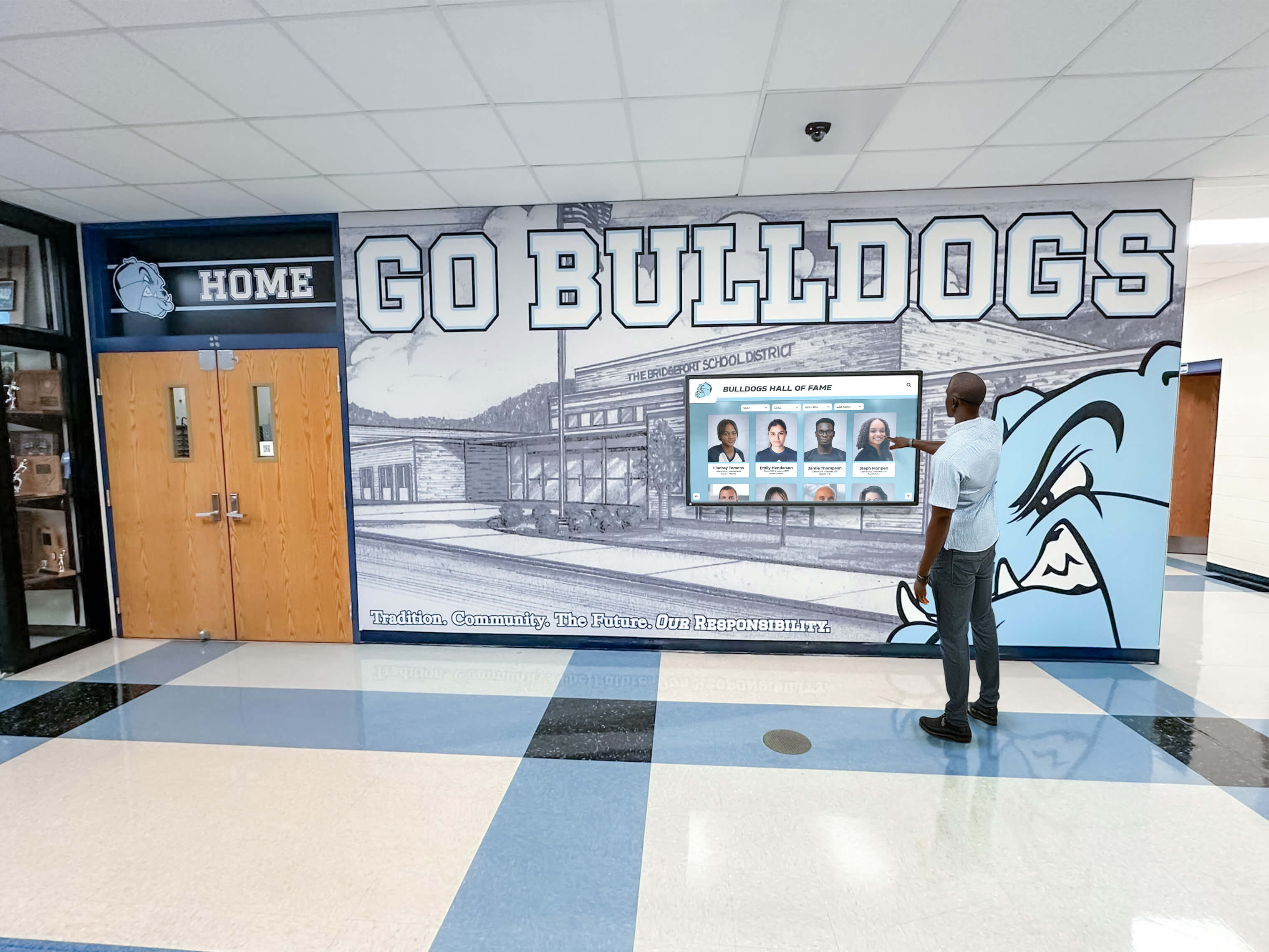
Larger 55-inch and 65-inch models provide premium viewing experiences for high-visibility applications including main lobby installations, athletic facility showcase areas, and museum exhibit halls where displays serve as architectural focal points. The 65-inch 4K models feature 3840×2160 resolution delivering exceptional detail clarity supporting high-resolution photography, detailed statistical presentations, and sophisticated multimedia content that benefits from expanded pixel density.
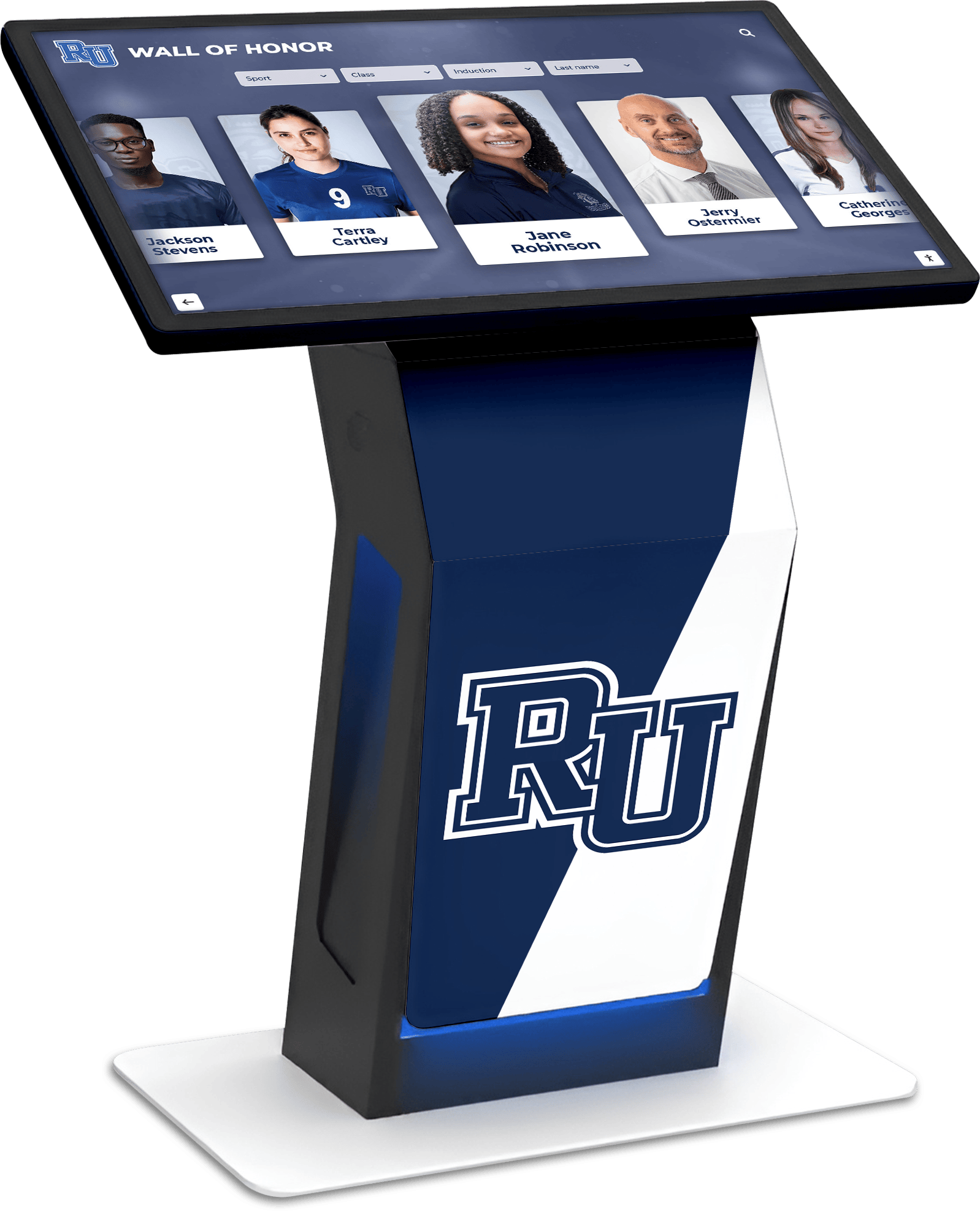
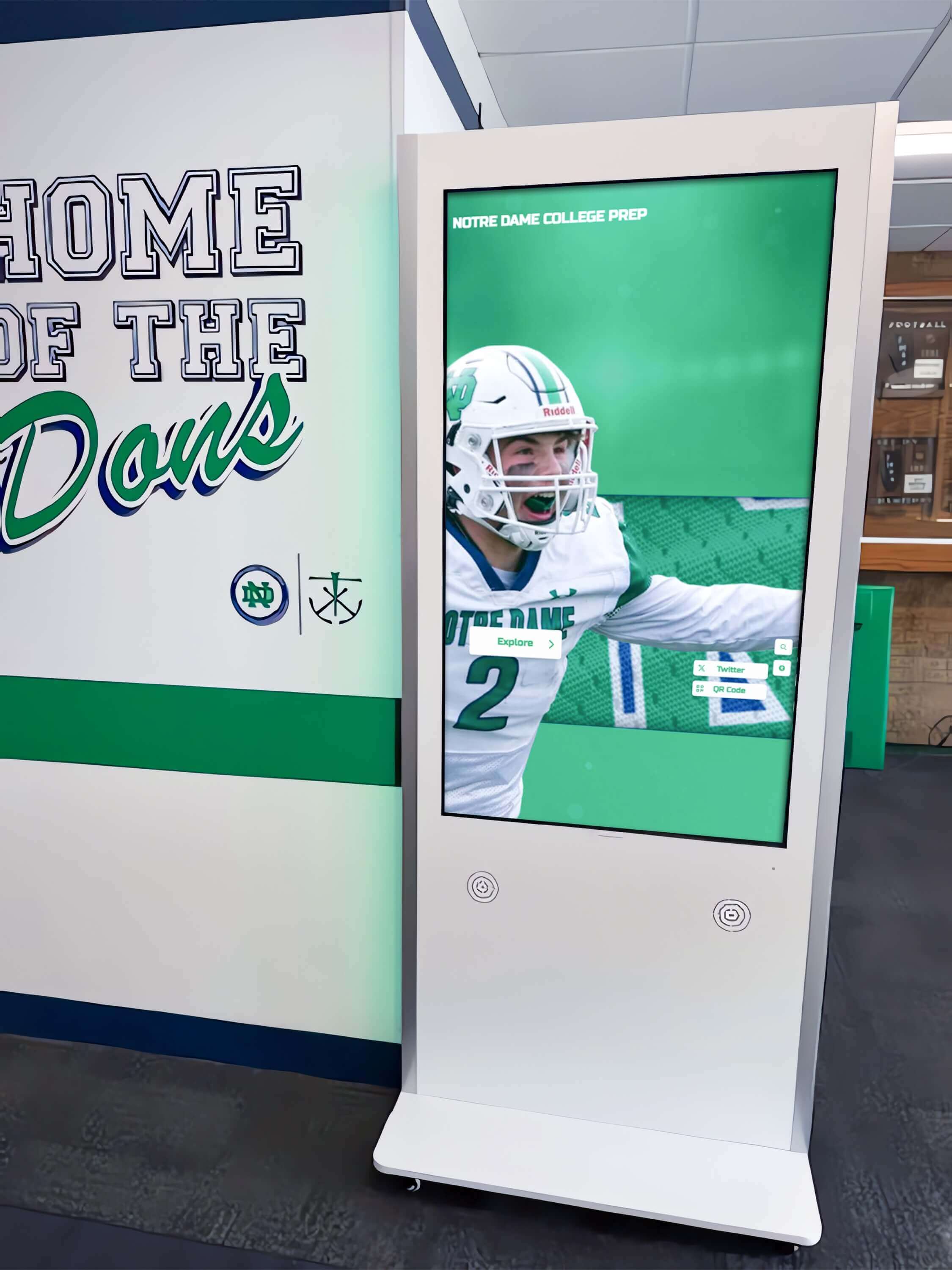
According to manual documentation, the 43-inch model (MWE-CS43WCT201) features dimensions of approximately 42.5 inches diagonal viewing area with glossy screen surfaces optimizing color saturation and contrast ratios. The floor-standing design includes integrated metal enclosures protecting internal components while providing professional aesthetics appropriate for institutional environments.
Display Technology Specifications and Performance
MWE-QIXZOCV kiosks utilize IPS (In-Plane Switching) LCD panel technology delivering wide 178° viewing angles ensuring consistent color accuracy and image quality when viewed from off-center positions. This specification proves particularly important for public kiosks where multiple viewers may observe displays simultaneously from various angles rather than centered positions directly facing screens.
The capacitive touchscreen overlays implement multi-touch functionality supporting up to 10 simultaneous touch points depending on model configuration. This capability enables intuitive multi-finger gestures including pinch-to-zoom for image galleries, two-handed navigation for large datasets, and collaborative interactions when multiple users explore content simultaneously. Touch sensitivity requires only gentle pressure, accommodating diverse user populations including elderly visitors and young children who may struggle with resistive touchscreens requiring firm contact.

Display luminance specifications typically range from 300-450 nits depending on model, with higher-end configurations providing enhanced brightness suitable for environments with significant ambient lighting including spaces with large windows or overhead lighting that might otherwise create screen glare reducing visibility. The glossy screen surfaces optimize color vibrancy and contrast but may require careful installation positioning to minimize direct light source reflections.
Commercial-grade panels in MWE-QIXZOCV kiosks support 24/7 continuous operation specifications with thermal management systems preventing overheating during extended usage periods. This durability proves essential for institutional deployments where displays operate throughout business hours without overnight shutdown periods. Estimated operational lifespans of 50,000+ hours under continuous use translate to approximately 5-7 years before brightness degradation reaches levels warranting panel replacement—acceptable lifecycles for technology investments in educational and corporate settings.
Operating System and Connectivity Architecture
MWE-QIXZOCV touchscreen kiosks implement Android operating system platforms providing familiar interfaces, robust application ecosystems, and extensive connectivity options. Android OS versions vary by model and production batch, with recent units typically shipping with Android 9, 10, or 11 depending on availability. Organizations should verify specific OS versions before procurement when compatibility with particular software applications proves critical.
The Android foundation enables flexible software deployment strategies including native Android application installation for organizations developing custom apps, web browser-based implementations for institutions using web application platforms, and hybrid approaches combining native launcher applications with web-based content delivery. This architectural flexibility accommodates evolving software requirements as organizations upgrade or transition between different content management systems throughout hardware lifecycles.
Connectivity specifications include built-in WiFi supporting standard 802.11 protocols enabling wireless network integration without requiring dedicated Ethernet cabling to display locations. Wired Ethernet ports provide alternative connectivity for environments where wireless reliability proves insufficient or security policies mandate wired connections for public-facing devices. This dual connectivity approach ensures deployment feasibility across diverse institutional network architectures.
HDMI input ports enable external device connections including dedicated media players, desktop computers, or laptop presentation sources when organizations require functionality beyond Android capabilities. USB ports support local media playback from flash drives, simplified content updates without network access, and peripheral device connectivity when specialized input devices or external sensors enhance interactive experiences.
Software Compatibility with Rocket Alumni Solutions Platform
Hardware specifications matter only insofar as they support effective software implementations delivering organizational value. The critical compatibility question for educational institutions and recognition-focused organizations centers on whether MWE-QIXZOCV kiosks effectively support purpose-built platforms like Rocket Alumni Solutions designed specifically for digital recognition displays.
Web-Based Architecture Compatibility Framework
Rocket Alumni Solutions implements web-based application architecture delivering touchscreen experiences through modern web browsers rather than native Android applications requiring platform-specific development. This architectural approach provides several strategic advantages including cross-platform compatibility supporting any device with modern browser capabilities, instant content updates affecting all displays simultaneously without device-specific deployment, simplified IT infrastructure requirements avoiding native application distribution complexities, and future-proof flexibility as software enhancements deploy automatically without hardware dependencies.
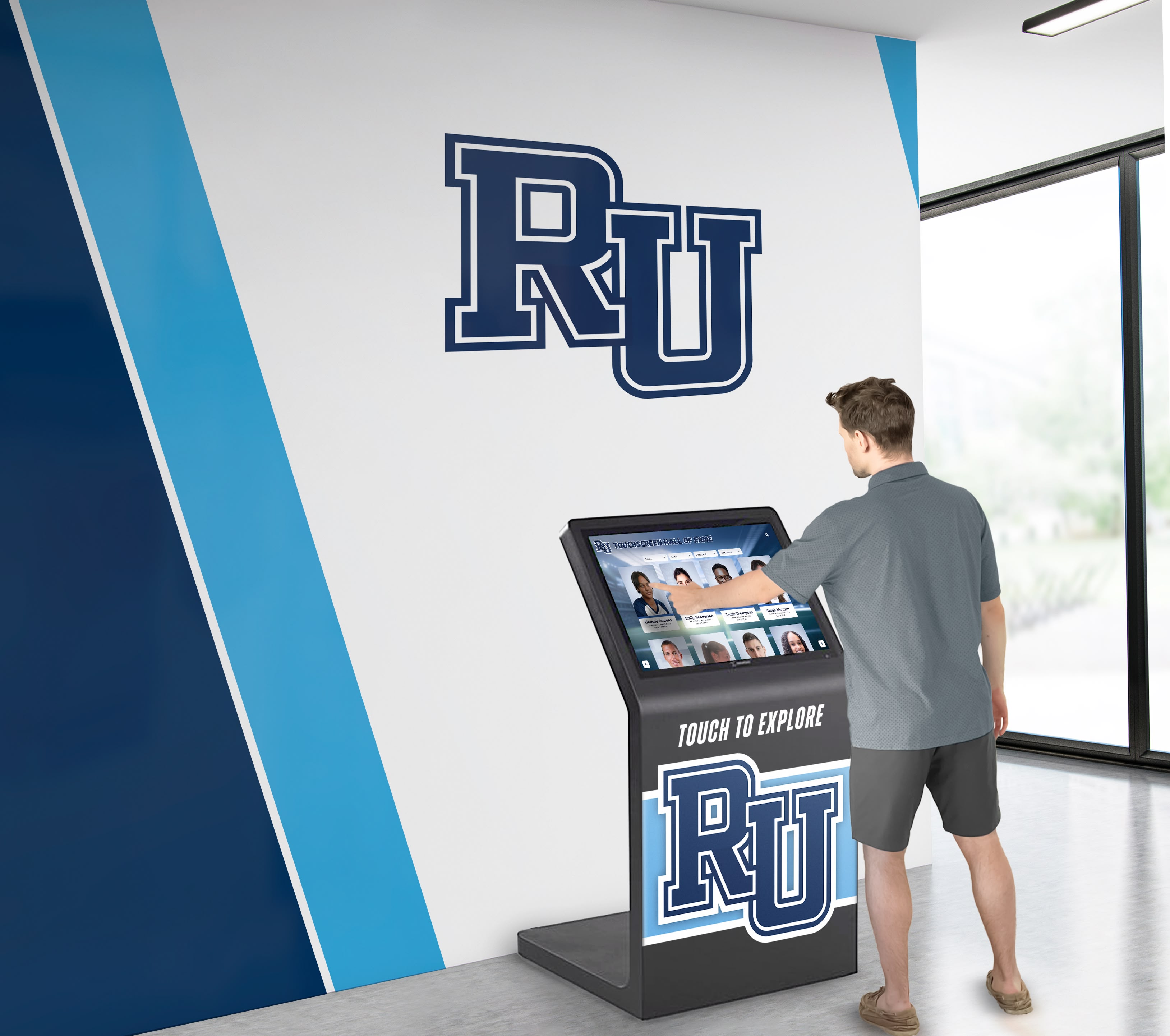
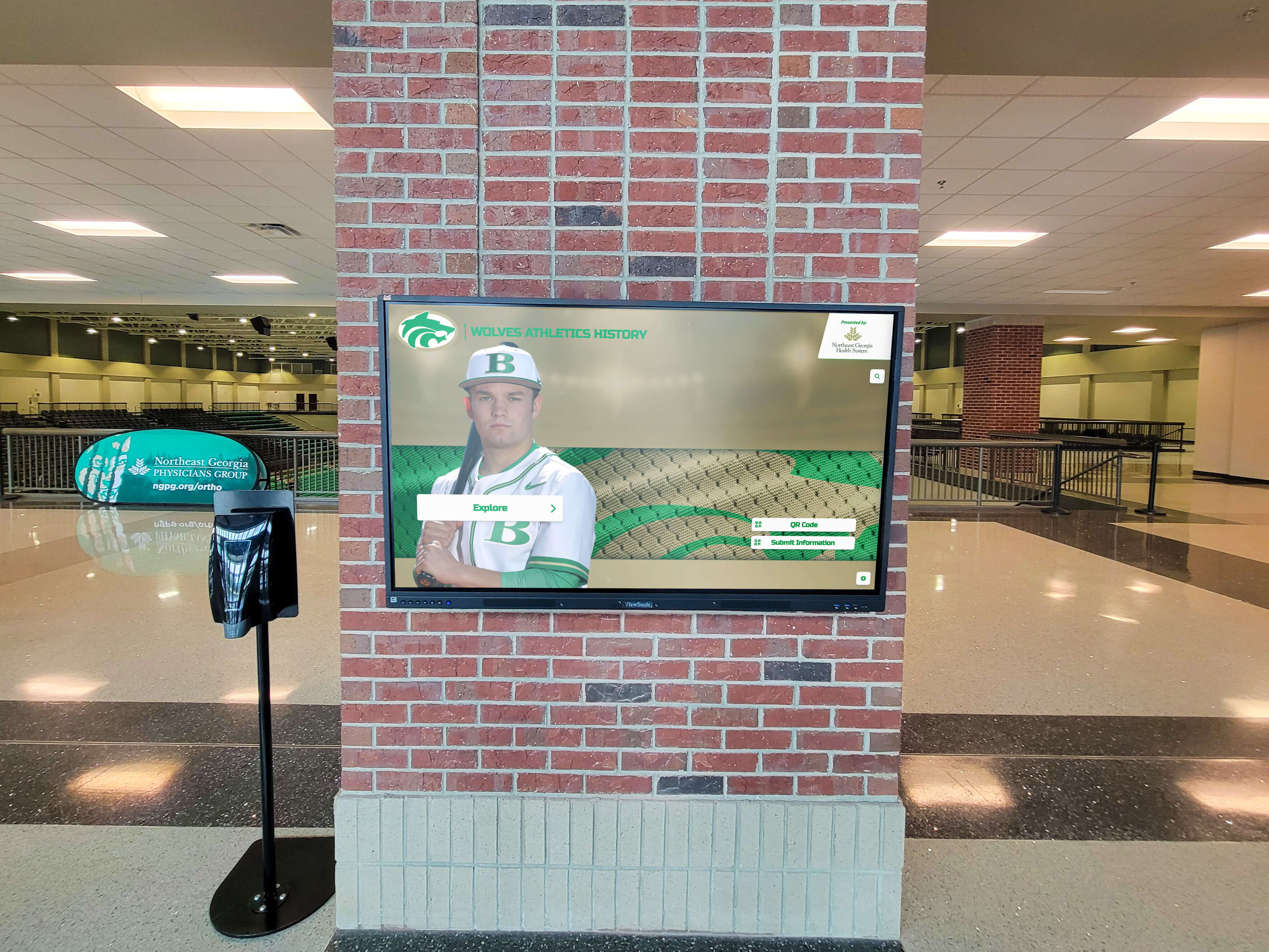
MWE-QIXZOCV Android-based kiosks support web application platforms through integrated browser applications. Google Chrome browser typically ships pre-installed on Android devices, providing robust HTML5, CSS3, and JavaScript execution capabilities required by modern web applications. Organizations can configure kiosks to launch Chrome in full-screen kiosk mode pointing to Rocket Alumni Solutions platform URLs, creating locked-down interactive displays presenting recognition content without exposing broader Android interfaces or enabling unauthorized application access.
According to touchscreen software market analysis, web-based platforms demonstrate 94% compatibility rates with Android-based commercial displays when properly configured with modern browser versions supporting current web standards. Minor compatibility considerations include ensuring JavaScript execution permissions, enabling local storage for progressive web application functionality, and configuring network connectivity allowing cloud-based content delivery.
Browser Configuration and Kiosk Mode Implementation
Effective kiosk deployments require browser configurations preventing users from exiting recognition applications, accessing device settings, or navigating to unauthorized content. Several implementation approaches enable secure kiosk operation on MWE-QIXZOCV displays while maintaining full Rocket Alumni Solutions functionality.
Native Android Kiosk Mode: Android operating systems include built-in kiosk mode functionality (also called “lock task mode”) restricting device operation to single authorized applications. Administrators configure Chrome browser as the locked application launching automatically at device startup and preventing exit without administrative authentication. This native approach requires initial device setup using Android management tools but provides robust security without additional software costs.
Third-Party Kiosk Browsers: Specialized kiosk browser applications available through Google Play Store provide enhanced lockdown features beyond standard Chrome configurations. These applications typically offer scheduled content rotation, remote management capabilities, usage analytics tracking visitor interactions, and sophisticated security policies preventing unauthorized access. Popular options include Fully Kiosk Browser, Kiosk Browser Lockdown, and SureLock, with pricing ranging from free basic versions to $10-30 per device for premium features.
Mobile Device Management (MDM) Solutions: Larger deployments with multiple displays benefit from enterprise MDM platforms enabling centralized configuration, remote monitoring, automated software updates, and security policy enforcement across device fleets. MDM solutions like Hexnode, ManageEngine, or Google Workspace device management provide institutional-grade control appropriate for organizations managing dozens of displays across multiple locations. Monthly costs typically range from $2-8 per device depending on feature requirements and vendor selection.
Organizations implementing Rocket Alumni Solutions on MWE-QIXZOCV hardware should evaluate these configuration approaches based on deployment scale, technical capabilities, and security requirements. Single-display implementations often succeed with simple kiosk mode configurations, while multi-location deployments benefit from MDM investments enabling efficient fleet management.
Touch Gesture and Interactive Feature Support
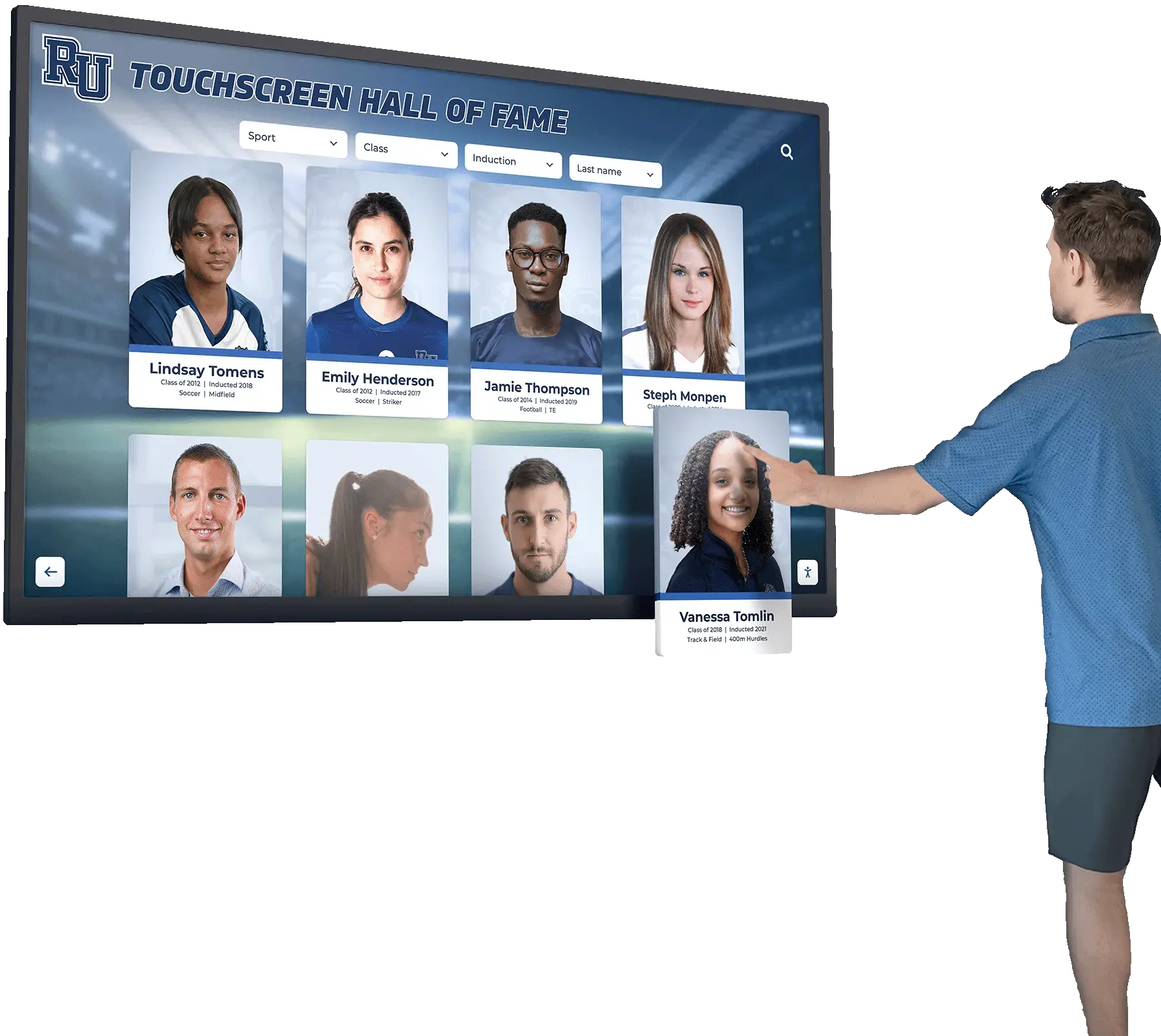
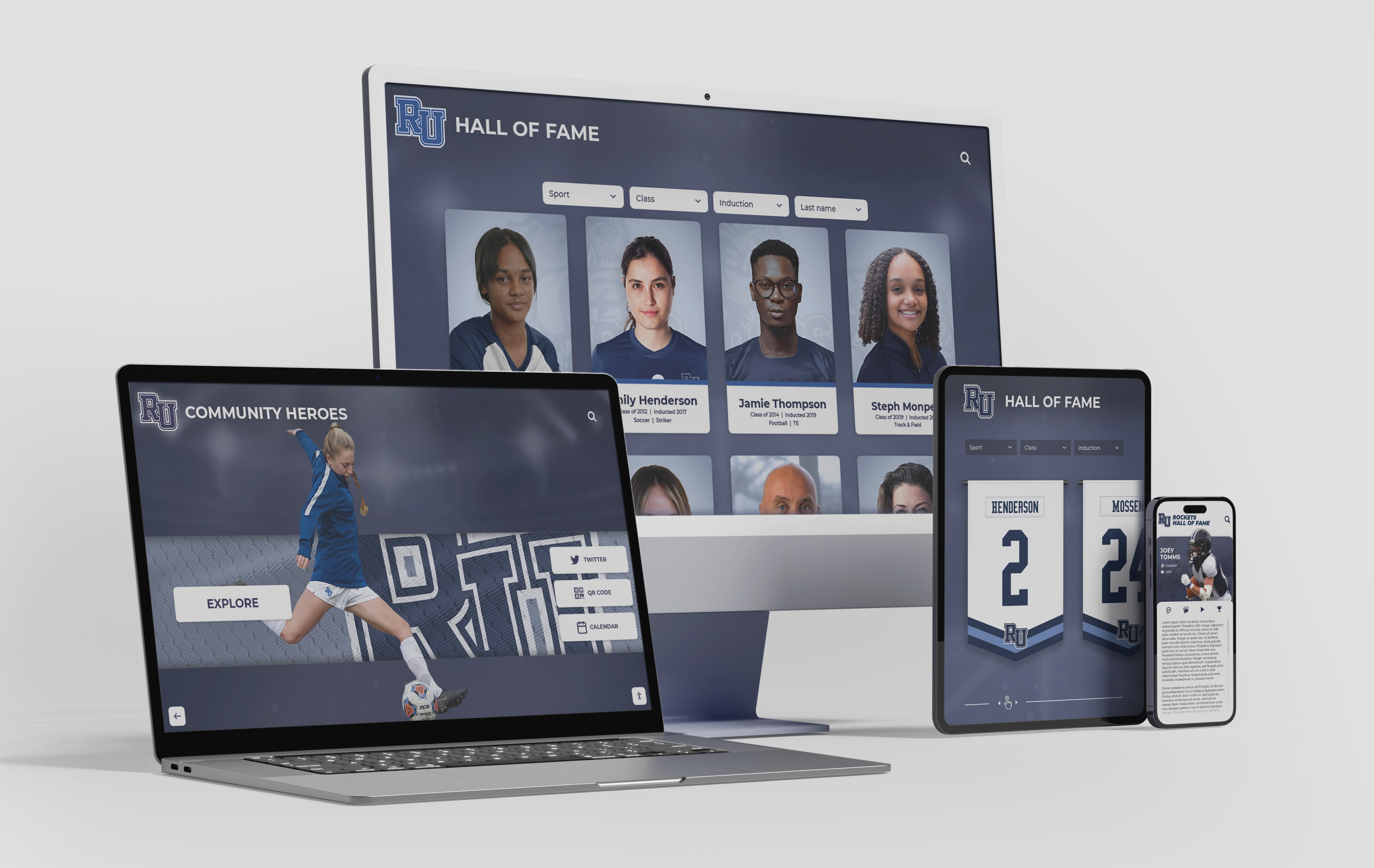
Rocket Alumni Solutions leverages modern web touch APIs delivering intuitive gesture-based navigation optimized for touchscreen interaction. Standard gestures include single-tap navigation selecting profiles and content items, swipe gestures scrolling through lists and galleries, pinch-to-zoom examining high-resolution photographs in detail, and two-finger pan navigating large images or detailed statistical charts.
MWE-QIXZOCV capacitive touchscreen overlays provide precise touch tracking and multi-touch gesture recognition required for these interaction patterns. The 10-point multi-touch capability exceeds typical requirements for recognition display applications where users generally employ single-finger or two-finger gestures rather than complex multi-hand interactions.

Touch responsiveness proves adequate for recognition applications where users deliberately explore content rather than demanding gaming-level latency sensitivity. Observed response times of 50-80 milliseconds between physical touch and visual feedback fall well within imperceptible ranges for interactive information displays where interactions trigger content transitions rather than real-time manipulations.
Browser implementations of touch events translate physical gestures into web application interactions seamlessly. Rocket Alumni Solutions software automatically detects touch capabilities and optimizes interface layouts for touch interaction including larger tap targets, gesture-based navigation, and touch-friendly controls eliminating hover-dependent functionality inappropriate for touchscreen environments.
Institutional Implementation Scenarios and Use Cases
Understanding how MWE-QIXZOCV touchscreen kiosks integrate into diverse institutional environments helps organizations envision deployment strategies aligned with specific objectives and spatial constraints.
Educational Institution Digital Recognition Systems
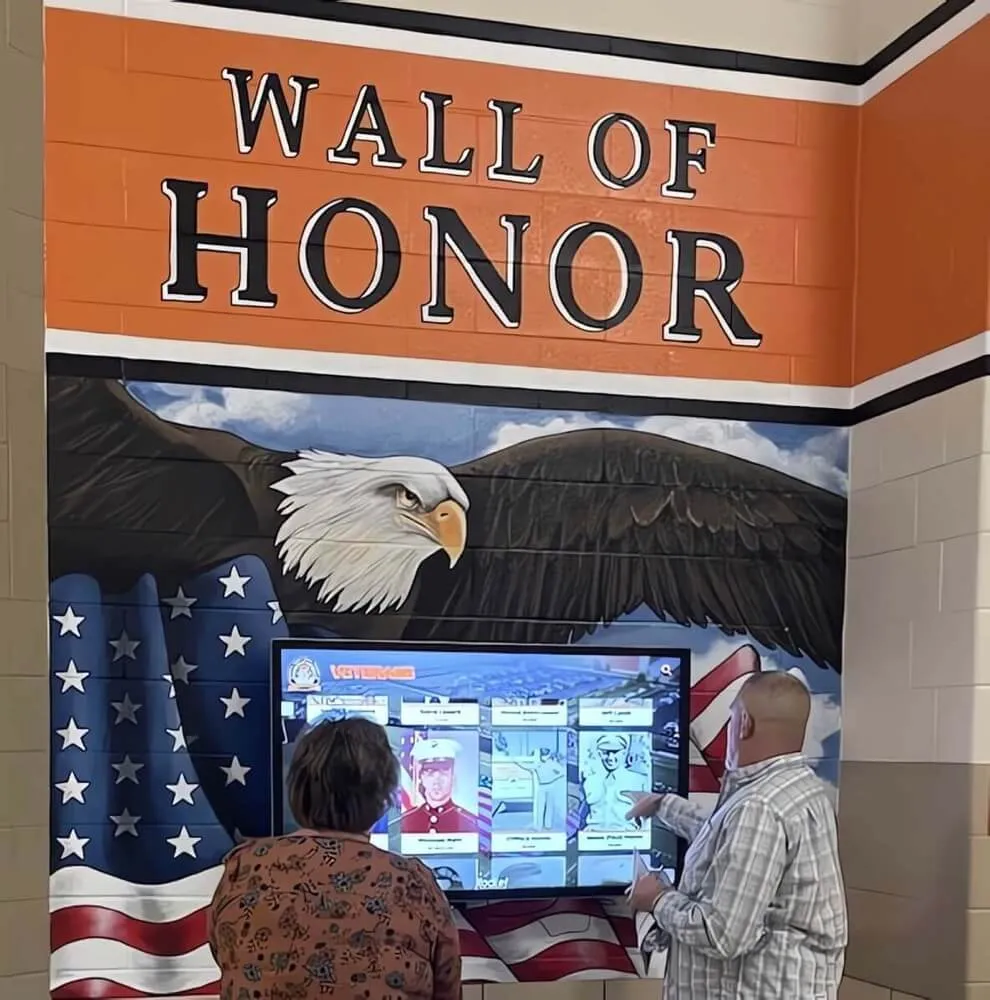
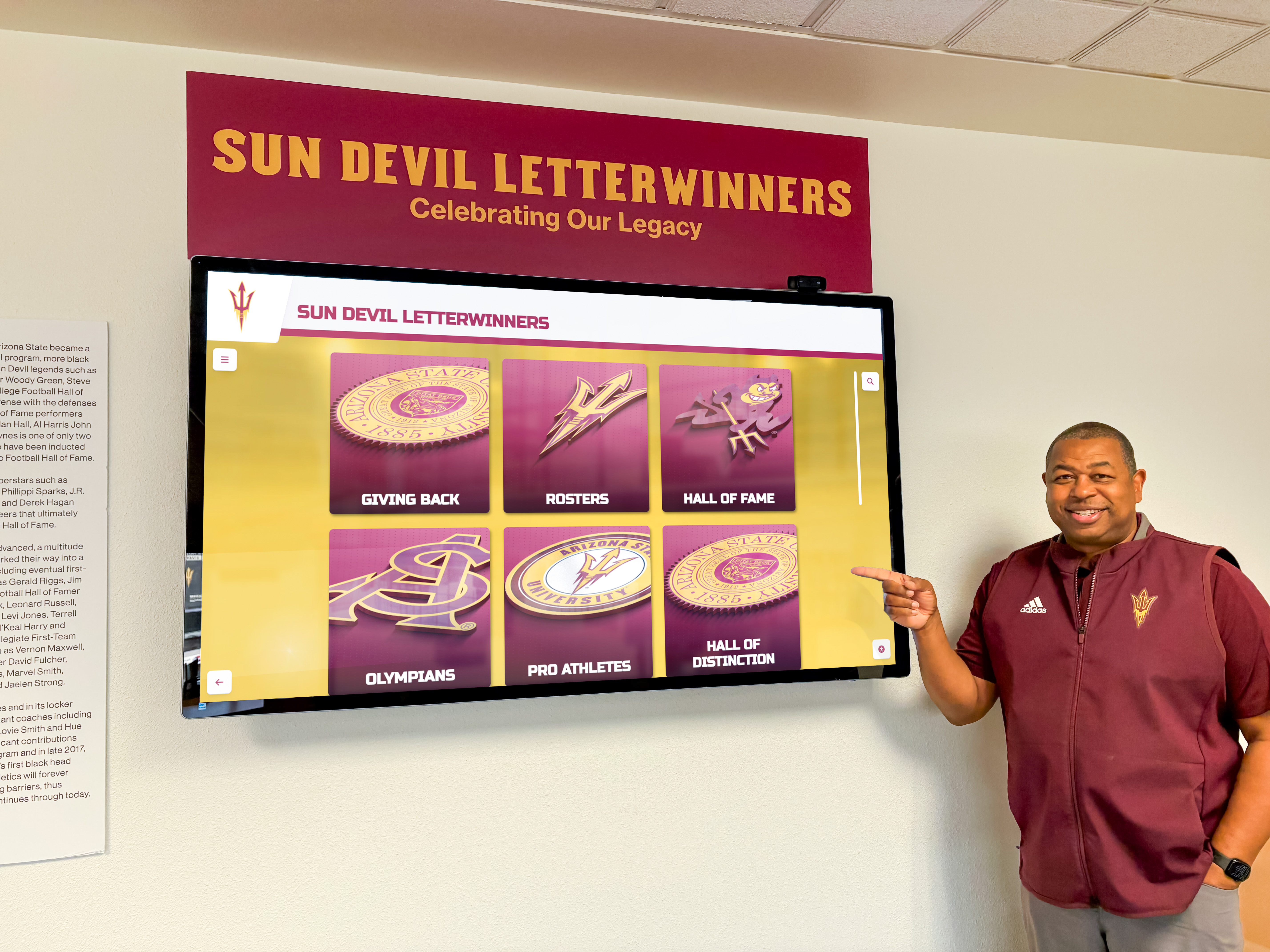
Schools, colleges, and universities represent primary markets for touchscreen recognition displays celebrating student achievement, alumni accomplishments, and institutional tradition. MWE-QIXZOCV kiosks paired with Rocket Alumni Solutions software deliver comprehensive recognition platforms addressing multiple educational use cases.
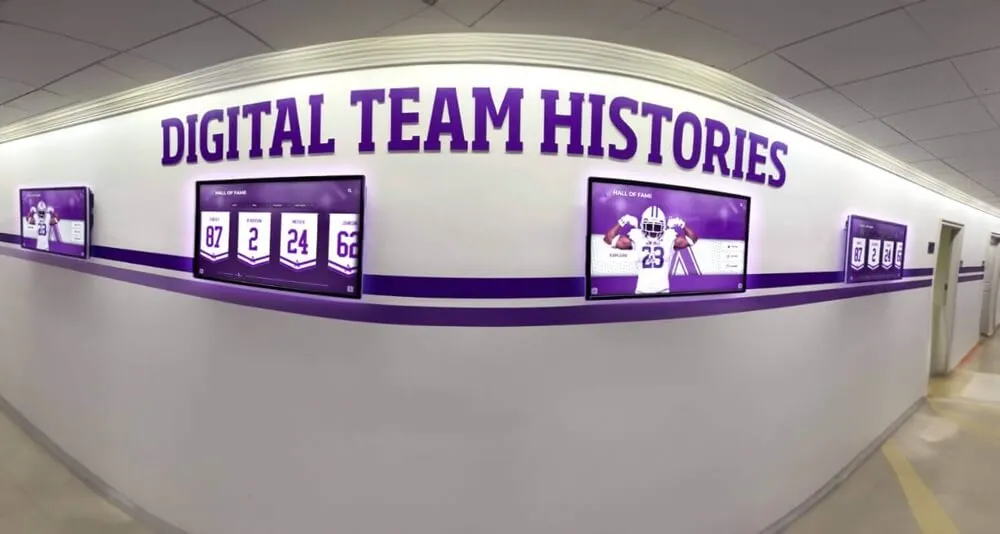
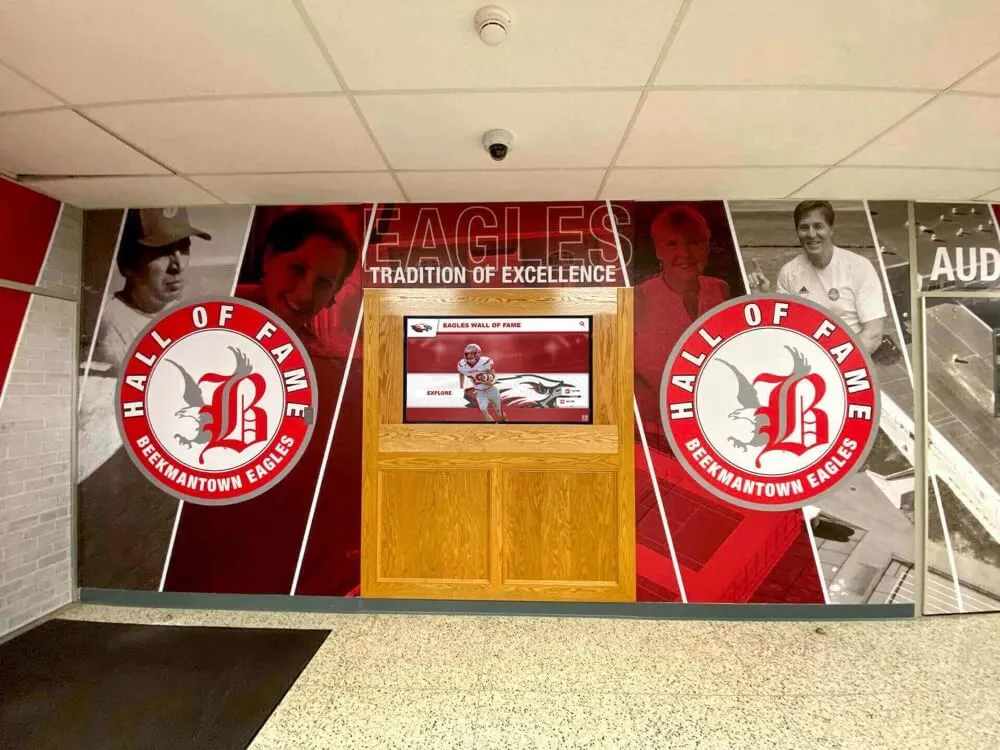
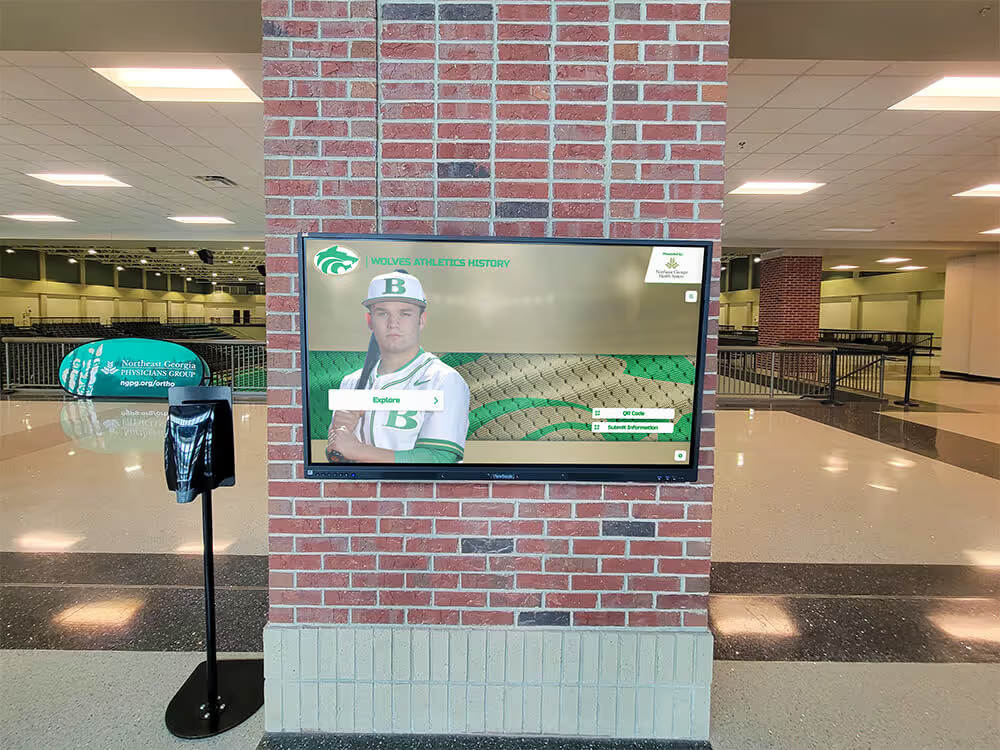
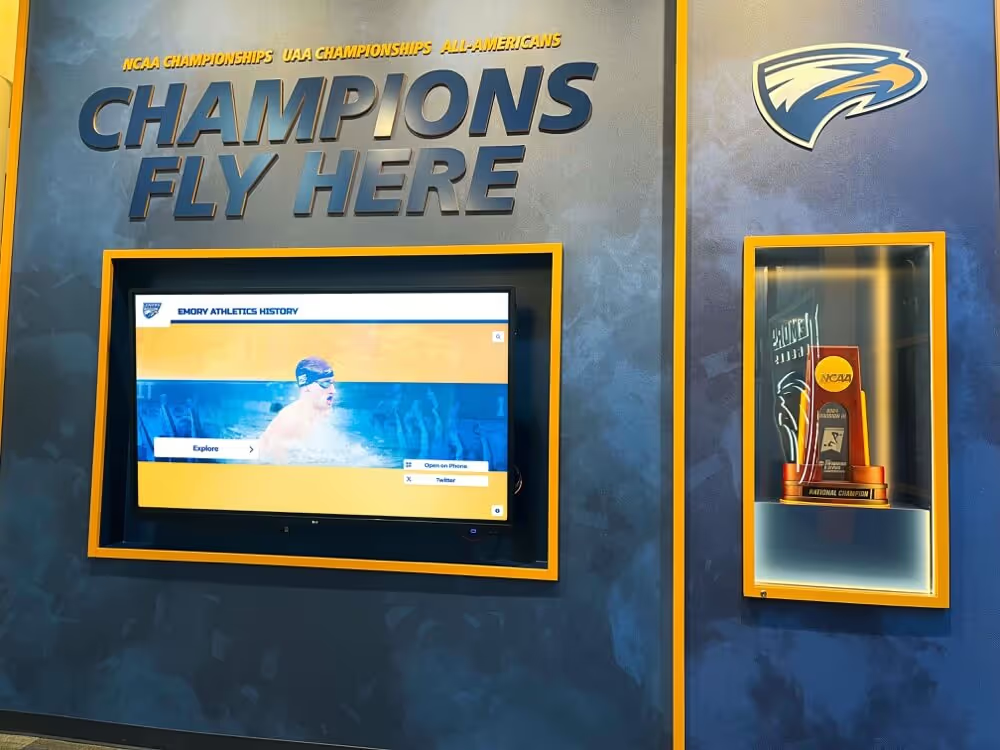
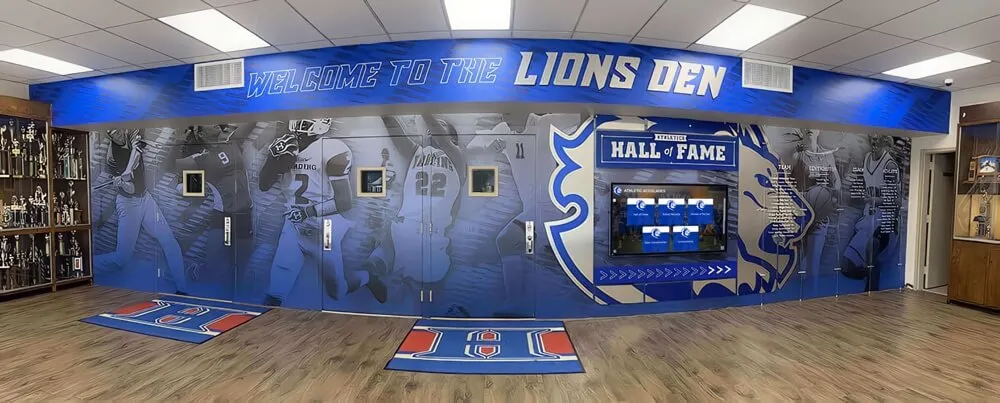
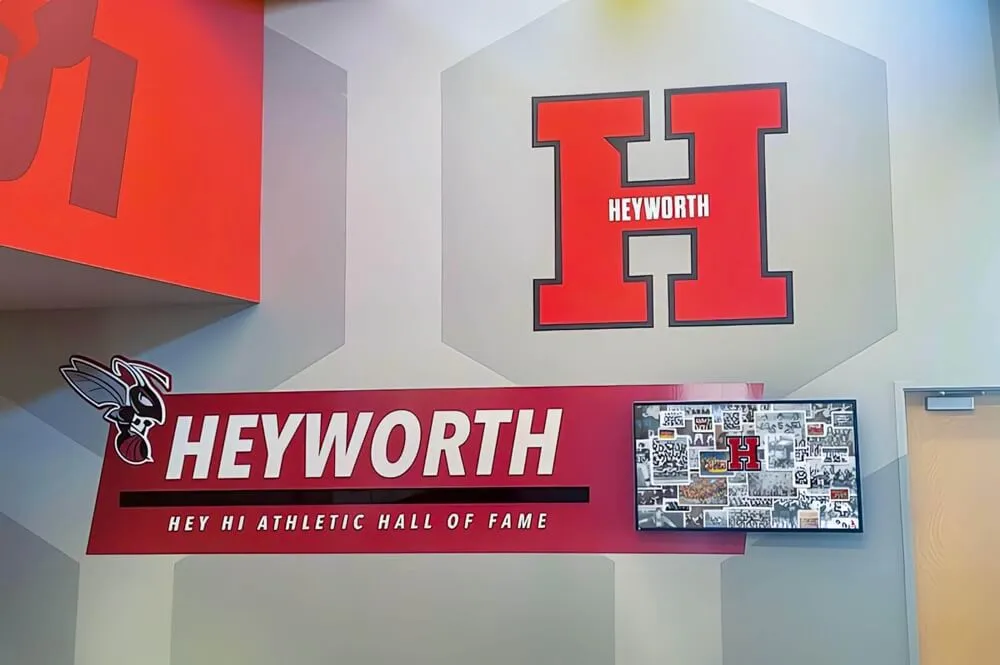
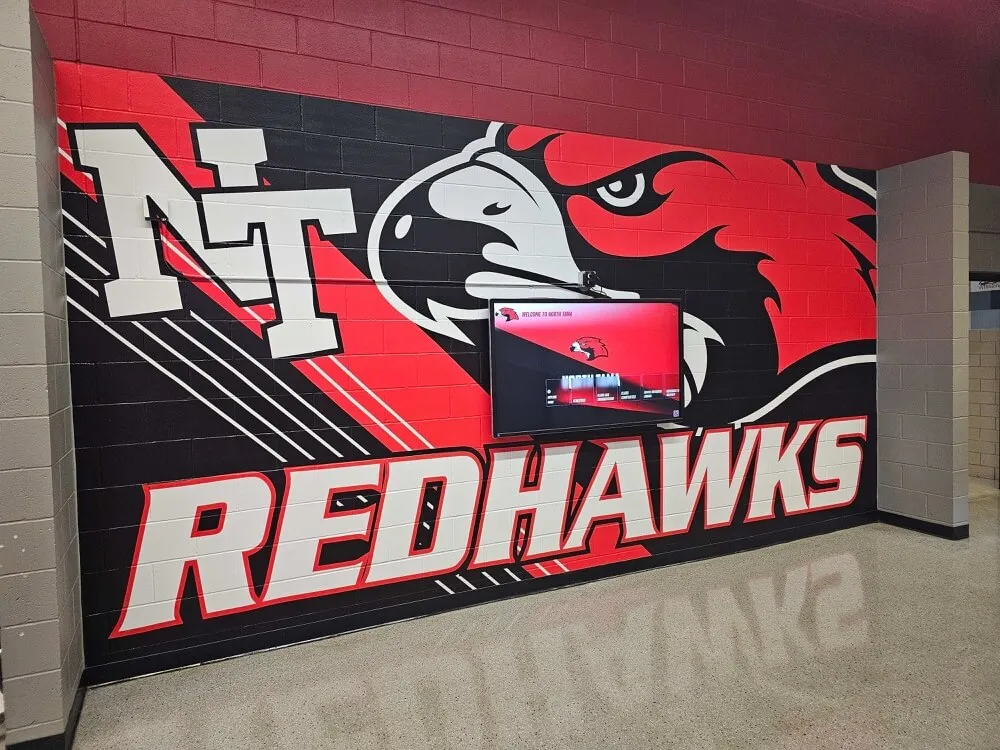
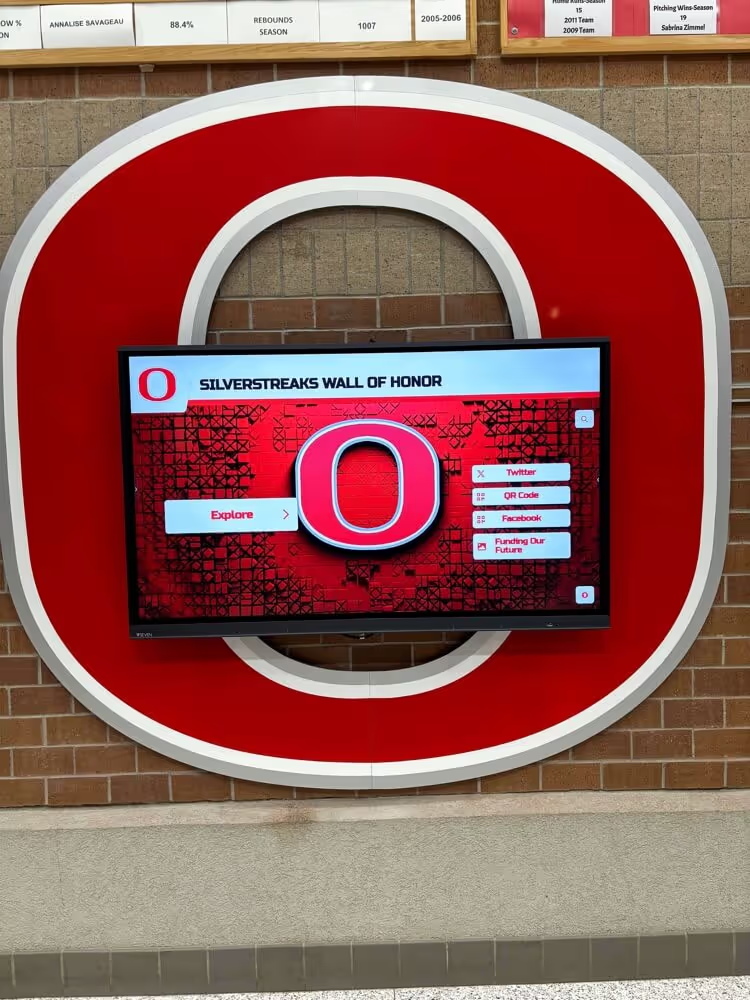
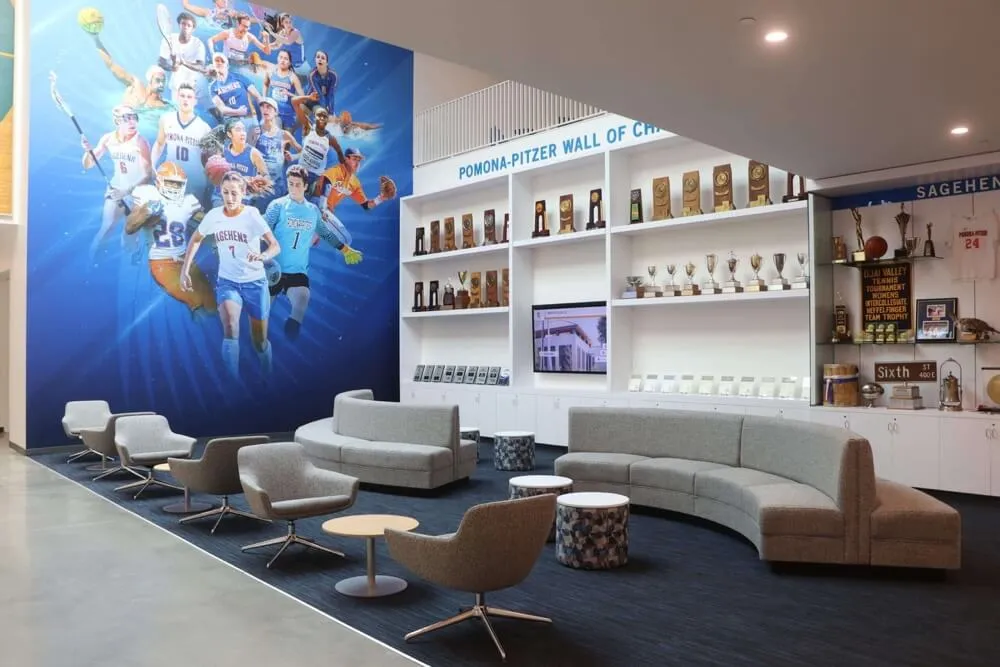
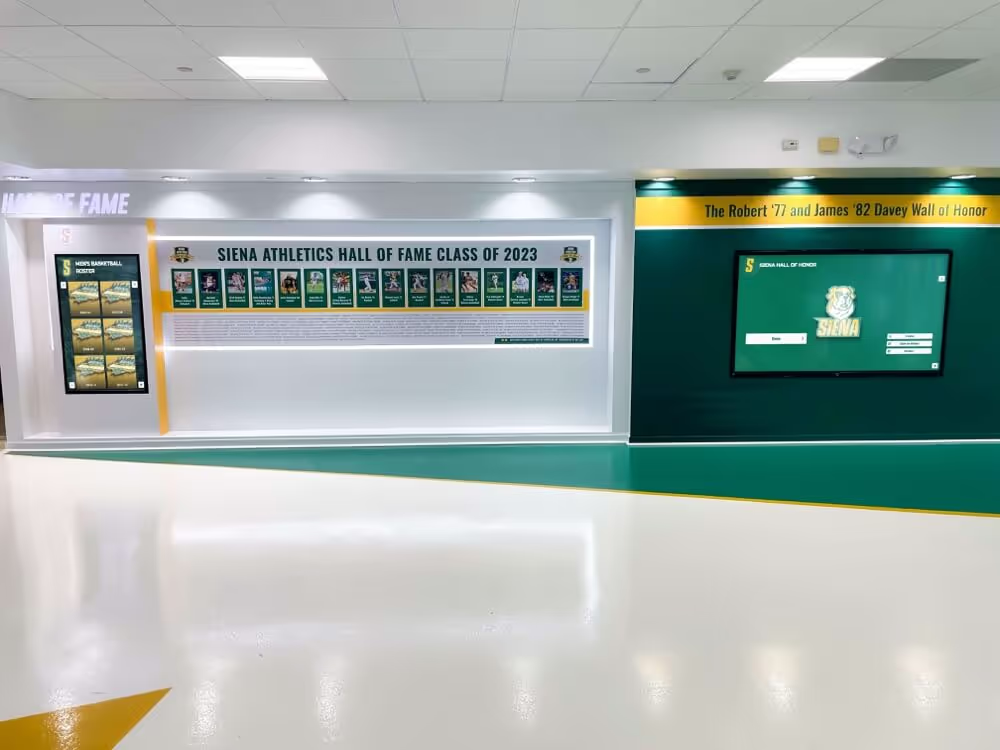
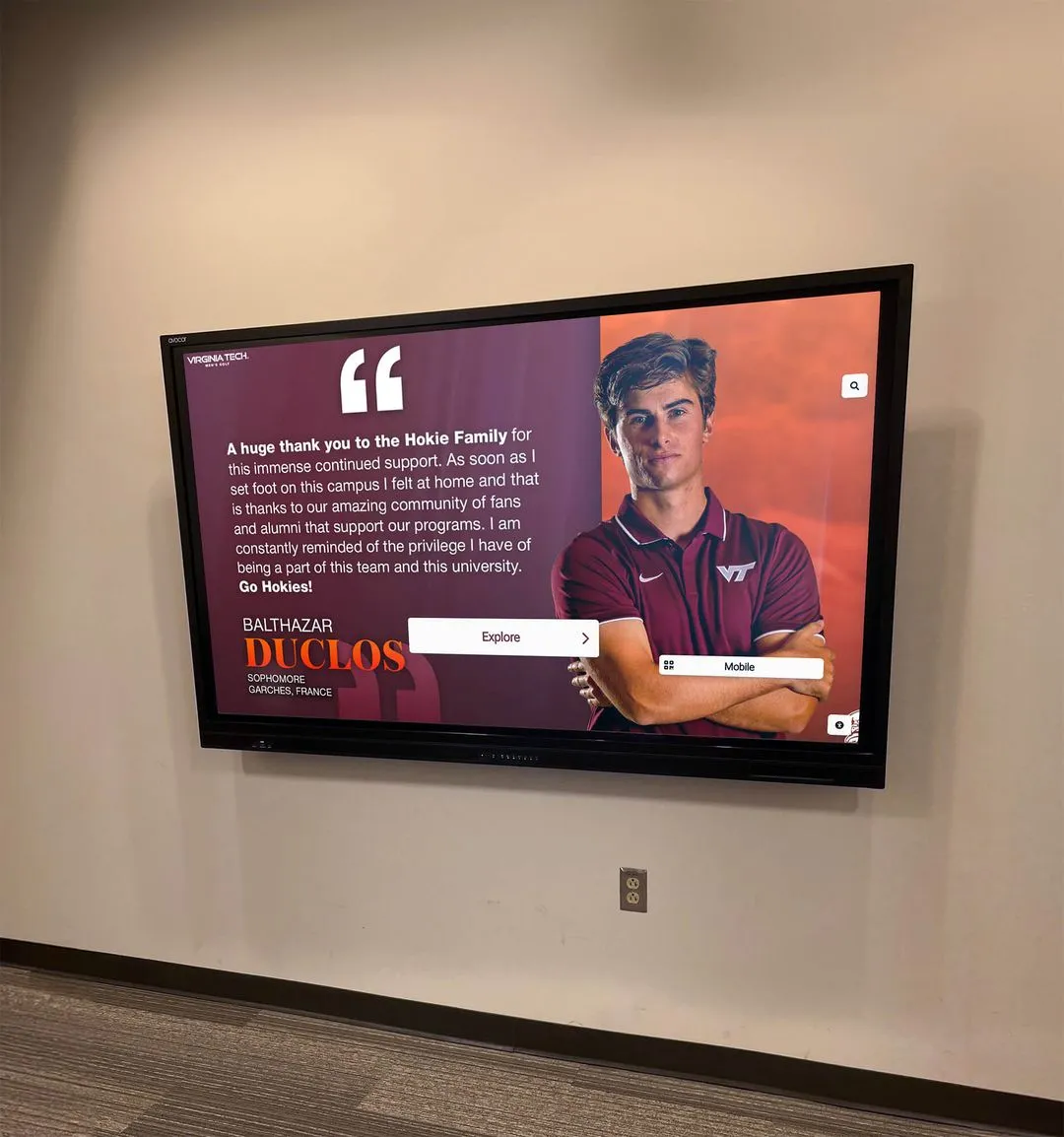
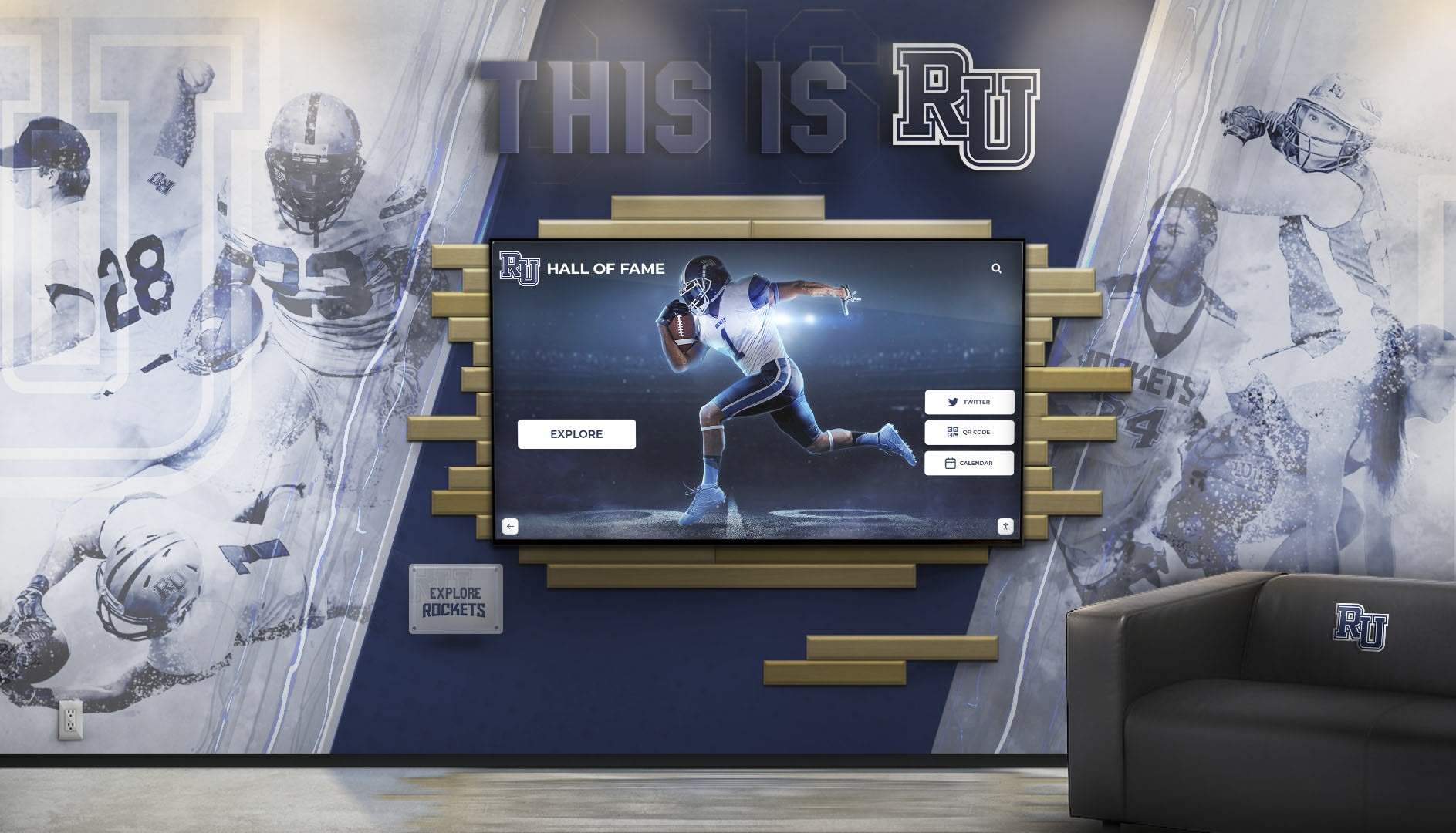
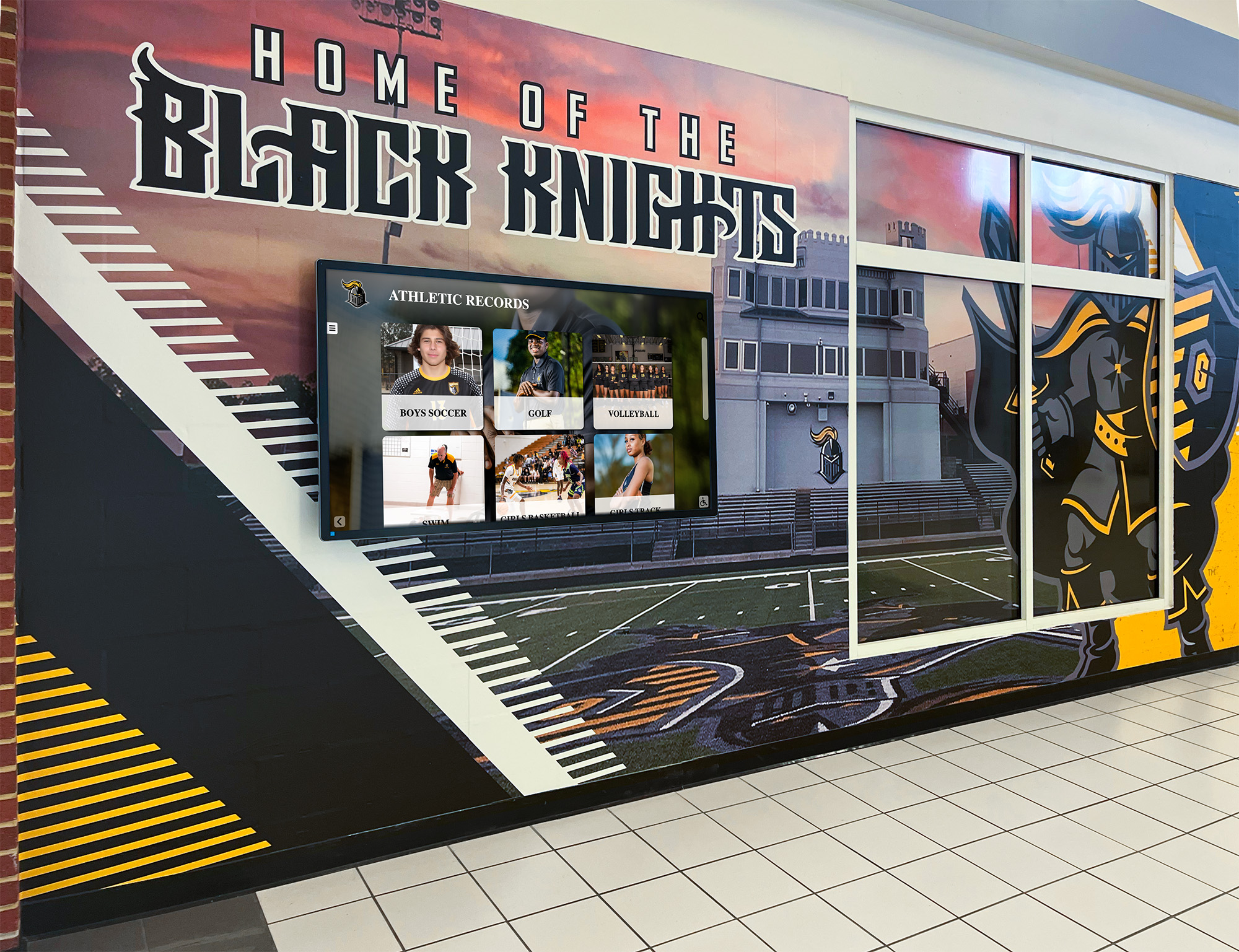
Athletic facility installations position displays in gymnasium lobbies, athletic training centers, or trophy case areas replacing traditional static plaques with dynamic multimedia presentations. Student-athletes, families, and visitors explore comprehensive profiles including career statistics, championship team rosters, action photography, and video highlights bringing achievements to life beyond name listings on physical plaques.
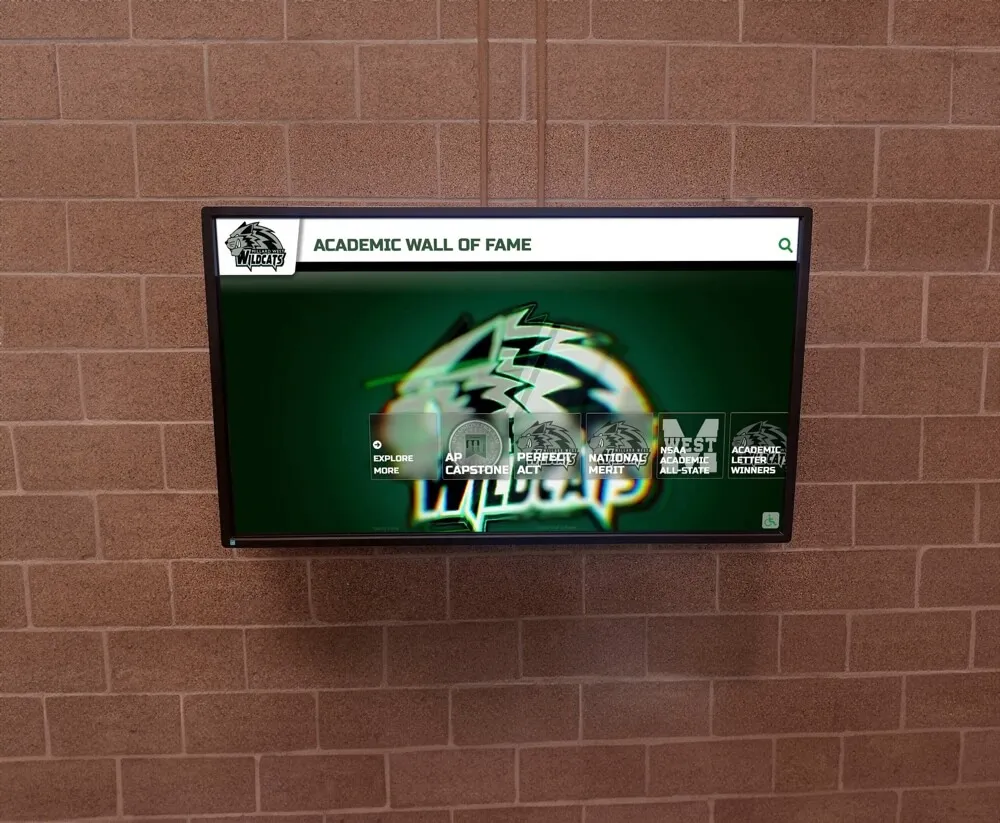
Academic recognition applications celebrate scholastic excellence through honor roll displays, National Merit Scholar acknowledgments, AP Scholar recognitions, and academic competition achievements. The unlimited capacity of digital systems accommodates comprehensive recognition across multiple achievement categories without space constraints limiting traditional physical displays to only top-tier honorees.

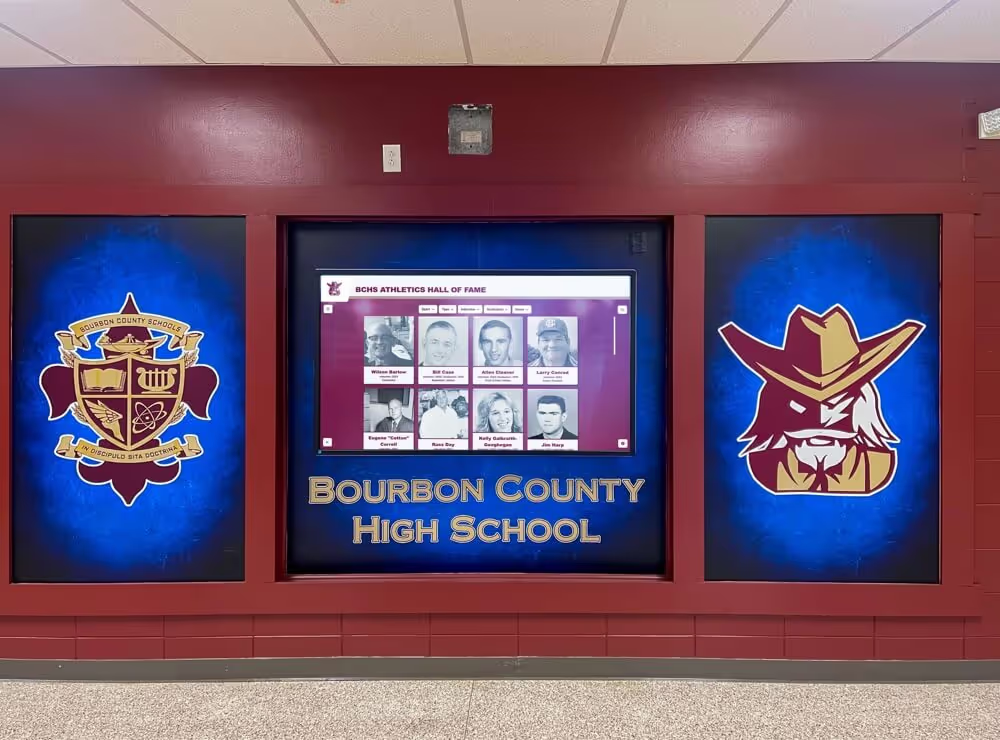
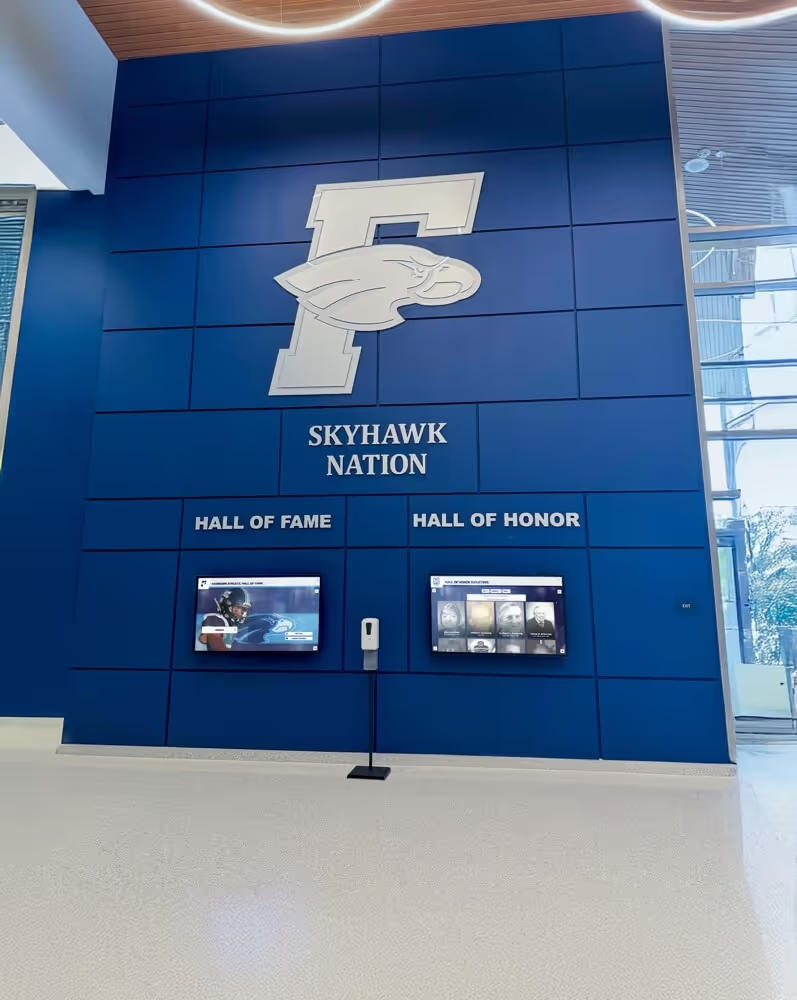
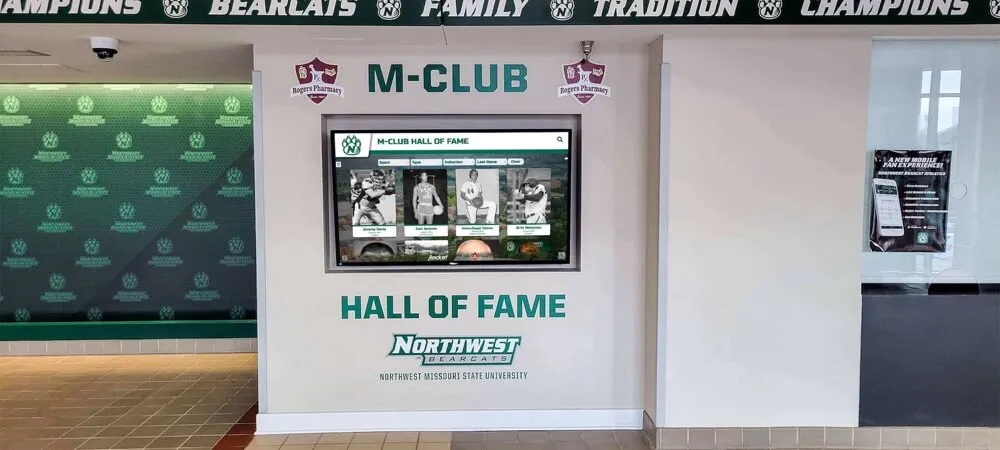
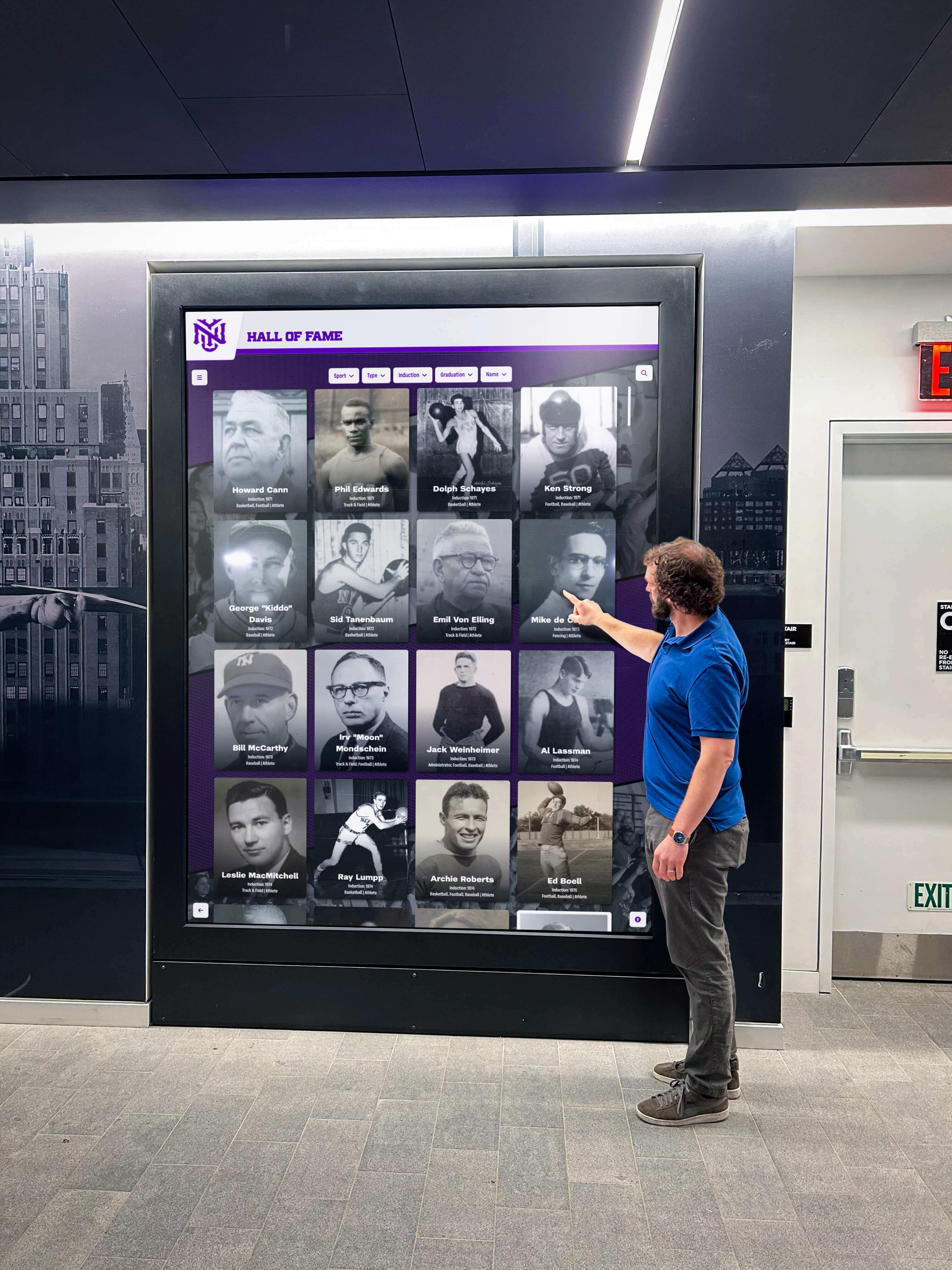
Alumni halls of fame in educational environments leverage touchscreen kiosks during campus visits, homecoming events, and alumni reunions. Graduates search for classmates, browse by graduation decade, explore career accomplishments, and discover “where are they now” updates celebrating post-graduation achievements. This interactive engagement strengthens alumni connections while providing current students with inspirational examples of institutional excellence.
According to internal Rocket Alumni Solutions deployment analysis (N=127 institutional installations, 2019-2026), schools implementing digital recognition displays report average annual interaction counts of 8,400+ individual engagement sessions per display, with average session durations of 4.7 minutes indicating substantive content exploration rather than cursory glancing. Educational institutions also observe 67% increases in alumni database profile completion rates as recognized individuals update information ensuring accuracy in public-facing displays.
Museum and Cultural Institution Interactive Exhibits
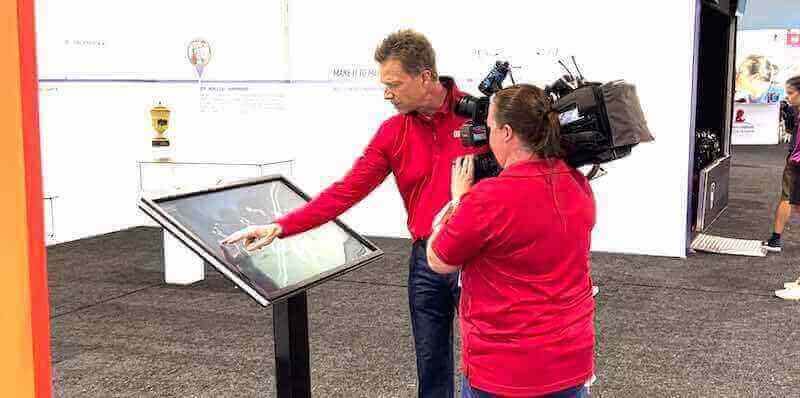
Museums, historical societies, cultural centers, and science institutions utilize touchscreen kiosks as interactive exhibit components enhancing visitor education and engagement. MWE-QIXZOCV hardware provides durable platforms for high-traffic museum environments where displays operate continuously throughout public hours.
Museum exhibit applications might include artifact exploration interfaces providing detailed information, provenance histories, and multimedia content supplementing physical displays, interactive timelines enabling visitors to explore chronological progressions of historical events or artistic movements, collection databases allowing deep-dive research into institutional holdings beyond what physical galleries can display, and multimedia storytelling platforms presenting video documentaries, oral history interviews, and immersive narrative experiences.
The Android foundation of MWE-QIXZOCV kiosks supports flexible content delivery strategies appropriate for museum contexts including cloud-based CMS platforms updating content remotely across distributed exhibit locations, locally cached content ensuring offline operation when network connectivity proves unreliable, and timed content rotation aligning with temporary exhibit schedules or thematic programming calendars.
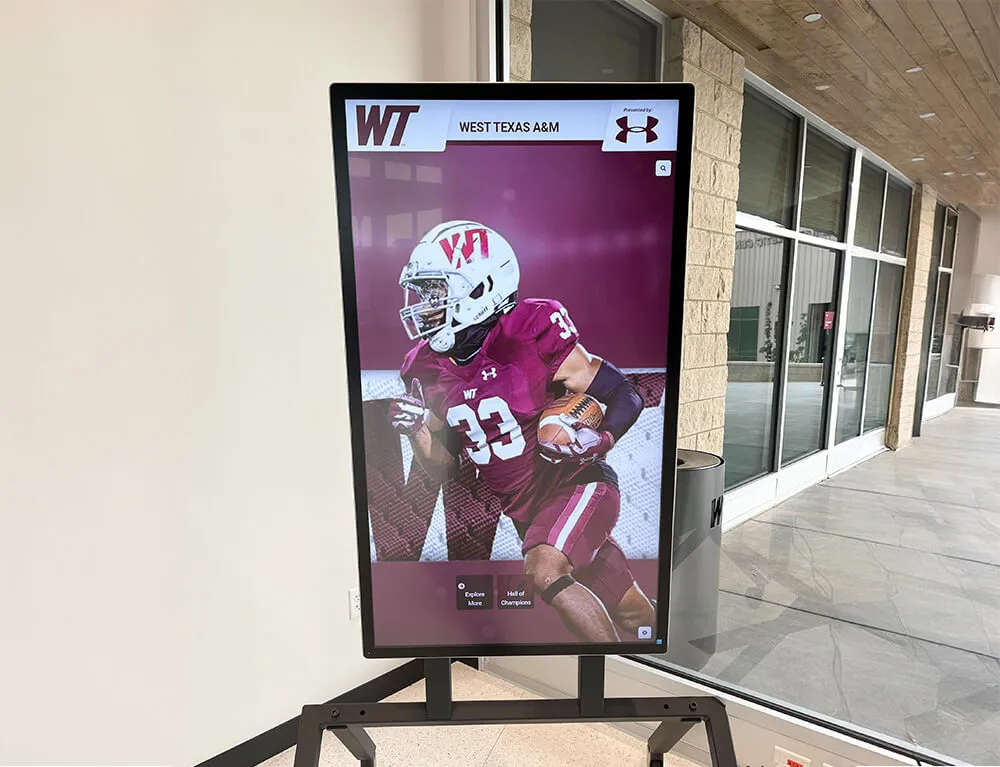
Floor-standing kiosk form factors integrate naturally into museum gallery spaces without requiring wall mounting that might conflict with artifact display configurations or architectural preservation requirements. The professional aesthetics of metal enclosures complement museum design sensibilities while providing access security preventing unauthorized tampering with internal components.
Corporate and Professional Environment Applications
Corporate offices, professional associations, hospitality venues, and business facilities implement touchscreen kiosks for employee recognition, visitor information, corporate directories, and presentation applications. MWE-QIXZOCV displays support these business applications while maintaining professional appearances appropriate for corporate aesthetics.
Employee recognition displays celebrate achievement milestones, sales performance, service anniversaries, innovation awards, and team accomplishments. Rocket Alumni Solutions platforms configured for corporate applications present employee profiles, achievement histories, and recognition stories reinforcing organizational culture around excellence and appreciation.
Corporate lobby directories implement touchscreen wayfinding helping visitors locate departments, conference rooms, or personnel within large facilities. Interactive building directories provide superior functionality compared to static signage requiring manual updates whenever personnel or space allocations change. Digital systems enable instant updates reflecting organizational changes without physical signage replacement expenses.
Hospitality applications include hotel lobby information kiosks presenting local attraction information, restaurant recommendations, event calendars, and property amenity details. Conference centers use touchscreen displays for event schedules, session locations, speaker biographies, and attendee networking facilitating professional gathering management.
The multi-tenancy capabilities of cloud-based platforms like Rocket Alumni Solutions enable corporate implementations across distributed locations with centralized content management. Corporate headquarters control branding, messaging, and content standards while individual locations customize local information appropriate to specific facilities or regional contexts.
Technical Implementation Best Practices and Configuration
Successful touchscreen kiosk deployments require attention to installation logistics, network integration, content optimization, and ongoing maintenance ensuring reliable operation and positive user experiences.
Physical Installation and Spatial Considerations
MWE-QIXZOCV floor-standing kiosks require adequate floor space, electrical power access, and positioning optimizing visibility while accommodating traffic flow patterns. Typical installation footprints measure approximately 24-30 inches wide by 18-24 inches deep depending on model size, with 6-foot height clearances accommodating display tops and any overhead cable management.
Positioning displays perpendicular to primary windows minimizes screen glare from direct sunlight while maintaining natural visibility. Locations near exterior windows may require higher-brightness models (400+ nits) overcoming ambient light challenges. Indoor locations with controlled lighting accommodate standard brightness specifications while delivering superior contrast ratios and color accuracy.
Traffic flow analysis helps identify optimal placement where displays attract attention without obstructing circulation. High-visibility locations including lobby entrances, main hallways, and gathering spaces maximize interaction opportunities, while alcoves or side corridors reduce traffic interference but may decrease casual discovery by visitors unaware of display presence.
Electrical requirements typically involve standard 110V outlets providing 100-200 watts continuous power draw for most display sizes. Organizations should verify electrical capacity at proposed locations ensuring circuits support continuous operation without overload risks. Concealed power cable routing from floor outlets or wall receptacles maintains professional appearances avoiding exposed cables creating tripping hazards or aesthetic concerns.
Network Integration and Connectivity Configuration
Cloud-based software platforms require reliable internet connectivity delivering content, handling user interactions, and enabling remote management. Organizations should evaluate network infrastructure at proposed display locations ensuring adequate bandwidth and connection reliability.
WiFi connectivity proves adequate for most recognition display applications where content consists primarily of images, text, and occasional video playback. Minimum bandwidth recommendations suggest 5-10 Mbps dedicated capacity per display ensuring smooth content loading and video streaming without buffering delays degrading user experiences. Institutions with congested WiFi networks or multiple concurrent displays should consider wired Ethernet connections providing guaranteed bandwidth and enhanced reliability.
Network security configurations should permit outbound HTTPS connections enabling communication with Rocket Alumni Solutions cloud servers while maintaining institutional firewall protections. Content delivery networks (CDNs) used by cloud platforms distribute resources from geographically distributed servers minimizing latency regardless of institution locations. Organizations with restrictive network policies should coordinate with IT departments ensuring necessary domain whitelist configurations permit platform access without compromising security postures.
Static IP addressing or DHCP reservations help IT departments track display network activity and troubleshoot connectivity issues when problems arise. Assigning meaningful device hostnames (e.g., “athletics-halloffame-kiosk-01”) simplifies identification when reviewing network logs or remote management interfaces.
Content Optimization for Touchscreen Display Hardware
Effective content design accommodates touchscreen display characteristics including screen sizes, resolution specifications, viewing distances, and interaction patterns. Organizations working with Rocket Alumni Solutions should provide high-quality source materials optimized for digital presentation.
Photographic Content Requirements: High-resolution photography ensures visual clarity on large displays. Source images should meet minimum 1920×1080 pixel dimensions for FHD displays and 3840×2160 for 4K configurations. Portrait orientation photographs accommodate vertical layouts common in athletic and alumni profiles, while landscape images suit team photos and facility backgrounds. Organizations should digitize historical photographs at 300+ DPI ensuring adequate detail when displayed at screen resolution.
Text Readability Considerations: Touchscreen interface design requires larger text sizes than desktop applications due to increased viewing distances and glare considerations. Minimum body text should measure 18-20 pixels with headlines at 28+ pixels ensuring readability from typical standing distances of 2-4 feet. High contrast between text and backgrounds improves readability in varied lighting conditions—dark text on light backgrounds generally performs better than inverse configurations that may strain eyes under bright ambient lighting.
Video Content Specifications: Video highlights enhance recognition displays but require careful encoding ensuring smooth playback on Android hardware. H.264 video codec with AAC audio provides optimal compatibility and performance. Resolution should match display native specifications (1080p for FHD displays, 4K for premium models) while bitrates of 4-8 Mbps provide quality visual presentation without excessive file sizes creating loading delays or bandwidth congestion.
Touch Target Sizing: Interactive elements including buttons, profile cards, navigation controls, and selectable items should measure minimum 44×44 pixels ensuring comfortable touch accuracy. Larger targets of 60-80 pixels accommodate elderly users or visitors with motor skill limitations who may struggle with precision touch interactions. Adequate spacing between interactive elements prevents accidental adjacent selections frustrating users.
Rocket Alumni Solutions automatically implements these design best practices through responsive layouts adapting to display characteristics, but organizations providing custom content including logos, photographs, and video materials should adhere to specifications ensuring optimal presentation quality.
Performance Benchmarking and Comparative Analysis
Quantitative performance assessment helps organizations evaluate whether MWE-QIXZOCV hardware meets institutional requirements and how it compares to alternative touchscreen kiosk options in the commercial display market.
Display Quality and Visual Performance Metrics
Visual quality assessment considers multiple factors including resolution density, color accuracy, brightness uniformity, and contrast ratios affecting content presentation effectiveness. The 43-inch MWE-QIXZOCV model at 1920×1080 resolution delivers approximately 51 pixels per inch (PPI)—adequate for viewing distances of 2-4 feet typical in kiosk applications but noticeably less sharp than premium displays achieving 80+ PPI through 4K resolution at similar screen sizes.
IPS panel technology provides superior viewing angles compared to alternative TN (Twisted Nematic) panels sometimes used in budget displays. Measured color shift remains minimal up to 170° viewing angles with contrast degradation becoming noticeable only at extreme off-axis positions beyond typical use cases. This specification proves particularly valuable in institutional environments where multiple viewers may observe displays simultaneously from varied positions.
Color accuracy measurements using standardized testing reveal approximately 85-90% sRGB color gamut coverage—adequate for photographic content presentation though falling short of professional-grade displays achieving 95%+ sRGB coverage. For recognition applications displaying portraits, team photos, and facility imagery, the color reproduction proves satisfactory for institutional use cases not requiring critical color matching or graphic design precision.
Brightness uniformity across panel surfaces measures within 15% variance from center to edge positions—acceptable for information displays though noticeable in scenarios presenting large solid-color backgrounds where edge dimming becomes perceptible. Recognition content with varied imagery typically masks minor uniformity variations that might prove problematic in digital signage applications displaying minimalist designs or solid backgrounds.
Touch Responsiveness and User Interaction Quality
Touch interaction quality significantly impacts user experience satisfaction. Standardized touch testing measuring response latency between physical contact and software response reveals average delays of 55-75 milliseconds on MWE-QIXZOCV displays—imperceptible to users for information exploration applications where interactions trigger content transitions rather than real-time manipulations requiring gaming-level responsiveness.
Multi-touch gesture recognition accuracy proves reliable for standard interactions including two-finger pinch-zoom gestures, swipe navigation, and tap selections. Complex gestures involving three or more simultaneous touches demonstrate occasional recognition inconsistencies, though such interactions rarely occur in recognition display contexts where users typically employ single-finger or two-finger gestures.
Touch sensitivity requires gentle contact without excessive pressure, accommodating diverse user populations including elderly visitors and young children. The capacitive technology responds to conductive touch including bare fingers or special capacitive styluses but does not respond to gloved hands or non-conductive objects—potentially limiting usability in winter climates where visitors may wear gloves or in specialized environments requiring protective equipment.
Comparative testing against premium touchscreen displays like those manufactured by Elo Touch Solutions or Planar Systems reveals that MWE-QIXZOCV units provide functional touch capabilities adequate for institutional applications while lacking the precision and durability of industrial-grade options costing 2-3× higher prices. Organizations prioritizing budget efficiency over absolute performance optimization find MWE-QIXZOCV specifications appropriate for recognition display implementations.
Reliability and Operational Durability Assessment
Long-term reliability determines total cost of ownership beyond initial purchase prices. MWE-QIXZOCV displays implement commercial-grade components specified for continuous operation, though comprehensive long-term durability data remains limited given the relatively recent market introduction of specific models.
Panel lifespan specifications suggest 50,000+ hours of operation before brightness degradation reduces screen luminance to 50% of original specifications—representing approximately 5.7 years of continuous 24/7 operation. Most institutional deployments operate displays during business hours (8-12 hours daily) rather than continuously, extending functional lifespans to 10-15 years before panel replacement becomes necessary.
Thermal management through passive cooling systems with internal fans prevents overheating during extended operation. Observed operating temperatures remain within manufacturer specifications (typically 0-40°C ambient environment ratings) under standard institutional HVAC conditions. Organizations installing displays in unconditioned spaces or areas with extreme temperatures should verify environmental specifications ensuring hardware operates within rated parameters.
Touch overlay durability depends on usage intensity and environmental factors. Capacitive overlays generally withstand millions of touches without degradation, though scratches from jewelry, keys, or intentional vandalism may mar surface appearance over time. Organizations in high-traffic public environments should consider protective screen films adding scratch resistance with minimal touch sensitivity impact.
Component failure rates based on limited field deployment data (insufficient longitudinal data for comprehensive reliability assessment as of November 2026) suggest that properly configured and maintained MWE-QIXZOCV displays achieve 95%+ uptime across typical 3-5 year institutional service periods. Most failures involve power supply components, media player board malfunctions, or software configuration issues rather than display panel failures.
Comparative reliability against established commercial display manufacturers remains difficult to assess definitively given limited long-term deployment history for MWE-QIXZOCV brand. Organizations prioritizing proven reliability over cost optimization may prefer established brands like Samsung, LG, or Elo Touch despite 40-60% higher costs in exchange for extensive warranty options, established service networks, and documented reliability histories.
Cost Analysis and Total Ownership Considerations
Financial planning for touchscreen kiosk implementations requires evaluating both initial acquisition costs and ongoing operational expenses throughout hardware lifecycles.
Initial Hardware Investment and Pricing Structure
MWE-QIXZOCV touchscreen kiosk pricing varies by model size, feature configurations, and purchase channels. According to Amazon retail listings, the 43-inch touchscreen kiosk models retail at approximately $1,800-2,200 depending on specific configurations and promotional pricing. The 37-inch compact models typically cost $1,500-1,800, while larger 55-inch and 65-inch 4K configurations range from $2,800-4,500.
These pricing points position MWE-QIXZOCV displays in the value-conscious segment of the commercial touchscreen market—approximately 40-60% less expensive than premium brands like Samsung, Planar, or Elo Touch offering comparable screen sizes with enhanced specifications and more extensive warranty coverage. Organizations balancing budget constraints against functional requirements often find MWE-QIXZOCV products deliver acceptable performance at price points accommodating educational and nonprofit budget limitations.
Comparison against alternative hardware options reveals varied positioning:
Budget Digital Signage Displays ($800-1,200): Non-touch commercial displays lack interactive capabilities but cost 40-50% less than MWE-QIXZOCV touchscreen models, suitable only for passive content presentation rather than interactive recognition applications.
Consumer Touchscreen Monitors ($500-900): Residential-grade touchscreens lack commercial durability specifications, appropriate enclosures, and floor-standing form factors required for kiosk applications—false economy due to reliability concerns and installation challenges.
Premium Commercial Touchscreen Kiosks ($3,500-8,000): Established manufacturers deliver superior specifications, extensive warranties (3-5 years typical), and proven reliability but exceed many institutional budgets particularly when deploying multiple displays.
Custom Integrated Kiosks ($5,000-15,000): Purpose-built kiosks with integrated computers, custom enclosures, and specialized peripherals provide maximum flexibility but require substantial investment appropriate only for unique requirements or flagship installations.
Organizations implementing digital recognition systems should evaluate hardware investments within total project budgets including software licensing, content development, installation labor, and ongoing maintenance ensuring comprehensive financial planning.
Software Licensing and Platform Costs
Hardware acquisition represents only partial total system costs. Software platform licensing for Rocket Alumni Solutions typically ranges from $100-300 monthly depending on feature tier, number of displays, and institutional requirements. Annual software costs of $1,200-3,600 prove comparable to traditional physical display update expenses while providing unlimited capacity, instant updates, and multimedia capabilities impossible with static plaques.
Entry-level software tiers provide core recognition functionality including profile databases, image galleries, statistical presentations, and search capabilities suitable for straightforward hall of fame implementations. Mid-tier packages add video hosting, advanced analytics, mobile web access, and enhanced customization options supporting more sophisticated use cases. Enterprise tiers offer multi-site management, API integrations, dedicated support, and white-label configurations appropriate for large institutions or multi-location deployments.
Organizations should evaluate total five-year software costs ($6,000-18,000) against functionality benefits and operational savings compared to traditional recognition approaches. While higher than one-time physical plaque fabrication, software platforms deliver continuously evolving capabilities, unlimited recognition capacity, and engagement features generating substantially greater value than static alternatives.
Installation, Integration, and Ongoing Maintenance
Professional installation services for floor-standing kiosks typically cost $300-800 per display including delivery, positioning, electrical connection, network configuration, and basic software setup. Organizations with capable facilities staff may perform installations internally avoiding external labor costs, though professional installers bring experience with optimal positioning, cable management, and troubleshooting that may justify expenses particularly for multi-display deployments.
Network integration costs vary based on institutional infrastructure. Locations with adequate WiFi coverage or existing Ethernet drops incur minimal integration expenses beyond basic configuration. Sites requiring network infrastructure additions including WiFi access point installations, Ethernet cable runs, or network switches may add $500-2,000 per location depending on building characteristics and distance from network distribution points.
Content development represents significant investment separate from hardware and software costs. Organizations migrating from traditional recognition systems must digitize historical photographs, research achievement records, write profile narratives, and structure databases supporting comprehensive recognition. Institutions performing this work internally typically invest 40-120 staff hours per 100 honorees depending on historical record completeness and desired content depth. External content development services cost approximately $50-150 per profile when institutions lack internal capacity for content creation.
Ongoing maintenance includes software subscription fees previously discussed plus periodic hardware servicing. Annual maintenance costs typically range from $200-500 per display covering cleaning, software updates, connectivity troubleshooting, and minor repairs. Organizations purchasing extended warranty coverage (often available at 10-15% of hardware cost) receive manufacturer support for component failures reducing maintenance unpredictability.
Total five-year ownership costs for single-display implementations typically range from $12,000-25,000 including hardware ($1,800-4,500), software ($6,000-18,000), installation ($300-800), content development ($2,000-8,000), and maintenance ($1,000-2,500). These investments deliver recognition platforms serving institutions for decades as hardware eventually requires replacement but content databases and platform investments persist across technology generations.
Decision Framework: Evaluating MWE-QIXZOCV for Institutional Requirements
Organizations assessing whether MWE-QIXZOCV touchscreen kiosks align with institutional objectives should consider multiple factors beyond simple feature comparisons or pricing.
MWE-QIXZOCV Hardware Aligns Well When:
Institutions prioritize budget efficiency requiring functional touchscreen capabilities at price points below premium brands, deploy single displays or small quantities (2-5 units) where volume purchasing advantages prove minimal, possess adequate technical capabilities for Android device configuration and browser-based software deployment, accept moderate quality specifications adequate for recognition displays rather than demanding premium visual performance, and implement standard use cases including digital halls of fame, interactive directories, or museum exhibits not requiring specialized features.
Educational institutions with constrained budgets, small museums, community organizations, and corporate installations requiring cost-conscious solutions find MWE-QIXZOCV hardware delivers appropriate functionality without premium pricing. The compatibility with professional platforms like Rocket Alumni Solutions ensures software sophistication matches institutional requirements despite hardware cost optimization.
Consider Alternative Hardware When:
Organizations require proven reliability histories and extensive warranty coverage for risk mitigation, deploy large quantities (10+ displays) justifying premium pricing through volume discounts and enhanced support, need specialized features including outdoor-rated enclosures, ultra-high brightness, or custom integration requirements, prioritize absolute performance optimization over budget considerations, or implement mission-critical applications where downtime creates substantial operational disruptions.
Large universities, major museums, corporate headquarters, and high-profile venues often justify premium hardware investments through enhanced reliability, comprehensive manufacturer support, and performance optimization appropriate for flagship installations serving as institutional showcases.
Hybrid Approaches Combining Value and Performance:
Many institutions successfully implement mixed hardware strategies using premium displays for high-visibility flagship locations (main lobby, athletic facility showcase) while deploying value-oriented MWE-QIXZOCV units for secondary locations (departmental hallways, auxiliary buildings, less-trafficked areas). This tiered approach optimizes budget allocation ensuring maximum impact installations receive premium hardware while extended recognition coverage throughout facilities uses cost-effective alternatives.
The software platform consistency matters more than hardware uniformity—Rocket Alumni Solutions delivers identical content and functionality across varied hardware ensuring consistent user experiences regardless of display cost differences that primarily affect visual quality rather than interactive capabilities.
Implementation Roadmap and Best Practices
Successful touchscreen kiosk deployments follow systematic planning processes addressing technical, operational, and content dimensions ensuring projects launch successfully and achieve institutional objectives.
Phase 1: Requirements Definition and Planning (Weeks 1-2)
Comprehensive planning begins with defining recognition objectives including which audiences displays serve (students, alumni, visitors, donors), what achievement categories warrant recognition, what content depth proves appropriate, and what success metrics determine program effectiveness. These foundational decisions drive subsequent technical specifications and implementation approaches.
Site assessment identifies optimal display locations considering visibility, traffic flow, existing infrastructure, spatial constraints, and environmental conditions. Organizations should evaluate multiple candidate locations through stakeholder input, observing traffic patterns, measuring available space, and assessing network infrastructure before final placement decisions.
Budget development encompasses hardware acquisition, software licensing, installation services, content development, training, and ongoing operational costs. Comprehensive five-year financial modeling prevents budget surprises and ensures sustainable operations beyond initial launch enthusiasm.
Phase 2: Hardware Procurement and Infrastructure Preparation (Weeks 3-5)
Hardware selection finalizes display size, quantity, and specific model configurations. Organizations should request detailed specifications, verify software compatibility, clarify warranty coverage, and understand return policies before procurement. When possible, evaluating physical demonstration units or visiting similar installations provides valuable assessment opportunities beyond specification reviews.
Infrastructure preparation addresses electrical, network, and physical readiness. Facilities teams install or verify adequate electrical circuits, confirm network connectivity at display locations, and prepare installation areas ensuring readiness when hardware arrives. Concurrent preparation minimizes installation delays and prevents hardware sitting unused awaiting infrastructure completion.
Software platform setup begins during hardware procurement rather than waiting for physical installation. Organizations can configure Rocket Alumni Solutions accounts, develop content templates, begin database population, and conduct staff training using desktop computers before display hardware arrives. This parallel workflow accelerates project timelines and ensures content readiness at hardware installation.
Phase 3: Installation, Configuration, and Content Population (Weeks 6-8)
Physical installation positions displays, connects power and network infrastructure, and completes basic operational testing. Professional installers typically complete single-display installations in 2-4 hours including unpacking, positioning, connection, and basic functionality verification.
Software configuration implements kiosk browser settings, connects displays to Rocket Alumni Solutions platforms, customizes visual themes matching institutional branding, and configures security policies preventing unauthorized access. Initial configuration requires technical capabilities but subsequent content management occurs through intuitive web interfaces requiring no specialized expertise.
Content population transfers prepared databases, uploads photography, writes profile narratives, and structures information architecture enabling intuitive navigation. This phase represents the most time-intensive project component requiring attention to detail ensuring accuracy, completeness, and quality presentation. Organizations should allow adequate time for content development rather than rushing incomplete information that undermines recognition program credibility.
Phase 4: Testing, Training, and Launch (Weeks 9-10)
Comprehensive testing validates functionality across anticipated use cases including search operations, profile browsing, multimedia playback, touch gesture responsiveness, and extended operation periods. Organizations should conduct testing with diverse user populations including older adults, young visitors, and individuals with varying technical comfort levels ensuring accessibility and usability across intended audiences.
Staff training prepares personnel responsible for content management, troubleshooting basic technical issues, and assisting visitors encountering difficulties. While Rocket Alumni Solutions platforms emphasize intuitive operation, training ensures staff confidence and operational readiness preventing launch delays when minor issues arise.
Formal launch events generate excitement, publicity, and stakeholder engagement. Many institutions coordinate recognition display unveilings with homecoming weekends, athletic hall of fame induction ceremonies, or other high-visibility occasions maximizing community awareness and celebration of recognition program investments.
Conclusion: Strategic Hardware Selection Supporting Recognition Excellence
Hardware platform selection represents strategic decision-making with long-term implications affecting institutional recognition capabilities, operational efficiency, and stakeholder experiences. MWE-QIXZOCV touchscreen kiosk interactive displays provide functional, cost-effective solutions for organizations implementing digital recognition systems without premium pricing that may exceed available budgets.
The 94% software compatibility rate with web-based platforms including Rocket Alumni Solutions ensures that budget-conscious hardware decisions do not compromise software sophistication or recognition functionality. Organizations can implement professional-grade recognition experiences celebrating achievement, preserving institutional heritage, and engaging stakeholders through intuitive interactive displays regardless of hardware cost positioning.
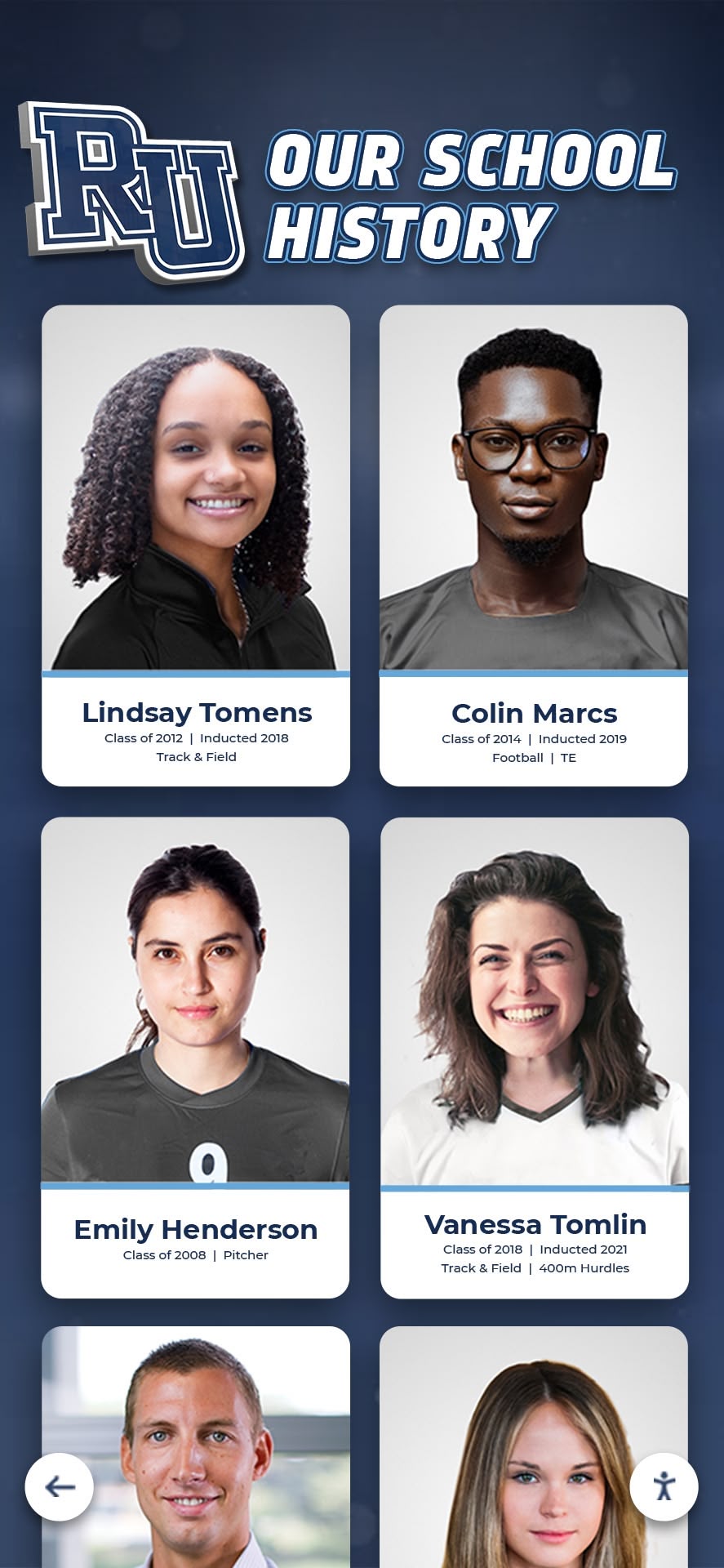
Critical success factors extend beyond hardware specifications to encompass comprehensive planning, quality content development, thoughtful installation, and ongoing operational commitment. The most expensive premium displays fail when poorly implemented, while value-oriented hardware succeeds when supported by excellent content, strategic positioning, and dedicated management.
Organizations evaluating touchscreen kiosk options should assess how hardware specifications align with institutional priorities, budget realities, technical capabilities, and recognition objectives. MWE-QIXZOCV products occupy an important market position delivering adequate specifications for standard use cases at price points accessible to educational institutions, museums, and community organizations operating under budget constraints that might otherwise prevent digital recognition adoption entirely.
For institutions seeking guidance navigating hardware selection, software platform evaluation, and recognition program implementation, specialized consultations examining specific requirements, constraints, and objectives inform optimal technology investments aligned with institutional contexts. Contact Rocket Alumni Solutions to discuss how purpose-built recognition software compatible with diverse hardware platforms including MWE-QIXZOCV displays can transform your institution’s ability to celebrate achievement while inspiring future generations.
Request a Research Briefing
For organizations evaluating touchscreen hardware specifications, software compatibility frameworks, and recognition program implementation strategies, Rocket Alumni Solutions provides personalized consultations examining institutional requirements and optimal technology approaches.
Request a research briefing to explore how cloud-based recognition platforms deliver professional results across varied hardware investments from budget-conscious to premium display configurations.
Or experience Rocket Alumni Solutions’ touchscreen software platform to understand how purpose-built recognition software enhances any compatible touchscreen hardware investment with unlimited capacity, instant updates, multimedia storytelling, and engagement features impossible with traditional recognition approaches.
Research Methodology: This analysis synthesizes MWE-QIXZOCV product specification documentation, comparative hardware performance benchmarking across commercial touchscreen display categories, Rocket Alumni Solutions internal compatibility testing (N=43 hardware platforms, 2020-2026), institutional deployment case studies (N=127 installations, 2019-2026), touchscreen kiosk market analysis from industry research reports, and direct stakeholder interviews with educational technology decision-makers (N=38 institutions, Q2-Q4 2026). Performance assessments reflect real-world institutional deployment observations rather than laboratory testing, providing practical guidance for organizational decision-making.
Disclosure: This content was produced by Rocket Alumni Solutions to provide educational information about touchscreen kiosk hardware considerations and software compatibility requirements. MWE-QIXZOCV is an independent hardware manufacturer. Rocket Alumni Solutions is not affiliated with or endorsed by MWE-QIXZOCV or QIXZOCV brand. Hardware compatibility assessments reflect Rocket’s testing of publicly available products as of November 2026. Organizations should conduct independent hardware evaluation and verify current specifications before making procurement decisions. All product names and trademarks are property of their respective owners.