Middle school basketball coaching presents unique challenges fundamentally different from both elementary recreation leagues and high school varsity programs. Athletes in this 11-14 age range experience dramatic physical development variations—some players already approaching adult size while teammates remain significantly smaller and less physically mature. Skill levels similarly span enormous ranges, from players with years of club experience to complete beginners trying basketball for the first time. Attention spans, while improving from elementary years, still require intentional engagement strategies that keep practice moving and interesting.
Successful middle school practice plans acknowledge these realities rather than fighting against them. The most effective coaches design sessions with built-in flexibility allowing differentiation based on skill level, incorporate competitive elements that naturally engage adolescent athletes, move quickly between activities preventing boredom and discipline issues, and explicitly teach not just basketball skills but also practice habits and competitive behaviors that serve athletes across all future athletic endeavors.
The practice planning framework presented in this guide reflects input from youth basketball coaches across multiple states, NCAA coaching education resources, and developmental research about adolescent learning and motivation. These aren’t theoretical concepts—they represent battle-tested approaches proven effective in actual middle school gyms with real athletes displaying the full range of skills, motivation levels, and behavioral challenges that make this age group simultaneously challenging and incredibly rewarding to coach.
Essential Components of Effective Middle School Basketball Practice Plans
Every productive middle school basketball practice incorporates five foundational components that collectively develop complete players rather than athletes with isolated skills. Understanding these components and their proper sequencing creates structure while allowing creativity and adaptation based on team needs, season phase, and available resources.
Proper Warm-Up and Dynamic Movement Preparation
Middle school athletes require more extensive warm-up than many coaches initially expect. Adolescent bodies undergoing rapid growth experience tightness and coordination challenges that increase injury risk when athletes immediately begin intense activity without proper preparation.
Effective warm-up structure: Begin with 5-7 minutes of general movement raising heart rate and body temperature—jogging, shuffling, skipping, and dynamic stretching progressing from low to high intensity. Follow with basketball-specific movement patterns: defensive slides, closeouts, jump stops, and pivoting. Conclude warm-up with ball-handling activities that continue warming up while transitioning toward skill work.
Injury prevention focus: Emphasize proper landing mechanics during warm-up jumping activities, teaching athletes to land softly with knees bent and weight distributed across entire foot rather than landing stiff-legged or on toes. Studies show that adolescent athletes who practice proper landing mechanics during every warm-up reduce knee injury rates by approximately 50% compared to athletes who skip this training.
Many successful middle school coaches recognize outstanding effort and improvement throughout the season by tracking hustle statistics like deflections and charges taken during practice, creating accountability and recognition systems that motivate athletes beyond just scoring statistics.
Fundamental Skill Development Stations
The most efficient middle school practices utilize station-based skill work allowing maximum repetitions in minimum time while enabling differentiation based on athlete ability. Stations prevent long lines where players stand inactive waiting their turn—the death of productive practice and source of most middle school discipline problems.
Station design principles: Create 3-4 stations that athletes rotate through in 8-10 minute intervals. Each station should focus on different skill categories (ball handling, shooting, finishing, defense) allowing athletes to work on varied skills while different muscle groups and energy systems recover between stations. Stations must be self-explanatory enough that athletes can work productively with minimal coach supervision since you cannot closely supervise all stations simultaneously.
Skill level differentiation: Design stations with progressions allowing beginners to work on foundational versions while advanced players attempt more challenging variations. For example, a ball-handling station might include basic stationary moves for beginners, moving patterns for intermediate players, and two-ball combinations for advanced athletes—all working within the same station space but at appropriate individual challenge levels.
Competitive Team Concepts and Scrimmaging
Middle school athletes naturally respond to competition, making competitive drills and controlled scrimmaging essential engagement tools while also creating realistic game-pressure situations that develop decision-making skills isolated drills cannot provide.
Controlled scrimmaging structure: Implement “teaching scrimmages” where you stop action frequently to highlight teaching points, correct mistakes, and reinforce concepts. Add constraints that emphasize specific skills or tactics you’re teaching—requiring certain numbers of passes before shots, mandating ball reversals, or assigning defensive matchups that challenge athletes to guard different positions or sizes.
Competitive drill examples: Transform basic drills into competitions tracking makes/misses, timing completion, or scoring points for execution quality. Middle school athletes will compete intensely for essentially meaningless “winners”—use this developmental reality strategically to increase effort and engagement during otherwise routine skill work.
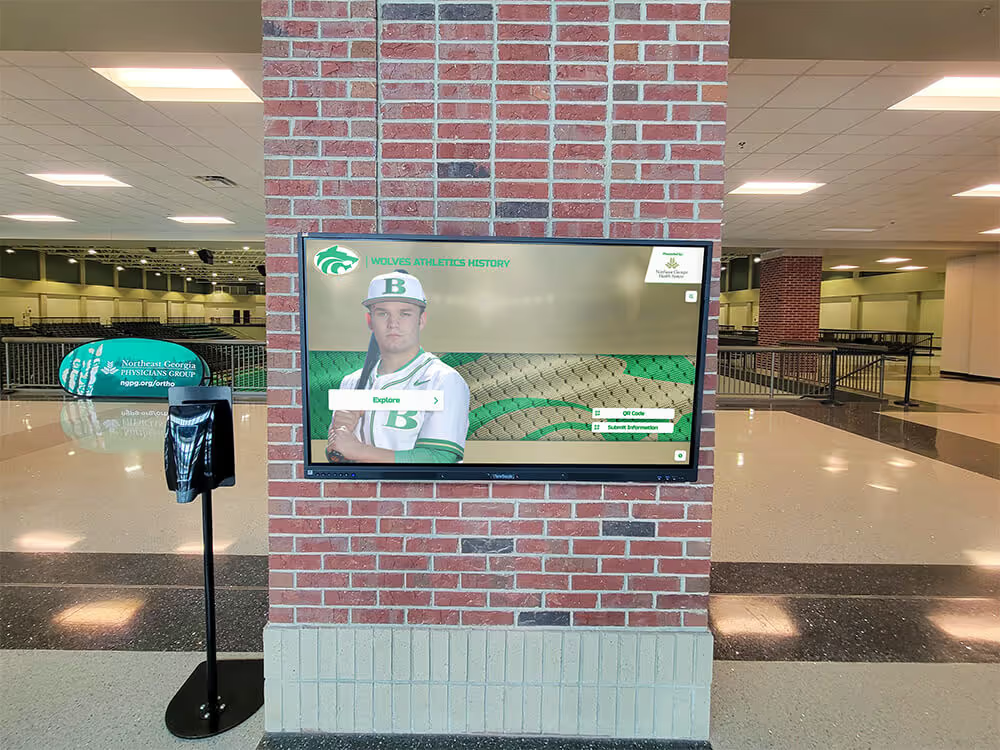
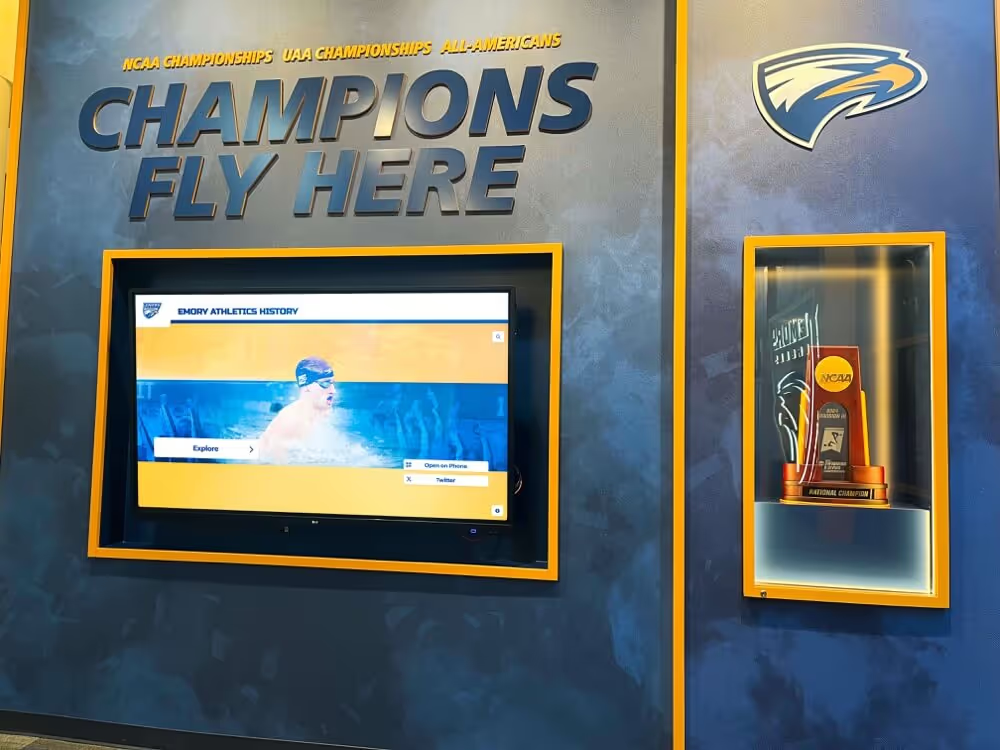
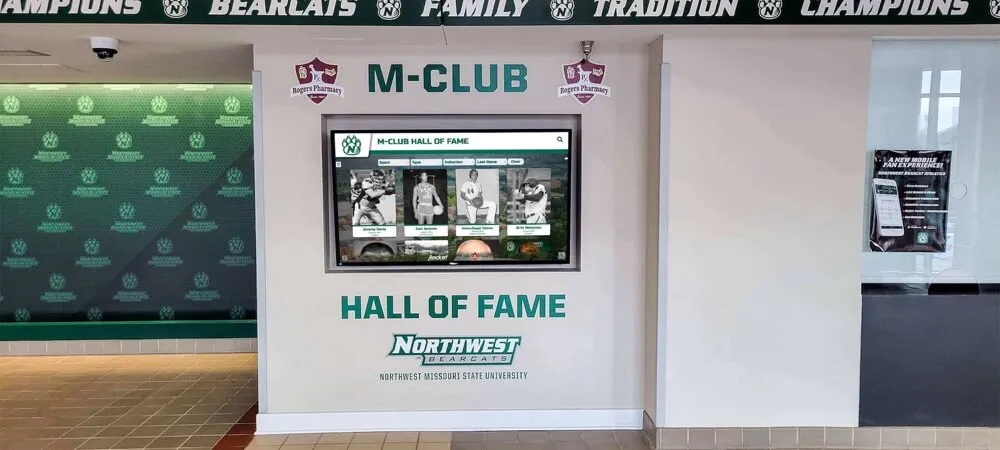
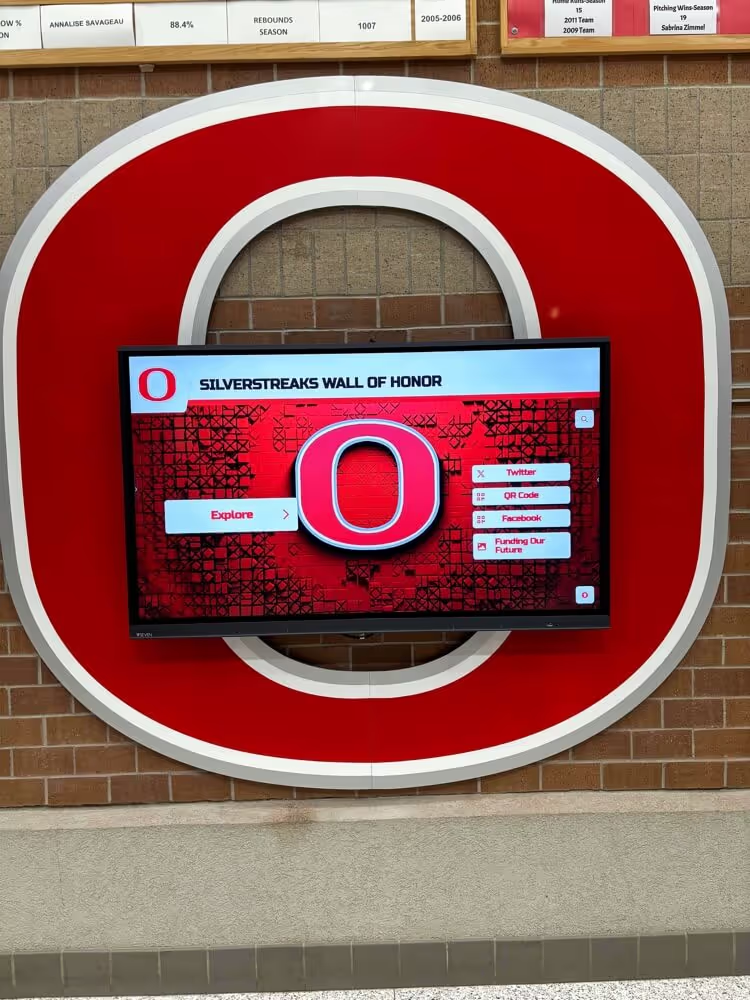
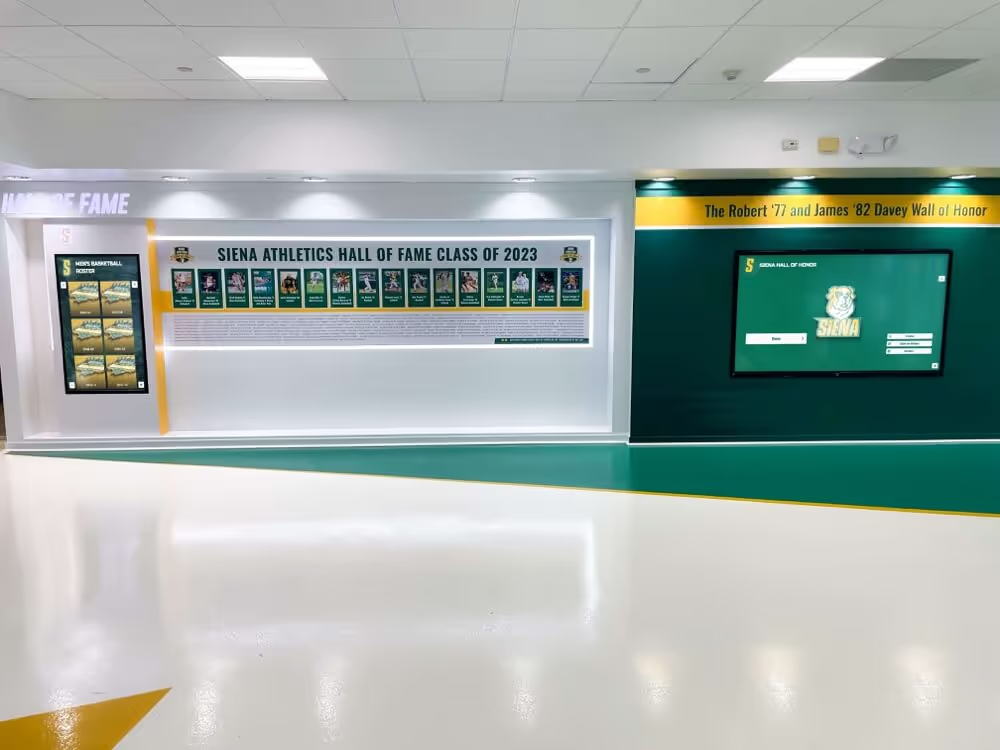
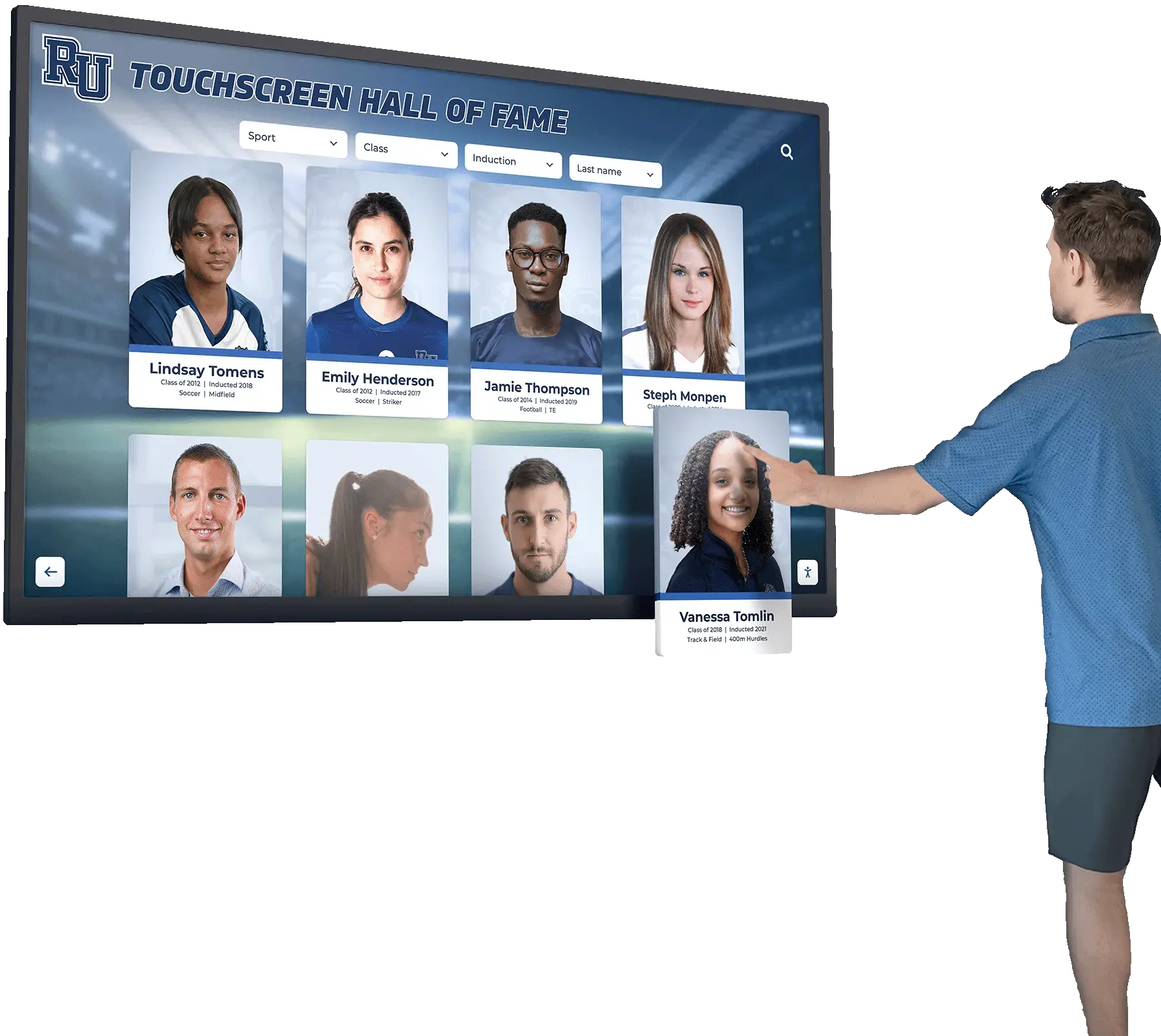
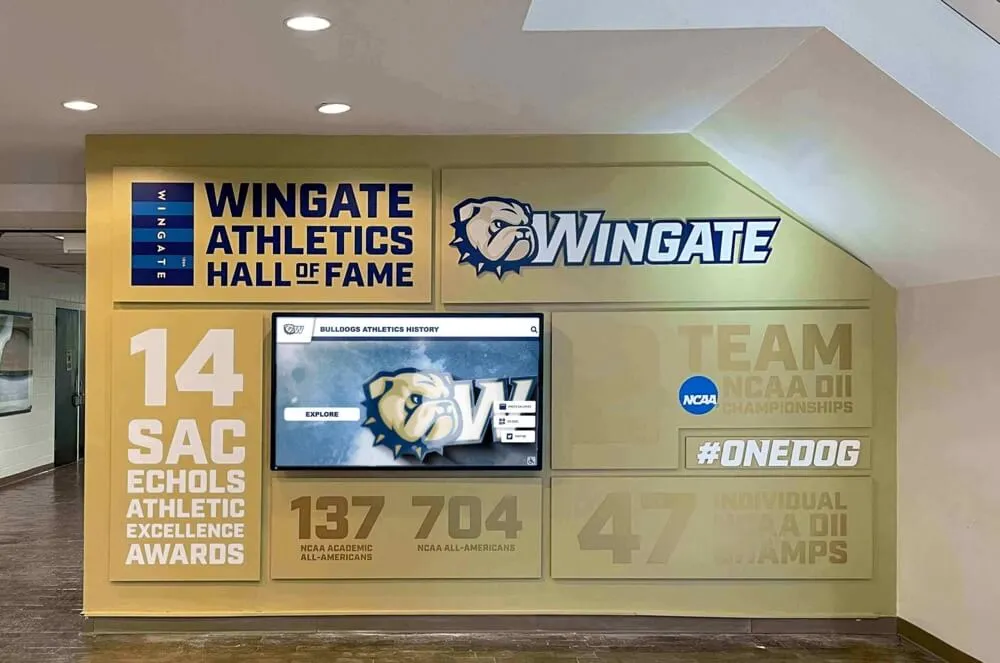
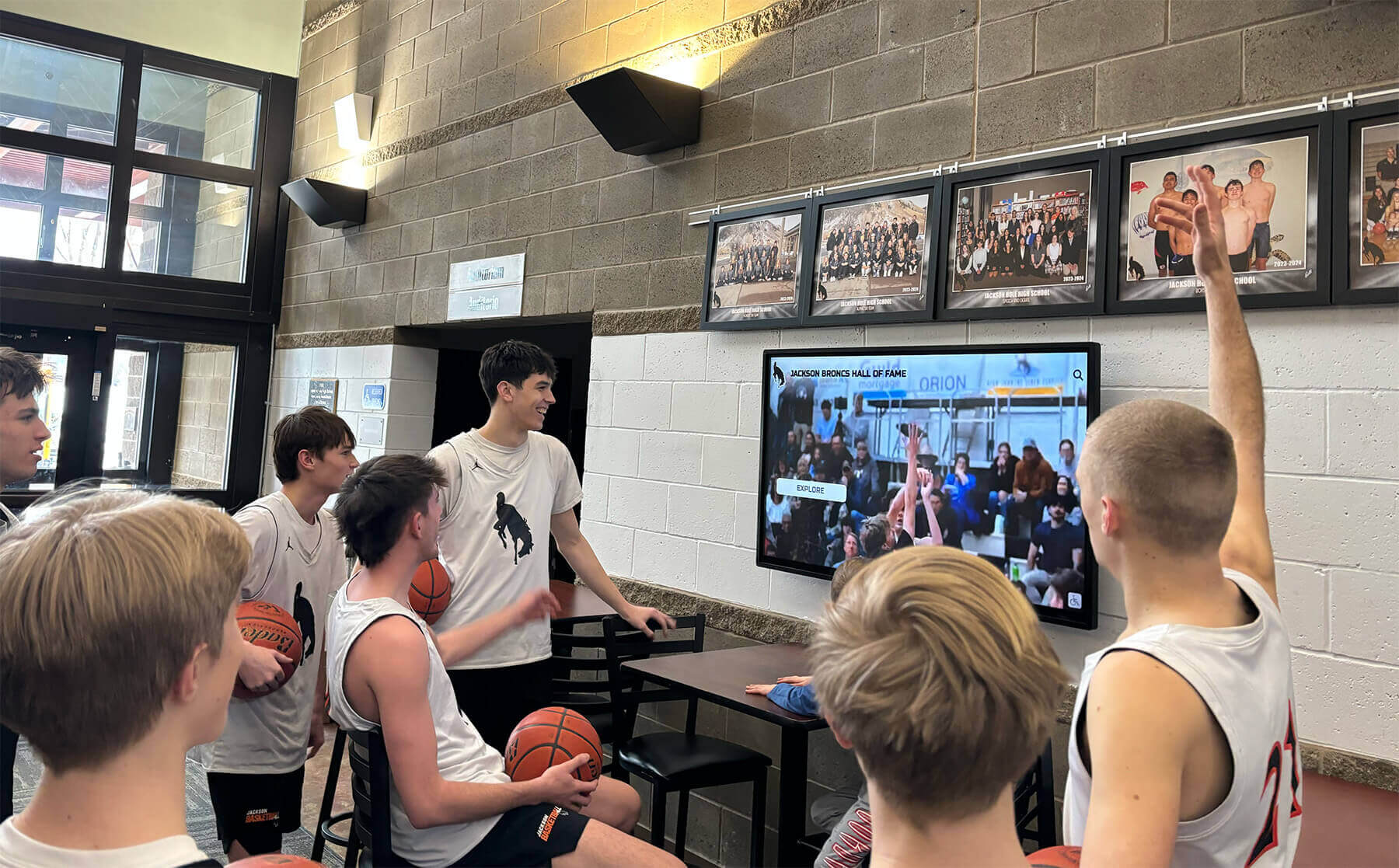
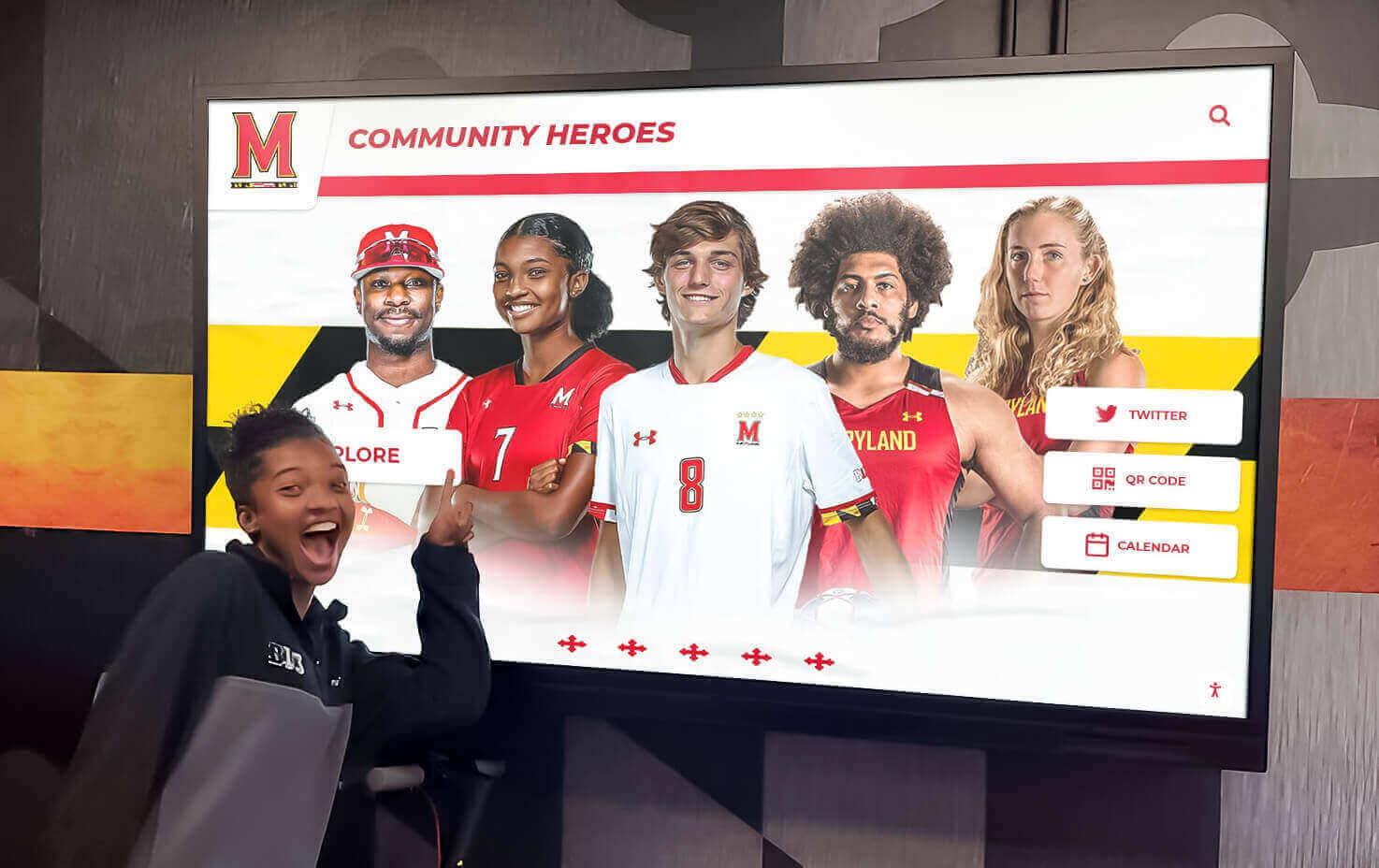

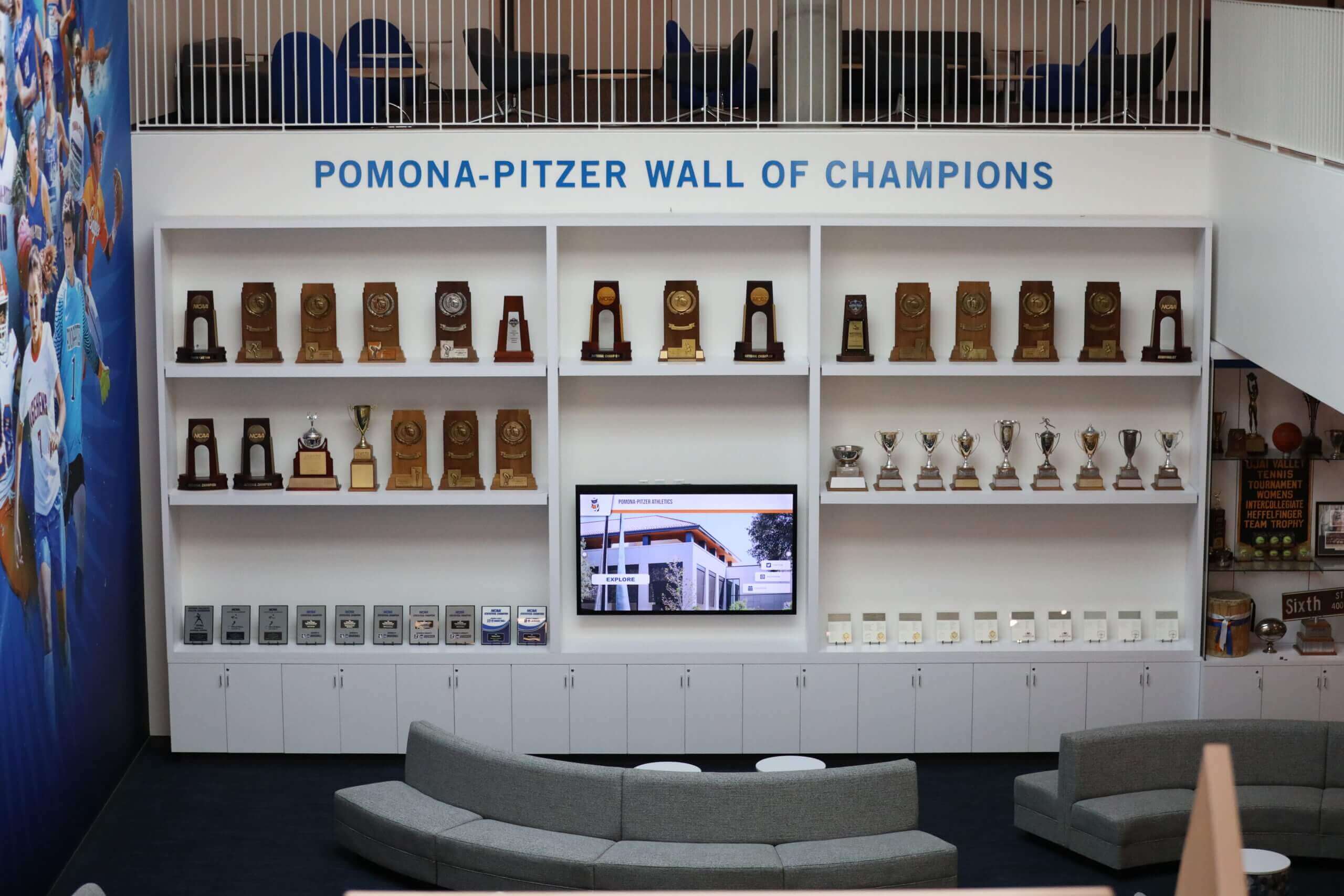
Recognition programs that celebrate both individual achievement and team success create motivating environments where athletes compete intensely while supporting teammates. Many programs now use digital recognition displays that showcase current team statistics, highlight weekly MVPs, and track season-long achievement milestones visible to entire school communities.
Defensive Fundamentals and Team Defense Concepts
Defense wins championships at every basketball level, yet many middle school coaches dedicate insufficient practice time to defensive development, focusing primarily on offensive skills that produce more immediate visible results and athlete satisfaction.
Individual defensive techniques: Teach proper defensive stance with knees bent, weight on balls of feet, and hands active. Practice defensive footwork through mirror drills where offensive players slowly move and defenders maintain proper positioning and stance. Emphasize the defensive concept that “offense is about skill, defense is about effort and attitude”—messaging that empowers athletes who may lack advanced offensive skills but can contribute immediately through defensive commitment.
Team defensive concepts: Middle school teams should master one primary defensive system (typically man-to-man or match-up zone) rather than attempting multiple complex schemes. Focus on help-side positioning, defensive communication, closeout technique, and defensive rebounding positioning. Simple defensive systems executed with intensity and communication prove far more effective than complex schemes that athletes cannot execute under game pressure.
Conditioning and Mental Toughness Development
Middle school practices must intentionally build physical conditioning and mental resilience rather than assuming these qualities develop automatically through playing. Late-game execution and competitive toughness separate good teams from great teams, with roots in daily practice habits and expectations.
Conditioning integration: Rather than ending practice with dreaded “punishment” running, integrate conditioning naturally throughout practice through competitive transition drills, full-court pressure situations, and timed scrimmages. Athletes condition while simultaneously developing basketball skills and game awareness, making conditioning purposeful rather than punitive.
Mental toughness building: Create practice adversity that prepares athletes for game challenges—practicing while tired, competing with scores starting from behind, and executing under time pressure. Discuss mental approach explicitly: how to respond to mistakes, maintaining confidence through shooting slumps, and staying engaged regardless of playing time or individual success.
Sample Middle School Basketball Practice Plan Structure
The following 90-minute practice structure represents a balanced template adaptable to various team needs, season phases, and coaching philosophies. Times are approximate guidelines rather than rigid requirements—adjust based on what your team needs most on any given day.
Full 90-Minute Practice Template
0-10 Minutes: Warm-Up and Movement Prep
- General movement (jogging, dynamic stretching, movement patterns)
- Basketball-specific movement (defensive slides, closeouts, pivots)
- Ball-handling warm-up (stationary moves progressing to full-court)
10-35 Minutes: Skill Development Stations (3 stations, 8 minutes each plus transition time)
Station 1: Ball Handling and Finishing
- Cone dribbling patterns (crossovers, between legs, behind back)
- Two-ball dribbling for advanced players
- Finishing moves at basket (Euro-step, reverse layups, jump stops)
Station 2: Shooting Form and Repetition
- Form shooting close to basket (5-10 feet)
- Spot shooting from designated locations
- Shooting off movement (coming off screens, catch-and-shoot)
Station 3: Defensive Fundamentals
- Defensive stance and footwork drills
- Closeout technique and contests
- One-on-one defensive positioning
35-50 Minutes: Team Offensive Concepts
- Half-court offensive system installation or review
- Motion offense principles, set plays, or offensive concepts
- 5-on-0 walk-through of offensive actions
- 5-on-5 execution against token defense
50-65 Minutes: Team Defensive Concepts
- Defensive system review and shell drill work
- Help-side positioning and rotation practice
- Defensive communication emphasis
- Transition defense positioning and sprint-back habits
65-80 Minutes: Controlled Scrimmaging
- Teaching scrimmage with frequent stops for coaching points
- Constraints emphasizing current teaching focuses
- Substitution patterns simulating game rotation
- Situation-specific practice (end of quarter, last possession, etc.)
80-88 Minutes: Conditioning and Competition
- Full-court transition drills with competitive scoring
- Timed possession games or pressure situations
- Free throw shooting under fatigue (simulating game conditions)
88-90 Minutes: Cool-Down and Team Communication
- Static stretching and recovery
- Practice review and teaching point reinforcement
- Preview next practice or game preparation notes
- Team culture building and motivation
This structure incorporates all five essential practice components while maintaining pace and variety that keep middle school athletes engaged. The rapid transitions between activities prevent boredom and discipline issues while maximizing actual skill development time within limited practice windows.
Essential Middle School Basketball Drills
The most effective middle school basketball drills accomplish multiple purposes simultaneously—developing specific skills while also building conditioning, reinforcing team concepts, or creating competitive engagement. The following drills represent foundational activities that should appear regularly in middle school practice plans.
Ball Handling and Dribbling Progression Drills
Stationary Ball Handling Series: Athletes perform series of ball-handling moves in place: around waist, around legs (figure 8), around head, drop and catch sequences, and quick hand exchanges. This fundamental work develops hand quickness and ball control serving as foundation for all advanced ball handling.
Two-Ball Dribbling: Athletes simultaneously dribble two basketballs performing various patterns: both balls bouncing together, alternating bounce pattern, high-low dribbles, crossovers with both balls. Two-ball work dramatically improves hand-eye coordination and forces athletes to maintain proper body position rather than watching the ball—essential for game translation.
Cone Dribbling Patterns: Set up cone arrangements that athletes navigate performing specific dribbling moves: crossovers at each cone, between-legs moves, behind-back dribbles, or combination sequences. Progress from walking speed with proper form to full speed while maintaining control. Add defensive pressure from coaches or teammates for advanced progressions.
Shooting Form and Repetition Drills
Form Shooting Close Range: Athletes shoot from 3-5 feet from basket focusing exclusively on proper mechanics: feet shoulder-width apart, shooting elbow under ball, follow-through with wrist flip creating backspin, opposite hand guiding ball without adding force. Athletes should make 8-10 consecutive shots before stepping back to next distance—this builds both form habits and confidence.
Spot Shooting with Rebounder: One athlete shoots from designated spots while partner rebounds and passes back. Shooter must demonstrate proper footwork (jump behind line, catch ready to shoot, follow through and hold finish). After set number of makes or attempts, athletes switch roles. Track makes and set team or individual goals creating competitive accountability.
Shooting Off Movement: Athletes practice receiving passes while moving (curling off screens, cutting to corner, popping to perimeter) and immediately shooting in rhythm. This game-realistic drill develops footwork habits and the ability to shoot without gathering preparation time that defenders won’t allow.
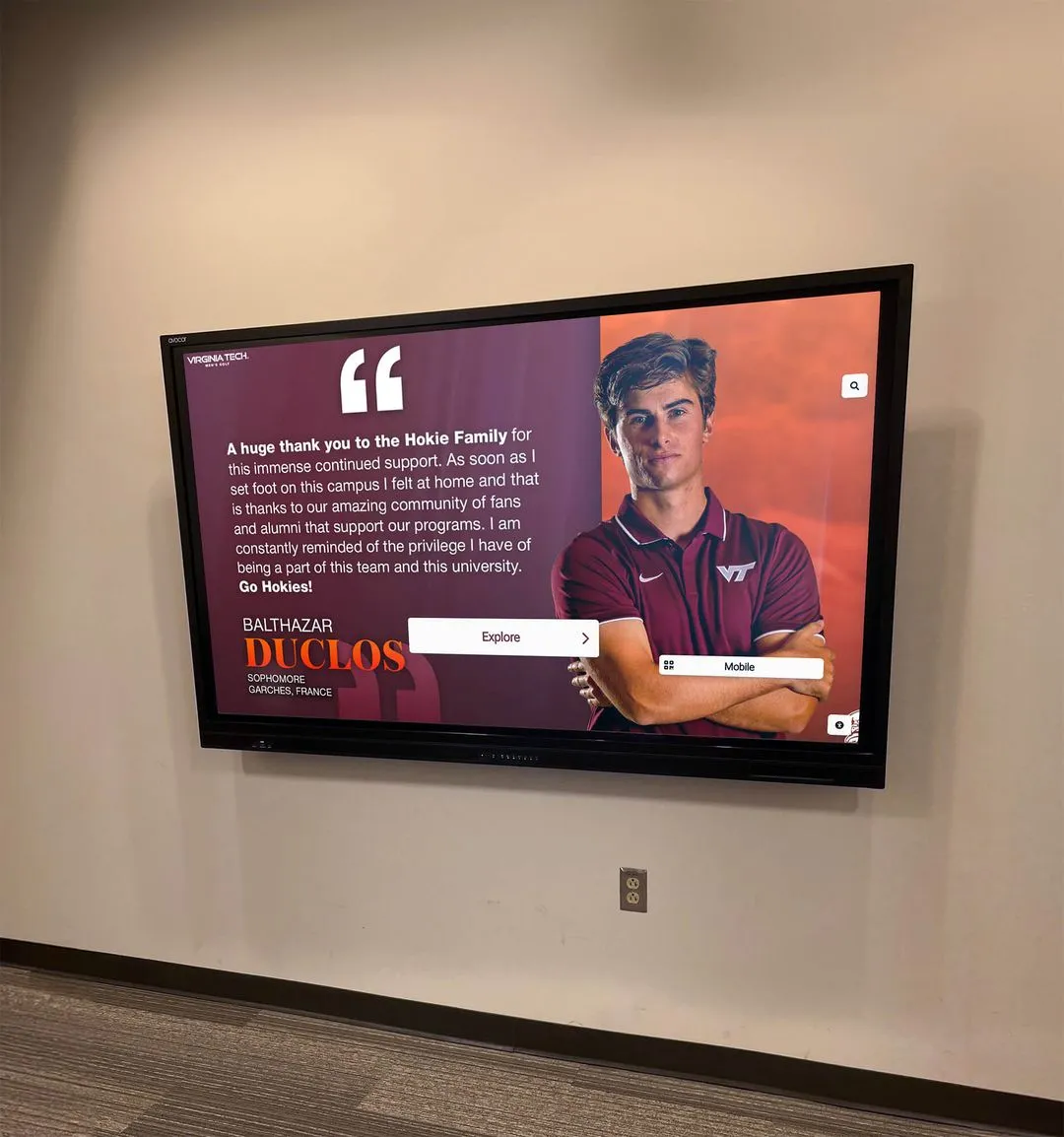
Many successful basketball programs use digital displays to showcase shooting percentages and improvement tracking throughout the season, creating visible recognition for skill development that motivates continued practice dedication.
Defensive Fundamental Drills
Mirror Defensive Drill: Partners face each other—offensive player moves slowly in any direction while defensive player maintains proper defensive stance and positioning. Emphasize low stance, quick feet, and staying in front without reaching or standing upright. Progress from slow movement to game-speed changes of direction.
Closeout and Contest Drill: Defenders start several feet from offensive players who hold ball in shooting position. On coach signal, defenders sprint to closeout with high hands, choppy approach steps, and balanced position ready to react to shot or drive. Rotate so all athletes practice both defensive closeouts and offensive shot fakes testing defensive balance.
Shell Drill Progression: Four offensive players space around perimeter while four defenders work on help-side positioning. As ball moves, defenders shift between on-ball pressure and help-side position. Progress from no-dribble passing only to live dribble penetration, and eventually full 4-on-4 play while maintaining help-side principles.
Finishing and Layup Variation Drills
Mikan Drill: Athletes alternate right-hand and left-hand layups continuously without dribbling, developing touch and ambidextrous finishing ability. Require proper footwork (right-foot takeoff for right-hand layup, left-foot for left-hand) and emphasis on using backboard rather than shooting directly at rim.
Full-Court Layup Series: Athletes dribble full court and finish with various layup techniques: regular layup, reverse layup, Euro-step, power layup with jump stop, and floater. Chart makes and misses building accountability for finishing under control at game speed.
Contact Finishing Drill: Defenders apply token pressure during layup attempts, teaching offensive players to finish through contact while maintaining focus on basket rather than reacting to defender. Start with minimal contact and progress as athletes develop ability to absorb contact without losing focus or control.
Transition and Full-Court Drills
3-on-2, 2-on-1 Continuous: Three offensive players attack two defenders at one basket. After shot attempt, two offensive players sprint back to defend opposite basket where one offensive player (who rebounded or received outlet) attacks with advantage. This drill develops transition offense decision-making, defensive sprint-back habits, and conditioning simultaneously.
Press Break Progression: Practice breaking full-court pressure starting against token defense and progressing to live pressure. Emphasize communication, spacing, meeting passes, and maintaining composure under pressure—skills that translate beyond basketball to handling adversity and pressure in any context.
Seasonal Practice Planning and Periodization
Effective middle school basketball coaching extends beyond individual practice planning to season-long periodization that progressively develops skills, establishes team systems, and peaks performance at optimal times. Understanding seasonal practice phases prevents coaches from attempting to install everything immediately while ensuring adequate time for all essential development.
Pre-Season Phase (First 2-3 Weeks)
Pre-season practices emphasize individual skill development, conditioning base-building, and team culture establishment. This foundation phase determines season success more than many coaches realize—teams that rush through fundamentals to reach scrimmaging inevitably struggle with skill execution and discipline when competition intensifies.
Pre-season practice priorities: Dedicate 60-70% of practice time to individual skill stations and fundamental technique work. Establish practice expectations, communication habits, and effort standards during this phase when you can teach without game-week time pressure. Introduce offensive and defensive systems conceptually but prioritize technical skill development over complex strategy.
Conditioning foundation: Build aerobic base and movement quality before advancing to high-intensity conditioning. Middle school athletes require progressive conditioning load increases—sudden jumps to intense conditioning create injury risk and burnout. Incorporate conditioning naturally through full-court drills and transition work rather than separate conditioning sessions that athletes perceive as punishment.
Early Season Phase (Weeks 4-8)
Early season practice focus shifts toward team concepts, system refinement, and applying skills in game-realistic contexts. Individual skill work continues but decreases as percentage of total practice time while team activities and scrimmaging increase.
System installation: Install and refine primary offensive and defensive systems. Avoid the temptation to add multiple complex schemes—middle school teams execute simple systems excellently far more effectively than complex schemes poorly. Some high school coaches emphasize celebrating developmental milestones at the middle school level to maintain motivation and recognize progress toward long-term athletic goals.
Game preparation integration: Begin dedicating practice time to opponent preparation and situation work. Teach athletes how to scout opponents, recognize tendencies, and adjust tactics—metacognitive skills that elevate basketball IQ and transfer to problem-solving in academic and professional contexts.
Mid-Season Phase (Weeks 9-14)
Mid-season practices balance maintenance of established skills and systems with continued development and tactical adjustments based on game experience. Avoid the mid-season trap of abandoning fundamental skill work entirely in favor of team tactics and game preparation.
Skill maintenance: Continue dedicating at least 25-30% of practice to individual skill development stations. Skills deteriorate without regular reinforcement, particularly for middle school athletes whose technique remains developing rather than fully established. Brief, focused skill work maintains fundamentals while avoiding time costs of full pre-season emphasis.
Tactical refinement: Adjust offensive and defensive approaches based on team strengths, opponent tendencies, and game experience. Teach athletes to recognize situations and make tactical adjustments—developing basketball intelligence that separates good players from great competitors.
Late Season and Tournament Preparation (Final 2-3 Weeks)
Late season practices emphasize sharpening execution, building confidence, and peaking physical and mental performance. Practice intensity and competition increase while overall volume may decrease slightly as athletes require recovery for optimal performance.
Execution emphasis: Reduce teaching of new concepts and focus on perfecting existing systems. Run offensive sets and defensive schemes at game speed with game-realistic decision-making and adjustments. Quality repetitions at high intensity develop automatic execution under pressure.
Mental preparation: Practice clutch situations, adversity response, and pressure performance explicitly. Discuss tournament mentality and championship behaviors. Create practice challenges that prepare athletes for tournament intensity and high-stakes competition.
Recognition of season achievements through school-wide athletic displays celebrates team accomplishments while inspiring younger athletes and building program culture that extends across multiple seasons and generations of players.
Modified Practice Plans for Specific Situations
Standard 90-minute practice plans require adaptation for various circumstances that youth coaches regularly encounter. Understanding how to modify practice structure for different situations ensures productive sessions regardless of constraints.
Short Practice Sessions (45-60 Minutes)
Limited gym time requires ruthless prioritization focusing on highest-impact activities while eliminating or dramatically reducing lower-priority elements.
Short practice structure:
- 5-minute warm-up (combined movement prep and ball handling)
- 20-25 minutes skill stations (2 stations, 10-12 minutes each)
- 15-20 minutes team concepts (offensive or defensive, not both)
- 5-10 minutes competitive scrimmaging or conditioning
Priority decisions: Focus alternating short practices on either offensive or defensive team concepts rather than attempting both. Skill work remains essential even in shortened sessions—eliminate extended scrimmage time rather than fundamental skill development when time limitations require cuts.
Large Roster Practices (15+ Athletes)
Large rosters create activity design challenges preventing long lines and idle athletes—the source of both wasted development time and discipline problems.
Large roster solutions: Increase number of simultaneous stations (4-5 rather than 3) with smaller groups at each station. Design stations requiring minimal space allowing multiple activities in single gym. Utilize assistant coaches, parent volunteers, or team managers supervising stations and providing feedback while head coach circulates providing instruction across all activities.
Competition formats: Small-sided games (3-on-3, 4-on-4) maximize participation with large rosters more effectively than 5-on-5 scrimmaging leaving extended periods where athletes wait to rotate in. Create multiple courts running simultaneous small-sided games rather than single full-court scrimmage.
Pre-Game Preparation Practices
Practice sessions immediately before games require modified structure emphasizing mental preparation and sharpening execution rather than intense physical work or new skill development.
Pre-game practice structure: Reduce physical intensity and contact while maintaining mental sharpness. Walk through opponent-specific scouting and tactical adjustments. Practice situation execution (end of quarter plays, press break, late-game scenarios). Conclude with positive, confidence-building activities and motivational messaging rather than criticism or intense conditioning.
Tournament Settings and Multiple-Game Days
Tournament basketball creates unique physical and mental demands requiring modified practice approaches when teams play multiple games across short timeframes.
Tournament practice adjustments: Between tournament games, conduct brief low-intensity sessions focused on treatment, recovery, mental preparation, and tactical adjustments. Avoid physical practice that increases fatigue or injury risk when athletes need recovery. Use video review and mental walk-throughs rather than physical repetitions for tactical adjustments.
Building Team Culture Through Practice Structure
Practice structure and coaching behaviors during practice communicate program values and shape team culture as powerfully as any speech or written mission statement. Intentional practice culture development creates competitive, accountable, and supportive environments where athletes develop excellence habits extending far beyond basketball.
Establishing Practice Standards and Expectations
Championship cultures begin with non-negotiable practice standards consistently enforced from day one. These standards create accountability, respect, and professionalism that elevate entire programs.
Essential practice standards: Athletes arrive early and prepared (proper attire, water bottles, mentally ready). Communication during drills and activities demonstrates engagement. Maximum effort on every repetition regardless of drill importance or fatigue. Immediate response to whistle and coach instruction without delay or social conversation. Supportive teammates celebrating success and encouraging mistakes rather than criticizing errors.
Consistent enforcement: Establish clear consequences for standard violations and enforce consistently regardless of athlete skill level or social status. Inconsistent enforcement—allowing star players to violate standards that bench players face consequences for—destroys culture immediately. Equitable accountability builds respect and cohesion.
Recognition and Positive Reinforcement Systems
Middle school athletes respond powerfully to recognition and positive reinforcement. Strategic recognition systems motivate sustained effort while building confidence and enjoyment that create lifelong appreciation for athletic participation.
Practice recognition strategies: Implement hustle board tracking deflections, charges taken, communicative plays, and maximum effort examples during practice. Recognize achievement beyond scoring through written or verbal acknowledgment of improvement, consistency, leadership behaviors, and supportive teammate actions. Create practice player awards recognizing daily excellence that establishes recognition for behaviors you want to proliferate throughout your program.
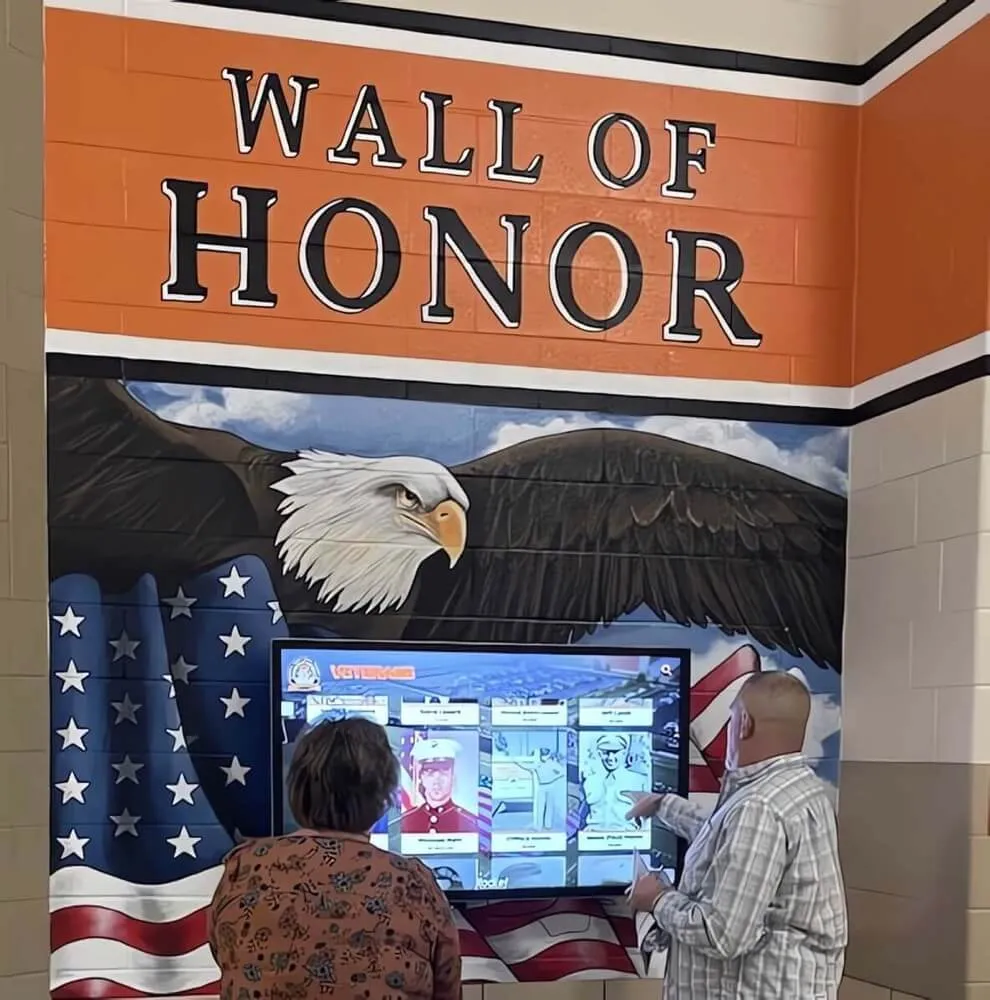
Public recognition systems: Share practice achievements with parents through team communication. Post statistics and improvement tracking in locker rooms or team spaces. Many programs now implement digital recognition displays showcasing not just game statistics but also practice performance metrics, creating school-wide visibility for work ethic and development that happens outside public game performances.
Peer Leadership and Athlete Voice Integration
Effective team cultures empower athletes with appropriate leadership responsibilities and decision-making voice rather than purely top-down coach-controlled environments. Strategic athlete empowerment builds ownership, leadership development, and cohesion.
Leadership structure: Designate team captains through coach selection, peer voting, or combined approach. Assign specific leadership responsibilities: practice setup, drill demonstration, communication during activities, and conflict resolution. Rotate leadership opportunities allowing multiple athletes to develop these skills rather than concentrating all leadership with single individuals.
Athlete input integration: Solicit athlete feedback about practice structure, drill preferences, and team dynamics through brief surveys or conversations. Consider athlete input when making appropriate decisions while maintaining coach authority over fundamental decisions about systems and strategy. Athletes who feel heard become more invested in team success and more receptive to coaching even when decisions don’t align with their preferences.
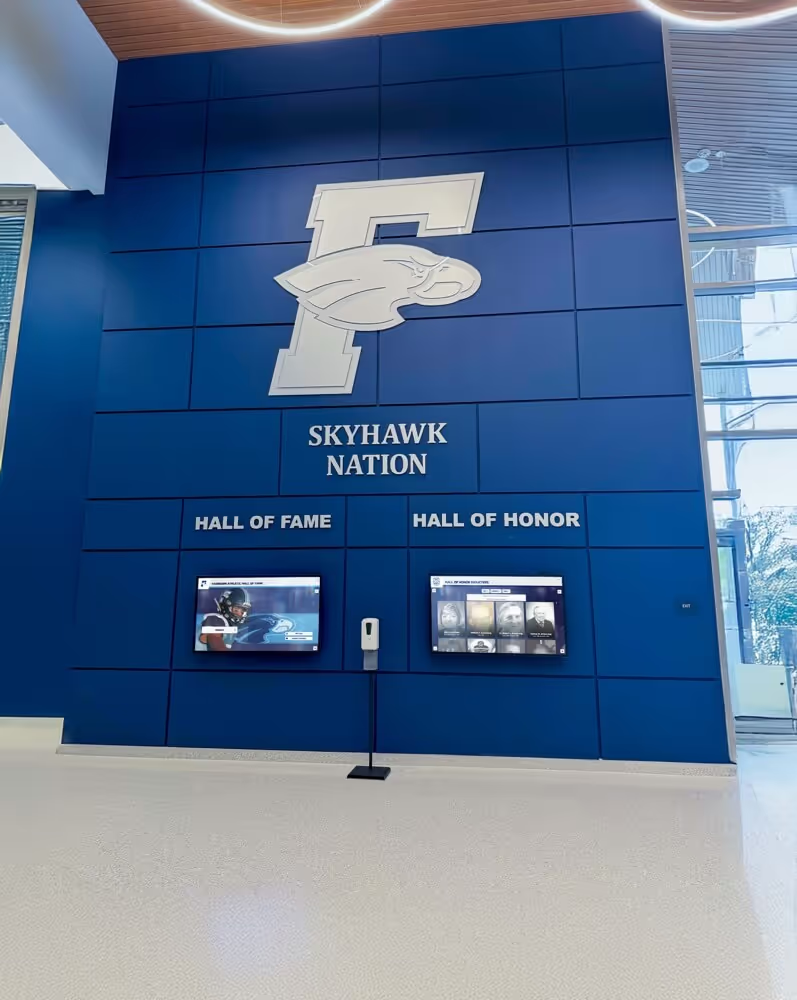
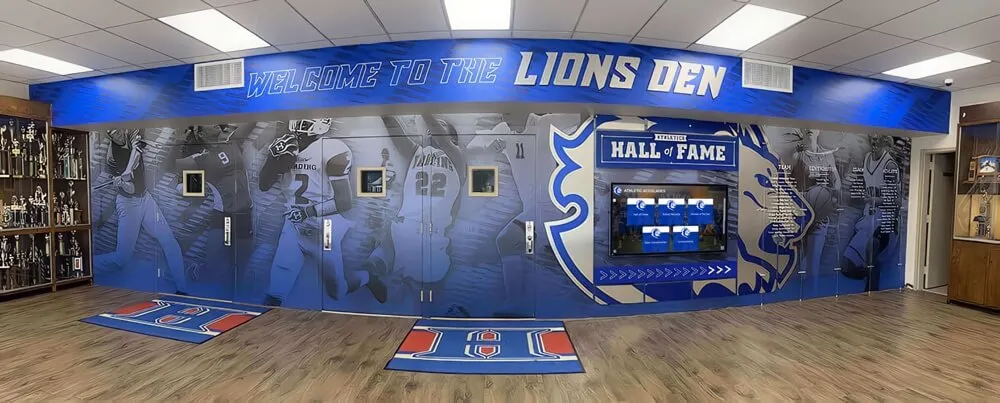
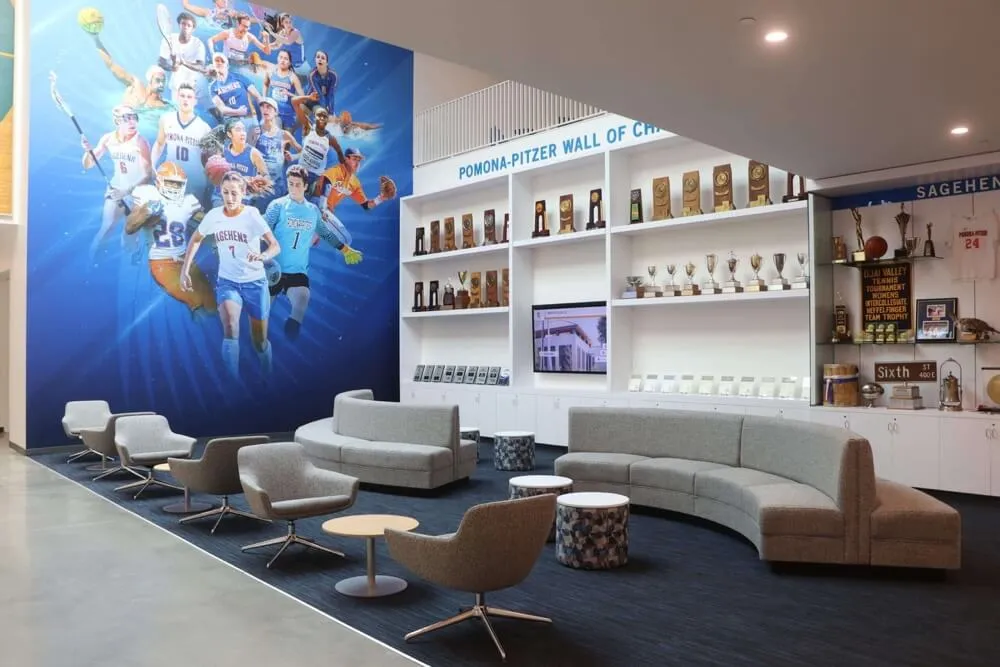
Championship middle school programs create comprehensive recognition systems celebrating both competitive success and developmental progress. Modern digital athletic recognition platforms allow programs to showcase current team achievements alongside historical program legends, creating inspirational environments where young athletes see tangible paths from middle school fundamentals to varsity excellence and beyond. These recognition systems communicate that excellence matters and that sustained effort produces recognition—motivational messages that shape athletic identity and work ethic throughout players’ entire careers.
Conclusion: The Long-Term Impact of Quality Middle School Basketball Practice Planning
Effective middle school basketball practice planning extends beyond winning games to shaping young athletes’ entire relationship with competition, teamwork, and personal development. The practice habits, competitive mindset, and fundamental skills athletes develop during middle school years create foundations that determine high school success, college opportunity, and lifelong attitudes toward challenge and growth.
Quality practice planning communicates respect for athletes’ time and development. Thoughtfully structured sessions with clear purposes, appropriate challenges, and consistent positive coaching create environments where athletes feel valued, supported, and motivated to invest maximum effort. These positive experiences during formative adolescent years build intrinsic motivation and love of competition that sustain athletic participation through inevitable challenges and setbacks.
The skills athletes develop in well-planned middle school basketball practices extend far beyond athletic contexts. Learning to respond productively to mistakes, maintaining effort through adversity, accepting coaching feedback without defensiveness, supporting teammates through their struggles, and persisting through skill development plateaus represent life skills applicable in academic, professional, and personal contexts. Basketball becomes the vehicle through which young people develop resilience, discipline, and collaborative abilities that shape their approach to all future challenges.
Invest the time to plan purposeful, engaging, and developmental middle school basketball practices. Your athletes may forget specific drills or game outcomes, but they will carry the confidence, competitive habits, and love of challenge you help develop throughout their entire lives—the ultimate measure of coaching success that transcends any win-loss record or championship trophy.