Few states match Michigan’s passion for high school football. Every fall, communities from Houghton to Monroe unite around Friday night lights, playoff runs, and the ultimate prize—the Michigan High School Athletic Association (MHSAA) state championship trophy hoisted at Ford Field. These championships represent more than athletic victories; they become defining moments in community history, sources of lasting pride, and inspirations for generations of young athletes who dream of adding their own chapters to school football legacies.
The Michigan high school football playoff system creates dramatic November and December bracket competitions that captivate entire regions. Schools advance through district, regional, and semifinal rounds before reaching the championship games played at Ford Field—the home of the Detroit Lions—creating authentic big-game atmospheres where high school athletes compete on the same turf as NFL professionals. These championship experiences forge lifelong memories for players, coaches, and fans while adding prestigious accomplishments to school athletic histories.

Yet preserving these championship legacies presents challenges for many Michigan schools. Playoff brackets printed on paper fade and disappear within weeks. Trophy cases fill to capacity, forcing difficult decisions about which championships receive prominent display. The stories behind legendary playoff runs—the upset victories, the record-setting performances, the players who elevated programs to championship levels—risk being lost as coaching staffs change and years pass without proper documentation systems.
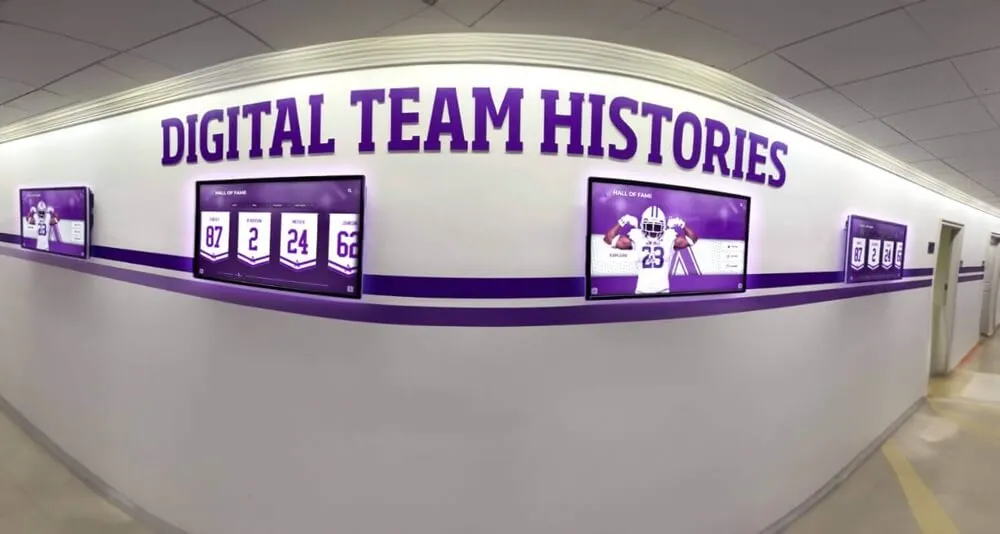
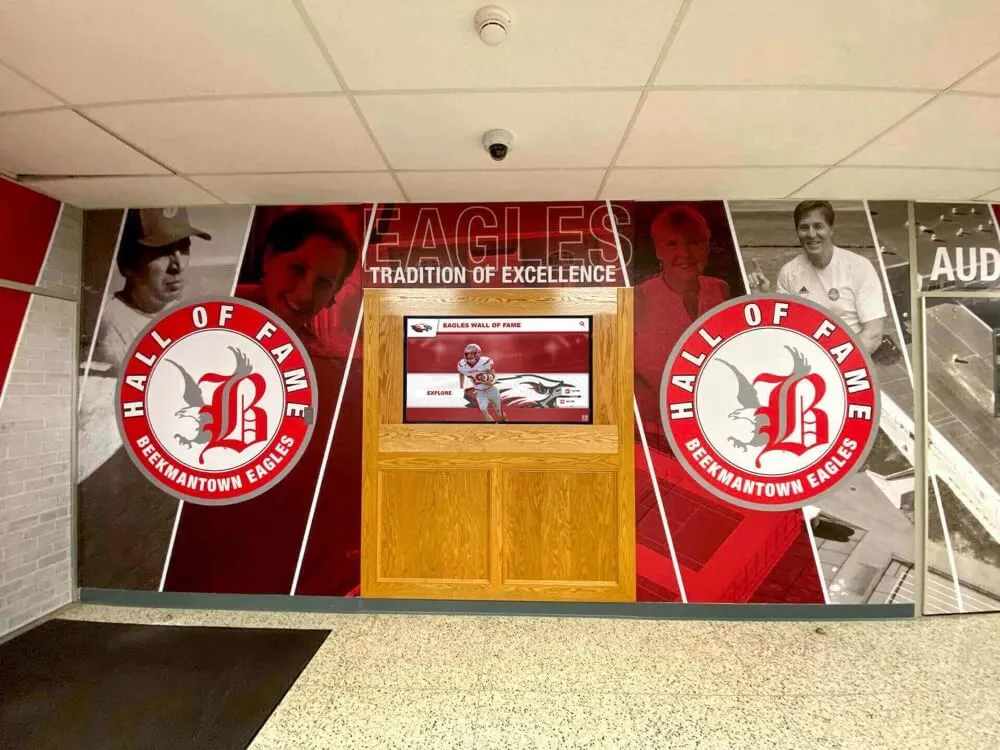
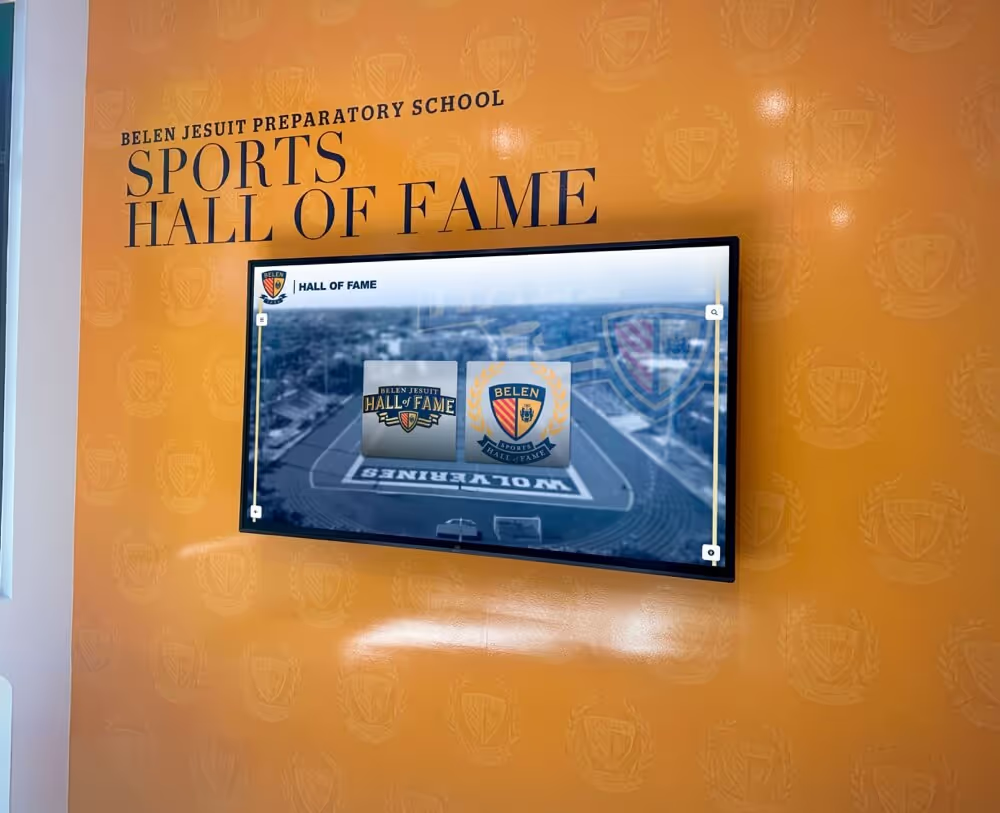
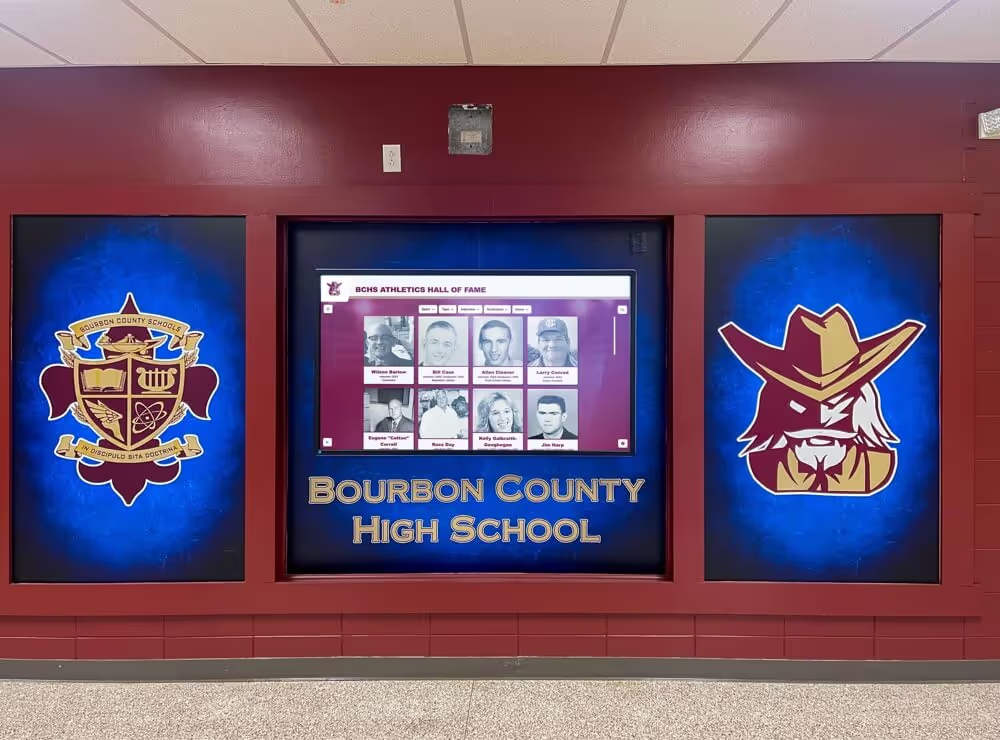
Modern digital recognition technology transforms how Michigan schools preserve championship histories, ensuring that playoff achievements and state titles receive lasting recognition matching their significance to programs, communities, and the athletes who competed for championship glory.
Understanding the Michigan High School Football Championship Structure
Michigan’s championship system differs from many states, creating unique playoff dynamics and multiple championship opportunities across various enrollment classifications.
MHSAA Classification System and Divisions
The Michigan High School Athletic Association organizes football competition through eight divisions based on school enrollment, ensuring fair competition while creating multiple championship opportunities annually.
Division Structure and School Assignment
Michigan’s eight-division system (Division 1 through Division 8) represents one of the most comprehensive classification structures nationally. Division 1 includes the state’s largest high schools, typically suburban Detroit powerhouses and major urban programs exceeding 1,300 students. Each subsequent division encompasses progressively smaller schools, with Division 8 featuring the smallest programs often from rural communities throughout Michigan’s northern regions and Upper Peninsula.
Schools receive division assignments based on enrollment figures submitted to MHSAA, with classifications reviewed periodically to reflect changing demographics. A school’s division can shift over time as enrollment grows or declines, meaning programs sometimes compete for championships in different divisions across different eras—an important historical context when evaluating championship achievements.
This structure means Michigan celebrates eight state football champions annually, each representing the pinnacle of achievement within their competitive classification. A Division 8 champion from a small Upper Peninsula community experiences the same championship glory at Ford Field as a Division 1 champion from suburban Detroit, though the competitive paths differ significantly in terms of enrollment resources, talent pools, and media attention.
Competitive Differences Across Divisions
Understanding division context proves essential for properly recognizing championship achievements. Larger divisions feature deeper talent pools, more specialized coaching staffs, superior facilities and resources, greater media coverage and recruiting attention, and often multiple feeder programs developing talent from youth levels through high school.
Smaller divisions present different competitive characteristics including limited roster depth requiring players to compete both ways, multi-sport athletes forming core programs rather than football specialists, coaching staffs often handling multiple sports or teaching full time, community-wide involvement where entire towns support teams, and intimate environments where individual players dramatically impact program success.
Neither competitive environment proves inherently superior—each presents unique challenges requiring different strengths and strategies. Championship success at any level demands exceptional coaching, player development, team chemistry, and sustained excellence across entire seasons.
Playoff Format and Bracket Structure
Michigan’s playoff system creates November tournaments determining state champions through multi-round single-elimination brackets.
Qualification and Selection Process
Michigan expanded playoff access significantly in recent years, currently allowing 32 teams per division to qualify for postseason competition. This expansion means 256 Michigan high school football teams compete in playoffs annually—creating extensive championship opportunities while maintaining competitive integrity through division structure and seeding systems.
Teams qualify for playoffs through combination of win-loss records, playoff point systems rewarding victories against quality opponents, and mathematical formulas accounting for opponent strength. The MHSAA publishes weekly playoff point standings throughout seasons, allowing teams and communities to track postseason positioning and understand what outcomes secure playoff berths.
Playoff selection criteria occasionally generate controversy when teams with superior records miss playoffs while teams with lesser records qualify based on strength of schedule and playoff points. However, the system generally rewards both quality wins and sustained excellence across regular seasons.
Bracket Progression and Championship Path
Playoff brackets follow standard tournament structure with higher seeds typically hosting lower seeds through early rounds before neutral-site semifinal games and Ford Field championship contests. The championship path includes:
First Round (Round of 32): All 32 qualifying teams compete with top seeds hosting lower seeds. Winners advance while losers complete their seasons.
Second Round (Round of 16): Remaining teams compete in district finals with winners advancing to regional competition.
Third Round (Quarterfinals/Regional Finals): Eight teams remain in each division, competing for regional championships and semifinal berths.
Fourth Round (Semifinals): Four teams compete in semifinal games traditionally held at neutral sites, determining state championship game participants.
State Championship: Two remaining teams compete at Ford Field for state championship trophies, concluding seasons before capacity crowds and television audiences.
This five-game playoff gauntlet demands sustained excellence—championship teams must win five consecutive games against progressively stronger opponents under increasing pressure. The structure creates dramatic tournament narratives as top seeds defend home fields, underdogs pursue upset victories, and traditional powerhouses meet emerging programs in high-stakes elimination games.
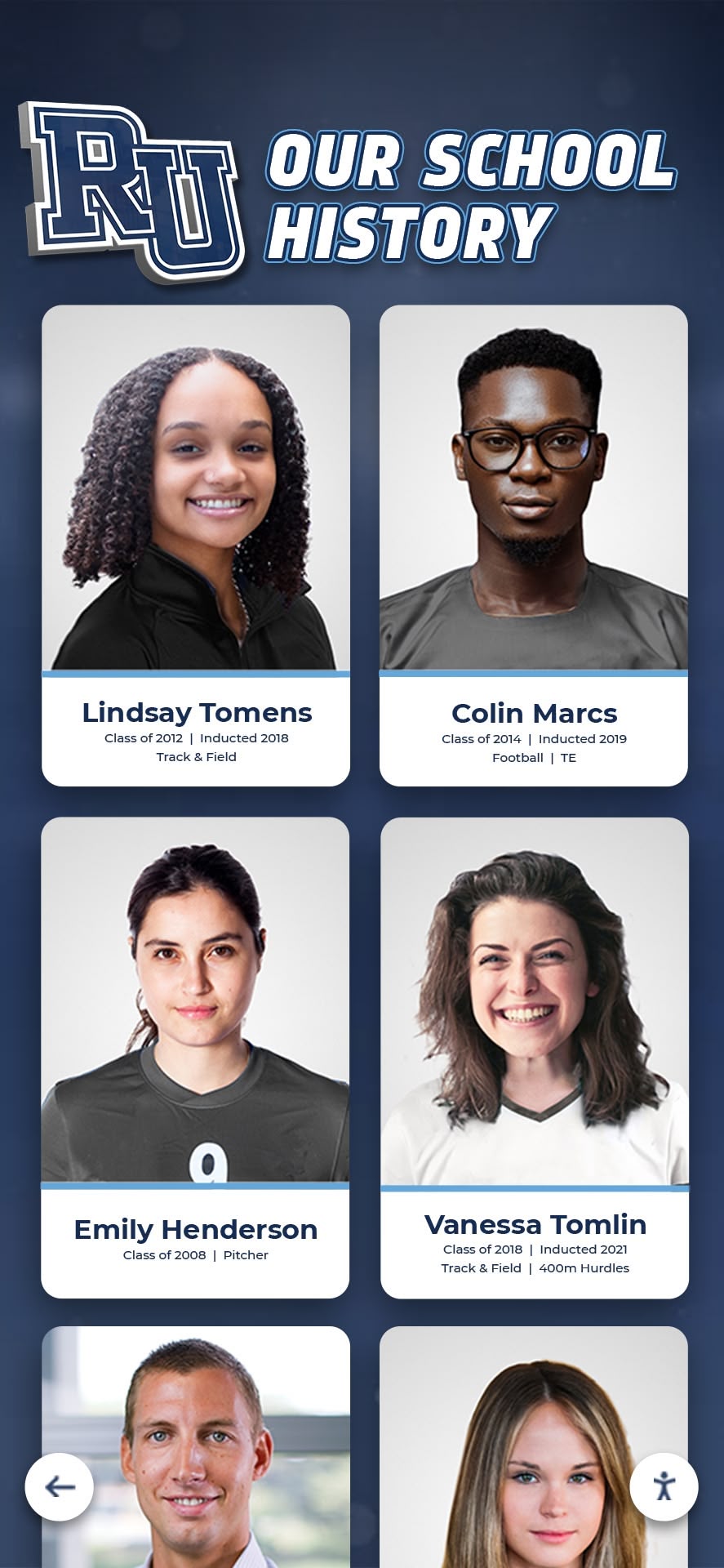
Schools implementing comprehensive recognition systems should document complete playoff paths rather than just championship game outcomes, preserving the full tournament narratives that make championship runs memorable. Digital platforms enable detailed bracket displays showing game-by-game progression, scores, opponents, and key performances throughout playoff journeys.
Ford Field Championships and Game Day Experience
Since 2003, Michigan high school football championship games have been contested at Ford Field in downtown Detroit, creating signature championship experiences rivaling college bowl games.
The Ford Field Tradition
Playing championship games at an NFL stadium elevates Michigan high school football finals above typical playoff conclusions held at high school or small college facilities. Ford Field provides professional-quality playing surfaces matching NFL standards, extensive video boards showing replays and statistics, full stadium amenities including locker rooms and training facilities, seating capacity allowing thousands of supporters to attend, and broadcast quality enabling television coverage reaching statewide audiences.
The Ford Field tradition means Michigan high school players literally walk the same tunnels, compete on the same field, and celebrate in the same end zones as Detroit Lions players—creating bucket-list moments and lifetime memories that transcend typical high school athletic experiences.
Championship weekends feature multiple games across Friday and Saturday, with various divisions competing throughout each day. This concentration creates festival atmospheres where different school communities share Ford Field concourses, creating statewide football celebrations rather than isolated individual games.
Impact on Championship Meaning and Memory
The Ford Field setting enhances championship significance psychologically and practically. Players and coaches consistently describe championship games as career pinnacles precisely because the setting matches the stakes. The professional environment, massive crowds, media attention, and dramatic settings create definitive “big game” experiences that small-venue championships cannot replicate.
From recognition perspective, Ford Field championships provide rich documentation opportunities including professional-quality game photography and video, broadcast footage enabling highlight preservation, official championship ceremony documentation, and media coverage generating extensive archival materials that schools can incorporate into historical recognition displays.
Schools preserving championship legacies benefit from extensive Ford Field materials available for recognition purposes, enabling rich multimedia presentations that bring championship moments to life rather than simple text acknowledgments of title victories.
Legendary Michigan High School Football Programs
Certain Michigan programs have established sustained excellence creating championship dynasties and producing generations of successful players and coaches.
Detroit Catholic League Powerhouses
The Detroit Catholic League represents perhaps Michigan’s most competitive and tradition-rich high school football conference, producing numerous state champions and college/professional players.
Catholic Central (Novi)
Detroit Catholic Central, now located in Novi after relocating from Detroit, stands among Michigan’s most successful football programs with multiple state championships spanning several decades. Catholic Central’s tradition includes dominant playoff runs featuring physical, disciplined football, consistent production of Division I college recruits, championship coaching including legendary figures who built program excellence, and alumni networks spanning professional ranks including numerous NFL players.
Catholic Central championships often feature signature physical playing styles emphasizing strong offensive and defensive line play, powerful running games, and defensive intensity. The program’s consistency stems from comprehensive feeder systems, exceptional facilities supporting year-round training, strong community and alumni engagement funding program resources, and coaching continuity enabling sustained system implementation.
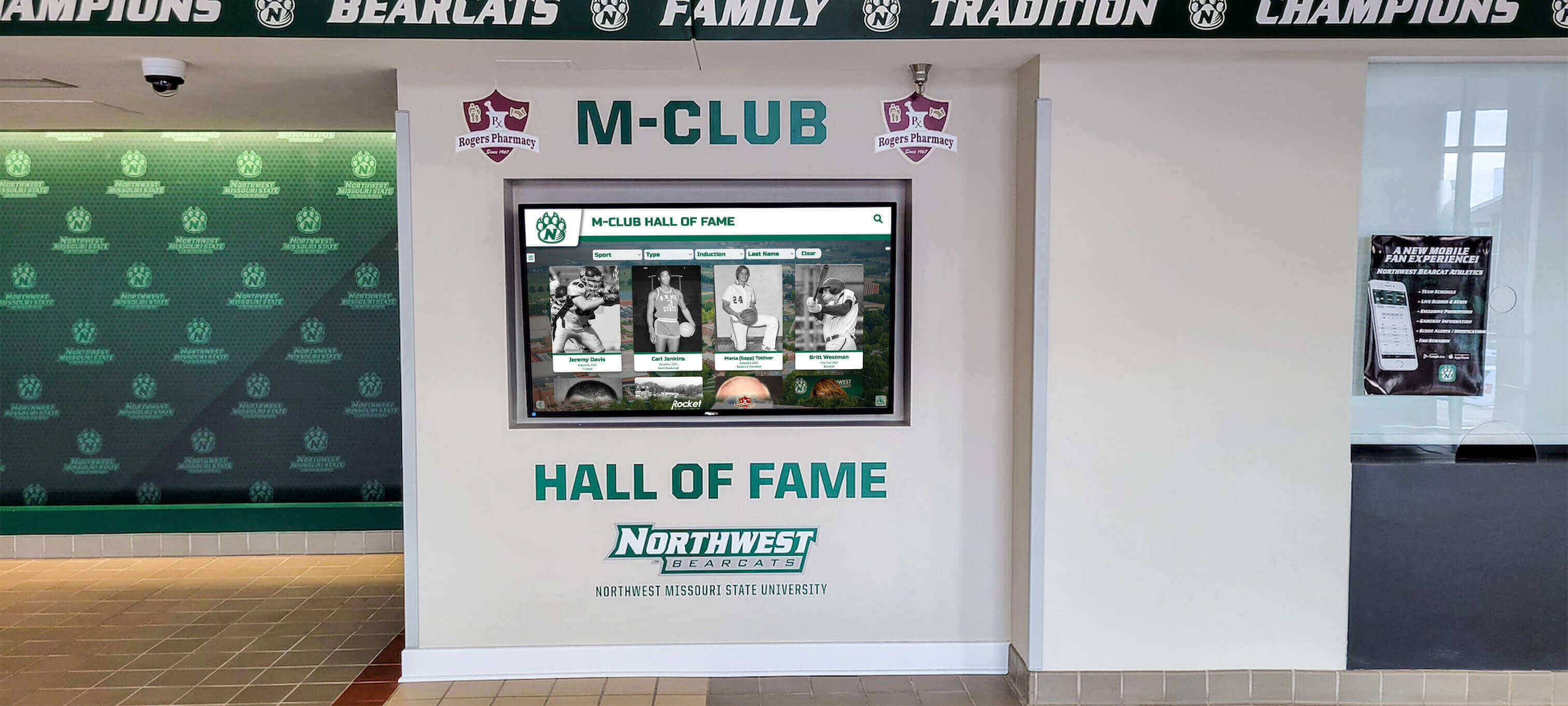
Schools seeking to build similar traditions can learn from how Catholic Central documents and celebrates its championship history. Digital recognition displays enable comprehensive documentation of championship teams, coaching legacies, and individual player accomplishments that inspire current athletes while honoring program builders.
Brother Rice (Bloomfield Hills)
Brother Rice High School in Bloomfield Hills has captured multiple state championships while consistently competing at Michigan’s highest levels. Brother Rice excellence includes championships across different eras and coaching regimes, balanced offensive attacks featuring both passing and running excellence, defensive prowess creating low-scoring championship games, and college preparation evident in high Division I scholarship rates.
The program demonstrates championship consistency rather than isolated success, regularly competing deep into playoffs and frequently appearing in state championship games. This sustained competitiveness reflects institutional commitment extending beyond individual coaches to comprehensive athletic department support, community investment in football tradition, and developed youth programs creating talent pipelines.
West Michigan Championship Programs
West Michigan has produced numerous championship programs including traditional powerhouses and emerging dynasties establishing new traditions.
Muskegon Big Reds
Muskegon High School stands among Michigan’s most storied programs, with championship tradition extending back decades and including numerous state titles. Muskegon’s legacy includes historic championship teams from multiple eras, production of exceptional college and professional talent, coaching legends including multiple hall of fame honorees, and community identity deeply connected to Big Red football.
Muskegon championships often feature explosive offensive talent including record-setting running backs and dynamic playmakers, aggressive defensive schemes pressuring opponents, passionate community support filling stadiums for home games, and program consistency maintaining excellence across coaching transitions.
The Muskegon program demonstrates how smaller city programs compete with suburban Detroit powerhouses through comprehensive community support, excellent coaching and player development, strong youth football pipelines, and unwavering commitment to football excellence as community priority.
Rockford Rams
Rockford High School emerged as a modern dynasty, capturing multiple recent state championships while building one of Michigan’s premier programs. Rockford’s rise includes dominant championship runs featuring decisive playoff victories, balanced offensive systems with sophisticated passing and running attacks, defensive excellence allowing minimal points throughout playoff runs, and program growth from competitive to dominant status.
Rockford demonstrates how programs ascend to championship levels through exceptional coaching leadership building winning cultures, investment in facilities supporting year-round development, community growth providing expanding talent pools, and systematic approaches developing players from youth through varsity levels.
Upper Peninsula and Small-School Powers
Michigan’s northern regions and Upper Peninsula have produced remarkable championship programs demonstrating that small-school football achieves excellence rivaling larger programs.
Ishpeming Hematites
Ishpeming High School in the Upper Peninsula has built one of Michigan’s most impressive small-school football traditions, with numerous state championships and legendary program history. Ishpeming excellence includes championships spanning multiple decades and generations, production of Division I college players from small enrollment base, coaching stability with legendary tenures building sustained programs, and community identity centered on Hematite football tradition.
Upper Peninsula football presents unique challenges including harsh weather conditions limiting practice seasons, geographic isolation requiring extensive travel for competition, small talent pools demanding versatile multi-position players, and limited resources compared to suburban Detroit programs.
Yet Ishpeming and similar Upper Peninsula programs overcome these challenges through comprehensive community support where entire towns embrace football, tough physical playing styles matching regional identity, player development maximizing limited roster depth, and coaching excellence implementing sophisticated systems despite resource constraints.
Preserving these small-school championship legacies proves especially important as communities change and schools potentially consolidate. Digital recognition systems ensure championship achievements receive permanent documentation regardless of future institutional changes, honoring communities and athletes who built small-school excellence.
Hudson Tigers
Hudson High School in southeast Michigan has built an unprecedented small-school dynasty, winning multiple consecutive state championships and establishing national recognition for program excellence. Hudson’s remarkable achievement includes historic winning streaks spanning multiple seasons, dominant playoff performances featuring enormous point margins, sophisticated offensive systems exceeding typical small-school approaches, and national attention including USA Today rankings and feature coverage.
Hudson demonstrates that small schools can achieve not just regional success but national-caliber excellence through exceptional coaching innovation and system development, comprehensive player development from middle school forward, community buy-in supporting football as priority, and sustained success creating self-perpetuating cultures of excellence.
The Hudson program provides inspiration for small schools throughout Michigan and nationally, proving that enrollment and resources don’t predetermine championship ceilings when programs maximize their advantages through superior coaching, development, and commitment.
Historic Championship Games and Memorable Playoff Runs
Michigan high school football history includes numerous championship games and playoff runs that transcend normal athletic achievement to become legendary moments in state sports history.
Dramatic Championship Finishes
Championship games decided by last-second scores, dramatic comebacks, or overtime classics create particularly memorable moments defining program histories and player legacies.
Last-Second Victories
Some of Michigan’s most memorable championships were secured through game-winning plays in final seconds including field goals as time expired delivering unlikely victories, touchdown passes with no time remaining completing comebacks, defensive stands preserving narrow leads as opponents reached goal lines, and interceptions or fumble recoveries preventing tying or winning scores.
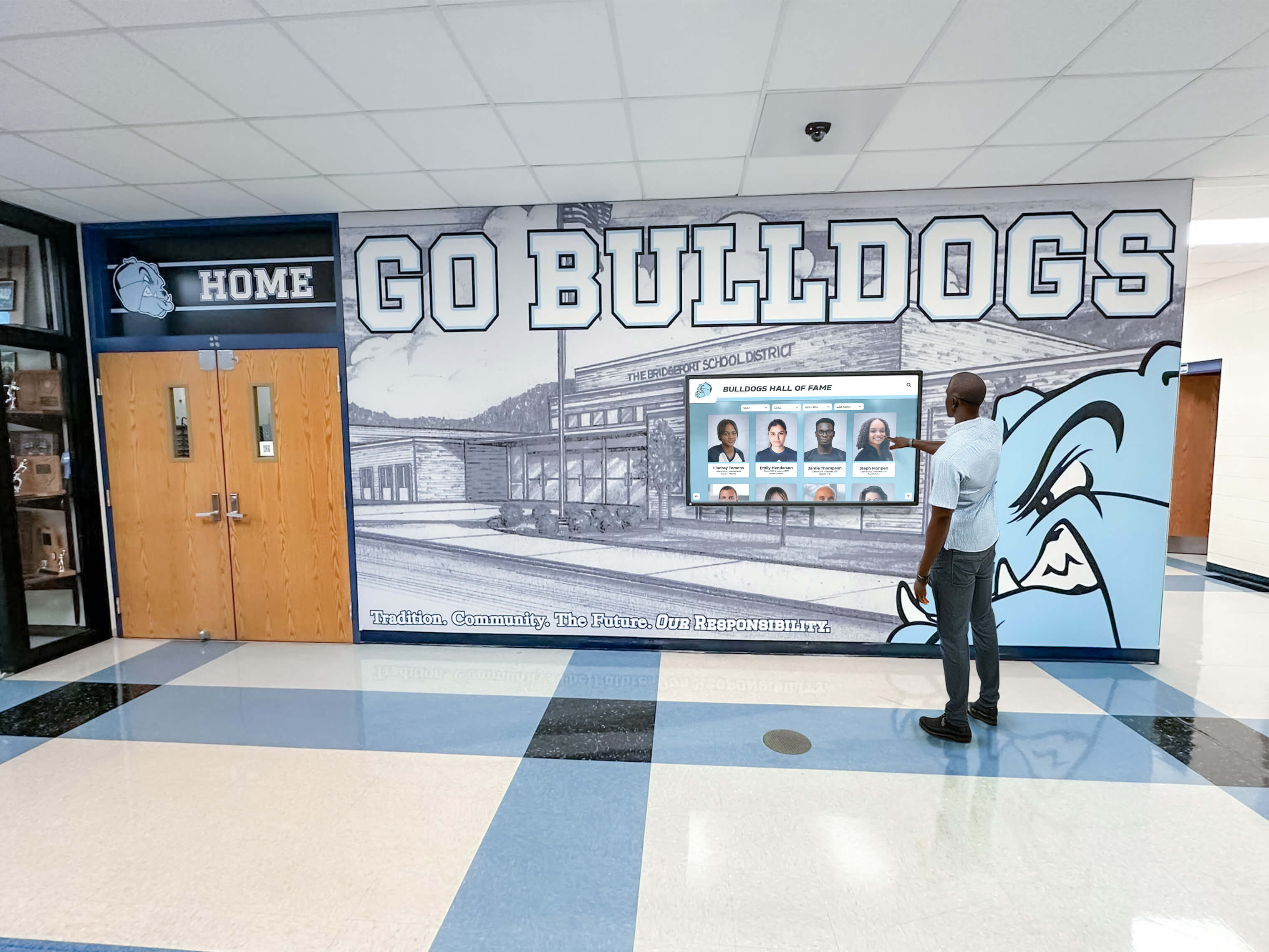
These dramatic finishes become treasured program memories, with plays replayed endlessly at banquets and reunions. Players involved in game-winning or game-saving plays earn permanent recognition as program heroes who delivered championships in pressure moments. Documentation of these dramatic championships should include detailed play-by-play narratives, video highlights when available, player and coach reflections about key moments, and statistical context about game situations.
Dominant Championship Performances
While close games create drama, dominant championship victories showcase exceptional team excellence and create different types of memorable achievements including shutout championships demonstrating defensive dominance, lopsided scoring margins showing complete superiority, perfect seasons capped by championships, record-setting individual performances in title games, and championships completing undefeated playoff runs.
These dominant performances establish benchmarks for program excellence, providing aspirational targets for future teams. Recognition should document both the championship achievement and the exceptional performance levels demonstrated, ensuring future athletes understand what program-record excellence looks like.
Cinderella Stories and Upset Championships
Playoff upsets where lower-seeded or underdog teams defeat favorites create some of Michigan football’s most compelling championship narratives.
Lower-Seed Championship Runs
Michigan’s playoff format occasionally produces improbable championship runs where teams qualifying for playoffs with modest seeding overcome numerous higher-seeded opponents to capture unexpected titles. These Cinderella stories feature lower seeds winning road games throughout playoffs, upset victories over traditional powerhouses, teams peaking at optimal times after regular season struggles, and underestimated programs proving doubters wrong through championship performances.
Upset championship runs generate special community pride because they weren’t expected—entire communities rally around improbable playoff journeys, creating shared experiences bonding players, coaches, and fans through collective achievement exceeding all predictions.
Documentation of upset championships should emphasize the improbable nature of achievements, capturing how communities responded as playoff runs progressed and expectations evolved from participation to legitimate championship contention.
First-Time Championship Programs
Championships won by programs never previously capturing state titles carry special meaning as they establish new traditions rather than continuing existing ones. First-time champions include programs breaking through after years of near-misses, emerging programs from schools without historical football success, schools winning championships soon after opening, and programs overcoming historical dominance by league or regional rivals.
These breakthrough championships transform program identities from competitive to championship-caliber, creating new possibilities and expectations. Proper recognition ensures these watershed moments receive appropriate documentation, preserving how championships established traditions subsequent teams build upon.
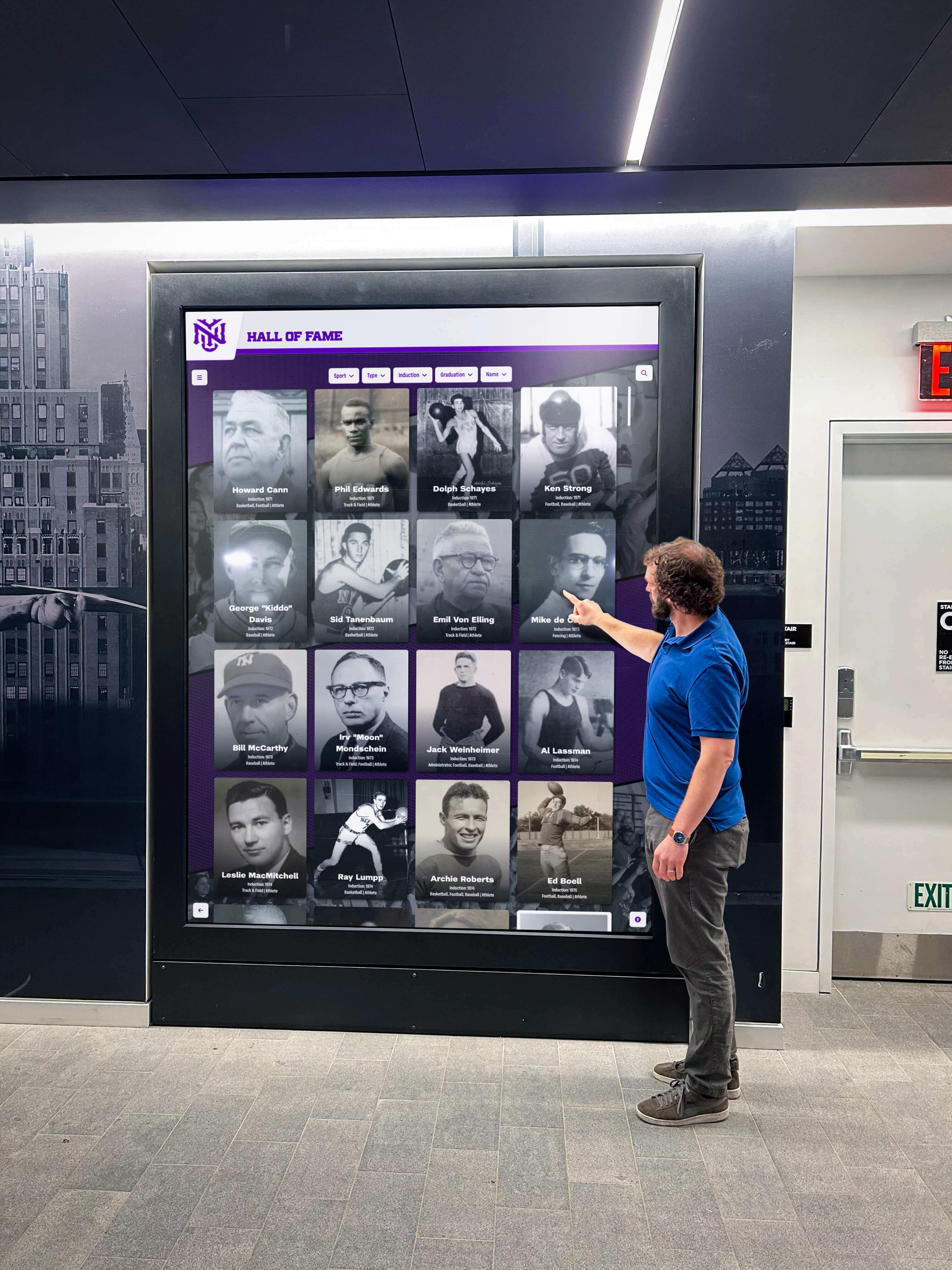
Similar to championship traditions in other competitive states, Michigan programs benefit from systematic documentation approaches. Resources about Georgia high school football championships demonstrate how states build comprehensive recognition around championship histories.
Individual Achievement and Championship Performance
While team championships receive rightful emphasis, individual achievements and record-setting performances deserve recognition for documenting exceptional talent and inspirational performances throughout Michigan championship history.
Championship Game Stars and MVPs
Exceptional individual performances in championship games create lasting legacies for players who elevated performances when stakes were highest.
Record-Setting Championship Performances
Michigan championship game history includes numerous record-setting individual performances including single-game rushing records with running backs exceeding 300 yards, quarterback passing performances with multiple touchdown passes, defensive dominance with numerous sacks or interceptions, special teams excellence including return touchdowns, and kickers converting crucial field goals under championship pressure.
These championship game performances demonstrate ability to excel on biggest stages when pressure intensifies and competition reaches peak levels. Players producing exceptional championship performances earn permanent recognition as program legends who delivered when everything was at stake.
All-State Selections and Individual Honors
Individual awards recognizing exceptional talent provide important recognition complementing championship team achievements.
MHSAA All-State Teams
All-State selections by Associated Press and Detroit News identify Michigan’s best players at each position across all divisions. All-State recognition includes first-team selections representing position elite, second and third teams acknowledging additional excellence, Dream Team selections in some classifications, position-specific awards for outstanding specialists, and player of the year awards recognizing division standouts.
Comprehensive recognition systems should document all individual award recipients including All-State honors at various levels, conference and regional awards, statistical championships like rushing or passing leaders, academic all-state recognition celebrating scholar-athletes, and national recognition like All-American selections.
These honors provide objective validation of exceptional talent, making them important components of complete achievement recognition alongside championship team accomplishments and statistical records.
College and Professional Success
Michigan high school football serves as foundation for college careers and occasional professional opportunities, demonstrating program success in developing elite talent.
Division I Scholarship Recipients
Tracking players who earned Division I scholarships demonstrates program success in developing college-ready talent. Documentation should include scholarship recipients with colleges and conferences, notable college career achievements and statistics, players competing in bowl games and championships, awards and recognition earned at collegiate levels, and NFL Draft selections and professional opportunities.
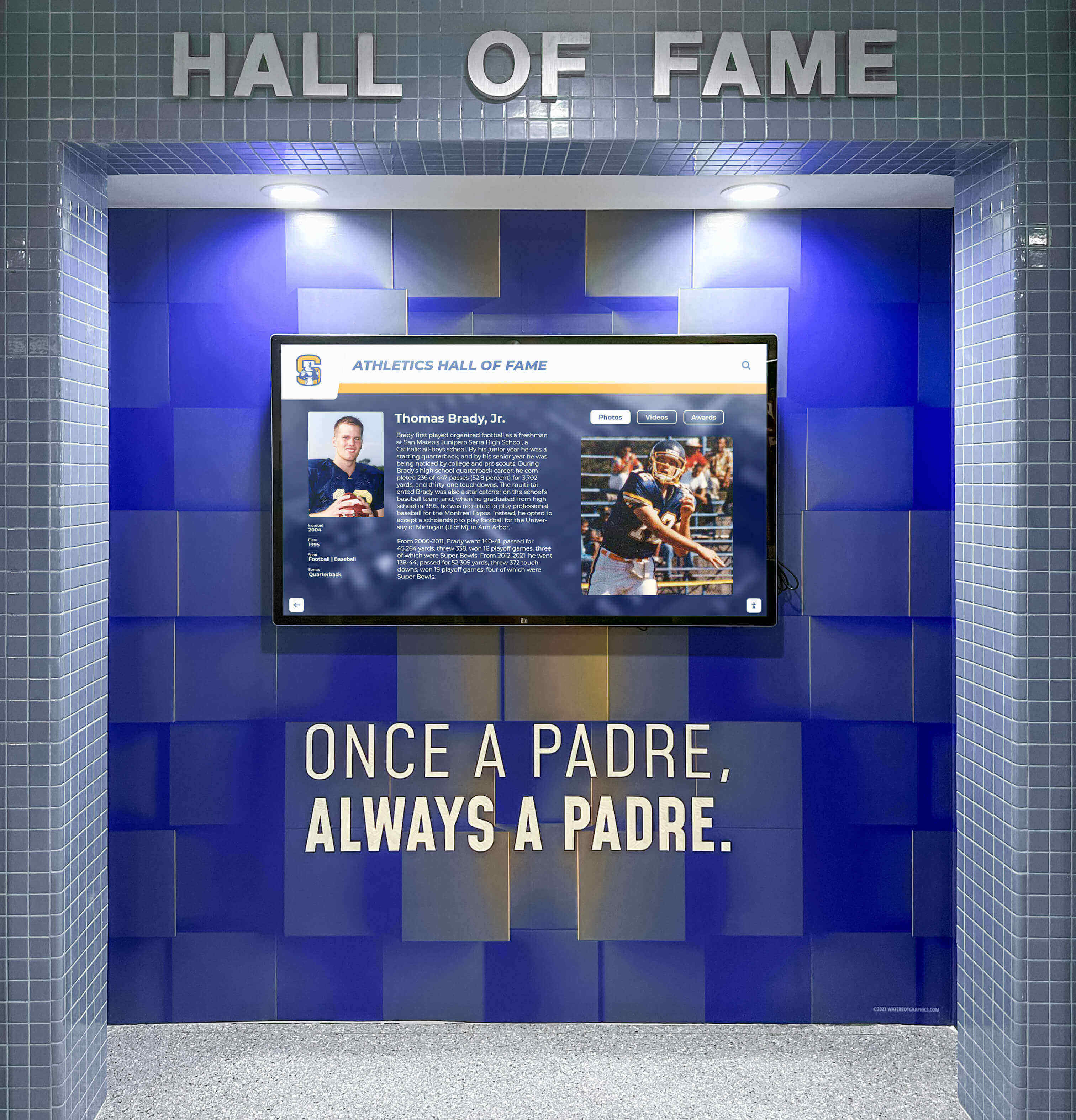
This tracking demonstrates program impact extending beyond high school success to influence players’ entire athletic careers and lives. When prospective athletes see that program alumni regularly earn scholarships and succeed collegially, it enhances program reputation and recruiting appeal.
Schools can learn from comprehensive athletic recognition approaches used nationally. Examples like digital trophy displays show how platforms enable documentation across multiple achievement dimensions from high school championships through professional careers.
Preserving Michigan Championship Legacies Through Modern Recognition
Michigan schools face a fundamental challenge: how to preserve rich football championship histories in ways that honor past achievements while remaining relevant and engaging for current students, athletes, and communities.
Limitations of Traditional Recognition Methods
Traditional approaches to championship recognition—trophy cases, banner walls, plaque displays—face significant limitations compromising their effectiveness over time.
Physical Space Constraints
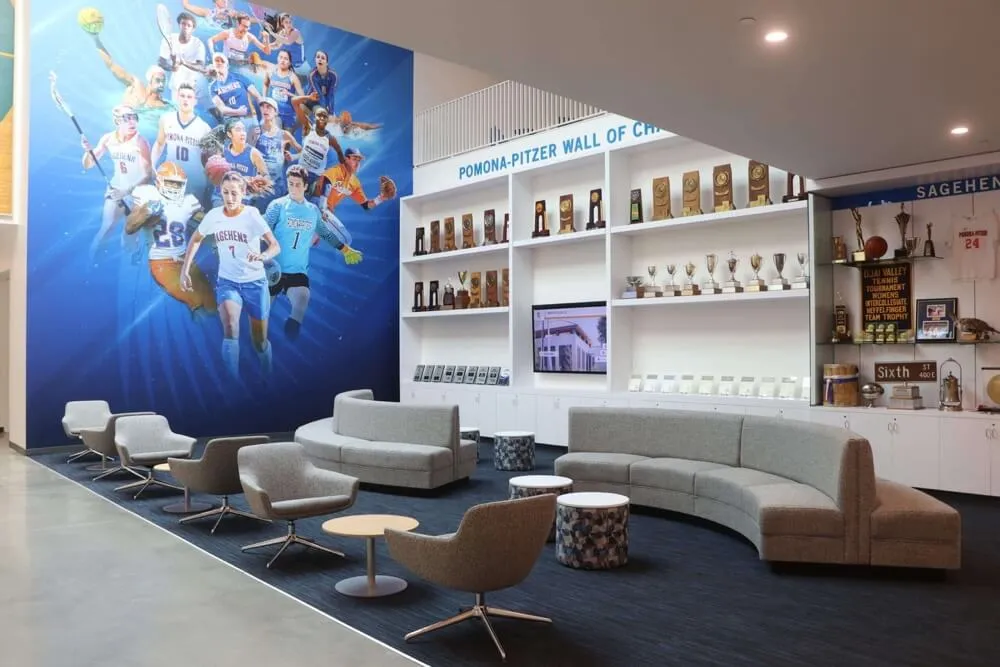
Trophy cases and wall space for championship banners inevitably fill to capacity as programs continue winning championships and accumulating achievements. This physical limitation forces difficult prioritization decisions about which championships and achievements receive prominent display versus which must be minimized or removed to accommodate new accomplishments.
Programs with extensive championship histories spanning decades face particularly acute space challenges. Should older championships be removed to feature recent titles? Should individual player recognition be eliminated to preserve team championship displays? These forced choices undermine comprehensive recognition and may create perception that older achievements matter less than recent ones.
Static Presentation and Limited Engagement
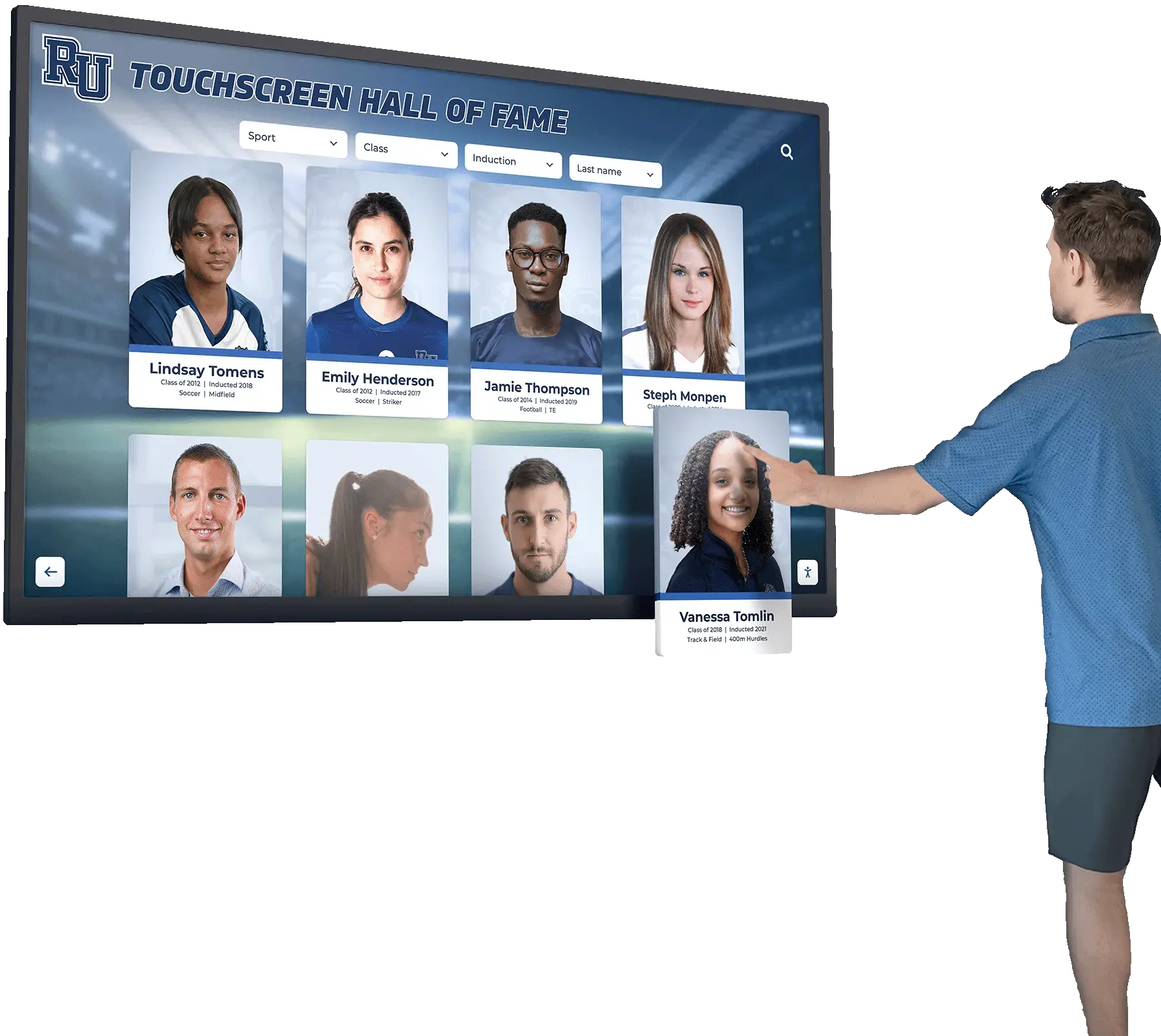
Traditional physical displays offer no interactivity or search capability, forcing visitors to scan entire walls seeking specific information. Trophy cases typically show trophies with brief plaques providing minimal context—years, opponents, scores—without room for the narratives that make championships meaningful.
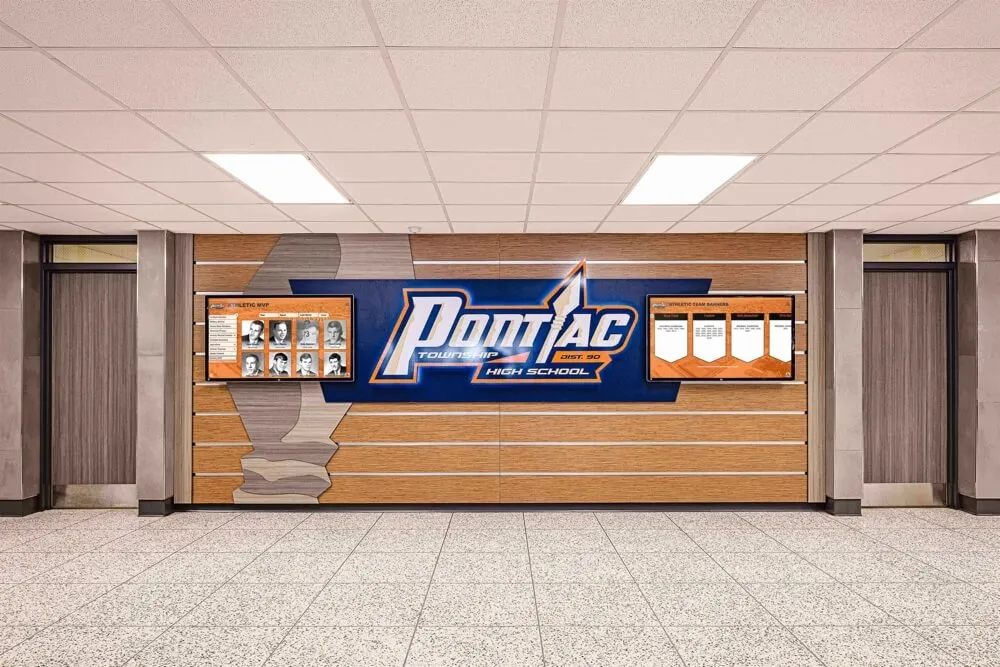
This static, information-limited approach serves basic documentation purposes but fails to engage audiences or tell compelling stories that inspire current athletes and educate community members about program traditions. Visitors glance briefly at trophy cases but rarely spend meaningful time exploring championship histories when only minimal information is visible.
Update Complexity and Aging Appearance
Adding championships to traditional displays requires expensive materials, professional installation, and weeks or months of delays. This complexity means recognition often lags significantly behind achievement, diminishing motivational impact on current teams and creating periods where championship accomplishments remain unacknowledged.
Traditional displays also age visibly—materials fade, designs become dated, and displays themselves communicate “old” rather than “ongoing tradition.” This aging undermines recognition effectiveness, making championship histories feel like relics rather than living traditions inspiring current athletes to add their own chapters.
Digital Recognition Solutions for Championship Programs
Modern digital recognition technology eliminates traditional limitations while introducing capabilities transforming how schools preserve and celebrate football championship excellence.
Unlimited Recognition Capacity
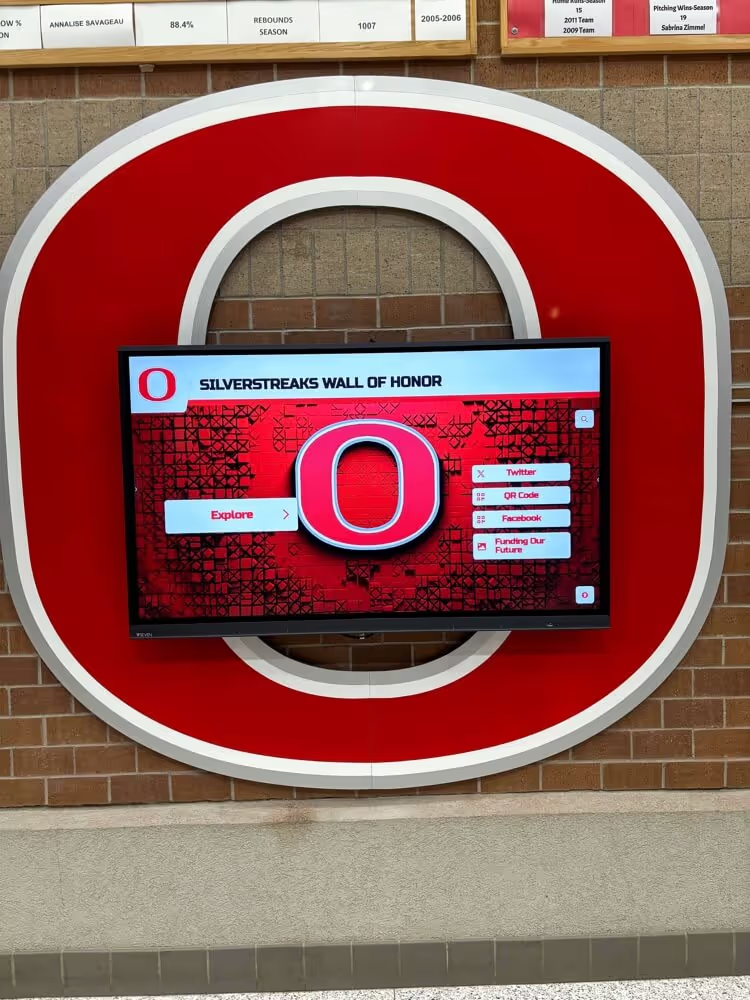
Digital platforms provide unlimited capacity without physical space constraints, enabling schools to document complete championship histories including every state championship across all eras, every playoff appearance and tournament run, individual statistical records and career achievements, All-State selections and award recipients, and coaching milestones and career accomplishments.
This unlimited capacity means schools never face prioritization choices about which championships or achievements “deserve” recognition—every accomplishment can receive appropriate documentation and accessibility through digital systems.
Rich Multimedia Content and Storytelling
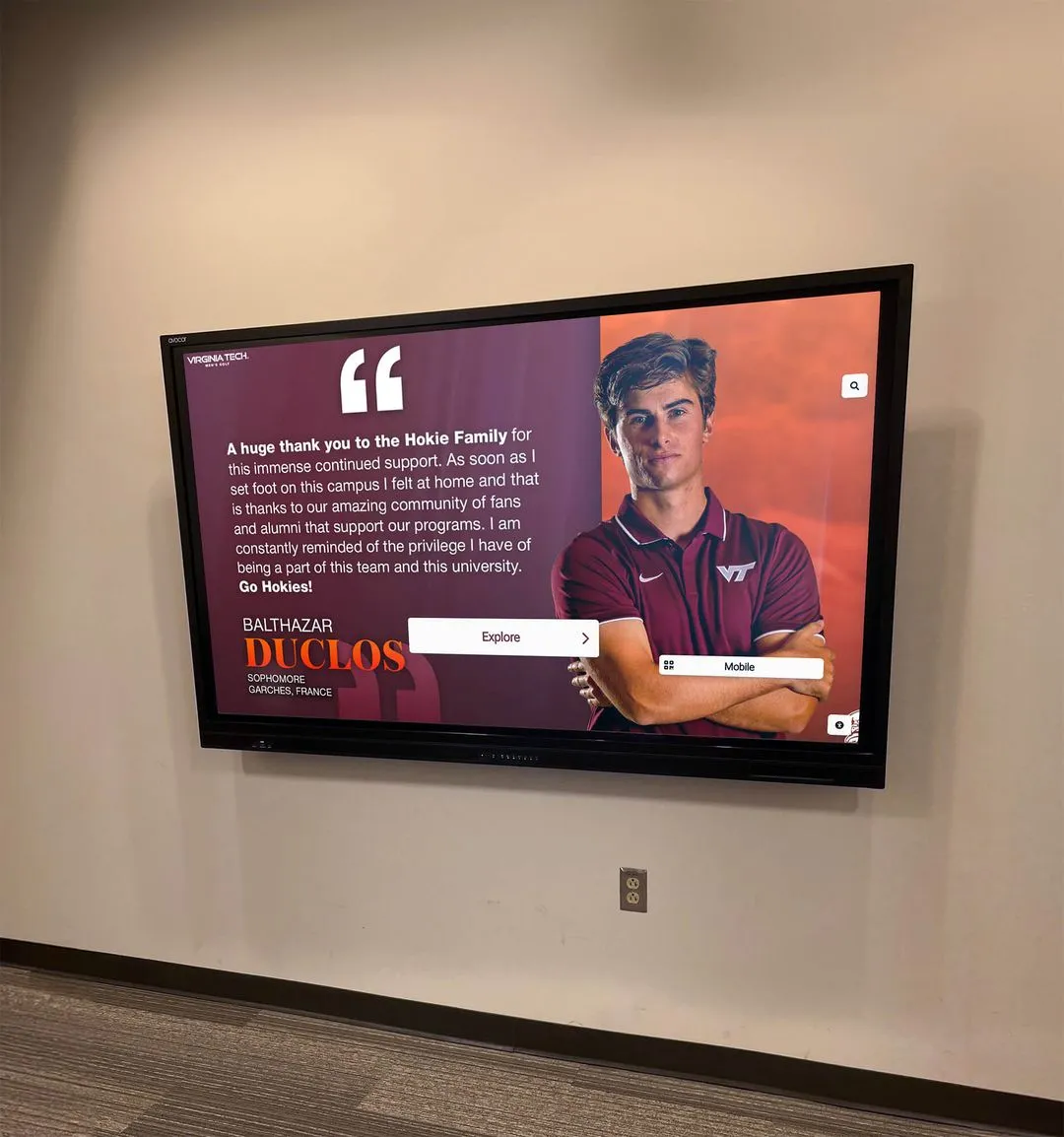
Digital recognition enables rich content creating engaging championship narratives through high-quality photography showing championship game action, team celebrations, and community reactions; video highlights featuring championship plays and game-winning moments; comprehensive statistics documenting performance excellence; biographical information about championship team members and coaches; and historical context explaining championship significance and competitive circumstances.
This content depth transforms simple lists of champions into compelling stories that inspire current athletes, engage alumni, and educate community members about program traditions. When underclassmen can watch video of championship games, read about how teams overcame adversity, and understand what previous players sacrificed to build excellence, abstract championship goals become tangible possibilities.
Immediate Updates and Dynamic Content
Digital content management systems enable immediate recognition updates when new championships occur. Adding current championship teams requires uploading photos and information through intuitive interfaces rather than ordering physical materials and scheduling installation. This immediacy ensures recognition remains current and timely, acknowledging achievement promptly when motivational impact proves strongest.
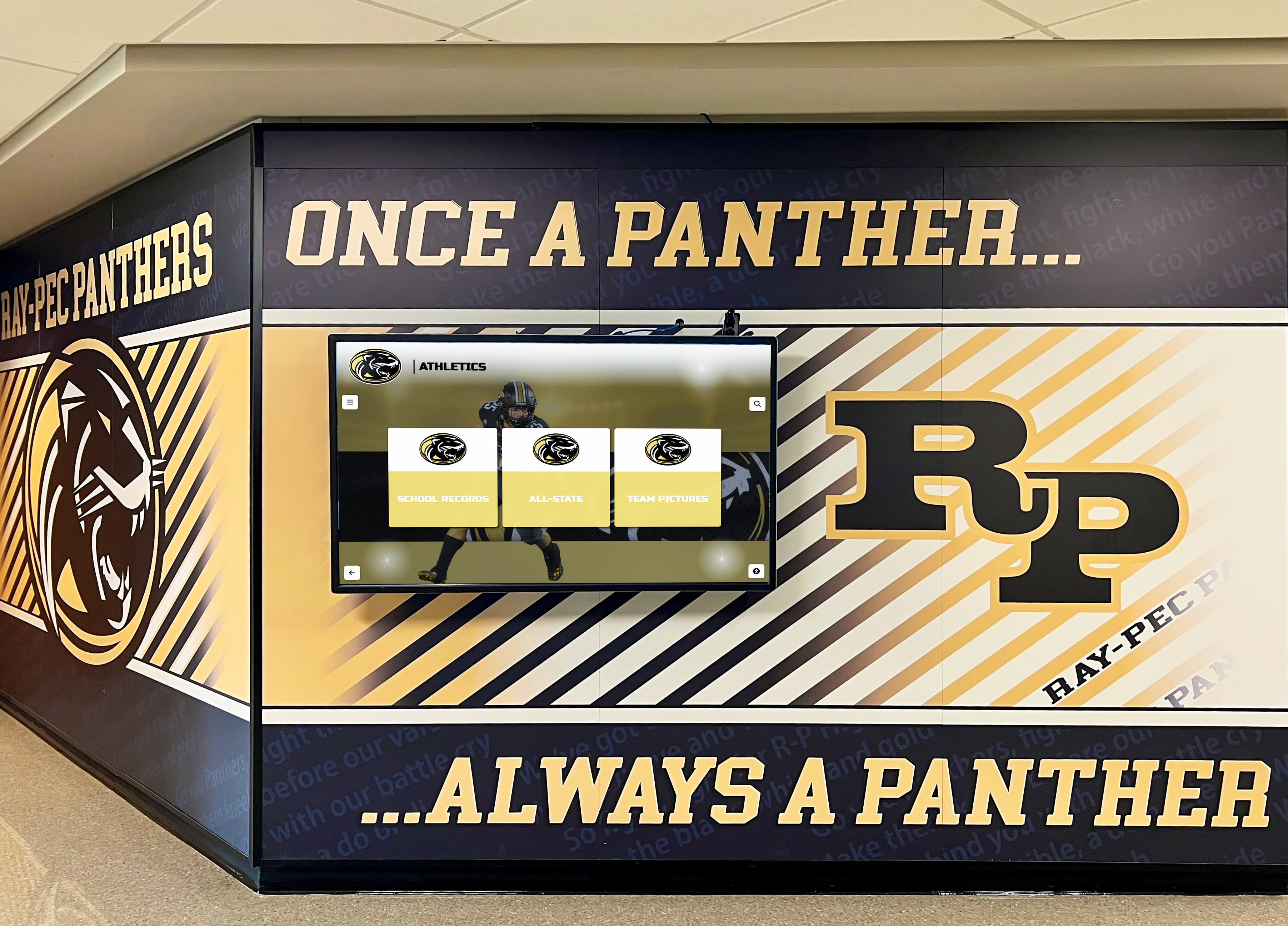
Dynamic content presentation also maintains engagement through rotating featured content highlighting different championship eras, seasonal displays emphasizing current teams and recent playoffs, anniversary recognition commemorating historic championships, and updated statistics reflecting current record progressions.
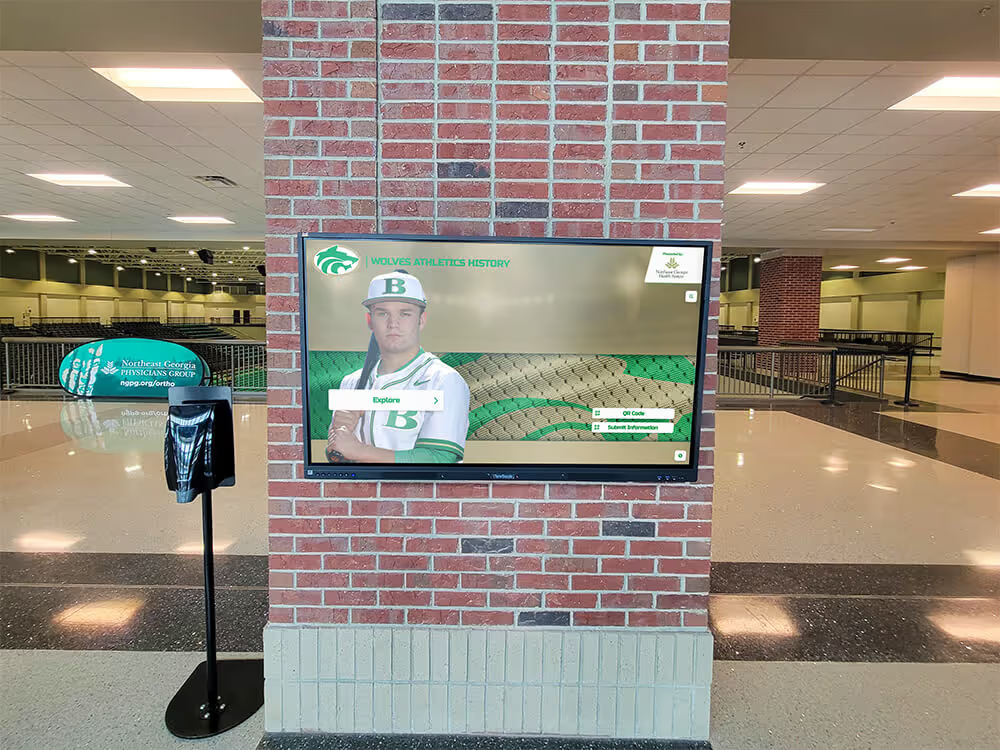
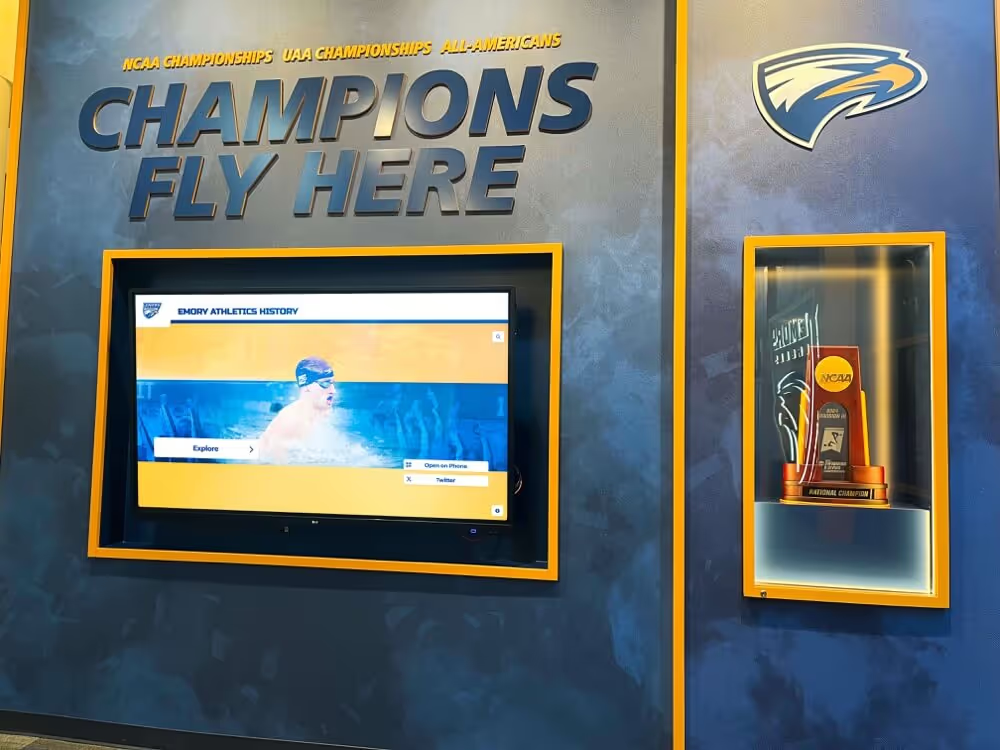
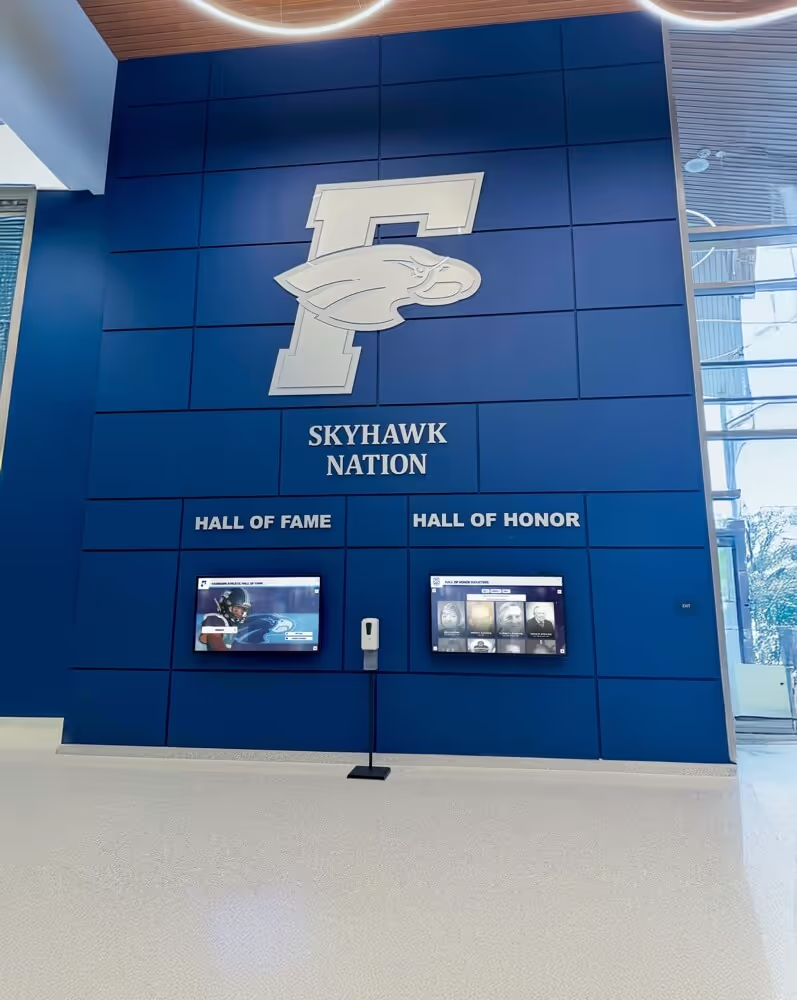
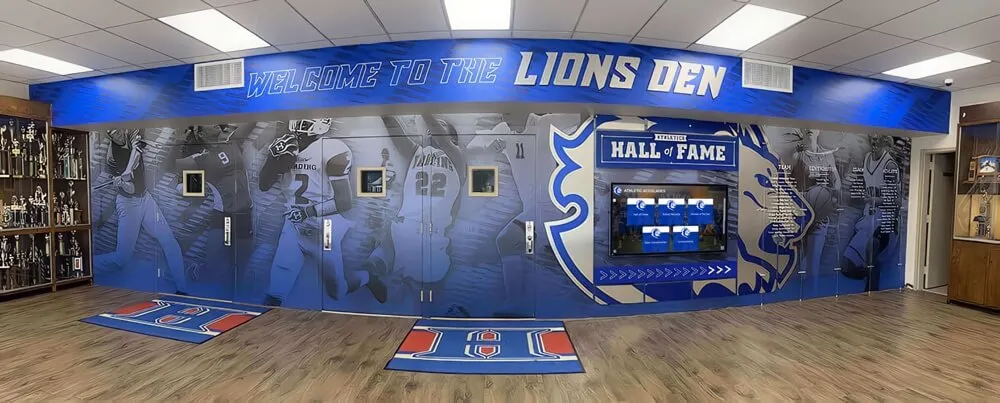
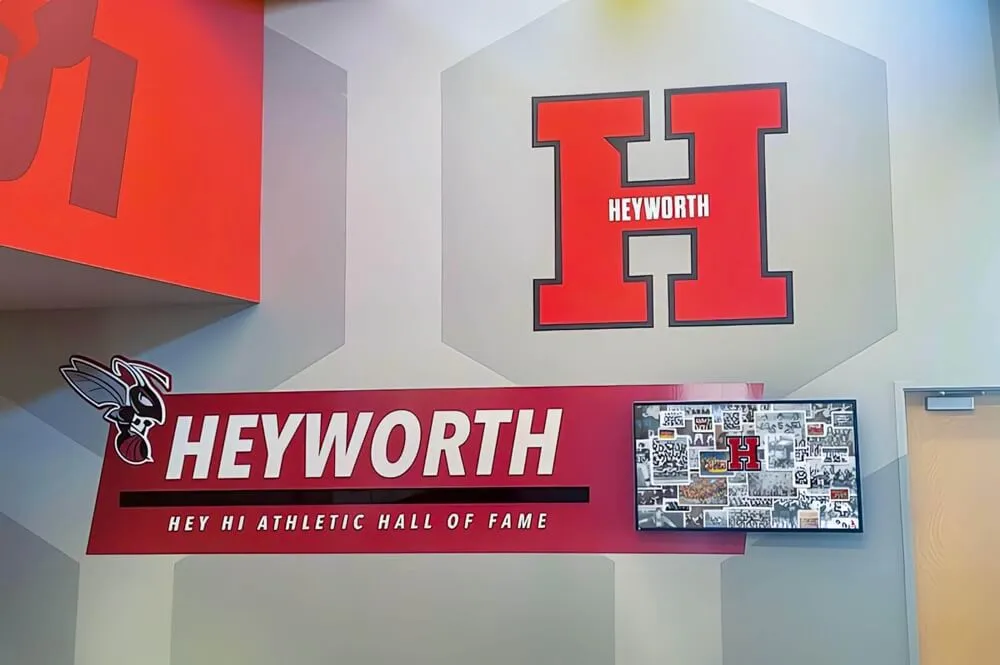
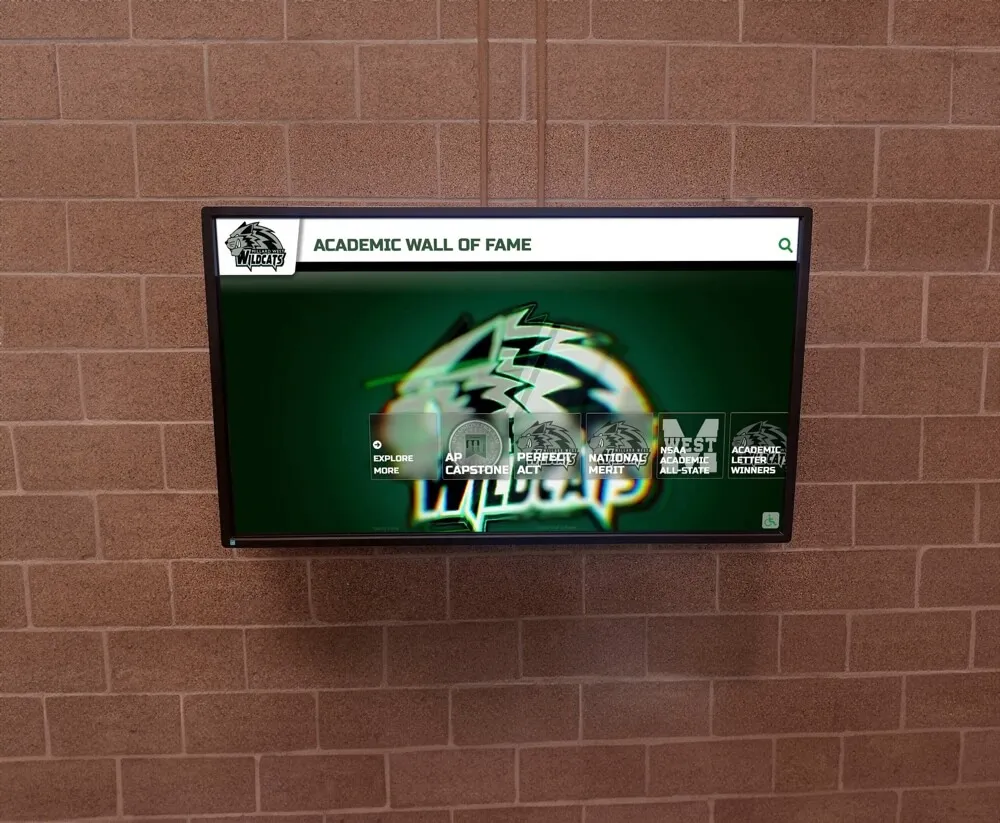
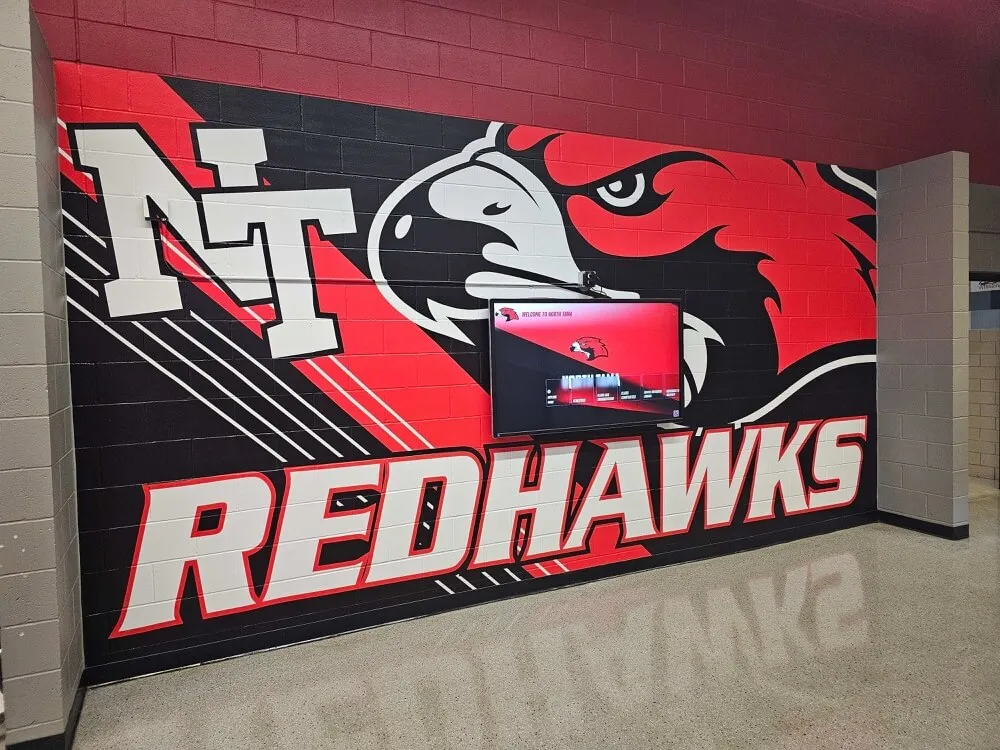
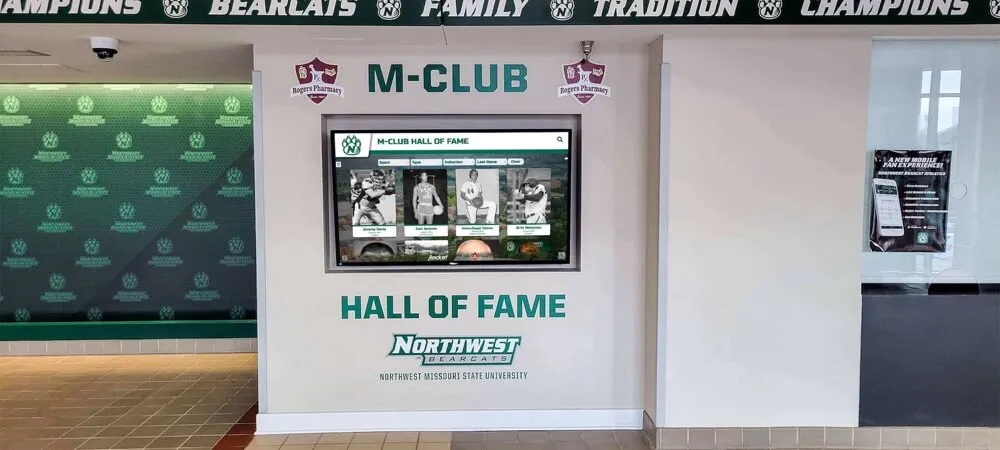
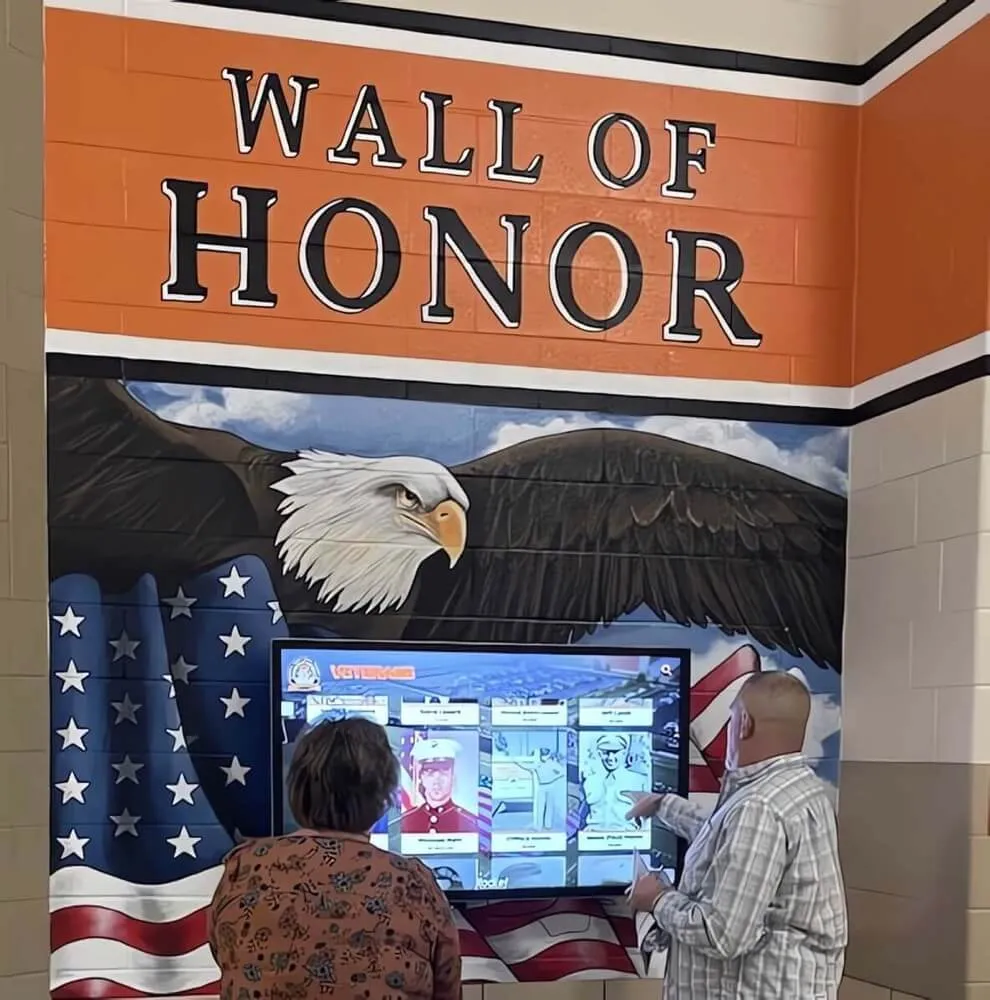
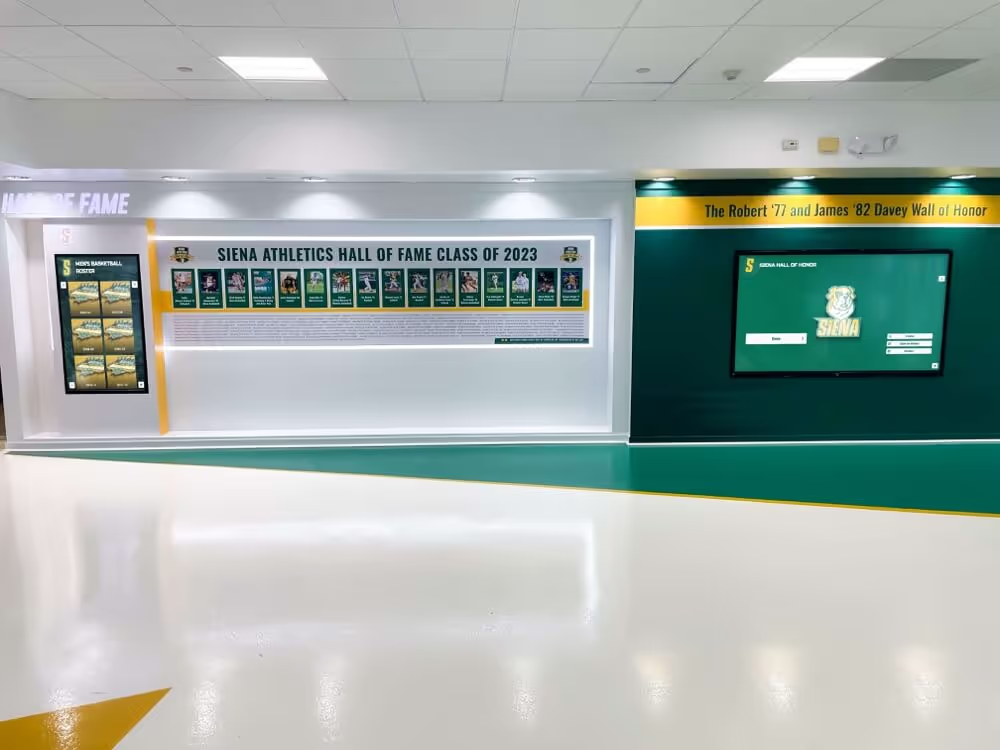
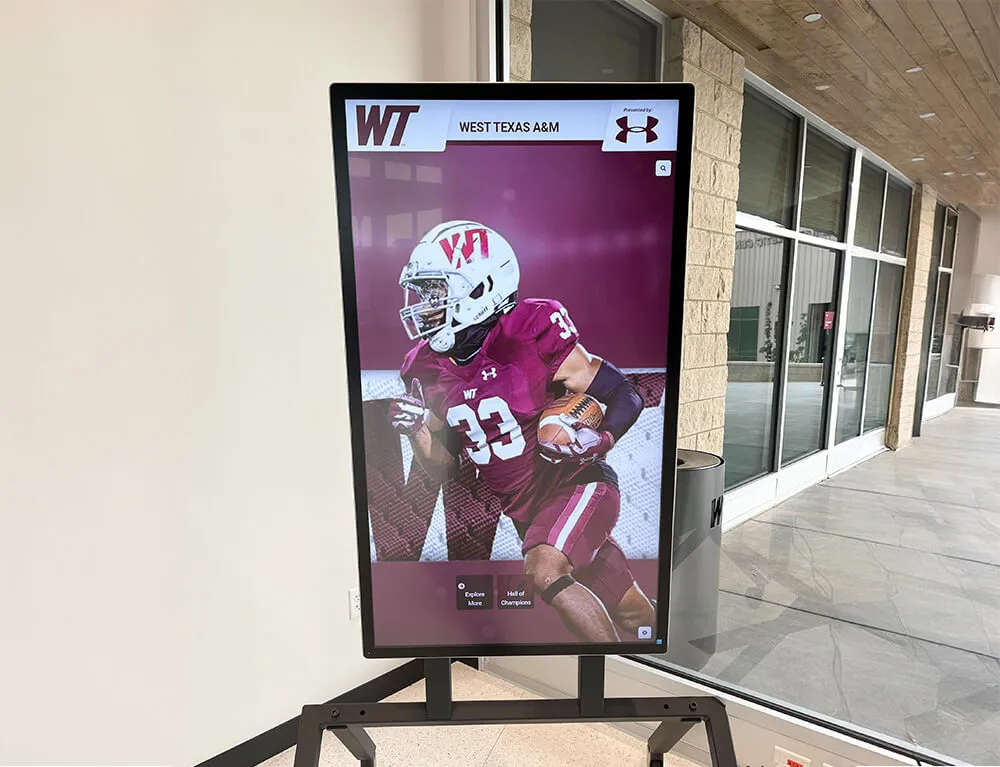
Schools throughout Michigan and nationally discover how digital solutions enhance championship recognition programs. Platforms like interactive athletic displays demonstrate how modern recognition creates engaging experiences celebrating championship traditions.
Integration with Broader Athletic Recognition
While football deserves appropriate recognition given its prominence in Michigan school athletics, the most effective recognition programs integrate football excellence within comprehensive athletic achievement celebrating all sports.
Multi-Sport Recognition Systems
Comprehensive platforms enable integrated recognition ensuring football championships receive appropriate emphasis while honoring excellence across all athletic programs. Integration benefits include unified platform managing all sports recognition, consistent presentation creating cohesive athletic department identity, cross-sport navigation enabling exploration across programs, and comprehensive athlete profiles showing multi-sport achievements.
This comprehensive approach communicates institutional values celebrating diverse athletic excellence while ensuring football traditions receive rightful places as cornerstones of school athletic achievement without marginalizing other programs.
Academic and Character Integration
Forward-thinking schools integrate athletic championship recognition with academic achievement and character recognition, creating complete student recognition systems. Integration includes academic recognition alongside athletic accomplishment, scholar-athlete awards celebrating combined excellence, character awards honoring sportsmanship and leadership, and community service recognition beyond competition.
This holistic approach reinforces that while championship excellence matters tremendously, complete student development encompasses academic, athletic, and personal growth across multiple dimensions.
Leveraging Championship History for Program Development
Beyond honoring past achievements, effective championship recognition systems serve strategic purposes strengthening current programs through recruitment, motivation, fundraising, and community engagement.
Recruitment Impact and Program Marketing
In Michigan’s competitive football environment, recruiting advantages prove crucial for building and sustaining championship programs.
Visible Championship Documentation
Comprehensive championship displays provide tangible evidence of program excellence influencing recruitment decisions when prospective athletes and families evaluate programs. Visible recognition influences recruitment through objective evidence of sustained championship success, demonstration of pathways from program to college opportunities, visible commitment to honoring player contributions and achievements, and creation of aspirational environments where athletes imagine championship success.
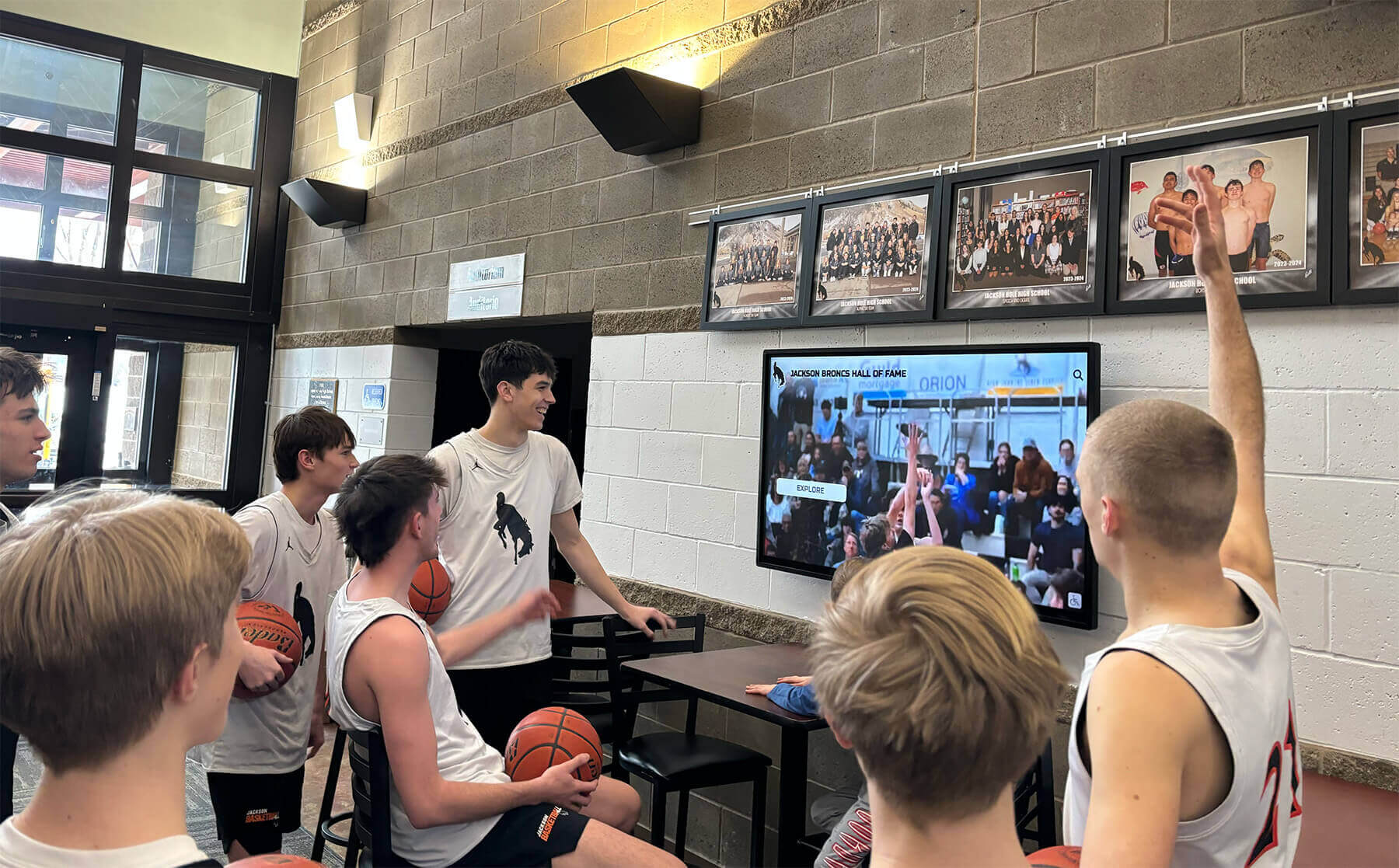
Many coaches report that championship displays become focal points during recruiting visits, with prospective players and families spending significant time exploring program histories and envisioning themselves as future championship contributors. Digital platforms enable particularly effective recruitment tools through easy content sharing via social media and websites, mobile-friendly access allowing remote exploration, video integration showing championship highlights, and statistical documentation demonstrating program achievement levels.
Motivating Current Athletes and Building Championship Culture
Championship recognition creates concrete goals transforming abstract excellence concepts into specific, measurable targets current athletes can pursue.
Historical Benchmarks and Achievement Targets
When athletes see exactly what championships have been won, what playoff records exist, and who achieved them, they gain tangible benchmarks for their own development and achievement. Interactive displays can feature current team tracking showing season progression, individual statistics compared to career records, playoff scenarios and championship positioning, and historical context about where current seasons rank.
This transparency enables goal-setting far more effective than vague encouragement about “playing your best” or “living up to traditions.” Athletes understand precisely what accomplishments would earn them lasting recognition alongside program legends.
Connecting Generations Through Shared Tradition
Championship displays connect current teams to historical success, creating expectations that each generation maintain program standards. This cultural continuity appears particularly strong when displays document sustained achievement across multiple coaching eras and athlete generations, demonstrating excellence transcends individual personalities to reflect program-wide commitment.
Programs with comprehensive historical documentation develop cultures where championship performance becomes expected rather than rare—athletes grow up seeing histories filled with championships and exceptional achievement, making pursuit of similar excellence part of program identity rather than unusual ambition.
Alumni Engagement and Fundraising Opportunities
Football championship recognition creates natural engagement points for alumni and community members passionate about program traditions.
Recognition-Focused Fundraising Initiatives
Championship legacies provide compelling fundraising narratives that resonate with alumni and community supporters. Recognition-focused campaigns include fundraising to establish or expand digital championship displays, naming opportunities associated with recognition programs and features, sponsorship programs supporting annual recognition updates and additions, and alumni giving tied to honoring specific championship teams or eras.
Championship legacies provide compelling fundraising narratives—donors respond positively to opportunities honoring excellence and preserving program history for future generations. Many schools successfully fund recognition programs entirely through donations from alumni and community members who want to ensure their championship eras receive appropriate documentation.
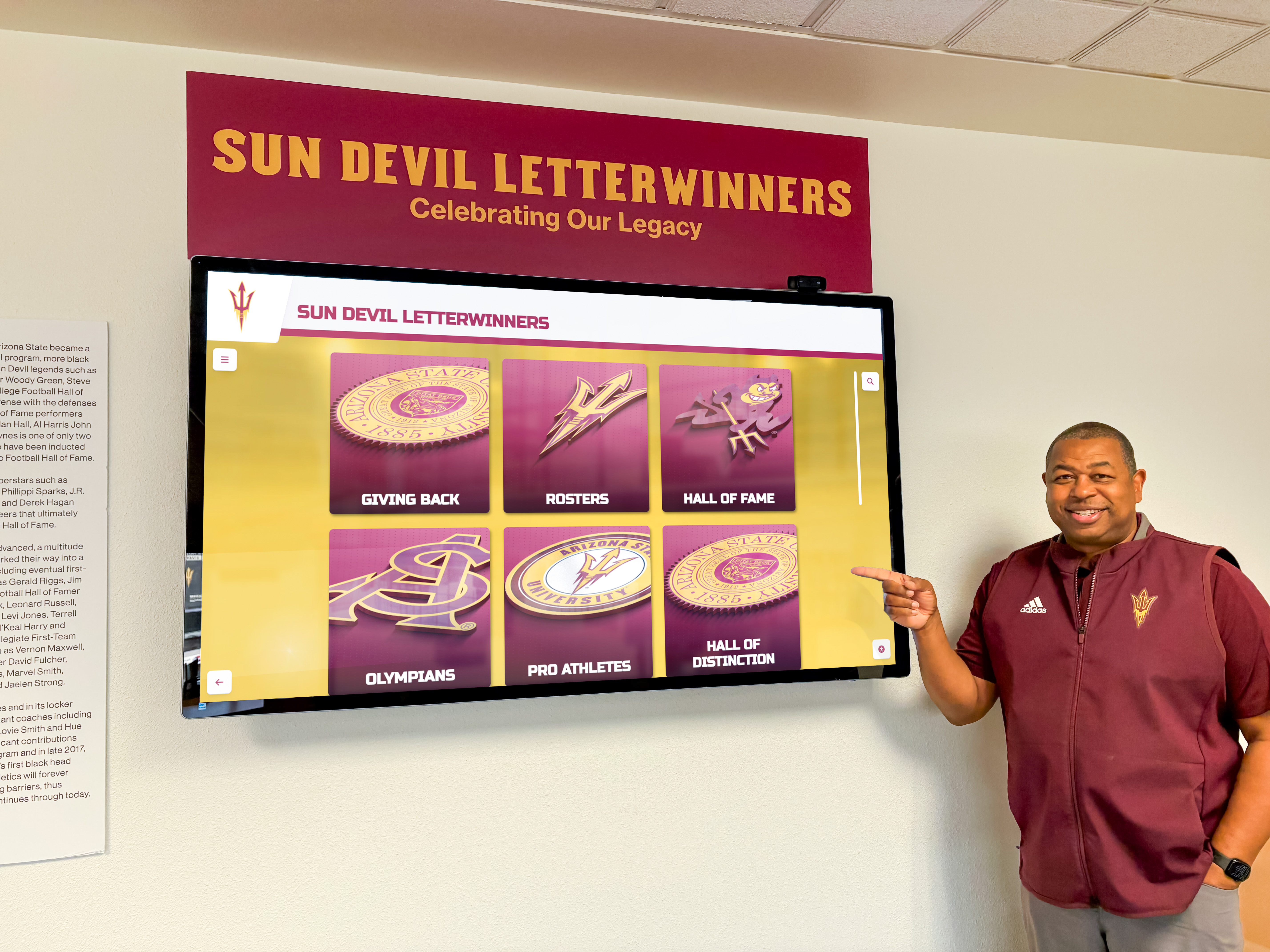
Guidance about donor recognition approaches shows how recognition systems can integrate fundraising acknowledgment with athletic achievement celebration, creating mutually beneficial programs.
Community Pride and School Identity
Football championship traditions strengthen broader school identity and community connections beyond just athletic department benefits.
Championship History as School Differentiator
Schools with distinguished football championship histories can leverage these traditions as distinguishing characteristics when competing for enrollment, community support, and institutional reputation. Championship tradition communicates commitment to excellence that extends beyond athletics, organizational capacity executing complex programs successfully, community engagement creating supportive environments, and student opportunities unavailable at programs without similar traditions.
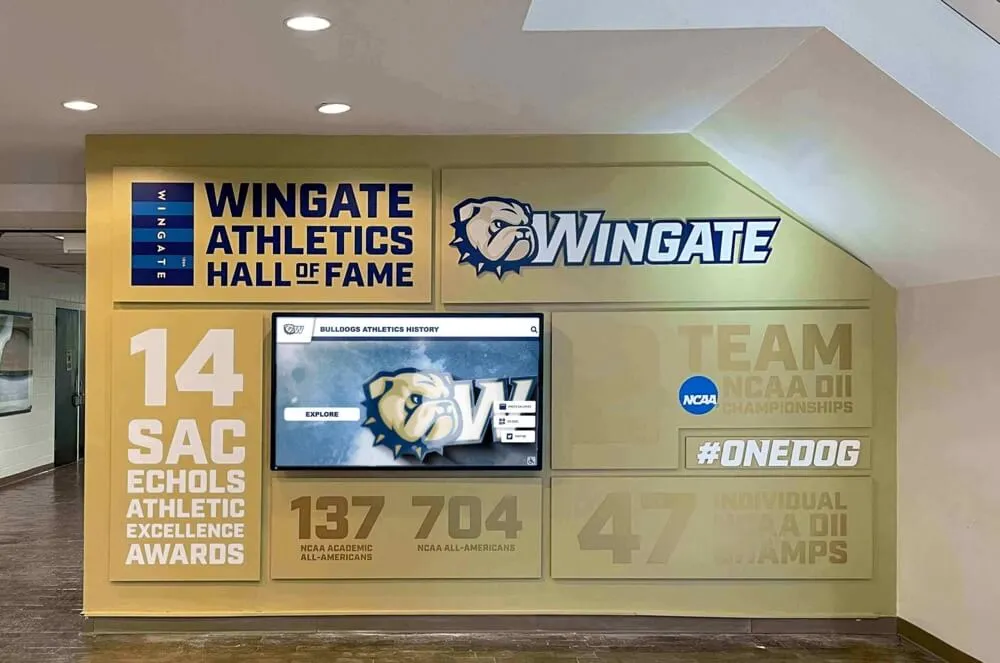
Prospective families often evaluate schools partially based on athletic traditions and opportunities, making championship recognition valuable for overall school marketing beyond just athletic recruitment. Championship displays in main entrance lobbies signal to all visitors that the school values excellence, maintains high standards, and creates environments where students achieve significant accomplishments.
Unifying Community Through Shared Pride
Football championship traditions unite communities across generational, socioeconomic, and demographic differences. Championship recognition enables alumni from different eras connecting through shared program identity, current families building relationships through team support, community members engaging with schools through athletic pride, and students developing positive school identity and belonging.
This community-building function extends championship value beyond athletic department into broader school mission of creating cohesive communities supporting student success across all dimensions.
Implementation Considerations for Michigan Schools
Schools seeking to enhance football championship recognition should consider several key factors ensuring successful implementations serving programs effectively for years to come.
Budget Planning and Investment
Understanding investment requirements helps secure necessary funding and plan implementations matching available resources while delivering maximum value.
Comprehensive Digital Recognition System Costs

Implementing modern championship recognition typically requires investment including hardware costs for commercial-grade touchscreen displays and mounting systems ($4,000-$15,000), software and content management platforms enabling interactive displays ($2,000-$5,000 initial, $1,000-$2,500 annually), content development for historical research, photography, video production, and database population ($2,000-$8,000), and ongoing operating costs for software licensing, content updates, and technical support ($1,500-$3,500 annually).
While these investments may seem substantial, schools should evaluate against alternatives including ongoing costs for traditional physical recognition materials and updates ($2,000-$5,000 annually), limited capacity forcing difficult prioritization decisions about what receives recognition, update delays compromising recognition timeliness and relevance, and aging displays requiring complete replacement every 5-8 years.
Most programs calculate break-even within 3-4 years based purely on eliminated physical update costs, with ongoing strategic value through enhanced recruitment, improved engagement, and comprehensive documentation substantially exceeding traditional approaches.
Funding Strategies and Resource Development
Michigan schools successfully fund championship recognition programs through various sources.
Athletic Booster and Alumni Support
Athletic booster organizations often fund recognition infrastructure through special fundraising campaigns specifically supporting championship display initiatives. Booster funding approaches include capital campaigns for initial display installation, annual giving supporting ongoing content updates and maintenance, event fundraising through football banquets and golf outings, and corporate sponsorships from local businesses supporting athletics.
Alumni donors who competed on championship teams or strongly identify with football traditions often respond enthusiastically to opportunities ensuring their championship eras receive appropriate lasting recognition. Alumni fundraising includes reunion-based giving where championship team reunions include recognition fundraising, legacy giving opportunities allowing major donors to establish named recognition programs, and crowdfunding campaigns engaging broader alumni networks through accessible donation levels.
District and School Budget Allocation
Some schools fund championship recognition through regular budget processes rather than special fundraising, treating recognition as essential athletic infrastructure warranting institutional support. Budget approaches include athletic department capital budgets for facility improvements, technology budgets supporting digital infrastructure across schools, advancement budgets recognizing recognition’s fundraising support value, and building improvement funds when recognition integrates with facility renovations.
Building business cases documenting recognition benefits—recruitment advantages, enhanced community engagement, improved alumni relations, comprehensive historical preservation—helps secure administrative approval and funding commitment from institutional budgets.
Content Development and Historical Research
The most challenging implementation aspect often proves comprehensive content development rather than technology deployment.
Historical Research and Documentation
Successful implementations require systematic approaches to historical championship documentation including reviewing athletic department records and championship files, consulting newspaper archives and media coverage throughout championship eras, interviewing former coaches, players, and program supporters, examining yearbooks and school publications for historical materials, and researching MHSAA records and tournament documentation.

This historical research proves time-intensive but creates recognition foundations that wouldn’t exist otherwise. Many schools discover significant gaps in historical documentation when attempting comprehensive recognition—older championships inadequately documented or commemorated, individual player information incomplete or lost, and coaching histories requiring reconstruction through interviews and research.
Current Content Development Workflows
Ongoing content demands require establishing workflows for capturing continuing achievements including game-by-game photography throughout seasons and playoffs, post-season award and honor documentation, championship team roster and biographical information collection, video capture of significant games and championship moments, and statistical tracking for record-keeping and historical comparison.
Schools establishing systematic content development processes during implementation create sustainable recognition programs remaining current and comprehensive rather than becoming outdated as new championships occur. Many schools benefit from professional content development assistance during initial implementation, establishing comprehensive historical foundations while training staff for ongoing maintenance.
Guidance about digital recognition implementation helps schools understand setup processes and service models supporting successful long-term recognition programs.
Future of Michigan Championship Recognition
Recognition technology and practices continue evolving, creating new possibilities for celebrating football excellence and engaging athletes and communities.
Emerging Technologies and Capabilities
Advanced features becoming increasingly accessible include artificial intelligence enabling natural language search and content recommendations, augmented reality experiences overlaying digital championship content onto physical spaces, live statistics integration feeding playoff game data directly into recognition displays, enhanced video capabilities with automatic highlight generation, and mobile applications extending championship recognition access beyond physical displays.
While cutting-edge technologies generate excitement, schools should prioritize solid execution of fundamental recognition principles before pursuing advanced features. The most effective championship recognition systems excel at comprehensive content, engaging presentation, and ease of use rather than technical complexity for its own sake.
Evolving Recognition Practices and Philosophies
Michigan schools reconsidering traditional championship recognition approaches ensure they appropriately honor diverse forms of excellence.
Inclusive Recognition Beyond Star Players
Evolving practices emphasize recognizing championship contributions beyond just statistical leaders and star players including role players whose contributions enabled championship success, developmental players improving throughout seasons, character leaders providing team chemistry and culture, and support personnel including assistant coaches and training staff.
This inclusive approach ensures championship recognition celebrates complete team efforts rather than implying championships resulted solely from handful of star athletes, creating more accurate historical documentation while reinforcing team-oriented values.

Academic Achievement Integration
Progressive schools integrate athletic championship recognition with academic achievement celebration, particularly for scholar-athletes excelling in both domains. Integration includes championship team academic honors like team GPA recognition, individual scholar-athlete awards celebrating combined achievement, post-graduate academic success tracking alongside athletic achievements, and comprehensive student profiles showing full achievement portfolios.
This integration reinforces that excellence manifests across multiple domains and that championship athletes frequently excel academically as well, combating stereotypes suggesting athletics and academics exist in opposition.
Schools developing championship recognition programs today should build flexible systems capable of adapting as recognition philosophies evolve, ensuring long-term relevance rather than creating rigid structures becoming outdated as institutional values and practices change.
Celebrating Michigan’s Championship Tradition
Michigan high school football championship history represents exceptional athletic achievement, dedicated coaching, passionate community support, and traditions that define school and regional identities across the Great Lakes State. From Detroit Catholic League powerhouses capturing multiple state titles to small Upper Peninsula programs whose championships unite entire communities, Michigan football creates memories, builds character, and establishes legacies worthy of comprehensive recognition.
Modern recognition technology transforms what’s possible in preserving and celebrating these championship achievements. Schools no longer face impossible choices between which championships deserve prominent recognition and which must be minimized due to space constraints. Digital platforms enable complete documentation of every championship team, every playoff run, every All-State selection, and every coach who built program excellence—creating comprehensive archives honoring all who contributed to championship traditions.
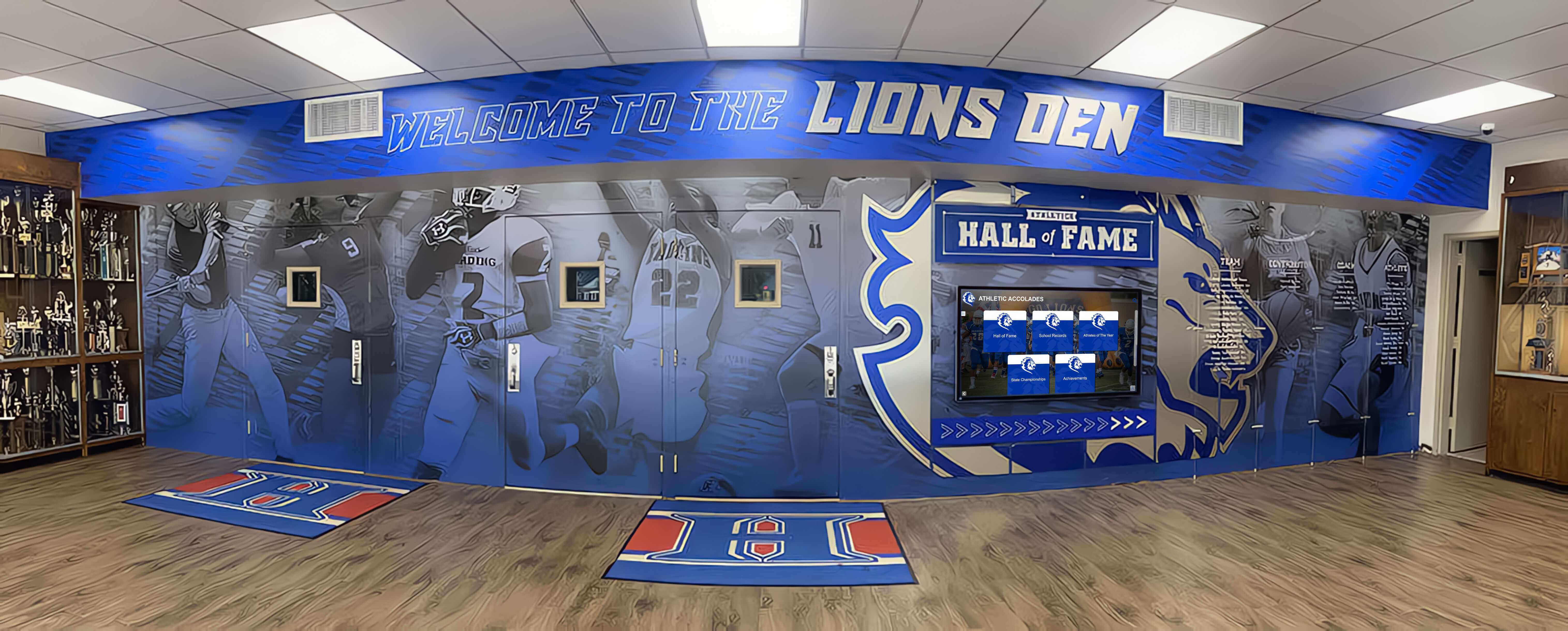
Whether implementing sophisticated digital recognition systems, enhancing traditional displays, or creating hybrid approaches combining both, successful programs share common characteristics including systematic documentation ensuring accuracy and completeness, engaging storytelling providing championship context and inspiration, strategic placement maximizing visibility and impact throughout facilities, integration with broader athletic and academic recognition, sustainable maintenance ensuring ongoing accuracy and relevance, and alignment with program goals including recruitment, development, and community engagement.
For Michigan schools committed to honoring the players, coaches, and programs that built championship traditions while inspiring future generations to pursue similar excellence, comprehensive recognition represents an investment delivering returns across multiple dimensions. Every championship won at Ford Field, every playoff victory on cold November nights, and every individual who gave themselves to program excellence deserves lasting recognition that preserves Michigan’s rich football heritage for generations to come.
Similar to other competitive football states, Michigan programs benefit from systematic championship recognition approaches. Resources about football playoff recognition demonstrate proven approaches schools use nationwide for honoring championship traditions.
Ready to preserve your football program’s championship legacy with comprehensive recognition worthy of Michigan’s championship tradition? Rocket Alumni Solutions provides comprehensive digital recognition platforms designed specifically for athletic programs, combining intuitive content management, engaging user experiences, and dedicated support ensuring your championship history receives the recognition it deserves. Championship traditions built over decades shouldn’t fade into obscurity—modern recognition systems ensure they inspire athletes and unite communities for generations to come.