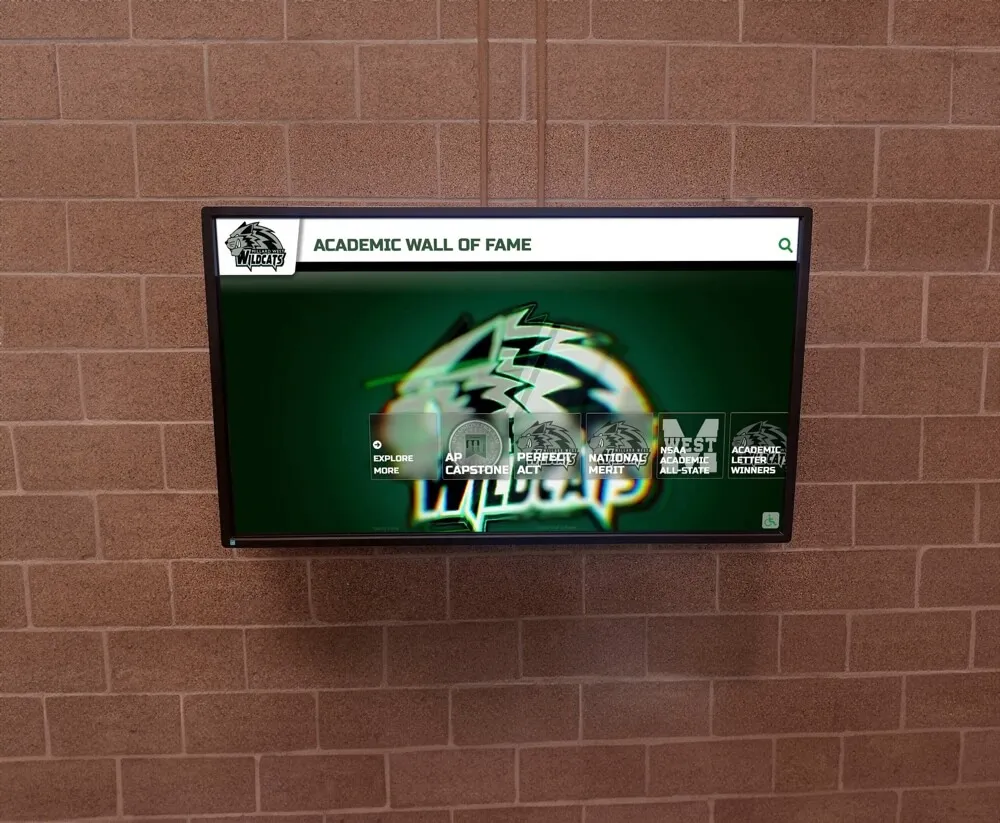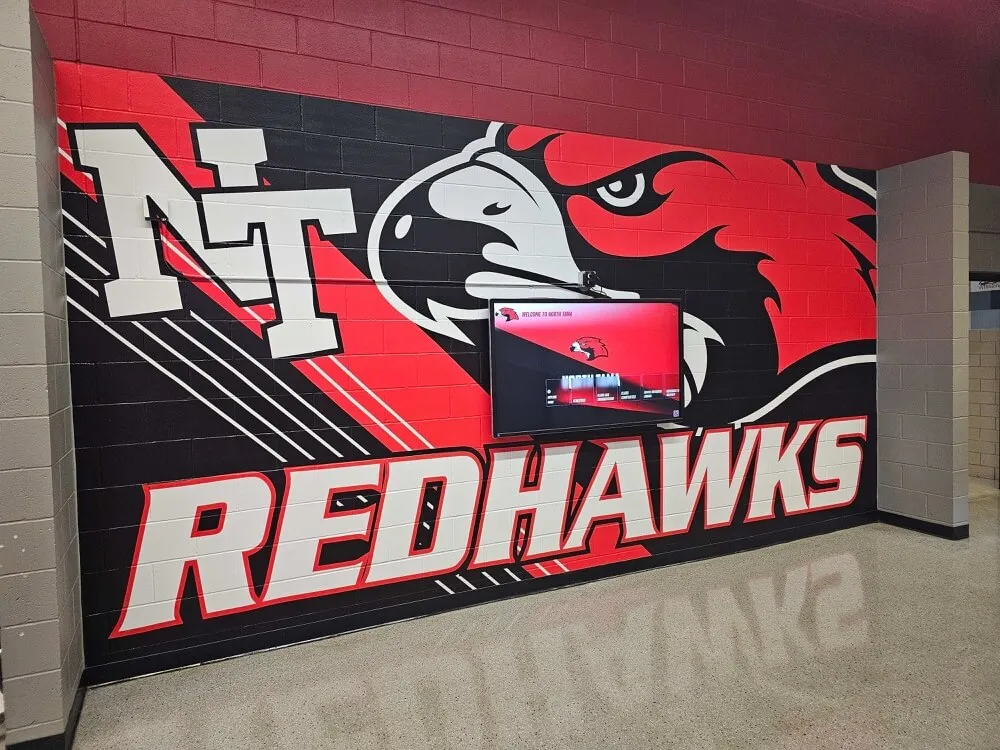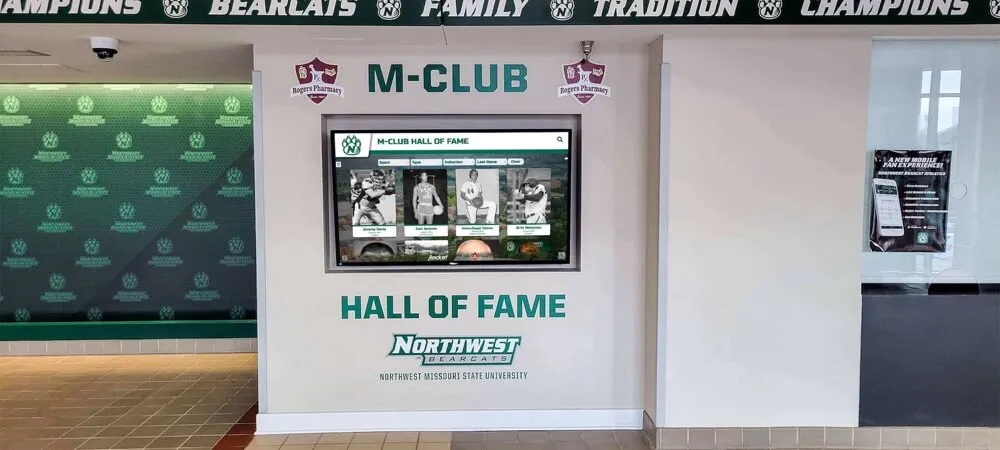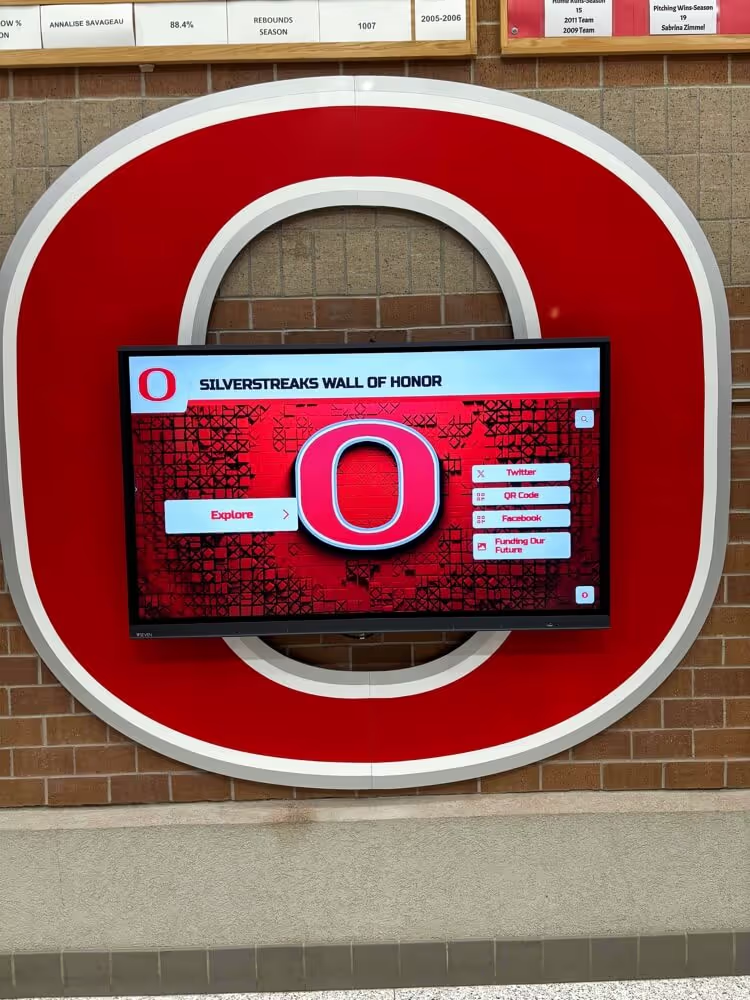




When communities lose beloved members—teachers who shaped generations, students whose lives ended too soon, alumni who made lasting impacts, staff members who served faithfully, or community leaders who strengthened institutions—creating meaningful memorial tributes becomes both an honor and a challenge. Memorial walls serve as permanent expressions of remembrance that comfort grieving families, preserve legacies, inspire current community members, and ensure that those who have passed remain woven into the fabric of institutional life.
Schools, universities, community organizations, and institutions face important decisions when establishing memorial recognition. The approach chosen shapes how communities remember individuals, how families experience ongoing connection to the institution, and how future generations learn about those who came before. Traditional memorial plaques offer permanence and solemnity, while contemporary digital memorial walls provide unlimited capacity for storytelling, multimedia preservation, and evolving tributes that grow as communities add memories and reflections.
Effective memorial walls balance multiple considerations simultaneously—honoring individual lives with appropriate dignity and specificity, supporting grieving families through tangible recognition, preserving institutional memory and community history, inspiring current community members through legacy examples, and maintaining sustainable recognition programs that remain meaningful over decades. This guide helps administrators, development officers, and community leaders navigate these dimensions thoughtfully.
Understanding the Purpose and Impact of Memorial Walls
Before addressing specific memorial wall approaches, understanding why institutions create memorial recognition and what makes tributes meaningful helps ensure implementations serve both individual families and broader community needs.
The Psychological Value of Physical and Digital Memorials
Memorial recognition serves profound psychological and social functions beyond simple acknowledgment of loss.
Facilitating Communal Grieving Processes: When schools and communities lose members, shared memorial spaces provide locations for collective grieving. Memorial walls create physical destinations where community members can visit, reflect, and process loss together. This shared experience strengthens community bonds during difficult periods while validating grief through institutional recognition that loss matters and deceased individuals remain valued community members even after death.
Research in grief psychology consistently demonstrates that tangible memorialization supports healthy grieving processes by providing concrete focuses for remembrance, creating rituals enabling repeated commemoration, validating that deceased individuals’ lives held significance, and offering comfort through knowing that loved ones remain honored within communities that mattered to them. Memorial walls transform abstract loss into concrete recognition that surviving families and community members can see, touch, and return to repeatedly as grief evolves over time.
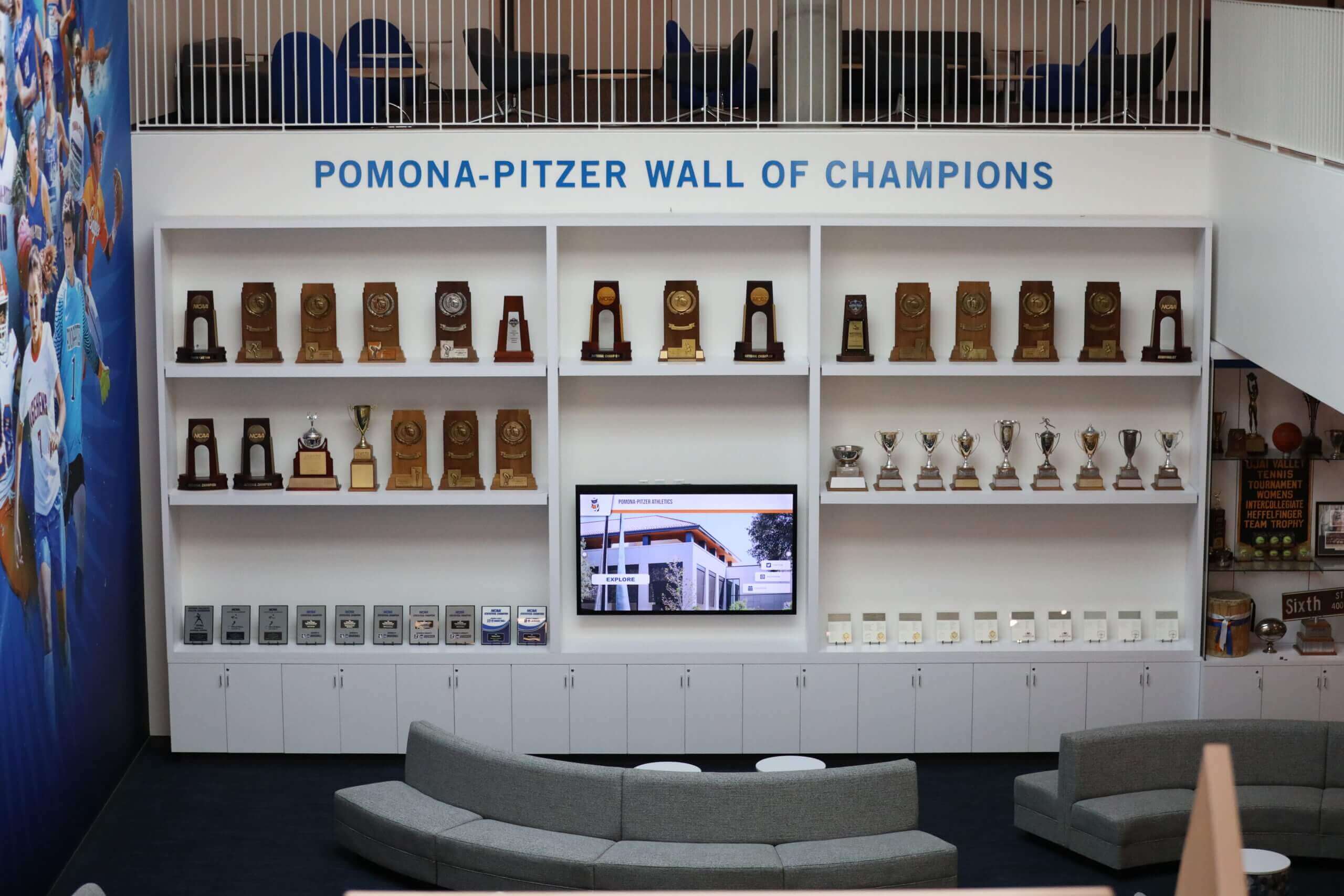
Supporting Family Connection and Ongoing Relationship: For families who have lost loved ones, institutional memorial recognition provides ongoing connection to places that held importance in deceased individuals’ lives. Parents whose children died while in school find comfort knowing their children remain remembered within school communities. Alumni families appreciate that institutions continue honoring graduates long after they’ve passed. Staff families value recognition demonstrating that years of service continue being appreciated.
Memorial walls enable families to maintain relationships with institutions that shaped loved ones’ lives, providing touchpoints for continued engagement during anniversaries, graduation seasons, and other significant occasions. This ongoing connection offers comfort while strengthening institutional relationships that often translate into philanthropic support as families memorialize loved ones through named scholarships, program support, or facility dedications.
Preserving Institutional Memory and Community History: Beyond individual remembrance, memorial walls preserve collective institutional memory. Schools and organizations document who served, who learned, who contributed, and who shaped institutional culture across generations. This historical preservation helps current community members understand institutional evolution while creating archives for future generations seeking to understand their institutions’ past.
Memorial recognition prevents community memory loss where individuals fade from institutional consciousness within years of passing. Thoughtful memorial programs ensure that contributions, relationships, and impacts remain documented and accessible indefinitely regardless of how much time passes or how institutional membership changes.
Establishing Memorial Recognition Objectives and Scope
Different institutions emphasize different aspects of memorial recognition based on community needs, institutional history, and cultural contexts.
Comprehensive Community Remembrance: Some institutions establish memorial walls honoring all community members who pass away—every student, every staff member, every teacher, and every active volunteer who dies while affiliated with the institution. This inclusive approach treats all community members as equally worthy of remembrance regardless of tenure, position, or prominence. Comprehensive memorial programs demonstrate that institutions value all members and that every life holds inherent significance.
Comprehensive approaches require substantial capacity planning since memorial populations grow continuously. Digital memorial platforms excel in comprehensive contexts because unlimited capacity accommodates all community members without space constraints that force painful decisions about which individuals receive recognition.
Selective Recognition Based on Criteria: Other institutions establish memorial recognition for specific categories—alumni who achieved particular distinction, longtime employees meeting minimum service years, or individuals whose deaths occurred under specific circumstances. Selective approaches typically honor smaller populations, making traditional physical memorial installations more manageable.
However, selective criteria require careful consideration and clear communication. When schools honor some deceased community members but not others, explicit transparent criteria prevent perceptions of unfairness or favoritism. Families whose loved ones don’t meet memorial criteria while others receive recognition may experience additional pain unless policies provide clear, defensible rationale.
Memorial Walls Linked to Specific Contexts: Some memorial recognition connects specifically to circumstances surrounding deaths—memorials honoring military service members killed in action, athletes who died during or shortly after school careers, or community members lost in specific tragedies. Context-specific memorials create powerful focused recognition without requiring comprehensive remembrance of all deceased community members.
Schools implementing multiple recognition programs sometimes establish both general memorial walls honoring all deceased community members and specialized memorials acknowledging specific circumstances or exceptional individuals. This layered approach provides baseline recognition for all while enabling enhanced tribute for particular cases.
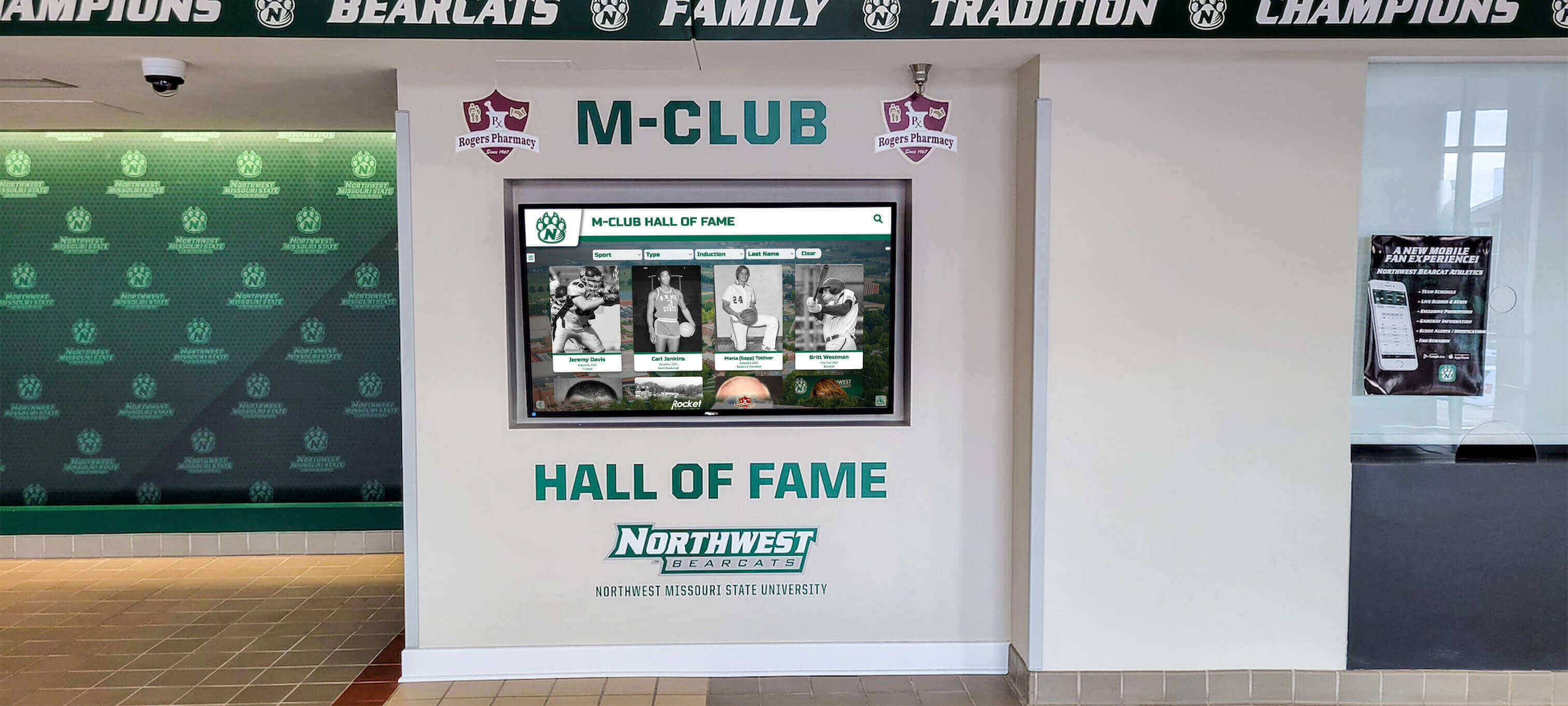
Traditional Physical Memorial Wall Options
Physical memorial installations provide tangible permanence that many families and communities value for their solemnity and enduring presence.
Plaque-Based Memorial Walls
Individual memorial plaques mounted on dedicated walls represent the most common traditional approach to institutional memorialization.
Material and Design Options: Physical memorial plaques utilize various materials conveying different aesthetic qualities. Bronze plaques with dark patina finishes create traditional elegance appropriate for solemn memorial contexts, while brass plaques offer warm golden tones and classic institutional aesthetics. Stainless steel provides contemporary clean lines with minimal maintenance requirements, and granite or marble plaques convey substantial permanence and prestige. Acrylic and composite materials deliver cost-effective alternatives while maintaining professional appearance.
Material selection should reflect institutional aesthetics, budget constraints, and maintenance capacity. Bronze and granite require periodic cleaning but resist environmental degradation well. Stainless steel proves particularly low-maintenance in outdoor applications. Acrylic offers economical approaches for institutions with limited budgets while still maintaining dignified presentation.
Engraving and Information Display: Memorial plaque content typically includes full names with appropriate titles or credentials, birth and death dates or years, brief descriptive text identifying relationship to institution, and sometimes brief quotations or epitaphs chosen by families. Engraving quality significantly impacts final presentation—deep laser engraving produces sharp, highly legible text that ages well, while shallow mechanical engraving may become difficult to read as plaques age.
Some institutions employ consistent templated formatting creating visual uniformity across all plaques. Others allow family customization within parameters, permitting personalized quotations or descriptive text while maintaining overall design coherence. The balance between standardization and customization reflects institutional values regarding individual expression versus collective aesthetic harmony.
Capacity Planning and Long-Term Expansion: The most significant limitation of physical memorial walls involves finite capacity. Institutions must project memorial populations across 20-50 year horizons, accounting for current community size, demographic trends affecting mortality rates, and anticipated institutional growth. Insufficient capacity planning creates painful situations where walls fill completely, forcing expansion into less desirable locations or difficult decisions about which individuals continue receiving visible recognition.
Conservative planning suggests allocating space for 2-3 times current memorial population to accommodate decades of additions. However, this leaves substantial blank wall space initially, creating less impactful memorial environments than filled installations. Alternative strategies include modular systems enabling systematic expansion into adjacent wall areas as populations grow, or planning phased implementations where initial memorial recognition occupies prominent primary space with documented expansion plans for future decades.
Memorial Garden and Outdoor Tribute Spaces
Some institutions establish outdoor memorial spaces combining physical recognition with contemplative natural environments.
Landscape-Integrated Memorial Elements: Memorial gardens incorporate recognition within landscaped settings creating peaceful reflection spaces. Common elements include engraved stone benches bearing memorial inscriptions, brick walkways with individual memorial pavers, memorial trees with attached plaques, sculptural elements dedicated to memory of individuals or groups, and meditation spaces with memorial walls forming architectural backdrops.
Garden-based memorials prove particularly appropriate for schools and universities where outdoor spaces provide natural gathering locations. Parents whose children spent time on athletic fields or campus quads may find outdoor memorial settings more personally meaningful than indoor institutional hallways.
Maintenance and Environmental Considerations: Outdoor memorials require ongoing maintenance ensuring landscapes remain attractive and memorial elements stay legible. Consider climate impacts on chosen materials—freeze-thaw cycles damage some stone types, intense sun fades certain metal finishes, and moisture causes deterioration in some materials. Select materials appropriate for local environmental conditions while planning adequate maintenance budgets for landscape care, seasonal cleaning, vegetation management, and periodic refreshing as memorial elements age.
Outdoor memorial spaces work best when institutions commit to sustained high-quality maintenance demonstrating ongoing respect for memorialized individuals. Gardens that become overgrown or memorial elements that deteriorate convey inadvertent disrespect that causes family distress.
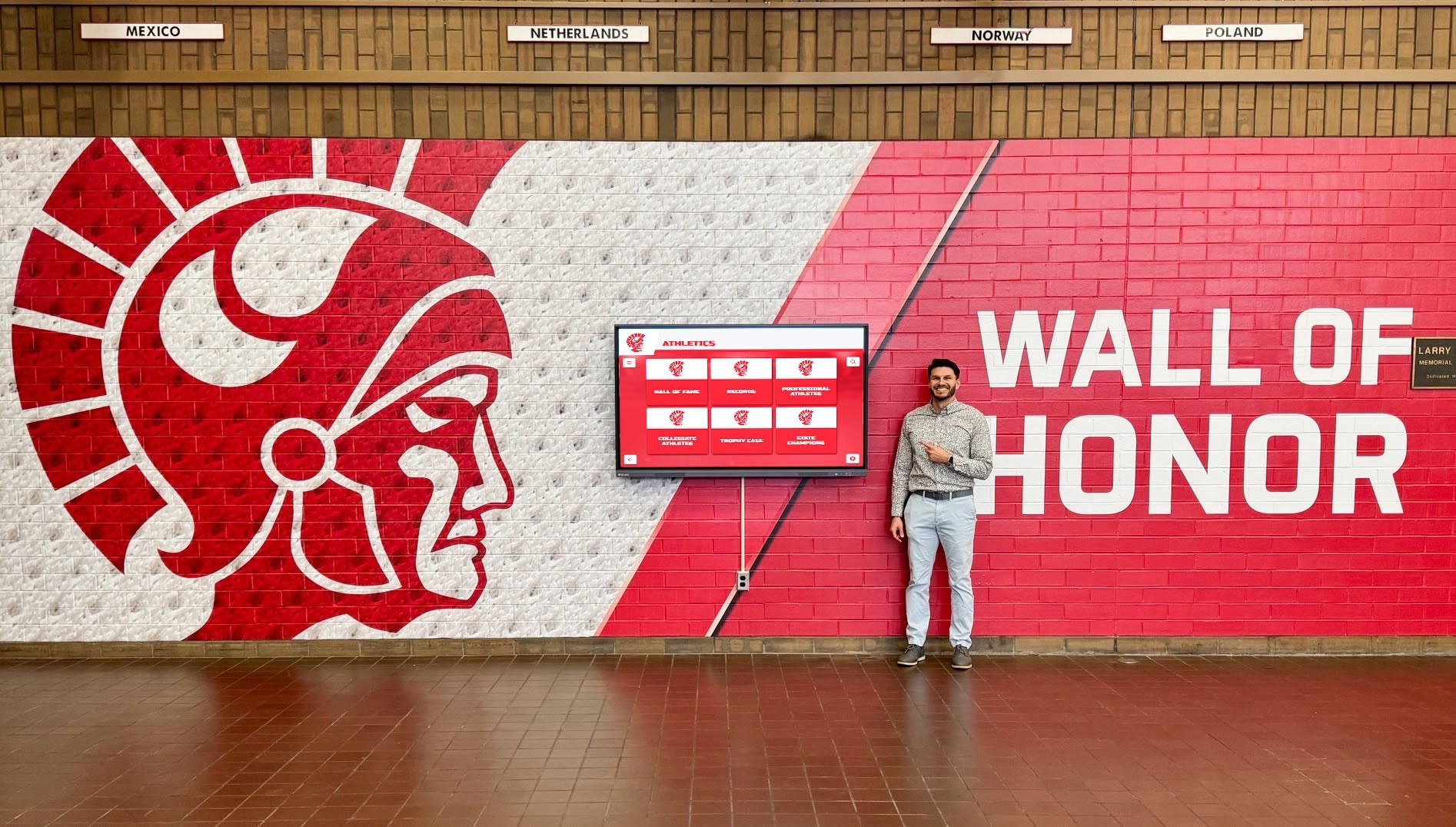
Memorial Display Cases and Tribute Collections
Some memorial approaches incorporate physical artifacts, photographs, and memorabilia within curated display environments.
Artifact and Memorabilia Display: Memorial cases can showcase items connected to deceased individuals including personal photographs and candid images, awards and recognition received during lifetime, jerseys or uniforms from athletic careers, artwork or creative productions, personal items with significance, and documents like programs or newspaper clippings. These physical artifacts create richer tributes than text-only plaques by conveying personality and specific accomplishments.
Display case memorial approaches work particularly well for individuals whose deaths particularly impacted communities—beloved teachers, students who died during school years, or longtime staff members. However, space limitations typically prevent display-case treatment for all deceased community members, necessitating selective recognition.
Rotating Exhibits and Anniversary Observances: Since display cases offer limited space, some institutions implement rotating memorial exhibits that systematically feature different individuals at different times. Rotation schedules might coordinate with death anniversaries, birth anniversaries, or significant institutional dates. Digital signage integrated with physical displays can extend recognition by showing larger memorial populations than physical space accommodates, creating hybrid approaches combining traditional and contemporary elements.
Digital Memorial Wall Solutions and Contemporary Approaches
Digital memorial platforms leverage technology to create unlimited-capacity memorial recognition with rich multimedia storytelling capabilities impossible through traditional physical-only approaches.
Interactive Digital Memorial Displays
Purpose-built digital memorial systems installed in prominent institutional locations provide engaging, comprehensive memorial recognition.
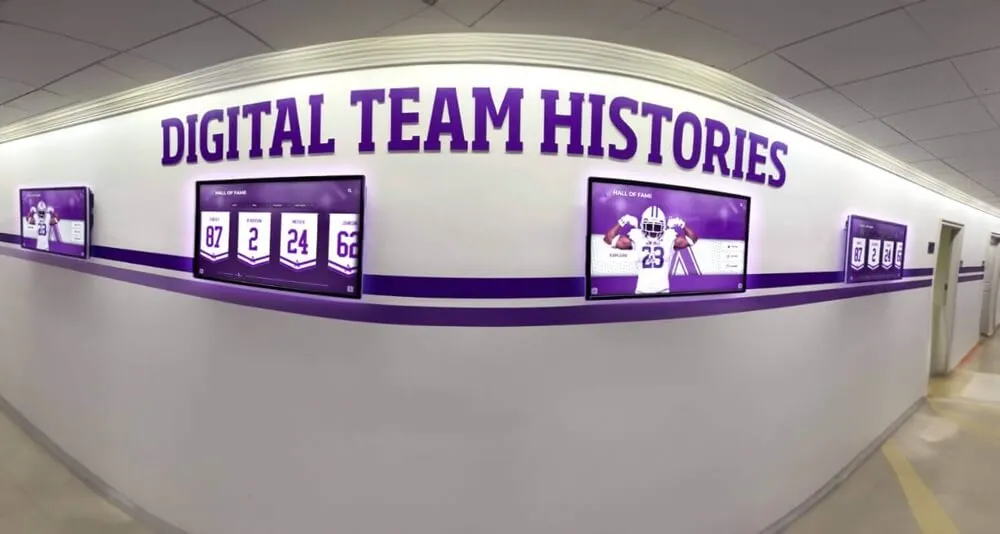
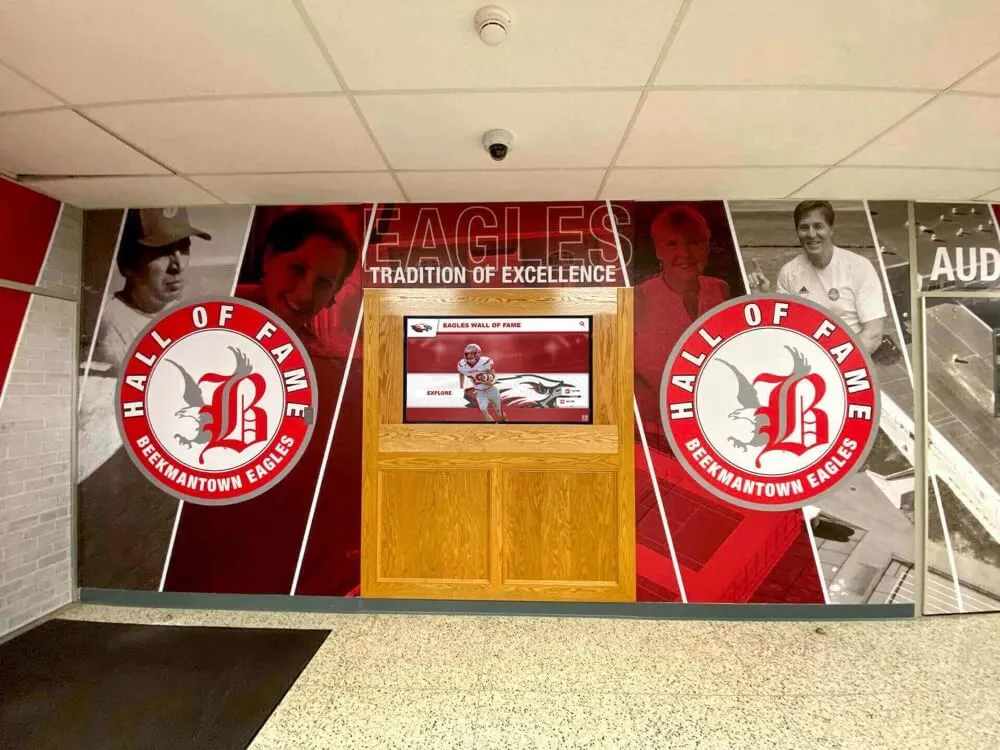
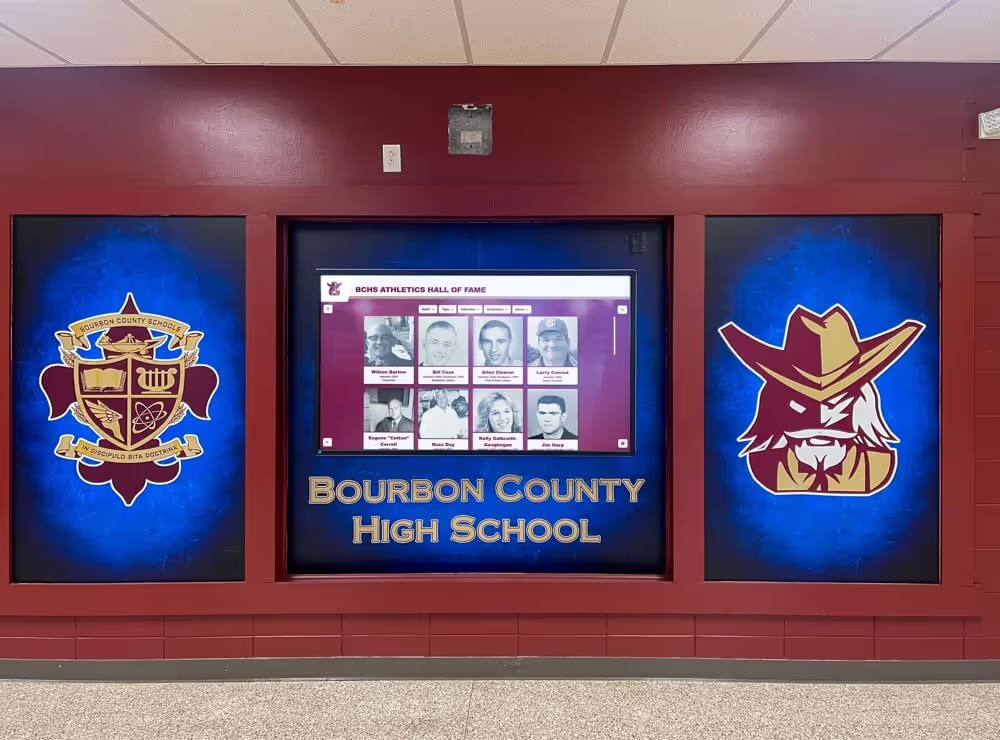
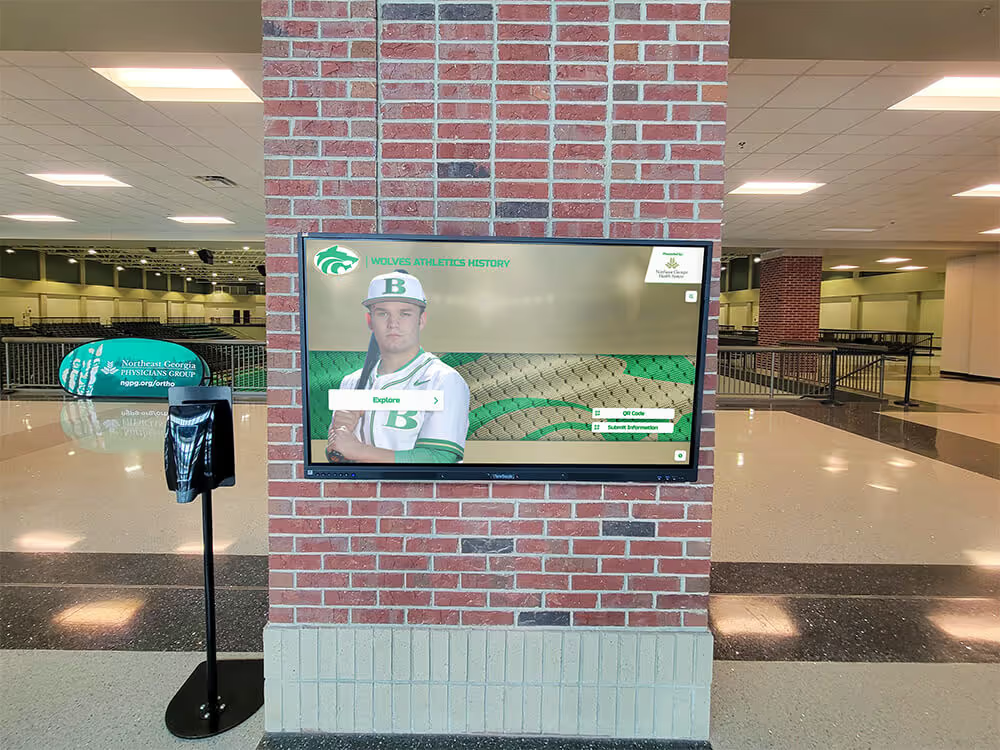
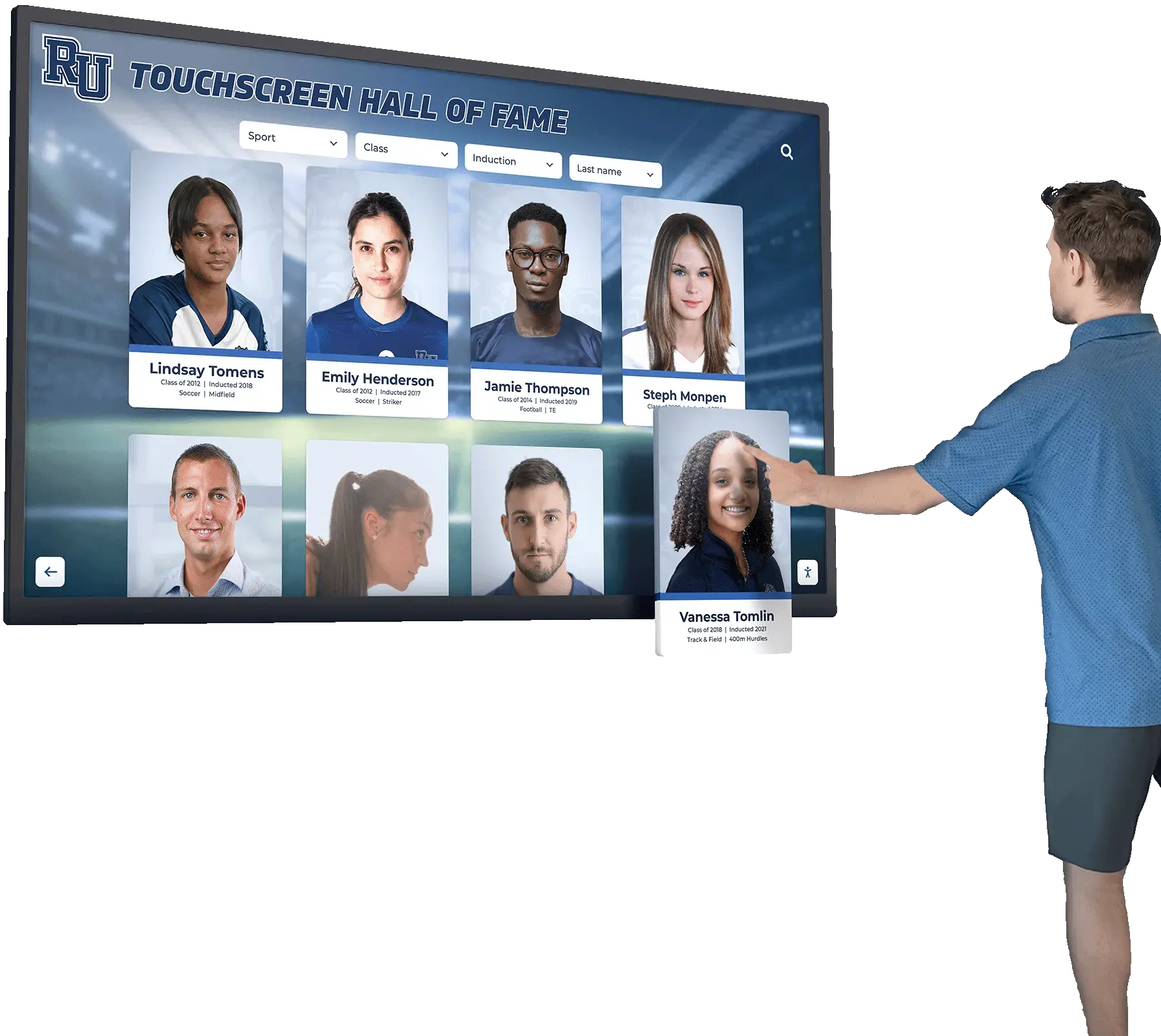
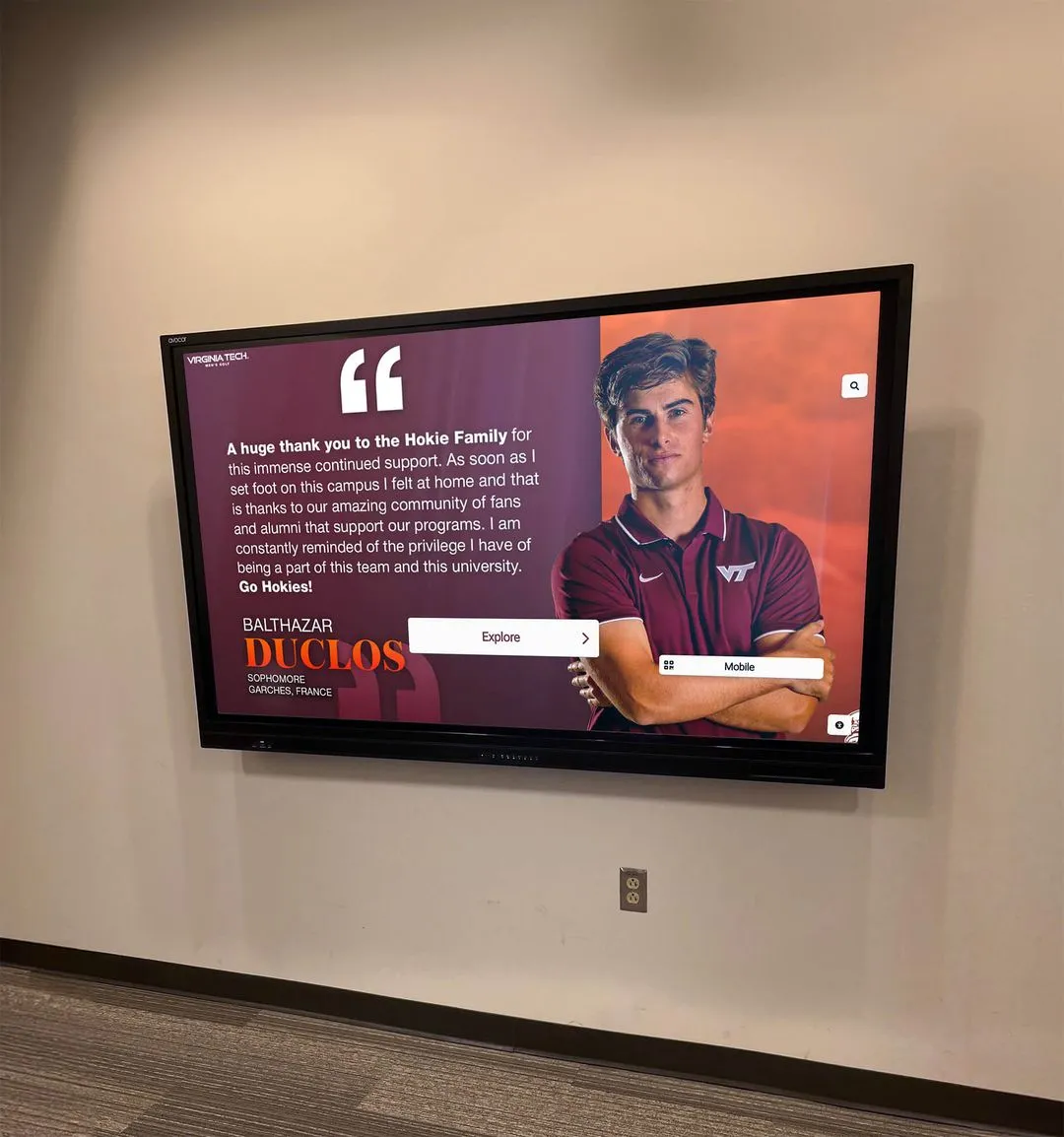
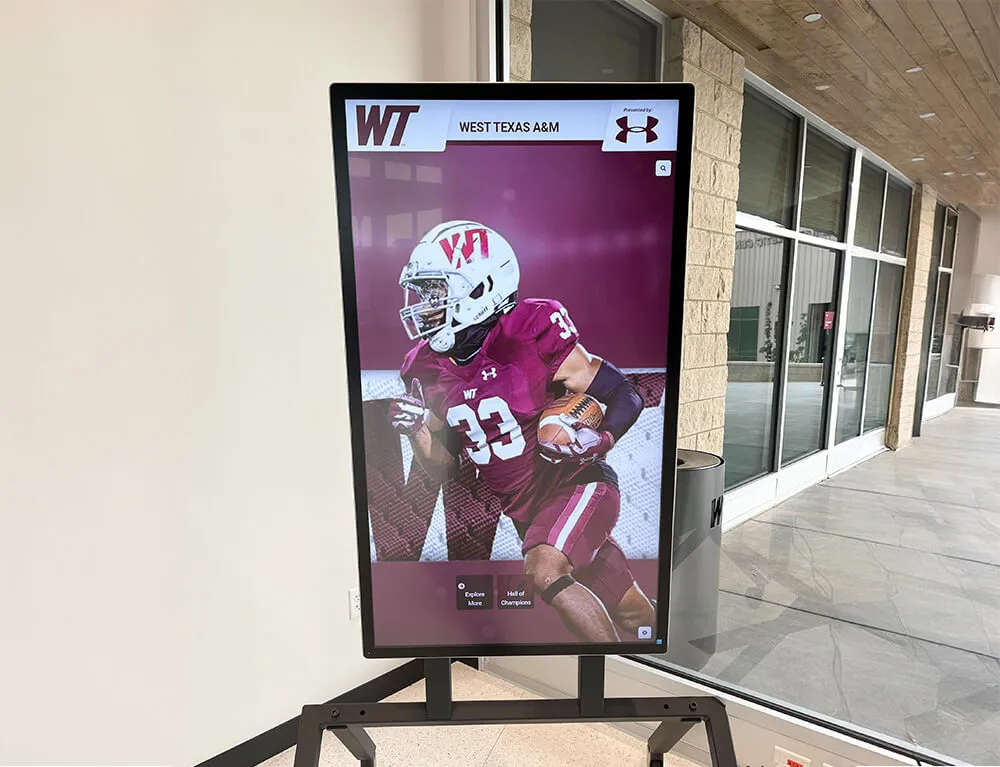
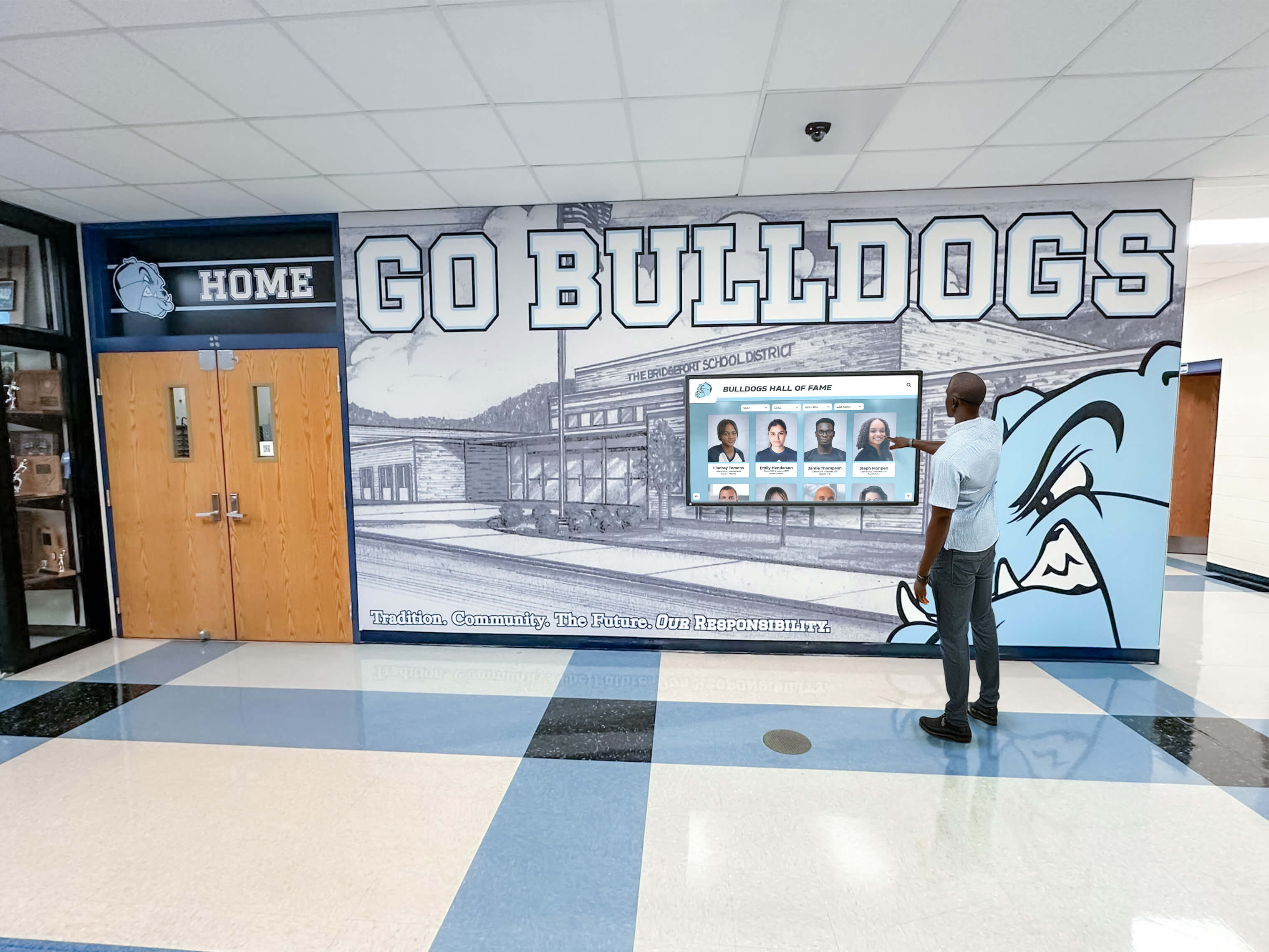
Core Technology Components: Digital memorial installations combine commercial-grade touchscreen displays sized appropriately for viewing distances and traffic patterns, cloud-based content management systems enabling family contributions and institutional updates, intuitive search and navigation allowing visitors to find specific individuals easily, multimedia integration supporting photos, videos, audio recordings, and documents, and automatic synchronization across all physical displays and web-based platforms.
Professional digital memorial platforms designed specifically for tribute contexts include appropriate reverent aesthetics, privacy controls respecting family preferences, and memorial-specific features like anniversary recognition, tribute guestbooks, and family contribution capabilities. Generic digital signage platforms lack these specialized capabilities, making purpose-built memorial platforms more appropriate for sensitive memorial contexts.
Unlimited Capacity and Comprehensive Recognition: The single greatest advantage of digital memorial platforms involves unlimited capacity. Institutions can honor every deceased community member without physical space constraints that force painful decisions about which individuals receive recognition. Comprehensive digital memorials ensure that all lives matter equally regardless of prominence, position, or tenure.
This unlimited capacity proves particularly valuable for large institutions with substantial alumni populations. Universities honoring all deceased alumni would require thousands of physical plaques creating impossible space requirements, but digital platforms accommodate hundreds of thousands of individuals without space constraints.
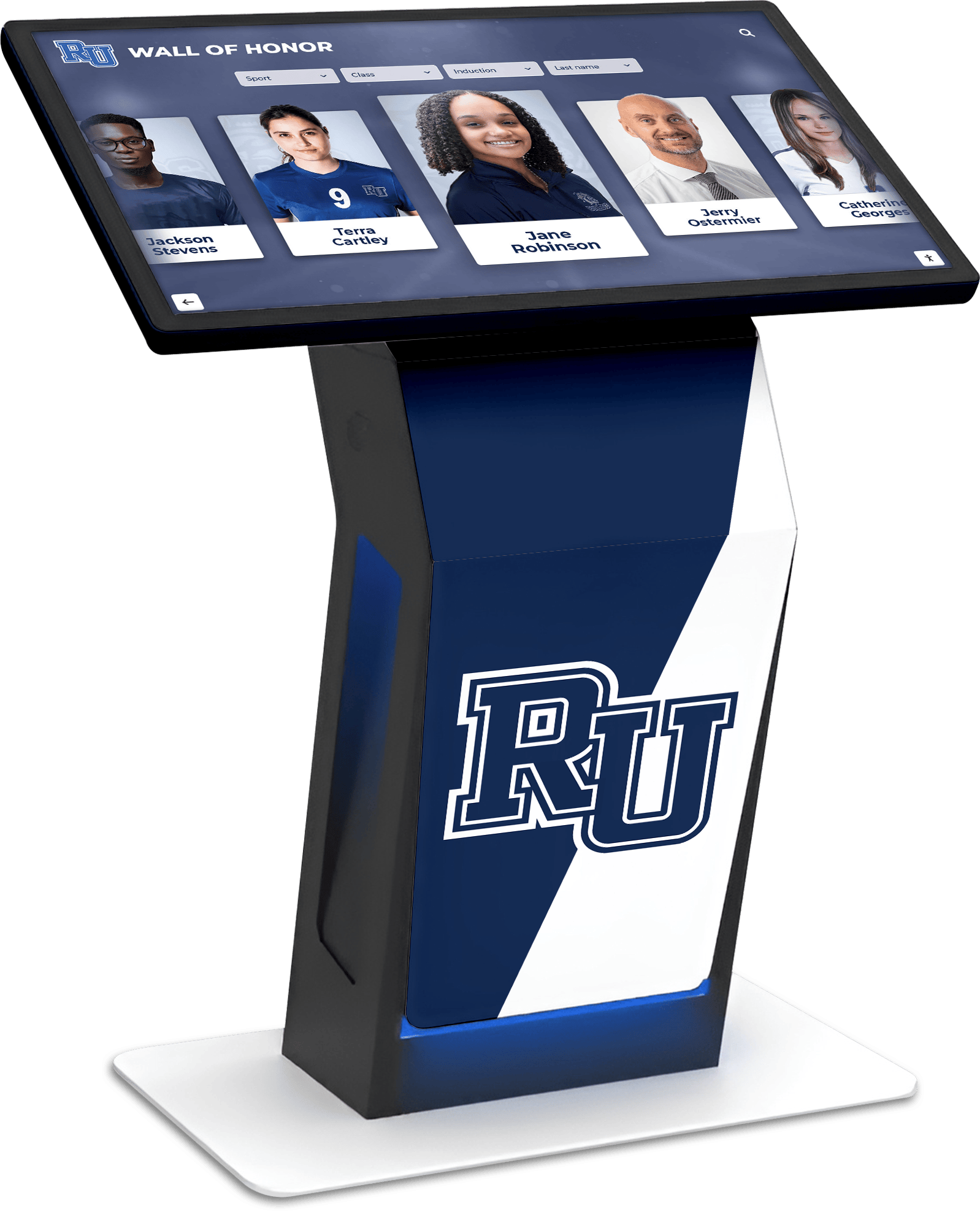
Rich Multimedia Memorial Content: Digital memorial platforms enable storytelling depth impossible with traditional plaques. Comprehensive memorial profiles include multiple high-resolution photographs showing individuals throughout their lives, video tributes featuring home movies, interviews, or eulogy excerpts, audio recordings of voices, music, or spoken memories, scanned documents including letters, certificates, or newspaper articles, biographical narratives telling life stories, accomplishment timelines documenting careers and achievements, and family-contributed memories and reflections.
This multimedia richness creates emotional connections far exceeding what static text-only plaques achieve. Families visiting digital memorials can experience loved ones’ voices, see candid photos spanning decades, and read detailed stories preserving complete life narratives rather than bare facts.
Interactive Tribute Features: Contemporary digital memorial platforms incorporate interactive capabilities enabling ongoing engagement. Visitors can leave digital flowers or tribute messages, sign memorial guestbooks with condolences and memories, share memories and reflections that become part of permanent memorial records, receive notifications on death anniversaries or birthdays, and connect with other community members who knew deceased individuals.
These interactive features transform memorials from static acknowledgment into living tributes that evolve as communities continue sharing memories and reflections. Families appreciate knowing that institutional memorial recognition remains active rather than becoming forgotten plaques rarely noticed.
Web-Based Memorial Platforms and Online Tribute Pages
Memorial recognition extends beyond physical institutional locations through web-accessible platforms enabling remote tribute access.
Enabling Remote Family and Community Access: Online memorial platforms allow family members living far from institutions to access memorial tributes anytime. Parents whose children attended schools hundreds of miles from current residences can visit online memorials regularly. Alumni family members scattered globally maintain connection to institutional memorial recognition through web access.
This accessibility proves particularly meaningful for families whose distance from institutions makes regular physical visits impossible. Online memorials enable continued engagement regardless of geography while extending memorial recognition to much broader audiences than physical installations alone reach.
Collaborative Family Contribution Capabilities: Web-based memorial platforms can enable family members to contribute directly to memorial content. With appropriate moderation and privacy controls, platforms might allow families to upload additional photos and videos, share written memories and reflections, post anniversary remembrances on birthdays or death anniversaries, and update biographical information with career developments or life milestones.
This collaborative approach empowers families in memorial preservation while relieving institutional staff of complete content development responsibility. Families often possess rich archives of photos, stories, and materials that institutions lack, and contribution capabilities enable this private content to enrich institutional memorial recognition.
Social Sharing and Memorial Amplification: Online memorial platforms with social sharing capabilities extend memorial reach beyond institutional communities. Families can share memorial tribute links with extended family, friends, and colleagues who didn’t attend institutions but who knew deceased individuals. This amplification honors lives more comprehensively by connecting institutional remembrance with broader memorial communities.
Social integration also enables memorial observances during significant occasions. On death anniversaries, birthdays, or other meaningful dates, families can share memorial links reminding extended networks about loved ones while driving traffic back to institutional memorial recognition.
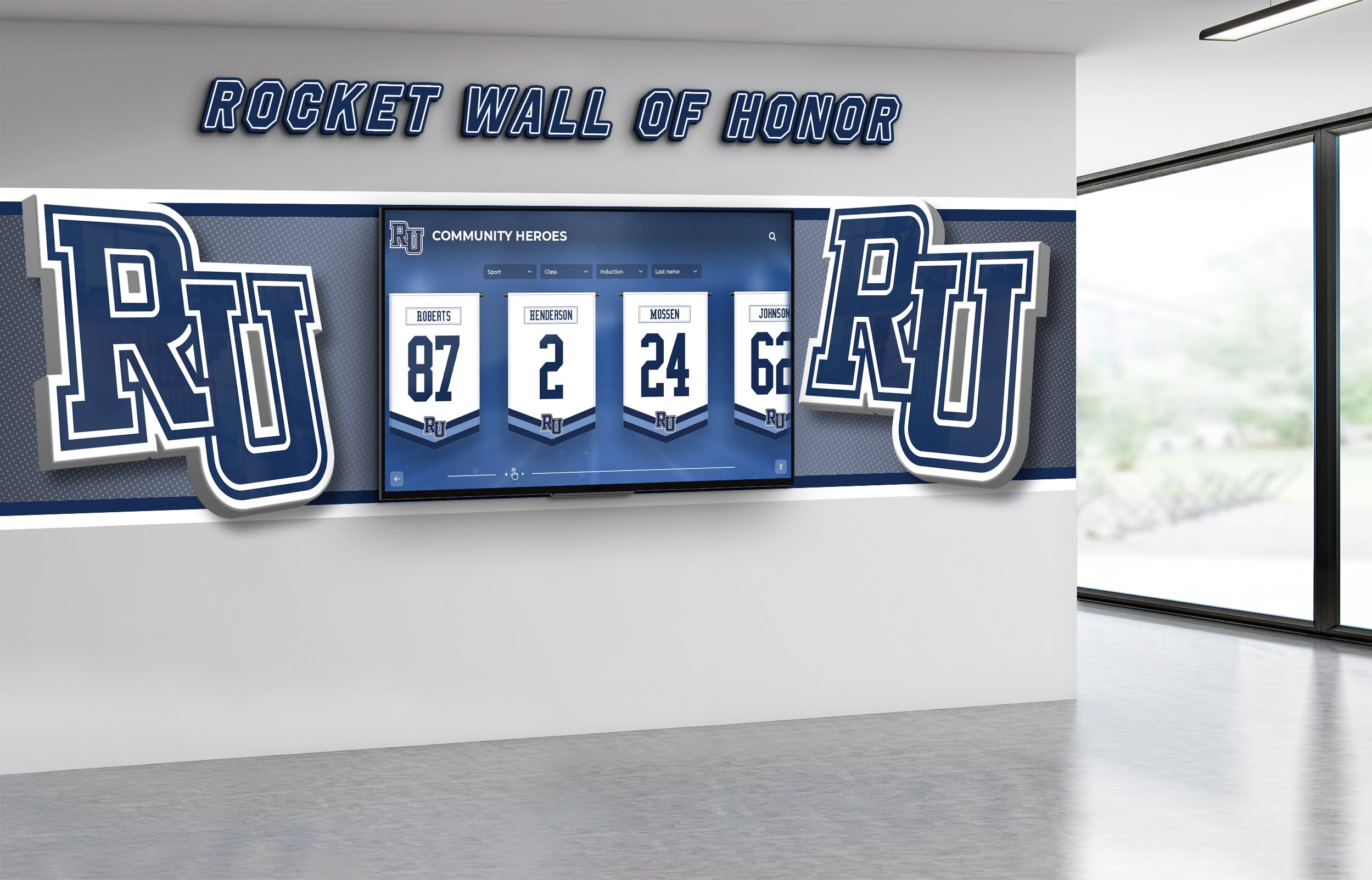
Hybrid Approaches Combining Traditional and Digital Elements
Many institutions find that integrated memorial recognition combining physical permanence with digital storytelling delivers optimal memorial experiences respecting diverse preferences while maximizing recognition capabilities.
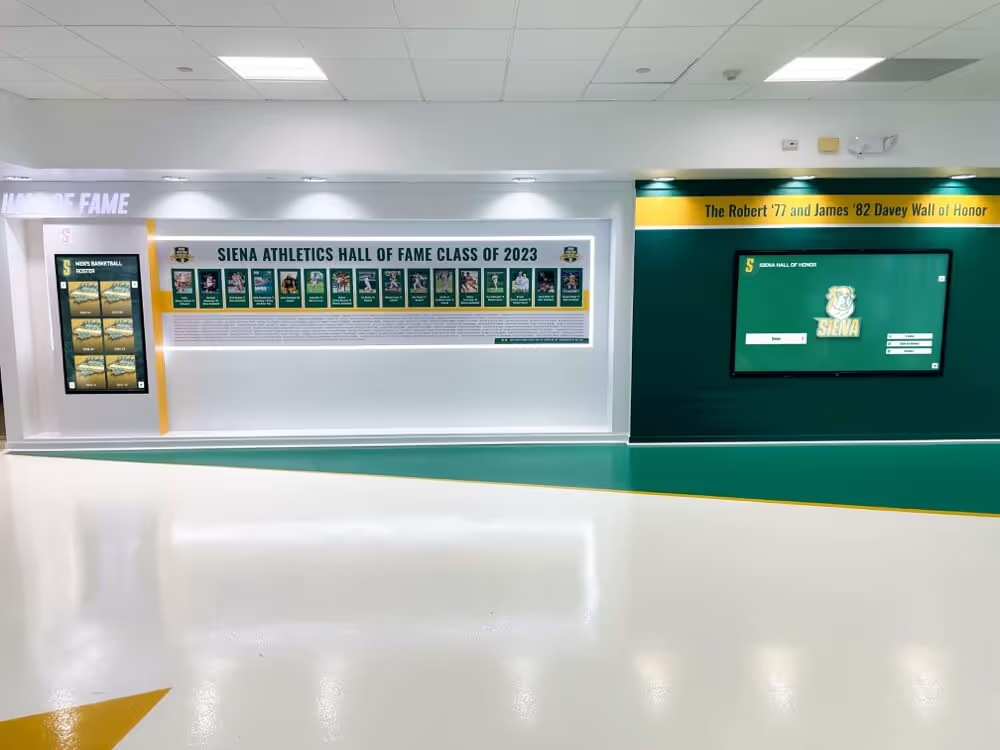
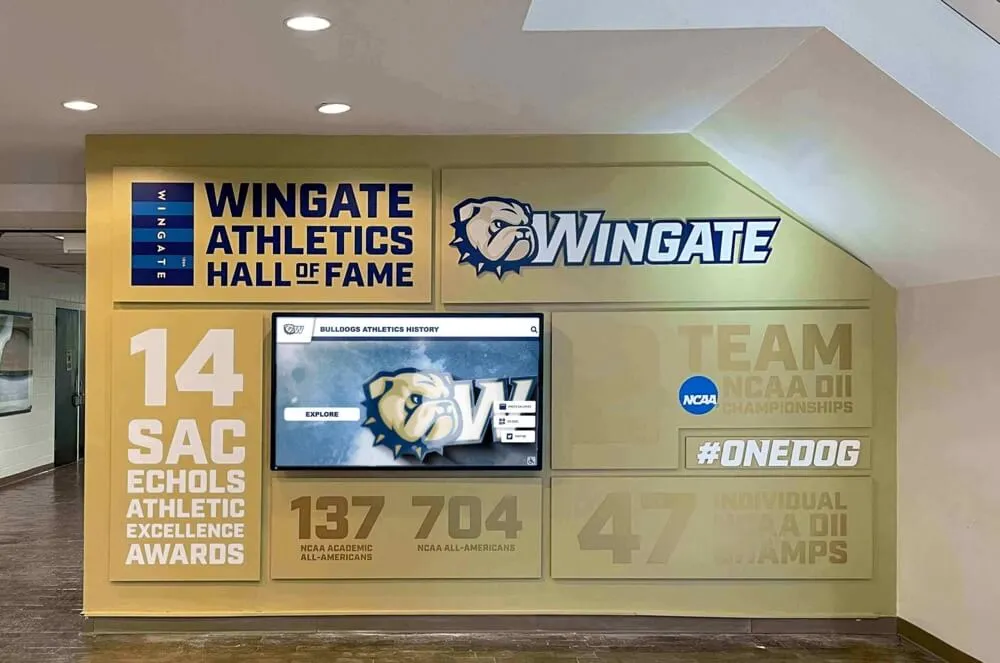
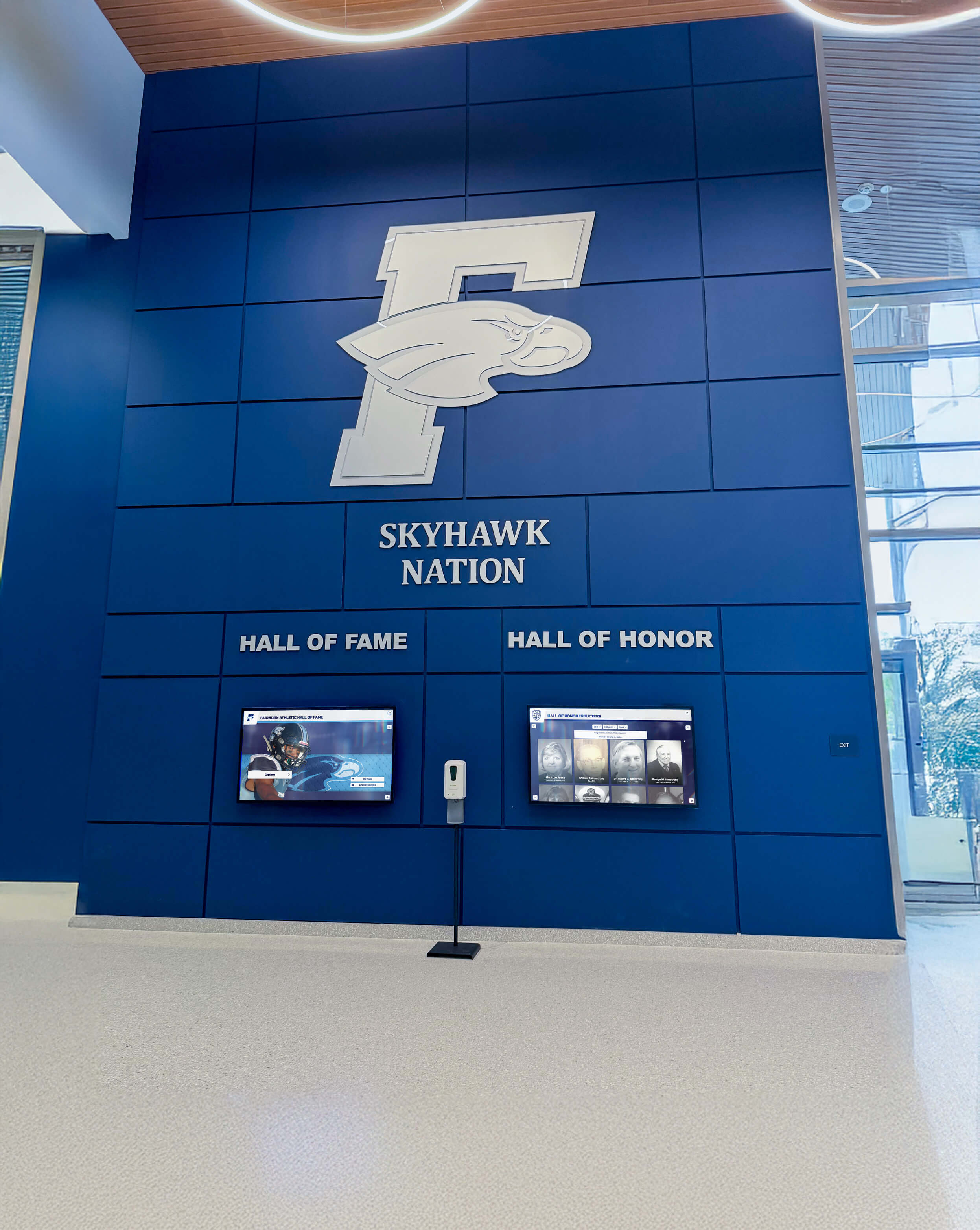
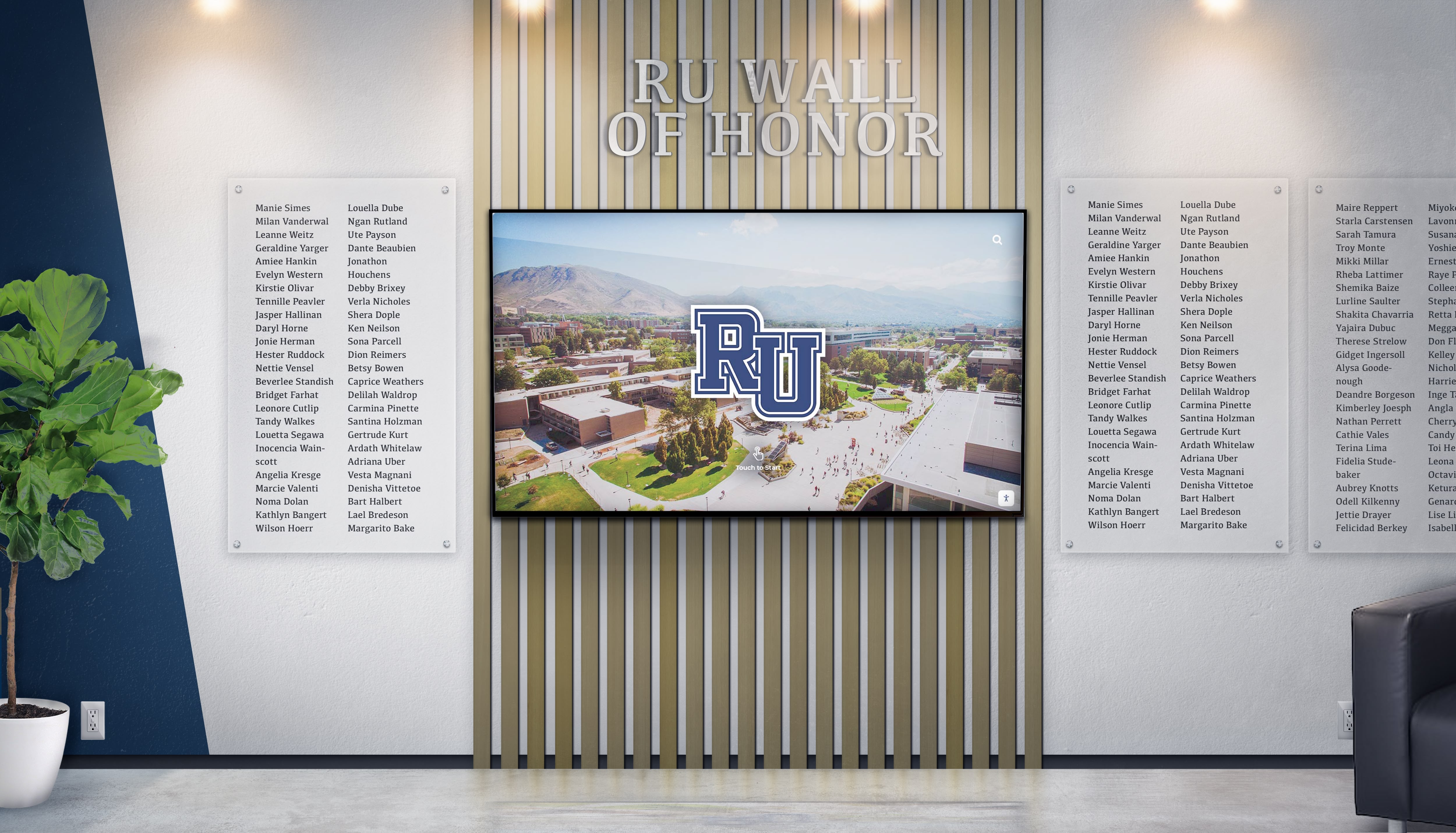
Physical Memorial Anchors with Digital Enhancement: Hybrid memorial strategies often feature traditional physical memorial walls providing tangible permanence that families value, with adjacent digital displays offering multimedia storytelling and unlimited capacity. This architecture might include brass memorial plaques in prominent hallway locations listing all deceased community members, accompanied by nearby touchscreen displays enabling visitors to access detailed digital memorial profiles, or memorial garden installations with engraved stone elements, enhanced by QR codes linking to online memorial pages with photos and videos.
These combined approaches deliver traditional permanence conveying appropriate memorial solemnity while adding digital storytelling capabilities that bring memorial tributes to life beyond what physical plaques alone achieve.
Tiered Memorial Recognition Systems: Some institutions implement tiered memorial approaches where certain individuals receive enhanced physical memorial recognition based on specific criteria, while comprehensive digital platforms honor all deceased community members. For example, schools might provide physical memorial plaques for students, faculty, and staff who died while actively affiliated with institutions, while digital memorial platforms honor all deceased alumni regardless of when they passed.
Tiered approaches enable manageable physical memorial programs while ensuring comprehensive remembrance through unlimited-capacity digital platforms. However, explicit transparent criteria become essential for preventing perceptions of inequitable recognition that could cause family distress.
Developing Meaningful Memorial Content
Effective memorial recognition requires thoughtful content development that honors individual lives authentically while maintaining appropriate dignity and respect.
Gathering Memorial Information and Family Collaboration
Creating rich memorial content requires systematic information gathering combining institutional records with family collaboration.
Institutional Archives and Historical Records: Schools and organizations typically possess baseline information about deceased community members including enrollment or employment records, graduation dates and degree information, institutional roles and positions held, committee service or volunteer contributions, and athletic participation or extracurricular involvement. These institutional records provide factual foundations for memorial profiles.
Historical archives may contain additional materials enriching memorial content including yearbook photographs and entries, school newspaper mentions or articles, event programs listing participation, award records and recognition received, and archived correspondence or documents. Systematic archive review often uncovers valuable memorial content that families may not possess.
Family Outreach and Collaborative Content Development: The most meaningful memorial content typically comes from families who can provide personal photographs spanning lifetimes, biographical narratives with personal details and family context, stories and memories illustrating personality and character, audio or video recordings families wish to share, and guidance about how deceased individuals wished to be remembered.
Family engagement requires sensitive communication acknowledging grief while inviting voluntary participation. Memorial content development outreach should give families clear timelines and expectations, offer multiple participation options accommodating different comfort levels, provide examples showing what effective memorial content looks like, respect privacy preferences about what information appears publicly, and maintain patience recognizing that grieving families may need time before feeling ready to contribute.
Some families eagerly participate in memorial content development, viewing it as meaningful tribute opportunity. Others find content development too painful or prefer private remembrance over public memorial recognition. Institutions should honor all responses with equal respect while developing appropriate content with available information when families decline participation.
Writing Respectful and Meaningful Memorial Tributes
Memorial content requires careful writing balancing biographical information with appropriate emotional tone.
Essential Content Elements: Well-developed memorial profiles typically include full legal names with preferred names or nicknames, birth and death dates with ages at death, relationships to institutions with attendance dates or employment periods, educational background and degrees earned, career highlights and professional accomplishments, family information when appropriate and with family permission, notable achievements and community contributions, personality qualities and character attributes remembered by those who knew them, and impact statements describing how individuals affected communities and relationships.
Content depth should reflect information availability and family preferences. Some memorial profiles may include extensive biographical narratives spanning multiple paragraphs, while others provide briefer essential information when limited details are available or families prefer concise treatment.
Appropriate Tone and Language Considerations: Memorial content writing requires careful tone management conveying respect and dignity while avoiding overly somber language that becomes uncomfortable. Effective memorial writing celebrates lives lived rather than dwelling exclusively on loss, acknowledges grief while emphasizing positive memories and lasting impacts, uses conversational language that sounds natural rather than overly formal or stilted, and avoids clichés and generic phrases in favor of specific personal details.
Memorial profiles should convey that deceased individuals were real people with unique personalities, relationships, interests, and impacts. Generic memorial language that could describe anyone fails to honor individuals authentically. Specific details—favorite sayings, characteristic habits, particular passions, specific relationships—create memorial content that families recognize as authentically representing loved ones.
Sensitive Treatment of Difficult Circumstances: Some deaths occur under particularly difficult circumstances—student suicides, deaths involving substance abuse, or other tragedies carrying stigma or complicated grief. Memorial content must balance acknowledging reality with maintaining appropriate respect and dignity.
In sensitive cases, consult with families about preferred memorial approaches, focus memorial content on lives lived and positive impacts rather than circumstances of death, avoid graphic details while not pretending that difficult circumstances didn’t exist, and provide context when helpful for community healing without sensationalizing tragedy. Professional grief counselors or clergy can provide guidance for particularly complex memorial situations.
For schools implementing memorial programs, reviewing approaches to writing meaningful memorial tributes offers additional frameworks for sensitive content development.
Visual Content Standards and Photography Considerations
Memorial visual content significantly impacts tribute quality and emotional resonance.
Photograph Selection and Curation: Memorial profiles become significantly more powerful when enriched with high-quality photography. Effective memorial photo collections include formal portraits from graduation or professional settings, candid photos showing personality and relationships, action shots from athletic participation or activities, group photos with friends, teammates, or colleagues, and photos spanning different life stages when available.
Photo selection should favor images showing individuals as they wish to be remembered—typically smiling, engaged in meaningful activities, or captured in natural moments reflecting personality. While some memorial contexts may include final illness photos if families prefer, memorial tributes typically emphasize life and vitality rather than decline.
Image Quality and Technical Standards: Digital memorial displays and web platforms require adequate image resolution for clear presentation. Minimum standards typically include 1200 pixels on the longest dimension for general display photos, higher resolution (2000+ pixels) for featured or enlarged images, and appropriate file formats (JPEG for photos, PNG for graphics with transparency).
Many families possess only older printed photographs that require scanning. Institutions should either provide scanning services or offer guidance about scanning standards ensuring adequate quality. Professional photo restoration services can enhance damaged or faded historical photographs creating better memorial display quality.
Video and Multimedia Content: When available, video content creates particularly powerful memorial experiences. Useful video content includes home movie footage showing individuals in daily life, recorded messages or speeches from events, interviews captured for previous projects, and memorial service footage when families consent to sharing.
Video content requires higher technical standards than static photos including minimum HD resolution (1080p), clear audio that remains intelligible, appropriate editing removing long pauses or distracting elements, and reasonable length (1-5 minutes for most memorial video content to maintain viewer attention).
Strategic Planning and Implementation Considerations
Establishing effective memorial recognition requires systematic planning addressing multiple dimensions simultaneously.
Developing Memorial Recognition Policies and Criteria
Clear documented policies prevent difficult decisions during emotionally charged circumstances following deaths.
Eligibility Criteria and Scope Definition: Institutions must define explicitly which deceased individuals receive memorial recognition. Comprehensive memorial programs include all deceased students regardless of graduation status, all faculty and staff meeting minimum employment periods, all active volunteers meeting participation thresholds, and all alumni who graduated from institutions. Selective memorial programs might require specific minimum attendance or employment durations, active affiliation at time of death, graduation or program completion, or particular roles or positions.
Documented policies should address waiting periods if any between death and memorial recognition inclusion, posthumous additions for individuals who died long ago, removal criteria if individuals’ subsequent actions contradicted institutional values, and exceptions processes for unusual circumstances.
Clear communicated criteria prevent perceptions of arbitrary decision-making while enabling consistent memorial recognition administration during difficult post-death periods when emotions run high.
Privacy and Family Preference Considerations: Memorial recognition involves deceased individuals who cannot provide consent alongside grieving families processing loss. Respectful memorial programs include clear privacy policies and family preference accommodation including explicit family notification before memorial recognition inclusion, options for declining public memorial recognition, controls over what biographical information appears publicly, approval processes for any family-provided content, and ability to request memorial profile removal or modification.
Some families enthusiastically embrace institutional memorial recognition while others prefer private remembrance. Policies should honor all preferences equally, treating requests for non-inclusion with same respect as memorial participation.
Anniversary and Ongoing Remembrance Approaches: Many memorial programs incorporate systematic anniversary recognition honoring significant dates. Digital memorial platforms can feature death anniversary remembrances on dates individuals passed, birthday recognition on birth anniversaries, notification alerts to families on significant occasions, and annual all-souls type observances honoring all deceased community members collectively.
These ongoing remembrance practices demonstrate that memorial recognition remains active rather than becoming static plaques that institutions ignore after installation. Regular anniversary acknowledgment provides comfort to families while strengthening institutional cultures of remembrance.
Physical Placement and Installation Considerations
Strategic memorial placement ensures appropriate visibility and accessibility while maintaining respectful context.
Location Selection and Accessibility: Effective memorial wall locations balance prominent visibility with appropriate reverent context. Suitable placements include main building entrances where community members pass regularly, common areas where people naturally gather, spaces with contemplative atmosphere appropriate for reflection, locations near chapels, prayer rooms, or spiritual spaces, and areas connected to activities deceased individuals participated in.
Avoid locations that feel disrespectful like hallways near restrooms, storage areas, or basements, spaces with excessive noise or activity preventing reflection, locations with minimal traffic where memorials become invisible, or areas that require restricted access limiting who can visit memorials.
All memorial installations must maintain full accessibility compliance enabling wheelchair users and visitors with disabilities to approach, view, and interact with memorials. Digital memorial displays should include appropriate height mounting, screen angle optimization, and audio description capabilities supporting visually impaired visitors.
Environmental and Preservation Considerations: Memorial installations require environmental protection ensuring long-term preservation. Consider lighting quality and glare prevention for digital displays, climate control preventing temperature and humidity extremes damaging materials, protection from direct sunlight fading photographs or materials, security preventing vandalism or theft, and maintenance accessibility enabling regular cleaning and upkeep.
Physical memorial materials should receive appropriate protective treatments—sealants for outdoor stone, anti-tarnish treatments for metals, and UV-protective glazing for displayed photographs or documents. Digital installations require network connectivity, appropriate power infrastructure, and climate conditions within equipment operating specifications.

Budget Planning and Funding Approaches
Memorial recognition requires initial implementation investment and ongoing maintenance resources.
Initial Implementation Costs: Traditional physical memorial installations range from $5,000-$50,000+ depending on materials, design complexity, and scale. Costs include base architectural elements and design, individual memorial plaques ($50-$300 each depending on material and size), professional installation and mounting, and any facility renovation required. Digital memorial implementations typically range $15,000-$50,000 including commercial-grade touchscreen hardware ($3,000-$8,000 per display), memorial platform software and configuration ($5,000-$15,000), initial content development for existing memorial population ($5,000-$20,000), and installation, network infrastructure, and integration ($2,000-$5,000).
Hybrid implementations combining traditional and digital elements typically range $25,000-$75,000 creating comprehensive memorial recognition environments.
Annual Operating and Maintenance Budgets: Beyond initial implementation, memorial programs require ongoing resources including annual additions for newly deceased community members, content updates and profile enhancements, digital platform subscriptions or support ($1,000-$3,000 annually), physical memorial cleaning and maintenance, and staff time managing memorial program administration.
Comprehensive memorial programs serving large alumni populations require dedicated administrative time managing family outreach, content development, and platform maintenance. Smaller memorial programs may function within existing administrative roles with several hours monthly dedication.
Funding Sources and Memorial Philanthropy: Many institutions fund memorial recognition through dedicated fundraising presenting memorial programs as meaningful philanthropic opportunities. Common approaches include named memorial wall sponsorships from major donors, individual memorial tribute sponsorships where families fund specific memorial recognition, memorial endowments generating ongoing maintenance income, inclusion in capital campaigns for facility renovations, and memorial giving programs where community members contribute toward collective memorial recognition.
Memorial fundraising often succeeds because memorial recognition resonates emotionally with donors who have experienced loss or who value institutional commitment to honoring all community members. Properly positioned, memorial programs generate enthusiastic support that might not exist for other institutional priorities.
Managing Memorial Programs Sustainably Over Time
Successful memorial recognition requires sustained attention and systematic management preventing memorial walls from becoming outdated or neglected.
Establishing Systematic Memorial Addition Processes
New memorial additions require repeatable processes ensuring timely recognition while maintaining content quality.
Death Notification and Memorial Activation: Institutions must establish reliable processes for learning about community member deaths. Systematic notification approaches include monitoring obituaries in local and alumni publications, maintaining alumni association death notification systems, receiving family or friend communications, and coordinating with institutional advancement offices tracking donor deaths.
Once deaths are confirmed, memorial processes should activate promptly including family notification about memorial recognition availability, invitation for family participation in content development, baseline memorial profile creation from institutional records, and family-provided content integration with appropriate review.
Timely memorial recognition matters to families. Multi-year delays between deaths and memorial recognition inclusion appear disrespectful, suggesting institutions don’t truly value deceased community members. Target memorial profile completion within 60-90 days of death notification when possible.
Quality Assurance and Content Review: Memorial content requires careful review before publication ensuring factual accuracy of names, dates, and biographical information, appropriate tone and respectful language throughout, photo quality meeting technical standards, and privacy compliance respecting family preferences.
Establish multiple review cycles including initial content developer review, institutional representative review for policy compliance, and optional family review before publication when families participate in content development. This quality assurance prevents errors that cause family distress while ensuring memorial content maintains appropriate standards.
Annual Memorial Observances and Community Remembrance
Beyond individual memorial profiles, many institutions establish collective remembrance practices honoring all deceased community members together.
All Souls and Memorial Day Observances: Annual memorial services or observances create community healing opportunities and demonstrate ongoing institutional commitment to remembrance. Common approaches include all souls or memorial day services naming all individuals who died during previous year, candle lighting ceremonies where community members light candles for deceased loved ones, reading of names during graduation ceremonies or community gatherings, and memorial scholarship announcements honoring deceased community members.
These collective observances complement individual memorial recognition by acknowledging loss’s impact on entire communities while providing ritual opportunities for shared grieving and remembrance.
Anniversary Recognition and Feature Rotations: Digital memorial platforms enable systematic anniversary recognition that physical memorials cannot easily provide. Features might include home screen rotation highlighting death anniversaries on memorial dates, birthday recognition featuring individuals on birth dates, special recognition for significant milestone anniversaries (10 years, 25 years, etc.), and seasonal remembrance during holidays or significant community occasions.
Regular anniversary recognition keeps memorial recognition active in community consciousness while providing families ongoing acknowledgment that institutions remember their loved ones even years after loss.
Technology Maintenance and Platform Evolution
Digital memorial platforms require ongoing technical maintenance ensuring systems remain functional, secure, and current.
Hardware Maintenance and Lifecycle Management: Commercial-grade touchscreen displays typically function reliably for 7-10 years with proper maintenance before requiring replacement. Maintenance practices include regular screen cleaning removing fingerprints and dust, periodic system reboots maintaining performance, software updates addressing security and functionality, and hardware diagnostics identifying potential issues before failures.
Budget for display replacement on 7-10 year cycles, software platform updates or migrations to improved systems, and network infrastructure improvements supporting evolving technology. Working with memorial platform providers committed to ongoing development ensures memorial systems benefit from technological improvements rather than becoming obsolete.
Data Preservation and Digital Archiving: Memorial content represents irreplaceable historical and personal records requiring careful preservation. Ensure memorial platforms maintain comprehensive data backups stored in multiple locations, migration paths if changing memorial platforms to preserve all historical content, export capabilities enabling institutional archives to maintain permanent records, and version control tracking content changes over time.
Memorial content may represent the only preserved biographical records for some individuals. Treating this data with appropriate archival care honors families’ trust while preserving institutional memory permanently.
Solutions like Rocket Alumni Solutions provide purpose-built memorial recognition platforms with appropriate reverent design, unlimited capacity for comprehensive community remembrance, family contribution capabilities, and dedicated support ensuring memorial tributes remain meaningful across generations.
Addressing Sensitive Situations and Complex Cases
Memorial recognition occasionally involves particularly difficult circumstances requiring careful navigation.
Managing Controversial or Complicated Deaths
Some deaths involve circumstances that complicate memorial recognition decisions.
Suicide and Mental Health Contexts: Student suicides create particularly difficult memorial situations balancing appropriate remembrance with concern about potential contagion effects among vulnerable populations. Best practices recommended by suicide prevention experts include honoring deceased individuals while avoiding glorification that might inadvertently normalize suicide, focusing memorial content on lives lived and positive impacts rather than death circumstances, providing context about mental health resources available to community members, and consulting with grief counselors or suicide prevention specialists when developing memorial approaches.
Families processing suicide loss deserve compassionate support including sensitive communication acknowledging complicated grief, flexibility about memorial timeline allowing families time for healing, and respect for family preferences about what memorial information appears publicly.
Deaths Involving Legal Issues or Controversies: When community members die in circumstances involving criminal activity, substance abuse, or other complications, memorial recognition must balance respect for deceased individuals with institutional values and community sensitivity. Approaches include focusing memorial content on positive achievements and relationships regardless of death circumstances, consulting with families about preferred memorial approach, acknowledging that all lives contain complexity and contradiction, and maintaining that memorial recognition honors individuals as full people whose lives included both strengths and struggles.
Clear policies established before difficult cases arise enable consistent decision-making preventing reactive choices during crisis situations.
Posthumous Allegations or Reputation Damage: Occasionally, information emerges after deaths that substantially complicates memorial recognition—allegations of serious misconduct, discoveries of hidden behaviors contradicting public personas, or other revelations creating tension between existing memorial recognition and new information. Institutions should establish policies addressing whether posthumous allegations warrant memorial recognition modification or removal, what level of evidence or substantiation triggers memorial reviews, and how decisions balance deceased individuals’ inability to respond against alleged victims’ needs for institutional acknowledgment.
These situations rarely have simple answers but require thoughtful policies enabling consistent ethical decision-making.

Supporting Families Through Memorial Processes
Memorial recognition should support families rather than causing additional stress during grief.
Communicating with Sensitivity and Clarity: All memorial program communication with families requires exceptional sensitivity. Best practices include acknowledging loss and expressing condolences before discussing memorial logistics, providing clear written information about memorial processes and timelines, offering multiple communication options (email, phone, in-person) respecting different preferences, allowing adequate time for family responses without imposing pressure, and assigning specific institutional contacts providing consistency throughout memorial processes.
Avoid bureaucratic language that feels impersonal or transactions that feel rushed. Memorial communication should convey genuine care and respect regardless of institutional size or memorial program volume.
Accommodating Diverse Family Preferences: Families vary widely in memorial preferences based on religious traditions, cultural practices, and personal values. Respectful memorial programs accommodate diverse perspectives including families desiring comprehensive public memorial recognition, families preferring minimal public information with private remembrance, families wishing to delay memorial recognition until after funeral and grief processes stabilize, families requesting specific memorial elements connected to cultural or religious traditions, and families wanting active participation in memorial content development versus those preferring institutional management.
Flexibility demonstrates respect for diversity while ensuring memorial recognition serves families’ actual needs rather than imposing institutional assumptions about what families should want.
Measuring Memorial Program Success and Impact
Effective memorial recognition delivers value to multiple stakeholder groups, and systematic assessment ensures programs achieve intended purposes.
Quantitative Usage and Engagement Metrics
For digital memorial platforms, detailed analytics provide insights into memorial program utilization.
Usage Statistics and Visitor Patterns: Digital platforms track unique visitor counts showing total memorial program reach, session duration indicating engagement depth (typical digital memorial visits last 4-8 minutes), pages per session revealing how many memorial profiles visitors explore, return visitor rates demonstrating sustained engagement beyond initial curiosity, and peak usage patterns identifying when memorial access concentrates.
Growing engagement over time suggests successful memorial programs gaining community awareness, while declining usage may indicate needed improvements in promotion, content, or accessibility.
Memorial Profile Performance: Profile-level analytics reveal which memorial content resonates most powerfully including most-viewed memorial profiles, video completion rates showing whether multimedia content maintains attention, social sharing frequency measuring organic memorial promotion, and search queries identifying how visitors discover memorial content.
These insights enable continuous memorial program improvement by highlighting what content types, memorial profiles, and access paths prove most effective.
Family Engagement Indicators: For memorial platforms enabling family contributions, track family participation rates in content submission, frequency of family memorial profile visits, family satisfaction scores from optional surveys, and utilization of interactive features like tribute guestbooks or anniversary notifications.
Strong family engagement suggests memorial programs successfully serve family needs rather than functioning only as institutional projects.
Qualitative Feedback and Stakeholder Perspectives
Beyond quantitative metrics, direct stakeholder feedback reveals whether memorial recognition delivers meaningful value.
Family Satisfaction and Experience: Periodic family surveys gather perspectives about memorial recognition quality including satisfaction with memorial content and presentation, ease of memorial process participation, perceived institutional respect and sensitivity, ongoing connection to institution through memorial recognition, and suggestions for memorial program improvement.
High family satisfaction scores validate that memorial recognition genuinely supports families rather than serving only institutional interests.
Community Member Perspectives: Current students, alumni, staff, and community members can articulate whether memorial recognition strengthens institutional culture. Gather feedback through surveys, focus groups, or informal conversations exploring whether community members regularly engage with memorial recognition, memorial programs increase awareness of institutional history and values, memorial recognition influences institutional culture and sense of community, and memorial walls create meaningful spaces for reflection and remembrance.
Positive community perspectives suggest memorial recognition successfully strengthens institutional fabric beyond serving individual families.
Administrative Assessment: Institutional leaders should evaluate whether memorial program implementation aligns with original objectives, requires sustainable administrative effort relative to value provided, generates positive reputation impact and community response, supports broader institutional missions and values, and justifies ongoing investment compared to alternative resource uses.
Regular assessment enables continuous memorial program refinement while demonstrating value to institutional stakeholders who may question memorial program investments.
Understanding approaches to donor recognition that can inform memorial programs provides additional frameworks for effective tribute development applicable across recognition contexts.
Special Memorial Recognition Contexts and Applications
Different institutional types and circumstances require tailored memorial approaches addressing specific community needs.
School and University Memorial Programs
Educational institutions honor students, faculty, alumni, and staff whose connections to schools shape memorial recognition approaches.
Student Memorial Recognition: Memorial walls honoring deceased students carry particular emotional weight. Students who die during school years create profound community grief requiring sensitive institutional response. Effective student memorial approaches include comprehensive recognition for all deceased students regardless of circumstances, careful consideration of death timing relative to graduation status, coordination with family preferences during acute grief periods, and integration with school counseling and grief support services.
Some schools establish dedicated student memorial spaces separate from general memorial walls, acknowledging student loss’s particular impact on school communities.
Faculty and Staff Memorial Recognition: Long-serving teachers and staff members shape institutional culture across decades, and appropriate memorial recognition honors their contributions. Considerations include minimum service years if establishing eligibility criteria, inclusion of biographical content highlighting teaching legacies and student impacts, coordination with retirement and emeritus recognition programs, and engagement with current faculty and staff who worked alongside deceased colleagues.
Faculty memorial recognition often emphasizes teaching philosophy, memorable classroom moments, and mentorship relationships that transcend bare career facts.
Alumni Memorial Recognition: Universities and secondary schools with substantial alumni populations face particular challenges honoring deceased graduates across multiple generations. Alumni memorial approaches include graduated class grouping organizing memorial content by graduation years, career achievement highlighting illustrating post-graduation accomplishments, reunion integration coordinating memorial recognition with class reunion programming, and class giving memorial programs where classes fund memorial recognition for deceased classmates.
Alumni memorial recognition often serves advancement objectives by maintaining alumni engagement while providing meaningful class reunion programming opportunities.
Institutions implementing academic recognition programs can adapt similar frameworks for comprehensive memorial recognition serving educational communities.
Athletic and Military Memorial Recognition
Some memorial contexts connect specifically to athletic participation or military service.
Athletic Memorial Walls: Schools and athletic programs sometimes establish memorial recognition specifically for deceased athletes, coaches, and athletic staff. Athletic memorial approaches might include sport-specific memorial sections organized by team, memorial scholarship programs linking financial aid to deceased athlete remembrance, retired number or jersey recognition for particularly significant losses, and homecoming or game day memorial observances.
Athletic memorials prove particularly powerful when deceased individuals died during athletic participation or shortly after athletic careers, creating lasting connections between memorial recognition and athletic contexts that shaped individuals’ lives.
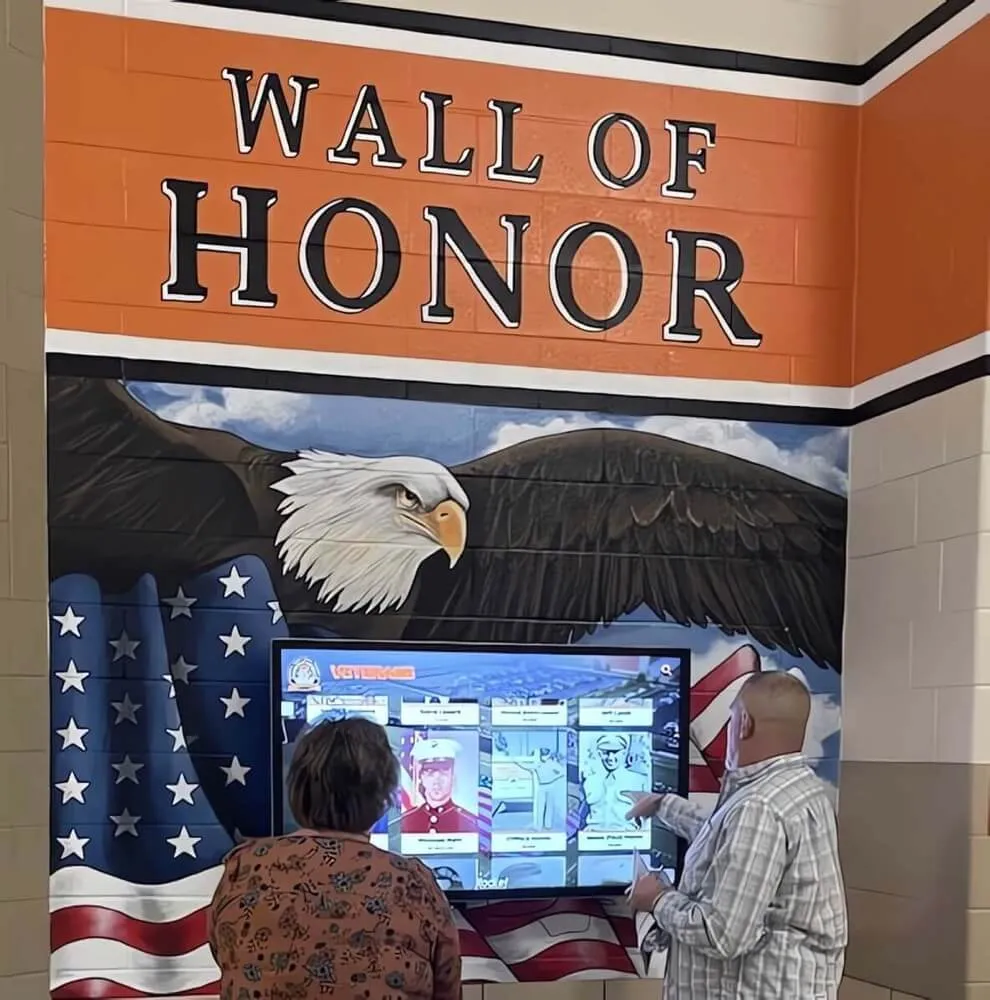
Veterans and Military Service Recognition: Many schools and communities maintain military memorial walls honoring community members who served in armed forces, particularly those killed in action or who died as veterans. Military memorial considerations include service branch and rank identification, deployment and conflict participation documentation, awards and medals received during service, and coordination with Veterans Day, Memorial Day, and military observances.
Military memorials often incorporate patriotic design elements, ceremonial practices like flag folding or taps, and collaboration with veterans organizations or military family groups. Reviewing approaches to remembrance day recognition provides additional frameworks for military memorial contexts.
Religious and Faith-Based Memorial Approaches
Churches, religious schools, and faith-based organizations develop memorial recognition reflecting theological traditions and spiritual contexts.
Theological and Spiritual Integration: Faith-based memorial recognition often incorporates religious elements including scriptural passages appropriate to memorial contexts, religious symbols and iconography consistent with faith traditions, memorial liturgies and blessing ceremonies, and prayer spaces integrated with memorial recognition.
Memorial content might emphasize spiritual legacies and faith witness, community service and ministry participation, and eternal hope consistent with religious beliefs about death and afterlife. Faith-based memorial approaches should align with theological teaching while respecting individual religious beliefs within diverse communities.
Memorial Ministry and Pastoral Care Integration: Religious institutions typically coordinate memorial recognition with broader pastoral care ministries including integration with bereavement support groups, coordination with memorial Masses or religious services, connection to prayer request ministries, and collaboration with chaplains or clergy in memorial content development.
This integration ensures memorial recognition serves spiritual support functions rather than existing as disconnected administrative program.
Future Trends in Memorial Recognition
Memorial wall practices continue evolving as technology advances and cultural practices shift.
Emerging Memorial Technologies
Contemporary memorial platforms increasingly incorporate advanced capabilities enhancing remembrance experiences.
Augmented Reality and QR Code Integration: Some memorial programs implement augmented reality applications enabling visitors to scan QR codes near physical memorial plaques to access rich digital content on mobile devices. This hybrid approach combines physical memorial permanence with unlimited digital storytelling capacity, respecting traditional memorial aesthetics while adding contemporary multimedia capabilities.
Virtual Reality Memorial Spaces: Emerging virtual reality technologies enable creation of three-dimensional memorial spaces accessible remotely through VR headsets or desktop VR applications. Virtual memorial environments prove particularly valuable for geographically distributed communities enabling remote memorial access for families and community members unable to visit physical memorial locations.
Artificial Intelligence and Memorial Preservation: Advanced AI capabilities increasingly enable sophisticated memorial content development including automated photo organization and tagging, voice replication enabling verbal memorial tributes using deceased individuals’ recorded speech, and content recommendation suggesting related memorial profiles based on relationships and connections.
While some applications feel inappropriate for sensitive memorial contexts, thoughtful AI integration can enhance memorial content quality and accessibility when implemented respectfully.
Evolving Cultural Practices and Memorial Norms
Contemporary memorial practices increasingly reflect changing cultural values and technological integration.
Digital-Native Memorial Approaches: Younger generations demonstrate comfort with fully digital memorial approaches, often preferring online memorial platforms to physical installations. Contemporary memorial recognition increasingly emphasizes social media integration, online memorial communities, digital memorial participation, and mobile-first memorial access optimized for smartphone usage.
Participatory and Collaborative Memorial Culture: Modern memorial approaches increasingly embrace participatory models where communities actively contribute to evolving memorial content rather than viewing static institutional installations. Collaborative features include community-contributed memories and reflections, photo sharing from family and community archives, anniversary comments and tribute messages, and ongoing memorial storytelling that grows over time.
Environmental and Sustainability Consciousness: Growing environmental awareness influences memorial recognition through increased interest in sustainable memorial materials, digital-first approaches reducing physical resource consumption, memorial gardens incorporating native plants and ecological design, and carbon-neutral memorial programs minimizing environmental impact.
Understanding broader trends in interactive digital displays provides context for memorial recognition evolution alongside general recognition technology development.
Taking First Steps Toward Memorial Recognition
For institutions considering memorial wall establishment or enhancement, systematic planning creates foundations for meaningful sustainable memorial programs.
Conducting Memorial Program Needs Assessment
Begin with honest evaluation of current memorial practices and clear articulation of what memorial recognition should accomplish.
Current State Documentation: Assess existing memorial recognition including informal memorial practices currently in place, stakeholder satisfaction with current memorial approaches, memorial content quality and completeness, and administrative resources dedicated to memorial recognition. This baseline clarifies specific problems that formalized memorial programs should address.
Stakeholder Input and Preference Gathering: Solicit perspectives from diverse stakeholder groups including administrators and institutional leadership, families who have previously lost community members, current community members across different demographic groups, and external advisory groups or community representatives. Understanding varied priorities ensures memorial recognition serves multiple constituencies rather than reflecting only administrative perspectives.
Institutional Context and Value Alignment: Clarify how memorial recognition supports broader institutional missions including community culture and values expression, institutional history preservation, family relationship and advancement objectives, and demonstration of care and compassion during difficult circumstances. Explicit connections between memorial programs and strategic institutional priorities help secure necessary support and resources.
Building Memorial Program Support and Resources
Successful memorial implementation requires coalition building and adequate resource commitment.
Identifying Memorial Program Champions: Memorial programs need dedicated advocates including institutional leaders supporting resource allocation, grieving family members willing to share perspectives, staff members passionate about memorial recognition importance, and community members lending credibility and support. These champions sustain momentum when memorial projects face obstacles or competing priorities.
Securing Implementation Resources: Early resource commitment prevents stalled memorial projects. Necessary resources include initial implementation funding through operating budgets or dedicated fundraising, adequate staff time for memorial program administration, ongoing maintenance budgets for annual additions and content updates, and commitment to sustained memorial program support beyond initial launch.
Choosing Implementation Approaches: Institutions should evaluate whether internal resources suffice or whether external support proves valuable. Decisions include memorial content development capacity, physical memorial design and installation approaches, digital platform selection and implementation, and ongoing memorial program management and support.
Purpose-built memorial recognition platforms provide turnkey implementation specifically designed for institutional memorial needs, offering appropriate reverent design, family-friendly content submission capabilities, and ongoing support ensuring memorial programs succeed.
Pilot Testing and Phased Memorial Implementation
Rather than attempting comprehensive memorial implementation immediately, phased approaches reduce risk while demonstrating value.
Starting with Core Memorial Recognition: Initial memorial program phases might include establishing memorial program policies and criteria, honoring initial memorial populations through available resources, implementing basic memorial displays in single high-traffic locations, conducting first memorial observances building program awareness, and demonstrating memorial program value before seeking expanded resources.
Learning and Continuous Improvement: Treat initial memorial implementation as learning opportunities gathering feedback from families, community members, and administrators, assessing what worked well and what needs adjustment, refining memorial processes based on experience, and documenting lessons guiding future memorial program development.
Planning Future Memorial Expansion: After successful core implementation, expand systematically including additional memorial display locations, enhanced digital capabilities and web access, historical memorial research adding earlier generations, expanded annual memorial programming, and integration with institutional advancement and community engagement efforts.
Conclusion: Creating Memorial Recognition That Honors Lives Meaningfully
Memorial walls represent significant institutional investments requiring careful planning, sensitive implementation, and sustained commitment. When developed thoughtfully, memorial recognition delivers profound value that strengthens communities across generations—honoring individual lives with dignity, supporting families through grief, preserving institutional memory and history, and creating spaces for collective remembrance that strengthen community bonds.
Institutions should approach memorial recognition systematically through clear articulation of memorial program purposes and scope, thoughtful development of memorial criteria and policies respecting diverse preferences, strategic choices balancing traditional permanence with contemporary storytelling capabilities, realistic implementation planning with adequate resources, and sustained commitment to memorial program administration and ongoing content development.
The most meaningful memorial recognition shares common characteristics regardless of institutional size or approach. Effective memorial programs honor all deceased community members fairly, maintain respectful tone conveying appropriate dignity, evolve continuously rather than becoming static, engage families compassionately throughout memorial processes, preserve institutional memory comprehensively, and align with broader institutional values and missions.
Contemporary memorial technologies enable institutions to remember community members more comprehensively than ever before. Digital memorial platforms eliminate space constraints that previously forced painful decisions about which individuals warranted recognition. Rich multimedia storytelling brings memorial tributes to life beyond what static plaques achieve. Web accessibility extends memorial recognition to family members worldwide who cannot regularly visit physical locations.
Yet technology merely enables memorial recognition—the substance lies in authentic life honoring and in institutions’ demonstrated commitment to remembering community members across generations. Whether your institution establishes its first formal memorial program or enhances decades-old traditions, the core principles remain constant: honor lives authentically, support families compassionately, preserve memory comprehensively, and create memorial recognition serving your community’s unique needs and values.
The community members you’ve lost invested themselves in your institution and helped shape who you are. They deserve memorial recognition that matches their significance—thoughtful planning ensures your memorial walls honor their lives meaningfully while providing comfort to families and strengthening community for generations to come.
Ready to create memorial recognition that authentically honors your community? Explore how solutions like Rocket Alumni Solutions provide comprehensive memorial recognition platforms with reverent design, unlimited capacity, family collaboration capabilities, and dedicated support ensuring memorial tributes remain meaningful across generations without requiring extensive technical expertise or internal resources.
Frequently Asked Questions
What is the difference between a memorial wall and a tribute wall?
The terms “memorial wall” and “tribute wall” are often used interchangeably, though some institutions distinguish between them. Memorial walls typically honor individuals who have passed away, focusing specifically on remembrance of deceased community members. Tribute walls may include both living and deceased individuals, celebrating contributions and achievements alongside commemorating those who have died. In practice, many institutions use the terms synonymously to honor deceased community members. The key consideration involves clarifying your institution’s specific purpose—whether recognition focuses exclusively on memorializing deceased individuals or includes broader tribute purposes. Regardless of terminology, effective recognition honors individuals respectfully while serving community needs for remembrance and healing.
Should memorial walls include all deceased community members or only certain individuals?
This fundamental decision reflects institutional values and practical constraints. Comprehensive memorial approaches honor all deceased students, faculty, staff, and active community members without distinction, treating all lives as equally worthy of remembrance. This inclusive philosophy avoids painful decisions about whose lives “merit” recognition while demonstrating institutional commitment to valuing all community members. Selective memorial approaches establish specific criteria like minimum tenure, particular roles, or exceptional contributions, resulting in smaller memorial populations more manageable for traditional physical installations. The optimal approach depends on institutional size, memorial population projections, available space and resources, and philosophical commitments regarding equality versus selectivity. Digital memorial platforms particularly enable comprehensive approaches by eliminating space constraints that make selective criteria necessary with physical-only memorial walls. Consider which approach best reflects your institutional values while remaining administratively and financially sustainable long-term.
How do we handle memorial recognition when families prefer private remembrance?
Respectful memorial programs always honor family preferences including requests for non-inclusion. When families decline public memorial recognition, institutions should acknowledge requests graciously without applying pressure, document preferences in institutional records, offer periodic check-ins where families might reconsider over time, and respect decisions consistently if families maintain private preferences. Some families initially decline memorial participation due to acute grief but later wish to participate after healing progresses. Offer standing invitations for future participation while respecting current wishes. Never include individuals in public memorial recognition against explicit family requests—doing so causes significant family distress while damaging institutional relationships. Your memorial recognition exists to serve families and community, not institutional desires for comprehensive records. When families prefer privacy, that preference deserves absolute respect regardless of institutional memorial program preferences or administrative convenience.
What content should we include in memorial profiles?
Effective memorial profiles balance comprehensive biographical information with appropriate sensitivity and family preferences. Essential elements include full names with preferred names or nicknames, birth and death dates or years, relationships to institution with attendance or employment periods, educational background and degrees when relevant, career highlights and professional accomplishments, notable achievements and community contributions, personality qualities remembered by those who knew them, and family information when appropriate and with explicit permission. Enhanced memorial content includes multiple photographs showing individuals throughout lives, video tributes or recorded messages when available, specific stories illustrating character and impacts, quotations or favorite sayings characteristic of individuals, and tributes from family, friends, or colleagues. Content depth should reflect available information and family preferences—some memorial profiles may span multiple paragraphs with extensive multimedia, while others provide essential information when limited details exist or families prefer brevity. Focus on celebrating lives lived and positive impacts created rather than dwelling on death circumstances. Specific personal details create authentic memorial recognition that families recognize as genuinely honoring loved ones rather than generic content that could describe anyone.
How much does memorial wall implementation typically cost?
Memorial recognition costs vary substantially based on approach and scope. Traditional physical memorial walls range $5,000-$50,000+ depending on materials (bronze, granite, stainless steel), design complexity, initial memorial population size, and whether facility renovation is required. Individual memorial plaques cost $50-$300 each depending on material and customization. Digital memorial implementations typically cost $15,000-$50,000 including commercial-grade touchscreen displays ($3,000-$8,000 per display), memorial platform software and configuration ($5,000-$15,000), initial content development for existing memorial population ($5,000-$20,000 depending on number of individuals), and installation plus network infrastructure ($2,000-$5,000). Hybrid approaches combining physical and digital elements range $25,000-$75,000. Beyond initial investment, ongoing costs include annual additions for newly deceased community members, content updates and enhancements, digital platform subscriptions ($1,000-$3,000 annually), physical memorial maintenance and cleaning, and staff time managing memorial administration. Many institutions fund memorial recognition through dedicated fundraising where families and community members contribute toward memorial programs as meaningful philanthropic opportunities. Memorial recognition often generates strong donor support because remembrance resonates emotionally with those who have experienced loss.
How do we maintain memorial walls over many years and generations?
Sustainable memorial programs require systematic long-term management. Establish clear administrative responsibility assigning specific staff members to memorial program oversight. For digital memorial platforms, maintain regular content addition schedules adding newly deceased community members within 60-90 days of notification, implement annual memorial audits ensuring content remains accurate and current, schedule periodic content enhancements adding photos or stories as they become available, coordinate anniversary recognition featuring individuals on death or birth anniversaries, and perform technical maintenance including software updates, display cleaning, and hardware diagnostics. For traditional physical memorials, plan annual plaque addition cycles with adequate budget allocation, schedule 3-5 year comprehensive condition reviews addressing deterioration or damage, maintain regular cleaning preventing discoloration or degradation, and establish expansion plans before reaching 80% capacity. Promote memorial recognition consistently through annual memorial observances, family communications on anniversaries, integration with community events and gatherings, and regular featured content rotations for digital platforms. Budget adequately for ongoing memorial program administration—comprehensive programs serving large populations may require dedicated staff time, while smaller programs function within existing administrative roles with several hours monthly dedication. Partner with memorial platform providers offering sustained support ensuring systems remain functional and current as technology evolves. Memorial recognition remains meaningful when treated as ongoing programs rather than one-time projects that institutions implement then ignore.
What if controversial information emerges about individuals after memorial recognition is established?
Occasionally, allegations or information surfaces posthumously complicating existing memorial recognition. Establish clear policies before difficult situations arise addressing what level of allegations or evidence triggers memorial reviews, whether posthumous revelations warrant memorial modification or removal, how decisions balance deceased individuals’ inability to respond against alleged victims’ needs, who participates in memorial review decisions, and what appeals or reconsideration processes exist. Common approaches include maintaining that memorial recognition honored individuals as they were known at specific times regardless of subsequent revelations, removing memorial recognition following credible evidence of serious misconduct fundamentally contradicting institutional values, creating archived or historical status acknowledging past recognition without active current display, or conducting case-by-case evaluation by institutional leadership and counsel for situations between clear thresholds. Whatever approach your institution adopts, document policies clearly enabling consistent application. Consult institutional counsel and risk management when developing policies addressing particularly sensitive situations. These scenarios rarely have simple answers but require thoughtful frameworks enabling ethical decision-making that balances competing considerations respectfully. Most importantly, act consistently based on established policies rather than making reactive decisions during crisis situations when emotions run high and institutional reputations feel threatened.