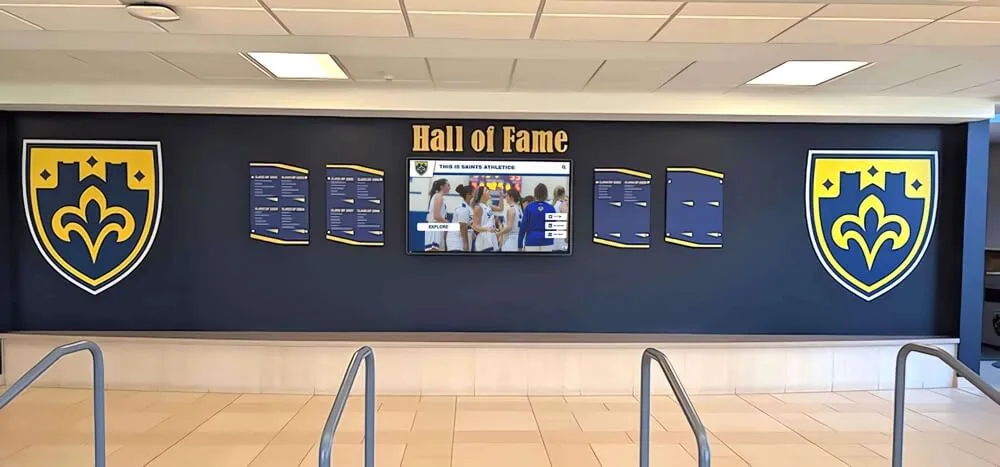
Educational institutions carry profound responsibility to honor individuals who shaped their history through service, achievement, and dedication. Alumni who built distinguished careers, veterans who defended their communities, faculty who mentored generations of students—these individuals deserve permanent recognition reflecting the lasting impact they made. Memorial plaques for wall displays provide schools with dignified, enduring solutions that celebrate lives and contributions while creating meaningful spaces where communities gather to remember and reflect.
This comprehensive guide examines every dimension of implementing memorial plaques for wall displays in educational settings including traditional materials and modern innovations, design considerations for different honored groups, installation requirements, maintenance protocols, and strategic integration with contemporary digital recognition systems. Whether establishing a new recognition program or enhancing existing memorial spaces, this guide provides actionable frameworks enabling schools to create tribute installations that honor individuals appropriately while serving institutional communities for decades.
Schools recognize memorial displays serve multiple simultaneous purposes beyond simple nameplates. These installations create physical spaces where alumni return during reunions to remember classmates, where students learn about institutional heritage through individuals who embodied school values, where families find comfort knowing loved ones receive lasting recognition, and where communities gather during ceremonies honoring service and sacrifice. Thoughtfully designed memorial plaques transform ordinary hallways into sacred spaces connecting past and present while inspiring future generations.
Memorial recognition has evolved substantially from simple brass nameplates to sophisticated display systems combining traditional craftsmanship with contemporary capabilities. Today’s schools can choose from materials ranging from classic cast bronze to modern glass and metal composites, integrate digital components that tell richer stories through multimedia content, and design installations accommodating future additions without compromising aesthetic integrity. Understanding available options enables administrators to select solutions matching institutional character while meeting practical requirements including durability, accessibility, and budget constraints.
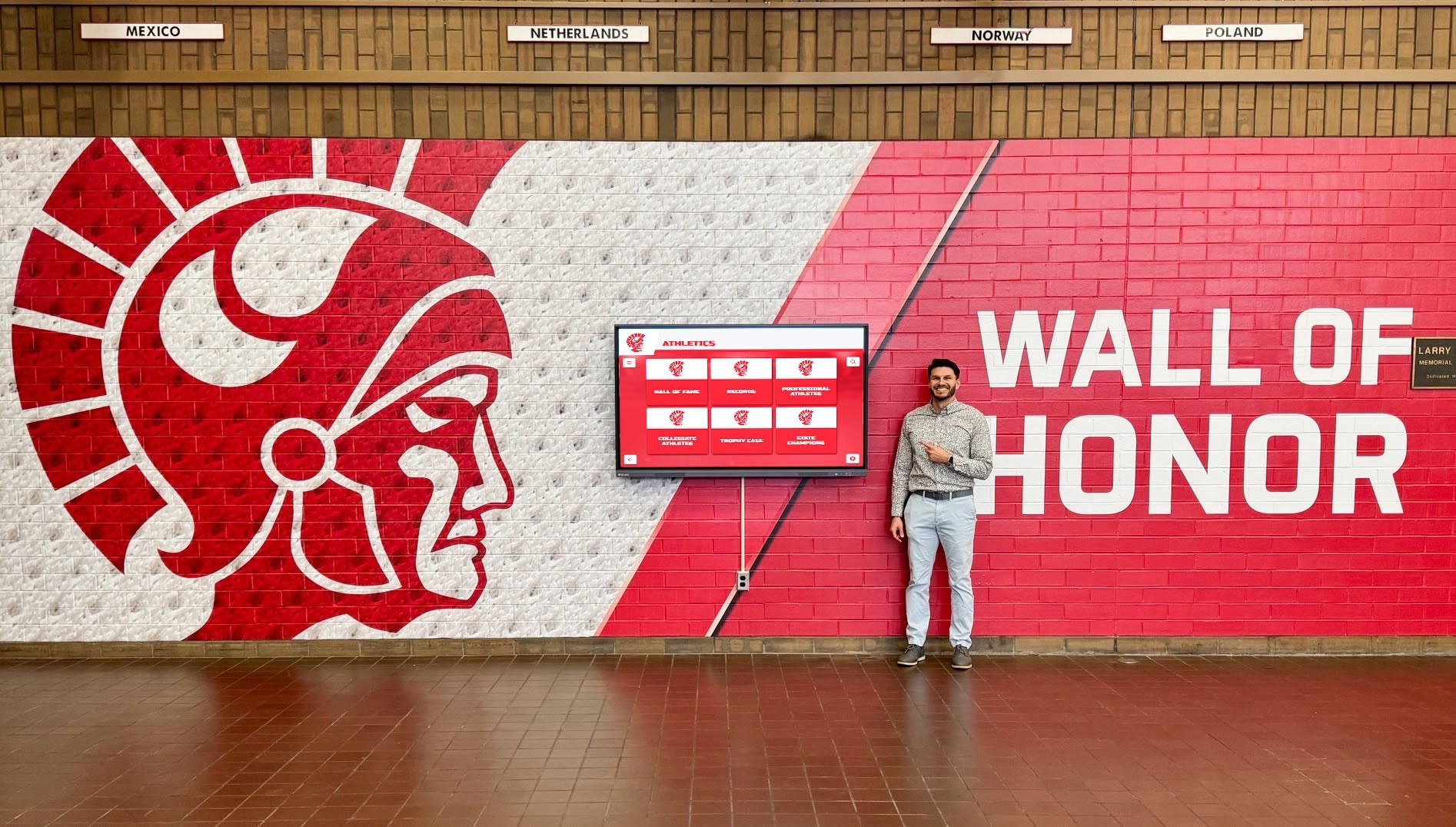
Schools implementing memorial plaque displays report multiple meaningful outcomes including permanent recognition ensuring honored individuals remain part of institutional memory across generations, community gathering spaces where alumni and families connect with institutional history, educational opportunities for students learning about distinguished graduates and exemplary service, fundraising potential as memorial recognition often accompanies donor recognition programs, and enhanced institutional prestige demonstrating commitment to honoring those who contributed to school legacy. When memorial displays receive appropriate planning and investment rather than minimal afterthought treatment, these installations deliver profound value justifying thoughtful consideration of design and materials.
This guide helps school administrators, facilities directors, advancement professionals, and memorial committee members navigate memorial plaque planning, material selection, and implementation to achieve installations that honor individuals with dignity while creating lasting spaces for reflection and remembrance.
Understanding Memorial Plaques: Materials, Types, and Traditional Applications
Before addressing specific honor categories, school leaders benefit from understanding available memorial plaque materials, construction methods, and how different options serve various recognition purposes.
Traditional Memorial Plaque Materials and Construction
Material selection fundamentally determines memorial plaque appearance, longevity, and maintenance requirements across decades of display.
Cast Bronze Plaques: Cast bronze represents the traditional standard for permanent memorial recognition, valued for timeless appearance, exceptional durability, and association with formal commemoration. Manufacturing processes create raised lettering and imagery through sand casting or lost-wax methods, producing plaques lasting 100+ years in institutional environments. Bronze develops natural patina over time, transitioning from bright metallic finish to rich brown or green tones that many institutions consider enhancing rather than diminishing appearance. Schools choosing bronze benefit from material dignity associated with military memorials, cemetery markers, and historical monuments. However, bronze represents the premium price tier among plaque materials and requires heavier mounting systems due to material weight. This material suits installations honoring deceased individuals, military service, or lifetime achievement where permanence and formality align with recognition purpose.
Brass and Aluminum Alternatives: Brass plaques provide similar aesthetic characteristics to bronze at reduced cost, featuring gold tones and raised lettering capability. This material develops patina more gradually than bronze and offers good longevity in controlled indoor environments. Aluminum plaques deliver lightweight alternatives enabling simpler mounting while accepting various finish treatments including anodizing, painting, or metallic coatings. These materials work effectively for recognition programs adding members regularly where lower individual plaque costs enable broader inclusion. Schools should specify appropriate alloys and protective finishes preventing corrosion in humid environments or areas near swimming pools where chemical exposure occurs.
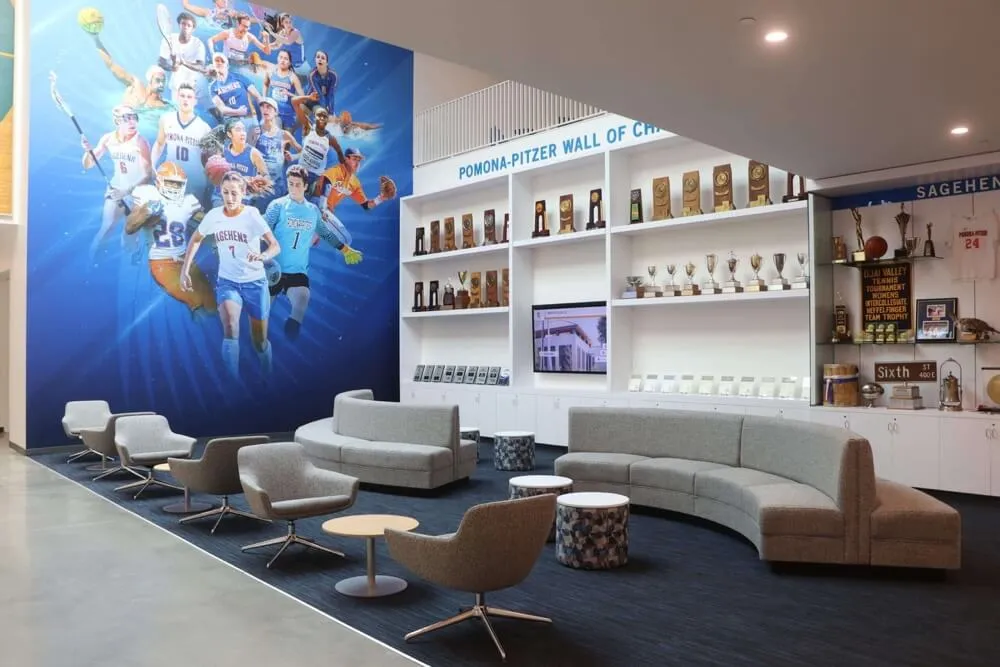
Acrylic and Composite Materials: Contemporary acrylic plaques combine modern aesthetics with cost efficiency and design flexibility. Clear or colored acrylic accepts laser engraving, UV printing, or subsurface imaging creating crisp text and graphics without raised elements. Layered acrylic constructions create dimensional effects through stacked components in contrasting colors. Metal-faced acrylic composites feature thin metal surface layers bonded to acrylic cores, providing metallic appearance at reduced weight and cost compared to solid metal. These materials suit contemporary architectural environments and enable design approaches difficult or impossible with traditional casting. Schools implementing digital trophy case displays often choose acrylic plaques complementing modern technology aesthetics.
Specialty Materials for Specific Applications: Certain memorial applications benefit from specialized materials. Glass plaques created through sandblasting, etching, or digital printing offer elegant transparency suitable for backlit installations. Stone plaques including marble, granite, or slate provide natural materials connecting to cemetery and monument traditions. Wood plaques finished with laser engraving or routed lettering deliver warmth appropriate for indoor recognition in traditional school settings. Choosing materials matching architectural context and institutional character ensures memorial displays enhance rather than conflict with surrounding environments.
Memorial Plaque Design Elements and Information Hierarchy
Effective memorial plaques balance aesthetic appeal with clear communication of essential information about honored individuals.
Essential Information Components: Most memorial plaques include individual’s full name as primary element typically rendered in larger type, years associated with recognition (birth-death dates for deceased, service years for faculty/veterans, graduation year for alumni), brief description of recognition basis (Distinguished Alumnus, Medal of Honor Recipient, 35 Years of Service), and institutional affiliation establishing connection to school. Additional elements vary based on available space and recognition category but may include portrait imagery, military rank or branch for veterans, degree earned for alumni, department for faculty, quotations reflecting individual’s values, or symbols representing achievements or affiliations. Schools should establish consistent hierarchies across plaque series ensuring parallel information presentation while allowing appropriate customization reflecting individual circumstances.
Typography and Legibility Considerations: Memorial plaques require typography balancing aesthetic dignity with practical readability. Serif typefaces including Times New Roman, Garamond, or Trajan convey traditional formality appropriate for memorial contexts. Sans-serif options including Helvetica or Gill Sans offer clean modernity suitable for contemporary installations. Schools should specify minimum text sizes ensuring legibility from expected viewing distances—typically 1/4" letter height per 10 feet of viewing distance. Contrast between text and background proves essential for readability; dark text on light backgrounds or light text on dark backgrounds work effectively while mid-tone combinations create visibility challenges. All-capital text provides formality but reduces readability compared to mixed case for longer text passages. Designers should test text legibility under actual installation lighting conditions preventing unpleasant surprises after installation.
Layout Patterns for Multi-Plaque Installations: Memorial walls typically display numerous individual plaques requiring consistent layouts creating visual cohesion. Uniform plaque sizes and shapes create ordered grids suitable for formal installations. Varied sizes based on recognition levels (larger plaques for most distinguished honorees) establish hierarchy but require careful layout preventing chaotic appearance. Chronological organization by recognition year enables future additions in clear sequence. Alphabetical organization within recognition categories assists visitors locating specific individuals. Thematic grouping by military conflict, academic discipline, or achievement type creates narrative coherence. Schools should plan expansion capacity accommodating future honorees without disrupting established organization systems or requiring complete reinstallation.
Mounting Systems and Installation Considerations
Proper mounting ensures memorial plaques remain securely displayed for decades while enabling future modifications when needed.
Direct Wall Mounting Methods: Individual plaque mounting typically employs concealed fasteners maintaining clean appearance. Threaded standoffs drilled through plaques into wall anchors create secure mounting while maintaining slight spacing between plaque and wall surface. This approach works well for metal and acrylic plaques where drilling doesn’t compromise materials. Adhesive mounting using high-strength structural adhesives bonds plaques directly to walls without visible fasteners, creating flush appearance particularly suitable for thin plaques. This method requires proper surface preparation and proves difficult to reverse without damaging walls or plaques. Mechanical clips or keyhole hangers recessed into plaque backs enable hanging on wall-mounted hardware, facilitating future repositioning but requiring careful alignment during installation.
Panel-Mounted Display Systems: Many memorial installations mount plaques to dedicated panels subsequently attached to walls rather than mounting plaques directly to building surfaces. This approach offers numerous advantages including uniform substrate creating consistent backing regardless of wall irregularities, simplified plaque installation without damaging walls, easier future reorganization or additions, ability to relocate entire displays if facilities change, and opportunity to integrate decorative surrounds, headers, or architectural framing. Panel materials typically include wood substrates finished with paint or veneer, metal panels providing durable backing in high-traffic areas, fabric-covered panels softening acoustics while providing pin-mounted plaque backing, or composite panels combining structural cores with decorative surfaces. Schools planning long-term memorial programs benefit from panel systems accommodating growth without requiring wall modifications.
Accessibility and Viewing Height Requirements: Memorial displays must accommodate visitors of varying heights including wheelchair users. The Americans with Disabilities Act establishes standards for accessible exhibits requiring primary information positioned between 15" and 48" above floor level when approached from forward position. Schools should position central rows of memorial plaques within this range while placing headers or decorative elements higher. Adequate clear floor space (30" x 48" minimum) in front of displays enables wheelchair maneuvering. Tactile elements including Braille or raised lettering assist visitors with visual impairments, though schools should consult accessibility specialists ensuring appropriate implementation.
Honoring Alumni Through Memorial Wall Displays
Alumni memorial plaques serve multiple purposes including recognizing distinguished achievement, commemorating deceased graduates, and celebrating milestone reunions.
Distinguished Alumni Recognition Programs
Many schools establish formal programs identifying exceptional graduates whose achievements reflect institutional values and inspire current students.
Selection Criteria and Nomination Processes: Effective distinguished alumni programs require clear criteria preventing arbitrary selections while enabling appropriate recognition across achievement categories. Typical criteria include professional accomplishment in chosen fields, service to communities or society, contributions to school through volunteerism or philanthropy, demonstration of institutional values through personal conduct, and appropriate time since graduation (often 10+ years) enabling achievement maturity. Nomination processes typically invite submissions from alumni, faculty, students, or community members, with formal committees reviewing nominations against established criteria. Schools should document selection processes ensuring transparency and fairness while maintaining dignity appropriate for memorial recognition. Organizations implementing hall of fame selection criteria often apply similar frameworks to distinguished alumni programs.
Induction Ceremonies and Annual Recognition: Memorial plaque installations gain meaning through formal induction ceremonies bringing honorees, families, and communities together. Schools typically schedule annual recognition events during homecoming weekends or graduation periods when alumni attendance peaks. Ceremonies include plaque unveiling, biographical presentations highlighting achievements, opportunities for honorees to address students sharing wisdom and inspiration, and reception periods enabling community interaction with inductees. These events create memorable experiences for honorees while demonstrating to broader communities that schools value and celebrate graduate accomplishments.
Memorial Plaques for Deceased Alumni: Many distinguished alumni programs include posthumous recognition ensuring significant contributors receive appropriate honor regardless of when recognition occurs. Plaques honoring deceased alumni typically include birth and death years, modify language indicating posthumous recognition, and may incorporate symbols including stars or special designation markers. Schools should establish protocols for family notification and involvement ensuring respectful processes. Families often appreciate opportunities to attend dedication ceremonies providing closure and affirmation of loved ones’ legacies.
Class Memorial Sections and Reunion Recognition
Beyond individual distinguished alumni, schools often create memorial sections recognizing entire graduating classes or reunion milestone achievements.
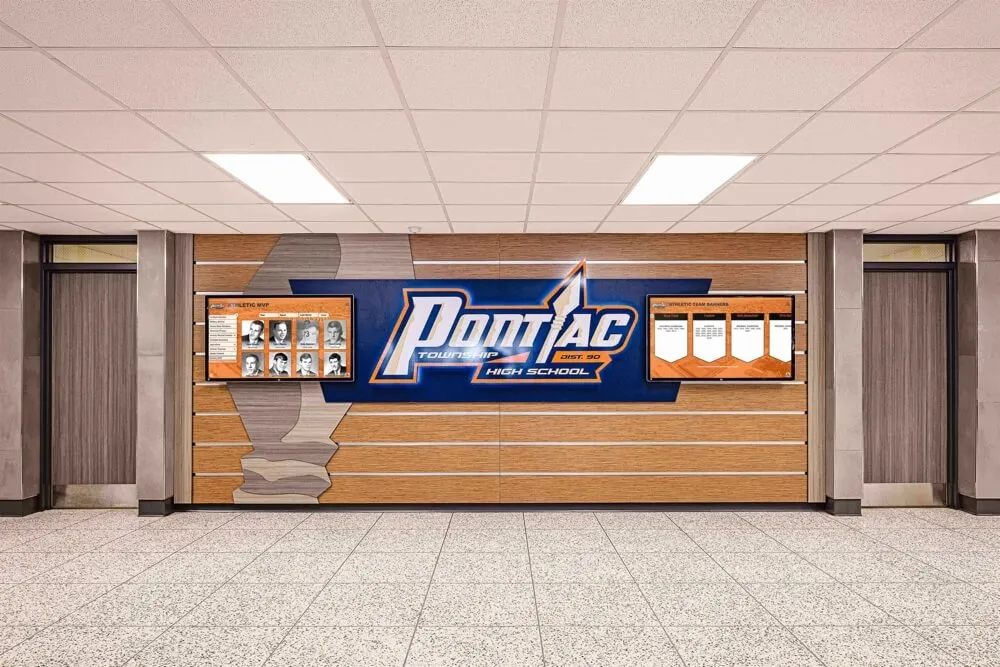
Perpetual Class Plaques: Some memorial walls dedicate sections to graduating class recognition with individual plaques for each class year. These plaques typically display class year, total graduates, and may include class mottos or notable achievements. Schools add new class plaques annually following graduation, creating chronological records of institutional history. Advanced implementations incorporate QR codes linking to digital class composites, reunion information, or yearbook archives enabling deeper engagement with class histories.
Reunion Donor Recognition: Memorial walls often include plaques recognizing reunion class gifts where graduating classes pool donations supporting school programs or capital projects. These plaques acknowledge donor classes, gift amounts or purposes, and reunion years when contributions occurred. This approach serves dual purposes honoring generous alumni while encouraging future reunion classes to establish similar giving traditions. Schools should establish minimum gift thresholds warranting plaque recognition preventing excessive plaque proliferation while maintaining meaningful participation barriers.
Deceased Alumni Memorial Sections: Some schools create dedicated “In Memoriam” sections listing deceased alumni organized by class year or chronologically by death date. These sections serve graduating classes maintaining connections to departed classmates and provide gathering points during reunions when classes remember lost members. Format options include individual small plaques for each deceased alumnus, larger plaques listing multiple names by class year, or rolling digital displays accommodating unlimited names while occupying limited wall space. Schools should establish protocols for receiving death notifications and updating memorial sections ensuring accuracy and timeliness.
Honoring Veterans and Military Service
Memorial plaques recognizing veterans who attended schools or community members who served hold particular significance in educational communities.
Military Service Recognition Walls
Veteran memorial walls create spaces honoring those who defended communities and nation while connecting current students to service traditions.
All-Veterans Memorial Approaches: Comprehensive veteran memorials attempt to recognize all alumni who served in military branches regardless of war, conflict, or service era. These installations typically organize plaques or name listings by conflict (World War II, Korea, Vietnam, Gulf War, Iraq, Afghanistan, Peacetime Service) with individual entries including name, branch, rank, and service years. Such installations require substantial wall space and ongoing research identifying qualifying veterans. Schools should establish verification processes confirming service before adding individuals preventing inaccuracies undermining memorial credibility. Many institutions integrate memorial scholarship programs supporting descendants of recognized veterans creating living legacy beyond static plaques.
Fallen Heroes Memorials: Some schools create specific sections honoring “Gold Star” alumni who died during military service, representing ultimate sacrifice deserving particular recognition. These memorials typically feature more prominent individual plaques with expanded information including circumstances of death, decorations received, and symbolic imagery including stars, eagles, or military branch insignia. Schools often position these sections centrally within larger veteran memorials distinguishing honored dead from surviving service members. Annual Memorial Day or Veterans Day ceremonies at these installations bring communities together honoring sacrifice while educating younger generations about service costs.
Medal of Honor and High Decoration Recognition: Alumni receiving exceptional military honors including Medal of Honor, Distinguished Service Cross, Navy Cross, or Air Force Cross warrant prominent individual recognition reflecting extraordinary valor. Schools typically create featured display sections for these individuals with larger plaques, photographic imagery, citation text, and contextual information about actions meriting recognition. Some institutions incorporate artifact displays including uniform items, medals (or replicas), or personal effects donated by families or veterans. Such displays transform memorial walls into educational exhibitions teaching students about courage, sacrifice, and institutional pride in exceptional alumni.
Modern Veterans Memorial Design Trends
Contemporary veteran memorials increasingly incorporate elements beyond traditional plaques enhancing visitor engagement and educational value.
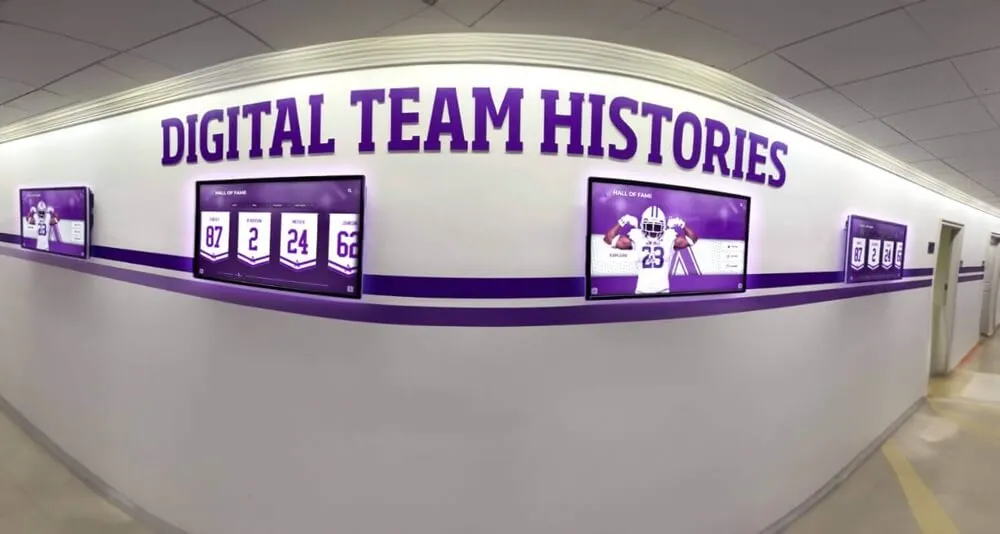
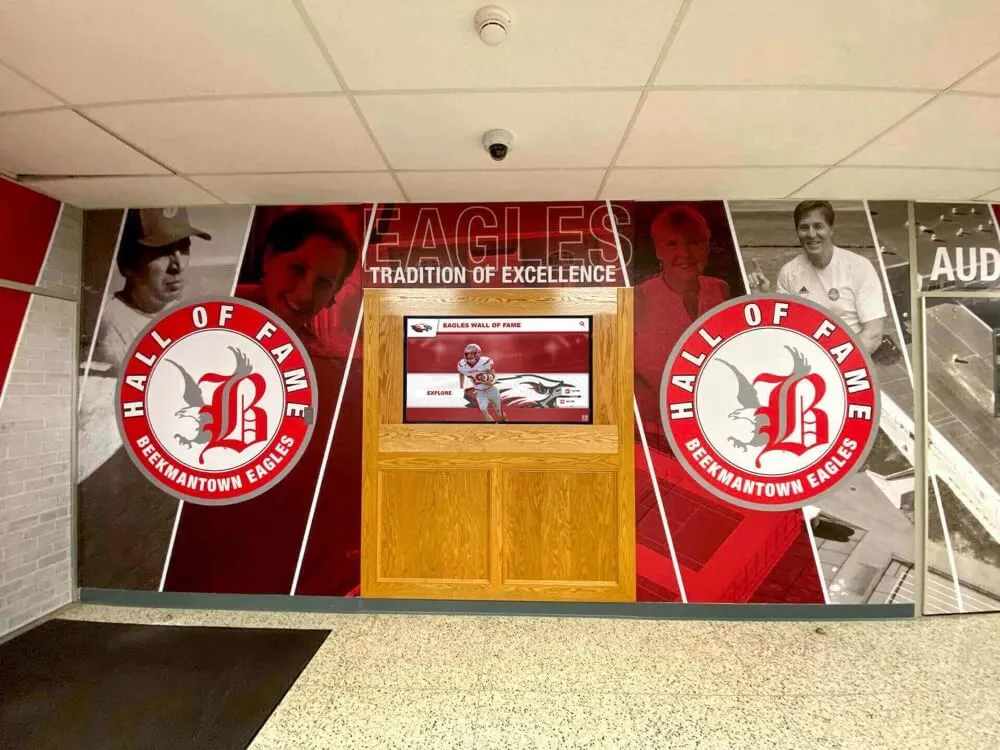
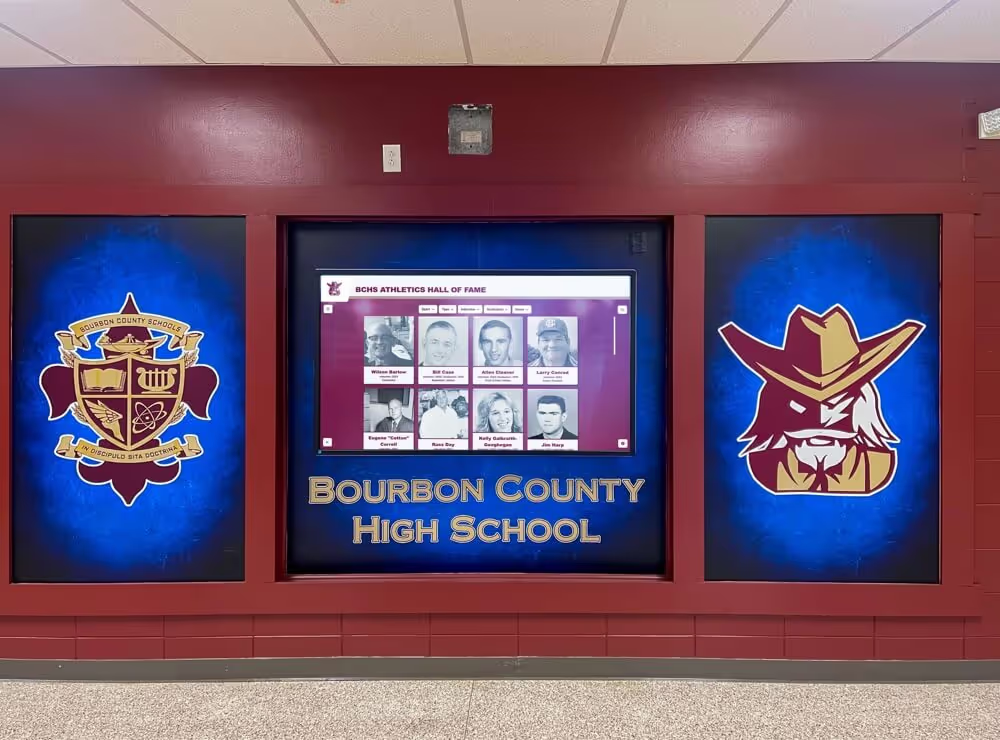
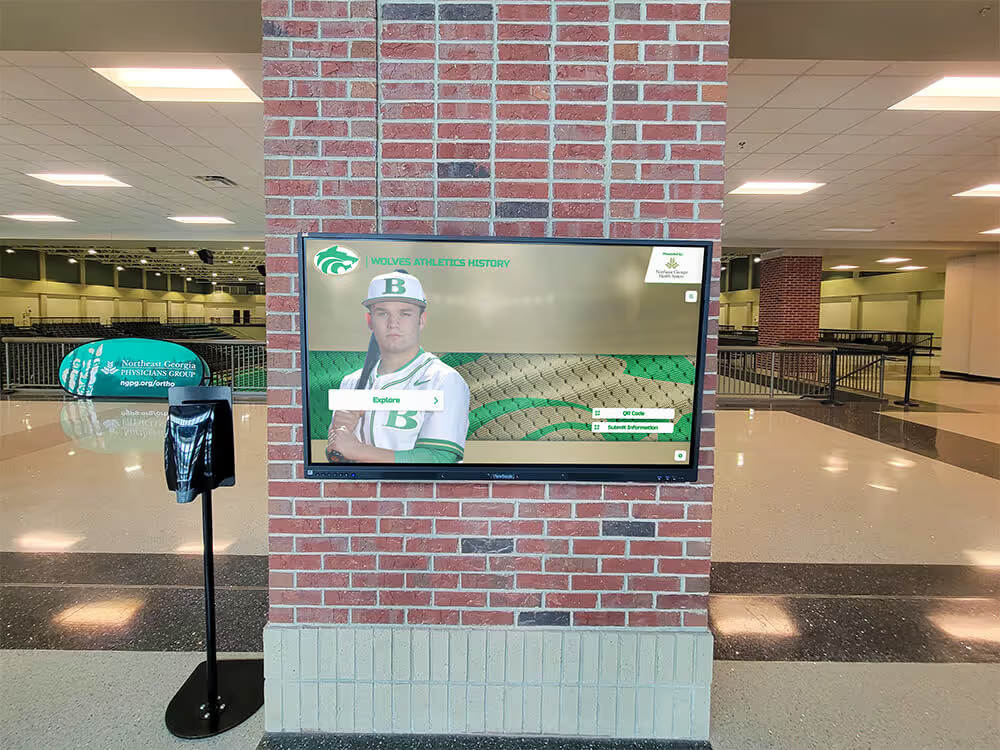
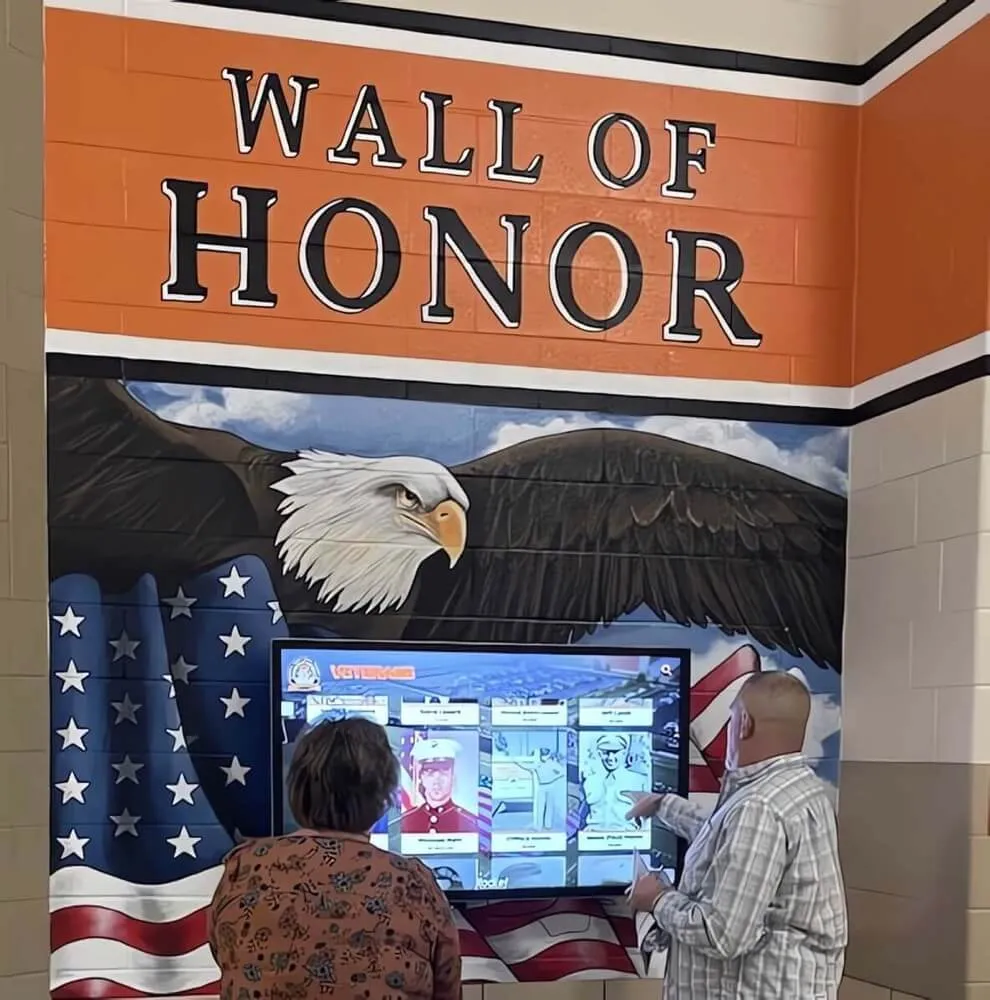
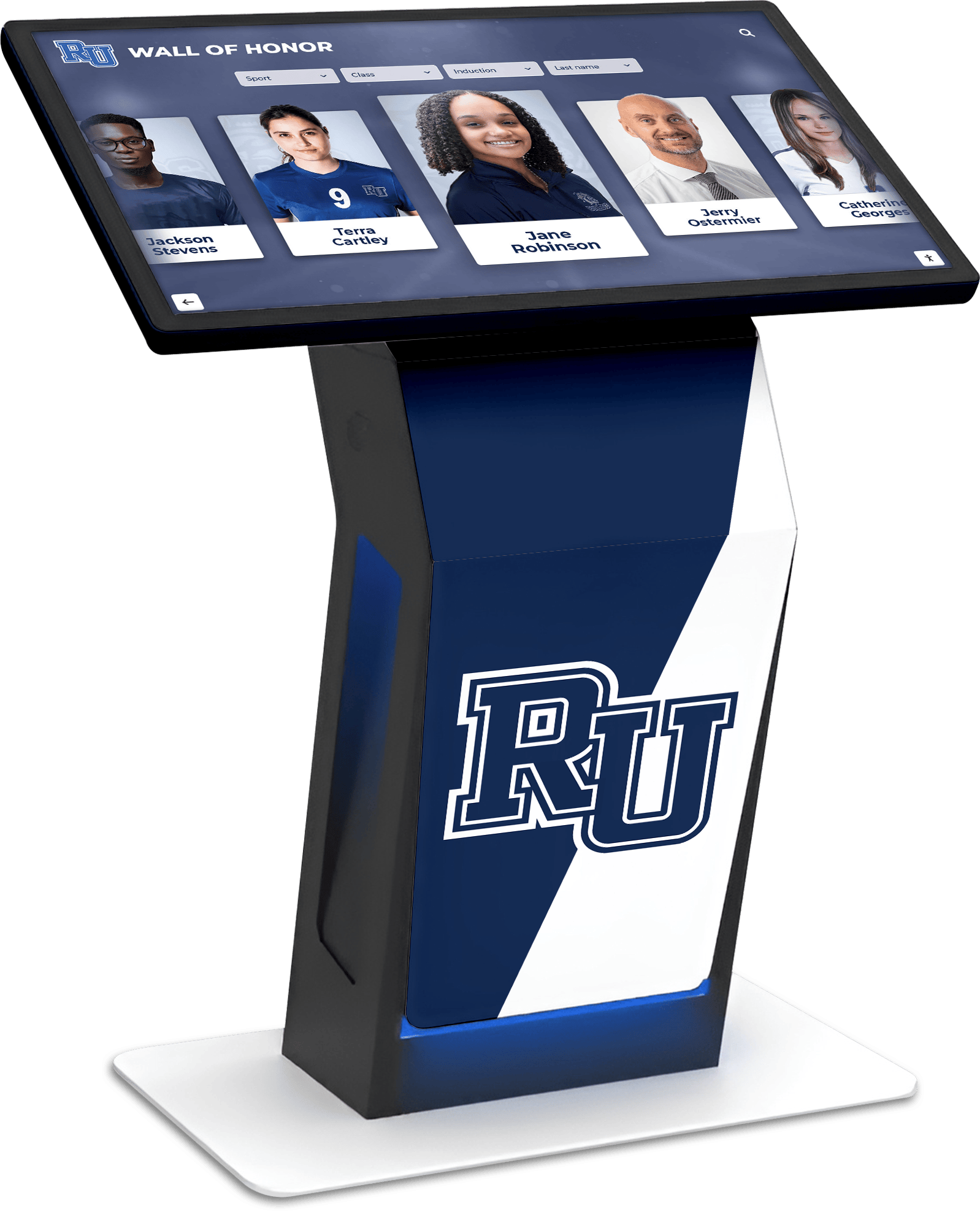
Digital Integration with Physical Memorials: Schools increasingly combine traditional wall-mounted plaques with adjacent digital displays enabling deeper storytelling impossible through plaques alone. Physical plaques provide permanent individual recognition while digital components share oral history interviews, service photographs, biographical narratives, and connections to historical events. Visitors scan QR codes on physical plaques accessing rich multimedia content about specific veterans, or interact with touchscreen displays searching veteran databases exploring service details. This hybrid approach preserves memorial permanence while embracing technology’s capacity for comprehensive storytelling particularly valuable for educational purposes.
Interactive Service Timeline Walls: Some veteran memorials organize not by individual but by historical timeline, creating visual narratives of institutional community involvement across conflicts. Timeline displays feature plaques or markers for specific wars/conflicts with individual veteran names listed within each period. This organization helps students understand historical context while recognizing individual service. Enhanced implementations incorporate period photographs, war facts, and connections to broader historical events creating educational exhibitions rather than simple name lists.
Living Memorial Concepts: Forward-thinking schools design veteran memorials accommodating ongoing additions as alumni continue enlisting and serving. Expansion sections with blank panel spaces or clear future capacity prevent memorials from appearing “frozen” at arbitrary cutoff dates. Some institutions implement annual updating ceremonies where newly identified veterans receive formal plaque additions during Veterans Day observances, creating recurring community events honoring service while keeping memorials current and relevant to younger alumni generations.
Honoring Faculty and Staff Contributions
Memorial plaques recognizing faculty and staff who shaped institutions through decades of service create meaningful tributes while preserving institutional memory.
Long-Service Faculty Recognition
Educators dedicating careers to single institutions warrant permanent recognition acknowledging commitment spanning generations of students.
Career Milestone Recognition Thresholds: Schools typically establish service duration thresholds warranting memorial recognition—commonly 25, 30, or 35+ years of employment. These thresholds ensure memorial inclusion represents exceptional commitment rather than routine employment. Recognition plaques typically include faculty member’s name, department or subject taught, years of service or specific dates (e.g., “1985-2020”), and occasionally brief descriptor noting special contributions or impact. Some schools differentiate recognition levels through plaque sizes or placement based on service duration, with longest-serving faculty receiving most prominent positioning.
Retired Faculty Memorial Walls: Dedicated faculty recognition spaces honor retired educators who shaped institutional character across careers. These installations create gathering places where former colleagues, students, and families connect with institutional history during reunions or campus visits. Plaque designs often incorporate symbols representing academic disciplines (books for English, beakers for science, musical notes for music departments) personalizing recognition while maintaining overall design cohesion. Schools implementing these spaces report positive responses from retired faculty feeling valued and remembered by institutions receiving their professional lives.
Memorial Recognition for Deceased Faculty: Faculty who pass while employed or shortly after retirement often receive individual memorial plaques noting their service and impact. These installations serve grieving school communities providing physical locations for reflection and remembrance. Some schools establish memorial scholarship funds in faculty members’ names with plaques noting these tributes creating lasting legacies supporting students. Families frequently attend dedication ceremonies finding comfort in knowing loved ones’ contributions receive institutional recognition. Schools designing these memorials should consult families regarding appropriate language, imagery, and biographical details ensuring respectful representation.
Administrative and Staff Honors
Recognition programs often extend beyond classroom faculty honoring administrators, coaches, counselors, and support staff whose contributions prove equally vital to institutional success.
Athletic Coaching Recognition: Long-serving coaches often achieve legendary status within school communities deserving permanent recognition alongside honored athletes. Coaching memorial plaques typically note sports coached, years of service, championship achievements, and career records providing context for recognition. Many schools position coaching plaques within athletic facilities or adjacent to athlete halls of fame creating comprehensive athletics recognition zones celebrating both participants and mentors shaping programs.
Founding Principals and Administrators: School leaders who established institutions or guided them through transformational periods warrant prominent memorial recognition. These plaques often occupy central positions in main entries or administrative corridors, acknowledging foundational contributions enabling everything that followed. Recognition may include portrait imagery, quotes reflecting leadership philosophies, and contextual information about accomplishments or challenges overcome. Such displays educate current communities about institutional origins while honoring individuals whose visions shaped present realities.
Support Staff Legacy Recognition: Custodians, cafeteria workers, secretaries, and maintenance personnel dedicating careers to schools create lasting impacts on student experiences despite working outside formal instruction. Progressive institutions extend memorial recognition to these team members acknowledging complete school communities rather than exclusively faculty. These inclusive approaches demonstrate institutional values respecting all contributions while creating memorial spaces reflecting true community diversity.
Modern Innovations: Integrating Digital Technology With Traditional Memorial Plaques
Contemporary memorial installations increasingly combine traditional plaque permanence with digital technology’s storytelling capabilities creating dynamic recognition experiences.
Hybrid Memorial Systems Combining Physical and Digital Elements
The most effective modern memorial installations leverage strengths of both physical plaques and digital displays rather than choosing one approach exclusively.
QR Code Integration on Physical Plaques: Schools embed QR codes directly on traditional plaques enabling visitors to access extended digital content through smartphone scans. Physical plaques provide essential information (name, dates, basic recognition) while linked digital pages share photographs, biographical narratives, video interviews, achievement timelines, and family memories impossible to convey through engraved text. This approach preserves traditional memorial aesthetics while embracing technology’s capacity for rich storytelling. Implementation requires maintaining hosted digital content accessible through permanent URLs and updating content periodically ensuring links remain functional across years and decades.
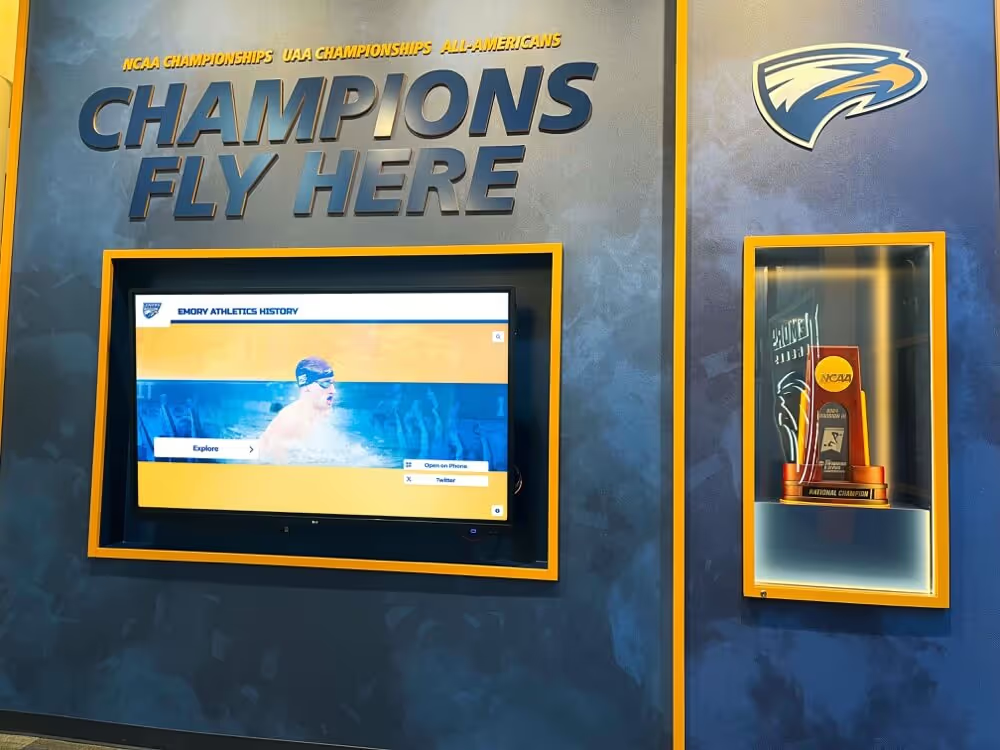
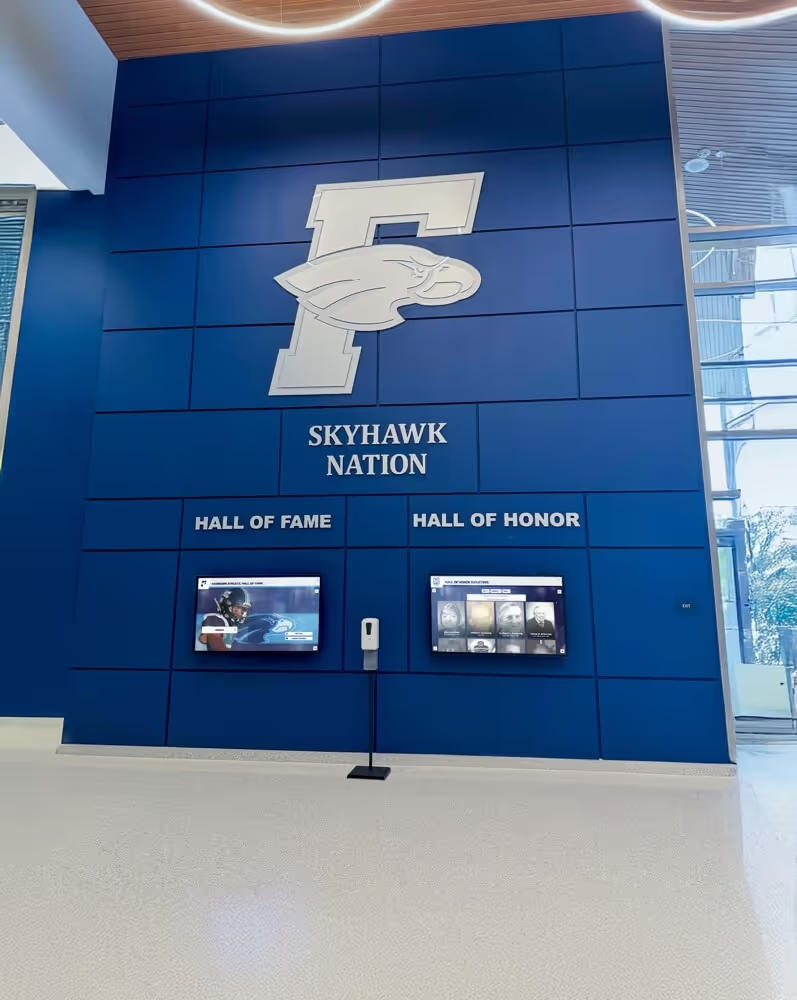
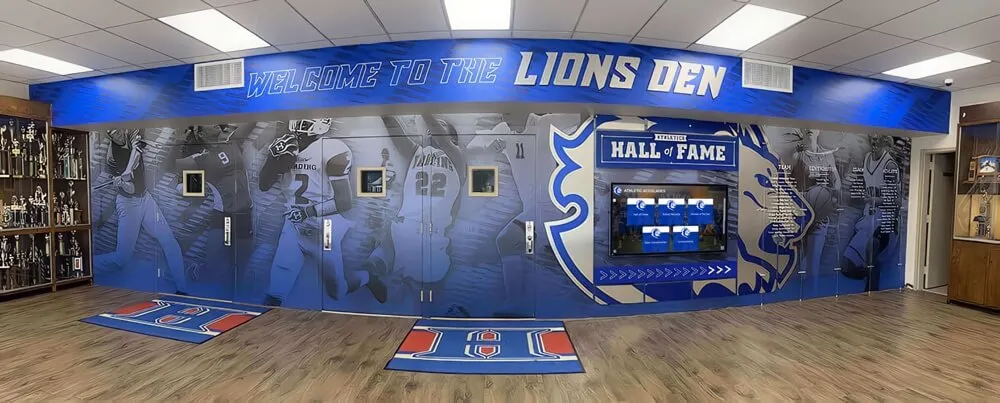
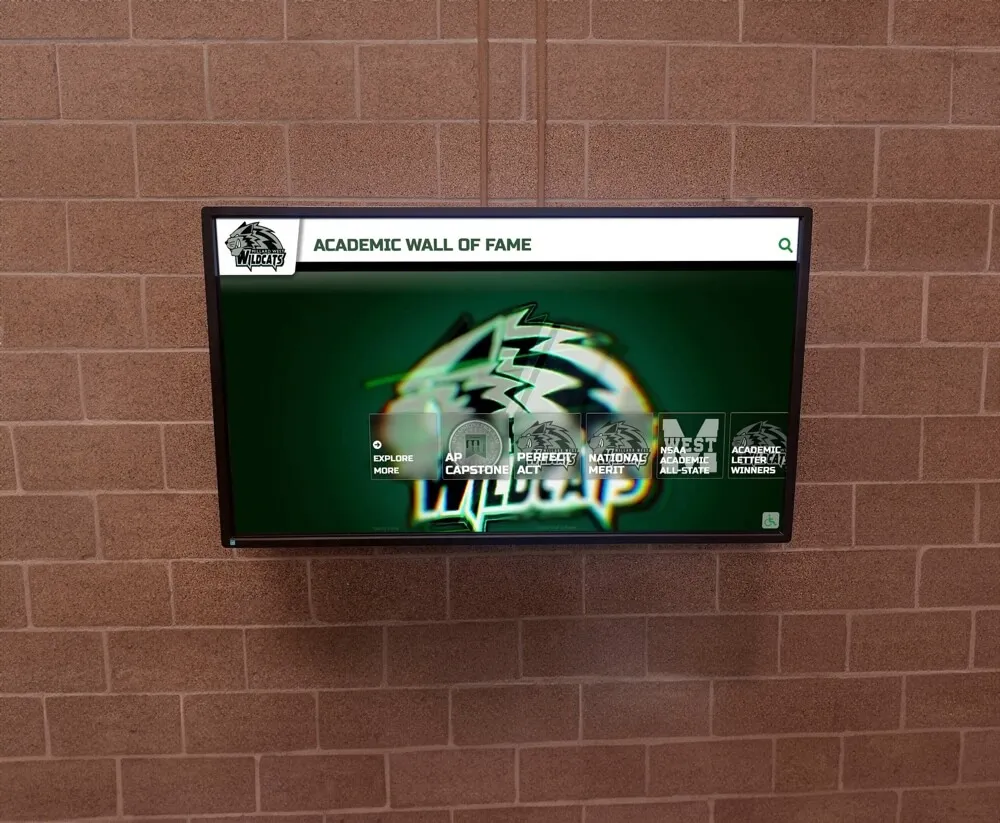
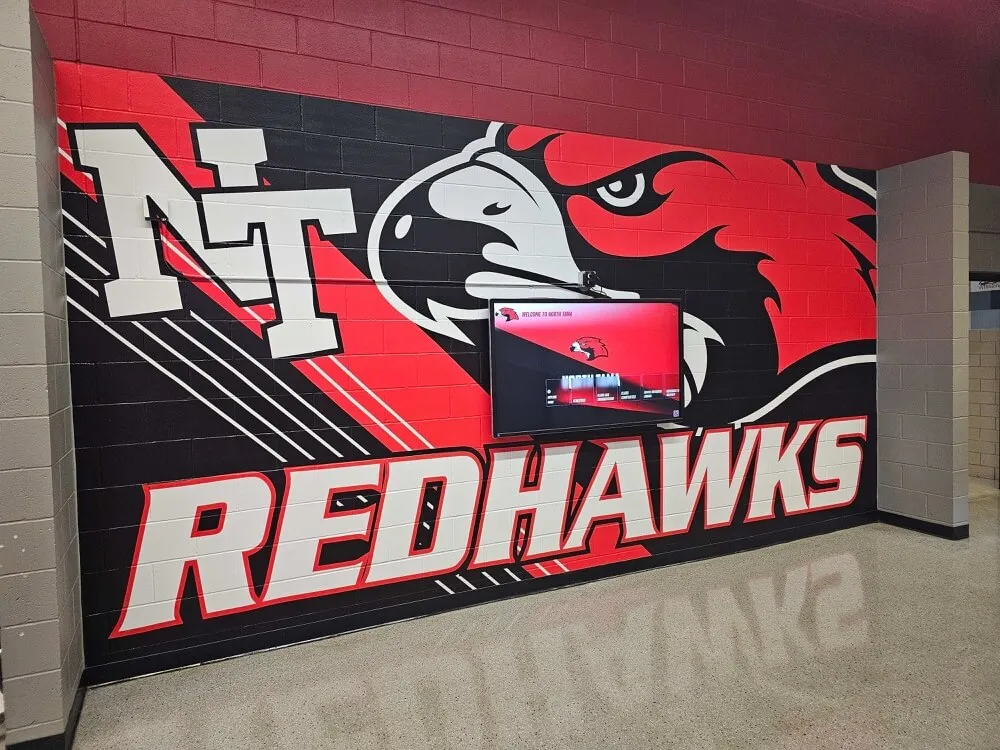
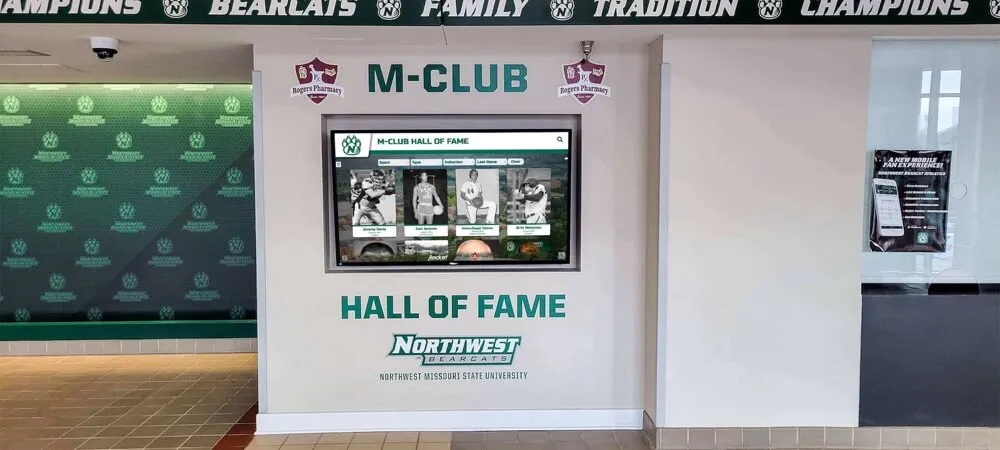
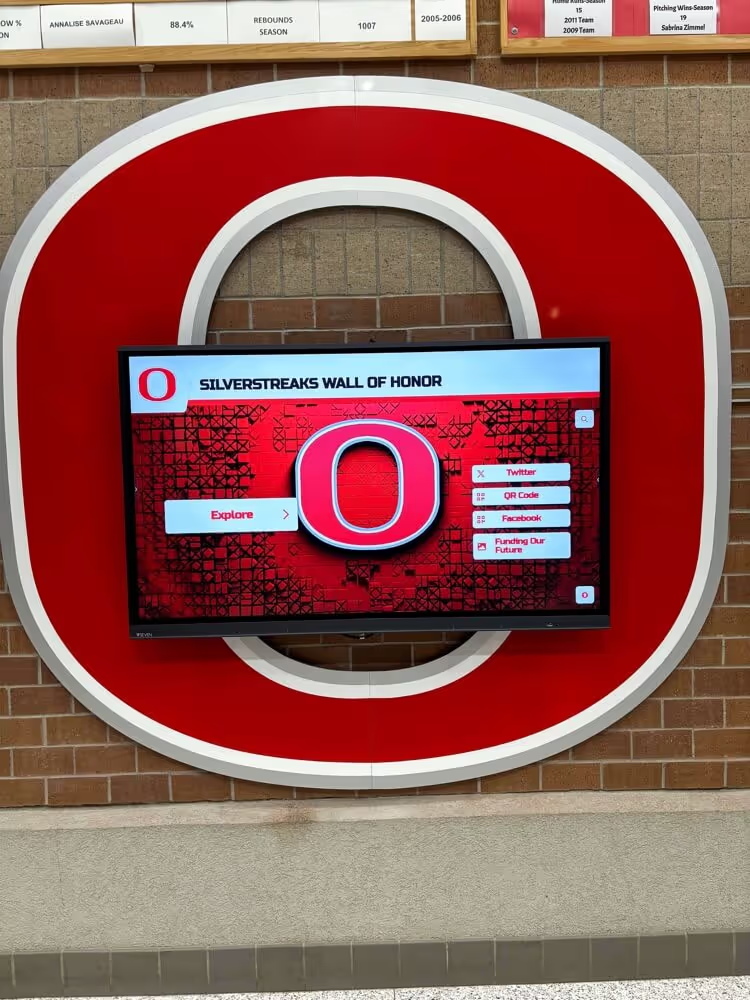
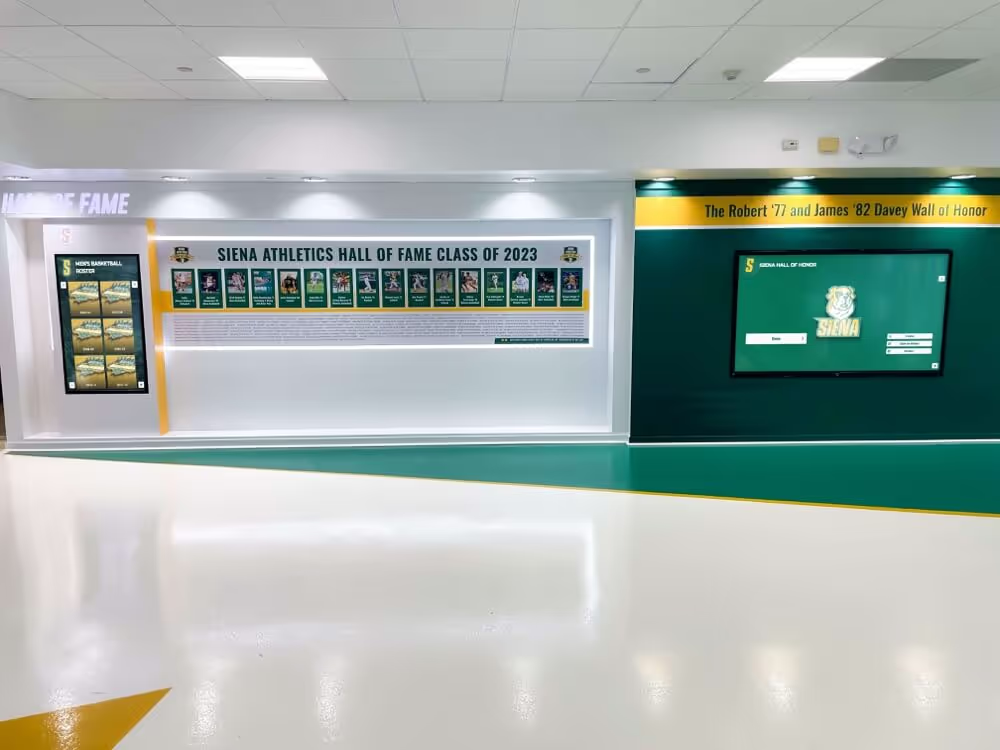
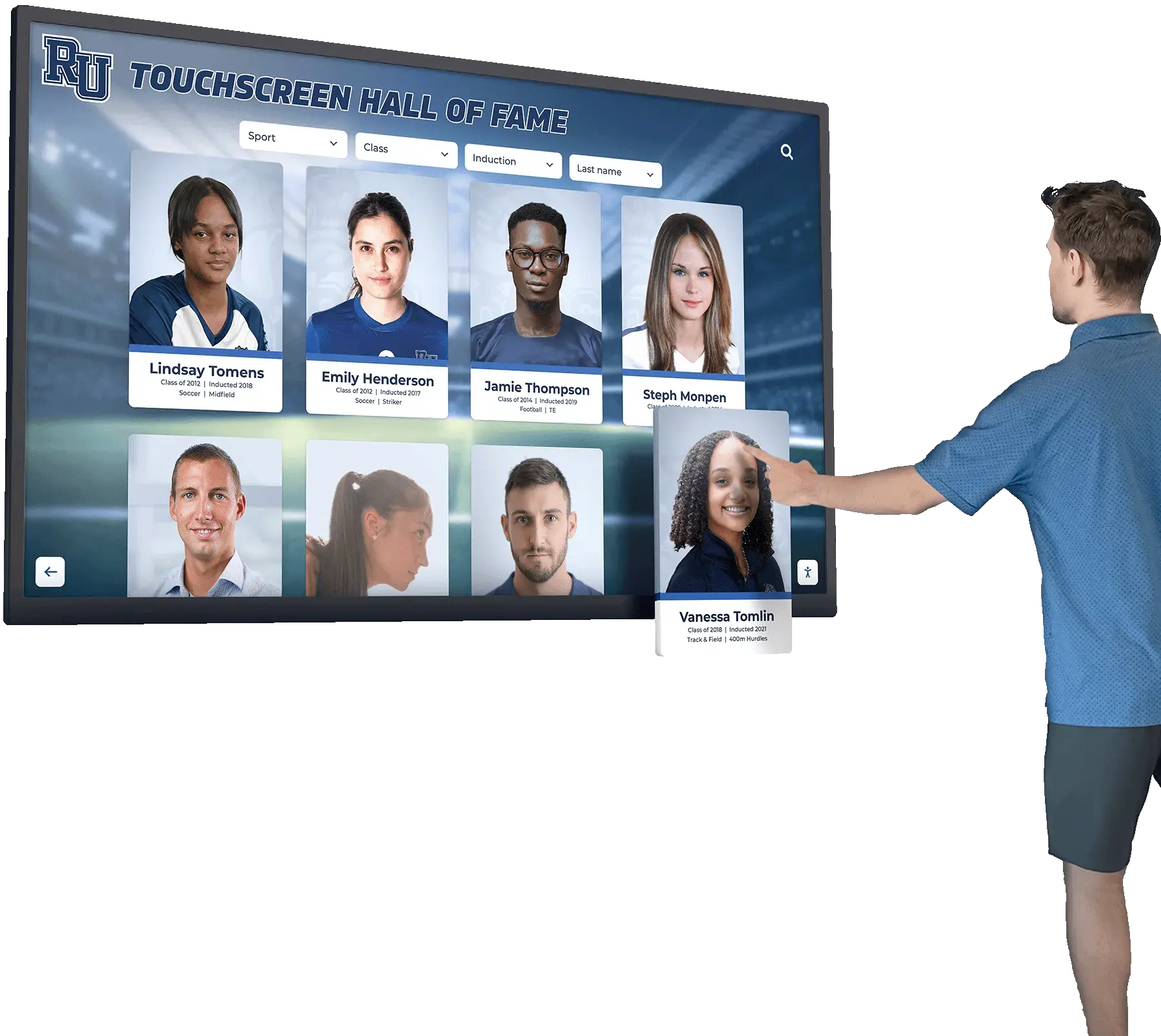
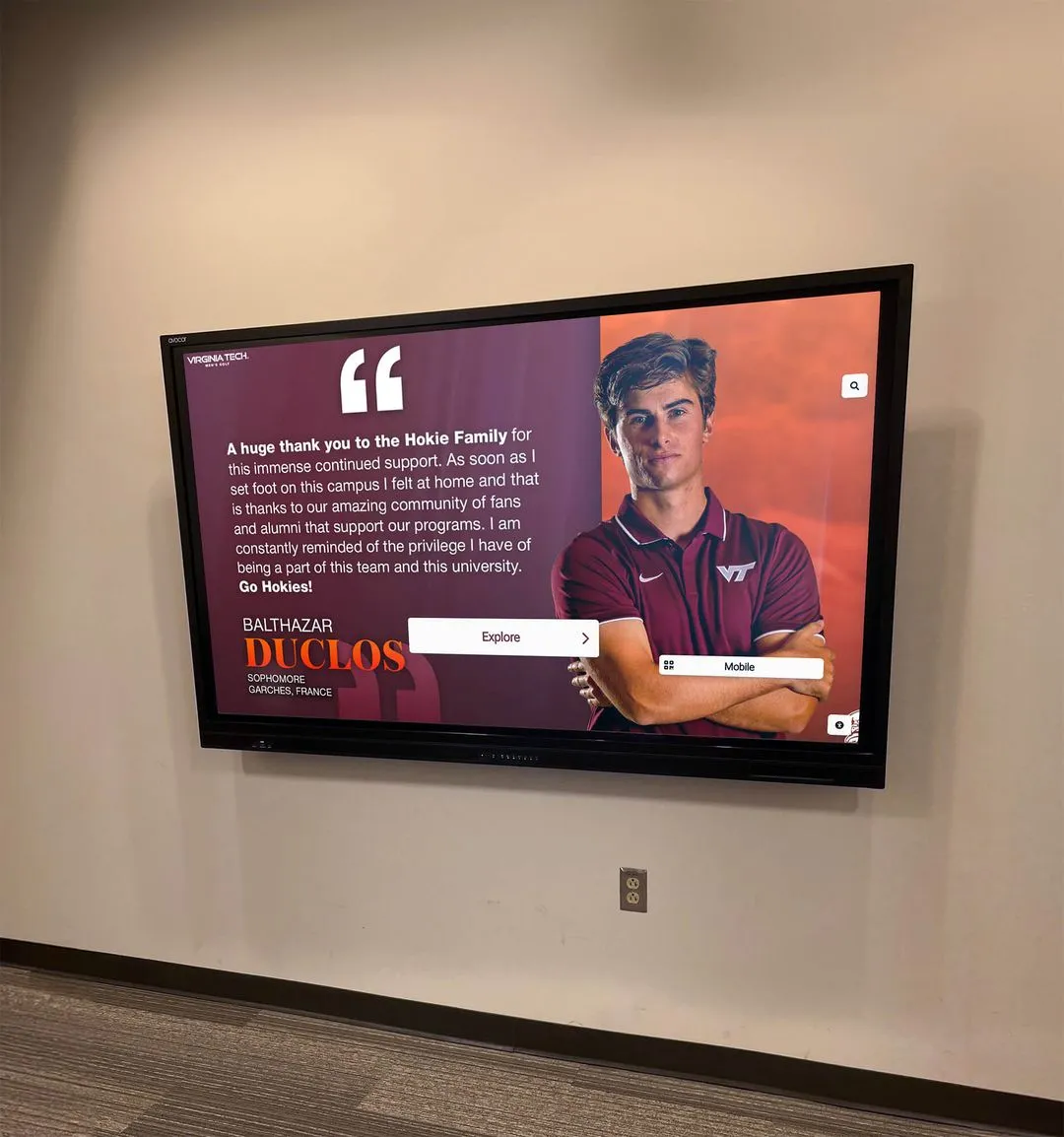
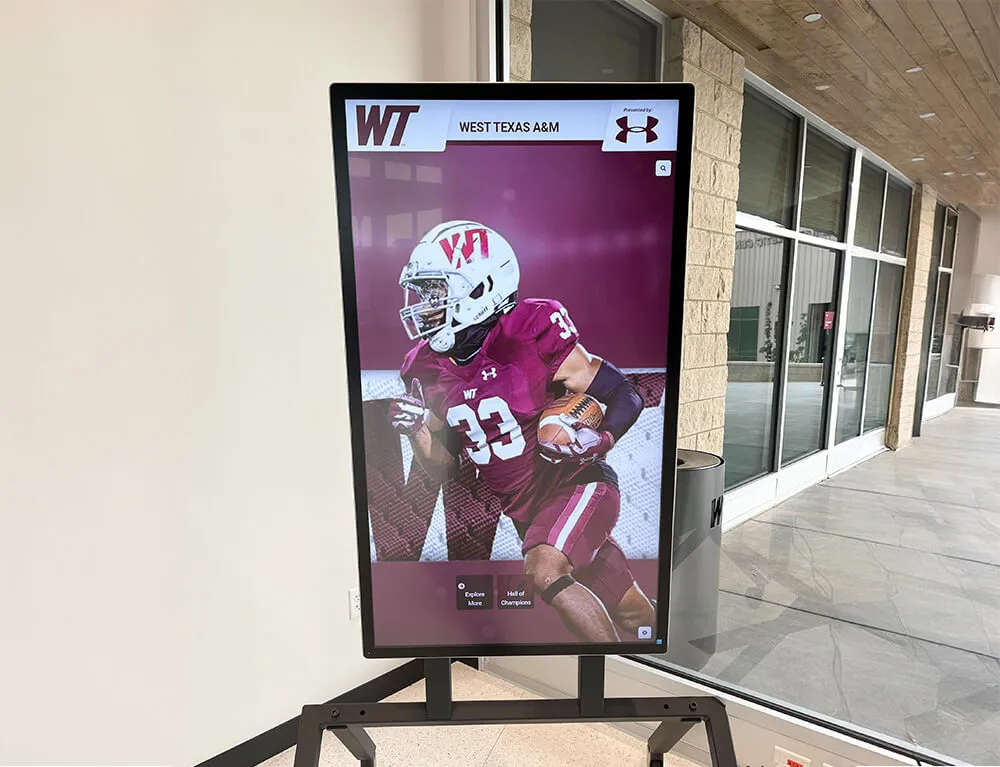
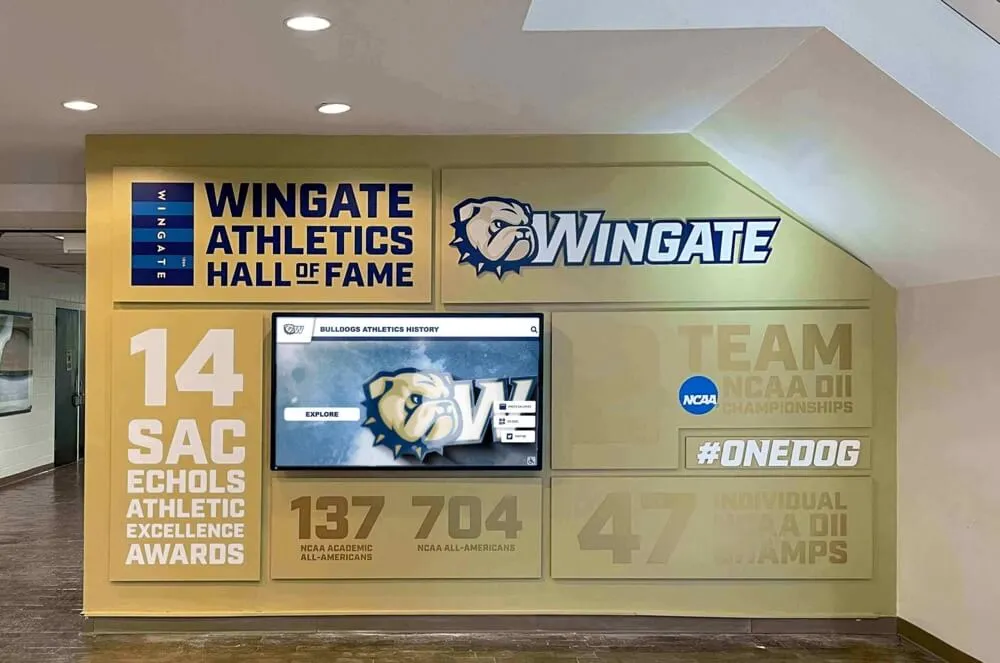
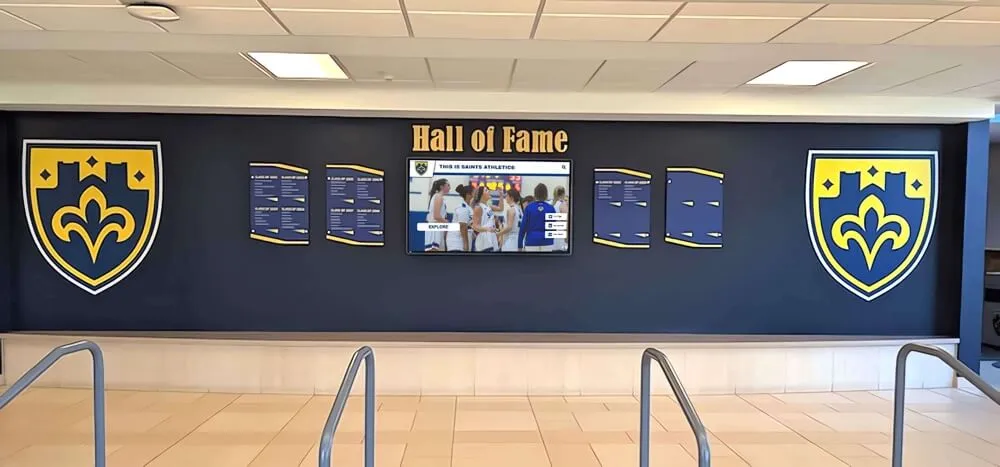
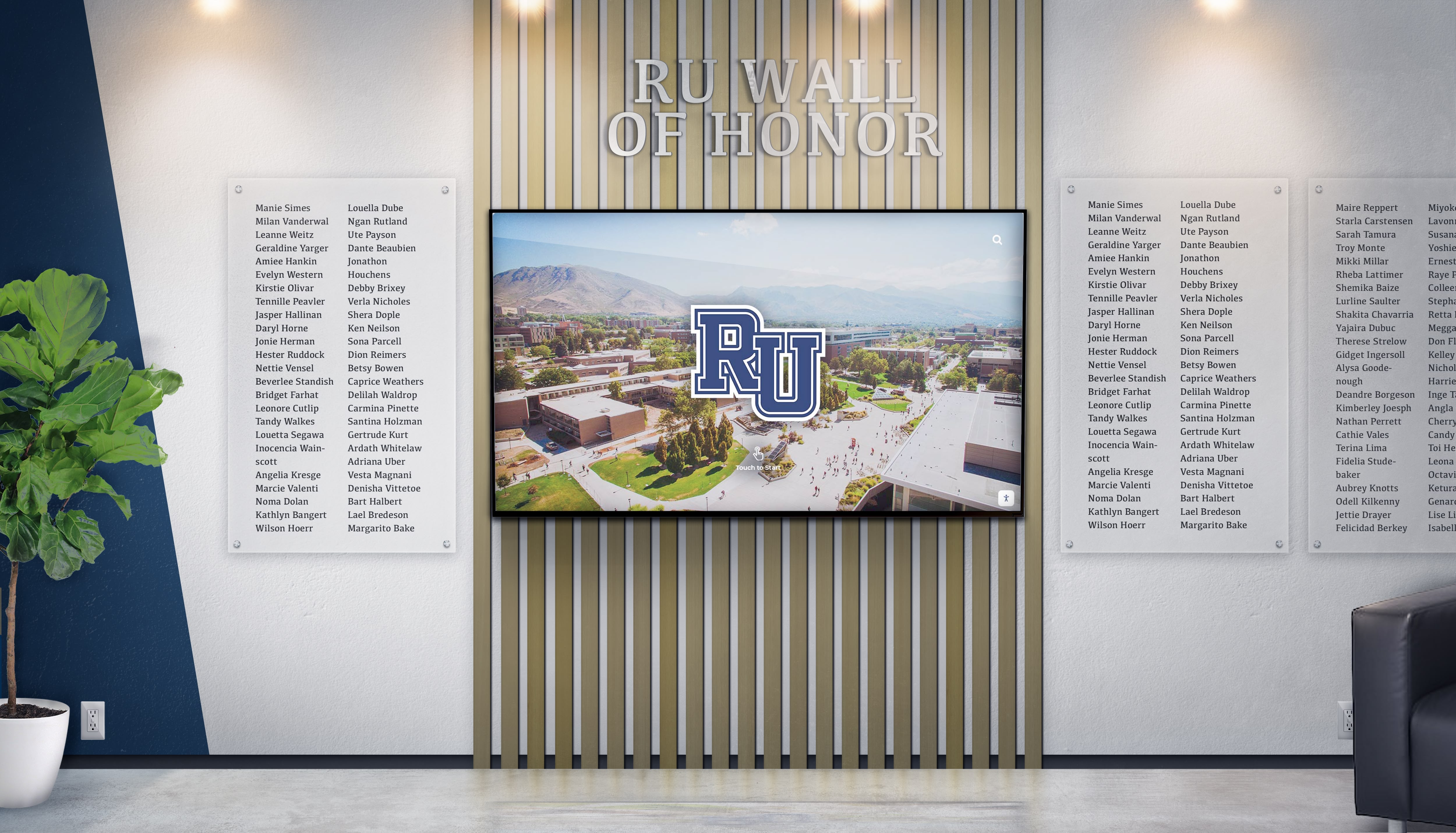
Adjacent Touchscreen Kiosks Complementing Plaque Walls: Many schools install interactive touchscreen displays adjacent to traditional memorial plaque walls, creating complementary recognition zones. Physical plaques provide permanent individual tributes while touchscreens enable searching memorial databases, exploring detailed biographies, viewing historical photographs and documents, understanding recognition criteria and selection processes, and accessing virtual memorial tours for remote visitors. This combination satisfies visitors seeking quick visual acknowledgment and those desiring deeper engagement with individual stories and institutional history.
Projected Name Displays and Rotating Recognition: Some contemporary memorial installations employ projected digital displays continuously scrolling or rotating through honored individuals’ names and images. These systems accommodate unlimited recognition capacity without physical space constraints limiting traditional plaque installations. Schools with hundreds or thousands of qualified alumni, veterans, or faculty members find projection systems enabling comprehensive recognition impossible through wall-mounted plaques alone. However, digital-only approaches lack the permanence and tangible presence many communities value in memorial contexts. Most successful implementations combine focused traditional plaques for most distinguished honorees with digital displays enabling broader inclusion.
Digital Memorial Content Management and Updates
Schools implementing digital memorial components must address content creation, maintenance, and long-term sustainability ensuring memorial resources remain accurate and accessible across decades.
Biographical Content Development Processes: Creating meaningful digital memorial content requires systematic approaches gathering information from multiple sources. Schools typically solicit biographical submissions from honorees, families, classmates, or colleagues providing personal perspectives beyond public records. Historical research through yearbooks, newspaper archives, military records, and institutional documents establishes factual accuracy. Oral history interviews with living honorees, family members, or associates capture personal voices and memories. Photograph collection from personal archives, school records, and public sources provides visual documentation. Schools should establish content standards ensuring consistent quality, length, and appropriateness across all memorial profiles while allowing individual stories to emerge authentically.
Ongoing Memorial Database Maintenance: Digital memorial systems require ongoing administration addressing content additions, factual corrections, link maintenance, software updates, and technical troubleshooting. Schools should assign specific staff or committee responsibility for memorial system stewardship preventing neglect as initial implementers change roles. Annual review cycles ensure content accuracy, identify deceased honorees requiring memorial designation updates, and verify technical functionality across all interactive components. Long-term sustainability requires budgeting for periodic software updates, hardware replacement cycles, and hosting service renewals preventing sudden memorial system failures due to expired subscriptions or obsolete equipment.
Privacy and Sensitivity Considerations: Memorial content frequently addresses sensitive topics including military combat, death circumstances, family relationships, and personal struggles. Schools must establish clear policies regarding what information to include or exclude protecting privacy while enabling meaningful storytelling. Standard practices include obtaining written permission from living honorees before publishing biographical content, consulting families of deceased individuals before sharing personal details, avoiding graphic descriptions of death circumstances while acknowledging sacrifice, and providing clear contact information enabling families to request content modifications if concerns arise. Sensitivity to diverse cultural, religious, and personal perspectives ensures memorial installations honor all individuals respectfully.
Planning and Implementing Memorial Wall Projects
Successful memorial plaque installations require systematic planning addressing community input, design decisions, budget development, and long-term stewardship.
Memorial Committee Formation and Goal Setting
Most effective memorial projects begin with formal committee establishment bringing together diverse stakeholders ensuring broad perspective and community buy-in.
Committee Composition and Stakeholder Representation: Comprehensive memorial committees typically include representatives from school administration providing institutional perspective and resource allocation authority, alumni association leadership understanding graduate community interests, faculty or staff representatives contributing institutional knowledge and educational perspective, community members or board representatives ensuring broader stakeholder input, veterans organization representatives for military memorial projects, and development or advancement professionals connecting memorial programs to fundraising initiatives. Diverse committees prevent narrow perspectives while enabling comprehensive planning addressing multiple community needs.
Establishing Clear Memorial Program Objectives: Committees should articulate specific memorial program goals guiding design and implementation decisions. Typical objectives include honoring specific groups (veterans, distinguished alumni, long-service faculty) in ways reflecting their contributions, creating educational resources helping current students understand institutional heritage, establishing gathering spaces where alumni and families connect during campus visits, implementing sustainable programs accommodating future additions across decades without redesign, and aligning memorial recognition with advancement programs encouraging philanthropic support. Clear objectives enable committees to evaluate design proposals and make decisions consistent with established priorities rather than pursuing disconnected individual preferences.
Timeline Development and Milestone Planning: Memorial projects typically span 18-36 months from initial planning to installation completion. Realistic timelines include committee formation and goal setting (2-3 months), community input and nomination solicitation (3-6 months), honoree selection and notification (2-3 months), design development and approval (3-4 months), vendor selection and contracting (1-2 months), fabrication (6-12 weeks for traditional plaques, longer for complex installations), installation (1-2 weeks), and dedication ceremony planning (2-3 months). Schools should build buffer periods accommodating unexpected delays and align installation completion with natural dedication opportunities including homecoming weekends, graduation periods, or Veterans Day observances for military memorials.
Budget Development and Funding Strategies
Memorial plaque costs vary dramatically based on materials, quantity, customization level, and installation complexity requiring thorough budget planning.
Cost Components and Budget Planning: Comprehensive memorial project budgets should address plaque fabrication costs varying from $100-$500+ per individual plaque depending on materials and complexity, mounting panels or architectural surrounds creating finished display context ($2,000-$15,000+), installation labor including wall preparation, plaque mounting, and finishing ($1,500-$5,000), digital integration components if incorporating touchscreens or projection systems ($8,000-$40,000+), content development for digital components including biography writing, photography, and video production ($3,000-$15,000), dedication ceremony costs including event planning, invitations, and reception expenses ($2,000-$8,000), and ongoing maintenance reserves funding future additions, cleaning, and repairs ($500-$2,000 annually). Schools should develop both initial installation budgets and annual funding plans ensuring long-term program sustainability.
Fundraising Approaches for Memorial Projects: Many memorial programs employ fundraising strategies generating resources beyond institutional operating budgets. Common approaches include individual plaque sponsorships where families or classmates purchase specific memorial plaques ($250-$1,500 per plaque), reunion class challenges encouraging graduating classes to fund class memorial sections collectively, memorial brick or paver programs where smaller donations purchase engraved elements supplementing major plaque installations, capital campaign integration incorporating memorial projects within comprehensive facility improvement fundraising, and grant applications to veterans organizations, civic foundations, or memorial-focused nonprofits supporting appropriate projects. Successful fundraising requires clear recognition of donor contributions through prominent signage acknowledging financial support enabling memorial creation.
Balancing Costs and Quality Expectations: Committees often face tension between material quality preferences and budget realities. Several approaches help navigate these challenges including phased implementation starting with highest-priority honorees and adding sections as funding becomes available, tiered recognition systems using premium materials for most distinguished honorees and cost-effective options for broader inclusion levels, value engineering identifying cost savings through design modifications preserving essential character while reducing expenses, and vendor collaboration seeking creative solutions meeting aesthetic goals within budget parameters. Schools should avoid compromising durability for initial cost savings as poor-quality materials requiring premature replacement ultimately cost more than appropriate initial investment.
Vendor Selection and Quality Assurance
Memorial plaque quality depends substantially on fabricator expertise, material selection, and production methods requiring careful vendor evaluation.
Evaluating Memorial Plaque Vendors: Schools should request samples demonstrating fabrication quality, craftsmanship, and finish work, verify vendor experience with similar institutional projects through reference checks, compare material specifications ensuring quotes reflect comparable quality levels, review warranty terms and conditions protecting against manufacturing defects, assess communication responsiveness and willingness to accommodate customization, and evaluate production timelines ensuring realistic schedules. Lowest-cost bidders sometimes employ inferior materials or rush production compromising quality. Committees should weigh cost against demonstrated quality and vendor reliability protecting memorial program integrity.
Proof Approval and Quality Control: Before authorizing full production, schools should require detailed proofs showing exact text, layouts, typography, and imagery for committee approval. This review stage catches errors including name misspellings, incorrect dates, formatting inconsistencies, and design elements not meeting expectations. Following fabrication, schools should inspect delivered plaques before installation verifying materials match specifications, finishes appear uniform and defect-free, engraving or printing quality meets professional standards, dimensions align with approved specifications, and mounting hardware functions properly. Rejecting substandard work before installation prevents expensive correction efforts after mounting completion.
Installation Standards and Final Inspection: Professional installation ensures plaques remain securely mounted for decades without sagging, loosening, or damaging walls. Schools should require installers to follow manufacturer mounting specifications, use appropriate anchors and fasteners for specific wall materials, achieve proper alignment and spacing across all plaques, protect surrounding surfaces from installation damage, and clean all components removing fingerprints and residue. Final inspection should verify secure mounting resistant to reasonable force, uniform plaque positioning creating professional appearance, proper lighting enabling plaque readability, and accessible positioning complying with ADA requirements where applicable.
Maintenance, Preservation, and Long-Term Memorial Stewardship
Memorial installations require ongoing care ensuring permanent recognition remains dignified and well-maintained across decades of display.
Cleaning and Preservation Protocols
Different memorial materials require specific maintenance approaches preventing damage while maintaining appearance.
Metal Plaque Care: Bronze and brass plaques benefit from periodic gentle cleaning using soft cloths and mild soap solutions removing accumulated dirt and oils. Schools should avoid abrasive cleaners or harsh chemicals damaging protective finishes or accelerating patina development. Some institutions prefer maintaining natural patina while others employ metal polishes restoring original bright finishes—committees should establish clear policies guiding maintenance staff. Annual inspection identifies corrosion, loose mounting, or damage requiring professional conservation.
Acrylic and Composite Maintenance: Acrylic plaques require gentle cleaning with non-ammonia glass cleaners and soft microfiber cloths preventing scratches. Schools should avoid paper towels or abrasive materials scratching acrylic surfaces over time. Static attraction causes dust accumulation requiring frequent cleaning maintaining clear appearance. UV exposure eventually yellows certain acrylic formulations requiring replacement after 15-20 years in sunlit locations—schools should specify UV-resistant materials during initial procurement.
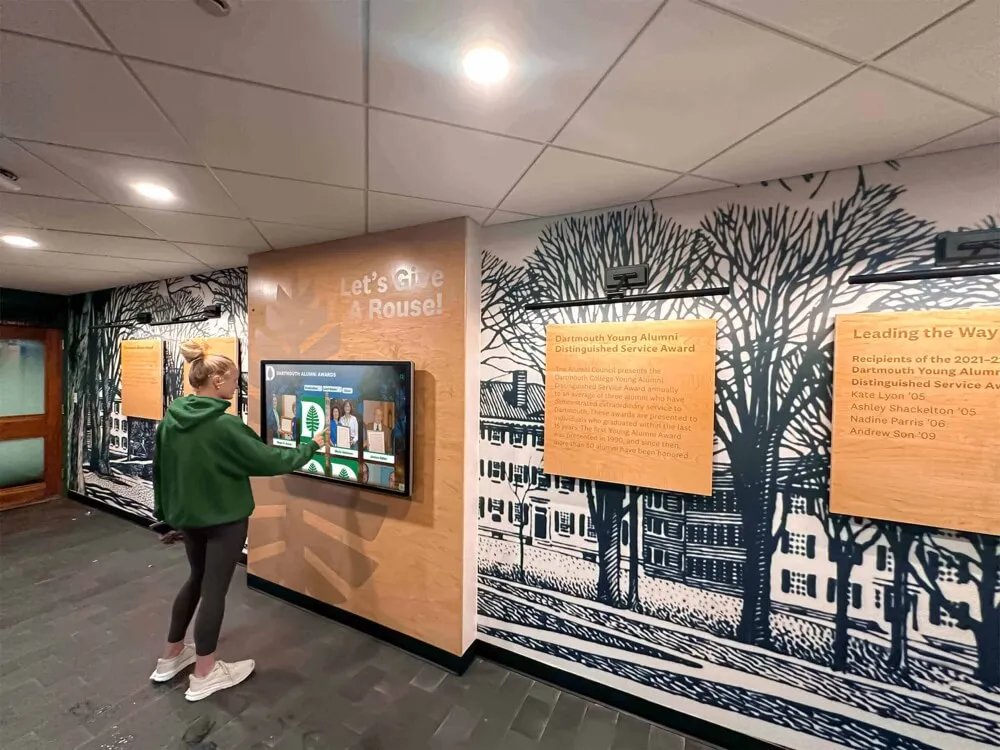
Digital Component Maintenance: Touchscreen displays require regular cleaning using appropriate screen cleaners and microfiber cloths. Maintenance staff should inspect power connections, verify software functionality, and test touch responsiveness quarterly. Software updates addressing security vulnerabilities and functionality improvements should occur on recommended schedules. Hardware replacement planning should anticipate 5-7 year lifecycles for interactive displays budgeting for eventual equipment upgrades maintaining memorial functionality.
Managing Memorial Additions and Updates
Successful memorial programs accommodate new honorees systematically while maintaining aesthetic integrity and organizational coherence.
Addition Planning and Capacity Management: Schools should project memorial growth rates based on historical patterns and eligibility criteria. A program recognizing 25+ year faculty might add 3-5 plaques annually, while comprehensive veteran memorials could require 10-20 additions per year as researchers identify previously unknown service members. Installations should incorporate expansion capacity accommodating 10-20 years of additions before requiring wall extensions or reorganization. Clear visual indication of available spaces prevents appearance that memorial programs ended arbitrarily.
Maintaining Design Consistency Across Years: As memorial installations grow, maintaining consistent plaque appearance across multiple purchasing cycles requires careful specification and vendor management. Schools should retain original material specifications, maintain vendor relationships enabling matching fabrication, photograph installed plaques documenting exact appearance for future matching, and purchase excess inventory of standard components when possible. Switching vendors or materials mid-program creates visual inconsistency undermining professional appearance. Some schools negotiate multi-year vendor agreements ensuring material availability and price stability across extended implementation periods.
Information Correction and Memorial Updates: Errors occasionally emerge in installed plaques requiring correction. Schools should establish protocols for reviewing correction requests, verifying information through appropriate sources, determining correction thresholds (minor spelling errors vs. incorrect dates), and implementing approved changes through plaque replacement or supplementary notation. Digital memorial components enable corrections through content updates without physical plaque replacement—a key advantage of hybrid recognition systems combining traditional and technology-based approaches.
Ceremonial and Community Engagement Aspects
Memorial walls gain meaning through active community use rather than serving as static displays ignored by passing traffic.
Annual Memorial Ceremonies: Schools should establish recurring ceremonies activating memorial spaces through formal recognition events. Veterans memorials naturally align with Veterans Day or Memorial Day observances bringing communities together honoring service and sacrifice. Alumni memorial dedications fit homecoming weekend schedules maximizing attendance. Faculty recognition ceremonies coincide with retirement celebrations or academic year conclusions. These events transform memorial walls from passive displays into active gathering spaces creating memorable experiences while educating younger generations about honored individuals.
Educational Integration: Memorial installations provide rich educational resources when teachers intentionally incorporate them into curriculum. History classes research honored veterans connecting individual service to broader conflict narratives, English students write biographical essays about distinguished alumni practicing research and writing skills, art classes sketch memorial architectural elements studying design and composition, and civics classes investigate selection criteria and nomination processes understanding institutional decision-making. Educational use ensures memorial investments deliver ongoing value beyond simple recognition serving broader pedagogical purposes.
Maintaining Memorial Relevance Across Generations: As years pass, honored individuals become unknown to current students, faculty, and community members risking memorial irrelevance. Schools should periodically refresh memorial interpretation through updated signage providing historical context, digital content additions sharing new interviews or discovered materials, special commemorative events marking significant anniversaries, and oral history projects capturing living honorees’ voices before they pass. Active stewardship prevents memorial spaces from becoming ignored wallpaper maintaining their power to inspire, educate, and honor across generations.
Conclusion: Creating Lasting Tributes Through Thoughtful Memorial Recognition
Memorial plaques for wall displays represent schools’ most permanent recognition commitments creating tributes lasting decades or centuries honoring individuals who shaped institutional character through achievement, service, and dedication. Unlike temporary recognition programs that change with administrative priorities, physical memorial installations create enduring promises that honored individuals will remain part of institutional memory across generations.
The most successful memorial programs balance traditional materials conveying appropriate dignity with modern capabilities enabling rich storytelling beyond static plaques. Schools combining cast bronze permanence with interactive digital content create comprehensive recognition experiences satisfying visitors seeking quick visual acknowledgment and those desiring deep engagement with individual stories and institutional heritage.
Implementing meaningful memorial recognition requires systematic planning addressing community input, clear selection criteria, appropriate materials and design, sustainable funding, and long-term stewardship. Schools approaching memorial projects with thorough preparation, adequate resources, and commitment to ongoing maintenance create installations serving communities for decades while honoring individuals who deserve permanent recognition for contributions shaping institutional legacy.
Whether establishing new memorial programs or enhancing existing recognition spaces, schools benefit from solutions integrating traditional craftsmanship with contemporary technology creating dynamic installations that educate, inspire, and honor. Memorial plaques for wall displays represent profound institutional commitments connecting past achievement to present communities while inspiring future generations toward similar excellence and service.
Discover how Rocket Alumni Solutions helps schools create comprehensive memorial recognition programs integrating traditional wall-mounted plaques with interactive digital displays that tell richer stories while enabling unlimited recognition capacity. Our complete solutions combine professional design services, turnkey installation, and intuitive content management ensuring memorial installations honor individuals with dignity while serving communities for generations.