



When a school community experiences loss or seeks to honor exceptional contributions, the question naturally arises: how can we create a tribute that feels both dignified and lasting? While traditional options like trophy cases or wall plaques serve important purposes, memorial benches offer something unique—a functional, outdoor tribute that becomes part of the daily life of campus, where current and future students can literally pause, sit, and remember.
Memorial benches with plaques combine practical utility with emotional resonance. They transform ordinary outdoor spaces into places of reflection and connection. A student rushing between classes might pause on a bench dedicated to a beloved teacher, reading the inscription and understanding something about the school’s values and history. Parents attending events sit on benches honoring alumni who walked the same paths decades earlier. These quiet moments of connection transcend what traditional indoor memorials can achieve.
This comprehensive guide explores everything schools need to know about implementing memorial bench programs: selecting appropriate bench styles and materials built for decades of outdoor use, crafting meaningful plaque inscriptions that honor individuals appropriately, choosing strategic placement locations that ensure tributes remain visible and valued, establishing sustainable donation and approval processes, maintaining benches across seasons and years, and integrating outdoor memorials with complementary indoor recognition systems.
Whether you’re planning a single memorial bench to honor a recent loss or developing a comprehensive outdoor tribute program that could eventually encompass dozens of installations, this guide provides the practical guidance and thoughtful considerations necessary for creating dignified, lasting recognition.
Understanding Memorial Bench Programs for Schools
Before selecting specific bench styles or writing inscriptions, understanding how successful memorial bench programs function helps schools create frameworks that serve communities appropriately for years to come.
Why Schools Choose Memorial Benches
Memorial benches address several institutional and emotional needs simultaneously, explaining their enduring popularity across educational settings.
Creating Contemplative Campus Spaces: Schools operate at perpetual motion—students rushing between classes, teams practicing on fields, families attending events in constant activity. Memorial benches intentionally create pauses in this movement, places designed for sitting, reflecting, and remembering. These contemplative spaces become valuable campus amenities where students process emotions, friends gather to remember loved ones, or individuals simply enjoy moments of stillness amid busy school days.
Providing Permanent, Weather-Resistant Recognition: Unlike certificates that fade or plaques that require protected indoor environments, memorial benches withstand outdoor elements for decades when properly maintained. This permanence communicates enduring respect—the tribute isn’t temporary or conditional, but genuinely lasting through seasons, years, and generations of students.
Offering Functional Value Alongside Memorial Purpose: Memorial benches serve dual purposes. They honor individuals while simultaneously providing practical seating for students, families, and visitors. This functionality means tributes become integrated into daily campus life rather than existing as separate memorial spaces people visit only occasionally. The bench honoring a beloved math teacher becomes where students sit studying between classes. The alumni memorial bench serves families watching Saturday afternoon soccer games. Regular use keeps memories alive through ongoing engagement rather than requiring intentional memorial visits.
Creating Accessible Donation Opportunities: For families and communities wishing to establish permanent tributes, memorial benches represent accessible price points—typically $2,500-$8,000 depending on materials, size, and customization—making meaningful recognition achievable for many donors. This accessibility democratizes memorial giving compared to major building naming opportunities or substantial endowments beyond most families’ means.
Building Cumulative Campus Beauty: Individual memorial benches create pleasant seating. Multiple benches throughout campus transform outdoor environments into beautifully landscaped spaces where thoughtful placement, quality materials, and coordinated design aesthetics contribute to overall campus appeal. Schools with mature memorial bench programs often find these installations become beloved campus features enhancing institutional character.
Common Memorial Bench Categories and Honorees
Schools implement memorial benches honoring various individuals and groups, each category carrying specific considerations for inscription and placement.
Faculty and Staff Memorials: Teachers, administrators, coaches, custodians, cafeteria workers, and other beloved staff members who dedicated careers to institutions frequently receive memorial bench recognition following retirement or passing. Faculty memorials often emphasize teaching philosophies, subject areas, years of service, or remembered personality qualities that made individuals special to students and colleagues.
Long-serving faculty members might be honored with benches placed near classrooms where they taught, fields where they coached, or other locations particularly associated with their service. Schools should consider whether honoring all long-serving staff creates precedents requiring consistent application across future requests.
Alumni Memorials: Distinguished graduates, especially those who maintained connections through volunteer service, financial support, or career achievements bringing honor to institutions, may receive memorial bench recognition. Alumni benches often include graduation years, career highlights, or service contributions in inscriptions.
Some schools establish specific criteria for alumni memorial benches (minimum service contribution, distinguished achievement, or family donation thresholds) preventing every graduate’s family from requesting tributes and ensuring recognized alumni truly distinguished themselves through post-graduation contributions.

Student Memorials: When schools experience tragic loss of current students, memorial benches provide communities tangible ways to honor young lives and create spaces where friends and classmates can remember. Student memorials present particular sensitivity—families grieving profound losses deserve compassionate accommodation while schools must thoughtfully consider long-term implications of creating numerous student memorials.
Some institutions establish specific memorial protocols for student losses, perhaps designating particular campus areas for student memorials, establishing defined timeframes (permanent versus temporary installations), or creating shared memorial spaces honoring all students lost rather than individual installations for each loss. Building school recognition programs requires sensitivity when addressing memorial requests during times of loss.
Donor Recognition Benches: Some memorial benches recognize living donors making significant financial contributions to schools. These donor recognition benches function similarly to donor walls or naming opportunities, providing permanent acknowledgment of philanthropic support. Donor benches might be placed near facilities or programs their contributions supported.
Schools should clearly differentiate between memorial benches honoring deceased individuals and donor recognition benches acknowledging living contributors to avoid confusion about the honoree’s status.
Class Gift Benches: Graduating classes sometimes fund memorial benches as lasting class gifts to schools. Class gift benches typically include graduation years and class mottos or messages rather than individual names, creating collective recognition celebrating entire cohorts rather than specific individuals.
Team or Organization Dedications: Athletic teams, performing arts ensembles, academic clubs, or other student organizations occasionally fund benches dedicated to group legacies. These organizational benches might honor championship seasons, milestone achievements, or sustained excellence over time.
Establishing Memorial Bench Policies and Procedures
Successful memorial bench programs require clear institutional policies preventing ad hoc decision-making and ensuring consistent, appropriate treatment of all requests.
Memorial Bench Committees and Approval Processes: Rather than allowing individual administrators to approve memorial requests without oversight, establish formal review committees evaluating proposals against defined criteria. Memorial committees typically include administrators, development staff, facilities managers, and sometimes board members or community representatives.
Committee review ensures proposals receive appropriate consideration regarding honoree qualifications, inscription appropriateness, placement suitability, design alignment with institutional standards, and long-term maintenance implications. Written policies guide committee deliberations, promoting consistency across decisions and protecting schools from perceived favoritism or inappropriate approvals.
Eligibility Criteria and Minimum Standards: Document clear standards determining who qualifies for memorial bench recognition. Criteria might include minimum years of service for faculty/staff, achievement thresholds for alumni, or specific circumstances warranting student memorials. Transparent standards prevent every request from requiring difficult case-by-case decisions and help families understand whether proposals likely gain approval.
Consider whether individuals must be deceased to receive bench memorials or if living individuals qualifying for recognition through distinguished service might receive recognition benches (avoiding the term “memorial” for living honorees).
Financial Models and Donor Contributions: Establish clear financial expectations for memorial bench installations. Common models include:
- Full Donor Funding: Families or donors cover complete costs including bench purchase, plaque fabrication, site preparation, installation, and ongoing maintenance endowment
- Partial Subsidy: School covers portion of costs (perhaps site preparation and installation) while donors fund bench and plaque
- School-Funded: Institution fully funds memorial benches for particularly significant individuals based on institutional priorities
Document pricing clearly including all components—bench materials, plaque engraving, site preparation, installation labor, and potentially ongoing maintenance contributions. Typical complete memorial bench programs range $2,500-$8,000 depending on specifications and local costs.
Inscription Guidelines and Approval Requirements: Provide clear guidelines for plaque inscriptions including character limits, acceptable content, required elements (name, dates, connection to school), and restricted content (religious references, controversial statements, or overly personal messages inappropriate for public campus displays).
Require inscription approval by memorial committees before fabrication begins, preventing situations where families order custom plaques later deemed inappropriate, creating difficult conversations and wasted expenses.
Placement Authority and Site Selection: Reserve institutional authority over memorial bench placement, preventing donors from selecting locations that conflict with facilities planning, create accessibility issues, or concentrate too many benches in limited areas while neglecting others.
Facilities staff should identify appropriate placement zones considering factors like concrete pad requirements, landscape aesthetics, pedestrian traffic patterns, visibility for honoring individuals appropriately, maintenance access, and coordination with campus master planning. Offer donors limited choice among pre-approved locations rather than unlimited placement authority.
Maintenance Responsibilities and Expectations: Clarify ongoing maintenance responsibilities including seasonal cleaning, refinishing as needed, plaque polishing, surrounding landscape maintenance, and eventual bench replacement when materials reach end-of-life decades hence. Determine whether donor contributions include maintenance endowments or whether institutional operating budgets absorb these costs.
Document maintenance standards ensuring memorial benches receive appropriate care preserving their dignified appearance. Neglected, deteriorating memorial benches dishonor individuals they intend to recognize.
Memorial Bench Design: Materials, Styles, and Durability
Selecting appropriate bench designs balances aesthetic preferences, budget constraints, and practical considerations about longevity and maintenance across years of outdoor exposure.
Material Options and Their Trade-offs
Memorial bench materials dramatically affect appearance, maintenance requirements, lifespan, and cost, making material selection among the most consequential design decisions.
Wood Memorial Benches: Traditional wood benches offer classic aesthetics and natural warmth many communities find appealing for memorial purposes.
Advantages:
- Attractive, traditional appearance
- Comfortable for extended sitting
- Renewable material from sustainable forestry
- Can be carved with additional decorative elements
- Moderate initial cost ($800-$2,500 for quality benches)
Disadvantages:
- Requires regular maintenance (refinishing every 2-4 years)
- Vulnerable to moisture damage, rot, and insect activity
- Relatively shorter lifespan (15-25 years typical) compared to alternatives
- Maintenance costs accumulate substantially over decades
- Susceptible to vandalism (carving, burning)
Best Wood Species: If selecting wood, choose naturally rot-resistant species like teak, ipe, white oak, or cedar. Avoid pressure-treated pine which deteriorates relatively quickly and carries environmental concerns. Premium hardwoods increase initial costs but extend functional lifespan and reduce maintenance frequency.
Metal Memorial Benches: Steel, aluminum, or wrought iron benches provide durability and distinctive aesthetics appropriate for memorial applications.
Advantages:
- Excellent longevity (30-50+ years with proper maintenance)
- Resistant to insect damage and rot
- Can incorporate ornamental details and artistic elements
- Powder-coat finishes available in various colors
- Lower maintenance than wood options
Disadvantages:
- Can become uncomfortably hot in direct sunlight
- Cold to touch in winter months
- Higher initial cost ($1,500-$4,000 typically)
- Heavy weight complicates repositioning
- Rust potential requires periodic inspection and touch-up
Metal Finish Considerations: Powder-coated steel offers best durability/cost balance for most schools. Premium stainless steel provides ultimate corrosion resistance but substantially increases costs. Ensure all fasteners and hardware use corrosion-resistant materials preventing rust staining.
Recycled Plastic Lumber Benches: Benches constructed from recycled plastic materials (often called “plastic lumber” or “composite lumber”) offer practical advantages for maintenance-conscious institutions.
Advantages:
- Exceptional durability (50+ year lifespan expected)
- Virtually maintenance-free (no refinishing required)
- Will not rot, crack, splinter, or fade significantly
- Environmentally responsible use of recycled materials
- Comfortable year-round temperature (doesn’t get extremely hot/cold)
- Vandalism-resistant (can’t be easily carved or damaged)
Disadvantages:
- Less traditional aesthetic than natural wood
- Higher initial cost ($1,800-$3,500)
- Limited color options
- Appearance may seem institutional rather than elegant
- Cannot be easily customized with carved details
Application Fit: Recycled plastic benches work particularly well for schools prioritizing long-term sustainability and minimal maintenance over traditional aesthetics. Total cost of ownership often proves lower than wood despite higher purchase prices once maintenance costs are considered over 30-40 year lifespans.
Stone and Concrete Memorial Benches: Stone or cast concrete benches provide ultimate permanence and monumental dignity.
Advantages:
- Exceptional longevity (100+ years with quality construction)
- Unmistakably permanent tribute quality
- Low maintenance requirements
- Vandalism-resistant
- Appropriate for most formal memorial contexts
Disadvantages:
- Highest initial cost ($2,500-$8,000+)
- Very heavy, effectively permanent once installed
- Can be cold and uncomfortable for extended sitting
- Limited design flexibility compared to other materials
- Requires professional installation with proper foundations
Stone benches prove most appropriate for particularly significant memorials warranting maximum permanence and formality. Their substantial cost and permanent nature make them less suitable for comprehensive memorial bench programs accommodating numerous honorees.
Bench Sizes, Configurations, and Ergonomics
Beyond materials, bench dimensions and configurations affect both function and appearance.
Standard Seating Capacity Options:
- 4-foot benches: Comfortable for 2 adults, suitable for intimate placement
- 6-foot benches: Accommodate 3-4 adults, most common memorial bench size
- 8-foot benches: Seat 4-5 adults, appropriate for high-traffic locations
Consider placement context when selecting sizes. Individual memorial benches in contemplative garden settings might use 4-foot lengths, while benches near athletic fields serving spectators might warrant 6-8 foot configurations.
Back Support and Armrest Considerations: Benches with backs and armrests provide greater comfort for extended sitting and assist elderly or mobility-impaired individuals in sitting and standing. However, backs and armrests increase costs and create additional surfaces requiring maintenance.
Backless benches offer simpler aesthetics and lower costs but reduce comfort for prolonged use. Consider your primary user context—benches intended for brief rest between classes might work well backless, while those placed in contemplative memorial gardens benefit from back support encouraging visitors to sit longer.
ADA Accessibility Compliance: Memorial bench placement and design should consider accessibility requirements. Ensure clear, level approach paths allowing wheelchair users to position near benches for visiting with seated companions. Benches with armrests can assist mobility-impaired visitors in transferring to seating.
Some inclusive memorial bench areas include companion concrete pads adjacent to benches where wheelchair users can position comfortably alongside seated friends or family members.
Design Aesthetics and Institutional Coordination
Individual bench attractiveness matters, but coordinated design across multiple memorial benches proves equally important for cohesive campus appearance.
Establishing Standard Bench Specifications: Rather than allowing each donor to select entirely custom bench designs, many schools establish 2-3 approved standard bench models in coordinated materials, colors, and styles. Standard specifications ensure campus consistency, simplify ordering and maintenance, allow volume pricing reducing costs, and prevent aesthetic conflicts between individual installations.
Present approved options to prospective donors rather than unlimited customization. Most families appreciate guidance and value consistency over unlimited choice.
Color Coordination with Campus Architecture: Select bench colors coordinating with institutional colors, brick tones, existing outdoor furniture, or other campus elements. Consistent color palettes create unified campus aesthetics rather than random collections of mismatched furniture.
Some schools use specific memorial bench colors differentiating them from standard campus seating, making memorial installations visually distinctive while maintaining coordinated appearance.
Custom Elements and Personalization Boundaries: While maintaining overall design consistency, allow modest personalization making each bench unique to honorees. Personalization options might include inscription content within guidelines, choice among 2-3 approved plaque styles, modest decorative elements like carved or cast motifs, or selection from limited approved placement locations.
Balance personalization desires with institutional needs for coherent campus aesthetics and manageable long-term maintenance.
Memorial Plaques: Inscription Content and Design
Memorial plaques transform benches from generic furniture into specific tributes. Plaque inscription content, design quality, and installation methods require careful consideration.
Crafting Meaningful, Appropriate Inscriptions
Plaque inscriptions represent perhaps the most personal aspect of memorial benches, requiring sensitivity and guidance to achieve appropriate, enduring messages.
Essential Information to Include: Most memorial plaque inscriptions incorporate several standard elements:
- Full name of honored individual
- Relevant dates (birth-death years, or service years for living honorees)
- Connection to school (faculty member, alumnus, parent, benefactor)
- Brief tribute message (1-3 lines characterizing individual or contributions)
Example structure:
In Memory of
Dr. Margaret Chen
Mathematics Teacher, 1985-2019
"Inspiring curiosity and confidence in every student"
Character Limits and Physical Constraints: Standard memorial plaques accommodate approximately 100-150 characters including spaces. This limitation requires concise inscription content focusing on most essential information.
Provide donors with character count guidelines and sample inscriptions before plaque fabrication. Some families struggle reducing lengthy tributes to concise messages appropriate for public campus plaques, requiring gentle guidance toward brevity.
Tone and Language Considerations: Memorial inscriptions should maintain dignified, appropriate tone for public educational settings. Provide guidance about:
- Avoiding overly religious content on plaques in public schools
- Using inclusive language appropriate for diverse communities
- Maintaining professional tone rather than intimate personal messages
- Focusing on contributions and character rather than circumstances of death
- Selecting timeless language unlikely to feel dated in future decades
Schools might share inscription examples from existing memorial benches helping families understand appropriate tone and content.
Quote Selection and Attribution: Some families wish to include meaningful quotes on memorial plaques. If accommodating quotes, establish guidelines requiring:
- Attribution of quoted material to original sources
- Appropriate content for educational settings
- Brevity fitting within overall character limits
- Relevance to honoree’s life or contributions
Consider whether policies allow quotes from honorees themselves versus attributed philosophical or literary quotations.
Avoiding Common Inscription Mistakes: Guide donors away from common problems:
- Overly lengthy inscriptions attempting to include too much detail
- Unclear relationships (failing to specify honoree’s connection to school)
- Dates or details family members later want changed
- Inside jokes or references meaningless to broader community
- Controversial statements about causes of death or life circumstances
- Spelling or grammatical errors requiring expensive plaque replacement
Require administrative approval of final inscription text before fabrication begins, preventing expensive corrections and difficult conversations.
Plaque Materials, Mounting, and Durability
Physical plaque construction affects both appearance and longevity across decades of outdoor exposure.
Cast Bronze Plaques: Traditional cast bronze represents the premium standard for memorial plaques, offering unmatched longevity and formal dignity.
Advantages:
- Classic, timeless appearance
- Expected 50-100+ year lifespan
- Develops attractive patina over time
- Weather-resistant with minimal maintenance
- Appropriate for most formal memorial contexts
Disadvantages:
- Highest cost ($400-$1,200 for typical sizes)
- Longer fabrication time (4-8 weeks typically)
- Can be targeted for theft due to metal value
- Requires secure mounting preventing removal
Cast bronze remains the recommended choice when budget allows, particularly for significant memorials warranting maximum formality and permanence.
Aluminum Plaques: Aluminum plaques provide attractive appearance at moderate price points.
Advantages:
- Good weather resistance
- Lighter weight than bronze
- Moderate cost ($200-$500 typical)
- Various finish options (brushed, anodized, powder-coated)
- Faster fabrication than bronze
Disadvantages:
- Lower prestige than bronze
- May oxidize or corrode over time
- Finish can wear or fade requiring replacement
- Less substantial appearance
Aluminum works well for schools implementing many memorial benches where bronze costs prove prohibitive.
Engraved Stone or Granite: Stone or granite plaques can be carved directly into bench materials or mounted separately.
Advantages:
- Excellent longevity
- Classic, dignified appearance
- Virtually maintenance-free
- Extremely secure (carved stone cannot be removed)
Disadvantages:
- Very expensive for separate plaques
- Limited to stone/concrete benches if integral
- Difficult to replace if errors discovered
- Vulnerable to lichen growth requiring occasional cleaning
Stainless Steel Engraved Plaques: Modern stainless steel plaques offer contemporary aesthetics at accessible prices.
Advantages:
- Excellent corrosion resistance
- Clean, modern appearance
- Moderate cost ($250-$600)
- Various finish options
Disadvantages:
- Less traditional than bronze
- Can show scratches or fingerprints
- May not age as gracefully as bronze
Mounting Security and Anti-Theft Measures: Memorial plaques should be securely mounted preventing theft or vandalism:
- Use tamper-resistant fasteners (security screws, epoxy mounting)
- Recess plaques into bench backs or armrests when possible
- Consider plaque registration/documentation for recovery if stolen
- Install plaques in well-monitored, visible locations deterring theft
- Photograph all installations documenting original condition
Some schools add subtle identification marks to plaque backs enabling identification of stolen plaques if recovered.
Plaque Placement and Installation Best Practices
Even beautifully designed plaques can be undermined by poor placement or installation quality.
Optimal Viewing Height and Position: Mount plaques at comfortable reading height for seated viewers (typically center of plaque 12-18 inches above seat surface). Position plaques centrally on bench backs or in other prominent locations ensuring visibility without viewers needing to search for inscriptions.
Avoid placing plaques too low (requiring bending to read) or too high (difficult to see from seated positions).
Protecting Against Weather Damage: While quality plaque materials withstand weather, mounting methods should prevent water infiltration behind plaques causing staining or deterioration:
- Seal plaque edges with appropriate caulking
- Ensure mounting surface is level preventing water pooling
- Avoid mounting locations where water naturally runs across plaques
- Consider slight forward tilt allowing water runoff
Professional Installation Standards: Memorial plaque installation warrants professional standards ensuring secure, level, attractive results:
- Use appropriate fastener types for bench materials
- Ensure level placement (both horizontally and vertically)
- Properly seal all mounting holes and edges
- Verify inscription readability from natural viewing positions
- Document installation with photographs
Poor installation quality dishonors memorial tributes regardless of plaque quality. If institutional facilities staff lack expertise for quality installation, contract with professional monument or signage installers.
Strategic Placement: Creating Meaningful Memorial Spaces
Where memorial benches are placed significantly affects whether they serve communities as contemplative spaces receiving regular use or become forgotten installations rarely visited or appreciated.
Campus Location Selection Principles
Thoughtful placement balances multiple considerations ensuring memorial benches serve both memorial and functional purposes effectively.
High-Traffic vs. Contemplative Settings: Different memorial types benefit from different placement contexts:
High-Traffic Locations (building entrances, main walkways, athletic fields):
- Ensure tributes receive visibility and regular use
- Integrate memorials into daily campus life
- Provide functional seating where needed
- Risk tributes becoming purely functional furniture users don’t notice
Contemplative Settings (gardens, quiet courtyards, memorial groves):
- Create intentional spaces for reflection and remembrance
- Honor individuals with dignified, peaceful environments
- Encourage visitors to pause and remember rather than rush past
- May receive less frequent use than functional locations
Many successful programs include both types—some benches serving high-traffic functional needs while others create dedicated contemplative memorial areas. Consider honoree’s preferences or family wishes when selecting among pre-approved location types.

Association with Honoree’s Contributions: When possible, place memorial benches in locations meaningfully connected to individuals they honor:
- Teacher memorials near classrooms where they taught
- Coach memorials at athletic facilities for their sports
- Alumni benches in areas significant during their student years
- Administrator memorials near offices where they served
- Staff benches near areas of their campus responsibilities
These contextual placements create natural connections between physical spaces and honored individuals, helping new generations understand who these people were and why they mattered.
Creating Memorial Groves or Gardens: Some schools designate specific areas as concentrated memorial spaces—memorial groves, remembrance gardens, or reflection courtyards where multiple benches are intentionally grouped:
Advantages:
- Creates unified, designated memorial space
- Allows thoughtful landscaping enhancing memorial character
- Concentrates maintenance efforts efficiently
- Prevents memorial benches from becoming scattered across campus
- Establishes clear destination for memorial visits
Disadvantages:
- May receive less regular use than distributed placements
- Requires sufficient space for multiple benches without crowding
- Can feel segregated from campus life rather than integrated
If creating concentrated memorial areas, ensure location selection, landscape design, and ongoing maintenance receive appropriate attention creating dignified spaces worthy of memorial purpose.
Avoiding Over-concentration: While memorial groves serve purposes, avoid placing too many memorial benches in limited areas. Excessive concentration creates crowded appearances, makes individual tributes less distinctive, and may exhaust appropriate space quickly preventing future installations.
Distribute benches across campus appropriately—perhaps combining concentrated memorial garden with additional benches placed functionally throughout campus in high-traffic or contextually relevant locations.
Site Preparation and Accessibility: Memorial bench locations require proper site preparation:
- Level concrete pads or pavers providing stable, accessible foundation
- Clear, accessible approach paths meeting ADA requirements
- Appropriate drainage preventing water pooling under or around benches
- Landscape screening or backdrop enhancing bench setting
- Adequate spacing between multiple benches (minimum 8-10 feet typical)
- Consideration of sun exposure, prevailing wind, and seasonal microclimate
Poor site preparation undermines installation quality regardless of bench quality. Budget adequate resources for professional site preparation ensuring memorial bench installations reflect dignity tributes deserve.
Landscape Enhancement and Environmental Context
Memorial benches become significantly more meaningful within thoughtfully designed landscape contexts rather than simply positioned in empty lawn areas.
Complementary Plantings: Surrounding landscape plantings enhance memorial settings:
- Shade trees providing summer comfort and seasonal interest
- Flowering shrubs creating beauty and fragrance
- Perennial gardens requiring maintenance but offering year-round interest
- Ornamental grasses providing movement and texture with minimal care
- Evergreen plantings maintaining winter presence
Consider low-maintenance native plantings reducing ongoing care requirements while providing attractive, sustainable landscapes. Memorial garden endowments might include landscape maintenance funds ensuring plantings receive care preserving installation quality.
Hardscape Elements: In addition to bench pads, consider complementary hardscape features:
- Walkways connecting benches to main campus paths
- Low walls or railings defining memorial spaces
- Decorative pavers or brick patterns enhancing settings
- Modest lighting allowing safe evening use
- Small water features in substantial memorial gardens
Balance hardscape sophistication with maintenance realities and budget constraints. Elaborate hardscape installations require higher initial investment and ongoing care.
Seasonal Maintenance Considerations: Outdoor memorial spaces require seasonal maintenance attention:
- Fall leaf removal in deciduous tree areas
- Spring mulch replenishment and plant pruning
- Summer irrigation in drought-prone regions
- Winter snow removal ensuring safe access
- Periodic landscape renewal as plantings mature or decline
Ensure facilities staff understand maintenance commitments memorial bench installations create and budget resources appropriately for sustained care.
Complementing Outdoor Memorials with Indoor Digital Recognition
While memorial benches provide valuable outdoor tributes, they carry inherent limitations—space constraints preventing unlimited installations, weathering affecting long-term appearance, and limited information capacity on small plaques. Many schools discover that combining outdoor memorial benches with indoor digital recognition systems creates the most comprehensive and sustainable tribute approach.
Limitations of Physical Memorial Benches
Understanding outdoor memorial limitations helps schools plan more complete recognition strategies:
Finite Space Constraints: Campus space for memorial benches is inherently limited. Schools might accommodate 20-50 memorial benches maximum before exhausting appropriate locations, creating difficult decisions when future memorial requests exceed available space. Once installed, permanent benches cannot be easily relocated to accommodate new additions.
Minimal Biographical Information: Plaque inscriptions accommodate only brief text—names, dates, and perhaps one-line tributes. Families often wish to share richer biographical content, career achievements, teaching philosophies, or personal stories that plaques cannot accommodate. Outdoor memorial benches provide recognition without context helping future generations understand why individuals mattered.
Weather and Vandalism Vulnerabilities: Despite durable materials, outdoor installations inevitably weather over decades. Bronze plaques patina, wood benches deteriorate, landscape plantings require maintenance, and vandalism remains an unfortunate possibility. Maintaining dignified appearance requires ongoing commitment and resources.
Limited Discovery and Search: Visitors cannot easily find specific memorial benches without physical campus wandering. Someone wishing to find their grandfather’s memorial bench might search unsuccessfully if unaware of its location. No index or search function exists for distributed physical installations.
Integrating Digital Memorial Displays
Digital recognition systems complement outdoor memorials by addressing limitations while providing additional engagement capabilities:
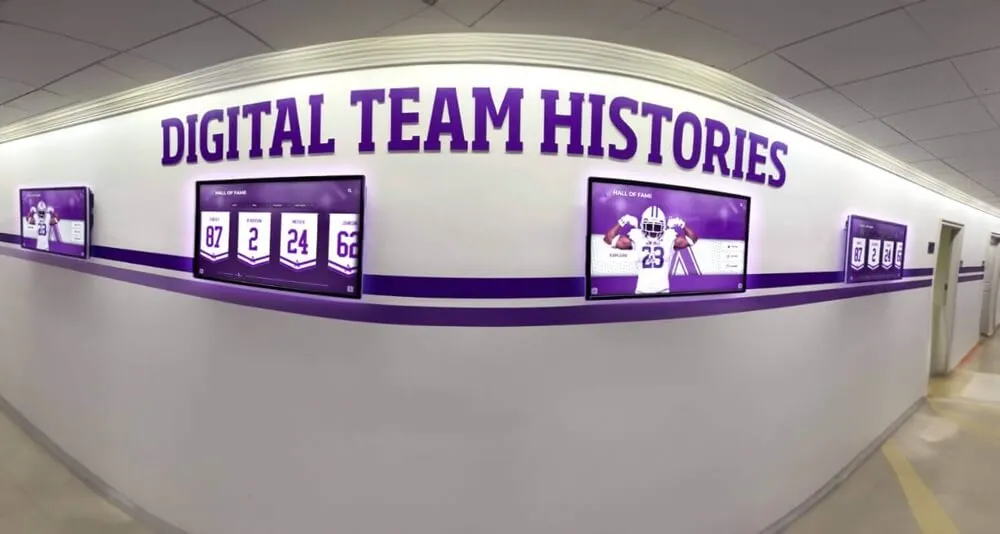
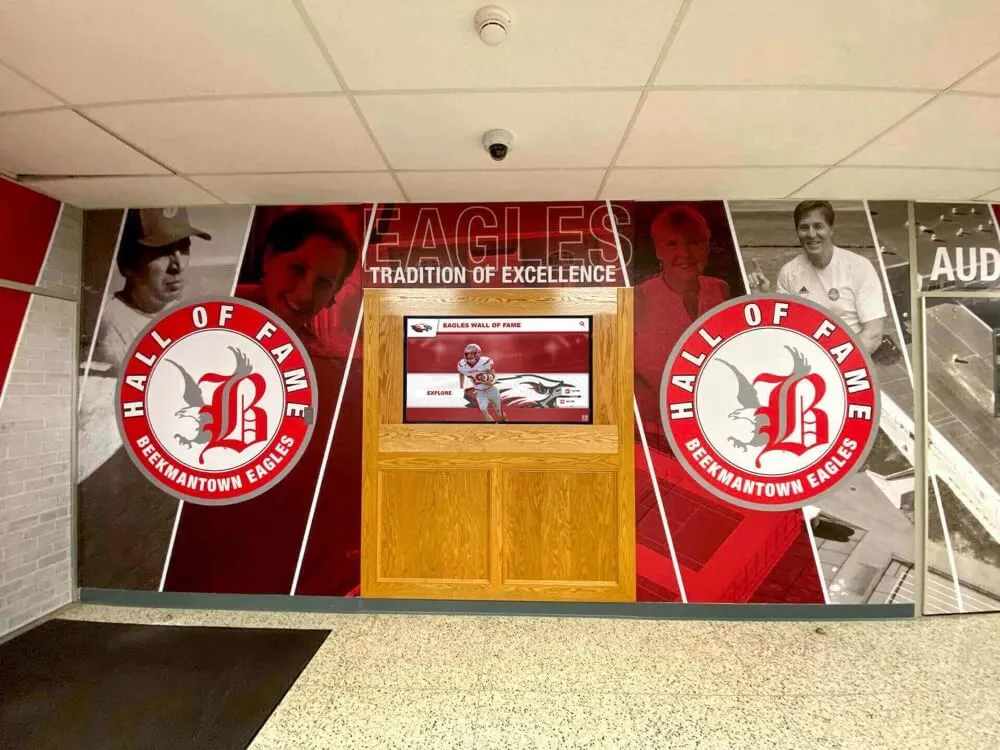
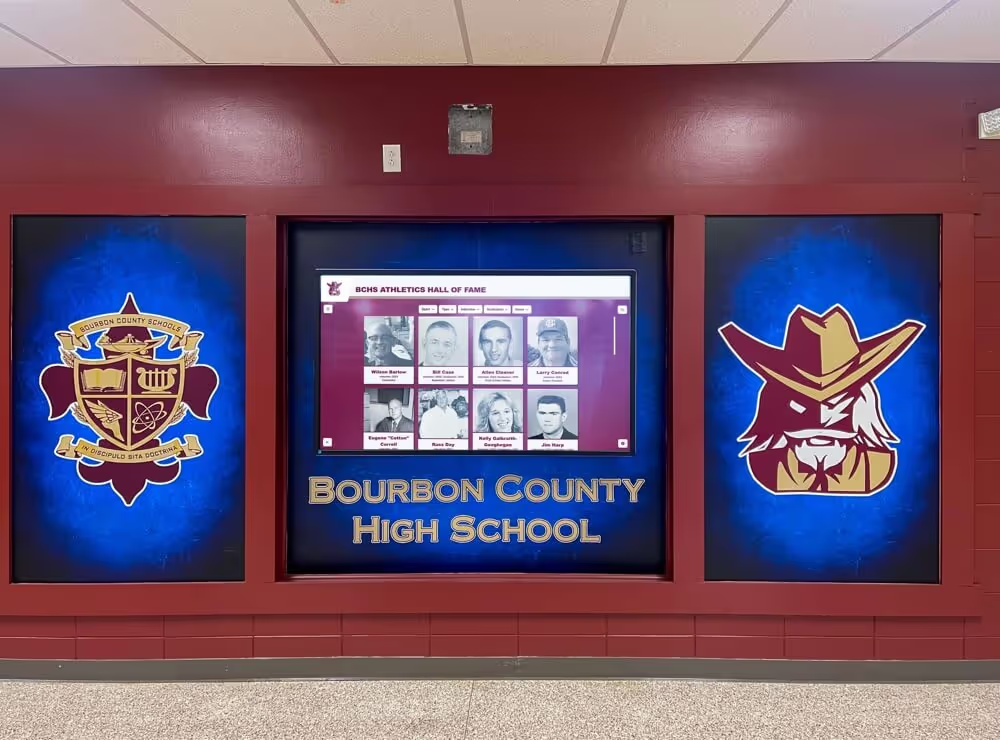
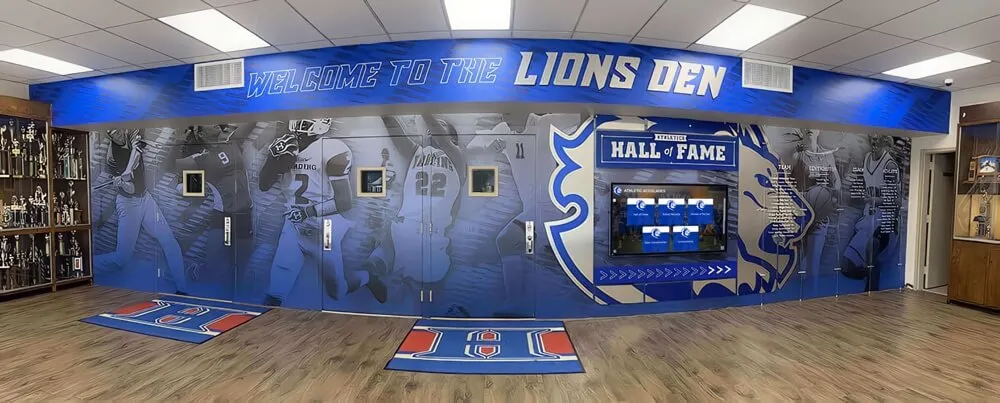
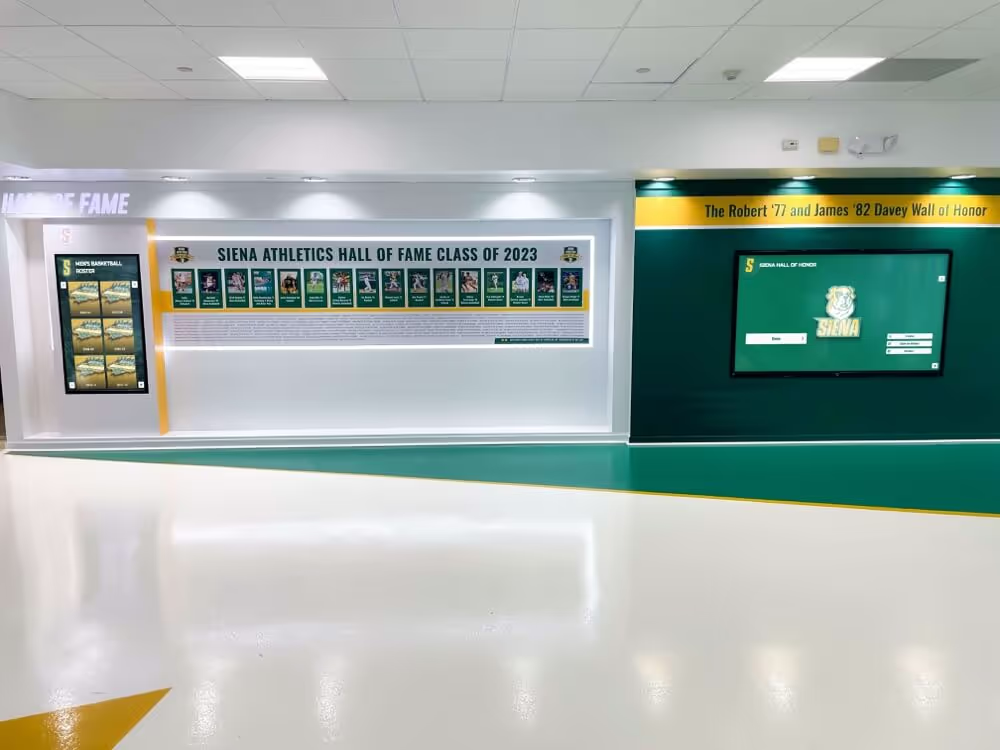
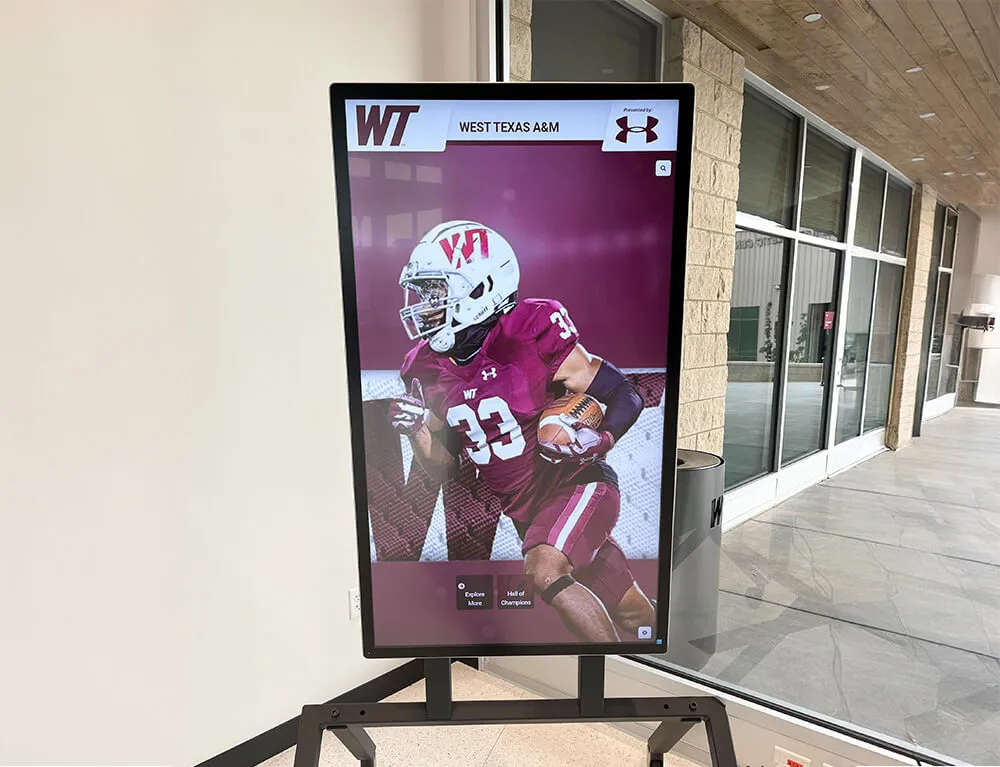
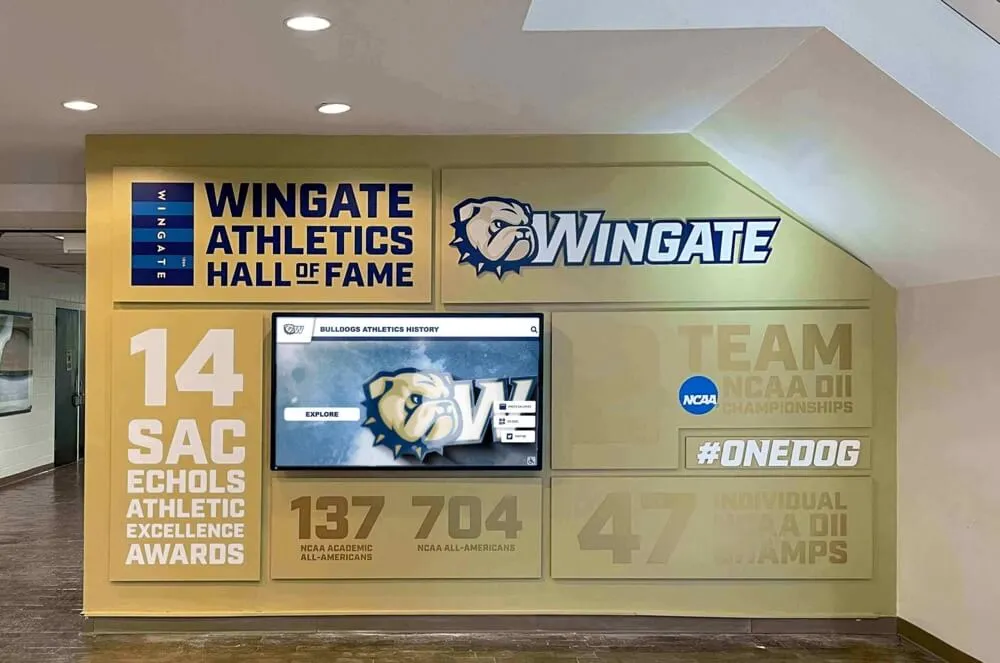
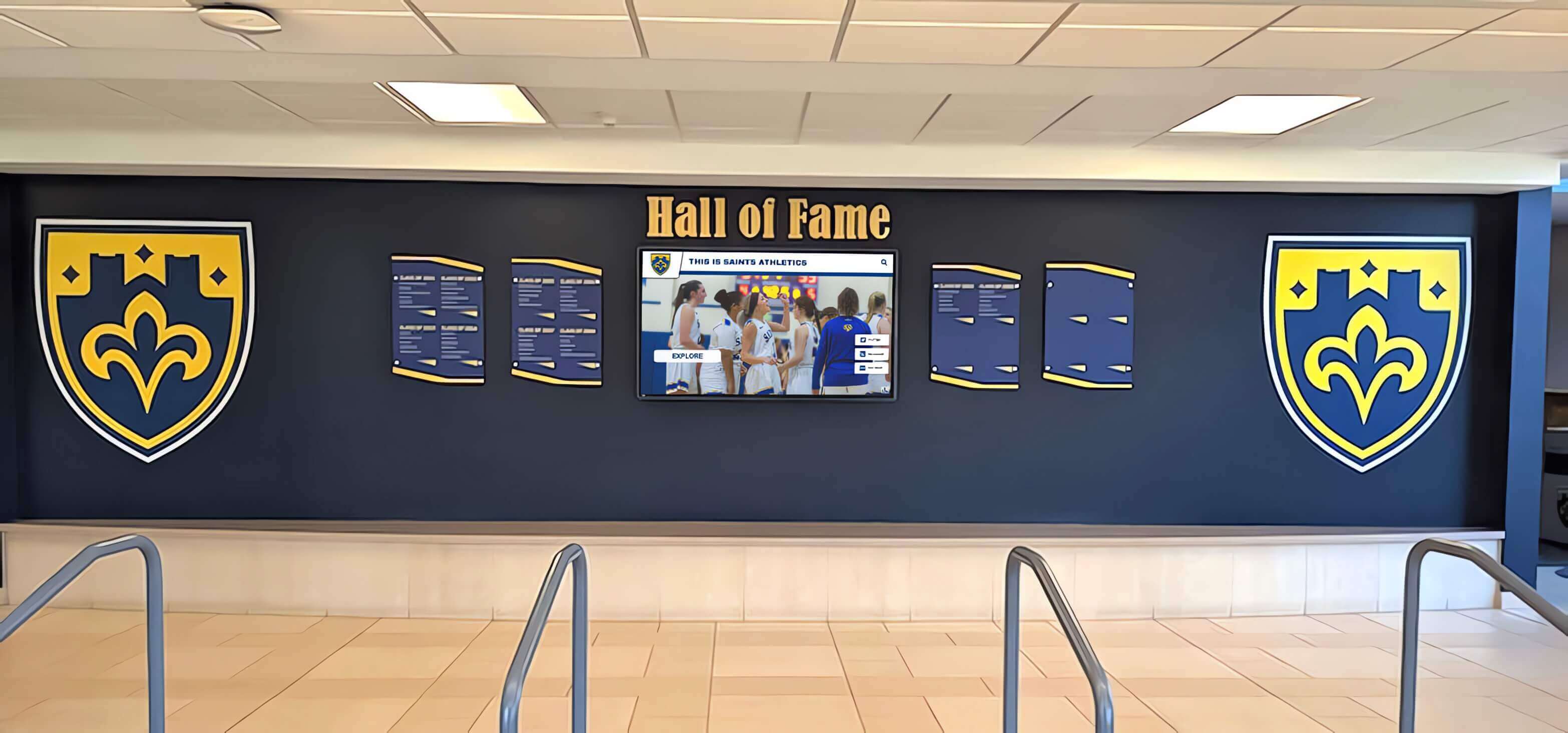
Unlimited Capacity for Comprehensive Recognition: Unlike physical benches limited by space, digital recognition platforms accommodate unlimited memorial profiles. Schools can honor everyone worthy of recognition—all long-serving faculty, distinguished alumni, or other significant individuals—without space constraints limiting who receives tributes. Digital recognition displays provide scalable solutions growing alongside memorial programs.
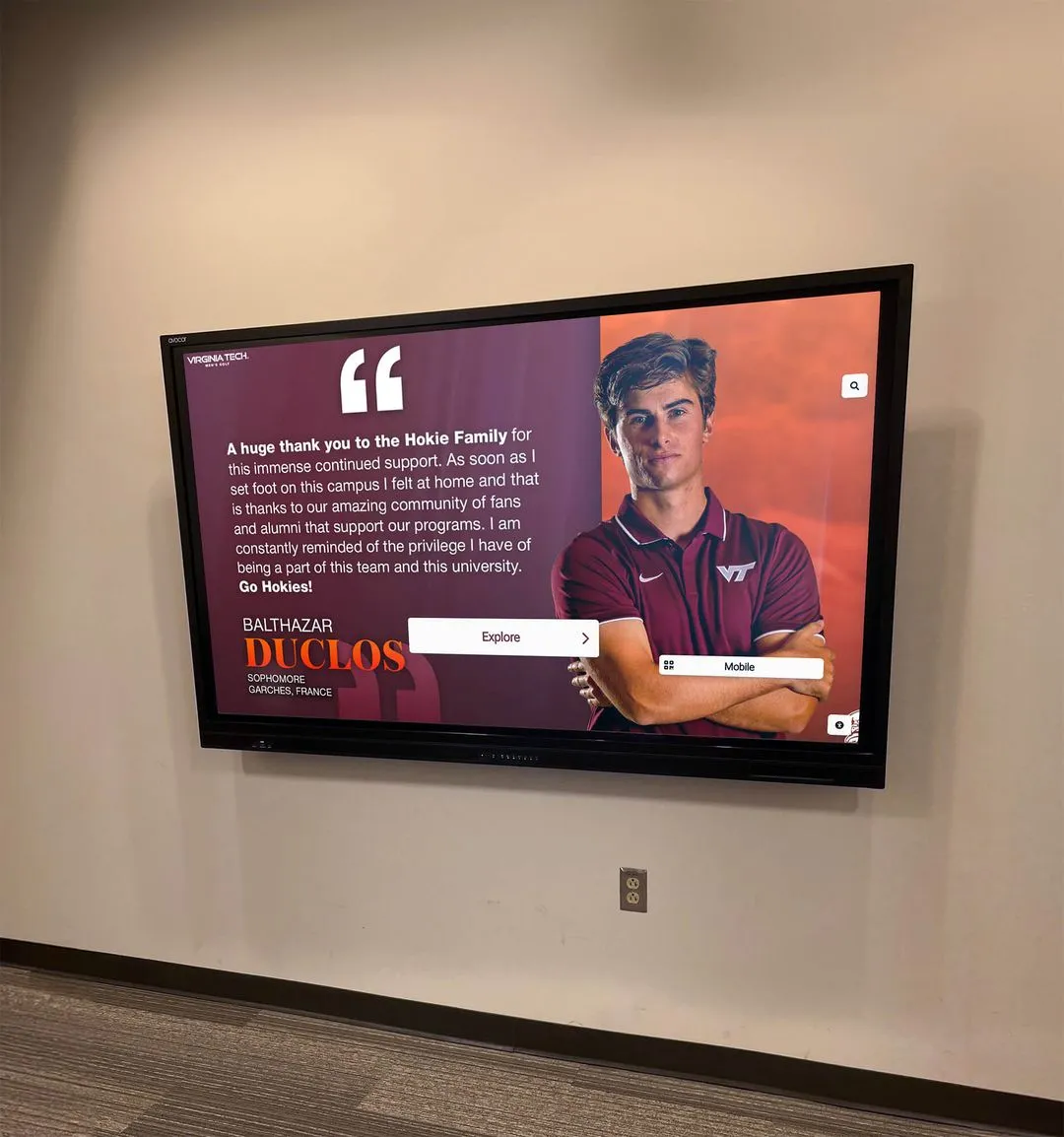
Rich Multimedia Biographical Content: Digital profiles include comprehensive biographies, professional photographs, career timelines, video testimonials, audio recordings of honored individuals, scanned historical documents, and related materials creating full memorial portraits impossible with outdoor plaques. These rich tributes help current and future community members understand who individuals were and why they mattered.

Easy Updates and Corrections: Digital content can be easily updated if information changes, errors are discovered, or families wish to add new material. Physical plaques require expensive replacement if corrections are needed. Digital flexibility proves valuable for maintaining accurate, current information.
Searchable, Discoverable Archives: Visitors can search digital memorial archives by name, year, department, or other criteria finding specific individuals instantly. Browse functions enable discovery of historical figures visitors might not specifically seek. Integration with school websites makes memorial information accessible globally to alumni and community members anywhere, anytime.
Protected Indoor Environment: Digital displays installed in climate-controlled interior spaces avoid weathering and vandalism risks affecting outdoor installations. Properly maintained digital systems function reliably for decades without environmental degradation.
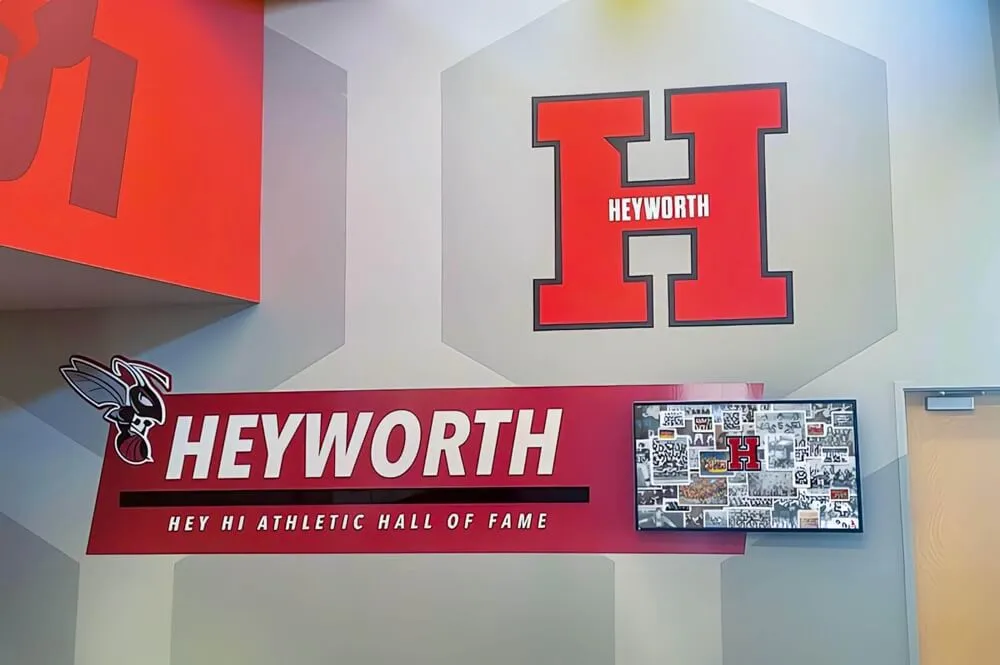
Integration with Comprehensive Recognition Programs: Digital platforms can integrate memorial tributes with broader school recognition programs honoring athletics achievements, academic excellence, distinguished alumni, and other recognition categories. This integration creates comprehensive institutional history rather than isolated memorial systems.
Implementing Hybrid Memorial Approaches
The most effective memorial programs often combine outdoor and digital elements leveraging complementary strengths:
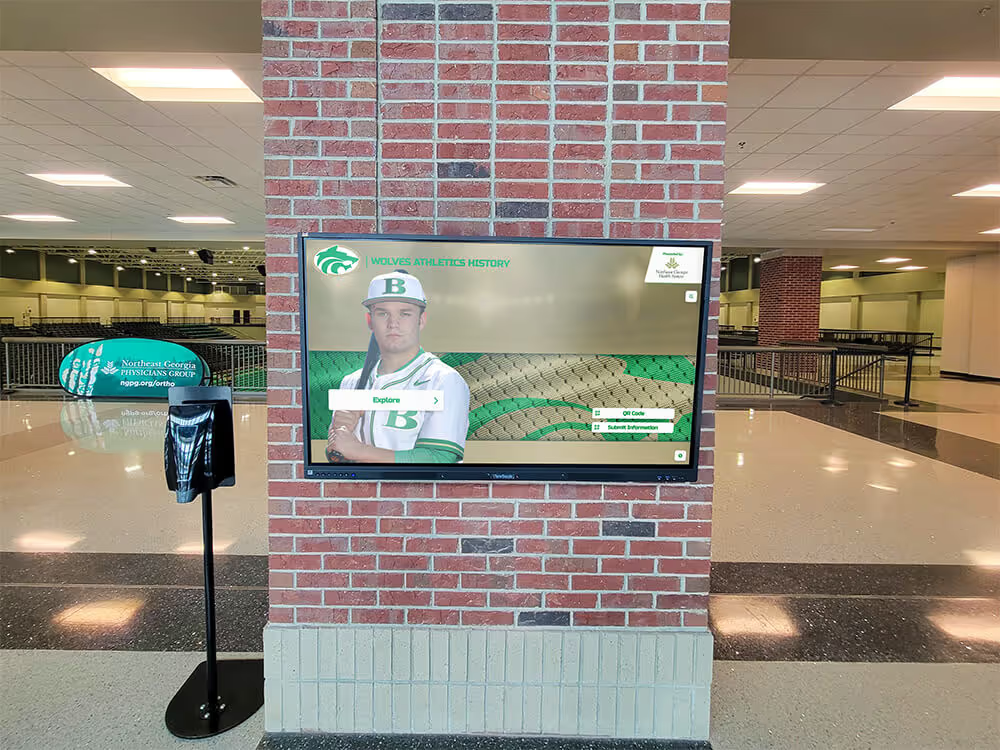
Physical Bench as Symbol, Digital Profile as Story: Memorial benches serve as physical symbols and functional campus amenities while digital profiles tell complete stories. Bench plaques might include QR codes visitors scan with smartphones accessing comprehensive digital memorial profiles with full biographical information, photographs, videos, and historical context.
This hybrid approach honors individuals with tangible physical presence while making rich biographical content easily accessible.
Coordinated Memorial Program Management: Single memorial program administration oversees both outdoor bench installations and digital profile creation, ensuring consistent standards, coordinated approval processes, and integrated donor communications. Families requesting memorial benches simultaneously receive digital memorial profiles as part of comprehensive tribute packages.
Administrative efficiency improves when memorial management is unified rather than treating outdoor and digital recognition as separate unrelated initiatives.
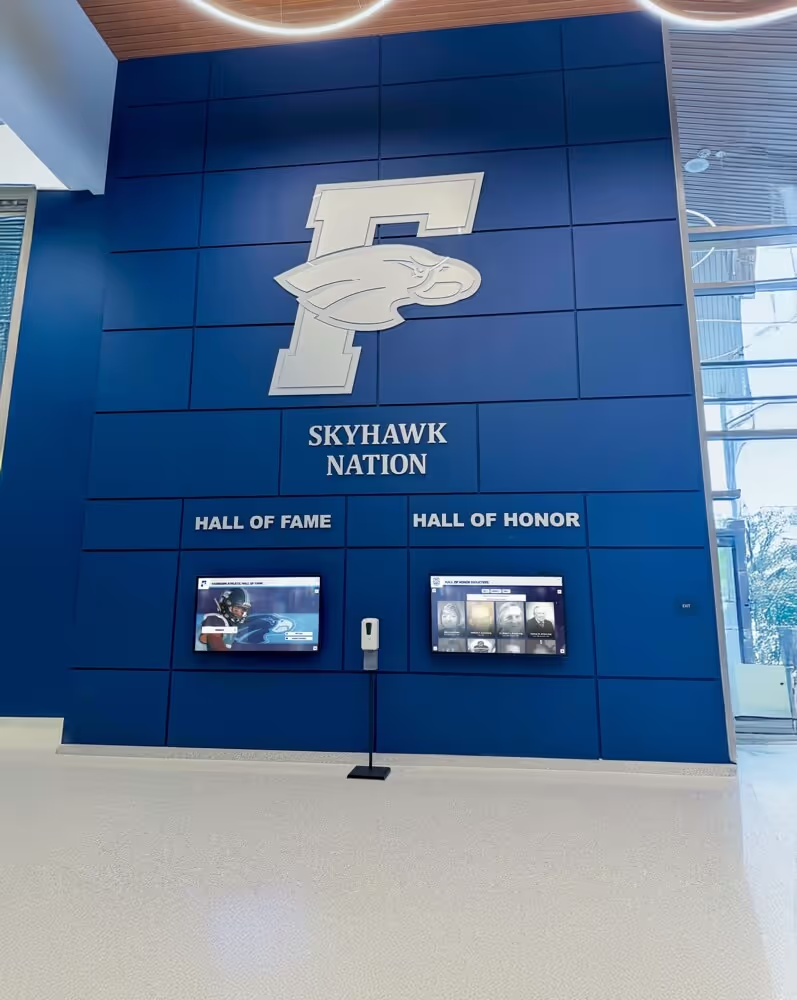
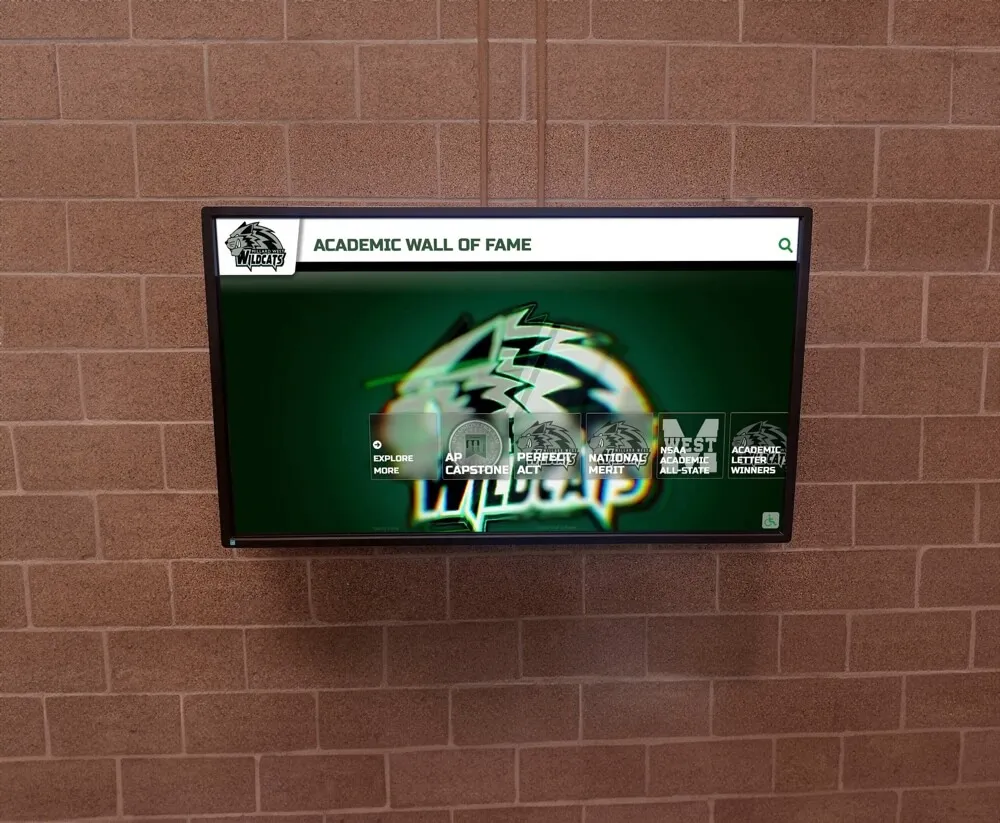
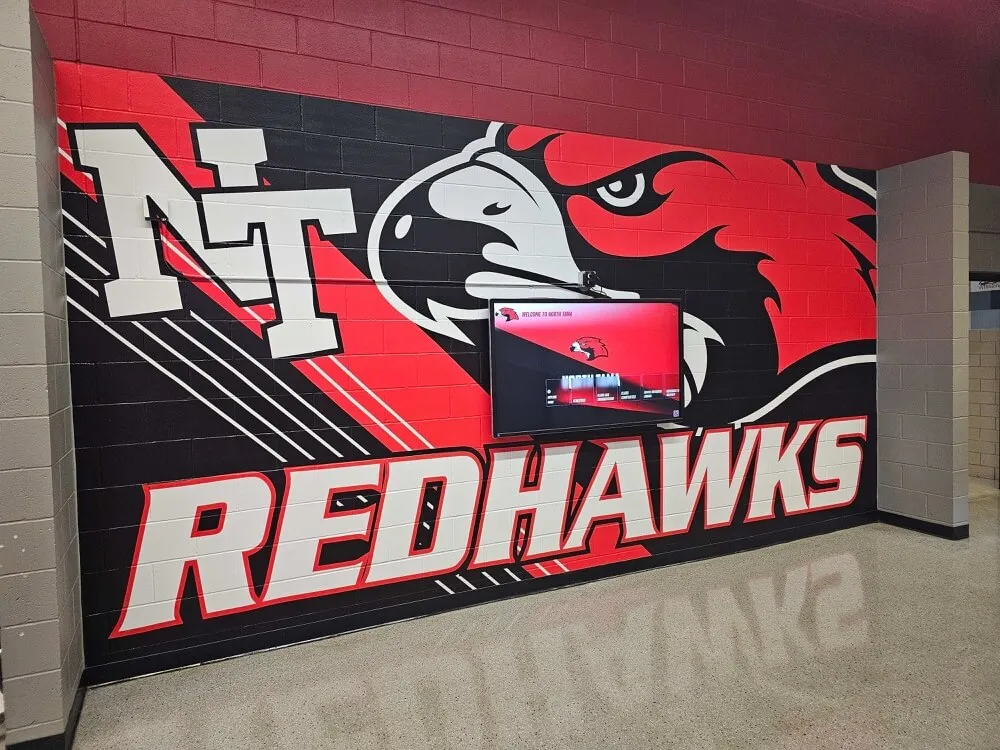
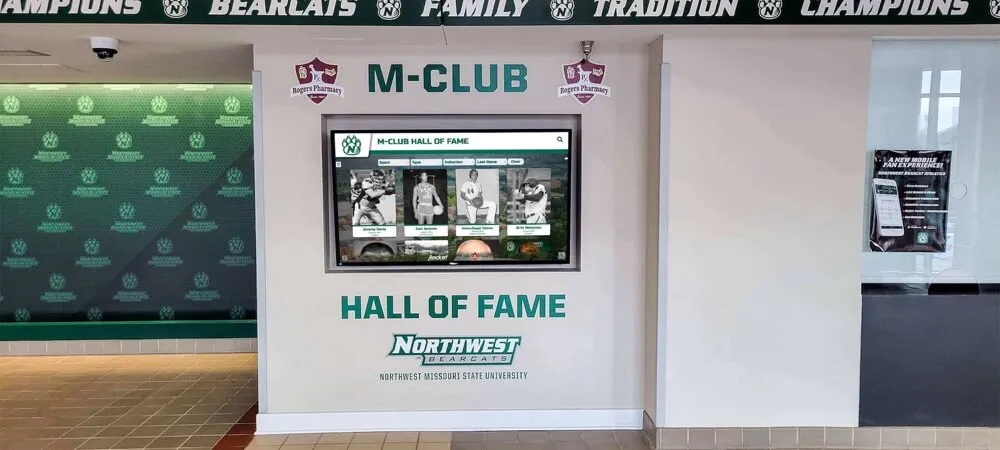
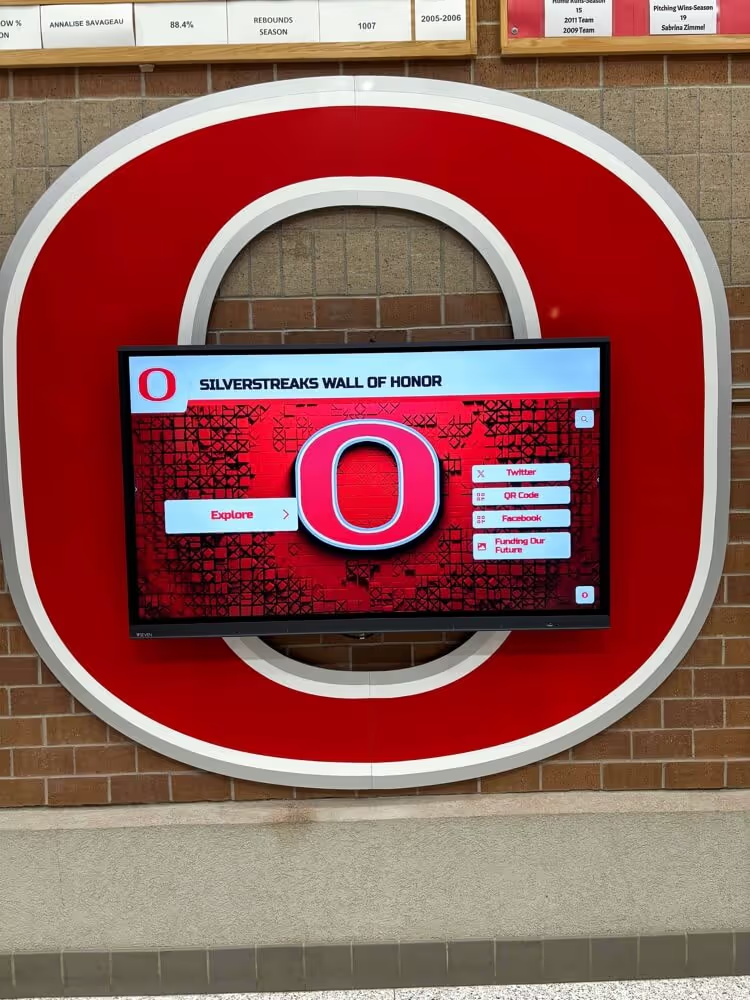
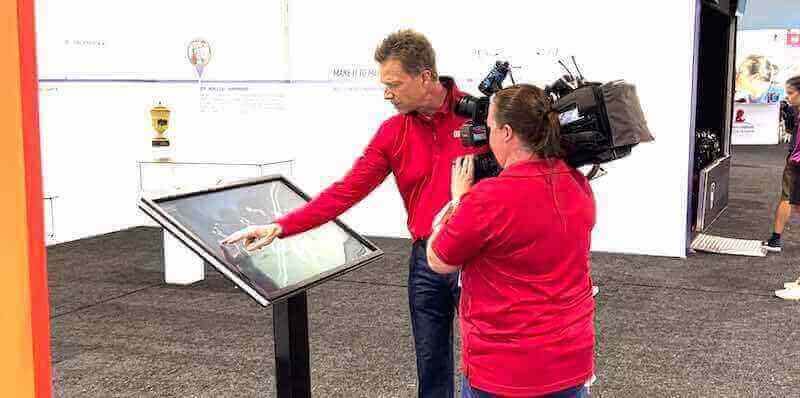
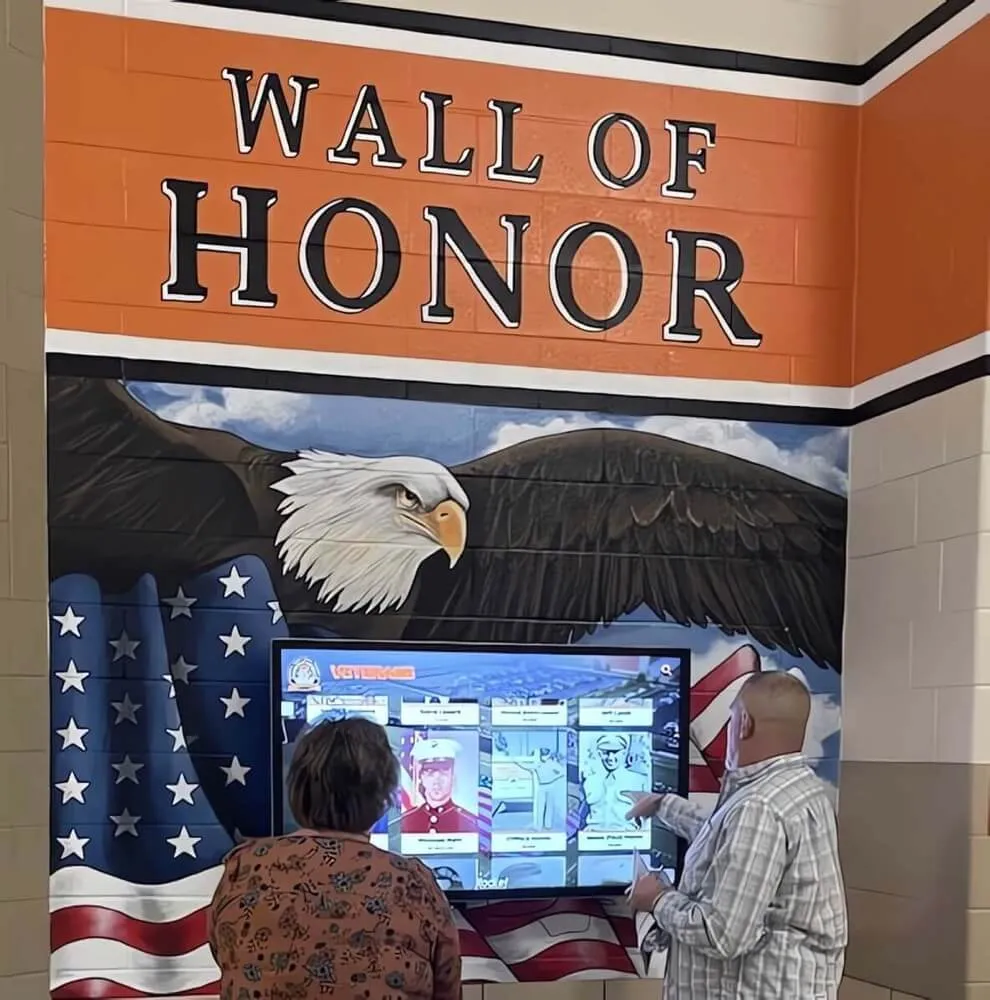
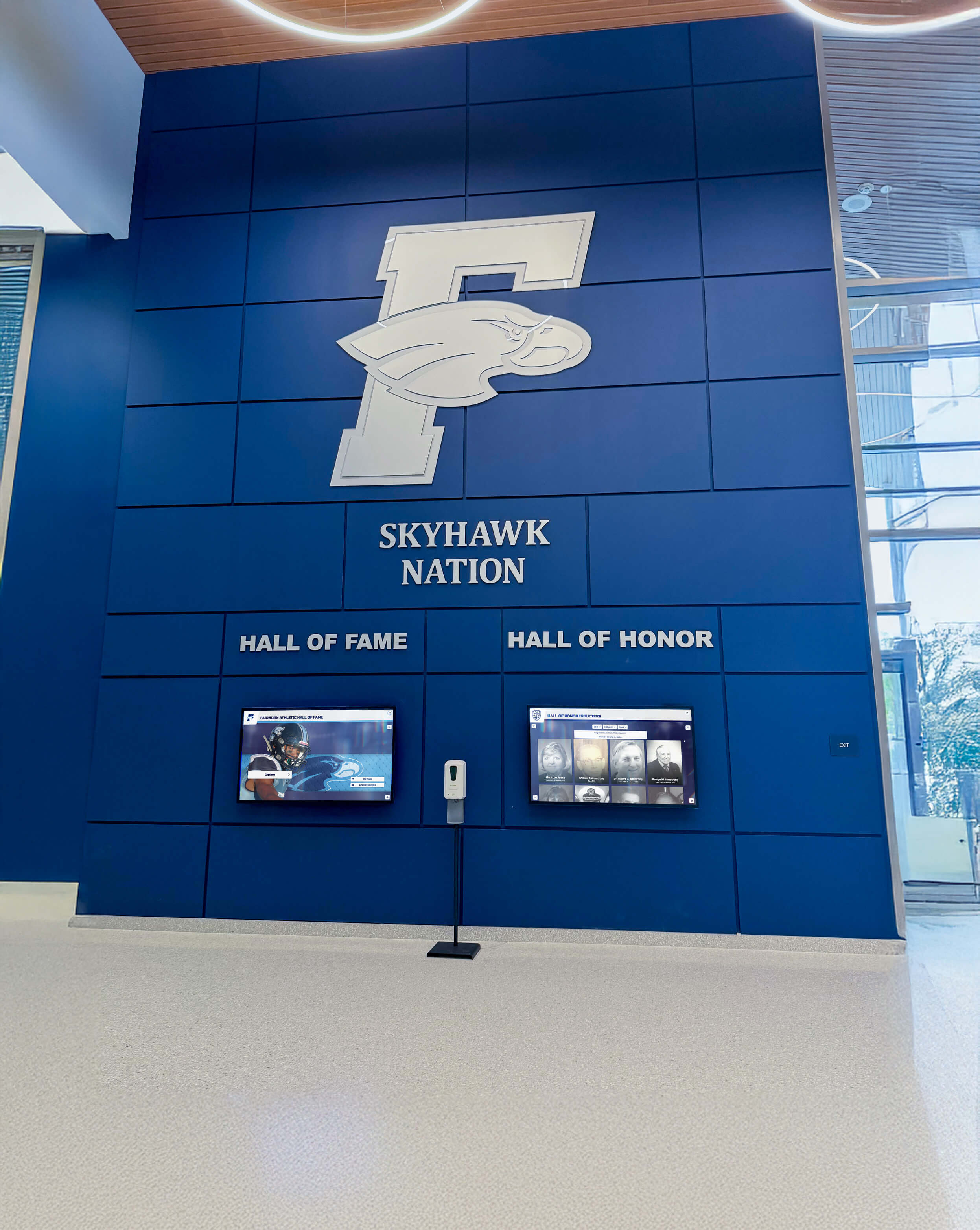
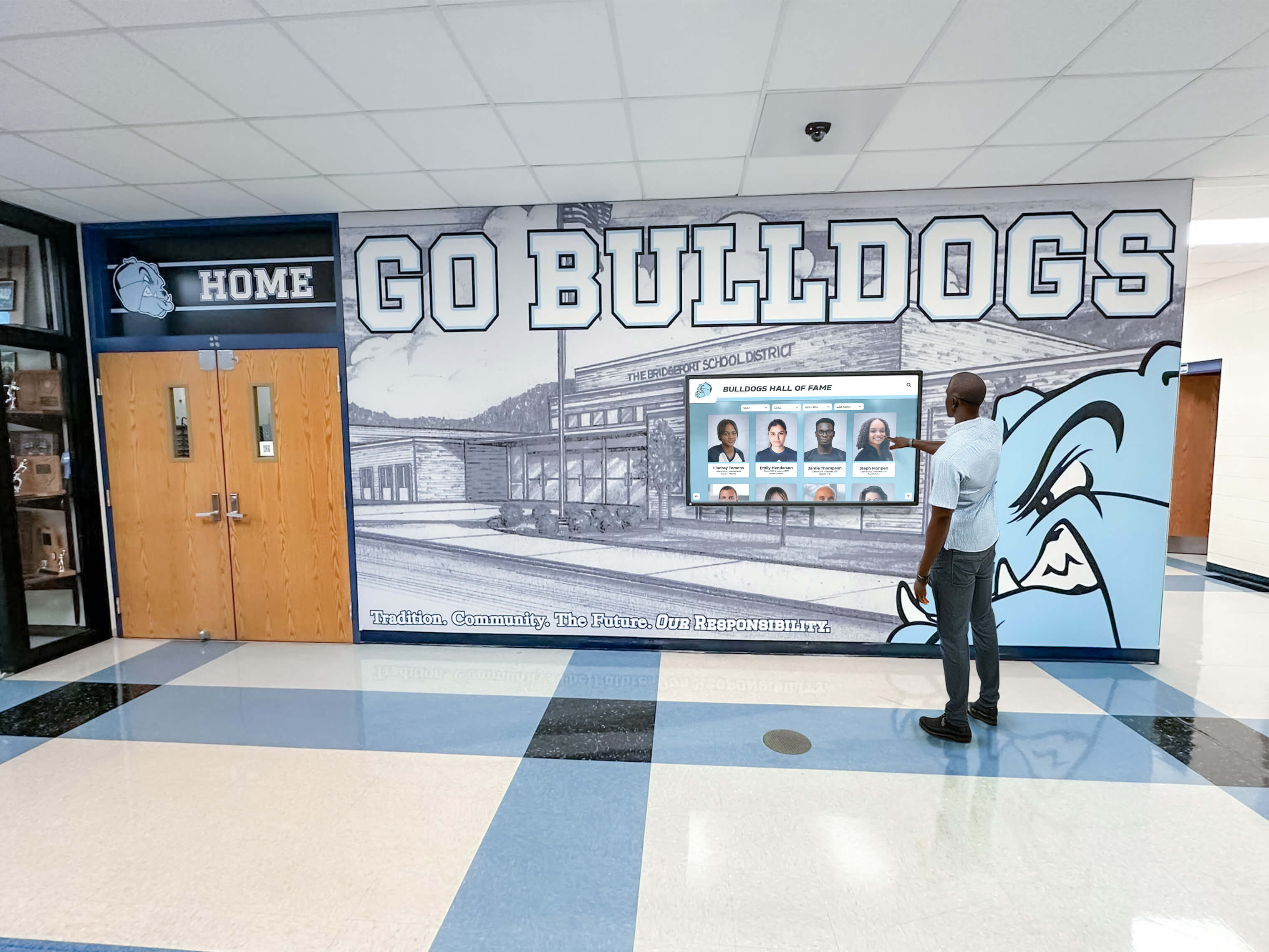
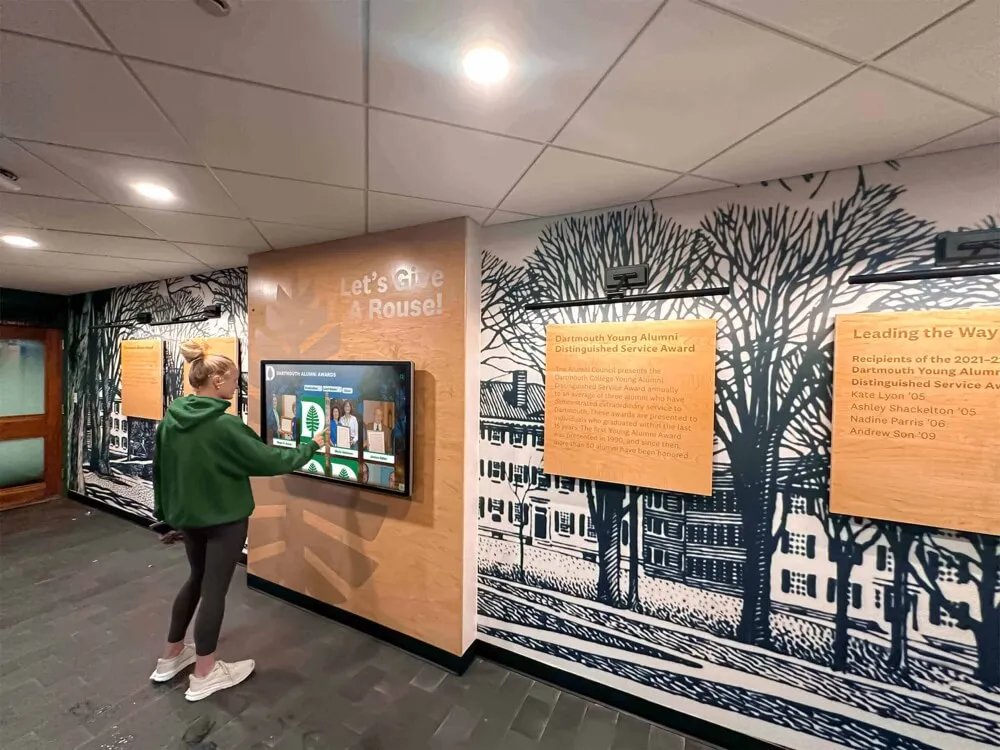
Bridging Indoor and Outdoor Recognition: Interactive touchscreen displays installed inside buildings near outdoor memorial bench areas can provide indoor access to memorial profiles during inclement weather, searchable directories showing outdoor bench locations, QR code scanning stations linking physical and digital recognition, and complementary recognition for individuals without outdoor memorial benches due to space limitations.
These connections bridge physical and digital recognition creating cohesive, comprehensive memorial programs.
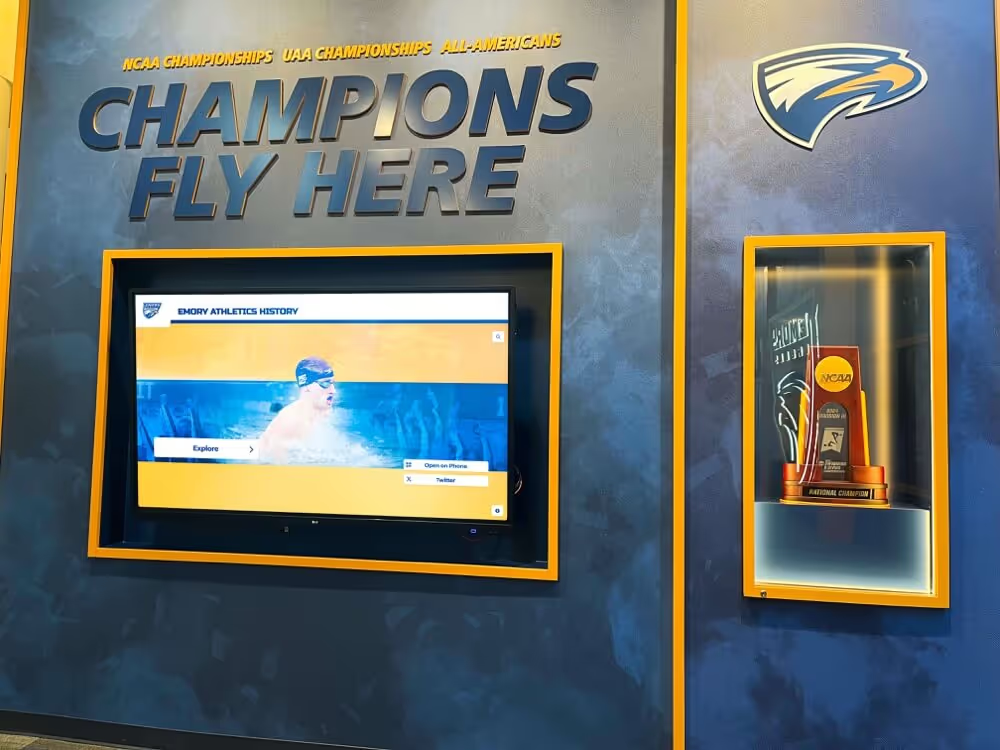
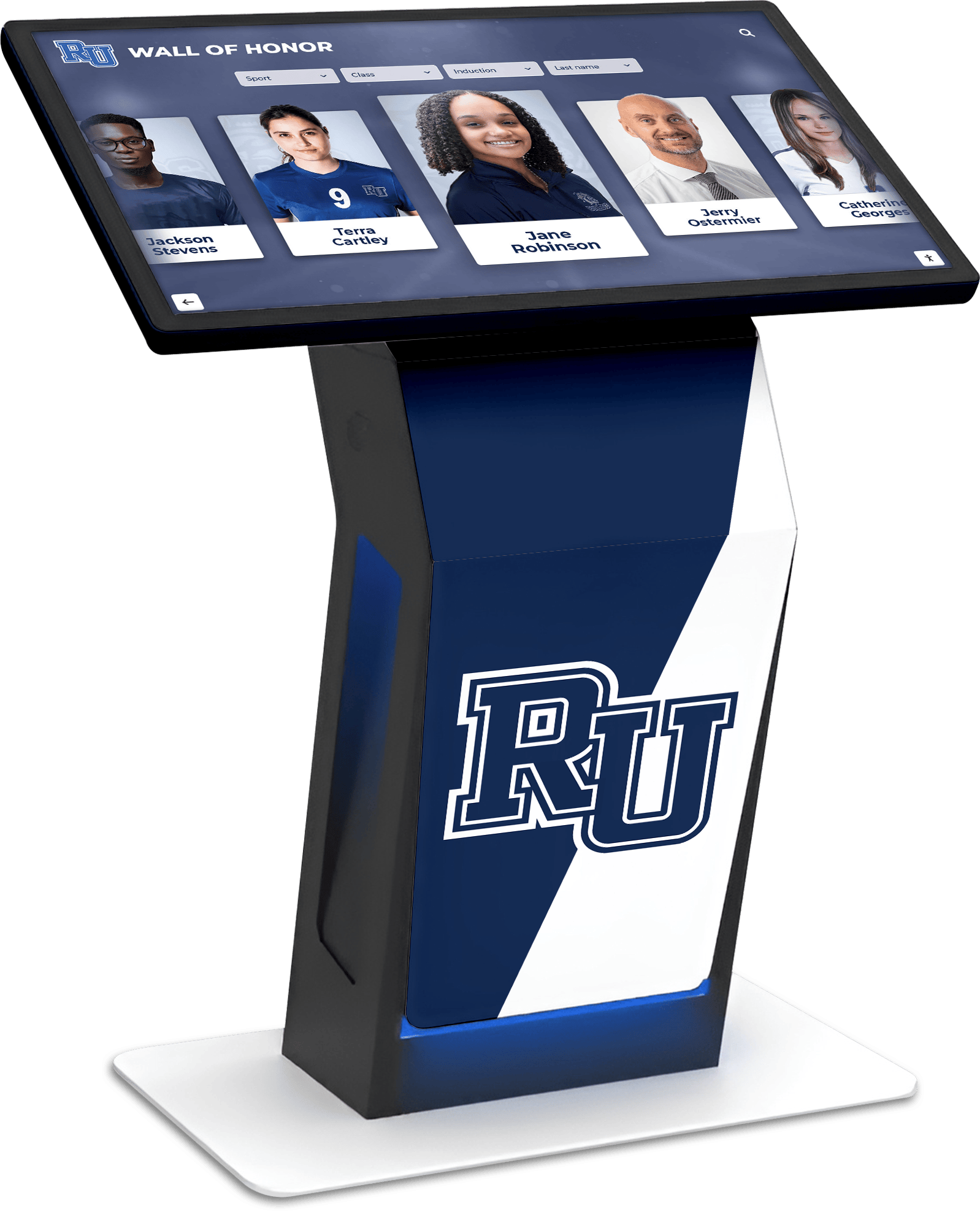
Solutions for Sustainable Memorial Recognition: Solutions like Rocket Alumni Solutions provide purpose-built digital recognition platforms designed specifically for educational institutions. These systems enable schools to create unlimited memorial profiles with rich multimedia content, deploy interactive touchscreen displays in lobbies and gathering spaces, publish memorial recognition on school websites accessible globally, maintain searchable archives preserving institutional memory permanently, and integrate memorial tributes with broader recognition programs honoring achievements across all categories.
Digital platforms complement outdoor memorial benches by providing unlimited capacity, rich biographical content, easy management, and protected indoor presentation—addressing limitations physical outdoor tributes inherently carry while preserving the tangible, functional value outdoor benches provide.
Maintenance and Long-Term Stewardship
Memorial benches require ongoing attention preserving dignified appearance and functional condition across years and decades. Neglected memorial tributes dishonor the individuals they intend to recognize.
Routine Maintenance Requirements
Different bench materials require specific maintenance approaches and frequencies.
Wood Bench Maintenance:
- Annual cleaning removing dirt, mildew, and organic debris
- Refinishing every 2-4 years (sanding, staining, sealing)
- Inspection for structural damage, rot, or insect activity
- Immediate repair of damaged components
- Complete replacement every 15-25 years typically
Budget approximately $100-200 annually per wood bench for routine maintenance plus periodic refinishing costs ($300-500 per bench).
Metal Bench Maintenance:
- Annual cleaning removing dirt and pollutants
- Inspection for rust, corrosion, or coating damage
- Touch-up painting as needed for powder-coat chips
- Tightening loose hardware and fasteners
- Repainting every 5-10 years for steel benches
Metal benches require lower routine maintenance than wood but demand attention to rust prevention especially in humid or coastal environments.
Recycled Plastic Bench Maintenance:
- Annual cleaning with soap and water
- Inspection for structural damage (though rare)
- Tightening hardware periodically
- Virtually no refinishing required
Plastic lumber benches offer lowest maintenance burden making them attractive for schools with limited facilities resources.
Bronze Plaque Maintenance:
- Annual gentle cleaning with bronze cleaner
- Avoiding harsh chemicals damaging patina
- Waxing periodically for enhanced protection
- Inspection for vandalism or mounting security
Bronze develops natural patina over time which many consider attractive aging. However, some schools prefer maintaining bright bronze finish requiring more frequent cleaning and waxing.
Site and Landscape Maintenance: Beyond benches themselves, surrounding sites require attention:
- Mulch replenishment around plantings
- Pruning and plant care
- Weed control in landscape beds
- Lawn maintenance around benches
- Walkway cleaning and repair
- Seasonal decorations (if appropriate)
Comprehensive memorial bench program budgets should include landscape maintenance costs, not just bench upkeep.
Addressing Damage, Vandalism, and Deterioration
Despite quality materials and maintenance, memorial benches occasionally require repair or replacement.
Vandalism Response Protocols: Unfortunately, outdoor campus installations sometimes experience vandalism. Establish clear protocols for:
- Prompt assessment of damage severity
- Immediate temporary measures (covering graffiti, securing dangerous damage)
- Repair or replacement decision-making and approval
- Insurance claims if applicable
- Law enforcement reporting for significant vandalism
- Family communication (sensitively notifying families of damage while emphasizing school’s commitment to restoration)
Respond quickly to vandalism rather than leaving damaged memorial installations in deteriorated condition. Prompt action demonstrates respect for honored individuals and memorials’ significance.
Weather Damage and Natural Deterioration: Some damage results from weather rather than vandalism—storm damage, flood impacts, erosion, or simple aging. Regular inspection identifies deterioration before minor issues become major problems requiring expensive intervention.
End-of-Life Replacement Decisions: Eventually even quality memorial benches reach end-of-life requiring replacement. Establish policies addressing:
- Who bears replacement costs (institution, original donors, memorial endowments)
- Whether original plaques can be salvaged and remounted on new benches
- Whether families are consulted about replacements
- How replacement decisions and timing are determined
Document policies clearly when memorial benches are initially donated preventing surprise conflicts decades later when replacements become necessary.

Budgeting for Long-Term Memorial Program Sustainability
Memorial bench programs create ongoing financial obligations schools must sustain across decades.
Annual Operating Costs per Bench: Estimate ongoing costs based on material types:
- Wood benches: $150-300 annually (routine maintenance plus periodic refinishing amortized)
- Metal benches: $50-100 annually (cleaning, inspection, touch-up)
- Recycled plastic benches: $25-50 annually (minimal maintenance)
- Site landscape: $100-200 annually per bench location
A 25-bench memorial program might require $4,000-7,000 annually for appropriate maintenance.
Memorial Maintenance Endowments: Some schools require or encourage memorial bench donors to contribute maintenance endowments alongside initial bench funding. Endowment principal remains invested while annual returns fund maintenance. Typical endowments might equal 50-75% of initial bench cost, generating sufficient annual returns covering maintenance indefinitely.
Endowment approaches ensure memorial programs remain sustainable rather than creating mounting financial burdens as bench quantities grow.
Facilities Budget Integration: If not using endowment models, ensure memorial bench maintenance is explicitly included in institutional facilities budgets rather than treated as discretionary. Memorial program sustainability requires guaranteed funding treating memorial maintenance as obligation rather than optional expense subject to budget pressures.
Creating Your School’s Memorial Bench Program
Schools ready to establish or formalize memorial bench programs should approach implementation systematically.
Initial Program Development Steps
1. Form Memorial Committee: Assemble cross-functional team including administrators, development staff, facilities managers, and potentially board representatives or community members. Committee develops policies, evaluates proposals, and oversees program implementation.
2. Research and Benchmark: Study memorial bench programs at comparable institutions. What worked well? What problems arose? What policies seem effective? Learn from others’ experiences rather than discovering every challenge independently.
3. Develop Draft Policies: Document policies addressing eligibility criteria, financial expectations, approval processes, design standards, placement authority, inscription guidelines, and maintenance approaches. Circulate drafts to stakeholders for feedback before finalizing.
4. Select Standard Bench Specifications: Identify 2-3 approved bench models considering materials, durability, aesthetics, budget, and maintenance requirements. Establish relationships with suppliers and verify pricing, lead times, and warranty terms.
5. Identify Appropriate Placement Zones: Work with facilities and landscape staff to identify campus areas suitable for memorial bench placement. Consider creating both concentrated memorial garden areas and distributed functional locations. Document approved zones with maps and site photos.
6. Create Program Materials: Develop program descriptions, application forms, inscription guidelines, pricing information, site selection processes, and timeline expectations. Materials should clearly communicate policies helping prospective donors understand requirements and processes.
7. Establish Digital Integration: Consider how memorial benches will integrate with digital recognition systems. Will bench plaques include QR codes linking to digital profiles? Will indoor displays complement outdoor benches? Plan integrated approaches rather than treating outdoor and digital recognition separately. Systems designed for comprehensive school recognition can encompass memorial tributes alongside achievement recognition.
8. Pilot Initial Installation: Rather than immediately opening comprehensive programs, consider piloting with one or two initial installations. Pilots allow refinement of processes, site preparation protocols, and vendor relationships before scaling. Early successes build program credibility.
Communicating Memorial Opportunities
Once programs are established, appropriate communication helps communities understand memorial bench availability without appearing overly promotional during sensitive circumstances.
Advancement and Development Integration: Memorial bench programs logically integrate with advancement activities and planned giving programs. Include memorial bench information in planned giving materials, estate planning discussions, and donor recognition publications. Position memorial benches as meaningful legacy opportunities for donors wishing to create lasting tributes.
Family Communications During Loss: When communities experience losses potentially warranting memorial tributes, appropriate communications might discretely mention memorial bench programs among tribute options. However, approach these communications sensitively avoiding any appearance of soliciting donations during grief.
Alumni Publications and Communications: Feature memorial bench programs in alumni publications, explaining policies and showcasing existing installations. Alumni often wish to honor beloved teachers or classmates from their eras, making alumni communications natural channels for memorial program awareness.
Ceremony and Dedication Opportunities: Offer dedication ceremony options when new memorial benches are installed, providing families and communities meaningful occasions for gathering, remembering, and celebrating honored individuals. Ceremonies and recognition events create meaningful experiences strengthening emotional connections between families and institutions.
Conclusion: Creating Lasting Tributes That Honor and Serve
Memorial benches with plaques offer schools meaningful opportunities to honor beloved faculty, distinguished alumni, or other significant individuals while creating functional campus amenities serving communities for generations. When thoughtfully implemented with attention to materials quality, appropriate placement, dignified inscription content, and sustainable maintenance commitment, memorial bench programs create lasting physical tributes that become cherished campus features where students, families, and visitors pause to reflect on institutional heritage and the people who shaped community character.
The most successful memorial programs balance multiple considerations simultaneously—honoring individuals appropriately while maintaining institutional control over campus aesthetics, accommodating family wishes while applying consistent policies fairly, creating contemplative memorial spaces while providing functional seating, and managing finite physical space while ensuring all worthy individuals receive recognition. Schools that establish clear policies, select durable materials, maintain installations appropriately, and integrate outdoor memorials with digital recognition systems create comprehensive tribute programs delivering lasting value across decades.
Key Principles for Memorial Bench Success:
- Establish clear written policies before accepting memorial proposals
- Form review committees ensuring consistent, appropriate decision-making
- Select durable materials appropriate for decades of outdoor exposure
- Maintain dignified appearance through sustained maintenance commitment
- Place benches thoughtfully in locations receiving appropriate use and visibility
- Guide inscription content toward brief, appropriate public messaging
- Consider integrated approaches combining outdoor benches with digital recognition systems
- Budget sustainably for long-term maintenance obligations programs create
- Treat memorial tributes with reverence they deserve throughout planning, installation, and maintenance
Memorial benches represent tangible expressions of community values—they demonstrate that institutions notice, appreciate, and remember individuals who contribute to educational missions. When students sit on benches honoring teachers who taught there decades earlier, when alumni visit benches remembering classmates lost too soon, when families gather at benches celebrating loved ones’ service, these physical tributes create connections across time linking past, present, and future generations in ongoing community narrative.
Ready to complement your school’s outdoor memorial benches with comprehensive indoor digital recognition? Modern solutions like Rocket Alumni Solutions provide purpose-built platforms enabling unlimited memorial profiles with rich biographical content, interactive touchscreen displays for lobbies and gathering spaces, searchable archives accessible on school websites, and integrated recognition systems honoring achievements, service, and memory across all institutional priorities. Whether starting new memorial programs or enhancing existing tributes, thoughtful combinations of outdoor physical memorials and indoor digital recognition create the most comprehensive, sustainable approach to honoring those who shaped your school community.