



For high school students who have spent years perfecting their instrumental skills, mastering complex drill routines, and dedicating countless hours to rehearsals and performances, marching band represents a significant investment of time and talent. What many students and families don’t realize is that this dedication can translate directly into substantial college funding through marching band scholarships available at hundreds of institutions nationwide.
Unlike athletic scholarships that often dominate headlines and school recognition programs, marching band scholarships remain relatively under-recognized despite offering comparable financial opportunities. Many universities with Division I and Division II athletic programs maintain equally impressive marching bands, supported by scholarship budgets that help recruit talented musicians to enhance game day experiences and university traditions.
In 2026, as college costs continue rising and families seek every available funding source, marching band scholarships represent a practical pathway to reducing educational expenses while allowing students to continue pursuing musical excellence. These scholarships reward years of dedication to instrumental performance, leadership through section and drum major positions, and commitment to the rigorous demands of competitive marching programs.
This comprehensive guide explores everything high school band students and their families need to know about securing marching band scholarships—from understanding what types of funding exist and which colleges offer the most generous programs to developing competitive applications and maintaining scholarship eligibility throughout college. Whether you’re a freshman just beginning your band career or a senior actively applying to colleges, understanding marching band scholarship opportunities can significantly impact your college financing strategy and educational future.
Understanding Marching Band Scholarships: Types and Opportunities
Before beginning the scholarship search process, students benefit from understanding the various types of marching band funding available and how these scholarships function within university financial aid systems.
Music Performance Scholarships vs. Activity-Based Awards
Music Performance Scholarships
These merit-based awards evaluate students primarily on instrumental skill, musical knowledge, and performance capability rather than just marching band participation:
- Audition-based selection: Require formal auditions demonstrating technical proficiency and musicianship
- Department funding: Come from university music department budgets rather than athletics
- Performance obligations: Typically require participation in concert bands, wind ensembles, or other performance groups beyond marching band
- Renewable annually: Usually require maintaining music major status or performance commitments
- Award amounts: Range from $1,000-$15,000+ annually at major programs
Marching Band Activity Scholarships
These awards specifically support marching band participation as a performing activity:
- Participation-based: Reward commitment to marching band rather than primarily instrumental skill
- Athletic department or band funding: May come from athletic budgets supporting game day entertainment
- Marching-specific obligations: Focused primarily on marching season commitments
- Roster support: Often designed to maintain adequate instrumentation and section balance
- Award amounts: Typically $500-$5,000 annually depending on institutional resources
Many programs combine both approaches, providing base participation scholarships with additional merit awards for students demonstrating exceptional musical ability and leadership potential.
Full-Ride vs. Partial Scholarship Realities
Full-Ride Scholarship Availability
Complete tuition, room, and board coverage through marching band scholarships alone remains relatively rare but exists at select institutions:
Where Full Scholarships Exist:
- Elite band programs at major state universities with significant resources
- Historically Black Colleges and Universities (HBCUs) with renowned band traditions
- Universities making strategic investments in band program development
- Institutions where music performance scholarships stack with marching participation awards
Students hoping for full scholarship packages should understand these typically combine marching band funding with academic merit awards, need-based aid, and other scholarship sources rather than coming exclusively from band program budgets.
Realistic Partial Scholarship Expectations
Most marching band scholarships provide partial funding reducing overall college costs:
- $500-$2,000: Common entry-level scholarships for roster members
- $2,000-$5,000: Typical awards for section leaders and experienced members
- $5,000-$10,000: Significant scholarships for drum majors and featured performers
- $10,000+: Exceptional awards at programs with substantial resources
These partial scholarships provide meaningful financial support, particularly when combined with academic scholarships, need-based aid, and work-study programs creating comprehensive financial aid packages.
Renewable vs. One-Time Awards
Multi-Year Renewable Scholarships
The most valuable marching band scholarships renew annually throughout college eligibility:
Renewal Requirements Typically Include:
- Continued marching band participation for all eligible seasons
- Maintaining minimum GPA requirements (usually 2.5-3.0)
- Meeting attendance expectations for rehearsals and performances
- Satisfactory performance reviews from band directors
- Remaining in good standing with university and music department
Renewable scholarships provide financial planning certainty across four years, making them significantly more valuable than equivalent one-time awards.
One-Time or Freshman-Only Awards
Some programs offer awards limited to specific years or circumstances:
- Freshman scholarships: Support transition to college but don’t continue beyond first year
- Recruitment incentives: One-time awards encouraging enrollment decisions
- Supplemental funding: Additional awards for specific projects or performances
Students evaluating scholarship offers should carefully distinguish renewable multi-year commitments from one-time awards when comparing financial packages across universities. A $3,000 renewable scholarship over four years ($12,000 total) provides far greater value than a $5,000 one-time freshman award.
Universities With Notable Marching Band Scholarship Programs
Hundreds of colleges and universities offer marching band scholarships, but certain institutions have developed particularly generous programs or distinguished band traditions that provide exceptional opportunities for talented student musicians.
Large State Universities With Major Band Programs
Ohio State University – The Ohio State University Marching Band
One of the nation’s most recognized college marching bands, “The Best Damn Band in the Land” offers significant scholarship opportunities:
- Competitive audition process for one of approximately 228 positions
- Scholarship opportunities for instrumentalists and featured twirlers
- Additional funding potential through music performance scholarships
- Tradition-rich program with national television exposure and extensive travel
University of Michigan – Michigan Marching Band
With over 400 members, Michigan’s band maintains substantial scholarship budgets:
- Significant scholarship awards for section leaders and featured performers
- Combination opportunities with School of Music merit scholarships
- Extensive performance schedule including bowl games and special events
- Strong alumni network supporting current members
University of Southern California – Trojan Marching Band
The “Spirit of Troy” offers exceptional opportunities at a prestigious private university:
- Substantial scholarships helping offset private institution tuition costs
- Elite performance opportunities including Hollywood events and national exposure
- Combination with Thornton School of Music scholarships for music majors
- Year-round performance schedule beyond football season
Penn State University – Penn State Blue Band
Pennsylvania’s flagship university maintains generous support for band members:
- Participation scholarships for dedicated members
- Additional merit awards for section leaders and featured performers
- Large program accommodating diverse instrumentation needs
- Strong tradition supporting substantial scholarship budgets
Historically Black Colleges and Universities (HBCUs) With Elite Band Traditions
HBCU marching bands represent some of the most innovative and celebrated programs in collegiate music, with scholarship opportunities reflecting these programs’ prominence:
Florida A&M University – Marching 100
Consistently ranked among America’s best college bands:
- Competitive full and partial scholarships available
- Elite program with extensive national performance opportunities
- Innovative style influencing collegiate marching traditions nationwide
- Strong department support prioritizing band program excellence
Southern University – Human Jukebox
One of the most recognized HBCU bands with substantial scholarship support:
- Significant scholarship budgets for talented instrumentalists
- National exposure through media appearances and special performances
- Rigorous audition process for limited positions
- Tradition of excellence attracting top talent nationwide
Jackson State University – Sonic Boom of the South
Renowned program with generous scholarship opportunities:
- Competitive scholarships for skilled performers
- High-energy performance style and strong national reputation
- Featured appearances beyond traditional collegiate performances
- Growing scholarship support reflecting program prestige
North Carolina A&T – Blue and Gold Marching Machine
Consistently competitive program with substantial funding:
- Merit-based scholarships for instrumentalists across all sections
- Strong academic support systems for scholar-athletes
- Regular bowl game and showcase performance opportunities
- Combination opportunities with academic merit scholarships
Mid-Size Universities With Competitive Programs
James Madison University – Marching Royal Dukes
Virginia’s premier collegiate marching band offers excellent opportunities:
- Generous scholarship program for members
- Additional awards for section leaders and drum majors
- Strong balance between academic rigor and performance excellence
- Nationally competitive program with Disney and bowl game appearances
University of North Texas – Green Brigade
One of the nation’s premier music schools with substantial band support:
- Combination of music performance and marching participation scholarships
- Elite music program creating comprehensive funding opportunities
- Strong jazz studies and performance programs complementing marching experience
- Extensive scholarship resources from renowned College of Music
Small College and Liberal Arts Programs
Not all marching band opportunities exist at large universities. Smaller institutions often provide generous per-student scholarship support:
Benefits of Small College Band Programs:
- Higher scholarship-to-member ratios creating better individual opportunities
- Easier path to leadership positions and featured performer roles
- More personal relationships with directors influencing scholarship decisions
- Less competitive audition processes while maintaining quality programs
- Combination with academic merit scholarships at selective liberal arts colleges
Small college programs may offer $2,000-$5,000 scholarships representing significant percentages of total educational costs at institutions with lower overall tuition compared to large state universities.
Preparing Competitive Marching Band Scholarship Applications
Success in securing marching band scholarships requires strategic preparation extending beyond general college application materials to address specific musical and performance criteria.
Building a Strong High School Band Resume
Performance Experience Documentation
Comprehensive resumes should document all significant musical accomplishments:
Essential Elements:
- Years of marching band participation with specific positions (section member, section leader, drum major)
- Concert band and wind ensemble participation demonstrating year-round commitment
- All-state band selections including specific years and chairs
- Regional and district honor band participations
- Solo and ensemble competition results with specific ratings
- Additional ensemble participation (jazz band, pep band, chamber groups)
- Private lesson experience and teachers
- Leadership positions and responsibilities
Formatting for Impact
Present accomplishments professionally and comprehensively:
- Reverse chronological order emphasizing recent achievements
- Specific dates, positions, and quantifiable results
- Leadership responsibilities and scope (leading sections of X members)
- Awards and honors with context about selectivity
- Clear formatting enabling quick scanning by busy reviewers
Preparing Effective Audition Materials
Most competitive marching band scholarships require formal auditions demonstrating musical capability:
Audition Preparation Timeline
12-18 Months Before College:
- Research audition requirements for target schools
- Identify required scales, études, and solo repertoire
- Begin working with private teachers on audition materials
- Record practice sessions identifying areas needing improvement
6-12 Months Before Auditions:
- Master all required technical material (scales, sight-reading, technique)
- Polish solo repertoire demonstrating range and musicianship
- Practice in performance settings reducing audition anxiety
- Attend summer music camps building skills and confidence
2-6 Months Before Auditions:
- Schedule audition dates allowing adequate preparation time
- Record and evaluate full mock auditions under simulated conditions
- Refine technical precision and musical interpretation
- Prepare for interview questions about musical background and goals
Pre-recorded vs. Live Auditions
Different audition formats require specific preparation:
Pre-recorded Video Auditions:
- Professional audio and video quality demonstrating performance clearly
- Multiple takes allowed but maintain authentic performance standards
- Follow exact specifications for recording angles, length, and content
- Submit well in advance of deadlines avoiding technical issues
Live Auditions:
- Arrive early allowing warm-up time and stress management
- Bring backup instrument reeds/sticks and all required materials
- Dress professionally demonstrating serious commitment
- Prepare confident responses to interview questions and sight-reading challenges
Securing Strong Letters of Recommendation
Persuasive recommendations from music educators significantly strengthen scholarship applications:
Choosing Effective Recommenders
Select educators who can speak specifically to musical ability and character:
- High school band director: Primary source discussing overall musicianship, leadership, and program contributions
- Private lesson instructor: Can address technical development and individual work ethic
- Elementary/middle school band director: May discuss long-term development if particularly influential
- Non-music teachers: Can complement music-specific recommendations with academic context
Helping Recommenders Write Strong Letters
Provide information enabling detailed, specific recommendations:
- Complete resume including all musical accomplishments
- Specific programs and scholarships being applied for
- Personal statement drafts providing context for goals and motivation
- Reminder of specific achievements, performances, or growth moments
- Adequate time (4-6 weeks minimum) before submission deadlines
- Submission instructions and specific forms if required
Writing Compelling Personal Statements
Personal statements offer opportunities to distinguish yourself beyond technical audition performance:
Effective Personal Statement Elements:
Opening Hook Begin with specific moments or experiences revealing passion for band:
- Memorable performance moments
- Challenges overcome through dedication
- Transformative experiences in musical development
- Specific reasons for pursuing collegiate band participation
Development Through Band Participation Connect musical experiences to personal growth:
- Leadership skills developed through section or leadership roles
- Time management balancing rigorous rehearsal schedules with academics
- Teamwork and collaboration experiences
- Resilience and dedication demonstrated through challenges
- Identity formation through musical community
Future Goals and Program Fit Articulate why specific programs align with goals:
- Knowledge of program traditions, style, and opportunities
- How program aligns with educational and career aspirations
- Specific contributions you’ll make to program and university
- Long-term vision connecting college band to future pursuits
Avoid generic statements that could apply to any band program. Specificity about target programs demonstrates genuine interest and research distinguishing applications from less prepared competitors.

Maximizing Financial Aid Through Strategic Planning
Marching band scholarships function most effectively as components of comprehensive financial aid strategies rather than standalone funding sources.
Combining Band Scholarships With Academic Merit Awards
Many universities allow scholarship stacking creating substantial combined packages:
Academic Merit Scholarship Opportunities
Strong academic performance qualifies students for additional institutional funding:
- Presidential or trustee scholarships: Full or near-full tuition for exceptional students (3.8+ GPA, 1400+ SAT)
- Dean’s scholarships: Substantial awards for strong academic performers (3.5+ GPA, 1250+ SAT)
- Departmental scholarships: Awards from specific colleges within universities
- Out-of-state tuition waivers: Many public universities provide waivers for talented out-of-state students
When combined with $2,000-$5,000 marching band scholarships, academic awards can create comprehensive packages covering most or all educational costs.
Scholarship Stacking Policies
Universities maintain varying policies about combining multiple scholarships:
Unlimited Stacking: Some institutions allow students to receive all earned scholarships without limits, creating potential packages exceeding tuition costs and providing additional living expense support.
Tuition Cap Stacking: Many universities permit stacking up to tuition costs but not beyond, preventing scholarship packages from exceeding direct institutional charges.
Restricted Stacking: Some programs limit total institutional awards to specific amounts, requiring students to choose between competing scholarship offers rather than combining them.
Research specific institutional policies during college selection, as stacking rules significantly impact total financial aid potential.
Need-Based Aid and FAFSA Considerations
Federal and institutional need-based aid provides additional funding layers:
FAFSA Completion Requirements
Always complete the Free Application for Federal Student Aid (FAFSA):
- Required for federal loans and grants including Pell Grants
- Many institutions require FAFSA for institutional need-based aid
- Some scholarships require FAFSA completion even if need-based aid isn’t expected
- Opens doors to work-study programs providing employment opportunities
- Creates comprehensive financial aid packages combining need and merit awards
Merit Scholarships and Need-Based Aid Interaction
Understanding how merit scholarships affect need-based aid helps in financial planning:
- Merit scholarships typically reduce “unmet need” before affecting grant aid
- Federal Pell Grants remain available regardless of merit scholarship amounts
- Institutional need-based grants may decrease as merit scholarships increase
- Loan offers usually reduce before grant aid when merit scholarships are awarded
Outside Scholarship Opportunities for Band Students
Beyond institutional awards, numerous external scholarships support student musicians:
National Music Organization Scholarships
Several organizations provide scholarships specifically for band students:
- The National Band Association: Various scholarship programs for collegiate band members
- Drum Corps International Scholarships: Awards for students with drum corps experience
- VFW and American Legion: Music scholarships recognizing patriotic performance
- Professional music fraternities: Phi Mu Alpha Sinfonia, Kappa Kappa Psi, Tau Beta Sigma
- Instrument-specific foundations: Awards for specific instrumentalists
Local and Regional Opportunities
Don’t overlook community-based scholarships:
- Local music teacher associations: Often provide awards to continuing music students
- Civic organizations: Rotary, Lions, Elks frequently support music education
- Community foundations: Many include performing arts scholarship categories
- Local band booster organizations: Some provide scholarships to graduating members
Application Timing and Management
Effective scholarship hunting requires organization:
- Begin searching fall of senior year or earlier
- Create spreadsheet tracking deadlines, requirements, and award amounts
- Set aside dedicated time weekly for scholarship applications
- Reuse and adapt materials across applications when possible
- Apply broadly—many small scholarships total substantial amounts
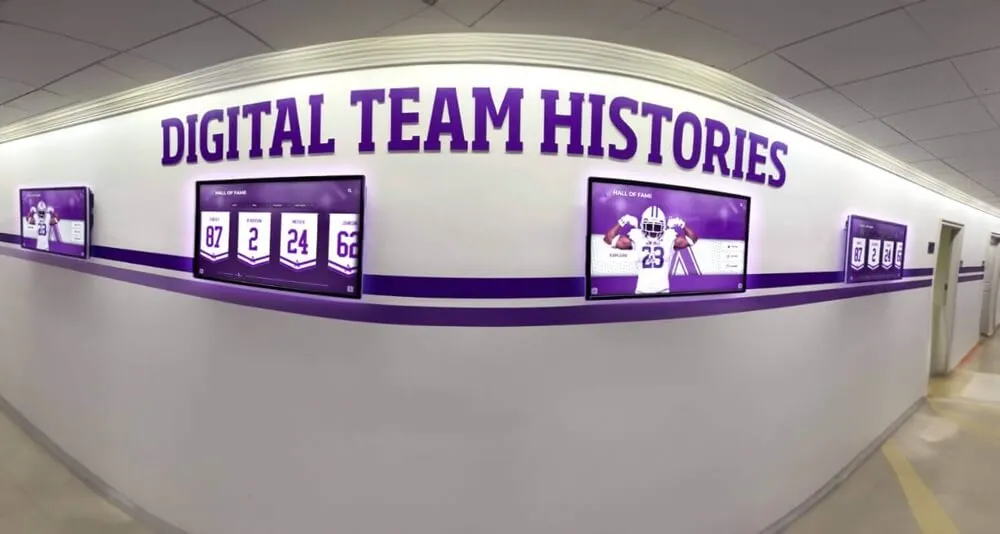
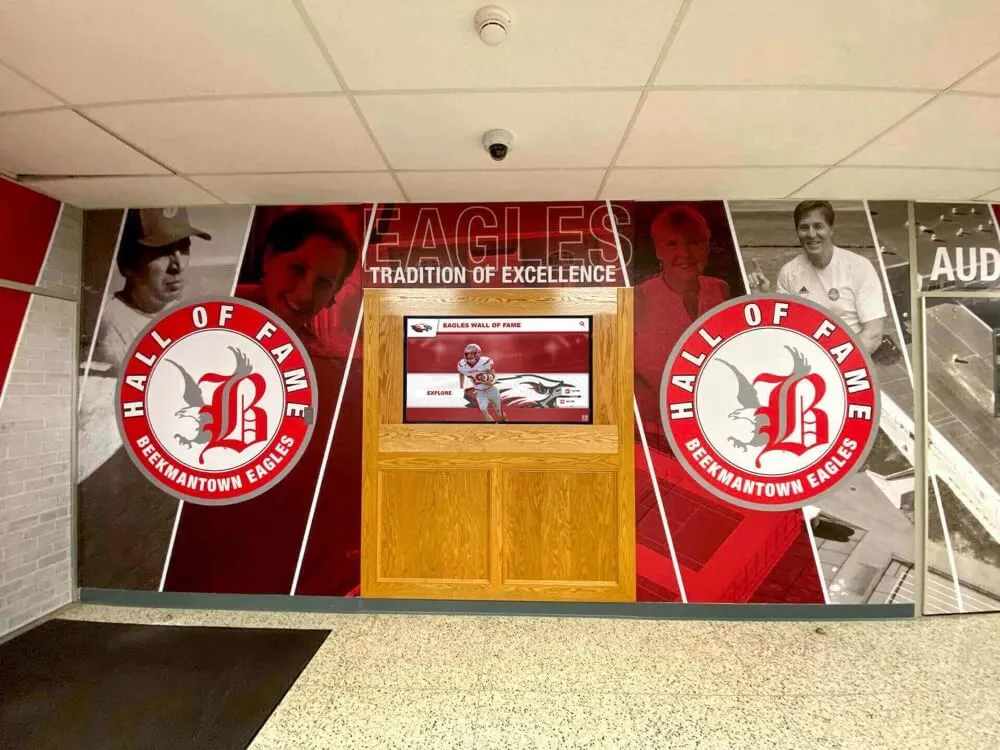
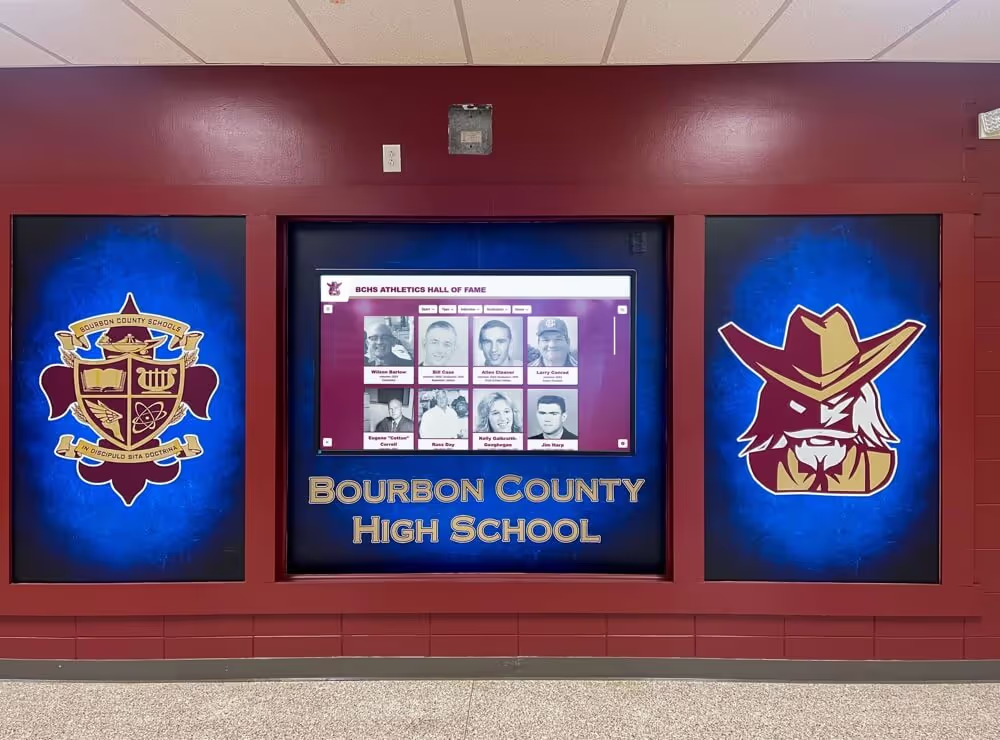
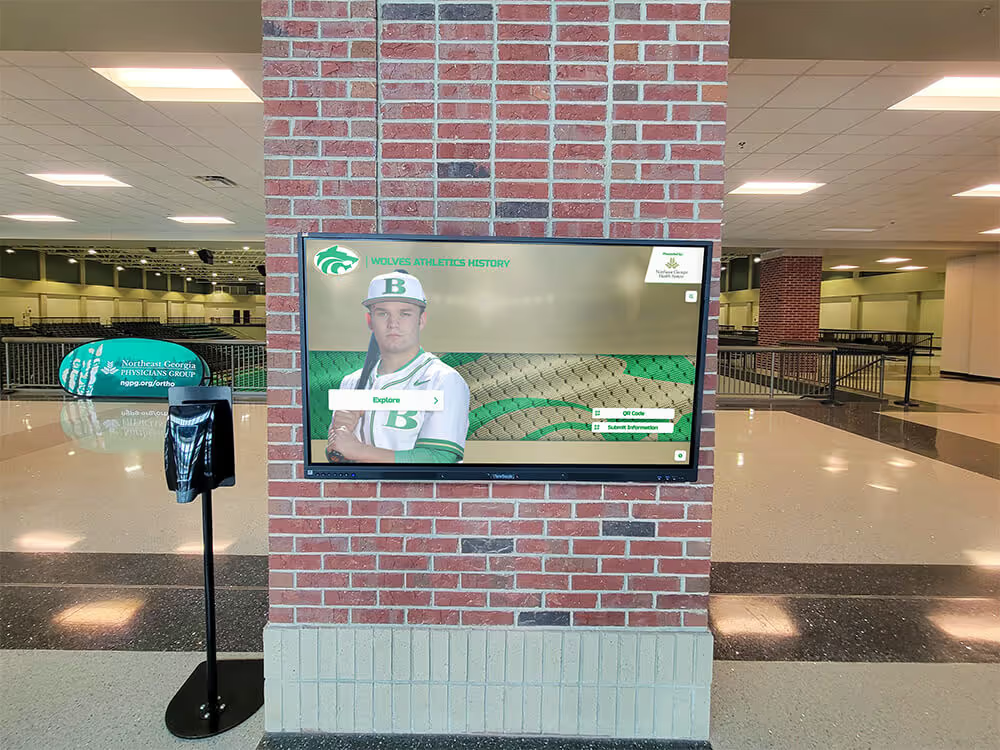
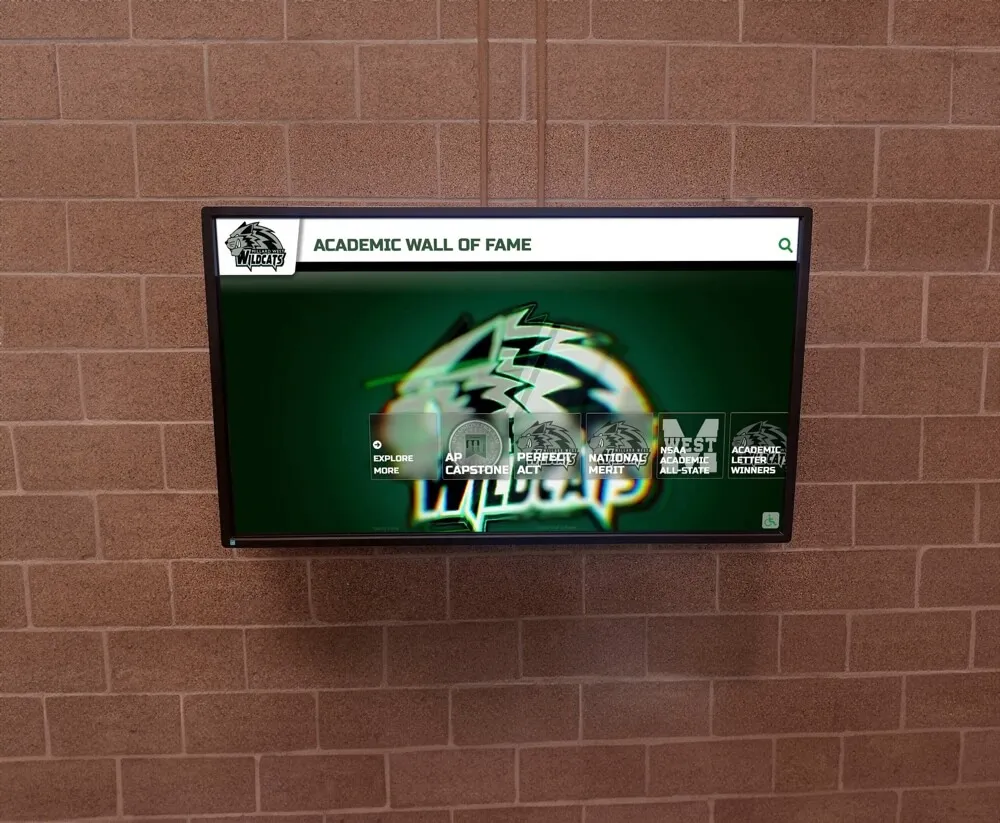
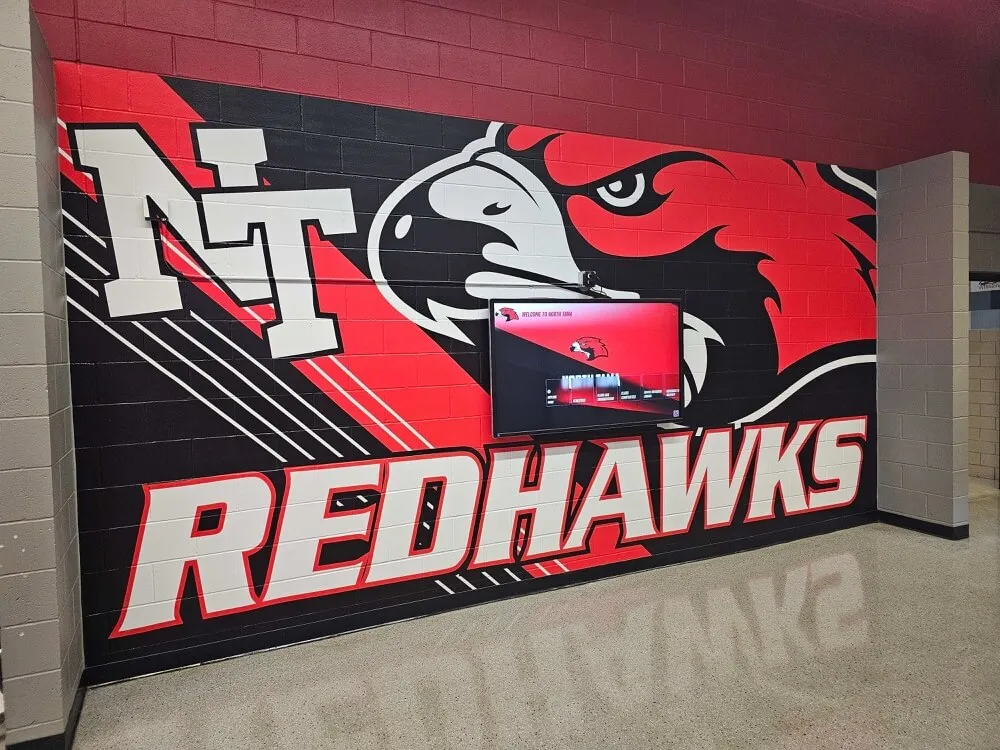
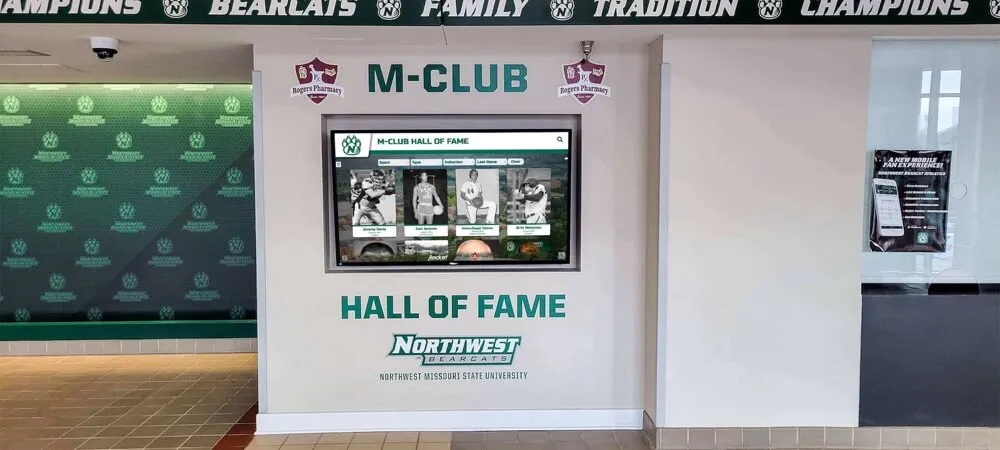
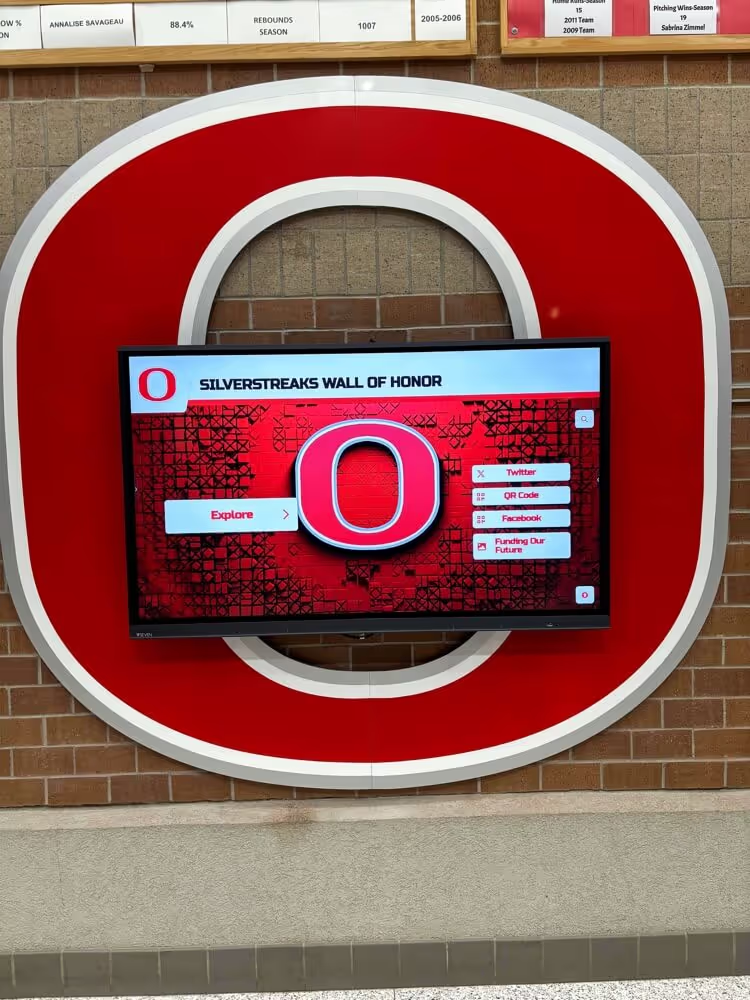
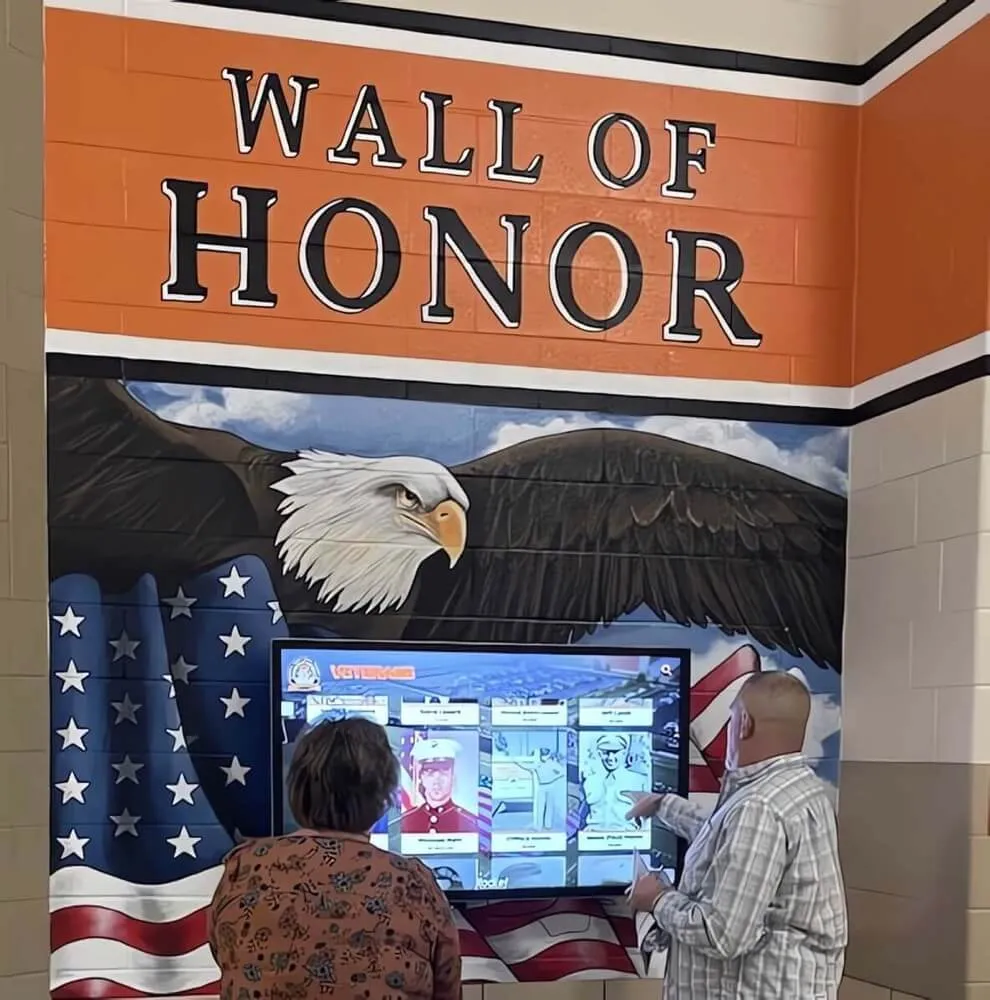
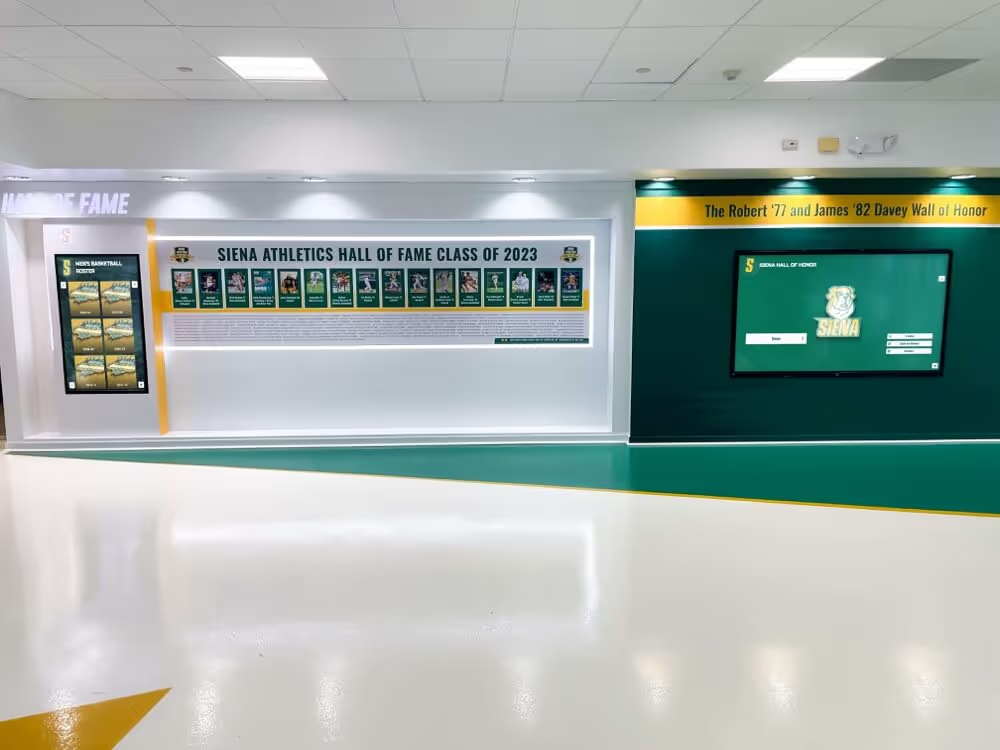
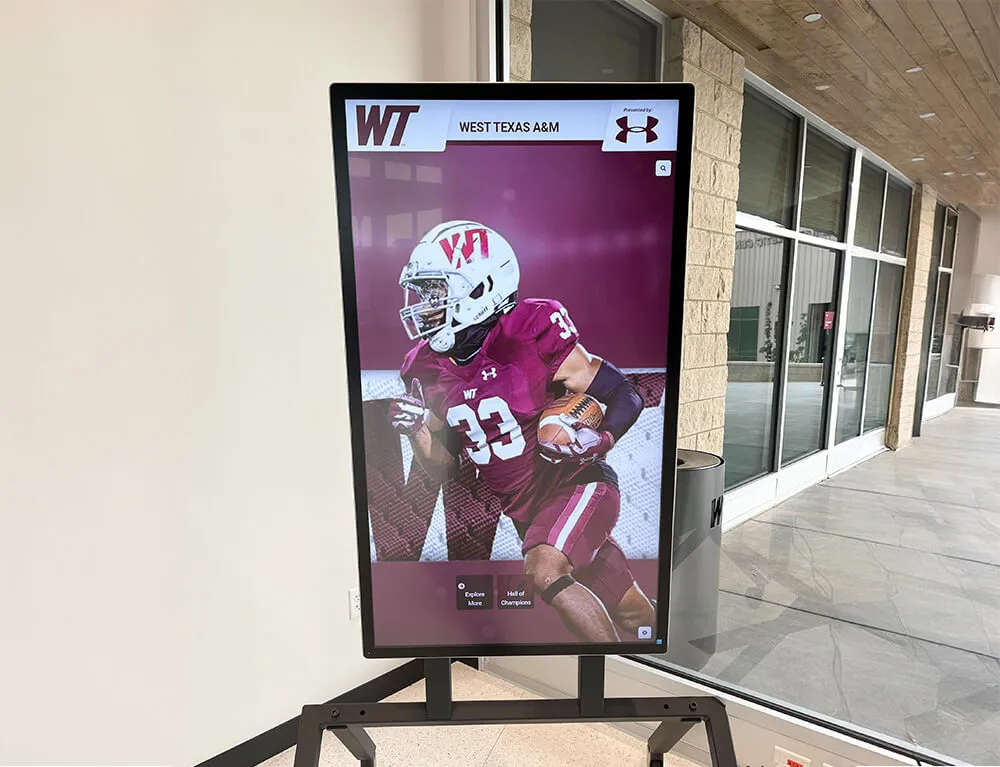
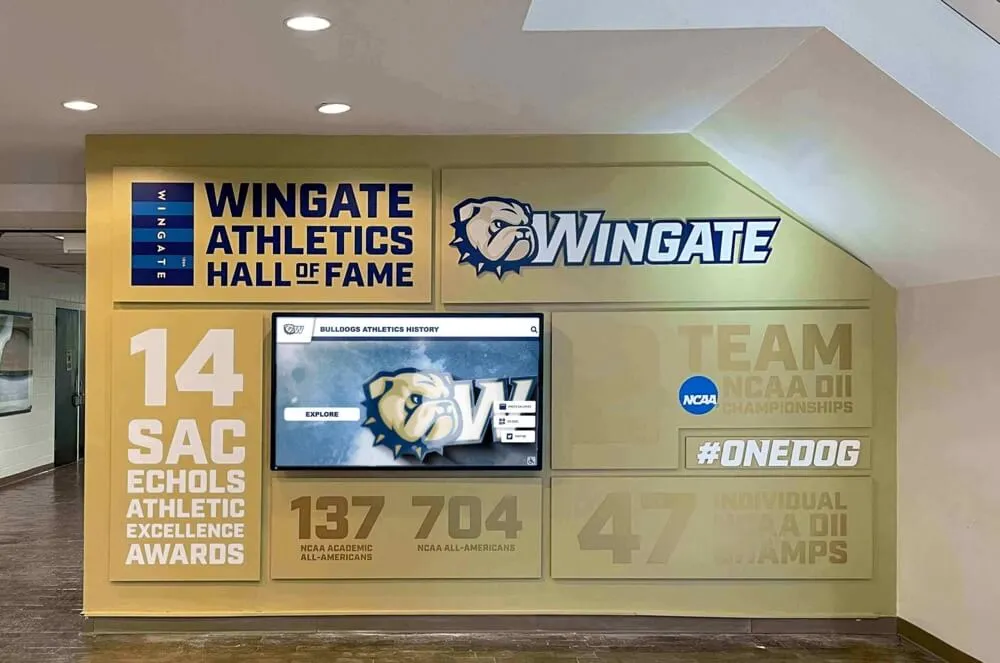
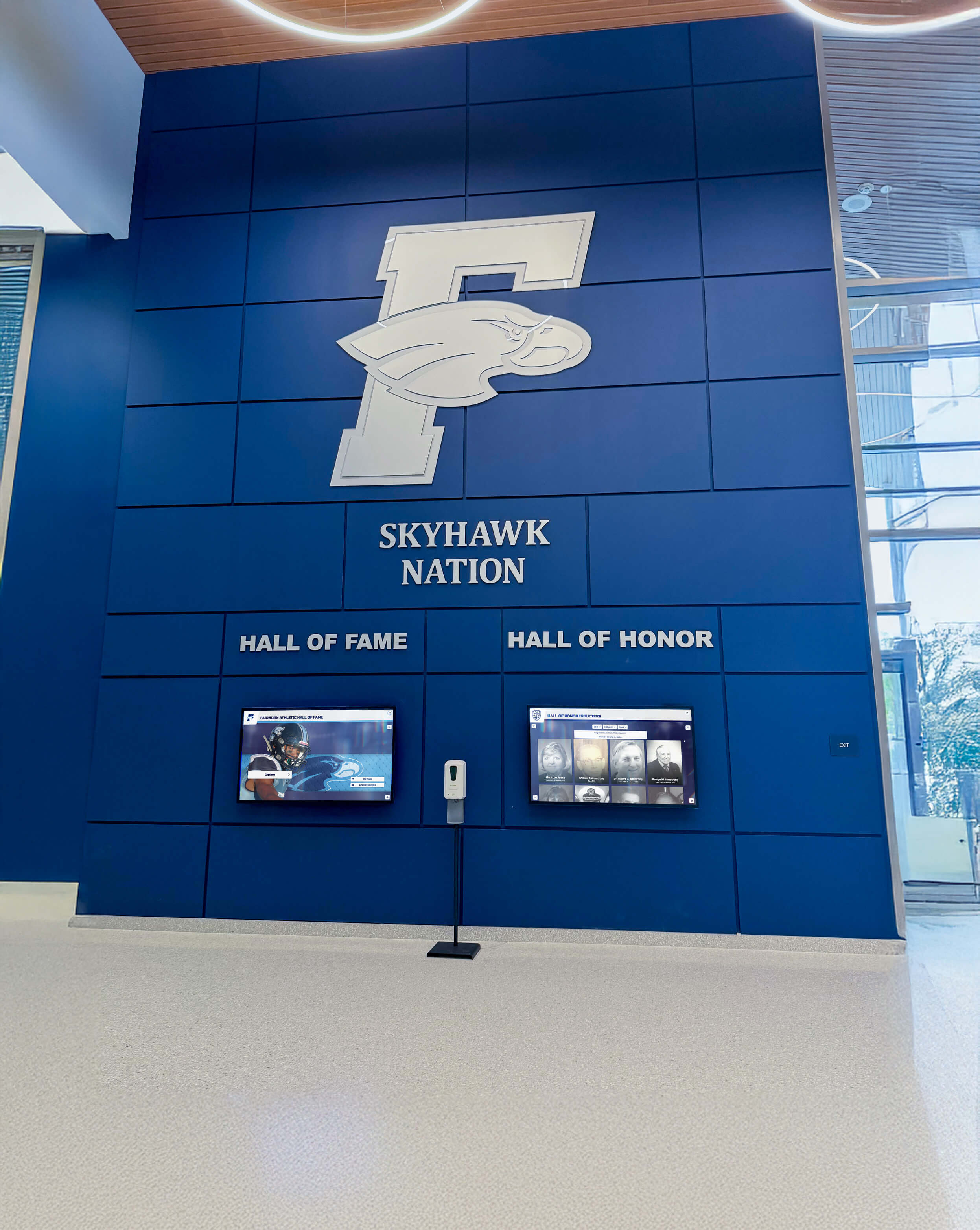
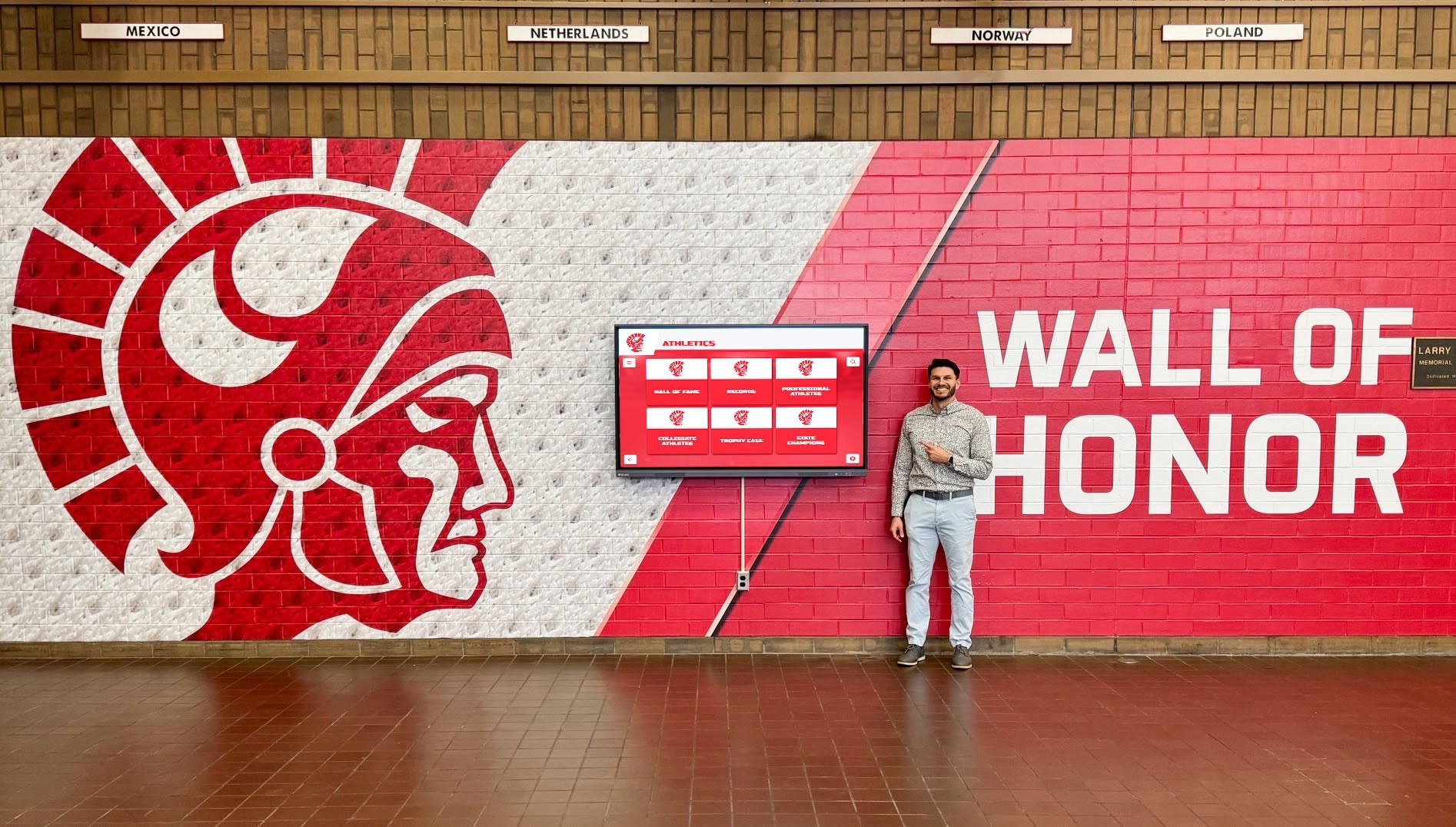
Schools can celebrate scholarship recipients through solutions like Rocket Alumni Solutions, creating digital recognition displays that showcase these achievements and inspire younger students.
The Scholarship Application Timeline: When to Start and What to Expect
Strategic timing significantly impacts scholarship success. Understanding when various steps occur allows students to prepare adequately without missing critical opportunities.
Freshman and Sophomore Years: Building Your Foundation
While most scholarship applications occur during junior and senior years, earlier high school years establish credentials that strengthen future applications:
Focus Areas for Underclassmen:
Musical Skill Development
- Establish regular private lesson routine building technique
- Participate in district and all-state audition processes
- Seek summer music camp experiences building skills and resume
- Accept any leadership opportunities (section leader, student teacher)
Academic Performance
- Maintain strong GPA qualifying for academic merit scholarships
- Develop effective time management balancing band and academics
- Build relationships with teachers who may write recommendations
- Explore colleges with strong band programs during family trips
Program Commitment
- Demonstrate consistent dedication through regular participation
- Volunteer for additional responsibilities building leadership reputation
- Participate in multiple ensembles beyond marching band
- Develop reputation as reliable, dedicated performer
Junior Year: Research and Relationship Building
Junior year represents the crucial preparation period before application deadlines:
Fall Semester (August-December)
- Research colleges with strong band programs aligning with academic interests
- Attend college fairs and music program open houses
- Begin communications with college band directors introducing yourself
- Continue building musical skills and leadership credentials
- Register for spring standardized testing (SAT/ACT)
Spring Semester (January-May)
- Visit target colleges and attend band rehearsals when possible
- Contact college band directors requesting information about scholarship opportunities
- Discuss college plans with high school band director soliciting advice
- Prepare for summer audition camps at target schools
- Complete standardized testing achieving qualifying scores
- Request teacher recommendations for summer programs
Summer Before Senior Year
- Attend college band camps experiencing programs firsthand
- Participate in audition workshops and masterclasses
- Begin drafting personal statements and updating resumes
- Identify specific audition requirements for target schools
- Start working with private teachers on audition materials
Senior Year: Application and Decision Period
Early Senior Year (August-October)
Critical preparation period before deadlines:
- Finalize college list including reach, match, and safety schools
- Complete FAFSA on October 1 when application opens
- Request letters of recommendation with adequate notice (by September)
- Begin scheduling auditions for November-February dates
- Submit early action/early decision applications if applicable
- Continue intensive audition preparation
Audition Season (November-February)
Peak scholarship competition period:
- Attend scheduled auditions prepared with required materials
- Follow up promptly after auditions with thank-you notes
- Continue practicing maintaining performance readiness for multiple auditions
- Complete regular admission applications by January deadlines
- Submit additional financial aid forms as required by institutions
Decision Period (March-May)
Financial aid offers arrive requiring evaluation:
- Review all financial aid offers comparing total costs and scholarship renewability
- Contact band directors with questions about scholarship details
- Attend accepted student days and band social events
- Evaluate scholarship renewal requirements across programs
- Make final enrollment decision by May 1 national deadline
- Notify programs about decisions promptly and professionally
Gap Year and Transfer Student Considerations
Not all students follow traditional high school to college pathways:
Gap Year Students
Taking time between high school and college requires planning:
- Maintain musical skills through continued practice and lessons
- Consider participating in drum corps or semi-professional ensembles
- Stay connected with band directors at target schools
- Understand how gap years affect freshman scholarship eligibility
- Use time productively enhancing applications and preparing audition materials
Transfer Students
Moving between institutions creates unique opportunities:
- Many programs offer transfer scholarships comparable to freshman awards
- Community college band participation can lead to four-year scholarship opportunities
- Transfer auditions typically occur in spring for fall enrollment
- Previous college GPA affects academic merit scholarship eligibility
- Document all musical accomplishments at previous institutions comprehensively
Maintaining Scholarship Eligibility Throughout College
Securing initial scholarships represents just the beginning. Maintaining eligibility throughout college requires understanding and meeting ongoing requirements.
Academic Performance Requirements
Most band scholarships include minimum GPA requirements:
Typical Academic Standards:
- 2.5 GPA minimum: Common baseline for continuing eligibility
- 2.75-3.0 GPA requirements: More competitive programs and larger scholarships
- Major-specific GPA: Music majors may face higher standards in music coursework
- Probationary periods: Often one semester to improve if GPA falls below minimum
Strategies for Academic Success:
- Utilize university academic support services proactively
- Communicate with directors early if struggling academically
- Balance course load considering band rehearsal time commitments
- Seek tutoring immediately when coursework becomes challenging
- Schedule classes strategically around rehearsal and performance obligations
Participation and Attendance Expectations
Consistent participation forms the foundation of scholarship obligations:
Standard Participation Requirements:
Rehearsals
- Attendance at all scheduled rehearsals (typically 8-12 hours weekly during season)
- Punctuality and preparedness for each rehearsal
- Active engagement and professional behavior
- Limited excused absences for academic conflicts or illness
Performances
- All home football games and scheduled halftime shows
- Away games as scheduled (often 2-4 per season)
- Exhibitions, parades, and special performances
- Bowl games and postseason performances when qualified
Additional Obligations
- Band camp (typically one week before fall semester)
- Sectional rehearsals and extra practice as needed
- Uniform fittings and equipment maintenance
- Promotional appearances and recruiting events
Managing Conflicts
Inevitably, conflicts arise between band commitments and other obligations:
- Academic conflicts: Communicate early with directors about unavoidable class conflicts
- Family emergencies: Provide documentation and notify directors immediately
- Medical issues: Submit appropriate documentation from healthcare providers
- Religious observances: Discuss conflicts early in the season for accommodation
Most programs work reasonably with students experiencing legitimate conflicts, but patterns of absence or lack of communication can jeopardize scholarship status.
Performance Review and Improvement Expectations
Many programs conduct periodic evaluations affecting scholarship renewal:
Common Evaluation Criteria:
- Musical progress and skill development
- Marching technique and visual performance quality
- Leadership contributions and mentorship of younger members
- Attitude, professionalism, and program citizenship
- Section or individual performance responsibilities
Improvement Plans
Students receiving performance concerns should:
- Take feedback seriously and develop action plans
- Seek additional lessons or practice time addressing specific weaknesses
- Communicate regularly with directors about progress
- Demonstrate commitment through visible effort and improvement
- Request specific guidance about expectations and timelines
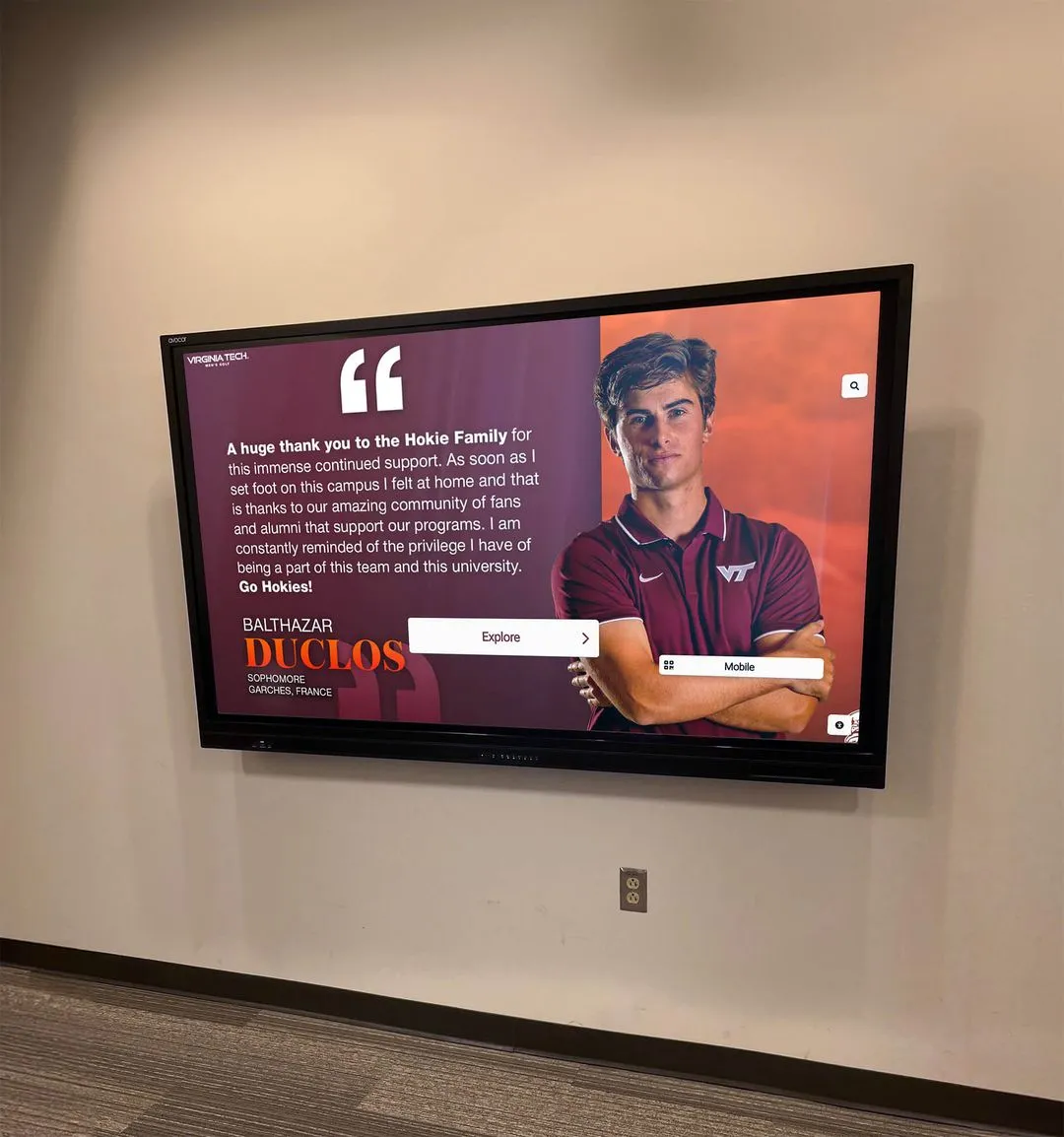
Schools increasingly recognize both academic and extracurricular achievements through comprehensive programs. Digital recognition solutions like Rocket Alumni Solutions help institutions showcase scholarship recipients on recognition displays, celebrating non-athletic student achievements and inspiring younger students to pursue similar opportunities.
Beyond the Money: Additional Benefits of College Marching Band Participation
While financial support drives many students to pursue band scholarships, the experience provides value extending far beyond tuition assistance.
Building Lifelong Friendships and Professional Networks
Marching band creates unique social bonds through shared experiences:
Immediate Community Benefits
- Built-in friend group from arrival on campus
- Regular social interaction through rehearsals and travel
- Shared experiences creating strong bonds quickly
- Diverse friend network across majors and backgrounds
- Social support system during college transitions and challenges
Long-Term Professional Networks
Band alumni networks provide career advantages:
- Fellow band members become colleagues in various professional fields
- Alumni connections facilitating job opportunities and mentorship
- Professional relationships formed through shared experiences
- Network spanning multiple graduation years through program traditions
Many professional organizations, companies, and industries value former band members for teamwork skills, work ethic, and dedication demonstrated through program participation.
Leadership Development and Resume Building
College band participation develops professionally valuable skills:
Leadership Opportunities
- Section leader positions managing 5-15 peers
- Drum major roles directing ensembles of 200-400 members
- Squad leader positions teaching marching techniques
- Student leadership councils advising directors on program decisions
Transferable Professional Skills
- Time management balancing rigorous schedules
- Teamwork and collaboration in large group settings
- Performance under pressure during high-stakes events
- Attention to detail and commitment to excellence
- Ability to accept coaching and implement feedback
Employers consistently value these skills, with many specifically seeking former band members recognizing their reliability and work ethic.
Performance and Travel Experiences
College bands provide performance opportunities unavailable elsewhere:
Regular Season Experiences
- Performing before crowds of 50,000-110,000 at major college football games
- National television exposure during broadcast games
- Bowl game performances in destination cities
- Special events and exhibitions beyond standard season
Unique Travel and Performance Opportunities
Major programs regularly participate in special performances:
- Bowl games in locations like Miami, New Orleans, Pasadena, Phoenix
- Disney World and Universal Studios performances
- Presidential inauguration participation
- International tours and cultural exchange programs
- Professional sporting events and major parades
These experiences create lasting memories while building performance confidence and cultural experiences enriching college education beyond classroom learning.
Maintaining Musical Skills While Pursuing Other Majors
Many college band members aren’t music majors but value continuing musical development:
Benefits for Non-Music Majors
- Continued skill development maintaining lifetime musical abilities
- Creative outlet balancing rigorous academic programs
- Performance experiences complementing STEM, business, or liberal arts studies
- Demonstrated well-roundedness strengthening graduate school and job applications
College band allows students pursuing medicine, engineering, business, education, and countless other fields to maintain musical passions while preparing for diverse careers.
Schools can recognize these comprehensive achievements through academic recognition programs celebrating diverse student accomplishments beyond traditional academic metrics.
Recognizing Marching Band Scholarship Recipients: How Schools Can Celebrate These Achievements
High schools play important roles celebrating scholarship achievements, inspiring younger students while validating program effectiveness.
Creating Comprehensive Recognition Programs
Effective scholarship recognition serves multiple purposes:
Student Motivation
Visible celebration of scholarship success:
- Demonstrates tangible benefits of dedication and skill development
- Provides aspirational examples for younger students
- Validates time investment in band participation
- Creates specific goals beyond performance improvement
Program Marketing
Scholarship recognition enhances program reputation:
- Demonstrates program quality through objective external validation
- Attracts talented incoming students seeking similar opportunities
- Provides talking points for program advocacy and funding requests
- Builds community support showing return on program investment
Parent and Community Engagement
Public recognition strengthens stakeholder relationships:
- Shows parents that student dedication leads to meaningful outcomes
- Builds community pride in local student achievements
- Encourages continued support for music education funding
- Demonstrates comprehensive value of arts programs
Digital Recognition Displays for Music Achievement
Modern recognition solutions effectively showcase scholarship recipients:
Advantages of Digital Recognition Systems
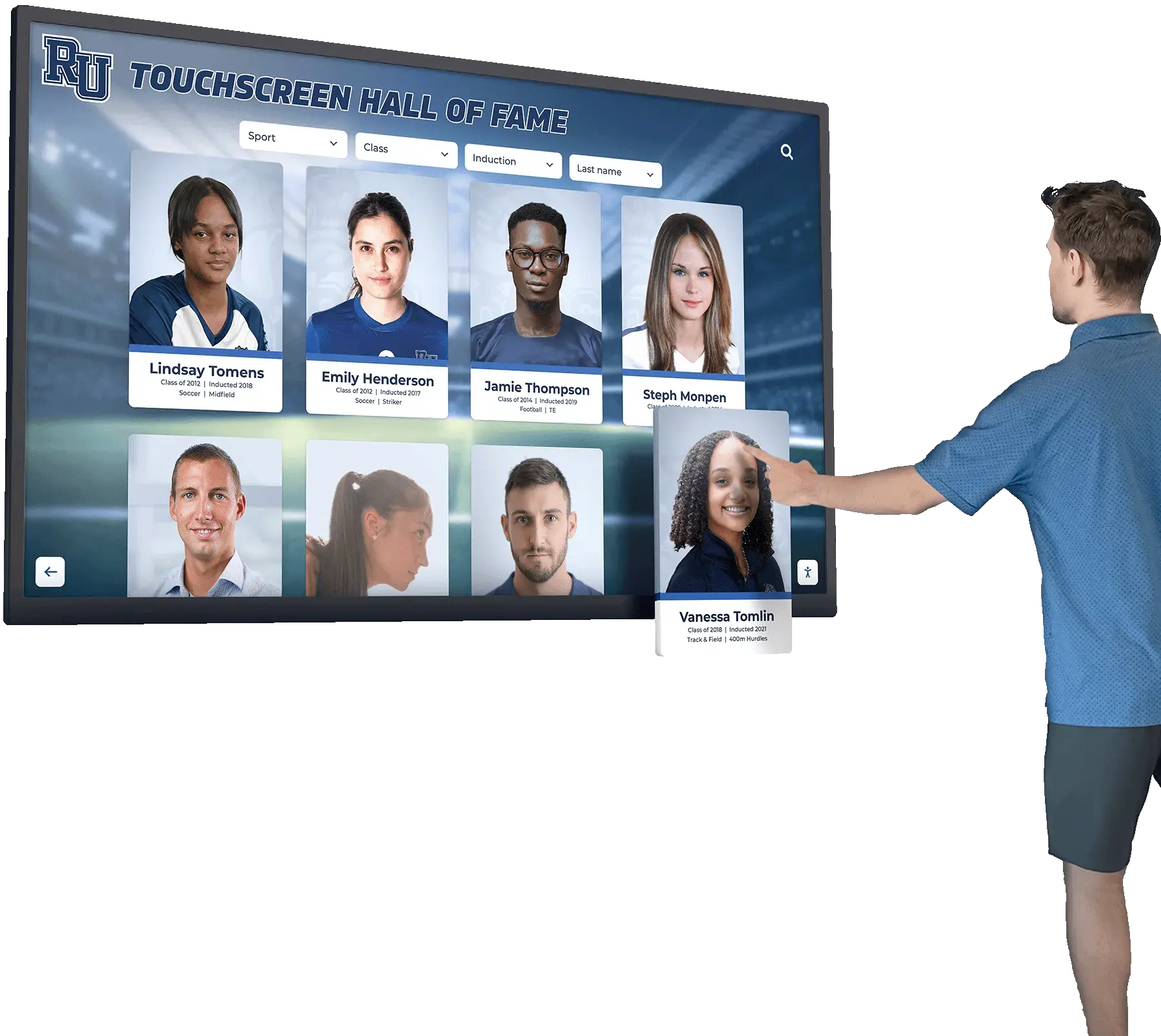
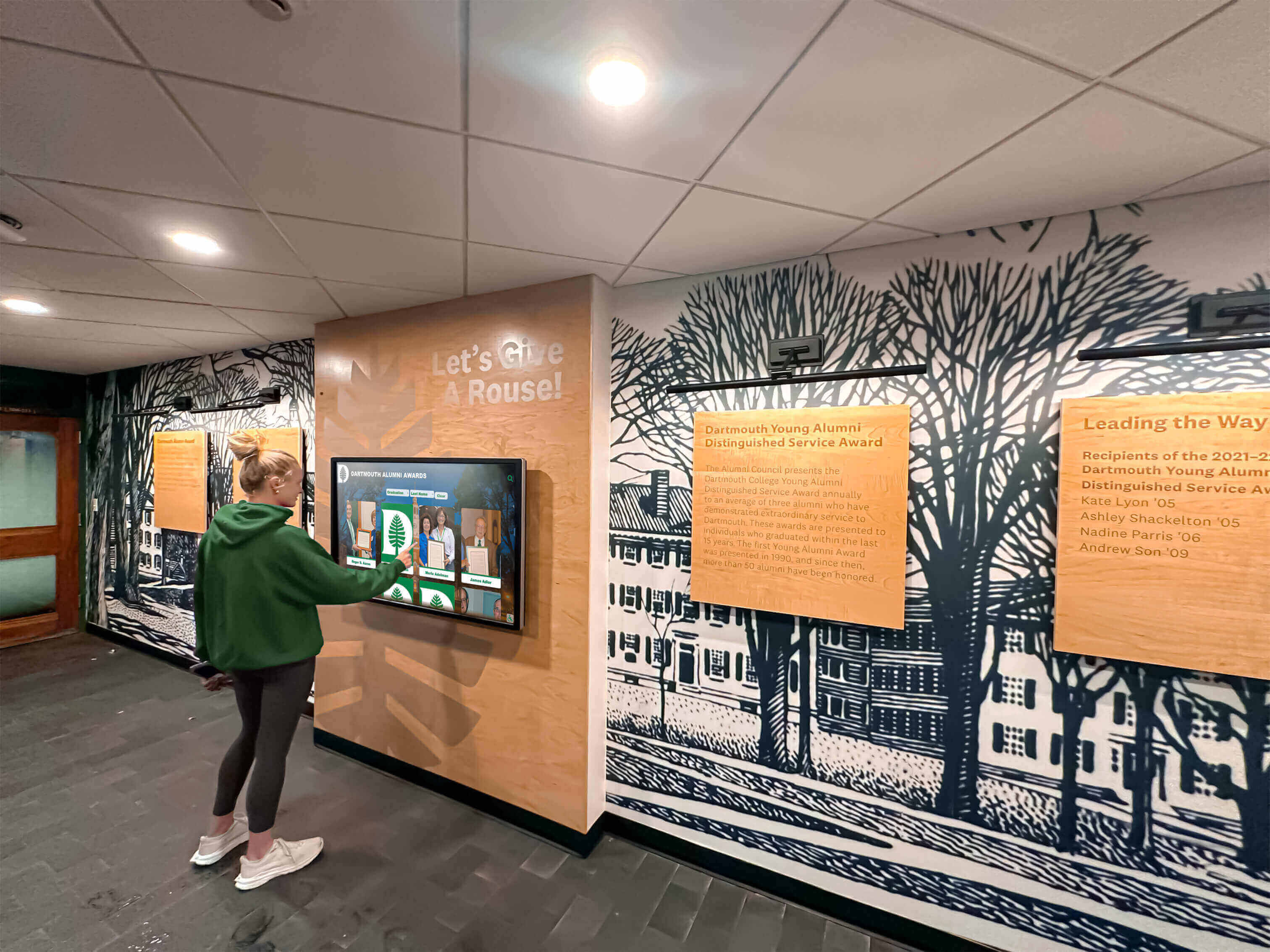
Solutions like Rocket Alumni Solutions provide comprehensive platforms for celebrating student achievements:
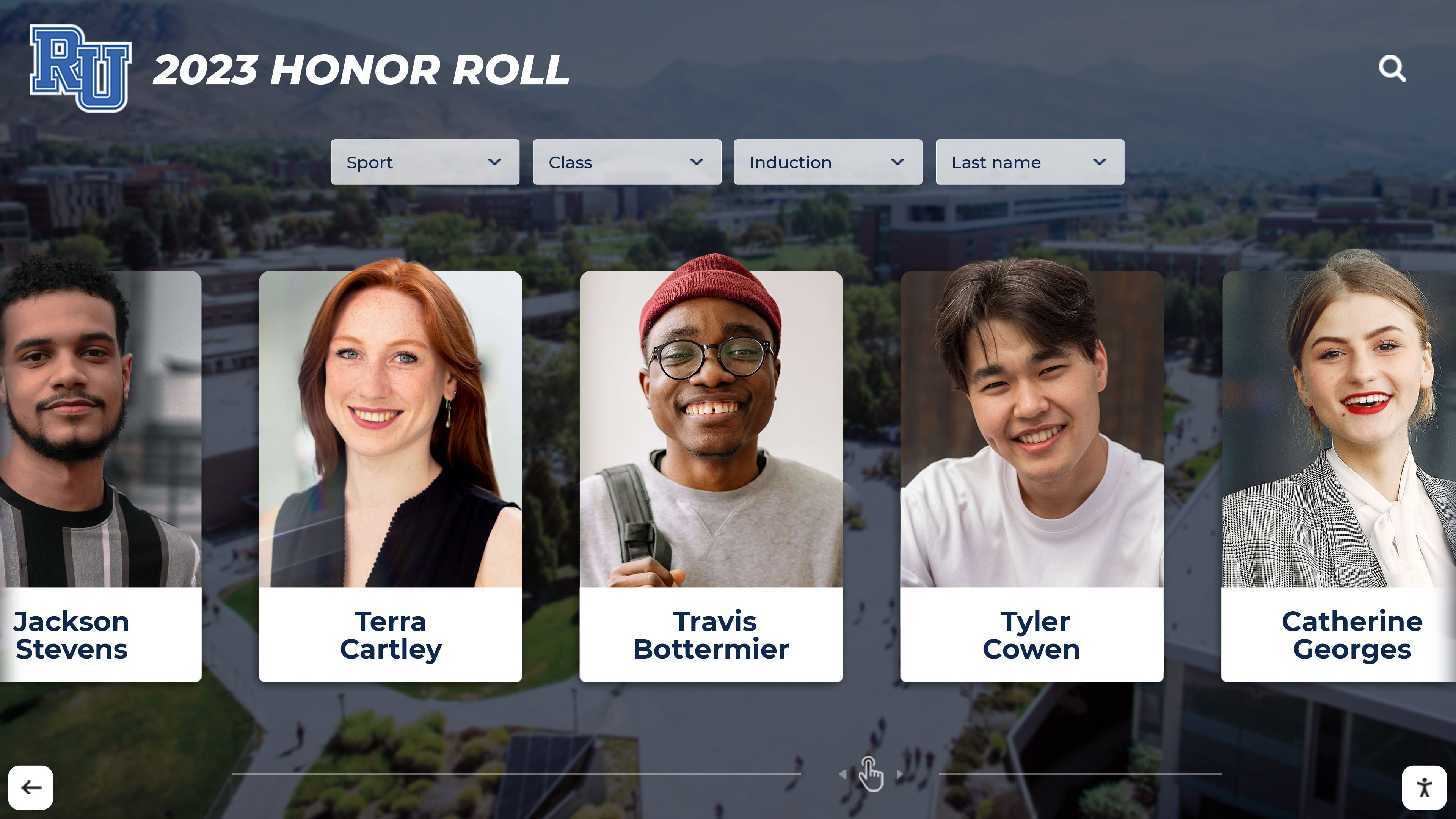
- Unlimited capacity: Recognize all scholarship recipients without physical space constraints
- Rich storytelling: Include student photos, scholarship details, college destinations, and achievement narratives
- Instant updates: Add new scholarship recipients immediately without waiting for plaques or physical materials
- Multimedia integration: Feature video interviews with students discussing application experiences and advice
- Interactive exploration: Allow students and families to browse scholarship histories and achievement details
Comprehensive Achievement Categories
Effective recognition programs celebrate diverse accomplishments beyond a single achievement type:
- Marching band scholarships alongside athletic and academic awards
- College commitment information showing destinations and programs
- National merit recognition and standardized test achievements
- Academic competition success and extracurricular leadership
- Performing arts scholarships including orchestra, choir, and theater
This comprehensive approach ensures students pursuing diverse pathways all receive appropriate recognition while demonstrating the school’s commitment to developing well-rounded graduates. Learn more about creating comprehensive student achievement recognition programs.
Band Director Involvement in Recognition Programs
High school directors play crucial roles in celebrating scholarship success:
Recognition Best Practices:
Public Announcement and Celebration
- Recognize scholarship recipients during spring concerts or award ceremonies
- Share details about scholarship amounts and college programs
- Invite recipients to share application advice with younger students
- Display scholarship information in band rooms and school hallways
Documentation and Historical Records
- Maintain comprehensive records of scholarship recipients and awards
- Track scholarship totals demonstrating program value over time
- Document college destinations and program paths
- Use historical data in program advocacy and community communications
Mentorship and Guidance
Directors who have successfully guided students through scholarship processes can:
- Provide younger students with specific application timelines and advice
- Connect students with college band directors and programs
- Review audition materials and personal statements
- Share realistic expectations about scholarship availability and competitiveness
Common Myths and Misconceptions About Marching Band Scholarships
Several persistent myths discourage students from pursuing legitimate scholarship opportunities.
Myth: You Must Be a Music Major to Receive Band Scholarships
Reality: Many programs specifically seek non-music majors to participate.
Large university marching bands typically include 60-80% non-music majors pursuing diverse fields while continuing musical participation. Band directors actively recruit talented instrumentalists across all academic interests, recognizing that diverse membership strengthens programs both musically and culturally.
Scholarship eligibility rarely requires music major status, though music majors may access additional music school scholarships creating larger total packages.
Myth: Only Elite Musicians Receive Band Scholarships
Reality: Programs seek various skill levels across different instruments.
While featured positions and principal chairs require exceptional skill, programs need competent players across all sections. A solid clarinet player may receive meaningful scholarship support at a program seeking to fill that section, while more talented brass players might receive less funding at programs with stronger brass sections.
Instrumentation needs significantly impact scholarship distribution, creating opportunities for students who might not consider themselves elite musicians but play instruments the program needs to balance roster composition.
Myth: Marching Band Scholarships Don’t Amount to Meaningful Funding
Reality: Combined scholarship packages can substantially reduce college costs.
While individual marching band scholarships typically range from $500-$5,000 annually, these awards combine with academic merit scholarships, need-based aid, and outside scholarships creating comprehensive packages. A student receiving:
- $3,000 marching band scholarship
- $8,000 academic merit scholarship
- $3,000 Pell Grant
- $2,000 in outside scholarships
Receives $16,000 in annual gift aid significantly reducing costs at public universities where tuition and fees total $10,000-$15,000 for in-state students or $25,000-$35,000 for out-of-state students.
Myth: All Band Scholarships Require Full Commitment to Music Study
Reality: Band participation commitments focus on rehearsal and performance schedules, not academic majors.
Typical college band commitments include:
- Band camp (one week before fall semester)
- Regular season rehearsals (8-12 hours weekly)
- Game day performances (3-4 hours per home game)
- Away games and special performances as scheduled
These commitments, while significant, allow students to pursue engineering, pre-med, business, education, or any other major while maintaining scholarship eligibility. Thousands of college band members successfully balance band participation with rigorous academic programs in diverse fields.
Myth: You Need Professional-Level Equipment to Compete for Scholarships
Reality: Programs evaluate musical ability and potential, not equipment brands.
While professional instruments offer advantages, evaluators focus primarily on tone quality, technical facility, musical expression, and performance potential that dedicated students achieve with mid-range student or intermediate instruments.
More important than equipment brand:
- Consistent practice and skill development
- Proper instrument maintenance keeping equipment in good playing condition
- Quality private instruction developing technique and musicianship
- Understanding of audition material and performance readiness
Students with less expensive equipment who demonstrate superior skill, musicality, and dedication routinely earn scholarships over students with professional equipment but less developed abilities.
Frequently Asked Questions
Do I need to be a music major to receive marching band scholarships?
How much are typical marching band scholarships worth?
Can marching band scholarships be combined with academic merit scholarships?
When should I start preparing for college band scholarship auditions?
Do marching band scholarships renew automatically each year?
What instruments are most in demand for college band scholarships?
How competitive are marching band scholarships compared to athletic scholarships?
Conclusion: Turning Musical Dedication Into Educational Opportunity
Marching band scholarships represent substantial financial opportunities for the thousands of students who dedicate countless hours to musical excellence throughout their high school careers. These scholarships reward not just instrumental skill but also the leadership, teamwork, dedication, and perseverance that band participation develops—qualities that serve students throughout their educational and professional lives.
For families navigating rising college costs and seeking every available funding source, marching band scholarships provide practical pathways to reducing educational expenses while allowing students to continue pursuing their musical passions. Whether receiving $2,000 annually that makes an in-state public university affordable or $8,000 that enables attendance at a dream school, these scholarships create opportunities that might not otherwise exist.
The key to scholarship success lies in strategic preparation extending beyond just musical skill development. Students who research programs thoroughly, prepare comprehensive applications, develop strong audition materials, maintain academic eligibility, and understand how scholarships combine within financial aid packages consistently achieve the best outcomes. Starting early—ideally during junior year of high school—allows adequate preparation time without the last-minute stress that undermines application quality and audition performance.
Beyond immediate financial benefits, college band participation provides experiences and relationships enriching college education in ways that extend far beyond monetary value. The friendships formed through shared experiences, leadership skills developed through program participation, performance opportunities available only through major college programs, and professional networks built through alumni connections create comprehensive value justifying participation even beyond scholarship considerations.
For high schools, recognizing marching band scholarship recipients alongside athletic and academic achievers demonstrates comprehensive commitment to student success across all domains. When schools celebrate these achievements through visible recognition—whether traditional physical displays or modern digital recognition systems—they inspire younger students to pursue similar opportunities while validating music education program effectiveness to parents, administrators, and communities.
Ready to transform how your school celebrates student achievements including marching band scholarships and other important accomplishments? Rocket Alumni Solutions provides comprehensive digital recognition solutions that help schools showcase scholarship recipients, college commitments, and diverse student achievements through engaging interactive displays. These platforms allow schools to celebrate every student who earns recognition—whether through marching band scholarships, athletic awards, academic honors, or leadership accomplishments—creating sustainable solutions that inspire current students while honoring those who came before.
Your students work incredibly hard developing the musical skills, leadership abilities, and dedication that lead to scholarship opportunities. Comprehensive scholarship awareness, strategic preparation, and proper recognition ensure these achievements receive the celebration they deserve while opening educational doors that transform students’ futures. Whether you’re a student beginning the scholarship journey, a parent supporting that process, or an educator celebrating student success, understanding marching band scholarship opportunities creates pathways to making college education both accessible and enriching through the power of music.