Marching band represents one of the most demanding, time-intensive activities schools offer. Members arrive for summer band camp weeks before other students return to campus, practice multiple hours daily throughout fall semesters, perform at every football game regardless of weather, compete in regional and state competitions, and balance intense rehearsal schedules with rigorous academic demands. Band directors frequently note that their students demonstrate athletic-level dedication to a pursuit requiring simultaneous mastery of musical performance, precise choreography, physical endurance, and team coordination.
Yet recognition systems at many schools reflect outdated hierarchies that prioritize traditional athletics while treating performing arts as secondary activities. Athletic teams receive trophy cases in prominent hallways, championship banners in gymnasiums, regular announcements celebrating victories, and comprehensive awards programs recognizing diverse achievements. Meanwhile, band accomplishments often receive minimal visibility beyond music department bulletin boards and brief mentions in school newsletters that few students actually read.
This recognition imbalance communicates problematic messages about institutional values—suggesting that physical athleticism matters more than artistic excellence, that competitive sports deserve more celebration than competitive performance arts, and that students dedicating comparable effort to different pursuits merit different levels of acknowledgment. Schools committed to genuinely balanced recognition cultures must implement comprehensive marching band recognition systems that celebrate musical achievement with equivalent visibility, prestige, and thoughtfulness as athletic recognition.
Understanding the Case for Marching Band Recognition
Before exploring specific recognition ideas, schools benefit from understanding why comprehensive band recognition matters strategically beyond simple fairness considerations.
The Athletic Comparison: Time, Dedication, and Discipline
The marching band-athletics parallel extends far beyond superficial similarities. Both require structured seasons with defined competitive schedules, daily practice commitments measured in hours rather than minutes, physical conditioning and stamina development, team coordination and synchronized performance, leadership development through section leaders and drum majors, and representation of school identity at public events.
Time Investment Analysis: Typical marching band seasons run 14-18 weeks from summer band camp through championship competitions, with daily rehearsals averaging 2-3 hours plus performance time at football games and competitions. This schedule matches or exceeds many athletic programs’ seasonal commitments. National-level competitive bands may practice 20+ hours weekly during peak competition season—time investments comparable to any varsity athletic program.
Physical Demands: Marching while playing instruments requires simultaneous coordination of breathing control, finger technique, upper body stability, lower body movement, and spatial awareness—all while maintaining pitch accuracy, tempo precision, and visual alignment. Percussion sections carry drums weighing 30-50 pounds throughout performances, demonstrating endurance comparable to contact sports. Color guard members execute throws, catches, and choreography requiring strength, flexibility, and injury risk management similar to gymnastic disciplines.
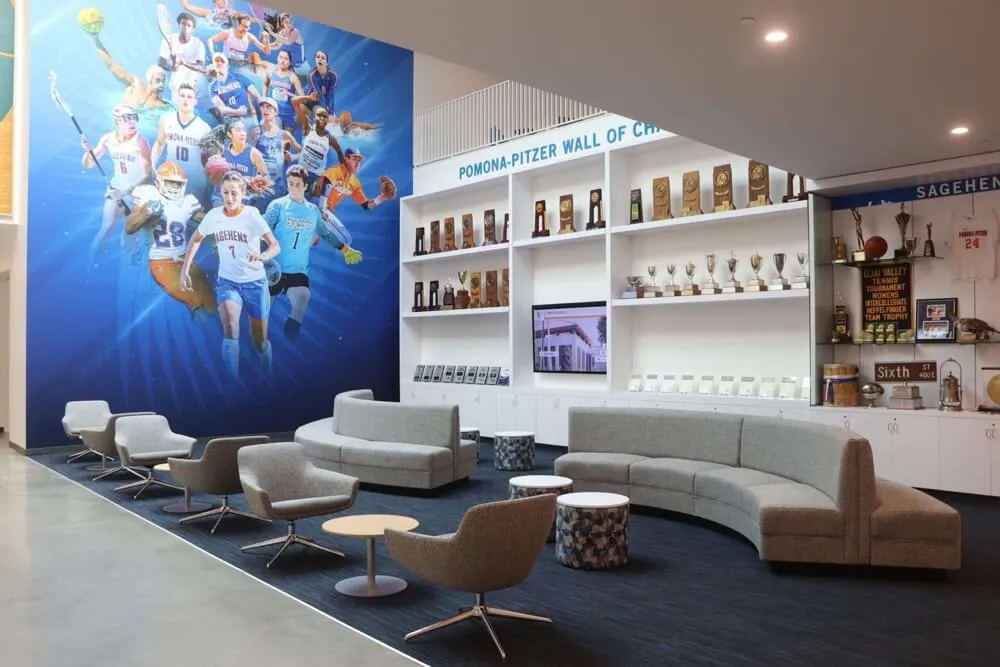
When schools implement athletic awards programs celebrating diverse contributions beyond top performers, they recognize that comprehensive recognition drives engagement. The same principle applies to band programs—recognition systems acknowledging varied contributions create cultures where every member feels valued.
Program Benefits of Comprehensive Recognition
Schools implementing robust marching band recognition systems report multiple measurable benefits extending throughout school communities and music programs specifically.
Increased Retention and Recruitment: Recognition visibility directly impacts program participation. When prospective students and families see band achievements celebrated alongside athletic accomplishments through trophy displays, digital showcases, and regular announcements, they understand that the school genuinely values musical excellence. This messaging attracts musically talented students while retaining current members who might otherwise feel underappreciated compared to athlete peers receiving more visible recognition.
Enhanced School Spirit and Community Identity: Marching bands provide soundtrack and energy for school events throughout the year, contributing fundamentally to game-day atmosphere and school spirit traditions. Prominent band recognition reinforces these contributions’ importance while building community appreciation for musical excellence. Parents, alumni, and community members who see band achievements celebrated develop stronger connections to overall school identity beyond athletic programs alone.
Balanced Recognition Culture: Schools that recognize only athletic achievement communicate narrow definitions of excellence and school value. Institutions celebrating diverse achievement types—academics, athletics, arts, service, and leadership—demonstrate that multiple paths to significance exist and receive equal institutional respect. This inclusive messaging benefits all students by validating various talents and dedication forms rather than privileging singular achievement dimensions.
Schools developing comprehensive approaches to student achievement recognition understand that parallel recognition systems for arts, academics, and athletics strengthen overall school culture while demonstrating genuine commitment to celebrating excellence across all domains.
Traditional Marching Band Recognition Ideas
Traditional recognition approaches form the foundation of comprehensive band celebration, providing familiar frameworks adapted from athletic programs while honoring musical excellence through established recognition formats.
Year-End Awards Banquets and Ceremonies
Awards banquets create formal opportunities celebrating band achievements while providing closure to intensive seasons and building community among members, families, and supporters.
Essential Banquet Components: Successful band banquets include seasonal highlights presentation reviewing memorable performances and achievements, individual awards recognizing diverse contributions, senior recognition honoring graduating members’ multi-year commitments, director’s remarks acknowledging both collective and individual excellence, and social time allowing members and families to celebrate together beyond rehearsal contexts.
Award Categories Worth Implementing: Consider recognizing section leaders for musical and organizational leadership, most improved musicians demonstrating dramatic skill development, outstanding freshmen showing exceptional adaptation and promise, dedication awards for members exemplifying consistent commitment and work ethic, musicianship awards for technical excellence and artistry, and spirit awards for members bringing positive energy and enthusiasm daily.
Presentation Best Practices: Make award presentations meaningful by explaining specific reasons recipients earned recognition rather than simply announcing names. Share specific examples of how dedication award winners went beyond requirements, describe how most improved recipients transformed their performance capabilities, and highlight particular moments when spirit award winners elevated entire ensemble morale. Detailed recognition creates memorable moments while communicating precise behaviors and contributions worthy of celebration.
Section Awards and Internal Competition Recognition
Section-based recognition celebrates contributions within brass, woodwinds, percussion, and color guard while creating healthy internal competition that drives collective improvement.
Section Leadership Recognition: Acknowledge section leaders who provided musical guidance, organized sectionals, mentored less experienced members, and maintained section cohesion throughout demanding seasons. Section leader awards validate leadership work that happens largely behind scenes during informal rehearsals and peer teaching moments directors may not directly witness.
Section Achievement Awards: Implement awards recognizing best section attendance, most improved section based on evaluation scores throughout season, section spirit award for best morale and mutual support, and musical achievement for sections demonstrating consistent technical excellence and blend. Section-level recognition encourages collective improvement while building friendly competition between instrumental groups.
Individual Section Recognition: Within each section, recognize top performer based on chair placement or director evaluation, most versatile member demonstrating proficiency across multiple parts or instruments, and rookie of the section honoring outstanding first-year performance. These specific awards ensure recognition reaches beyond drum majors and top overall performers to celebrate excellence within each instrumental and visual area.
Competition Achievement Recognition
Competitive band programs participating in circuit competitions, regional championships, and state festivals accumulate achievements throughout seasons that merit special recognition distinct from regular performance acknowledgment.
Competition Milestone Celebration: Recognize specific accomplishments including first-place finishes or podium placements, superior ratings at state adjudicated festivals, caption awards for best music performance, visual performance, or general effect, performance score improvements tracking progression throughout competitive season, and advancement to higher classification levels demonstrating program growth.
Historical Context Enhancement: When presenting competition achievements, include historical perspective showing how current results compare to program history. Acknowledge when teams match or exceed previous best scores, when they earn highest placement in recent years, or when they achieve firsts for the program. This contextualization makes current achievements more meaningful while connecting present members with program legacy.
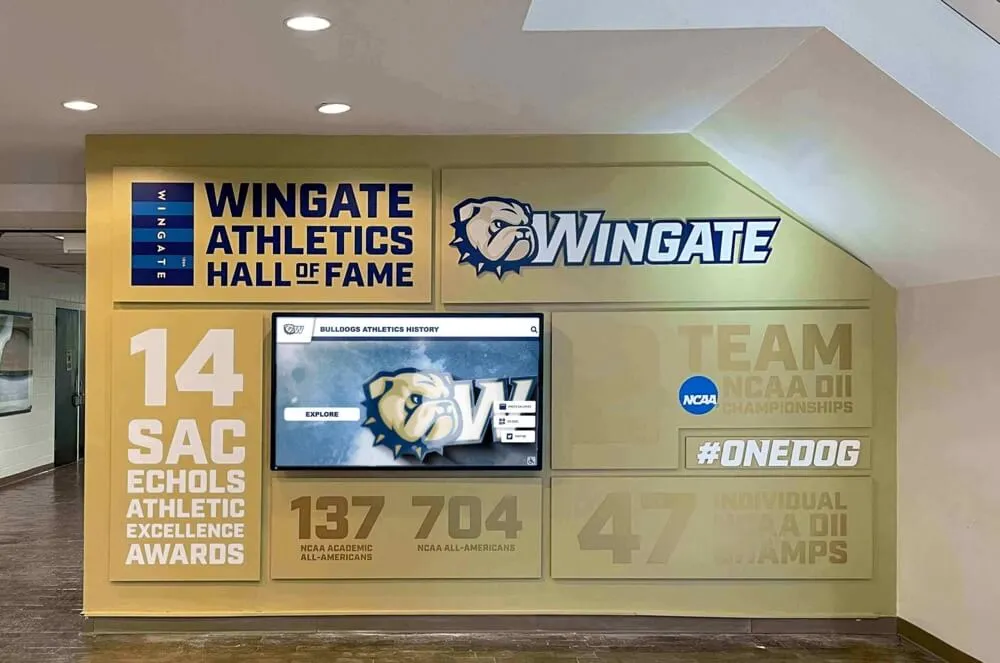
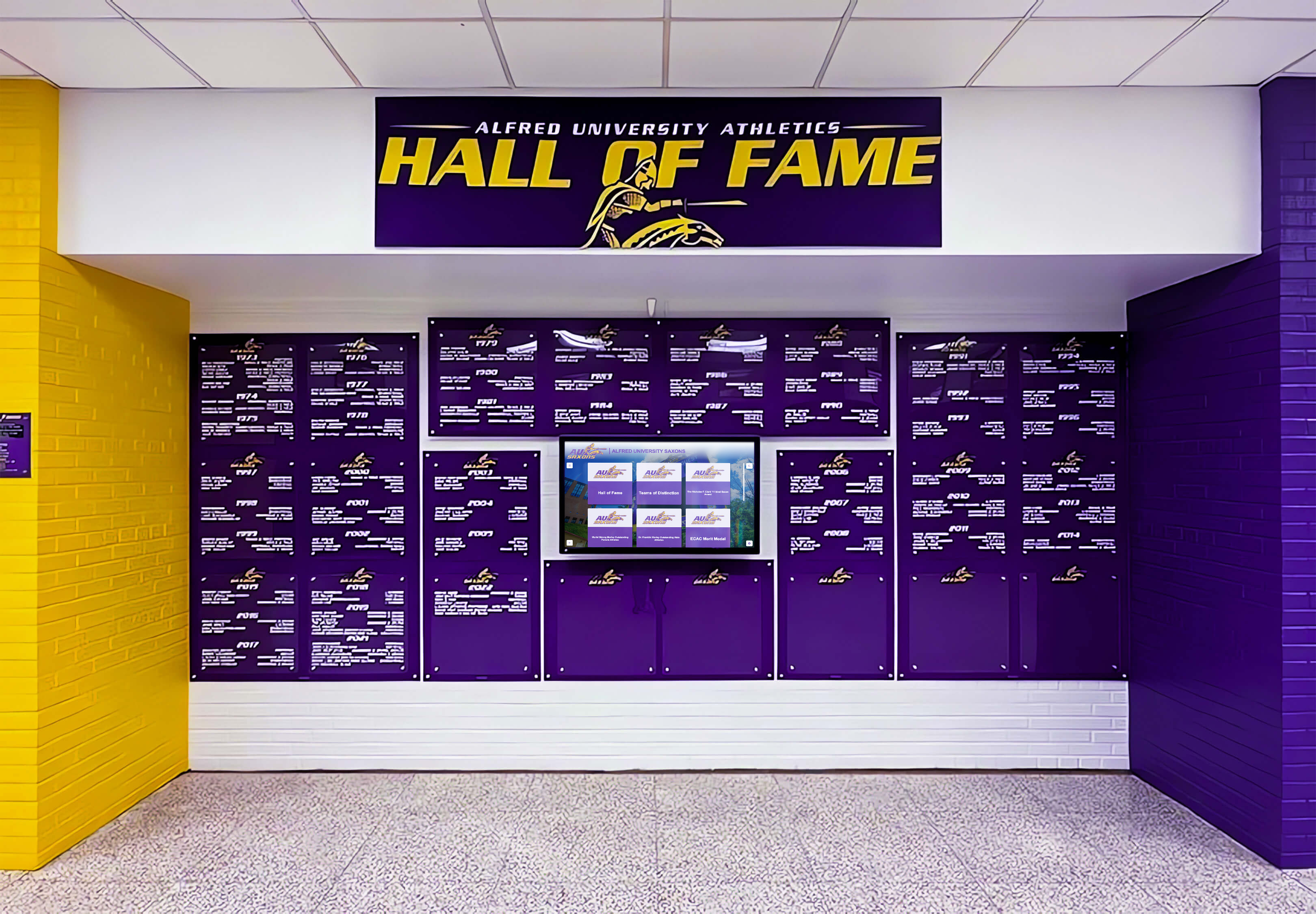
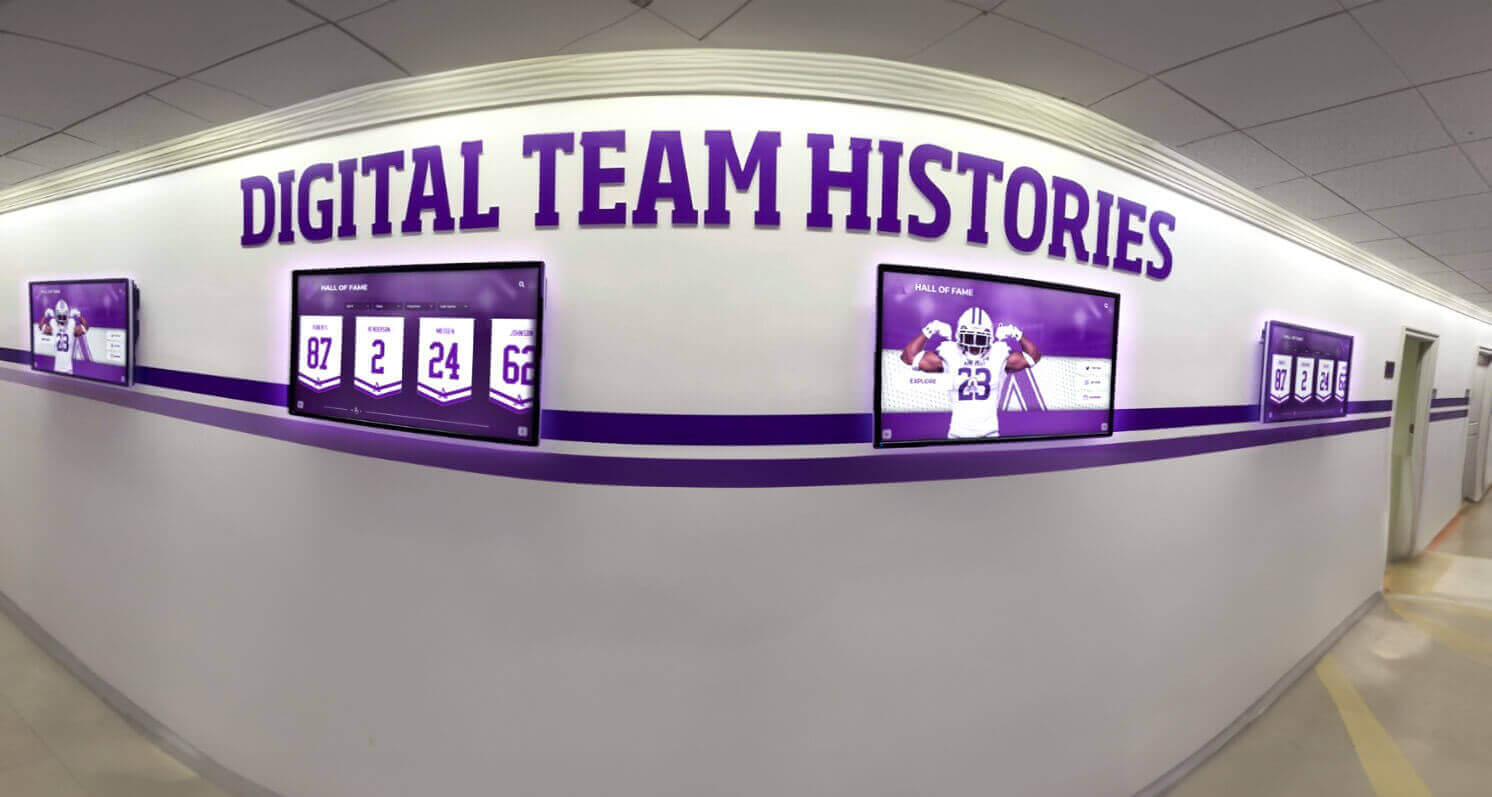
Maintaining comprehensive historical records becomes easier with modern digital recognition displays that allow schools to showcase achievement histories alongside current season highlights, creating visual continuity between past excellence and present accomplishments.
Modern Digital Recognition Solutions for Band Programs
Traditional recognition approaches remain valuable, but modern digital solutions enable schools to celebrate band achievements with visibility, flexibility, and impact impossible through static displays alone.
Interactive Touchscreen Recognition Displays
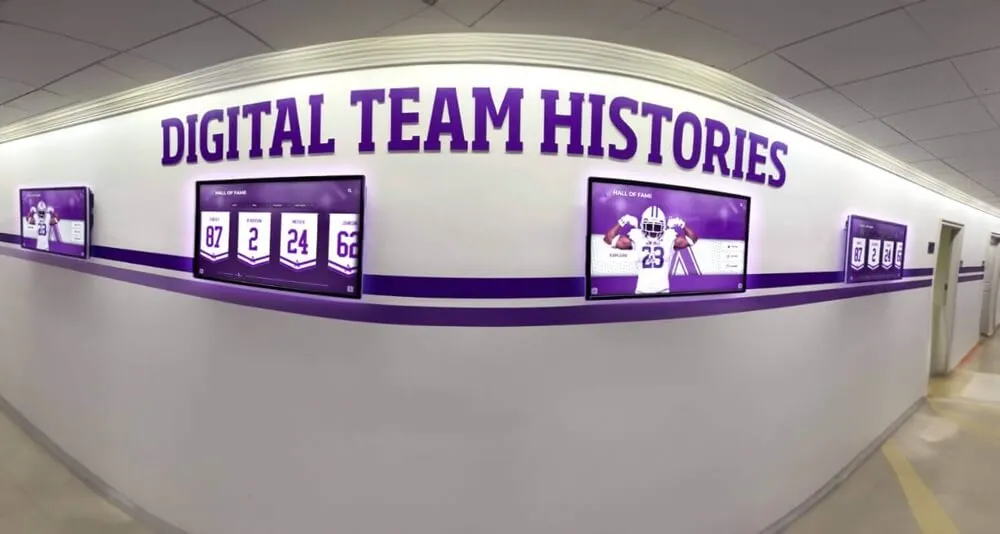
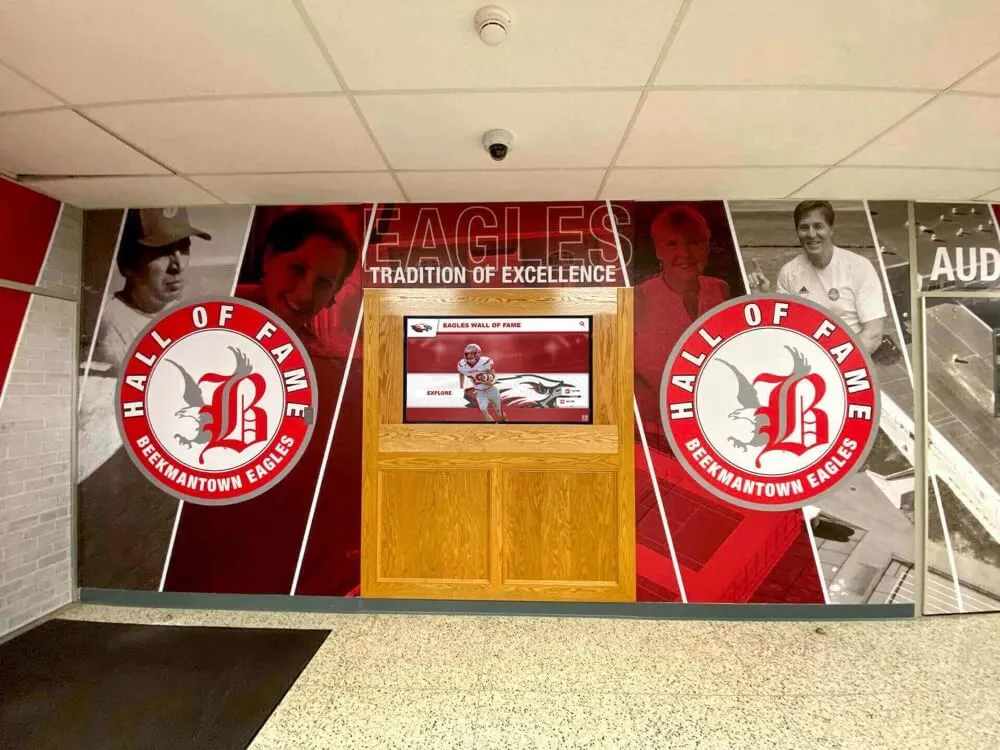
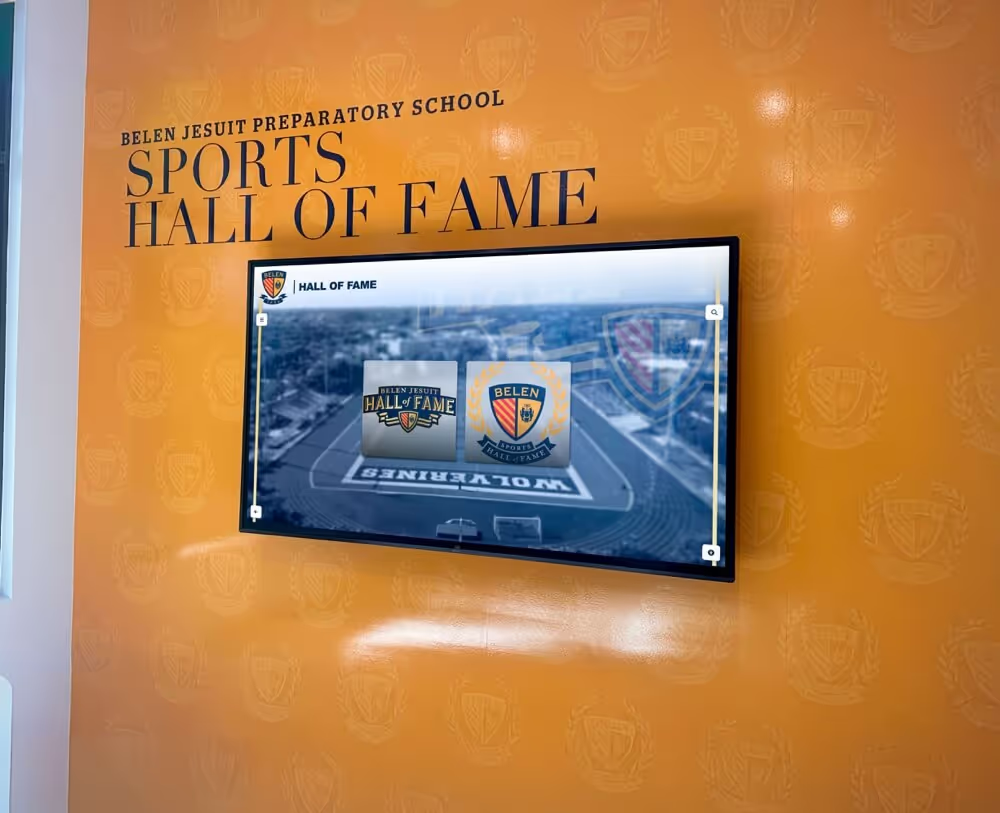
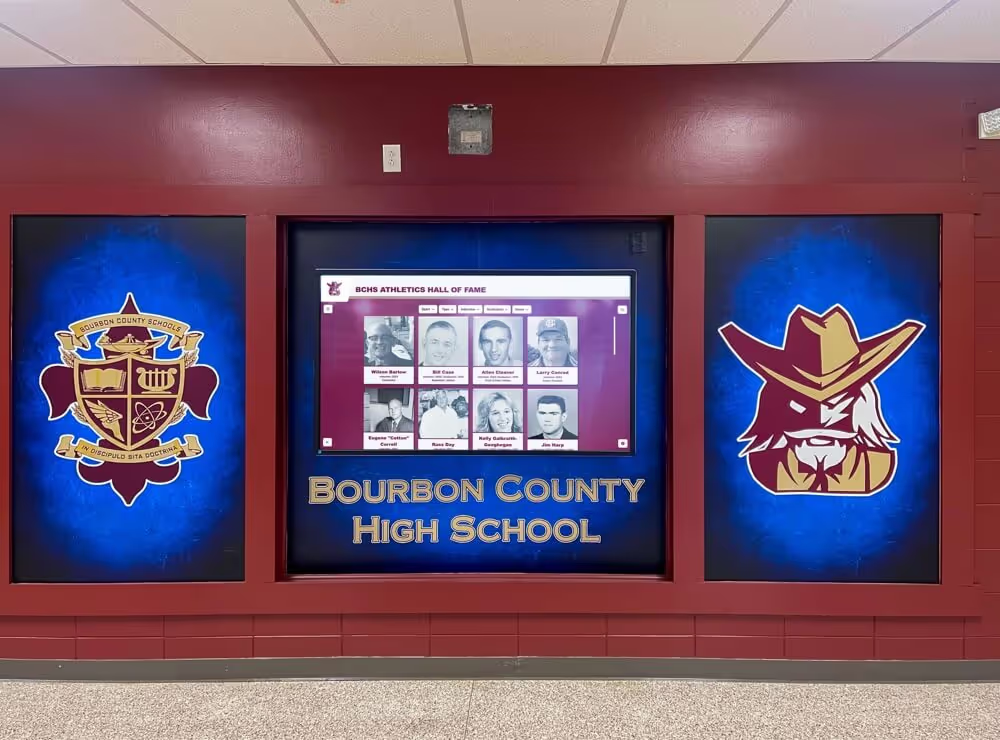
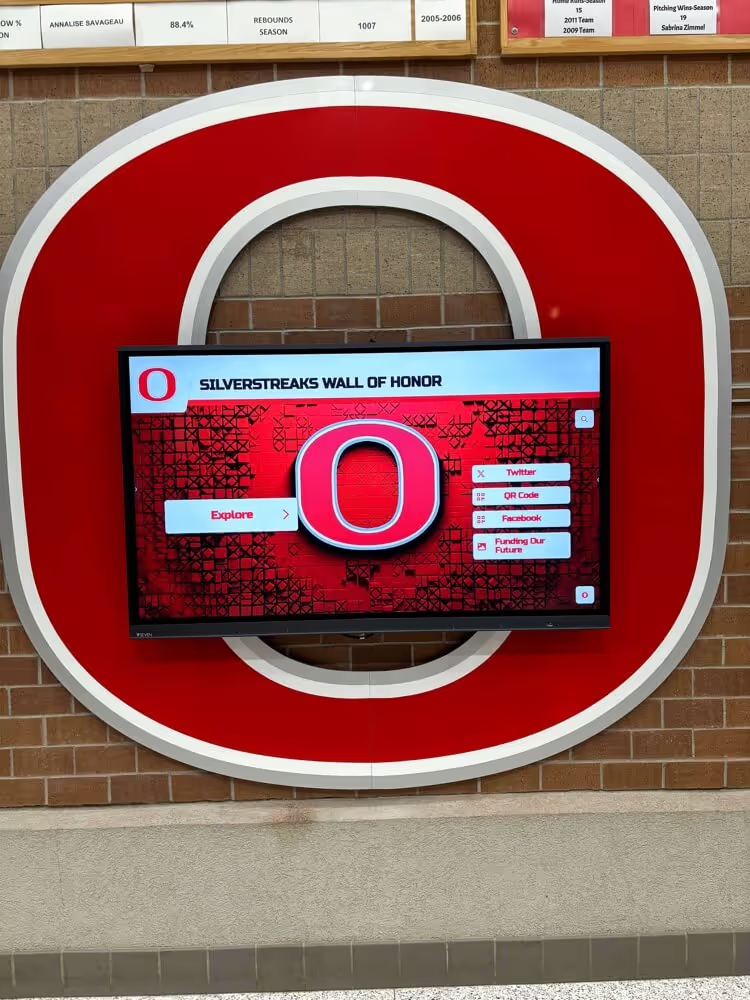
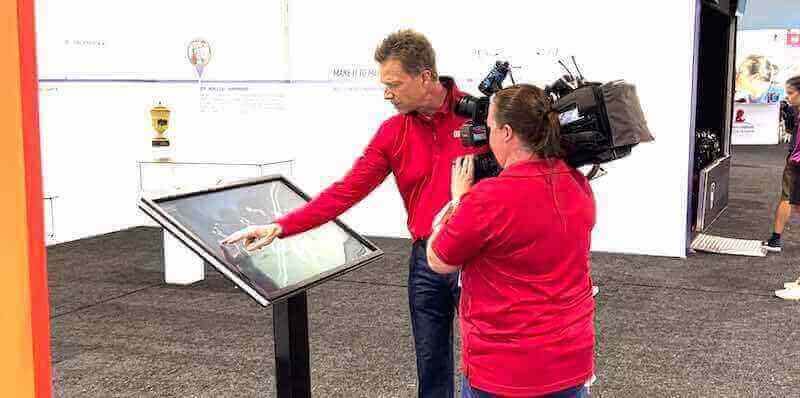
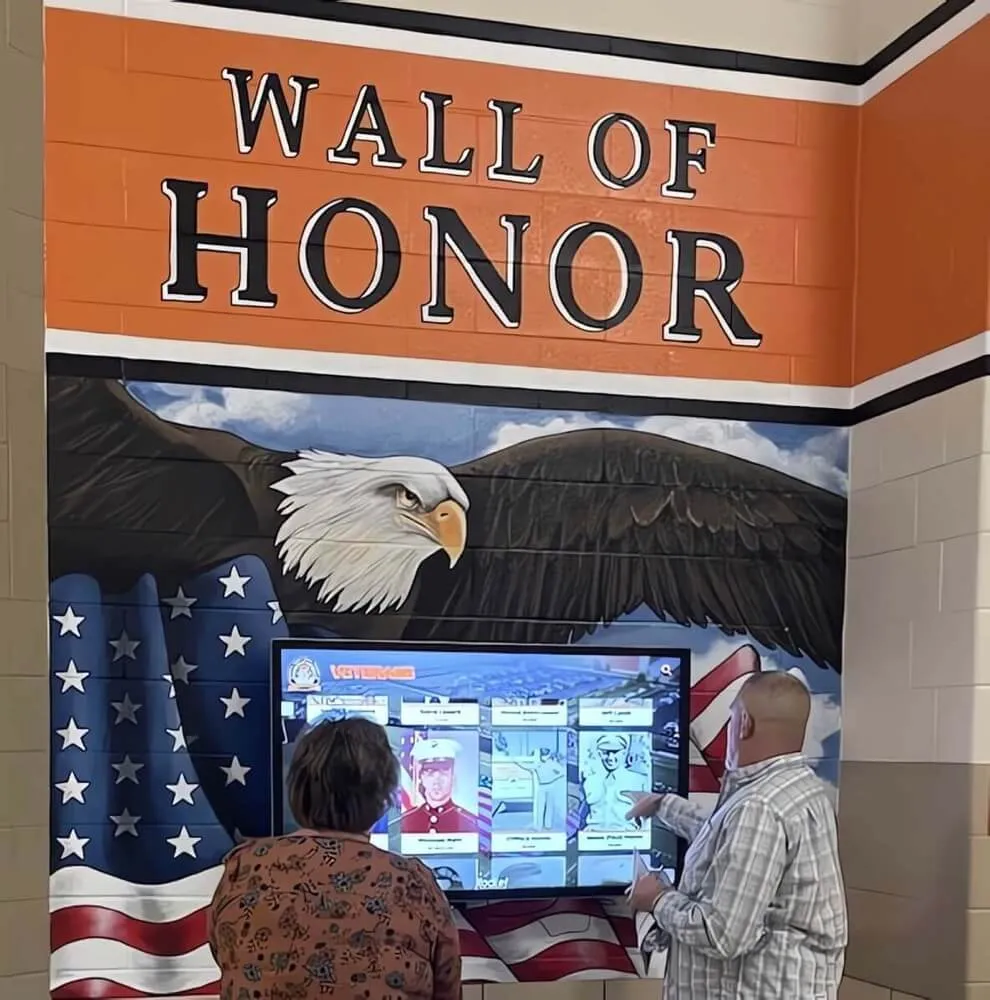
Digital touchscreen displays transform how schools showcase band achievements by combining visual impact, comprehensive information storage, and engaging interactivity that static trophy cases cannot match.
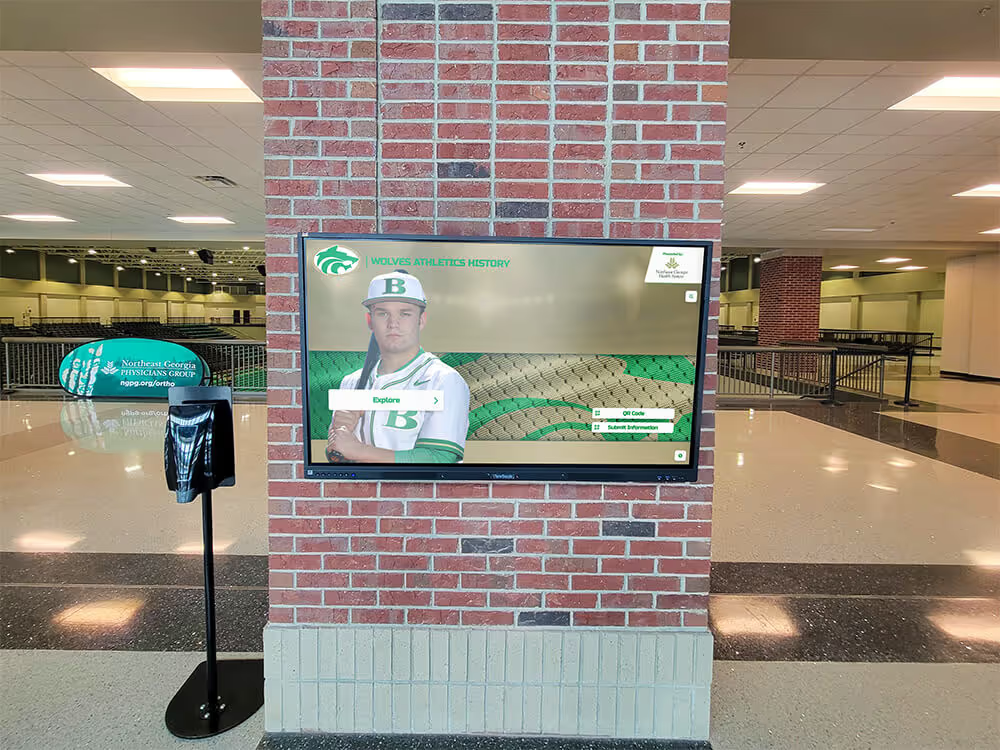
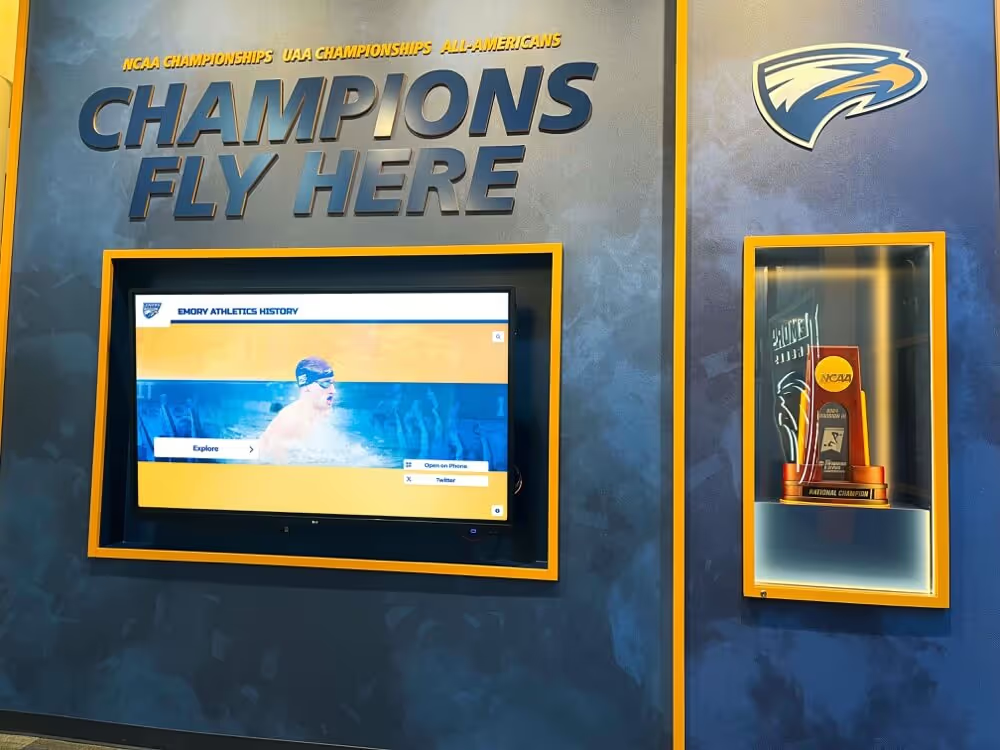
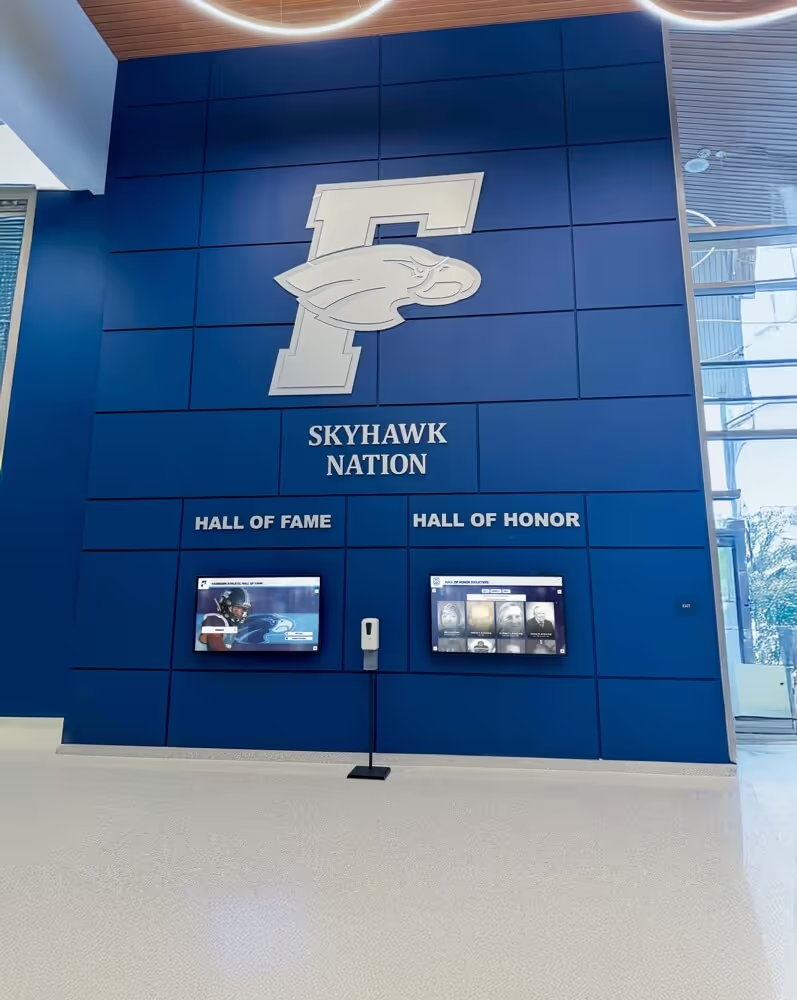
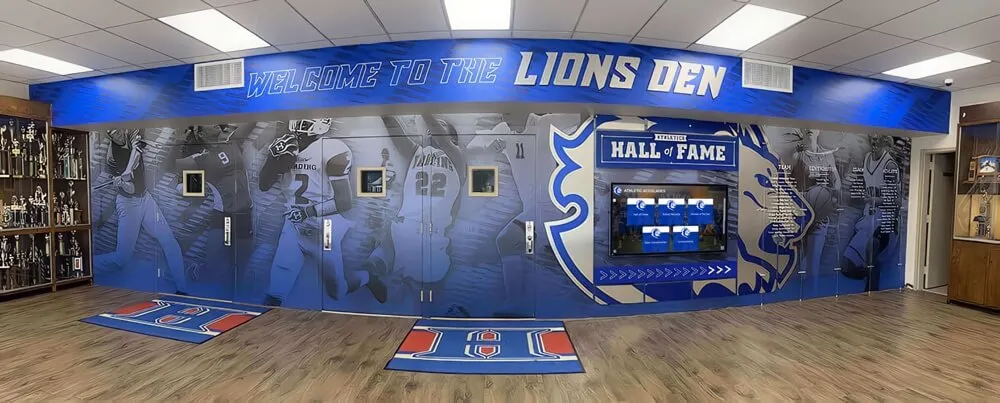
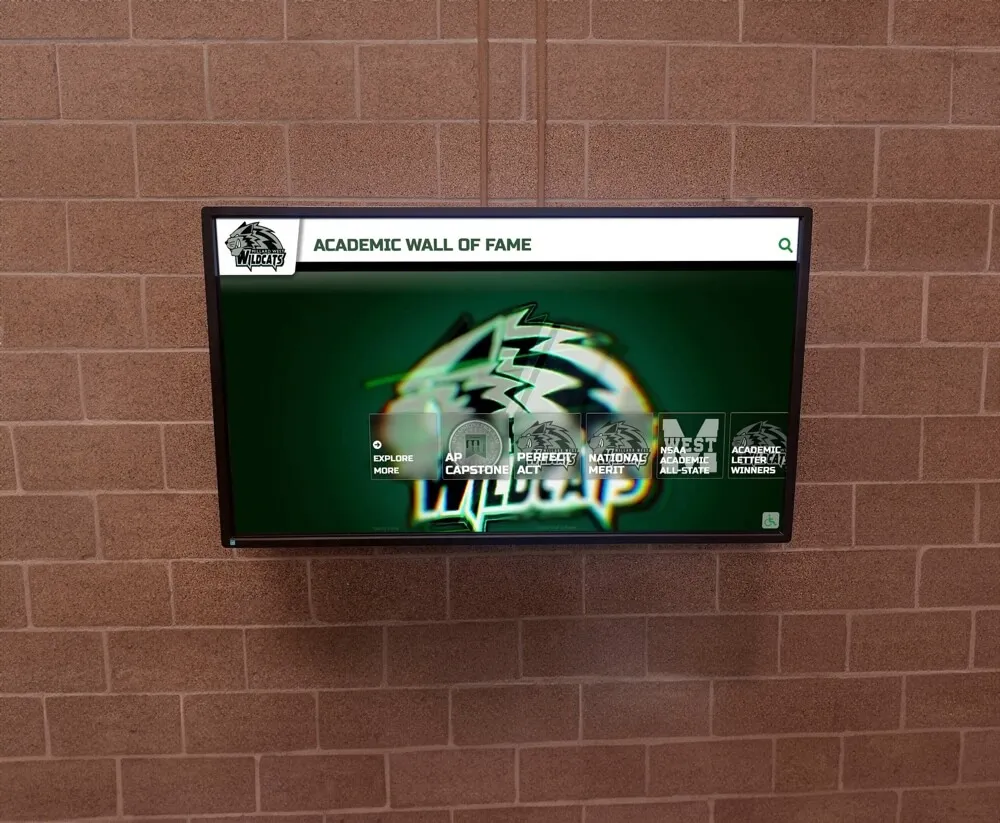
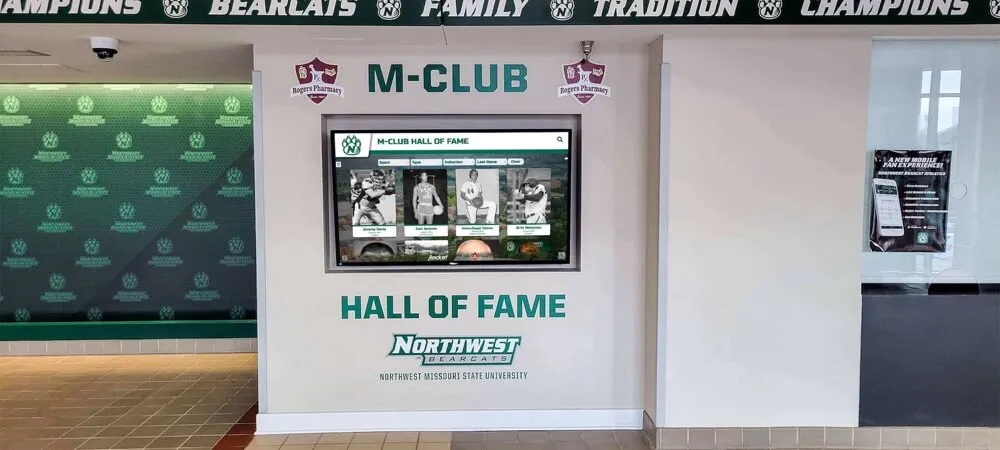
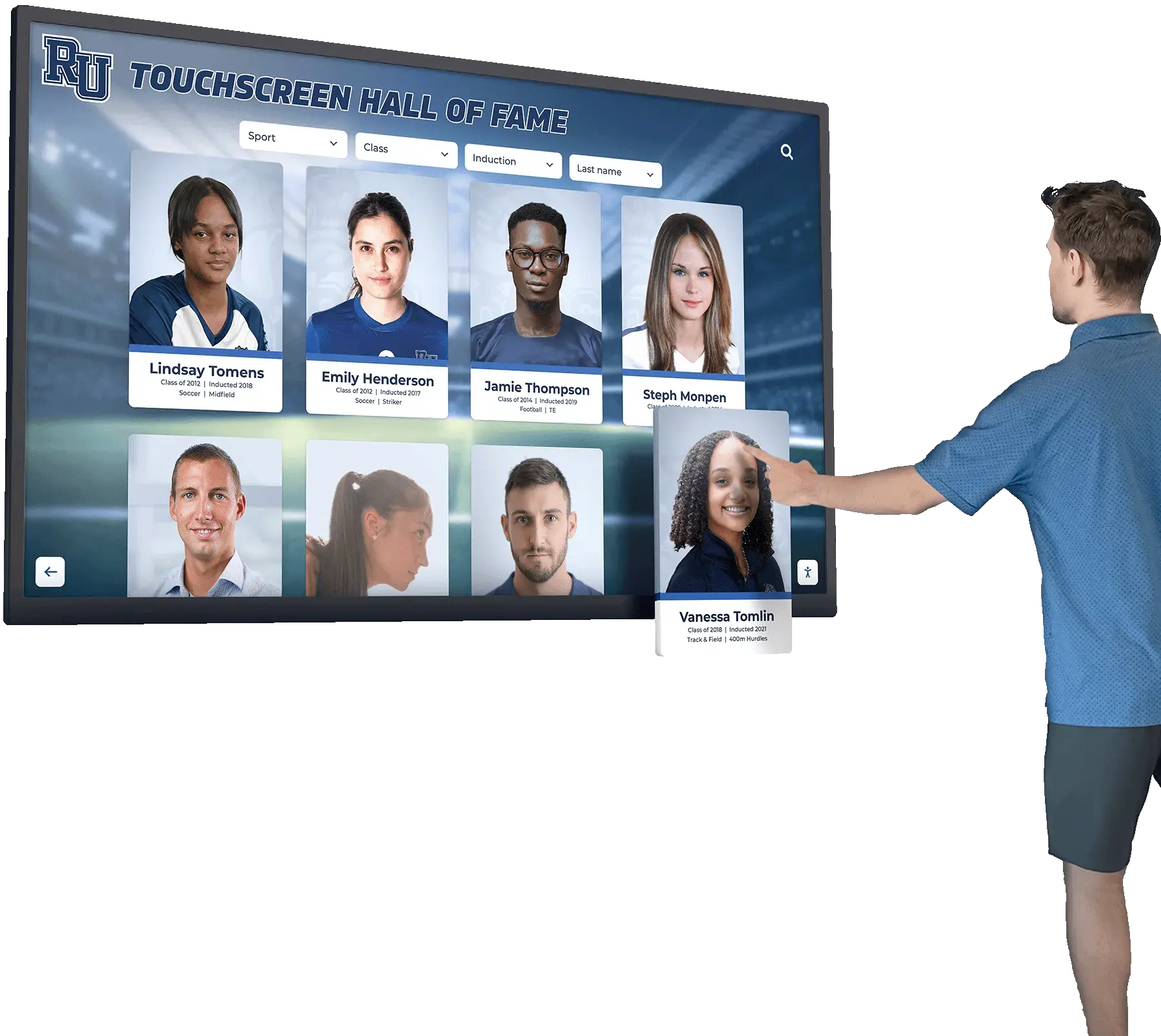
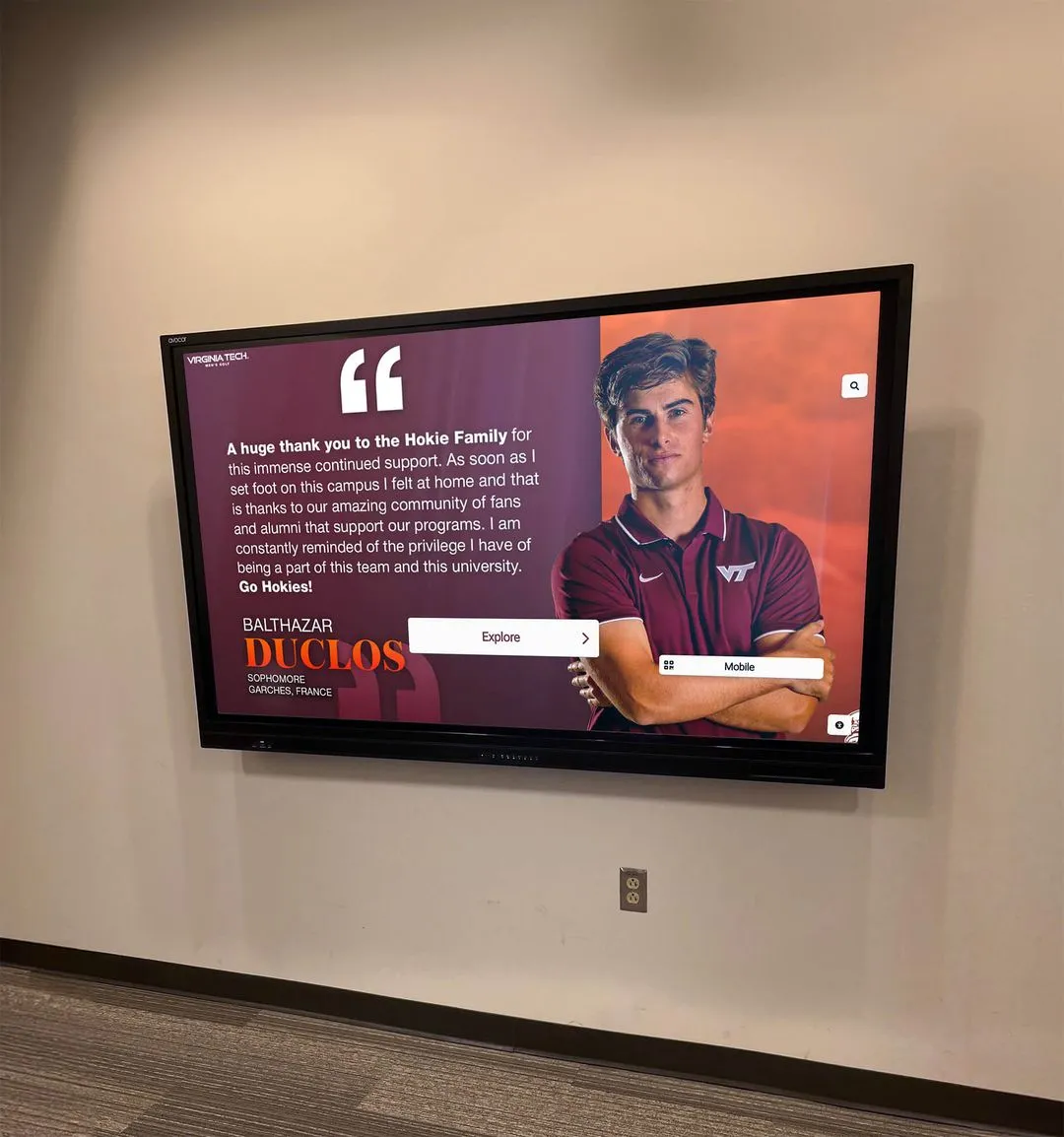
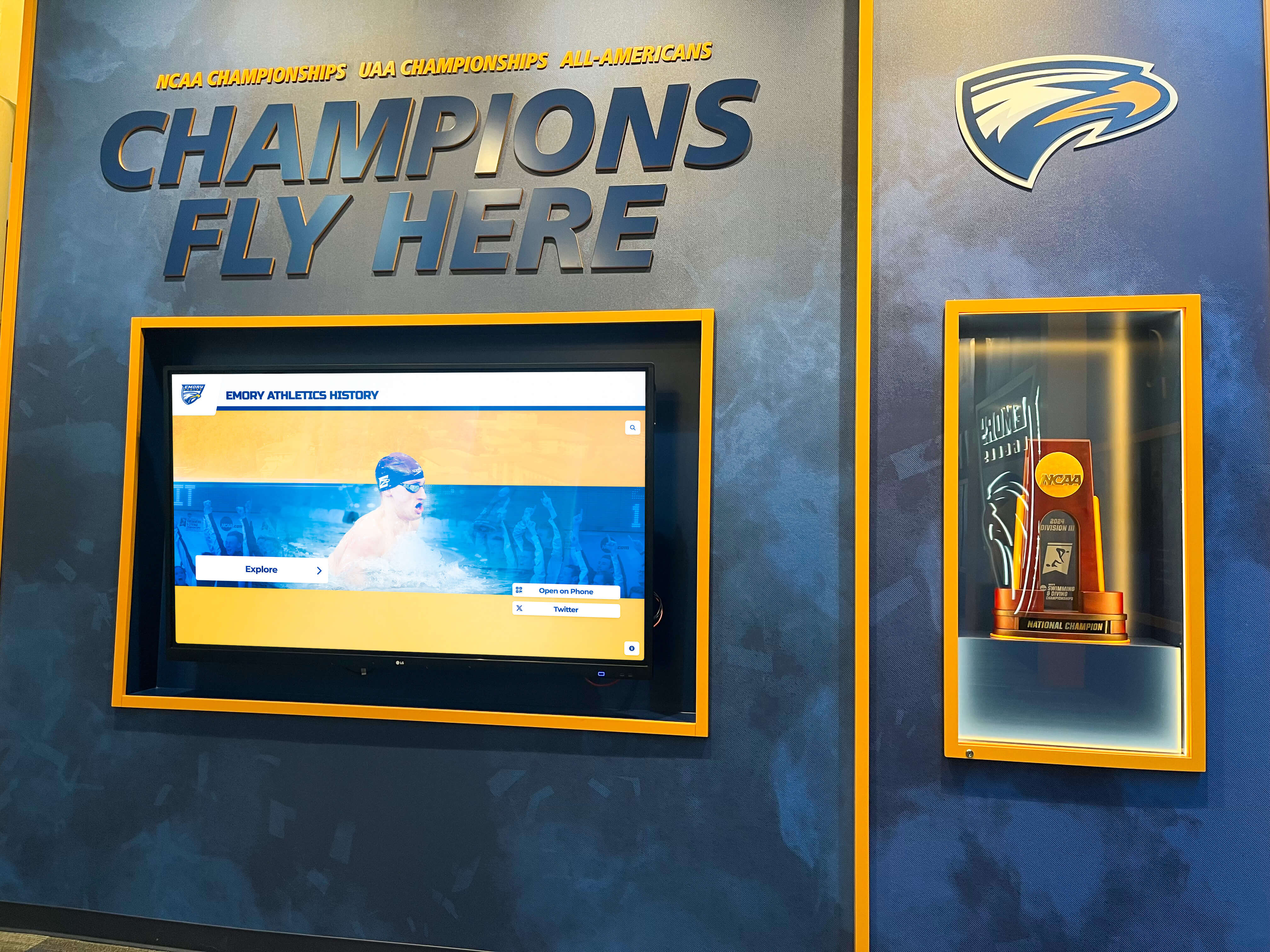

Content Capabilities: Modern touchscreen systems display individual member profiles including photos, instruments, years of participation, and special achievements; season highlights featuring performance videos, competition results, and memorable moments; program history tracking championship seasons, notable performances, and distinguished alumni; awards and honors documenting individual and ensemble recognition; and calendar information showing upcoming performances and rehearsal schedules.
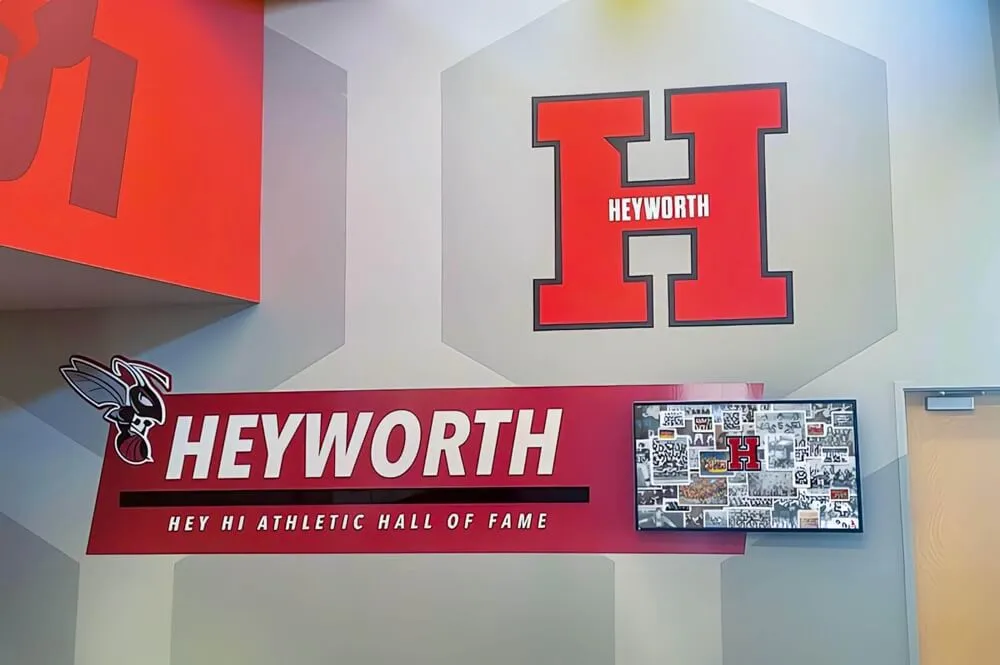
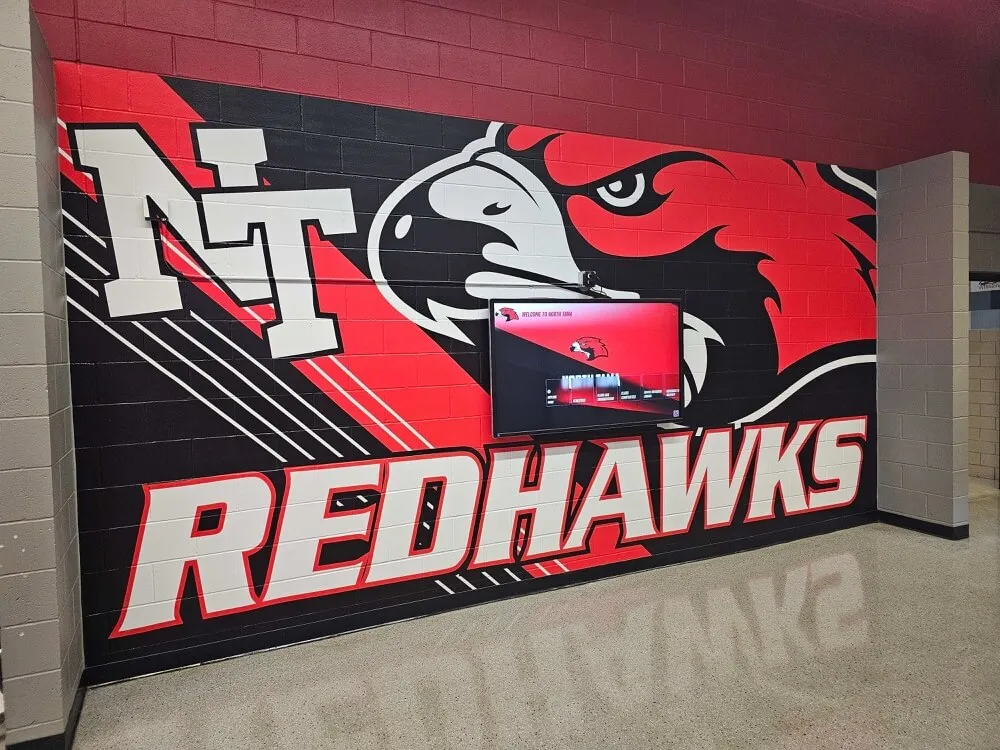
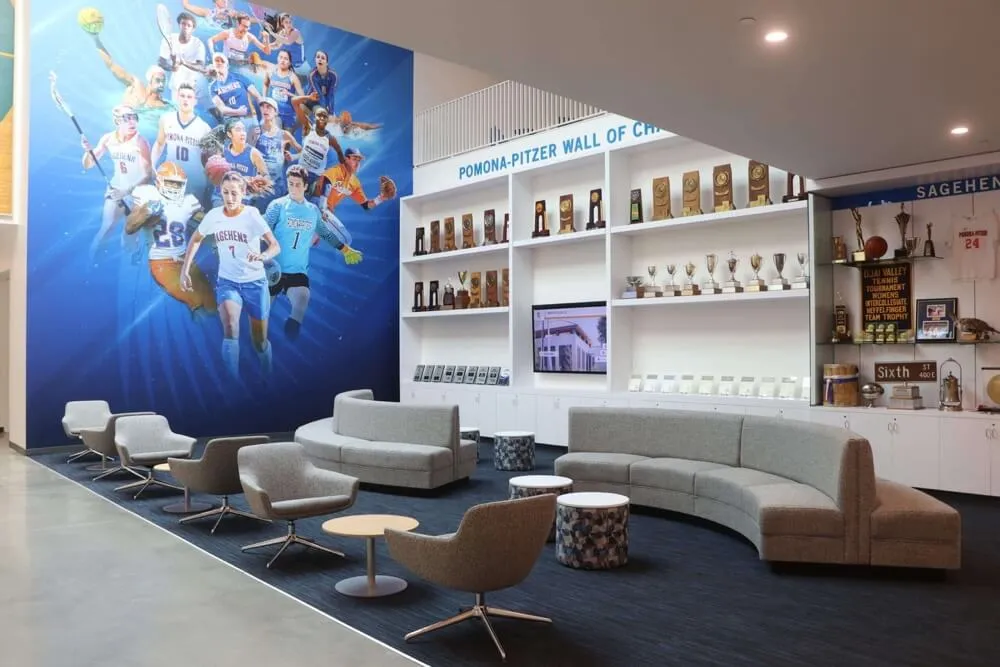
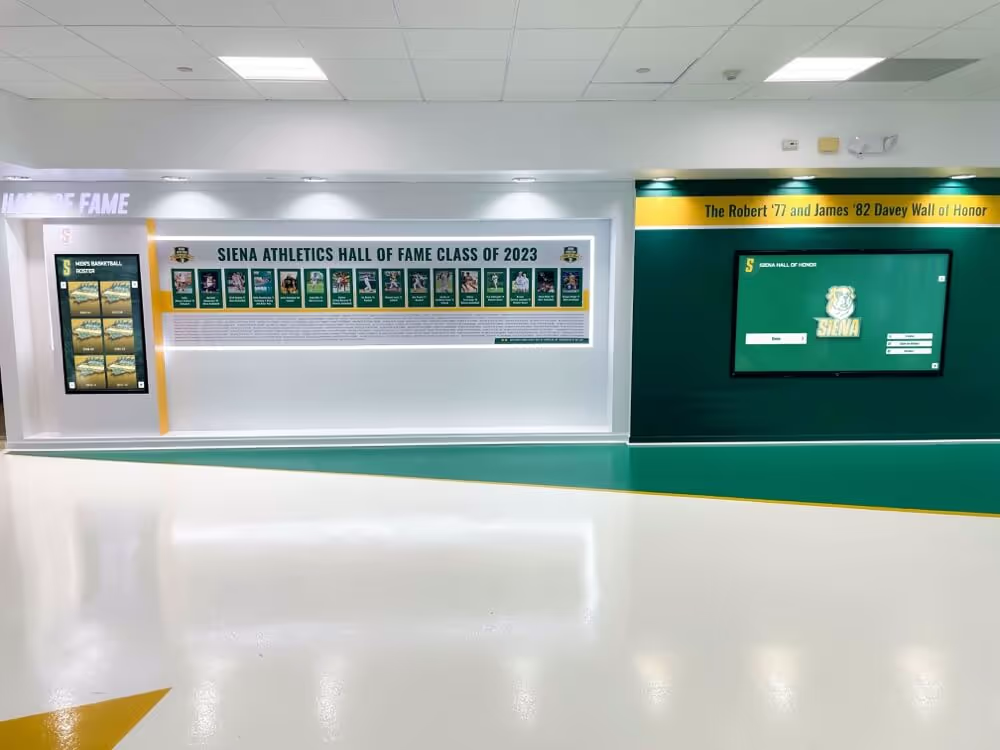
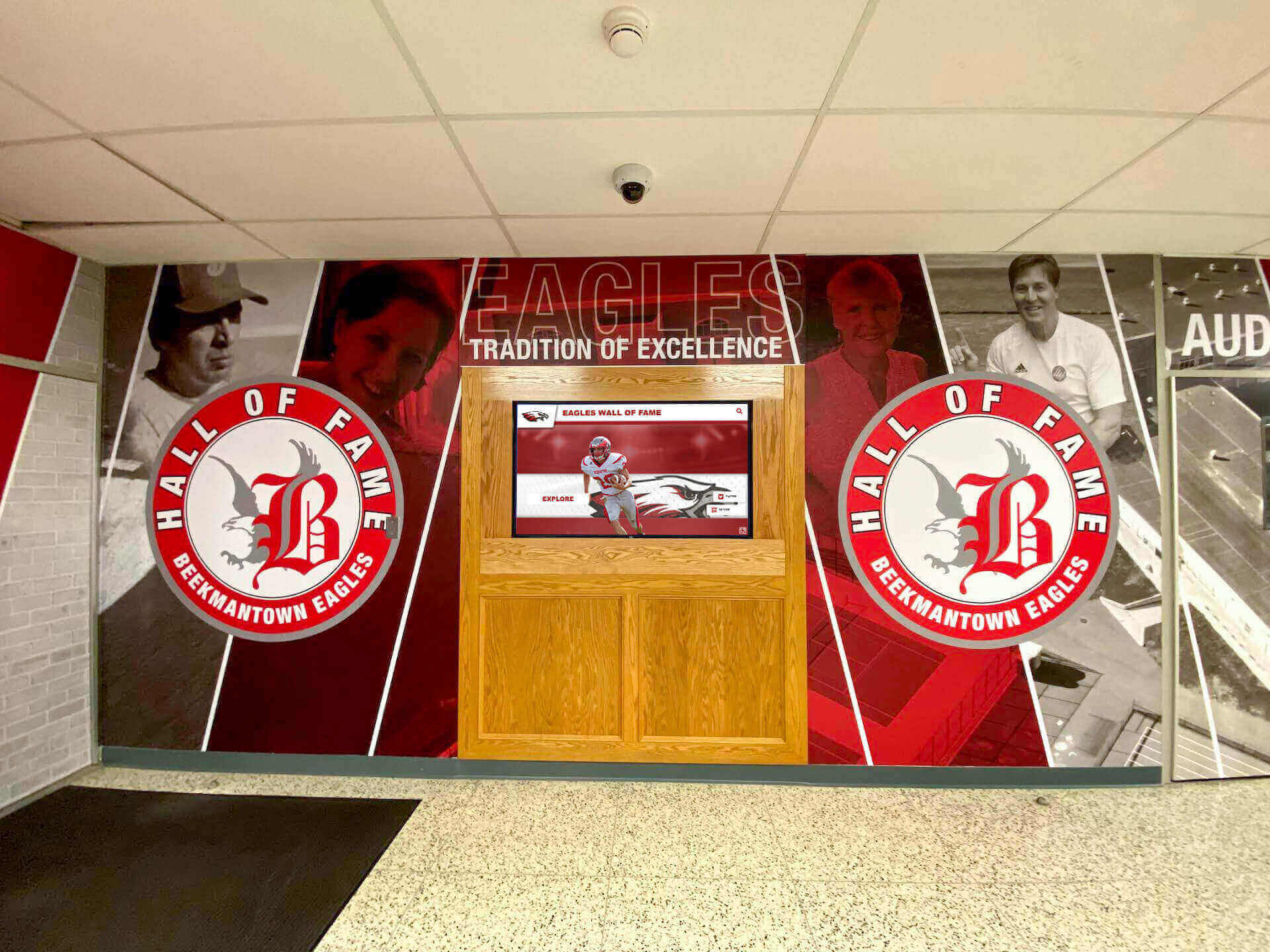
Strategic Placement Considerations: Position digital band recognition displays in high-traffic areas where visibility matches athletic recognition—main hallways, performing arts center lobbies, cafeteria areas, or main entrance halls. Placement communicates institutional priorities powerfully. When band recognition occupies prominent locations traditionally reserved for athletic displays, the message about equal value becomes unmistakable.
Interactive Engagement: Touchscreen functionality allows viewers to explore band history deeply rather than passively viewing static information. Students can search for their names, alumni can locate their graduation years, prospective families can review program accomplishments comprehensively, and community members can access performance schedules. This interactivity creates engagement impossible with traditional bulletin boards or trophy cases.
Schools implementing interactive recognition displays report increased community engagement with achievement histories while providing administrative flexibility to update content instantly without physical renovation or new plaque installation.
Hallway Digital Screens and Rotating Displays
Beyond dedicated touchscreen installations, supplementary digital screens throughout schools can regularly feature band content, ensuring ongoing visibility rather than recognition limited to dedicated display areas.
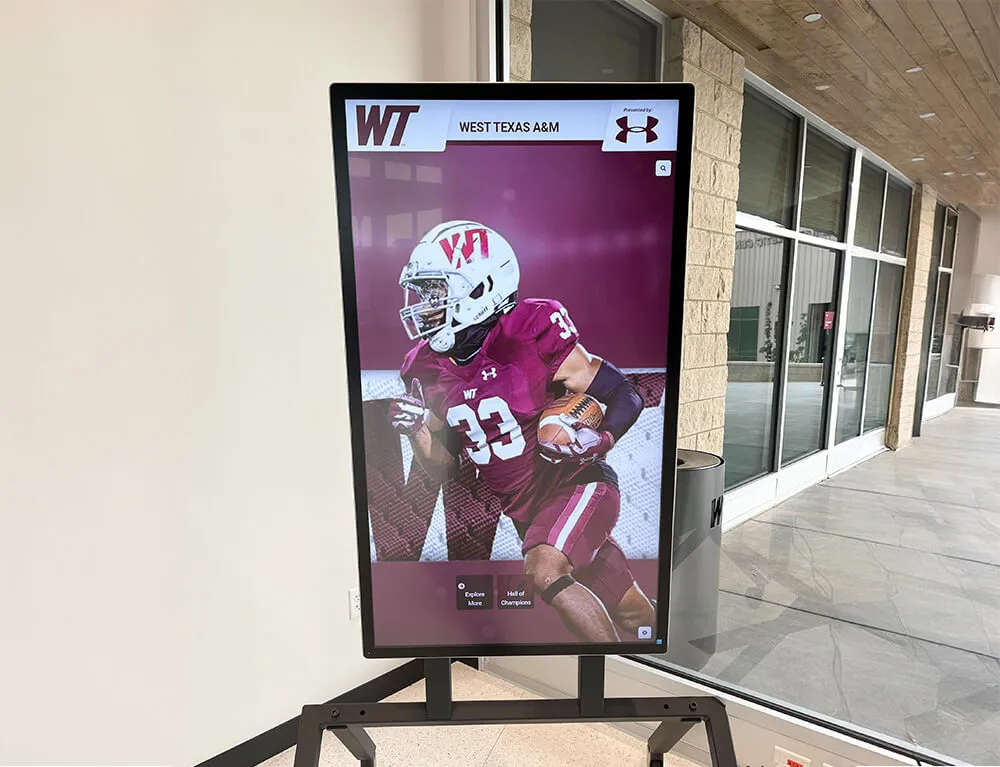
Content Rotation Strategies: Program digital hallway screens to regularly cycle through band competition scores and rankings, upcoming performance schedules and event details, member spotlights featuring individual musicians and achievements, throwback performances highlighting memorable moments from program history, and practice session footage showing behind-the-scenes preparation work.
Integration with Athletic Content: Rather than creating separate band-only screens, integrate band achievements into existing digital displays that feature athletic content. When screens alternate between football highlights and marching band performance clips, basketball scores and band competition results, wrestling tournament brackets and upcoming band concerts, the parallel presentation communicates equal institutional value while reaching audiences who might not seek out dedicated band information.
Real-Time Competition Updates: During competition season, use digital screens for real-time updates showing scores as they’re announced, performance order and timing, and travel updates for competitions requiring overnight trips. This immediacy creates school-wide awareness and anticipation matching what athletic programs receive during playoff seasons.
Social Media Integration and Digital Archives
Digital recognition extends beyond physical displays to online platforms creating ongoing engagement and permanent achievement records accessible beyond campus boundaries.
Social Media Recognition Best Practices: Post individual member spotlights throughout season rather than only after major performances, share practice footage showing preparation work and member dedication, create competition day live updates and results announcements, feature senior recognition posts celebrating graduating members, and highlight section achievements and internal milestones.
Digital Archive Development: Maintain comprehensive digital archives including performance videos from competitions and home shows, awards ceremony recordings preserving recognition moments, photo galleries from all performances and events, historical score sheets documenting competitive progression, and alumni interview videos connecting past and present programs.
These digital archives become valuable resources for building lasting connections with band alumni while creating recruitment tools showing prospective members the program’s achievements and culture.
Creative and Specialized Band Recognition Ideas
Beyond traditional awards and digital displays, creative recognition approaches add personality to band celebration while acknowledging specific contributions unique to musical performance and ensemble dynamics.
Musical Achievement Recognition
Musical excellence extends beyond competition scores to include technical mastery, artistic interpretation, and skill development throughout seasons.
Chair Challenge Achievement Awards: For programs using chair placement systems, recognize members who successfully challenged up to higher positions, students who maintained first chair positions throughout entire season, and members who demonstrated exceptional improvement in chair testing even without position changes. These awards validate the competitive internal process while motivating continued skill development.
Solo and Ensemble Recognition: Celebrate members who participated in district or state solo and ensemble festivals, earned superior ratings on solo performances, qualified for all-state band or honor ensemble participation, or performed featured solos during marching shows. These individual musical achievements demonstrate skill beyond marching ensemble context.
Musicianship and Technique Awards: Implement awards recognizing best tone quality within each section, strongest sight-reading ability demonstrated during challenging music learning, most musical phrasing and expression, and technical excellence on difficult passages or extended techniques.
Leadership and Mentorship Recognition
Beyond formal positions like drum major and section leader, many band members provide informal leadership, peer teaching, and mentorship that proves essential to ensemble success.
Peer Mentorship Awards: Recognize members who consistently helped less experienced players learn music and marching technique, maintained positive attitudes during challenging rehearsals when morale sagged, voluntarily organized extra sectionals or practice sessions, and exemplified work ethic and dedication inspiring similar commitment from peers.
Drum Major and Leadership Awards: Rather than simply acknowledging the drum major position members already hold, create specific awards recognizing exceptional fulfillment of leadership responsibilities—effective communication between directors and ensemble members, creative warm-up and rehearsal leadership, significant improvement in conducting technique, or extraordinary game-day energy and enthusiasm.
Behind-the-Scenes Contribution Recognition
Successful marching bands depend on crucial work happening behind performance scenes—instrument maintenance, uniform coordination, prop construction, and logistical support.
Support Role Awards: Recognize members who maintained section instrument inventory, coordinated uniform distribution and storage, led prop crew constructing and transporting equipment, organized competition day logistics, or documented season through photography and videography. These contributions receive less visible recognition than musical performance but prove equally necessary to program success.
Band Parent and Volunteer Recognition: Include recognition for parents and community volunteers who provided transportation, staffed competitions, coordinated fundraising, managed uniforms and equipment, organized meals for competition trips, and supported programs through countless behind-the-scenes hours. Acknowledging volunteer contributions strengthens community support while demonstrating that band success represents collective effort extending beyond members themselves.
Fun and Creative Awards
When implemented appropriately—avoiding mean-spirited jokes or trivializing genuine achievements—creative awards add personality to recognition programs while celebrating individual quirks and memorable moments.
Examples Worth Adapting: Consider awards like most likely to be practicing in the hallway between classes, best marching tan lines from summer rehearsals, most instrument stickers or decorations, best section cheer or traditions, most improved marching technique, or person who can assemble their instrument fastest. These lighthearted recognitions create humor and personality while celebrating distinctive program culture.
Implementation Guidelines: Keep creative awards positive and inclusive rather than highlighting negatives or creating embarrassment. Focus on endearing quirks rather than mistakes, celebrate dedication demonstrated in unique ways, and ensure every creative award recipient genuinely appreciates rather than feels targeted by the recognition.
Performance Recognition and Seasonal Celebrations
Beyond formal awards, regular performance celebrations throughout seasons maintain visibility and build cumulative recognition of band contributions.
Game Day and Performance Recognition
Every marching band performance represents an achievement meriting acknowledgment, not just competition finals or championship appearances.
Announcer Recognition Best Practices: Work with PA announcers at football games to introduce band performances with specific details about competitive season progress, upcoming competitions, recent achievements, and senior member acknowledgments rather than generic “please welcome your marching band” announcements that provide minimal information.
Social Media Performance Celebration: Post highlights from each performance with specific recognition rather than generic attendance notes. Share exceptional individual moments, note challenging weather conditions the band performed through professionally, highlight particular musical moments or visual effects, and tag participating members when appropriate. These regular posts create ongoing recognition rhythm throughout season.
In-School Announcements: Include band achievements in daily school announcements with the same regularity and detail as athletic results. Report competition scores and placements, recognize superior ratings at festivals, celebrate advancement to championship rounds, and acknowledge special performance invitations or honors.
End-of-Season Recognition Events
Beyond standard awards banquets, consider additional recognition events celebrating seasonal conclusions and member contributions.
Senior Night Ceremonies: Parallel to athletic senior night traditions, hold formal band senior night celebrations during final home football game or concert. Introduce each senior individually with accomplishments and memories, allow family members to join on field or stage, and present small recognition gifts or flowers. This public acknowledgment provides seniors comparable visibility to what athlete seniors receive.
Community Performance Showcases: Organize end-of-season community performances specifically showcasing competition show final versions for families and supporters who couldn’t attend competitions. Frame these performances as celebration events where community members witness what members spent entire season perfecting, with pre-performance remarks contextualizing achievement and effort involved.
Media Coverage and Local Recognition: Proactively contact local media outlets about band achievements, competition results, and special performances. Many communities will cover band accomplishments if schools provide information, creating public recognition extending beyond school boundaries. Submit press releases about championship qualifications, superior ratings, and notable performances to local newspapers, community magazines, and radio stations.
Implementation: Building Comprehensive Band Recognition Programs
Understanding recognition value matters little without practical implementation knowledge allowing schools to transform concepts into functional programs.
Assessment: Current Recognition State Analysis
Begin by honestly assessing existing band recognition against athletic and academic recognition systems.
Audit Questions: How many square feet of school space dedicates to athletic recognition versus band recognition? What percentage of daily announcements mention band versus sports? How do band banquet budgets compare to athletic awards programs? Where do digital displays feature band content relative to athletic content? How often do local media outlets cover band versus athletic achievements?
These comparative assessments reveal actual institutional priorities versus stated commitments to balanced recognition. Gaps between athletic and band recognition identify specific areas requiring attention and resource allocation.
Budget Considerations and Resource Allocation
Comprehensive recognition requires financial investment, though costs span enormous ranges depending on approaches schools choose.
Recognition Budget Categories: Allocate resources for annual awards (trophies, plaques, certificates, custom items), banquet expenses (venue, food, decoration, programming), digital display infrastructure (one-time installation plus annual content management), traditional display materials (trophy cases, bulletin boards, mounting systems), and promotional materials (programs, posters, announcement graphics).
Phased Implementation: Schools cannot typically implement complete recognition systems immediately. Prioritize high-visibility, high-impact investments first—prominent digital displays creating immediate recognition visibility, enhanced awards banquet creating memorable experience, and social media systems requiring minimal financial investment but creating ongoing engagement. Then expand to additional recognition formats over subsequent years as budgets allow.
Modern turnkey digital recognition solutions now offer comprehensive packages specifically designed for school budgets, making professional digital recognition more accessible than custom solutions that previously required prohibitive investments.
Stakeholder Engagement and Support Building
Successful recognition program implementation requires support from administrators, boosters, parents, and community members who provide funding and advocacy.
Making the Case to Administration: Present band recognition as strategic investment creating measurable benefits—increased program participation and retention, enhanced school reputation and community engagement, balanced recognition culture supporting diverse student talents, positive media coverage celebrating school excellence, and alumni connection strengthening through historical achievement documentation.
Booster Organization Involvement: Band booster organizations often fund recognition initiatives when presented with specific proposals showing impact. Rather than requesting generic support, present detailed recognition plans with clear budgets, implementation timelines, and expected outcomes that boosters can understand and support enthusiastically.
Parent Communication: Share recognition plans with band families explaining how specific initiatives celebrate their students’ dedication and achievements. Parent advocacy often proves essential for securing administrative approval and funding for recognition investments, especially when families can articulate how current recognition gaps affect their students’ experiences compared to athlete peers.
Balancing Arts and Athletics: Creating Equitable Recognition Cultures
Ultimate recognition success comes not from isolated band programs but from comprehensive institutional approaches celebrating diverse excellence across all achievement domains.
Parallel Recognition Systems
The most effective approach implements parallel recognition systems across athletics, academics, arts, and service using consistent formats, comparable visibility, and equivalent prestige for each domain.
Structural Parallelism: When athletic teams receive trophy cases in main hallways, band programs deserve comparable trophy displays in equally prominent locations. When athletic achievements appear on digital hallway screens, band accomplishments merit equal digital visibility. When athletic banquets receive certain budget allocations, band recognition events deserve comparable resources. This parallel approach avoids hierarchy while acknowledging that different excellence forms merit equal institutional respect.
Avoiding False Choices: Comprehensive band recognition doesn’t require diminishing athletic recognition. Schools create balanced cultures not by reducing existing recognition but by expanding celebration to include previously underrecognized programs. Athletic achievements remain important—and comprehensive band recognition doesn’t threaten that importance but rather adds additional celebration dimensions that strengthen overall school culture.
Multi-Disciplinary Recognition Displays
Consider recognition installations celebrating achievements across multiple domains rather than maintaining completely separate systems by program type.
Integrated Excellence Displays: Create “wall of excellence” displays featuring achievements from athletics, band, academic competition, visual arts, theater, service organizations, and leadership programs together. This integration communicates that various excellence forms receive equal respect while creating recognition density that becomes prominent visual feature impossible to ignore.
Theme-Based Recognition: Organize displays around themes transcending specific programs—leadership featuring drum majors, team captains, student government officers, and club presidents together; competition excellence showcasing state qualifiers from athletics, band, academic bowl, and debate together; or dedication highlighting multi-year commitments across various activity types. These thematic approaches celebrate transferable qualities while demonstrating that excellence manifests across multiple domains.
Schools developing comprehensive approaches to recognition program content strategies increasingly implement multi-disciplinary displays celebrating diverse achievements together rather than maintaining isolated recognition systems competing for limited visibility and resources.
Institutional Messaging and Culture Building
Recognition systems communicate institutional values more powerfully than mission statements or administrator remarks. When schools implement comprehensive band recognition alongside athletic celebration, they send clear messages about what the institution genuinely values.
Prospective Family Impact: Families touring schools notice which achievements receive prominent recognition and which programs appear undervalued through minimal visibility. Comprehensive band recognition signals that the institution supports diverse student interests seriously while providing excellent music education environments. This messaging attracts musically talented students while demonstrating cultural inclusivity appealing to families with varied student interests.
Current Student Cultural Impact: Students constantly evaluate institutional priorities through observable evidence rather than stated values. When they see band achievements celebrated as prominently as athletic accomplishments, they understand that music dedication receives genuine institutional respect. This recognition parity creates cultural permission for students to pursue various interests without implicit pressure privileging certain activities over others.
Taking Action: Next Steps for Building Band Recognition Programs
Schools committed to comprehensive marching band recognition can begin implementation immediately regardless of current resource availability or existing program status.
Immediate Low-Cost Actions
Start with recognition enhancements requiring minimal financial investment but creating immediate visibility improvements.
Social Media Recognition: Establish dedicated band achievement posting schedules on school social media accounts, create member spotlight series featuring individual musicians and their contributions, share practice footage showing preparation work beyond performances, and post competition results with context explaining significance.
Announcement Enhancement: Include band achievements in daily school announcements with same detail and frequency as athletic results, add band member birthdays to announcement rotations alongside athlete recognitions, and feature upcoming performance information comparable to athletic event promotion.
Bulletin Board Improvement: Enhance existing band bulletin boards with better organization, professional design, updated content, prominent placement, and integrated photo/achievement displays that create visual impact rather than text-heavy information dumps.
Medium-Term Investments
Plan recognition upgrades requiring moderate investment but creating significant impact within current academic year or following season.
Awards Program Enhancement: Expand band banquet scope and quality through increased budget allocation, add new award categories recognizing diverse contributions, create custom awards rather than generic trophies, and invite special guests or speakers adding significance.
Traditional Display Improvements: Install new trophy cases in prominent locations, create photo walls featuring current season members, develop achievement timeline displays tracking program history, and add recognition plaques or nameplates in performing arts facilities.
Long-Term Strategic Initiatives
Develop plans for comprehensive recognition systems requiring significant investment but creating transformative recognition impact.
Digital Recognition Infrastructure: Research and budget for interactive touchscreen displays providing comprehensive achievement showcasing, install hallway digital screens featuring rotating band content, and implement content management systems allowing regular updates without technical expertise requirements.
Facility Recognition Integration: Plan recognition features into any performing arts facility renovations including built-in display areas, digital screen infrastructure, donor recognition spaces, and historical achievement documentation areas that create permanent recognition visibility.
Professional solutions from Rocket Alumni Solutions provide schools with comprehensive digital recognition systems specifically designed for celebrating diverse achievements including marching band programs. These turnkey solutions eliminate technical complexity while creating professional recognition platforms that honor musical excellence alongside athletic achievement.
Conclusion: Musical Athletes Deserve Recognition Excellence
Marching band members demonstrate dedication, discipline, teamwork, and excellence paralleling any athletic program while creating school spirit, community pride, and artistic excellence that enriches entire educational experiences. Recognition systems celebrating these contributions with visibility and prestige equal to athletic achievement don’t diminish sports programs—they expand institutional celebration to honor diverse excellence forms while creating truly balanced cultures where every dedicated student receives appropriate validation.
Schools implementing comprehensive marching band recognition report stronger music program participation, increased community engagement with performing arts, enhanced school reputation for supporting diverse student interests, and improved recruitment of musically talented students seeking environments that genuinely value their dedication. These outcomes extend far beyond simple fairness considerations to create strategic advantages strengthening overall institutional quality and community connections.
The recognition ideas presented throughout this guide—from traditional awards banquets through modern digital displays to creative celebration approaches—provide practical starting points for schools at any implementation stage. Whether beginning with enhanced social media posting or planning comprehensive digital recognition infrastructure, every step toward balanced band recognition creates meaningful impact communicating that musical excellence matters as much as any other achievement form your school celebrates.
Start where your resources allow, implement recognition enhancements systematically, and build momentum toward comprehensive systems that honor your marching band members’ remarkable dedication with the recognition excellence they genuinely deserve.