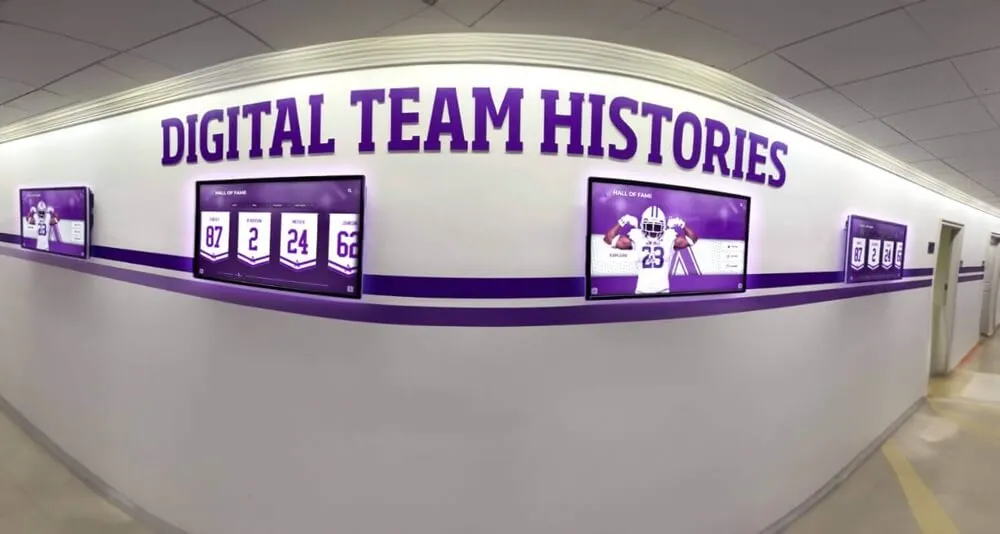
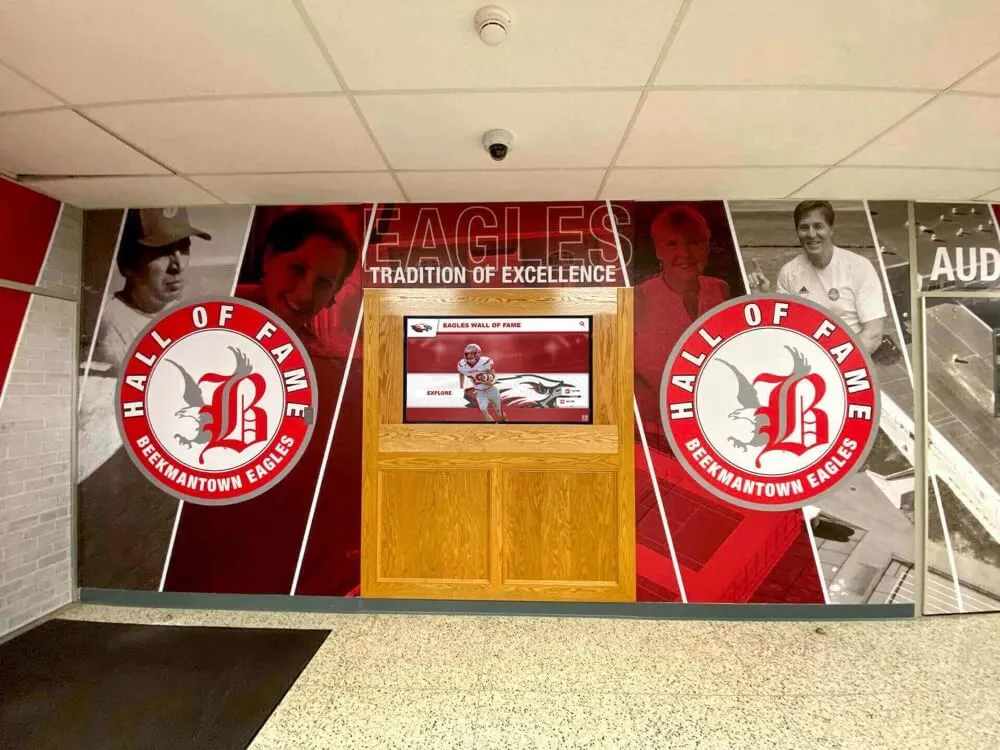
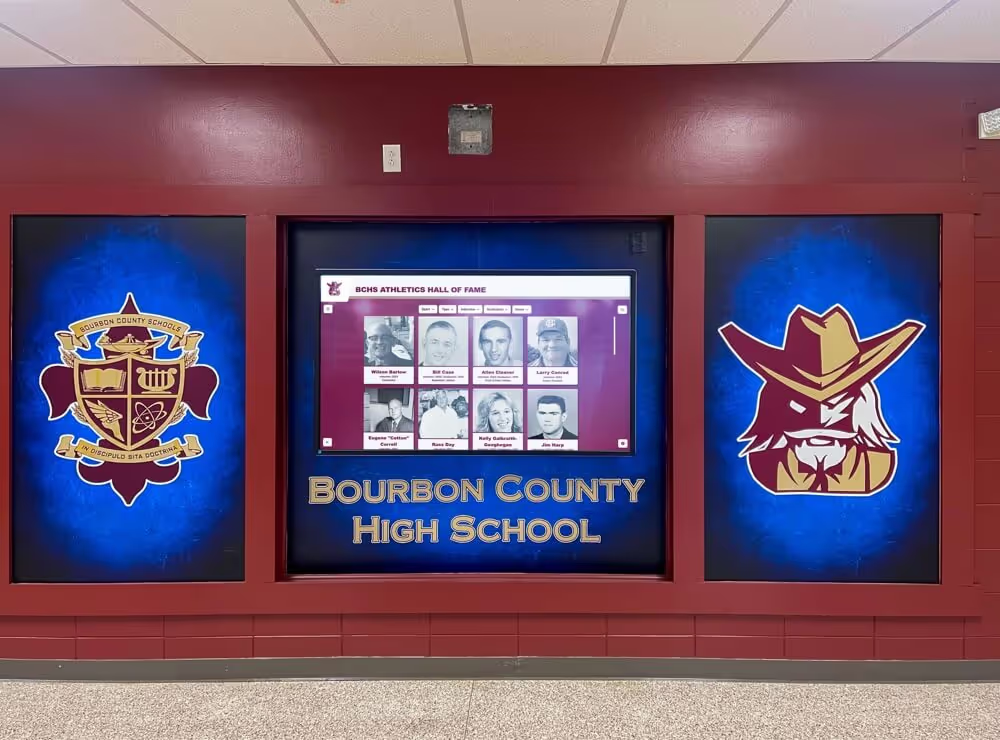
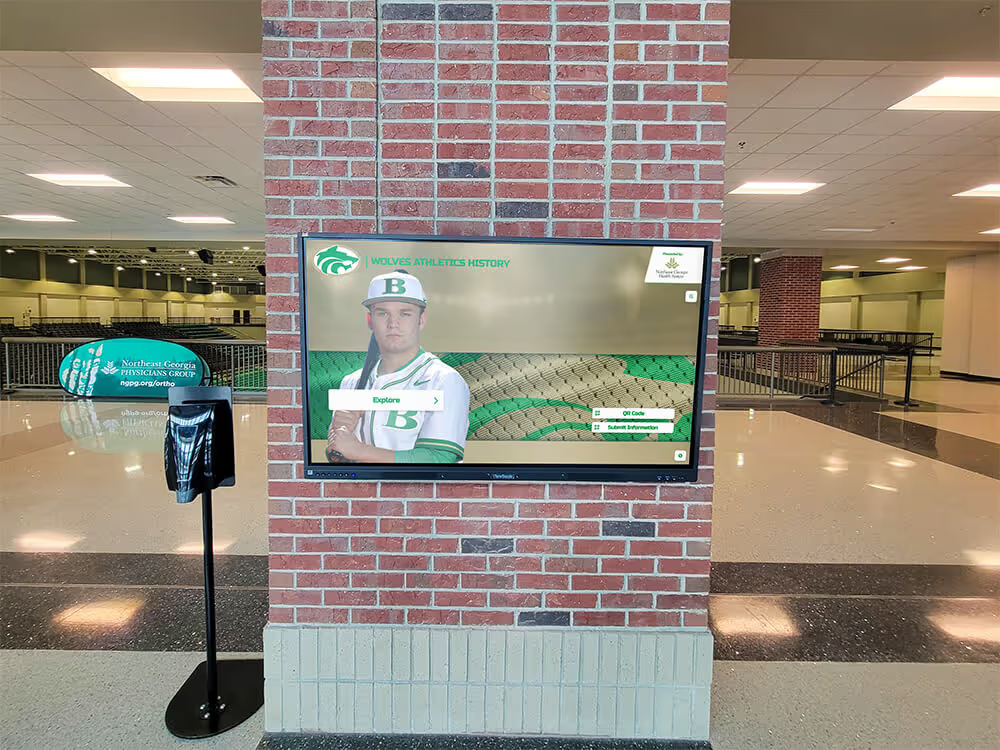
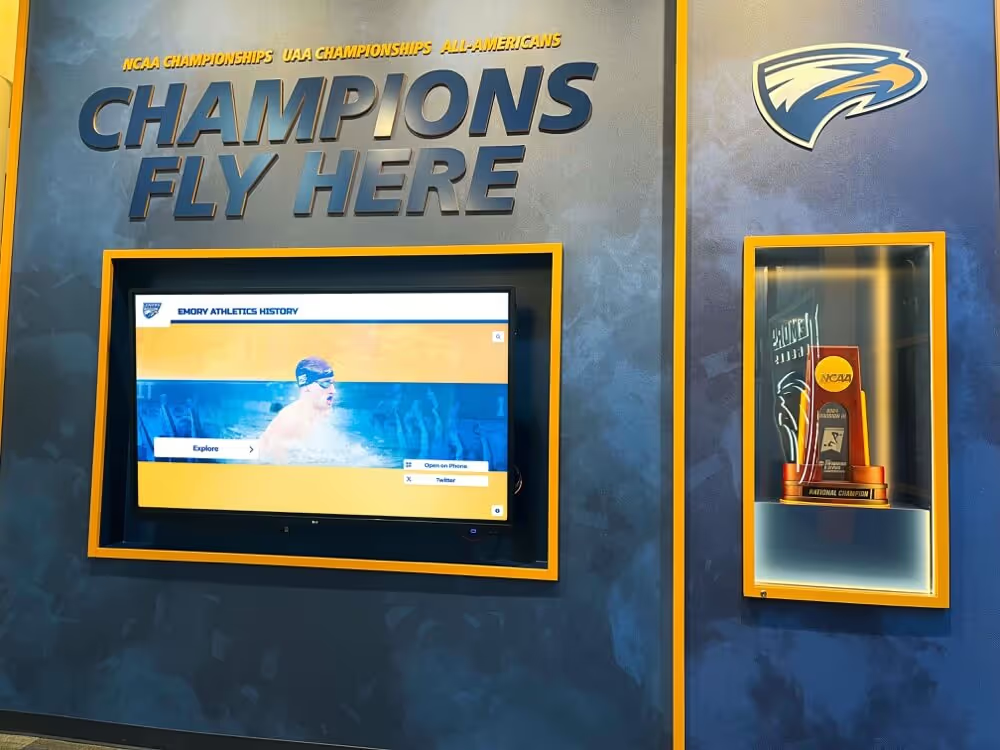
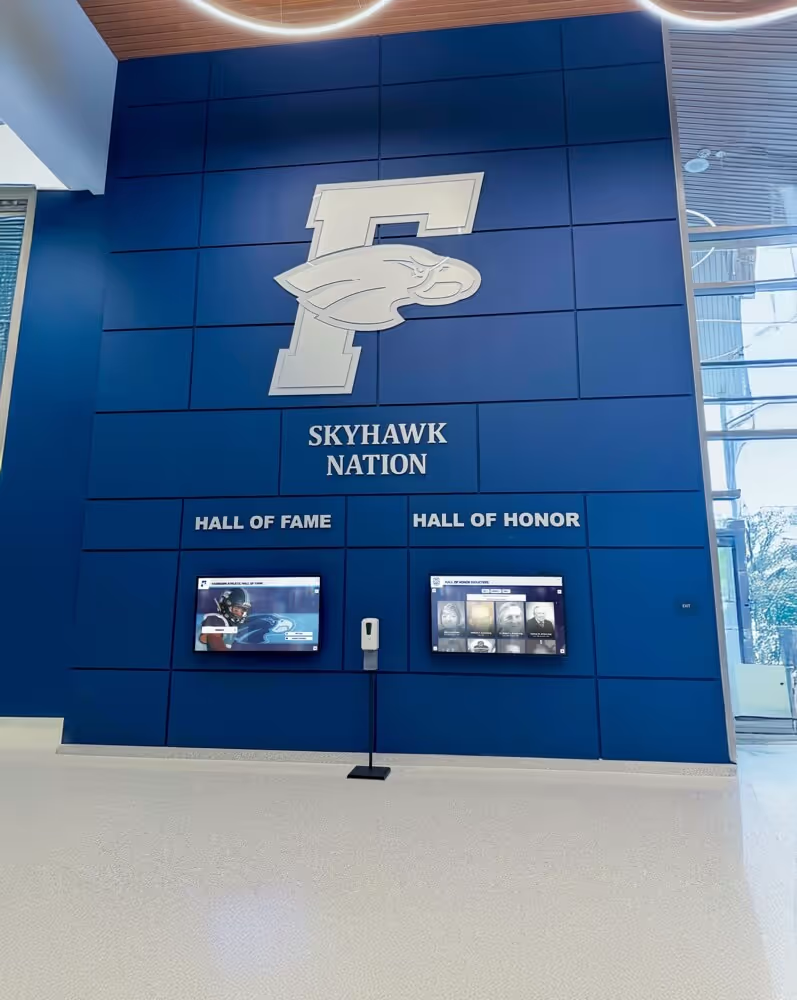
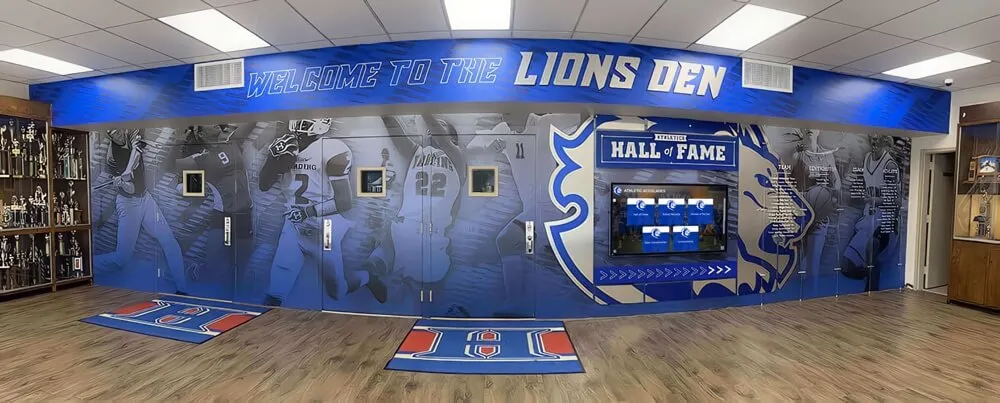
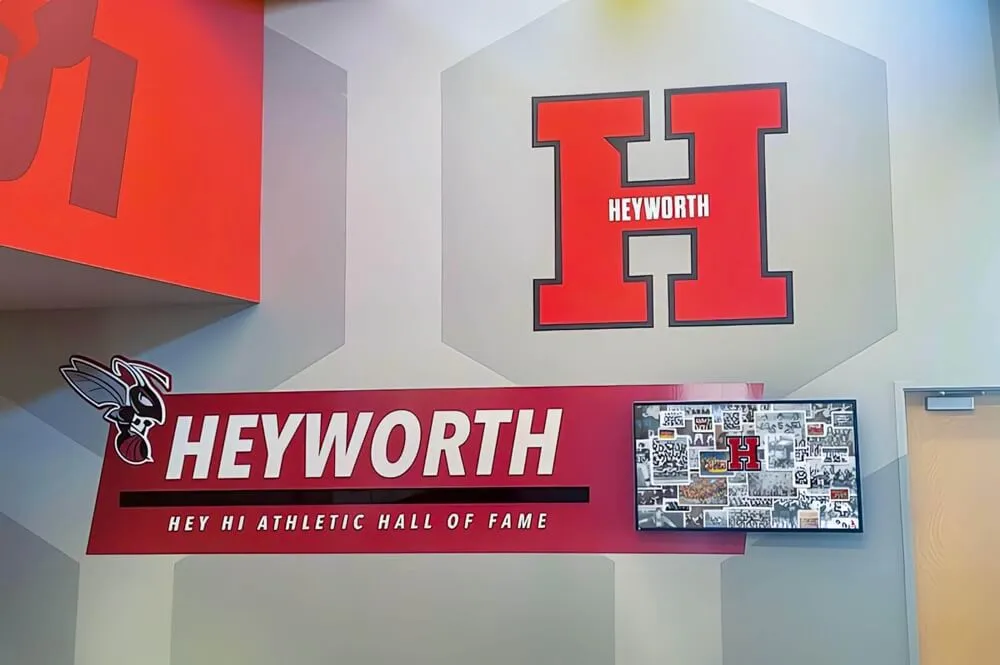
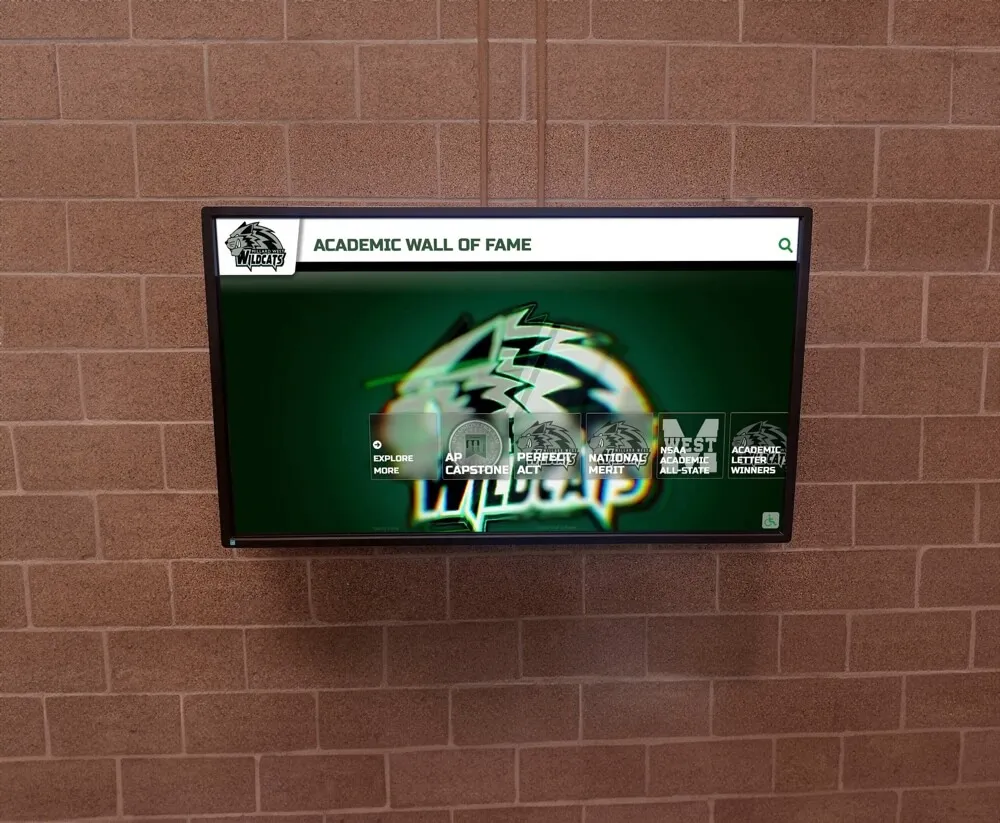
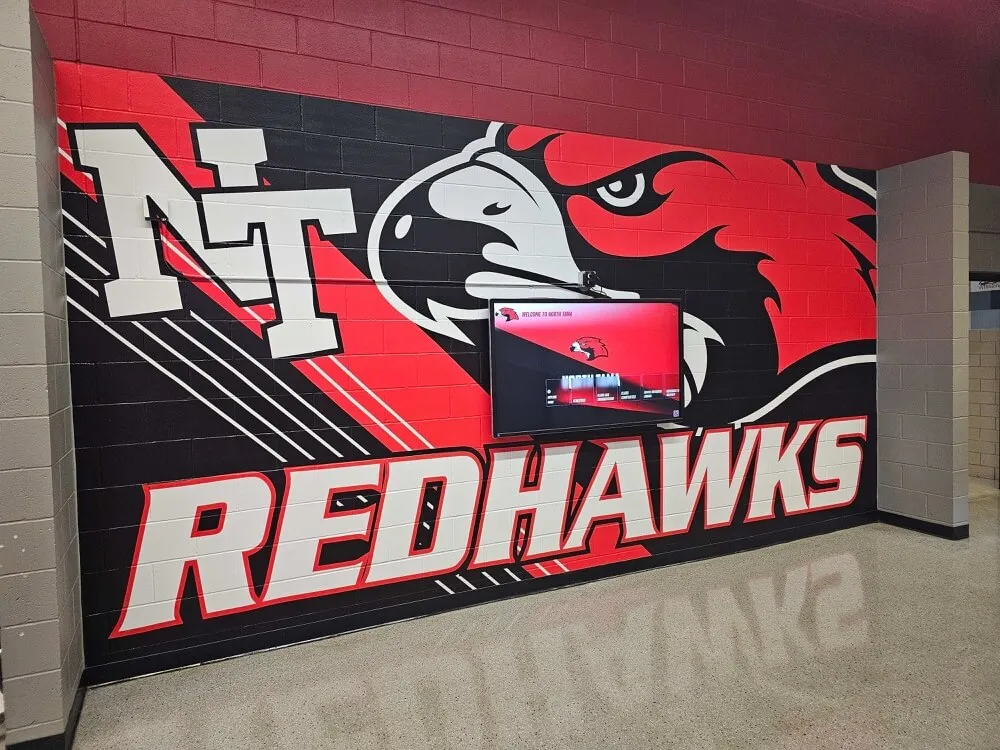
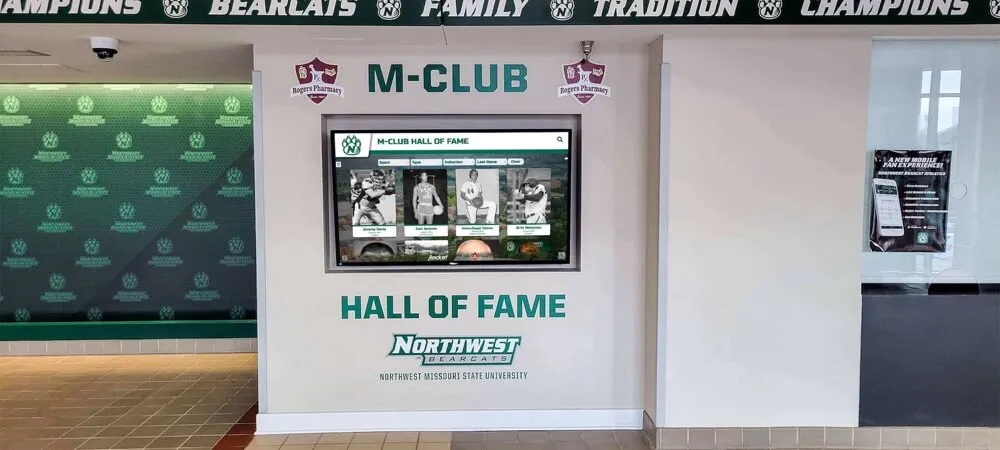
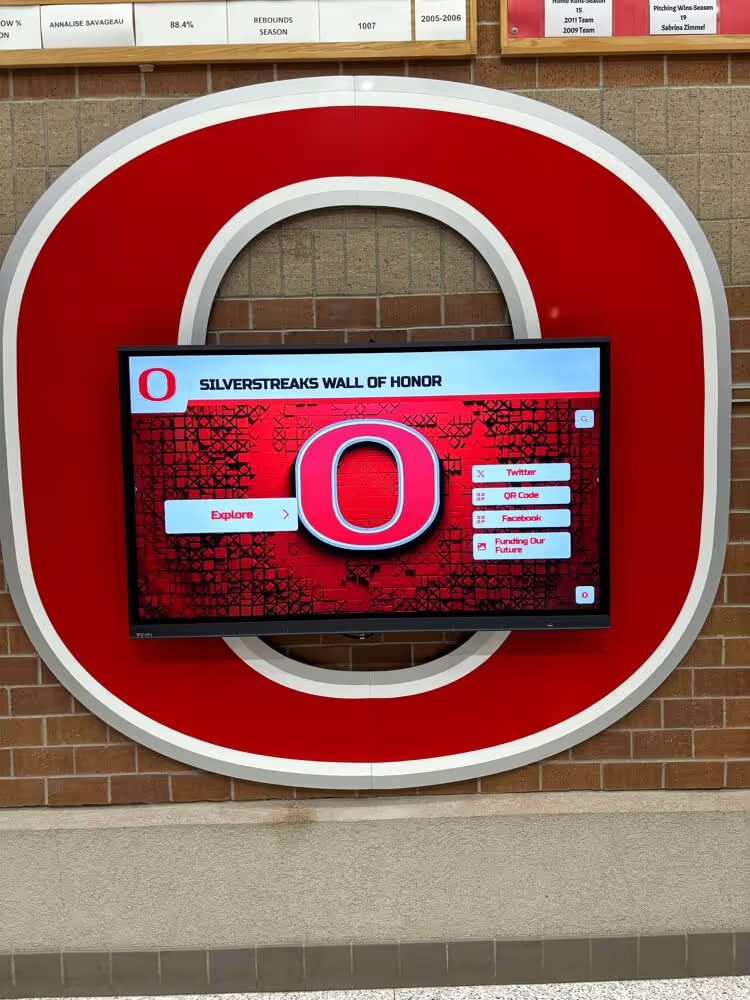
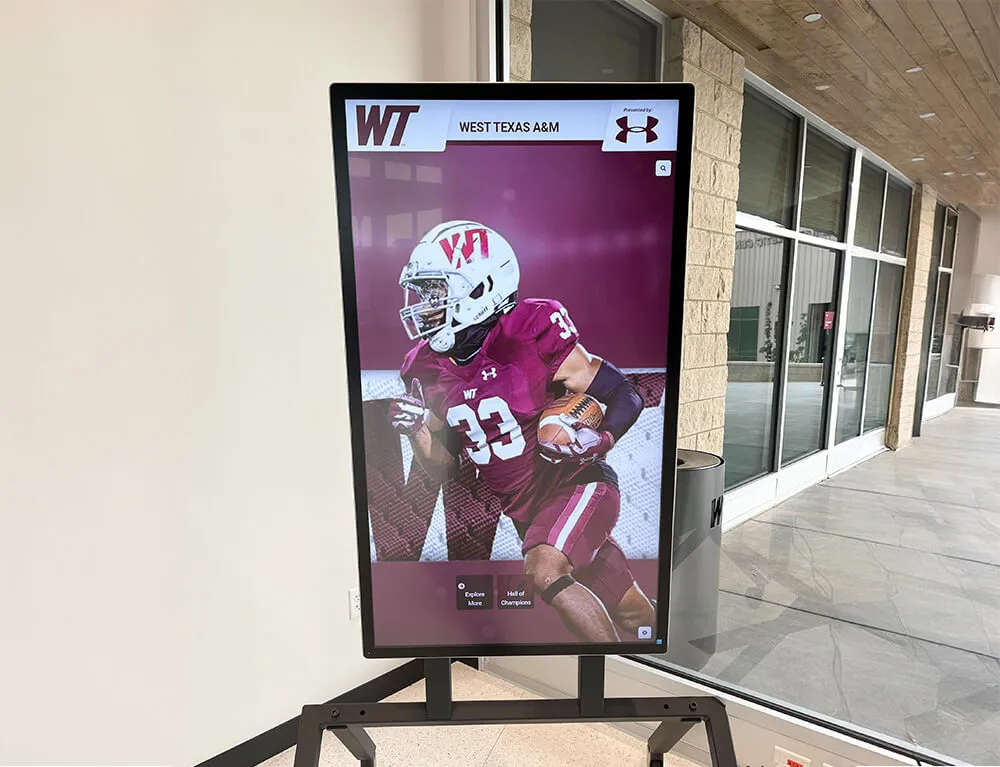
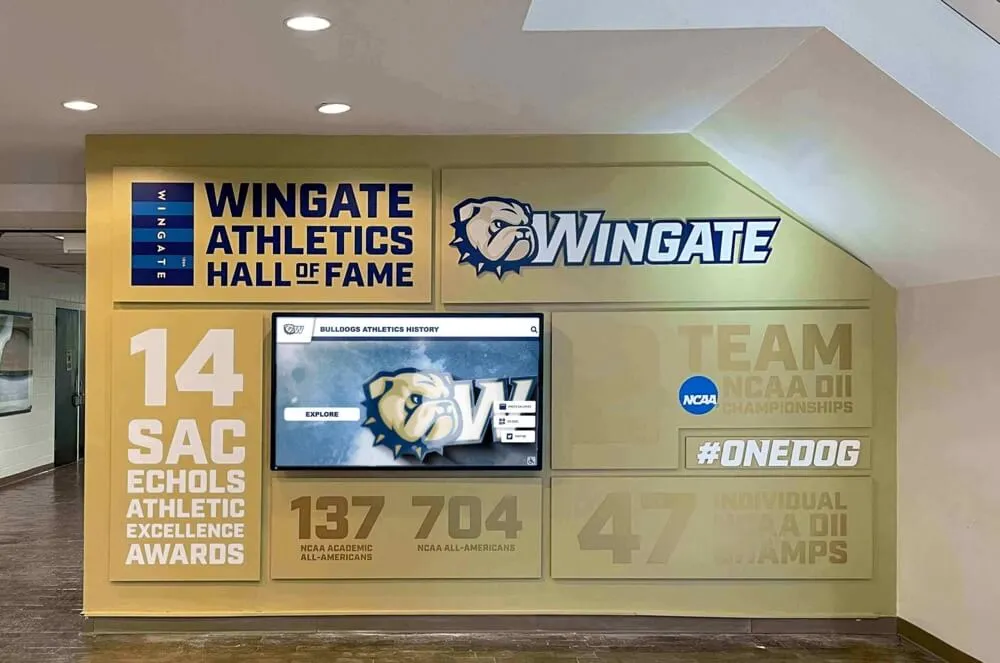
Hall of fame displays represent permanent institutional commitments to recognizing achievement. Unlike temporary bulletin boards or seasonal decorations, these recognition systems require sustained content management extending across years and decades. New inductees earn recognition annually. Historical records need corrections as research uncovers additional details. Photos require updates as higher-quality images become available. Statistics demand verification before publication.
Many schools underestimate the ongoing administrative requirements these displays create. Initial installation generates excitement and engagement, but maintaining content quality and freshness over time proves more challenging. Without established workflows, content management becomes haphazard—updates happen sporadically, quality varies dramatically between entries, responsibilities remain unclear, and errors accumulate uncorrected. Staff members struggle to balance recognition display management with their primary responsibilities, leading to delays, frustration, and displays that gradually become outdated.
This guide addresses these challenges by presenting systematic approaches to managing content for school hall of fame displays. Whether your institution maintains traditional physical displays or modern digital recognition systems, these workflows, procedures, and best practices will help your staff maintain high-quality content efficiently while ensuring recognition remains accurate, timely, and meaningful for your school community.
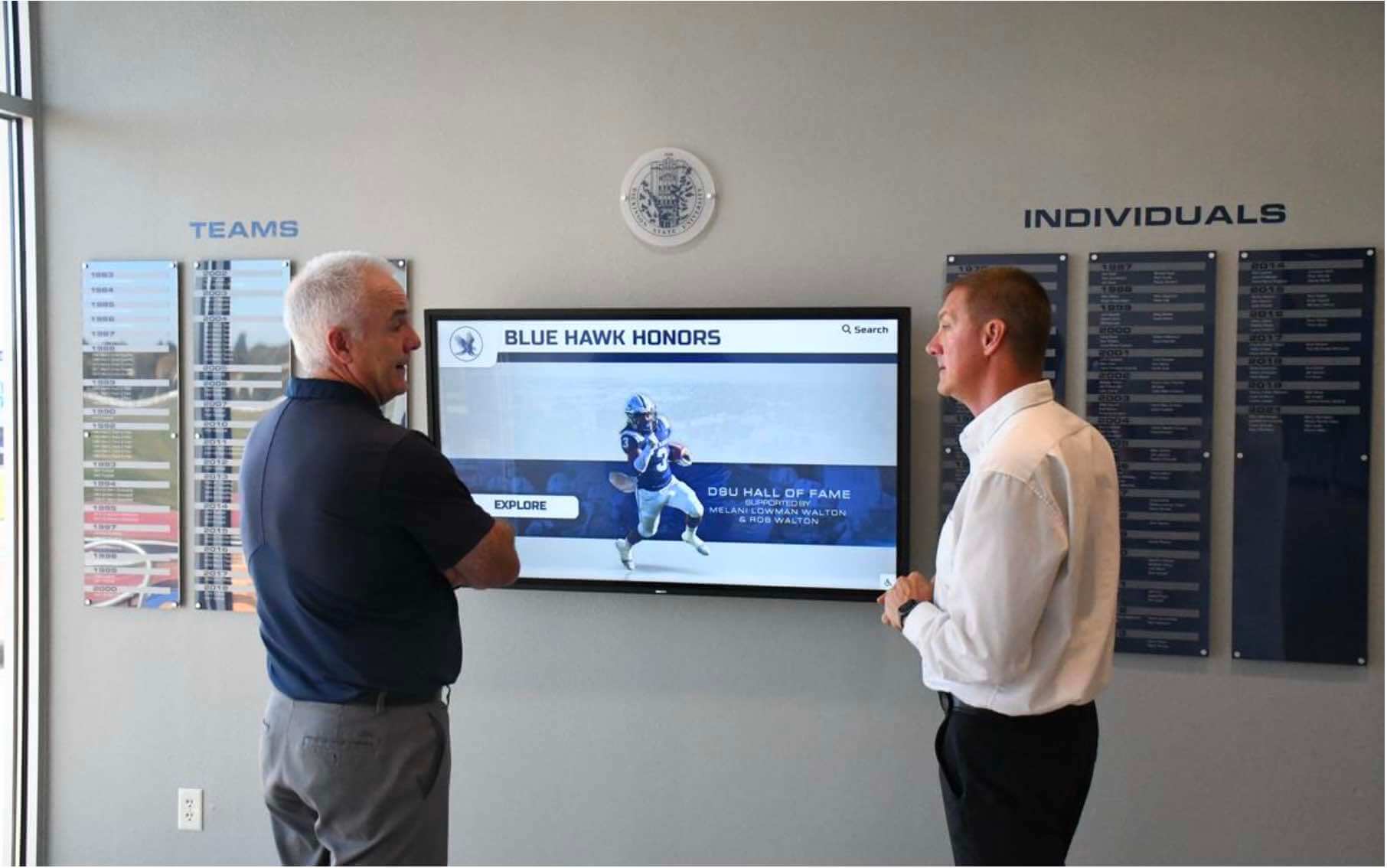
Establishing Clear Content Management Roles and Responsibilities
Effective content management begins with clearly defined roles that prevent confusion about who handles specific tasks and ensure accountability throughout the process.
Defining Content Ownership Structure
Schools should designate specific positions responsible for different content management dimensions rather than leaving responsibilities ambiguous.
Primary Content Manager: One individual should serve as the primary content manager with overall responsibility for display quality, consistency, and accuracy. This role typically falls to athletic directors for sports-focused displays, development officers for donor recognition, or designated administrators for comprehensive halls of fame. The primary content manager approves all content before publication, maintains editorial standards, coordinates with other contributors, and serves as the final authority on content questions.
Subject Matter Contributors: Various staff members contribute content within their areas of expertise. Coaches provide athlete statistics and team histories. Development staff supply donor information and gift details. Archivists research historical records. Faculty sponsors document club achievements. These contributors submit content following established templates and standards but don’t necessarily handle final formatting or publication.
Technical Administrator: Someone must manage the technical aspects of content publication, whether updating physical displays or operating digital content management systems. This role requires understanding how to properly format content, upload images with correct specifications, troubleshoot technical issues, and maintain system security. Schools should assign this responsibility based on technical competency rather than organizational hierarchy—often technology coordinators or designated staff with appropriate skills prove most effective.
Quality Assurance Reviewer: A separate individual should review content for accuracy, consistency, and quality before publication. This independent verification prevents errors that original creators might overlook. Ideally, this reviewer understands institutional standards but wasn’t involved in creating the specific content being reviewed.
Clear role definition prevents common problems where everyone assumes someone else will handle updates or where responsibilities overlap causing duplicated effort and confusion. Similar to comprehensive staff recognition program best practices, well-defined workflows ensure consistent quality across all recognition efforts.
Creating Sustainable Workload Distribution
Content management responsibilities should distribute sustainably across staff rather than overwhelming any single person.
Phased Implementation Approach: Schools implementing new displays should phase content development over reasonable timeframes. Rather than demanding comprehensive historical content immediately, establish initial content with recent inductees and systematically add historical entries over subsequent months or years. This prevents burnout while ensuring quality doesn’t suffer from rushing.
Seasonal Workflow Planning: Align major content updates with natural school calendar rhythms. Many schools conduct annual induction ceremonies at year-end, creating logical deadlines for content finalization. Athletic achievements typically finalize at season conclusions. Academic honors process after semester completions. Planning content workflows around these natural cycles reduces conflicts with other busy periods.
Delegation of Routine Tasks: Identify tasks that don’t require senior administrator involvement and delegate appropriately. Student workers or administrative assistants can scan photos, proofread text, or format content following templates. Reserving administrator time for high-value tasks like verification, approval, and strategic decisions makes workflows more efficient.
Schools using modern digital display solutions for easy setup often find content management more sustainable than traditional physical displays requiring specialized skills for each update.
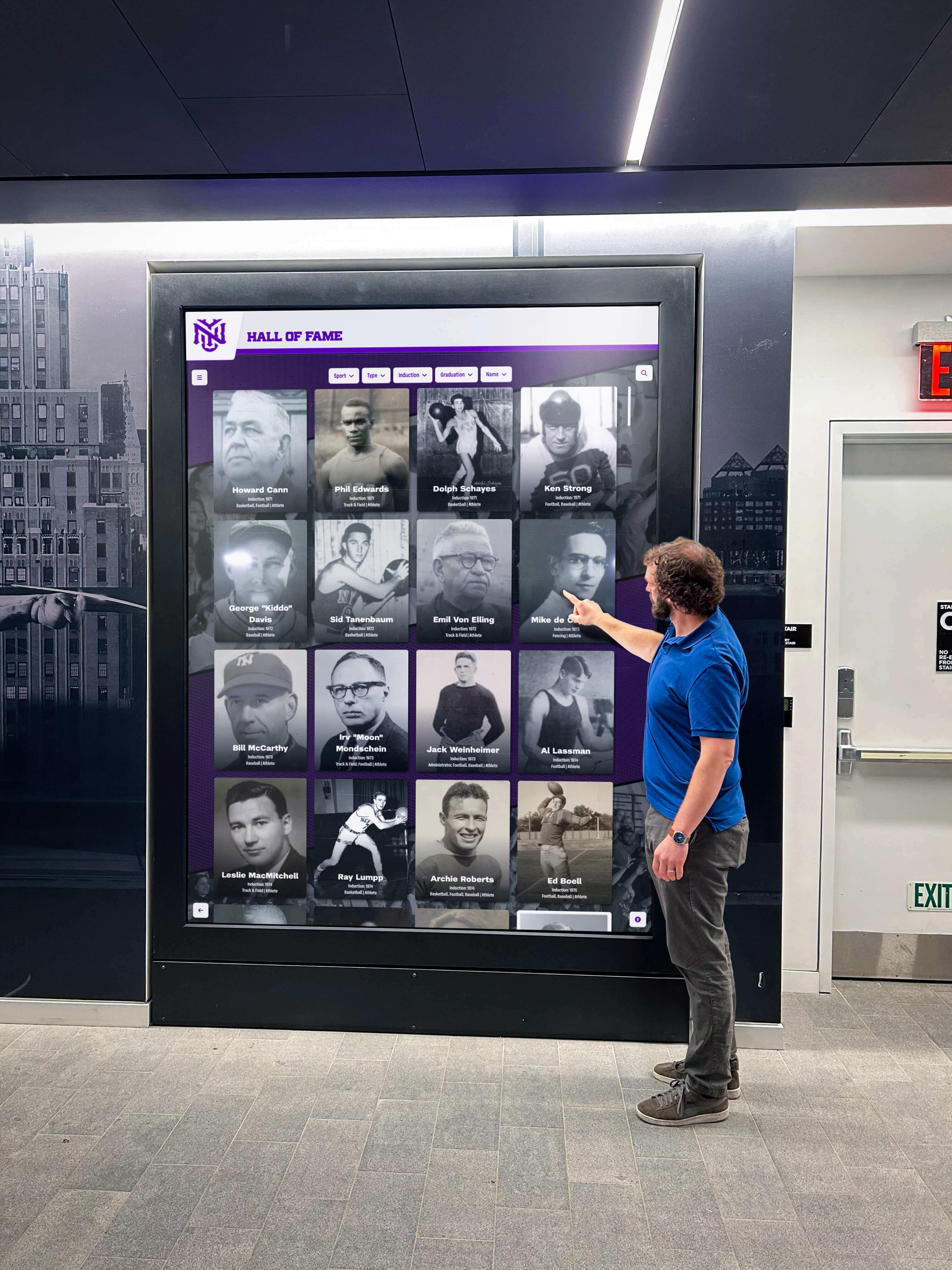
Developing Standardized Content Templates and Guidelines
Consistency across hall of fame entries requires standardized templates that guide content creation while maintaining flexibility for different recognition types.
Creating Content Templates for Different Entry Types
Different recognition categories require different information structures, but all benefit from standardized formats.
Individual Athlete Profiles: Athlete entries should follow consistent templates including full name and graduation year, sports participated in and positions played, career statistics and records held, championship participation and titles won, individual honors and awards received, post-graduation athletic achievements (if relevant), and brief biographical narrative highlighting distinctive accomplishments or characteristics. Templates should specify exact character counts for biographical sections, required vs. optional fields, and formatting standards for statistics and dates.
Team Recognition Entries: Championship teams and historically significant squads need templates capturing season year and sport, complete roster with player names and positions/numbers, coaching staff and support personnel, season record and significant victories, championship titles or tournament results, statistical highlights and record-setting performances, and narrative describing the team’s significance or memorable moments. Team entries often benefit from group photos supplemented by action shots from significant games.
Coach and Contributor Profiles: Recognition for coaches, administrators, and program supporters requires templates documenting full name and years of service, positions held and responsibilities, program achievements during tenure (championships, records, etc.), coaching philosophy or contribution approach, impact on individual athletes or overall program, and relevant biographical information. These entries should emphasize specific contributions and measurable impacts rather than generic praise.
Donor Recognition Content: Schools incorporating donor recognition into hall of fame displays need templates for donor name(s) as preferred for recognition, gift amount or recognition level category, purpose or designation of contribution, gift date or recognition period, family or organizational affiliation if applicable, and optional tribute message within character limits. Donor content requires special sensitivity around privacy preferences and accuracy of financial information.
Standardized templates ensure visual consistency across displays while guiding contributors toward including all essential information without omitting important details. Templates also significantly accelerate content creation since contributors follow established patterns rather than starting from scratch each time.
Establishing Content Quality Standards
Beyond structural templates, schools need explicit quality standards for writing style, image specifications, and factual accuracy.
Writing Style Guidelines: Content should follow consistent voice, tone, and style choices. Most school recognition displays benefit from professional but accessible language avoiding jargon, present-tense biographical writing for living inductees with past tense for historical figures, active voice emphasizing actions and achievements, and objective tone focused on accomplishments rather than subjective opinions. Specific style decisions about capitalization, abbreviations, statistical formatting, and punctuation should be documented for consistent application.
Image Technical Specifications: Photo quality dramatically impacts display effectiveness, requiring clear standards for minimum resolution (typically 300 DPI for print, 1920x1080 minimum for digital displays), preferred aspect ratios matching display layout, acceptable file formats (usually JPEG or PNG), maximum file sizes for digital systems, and image composition requirements (headshots properly cropped, team photos including all members, etc.). Schools should also establish policies about image permissions, particularly for photos not taken by school personnel.
Factual Verification Requirements: All content claims require verification before publication. Statistics should cross-reference official record books or verified sources. Dates must confirm against transcripts, yearbooks, or official documents. Championship claims should verify through athletic association records. Biographical details need confirmation from reliable sources rather than memory or hearsay. Establishing verification standards prevents embarrassing errors while protecting institutional credibility.
Schools managing digital donor walls for fundraising campaigns particularly benefit from rigorous verification processes ensuring donor information appears completely accurate.
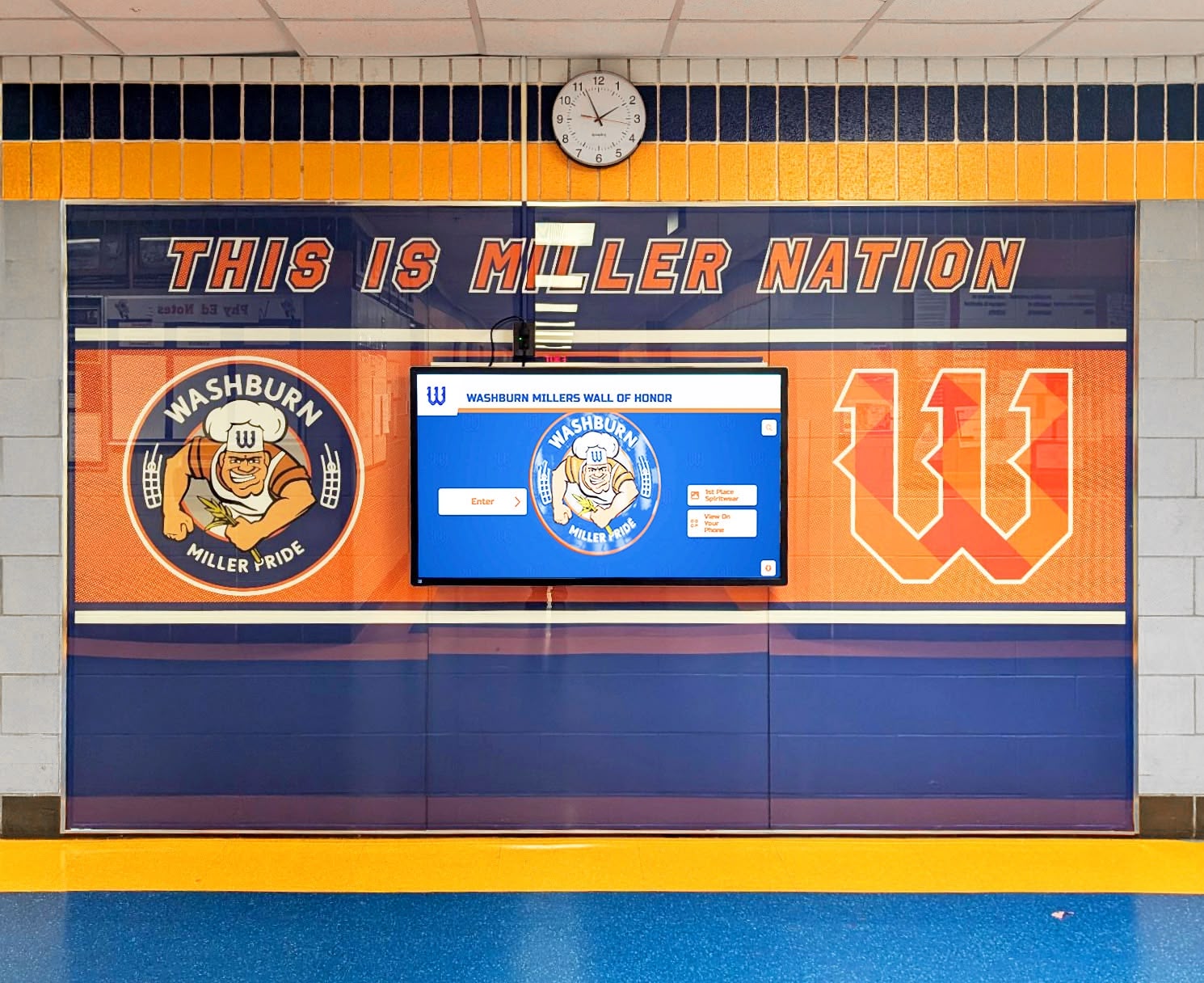
Implementing Efficient Content Collection Workflows
Systematic workflows for gathering content from various sources prevent delays and ensure necessary information arrives complete and properly formatted.
Designing Effective Information Request Processes
Content collection should follow structured processes that clearly communicate requirements while remaining user-friendly for contributors.
Standardized Submission Forms: Create forms that guide contributors through providing all necessary information. Digital forms with required fields prevent incomplete submissions while dropdown menus and checkboxes reduce formatting inconsistencies. Forms should include clear instructions explaining what information each field requires, character count displays showing space limitations, file upload capabilities with automatic format checking, and confirmation messages summarizing submitted information for contributor review.
Reasonable Deadlines with Buffer Periods: Set content submission deadlines that allow adequate time for collection, review, revision, and final preparation. Rushing content collection produces lower quality results with more errors requiring correction. Build buffer periods between submission deadlines and publication dates accounting for inevitable delays, revision cycles, and technical preparation. Most schools benefit from 4-6 week timelines between initial content requests and planned publication dates.
Clear Communication of Requirements: Contributors should understand exactly what they need to provide and why each element matters. Effective communications include specific examples showing properly completed submissions, explanations connecting requested information to how content will appear in displays, contacts for questions or clarification, and consequences of missing deadlines or incomplete submissions. Visual examples prove particularly helpful showing contributors exactly what properly formatted content looks like.
Follow-Up Protocols: Establish systematic follow-up procedures for late or incomplete submissions rather than handling each situation ad hoc. Automated reminder emails at specific intervals, escalation processes involving supervisors for persistent delays, and clear policies about proceeding without missing content all help maintain schedules while encouraging timely cooperation.
Centralizing Content Storage and Organization
All content materials should reside in centralized, well-organized repositories enabling efficient retrieval and preventing loss.
Master Content Databases: Maintain comprehensive databases or file systems containing all content for current and historical display entries. Proper organization includes consistent file naming conventions incorporating inductee names and years, folder structures grouping related materials logically, version control tracking content revisions over time, and backup systems protecting against accidental deletion or corruption. Cloud-based storage solutions provide accessibility for authorized users while maintaining security.
Image Asset Libraries: Photos and graphics require organized libraries separate from text content. Effective image management includes original high-resolution files archived permanently, properly edited versions formatted for specific display needs, metadata tagging images with relevant keywords and subjects, and usage rights documentation showing permissions and restrictions. Many schools discover the value of comprehensive team photo archives with mobile access for both hall of fame displays and broader institutional uses.
Documentation of Sources: Maintain records documenting where information originated to enable future verification and support research for additional content. Source documentation should reference specific documents, dates accessed, contact information for interview subjects, and any relevant notes about reliability or limitations. This documentation proves invaluable when questions arise about content accuracy or when expanding entries with additional details.
Access Control and Security: Not all content should be universally accessible, particularly donor information or content under development. Implement appropriate access controls ensuring only authorized personnel can view or modify sensitive content while making general reference materials broadly available to appropriate staff.

Managing Ongoing Content Updates and Maintenance
Hall of fame displays require continuous attention beyond initial implementation, with systematic approaches to corrections, additions, and content refreshment.
Establishing Update Cycles and Triggers
Regular update schedules prevent displays from becoming stale while ensuring timely recognition of new achievements.
Annual Induction Content Cycles: Most schools conducting annual induction ceremonies should implement corresponding content update cycles. Timeline planning should include nomination and selection processes completing 3-4 months before induction events, content collection from new inductees beginning immediately after selection, content development and review occurring 6-8 weeks before ceremonies, technical preparation and testing finishing 2-3 weeks prior, and final publication coordinating with or immediately following induction events.
Achievement-Triggered Updates: Certain accomplishments warrant immediate recognition rather than waiting for annual cycles. Championship victories, record-breaking performances, significant individual honors, and major program milestones might justify expedited content updates. Establish clear criteria determining which achievements qualify for off-cycle updates versus inclusion in next regular update cycles.
Seasonal Maintenance Reviews: Beyond adding new content, displays benefit from periodic comprehensive reviews ensuring existing content remains accurate, current, and properly displayed. Quarterly or semi-annual maintenance reviews should check for technical issues affecting display functionality, content errors identified since last review, outdated information requiring revision, and opportunities to enhance existing entries with additional details or better images.
Responsive Correction Processes: Despite careful verification, errors occasionally appear in published content. Implement clear procedures enabling quick corrections when issues are identified. Staff should know how to report suspected errors, who evaluates correction requests, what verification occurs before changes, and how quickly corrections should be implemented based on severity.
Balancing Content Freshness with Historical Preservation
Effective management maintains vibrant current content while preserving historical entries that constitute institutional memory.
Content Rotation Strategies: Digital displays with limited physical space often rotate content ensuring variety while preventing any entries from becoming permanently invisible. Rotation approaches might highlight recent inductees more prominently while cycling historical entries, feature seasonal or thematic content groupings that change periodically, or emphasize different sports or achievement categories on rotating schedules. Schools implementing digital award displays that showcase various achievements benefit from flexible rotation capabilities maintaining engagement.
Historical Content Enhancement Projects: Rather than viewing historical entries as static, consider them opportunities for ongoing enrichment. Systematic projects might include interviewing older inductees to capture additional biographical details, researching newspaper archives for articles about historical achievements, collecting additional photos from alumni and community members, or documenting connections between inductees across generations. These enhancement efforts keep historical content fresh and demonstrate continued institutional investment in preserving legacy.
Archive vs. Active Display Decisions: Not all content must remain in active displays perpetually. Some schools maintain comprehensive digital archives accessible through search interfaces while featuring select inductees in primary displays. This approach enables unlimited recognition capacity without overwhelming viewers. Clear criteria should govern which content appears in active displays versus archives, with periodic reviews ensuring appropriate balance.
Monitoring Display Performance and Engagement
Content management should respond to how audiences actually interact with displays rather than operating on assumptions.
Usage Analytics for Digital Displays: Modern digital displays often provide analytics showing which content viewers access most frequently, how long viewers engage with different entry types, what search terms visitors use when exploring content, and when displays experience highest traffic. This data should inform content development priorities, display organization decisions, and technical optimization efforts.
Gathering Stakeholder Feedback: Systematically collect input from various stakeholders about display effectiveness. Student surveys can reveal whether current students find displays inspiring and engaging. Alumni feedback indicates whether recognition content accurately reflects their experiences and memories. Staff observations identify technical issues or content questions that arise regularly. Formal and informal feedback mechanisms help identify improvement opportunities.
Comparative Performance Assessment: Schools participating in recognition communities or networks can learn from peer institutions about effective content approaches. Reviewing how comparable schools structure content, what entry types generate engagement, and which features prove most valuable helps inform continuous improvement efforts without requiring original research for every decision.
Effective content management for educational institutions, similar to best practices for nonprofit digital wall mount displays, requires balancing stakeholder needs with sustainable workflows and quality standards.
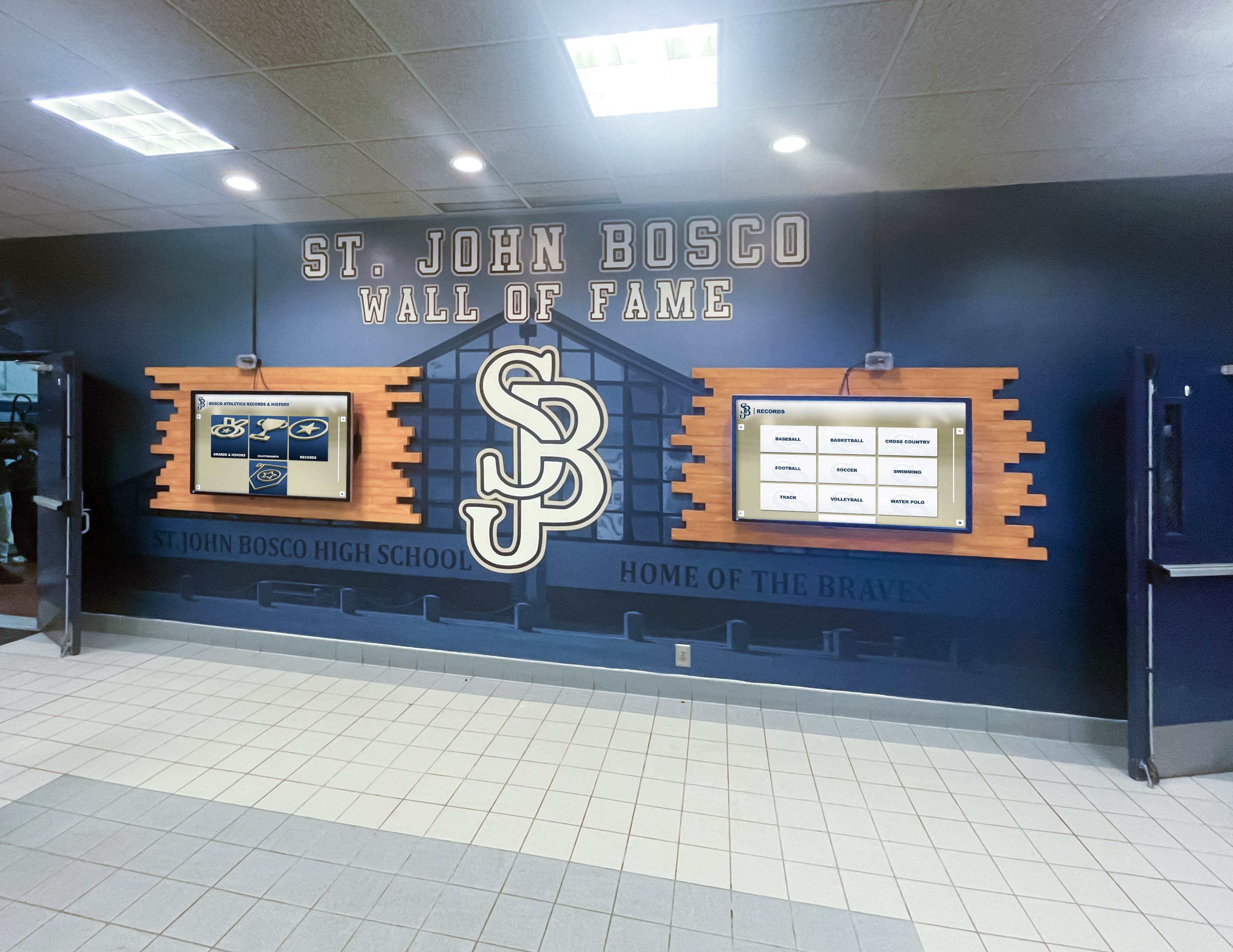
Leveraging Technology for Streamlined Content Management
Modern content management systems and digital tools dramatically reduce administrative burden while improving content quality and accessibility.
Digital Content Management System Benefits
Purpose-built content management platforms designed for recognition displays offer significant advantages over manual processes or generic tools.
Centralized Administration Interfaces: Quality systems provide intuitive dashboards where authorized users can add new entries, edit existing content, upload and manage images, schedule content publication dates, and preview changes before making them public—all without requiring technical expertise. Web-based interfaces enable content management from any location rather than requiring physical access to display hardware.
Template-Driven Content Creation: Systems with built-in templates for different entry types guide content creation while enforcing consistency. Template fields ensure contributors provide all necessary information, character count limits prevent excessive text that won’t display properly, required field validation prevents incomplete entries, and standardized formatting eliminates inconsistencies between different contributors’ work.
Automated Quality Control Features: Advanced systems incorporate automated checks reducing manual verification burden. These might include spell-checking and grammar validation, duplicate entry detection, image specification verification (resolution, dimensions, file size), broken link identification for referenced web content, and flagging of potential errors like implausible dates or statistics.
Version Control and Approval Workflows: Multi-user systems should track content versions showing change history, implement approval chains requiring designated reviewers to authorize content before publication, maintain audit trails documenting who made which changes when, and enable easy rollback if published content requires reverting to previous versions.
Search and Retrieval Capabilities: As content libraries grow, robust search functionality becomes essential. Staff should be able to quickly locate entries by name, year, sport, achievement type, or any other relevant criteria without manually reviewing hundreds of entries.
Modern platforms supporting teacher of the year award showcases and similar recognition programs demonstrate how specialized systems streamline workflows compared to generic content tools.
Mobile-Responsive Management Tools
Content management shouldn’t require constant desk access, particularly for staff who move throughout buildings or work irregular schedules.
Mobile Content Review and Approval: Tablet and smartphone-optimized interfaces enable administrators to review and approve submitted content from anywhere. Athletic directors can verify statistics from field sidelines. Development officers can confirm donor information during events. This flexibility accelerates approval cycles and prevents delays caused by administrators’ travel or off-campus commitments.
Remote Content Submission: Contributors should be able to submit content via mobile devices without requiring desktop computers. Alumni completing biographical forms on smartphones, coaches uploading photos from tablets, and staff members entering information during commutes all increase participation and reduce friction in content collection processes.
Real-Time Update Capabilities: For time-sensitive content like championship victories or major accomplishments, mobile management enables immediate updates rather than waiting until staff return to offices. This responsiveness keeps displays current and demonstrates institutional commitment to timely recognition.
Integration with Existing School Systems
Content management proves most efficient when recognition displays integrate with other institutional data systems rather than requiring duplicate data entry.
Student Information System Integration: Pulling verified data from student information systems eliminates manual entry while ensuring accuracy. Names, graduation years, academic honors, and other biographical details can flow automatically from authoritative sources rather than requiring separate collection and verification. Integration requires appropriate privacy controls ensuring only authorized information appears publicly.
Athletics Management Platform Connections: Schools using athletic management software for schedules, rosters, and statistics can potentially integrate this data with hall of fame displays. Automatic updates of season records, career statistics, and roster information reduce manual data entry while maintaining accuracy through single authoritative sources.
Digital Asset Management Links: Institutions maintaining centralized photo and media libraries should connect these repositories with recognition displays. Rather than storing separate image copies, hall of fame systems can reference master libraries ensuring access to highest-quality versions while maintaining consistent asset management.
Alumni Database Synchronization: Development offices maintaining comprehensive alumni databases can share relevant information with hall of fame displays while respecting privacy preferences. Contact information updates, career accomplishments, and engagement history all provide valuable context for recognition content.
Similar to comprehensive digital donor recognition wall platforms, modern hall of fame systems should minimize administrative burden through smart integrations and automated workflows.
Training Staff and Building Institutional Knowledge
Even excellent systems and workflows fail without adequate staff training and institutional knowledge transfer ensuring continuity across personnel changes.
Developing Comprehensive Training Programs
New staff members responsible for content management need systematic training rather than learning through trial and error.
Role-Specific Training Modules: Different positions require different training emphasizing relevant responsibilities. Primary content managers need comprehensive platform training covering all system capabilities. Contributing staff might require only focused training on content submission processes. Technical administrators need detailed training on system configuration, troubleshooting, and advanced features. Tailoring training to actual responsibilities makes it more efficient and effective.
Hands-On Practice Environments: Training should include opportunities to practice content management tasks in safe environments where mistakes don’t affect live displays. Sandbox systems or test accounts enable trainees to experiment with content creation, image uploads, and approval processes while building confidence before working with actual production content.
Documentation and Reference Materials: Comprehensive written documentation provides ongoing reference support after initial training. Effective documentation includes step-by-step procedures with screenshots for common tasks, troubleshooting guides for frequently encountered issues, contact information for technical support, and FAQs addressing common questions. Video tutorials supplement written documentation for visual learners.
Regular Refresher Training: Annual or semi-annual refresher sessions help maintain skill levels and introduce new features or updated procedures. These sessions also provide opportunities for staff to ask questions about challenging situations they’ve encountered and share solutions or workarounds they’ve developed.
Building Sustainable Knowledge Transfer Processes
Institutional knowledge shouldn’t reside solely in individual staff members’ memories, creating crises when personnel changes occur.
Process Documentation Standards: Document all key workflows, decisions, and procedures in accessible formats. Documentation should explain not just how to perform tasks but why specific approaches were chosen, what alternatives were considered and rejected, and what contextual factors influenced decisions. This depth helps successors understand reasoning behind current practices rather than blindly following unexplained procedures.
Transition Planning for Role Changes: When content management responsibilities transfer between staff members, structured transition periods enable knowledge transfer. Overlapping periods where outgoing and incoming staff work together, formal handoff meetings reviewing key processes and contacts, and documented status of ongoing projects all smooth transitions.
Institutional History Resources: Maintain accessible resources documenting hall of fame history including initial selection criteria and how they’ve evolved, significant policy decisions and their rationales, technical system choices and implementation history, and major content development projects completed over time. This institutional memory helps new staff understand context while preventing repeated debates about settled questions.
Cross-Training Backup Personnel: No single individual should possess exclusive knowledge about critical processes. Cross-training backup staff prevents crises when primary personnel are unavailable due to illness, vacation, or departure. Even if backup staff don’t perform tasks regularly, they should understand processes sufficiently to handle urgent situations.
Schools implementing touchscreen directory systems for campus wayfinding recognize similar needs for staff training and knowledge preservation ensuring systems remain functional across personnel transitions.
Conclusion: Creating Sustainable Content Management Systems
Managing content for school hall of fame displays requires systematic approaches balancing quality standards, efficient workflows, and sustainable administrative burden. Schools that establish clear responsibilities, implement standardized templates and procedures, leverage appropriate technology, and invest in staff training create recognition systems that serve institutional needs effectively for years and decades.
The most successful content management approaches share several characteristics: they distribute workload sustainably across appropriate personnel rather than overwhelming individuals, they implement quality controls preventing errors while remaining user-friendly for contributors, they leverage technology eliminating repetitive manual tasks, they build institutional knowledge surviving personnel transitions, and they remain flexible adapting to changing needs and opportunities over time.
Recognition displays represent significant institutional investments deserving professional content management ensuring they deliver lasting value. Whether your school maintains traditional physical displays or modern digital recognition systems, these workflows and best practices will help your staff maintain high-quality content efficiently while ensuring recognition remains accurate, timely, and meaningful for your entire school community.
Ready to explore how modern digital displays can simplify content management while enhancing your school’s recognition capabilities? Discover Rocket Alumni Solutions’ comprehensive hall of fame platform featuring intuitive content management tools designed specifically for educational institutions’ recognition needs.