Lacrosse presents unique coaching challenges compared to more established sports. The sport combines stick skills unfamiliar to most beginning players, continuous transition between offense and defense, specialized positional requirements, and physical demands requiring both finesse and toughness. Players must develop proficiency in catching, throwing, cradling, scooping ground balls, shooting, dodging, and defensive positioning—all while managing a stick that initially feels foreign and unwieldy.
Structured practice planning proves essential for systematic skill development. Random drills without clear progression waste valuable practice time and leave critical skill gaps. Conversely, well-designed practice sessions that strategically sequence drills, incorporate appropriate repetition, provide immediate feedback, and maintain engagement accelerate development dramatically while building the confidence necessary for competitive performance.
This guide presents lacrosse practice drills across all fundamental skill categories, with specific guidance on age-appropriate implementation, common coaching points, and progression frameworks. Whether coaching youth beginners learning basic stick skills or high school players refining advanced techniques, you’ll find structured drill sequences that address your team’s specific development needs while creating the positive practice environment where athletes thrive.

Fundamental Stick Skills: Wall Ball and Partner Passing Drills
Stick skills form the foundation of lacrosse performance. Players lacking proficiency in catching, throwing, and cradling struggle regardless of athletic ability or tactical understanding. Systematic stick skill development should occupy significant practice time, particularly early in seasons and with developing players.
Wall Ball Progression Series
Wall ball represents the single most effective individual skill development drill in lacrosse. Players throwing against walls receive immediate feedback on throwing accuracy while developing catching proficiency through consistent repetitions.
Basic Wall Ball (Beginner Level): Players stand 8-10 feet from wall, using dominant hand only. Execute 25 right-hand catches and throws, focusing on proper throwing motion (bring stick back past ear, step toward target with opposite foot, follow through toward target). Then complete 25 left-hand repetitions. Emphasize catching in the box (stick head near shoulder, away from face) and soft hands (giving with the catch rather than rigid sticks).
Coaching Points: Watch for common errors including dropping stick head before release (causing low throws), failing to step with opposite foot (reducing power and accuracy), and catching across the body rather than in the box. Provide individual feedback on mechanics rather than allowing players to reinforce poor habits through repetitions.
Quick Stick Wall Ball (Intermediate): Reduce distance to 5-6 feet from wall. Catch and release immediately without cradling, developing quick hands essential for competitive play. Complete sets of 20 right-hand and 20 left-hand catches. This drill mimics game situations requiring immediate ball movement before defenders can react.
Behind-the-Back and BTB Catches (Advanced): Incorporate trick shots including behind-the-back throws, one-handed catches, and cross-hand catches. While these techniques appear flashy, they develop superior stick control and hand-eye coordination that translates to game situations. Advanced players should include these variations in daily wall ball routines.
Partner Passing Progression
Partner passing drills develop accuracy, timing, and communication while providing more game-realistic catching situations than wall ball.
Stationary Partner Passing: Partners stand 10-15 yards apart. Execute 20 catches each using right hand only, then 20 left-hand only. Focus on leading passes slightly (throwing to the box, not at the player’s body), stepping into passes, and calling for the ball to develop communication habits.
Passing on the Move: Partners jog side-by-side down the field, executing passes every 3-5 strides. This drill develops timing essential for transition situations and builds conditioning simultaneously with skill work. Progress to faster speeds as accuracy improves.
Triangle Passing: Three players form triangle 10 yards apart. Player with ball calls out receiver’s name before passing. Incorporate ground balls by having receiver roll ball to next player rather than catching. This variation develops communication, vision, and ground ball skills simultaneously.
Ground Ball Drills: Building Possession Through 50-50 Battles
Lacrosse games often hinge on ground ball battles. Teams winning the ground ball battle typically win games, as possessions directly correlate with scoring opportunities. Ground ball drills must emphasize proper technique while incorporating the physical toughness required for possession in contested situations.
Individual Ground Ball Technique
Roll and Scoop: Coach rolls ball to player from 10 yards away. Player sprints to ball, executes proper scooping technique (stick head parallel to ground, bottom hand slides down shaft, scoop through the ball rather than stabbing at it), immediately protects stick with body positioning, and sprints upfield 5 yards before passing to next player in line.
Coaching Emphasis: Common errors include slowing down before reaching the ball (allowing defenders to arrive simultaneously), failing to scoop through the ball (causing bobbles and drops), and not protecting stick after securing possession (vulnerable to checks). Demand full speed through ground ball and immediate protective positioning.
Competitive Ground Ball Drills
1v1 Ground Ball Battle: Two players start at cone 10 yards from ground ball positioned between them. Coach rolls ball and calls “go.” Players sprint to ball, battle for possession using legal body positioning (not pushing or holding), secure possession, and attempt to score on goal. This drill develops competitive toughness essential for game situations.
2v2 Ground Ball Transition: Four players (two offensive, two defensive) position at midfield. Coach throws ball into space. All four players pursue, winner’s team immediately transitions to offense while other team defends. Play continues until shot or turnover. This drill connects ground ball success to immediate offensive opportunities, emphasizing why ground ball possession matters.
Box-Out Ground Ball Drill: Pair players together. Coach rolls ball between them. Inside player focuses on boxing out opponent (establishing body position between opponent and ball) while outside player attempts to get around. Inside player scoops and protects; outside player executes legal defensive positioning without fouling. This drill teaches defensive ground ball boxing technique essential for preventing opponent possessions.
Shooting Drills: Developing Accuracy, Power, and Confidence
Shooting proficiency separates competitive teams from developing programs. Players must develop both mechanical shooting skills and the confidence to shoot in game pressure situations. Effective shooting drills balance technique development with game-realistic pressure and decision-making.
Basic Shooting Mechanics
Stationary Shooting Lines: Players line up at the restraining line (12 yards from goal). Each player executes five shots focusing on proper mechanics: plant foot pointing toward target, hands separated on stick (top hand at throat, bottom hand at bottom third of shaft), overhand shooting motion bringing stick from behind head through to target, and follow-through toward specific goal location.
Target Practice: Use visual targets (corners, specific spots) rather than simply shooting at open cage. Shooting to corners develops accuracy habits and builds confidence attacking specific locations. Progress from stationary targets to moving targets (coach holding stick in different locations) to reactive shooting (coach calls out target location immediately before shot).
Game-Situation Shooting Drills
Shooting on the Run: Players start from different angles (straight on, 45-degree angle from both sides, behind goal). Attack goal at full speed, receive pass from feeder, and shoot while maintaining speed. This drill develops the ability to shoot accurately while moving, mimicking game situations where players rarely shoot from stationary positions.
Dodge and Shoot: Players execute specific dodges (split dodge, roll dodge, face dodge) from various field positions, then finish with shots. This progression connects dodging skills with shooting, building the complete offensive skill sequence required in competitive games.
Pressure Shooting: Defenders provide token pressure (50-75% defensive intensity) during shooting drills. This progression introduces decision-making (shoot or pass when defender closes) and helps players develop comfort shooting with defenders in proximity—critical for game success but often neglected in practice.
Rapid-Fire Shooting: Players form line at top of restraining box. First player shoots, immediately sprints to back of line while second player catches ball from feeder and shoots. Continue for 2-minute intervals. This drill builds conditioning while developing shooting under fatigue (mimicking late-game situations) and creates competitive intensity as players count makes.
Defensive Drills: Developing Footwork, Positioning, and Communication
Defense wins championships in lacrosse just as in other sports. However, defensive skills often receive less practice emphasis than offensive skills, creating vulnerabilities that opponents exploit. Systematic defensive development requires specific drills addressing footwork, stick positioning, body positioning, and team defensive communication.
Individual Defensive Fundamentals
Mirror Drill: Offensive player and defensive player face each other with no stick or ball. Offensive player moves laterally, forward, and backward while defensive player mirrors movements maintaining proper defensive stance (knees bent, weight on balls of feet, stick in passing lane). This drill develops defensive footwork separate from stick skills, allowing focus on movement efficiency.
1v1 Defense From X: Offensive player starts behind goal (at X position) with ball. Defender plays on-ball defense using proper stick positioning (stick in passing lane, not reaching or slashing). Offensive player can dodge or feed. Defender focuses on maintaining body position, not getting beaten to cage, and forcing attackman away from dangerous positions. Emphasize legal defensive stick work rather than slashing (common mistake for developing defenders).
Approach Drill: Offensive player starts at restraining line with ball. Defender starts 5 yards closer to goal. On whistle, offensive player advances while defender approaches using proper technique (controlled speed, breaking down before contact, maintaining stick position). This drill teaches the critical skill of approaching ball carriers without overrunning or getting beaten easily.
Team Defensive Drills
6v6 Clears: Full-field clearing situations where defensive team attempts to advance ball across midfield against riding pressure. This drill develops communication, passing under pressure, and team concepts essential for maintaining possession. Emphasize specific clearing patterns (standard clear, man-down clear, and emergency clears) your team uses in games.
Defensive Rotation Drill: Set up 4v3 situations requiring defensive slides and rotations. Offense passes ball around perimeter while defense executes proper slide packages (first slide to ball, adjacent slide to crease, rotation to open man). Communication becomes essential as defenders must call out “I’ve got ball,” “I’m hot” (ready to slide), and “rotate to X.” This drill builds the team defensive concepts that prevent easy goals.
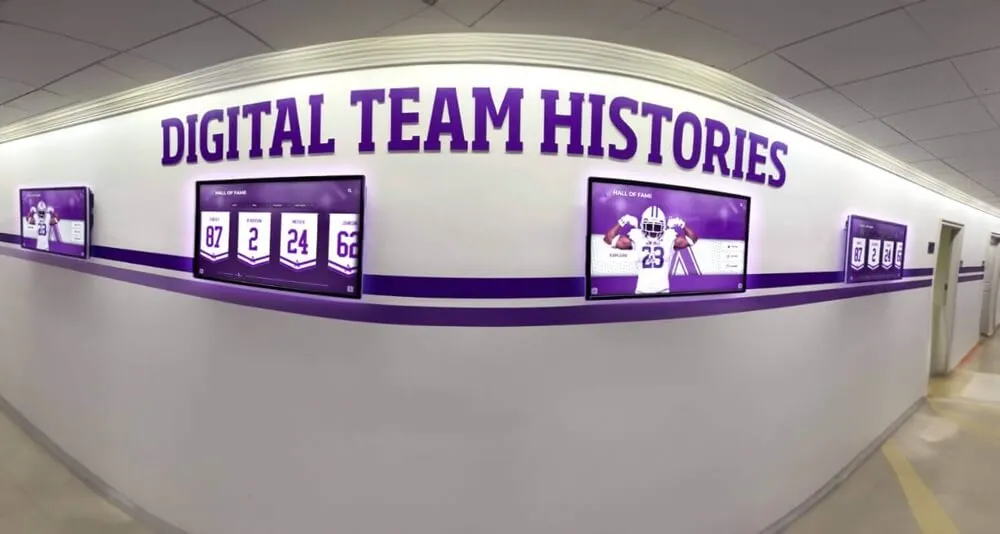
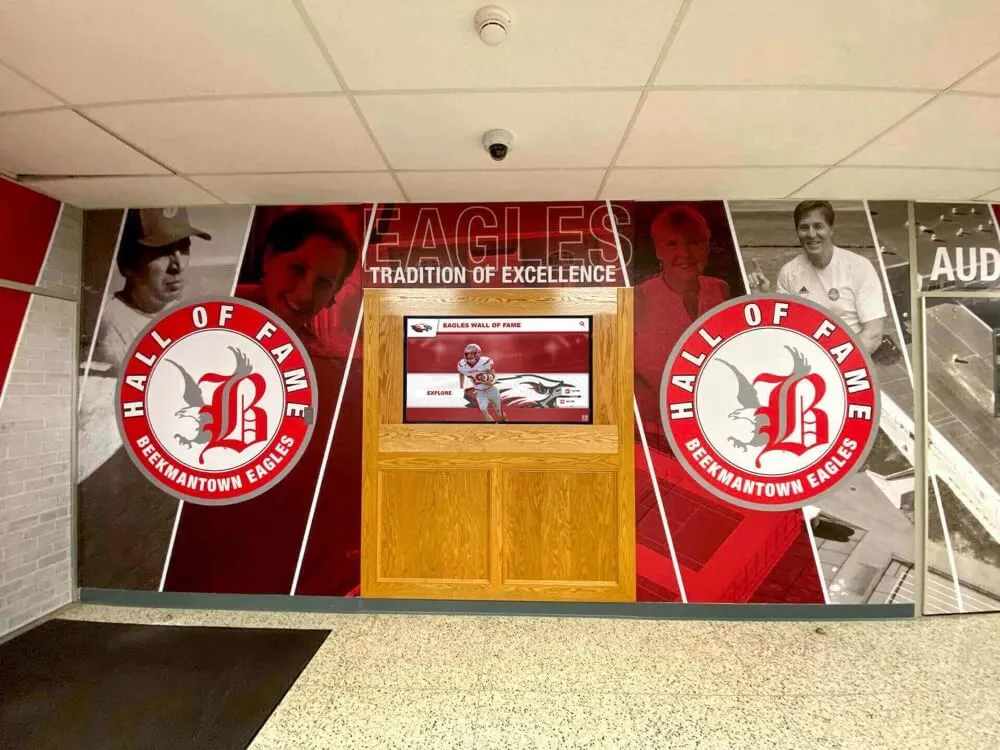
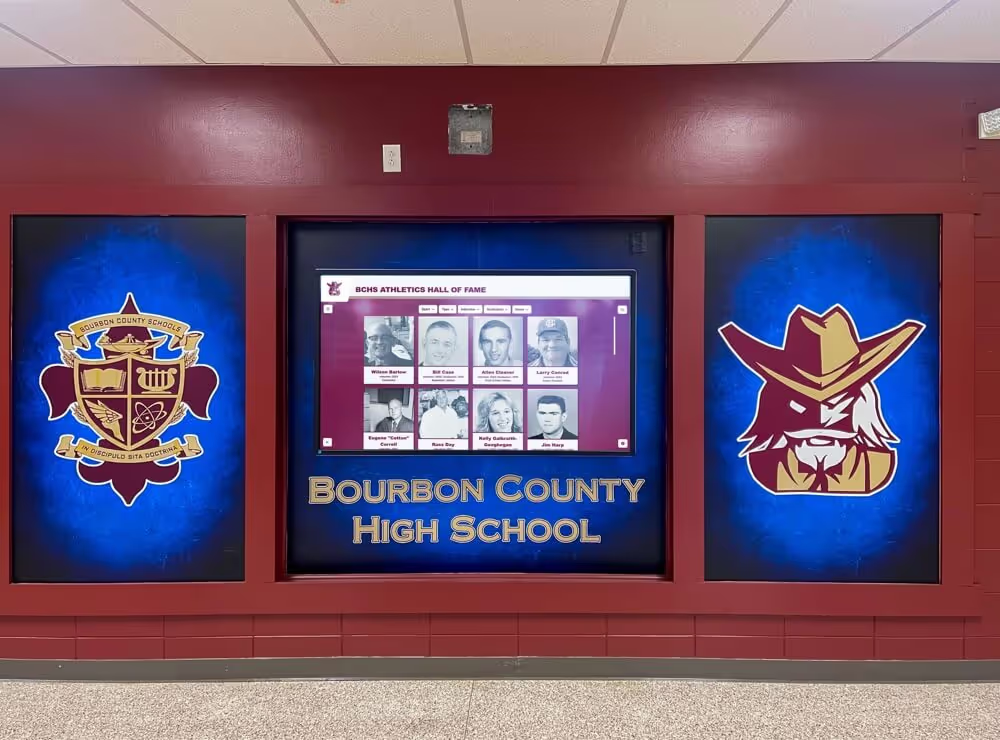
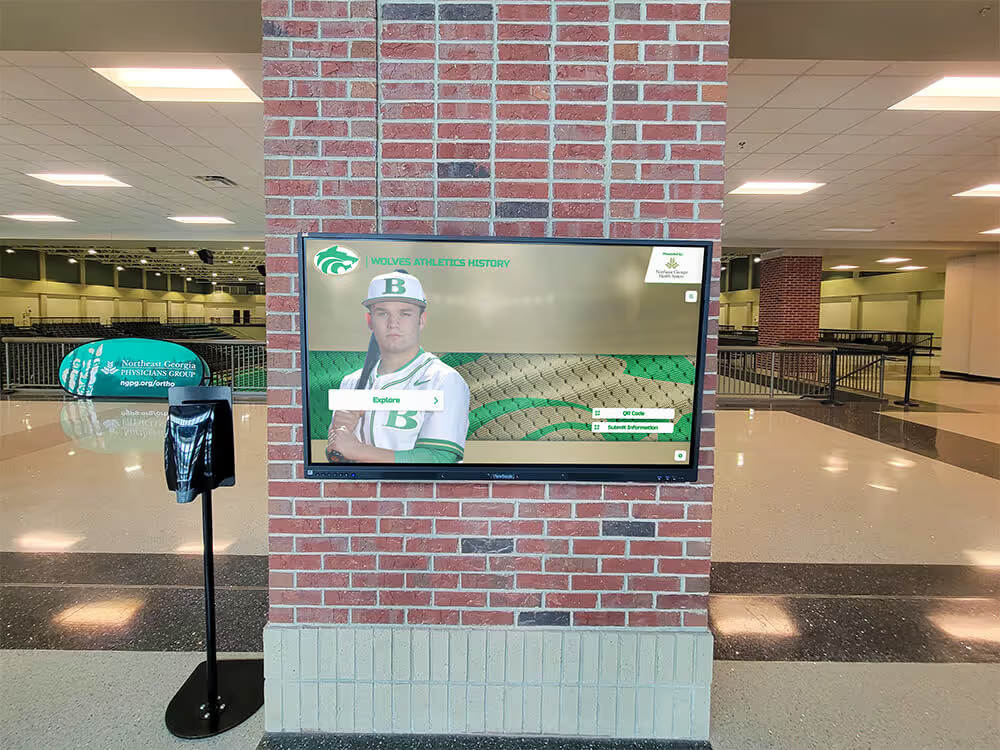
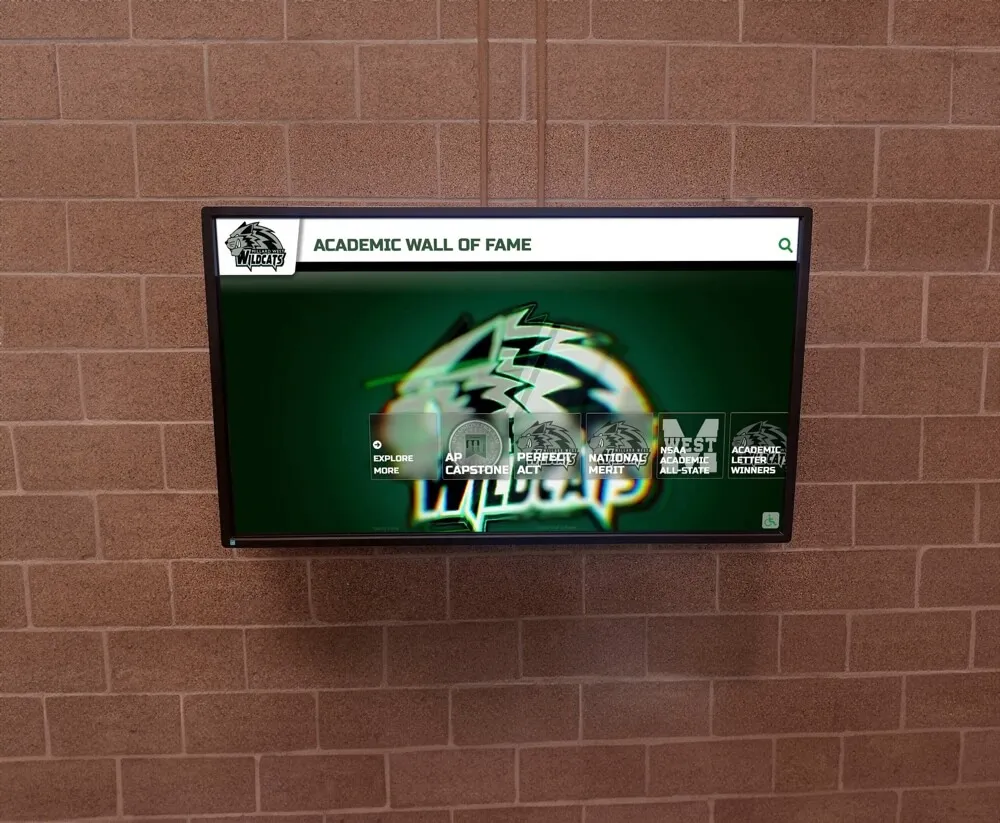
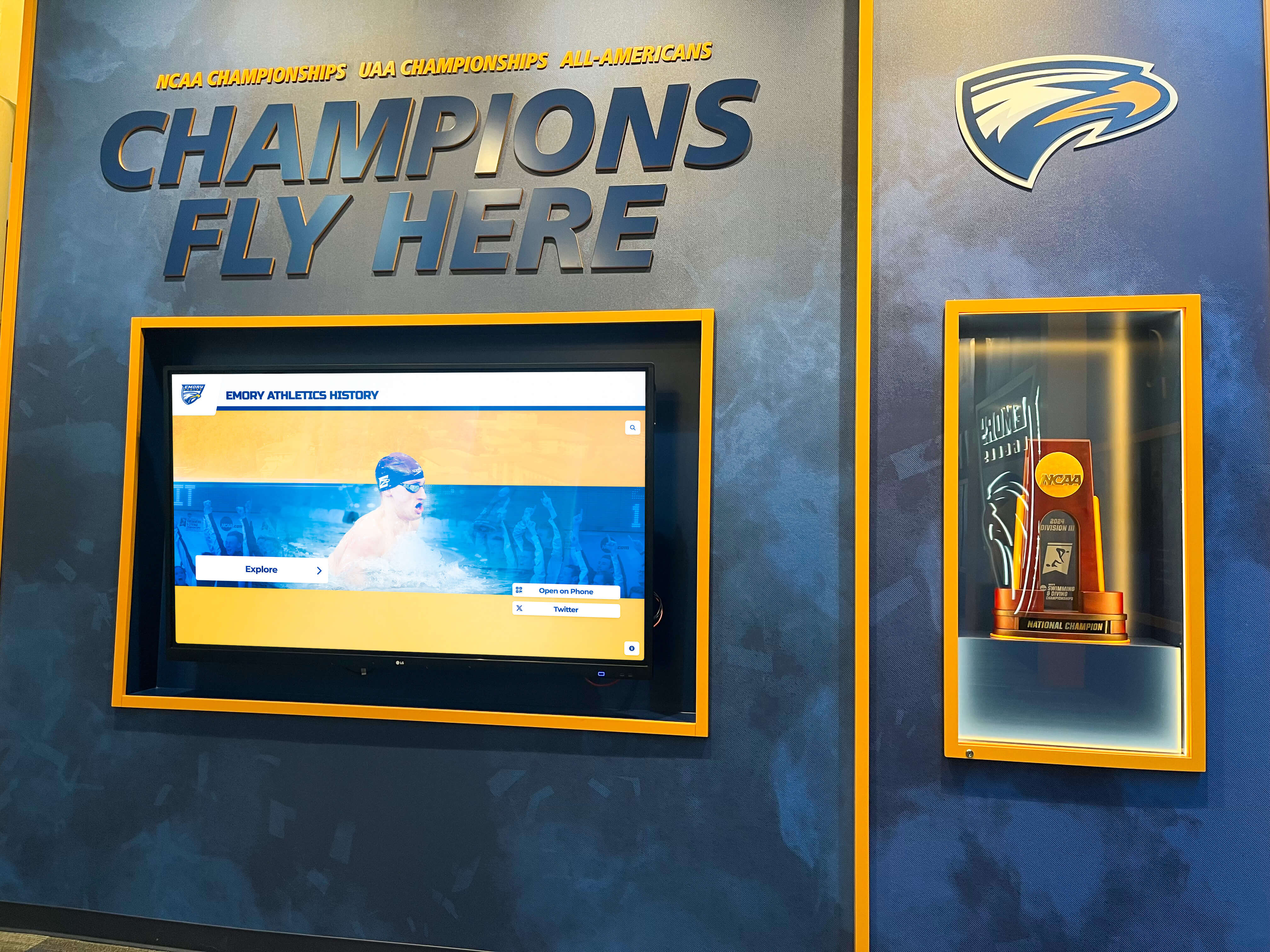
Many successful lacrosse programs document their team achievements and individual player accomplishments through digital recognition systems that celebrate both offensive statistics and critical defensive contributions that don’t always appear in box scores.
Transition Drills: Connecting Offense, Defense, and Midfield Play
Lacrosse’s continuous flow between offense and defense creates unique transition opportunities and vulnerabilities. Teams executing transition effectively generate high-percentage scoring chances while limiting opponent opportunities. Transition drills must emphasize speed, decision-making, and communication under pressure.
Clearing and Riding Drills
4v3 Clear to 4v3 Ride: Start with defensive team clearing ball against three-player ride. Once ball crosses midfield, drill immediately transitions to defensive team riding against three offensive players attempting to clear. This continuous drill develops both clearing and riding skills while building conditioning.
Fast Break Finishing: Coach starts play with ground ball at midfield. Three offensive players sprint toward goal while two defenders sprint back. Offense must execute fast break before defense recovers. Emphasize quick ball movement (no more than two passes), attacking spaces, and finishing before defense establishes positioning.
Full-Field Transition
Continuous 6v6: Teams play full-field 6v6 with immediate transition on goals and turnovers. No stoppages between possessions—teams must convert from offense to defense (and vice versa) at game speed. Set time limits (90-second possessions) preventing teams from holding ball endlessly. This drill develops game conditioning while reinforcing transition concepts.
Numbered Fast Breaks: Organize players into groups of six. Call out numbers (2v1, 3v2, 4v3). Those numbered players execute fast break while others recover defensively. This drill develops decision-making in various numerical situations while building recognition of when to push transition versus when to slow down and set up offense.
Position-Specific Drills for Specialized Development
While all players benefit from fundamental skill drills, position-specific training develops the specialized capabilities required at different field positions. Dedicate portions of practices to position-specific work, particularly with older and more competitive players.
Faceoff Drills
Faceoffs directly impact possession and momentum. Specialized faceoff training proves essential, particularly at high school levels where faceoff specialists emerge.
Clamp and Control Progression: Two faceoff specialists practice basic clamp technique (quick hand movement clamping stick over ball, controlling ball with back of stick head, pushing or pulling ball to wing players). Progress from unopposed practice to half-speed competition to full-speed faceoffs.
Wing Support Drill: Incorporate wing players into faceoff practice. After faceoff specialists engage, wing players sprint to ball location, secure possession, and immediately transition to offense or defense. This drill connects faceoff execution to immediate team action rather than treating faceoffs as isolated skills.
Goalie-Specific Training
Goalies require specialized training separate from field player drills. Dedicate time to goalie development rather than simply using goalies as stationary targets during shooting drills.
Reaction Drill: Coach or player shoots rapid-fire shots from 10 yards, varying shot location, speed, and height. Goalie focuses on tracking ball, establishing proper positioning (arc to ball, hands ready, stick in shooting lane), and making saves. Complete sets of 20 shots with brief rest between sets.
Arc and Angle Work: Shooter moves around restraining line while goalie maintains proper arc and angle positioning. Goalie steps to ball (moving closer as shooter approaches) while maintaining position that cuts down shooting angles. Shoot periodically to test positioning effectiveness.
Clear and Outlet Drill: After making saves, goalie must immediately identify open outlet and execute clearing pass. This drill develops the often-neglected skill of goalie clearing, which proves critical for initiating transition opportunities.
Successful programs recognize that developing skilled lacrosse players requires the same systematic approach used for coaching philosophy development—establishing clear values, implementing structured progressions, and maintaining consistent standards.
Small-Sided Games: Developing Tactical Awareness and Decision-Making
While drill work develops specific techniques, small-sided games build the tactical awareness, decision-making, and creativity that separate good players from great ones. Small-sided games provide more touches, increased decision-making opportunities, and heightened engagement compared to full-field scrimmages.
3v3 Continuous
Mark off 30x30 yard playing area with small goals or cones. Teams play 3v3 with no goalies. Emphasize constant movement, spacing, quick ball movement, and transition. Play 3-minute games, tracking wins and losses to maintain competitive intensity.
Benefits: This drill develops off-ball movement (critical in lacrosse but often neglected), forces decision-making in tight spaces, builds conditioning through continuous play, and creates numerous scoring attempts providing shooting practice in game contexts.
Box Lacrosse (Indoor Lacrosse)
If indoor facilities are available, box lacrosse provides excellent skill development. The confined space requires quicker decision-making, tighter stick skills, and constant movement. Many elite field lacrosse players credit box lacrosse with developing their stick skills and field vision.
Implementation: Even without dedicated box facilities, create smaller playing areas outdoors using cones or lines. Play 5v5 or 6v6 in compressed spaces with boards or out-of-bounds lines preventing ball from leaving play area frequently.
Possession Games
Keep-Away: One team maintains possession while other team attempts to steal ball. Offense scores points for consecutive completed passes (1 point per 5 completions). Defense scores by causing turnover. Play to 5 points then switch roles. This drill develops patient ball movement, off-ball support positioning, and defensive anticipation.
Practice Planning: Structuring Effective Sessions
Individual drills prove ineffective without thoughtful practice planning that sequences activities appropriately, manages time efficiently, maintains engagement, and addresses team-specific needs.
Practice Structure Framework
Warm-Up (10-15 minutes): Dynamic stretching, light jogging, and fundamental stick work. Use partner passing or wall ball during warm-up rather than wasting time on static stretching. Players should arrive at practice already having completed individual wall ball sessions, allowing practice time to focus on team skills.
Skill Development (25-30 minutes): Focus on 2-3 specific skills per practice rather than superficially covering everything. Sequence drills from simple to complex, individual to team. For example: basic shooting mechanics → shooting on the run → shooting in traffic → live shooting situations.
Team Concepts (20-25 minutes): Work on offensive sets, defensive schemes, special situations (man-up, man-down, faceoffs), or transition concepts. Connect individual skills learned earlier in practice to team contexts.
Competitive Element (15-20 minutes): End practice with small-sided games, controlled scrimmaging, or competitive drills (shooting competitions, ground ball competitions, 1v1 tournaments). Competition increases engagement while providing game-realistic application of skills practiced.
Cool-Down (5-10 minutes): Light jogging, static stretching, and team gathering. Provide feedback on practice, preview upcoming games or practices, and reinforce team culture and standards.
Age-Appropriate Modifications
Youth Players (Ages 8-12): Emphasize fundamental stick skills over tactical complexity. Keep drills shorter (3-5 minutes) before transitioning to maintain engagement. Use more games and competitive elements rather than lengthy explanations. Prioritize fun and participation over competitive intensity.
Middle School Players (Ages 12-14): Introduce more tactical concepts while continuing fundamental skill emphasis. Increase drill duration slightly (5-8 minutes). Begin implementing position-specific training. Balance competitive elements with skill development.
High School Players (Ages 14-18): Sophisticated tactical work, extensive position-specific training, and competitive intensity appropriate for this level. Longer drill sequences (10-15 minutes) develop work capacity. Implement more player leadership in drills and team organization.
Programs that systematically develop players from youth through high school often celebrate individual progression and team achievements through academic and athletic recognition programs that honor the dedication required for competitive success.
Conditioning Integration: Building Lacrosse-Specific Fitness
Lacrosse demands a unique fitness profile combining aerobic capacity for continuous running, anaerobic power for explosive sprints and shots, and muscular endurance for physical play throughout games. Rather than separating conditioning from skill work, effective coaches integrate fitness development into practice design.
Sprint and Agility Work
Shuttle Runs: Players execute 10-yard shuttles (touch line, sprint back, touch, sprint to 10, repeat). Complete 5 repetitions with 45-second rest between sets. This drill mimics lacrosse’s running patterns better than distance running.
Ladder Drills: Agility ladder work develops footwork quickness essential for dodging and defensive movement. Incorporate 5-minute ladder sequences during warm-ups or between drill stations.
Conditioning Through Drills
Rather than running sprints separate from lacrosse activities, design drills incorporating conditioning naturally:
- Fast-Paced Shooting: Continuous shooting with minimal rest develops cardiovascular fitness while practicing shooting under fatigue (game-realistic).
- Transition Drills: Full-field transition work builds conditioning while developing tactical skills.
- Small-Sided Games: 3v3 or 4v4 games with short rotations create high-intensity intervals developing both fitness and skills.
Position-Specific Conditioning
Different positions require different fitness emphases:
- Midfielders: Highest conditioning demands requiring both aerobic base and repeated sprint ability. Midfielders should complete additional conditioning work beyond general team fitness.
- Attack and Defense: Less total running but more explosive movements and physical battles. Focus on agility, change-of-direction speed, and maintaining intensity through shifts.
- Goalies: Reaction quickness and explosive movements rather than distance running. Goalie-specific conditioning should emphasize lateral quickness and rapid position adjustments.
Just as athletic programs recognize diverse contributions through creative end-of-season awards, effective practice planning acknowledges that different positions develop through specialized training approaches.
Common Practice Mistakes and Solutions
Even experienced coaches fall into practice planning traps that reduce development efficiency. Understanding common mistakes helps programs avoid wasting valuable practice time.
Mistake 1: Insufficient Repetitions
Problem: Demonstrating drills extensively, incorporating too many different drills in single practices, or allowing excessive standing in lines reduces actual repetitions players complete.
Solution: Plan practices allowing 80% activity, 20% instruction. Use multiple stations running simultaneously. Pre-teach drills before practice when possible. Keep instruction concise—demonstrate once, allow players to begin, provide individual feedback during activity.
Mistake 2: Neglecting Weak-Hand Development
Problem: Many drills allow players to favor dominant hands, reinforcing the imbalance that limits competitive effectiveness. Lacrosse increasingly demands ambidextrous stick skills.
Solution: Mandate weak-hand usage in specific drills. Use “weak-hand only” days periodically. Track weak-hand versus strong-hand performance, providing data showing improvement needs. Require wall ball balanced between hands (equal reps each hand).
Mistake 3: Lack of Game-Realistic Pressure
Problem: Drills executed without defensive pressure or decision-making requirements develop skills that don’t transfer to competitive games where pressure and decisions define performance.
Solution: Progress all drills from unopposed to token pressure to game-realistic defense. Incorporate decision-making elements (shoot or pass decisions, dodge selection based on defensive positioning). Create competitive scoring elements increasing intensity.
Mistake 4: Ignoring Individual Skill Gaps
Problem: Team practices focus on collective work while individual players struggle with fundamental skills that limit their effectiveness.
Solution: Identify specific skill deficiencies through evaluation. Assign individual homework (wall ball targets, stick skill progressions) holding players accountable for personal development. Use practice stations allowing differentiated instruction targeting individual needs.
Mistake 5: Insufficient Stick Time for Beginners
Problem: Youth coaches often emphasize tactical concepts and team play before players possess adequate stick skills to execute concepts effectively.
Solution: With beginning players, dedicate 60-70% of practice to fundamental stick skills. Delay sophisticated tactical instruction until stick proficiency allows execution. Remember that stick skills separate lacrosse from other sports—adequate development requires substantial time investment.
Programs implementing these practice improvements often celebrate resulting achievement through innovative recognition displays that honor both individual player development and team success.
Evaluation and Progress Tracking
Systematic evaluation helps coaches identify development needs, track improvement, and provide objective feedback motivating continued player growth.
Skill Testing Protocols
Beginning of Season Assessment: Establish baseline measurements in key skill areas:
- Wall ball catches (1 minute, right hand and left hand separately)
- Ground ball time (roll ball 15 yards away, time sprint and scoop)
- Shooting accuracy (10 shots per location, track makes)
- Passing accuracy (distance and accuracy metrics)
Mid-Season Evaluation: Repeat assessments tracking improvement. Share results with players, celebrating growth while identifying areas requiring additional focus.
End-of-Season Testing: Final assessment demonstrates seasonal development. Use data recognizing most-improved players and setting off-season development goals.
Practice Performance Tracking
Beyond formal testing, track practice performance indicators:
- Drill competition results (shooting accuracy percentages, ground ball win rates)
- Position in competitive drills (winners and losers in 1v1 situations)
- Conditioning benchmarks (shuttle run times, endurance test performance)
This data provides objective foundation for playing time decisions, position assignments, and individual development conversations while creating recognition opportunities celebrating player growth.
Building Team Culture Through Practice
Practice sessions serve as primary environments for establishing team culture, standards, and identity. Beyond skill development, thoughtful practice planning builds the cohesion and shared commitment that separate good teams from championship programs.
Competitive Standards
Establish and enforce practice standards that define program culture:
- Effort Standards: Maximum effort on every repetition, no coasting through drills
- Encouragement Expectations: Teammates encourage each other, celebrate successes, support through mistakes
- Accountability Systems: Players hold each other accountable for meeting standards rather than relying solely on coaches
- Competitive Response: Teams respond to adversity and competition with increased focus rather than frustration
Player Leadership Development
Use practice to develop leadership beyond designated captains:
- Drill Leaders: Rotate players leading specific drills, developing communication skills and ownership
- Peer Coaching: Pair experienced players with developing players during station work
- Team Challenges: Create team goals (collective ground ball percentages, passing accuracy targets) requiring collaborative achievement
Recognition Integration
Connect practice excellence to recognition systems:
- Practice Player of the Day: Recognize outstanding practice effort, improvement, or leadership
- Skill Challenge Champions: Track drill competition results, celebrating winners
- Development Spotlights: Acknowledge significant skill improvement regardless of absolute performance level
Many programs extend this recognition beyond verbal acknowledgment through permanent displays celebrating both individual achievement and team culture, creating visible reminders of program values and standards.
Off-Season Development: Extending Skill Growth Beyond Team Practices
Championship-level players understand that team practices alone provide insufficient repetition for elite skill development. Off-season individual work separates good players from great ones.
Individual Wall Ball Programs
Prescribe specific wall ball routines for players to complete 5-6 days per week during off-season:
- Youth Players: 15-20 minutes daily, focusing on basic catching and throwing fundamentals
- High School Players: 30-45 minutes daily, incorporating advanced techniques and weak-hand emphasis
- Wall Ball Progressions: Provide specific routines that systematically develop skills rather than random throwing
Summer Camps and Clinics
Encourage participation in camps and clinics exposing players to different coaching perspectives and competitive environments:
- Skill Development Camps: Focus on fundamental technique refinement
- Position-Specific Camps: Specialized training for goalies, faceoff specialists, or position players
- Exposure Events: High school players seeking college opportunities benefit from showcase tournaments and recruiting camps
Strength and Conditioning Programs
Lacrosse-specific strength training develops the physical capabilities required for competitive play:
- Youth Players: Bodyweight exercises, general athleticism development, and movement skill focus
- High School Players: Structured strength programs emphasizing explosive power, core strength, and injury prevention
Programs implementing comprehensive year-round development systems often recognize the dedication required through digital recognition platforms that celebrate commitment extending beyond traditional seasons.
Conclusion: Practice with Purpose
Effective lacrosse practice drills share common characteristics: they provide sufficient repetitions for skill acquisition, incorporate progressive difficulty that challenges players appropriately, include coaching feedback facilitating improvement, and maintain engagement that sustains effort throughout sessions. Random drills executed without clear objectives or progressions waste precious practice time while structured sessions implementing principles outlined in this guide accelerate development dramatically.
Remember that skill development requires patience and persistence. Stick skills that feel awkward and foreign initially become automatic through thousands of repetitions spread across months and years. Players struggling with basic catches in early practices develop into confident playmakers when provided structured skill progressions, consistent coaching, and supportive environments encouraging growth through inevitable mistakes and setbacks.
The investment in thoughtful practice planning pays dividends extending beyond wins and losses. Players developing skills through quality coaching carry confidence, work ethic, and achievement into all life areas. Teams building culture through purposeful practices create bonds lasting decades. And programs implementing systematic player development establish excellence traditions that honor both individual achievement and collective success.
Whether you’re coaching youth players taking their first catches or high school athletes pursuing championship aspirations, commit to practice sessions that honor athletes’ time and potential through structured progressions, engaged instruction, and the recognition that celebrates both the journey and the destinations.
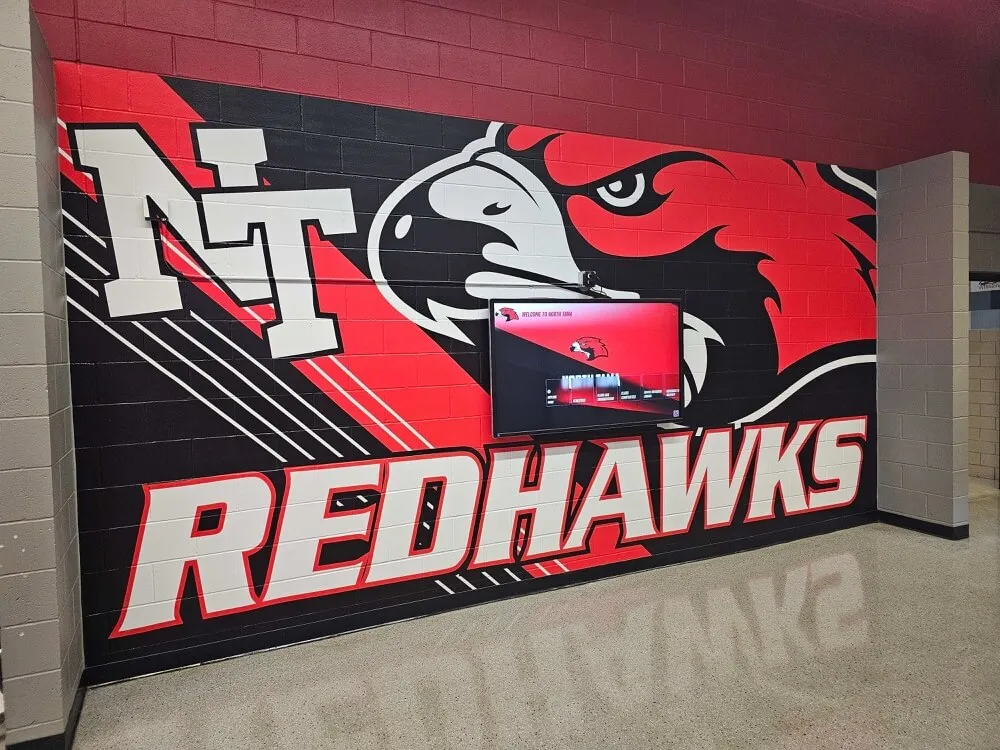
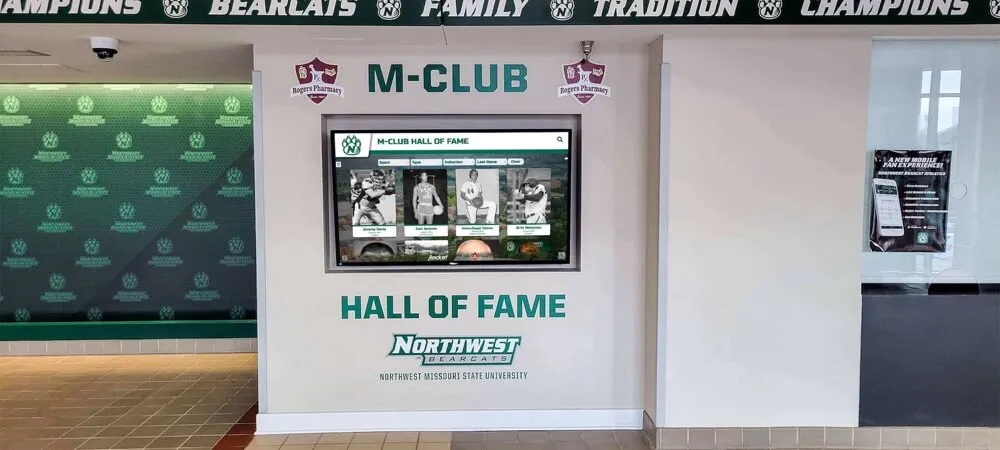
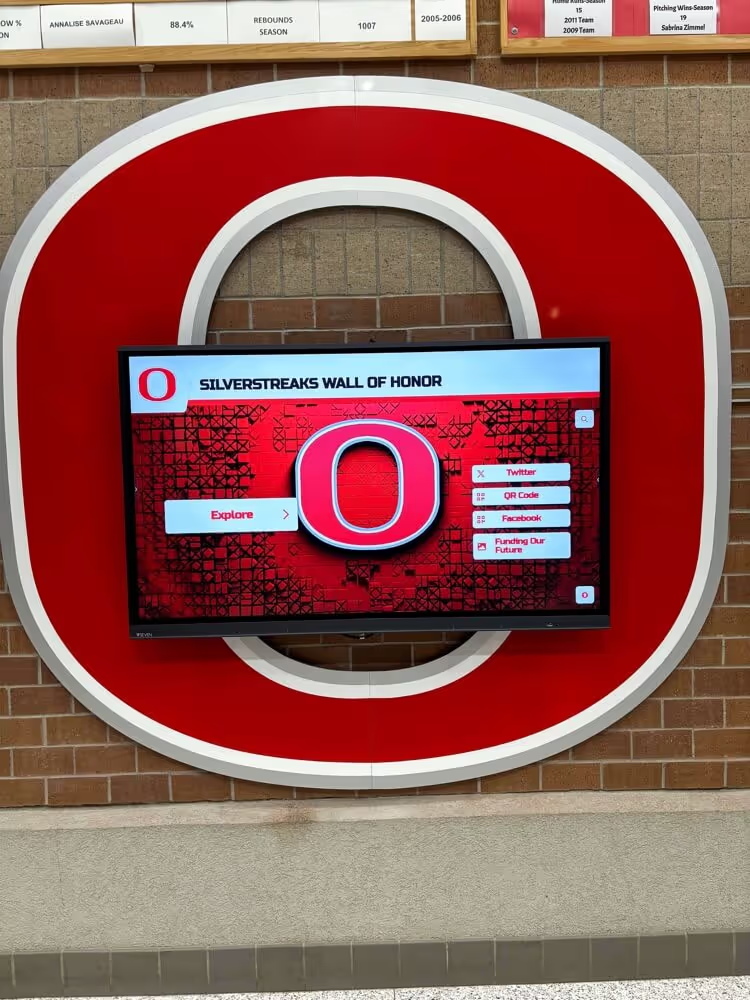
Ready to celebrate your program’s achievements and honor the dedication of your developing lacrosse players? Rocket Alumni Solutions provides interactive digital recognition displays that showcase individual player development, team achievements, and program history—creating visible inspiration for current athletes while honoring the contributions that build championship cultures. Our touchscreen walls of fame transform school lobbies and athletic facilities into engaging spaces celebrating the systematic growth and competitive success that result from purposeful practice.