Every February, Iowa’s wrestling community converges on Wells Fargo Arena in Des Moines for the state wrestling tournament, a three-day spectacle that regularly draws crowds exceeding 100,000 fans throughout the event. The tournament’s intensity, tradition, and community significance create achievements worthy of lasting recognition—state champions, place winners, All-State selections, and coaching milestones that define program excellence.
Yet preserving these achievements comprehensively remains challenging for many Iowa schools. Trophy cases overflow with medals and plaques. Wall space constraints force difficult decisions about which achievements receive prominent display. Static recognition methods cannot convey the stories behind championship runs—the dedication, sacrifice, and determination that separate state champions from talented competitors who fell short.
Modern digital recognition technology transforms how Iowa schools preserve wrestling excellence, ensuring championship achievements receive lasting recognition matching their significance to programs, communities, and the wrestlers who built winning traditions.
The Iowa State Wrestling Tournament: A Unique Tradition
Understanding what makes Iowa wrestling special provides essential context for recognizing its achievements appropriately.
Iowa’s Wrestling Culture
Wrestling occupies a unique position in Iowa’s athletic landscape, commanding attention and respect rivaling college sports in other states. This cultural prominence reflects multiple factors including deep historical tradition dating to the early 20th century, exceptional coaching development with legendary figures like Dan Gable establishing standards of excellence, small-town community identity where wrestling success defines local pride, and remarkable college success at Iowa, Iowa State, and Northern Iowa creating pipeline relationships between high school and college programs.
Iowa consistently produces more Division I college wrestlers per capita than any other state, demonstrating how deeply wrestling culture penetrates through youth programs, middle schools, and high schools statewide. This competitive depth means that Iowa state tournament success requires exceptional dedication, skill development, and mental toughness.
Tournament Format and Structure
The Iowa High School Athletic Association organizes the state wrestling tournament through a classification system ensuring fair competition while creating multiple pathways to championship glory. Iowa uses a three-class system—1A (smallest schools), 2A (mid-size schools), and 3A (largest schools)—with each class conducting complete tournaments crowning individual weight class champions.
Unlike many states that emphasize team championships, Iowa’s tournament focuses primarily on individual achievement, with team race calculated by accumulating points from individual performances. This structure creates scenarios where small schools can compete effectively by placing multiple wrestlers, while larger schools might dominate through sheer depth.
The tournament’s format includes district qualifying tournaments determining which wrestlers advance to state, first-round pairings based on district results creating potential dream matchups or unfortunate early eliminations, and championship and consolation brackets ensuring every wrestler competes multiple matches regardless of early results. Placing in the top eight at state—earning a spot on the awards stand—represents exceptional achievement worthy of lasting recognition.
The Wells Fargo Arena Experience
Wrestling at the state tournament in Des Moines represents a career pinnacle for Iowa wrestlers. The arena atmosphere—with thousands of fans creating deafening noise, intense pressure of competing under bright lights with colleges scouts watching, media coverage treating high school wrestlers like celebrities, and tradition of walking into the arena through tunnel lined with past champions—creates unforgettable experiences that wrestlers remember for life.
This environment means that state tournament appearances, placing performances, and championship victories carry weight far beyond typical athletic achievements. Schools that effectively preserve and celebrate these accomplishments honor not just the results but the extraordinary experiences and pressures wrestlers overcame to succeed at Iowa’s highest competitive level.
Championship Achievement Categories Worthy of Recognition
Iowa wrestling programs generate diverse achievements deserving comprehensive recognition beyond simple championship victories.
State Champions
Winning an individual state championship in Iowa wrestling represents exceptional achievement reflecting years of dedication, sacrifice, and skill development. State champions deserve comprehensive recognition including detailed profiles documenting career achievements and tournament path to championship, weight class and classification context, season records and signature victories, technique specialties and wrestling style characteristics, coaching influences and training approaches, and college placement and post-high-school wrestling continuation.
Multiple-time state champions—wrestlers who capture titles in multiple years—represent rare excellence worthy of special recognition. Iowa wrestling history includes legendary names who captured three or four state titles, establishing themselves among the state’s all-time greats. Schools should highlight these exceptional achievements prominently, distinguishing between single championships and sustained dominance across multiple years.
Recognition systems should also document tournament performance details that statistics alone cannot convey—dramatic comebacks, overtime victories, wins over previously undefeated opponents, and championships claimed despite injury or adversity. These narrative elements transform basic achievement listings into compelling stories inspiring current wrestlers while honoring past excellence appropriately.
State Place Winners
While championships receive rightful emphasis, placing at the Iowa state tournament—finishing in the top eight in any weight class—represents significant achievement worthy of recognition. The competitive depth in Iowa wrestling means that numerous exceptional wrestlers never capture championships despite remarkable careers that include state tournament success.
Comprehensive recognition systems should document all place winners including final tournament placement (2nd through 8th), tournament records and notable victories, season accomplishments and overall records, All-State recognition when applicable, and career progression showing improvement trajectory.
Many programs recognize place winners through tiered systems that celebrate all state tournament success while distinguishing between championship-level and placing-level achievement. This approach ensures comprehensive recognition without diminishing championship significance.
Similar recognition approaches used for other sports translate directly to wrestling contexts. Resources about displaying high school state championship brackets show how schools can showcase tournament performance comprehensively through interactive digital platforms.
Team Success and Coaching Milestones
While Iowa’s tournament emphasizes individual achievement, team success and high team finishes deserve recognition as indicators of overall program excellence. Schools that consistently place multiple wrestlers at state, finish in top team positions, or capture the rare team championship demonstrate sustained program quality beyond individual brilliance.
Coaching achievements also warrant comprehensive recognition including career win totals and milestones, state qualifiers and place winners coached, state champions developed, years of service and program building, and coaching philosophies and approaches that defined program character. Legendary Iowa wrestling coaches often spend decades building programs, creating cultures of excellence that persist across multiple athlete generations.
Recognizing coaching excellence alongside athlete achievement provides complete program history documentation, honoring the mentors and leaders who developed champions while celebrating the athletes themselves.
Traditional Recognition Methods and Their Limitations
Iowa schools have historically recognized wrestling excellence through various traditional approaches, each facing limitations that compromise long-term effectiveness.
Trophy Cases and Medal Displays
Trophy cases filled with state tournament medals represent the most common wrestling recognition approach. While these physical displays provide tangible evidence of achievement, they face significant limitations including finite space that eventually becomes exhausted as achievements accumulate, difficult organization making it challenging to locate specific wrestlers or years, no contextual information beyond basic names and placements, aging and deterioration of medals and materials over time, and limited engagement—passive viewing with no interactive exploration capability.
Schools with long wrestling traditions often face impossible choices about which achievements deserve limited trophy case space and which must be stored in athletic department offices where current wrestlers never see them. This selective recognition undermines comprehensive program history preservation while inadvertently suggesting that only certain achievements matter.
Plaque Walls and Championship Recognition
Wall-mounted plaques commemorating state champions provide permanent recognition but share similar limitations as trophy cases including physical space constraints eventually limiting recognition capacity, expensive fabrication and installation costs for adding new plaques, static presentation with no capability for updates or corrections, no multimedia content beyond basic text and perhaps small photos, and dated aesthetics as mounting styles and materials age visibly.
Many Iowa schools feature plaque walls in wrestling rooms or gymnasiums that haven’t been updated in years or decades, creating unintentional messages that current program achievements receive less recognition than historical accomplishments. This appearance contradicts institutional intentions while demonstrating physical display limitations.
Printed Programs and Media Guides
Athletic departments often document wrestling achievements through printed programs, media guides, and historical publications. While valuable for detailed documentation, printed materials face challenges including limited distribution restricting who can access historical information, no updates possible after printing, storage challenges and physical degradation over time, search difficulties requiring manual page-by-page review, and limited engagement for current wrestlers who may never encounter archived publications.
These traditional documentation approaches serve important archival purposes but fail to create the visible, accessible recognition that influences program culture and inspires current wrestlers to pursue similar excellence.
Modern Recognition Solutions for Iowa Wrestling Programs
Digital recognition technology addresses traditional approach limitations while introducing capabilities that transform how schools celebrate wrestling excellence.
Interactive Touchscreen Displays
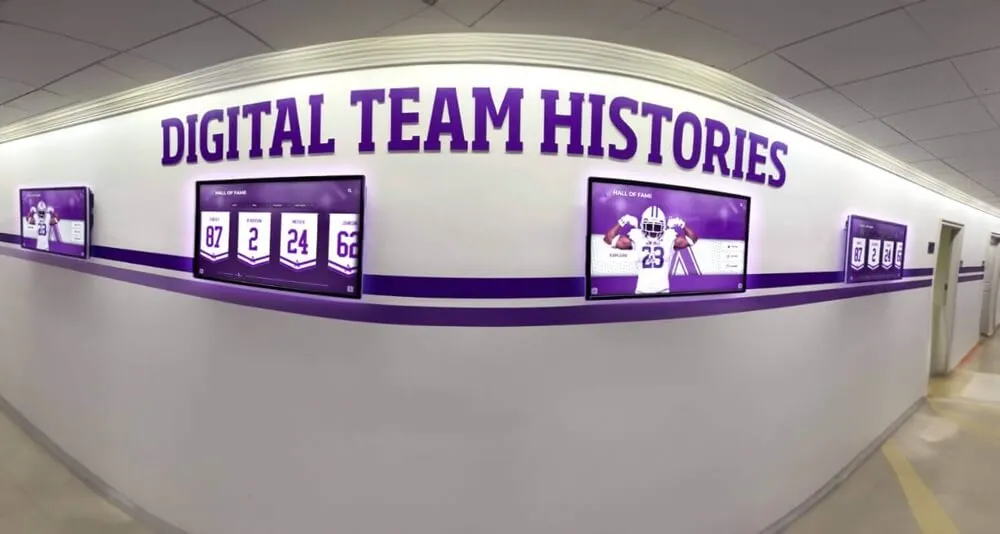
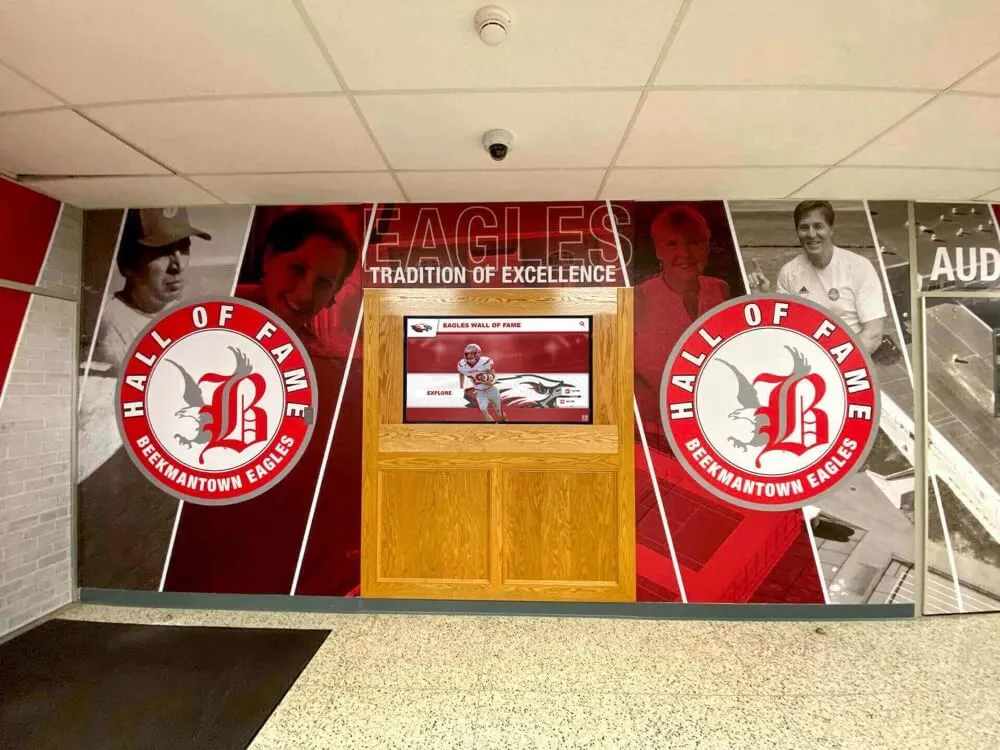
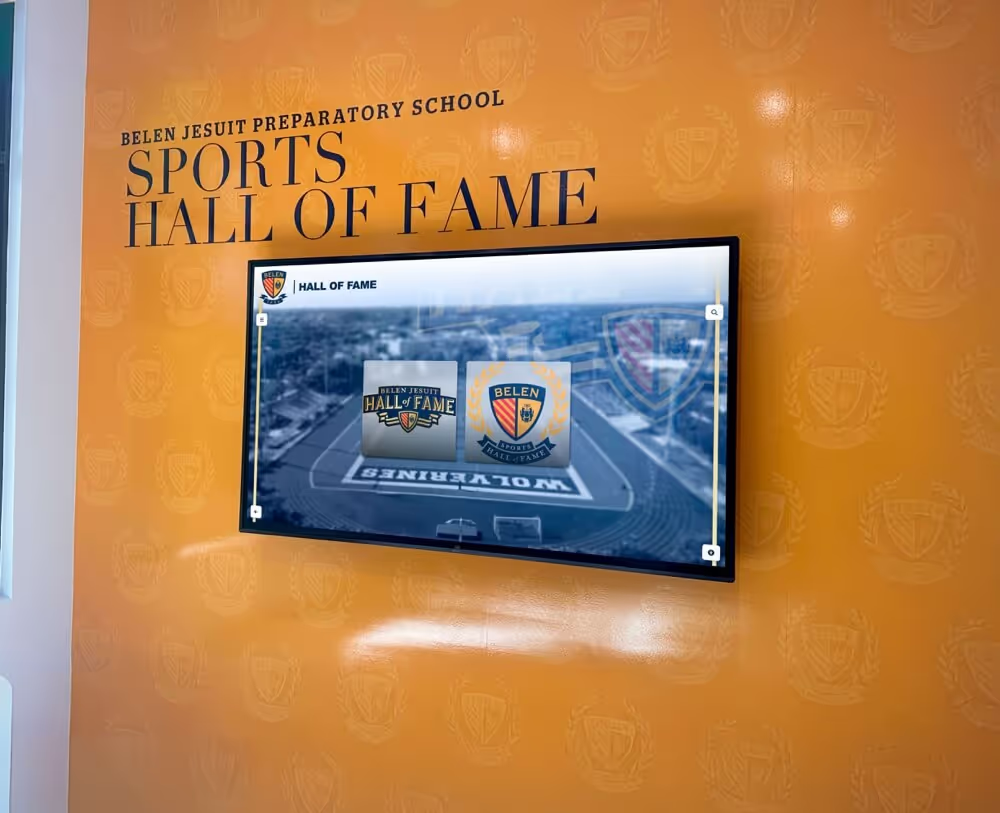
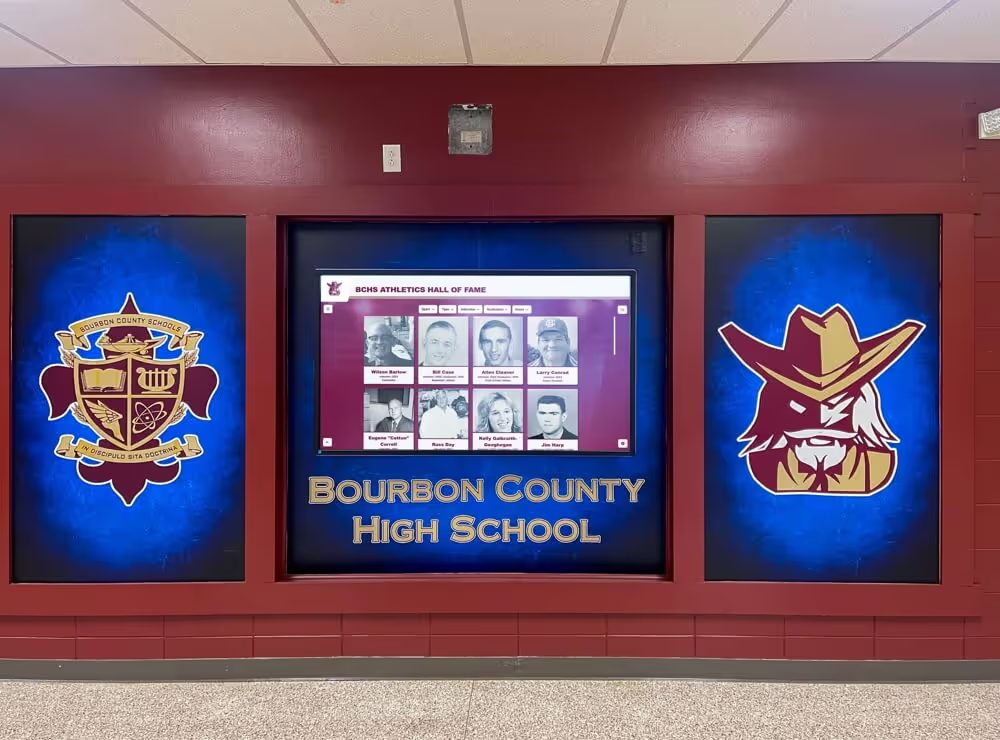
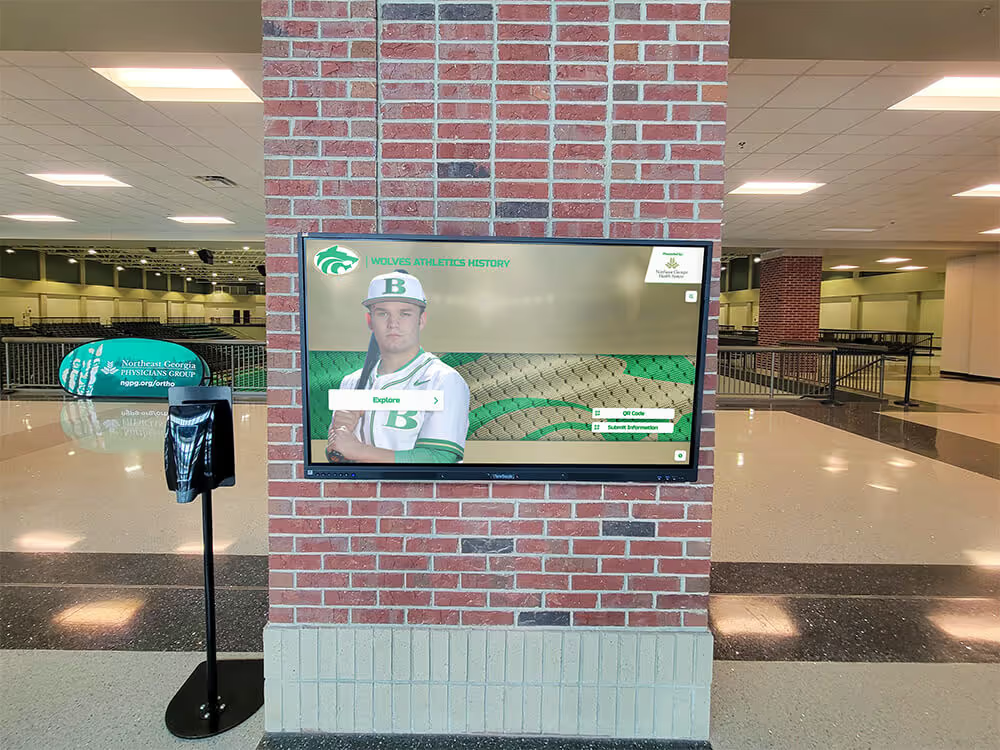
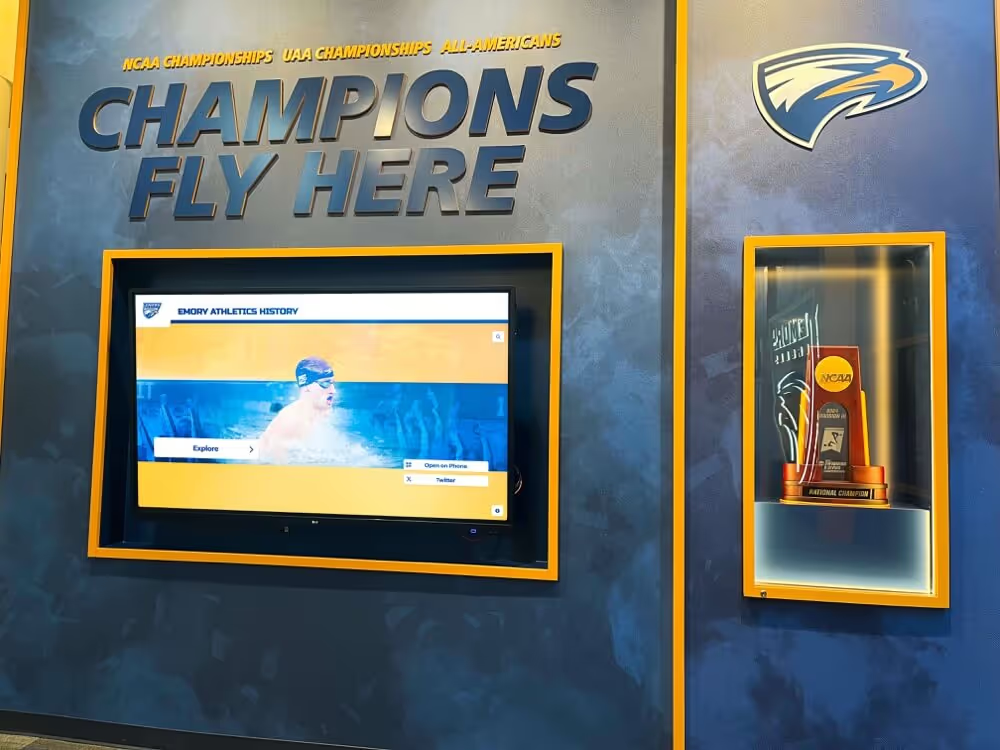
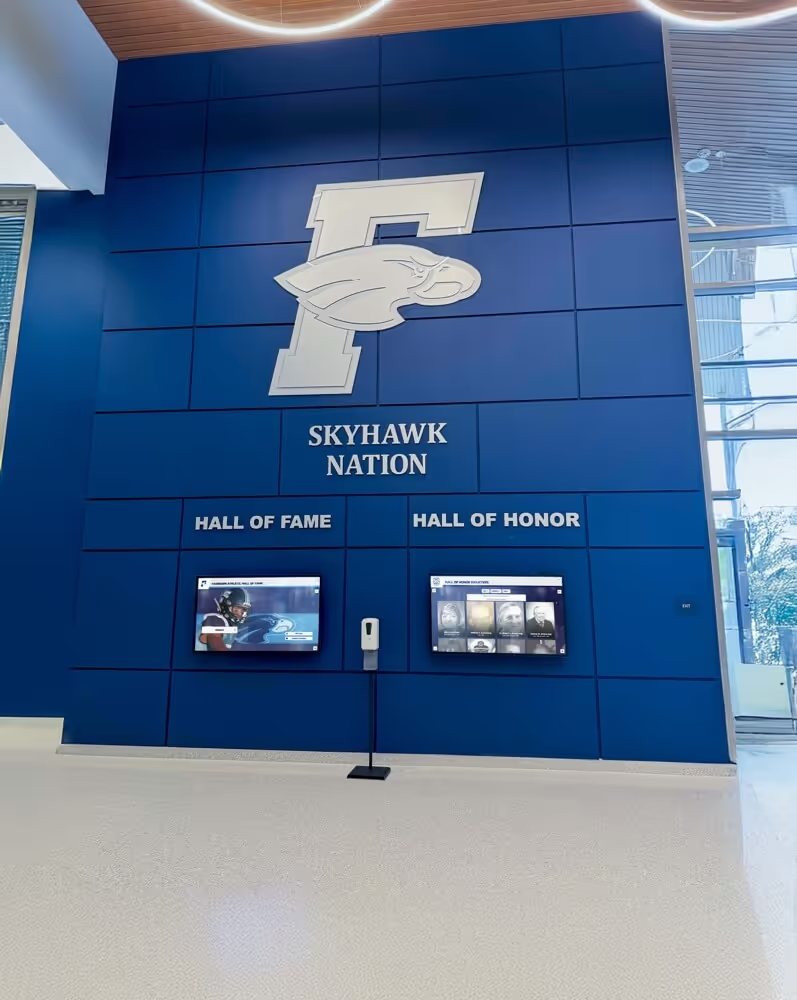
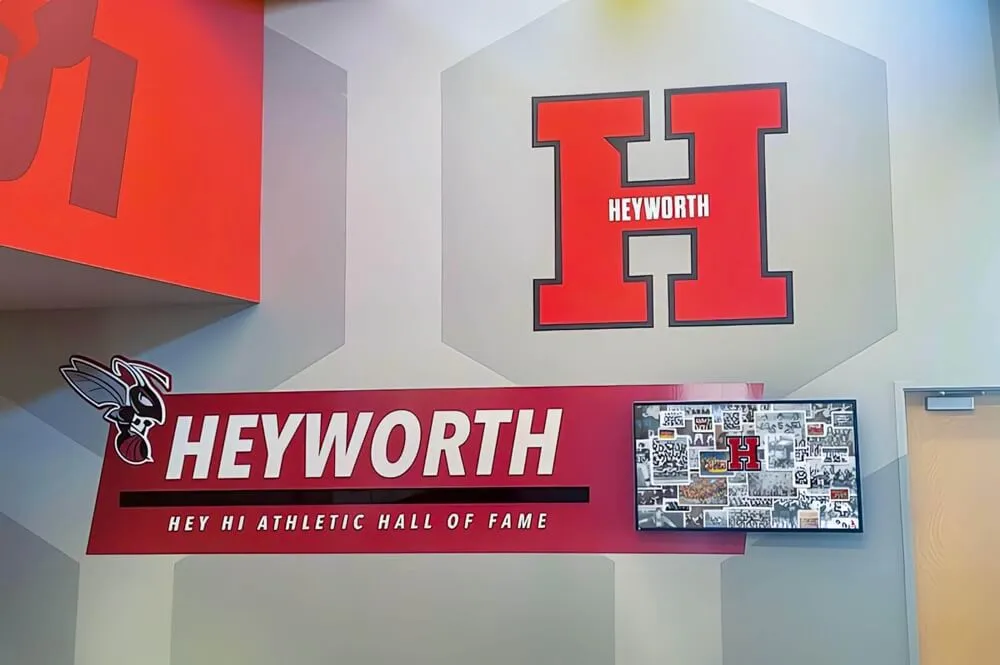
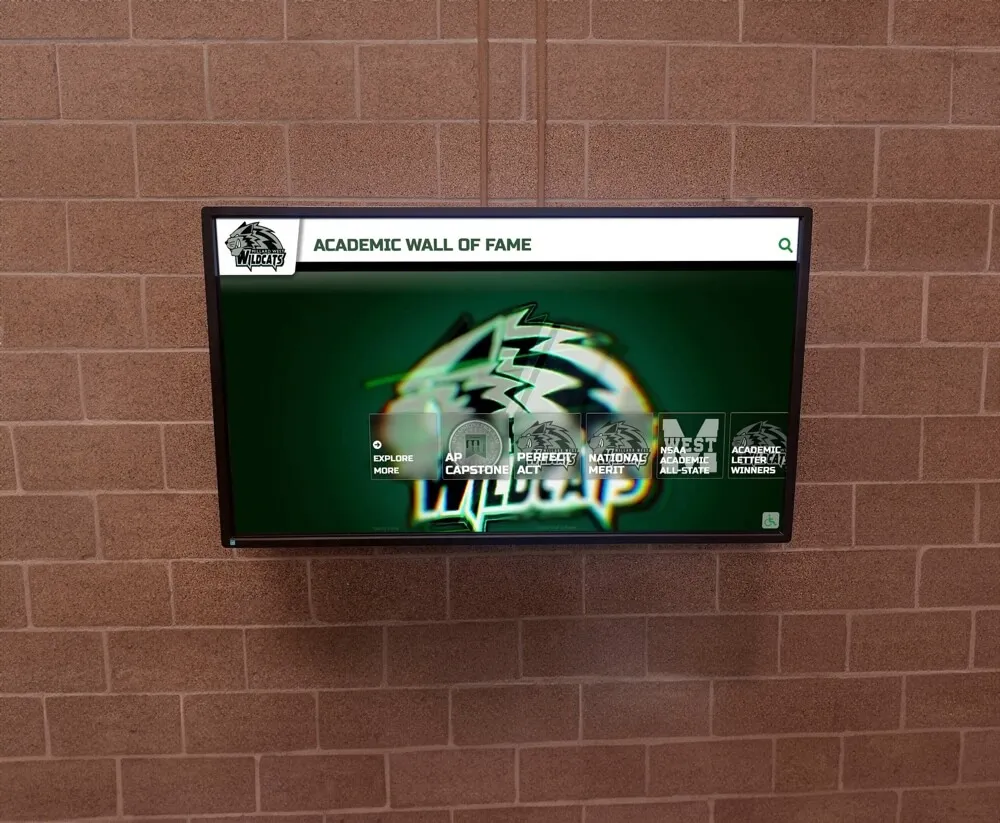
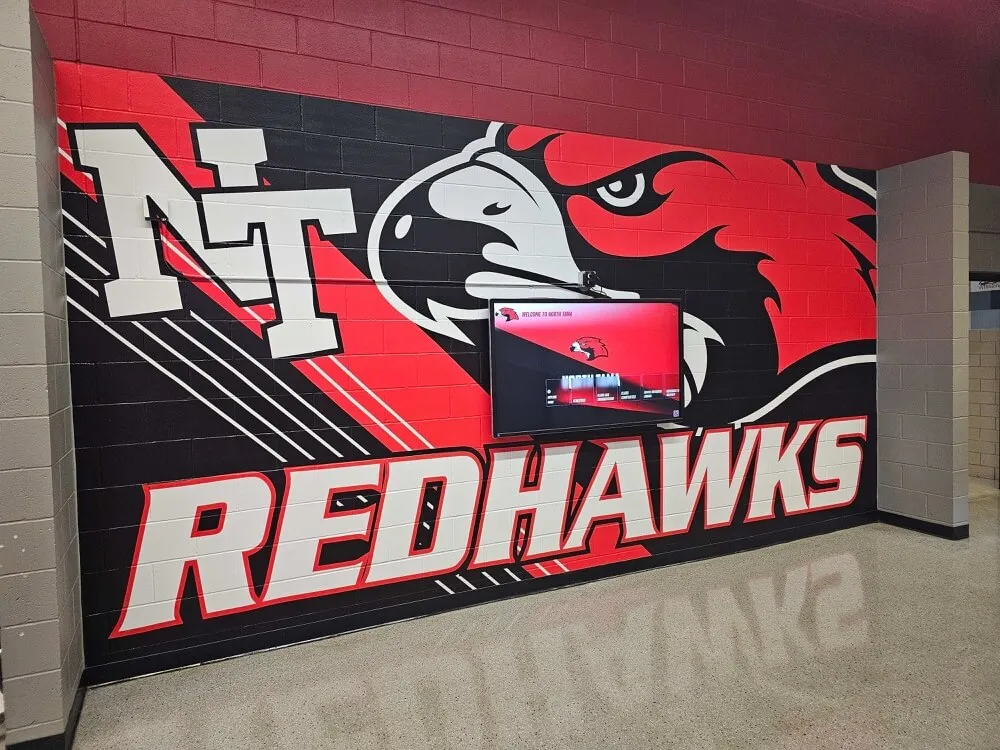
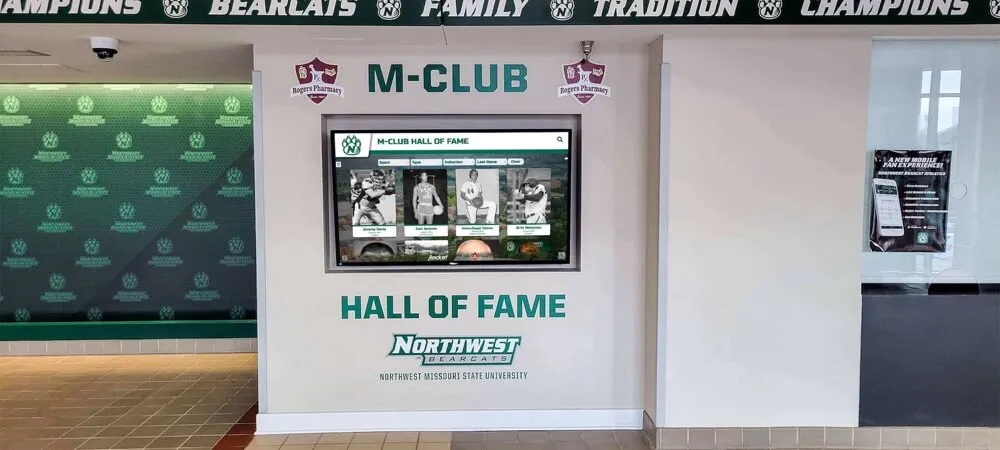
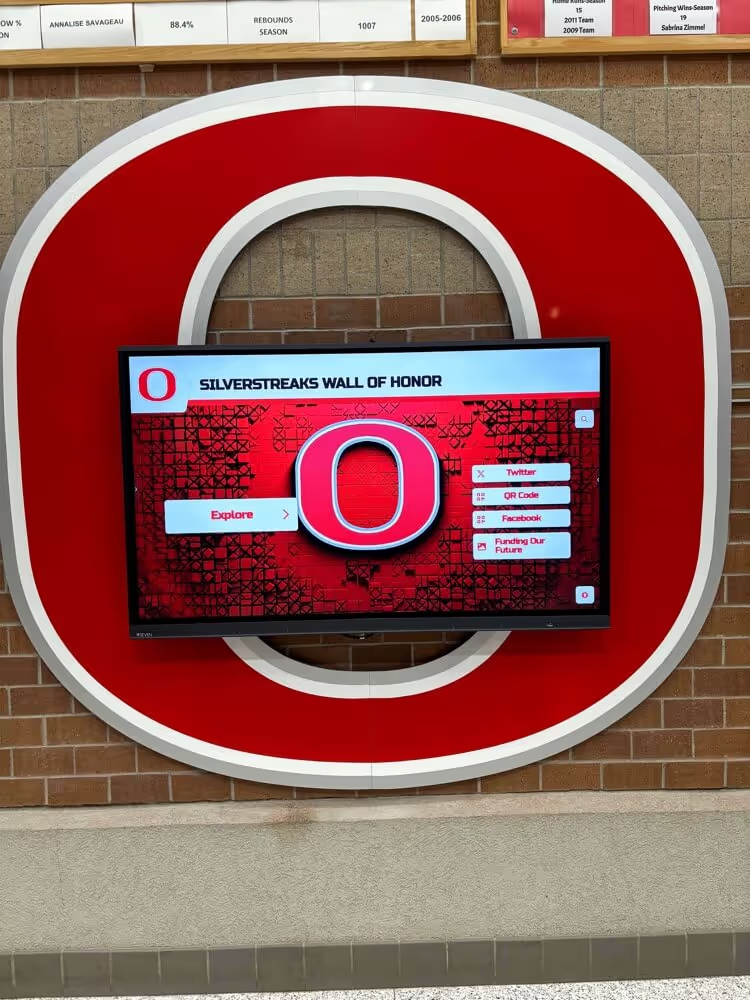
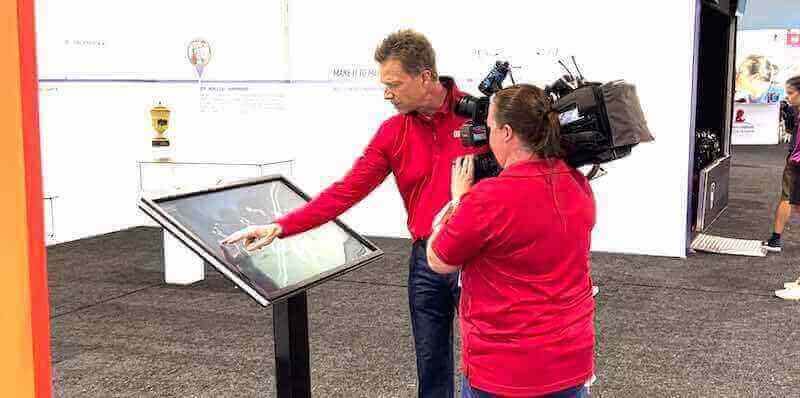
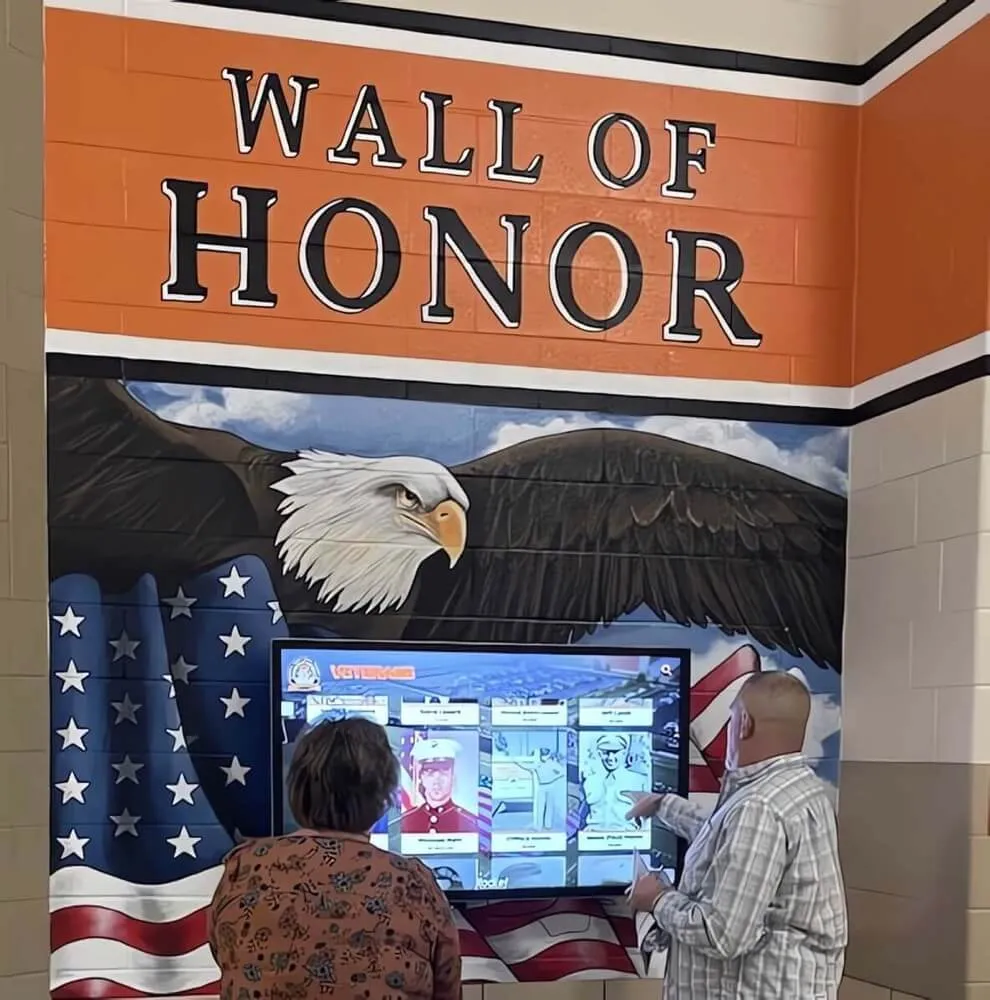
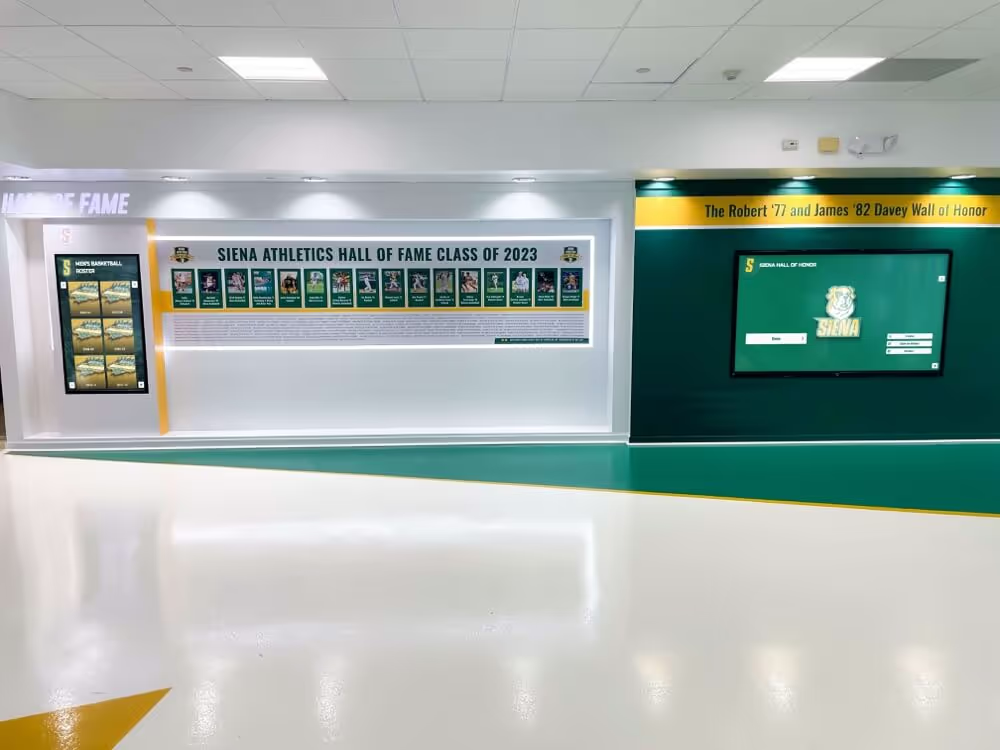
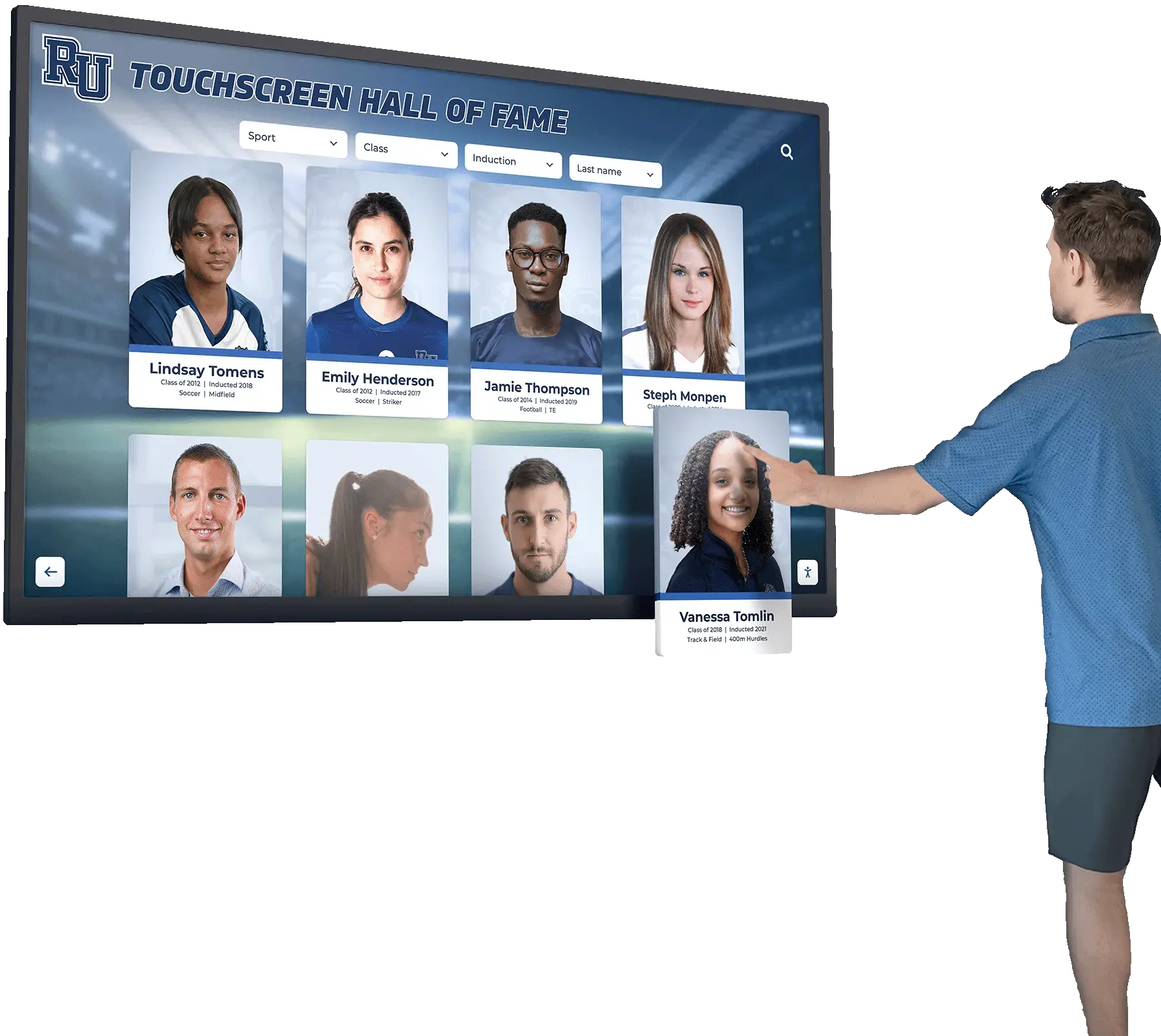
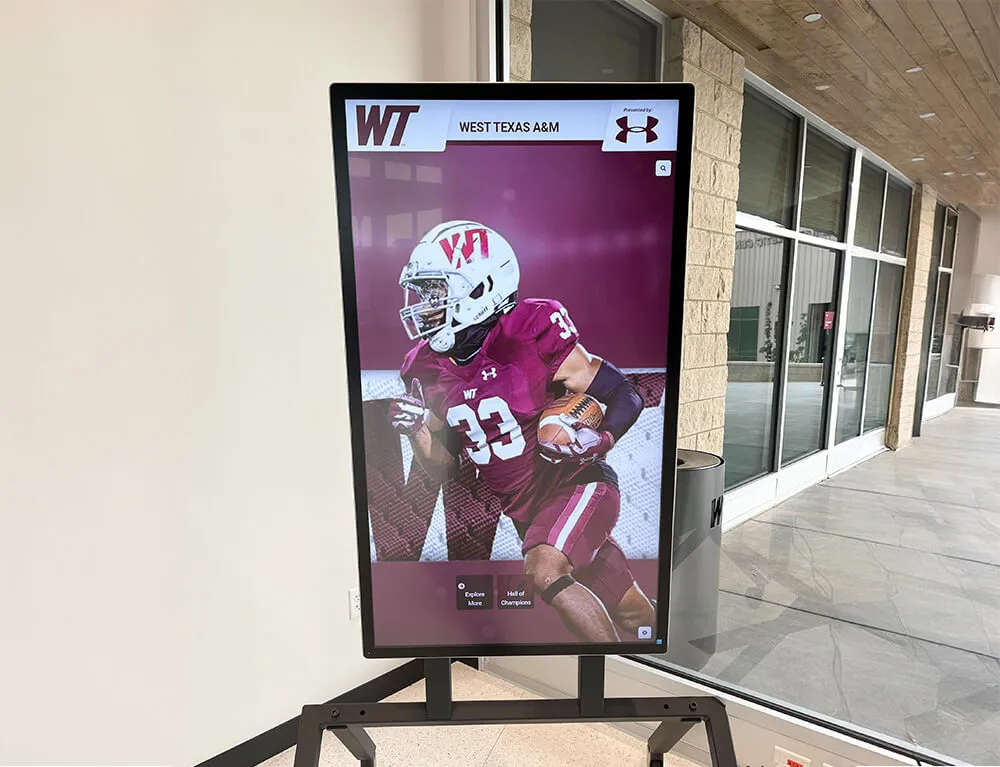
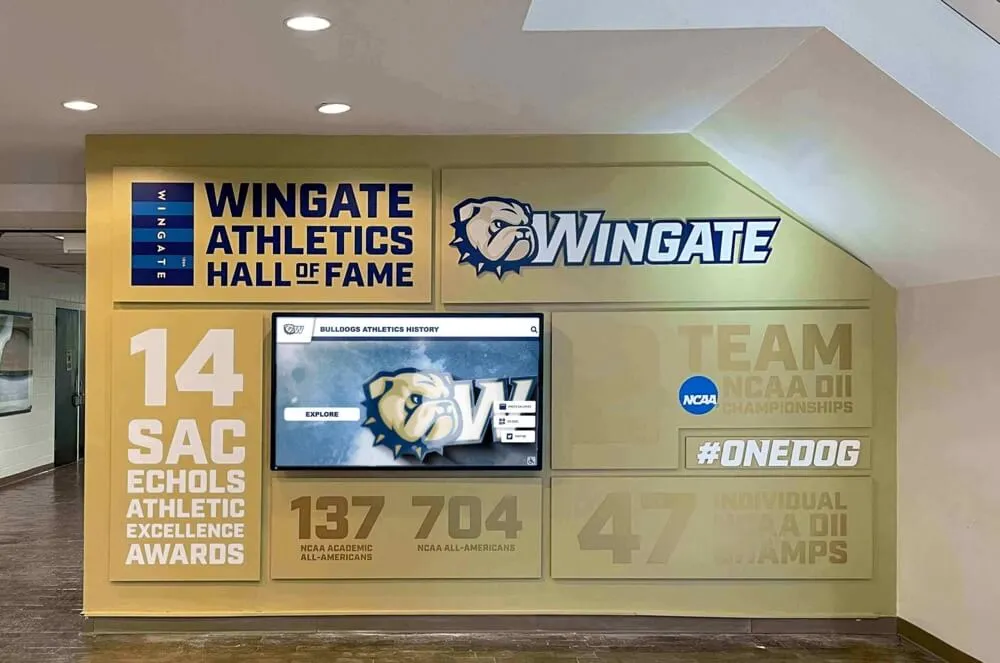
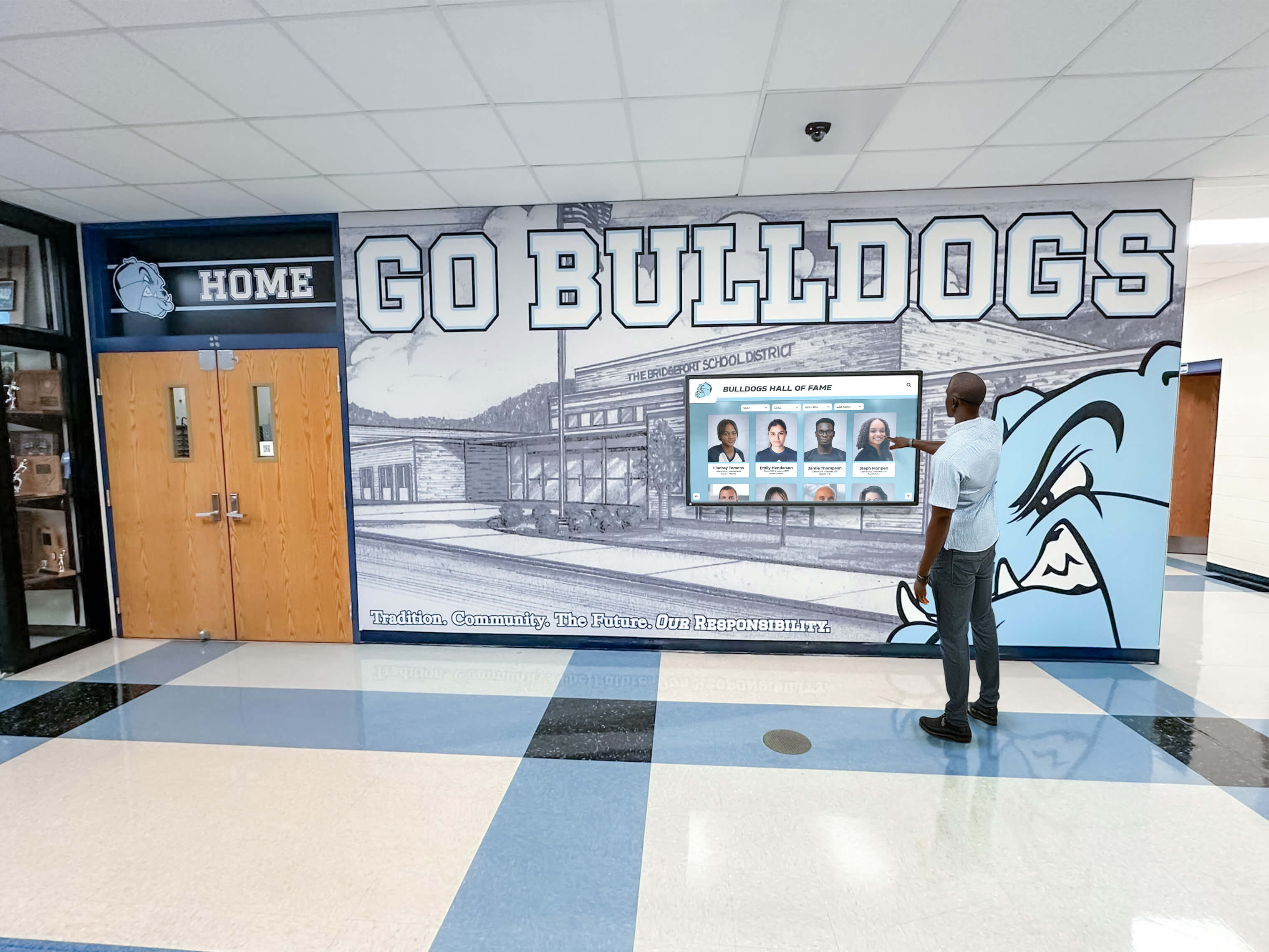
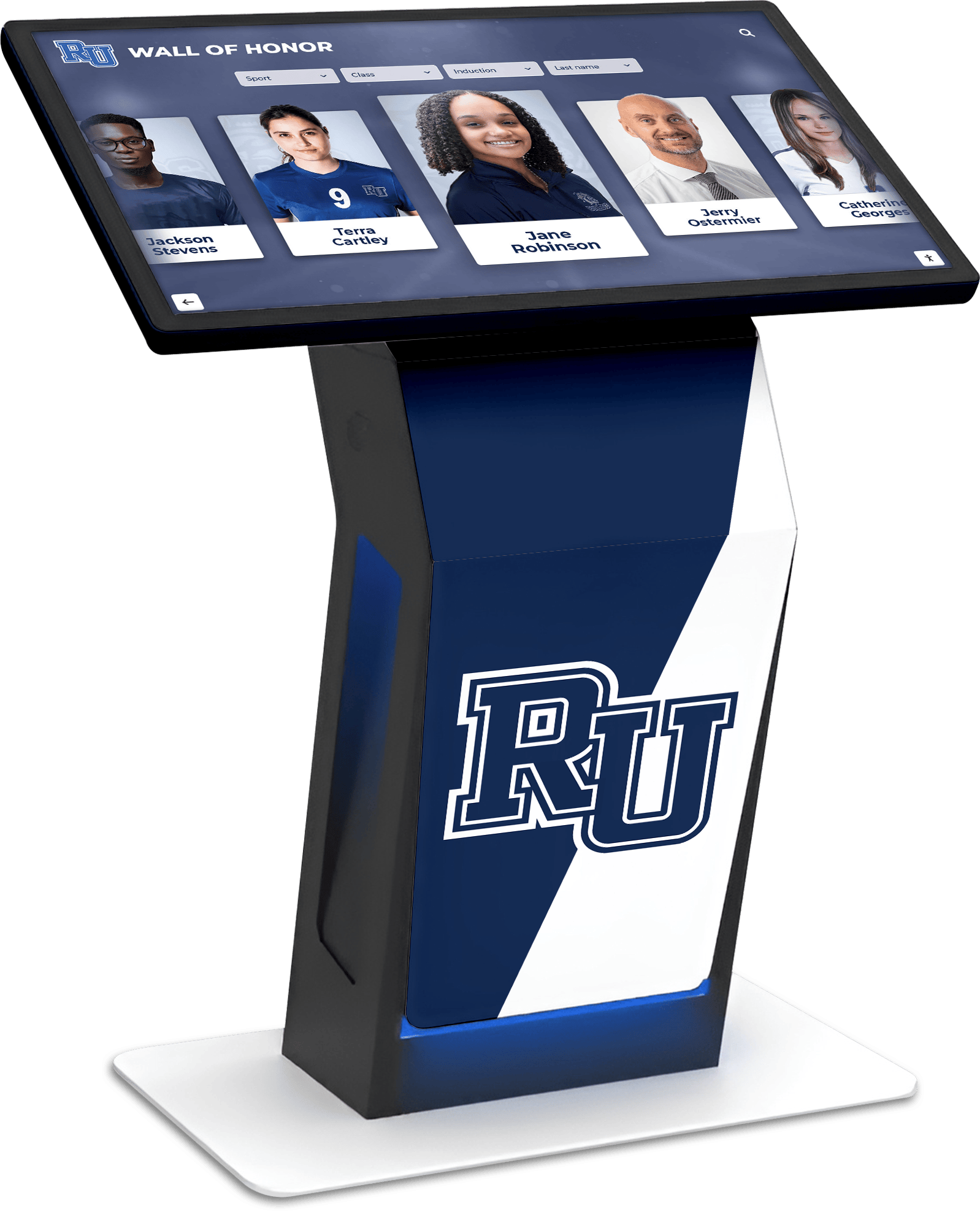
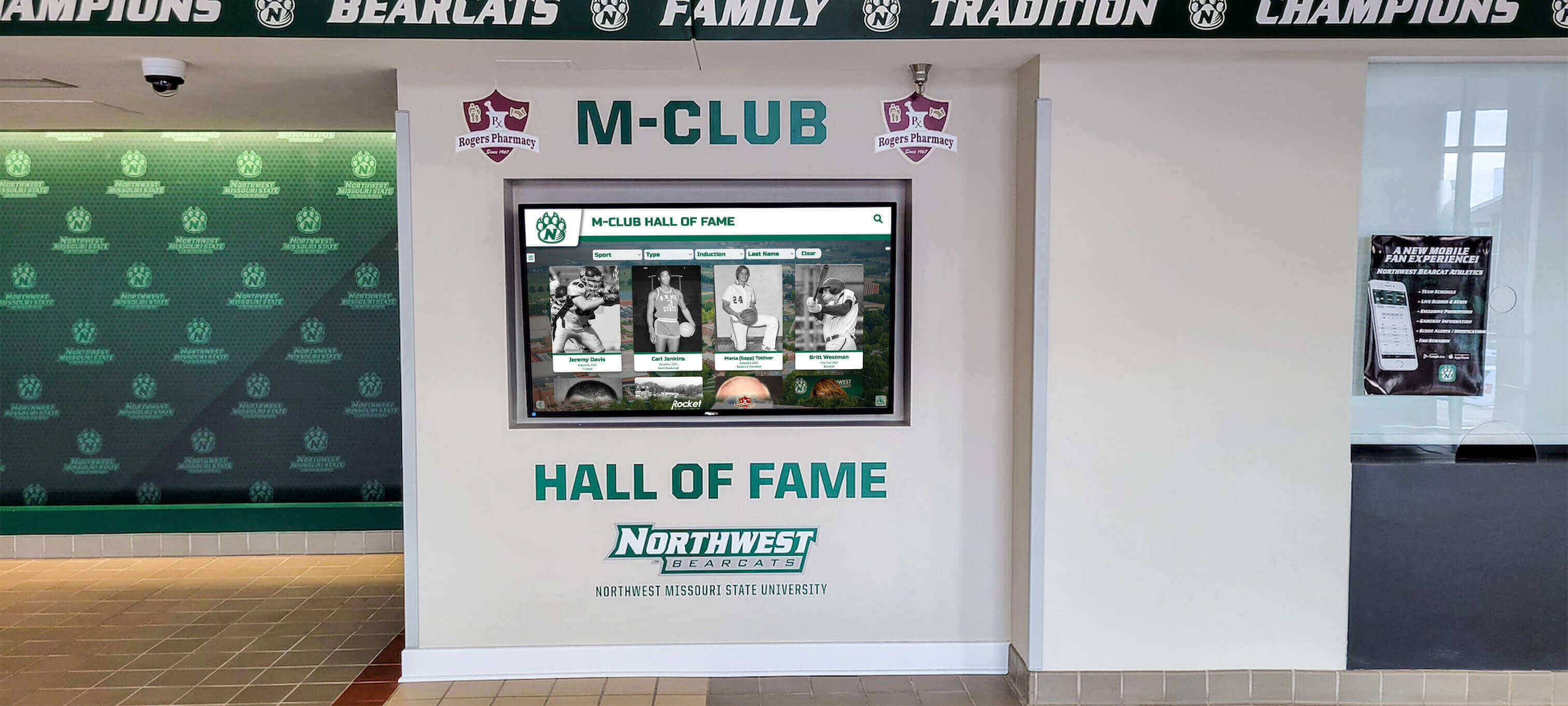

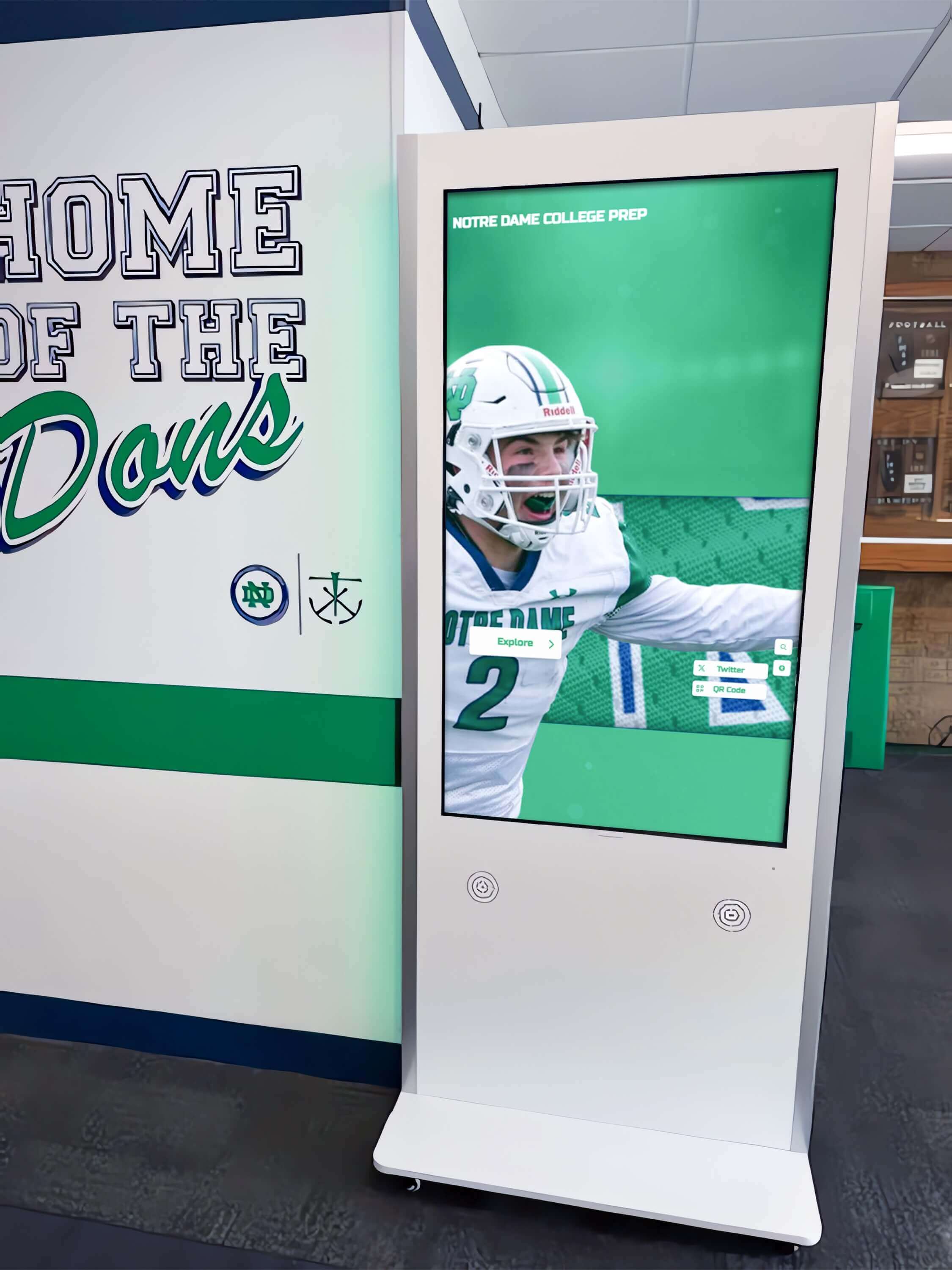
Interactive touchscreen displays represent the most comprehensive digital recognition solution for wrestling programs. These systems combine commercial-grade touchscreen hardware with specialized content management software, creating engaging platforms where visitors actively explore program history rather than passively viewing static displays.
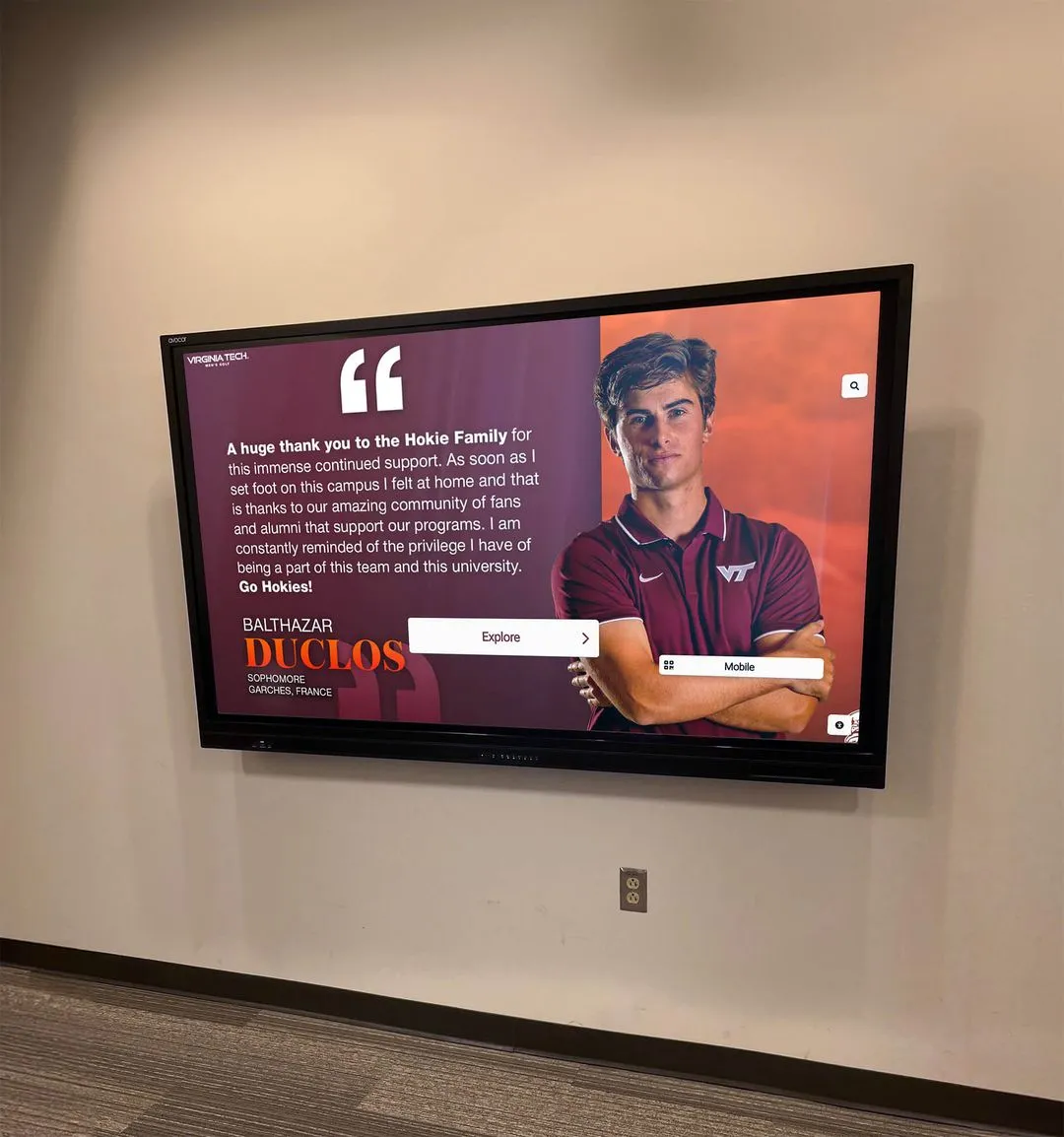
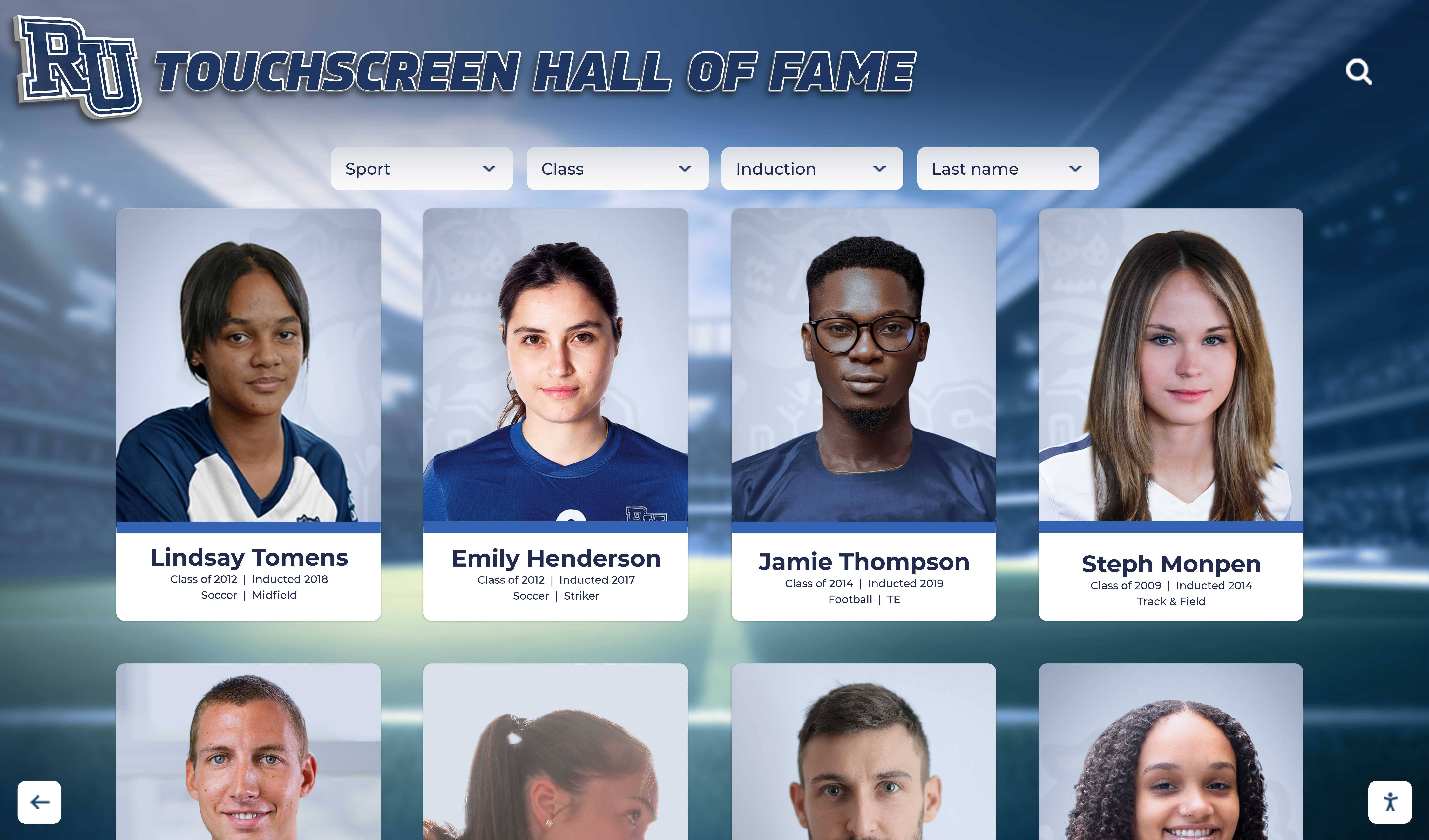
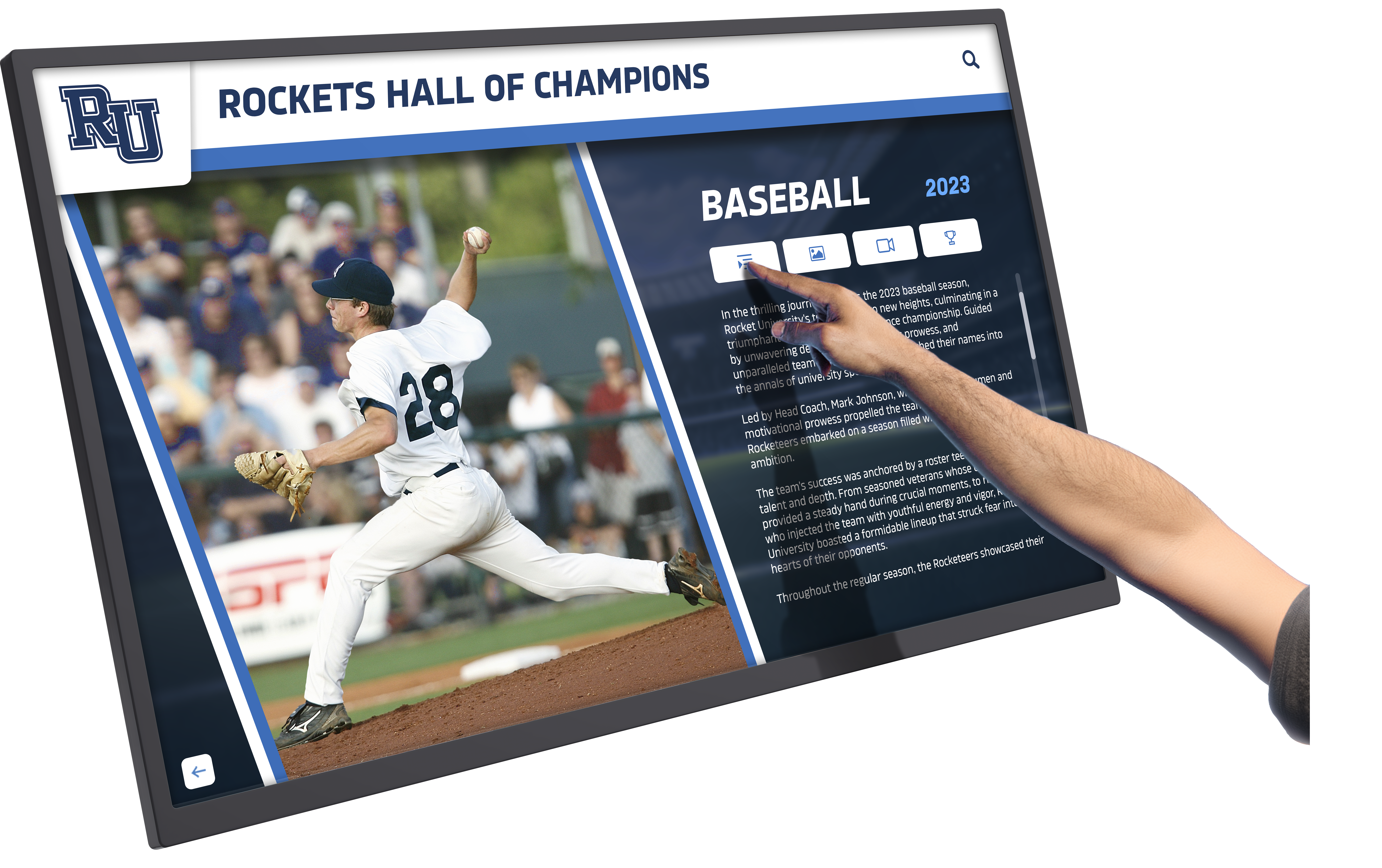
Touchscreen displays eliminate space constraints entirely—programs can recognize every state qualifier, place winner, and champion throughout history without physical limitations. Content management systems enable immediate updates when new achievements occur, ensuring current wrestlers receive timely recognition matching historical honorees. Multimedia capabilities support rich wrestler profiles including photos, statistics, video highlights, and personal reflections that bring achievements to life.
Interactive navigation enables visitors to explore content through multiple pathways—searching by wrestler name, filtering by year or weight class, browsing by achievement category, or exploring coaching eras. This flexibility ensures that alumni returning for reunions can find themselves and teammates, current wrestlers can discover program history, and families can explore their athletes’ achievements within broader program context.
Purpose-built athletic recognition platforms like Rocket Alumni Solutions provide wrestling-specific features including weight class organization, tournament bracket display, statistical tracking, and achievement categorization that generic digital signage platforms cannot match without extensive customization.
Web-Based Recognition Portals
Complementing or sometimes replacing physical displays, web-based recognition portals extend access beyond individuals physically present at school facilities. Online platforms enable alumni worldwide to explore program history, current wrestlers to review their statistics and achievements, families to share recognition content through social media, and recruiting prospects to research program traditions before making school selections.
Web portals work particularly well for Iowa wrestling programs with passionate alumni communities spread nationally. Former wrestlers who achieved state tournament success decades ago can revisit their achievements, share stories in comment sections, and maintain connections to programs that shaped their lives.
Comprehensive web platforms integrate with physical displays through shared content management systems—updates made once appear simultaneously on touchscreen displays and web portals, ensuring consistency while minimizing administrative burden.
Hybrid Approaches Combining Physical and Digital
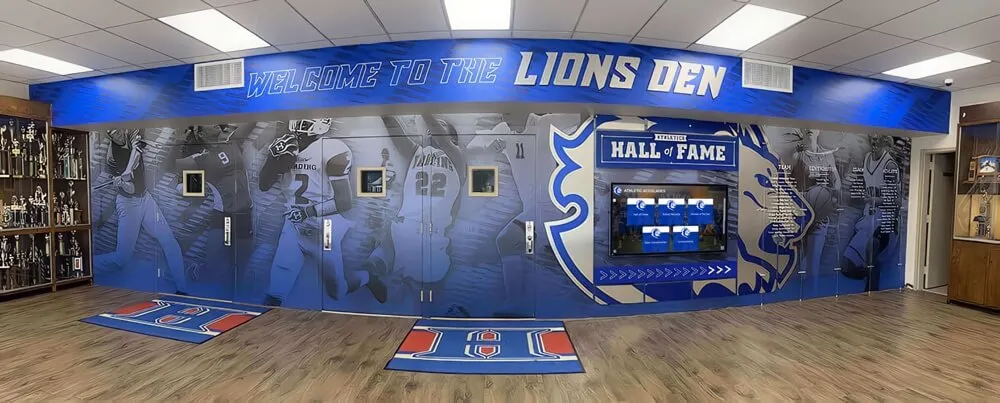
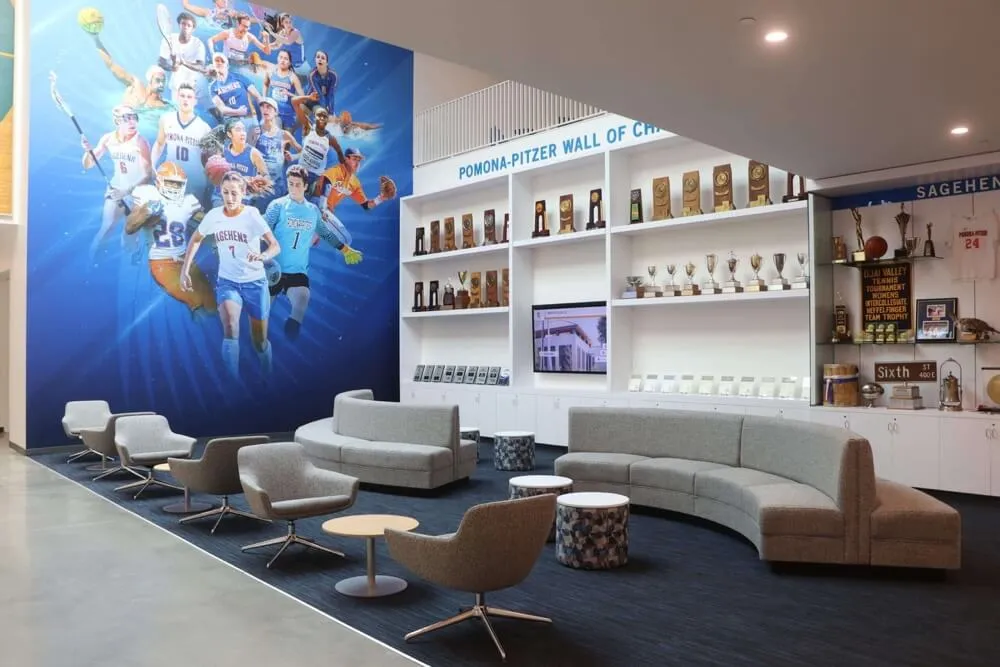
Many successful recognition programs implement hybrid approaches that combine traditional physical elements with modern digital capabilities. These systems might include trophy cases retrofitted with touchscreen displays providing detailed achievement information, championship banners complemented by QR codes linking to digital content, plaque walls enhanced with nearby touchscreen kiosks enabling deeper exploration, and printed programs augmented with web portals offering complete historical databases.
Hybrid approaches respect tradition and existing physical recognition investments while dramatically expanding recognition capacity and engagement potential. Schools concerned about completely replacing traditional recognition often find hybrid solutions provide ideal transitions that honor past approaches while adopting modern capabilities.
Content Development for Comprehensive Wrestling Recognition
Effective digital recognition requires substantial content development transforming basic achievement listings into engaging historical narratives.
Historical Research and Documentation
Iowa schools with long wrestling traditions face significant historical research challenges when implementing comprehensive recognition systems. Effective historical development includes systematic yearbook review documenting wrestlers, records, and team achievements from past decades, local newspaper archive research for match coverage and tournament reporting, consultation with retired coaches and longtime administrators possessing institutional memory, outreach to wrestling alumni requesting photos and memorabilia, and verification against IHSAA tournament records ensuring accuracy.
Historical gaps inevitably emerge—incomplete records from certain eras, missing photographs, uncertainty about specific achievement details. Programs should acknowledge these limitations rather than inventing information, inviting alumni and community members to contribute missing details as they launch recognition systems.
Rather than delaying implementation until historical research achieves perfection, schools should launch with well-documented recent achievements before systematically working backward through earlier eras. This phased approach delivers immediate value while building comprehensive databases over months or years.
Photography and Visual Content
Wrestling recognition depends heavily on visual content bringing achievements to life beyond text listings. Essential visual elements include individual wrestler portraits suitable for profiles and displays, action photography from practices and competitions, tournament bracket documentation showing progression through state competitions, team photos maintaining roster documentation, coaching photos and program leadership images, and facility documentation showing how wrestling spaces evolved over time.
Modern smartphone photography enables continuous visual documentation if programs establish systematic capture workflows. Designating parent volunteers or student managers as official photographers ensures consistent coverage without expensive professional photography contracts.
Historical photos often exist scattered across athletic department files, yearbooks, personal collections, and local newspaper archives. Coordinating collection efforts through alumni outreach frequently uncovers valuable visual documentation previously lost or forgotten.
Statistical Tracking and Record Keeping
Comprehensive wrestling recognition requires detailed statistical tracking beyond tournament placements including season-by-season won-loss records, career statistics and milestones, head-to-head records against notable opponents, weight class progressions throughout careers, and comparative statistics showing individual achievement within historical program context.
Iowa wrestling’s statistical culture—where fans track records meticulously and discuss comparative achievement endlessly—makes accurate statistical documentation particularly important. Recognition systems featuring incorrect statistics undermine credibility and generate criticism from knowledgeable wrestling communities.
Schools should establish systematic statistical tracking for current wrestlers while researching historical statistics from archived programs, media guides, newspaper coverage, and digital archives. When complete historical statistics prove unavailable, programs should document what’s known while acknowledging gaps rather than fabricating data.
Examples of comprehensive athletic record tracking, like wrestling hall of fame touchscreen systems, demonstrate how digital platforms enable detailed statistical documentation integrated with achievement recognition.
Narrative Content and Storytelling
Beyond statistics and tournament results, effective recognition includes narrative content providing context and emotional resonance. Valuable narrative elements include championship match descriptions capturing drama and intensity, underdog stories and unexpected tournament runs, career progression narratives showing development from freshman to senior years, coaching philosophies and training approaches, rivalry histories and memorable team competitions, and personal reflections from wrestlers about program impact on their lives.
These narratives transform recognition from dry achievement listings into compelling stories that inspire current wrestlers, engage alumni emotionally, and convey what wrestling excellence required beyond simple physical talent. When underclassmen read about how champions overcame injuries, academic challenges, or early career struggles, abstract excellence goals become tangible possibilities.
Strategic Benefits of Comprehensive Wrestling Recognition
Beyond honoring past achievements, effective recognition systems deliver tangible strategic benefits strengthening current programs through multiple dimensions.
Recruiting Impact and Competitive Advantage
Iowa’s competitive wrestling environment means that recruiting advantages prove crucial for building championship-caliber programs. Comprehensive recognition displays provide recruiting benefits including objective evidence of sustained program excellence beyond coach claims, visible demonstration of how program honors wrestler achievements comprehensively, professional facility presentation signaling program quality and resource commitment, and documented pathways showing how previous wrestlers developed from youth programs through state tournament success.
Many Iowa wrestling coaches report that championship displays become focal points during recruiting visits, with prospective wrestlers spending significant time exploring program histories and envisioning themselves as future state tournament participants. Professional recognition systems differentiate programs in competitive recruiting markets where multiple schools compete for top youth talent.
Building Championship Culture and Expectations
Visible recognition influences how current wrestlers understand their place within program tradition and what performance standards define program identity. Well-executed recognition systems build championship cultures through daily visibility creating constant exposure to achievement history, concrete goal-setting by showing exactly what state tournament success requires, expectation establishment where excellence becomes normal rather than exceptional, and connection to tradition giving current wrestlers sense of participating in something larger than individual seasons.
Programs with comprehensive historical documentation develop cultures where exceptional performance becomes expected rather than surprising. When athletes grow up seeing program history filled with state champions and place winners, pursuing similar excellence becomes part of program identity rather than unusual ambition.
Alumni Engagement and Community Connection
Wrestling alumni remain passionate about programs years and decades after graduation, making them valuable resources for fundraising, mentoring, and program advocacy. Comprehensive recognition strengthens alumni engagement through visible honoring of achievements maintaining emotional program connections, alumni gathering points when returning for events or reunions, social sharing opportunities when alumni discover their profiles in digital systems, and fundraising motivations supporting recognition program expansion and maintenance.
Many Iowa schools successfully fund recognition programs through alumni campaigns, with former wrestlers responding enthusiastically to opportunities ensuring their achievements receive permanent documentation. Recognition-specific fundraising often generates strong response from wrestling families who value visible celebration of their wrestlers’ dedication.
Successful alumni engagement approaches used across athletic programs apply directly to wrestling contexts. Resources about displaying school athletic history show how comprehensive recognition systems strengthen community connections across multiple stakeholder groups.
Motivation for Current Athletes
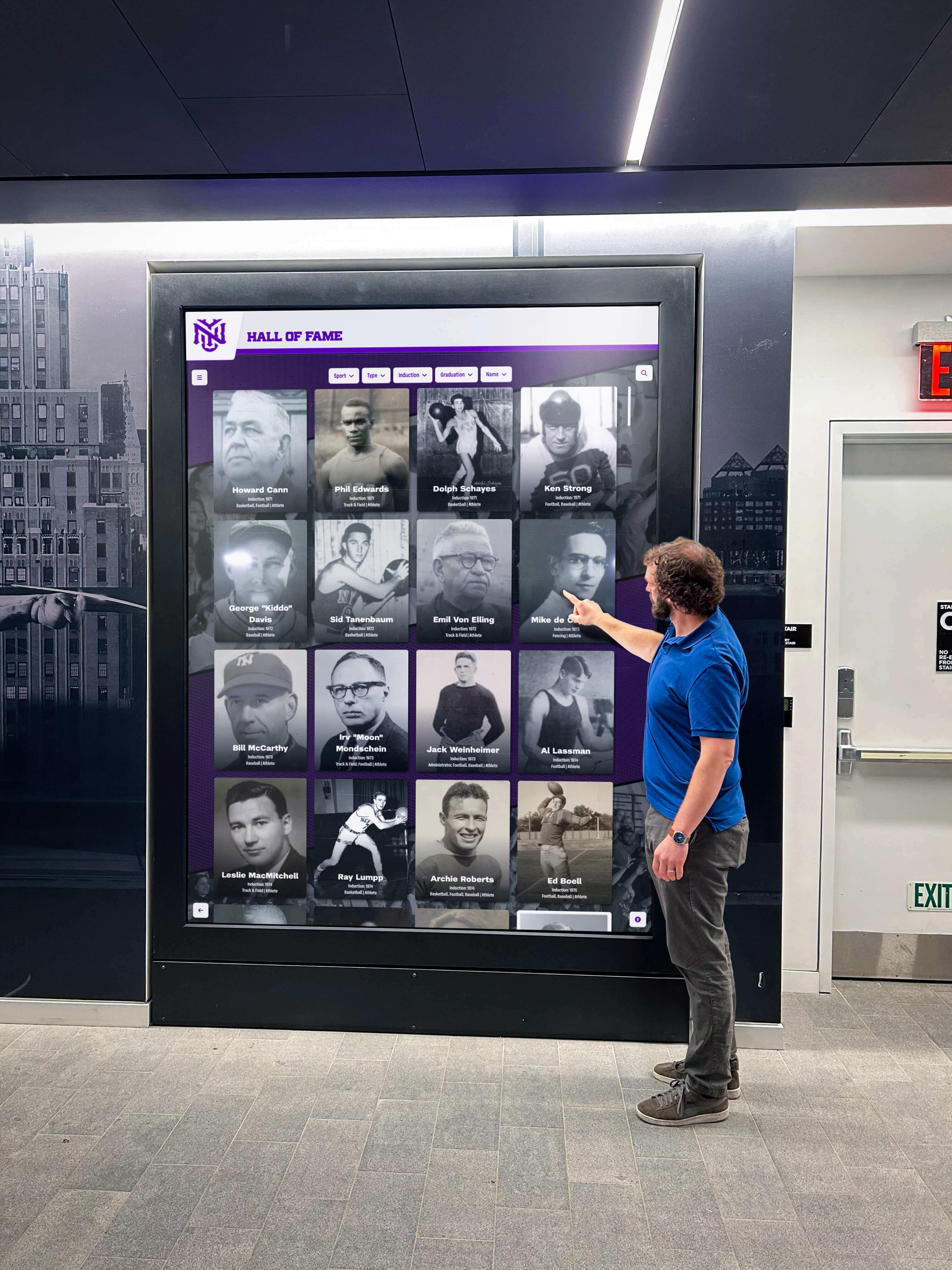
Visible recognition creates concrete goals that motivate current wrestlers more effectively than abstract encouragement about “living up to traditions” or “pursuing excellence.” When wrestlers see exactly what achievements earned recognition—specific placement levels, statistical milestones, championship victories—they gain tangible benchmarks for their own development.
Interactive displays can include features showing how current season performance compares to historical standards, what achievements would earn lasting recognition, and how individual statistics track toward career records. This transparency enables goal-setting and progress tracking far more effective than vague aspirational messaging.
The motivational impact proves particularly strong when current wrestlers personally discover their achievements appearing in recognition systems. Seeing their names, photos, and accomplishments featured alongside program legends validates their dedication while reinforcing that current achievement receives equivalent recognition to historical excellence.
Implementation Considerations for Iowa Wrestling Programs
Schools planning comprehensive recognition systems should consider several practical factors ensuring successful implementations delivering anticipated benefits.
Budget Planning and Investment Ranges
Understanding realistic investment requirements helps schools plan implementations matching available resources. Comprehensive digital wrestling recognition systems typically require investment including hardware costs for commercial-grade touchscreen displays, mounting systems, and computing modules ($4,000-$15,000 depending on display size and quality), software and content management platforms ($2,000-$5,000 initial implementation, $1,000-$2,500 annual licensing), content development for historical research, photography, database population, and narrative creation ($2,000-$8,000), and ongoing operating costs for software licensing, content updates, and technical support ($1,500-$3,500 annually).
While these investments seem substantial, schools should evaluate against alternatives including ongoing costs for traditional plaque fabrication and installation ($150-$300 per individual plaque), limited capacity forcing recognition prioritization, update delays compromising recognition timeliness, and aging displays requiring complete replacement every 5-8 years.
Most programs calculate break-even within 3-4 years based purely on eliminated physical display costs, with strategic value through enhanced recruiting, improved engagement, and comprehensive documentation substantially exceeding traditional approaches.
Funding Strategies and Sources
Iowa wrestling programs successfully fund recognition systems through various sources including athletic department capital budgets and facility improvement funds, wrestling booster club campaigns and fundraising initiatives, alumni association support and memorial giving programs, local business sponsorships from wrestling program supporters, crowdfunding campaigns engaging broader school communities, and phased implementation spreading costs across multiple budget years.
Presentation of comprehensive business cases documenting both costs and strategic benefits—recruiting advantages, enhanced program culture, improved alumni engagement, complete historical preservation—helps secure administrative approval and funding commitment from multiple stakeholder groups.
Software Platform Selection
Choosing appropriate software platforms significantly impacts long-term success and administrative burden. Iowa wrestling programs should evaluate platforms considering purpose-built athletic recognition features versus generic digital signage requiring extensive customization, content management accessibility for non-technical coaches and administrators, cloud-based versus local software architecture and management implications, integration capabilities with existing school systems, vendor stability and long-term support availability, and customer references from similar wrestling programs.
Purpose-built platforms designed specifically for athletic recognition provide wrestling-focused templates, intuitive management tools, and athletic-specific features that generic platforms cannot match without expensive custom development exceeding most wrestling program budgets and technical capabilities.
Content Management Sustainability
Recognition systems require ongoing content management maintaining currency and engagement. Successful programs establish clear responsibility including designating specific content managers (typically head coaches or athletic administrators), providing content management training and ongoing support, allocating dedicated time for regular updates, establishing update schedules and accountability, and creating content collection workflows for ongoing achievement documentation.
Without clear responsibility and allocated time, even well-designed systems become outdated as new achievements occur but recognition updates lag. Establishing sustainable management processes during implementation ensures long-term system effectiveness rather than initial excitement followed by gradual neglect.

Best Practices for Wrestling Recognition Success
Following proven best practices ensures wrestling recognition systems deliver maximum value while avoiding common implementation pitfalls.
Launch with Inaugural Content Rather Than Waiting for Completion
Iowa programs often delay implementation believing they must complete comprehensive historical research before launching recognition systems. This perfectionism creates paralysis preventing programs from implementing improved recognition. Successful programs launch with well-documented recent achievements—perhaps wrestlers from the last 5-10 years—before systematically working backward through history. This phased approach delivers immediate value while avoiding endless historical research that prevents implementation.
Initial launch creates momentum demonstrating system value, making ongoing historical research funding easier to justify once displays are visible and used. Programs can acknowledge that historical content remains in development, inviting alumni to contribute photos and information expanding historical recognition collaboratively.
Integrate Recognition into Program Culture and Operations
Recognition systems deliver maximum value when integrated into daily program operations rather than treated as passive displays. Successful integration includes references during team meetings and practice sessions, featured honoree announcements through team communication, team activities exploring historical content and program tradition, social media integration extending recognition visibility beyond physical displays, and family event programming highlighting recognition features.
Active incorporation ensures current wrestlers view recognition as meaningful program elements rather than background decoration they ignore.
Maintain Regular Update Schedules
Stale, outdated content undermines recognition value. Programs should establish regular update rhythms including weekly or post-tournament updates during season, monthly updates during off-season for historical additions, and seasonal major updates for pre-season previews and post-season championship celebration.
Consistent update rhythms ensure content remains fresh and relevant rather than becoming static and ignored. Scheduled updates also create accountability for content managers, preventing gradual neglect occurring without regular attention.
Balance Individual and Team Recognition
Iowa’s individual-focused tournament structure sometimes creates recognition systems that inadequately celebrate team success and collective achievement. Effective programs balance individual state tournament success with team accomplishments including dual meet records and conference championships, team state tournament finishes and scoring, collective achievement by wrestling classes or eras, and coaching contributions developing successful programs beyond individual athlete talent.
This balanced approach ensures comprehensive program history documentation rather than simply listing individual state champions while neglecting broader program context.
Enable Search and Discovery Features
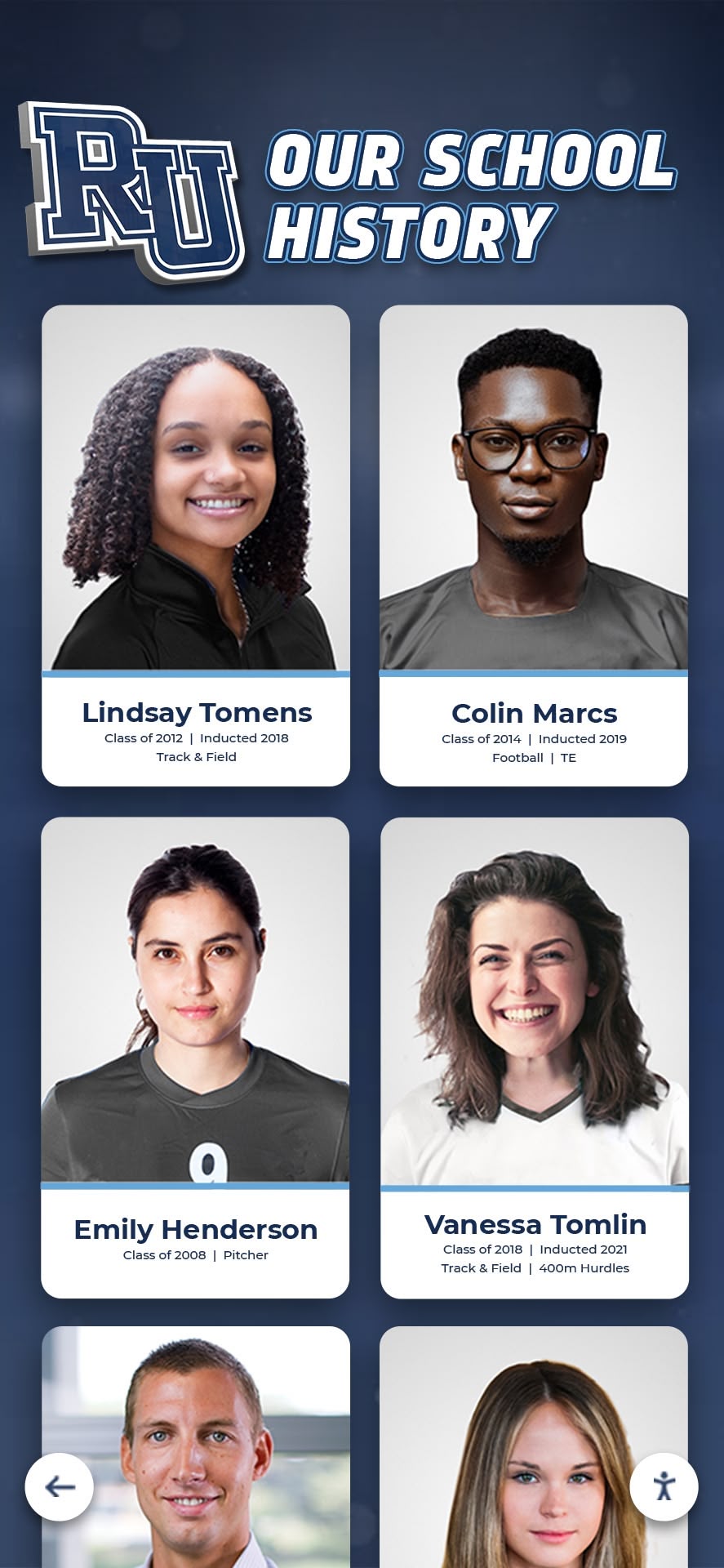
Comprehensive databases with decades of wrestlers and achievements require intuitive search and discovery tools enabling content navigation. Essential features include text search by wrestler name, filtering by achievement category (state champions, place winners, qualifiers), year or era browsing, weight class filtering, and coaching era organization.
These discovery tools make comprehensive recognition databases accessible and navigable rather than overwhelming. Alumni returning years later should easily locate themselves and teammates without manual browsing through hundreds of profiles.
Preserving Iowa’s Wrestling Excellence for Future Generations
The Iowa state wrestling tournament creates achievements worthy of lasting recognition matching their significance to wrestlers, programs, and communities. From state champions who capture ultimate glory to place winners who earned spots on awards stands, from longtime coaches who built championship cultures to breakthrough teams that exceeded all expectations, Iowa wrestling generates stories deserving comprehensive preservation.
Traditional recognition approaches—trophy cases, plaque walls, printed programs—served important purposes but face limitations that compromise long-term effectiveness. Physical space constraints force painful prioritization decisions. Static displays cannot convey the rich stories behind championship achievements. Traditional methods provide no search capability, limited engagement, and inevitable aging that undermines recognition impact over time.
Modern digital recognition technology transforms what’s possible in celebrating wrestling excellence. Interactive touchscreen displays eliminate space constraints, enabling unlimited recognition capacity. Multimedia capabilities support rich storytelling through photos, videos, statistics, and narratives. Interactive exploration creates engagement impossible with passive displays. Immediate updates ensure current achievements receive timely recognition matching historical honorees.
Whether implementing comprehensive touchscreen systems, developing web-based recognition portals, or creating hybrid approaches combining physical and digital elements, successful programs share common characteristics including systematic content development ensuring accuracy and completeness, engaging storytelling providing context and inspiration, strategic placement maximizing visibility and impact, sustainable management processes maintaining currency and relevance, and alignment with program goals including recruiting, development, and community engagement.
For Iowa schools committed to honoring the wrestlers, coaches, and programs that built championship traditions while inspiring future generations to pursue similar excellence, comprehensive recognition represents investment delivering returns across multiple dimensions. Every state champion crowned, every place winner who battled to the awards stand, every coach who dedicated years to program building, and every wrestler who gave themselves fully to pursuing excellence deserves lasting recognition preserving Iowa’s remarkable wrestling heritage.
Recognition systems that effectively honor this excellence strengthen current programs through recruiting advantages, enhanced motivation, improved alumni engagement, and championship cultures where exceptional performance becomes expected rather than rare. When current wrestlers see comprehensive program history documented professionally and accessibly, they understand that their dedication matters, their achievements will receive lasting recognition, and they participate in something far larger than individual seasons—they contribute to ongoing traditions defining Iowa wrestling excellence for generations.
Ready to ensure your wrestling program’s championship legacy receives recognition matching its significance? Rocket Alumni Solutions provides comprehensive digital recognition platforms designed specifically for athletic programs, combining intuitive content management, engaging interactive experiences, and dedicated support ensuring your state tournament champions, place winners, coaches, and program traditions receive the lasting recognition they deserve. Iowa wrestling excellence built over decades deserves preservation and celebration that inspires athletes for generations to come.