



Every fall, Iowa high school football programs embark on their most anticipated journey: the road to the UNI-Dome. The Iowa High School Athletic Association (IHSAA) oversees one of the nation's most respected playoff systems, determining state champions across eight classifications in championship games held at the University of Northern Iowa's iconic indoor stadium. Understanding Iowa's playoff structure, bracket format, and path to championships proves essential for athletic directors, coaches, players, and communities invested in their programs' success.
This comprehensive guide examines every dimension of Iowa high school football playoffs—from classification systems and district competition through playoff brackets and the storied UNI-Dome championships. Whether you're tracking your local team's playoff journey, planning recognition for playoff achievements, or simply seeking to understand Iowa's unique playoff structure, this resource provides the complete framework for navigating one of high school football's most celebrated postseason systems.
Friday nights under the lights represent more than just football games in Iowa communities. From the Mississippi River towns to the western plains, high school football brings together families, alumni, and entire towns in a shared celebration of school pride. Iowa’s commitment to football excellence has produced generations of outstanding athletes, passionate coaching traditions, and community connections that extend far beyond the playing field.
This commitment culminates each fall in the IHSAA playoff system, where teams across eight classifications compete for the ultimate prize: a state championship trophy earned on the UNI-Dome turf in Cedar Falls. The playoff journey represents the pinnacle of high school football achievement in Iowa, testing teams through district competition, first-round pressure, quarterfinal intensity, semifinal battles, and finally championship games held at one of high school football’s most iconic venues.
Athletic directors and coaches recognize that playoff success creates impacts lasting decades. Deep playoff runs generate community pride that strengthens enrollment and support, create memories that alumni carry throughout their lives, and establish traditions that define program identity for generations. Yet maximizing these benefits requires not just reaching the playoffs, but thoughtfully preserving and celebrating achievements in ways that honor the athletes, coaches, and communities who made them possible.

Understanding Iowa’s Classification System
Before examining playoff brackets and championship paths, understanding Iowa’s classification structure provides essential context for how teams qualify and compete.
Eight-Class Framework
The IHSAA organizes high school football into eight classifications based on school enrollment, creating competitive equity while ensuring schools compete against similarly sized institutions.
Classification Structure: Iowa football operates from Class A (smallest schools) through Class 5A (largest schools), with each classification representing a specific enrollment range. This comprehensive eight-class system ensures that small rural schools with 50 students compete against similar-sized programs, while large suburban and urban schools face competition appropriate to their resources and student populations.
Classification Determination: Schools’ classifications are determined by enrollment figures submitted to the IHSAA, typically reflecting two-year rolling averages that smooth sudden fluctuations. This enrollment-based system automatically adjusts as school populations change. A growing suburban school might move from 3A to 4A, while a declining rural district could shift from 2A to 1A. Athletic directors closely monitor enrollment trends understanding that classification changes significantly impact competitive expectations and playoff qualification challenges.
Competitive Balance Across Classes: Iowa’s eight-class system creates remarkable competitive balance. Unlike states where small schools face insurmountable disadvantages or large schools dominate through sheer numbers, Iowa’s structure ensures that schools in every classification can realistically aspire to playoff success when they build strong programs. This balance contributes to football’s central role in Iowa communities of all sizes.
No District System: Unlike many states that divide classifications into geographic districts for regular season play, Iowa operates without formal districts. This structure gives schools flexibility in scheduling while creating diverse paths to playoff qualification based on overall performance rather than district-specific results. The lack of districts means teams build schedules reflecting geographic rivalries, quality competition goals, and strategic preparation for playoff scenarios.
The RPI System and Playoff Qualification
Iowa employs a unique and highly respected Rating Percentage Index (RPI) system that determines playoff qualifications and seeding.
What is RPI?: The RPI formula calculates team strength based on three components: winning percentage (35% weight), opponents’ winning percentage (50% weight), and opponents’ opponents’ winning percentage (15% weight). This formula rewards both direct success and strength of schedule, incentivizing teams to seek quality competition rather than padding records against weak opponents.
Playoff Qualification: The top 32 teams in each classification based on RPI rankings qualify for playoffs. This merit-based system ensures that playoff participants have demonstrated sustained excellence throughout regular seasons. Unlike district-based qualification where a strong team in a weak district might miss playoffs while weaker teams from softer districts advance, Iowa’s RPI system rewards overall season performance fairly.
Strategic Scheduling Implications: The RPI system profoundly influences how schools approach scheduling. Simply winning games against weak opponents yields lower RPI than competitive games against quality programs—even in losses, strength of schedule components keep RPI respectable. Athletic directors and coaches strategically build schedules balancing winnable games that build confidence with challenging contests that strengthen RPI positioning.
Transparency and Real-Time Tracking: The IHSAA publishes weekly RPI rankings throughout seasons, allowing teams, fans, and media to track playoff positioning in real time. This transparency creates excitement as bubble teams fight for the 32nd and final playoff spots while top seeds jockey for home-field advantage. Communities follow RPI standings obsessively during final regular season weeks when playoff positions solidify.
Iowa’s Playoff Bracket Structure
Once the top 32 teams in each classification are determined, the IHSAA organizes single-elimination brackets that determine paths to championship games.
First-Round Matchups and Home Field
The playoff journey begins with first-round games where seeding determines matchups and home-field advantage.
Seeding Structure: Teams are seeded 1-32 based on final RPI rankings. The bracket follows traditional tournament structure: #1 plays #32, #2 plays #31, and so forth through #16 versus #17. This seeding system rewards regular season excellence with favorable first-round matchups, while teams barely qualifying for playoffs face daunting challenges against top-ranked opponents.
Home Field Advantage: Higher seeds host playoff games through semifinal rounds, creating significant advantages. Playing at home eliminates travel challenges, provides familiar surroundings and facilities, and brings supportive crowds that lift teams in critical moments. Iowa’s passionate football communities create intimidating environments for visiting playoff teams, making home field particularly valuable. Schools that secure top-eight seeds essentially earn home-field advantage through semifinals if they keep winning.
First-Round Intensity: Opening playoff games feature dramatic disparities—dominant top seeds facing long-shot qualifiers, but also potential upsets when battle-tested teams peaked at season’s end face higher-seeded opponents entering playoffs without recent competitive tests. First-round upsets inject unpredictability keeping playoffs exciting while reminding top seeds that playoff football demands immediate intensity regardless of seeding advantages.
Quarterfinals and Semifinals
As playoffs progress through second and third rounds, competition intensifies dramatically.
Quarterfinal Week: The second round—quarterfinals—reduces 32 teams to eight survivors in each classification. By this stage, only strong programs remain, and games typically feature competitive matchups between well-coached teams. Quarterfinals separate pretenders from legitimate contenders, revealing which programs possess depth, coaching, and mental toughness required for championship runs.
Semifinal Pressure: Semifinal games carry unique pressure—teams stand just one victory from reaching the UNI-Dome championship game. The proximity to ultimate goals creates emotional intensity unlike earlier rounds. Communities rally behind semifinal teams understanding that victory means historic championship game appearances. For many programs, simply reaching semifinals represents exceptional accomplishments worth celebrating even if championship runs end one game short.
Upset Potential and Momentum: While higher seeds maintain statistical advantages, quarterfinal and semifinal rounds regularly produce upsets. Lower-seeded teams that survive first rounds gain confidence and momentum, while favorites sometimes struggle with heightened expectations. Iowa playoff history features numerous Cinderella stories where underseeded teams caught fire at season’s end, defeating higher-ranked opponents through superior execution in critical moments.
Home Field Through Semifinals: Unlike some states that shift to neutral sites for semifinal games, Iowa maintains home-field advantage for higher seeds through this round. This structure rewards regular season excellence while creating electric atmospheres at host schools where communities recognize they’re potentially one home victory from UNI-Dome appearances.
The UNI-Dome: Iowa’s Championship Tradition
What sets Iowa apart from virtually every other state is its centralized championship venue: the University of Northern Iowa’s UNI-Dome in Cedar Falls. This indoor stadium has hosted Iowa high school football championships for decades, creating one of prep football’s most distinctive and celebrated traditions.
Championship Week at the Dome
The UNI-Dome championships represent the culmination of Iowa’s high school football season, where all the preparation, competition, and playoff victories lead to final championship contests.
Neutral Site Excellence: Unlike states where championship games rotate among venues or occur at higher seeds’ home fields, Iowa’s centralized championship approach creates equity while building tradition. All finalist teams travel to Cedar Falls, face identical facility conditions, and compete on turf where Iowa legends before them earned championships. This neutral-site tradition eliminates home-field advantages while creating pilgrimage-like journeys where finalist communities travel en masse to support their teams.
Indoor Environment: The UNI-Dome’s indoor environment eliminates weather variables that outdoor championship games face. Teams compete in controlled climate conditions regardless of whether November brings snow, rain, or unseasonably warm temperatures. This indoor setting ensures that championship games are decided by athletic execution rather than weather adaptation, while also providing comfortable viewing for the thousands of fans who attend.
Championship Week Schedule: All eight classification championships occur during a compressed championship week. The IHSAA schedules games across multiple days, creating a festival atmosphere where Iowa’s football community gathers. Coaches, players, and fans often attend multiple championship games, celebrating not just their own teams but Iowa football excellence generally. This concentration generates statewide media attention while creating shared championship experiences across classifications.
Stadium Atmosphere: The UNI-Dome seats over 15,000 spectators and creates dramatic atmospheres for championship games. Finalist communities typically fill entire sections with supporters traveling from across Iowa. The indoor acoustics amplify crowd noise, school bands perform throughout games, and the collective energy creates environments unlike anything teams experienced during regular seasons. Playing for championships under the Dome’s iconic purple seats represents career pinnacles for Iowa high school athletes and coaches.
The Journey to Cedar Falls
Reaching the UNI-Dome carries profound meaning throughout Iowa football culture.
“Getting to the Dome”: This phrase resonates throughout Iowa high school football. Coaches reference it motivating athletes during off-season workouts. Communities use it measuring program success. Alumni reminisce about their own Dome experiences—whether as players, band members, or fans. The centralized championship venue creates shared language and common reference point binding Iowa football across generations and geography.
Community Pilgrimages: When schools reach championship games, entire communities mobilize. Businesses close for championship days, students attend in organized school groups, and alumni return from across the country. The journey to Cedar Falls becomes communal experience where rival communities set aside regular-season animosities to support their teams. These pilgrimages strengthen community bonds while creating lasting memories for participants.
Preparation and Logistics: Schools reaching championship games face unique logistical challenges. Teams typically travel to Cedar Falls day before games, staying at hotels and conducting walkthrough practices. Ticket distribution becomes major undertaking as communities scramble to secure enough seats for supporters wanting to attend. Schools coordinate travel for bands, cheerleaders, and student sections while managing media requests and championship week distractions. Athletic directors who have experienced championship runs develop systems managing these logistics while keeping teams focused on competition.
Preserving Dome Memories: Championship games generate countless memories deserving preservation. Schools document trips through photos capturing team buses, hotel preparations, pre-game Dome walkthroughs, game action, and post-game celebrations. Video recordings preserve game broadcasts, locker room speeches, and emotional reactions. Forward-thinking athletic departments recognize that comprehensive digital recognition systems enable showcasing these championship experiences far more completely than traditional trophy cases allow.
Preparing Teams for Iowa’s Playoff System
Advancing through Iowa’s football playoffs requires more than regular season success. Coaches must prepare teams for heightened intensity, strategic adjustments, and mental challenges that postseason competition demands.
Strategic Planning and Opponent Preparation
Playoff football differs fundamentally from regular season competition, requiring adjustments across multiple dimensions.
Film Study and Scouting: Playoff opponent preparation intensifies dramatically compared to regular season games. Coaching staffs spend extensive hours analyzing film, identifying opponent tendencies, and developing game plans exploiting weaknesses while protecting against strengths. The single-elimination format means preparation errors carry season-ending consequences, driving thorough preparation processes.
Weather Considerations Through Semifinals: Since semifinal games occur at higher seeds’ home fields potentially anywhere in Iowa during November, teams must prepare for dramatic weather variations. A southern Iowa team might travel north facing significantly colder conditions, while western plains programs could encounter different wind patterns when traveling east. Championship-caliber programs practice in varied conditions preparing for any weather scenario playoff paths might present—before reaching the climate-controlled Dome environment.
Special Teams Excellence: Close playoff games frequently turn on special teams execution. Field position battles through punting, explosive kick returns, successful field goals in pressure moments, and avoiding critical mistakes often determine outcomes. Iowa’s playoff history features countless games decided by blocked punts, long returns, or clutch kicks. Programs emphasizing special teams excellence throughout seasons gain advantages as playoffs progress.
Complementary Football: Playoff success rarely comes from one-dimensional approaches. Championship teams execute “complementary football” where offense, defense, and special teams support each other. Defenses create turnovers leading to short fields for offenses, offenses sustain drives giving defenses rest, special teams win field position battles tilting competitive advantages. This complementary approach proves especially critical in tight playoff games where overall execution rather than single-unit dominance determines winners.
Mental Preparation and Leadership
The mental and emotional dimensions of playoff football rival physical preparation in importance.
Handling Elimination Pressure: Unlike regular seasons where losses are disappointing but not fatal, playoff losses end seasons immediately. Athletes must perform optimally while managing awareness that mistakes could end seasons and potentially high school careers for seniors. Coaches help players channel pressure into focused intensity through mental preparation, visualization, and confidence-building based on preparation quality.
Senior Leadership and Legacy: Playoff runs represent seniors’ final opportunities to write high school football stories. Senior leadership becomes crucial as these athletes set competitive standards, model preparation intensity, and provide emotional stability during pressure moments. Iowa programs reaching championships typically feature exceptional senior classes refusing to let seasons end, elevating entire teams through determination and example. Many schools recognize senior contributions through dedicated recognition programs celebrating their leadership.
Community Support Management: Deep playoff runs generate increasing community attention and support. While this energy lifts teams, it also creates external pressure that young athletes must manage. Coaches help players appreciate community support while maintaining focus on controllable factors—preparation, execution, effort—rather than outcome expectations or external noise.
Adversity Response: Playoff games inevitably include adverse moments—opponent scores, turnovers, injuries, or calls shifting momentum. Teams responding productively to adversity advance, while those fracturing under pressure see seasons end. Smart coaches build resilience through practice adversity scenarios, teaching athletes that championship teams respond to setbacks with renewed determination rather than frustration.
Classifications and Competitive Dynamics
Iowa’s eight-class system creates distinct competitive characteristics and storylines across different classification levels.
Class A and Class 1A: Small School Football
The smallest classifications feature distinct dynamics shaped by enrollment constraints and multi-sport athletes.
Multi-Sport Athlete Reality: Class A and 1A schools typically feature athletes playing multiple sports and multiple positions within football. These programs rarely employ extensive specialization, instead developing well-rounded athletes who play both offense and defense. This multi-dimensional participation creates different strategic approaches than larger classifications where specialization dominates.
Community Identity: In Iowa’s smallest communities, high school football often represents the primary community gathering point. Class A and 1A games draw disproportionate percentages of entire town populations. Success or struggles impact community identity profoundly since these programs carry outsize importance relative to community size. Playoff success in these classifications creates celebration exceeding anything larger communities might experience.
Competitive Parity: Without the depth that larger schools possess, Class A and 1A competitions often feature exceptional competitive parity. Injuries to key athletes significantly impact teams, and momentum swings within games carry greater consequence when depth is limited. This parity makes playoff paths unpredictable—upsets occur regularly, and the difference between championship contenders and first-round exits often comes down to execution in critical moments.
Coaching and Tradition: Many Class A and 1A programs feature remarkable coaching stability and multi-generational traditions. Coaches often teach in their schools, deeply embedding in communities. These sustained coaching tenures build program cultures and systematic approaches that produce consistent success despite enrollment disadvantages.
Class 2A Through 4A: Mid-Sized School Competition
Mid-sized classifications represent Iowa’s largest group of schools and create intensely competitive environments.
Geographic Diversity: These classifications include diverse communities—suburban schools near Iowa’s cities, county seat towns serving agricultural regions, and medium-sized communities with long football traditions. This diversity produces varied playing styles and program approaches converging during playoffs.
Competitive Depth: Mid-sized classifications typically feature the deepest competitive fields. Dozens of programs possess realistic playoff aspirations, and the margin between top seeds and bubble teams qualifying for playoffs remains narrow. This depth creates challenging regular season schedules where quality opponents abound, driving elevated RPI calculations while preparing teams for playoff intensity.
Playoff Unpredictability: The competitive depth in these classifications makes playoff predictions difficult. Lower seeds regularly defeat favorites, and championship paths rarely unfold according to seeding. This unpredictability creates exciting playoffs while reminding programs that sustainable success requires consistent excellence across all playoff rounds.
Class 5A: Large School Dynamics
Iowa’s largest classification features unique characteristics driven by suburban growth and urban school advantages.
Suburban Dominance: Class 5A increasingly reflects Iowa’s demographic shifts toward suburban growth around Des Moines, Cedar Rapids, Davenport, and other metropolitan areas. Suburban schools drawing from growing populations compete against traditional urban programs, creating interesting competitive dynamics between established programs and emerging powers.
Specialization and Depth: Large schools can employ greater specialization with separate offensive and defensive units, specialized positions, and extensive depth charts. This specialization creates different strategic approaches than smaller classifications, with coaching staffs managing larger rosters and more complex rotation systems.
College Recruitment Visibility: Class 5A playoffs attract concentrated college recruiting attention. Larger schools produce higher percentages of college-bound athletes, making their playoff games important showcases. Athletes understand that playoff performances under pressure provide crucial evaluation data for college coaches, adding recruitment dimensions to competitive pressures.
Championship Expectations: The largest schools often face different expectation structures. With greater resources, coaching staffs, and student populations, successful Class 5A programs frequently face playoff expectations annually. This creates pressure that smaller schools don’t experience but also builds cultures expecting excellence rather than treating playoff appearances as exceptional achievements. Many large schools use comprehensive recognition systems to celebrate varsity achievements and maintain high standards.
Notable Programs and Championship Traditions
Iowa high school football features storied programs with championship traditions spanning generations, creating models for sustained excellence.
Dynasty Programs and Sustained Success
Certain Iowa programs have built championship cultures producing sustained playoff success over decades.
West Des Moines Valley: Valley High School epitomizes modern Iowa football excellence with multiple state championships and consistent playoff appearances. The program built reputation for offensive innovation, quarterback development, and systematic approaches producing college-level talent. Valley’s success stems from youth program development feeding high school with fundamentally sound athletes, coaching continuity maintaining system consistency, and community investment supporting program needs.
Southeast Polk: This suburban Des Moines program emerged as Class 5A power over recent decades, winning multiple state championships. Southeast Polk’s growth paralleled suburban expansion, but success resulted from more than enrollment advantages. The program built identity around physical, disciplined football emphasizing line play and defensive intensity—proving that championships require more than talent advantages.
Dowling Catholic: West Des Moines Dowling Catholic represents one of Iowa’s most successful programs historically with numerous state titles across multiple decades. Dowling built tradition attracting athletes from across the metro area while developing systematic approaches to player development. The program’s championship pedigree creates expectations driving continued excellence—athletes grow up aspiring to maintain standards established by previous generations.
Small School Excellence: Beyond Class 5A powers, numerous small-town programs built remarkable championship traditions. Programs like West Lyon, Aplington-Parkersburg, and Regina Catholic earned repeated championships despite small enrollments, proving that superior coaching, community support, and established cultures overcome size disadvantages. These programs often showcase how strong team leadership and player development create sustained success.
Cinderella Stories and Memorable Runs
Iowa playoff history features remarkable underdog stories capturing imagination and demonstrating playoff unpredictability.
Lower Seeds Reaching Championships: Multiple times in Iowa playoff history, teams seeded outside top 10 reached championship games through upset victories. These Cinderella runs typically feature teams peaking at season’s end, executing flawlessly in critical moments, and gaining confidence with each victory. While rarely winning championships, these underdog runs create lasting memories for participating communities.
Overtime Classics: Iowa playoff games have produced numerous overtime thrillers decided by single plays—two-point conversion attempts determining seasons, field goals splitting uprights, goal-line stands preserving victories. These dramatic finishes become permanent fixtures in Iowa football lore, discussed for decades by communities who experienced them.
Rivalry Championship Games: When district rivals meet in championship games, intensity reaches unmatched levels. The history, familiarity, and geographic proximity create atmospheres transcending normal championship pressure. These rivalry championships produce some of Iowa’s most memorable games while dividing communities where friends, families, and coworkers support opposing teams.

Celebrating and Preserving Playoff Success
Playoff runs—whether ending in first rounds, semifinals, or championship victories—create achievements and memories deserving lasting recognition. How schools celebrate and preserve these accomplishments impacts program culture, community pride, and connections with future generations.
Immediate Celebration and Recognition
The period immediately following significant playoff achievements provides opportunities for acknowledgment strengthening bonds between teams, schools, and communities.
Post-Game Celebrations: Significant playoff victories deserve immediate celebration. Championship teams conduct trophy presentations on UNI-Dome turf surrounded by players, coaches, families, and fans who traveled to support them. These moments of shared joy create lasting memories while acknowledging effort and sacrifice enabling success. Schools document celebrations through photos and videos preserving emotional reactions and community togetherness.
Community Welcome Home Events: Following championship games—regardless of outcomes—many Iowa communities organize welcome home events. Fire trucks escort team buses into towns, community members line streets waving signs and offering applause, and informal gatherings allow communities to express pride. These spontaneous celebrations demonstrate that communities value efforts and achievements beyond just championship outcomes.
School Recognition Programs: Monday following championship weekends, schools organize assemblies or recognition events honoring playoff teams. Administrators, teachers, and students acknowledge achievements while team members share experiences with school communities. These recognition moments validate that entire schools take pride in athletic accomplishments while inspiring younger students to aspire toward similar achievements. Schools often feature formal academic and athletic recognition programs that celebrate diverse student accomplishments.
Media Coverage and Documentation: Playoff success generates extensive media attention schools should leverage. Local newspapers, radio stations, and television outlets cover championship runs thoroughly. Athletic departments should facilitate media access, coordinate interviews with coaches and players, and preserve all coverage documenting how achievements were reported and celebrated. This documentation becomes historically valuable as years pass and memories fade.
Long-Term Recognition and Display Systems
Beyond immediate celebrations, lasting recognition systems ensure playoff achievements remain visible to current and future students, inspiring next generations while honoring those who came before.
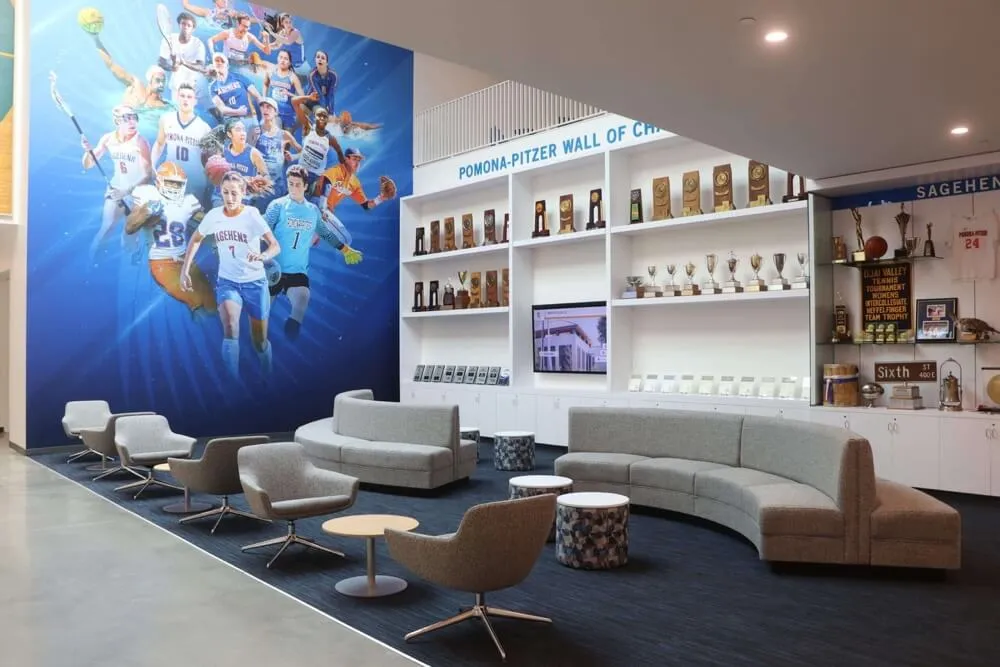
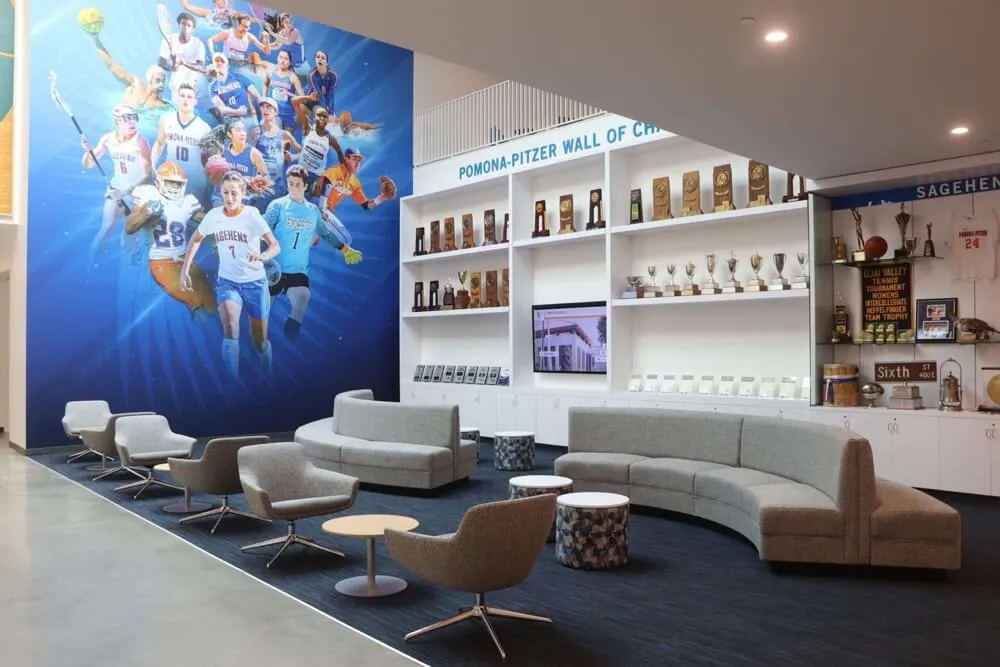
Traditional Championship Recognition: Championship trophies deserve prominent display in trophy cases where students, visitors, and community members regularly see them. Many Iowa schools create dedicated sections for championship seasons including trophies, team photos mounted and labeled, game balls from championship games, and championship apparel or memorabilia. These physical displays provide tangible evidence of program excellence while creating visible aspirations for current athletes.
Championship Season Documentation: Complete championship documentation should include comprehensive team rosters identifying every player and coach with class years, season statistics and records showing exceptional performances, playoff bracket progression illustrating the path to championships, individual game recaps capturing critical moments and turning points, and season narratives explaining what made championship runs special. This documentation ensures that decades later, community members can appreciate what was accomplished and who contributed to success.
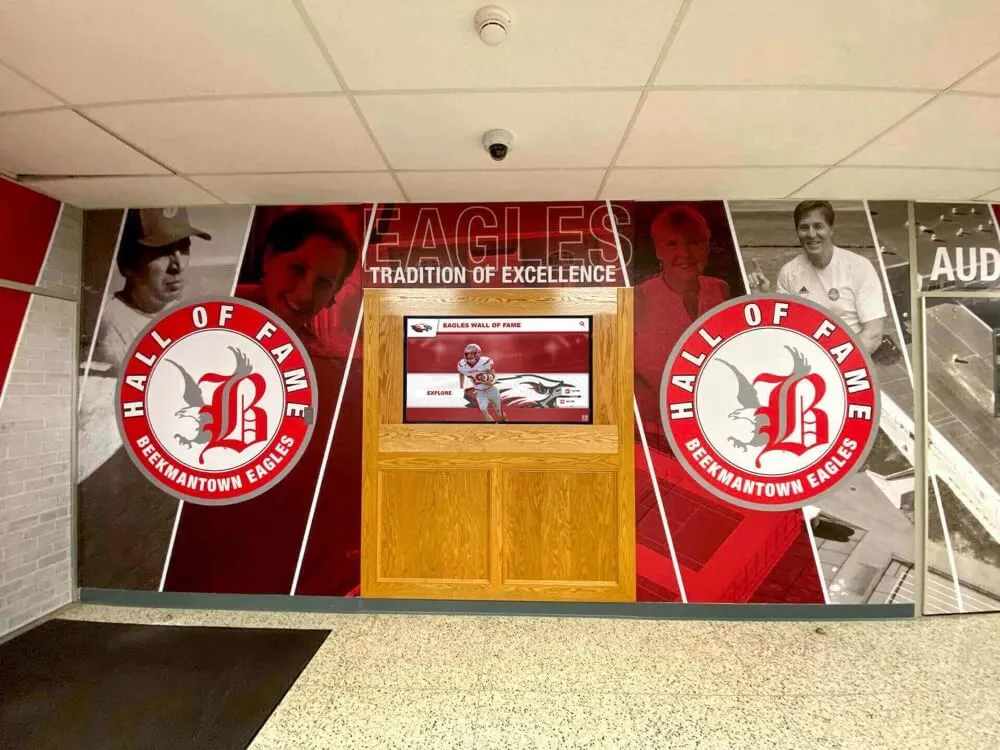
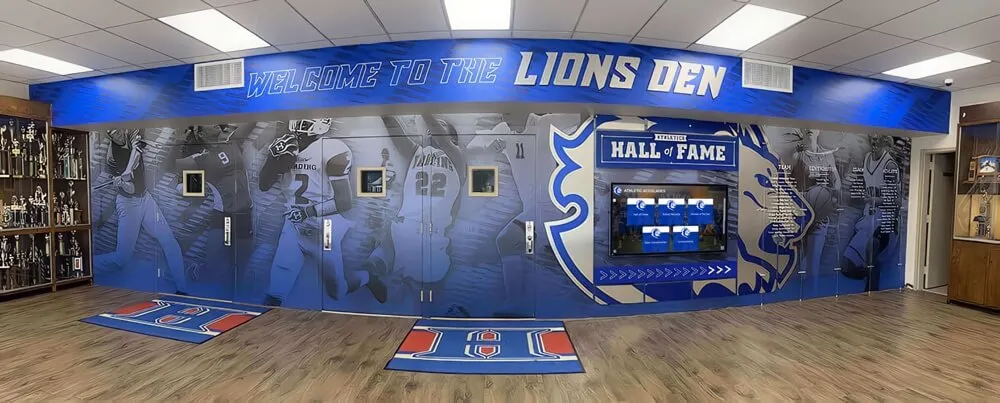
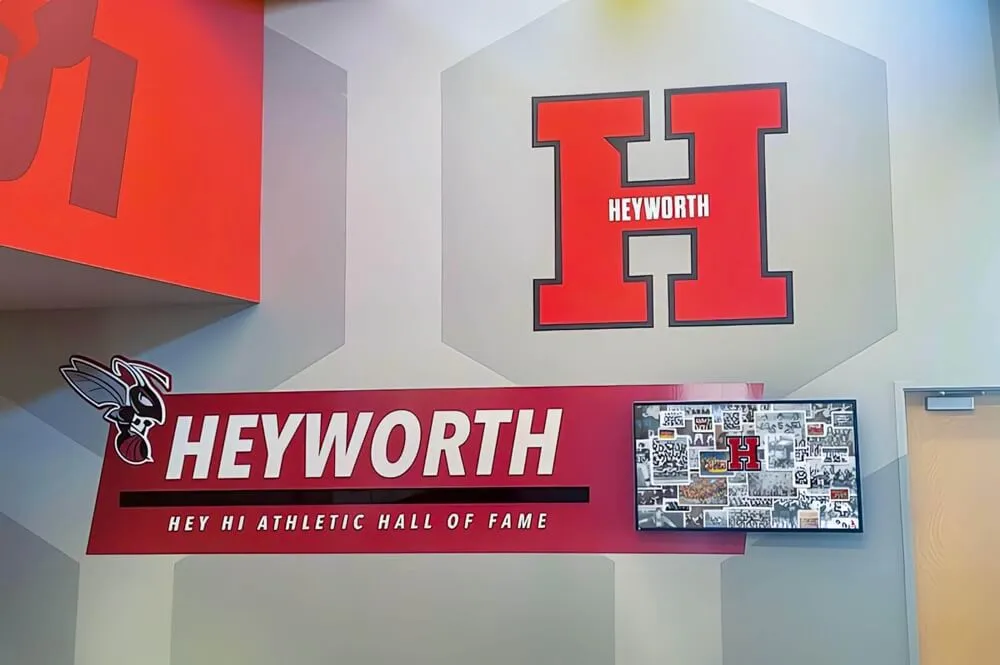
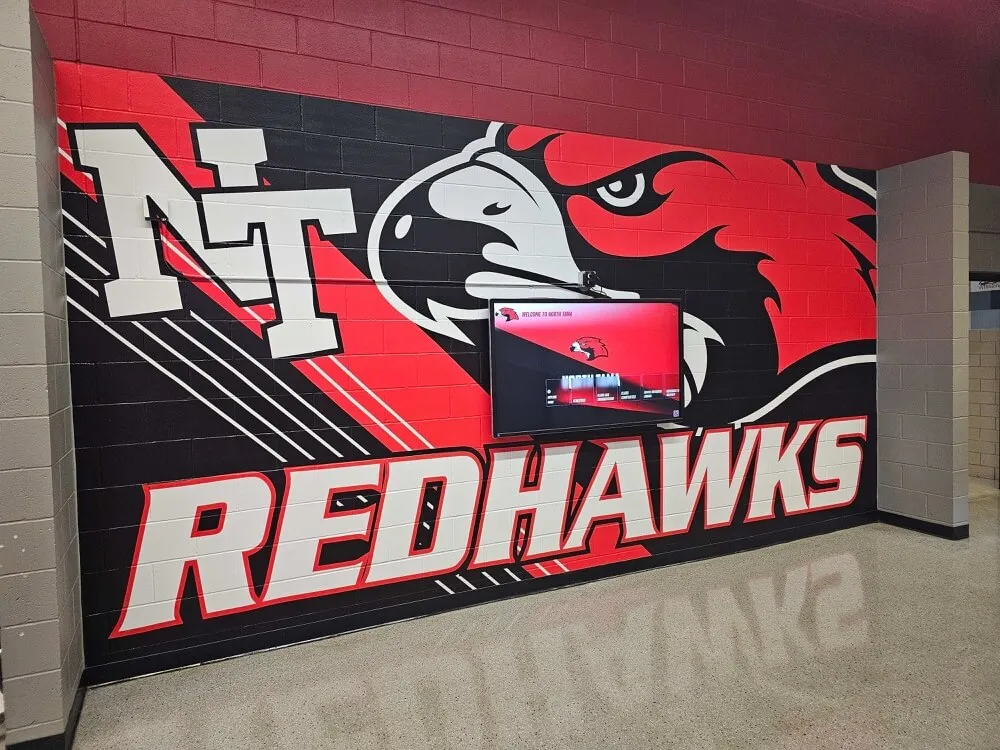
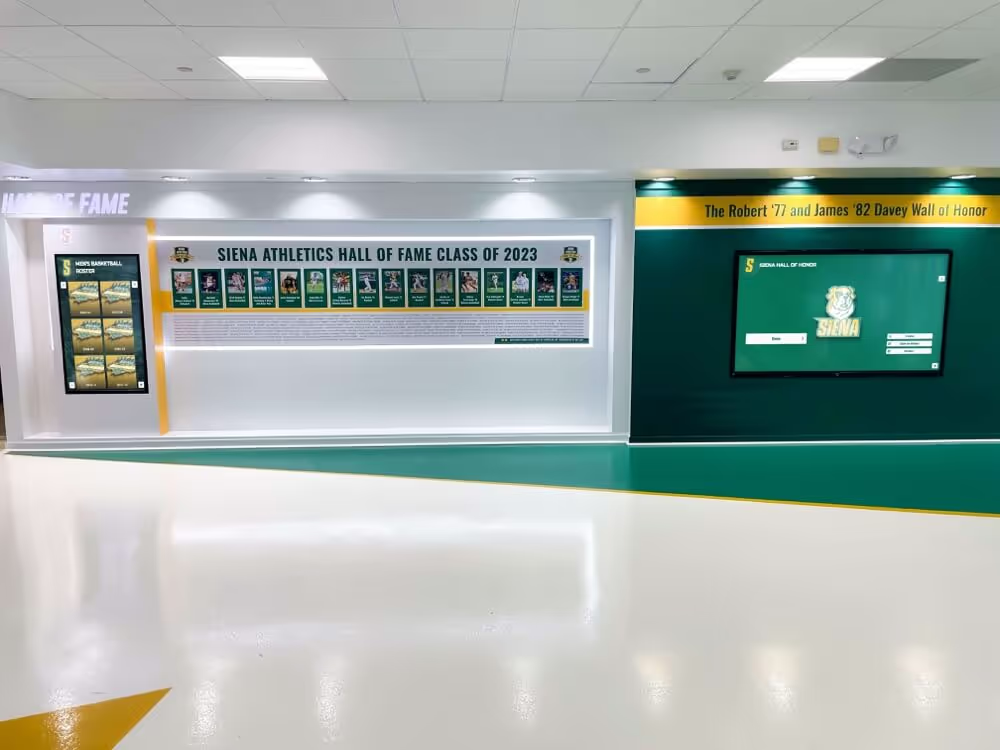
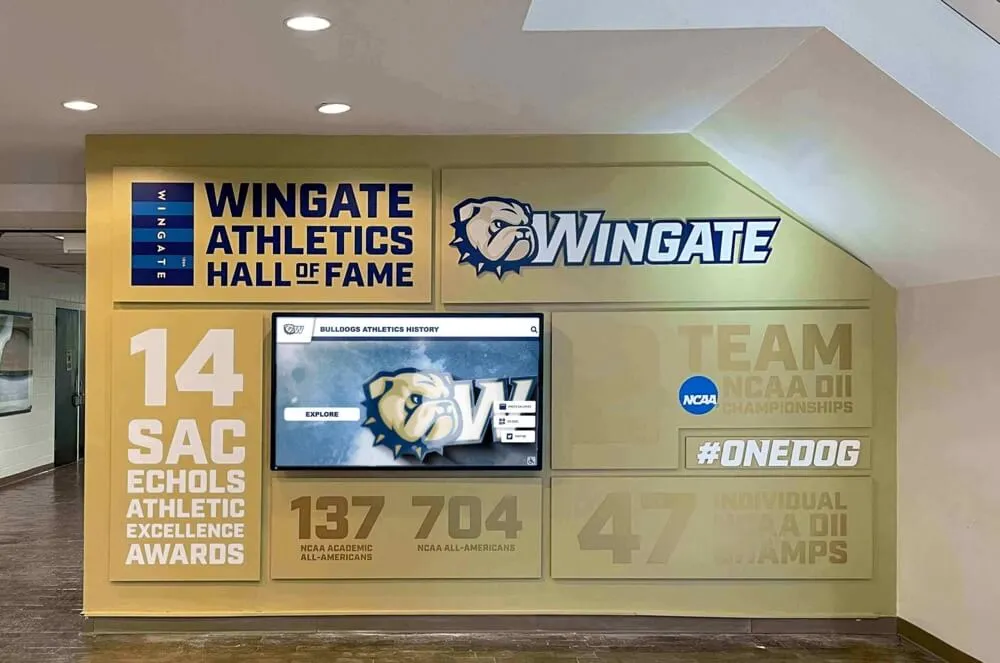
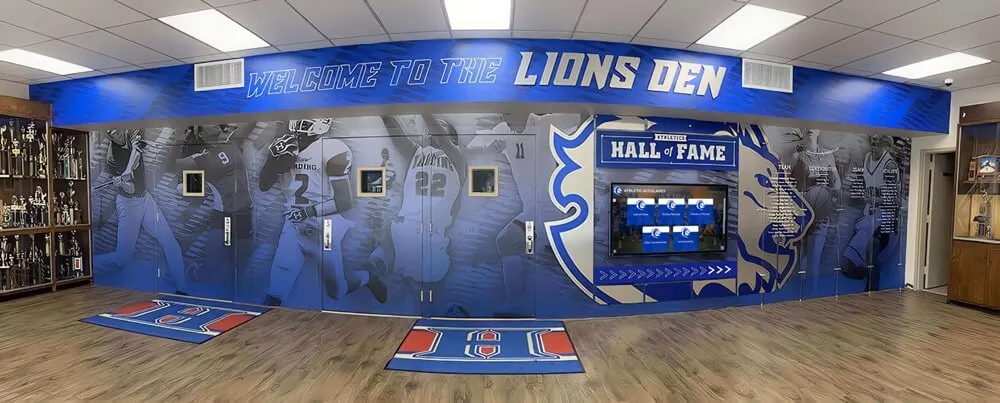
Wall Displays and Hallway Recognition: Many Iowa schools feature hallway displays celebrating championship seasons with mounted photos, framed newspaper articles, bracket displays showing playoff progression, and plaques commemorating achievements. These visible displays ensure that students passing through hallways daily encounter program history creating environmental reminders of expectations and possibilities. Athletic facilities often showcase creative trophy display approaches that celebrate excellence while inspiring current teams.
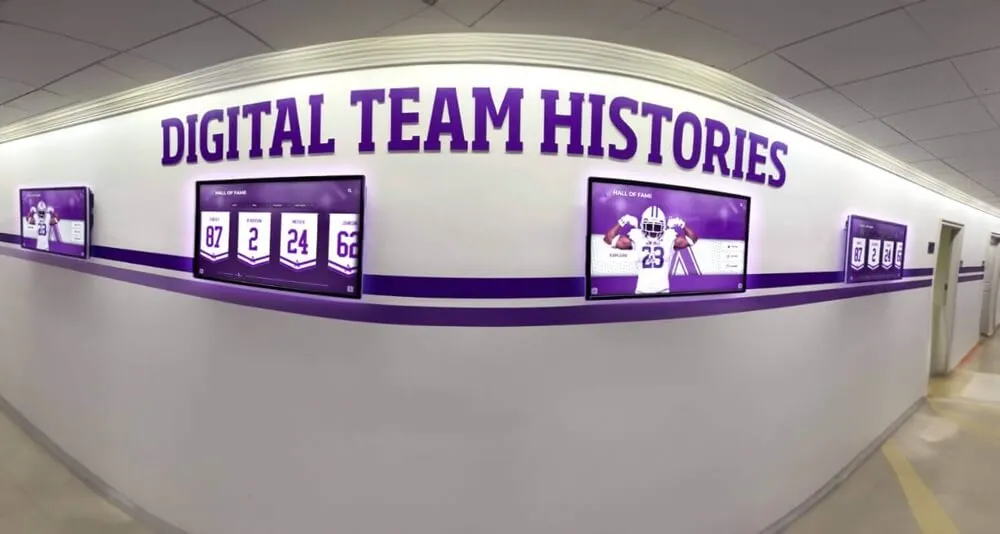
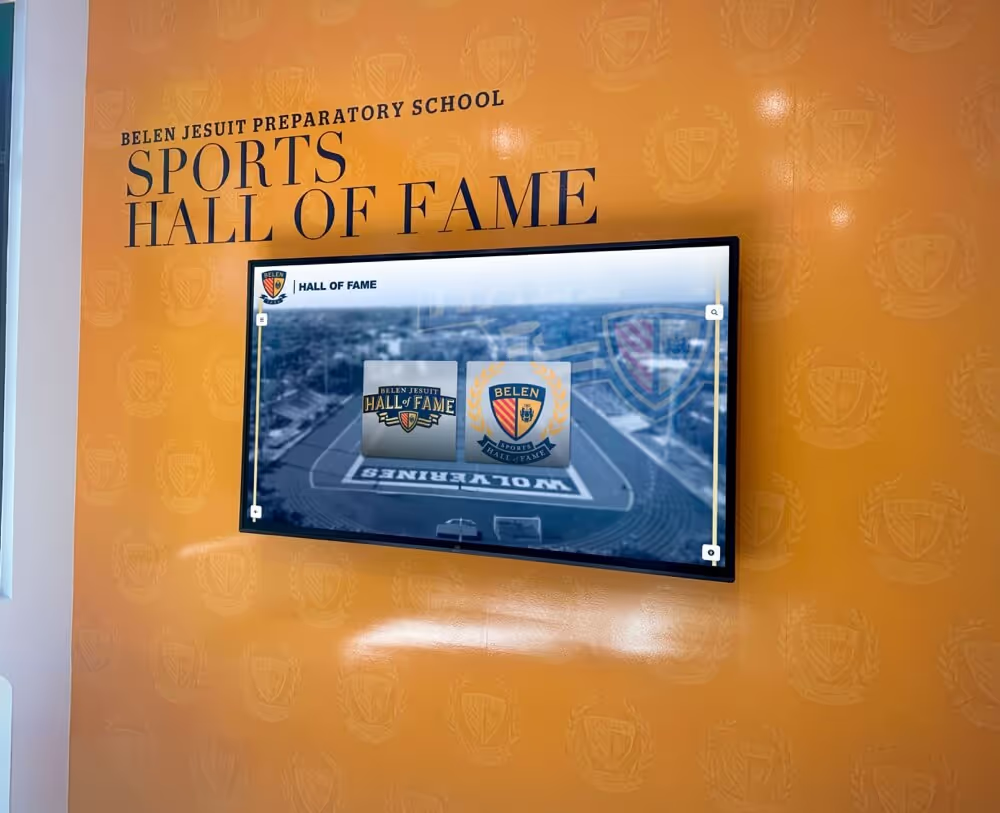
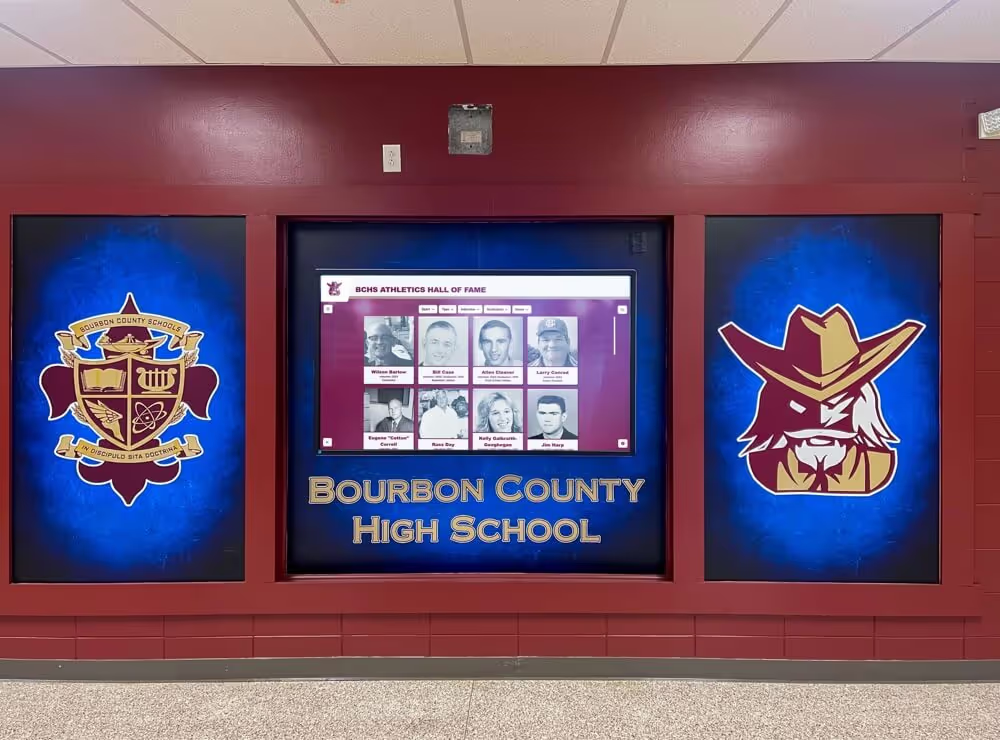
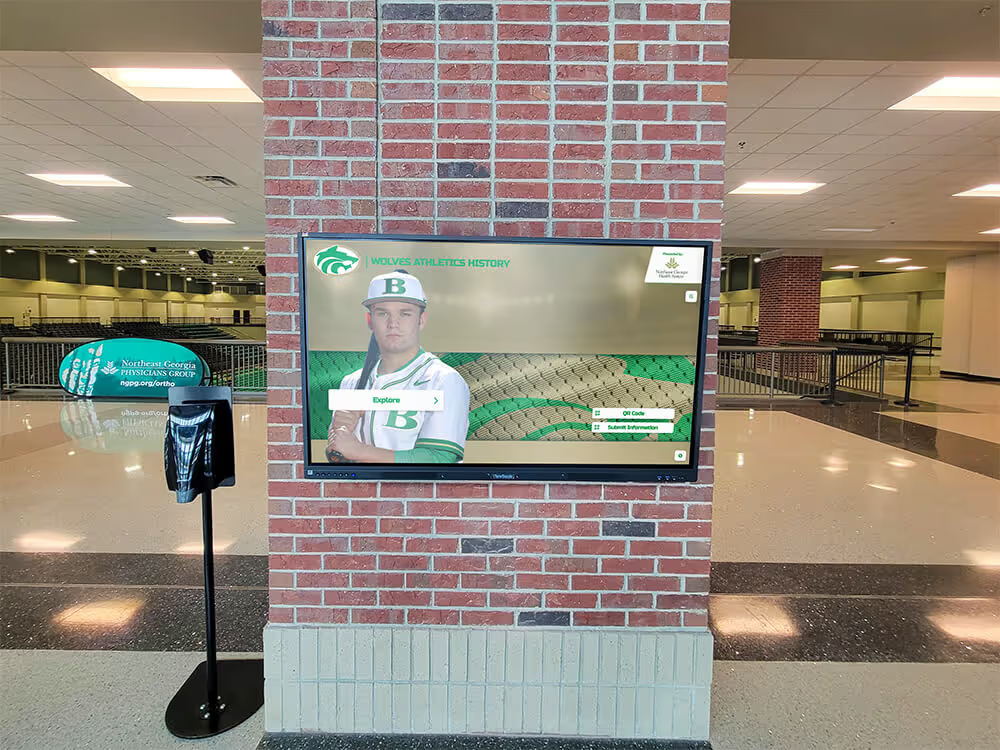
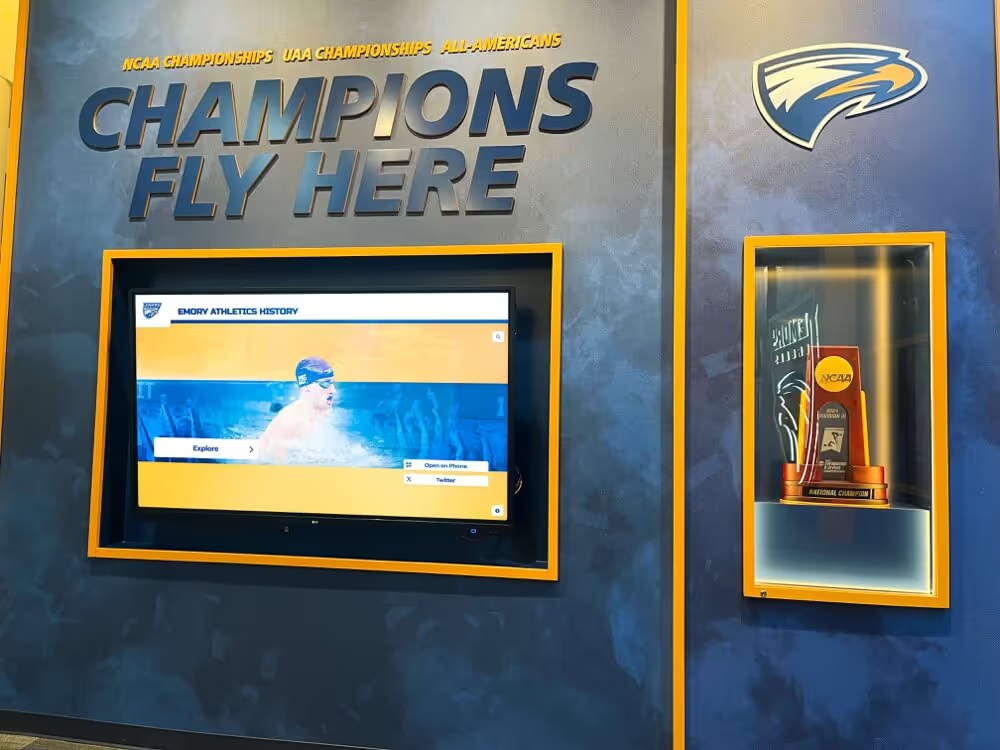
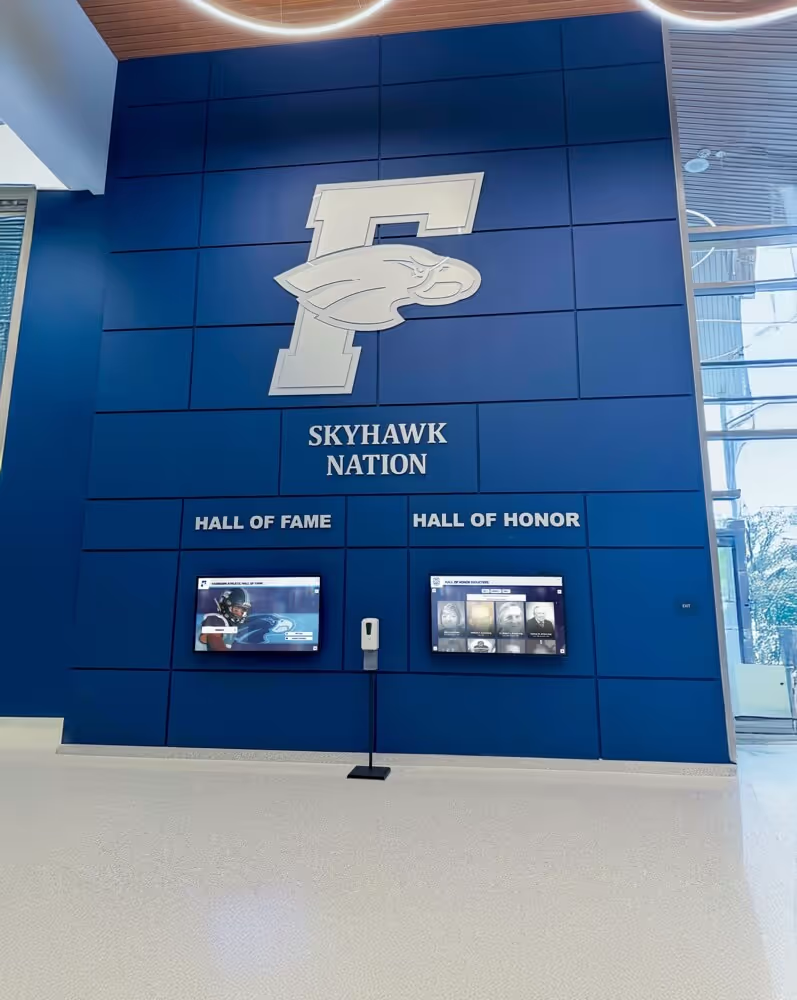
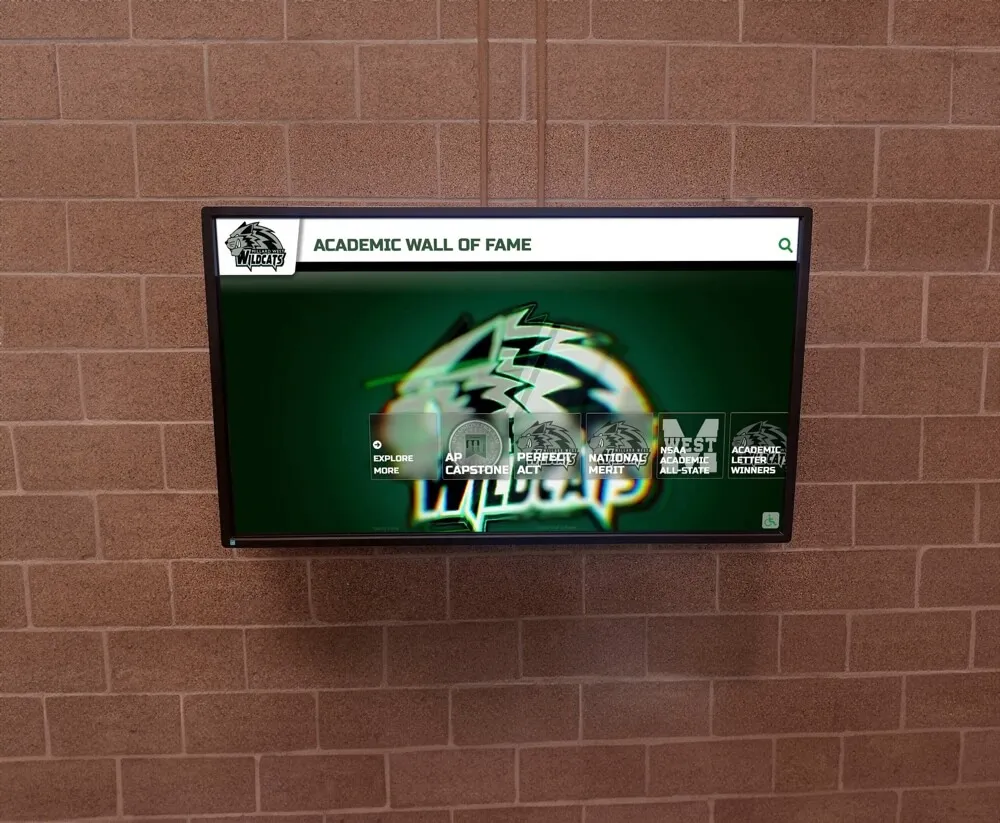
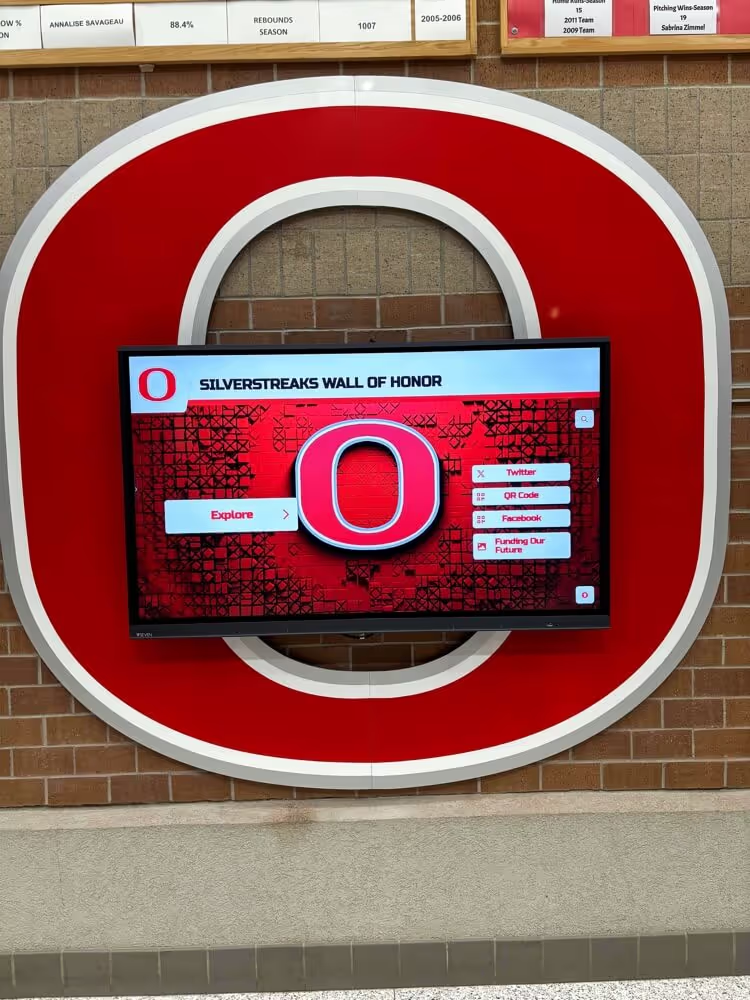
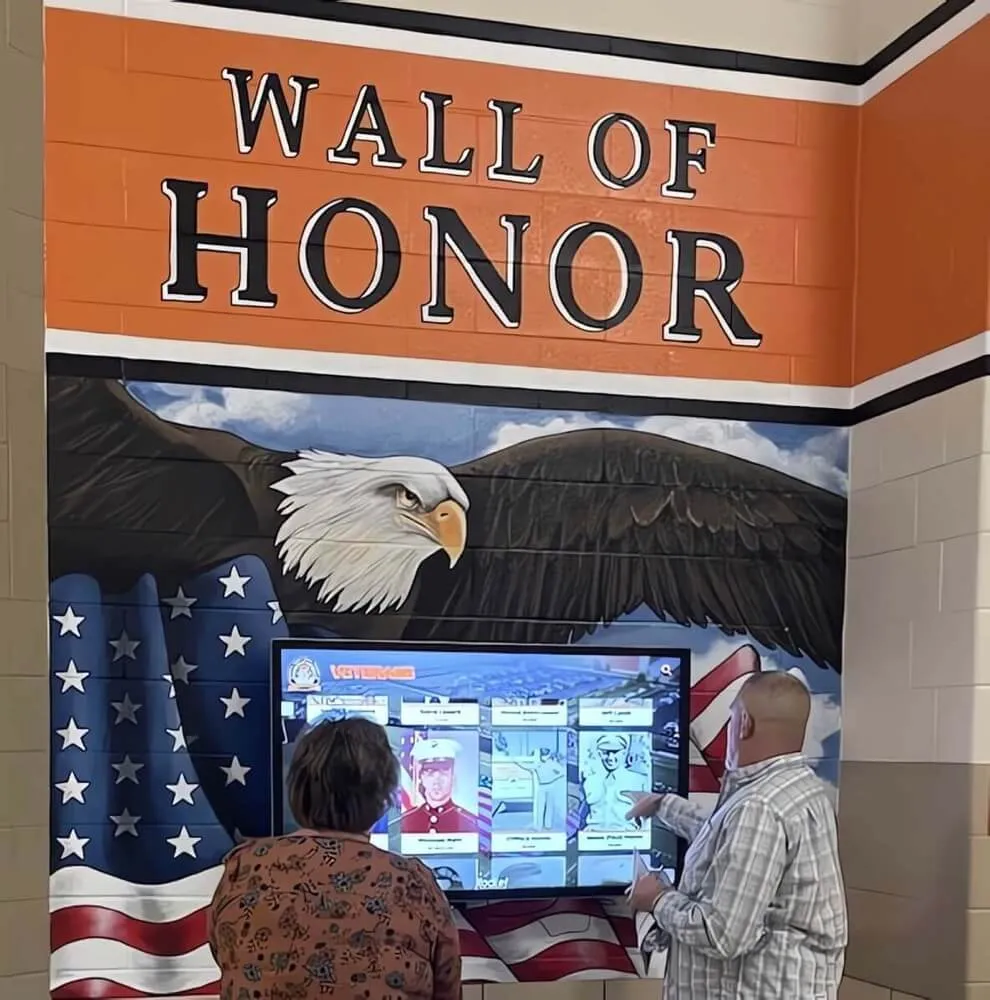
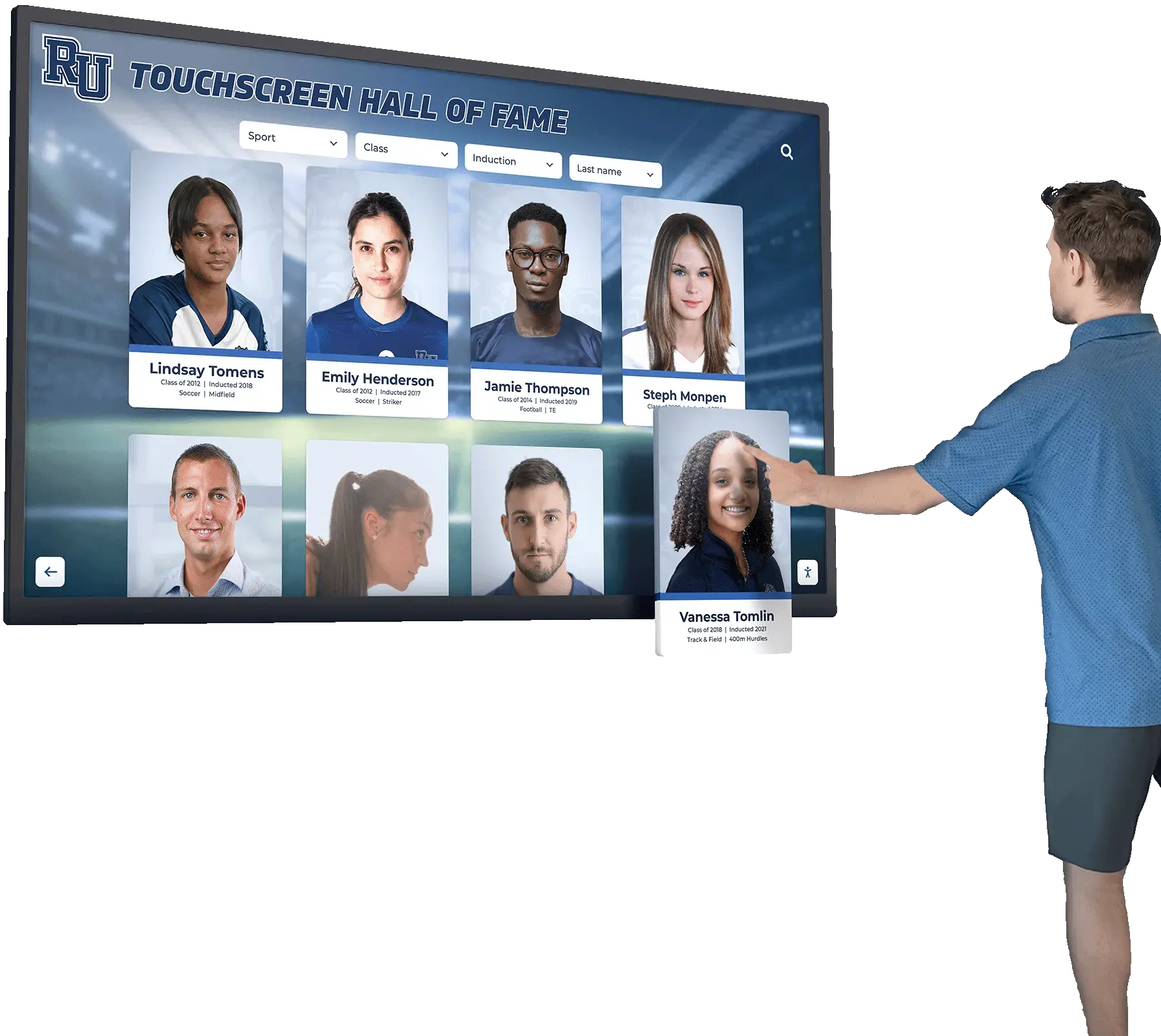
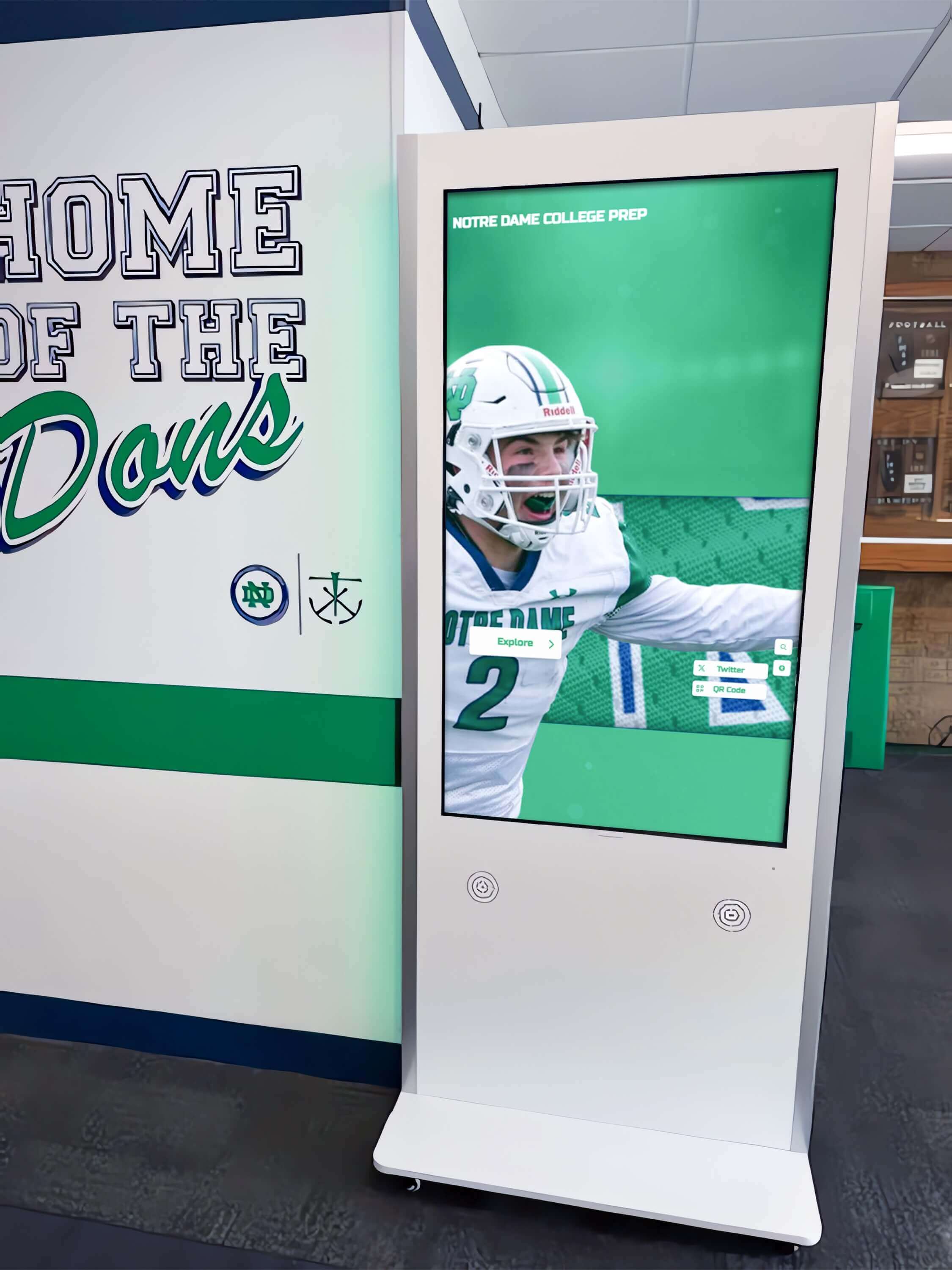
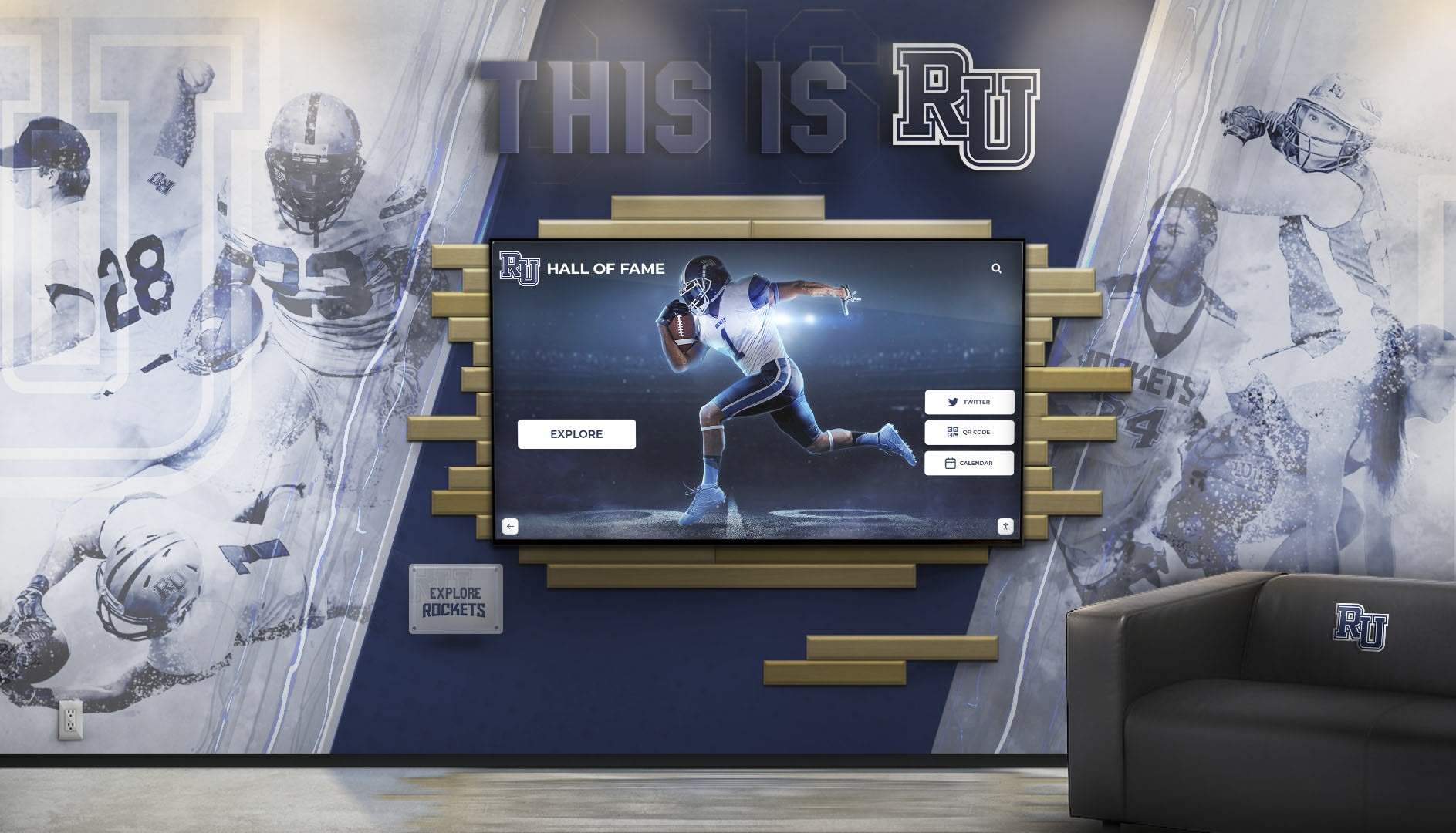
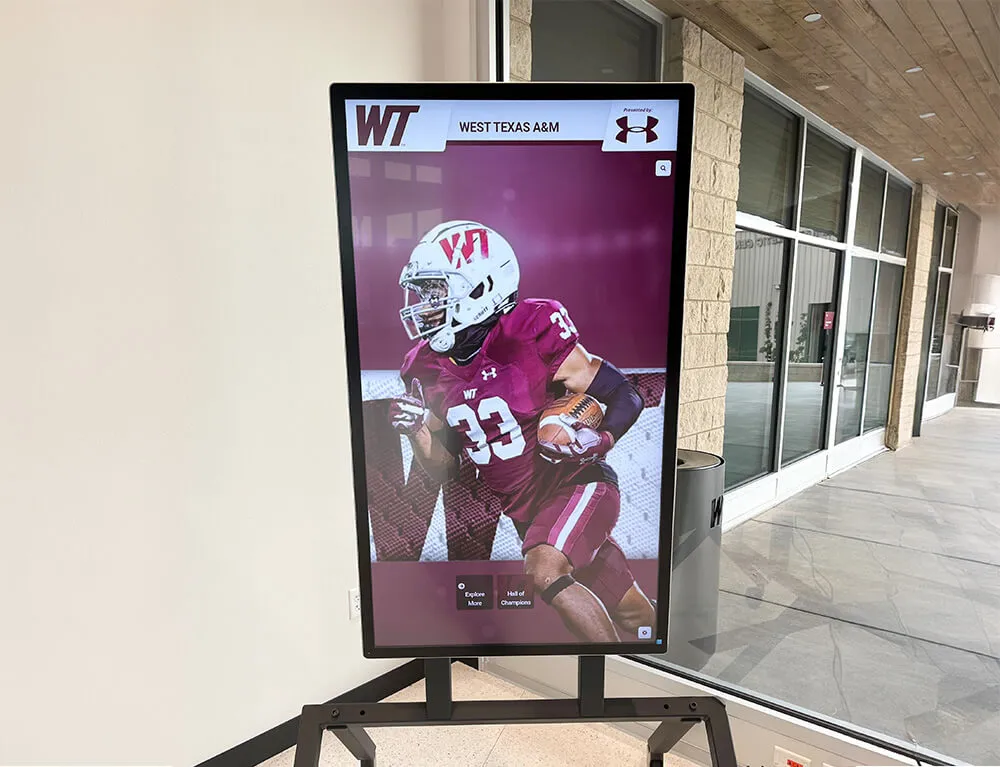
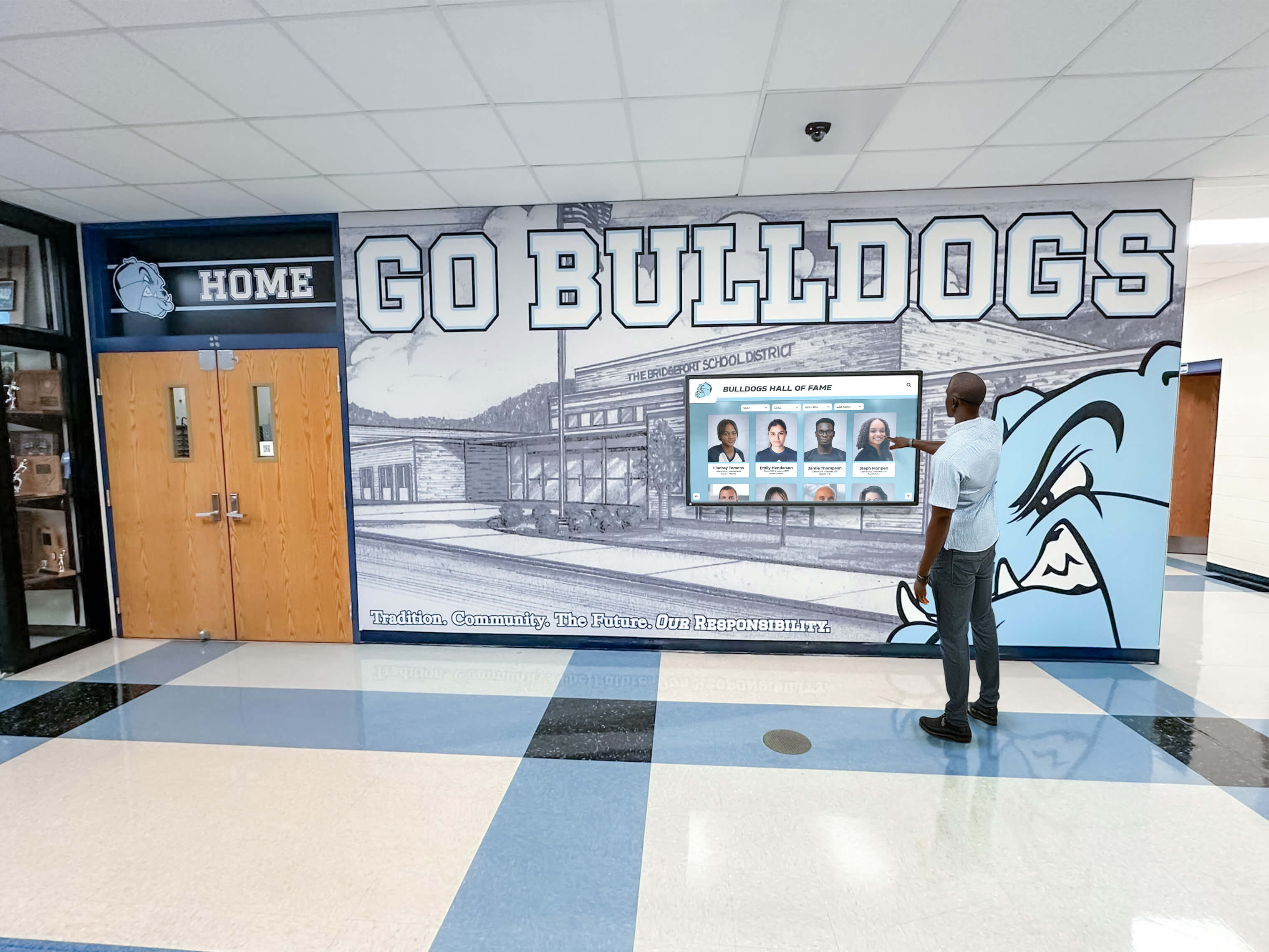
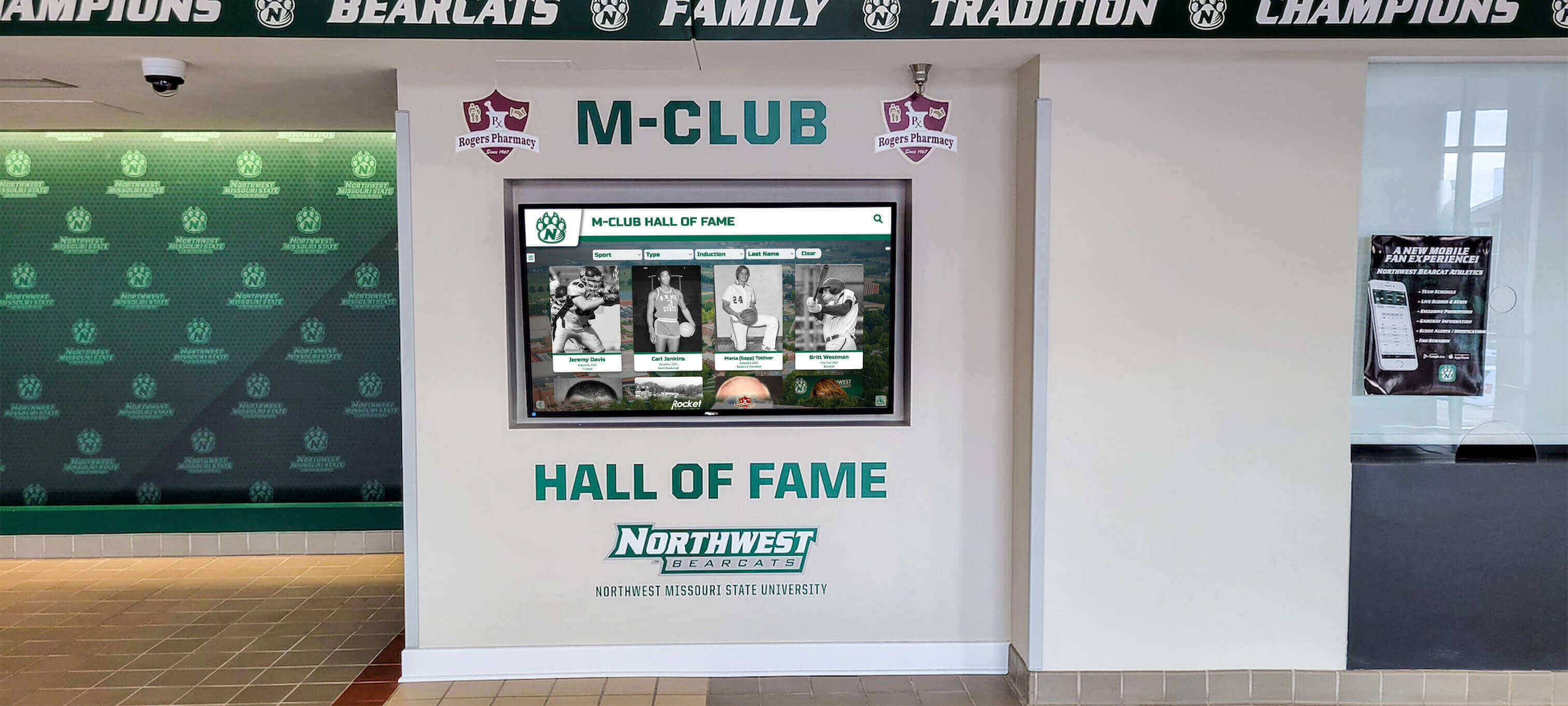
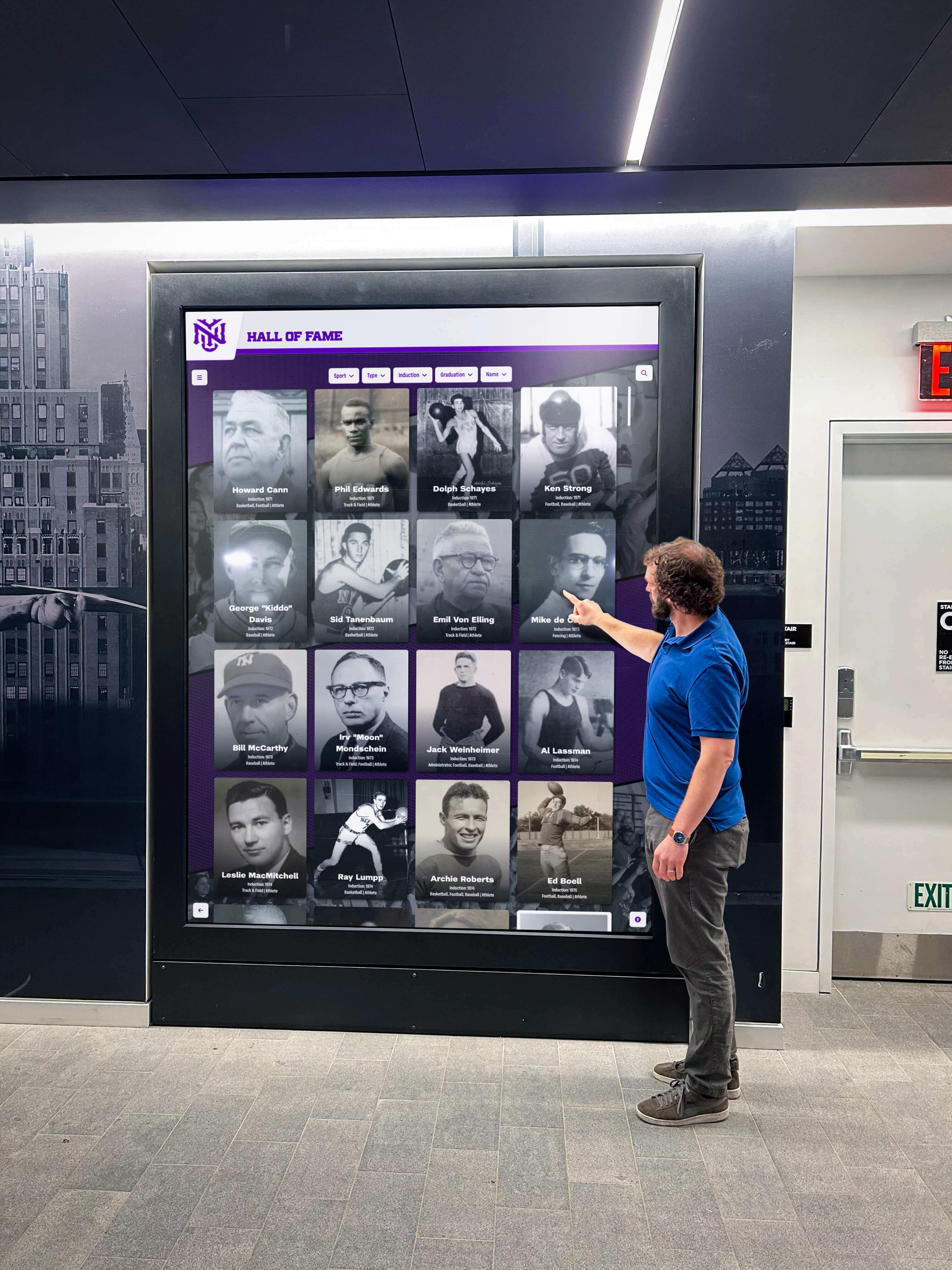
Digital Recognition Platforms: While traditional trophy cases and wall displays have value, physical space constraints limit how comprehensively programs can document playoff success. Digital recognition platforms enable unlimited documentation including extensive photo galleries from throughout championship seasons capturing practices, games, and celebrations; video highlights from critical playoff games preserving athletic excellence and dramatic moments; detailed player and coach profiles telling individual stories within team narratives; interactive playoff brackets showing game-by-game progression with scores, statistics, and recaps; and multimedia storytelling bringing championship seasons to life through integrated content.
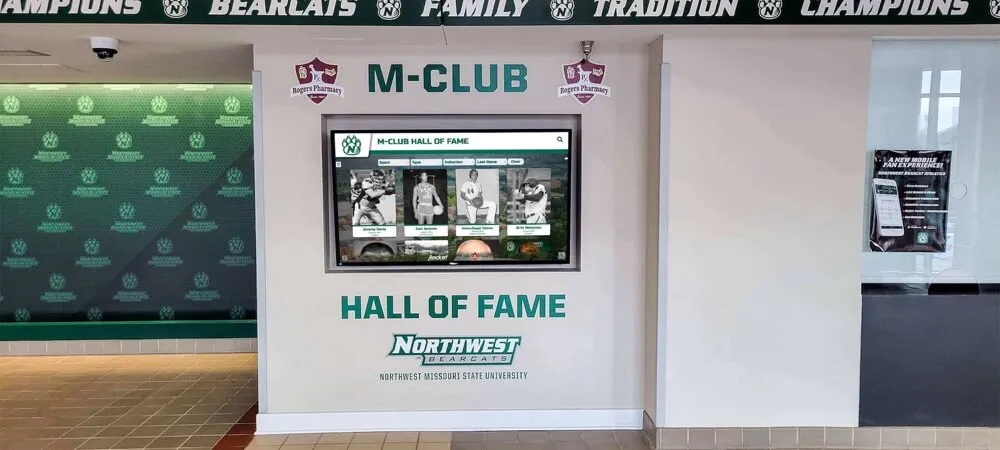
Solutions like Rocket Alumni Solutions specifically address athletic recognition needs through sport-specific templates, championship documentation systems, and multimedia capabilities preserving playoff memories more comprehensively than traditional methods allow. These platforms enable interactive exploration where alumni search for specific seasons, players, and achievements, while current students encounter championship history as living inspiration rather than static plaques collecting dust in forgotten corners. Schools can showcase everything from state championship celebrations to complete seasonal progressions.
The Future of Iowa High School Football Playoffs
Iowa’s playoff system continues evolving responding to demographic changes, competitive balance considerations, and technological advances.
Classification Adjustments and Enrollment Trends
Iowa’s changing demographics create ongoing classification challenges requiring thoughtful responses.
Rural Consolidation Impact: Declining rural populations force school consolidations reducing the number of Class A and 1A programs while creating new combined schools. These consolidations shift competitive landscapes—former rivals become teammates, traditional powerhouses disappear as schools merge, and new programs form seeking to build identities. The IHSAA adjusts classifications responding to these changes while attempting to maintain competitive balance.
Suburban Growth Dynamics: Metropolitan area growth creates opposite pressures. Suburban schools rapidly increase enrollments moving through classifications, sometimes jumping multiple levels within decades. New schools open serving growing populations, instantly joining competitive landscapes. These growth patterns concentrate large schools geographically while spreading small schools across rural expanses, creating interesting classification distribution challenges.
Success Factor Considerations: Some states implement “success factors” adjusting classifications for programs winning multiple championships—essentially penalizing sustained success by forcing successful small schools to compete against larger programs. Iowa has resisted success factors thus far, preferring enrollment-based classifications. However, ongoing discussions about competitive balance ensure this topic remains part of classification conversations as dominant programs continue accumulating championships.
Technology and Fan Engagement
Technological advances transform how communities experience and engage with playoff football.
Live Streaming and Access: Iowa playoff games increasingly feature live streaming enabling fans unable to attend physically to watch remotely. This expanded access particularly benefits families, alumni, and supporters unable to travel to games. Championship broadcasts extend reach beyond attendees, allowing entire states to experience championship games. As streaming quality and availability increase, more Iowans engage with playoffs beyond just their local teams.
Social Media Community: Social media platforms transform how communities rally around playoff teams. Real-time game updates, photo and video sharing, and online community discussions create virtual gathering places paralleling physical attendances. Teams build followings extending beyond traditional geographic boundaries as alumni, college-bound athletes, and football fans broadly follow playoff progressions digitally.
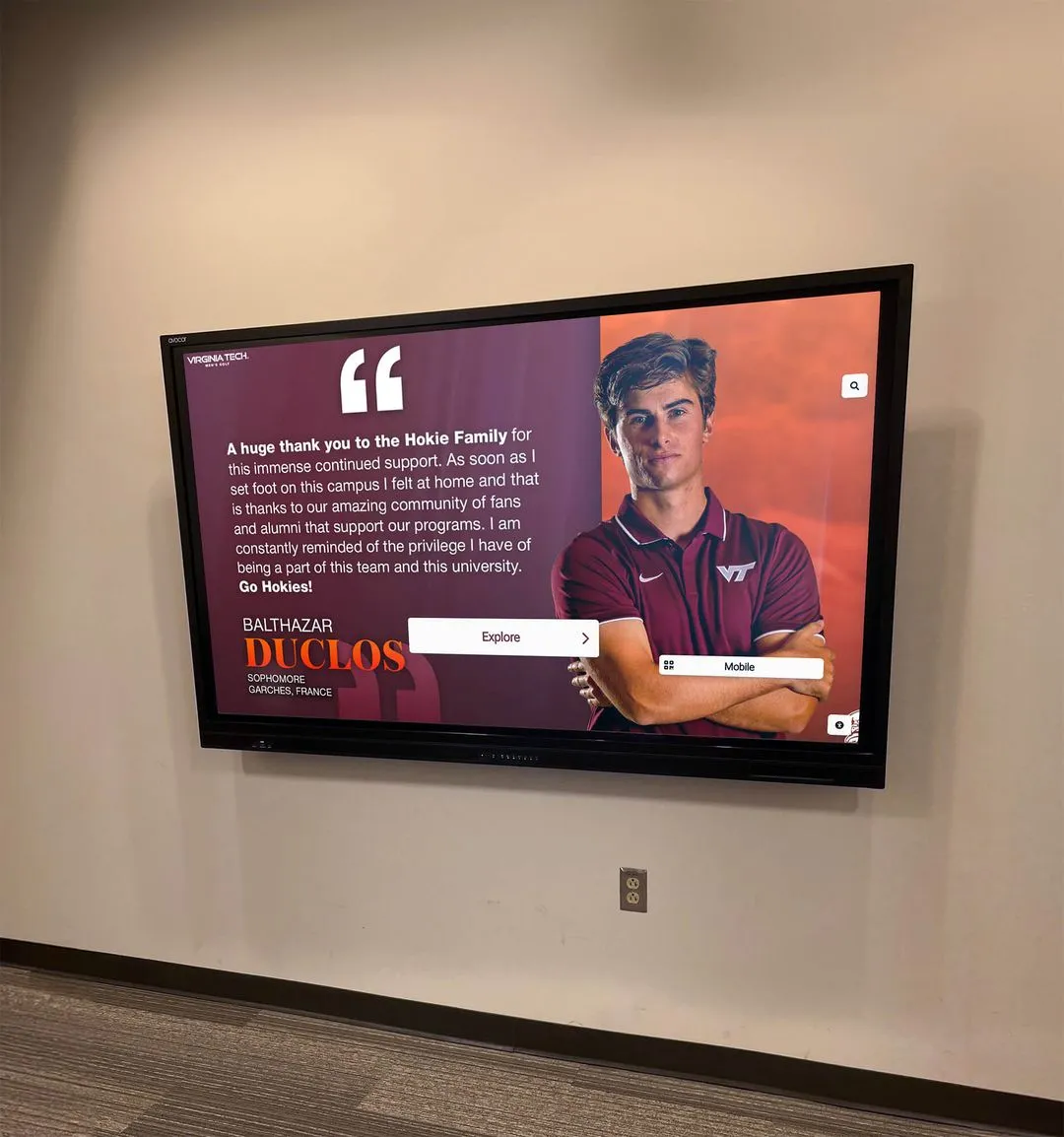
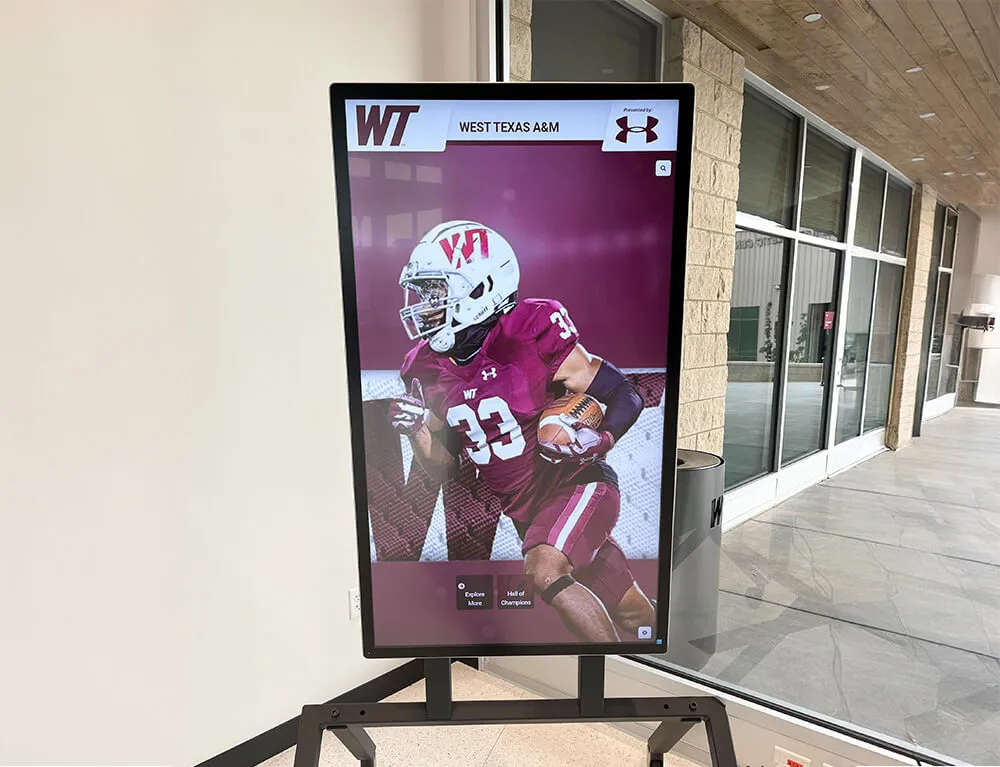
Digital Recognition Evolution: Recognition technology advances beyond static trophy cases toward dynamic digital displays. Interactive touchscreens enable comprehensive documentation that physical displays cannot match, video boards showcase highlight reels and game footage bringing memories to life, QR codes connect physical displays to detailed online content, and cloud-based platforms ensure recognition remains accessible from anywhere. Forward-thinking athletic directors recognize that modern recognition approaches better serve current expectations while preserving histories more thoroughly for future generations.
Playoff Format Considerations
While Iowa’s current playoff structure works well, ongoing discussions consider potential refinements.
Bracket Size Debates: Some advocate expanding beyond 32-team brackets allowing more programs to experience playoffs, while others argue current structures appropriately balance inclusion with competitive standards. Expansion would extend more seasons but potentially dilute playoff significance. The IHSAA carefully weighs these trade-offs considering stakeholder perspectives.
Championship Venue Future: The UNI-Dome provides remarkable championship environment, but facilities age requiring ongoing investment. Long-term planning considers whether Iowa maintains centralized championships at the Dome, potentially rotates among multiple venues, or considers other approaches. Most stakeholders strongly favor maintaining UNI-Dome tradition given its iconic status in Iowa football culture.
Regular Season Length: Current 10-game regular seasons followed by up to five playoff games create 15-game maximum seasons for finalists. Some discuss adjusting regular season lengths, though any changes face trade-offs between adequate regular season development and extended playoff formats. These conversations continue as stakeholders balance various interests and priorities.

Beyond the Scoreboard: Playoff Impact on School Culture
Iowa high school football playoffs create impacts extending far beyond wins and losses, shaping school cultures and community identities in lasting ways.
Building School Pride and Unity
Playoff success galvanizes entire school communities in shared purpose and celebration.
Whole-School Engagement: Deep playoff runs engage entire student bodies regardless of individual athletic participation. Students organize spirit weeks, create signs and posters, attend send-off rallies, and travel to games as unified groups. This collective engagement builds school spirit and community feeling that academics alone rarely generate. Athletic directors note that playoff seasons create school-wide energy benefiting all aspects of school culture including improved attendance, reduced discipline issues, and strengthened connections between diverse student groups.
Alumni Reconnection: Playoff runs particularly championship seasons, draw alumni back to communities. Former athletes return to support current teams, community members reconnect with classmates they haven’t seen in years, and multi-generational conversations occur as older alumni share their own playoff memories with younger generations. These reconnections strengthen alumni relationships with schools while reinforcing continuity across generations. Schools can leverage digital platforms to engage alumni throughout the year, not just during playoff seasons.
Community Identity Formation: For many Iowa communities, football playoff success becomes part of collective identity. Communities reference championship seasons for decades—“the ‘89 team,” “the year we beat Valley,” “our first trip to the Dome”—using playoff history as shorthand for community pride and excellence. This identity formation proves especially powerful in smaller communities where high school represents primary community institution. When outsiders mention these towns, residents immediately reference football playoff history as defining community characteristics.
Program Culture and Future Success
Playoff experience creates program culture advantages that compound over time.
Expectation Standards: Programs reaching playoffs consistently establish cultures where playoff qualification becomes baseline expectation rather than exceptional achievement. Current athletes grow up watching successful teams, internalize preparation standards required for playoff success, and refuse to accept seasons without postseason participation. This expectation culture drives sustained excellence as generations of athletes maintain standards established by predecessors.
Youth Program Impact: Playoff success profoundly impacts youth football programs feeding high schools. Young athletes watch older players succeed in playoffs and aspire toward similar achievements. Youth participation increases following successful seasons as more families want children involved in successful programs. This increased participation expands talent pools while creating depth enabling sustained success. Youth programs often implement recognition systems early, understanding that celebrating youth achievement builds engagement and long-term program culture.
Coaching Stability and Attraction: Consistent playoff success creates coaching stability as successful coaches remain in programs they’ve built. Additionally, playoff success makes programs attractive to quality coaching candidates when positions do open. Coaches want to work in programs with established winning cultures, community support, and resources necessary for success. This coaching quality compounds over time creating virtuous cycles where good coaches build successful programs that attract subsequent good coaches.
Multi-Sport Athlete Development: Iowa’s smaller schools particularly rely on multi-sport athletes playing football, basketball, baseball, and track. Playoff football success creates athletic cultures benefiting all sports. Athletes develop competitive mentality, physical conditioning, and team bonding through football that transfers to winter and spring sports. This multi-sport approach produces well-rounded athletes while creating year-round athletic excellence throughout programs. Athletic departments increasingly recognize the importance of comprehensive sports recognition across all seasons and programs.
Practical Guidance for Athletic Directors
Athletic directors managing football programs through playoff seasons face unique challenges requiring thoughtful preparation and strategic planning.
Playoff Preparation Logistics
Successful playoff management requires attention to numerous logistical details.
Financial Planning: Playoff participation creates both revenue opportunities and expense challenges. Home playoff games generate ticket revenue, concession sales, and parking fees often exceeding regular season games due to increased attendance. However, schools must also budget for increased officiating fees, additional security and facility staffing, enhanced medical coverage, and facility preparation expenses. Athletic directors should maintain playoff emergency funds covering unexpected expenses since playoff qualification timelines don’t always allow advance planning.
Facility Preparation: Home playoff games require facility standards exceeding regular season requirements. Athletic directors ensure adequate seating capacity meeting expected demand, parking and traffic management accommodating larger crowds, properly functioning field lighting for evening games, adequate restroom and concession facilities, and medical and safety staffing meeting IHSAA requirements. First-time playoff hosts sometimes underestimate these requirements—experienced athletic directors share knowledge helping newer programs avoid common mistakes.
Travel Coordination: When teams play away playoff games or advance to championship games at the UNI-Dome, extensive travel coordination becomes necessary. Athletic directors arrange team transportation, coordinate hotel accommodations when overnight stays are required, plan meal arrangements for traveling parties, manage ticket distribution for traveling supporters, and coordinate band, cheerleader, and student section transportation. Championship game travel particularly requires careful planning given distances many communities must travel to reach Cedar Falls.
Communication Systems: Playoff seasons demand enhanced communication systems keeping all stakeholders informed. Athletic directors establish communication channels updating families about practice schedules, game times, travel arrangements, and ticket information; notify school administrators about schedule changes affecting school operations; coordinate with booster clubs supporting playoff preparation and travel; and maintain media relationships ensuring accurate coverage. Effective communication prevents confusion while managing heightened attention playoff runs generate.
Creating Lasting Recognition Systems
Beyond immediate playoff seasons, athletic directors should implement recognition systems preserving achievements for future generations.
Comprehensive Documentation Planning: As playoff runs unfold, athletic directors should ensure thorough documentation capturing all aspects of championship journeys. Designate official photographers and videographers documenting practices, games, and team moments. Collect statistics, game programs, newspaper clippings, and other ephemera that become historically valuable. Conduct interviews with coaches, players, and community members capturing perspectives while memories remain fresh. This comprehensive documentation provides material for recognition displays built immediately or years later.
Physical Display Space Planning: Athletic directors should identify appropriate locations for championship recognition displays—trophy cases visible to students and visitors, hallway displays in high-traffic areas where recognition remains constantly visible, weight room and locker room displays inspiring current athletes, and community spaces ensuring recognition extends beyond school walls. Space allocation decisions communicate priorities—championship recognition deserves prominent placement rather than hidden corners where achievements go unnoticed.
Budget Allocation for Recognition: Quality recognition requires appropriate budget allocation. Athletic directors should establish recognition budgets covering trophy case construction or updates, professional photography and videography services, quality framing and mounting for physical displays, and digital recognition platform subscriptions or purchases. While budgets vary widely across Iowa schools, even modest recognition investments yield significant returns through maintained program culture and sustained community engagement. Many athletic directors discover that digital recognition platforms offer better long-term value than constantly updating physical displays.
Engagement with Booster Organizations: Athletic booster clubs often provide crucial support for recognition projects. Athletic directors should engage boosters in recognition planning, presenting options and cost estimates while emphasizing long-term impact of quality recognition. Boosters frequently fund recognition projects as tangible ways supporting programs beyond annual operational budgets. Championship recognition provides legacy projects that boosters can point toward for decades, making them attractive funding targets.
Conclusion: The Enduring Power of Iowa Playoff Football
Iowa high school football playoffs represent far more than athletic competitions determining state champions across eight classifications. They create community gathering points where entire towns unite in shared purpose. They provide athletes life lessons about preparation, perseverance, and performing under pressure. They forge memories lasting entire lifetimes, connecting generations through shared experiences and traditions.
The journey through Iowa’s playoff system—from anxiously watching weekly RPI rankings through first-round victories, quarterfinal battles, semifinal pressure, and ultimately championship games under the UNI-Dome lights—creates narratives that define communities and shape individual lives. These stories deserve preservation through recognition systems that honor those who created them while inspiring future generations to write their own playoff chapters.
Whether your program aspires to first playoff appearances or sustained championship excellence, understanding Iowa’s playoff structure while implementing systems that celebrate achievements appropriately ensures that playoff success creates maximum positive impact. The scoreboard eventually gets cleared, the season ends, and teams disperse—but the memories, lessons, and community bonds created during playoff runs endure when schools commit to preserving them thoughtfully.
For athletic directors, coaches, and school leaders seeking to maximize playoff impact while creating lasting recognition of achievement, modern digital recognition solutions offer comprehensive approaches that traditional trophy cases cannot match. By combining physical displays with digital platforms, Iowa schools ensure that championship traditions remain living, accessible, and inspiring for generations of future Hawkeyes who dream of their own playoff journeys.