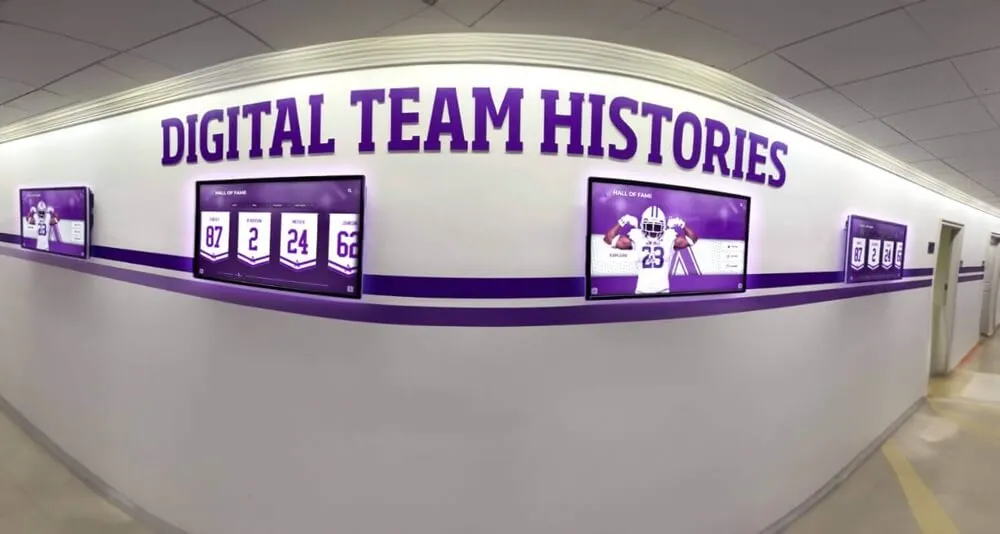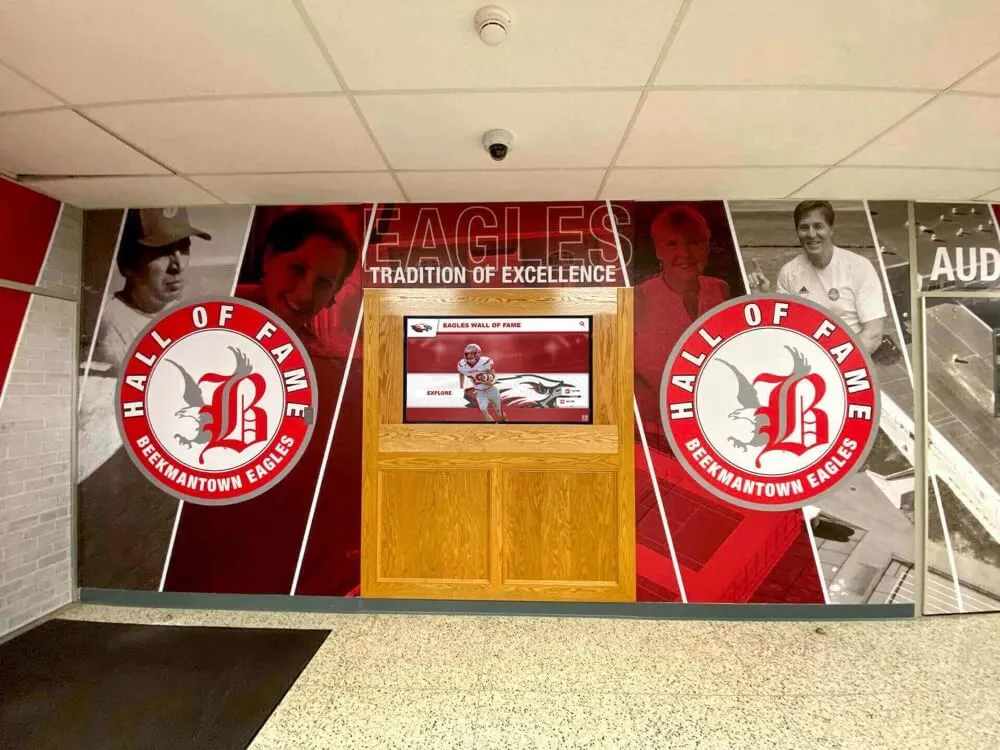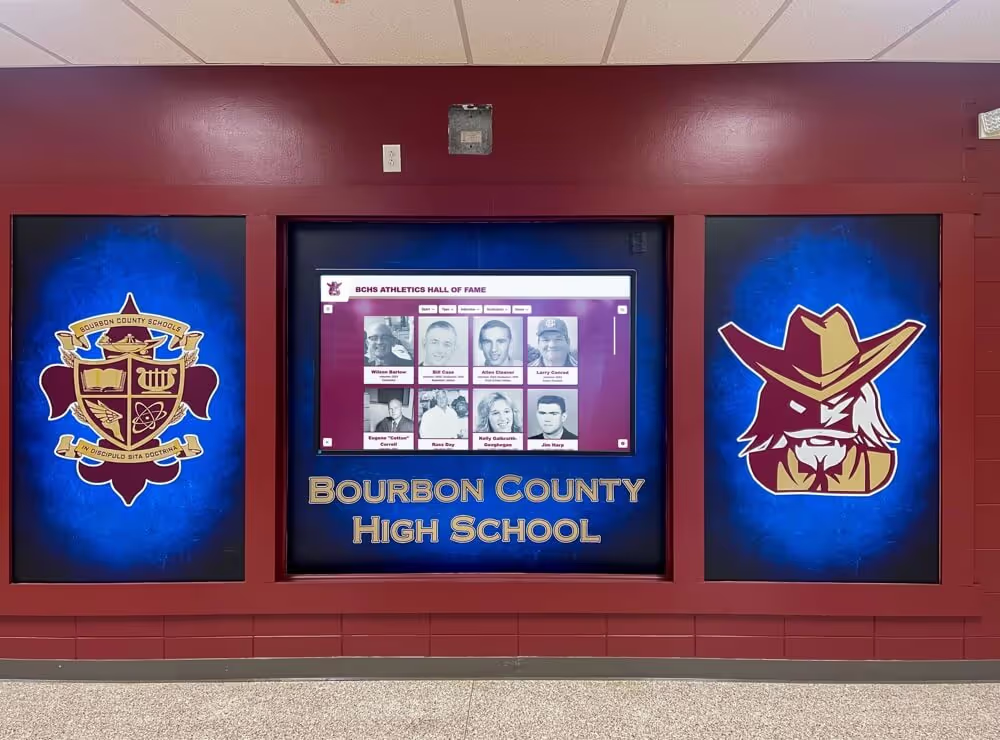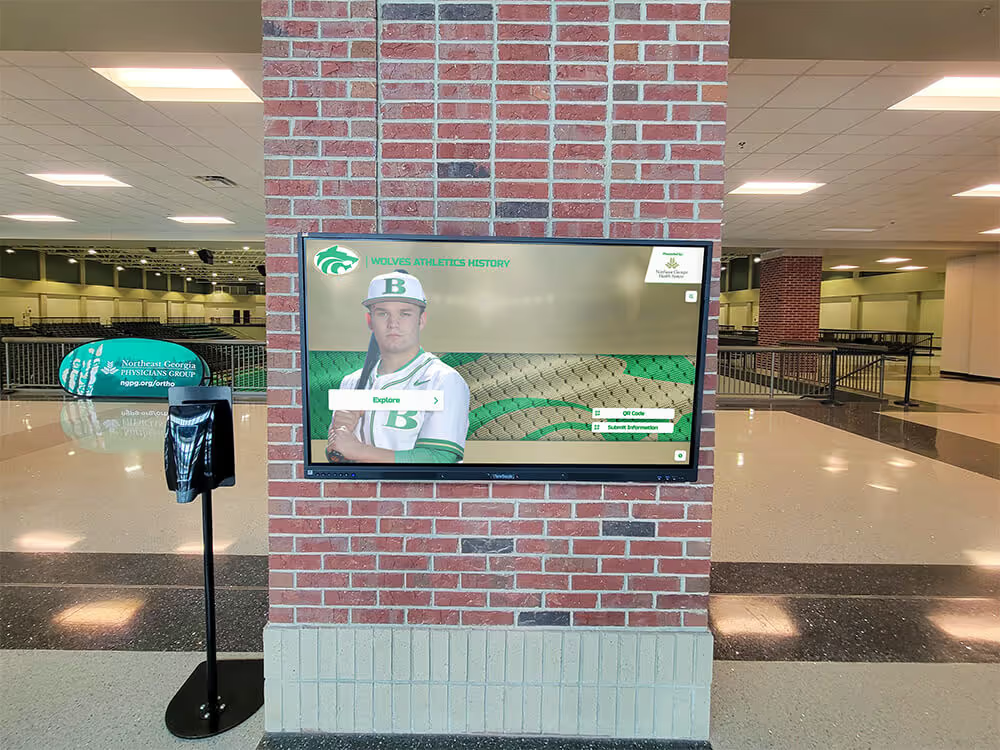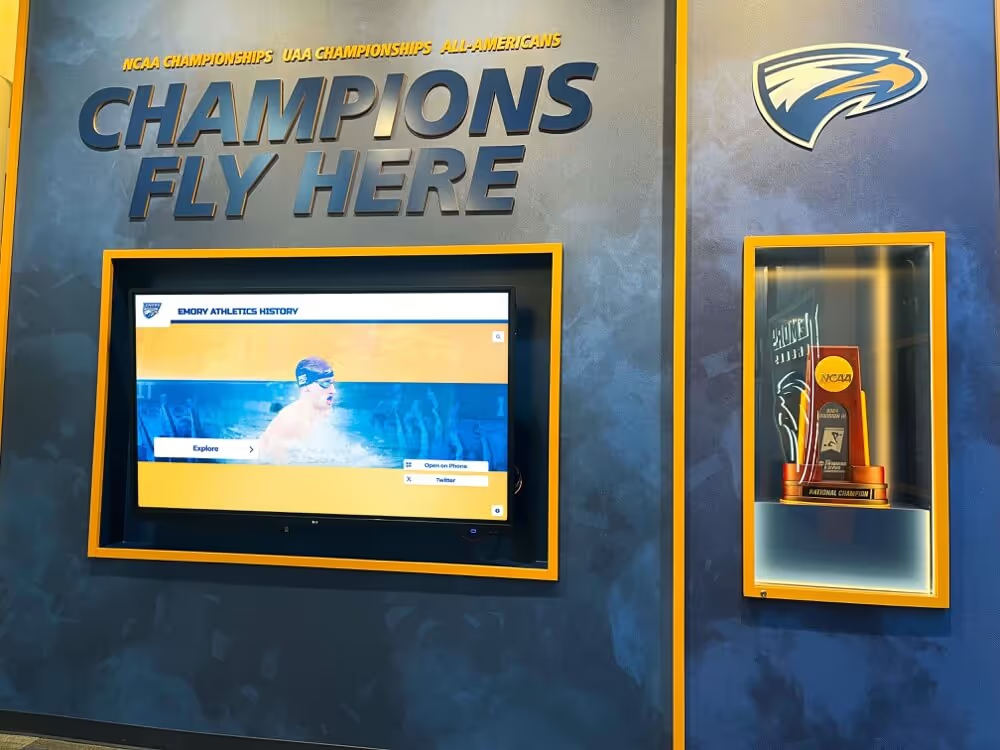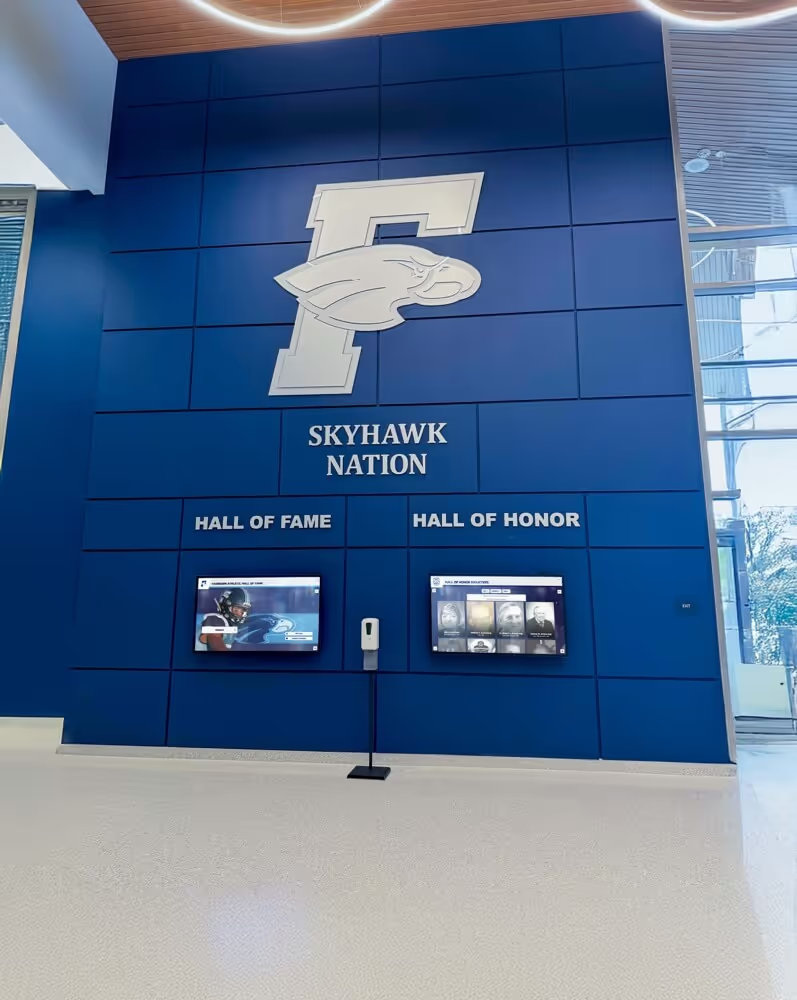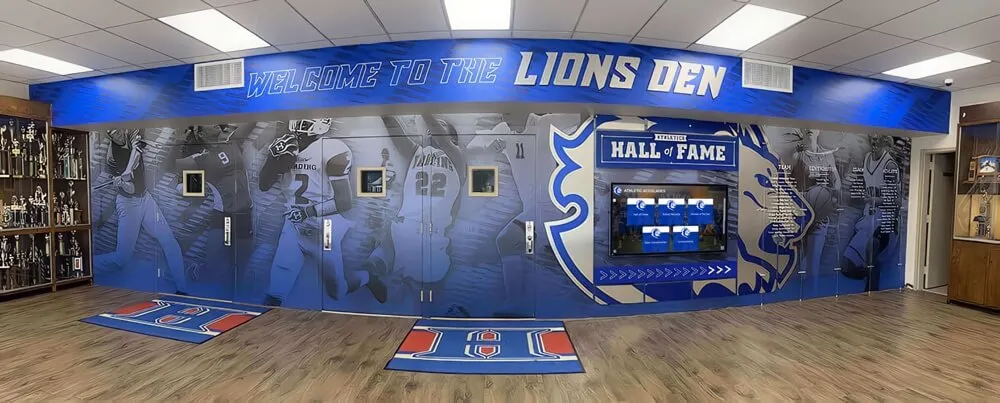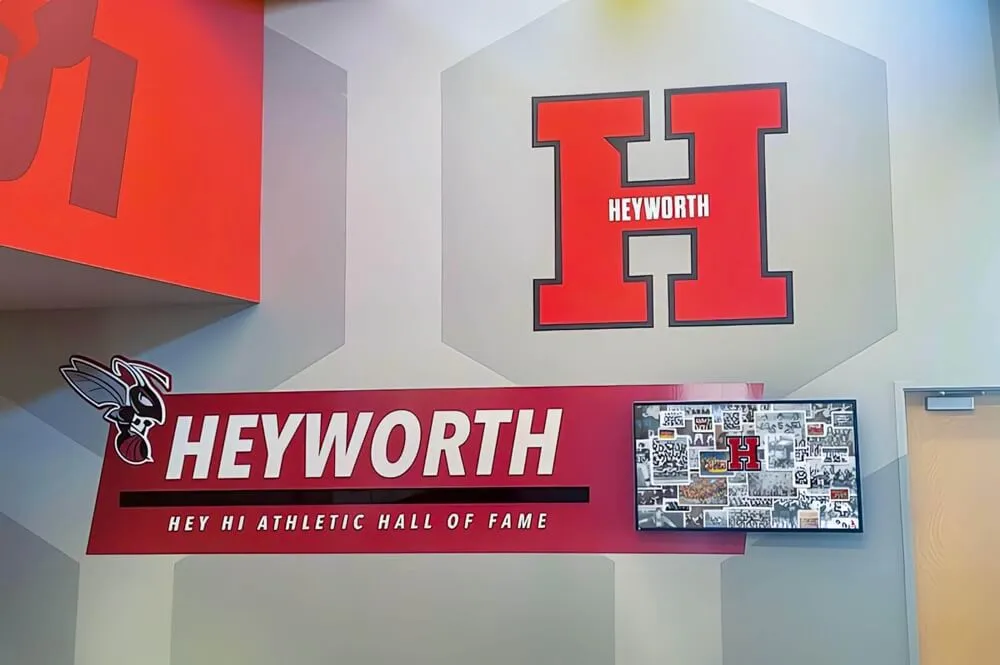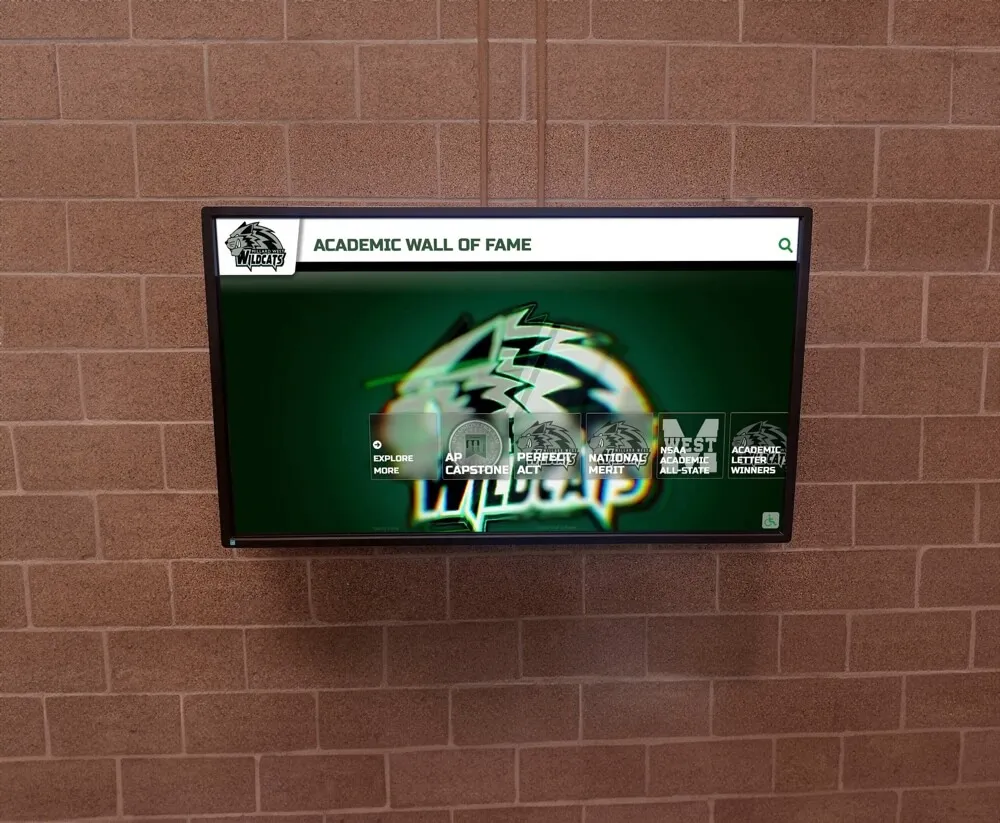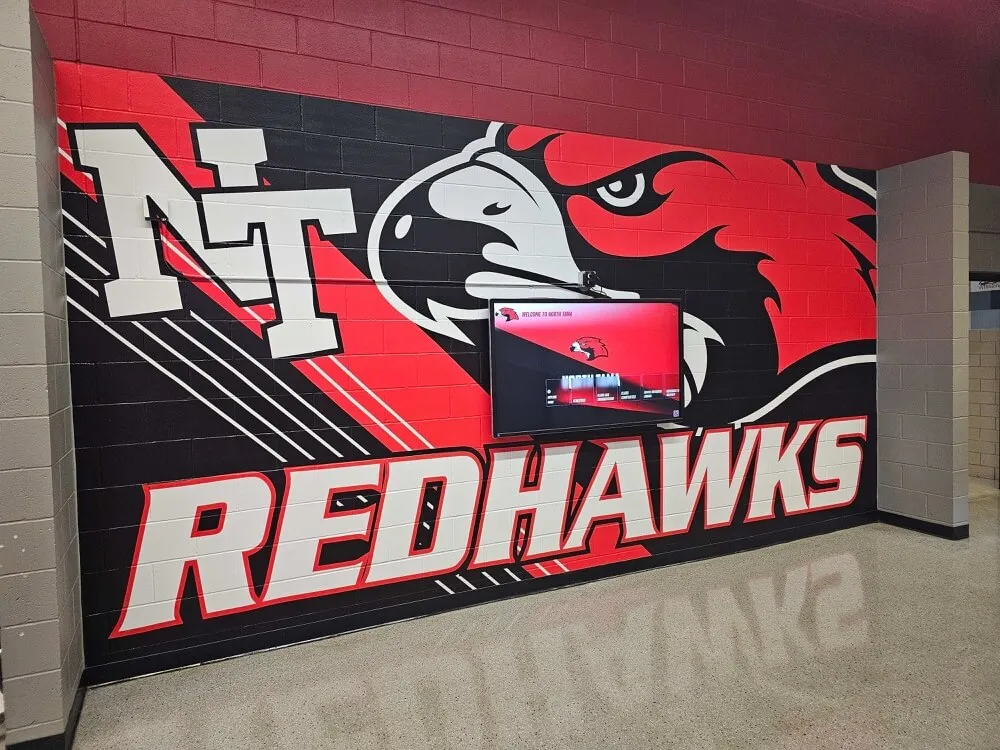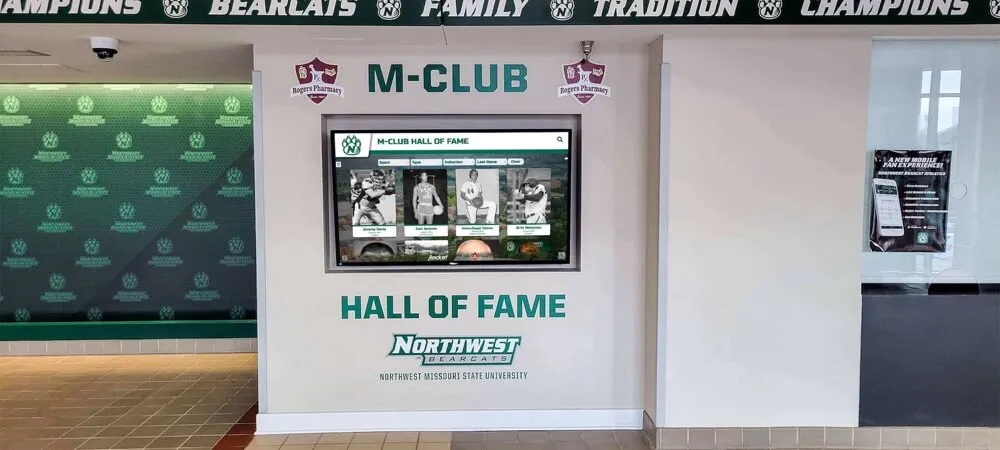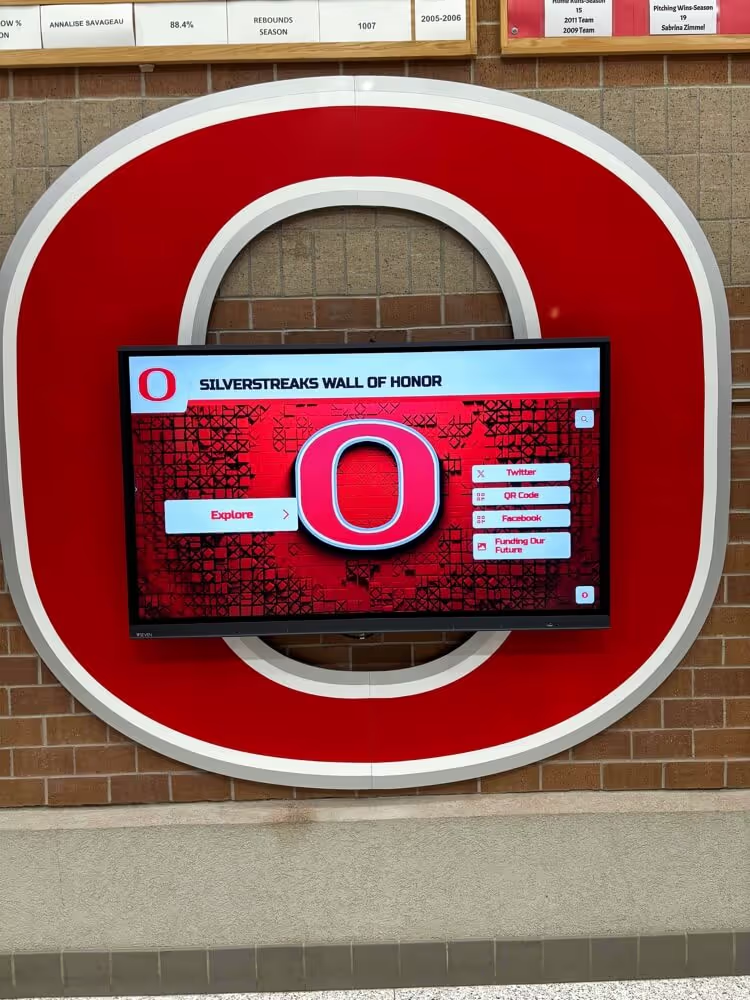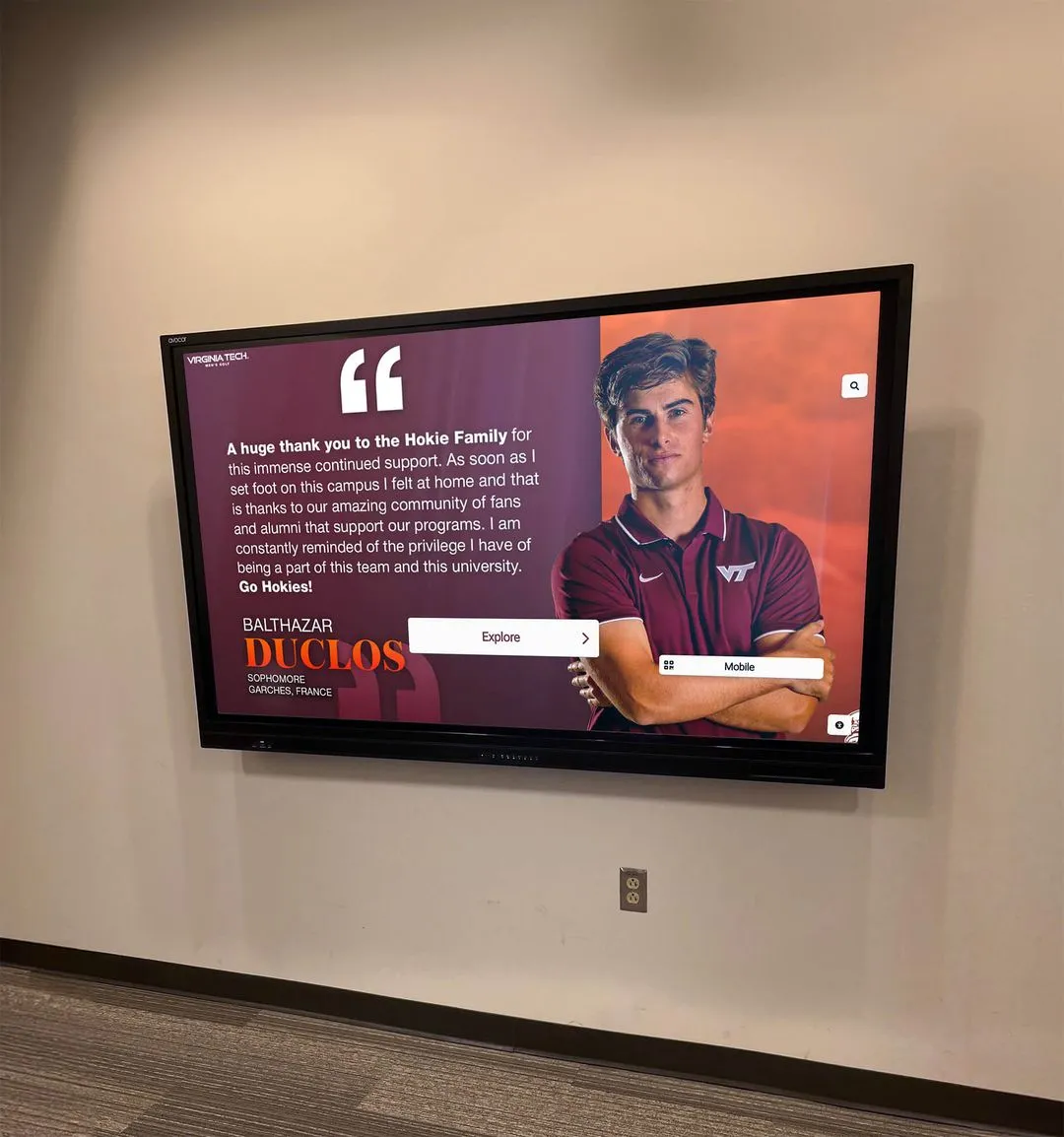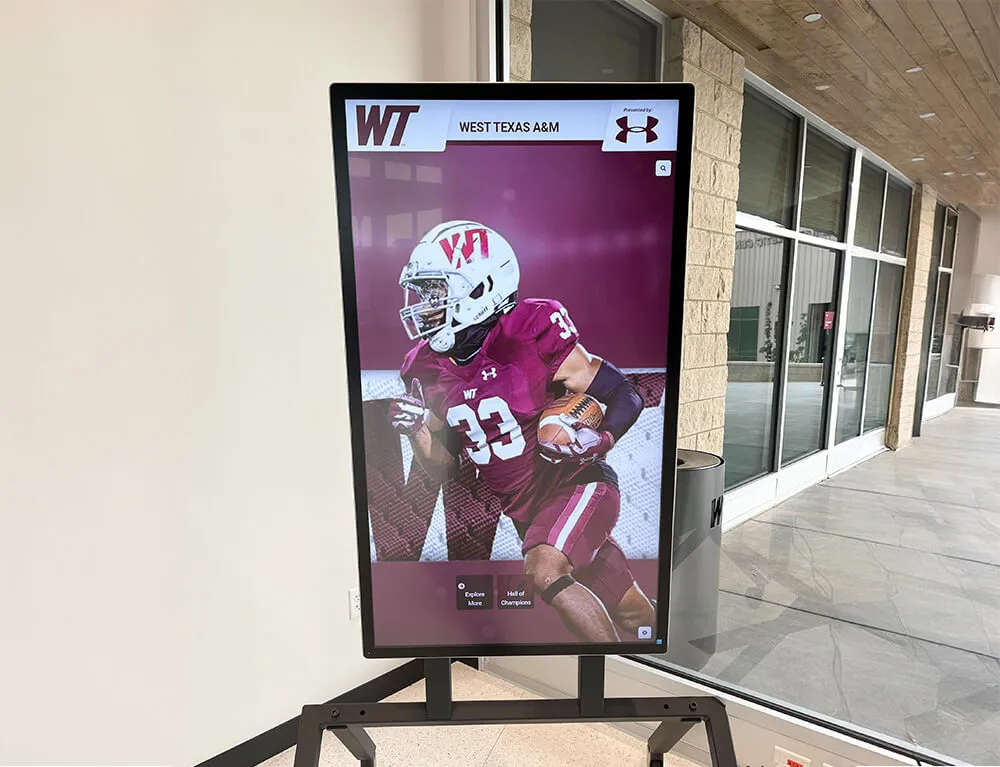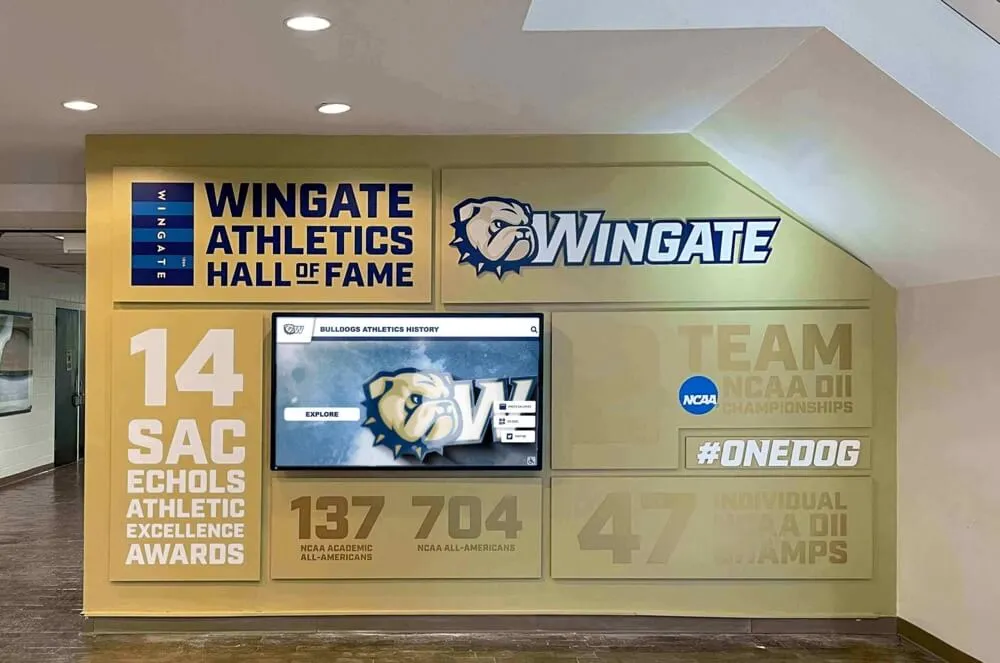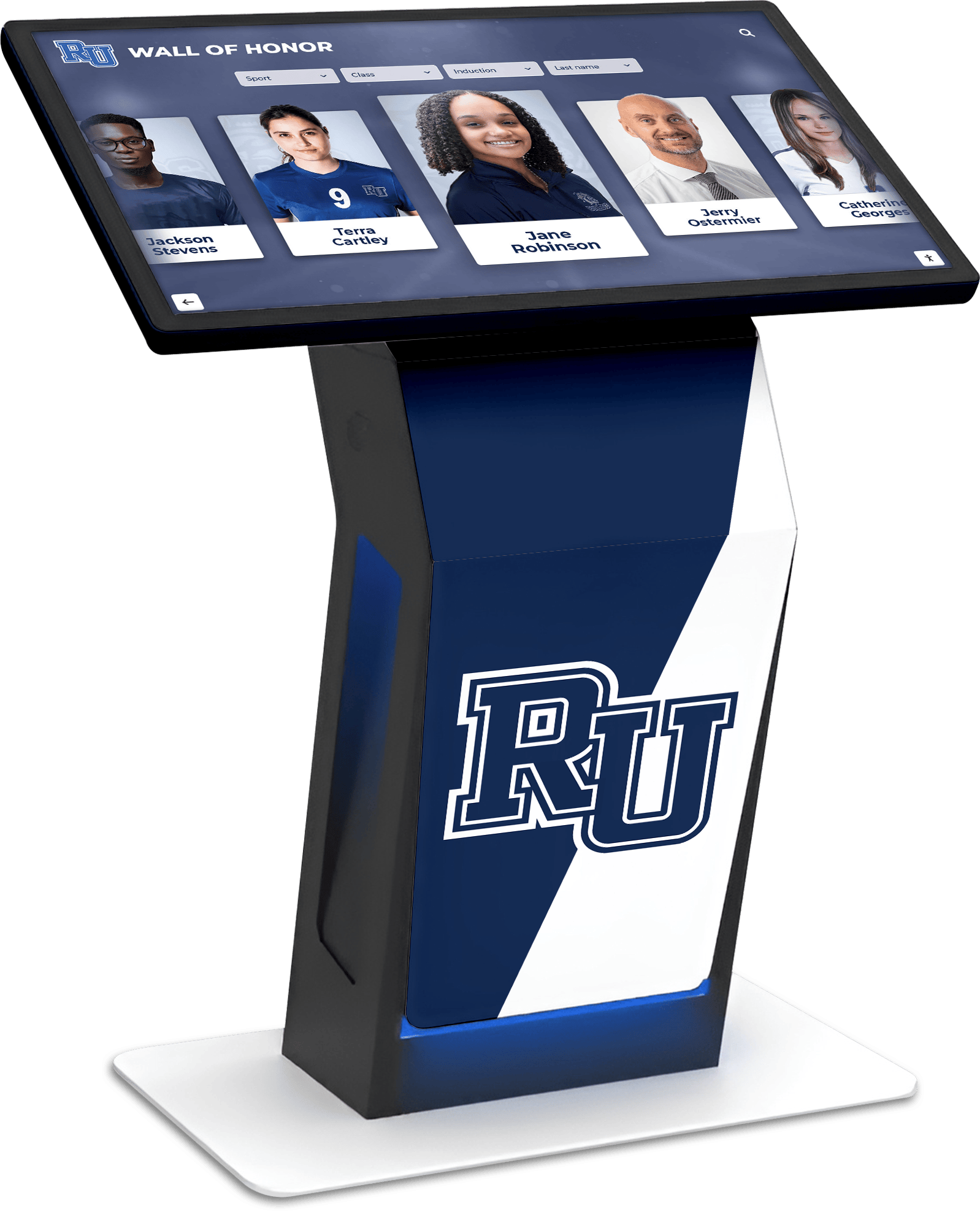




Recognition has always been fundamental to educational culture, but the methods for celebrating achievement are experiencing a digital transformation. While traditional plaques and trophy cases have served schools for decades, they face inherent limitations: space constraints that force difficult decisions about what to display, static presentations that cannot adapt to new achievements, and minimal engagement from students who walk past the same unchanging displays daily.
Interactive recognition displays represent a fundamental shift in how educational institutions honor excellence. These digital touchscreen systems combine the permanence and gravitas of traditional recognition with the dynamic capabilities of modern technology, creating experiences that engage students, impress visitors, and solve practical challenges that have long frustrated administrators and development offices.
This comprehensive guide explores how interactive recognition displays work, the benefits they provide educational institutions, implementation considerations, and best practices for maximizing their impact on school culture and advancement efforts.
Understanding Interactive Recognition Display Technology
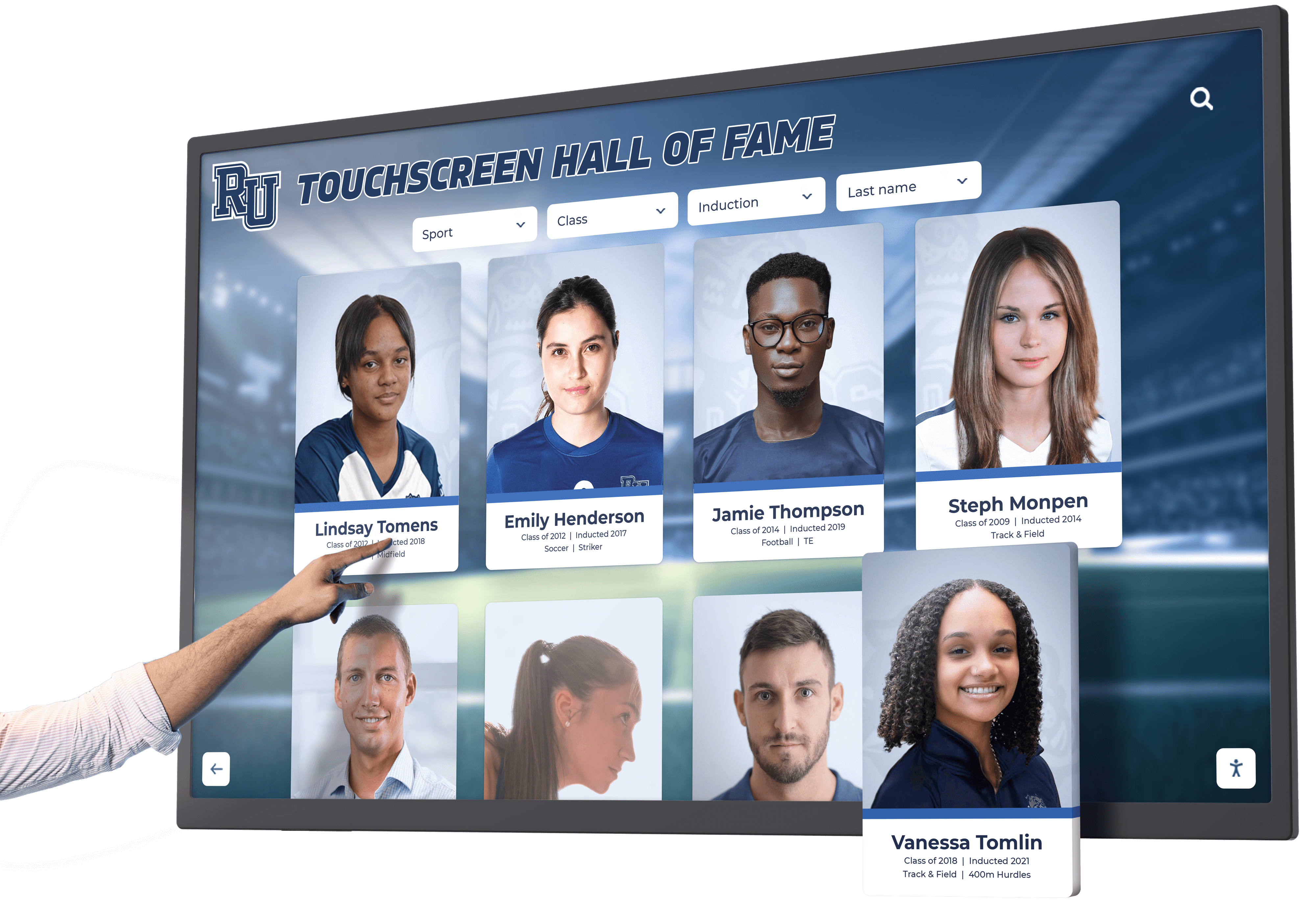
Interactive recognition displays combine several technological components to create engaging, informative experiences that go far beyond what traditional recognition methods can achieve.
Core Components and Functionality
At their foundation, these systems consist of commercial-grade touchscreen displays mounted in high-traffic locations throughout school facilities. Unlike consumer televisions, these screens are designed for continuous operation, featuring industrial-grade components rated for 16-24 hours of daily use across multiple years.
The software powering these displays manages extensive databases of recognition content: biographical information, photographs, achievement descriptions, video content, and hierarchical relationships between individuals, teams, and institutional milestones. Content management systems allow authorized staff to add, edit, and organize this information without requiring technical expertise or outside assistance.
Key Technical Capabilities:
- Multi-touch functionality supporting simultaneous user interactions
- High-resolution displays (1080p minimum, 4K increasingly standard) ensuring clarity for detailed photos and text
- Content management systems accessible via web browsers from any device
- Cloud-based architecture eliminating on-site server requirements
- Responsive design adapting to various screen sizes and orientations
- Accessibility features including voice navigation, adjustable text sizes, and screen reader compatibility
- Integration capabilities with student information systems, donor databases, and digital asset management platforms
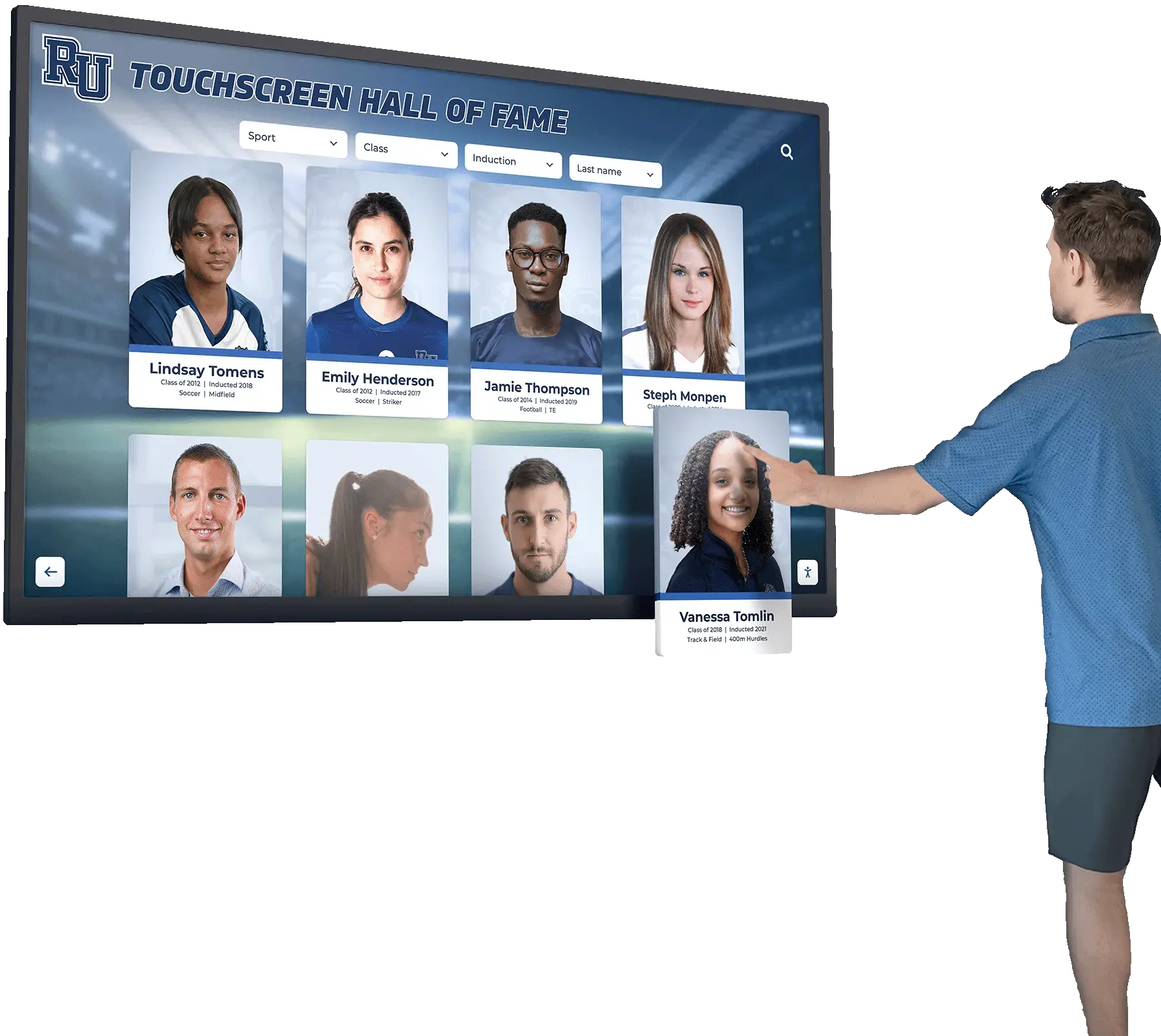

The user interface presents recognition content through intuitive navigation structures. Browse-by-sport functionality allows athletic directors to showcase team accomplishments, timeline views let historical societies present institutional evolution chronologically, and search capabilities enable visitors to locate specific individuals instantly among thousands of profiles.
Content Types and Presentation Formats
Interactive recognition displays excel at presenting diverse content types that traditional static displays struggle to accommodate effectively.
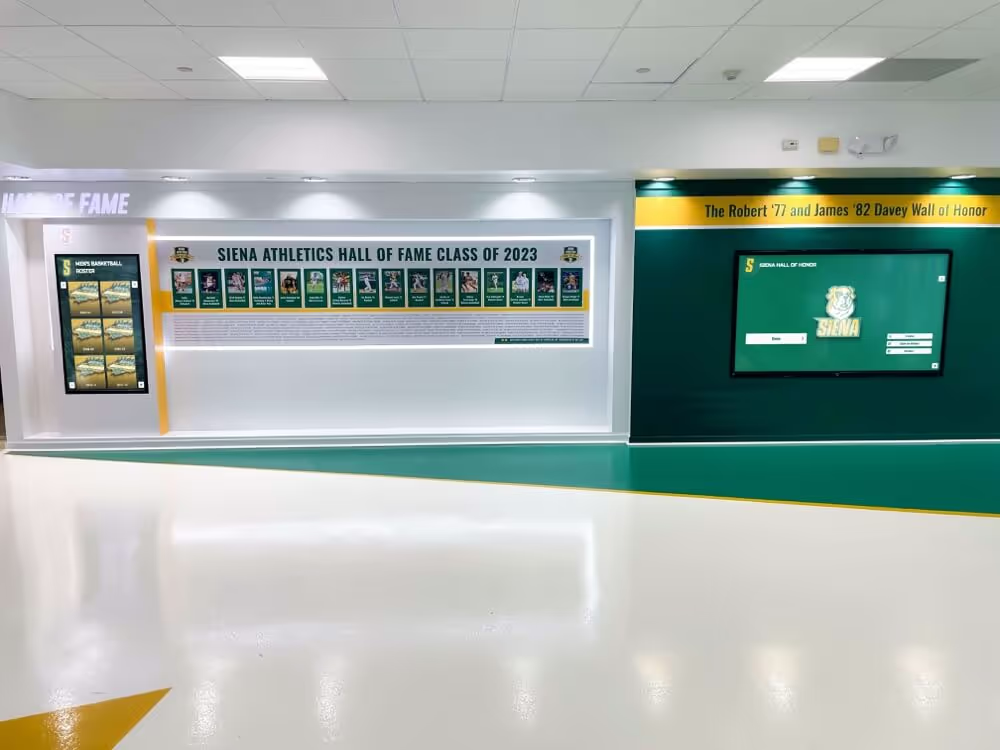
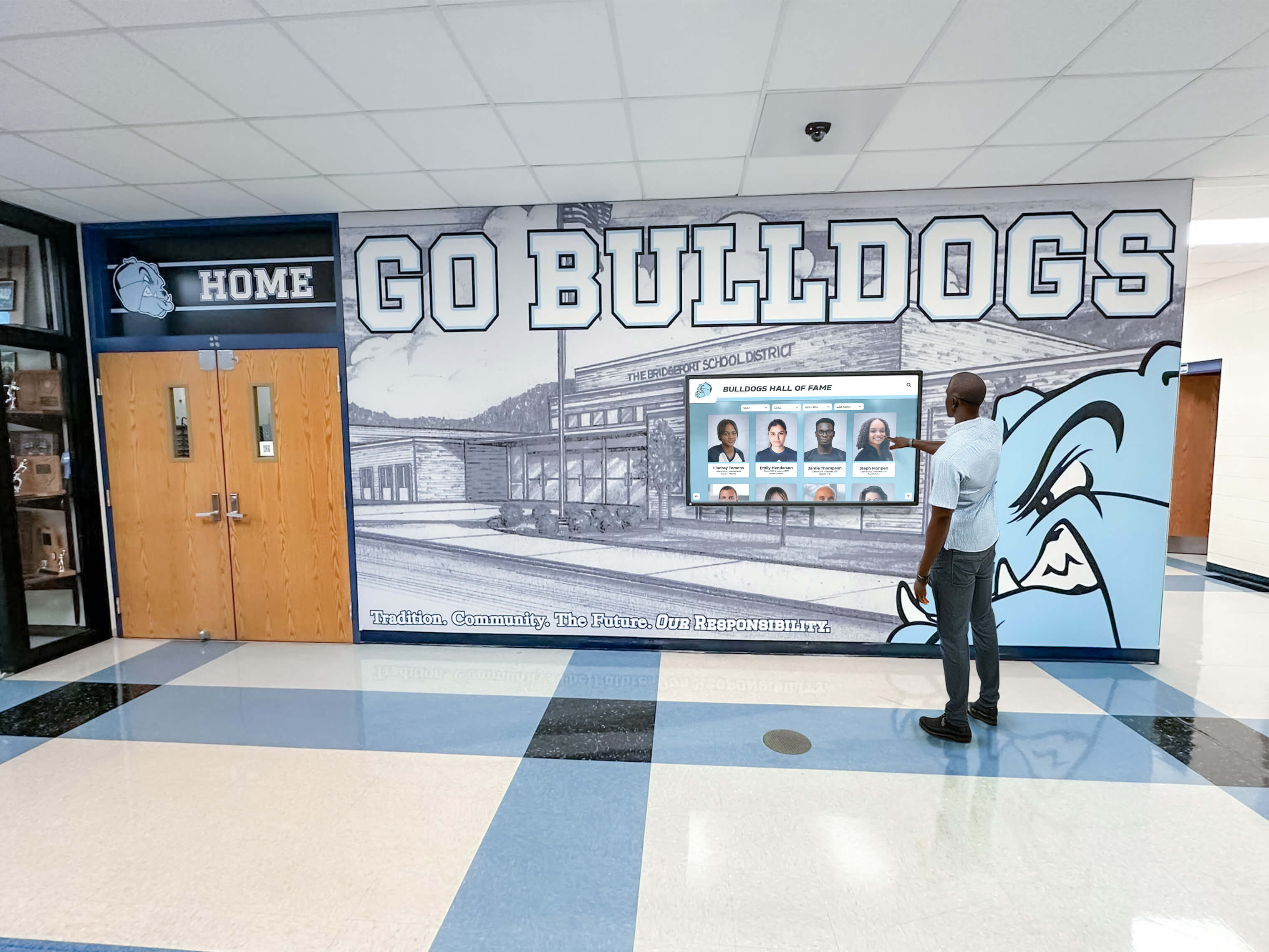
Athletic Recognition: Hall of fame inductees with career statistics, photographs, and achievement narratives; record holders with historical context and progression over time; team championships including rosters, season highlights, and memorable moments; all-conference and all-state honorees organized by sport and year; digital trophy displays showcasing physical trophies alongside digital context; and coach profiles celebrating leadership tenure and program building.
Athletic departments particularly benefit from the ability to honor extensive rosters that would be impractical with traditional plaques. Rather than choosing between which athletes to recognize due to wall space limitations, digital systems preserve comprehensive historical records accessible to current students, alumni, and recruits.
Academic Excellence: Academic all-Americans with major fields and post-graduation career paths; AP Scholar recognition celebrating advanced placement achievement; valedictorian and salutatorian histories spanning decades; National Merit Scholars with scholarship destination information; competition winners in academic competitions, science fairs, and creative contests; and department-specific awards recognizing subject mastery.
Many schools create “top performers” boards that update annually with new graduating classes while preserving historical records indefinitely. This continuous recognition builds aspirational culture where current students see peers celebrated and understand pathways to similar recognition.
Community and Donor Recognition: Major gift donors with naming opportunities and contribution impacts described in context; capital campaign contributors organized by giving levels; volunteer recognition for countless hours supporting school programs; alumni spotlights showcasing career achievements and continued school connections; and legacy families with multi-generational attendance histories.
Development offices find particular value in donor recognition displays that can be updated immediately when new gifts are received, eliminating the awkward delay between contribution and recognition that occurs with traditional donor walls requiring physical fabrication and installation.
Benefits for Educational Institutions
The transition from traditional to interactive recognition delivers measurable advantages across multiple institutional priorities.
Space Efficiency and Scalability
Physical space represents one of the most significant constraints facing school administrators managing recognition programs. Traditional trophy cases fill rapidly, forcing difficult decisions about rotating older achievements to storage or limiting which accomplishments merit permanent display.
A single touchscreen display can host thousands of individual recognition profiles occupying no more floor space than one trophy case. Schools commonly transition from 20-30 static plaques occupying entire hallways to single touchscreen installations that present exponentially more content while freeing wall space for other uses.
This scalability proves particularly valuable for growing programs. As athletic departments add sports, academic programs expand, and graduating classes increase, recognition capacity grows automatically without requiring facility modifications or additional installations.
Practical Space Advantages:
- Eliminate the need for periodic de-installation of older recognition to make room for recent achievements
- Consolidate fragmented recognition (trophies in one location, plaques in another, banners elsewhere) into unified digital experiences
- Preserve historical recognition indefinitely without storage concerns
- Accommodate seasonal recognition rotation (fall sports prominence during football season, spring sports during baseball/softball season) without physical changes
Enhanced Engagement and Interaction
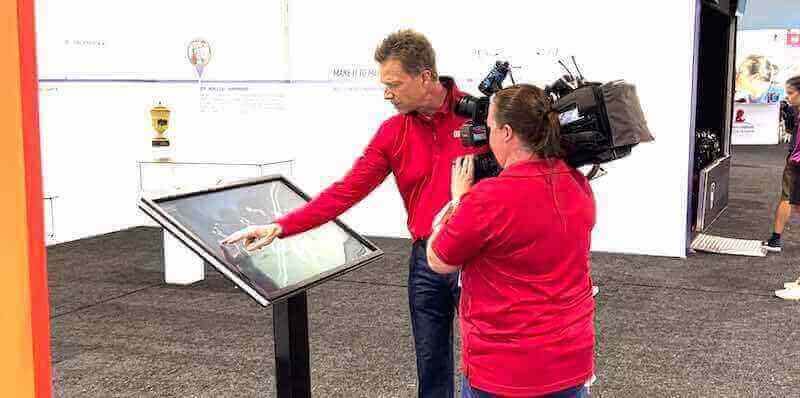
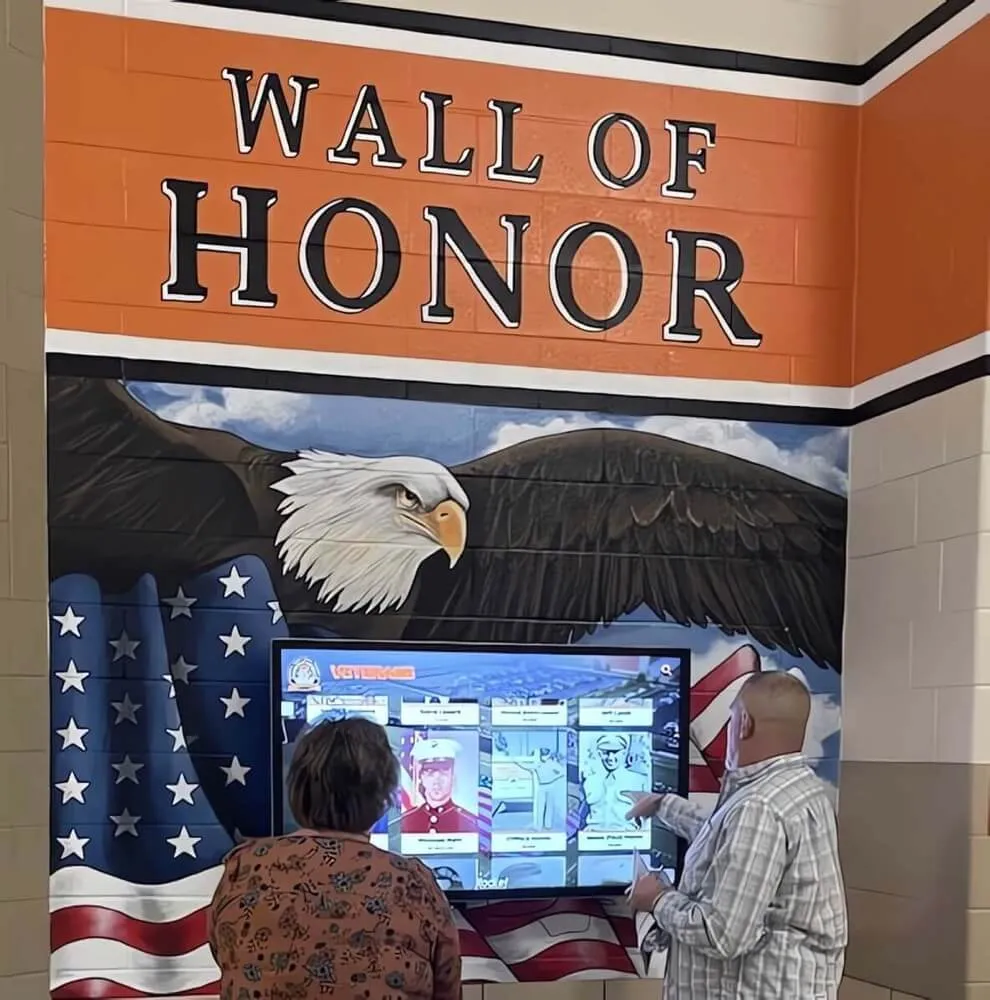
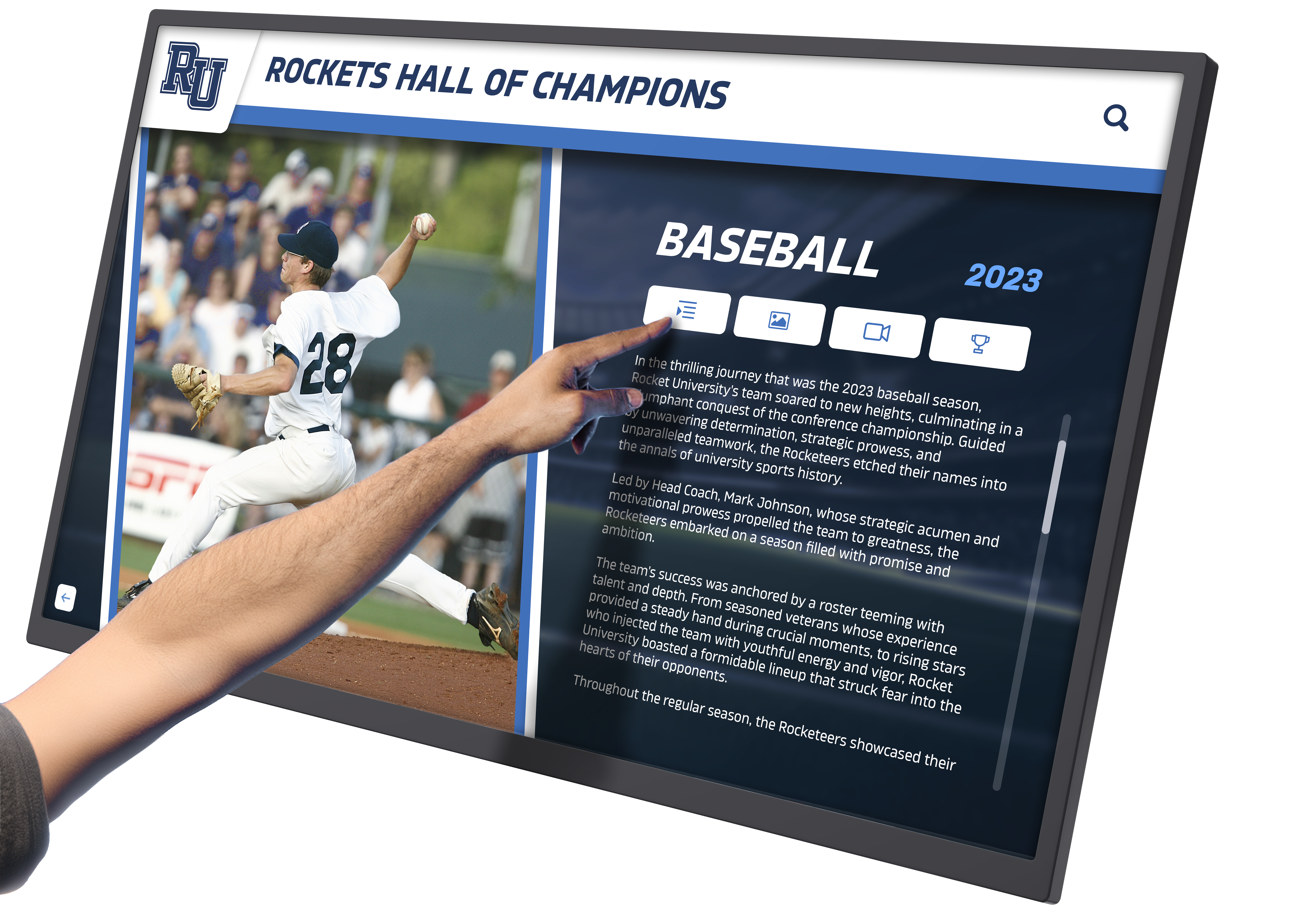
Traditional static displays function as passive information delivery: visitors either notice them or walk past without engagement. Interactive displays transform recognition from passive viewing to active exploration, dramatically increasing time spent with content and depth of engagement.
Usage analytics from schools implementing interactive recognition systems reveal surprising engagement patterns. Average interaction sessions last 3-5 minutes compared to seconds spent glancing at traditional plaques. Visitors explore an average of 8-12 different profiles during single sessions, discovering achievements and individuals they wouldn’t have encountered with static displays.
Engagement Mechanisms:
- Search Functionality: Alumni visiting schools can locate themselves, teammates, classmates, or family members instantly among thousands of profiles
- Related Content Linking: Viewing one athlete’s profile suggests teammates, opponents from memorable games, or other record holders in the same event
- Media-Rich Content: Video highlights, photo galleries, and audio interviews create emotional connections impossible with text-only plaques
- Social Sharing: QR codes and email functionality allow visitors to share specific profiles with family and friends
- Discovery Features: “On this day in history” content, featured profiles, and random exploration encourage serendipitous discovery
Schools report that interactive displays become destinations for campus tours, admitted student visits, alumni returns, and community events. Rather than briefly pointing to trophy cases while walking past, tour guides allocate time for interactive exploration, knowing visitors will engage meaningfully with content.
Administrative Efficiency and Content Management
The operational burden of maintaining traditional recognition represents hidden costs that schools often fail to calculate until implementing digital alternatives. Each new achievement requiring recognition triggers procurement processes: obtaining quotes from plaque vendors, approving designs, managing fabrication timelines, scheduling installation, and coordinating building access.
Digital recognition eliminates most of this operational friction. Authorized staff update content directly through web-based content management systems accessible from any device. Adding new hall of fame inductees, updating records, or correcting historical information requires minutes rather than weeks and costs nothing beyond staff time.
Administrative Advantages:
- Immediate Updates: Honor new achievements the same day they occur rather than waiting weeks or months for physical fabrication
- Correction Capabilities: Fix errors, update information, or add newly discovered historical context without reinstallation costs
- Centralized Management: Single staff members can manage all recognition content across multiple display locations from anywhere
- Approval Workflows: Built-in approval processes ensure content accuracy before publication
- Template Systems: Standardized formats ensure consistent presentation quality across thousands of profiles
- Bulk Import: Populate displays with historical data through spreadsheet imports rather than manual entry
Schools transitioning to interactive recognition commonly report 80-90% reductions in administrative time spent on recognition program management, freeing staff for higher-value activities while simultaneously improving recognition quality and timeliness.

Implementation Considerations for Schools
Successfully implementing interactive recognition displays requires thoughtful planning addressing technical, organizational, and cultural dimensions.
Location Selection and Installation Planning
Placement decisions significantly impact display utilization and recognition program effectiveness. High-traffic locations maximize visibility and engagement, while contextually appropriate placement enhances the prestige associated with recognition.
Optimal Installation Locations:
- Main Entry Lobbies: First impression areas for visitors, prospective families, and community members
- Athletic Facility Entrances: Natural context for sports recognition, engaging athletes and fans
- Performing Arts Centers: Showcasing program history and celebrated performances
- Development Office Lobbies: Recognizing donors in spaces where advancement conversations occur
- Alumni Centers: Creating engagement opportunities during alumni visits and events
- Cafeterias and Common Areas: High-traffic student spaces ensuring regular viewing
Technical requirements vary by location. Installations in climate-controlled interior spaces face minimal environmental challenges, while locations near exterior doors or in non-climate-controlled spaces require displays rated for wider temperature ranges and humidity variations. Proper electrical infrastructure must exist or be added to support continuous operation.
Digital signage solutions providers typically handle installation logistics including mounting, electrical connections, network configuration, and initial content population. Schools should verify that mounting systems meet safety standards and building codes, particularly for high-traffic areas where accidents could occur.
Content Development and Historical Data Migration
The most time-intensive aspect of implementation typically involves collecting, organizing, and digitizing historical recognition content. Schools often possess decades of achievement records in fragmented formats: physical yearbooks, athletic record books, archived programs, newspaper clippings, and institutional memory held by longtime staff members.
Content Development Process:
- Inventory Existing Recognition: Document all current plaques, trophies, banners, and printed materials containing recognition content
- Identify Historical Gaps: Determine what achievements should be recognized but currently aren’t due to space limitations
- Prioritize Content Categories: Decide which recognition types to implement first (often athletic halls of fame, followed by academic recognition, then donor recognition)
- Digitize Historical Records: Scan relevant pages from yearbooks, photograph plaques, and convert paper records to digital formats
- Standardize Data Structure: Create consistent field structures ensuring uniform information for each person, team, or achievement recognized
- Populate Initial Content: Enter foundational content establishing the display’s scope and value
- Plan Ongoing Updates: Establish processes for adding new recognition content as achievements occur
Some schools choose to launch displays with current recognition only, gradually adding historical content over time. Others prefer comprehensive historical launches that immediately demonstrate the system’s full value. Neither approach is universally superior; the decision depends on available preparation time, staff resources, and strategic priorities.
Solutions like Rocket Alumni Solutions often provide content migration assistance, helping schools structure historical data appropriately and populate displays efficiently. This support accelerates implementation while ensuring professional presentation quality from launch.
Integration with Existing School Systems
Interactive recognition displays deliver maximum value when integrated with other institutional technology systems, automating content updates and eliminating redundant data entry.
Common Integration Opportunities:
- Student Information Systems: Automatically pull academic achievement data (honor roll, GPA milestones, academic awards) for recognition displays
- Athletic Management Systems: Import rosters, statistics, and award information directly rather than manual entry
- Donor Management Systems: Sync contribution information ensuring donor recognition stays current as gifts are processed
- Digital Yearbook Systems: Link recognition profiles to yearbook pages and class composite photographs
- School Websites: Embed recognition content on websites, creating consistent information across platforms
Integration complexity varies based on existing system architectures and API availability. Modern cloud-based recognition platforms typically offer flexible integration options including direct API connections, automated file imports, and webhook triggers. Schools should discuss integration requirements during vendor evaluation to ensure technical compatibility.
Best Practices for Maximum Impact
Implementation alone doesn’t guarantee success. Schools maximizing recognition display value follow consistent best practices.
Content Quality and Presentation Standards
The perception of recognition prestige correlates directly with content quality. Poorly written descriptions, low-resolution photographs, incomplete information, or inconsistent formatting diminish the honor recognition is meant to convey.
Quality Standards:
- Professional Photography: Use high-resolution images with consistent lighting, composition, and backgrounds; avoid grainy yearbook scans when better sources exist
- Compelling Narratives: Write achievement descriptions that tell stories rather than listing facts; emphasize impact, memorable moments, and qualities that made achievements possible
- Comprehensive Information: Include contextual details that help viewers understand achievement significance (conference strength, school records at the time, unusual circumstances)
- Accurate Data: Verify statistics, dates, and names through multiple sources before publication; errors undermine credibility
- Consistent Structure: Maintain parallel formats across similar content types so viewers know what information to expect
Many schools establish editorial committees reviewing content before publication, ensuring accuracy and appropriate tone. This peer review process catches errors while building organizational commitment to maintaining quality standards.
Regular Content Updates and Maintenance
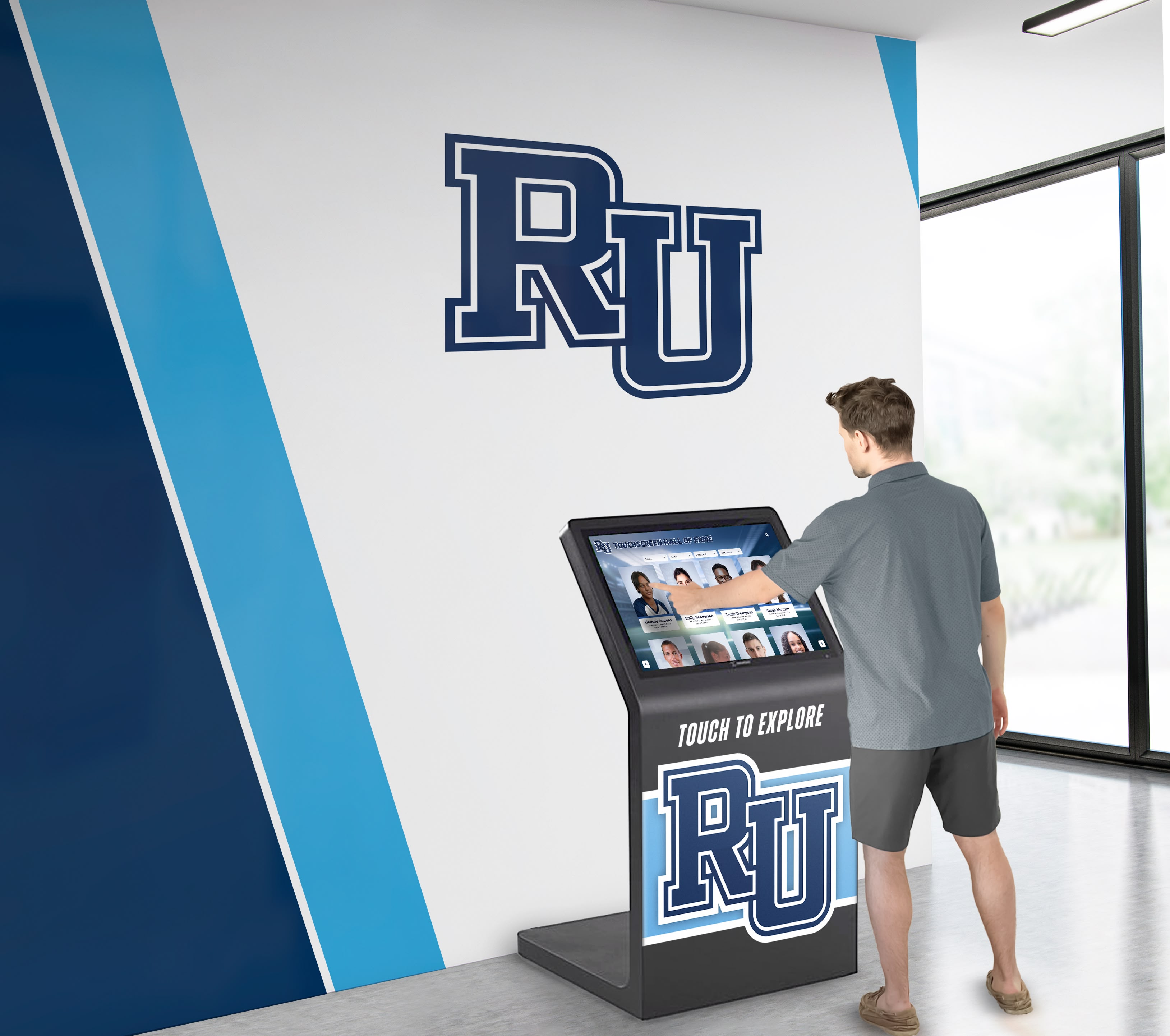
Recognition displays become stale without consistent attention to content currency. Schools should establish regular update cycles rather than reactive approaches where displays fall behind current achievements.
Update Schedule Recommendations:
- Real-Time Recognition: Add major achievements within days of occurrence (championship victories, record-breaking performances, significant awards)
- Seasonal Updates: Refresh featured content quarterly to highlight relevant seasons and upcoming events
- Annual Additions: Comprehensive end-of-year updates adding all recognition earned during the academic year
- Historical Enrichment: Ongoing projects gradually adding historical content and enhanced media to existing profiles
- Correction Reviews: Periodic audits identifying and correcting errors that inevitably occur in large databases
Assign specific staff members responsibility for content maintenance rather than assuming someone will naturally handle updates. Recognition display effectiveness correlates strongly with organizational commitment to keeping content current and relevant.
Promotion and Integration into School Culture
Even excellent displays deliver limited value if school communities don’t know they exist or understand how to use them. Proactive promotion and integration into existing school activities amplifies impact.
Promotion Strategies:
- Tour Integration: Train tour guides to allocate time for interactive exploration during campus visits
- Social Media Showcasing: Feature recognition profiles on school social accounts with calls to action directing followers to displays
- Assembly Presentations: During recognition assemblies, direct students and families to displays where they can explore full content
- Alumni Communications: Include display information in alumni newsletters and reunion materials, encouraging campus visits
- Donor Stewardship: During donor visits and capital campaign tours, showcase interactive donor recognition demonstrating appreciation methods
Schools achieving greatest success with recognition displays build them into institutional rhythms rather than treating them as standalone installations. When displays become natural reference points during conversations about excellence, school history, and achievement, they fulfill their maximum potential.
Future Trends in Educational Recognition Technology
Interactive recognition displays continue evolving as technology advances and schools identify new applications for digital recognition infrastructure.
Artificial Intelligence and Personalization
Emerging recognition systems incorporate AI capabilities that personalize content based on viewer identity and interests. Alumni association members scanning membership cards see content relevant to their graduation years emphasized. Prospective student-athletes viewing displays automatically see recognition relevant to their sports.
Natural language processing enables conversational interfaces where visitors ask questions (“Who holds the school record in the 400 meters?”) and receive spoken responses with relevant content displayed. These voice interfaces improve accessibility while creating more natural interaction patterns, particularly for younger digital-native audiences.
Augmented Reality Integration
AR applications transform static physical spaces into interactive recognition experiences. Visitors pointing smartphones at athletic facilities see historical achievements overlaid on current spaces: championship team photos appearing on courts where they competed, record-breaking performances replaying on tracks where they occurred.
This “recognize anywhere” approach extends recognition beyond dedicated displays, creating discovery opportunities throughout campuses. Schools experimenting with AR recognition report enhanced engagement during alumni events where returning graduates enjoy seeing their achievements commemorated in facilities they remember.
Analytics and Engagement Measurement
Advanced recognition platforms increasingly provide analytics revealing which content resonates most with viewers, how long visitors engage with different types of recognition, and which discovery paths lead to deepest exploration.
These insights inform content strategy decisions. If video content generates 3x longer engagement than text-only profiles, schools prioritize video production for future recognition. If alumni profiles showcasing career achievements generate high interest, development offices create more of that content type to strengthen alumni engagement.
Analytics also reveal underutilized recognition categories that might benefit from improved promotion or presentation changes, ensuring recognition investments deliver maximum value across all content types.
Choosing the Right Recognition Display Solution
Schools evaluating recognition display options face numerous vendor choices with varying capabilities, business models, and support levels.
Key Evaluation Criteria
Technical Capabilities:
- Content management system usability for non-technical staff
- Mobile responsiveness allowing content management from any device
- Scalability supporting growth from single displays to campus-wide networks
- Integration capabilities with existing school technology systems
- Accessibility compliance meeting WCAG standards
- Media support including video, audio, and high-resolution imagery
Business Considerations:
- Pricing models (one-time purchases, annual subscriptions, per-display licensing)
- Display hardware inclusion versus bring-your-own-hardware approaches
- Content migration assistance and initial population support
- Training comprehensiveness for staff managing displays
- Contract terms, cancellation policies, and data ownership provisions
- Long-term viability and financial stability of providers
Support and Service:
- Implementation support including installation, configuration, and launch assistance
- Ongoing technical support response times and availability
- Content design assistance for schools lacking internal creative resources
- Software update frequency and feature enhancement cadence
- User community access for sharing best practices with peer institutions
Understanding Total Cost of Ownership
Initial pricing often obscures true long-term costs. Schools should calculate comprehensive ownership costs across expected display lifespans (typically 5-7 years for hardware, indefinite for quality software platforms).
Cost Components:
- Display hardware (touchscreen, mounting systems, protective enclosures if needed)
- Software licensing (one-time or recurring)
- Installation and configuration
- Content migration and initial population
- Training for staff members
- Ongoing support and maintenance
- Hardware replacement cycles
- Network infrastructure (if new installations require network expansion)
While initial costs vary considerably across solutions, operational efficiency differences often matter more than purchase price. Systems requiring outsourced support for routine updates or lacking intuitive content management interfaces generate hidden ongoing costs through staff time and vendor dependencies.
Schools should also consider opportunity costs. Solutions that require extensive internal IT resources for operation and maintenance divert technical staff from other priorities, while turnkey managed solutions free internal resources for strategic initiatives.
Measuring Recognition Display Success
Implementing interactive recognition displays represents significant investments of financial resources and staff time. Schools should establish success metrics ensuring implementations deliver intended value.
Quantitative Metrics
Usage Analytics:
- Total interaction sessions and trends over time
- Average session duration indicating engagement depth
- Most-viewed content categories revealing audience interests
- Search patterns showing how visitors navigate content
- Peak usage times informing content update scheduling
Operational Efficiency:
- Time required to add new recognition content
- Reduction in recognition program administration hours
- Elimination of physical plaque fabrication costs
- Reduction in recognition-related help desk requests
Engagement Indicators:
- Social media shares of recognition content
- Alumni engagement in recognition program submissions
- Prospective student survey responses mentioning displays
- Donor satisfaction ratings for recognition presentation
Qualitative Assessment
Numbers alone don’t capture full recognition display value. Schools should also gather qualitative feedback revealing how displays impact culture and perception.
Stakeholder Feedback:
- Student surveys about recognition program awareness and fairness
- Alumni responses during campus visits and reunion events
- Donor comments during stewardship communications
- Staff observations about visitor interactions with displays
- Community member feedback during events and tours
Cultural Indicators:
- Increased nominations for recognition programs
- Enhanced storytelling about school history and traditions
- Greater awareness of institutional values and priorities
- Improved school pride and community identity
These qualitative indicators often reveal benefits that usage analytics miss, such as displays sparking conversations that strengthen alumni connections or helping development officers explain institutional priorities during donor cultivation.
Conclusion: Transforming Recognition for Modern Schools
Interactive recognition displays represent more than technological upgrades to traditional trophy cases and plaques. They fundamentally transform how schools honor achievement, preserve history, and build communities around shared excellence.
By eliminating space constraints that force difficult choices about what achievements merit recognition, these systems ensure comprehensive honoring of all excellence rather than selective recognition limited by wall space. By replacing static presentations with engaging interactive experiences, they transform recognition from passive viewing to active exploration that creates emotional connections with school heritage. By automating update processes and eliminating physical fabrication delays, they make recognition timely and relevant rather than outdated by the time it’s installed.
Schools implementing interactive recognition displays consistently report benefits extending far beyond the displays themselves: increased alumni engagement as graduates discover themselves and classmates honored digitally, enhanced donor satisfaction with recognition presentation, improved prospective student impressions during campus tours, and strengthened school pride among current students who see excellence celebrated prominently and professionally.
As educational institutions face growing competition for students, donors, and community support, the ways schools honor achievement communicate institutional values and priorities. Interactive recognition displays demonstrate that schools value excellence enough to invest in modern, engaging celebration methods that serve current and future generations effectively.
For schools considering this transition, the question isn’t whether interactive recognition offers advantages over traditional methods—extensive implementation evidence confirms substantial benefits across virtually all metrics. The question is which solution best fits specific institutional needs, budget parameters, and strategic priorities.
Ready to transform how your school celebrates achievement? Explore interactive recognition display solutions designed specifically for educational institutions, offering unlimited content capacity, intuitive management systems, and comprehensive implementation support that makes launching digital recognition programs straightforward regardless of technical expertise or previous experience with interactive displays.